10 Lighting Mistakes You Should Never Make—But Probably Are
Achieving a beautifully designed home extends beyond selecting the perfect paint colors, furniture, and textiles; lighting plays an equally, if not more, crucial role in shaping a space's aesthetic and ambiance. Many homeowners, however, frequently make common lighting errors that can detract from an otherwise well-appointed interior. Interior designers emphasize the importance of strategic lighting to create a welcoming and cozy atmosphere, highlighting several key mistakes to avoid.
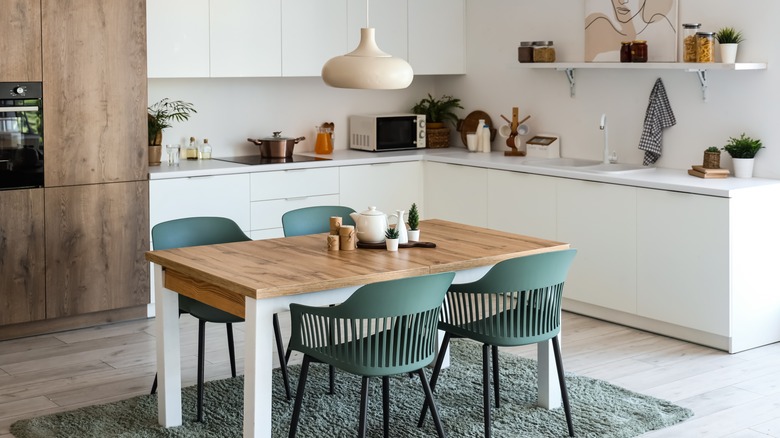
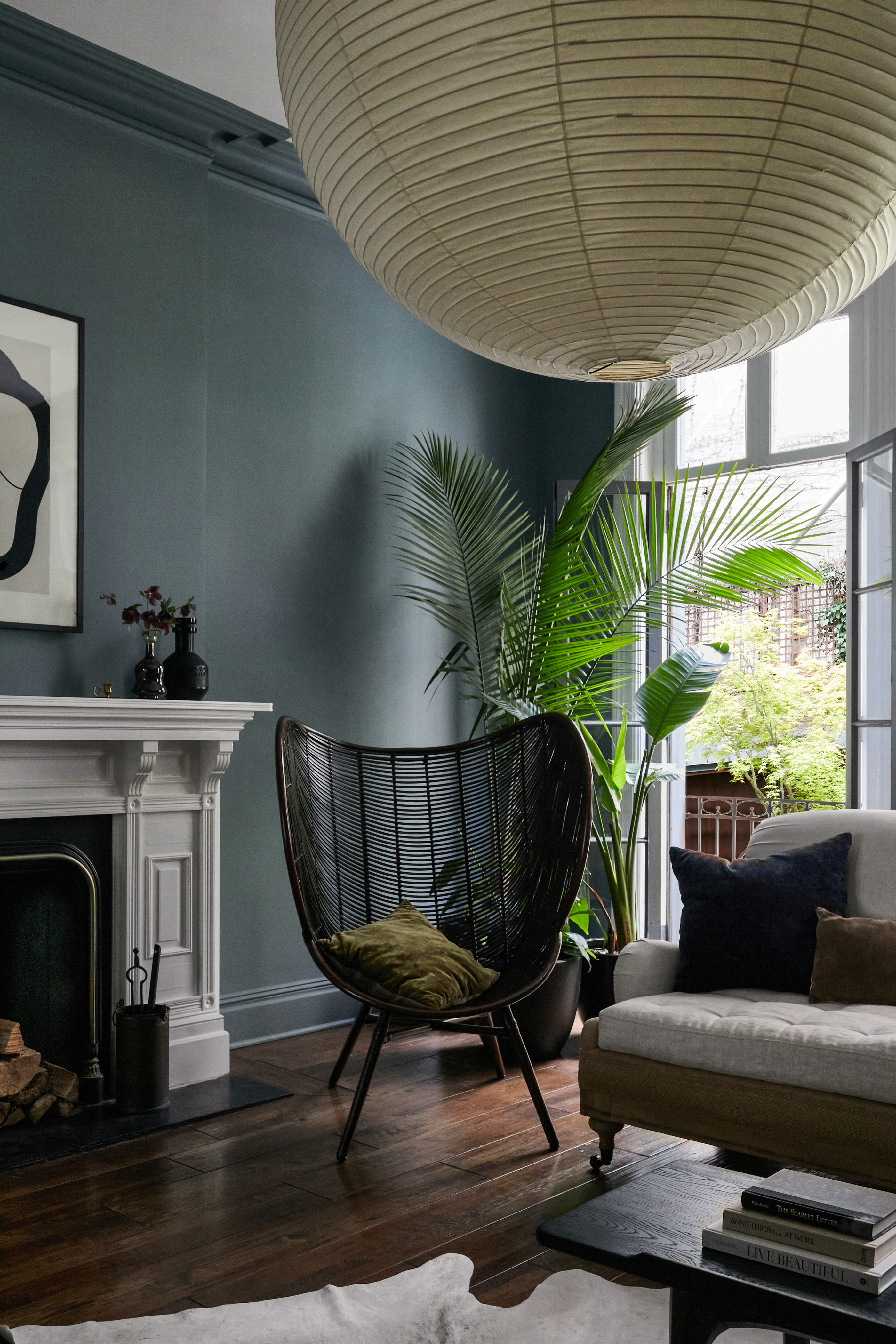
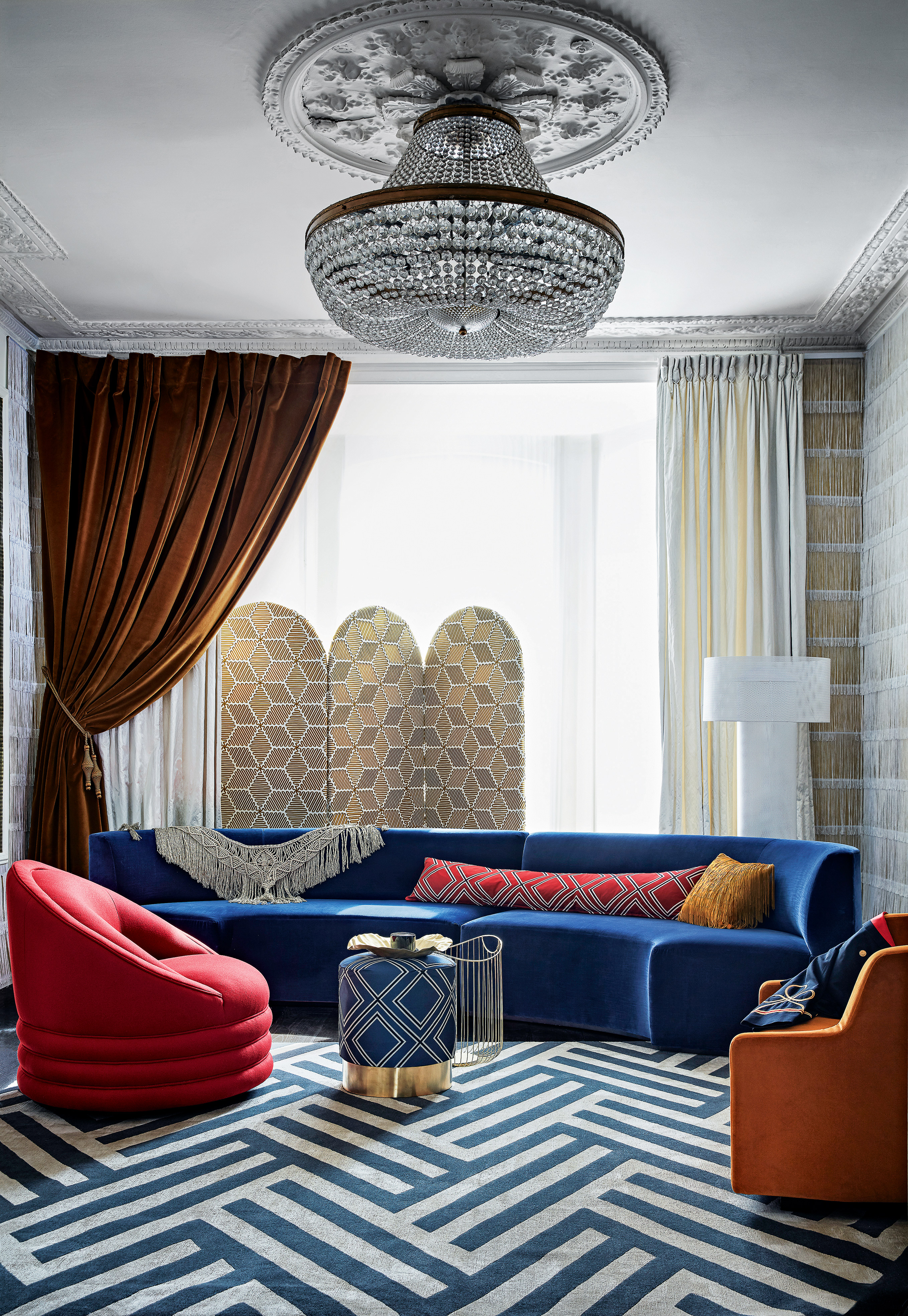
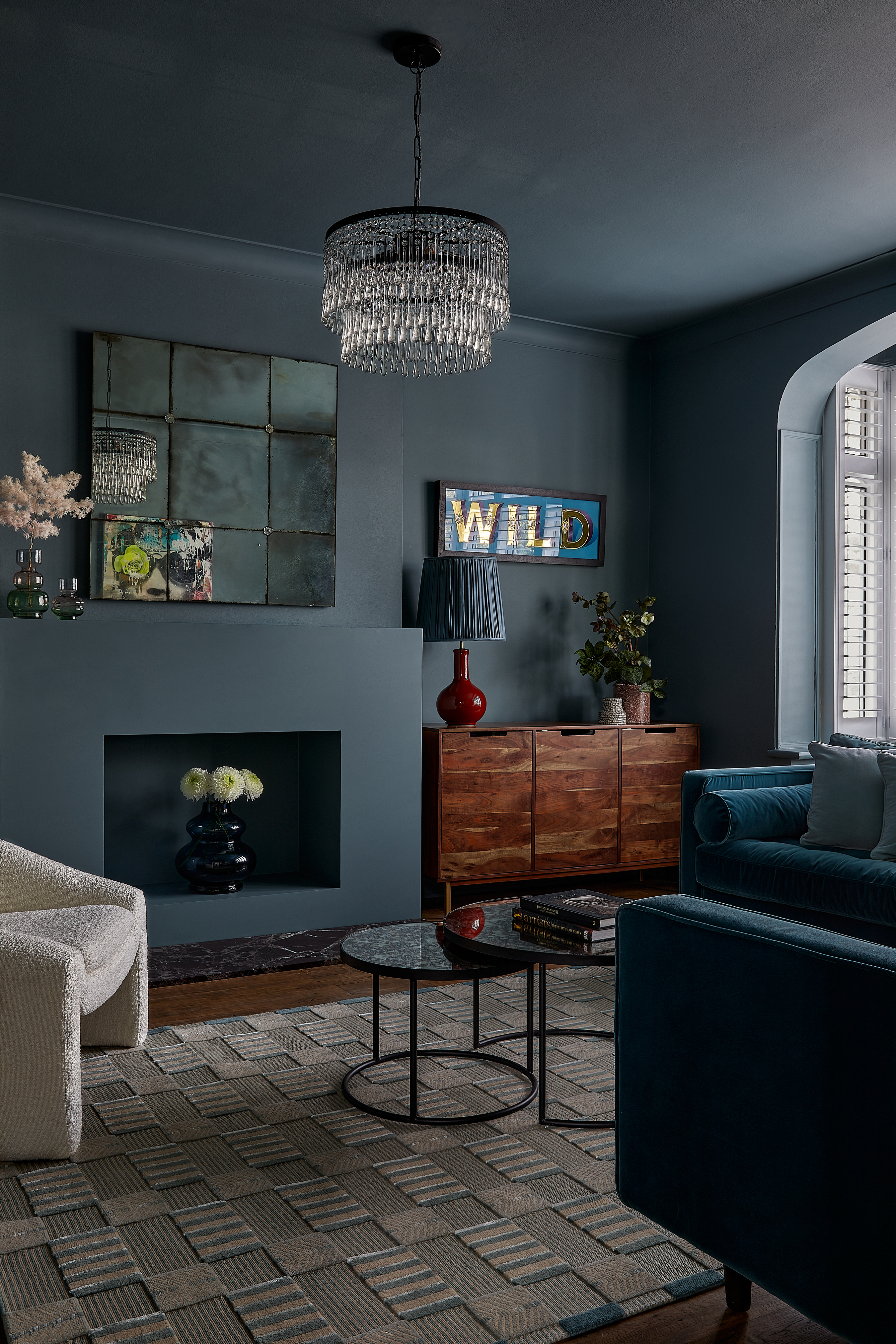
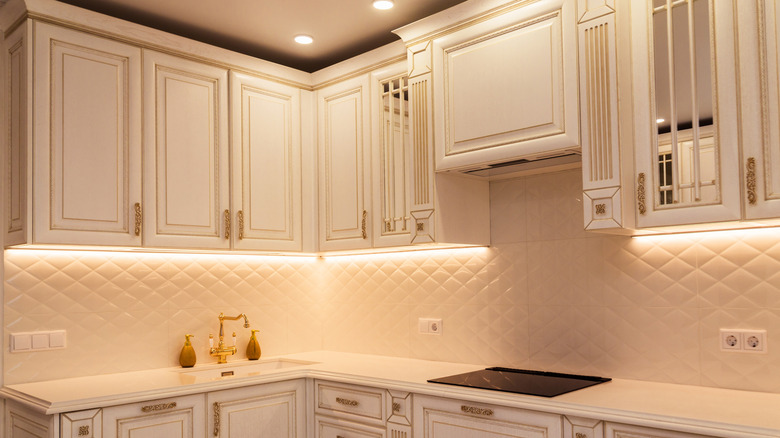
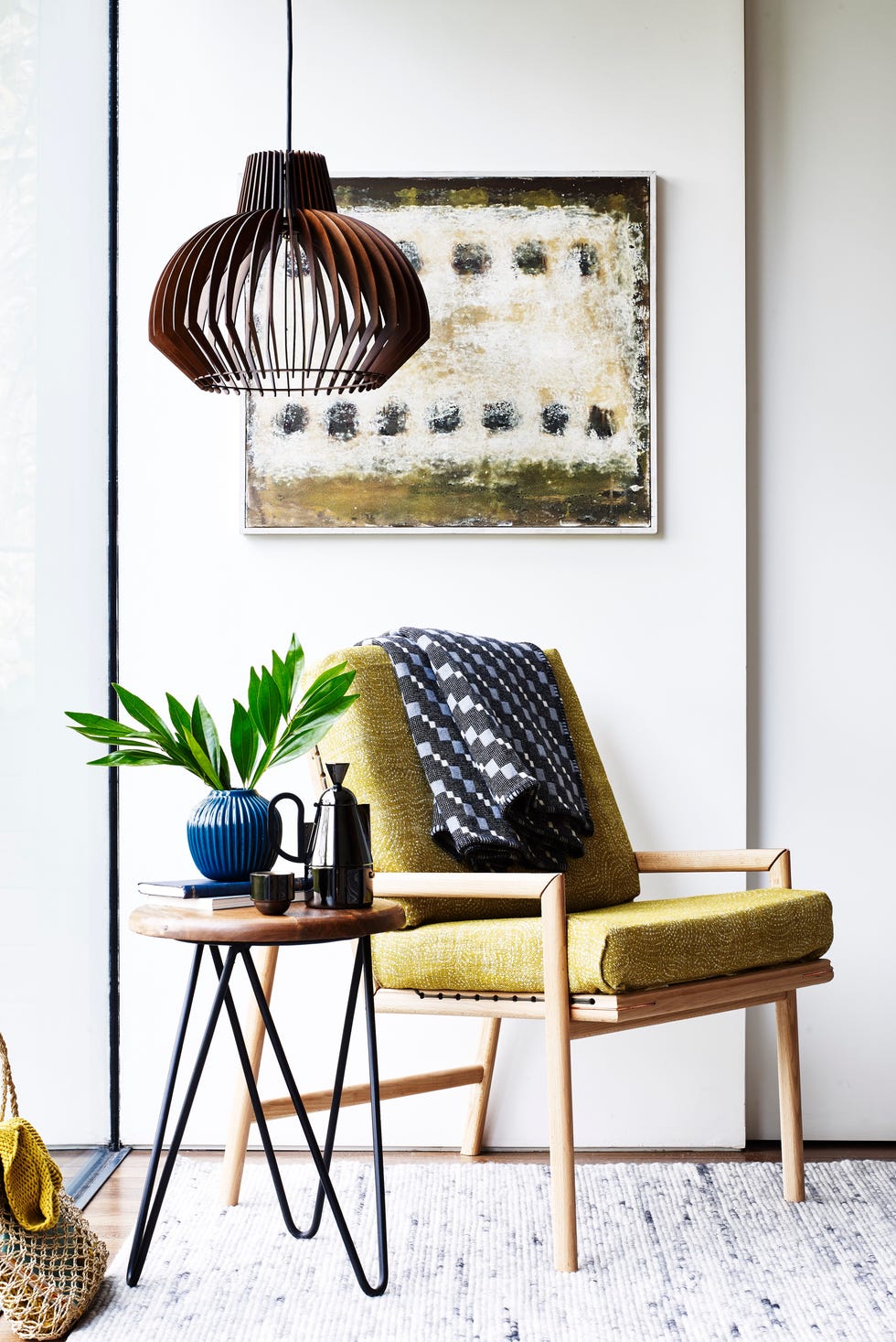
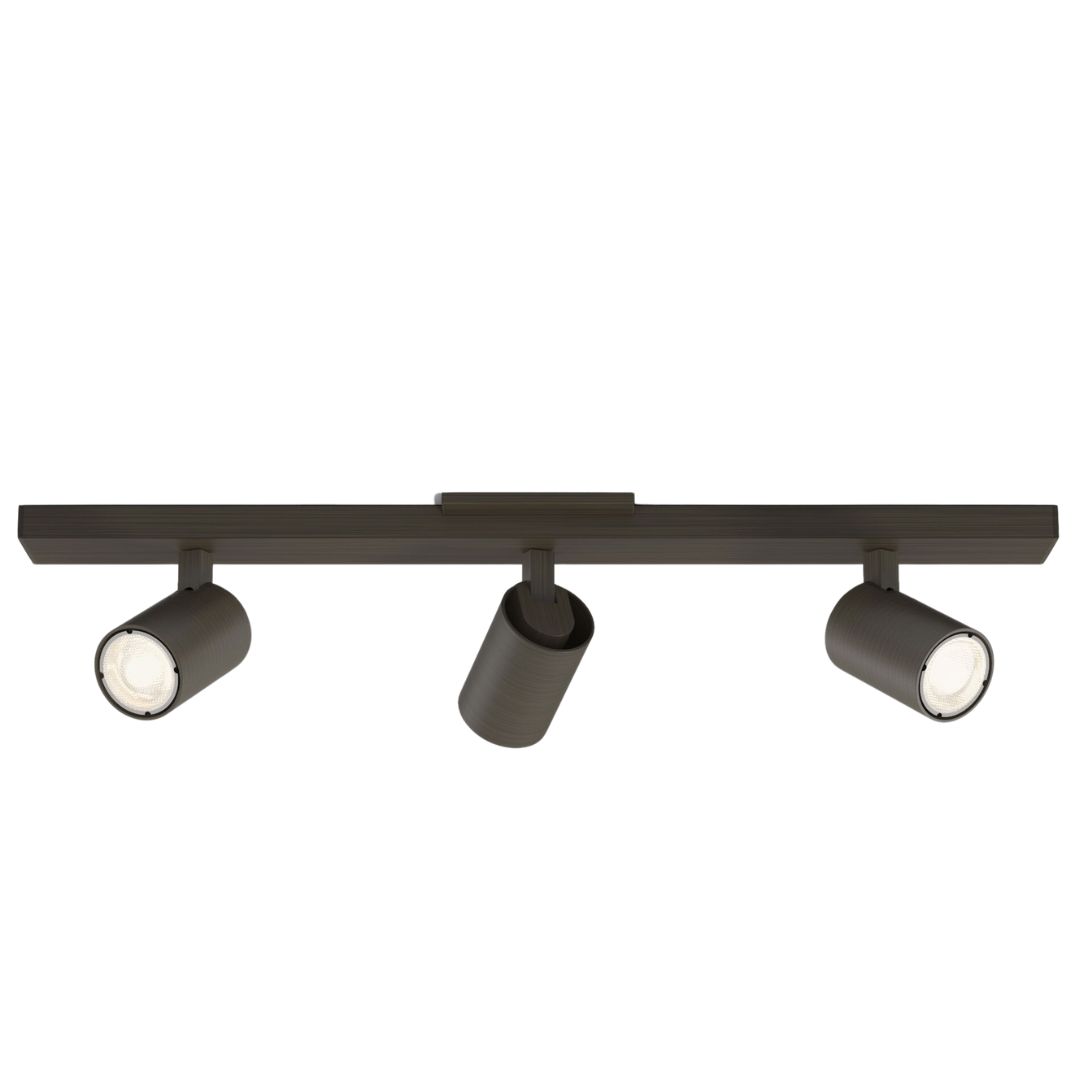
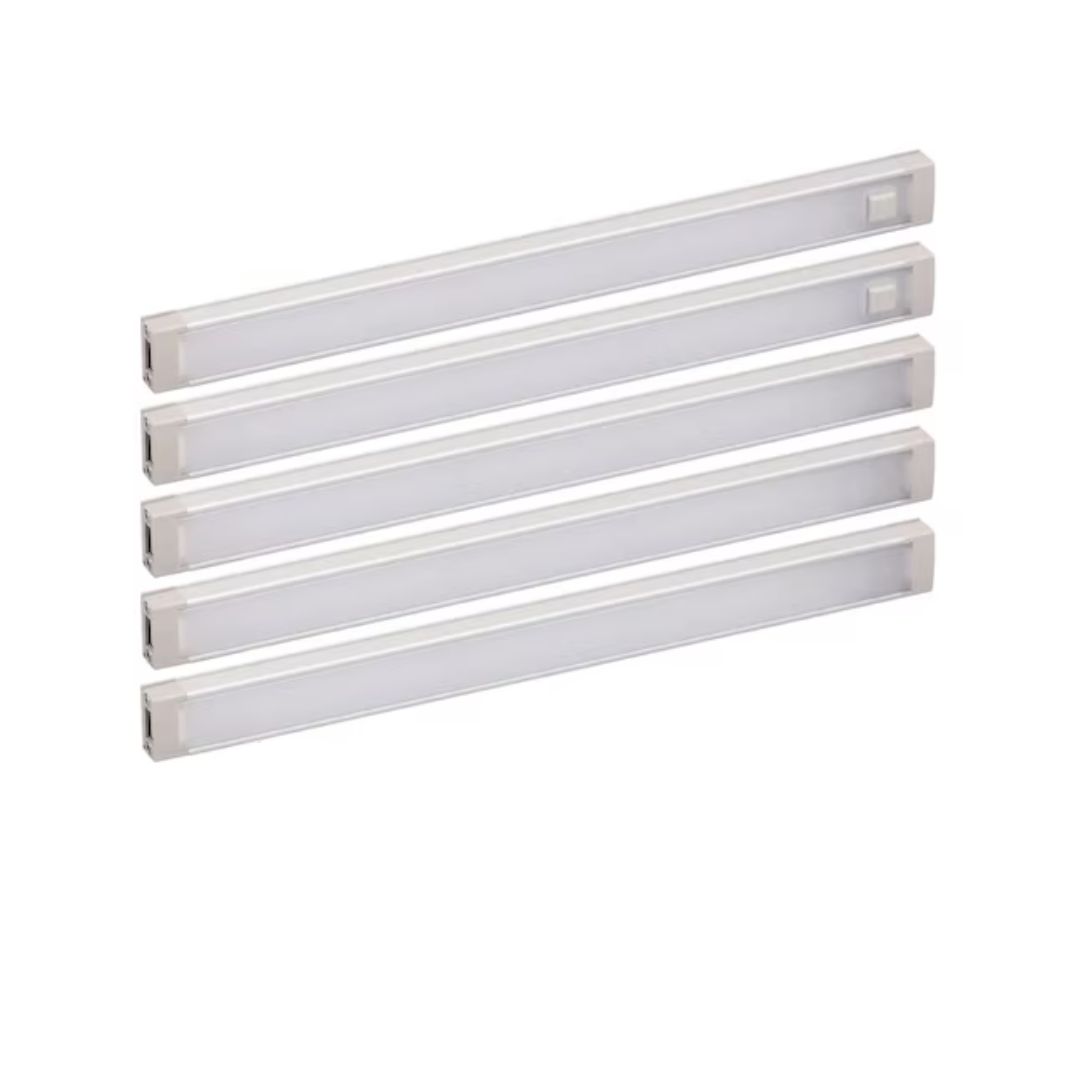
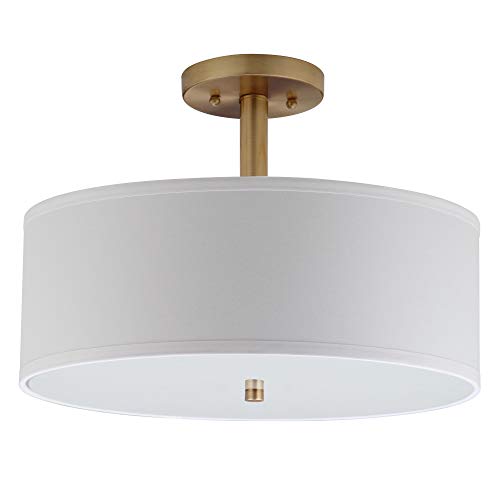
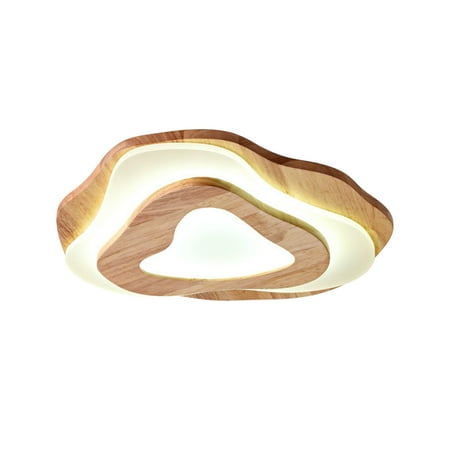
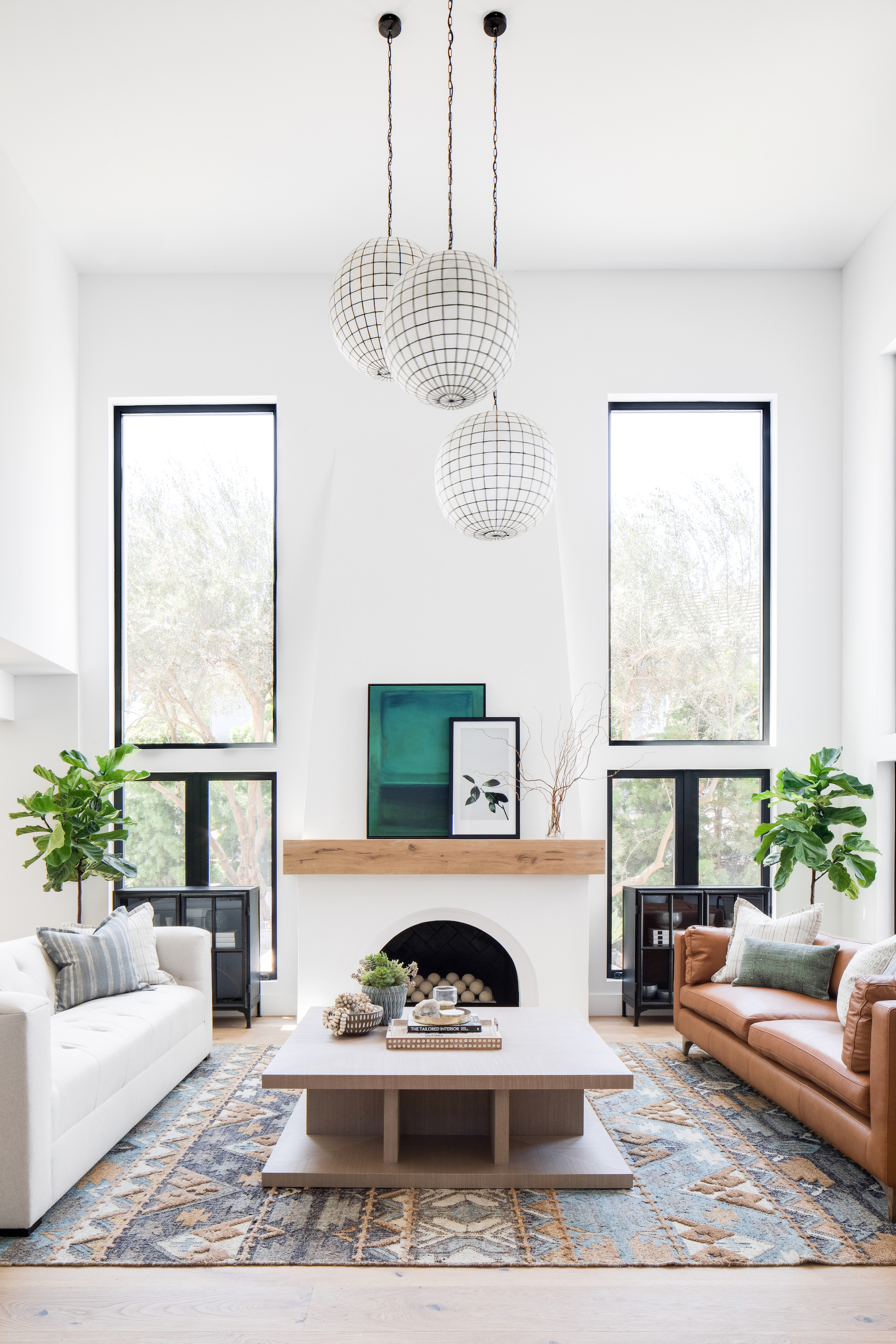
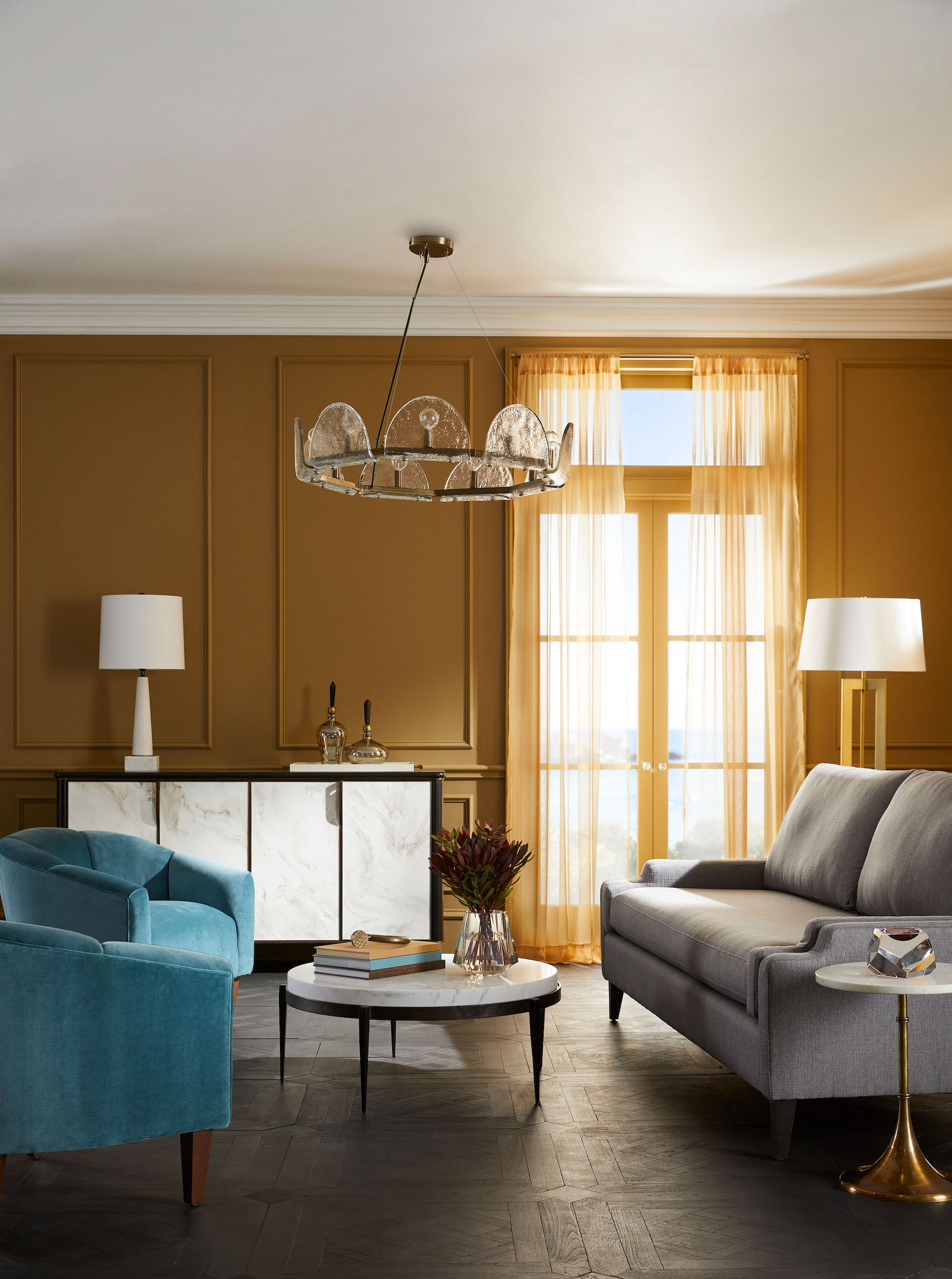
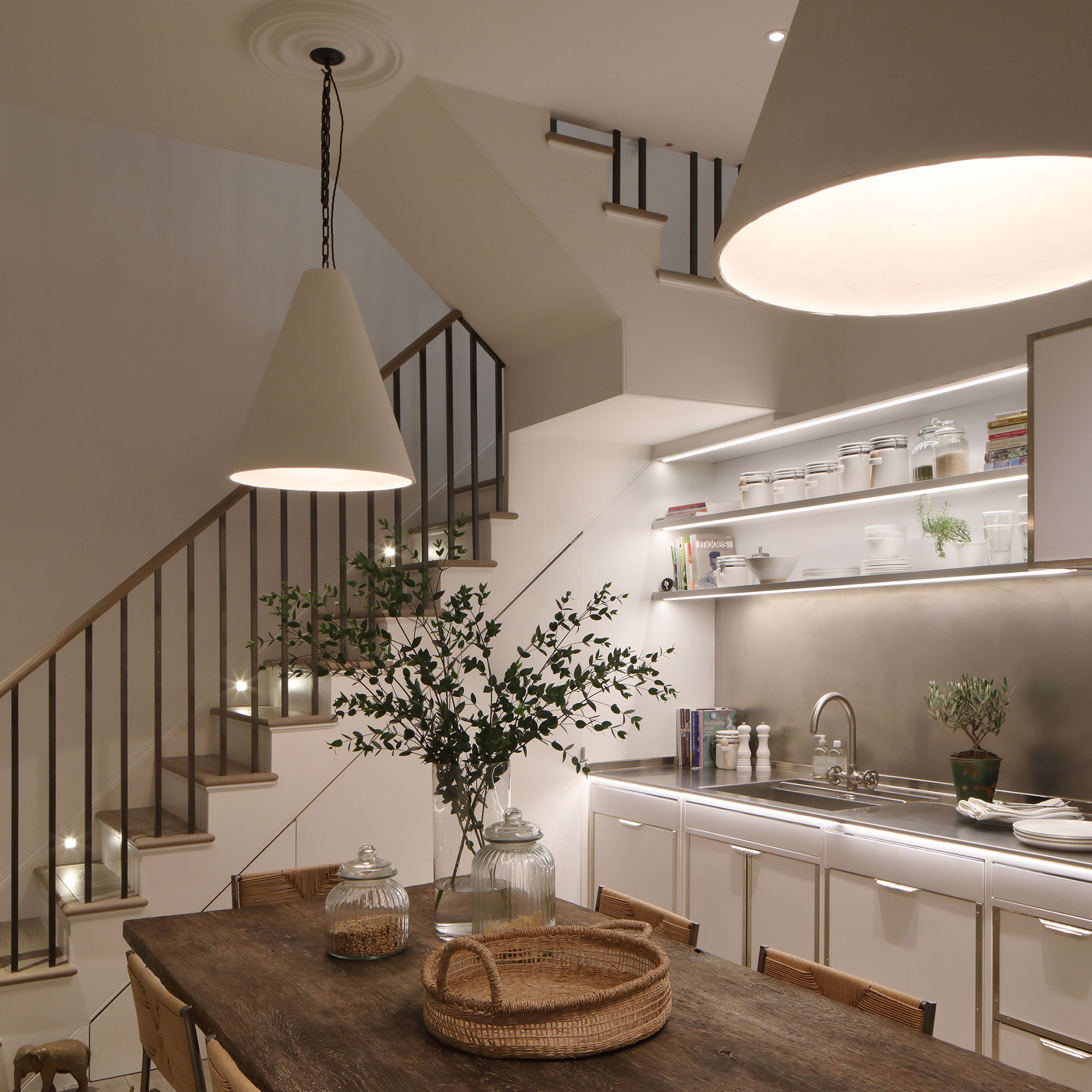
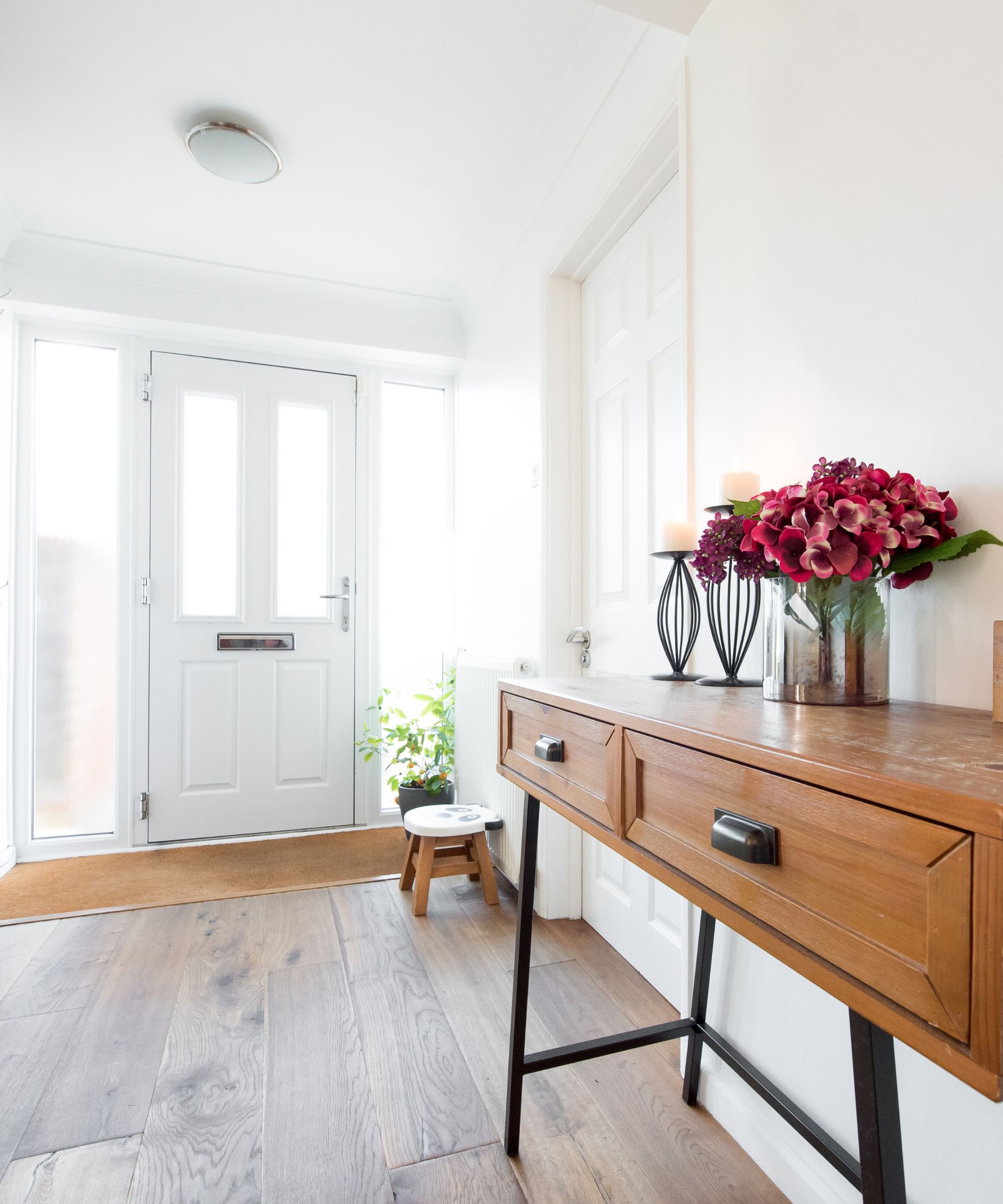
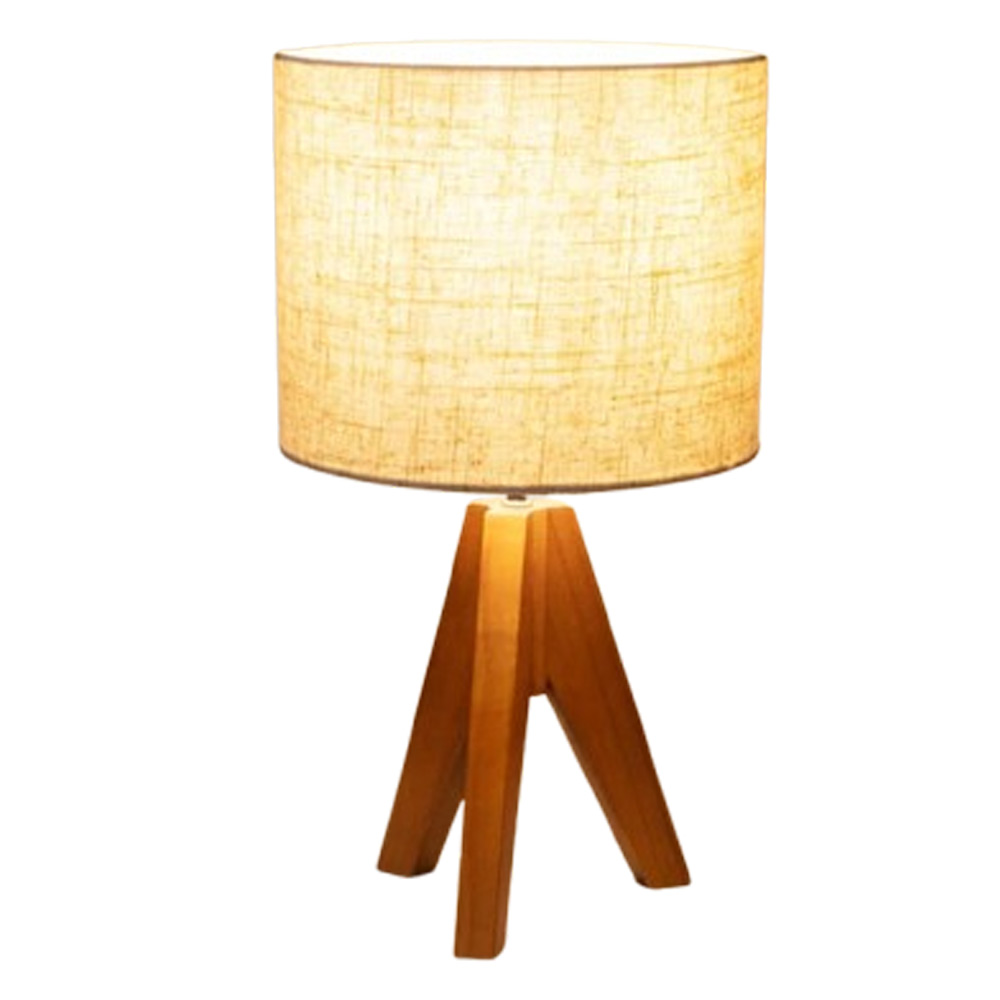
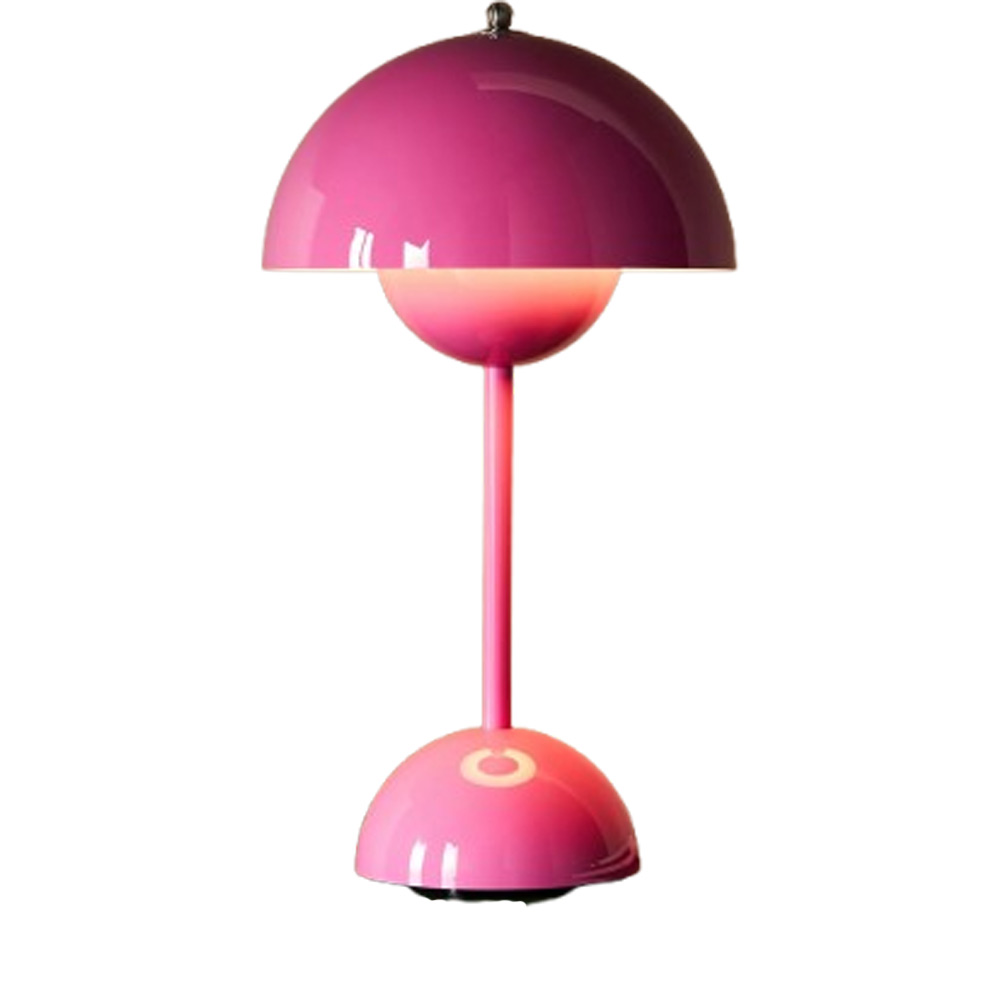
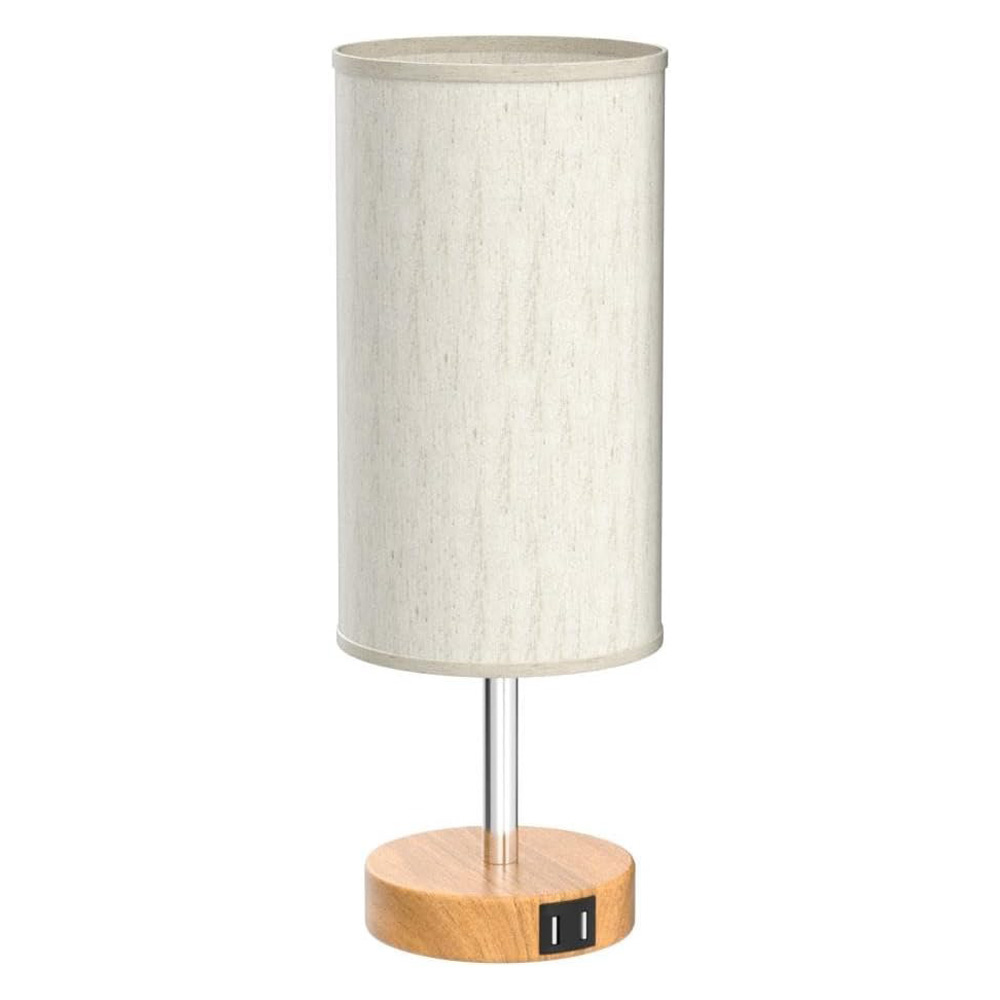
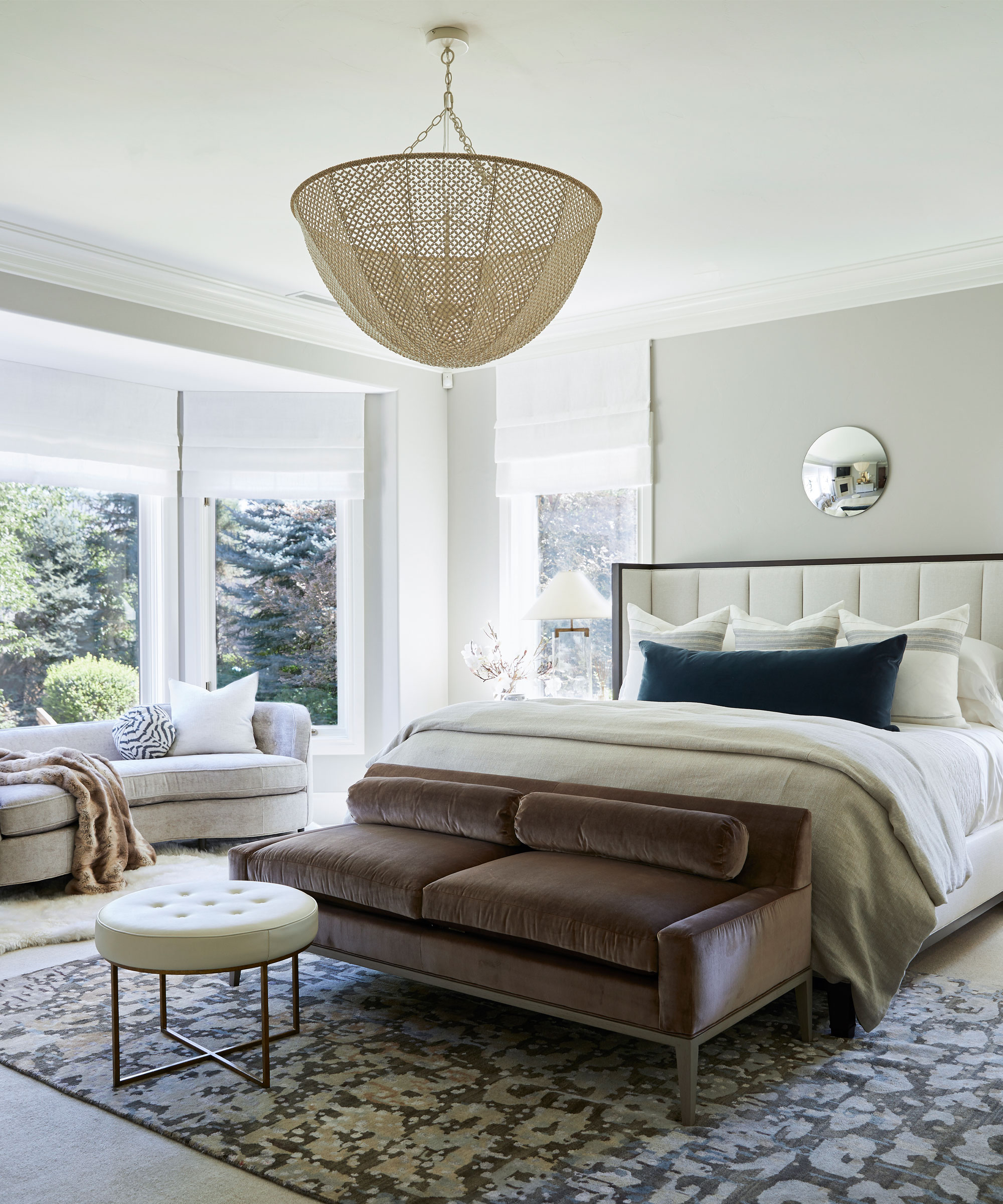
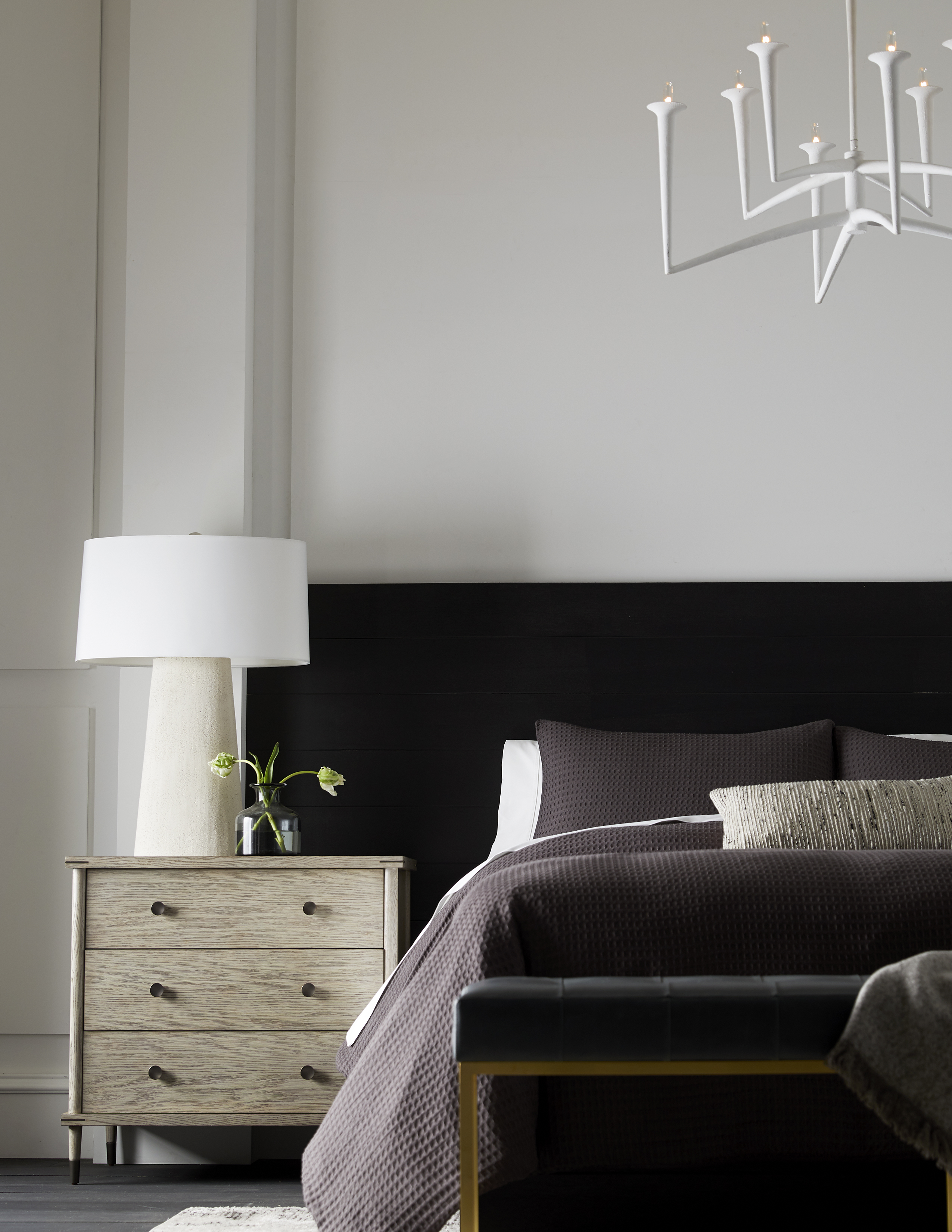
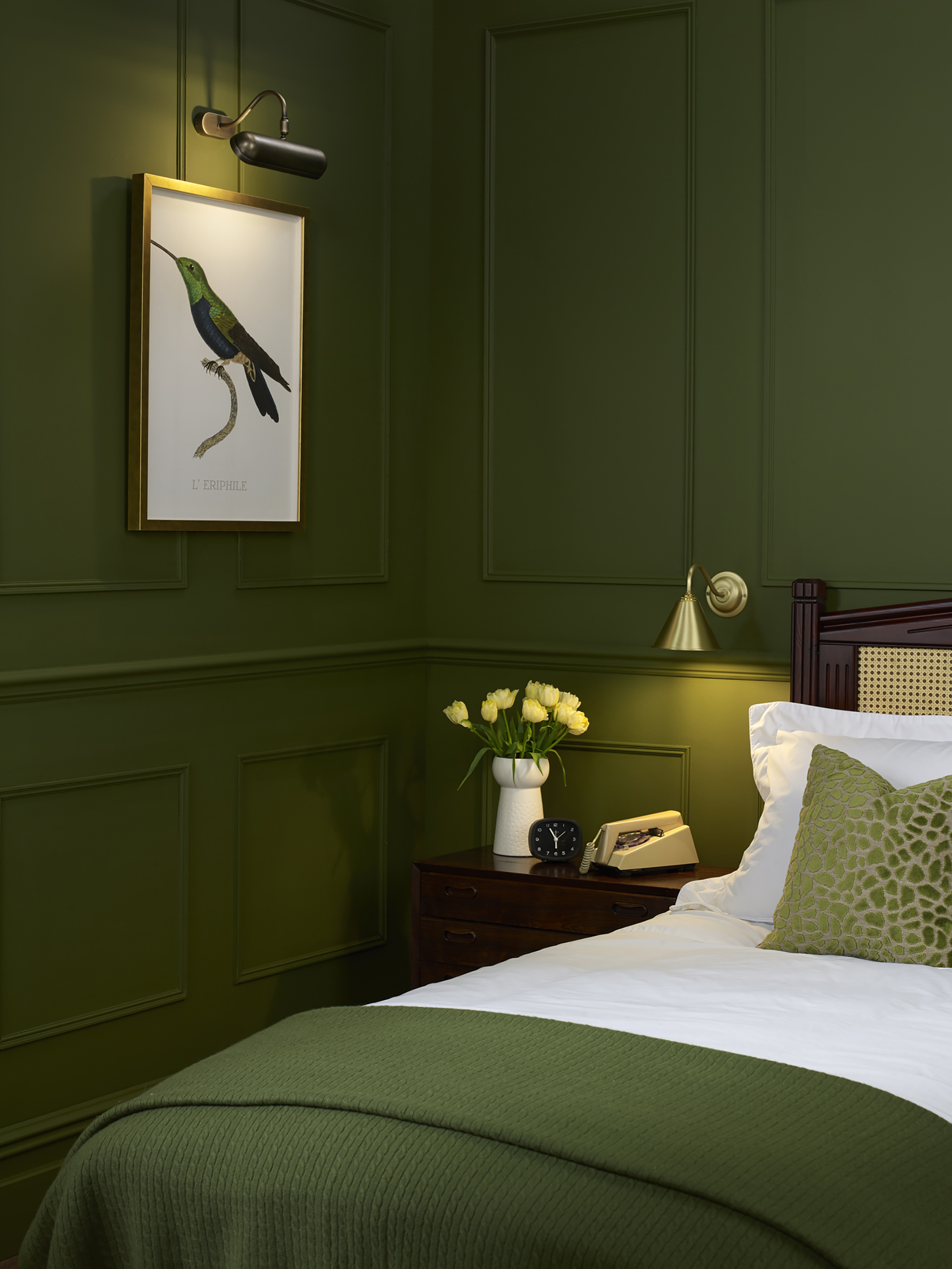
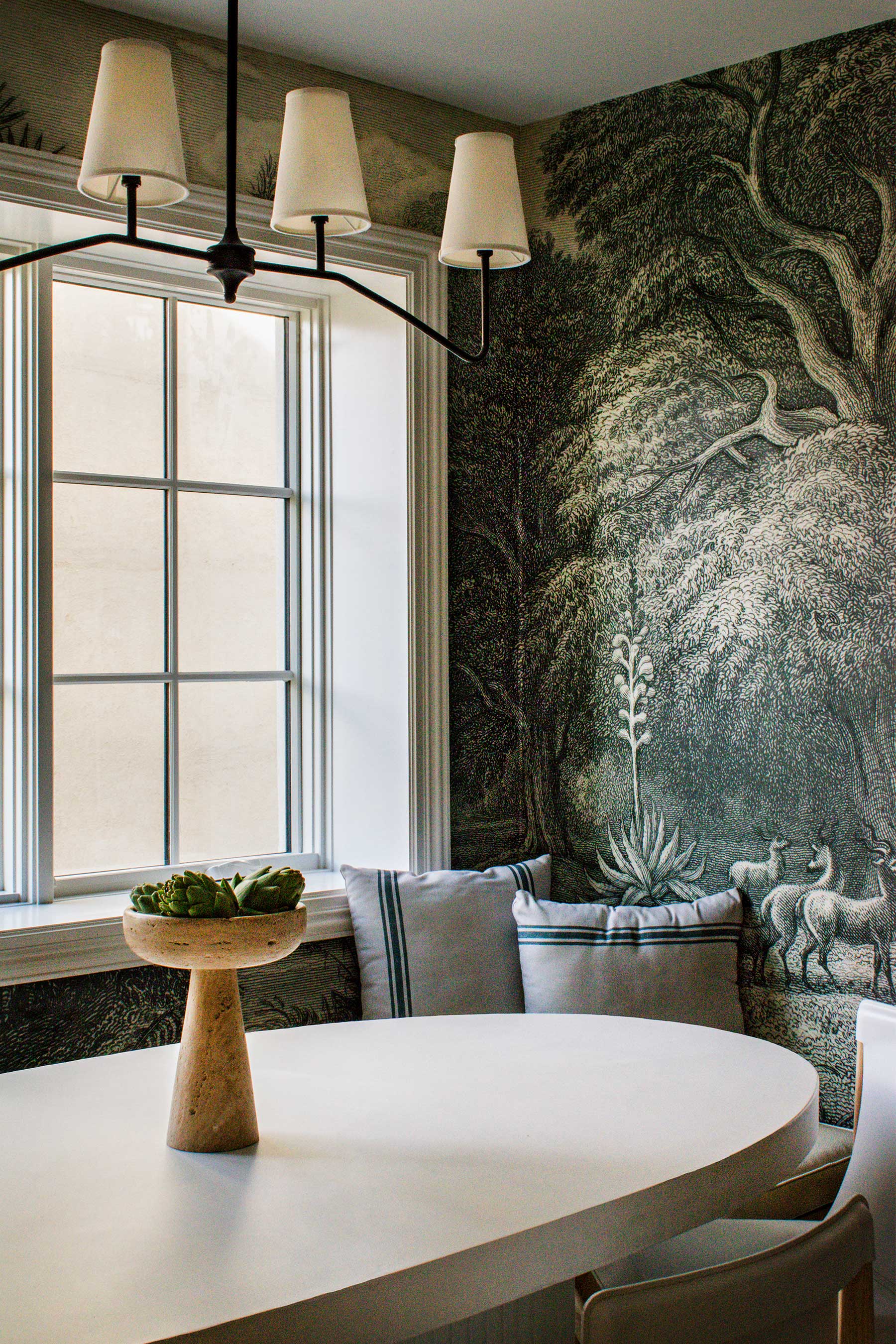
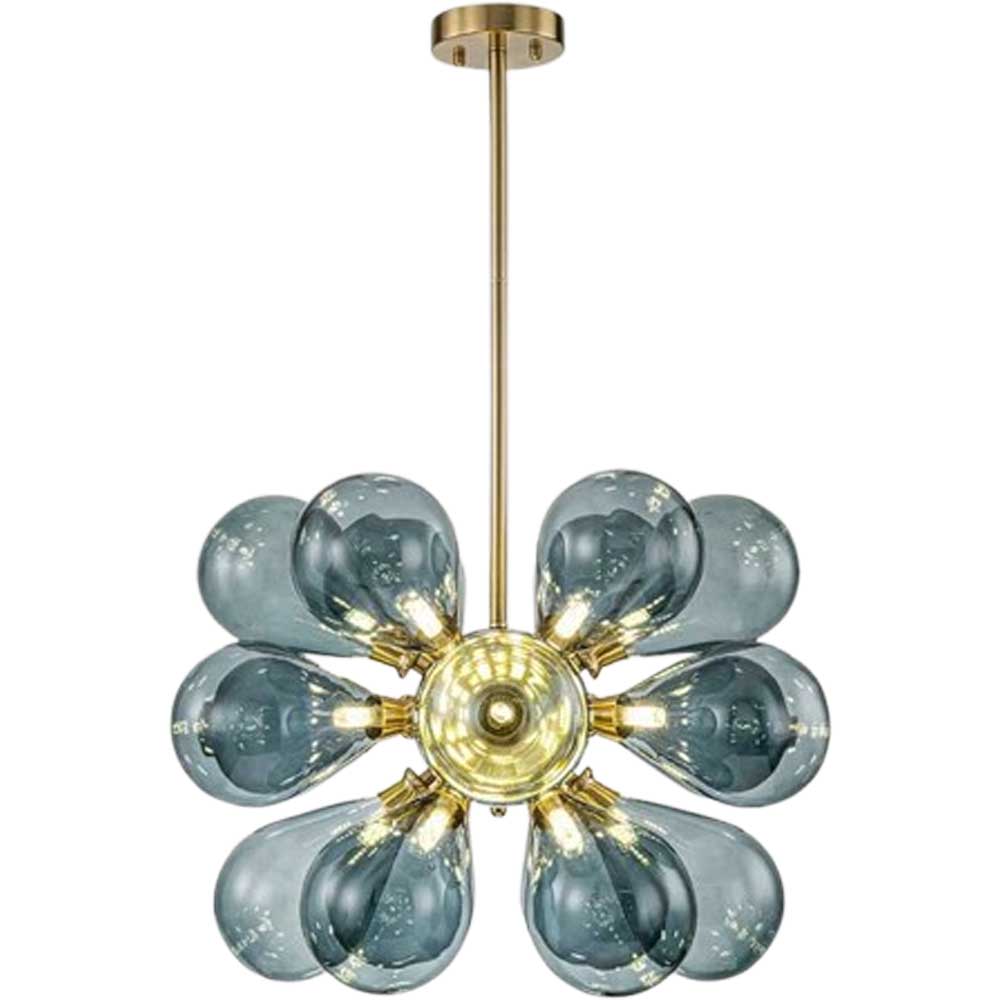
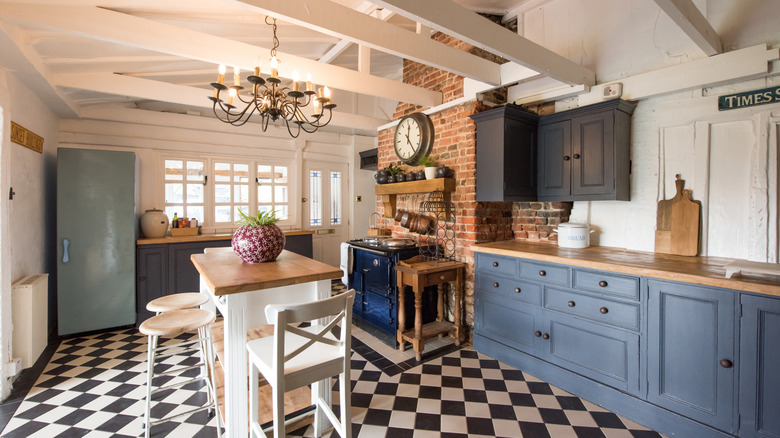
One prevalent mistake is failing to layer light. A functional space requires a combination of ambient, task, and accent lighting. Ambient lighting, typically overhead fixtures like chandeliers or recessed lights, provides general illumination. Task lighting, such as desk lamps or under-cabinet lights, focuses on specific work areas. Accent lighting, often used to highlight artwork or architectural features, adds mood and depth. Relying on only one type of lighting limits a room's functionality and ability to adapt to varying needs throughout the day. For instance, solely depending on recessed lights can make a room feel cold and one-dimensional, as all light shines downwards. Incorporating a pendant or chandelier with upward-facing bulbs can soften the space and introduce an additional design element.
Another significant oversight is neglecting the use of dimmers. Dimmers offer flexibility in controlling brightness levels, preventing a room from being too harsh during the day or too dim at night. They allow for the creation of different moods for various occasions and contribute to energy savings. The installation of dimmer switches is a relatively simple DIY project, provided the light sources are dimmable.
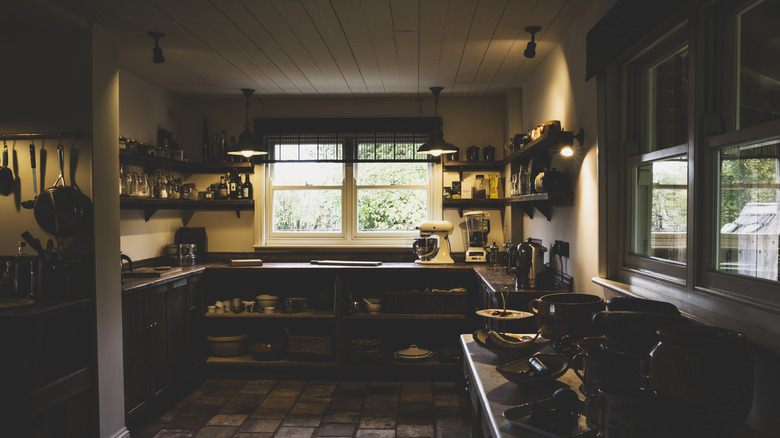
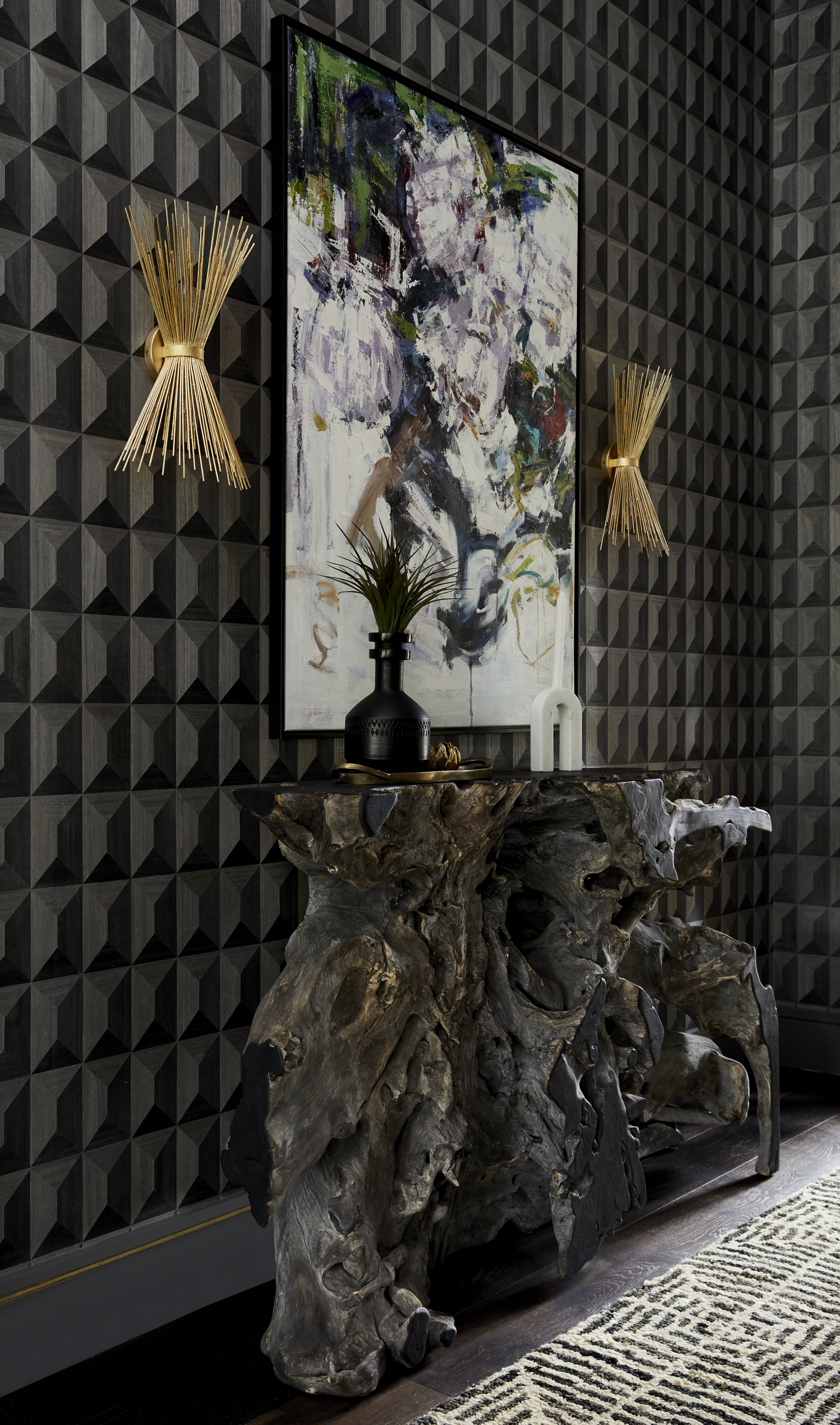
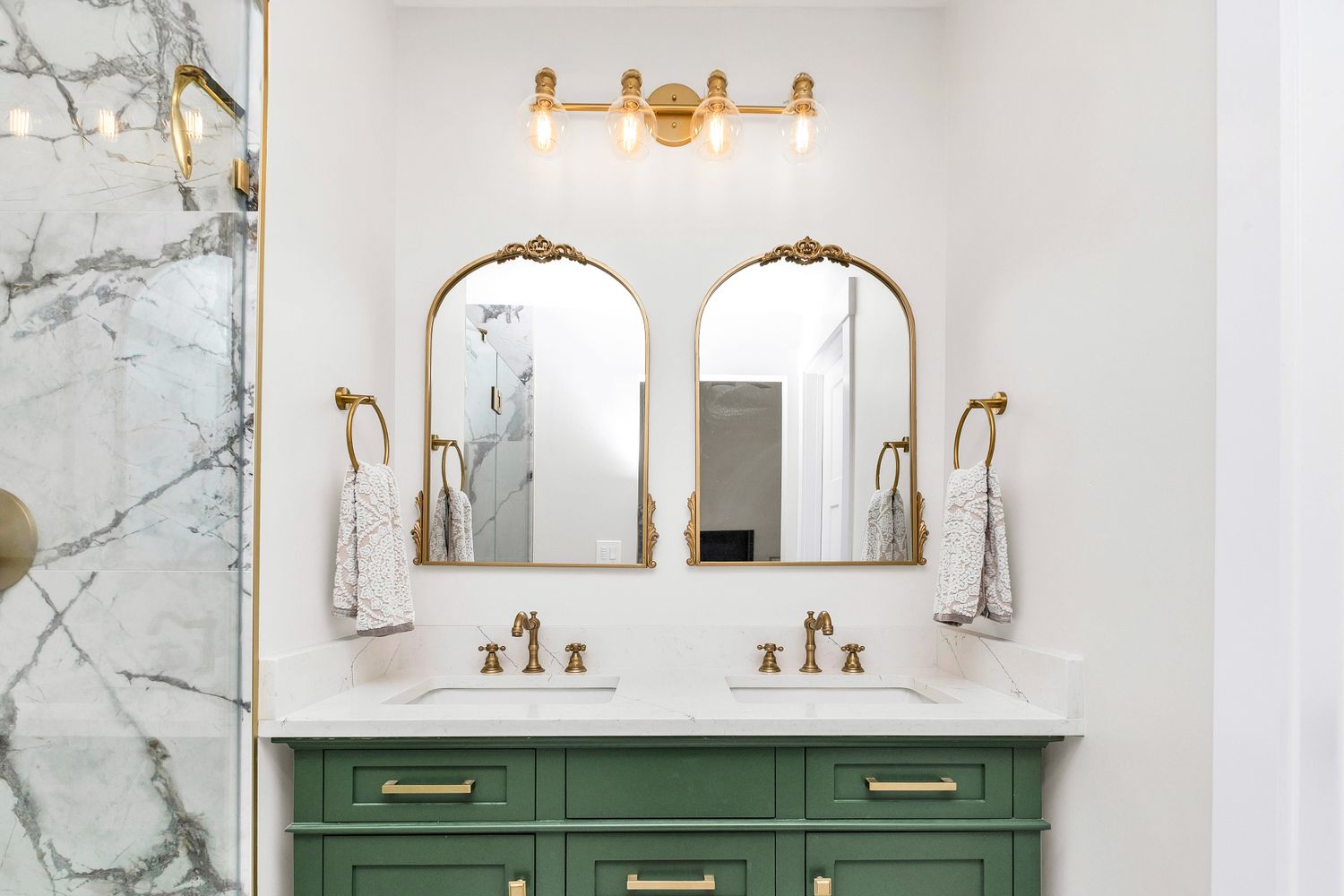
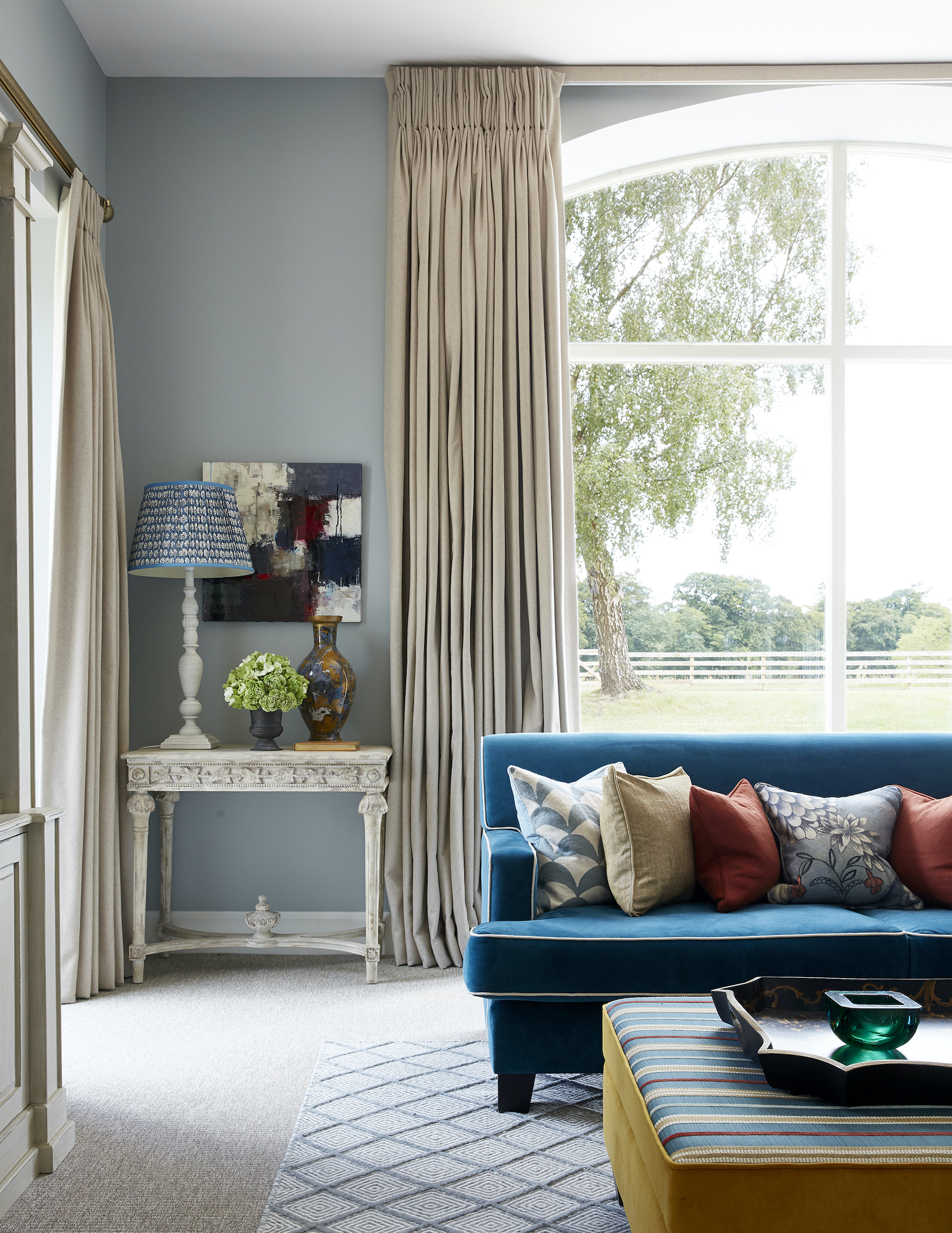
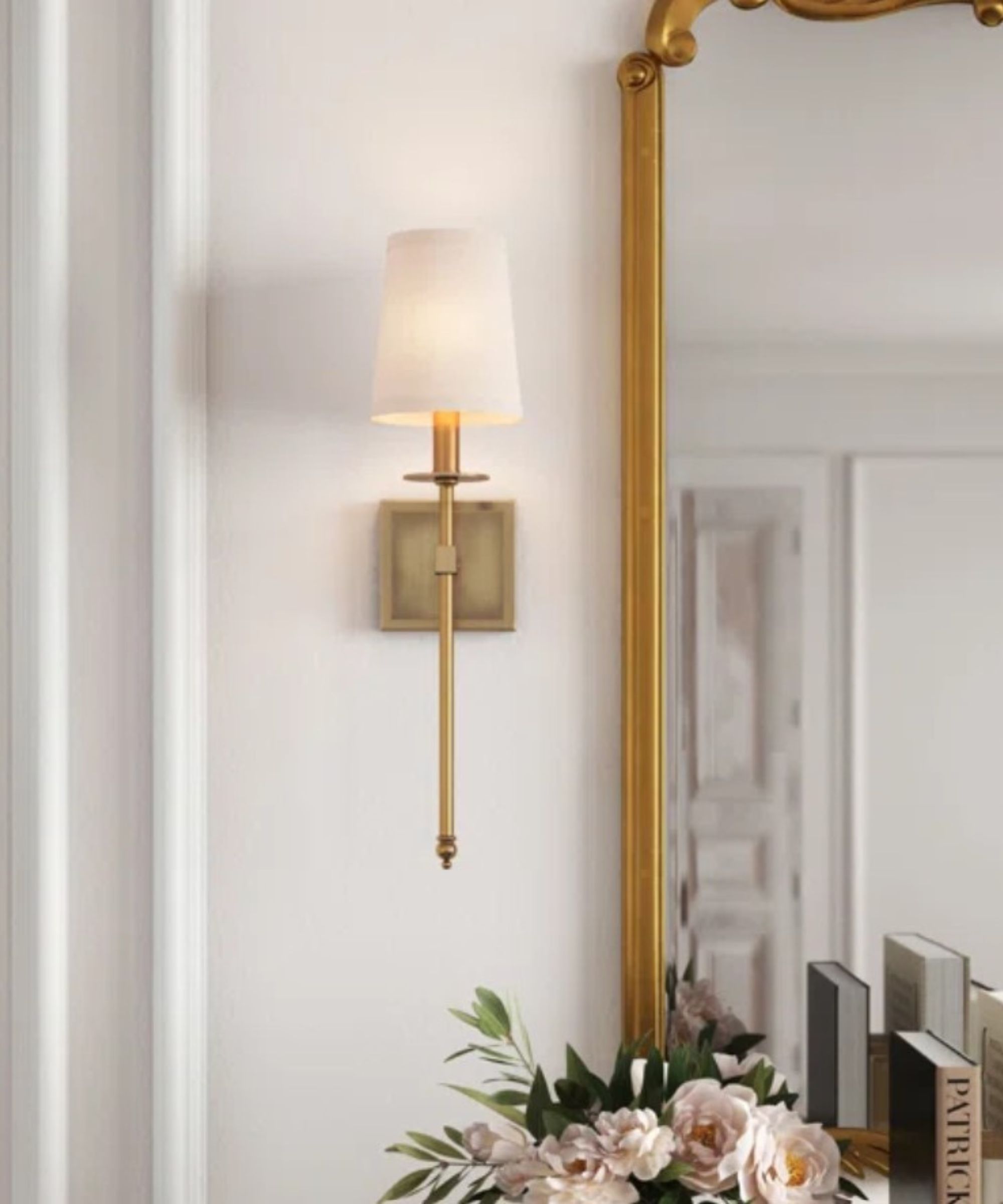
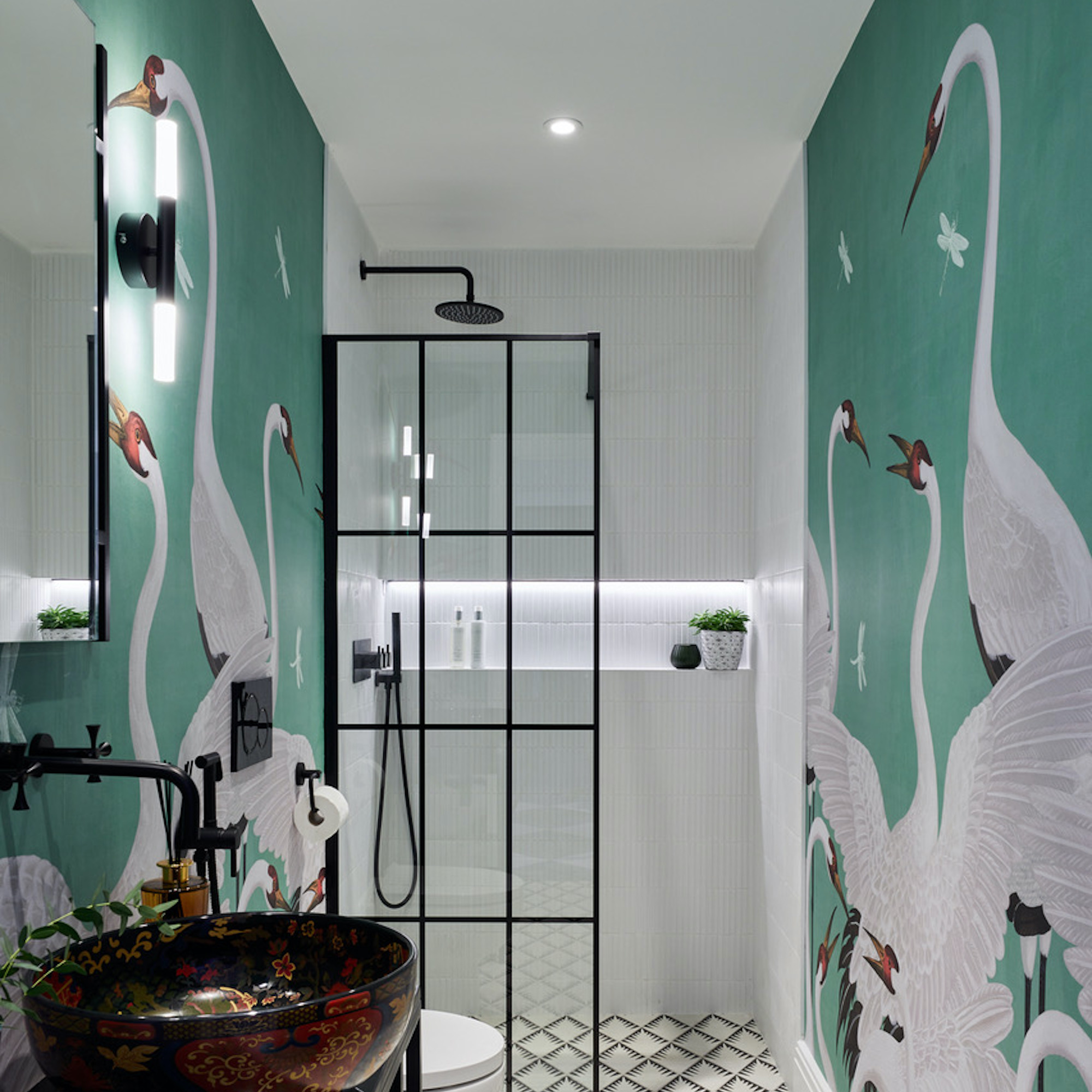
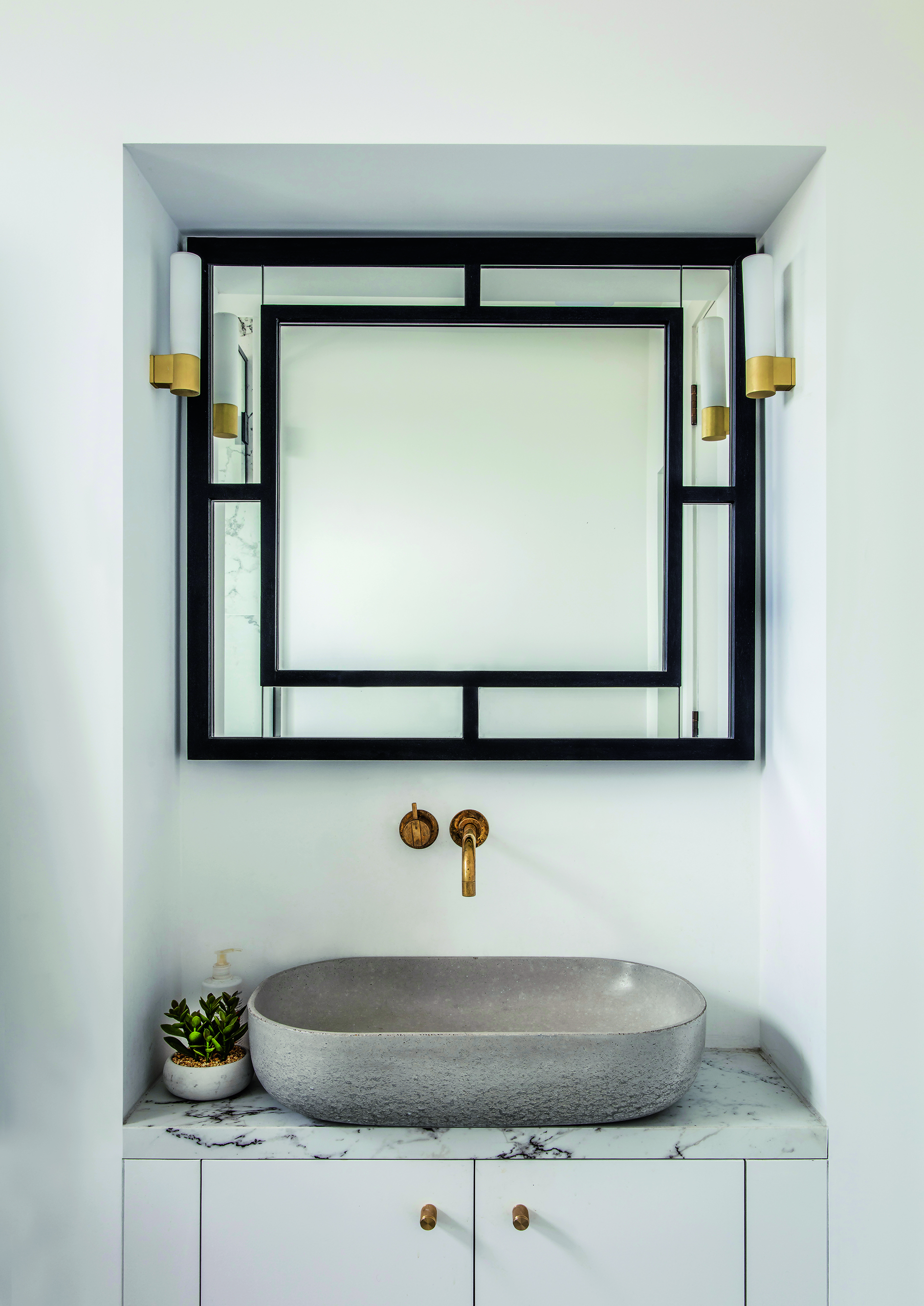
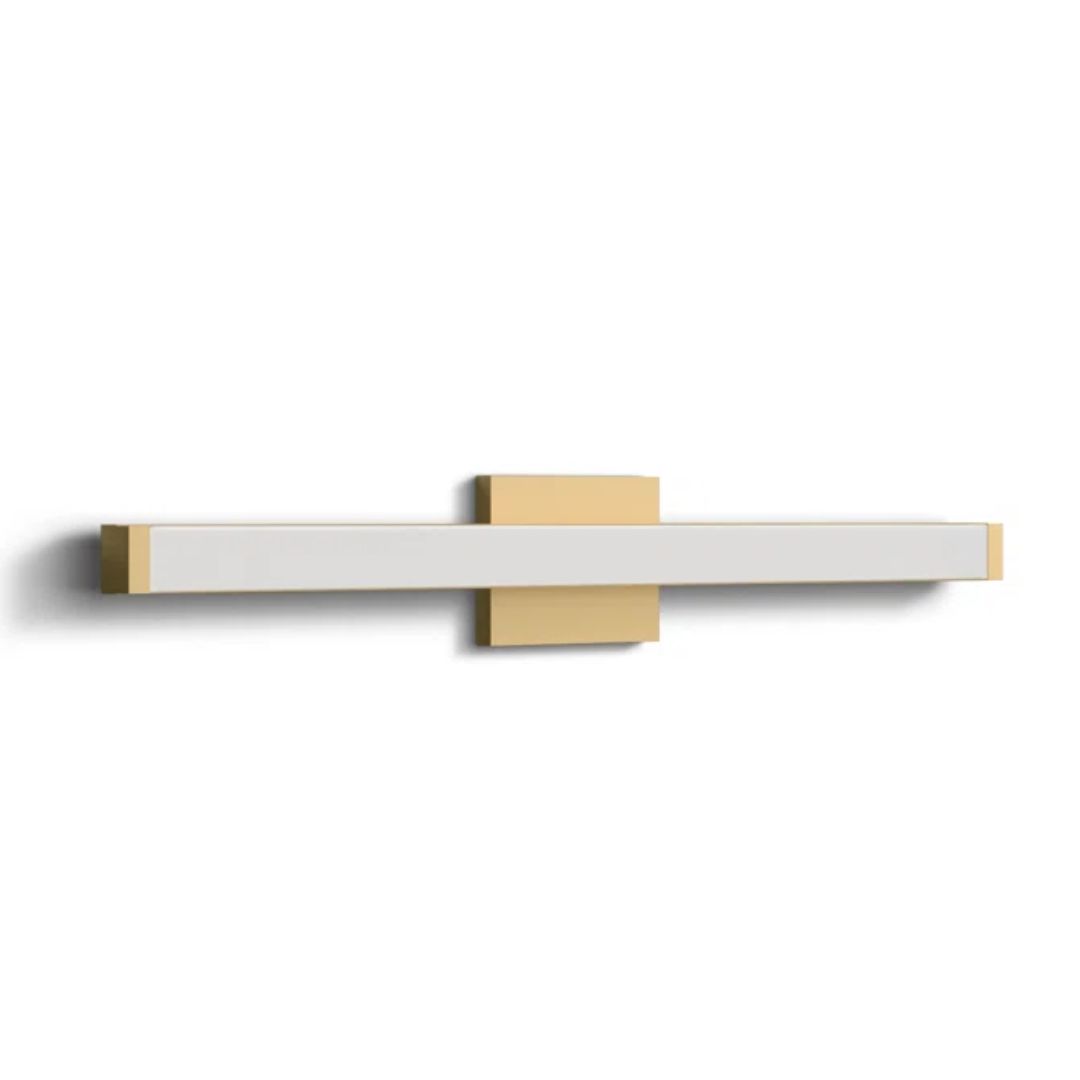
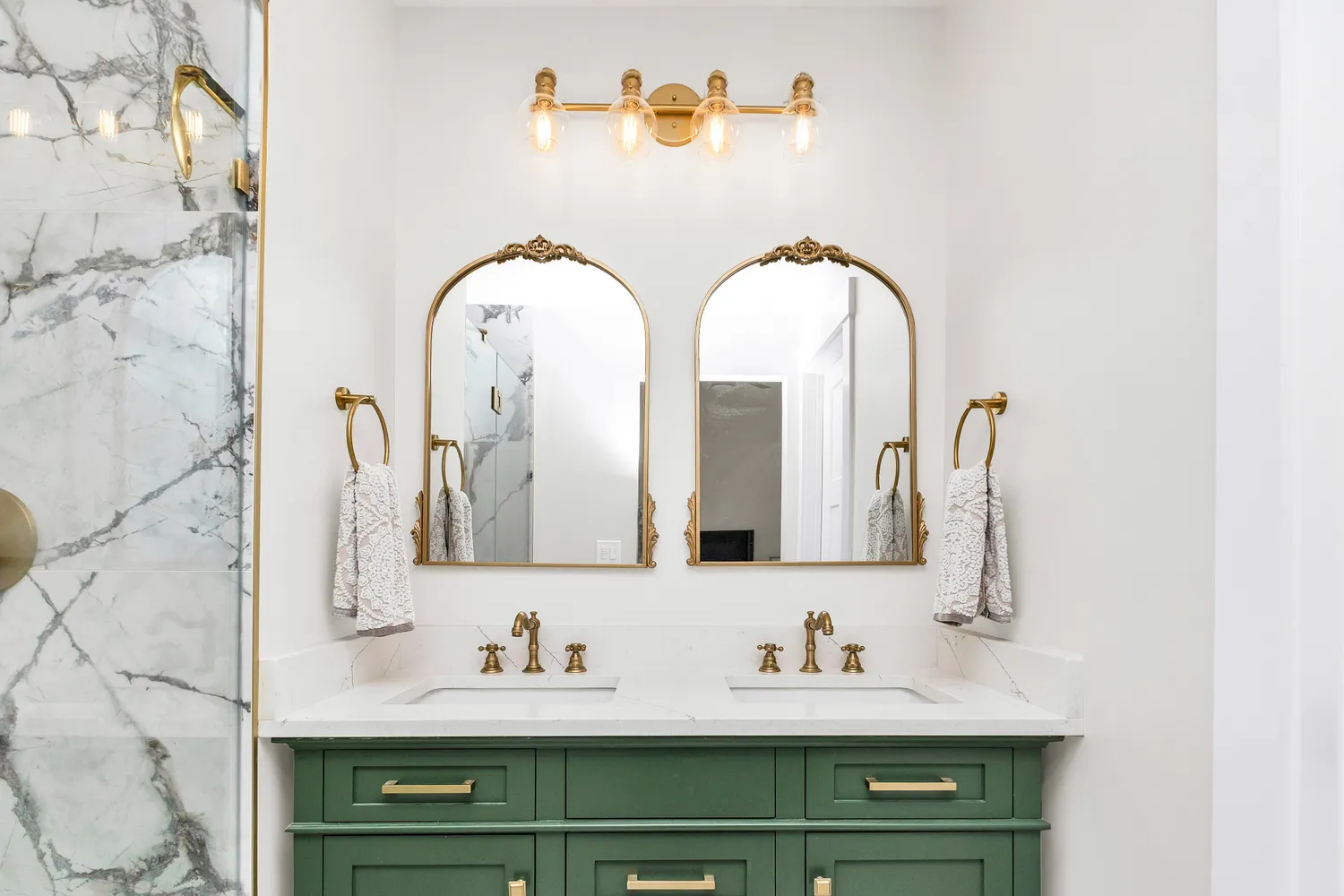
In bathrooms, the common practice of using bar lights above mirrors is often misguided. These fixtures cast unflattering shadows on the face. Interior designers recommend replacing them with sconces on either side of the mirror or even pendants for a more modern and flattering light distribution. Furthermore, ignoring natural light sources is a mistake that can lead to unbalanced illumination. An effective lighting plan should consider both natural and artificial light, using elements like sheer curtains to manage daylight and supplementing with artificial light in the evenings.
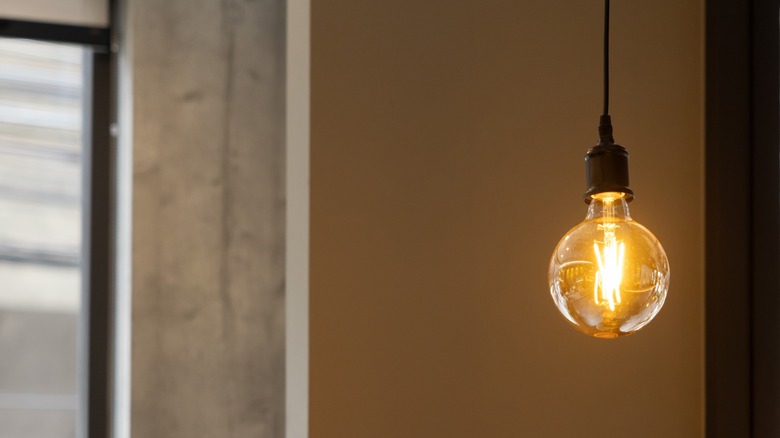
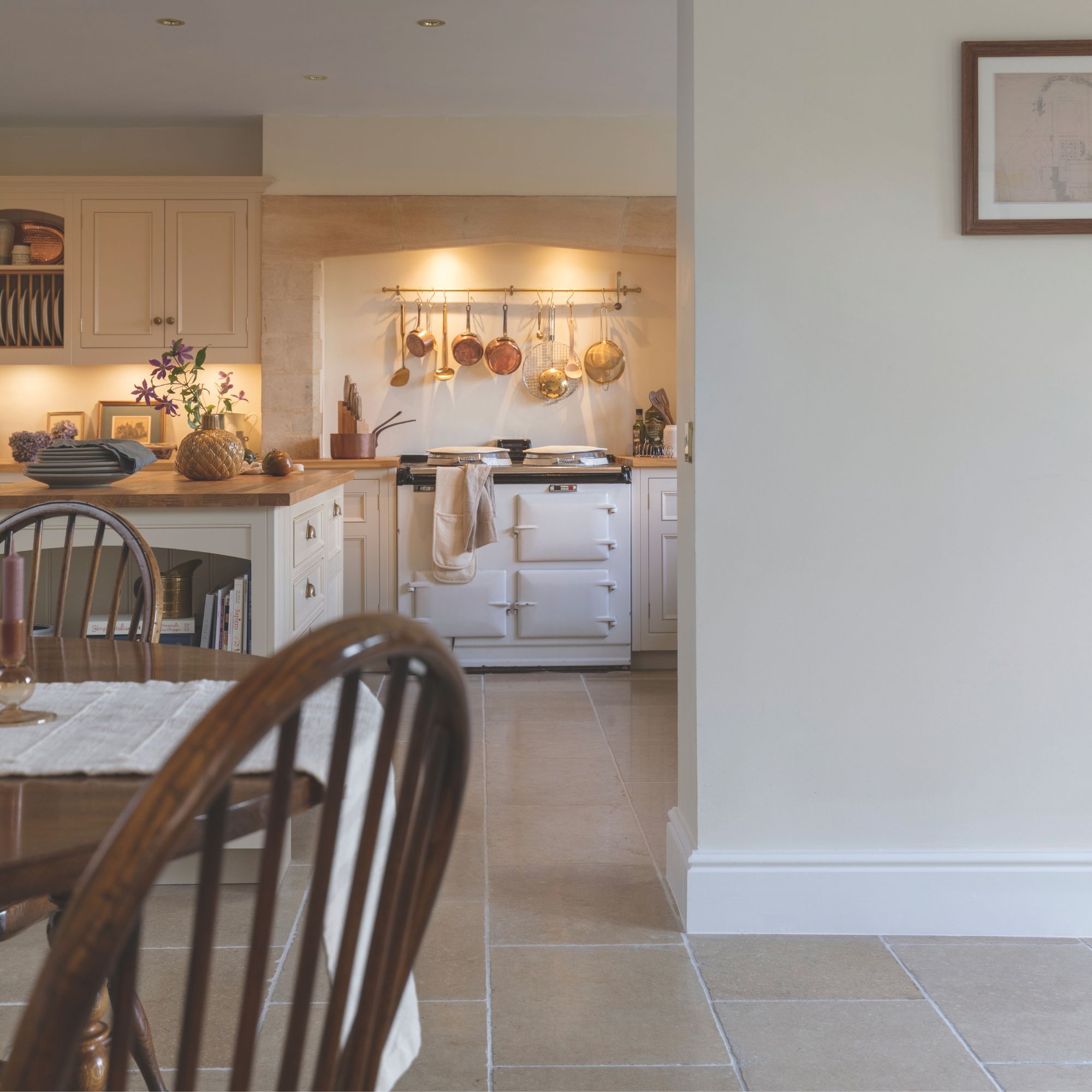
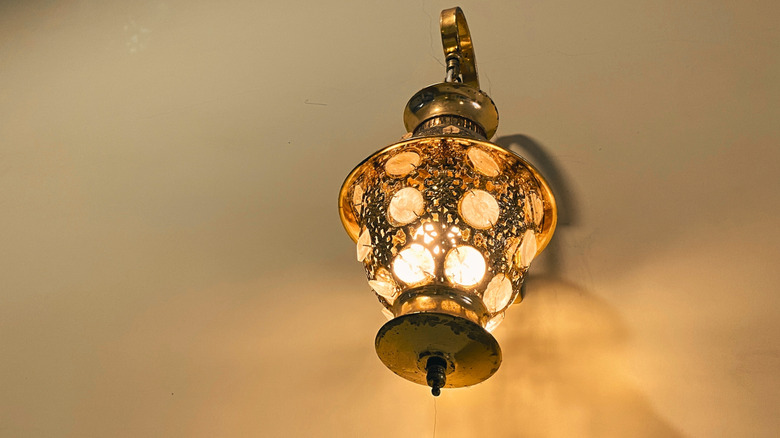
The choice of bulb color and intensity is also critical. Different areas within a home require distinct types of light. Cool, blue-toned bulbs can create a sterile environment, while excessively warm bulbs might make a room appear too yellow or dim. Living rooms and bedrooms benefit from warmer, soft white lighting to promote relaxation, whereas kitchens and workspaces are better suited for cooler light. Consistency in color temperature across main public areas is also important to ensure a harmonious flow and prevent a jarring visual experience.
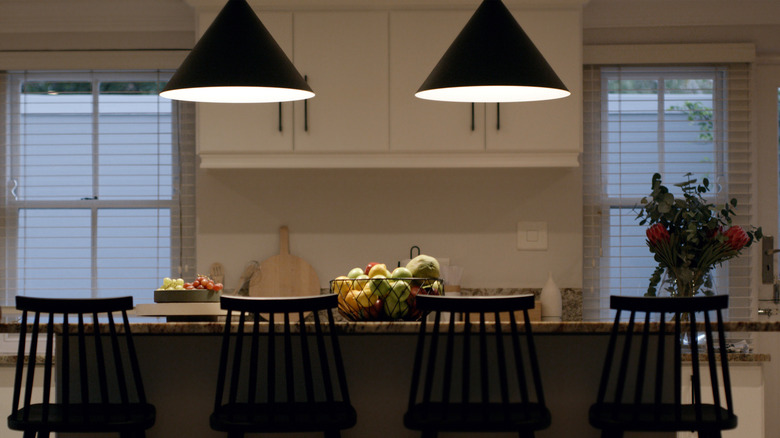
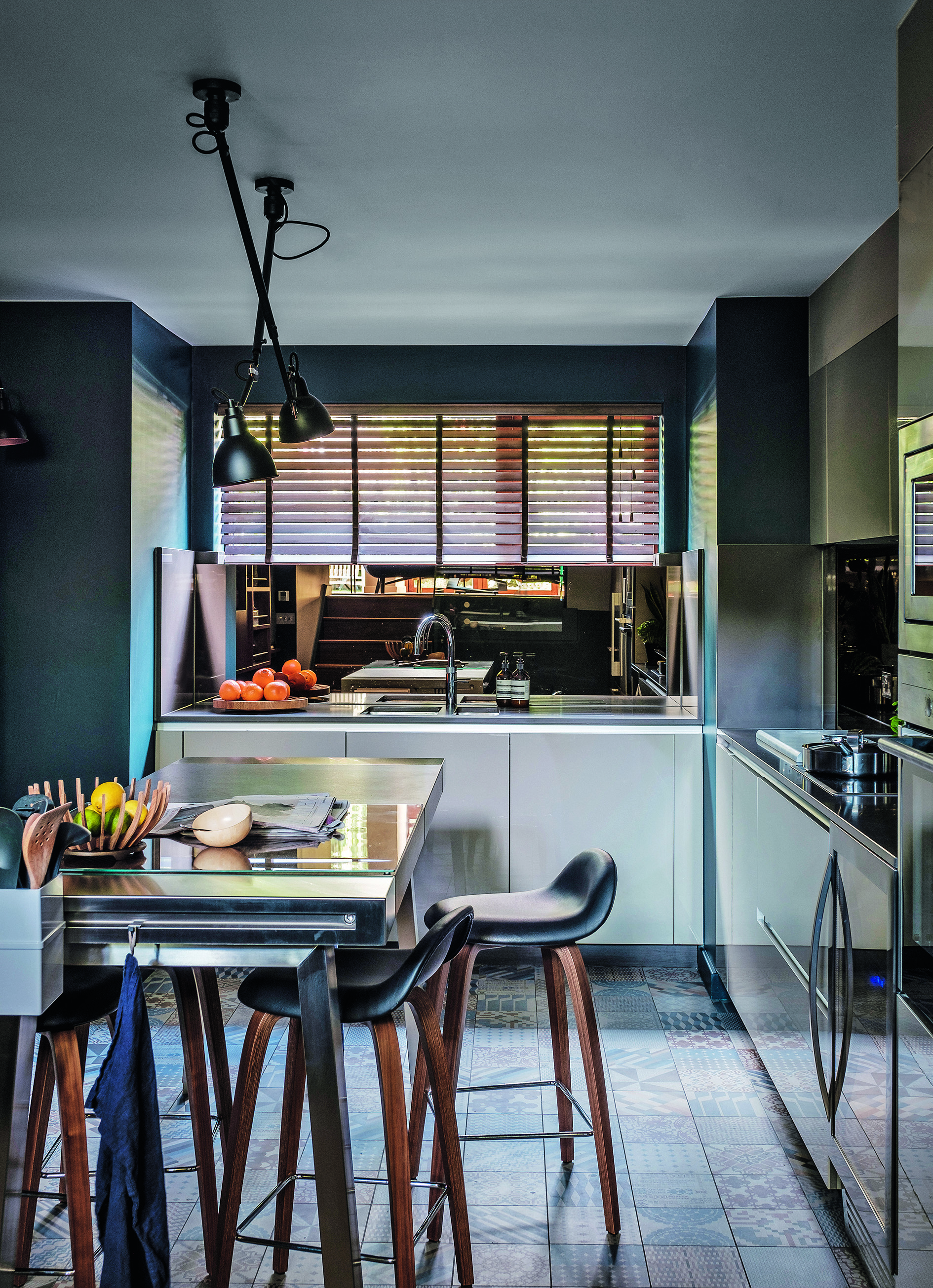
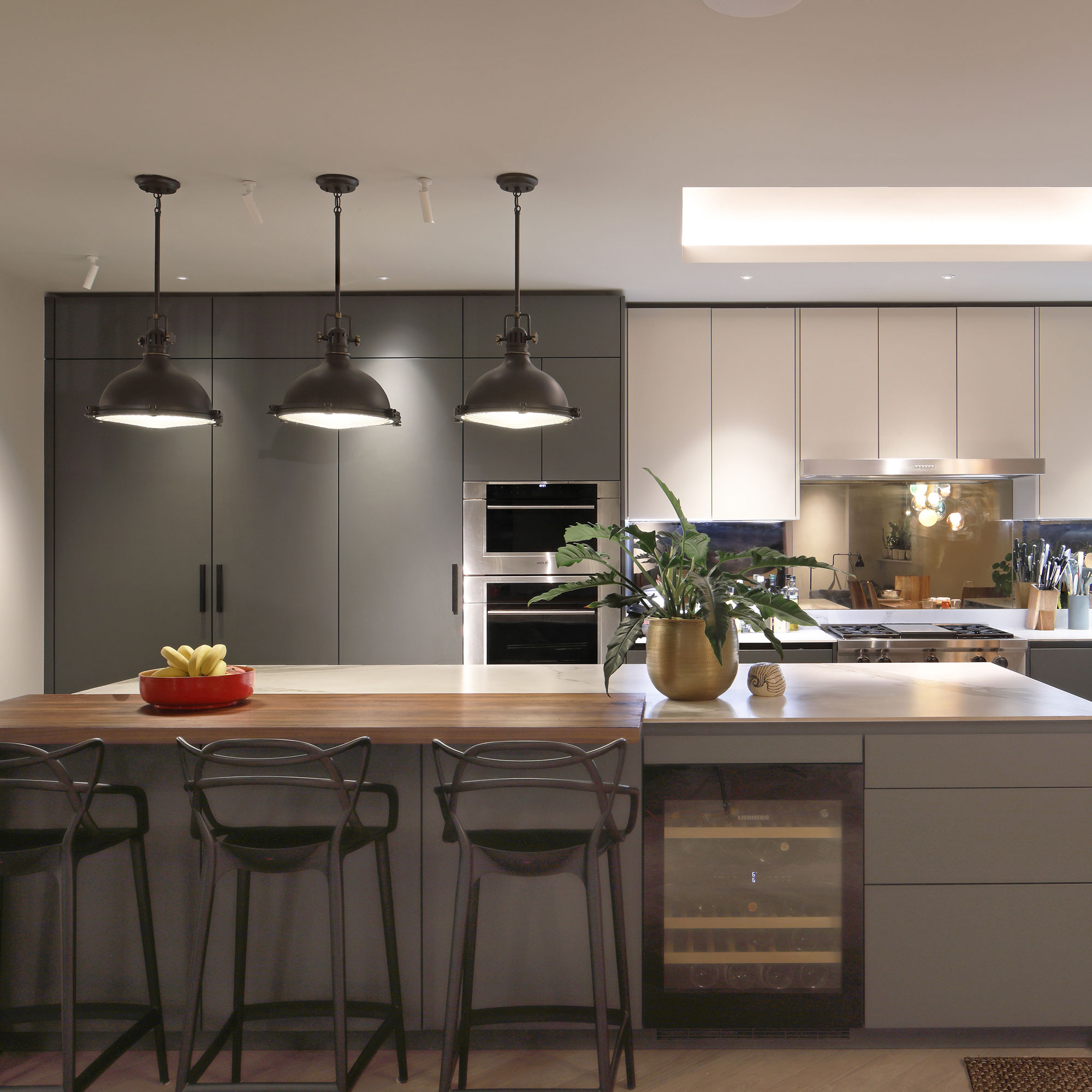
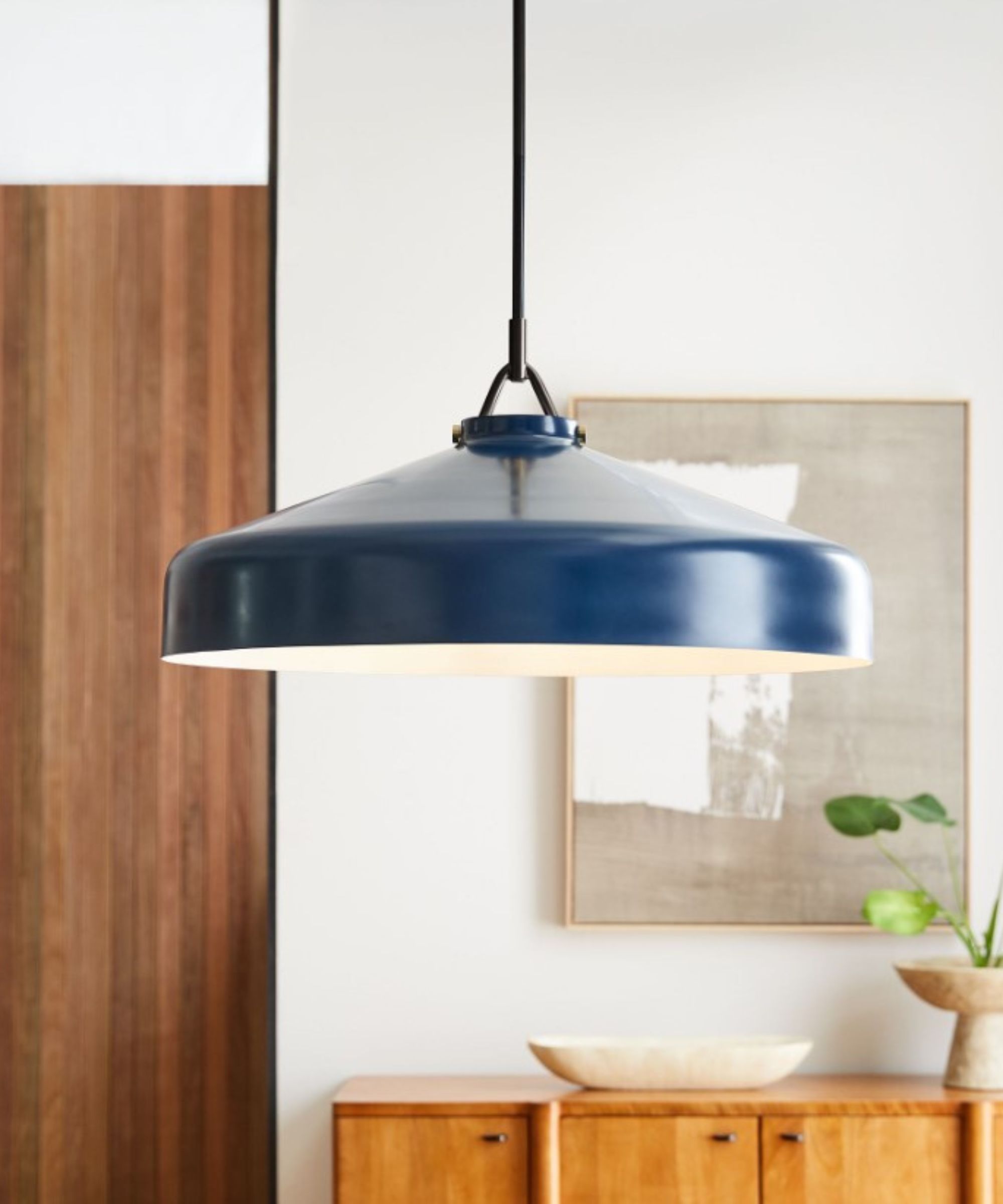
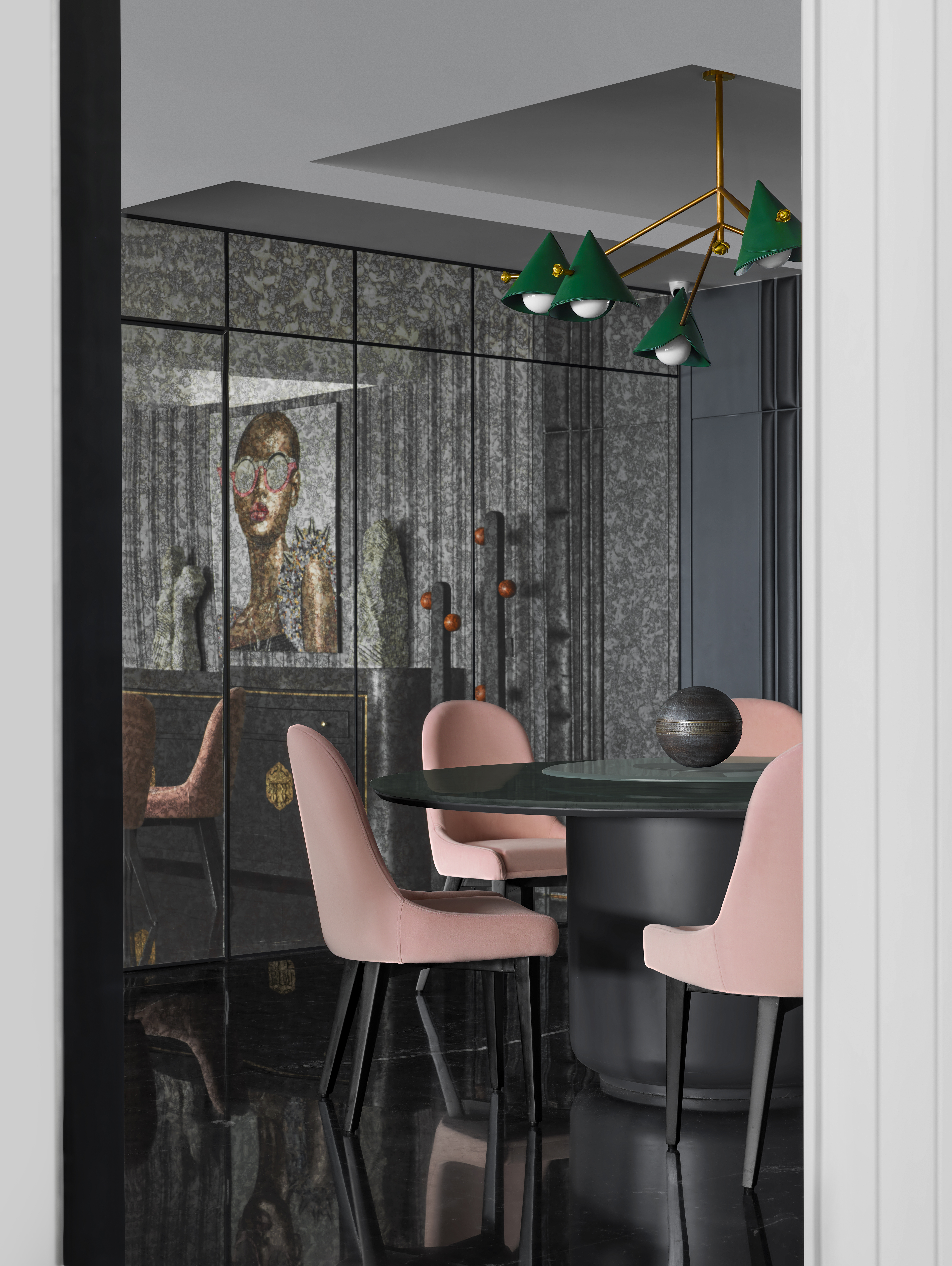
Incorrectly installing light fixtures, particularly regarding height, can disrupt a room's visual balance and functionality. For instance, pendants over countertops or dining tables generally should be hung 30 to 36 inches above the surface. Proper placement instantly elevates the polished and intentional feel of a space. Lastly, inadequate consideration of switch placements can lead to inconvenience. During remodels or new builds, it is advisable to plan switch locations with electricians and homeowners to ensure that various lighting types are not all controlled by one or two switches, accommodating the intended use of each room. Eliminating glare, caused by light reflecting off shiny surfaces, is also crucial, as it can hinder the ability to appreciate the overall ambiance of a room.
#HomeLighting #InteriorDesign #LightingDesign #HomeDecor #AmbientLighting #TaskLighting #AccentLighting #Dimmers #NaturalLight #HomeLighting #InteriorDesign #LightingDesign #HomeDecor #AmbientLighting #TaskLighting #AccentLighting #Dimmers #NaturalLight
0 comment in total
 No comments yet
You may also like
15 Kitchen Lighting Mistakes Everyone Makes

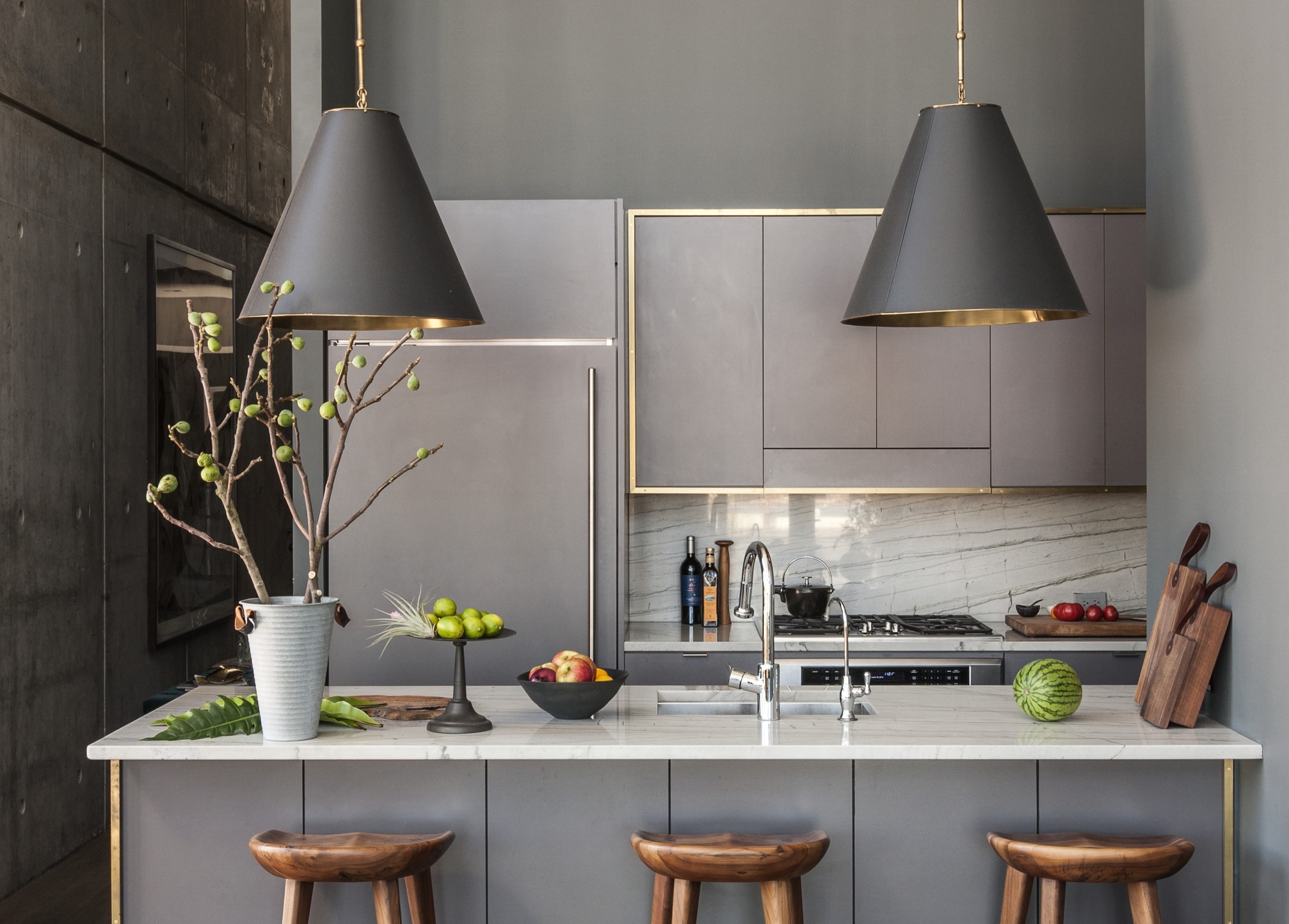
Every Mistake I Made While Designing My Kitchen Lighting Scheme — The 5 Errors I Strongly Advise Against

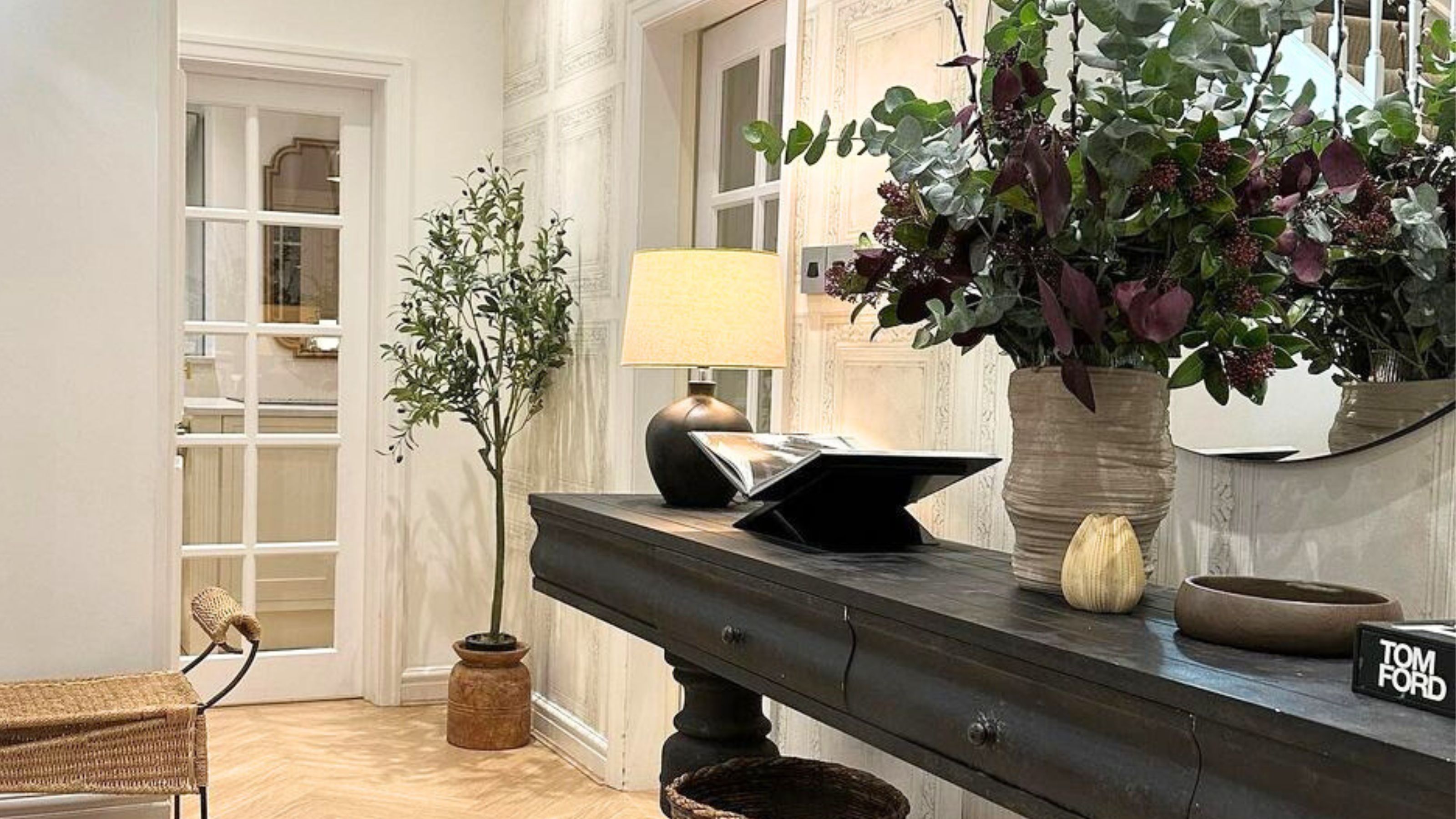
5 small entryway lighting mistakes — experts share what to avoid

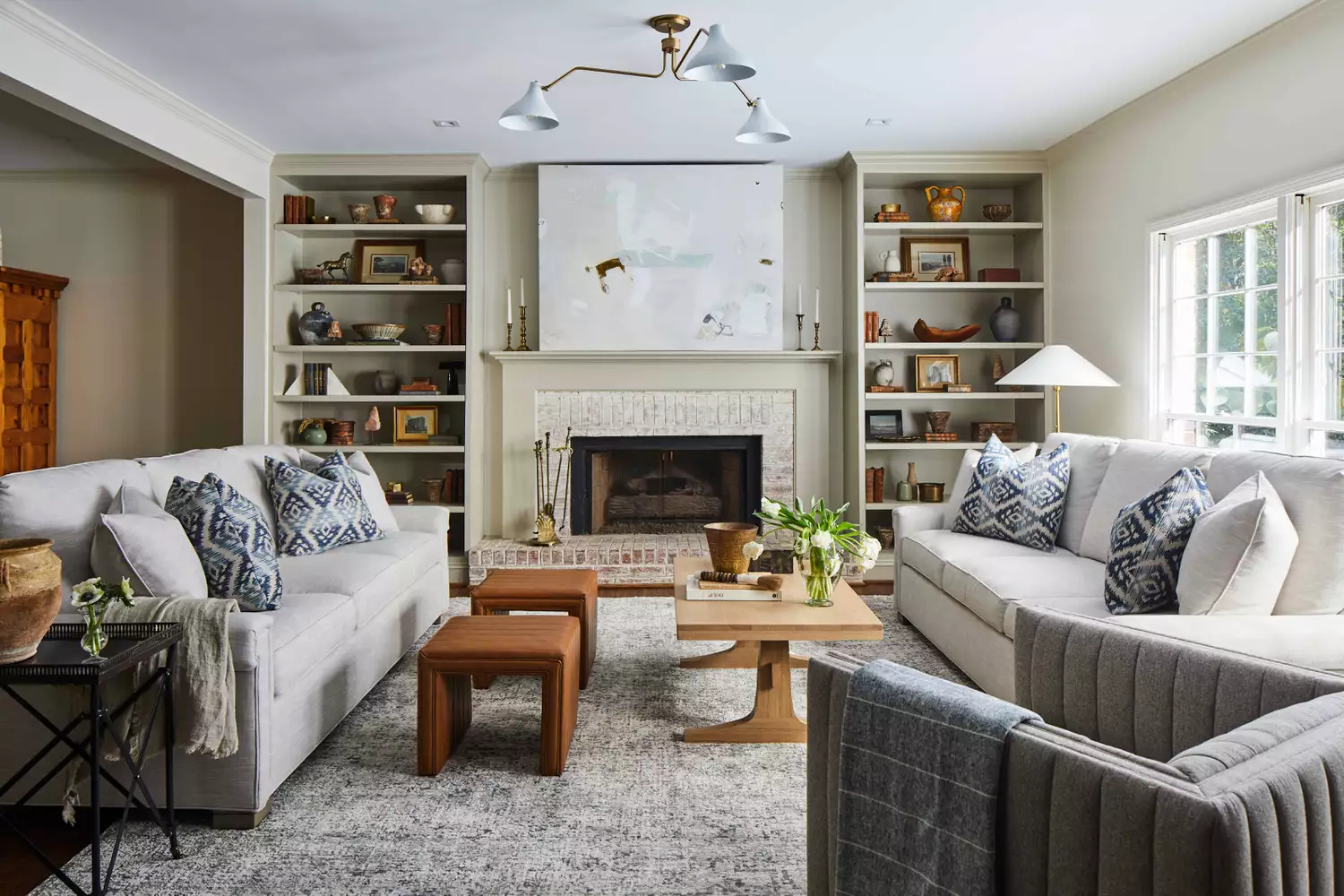
11 Living Room Layout Mistakes Designers Want You To Stop Making
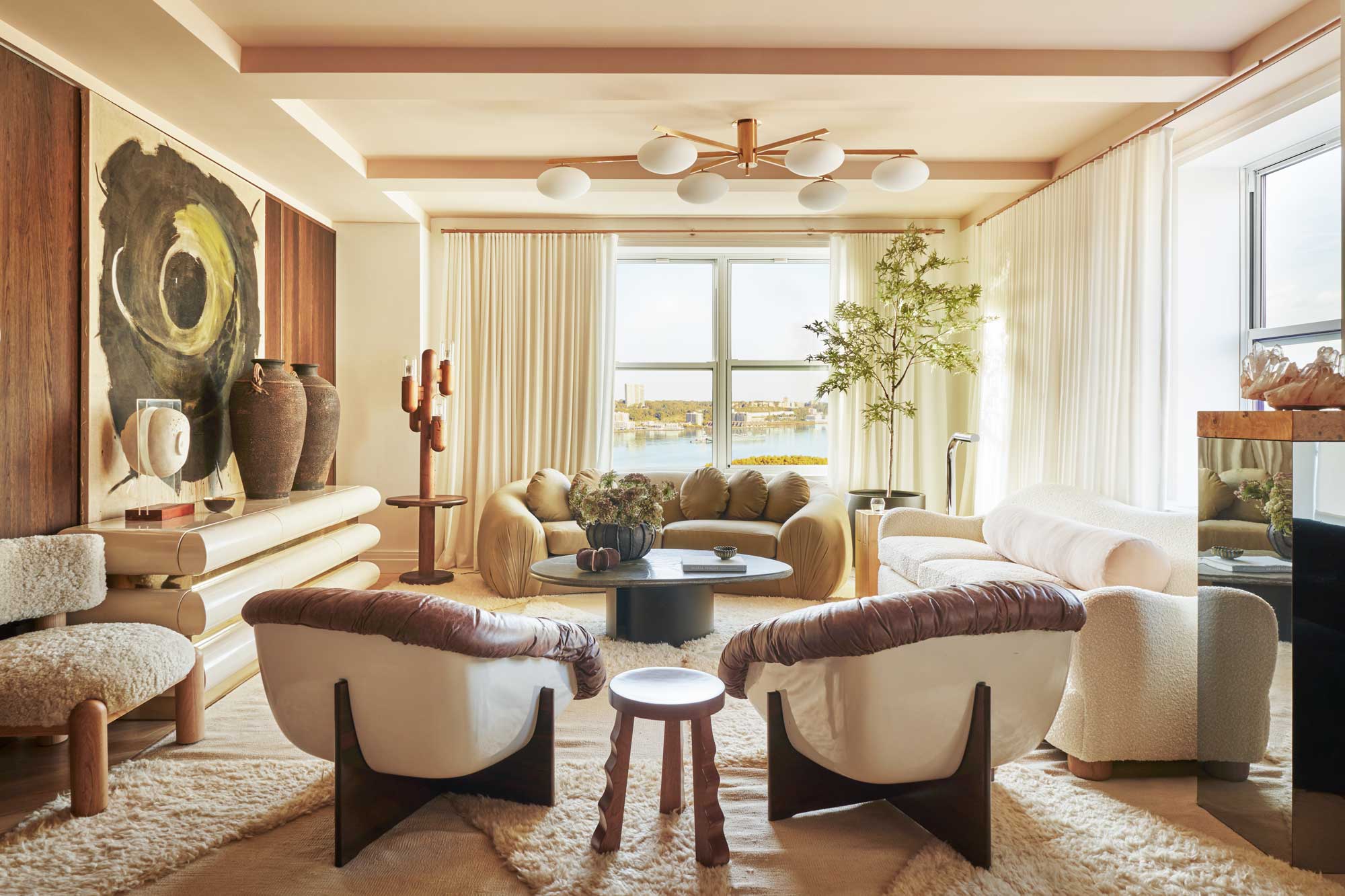
7 Common Living Room Lighting Mistakes to Avoid at all Costs
5 Common Entryway Lighting Mistakes Designers Never Fail to Notice — I'll Always Avoid These Now
7 Living Room Decorating Mistakes You Should Never Make
11 bedroom lighting mistakes – why your space looks uninviting and feels impractical, and how to fix it

12 Kitchen Lighting Mistakes (And How To Avoid Them)

5 Bathroom Lighting Mistakes That Instantly Dim the Space, According to Designers

7 common bathroom lighting mistakes, and how you can avoid them

7 Dining Room Lighting Mistakes That Could Be Making Your Space (and Food) Look Less Appetizing
6 Lighting Mistakes That Are Ruining the Mood in Your Home—and How to Fix Them

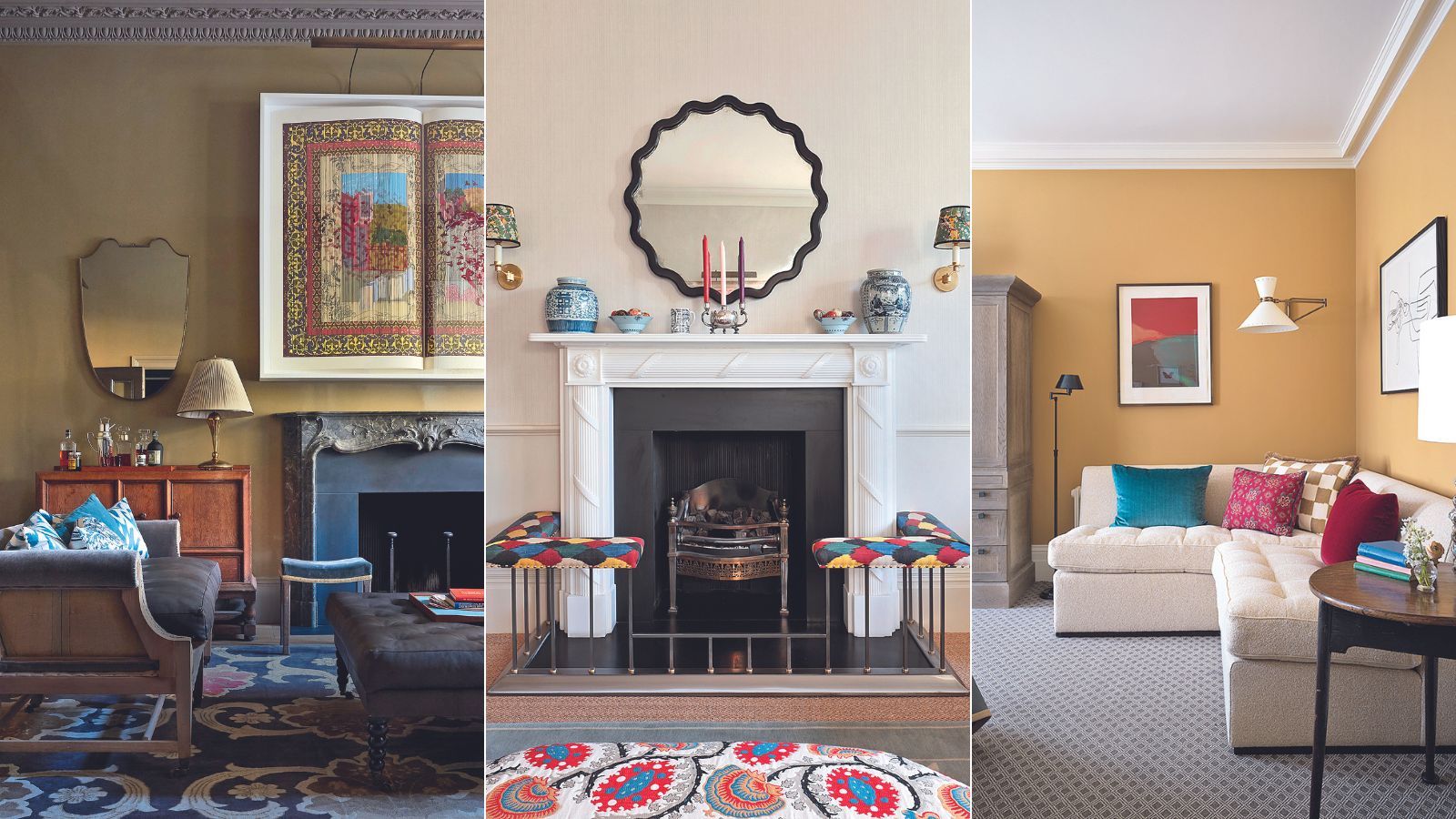
10 living room lighting mistakes that make yours look uninviting, smaller and cold
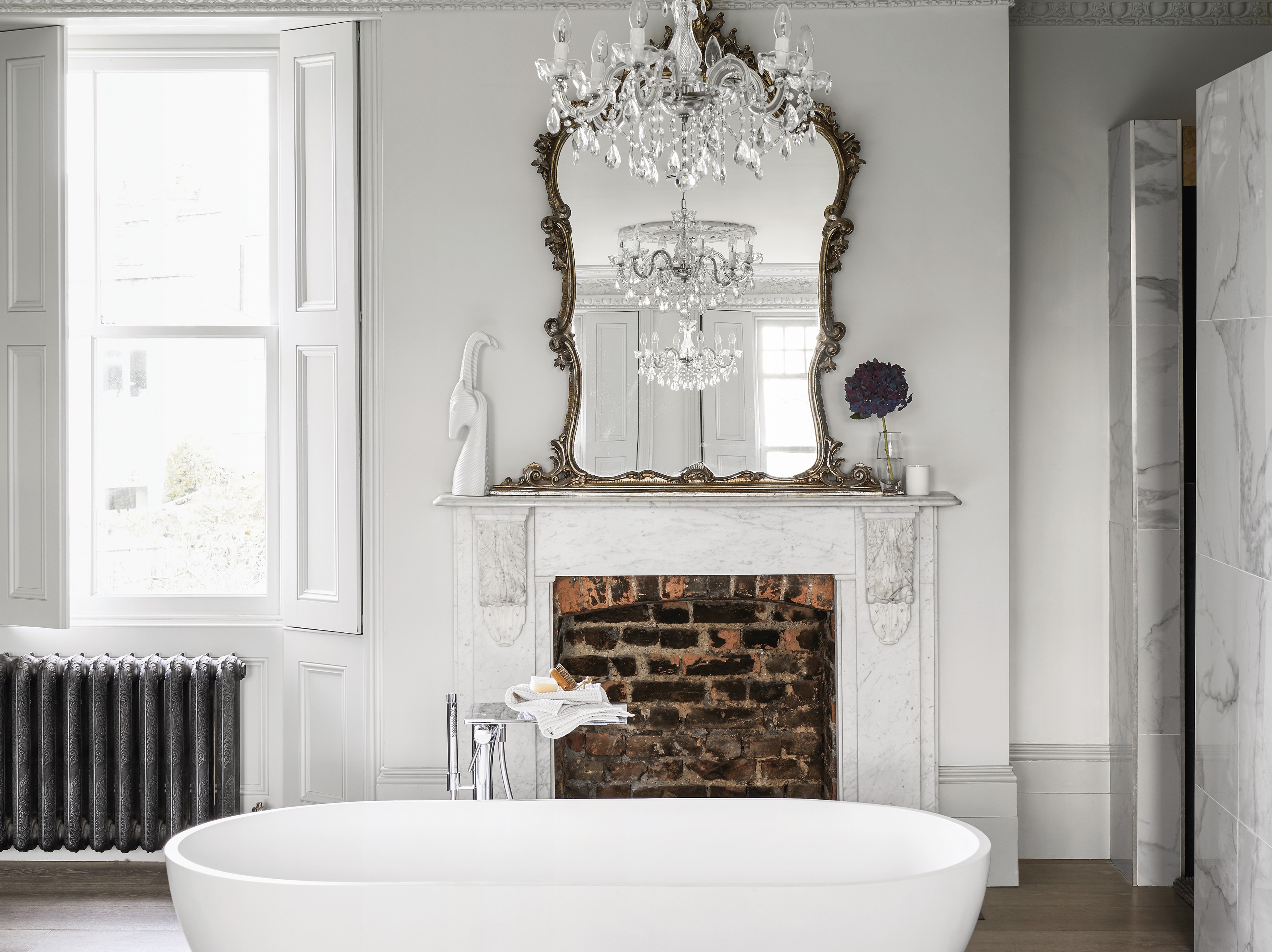
5 Bathroom Lighting Mistakes to Avoid — Designers Advise How to Dodge The Most Common Problems
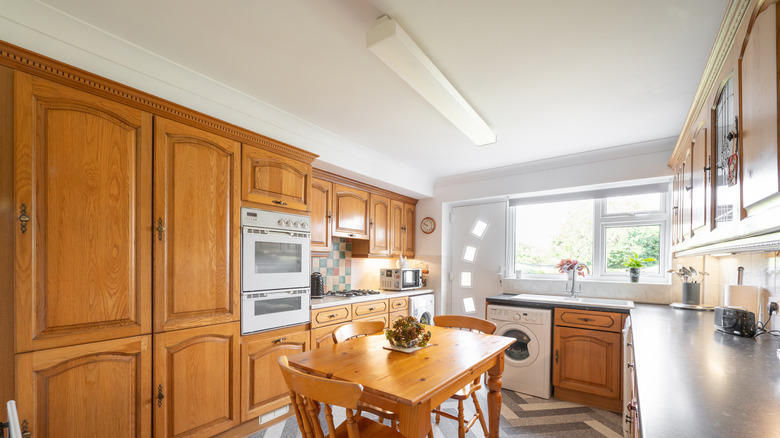
Kitchen Lighting Mistakes That Are Making Your Space Look Dated
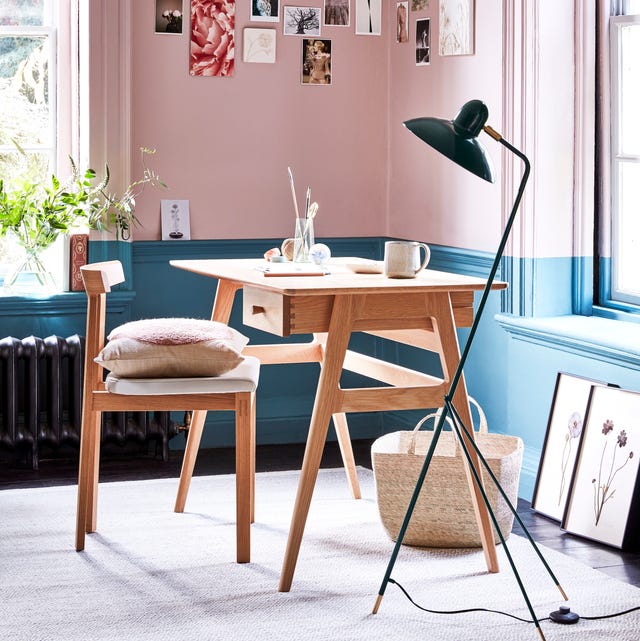
3 common lighting mistakes you are making, according to Feng Shui experts

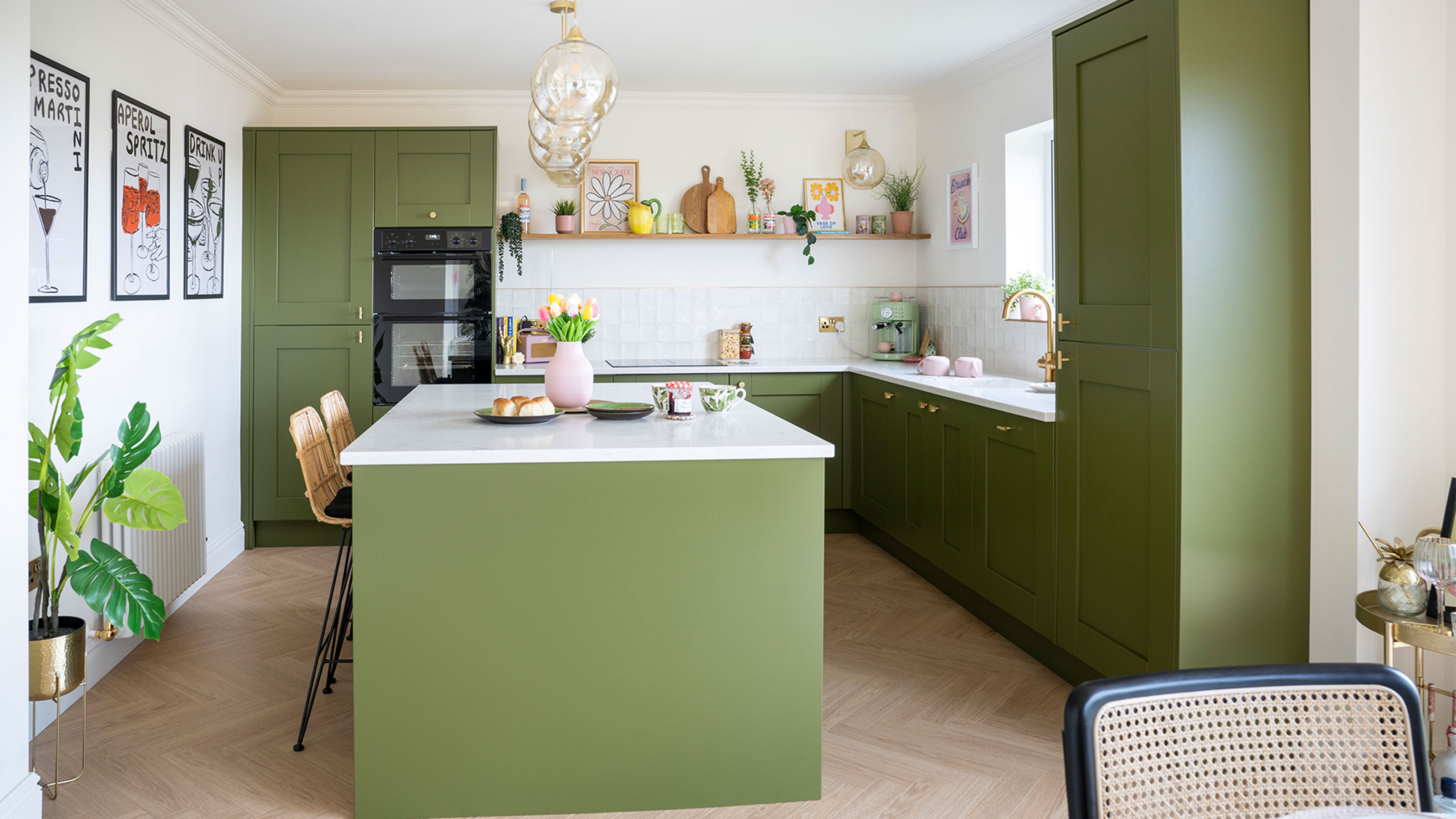
Experts warn this is the biggest mistake people make when choosing lighting for their kitchen
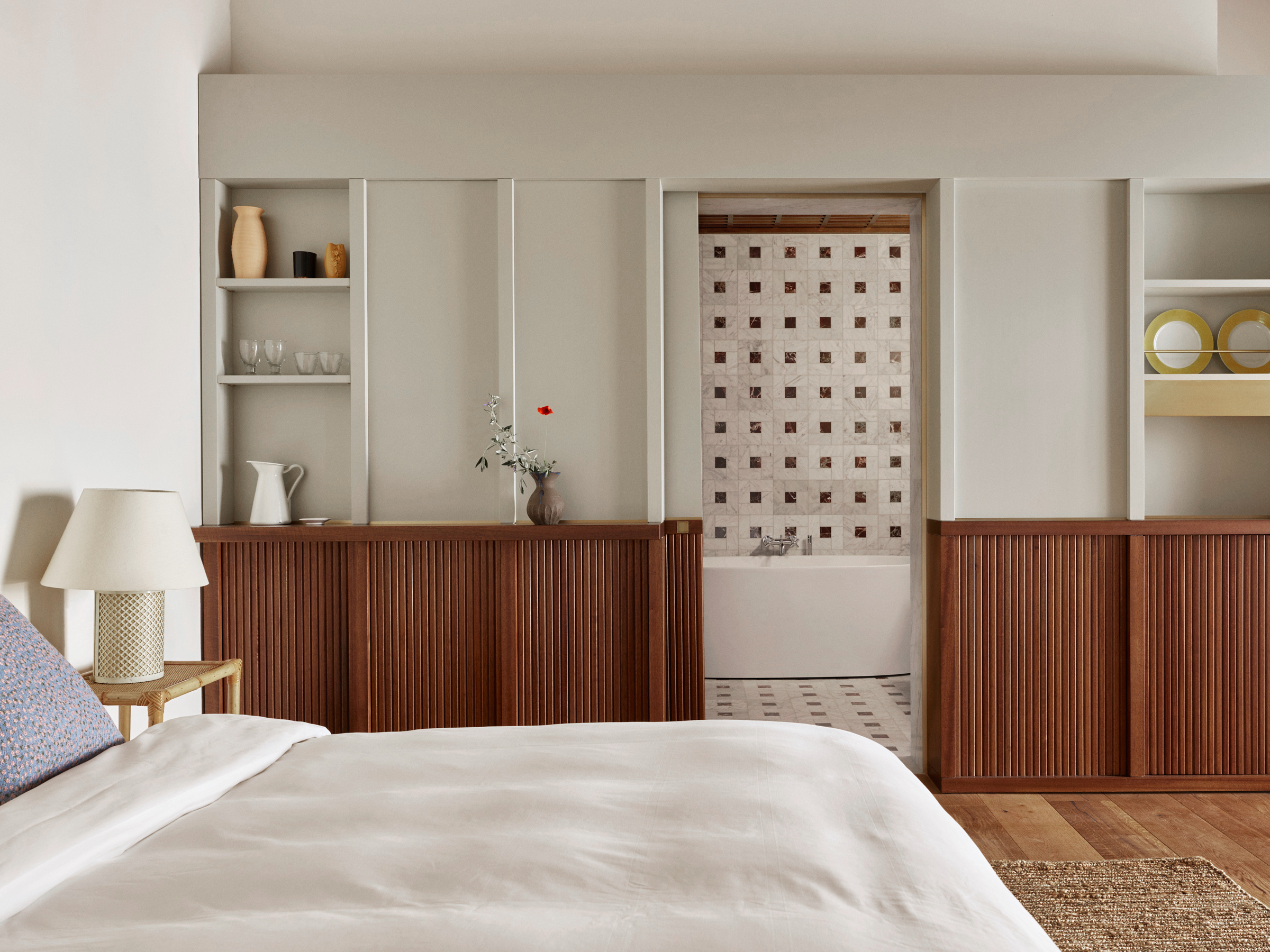
7 Bedroom Lighting Mistakes — Experts Say They "Scream 'Wrong Vibe'" and Ruin Your Aesthetic
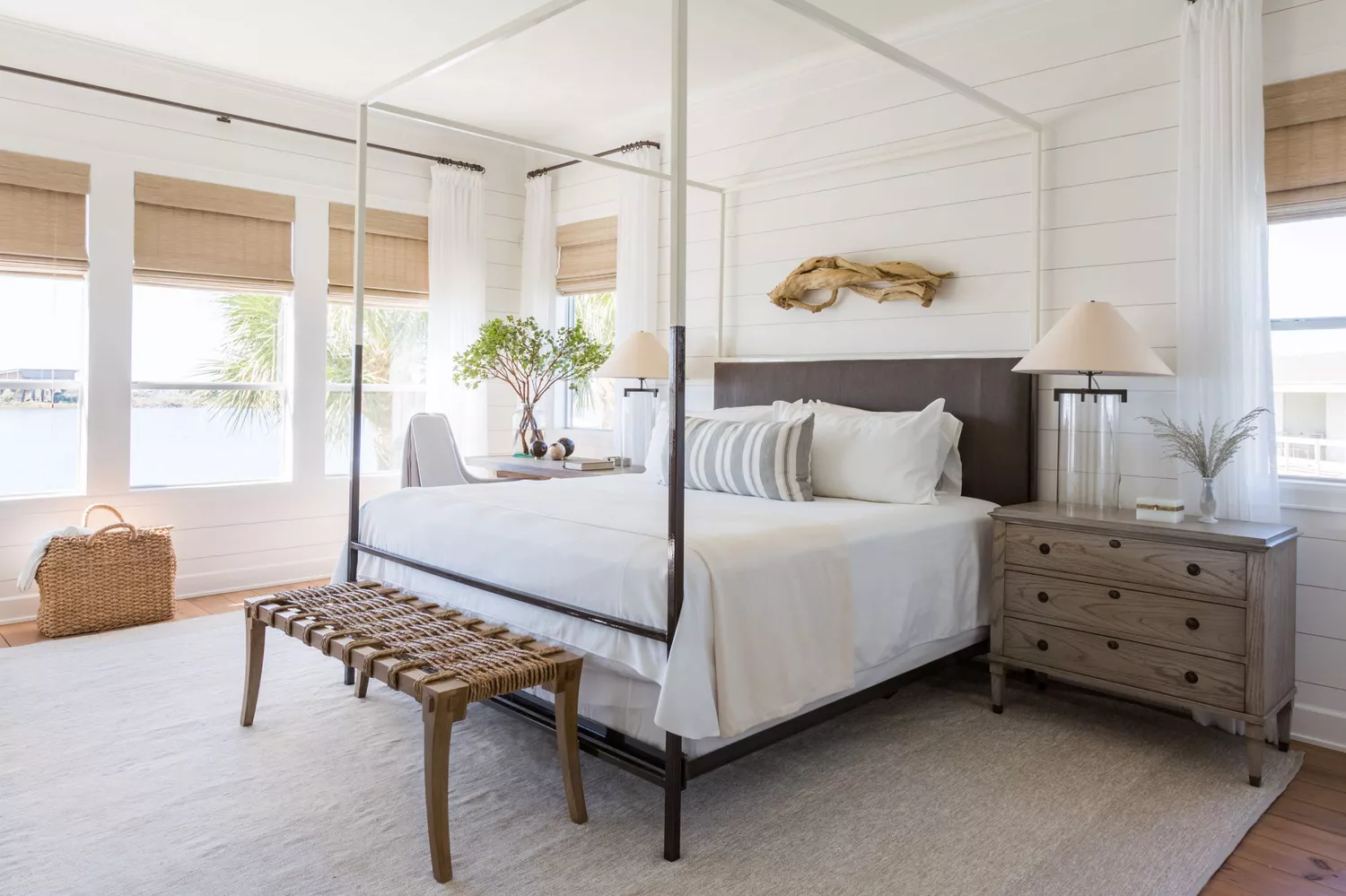
8 Bedroom Decorating Mistakes You Should Never Make