1/8
7 common bathroom lighting mistakes, and how you can avoid them
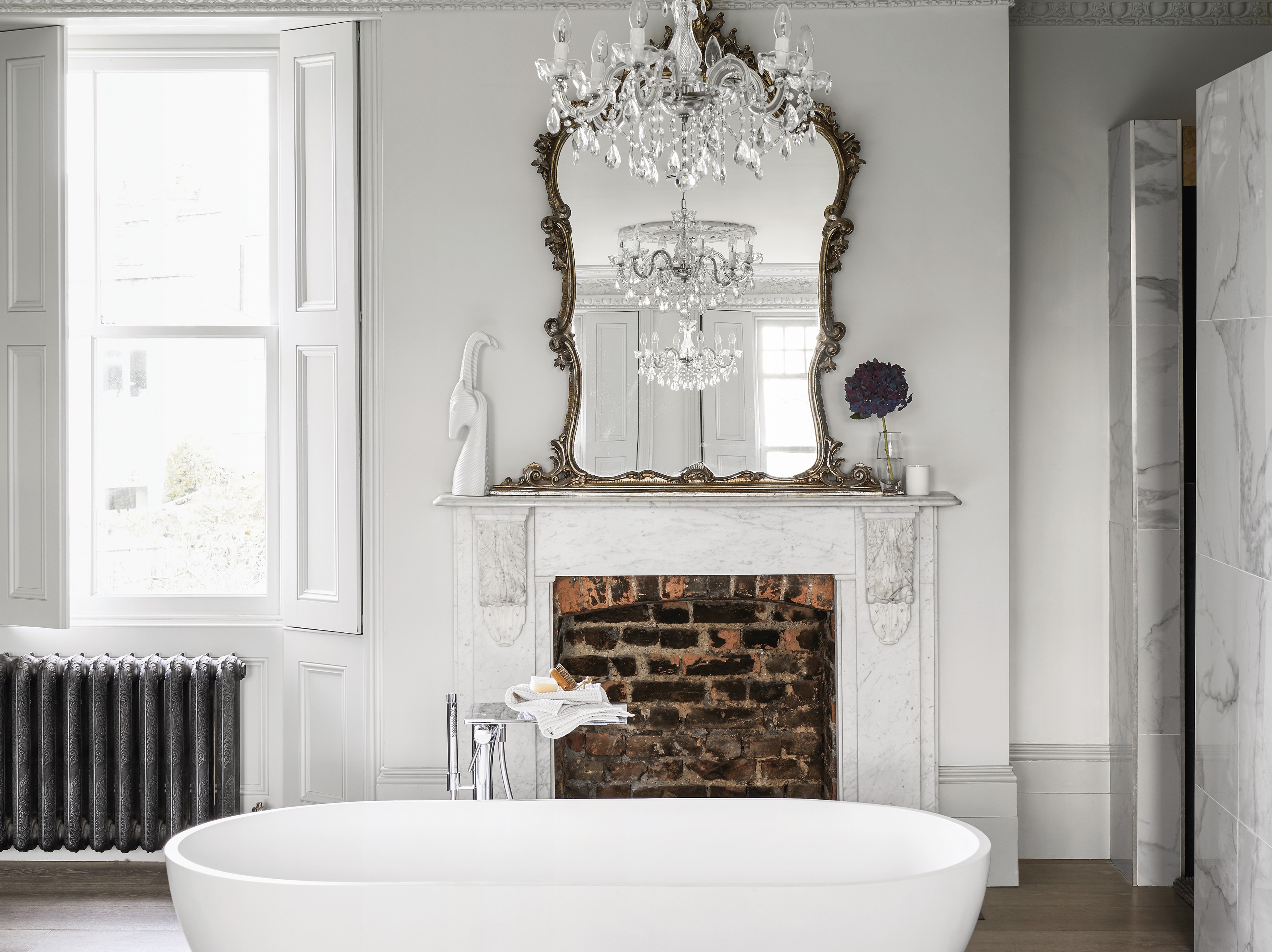
Effective bathroom lighting is crucial for both functionality and creating a relaxing atmosphere, yet many common mistakes can detract from its potential. Relying solely on a single, central light source is a primary error, as bathrooms require layered lighting to accommodate various tasks and moods. Two essential types of illumination are task lighting, which provides shadow-free light for activities like shaving and applying makeup, and ambient lighting, for a more relaxed setting. Ignoring these distinctions can lead to poorly lit spaces that are neither practical nor pleasant.
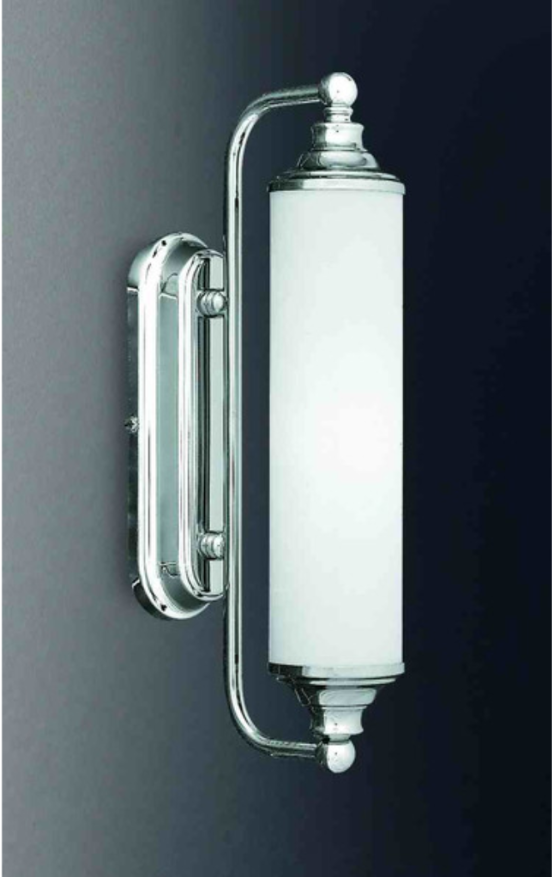
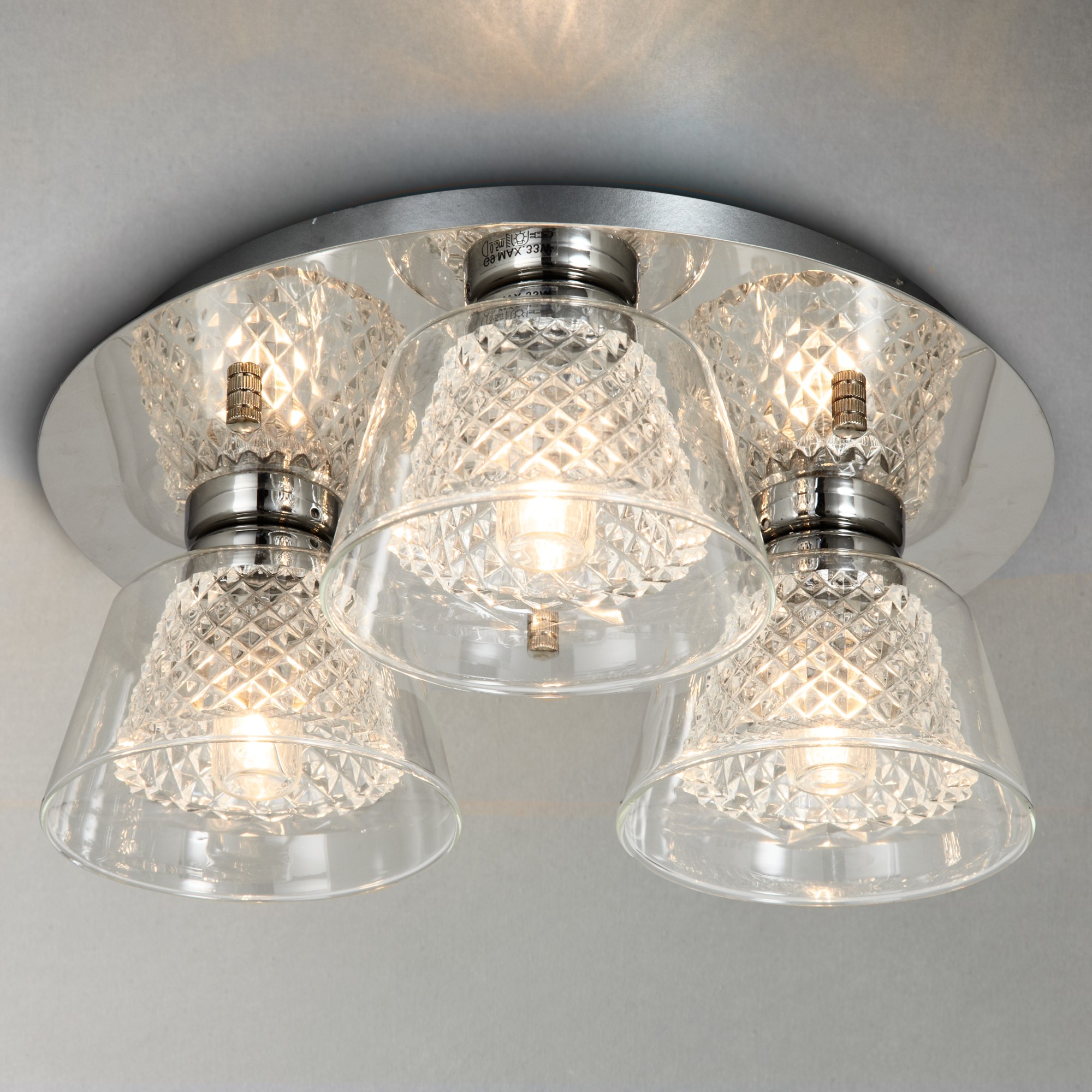
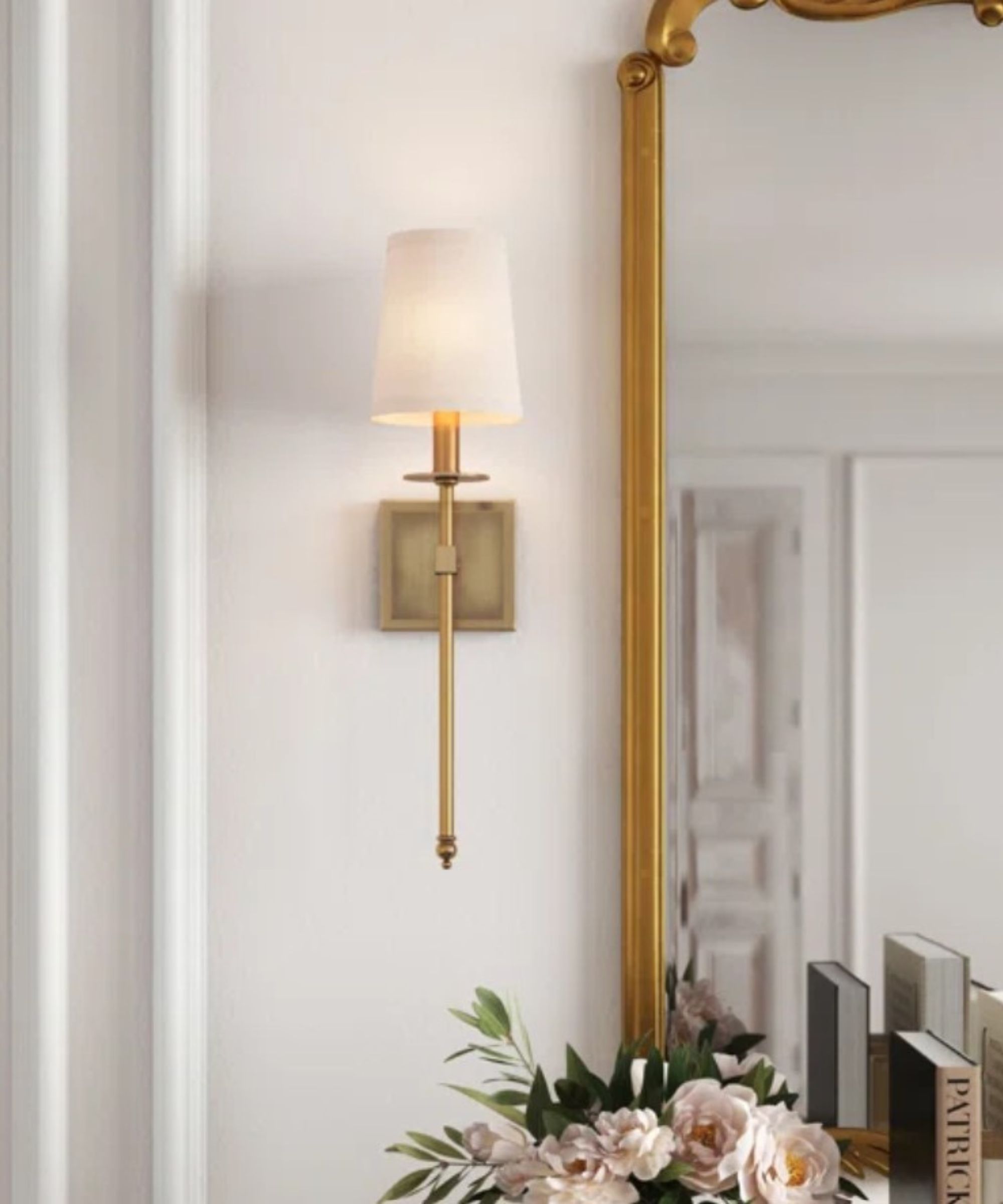
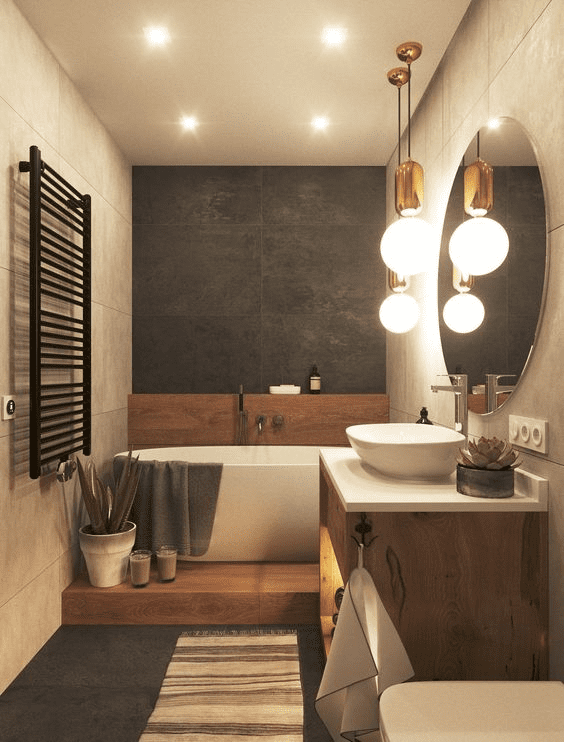
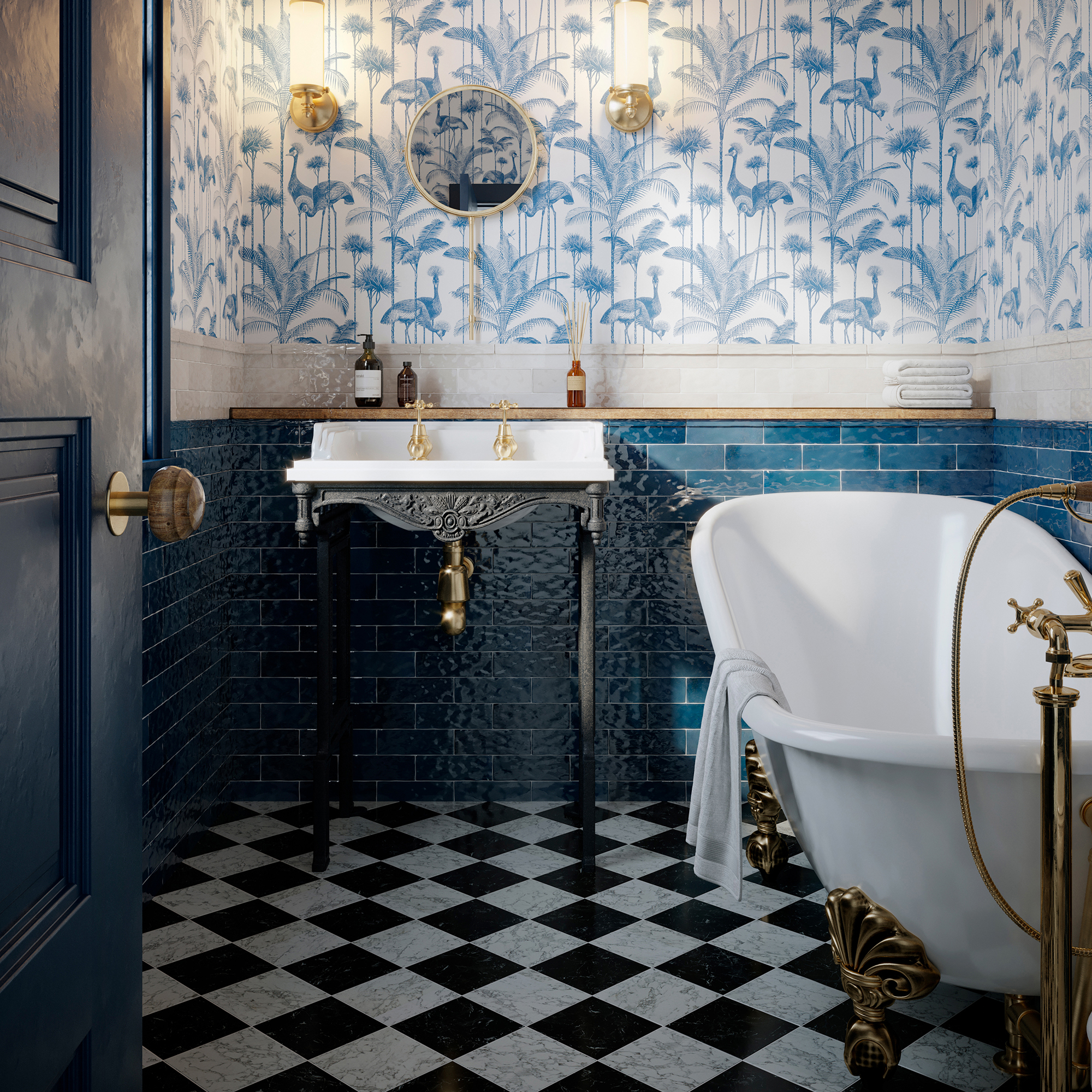
Over-lighting with too many downlights, often a misinterpretation of avoiding a single light source, is another common pitfall. While a lone ceiling light is insufficient, peppering the ceiling with numerous spotlights can be painful to the eyes and inefficient in terms of energy consumption. The key lies in strategic positioning rather than sheer quantity. Wall lights can make a space feel brighter and larger, and task lights should be placed directly where needed, such as over the vanity and shower, rather than in symmetrical ceiling patterns. Layering different types of lighting – task, ambient, and accent – is vital for a balanced and practical bathroom.
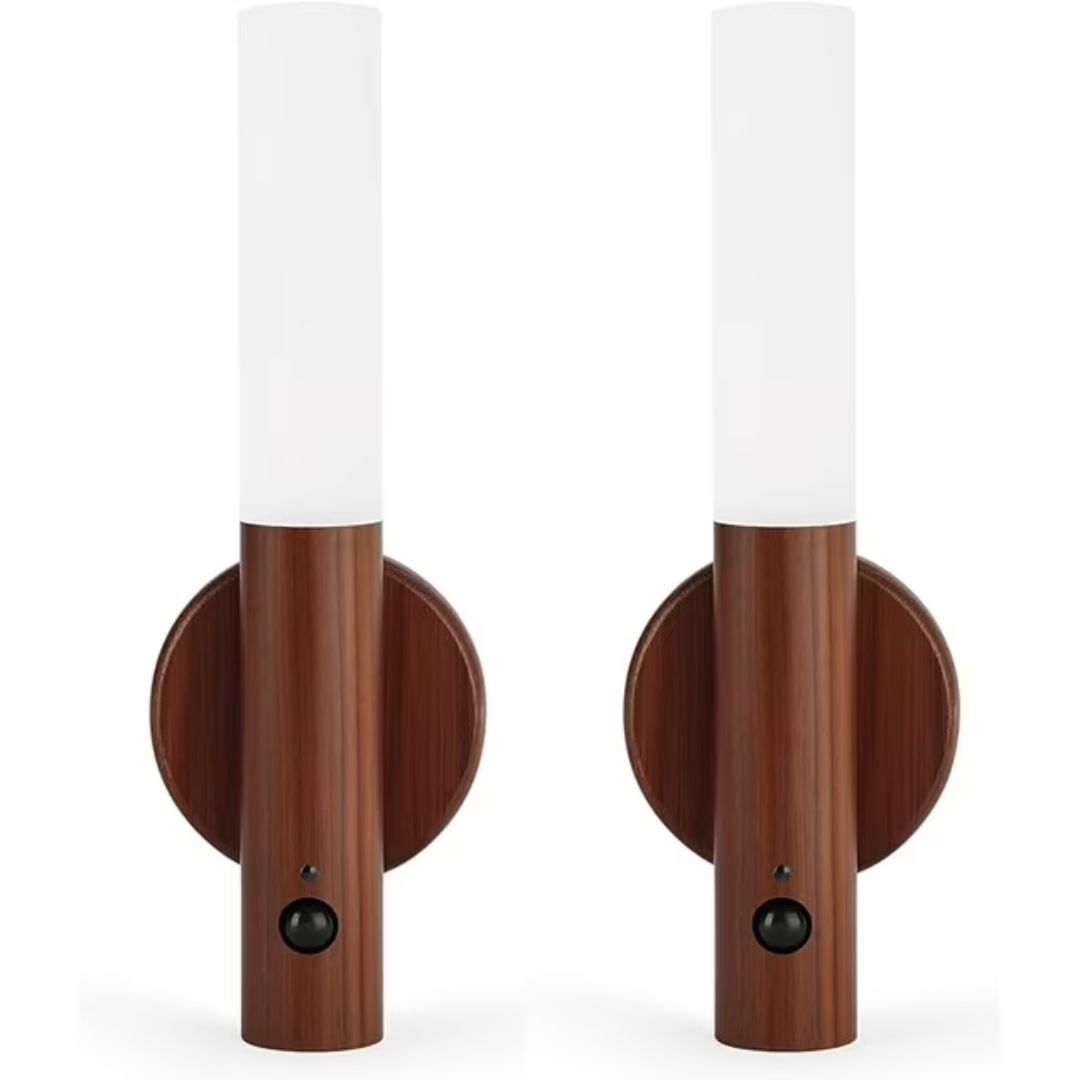
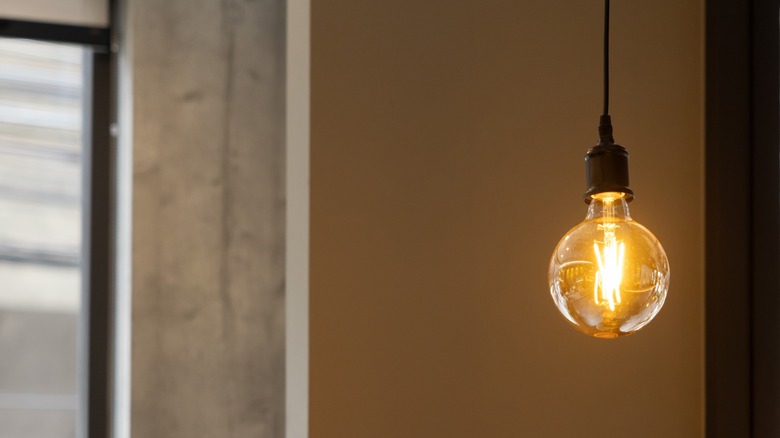
Another significant mistake involves neglecting the warmth of light. Cold white lights, often found in public restrooms, can be unflattering and create an uninviting atmosphere. Light temperature, measured in Kelvins (K), dictates how light appears. A lower Kelvin rating, around 2700K, produces a soft, warm light ideal for relaxation, while brighter lights, between 3300K-5300K, are better suited for task areas like mirrors. Smart lighting options that allow for adjustable Kelvin temperatures offer flexibility, enabling users to switch between cool task lighting and warm ambient light as needed.
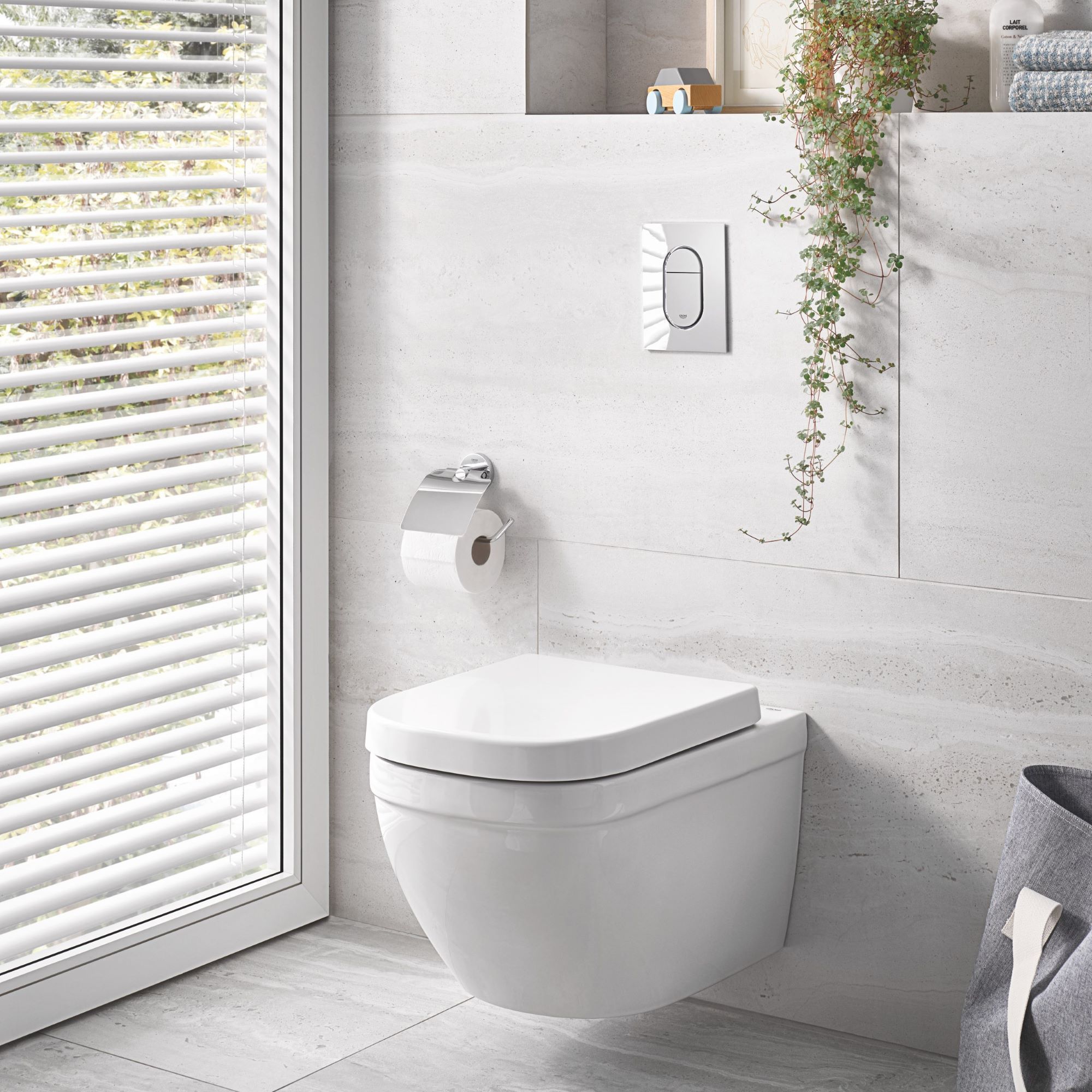
Safety is paramount in bathroom lighting due to the presence of water. Ignoring IP (Ingress Protection) ratings can lead to electrical hazards and building code violations. Light fixtures are assigned IP ratings based on their water resistance. For instance, lights rated IP65 or above are recommended for areas directly above showers and near water sources, while IP44 is generally suitable for the rest of the bathroom. Areas of direct water contact, like inside a shower or bathtub, require even higher ratings (IP67 or IP68) for immersion proofing. It's crucial to select fittings specifically designed for bathroom use, ensuring they have the correct IP ratings and are made from corrosion-resistant materials.
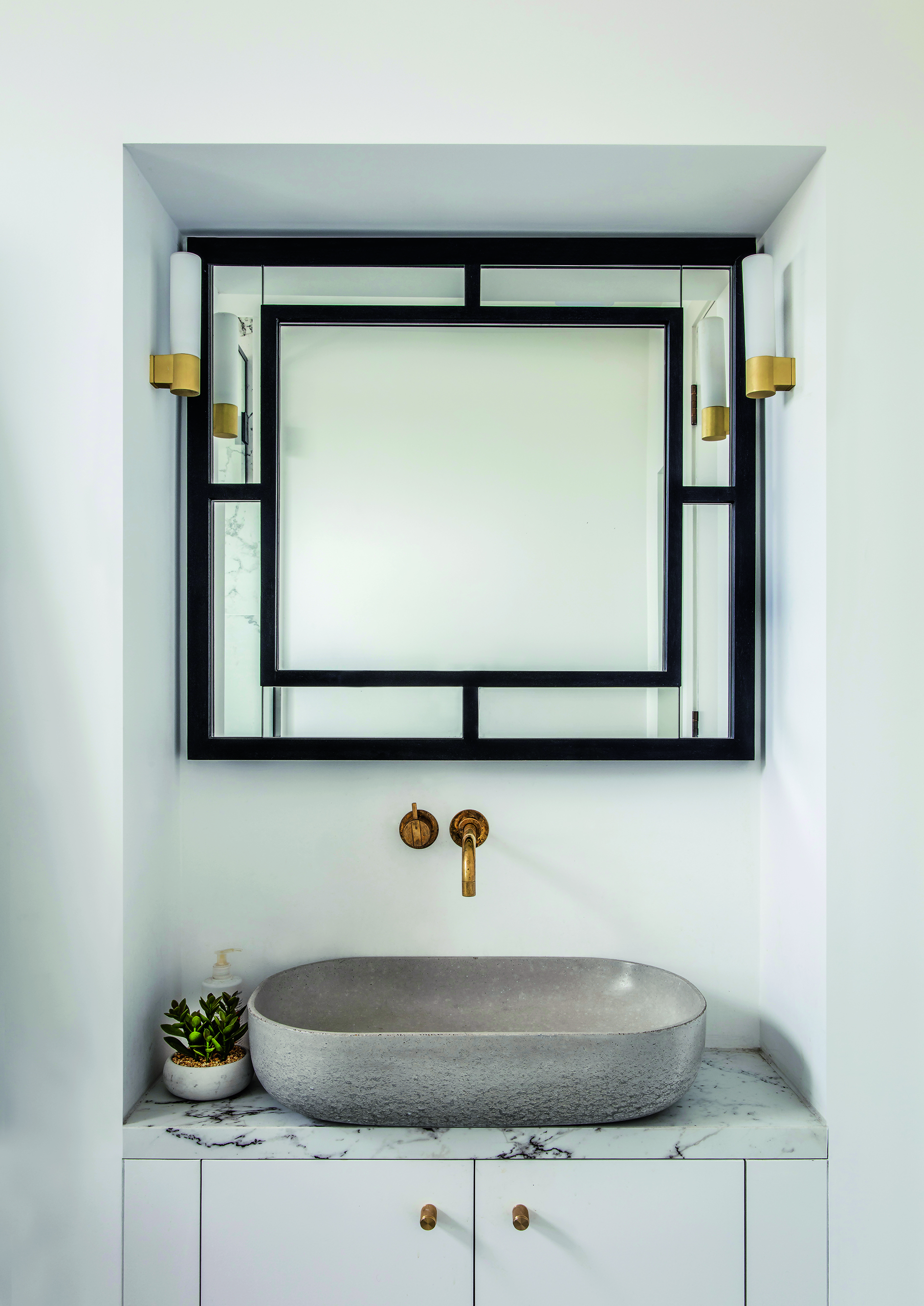
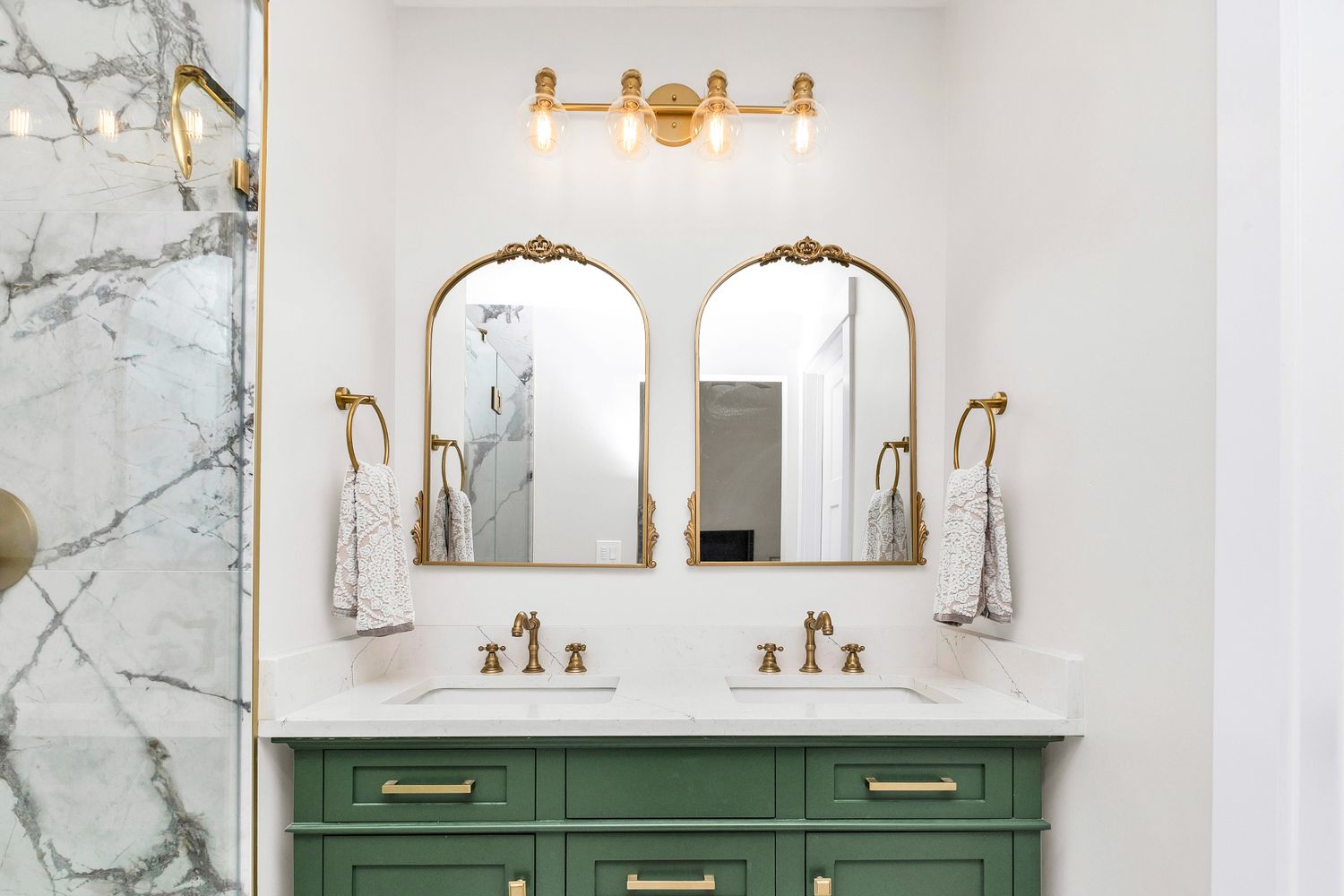
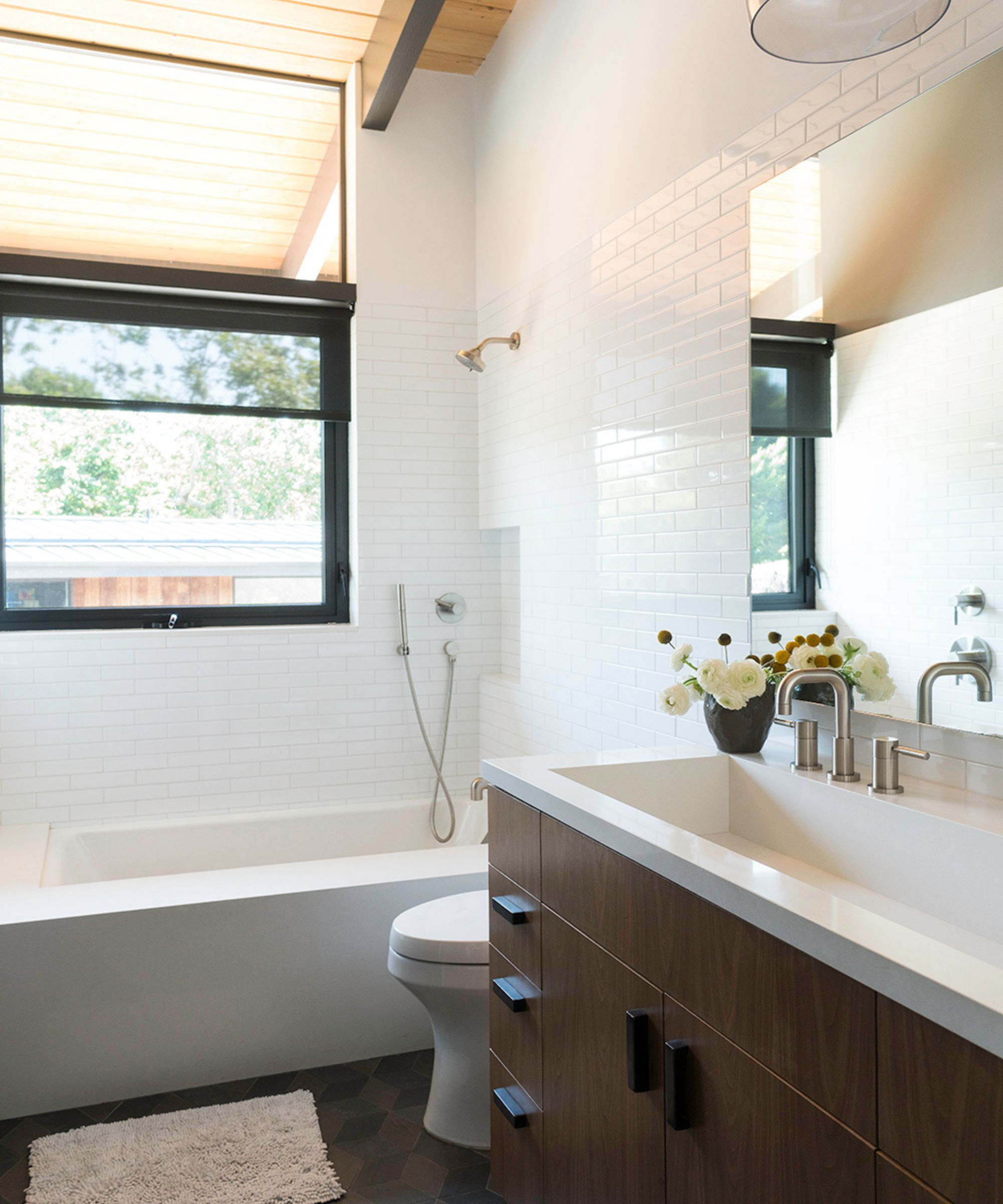
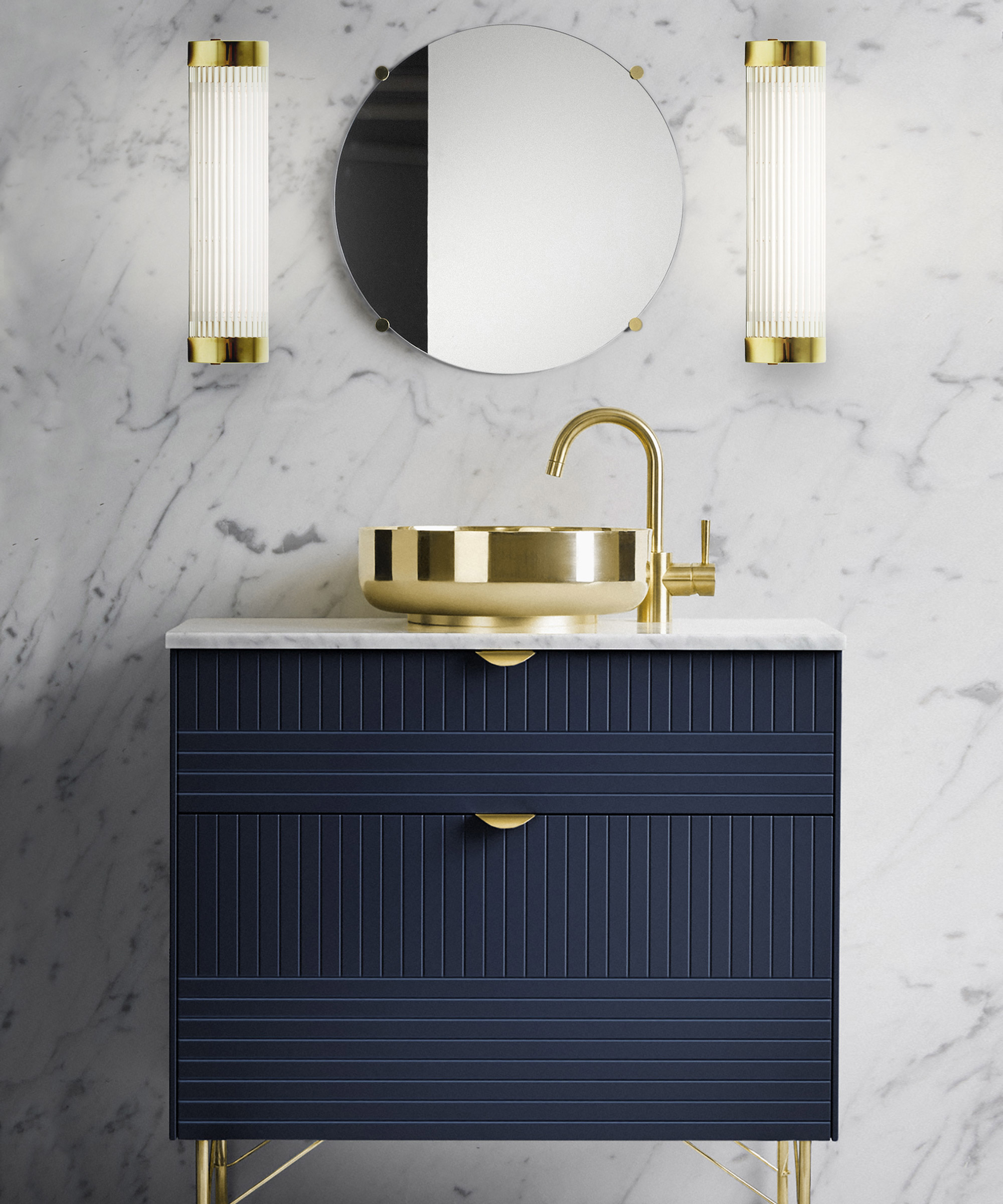
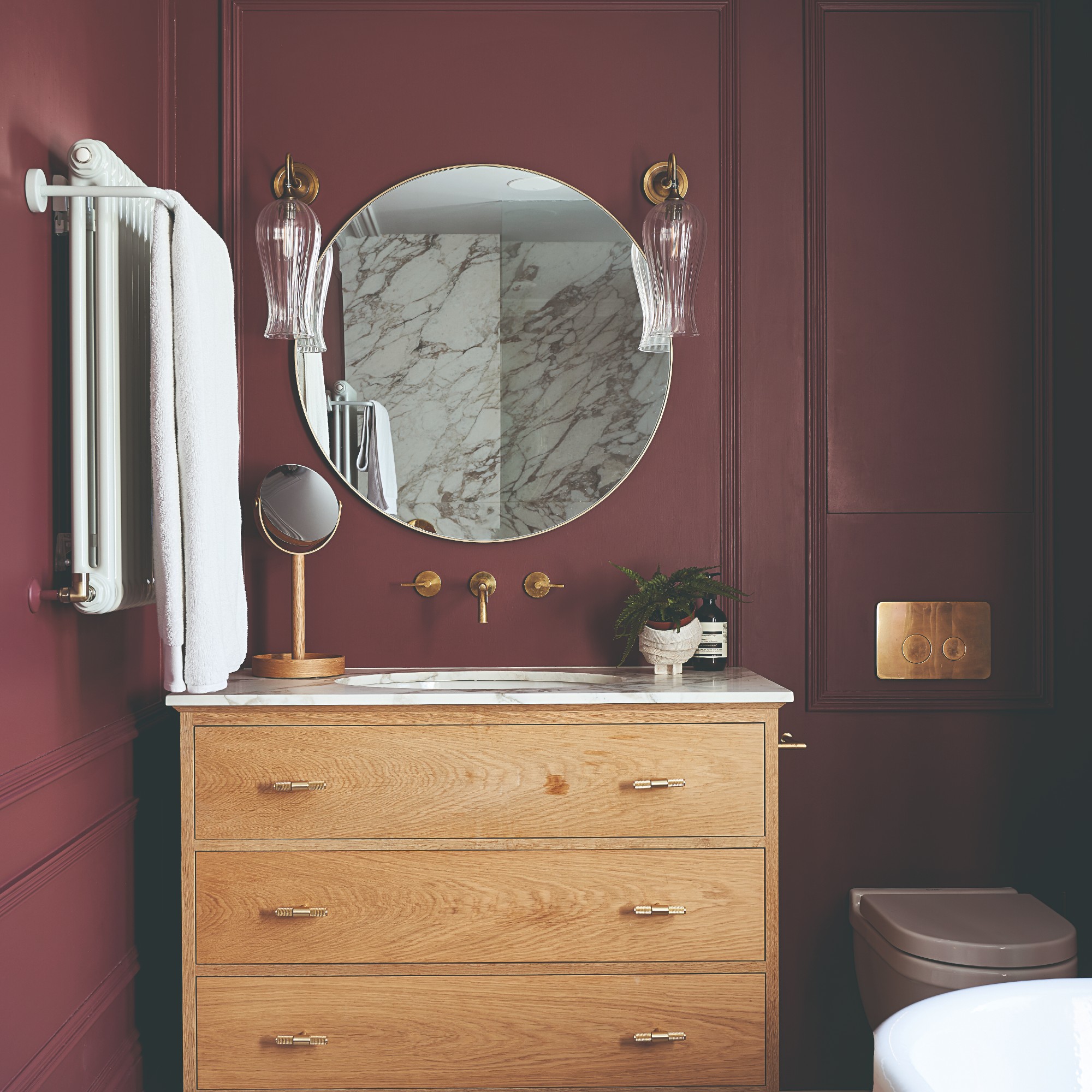
Poor placement of lights around vanity mirrors can result in inconvenient shadows, making grooming tasks difficult. Relying on overhead lights or pendants positioned behind the user causes shadows on the face. Instead, task lights should be placed directly above or on either side of the mirror to illuminate the reflection evenly. Mirrors with integrated lighting around the perimeter are an effective solution to eliminate shadows entirely.
Installing all bathroom lights on a single circuit limits control and versatility. Experts recommend a minimum of two lighting circuits: one for vanity lights and another for ceiling or pendant lights. Adding a third circuit for ambient mood lighting allows for greater flexibility, enabling users to adjust lighting levels for various activities, from bright task lighting to soft, relaxing illumination. Dual switches or dimmers placed just outside the bathroom can further enhance control over multi-circuit lighting systems.
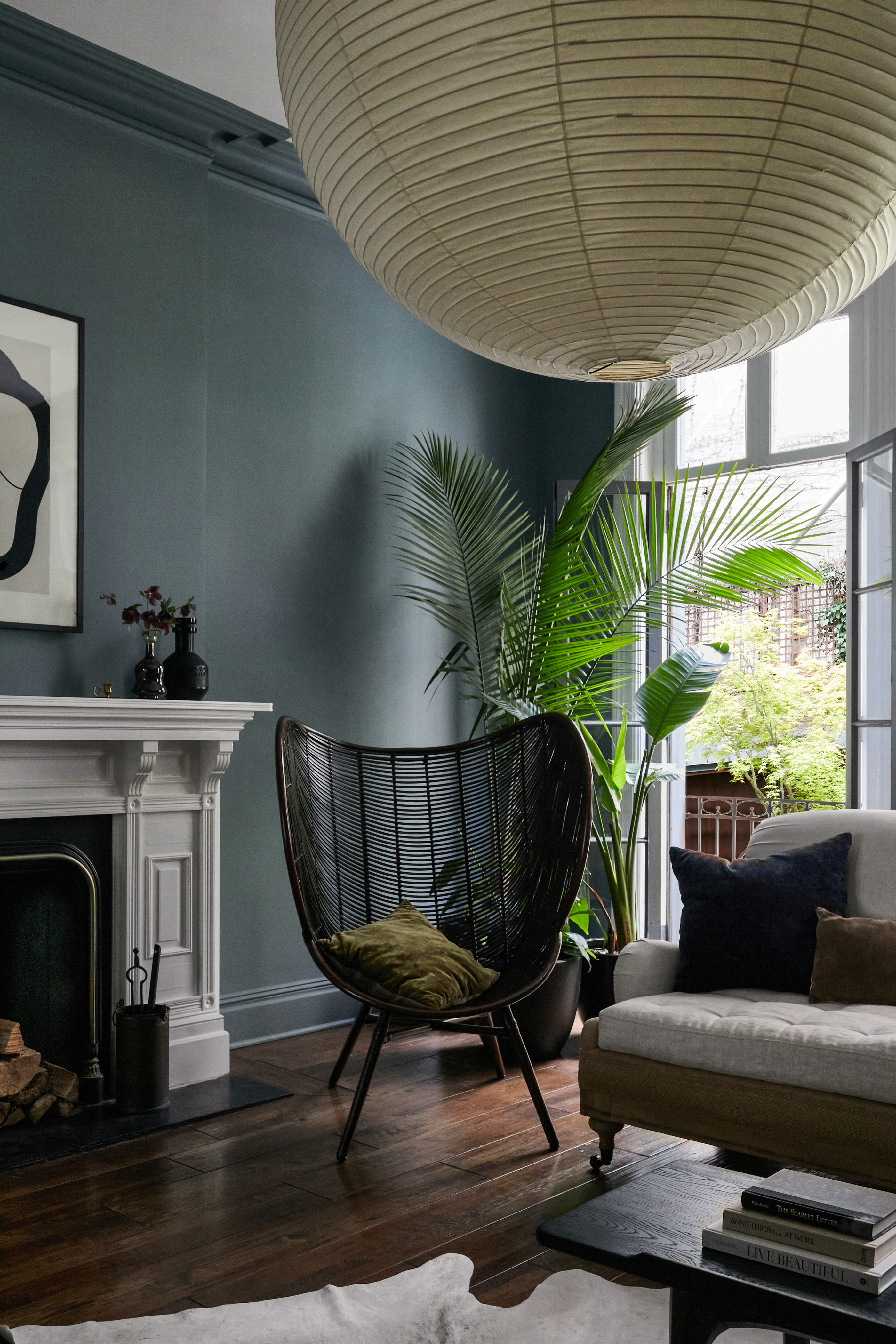
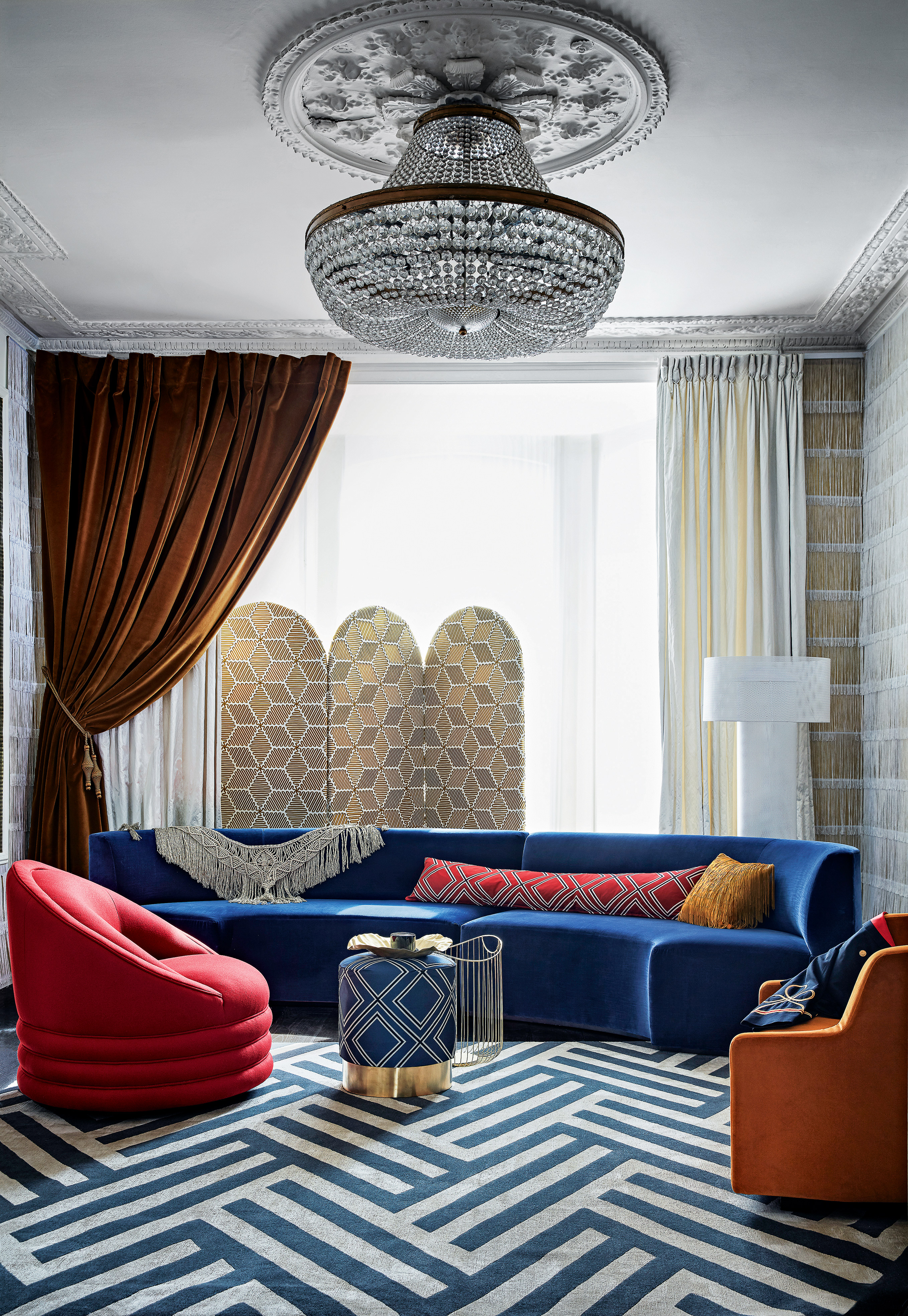
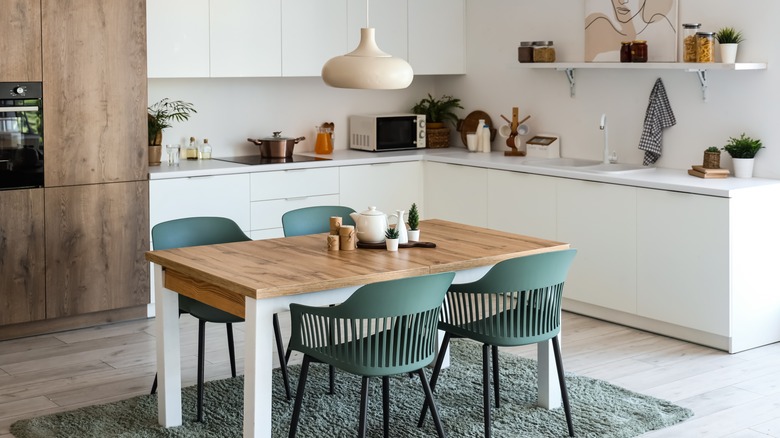
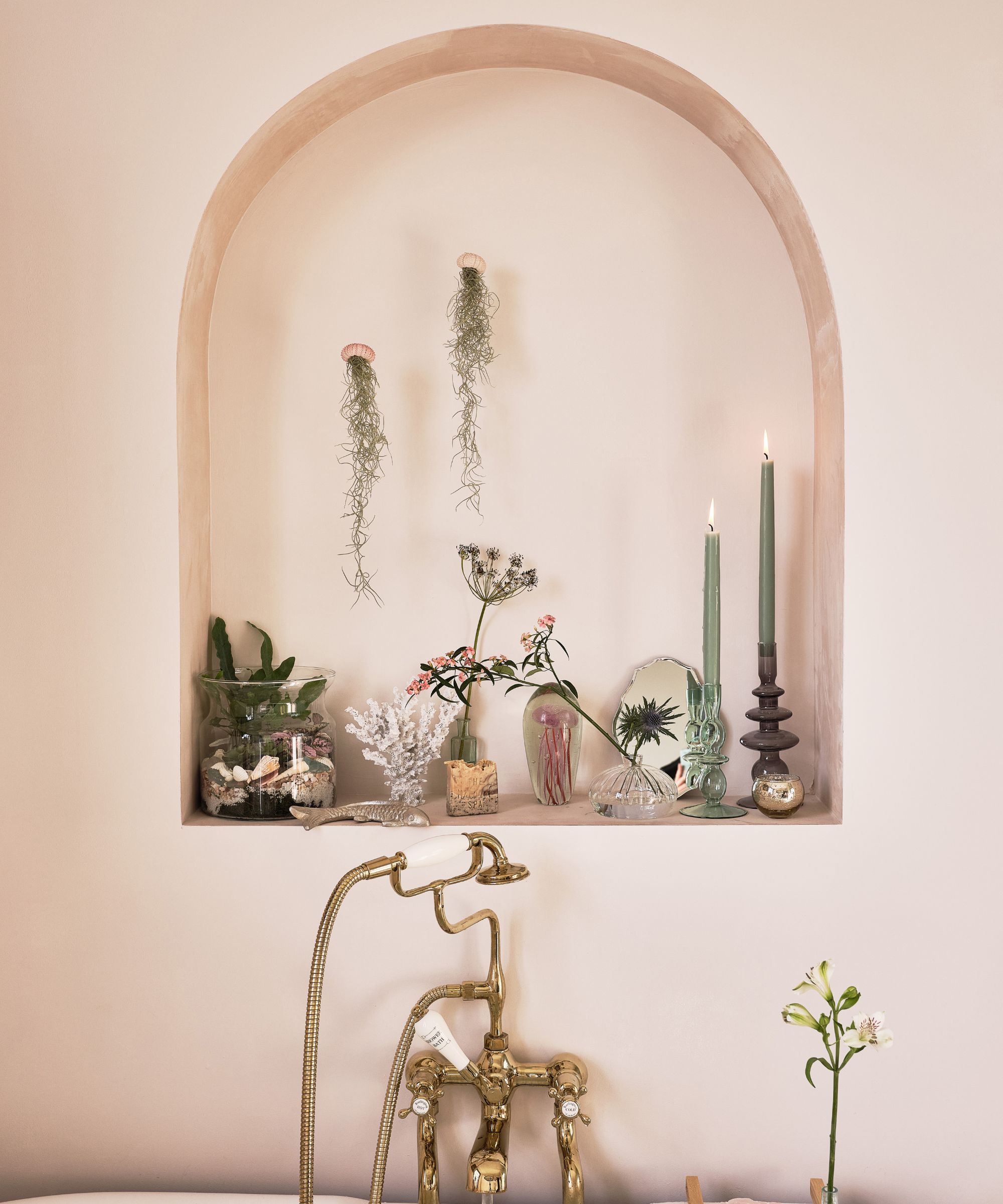
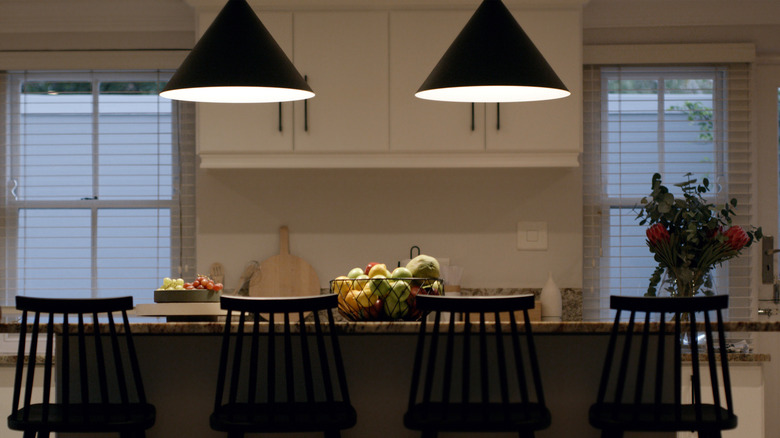
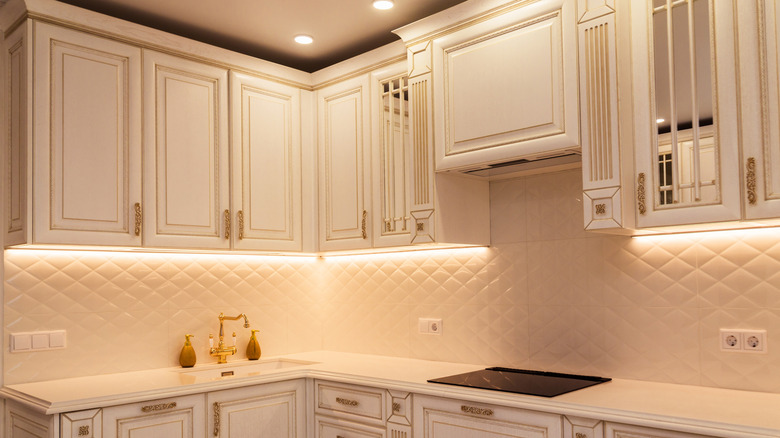
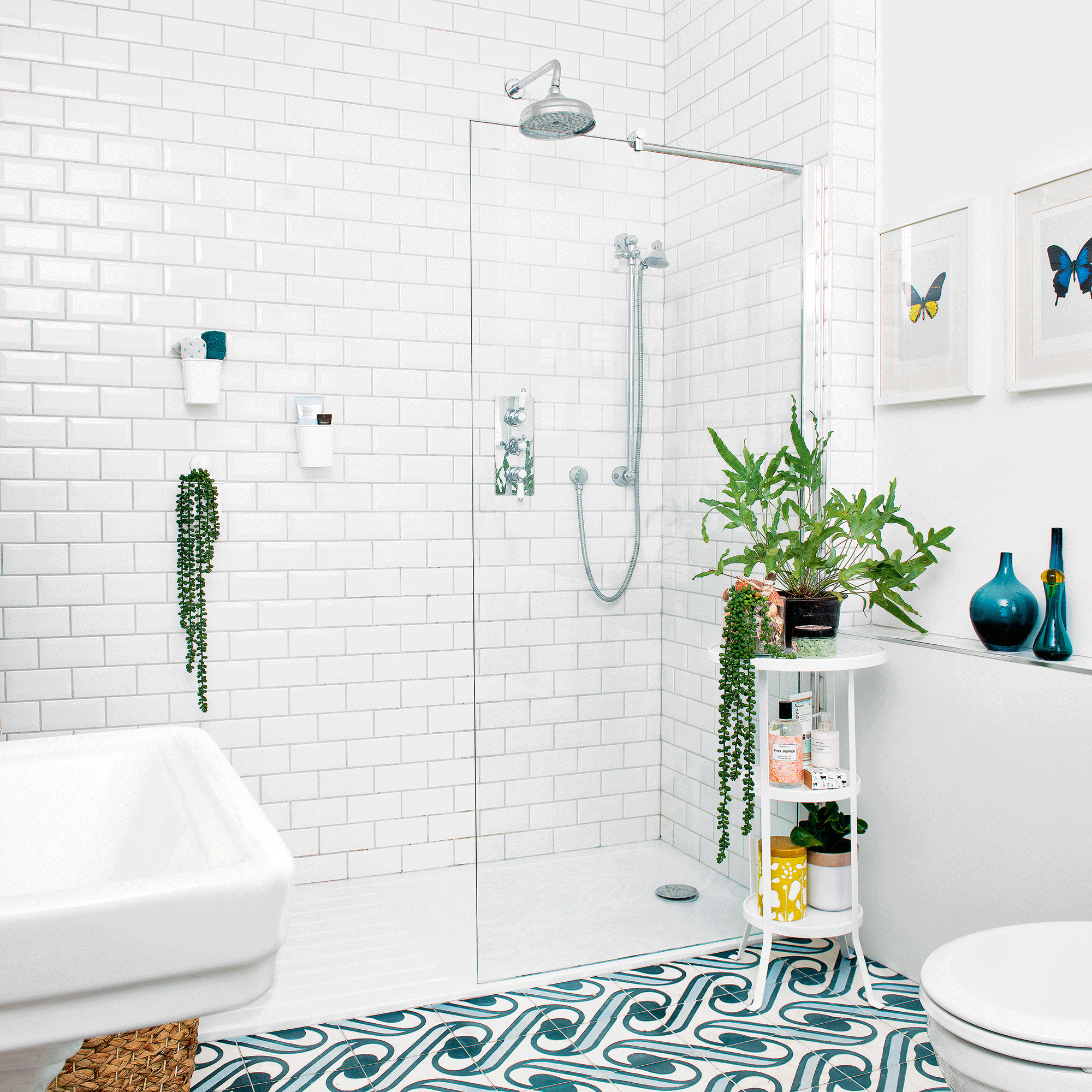
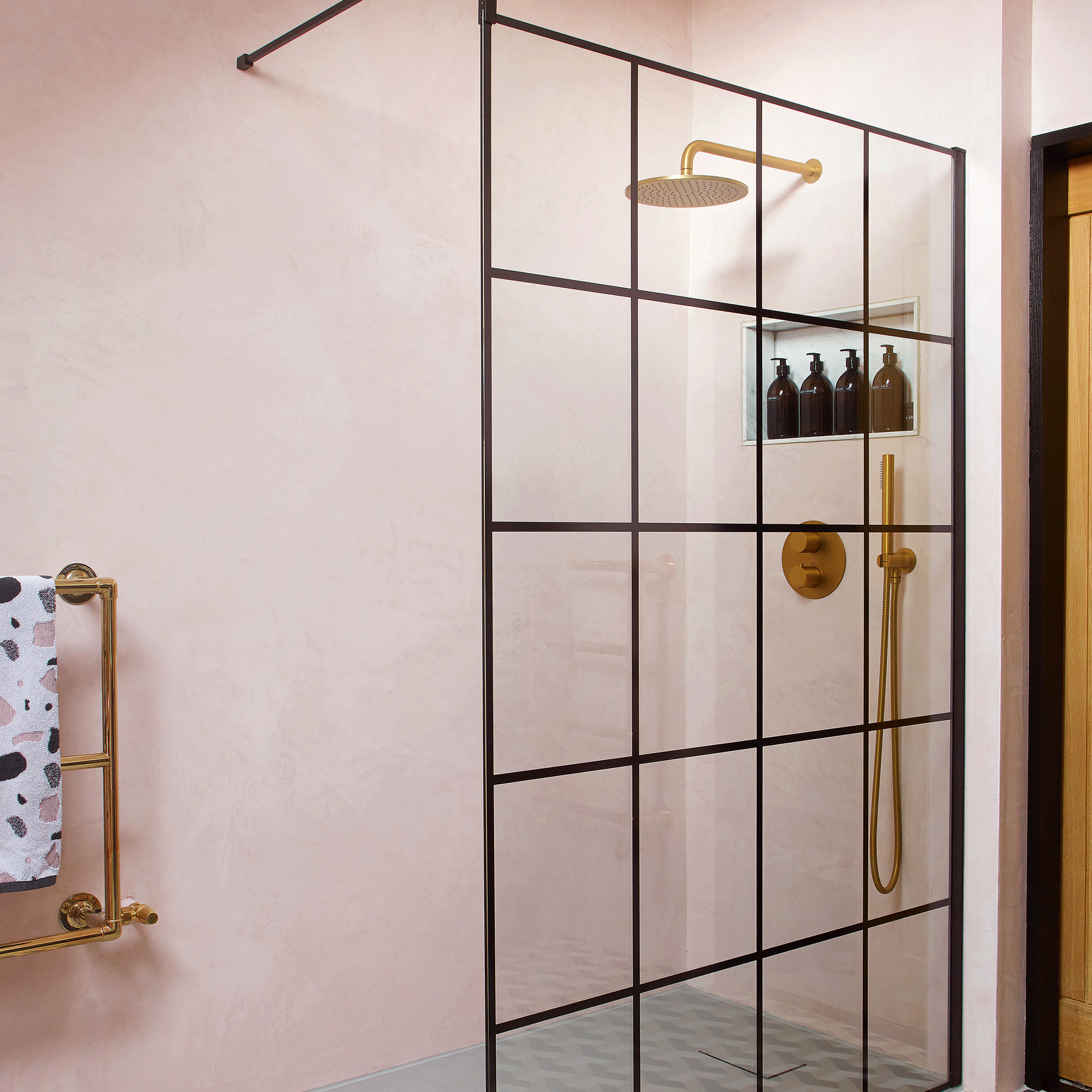
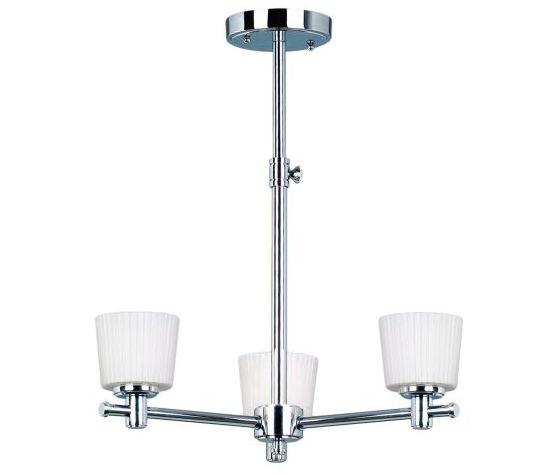
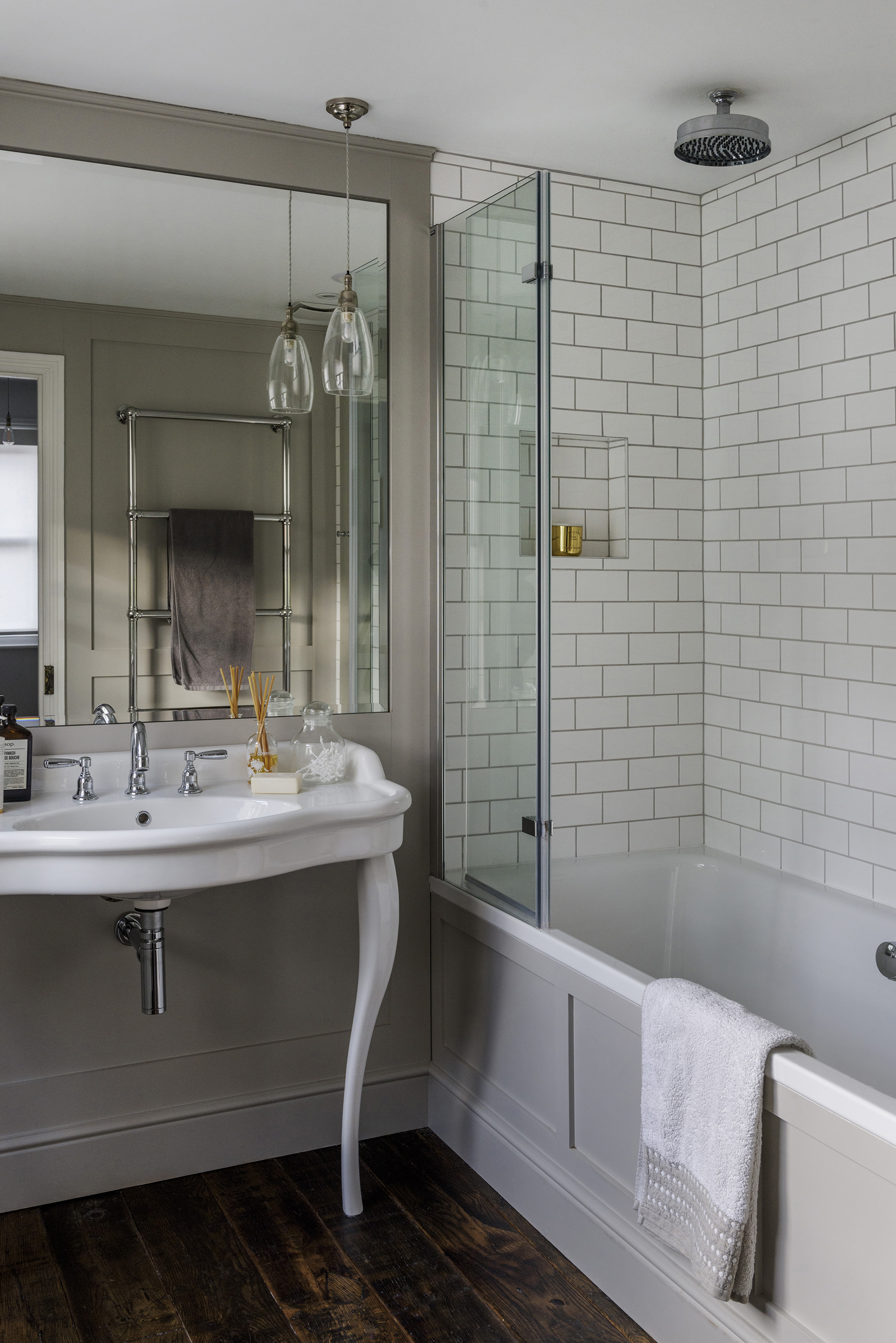
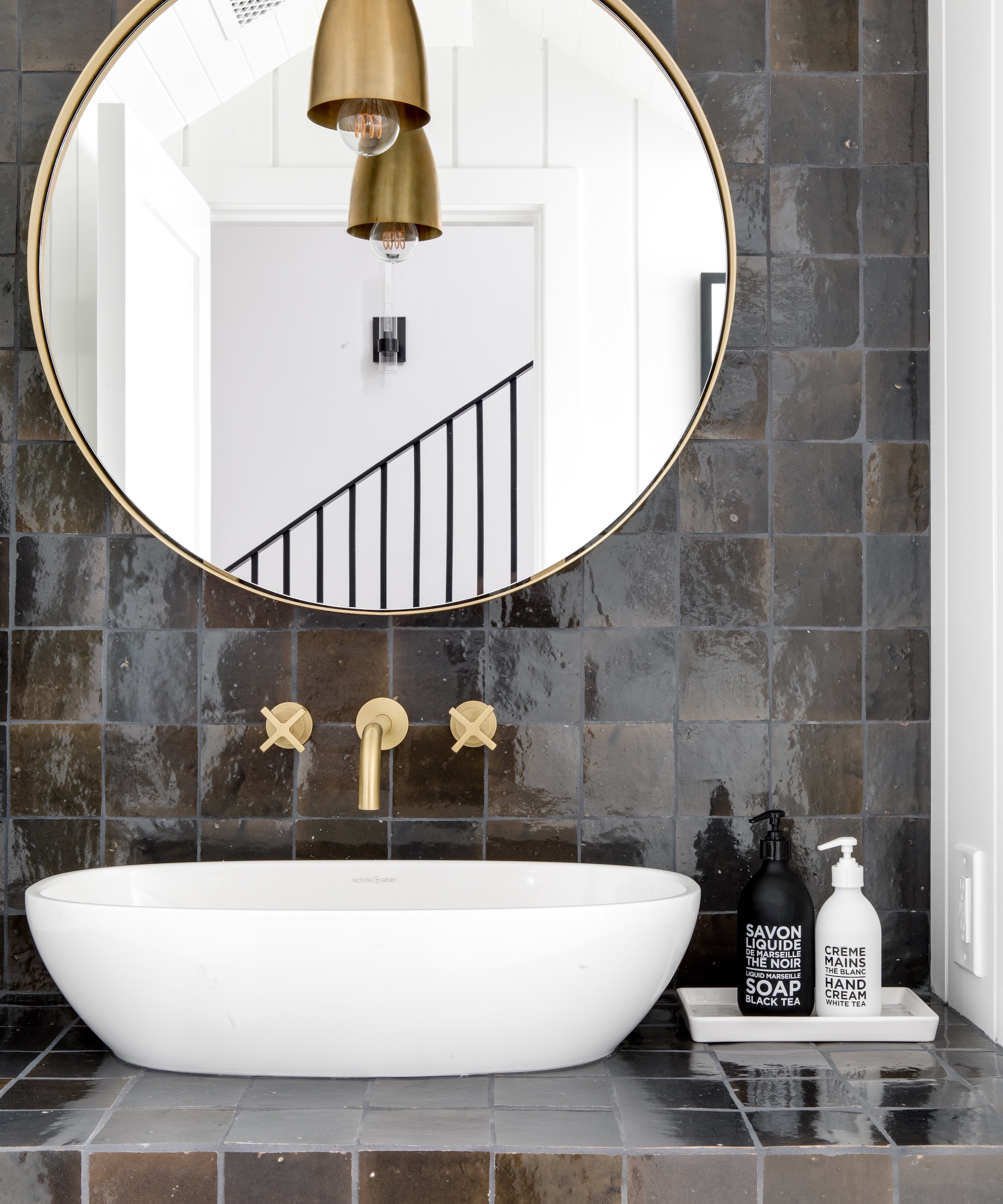
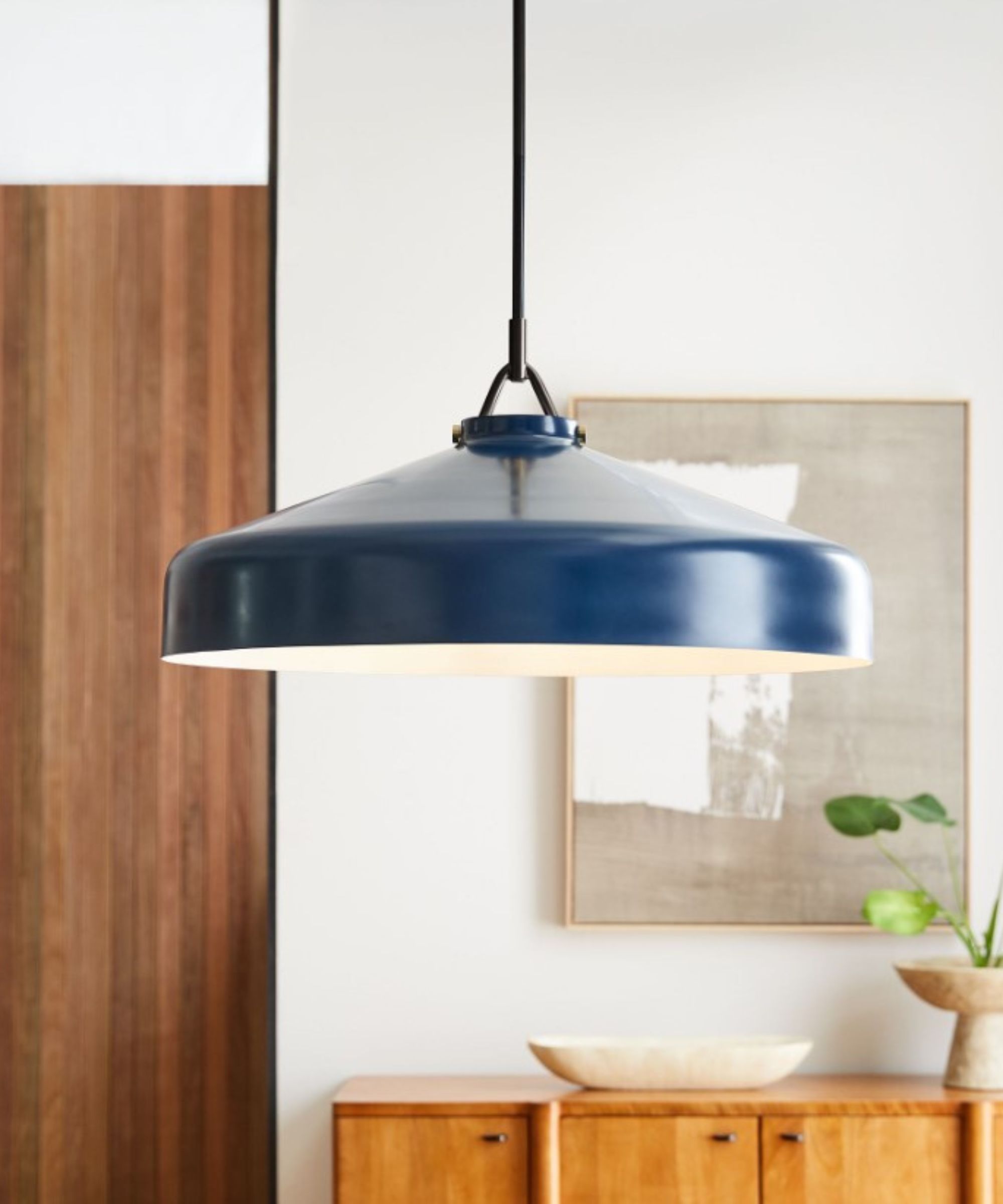
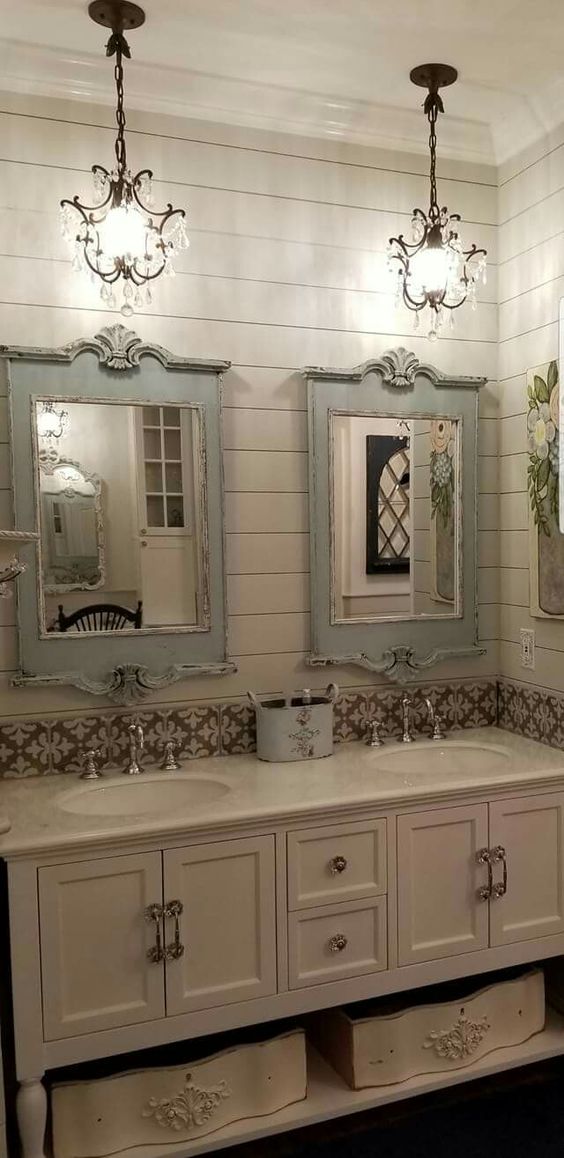
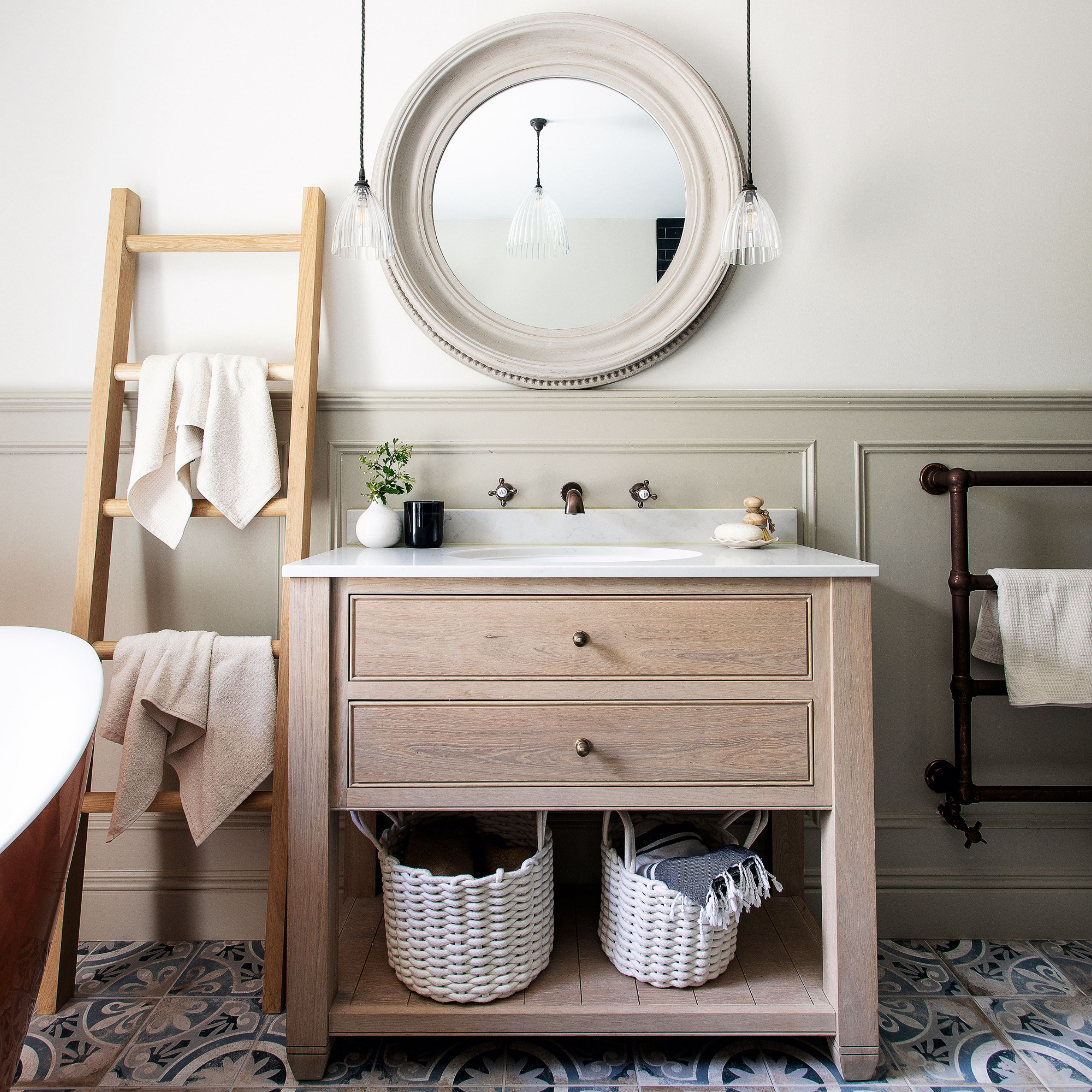
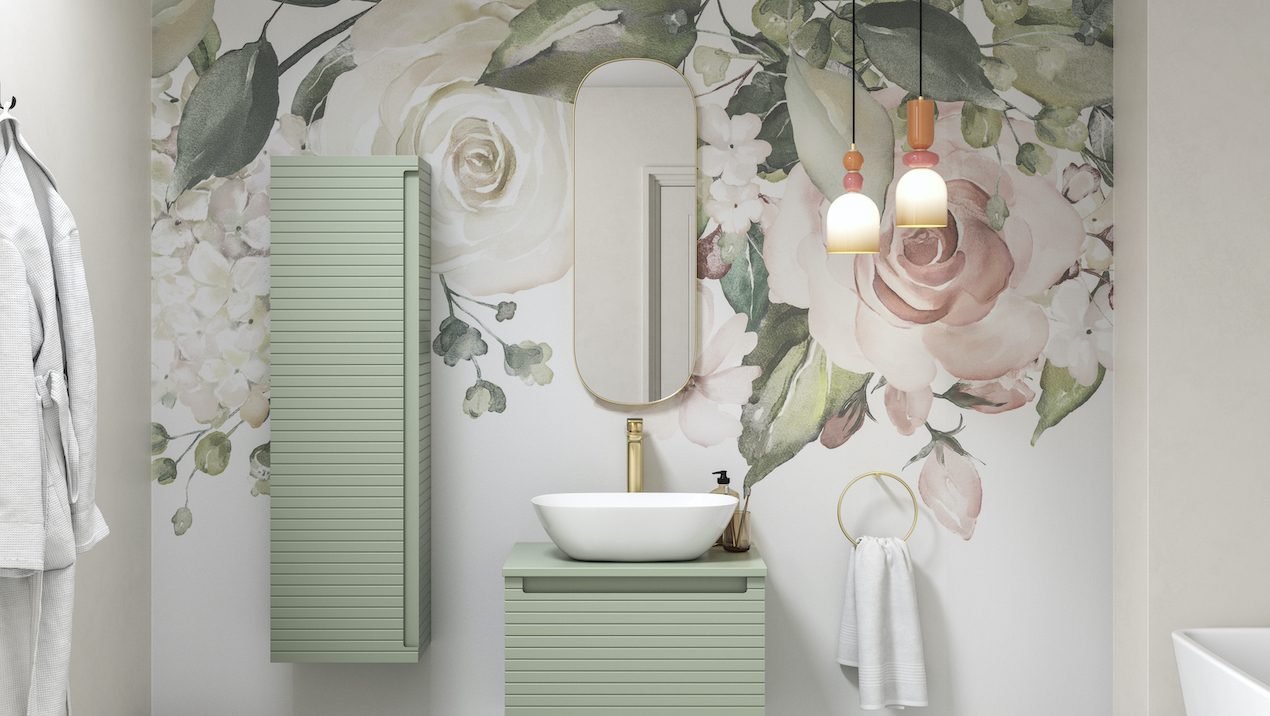
Finally, incorrectly hanging central pendants, particularly too low, is a common error. While some pendants can be used, they often need to be close to the ceiling (flush or semi-flush) to stay out of the way and provide effective overhead light. Height restrictions and IP ratings are especially important above baths and showers. Lower-slung pendants can be effective around mirrors to bring light closer to eye level for clearer reflections, provided they meet the necessary IP ratings for their proximity to water sources. Understanding the distinct roles of ambient (overall illumination) and accent lighting (highlighting features) is also crucial. While task lighting is functional, ambient lighting ensures a well-lit environment, and accent lighting adds depth and luxury, even in small bathrooms, by illuminating features like storage niches or planters.
#BathroomLighting #HomeDesign #LightingMistakes #IPRating #TaskLighting #AmbientLighting #AccentLighting #LightTemperature #HomeImprovement #BathroomLighting #HomeDesign #LightingMistakes #IPRating #TaskLighting #AmbientLighting #AccentLighting #LightTemperature #HomeImprovement
0 comment in total
 No comments yet
You may also like
5 Bathroom Lighting Mistakes to Avoid — Designers Advise How to Dodge The Most Common Problems

15 Kitchen Lighting Mistakes Everyone Makes

Bathroom Lighting - Our Pick of the Best
12 bathroom remodeling mistakes to avoid when planning your design

7 Common Living Room Lighting Mistakes to Avoid at all Costs
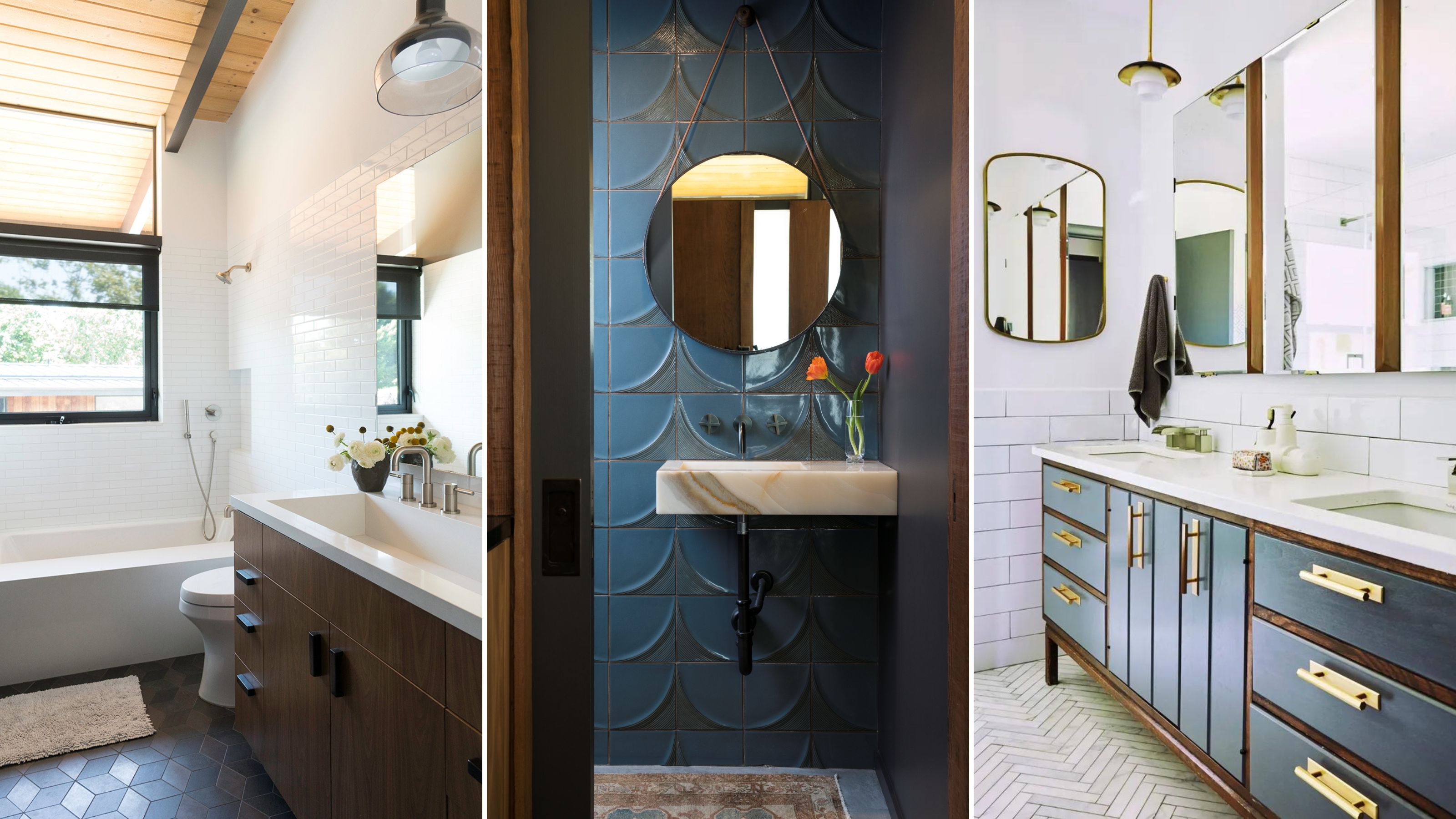
7 small bathroom layout mistakes — designers say to swerve these to "maximize potential"
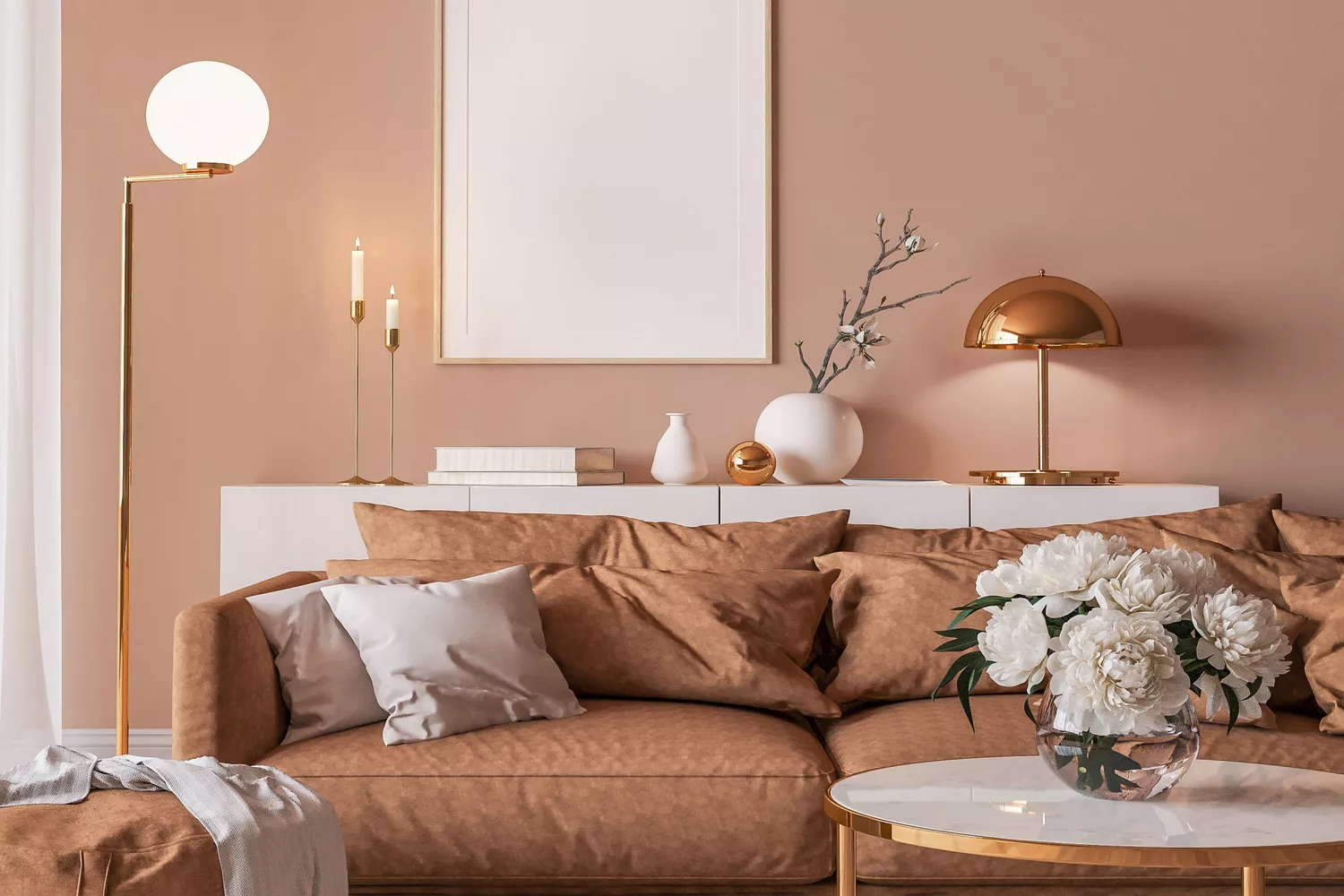
10 Lighting Mistakes You Should Never Make—But Probably Are
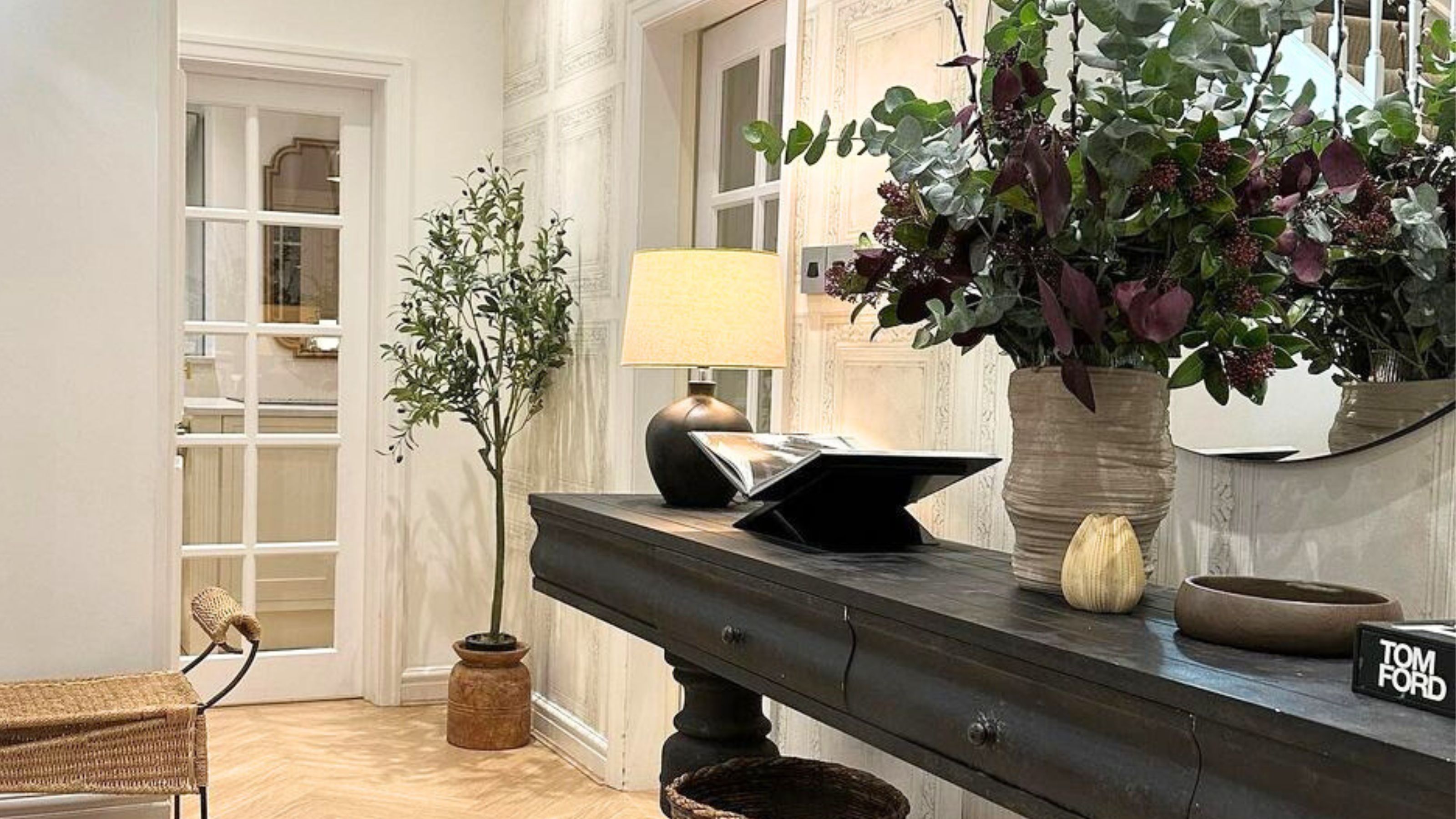
5 small entryway lighting mistakes — experts share what to avoid

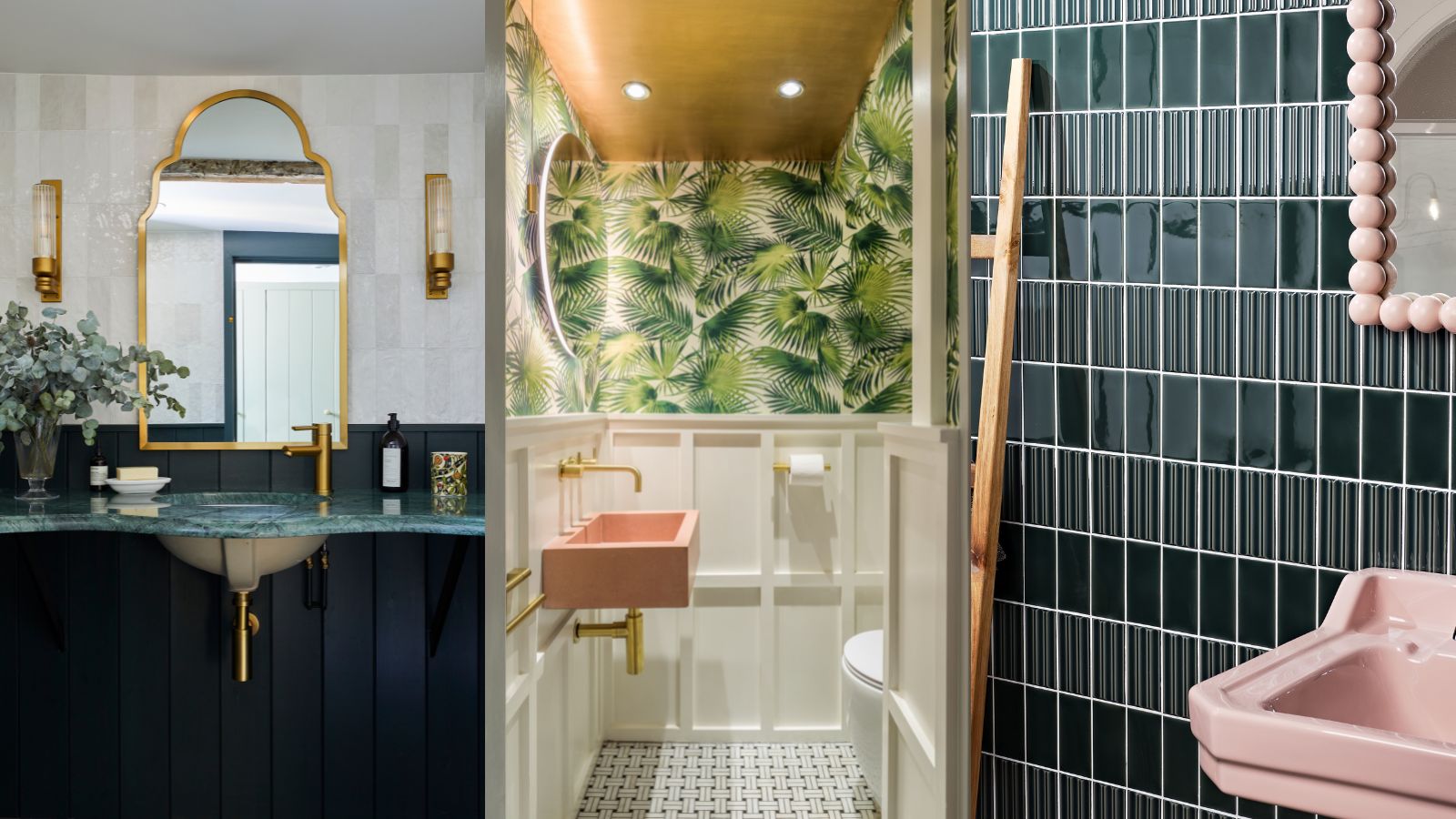
7 powder room design mistakes to avoid – and what to do instead

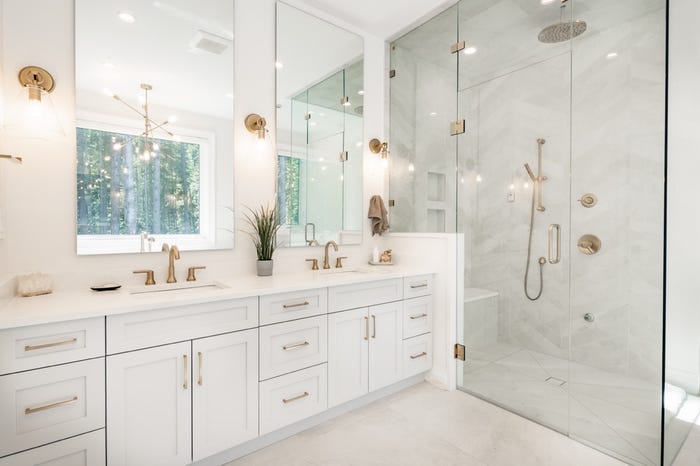
Interior designers share the 9 biggest mistakes people make when decorating and designing a bathroom
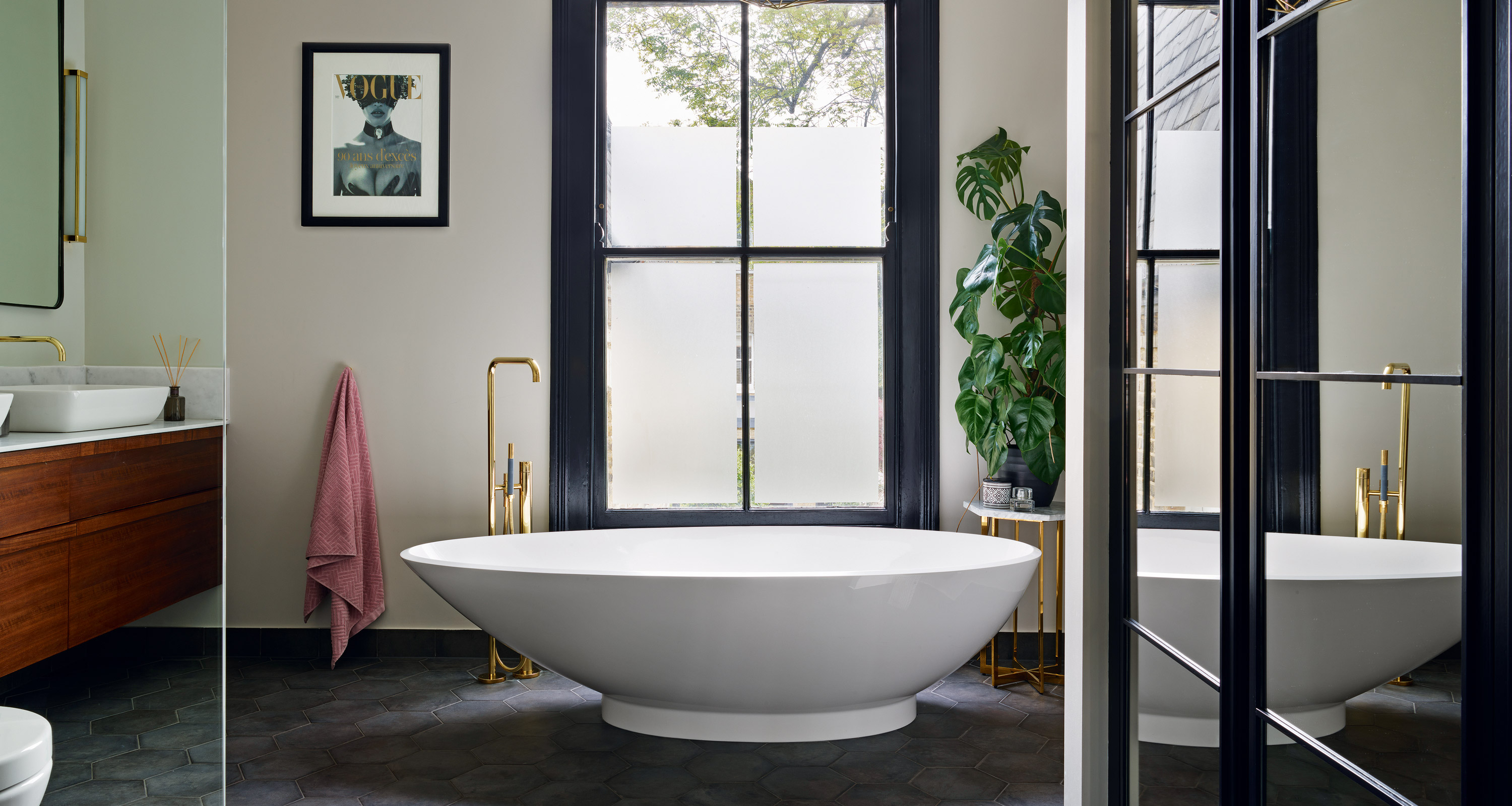
Bathroom remodel mistakes – and how to avoid them
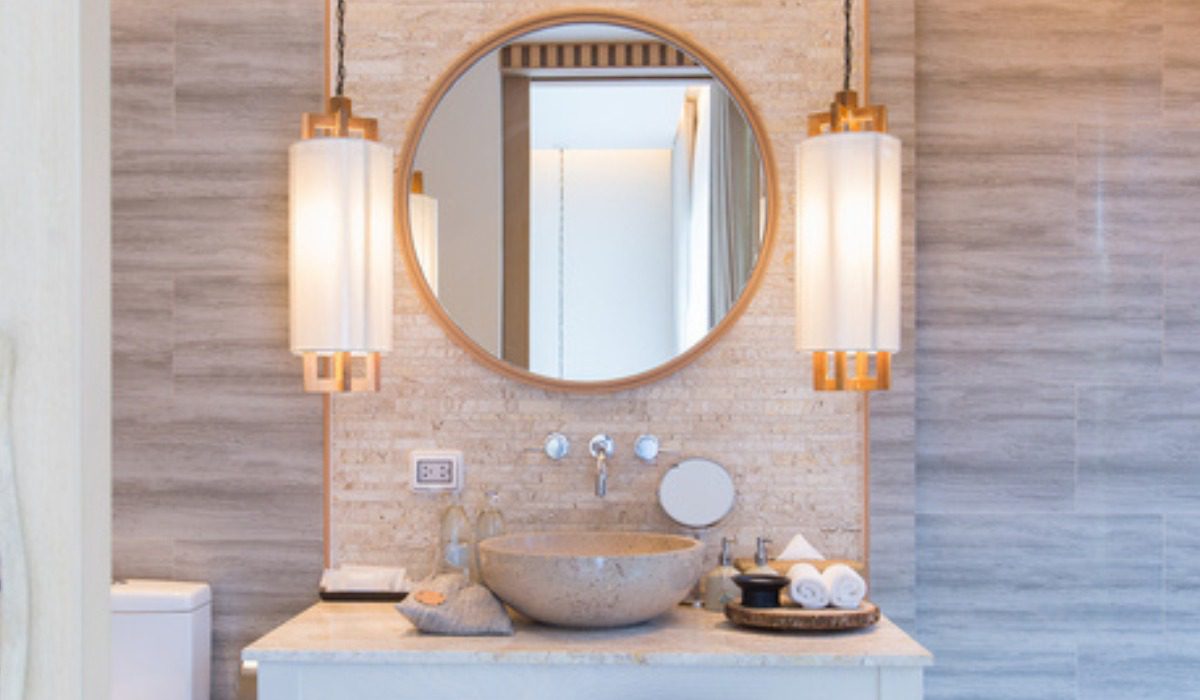
Bathroom light ideas for your home
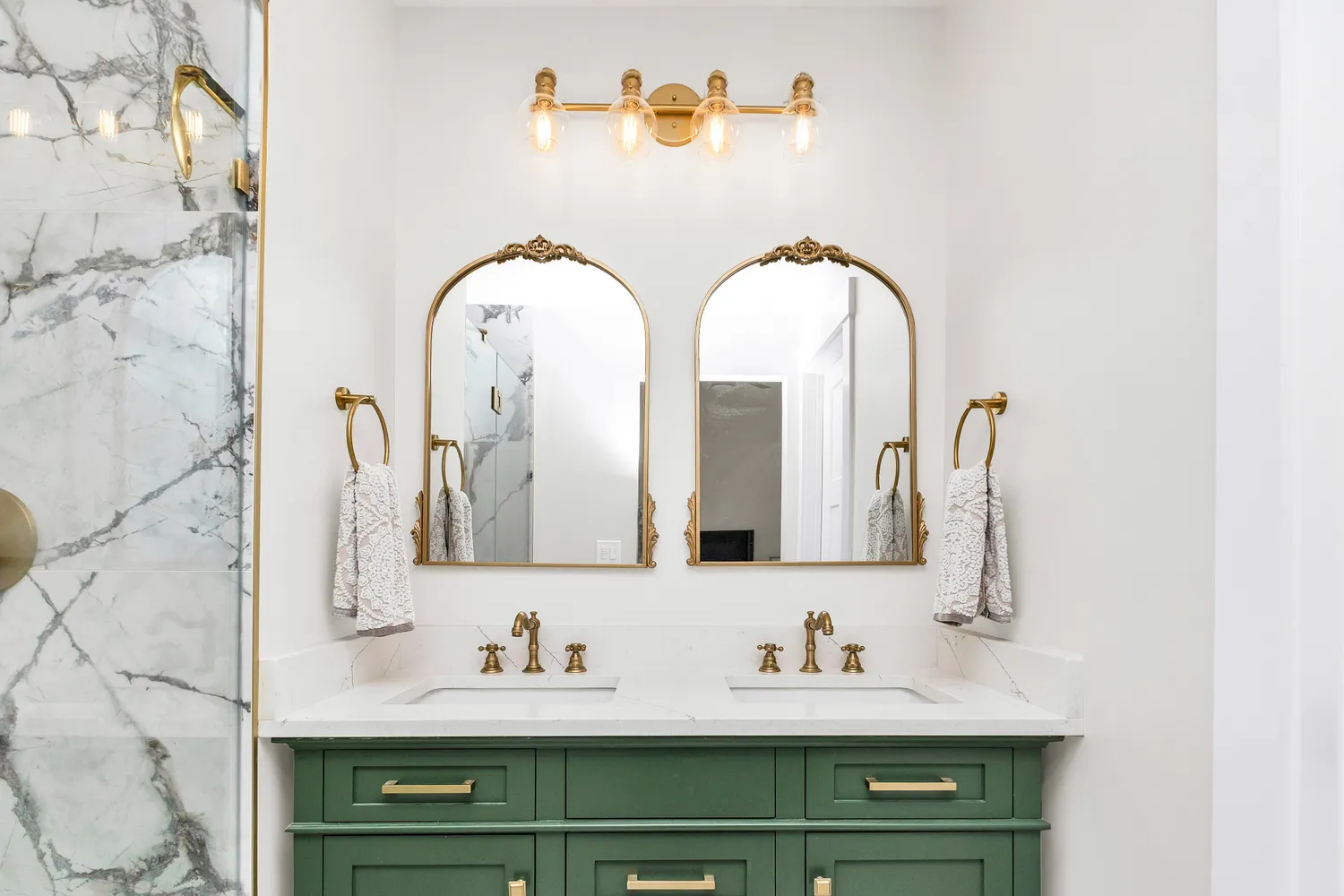
5 Bathroom Lighting Mistakes That Instantly Dim the Space, According to Designers

12 Kitchen Lighting Mistakes (And How To Avoid Them)

13 bathroom design mistakes to avoid at all costs, according to experts
The 5 bathroom lighting rules design experts always follow for a bright and beautiful space

7 Mistakes to Avoid When Remodeling Your Bathroom

7 design mistakes that are making your bathroom harder to clean
Small Bathroom Design Mistakes — 6 Errors You Probably Didn't Even Know You Were Making
40 Bathroom Lighting Ideas To Brighten Your Space