1/13
12 Kitchen Lighting Mistakes (And How To Avoid Them)
Effective kitchen lighting is crucial for both functionality and aesthetics, yet many homeowners overlook its importance during design or renovation. This oversight can lead to spaces that are either too clinical, drab, or impractical. Two design experts, Steven Fernandez of Residence Supply and Nicole Cole of Vestige Home, highlight common kitchen lighting errors and offer practical solutions.
A primary mistake is insufficient lighting. Kitchens are work-heavy spaces requiring ample illumination for various tasks. Relying solely on a single overhead fixture or a basic grid pattern often fails to provide adequate light for all zones, such as prep, cooking, cleaning, dining, and socializing. Instead, a thoughtful, zoned lighting plan that considers natural light and specific area needs is recommended.
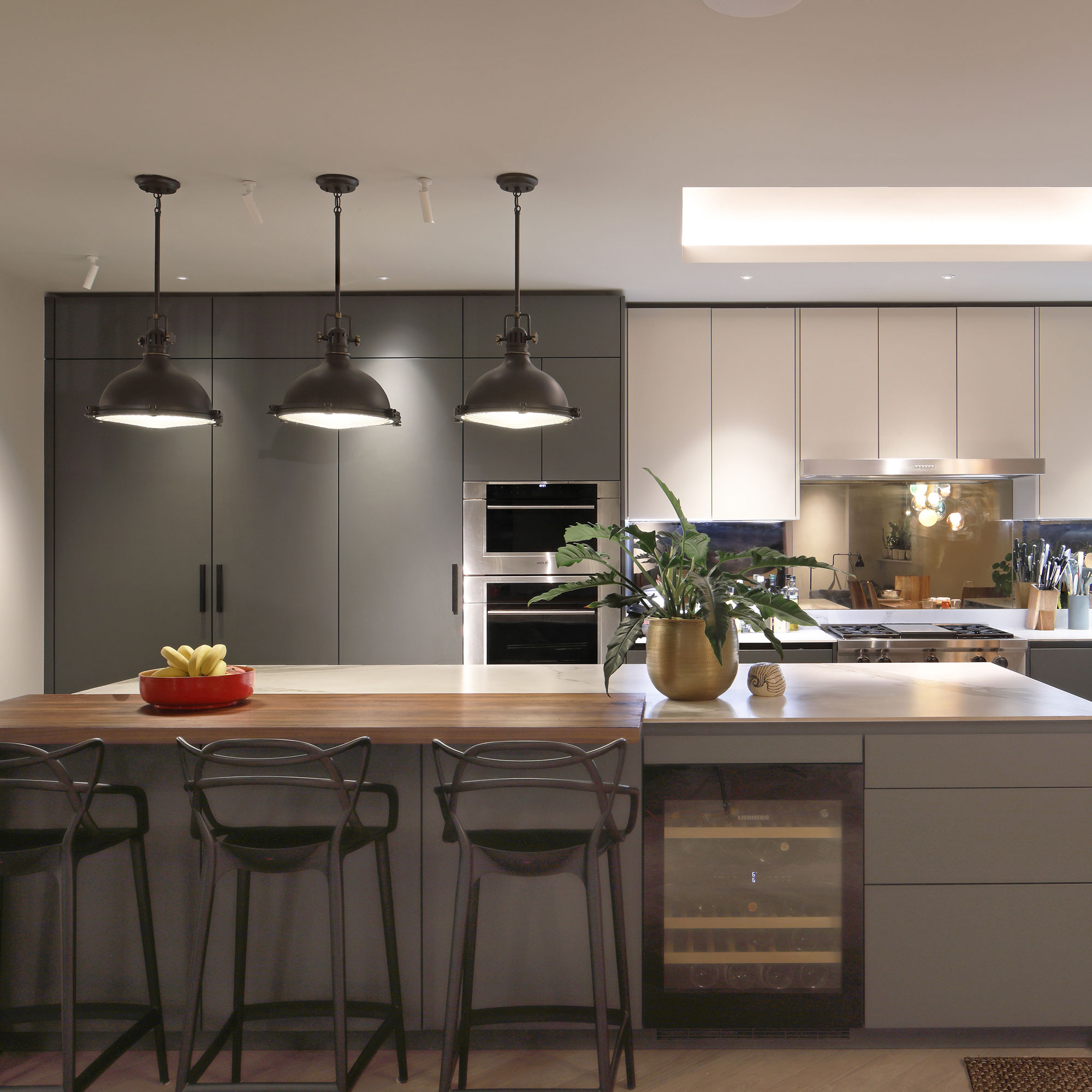

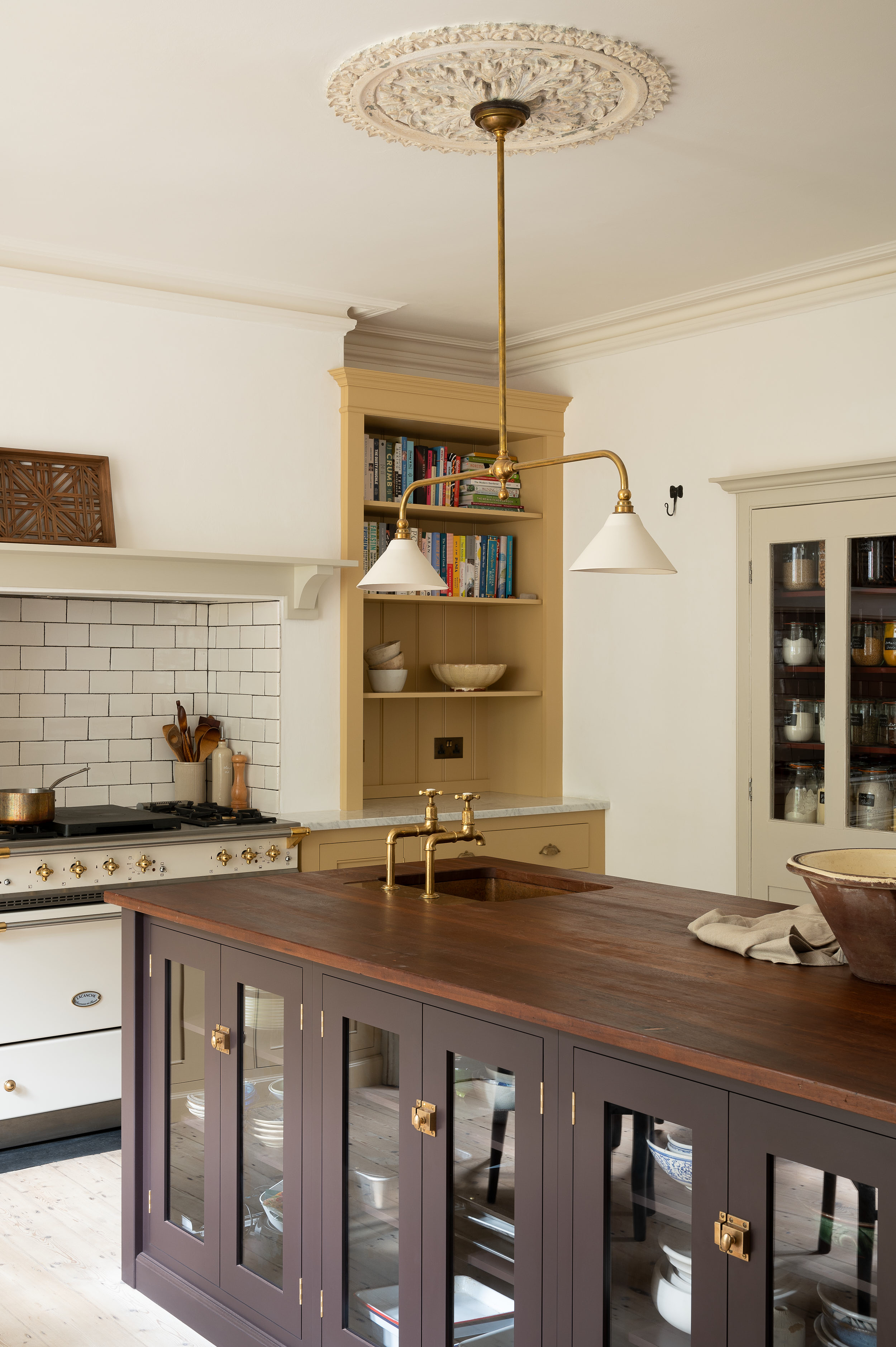
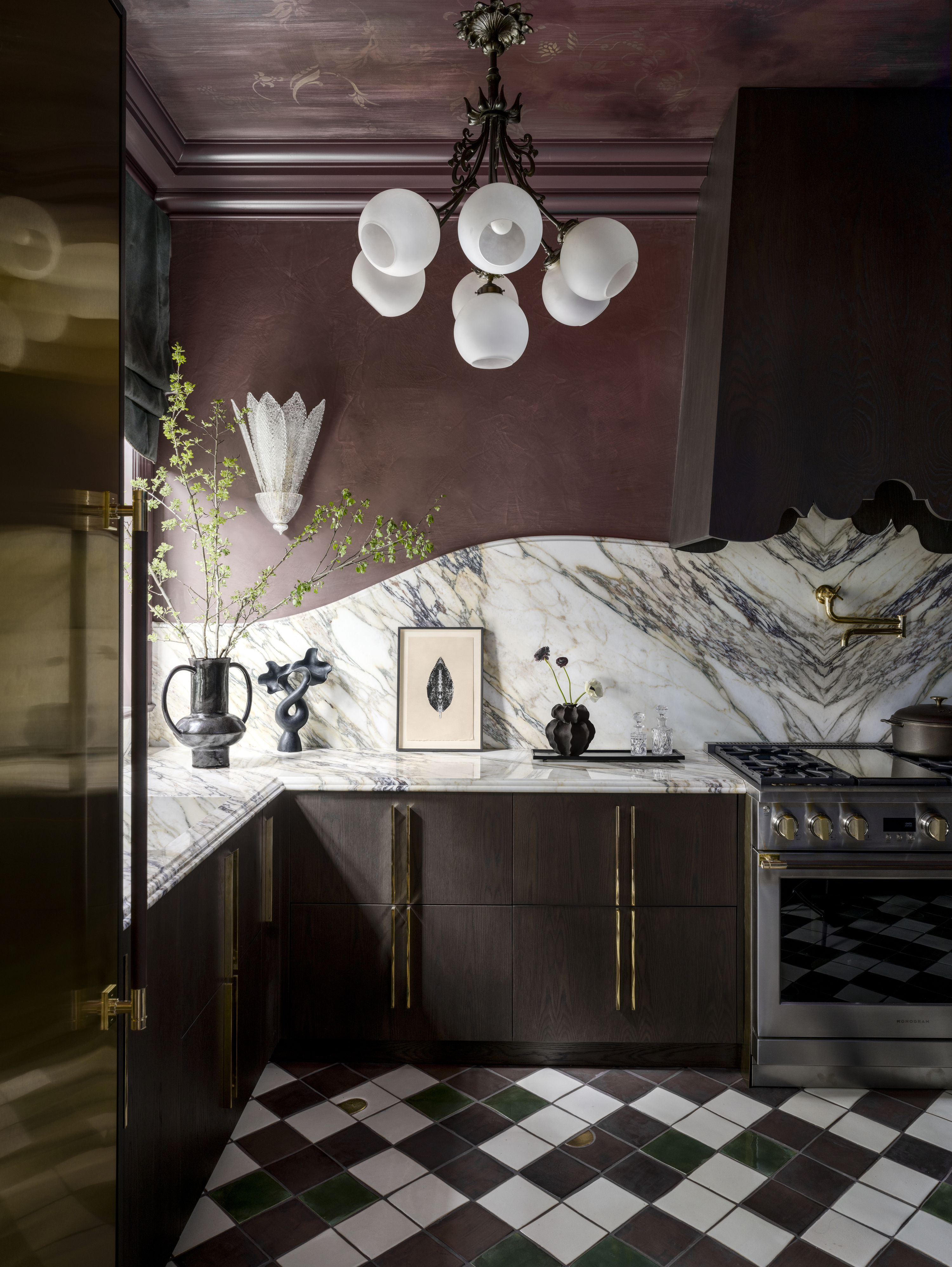
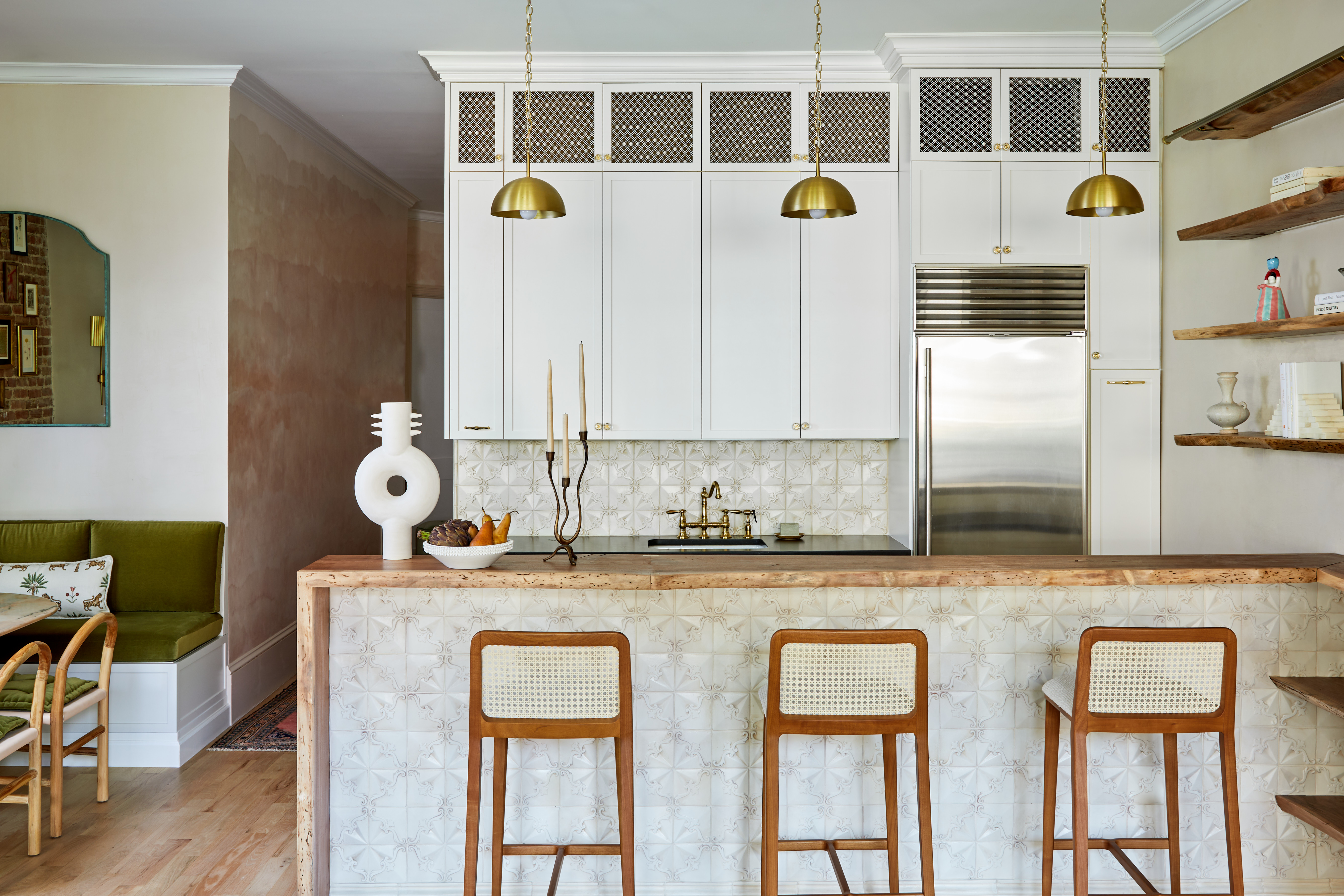
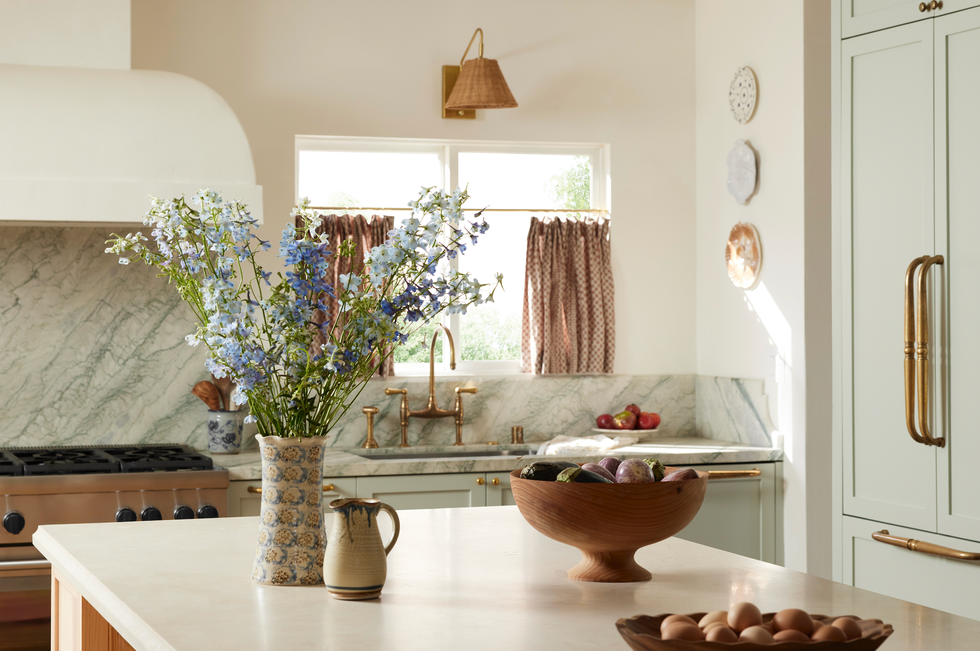
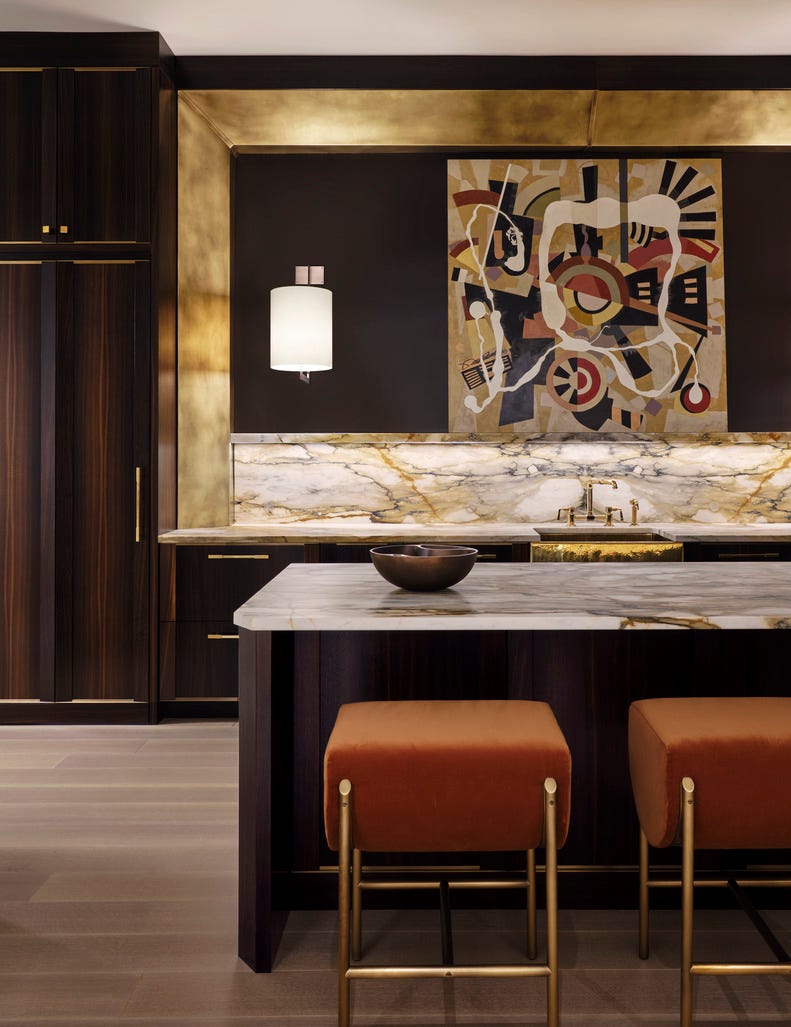
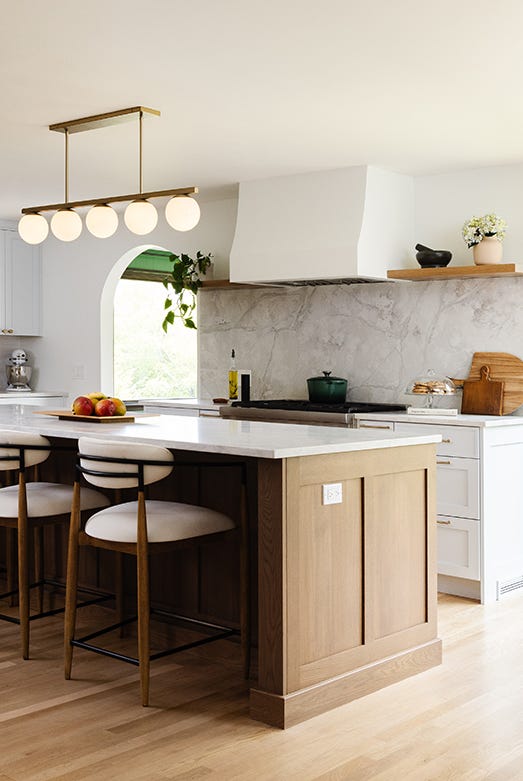
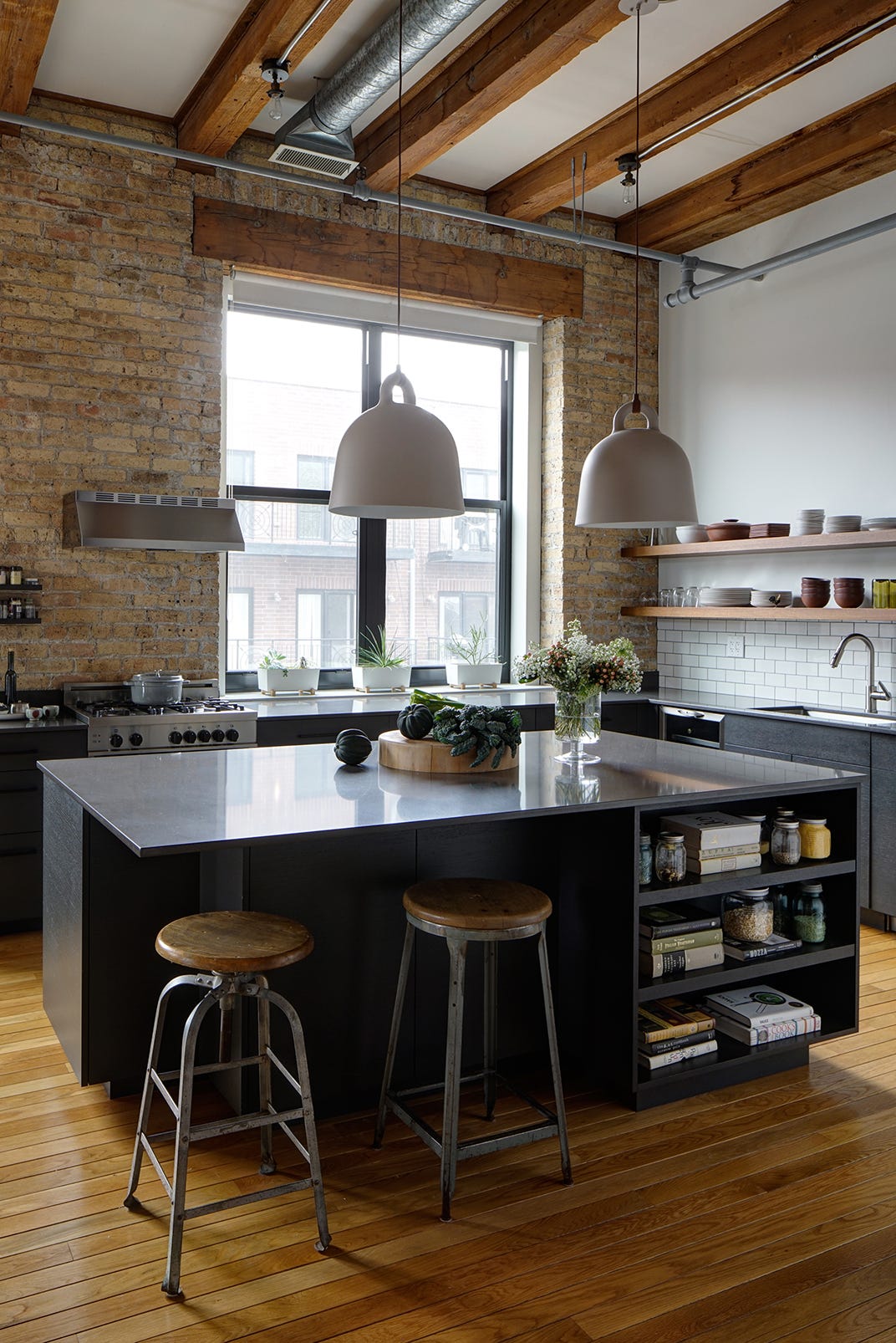
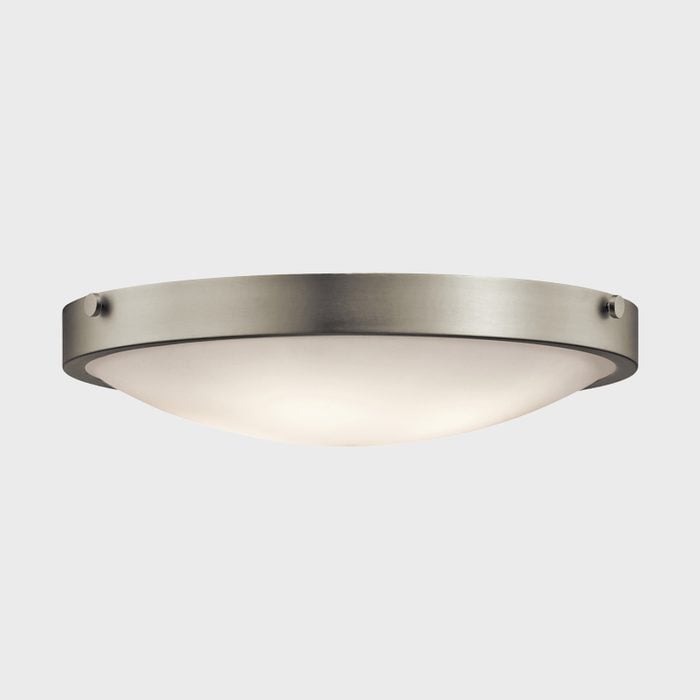
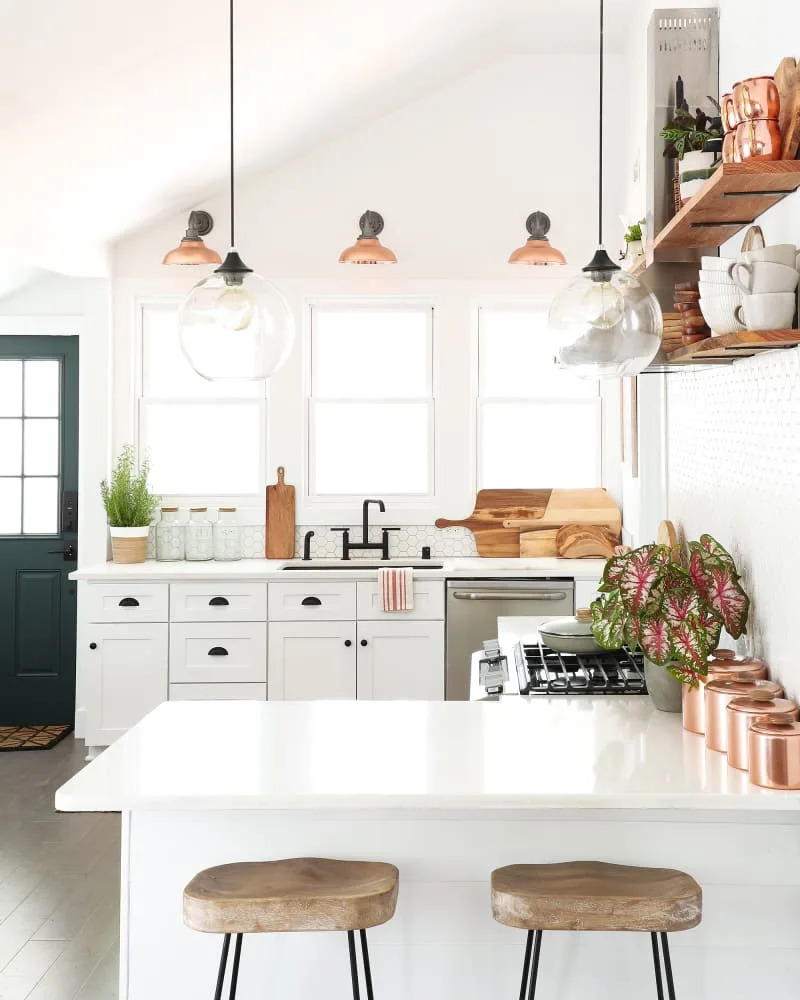
Another common error is viewing lighting as purely practical. While visibility for tasks like chopping vegetables is essential, lighting also contributes significantly to a kitchen's warmth, atmosphere, and style. Achieving balance involves integrating both functional and aesthetic elements. Experts suggest using semi-flush or canless fixtures for general lighting, while pendants and sconces can serve as task lighting over islands and sinks, simultaneously adding visual interest.
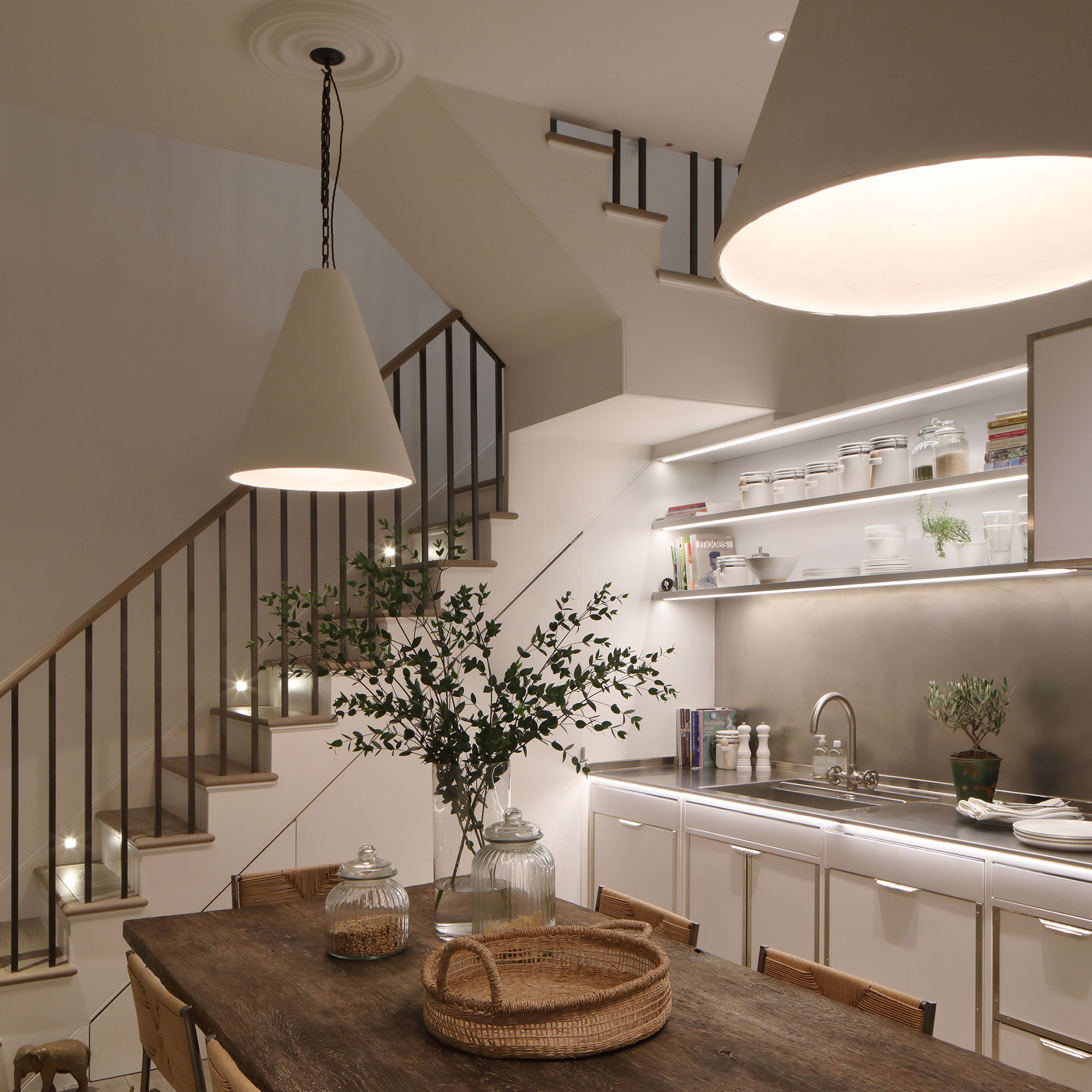

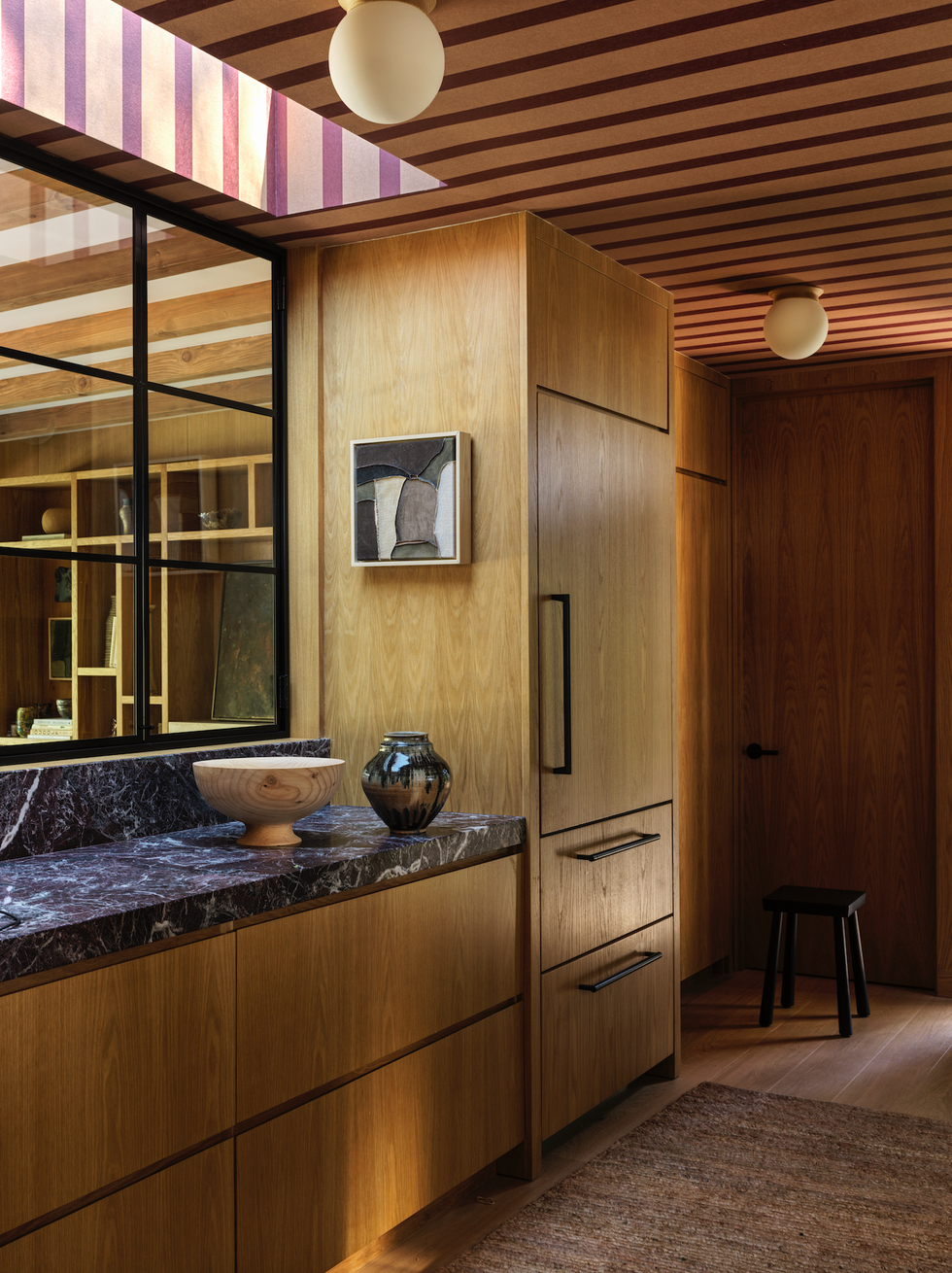
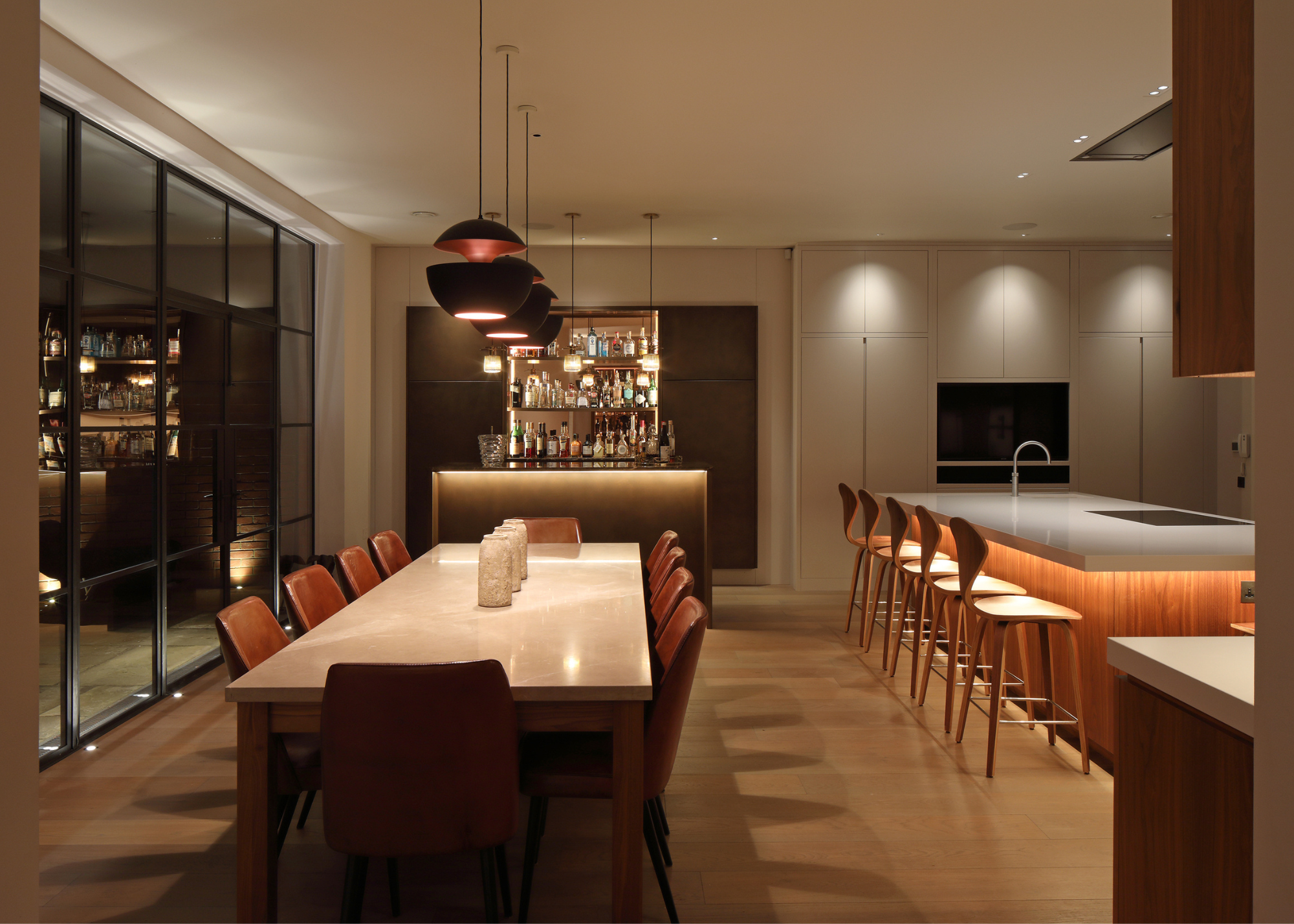
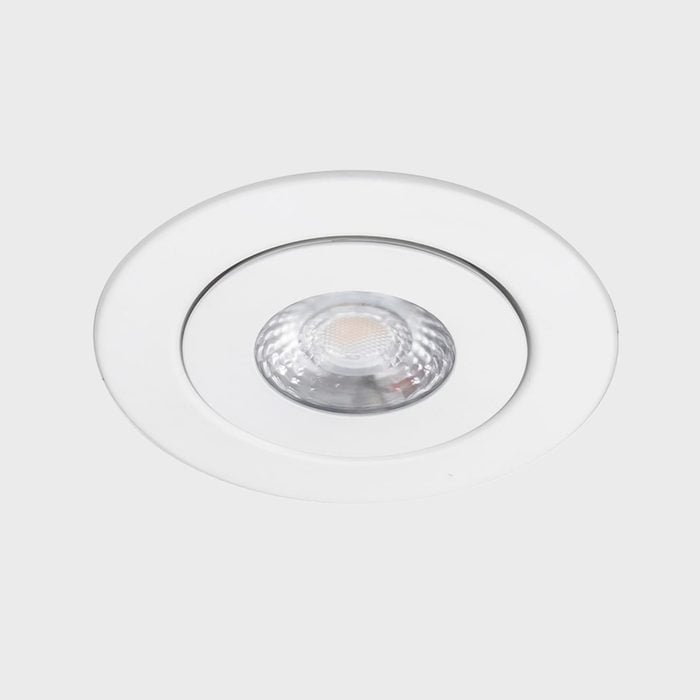
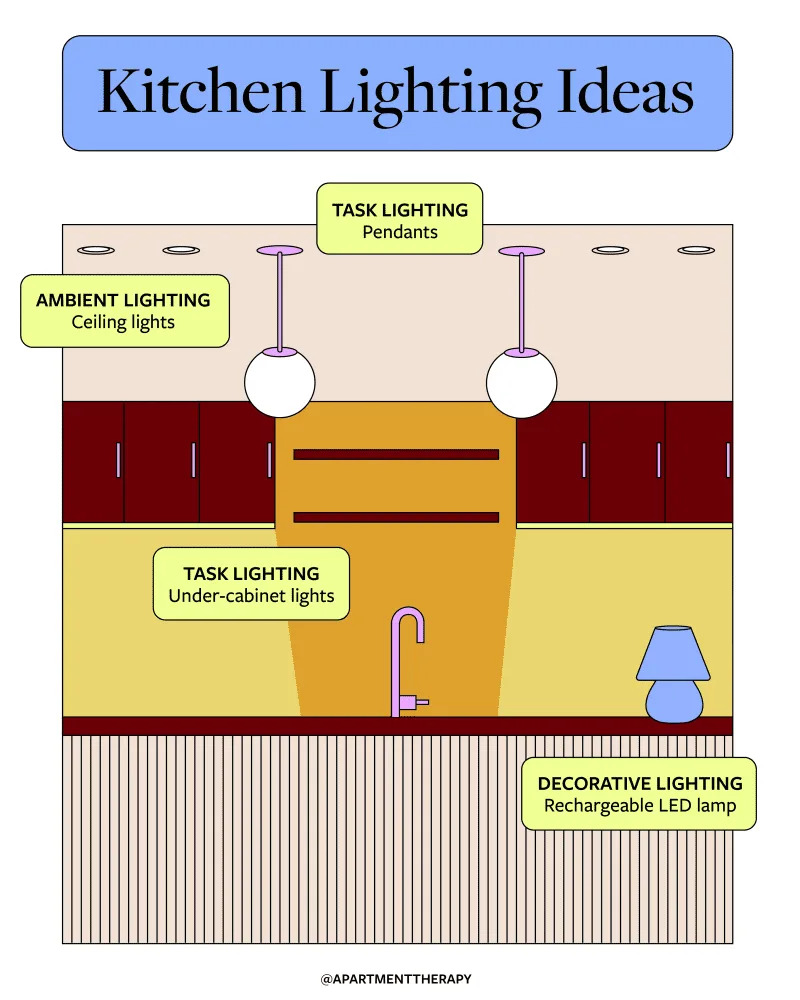
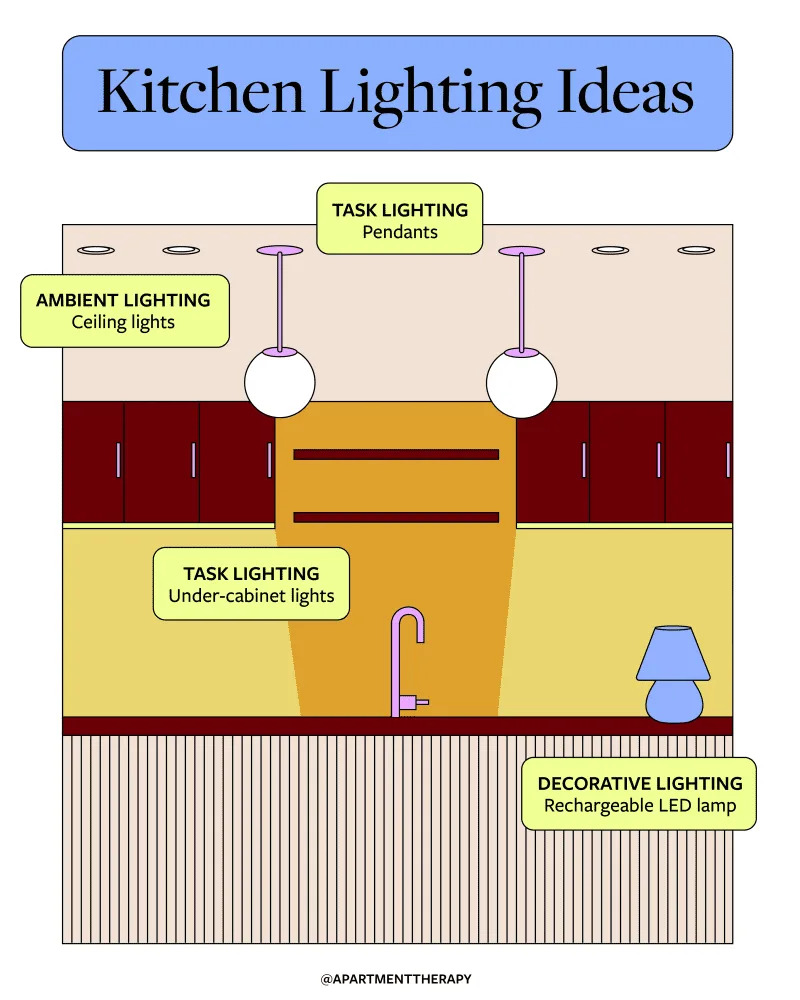
Failing to layer lighting is also a frequent pitfall. Layered lighting combines ambient, task, and accent lighting to create a well-balanced, functional, and visually appealing space. Ambient lighting, such as recessed or flush-mount ceiling fixtures, provides overall illumination. Task lighting, like under-cabinet LED strips or pendants, focuses on work areas. Accent lighting, including wall sconces or toe-kick LEDs, adds decorative elements and mood. Nicole Cole emphasizes creating multiple layers, ensuring broad overhead lighting is always dimmable.
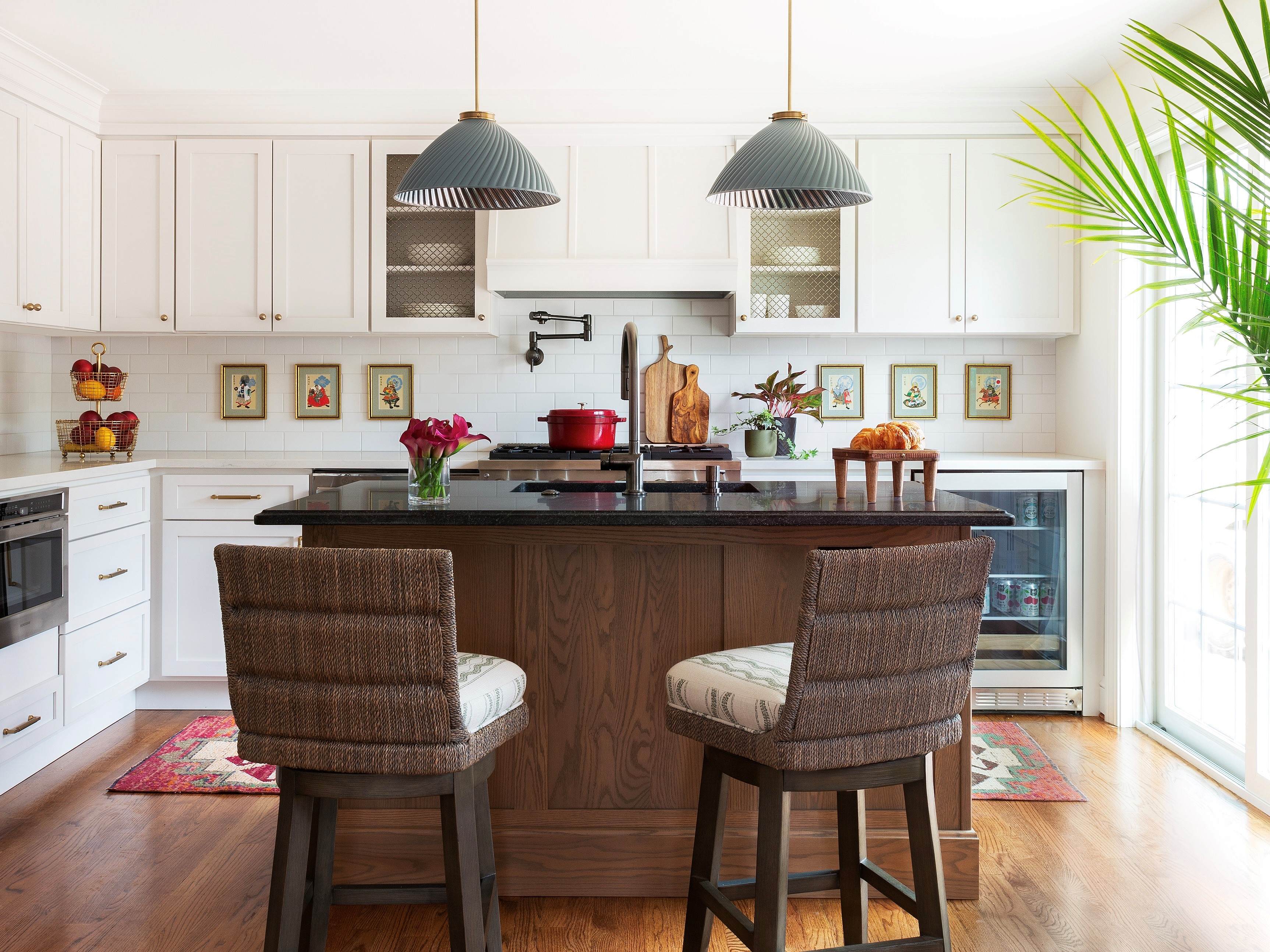
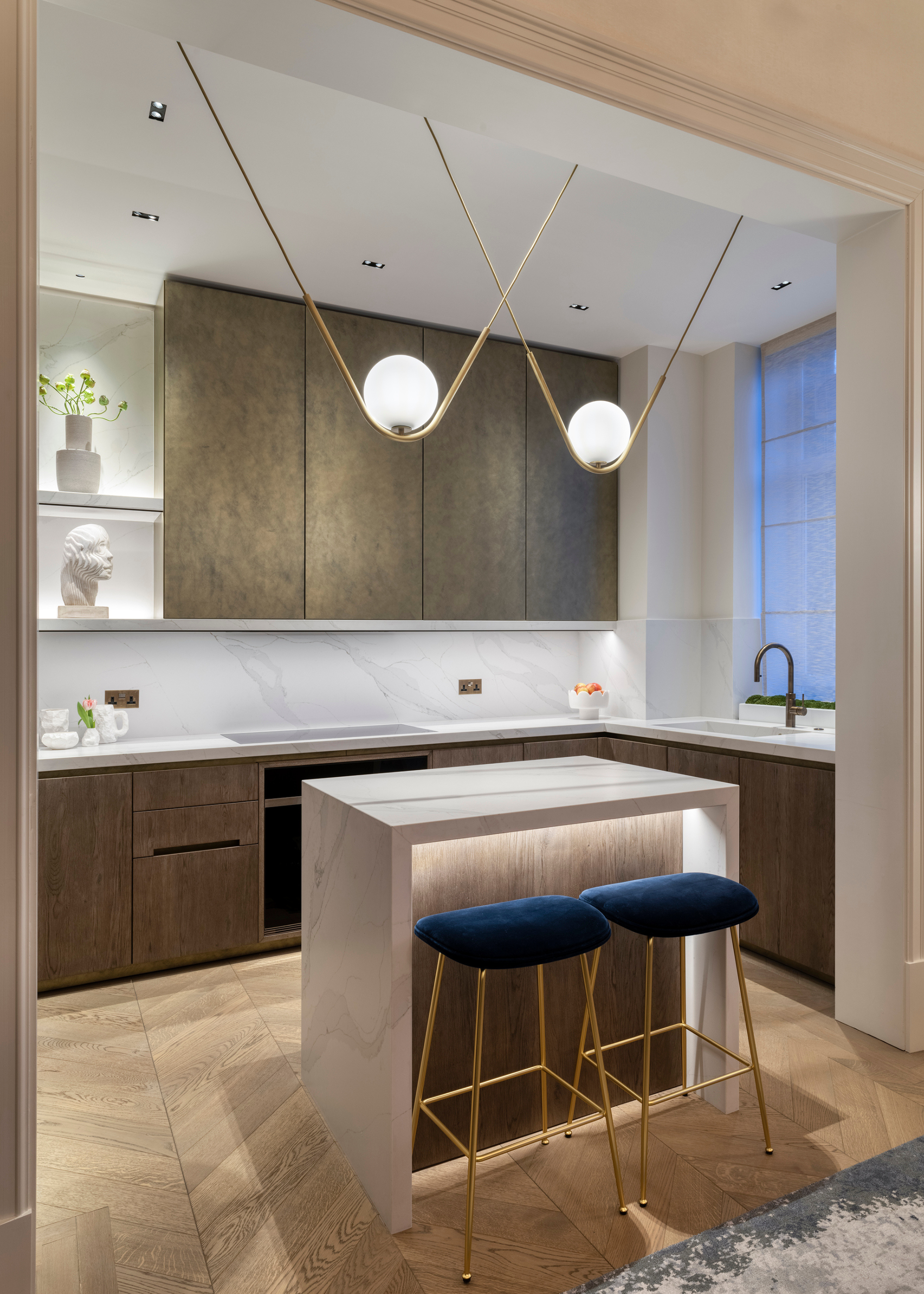
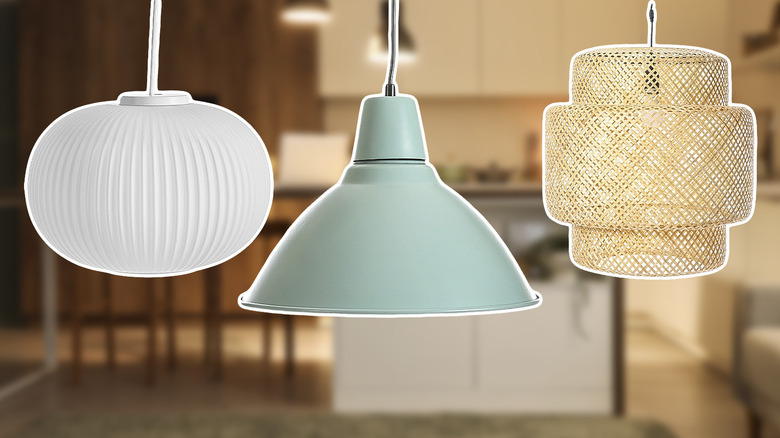
A misguided attempt at minimalism can lead to doing away with overhead lighting, especially in favor of table lamps. However, in a practical workspace like a kitchen, overhead lighting is vital for tasks on countertops. Experts recommend using two or three proportional pendant lights or a linear fixture over large countertops, often on dimmers, and considering chandeliers or wall sconces for smaller nooks.
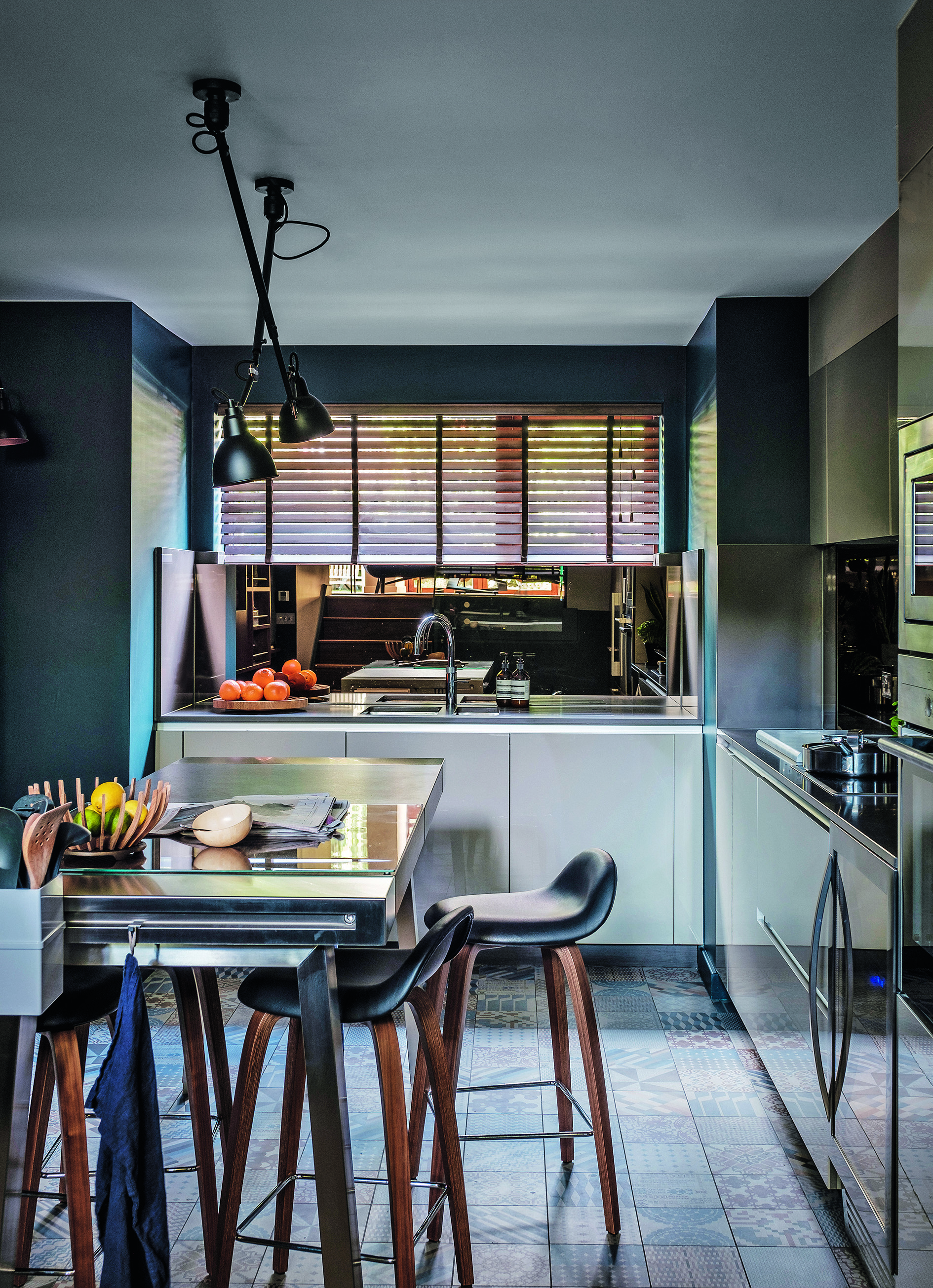
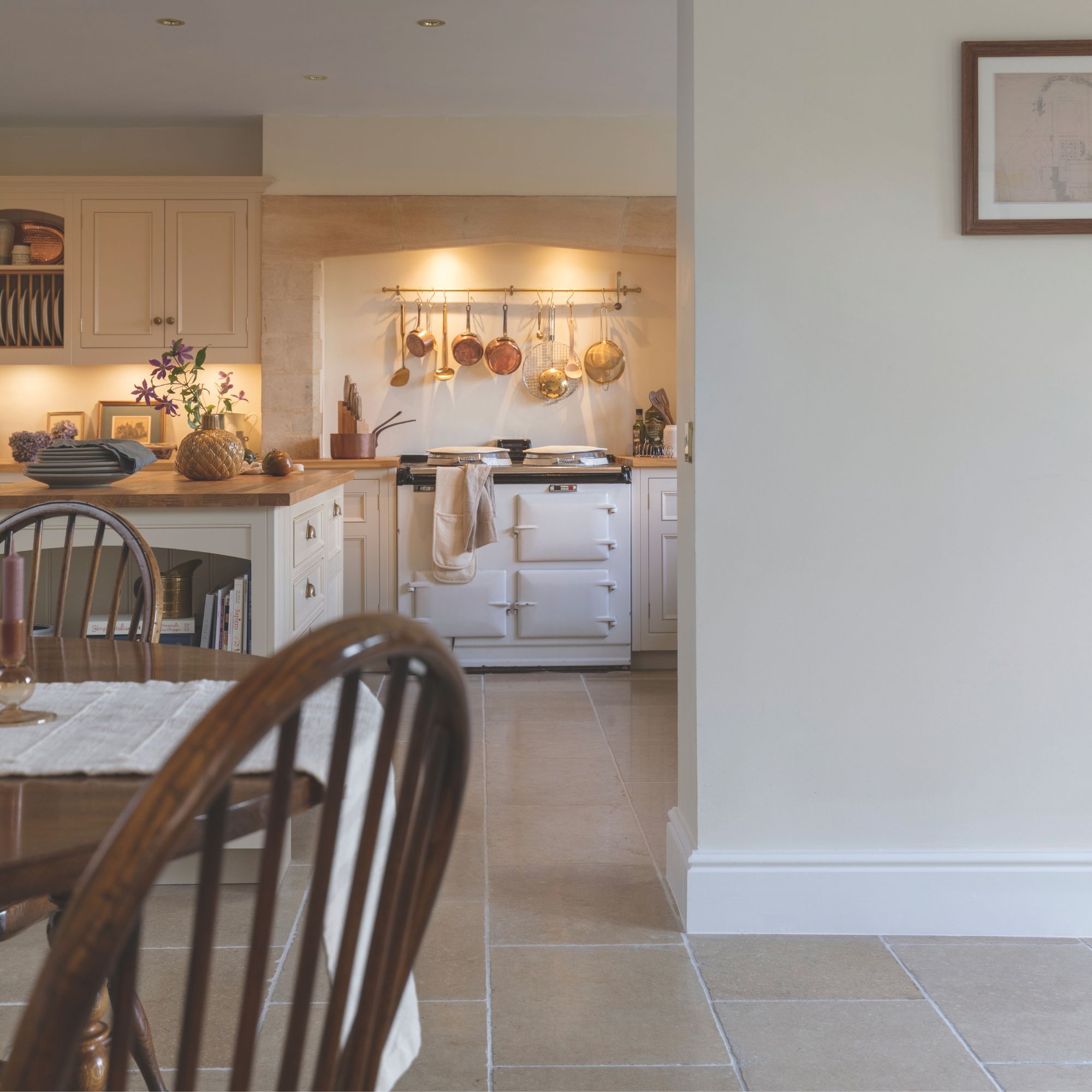
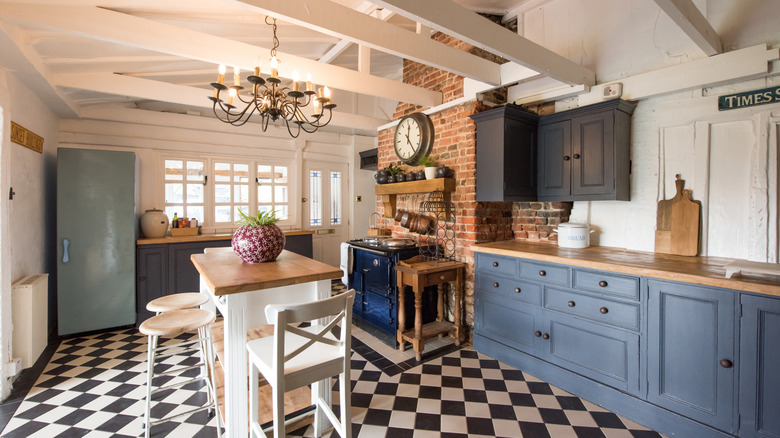
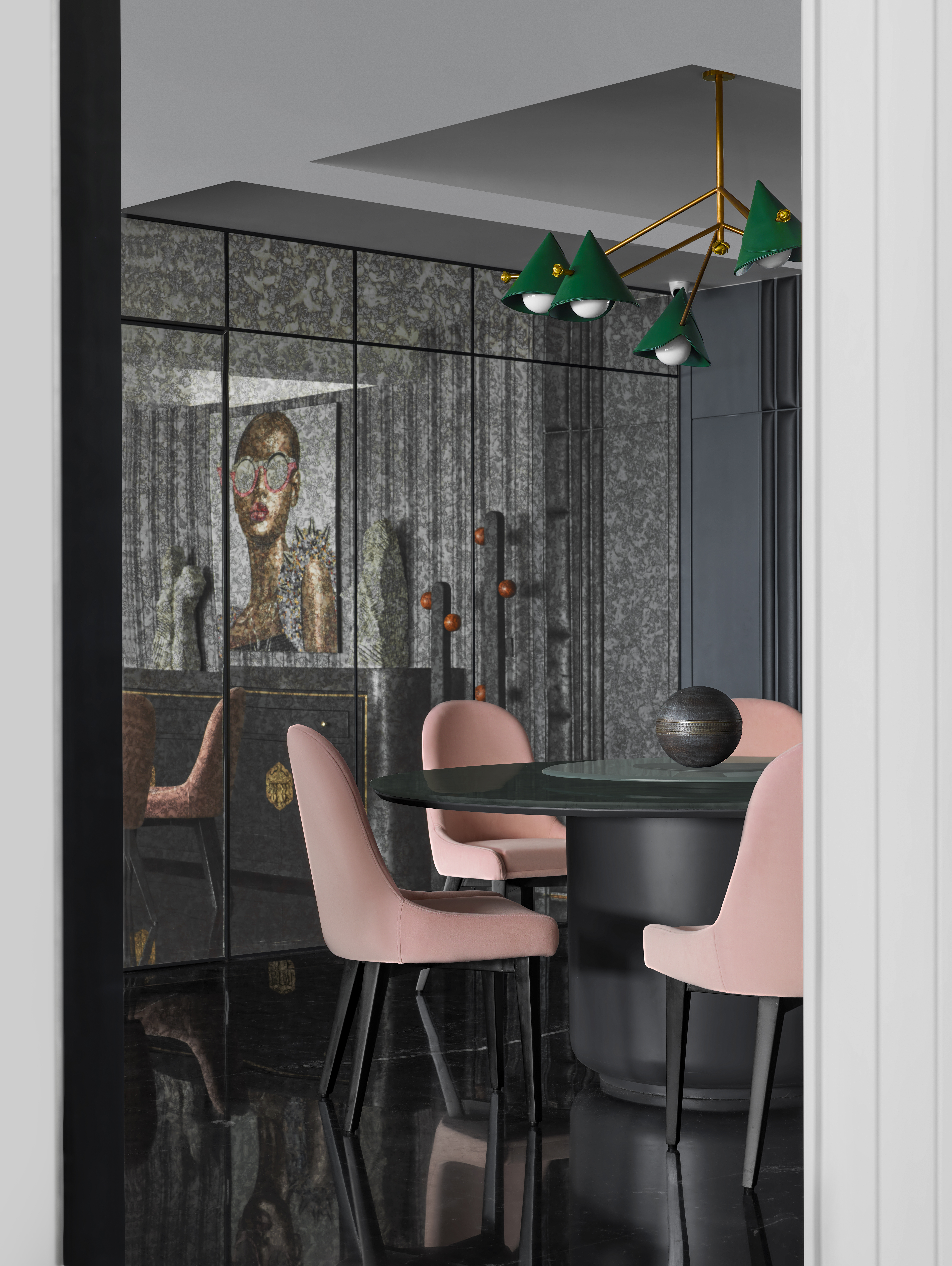
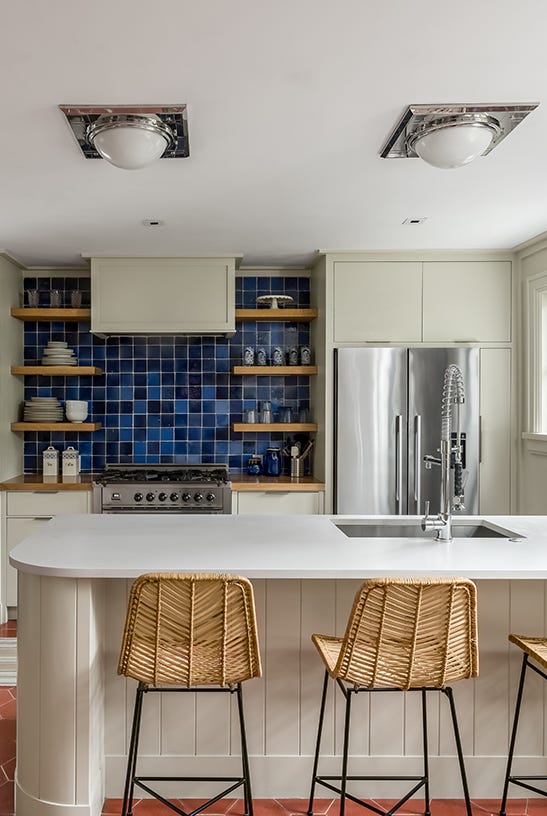
Ignoring the integration of lighting with the overall kitchen style results in a mismatched look. Lighting fixtures should complement cabinetry, finishes, and color palettes. For instance, a rustic farmhouse kitchen might benefit from warmer tones (2700K to 3000K) and fixtures with vintage or industrial finishes, such as aged brass or matte black. Alternatively, introducing contrasting modern lighting can create a unique juxtaposition.
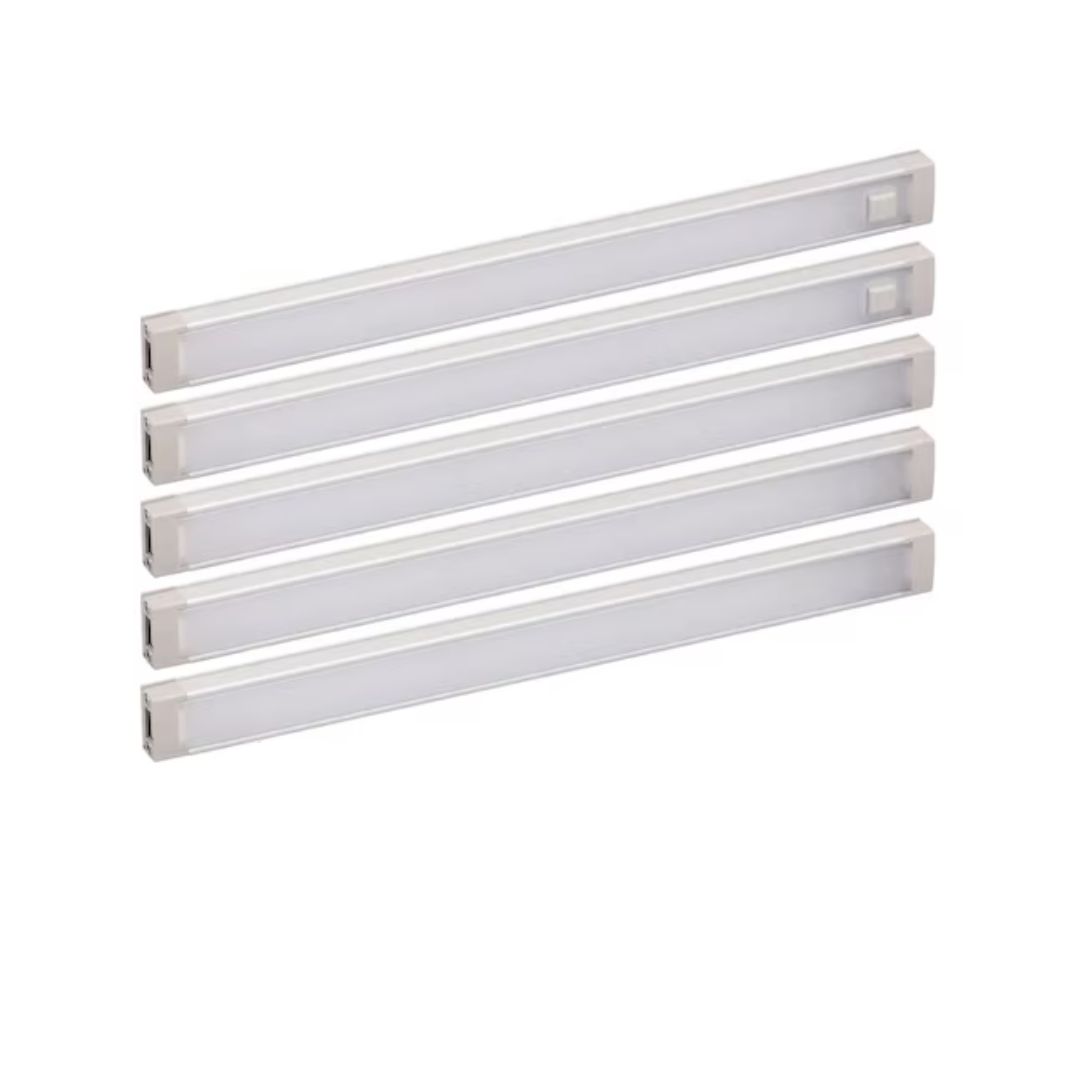
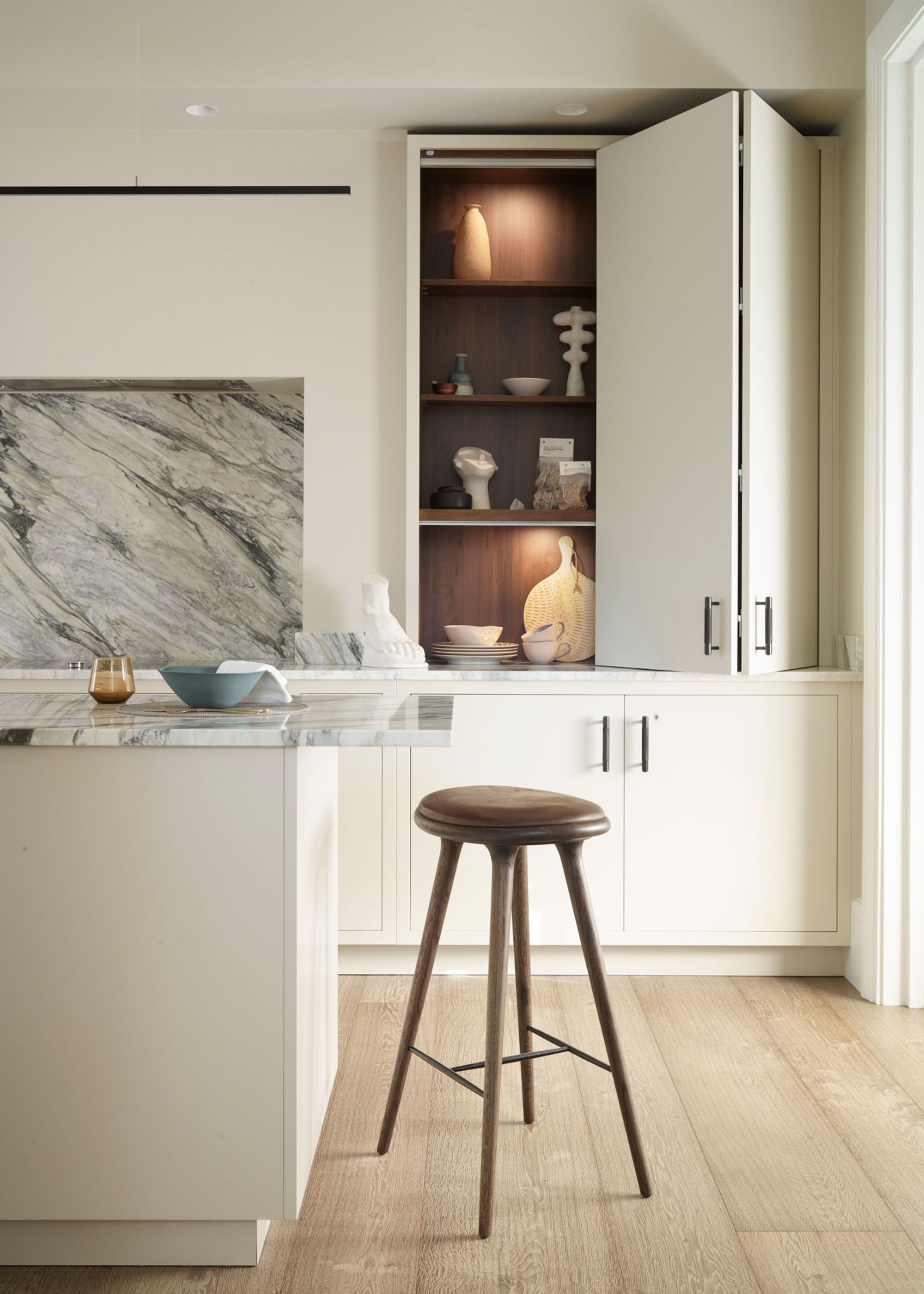
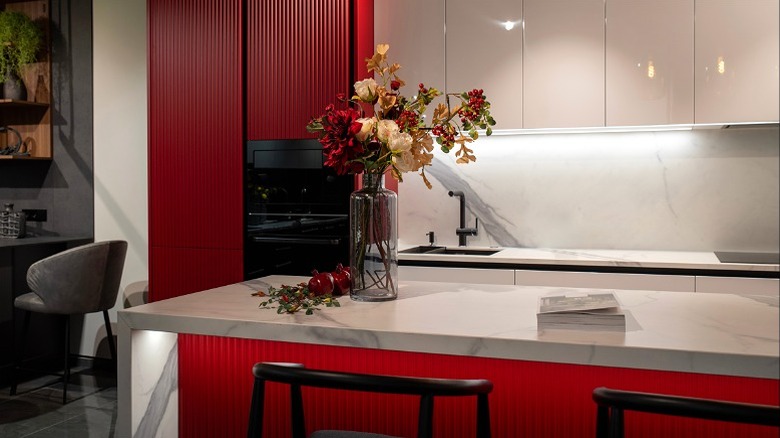
Under-cabinet lighting is often overlooked, despite its ability to significantly enhance both functionality and aesthetics by illuminating countertops that might otherwise be shadowed by upper cabinets. LED strips routed into the cabinet bottoms are recommended, maintaining a consistent color temperature with the rest of the kitchen lighting (around 2700K).
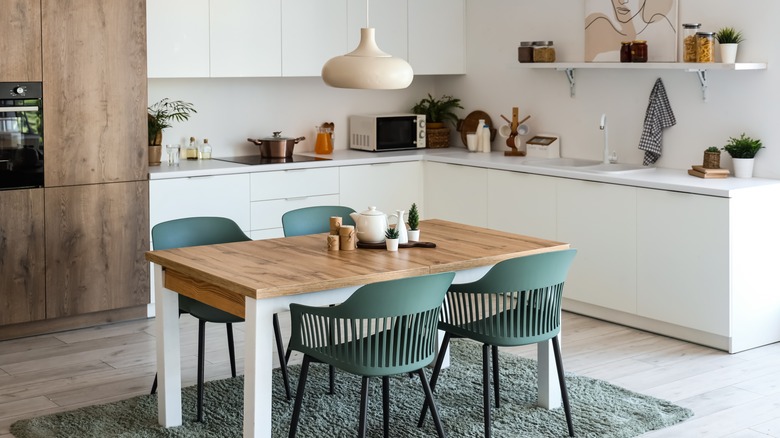
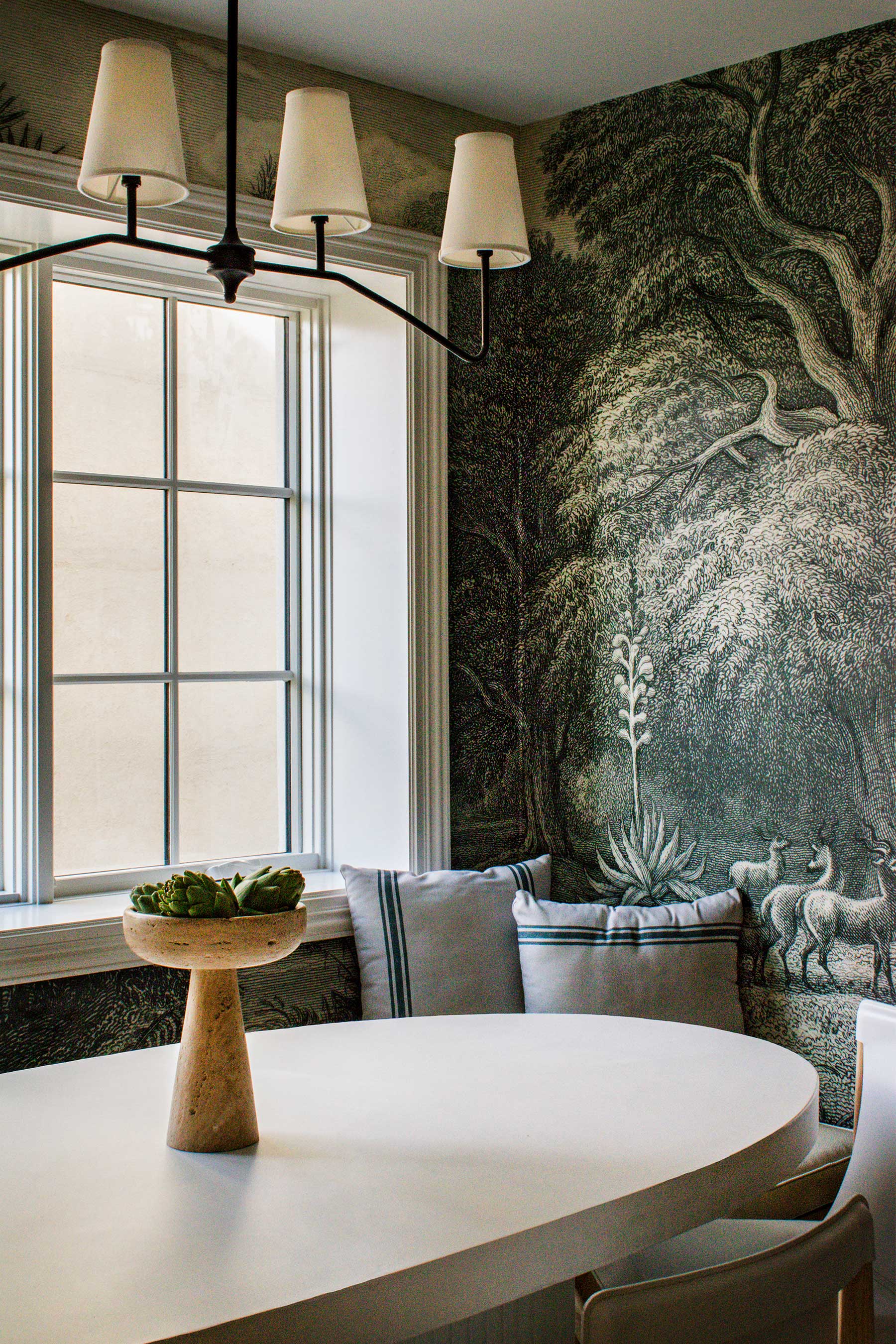
Choosing the wrong size light fixtures disrupts visual balance. Fixtures that are too small appear underwhelming, while oversized ones can make a space feel crowded. The scale of lighting should align with the size and height of the kitchen, ensuring proper proportion and intimacy, especially in smaller areas like breakfast nooks.
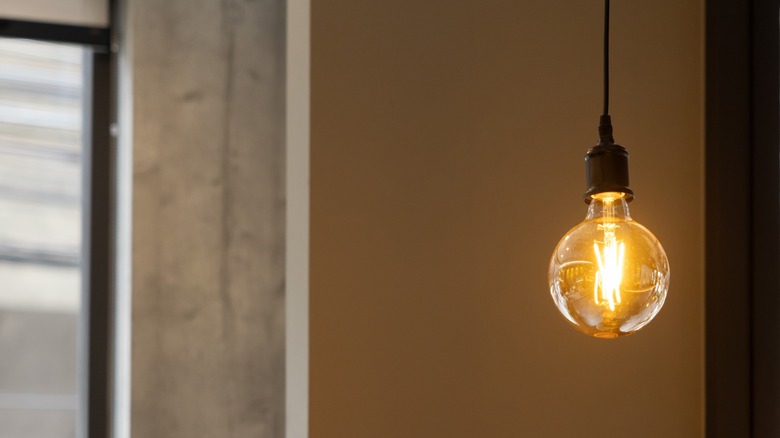
Incorrect color temperature can drastically alter a kitchen's mood. Too cool, and the space feels stark; too warm, and it can appear dated with a yellowish glow. Experts suggest sticking to neutral to warm temperatures (3000K to 4000K) to create an inviting atmosphere, potentially mixing cooler tones for functional areas and warmer ones for cozy spots.
Neglecting energy efficiency is a costly mistake. While style often takes precedence, energy-efficient lighting, particularly LED bulbs, can significantly reduce electricity bills and offer greater flexibility with dimming and smart home integration. Investing in higher-quality LEDs is advised to avoid harsh light or flickering.
Not installing dimmers limits the versatility of kitchen lighting. Dimmers allow for adjusting brightness to suit different moods and tasks, transforming the space from a bright workspace for meal prep to a cozy area for entertaining or a soft nightlight. This control helps direct focus and enhances the overall experience.
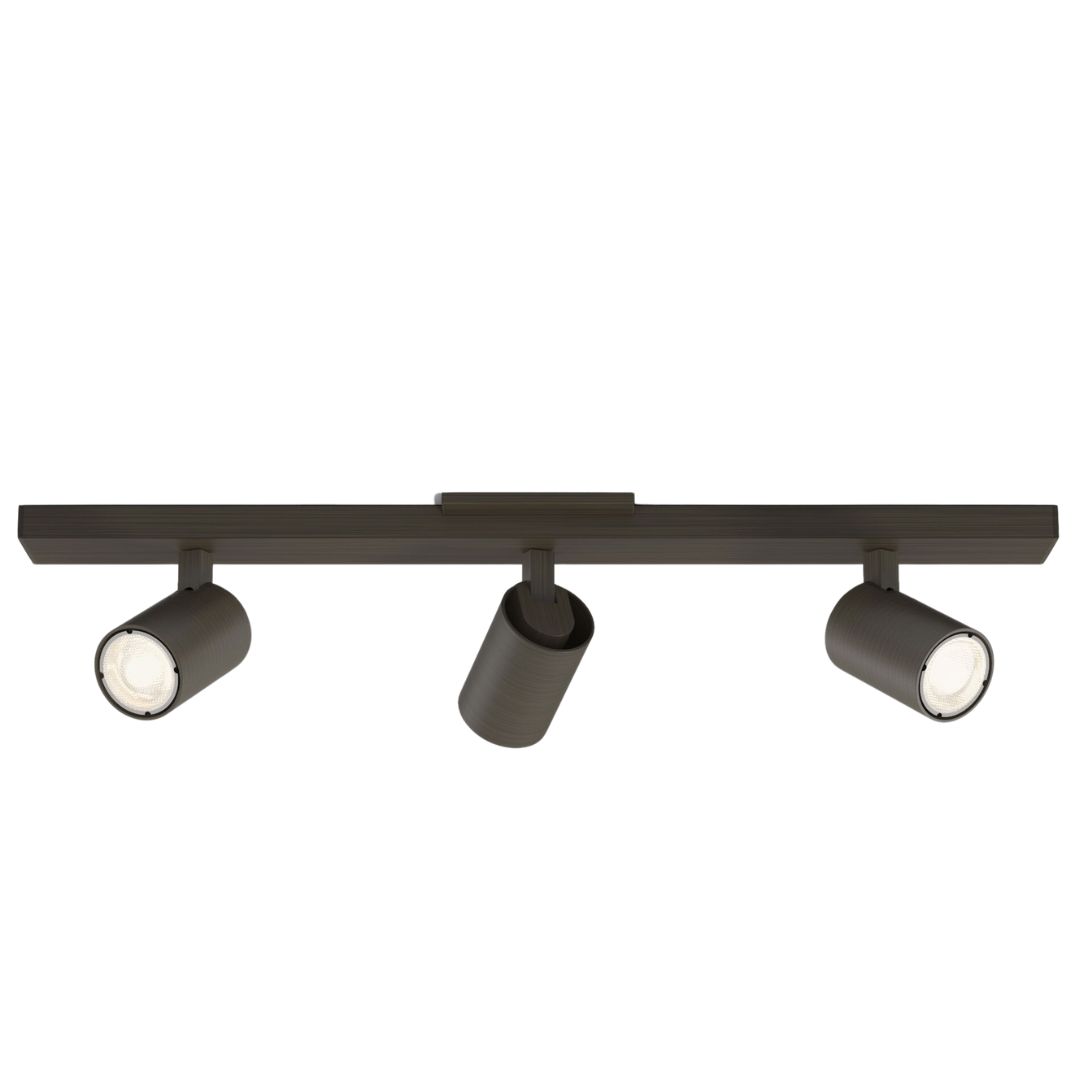
Finally, ignoring task lighting or installing too many recessed lights are also common errors. Task lighting is essential for illuminating specific work zones like stoves, sinks, and prep surfaces. While recessed lighting can provide a clean look, overdoing it or poor placement can lead to harsh, unevenly lit spaces with unwanted shadows. A balanced approach combining ambient, task, and accent lighting with thoughtful placement is key.
#KitchenLighting #HomeDesign #InteriorDesign #KitchenRenovation #LightingDesign #EnergyEfficiency #LayeredLighting #TaskLighting #AmbientLighting #KitchenLighting #HomeDesign #InteriorDesign #KitchenRenovation #LightingDesign #EnergyEfficiency #LayeredLighting #TaskLighting #AmbientLighting
0 comment in total
 No comments yet
You may also like
15 Kitchen Lighting Mistakes Everyone Makes

7 Dining Room Lighting Mistakes That Could Be Making Your Space (and Food) Look Less Appetizing

5 Kitchen Lighting Design Rules Interior Designers Warn You Should Never Ignore for a Well-Lit Space
Essential Kitchen Lighting Tips, According to Industry Pros

Every Mistake I Made While Designing My Kitchen Lighting Scheme — The 5 Errors I Strongly Advise Against
7 common bathroom lighting mistakes, and how you can avoid them

3 Steps to Perfect Kitchen Lighting, According to an Expert
8 Best Kitchen Light Fixtures

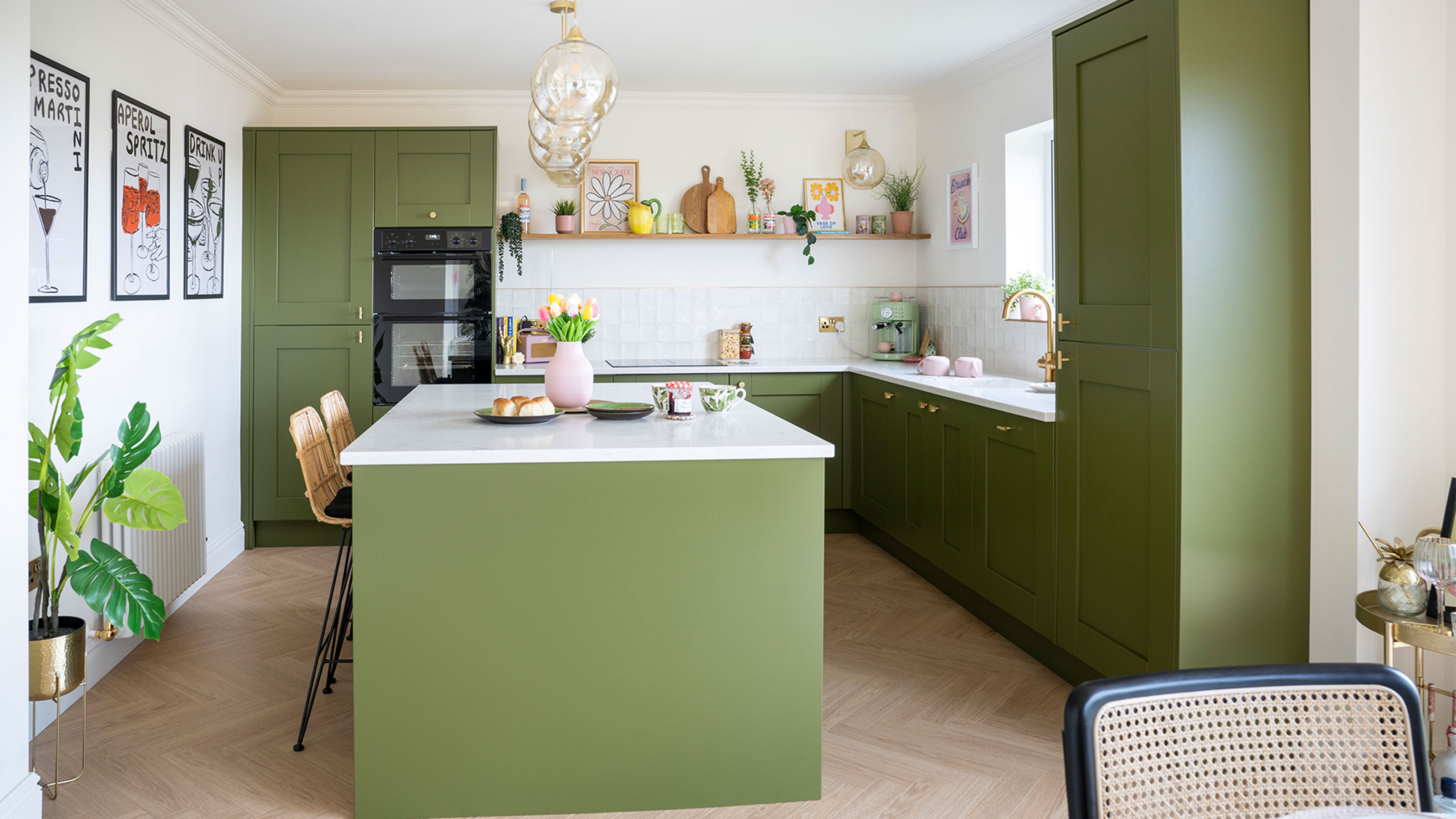
Experts warn this is the biggest mistake people make when choosing lighting for their kitchen
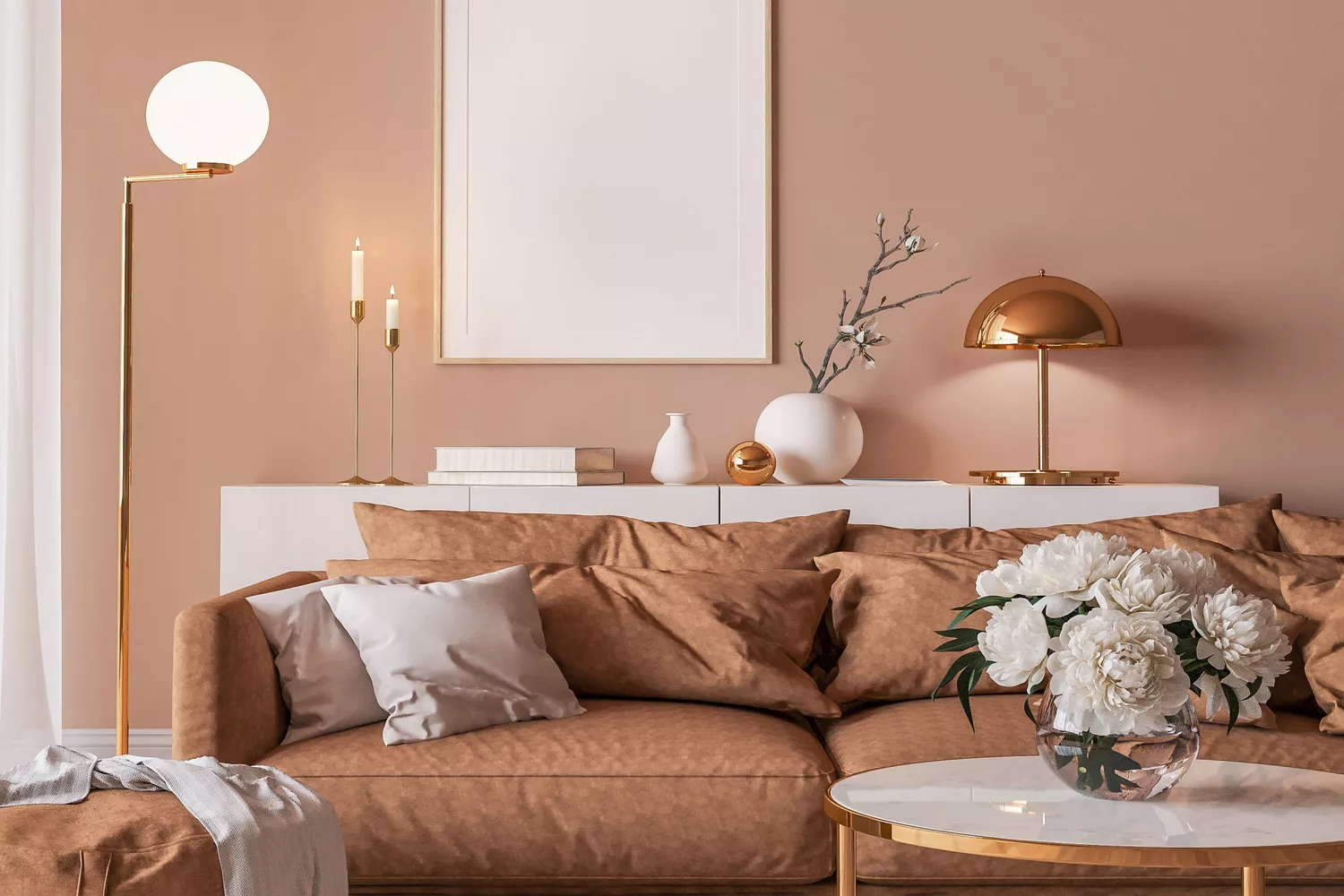
10 Lighting Mistakes You Should Never Make—But Probably Are
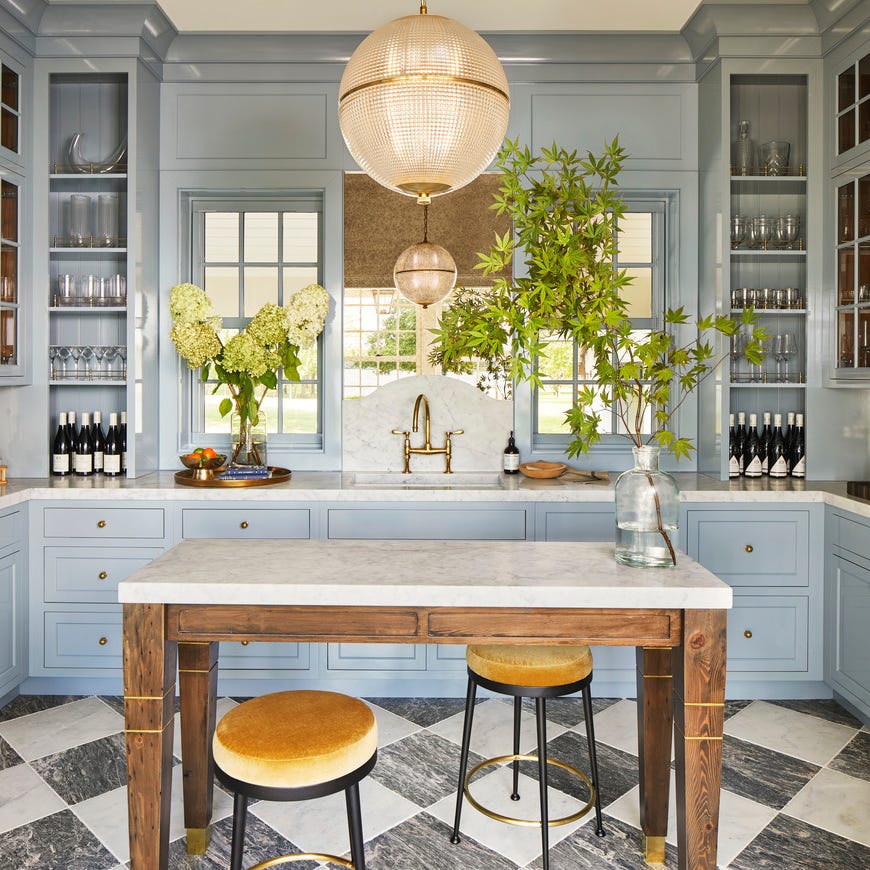
The BEST Way to Light Your Kitchen Is Not What You Think

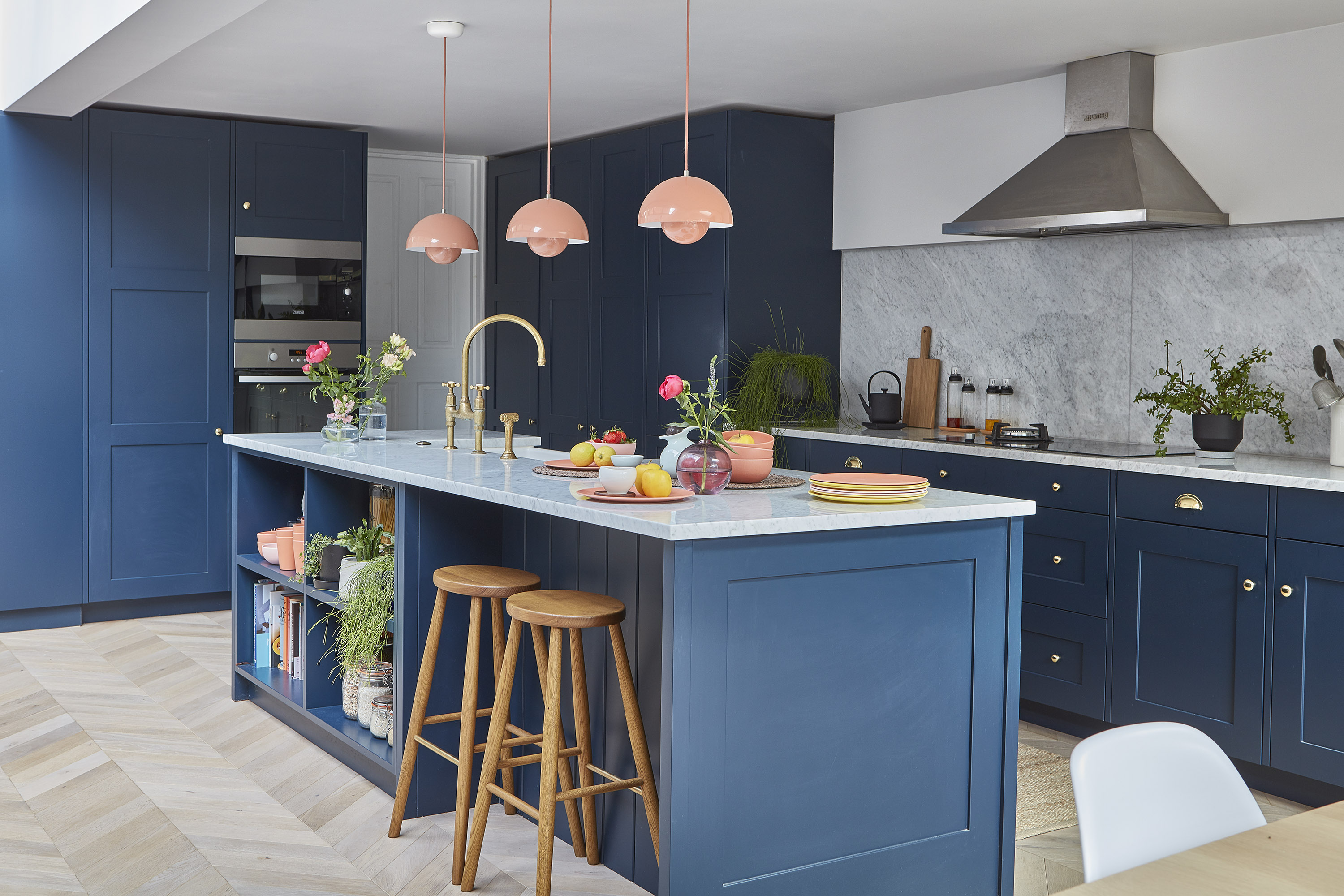
Best kitchen lighting: top picks to brighten up your kitchen space

6 Lighting Mistakes That Are Ruining the Mood in Your Home—and How to Fix Them

9 outdated kitchen lighting trends designers urge you to avoid, plus what to try instead

7 Tips to Save Your Kitchen Lighting From Being Too Harsh
15 Creative Kitchen Lighting Ideas That Put Plain Ceiling Lights to Shame
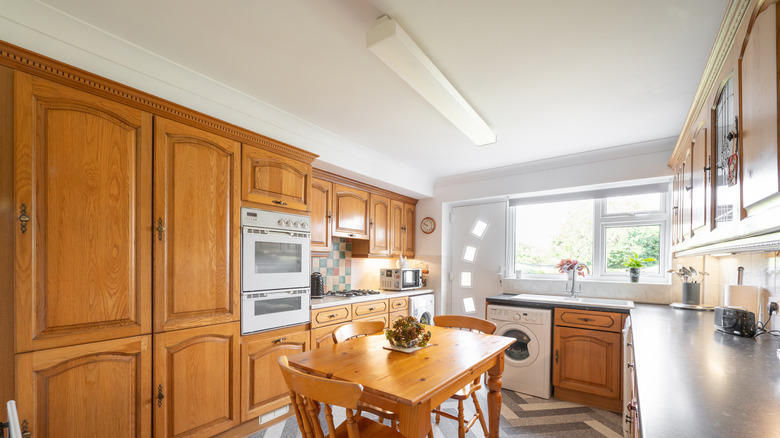
Kitchen Lighting Mistakes That Are Making Your Space Look Dated

7 Common Living Room Lighting Mistakes to Avoid at all Costs
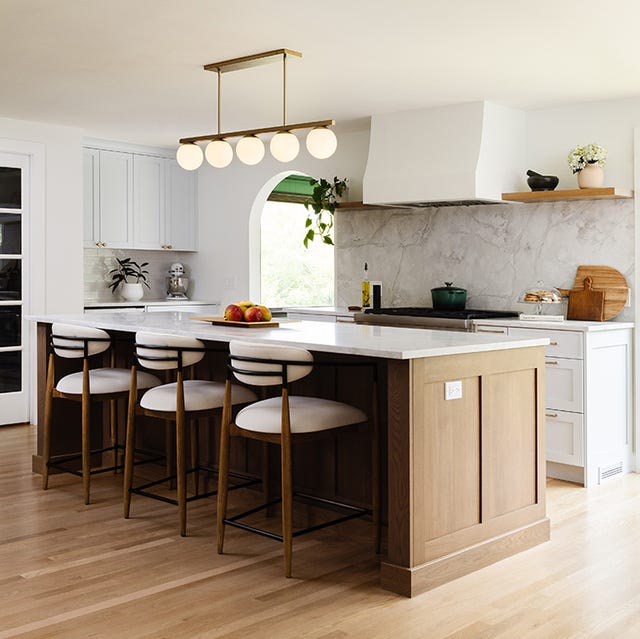
Try These Kitchen Lighting Ideas to Brighten Your Space

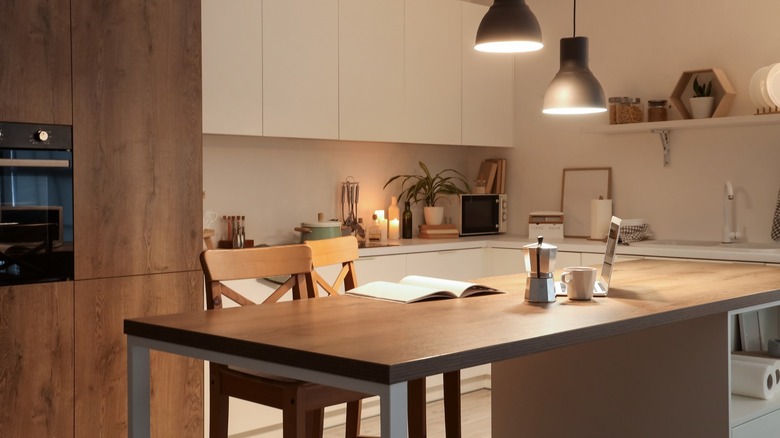
The Low-Effort Kitchen Lighting Trend That Adds Instant Elegance