1/2
The Low-Effort Kitchen Lighting Trend That Adds Instant Elegance
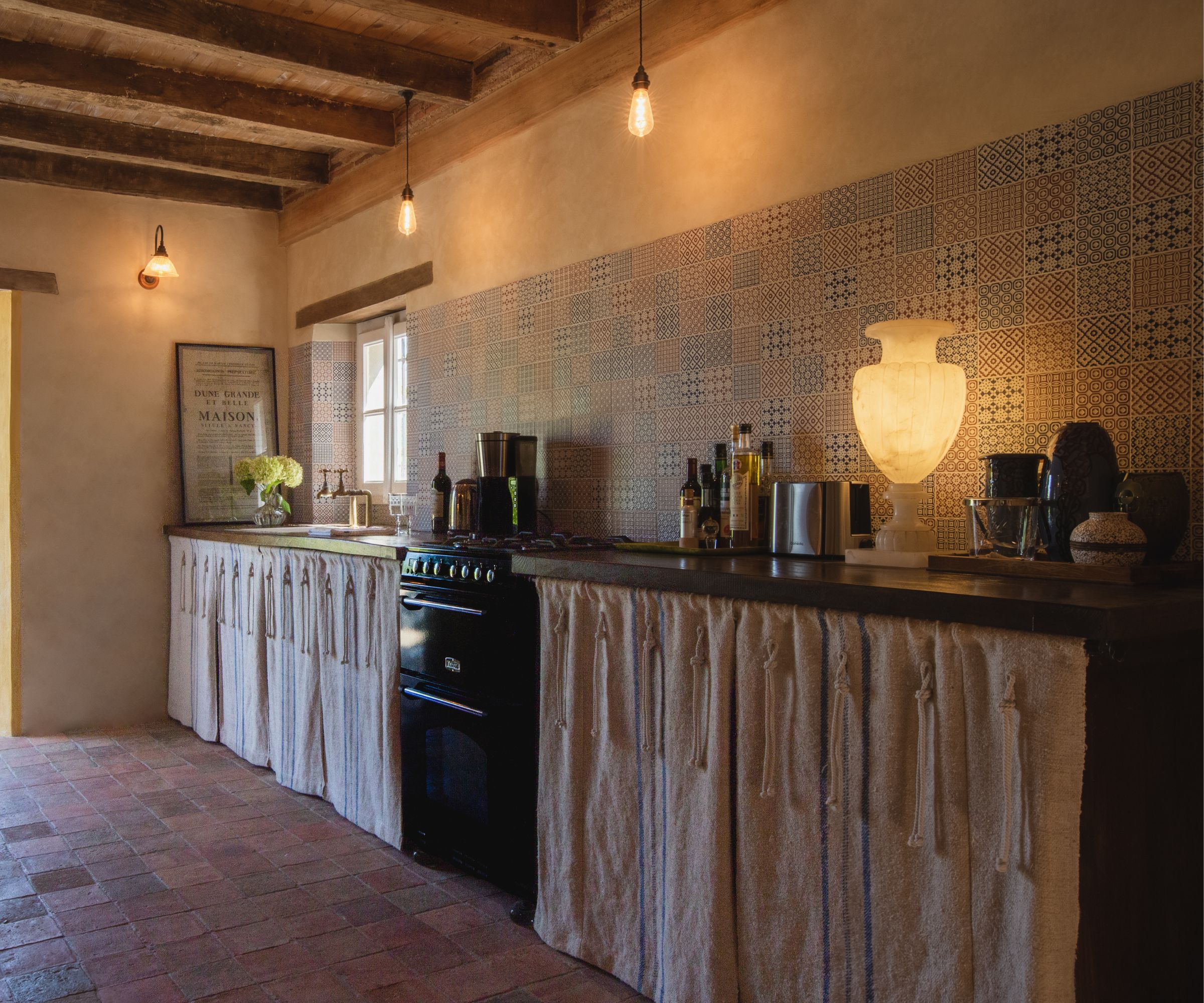
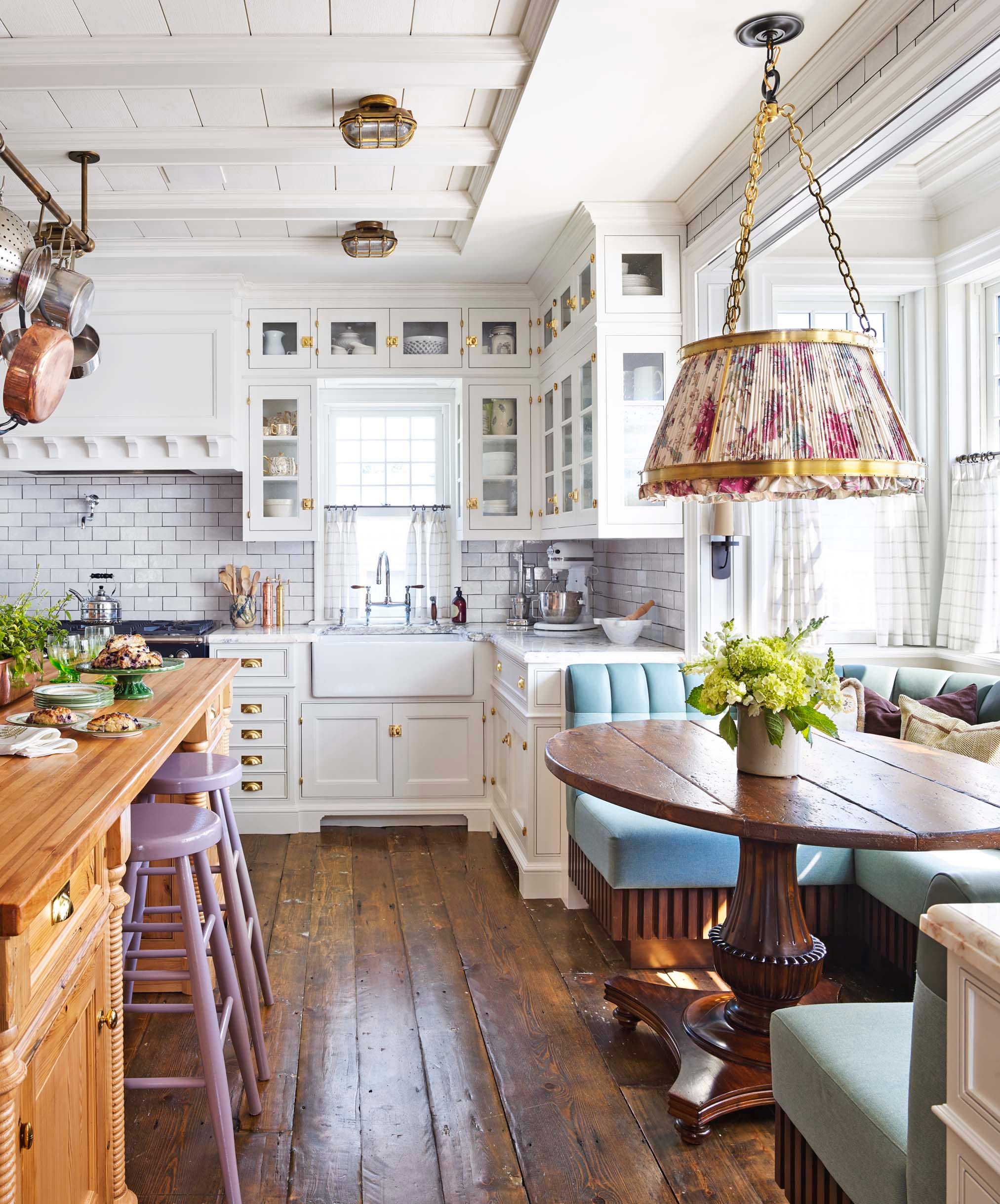

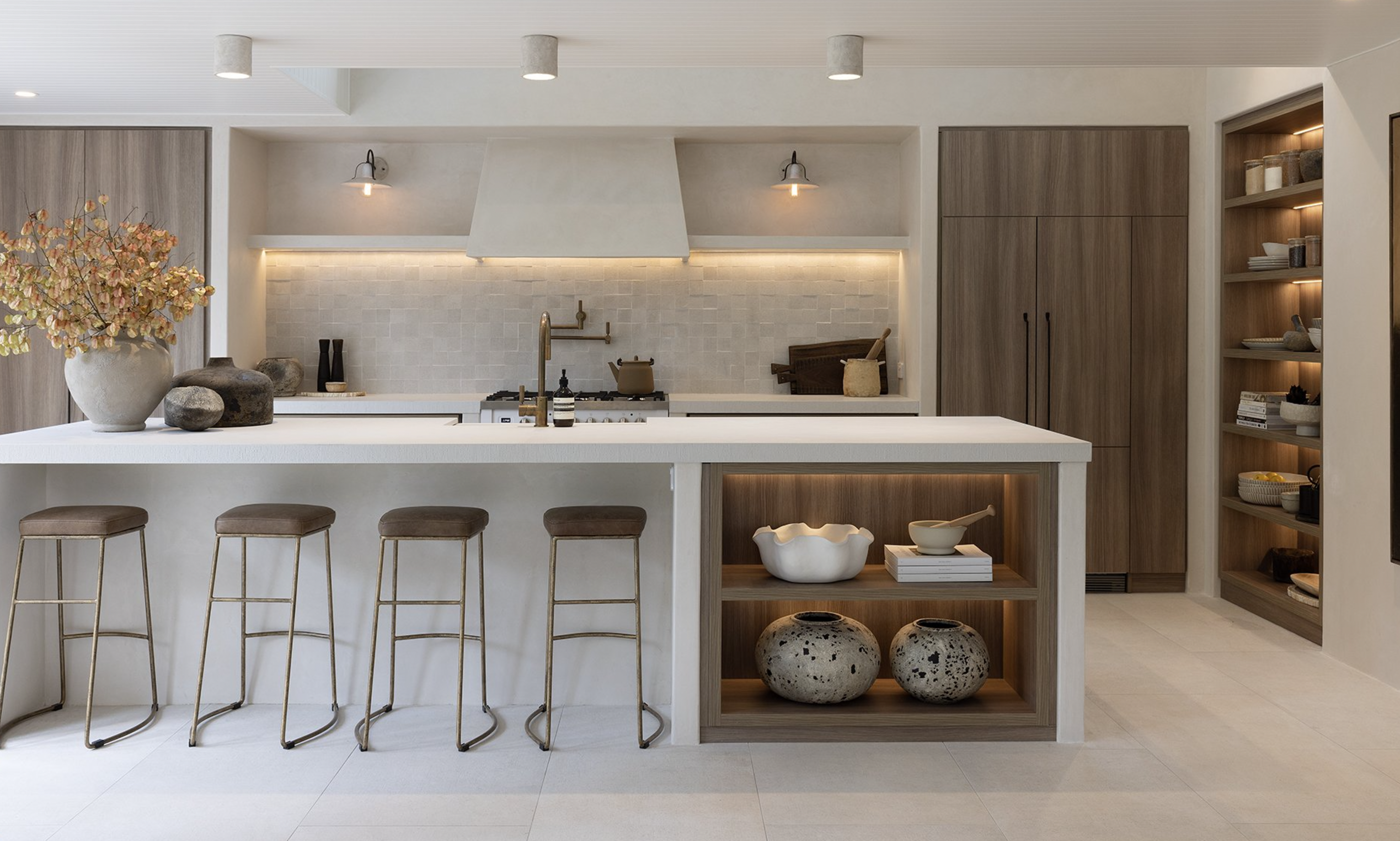
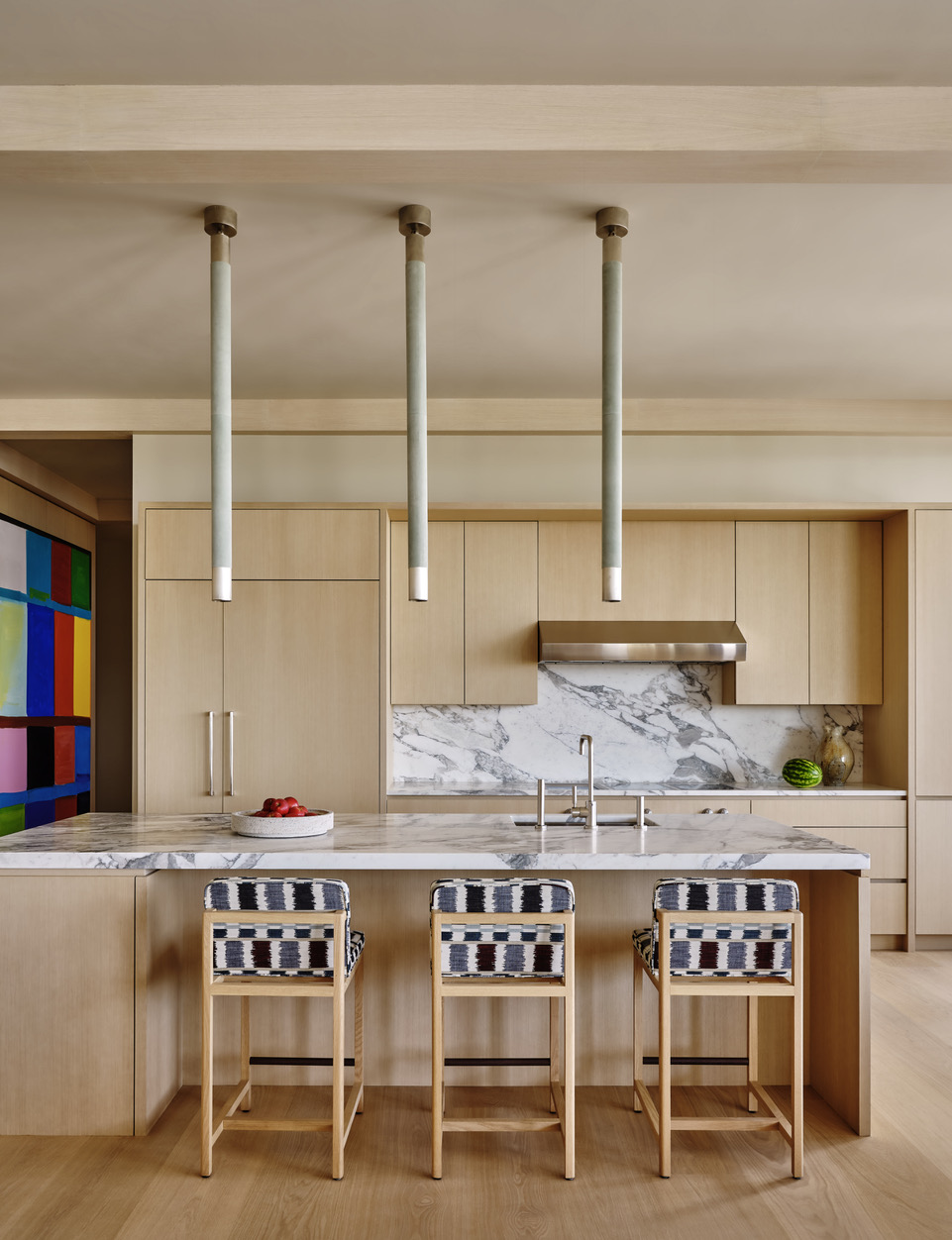
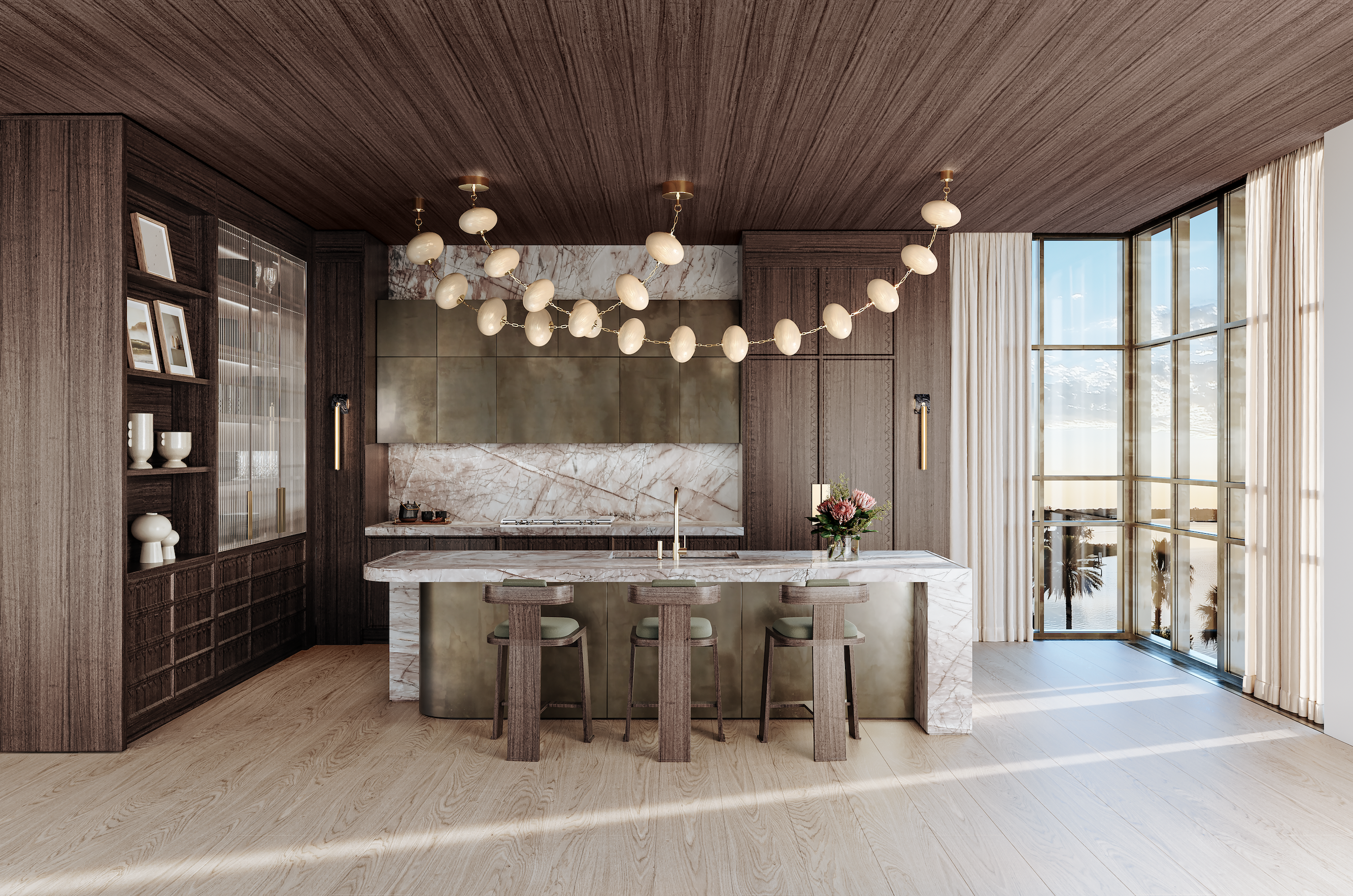
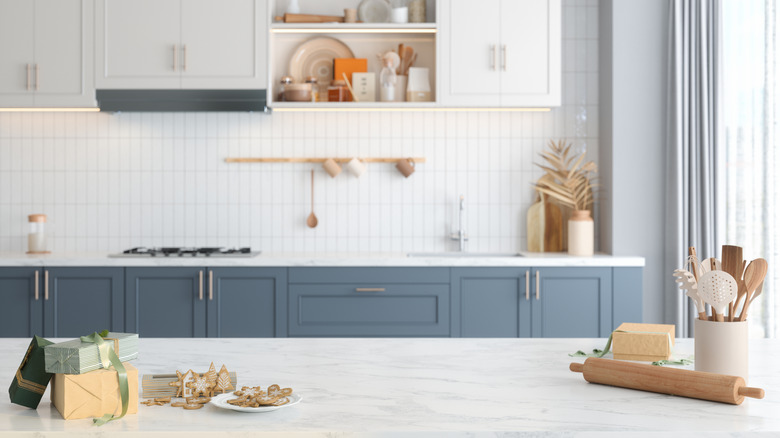
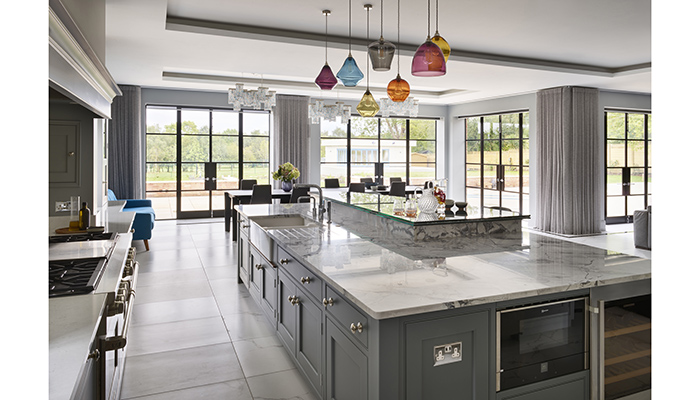
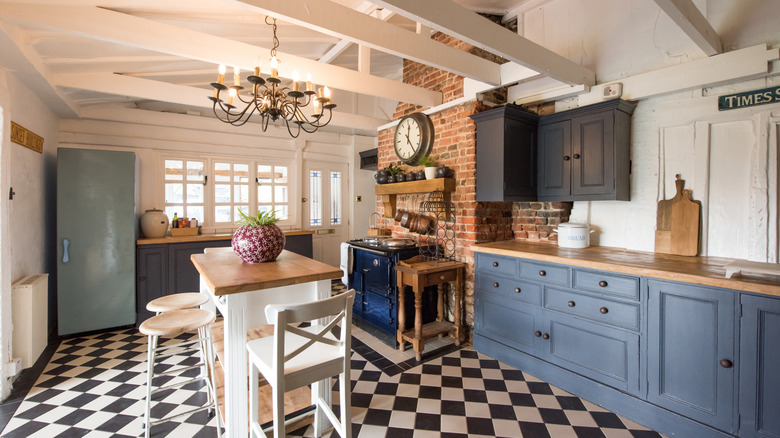
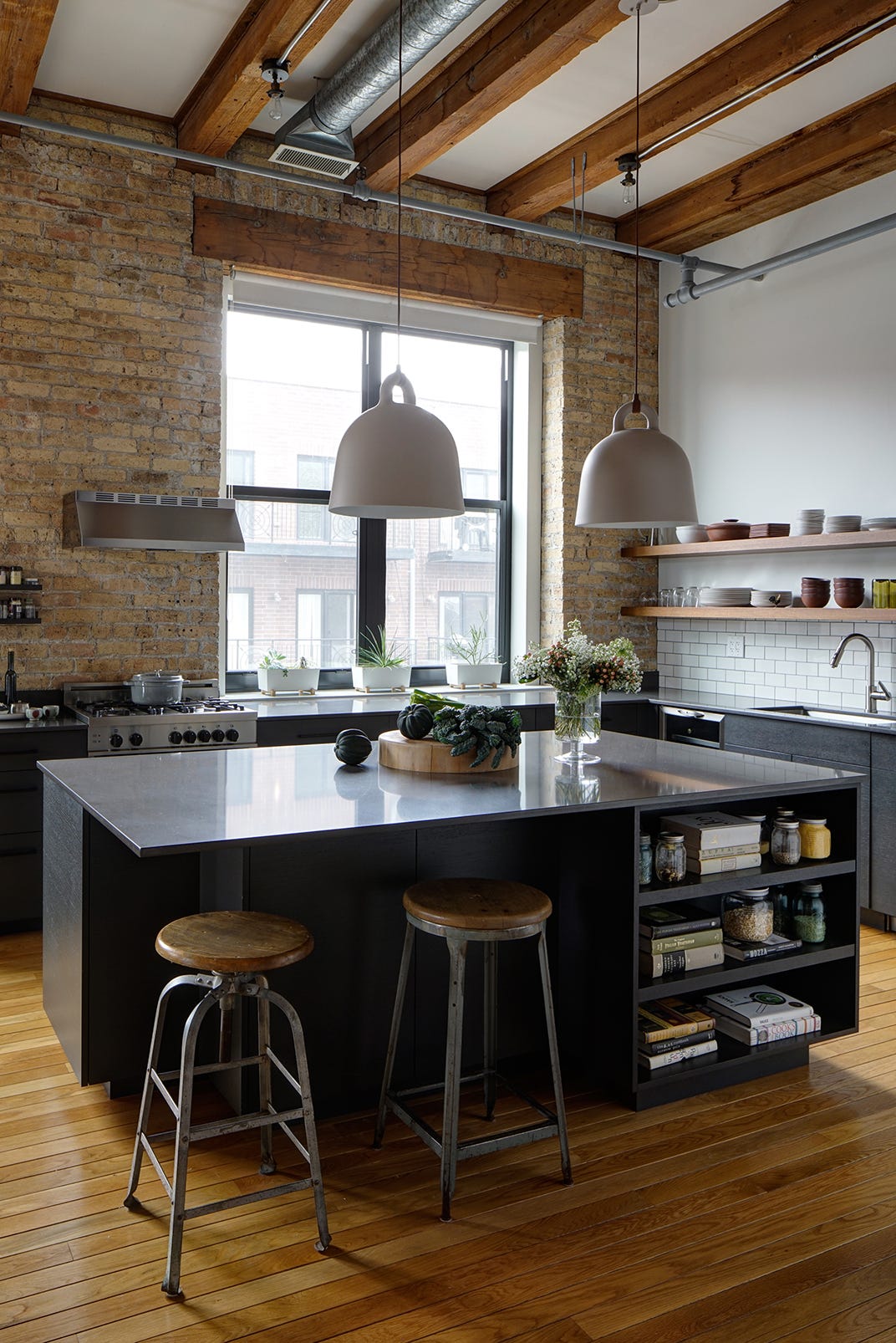
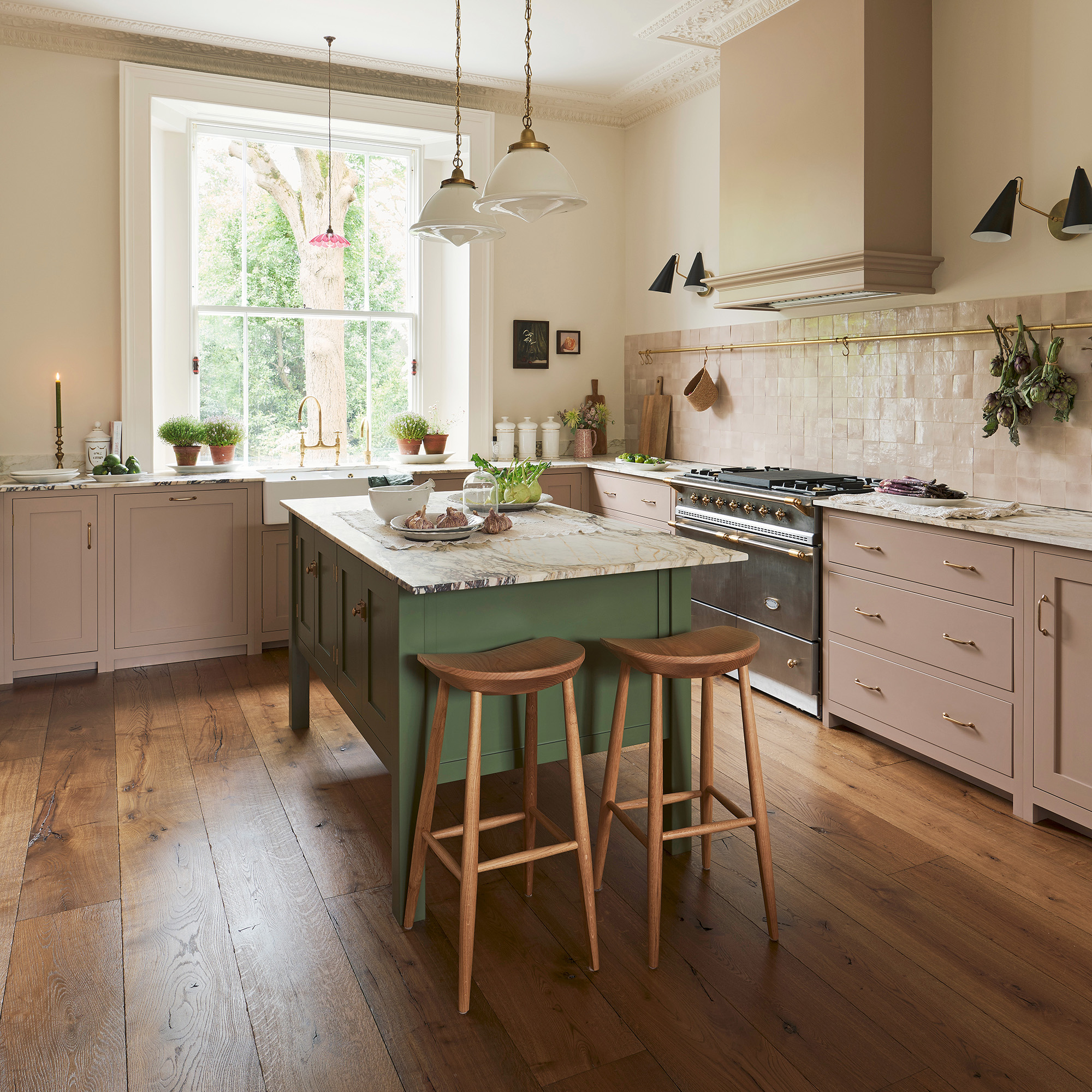
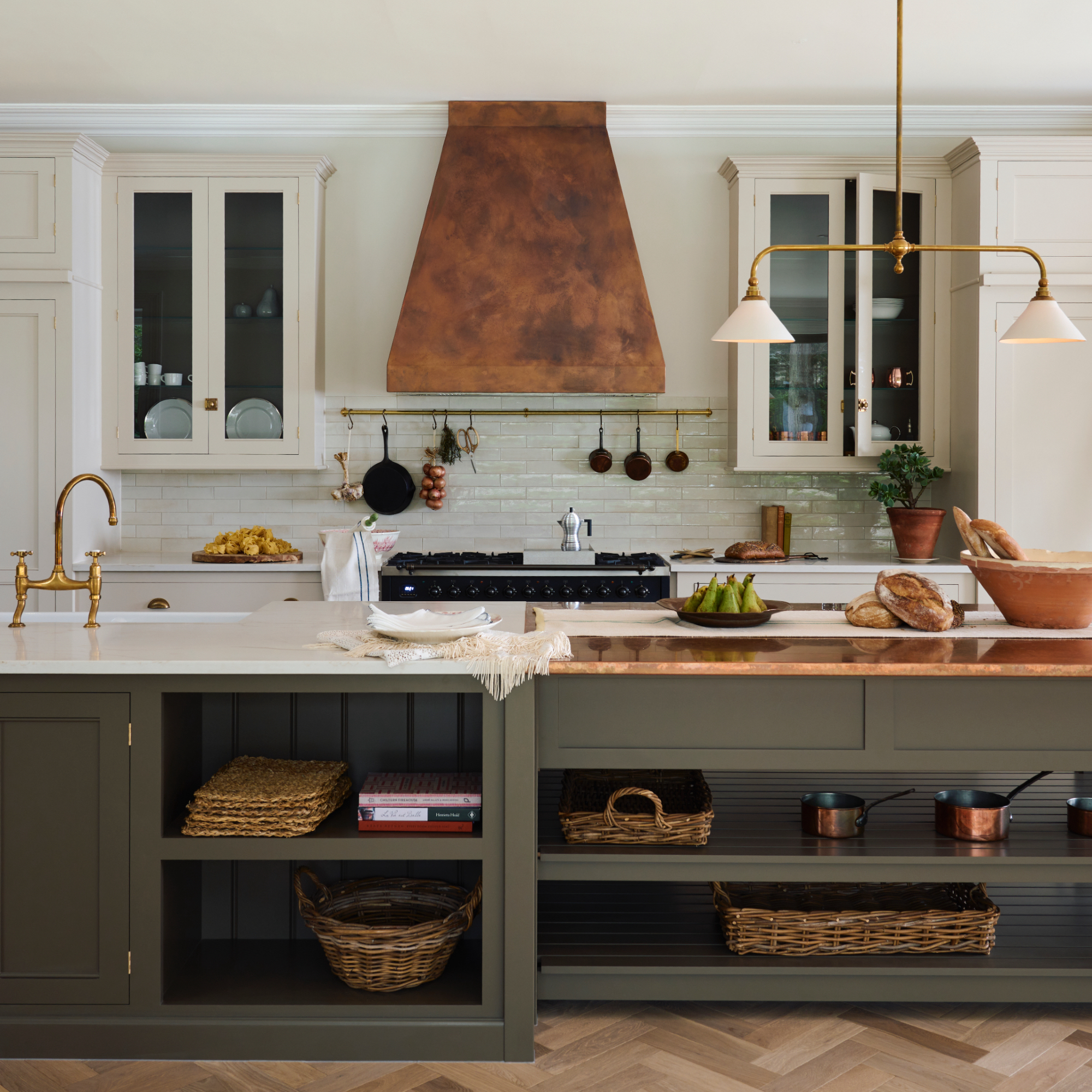
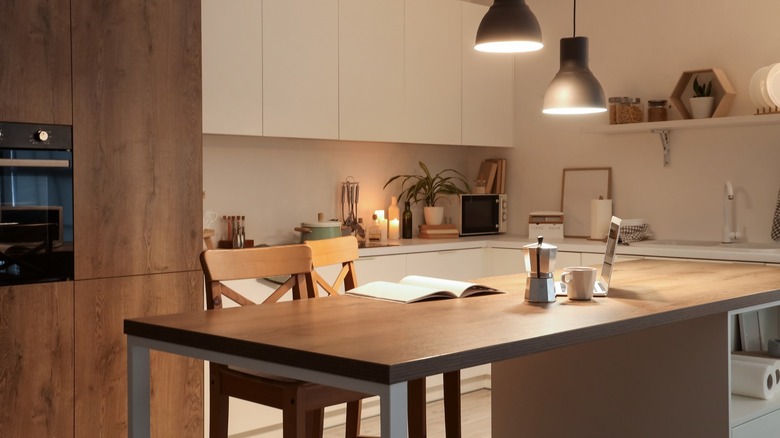
Effective kitchen lighting is crucial for both functionality and ambiance, allowing for clear visibility during tasks like cooking, reading recipes, and cleaning, without causing eye strain or discomfort. Achieving optimal lighting involves a layered approach, as explained by interior design expert Steven Fernandez, creative director at Residence Supply. Layered lighting aims to integrate various light sources to create a comfortable and balanced environment, contrasting with flat or harsh single-source illumination. In a space as frequently used as the kitchen, an inviting atmosphere is preferred over a purely functional workspace.
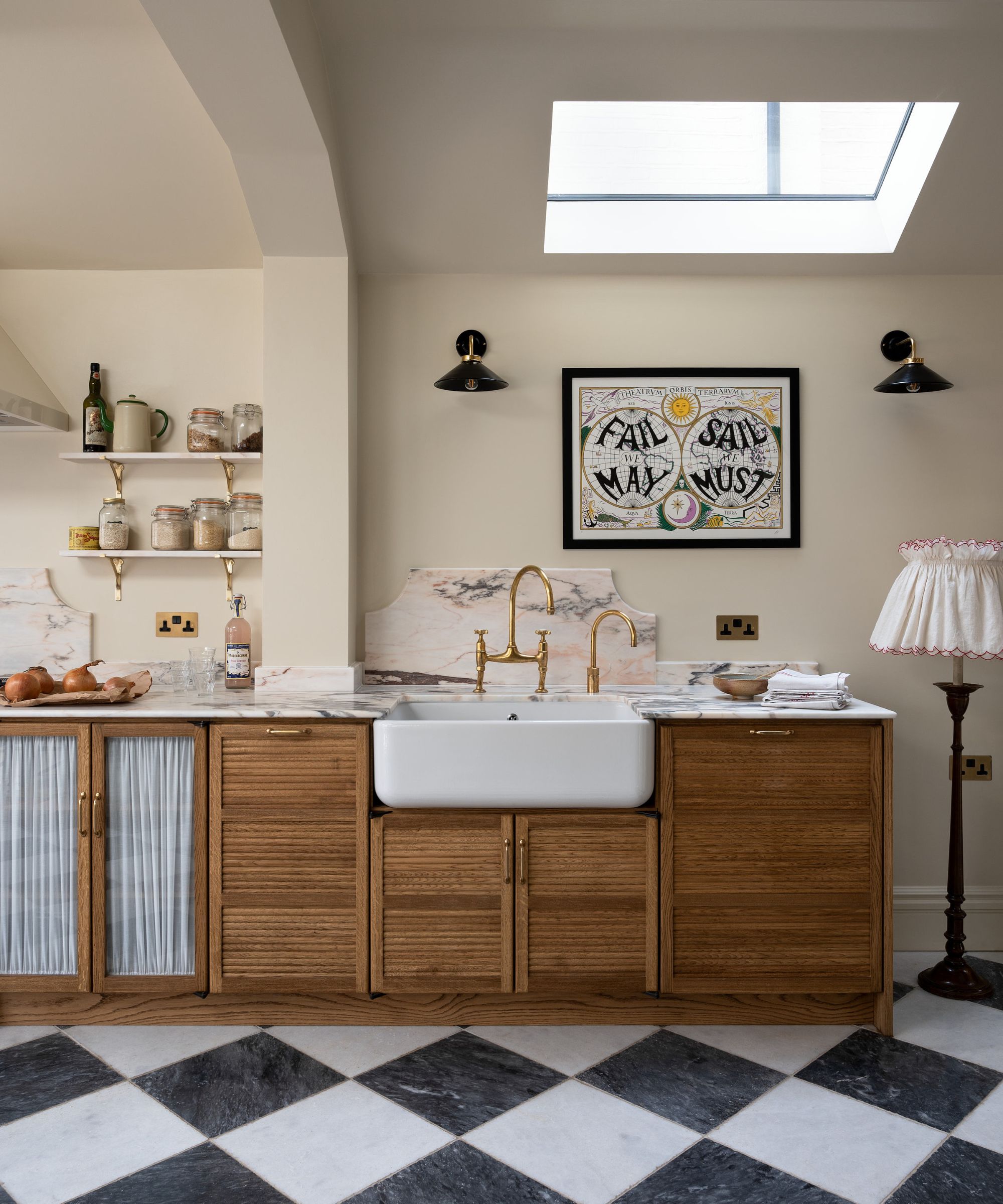
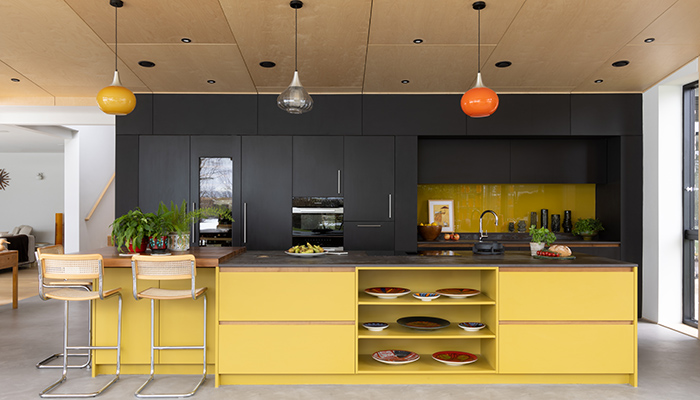
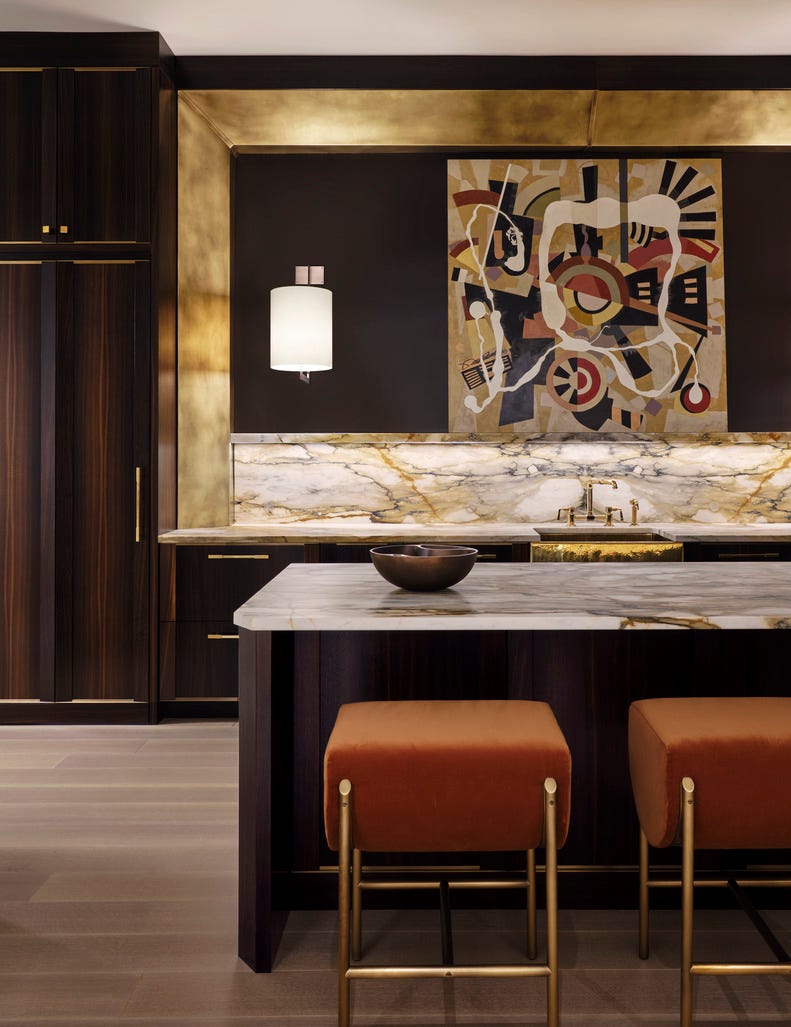
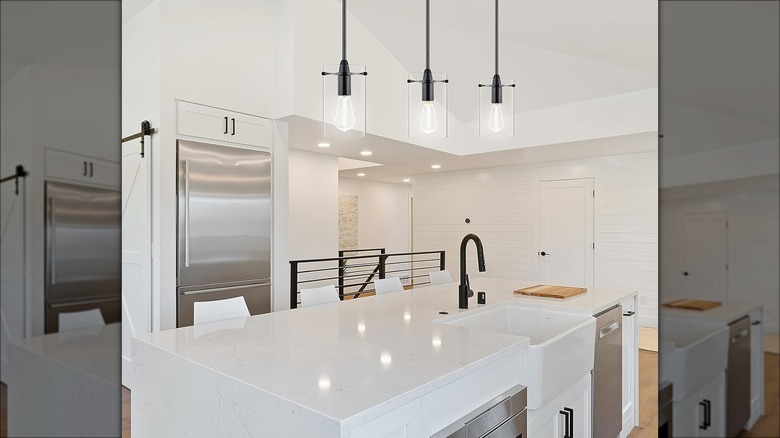
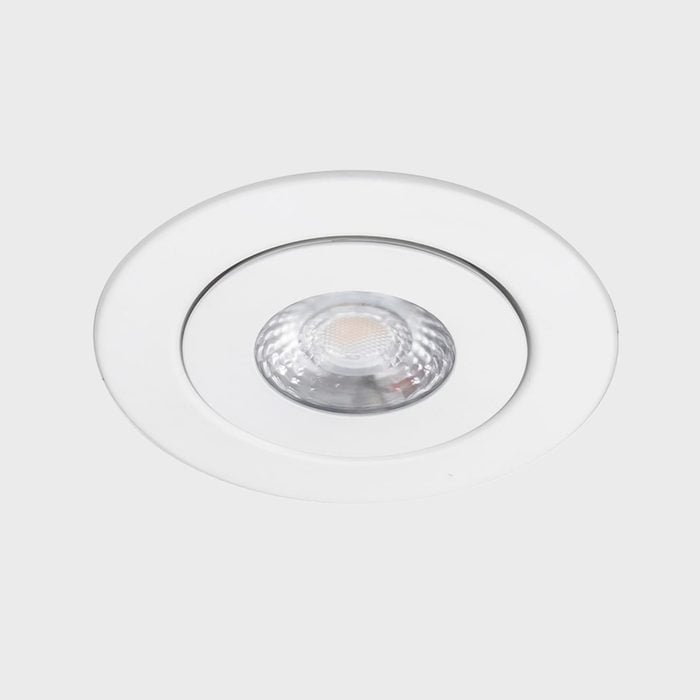
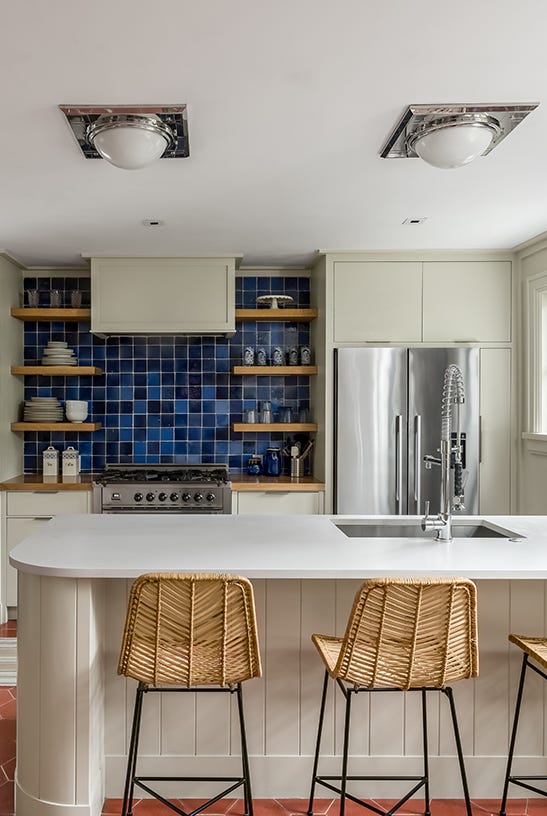
Layered lighting categorizes illumination into three main types: ambient, task, and accent. Ambient lighting serves as the primary and overall light source, providing general illumination for the entire kitchen. Task lighting is specifically designed for areas where detailed work occurs, such as countertops and stovetops, ensuring peak visibility. Accent lighting, on the other hand, is primarily decorative, highlighting architectural features or specific items within the kitchen to add visual interest.
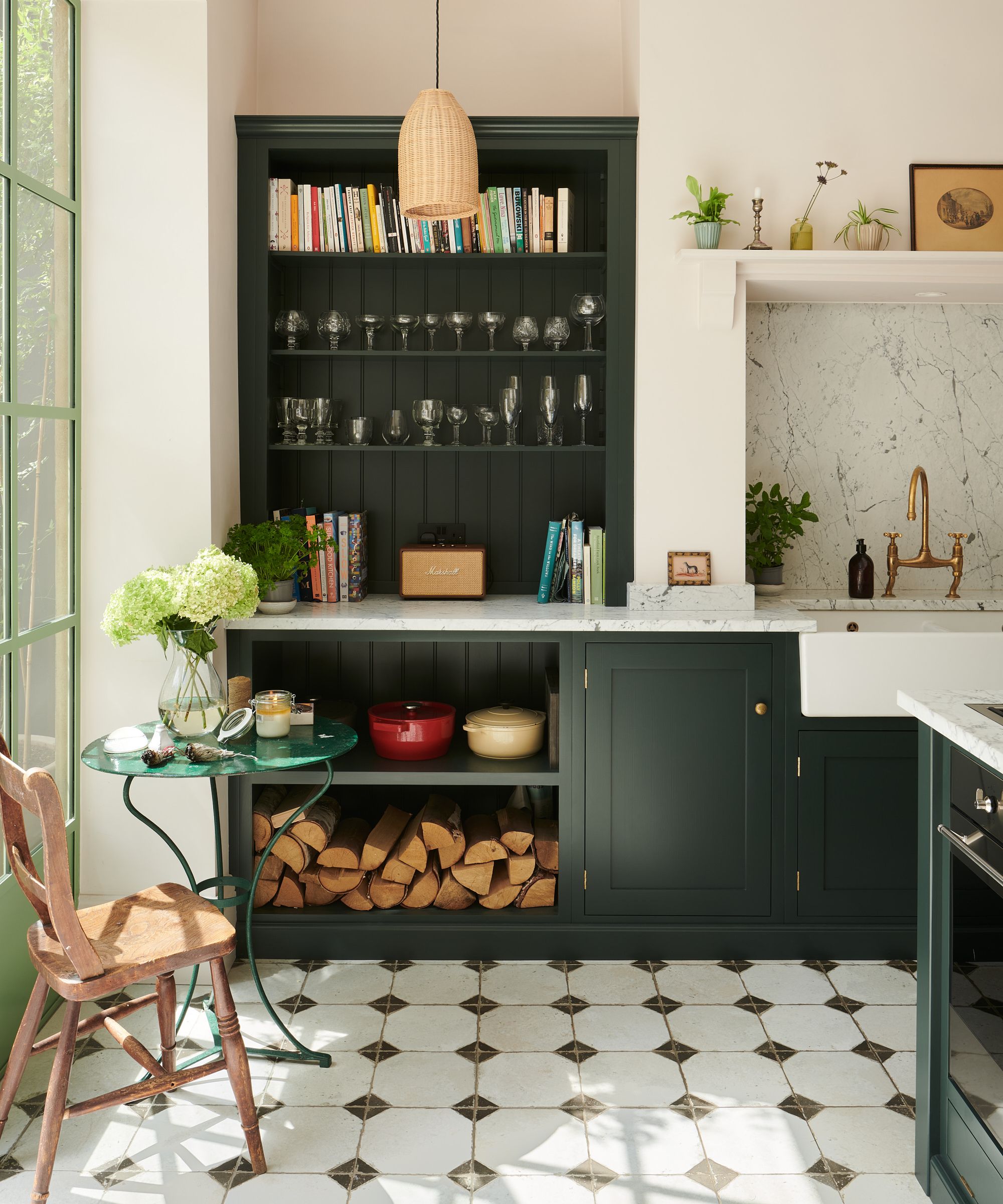
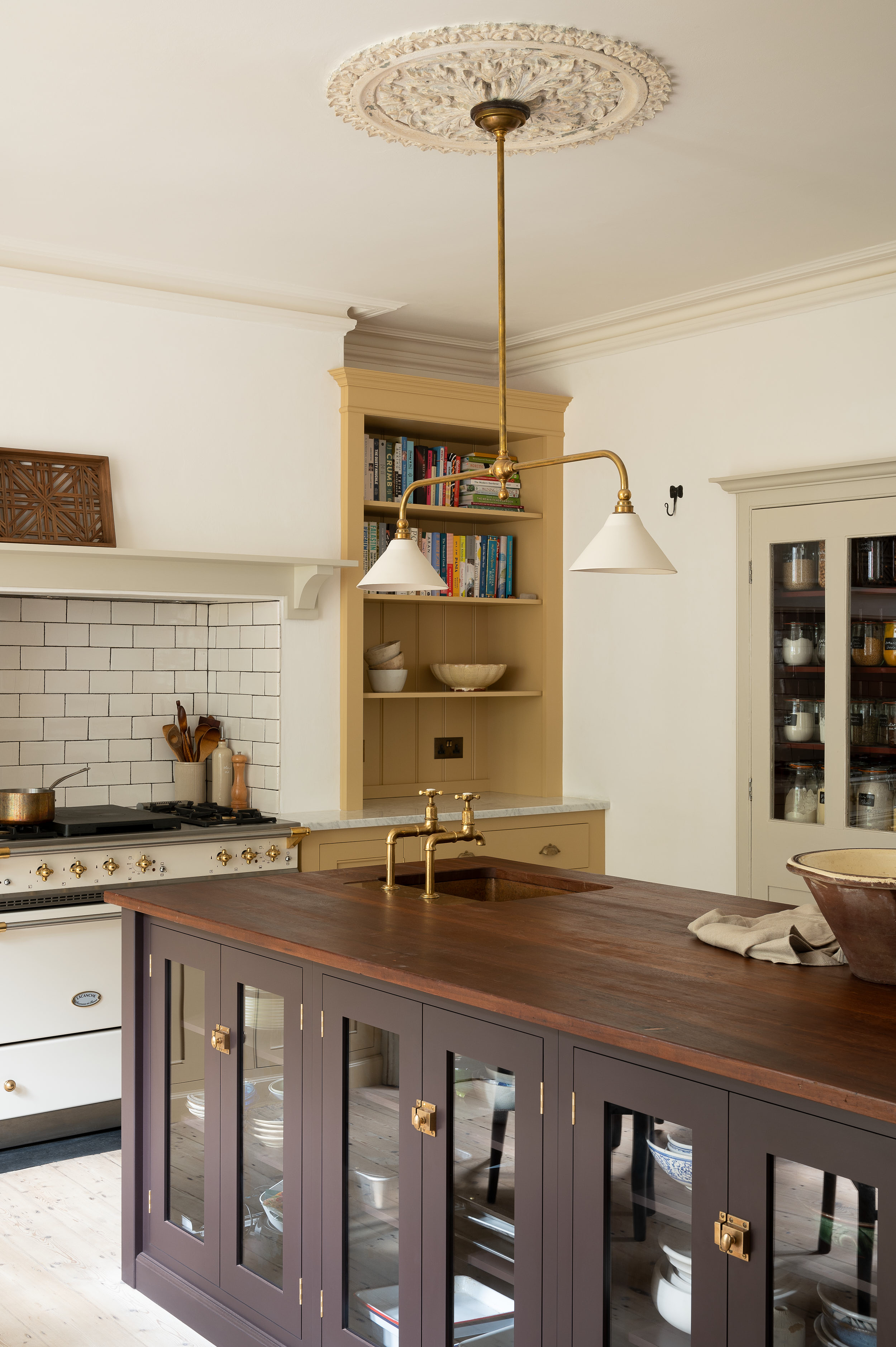
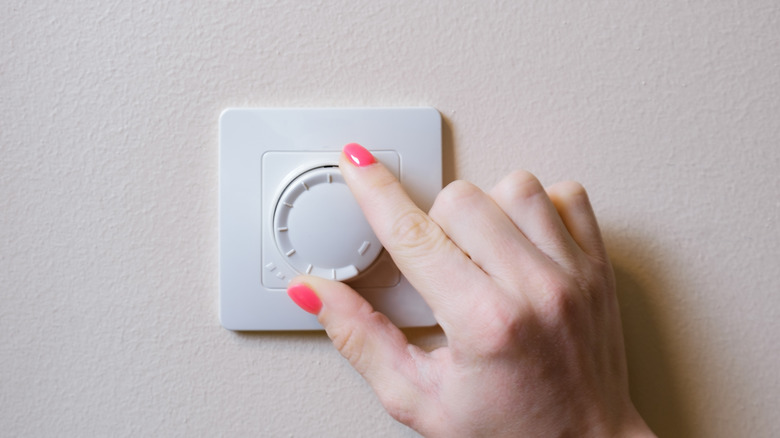
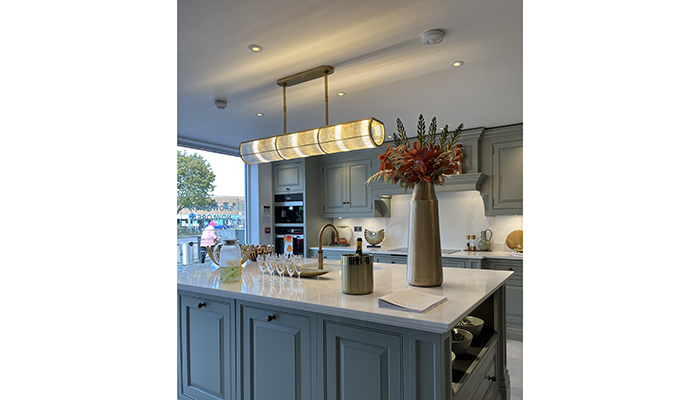
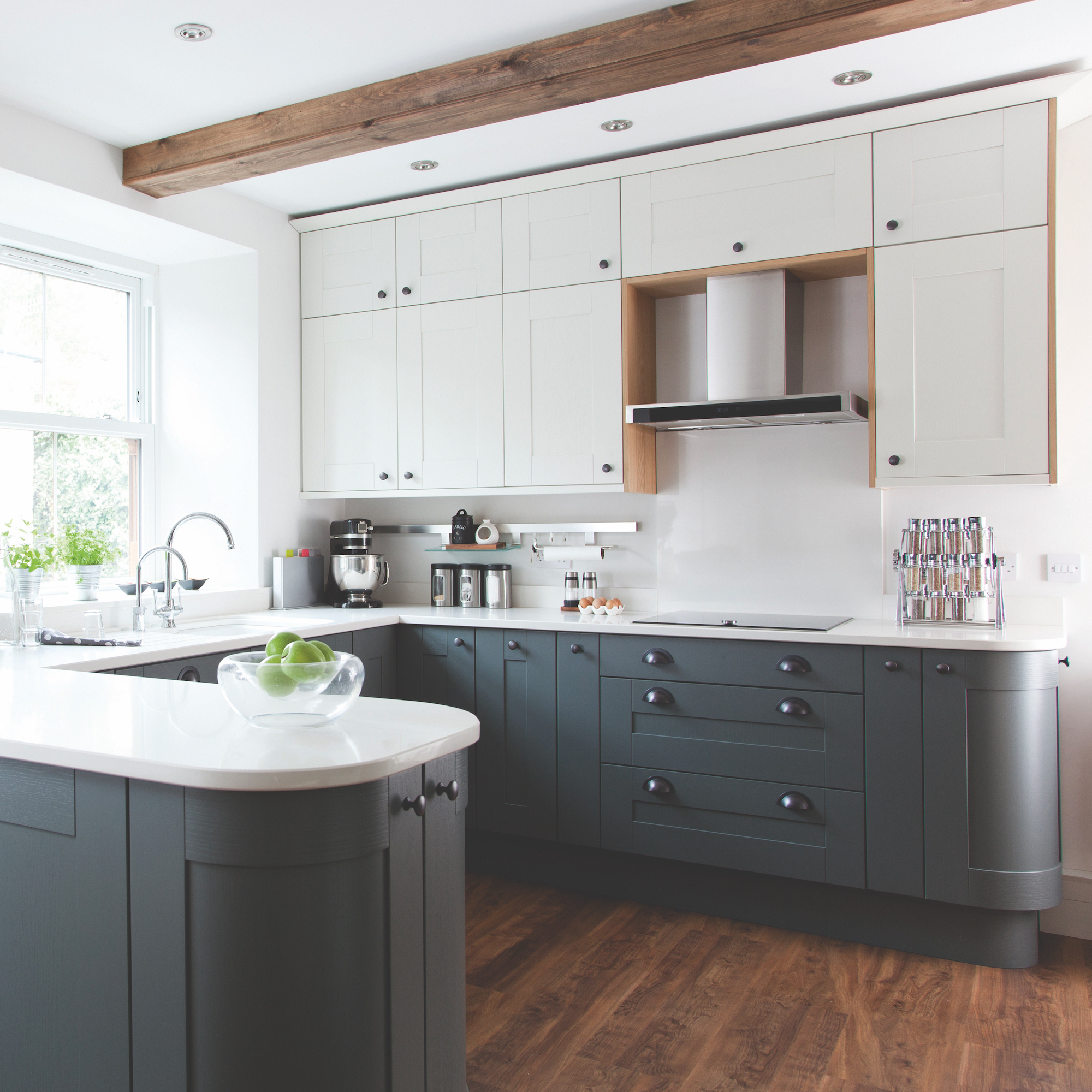
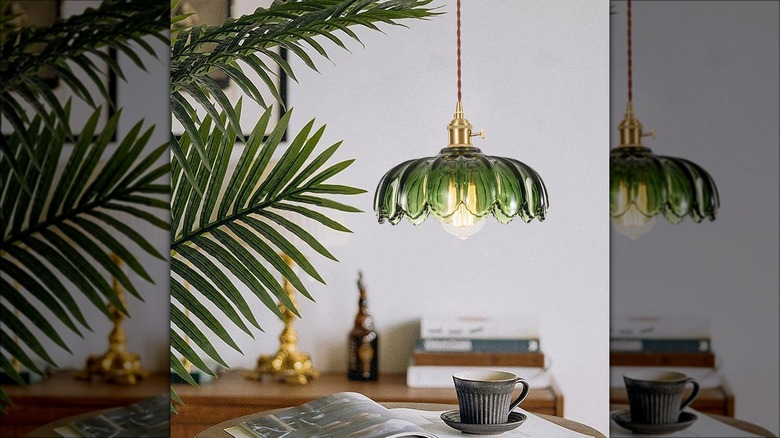
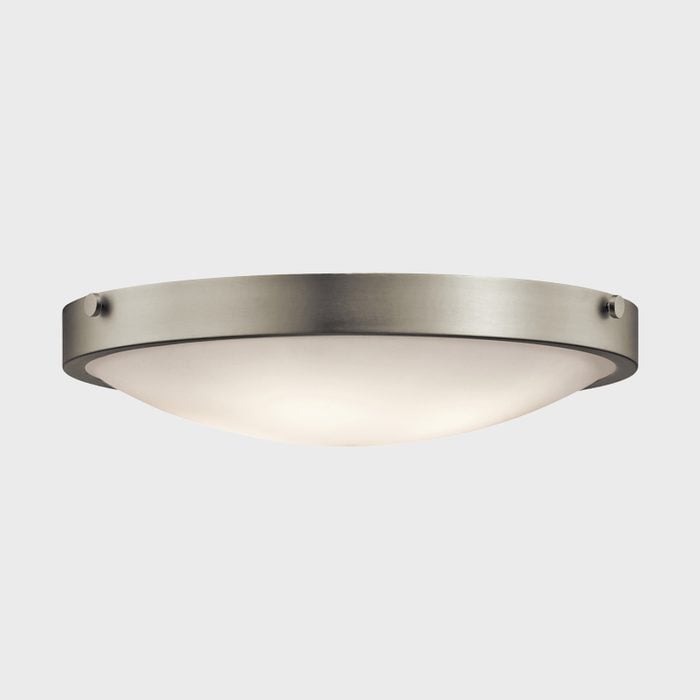
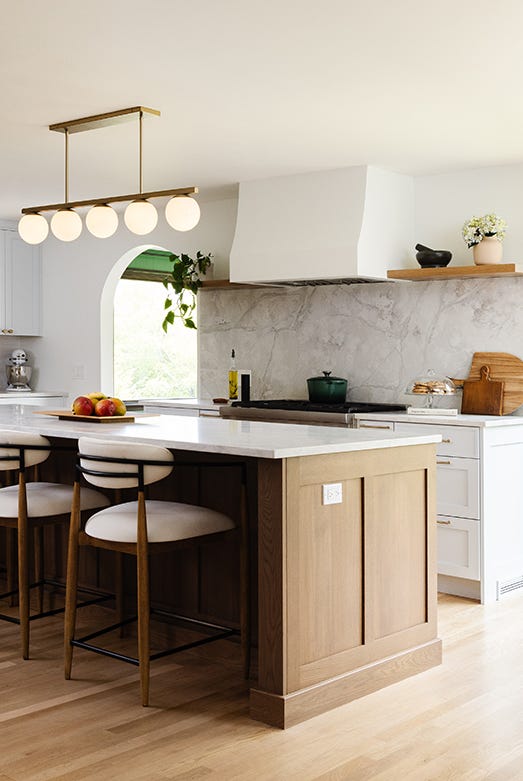
When implementing layered lighting, the strategy involves working from the largest light sources to the smallest. For ambient lighting, an adjustable overhead fixture with a dimming capability is recommended. This allows users to customize the brightness to suit different times of the day and activities, from a soft glow for morning coffee to brighter light for meal preparation. Fernandez highlights that many kitchens suffer from cold, sterile lighting that casts unwanted shadows, making dimmable fixtures a significant improvement. Such a fixture can transform the kitchen's feel, making it more adaptable and pleasant.
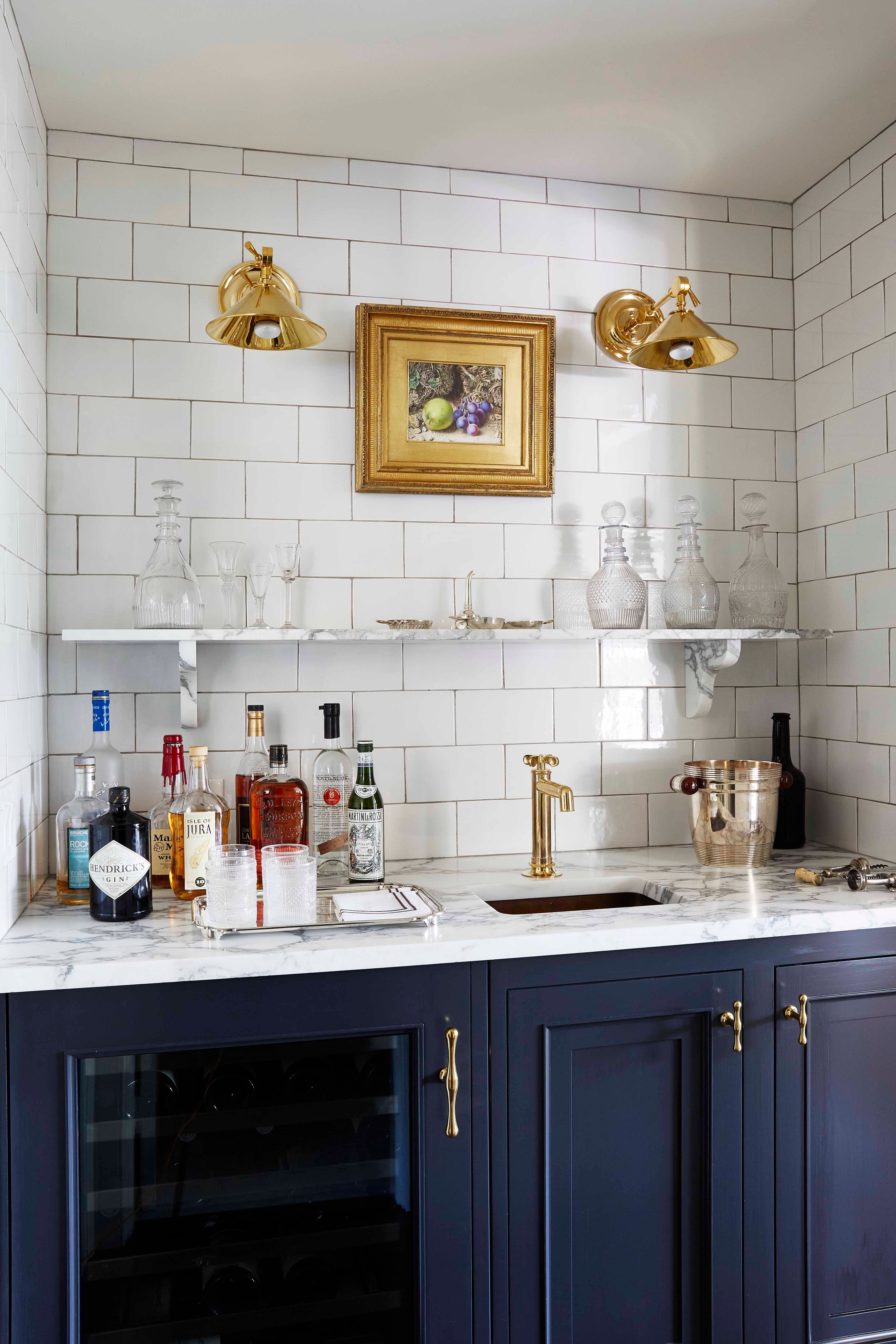

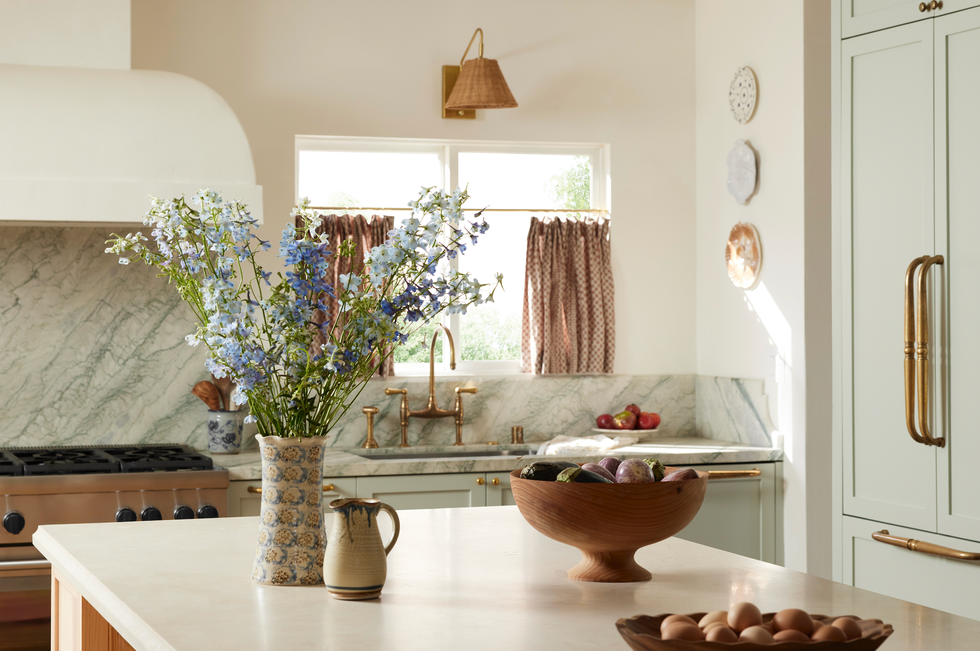
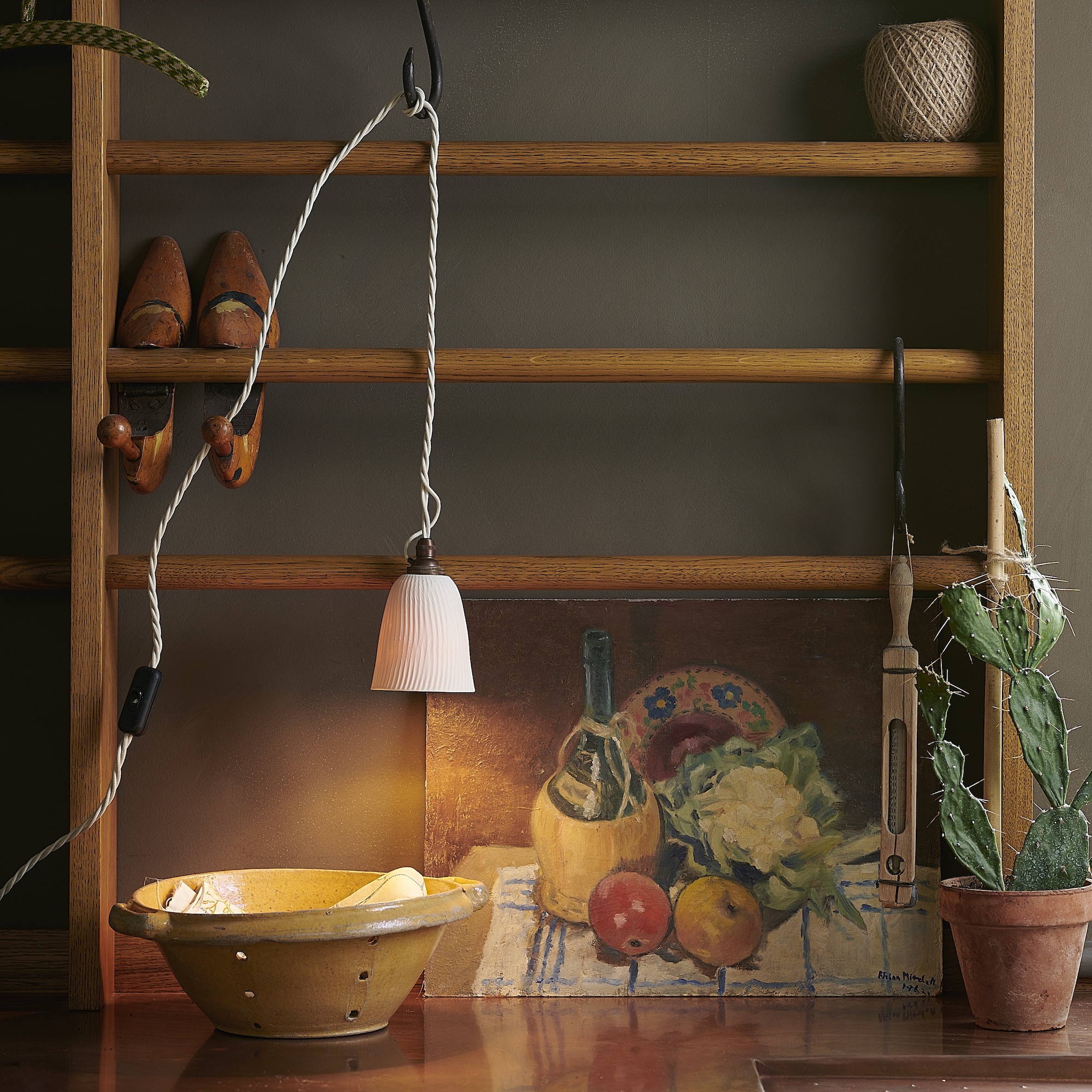
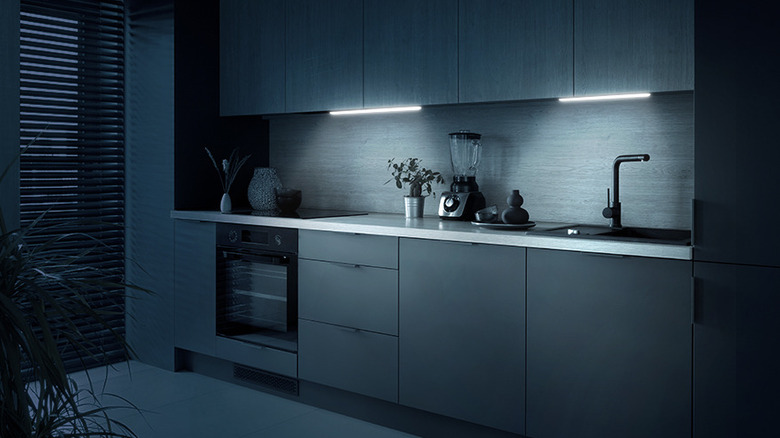
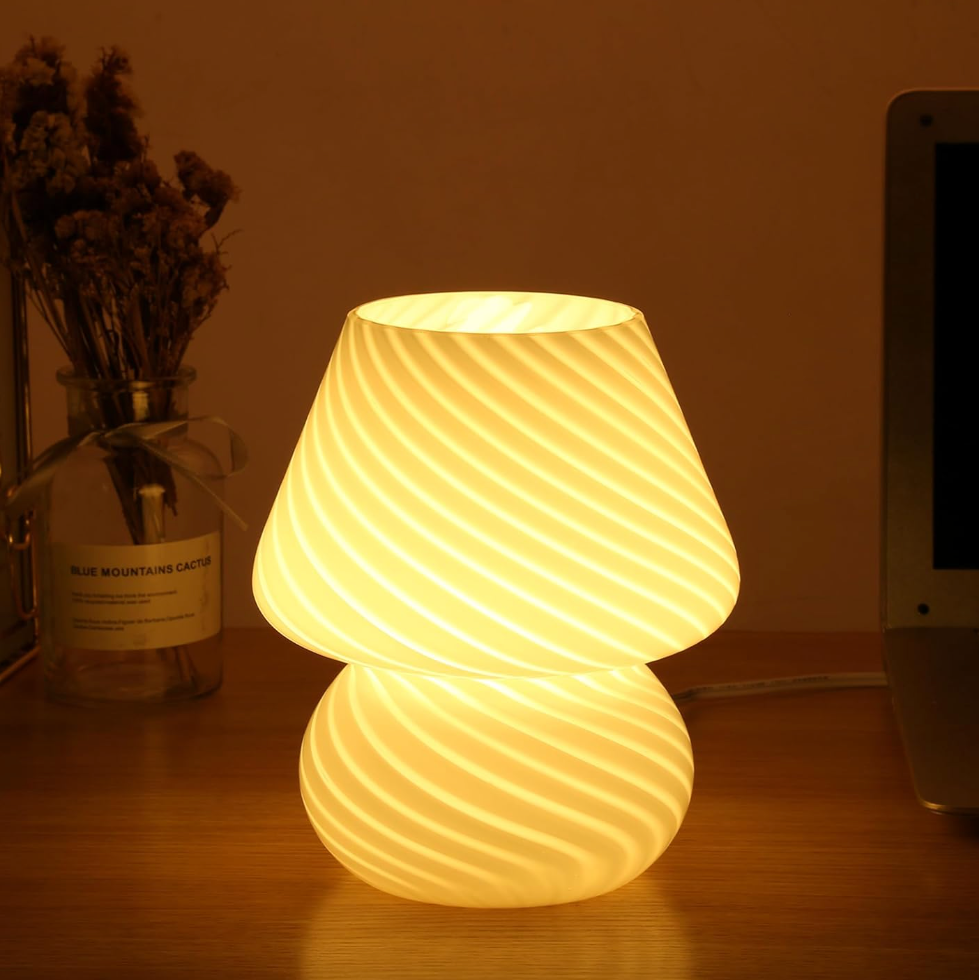
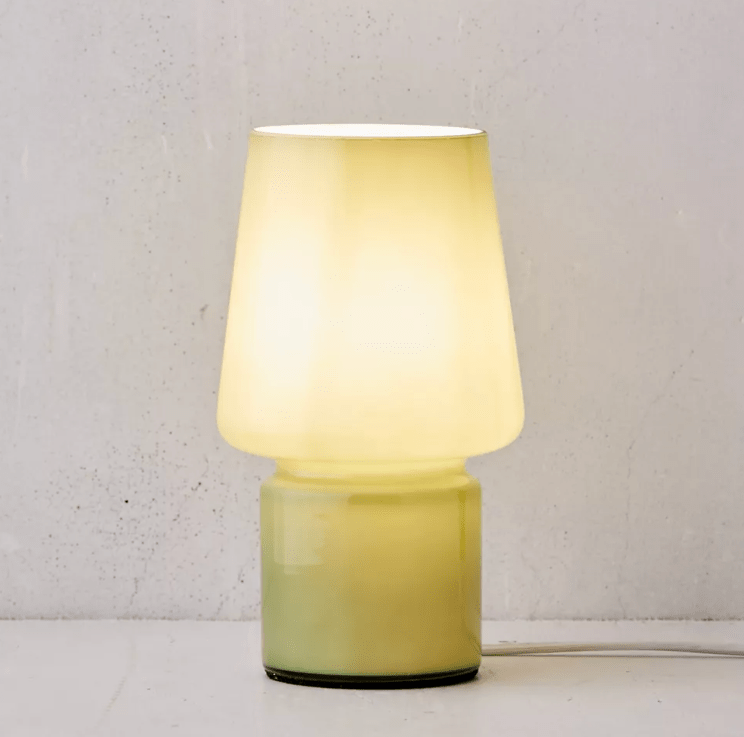
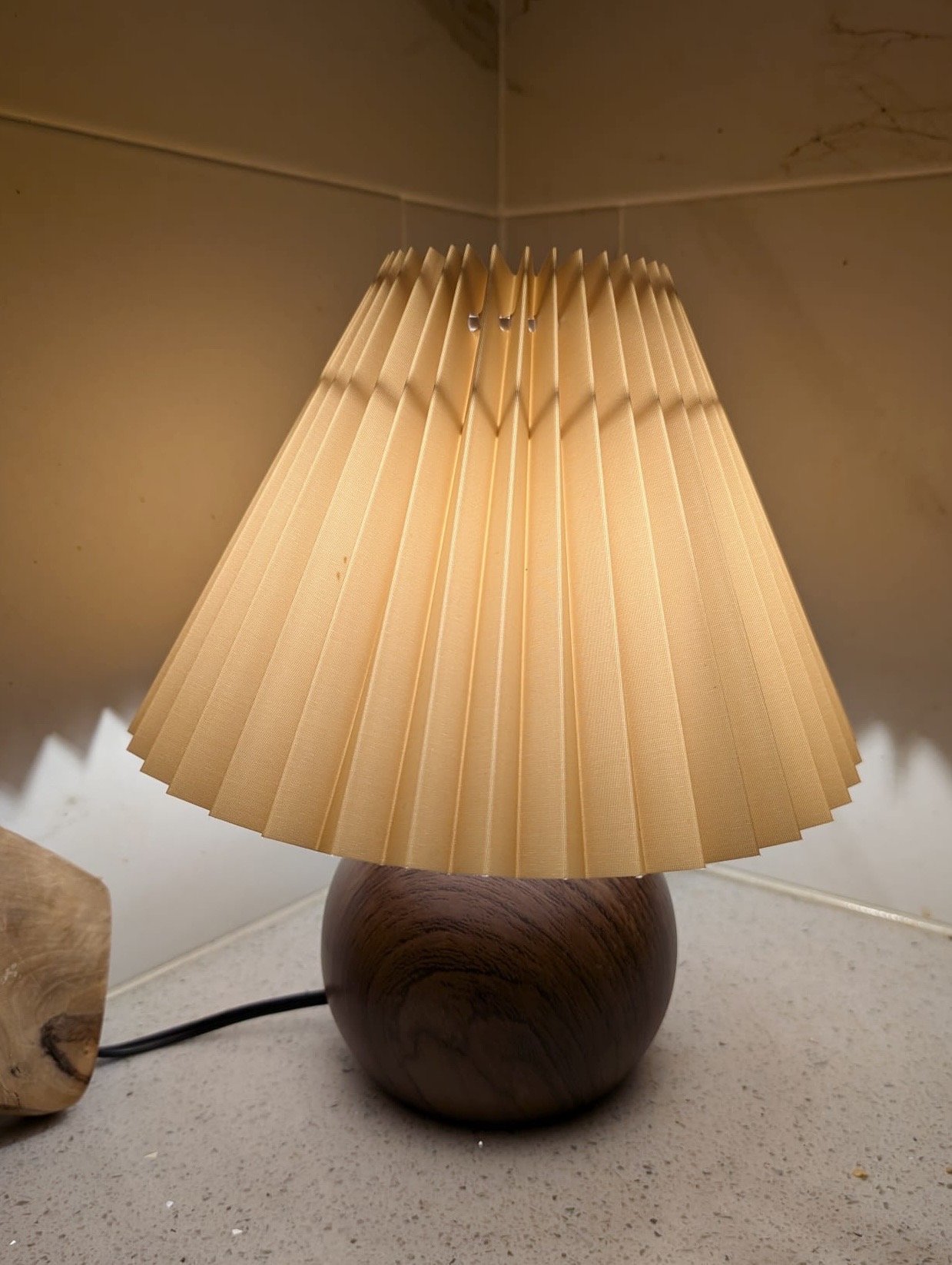
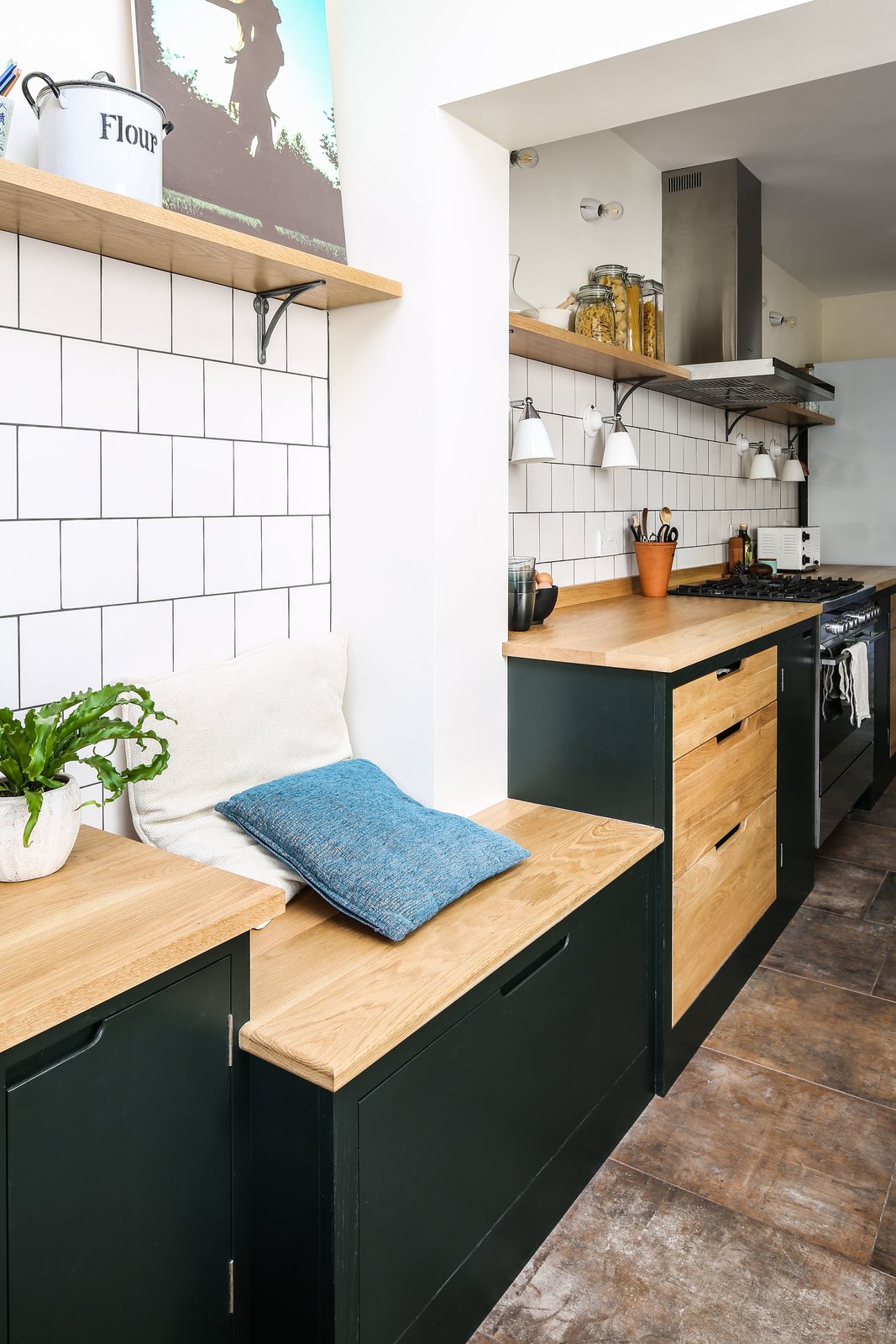
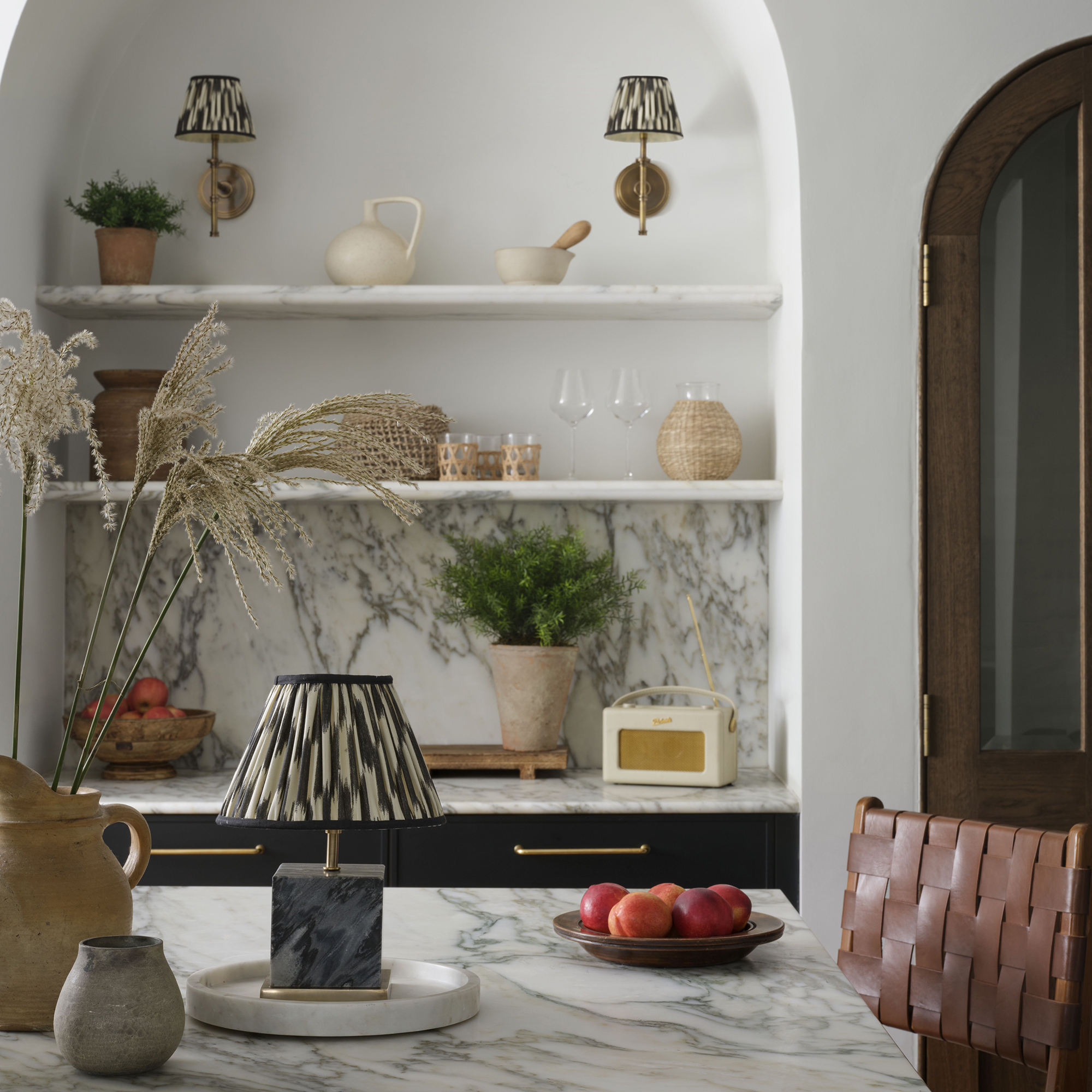
For those unable to install new electrical fixtures or hire an electrician, creating layered lighting can still be straightforward. Fernandez suggests incorporating plug-in sconces, under-cabinet lights, and table lamps. These options provide practical yet relaxed lighting, avoiding the overly bright and impersonal feel often associated with commercial spaces. If existing overhead lighting is too intense, a simple solution is to replace the bulb with a warmer option or to rely entirely on the additional layered light sources. The core principle is that layering different light types is essential for developing a kitchen space that is both more inviting and highly functional.
#KitchenLighting #InteriorDesign #LayeredLighting #HomeDecor #KitchenRemodel #AmbientLighting #TaskLighting #AccentLighting #DesignTips #KitchenLighting #InteriorDesign #LayeredLighting #HomeDecor #KitchenRemodel #AmbientLighting #TaskLighting #AccentLighting #DesignTips
0 comment in total
 No comments yet
You may also like
Designers say that lighting is the easiest way to elevate your kitchen
17 Best Creative Lighting Ideas For Your Kitchen

5 Trending Kitchen Light Fixtures That Will Add Spark To Your Home
The Kitchen Glass Lighting Trend That's Primed To Dazzle In 2025

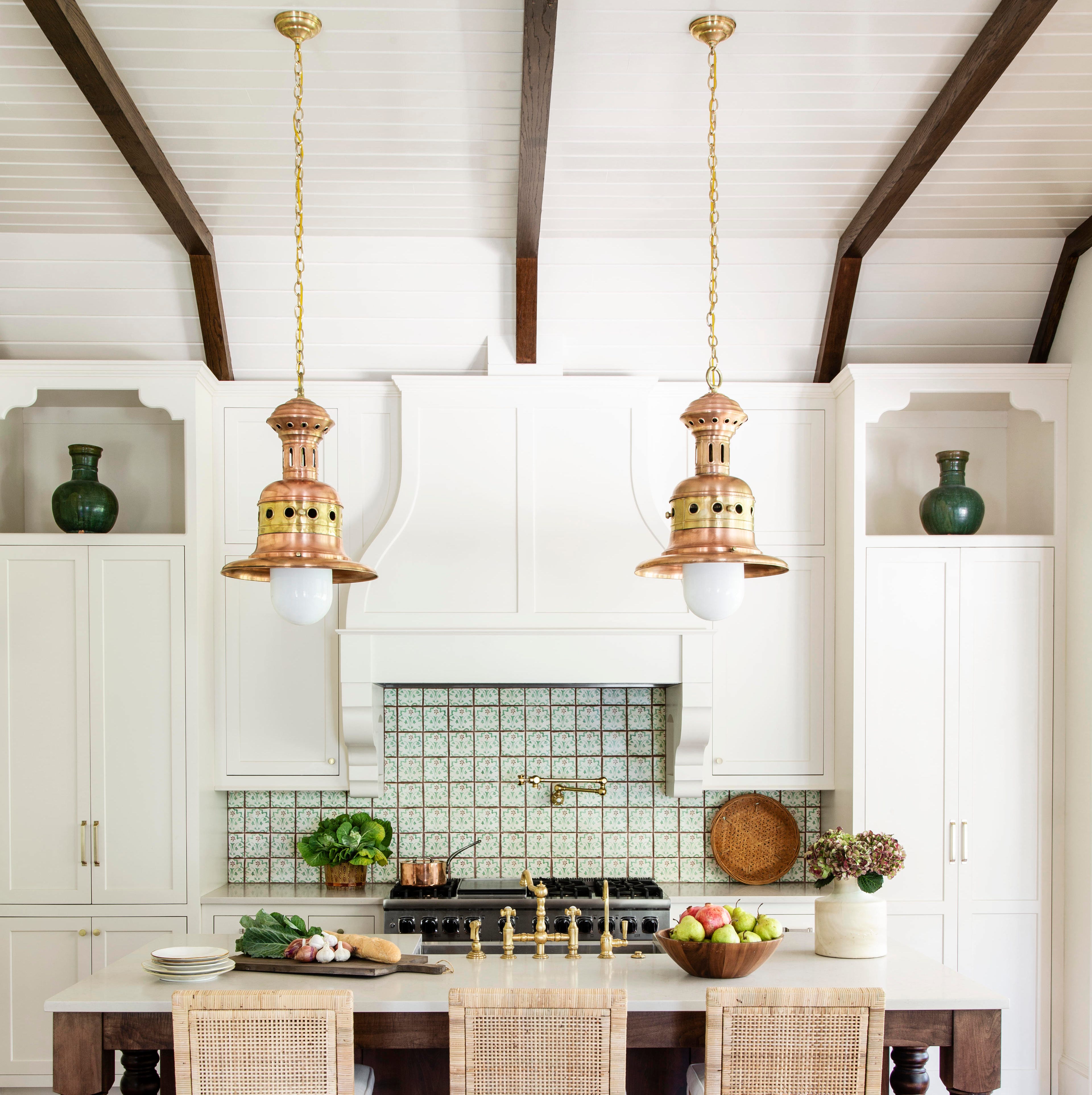
These Kitchen Lighting Ideas Will Bring Idyllic Ambiance to the Heart of Your Home
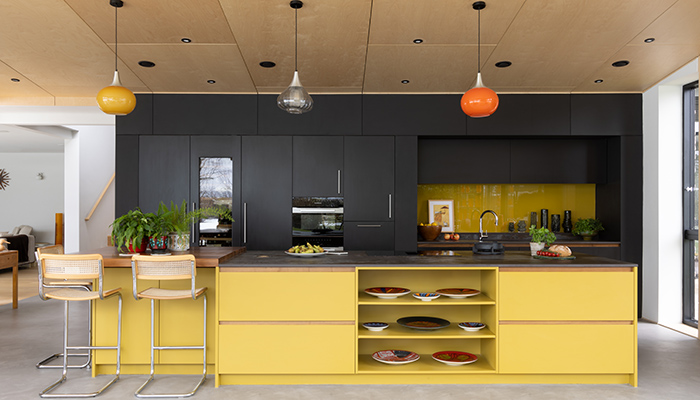
How discreet extraction has made space for statement kitchen lighting
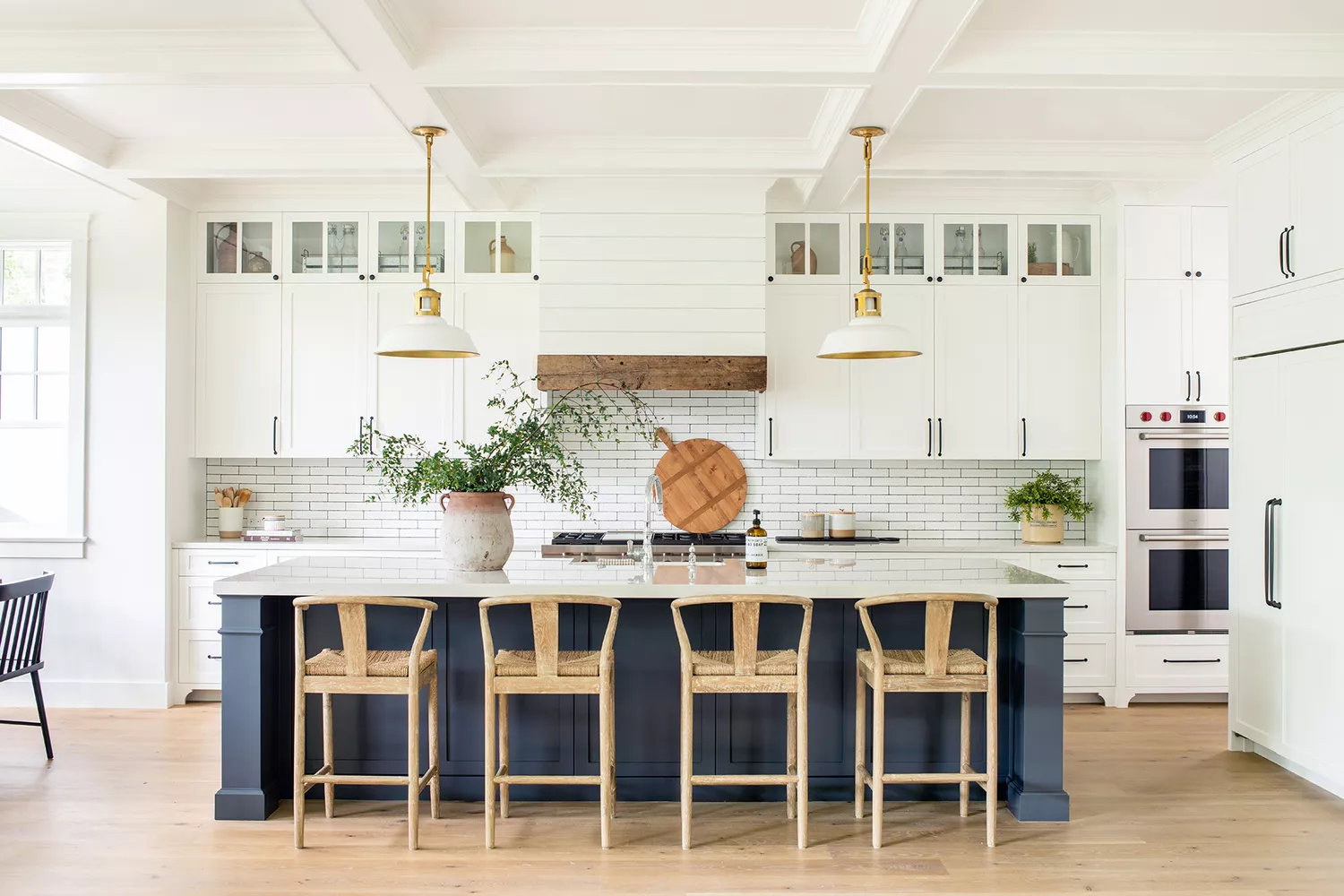
7 Kitchen Trends That Will Never Go Out of Style

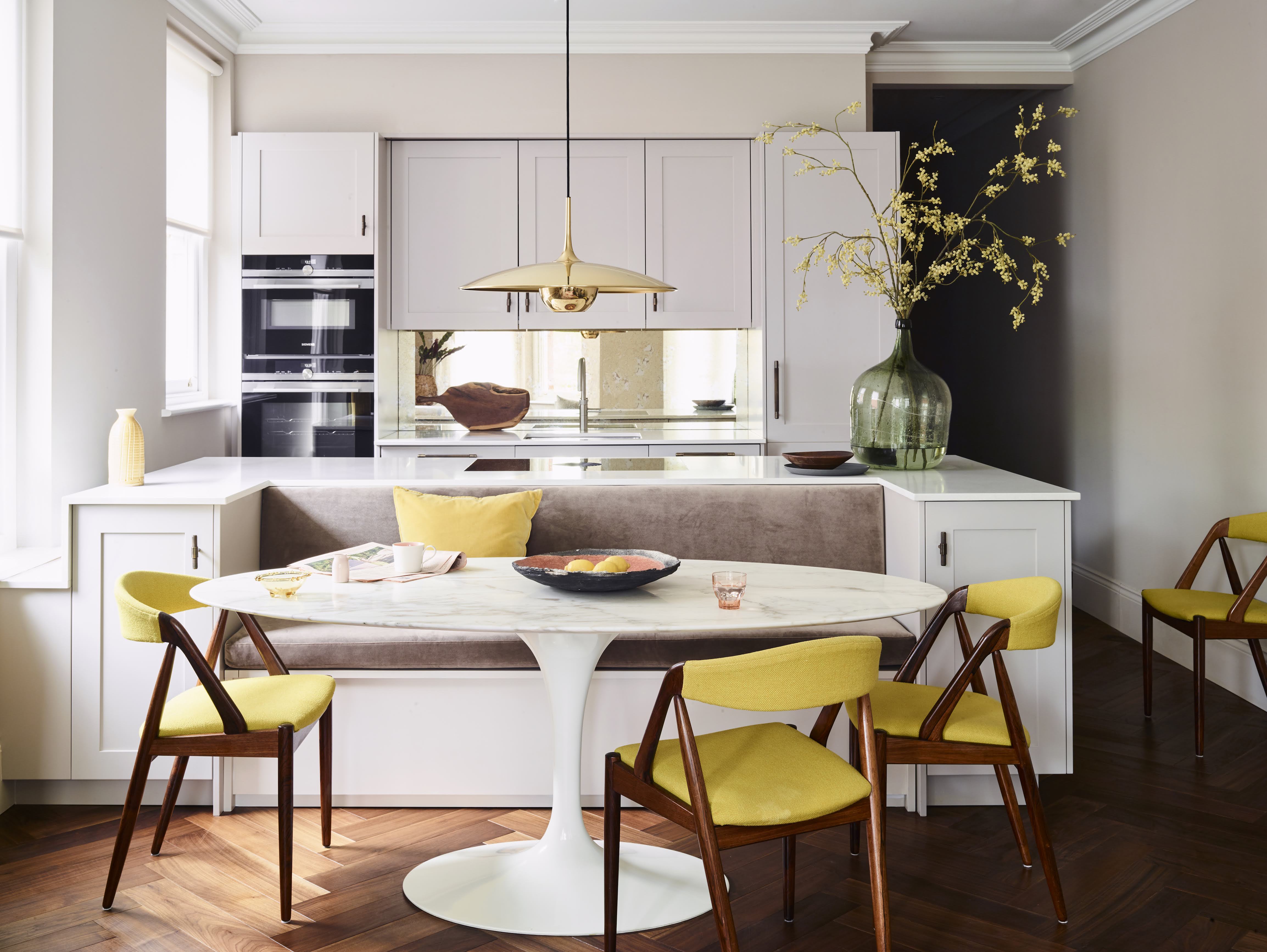
Lighting ideas for small kitchens – 10 ways to brighten up compact rooms

9 outdated kitchen lighting trends designers urge you to avoid, plus what to try instead
Essential Kitchen Lighting Tips, According to Industry Pros

Why Everyone Needs a Kitchen Lamp
Try These Kitchen Lighting Ideas to Brighten Your Space

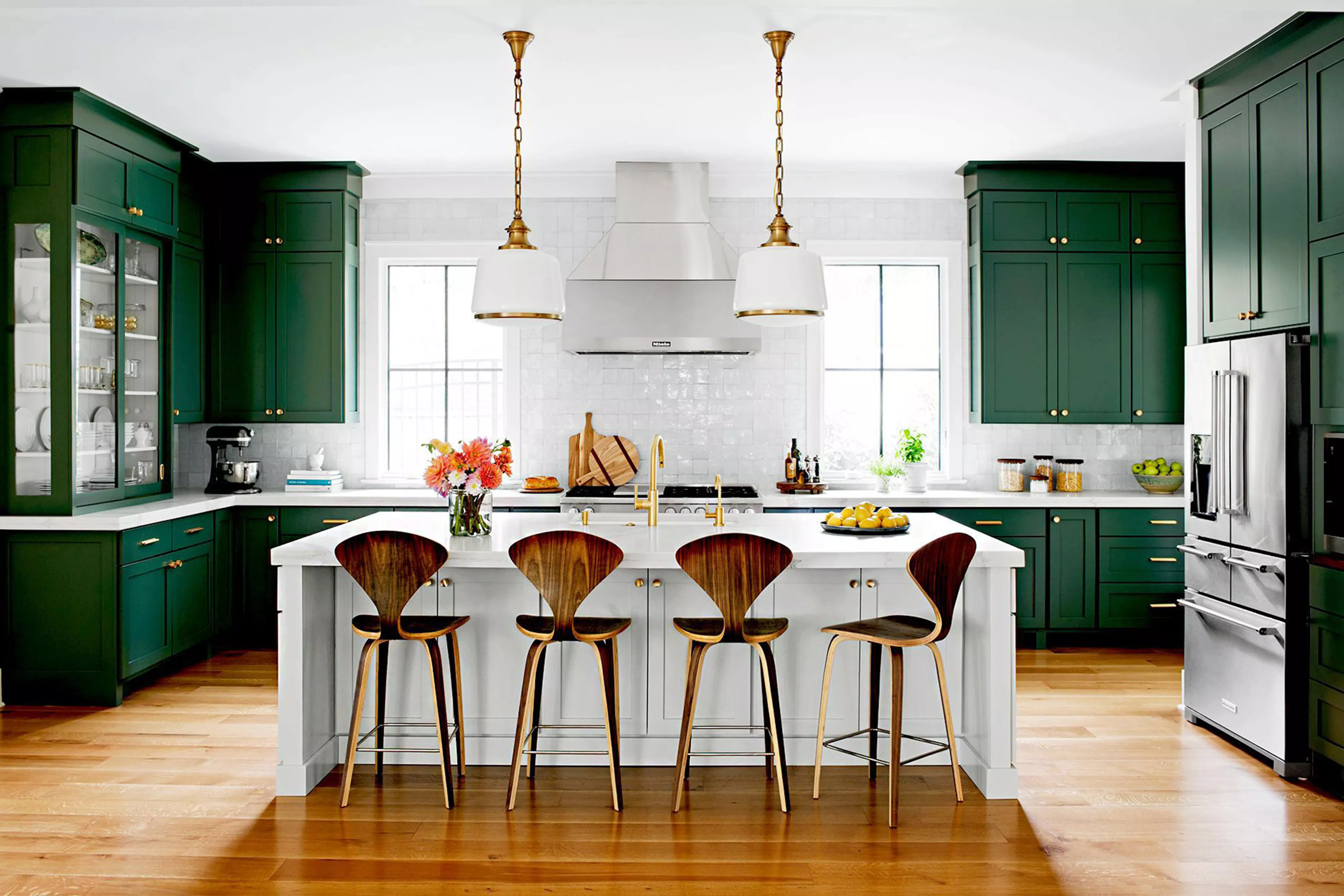
Say Goodbye to Cooking in Harsh Lighting: Cabinet Lights Are Here to Save Your Cookspace’s Ambiance
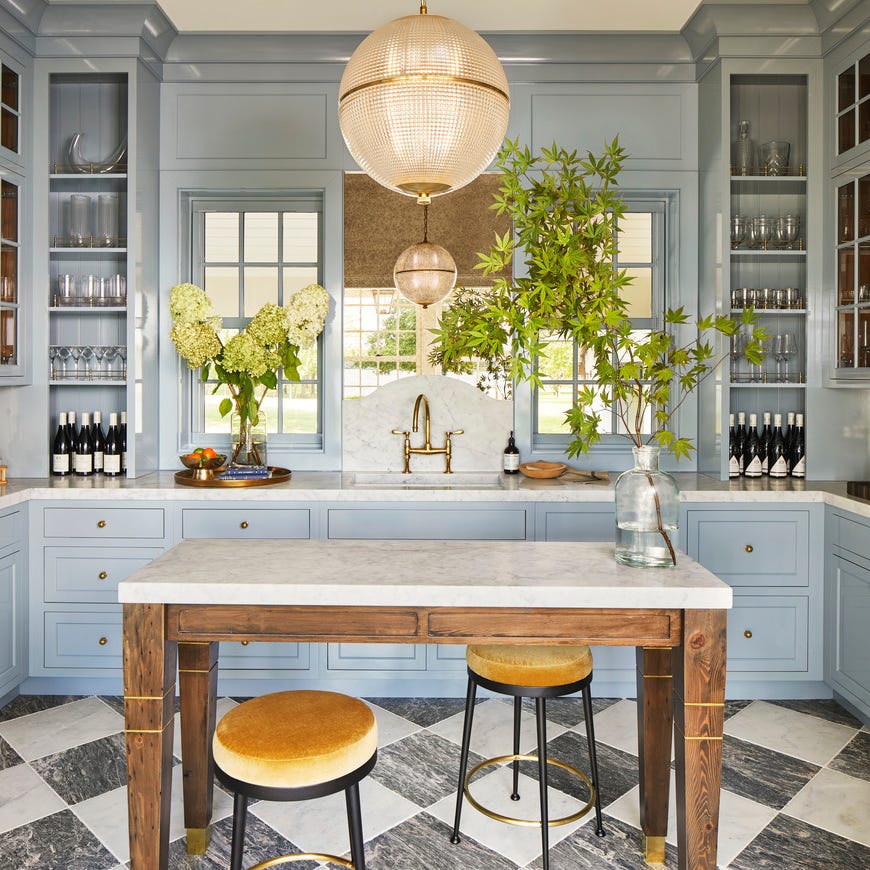
The BEST Way to Light Your Kitchen Is Not What You Think

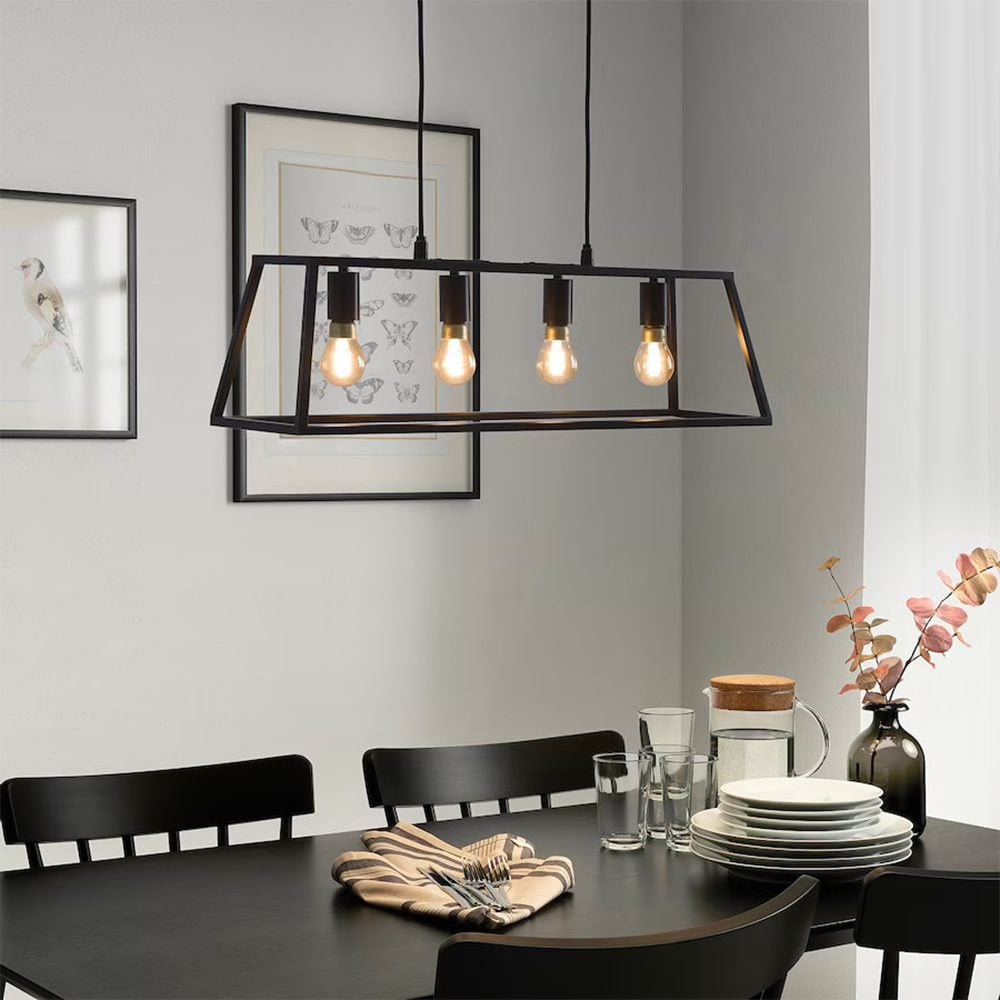
8 Best Kitchen Light Fixtures

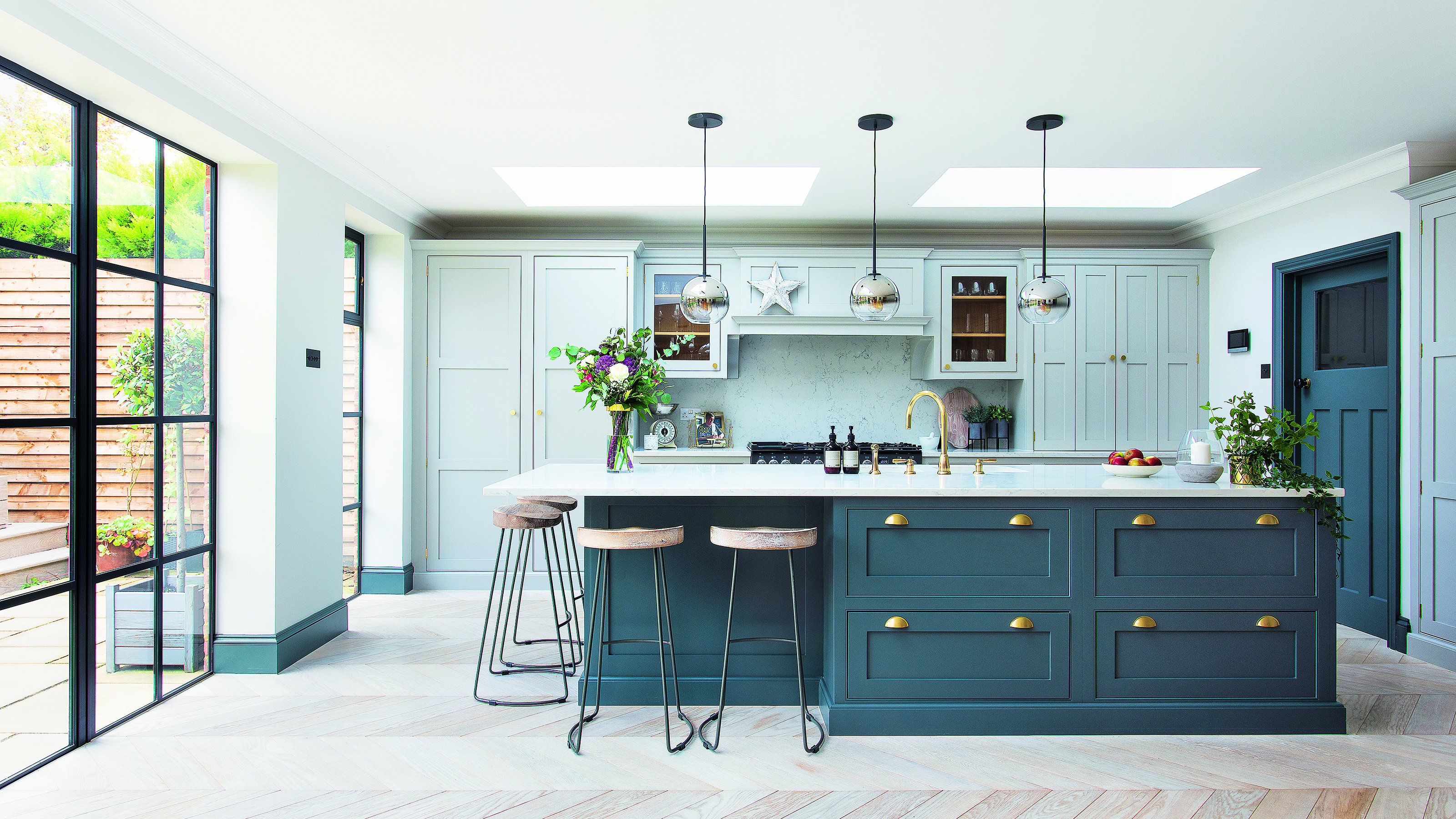
The 6 kitchen lighting trends set to shine in 2025
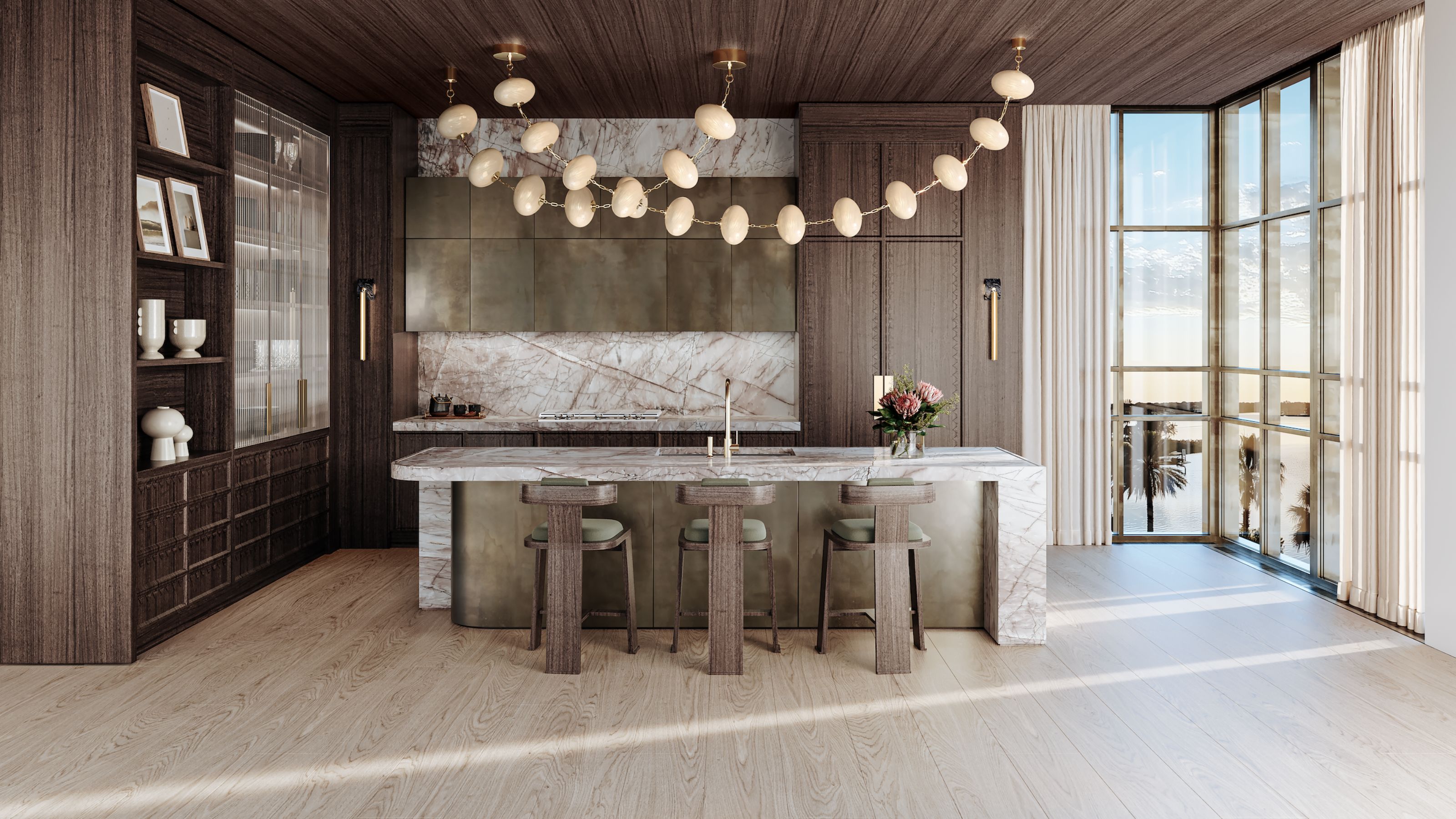
22 Kitchen Lighting Ideas That Feel Right for 2025 Projects — To Illuminate Islands, Cabinets, Countertops, and More

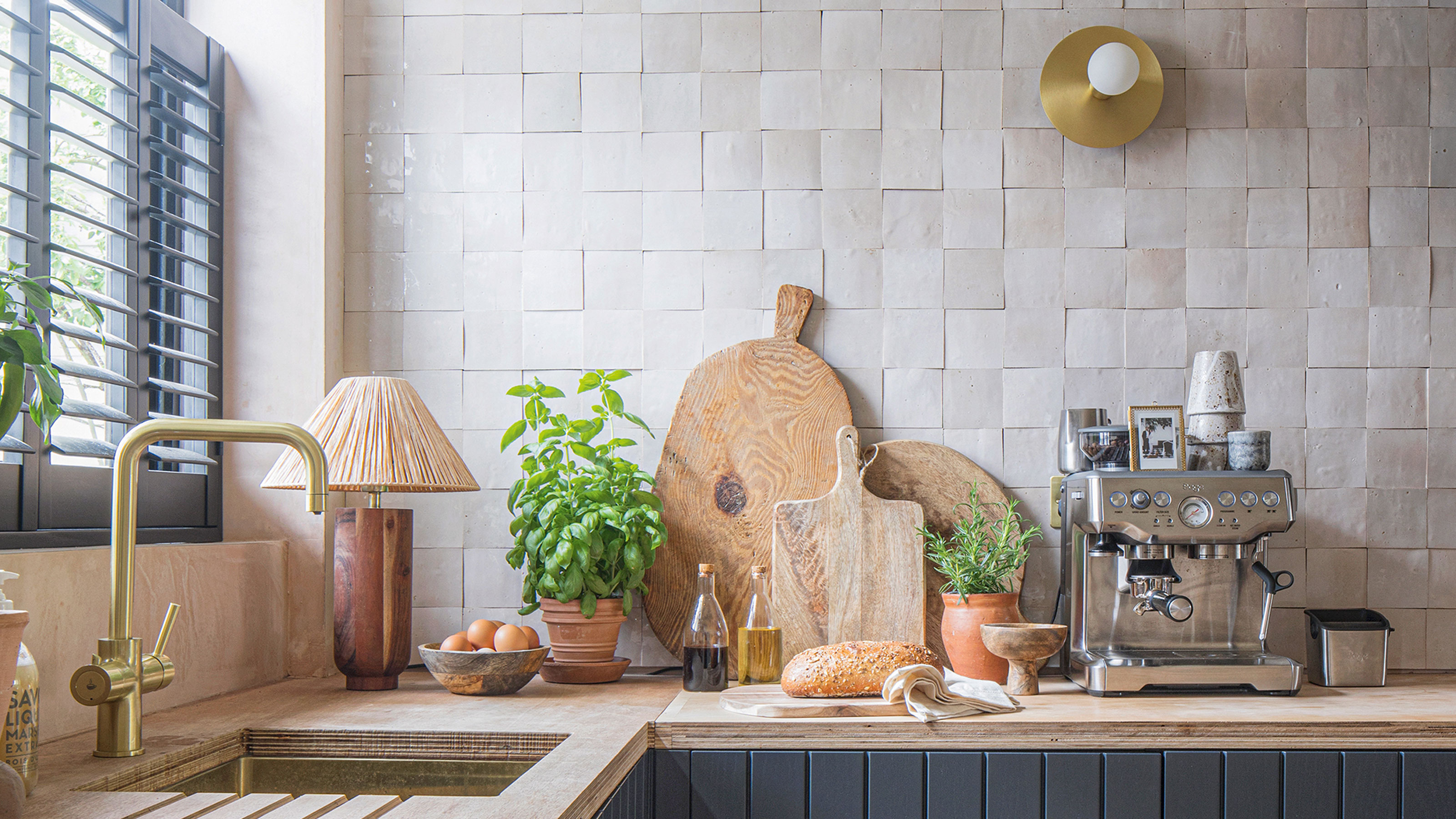
8 speedy and stylish lighting ideas to update a rental kitchen—no electrician necessary
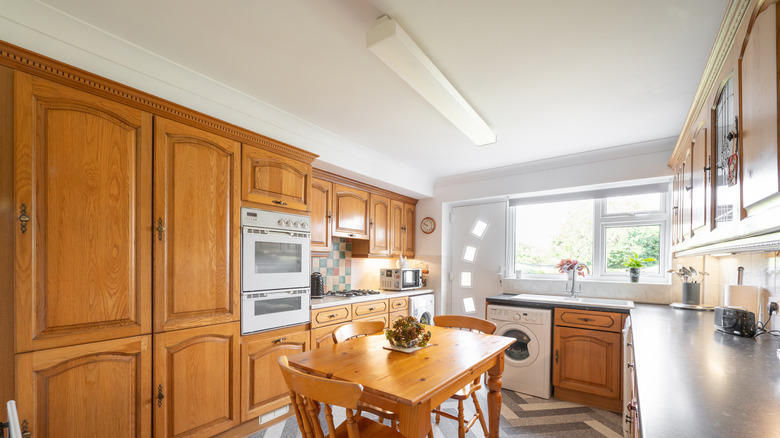
Kitchen Lighting Mistakes That Are Making Your Space Look Dated
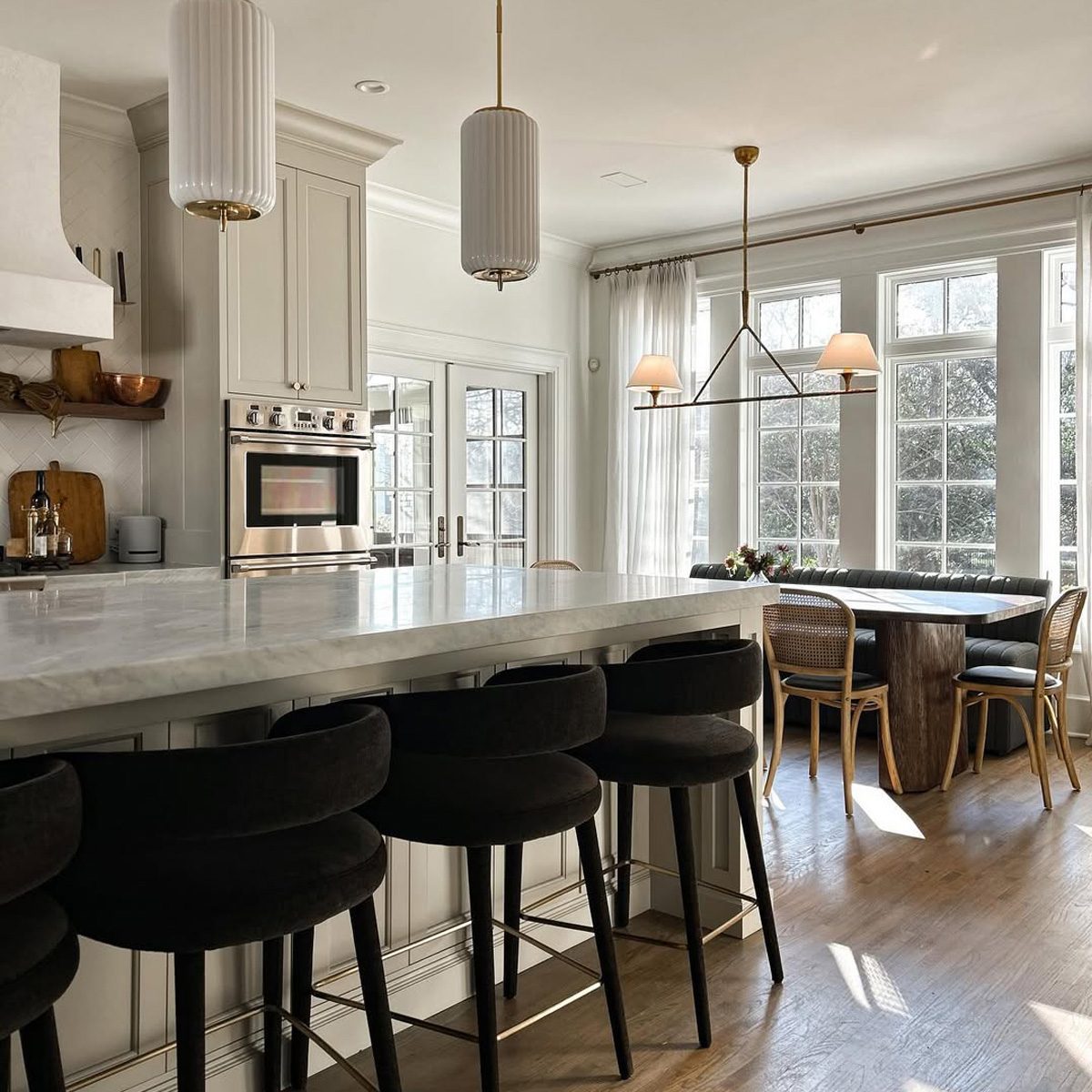
Elevate Your Space With 8 2025 Kitchen Trends You'll Love