1/18
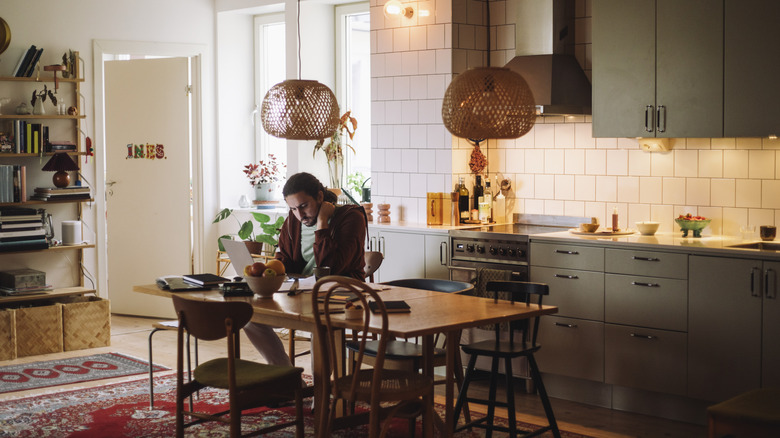
17 Best Creative Lighting Ideas For Your Kitchen
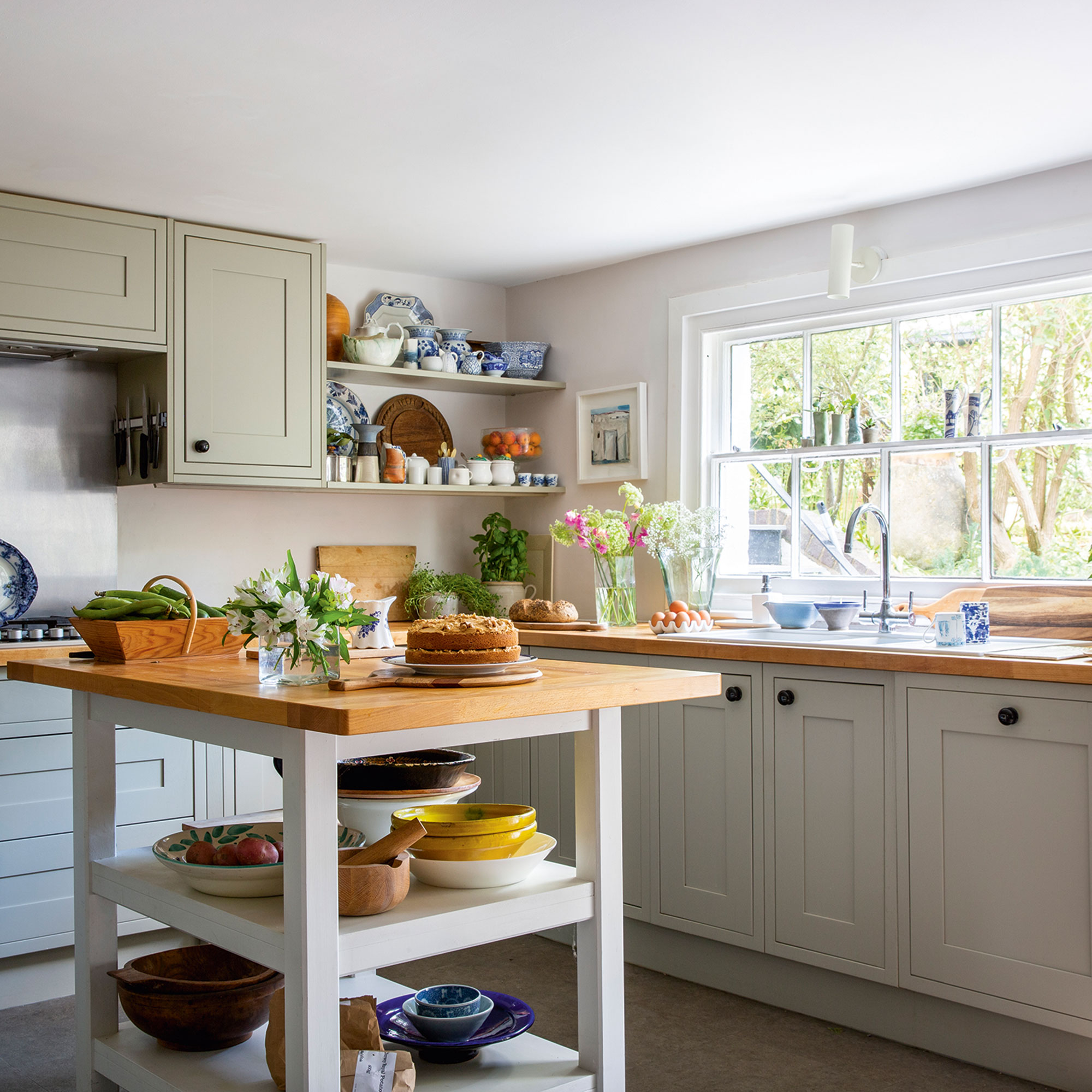
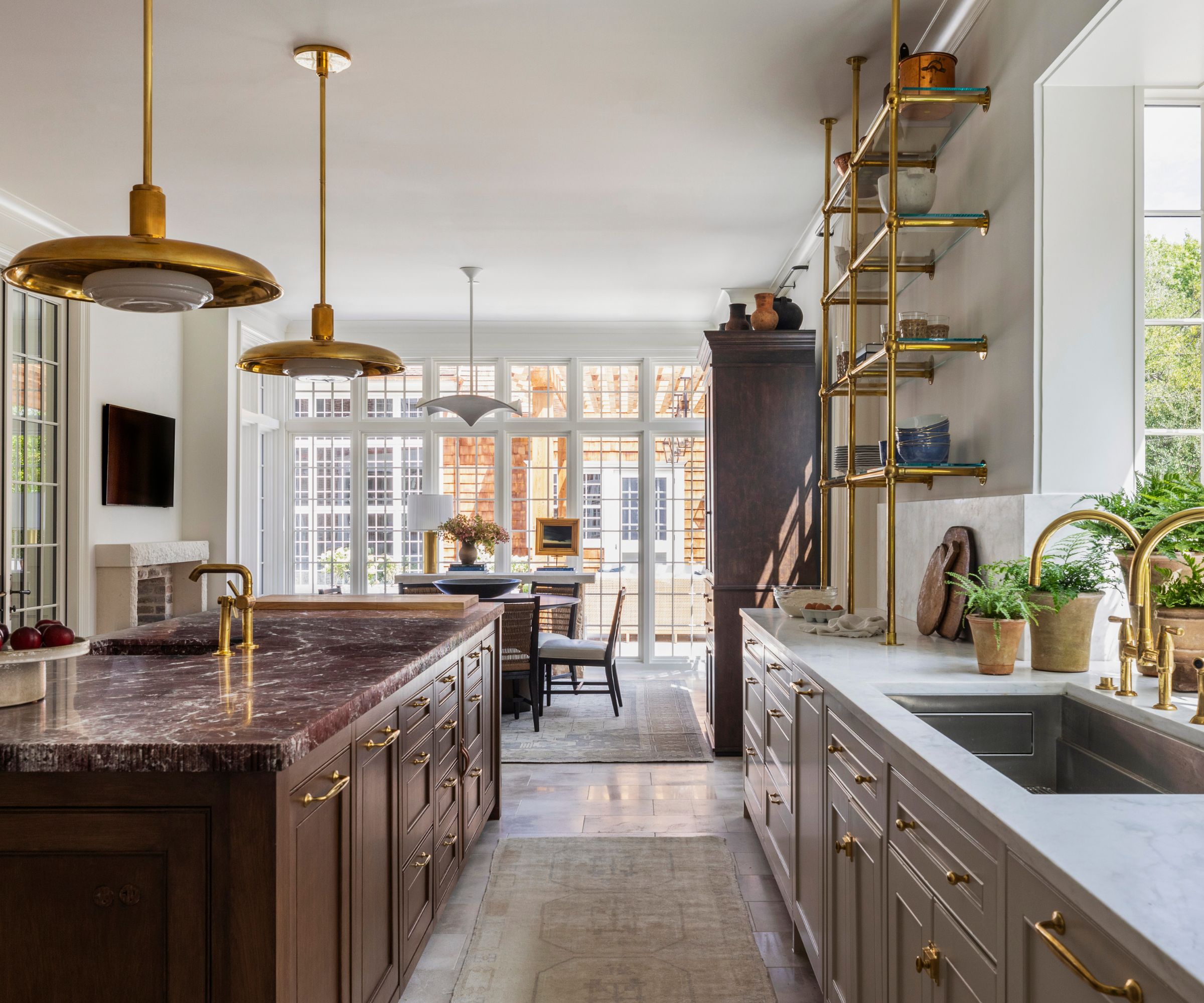
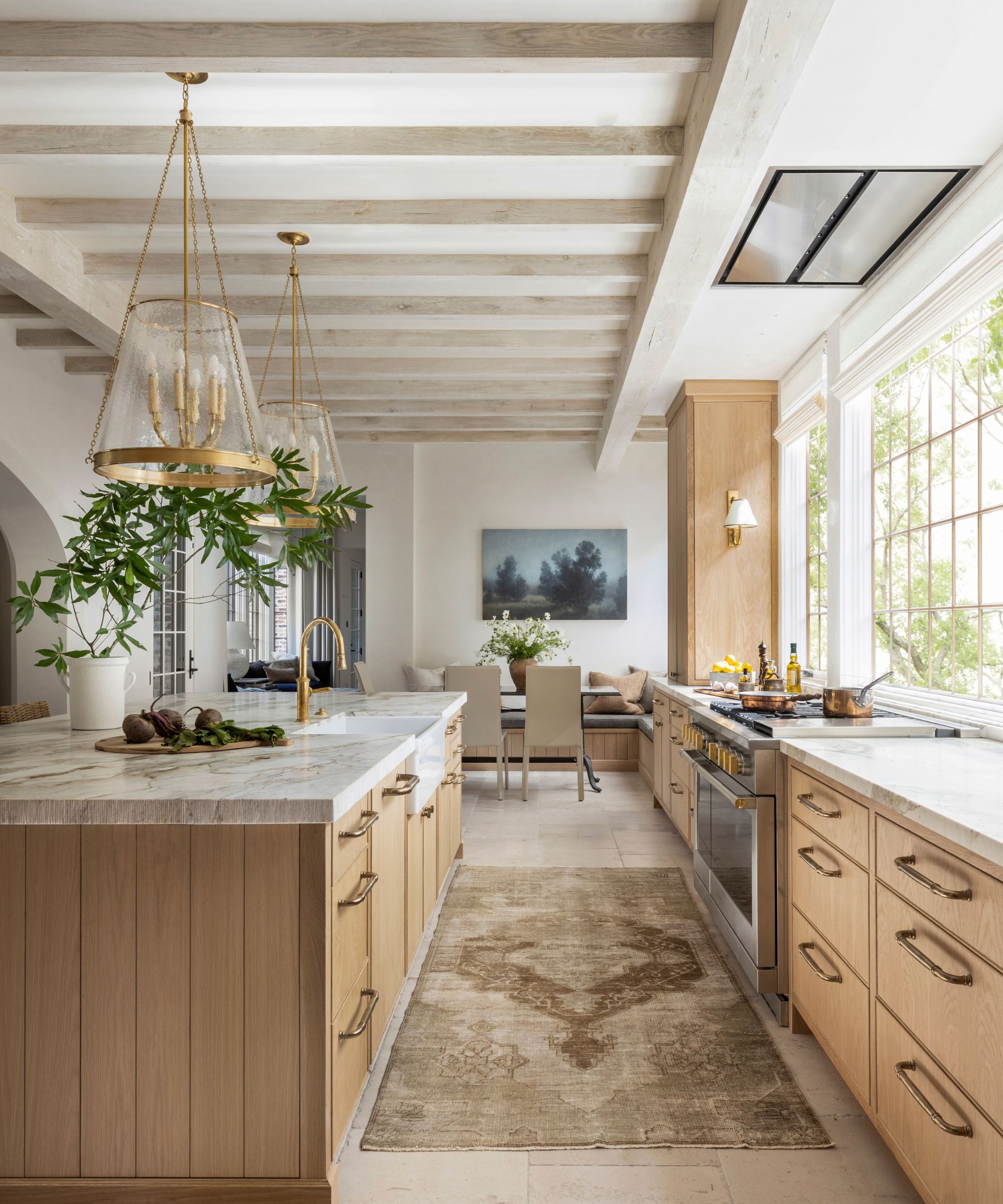
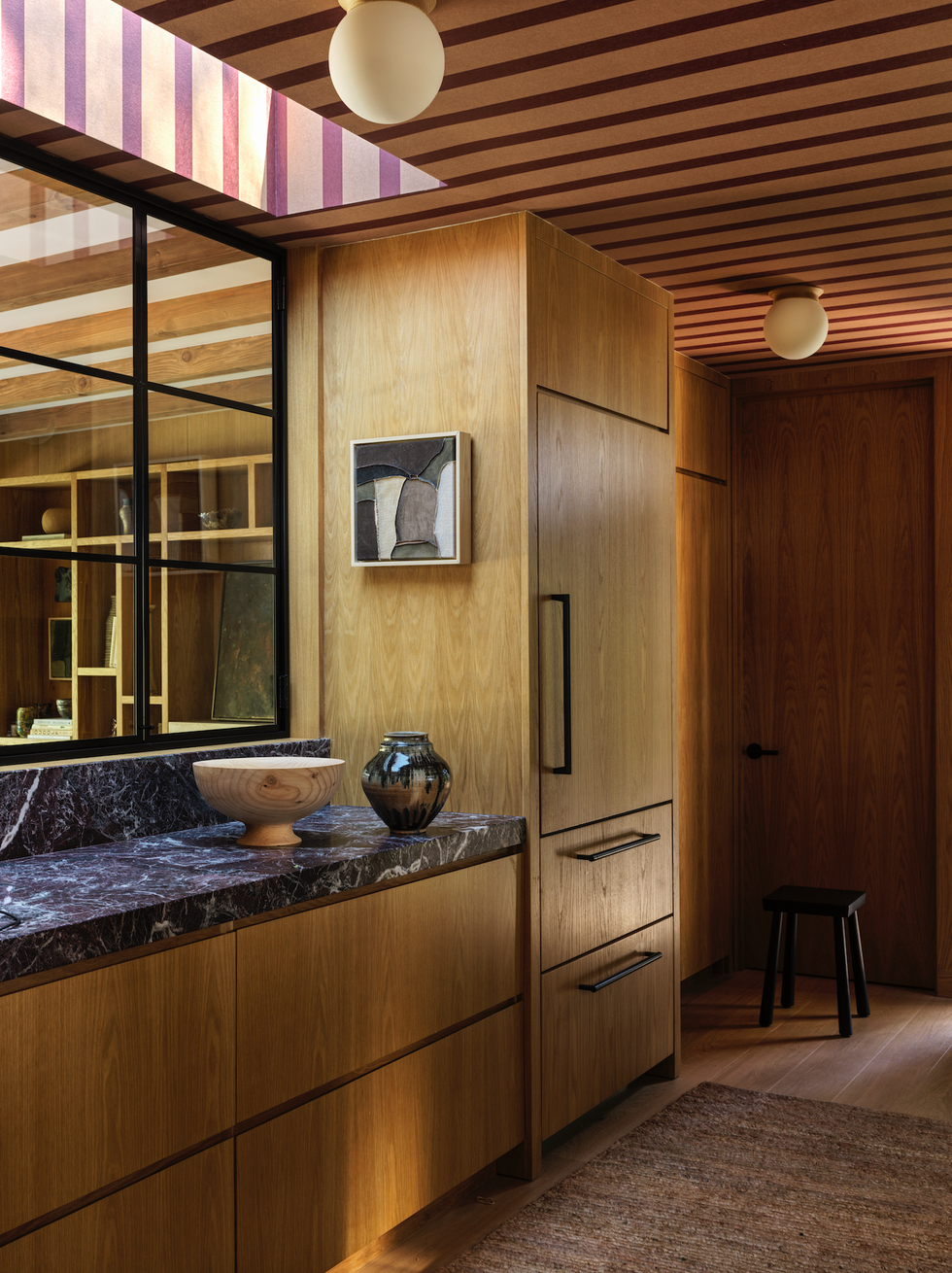
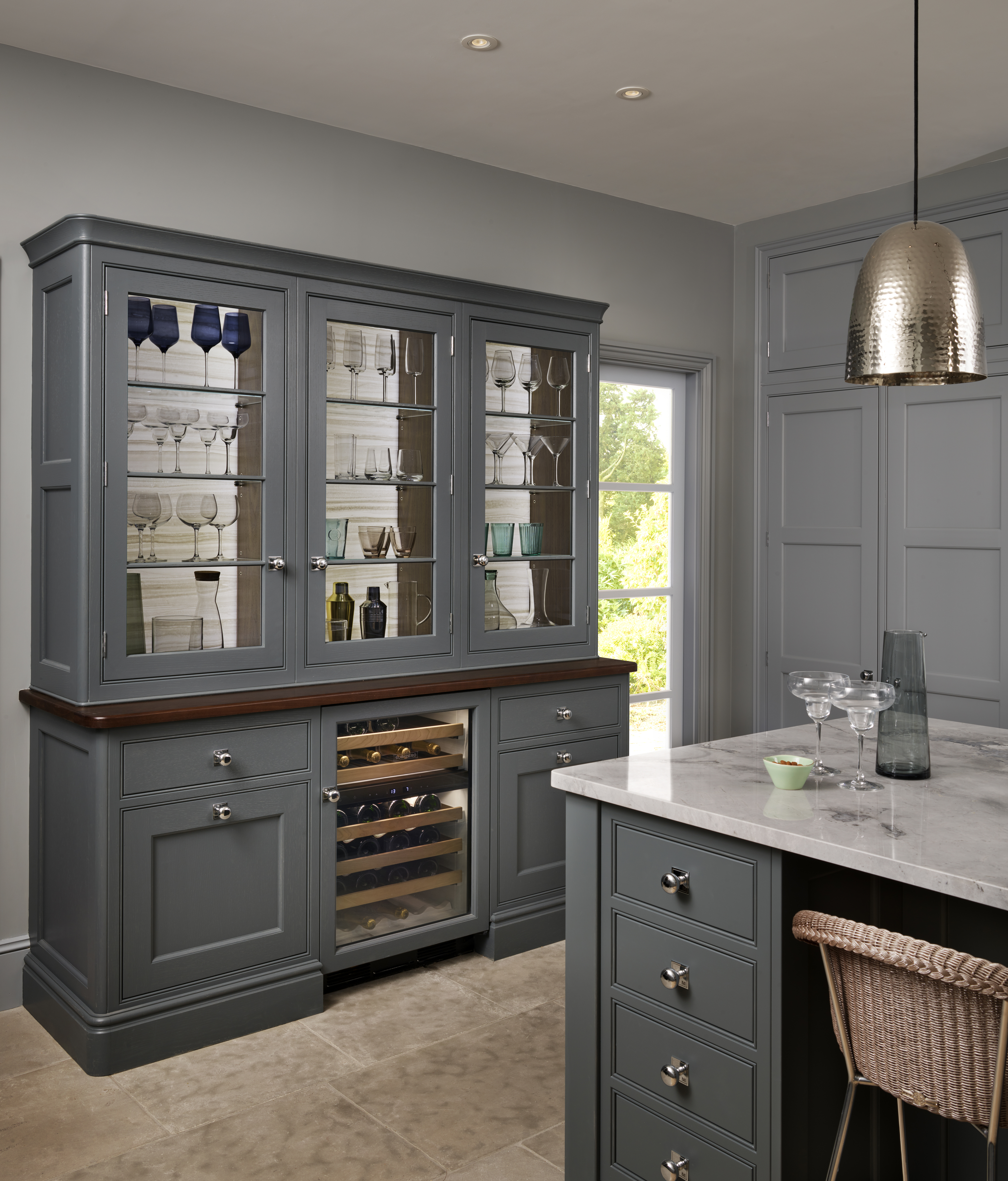
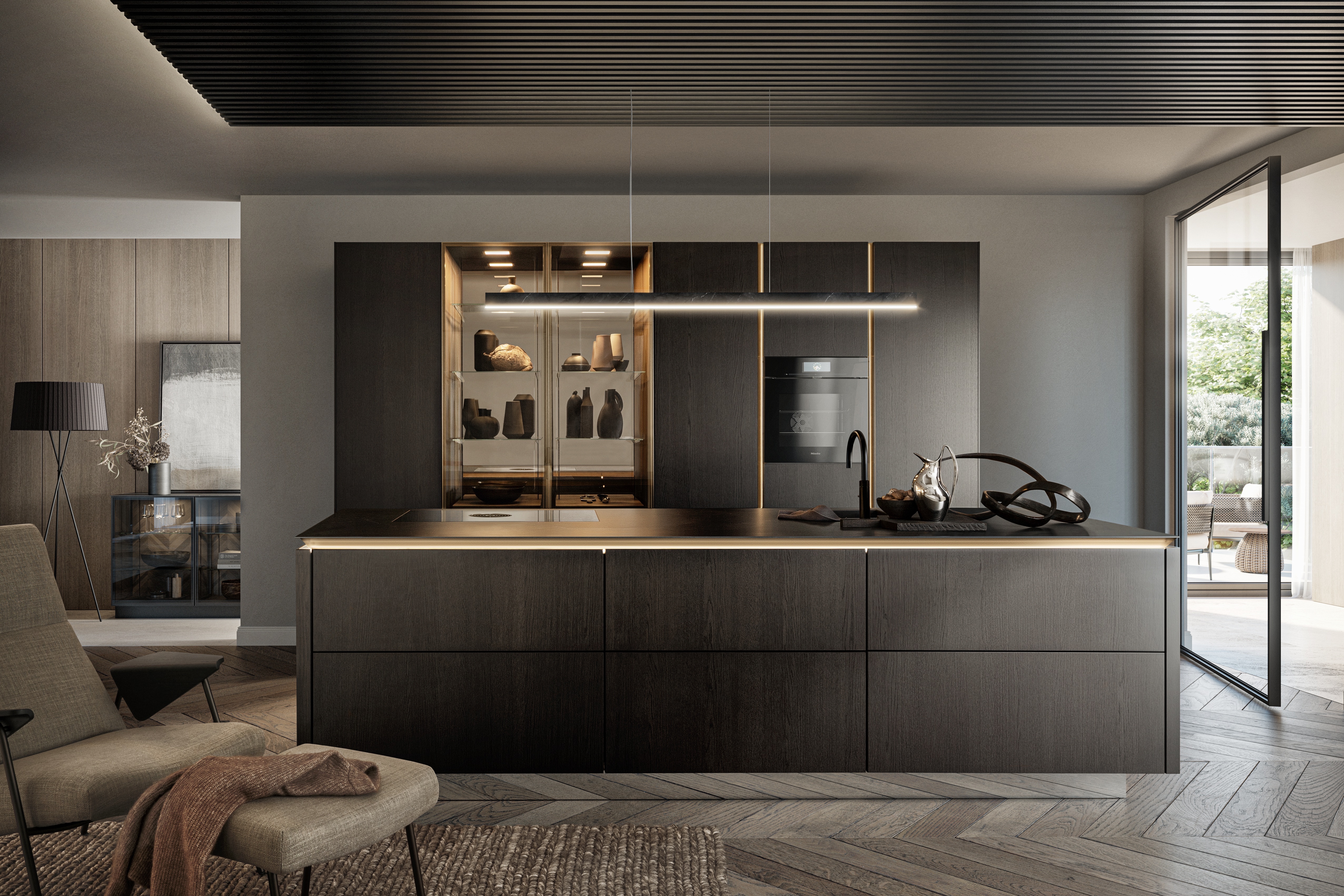
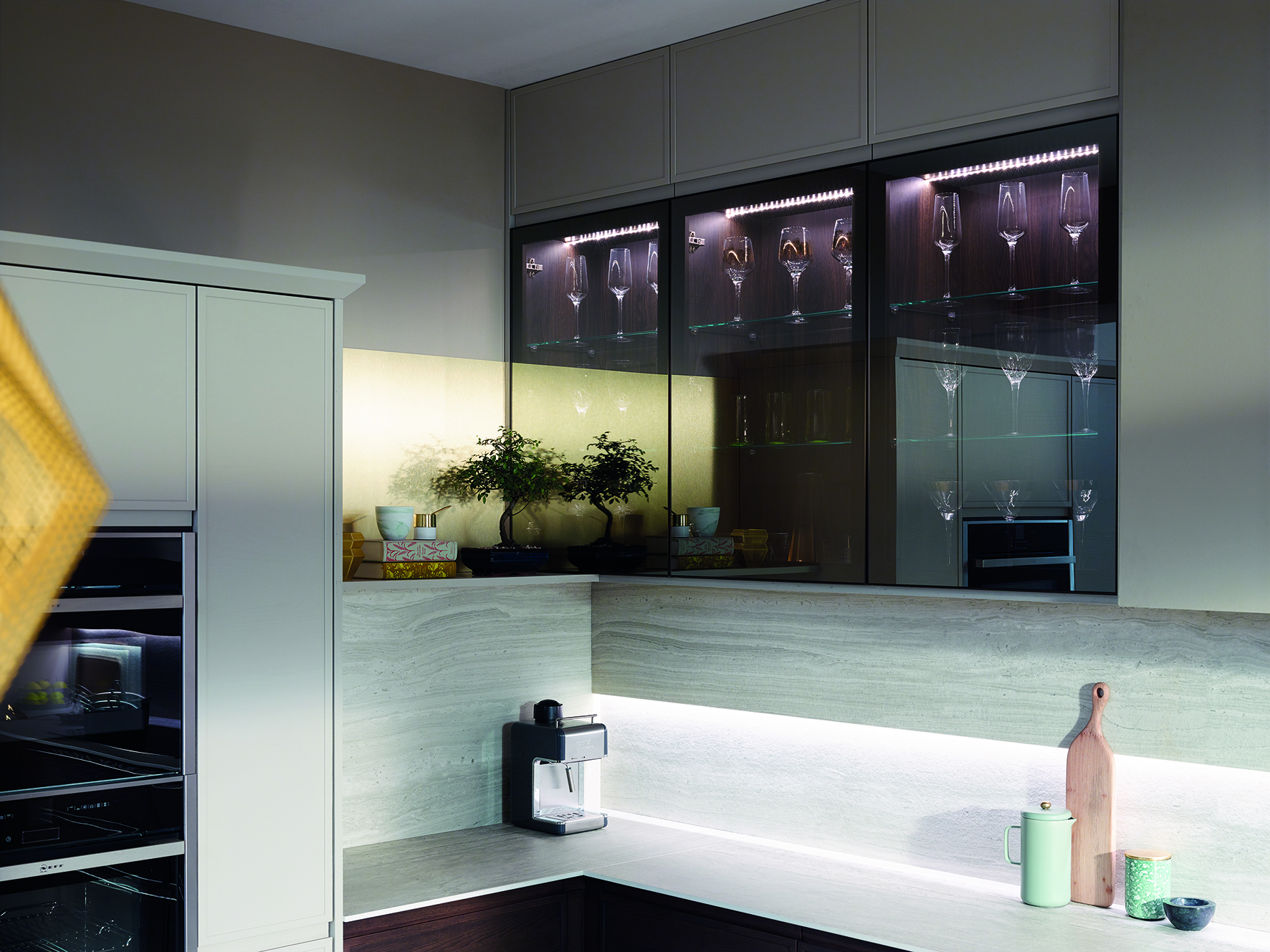
Effective kitchen lighting goes beyond basic illumination, acting as a crucial element in defining a space's emotional temperature, functionality, and aesthetic appeal. Experts emphasize that good lighting can transform a kitchen from sterile to soulful, practical to poetic, and welcoming rather than dull. Despite the functional demands of a kitchen, creative and stylish lighting solutions are abundant and often do not require extensive renovations.
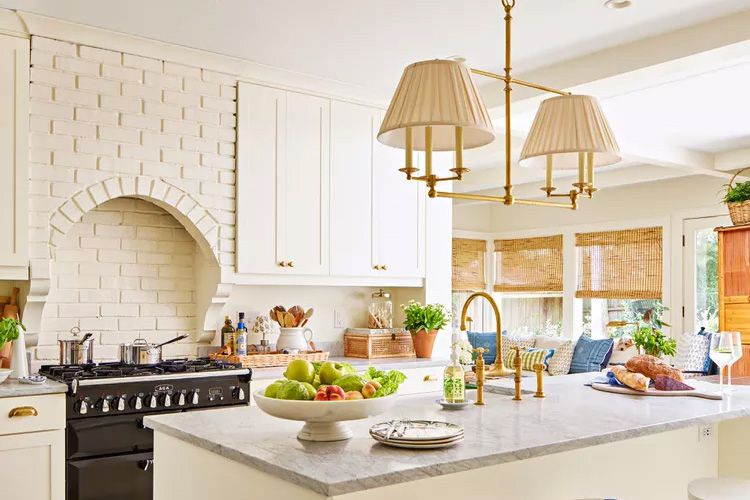
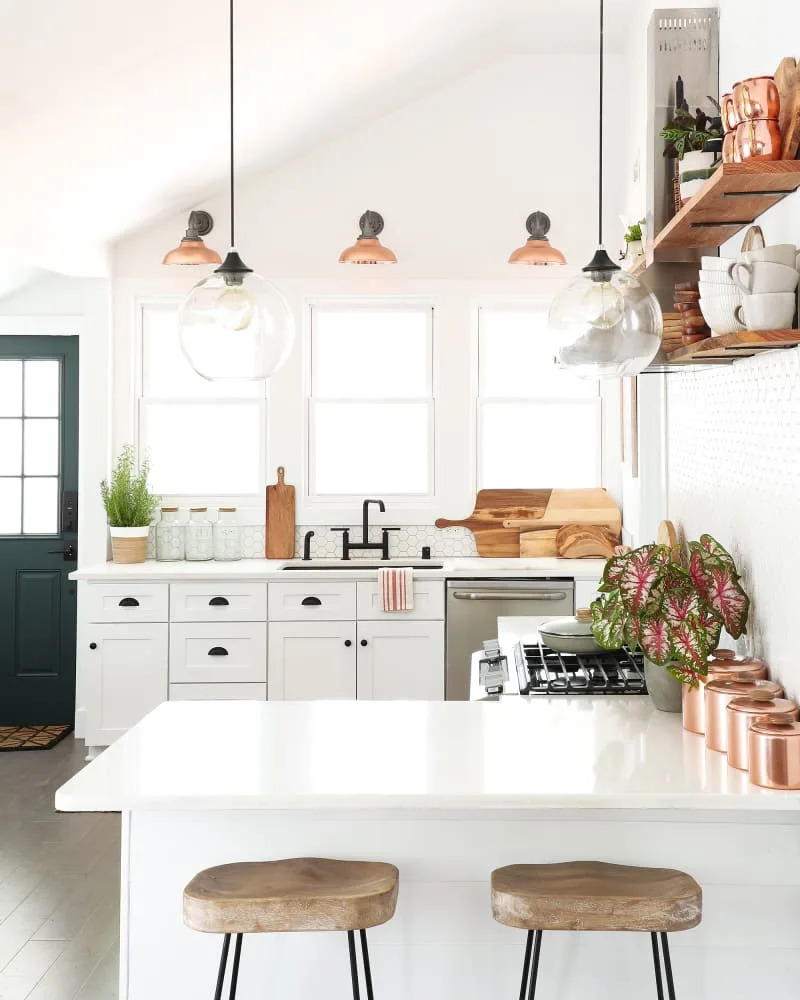
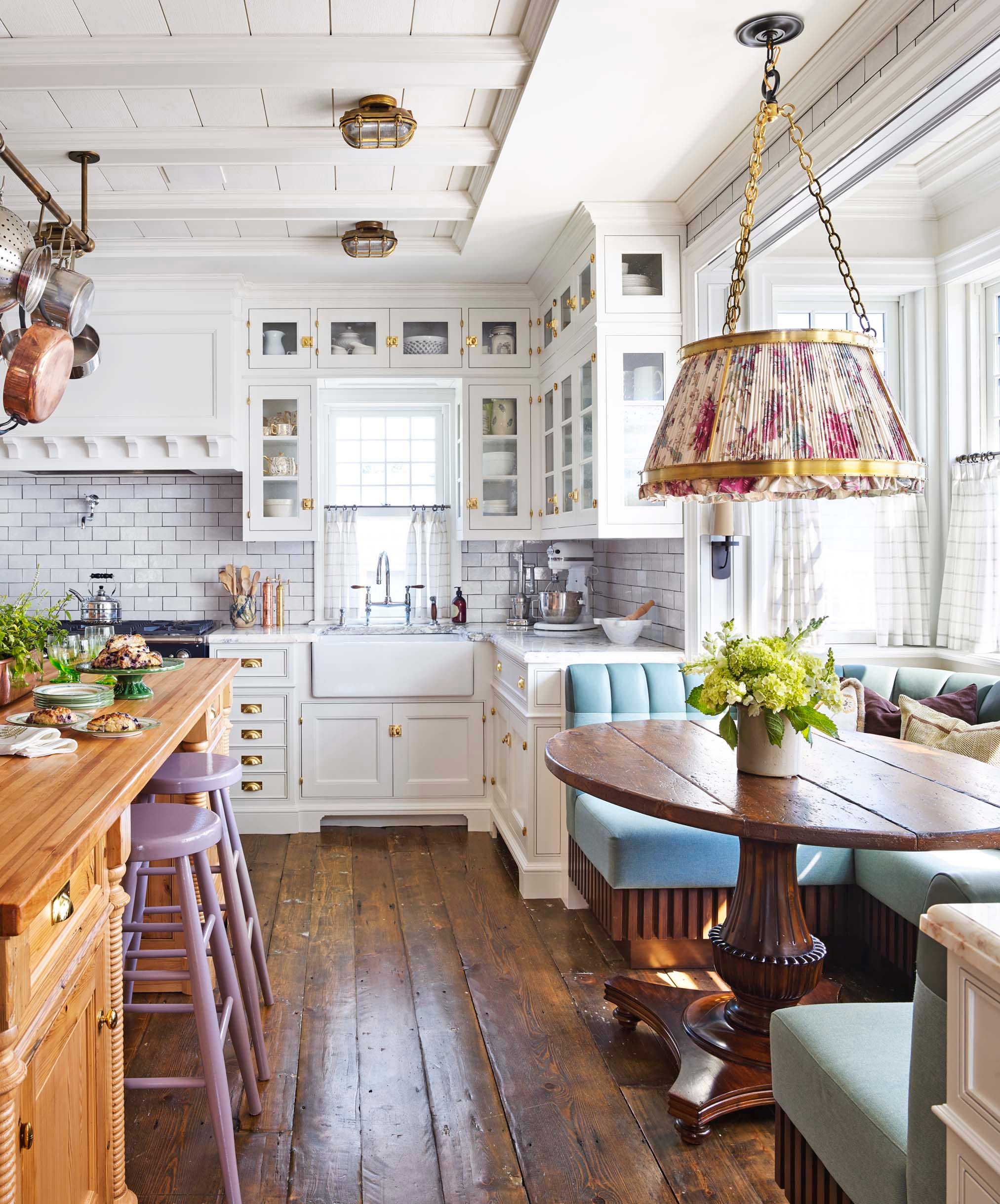
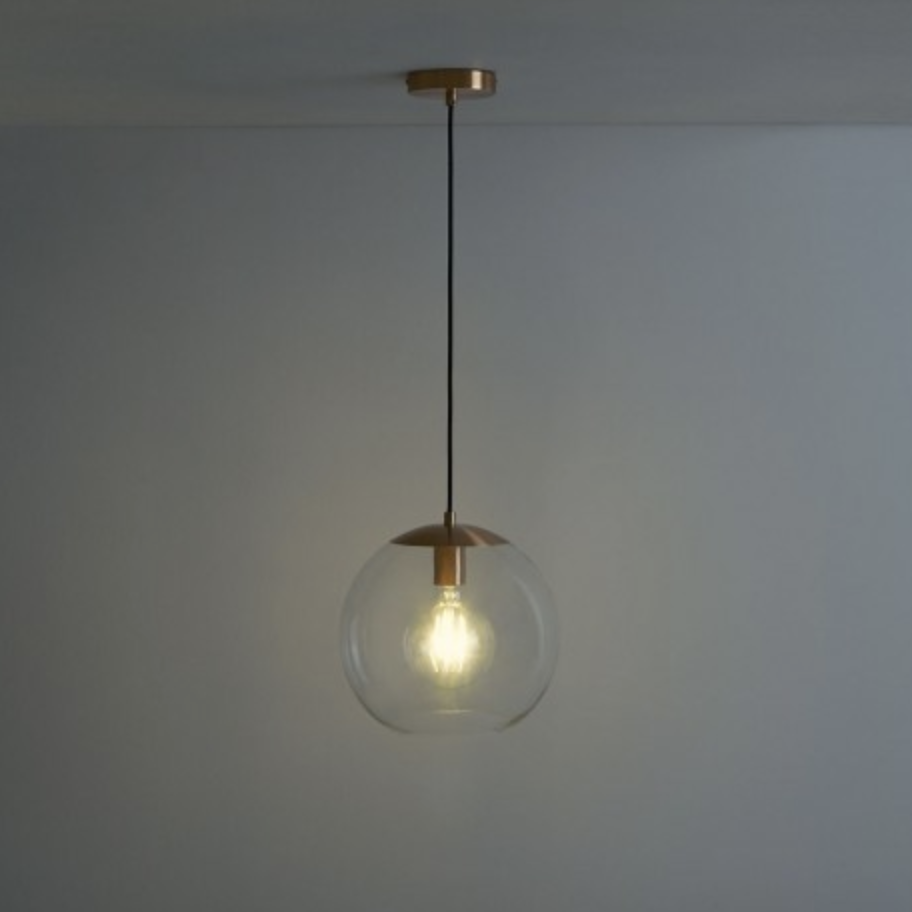
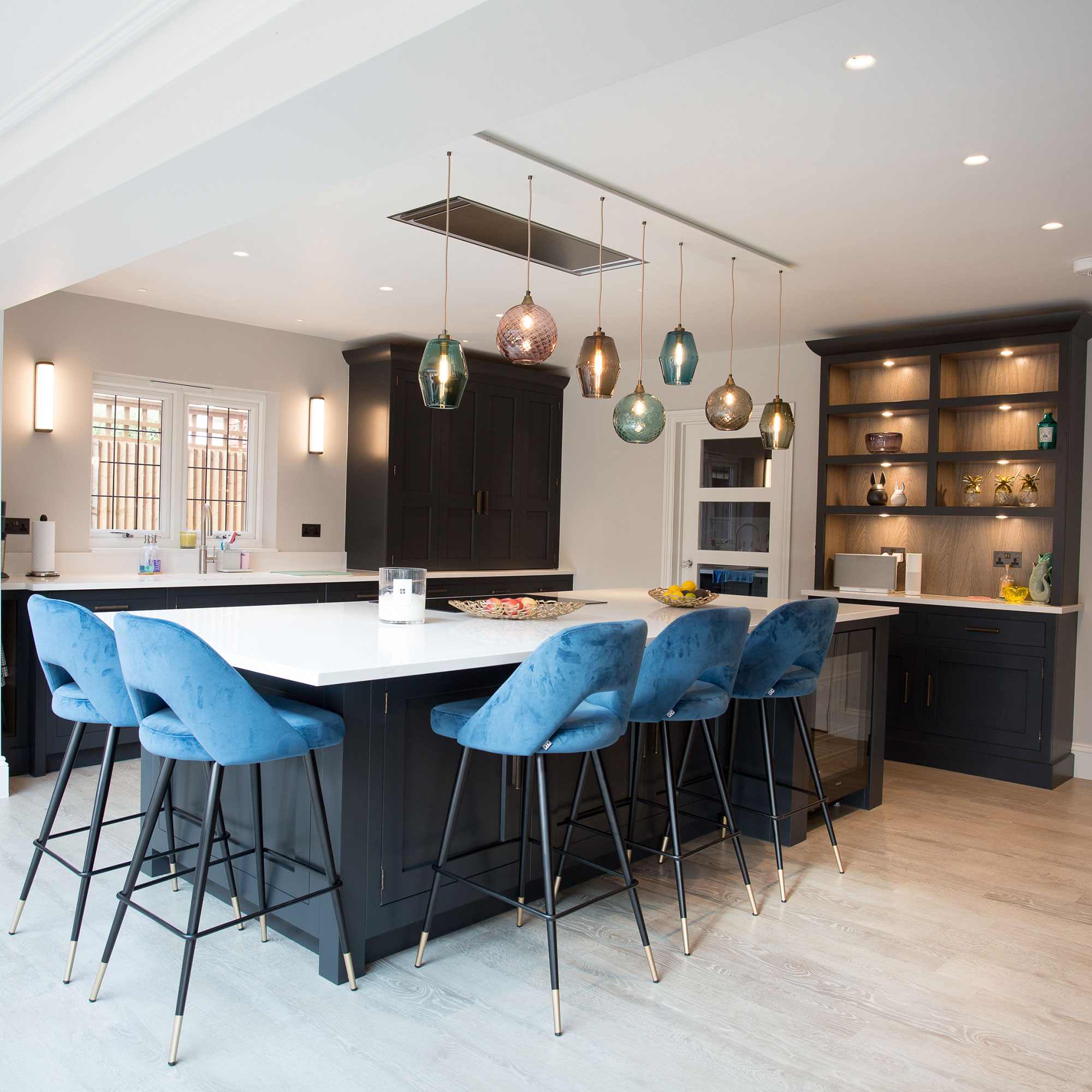
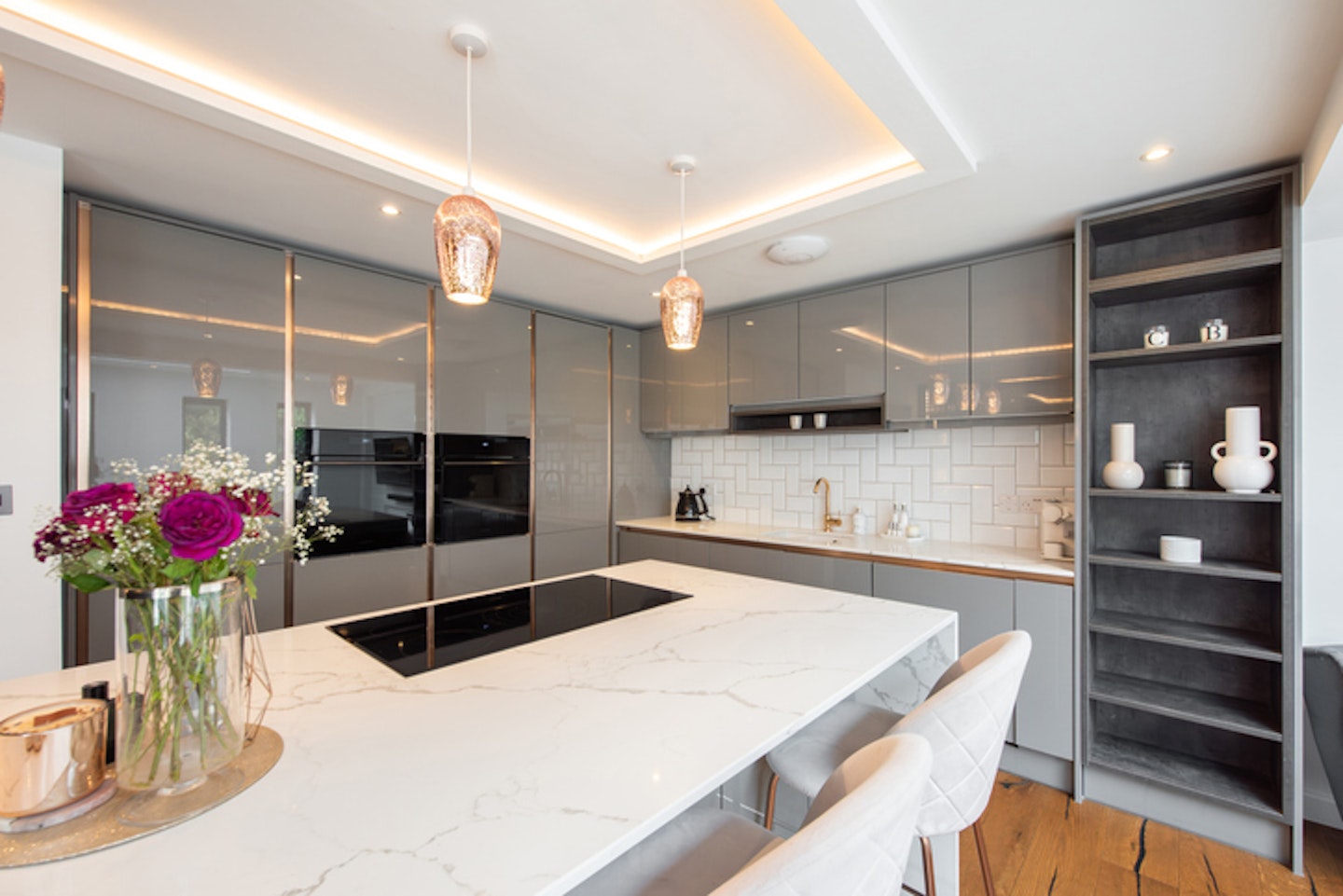
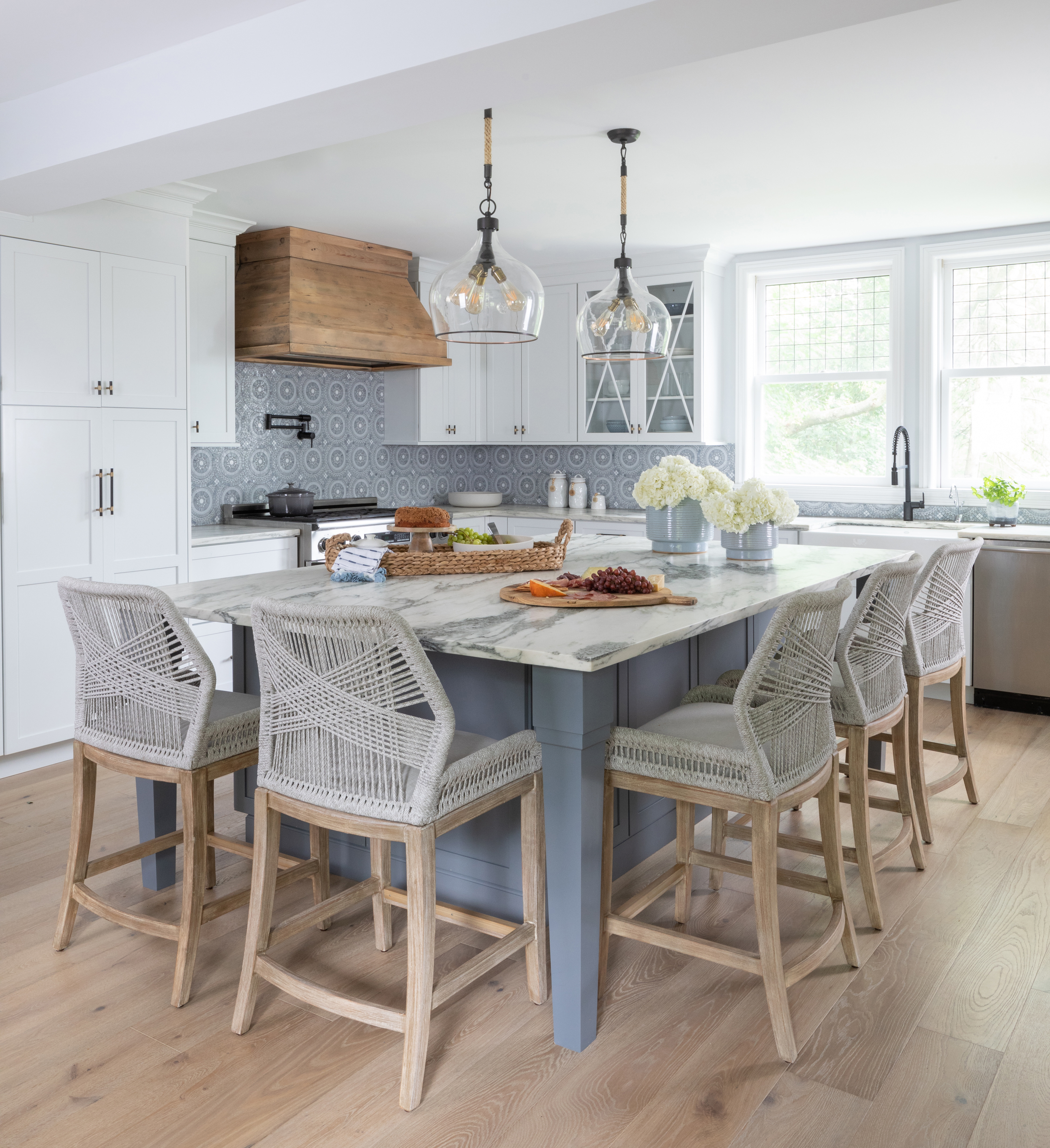
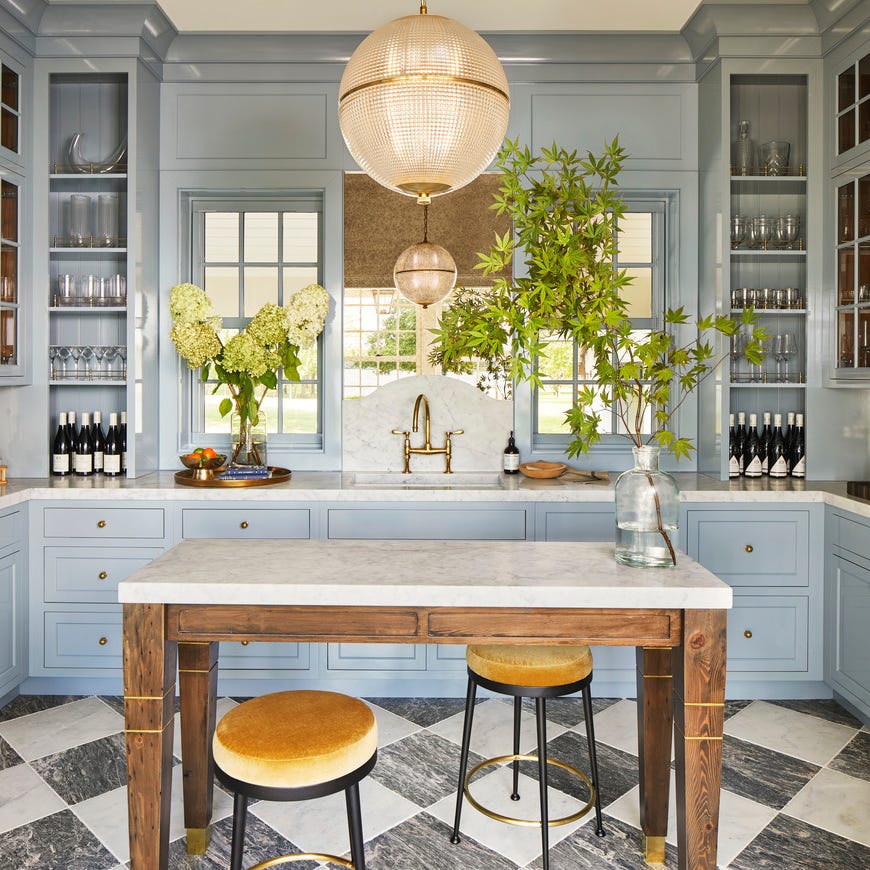
Smart dimming switches offer instant transitions between bright task lighting and warm, intimate ambiances. Smart lighting systems further enhance this flexibility by allowing users to adjust warmth and brightness and create presets for different activities or times of day. Glass-blown pendant lights serve as unique, artistic statement pieces, providing both aesthetic appeal and practical illumination, especially when layered with adjustable ceiling spotlights or recessed downlights.
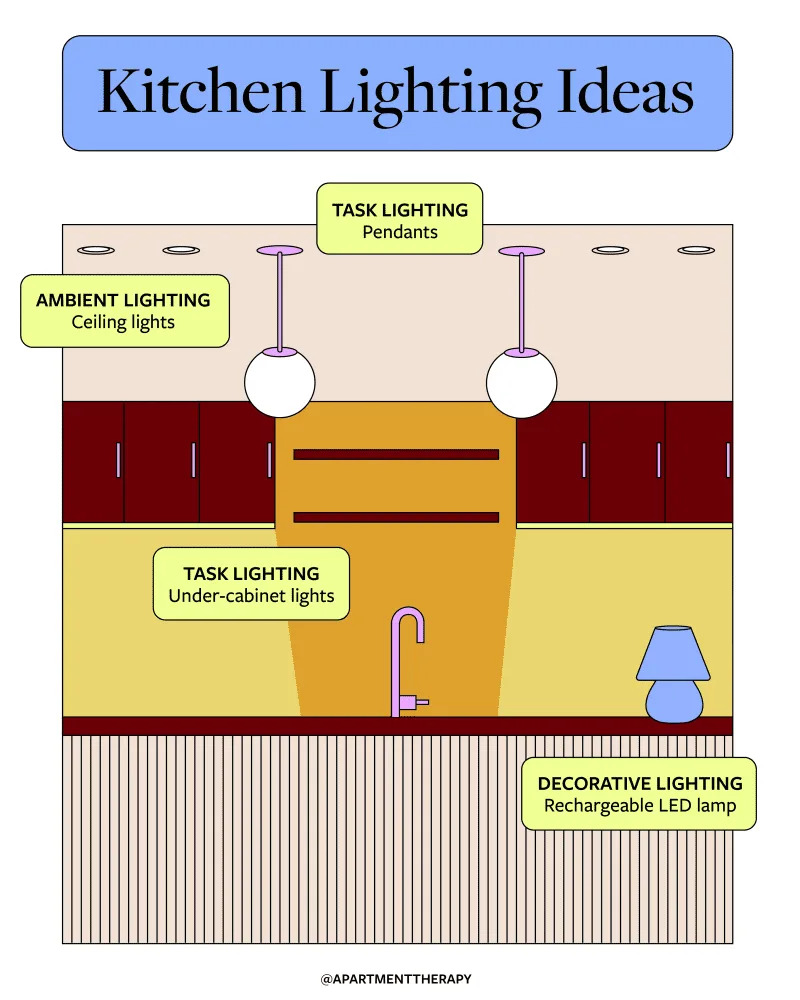
Strategically designating and lighting prep areas improves workflow and safety. Task lighting, whether movable sconces, track lights, or directional spots, is essential for illuminating specific work zones and preventing shadows, which is a common kitchen lighting mistake. Ambient lighting establishes a soft, widespread glow that unifies the room, often starting with recessed or flush-mount fixtures and supplemented by area lights. The color temperature of bulbs plays a significant role, with cooler white light (4,000 to 5,000 K) recommended for task areas and warmer temperatures (2,700 to 3,000 K) for cozier zones.
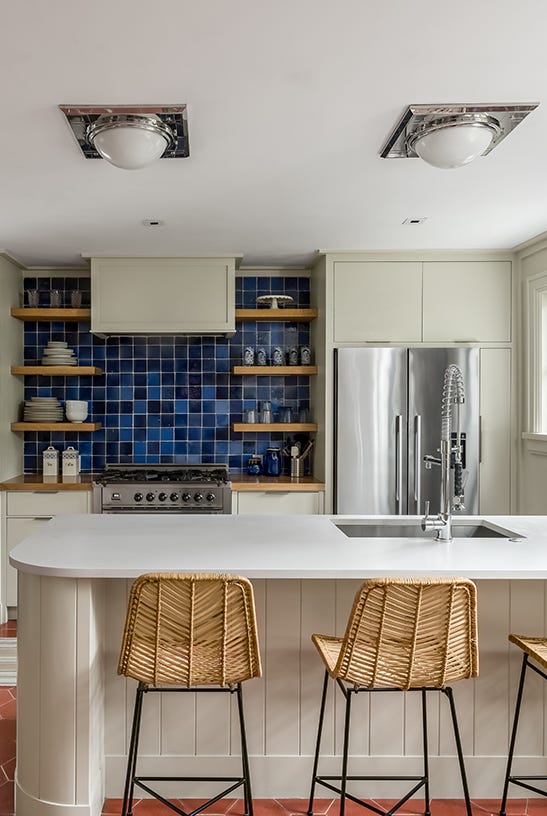
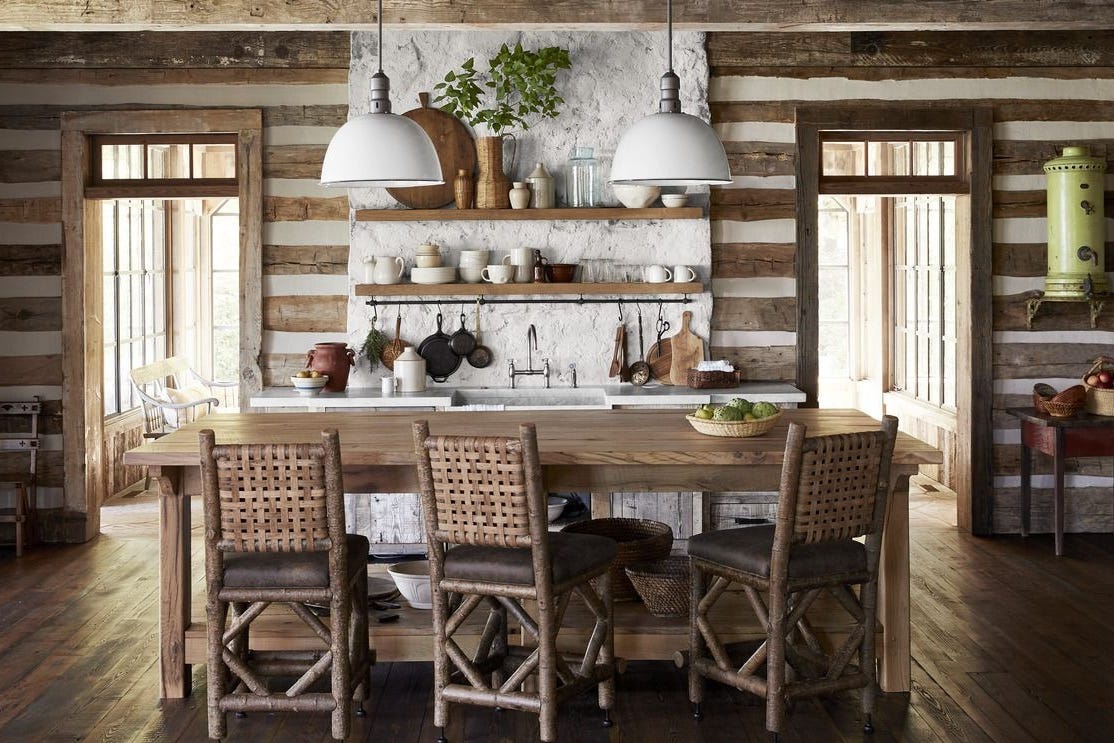
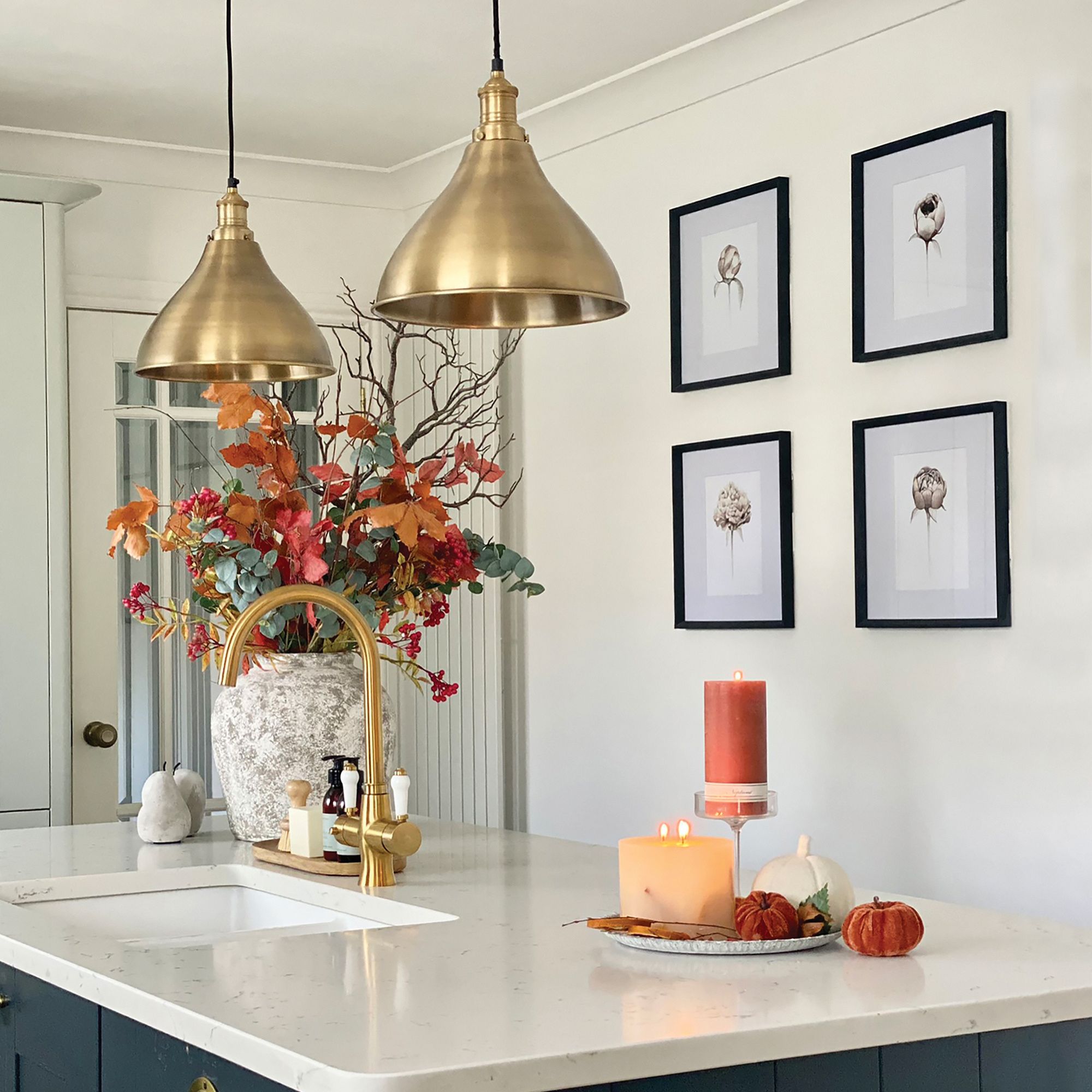
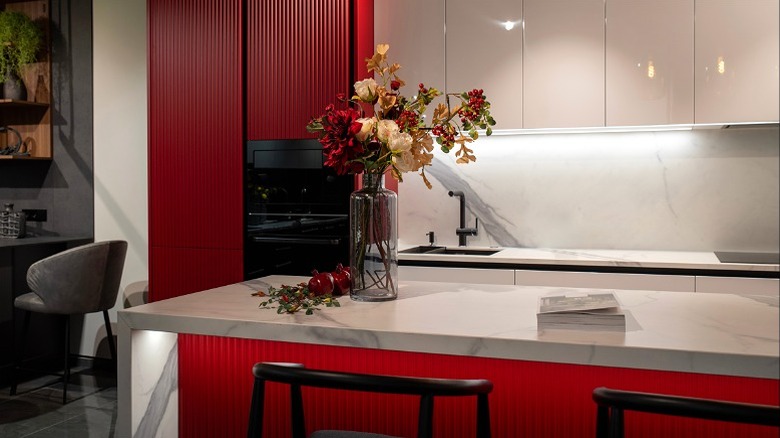
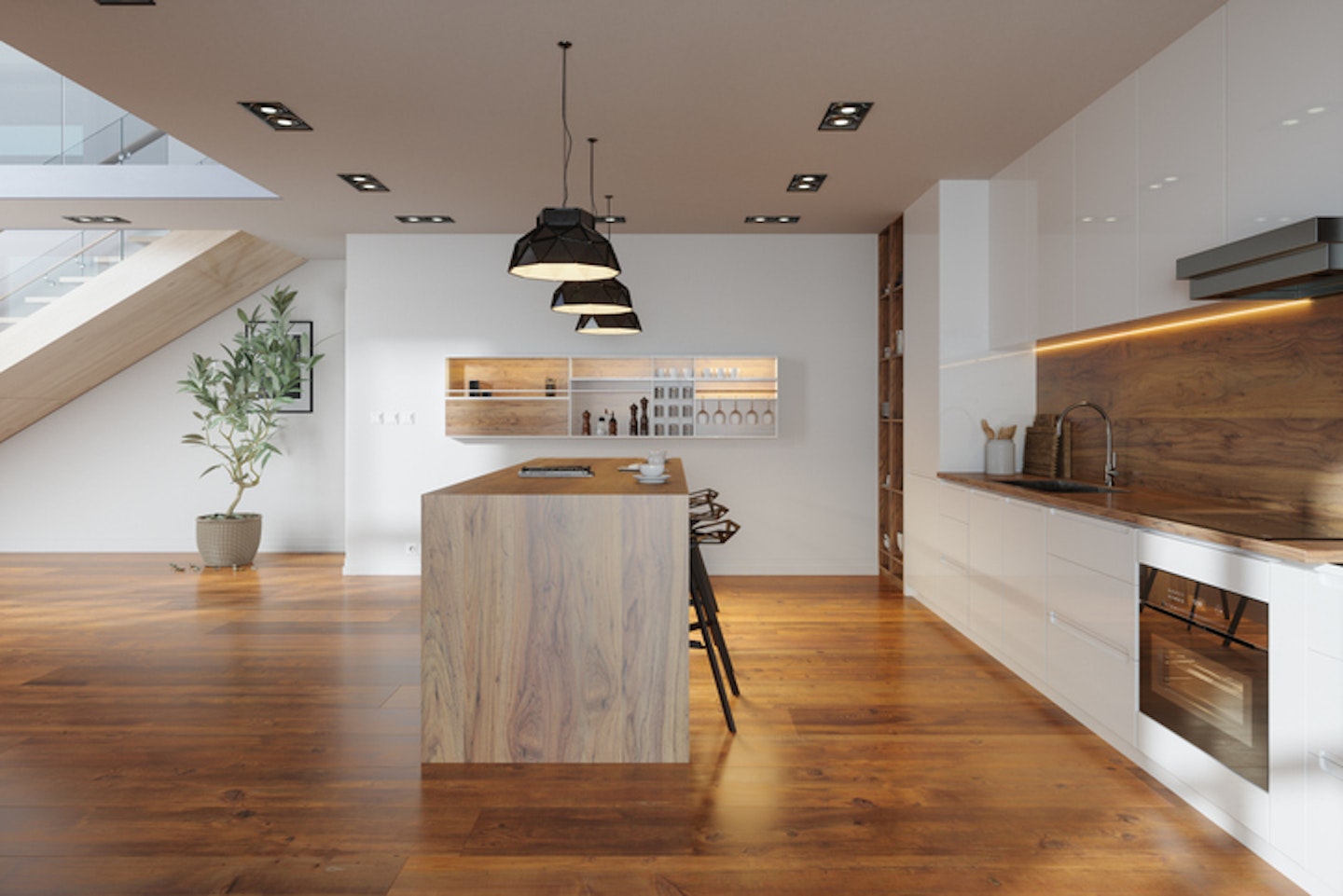
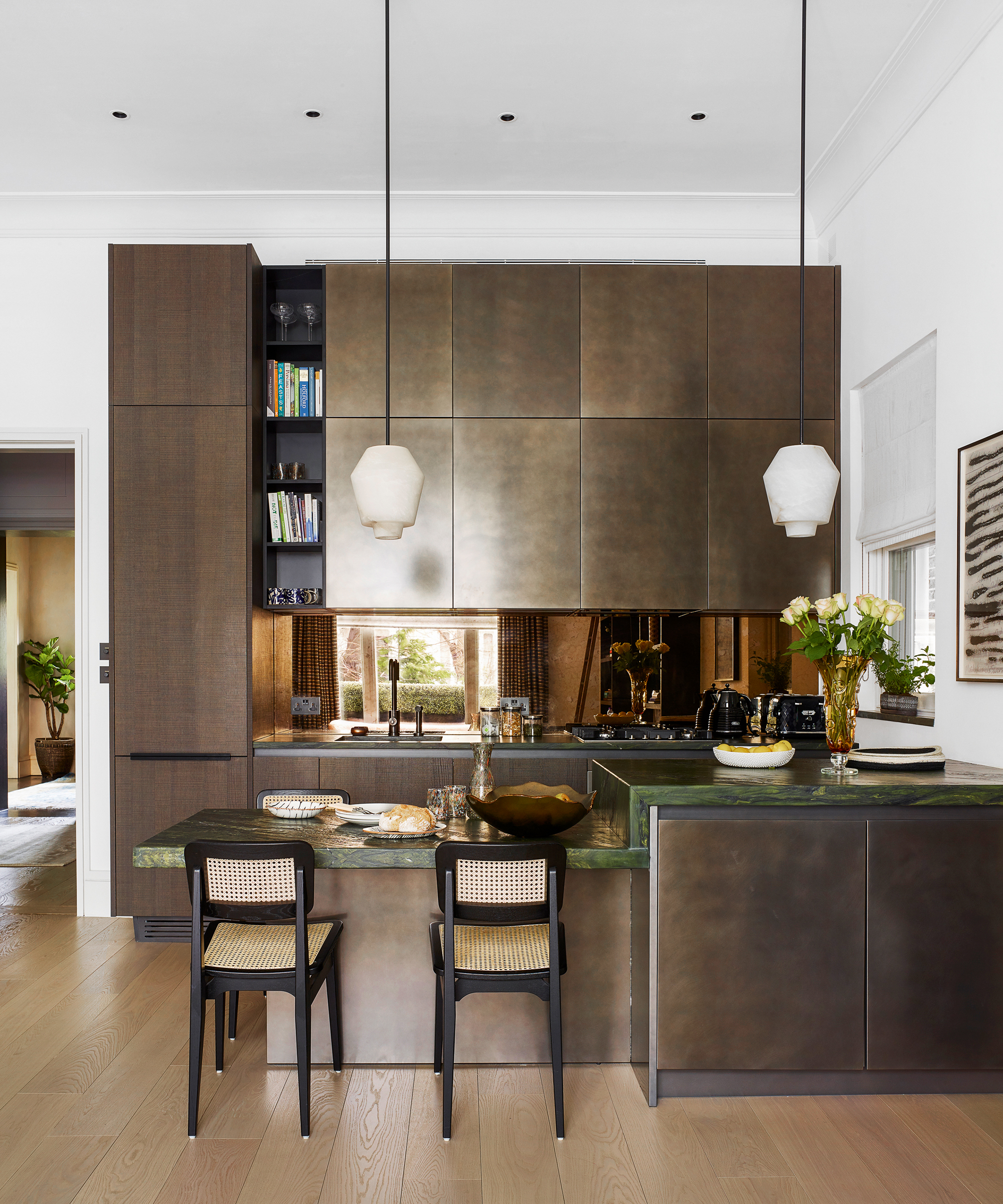
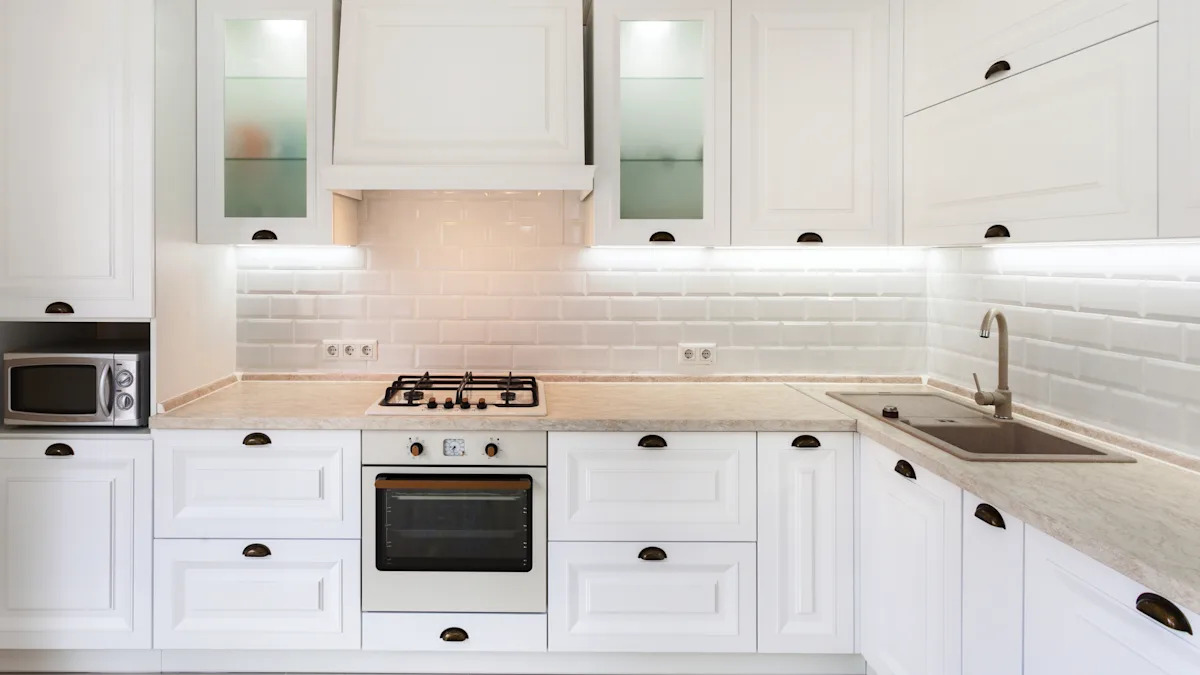
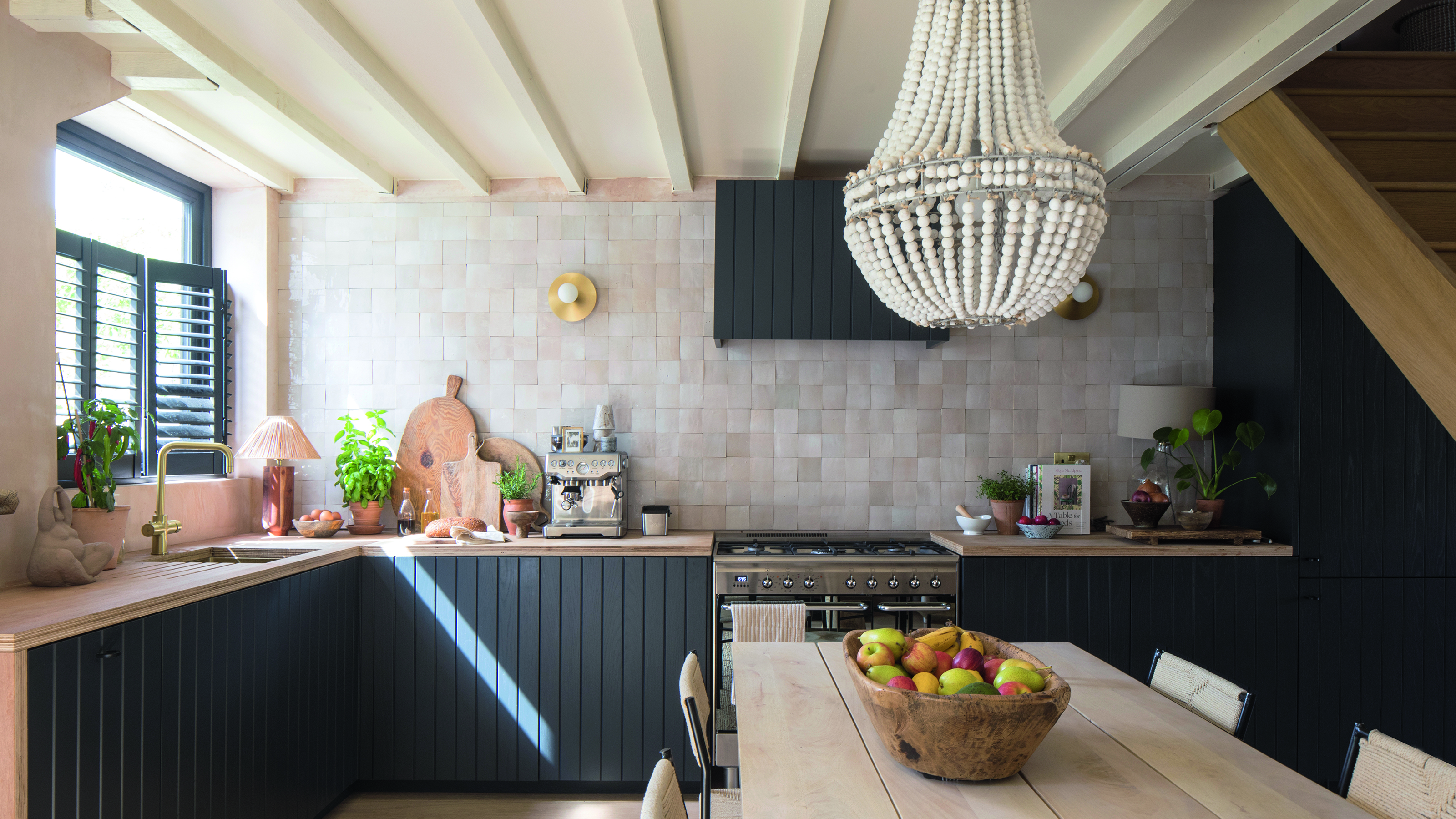
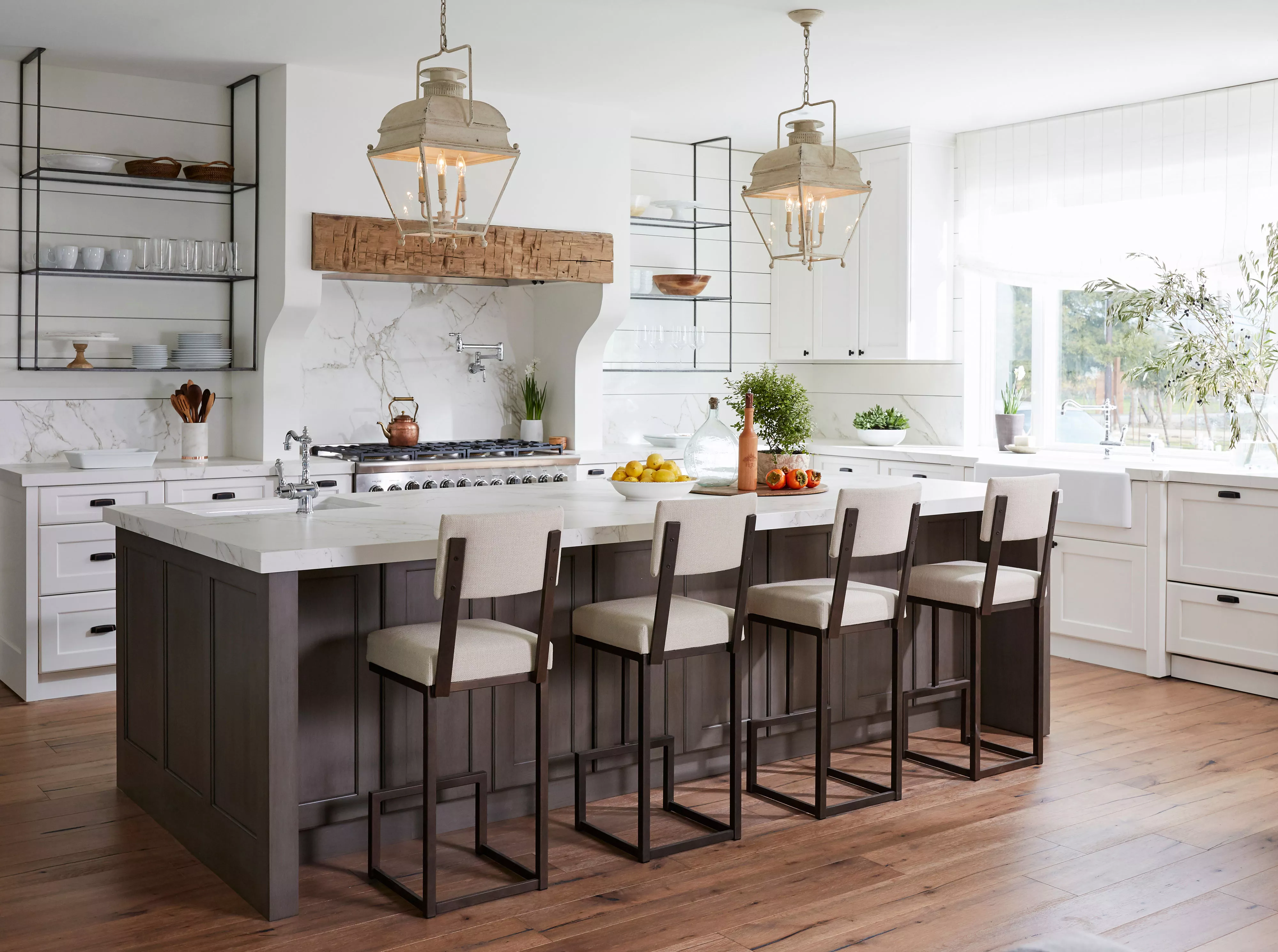
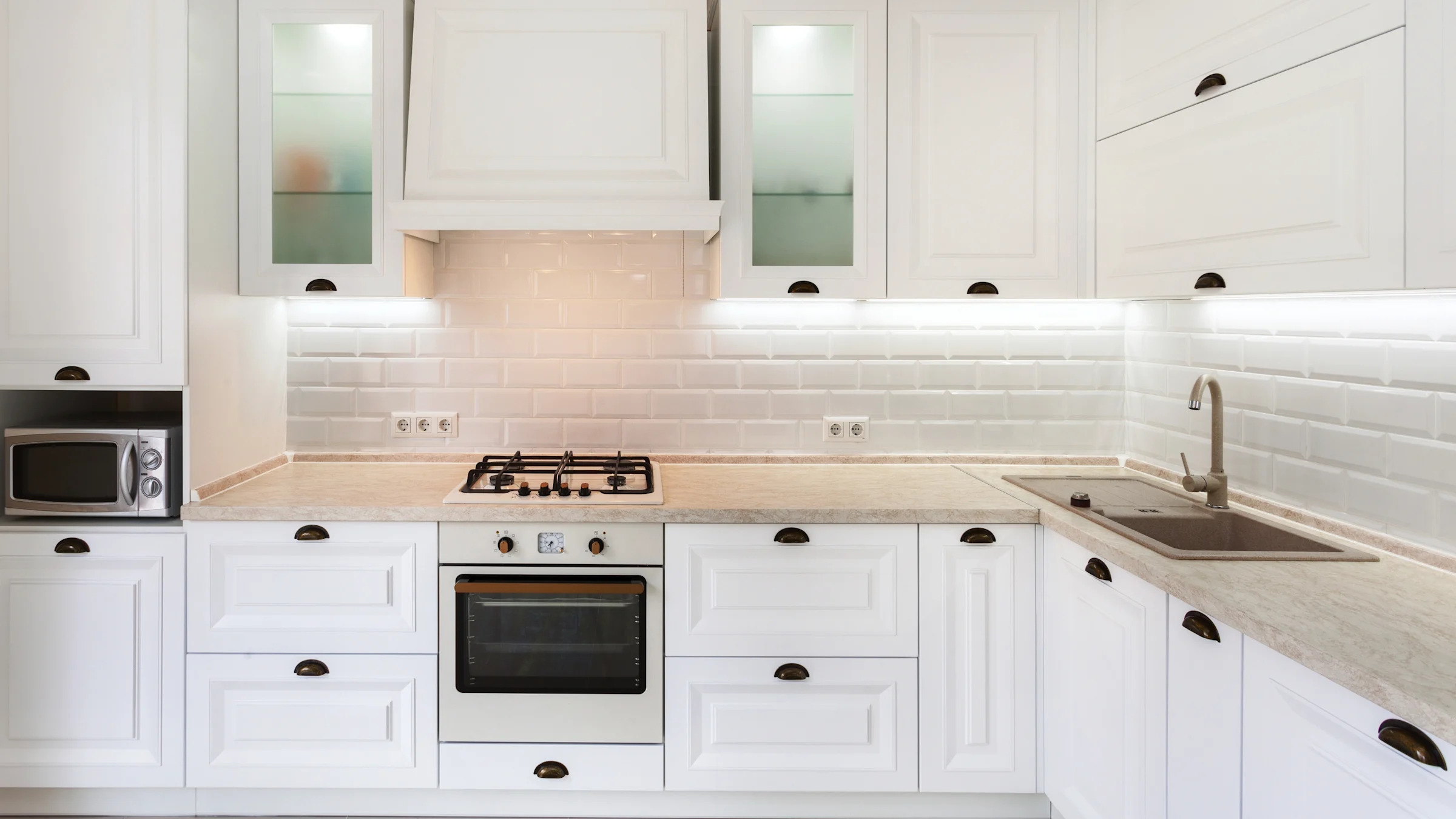
Accent lighting highlights decorative elements such as art, backsplashes, or textured walls, creating depth and atmosphere. Flexible LED cans are particularly effective for spotlighting focal points. Under-cabinet lighting is highly recommended for illuminating work surfaces and projecting ambient light into walkways, enhancing both functionality and aesthetic appeal. Clustering lights, especially pendant lights over islands, creates visual interest and defines focal points. Incorporating reflective surfaces like mirrors or light-colored tiles can amplify existing light.
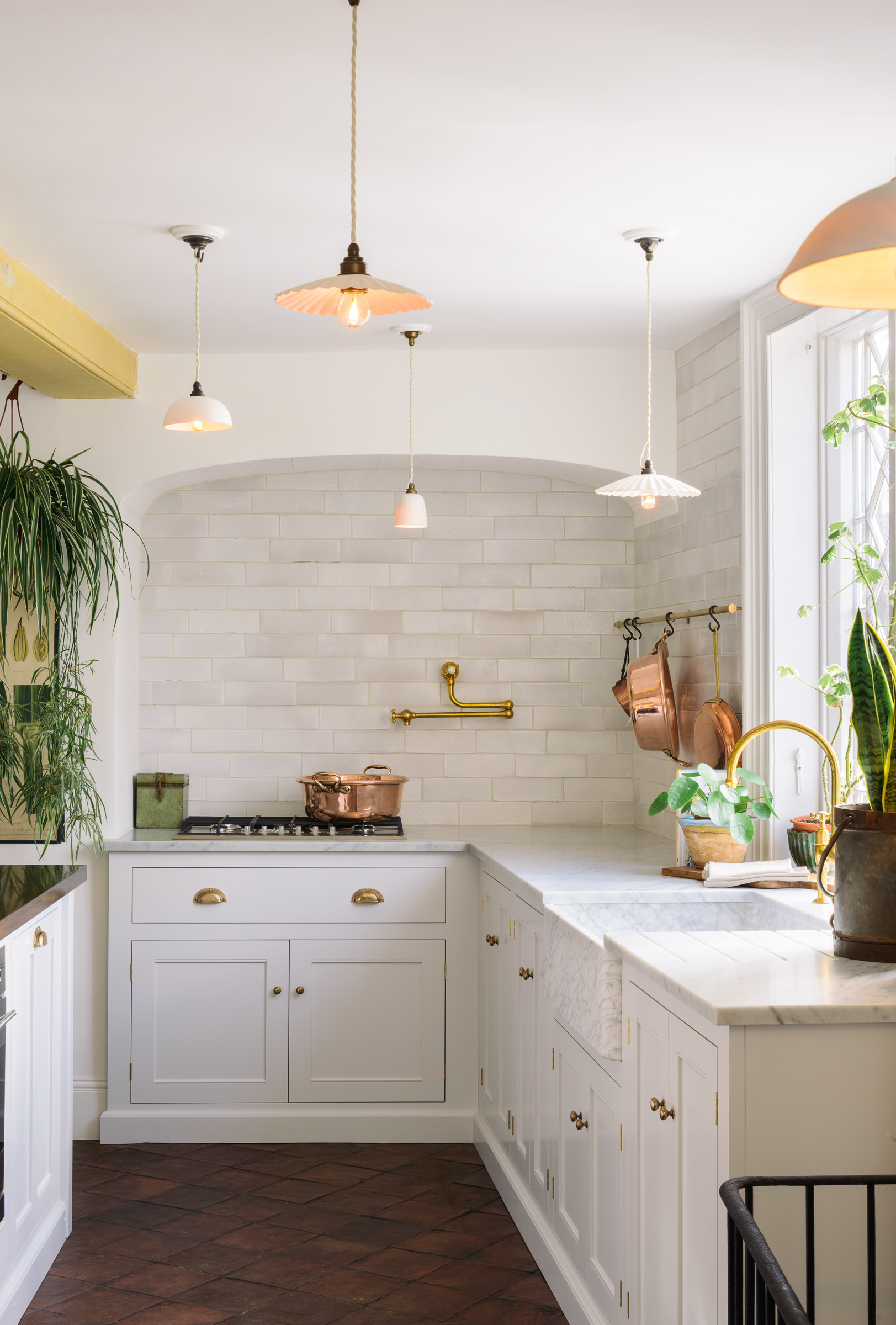
Playing with warm and cool light temperatures can drastically alter the mood of the kitchen, with a recommendation to maintain a consistent general tone to avoid clashes. Art Deco chandeliers introduce luxury and geometric appeal, though they require high ceilings and supplemental task lighting. Colored pendant lights offer a playful way to add vibrant hues and character to the kitchen, ideally grouped for sufficient illumination.
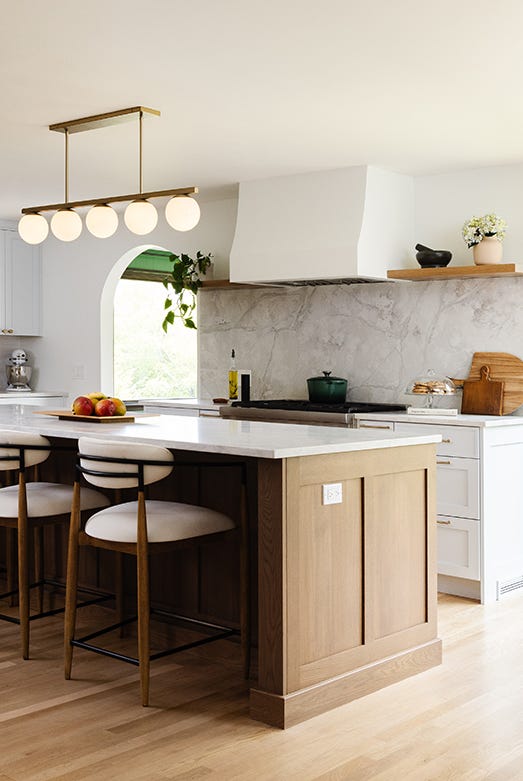
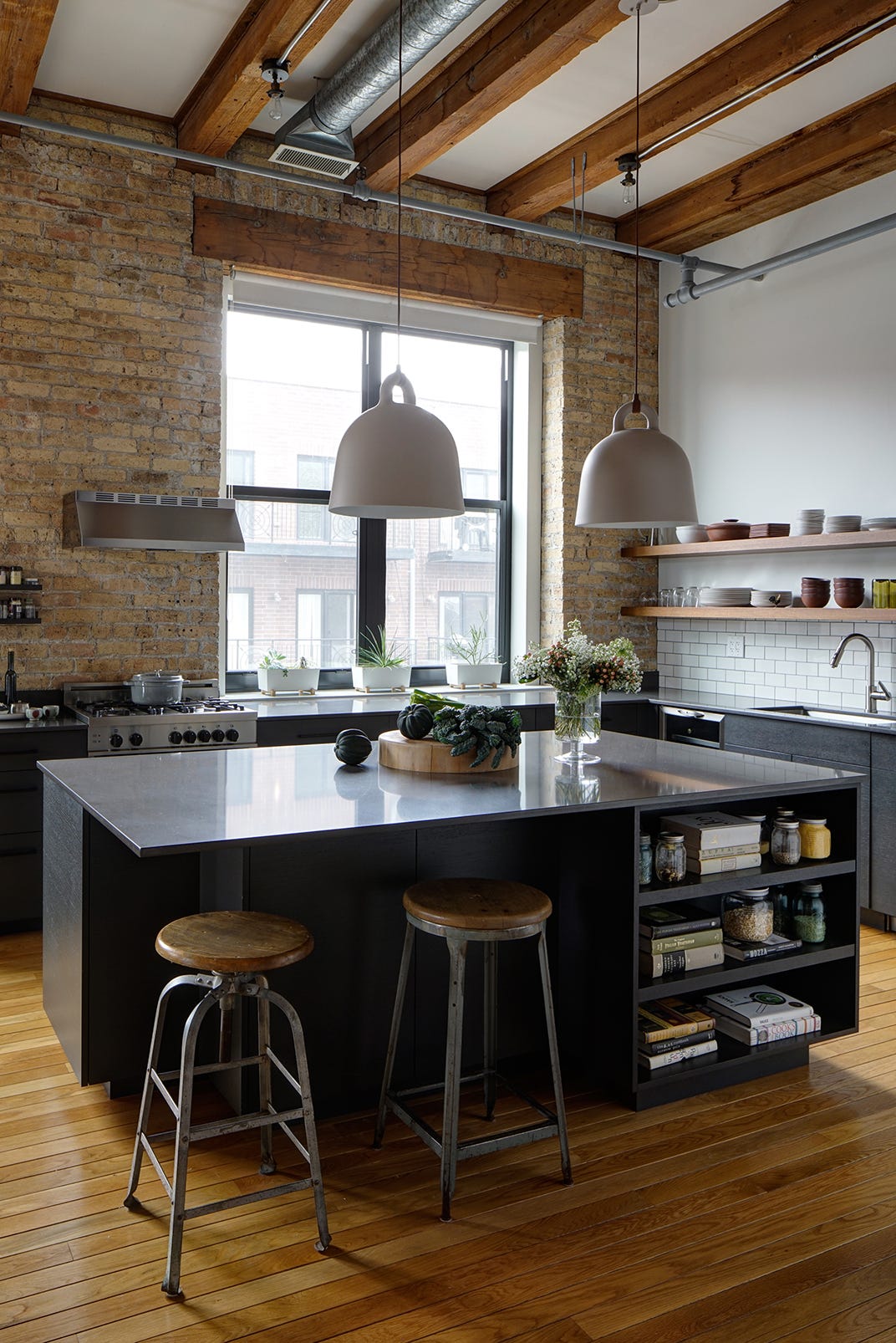
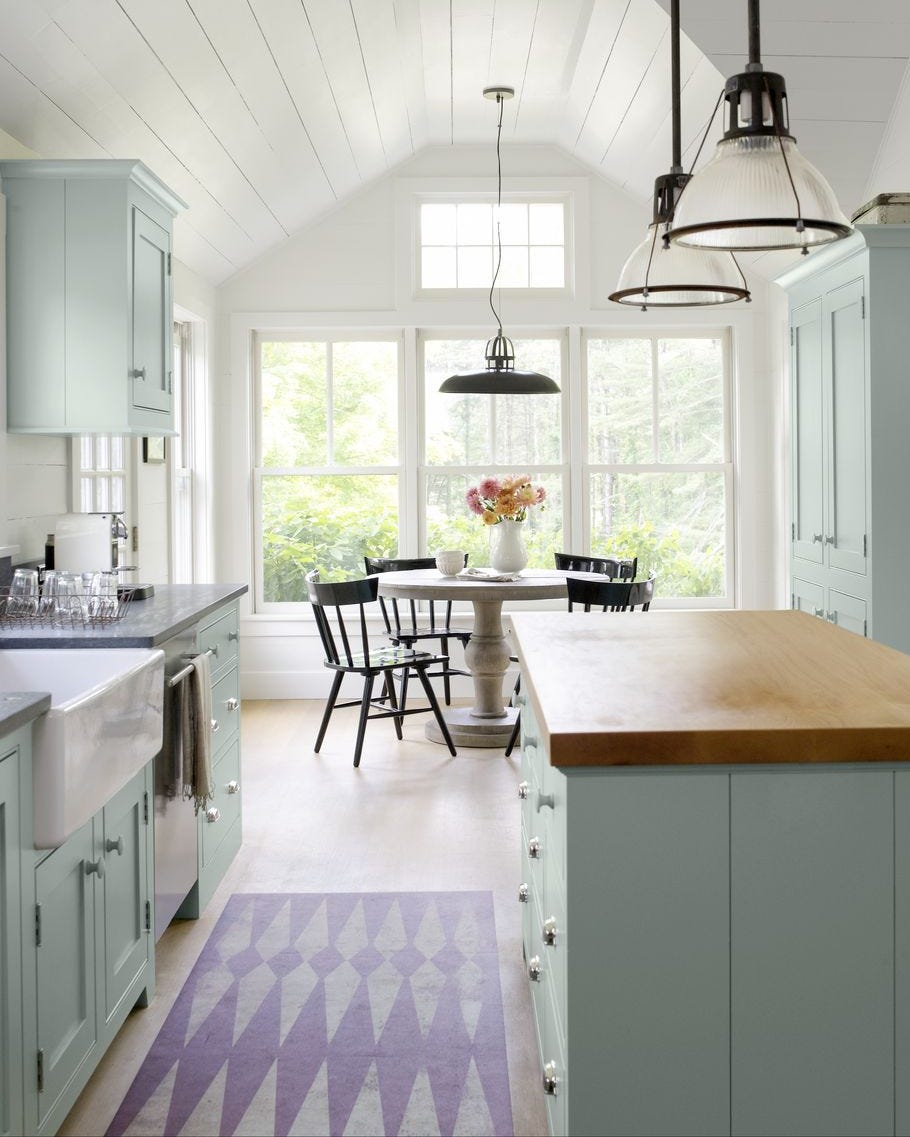
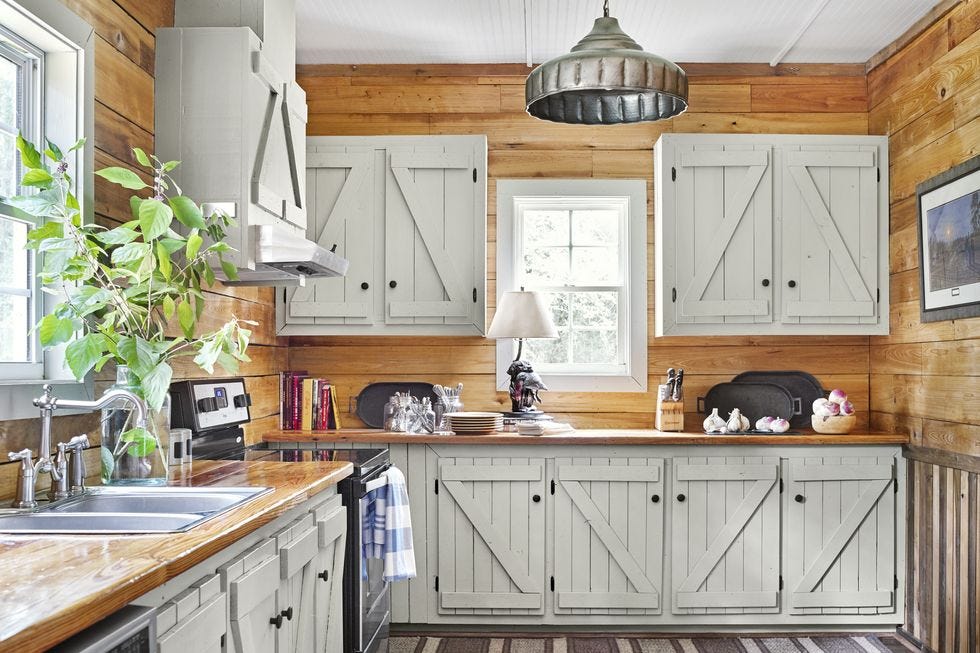
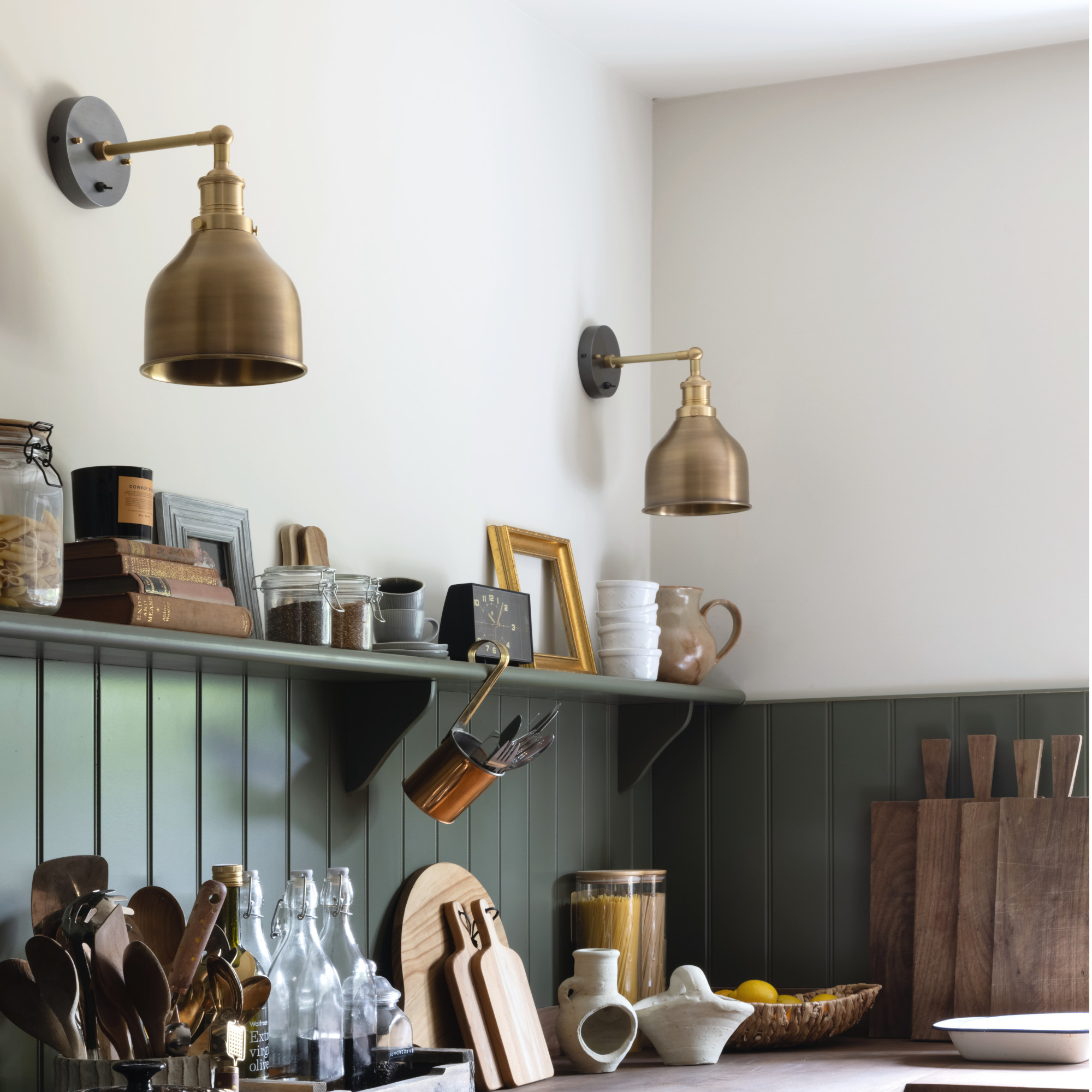
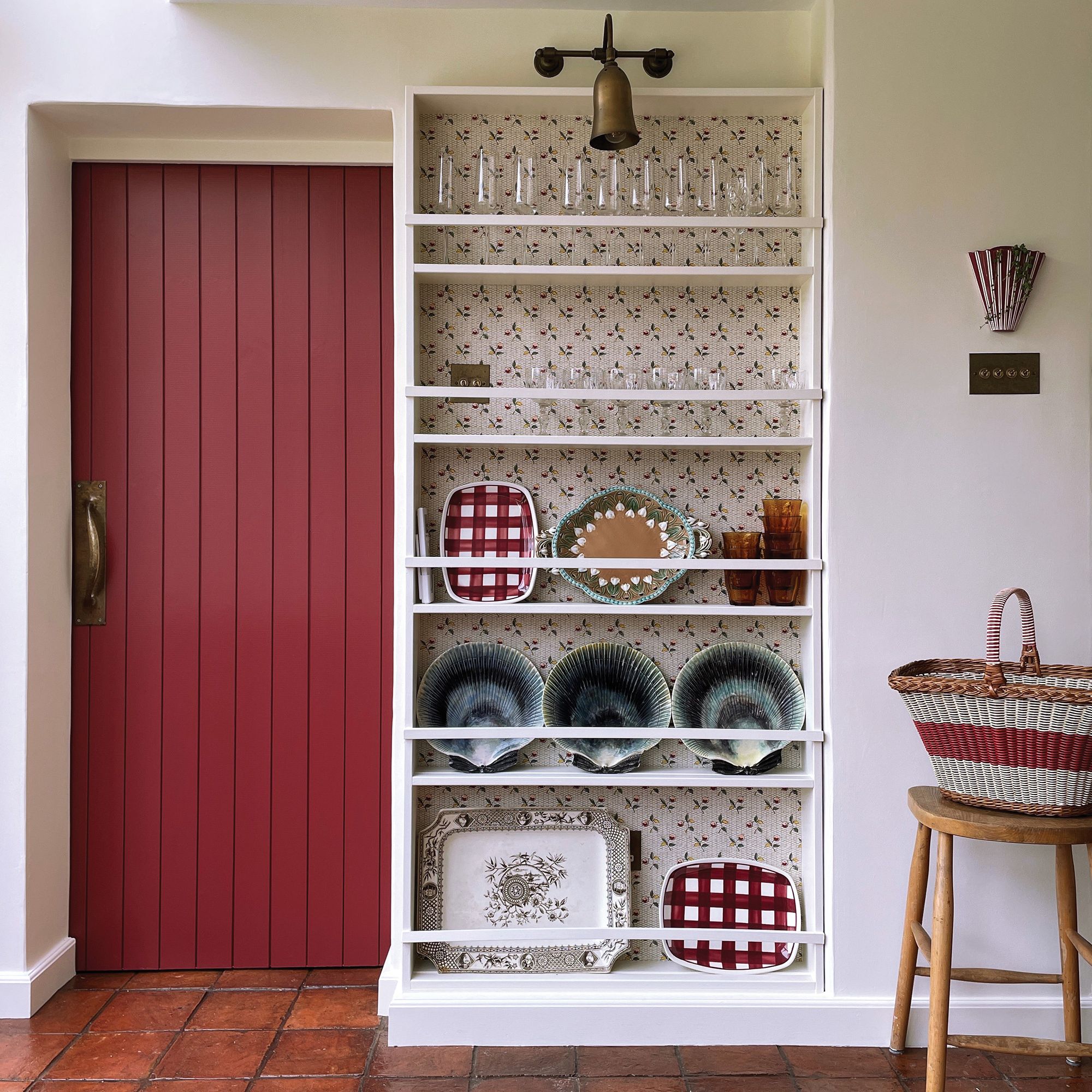
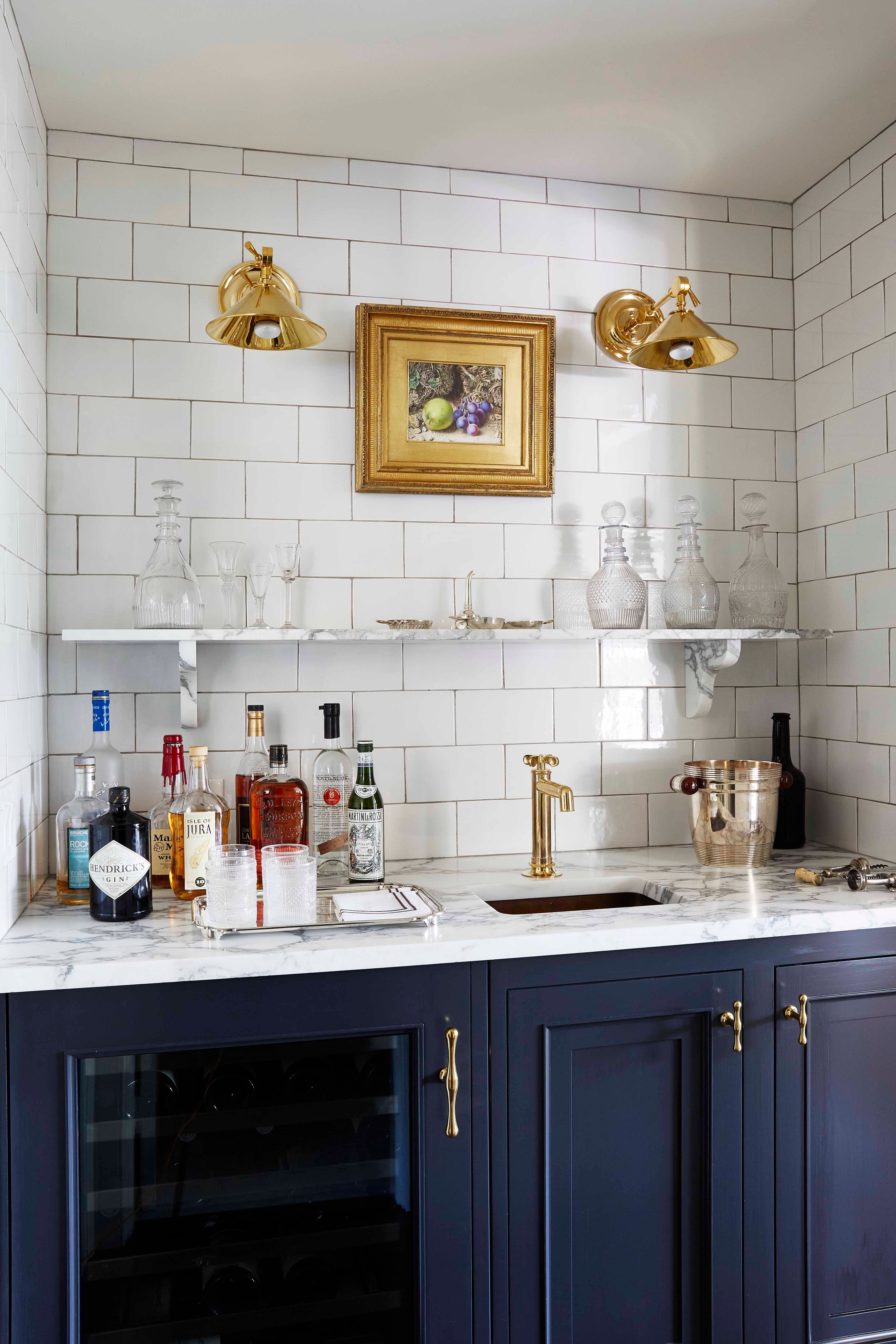
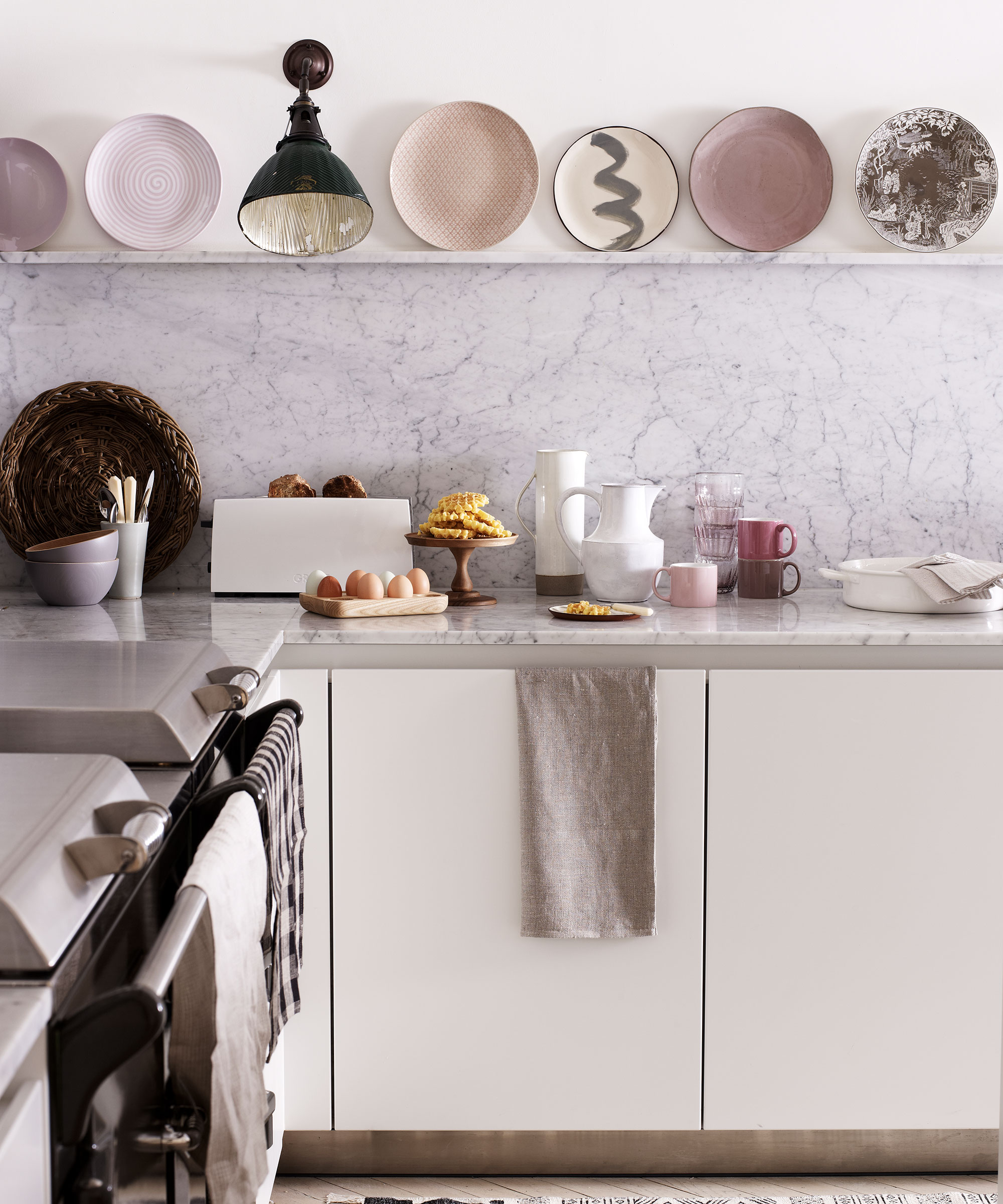
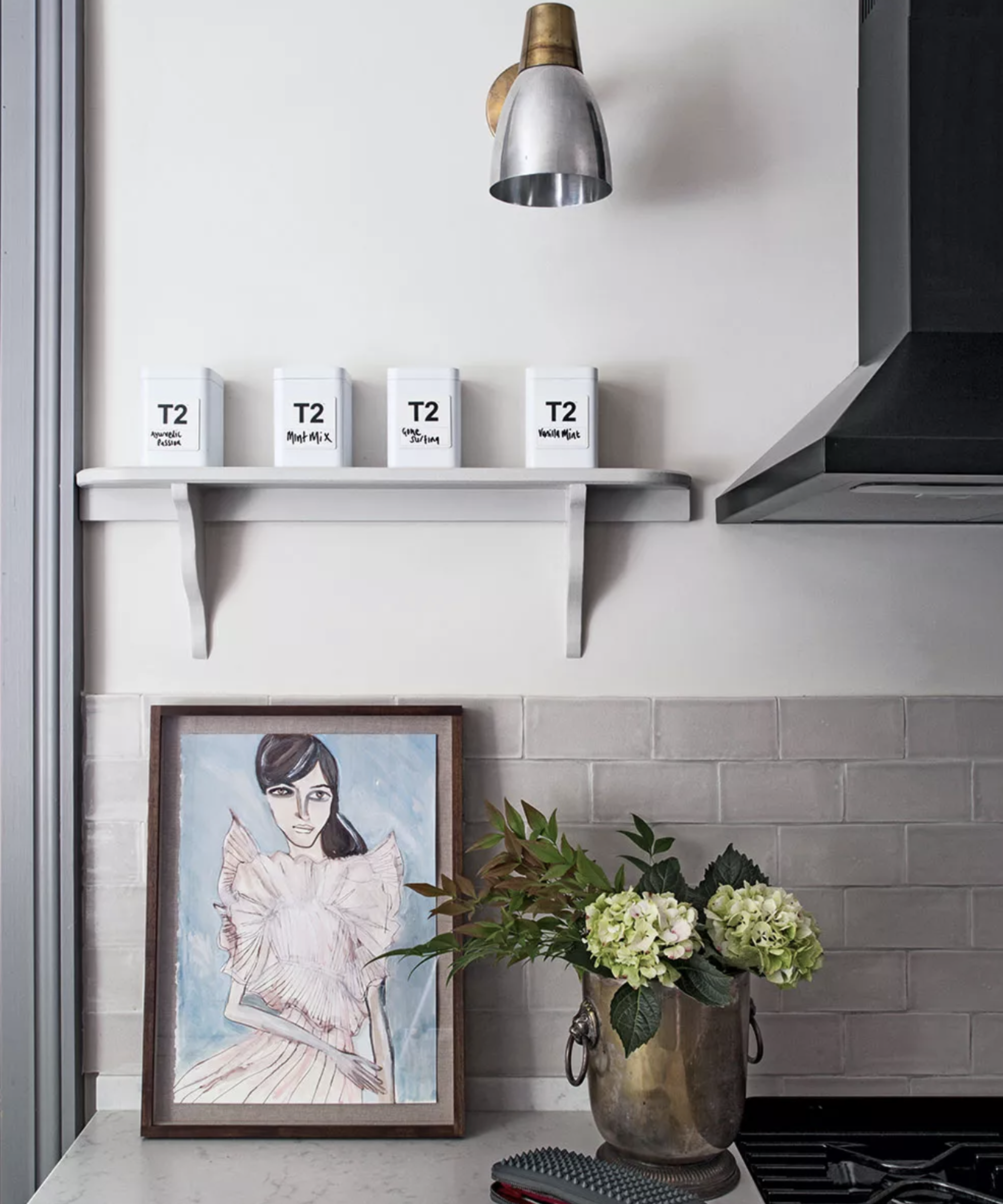
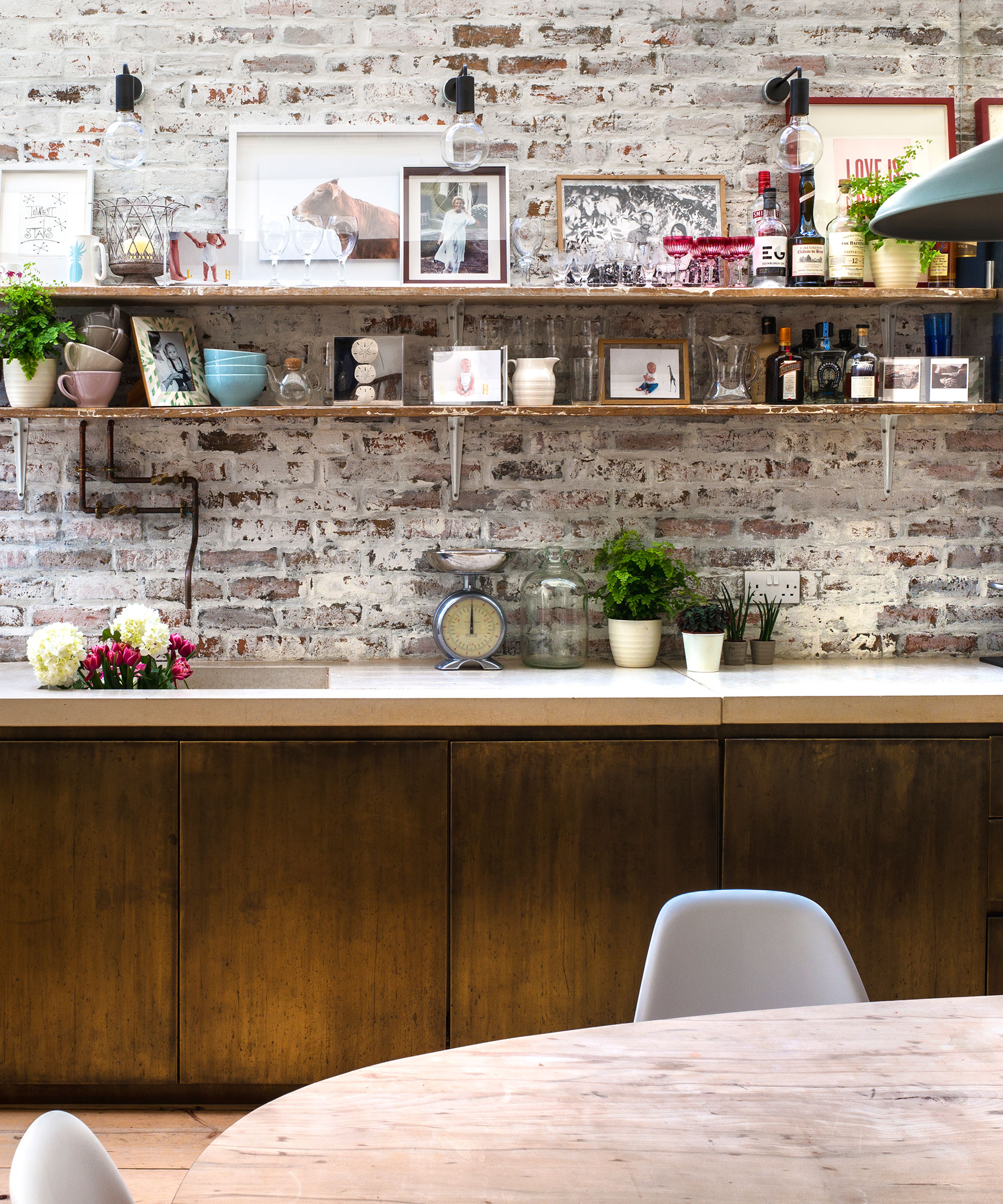
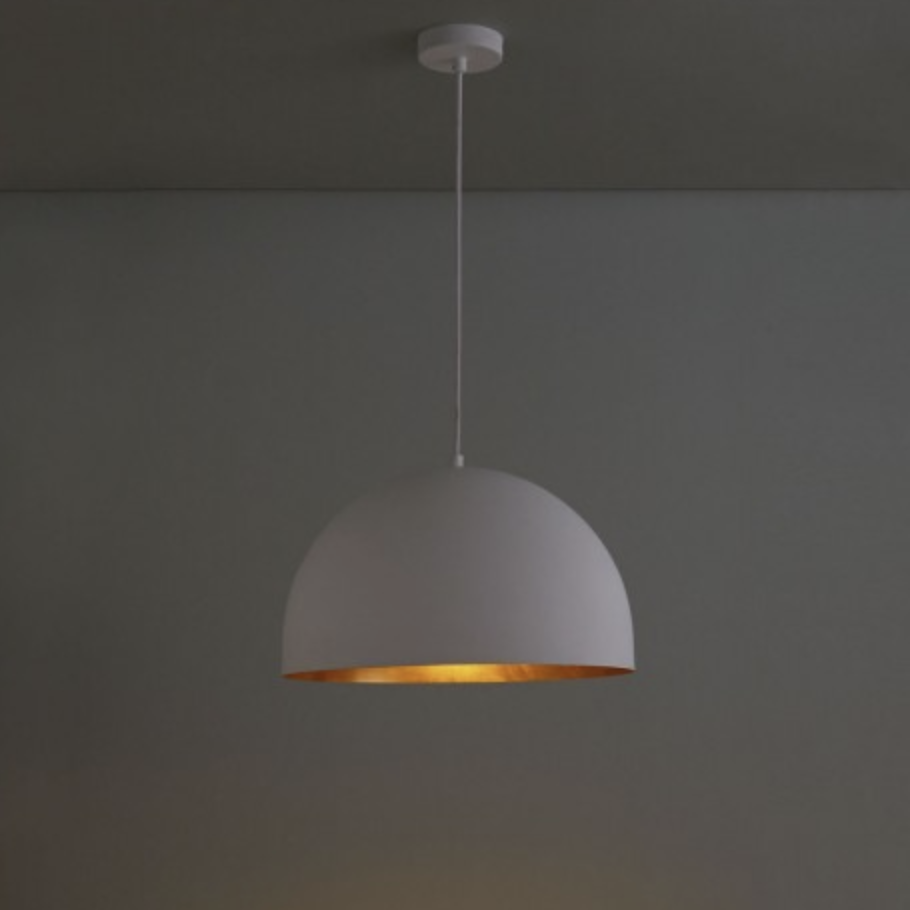
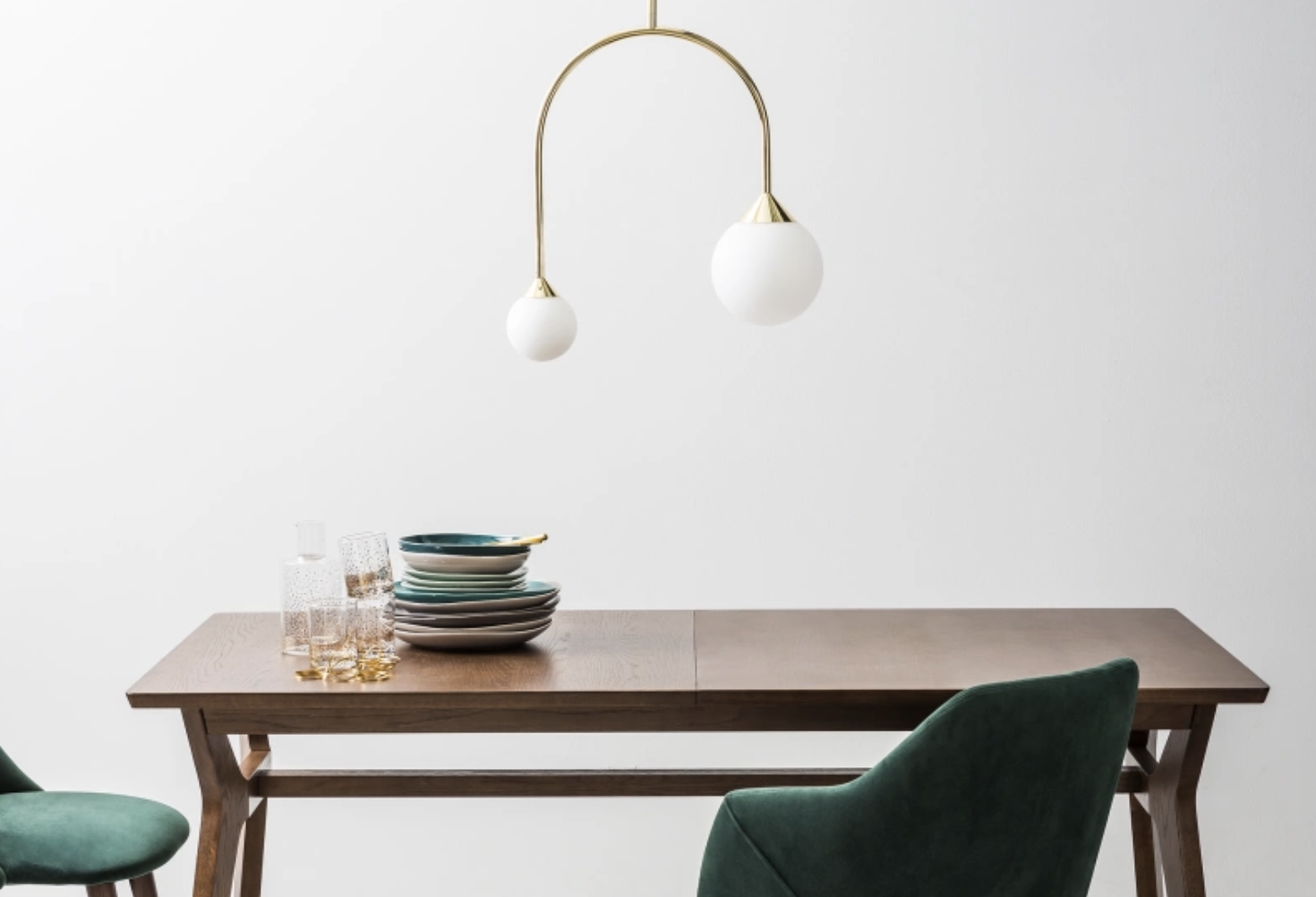
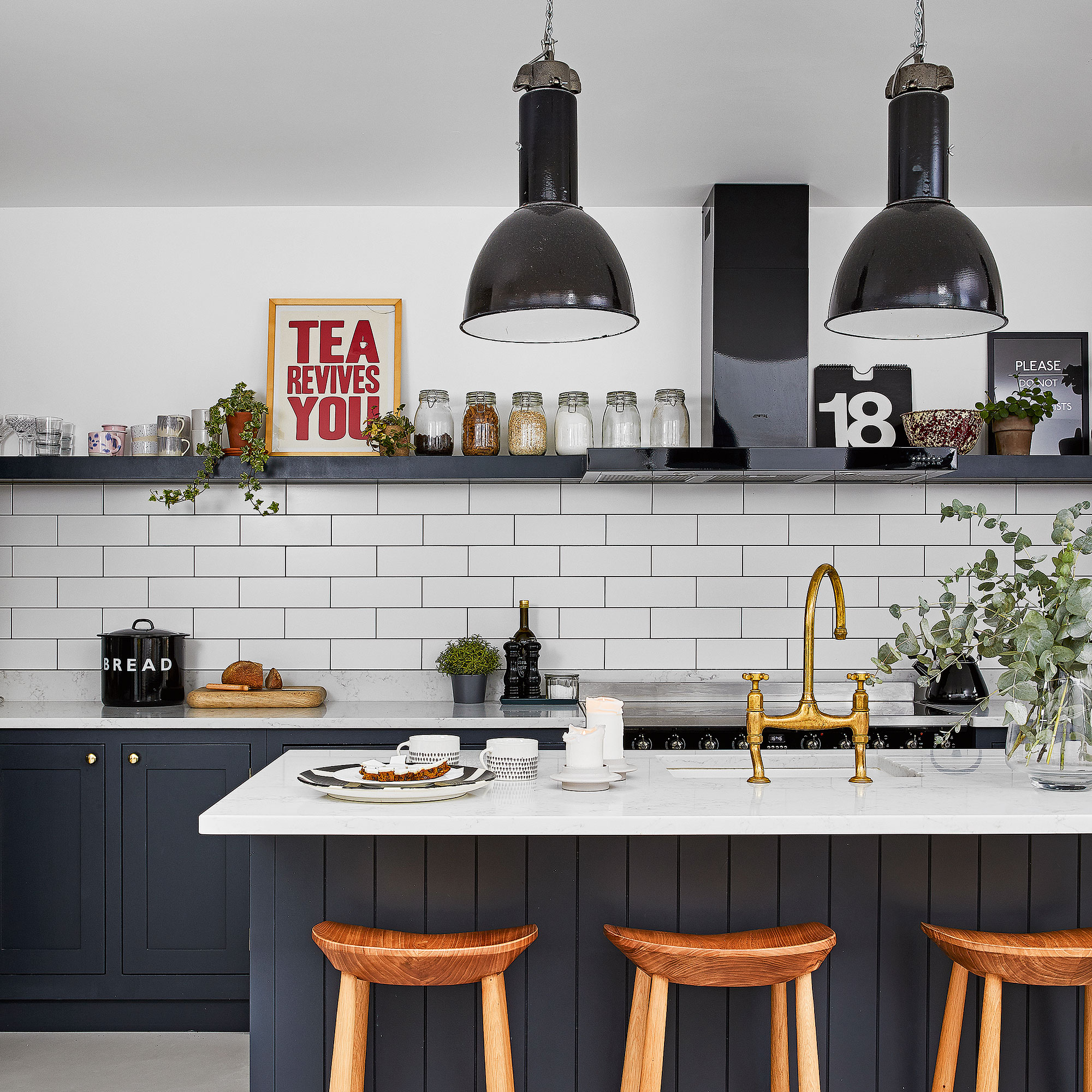
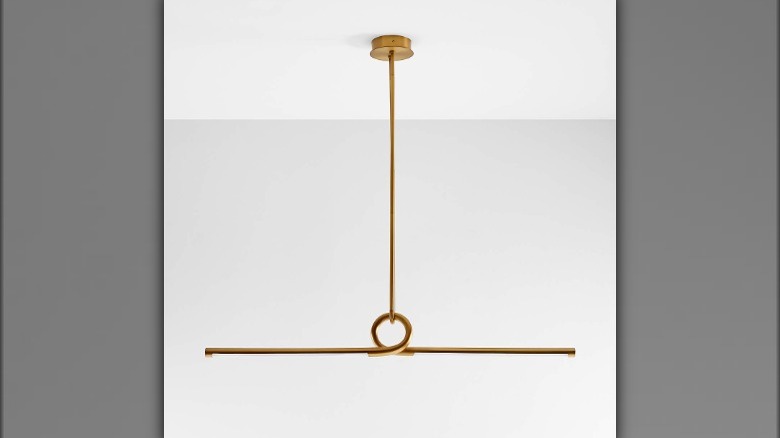
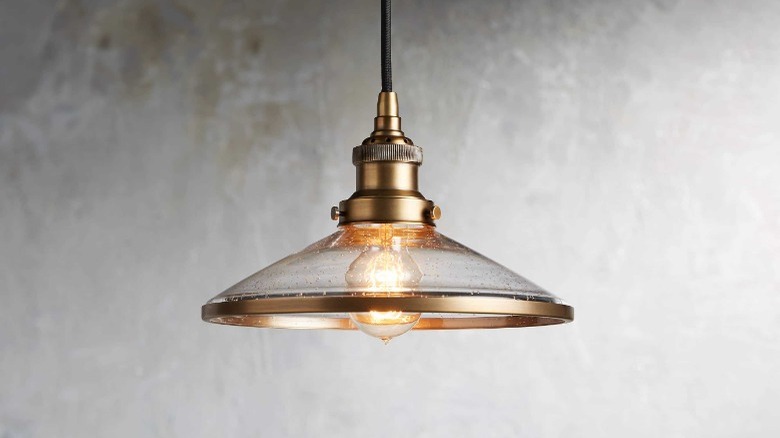
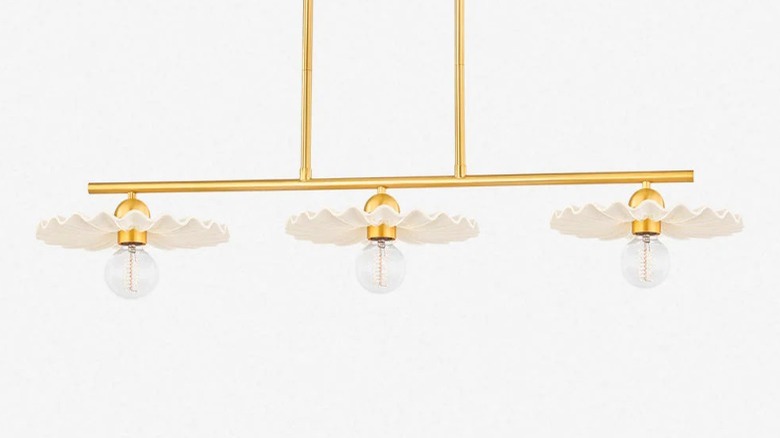
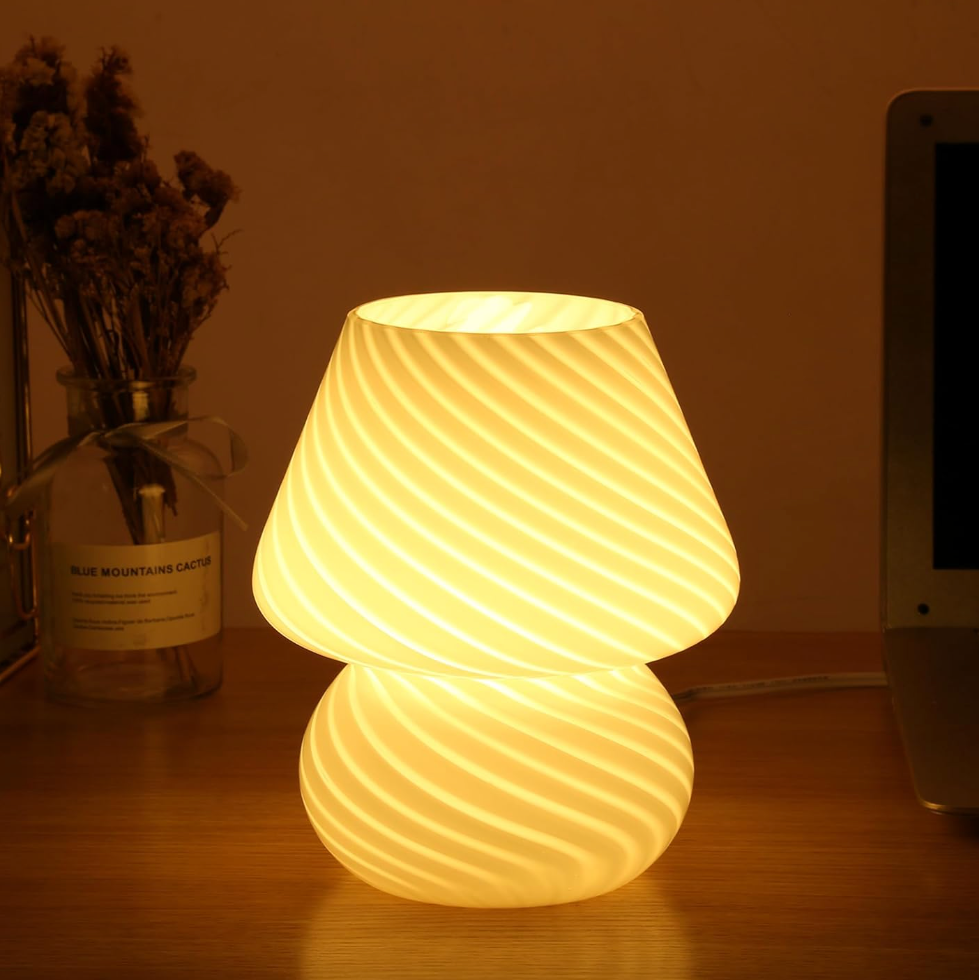
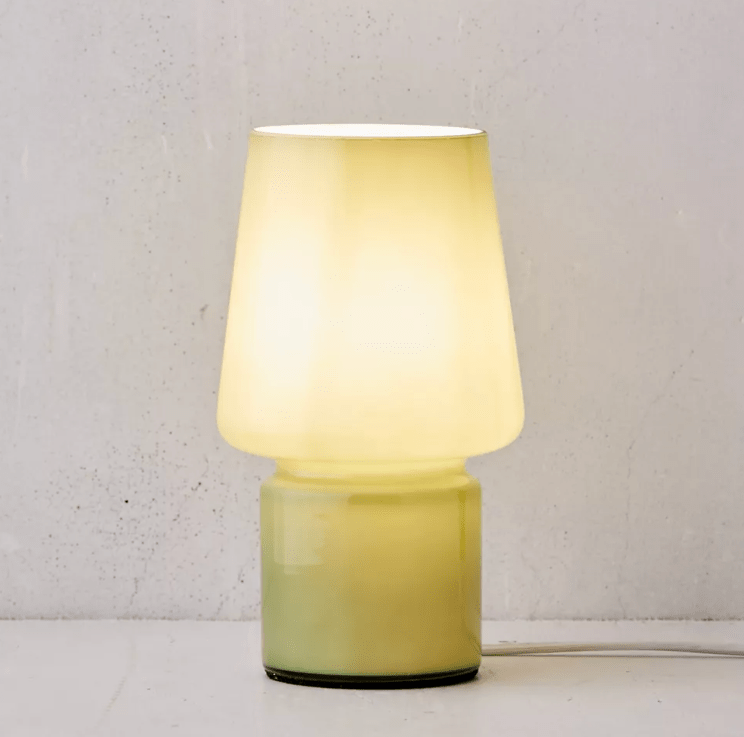
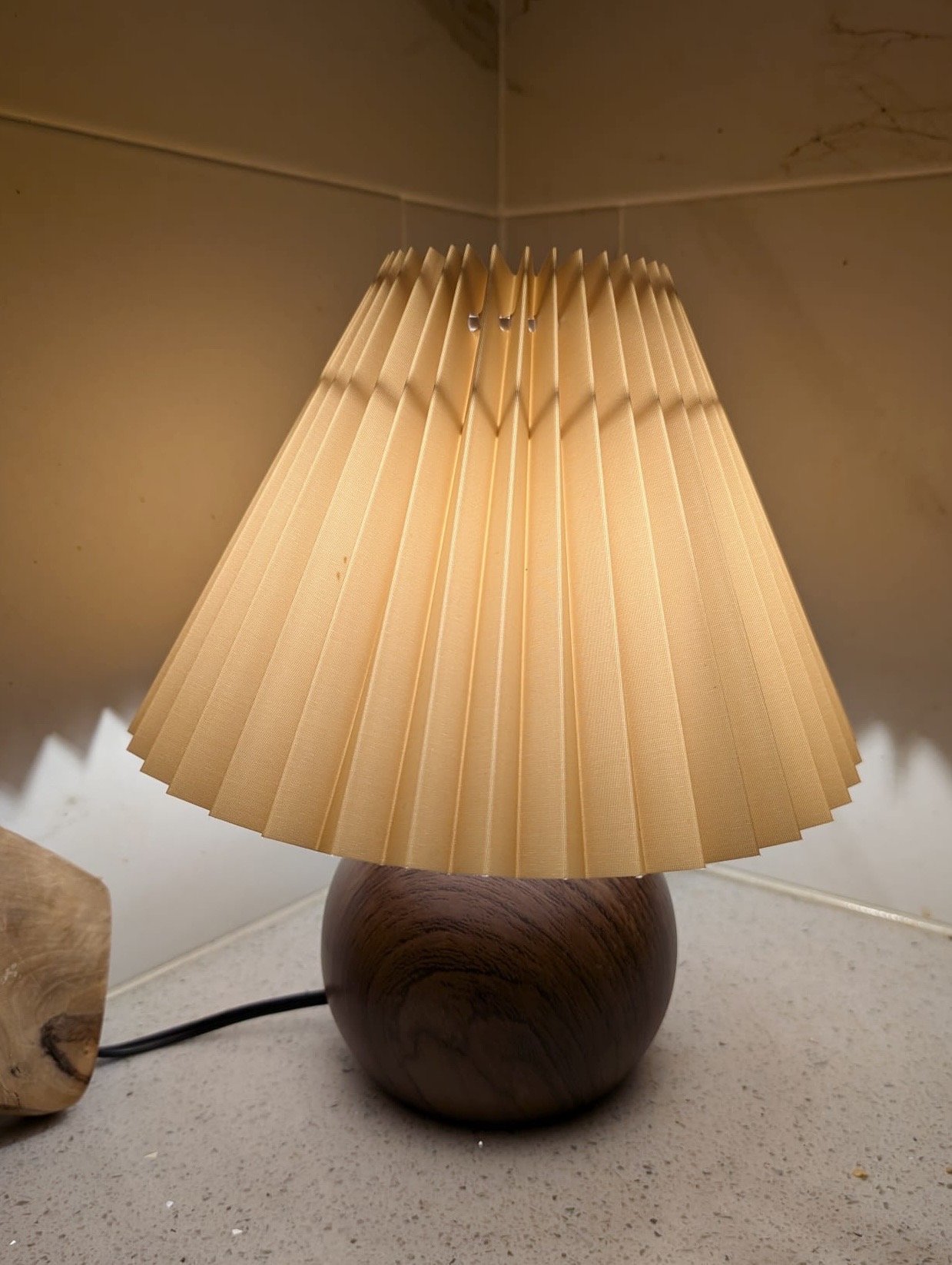
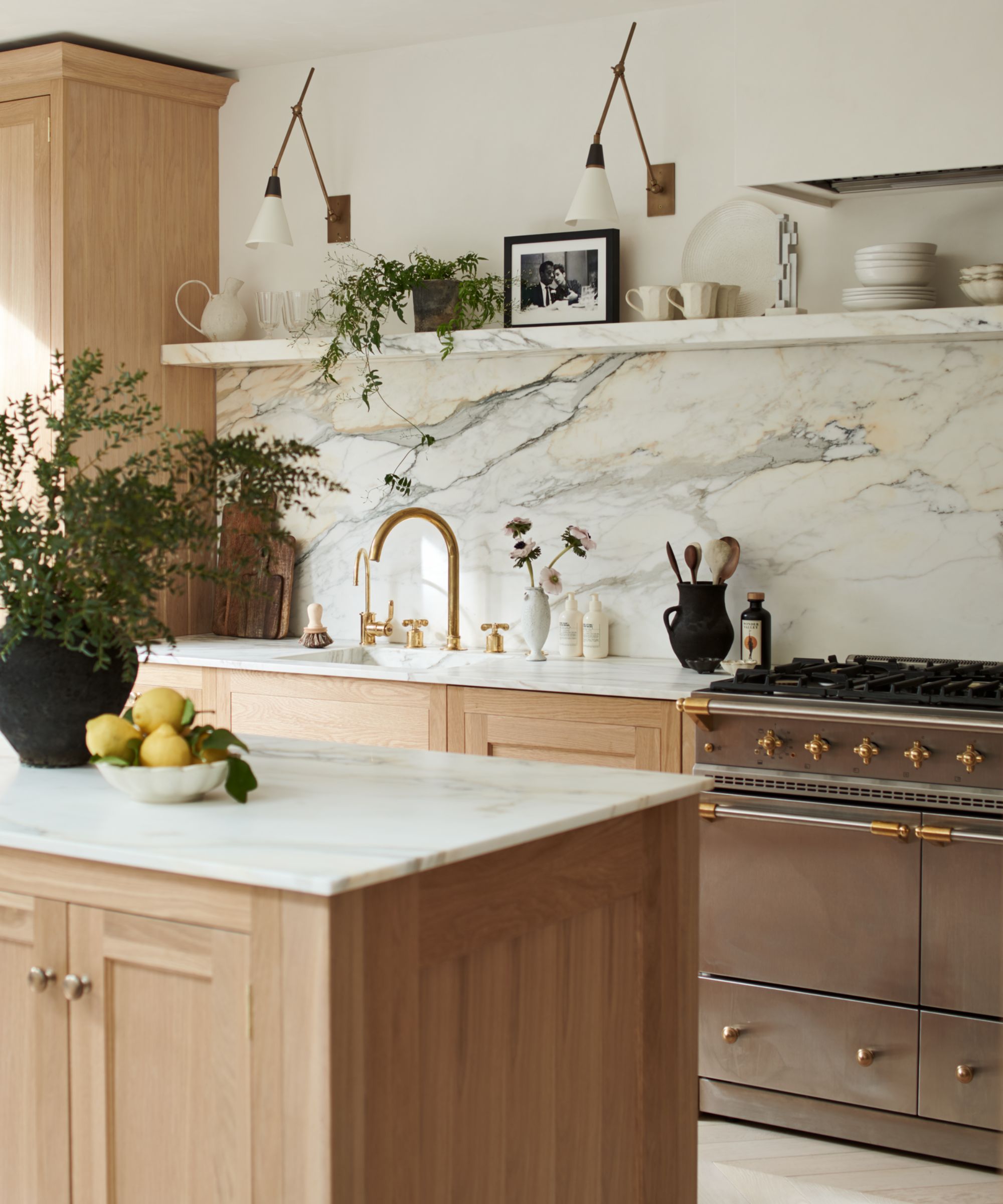
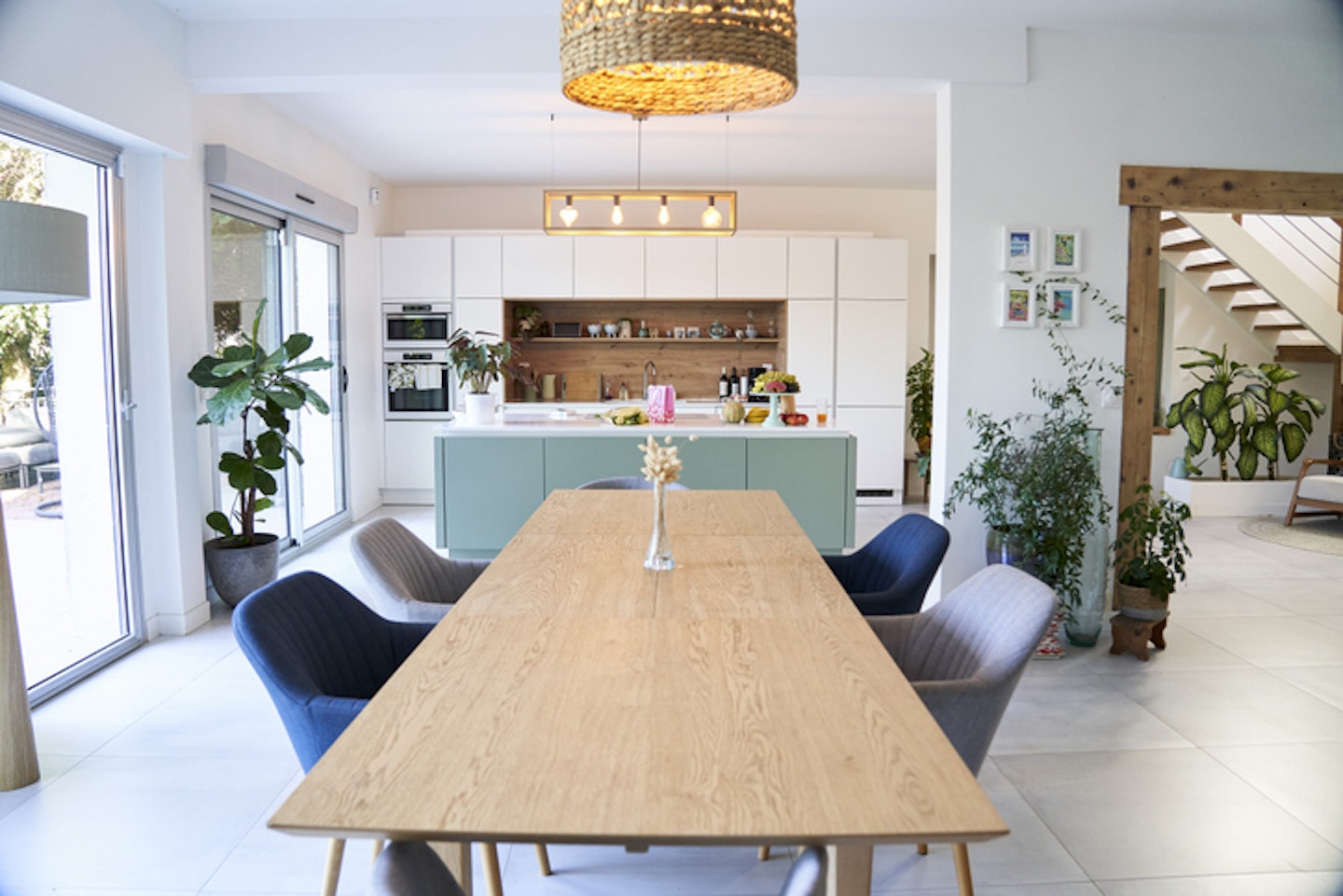
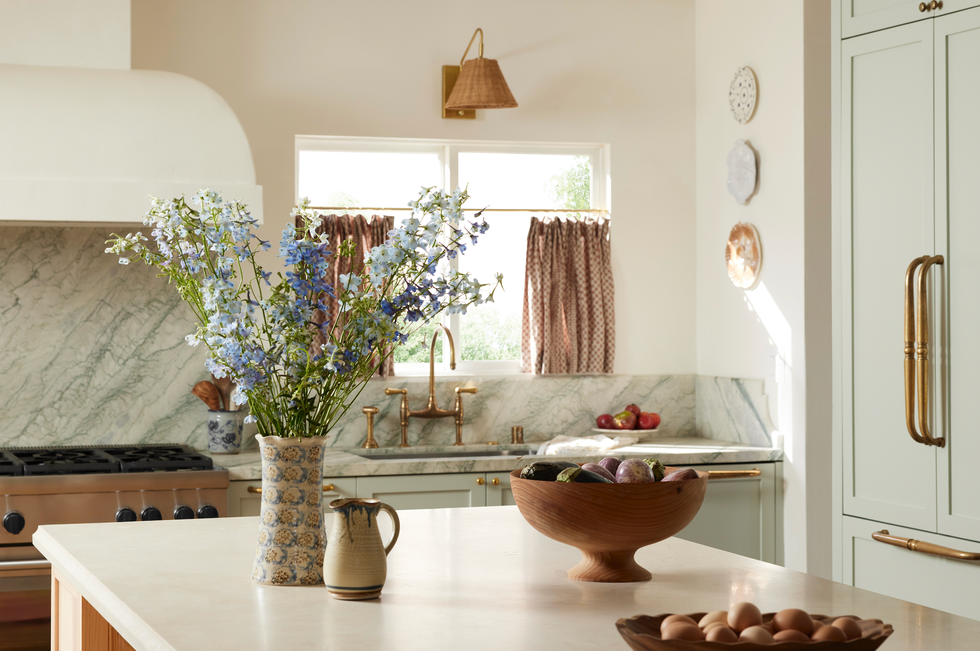
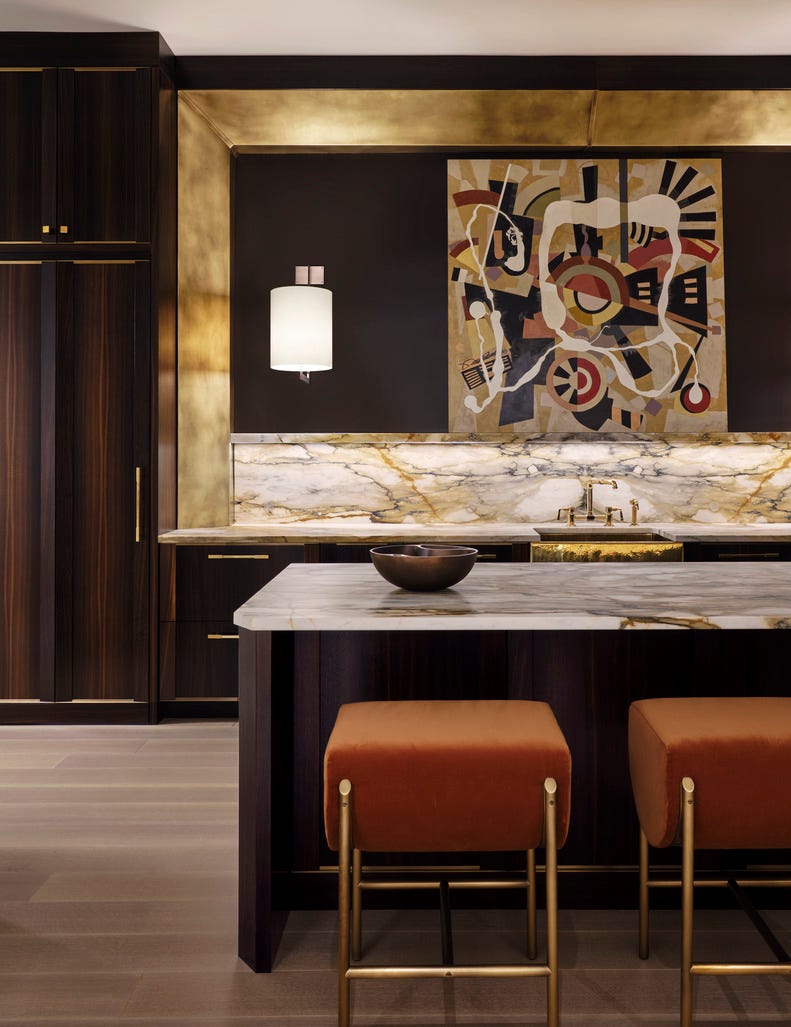
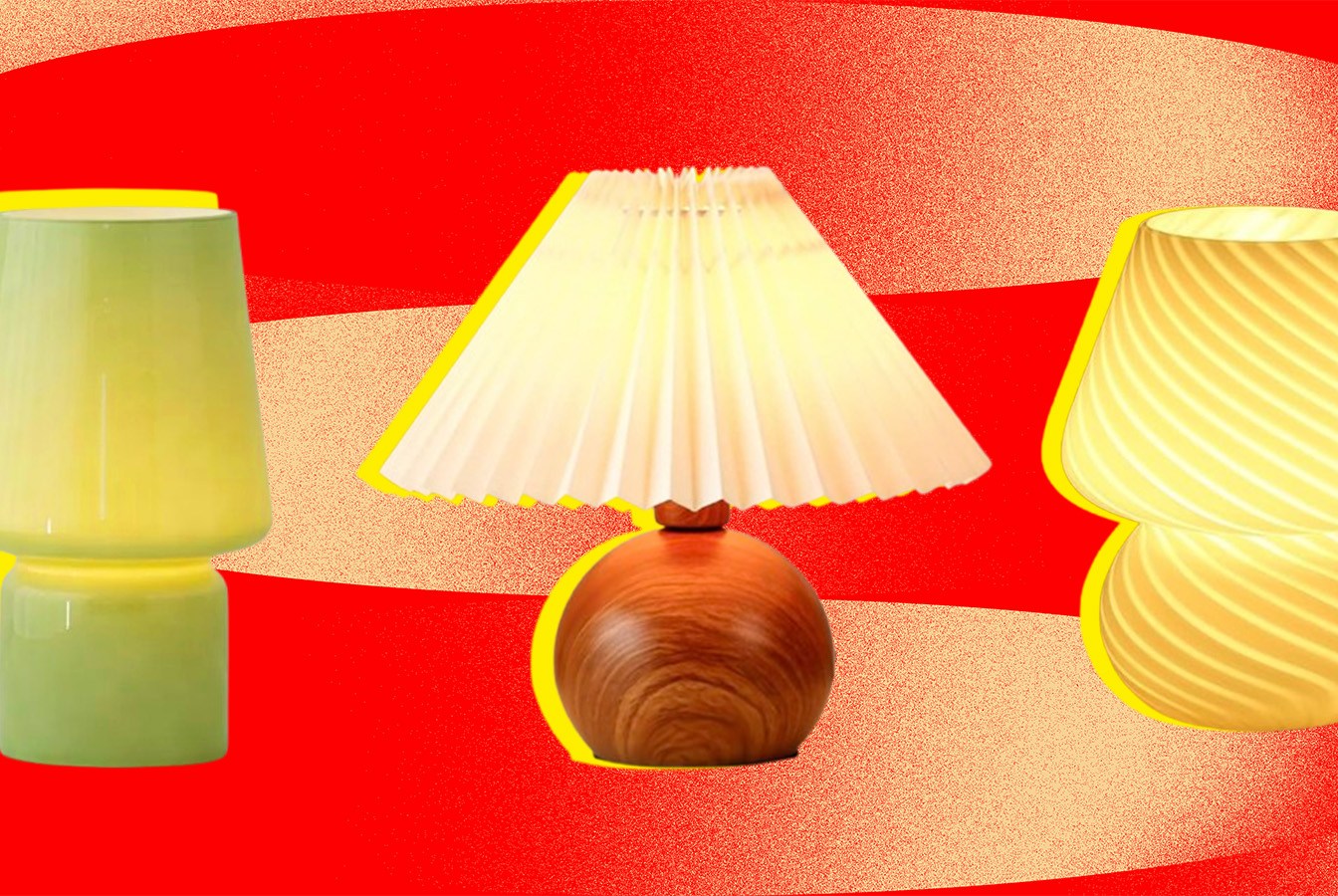
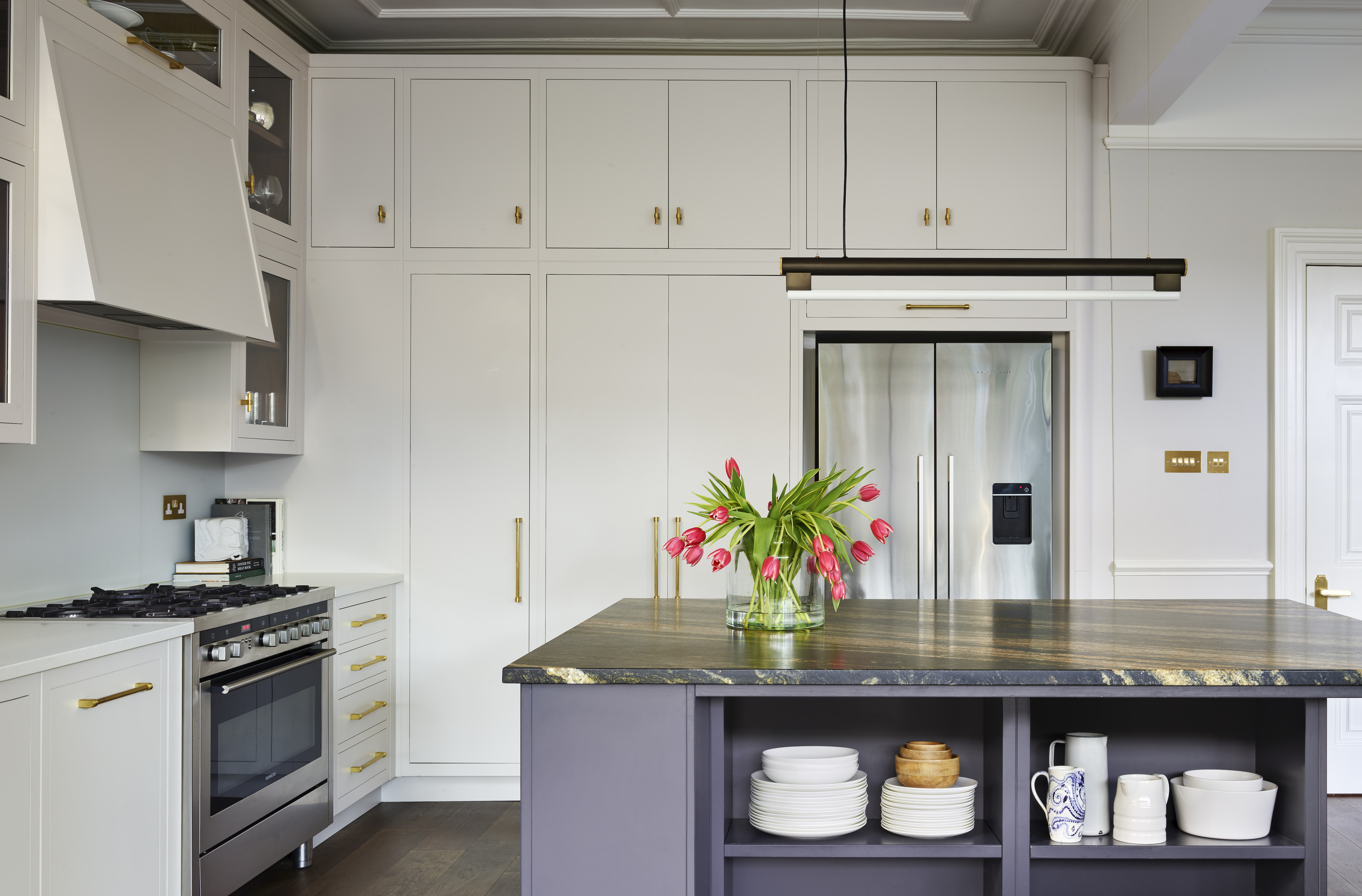
Sculptural light fixtures act as artistic focal points, providing ambient light and whimsy, best suited for areas where functional lighting is already sufficient. Matching switch covers to other metal finishes in the kitchen creates a cohesive and polished look, integrating functionality with interior design. Industrial-style lighting, characterized by exposed bulbs and metal finishes, brings an authentic, utilitarian feel without sacrificing attractiveness. Wall sconces effectively highlight specific spots or art pieces, framing the space and adding illumination where needed. Linear chandeliers are ideal for longer islands or dining areas, providing even light distribution and a modern industrial aesthetic. Finally, placing a simple lamp in a corner can add warmth and character to an often-overlooked area, with a practical tip to choose glass, metal, or other hard-surface shades to facilitate cleaning and maintain appearance in a kitchen environment.
#KitchenLighting #InteriorDesign #HomeDecor #SmartHome #LightingTips #KitchenUpgrades #AmbientLighting #TaskLighting #AccentLighting #KitchenLighting #InteriorDesign #HomeDecor #SmartHome #LightingTips #KitchenUpgrades #AmbientLighting #TaskLighting #AccentLighting
0 comment in total
 No comments yet
You may also like
Try These Kitchen Lighting Ideas to Brighten Your Space

These Kitchen Lighting Ideas Will Bring Idyllic Ambiance to the Heart of Your Home
21 Functional And Fabulous Kitchen Island Lighting Ideas
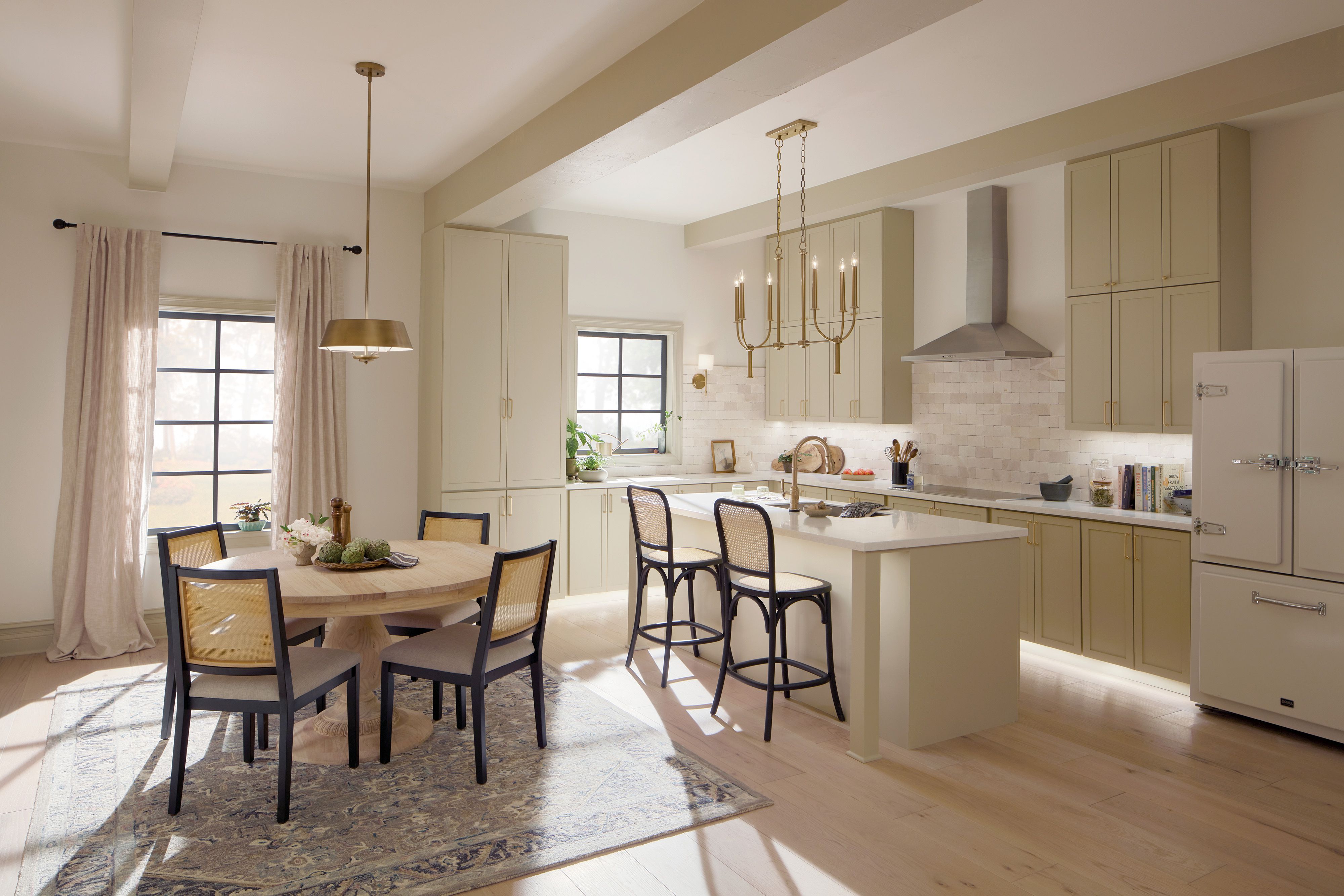
Essential Kitchen Lighting Tips, According to Industry Pros

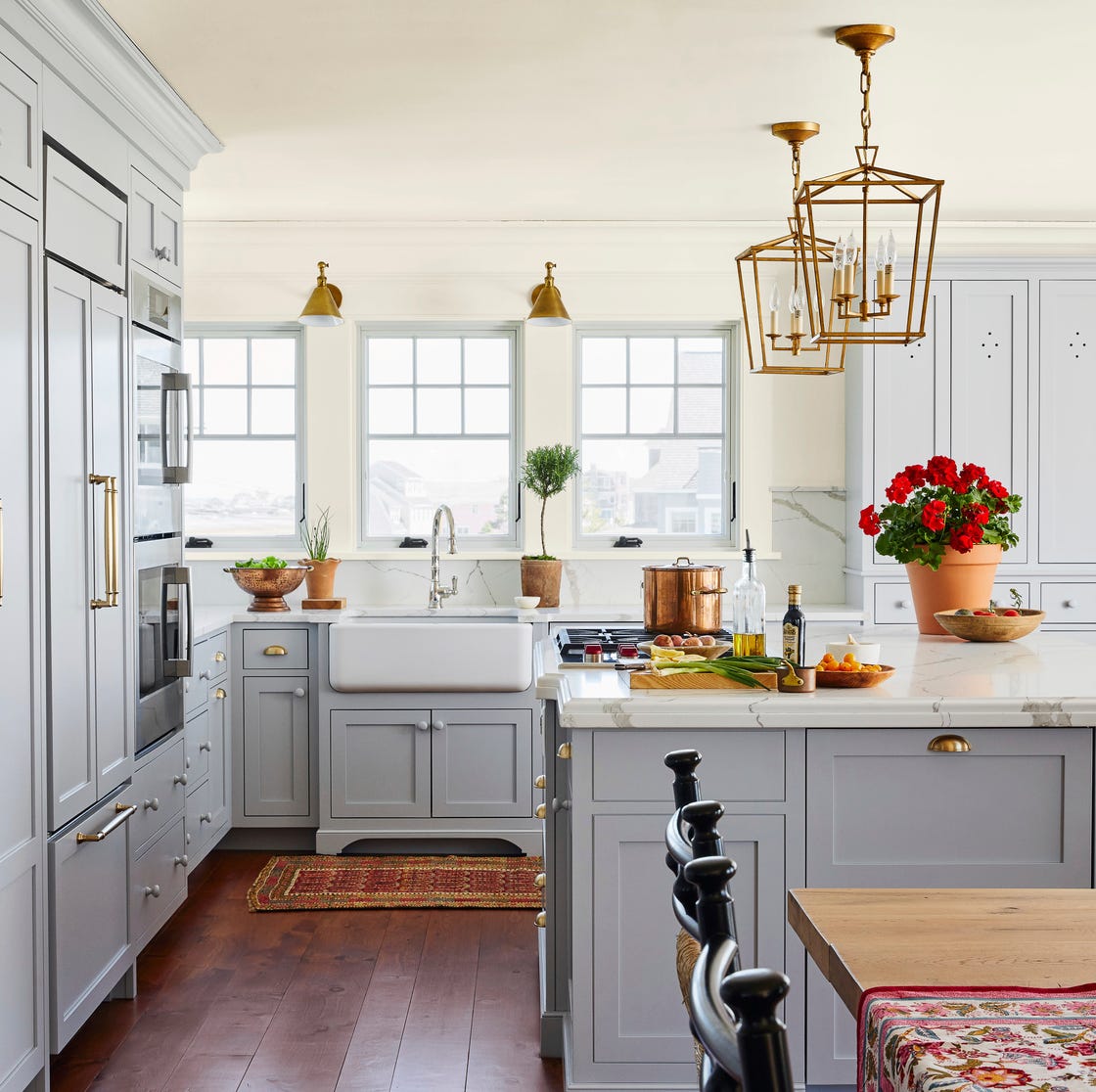
Brighten Up Your Kitchen With These Pretty Lighting Ideas
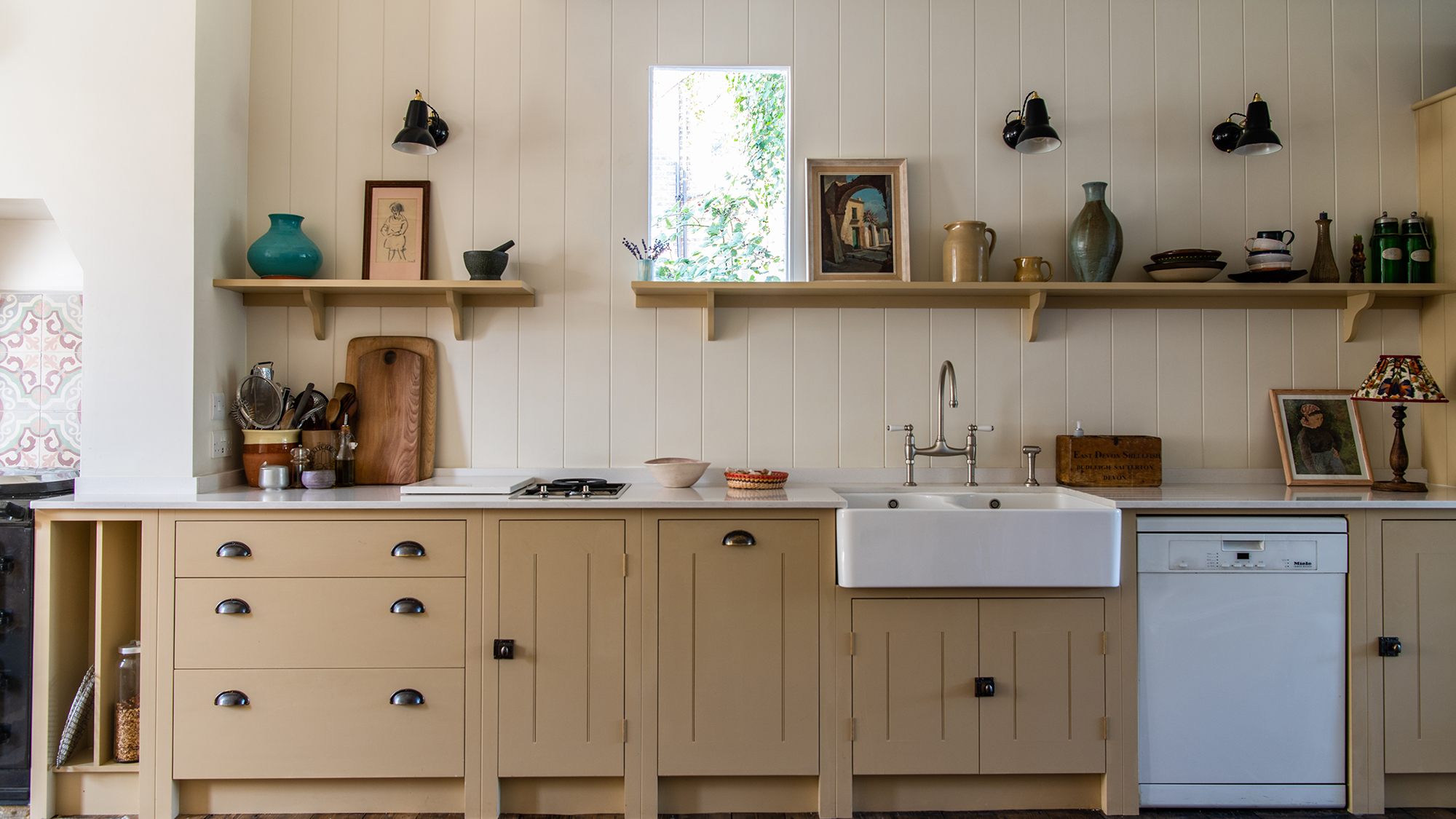
Kitchen wall lighting ideas – 17 must-have looks for today's contemporary kitchen

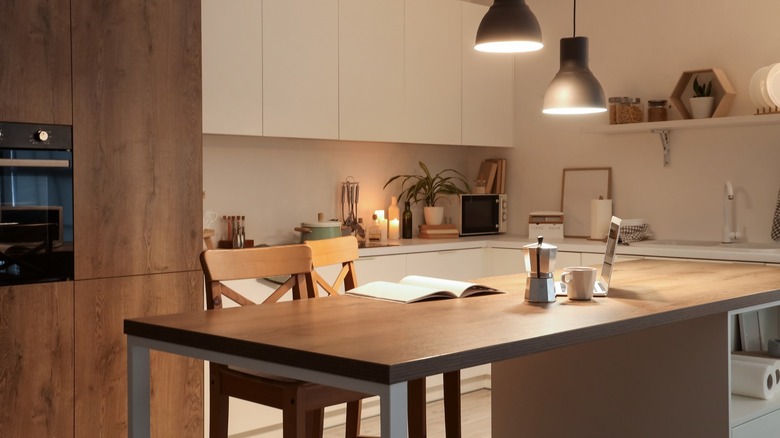
The Low-Effort Kitchen Lighting Trend That Adds Instant Elegance
The BEST Way to Light Your Kitchen Is Not What You Think

27 smart kitchen lighting ideas that will illuminate your space and add style
3 Steps to Perfect Kitchen Lighting, According to an Expert
Why Everyone Needs a Kitchen Lamp
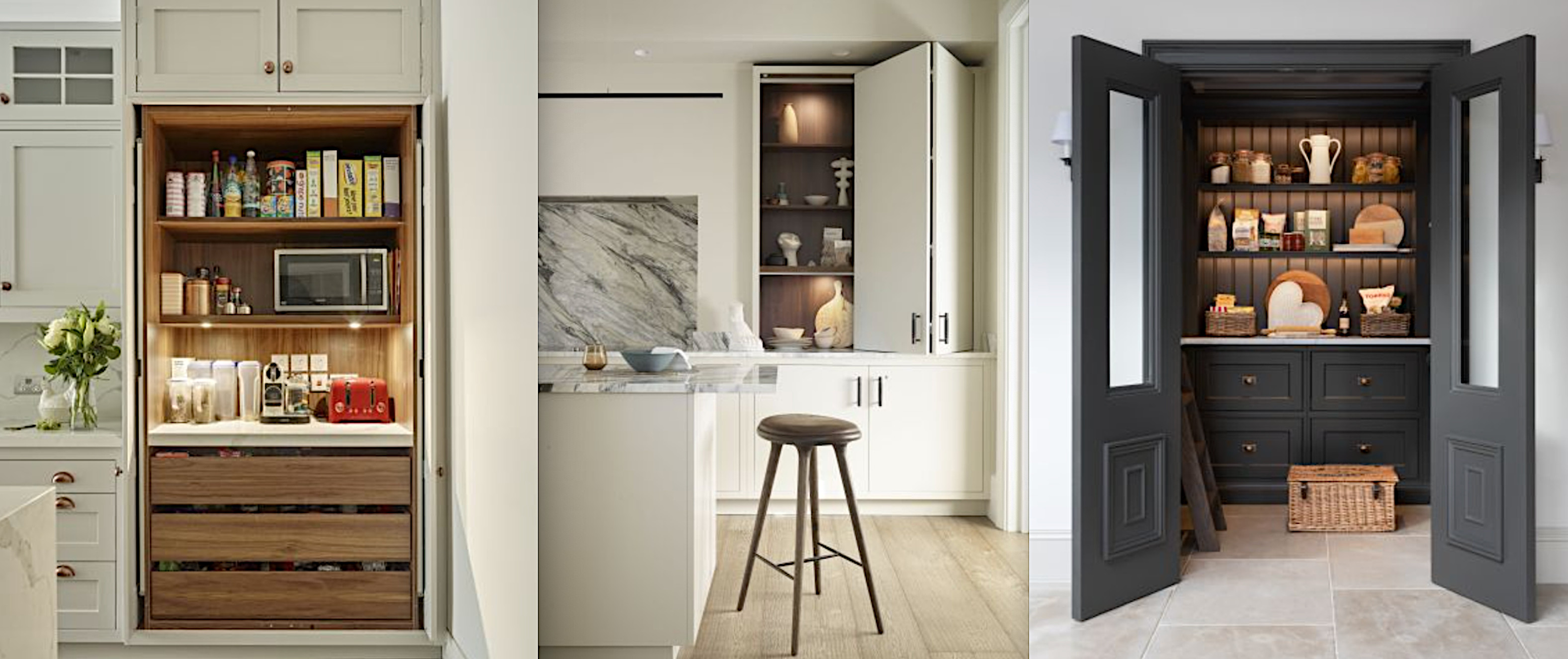
Kitchen cabinet lighting ideas – 10 ways to add mood or task illumination
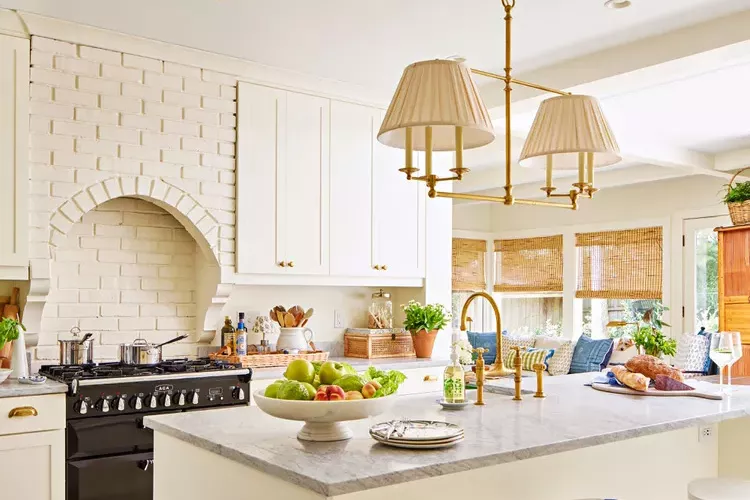
62 Kitchen Lighting Ideas That'll Transform Your Space
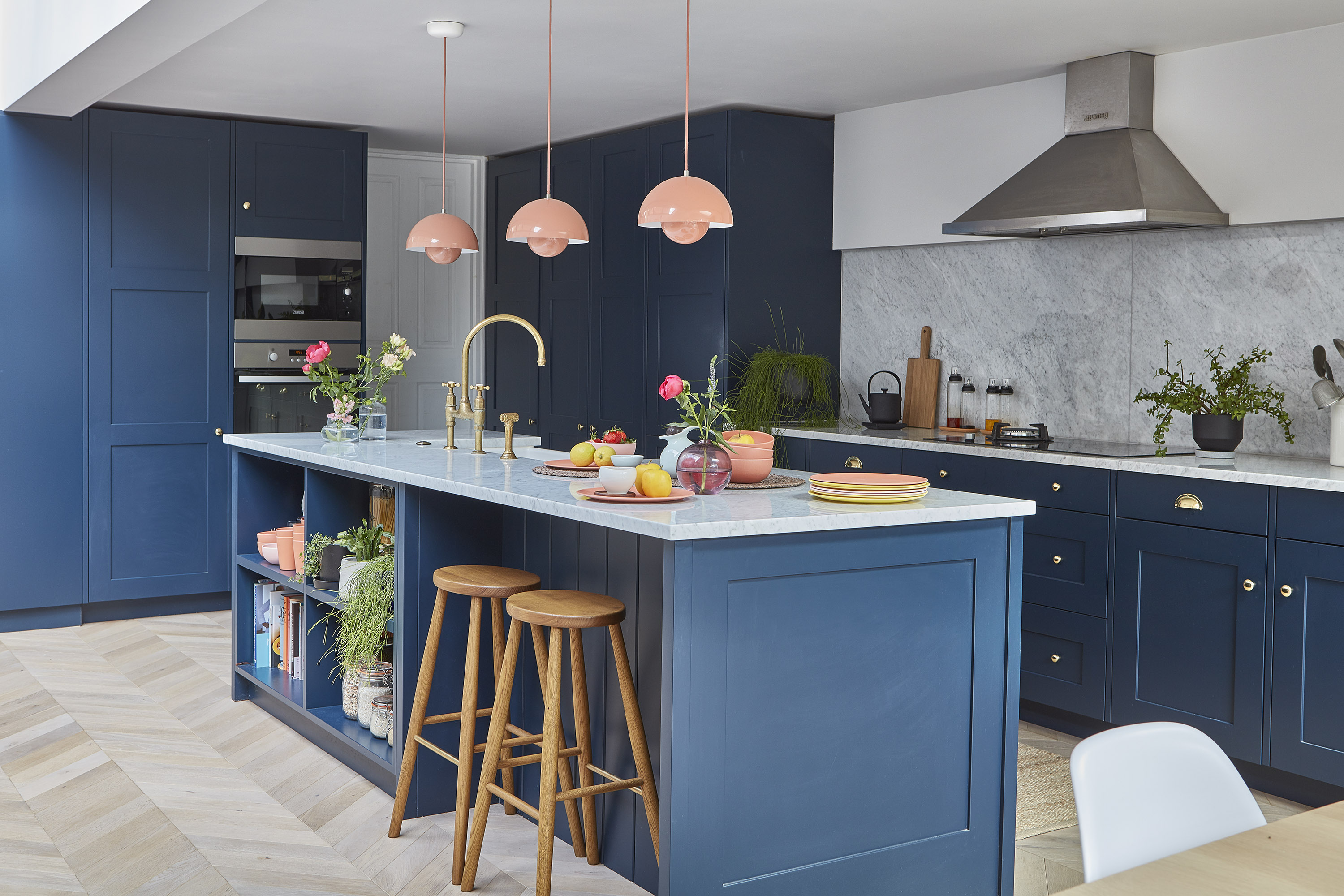
Best kitchen lighting: top picks to brighten up your kitchen space

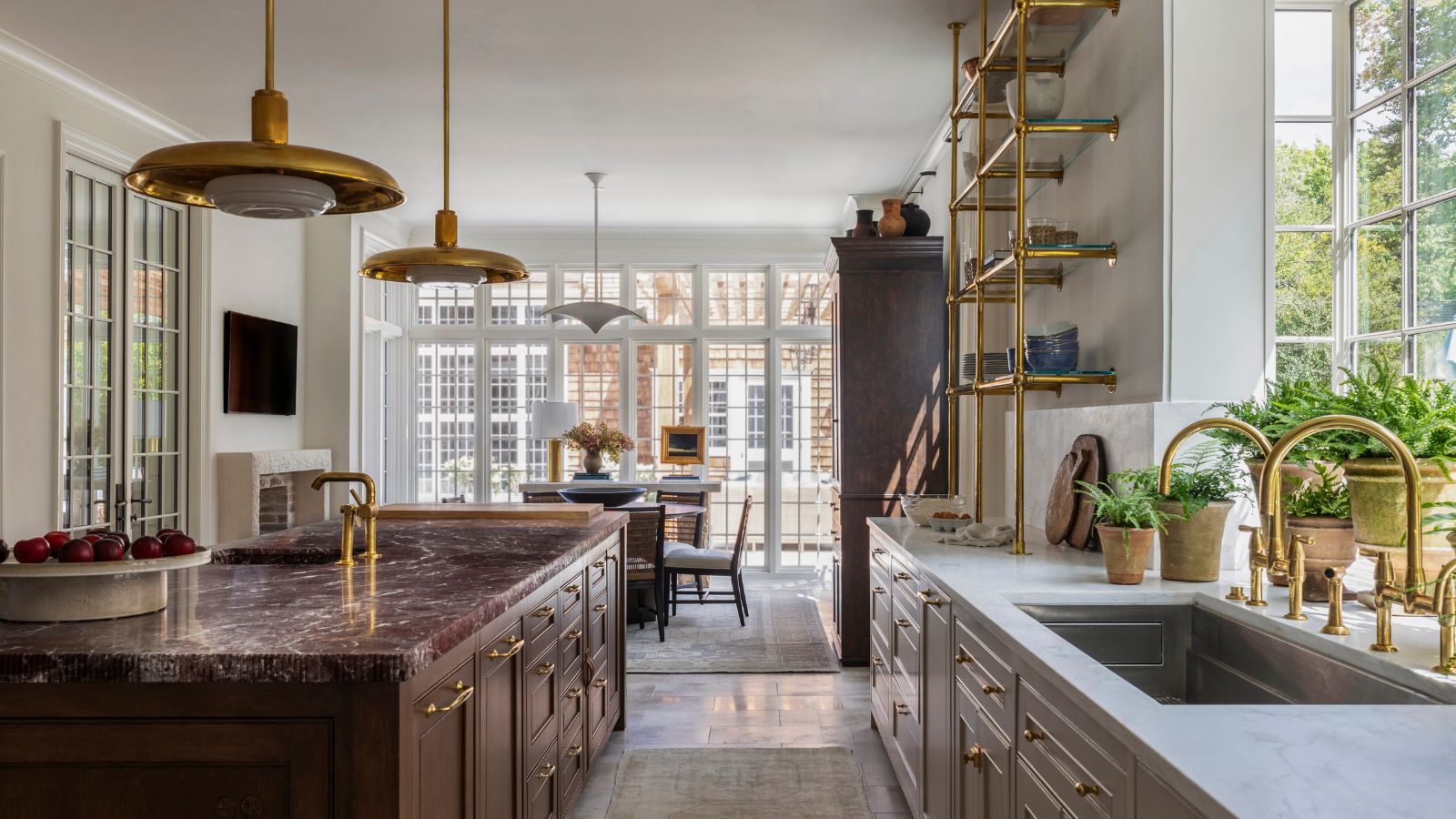
The Kitchen Lighting 'Rule Of 3' Will Instantly Make Your Space Look Expensive – And Designers Swear By It For A Perfectly Layered Scheme
Kitchen ceiling lighting ideas – 10 ways to stylish illumination
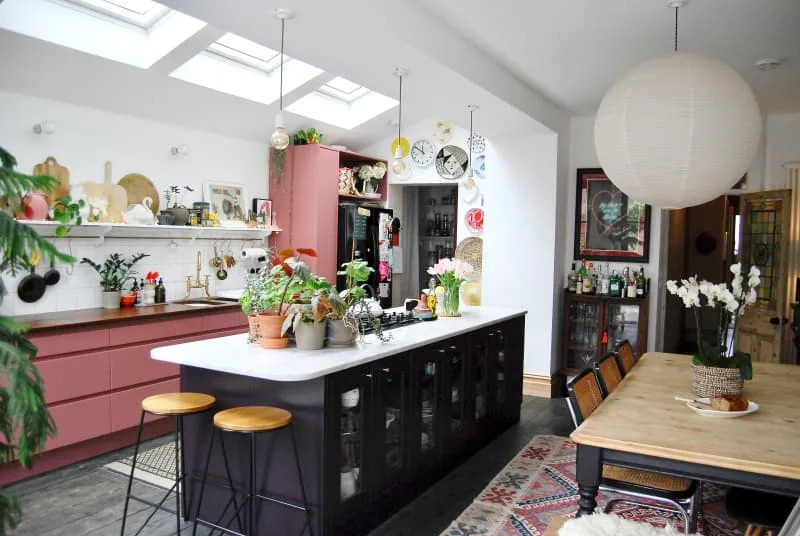
15 Creative Kitchen Lighting Ideas That Put Plain Ceiling Lights to Shame
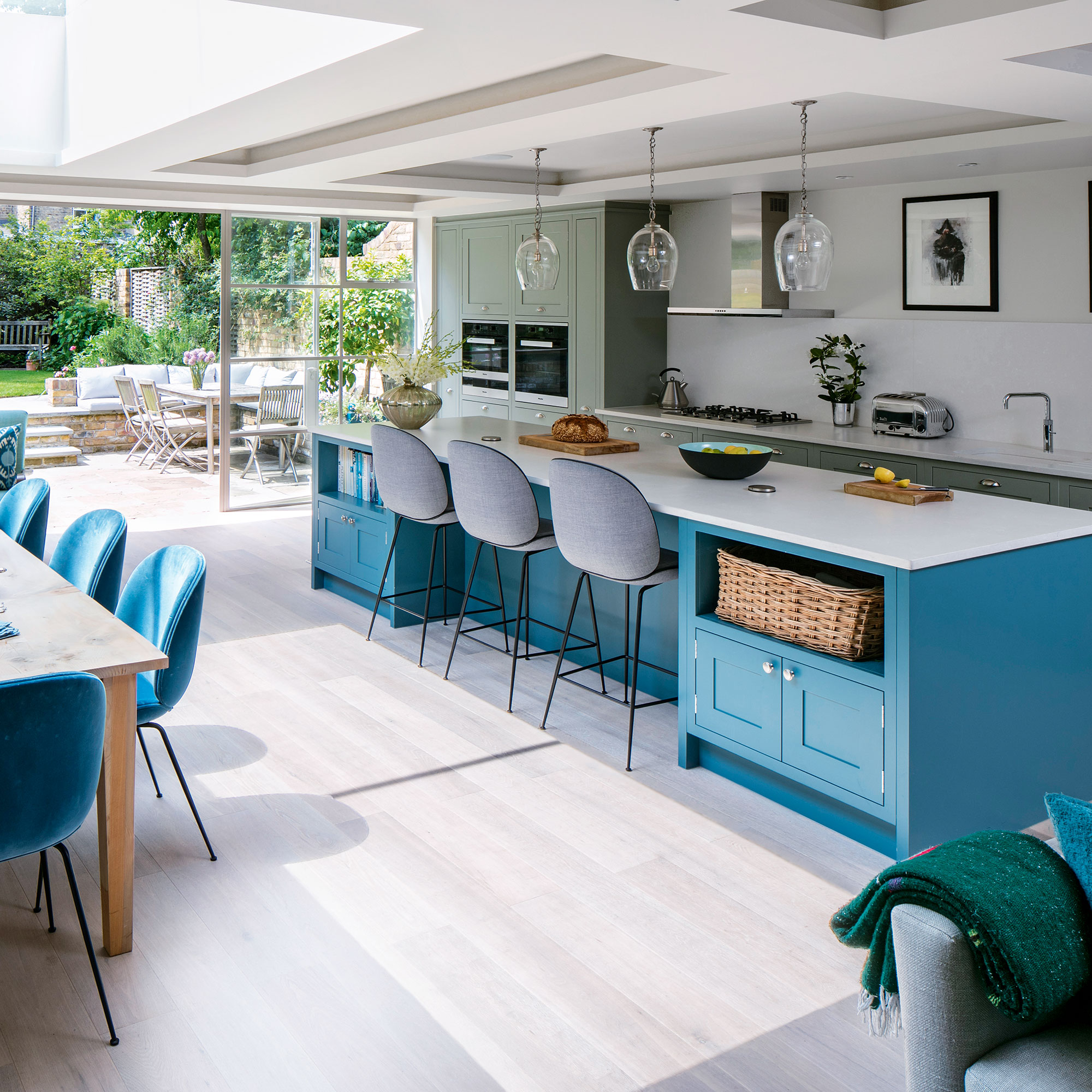
5 kitchen lighting layouts to illuminate your space to perfection
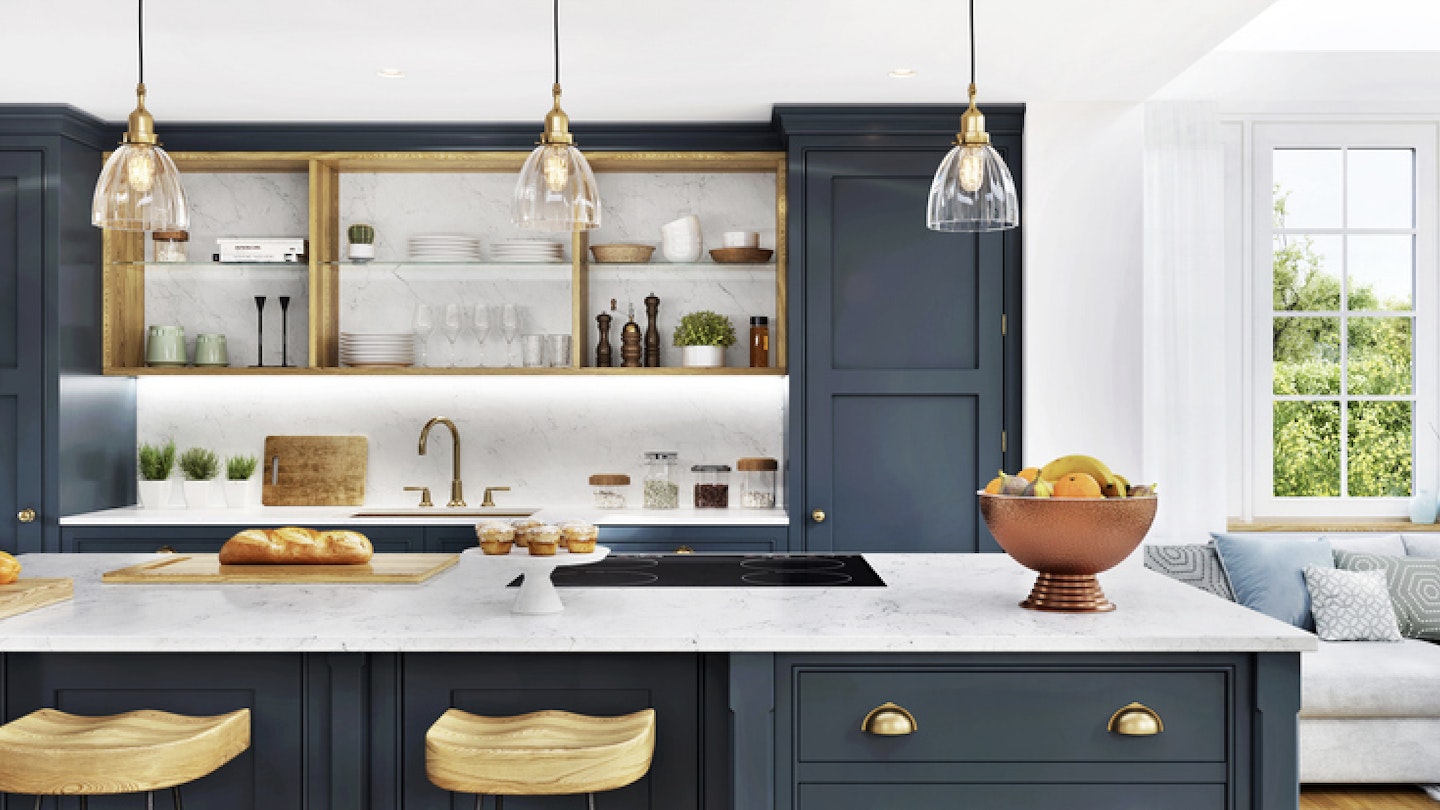
Cool Or Warm? Here Are The Best Kitchen Lighting Ideas
Kitchen cabinet lighting: 8 ideas for a beautifully illuminated space