1/9
Kitchen ceiling lighting ideas – 10 ways to stylish illumination
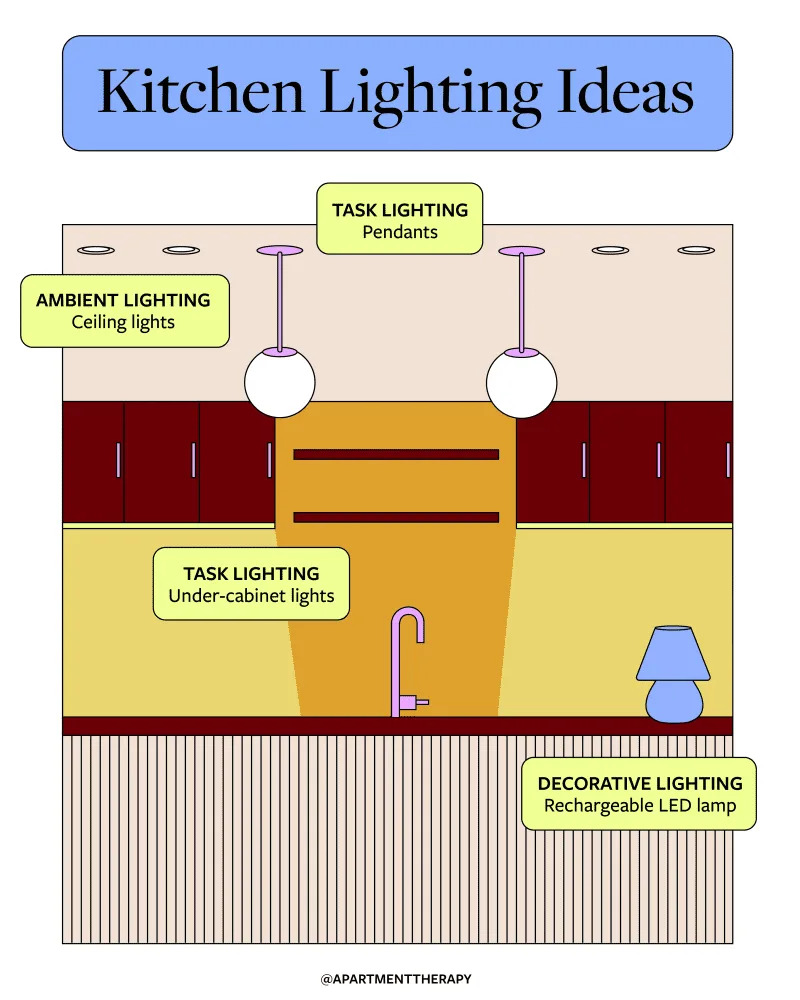
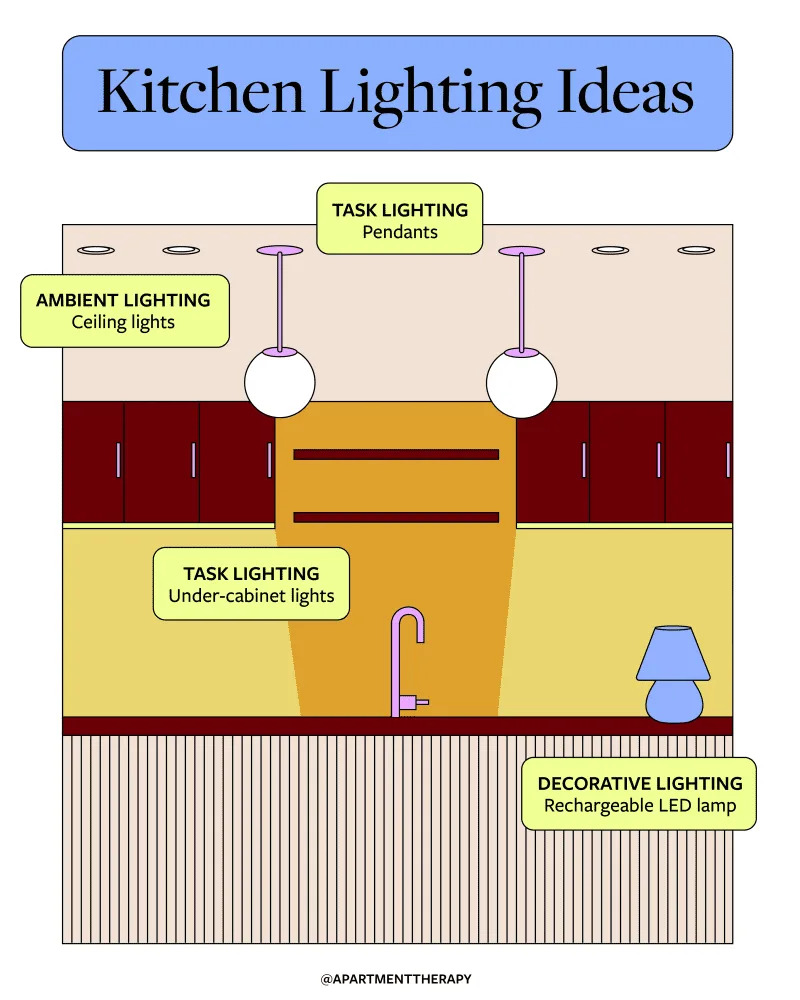
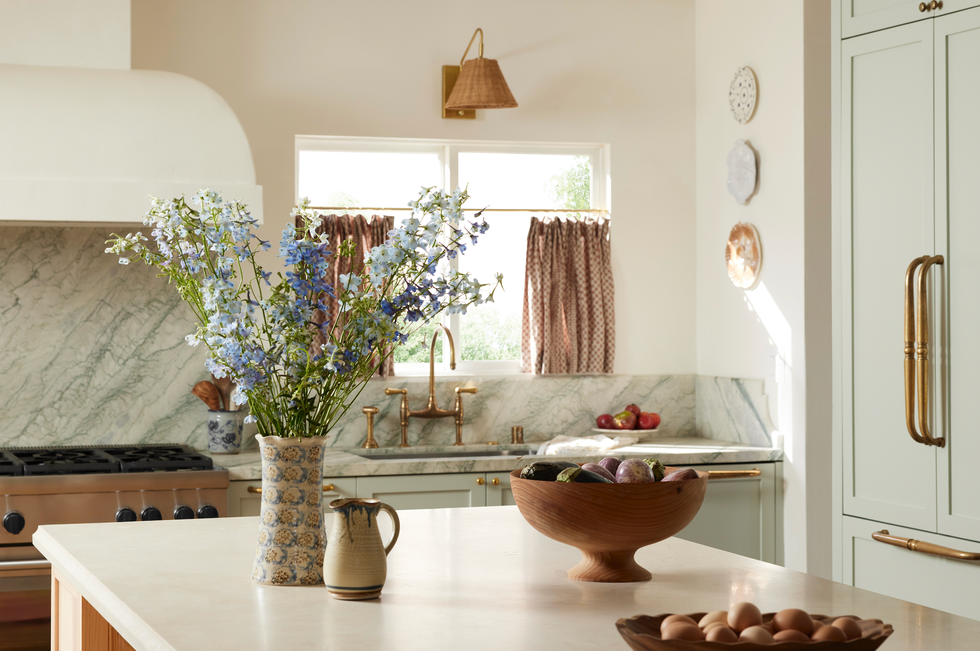
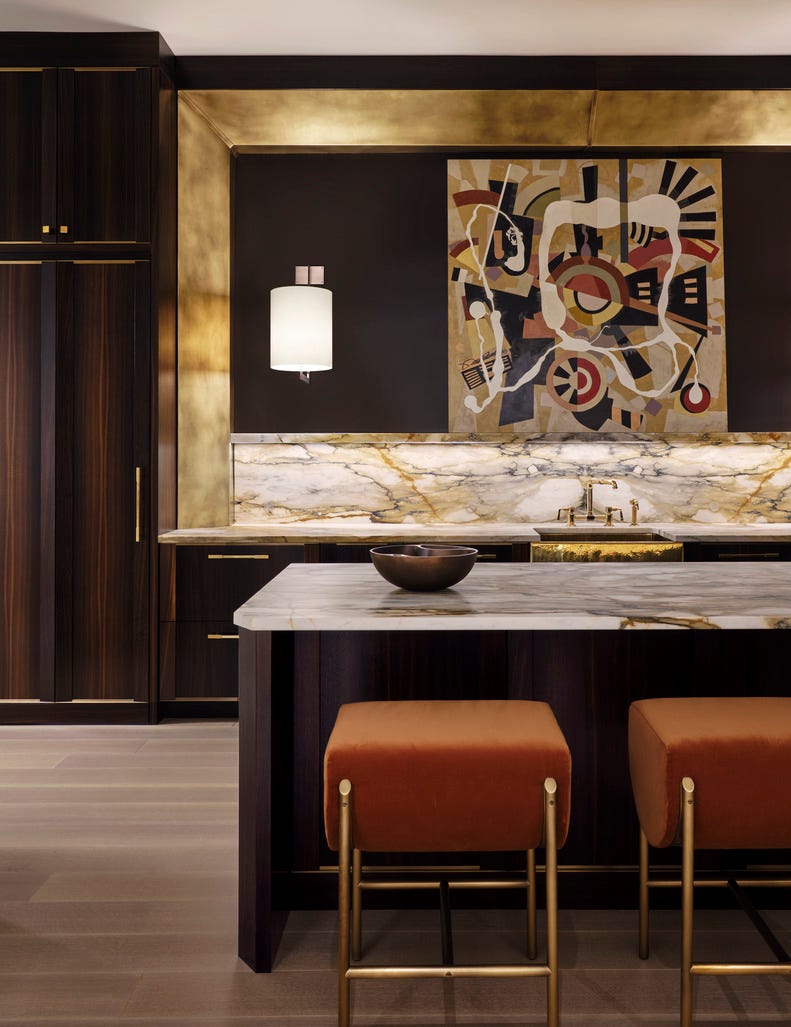
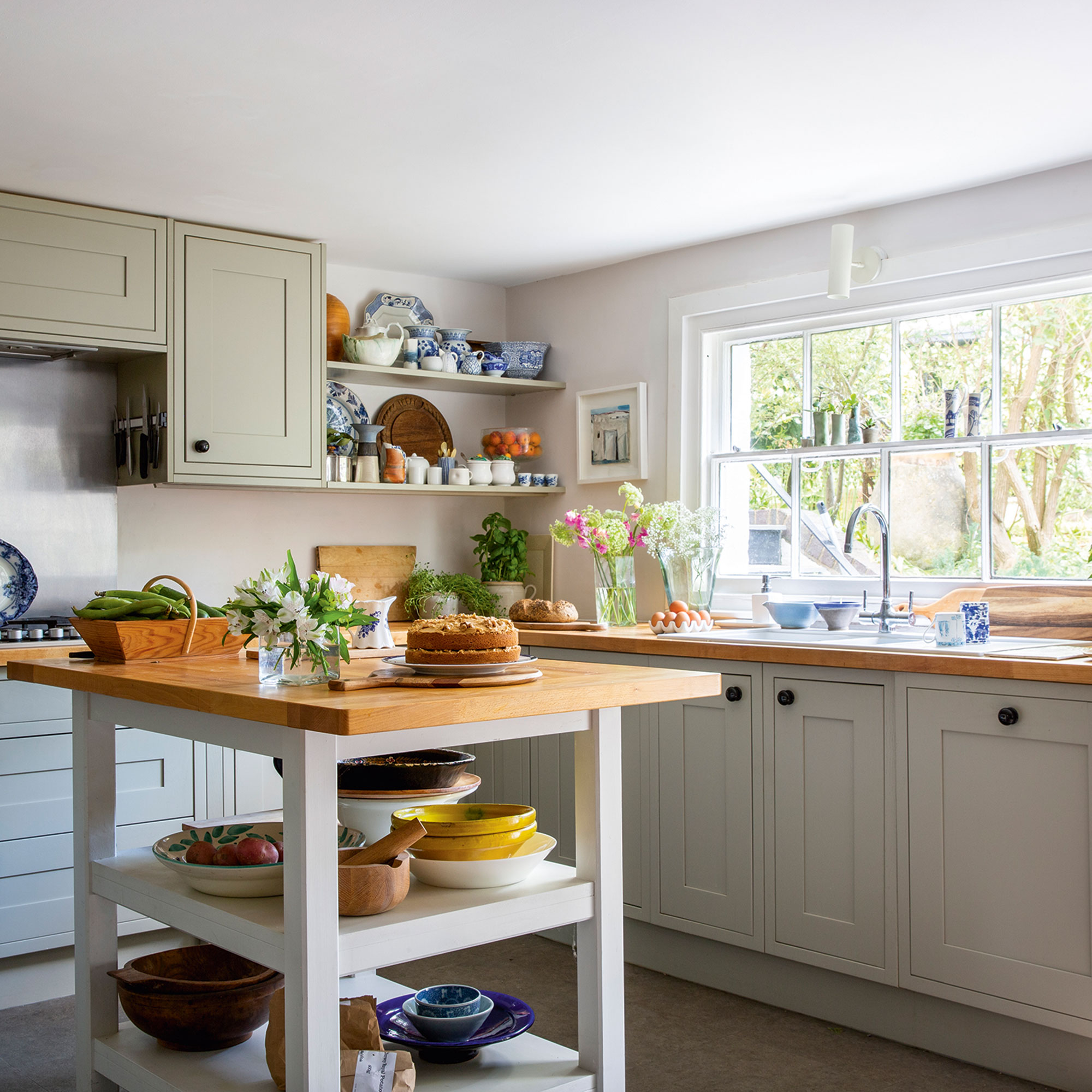
This article explores various kitchen ceiling lighting ideas, emphasizing their crucial role in both the room's illumination layers and its aesthetic appeal. The kitchen's dual function as a family gathering space, entertaining area, and food preparation zone necessitates careful lighting selection. An effective lighting scheme requires ambient, task, and accent illumination to ensure practicality and attractiveness. Kitchen ceiling lighting primarily provides ambient light but can also serve as task lighting.
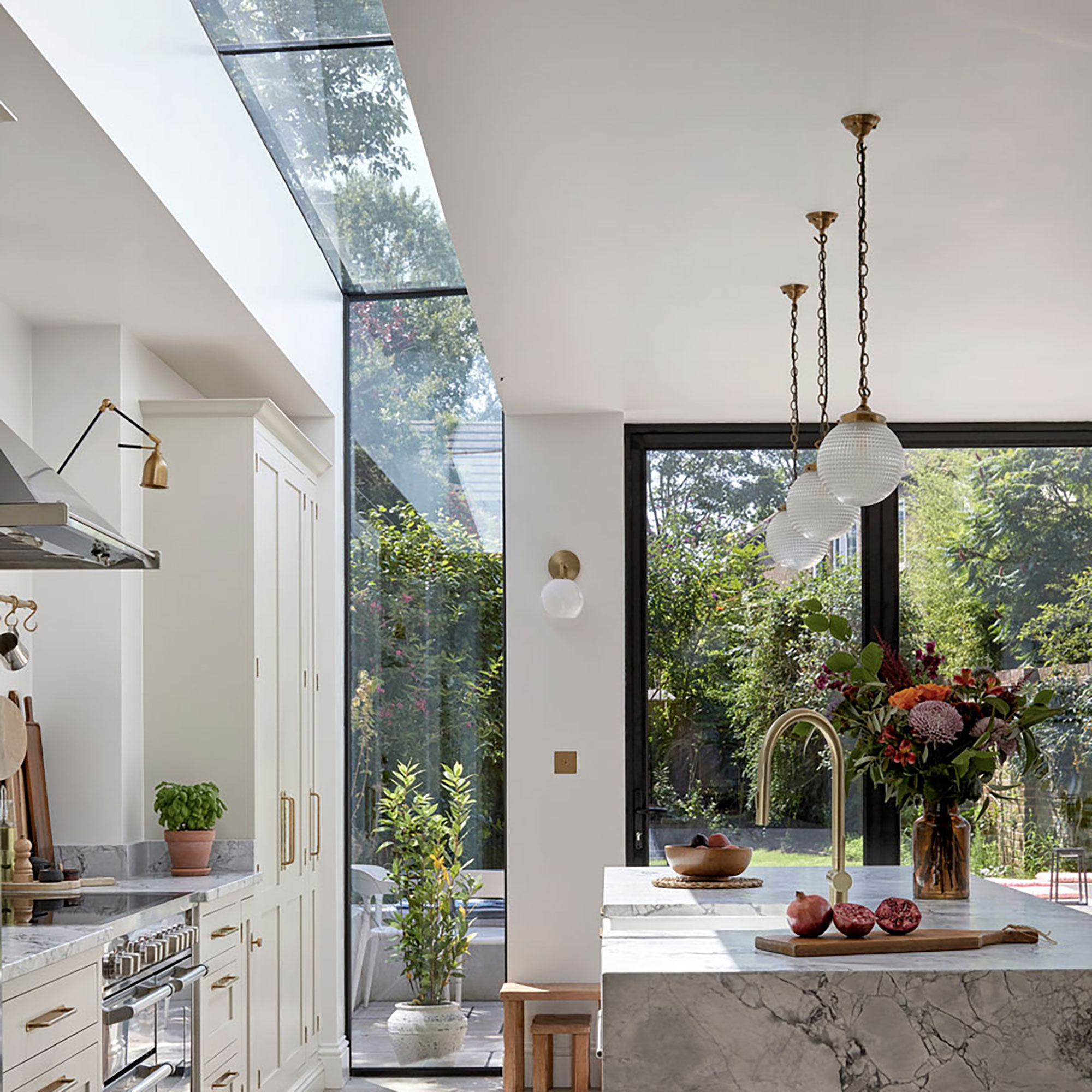
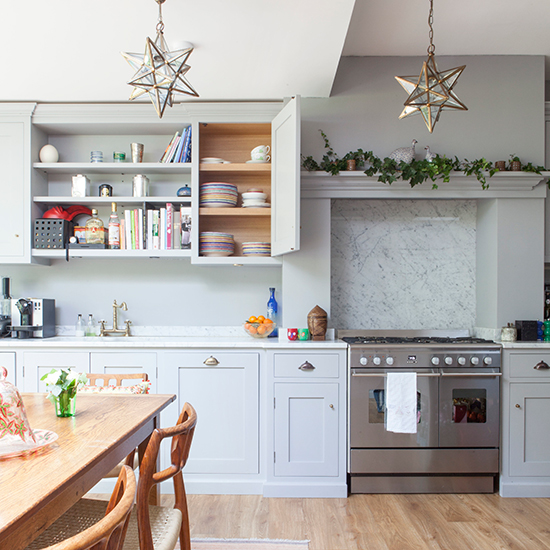
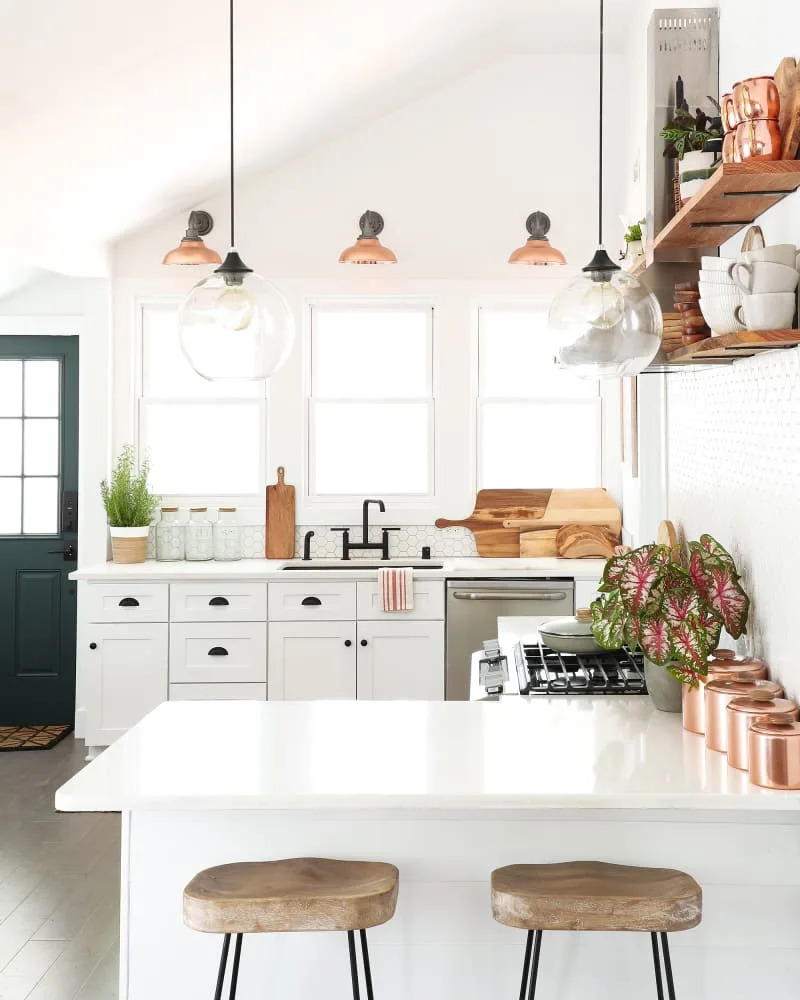
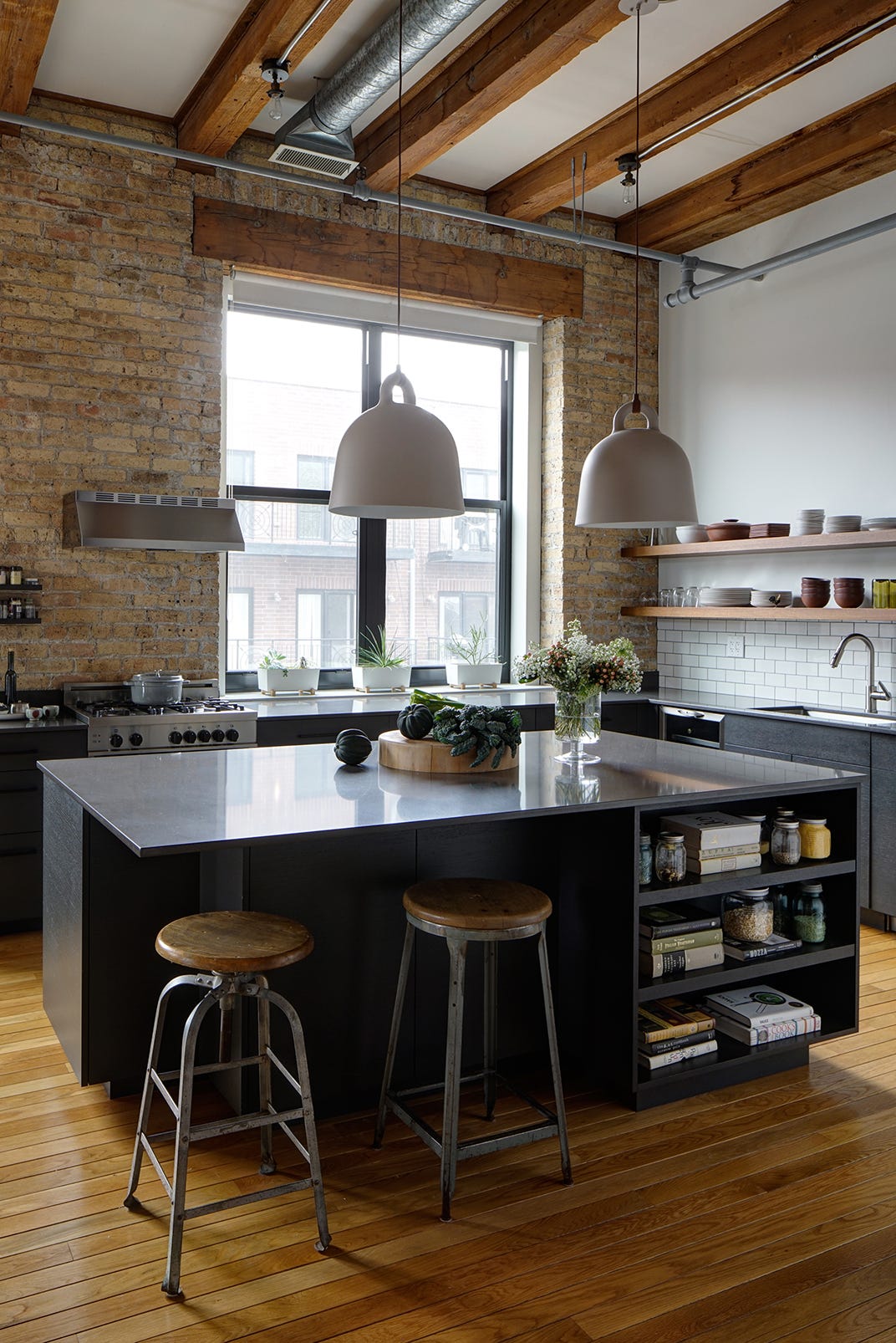
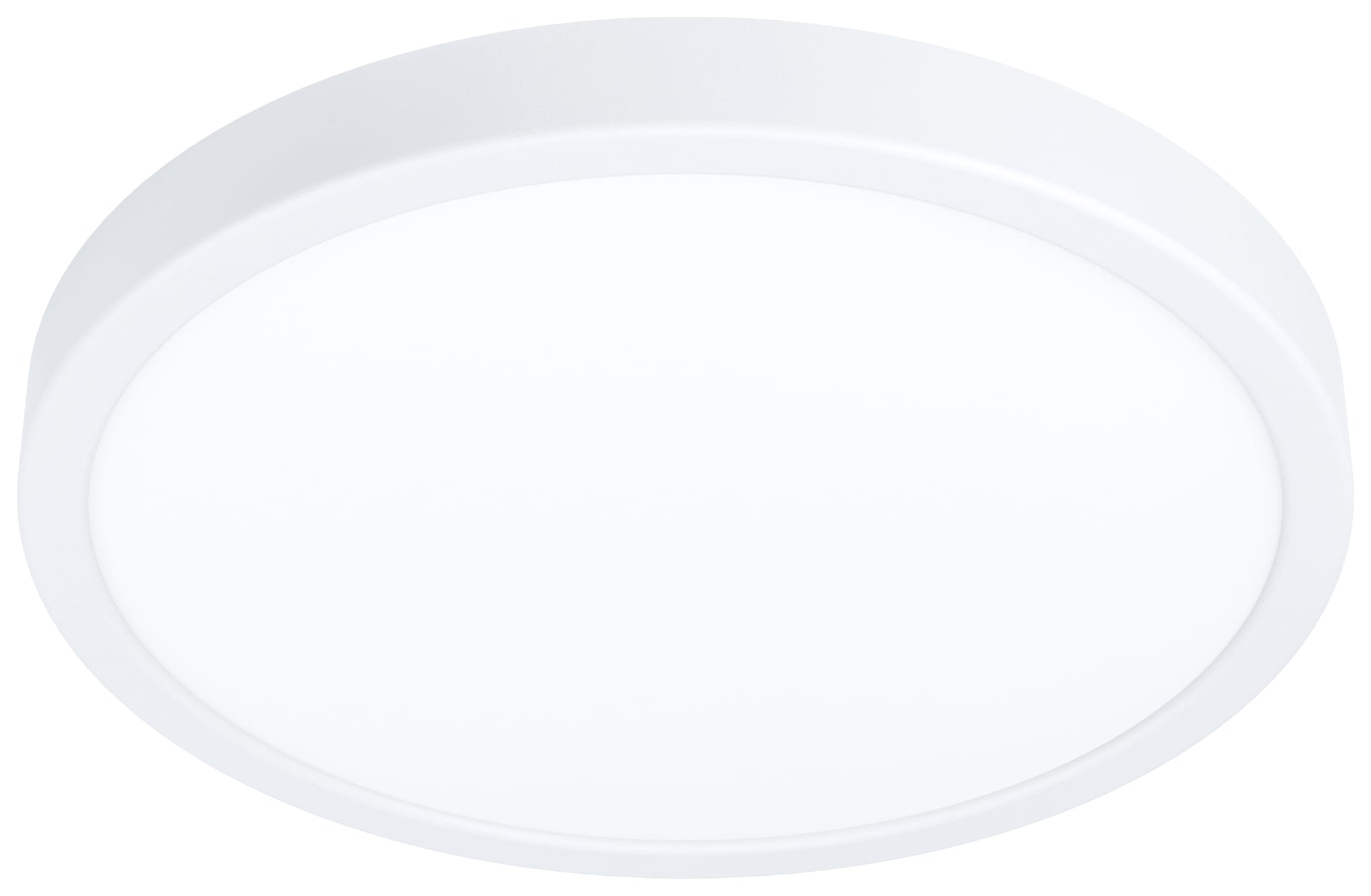
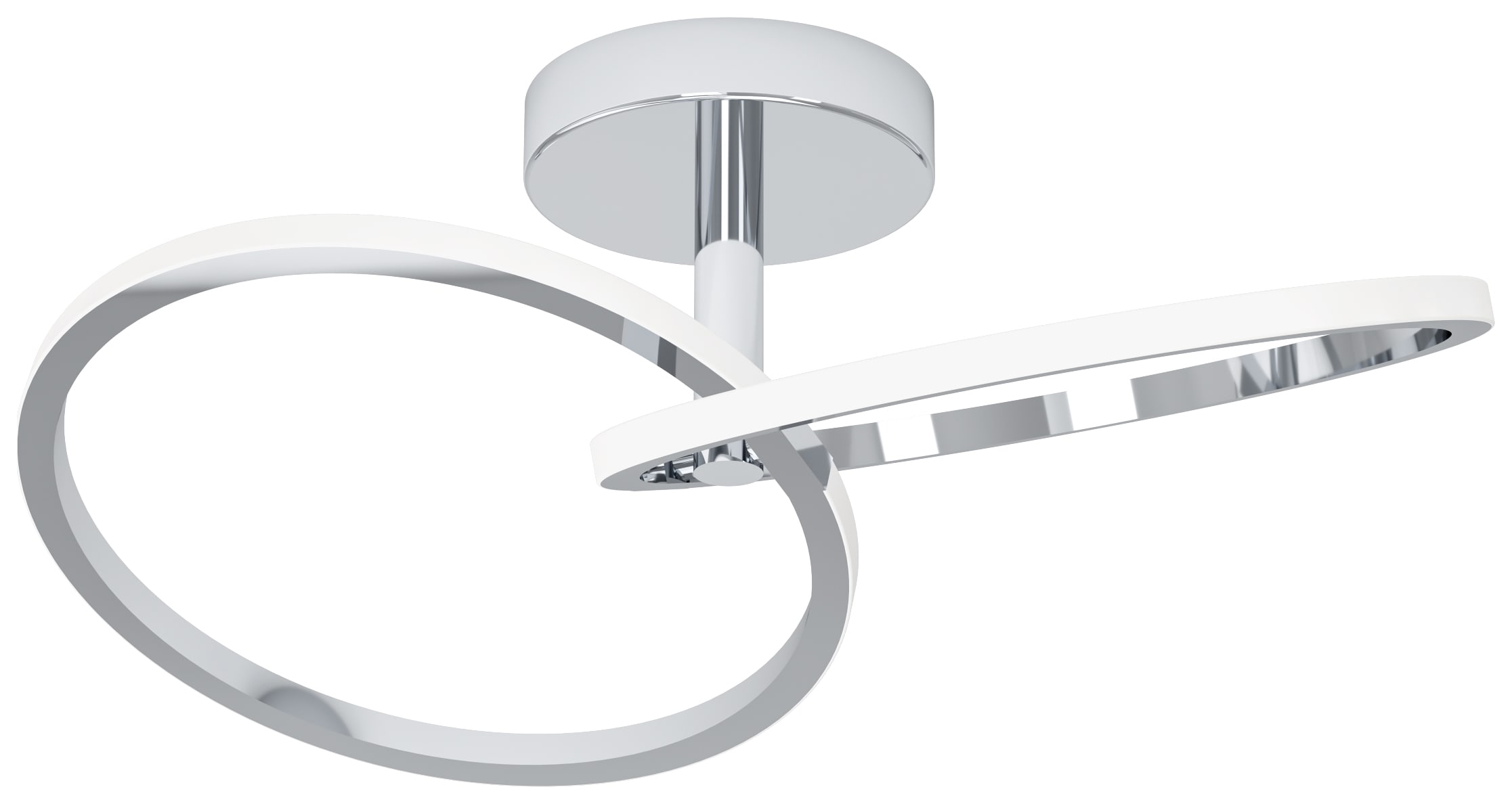
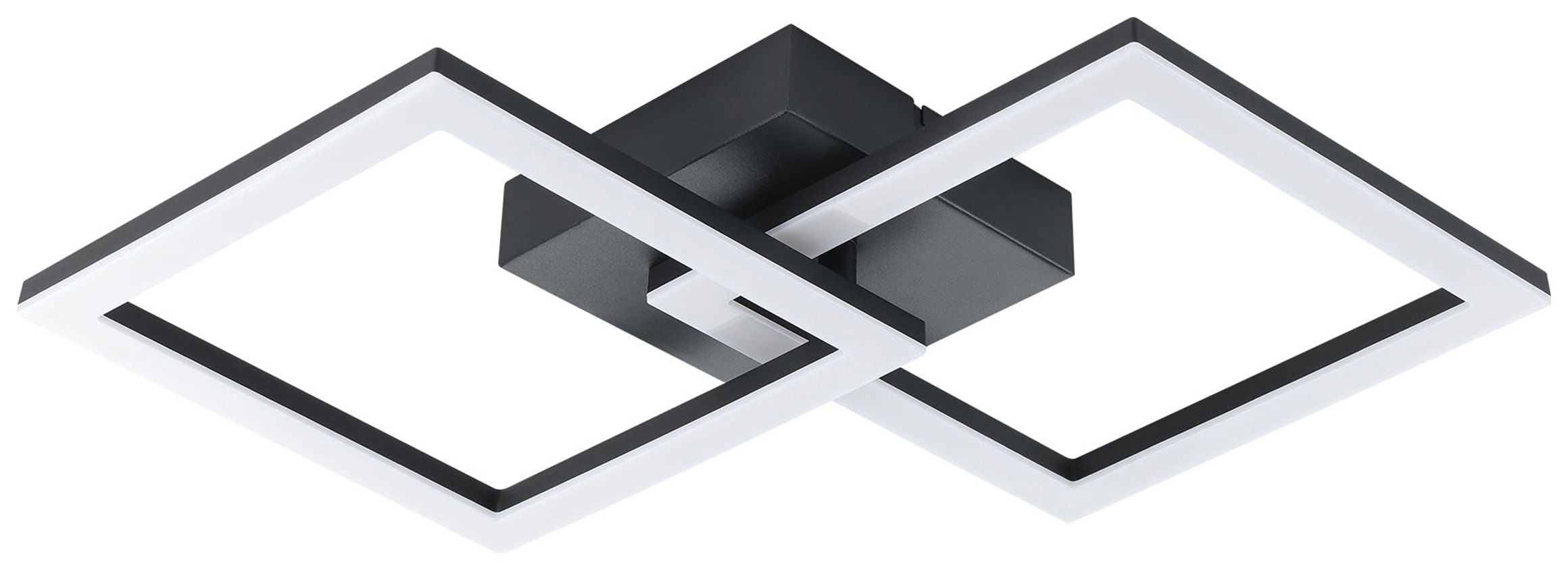
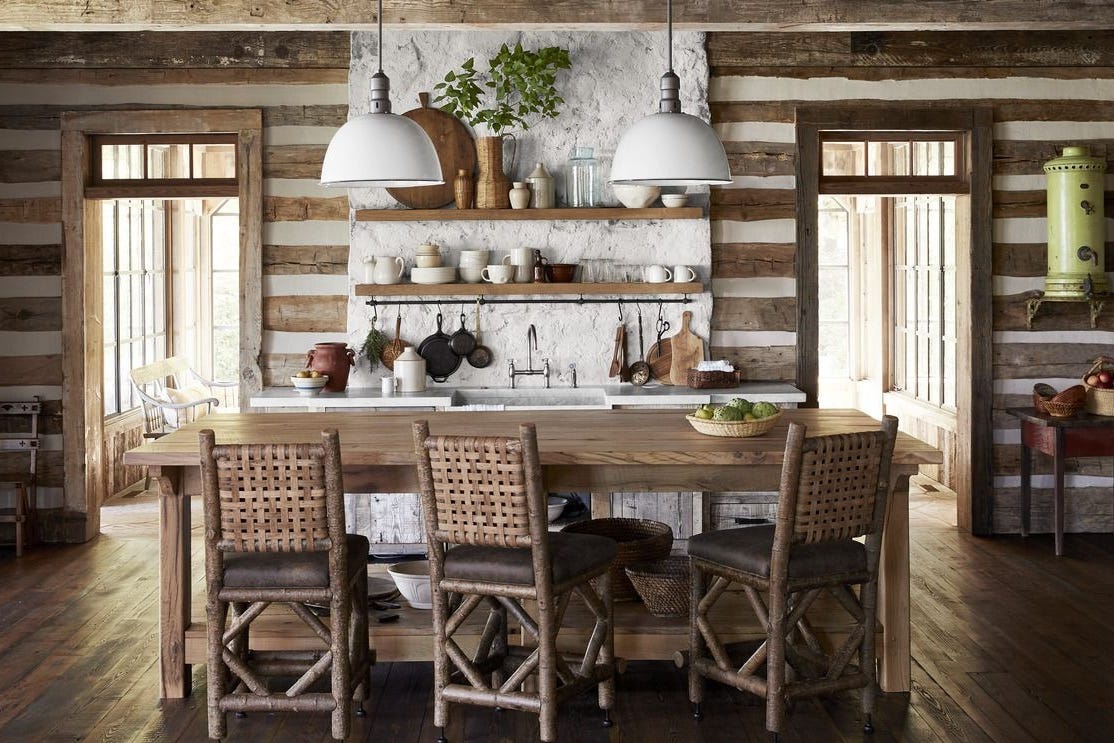
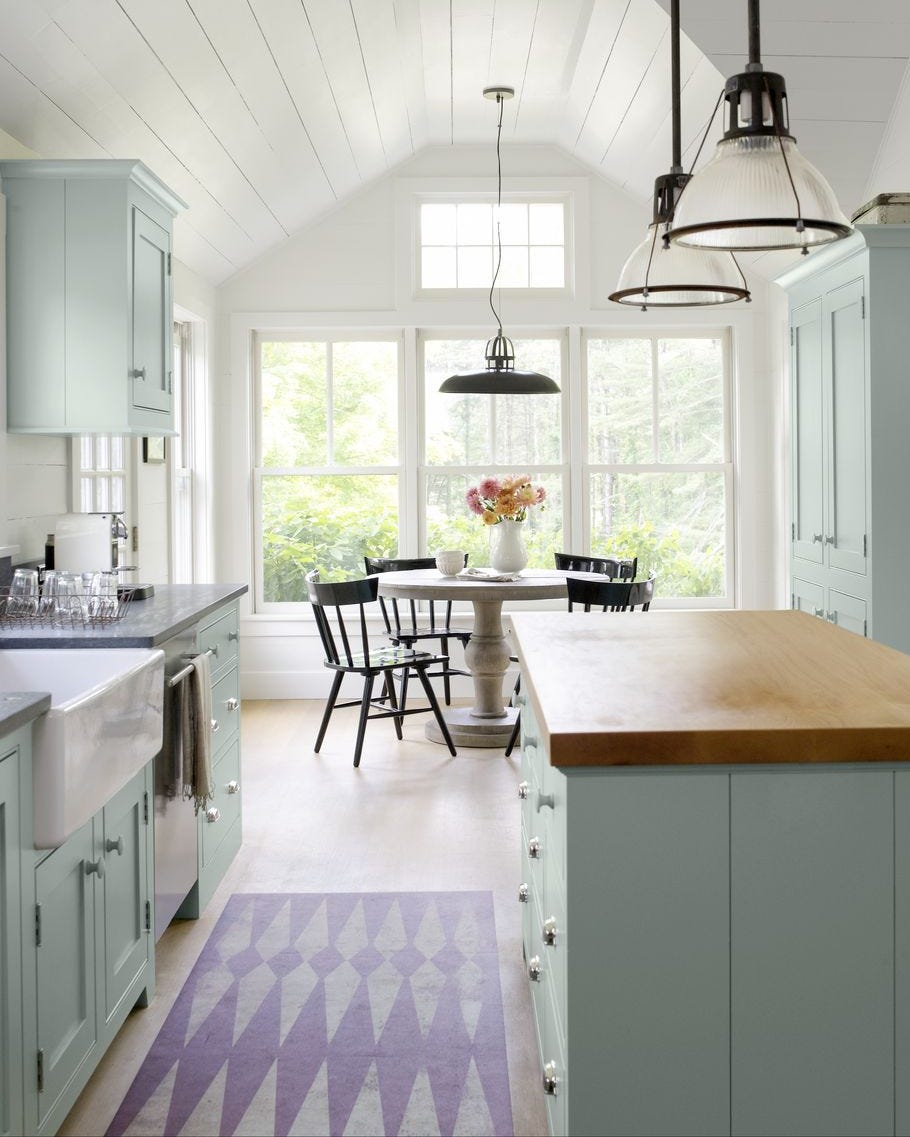
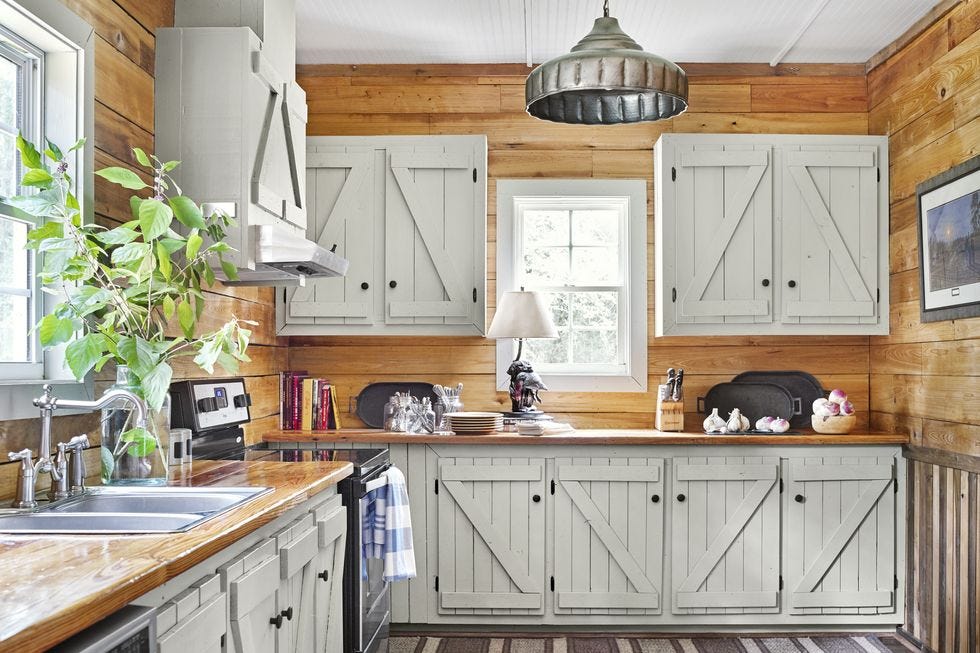
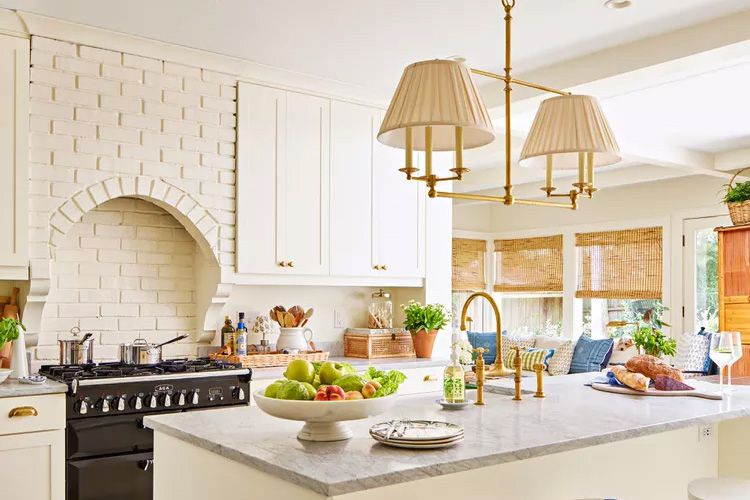
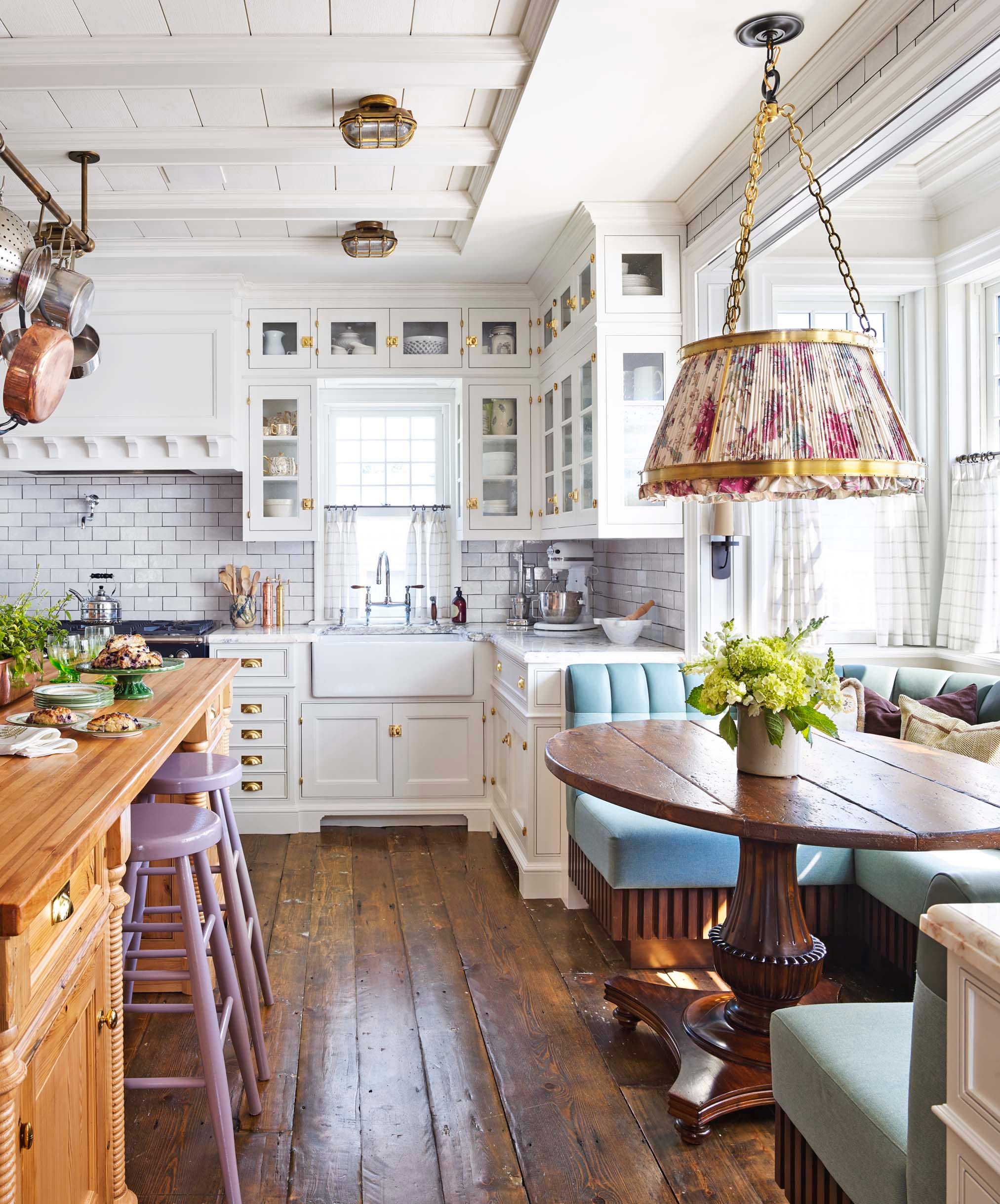
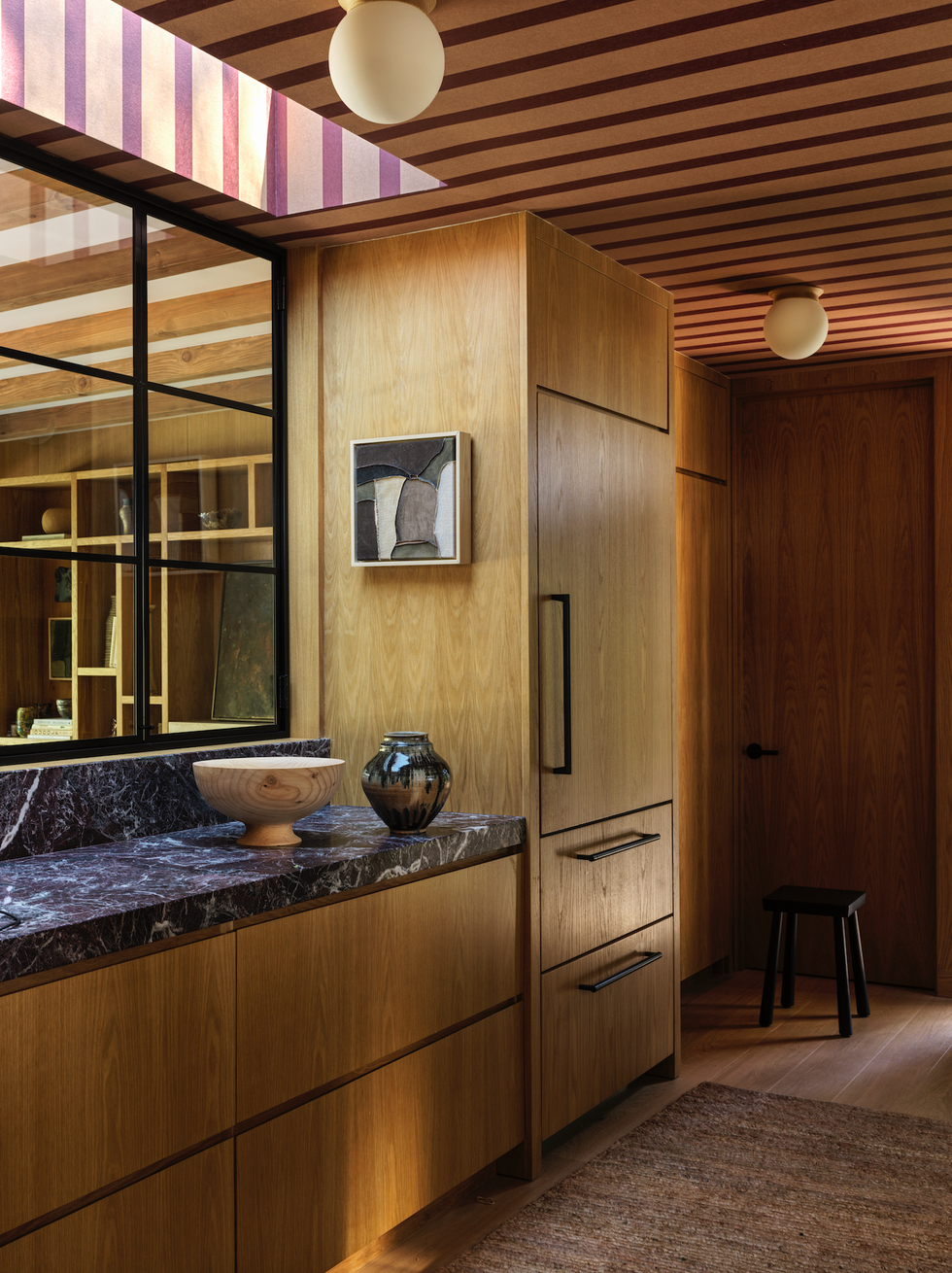
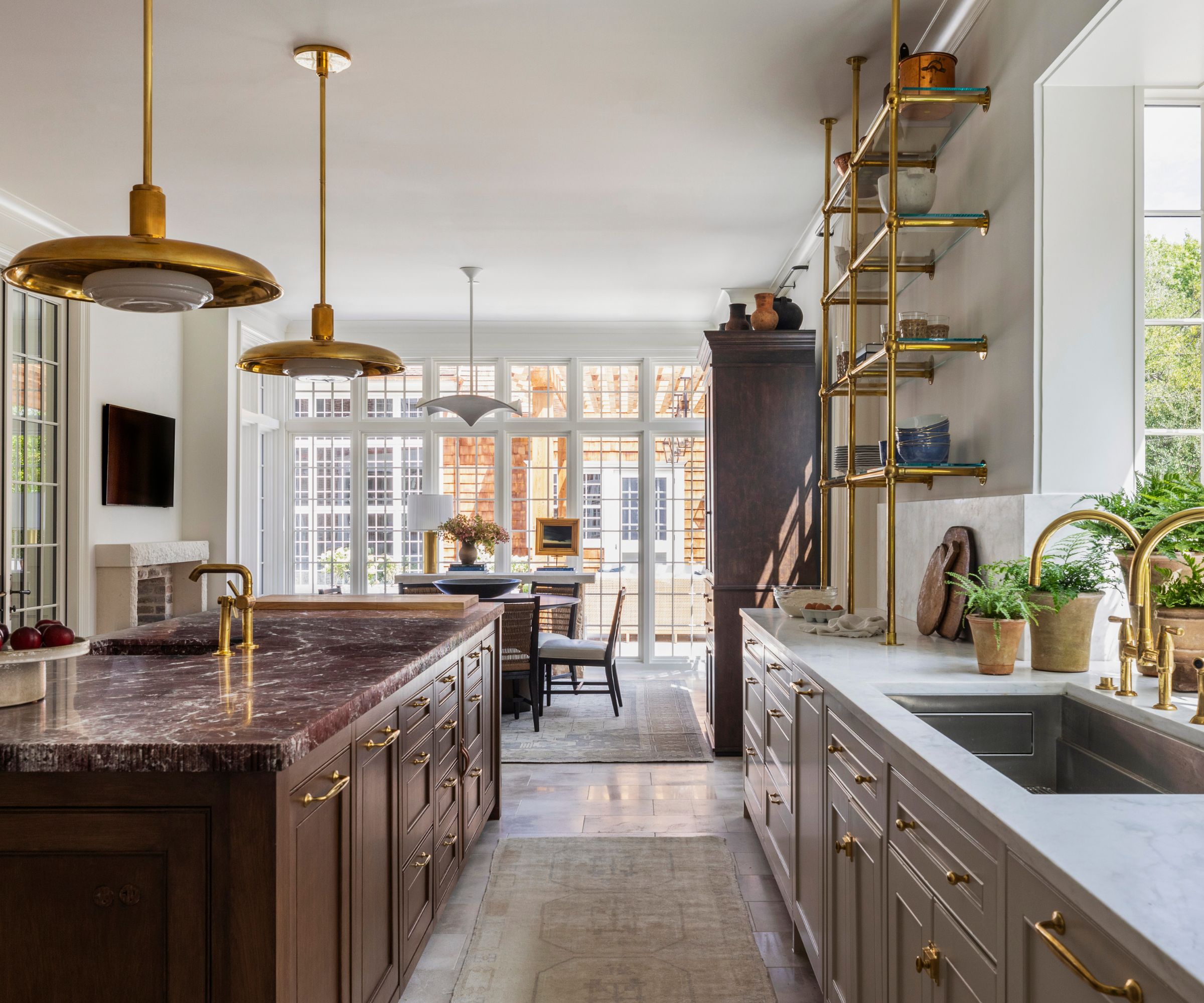
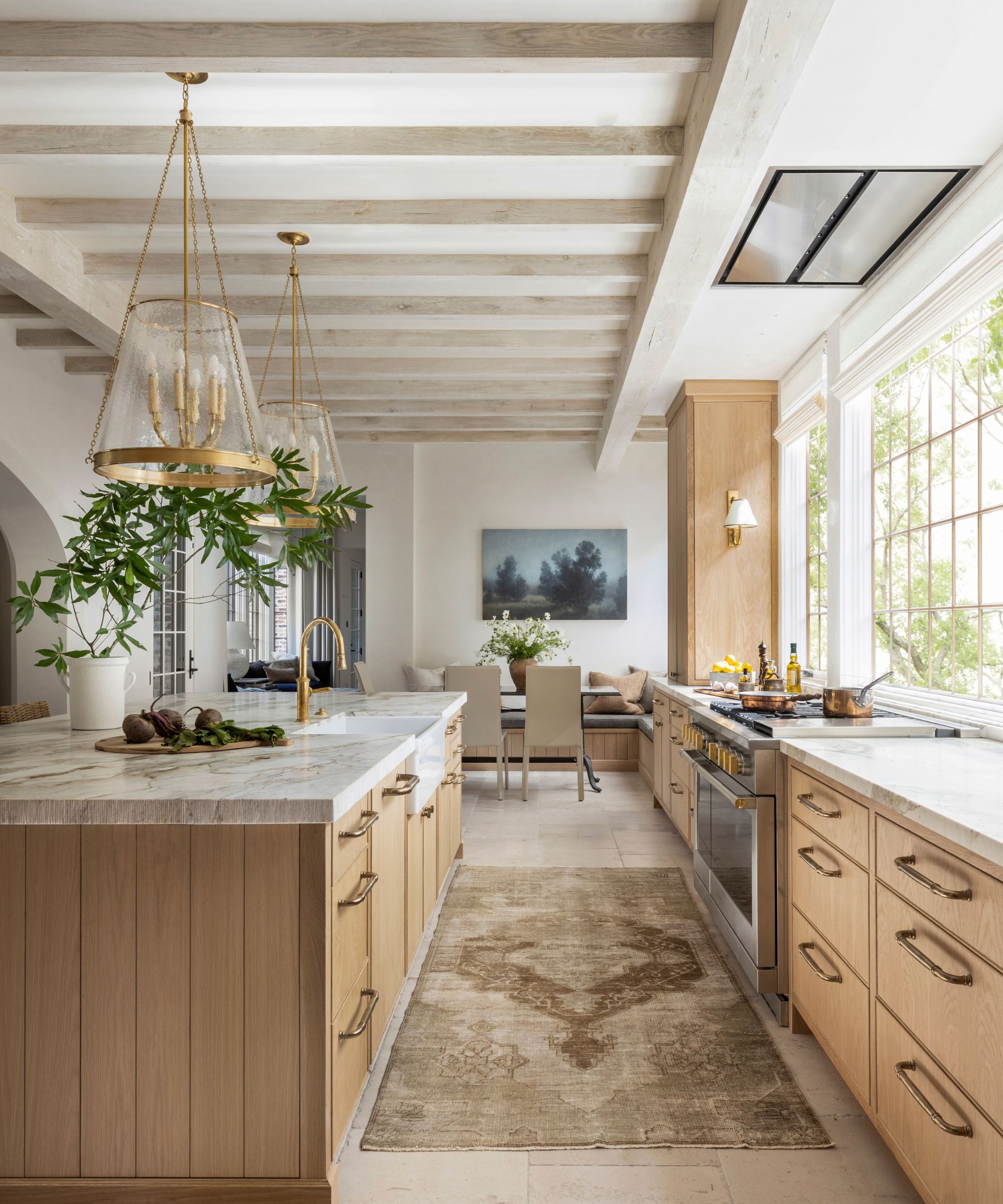
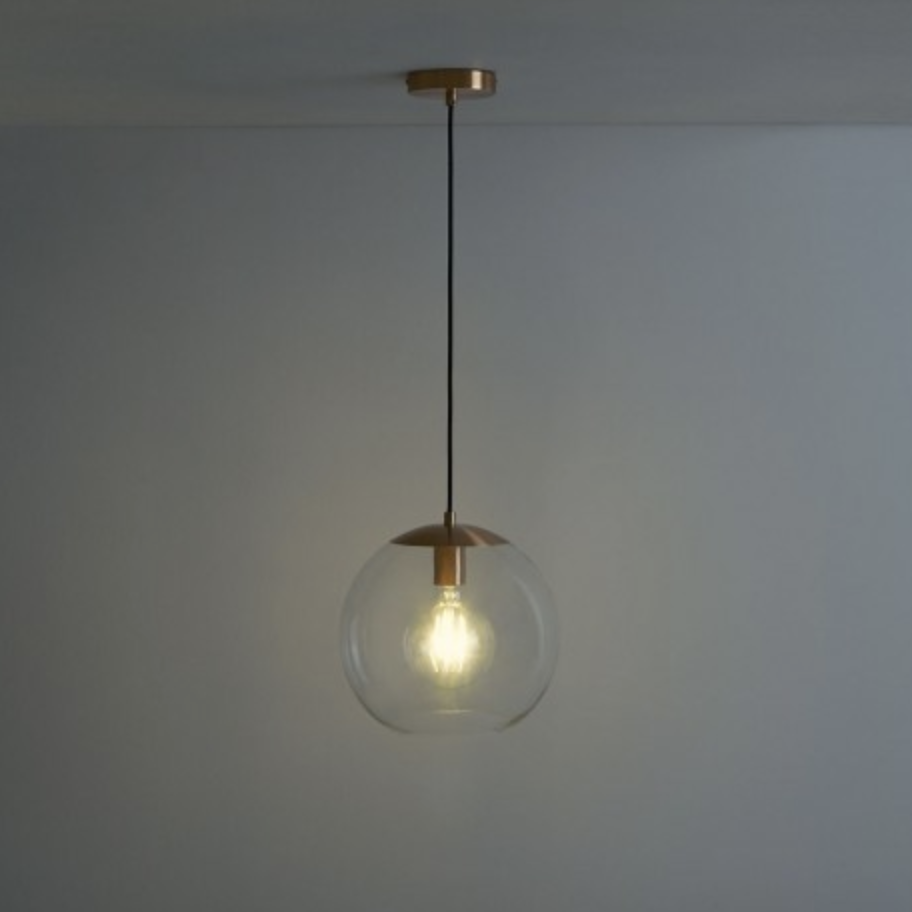
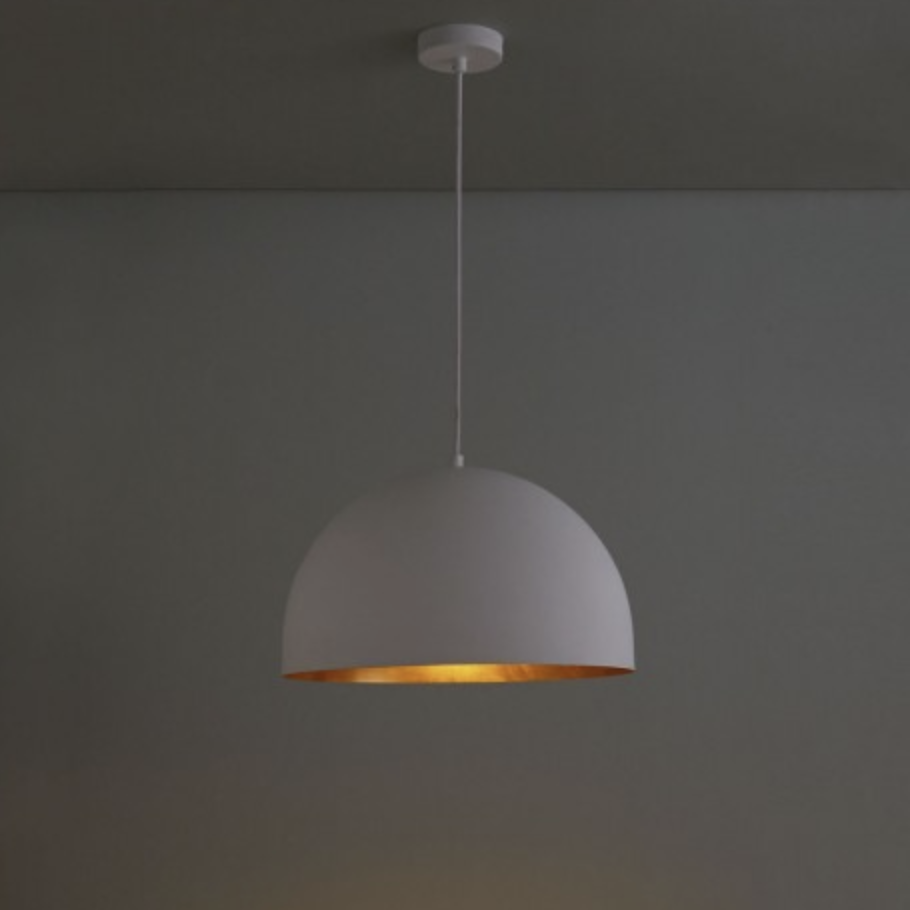
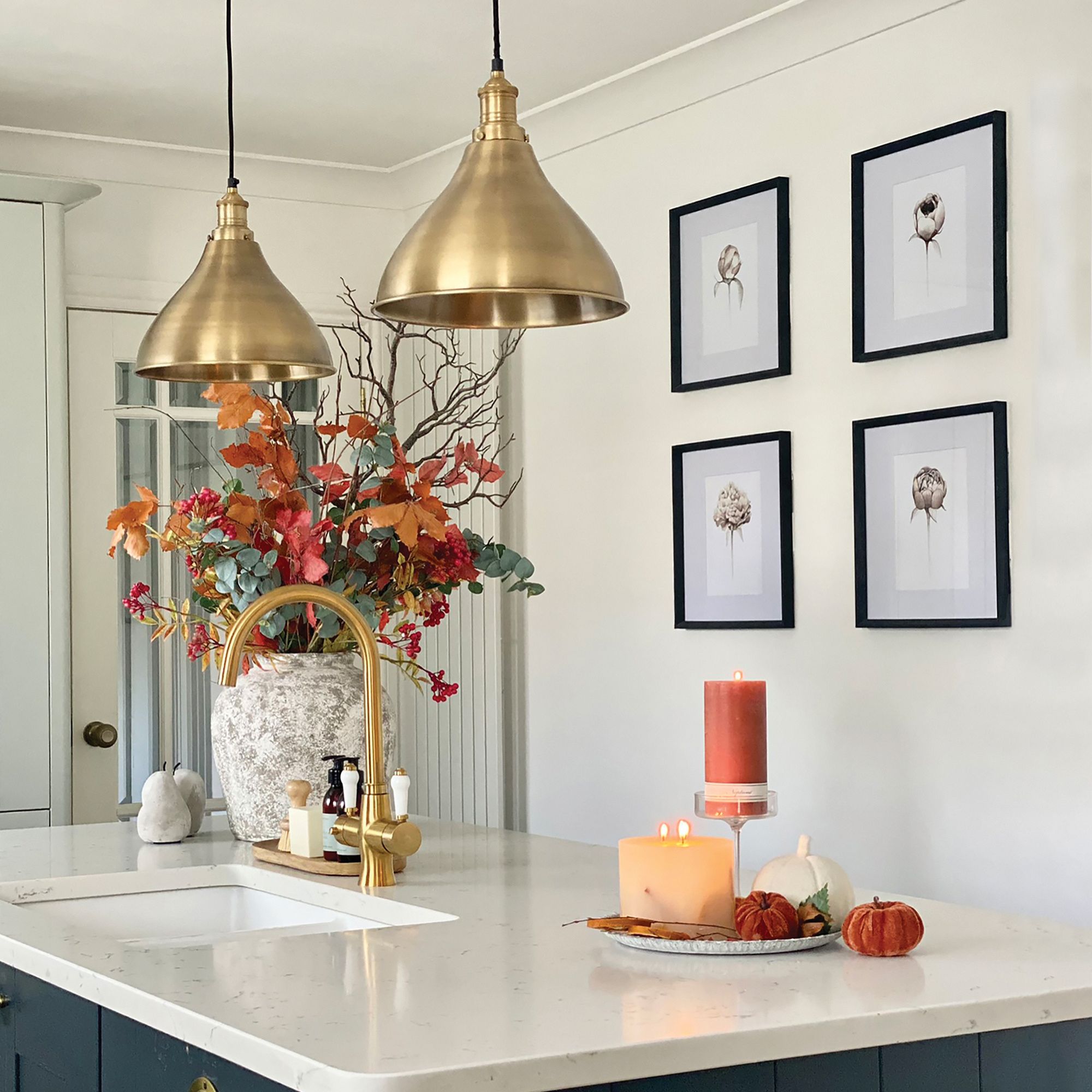
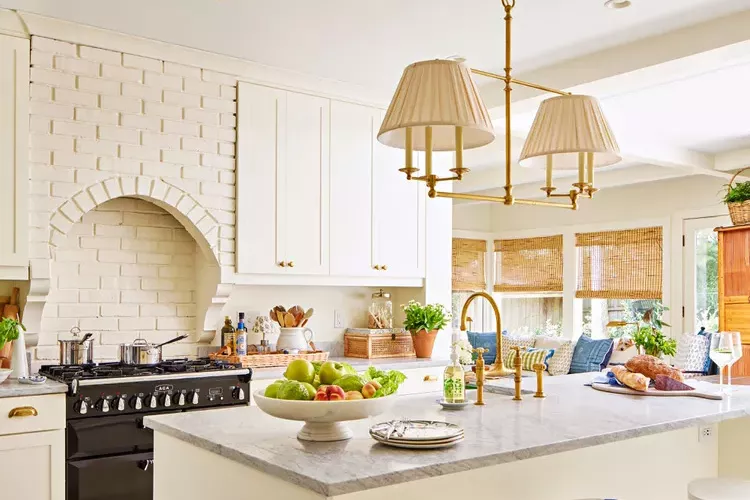
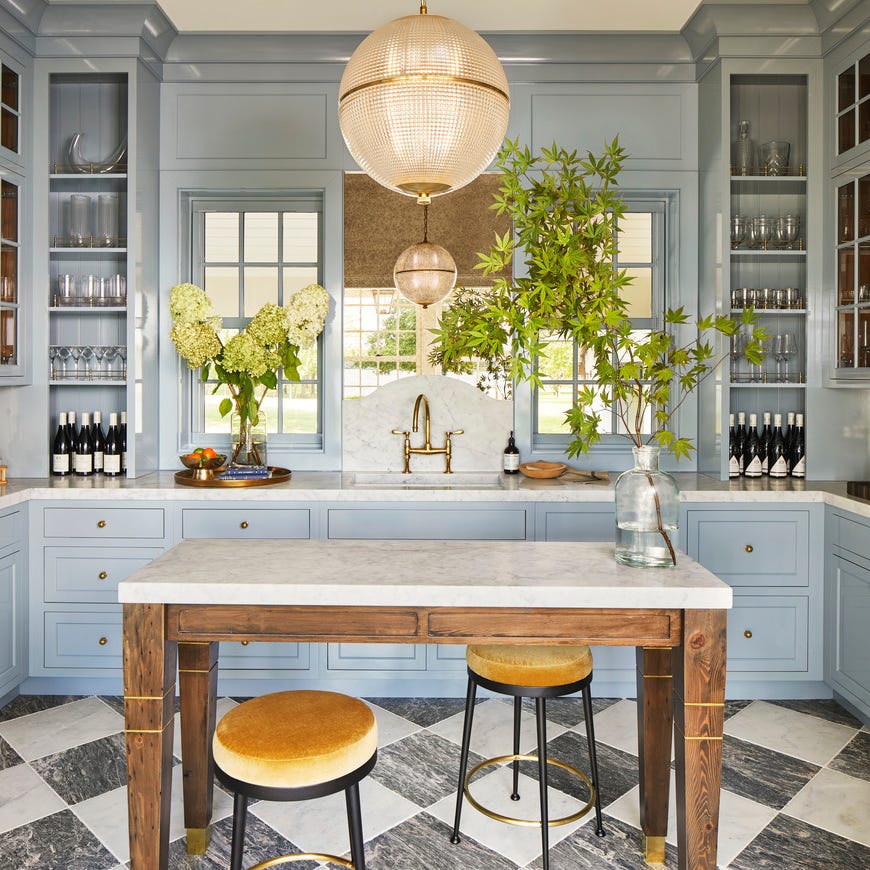
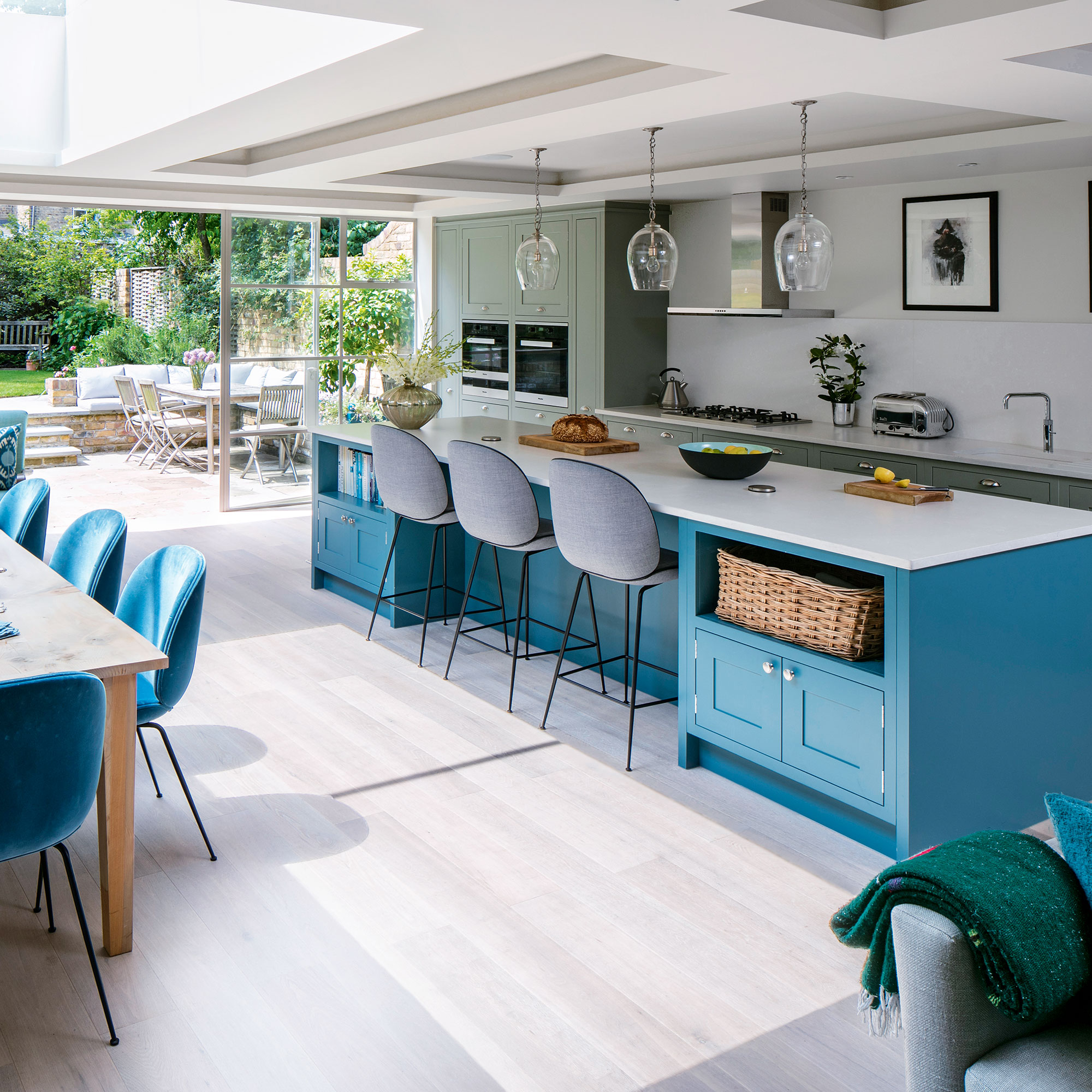
The article highlights diverse options, including recessed, surface-mount lights, pendants, and chandeliers, noting that these can be combined for enhanced effect. Recessed can lights offer subtle illumination, while pendants and chandeliers can create a striking focal point and add structure to the room. One design approach suggests using pendant lights with glass shades to maintain an open and airy feel, especially in open-plan kitchens, allowing views to extend through the space.
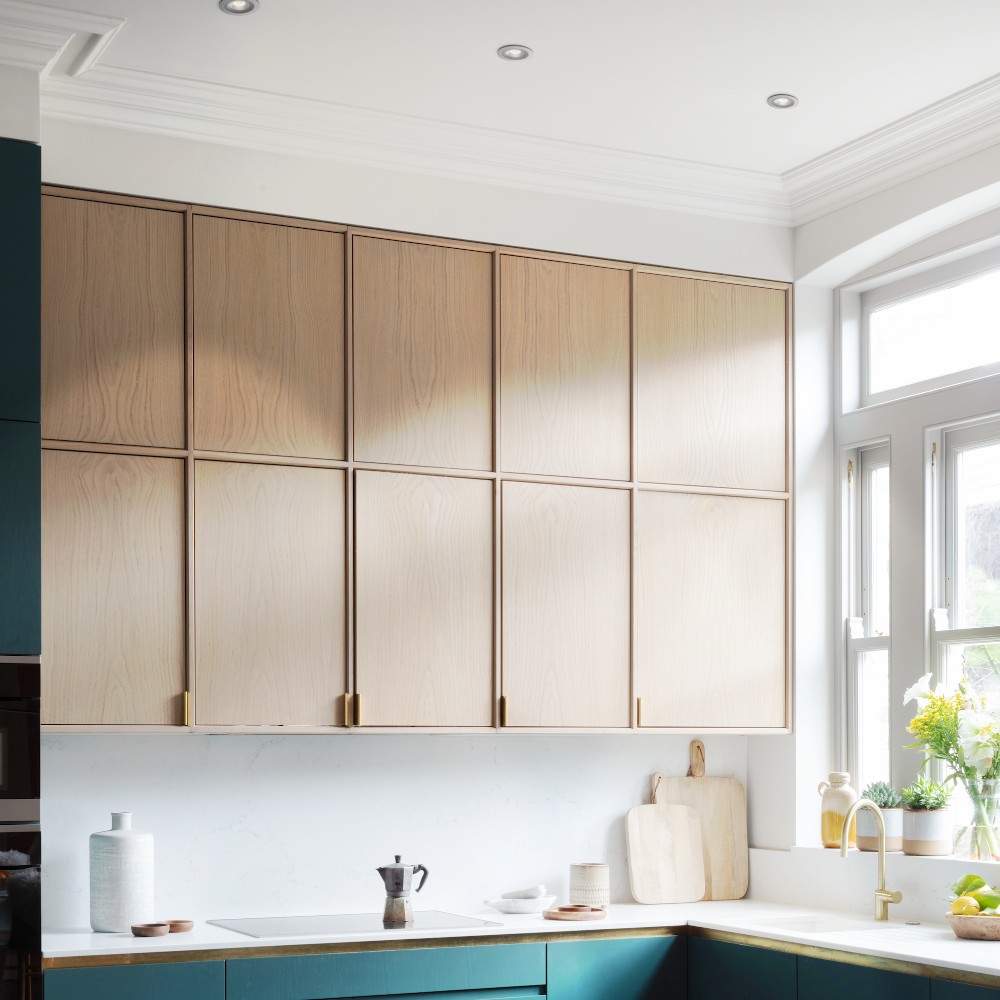
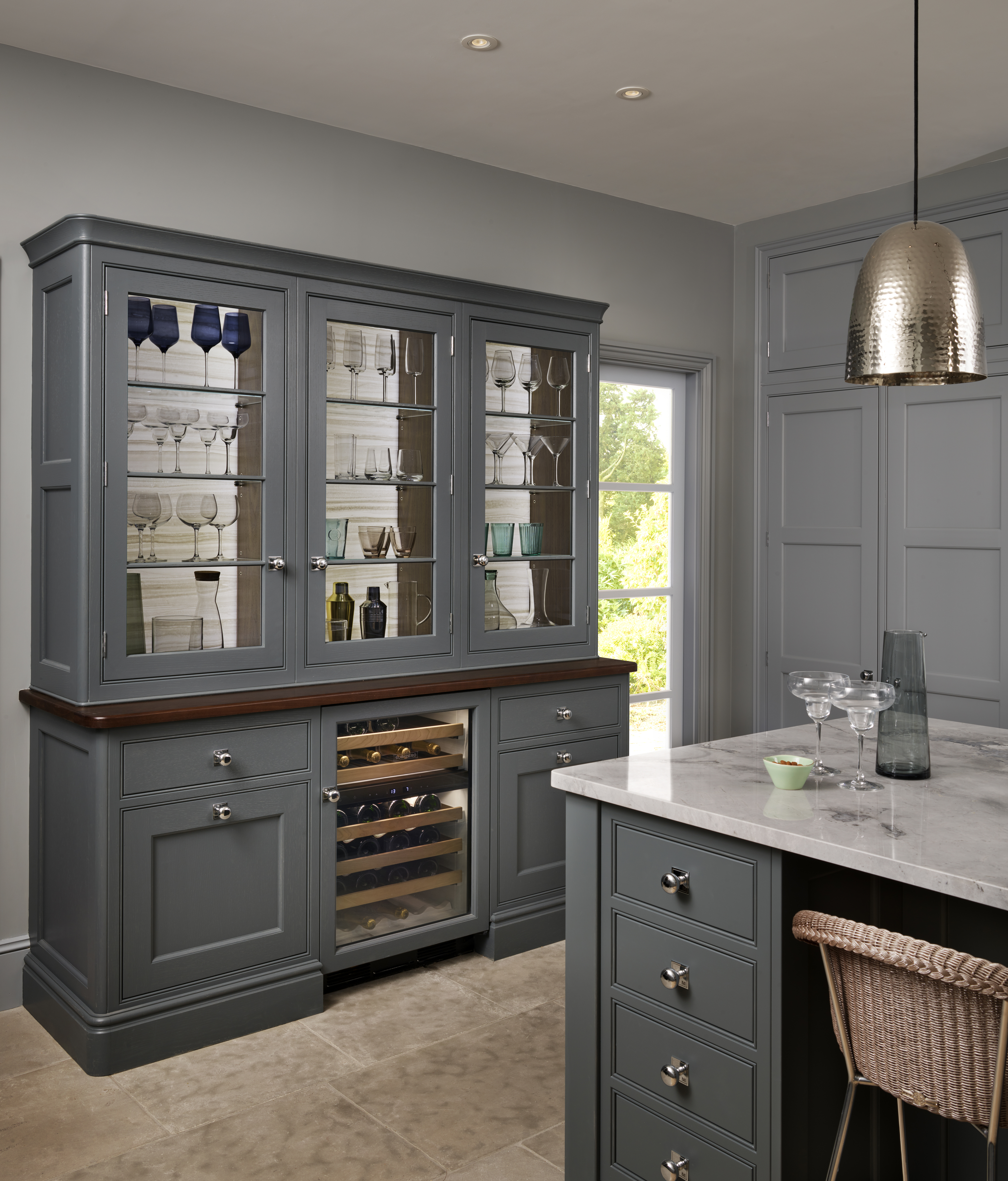
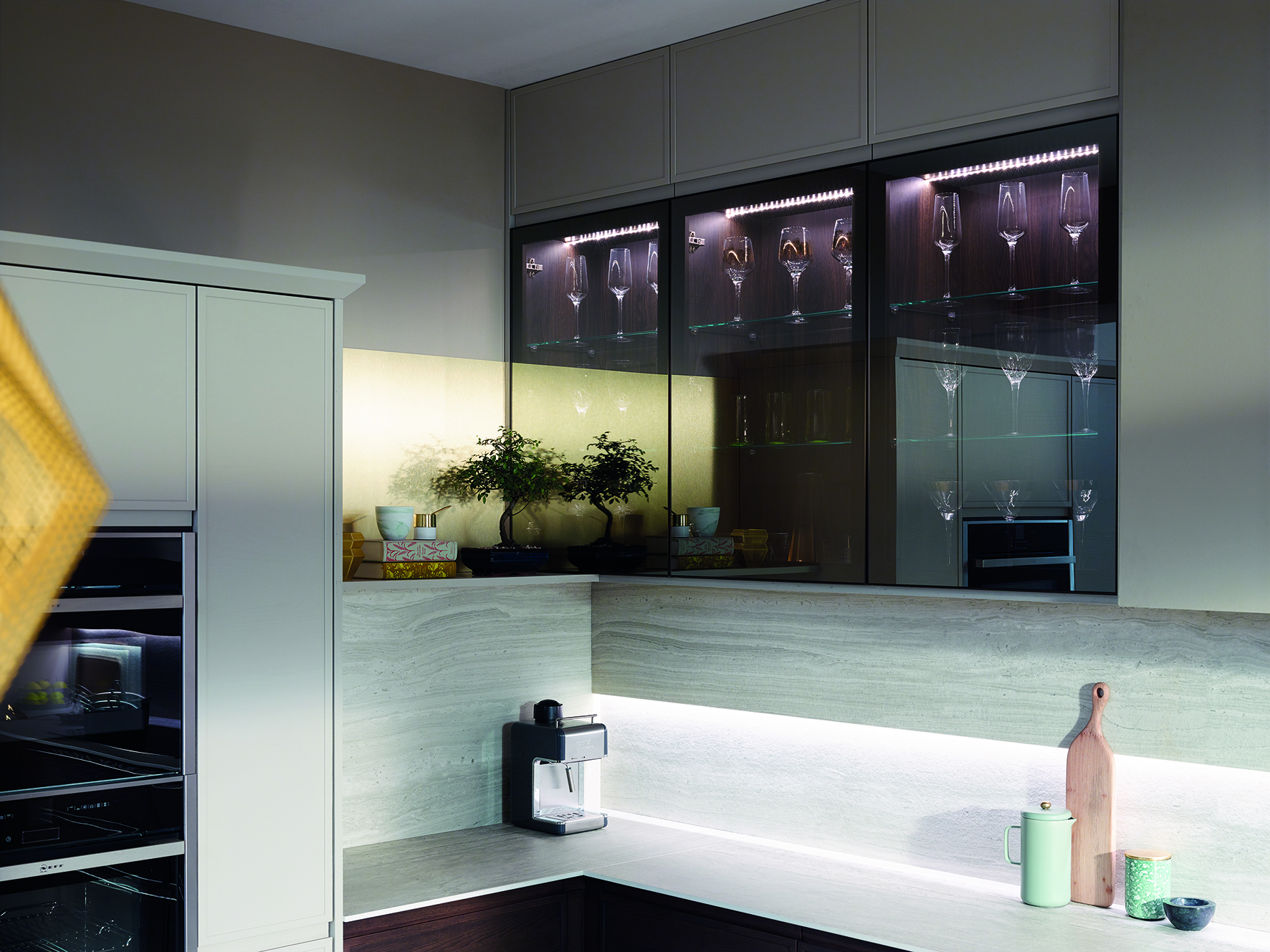
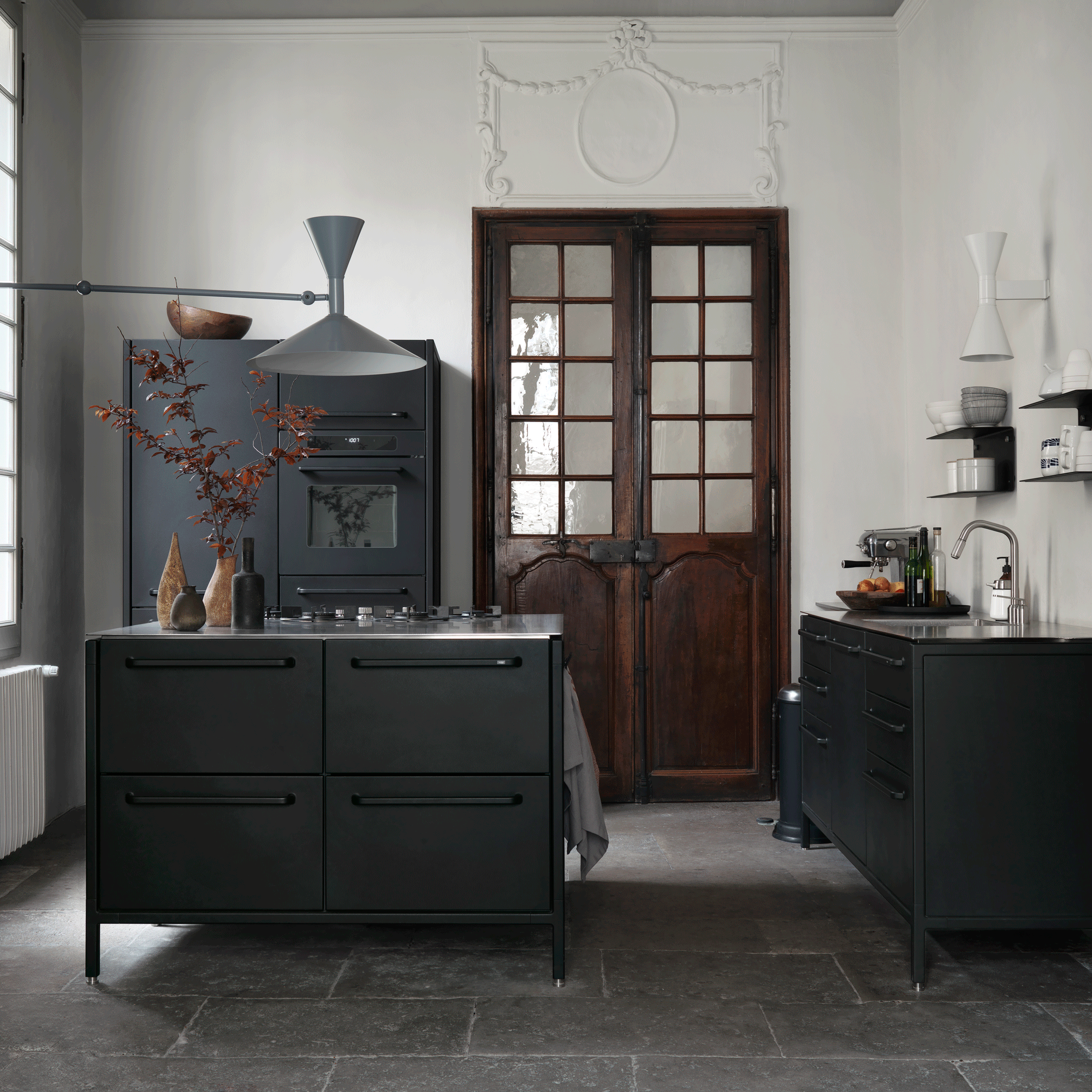
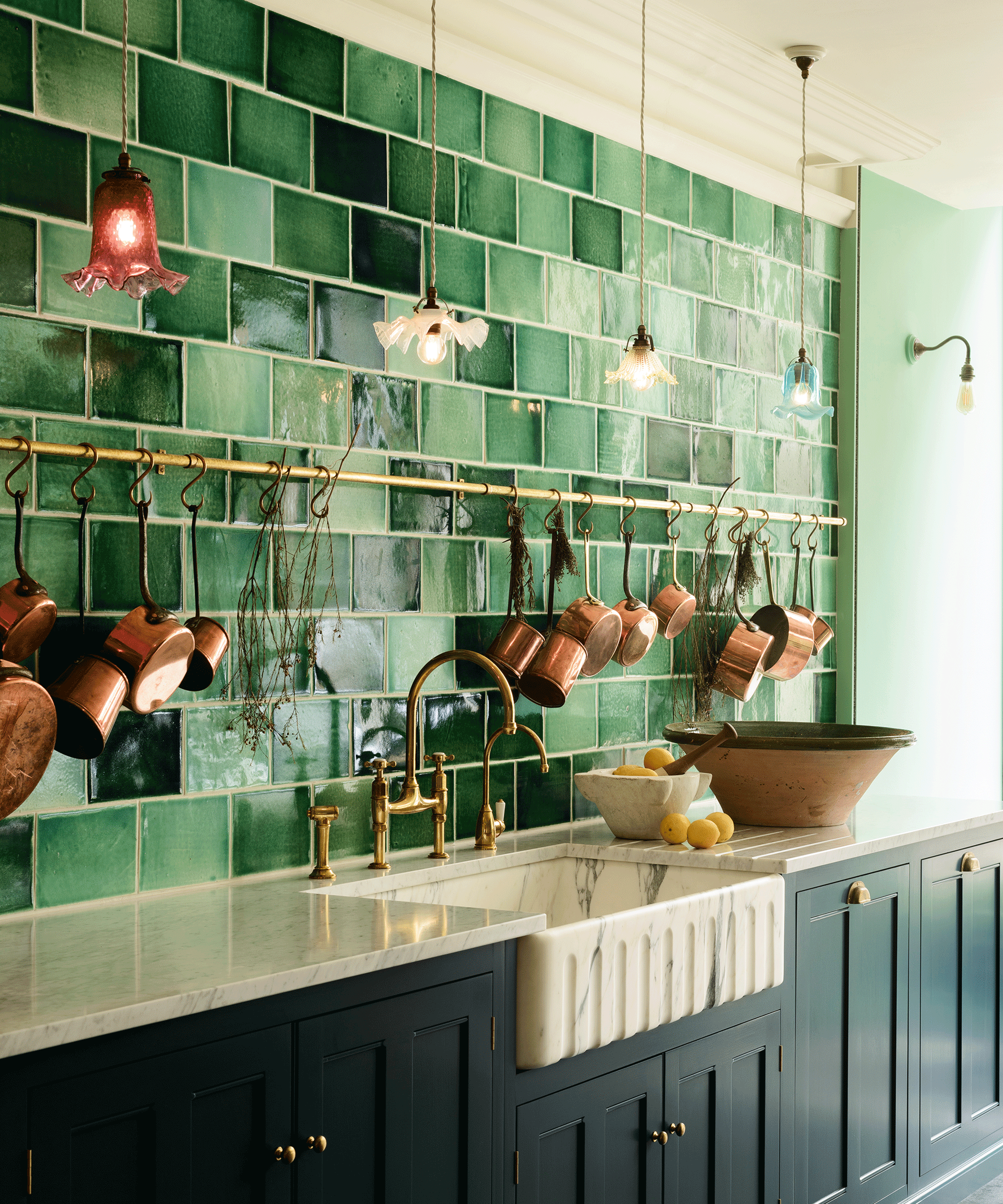
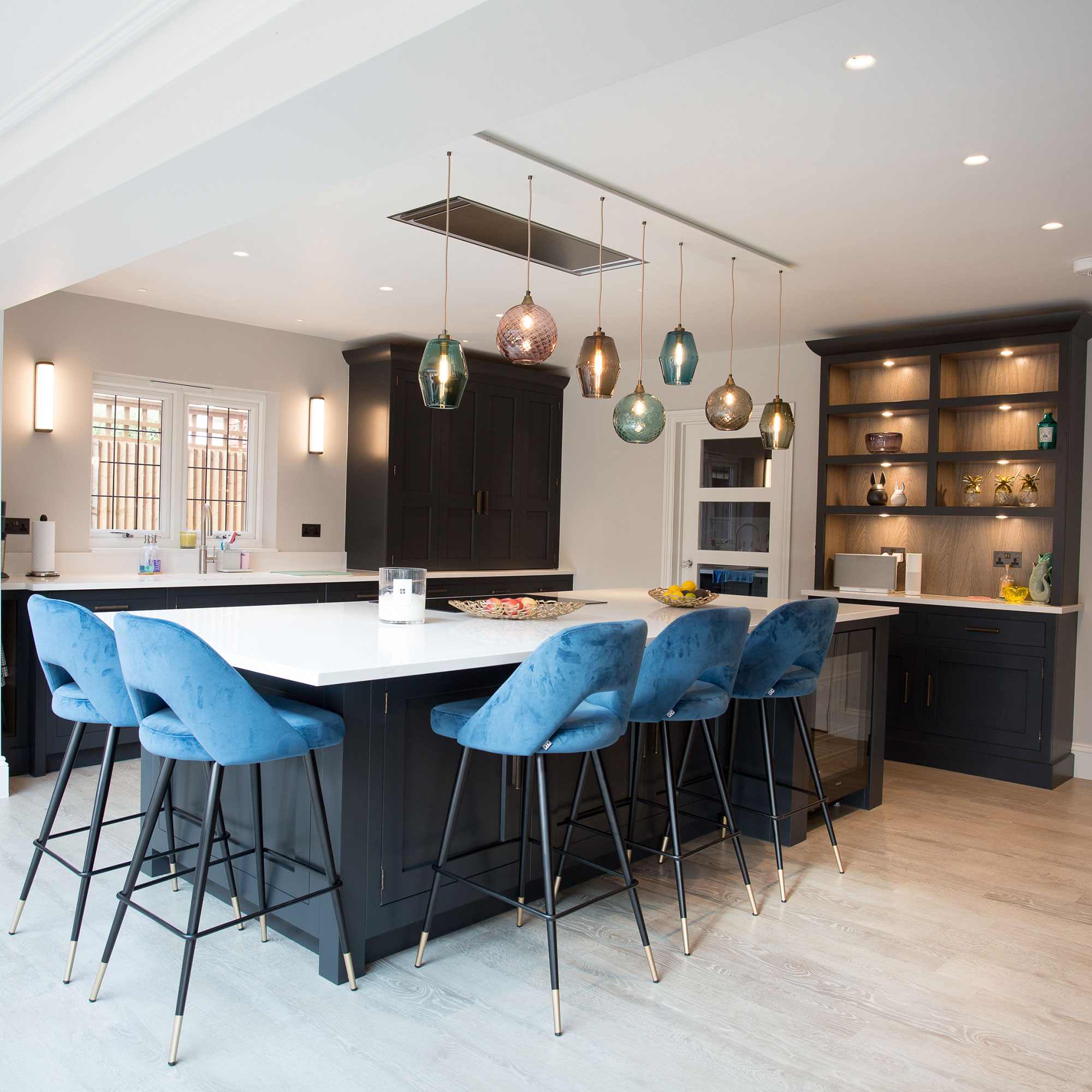
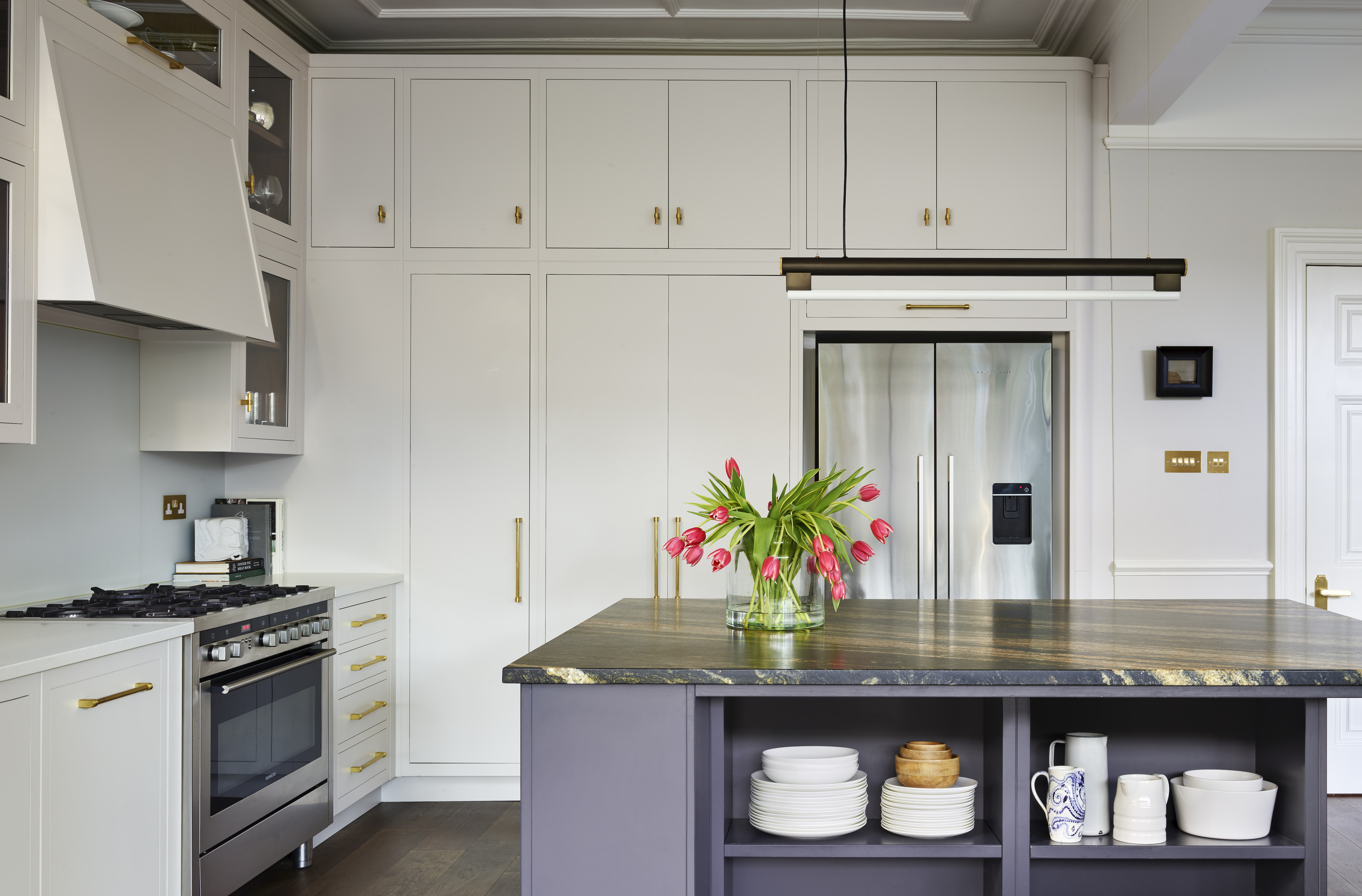
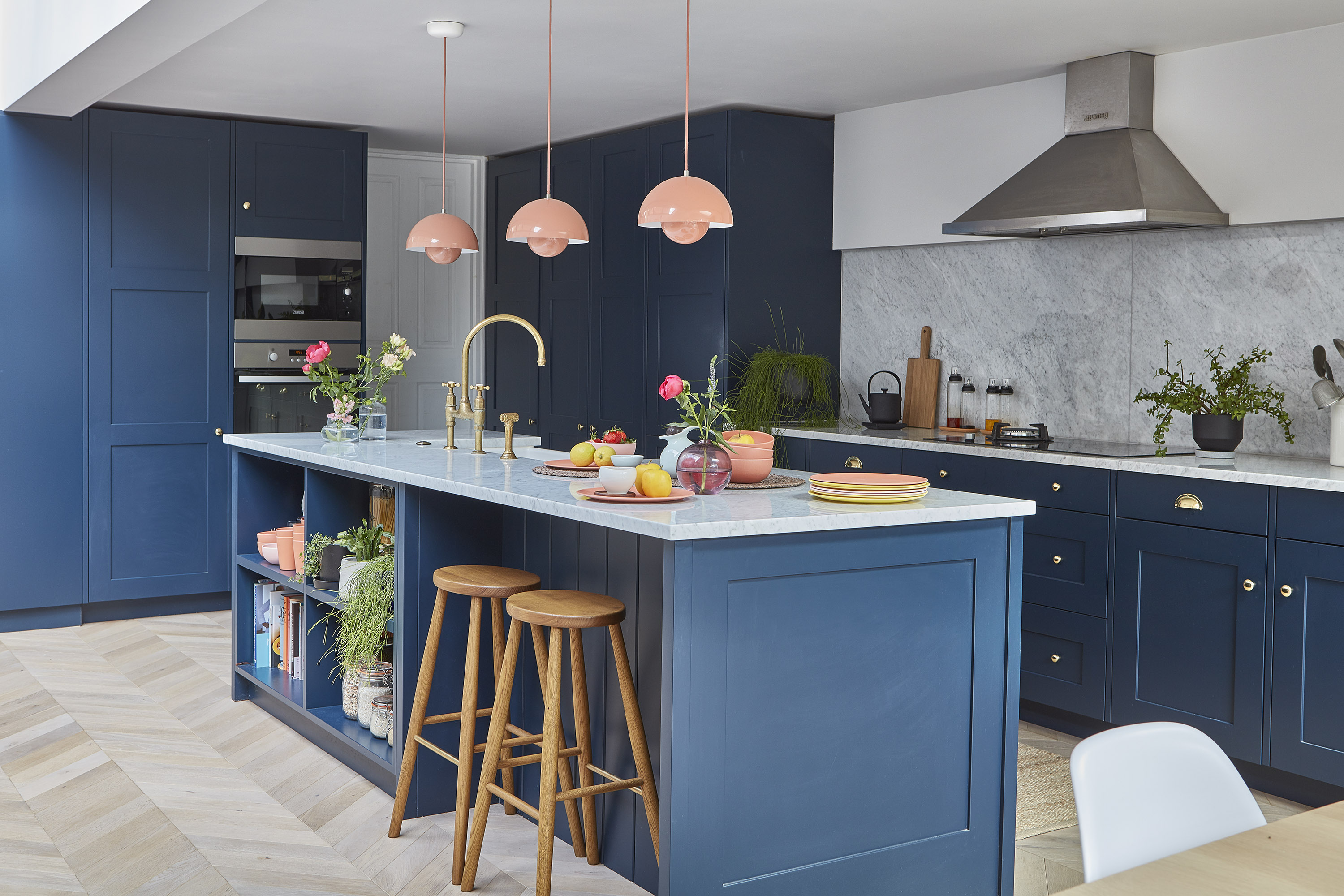
Beyond basic background lighting, kitchen ceiling lights can serve multiple functions. LED recessed downlights, for instance, can provide ambient and task lighting simultaneously. Additionally, recessed spotlights can be incorporated into furniture to highlight decorative objects or crockery, adding an accentuating layer of light. For rooms with high ceilings, lighting can emphasize grand proportions, such as pendants strategically hung to draw the eye upwards, complemented by recessed lights for overall illumination. Mixing different pendant styles, as long as they share common elements like style, material, color, and scale, can create a playful yet cohesive look, though professional advice is recommended for optimal balance and light levels.
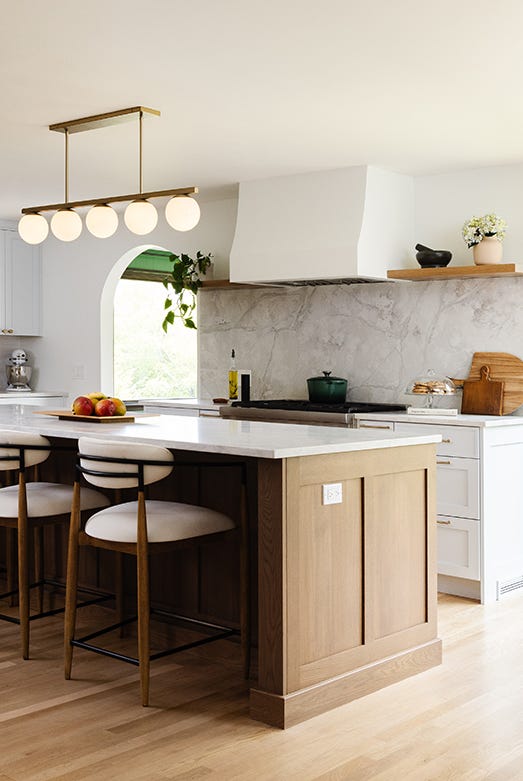
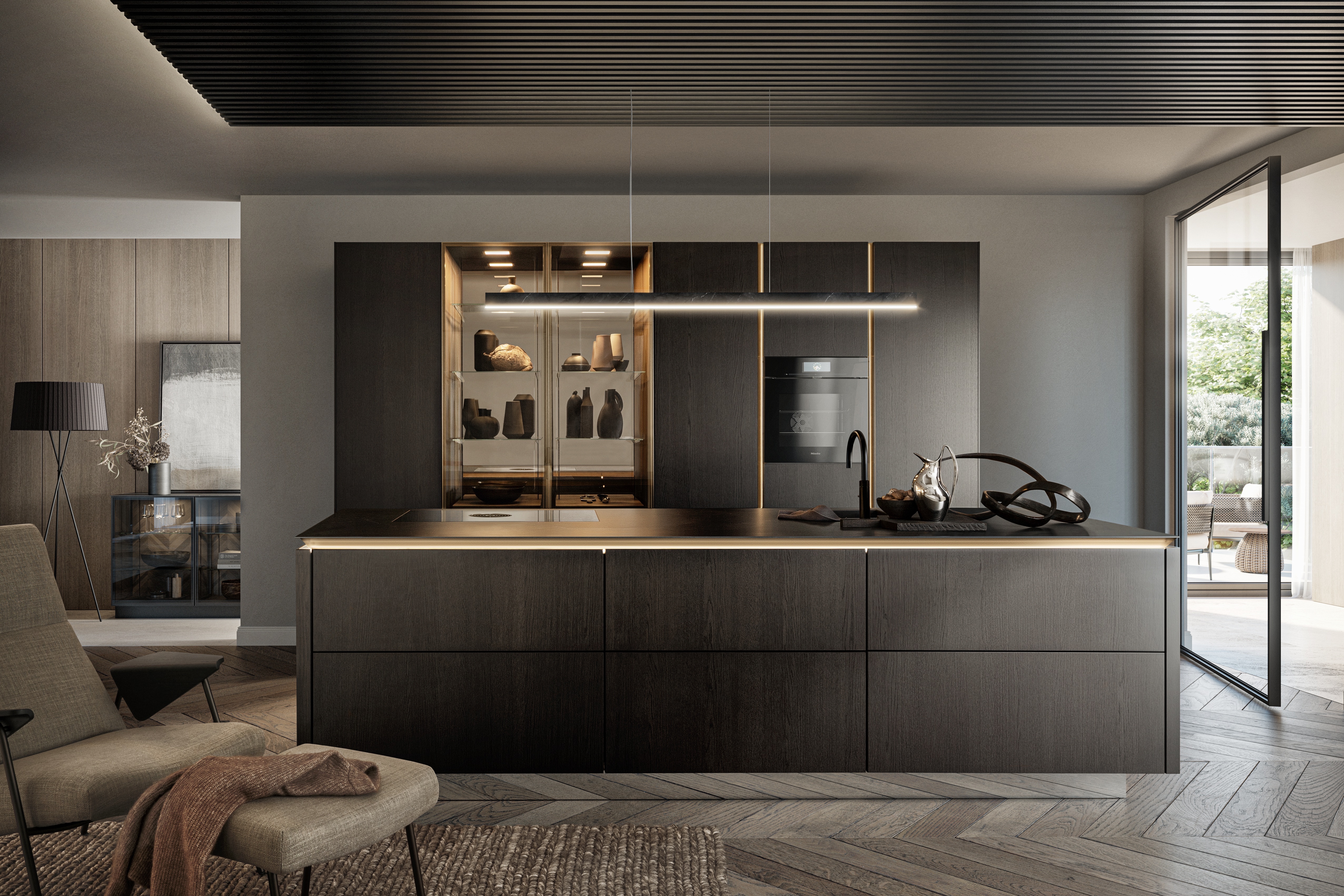
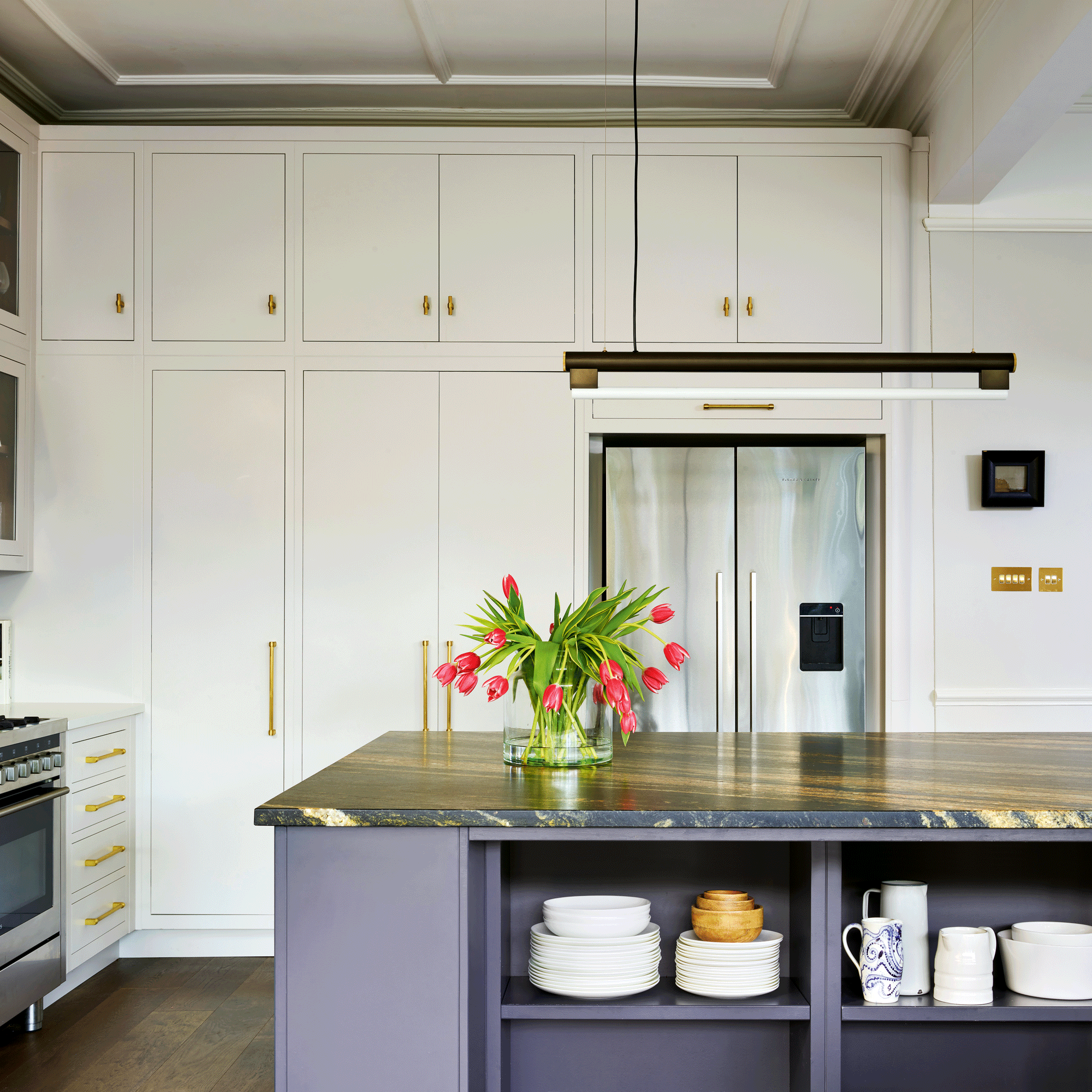
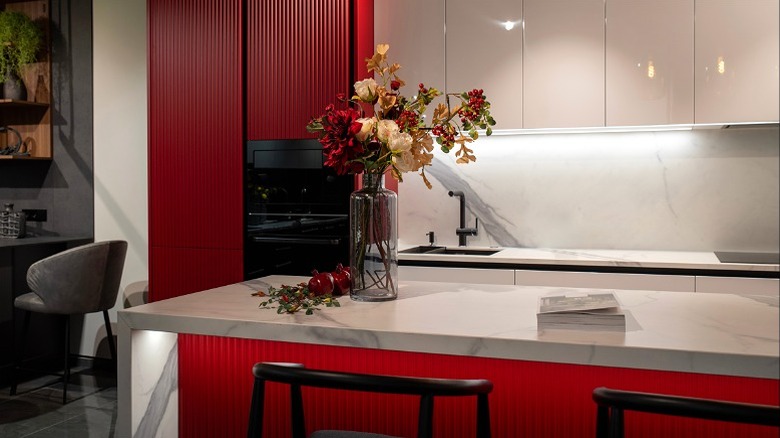
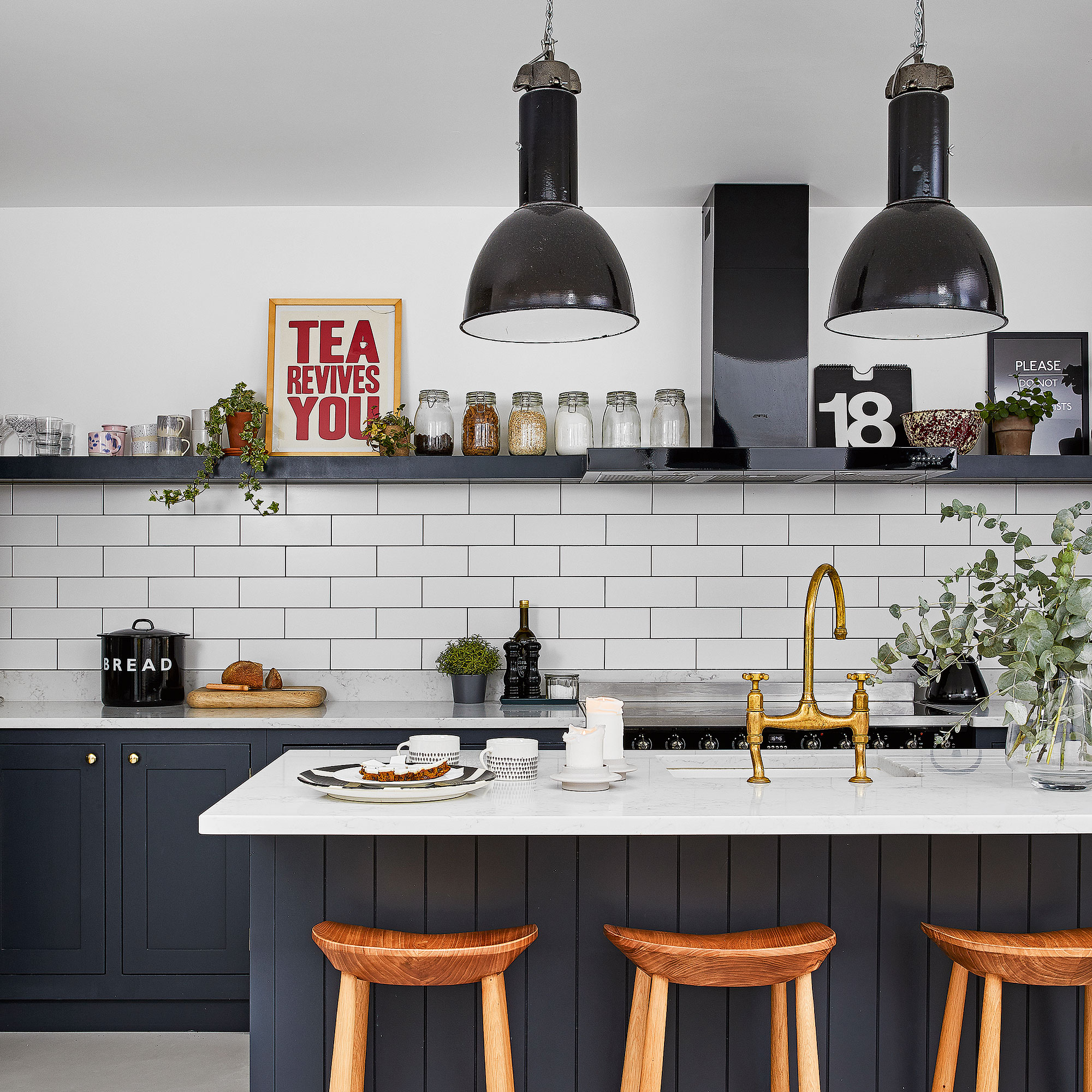
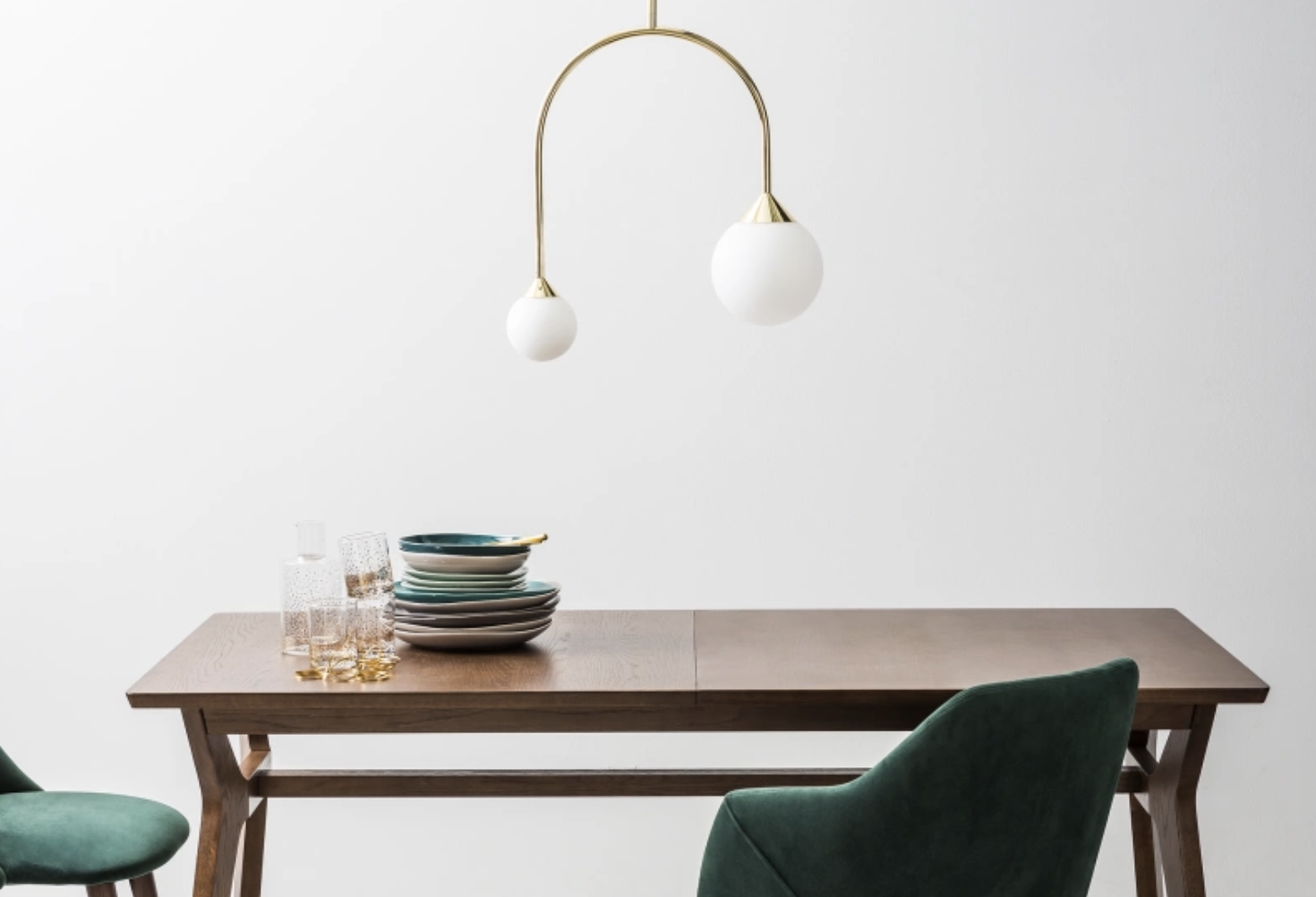
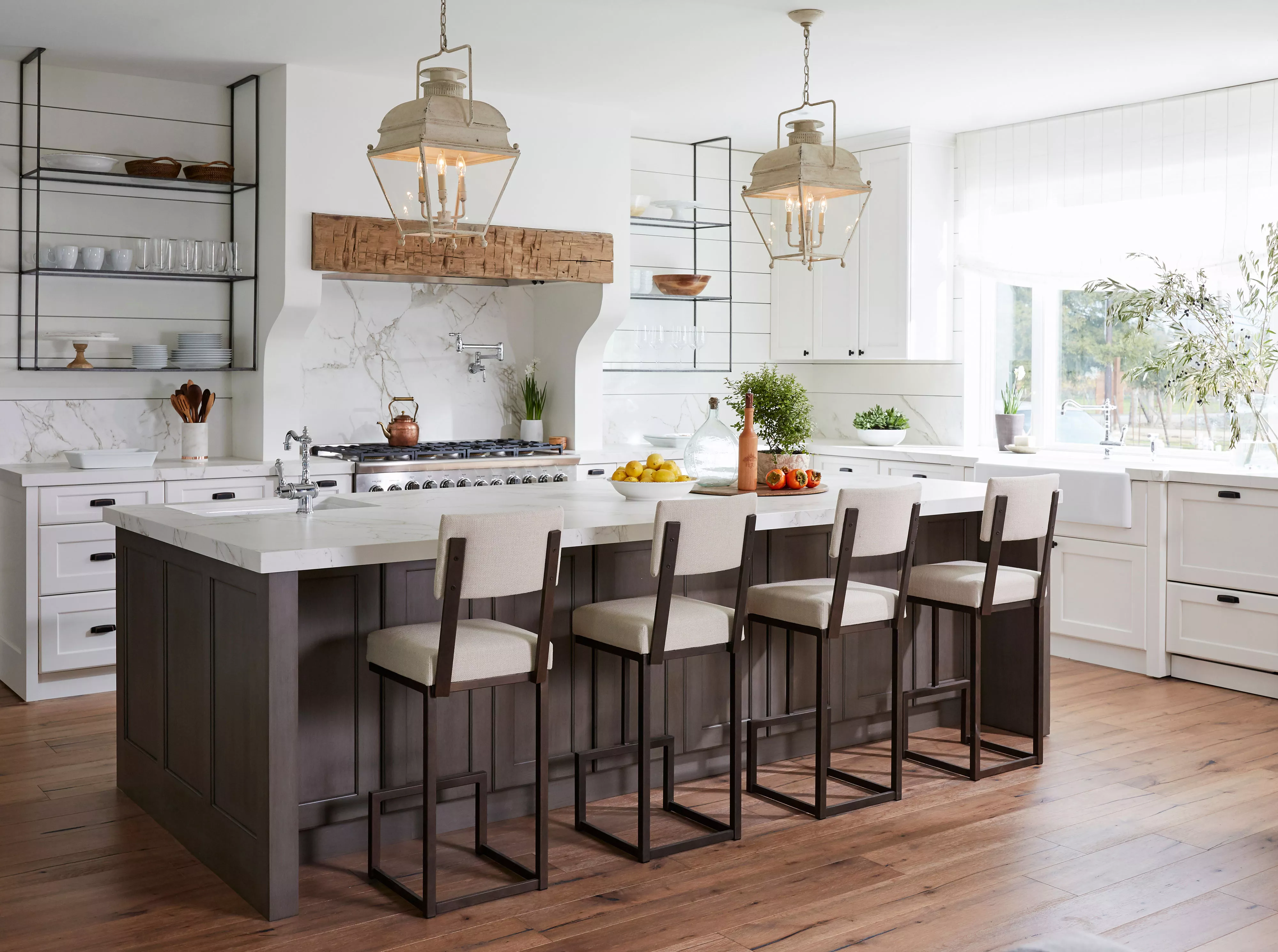
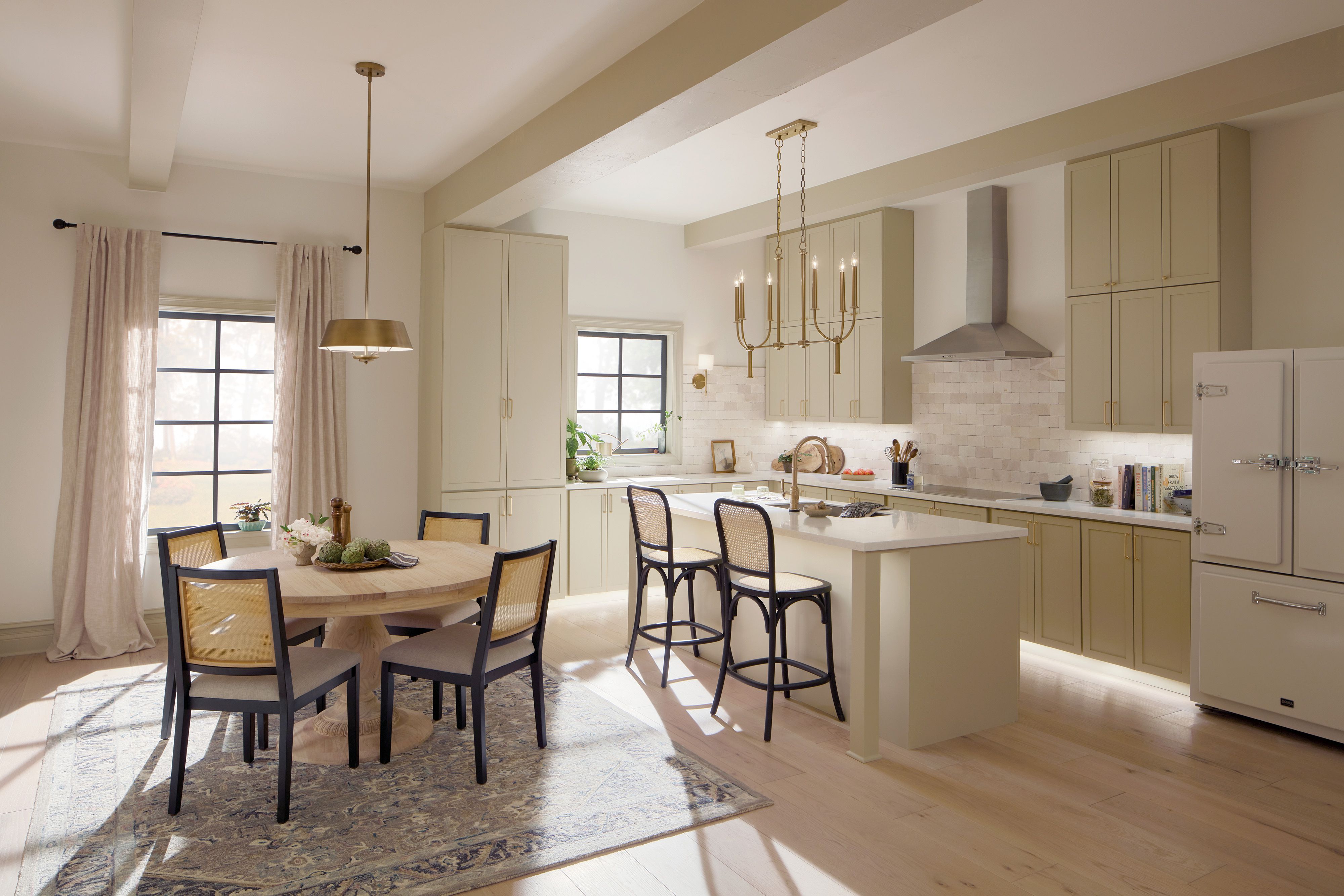
Statement ceiling lights can be a bold choice, particularly for kitchen islands, offering both decorative appeal and functionality for entertaining. These can be supplemented with recessed lights for general illumination, and dimmable options are advisable for adjusting ambiance during dining. For smaller kitchens, subtle and efficient lighting is key, with contemporary ceiling lights that complement minimalist cabinetry and linear designs creating a cohesive finish. Ceiling lighting can also define different zones within the kitchen, such as an island, seating area, or dining table, with larger hanging lights acting as both task and ambient sources, especially when dimmable.
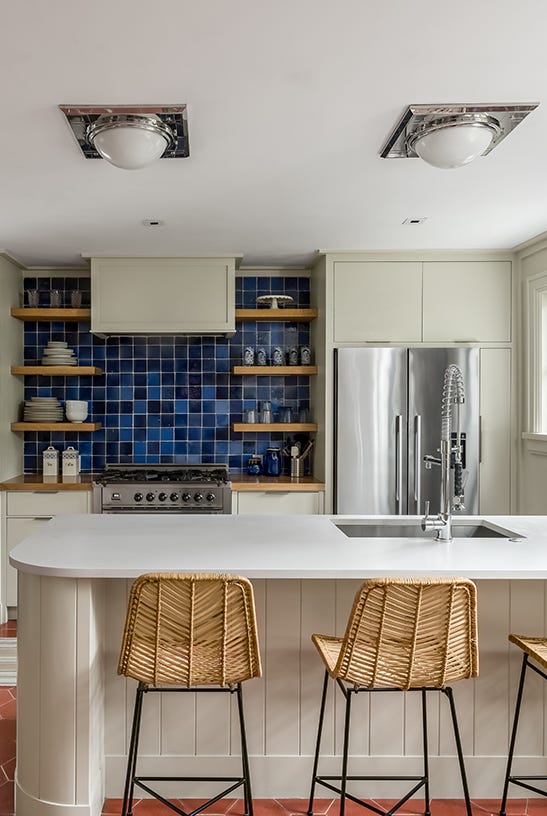
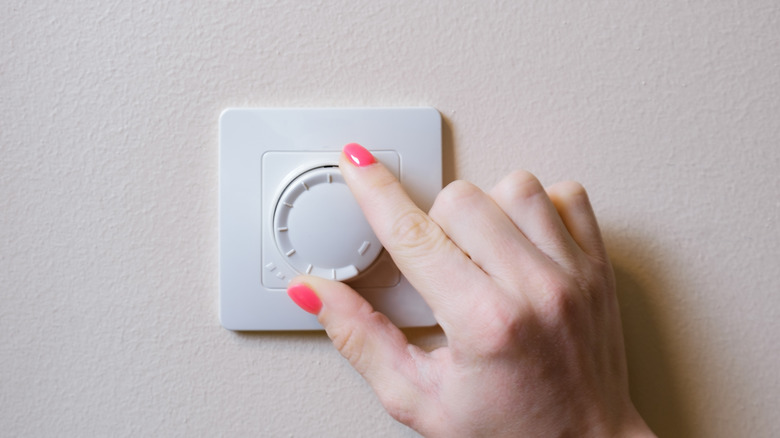
Track lighting provides a versatile solution, offering background illumination while individual lights can be directed for task lighting over counters, adding an industrial touch. Surface-mount lighting presents a trendier alternative to traditional can lighting, offering visual interest without distraction. Lastly, integrated lighting systems like the Lumisonic, which combine low-energy LED lights with ultra-compact speakers, can streamline the ceiling design by providing both light and sound, reducing visual clutter. When determining brightness, a kitchen typically requires 30 to 40 foot candles per square foot, which translates to a specific lumen range. Dark walls or cabinetry may necessitate increased lumens due to light absorption. The inclusion of dimmer switches is crucial for adjusting the light intensity to suit various activities, from cooking to dining.
#KitchenLighting #CeilingLights #InteriorDesign #HomeIllumination #PendantLights #RecessedLighting #TrackLighting #KitchenDesign #AmbientLighting #KitchenLighting #CeilingLights #InteriorDesign #HomeIllumination #PendantLights #RecessedLighting #TrackLighting #KitchenDesign #AmbientLighting
0 comment in total
 No comments yet
You may also like
9 kitchen ceiling light ideas to make a statement in your cooking space
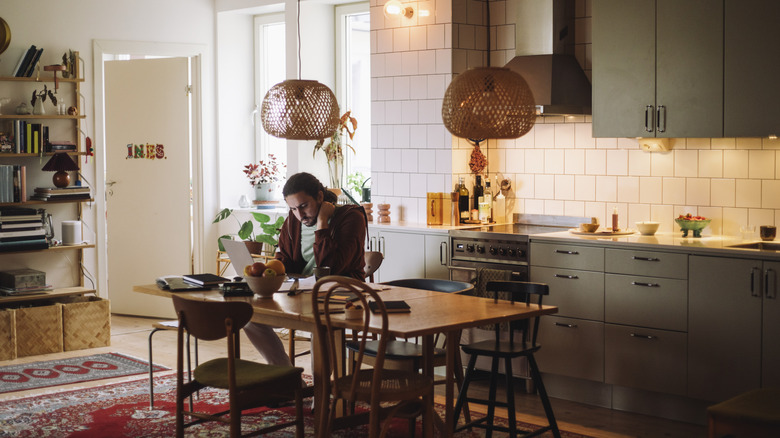
17 Best Creative Lighting Ideas For Your Kitchen

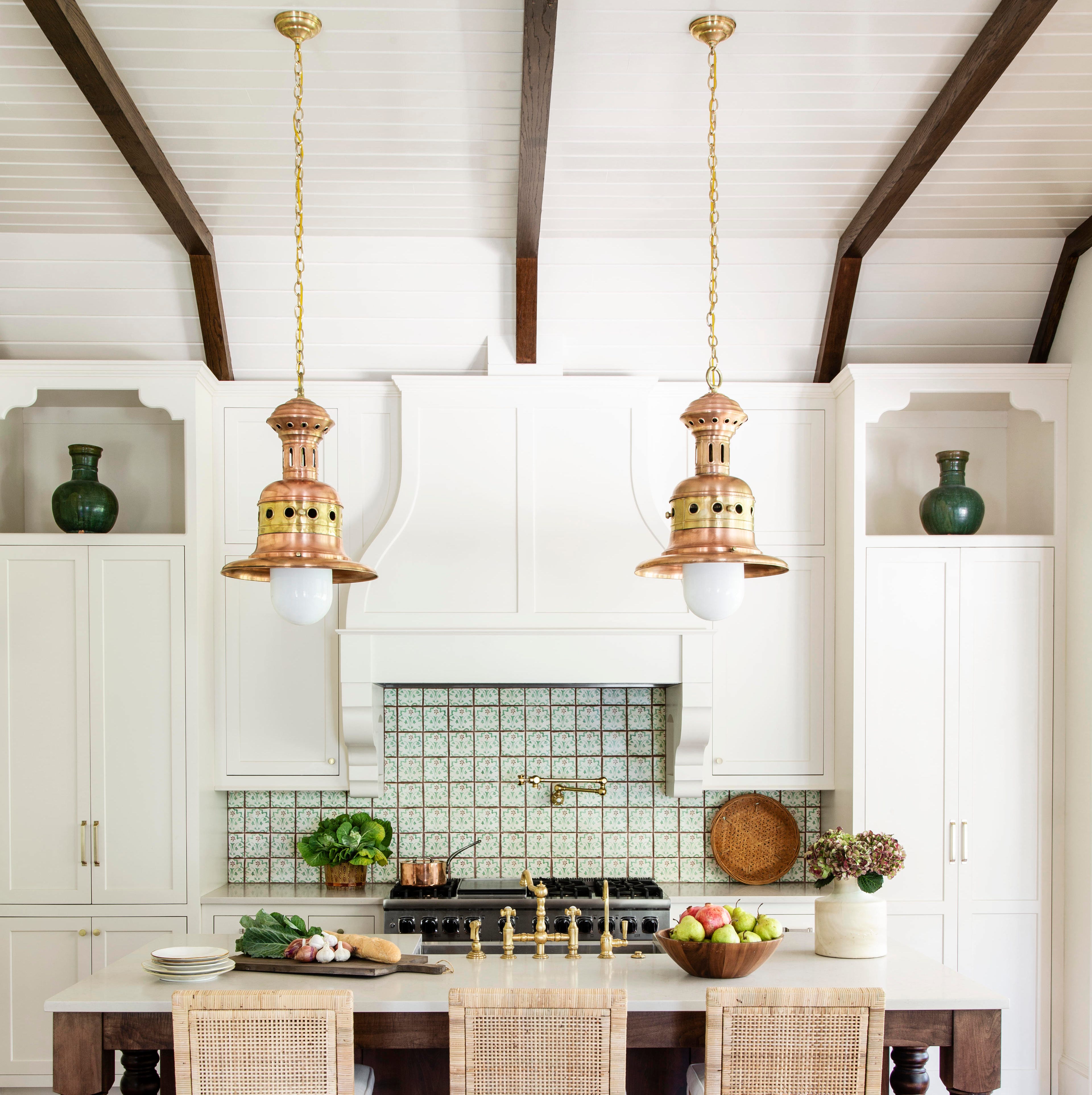
These Kitchen Lighting Ideas Will Bring Idyllic Ambiance to the Heart of Your Home
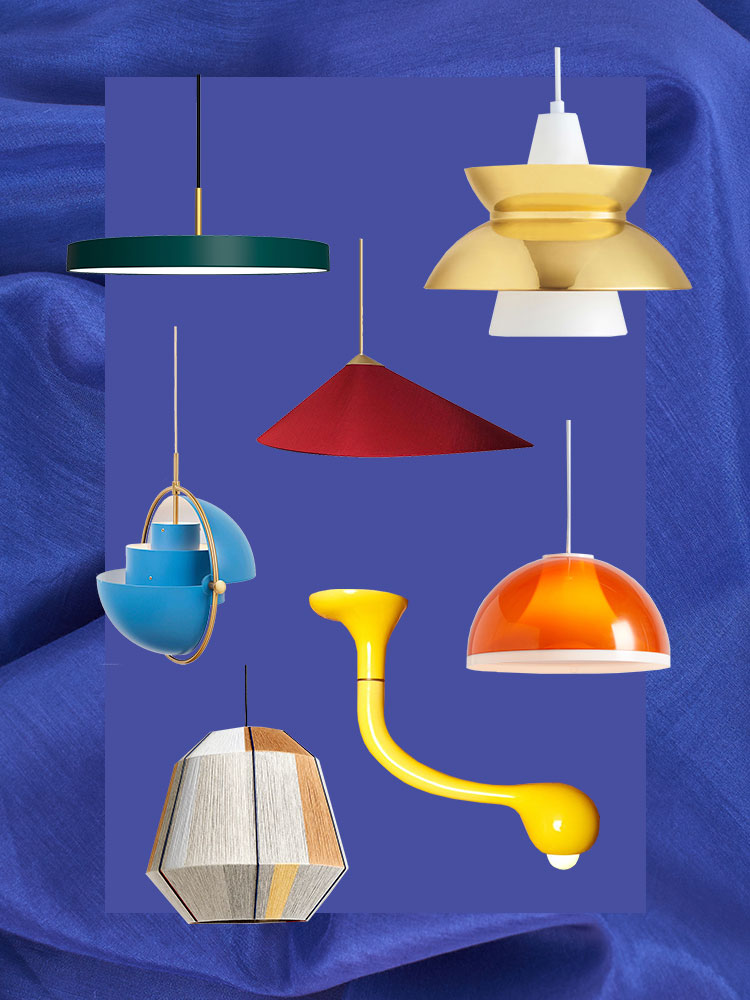
Goodbye, Fluorescent Lighting; Hello, Beautiful Kitchen Pendants
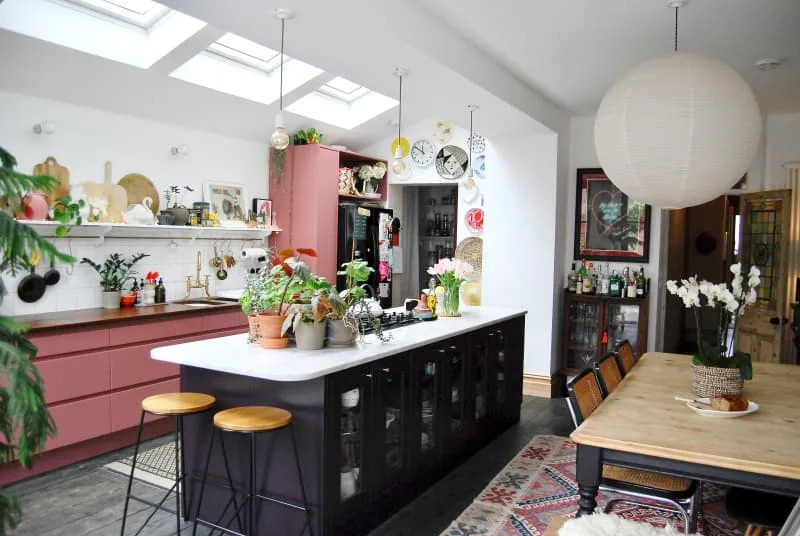
15 Creative Kitchen Lighting Ideas That Put Plain Ceiling Lights to Shame
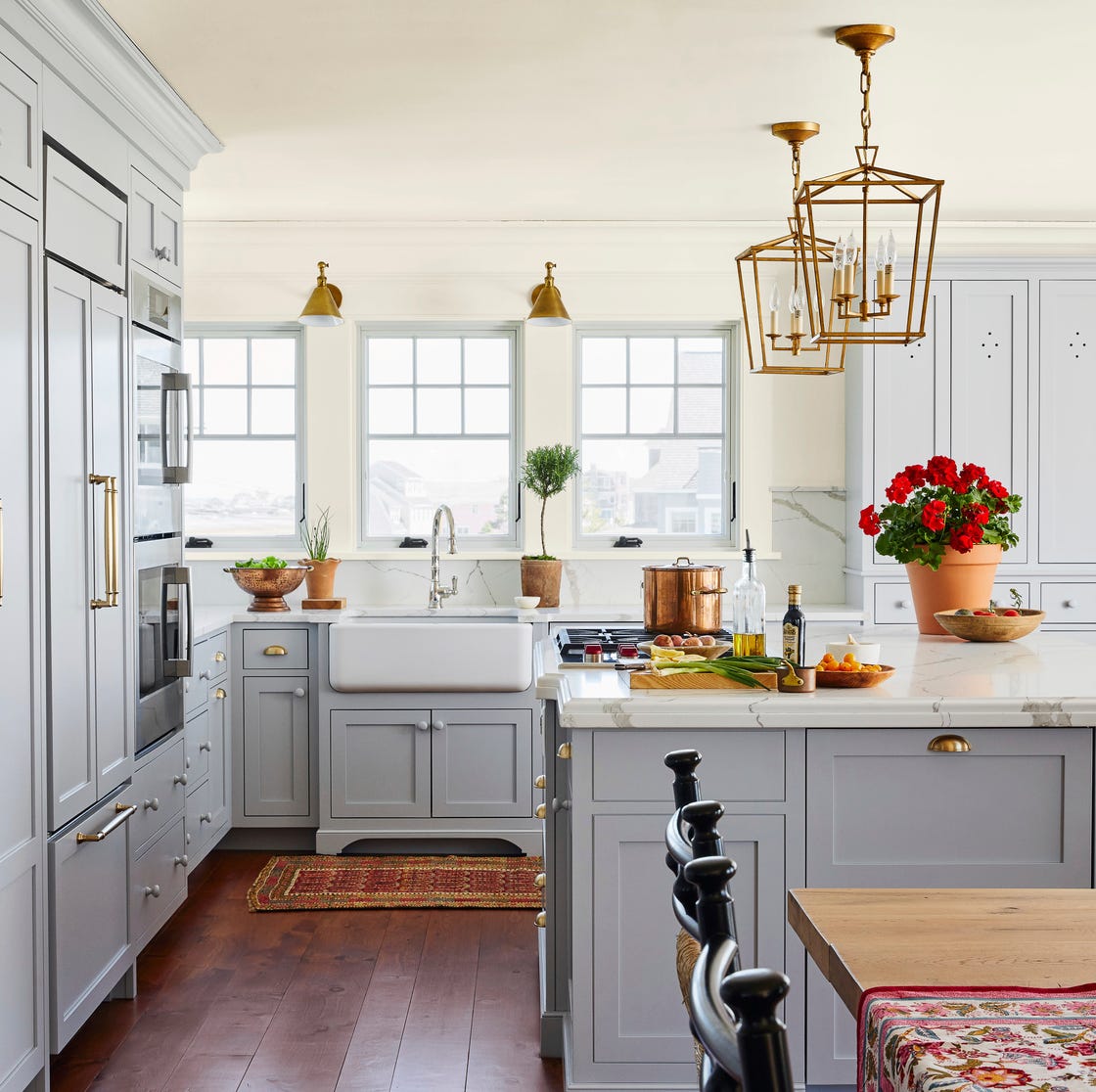
Brighten Up Your Kitchen With These Pretty Lighting Ideas
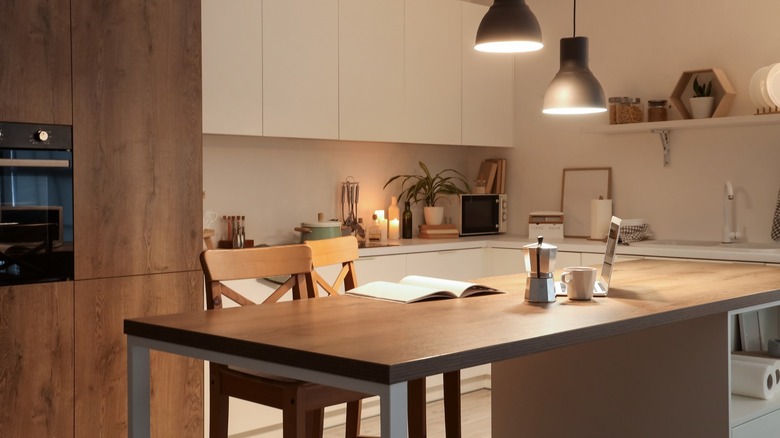
The Low-Effort Kitchen Lighting Trend That Adds Instant Elegance
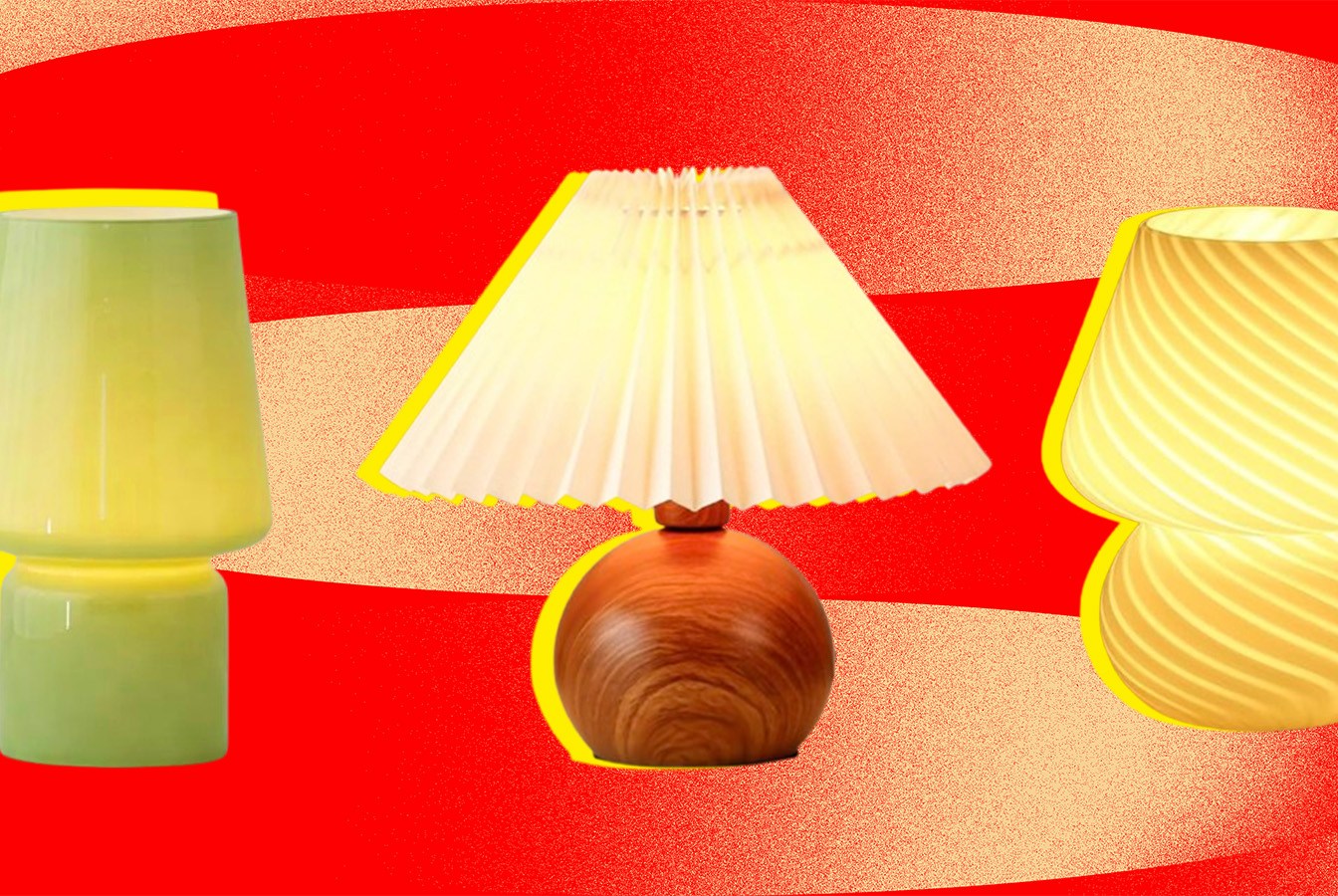
Why Everyone Needs a Kitchen Lamp
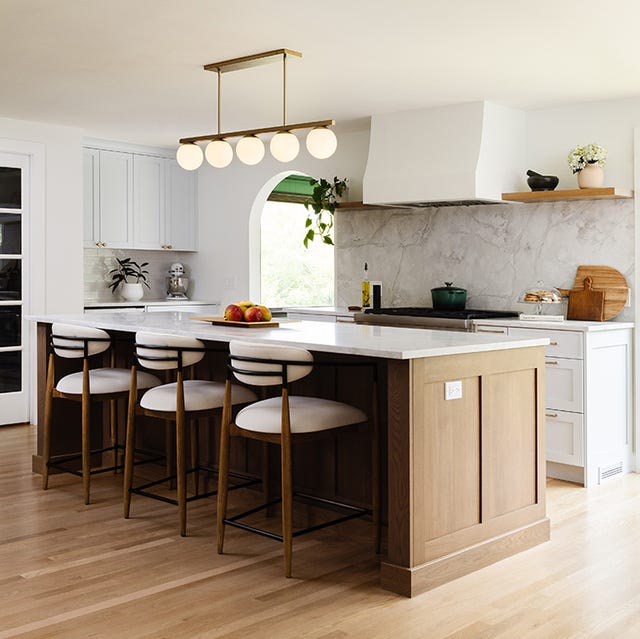
Try These Kitchen Lighting Ideas to Brighten Your Space

62 Kitchen Lighting Ideas That'll Transform Your Space
The BEST Way to Light Your Kitchen Is Not What You Think

Best kitchen lighting: top picks to brighten up your kitchen space

3 Steps to Perfect Kitchen Lighting, According to an Expert

Kitchen cabinet lighting ideas – 10 ways to add mood or task illumination
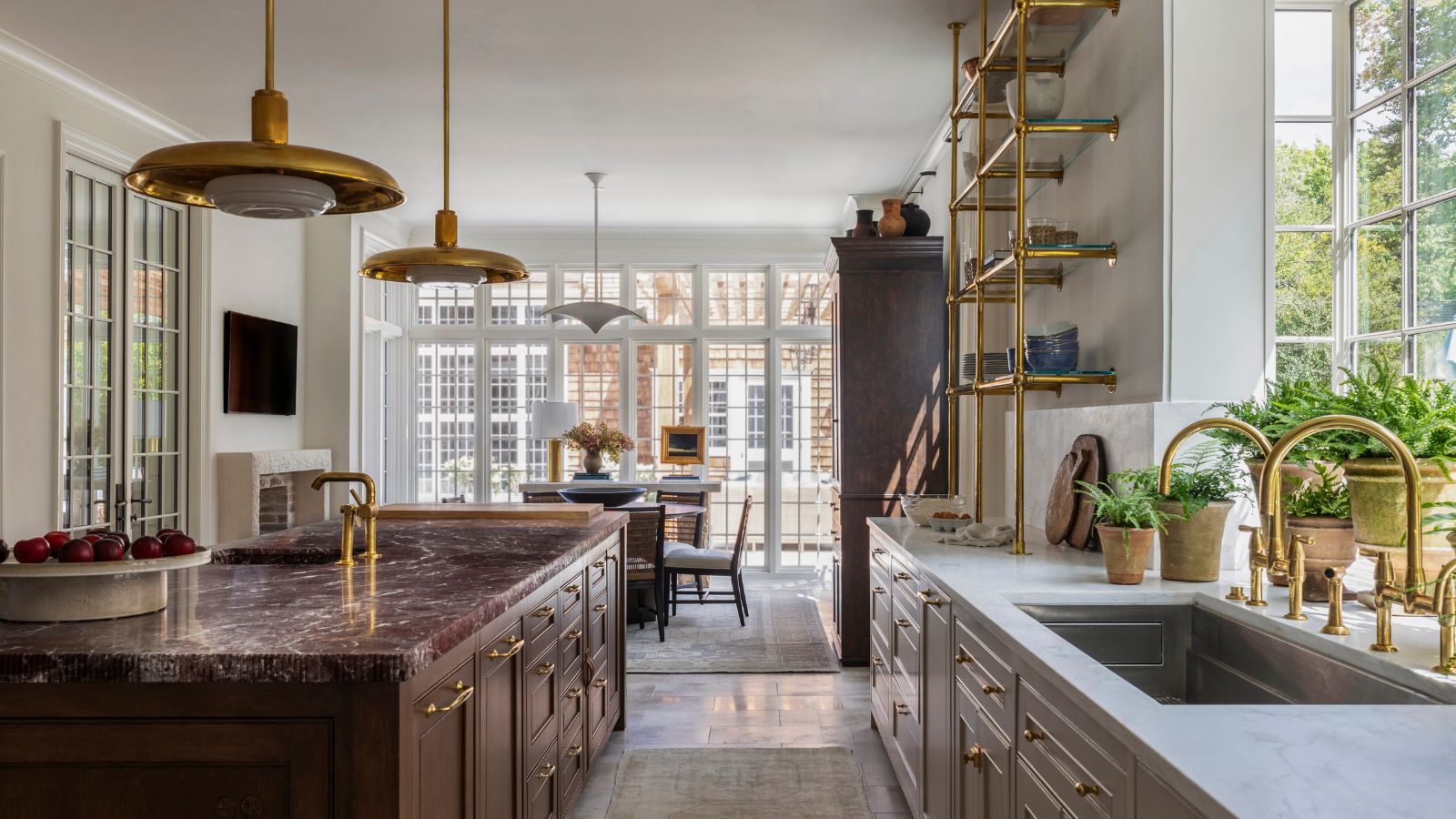
The Kitchen Lighting 'Rule Of 3' Will Instantly Make Your Space Look Expensive – And Designers Swear By It For A Perfectly Layered Scheme
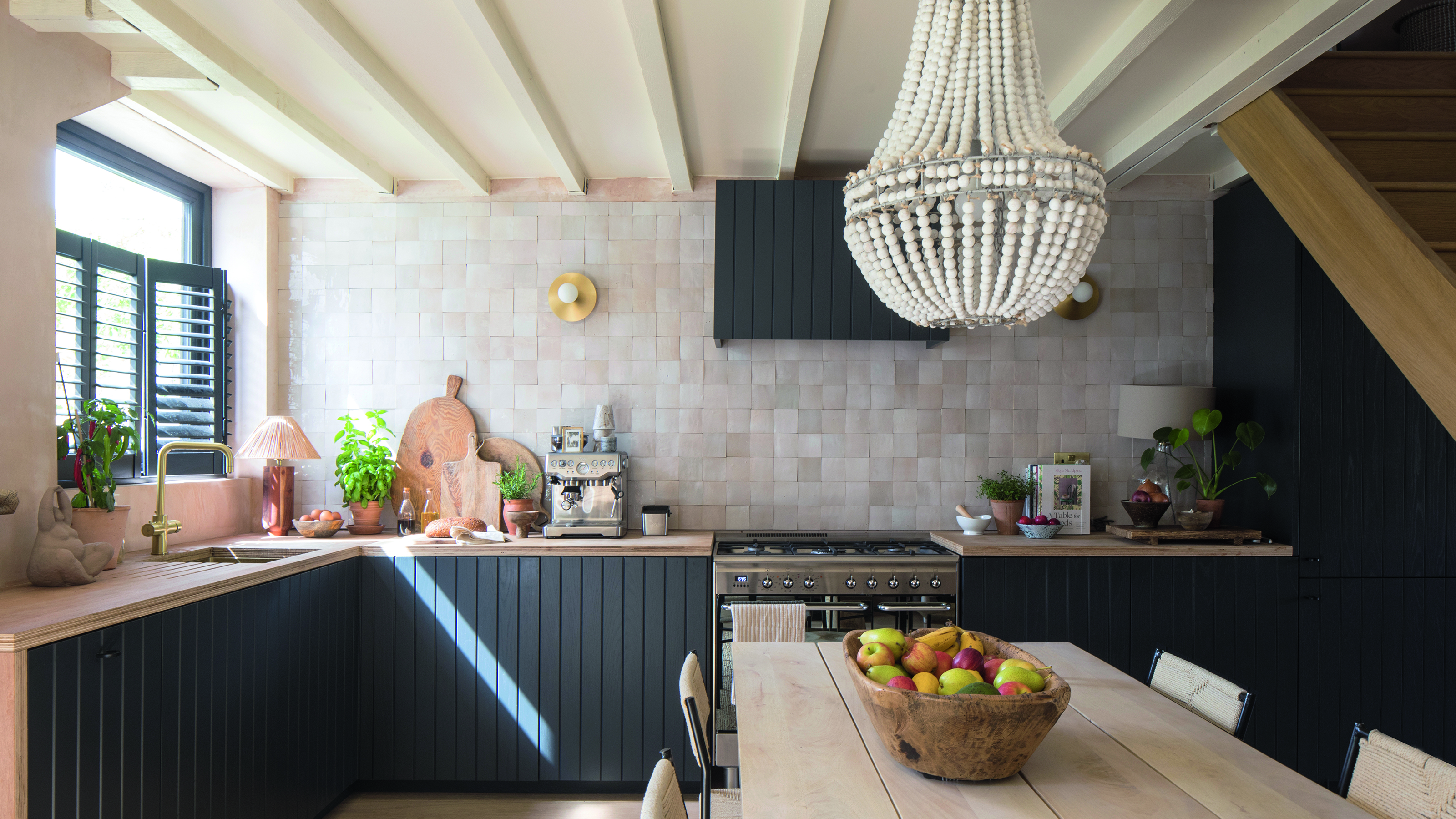
27 smart kitchen lighting ideas that will illuminate your space and add style

Kitchen Lights | Kitchen Ceiling and Cabinet Lighting

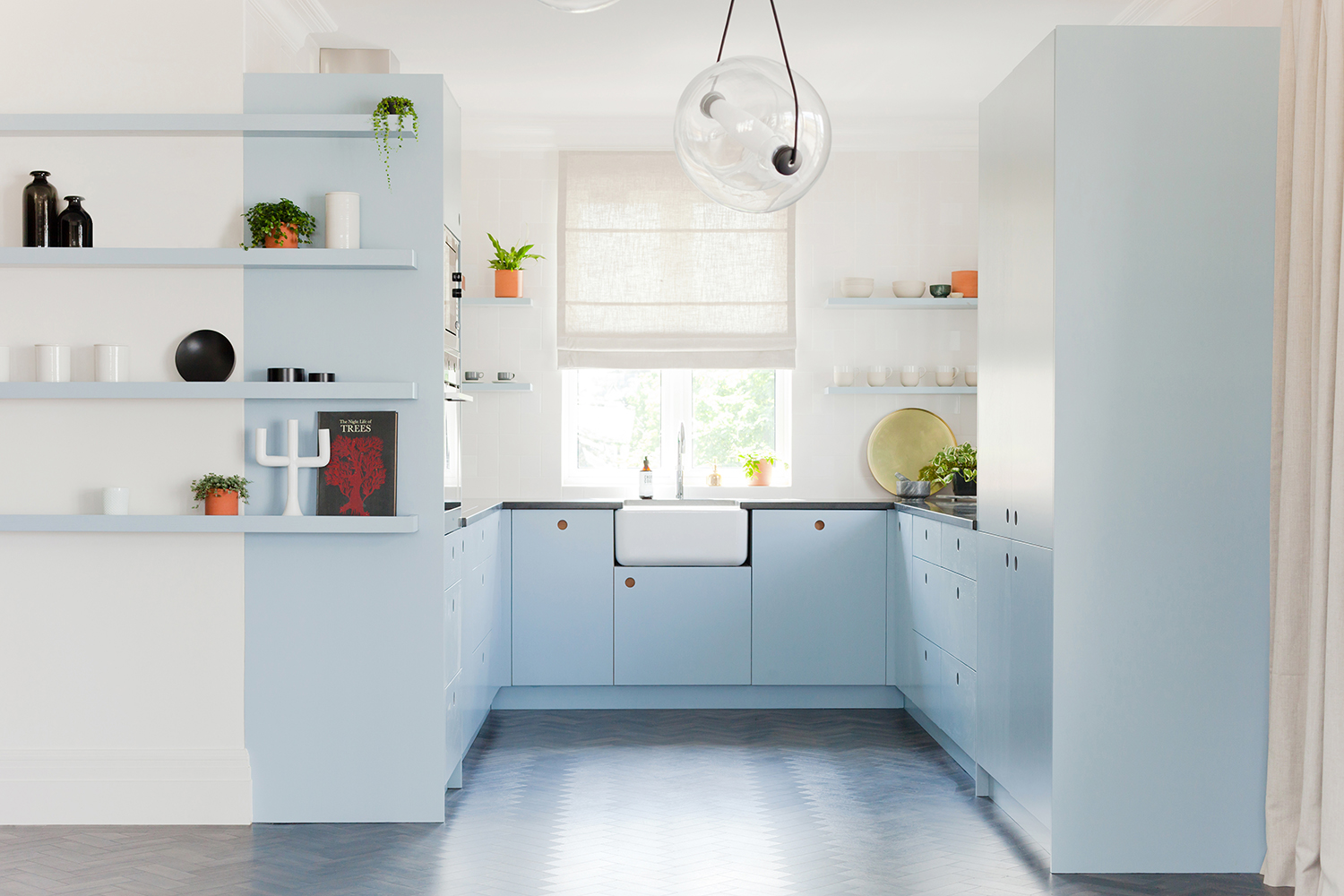
Small kitchen lighting ideas – 10 illuminating ways the right light can transform your cooking space

5 kitchen lighting layouts to illuminate your space to perfection
Essential Kitchen Lighting Tips, According to Industry Pros