1/4
You've Been All Wrong About Choosing Lighting for Your Apartment
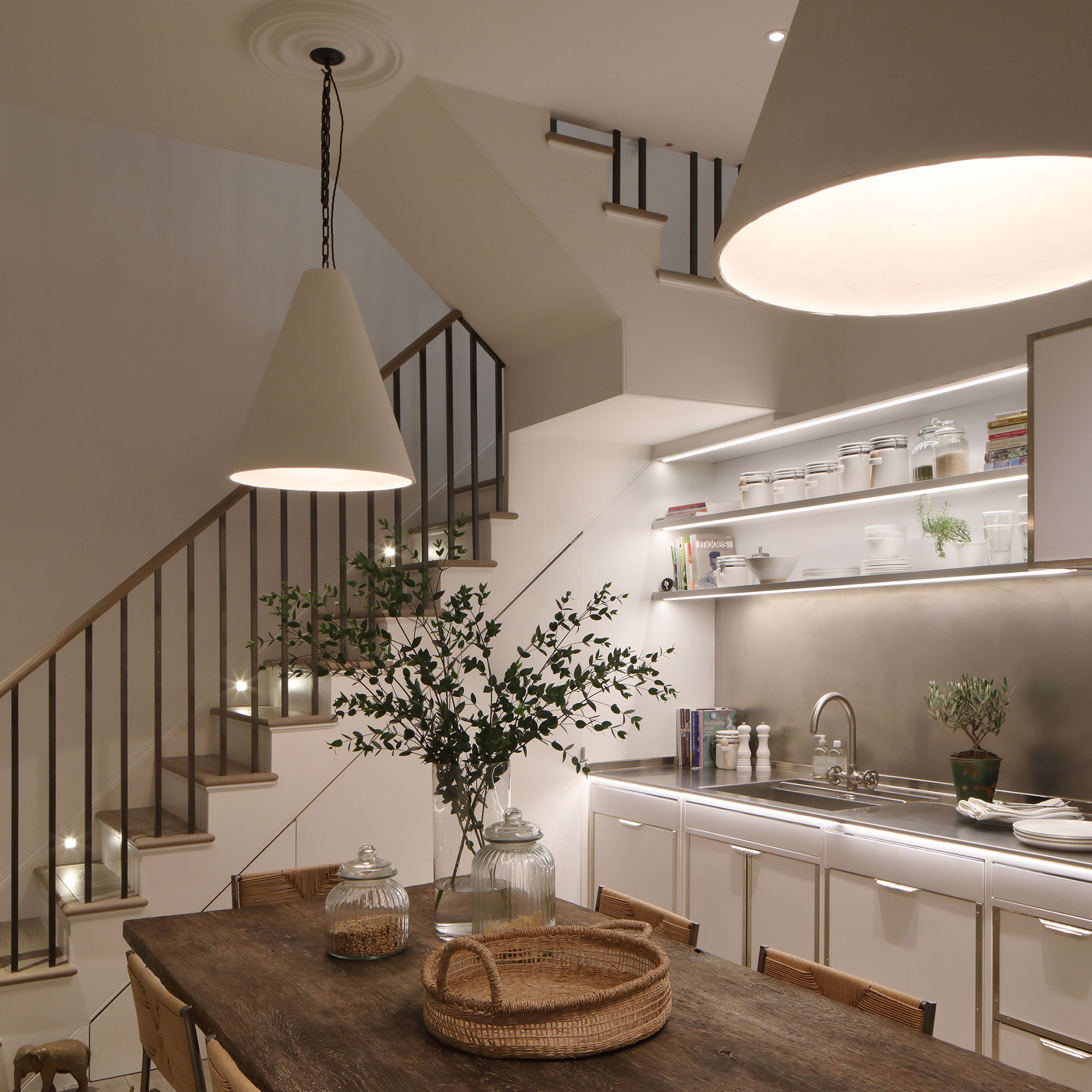
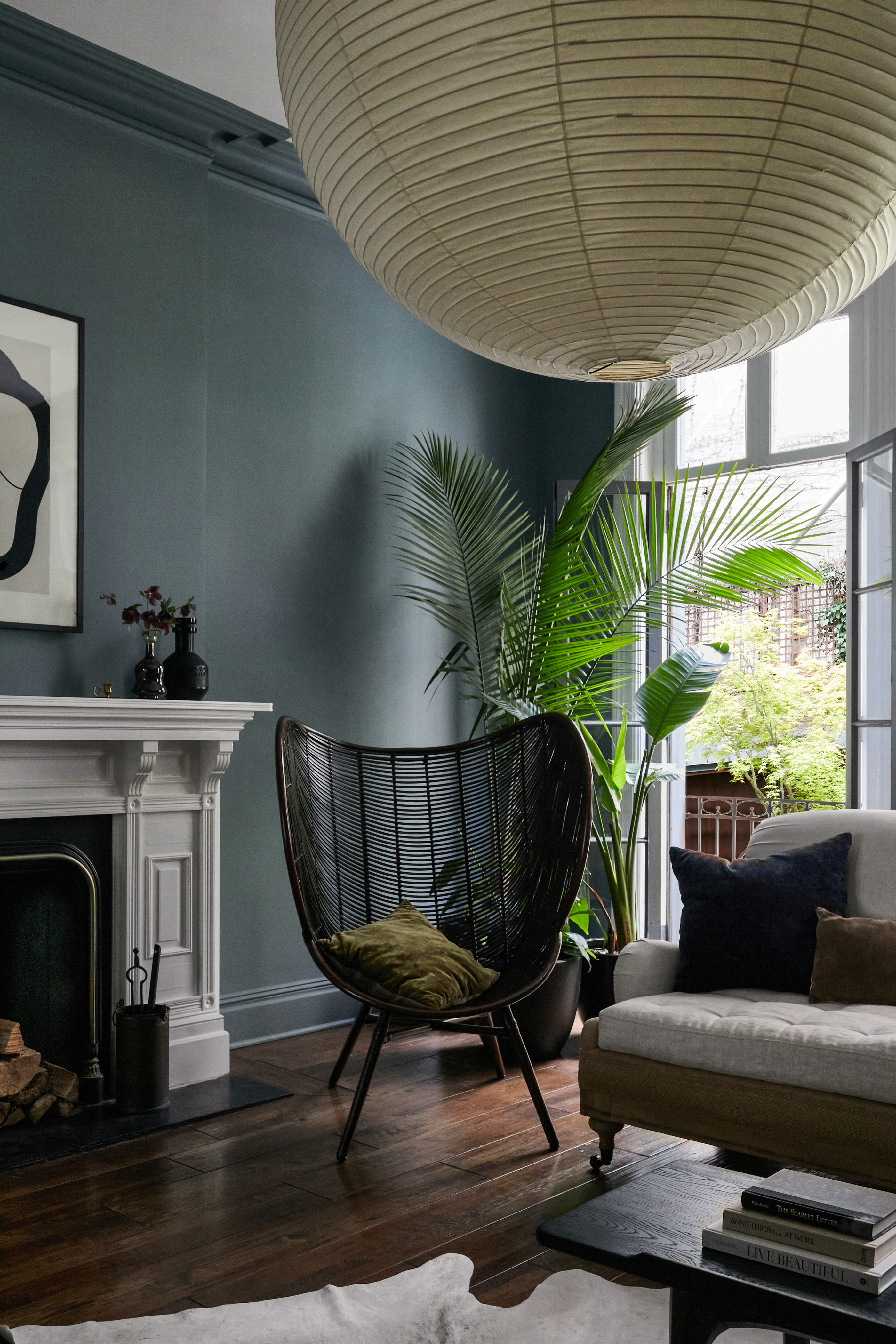
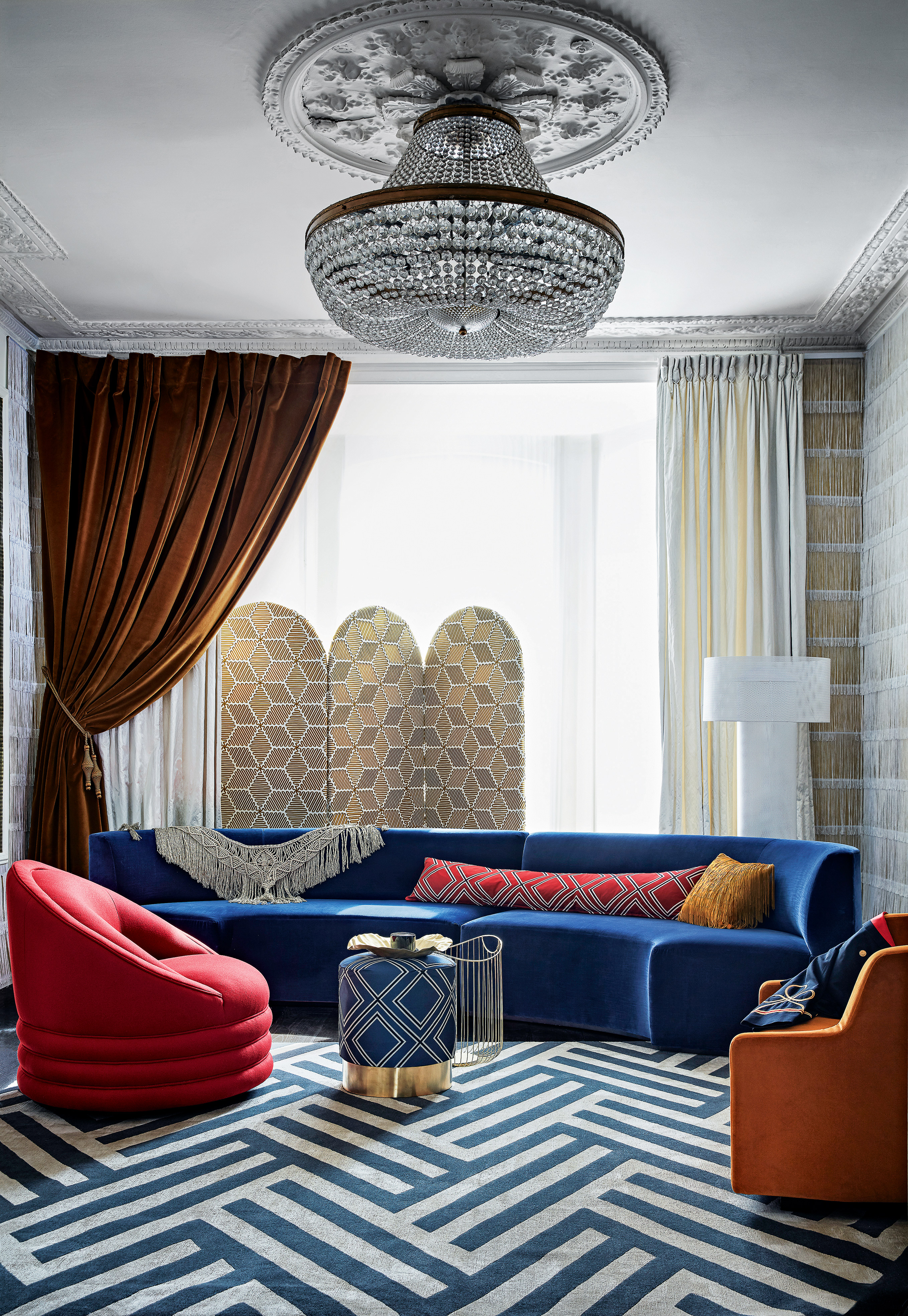
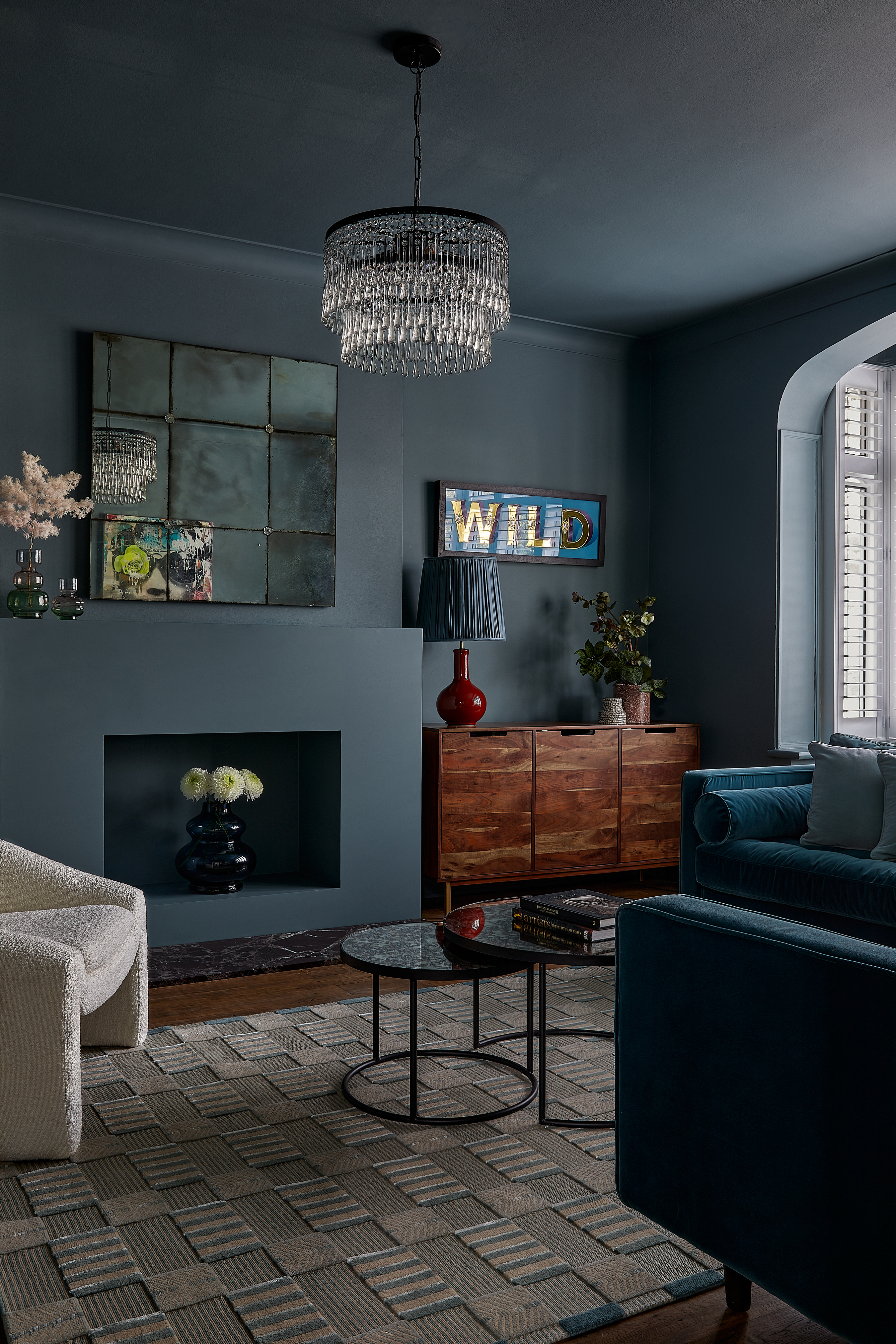
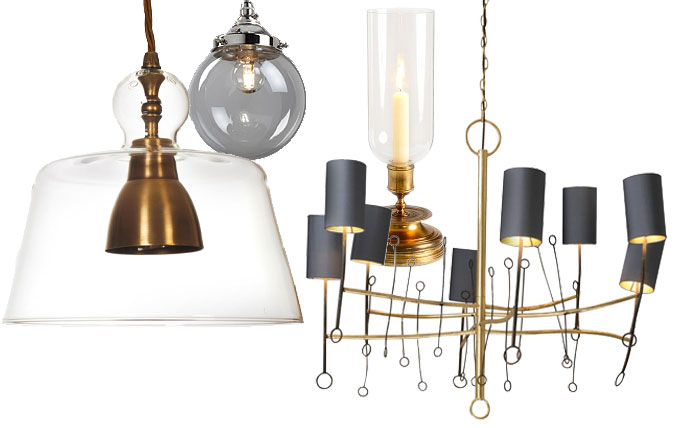
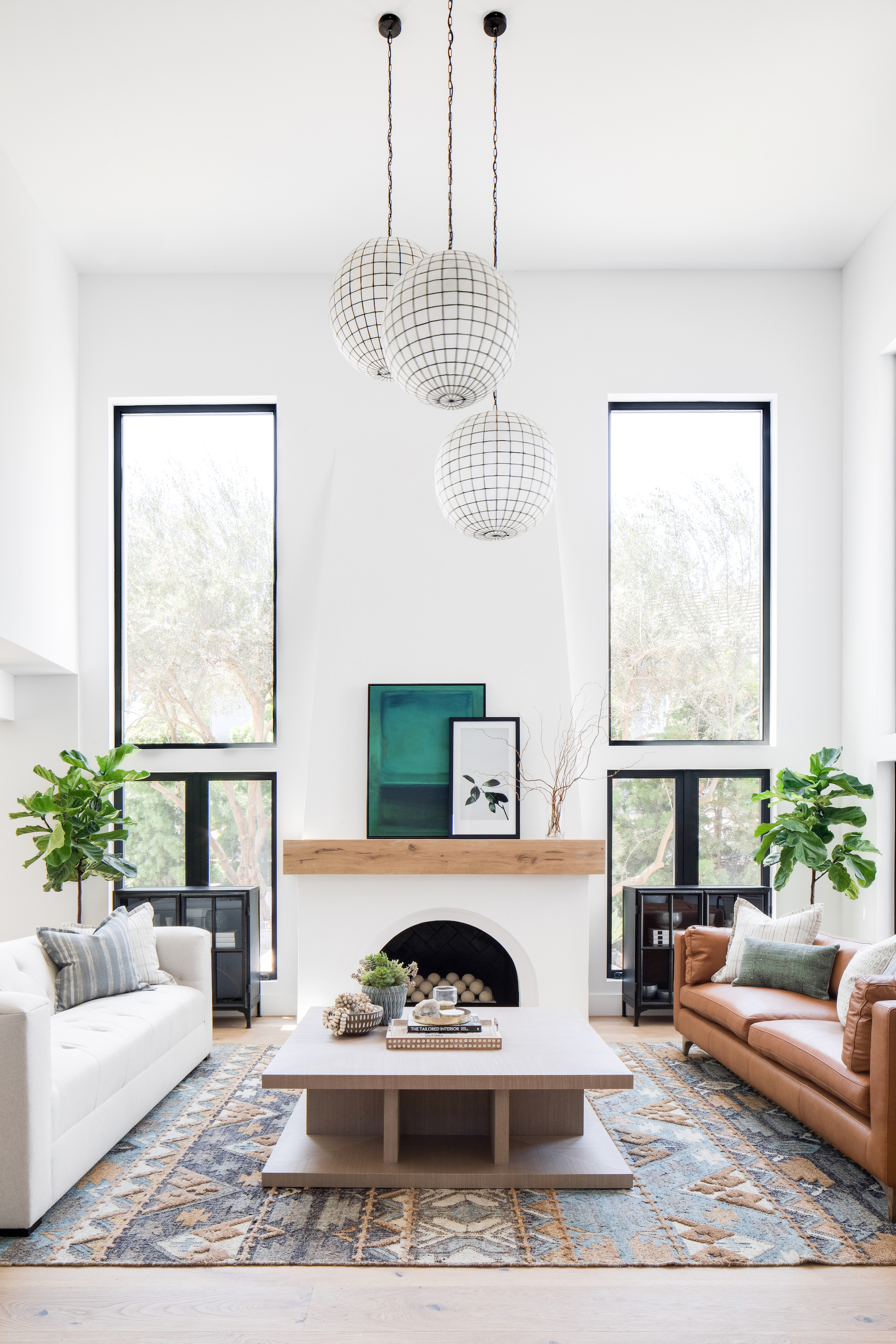
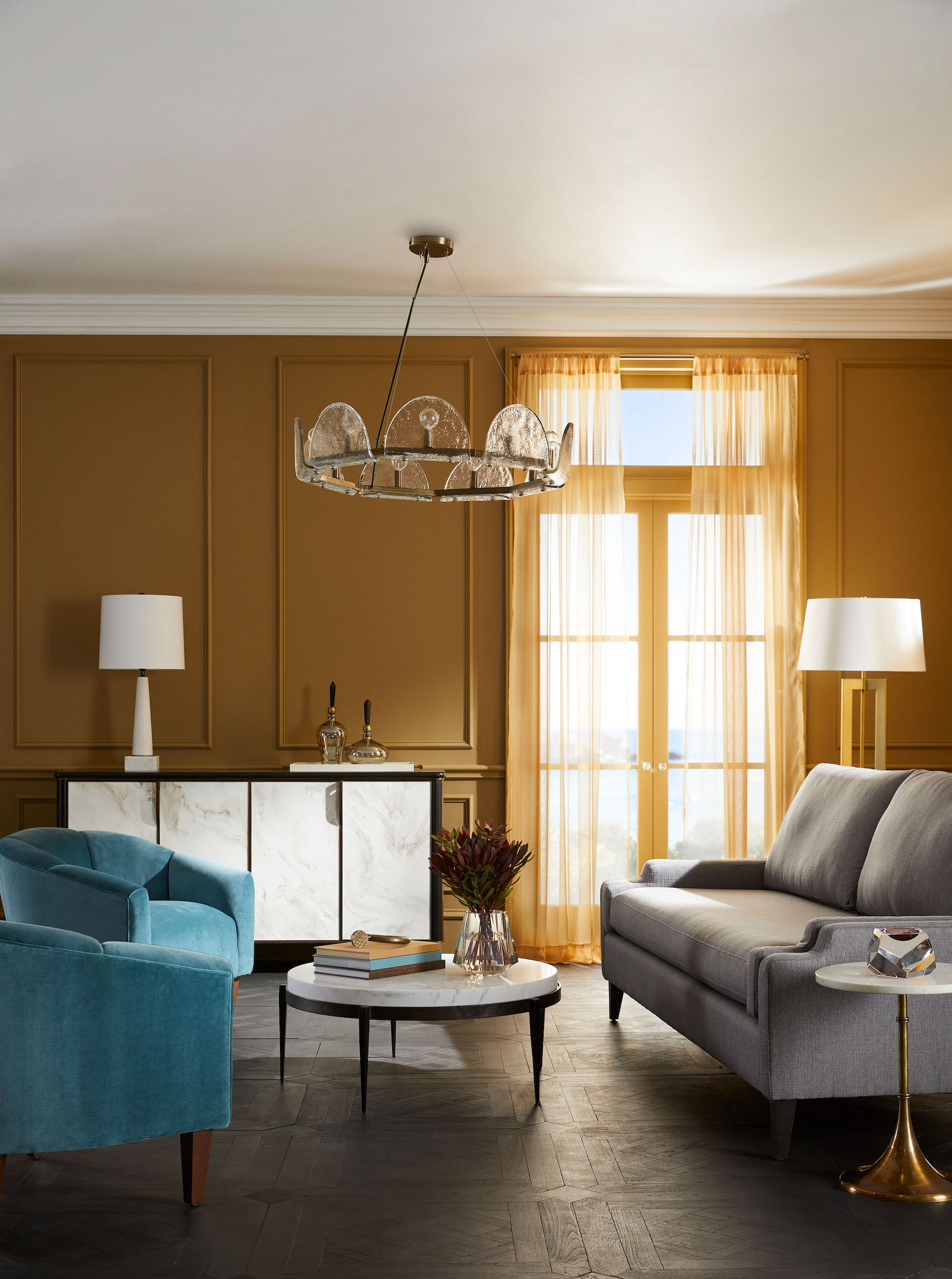
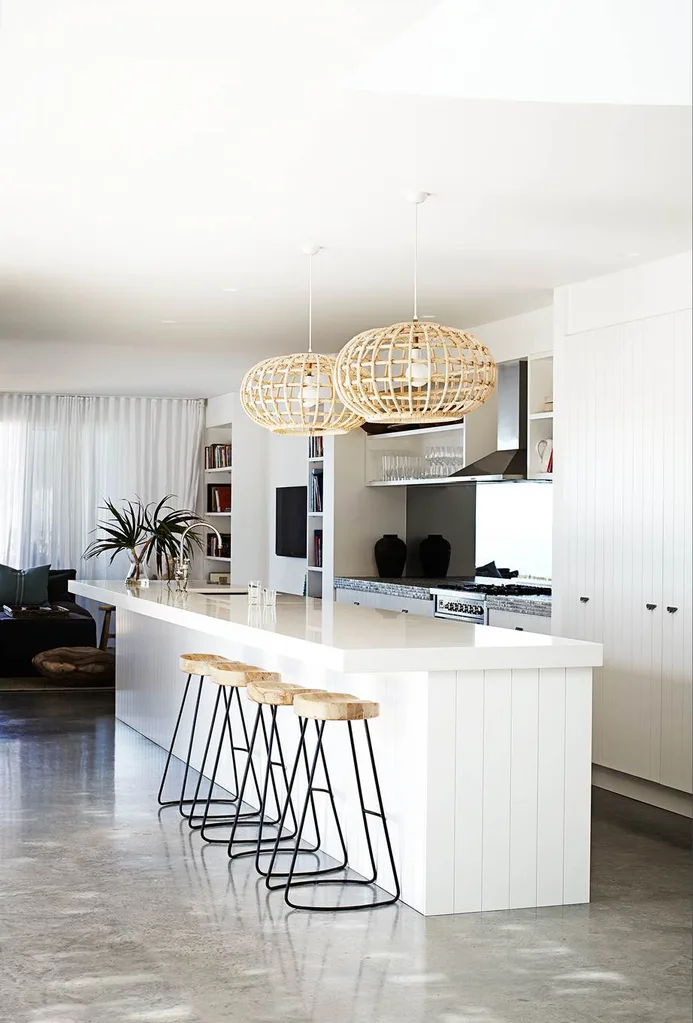
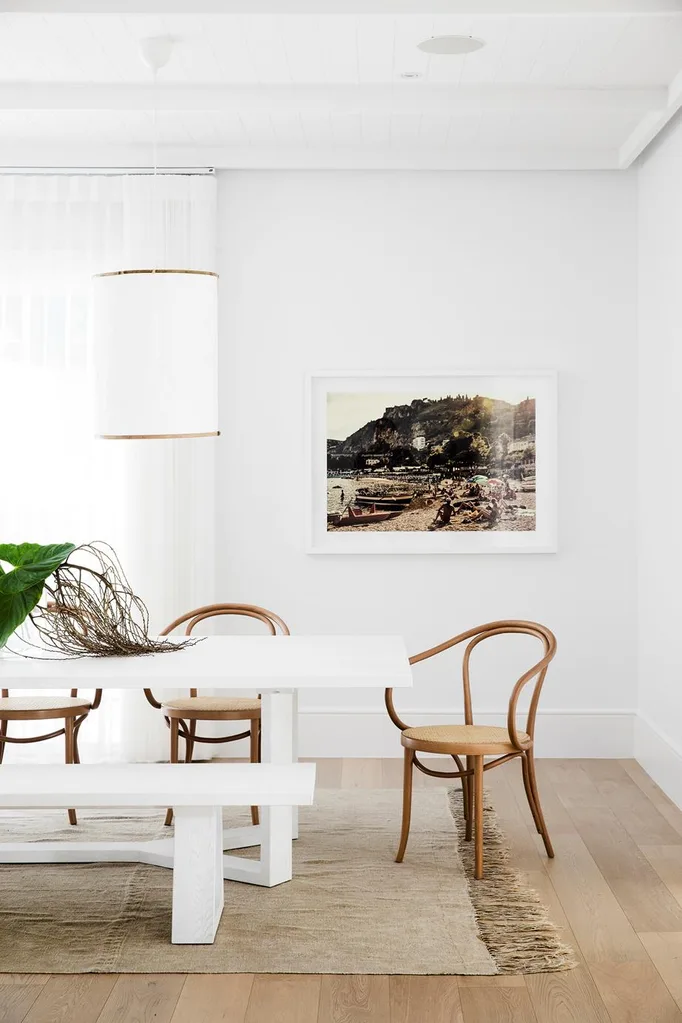
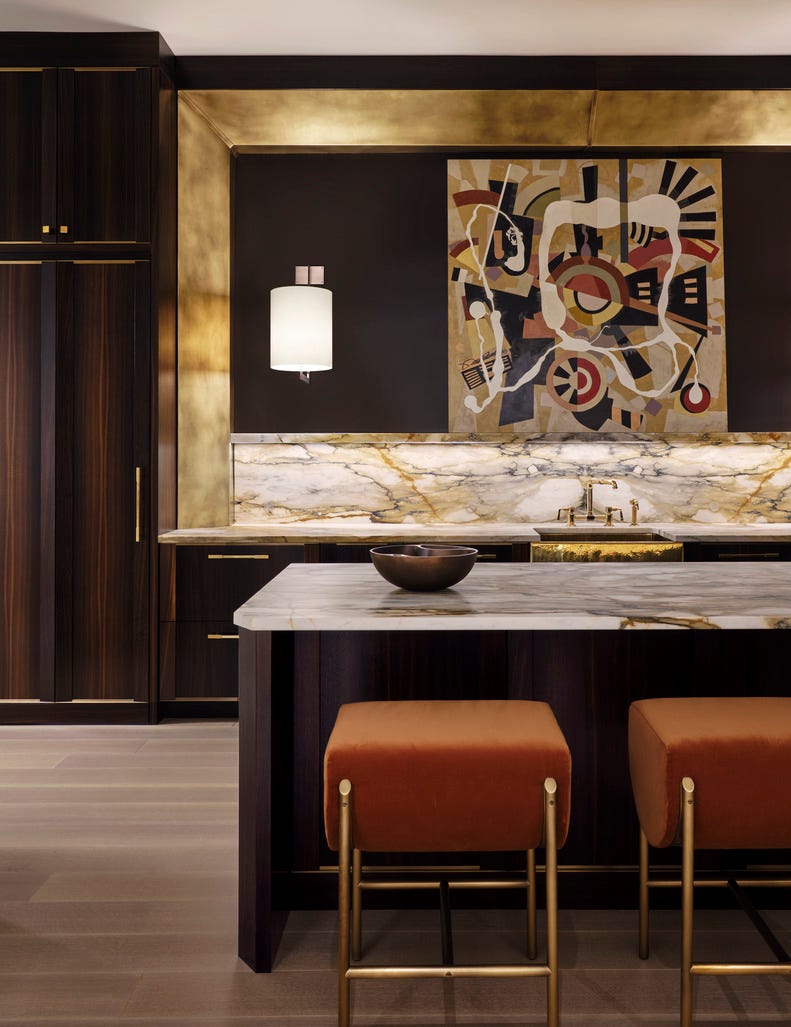
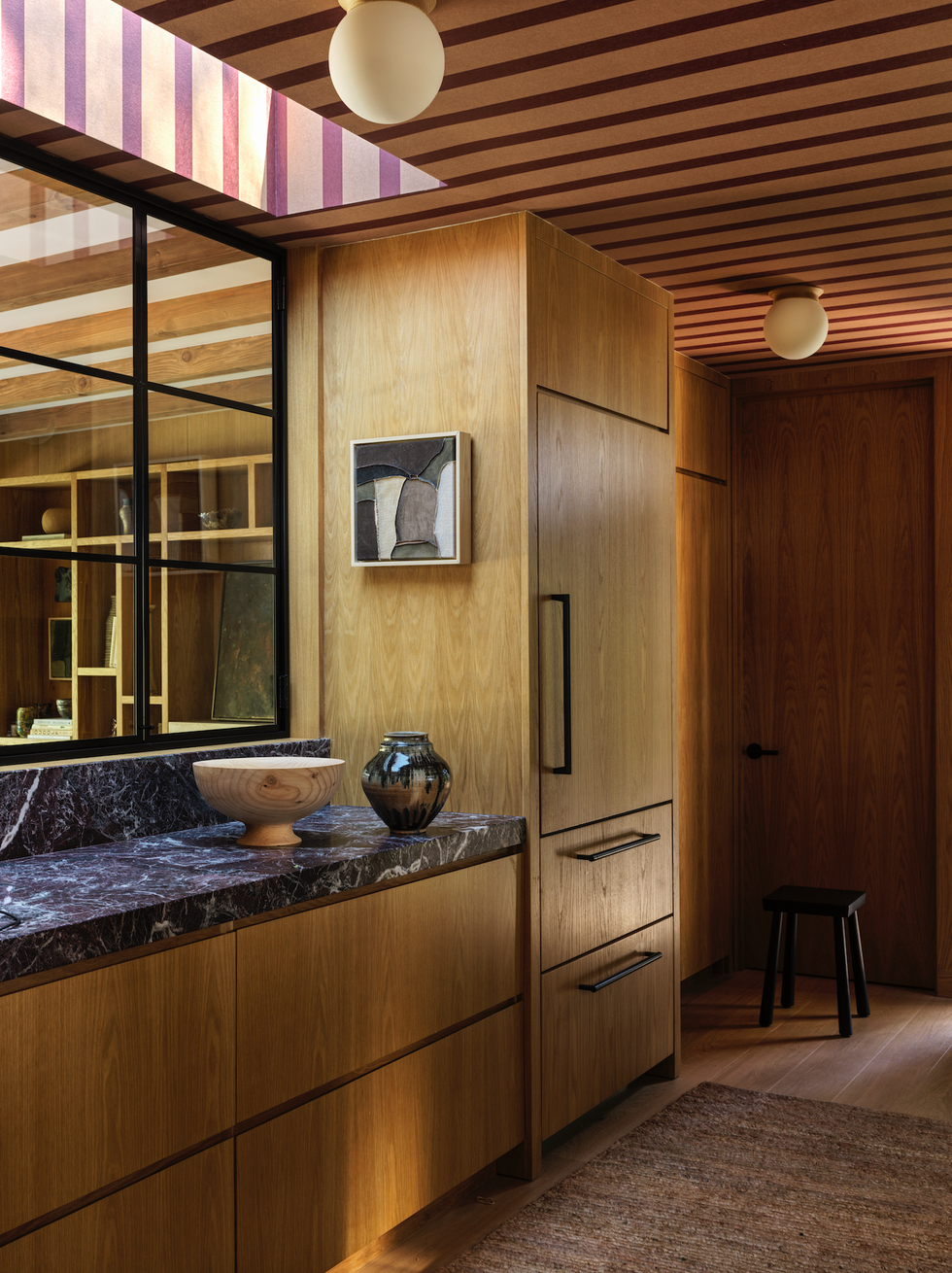
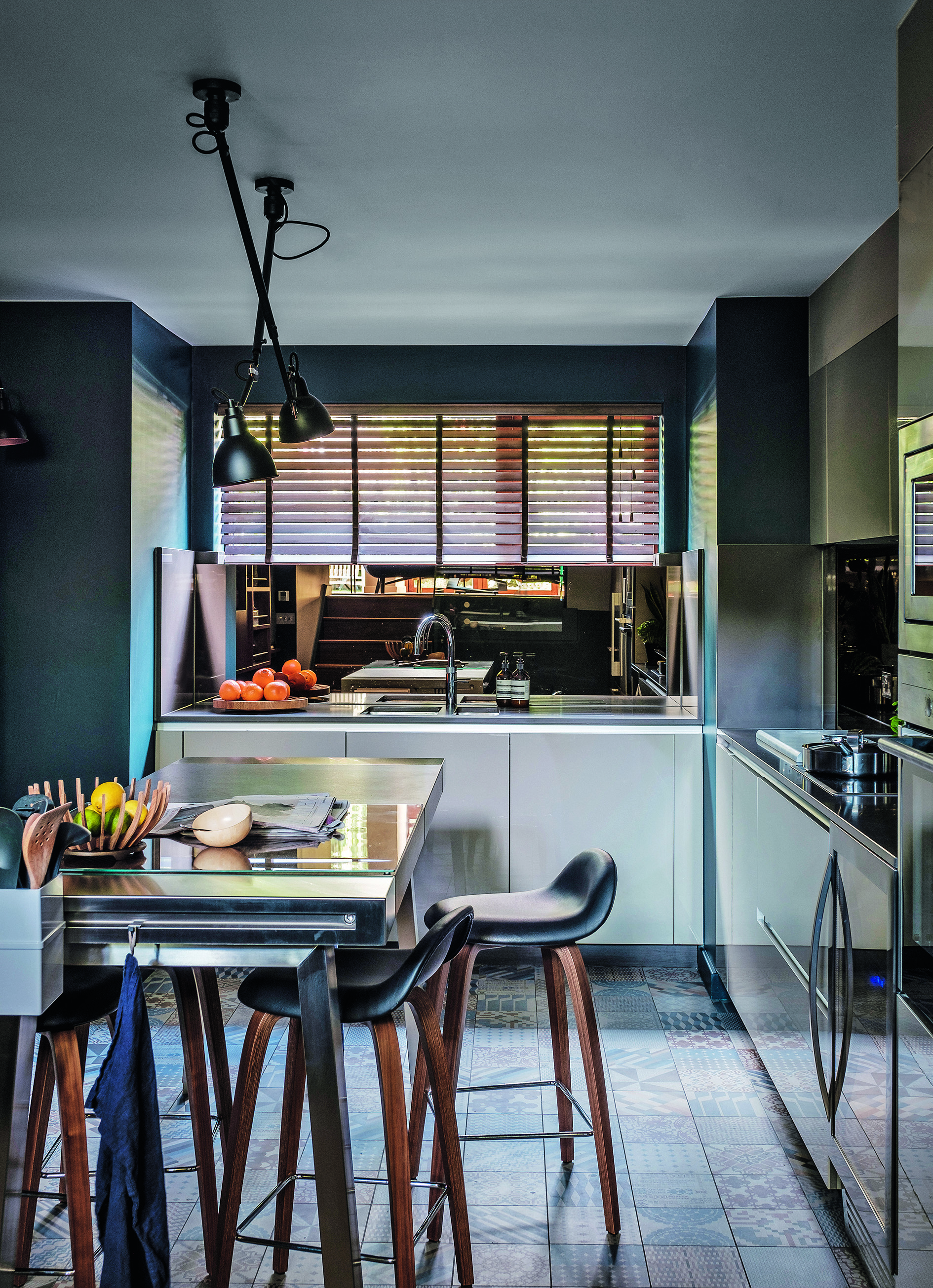
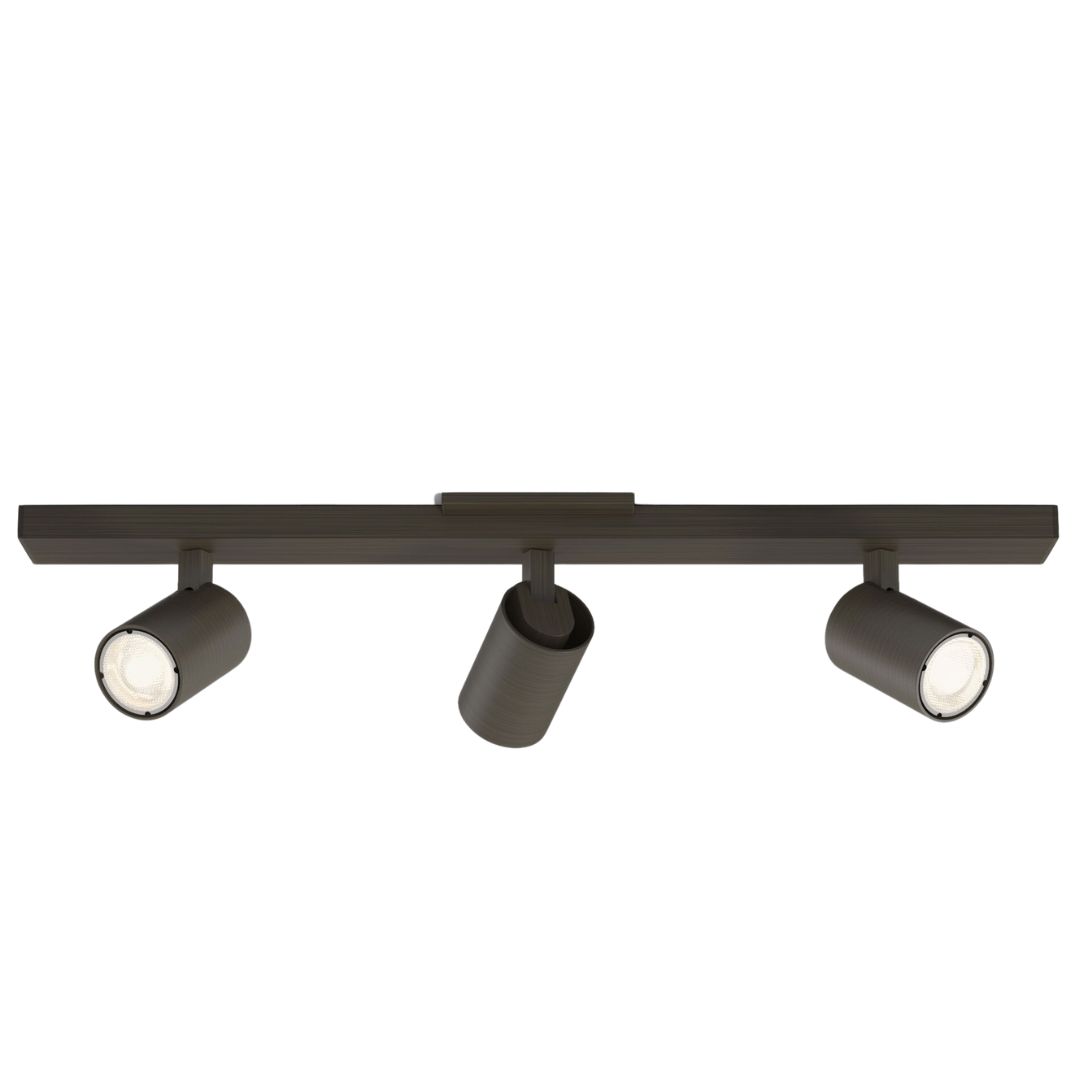
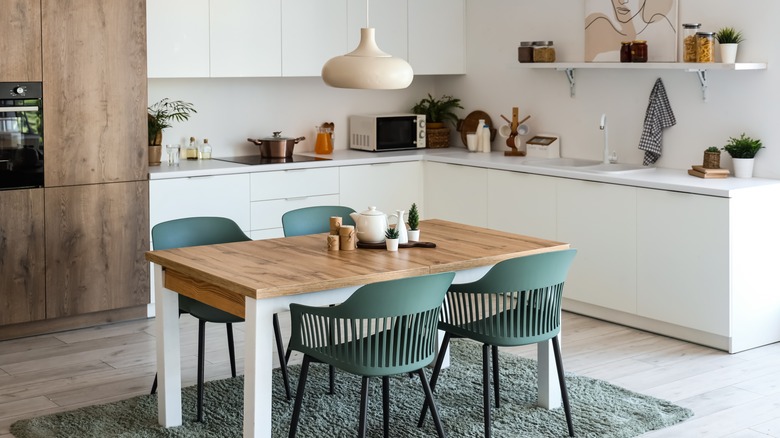
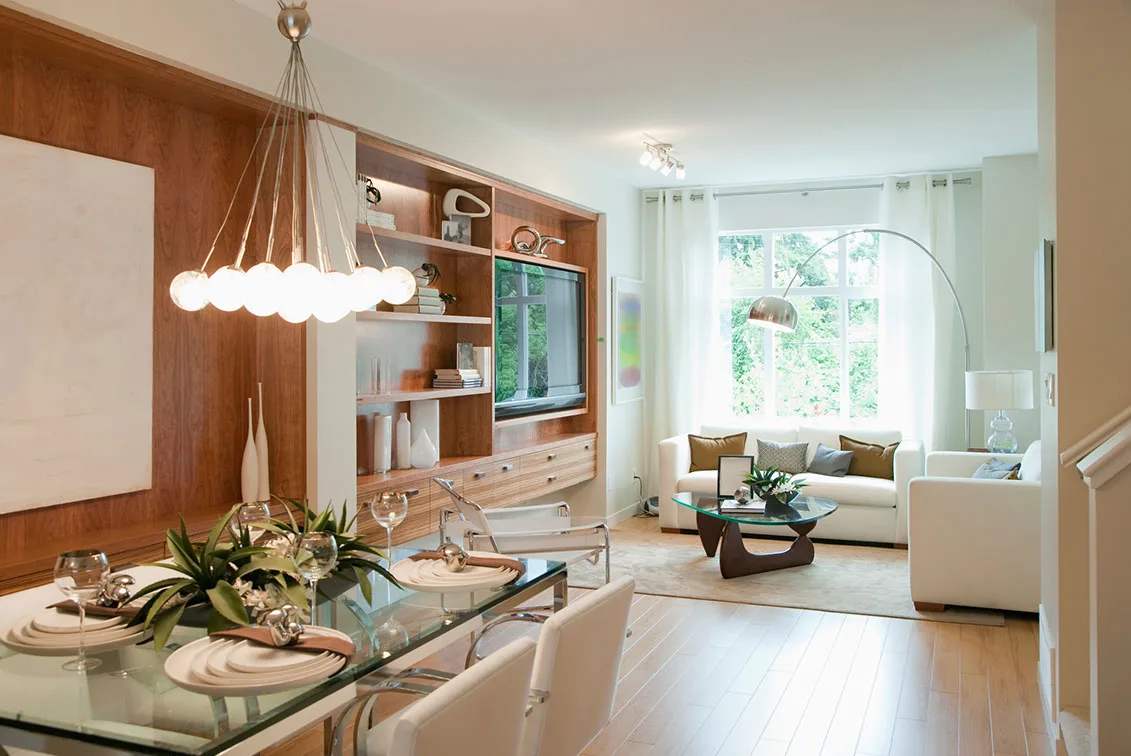
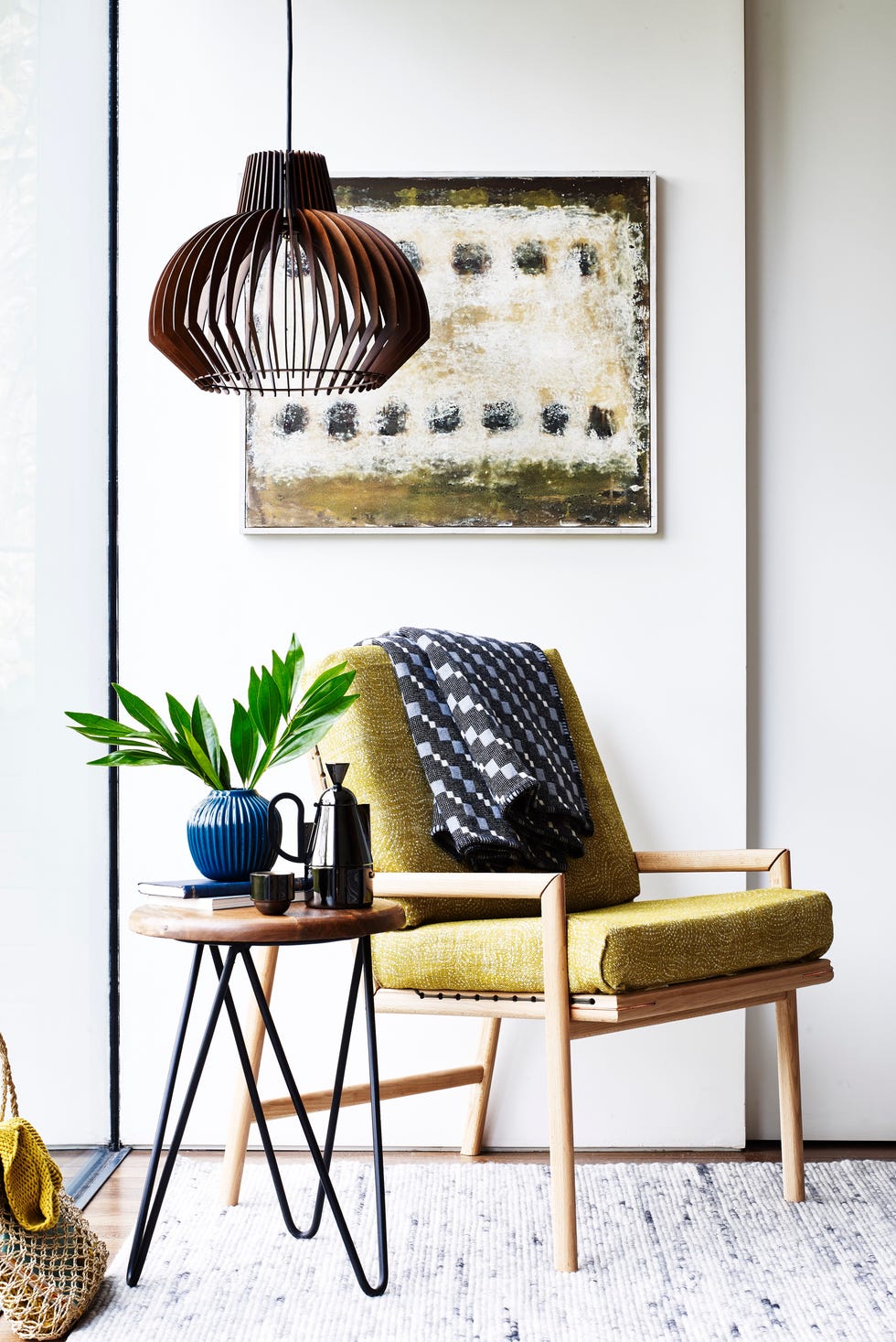
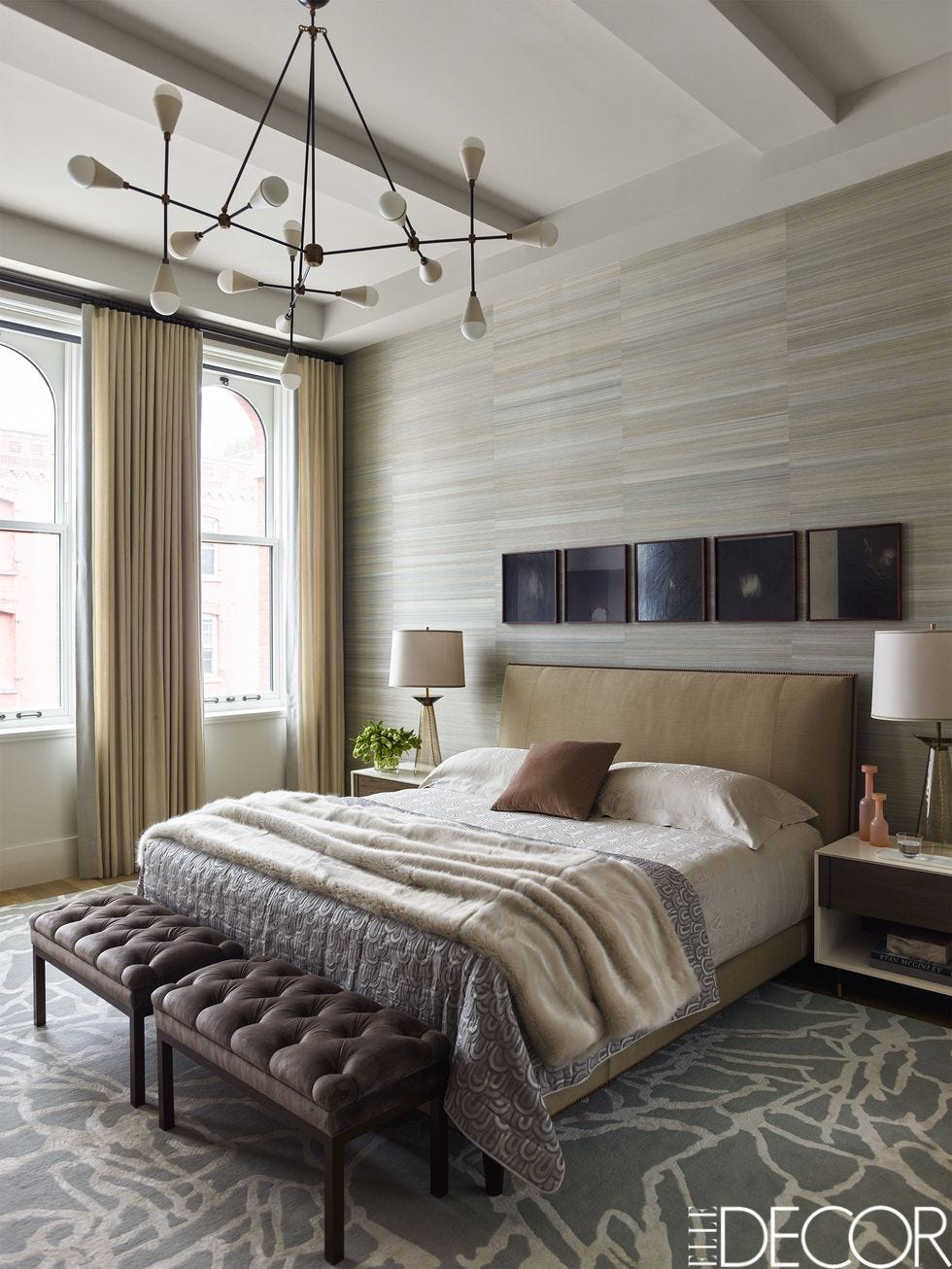
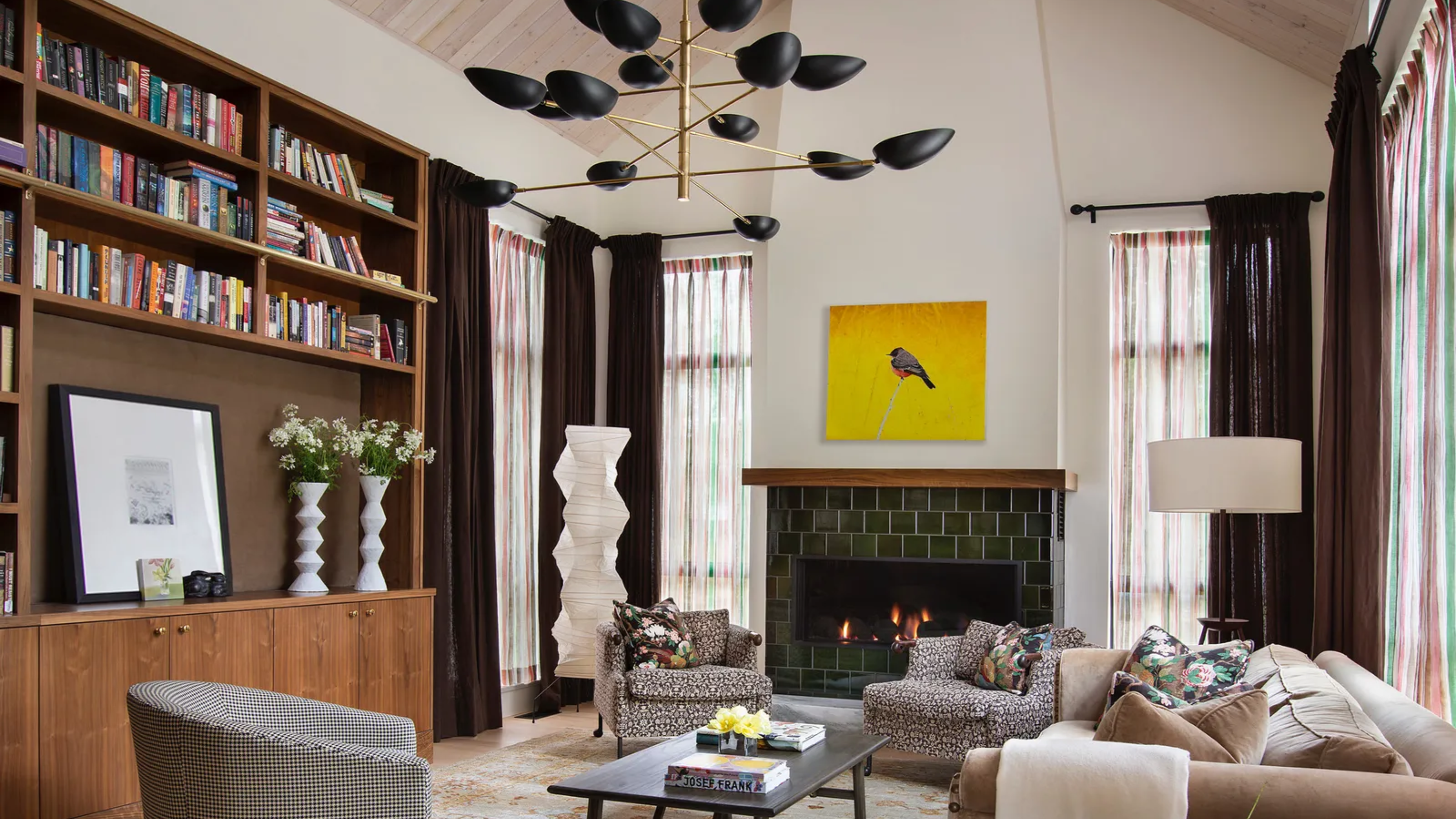
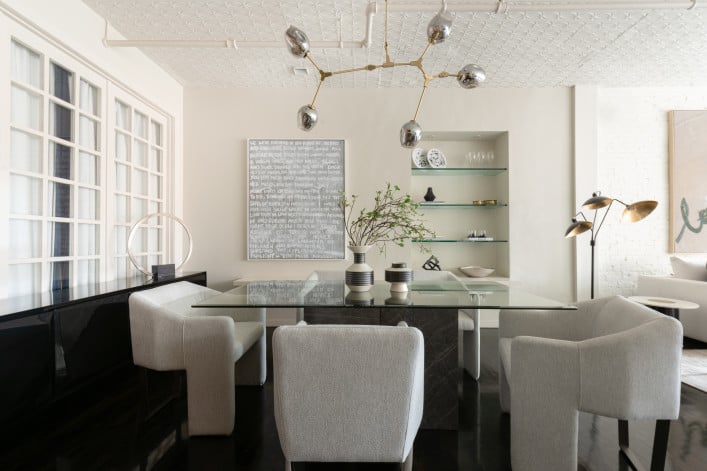
Apartment dwellers frequently encounter challenges when selecting light fixtures, especially concerning natural light deficiencies and limited floor space. This article offers ten expert tips to illuminate and enhance such living spaces. The recommendations begin with utilizing eye-catching ceiling fixtures. A large ceiling fixture can create an illusion of a larger space and add dramatic flair, though it usually needs to be complemented by other light sources to adequately brighten a room lacking natural light. Sid Pinkerton, owner of Manhattan Staging, cautions against relying solely on a single ceiling fixture.
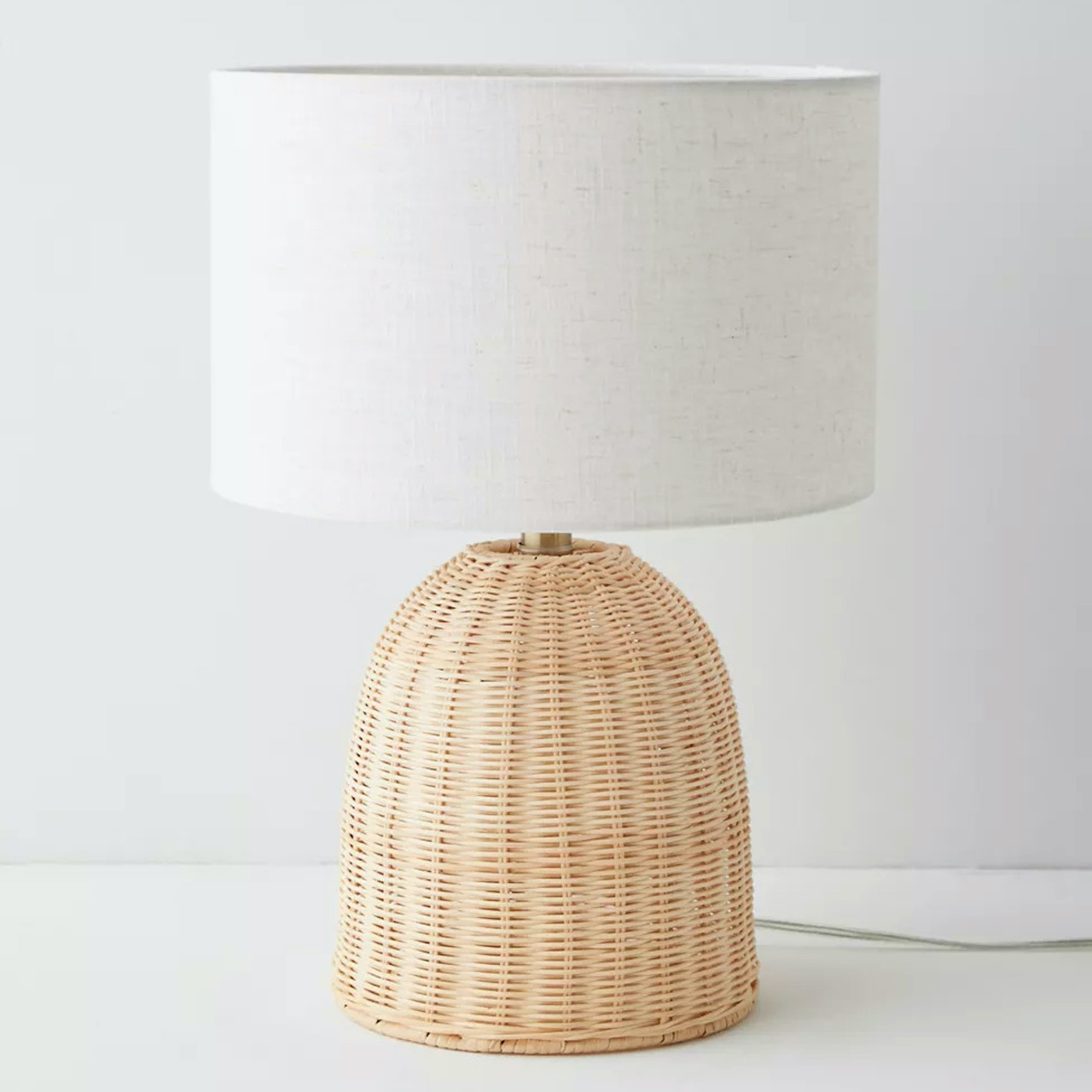
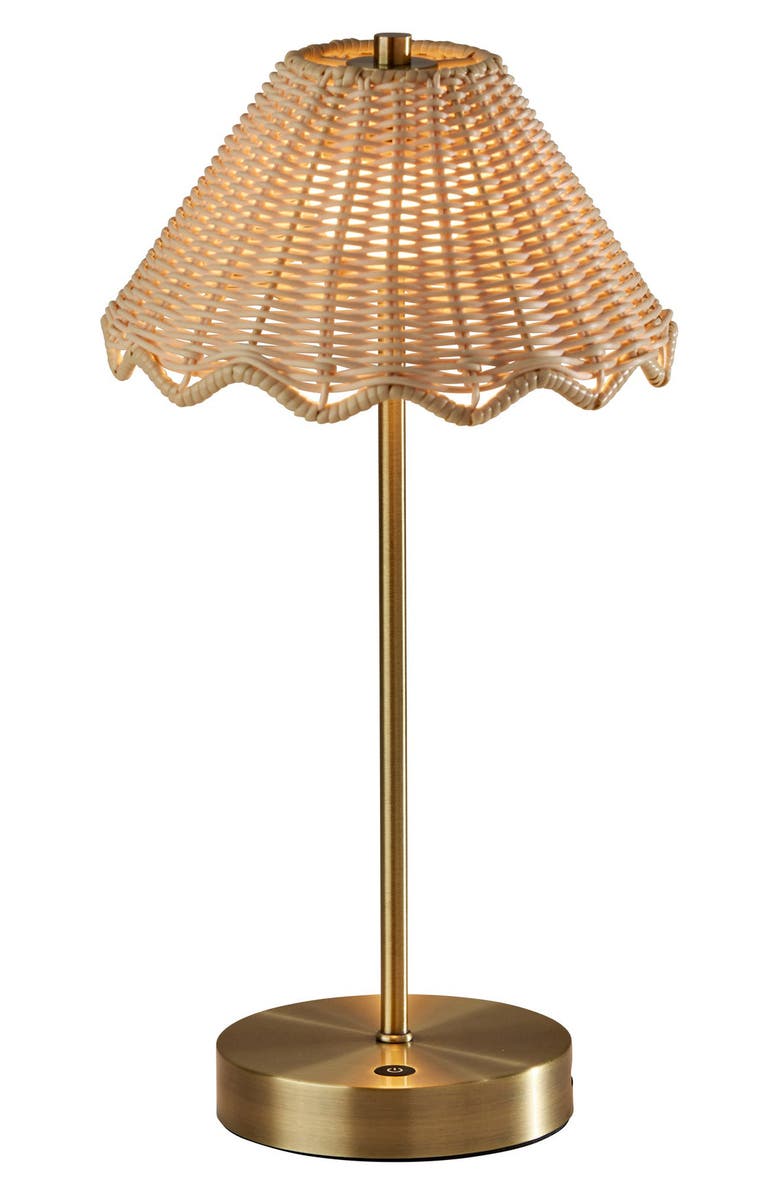
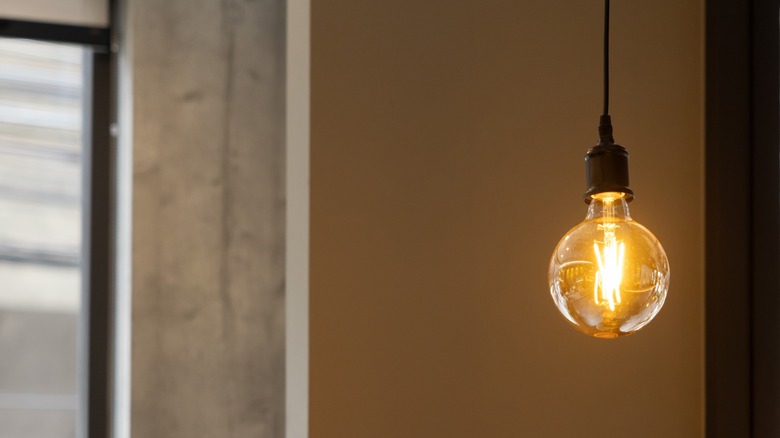
For powder rooms, which are often small, Michael Amato of The Urban Electric Co. suggests incorporating slim sconces alongside overhead lighting. This combination prevents harsh illumination and helps balance the light, making the space feel more open and inviting. The choice of lampshades also significantly impacts light quality; lighter shades allow for broader room illumination, while darker ones create more localized light. Michael Murphy recommends ditching traditional shades for glass or mesh alternatives, or even exposed Edison-style bulbs, to maximize light output.
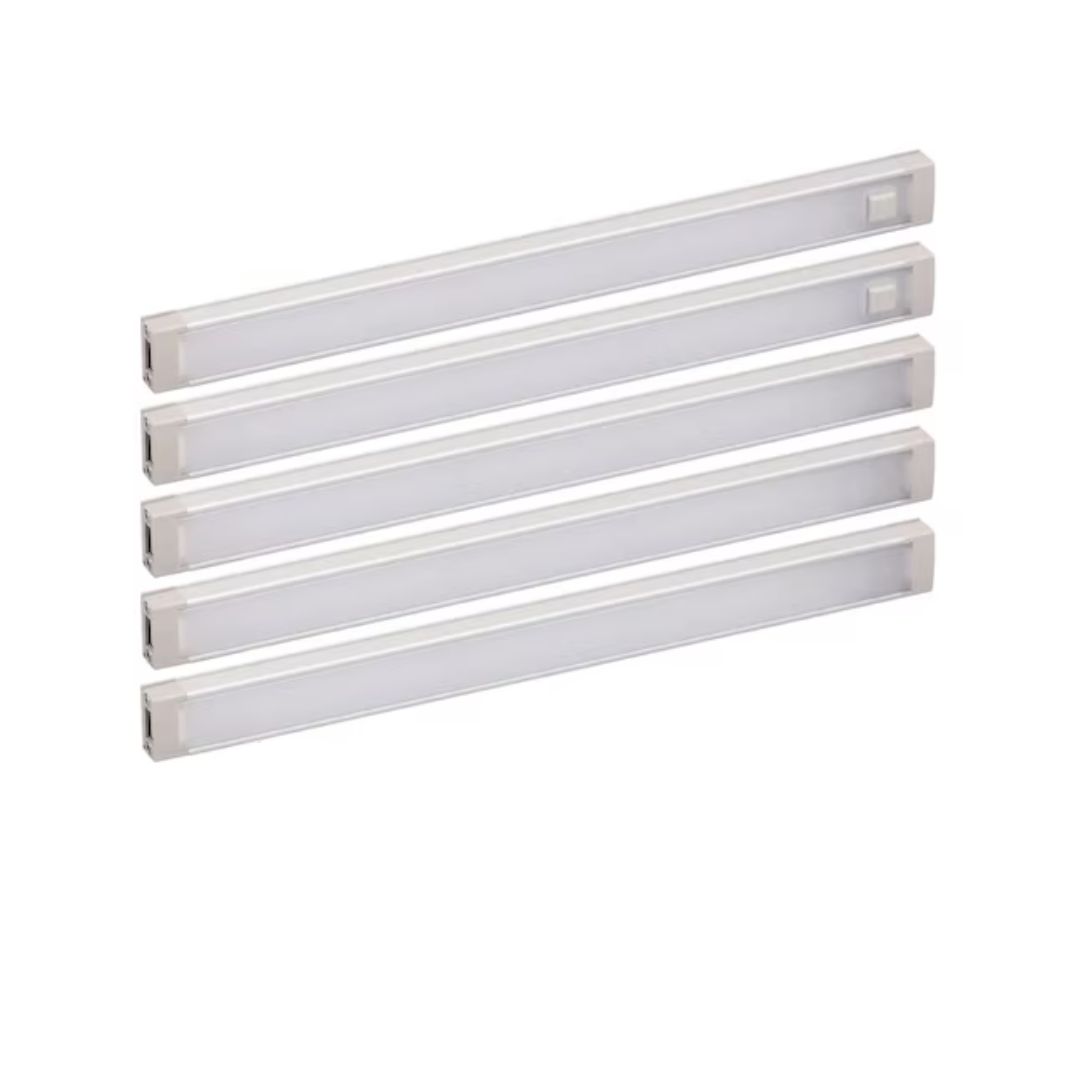
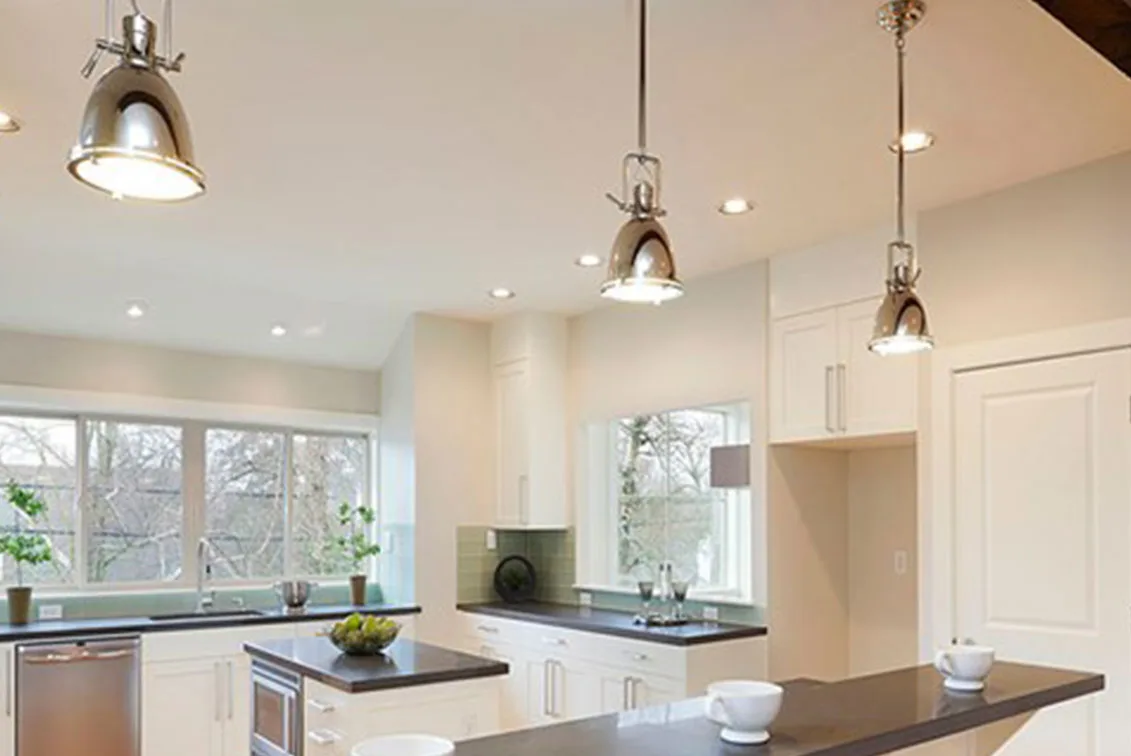
To foster a relaxing atmosphere, the article advises using incandescent bulbs that emit a softer, yellow light, as suggested by interior designer Marie Burgos. This type of light can promote better sleep by not suppressing melatonin, unlike the blue light emitted by many modern devices. Task lighting is another crucial element, especially in areas like desks or apartment kitchens. Under-cabinet lighting, for instance, provides focused illumination for specific activities.
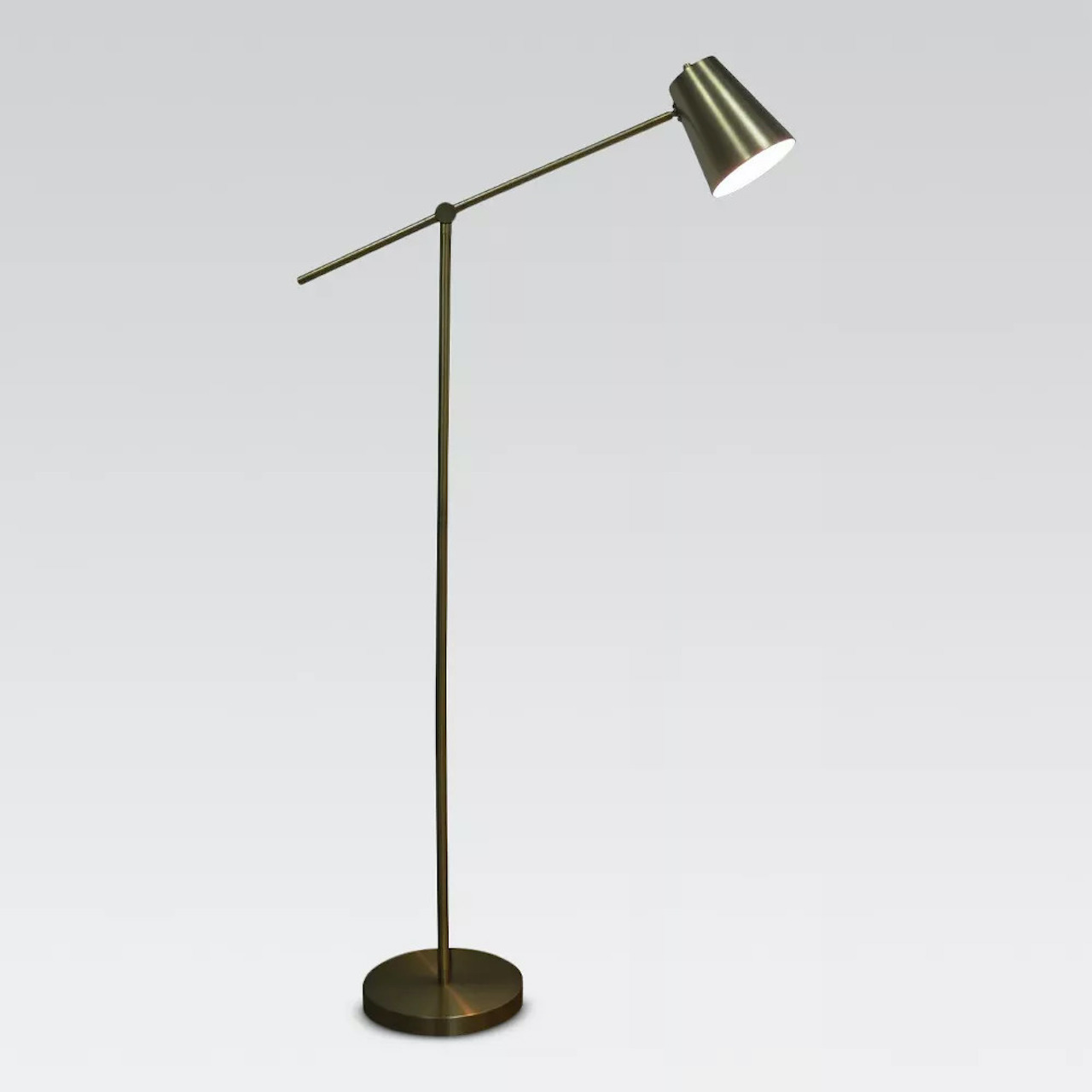
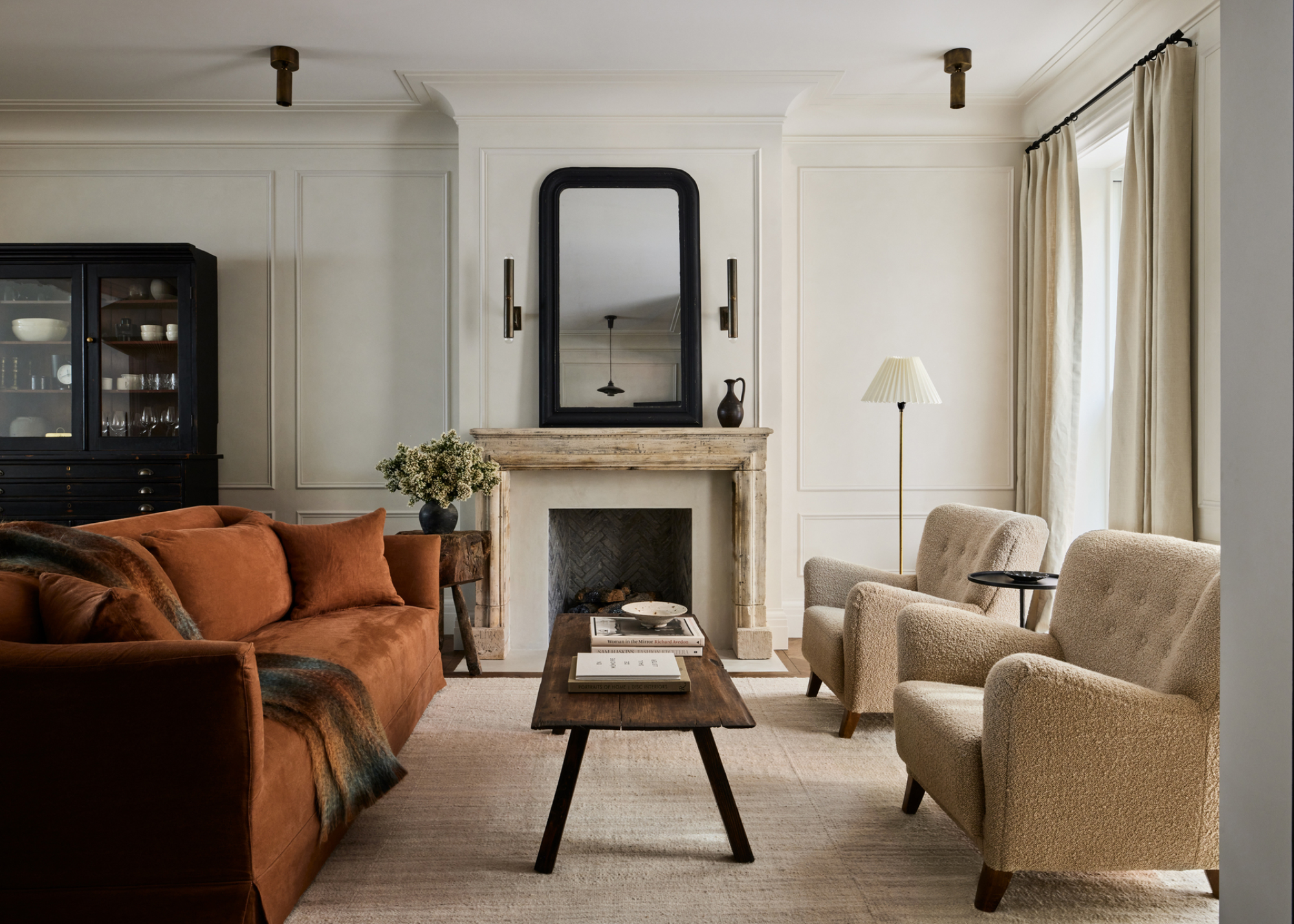
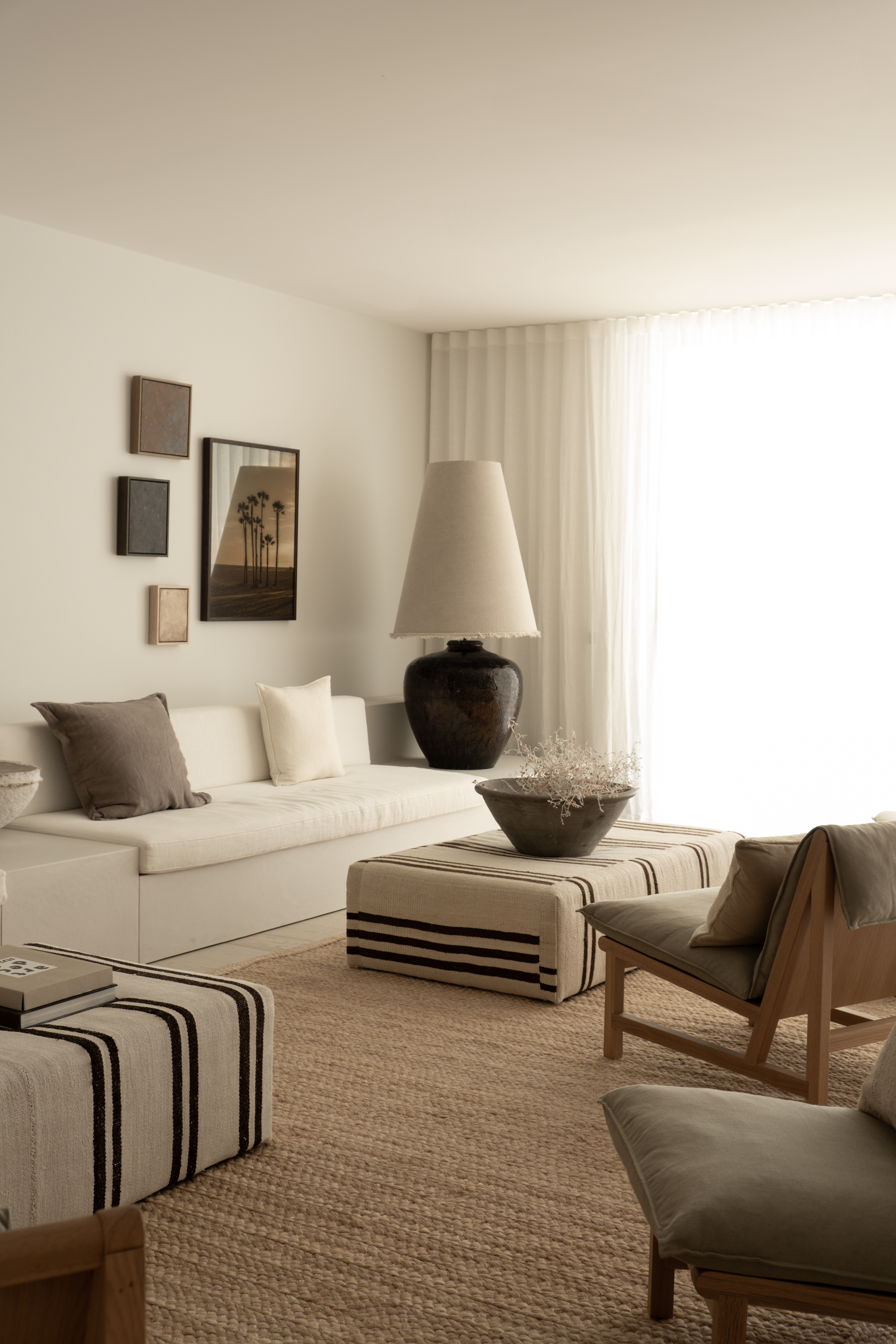
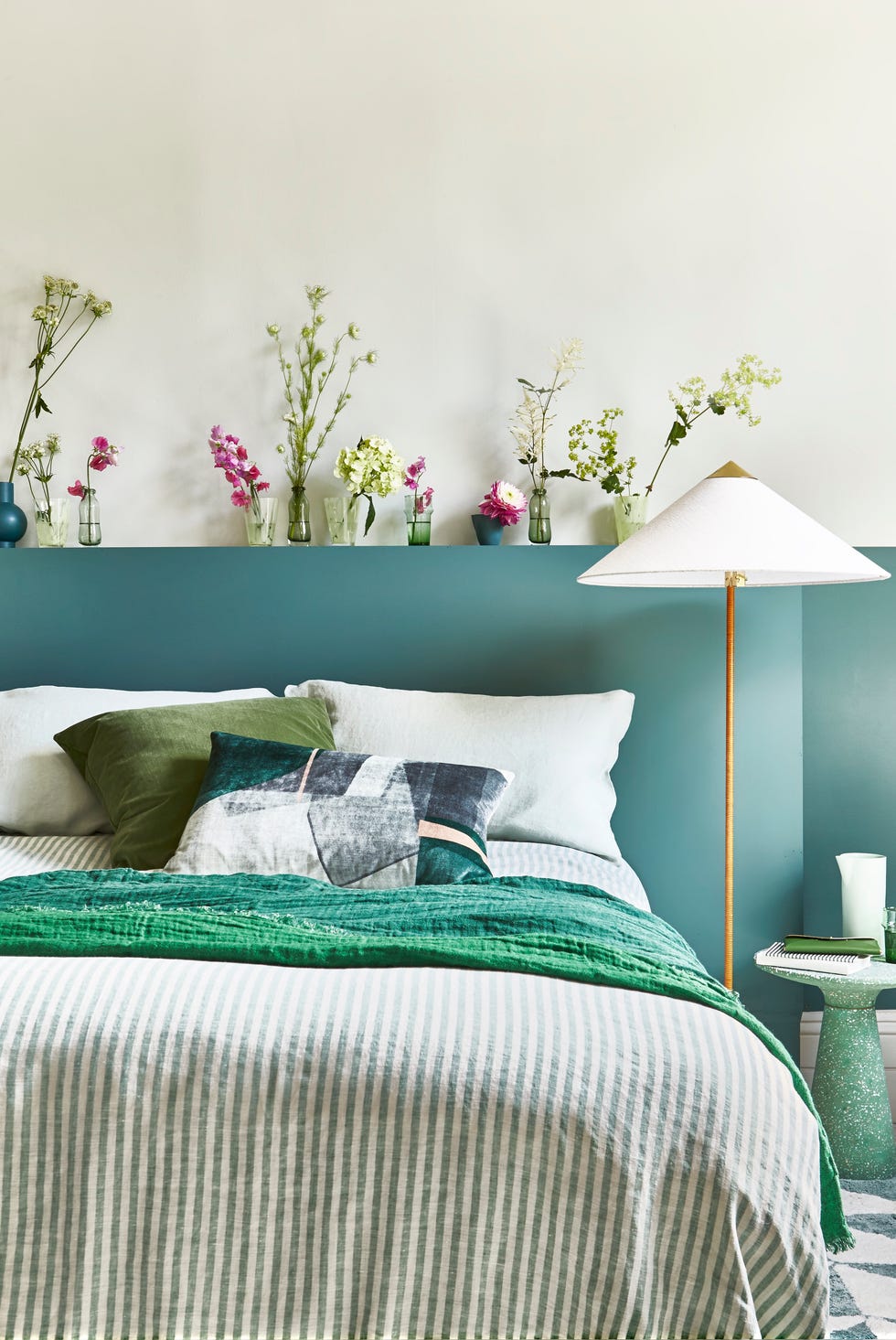
Strategic placement of mirrors can also amplify existing light. Placing mirrors opposite windows helps to reflect and bounce light around the room, creating the illusion of more windows and a brighter space. In apartments with limited square footage, vertical lighting solutions like torchiere floor lamps are highly effective. These lamps provide ample light without occupying much floor or tabletop area. Murphy specifically suggests multifunctional lamps that combine a torchiere top with a task light.
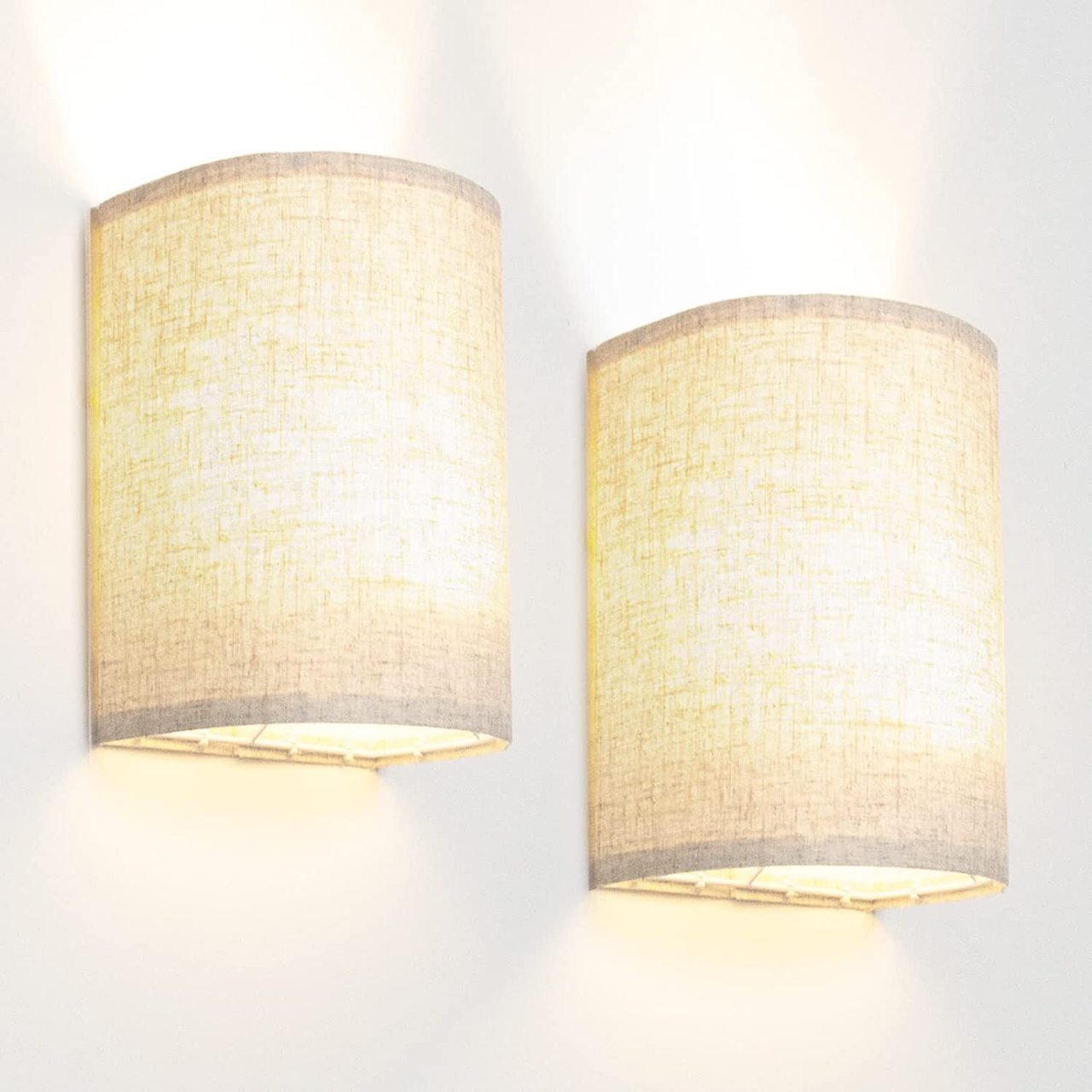
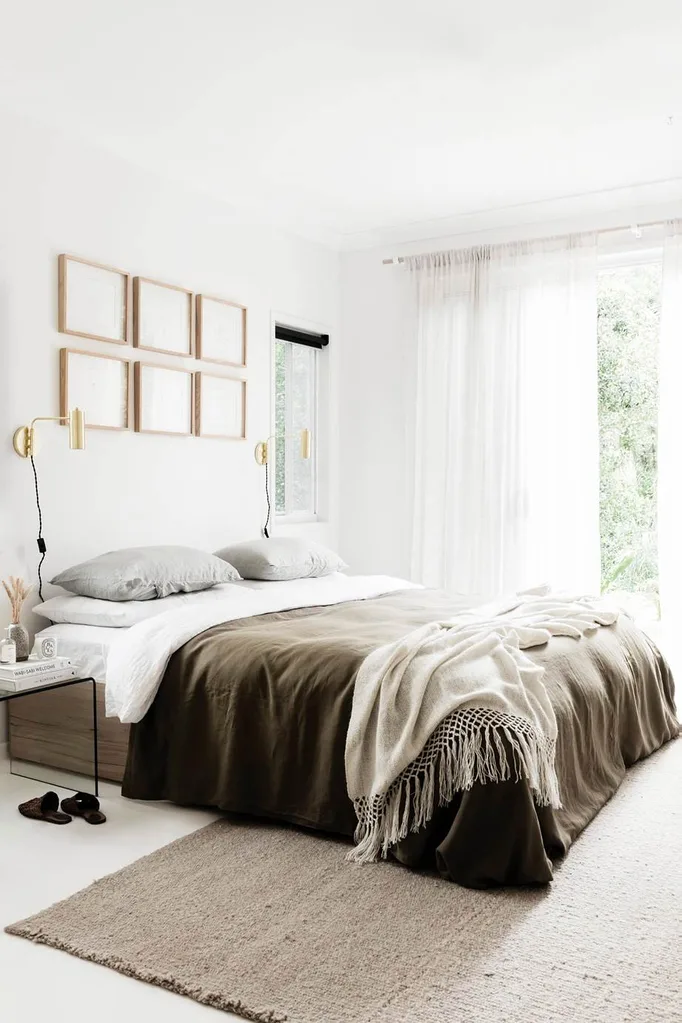
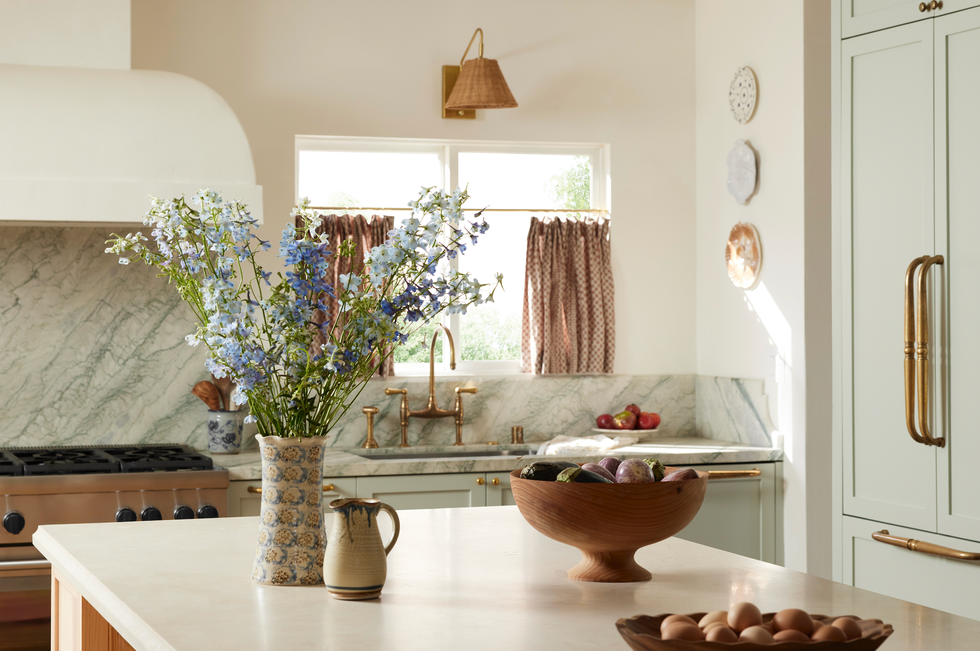
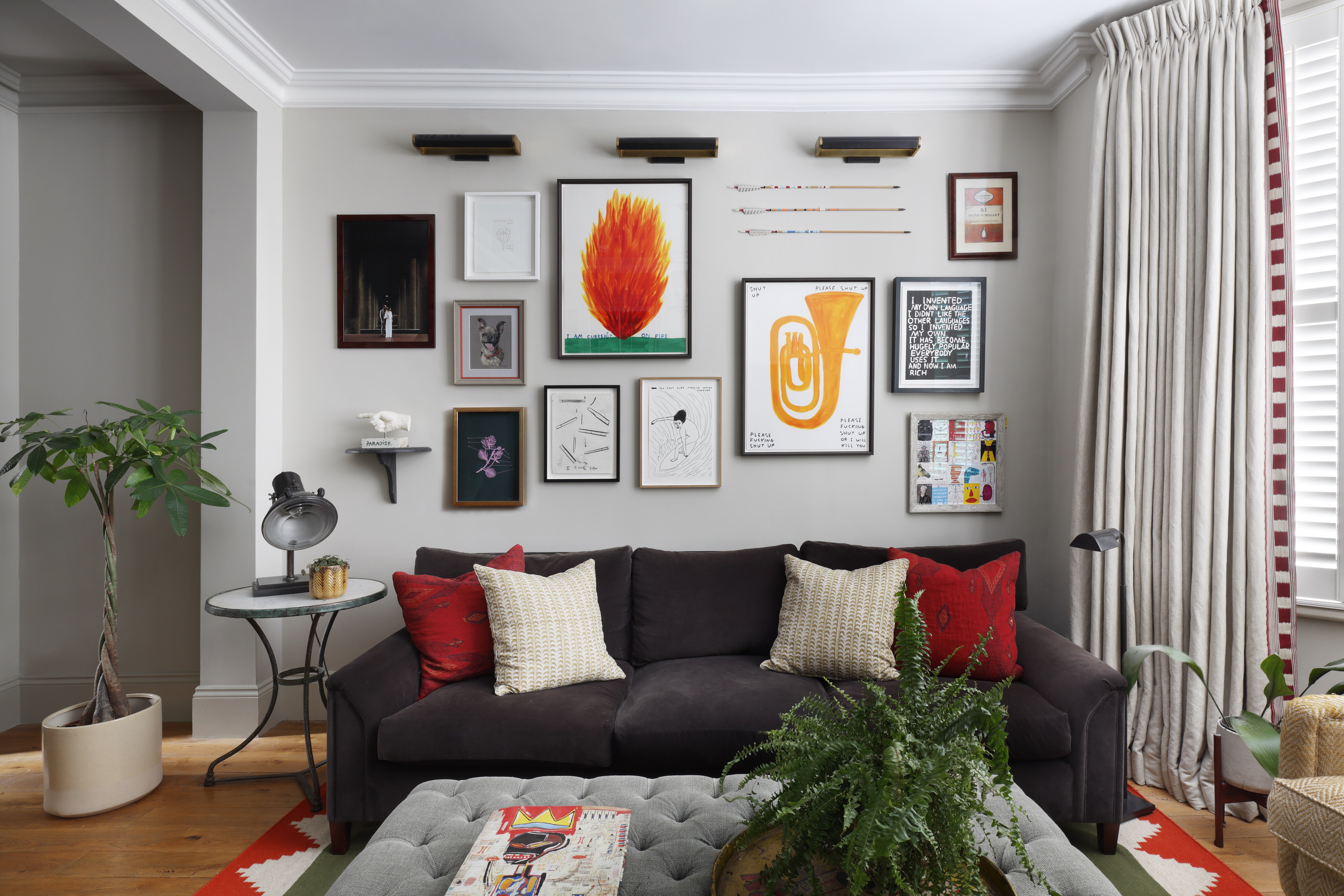
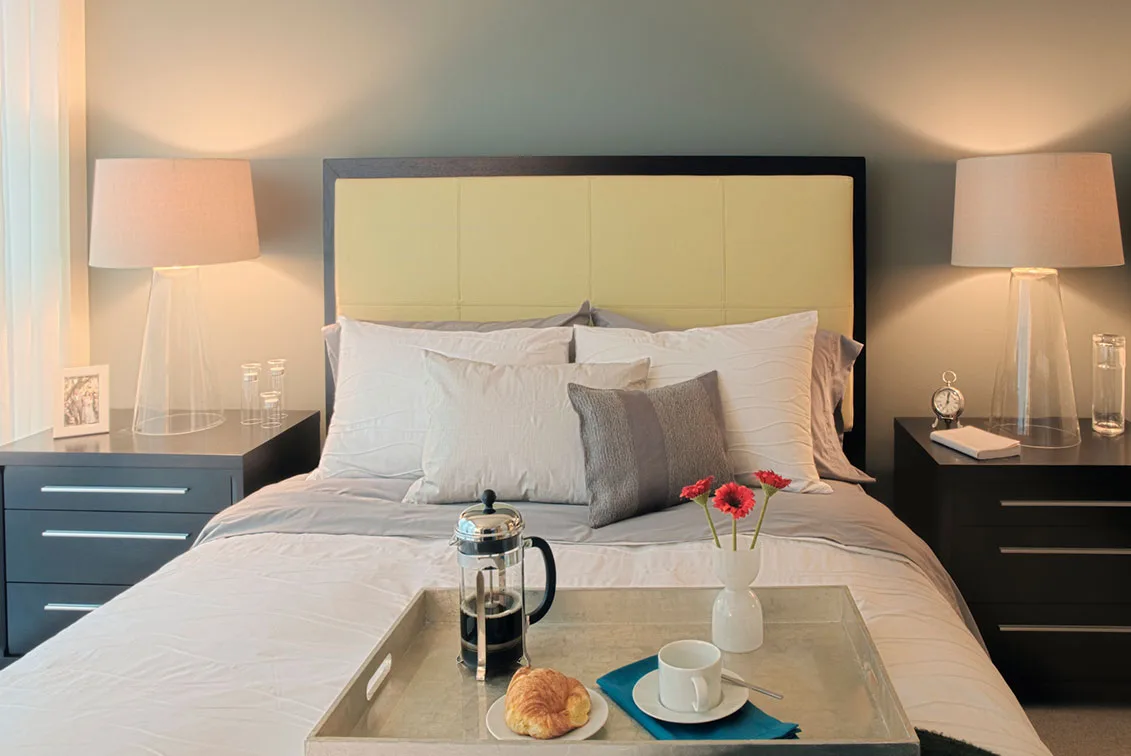
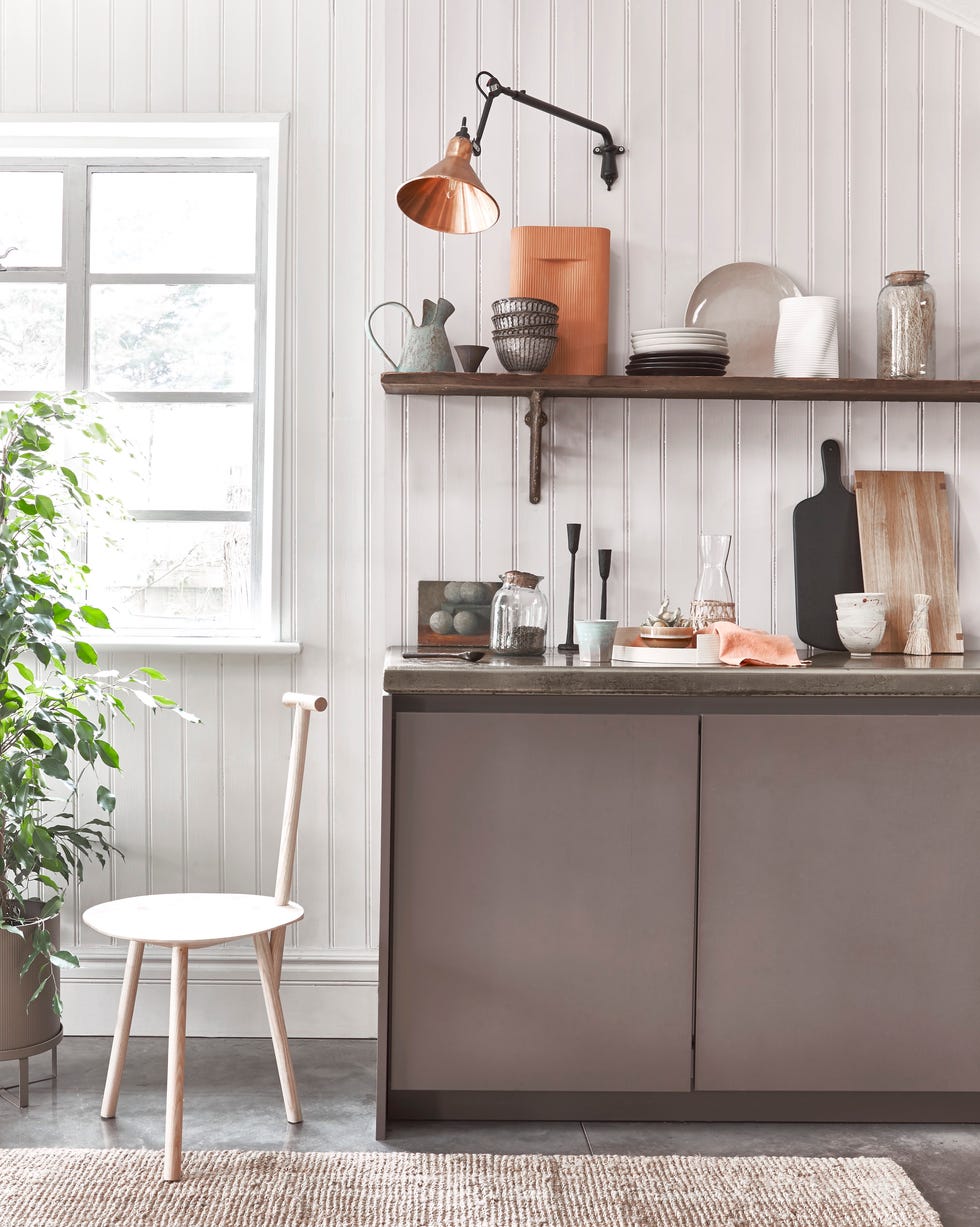
Furthermore, utilizing wall space with mounted fixtures such as sconces offers an alternative to floor-standing lights, saving valuable floor space. Interior designer Amanda Nisbet notes that sconces can also serve as decorative elements, particularly as bedside lighting, freeing up space on nightstands. Dimmers are presented as essential for flexible lighting control, allowing residents to adjust light intensity to suit different moods and activities, thus enhancing the room's ambiance.
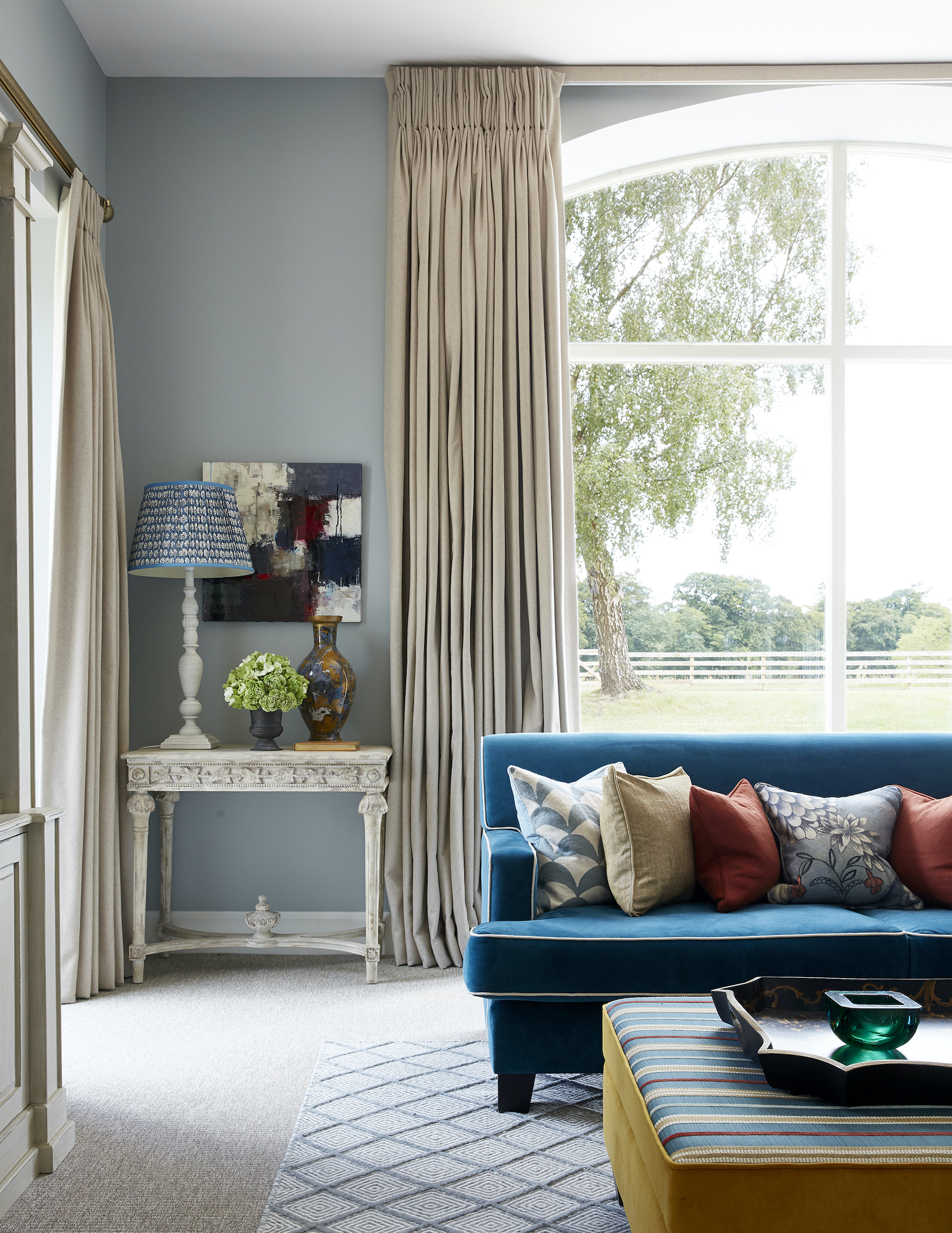
Finally, the article emphasizes considering both the form and function of lighting fixtures. Marie Burgos advises treating lighting as an integral piece of furniture, suggesting that material finishes like metal, glass, wood, or concrete can harmoniously tie the light fixture into the overall aesthetic of the apartment. This comprehensive approach ensures that lighting not only addresses practical needs but also contributes to the home's design coherence and inviting feel.
#ApartmentLighting #HomeDecoration #InteriorDesign #LightingTips #SmallSpaceSolutions #CeilingFixtures #TaskLighting #MirrorsForLight #Dimmers #IncandescentLight #ApartmentLighting #HomeDecoration #InteriorDesign #LightingTips #SmallSpaceSolutions #CeilingFixtures #TaskLighting #MirrorsForLight #Dimmers #IncandescentLight
0 comment in total
 No comments yet
You may also like
Experts warn this is the biggest mistake people make when choosing lighting for their kitchen
5 Types of Lighting Designers Would Never Use —They're Harsh and Unflattering and Here's Why

The BEST Way to Light Your Kitchen Is Not What You Think
What You Need to Know About Lighting Your Home, from an Expert
7 Common Living Room Lighting Mistakes to Avoid at all Costs
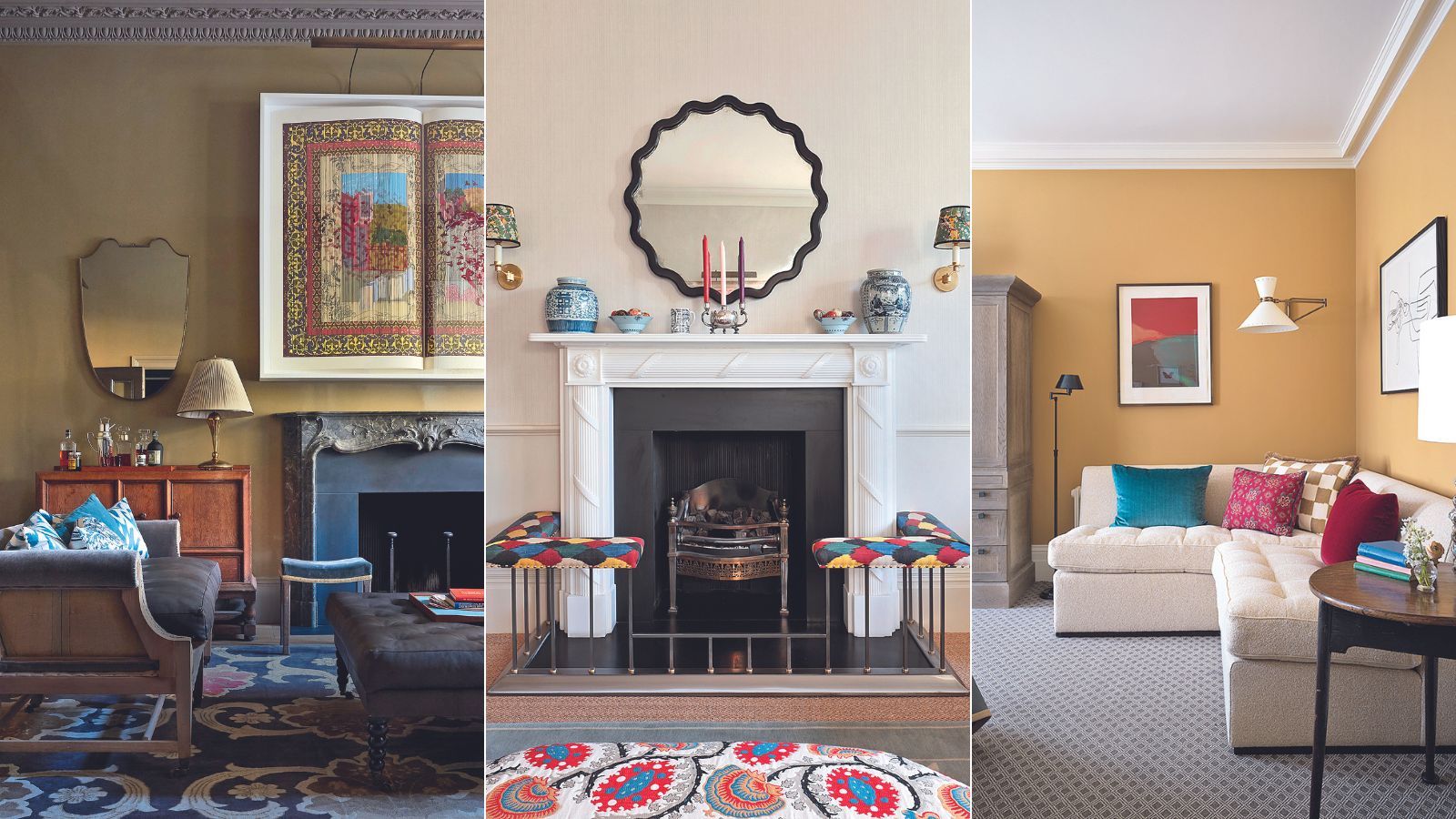
10 living room lighting mistakes that make yours look uninviting, smaller and cold

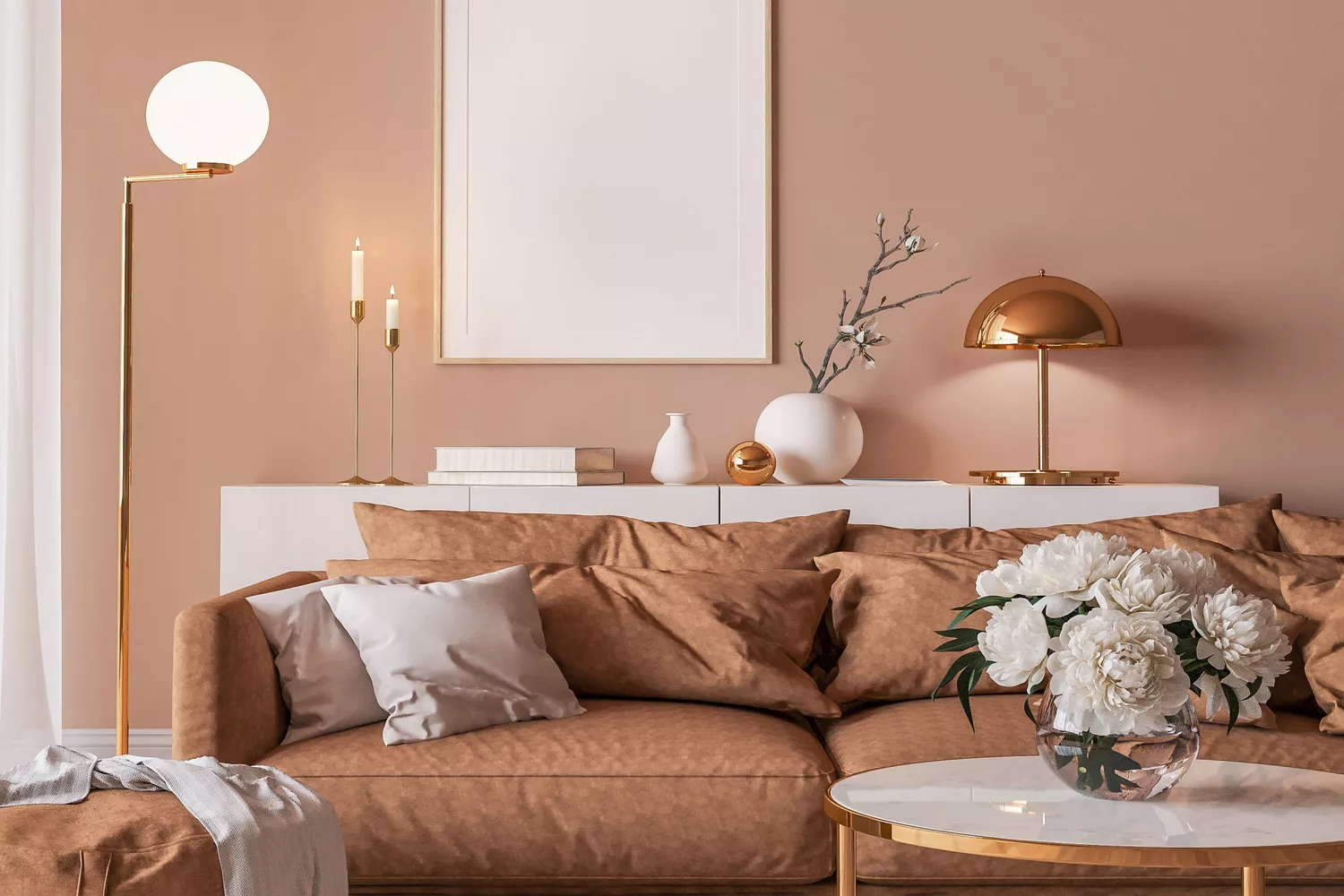
10 Lighting Mistakes You Should Never Make—But Probably Are
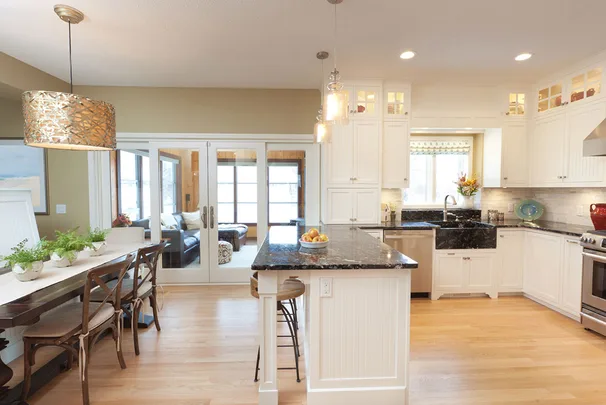
The best lighting for every room in the house

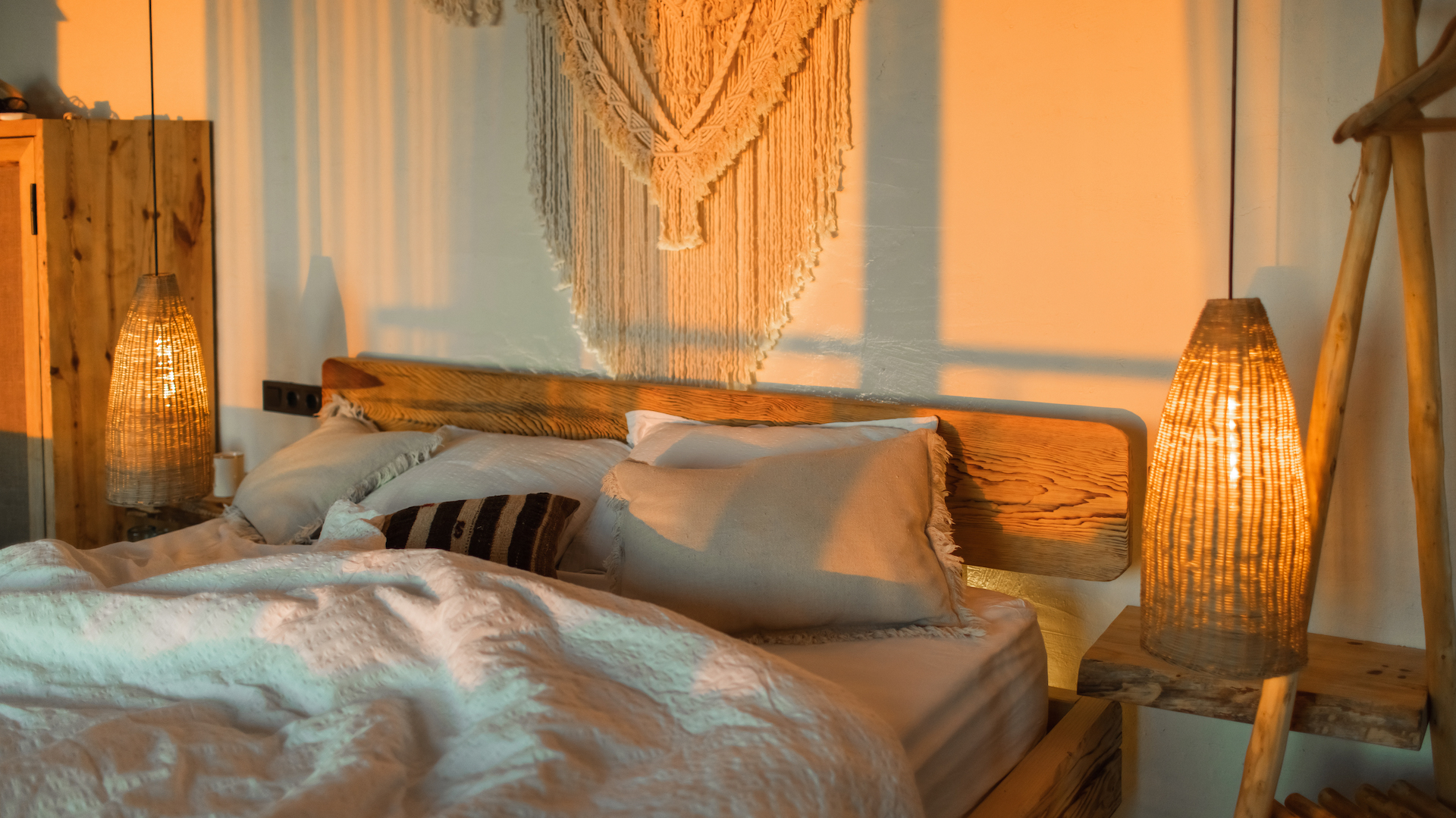
Bye, overhead lights: Here's how to light a small apartment, according to the pros

How to pick the right lighting for your NYC apartment if you're selling or renovating
Forget the Ceiling Light — These Are the 5 Ways You Should Be Lighting Your Living Room
Fall into smarter lighting
6 Lighting Mistakes That Are Ruining the Mood in Your Home—and How to Fix Them

7 Bedroom Lighting Mistakes — Experts Say They "Scream 'Wrong Vibe'" and Ruin Your Aesthetic
Every Mistake I Made While Designing My Kitchen Lighting Scheme — The 5 Errors I Strongly Advise Against
3 common lighting mistakes you are making, according to Feng Shui experts

Get your home's lighting just right: Seven questions answered
An interior designer’s guide to lighting your home

15 Kitchen Lighting Mistakes Everyone Makes

5 Easy, Designer-Approved Lighting Hacks to Brighten Up Your Home