1/5
An interior designer’s guide to lighting your home
Effective home lighting is crucial for both functionality and aesthetics, yet it is frequently overlooked in the early stages of home design. Lauren Li from Sisällä Interior Design emphasizes that focusing on lighting in the initial planning phases can significantly impact a home's mood and atmosphere. This guide provides a room-by-room breakdown of lighting considerations, covering various styles, appropriate bulb types, and ideal placement to optimize each space.
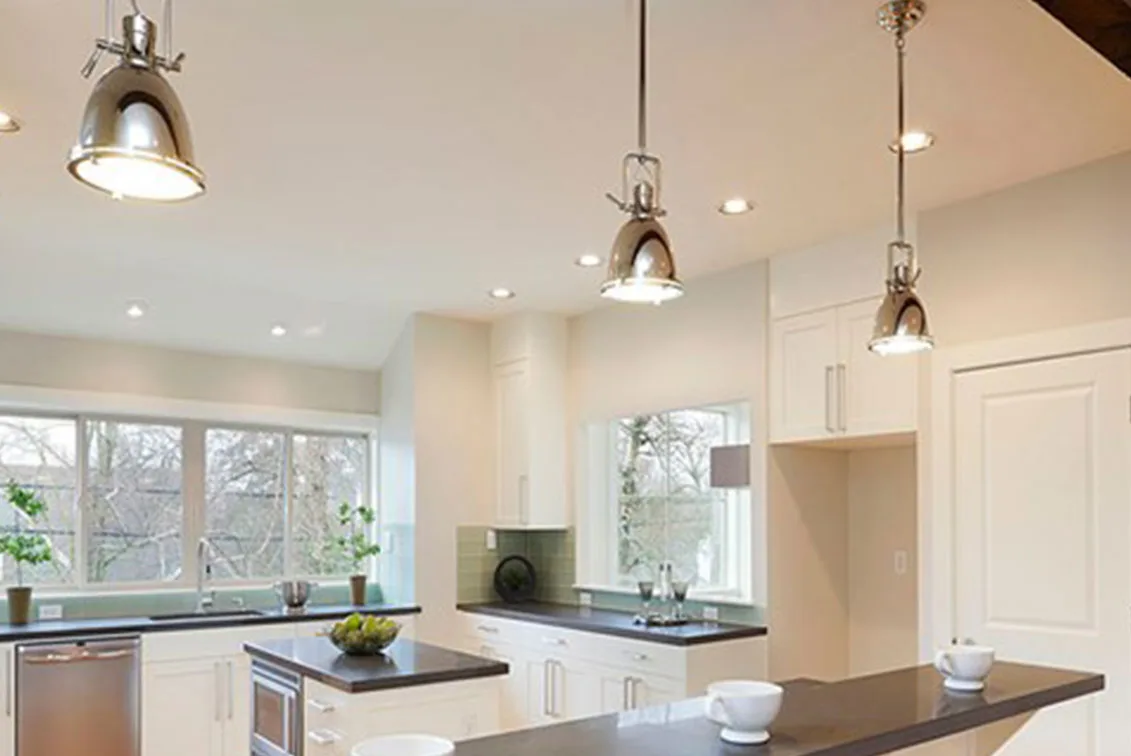
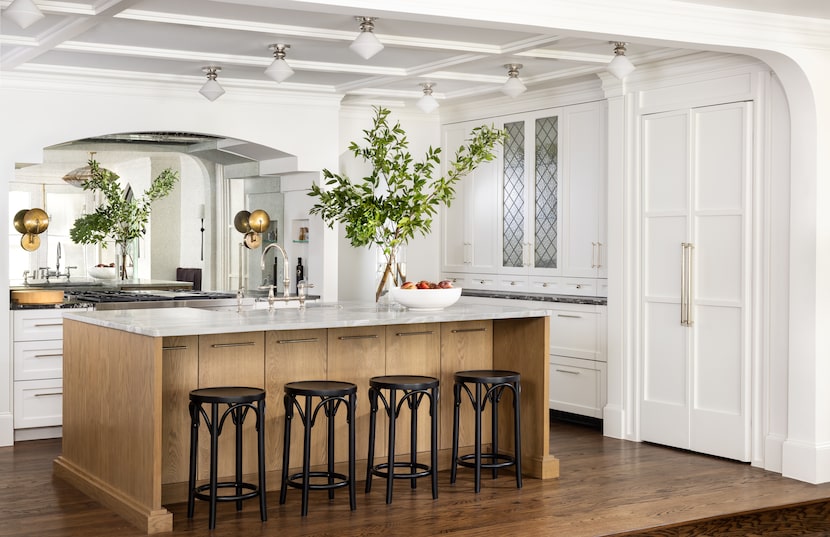
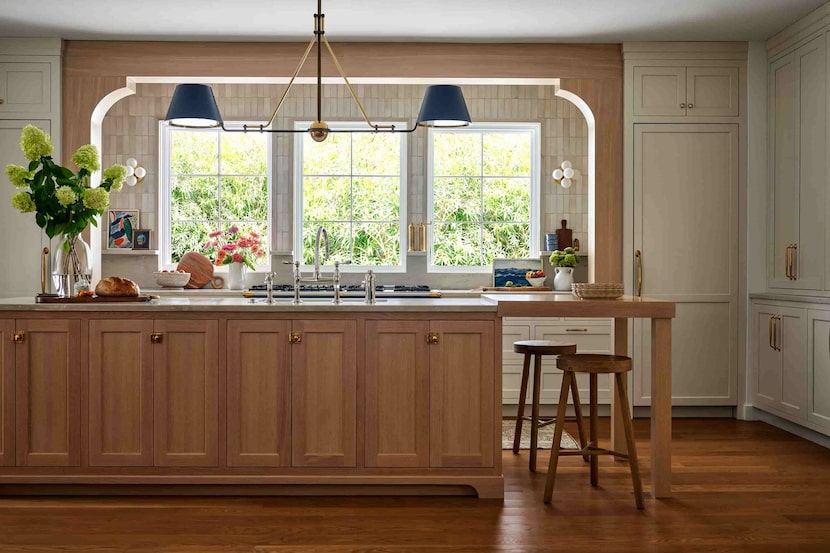
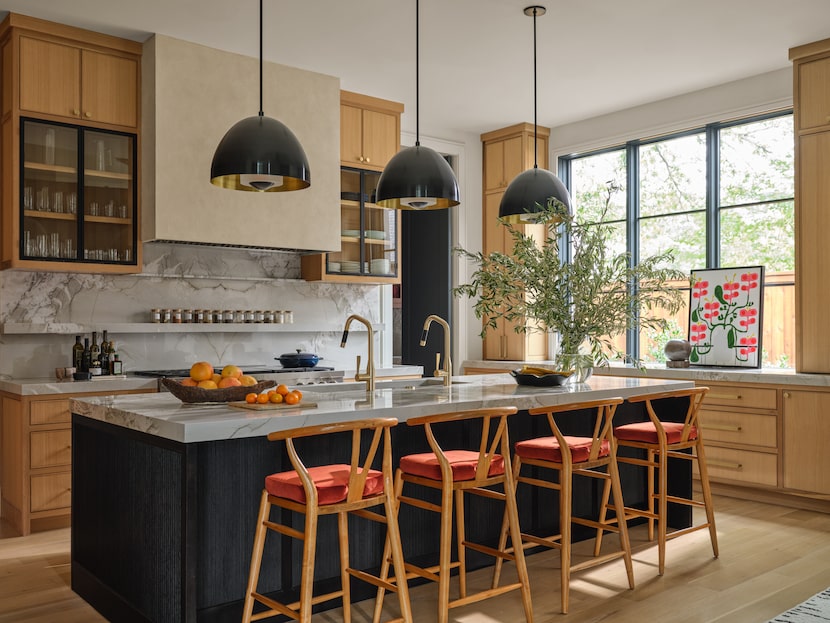
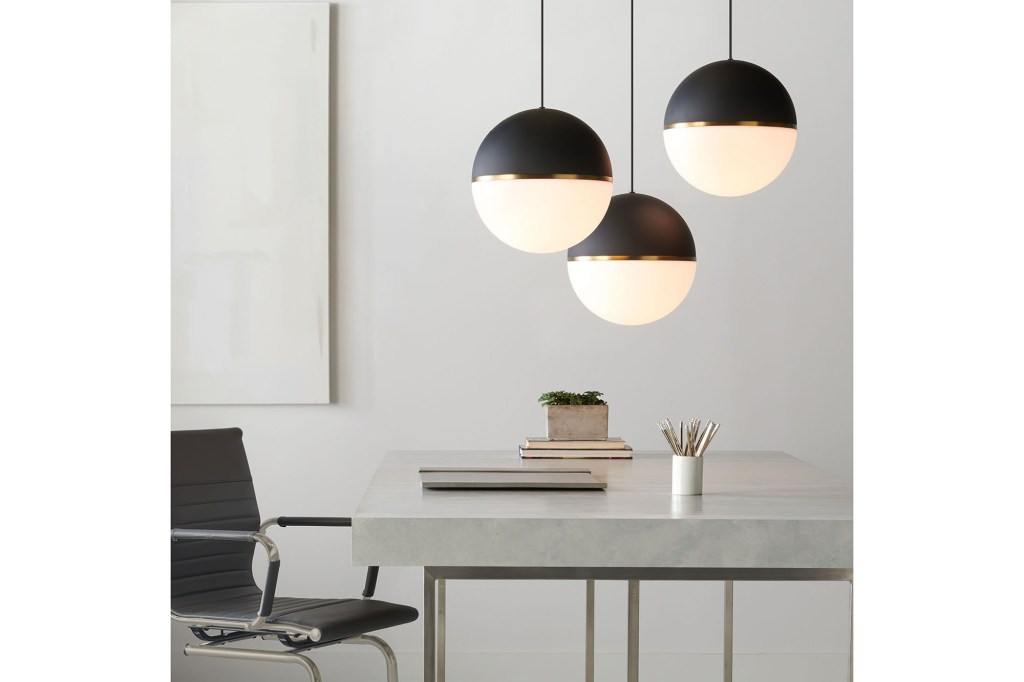
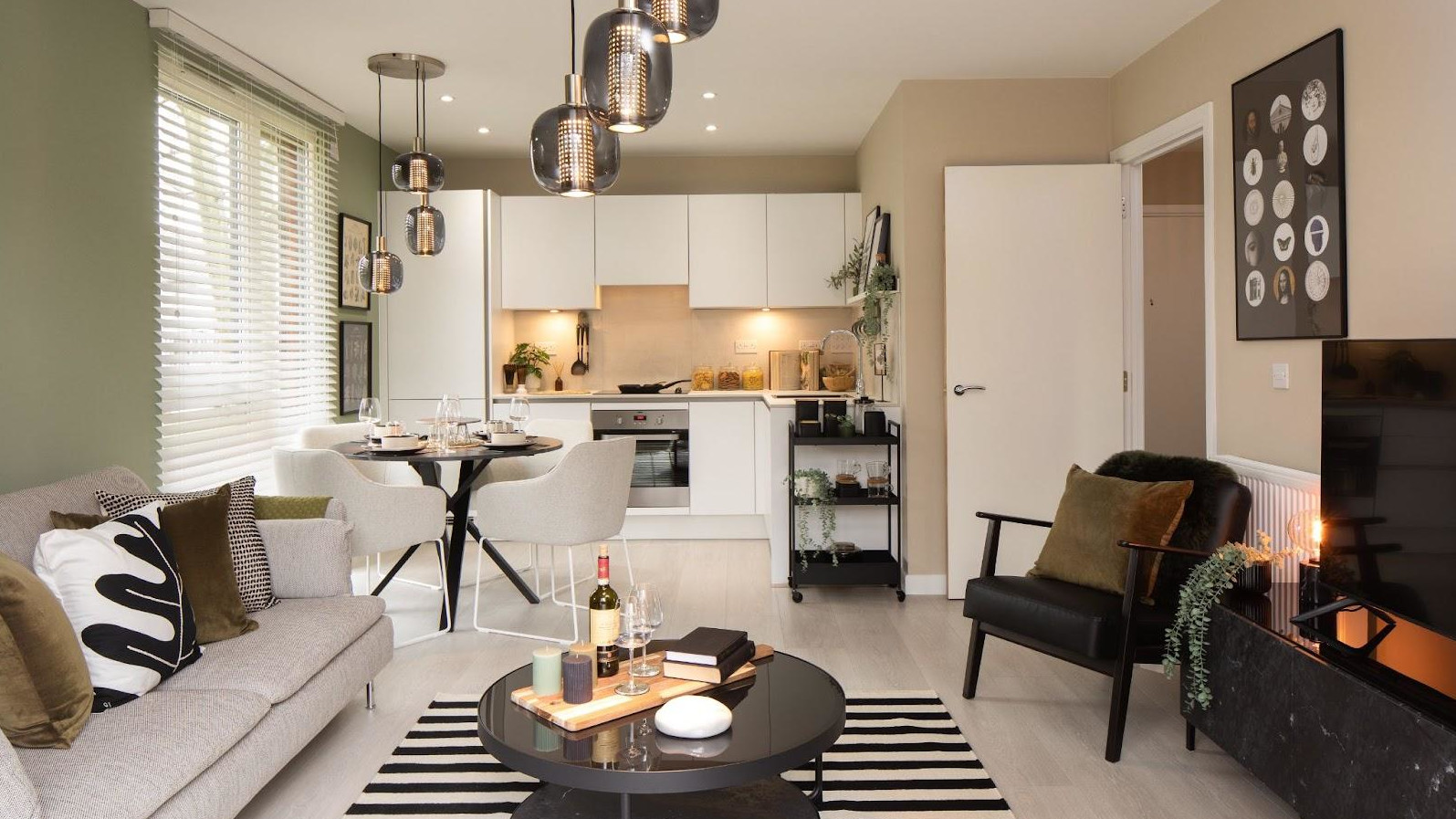
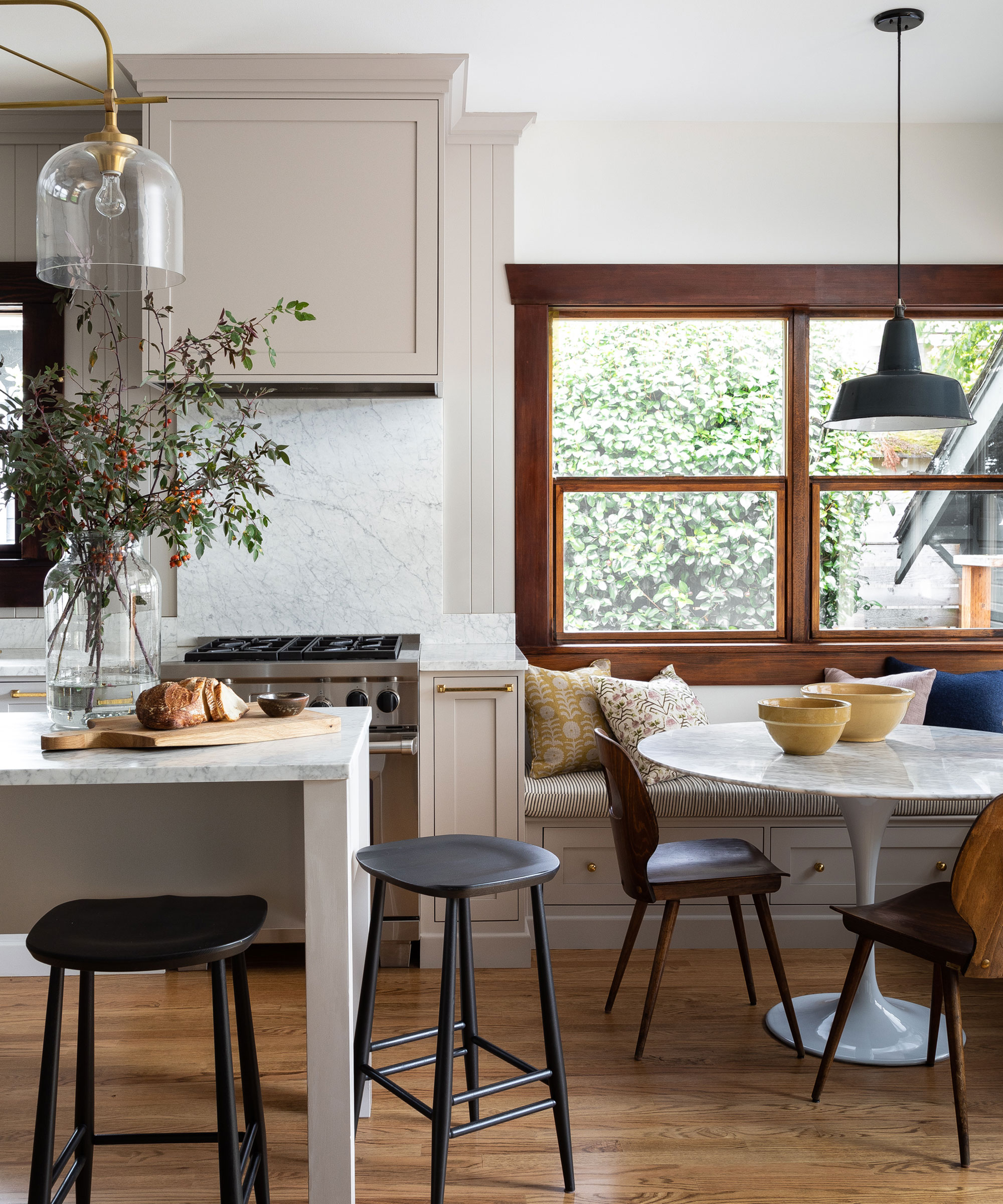
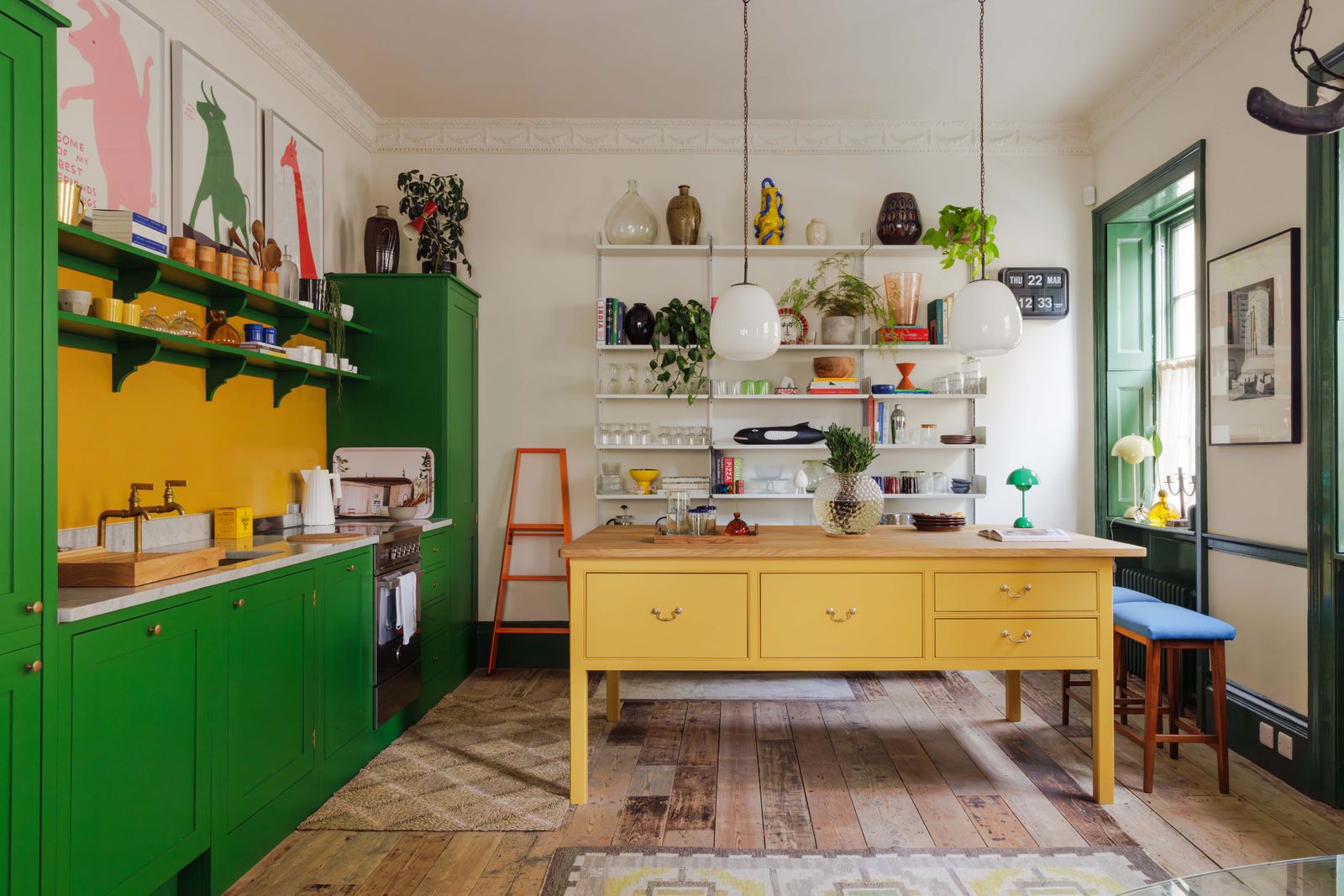
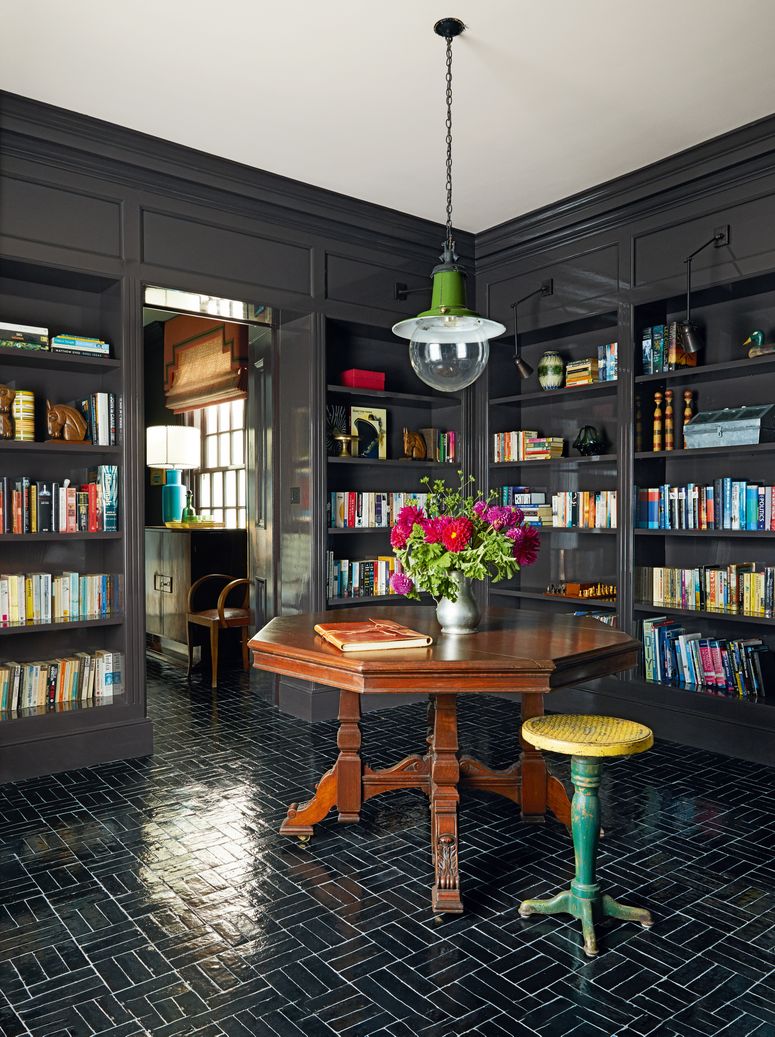
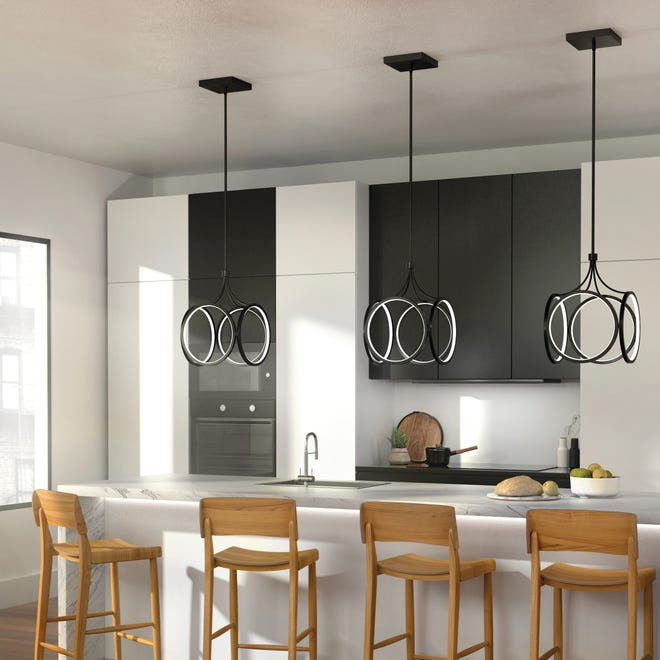
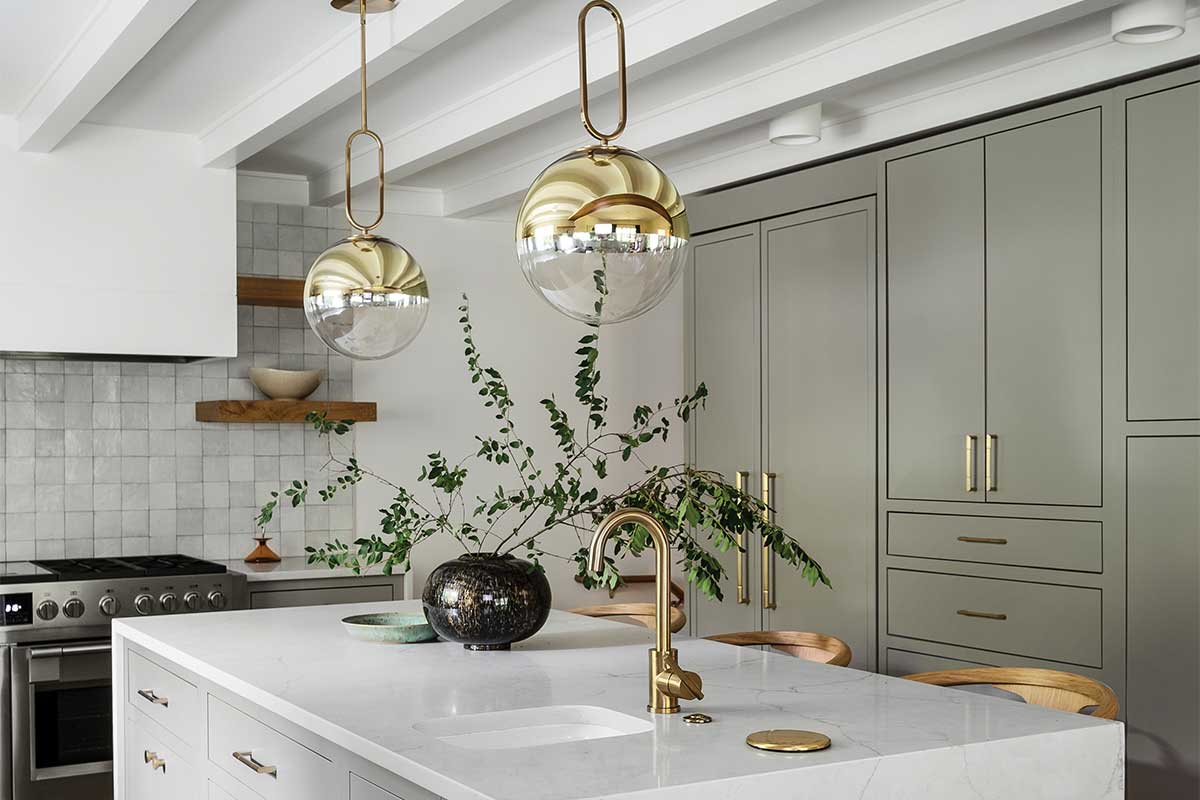
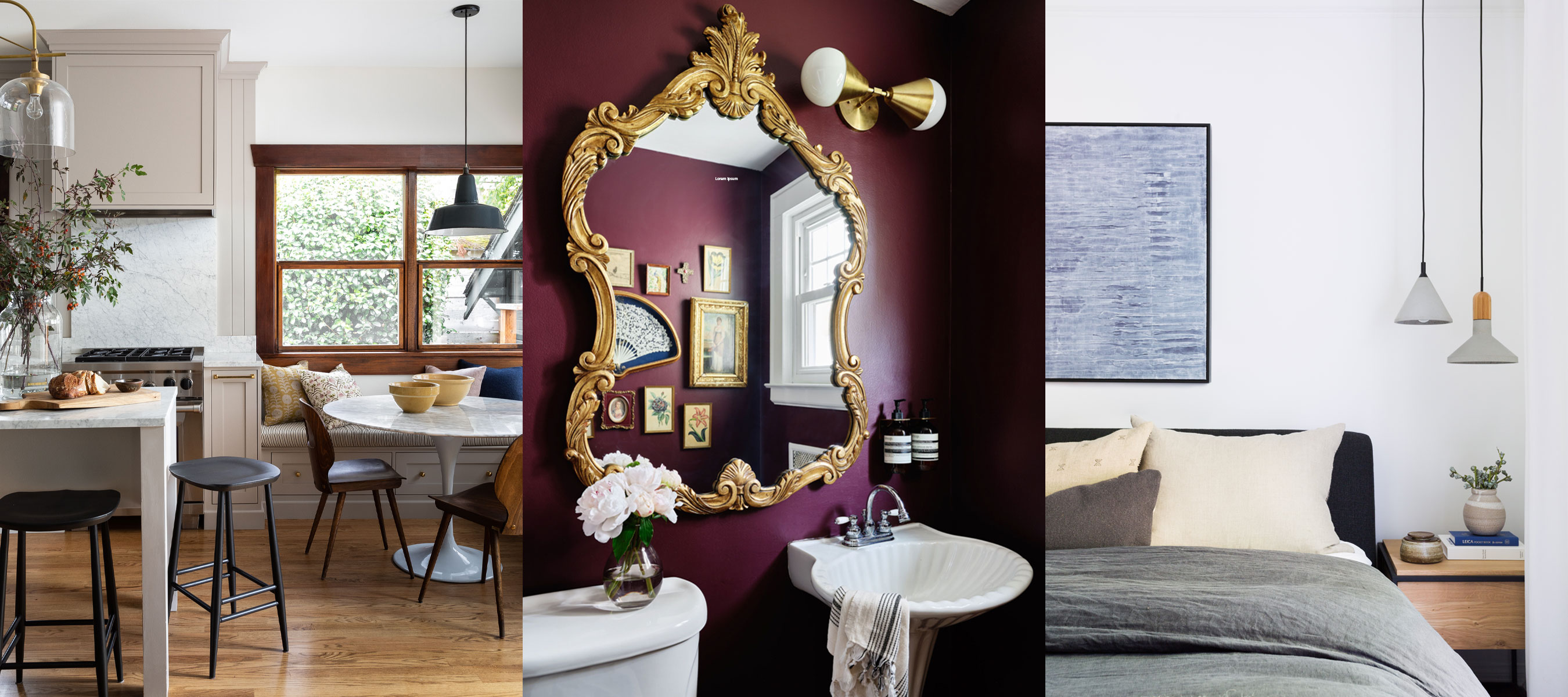
In the kitchen, flexibility is key, as the space serves multiple purposes, from cooking and cleaning to socializing and dining. A balanced approach combining task lighting and ambient lighting is recommended. Overhead lights should be strategically placed to illuminate work areas like the sink, stove, and benchtops. LED strips under overhead cupboards offer an even light with an ambient touch. Natural light can be enhanced with skylights, while decorative pendant lights over kitchen islands or breakfast bars add visual interest. When selecting bulbs, lumens, rather than watts, are the primary measure of light output. Kitchens typically require 5,000 to 10,000 lumens in total, and while cool light is often suggested for functional areas, warmer lights can highlight cabinetry and splashbacks. The placement and size of light fixtures are also important; larger pendants over kitchen benches should be positioned just above eye level, approximately 55cm to 75cm above the surface, while clusters of smaller bulbs can hang lower without obstructing sightlines.
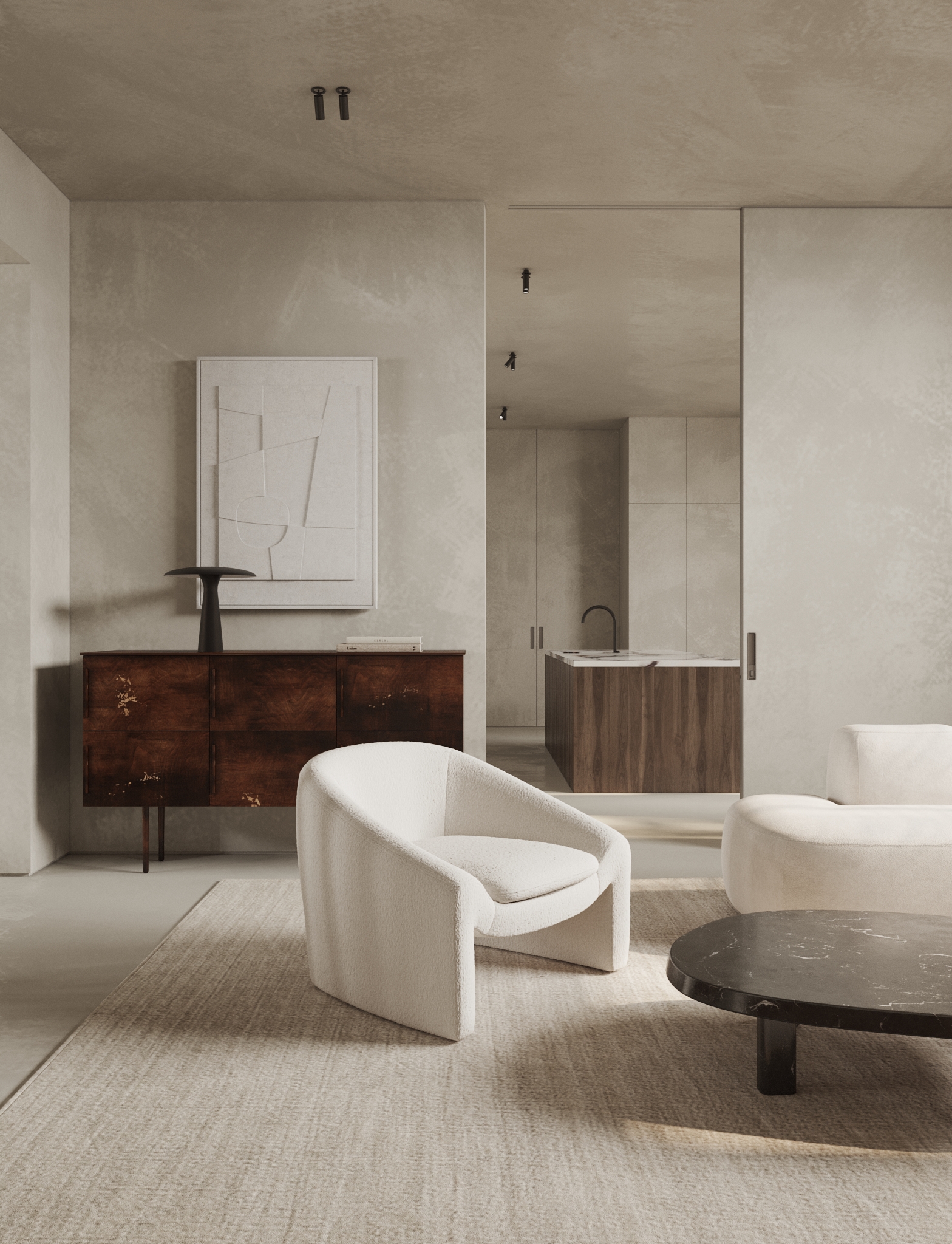
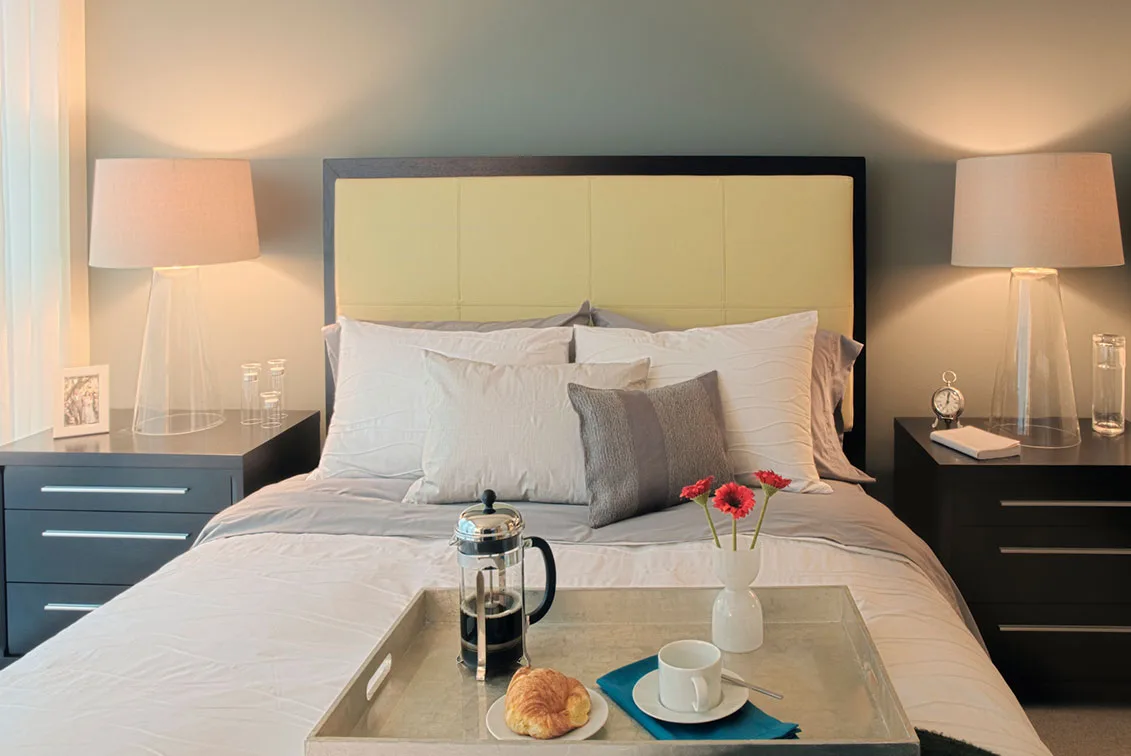
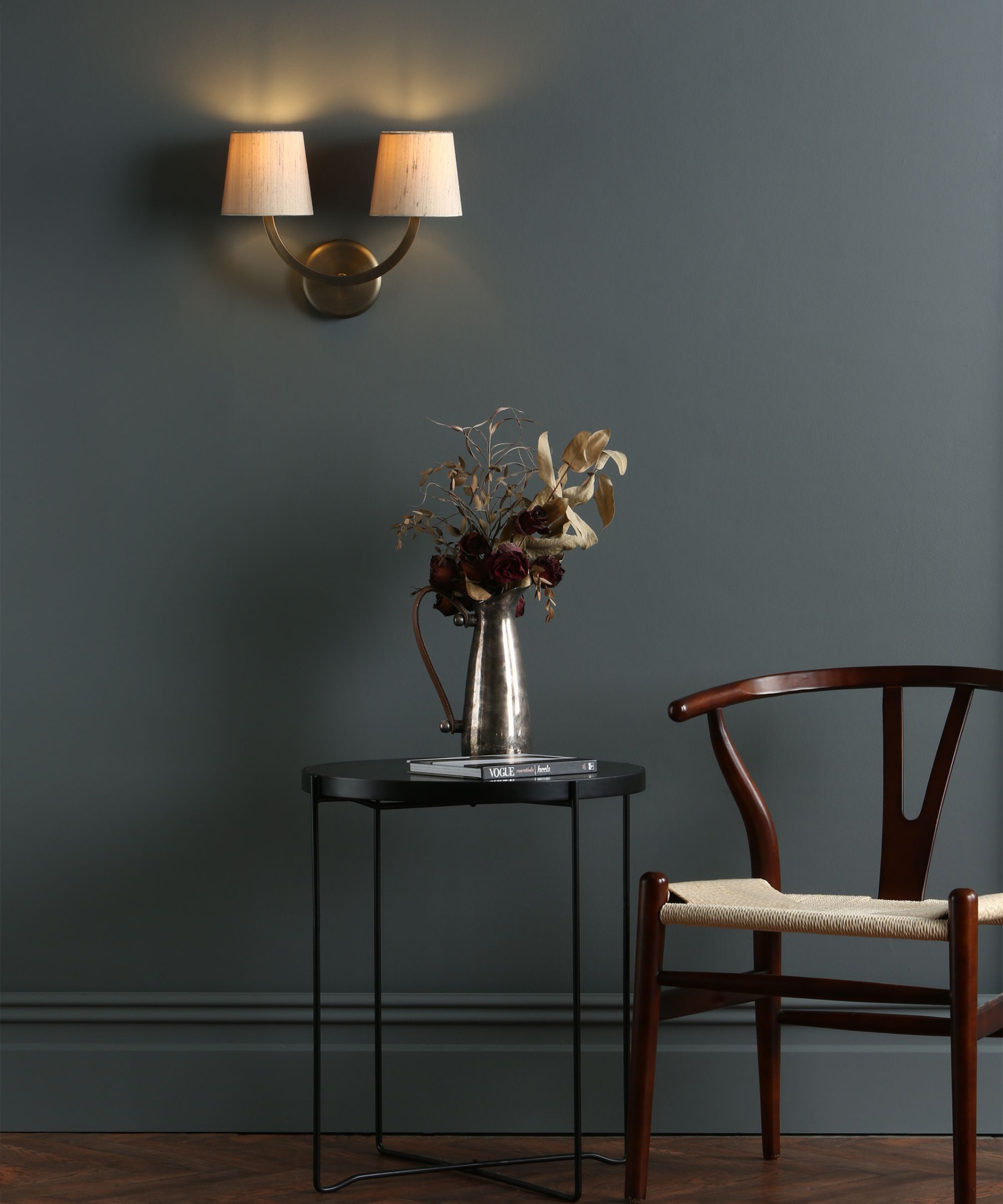
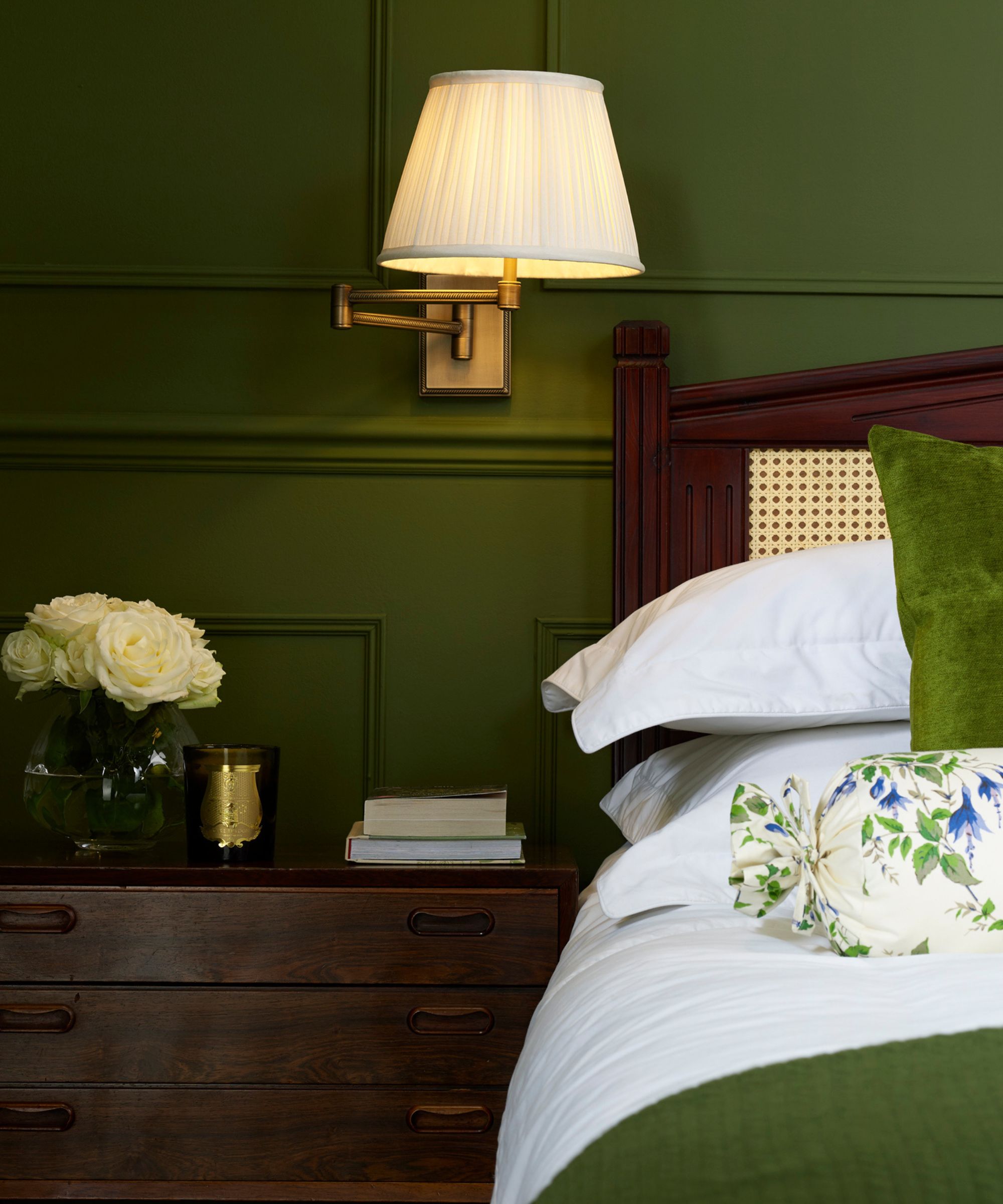
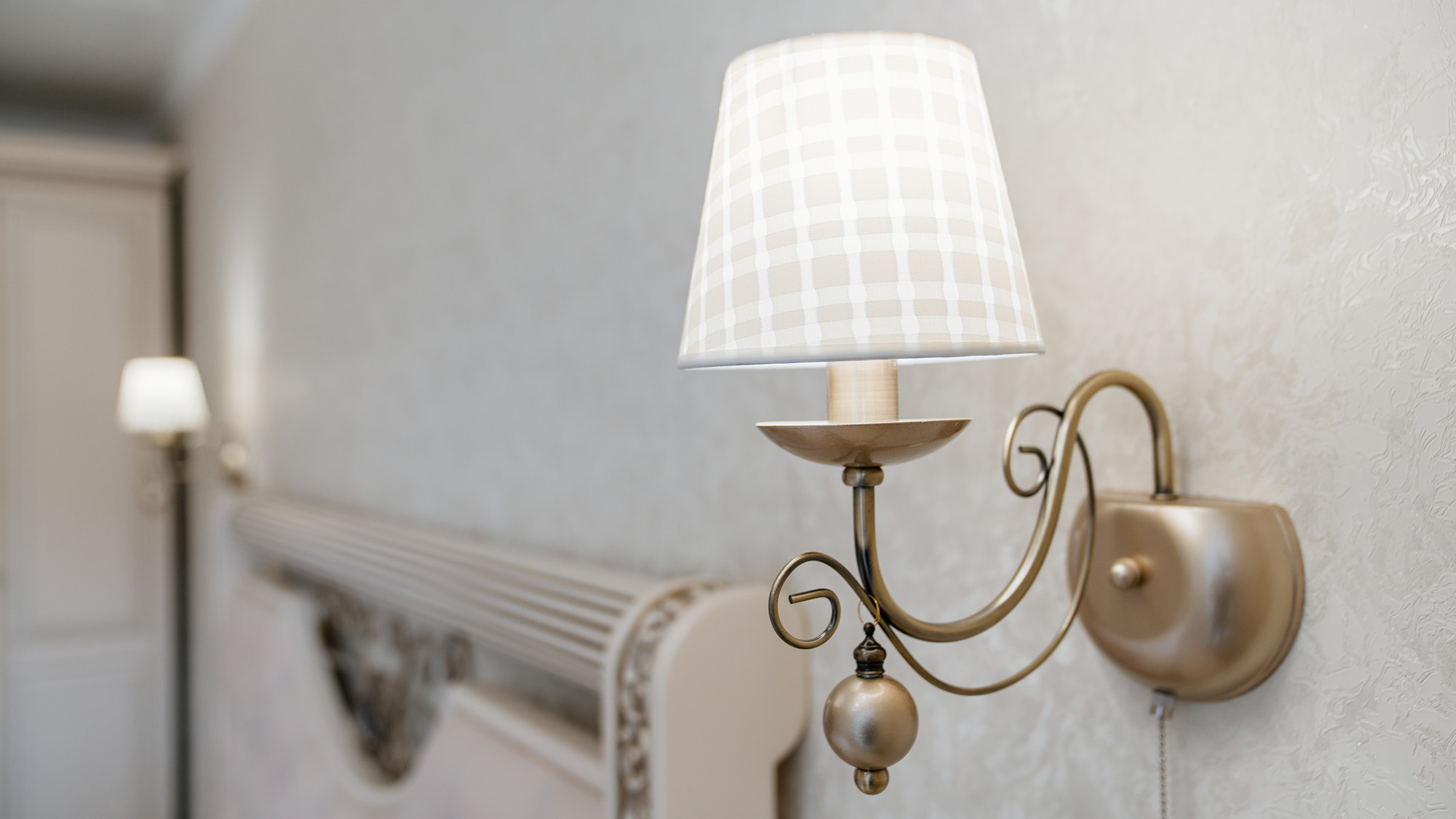
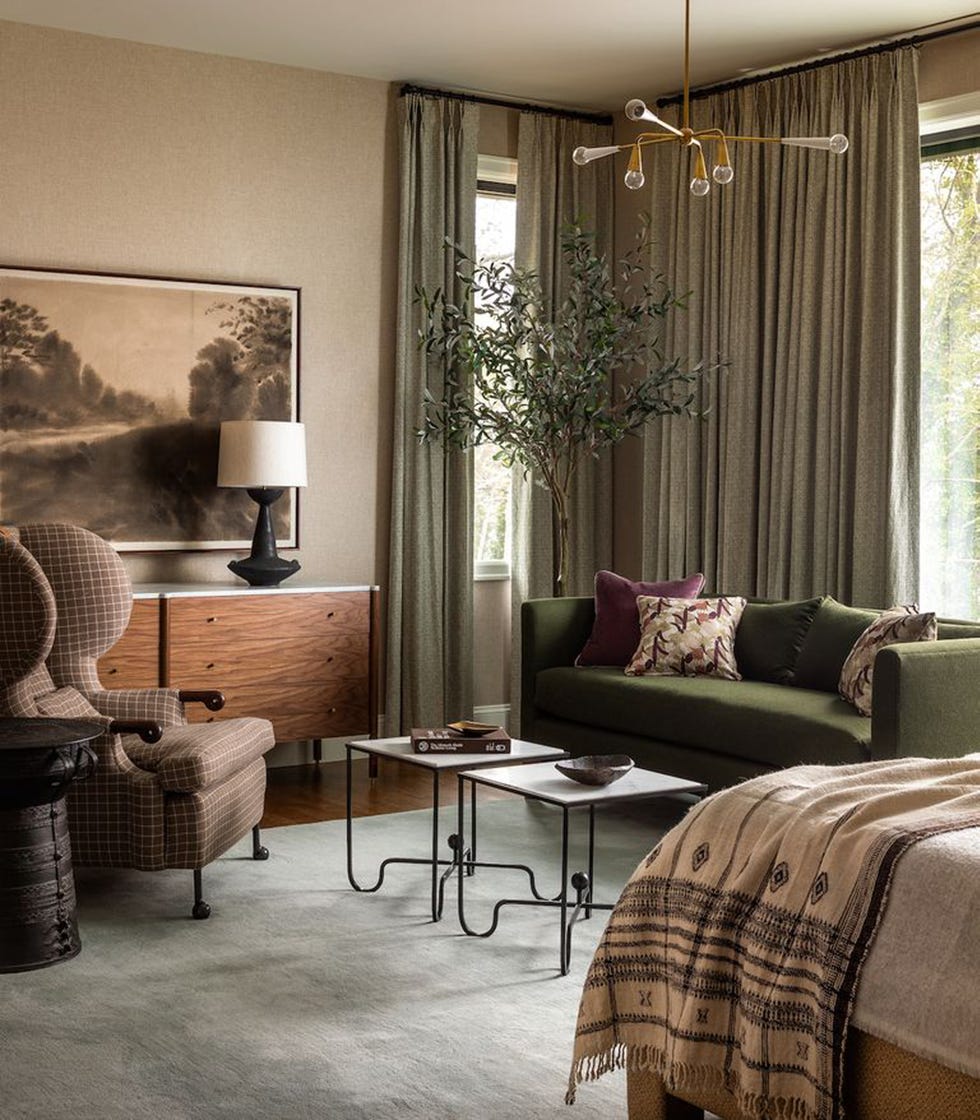
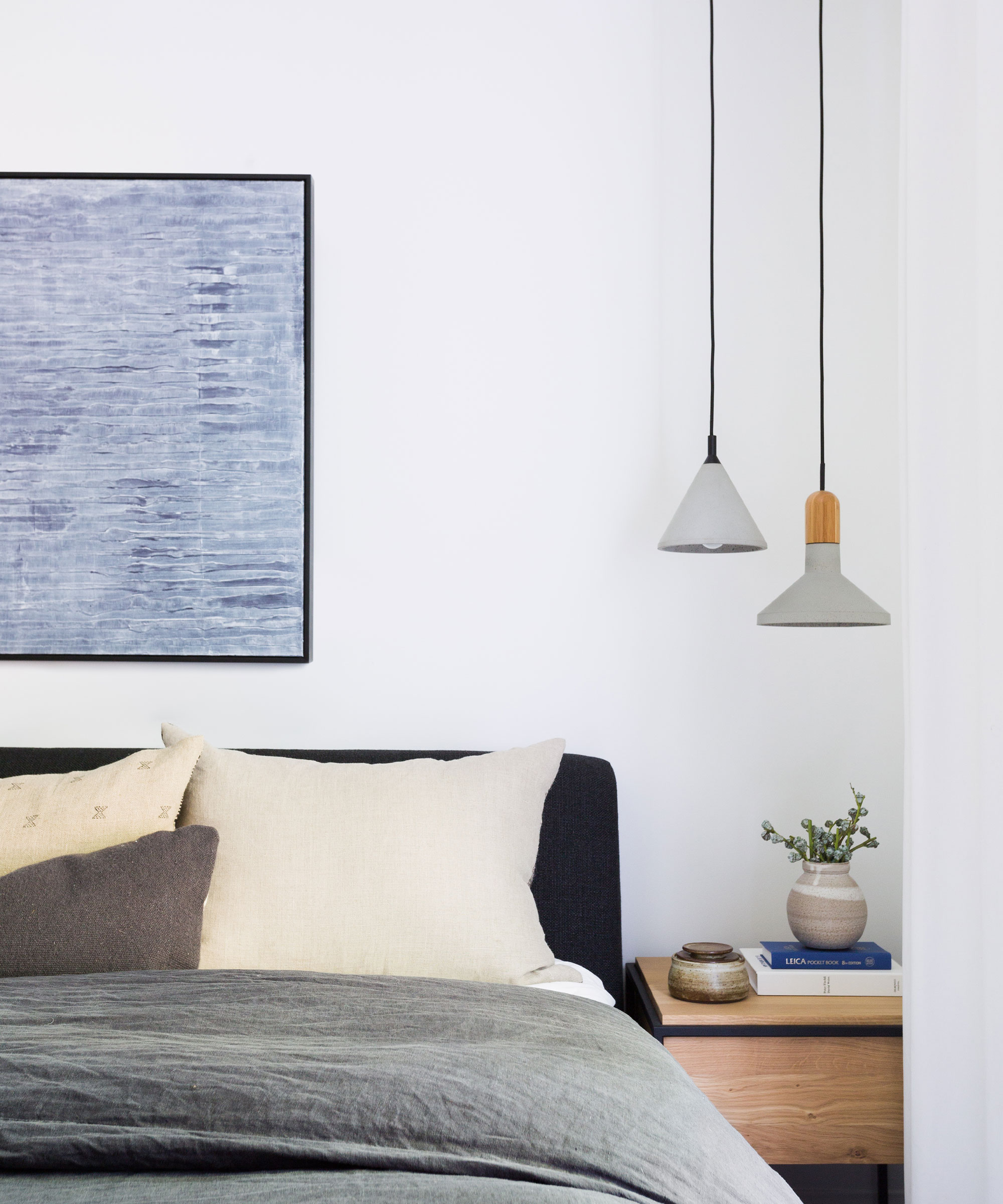
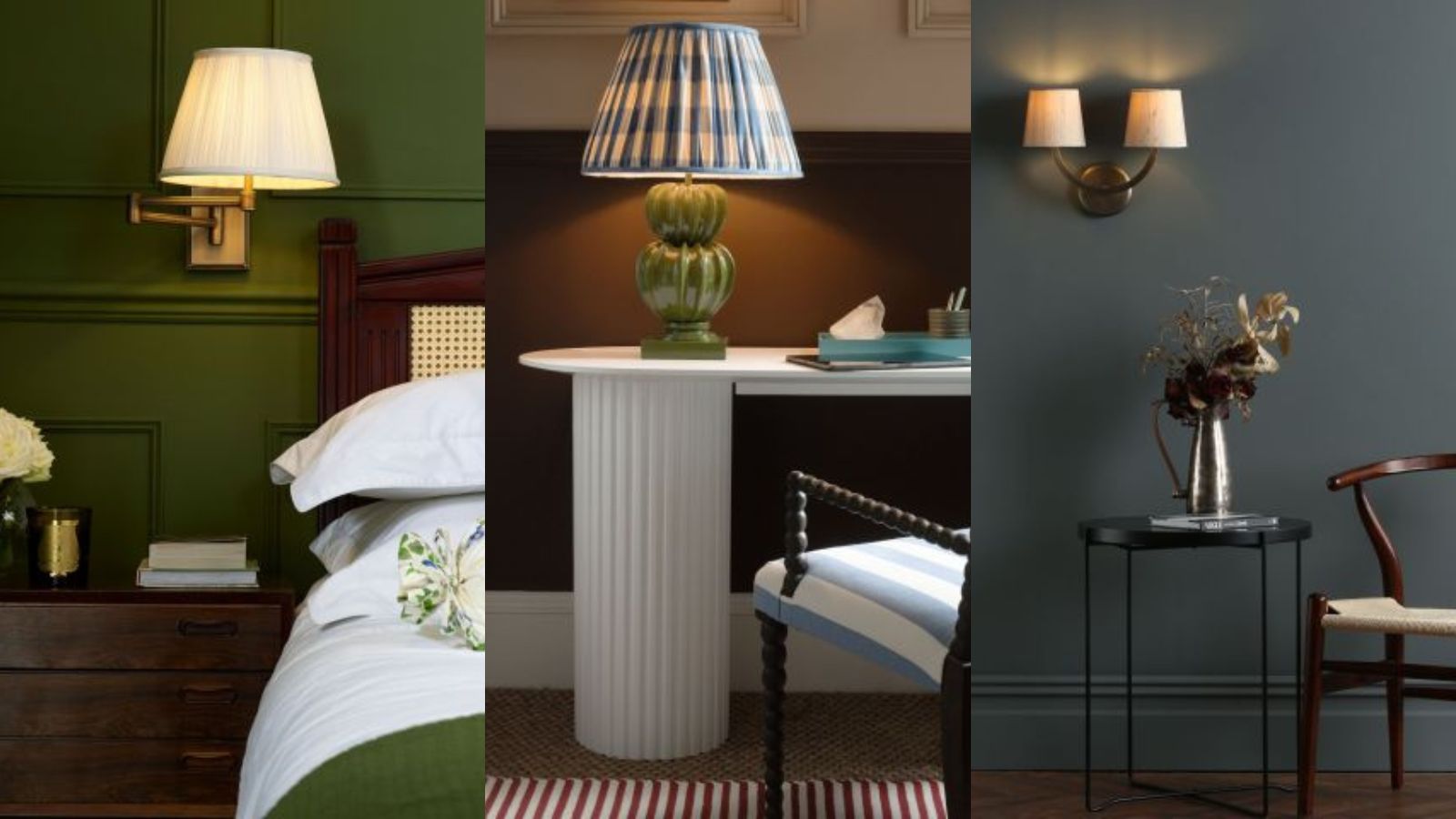
Bedroom lighting aims to create a cozy, calming, and restful environment, avoiding excessive brightness. Layering lighting is essential to meet various needs, such as task lighting for reading or applying makeup. Beyond standard downlights or ceiling lights, incorporating bedside lighting like table lamps, wall lamps, or pendants on either side of the bed is highly recommended. Wall sconces can introduce a luxurious hotel feel, and dimmable reading lights recessed into the ceiling, with individual controls, cater to different sleep schedules. Warmer, low-lumen globes (around 2,000 to 4,000 lumens in total) contribute to a relaxed atmosphere, and dimmable options allow for light adjustment throughout the day. The height and size of bedroom lights should align with the furniture, with pendant lights hung lower for a more intimate glow or higher and wider for broader coverage. Table lamps should be positioned so that the bottom of the lampshade is just above shoulder height when seated, ensuring optimal light for reading.
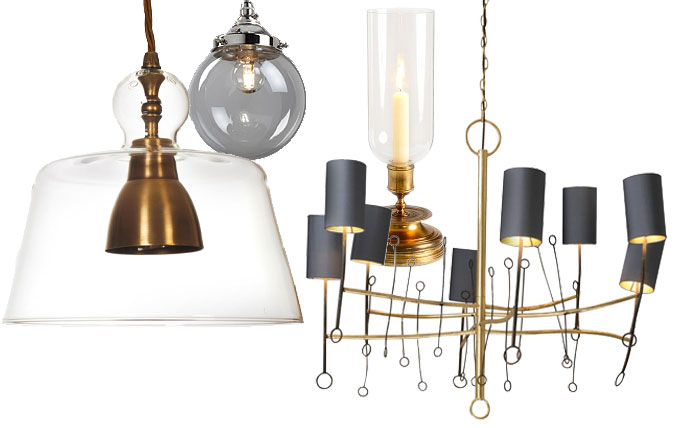
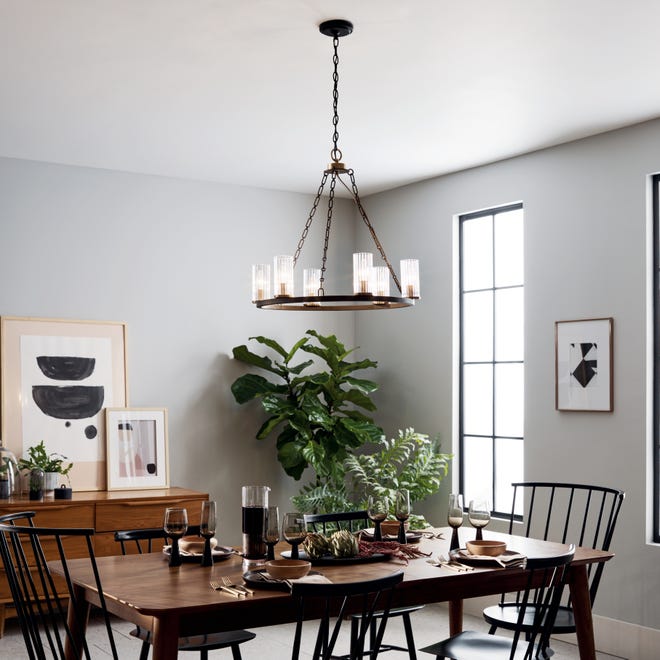
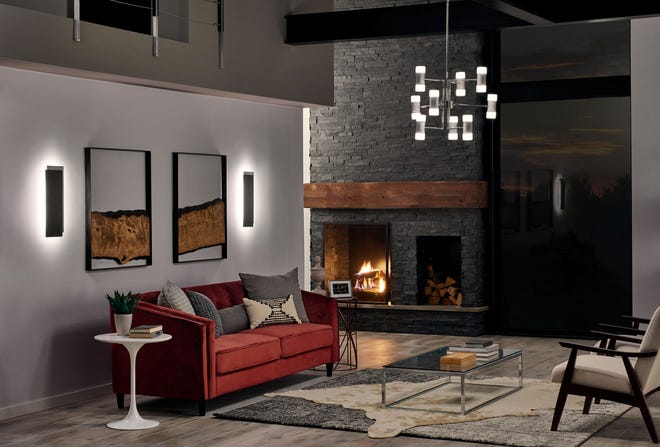
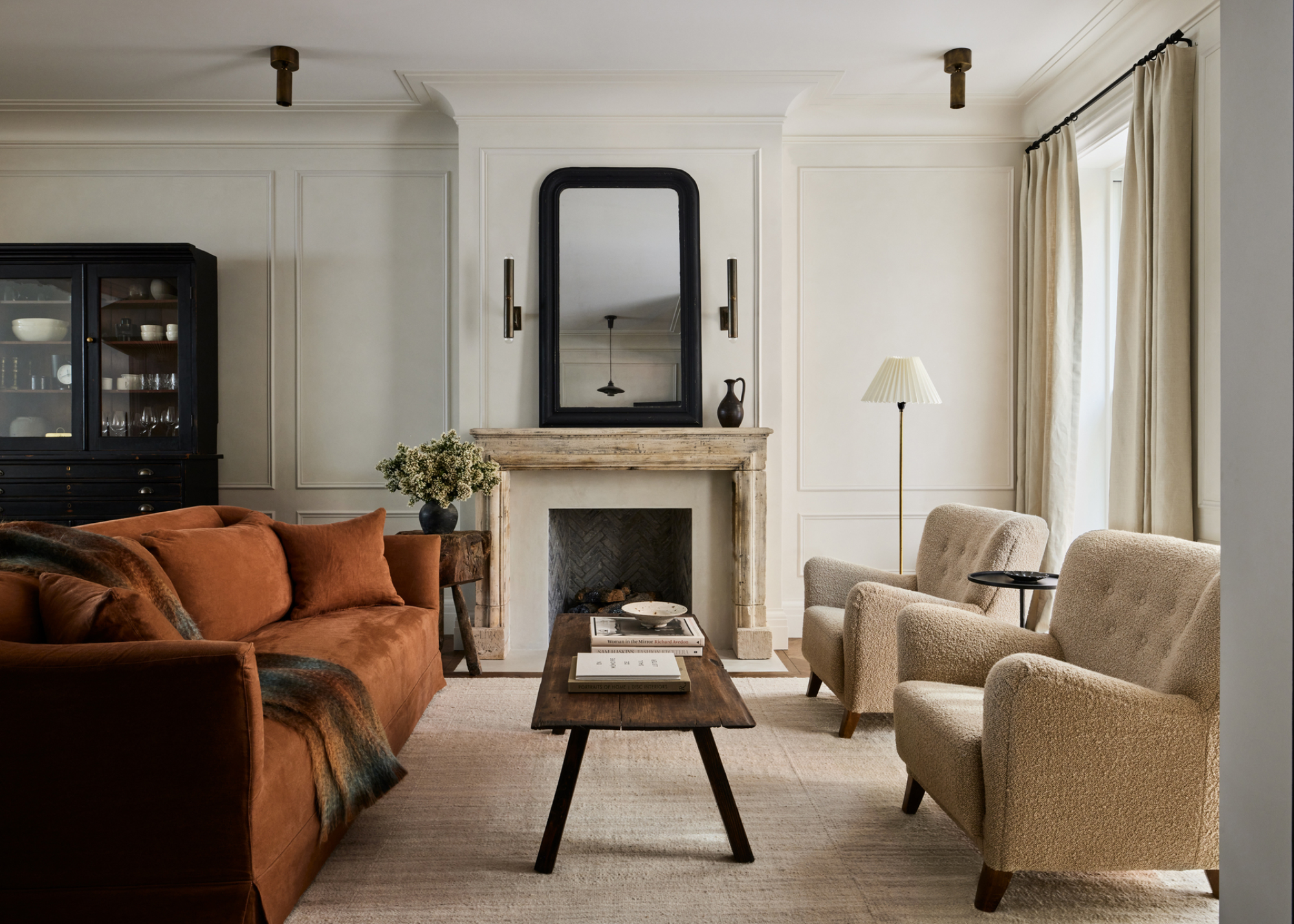
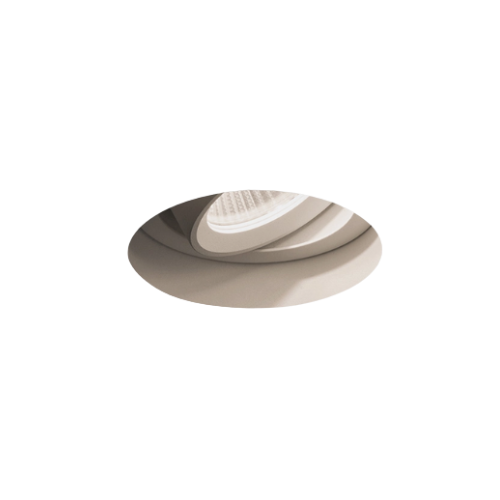
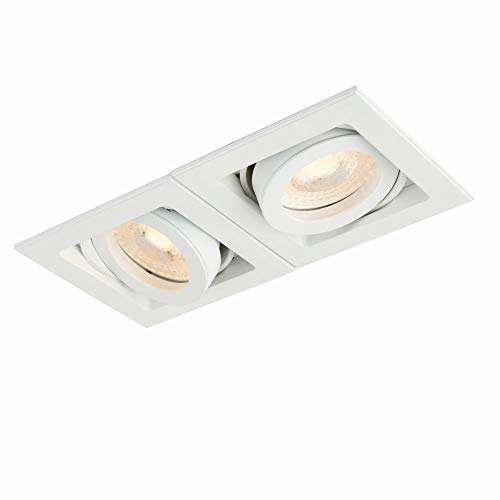
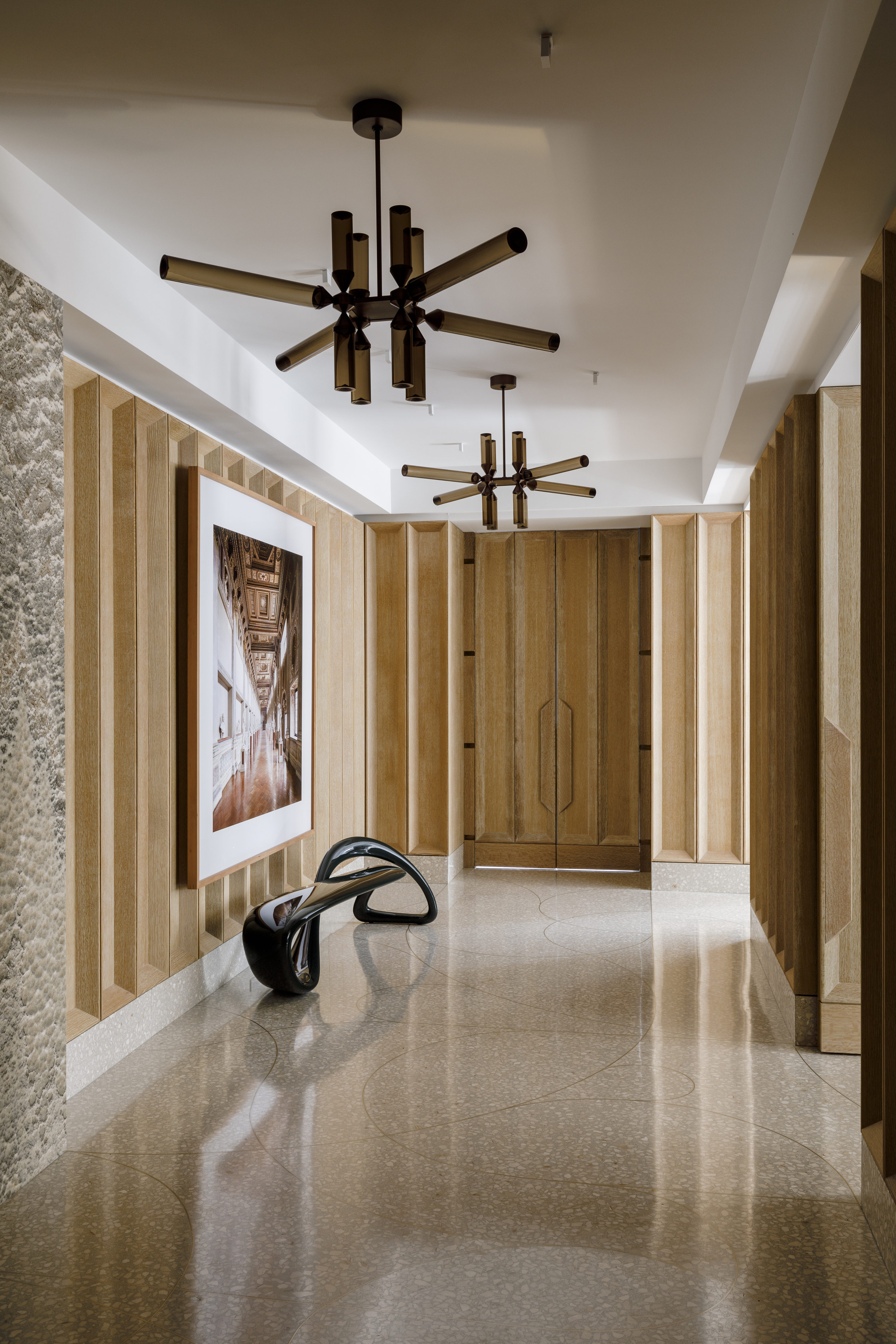
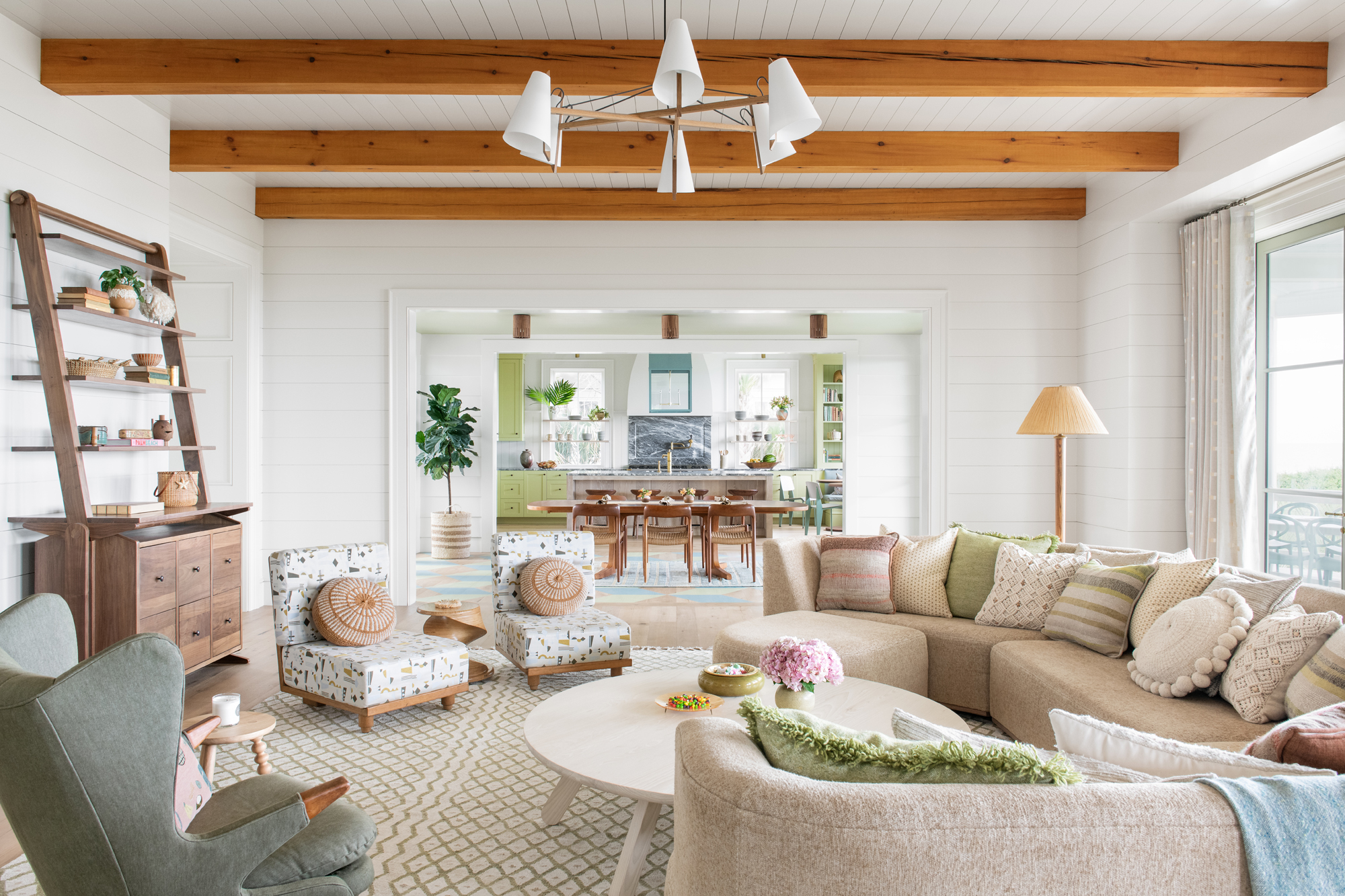
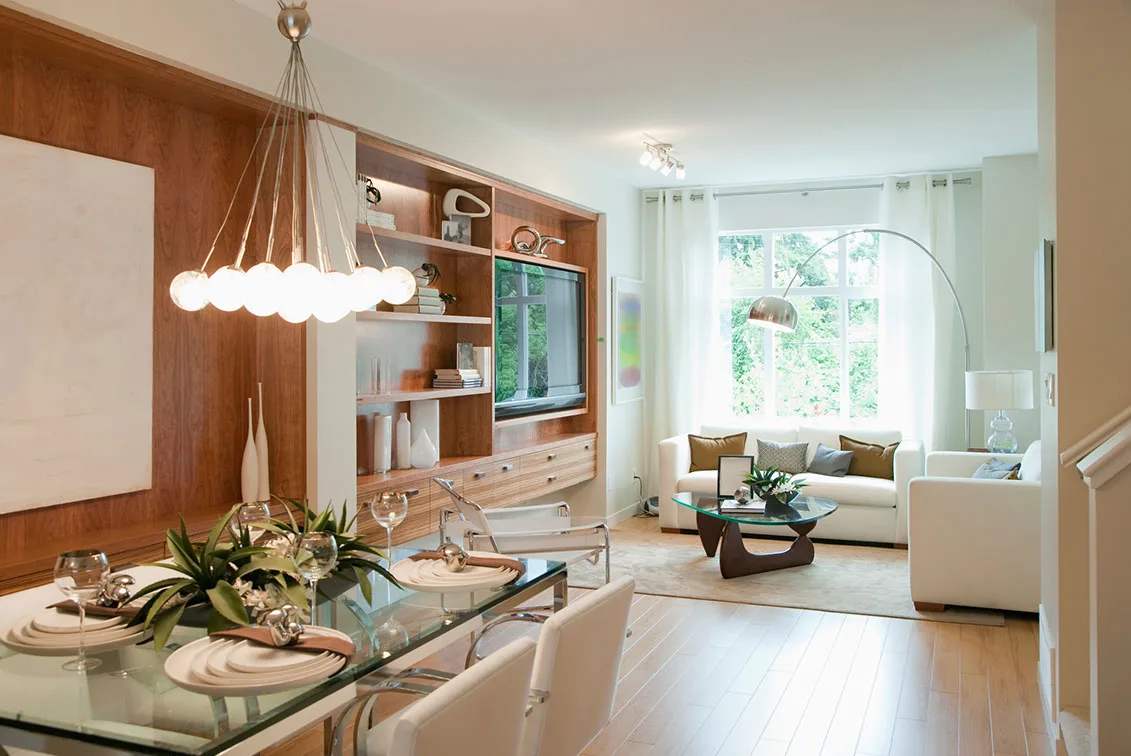
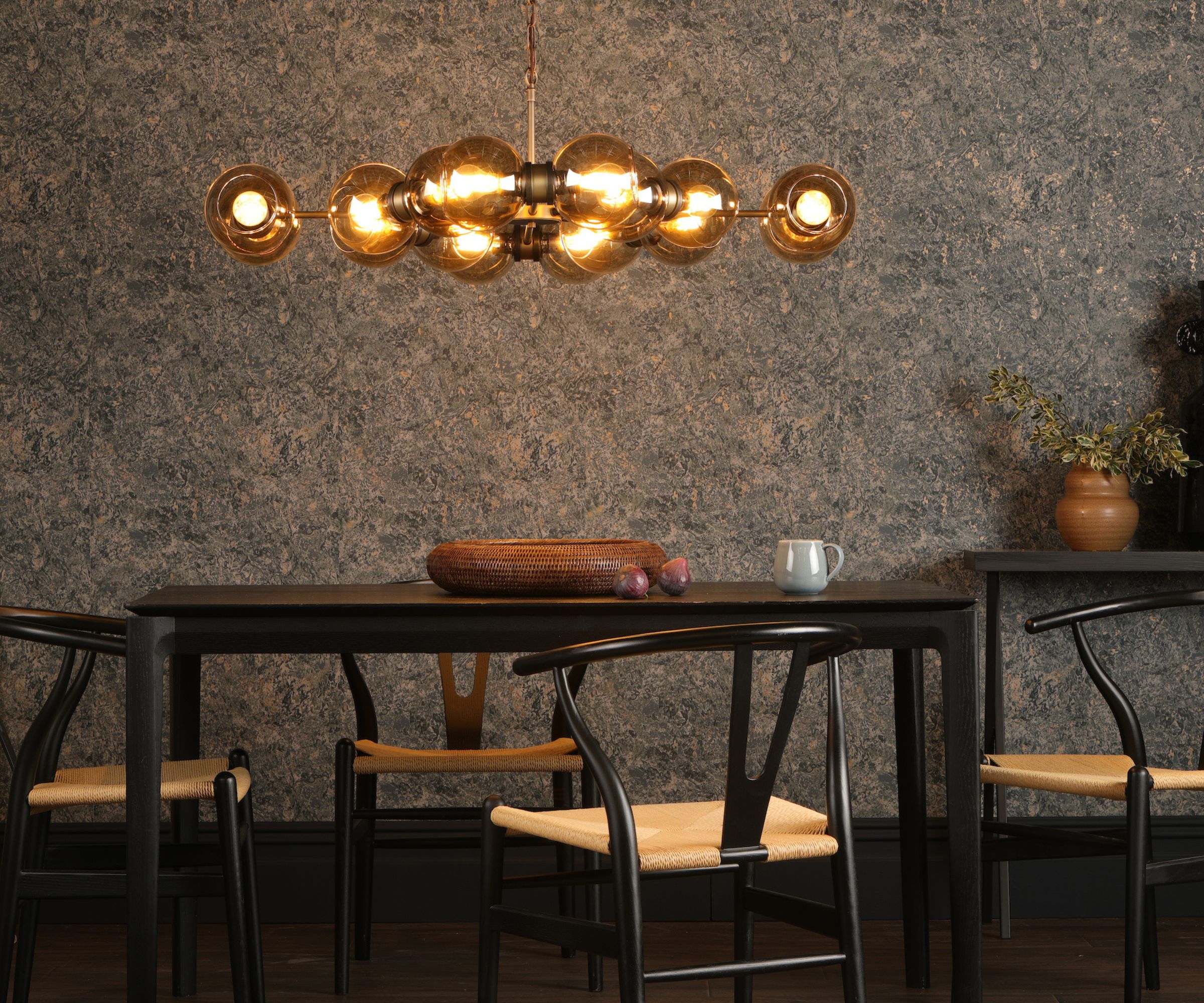
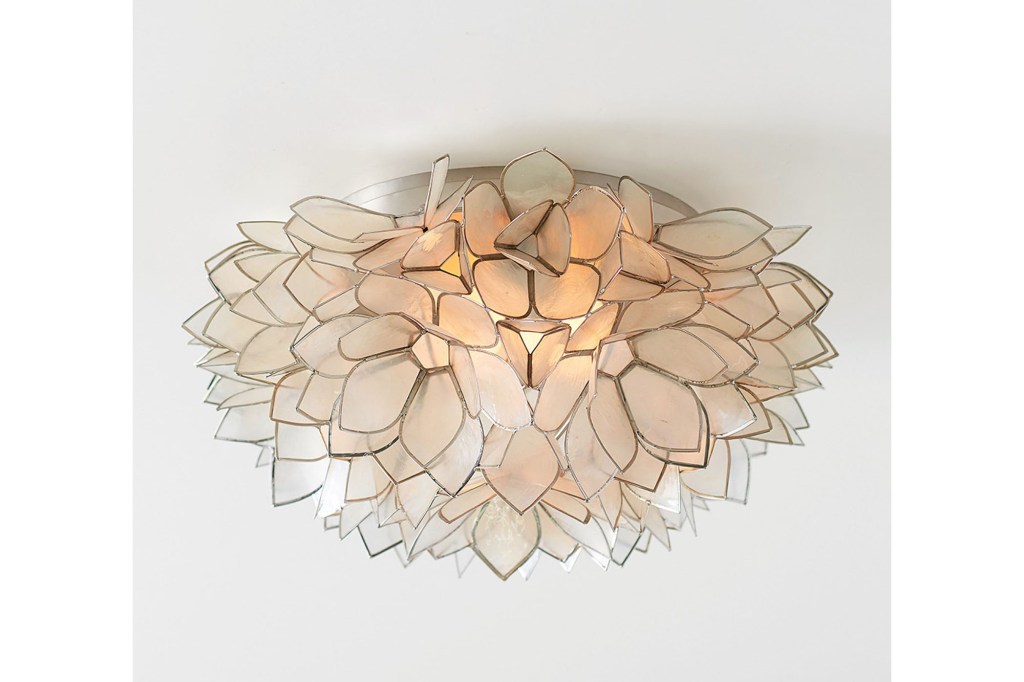
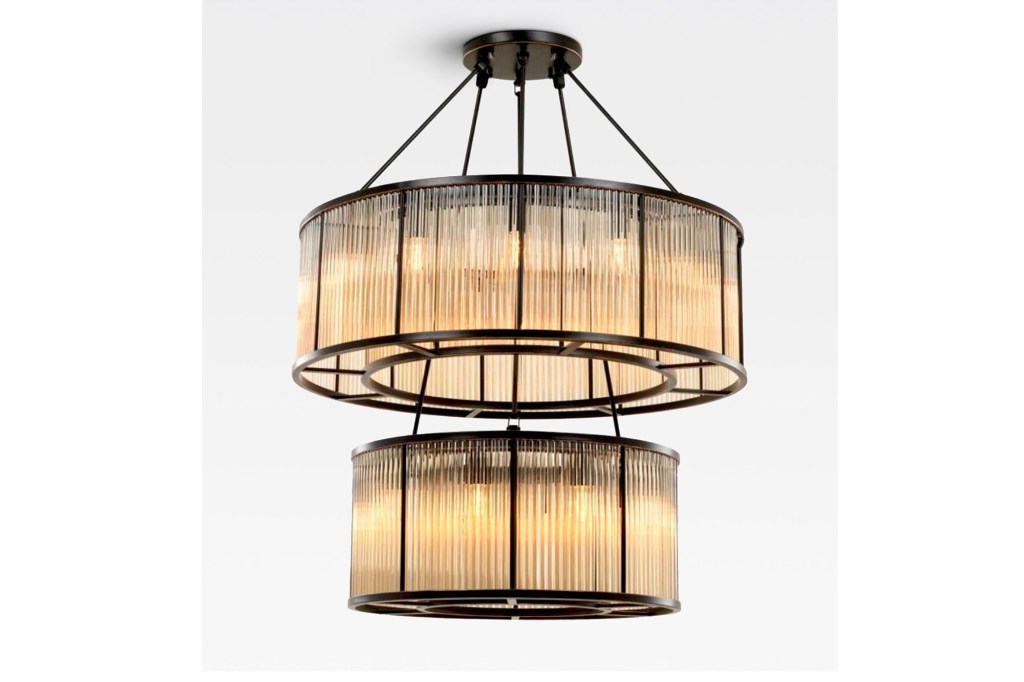
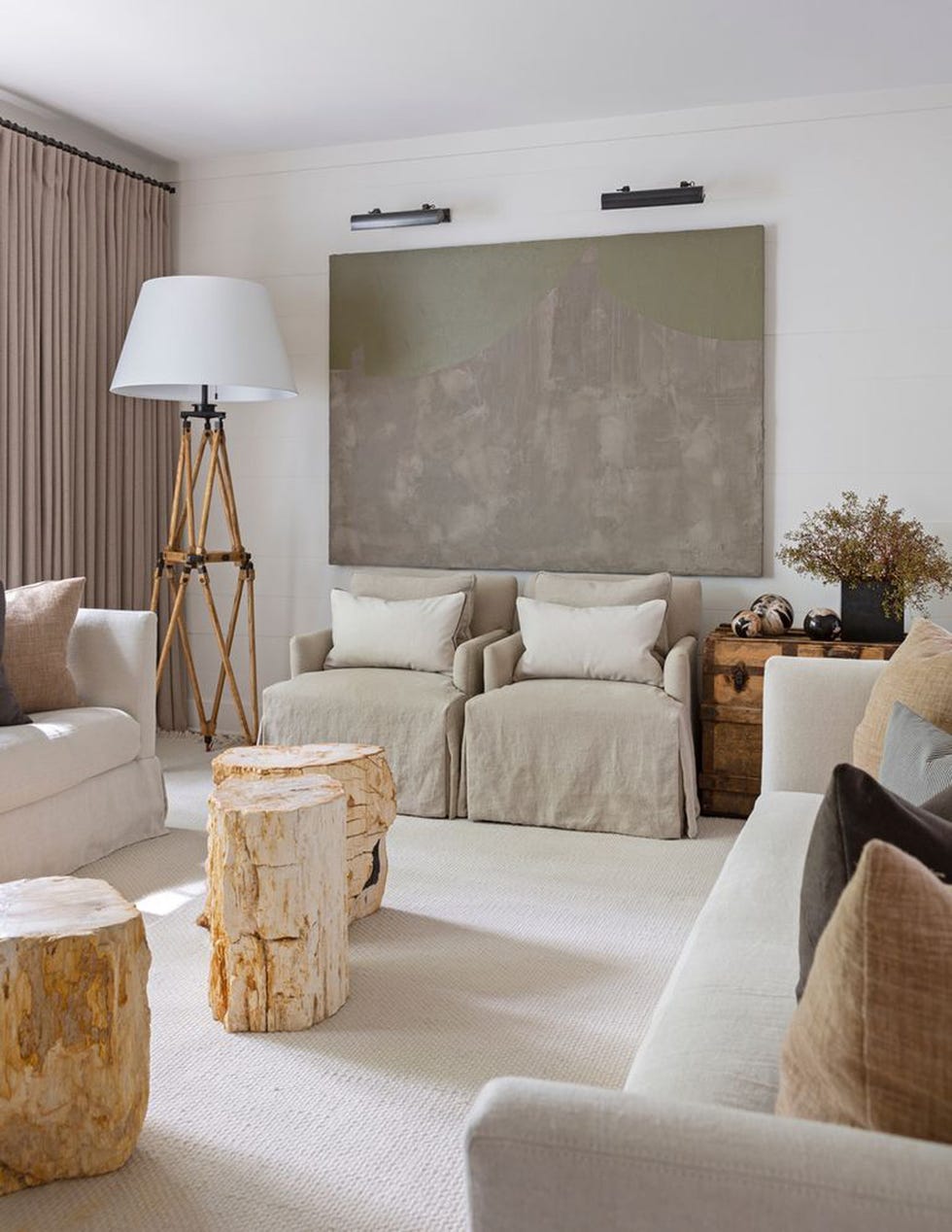
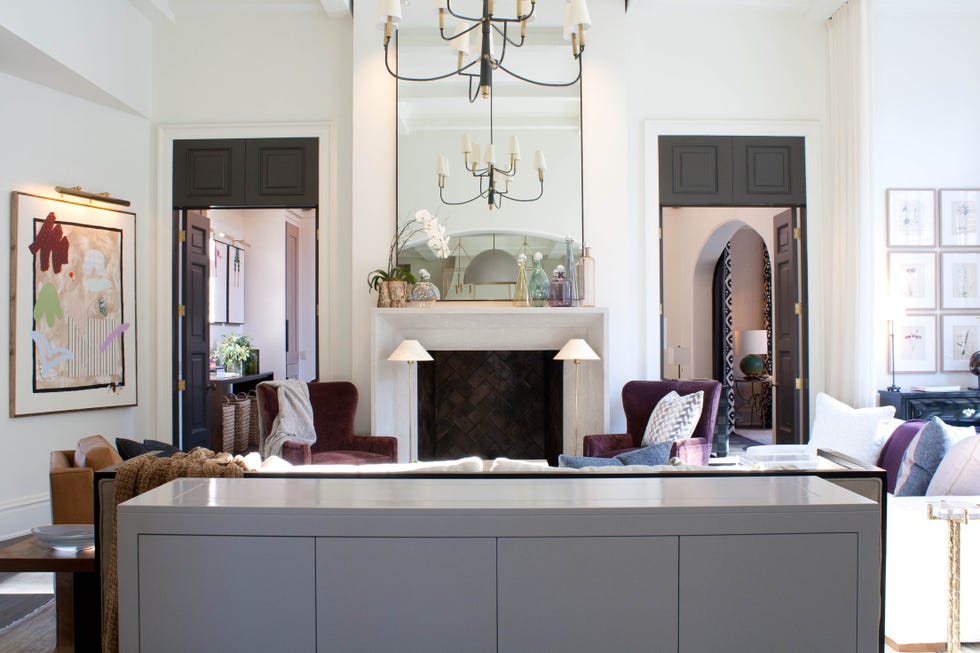
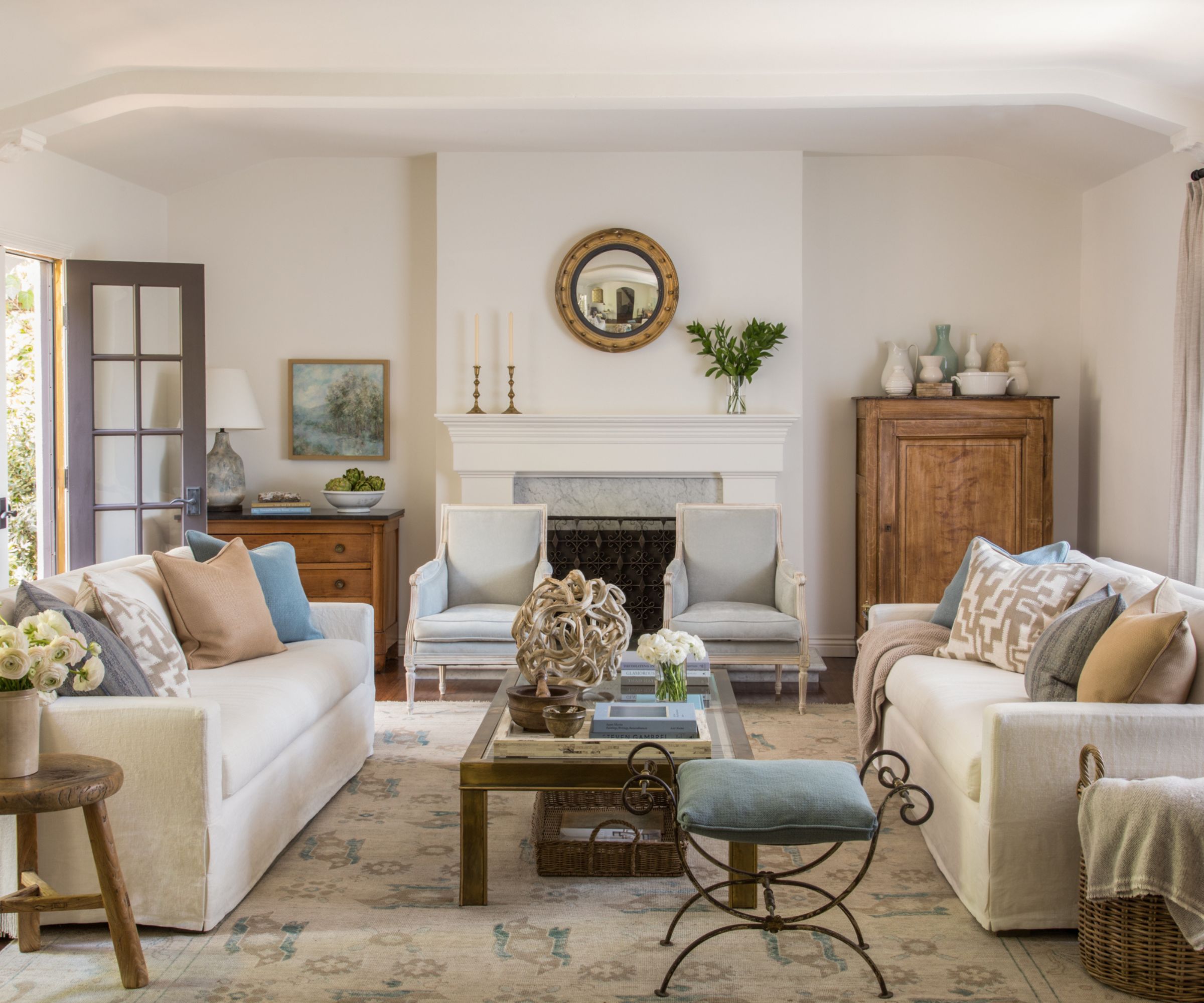
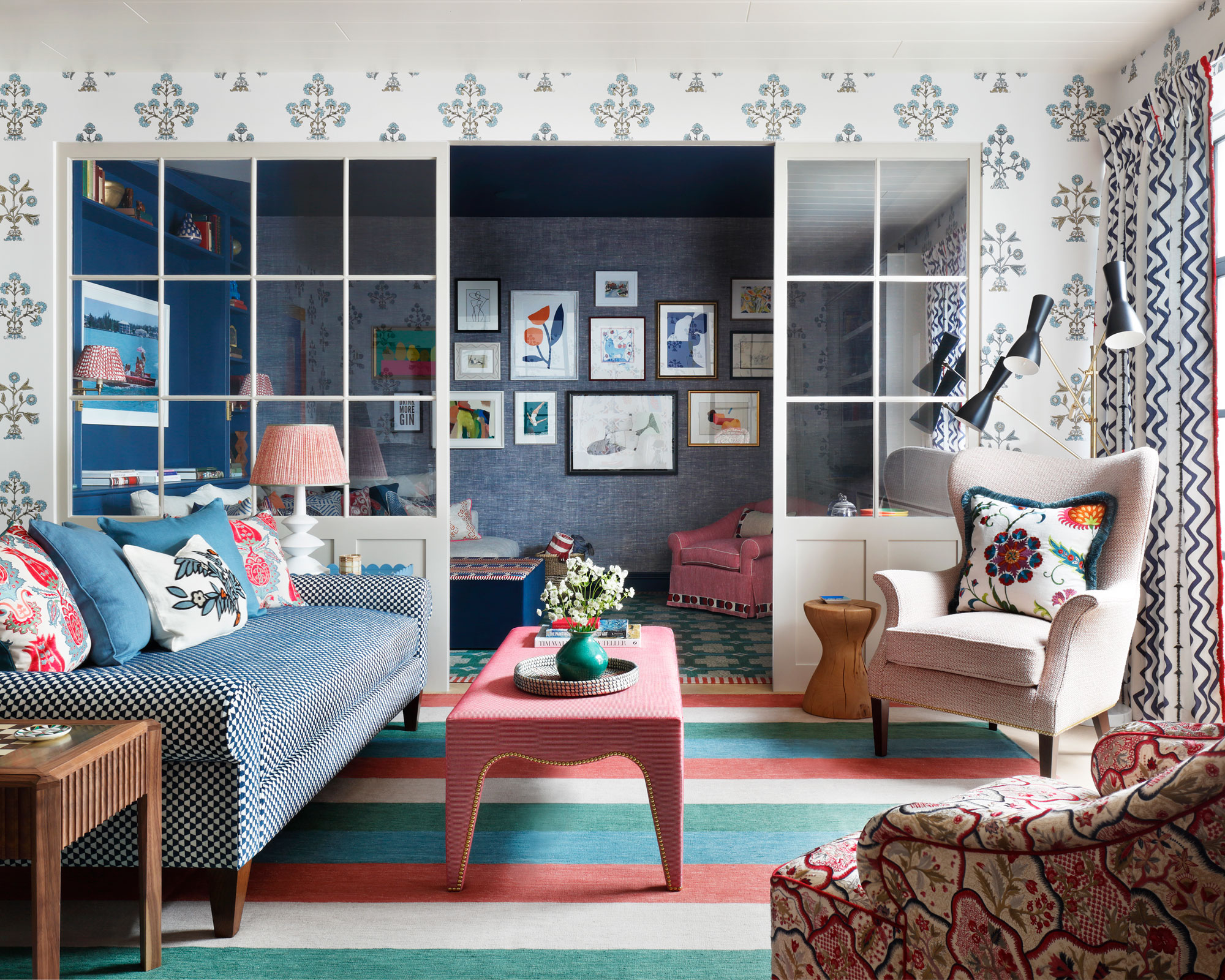
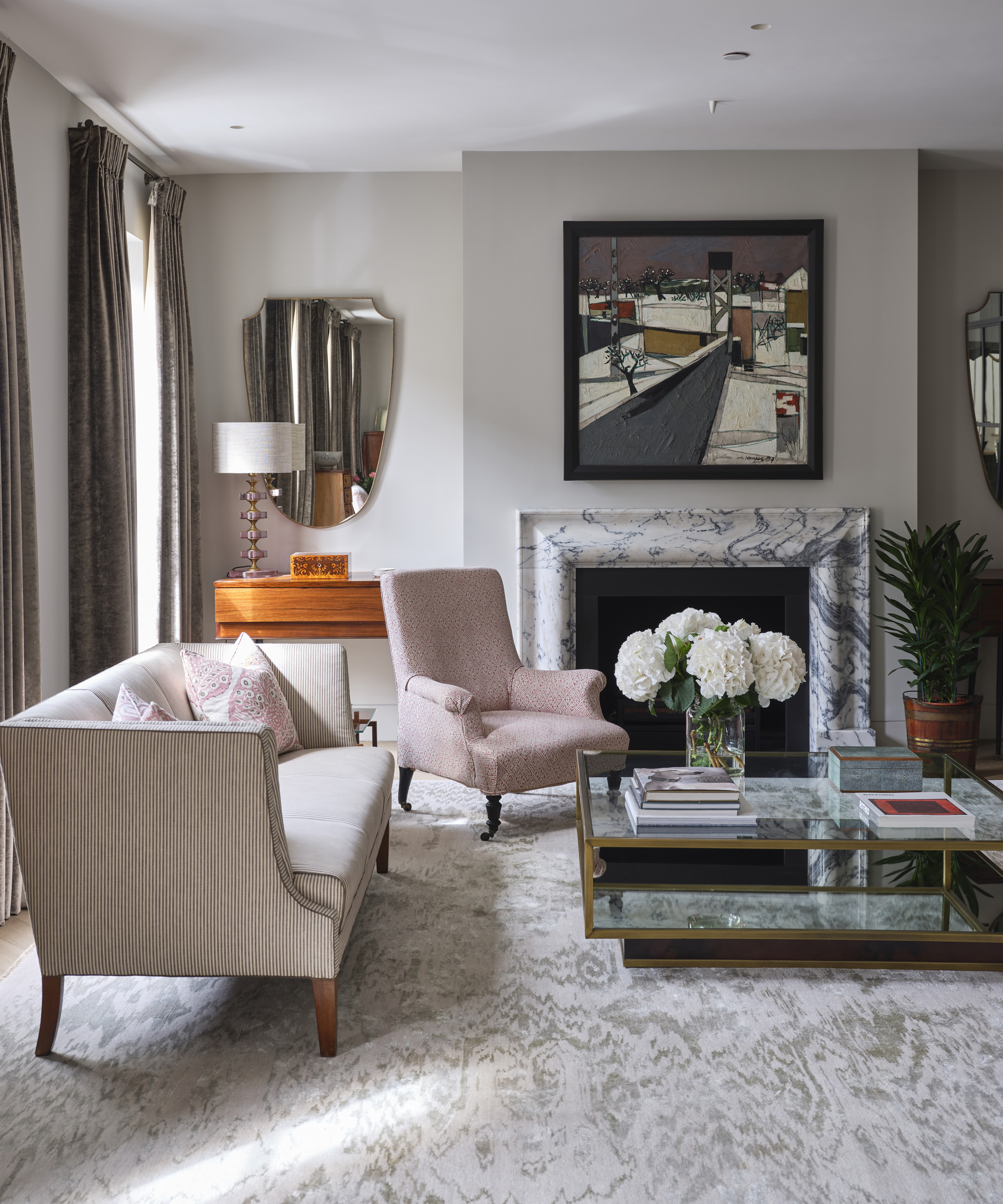
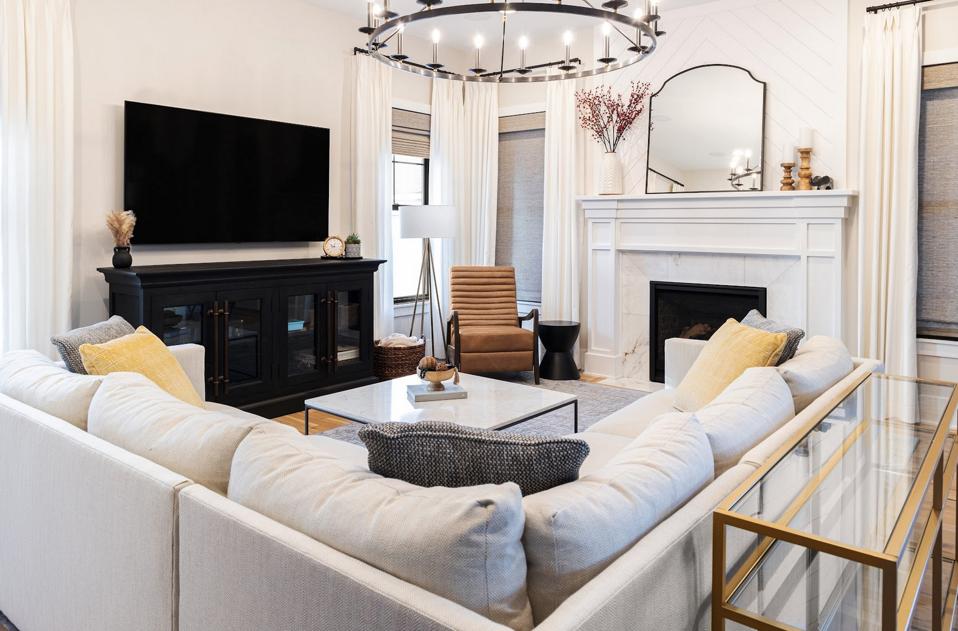
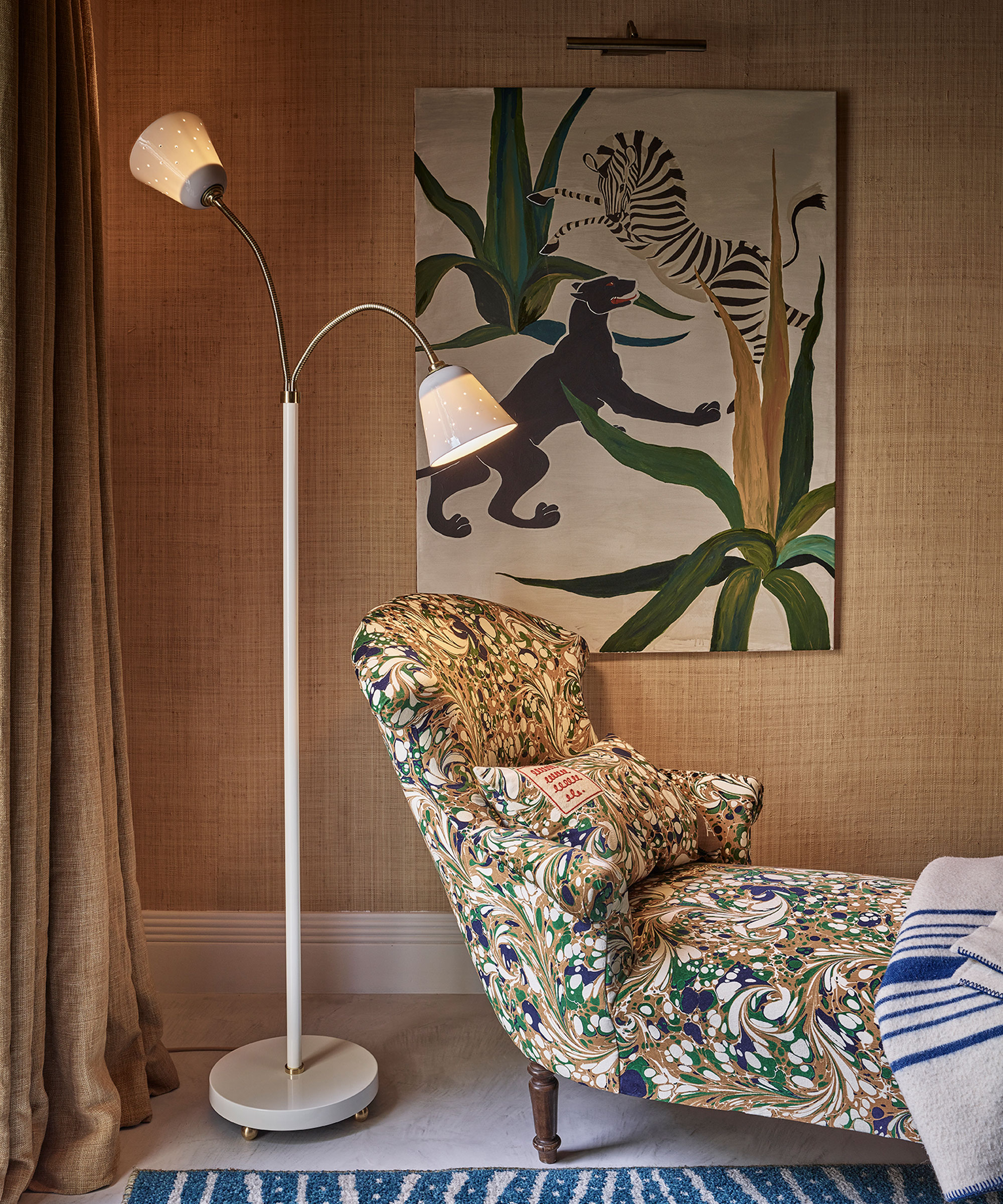
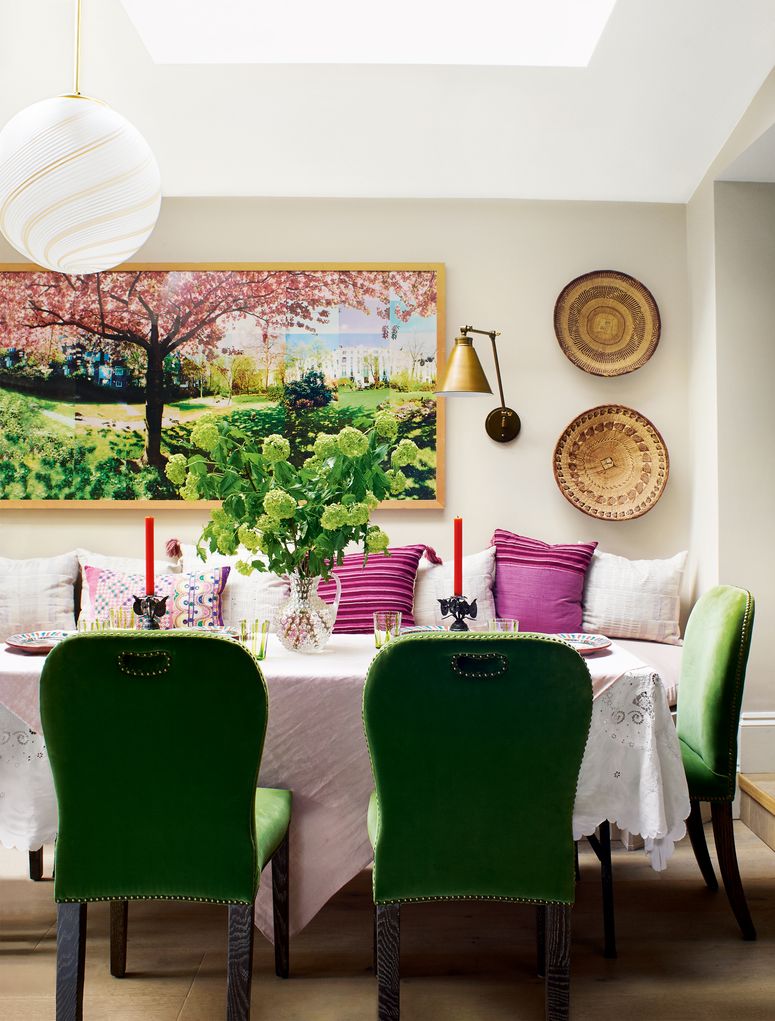
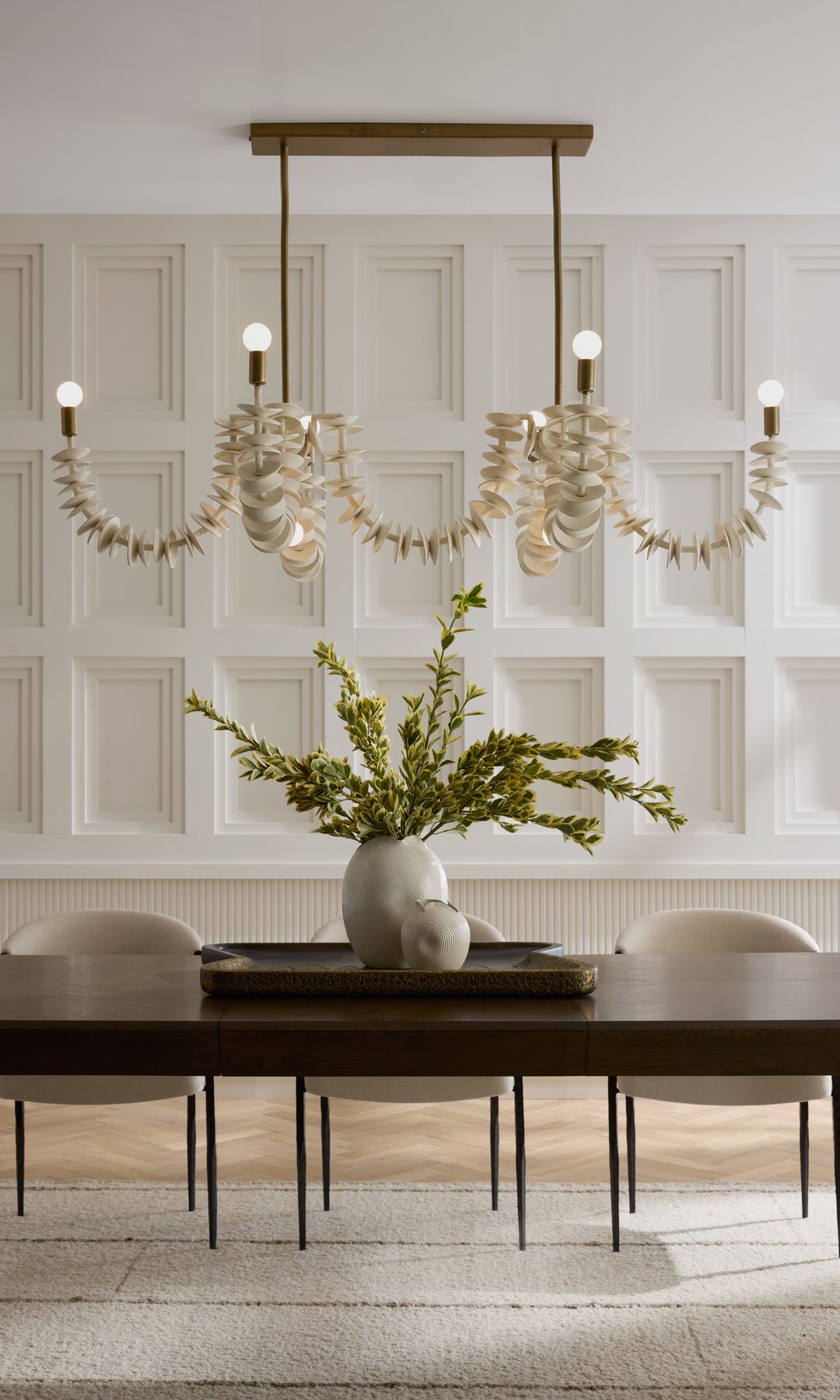
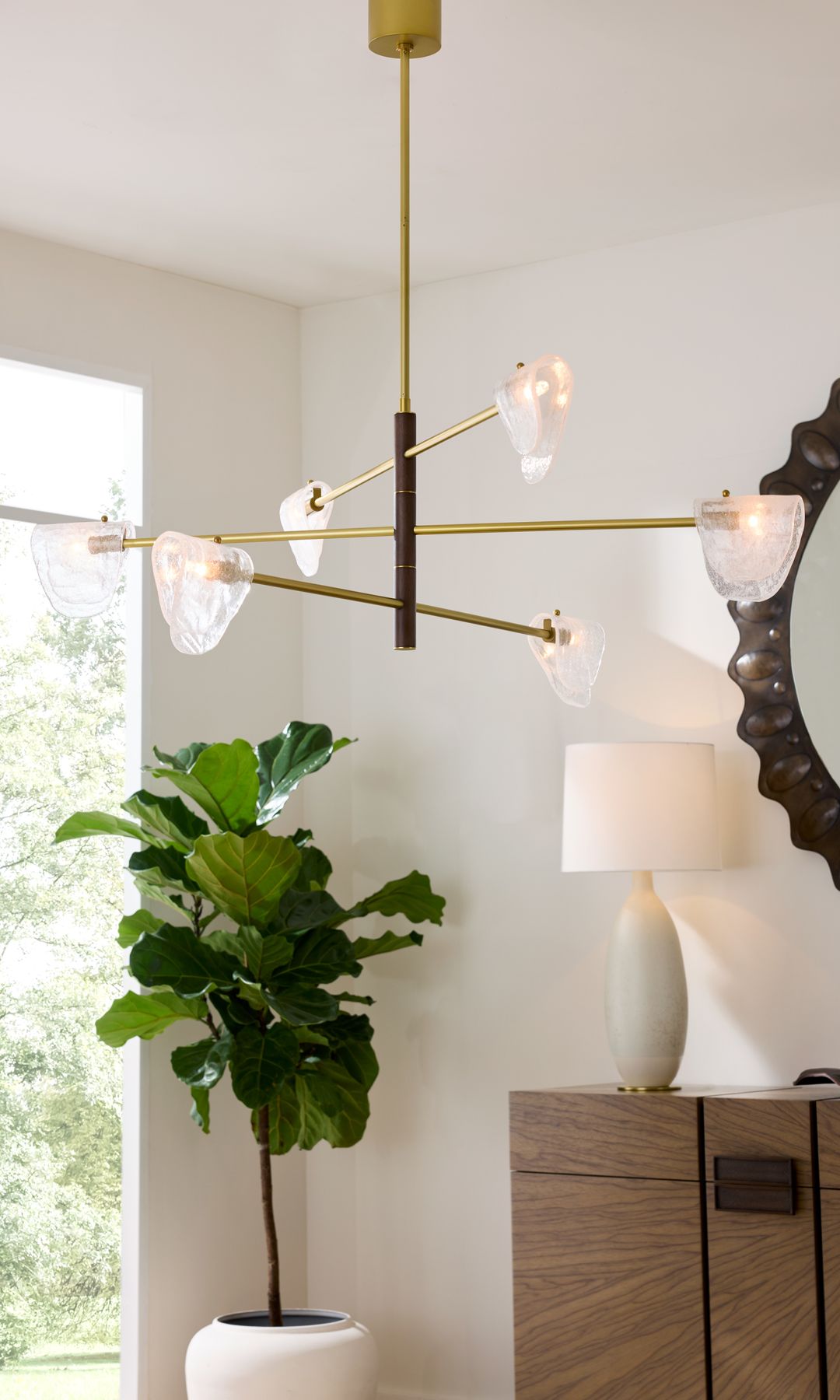
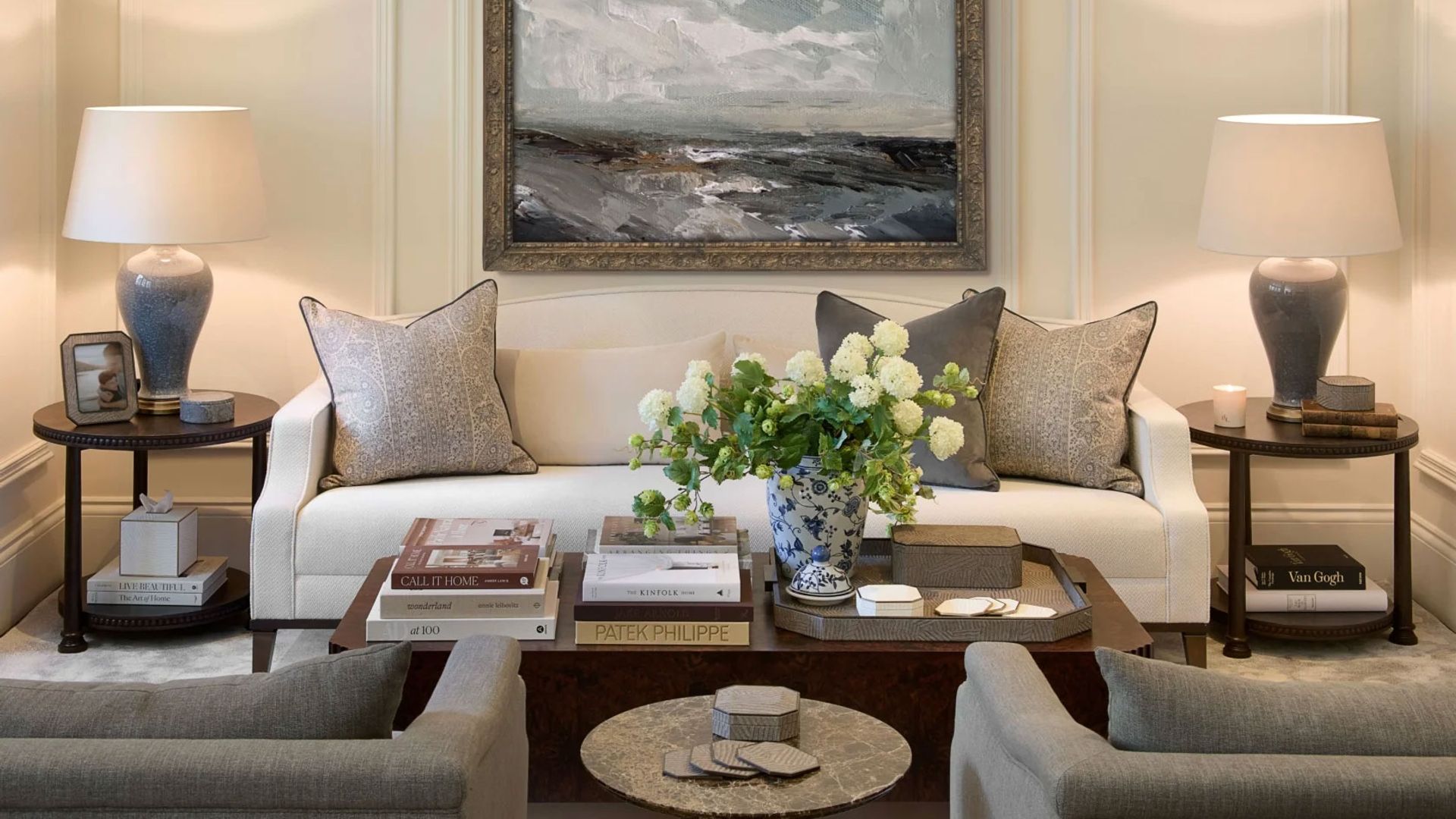
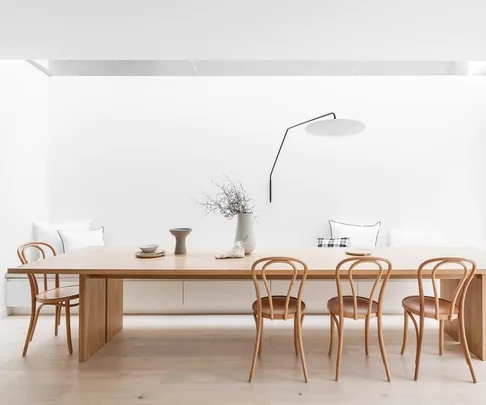
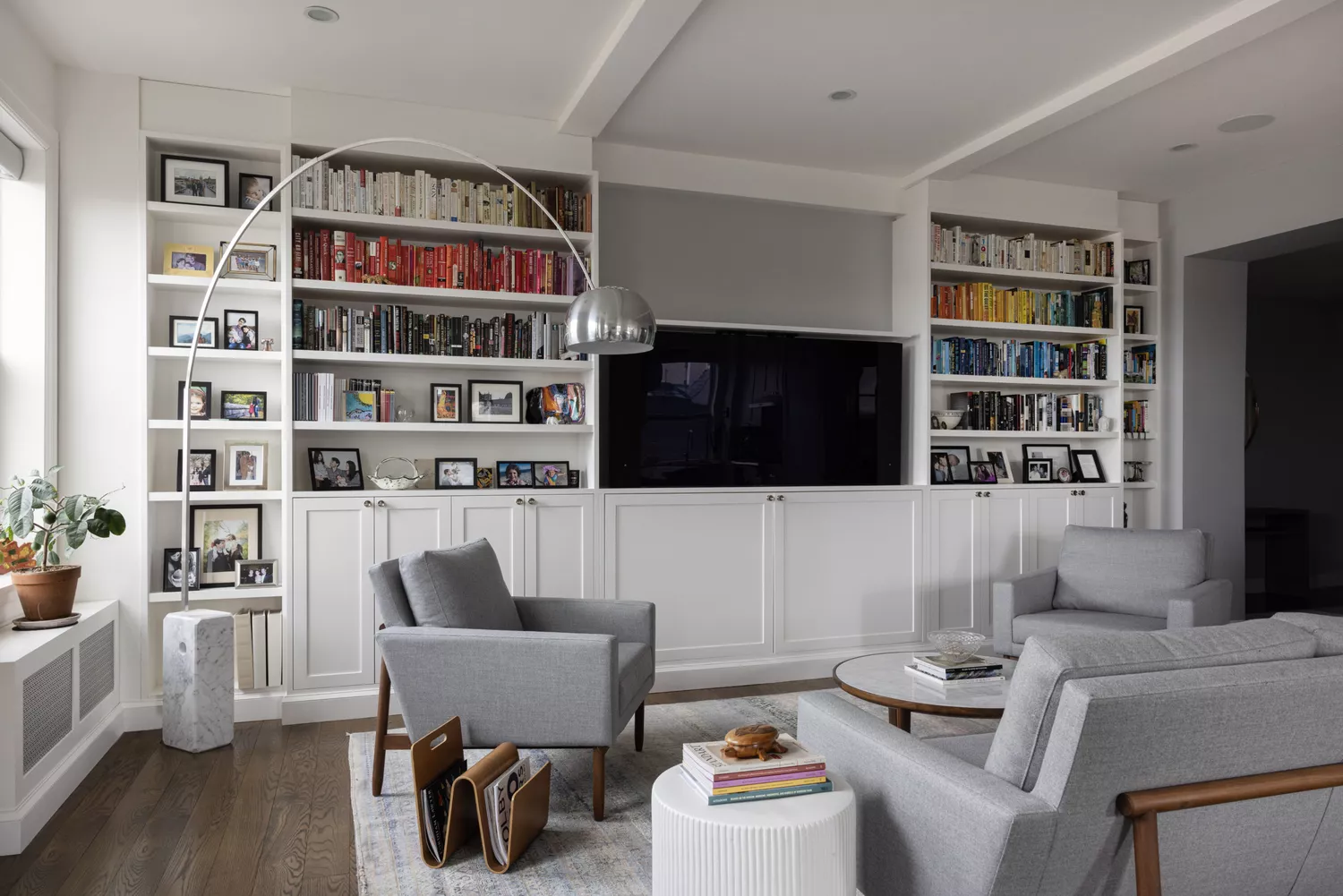
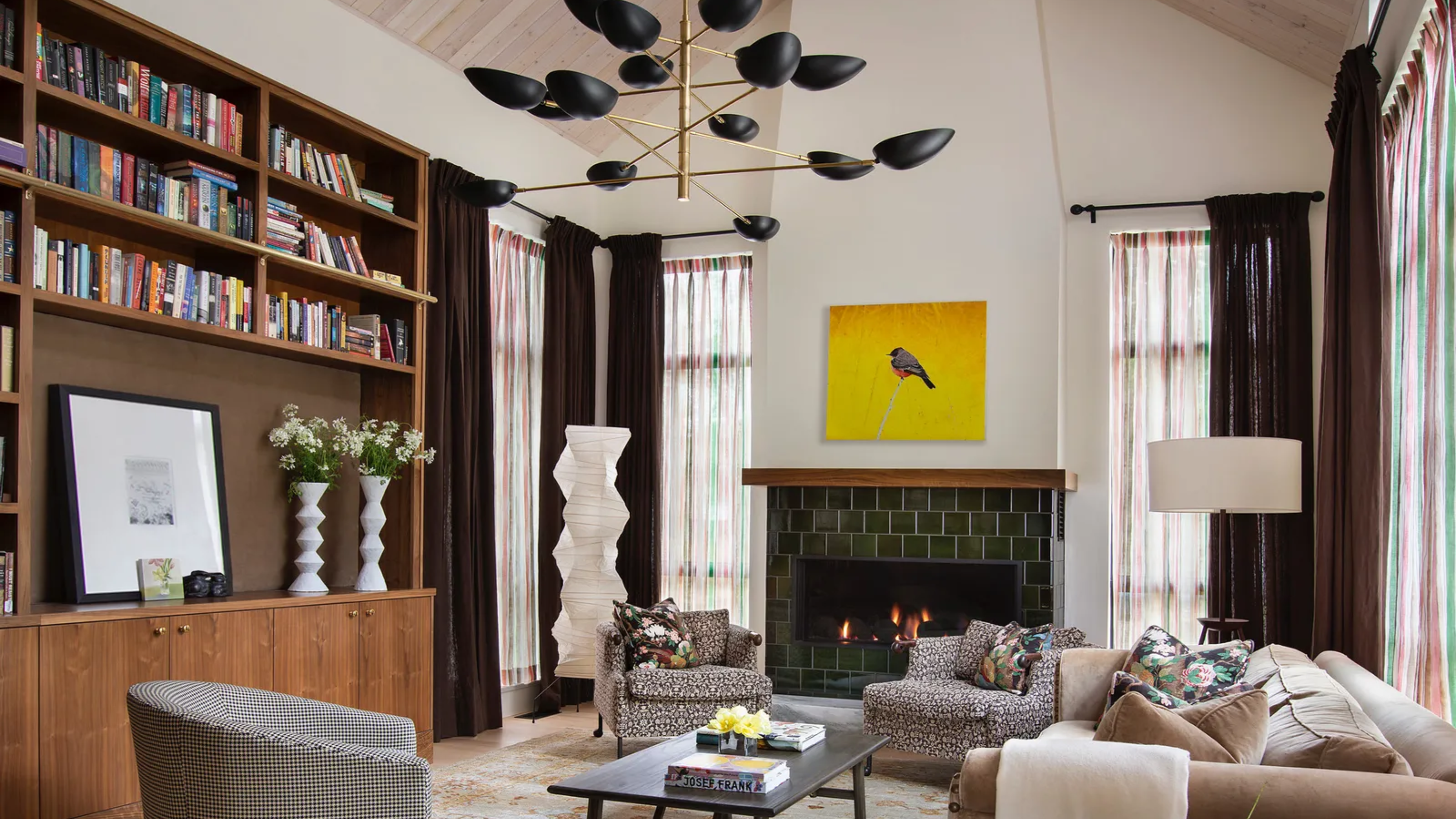
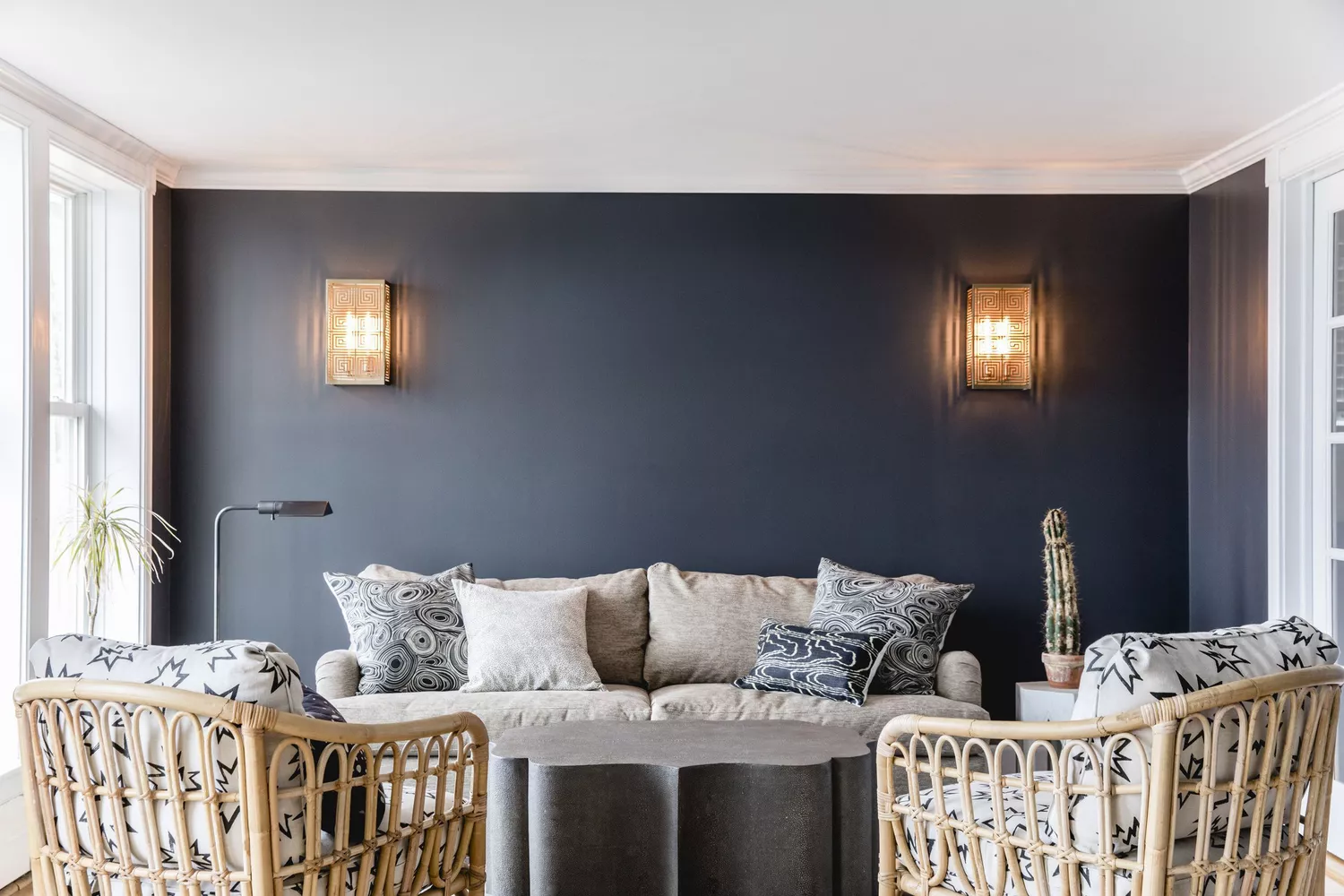
Living and dining areas are multi-functional spaces used for entertaining, relaxing, working, and dining. Therefore, a mix of practical and aesthetic lighting is necessary. Overhead lights such as downlights, spotlights, or pendants form the base layer. Task lighting, including floor and table lamps, can be added for specific activities like reading, while wall lamps or directed downlights can accentuate furniture and artwork. In the dining room, a pendant light hung low over the table serves both a practical purpose and creates atmosphere, effectively defining the space within an open-plan layout. Energy-efficient LEDs are a popular choice, available in warm white, cool white, and daylight color temperatures; warm light is preferred for a cozy ambiance, and dimmers are recommended for overhead lights. Careful placement of downlights is crucial; instead of a standard grid pattern that primarily lights the floor, they should be arranged closer to walls with adjustable gimbals to illuminate walls and artworks. Pendants should be positioned low over dining tables or behind armchairs for intimacy, or higher in high-traffic areas. In larger rooms, oversized pendants can make a whimsical statement.
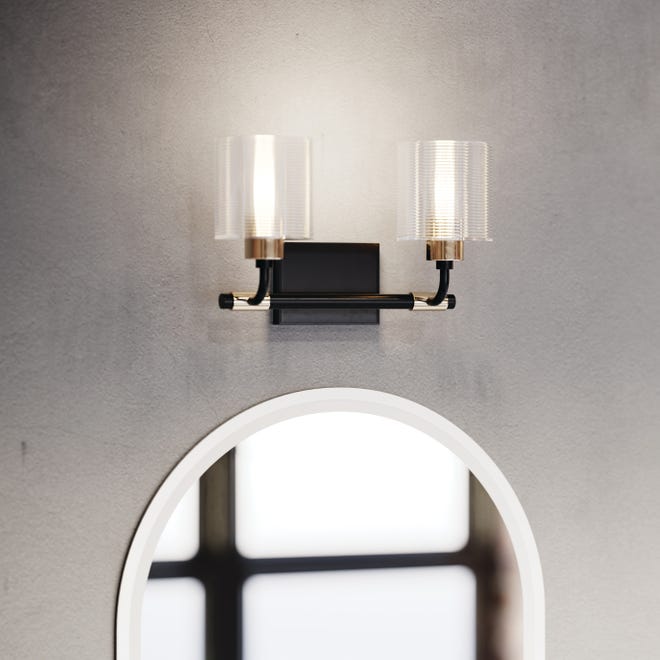
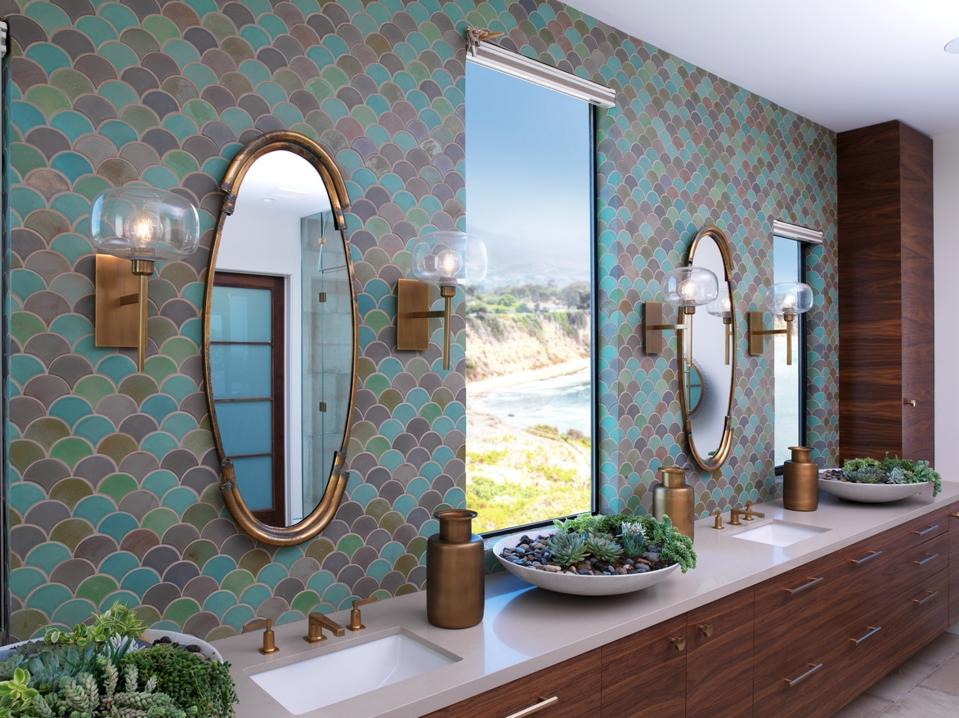
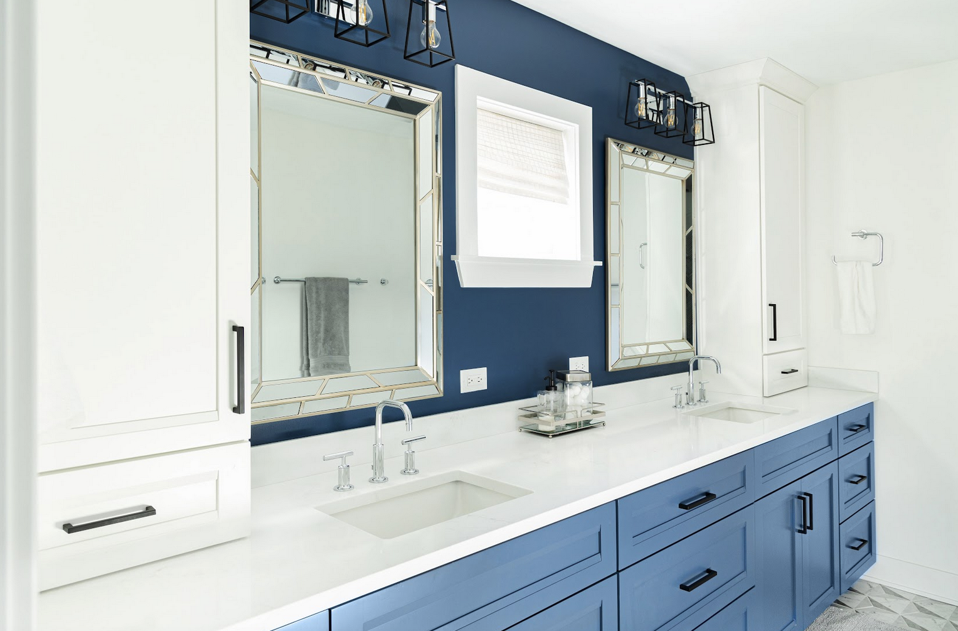
Bathroom lighting requires good task lighting for grooming and identifying water spills, but also the option for dimmed lighting for relaxation. Adequate ventilation and heating lamps are also important considerations. A common and effective lighting scheme involves a central ceiling light paired with wall lights flanking the mirror. These wall lights offer ambient lighting for night-time use or makeup application. Lights within the shower recess, particularly for opaque screens, are beneficial, and heat lamp/exhaust fan combos provide both warmth and ventilation. Cool and bright white lights are generally recommended for bathrooms, and all light fixtures must have a moisture-proof IP rating, with guidance from a lighting supplier or electrician being essential. For mirrors, lights placed on either side at eye level help prevent shadows. The placement of lights near wet areas like baths, showers, and taps should always be advised by a qualified electrician.
Smart lighting systems, such as those from WiZ and LIFX, offer advanced control through smartphones or voice-controlled home assistants. These systems allow for adjustments in color, intensity, and timing, enabling users to customize lighting schemes to suit different moods and needs, enhancing the overall home lighting experience.
#HomeLighting #InteriorDesign #LightingTips #KitchenLighting #BedroomLighting #LivingRoomLighting #BathroomLighting #SmartLighting #RenovationAdvice #HomeLighting #InteriorDesign #LightingTips #KitchenLighting #BedroomLighting #LivingRoomLighting #BathroomLighting #SmartLighting #RenovationAdvice
0 comment in total
 No comments yet
You may also like
Get your home's lighting just right: Seven questions answered
The best lighting for every room in the house

How to brighten any room in your home — 5 tips from a lighting expert

5 Easy, Designer-Approved Lighting Hacks to Brighten Up Your Home

Homestyle: Lighting the way
4 expert lighting schemes to make guests feel welcome in the rooms they'll use most

What You Need to Know About Lighting Your Home, from an Expert
What lighting makes a home look expensive? 5 ideas from the designers in the know
5 Types of Lighting Designers Would Never Use —They're Harsh and Unflattering and Here's Why

How to Light Your Home So Even the Overhead Haters Are Happy

Designers Share Their Best Tips for Acing Ambience in the Living Room with Lighting
The dos and don'ts of lighting your house
The 3 Types Of Lighting Every Room Needs

Simple or sculptural, the right light fixture can make any room shine

How to make a living room lighter – an interior designer's 10 tips for a creating brighter space
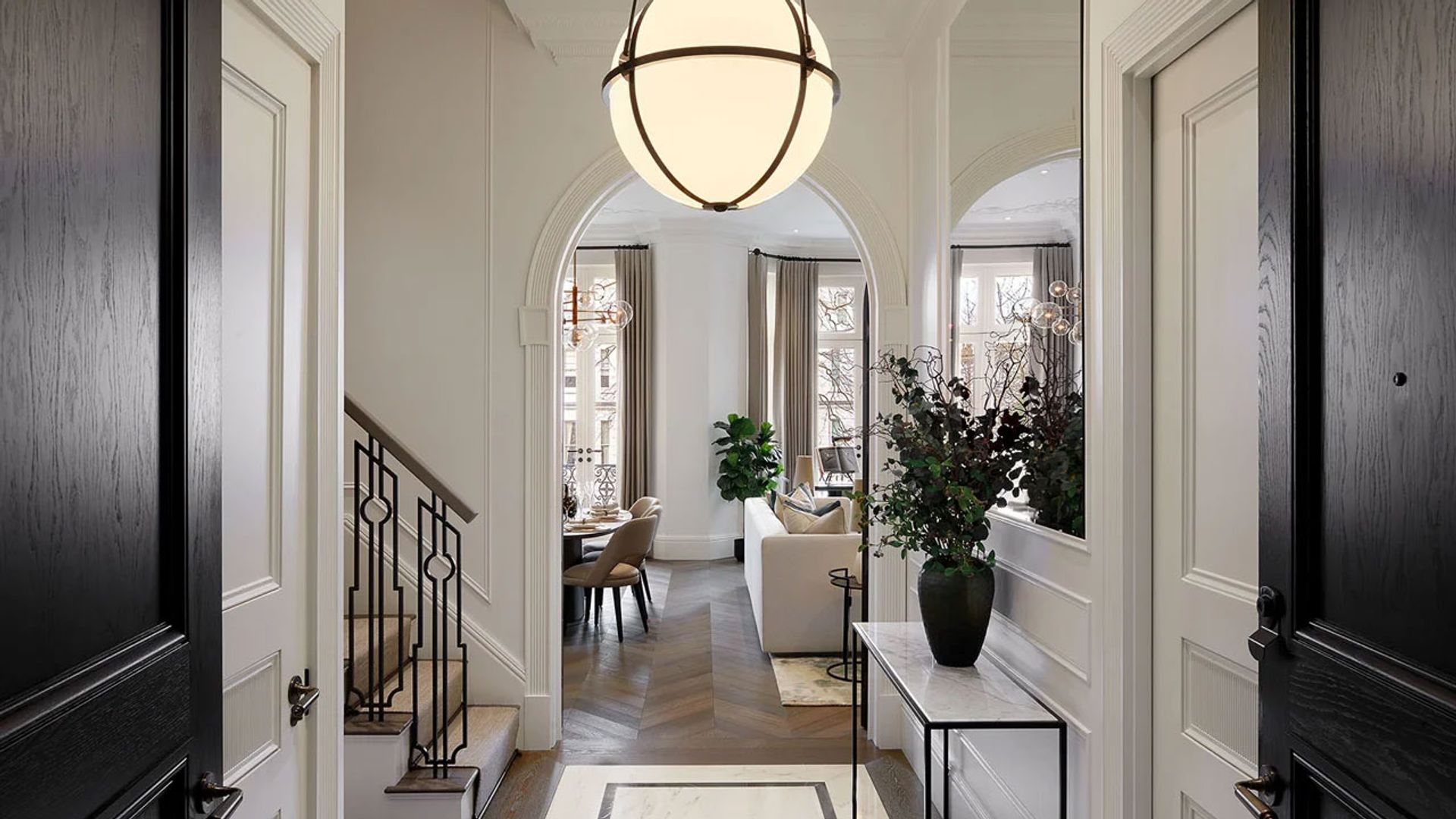
4 rules for luxurious lighting according to interior design experts

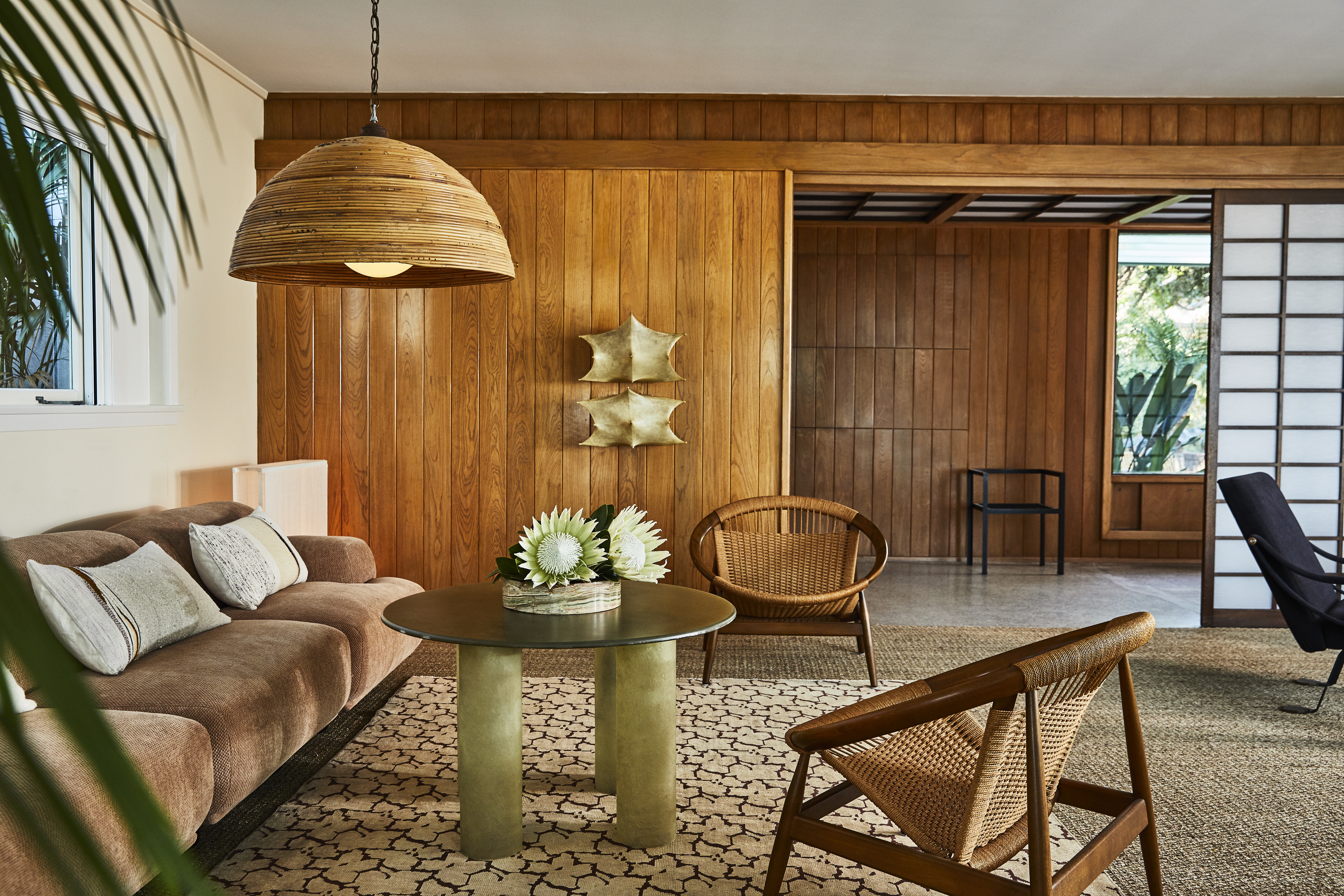
Should light fixtures match throughout a house? The answer is more nuanced than you'd expect
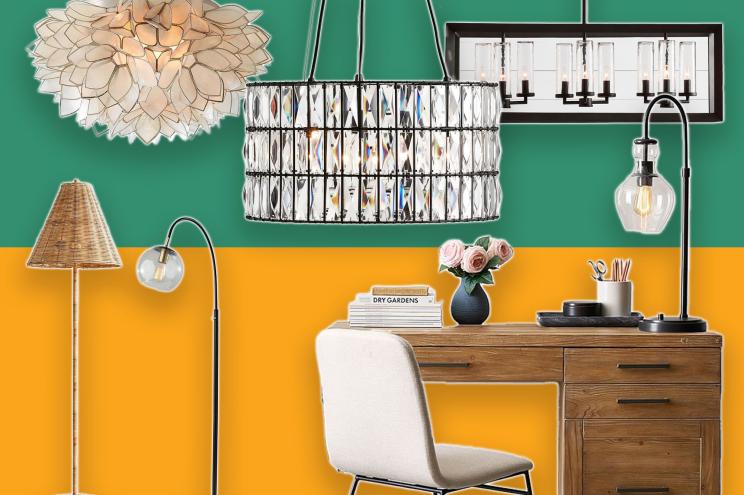
The 18 best places to buy light fixtures, with expert recommendations
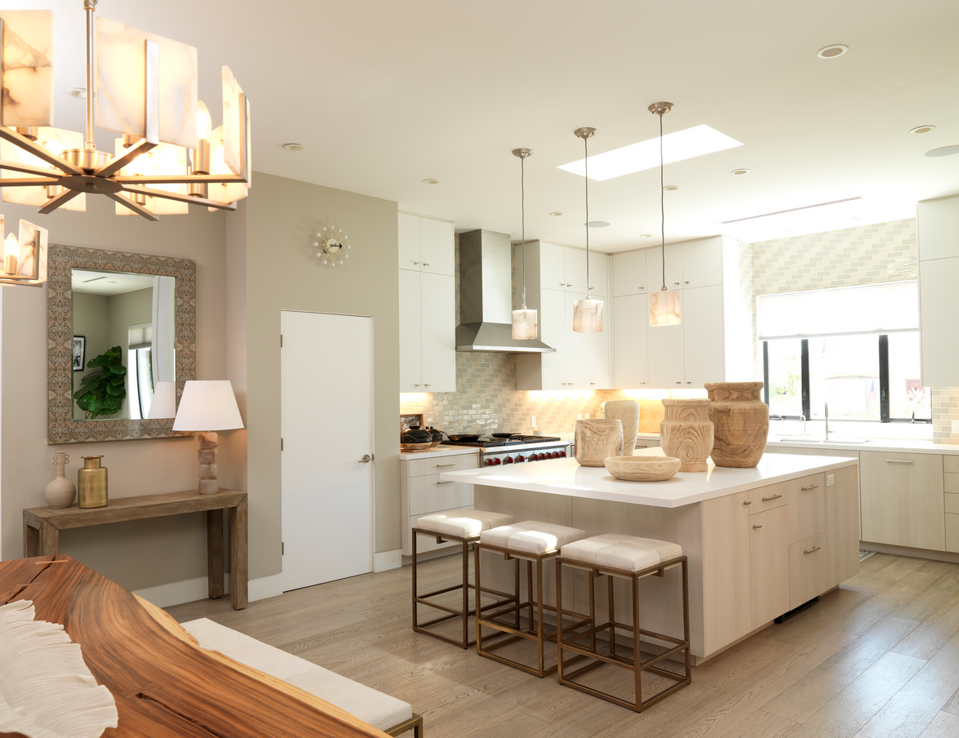
These Task, Accent, And Ambient Lighting Tips Can Transform Your Home

14 Tips for Lighting Your Home Like a Designer Before Daylight Savings Ends