The 3 Types Of Lighting Every Room Needs
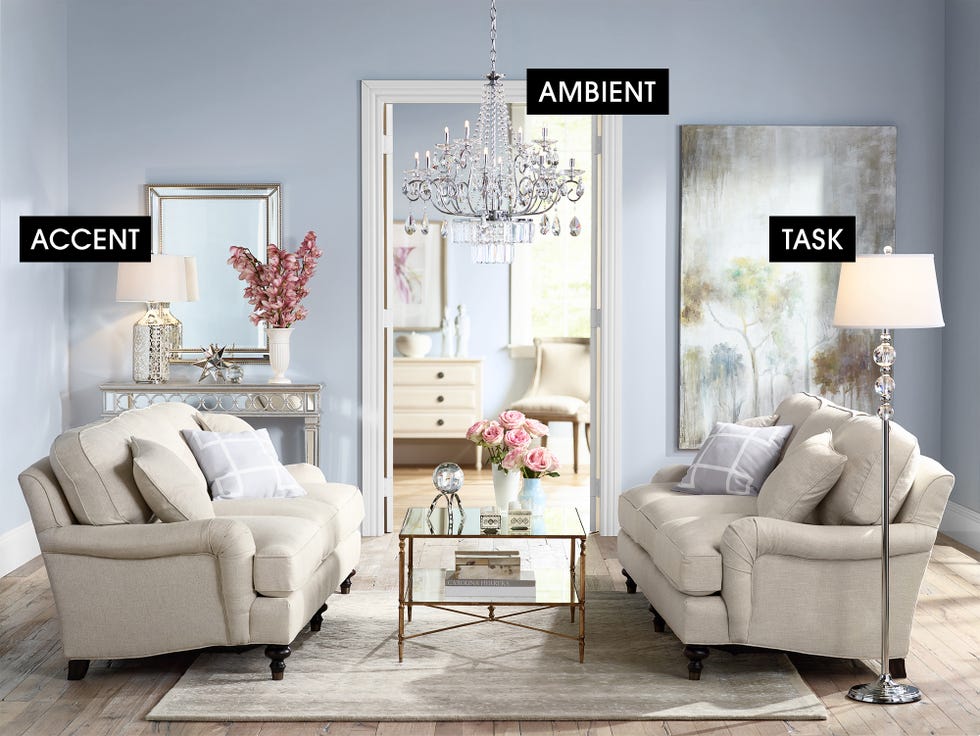
Achieving perfect lighting in any room, especially during darker seasons, requires a balanced approach using three essential types of illumination: ambient, task, and accent lighting. Michael Murphy, an interior designer and Trends Producer for Lamps Plus, emphasizes that relying on a single statement fixture is insufficient for comprehensive lighting needs.
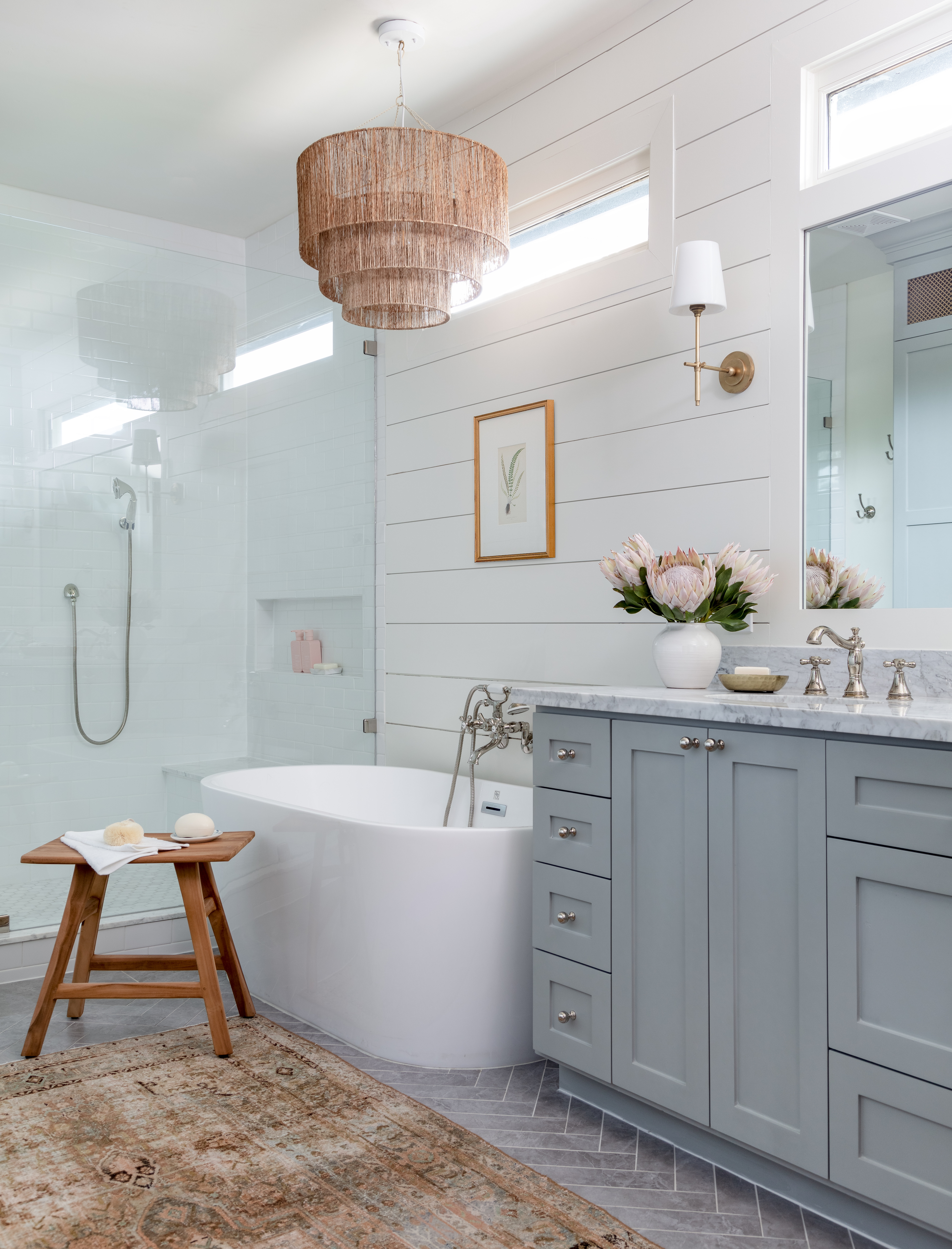
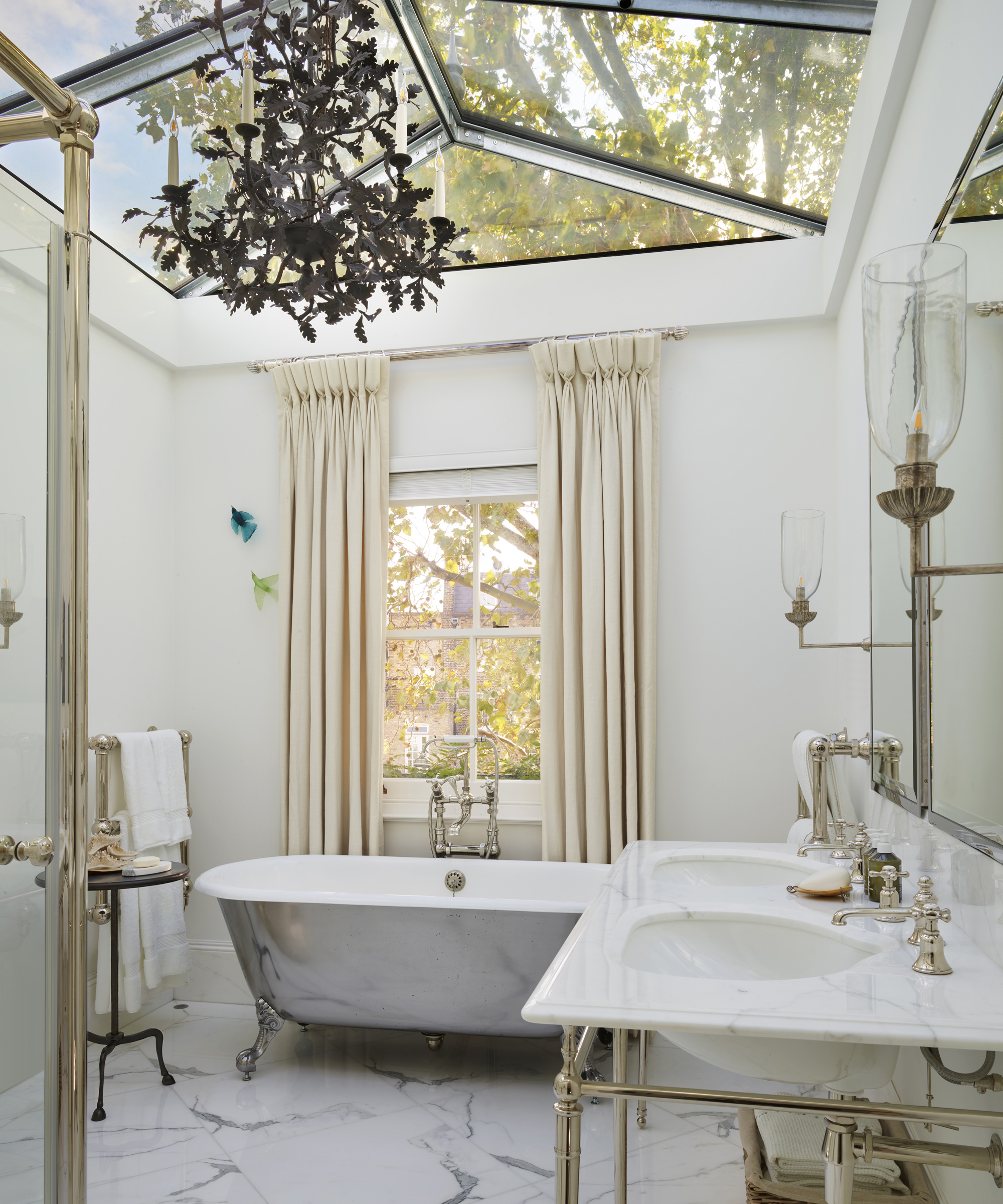
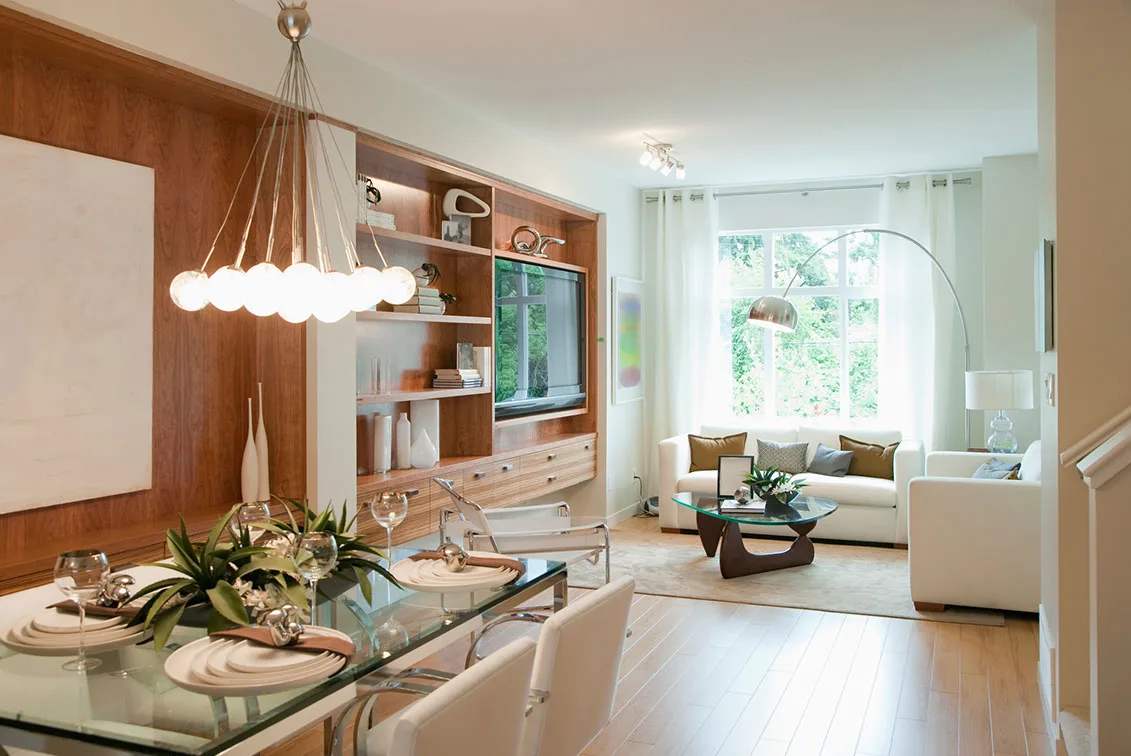
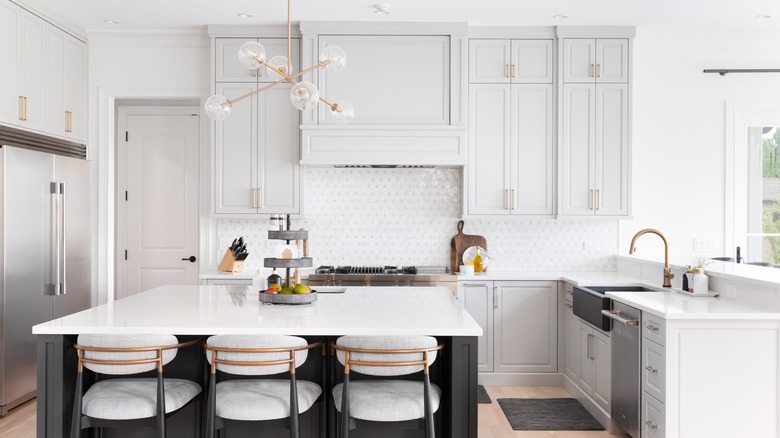
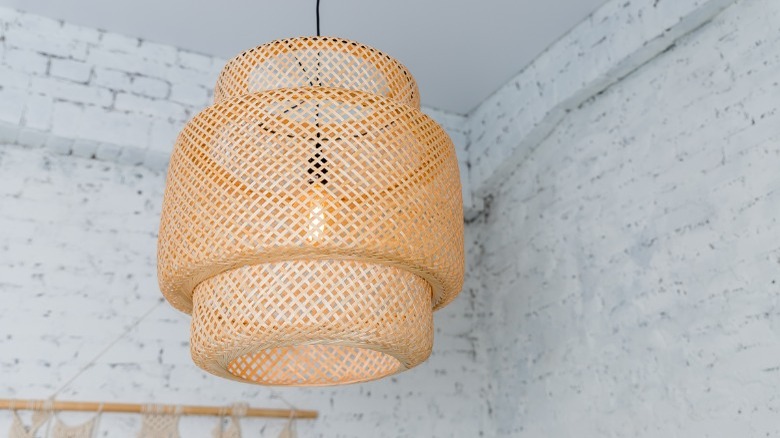
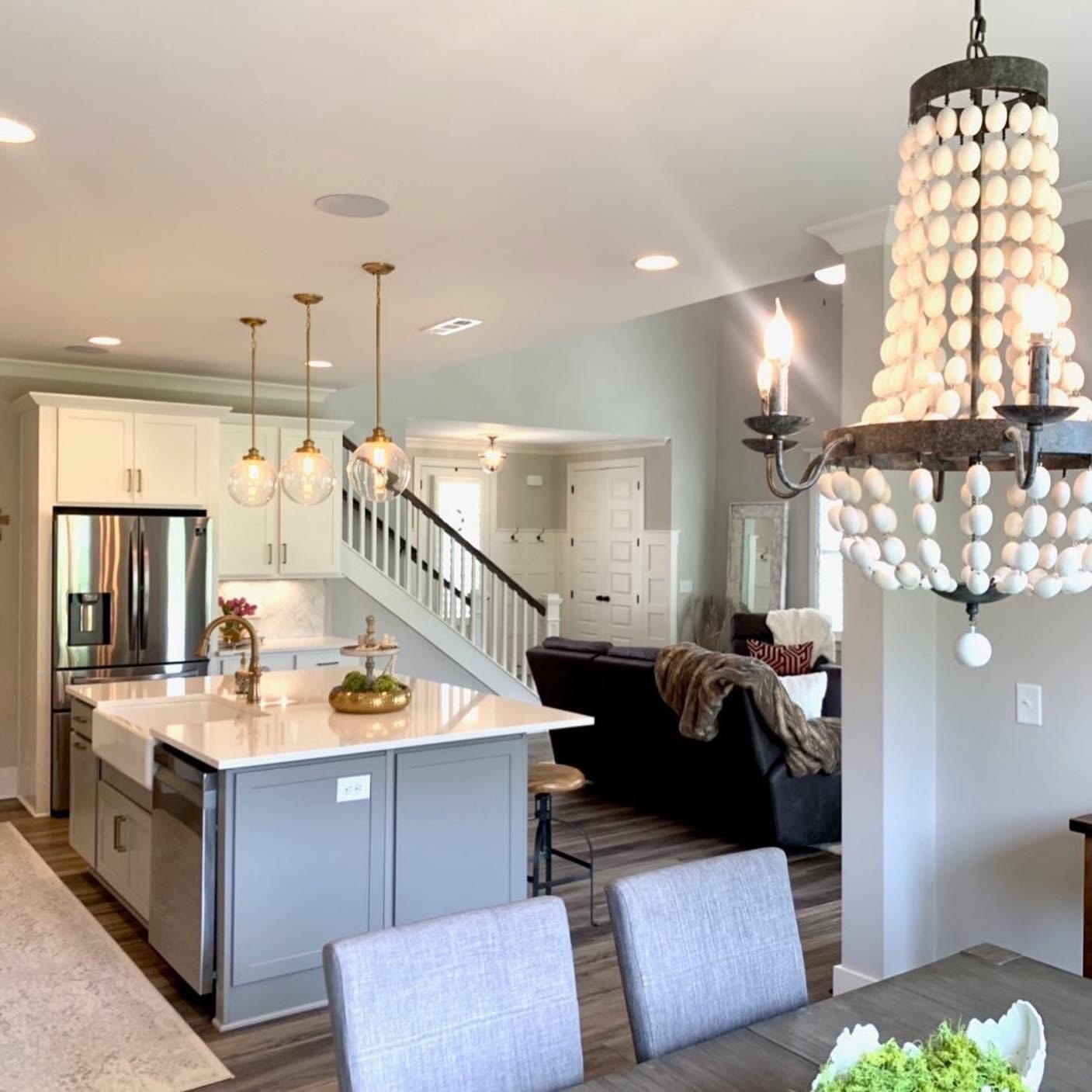
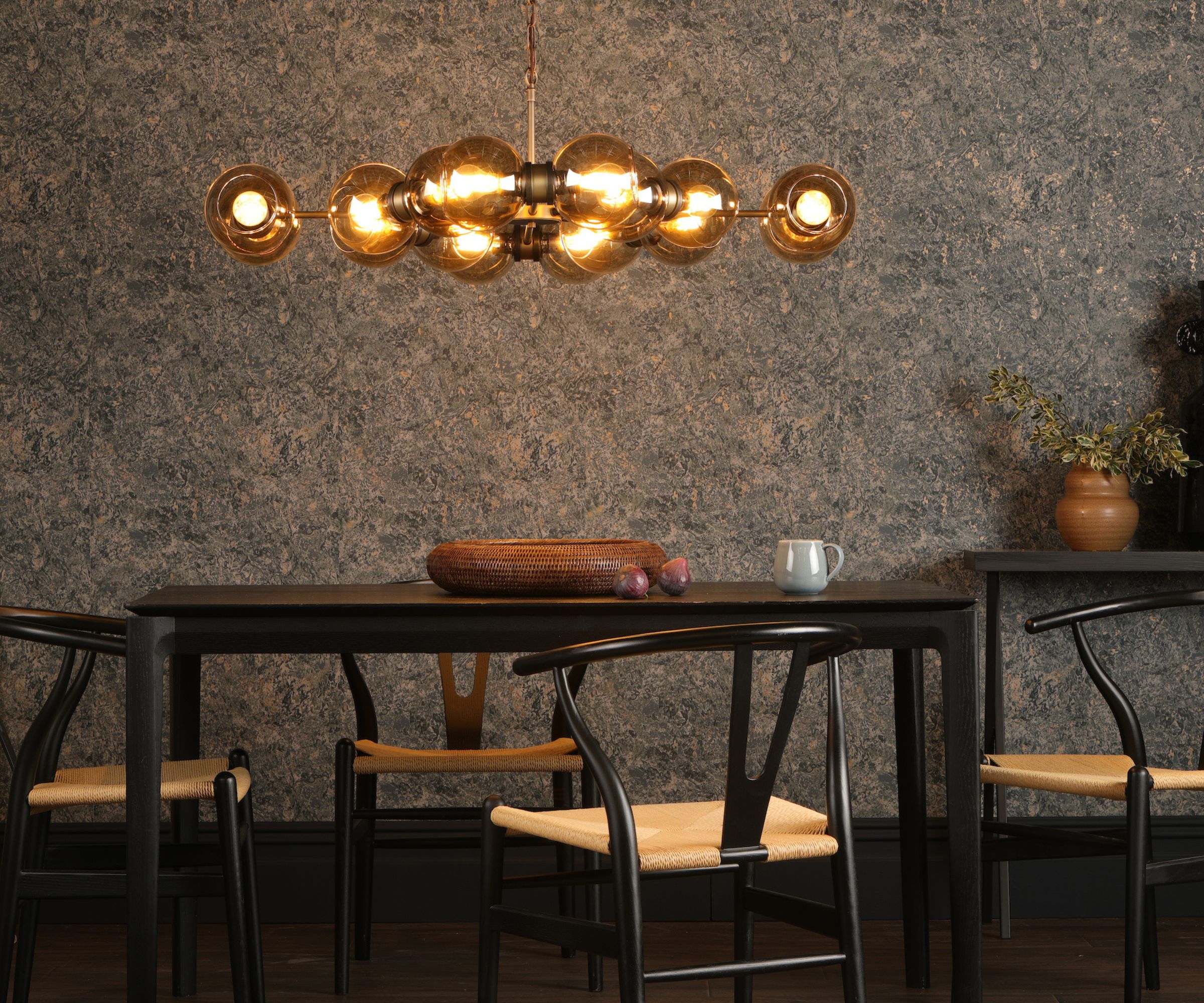
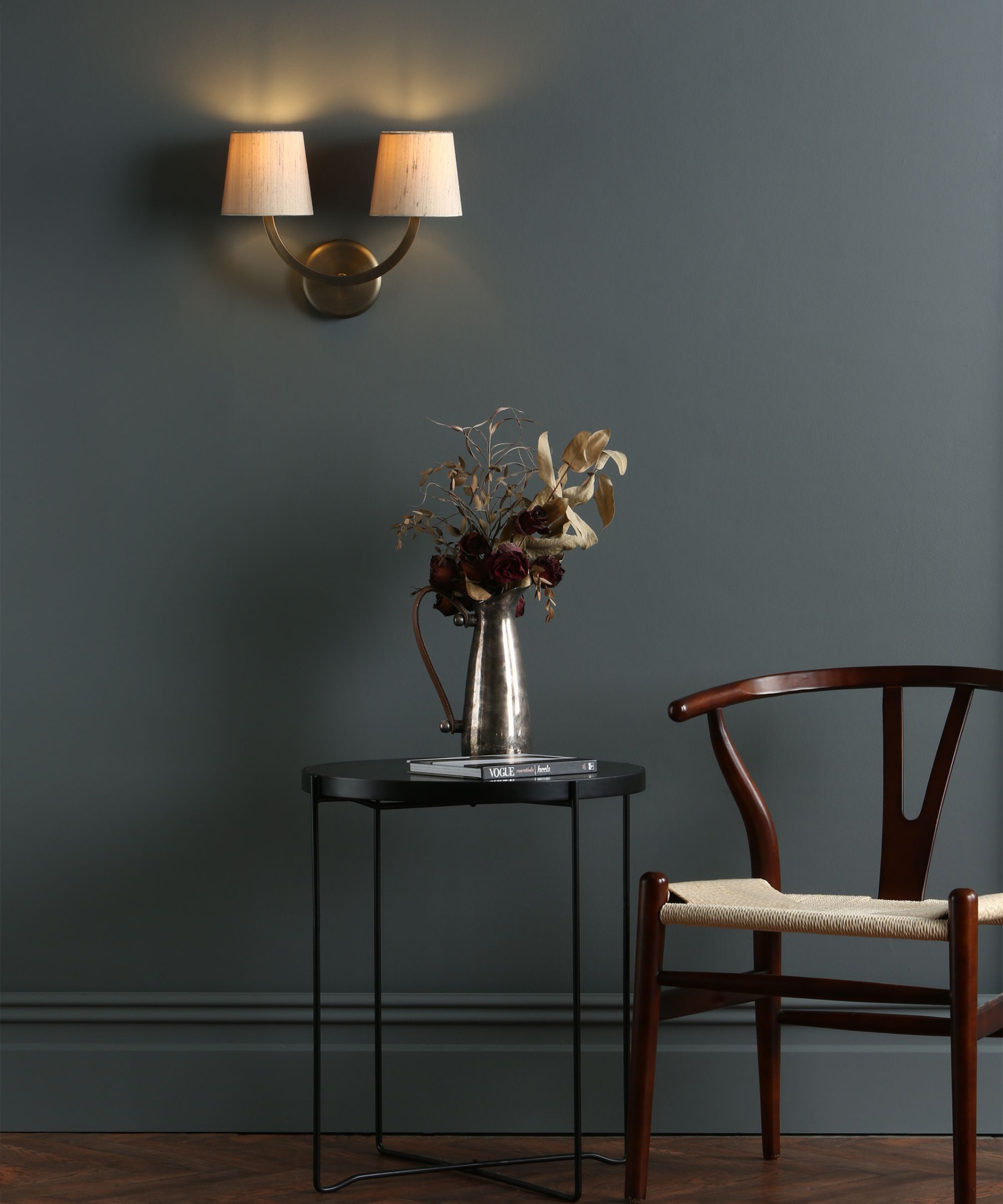
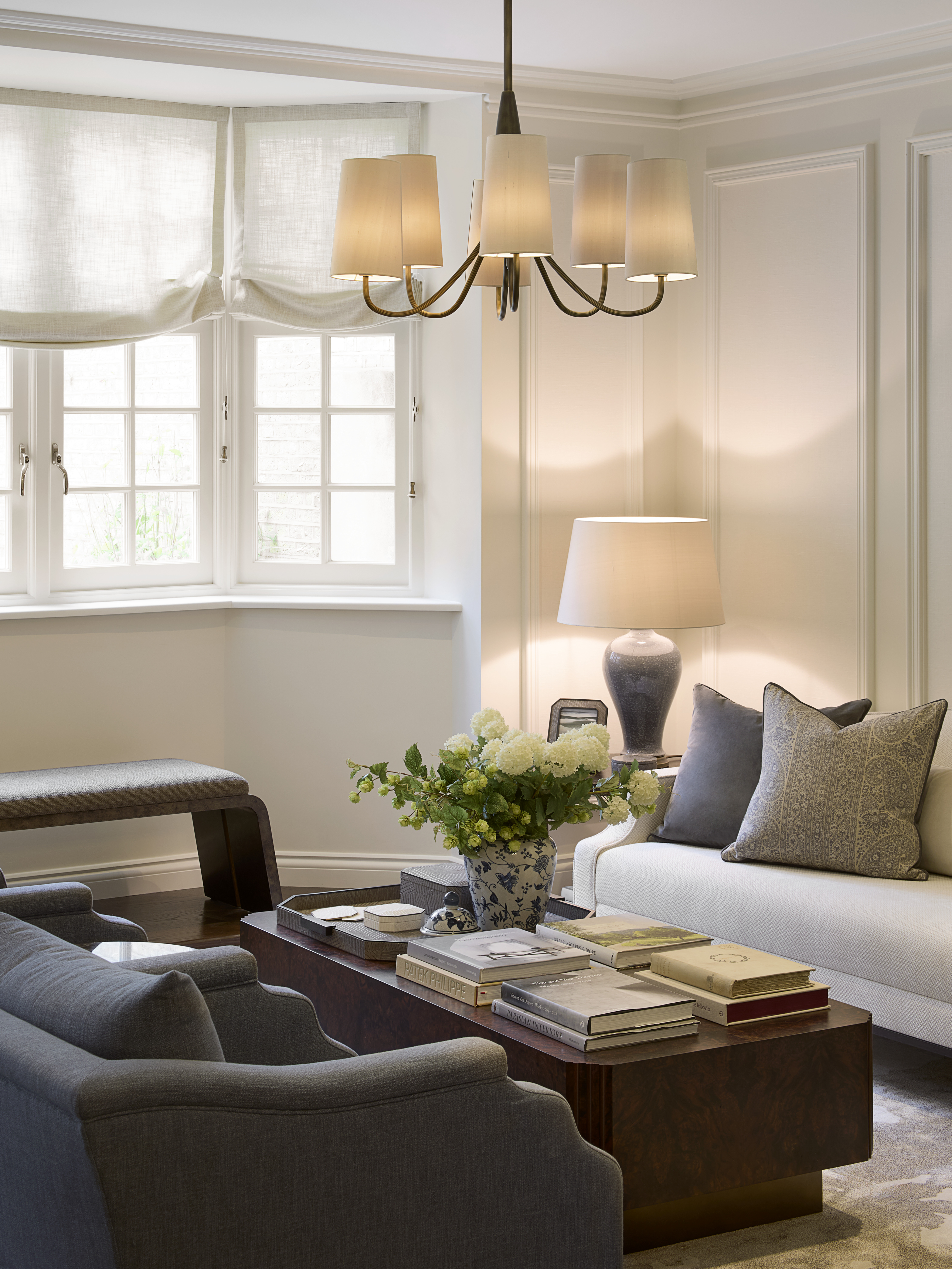
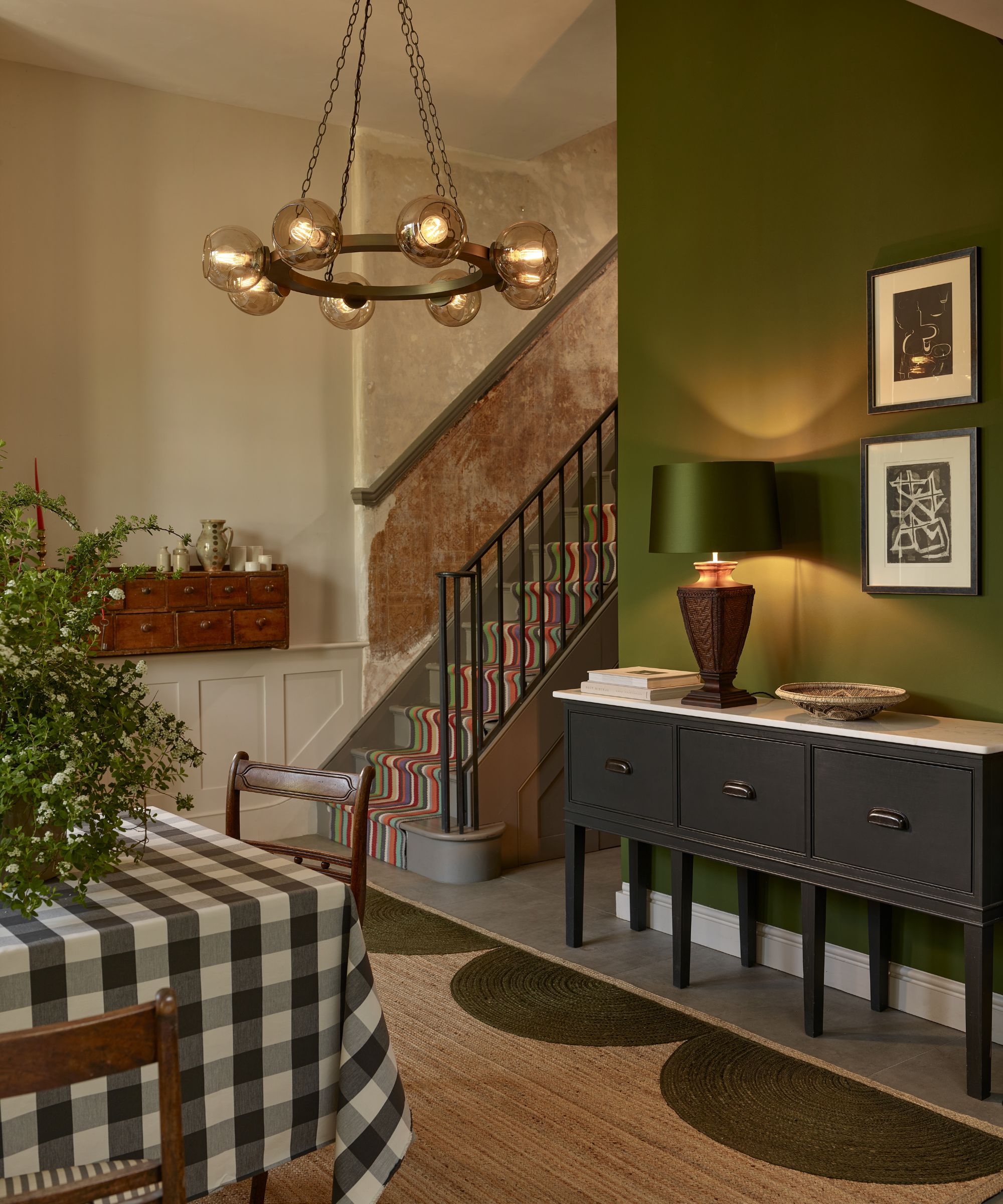
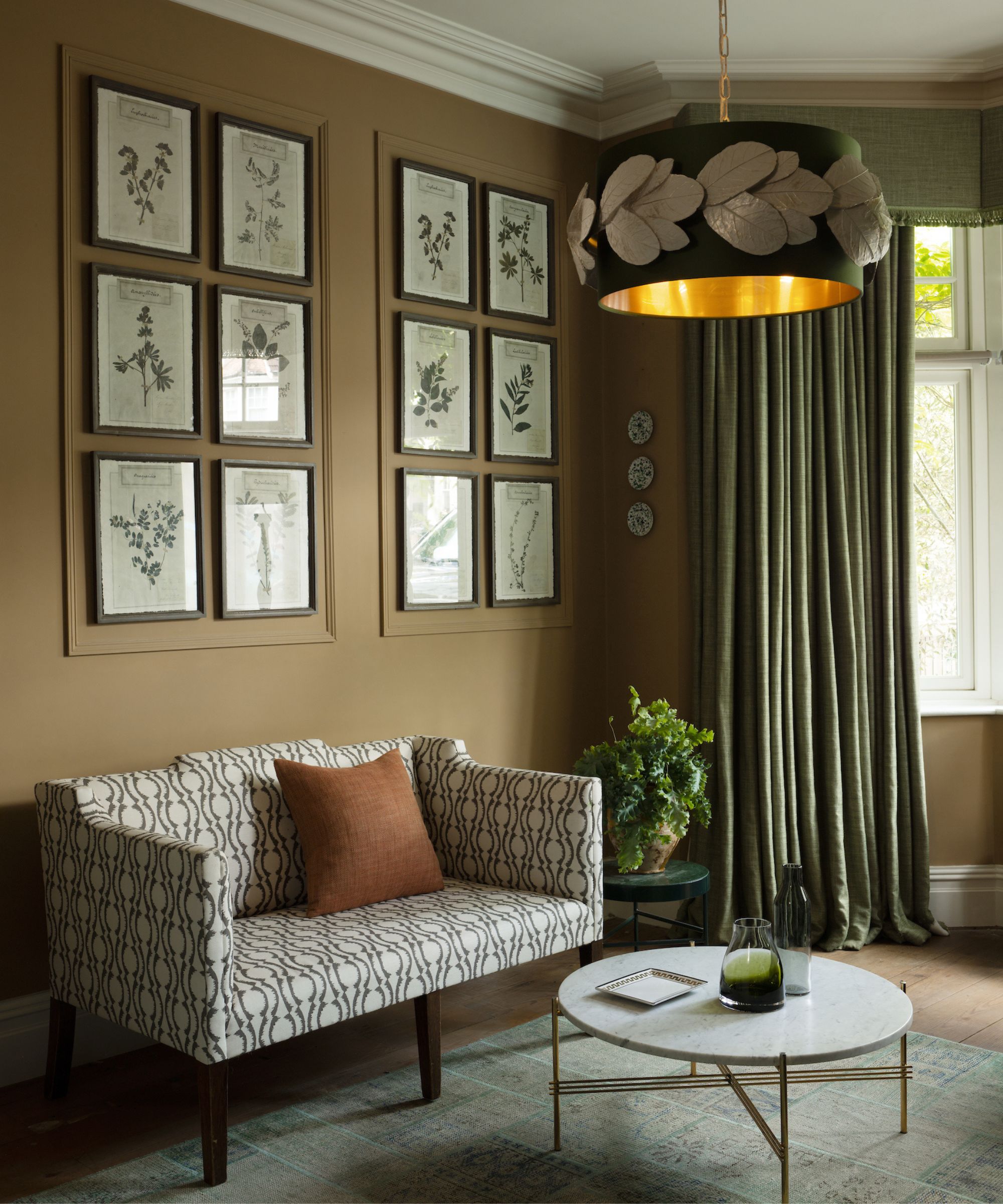
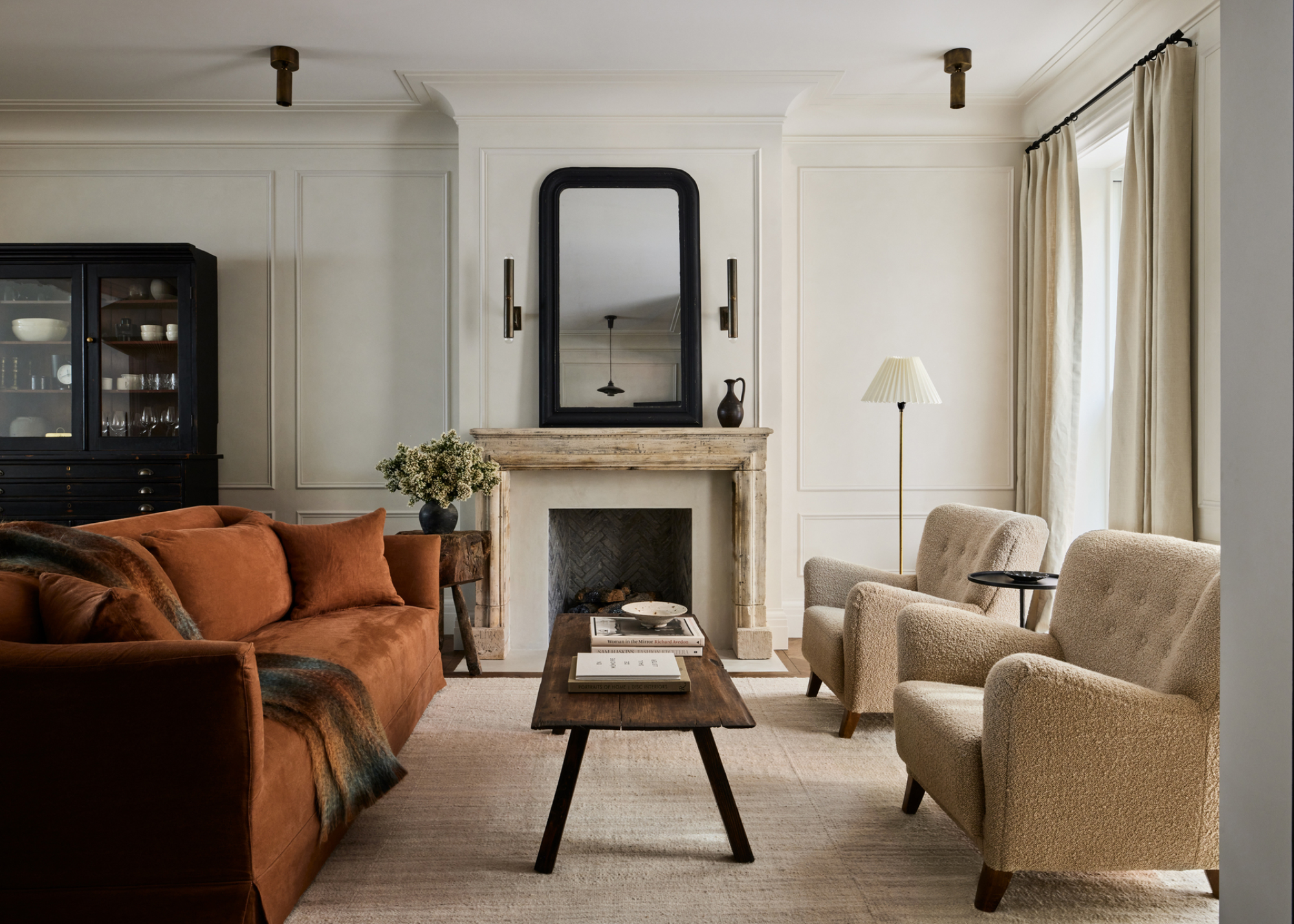
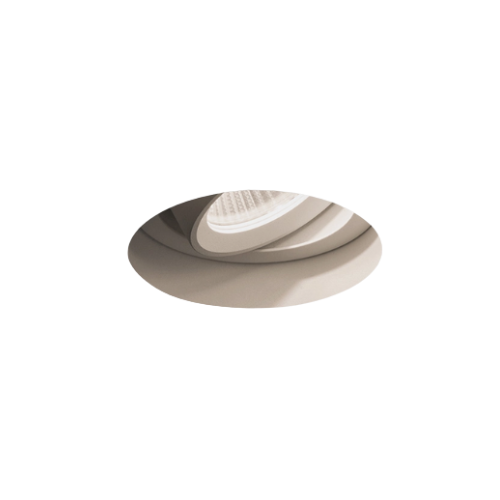
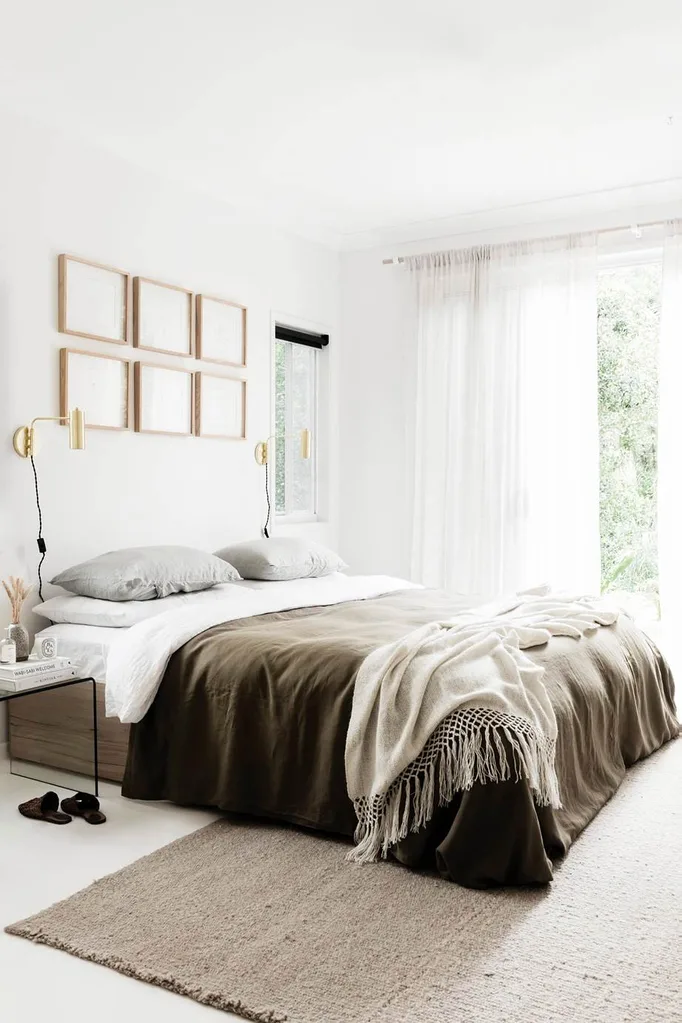
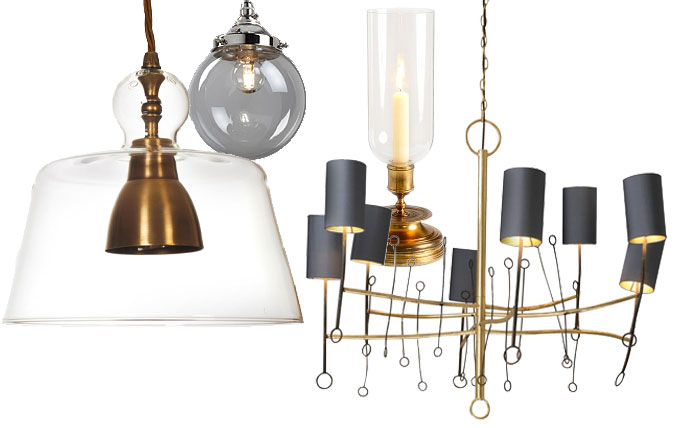
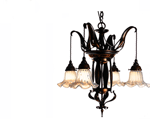
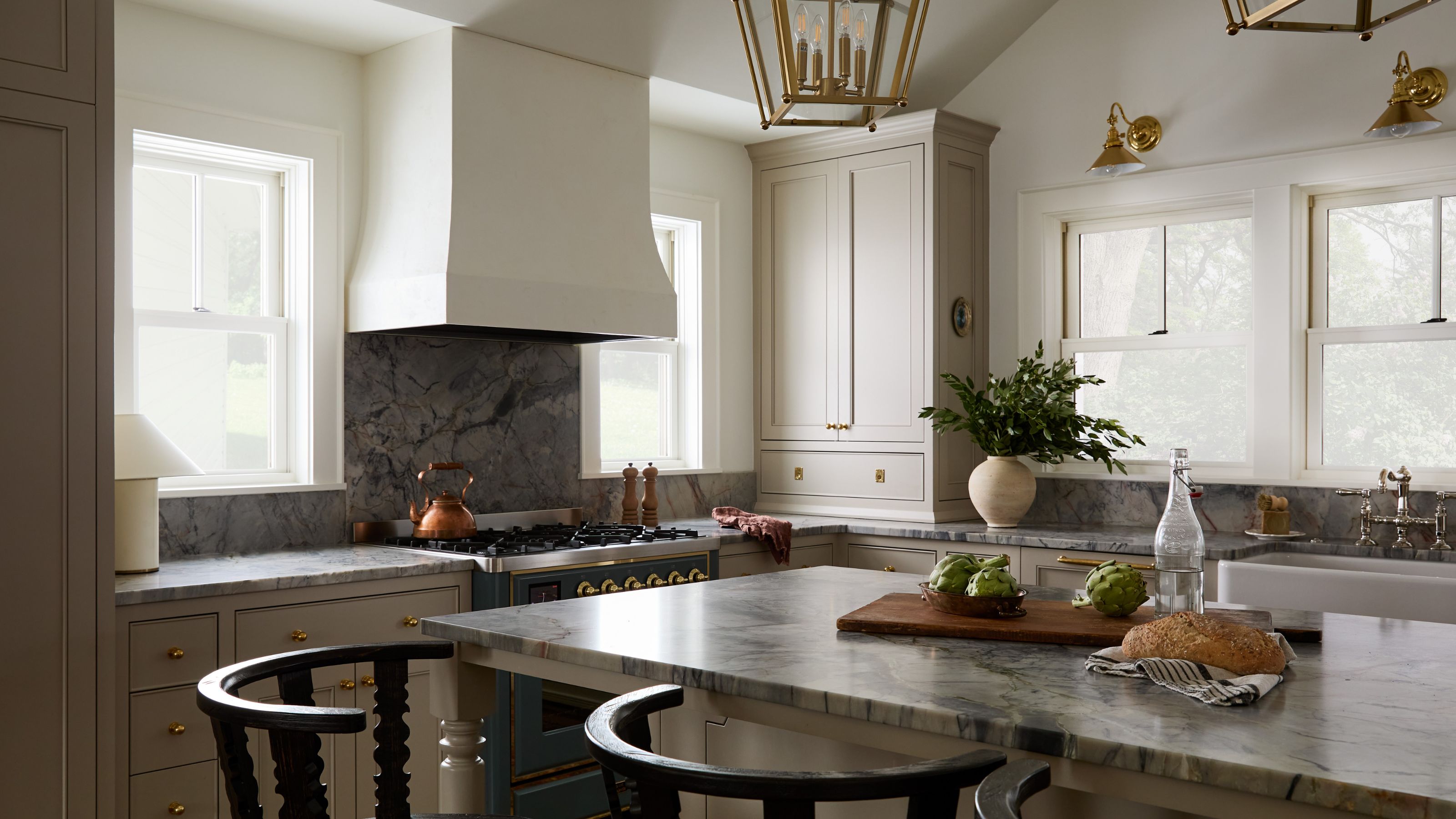
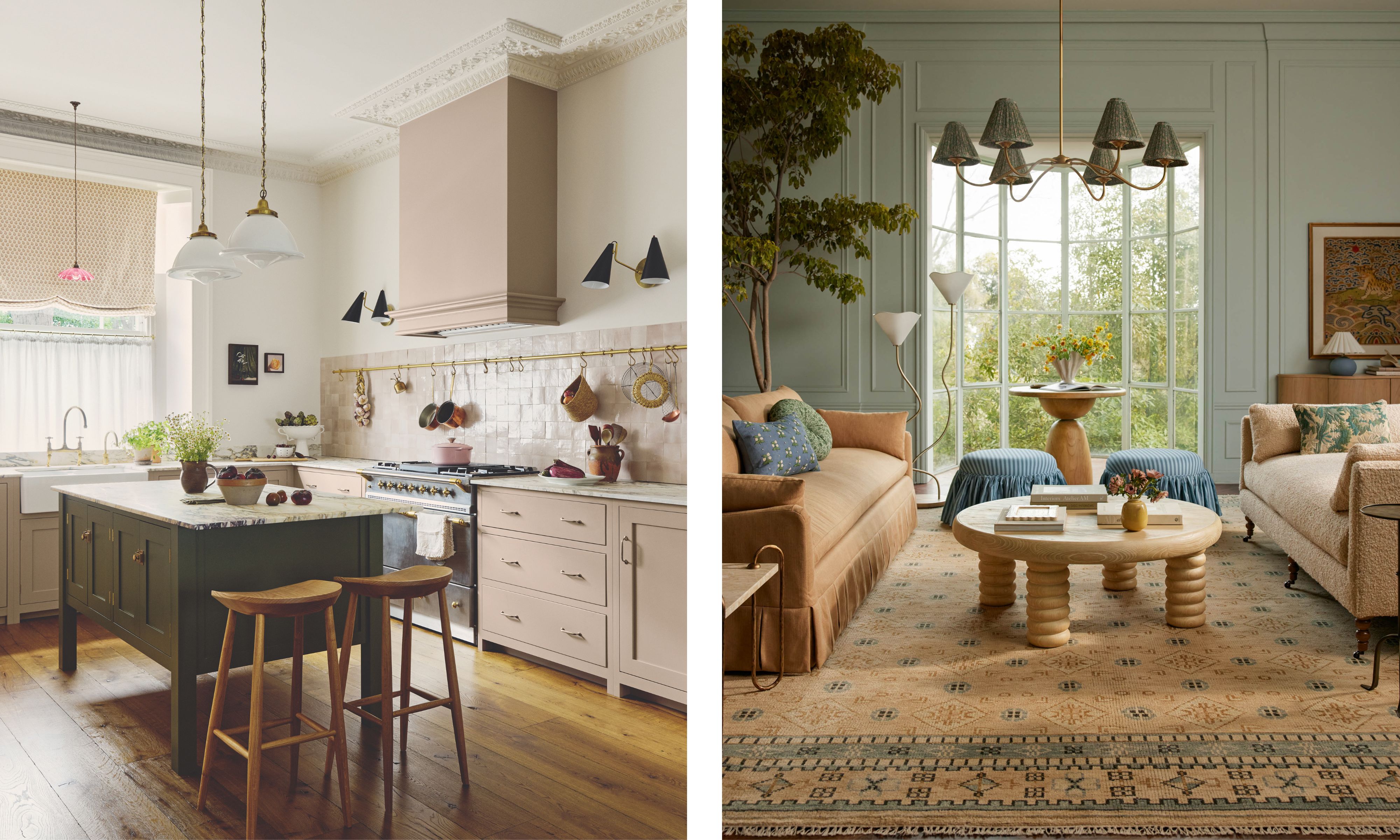
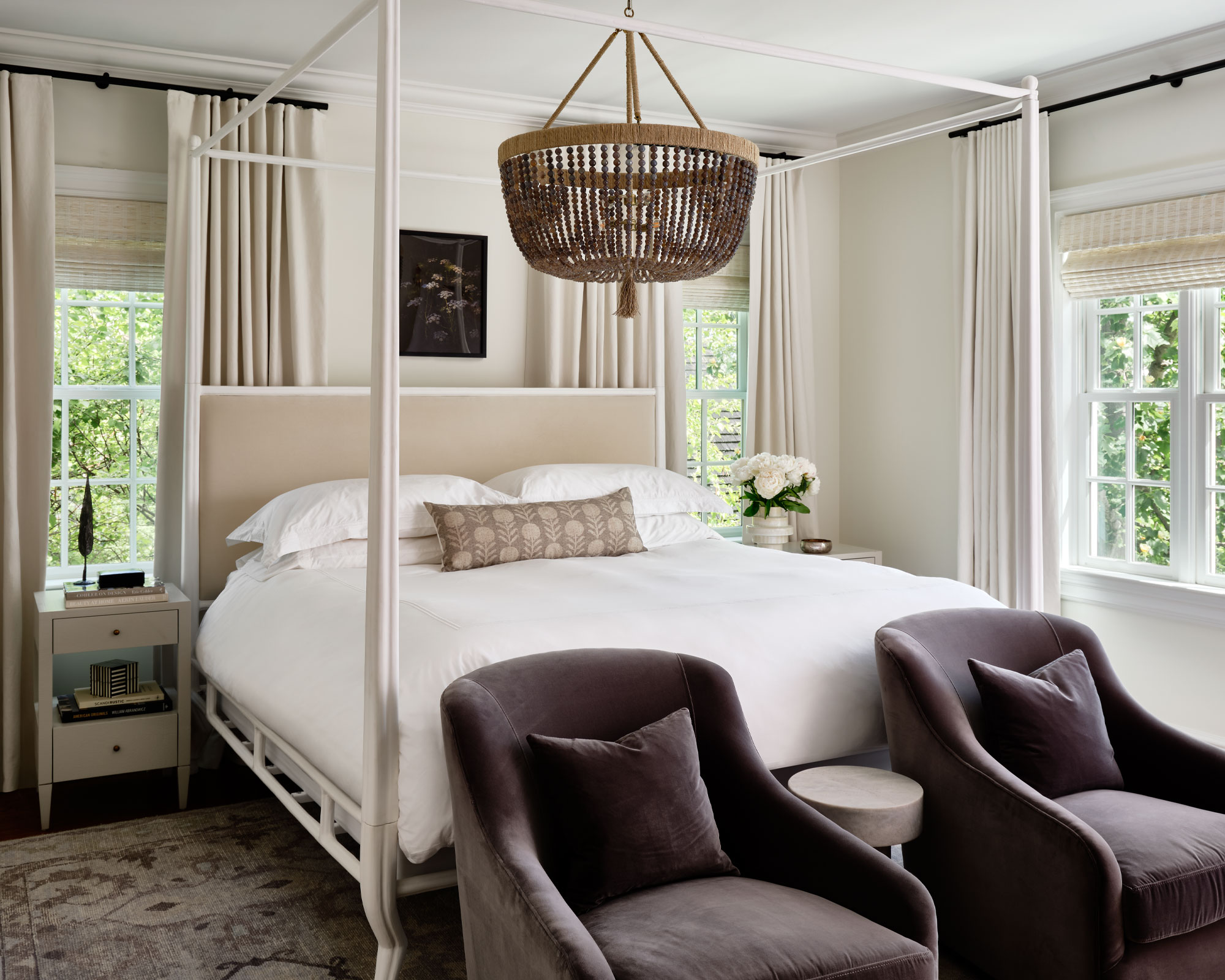
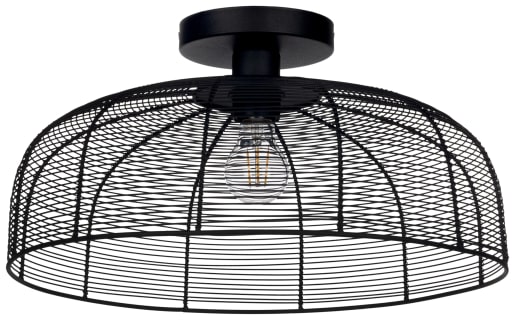
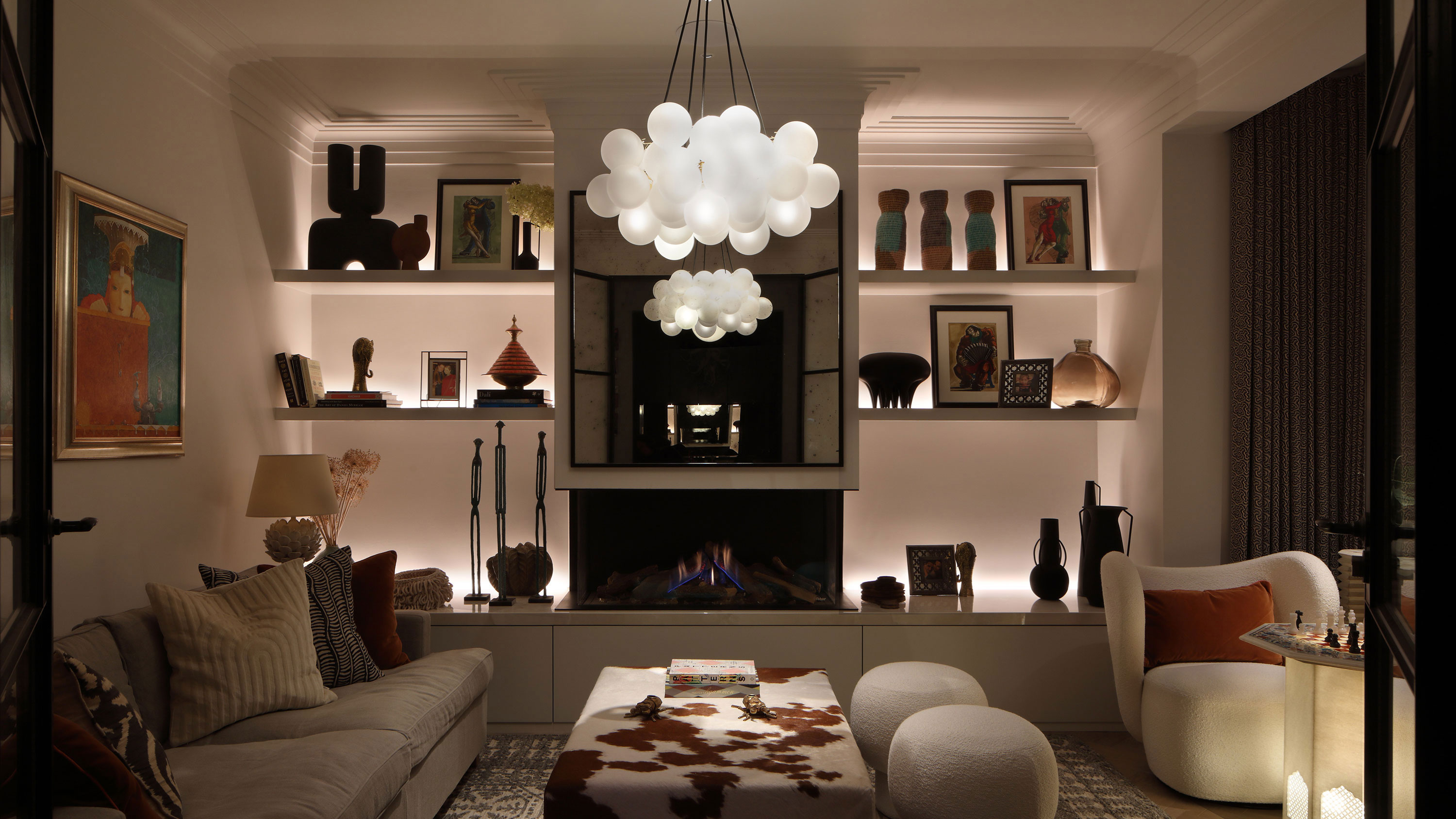
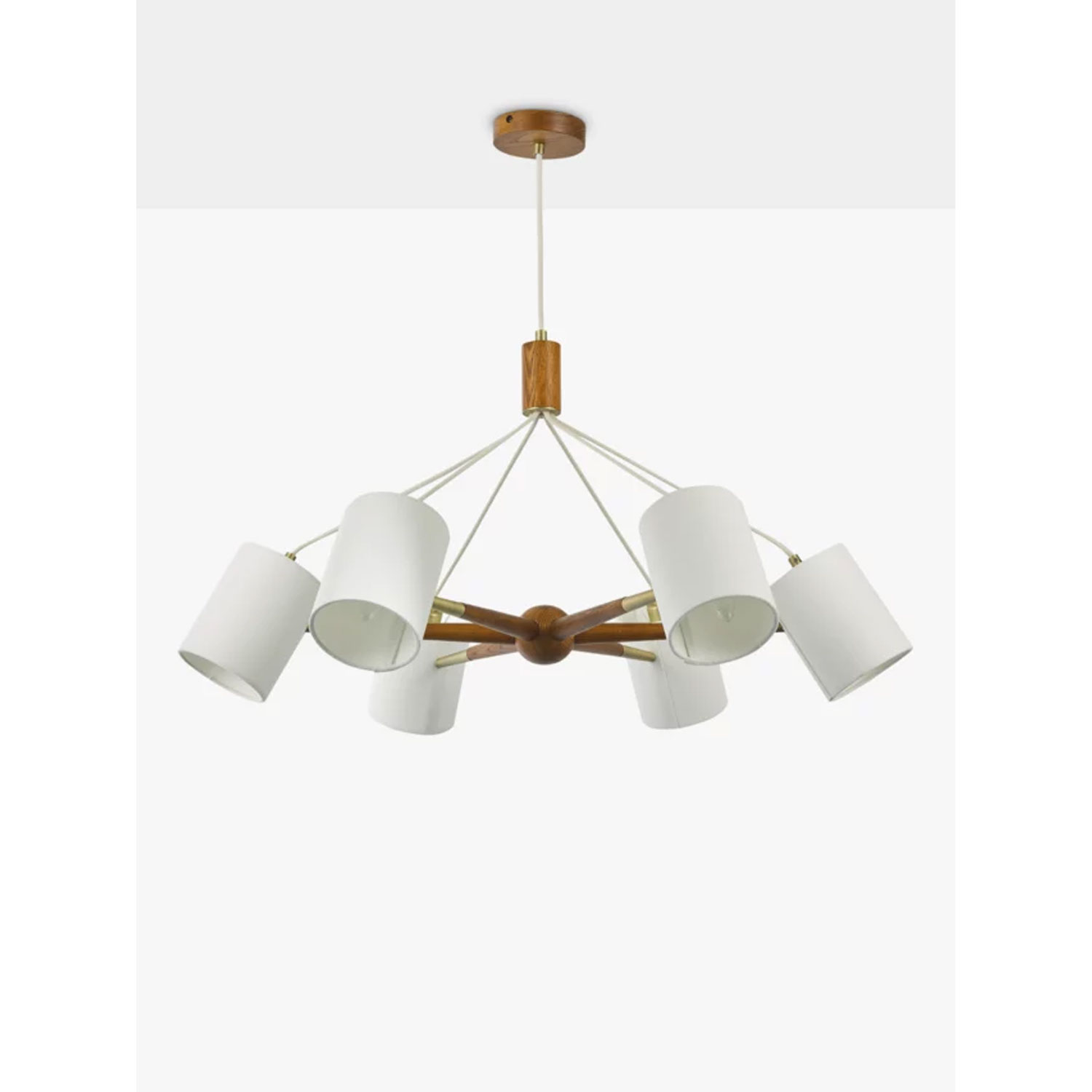
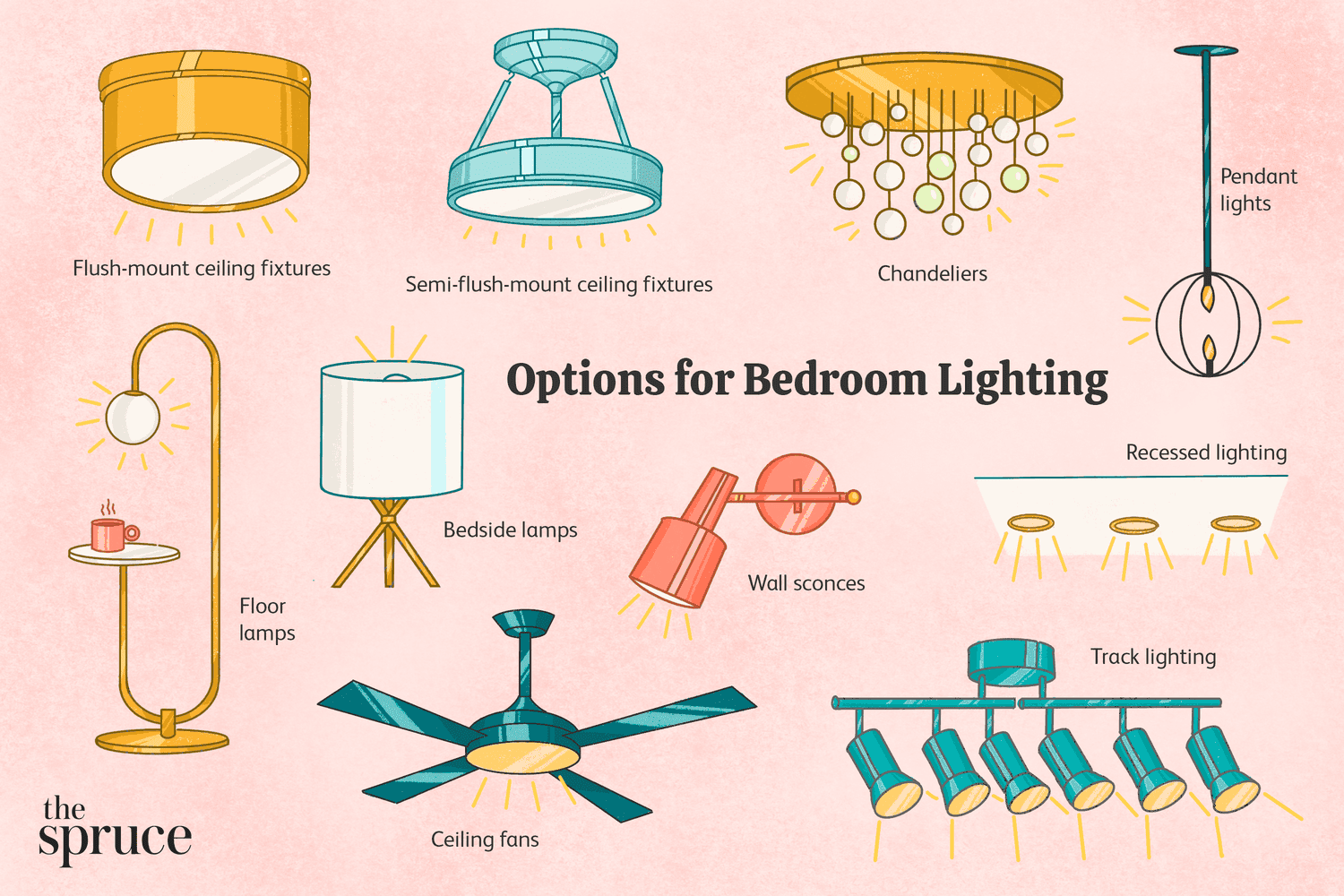
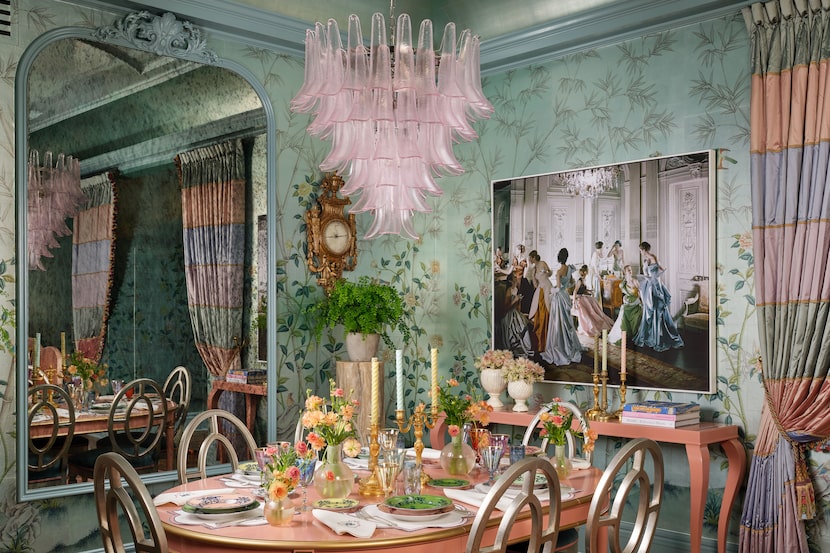
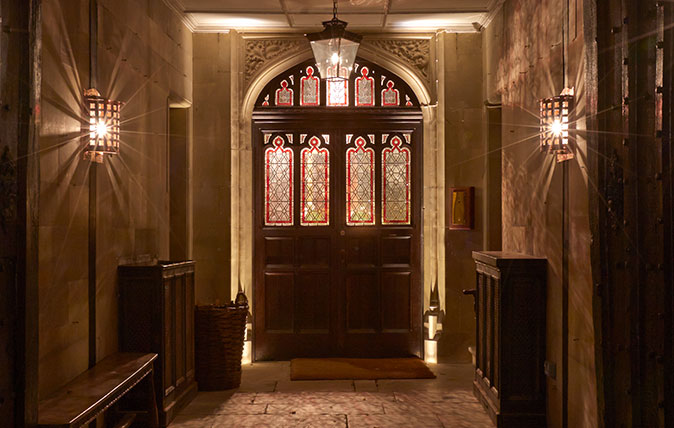
Ambient lighting serves as the foundational, overall illumination for a room. This category includes fixtures such as chandeliers, recessed lighting, and sconces. Integrating dimmers with ambient lighting is crucial as it allows for versatile control over light levels, enabling the adjustment of the room's atmosphere to suit different occasions. For instance, a brighter setting can be created for family dinners, while a more subdued, romantic ambiance can be achieved for intimate evenings. A practical tip for wiring rooms is to install multiple circuits, which facilitates the dimming of certain lights while others remain bright, providing flexibility for multi-tasking households and varied mood settings.
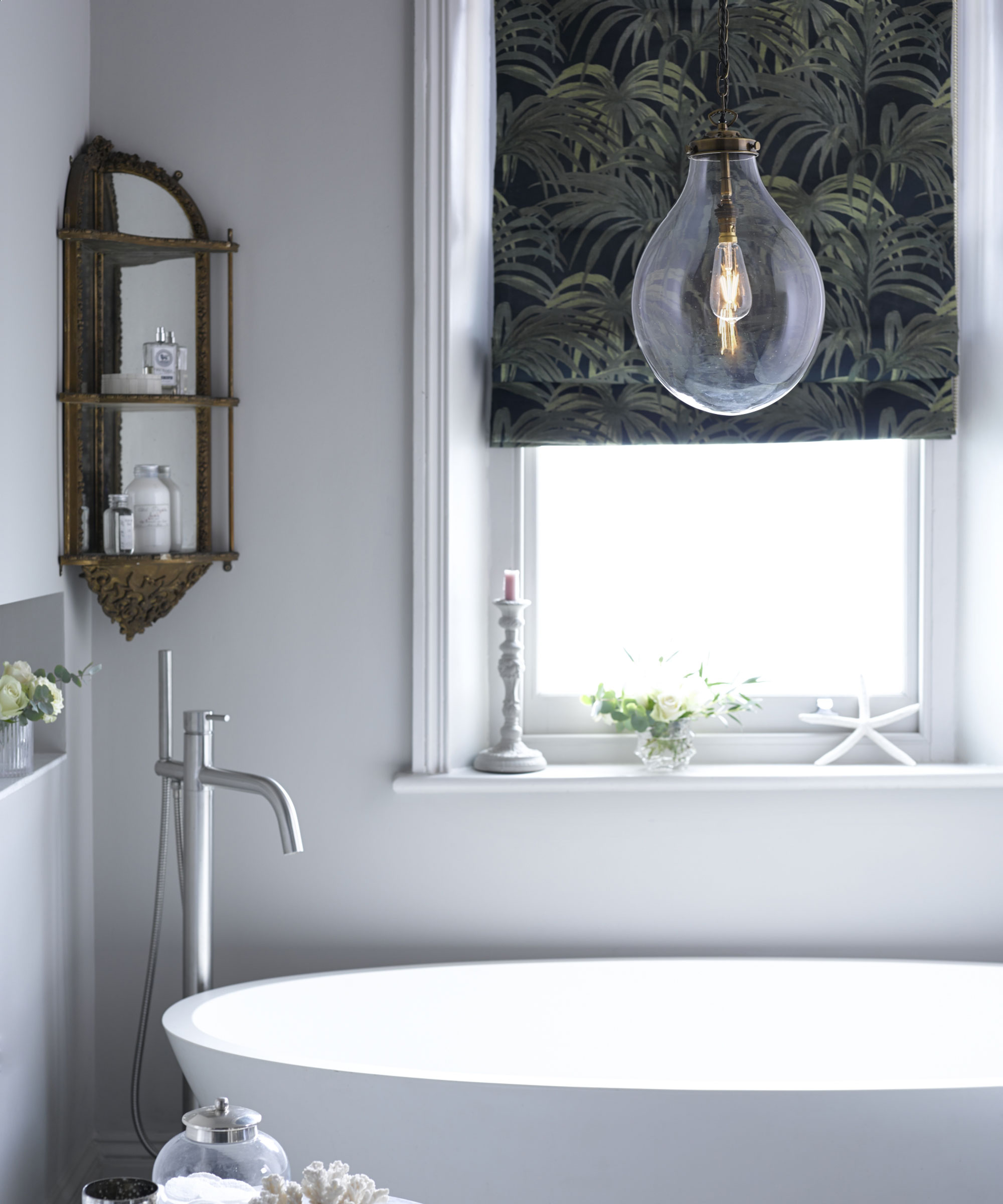
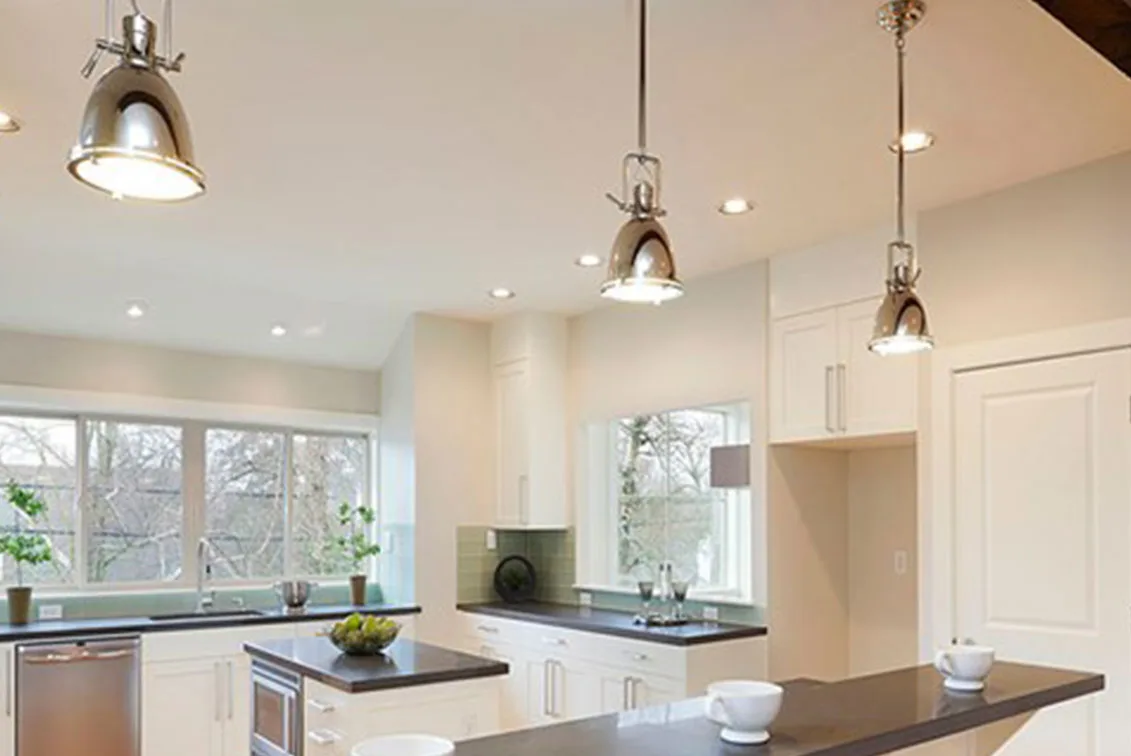
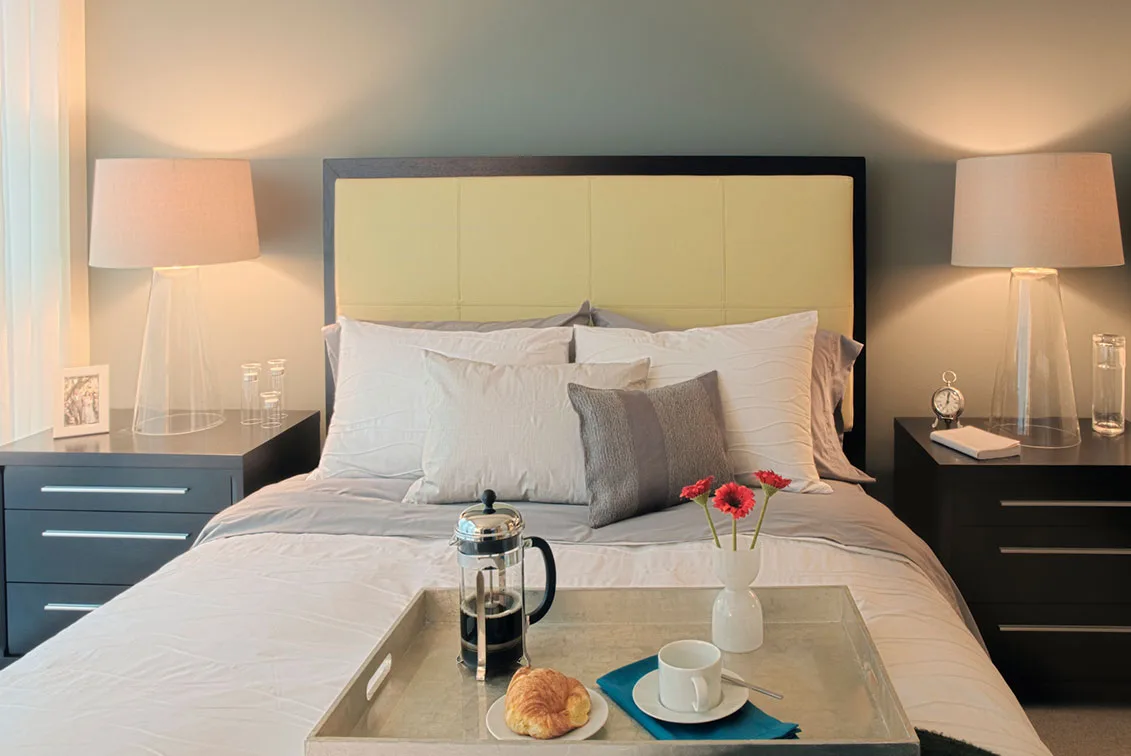
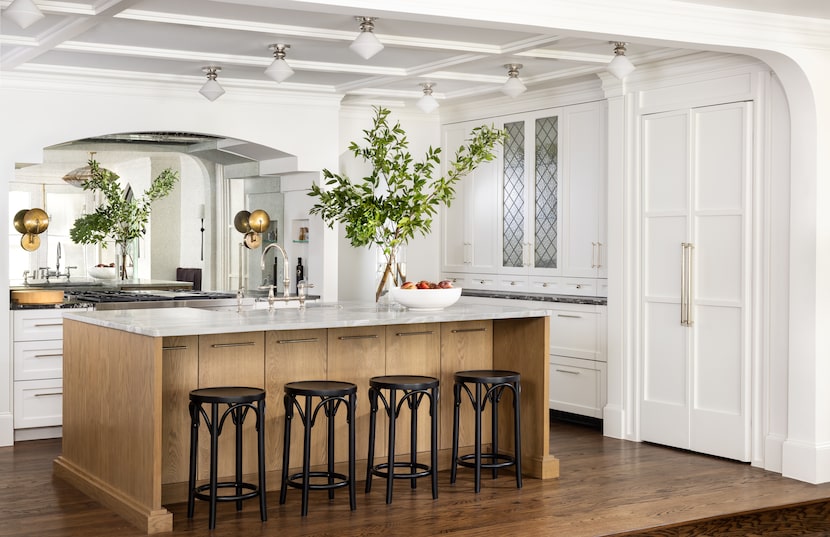
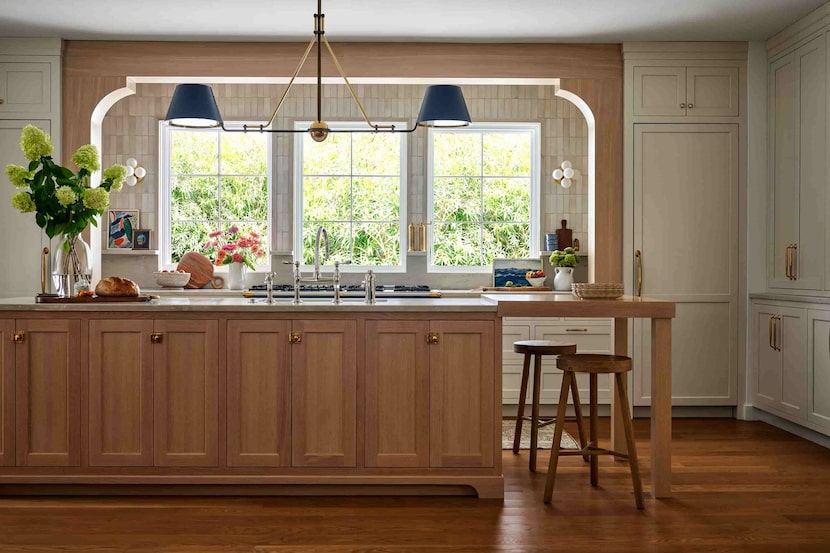
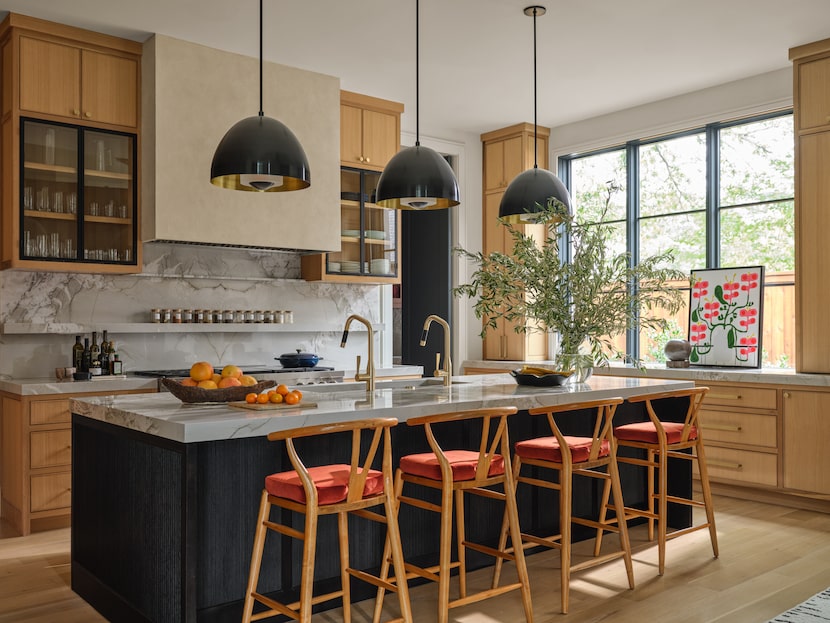
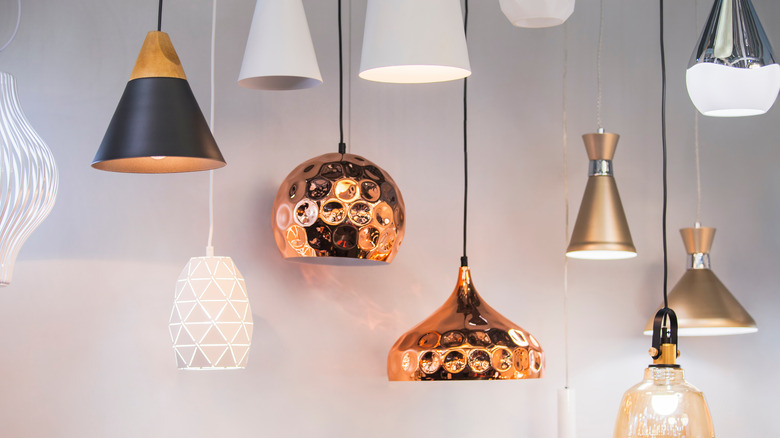
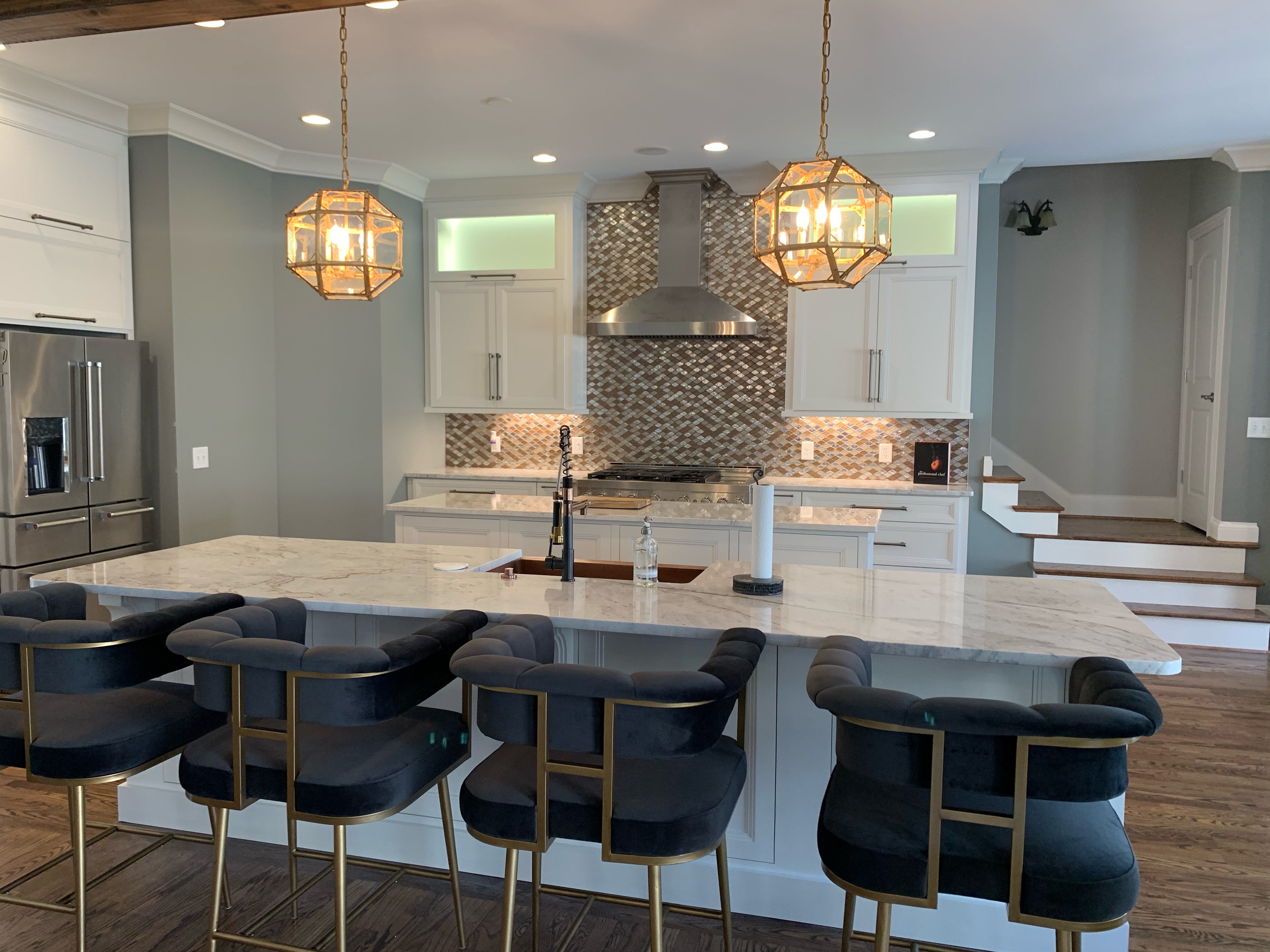
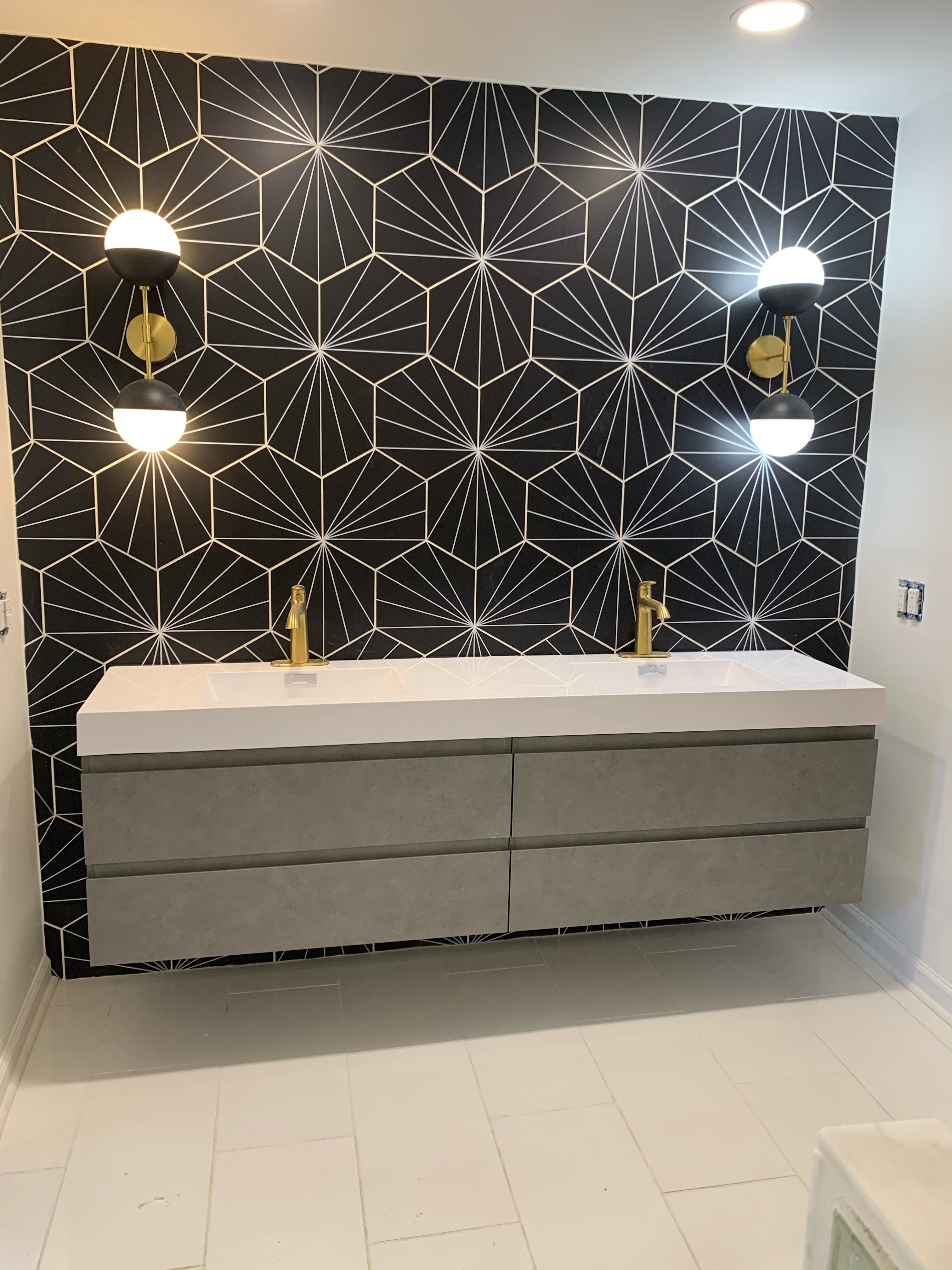
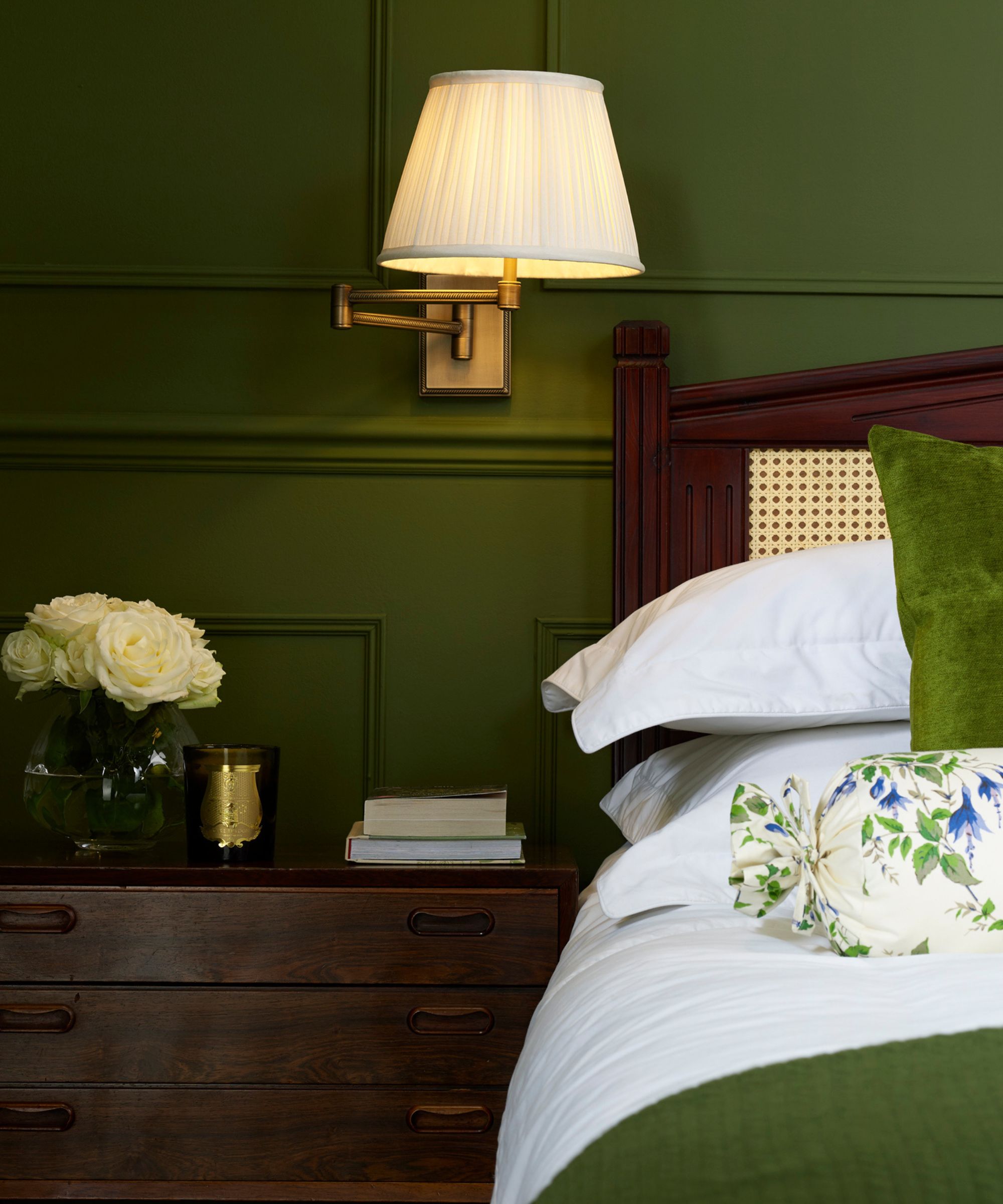
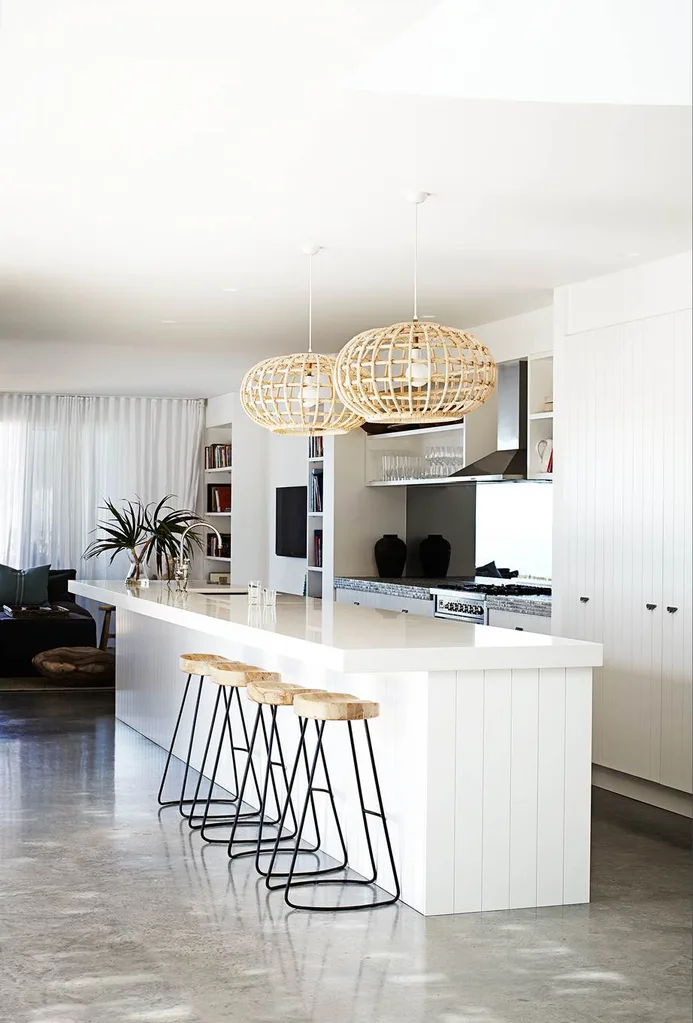
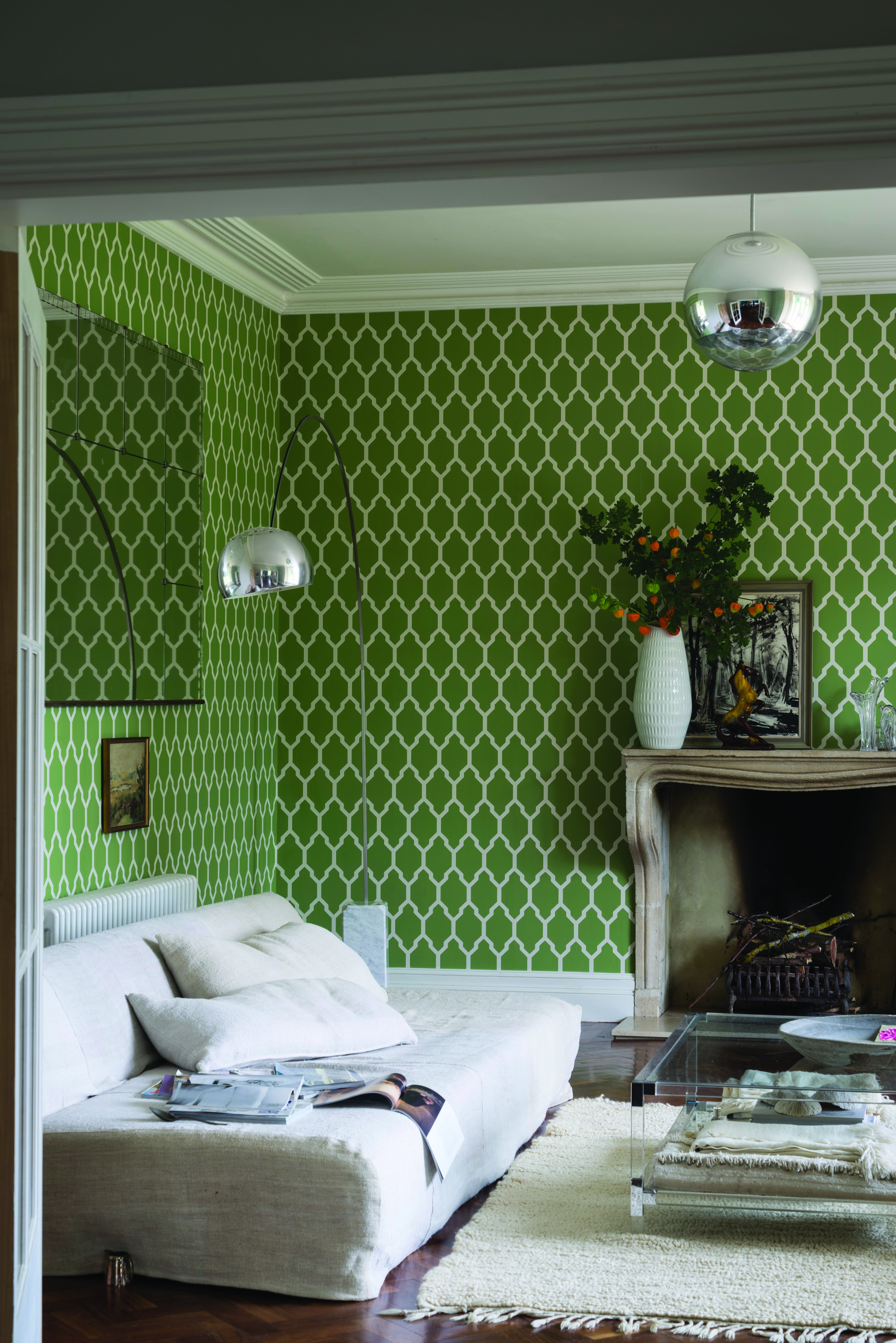
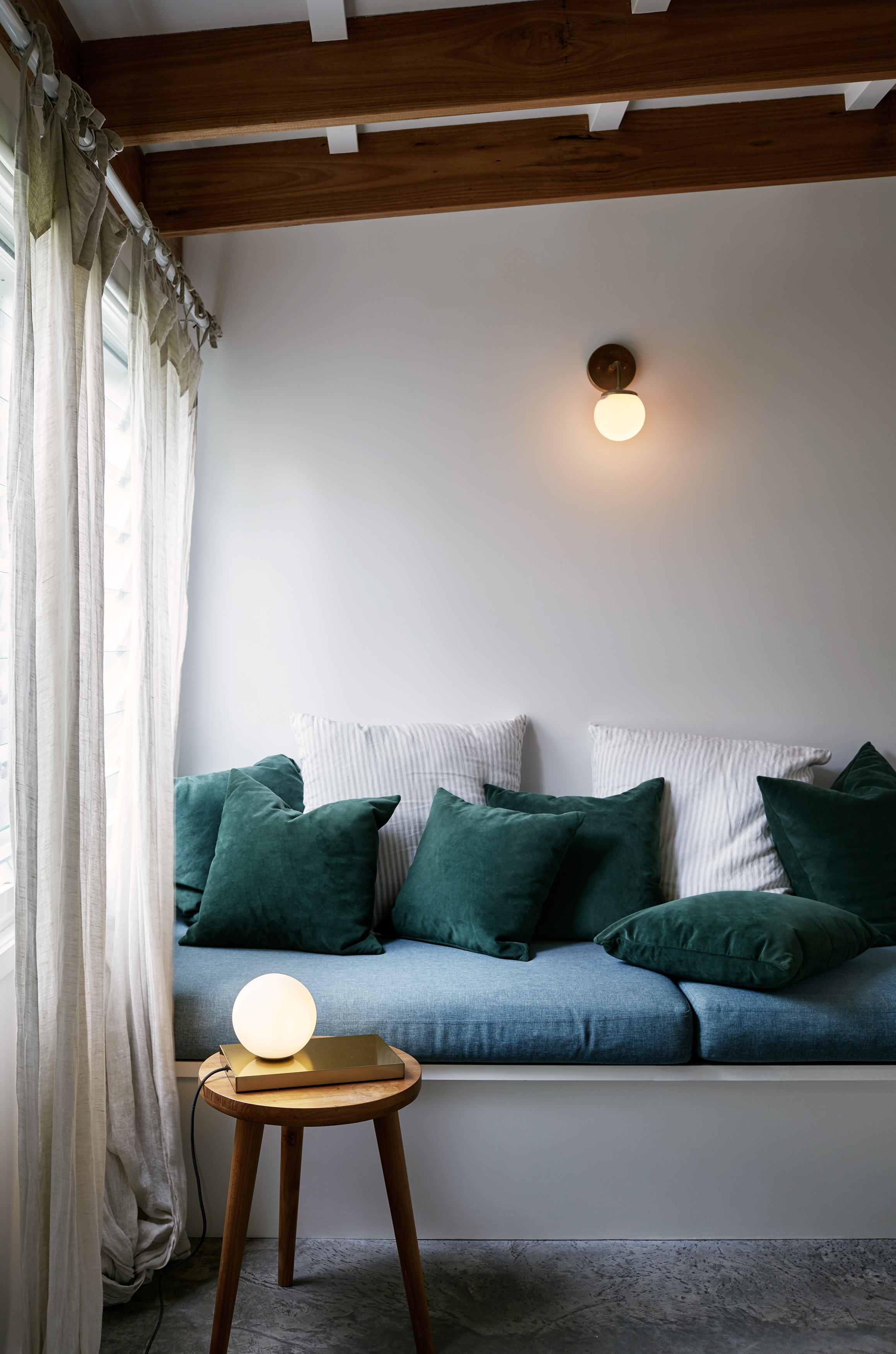
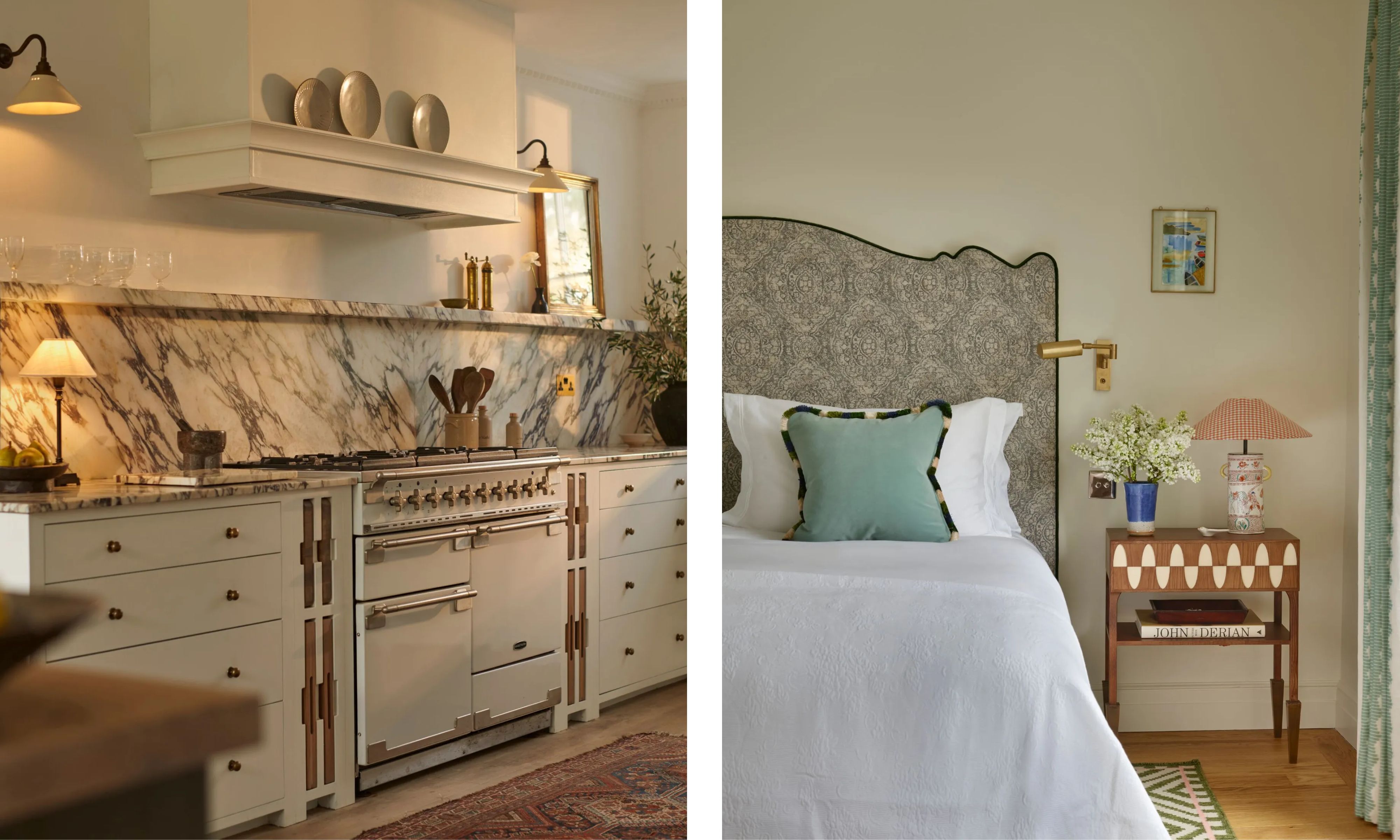
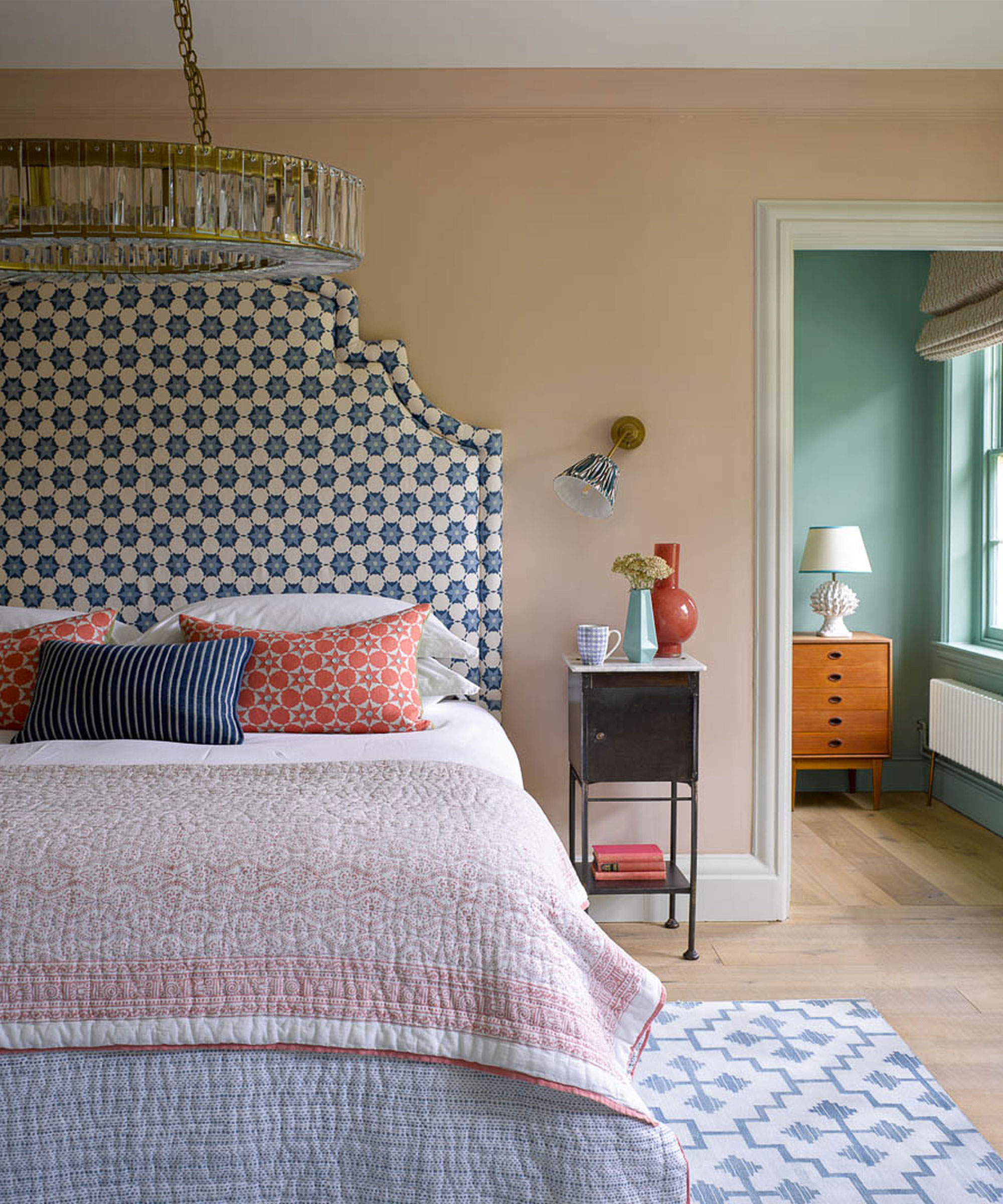
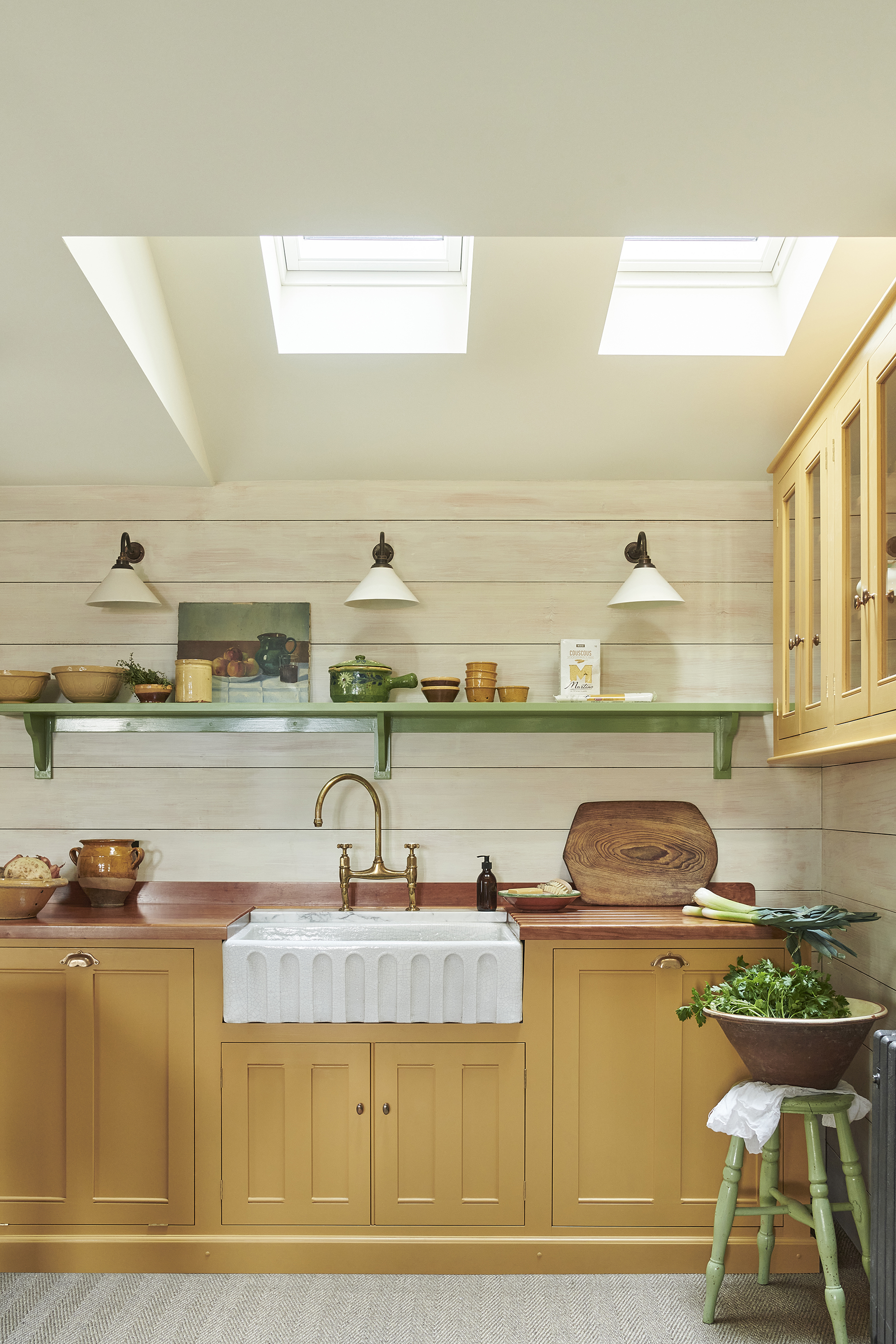
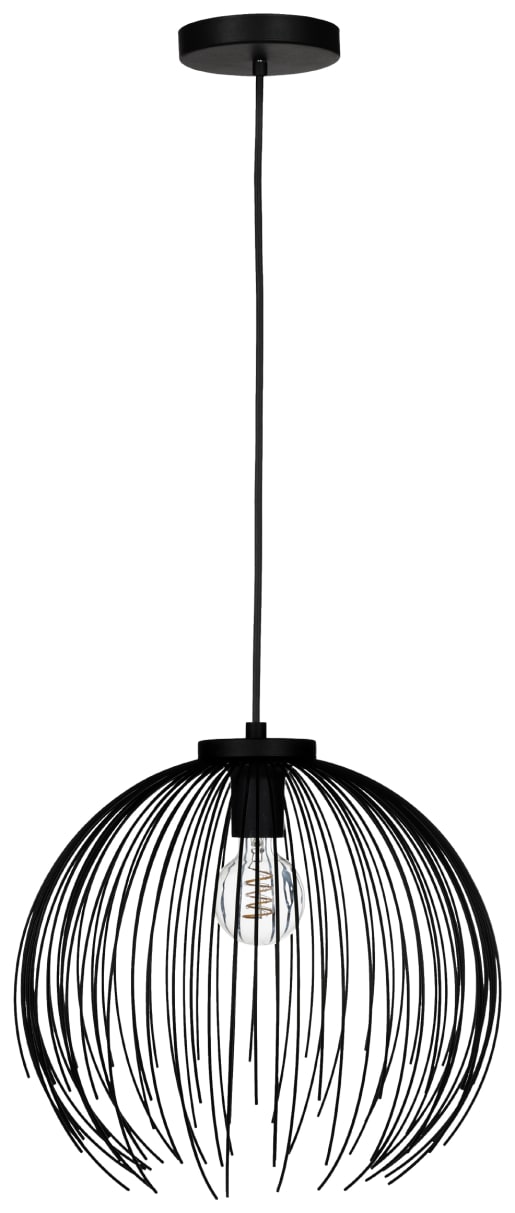
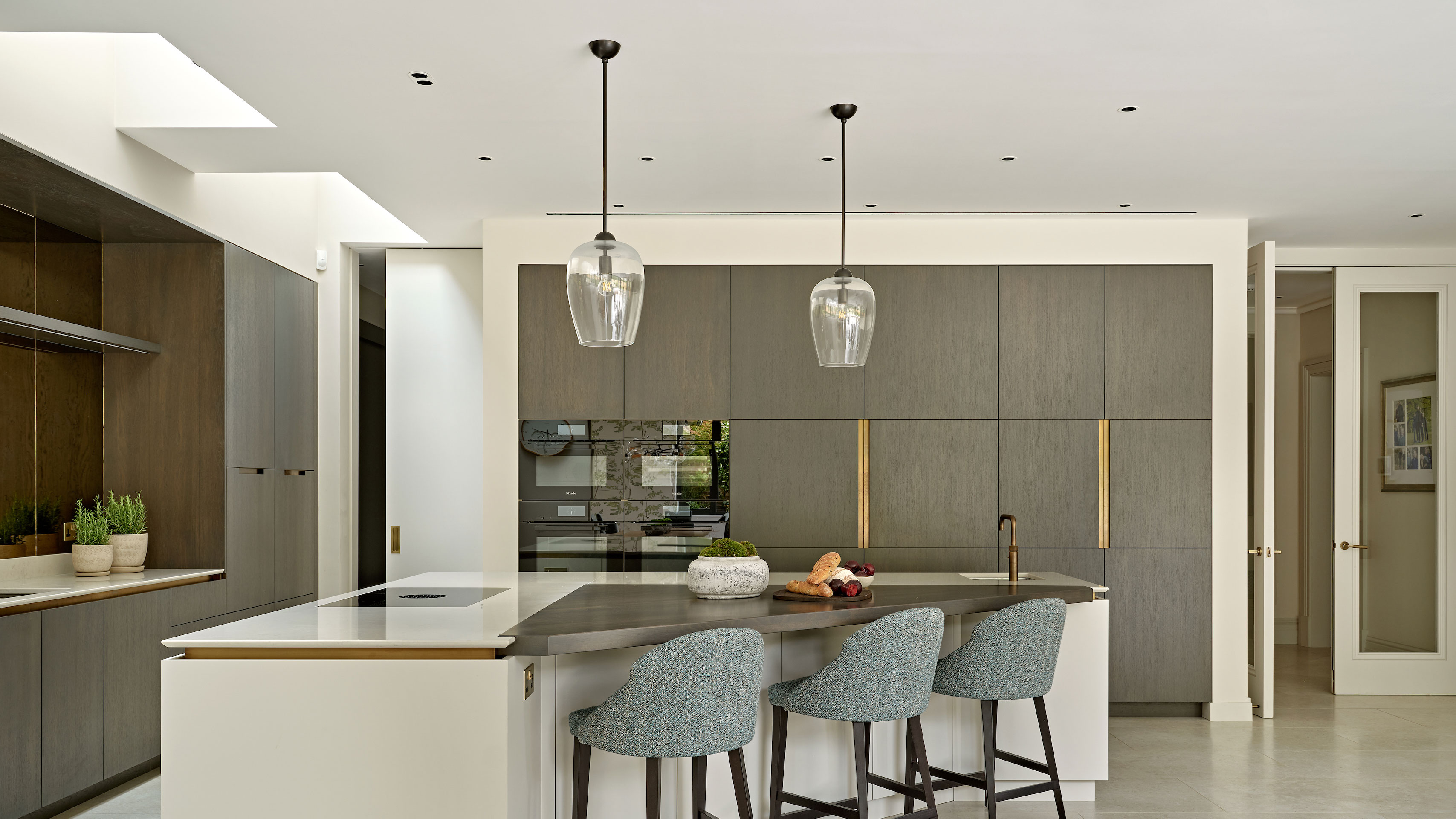
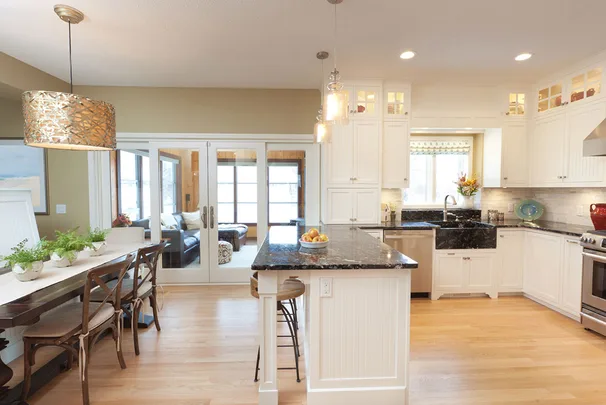
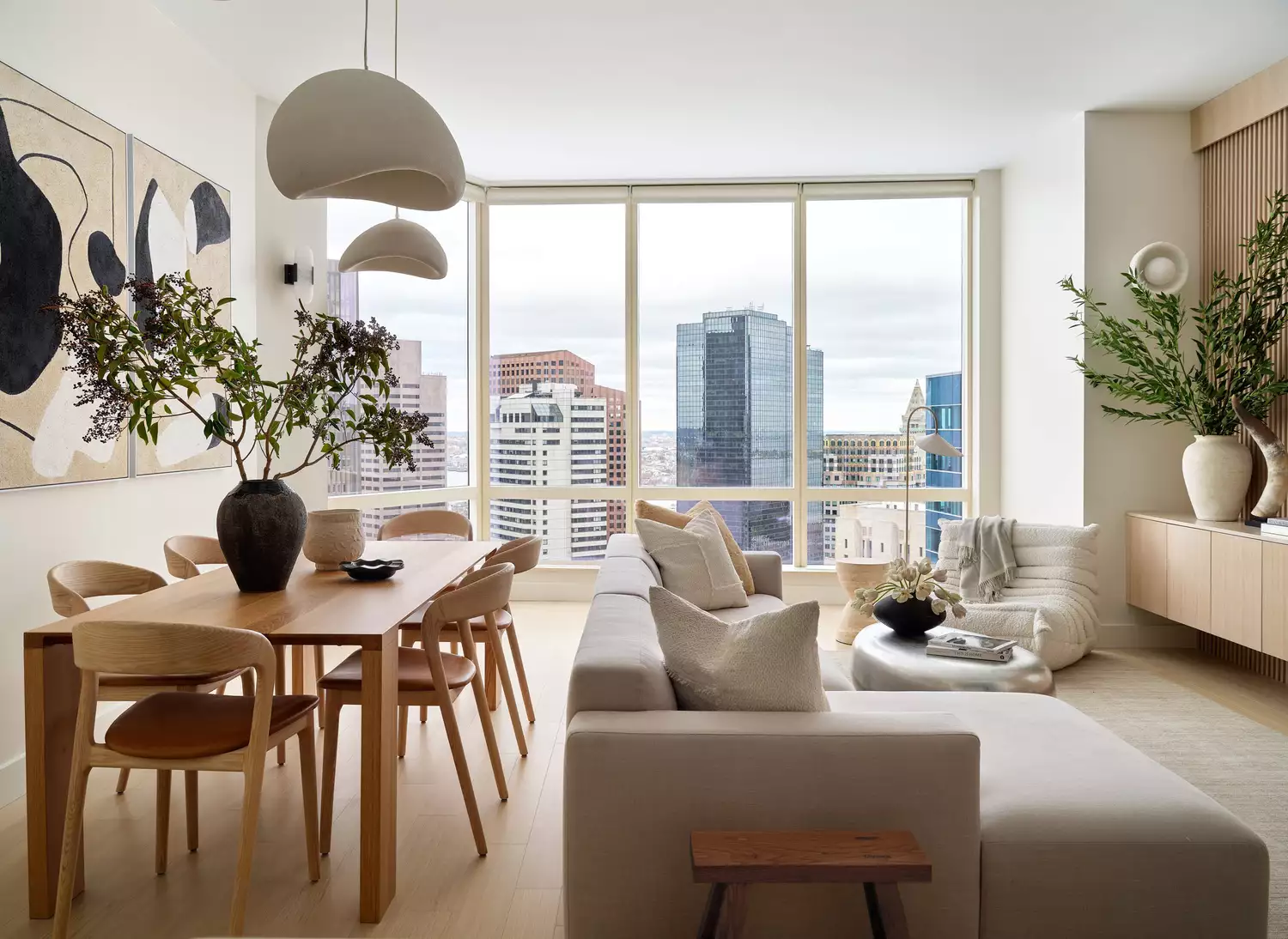
Task lighting is specifically designed to provide focused illumination for activities requiring visual concentration. This type of lighting is essential in areas where specific tasks are performed, such as cooking in the kitchen, studying or doing homework, or grooming in the bathroom. In kitchens, pendant lights and under-cabinet lighting are effective for illuminating food preparation areas. Living rooms and bedrooms benefit from stylish table lamps and floor lamps for localized lighting. For bathrooms, sconces and bath bars are traditional choices, and the growing trend of incorporating pendant lights can add a contemporary touch. When planning bathroom lighting, it is important to ensure even illumination from both the sides and top of the room to minimize shadows, which is particularly helpful for activities like applying makeup or shaving.
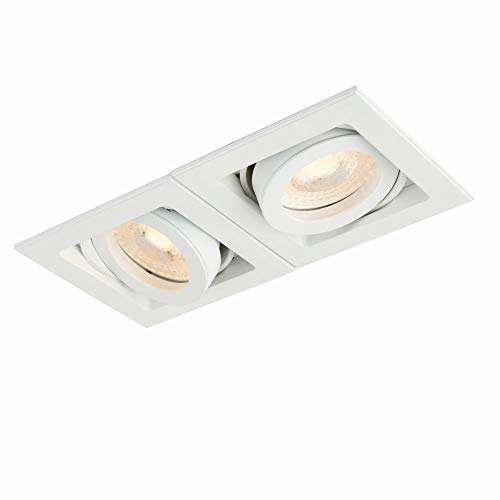
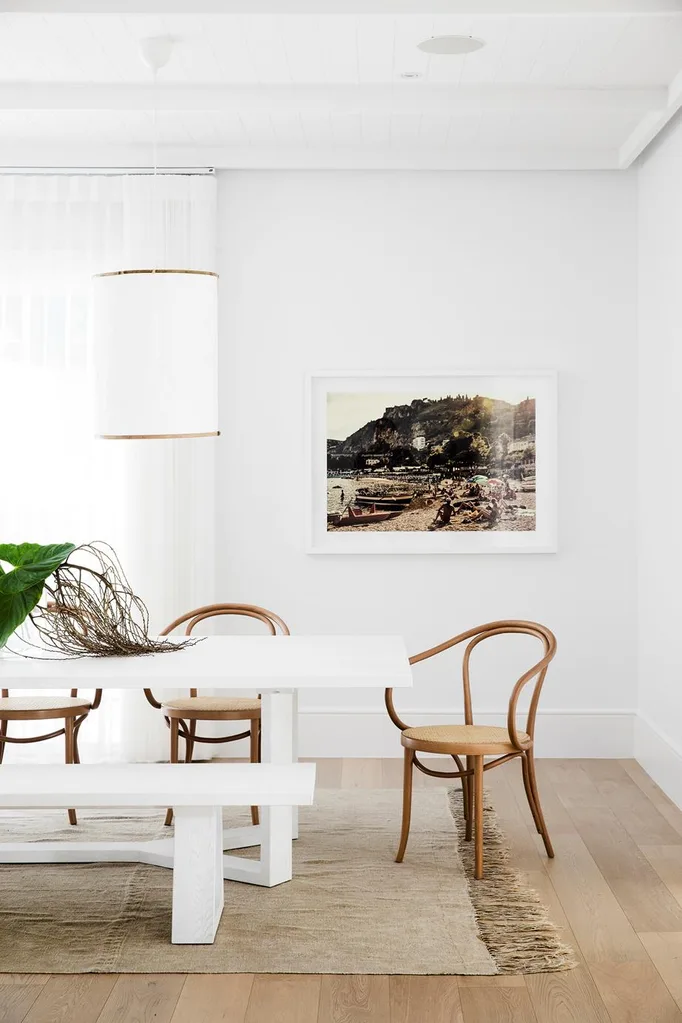
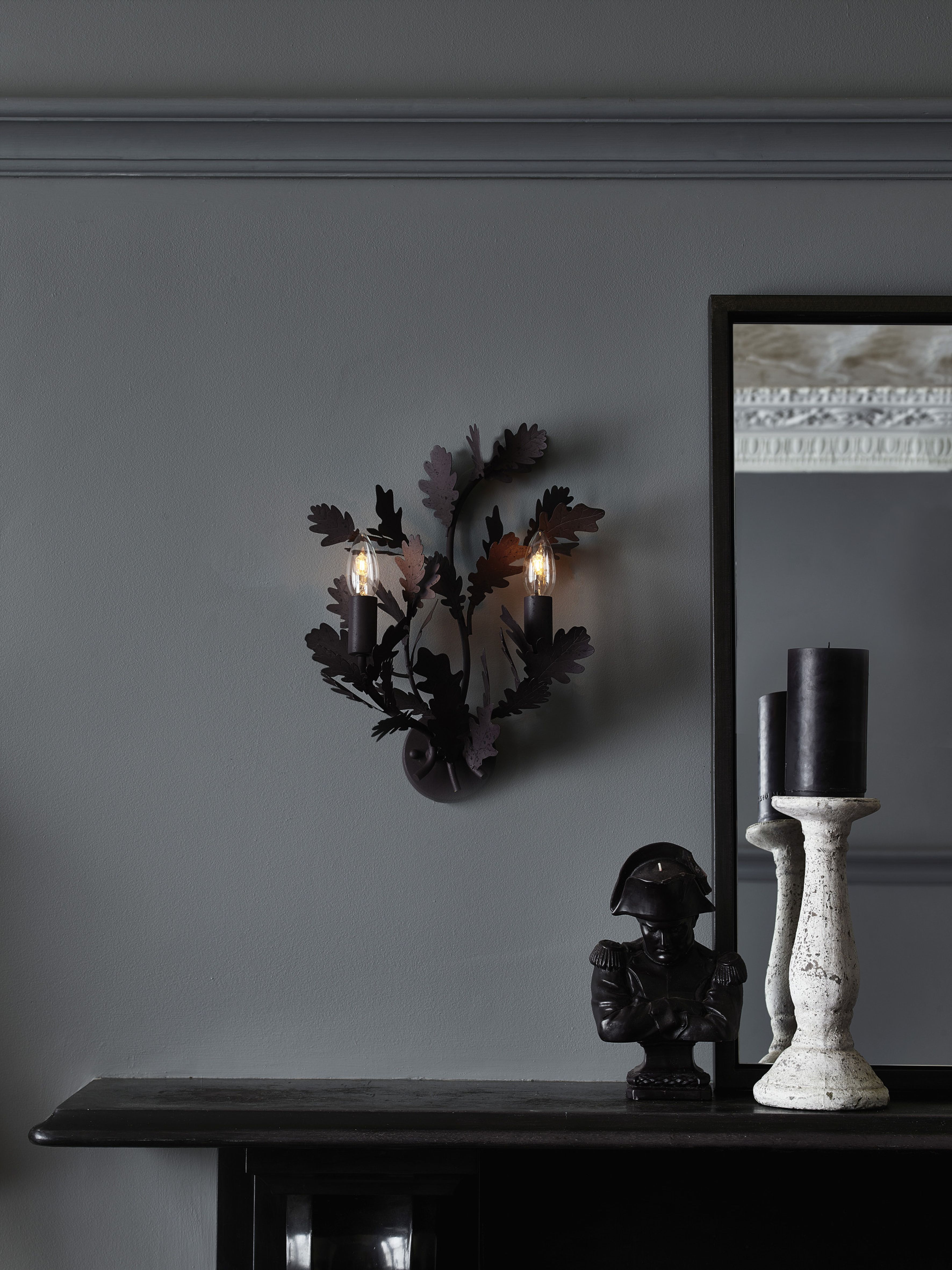
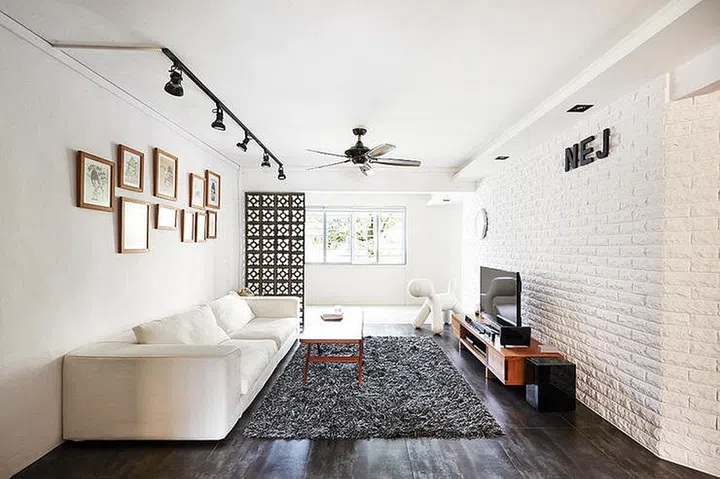
Accent lighting is utilized to draw attention to specific features, objects, or architectural elements within a room. This can include highlighting artwork, sculptures, bookcases, or textured walls. Common forms of accent lighting are classic track lighting and picture lights. Additionally, unscented candles can be used to create a soft, inviting atmosphere, especially in dining areas, without interfering with the scent of food. A useful tip for spaces that lack electrical outlets but could benefit from accentuating wall art is to use battery-operated picture lights equipped with a remote control, offering both functionality and aesthetic appeal.
#HomeDesign #LightingGuide #InteriorLighting #RoomIllumination #AmbientLighting #TaskLighting #AccentLighting #HomeDecor #LightingTips #HomeDesign #LightingGuide #InteriorLighting #RoomIllumination #AmbientLighting #TaskLighting #AccentLighting #HomeDecor #LightingTips
0 comment in total
 No comments yet
You may also like
Types of bathroom lighting – the 3 layers every space needs

Proper lighting can add drama and coziness to any space

An interior designer’s guide to lighting your home


How to Light Your Home So Even the Overhead Haters Are Happy

The best lighting for every room in the house

4 expert lighting schemes to make guests feel welcome in the rooms they'll use most
14 Tips for Lighting Your Home Like a Designer Before Daylight Savings Ends
5 outdated lighting trends designers say to avoid – and the designs and techniques to use, instead
Simple or sculptural, the right light fixture can make any room shine

We're Spilling Designers' Go-To Formula for Perfect Lighting in Any Room

Get your home's lighting just right: Seven questions answered

All Indoor Lighting for Kitchens & Bathrooms

Industrial-style exposed track lighting - find out how you should use it at home
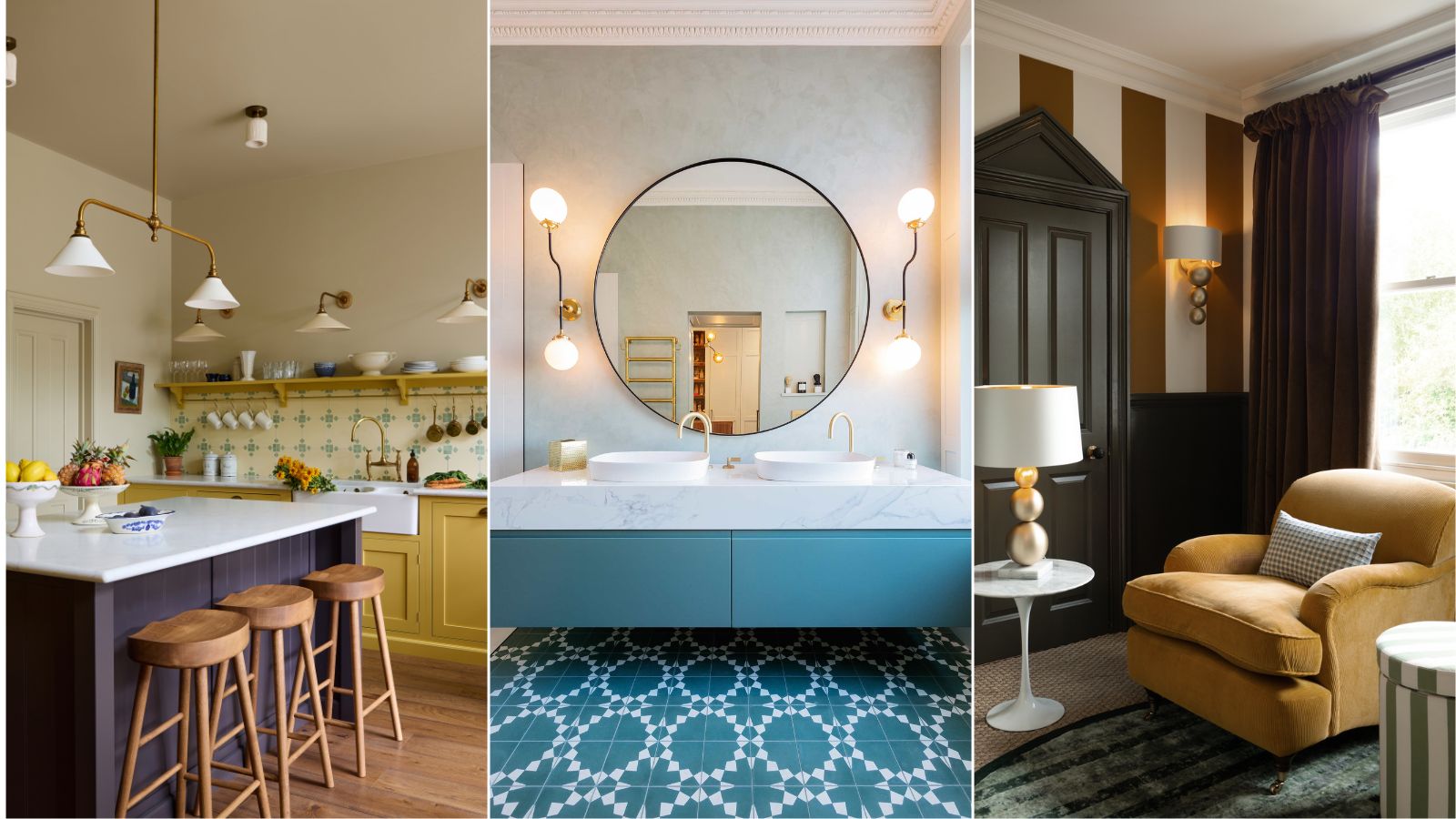
How to layer lighting – expert tips to create the perfect soft yet practical scheme for every room
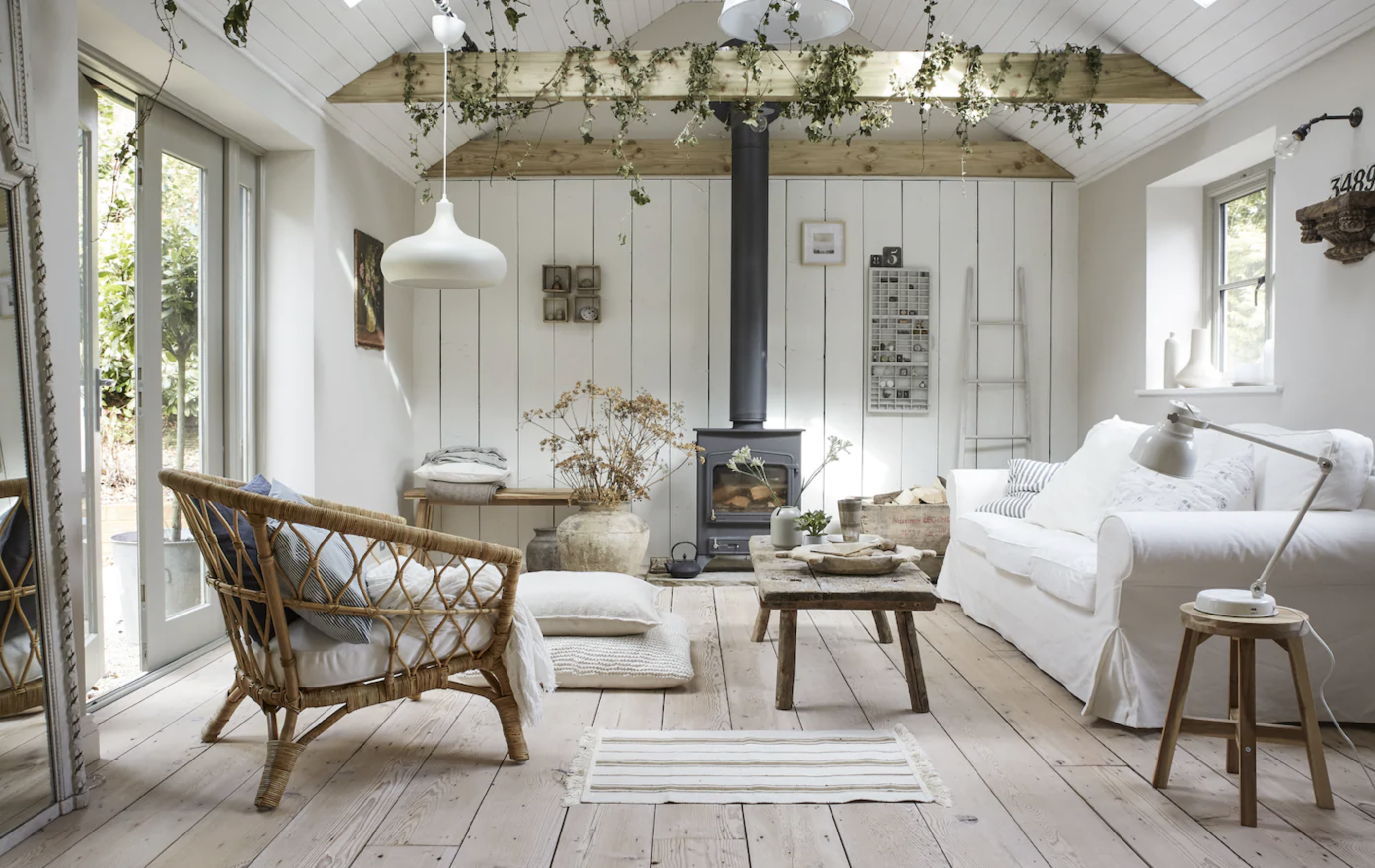
21 living room lighting ideas and expert tips to getting it right

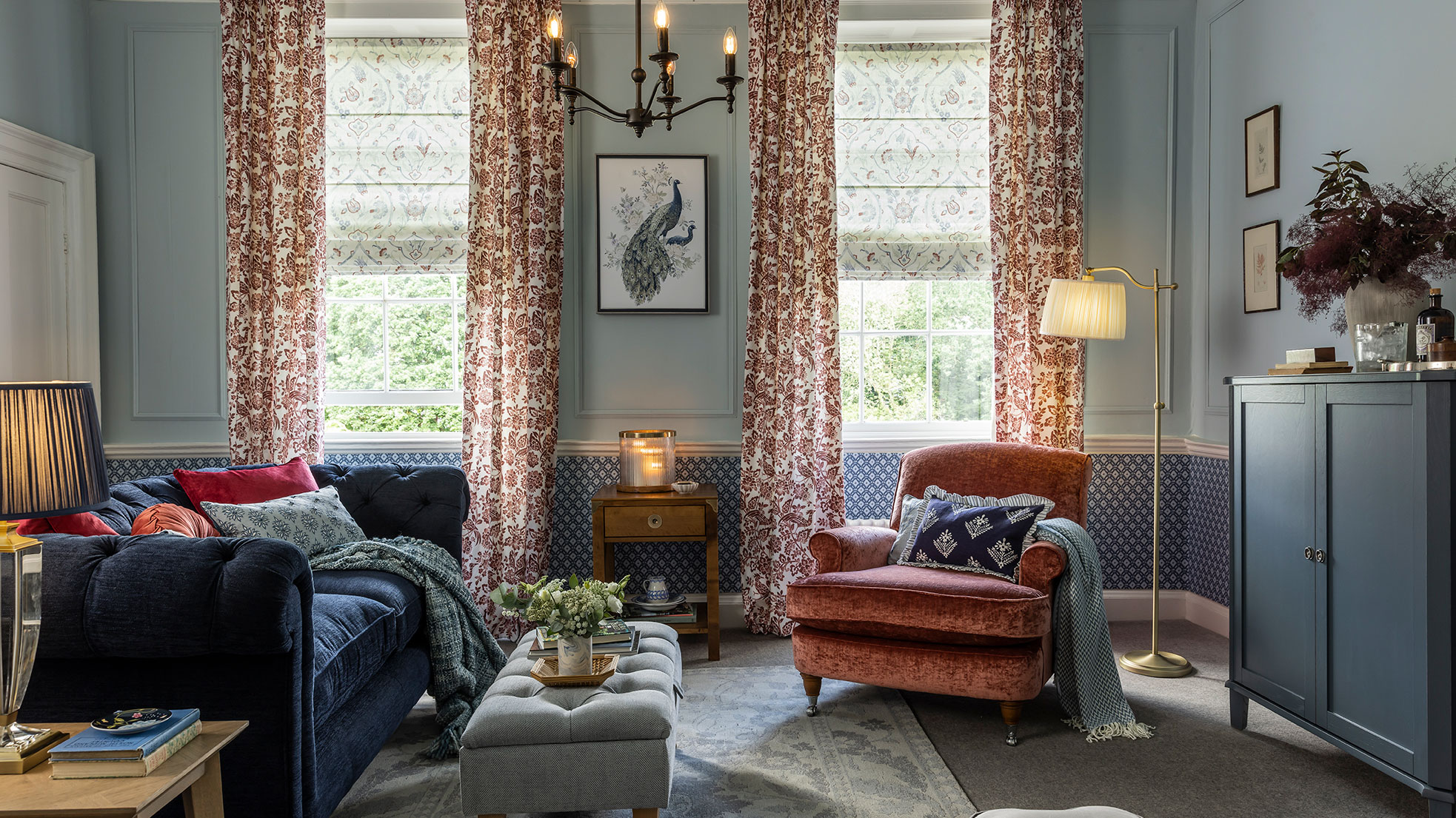
What is layered lighting and how can it transform your home from so-so to stunning?

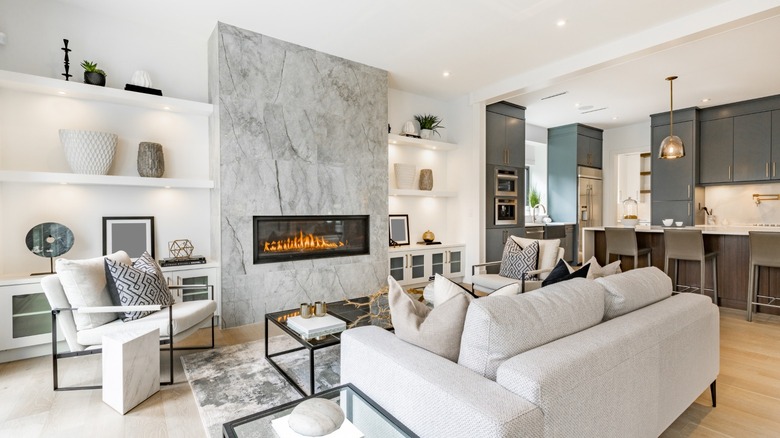
The Best Lighting Trends We've Loved So Far In 2023
5 Types of Lighting Designers Would Never Use —They're Harsh and Unflattering and Here's Why

The Library: All the Basics You Need to Know About Lighting Before Starting Your Next Project, According to the Experts
Bedroom Lighting Guide: How to Light a Bedroom