1/2
Bedroom Lighting Guide: How to Light a Bedroom
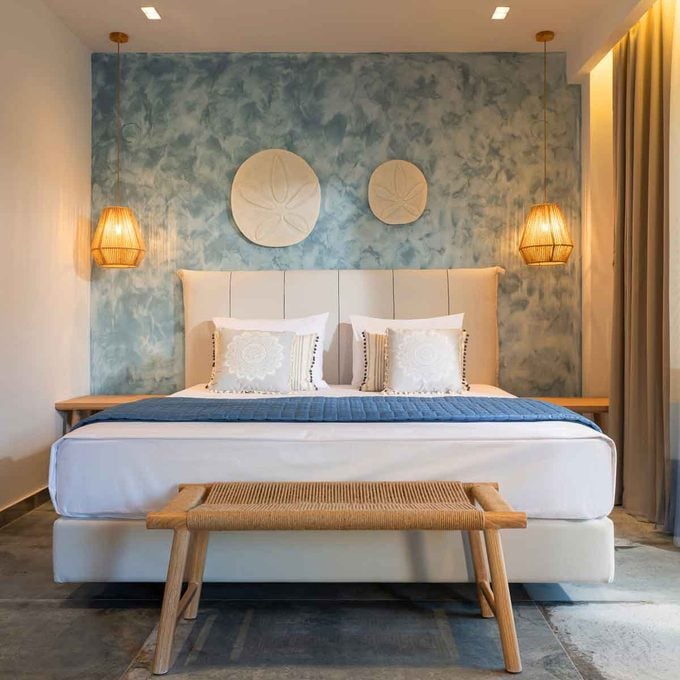
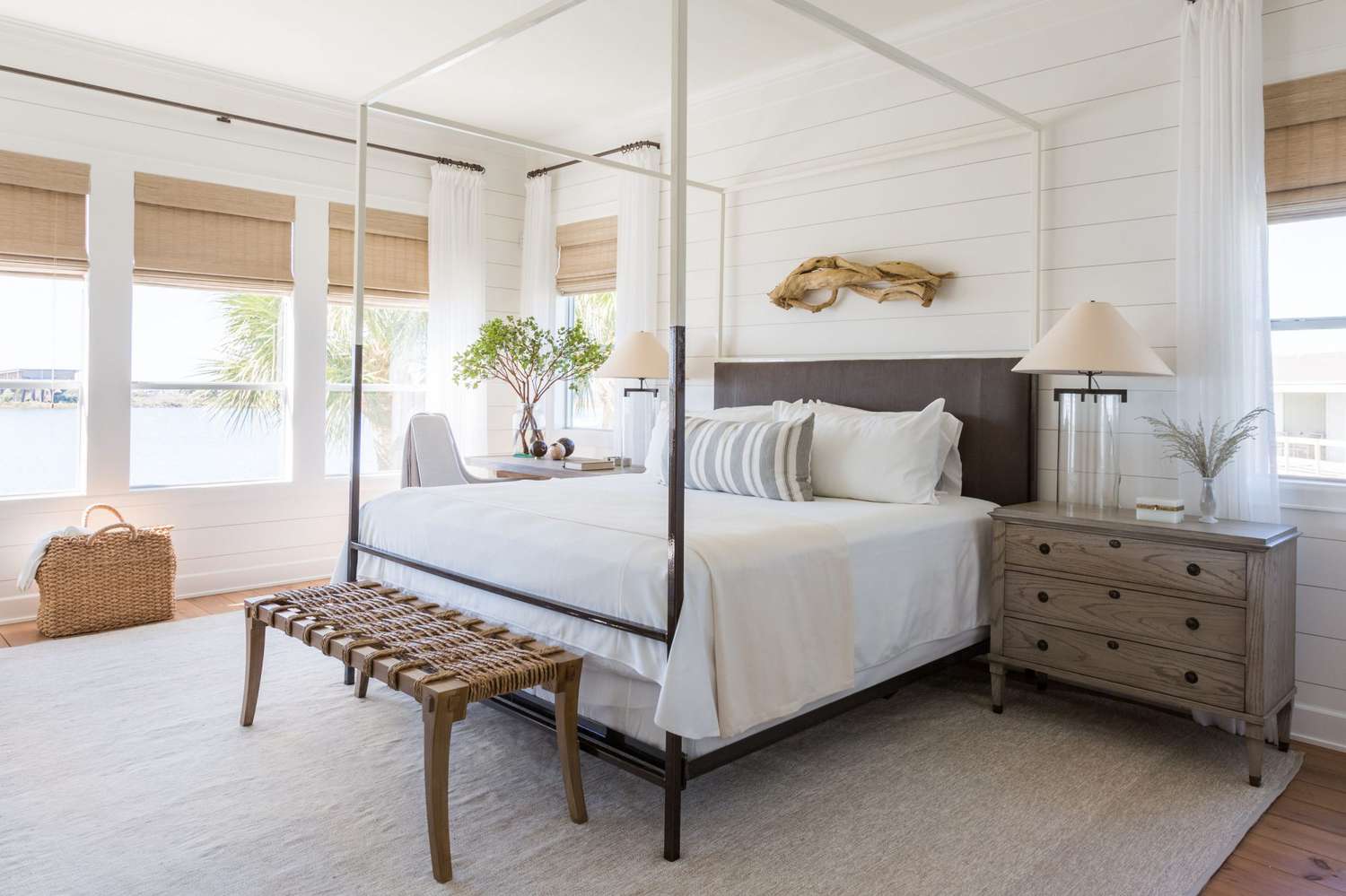
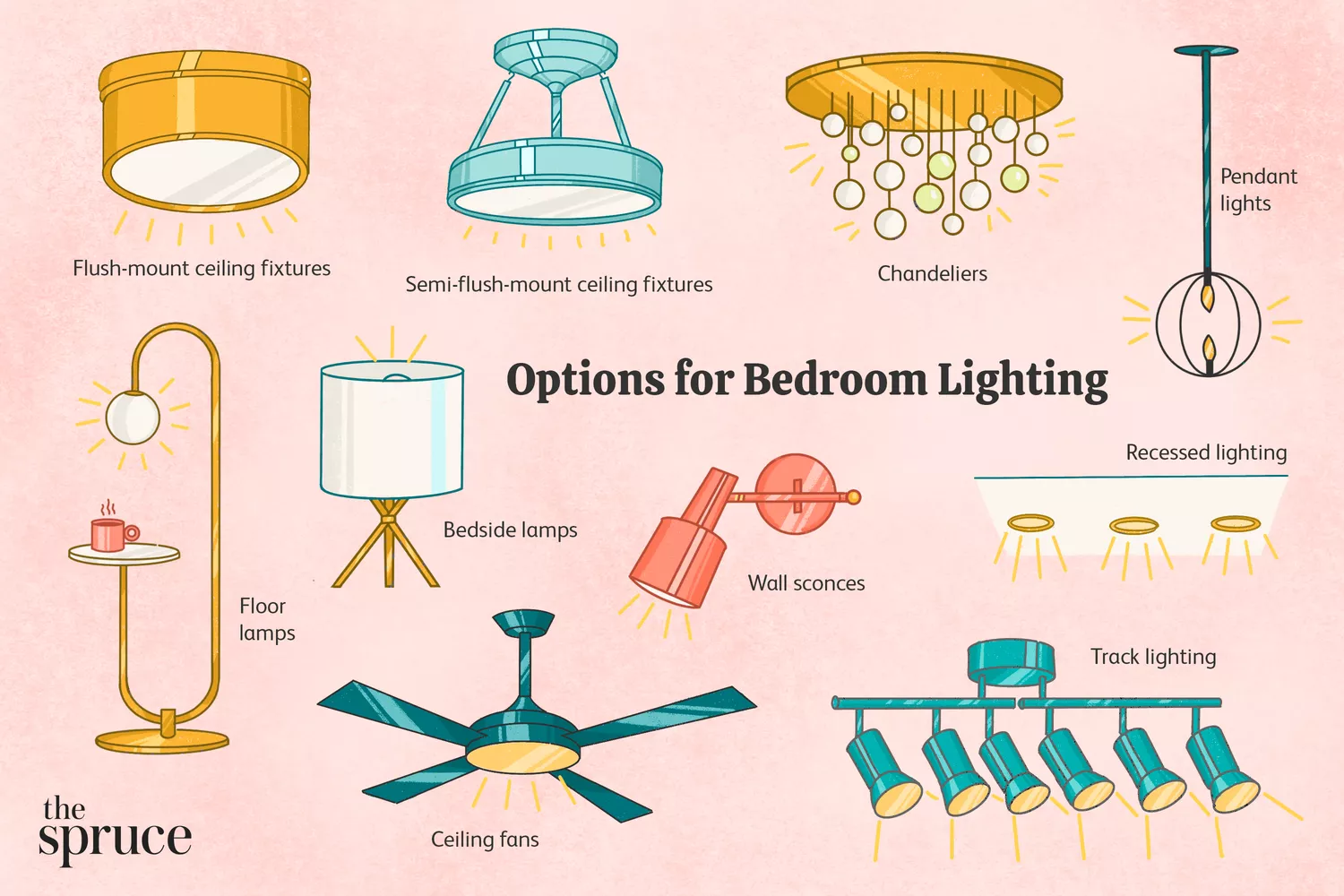
Effective bedroom lighting is crucial for creating a functional and comfortable space, as it is where individuals begin and end their day. Lighting goes beyond a single fixture, requiring a layered approach that integrates various light sources to cater to different needs and moods. Designers emphasize the importance of incorporating at least three types of illumination: task, decorative, and ambient/general lighting. This strategic layering ensures both visual appeal and practical functionality within the bedroom environment.
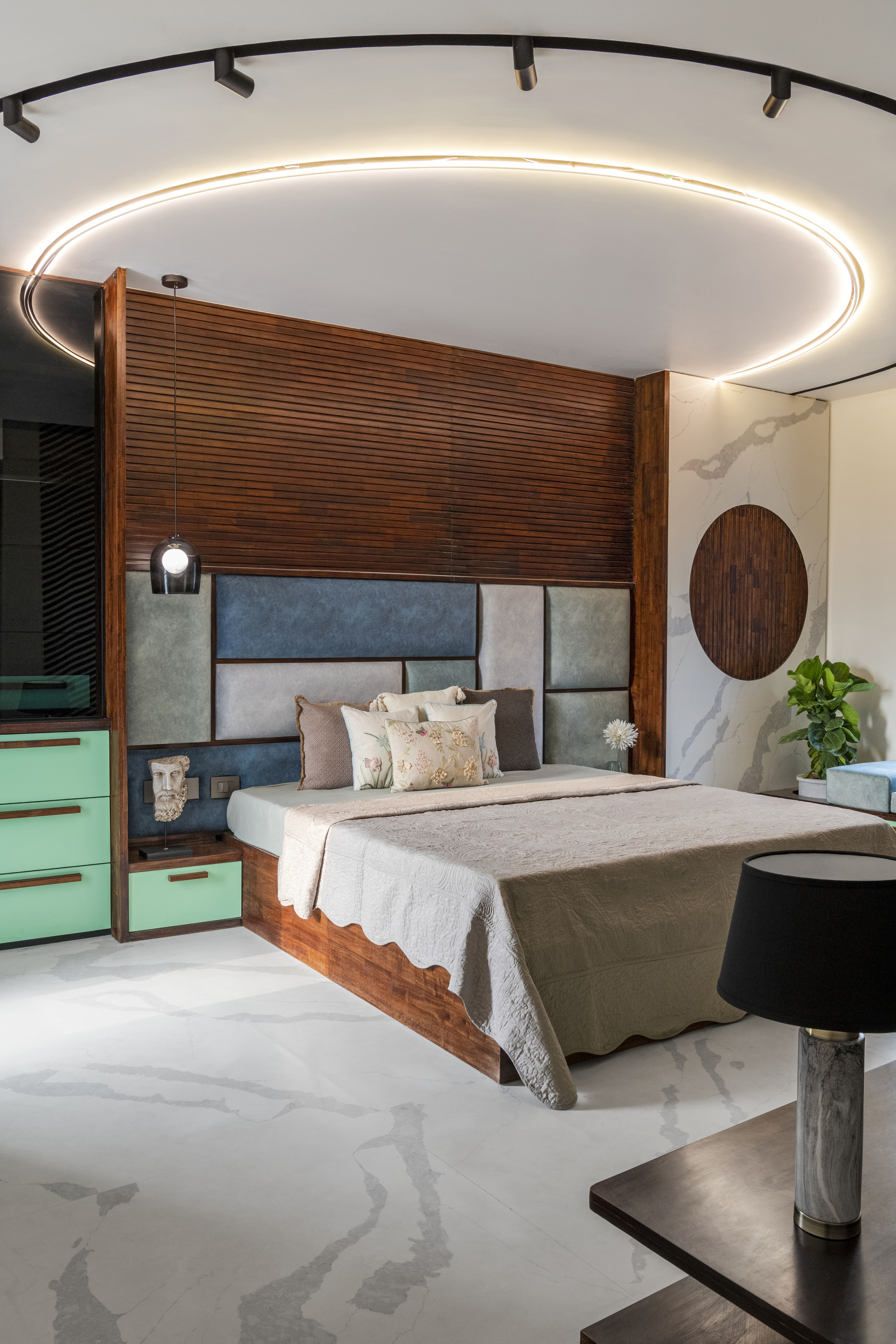
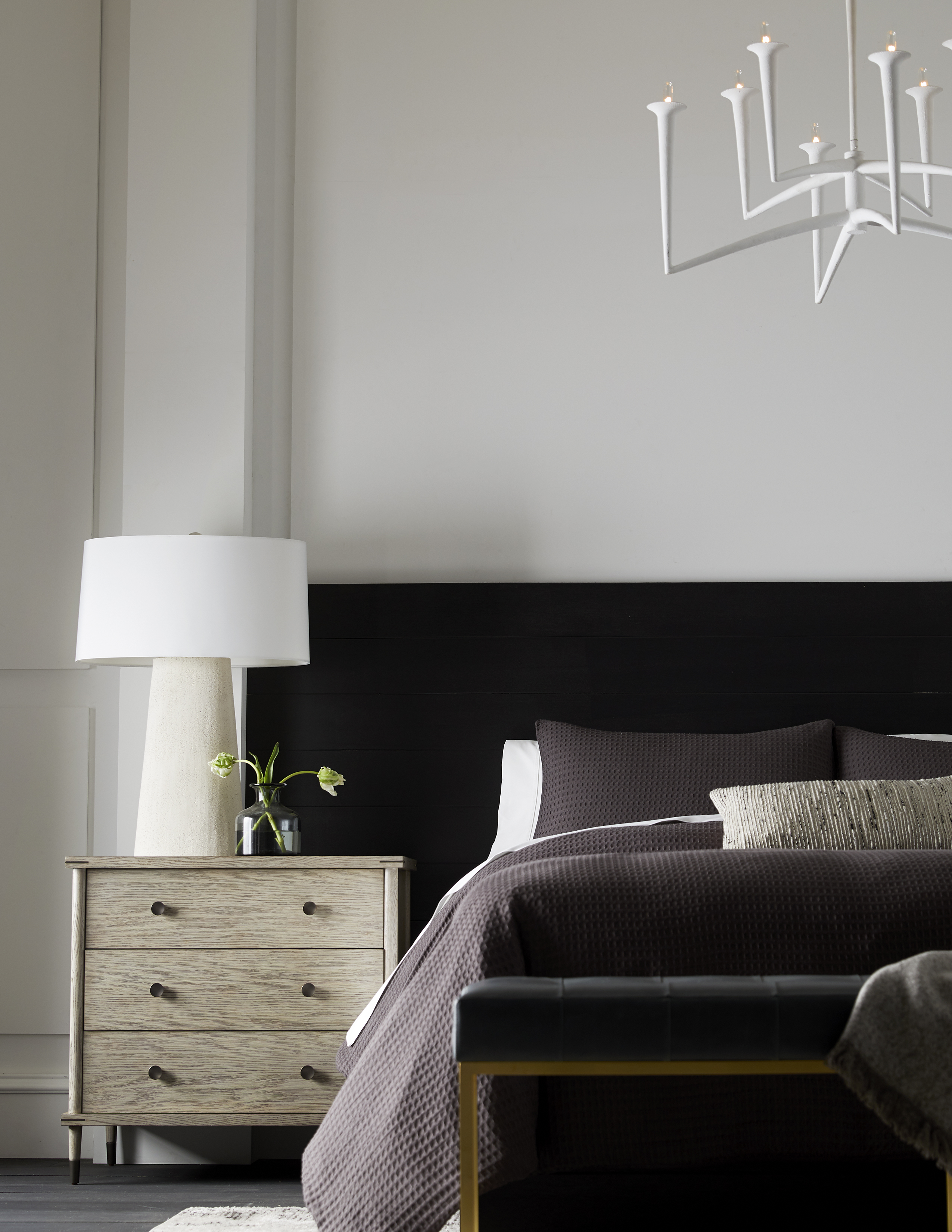
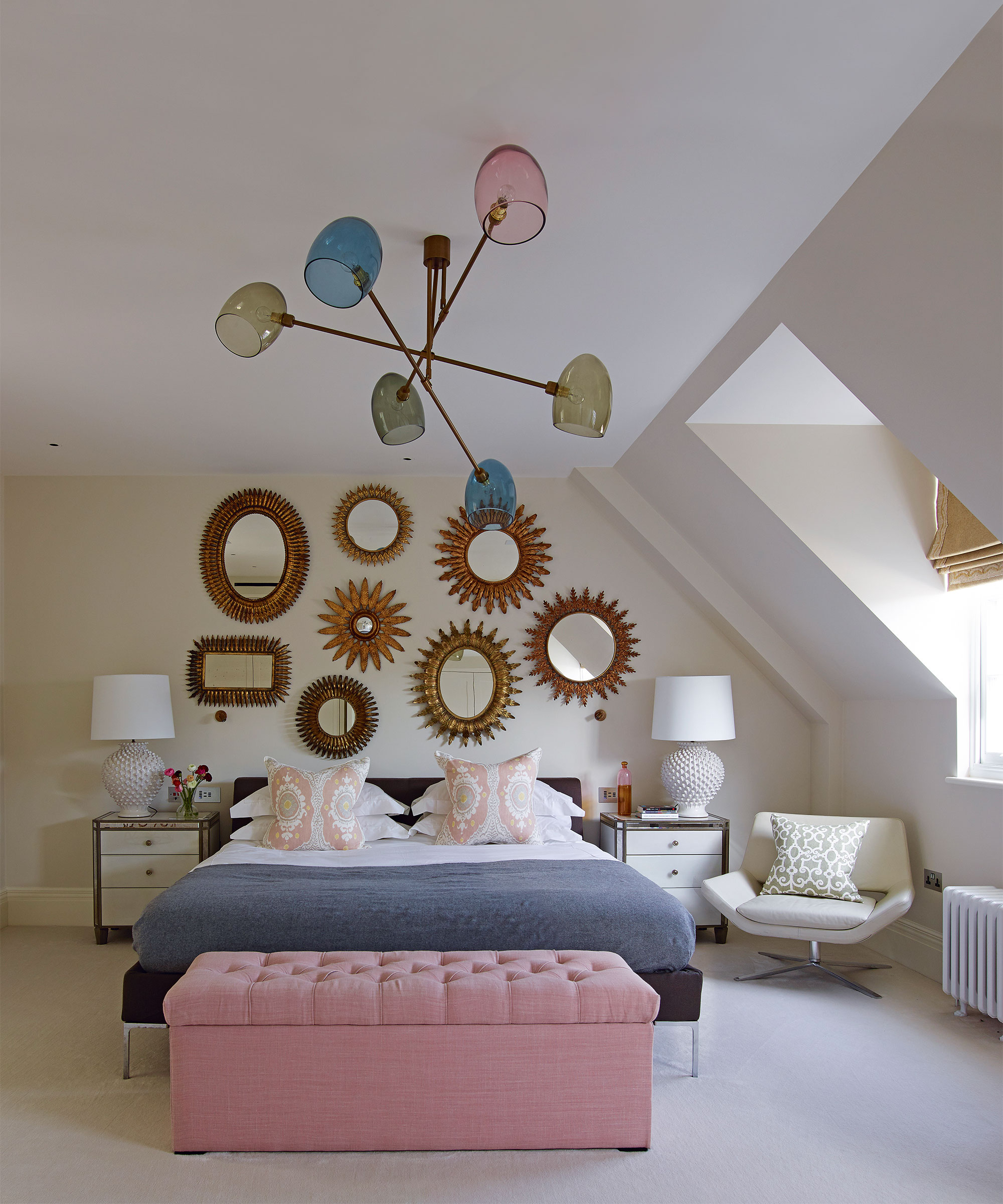
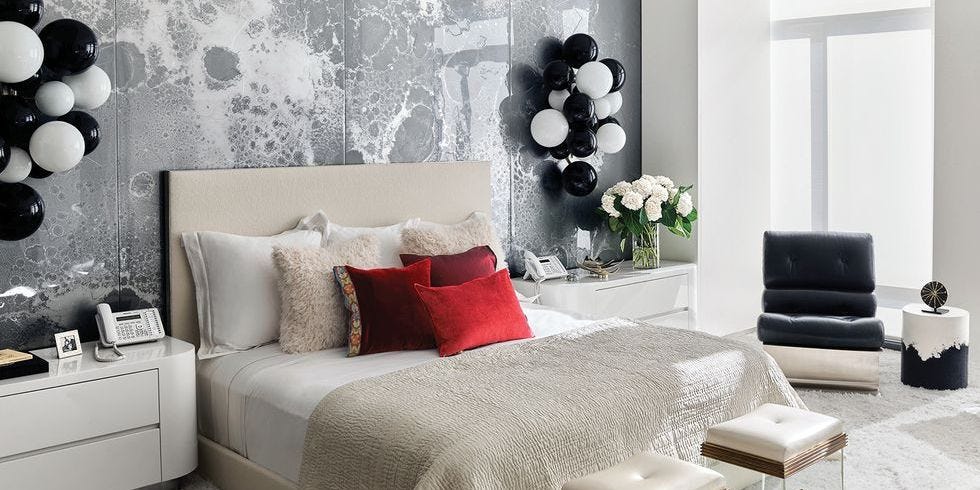
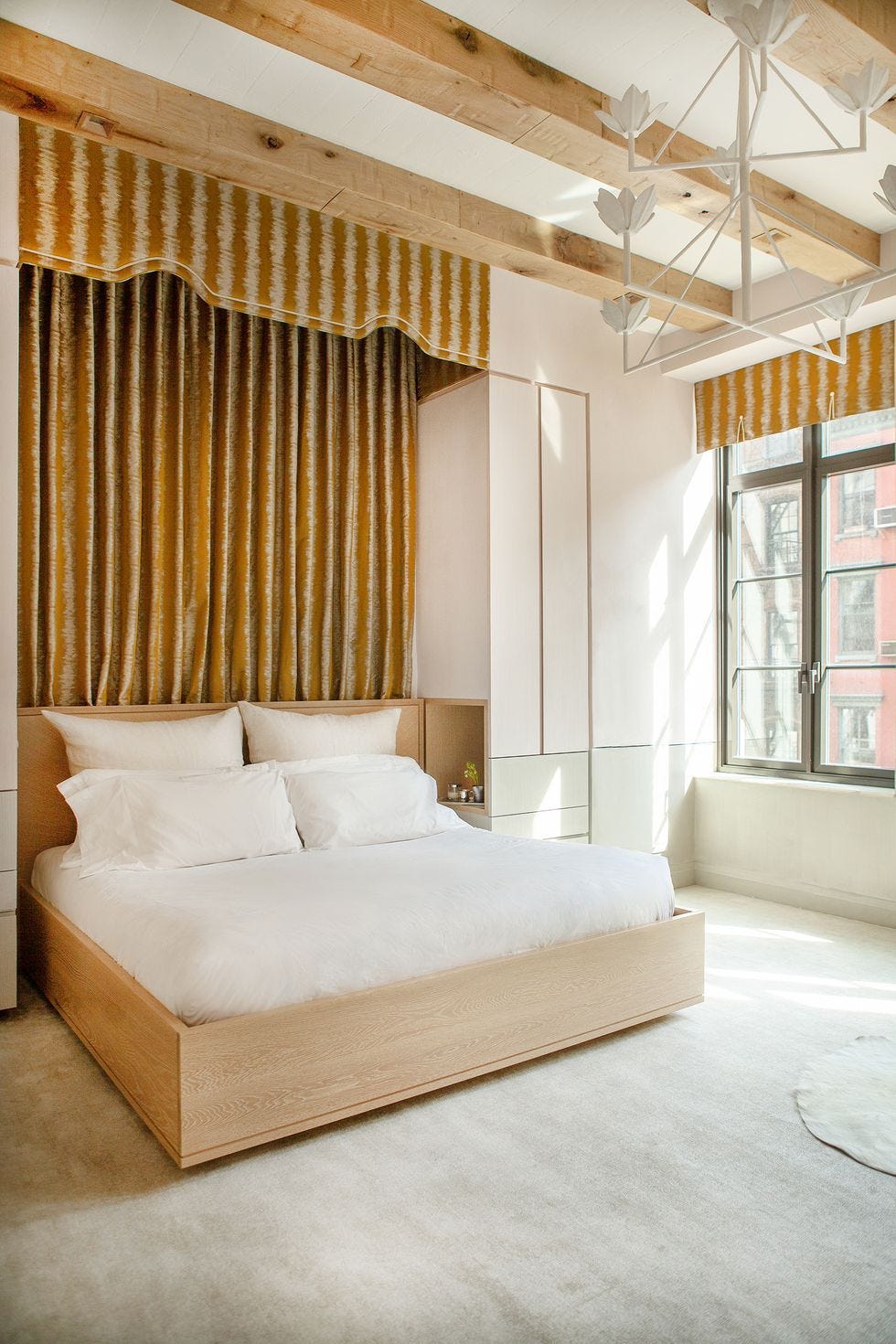
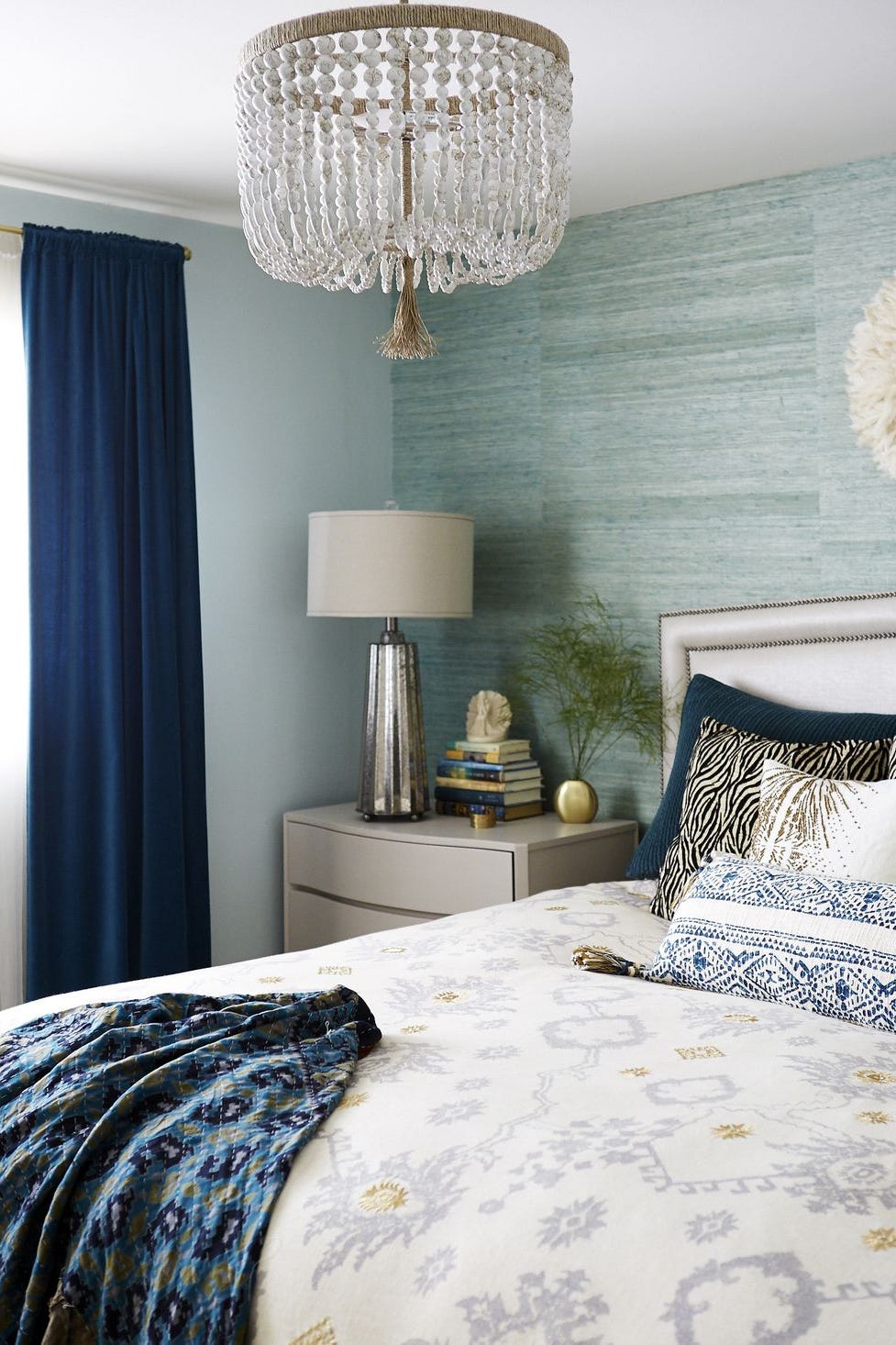
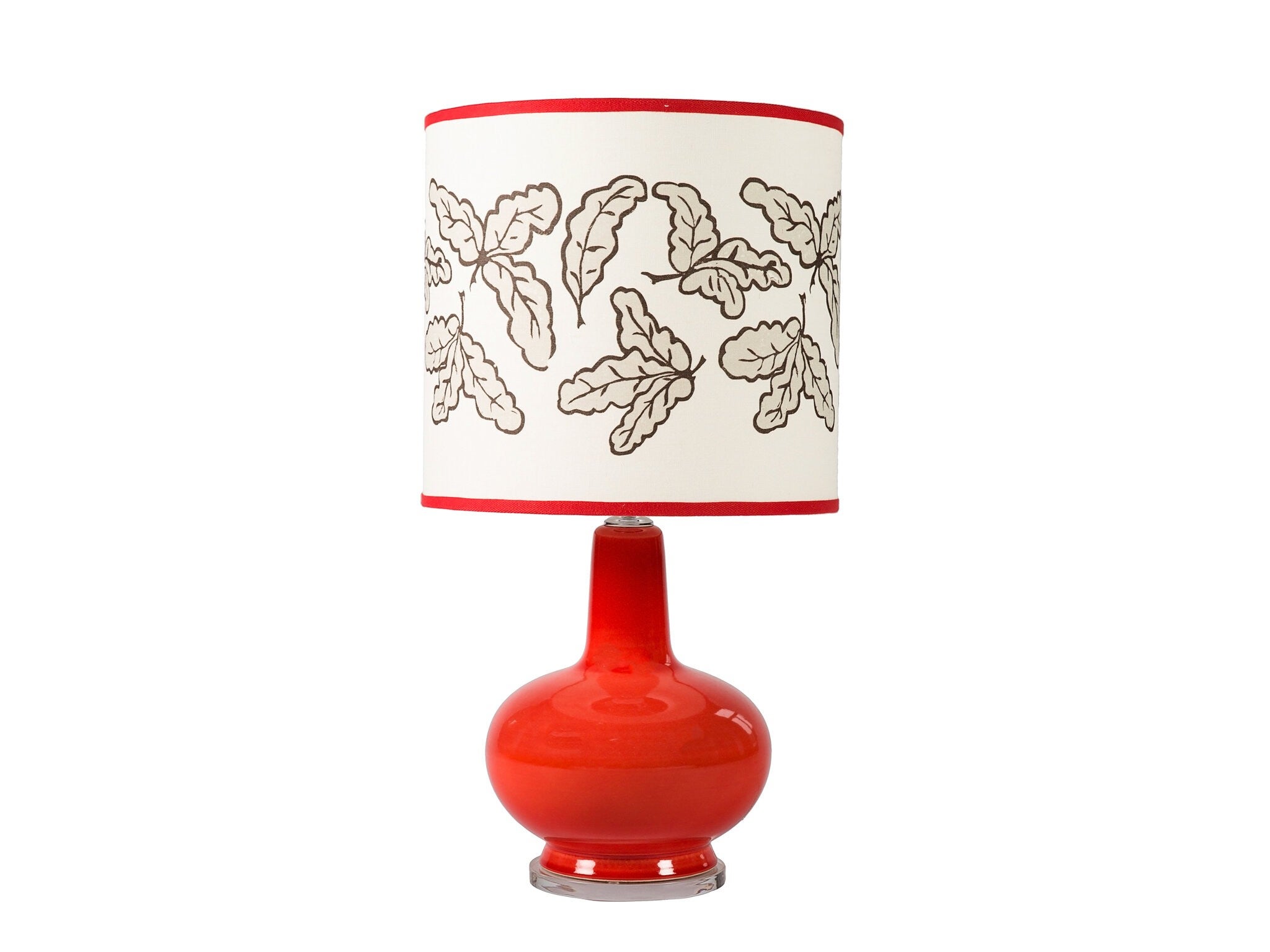
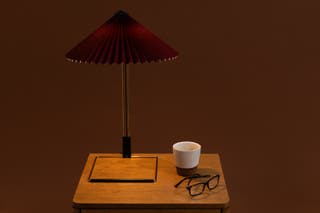
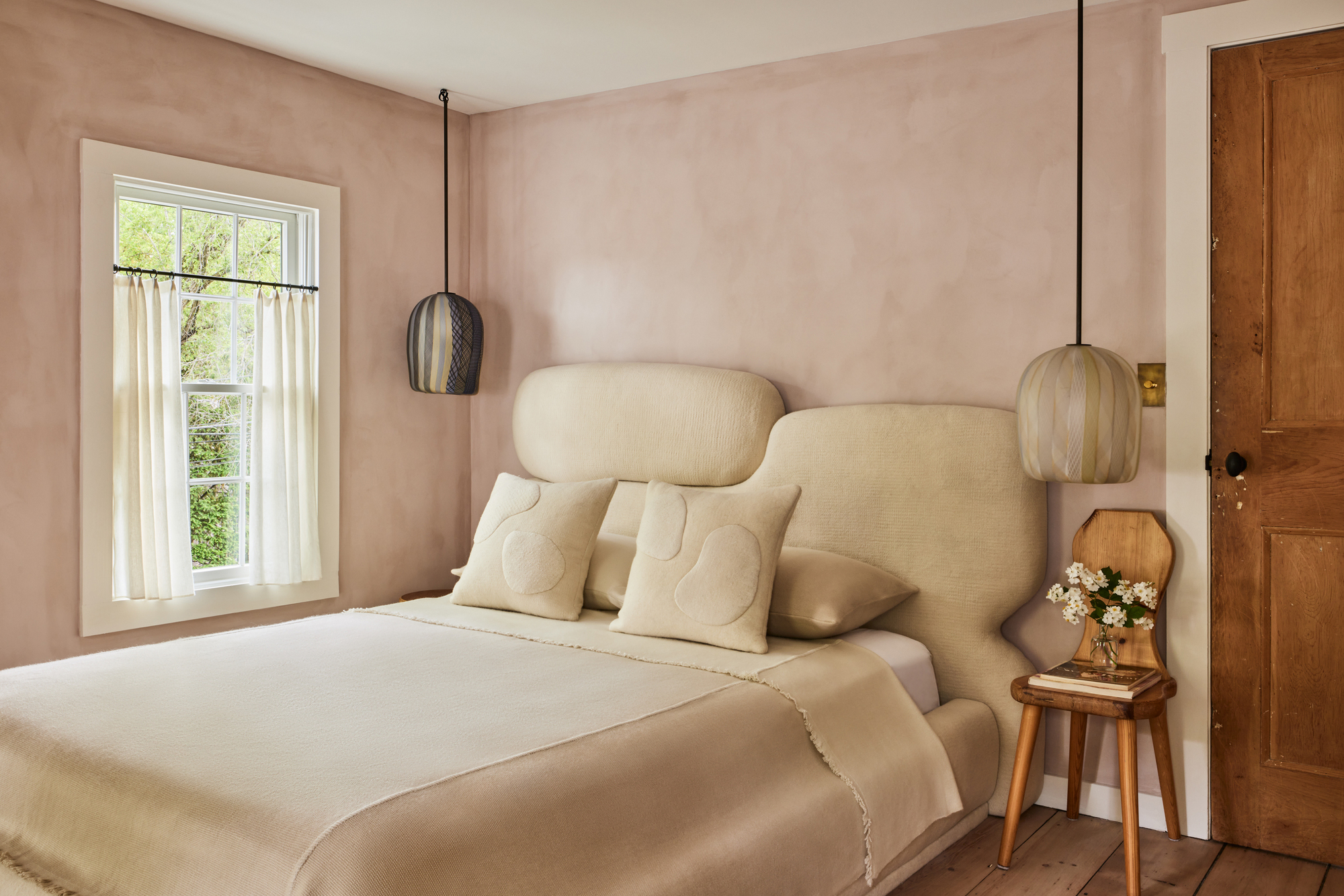
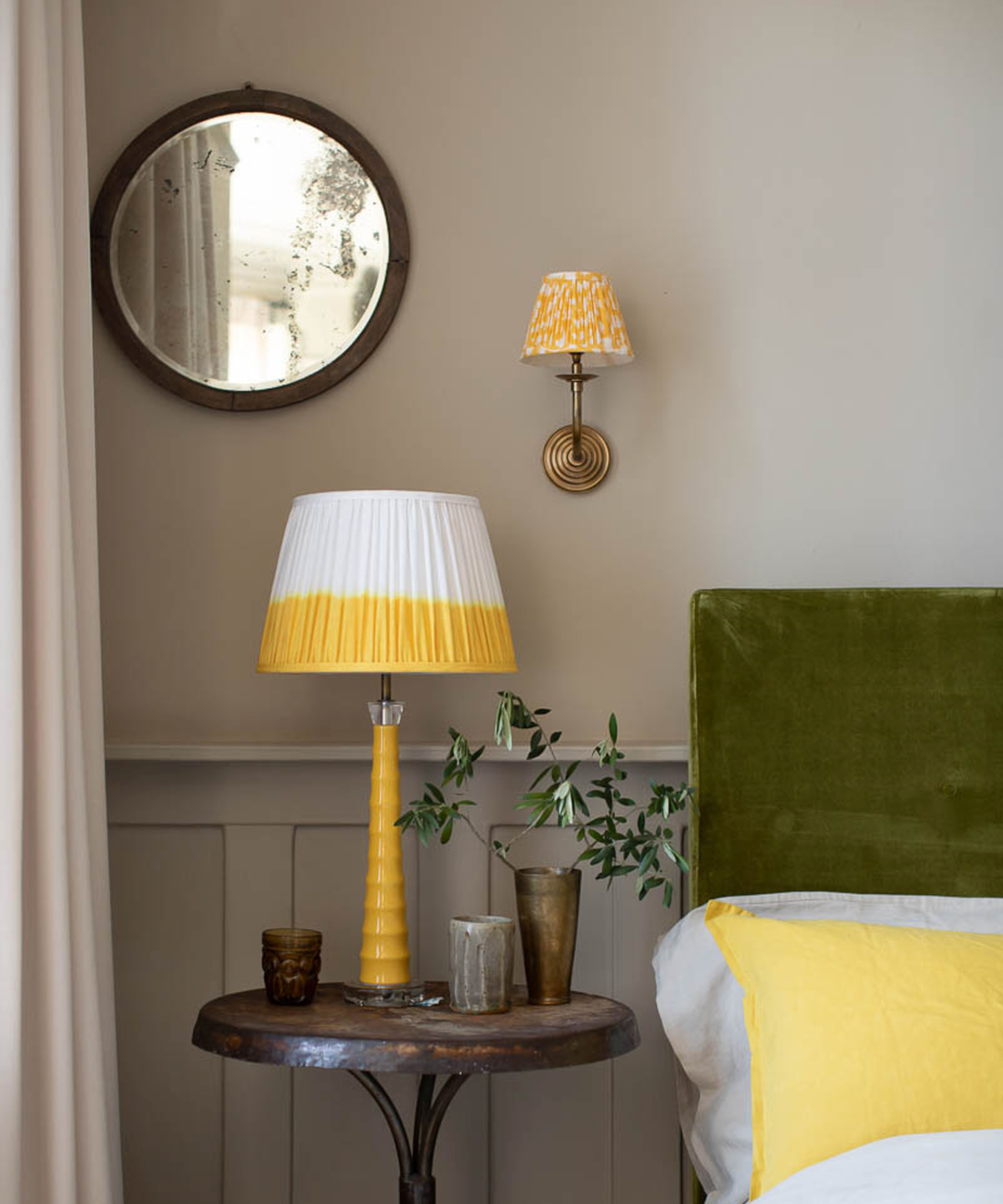
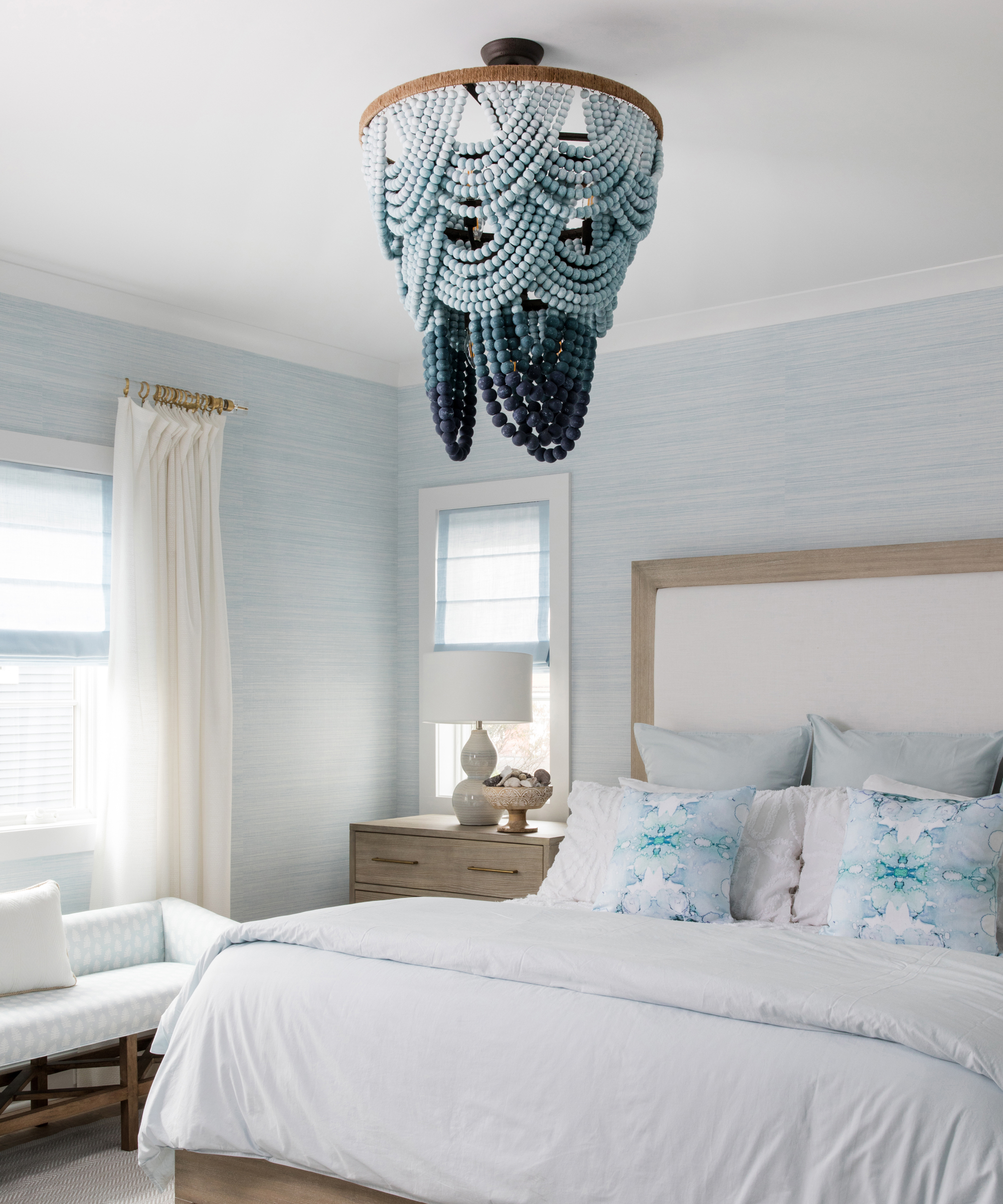
Task lighting is designed for specific activities such as reading in bed, working at a desk, or engaging in hobbies. It should provide focused light without being overly bright or distracting. Decorative lighting, often described as the "jewelry" of a bedroom, enhances the aesthetic appeal of the space. This can include bold chandeliers that serve as a focal point, or sculptural table lamps on nightstands that add personality and style. Ambient or general lighting provides overall illumination for the room. While recessed lights are common, designers caution against overusing them or placing them in repetitive patterns. Instead, strategic placement, such as along the perimeter of the room, can provide adequate general light without creating a stark or overly lit atmosphere.
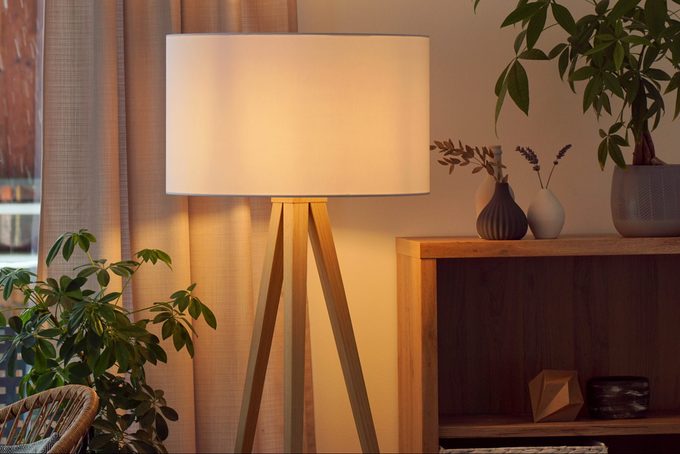
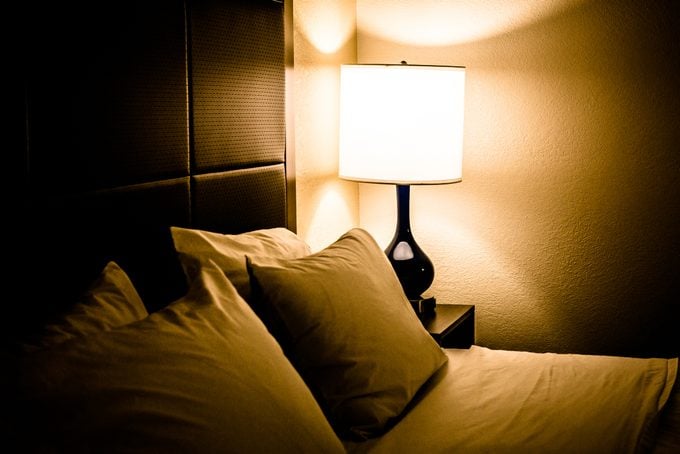
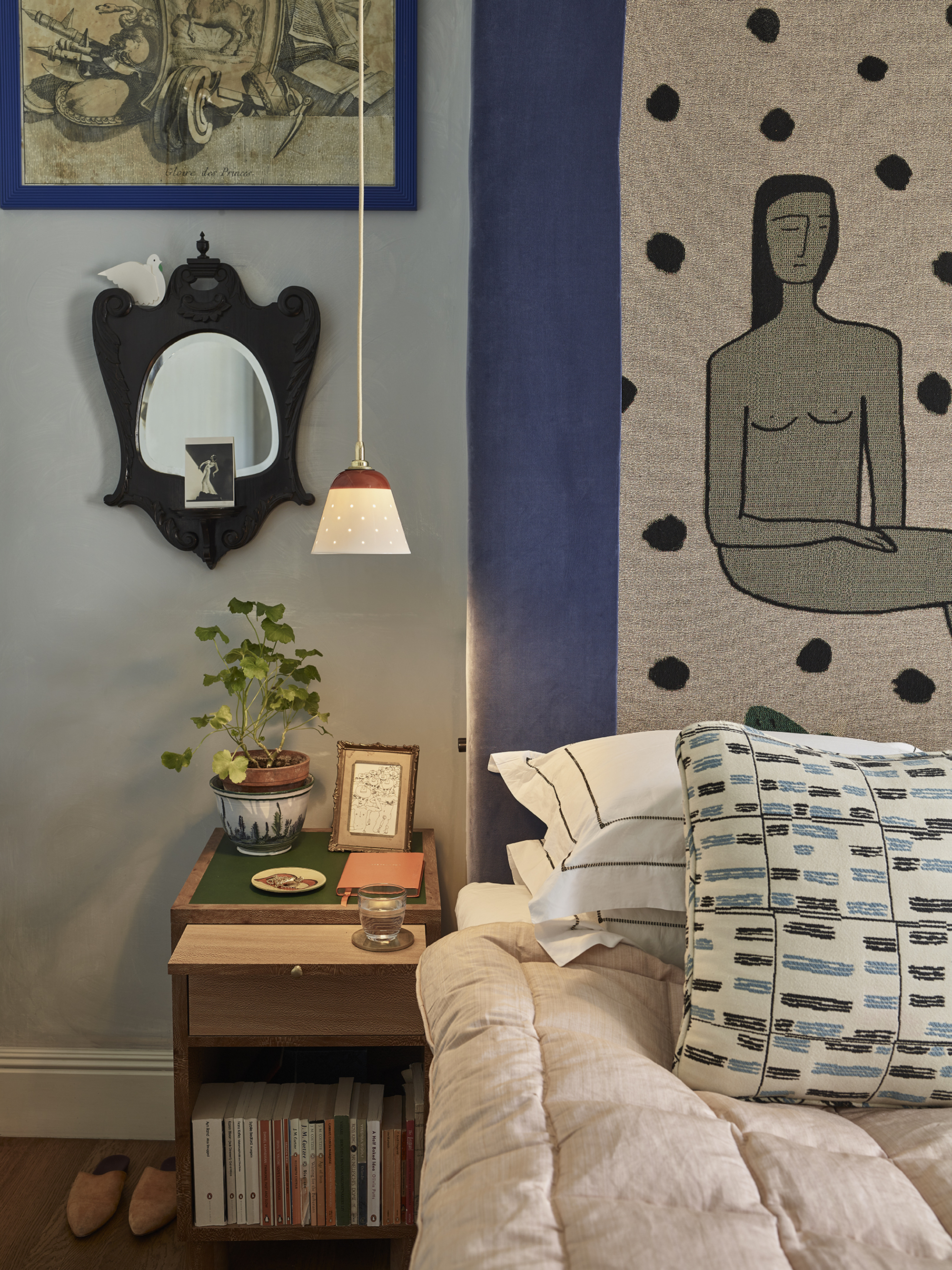
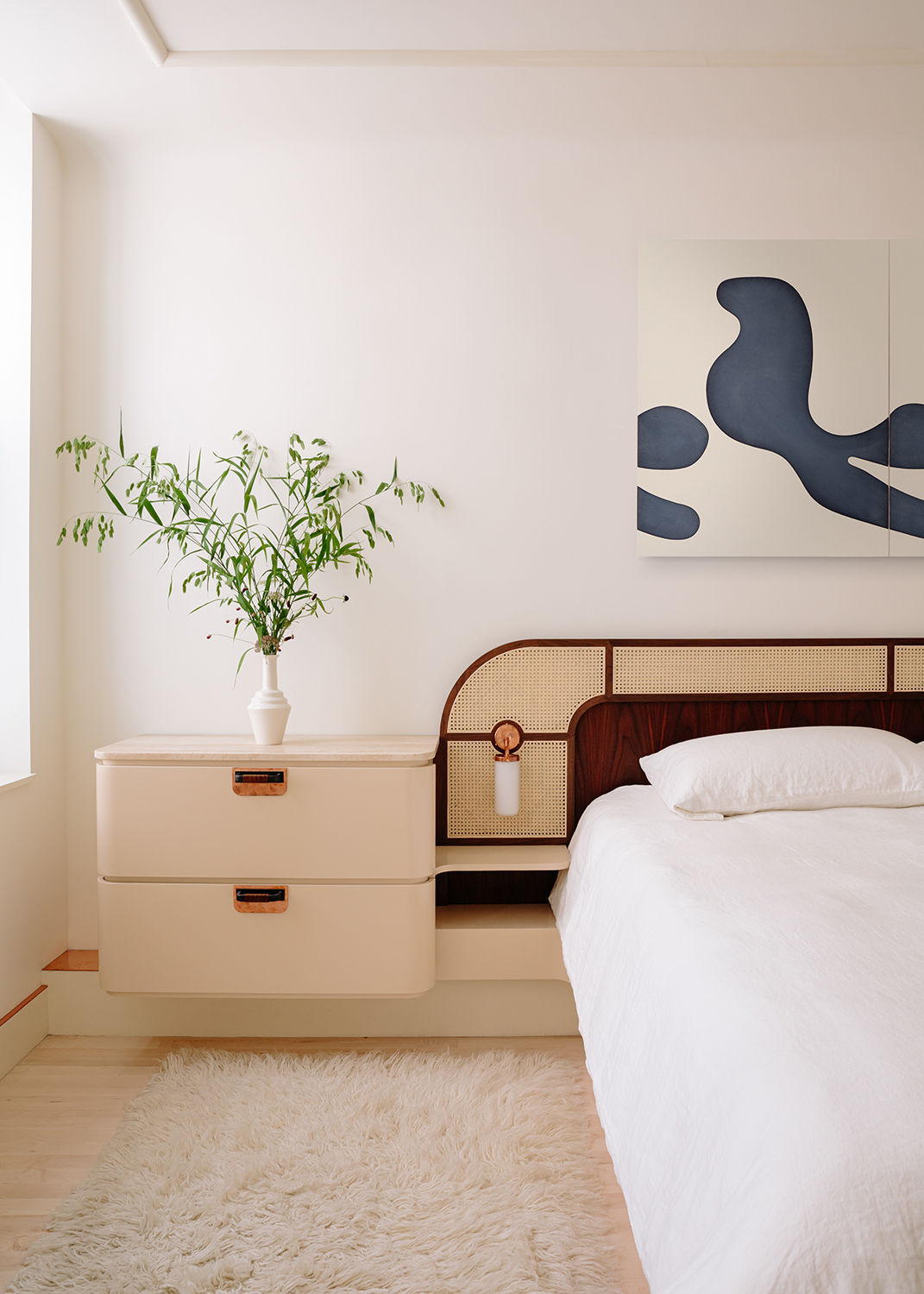
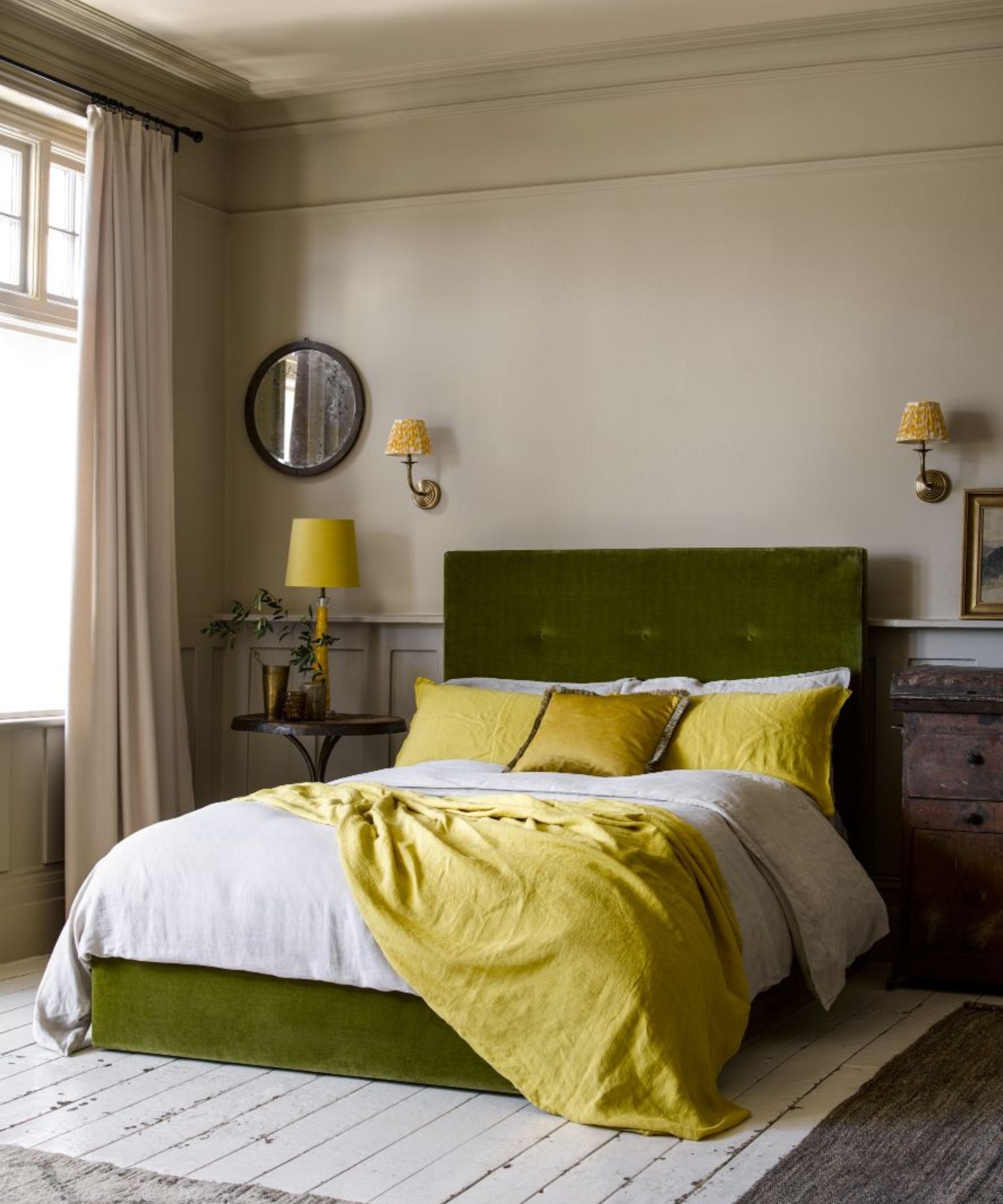
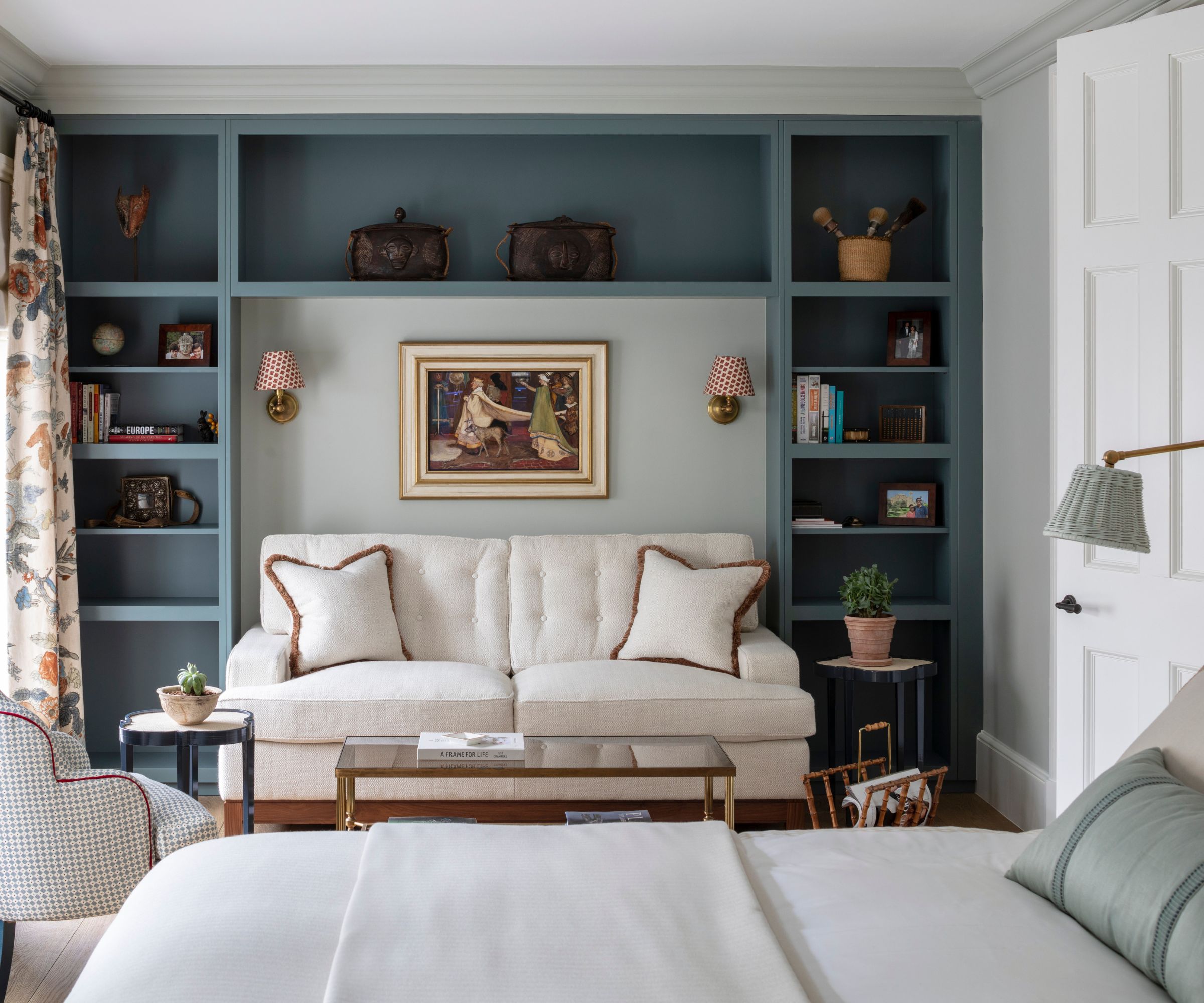
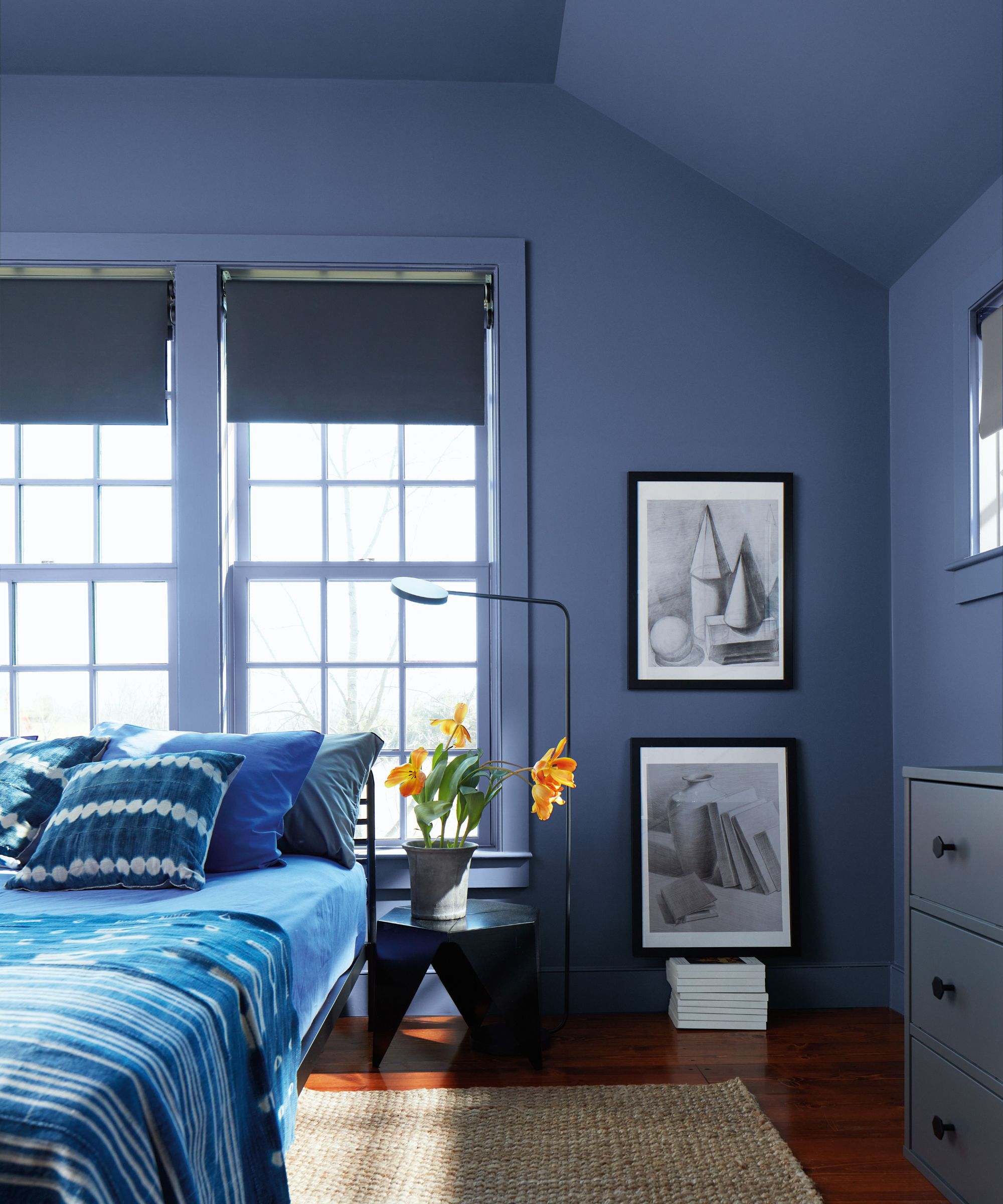
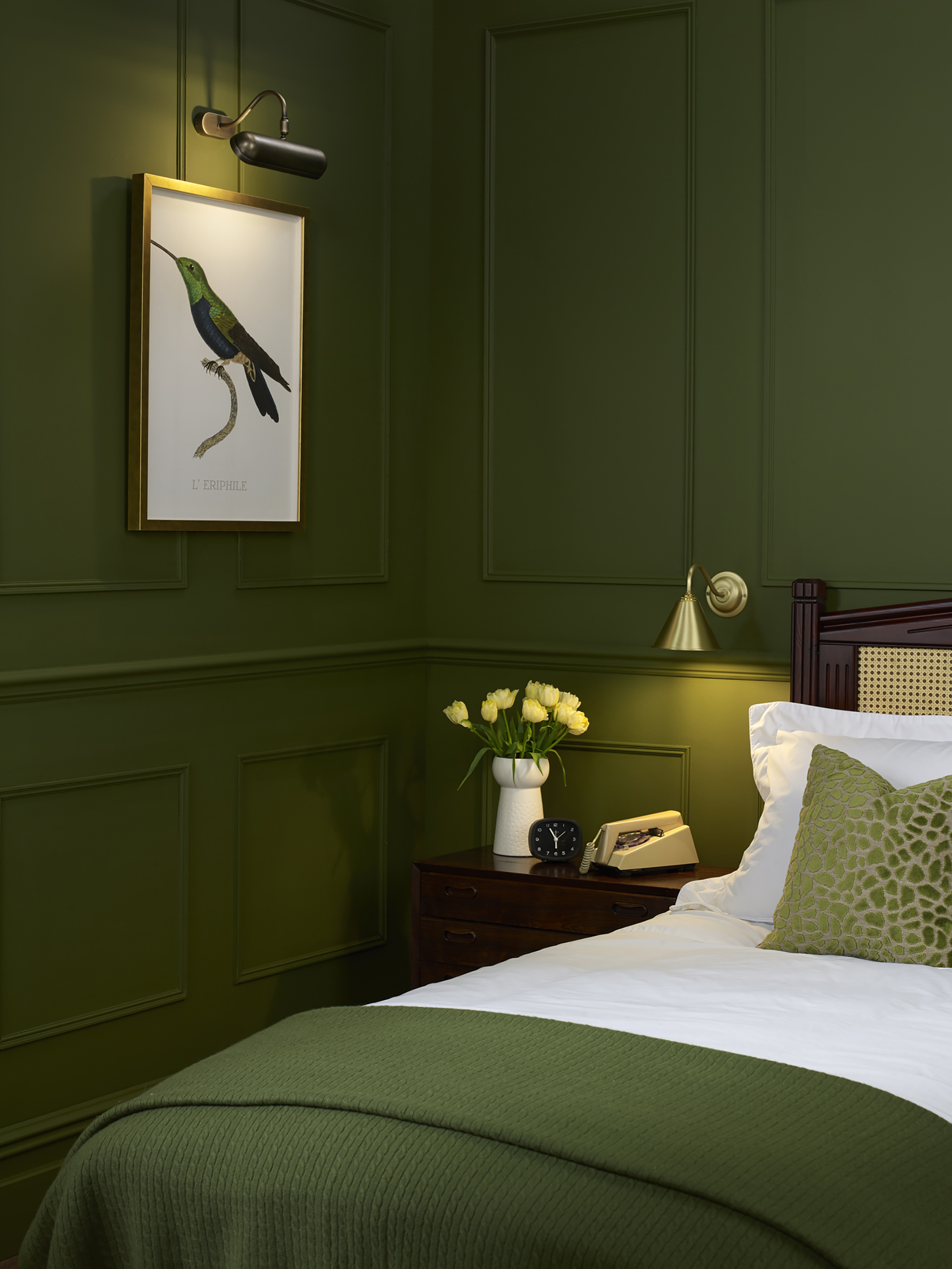
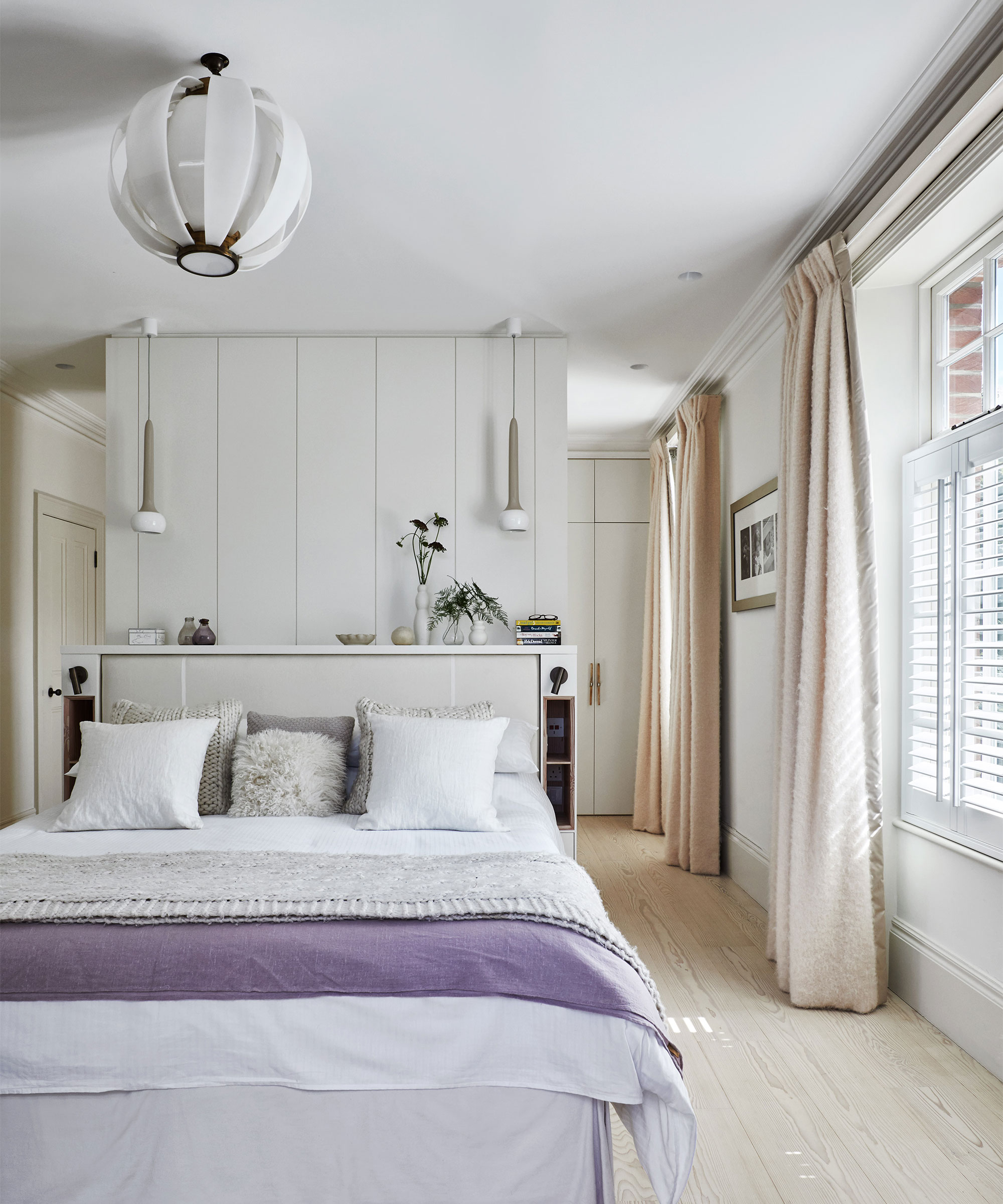
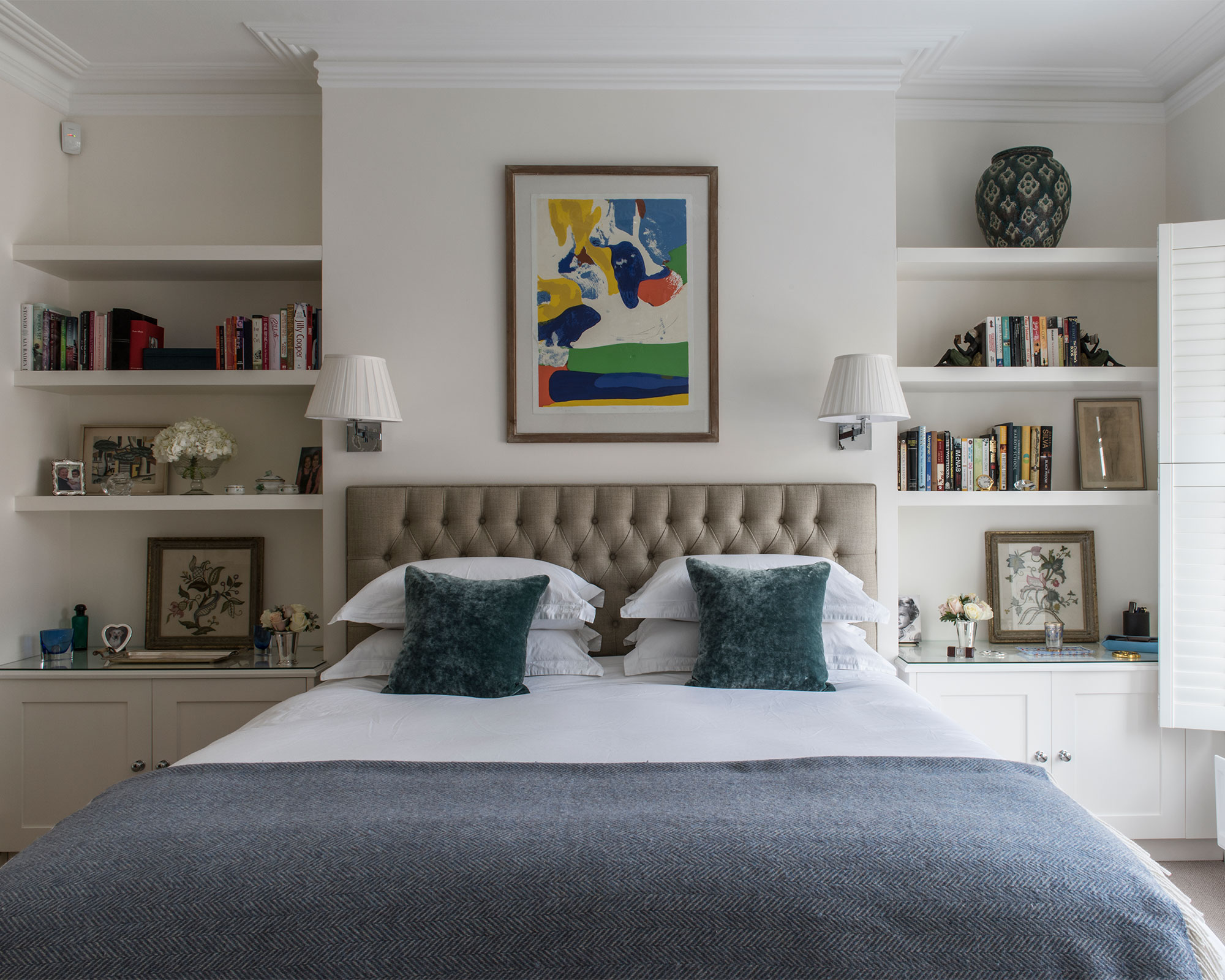
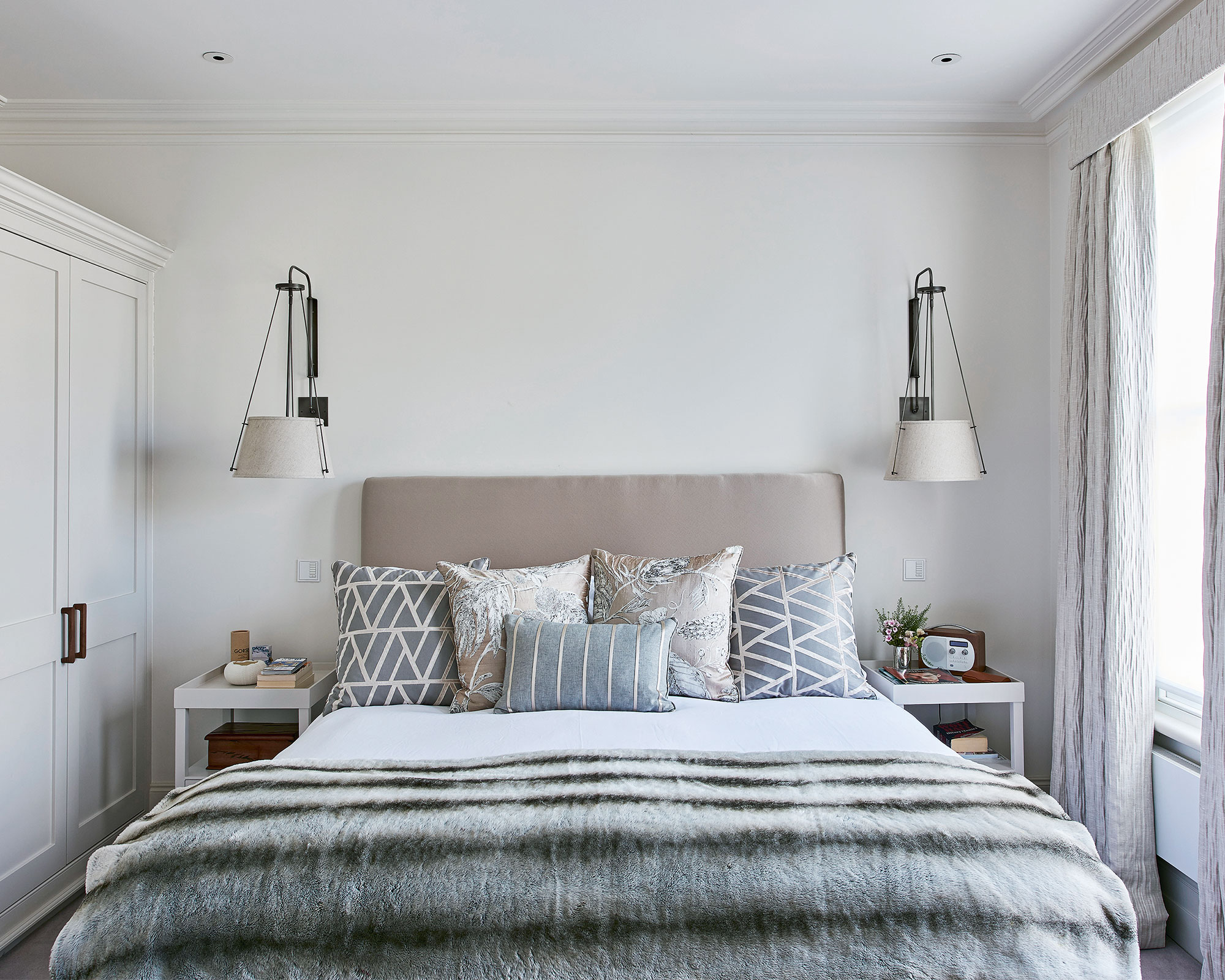
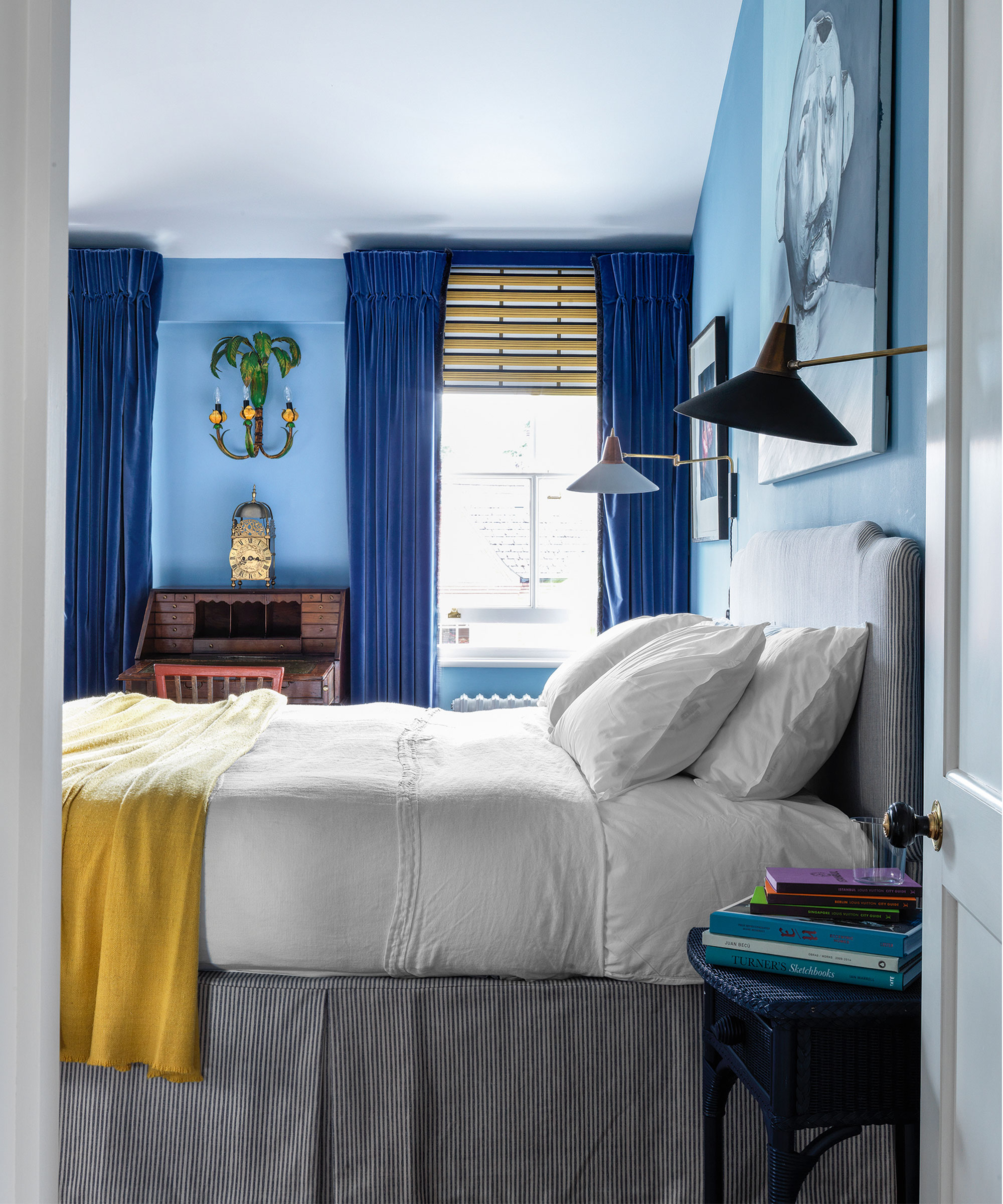
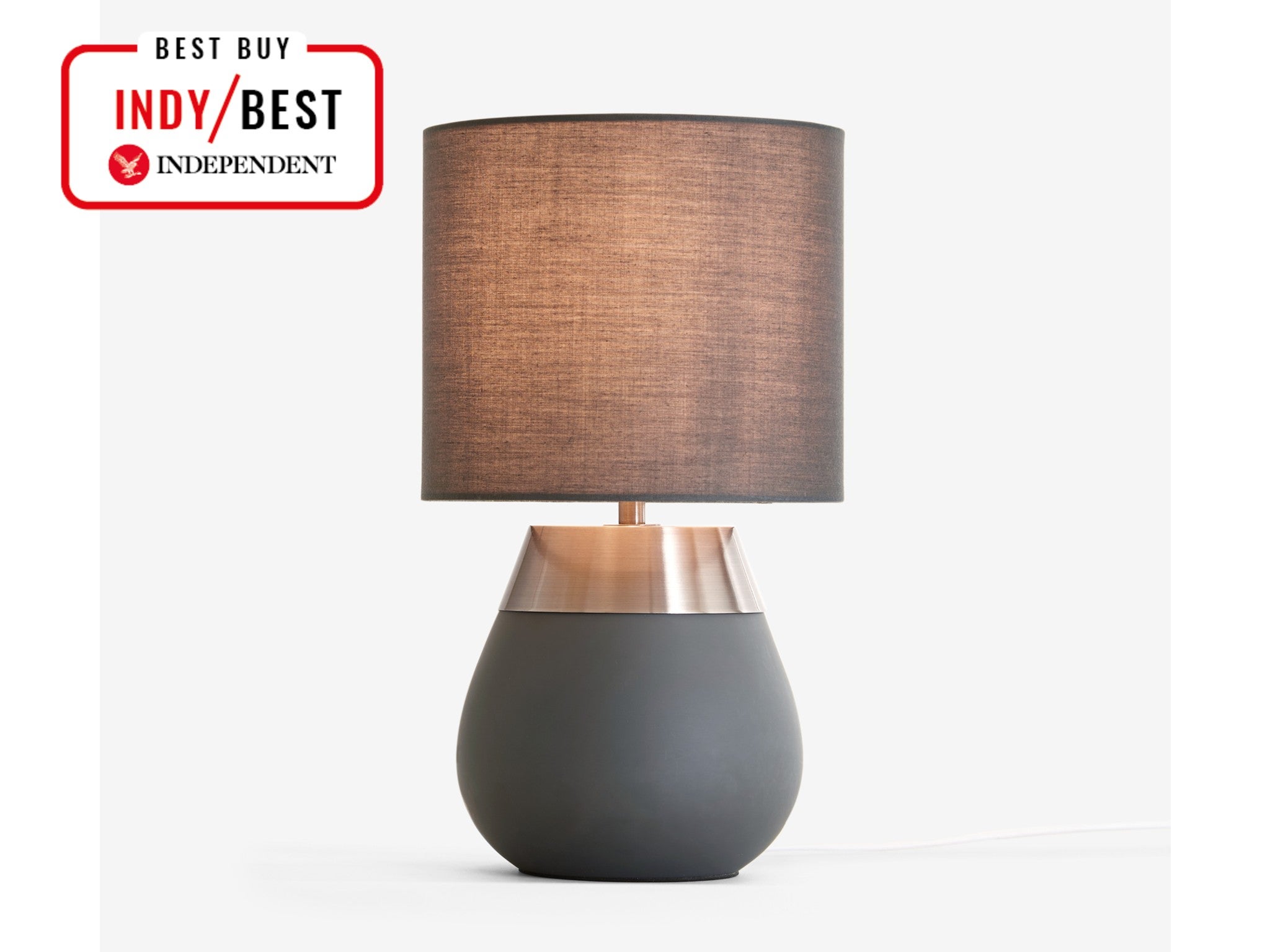
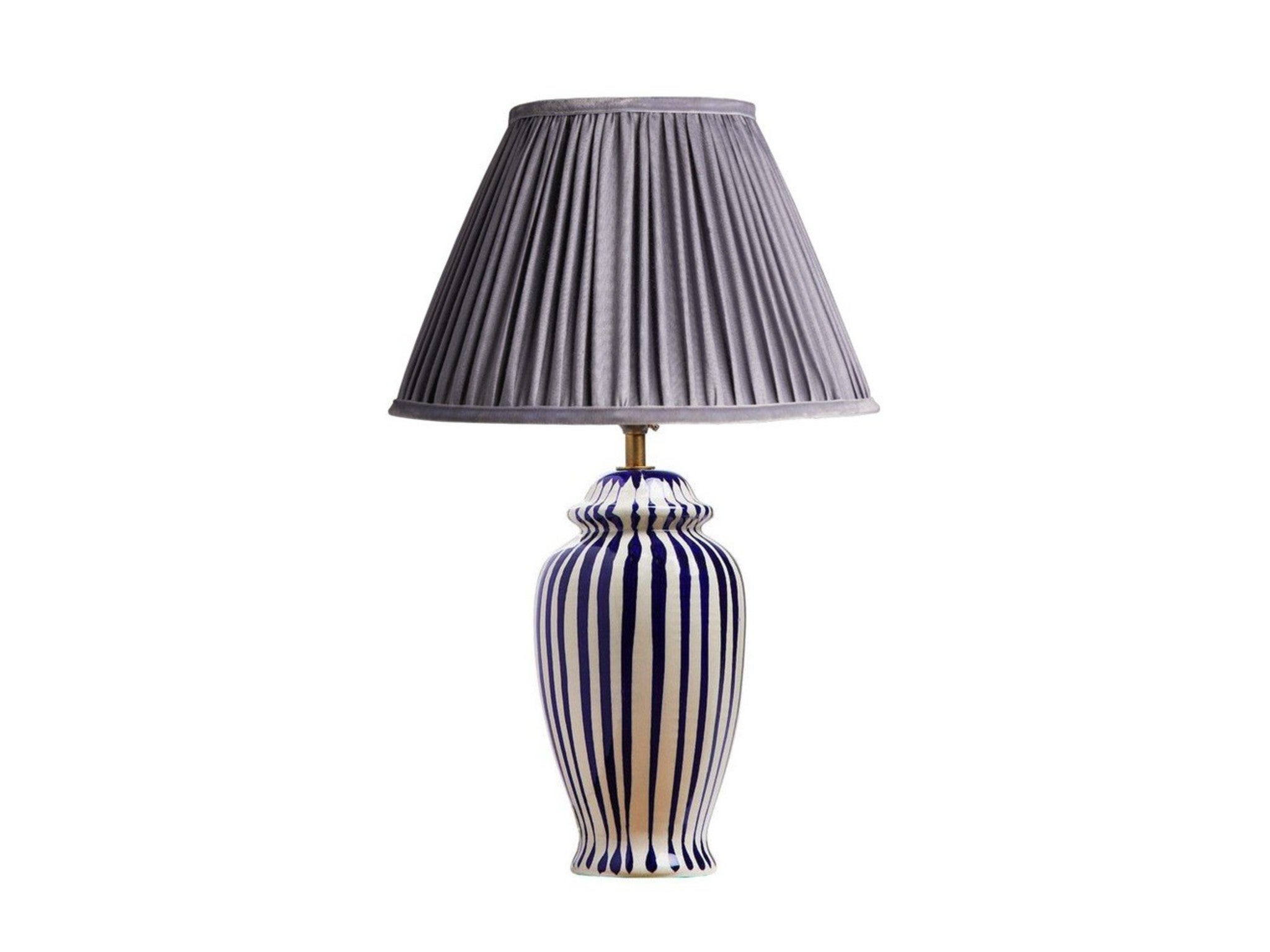
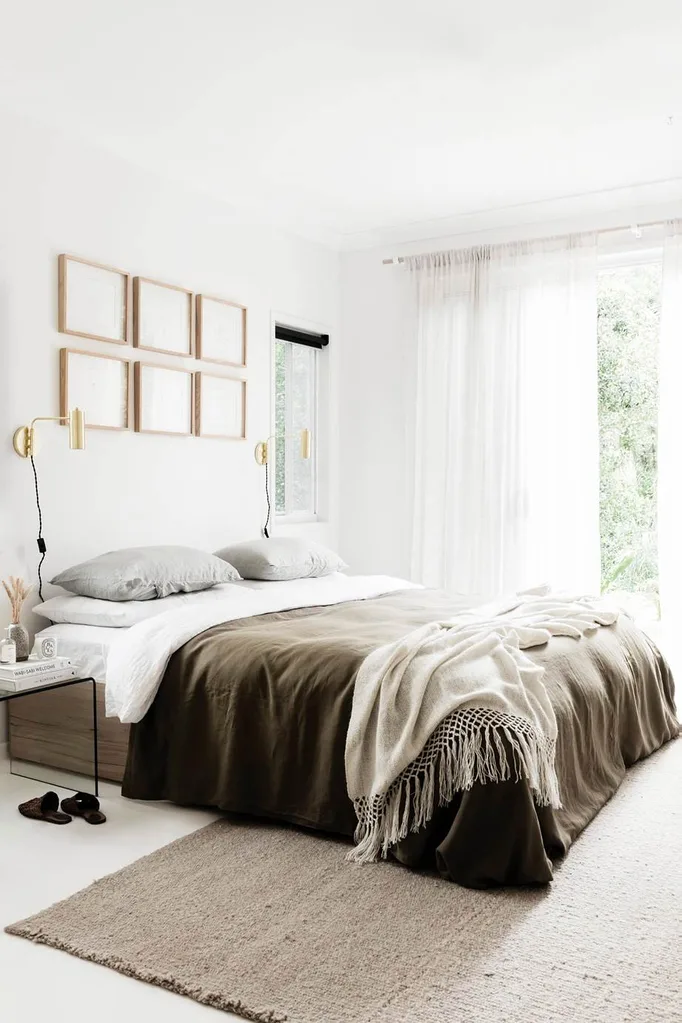
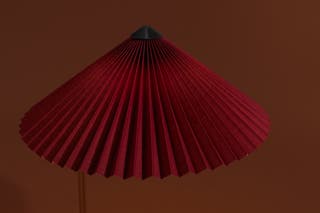
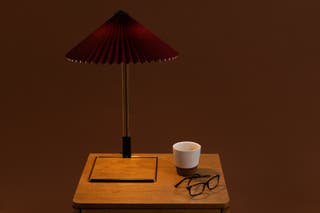
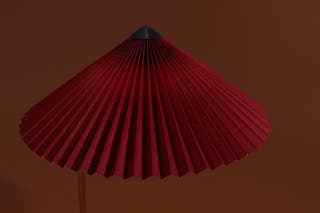
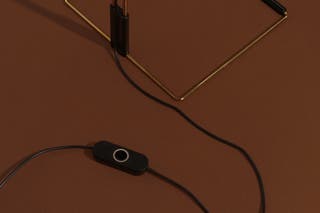
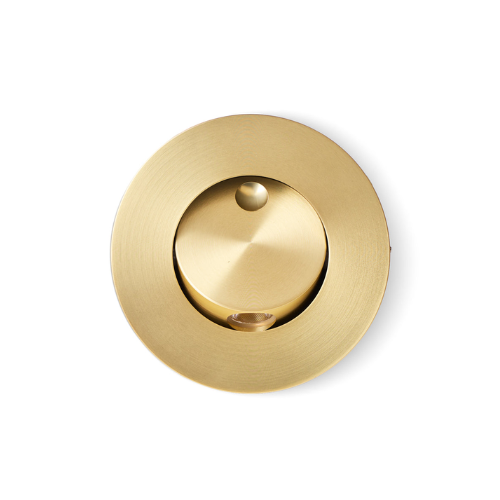
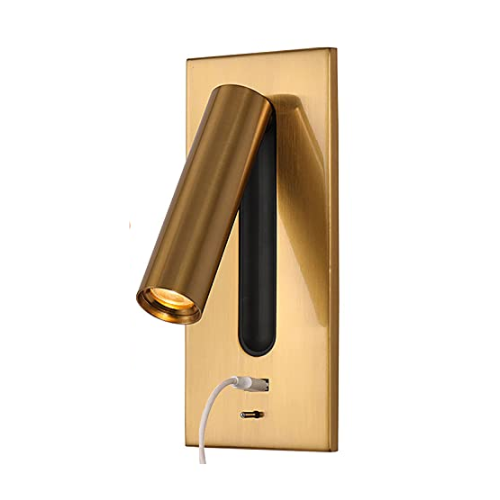
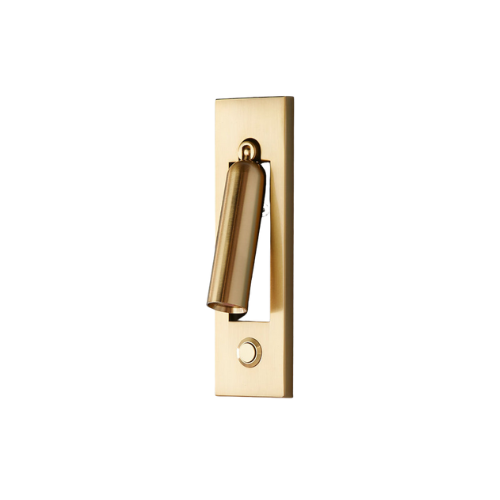
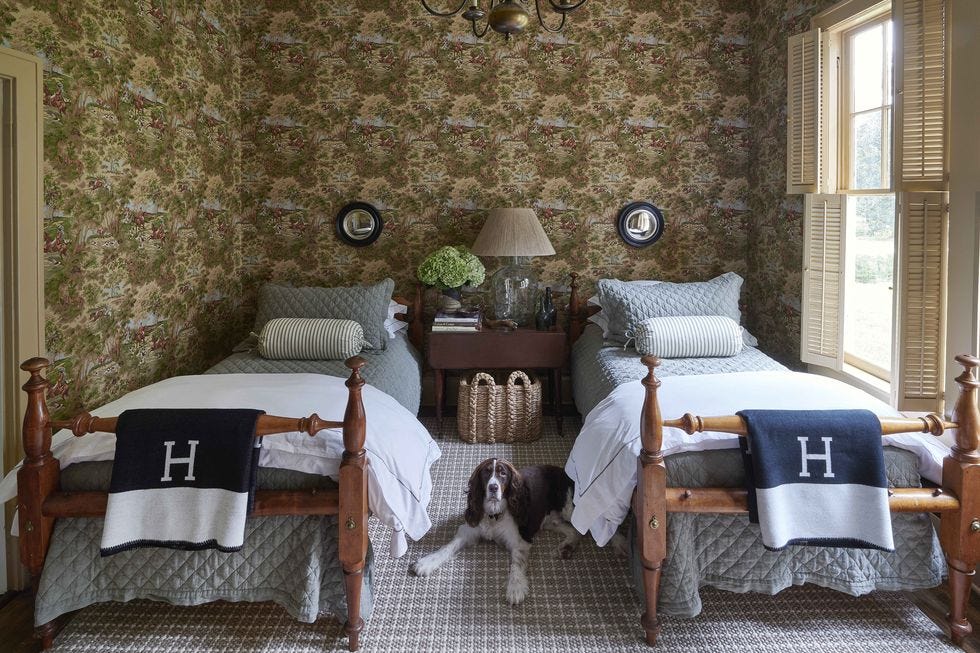
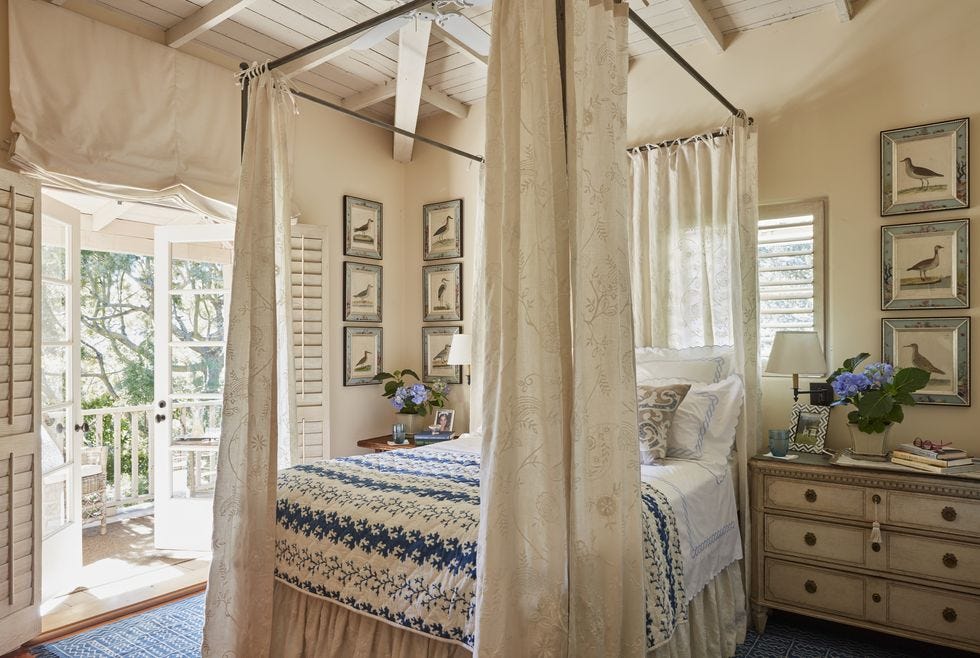
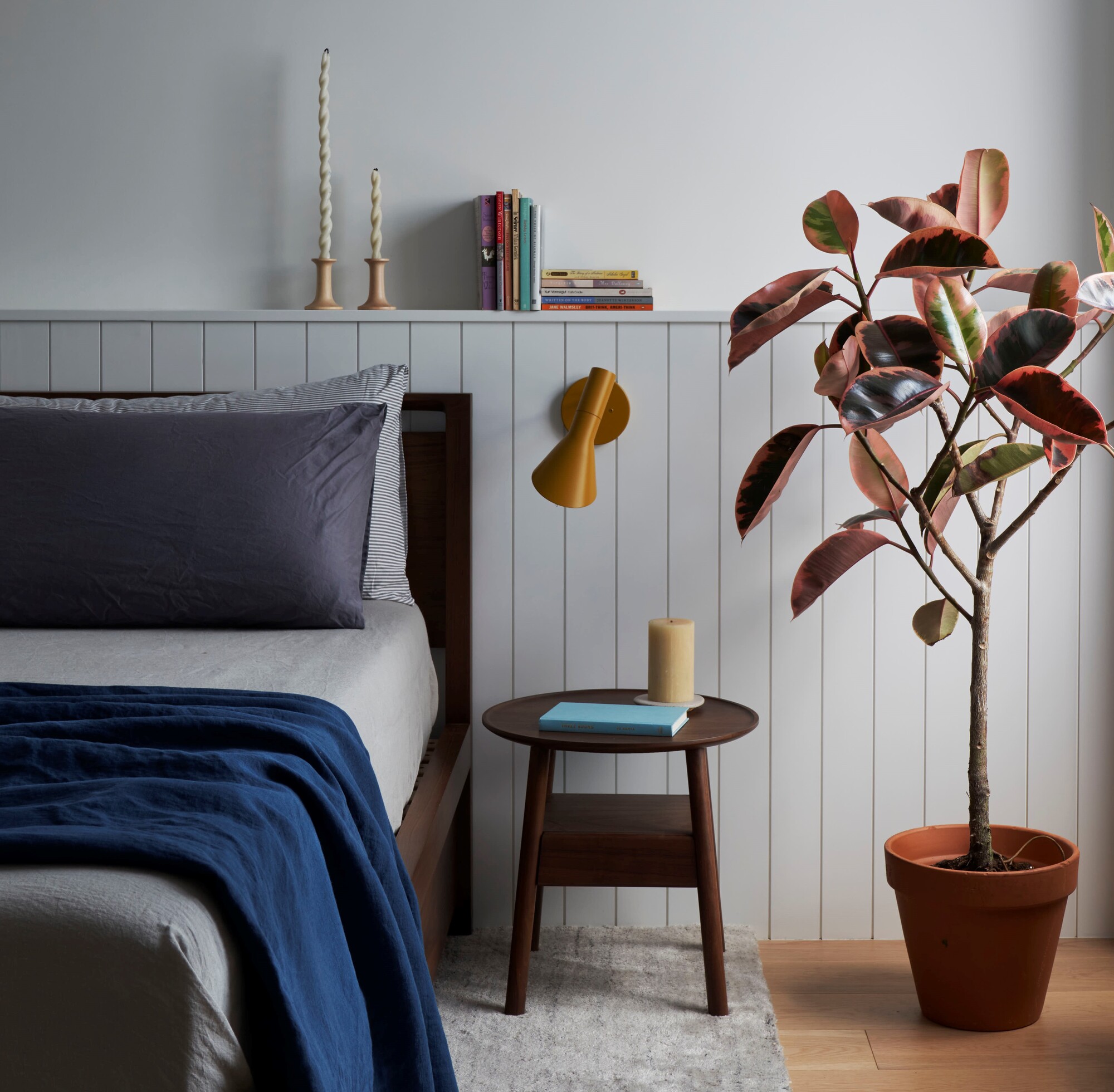
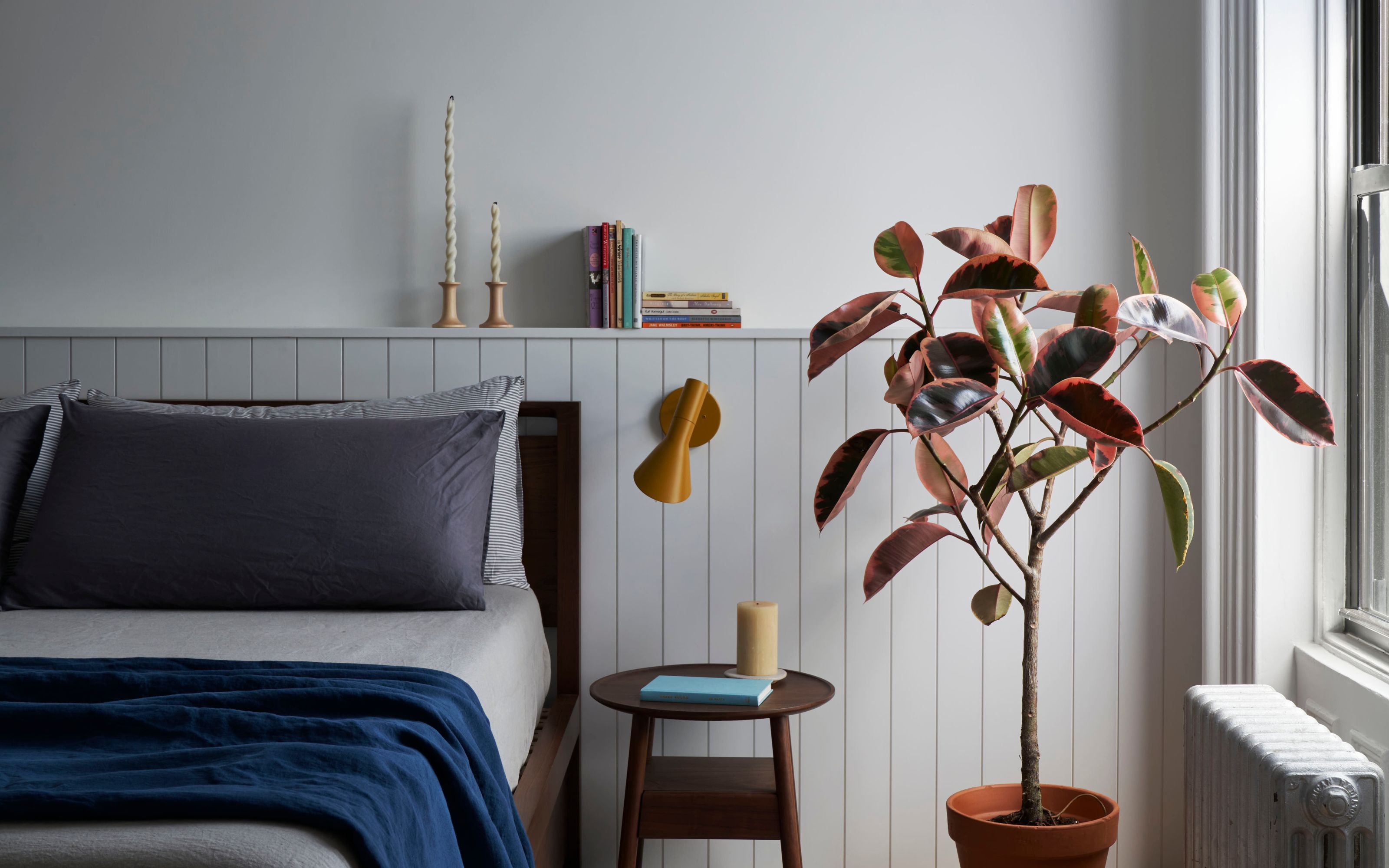
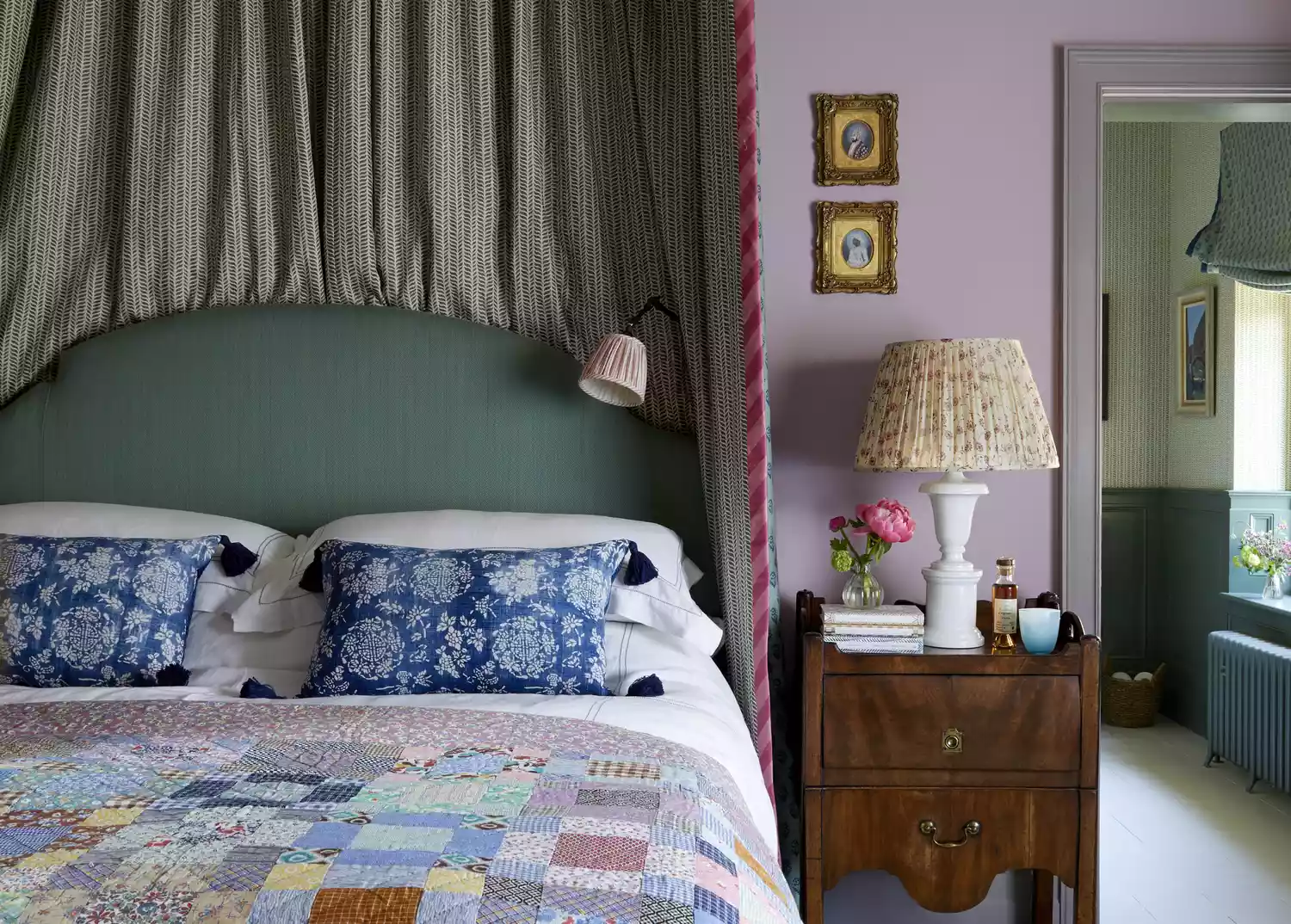
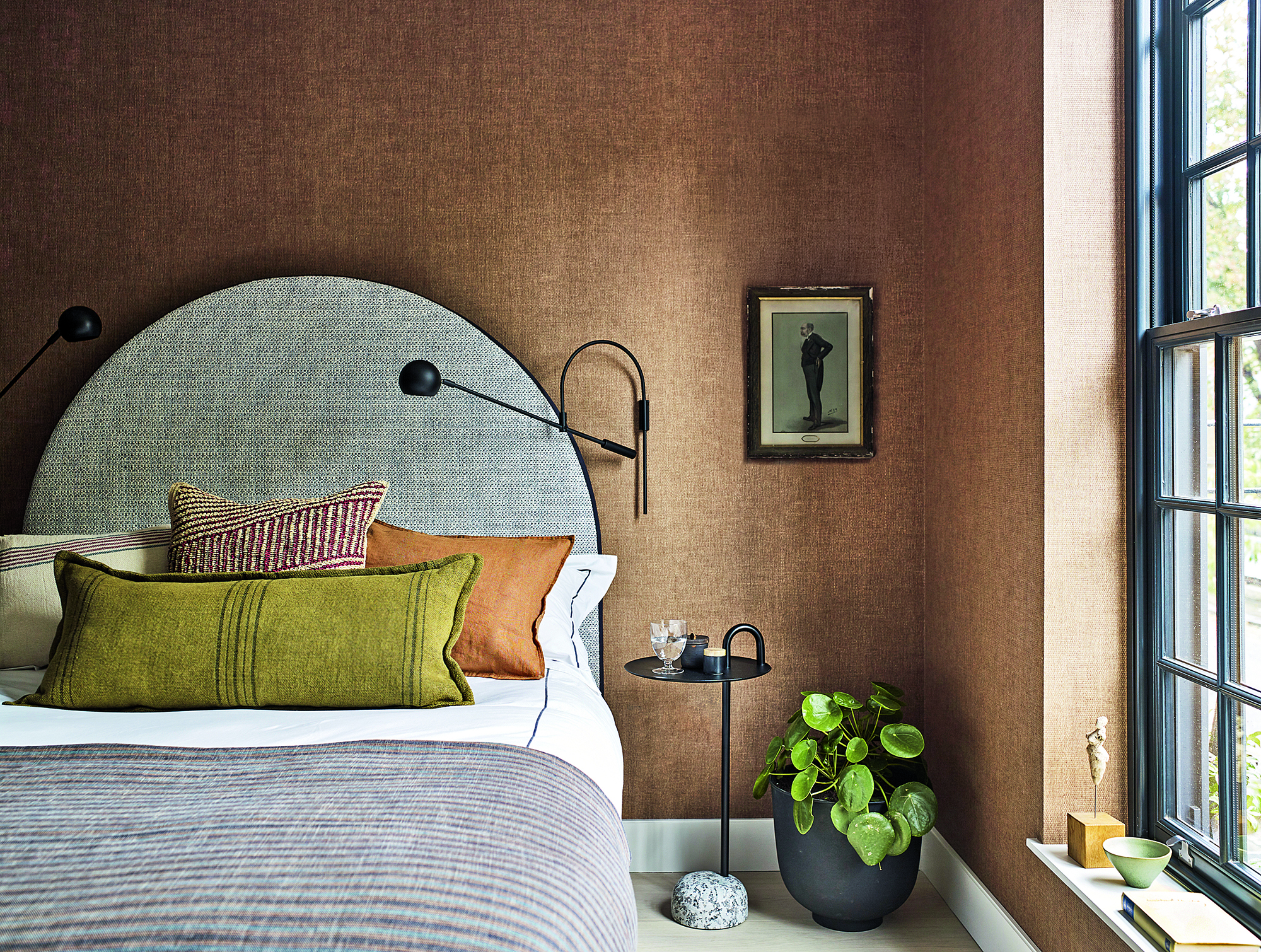
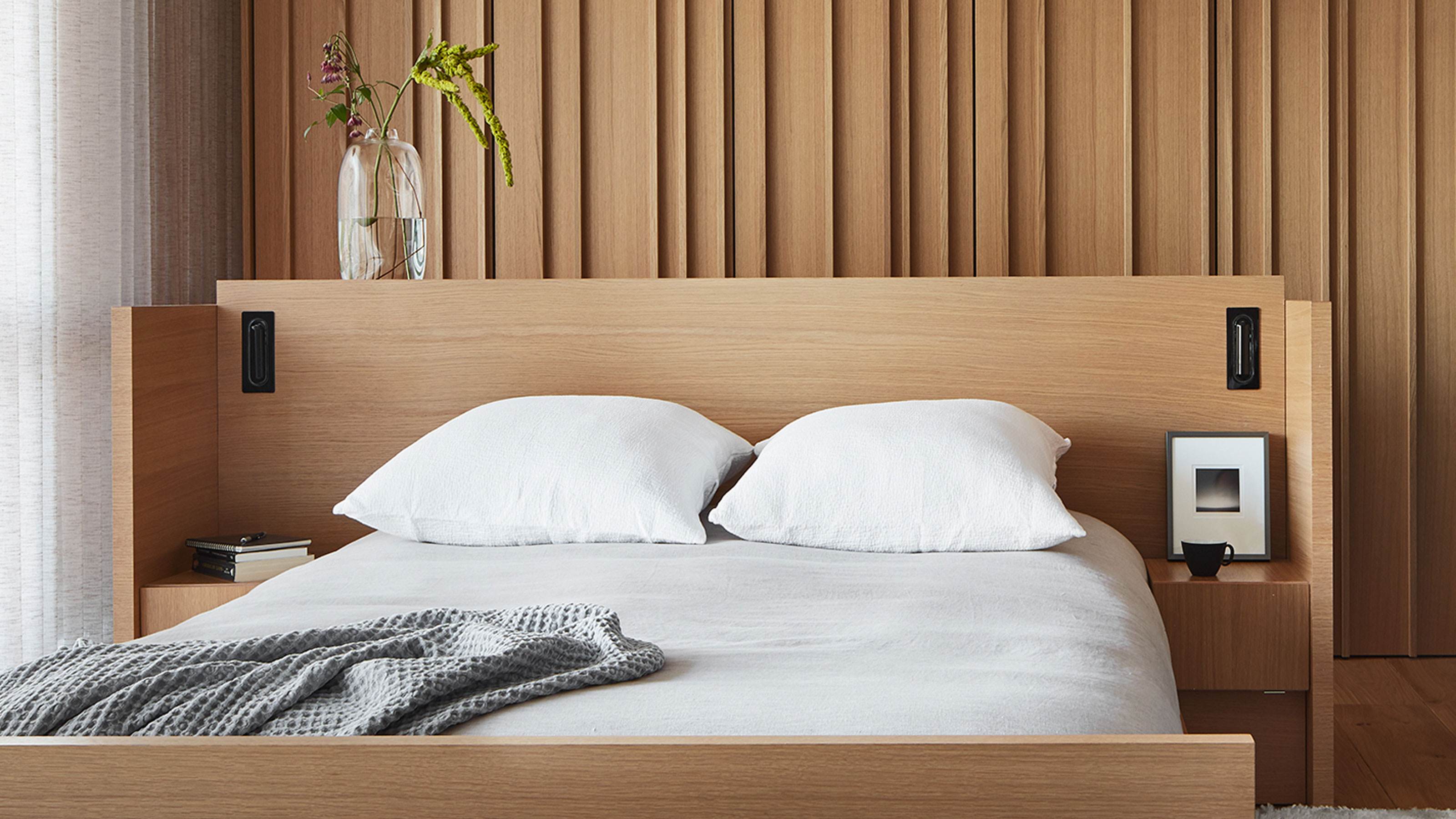
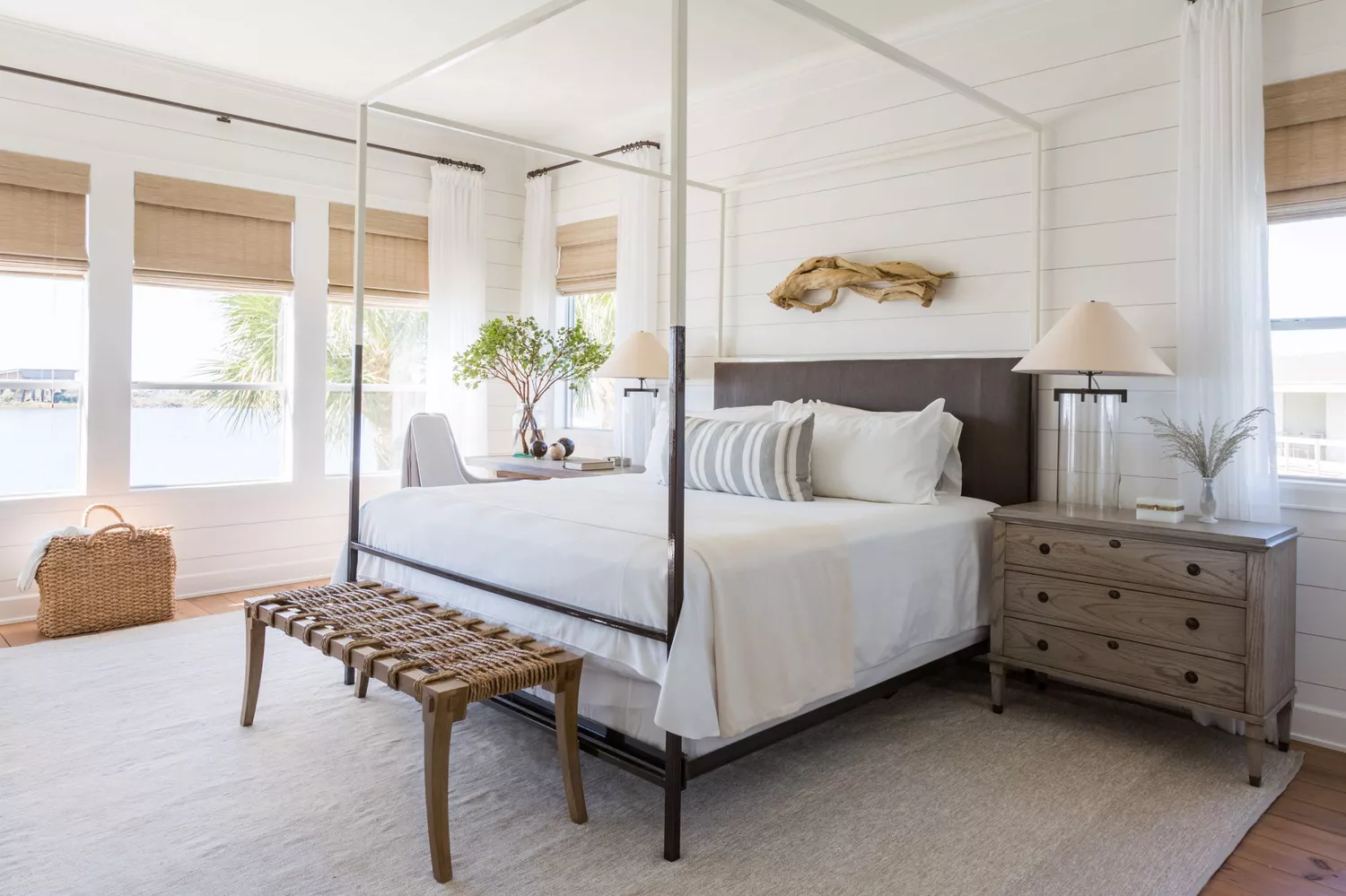
Lamps play a vital role in bedroom lighting and should not be overlooked. Bedside lamps or pendants are essential for both function and style, offering convenient lighting for nighttime reading or other activities. Placing lamps on dressers or other surfaces throughout the room helps distribute light more evenly, creating a warmer and more inviting glow across the entire space. Wall sconces offer an elegant alternative to traditional bedside lamps, freeing up nightstand space. Arm sconces are particularly useful for reading in bed, and having independent switches for each side of the bed allows partners to control their lighting preferences without disturbing the other, enhancing comfort and convenience.
Choosing the correct lighting temperature significantly impacts the ambiance of a bedroom. A soft white bulb, typically around 2700 Kelvin, is often recommended as it provides illumination without feeling sterile and is suitable for various lighting types—ambient, task, and accent. While some designers prefer a warmer, moodier amber glow for bedrooms, extending up to 3000K can be acceptable, especially if the room is used for tasks beyond sleeping and relaxation, such as working from home where better visibility might be required. The color temperature selected should align with the primary functions and desired mood of the bedroom.
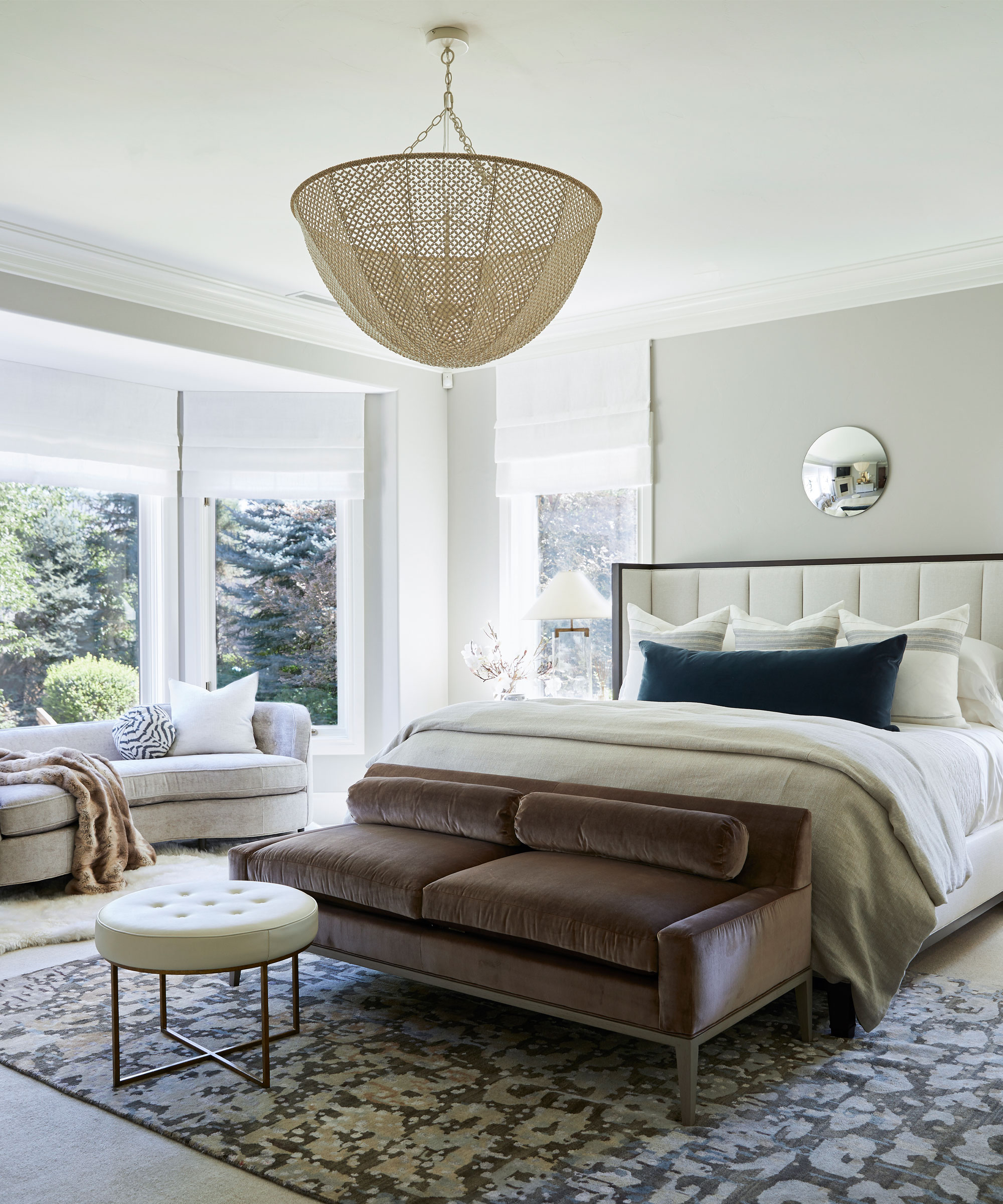
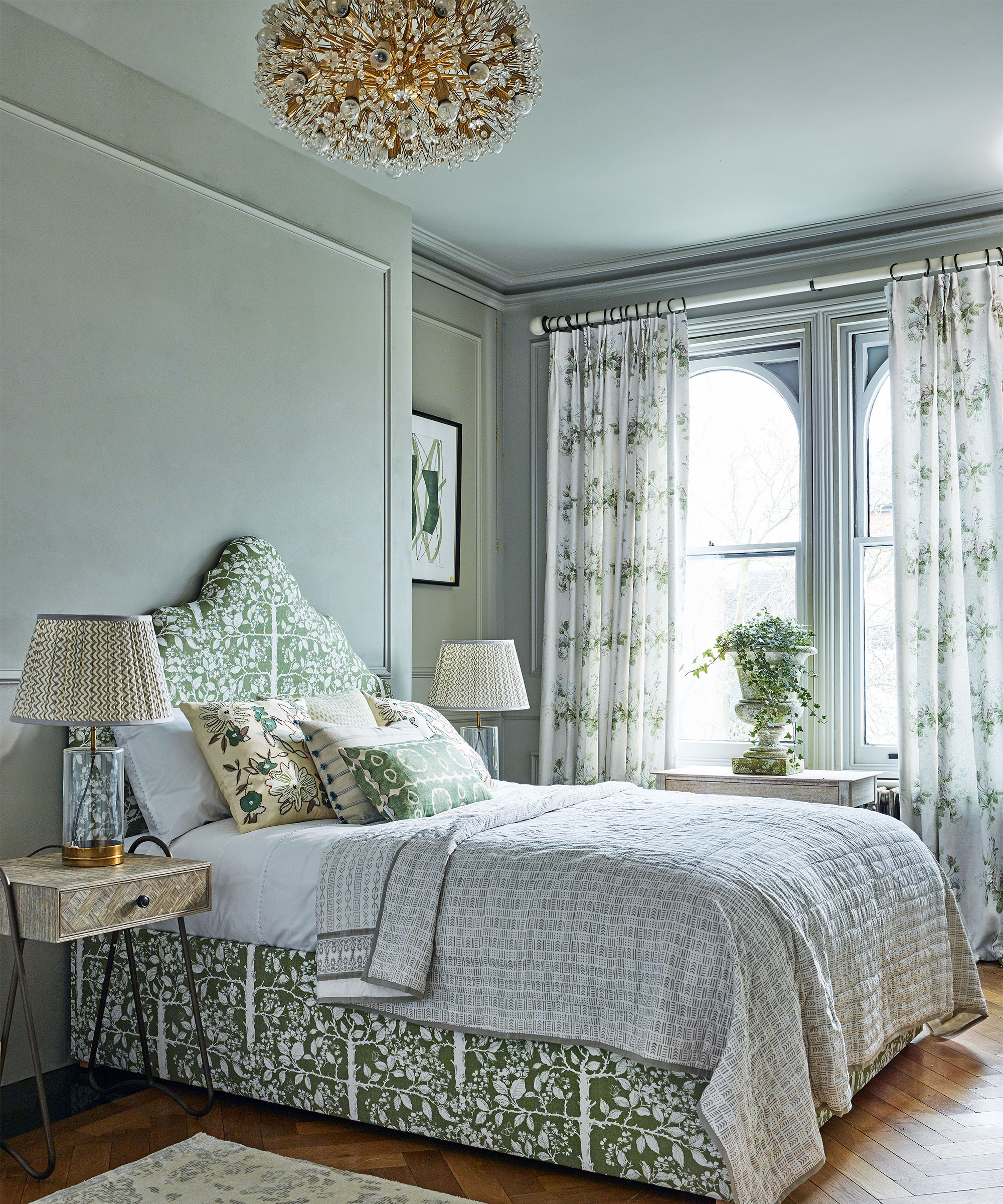
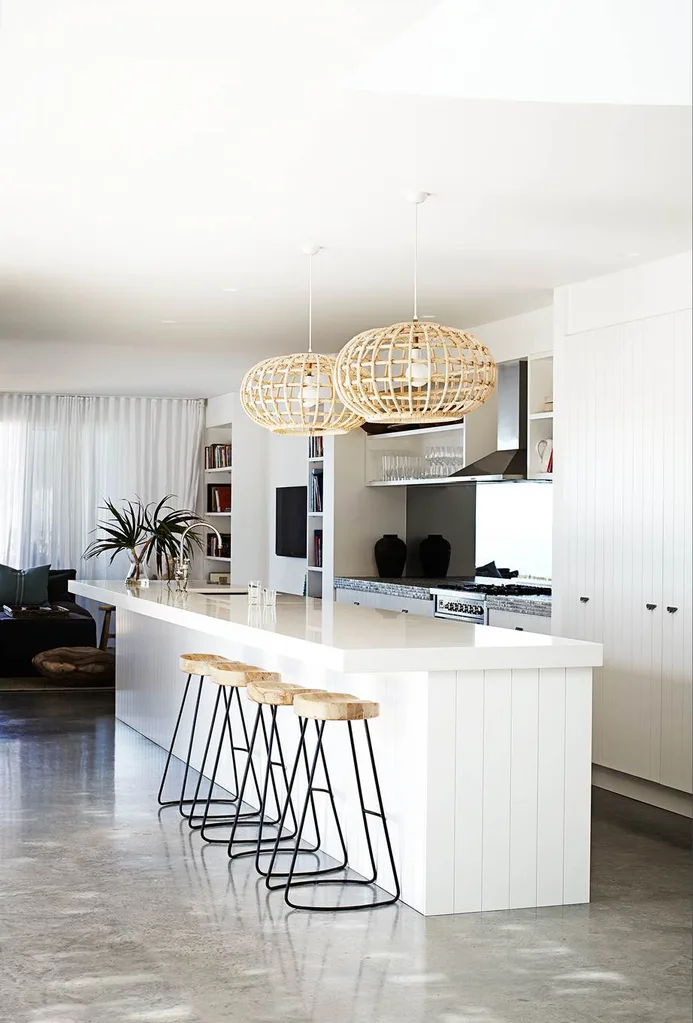
Scale is another critical consideration when selecting bedroom light fixtures. For bedside lamps, a general guideline is to choose a lamp that is between one-third and two-thirds the width of the nightstand, with a preference towards the larger end to fill the space effectively. For overhead lighting, the size should be proportional to the room and ceiling height. In rooms with high ceilings, a large, statement fixture like a rattan pendant can be appropriate. However, for standard height ceilings, a smaller fixture that does not hang too low is advisable to maintain balance and avoid overwhelming the space. As a general rule, overhead lighting should hang approximately eight feet above the floor. The diameter of overhead fixtures should ideally be between one-quarter and one-half the width of the bed. Furthermore, the number of bulbs in an overhead fixture or bedside lamp should be considered in relation to the room's size. A fixture with more than two or three bulbs might be too bright for a smaller bedroom, as more bulbs inherently increase the overall brightness of the space, impacting the desired mood and functionality.
#BedroomLighting #HomeDecor #InteriorDesign #LightingDesign #TaskLighting #DecorativeLighting #AmbientLighting #LightingTemperature #FixtureScale #BedroomLighting #HomeDecor #InteriorDesign #LightingDesign #TaskLighting #DecorativeLighting #AmbientLighting #LightingTemperature #FixtureScale
0 comment in total
 No comments yet
You may also like
Tips for Choosing the Best Bedroom Lighting

Bedroom ceiling light ideas – 15 ways to brighten up your sleep space

An interior designer’s guide to lighting your home

The 3 Types Of Lighting Every Room Needs

17 bedroom lighting ideas that make for a soothing nighttime sanctuary

These Lighting Ideas Will Transform Your Bedroom
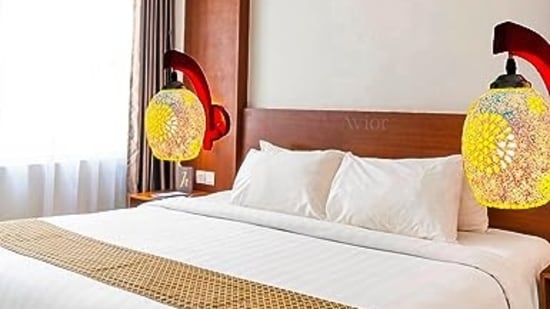
Bedroom decor lights: 10 picks for amazing makeover | Hindustan Times

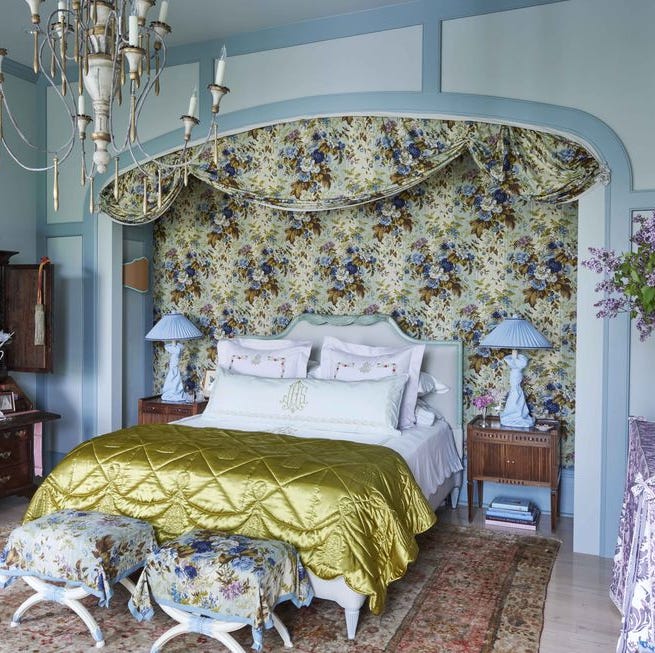
28 Designer Lighting Ideas for Creating an Idyllic Bedroom Glow in 2023

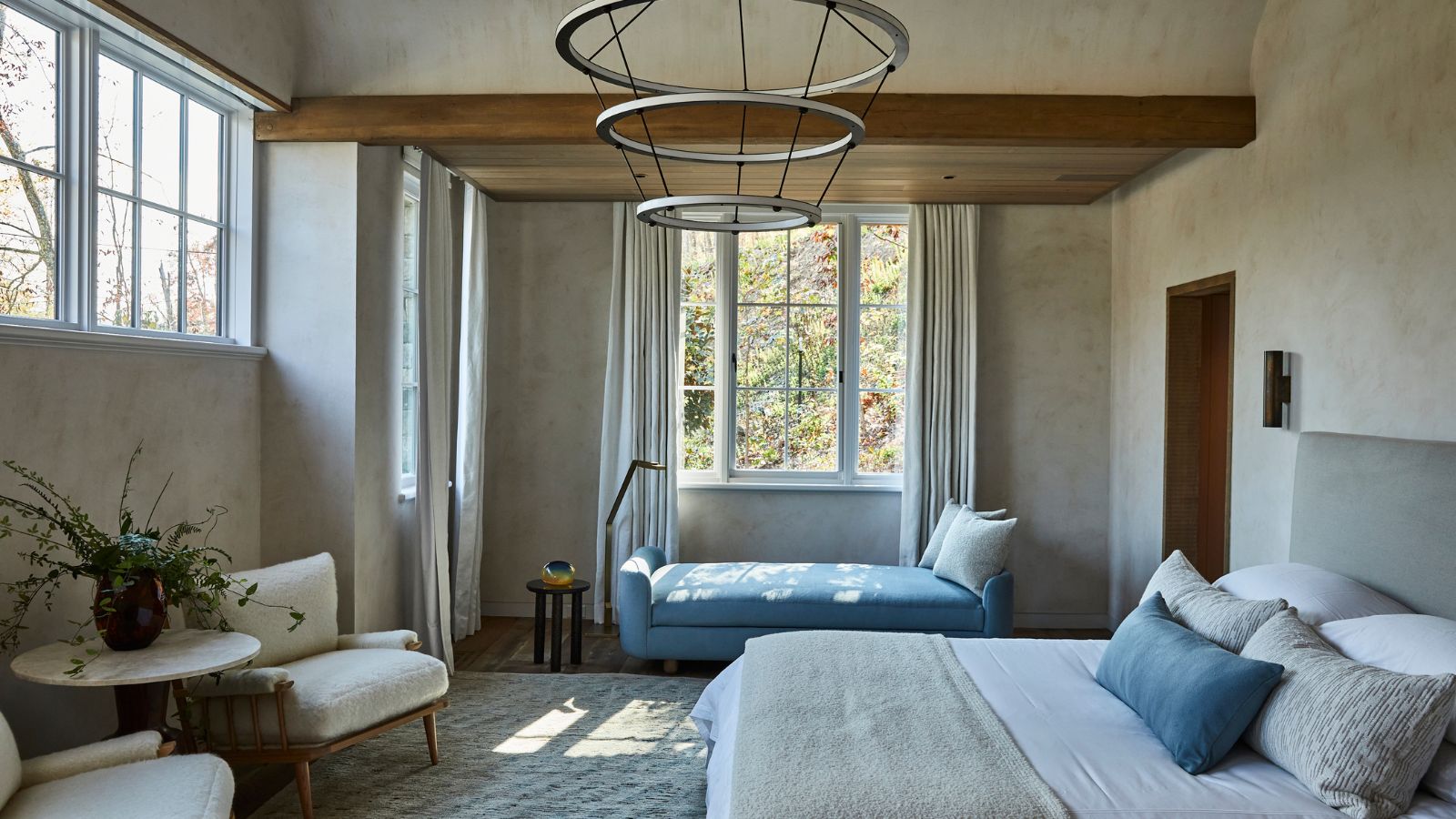
Bedroom lighting ideas – 18 unique and stylish ways to light your sleep space
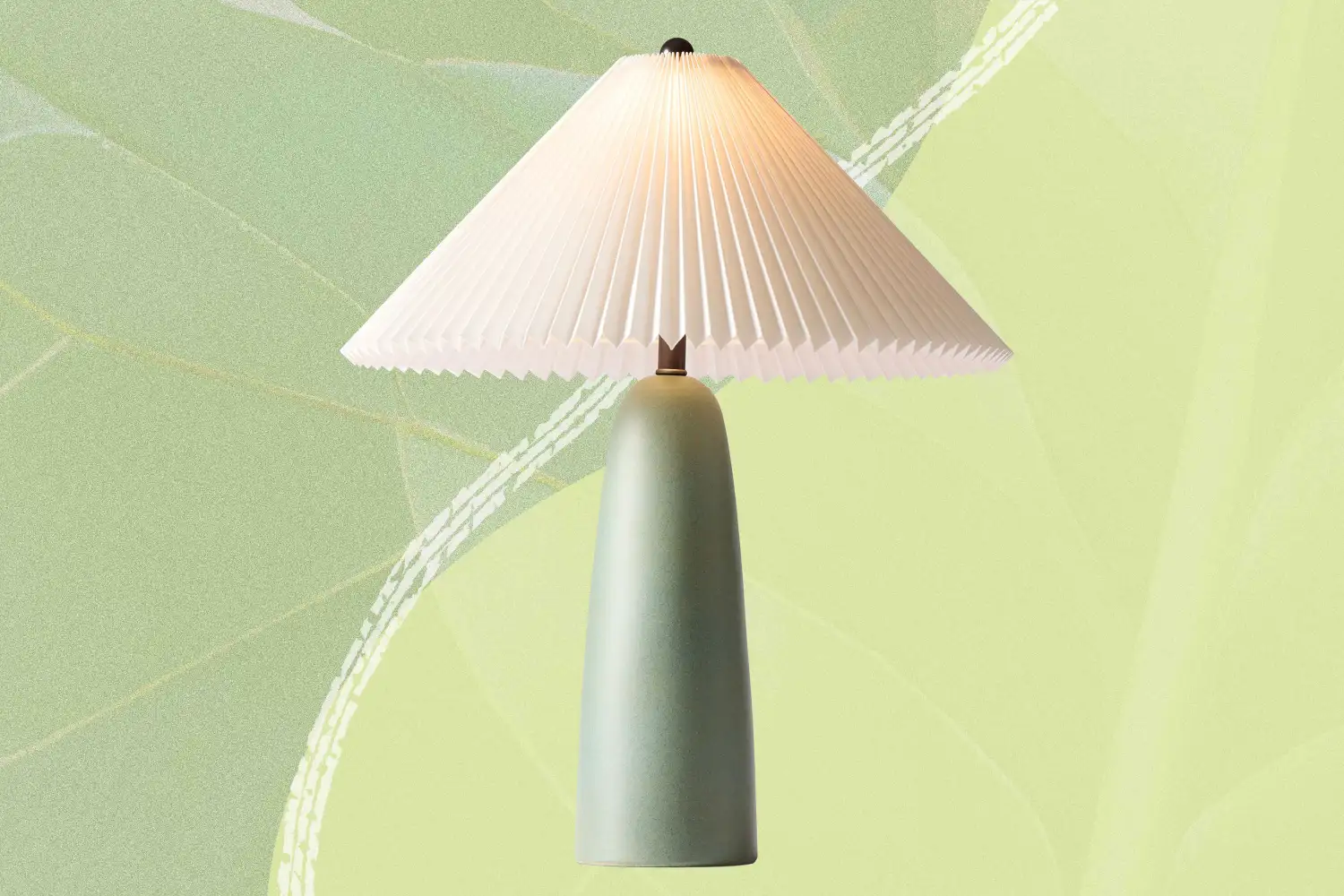
We Found the Best Bedside Lamps for Every Bedroom
Our 8 Favorite Bedside Lamps of 2025 | Reviews by Wirecutter
How can I make my bedroom lighting feel cozier? 8 tricks designers use that make for dreamy sleep spaces
27 Bedroom Lighting Ideas That Add Style and Ambience
Bedroom wall lighting ideas – illuminate your space with well-positioned task lighting
Our 8 Favorite Bedside Lamps of 2026 | Reviews by Wirecutter

32 bedroom lighting ideas to illuminate your space like a dream

11 bedroom lighting mistakes – why your space looks uninviting and feels impractical, and how to fix it
9 best bedside lamps for brightening up your bedroom
These Reading Lamps Tuck Away When You're Not Using Them |
8 Bedroom Decorating Mistakes You Should Never Make