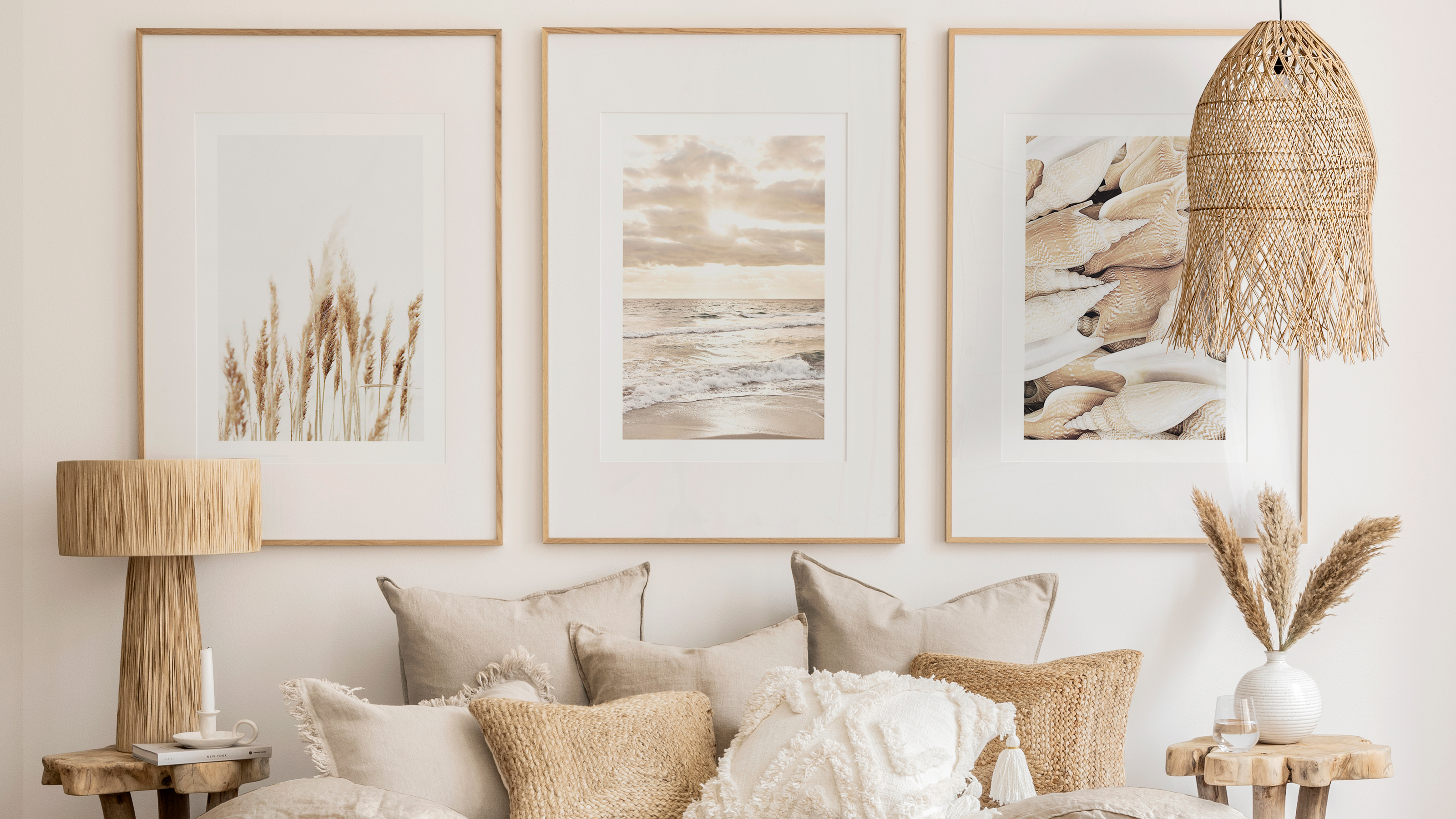
1/36
32 bedroom lighting ideas to illuminate your space like a dream
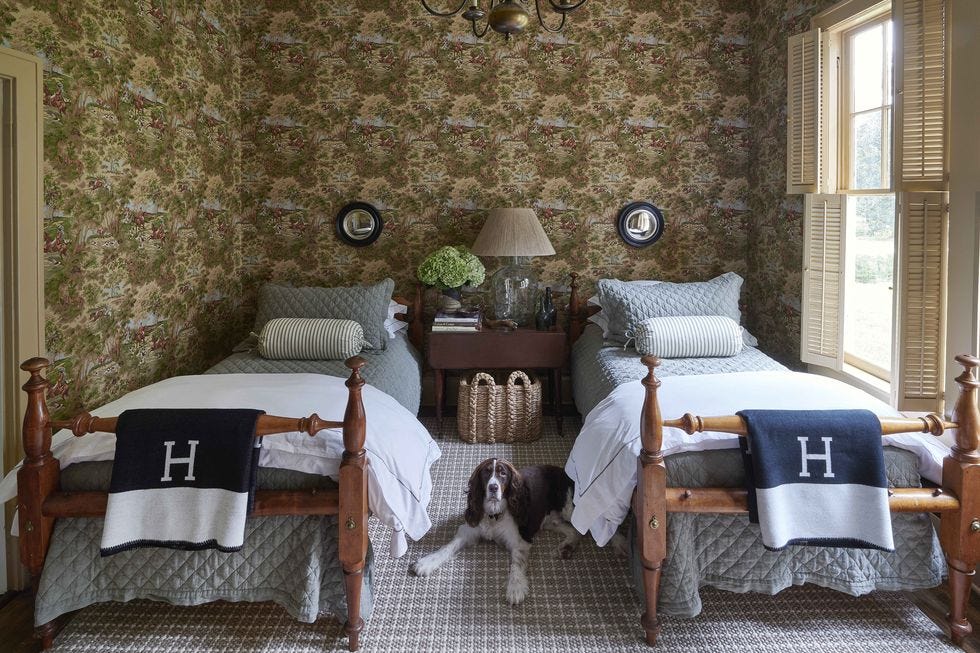
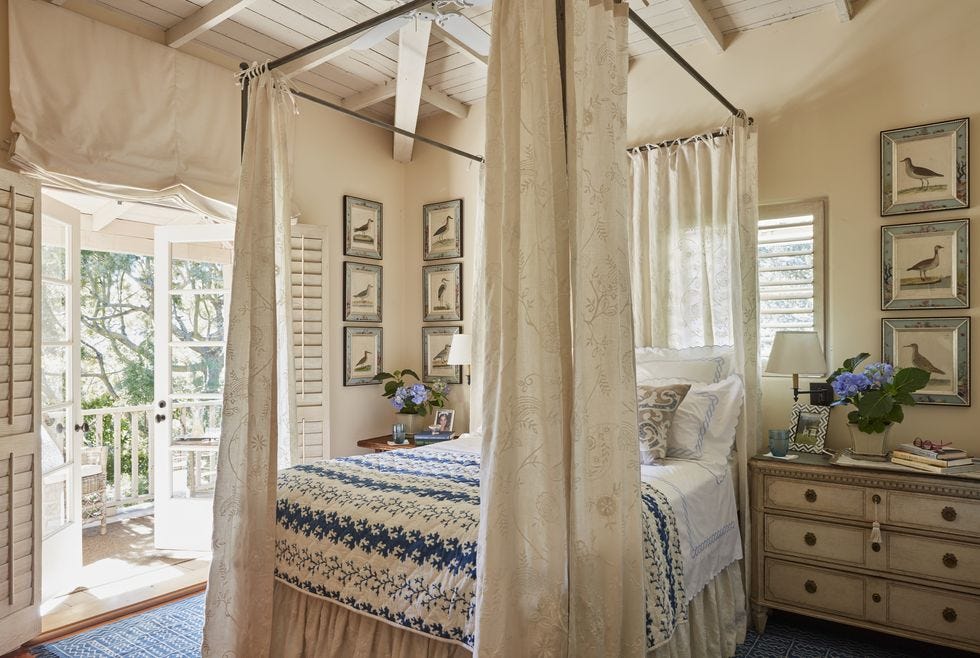
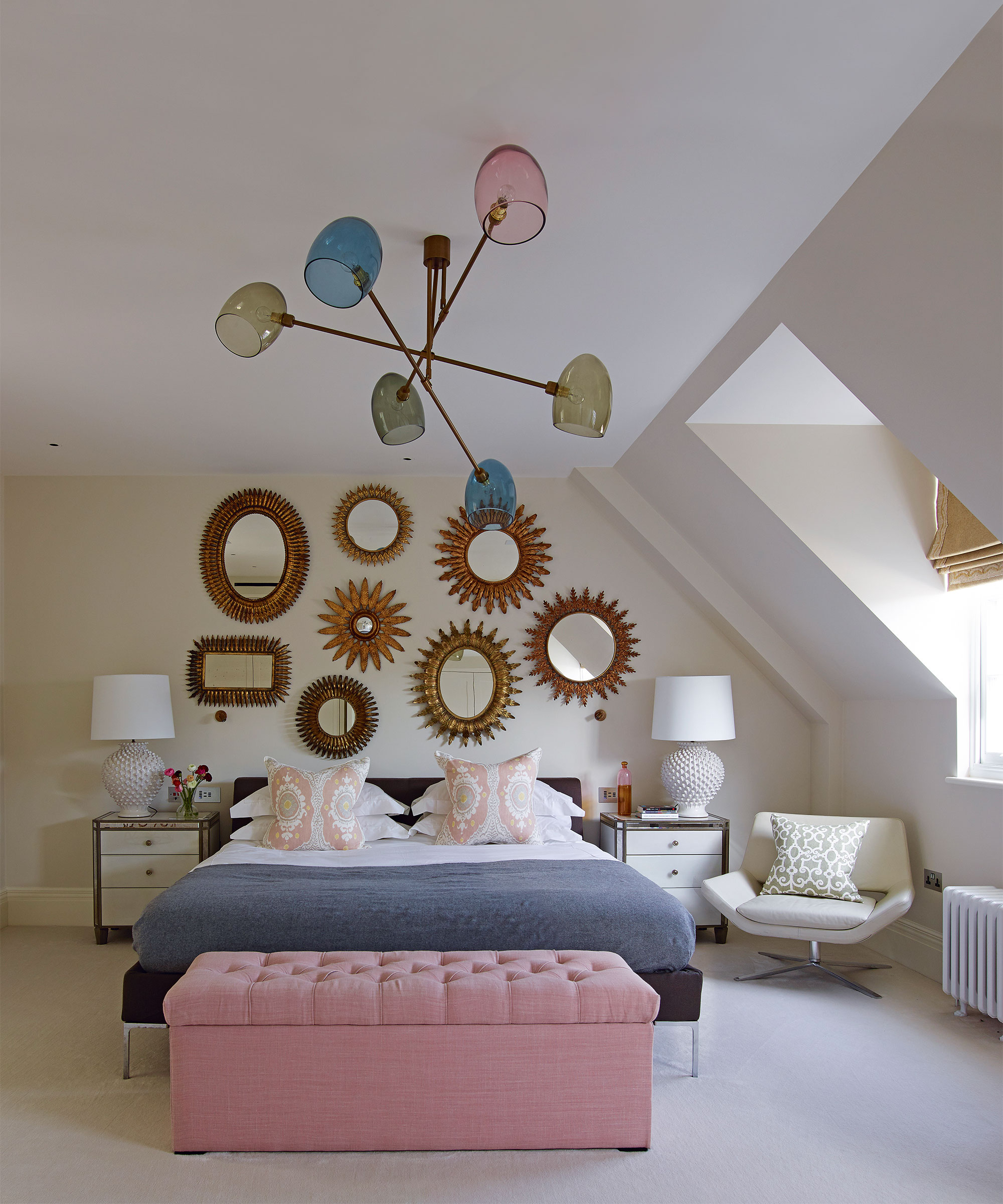
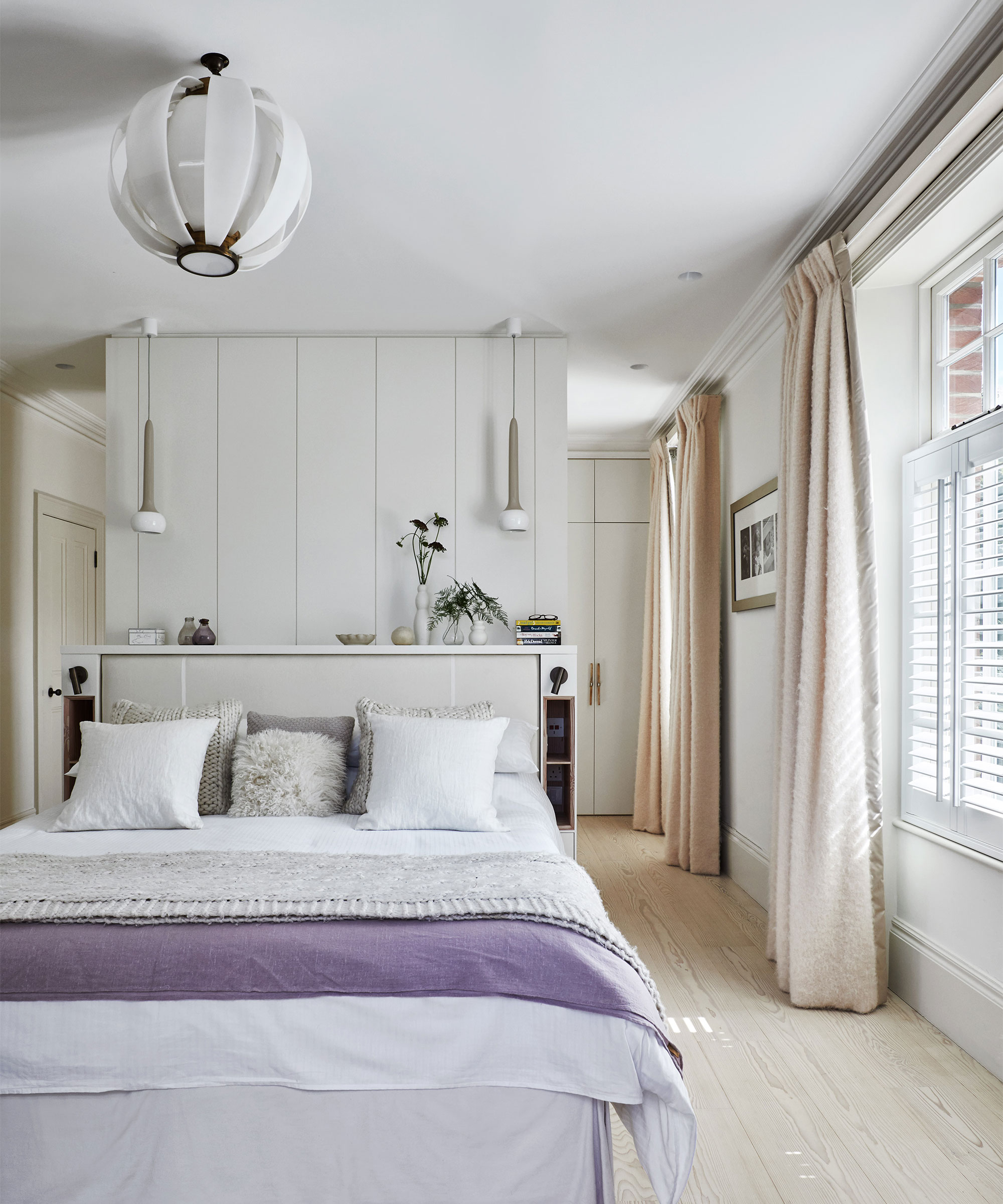
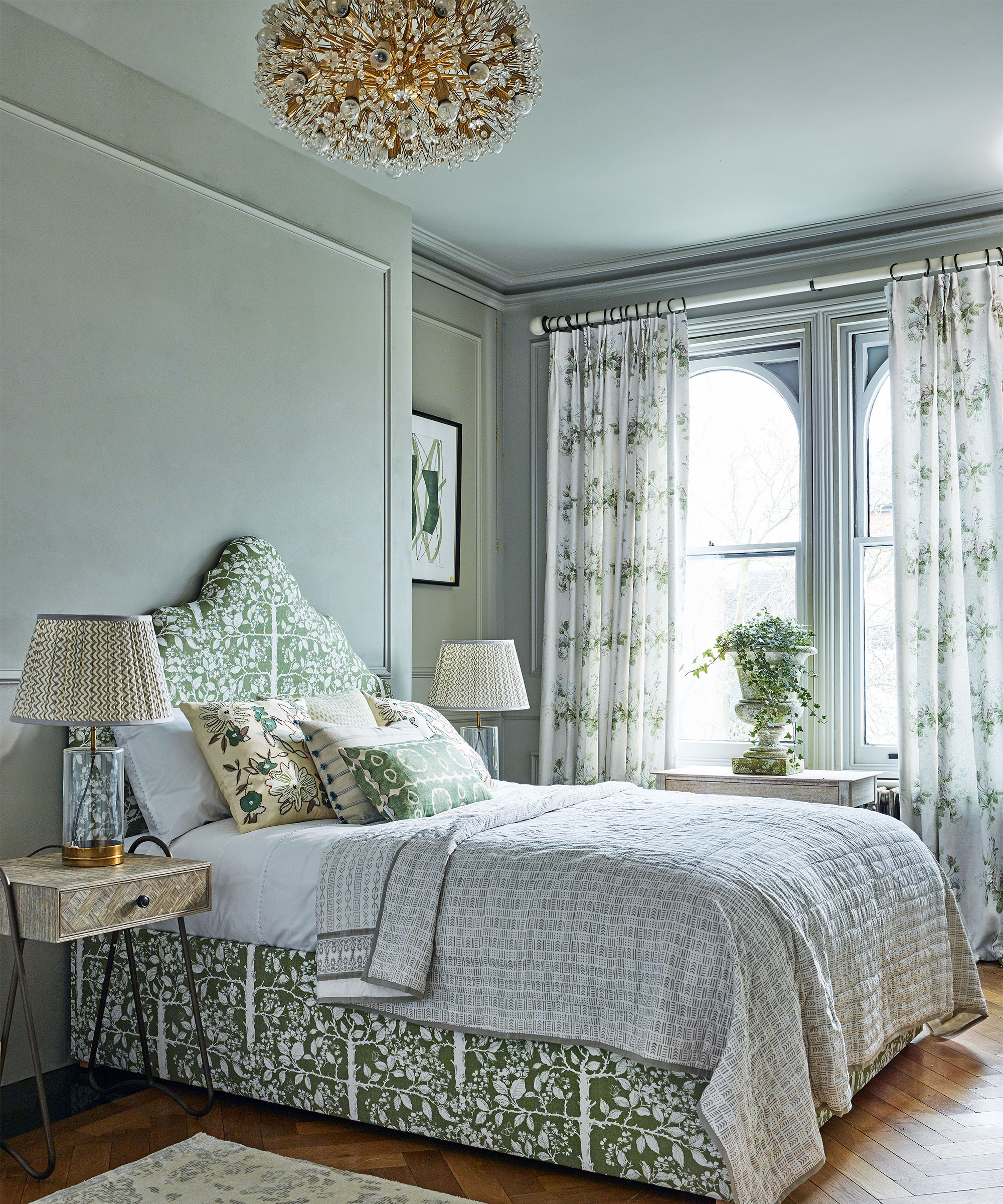
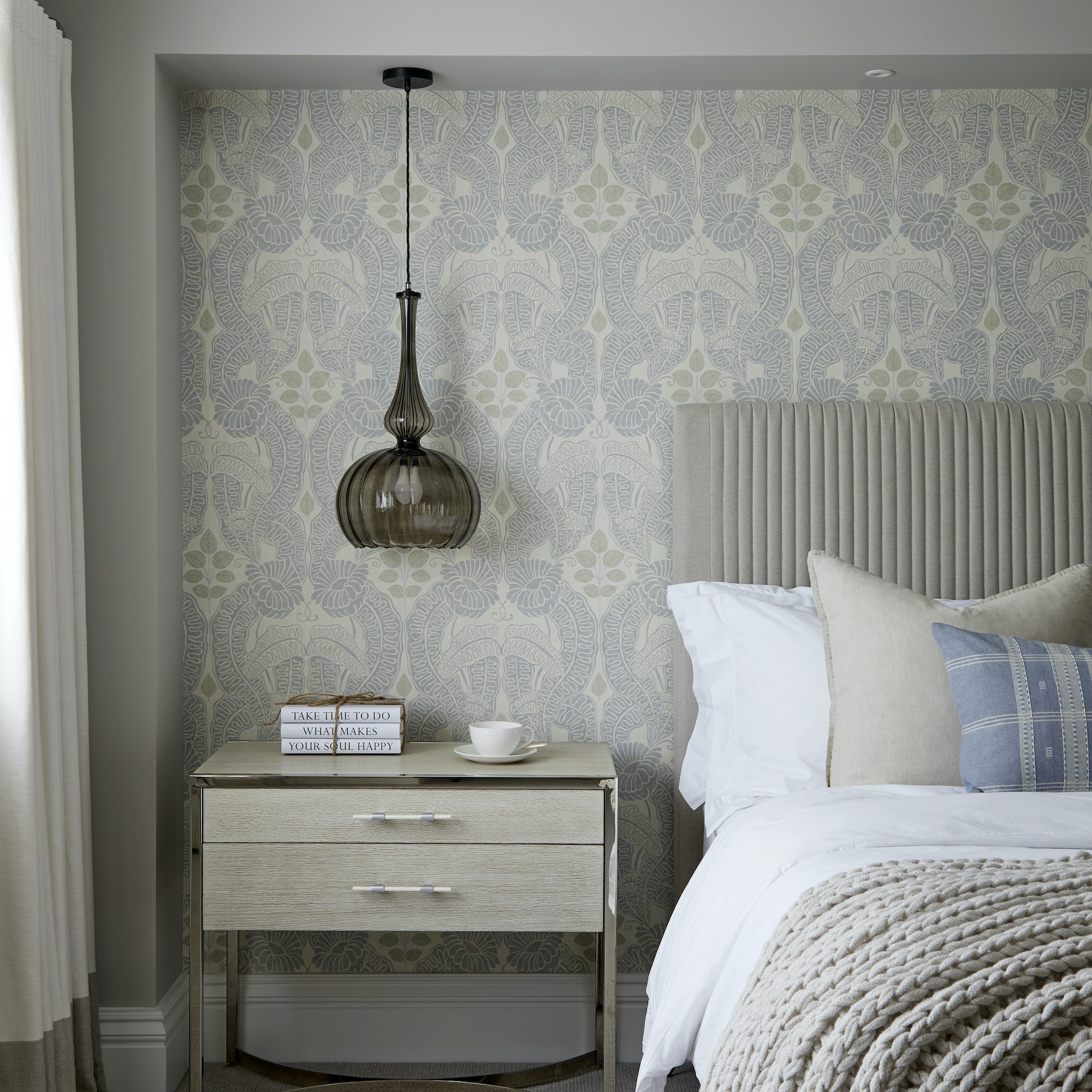
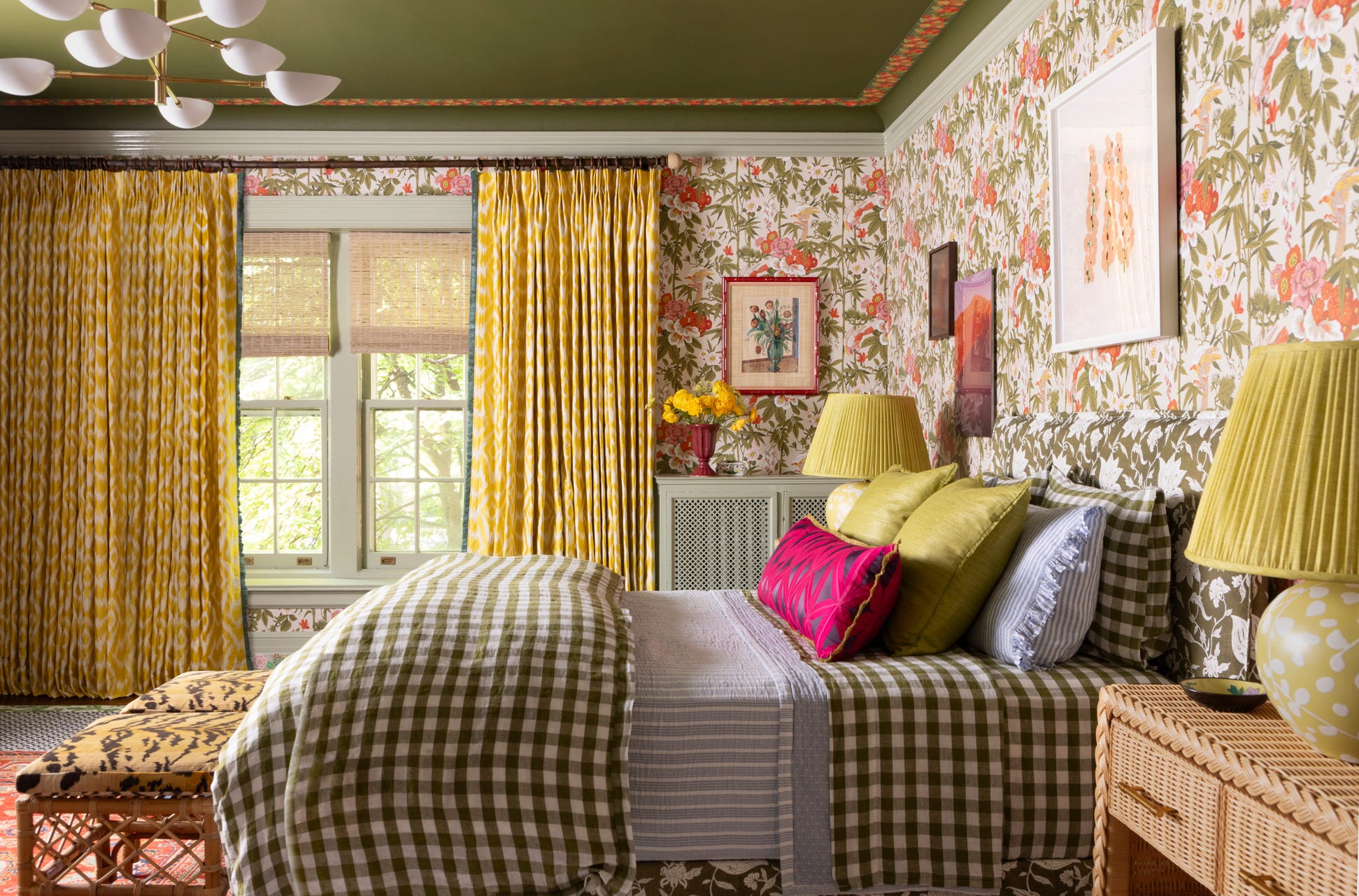
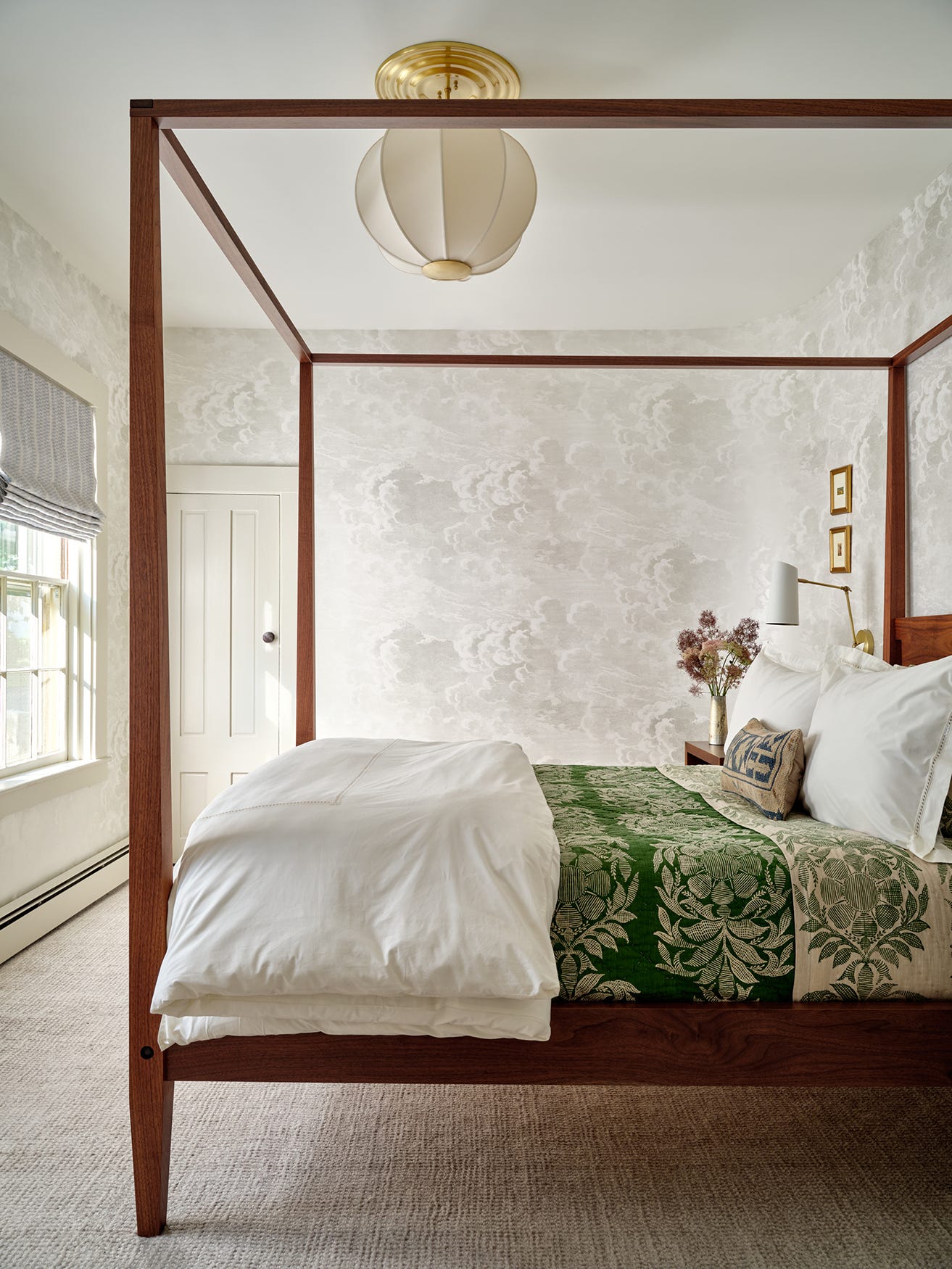
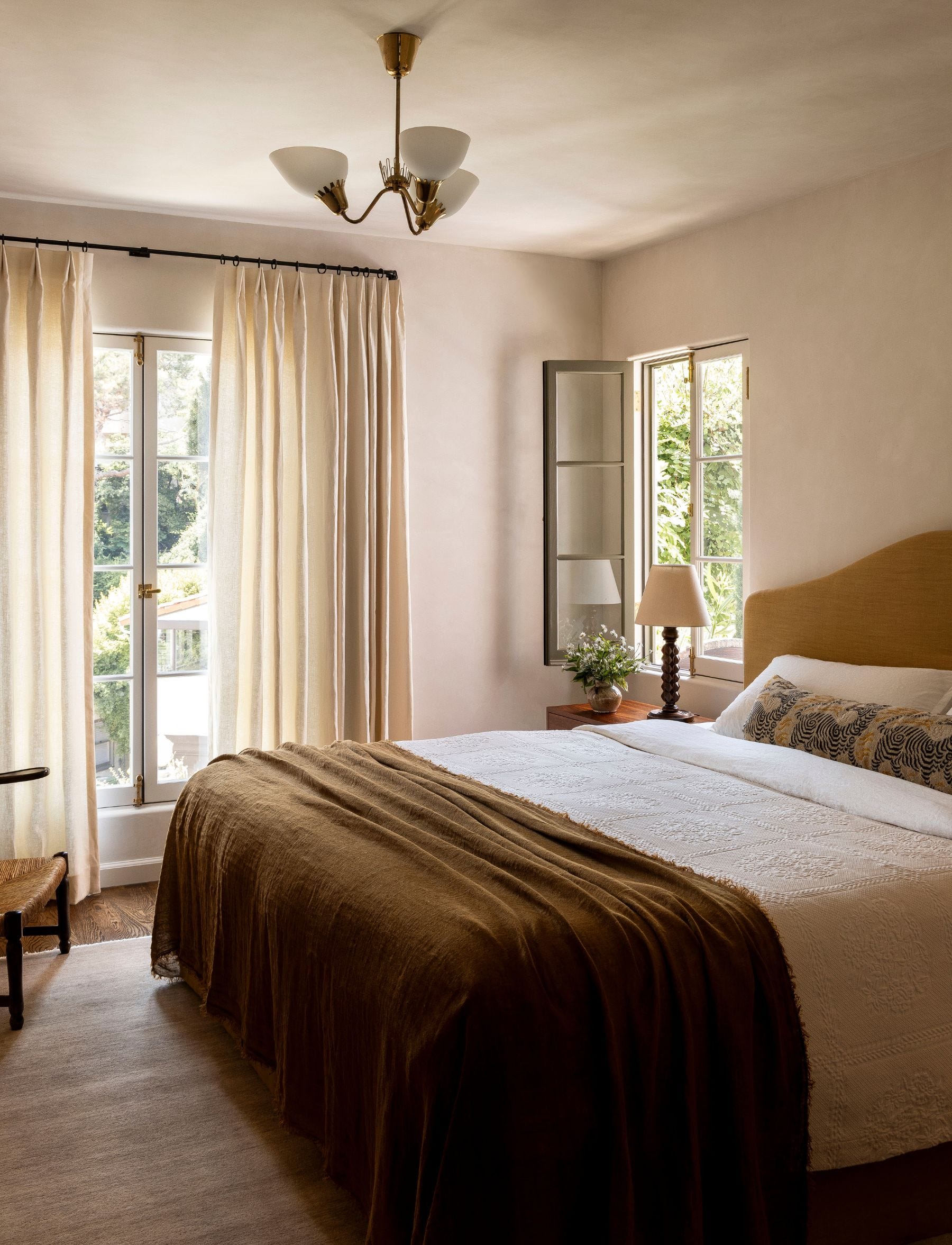
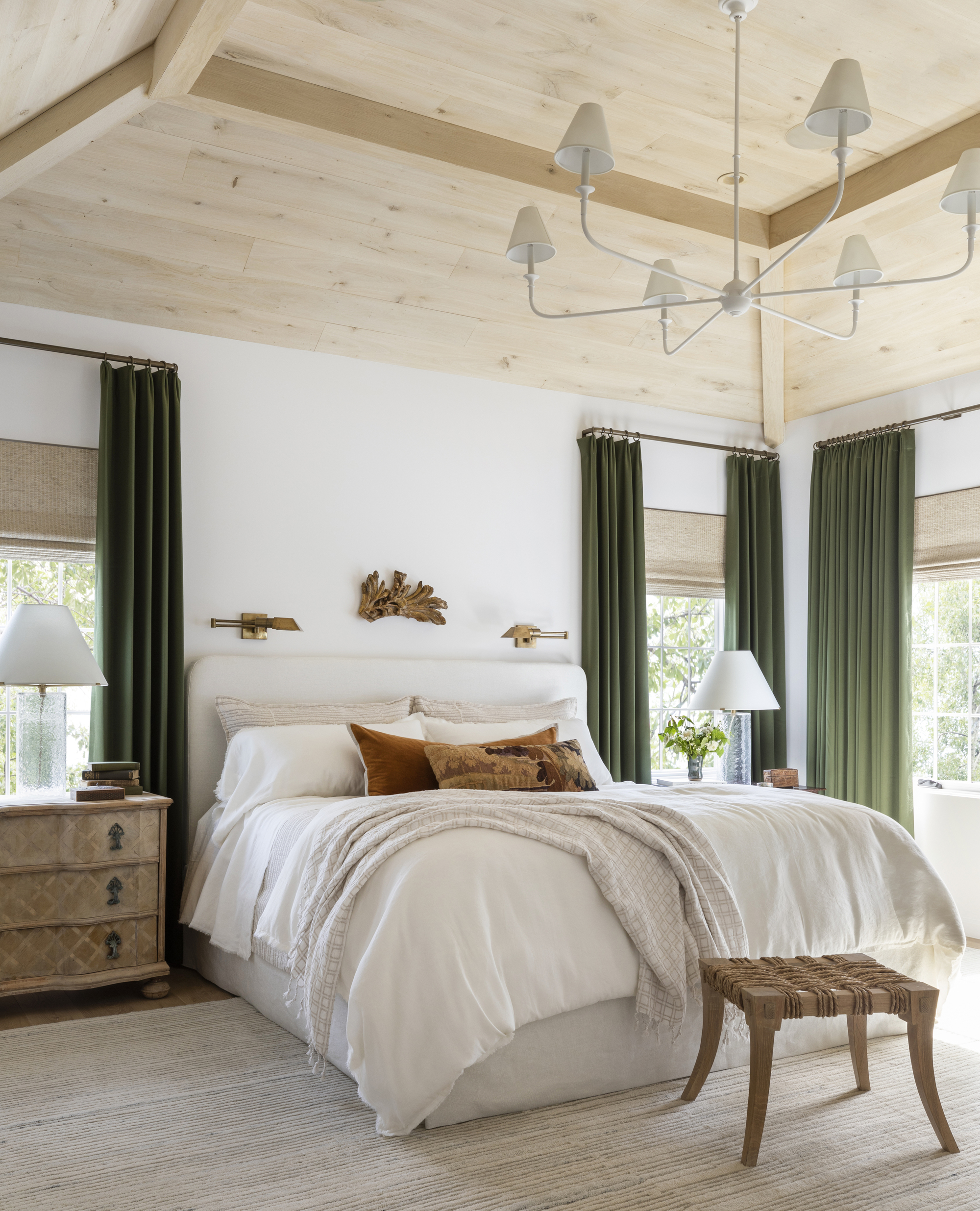
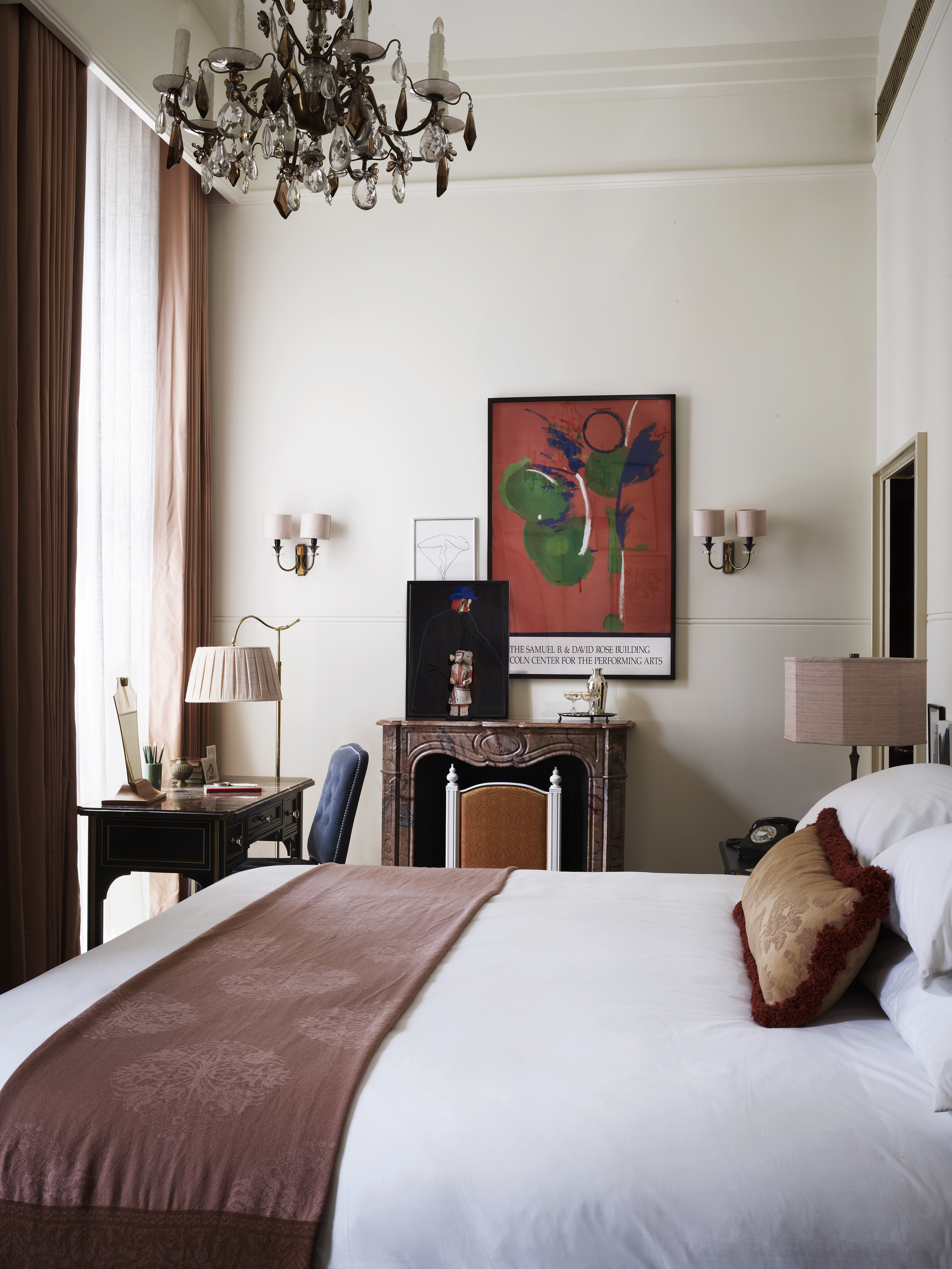
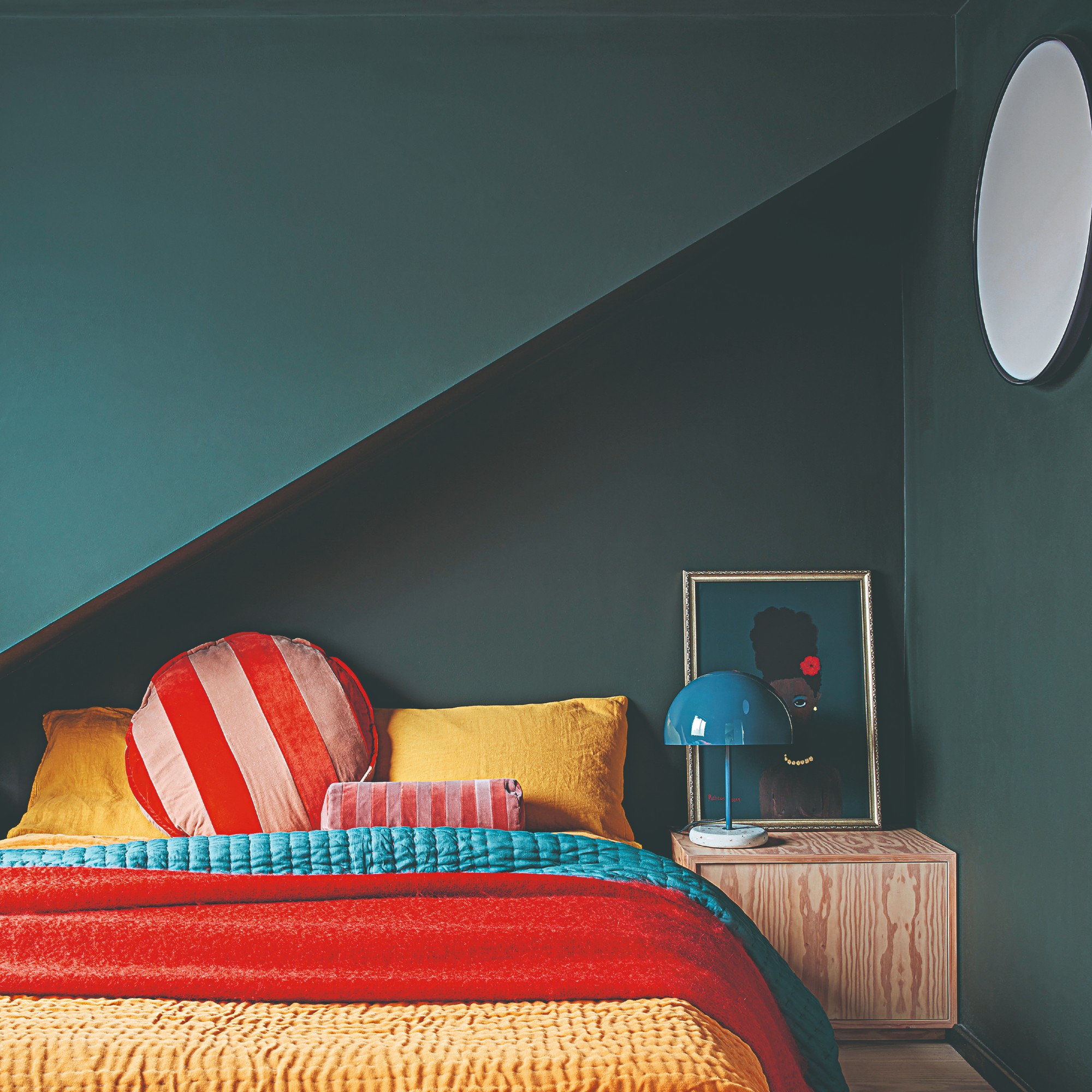
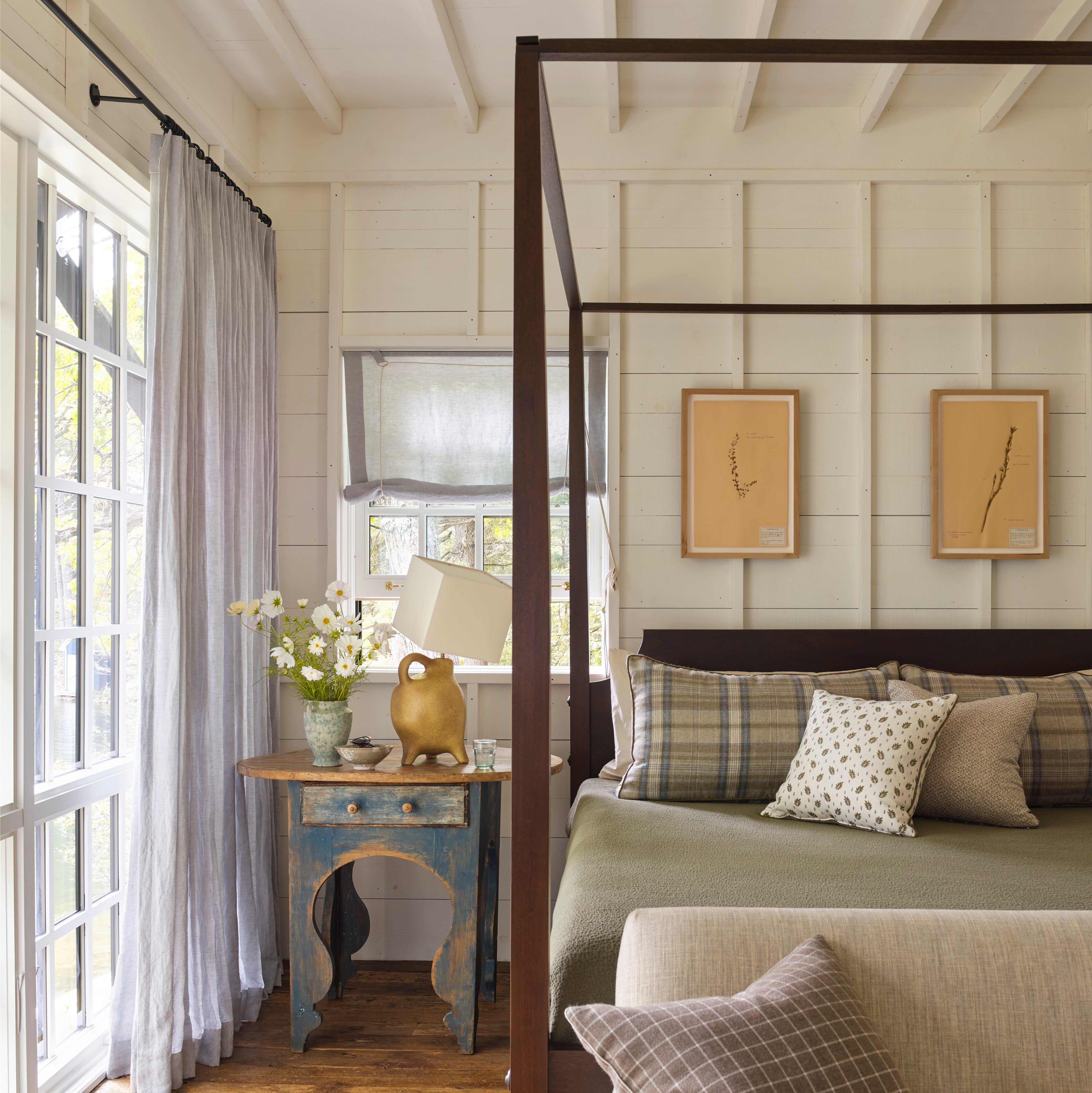
Effective bedroom lighting is crucial for creating a functional and attractive space that serves as a sanctuary for rest and relaxation. While often underestimated compared to elements like paint or bedding, a well-planned lighting scheme can significantly enhance the ambiance and utility of a bedroom. Layering different types of lighting is key to achieving versatility, allowing for various moods and tasks, from winding down with a book to getting ready for the day.
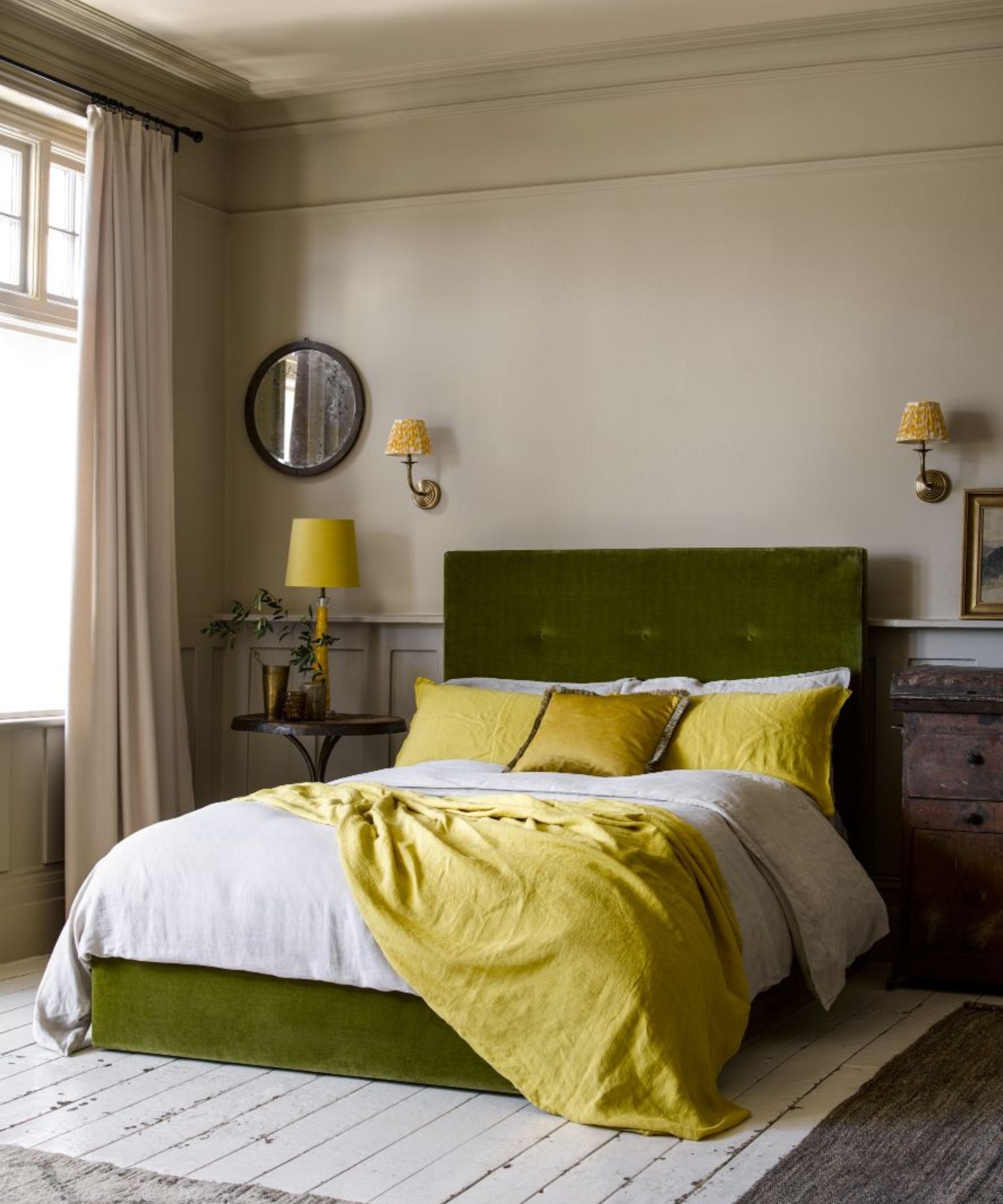
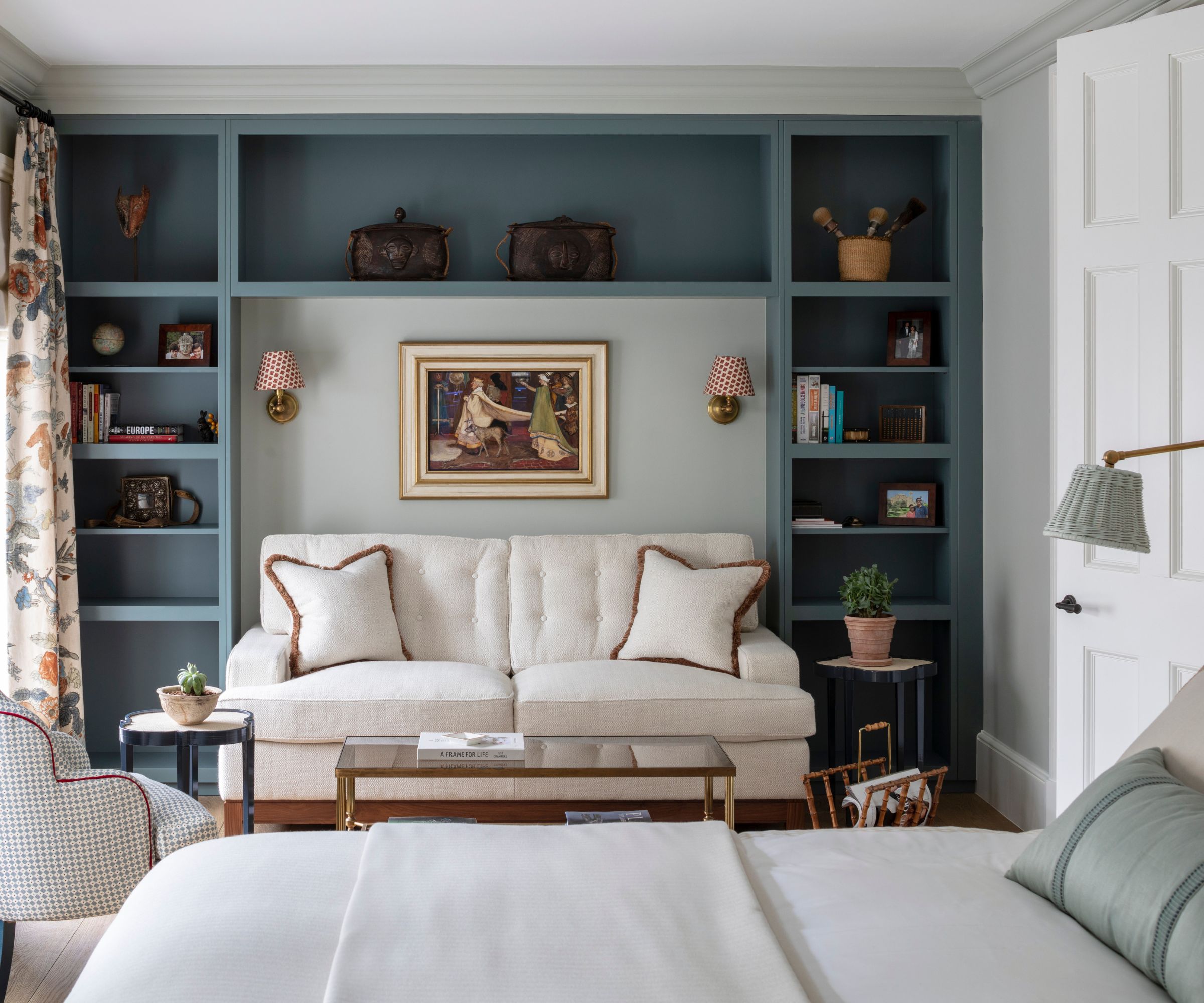
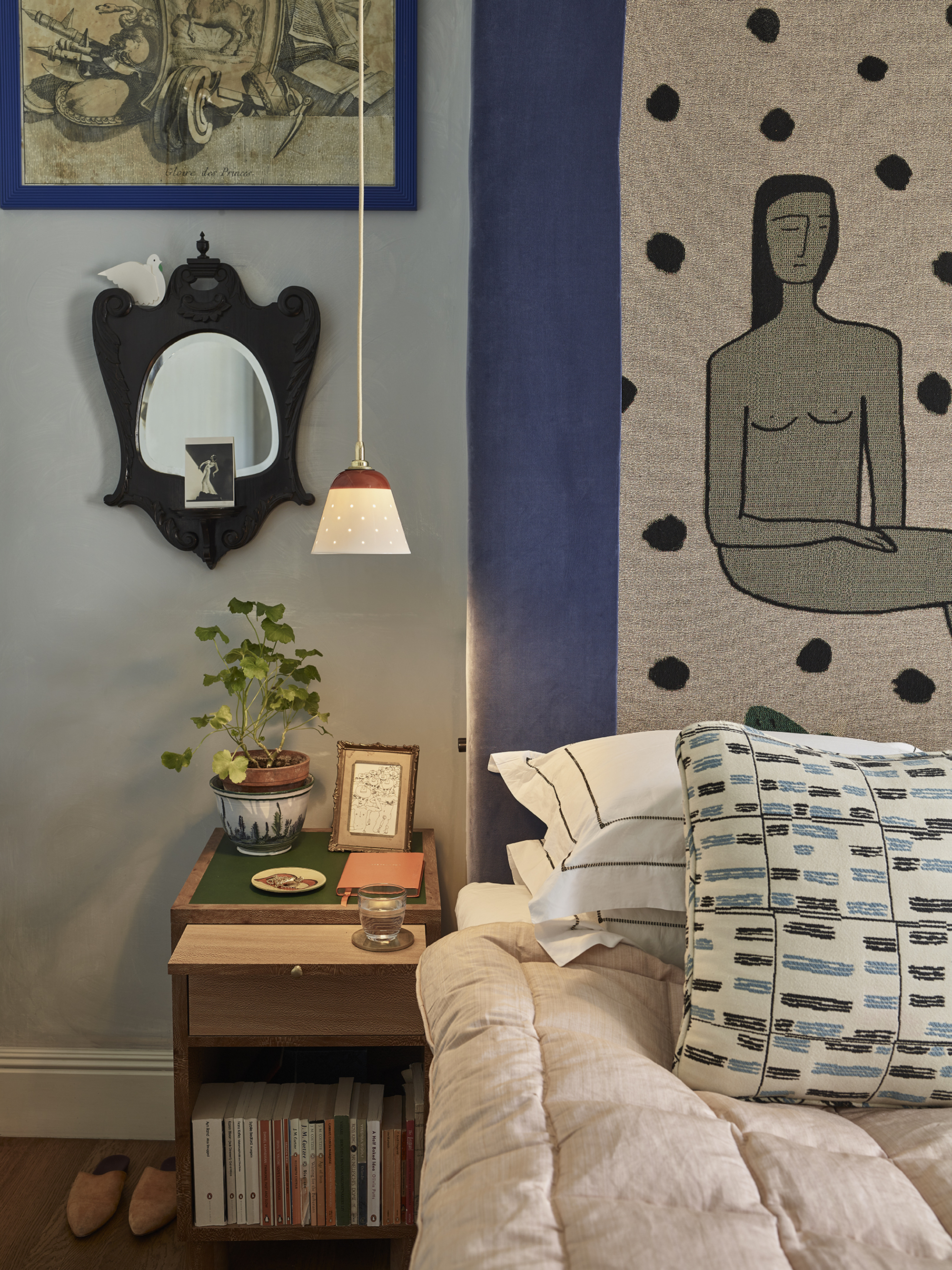
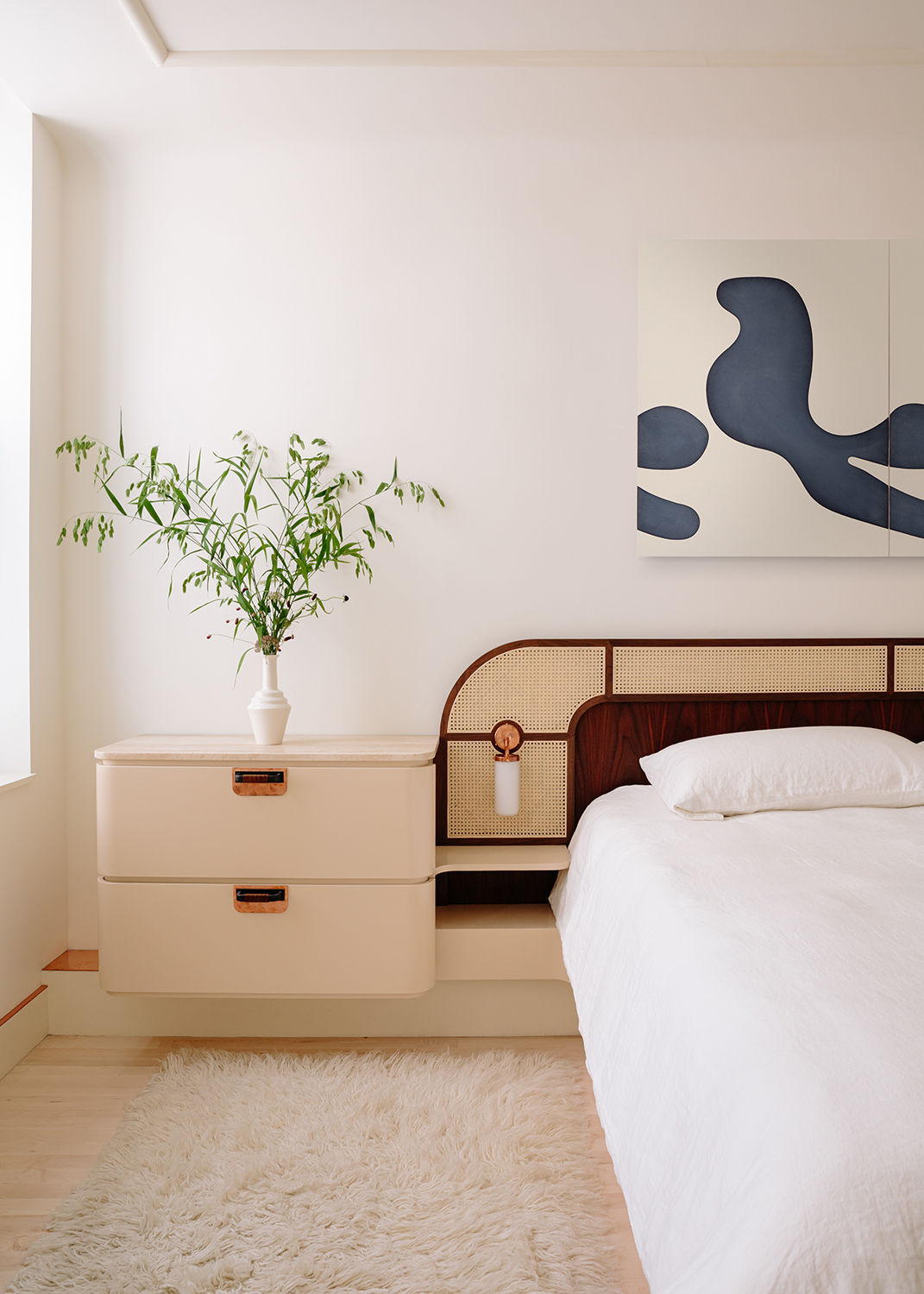
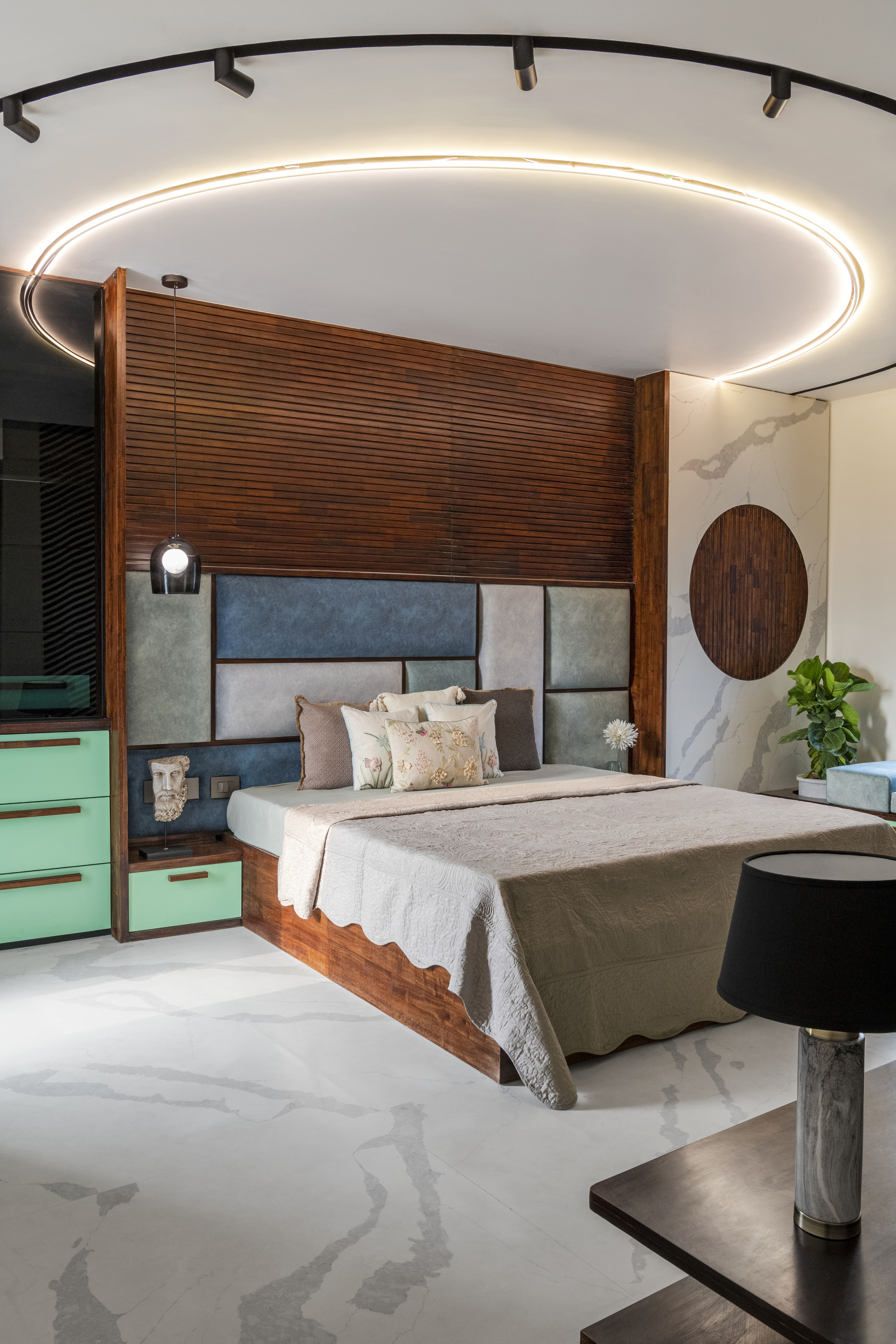
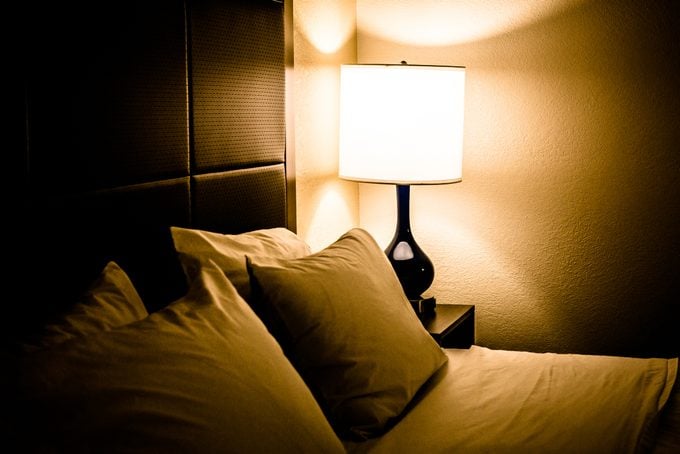
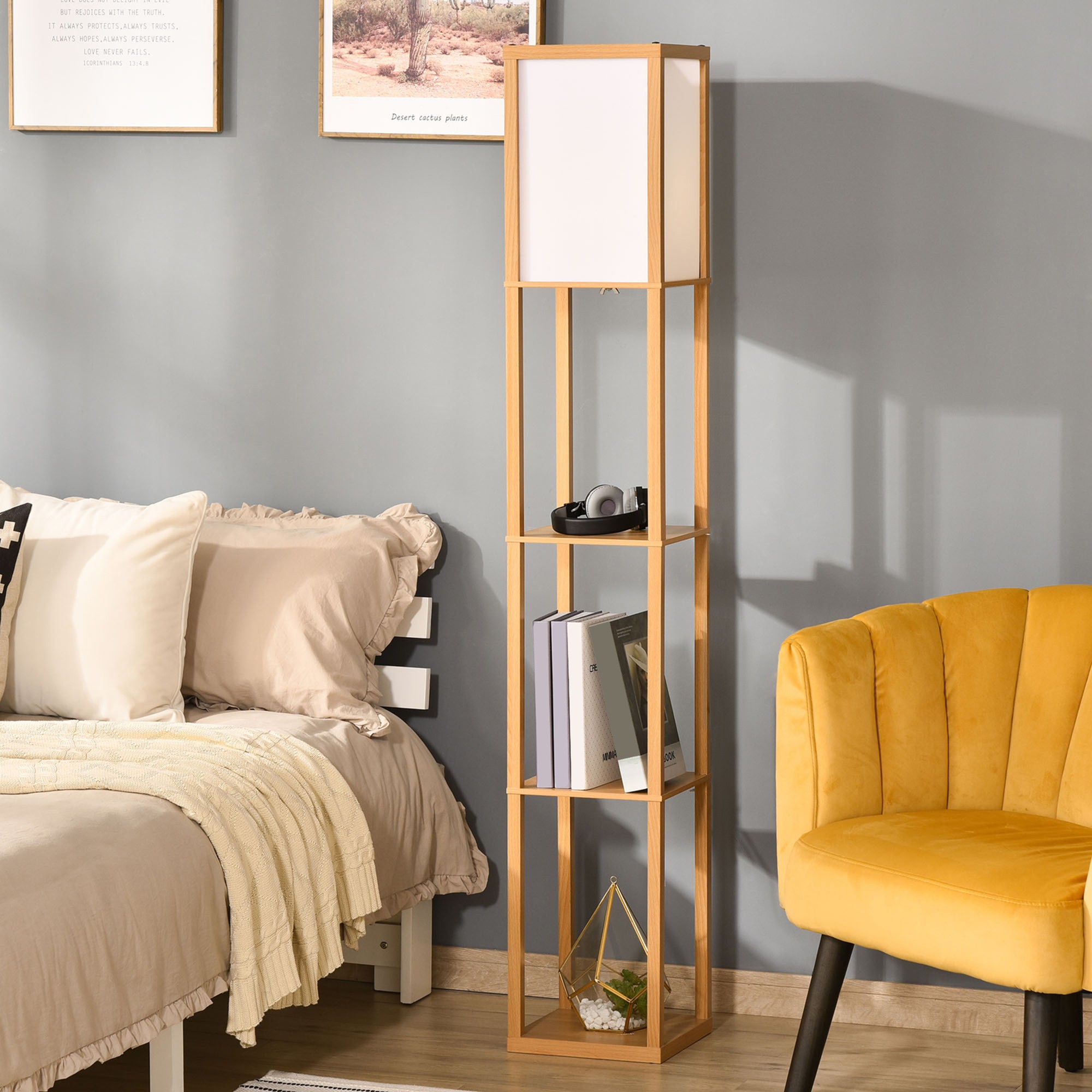
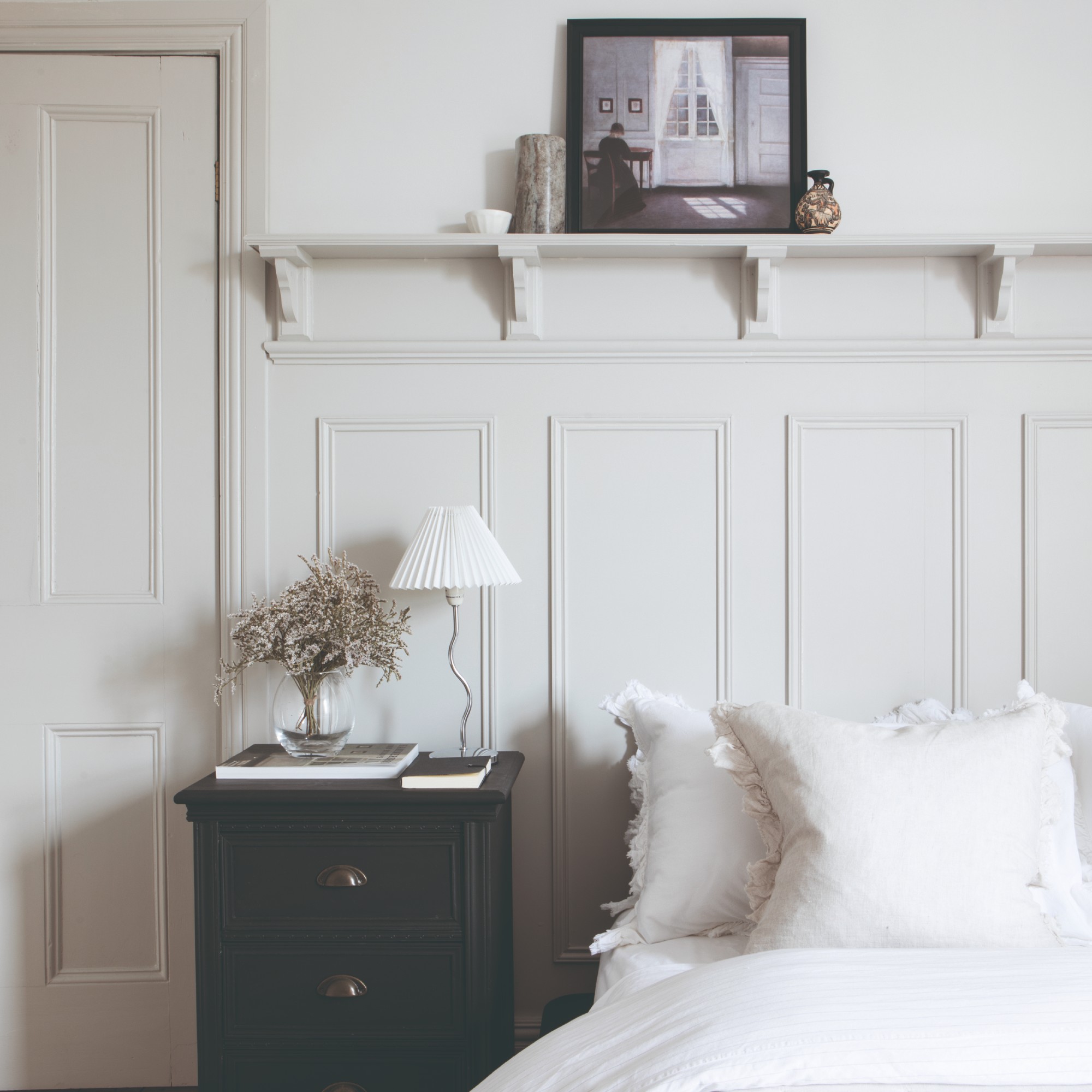
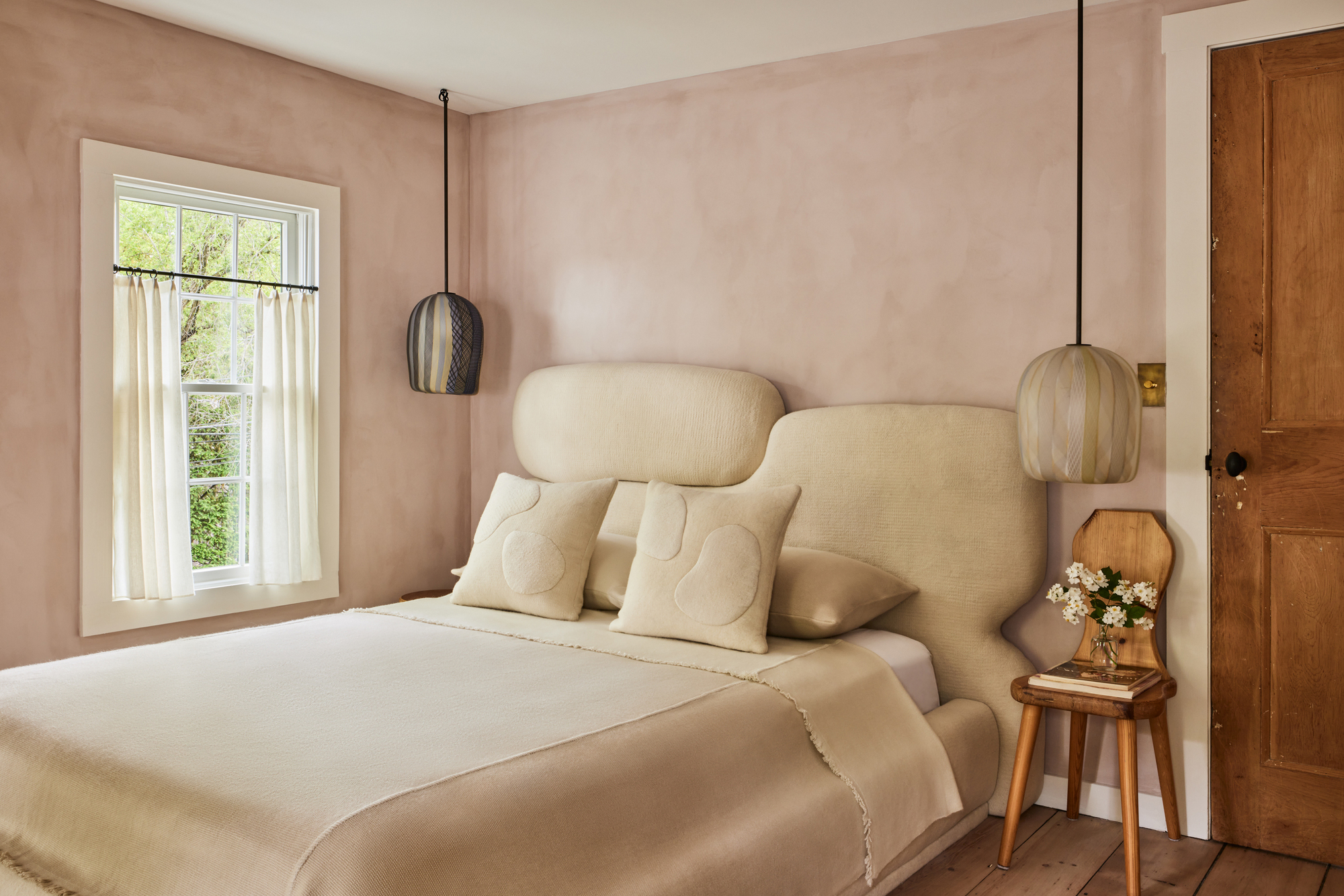
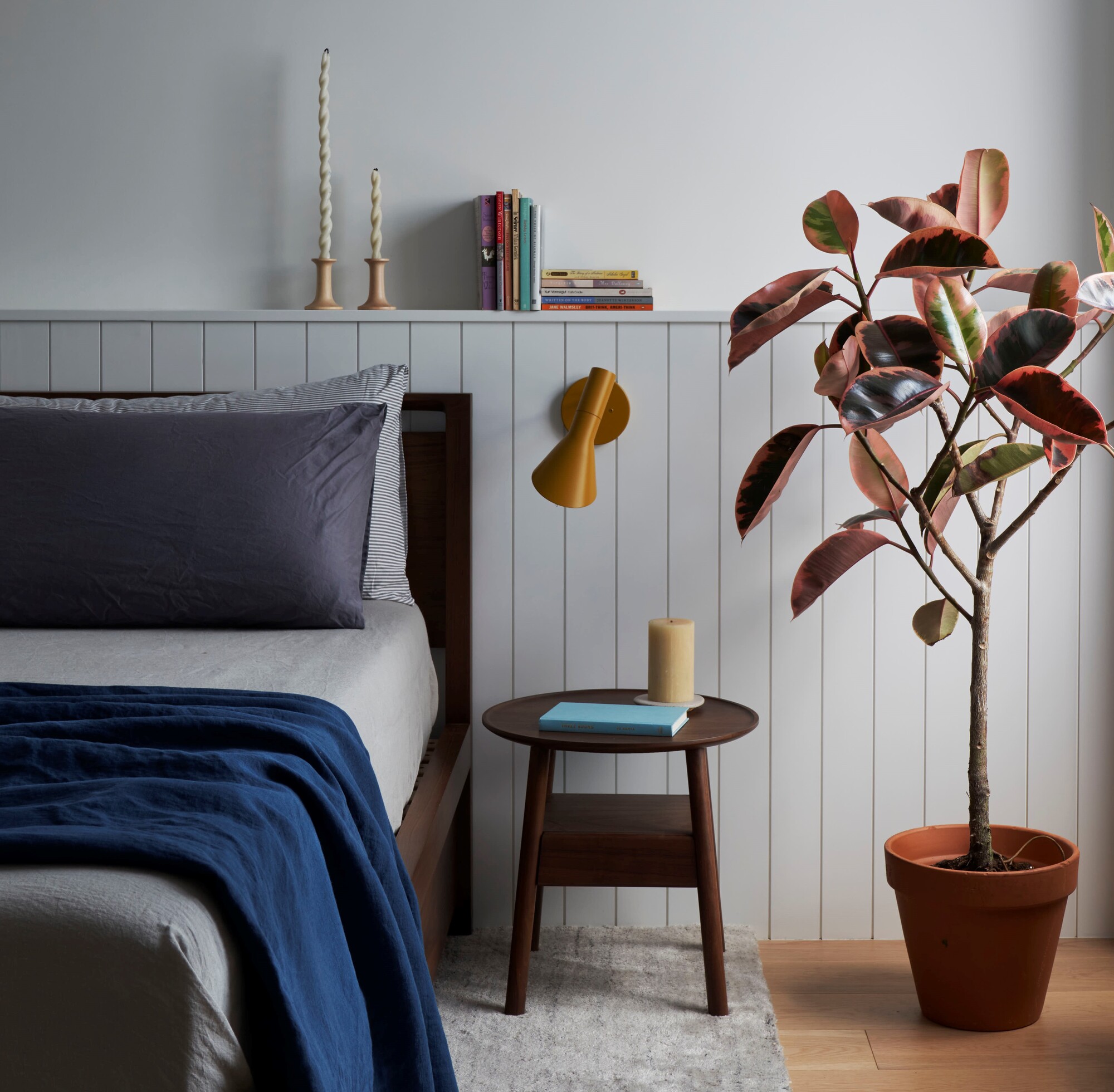
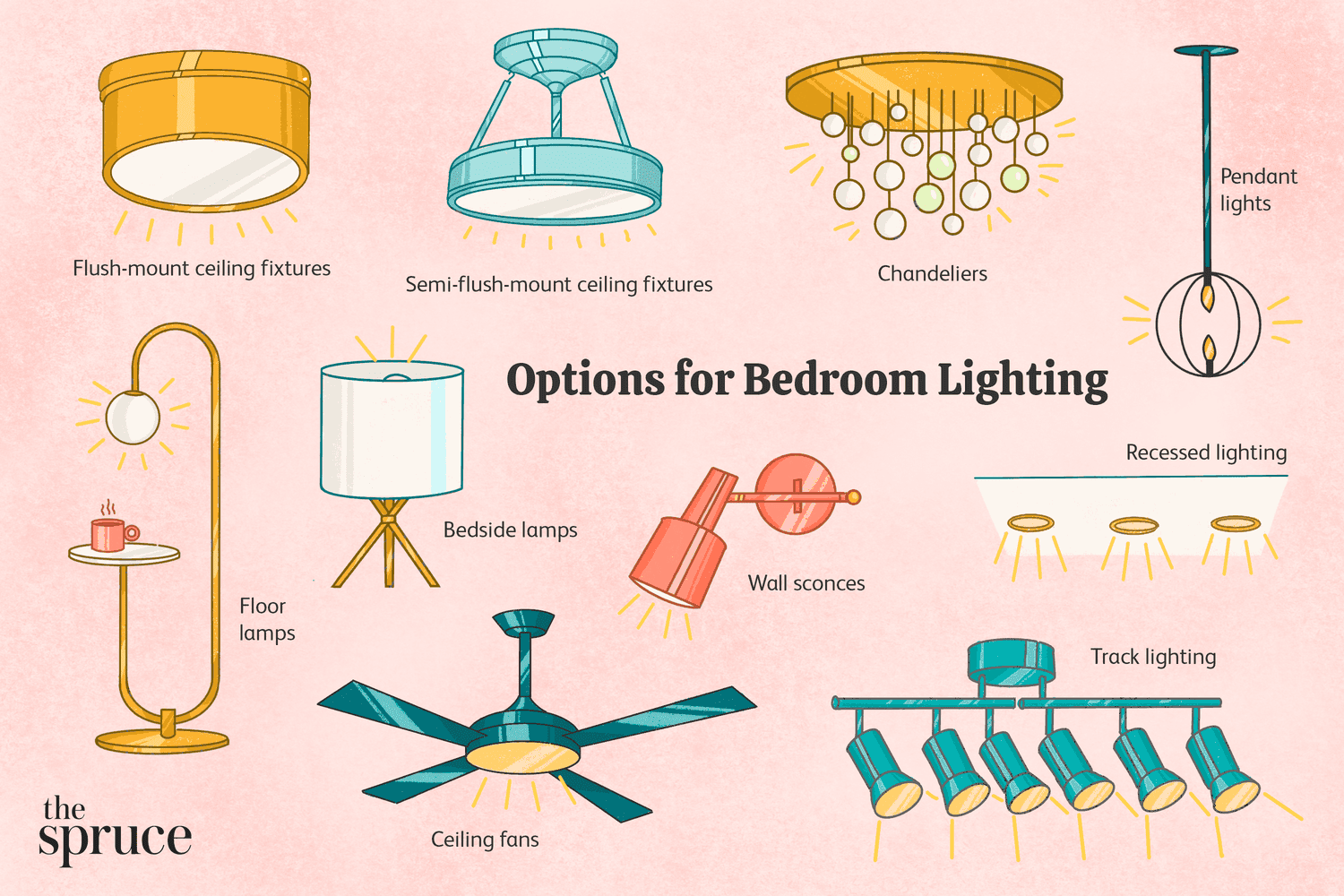
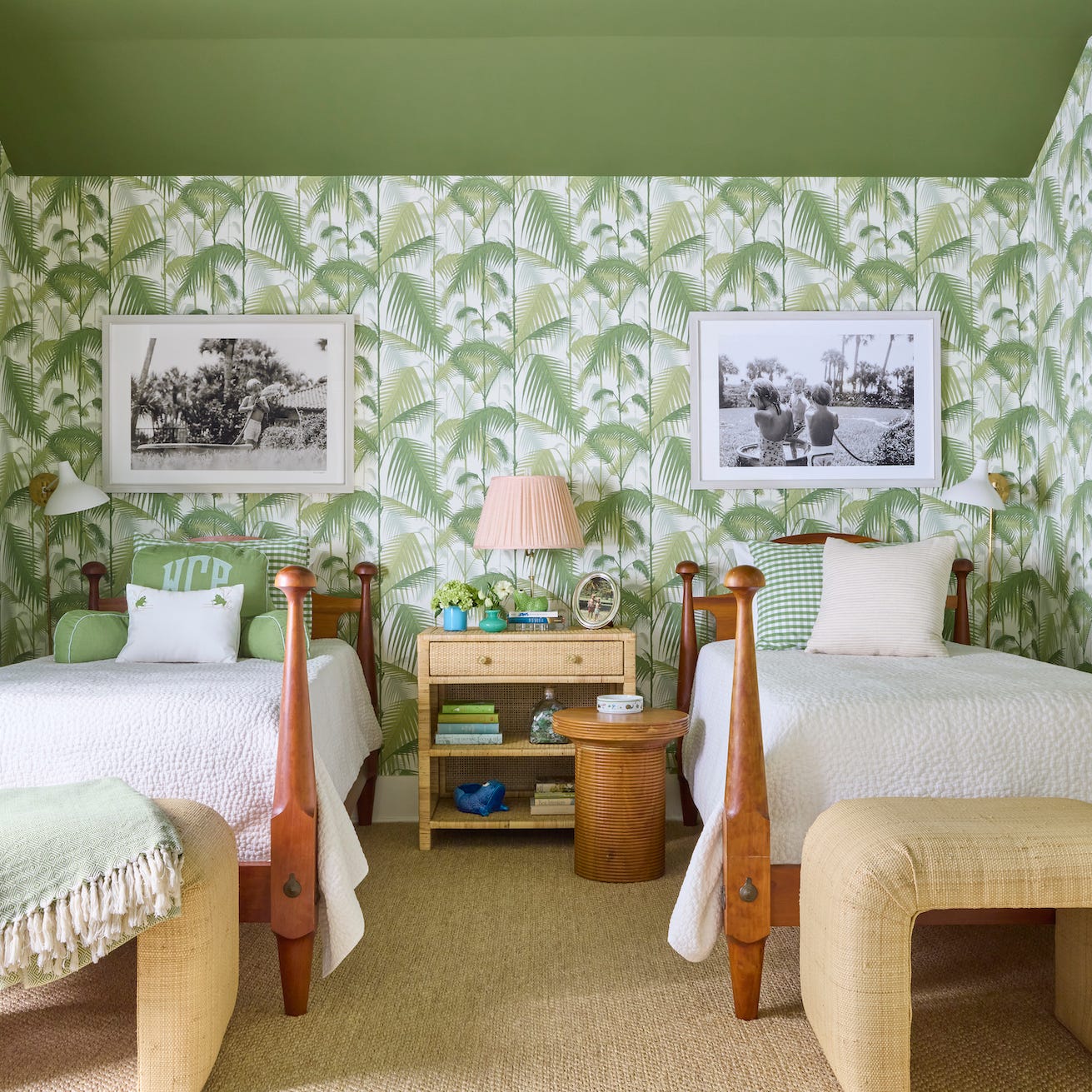
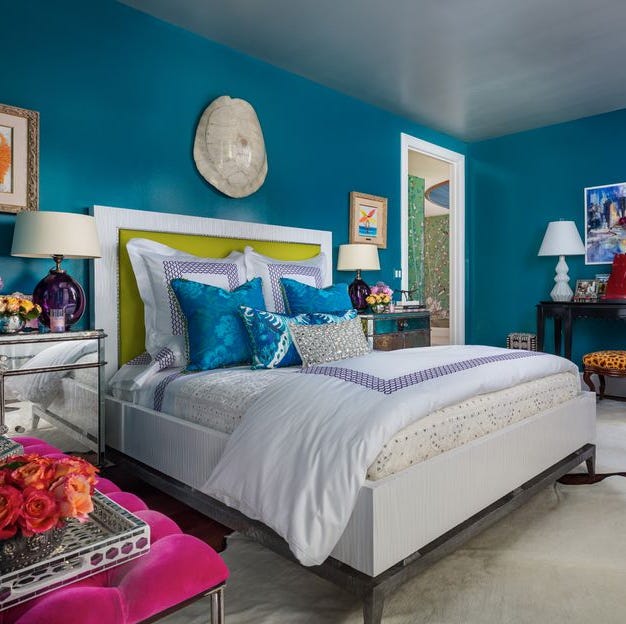
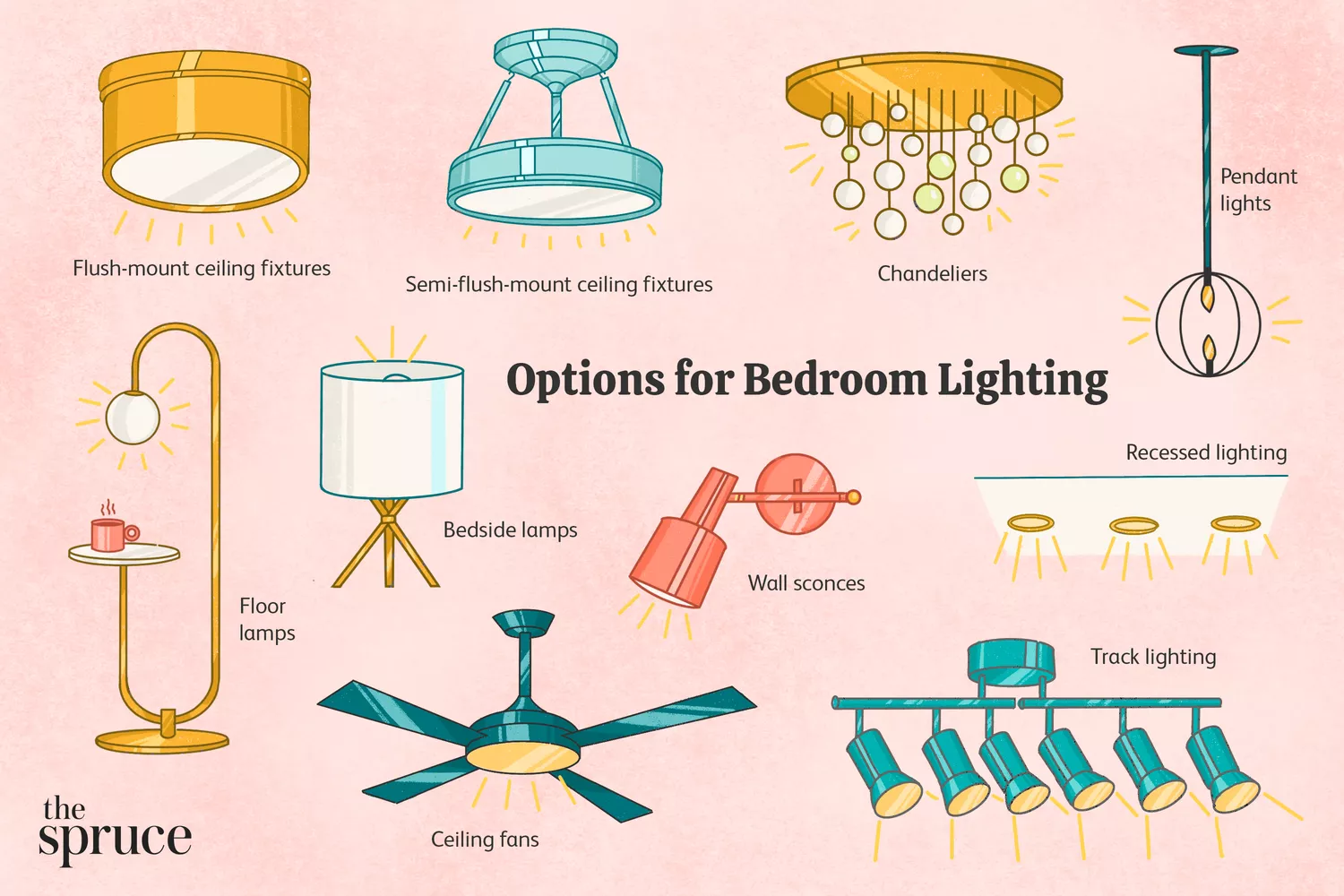
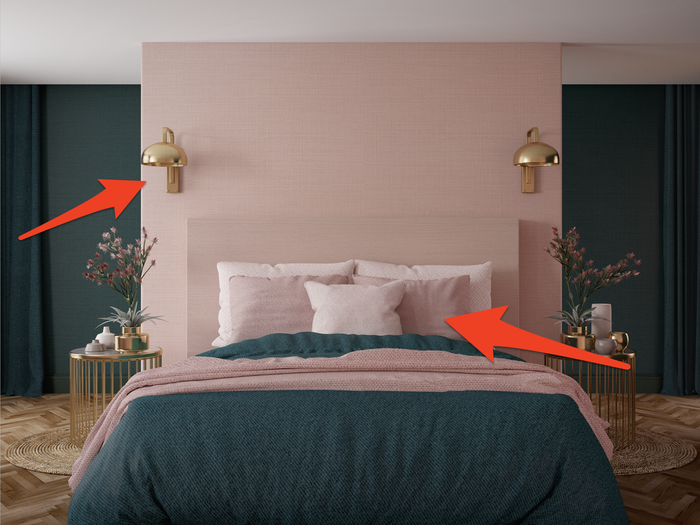
Lighting in a bedroom should combine ambient, task, and accent lighting. Ambient lighting provides overall illumination, mimicking natural daylight, and can be achieved through ceiling fixtures, pendants, and lamps. Task lighting is directed at specific areas for activities like reading or applying makeup, often using nightstand lamps, wall sconces, or desk lamps. Accent lighting highlights architectural features, artwork, or creates specific zones of light, typically through spotlights or smaller decorative lamps.
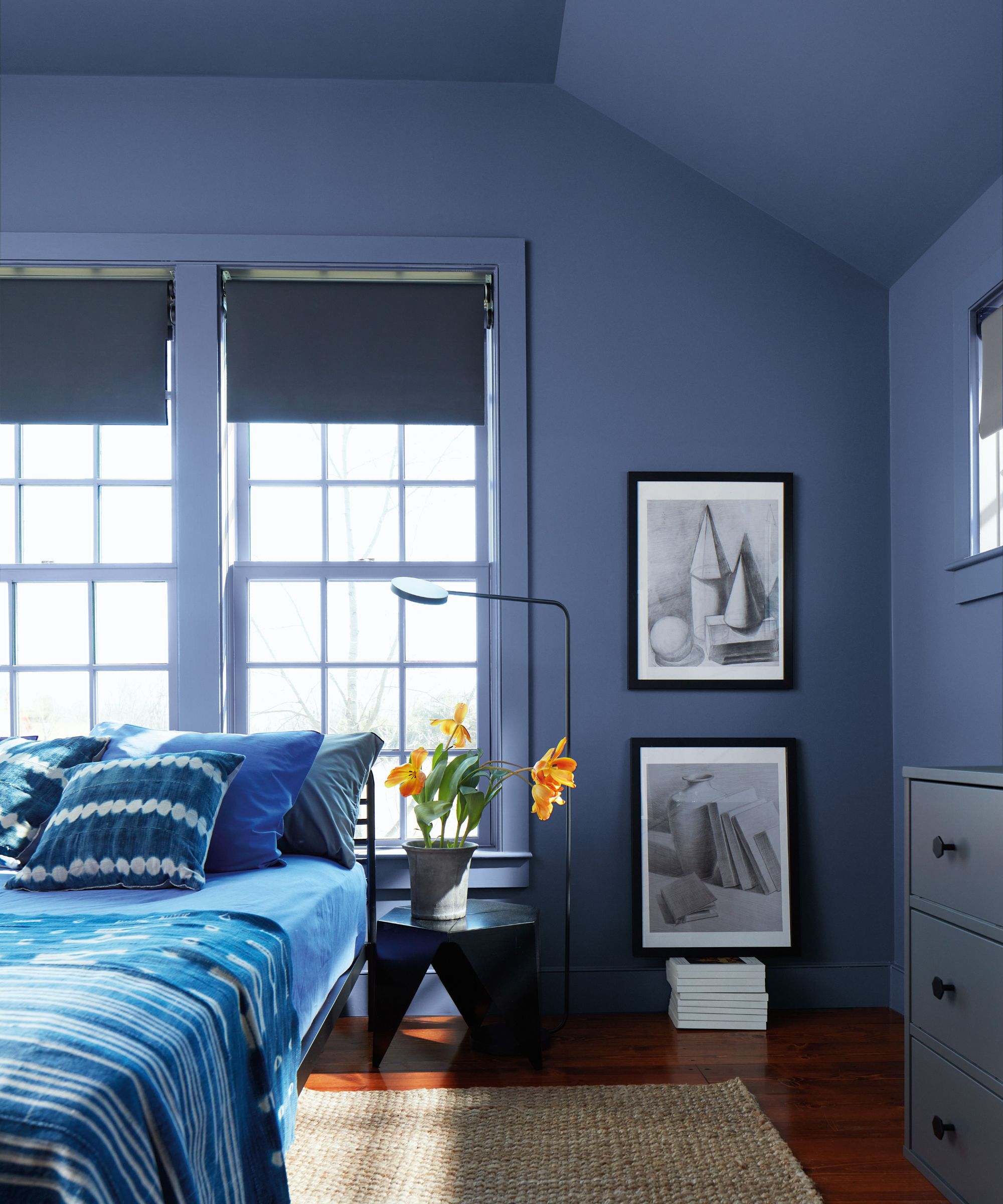
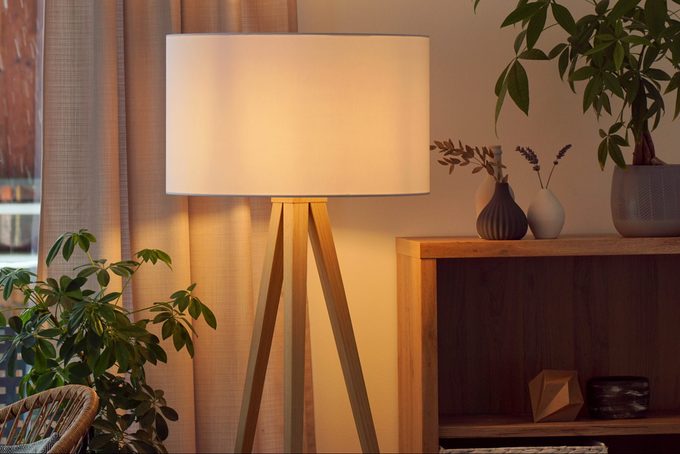
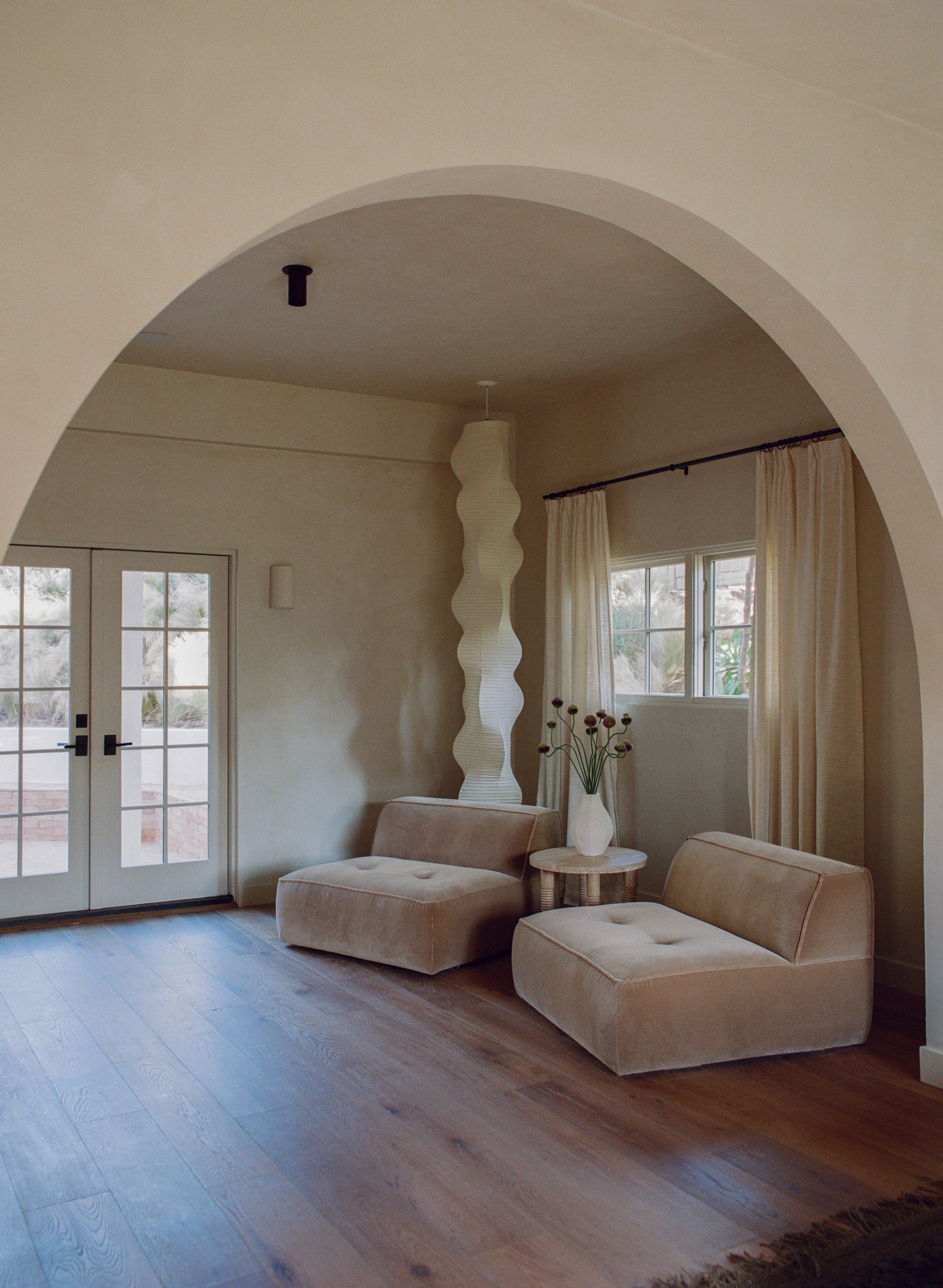
Key considerations for bedroom lighting include scaling fixtures to the room size and ceiling height. Larger rooms and higher ceilings can accommodate more substantial fixtures, while smaller rooms benefit from compact or ceiling-mounted options. For intimate settings, floor lamps in corners can provide soft, non-glaring light, especially when fitted with warmer, yellow-toned bulbs and dimmer switches. Dimmer switches are highly recommended for all light sources as they offer control over brightness, allowing users to transition from bright, functional light to a softer, more atmospheric glow. It is important to note that not all bulbs are compatible with dimmers, with LED and energy-saving bulbs requiring specific dimmable versions.
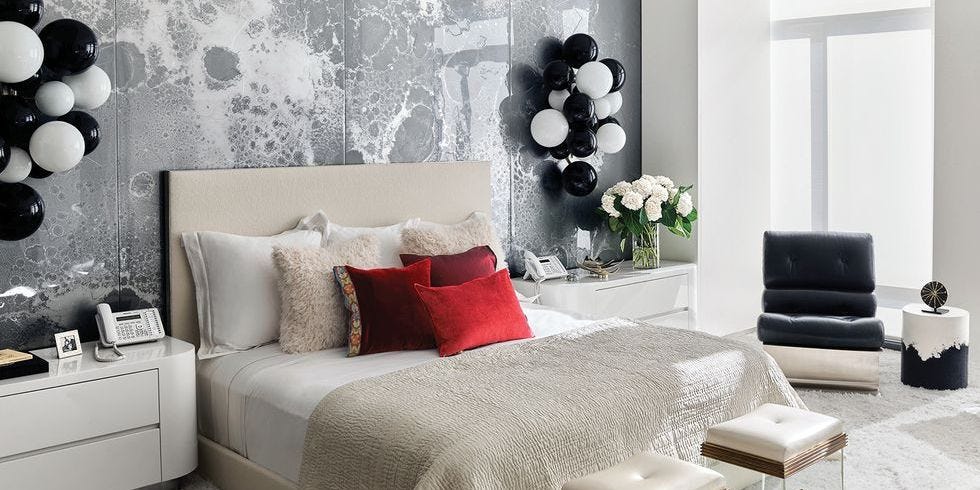
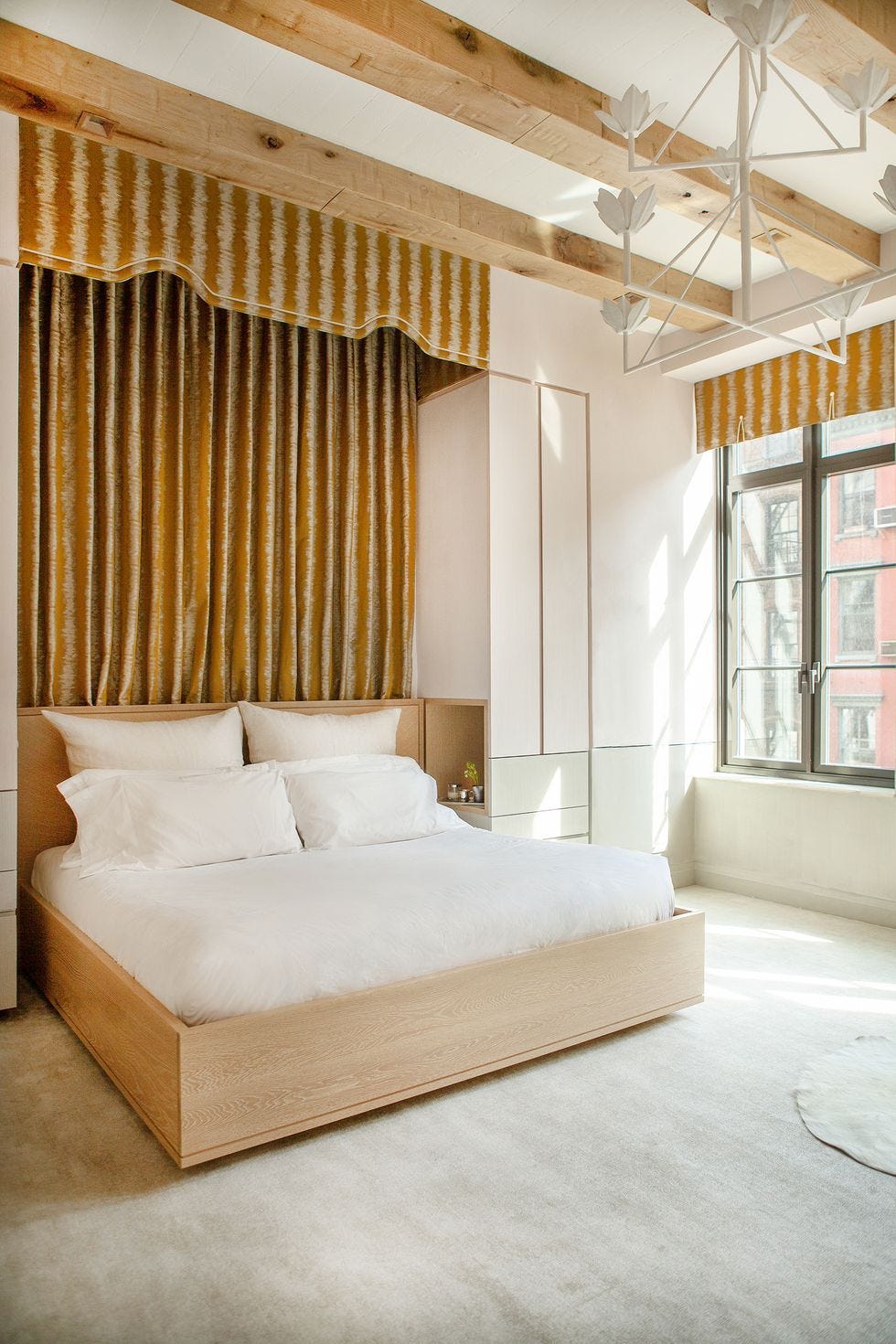
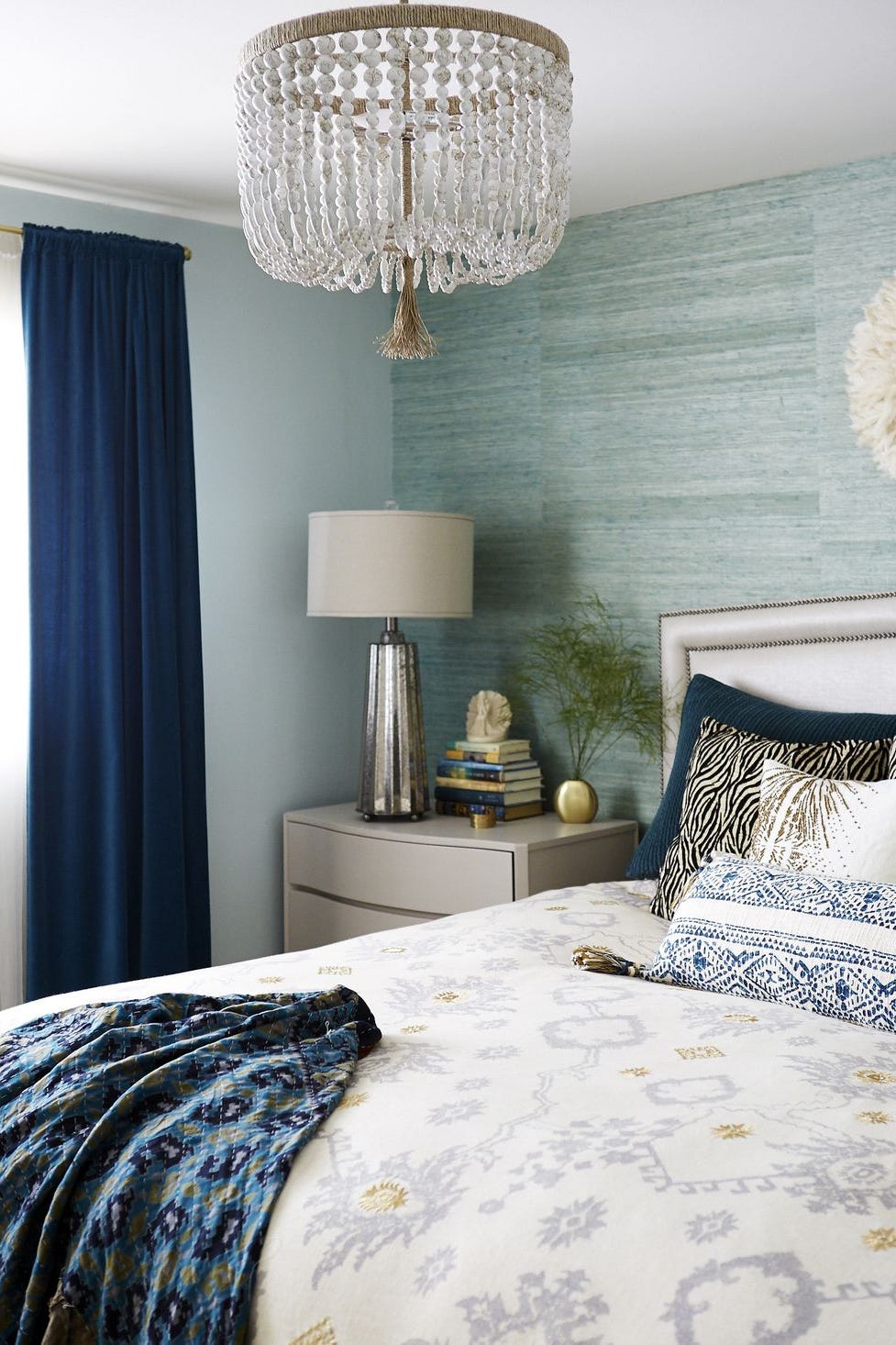
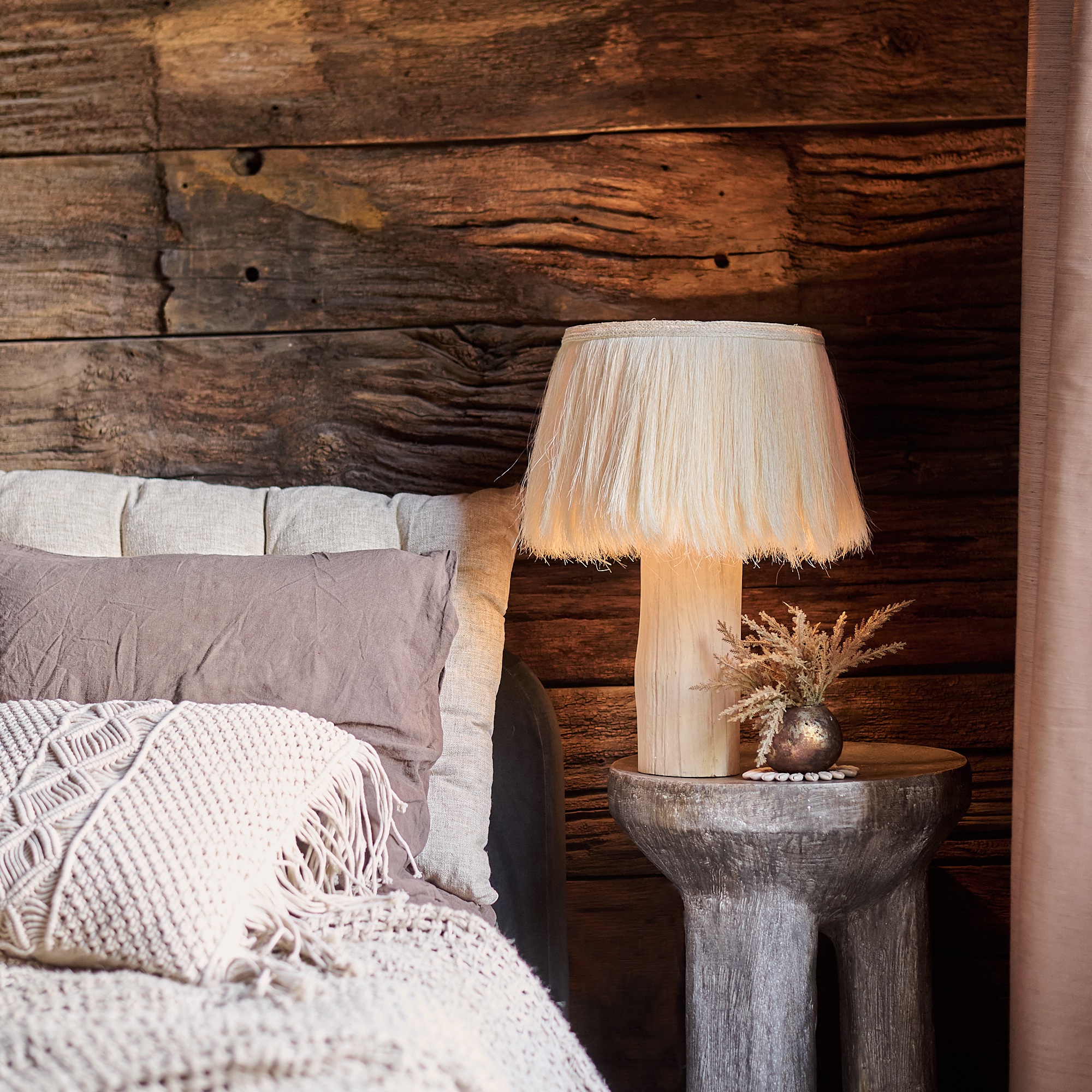
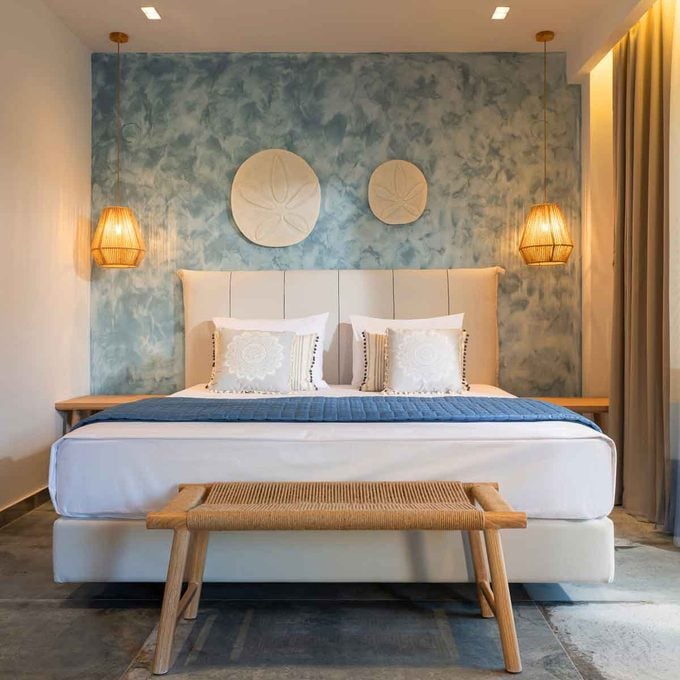
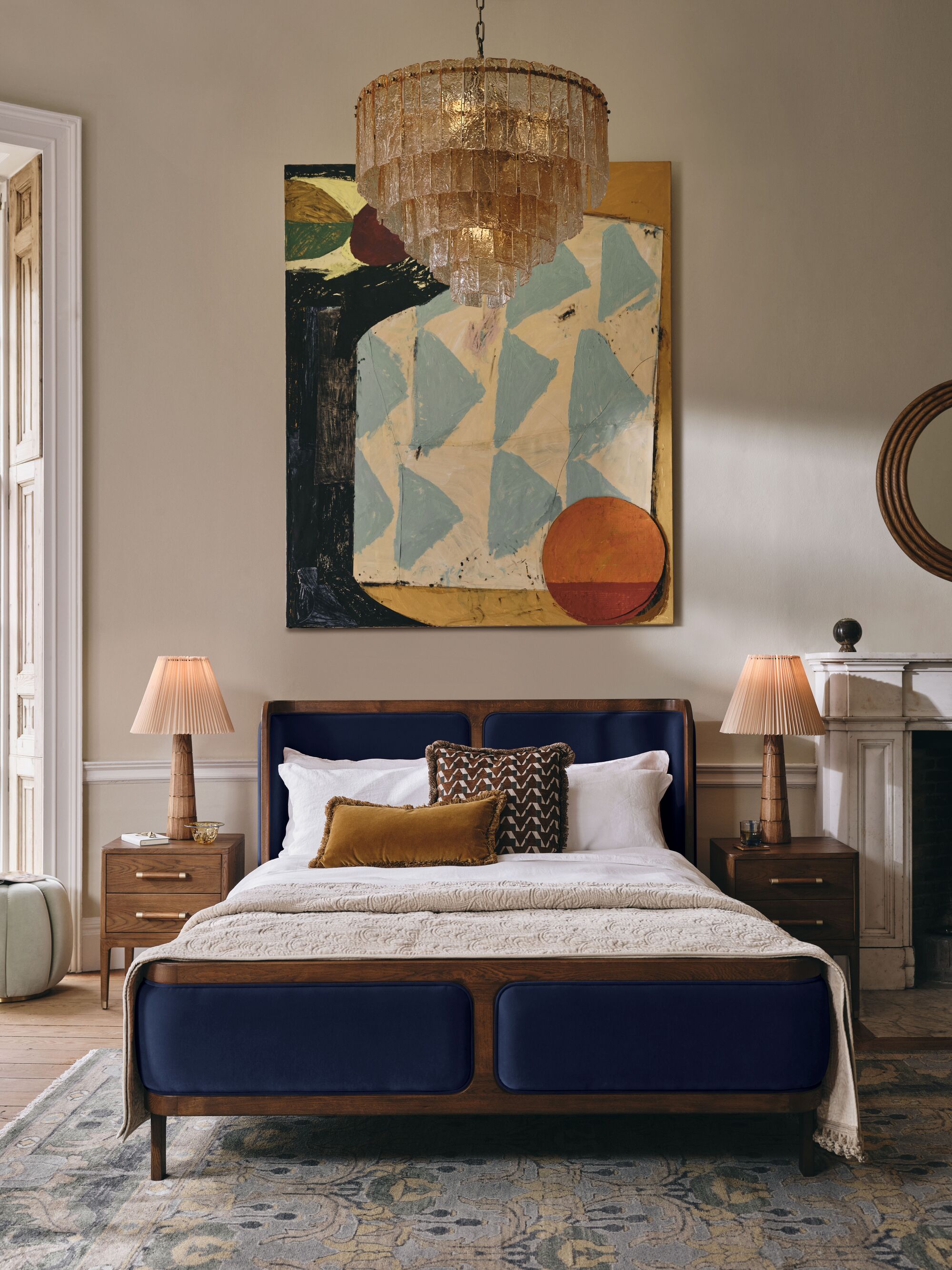
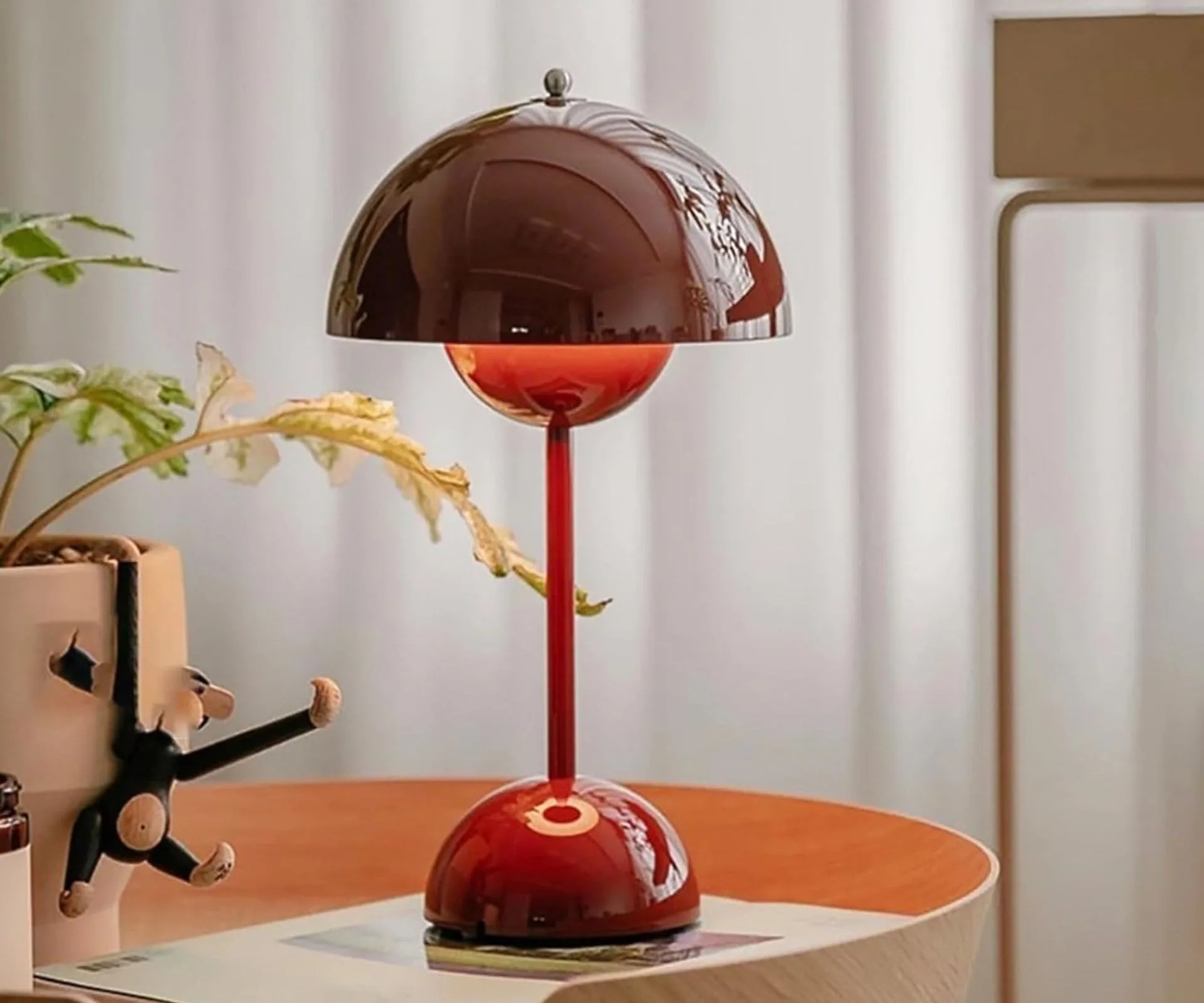
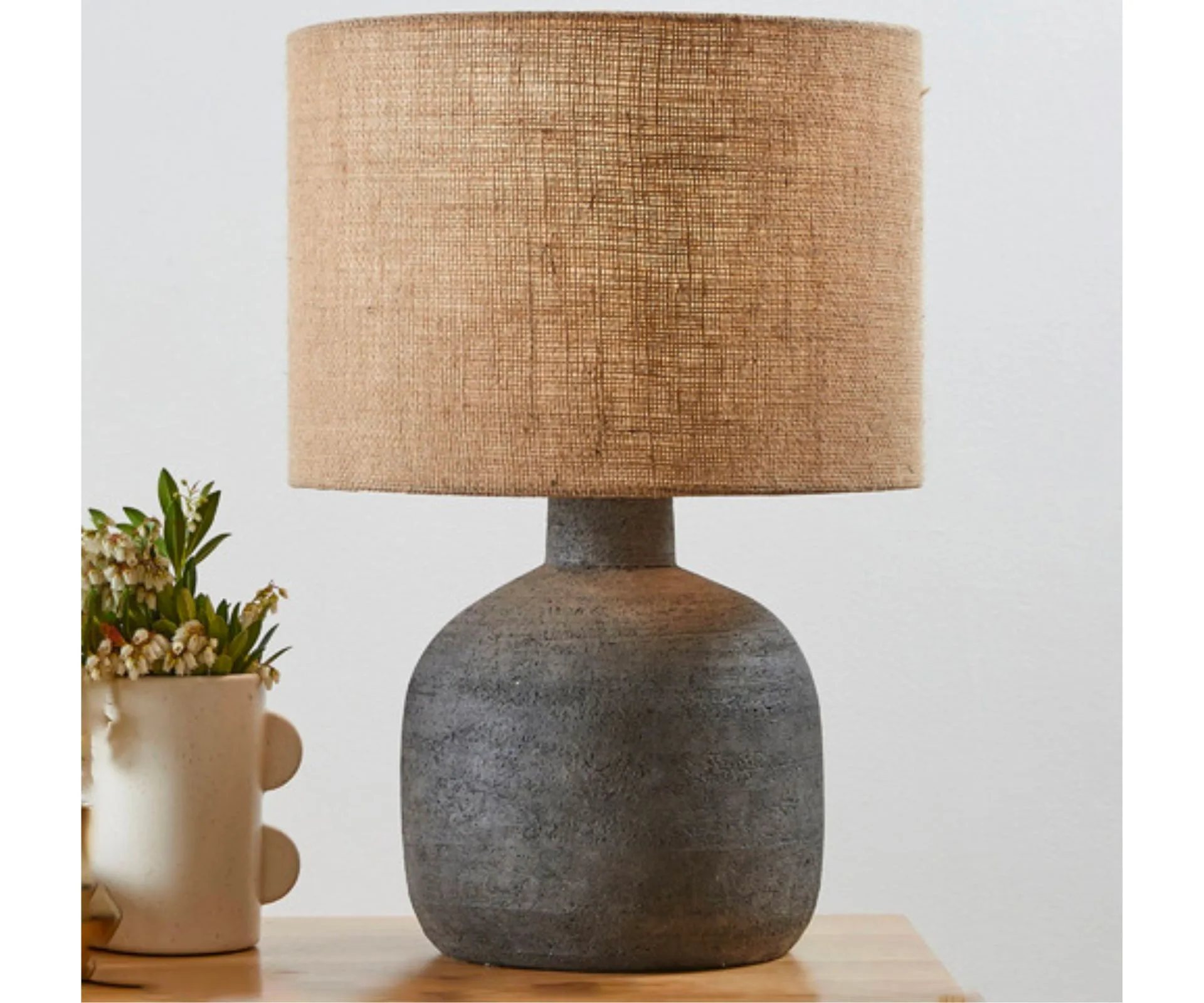
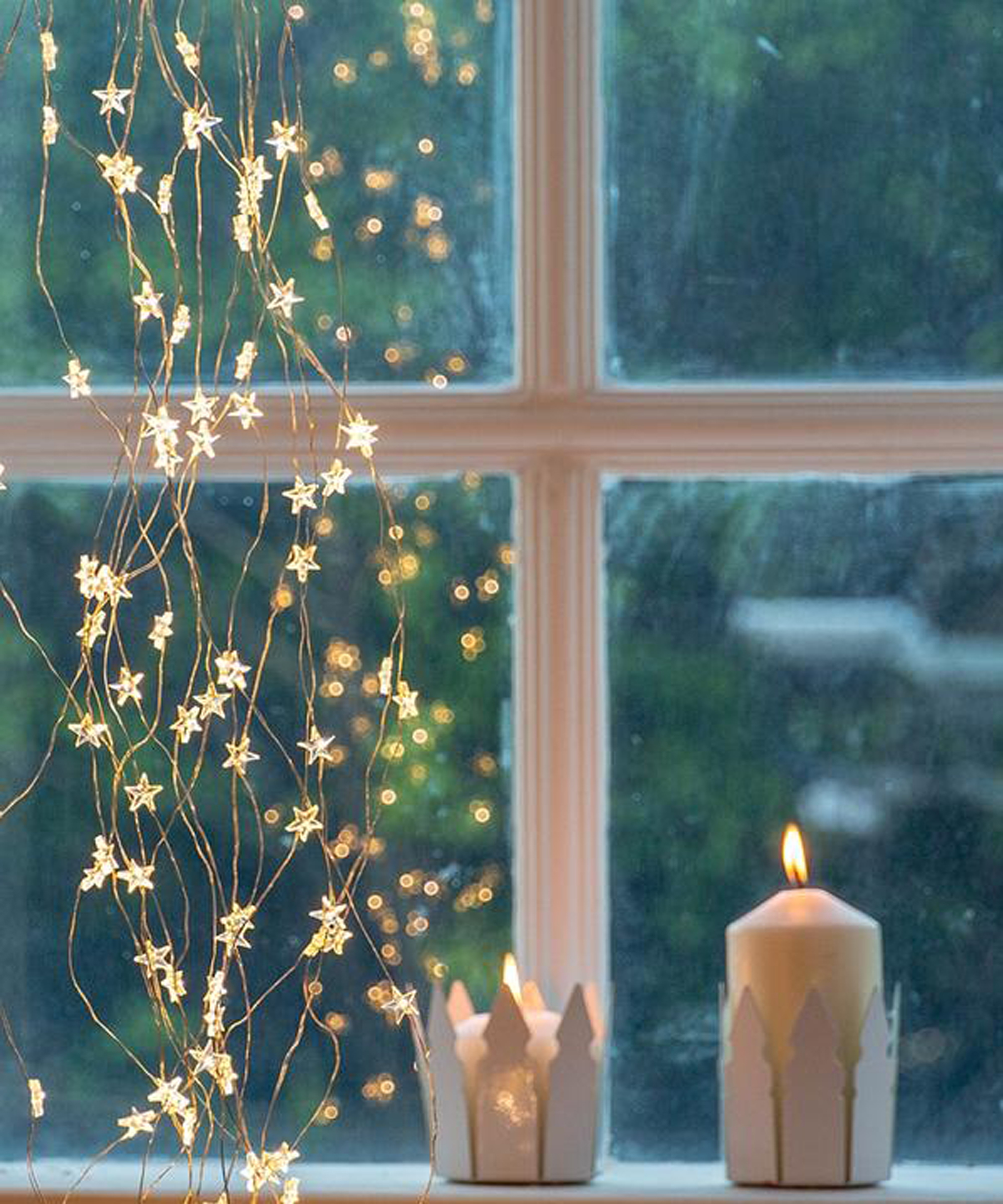
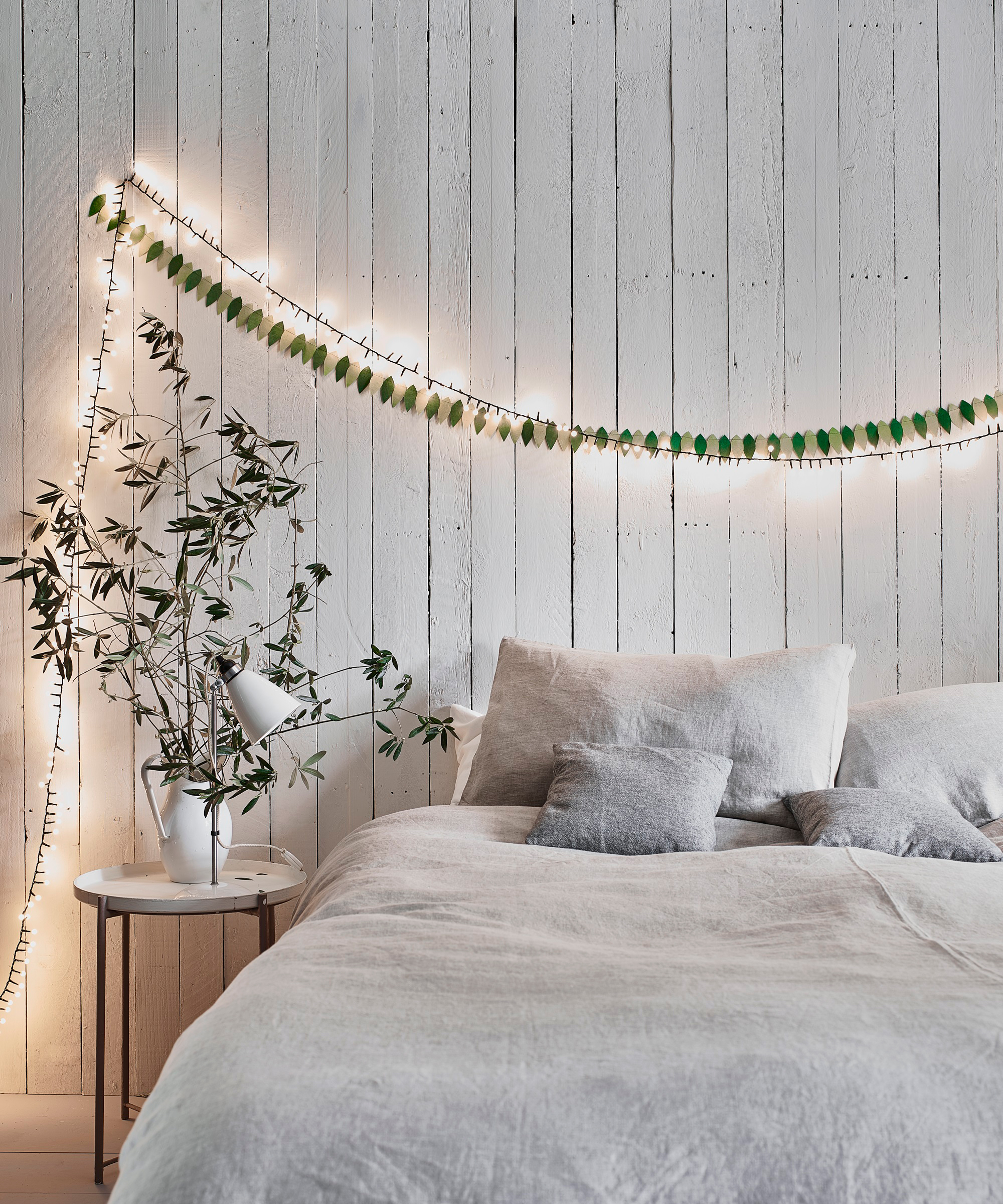
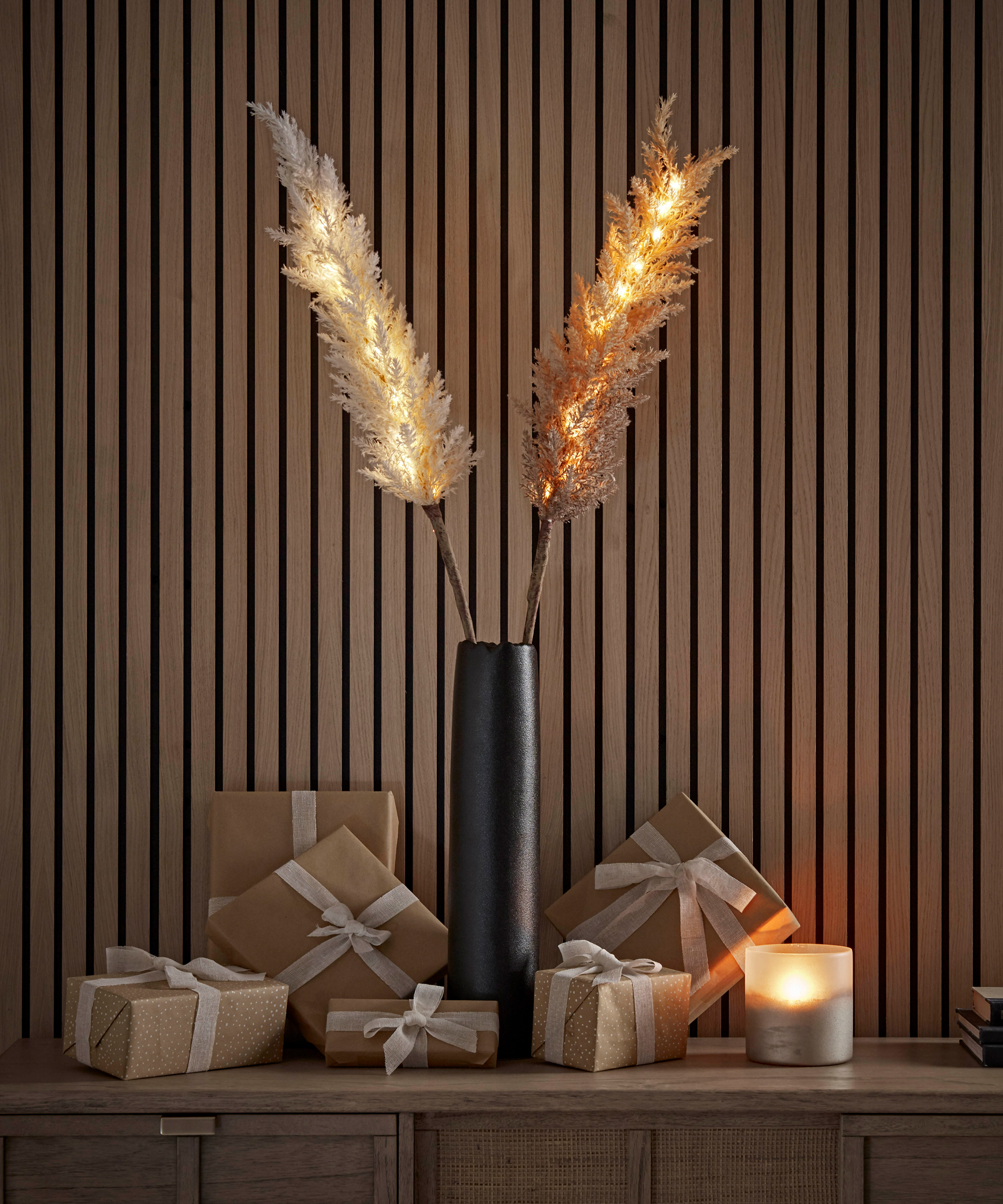
Personalization is another significant aspect, with options ranging from unique designer pieces like beaded chandeliers to playful neon signs, which can add a modern and edgy touch. Sustainable lighting options made from natural materials such as paper, wood, or rattan also contribute to a conscious and aesthetically pleasing environment. Practical solutions like bedside lanterns, wall-mounted lights to save space on nightstands, and tape lights behind headboards for mood lighting are also highlighted.
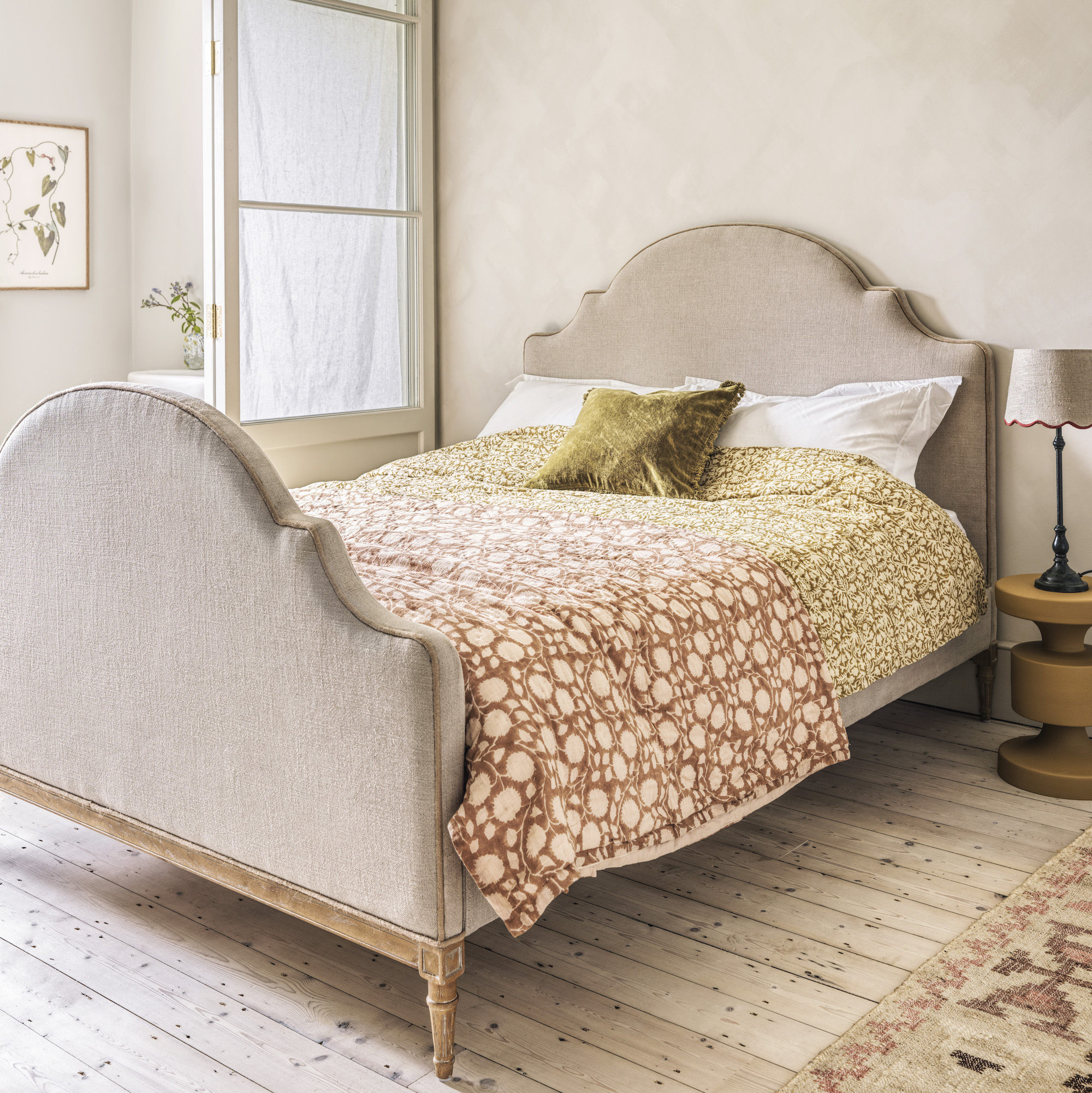
When designing a bedroom lighting scheme, it is essential to assess the amount of natural light the room receives and consider individual needs and habits, such as reading in bed or needing good light for dressing. Planning involves placing lights on separate circuits, ideally controlled from both the room entrance and the bedside, to maximize convenience and flexibility. If undertaking a renovation, consulting a lighting designer early can ensure the scheme is fully integrated with the room's architecture and furniture layout. Choosing the right lampshades and bulbs is also important; off-white or cream lampshades provide a warmer, diffused glow, and specific bulb types (LED, Tungsten, Halogen, CFL) offer different light qualities, lifespans, and energy efficiencies.
Ultimately, a successful bedroom lighting plan creates a comfortable, functional, and aesthetically pleasing environment, ensuring the space is always illuminated to suit the user's needs and mood.
#BedroomLighting #InteriorDesign #HomeDecor #LightingDesign #TaskLighting #AmbientLighting #AccentLighting #DimmerSwitches #SustainableLighting #BedroomLighting #InteriorDesign #HomeDecor #LightingDesign #TaskLighting #AmbientLighting #AccentLighting #DimmerSwitches #SustainableLighting
0 comment in total
 No comments yet
You may also like
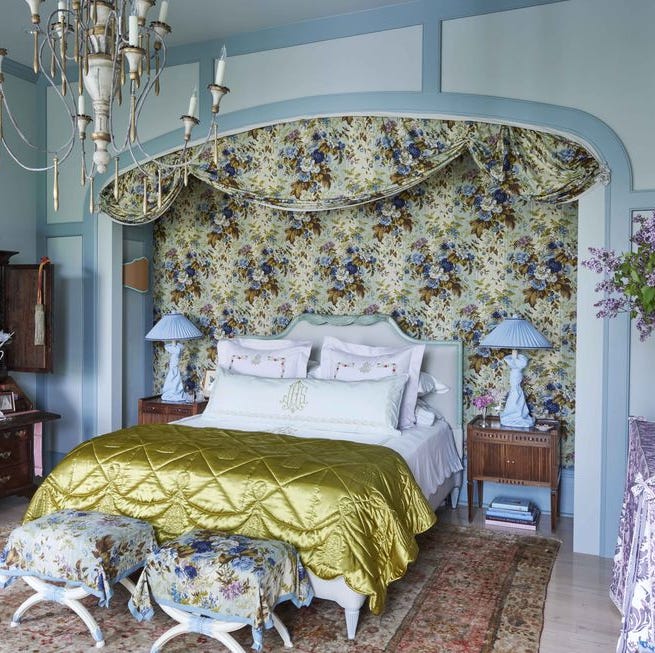
28 Designer Lighting Ideas for Creating an Idyllic Bedroom Glow in 2023

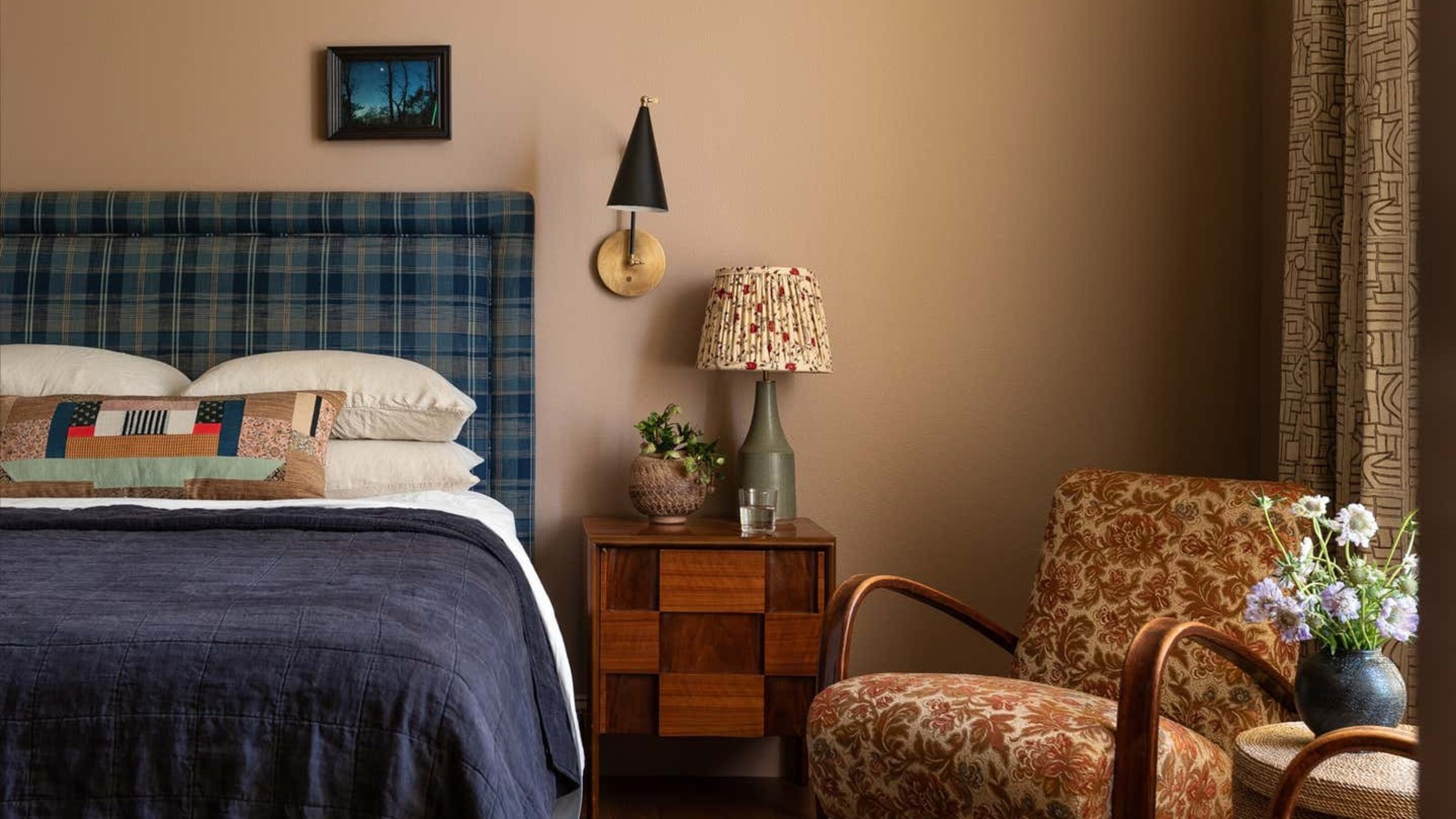
17 bedroom lighting ideas that make for a soothing nighttime sanctuary

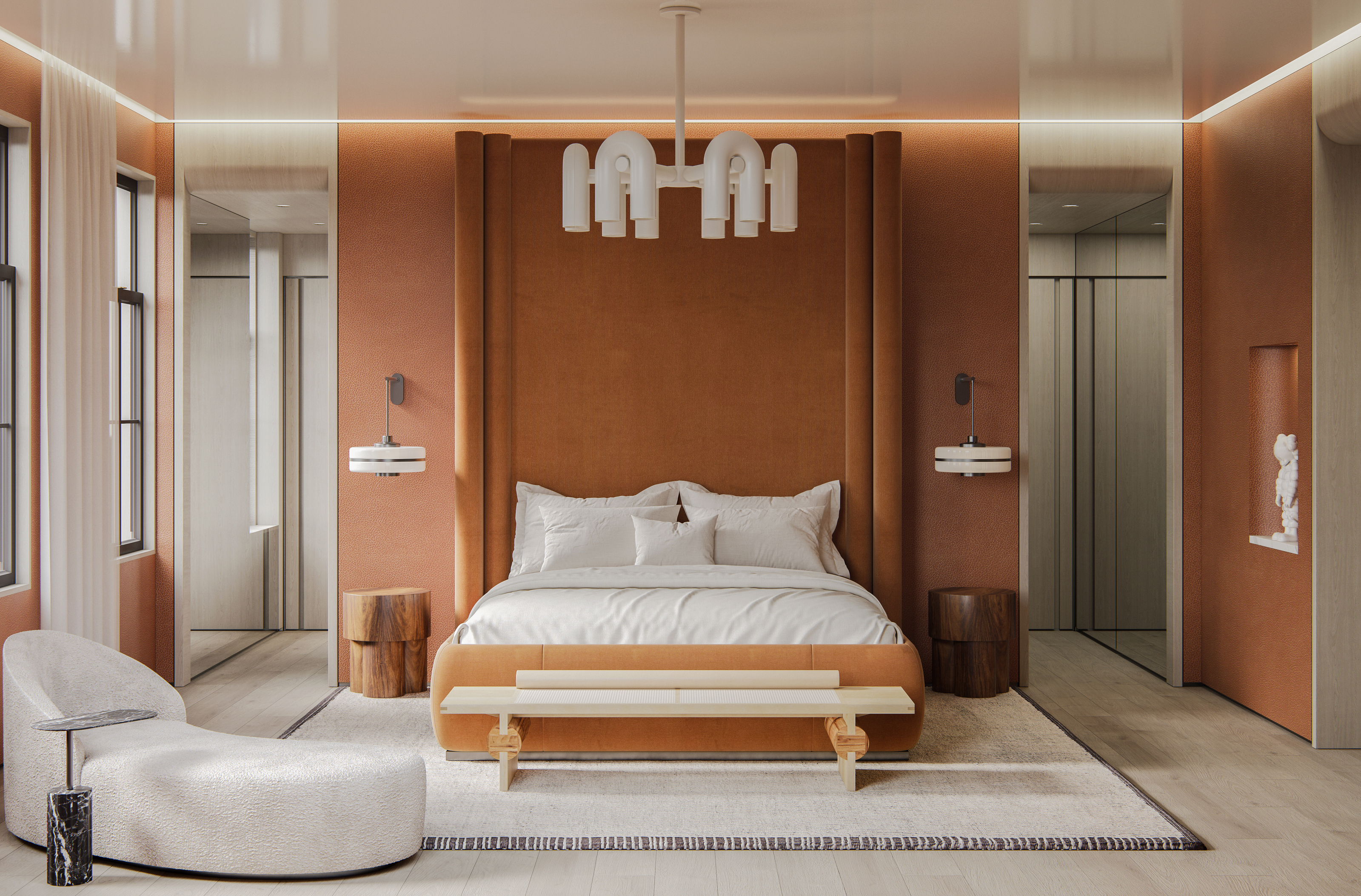
Bedroom chandelier ideas – how designers are taking a modern approach to over-the-bed lighting
Bedroom Lighting Guide: How to Light a Bedroom

These Lighting Ideas Will Transform Your Bedroom
The 8 places interior designers and stylists buy bedroom lighting – steal their insider knowledge
21 Insanely Glamorous Moody Bedroom Ideas You’ll Want Before Everyone Else Tries Them
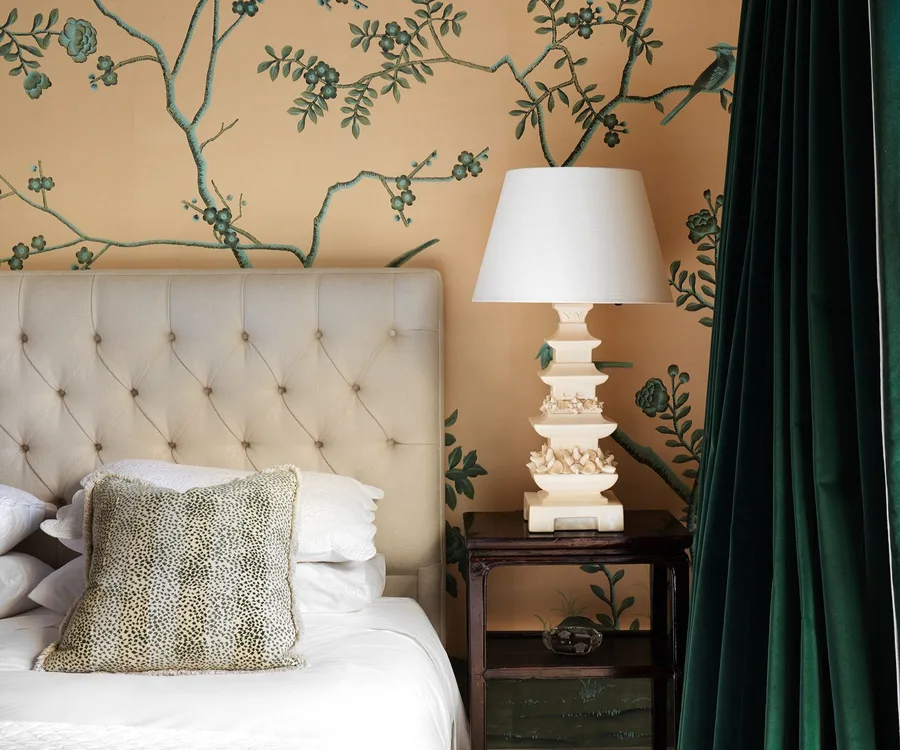
This simple lighting addition will make a world of difference in any bedroom

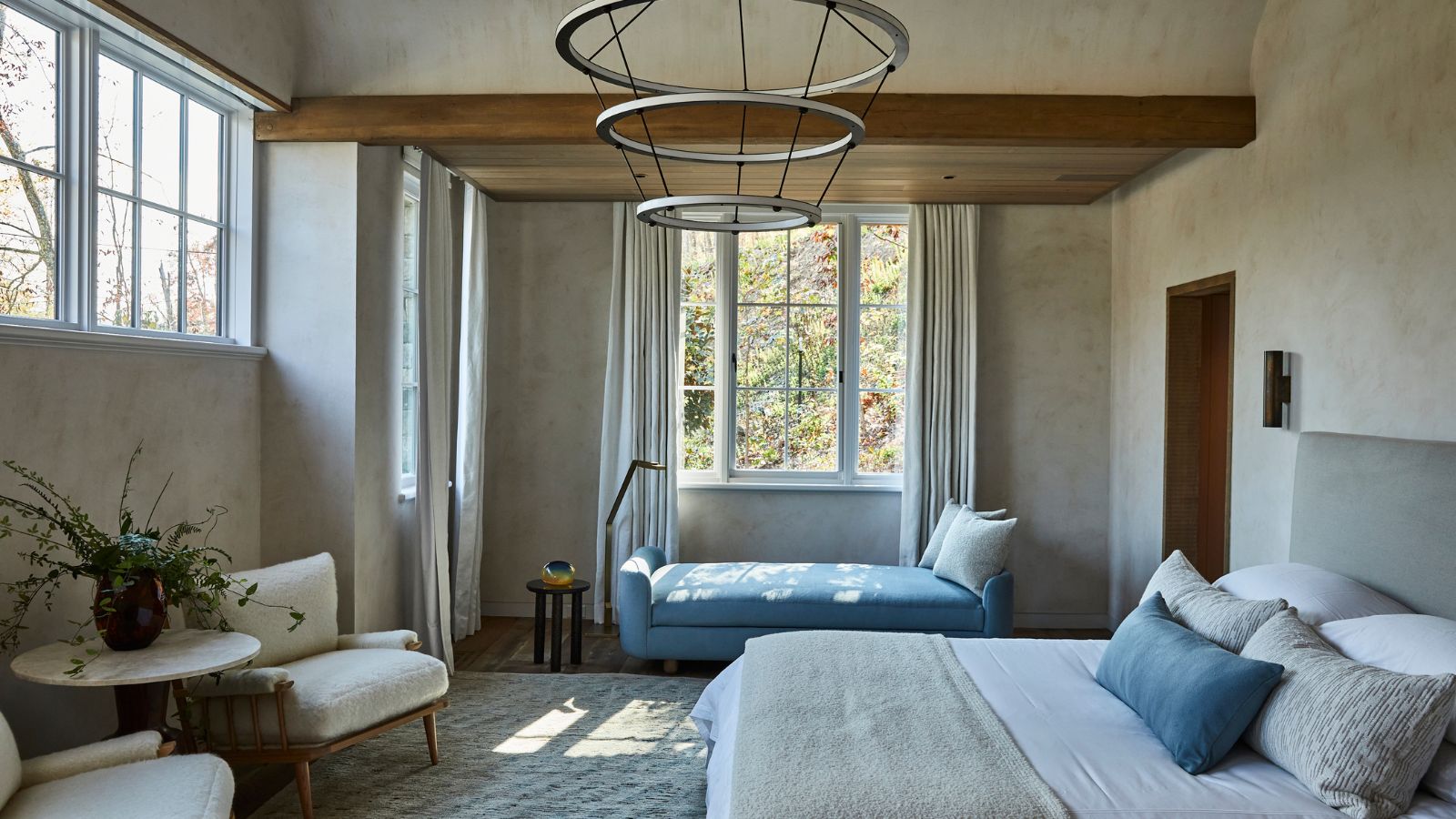
Bedroom lighting ideas – 18 unique and stylish ways to light your sleep space

Bedroom decor lights: 10 picks for amazing makeover | Hindustan Times

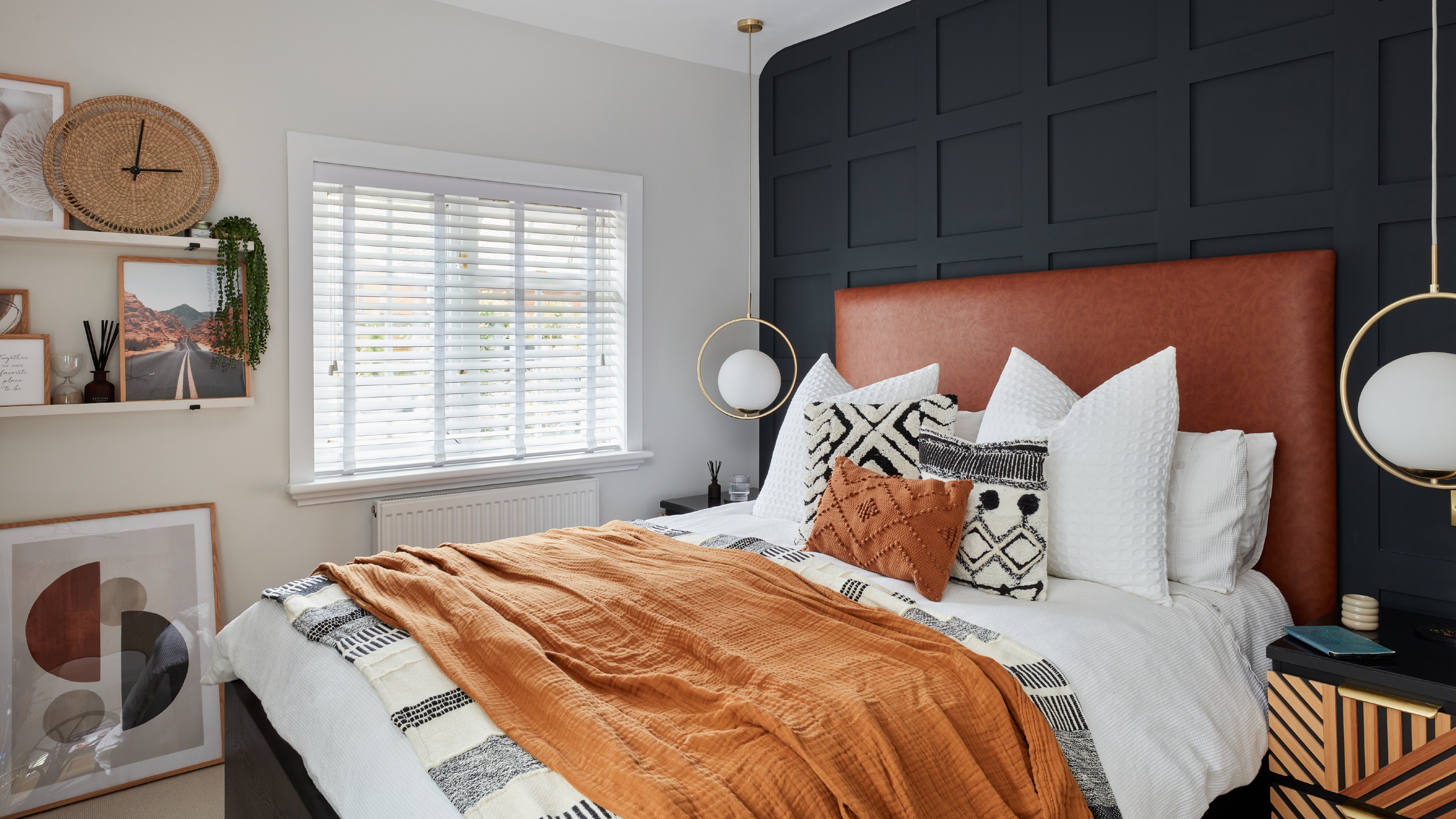
15 small bedroom lighting ideas to make your tiny space look bigger and brighter
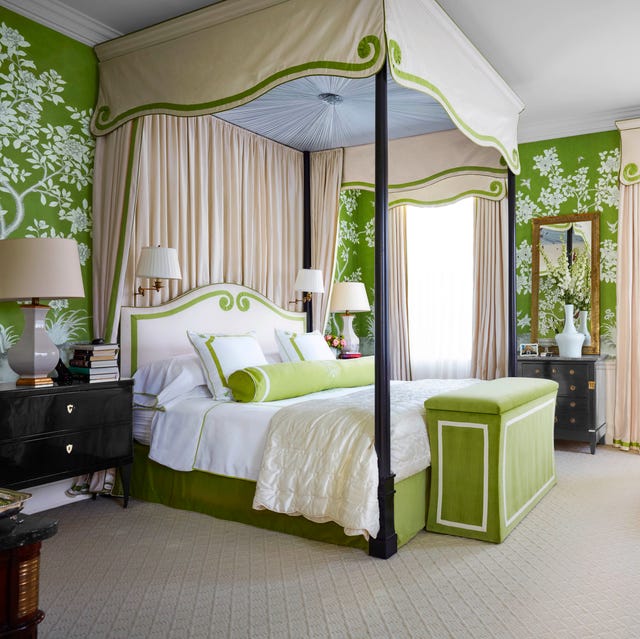
23 Beautiful Bedroom Decor Ideas to Spruce Up Your Space

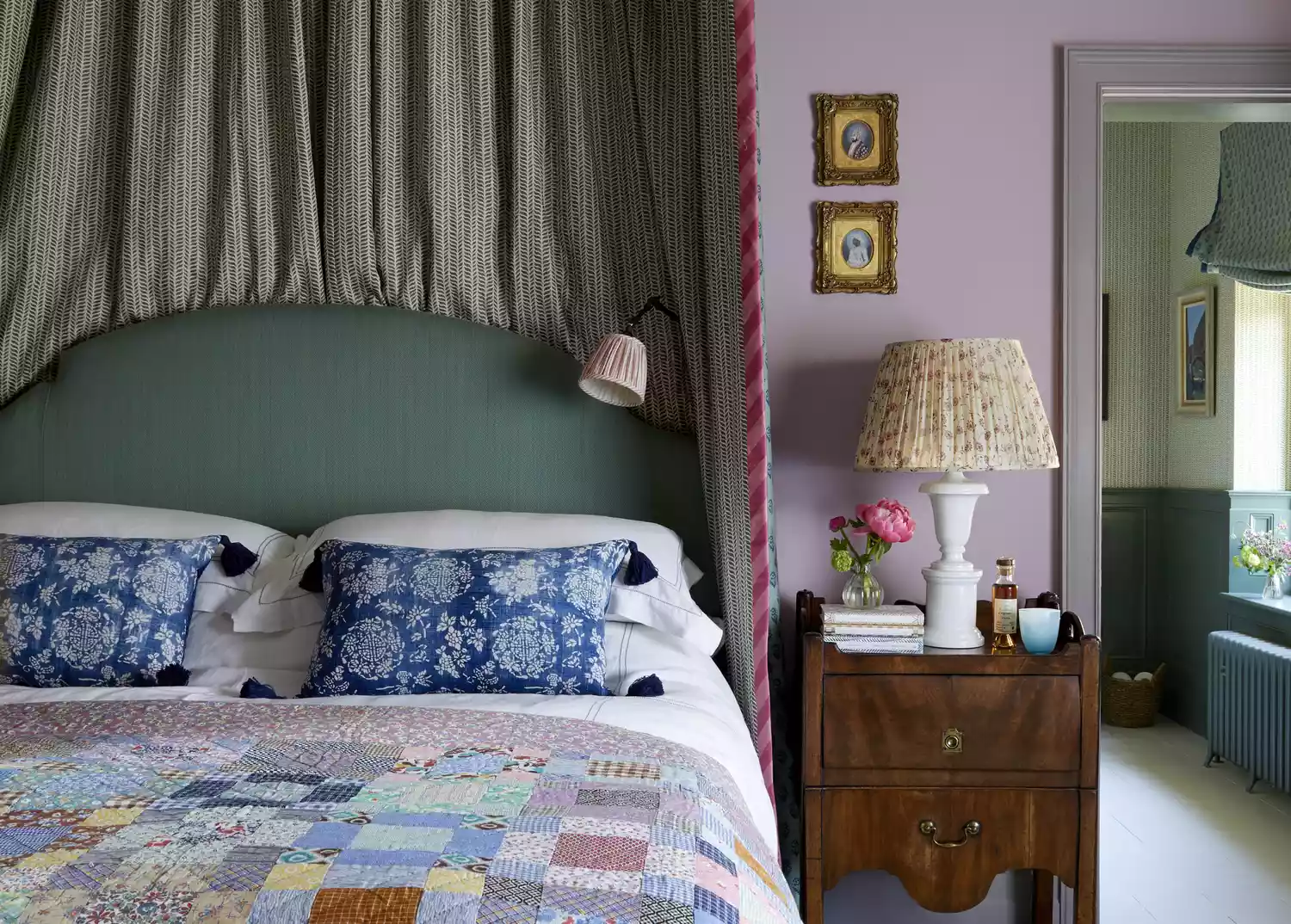
27 Bedroom Lighting Ideas That Add Style and Ambience
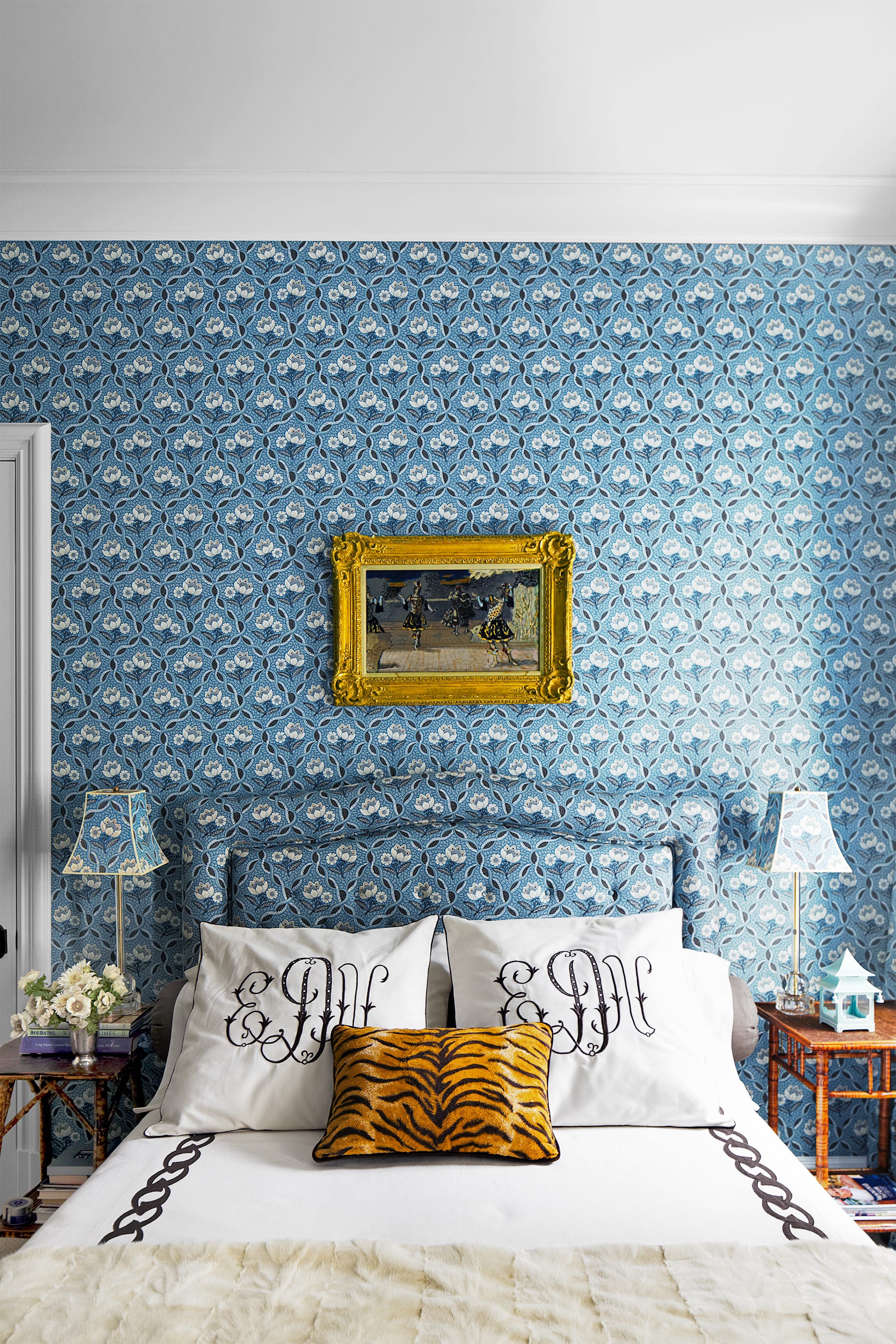
Designers' Best Tips and Tricks for a Beautiful Primary Bedroom

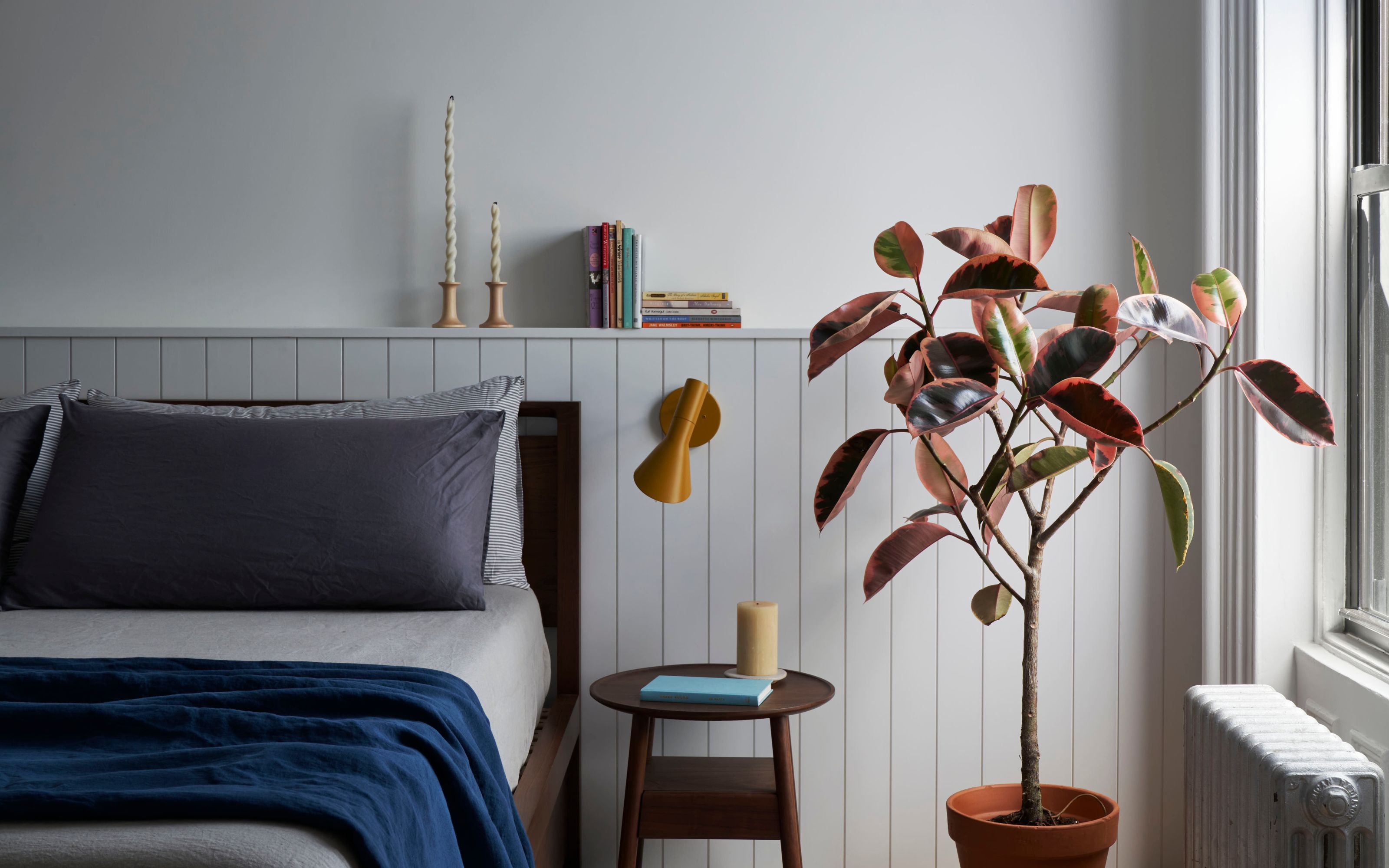
How can I make my bedroom lighting feel cozier? 8 tricks designers use that make for dreamy sleep spaces
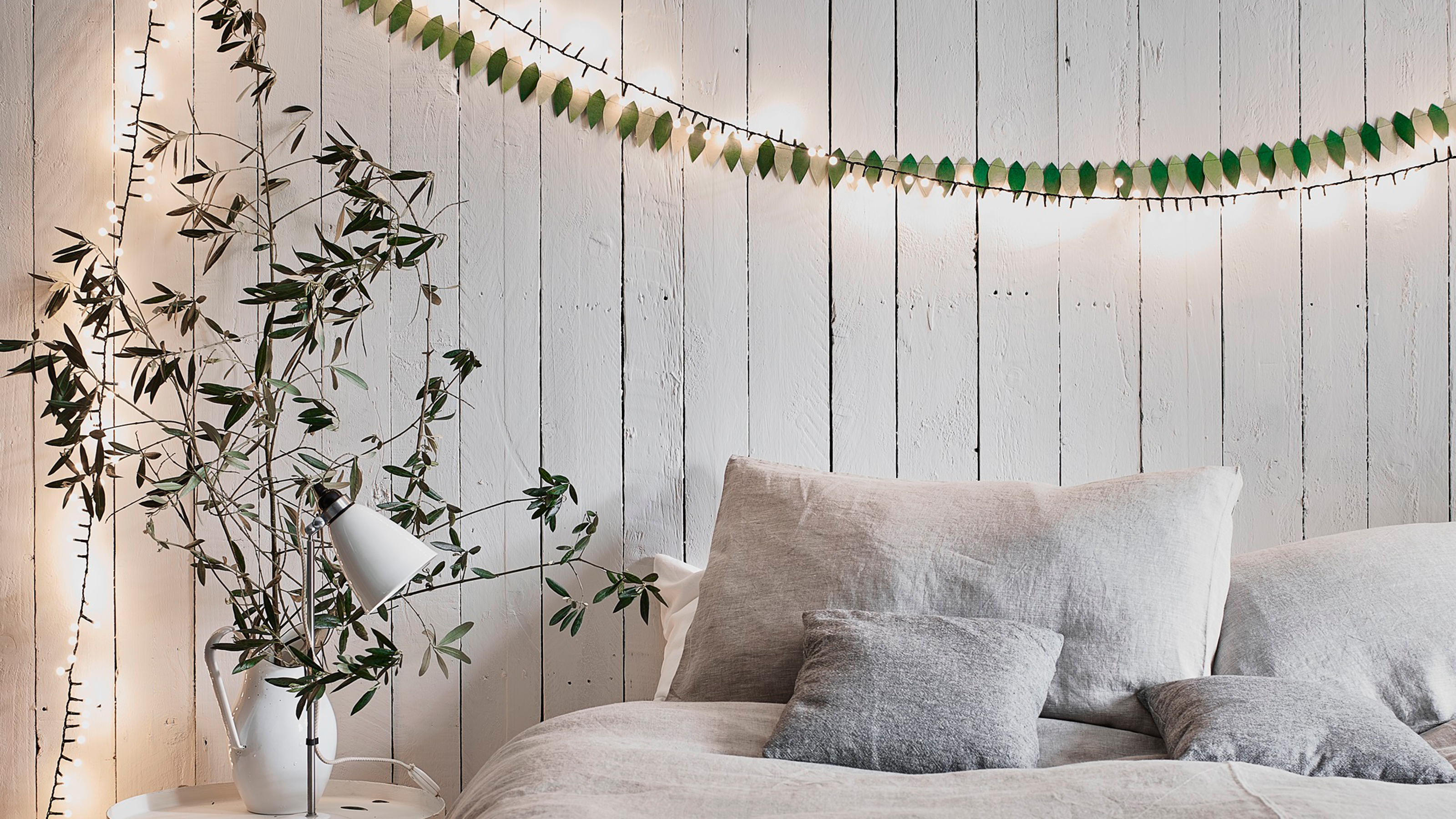
Bedroom Christmas light ideas – 16 festive lighting looks

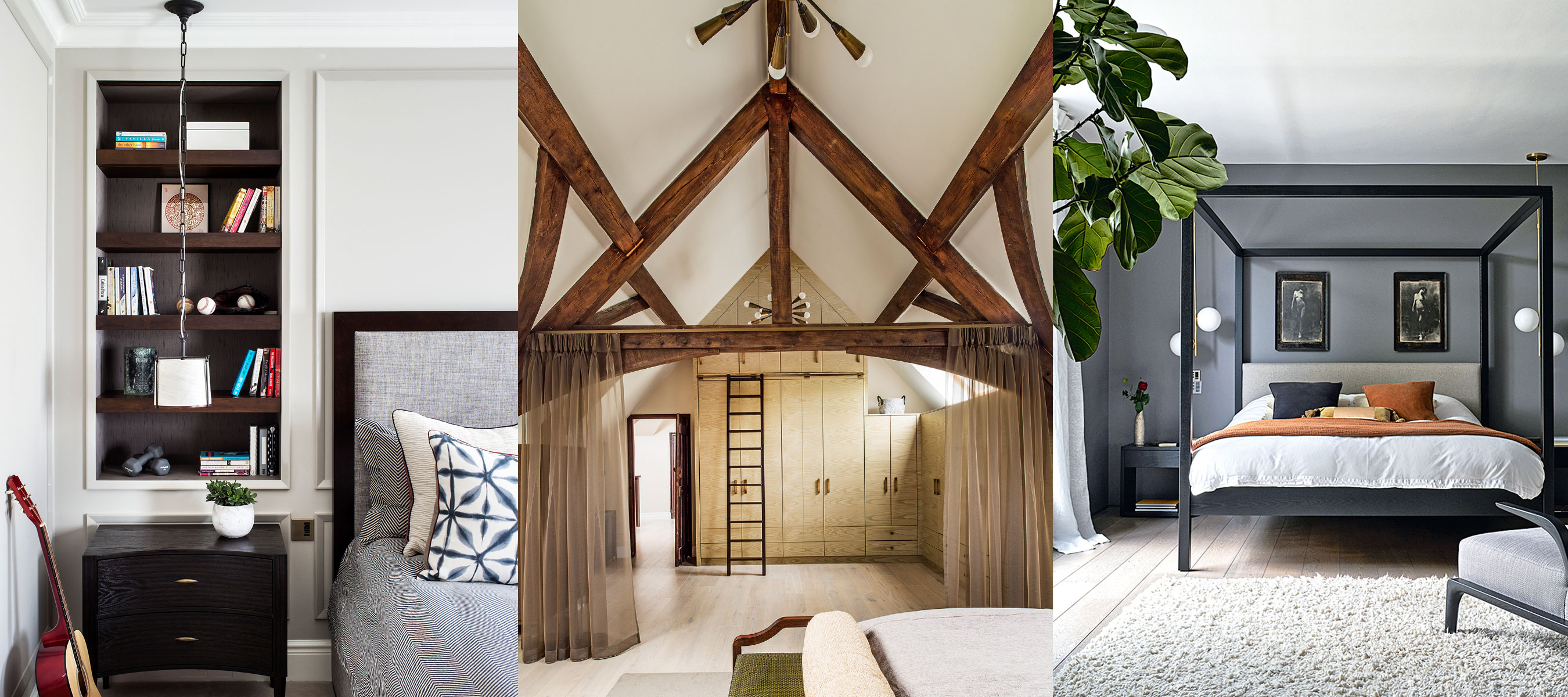
Bedroom ceiling light ideas – 15 ways to brighten up your sleep space
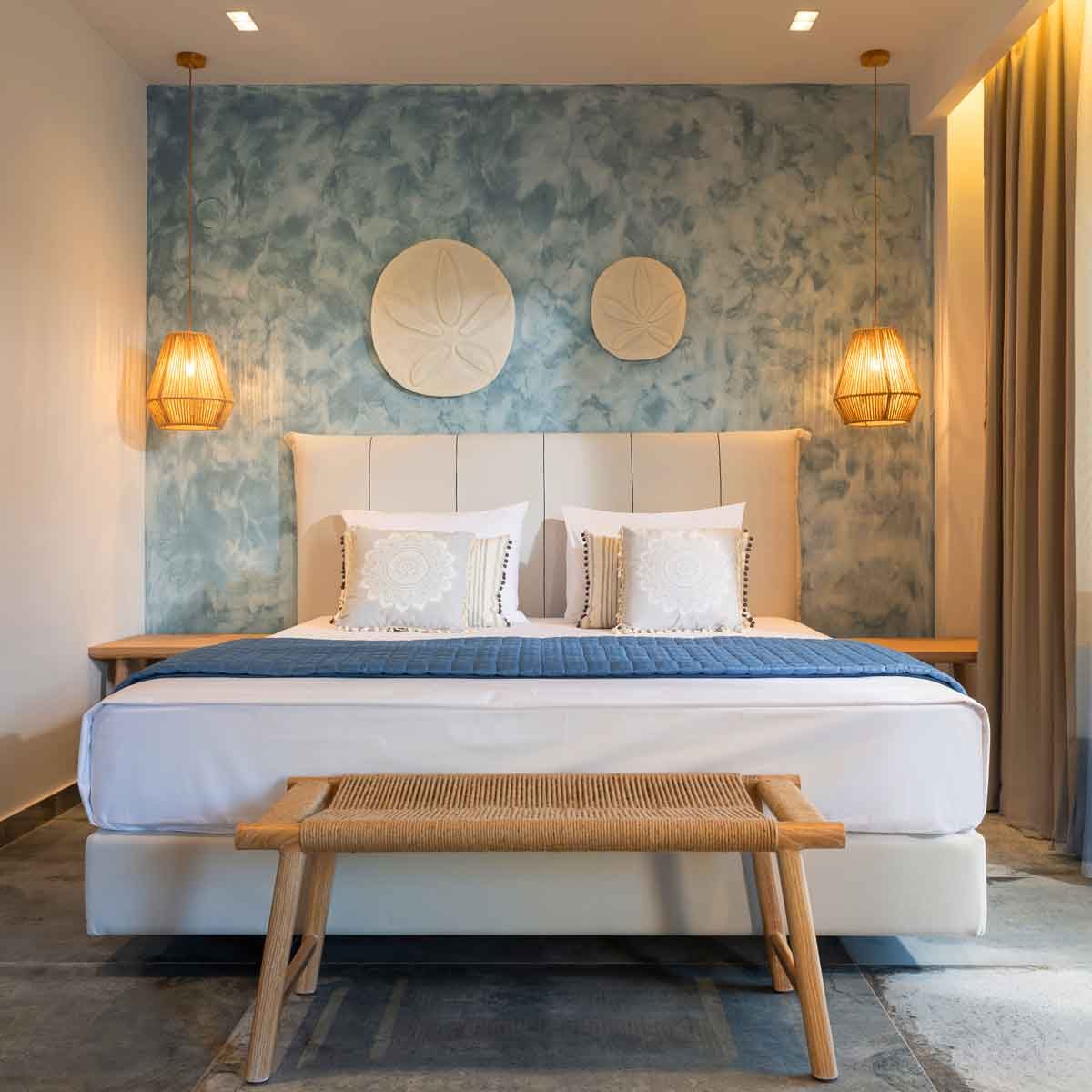
Tips for Choosing the Best Bedroom Lighting

33 Bedroom Decor Upgrades To Make You Love Your Space
12 things everyone should replace in their bedroom, according to interior designers