1/11
How to make a living room lighter – an interior designer's 10 tips for a creating brighter space
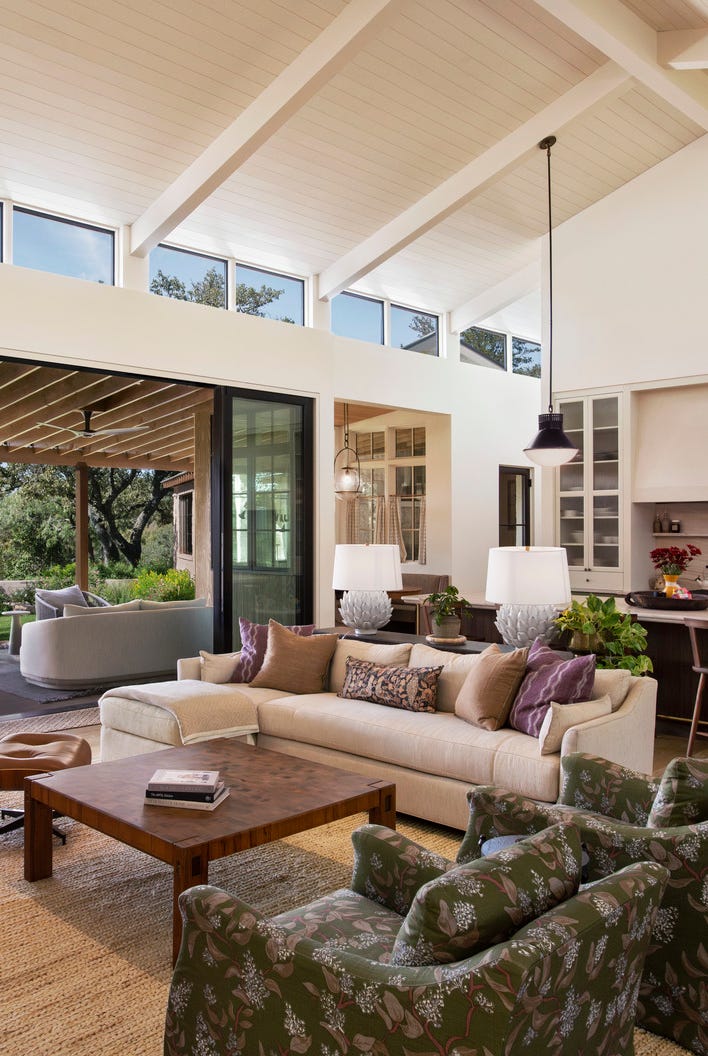
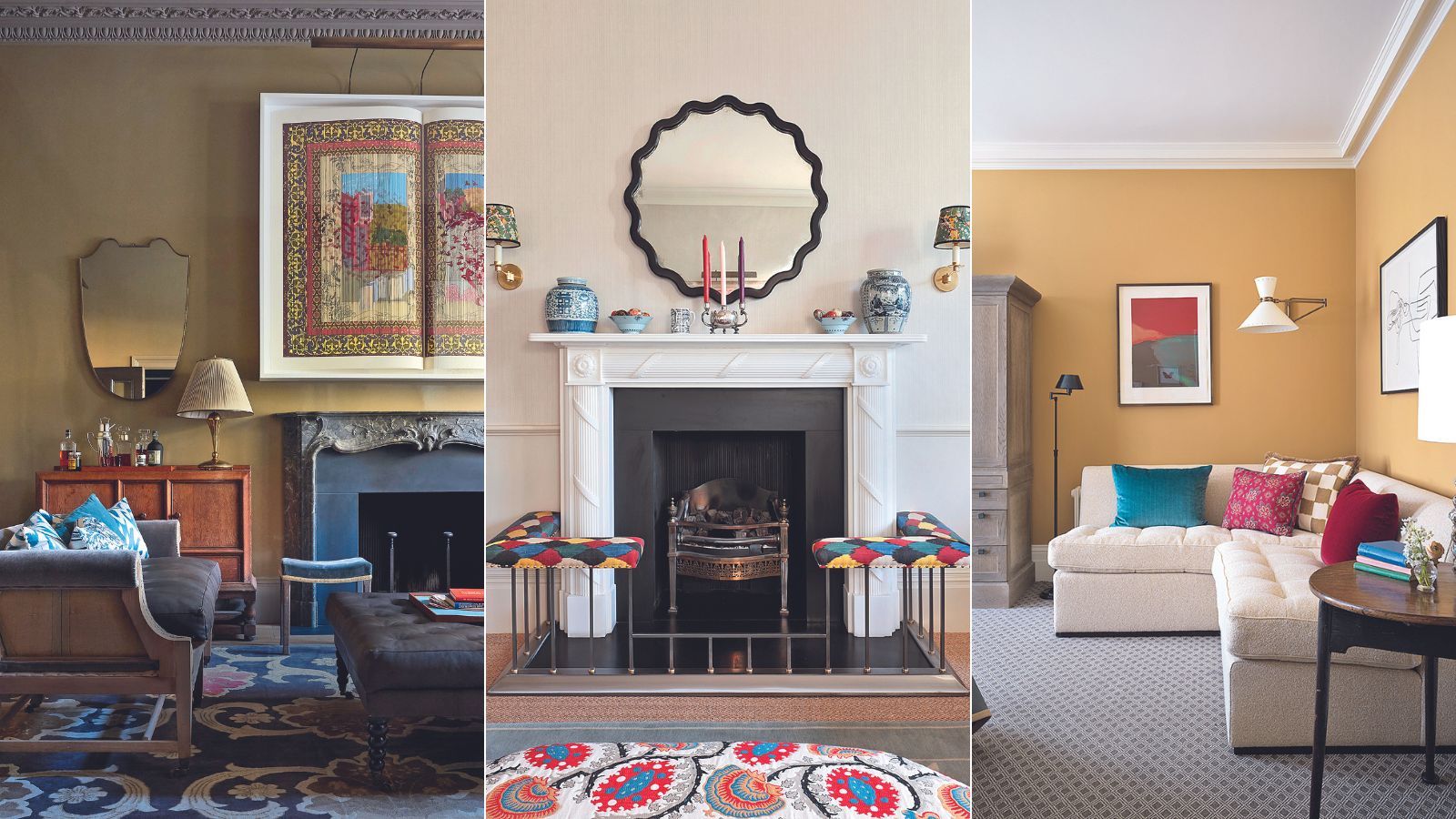
Making a living room feel brighter can significantly enhance its atmosphere, creating a sense of spaciousness and positively impacting one's mood. Patrick Gilles, a renowned interior designer from Gilles & Boissier Studio in Paris, emphasizes that light is a fundamental element that shapes a room's personality. His techniques focus on maximizing both natural and artificial light to achieve a desired ambiance, whether it's bright and shimmering or calm and cozy. The approach to lighting varies based on factors such as location (city vs. countryside), room orientation, window size, and the ultimate design goal for the space.
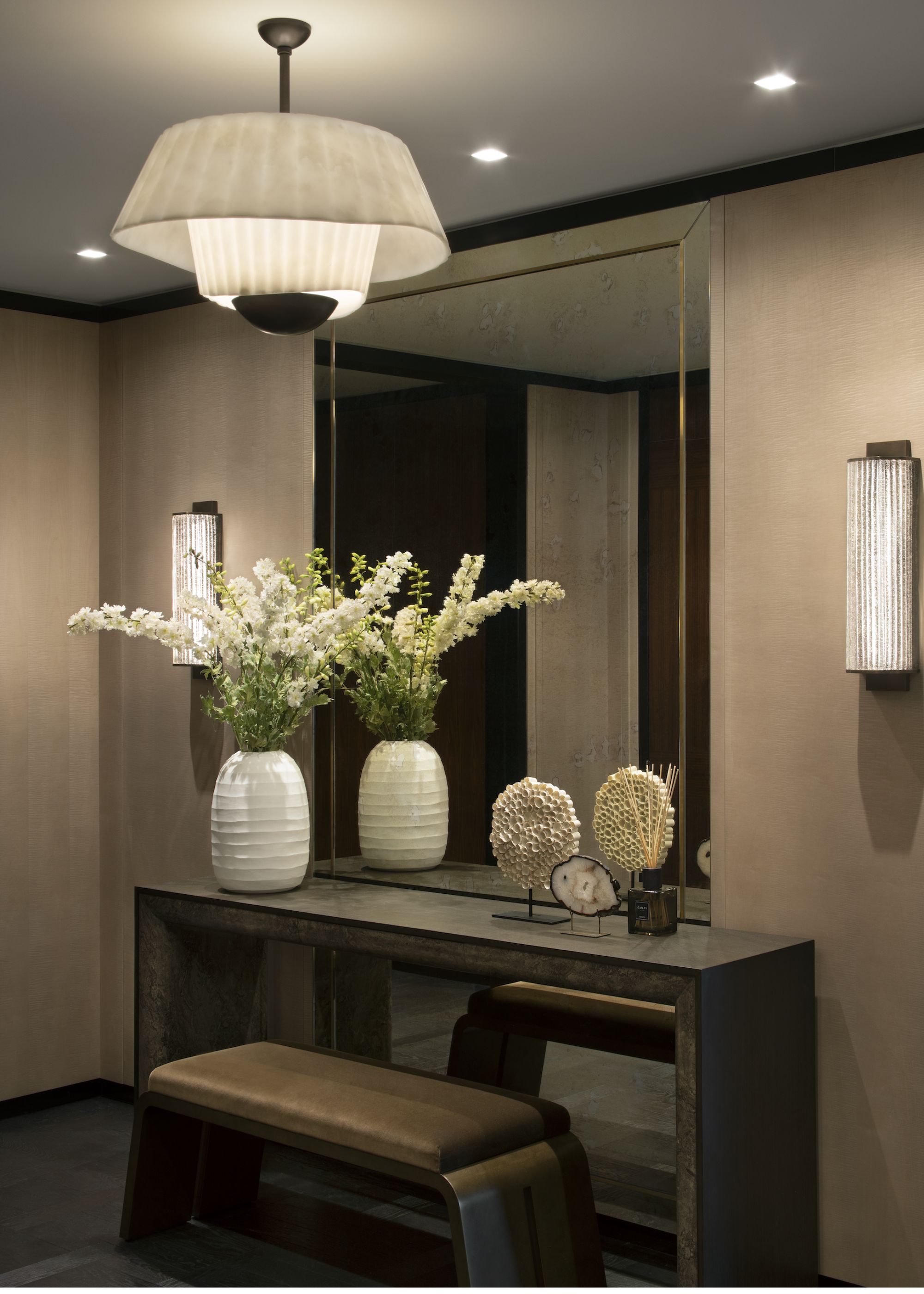
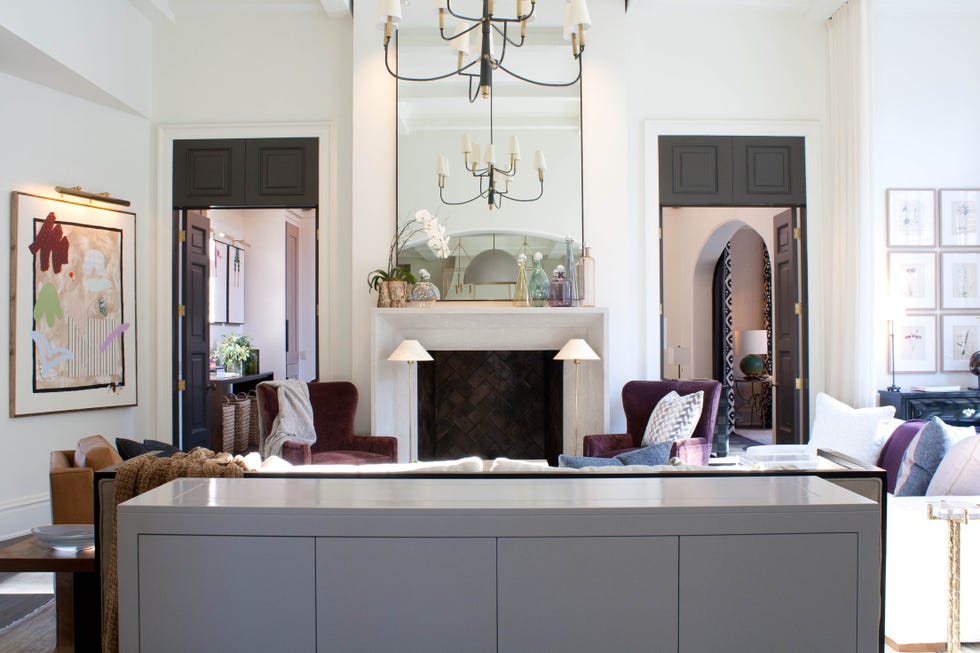
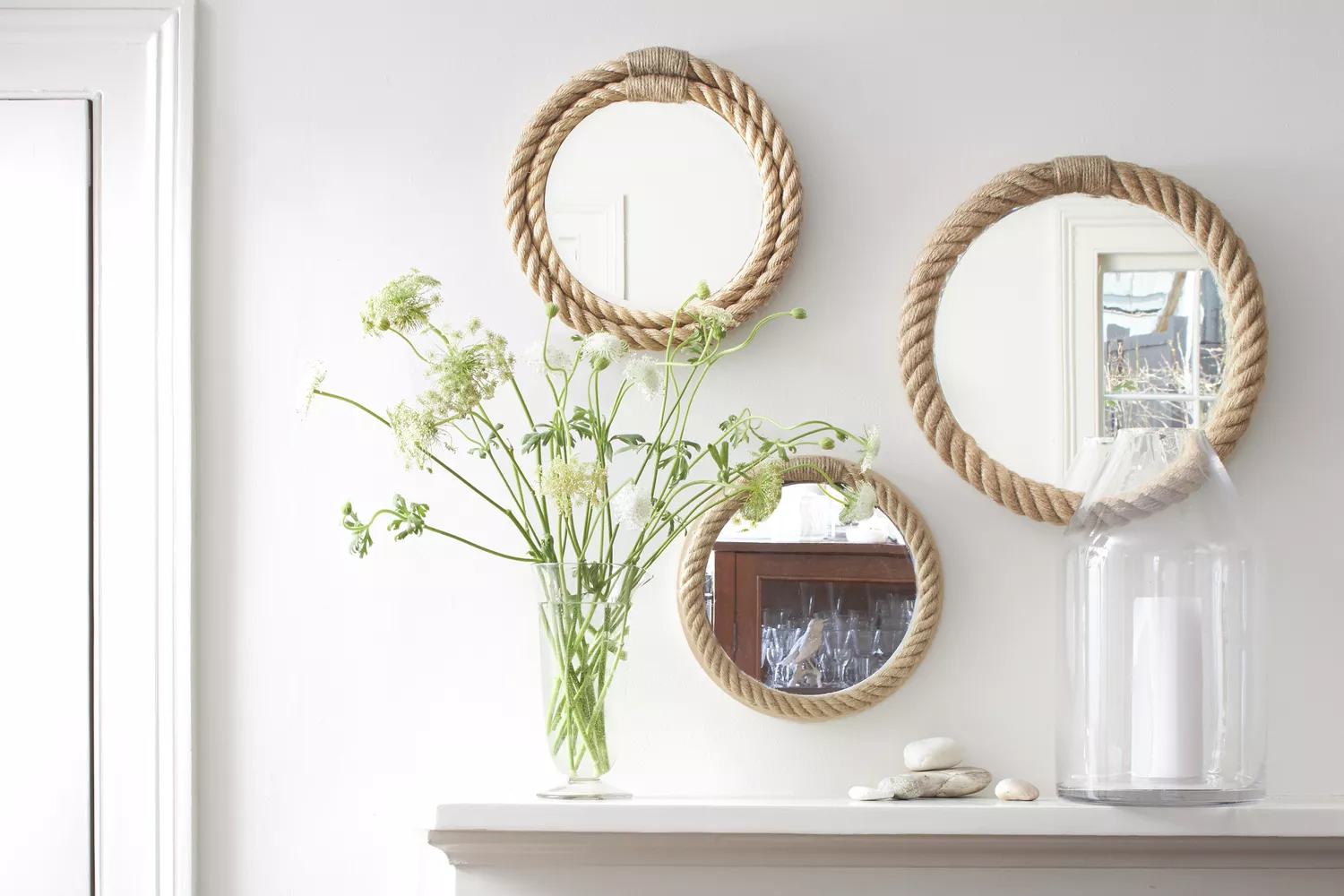
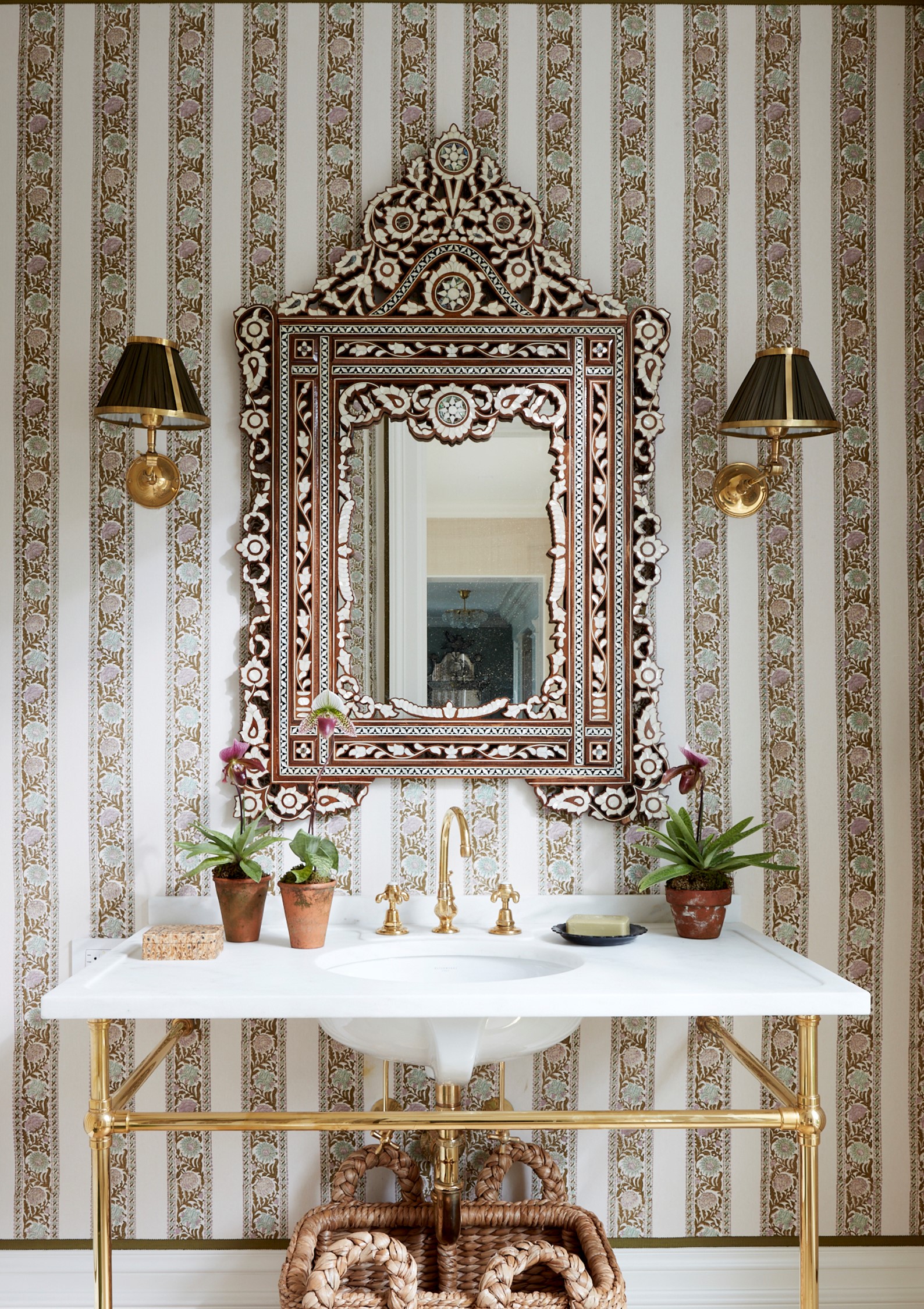
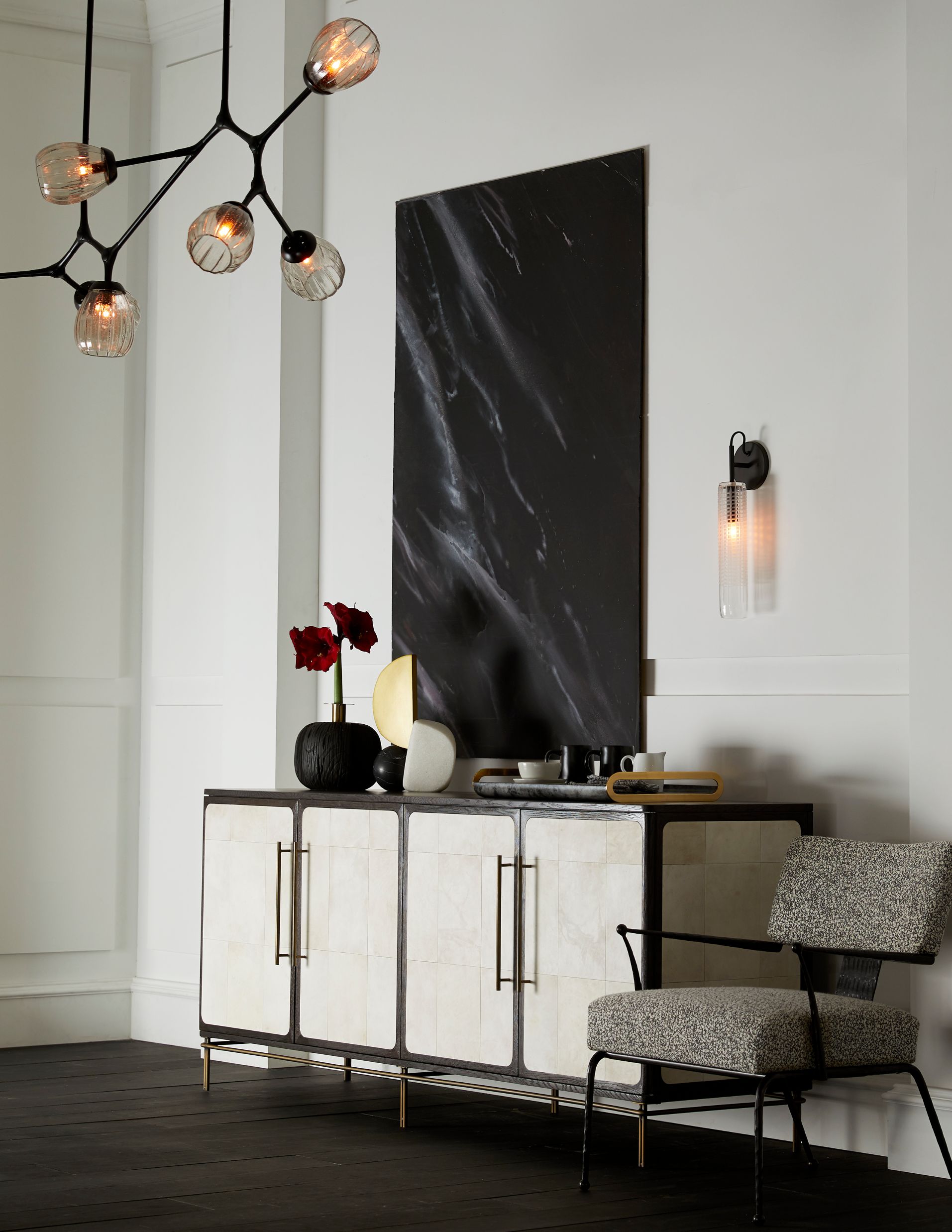
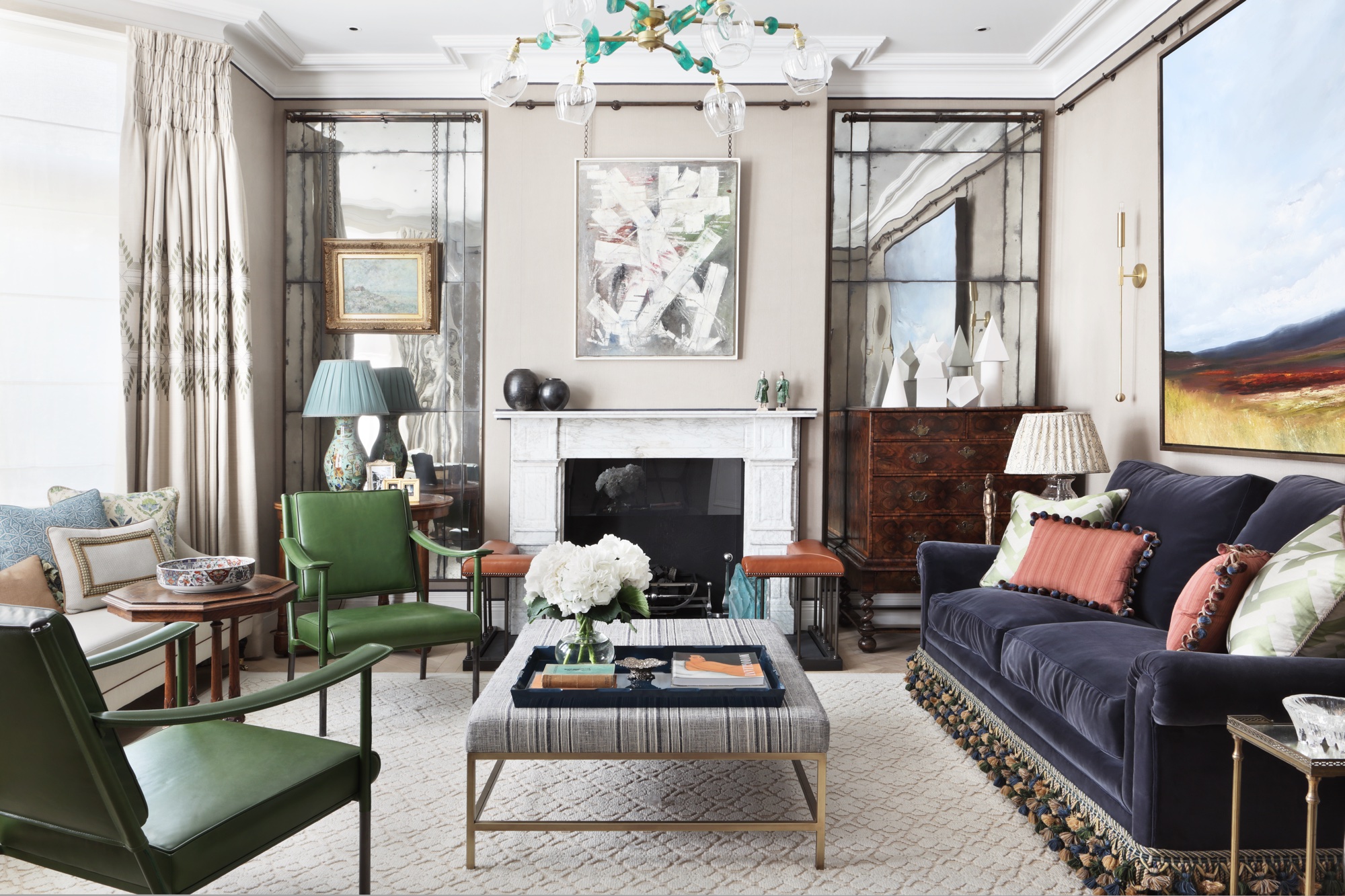
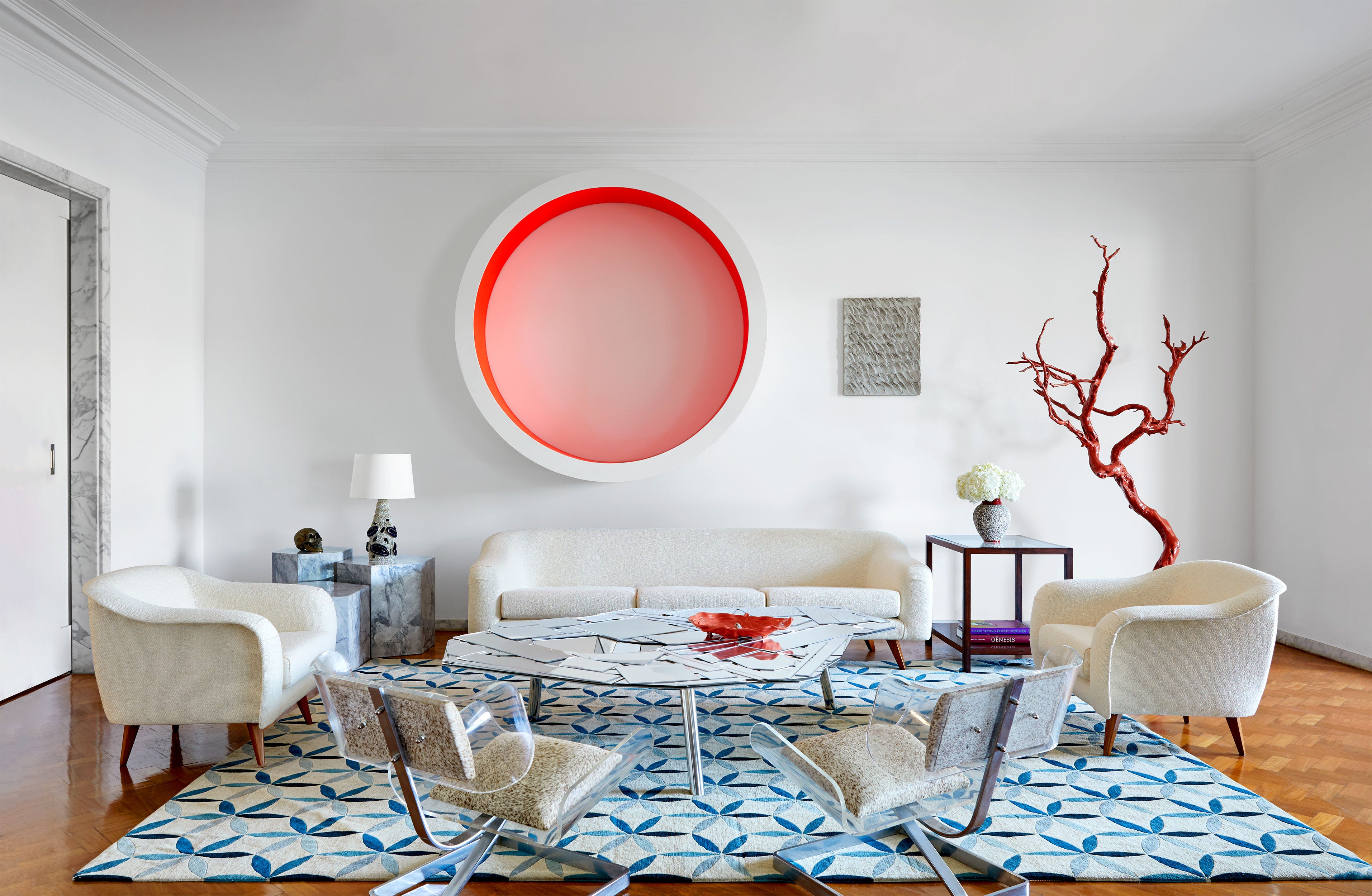
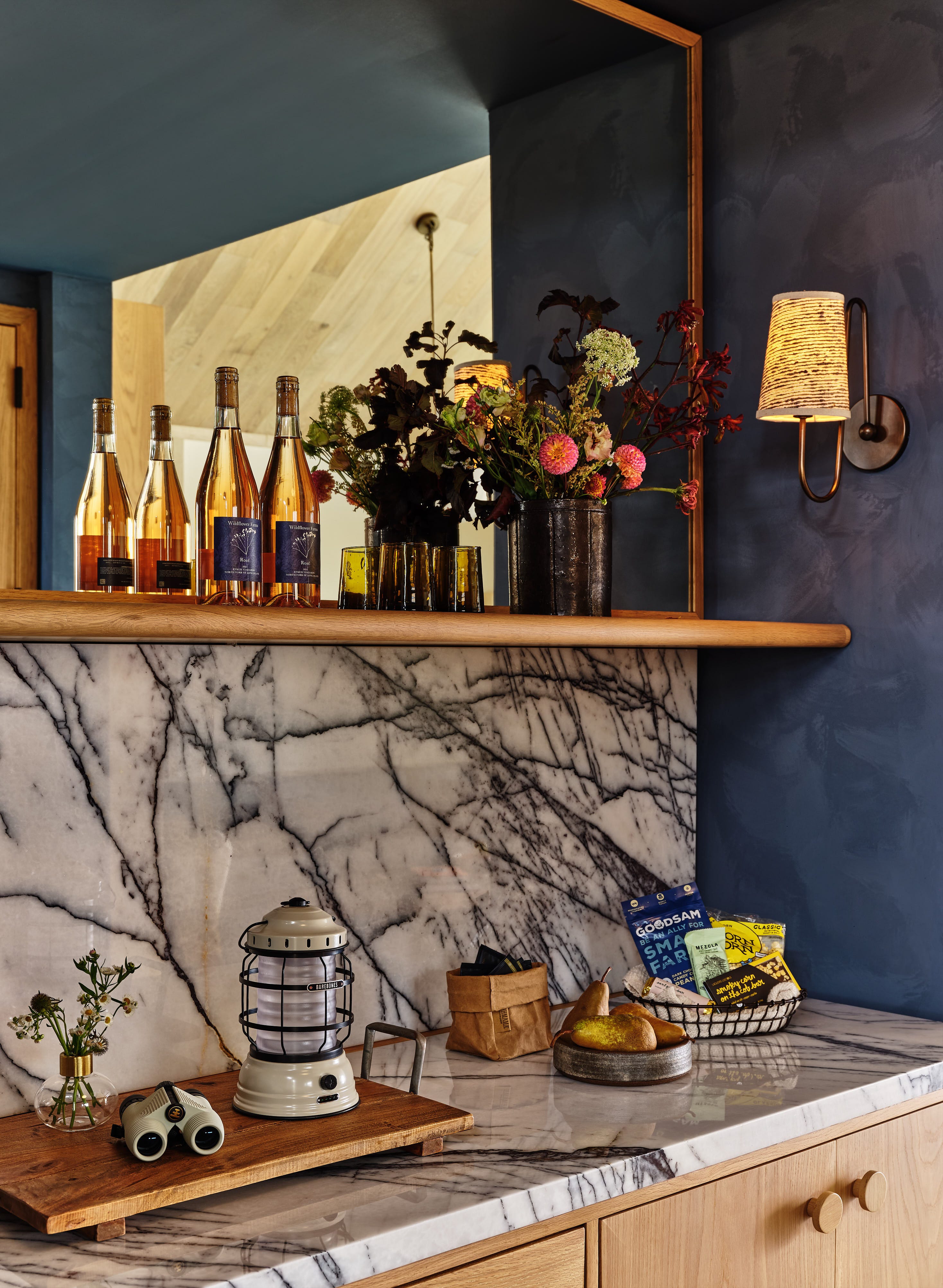
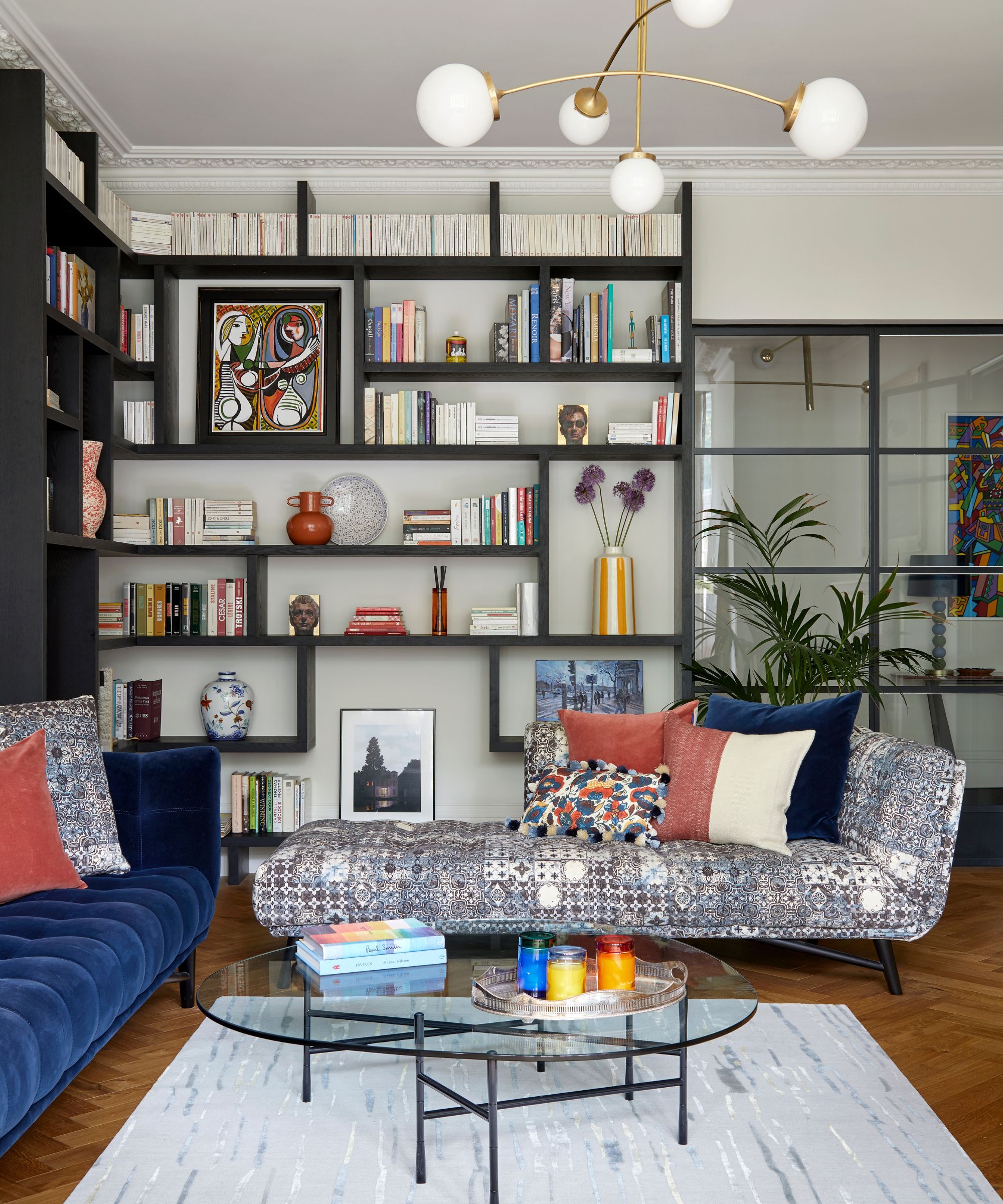
To effectively lighten a living room, it is crucial to first assess the existing natural light and consider the desired effect. The quality of light can differ greatly, for example, between Paris and London, and within different areas of a single room, such as a long living room where one end is much darker than the other. Understanding these variations allows for tailored solutions. Incorporating mirrors strategically can create reflections, amplifying light within smaller spaces. Beyond mirrors, the choice of materials plays a vital role; for instance, marble offers different reflective properties depending on its finish (matte or polished). Glossy finishes, while not always a primary choice for Patrick Gilles, can introduce dynamic reflections that add visual interest and a sense of changing art to a room.
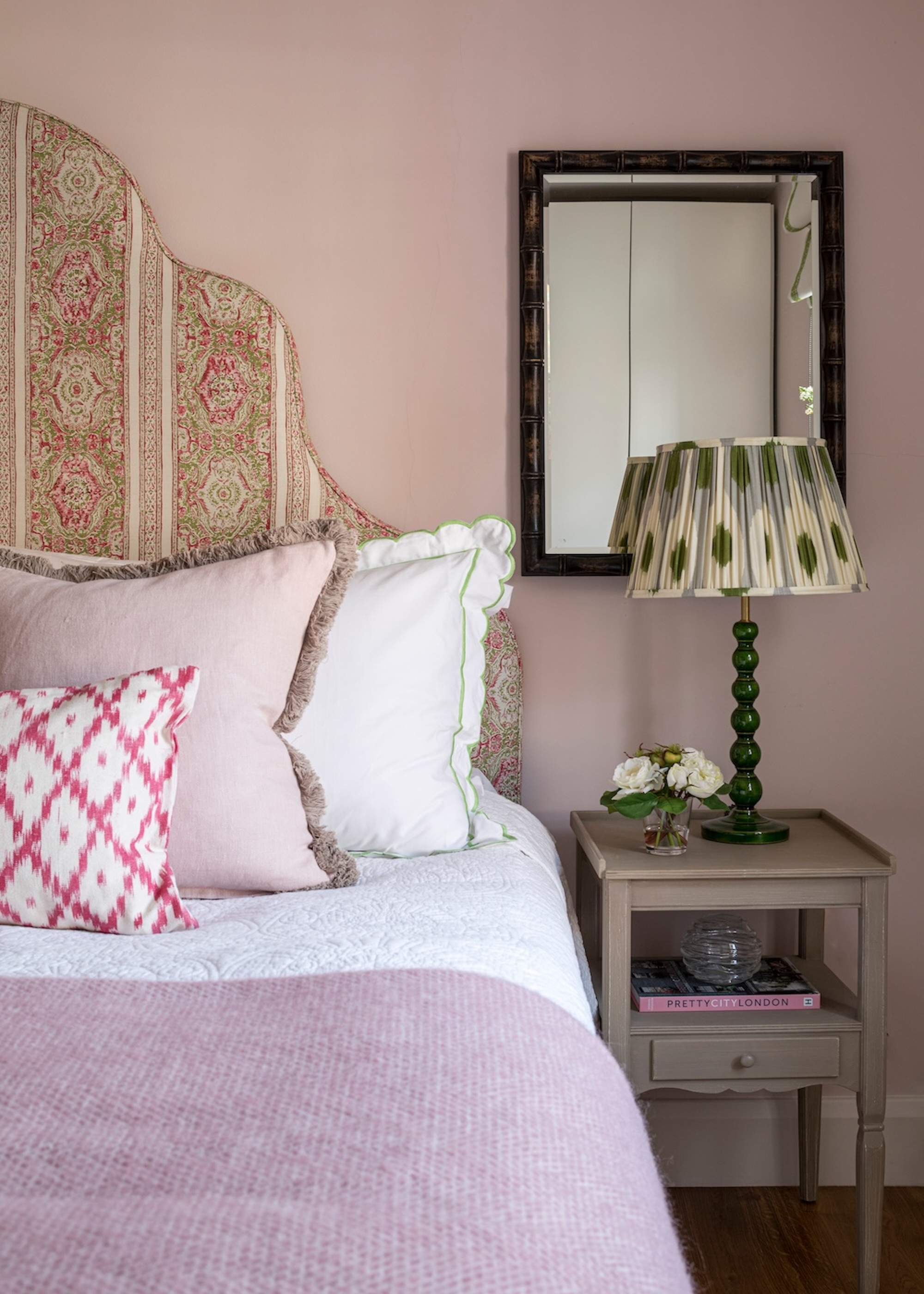
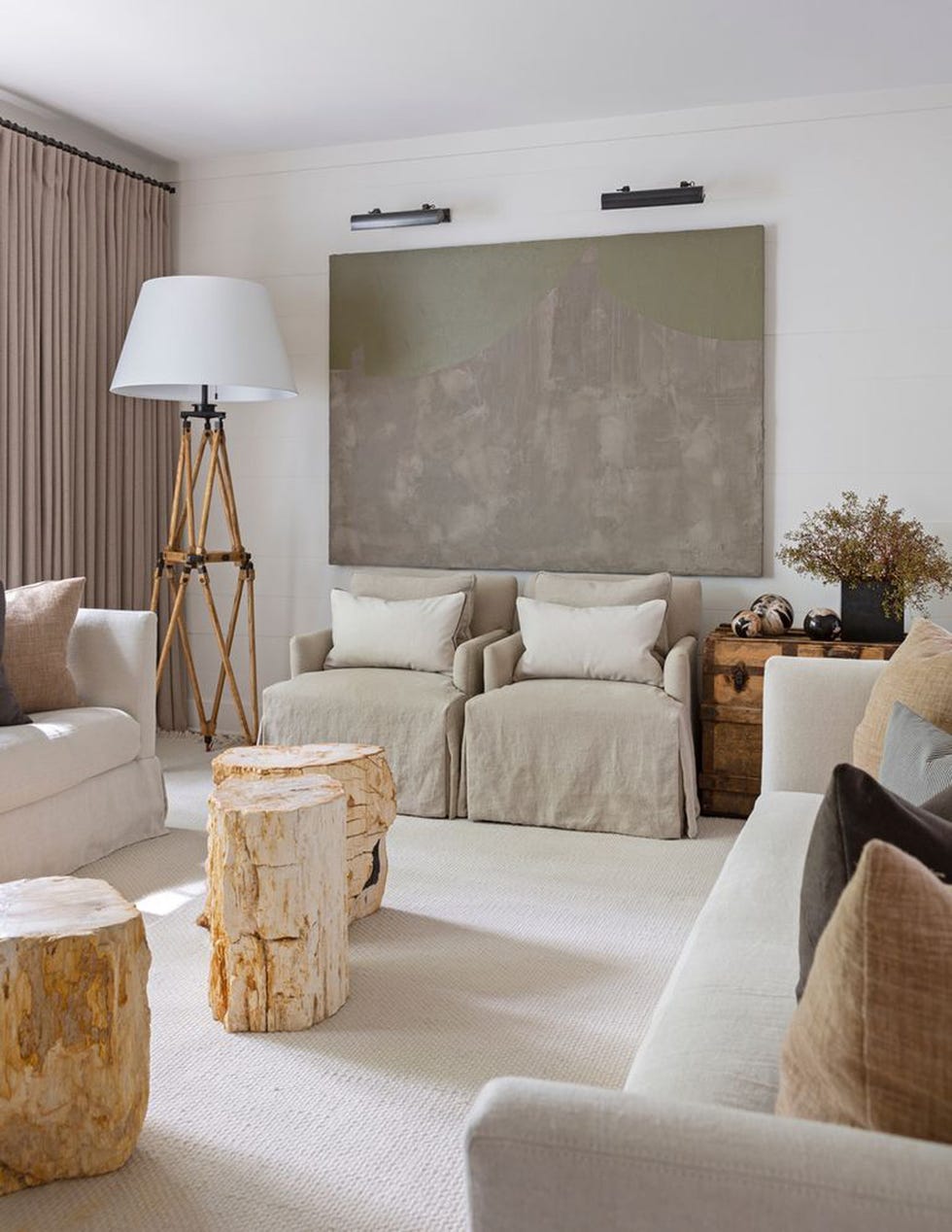
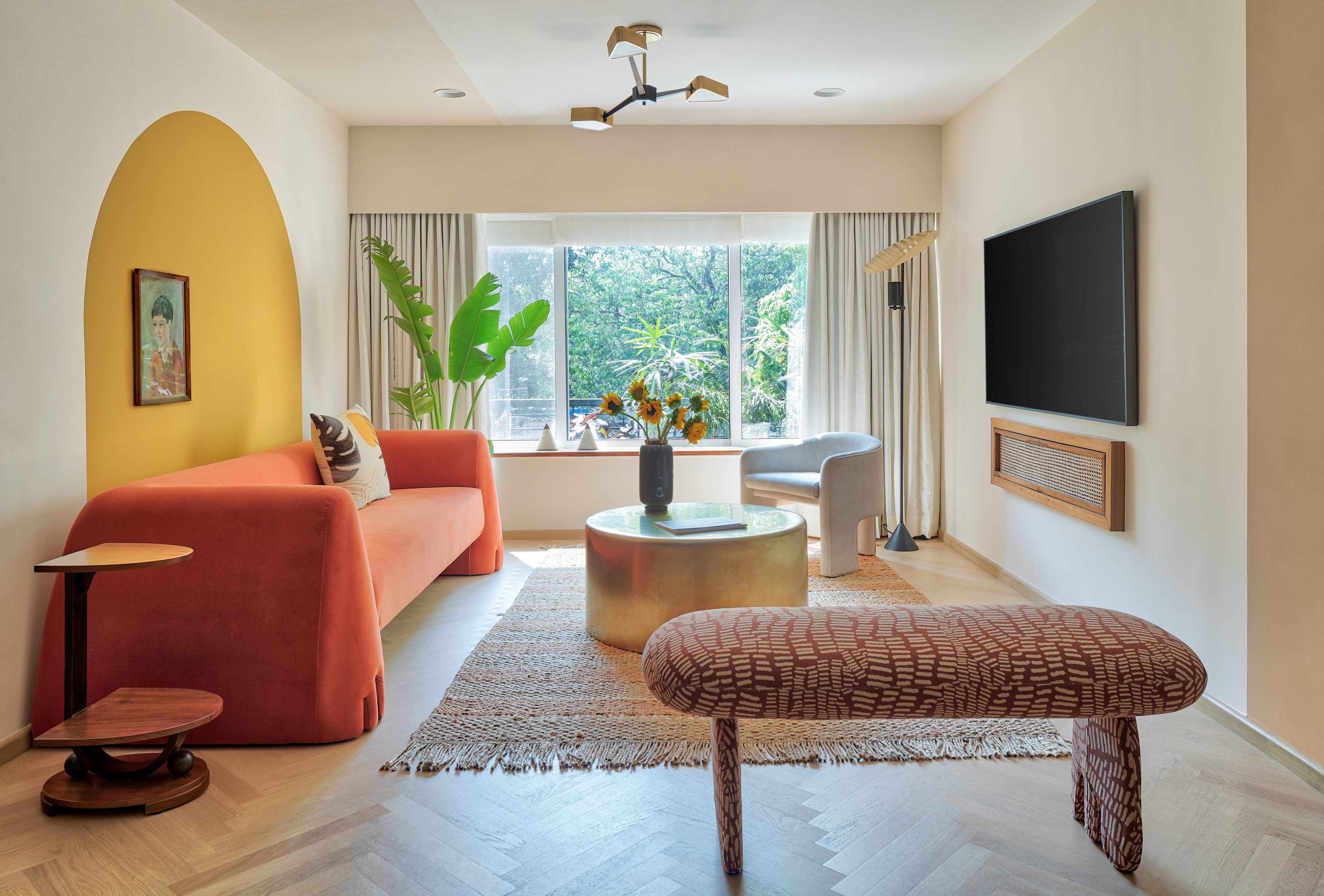
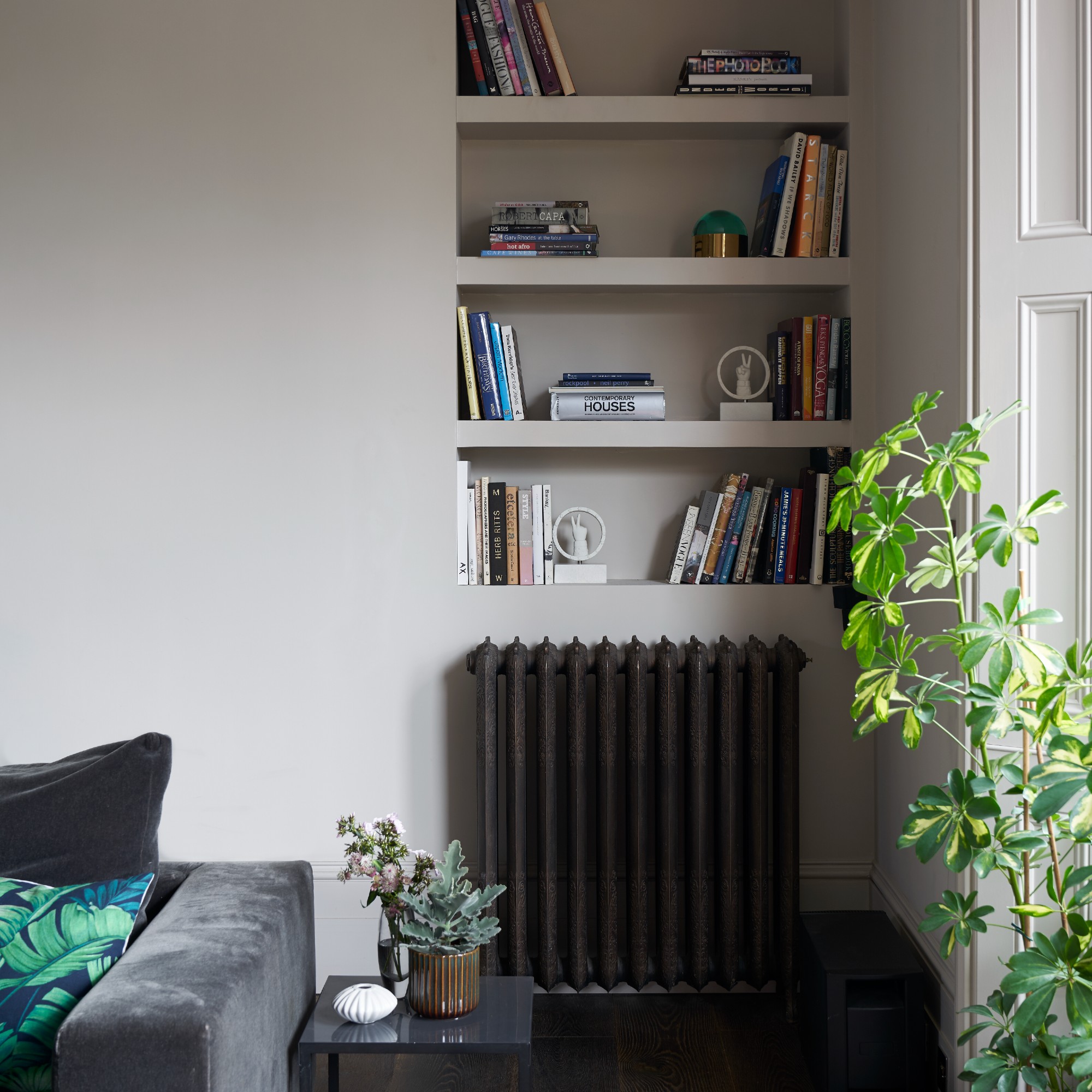
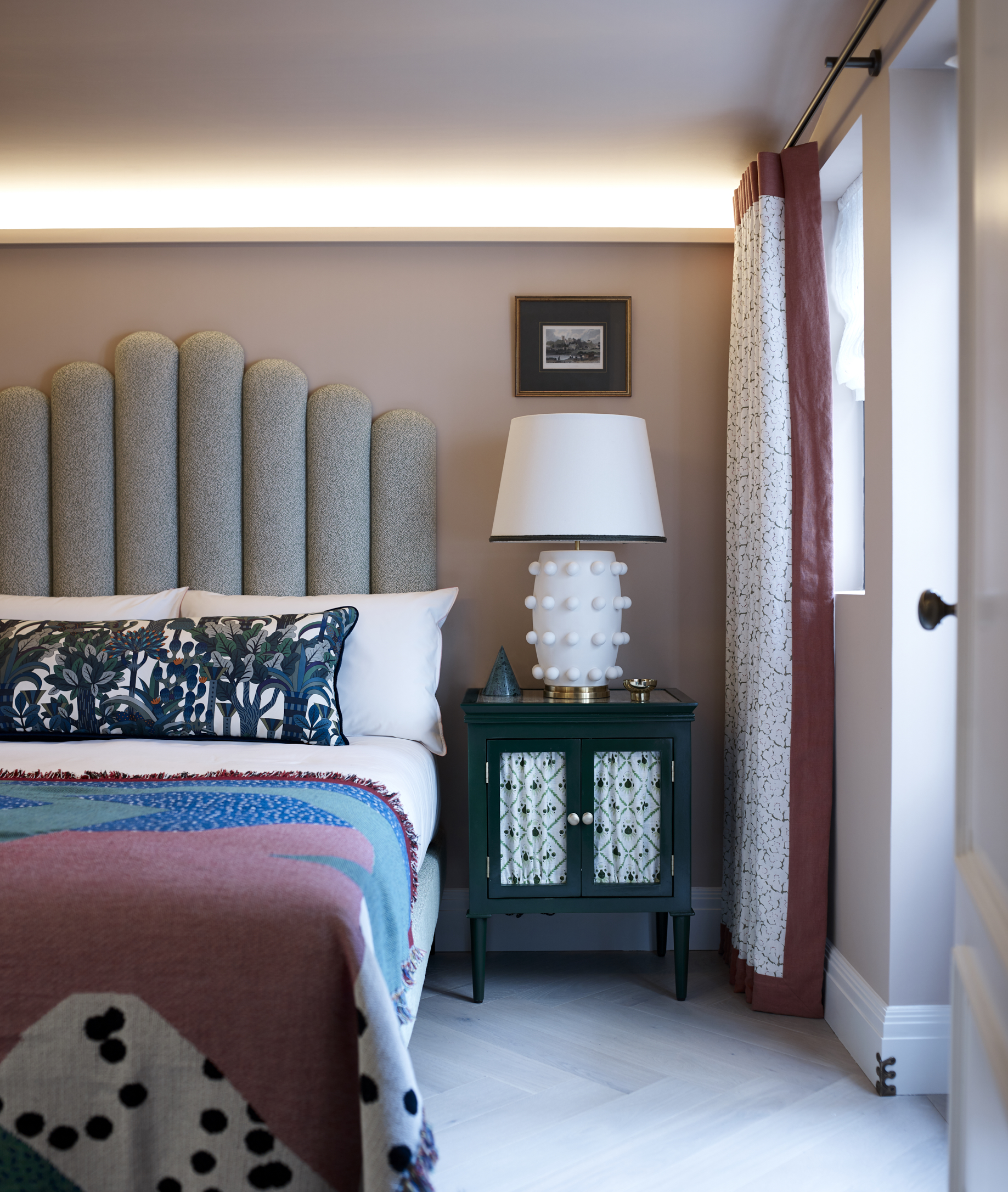
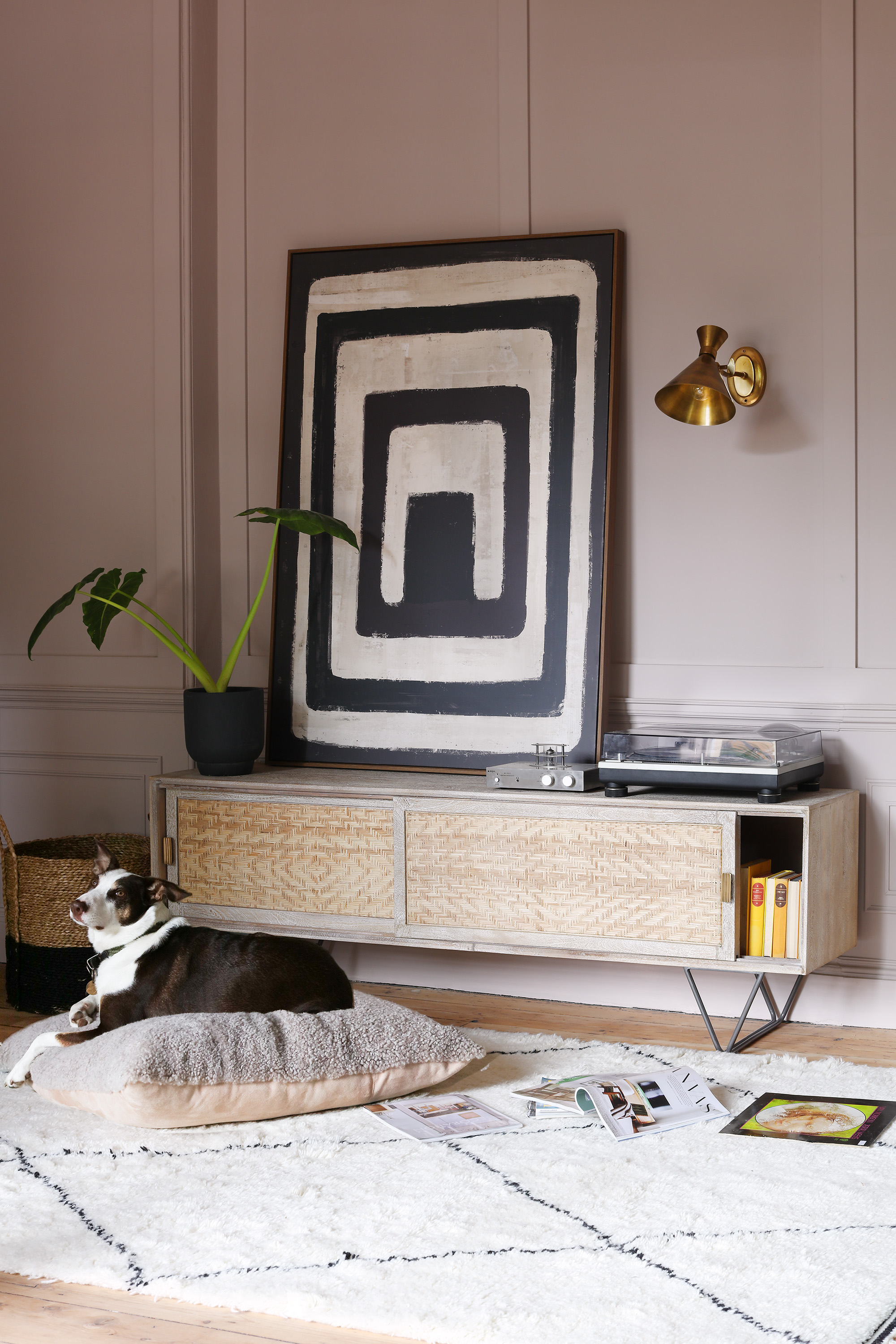
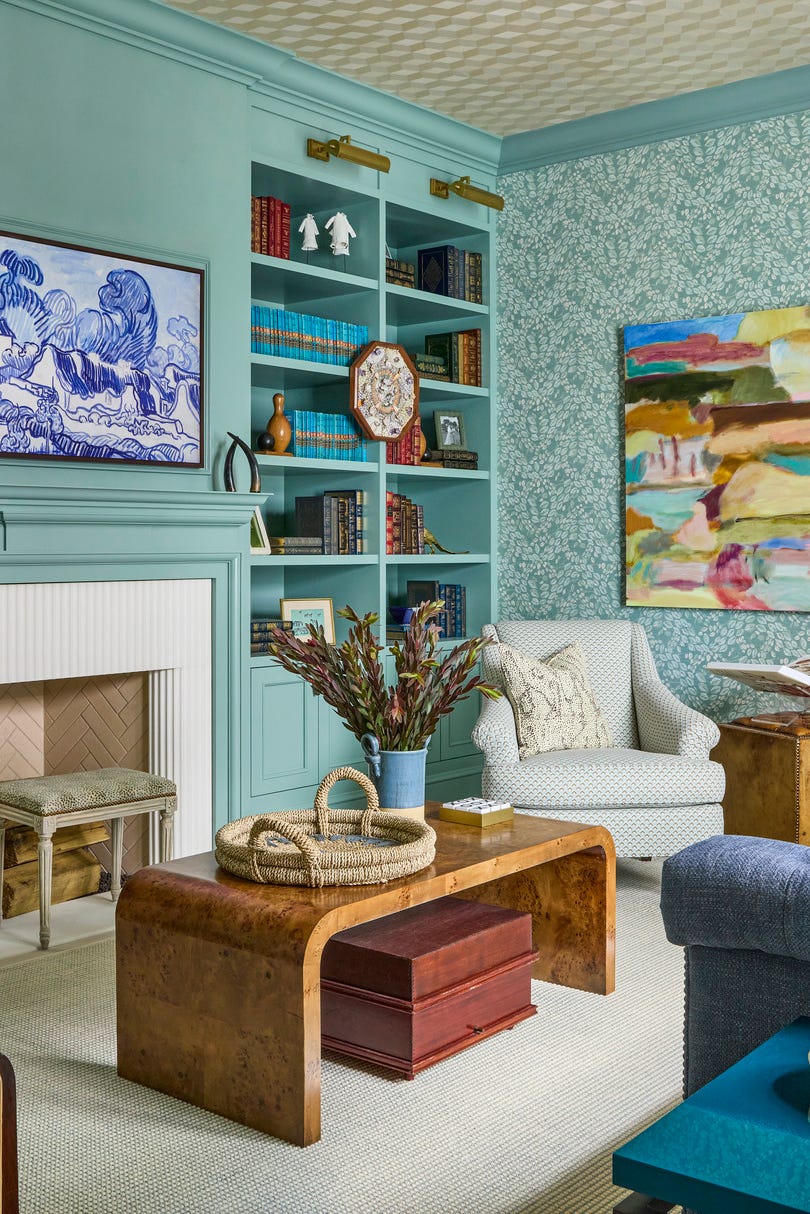
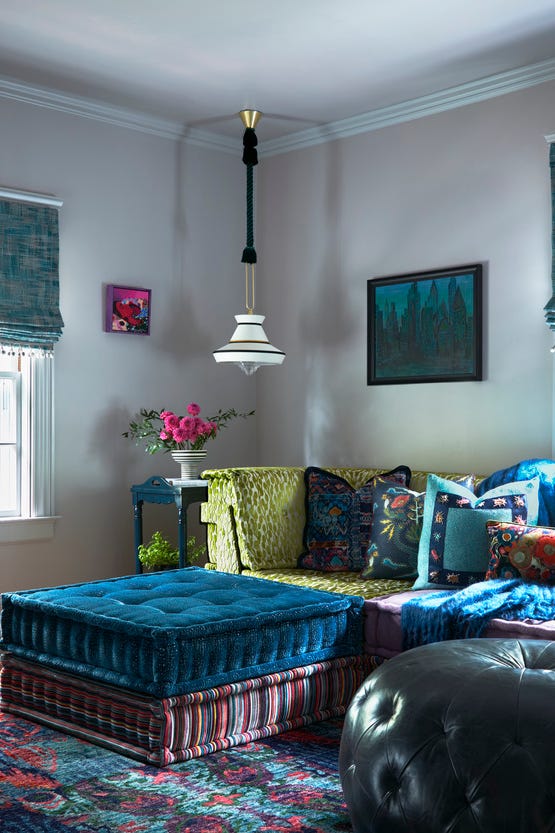
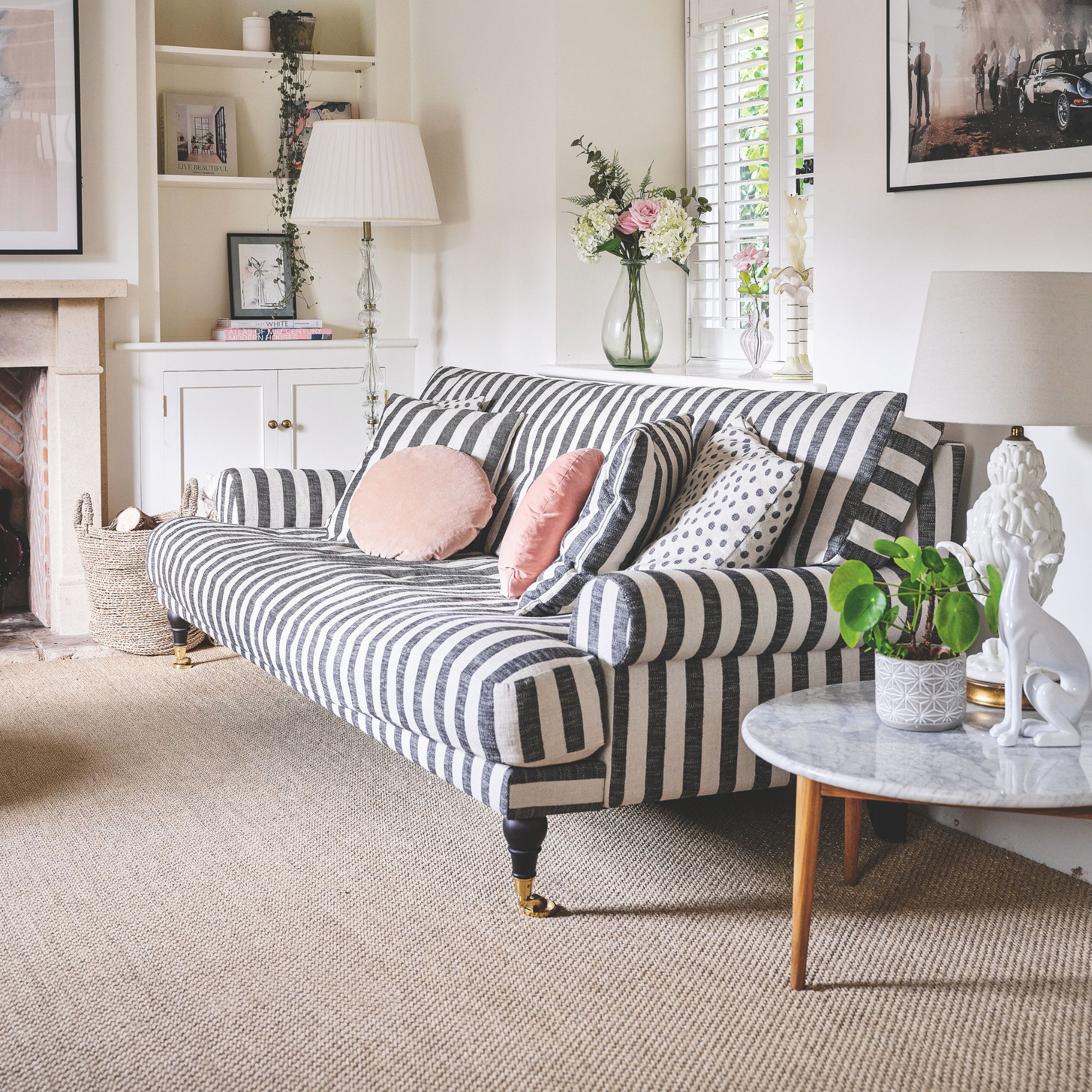
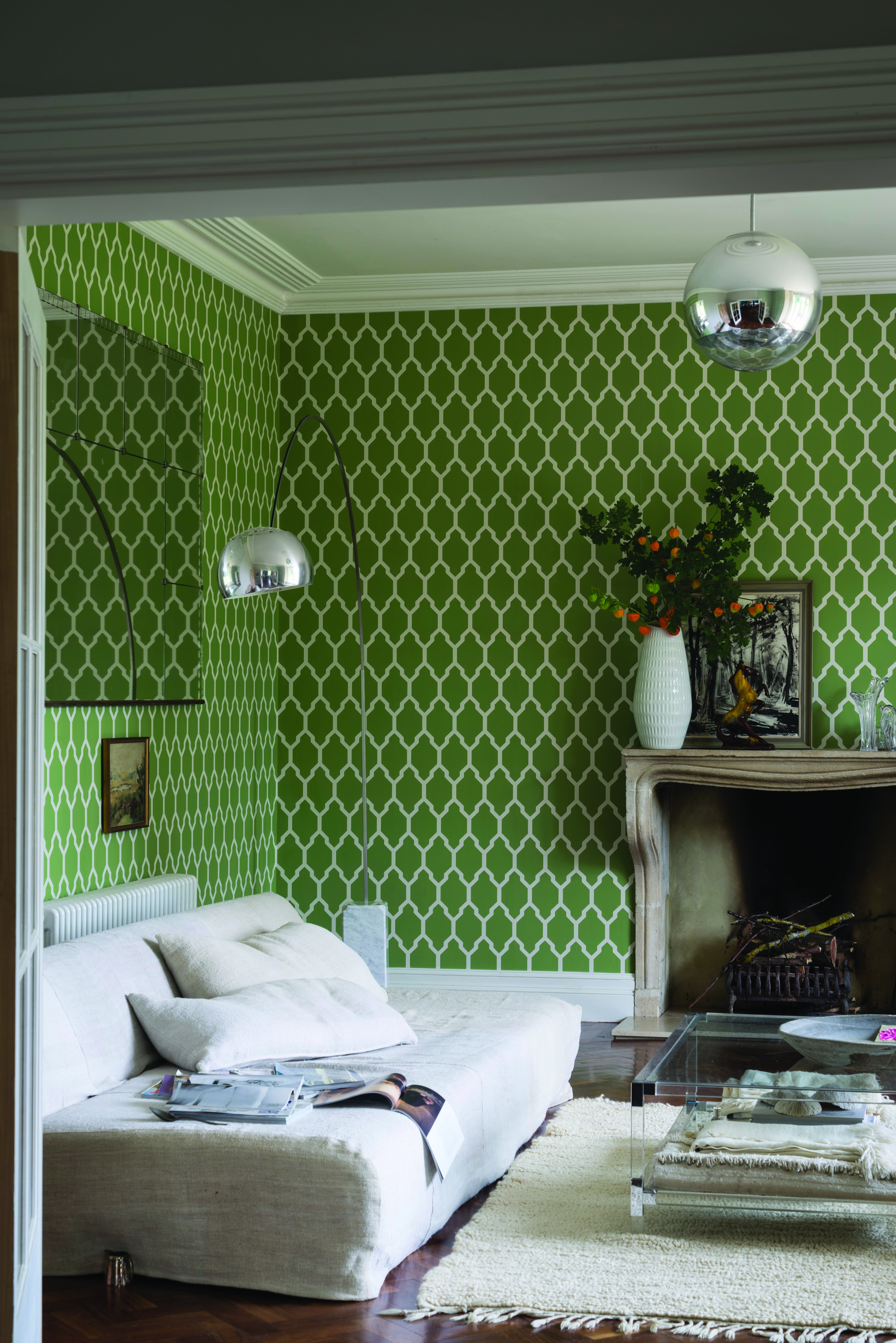
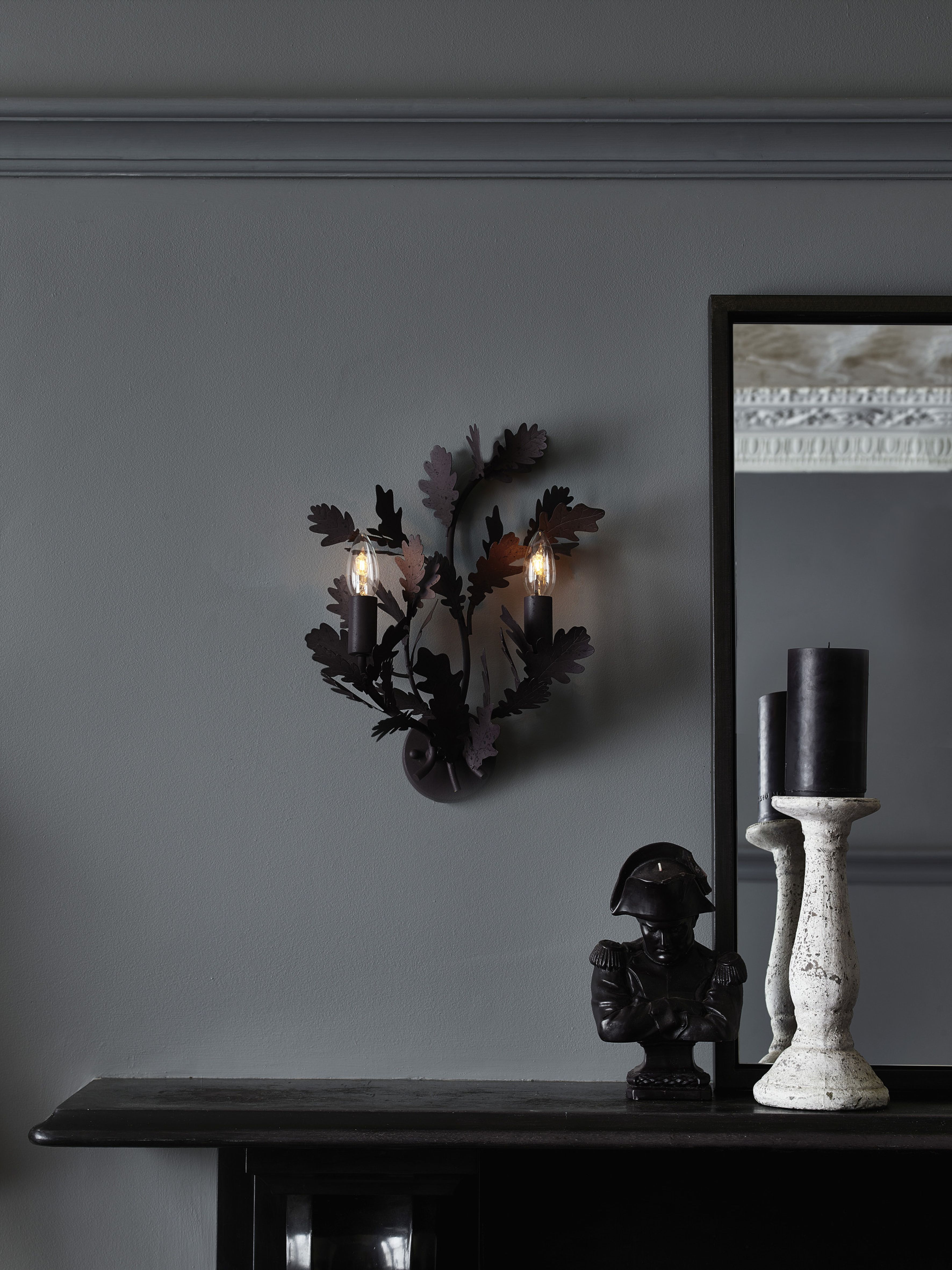
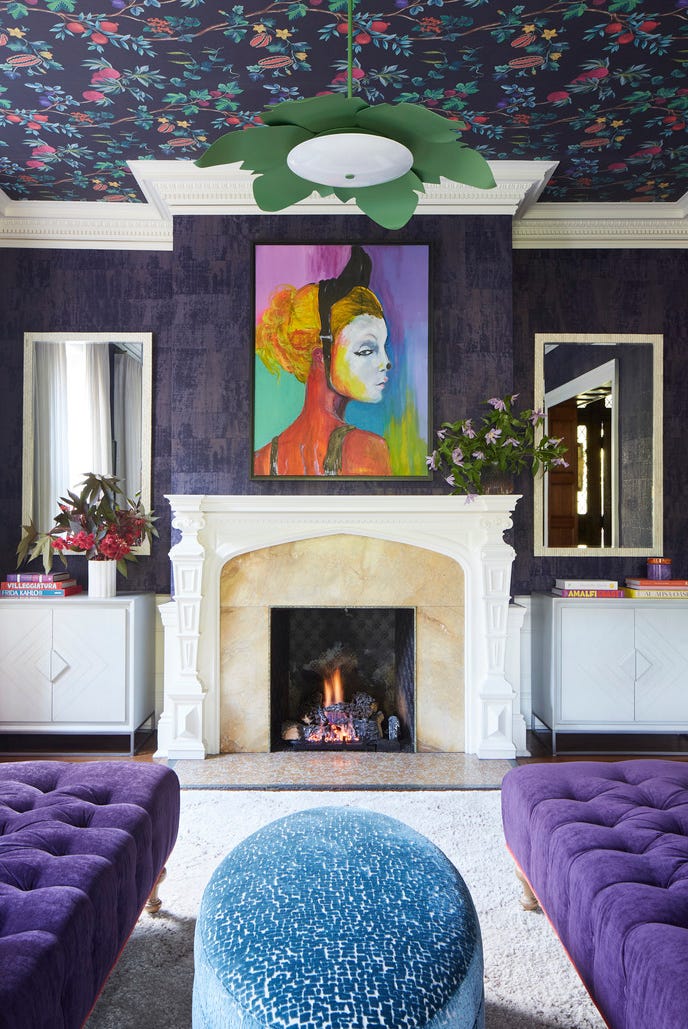
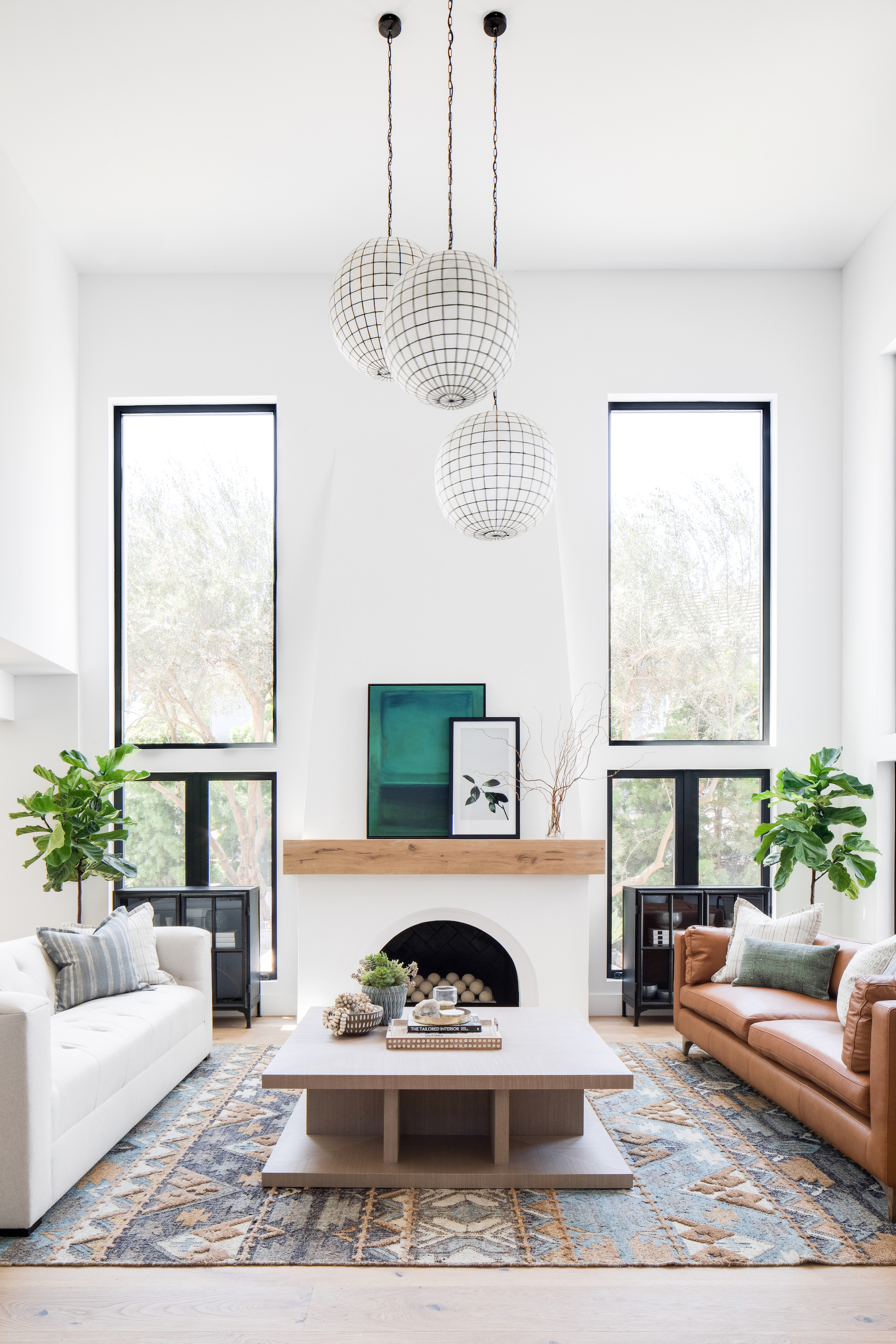
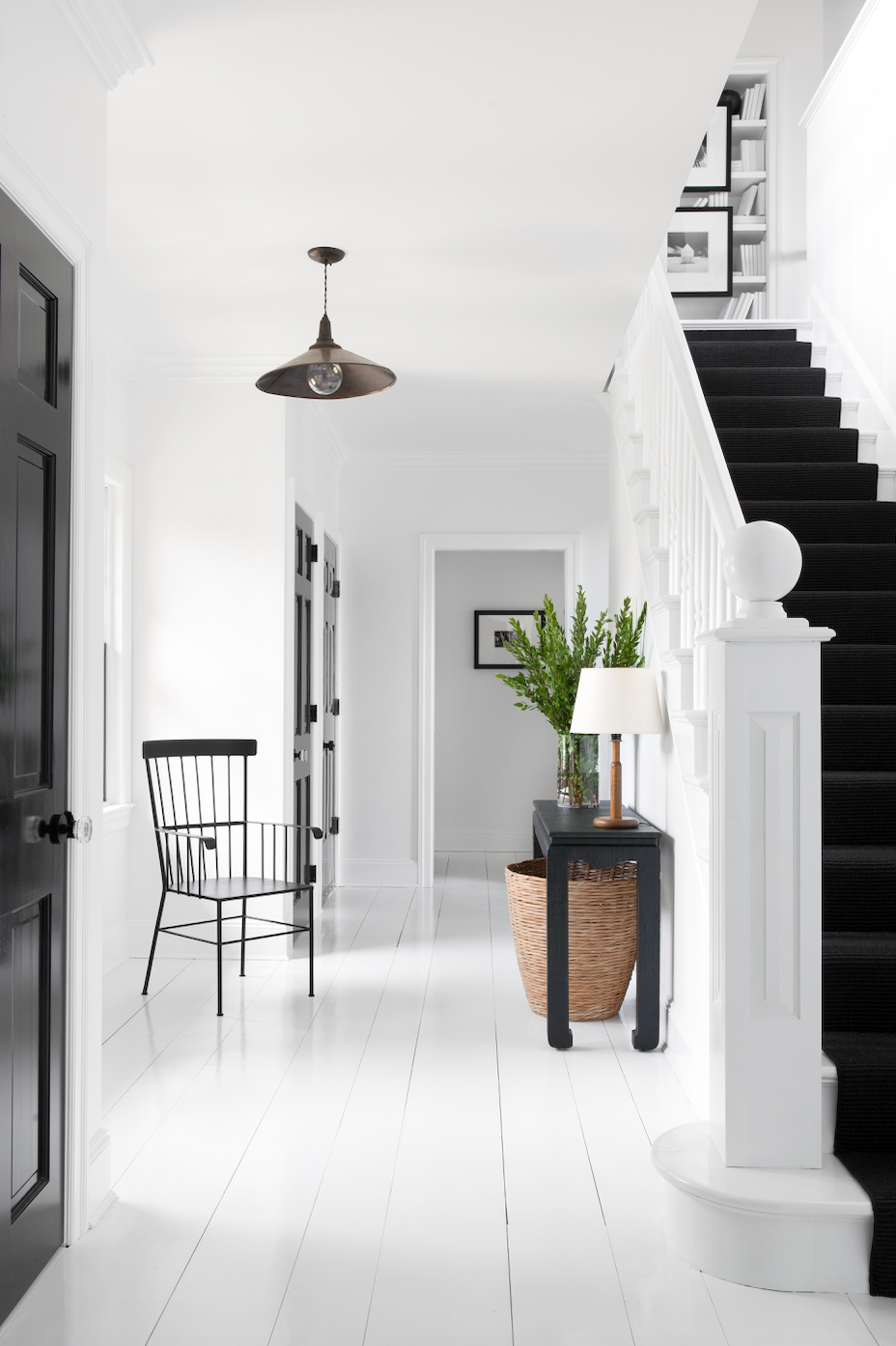
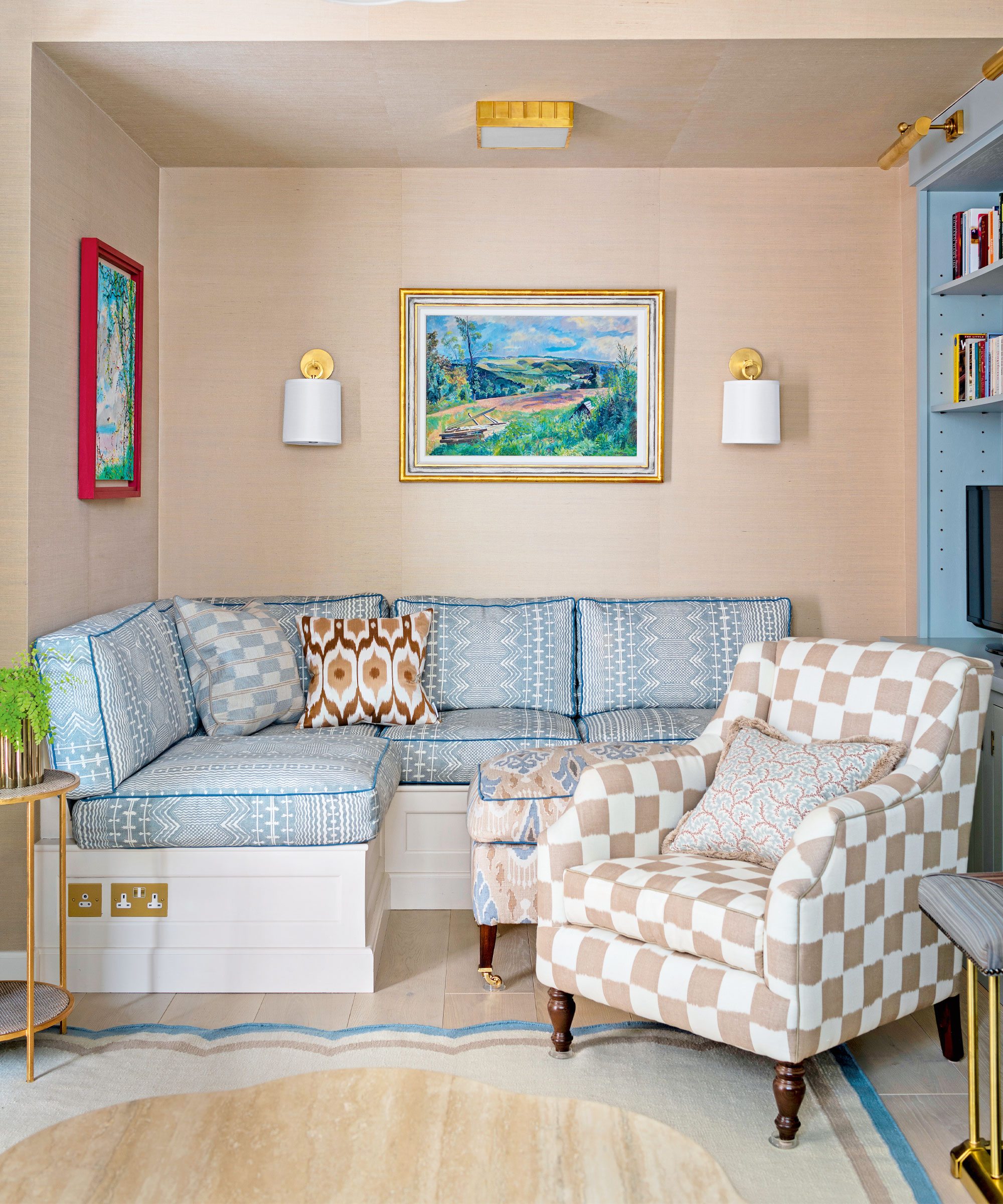
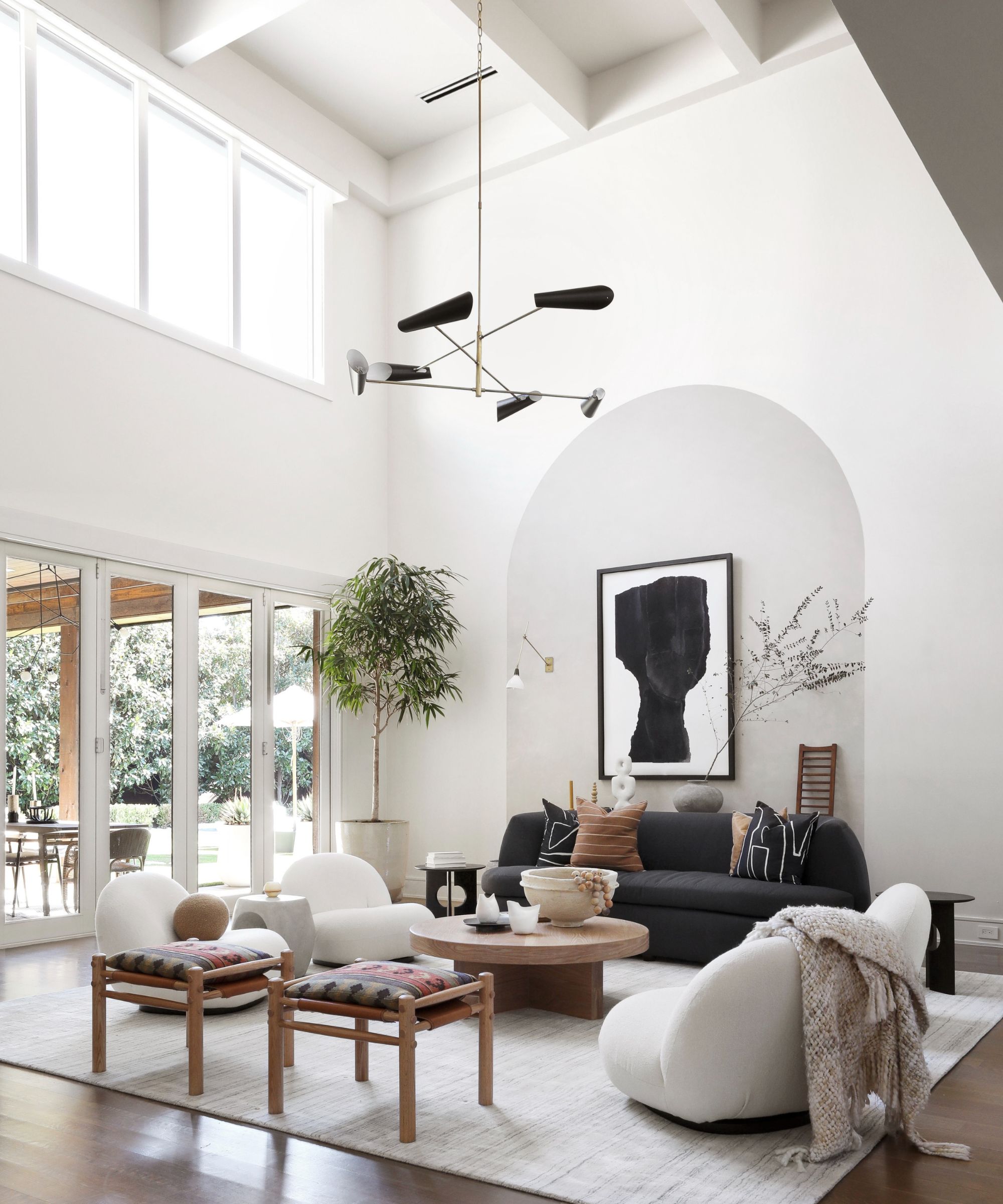
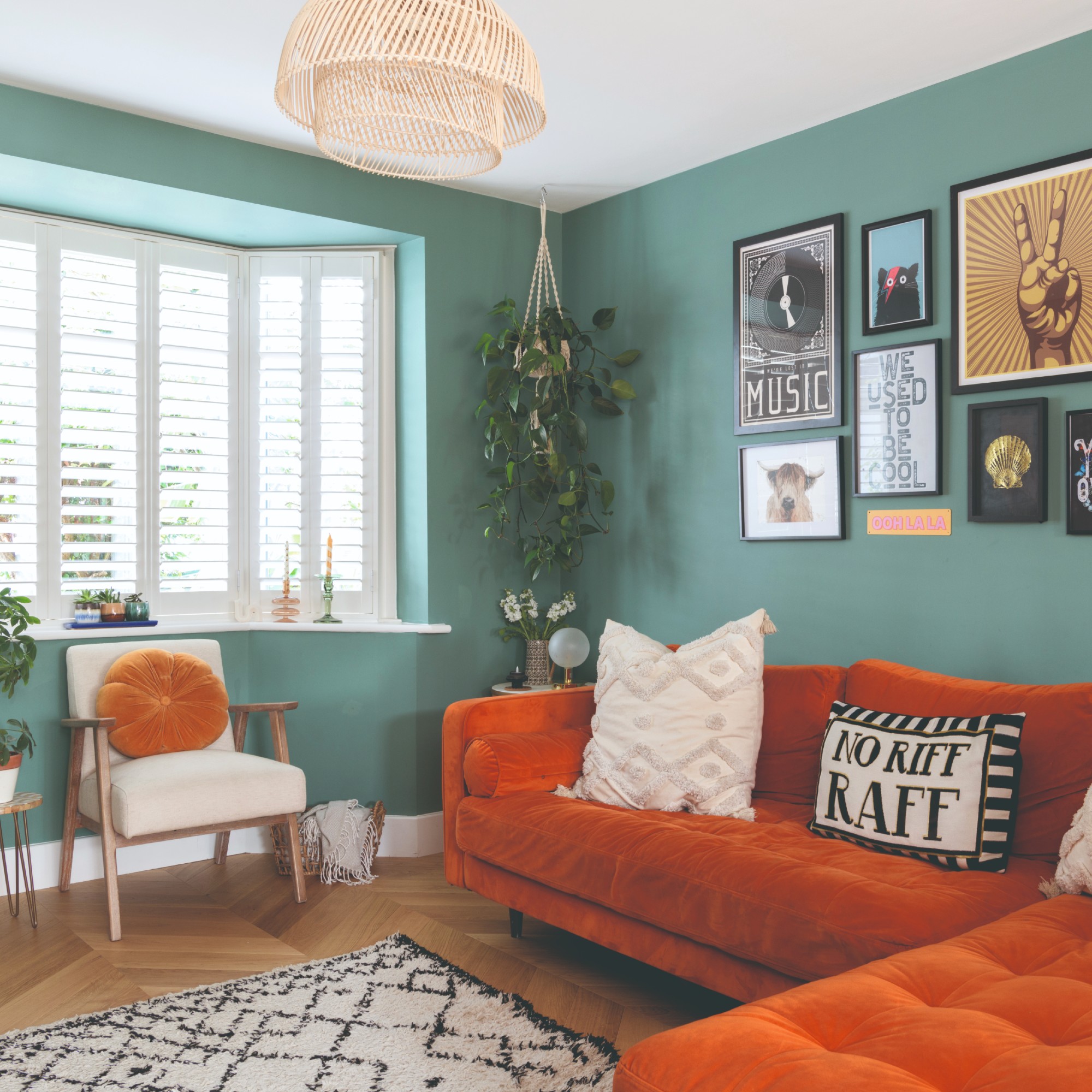
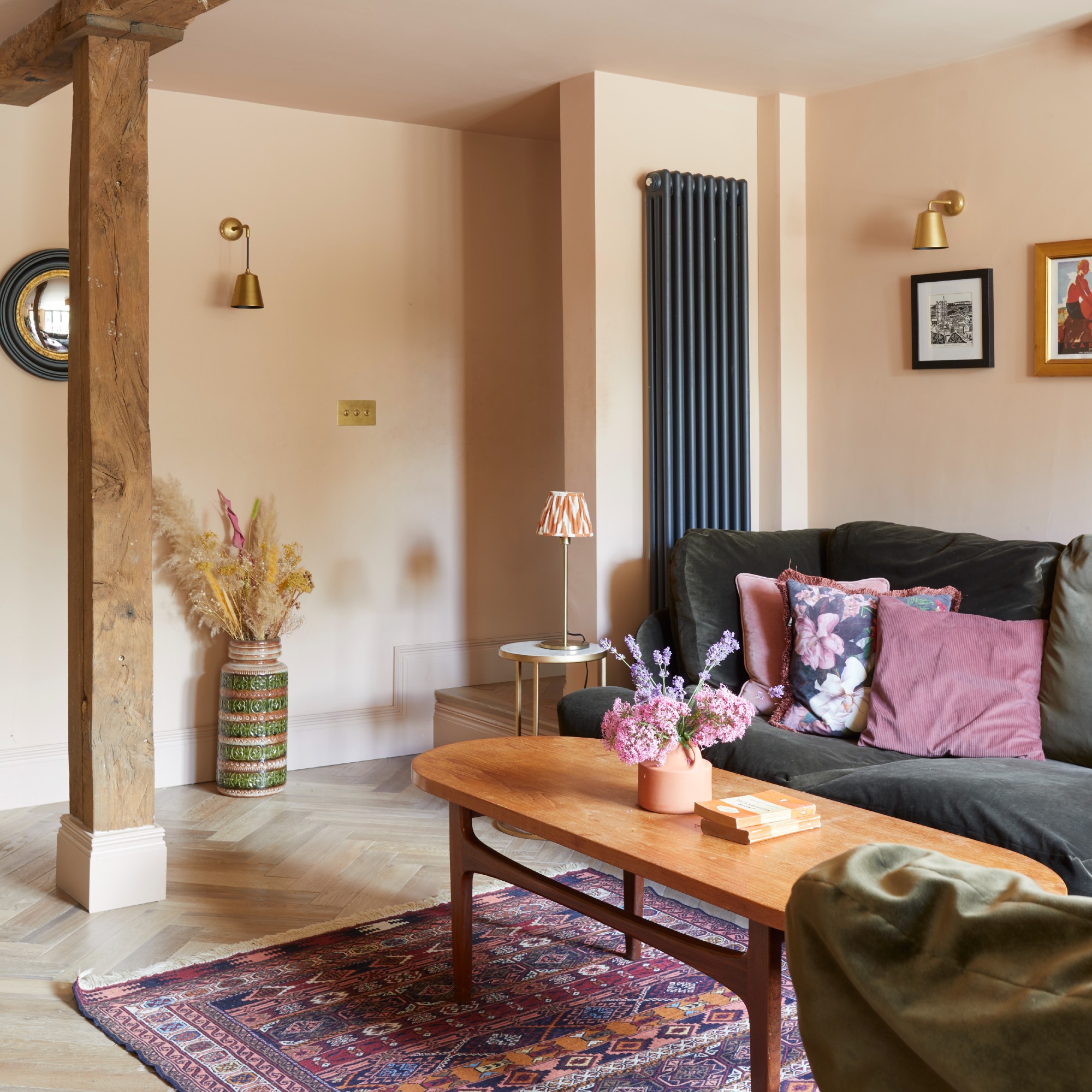
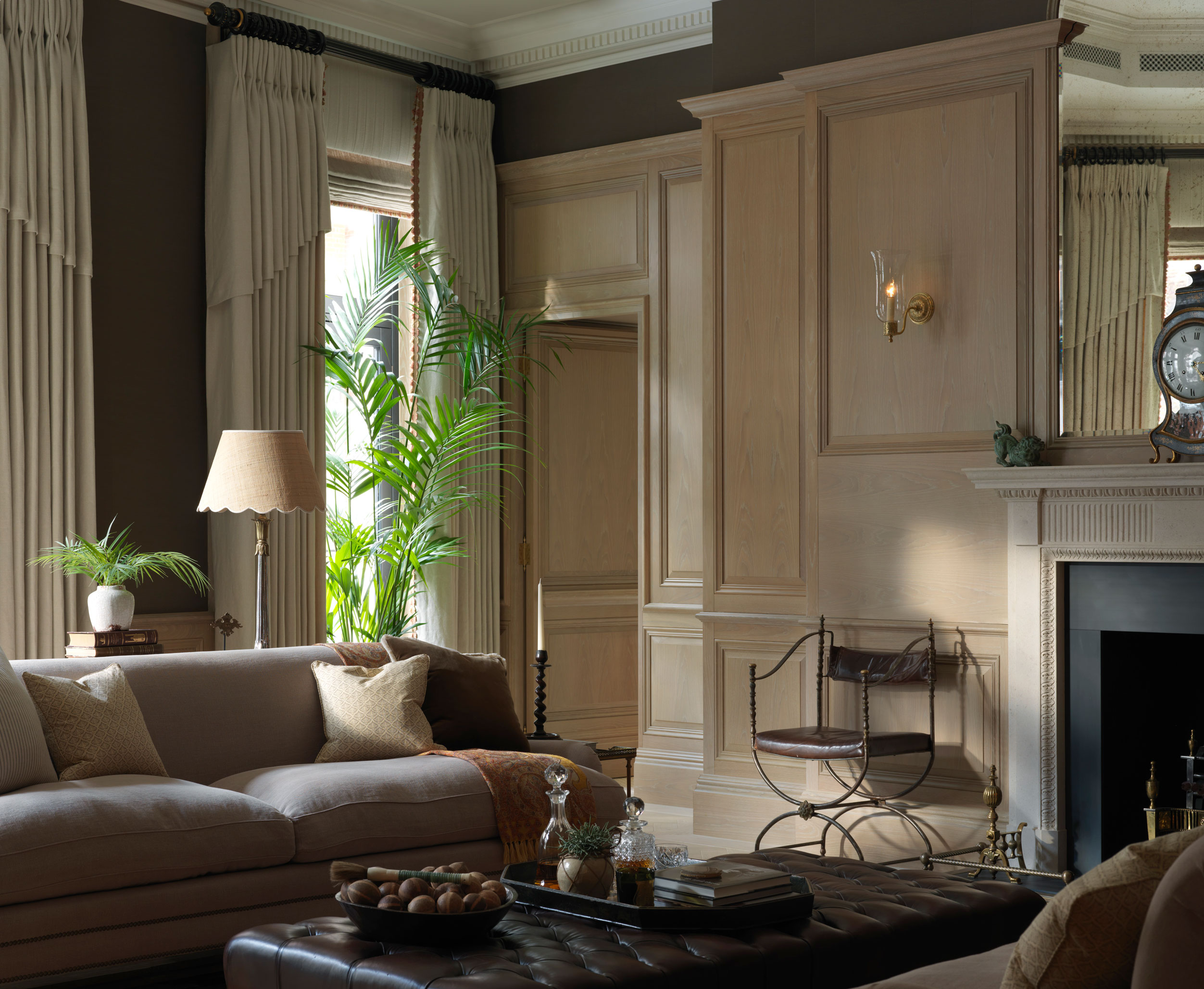
Color selection is another key aspect of brightening a living room. While white is an obvious choice, light, clear colors such as soft pinks and beiges can also make a room feel more expansive and airy, while adding warmth. These shades are particularly beneficial for north-facing rooms which typically receive less natural light. Conversely, painting a room in very dark colors can also create an interesting and cozy atmosphere, depending on the desired mood. Experimenting with different textures on surfaces like living room floors and walls can also influence how light interacts with the space, with matte surfaces creating unique light effects.
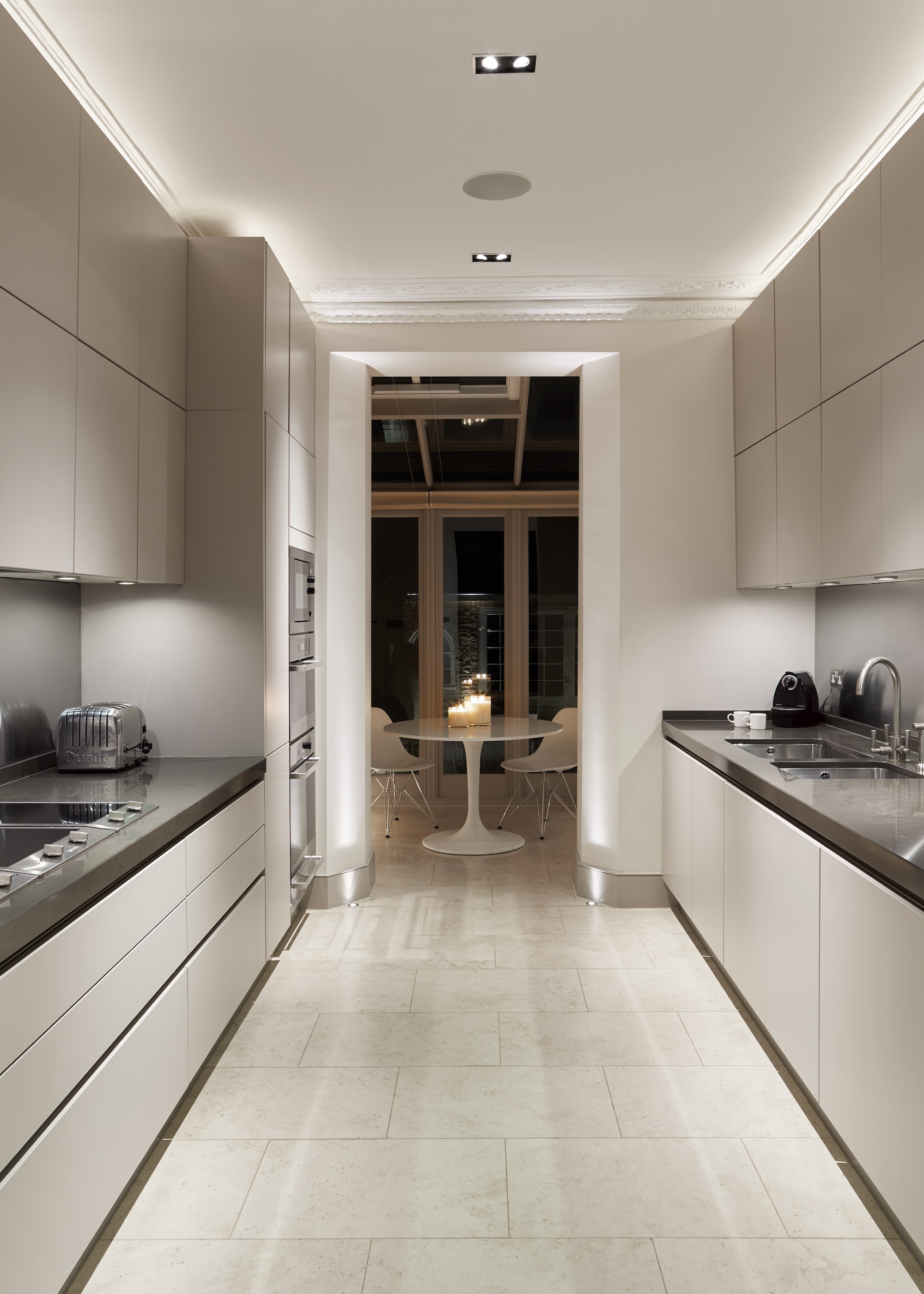
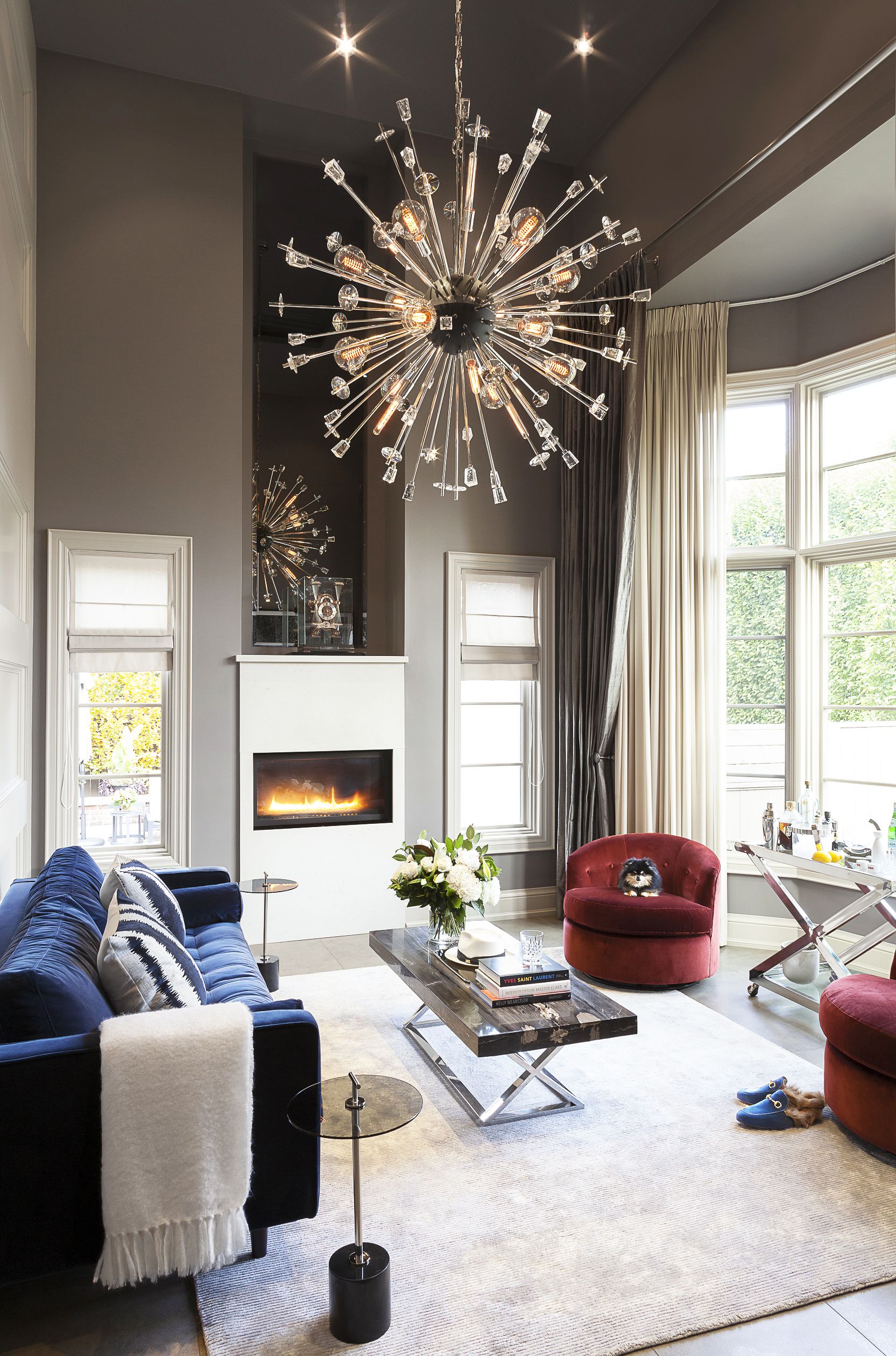
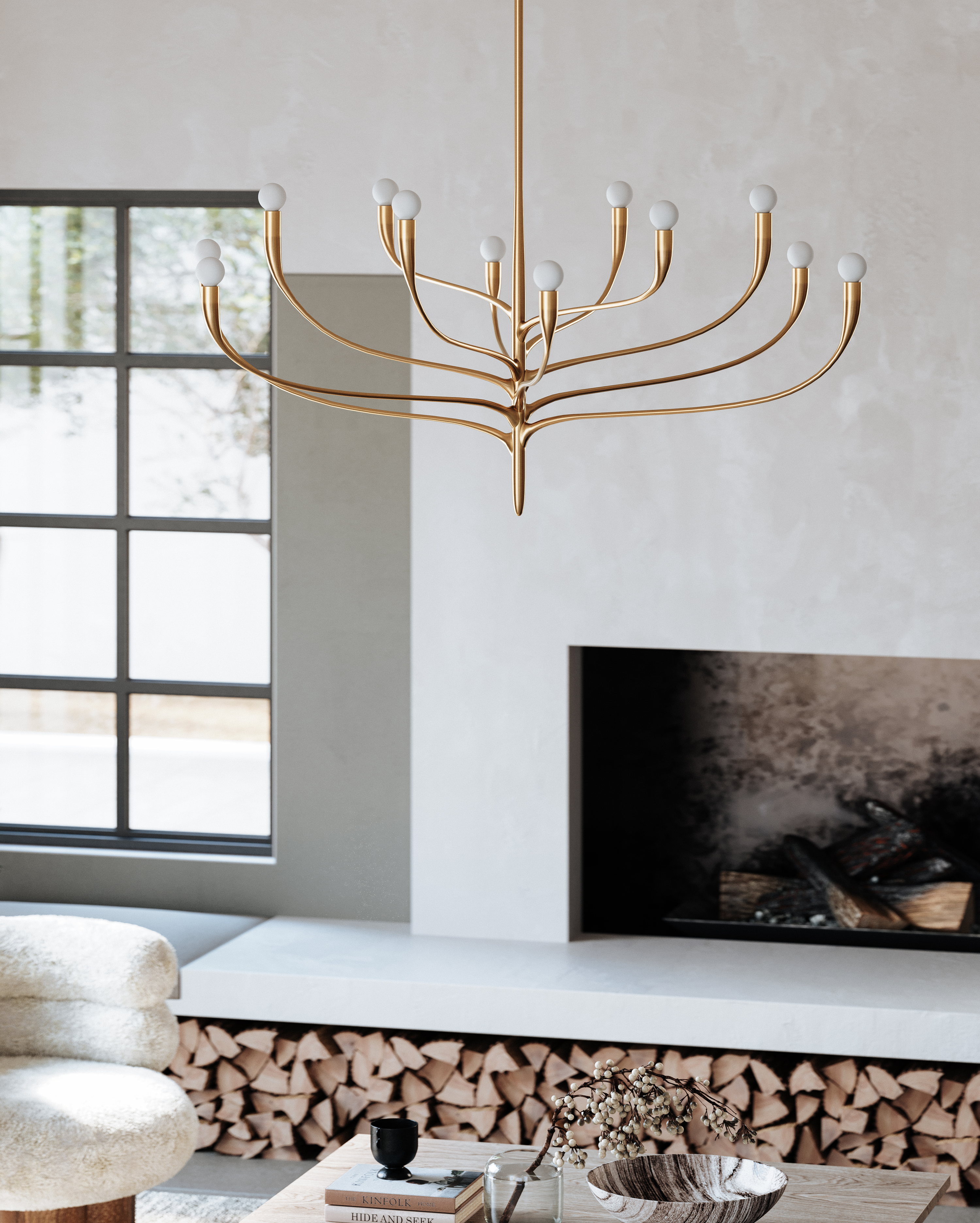
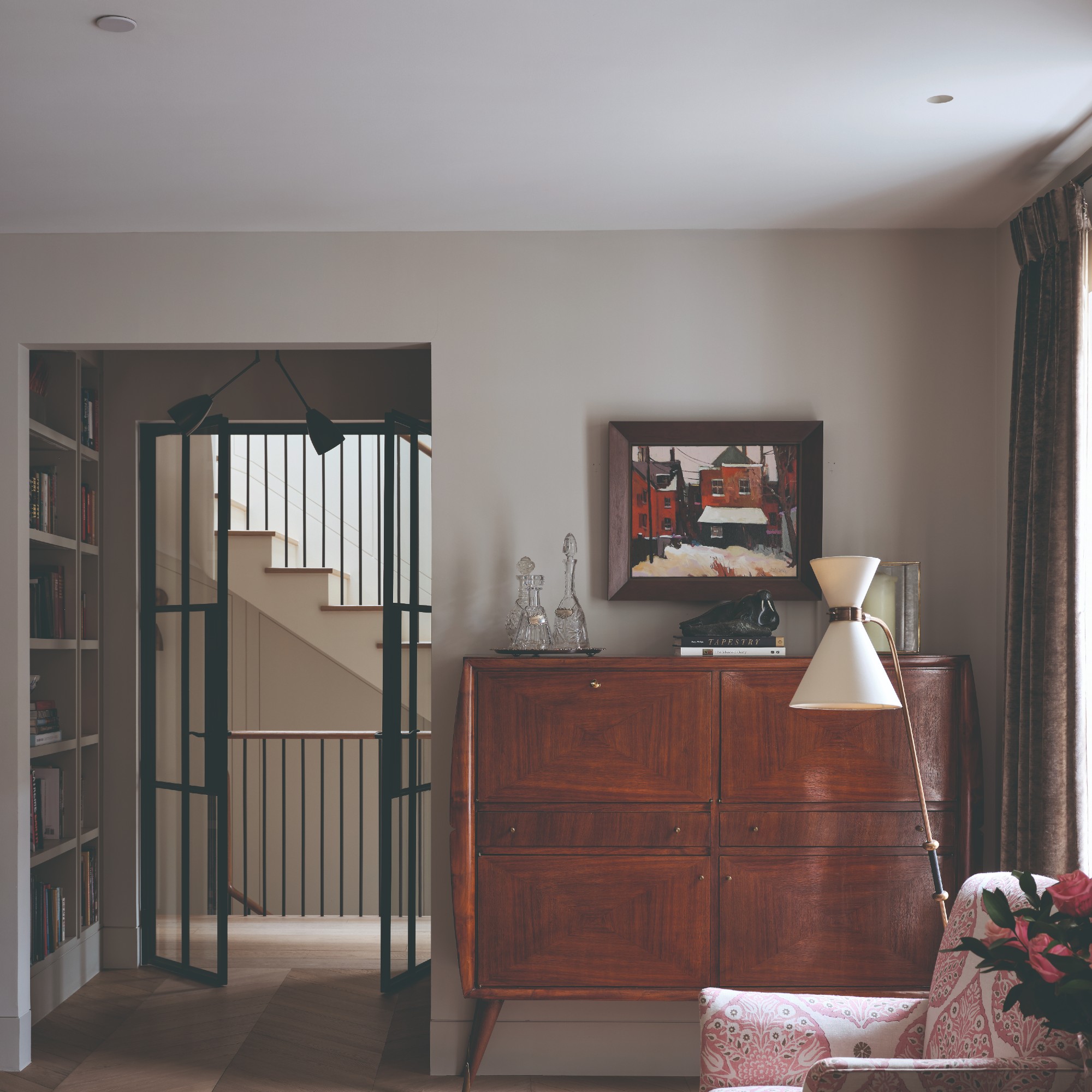
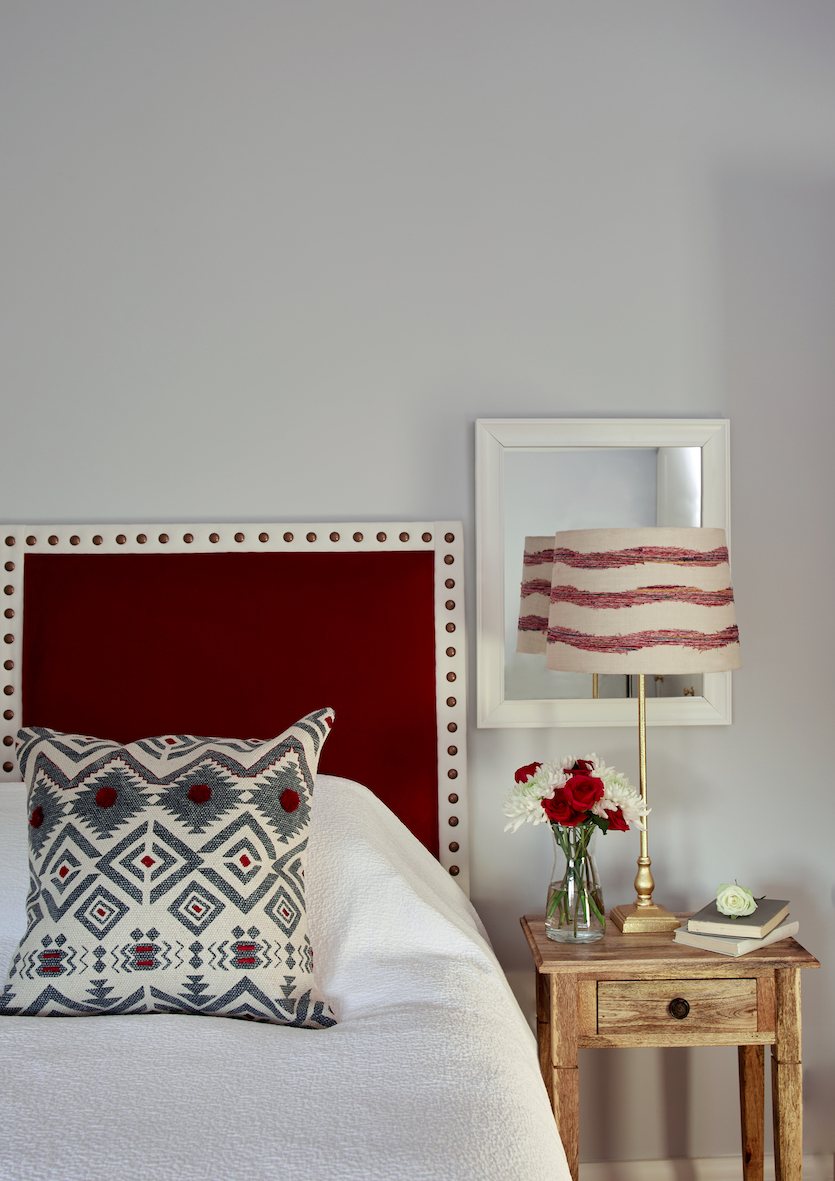
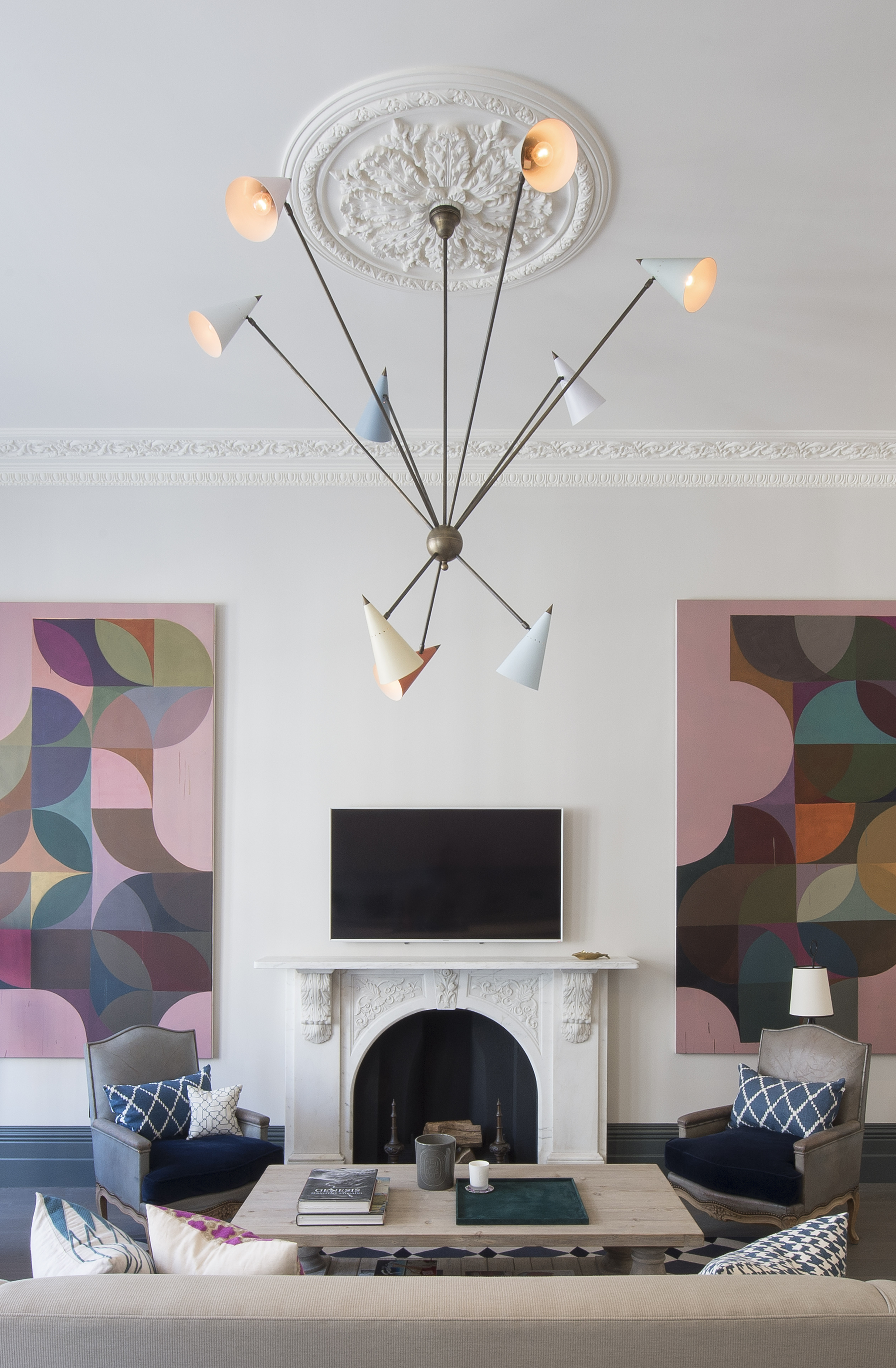
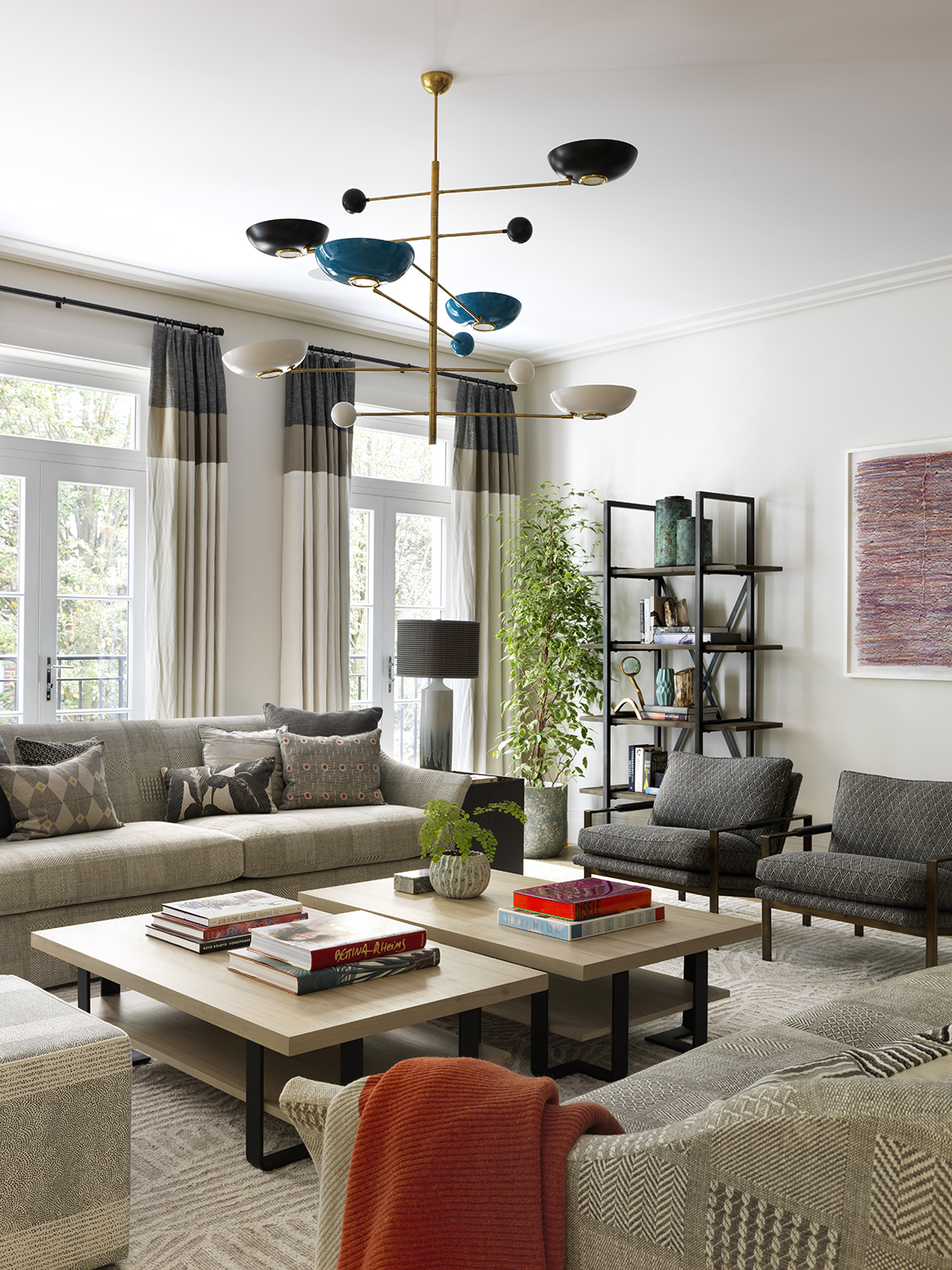
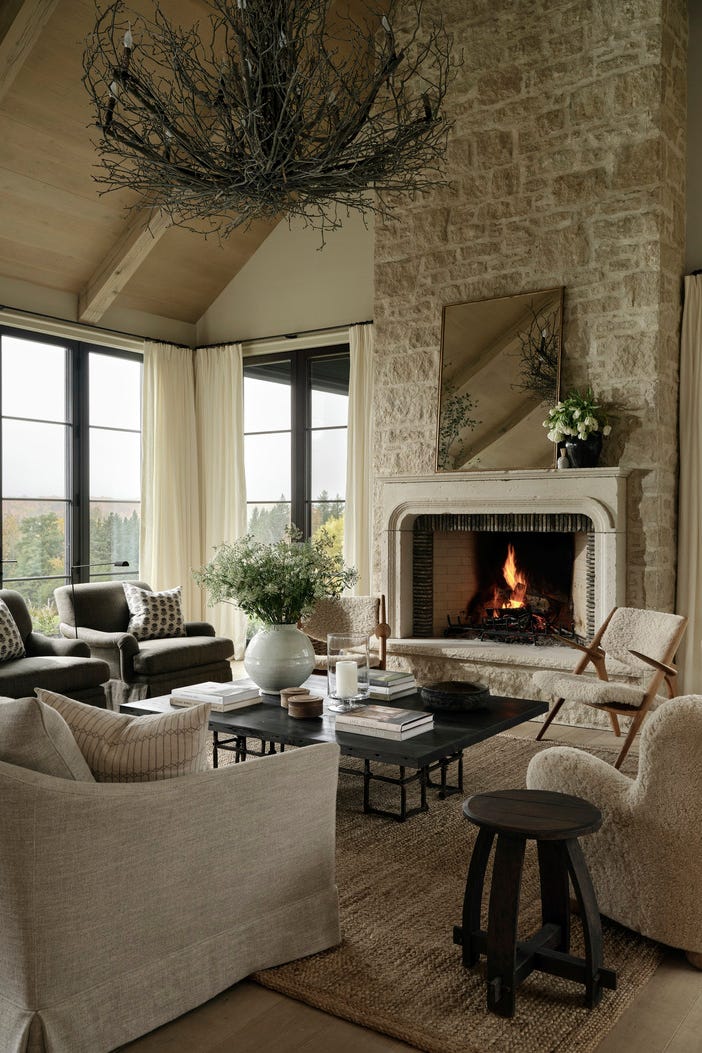
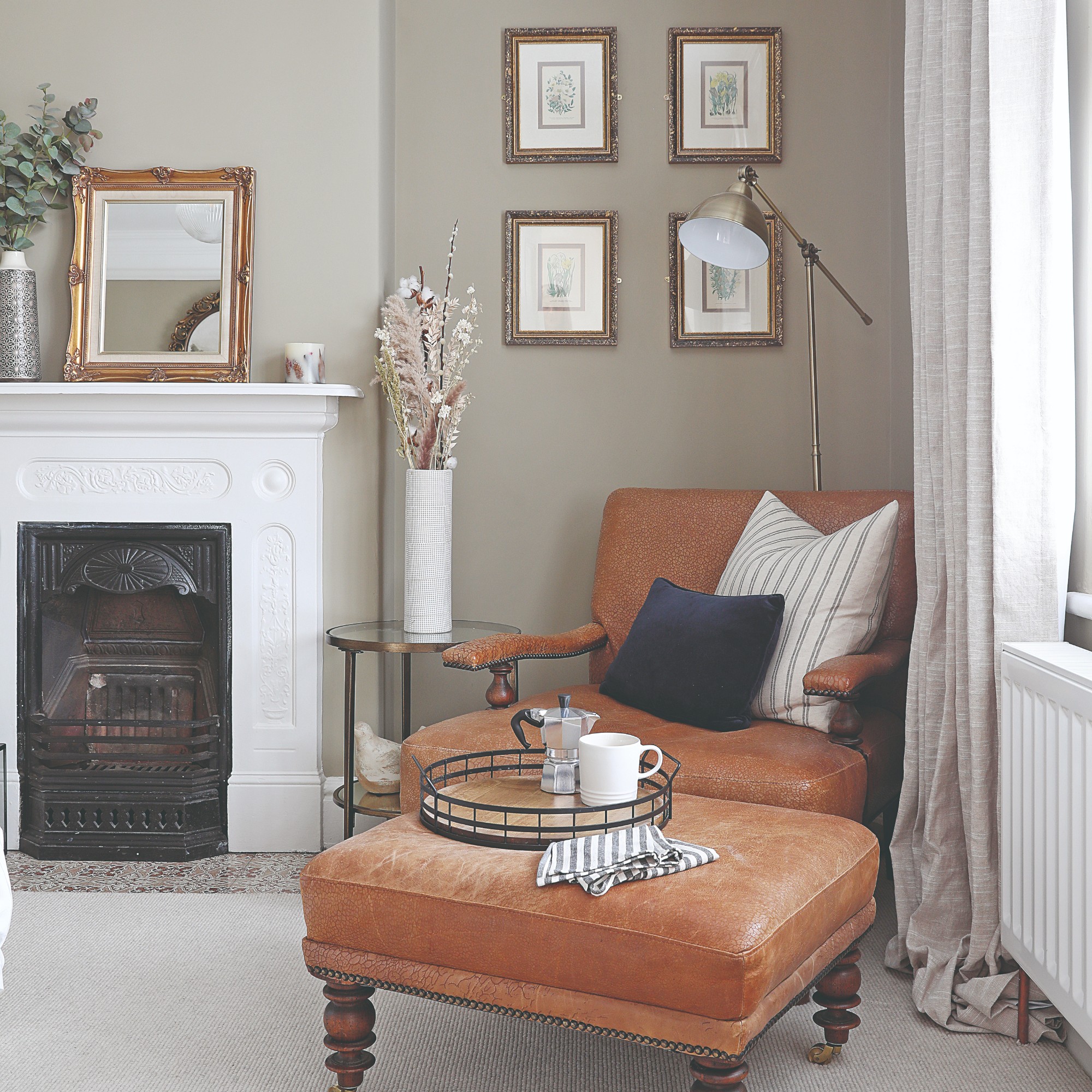
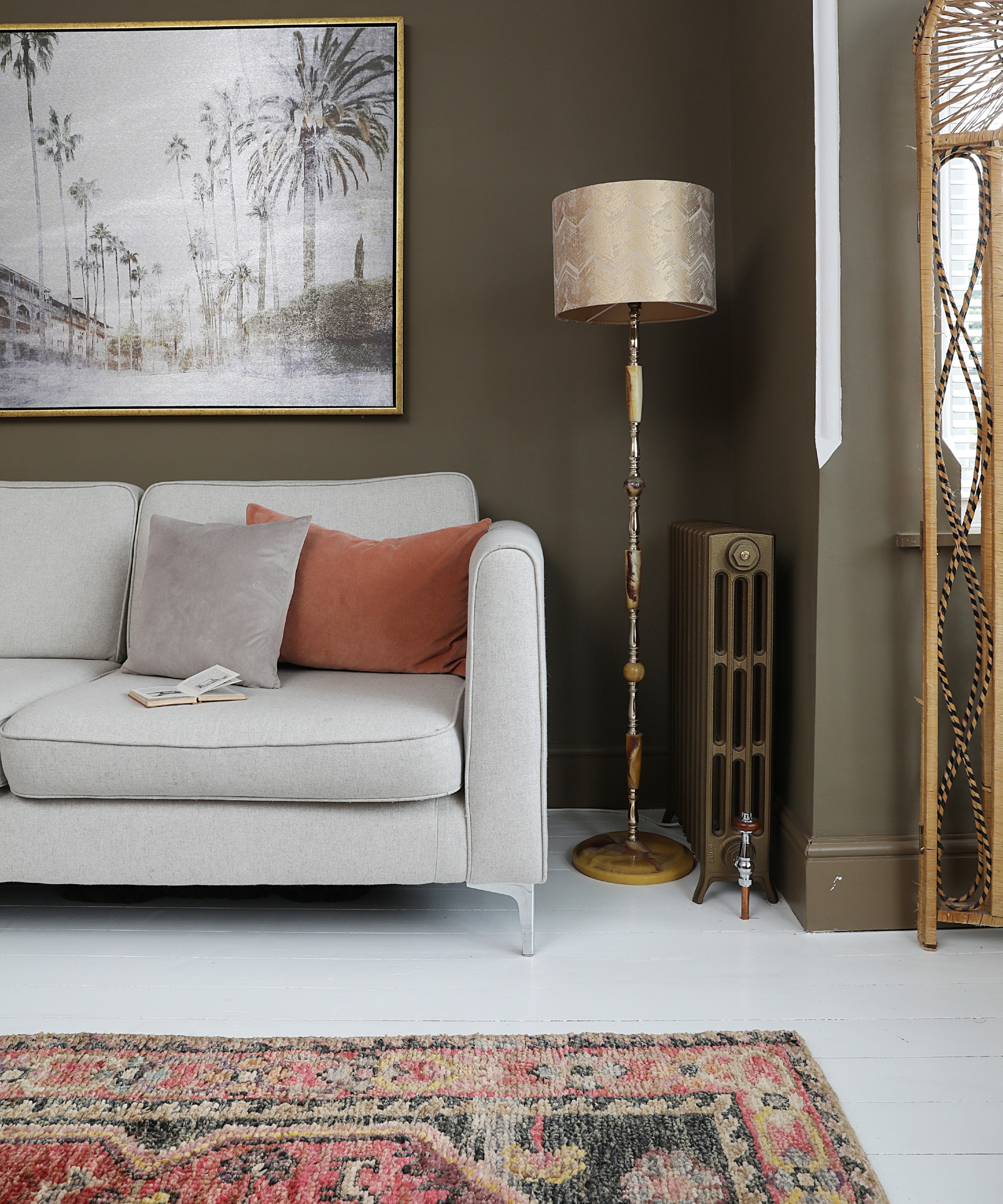
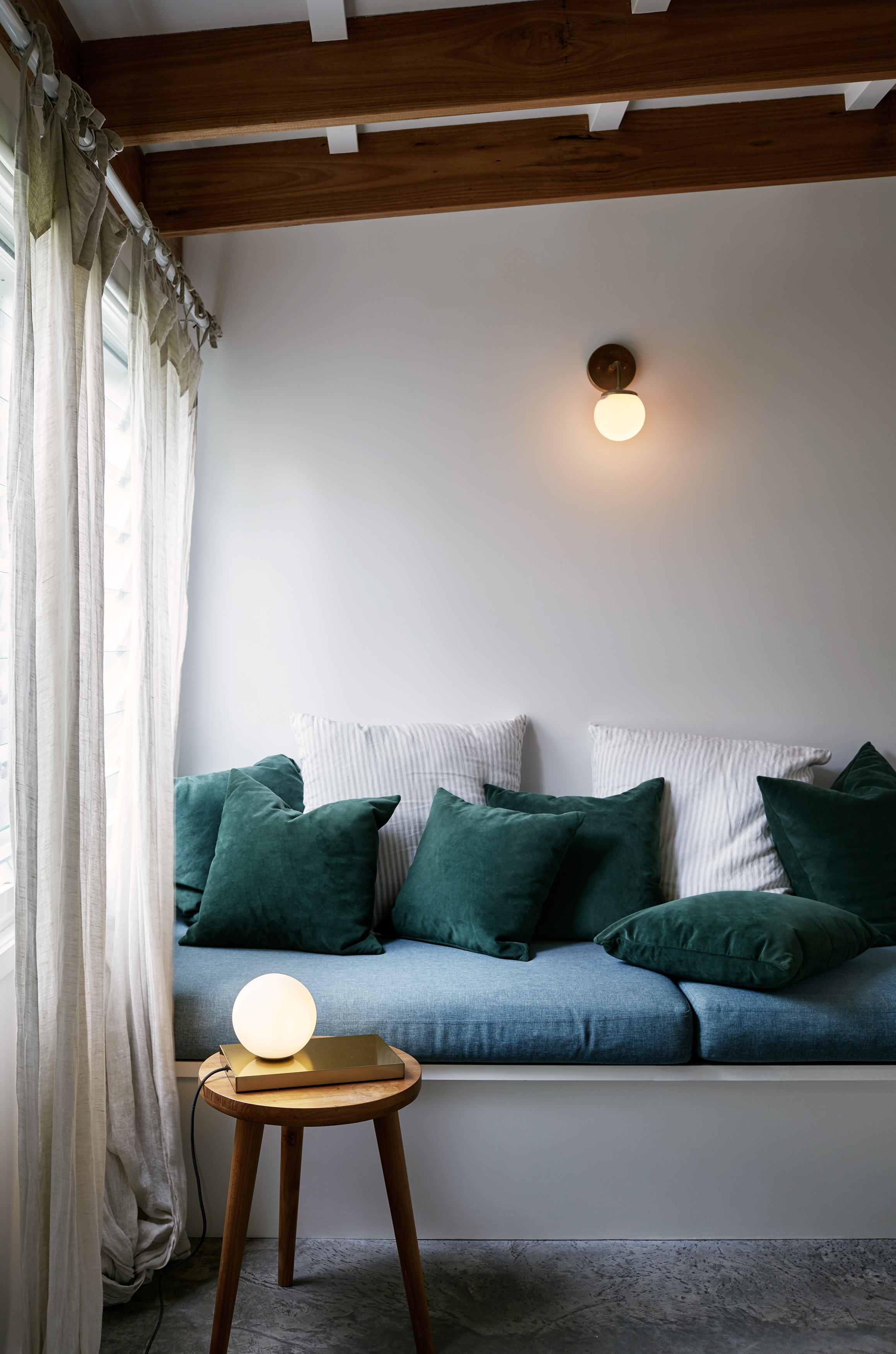
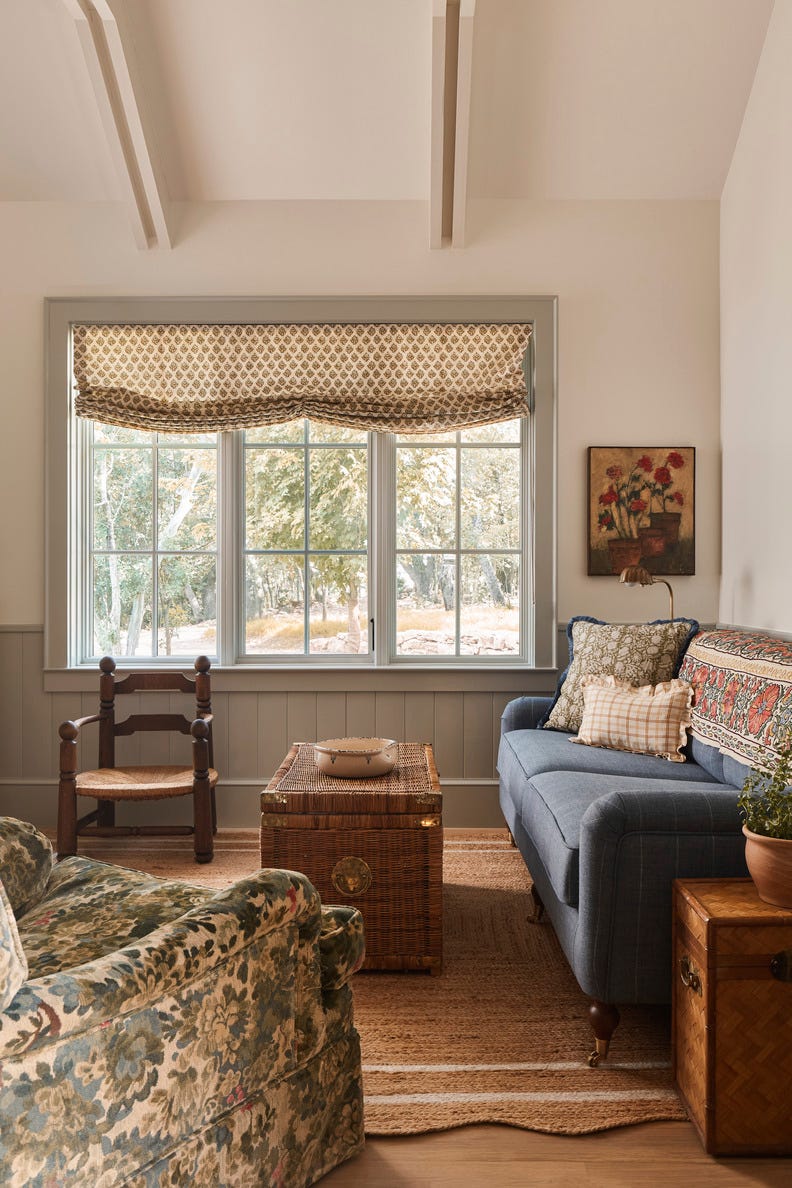
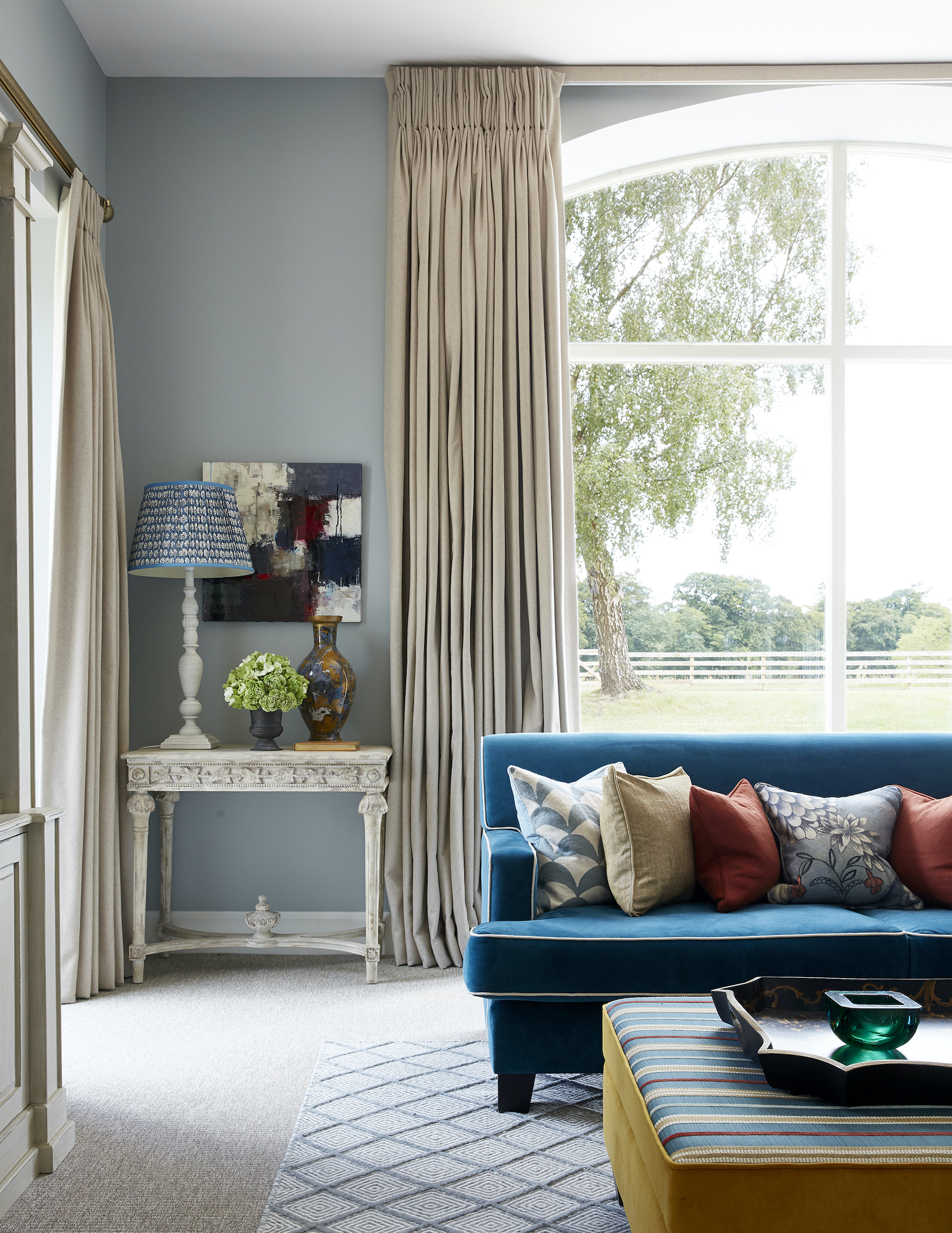
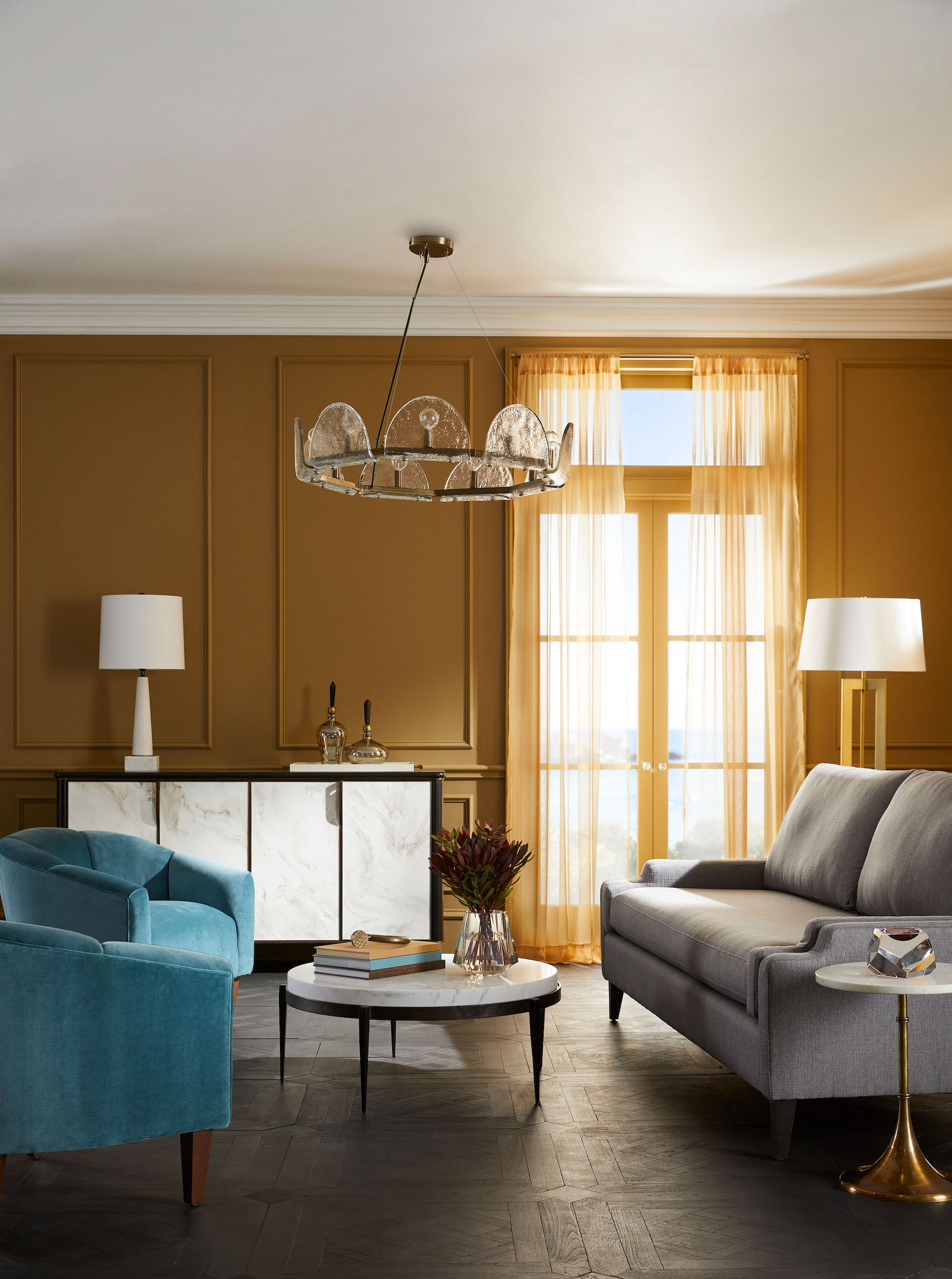
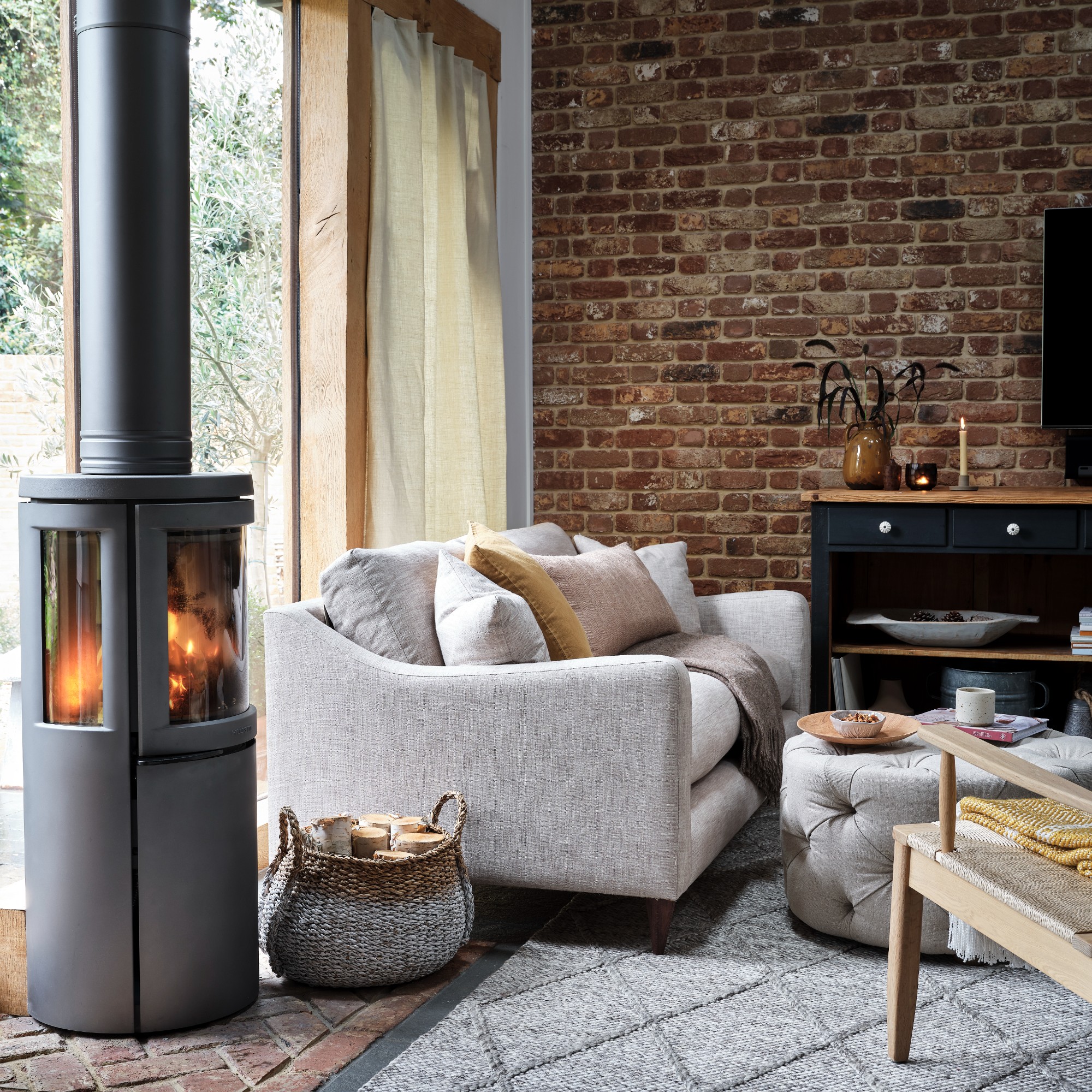
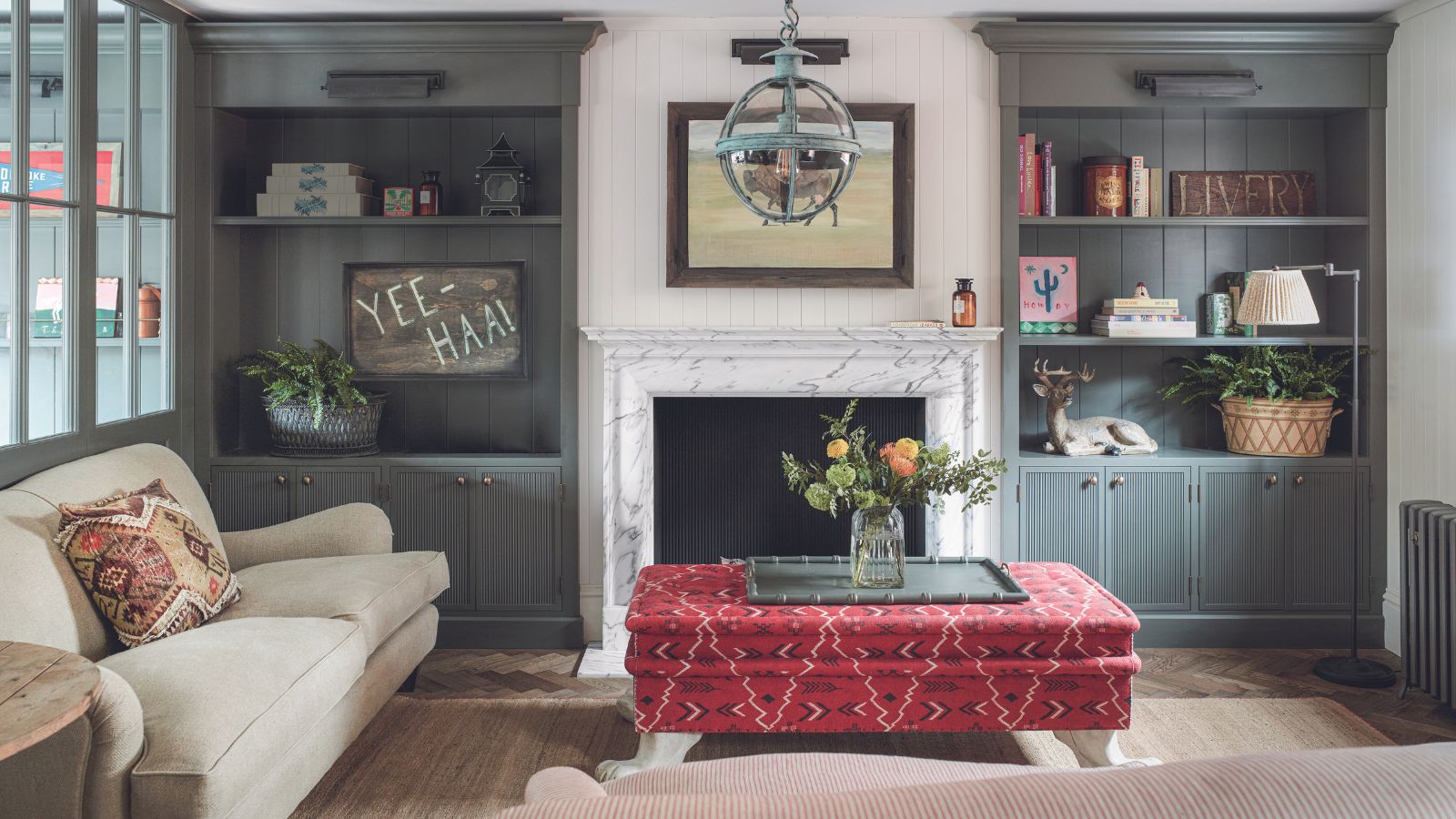
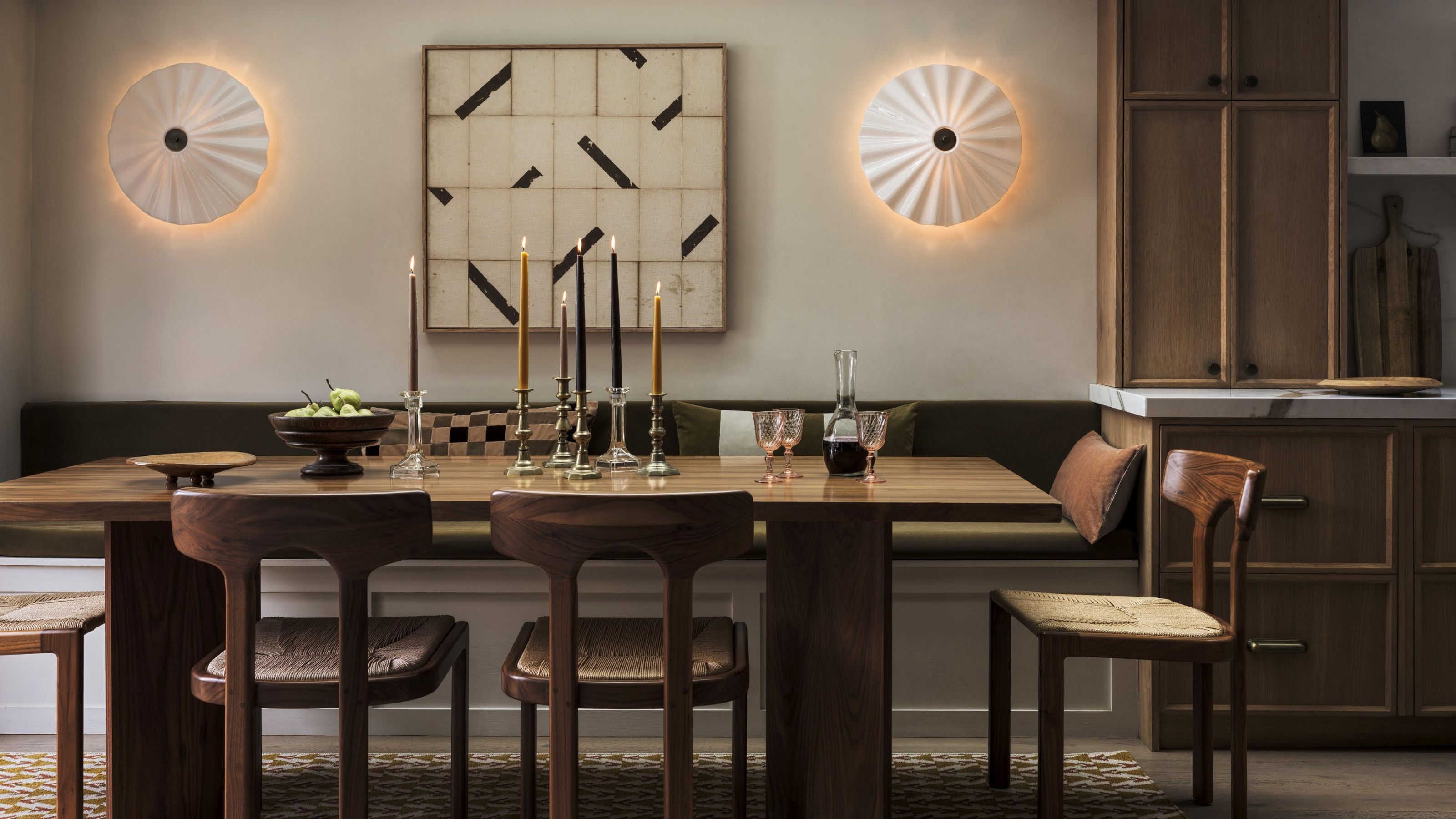
Window treatments significantly affect light quality. Sheer curtains allow more light penetration compared to heavy drapes. Other options like shutters can filter light differently, offering varied perceptions of the space. Artificial lighting is equally important, especially when natural light is absent. Patrick Gilles advocates for subtle, well-thought-out artificial lighting that feels effortless yet creates distinct zones within a room. This involves using dimmer switches for ceiling lights and incorporating table and standing lamps to produce welcoming pools of light, rather than over-lighting the entire space. Lastly, candles are recommended for their atmospheric contribution, adding a mysterious and beautiful focal point even in small apartments.
For dark living rooms, additional tips include using light-colored rugs to reflect light upwards and replacing dark artwork with lighter pieces. Painting ceilings with a gloss finish can also be highly effective in brightening a dark room, though it requires a perfectly flat surface to avoid highlighting imperfections. Furniture choices can further contribute to a lighter feel; light-colored, glass, or metallic furniture can bounce more light around, and low-slung pieces can prevent shadows and allow more light to flow through the space. #InteriorDesign #LivingRoomLighting #HomeDecor #LightingTips #InteriorDesignerAdvice #SpaceOptimization #ColorPalette #ReflectiveSurfaces
0 comment in total
 No comments yet
You may also like
Let There Be Light — 10 Lighting Tricks That Will Transform Any Dark Room Into A Warm and Inviting Space

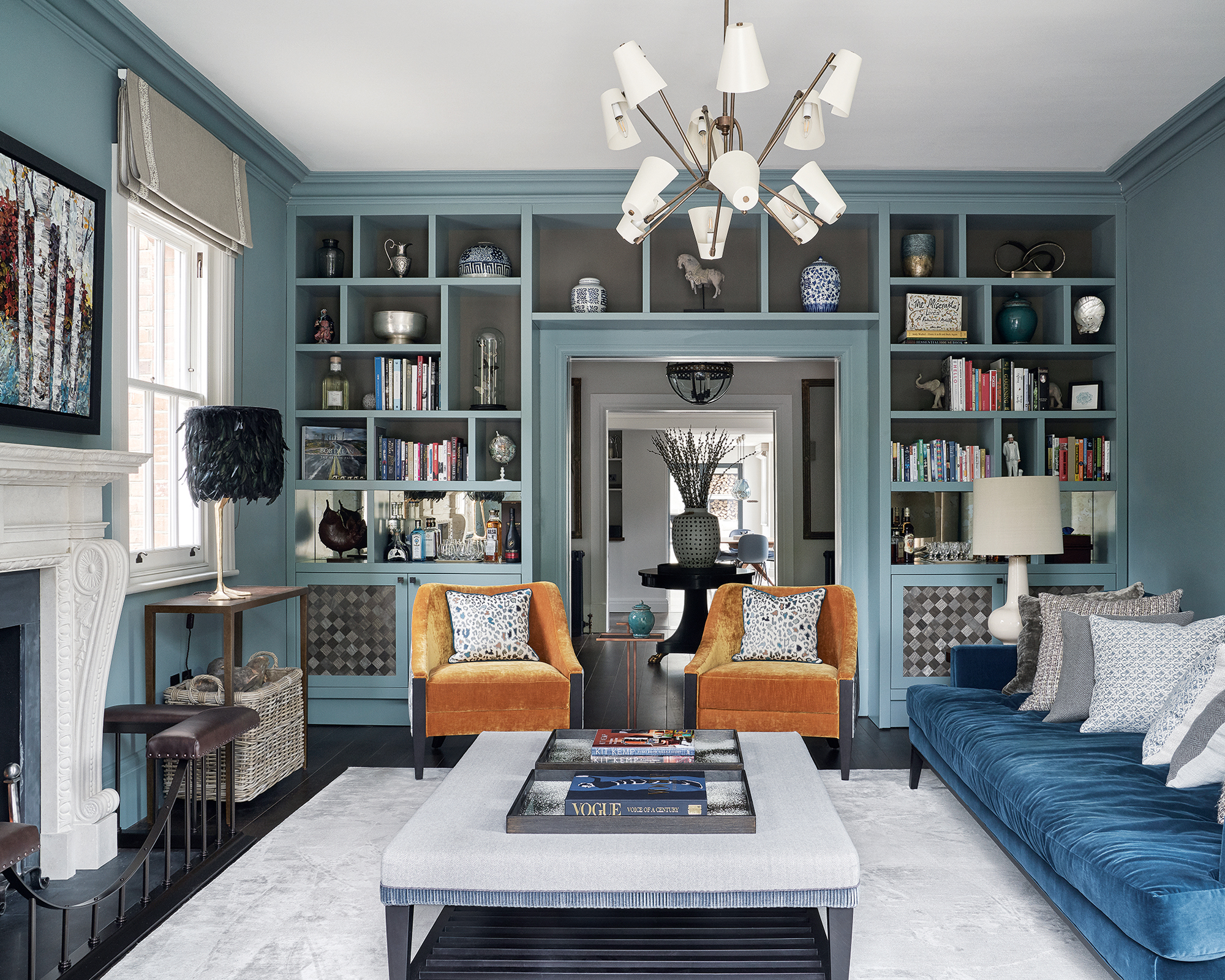
Lighting a dark room – 10 top tips from experts

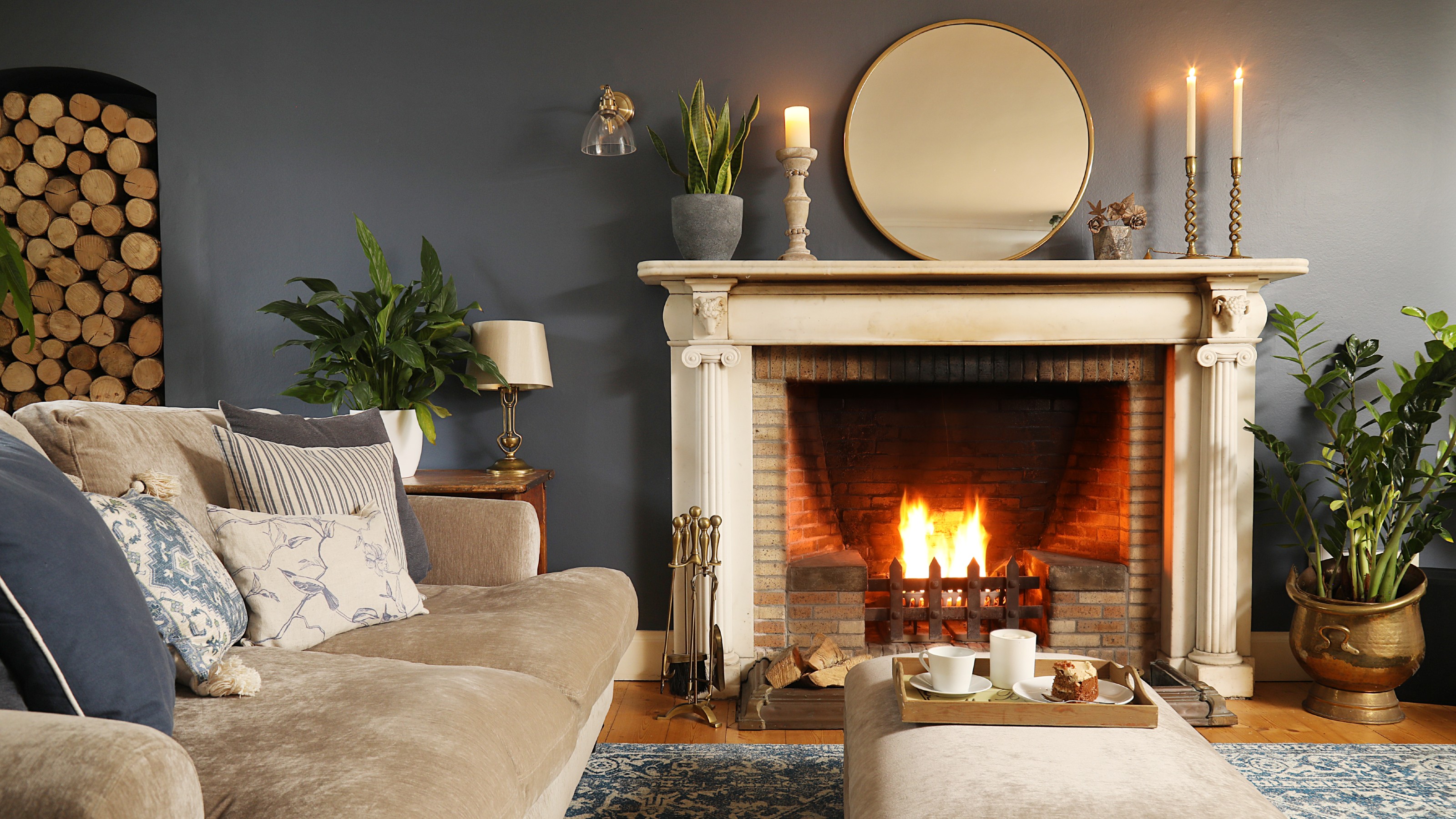
‘In a smaller space, lighting has to work harder’ – experts reveal how to choose the best lighting for a small living room to open up the space
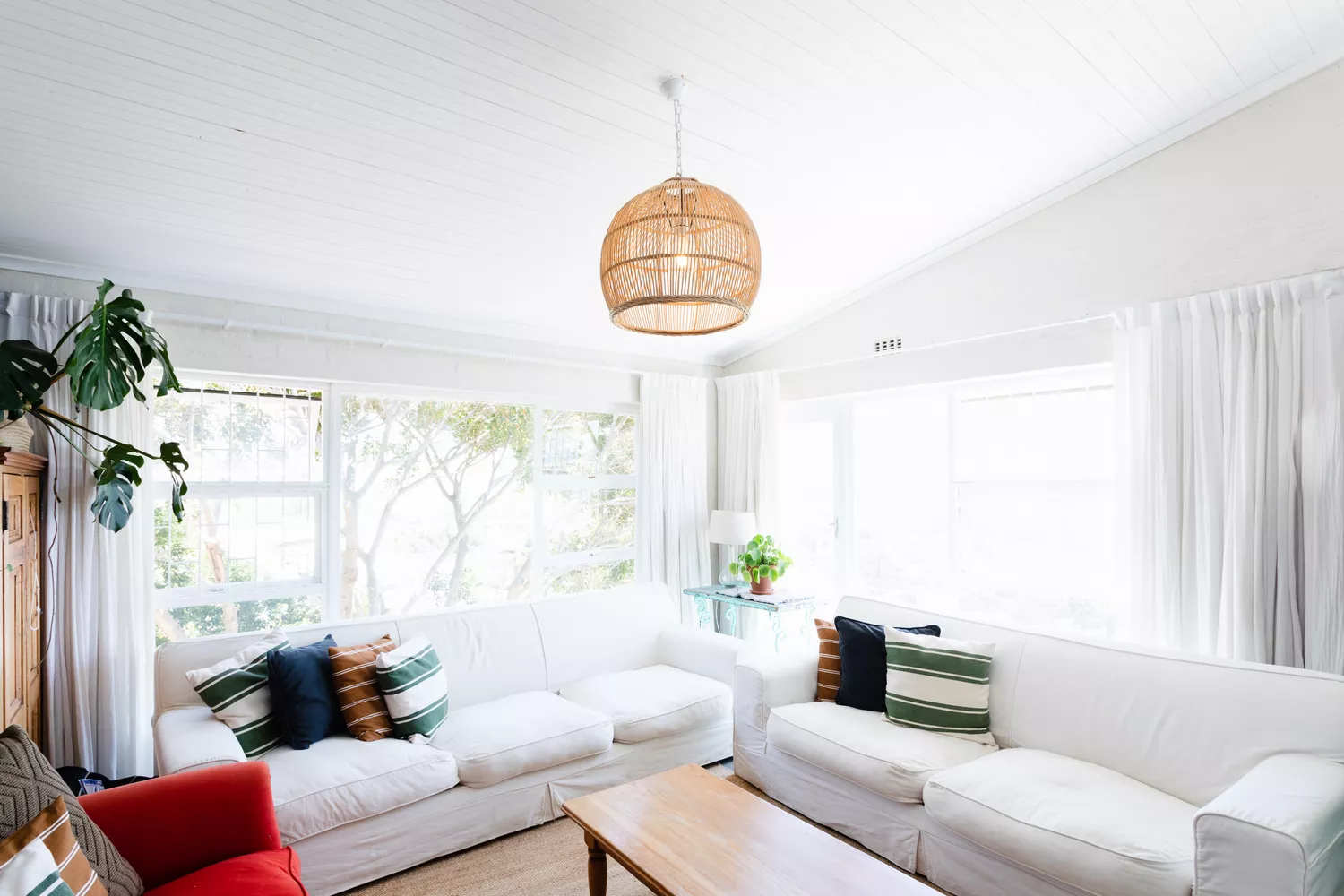
14 Living Room Lighting Ideas to Create the Right Mood

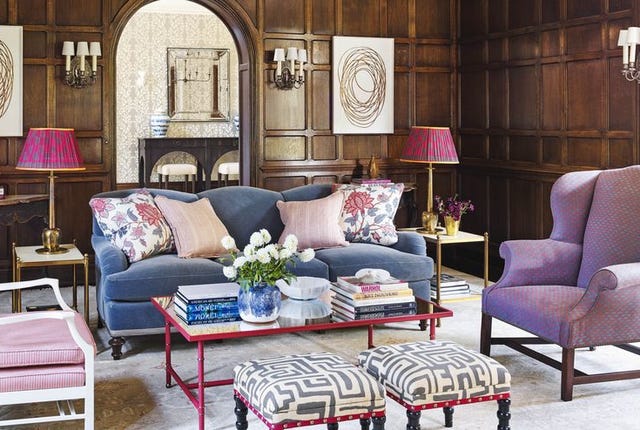
Designers Share Their Best Tips for Acing Ambience in the Living Room with Lighting
Living room wall lighting ideas – 10 stylish ways to brighten your space
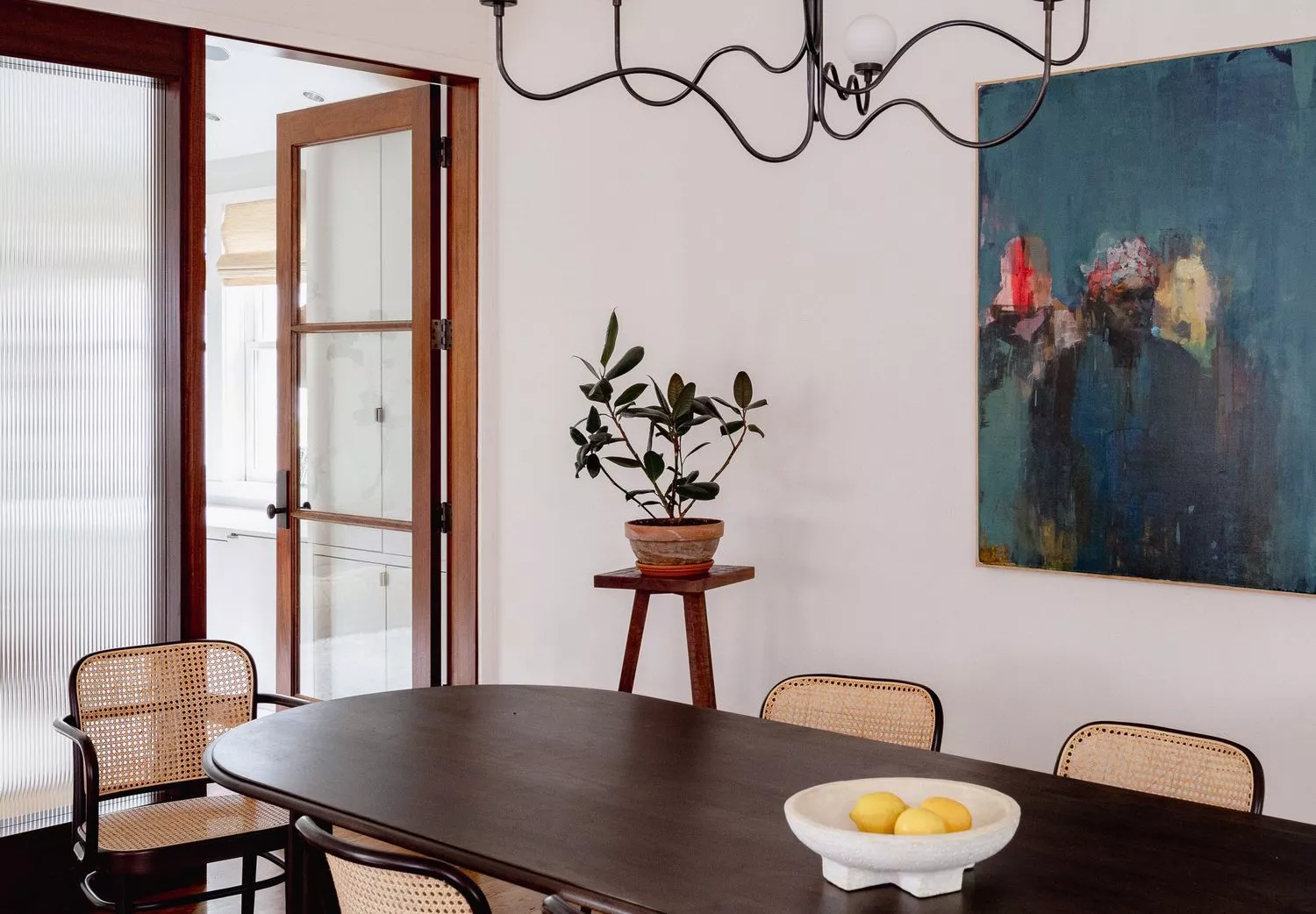
We Asked Designers How to Brighten a Dark Room and We’re Using These All Winter
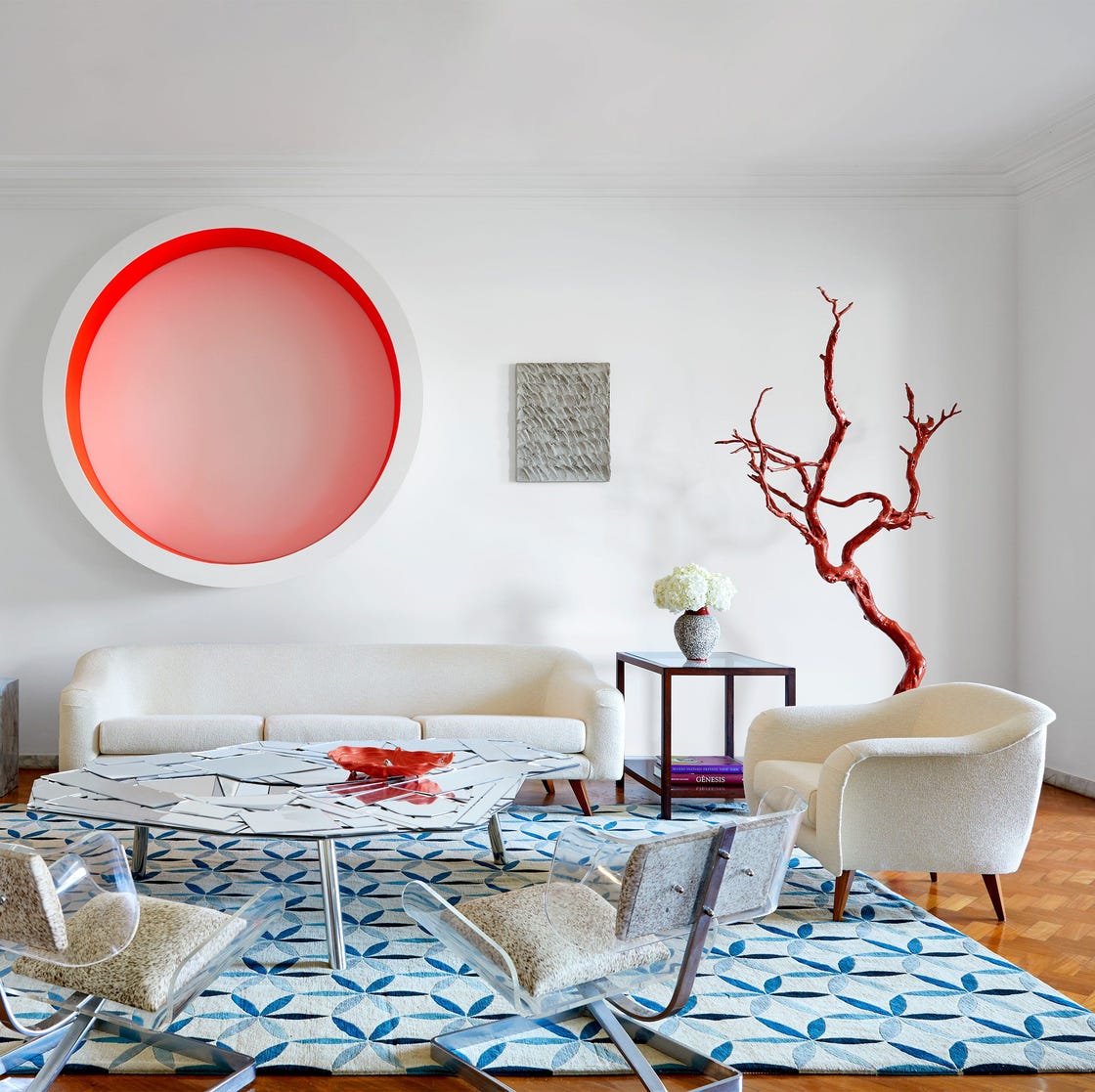
So You Live in a Lightless Cave. Here’s How to Create the Illusion of Sunshine

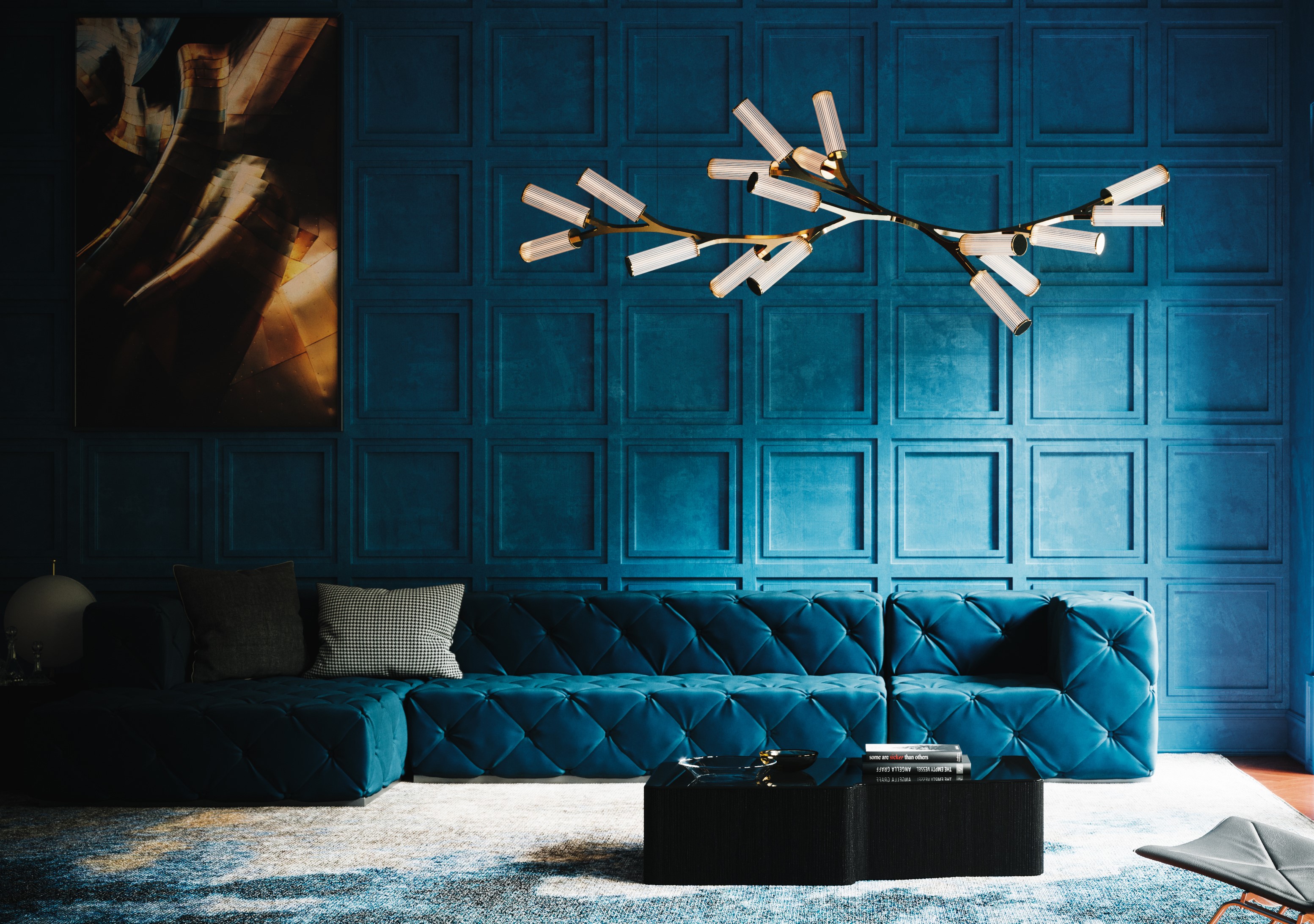
How do I make my living room lighting feel cozy? 10 tricks designers use to give a space that all-important glow


The Secrets To A Well-Lit Room
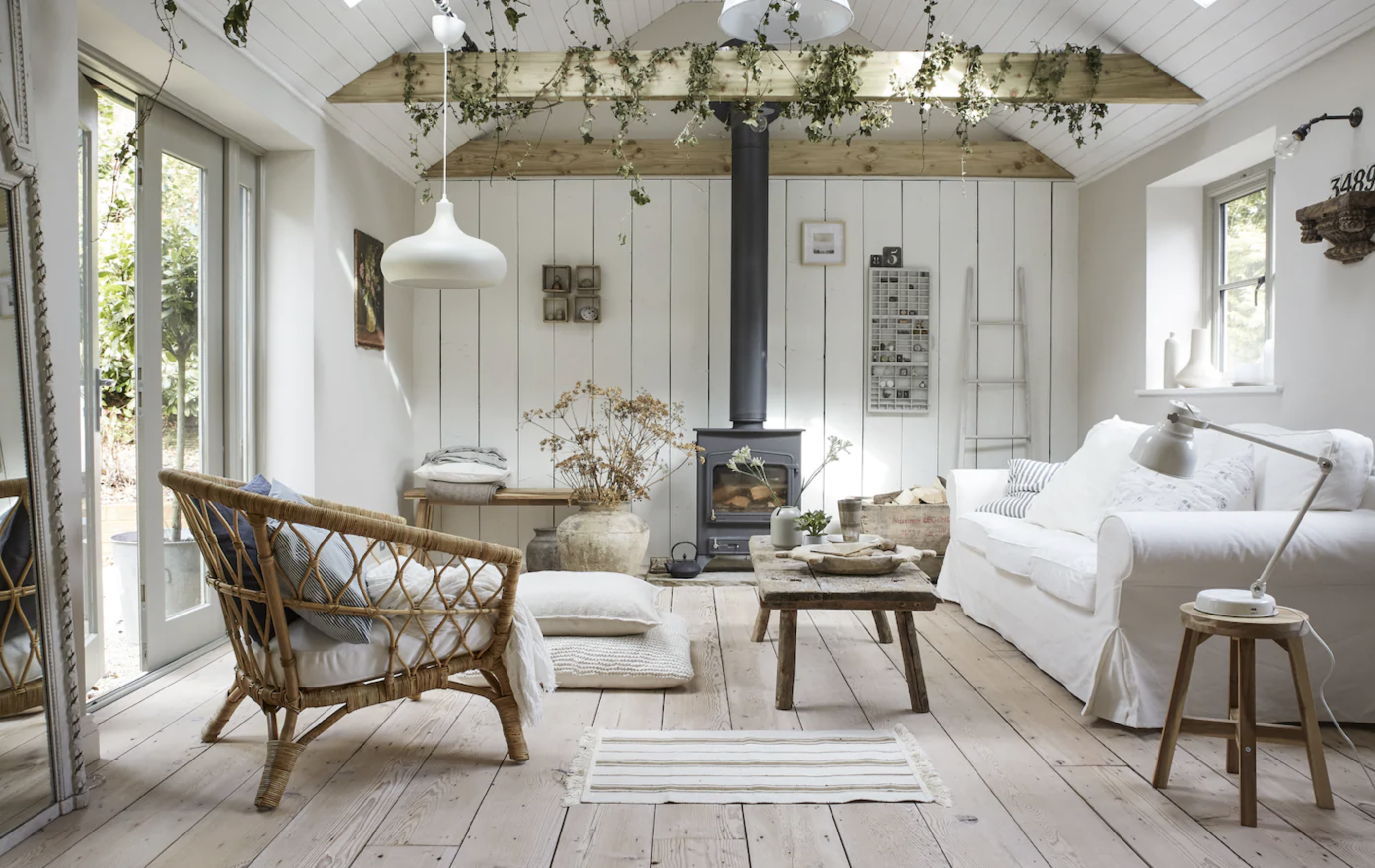
21 living room lighting ideas and expert tips to getting it right

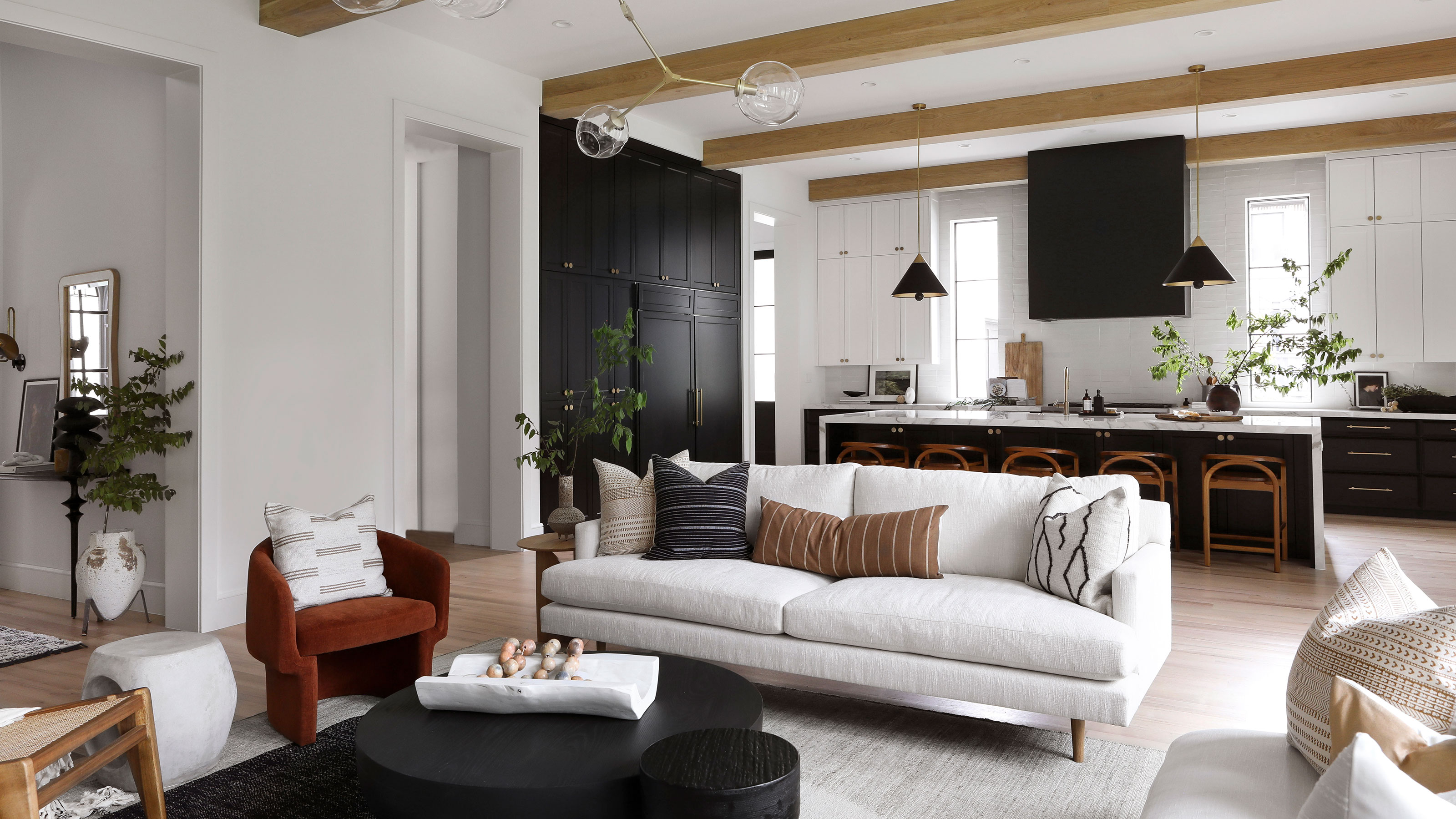
6 failsafe formulas designers always follow when planning a living room
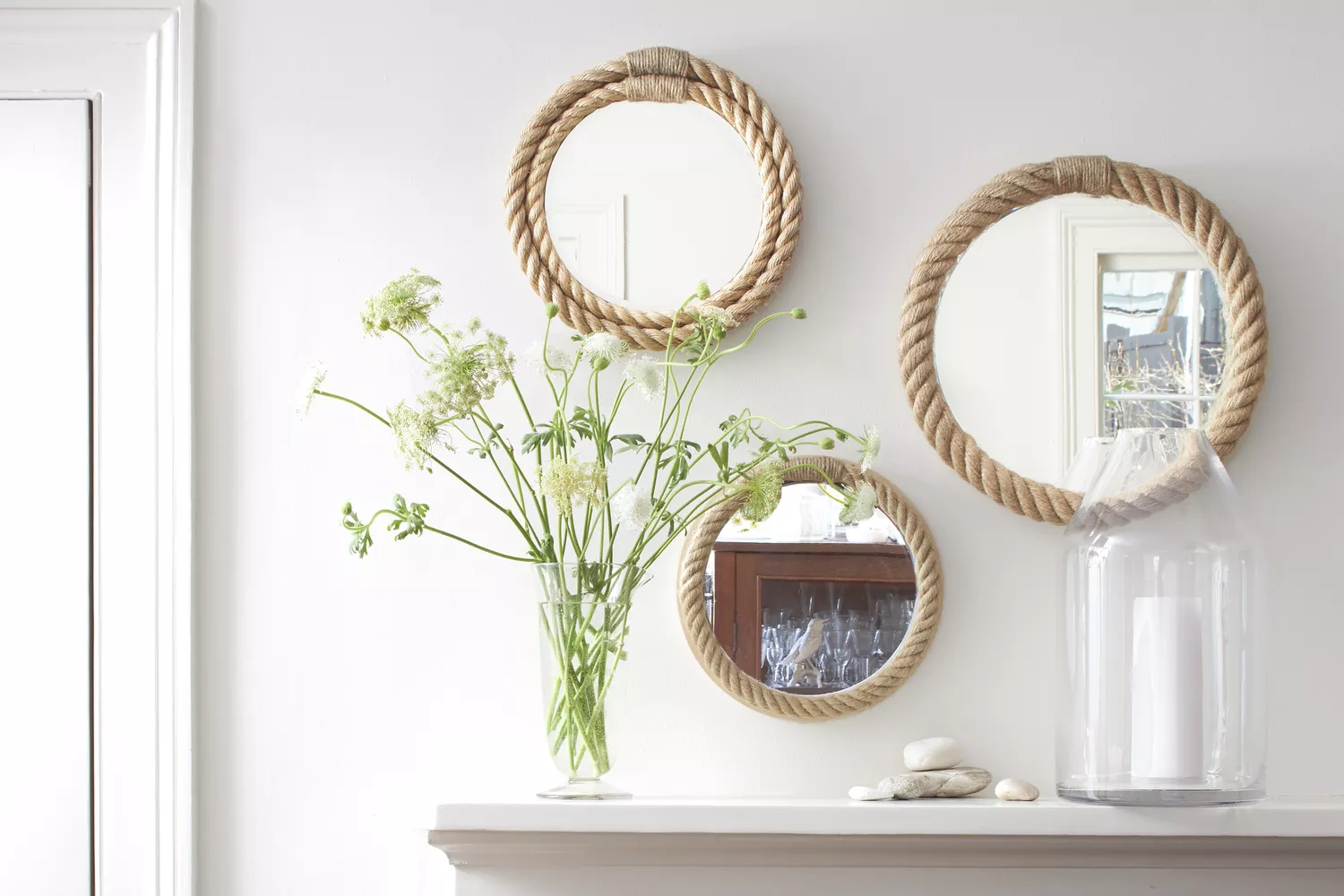
10 Ways to Brighten a Dark Room, According to Interior Designers

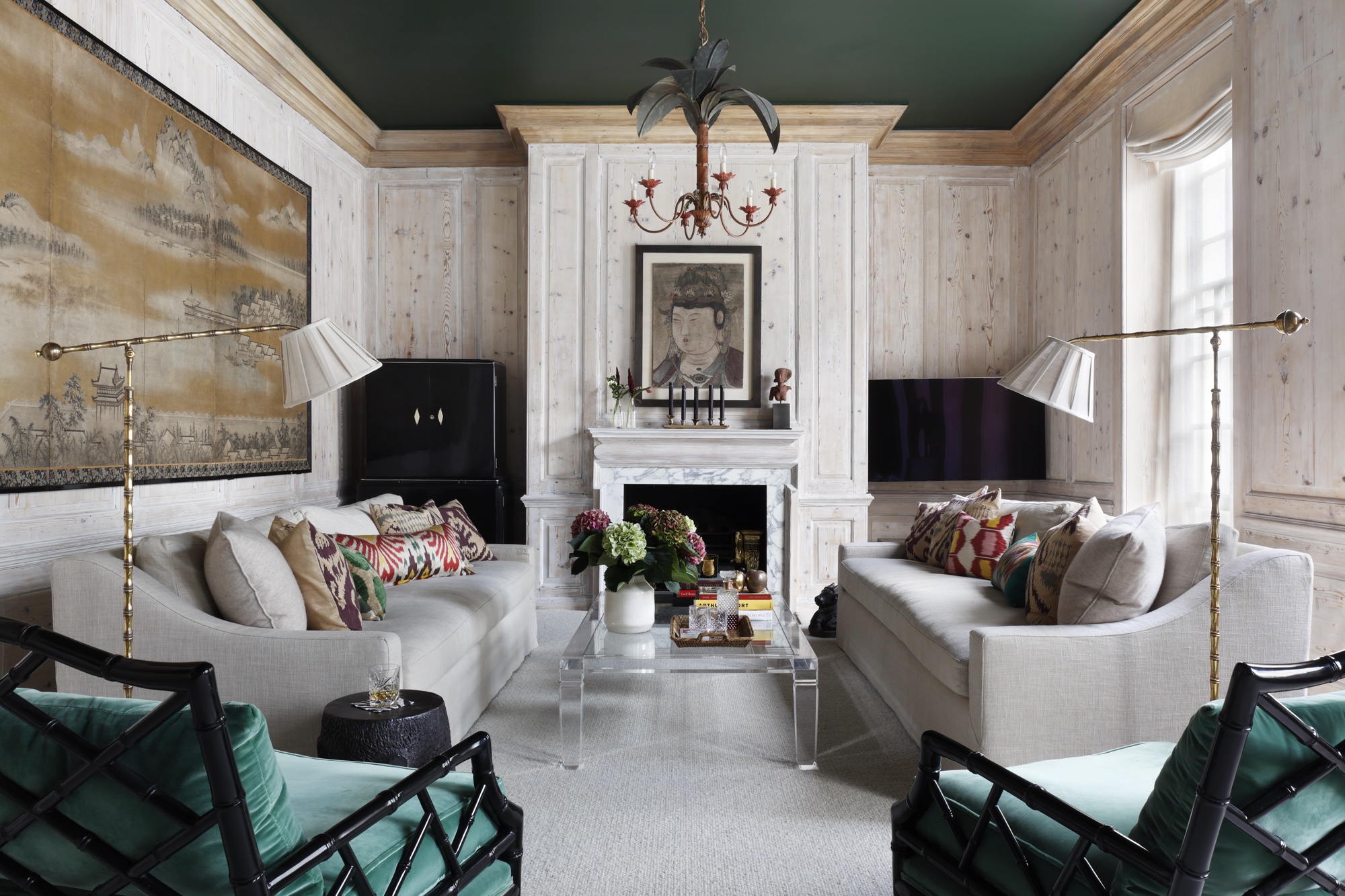
Living room lighting trends – 10 fashionable ways to light a lounge
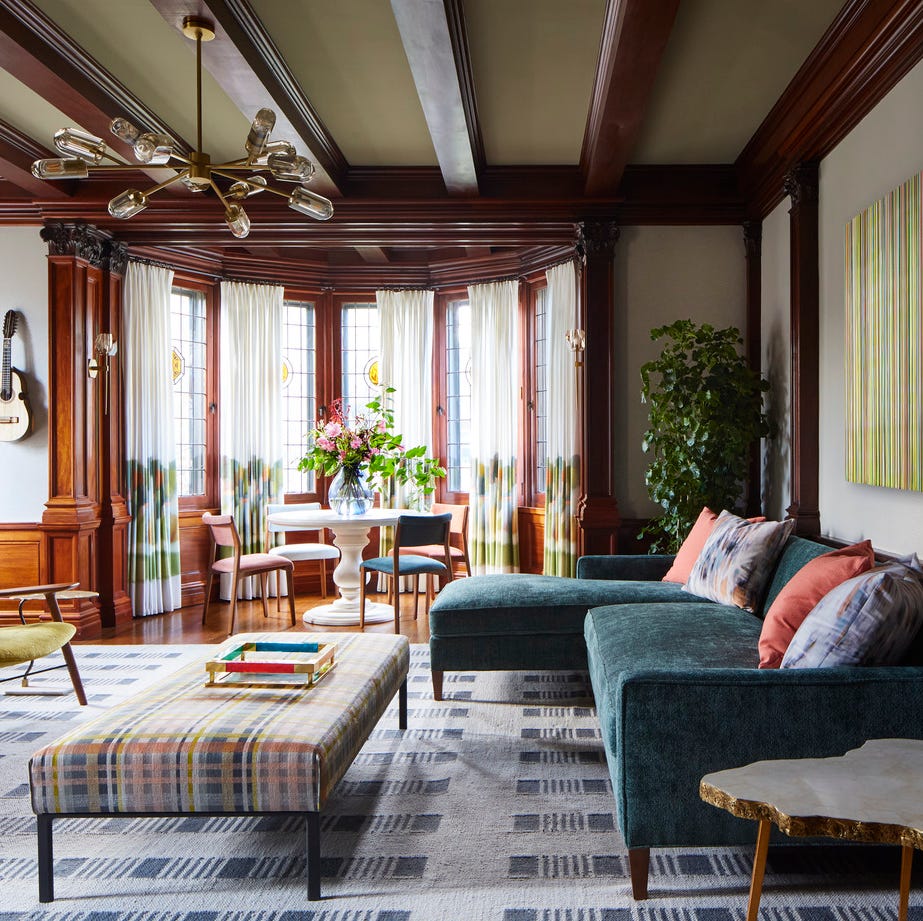
Easy Ways to Transform Your Living Room Into a Space You LOVE

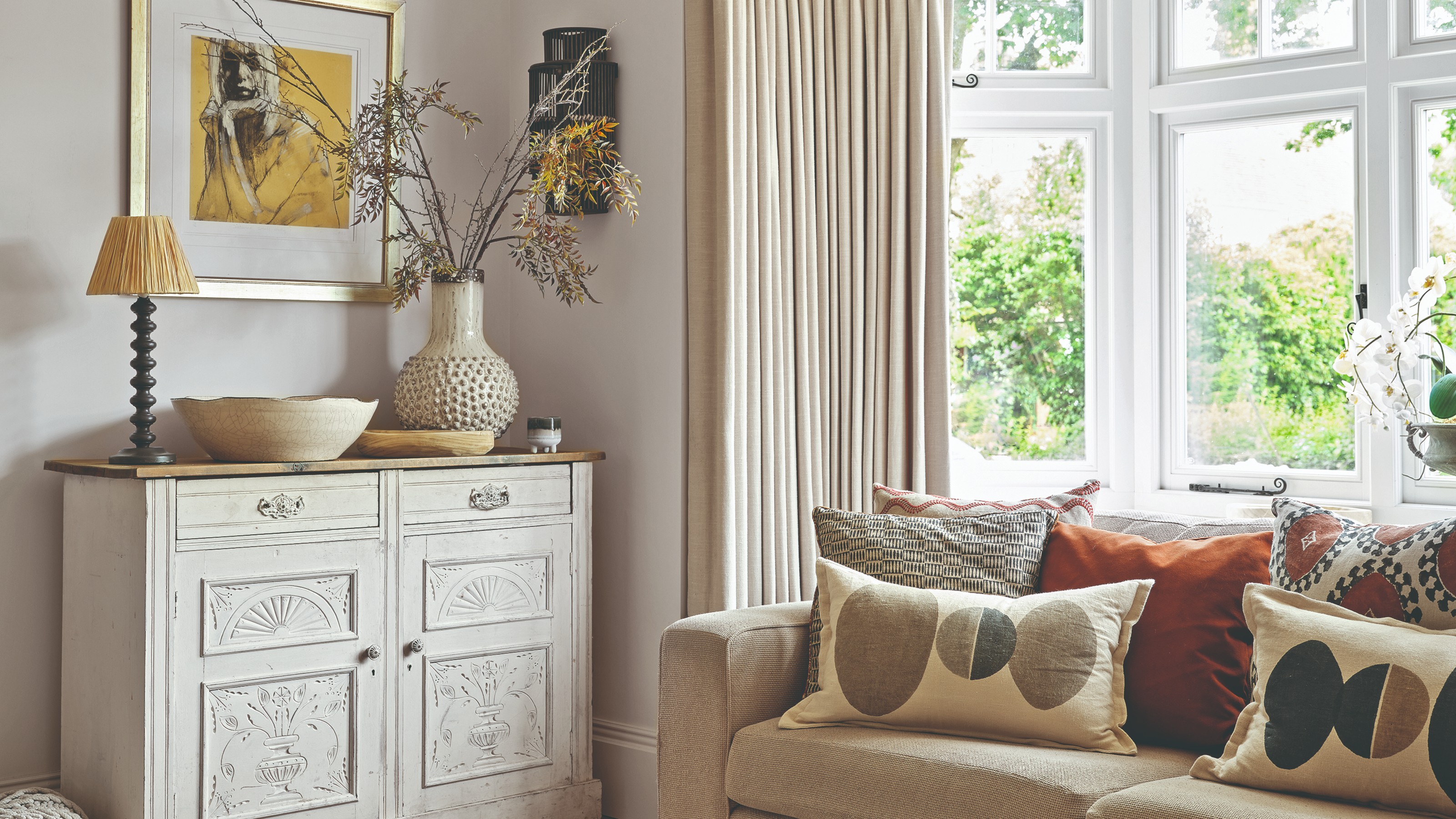
Living room lighting ideas – 33 easy ways to use lights and lamps to add style and create a cosy mood
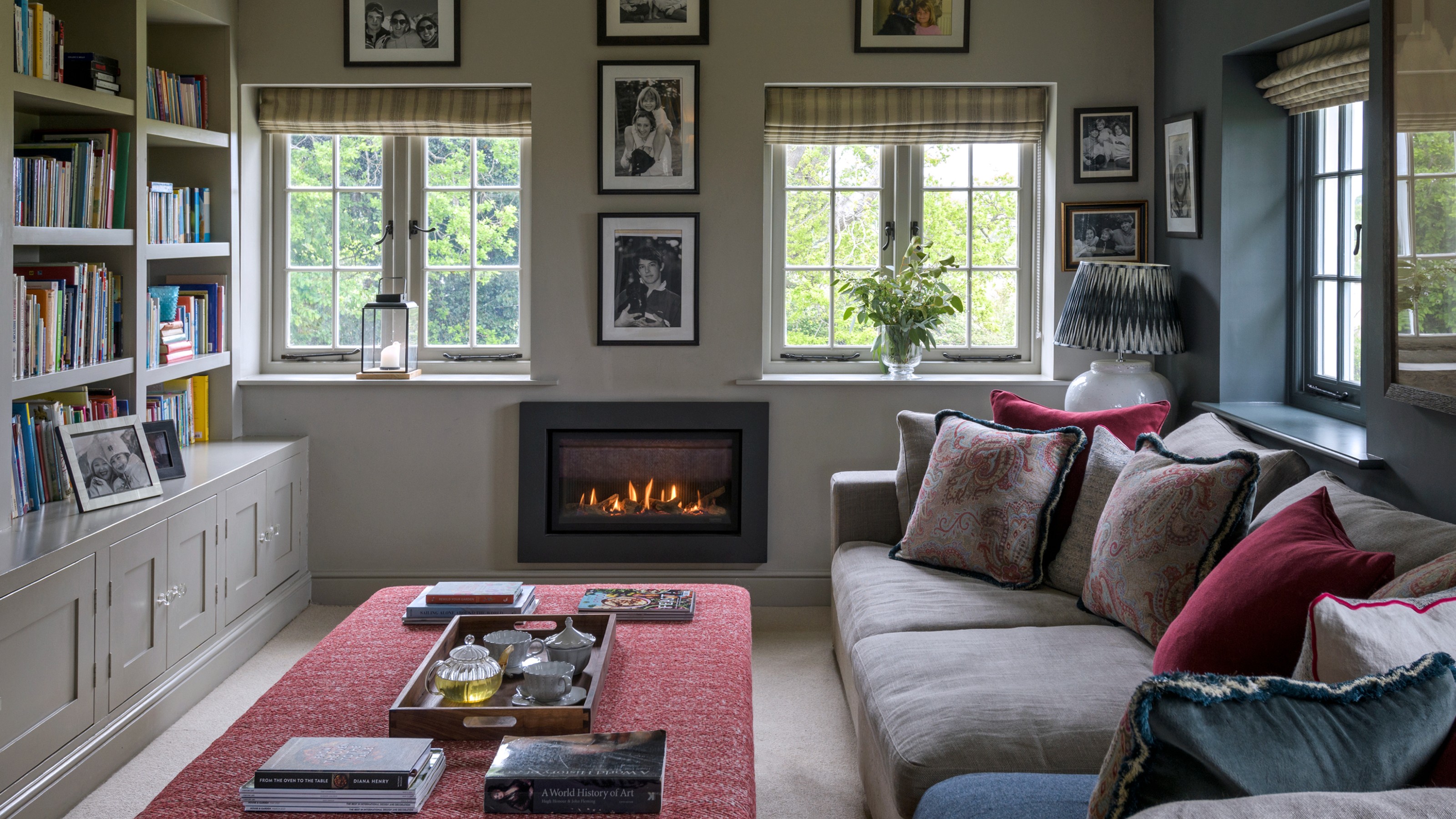
How to brighten a dark living room – 6 ways to make a dingy lounge feel light and airy
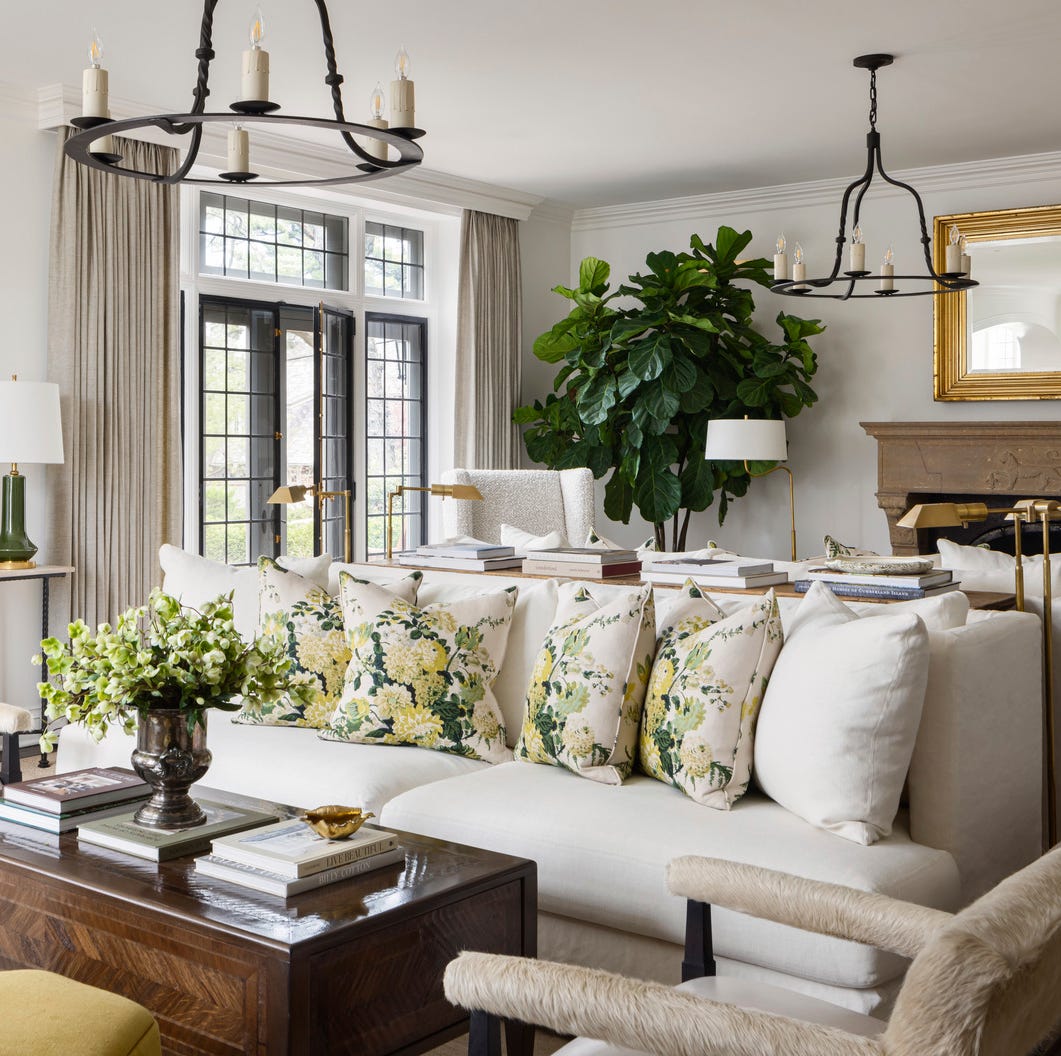
20 Ways High-End Designers Properly Light a Living Room
10 living room lighting mistakes that make yours look uninviting, smaller and cold
12 Living Room Lighting Ideas That Set the Perfect Ambience