1/10
Lighting a dark room – 10 top tips from experts
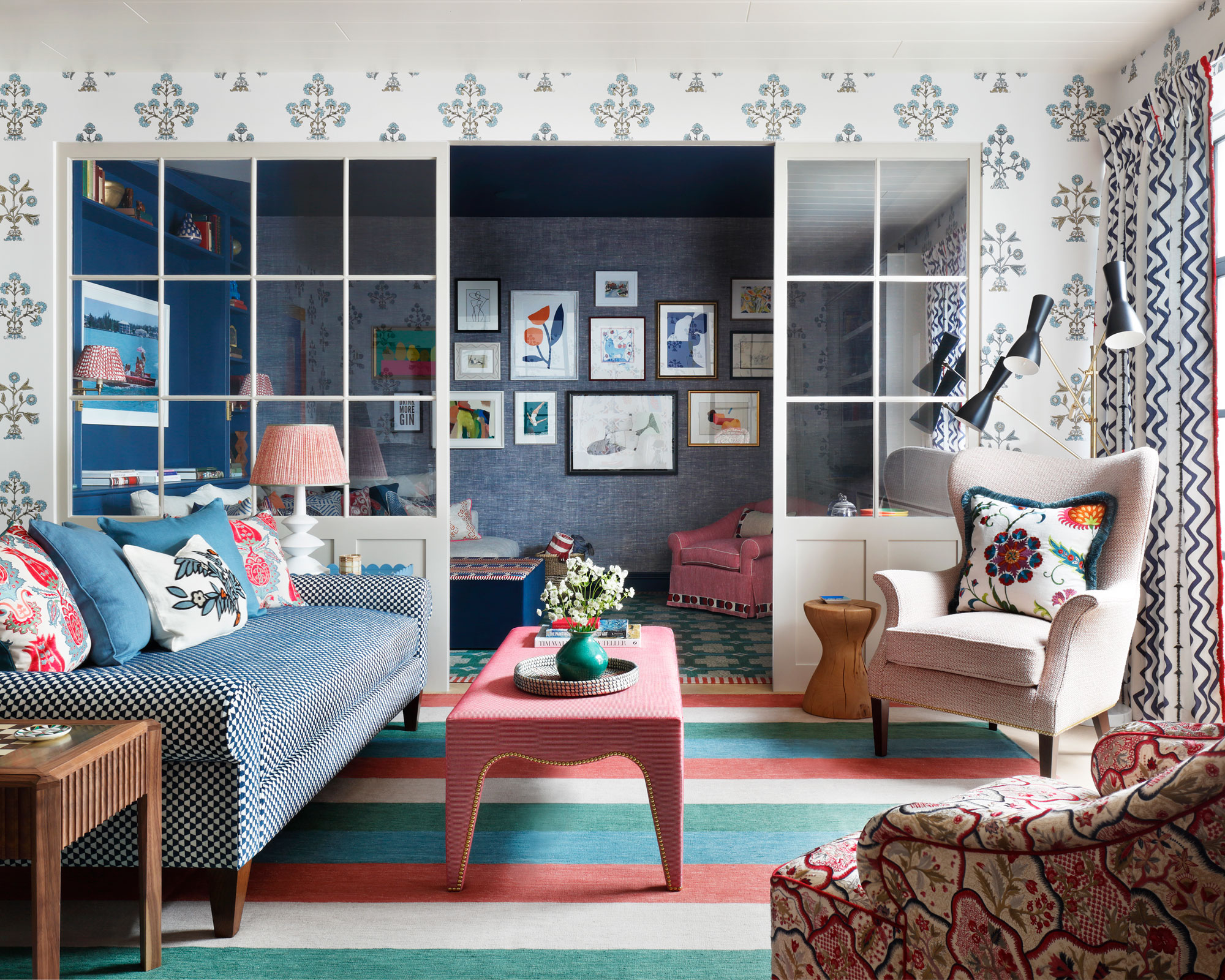
Successfully lighting a dark room presents a unique challenge, as it requires a scheme that provides both adequate overall illumination and versatile task and mood lighting. This ensures the space remains comfortable and adaptable for various activities and desired atmospheres. Rooms can be inherently dark for several reasons, including small windows, a north-facing orientation, obstruction from trees or other external features, or a basement location. Regardless of the cause, strategic lighting ideas are essential to brighten and enhance these spaces.
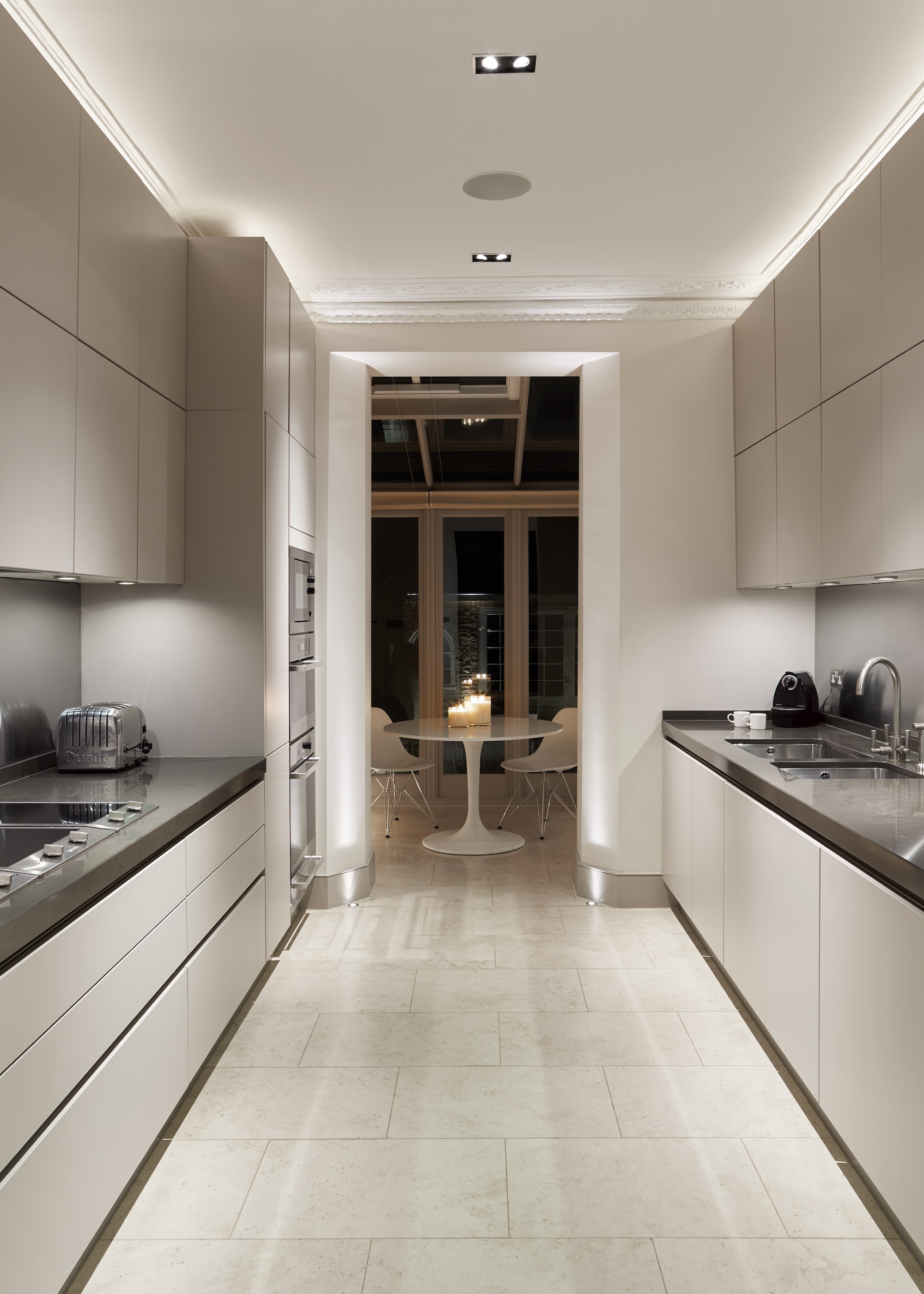
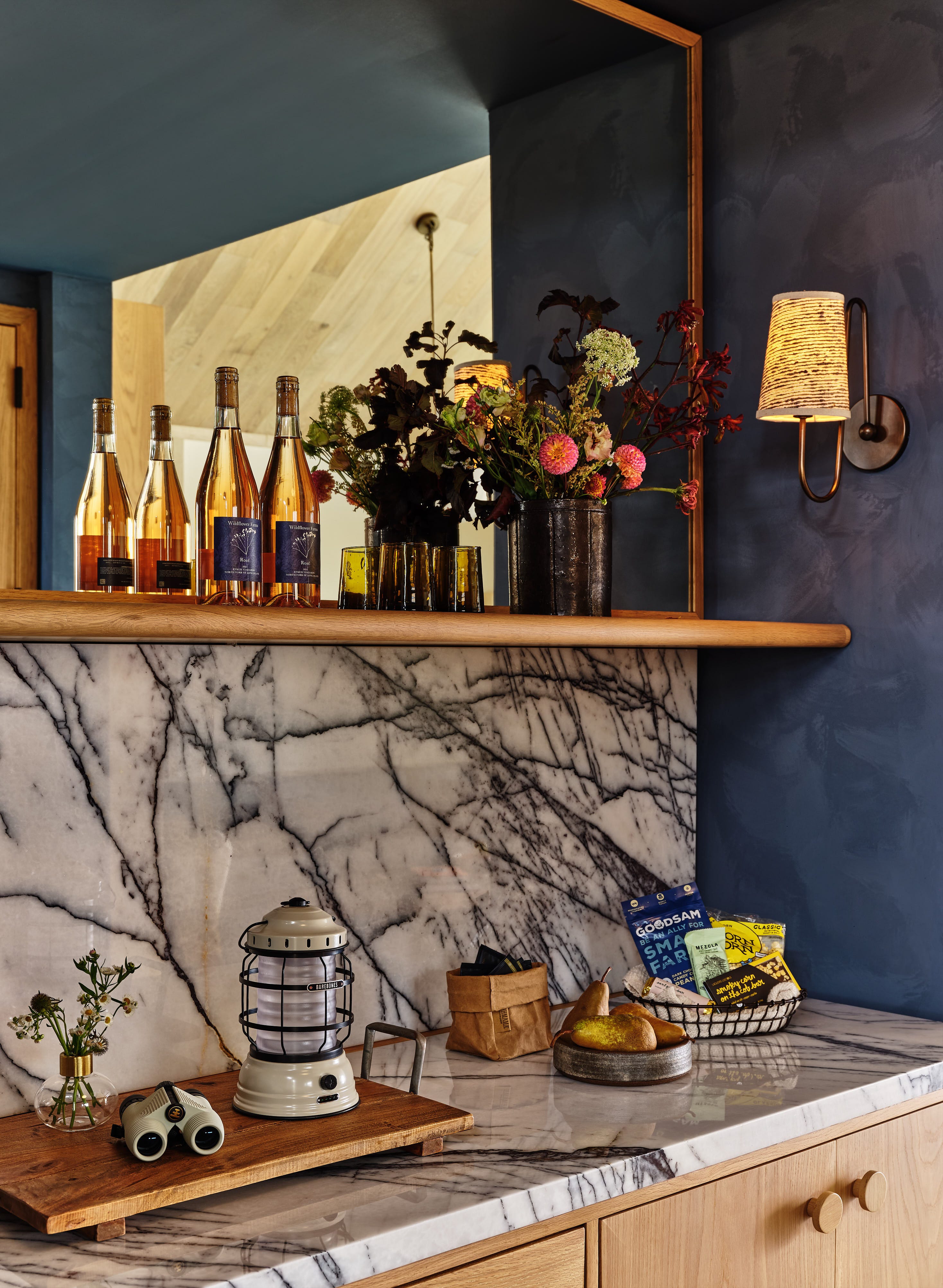
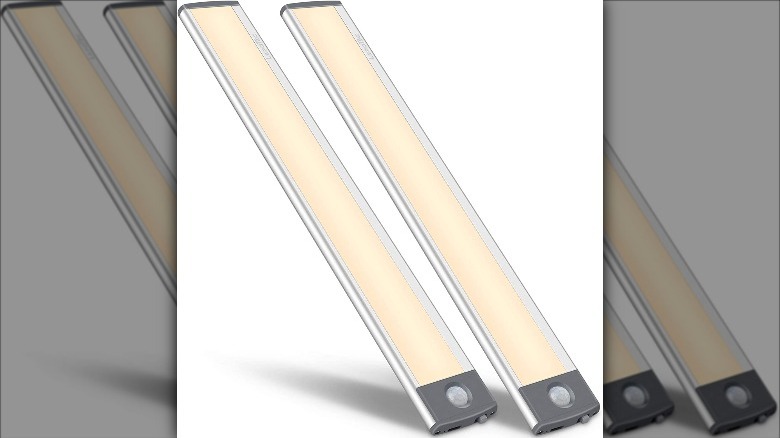
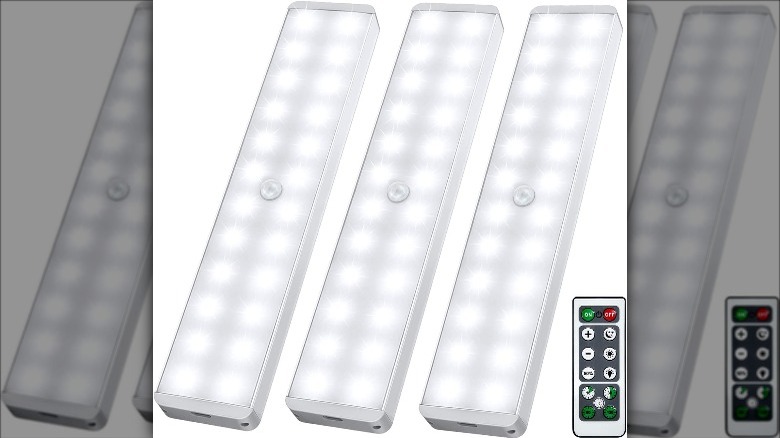
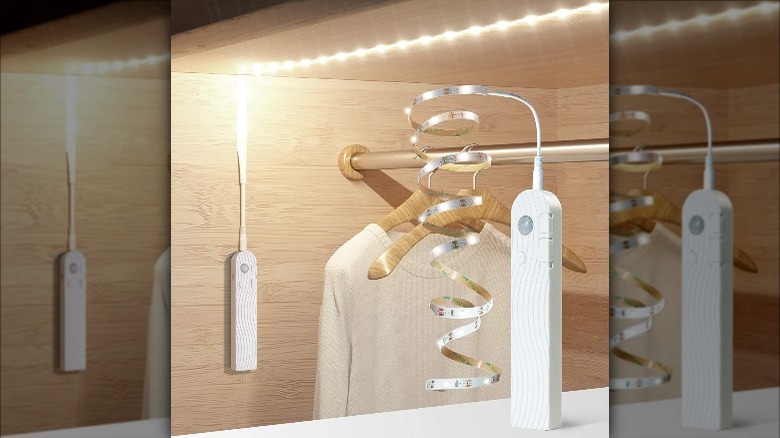
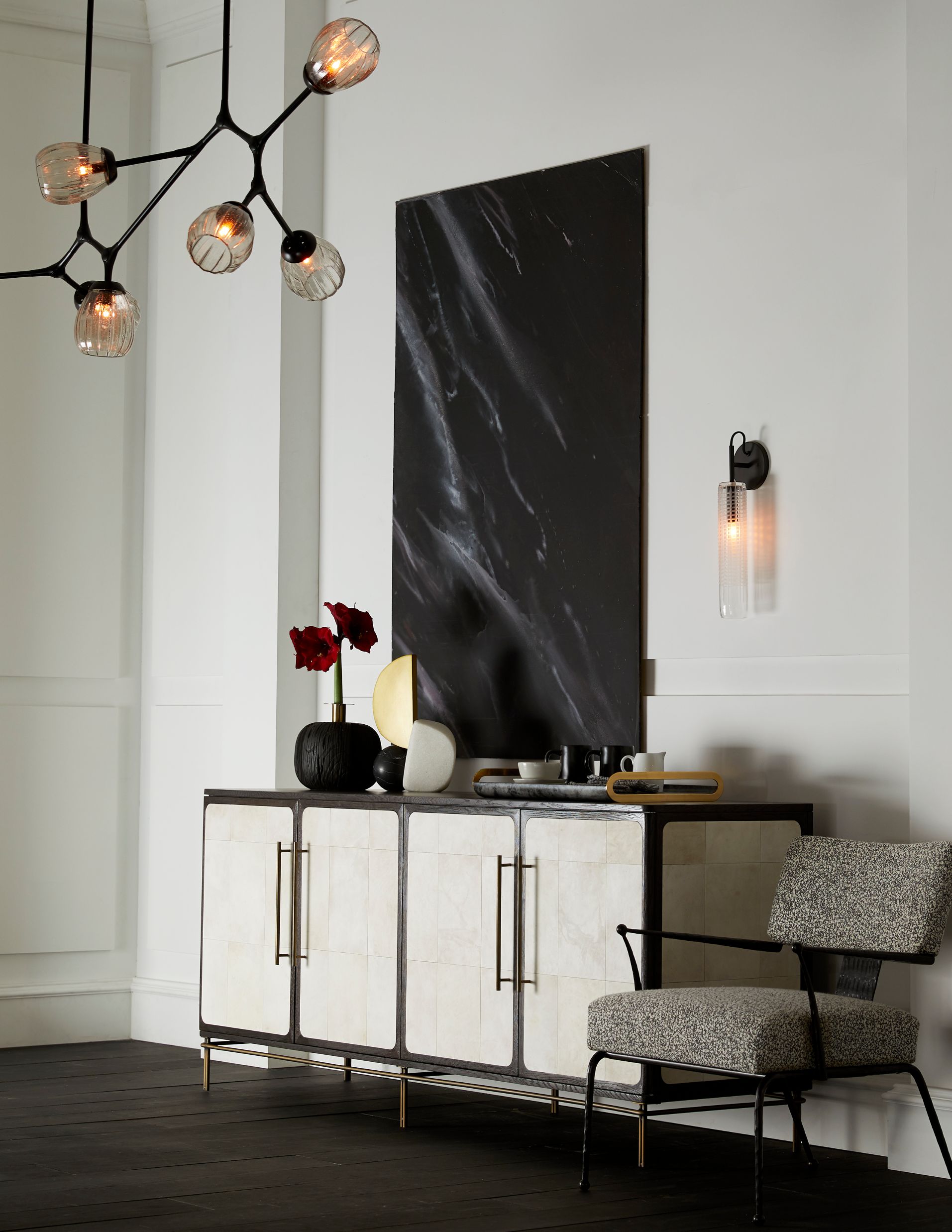
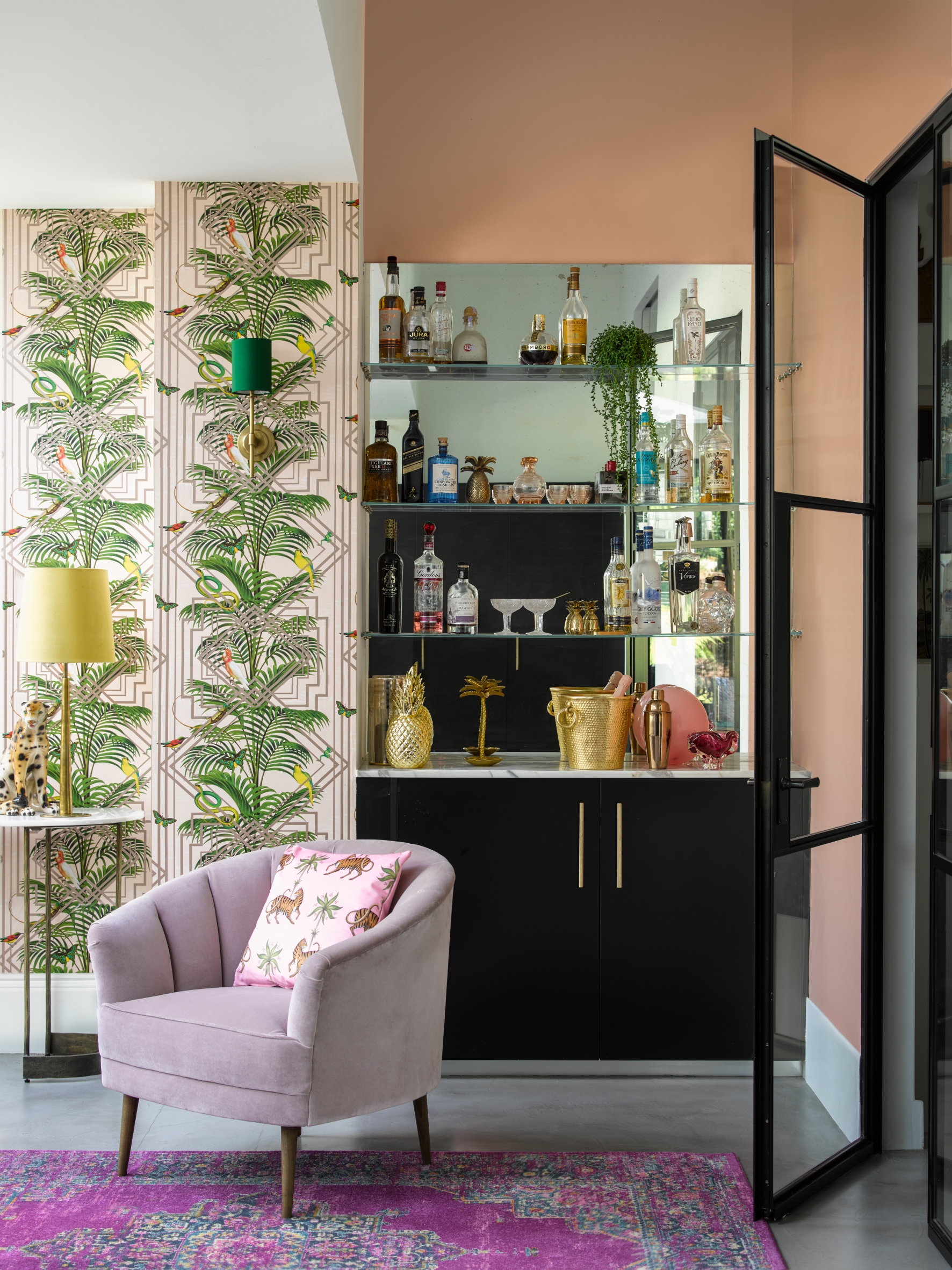
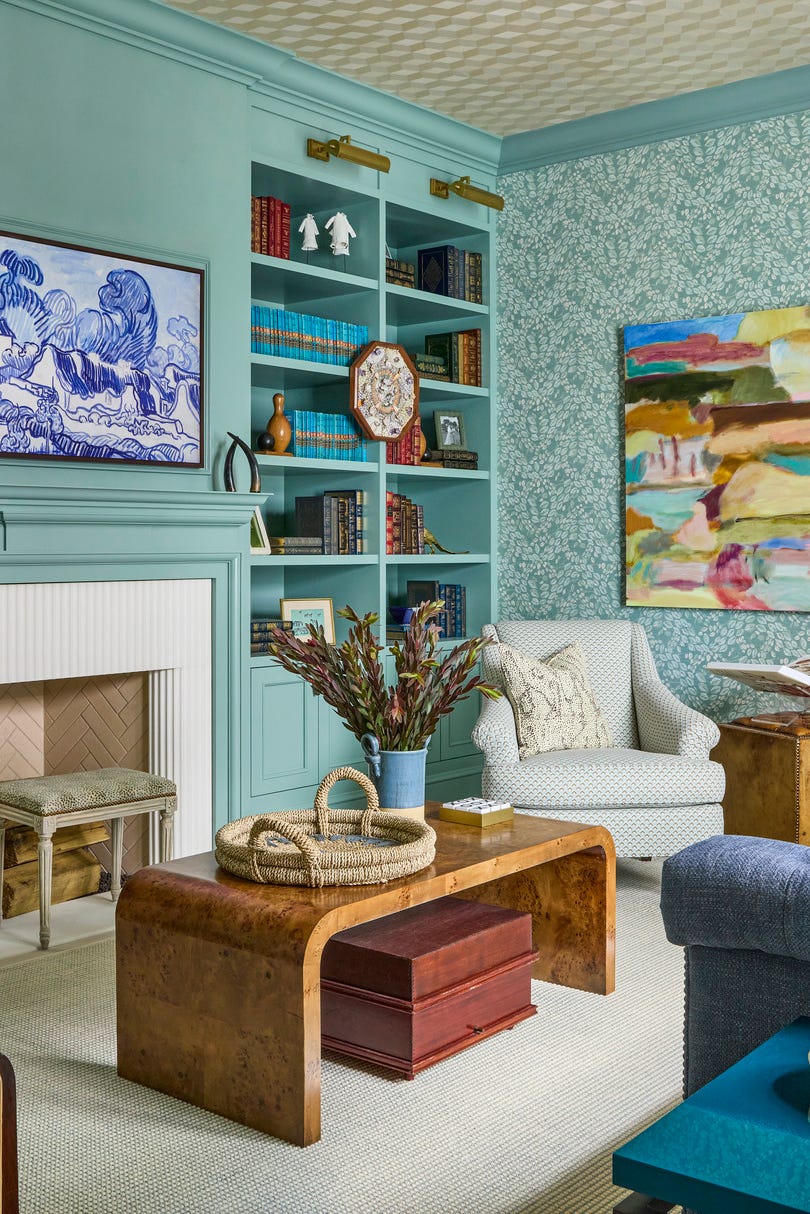
Experts offer ten key tips for illuminating dark rooms. One effective strategy involves utilizing LED strips, especially within joinery and cabinetry. Placing LED strips under shelving or within display units not only introduces additional light but also highlights decorative items. Installing them atop cupboards can create a warm glow, making the room appear taller and larger. Even curtain recesses or cornices can benefit from LED strips to produce a soft, diffused light.
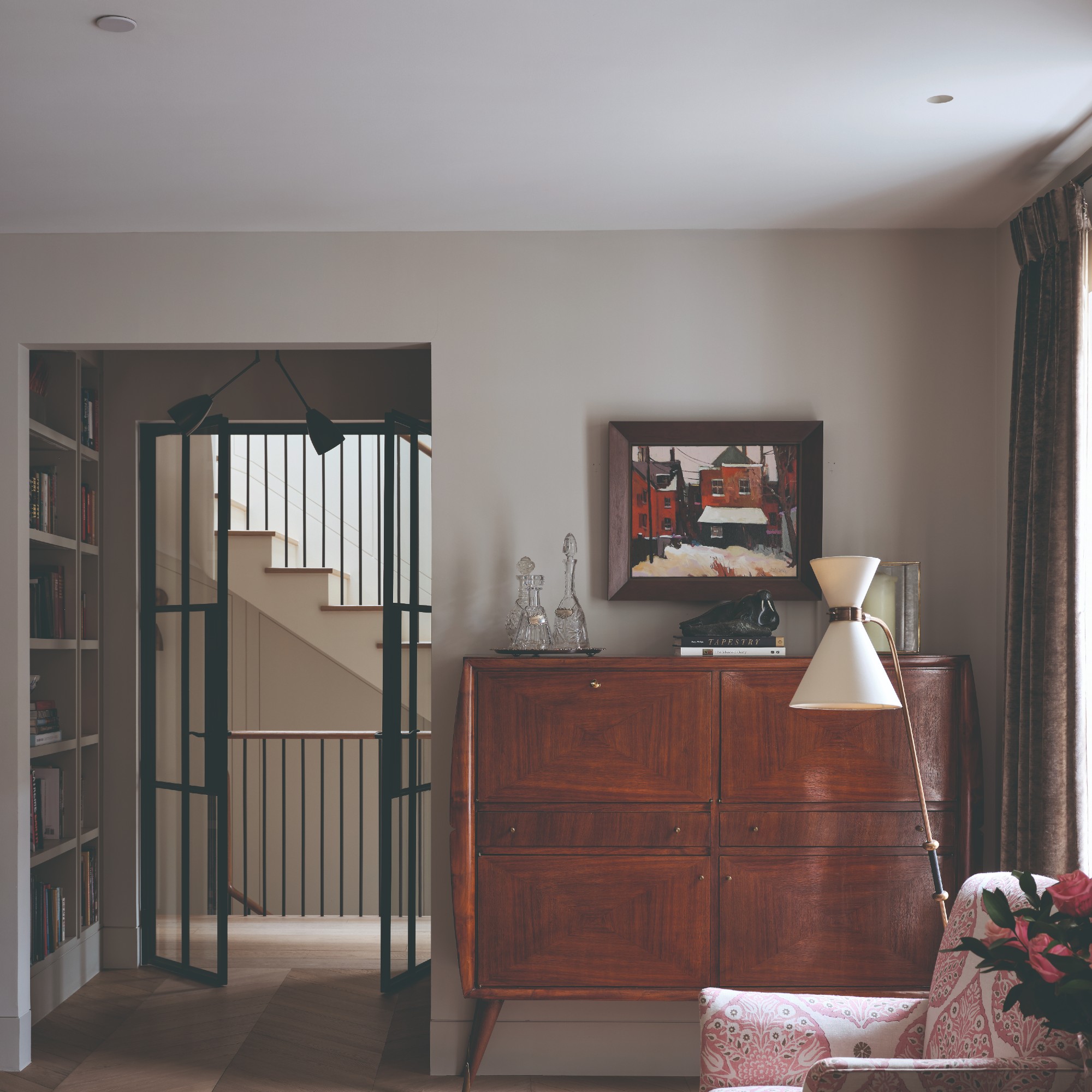
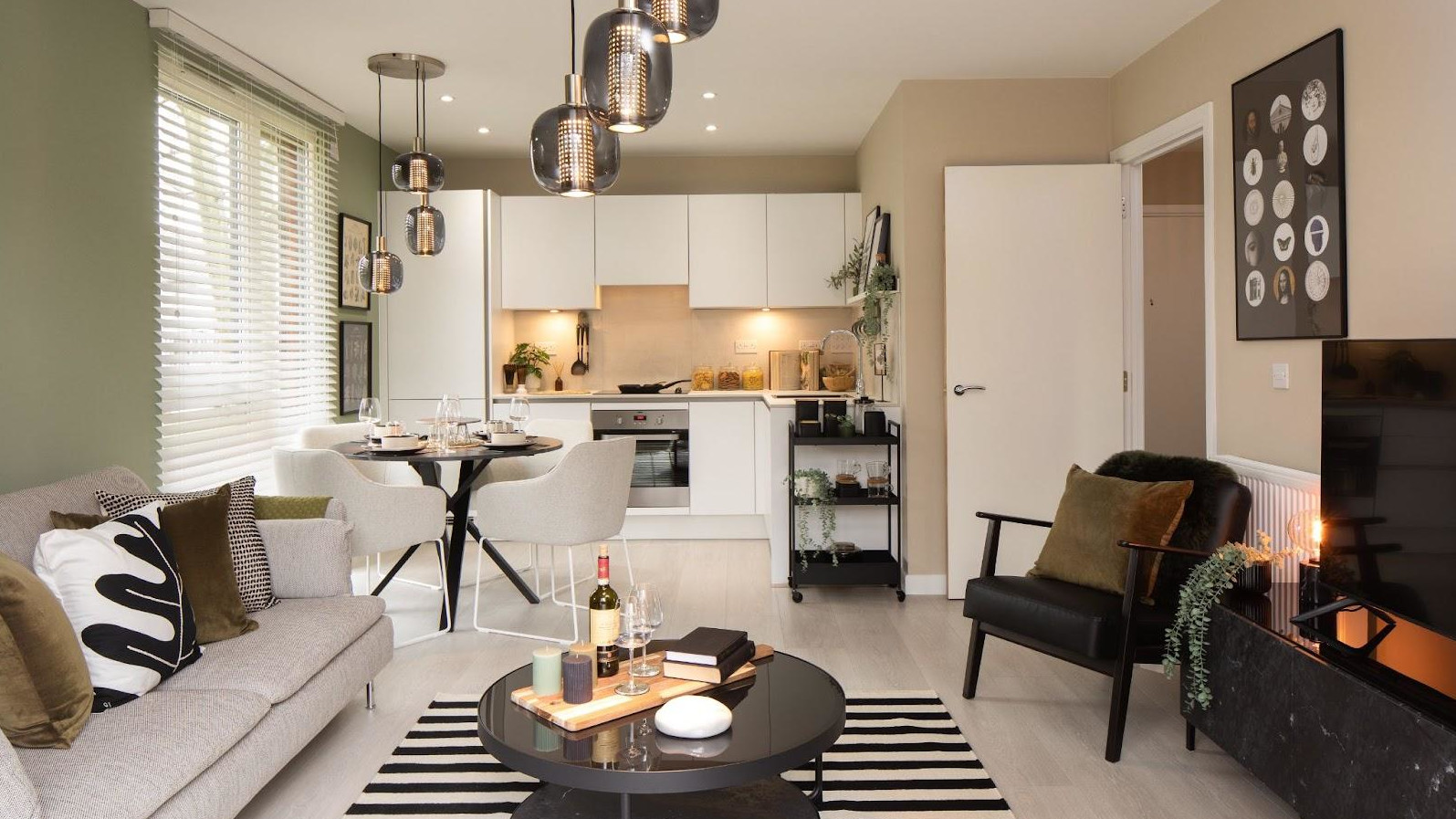
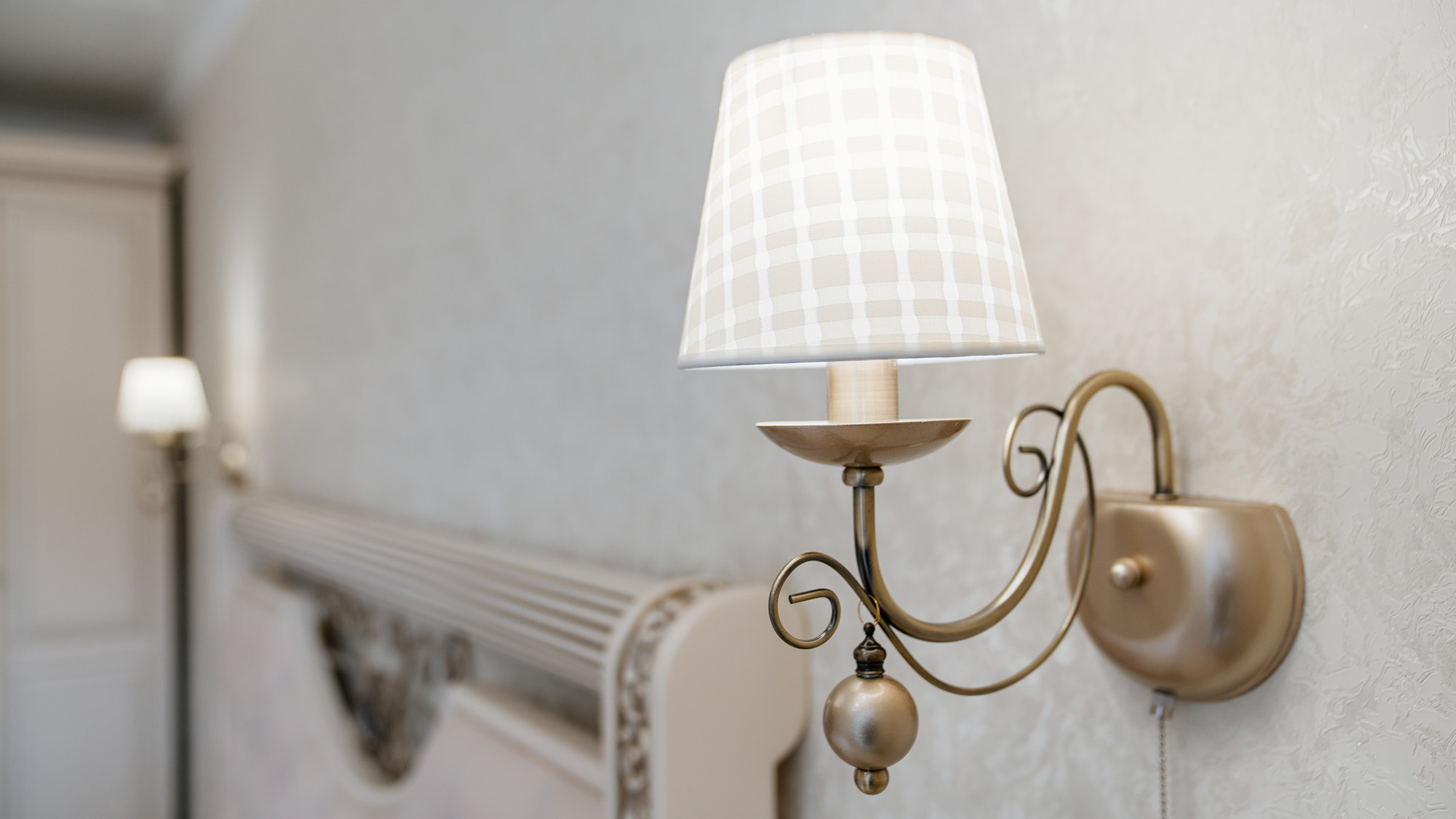
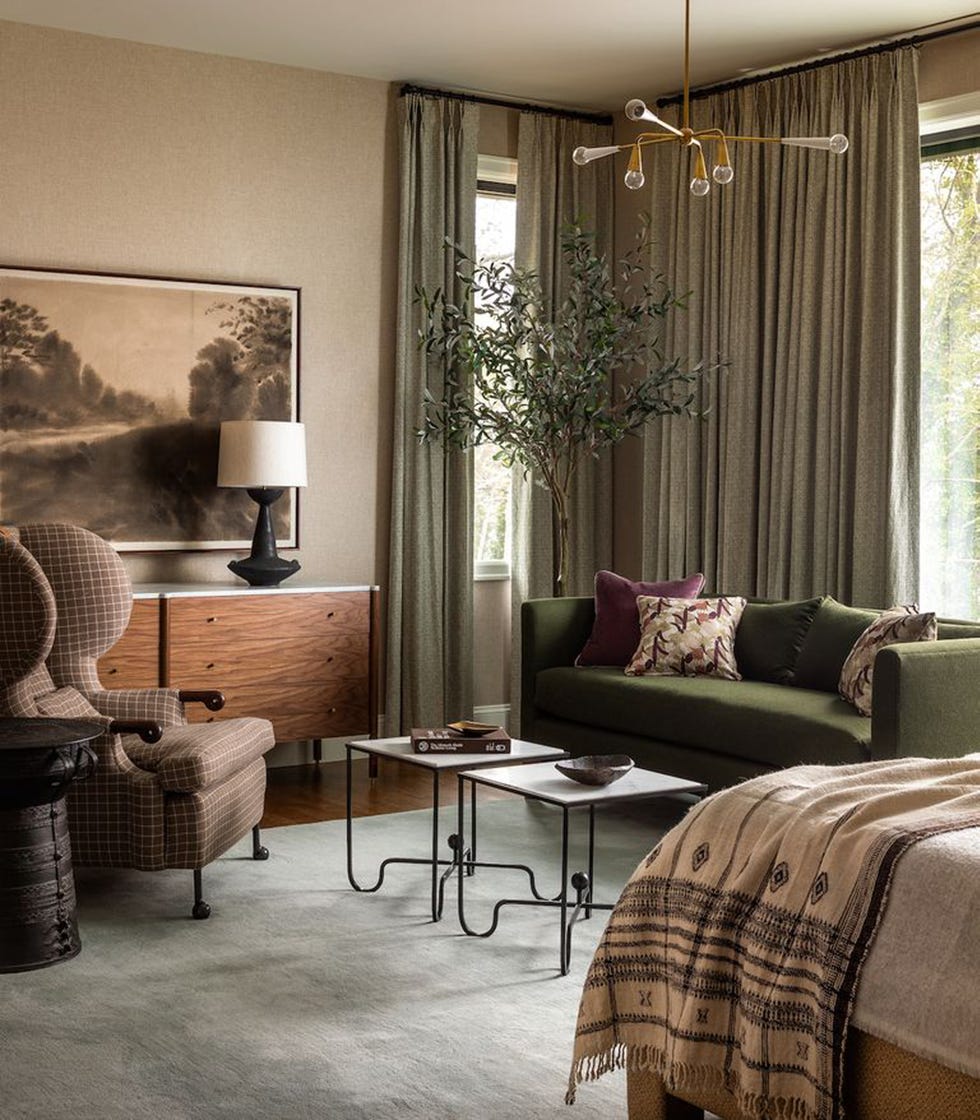
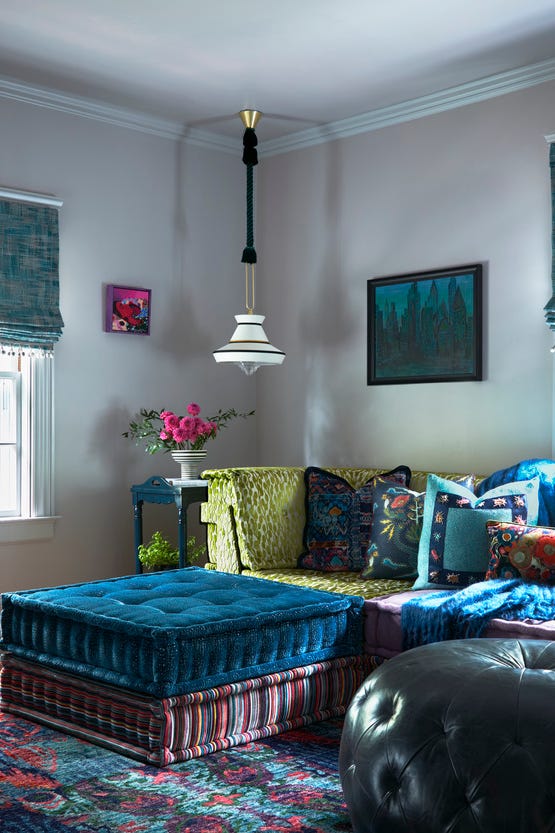
For rooms with low ceilings, particularly common in basements, recessed lighting in ceiling voids can provide a soft wash of light without lowering the ceiling further, an alternative to traditional pendants. Combining this with ambient lamps, such as those with customized shades, can offer a warm, winding-down atmosphere, while directional wall lights can be incorporated for task-specific reading.
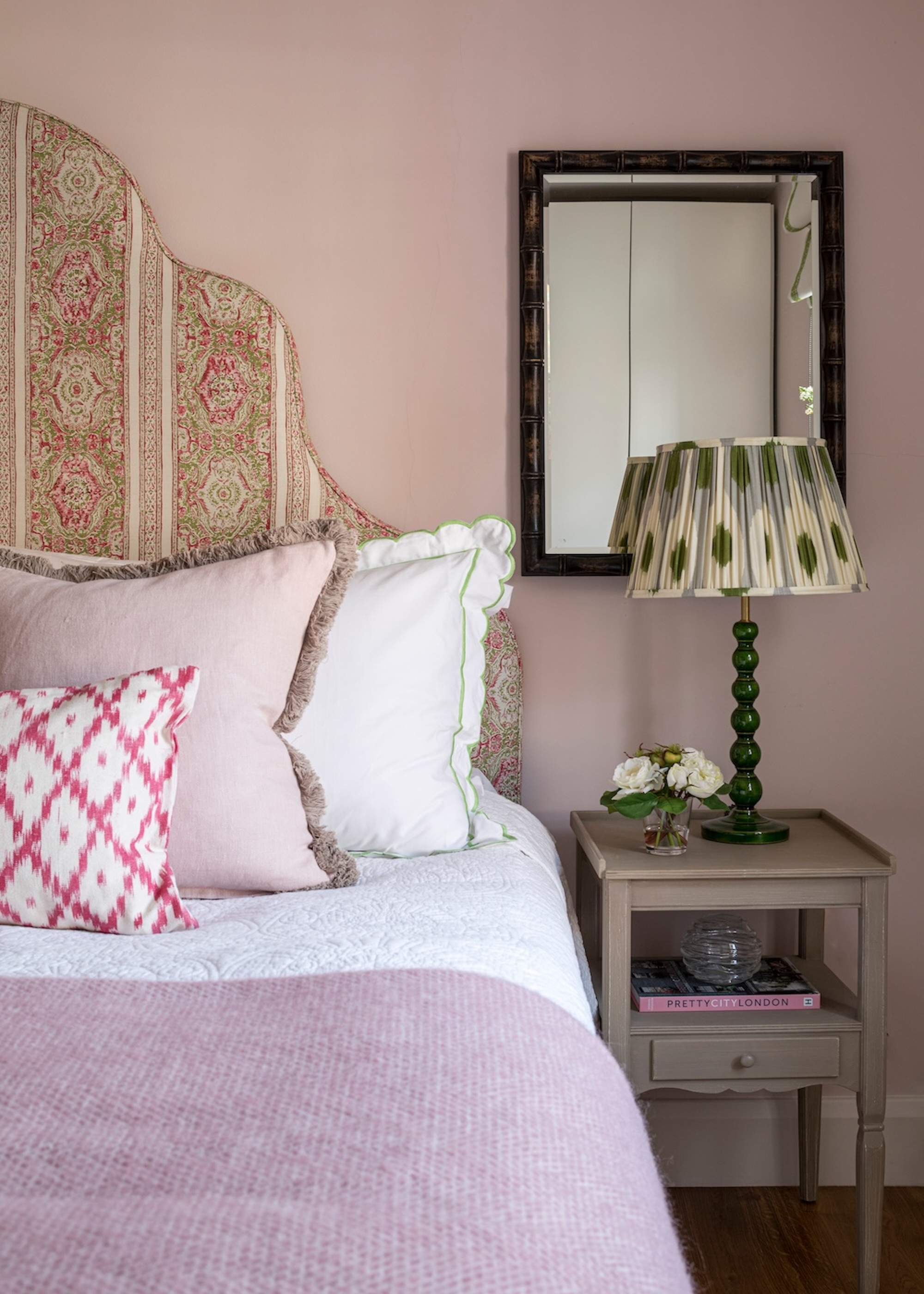
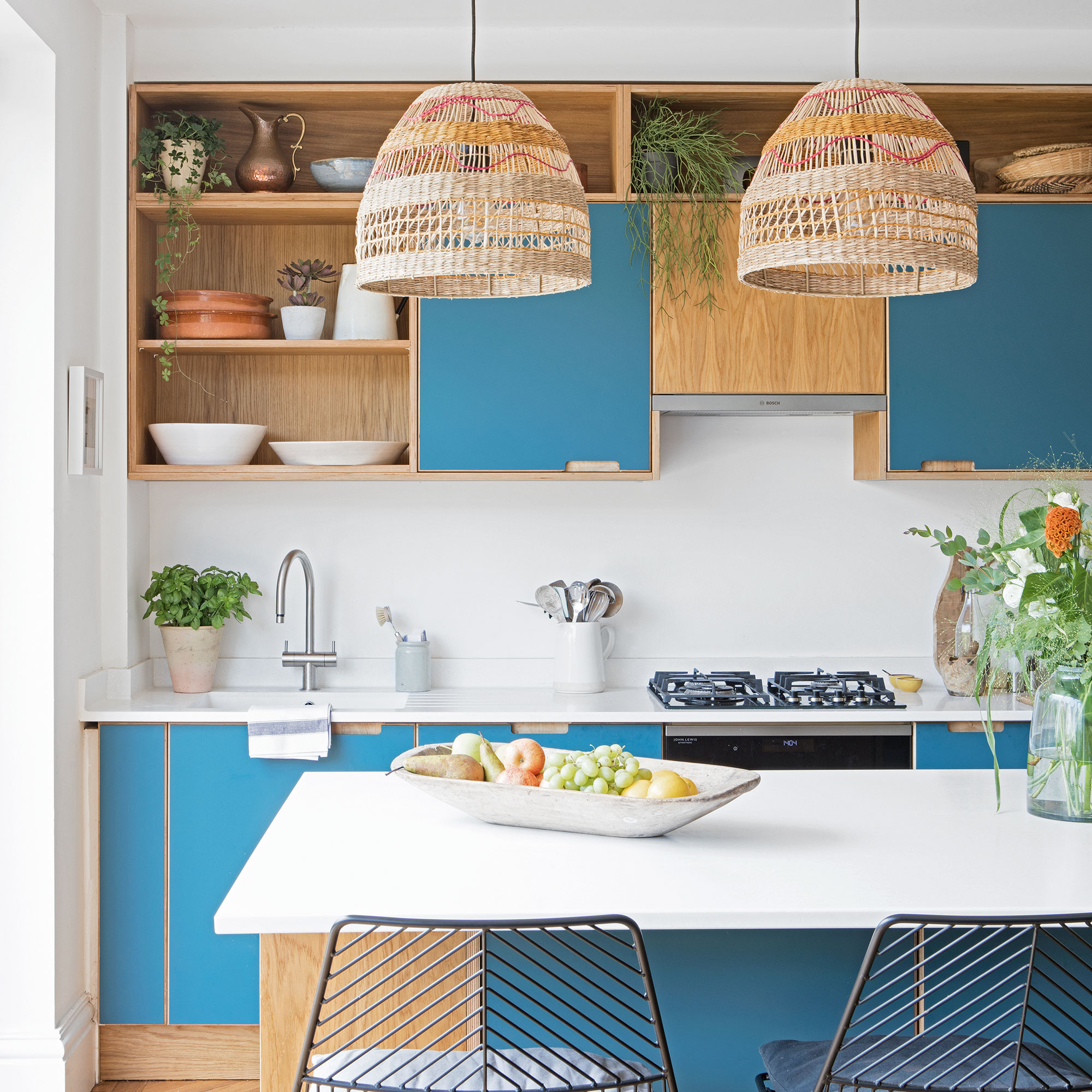
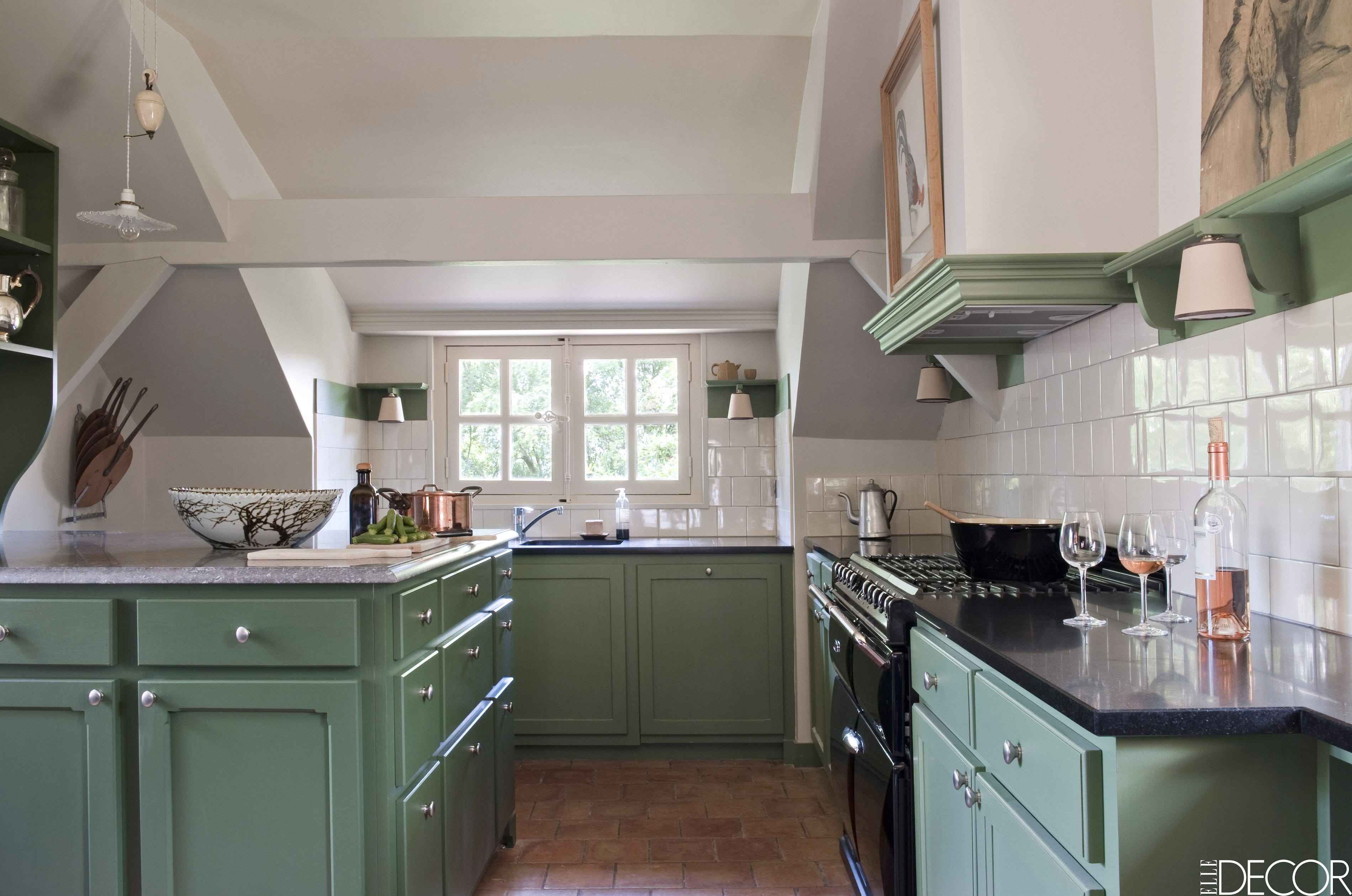
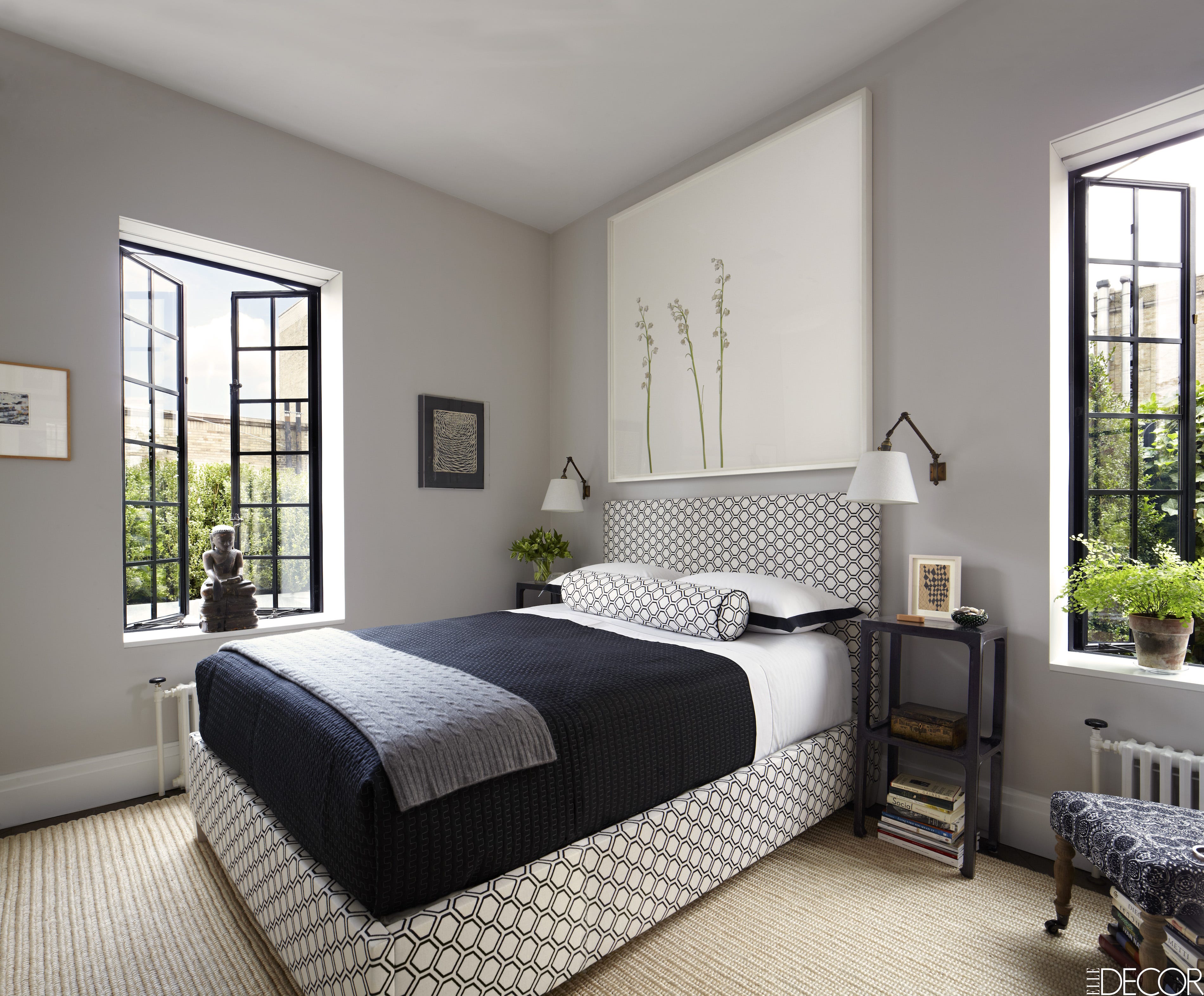
The room's purpose should dictate the lighting approach. For instance, a dark bathroom might benefit more from candles in hurricane lanterns and thoughtfully placed wall lights near a mirror rather than numerous spotlights. In a bedroom, bedside lamps offer a lower level of light, complementing the main furniture, while additional lamps near dressing areas can combine task and ambient lighting. Kitchens, with their reflective surfaces, require brighter beams but should also incorporate atmospheric lighting.
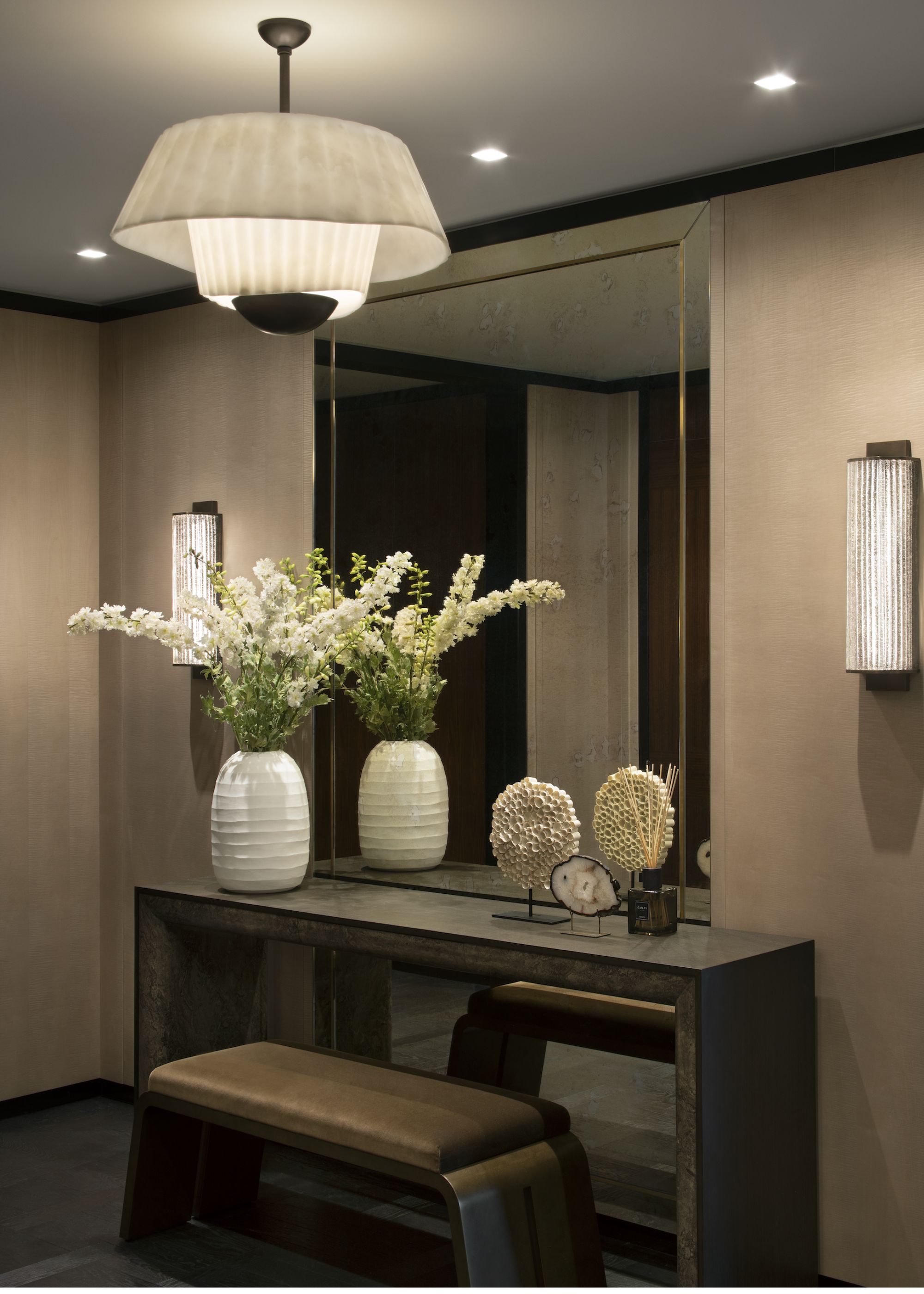
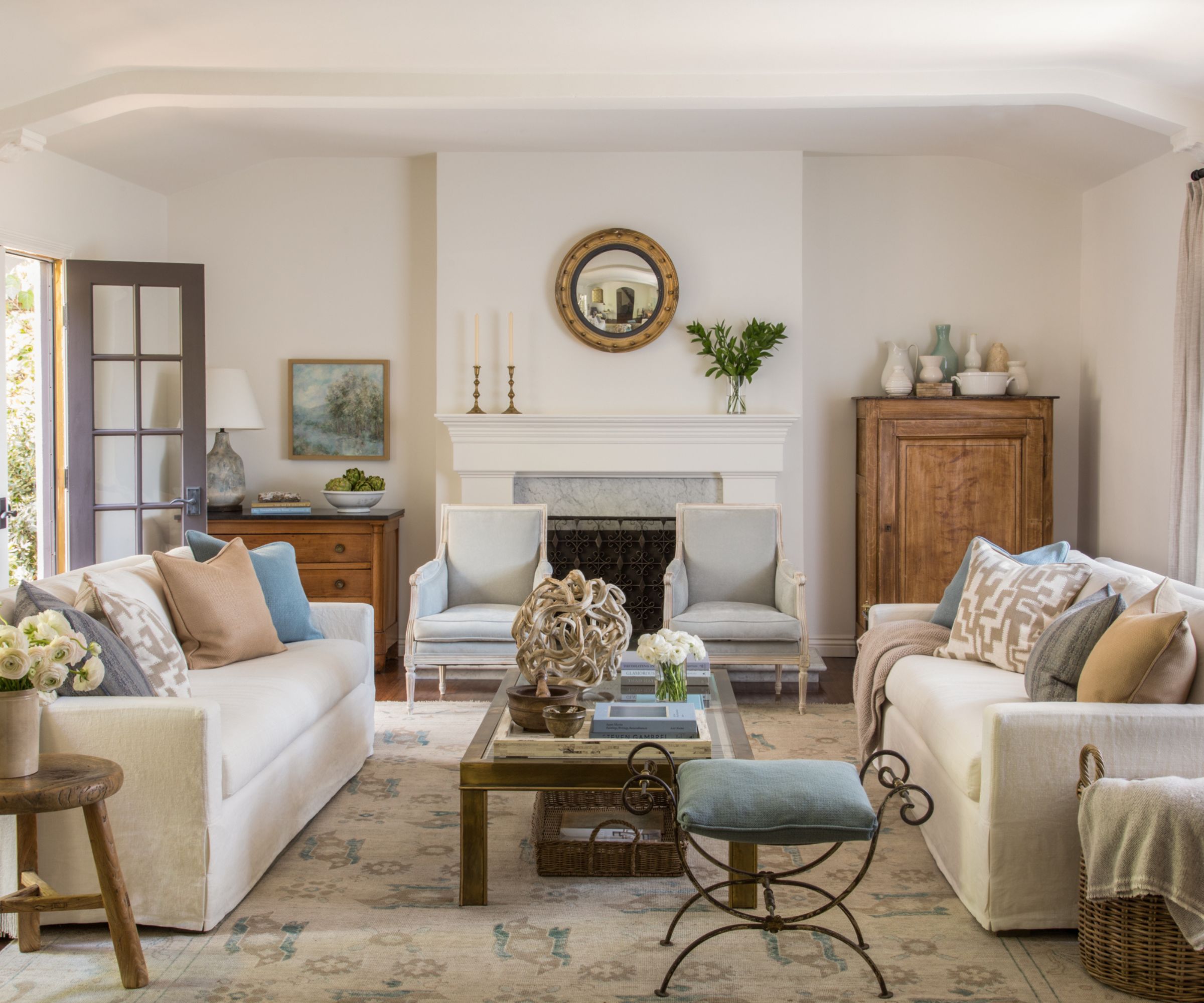
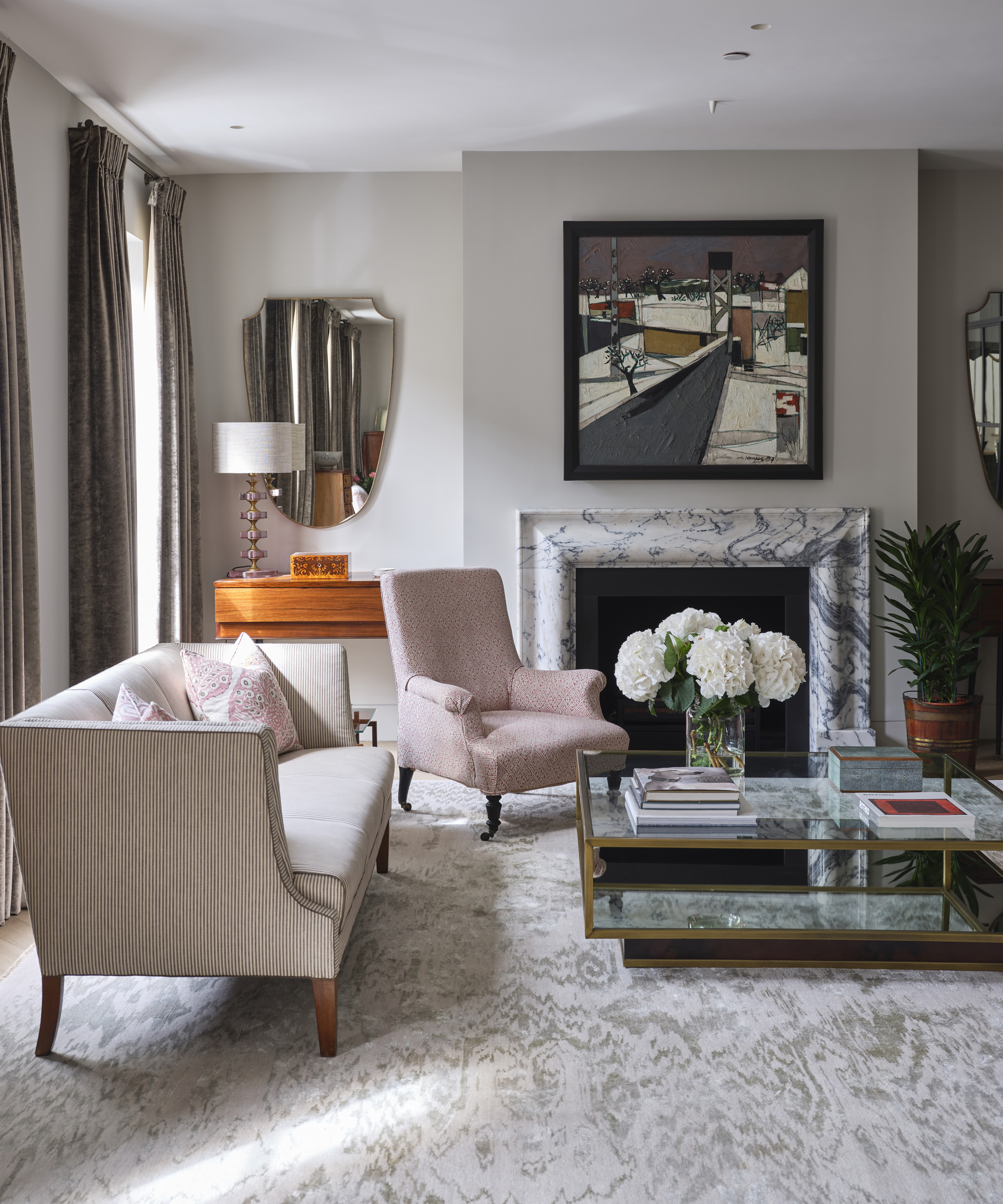
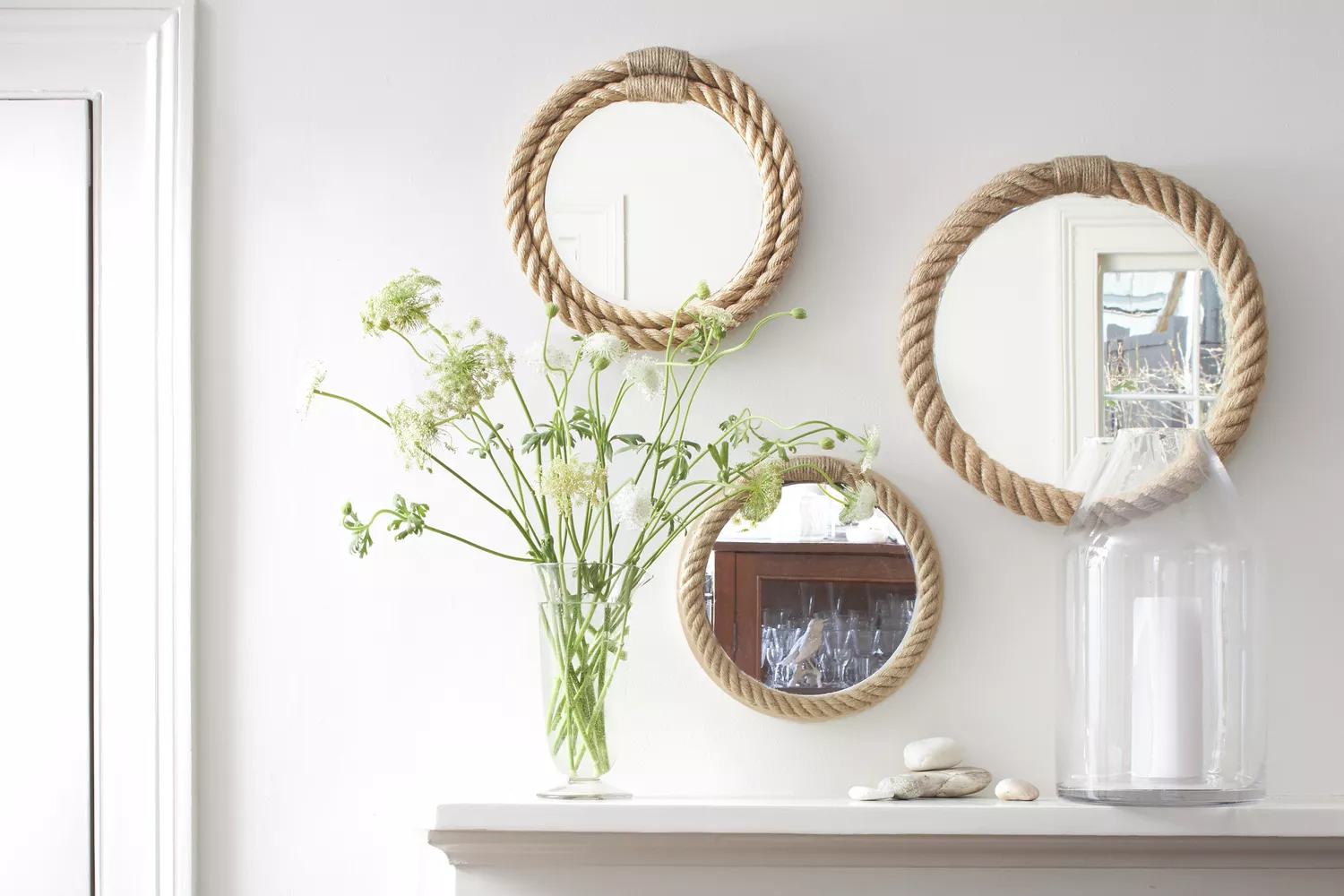
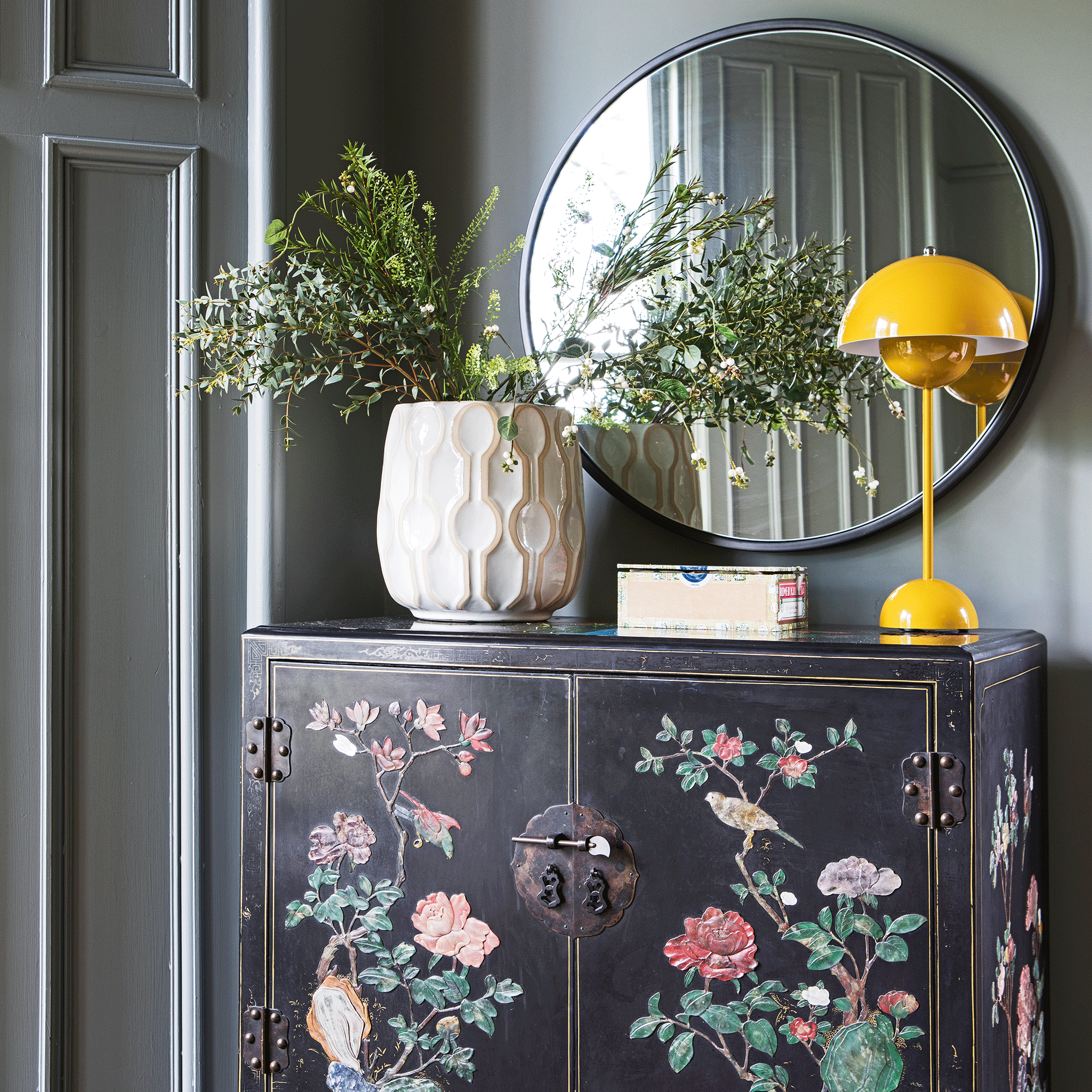
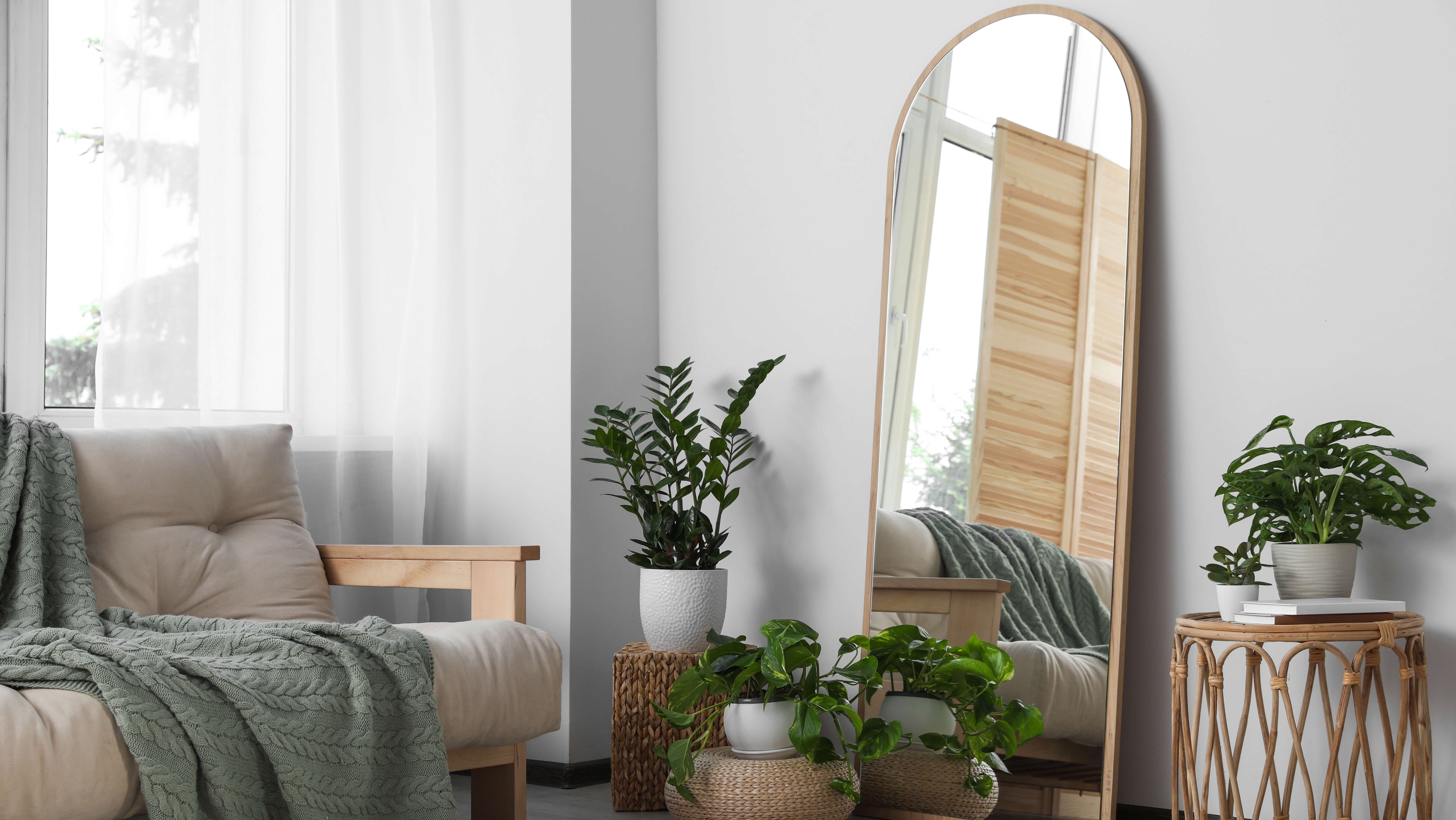
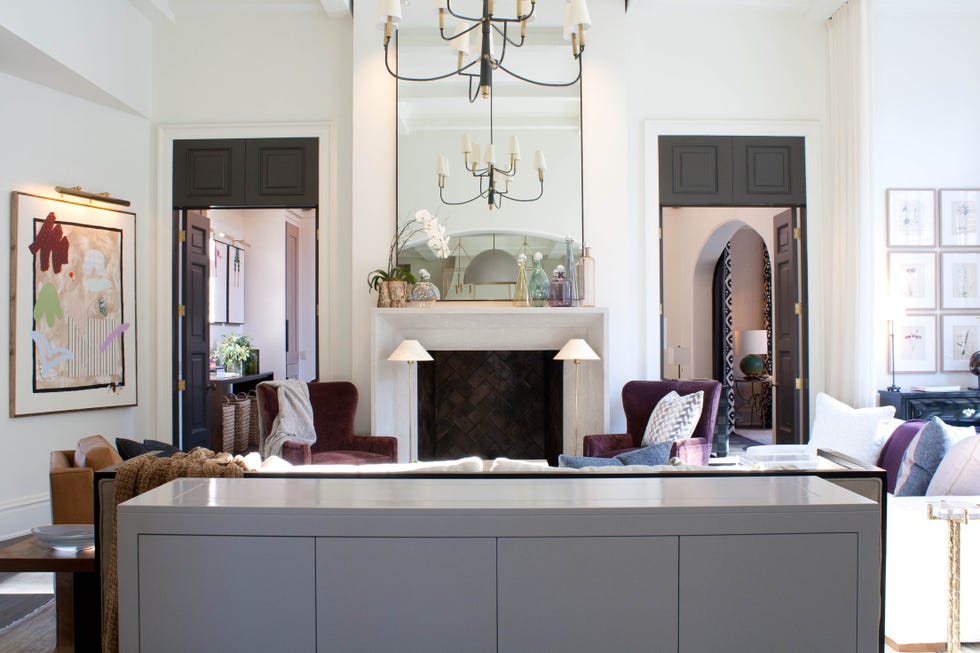
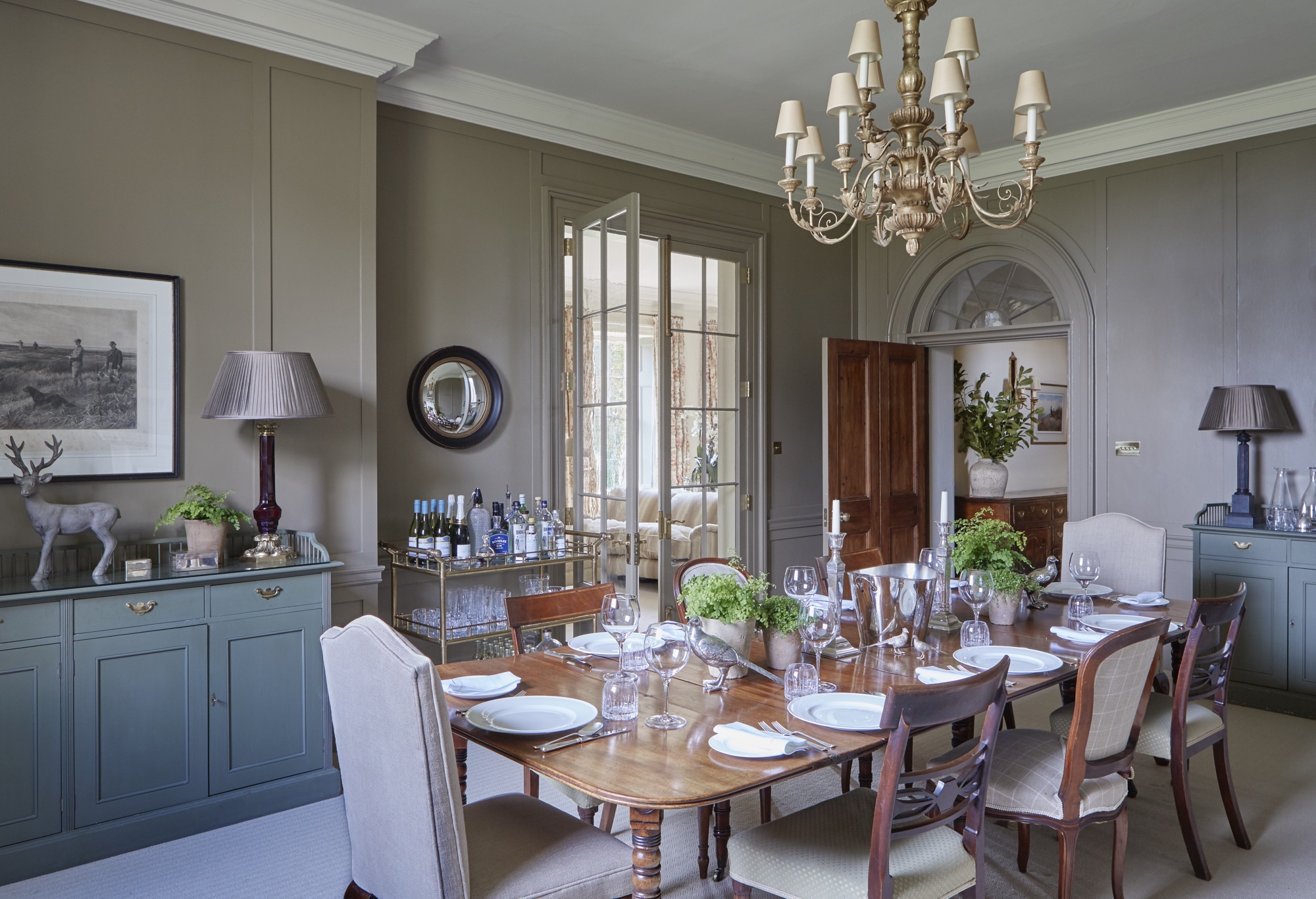
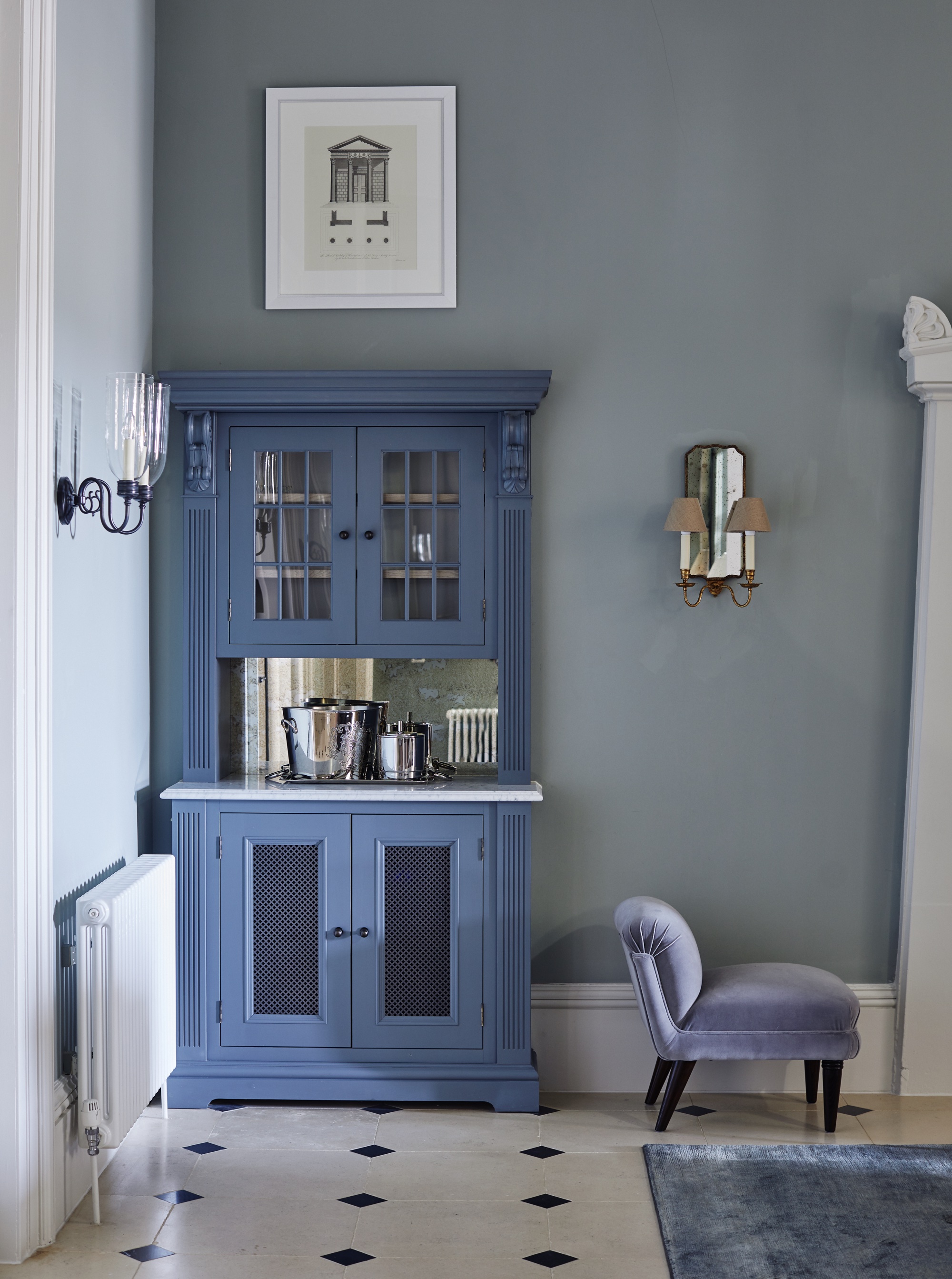
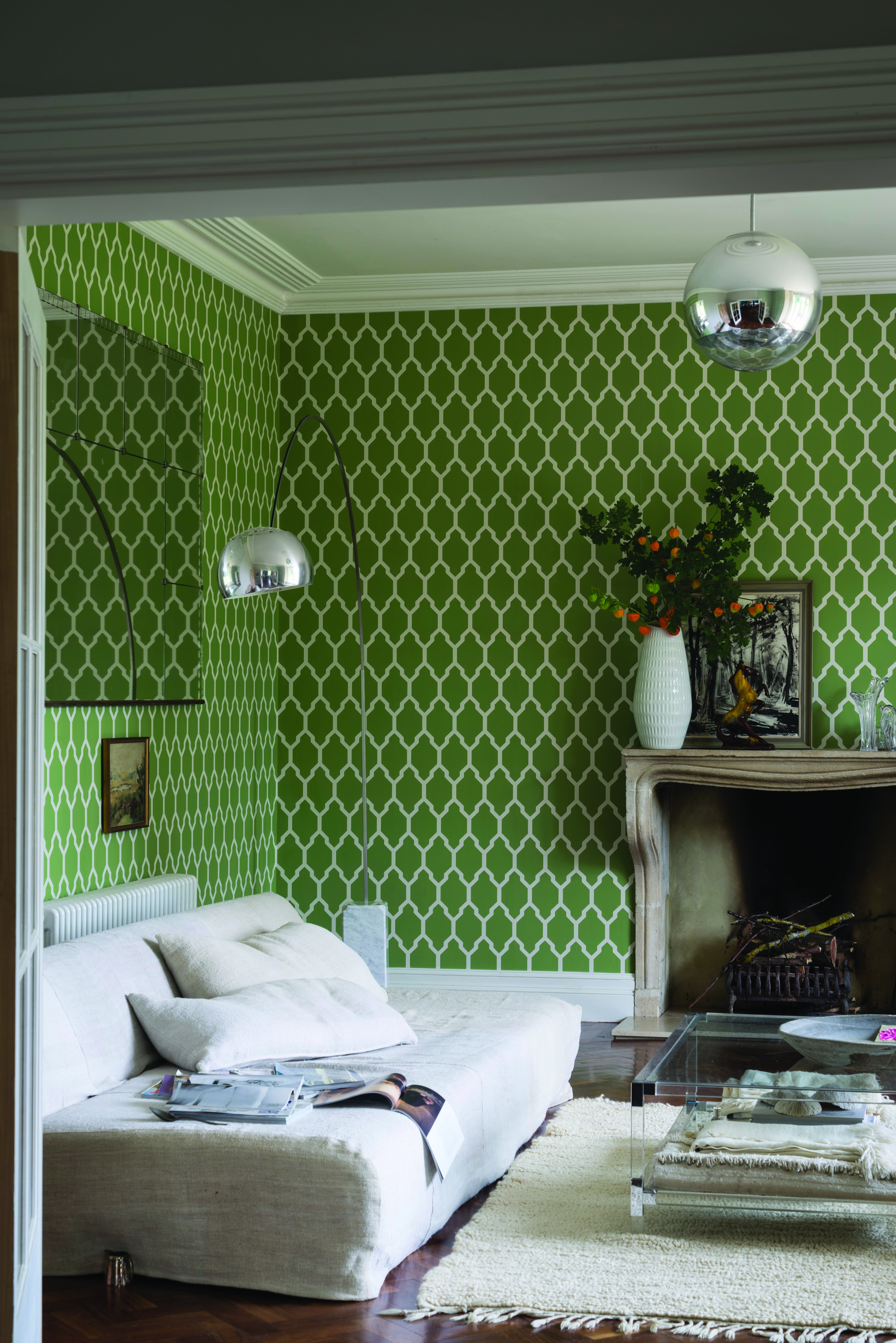
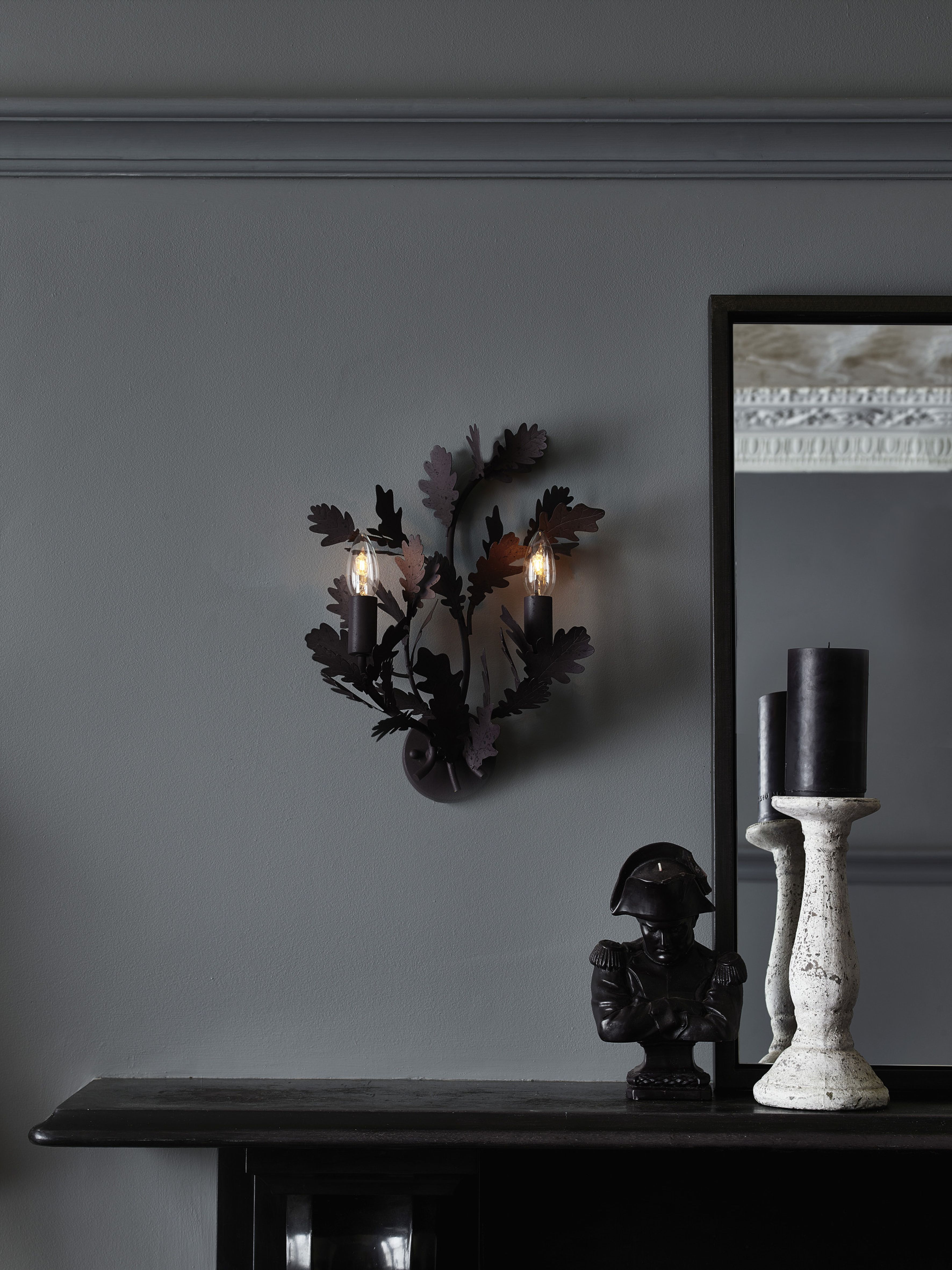
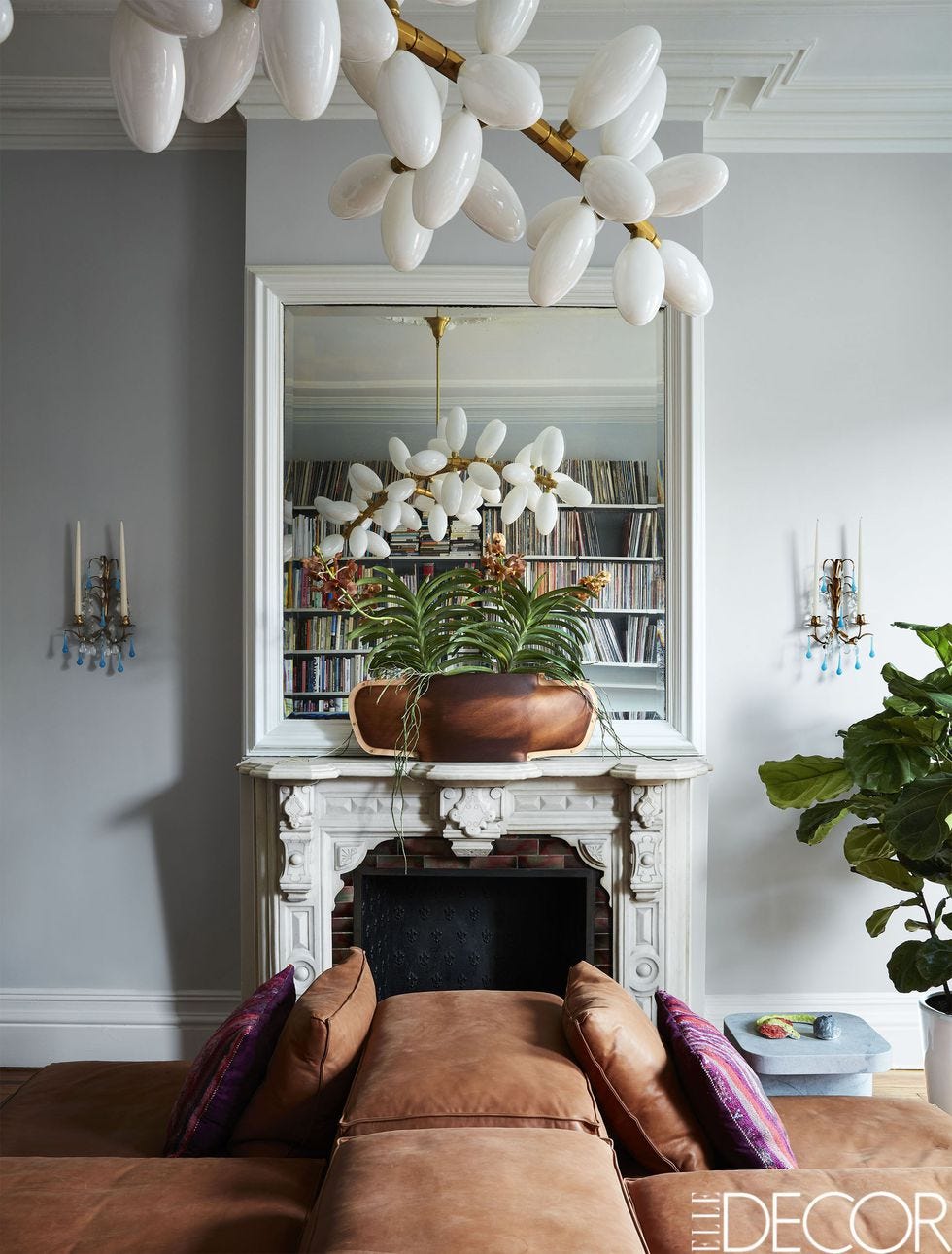
Mirrors are highly effective in dark rooms, enhancing existing daylight and making the space appear brighter. Large, fixed mirrors on long walls can create an illusion of increased space. Floor-standing mirrors offer flexibility in mood creation, and positioning mirrors behind lamps or in line with ceiling pendants can double available light by reflection, adding depth to the room.
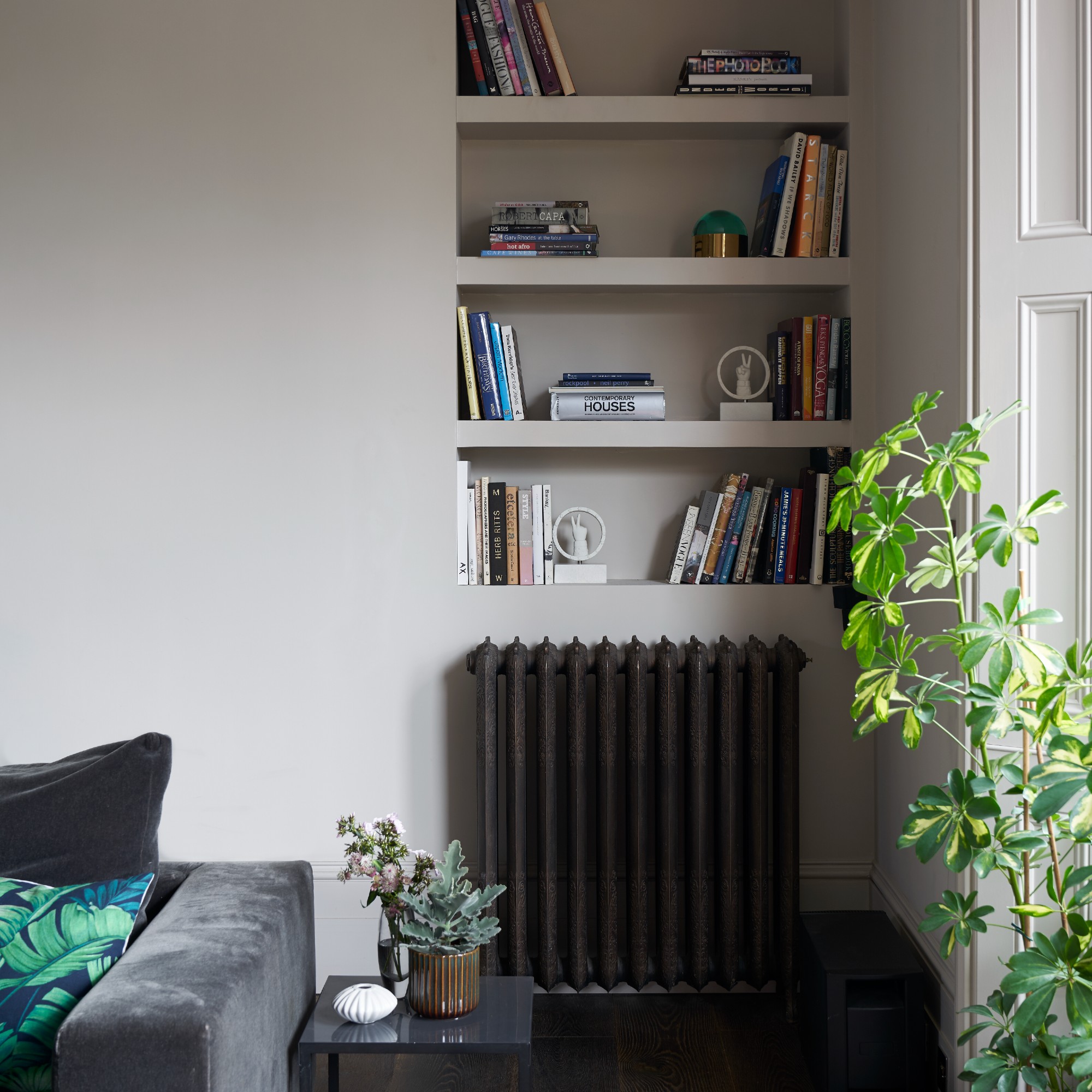
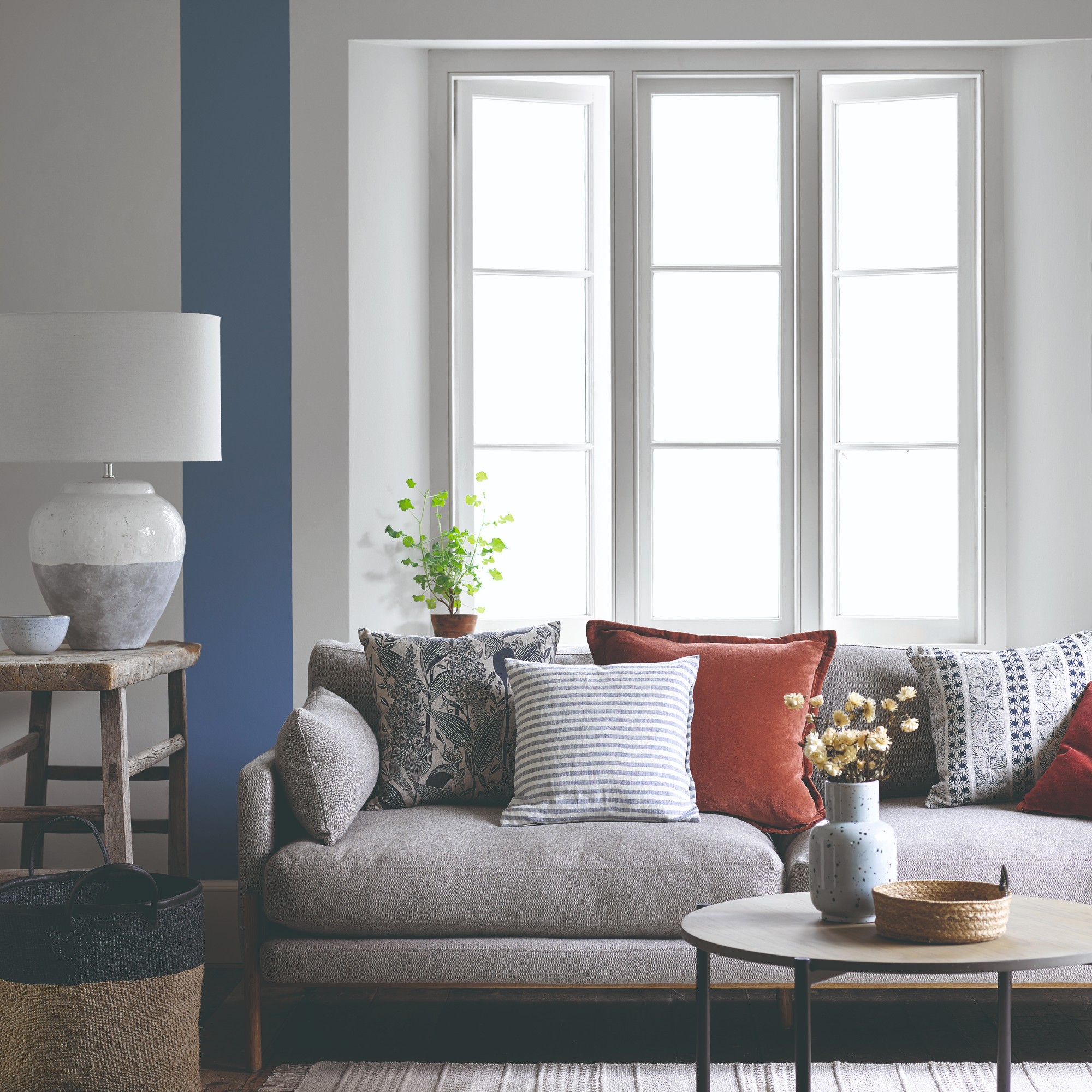
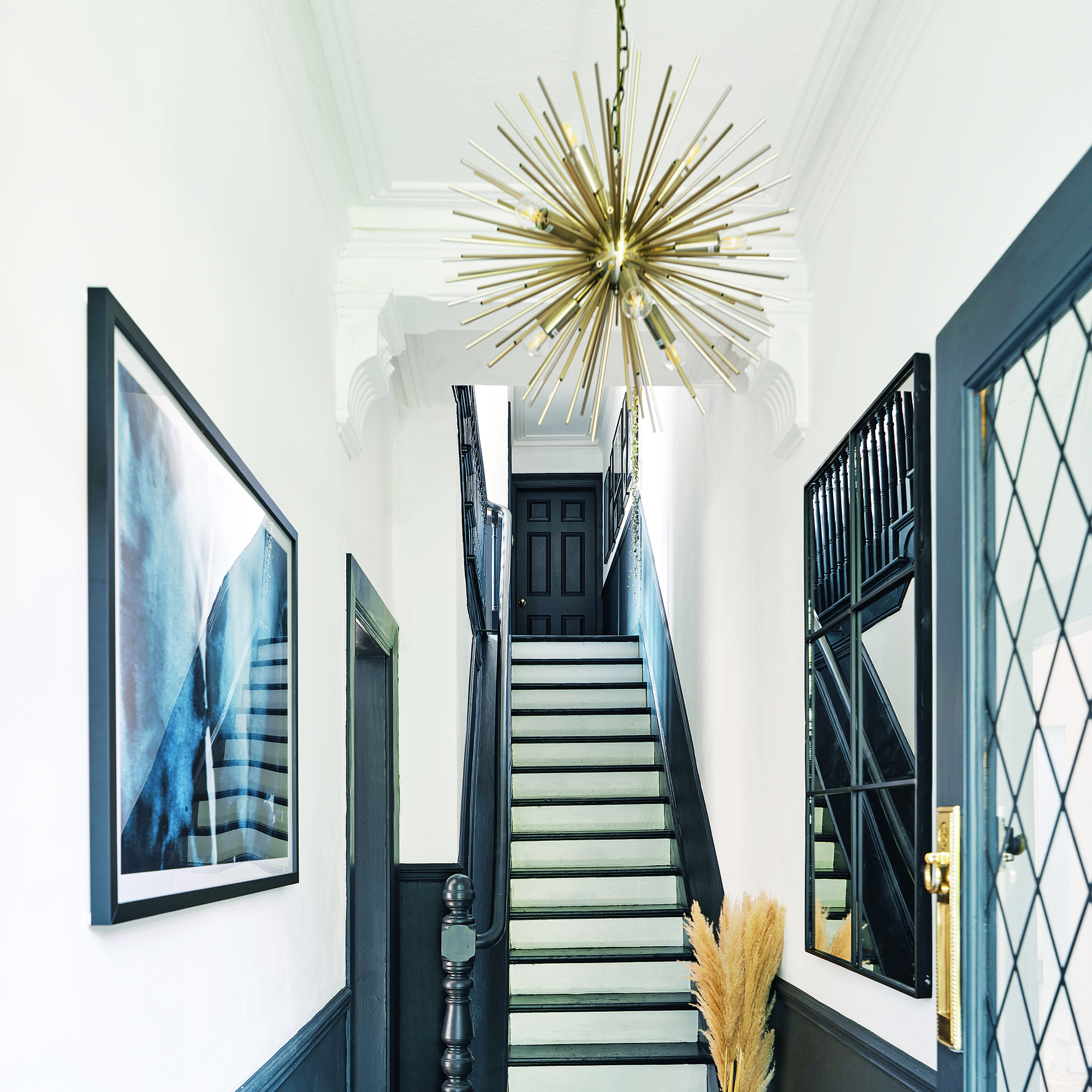
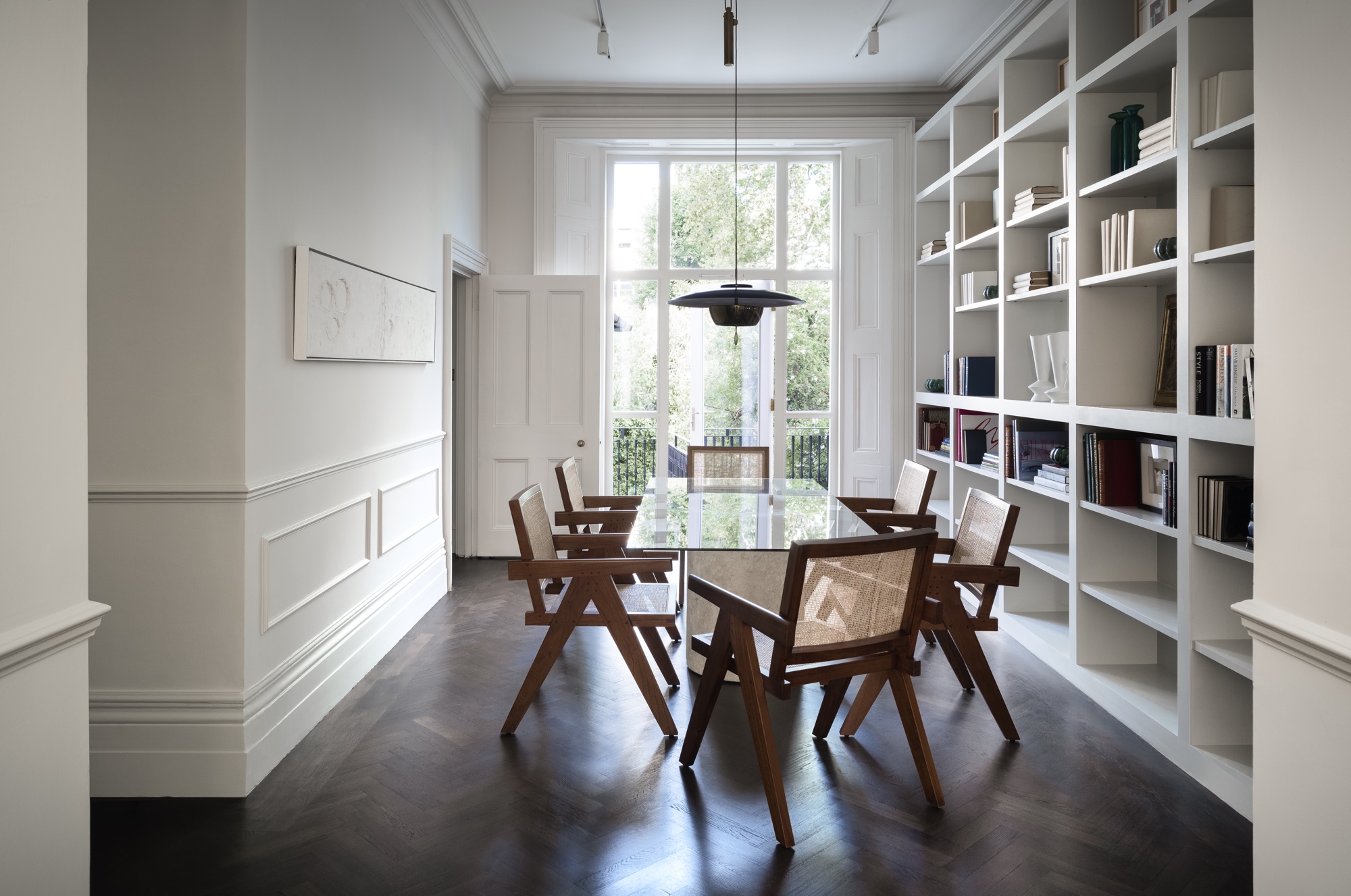
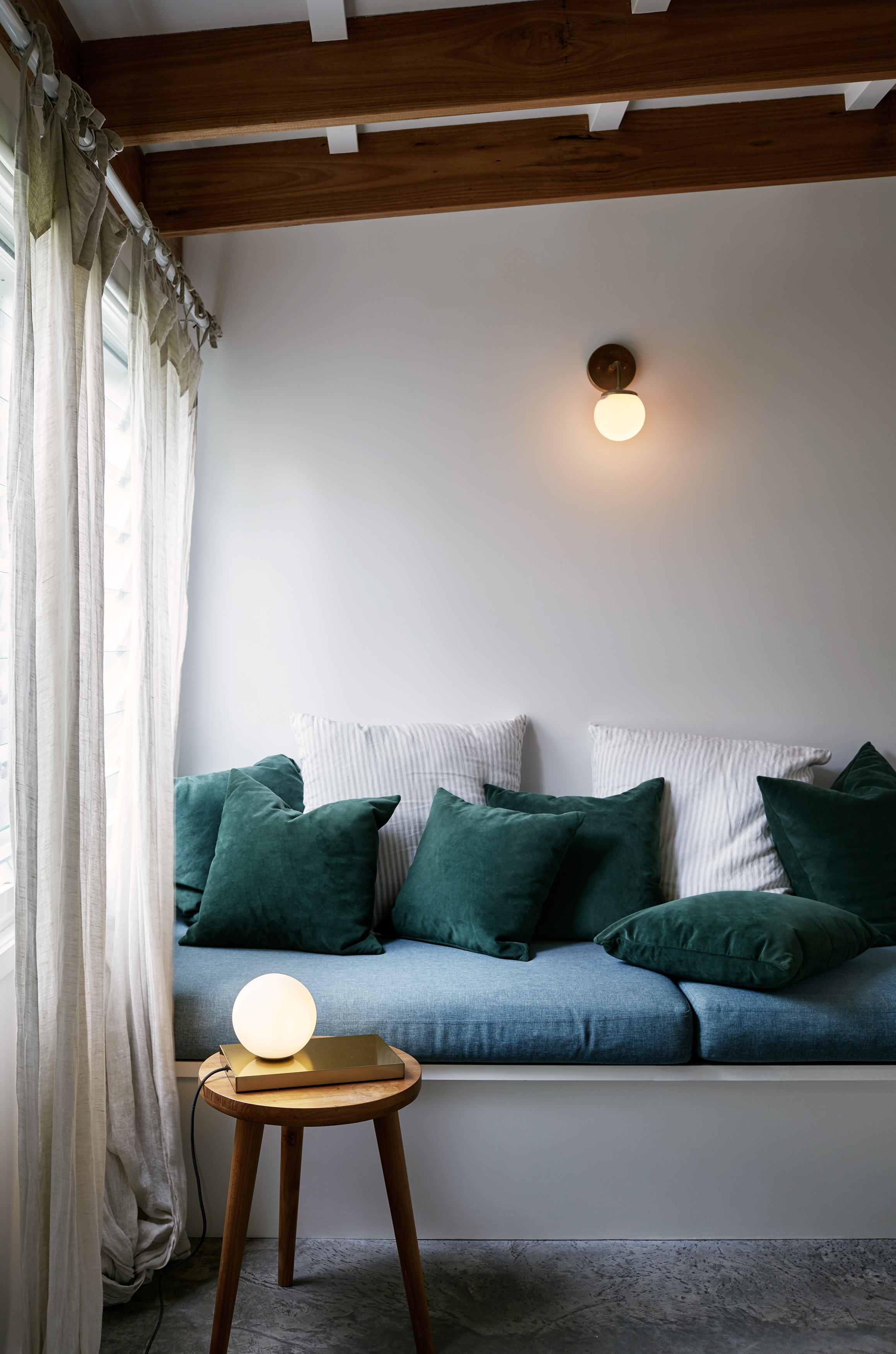
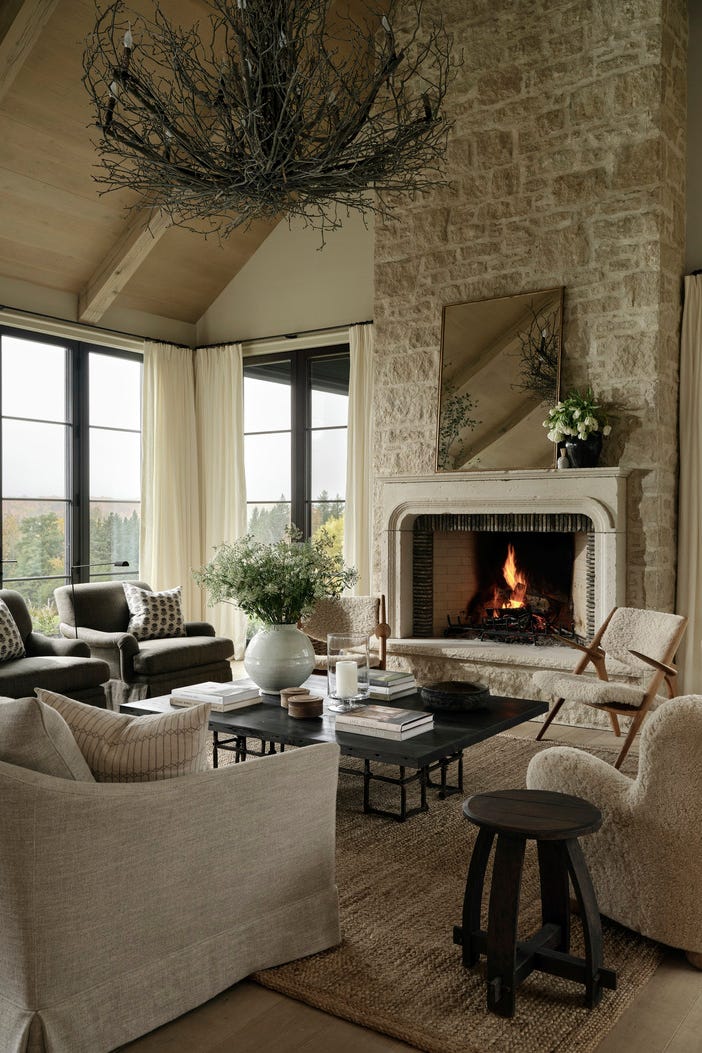
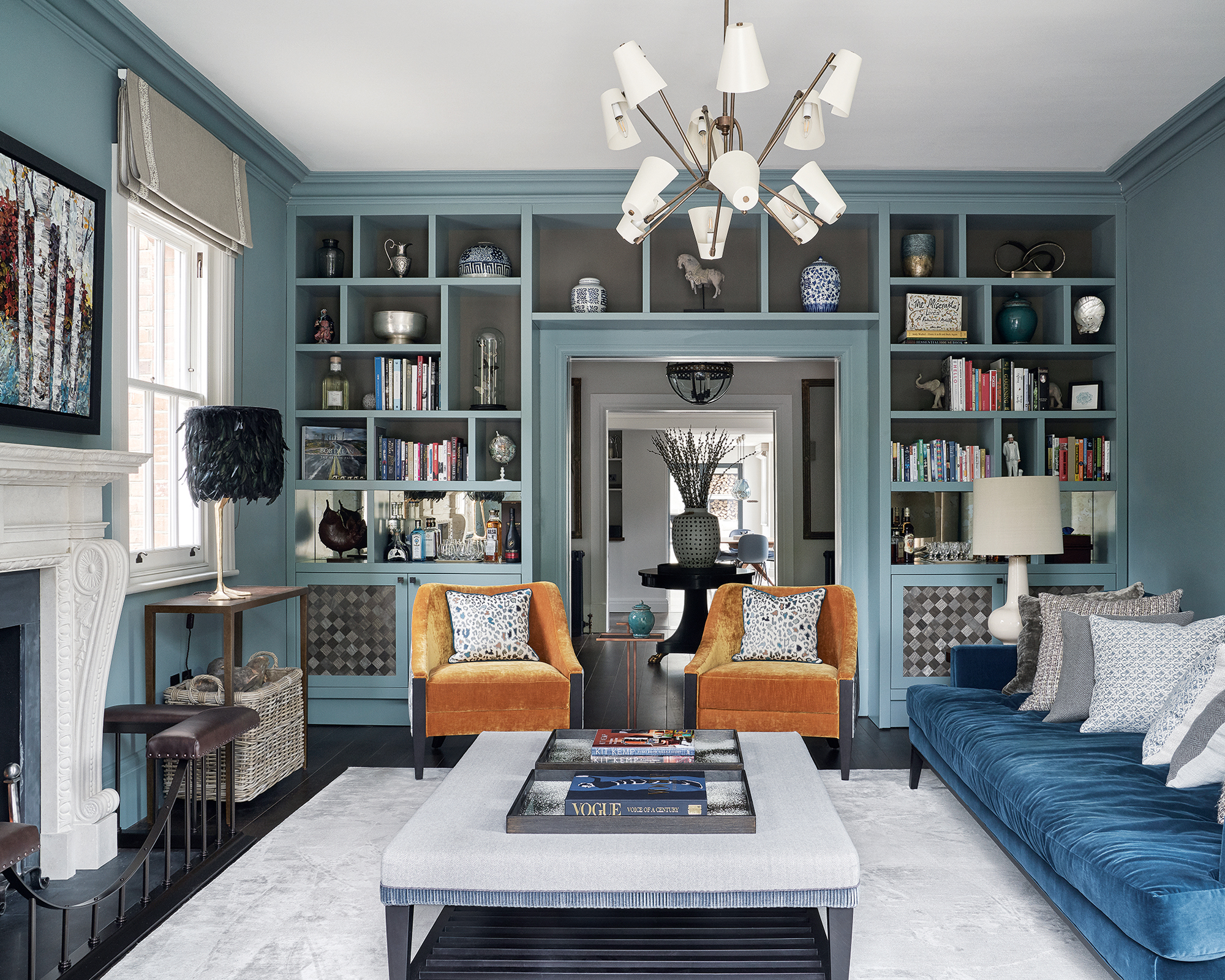
For consistent background illumination, small dimmable downlights strategically placed in room corners can simulate daylight on particularly gloomy days. A three-dimensional approach to lighting involves placing lights at various levels to illuminate both vertically and horizontally. Table and floor lamps address shady corners, and wall lights define main areas or highlight edges. Central light sources like armed pendants or glass fixtures help light bounce across the space.
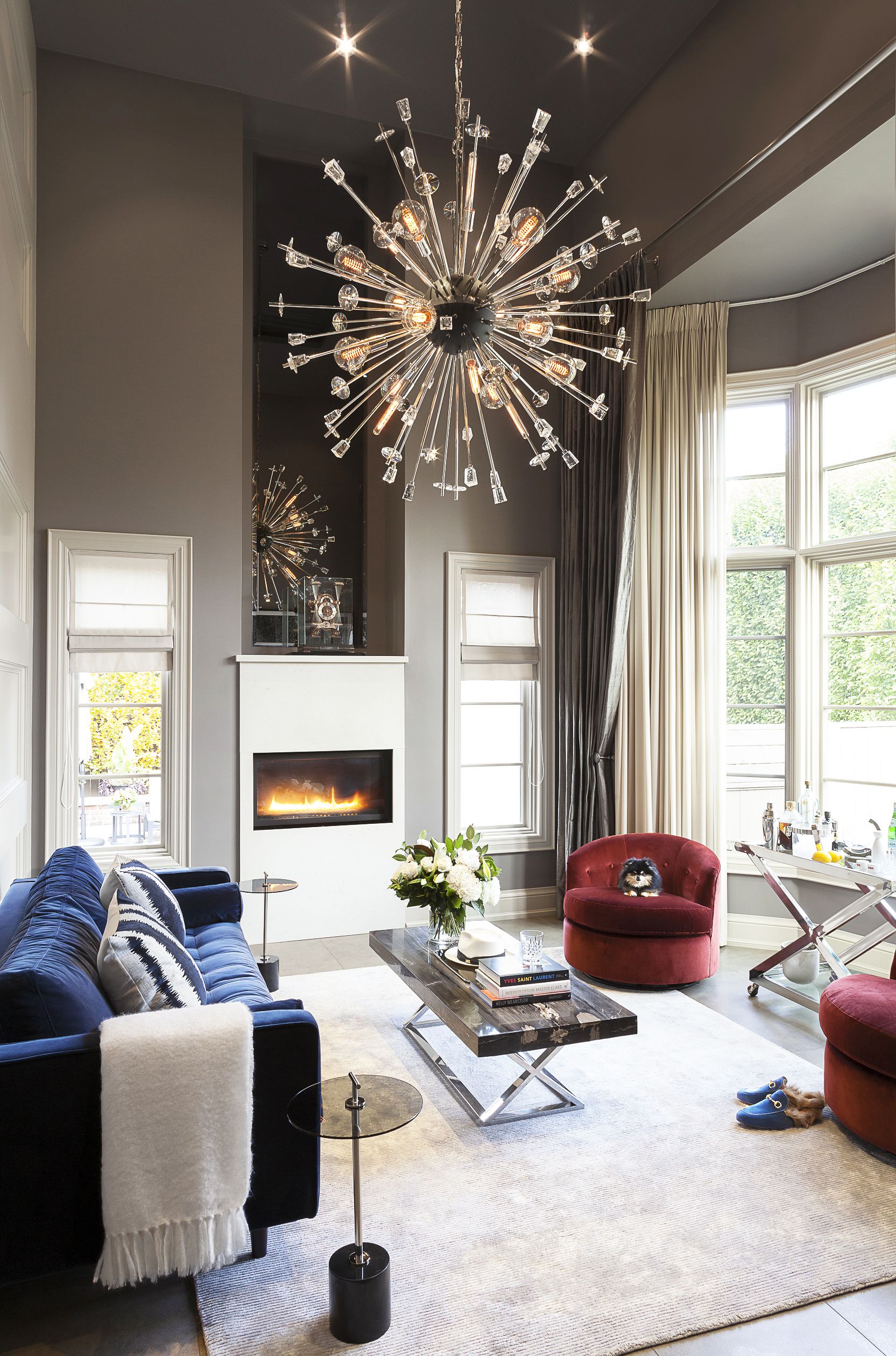
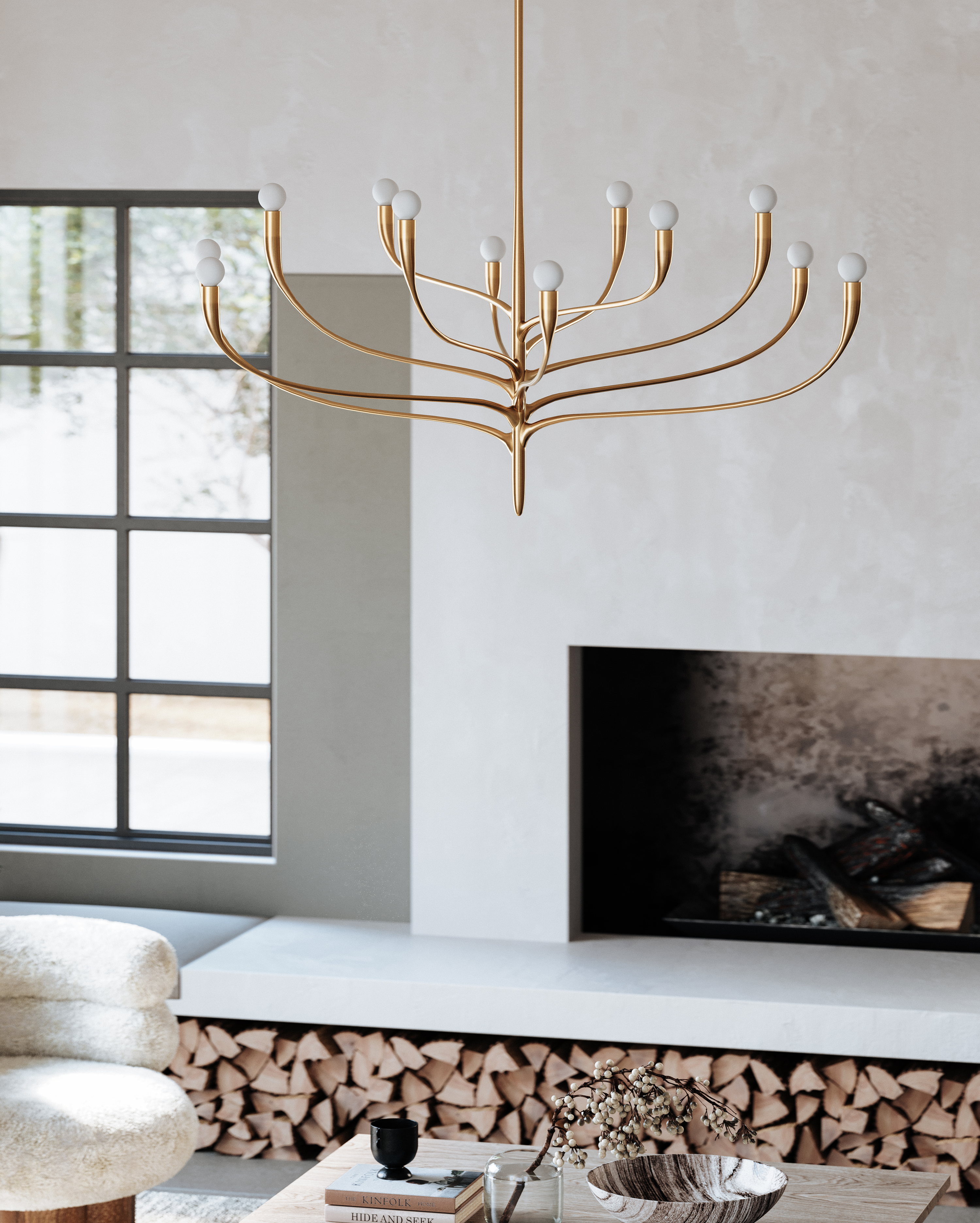
When using LED lighting, maintaining a consistent color tone, such as warm white, is crucial, especially in kitchens, to create a cozy yet bright ambiance. The choice of glass in light fixtures, like chandeliers or pendants, can also influence light diffusion, with optical-grade glass providing a gentle, romantic glow.
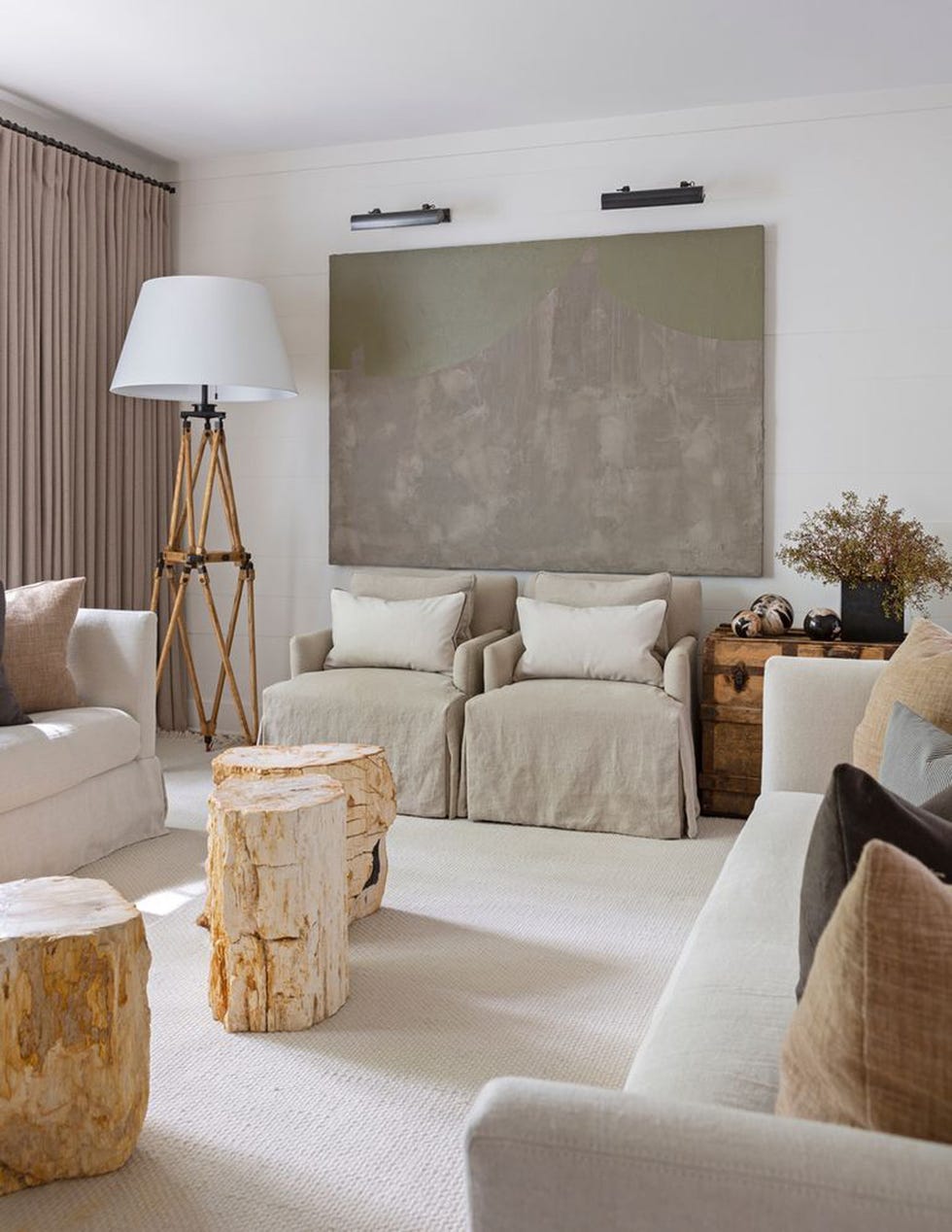
The selection of lampshades is equally important; more lamps with light-reflecting fabrics like silk taffeta or gathered muslin are beneficial for dark rooms. Metallic or cream card linings in lampshades can further enhance light reflection and warmth. Finally, lacquered finishes on walls or ceilings, particularly white, reflect light and create a perception of greater space, making them an excellent choice for naturally dark rooms.
#LightingDesign #DarkRoomSolutions #InteriorLighting #LEDStrips #RecessedLighting #AmbientLighting #MirrorsInDecor #Lampshades #LacqueredFinishes #HomeDecorTips #LightingDesign #DarkRoomSolutions #InteriorLighting #LEDStrips #RecessedLighting #AmbientLighting #MirrorsInDecor #Lampshades #LacqueredFinishes #HomeDecorTips
0 comment in total
 No comments yet
You may also like
Let There Be Light — 10 Lighting Tricks That Will Transform Any Dark Room Into A Warm and Inviting Space

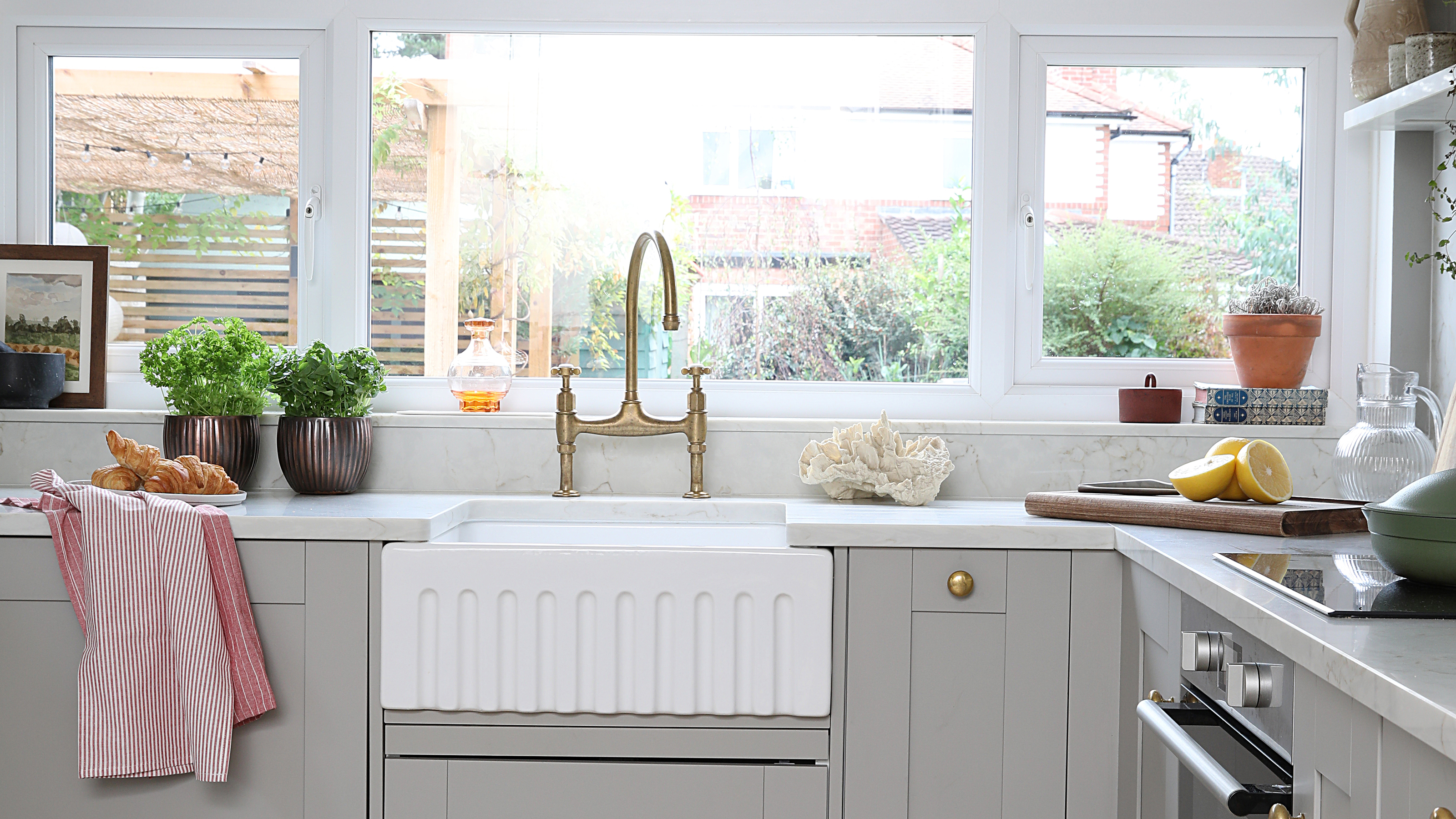
How to fake natural light in a dark room - 5 design tricks to brighten up a gloomy space
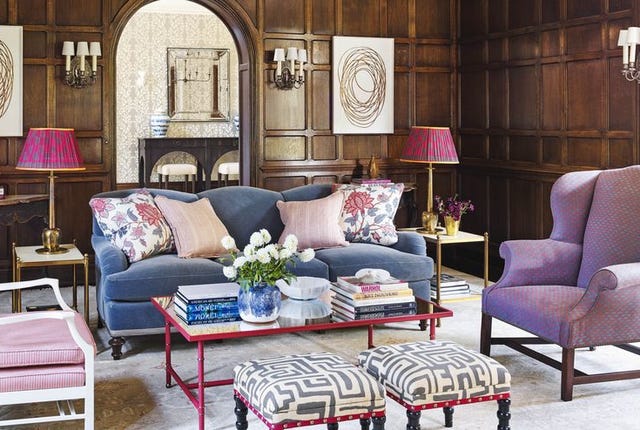
Designers Share Their Best Tips for Acing Ambience in the Living Room with Lighting
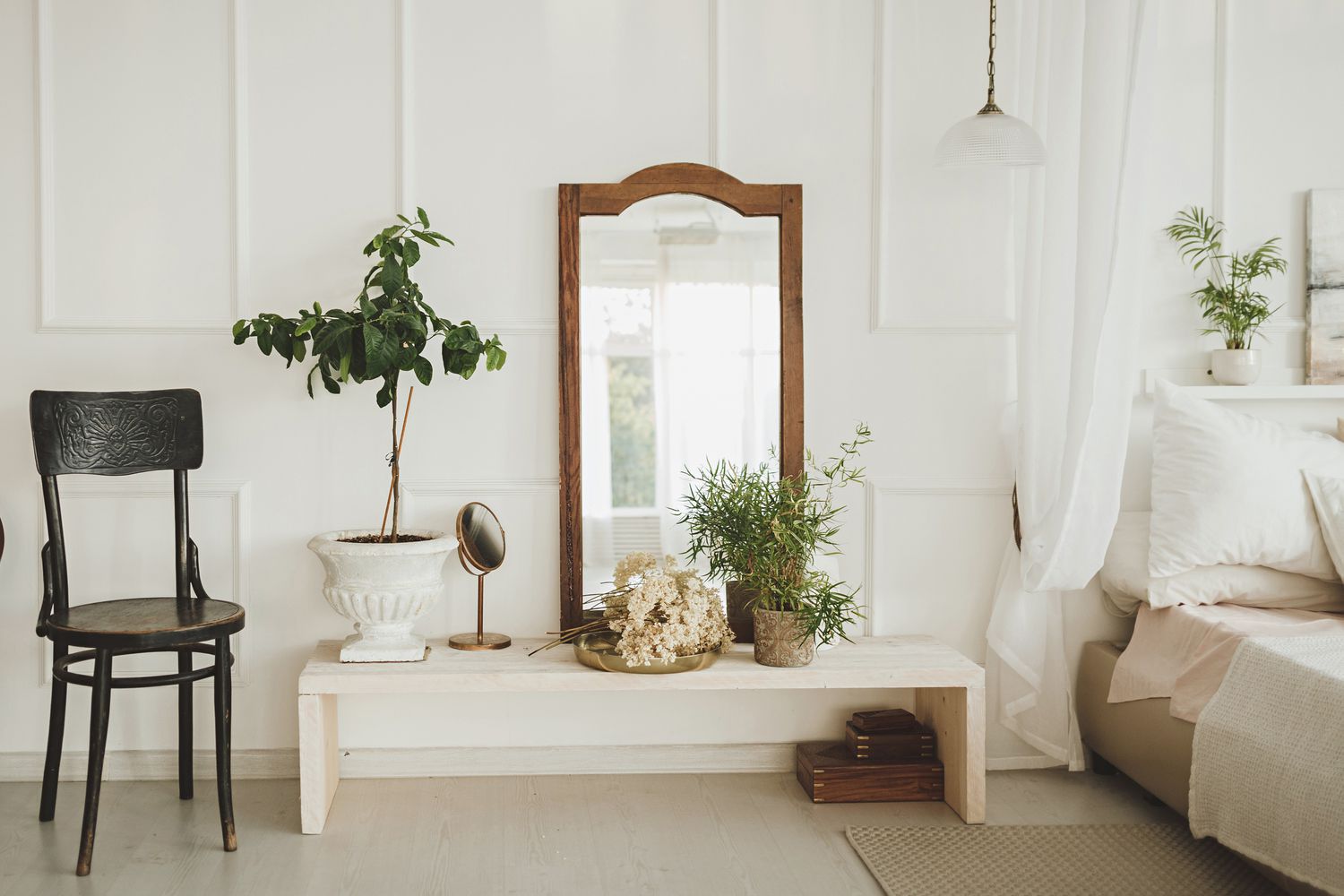
8 Ways to Make a Dark, Gloomy Room Feel Instantly Brighter

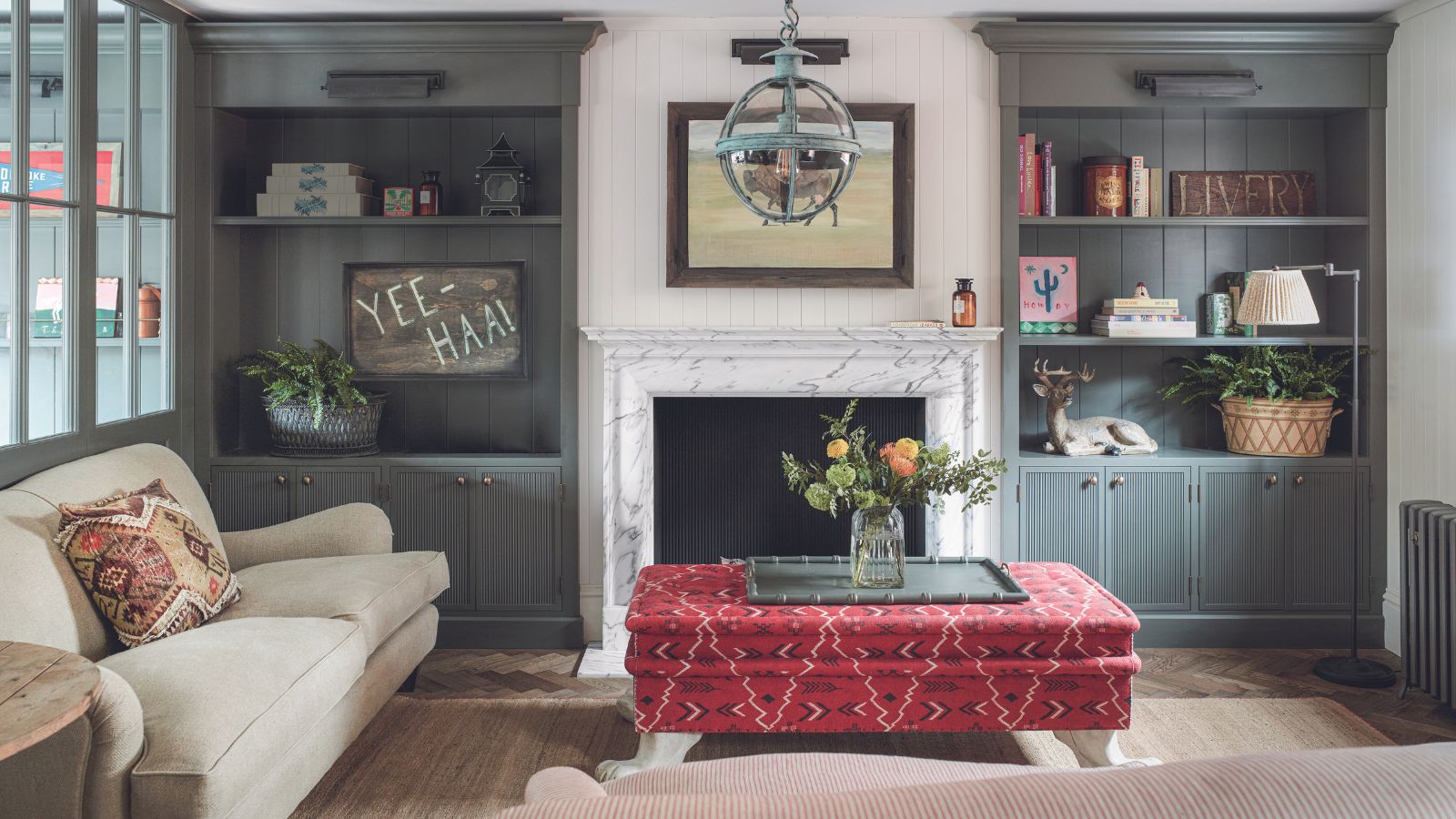
How to make a living room lighter – an interior designer's 10 tips for a creating brighter space
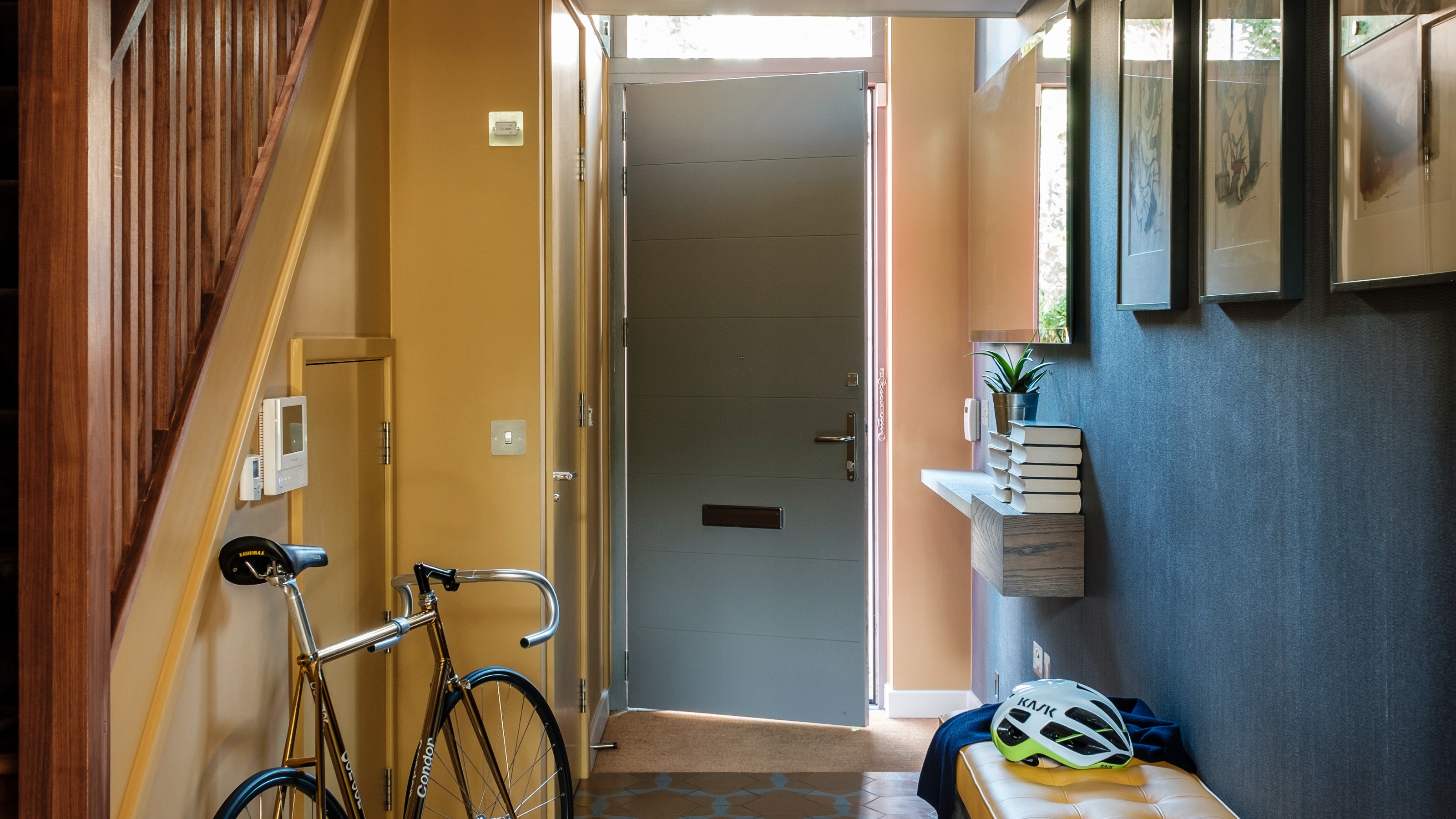
How to lighten a dark hallway - genius design tips to brighten a gloomy corridor

The Secrets To A Well-Lit Room

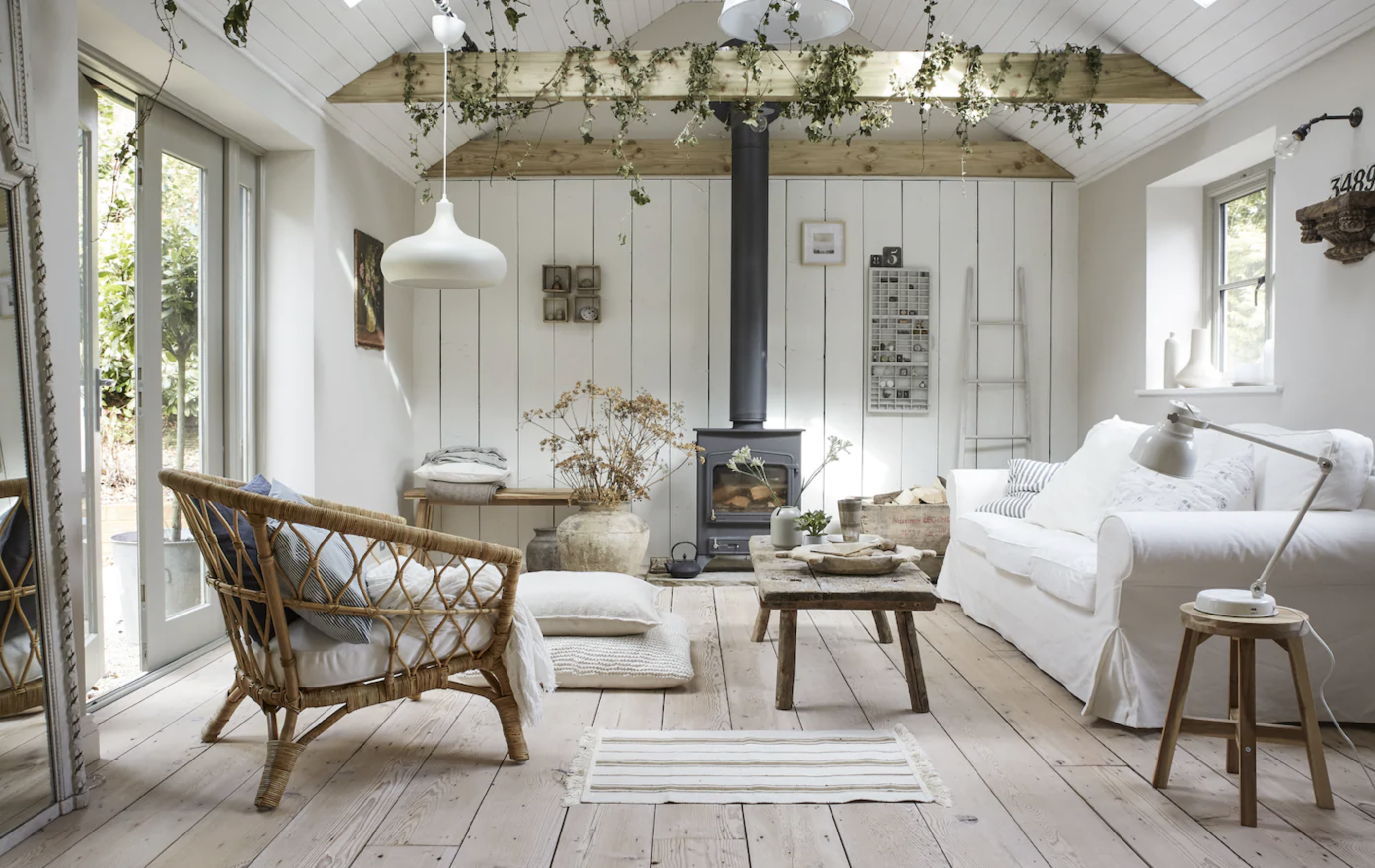
21 living room lighting ideas and expert tips to getting it right

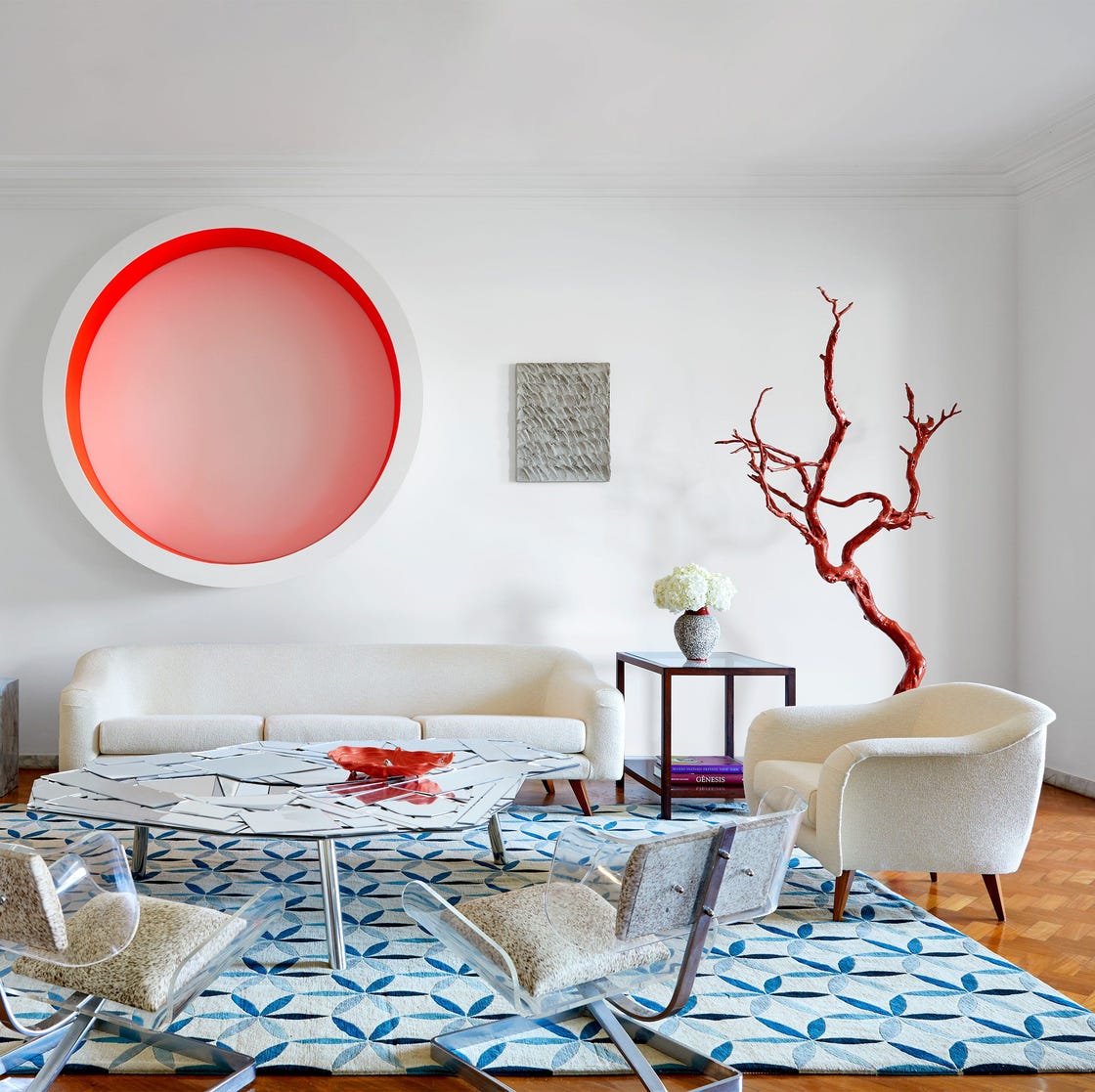
So You Live in a Lightless Cave. Here’s How to Create the Illusion of Sunshine

10 Smart Ways to Illuminate Your Dark Closet
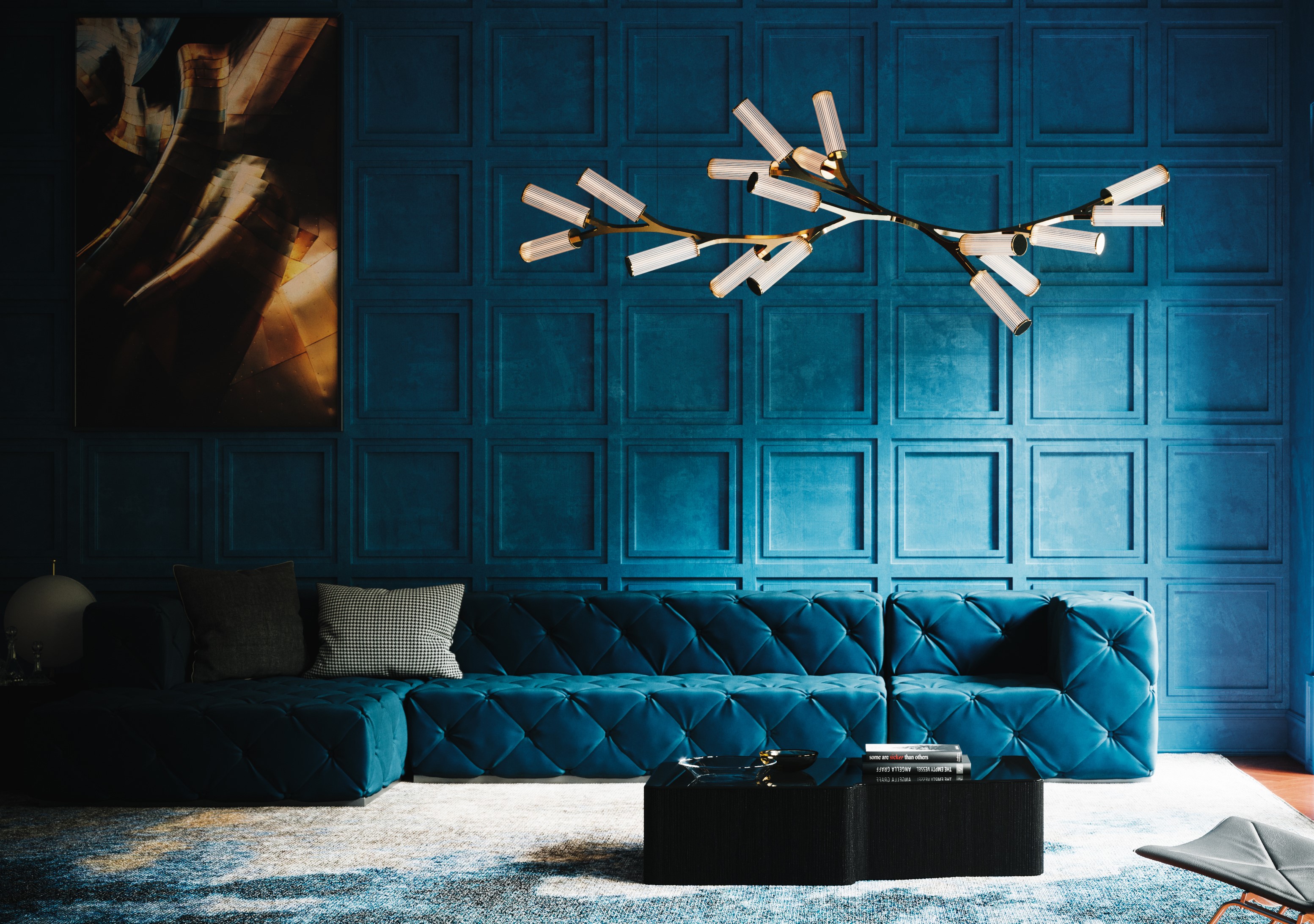
How do I make my living room lighting feel cozy? 10 tricks designers use to give a space that all-important glow

20 Ways High-End Designers Properly Light a Living Room

10 Ways to Brighten a Dark Room, According to Interior Designers

How to brighten any room in your home — 5 tips from a lighting expert

Living room wall lighting ideas – 10 stylish ways to brighten your space
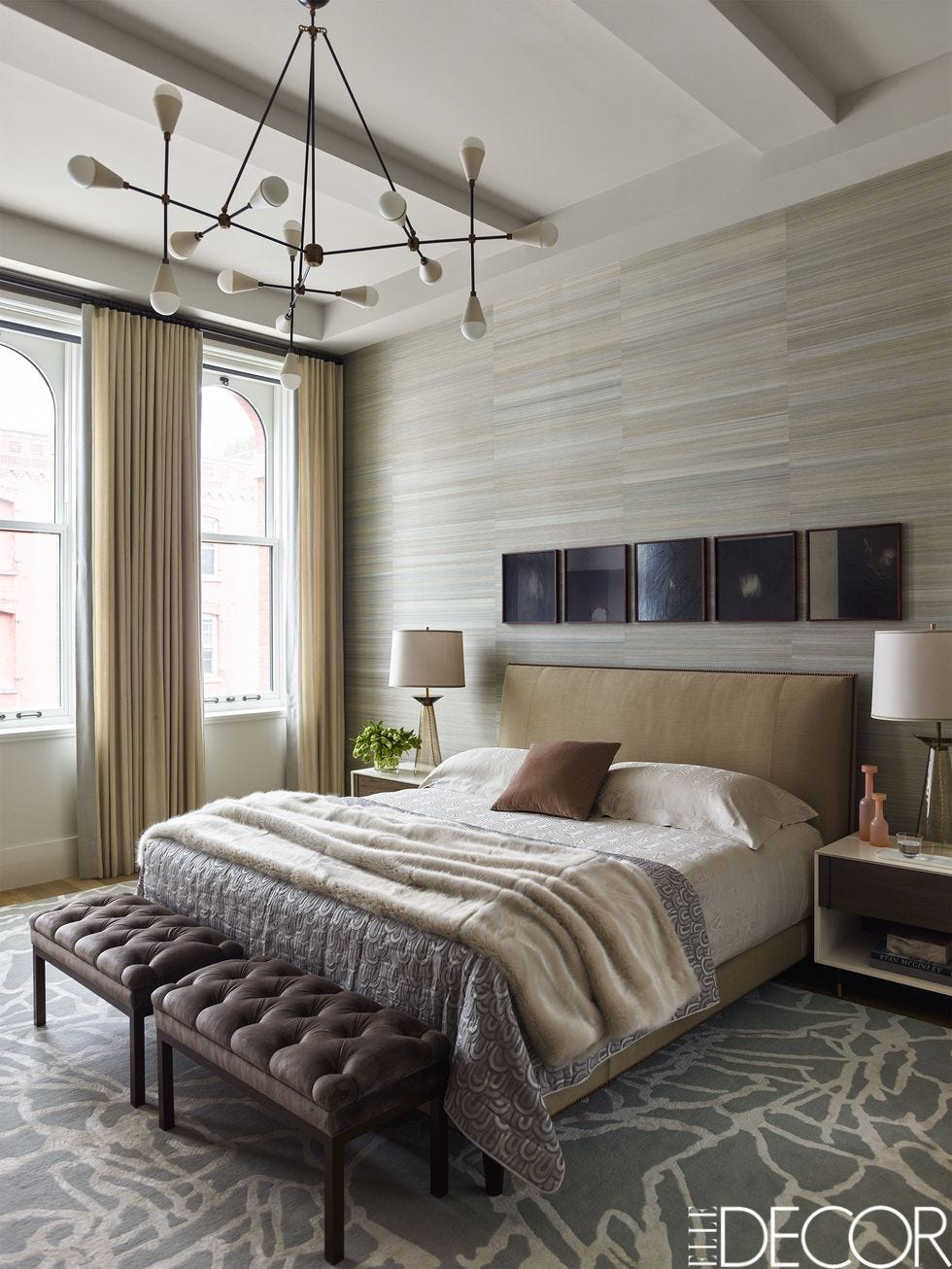
You've Been All Wrong About Choosing Lighting for Your Apartment
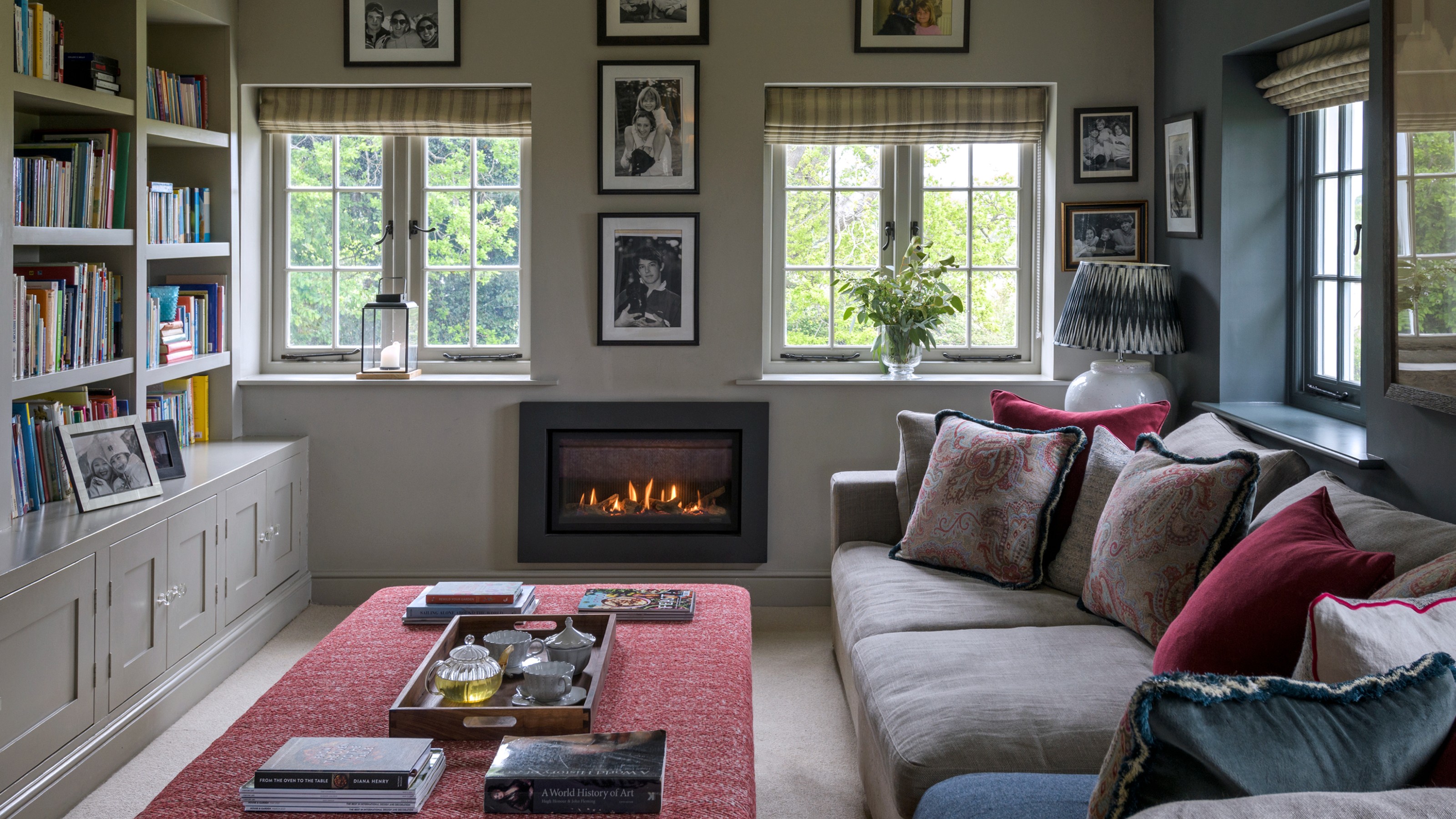
How to brighten a dark living room – 6 ways to make a dingy lounge feel light and airy

10 Easy And Renter-Friendly Ways To Add Lighting To Your Dark Closet
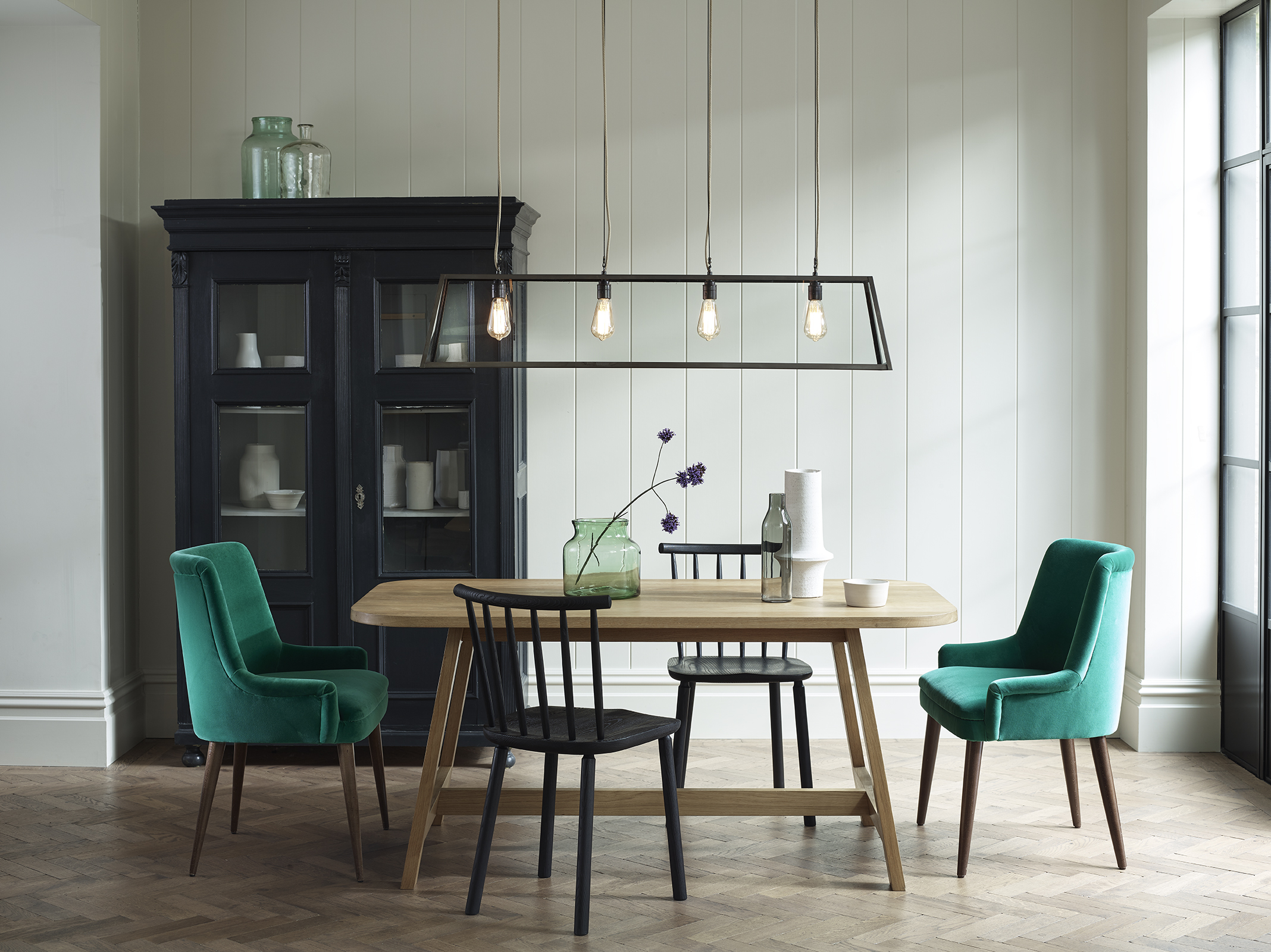
Lighting a dining room – expert tips on how to get it right
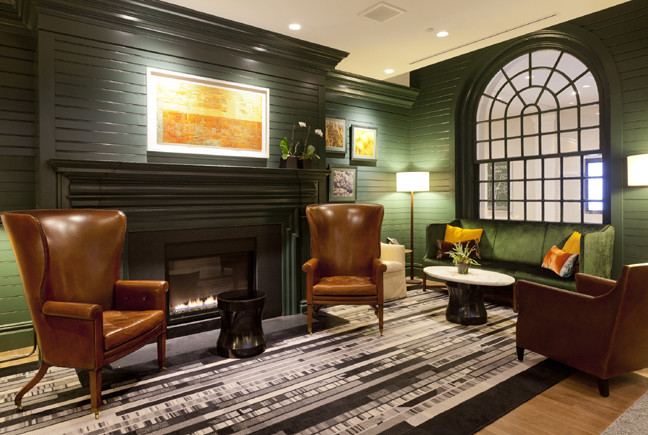
The Secrets Of Good Lighting