1/11
How to lighten a dark hallway - genius design tips to brighten a gloomy corridor
The article addresses the common challenge of brightening a dark hallway, often a neglected area in homes. It emphasizes the importance of making the hallway feel welcoming and bright, as it's the first impression guests receive and the space residents return to daily. Dominic Walsh, Managing Director of Off the Grain, highlights the hallway's role as a greeting point and entry for new household items, underscoring the need for it to be illuminated, positive, and homely.
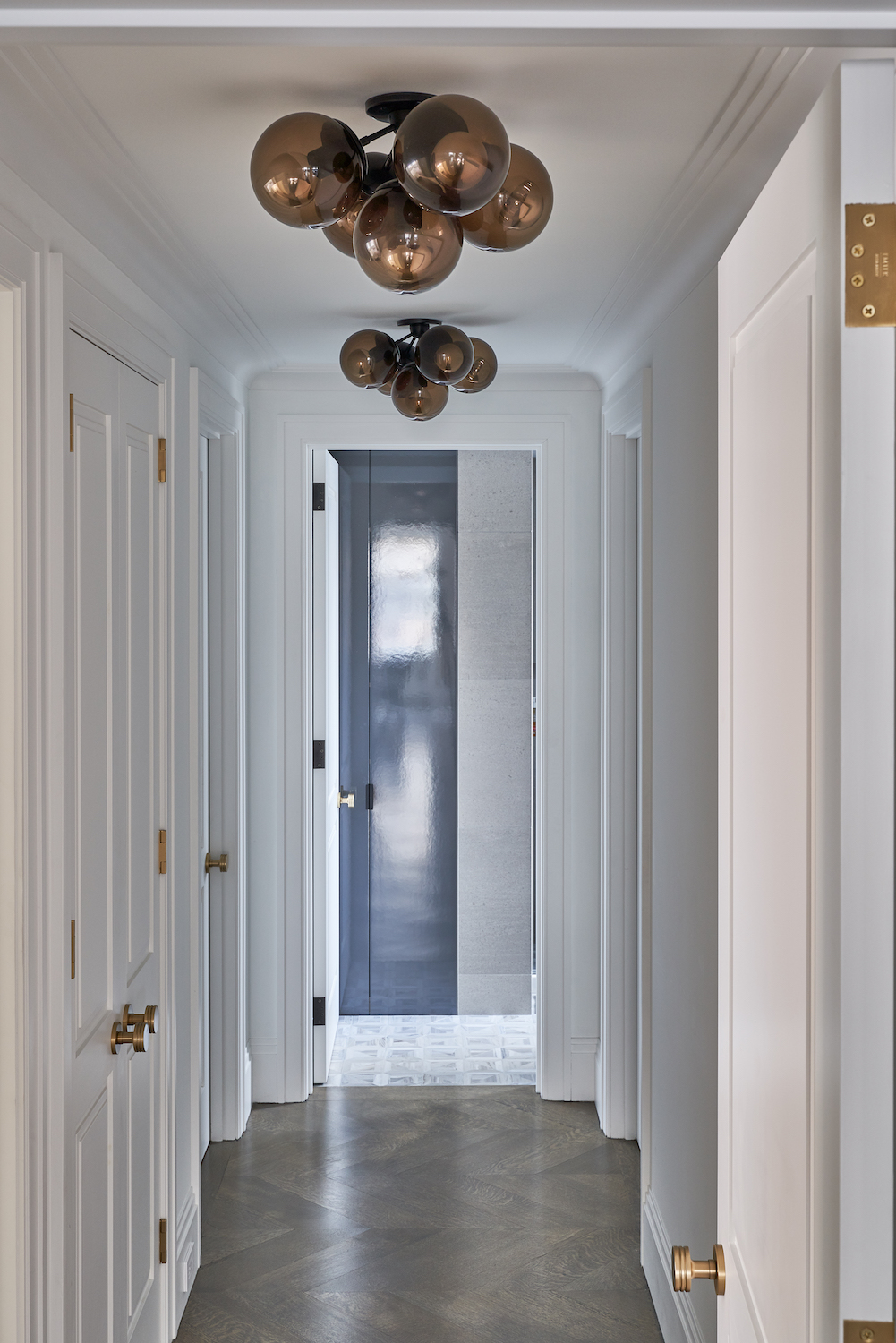
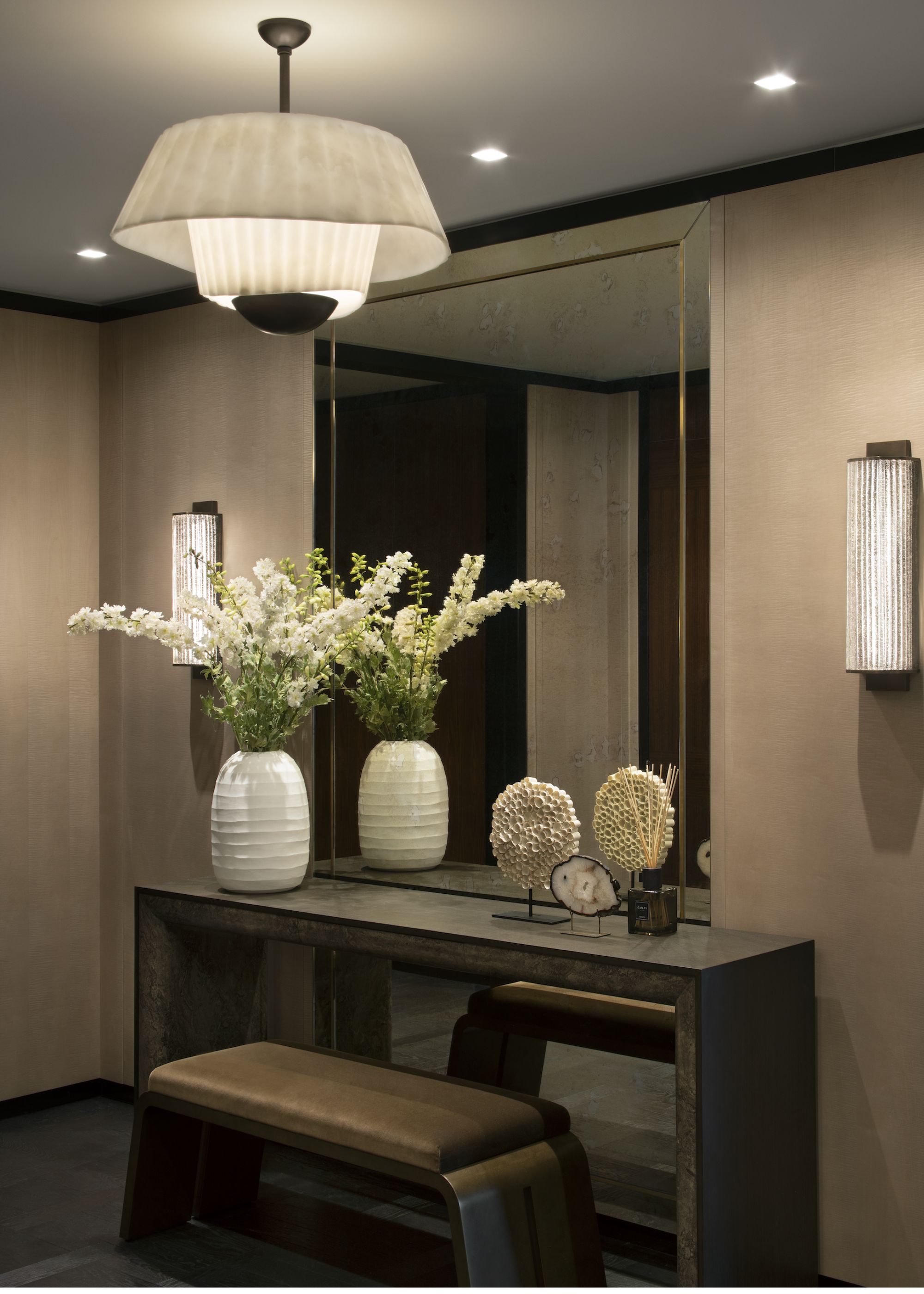
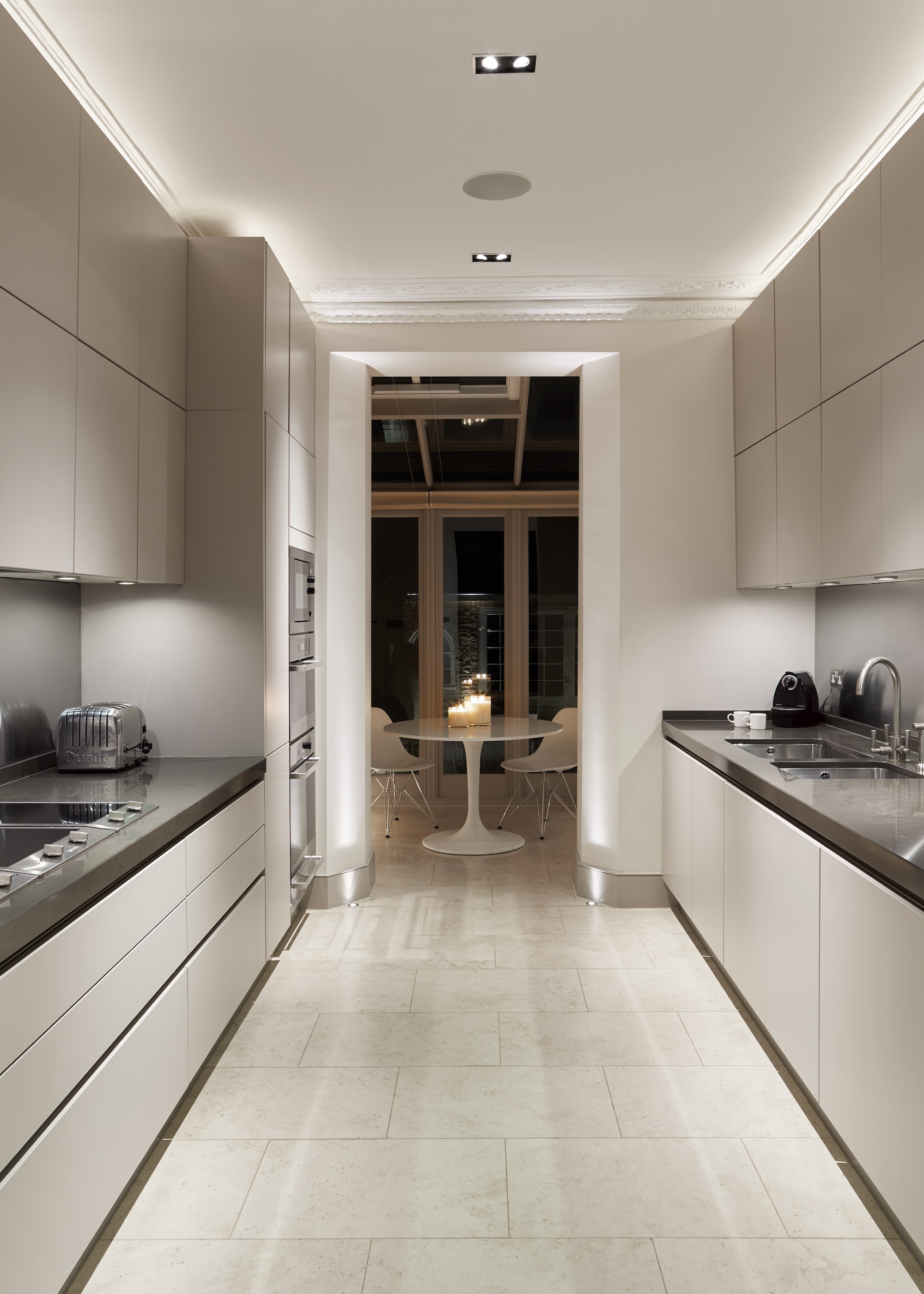
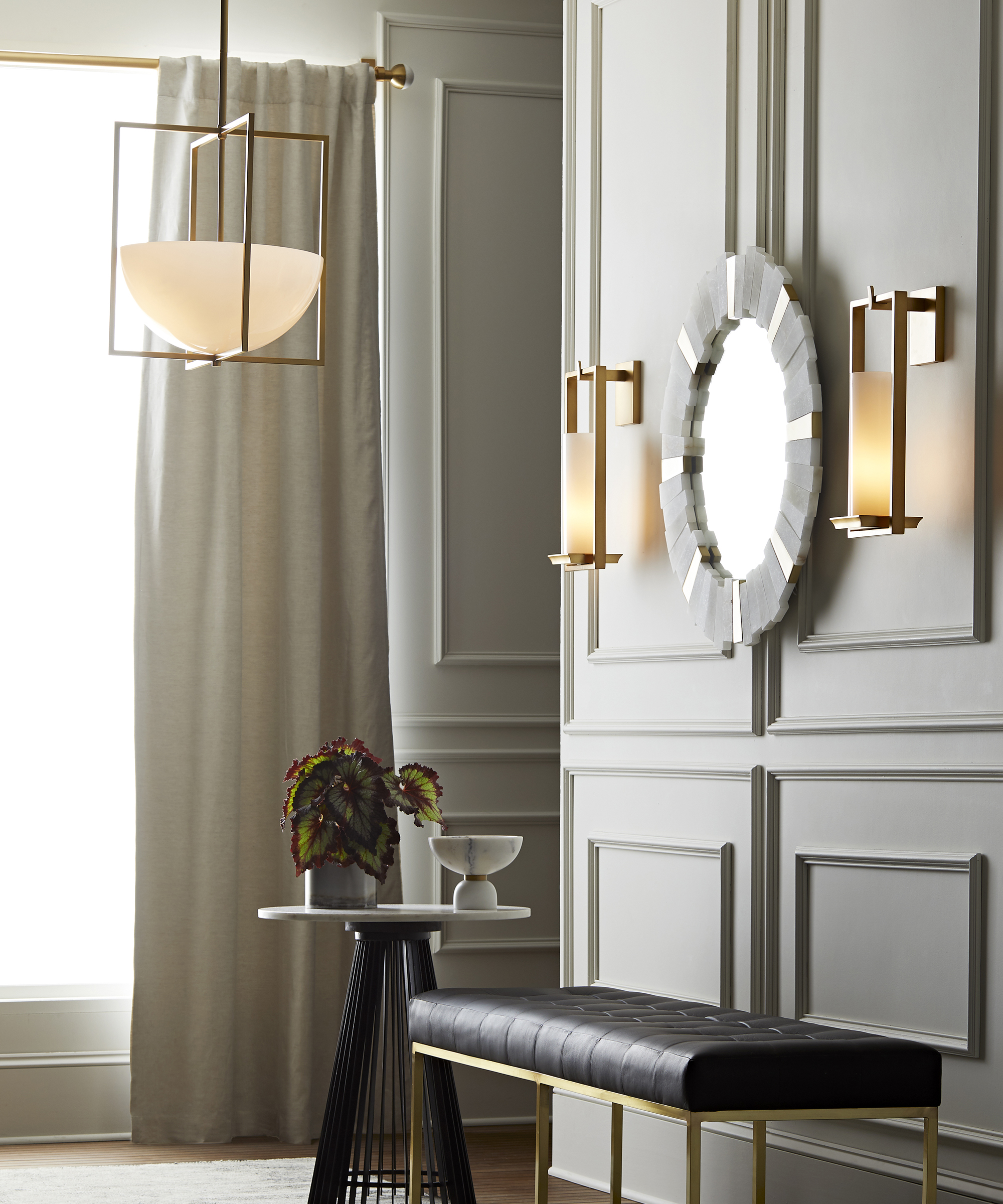
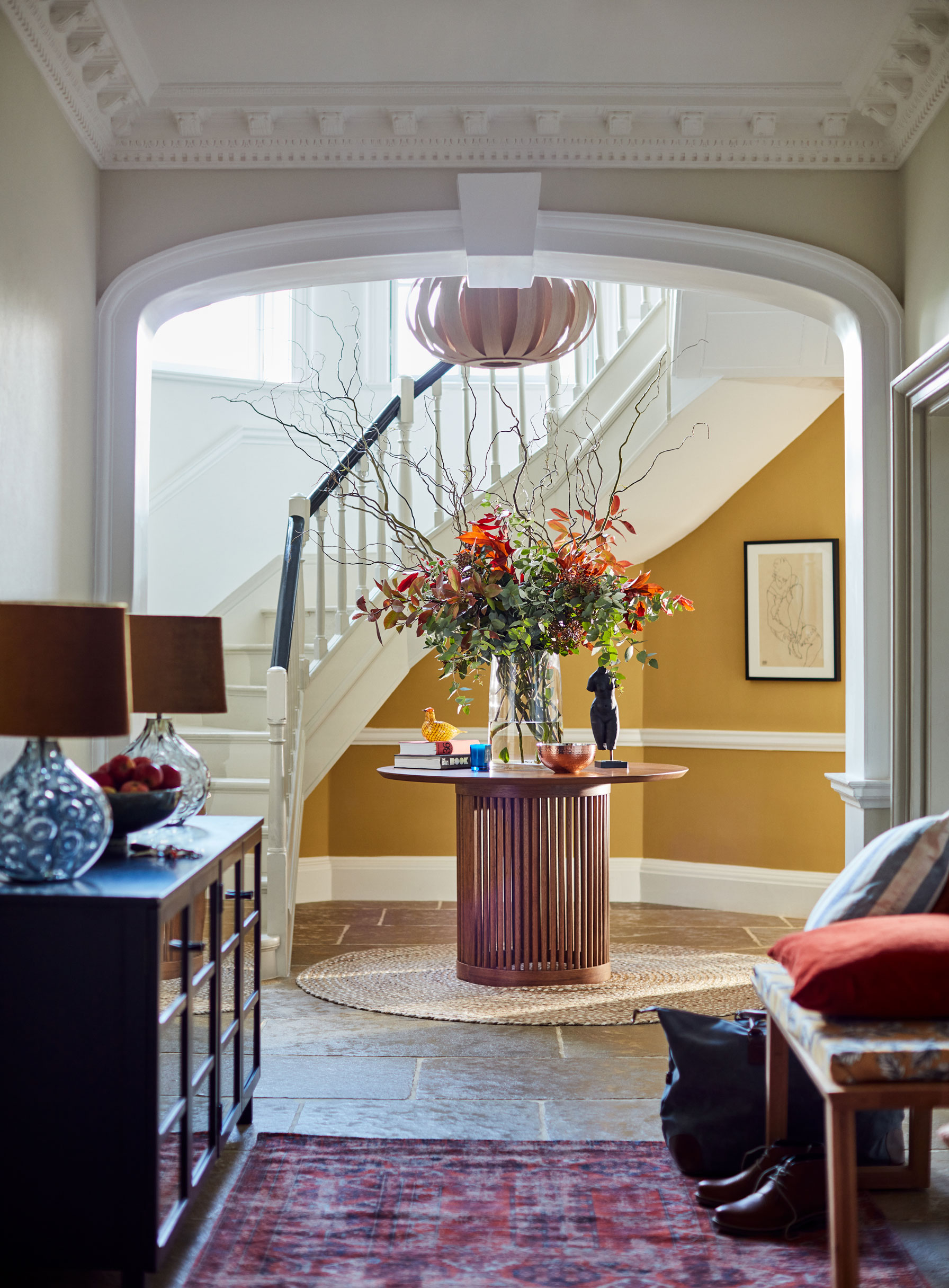
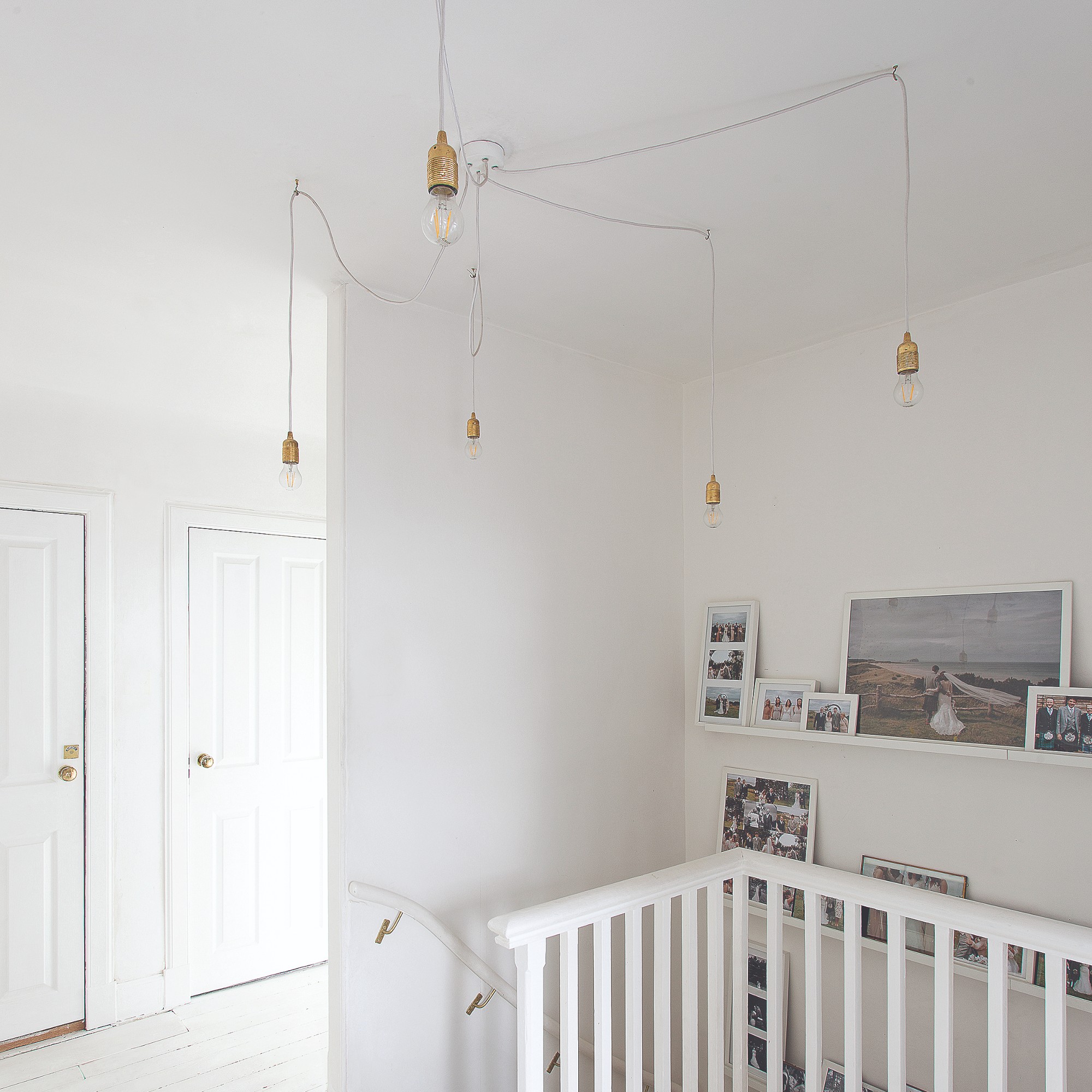
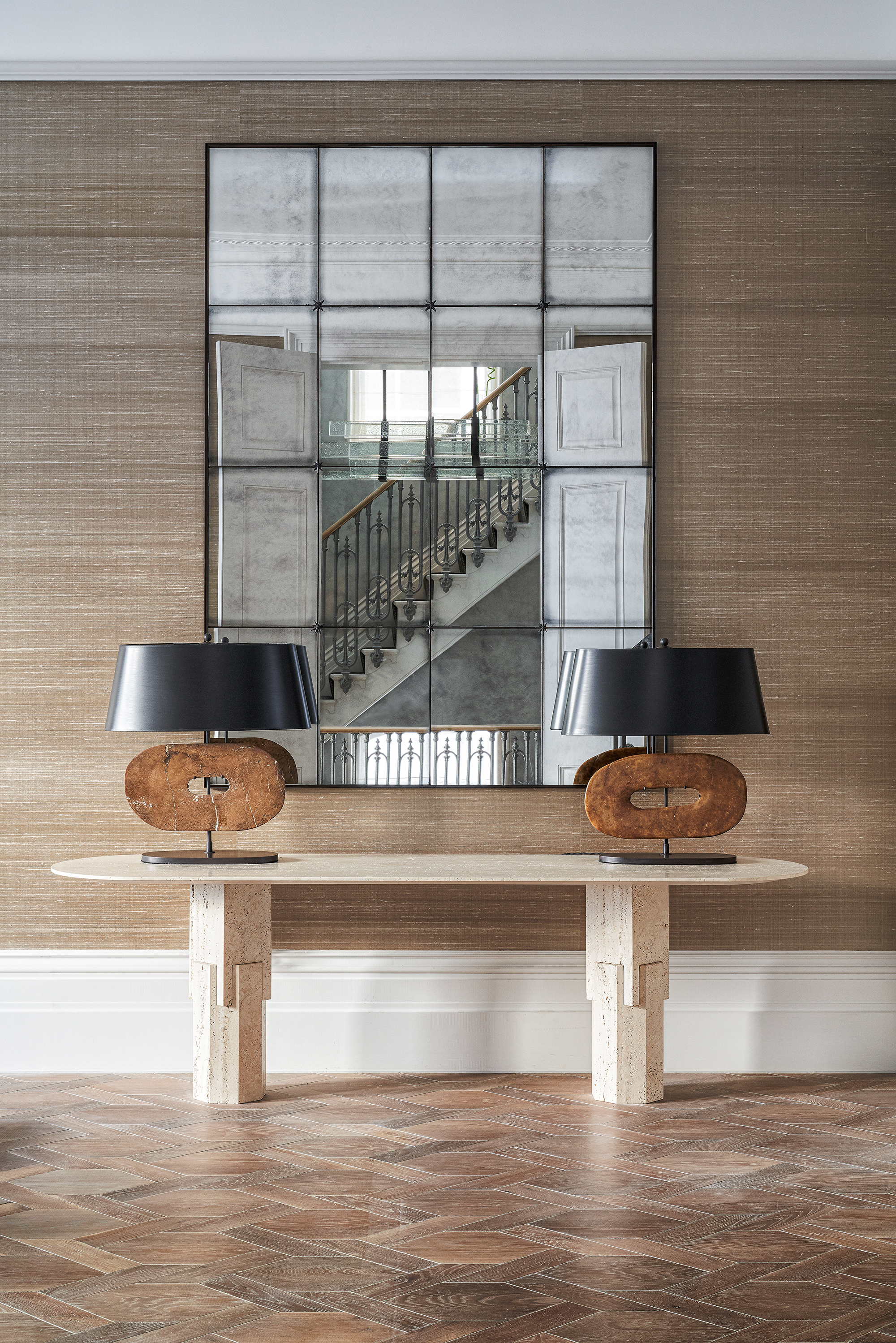
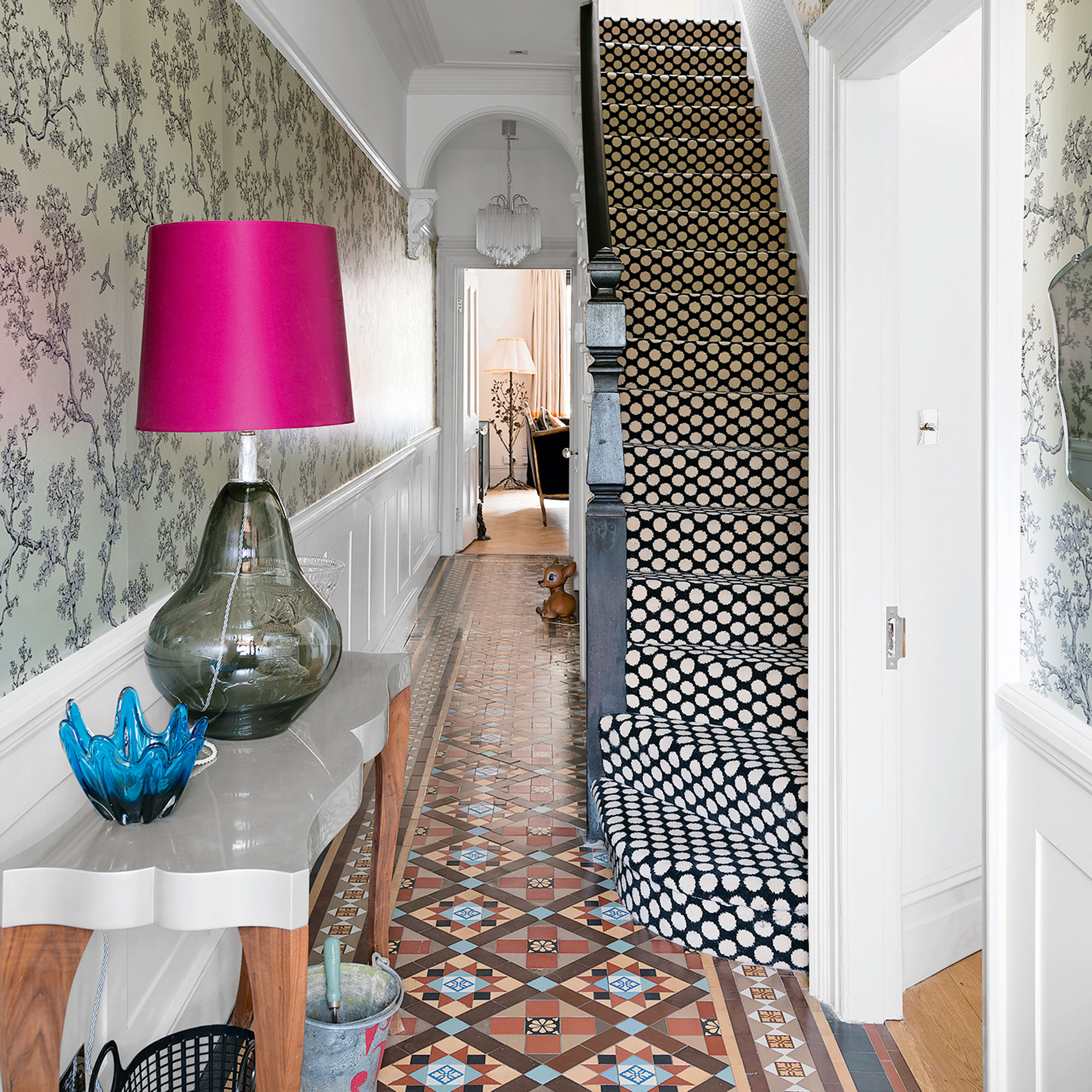
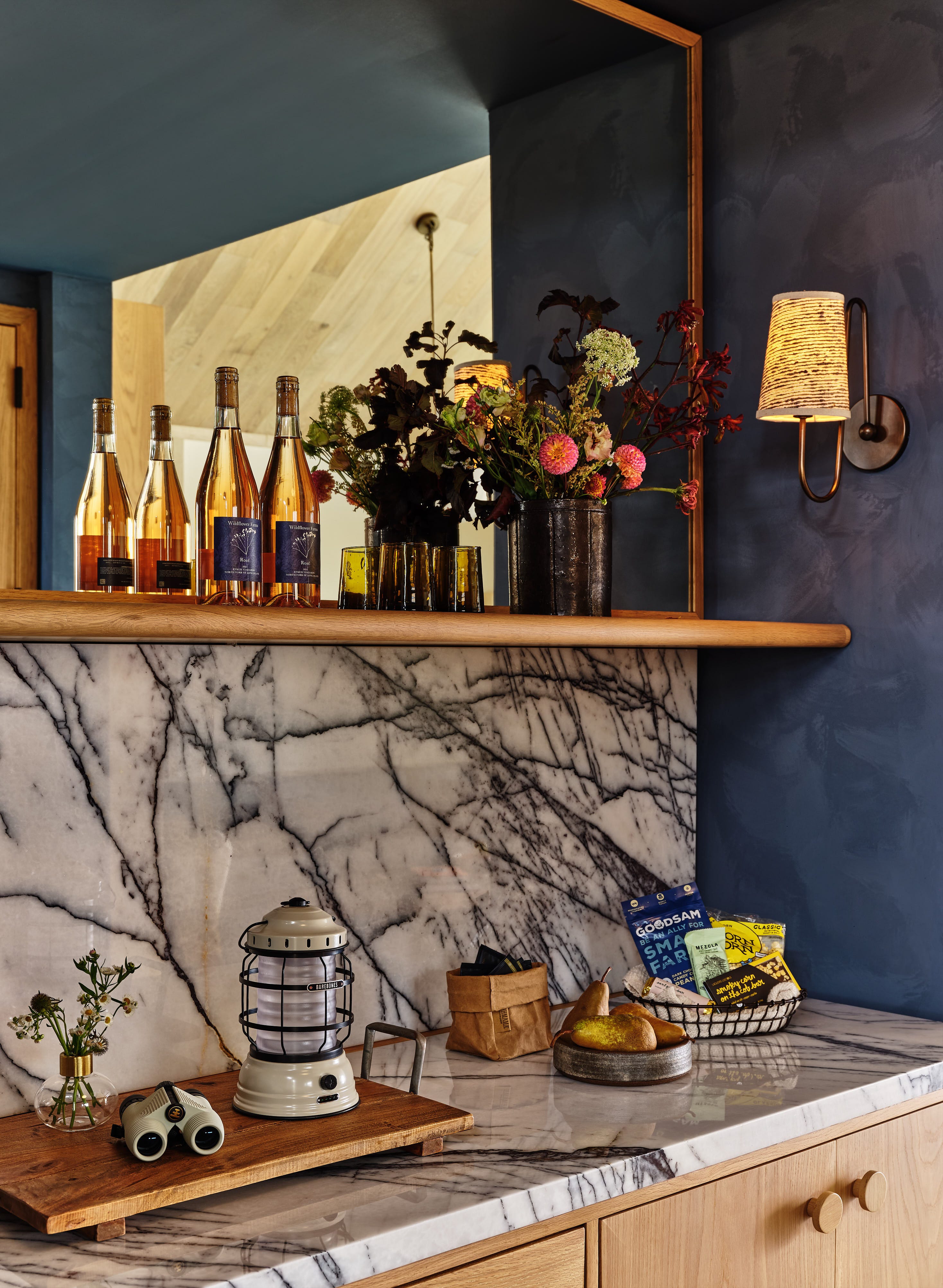
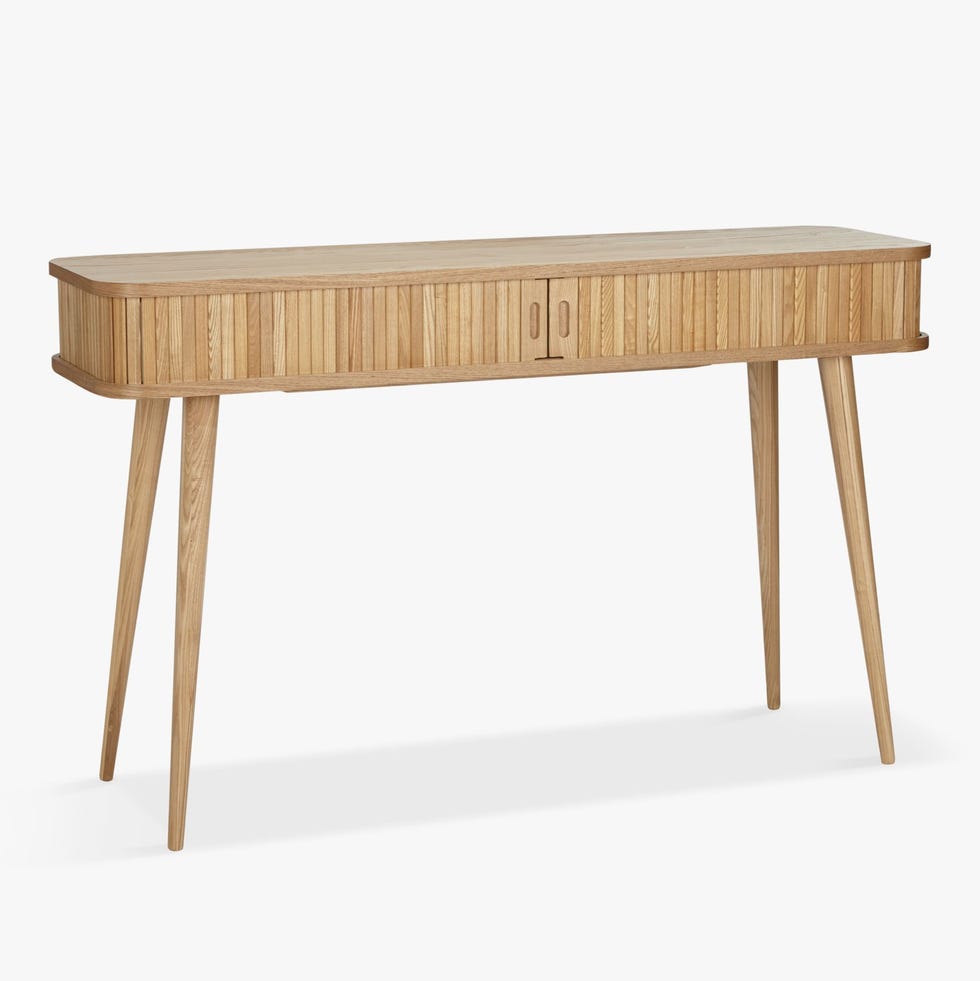
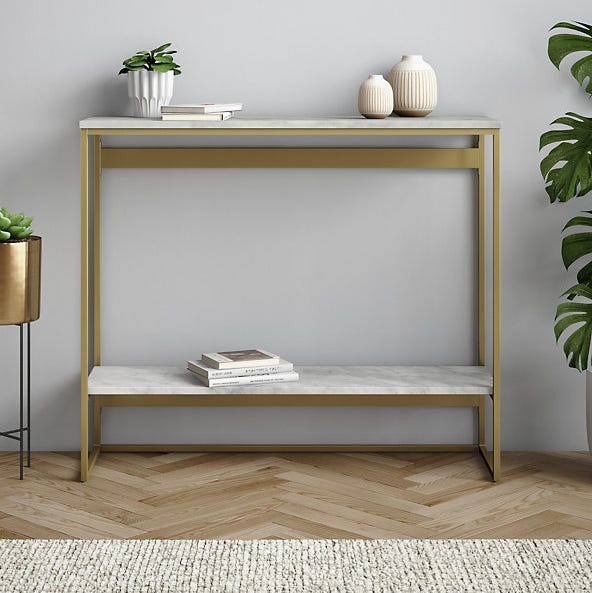
The article provides ten design tips to achieve a brighter hallway. The first tip focuses on optimizing lighting fixtures. Given a lack of natural light, artificial light sources become crucial. It is suggested to use a large pendant light for a statement and overall illumination, complemented by varied light sources like a console table lamp to add depth. Anna Elkington, Interiors Expert at Melody Maison, advises against yellow-toned bulbs, as they can create a warm, cozy atmosphere that might be counterproductive to brightening a small space. She recommends using a mixture of wall/ceiling fixtures, floor lamps, and table lamps to layer light at different levels.
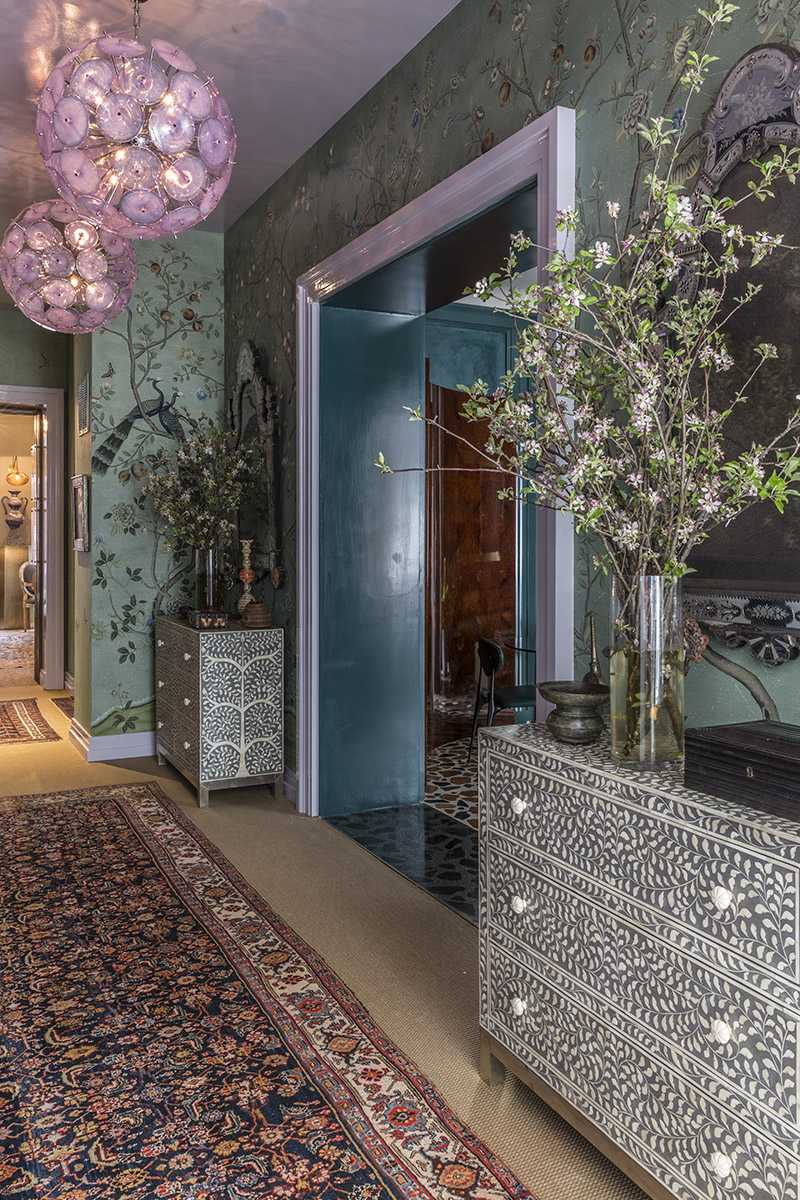
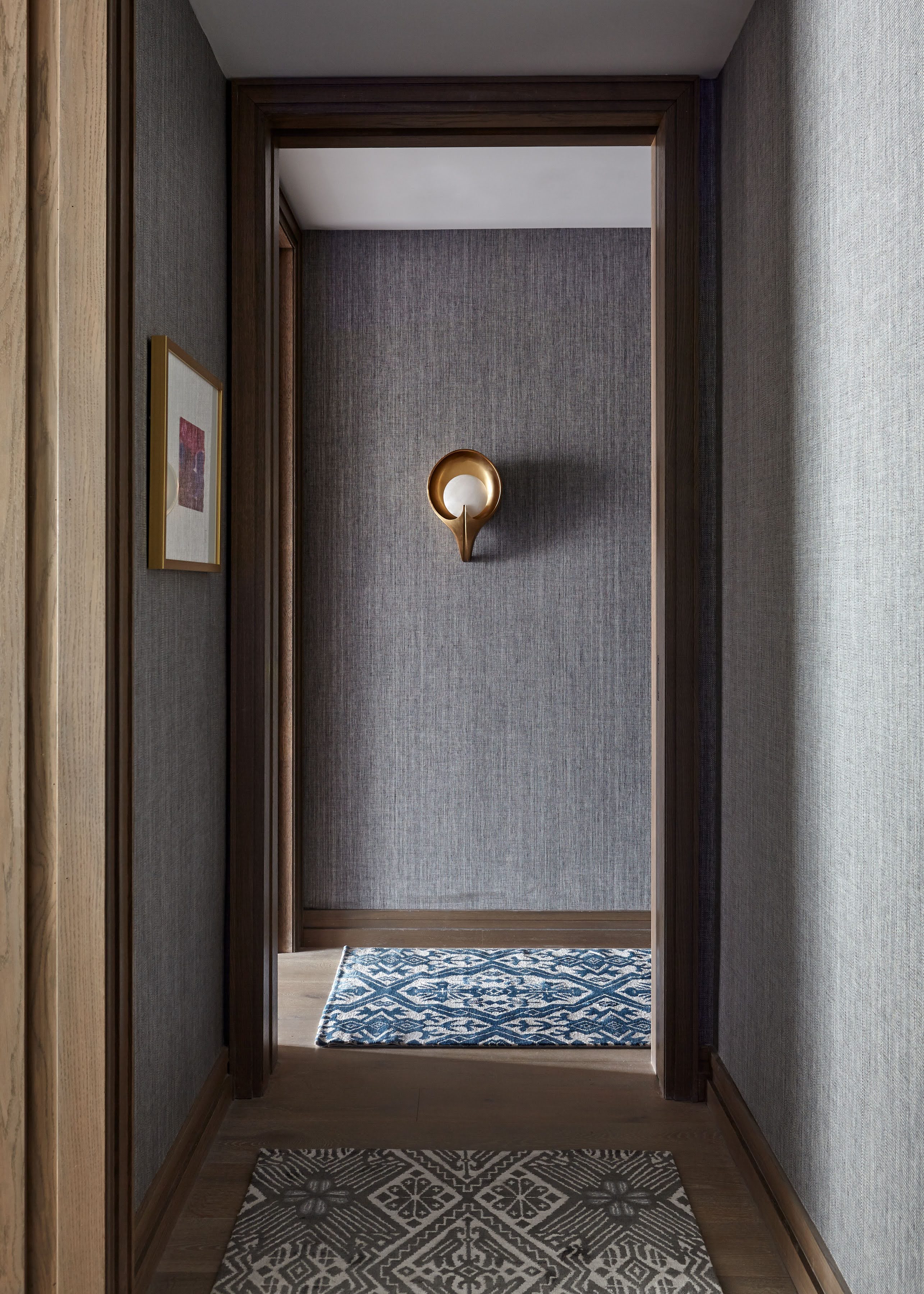
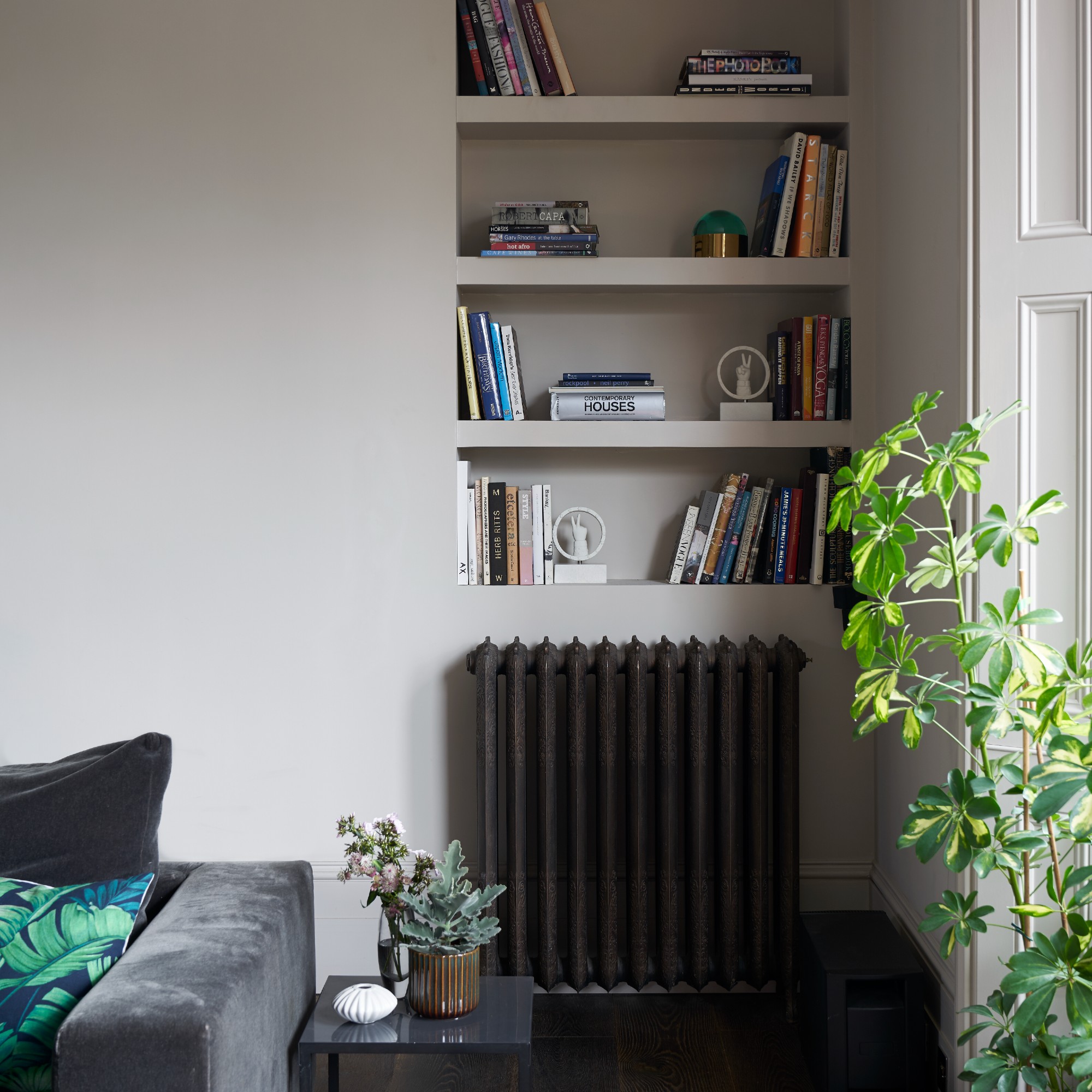
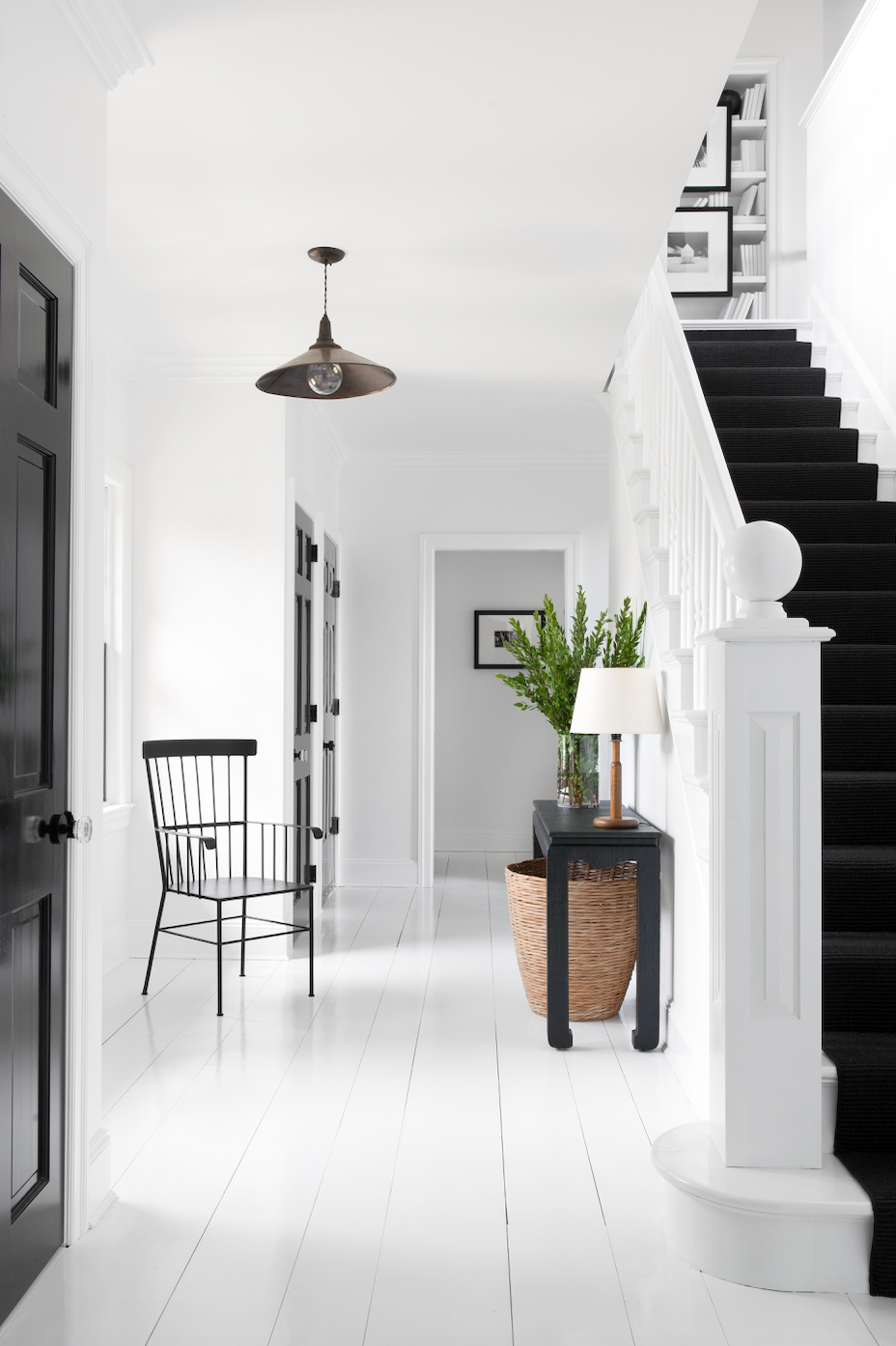
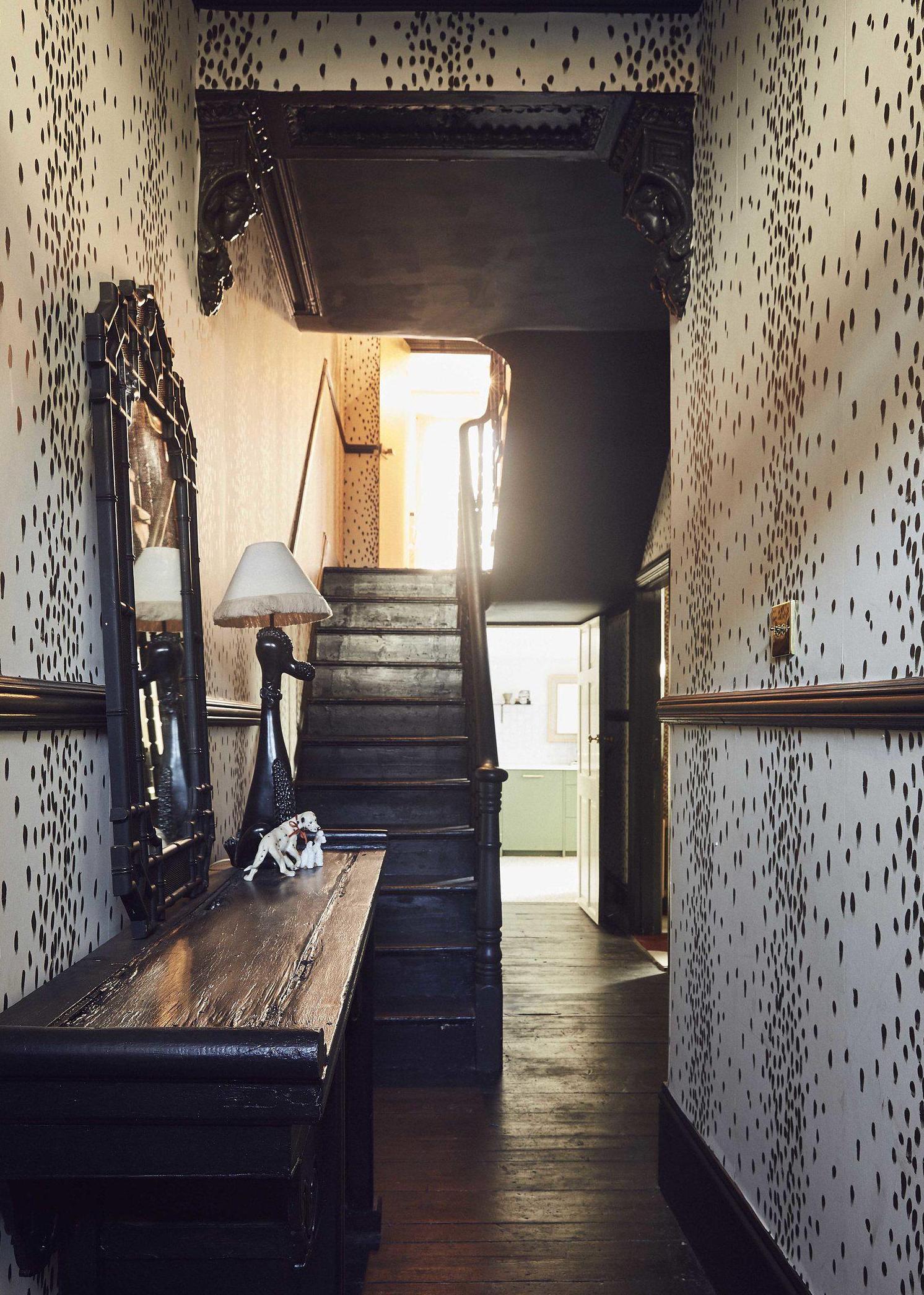
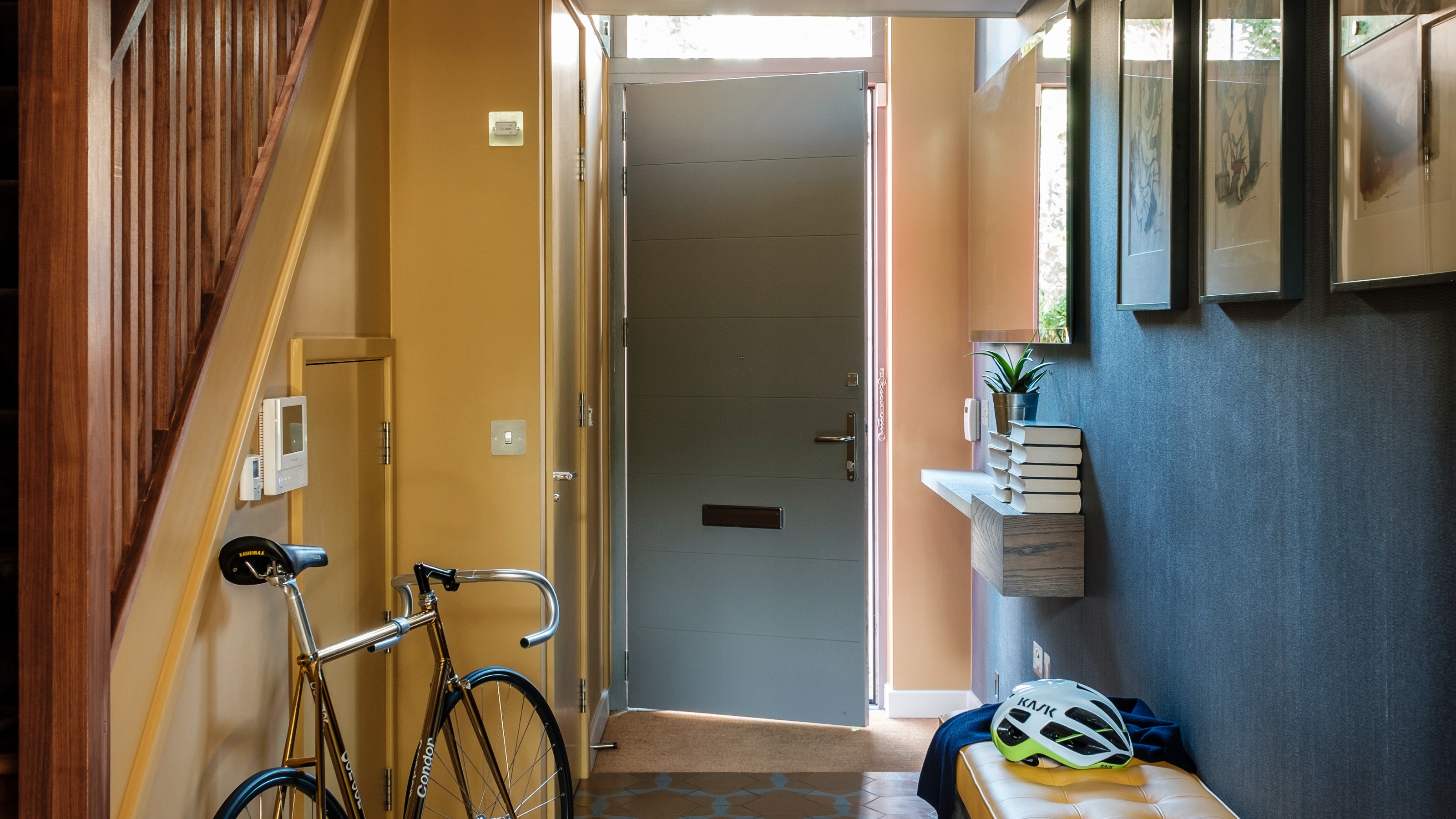
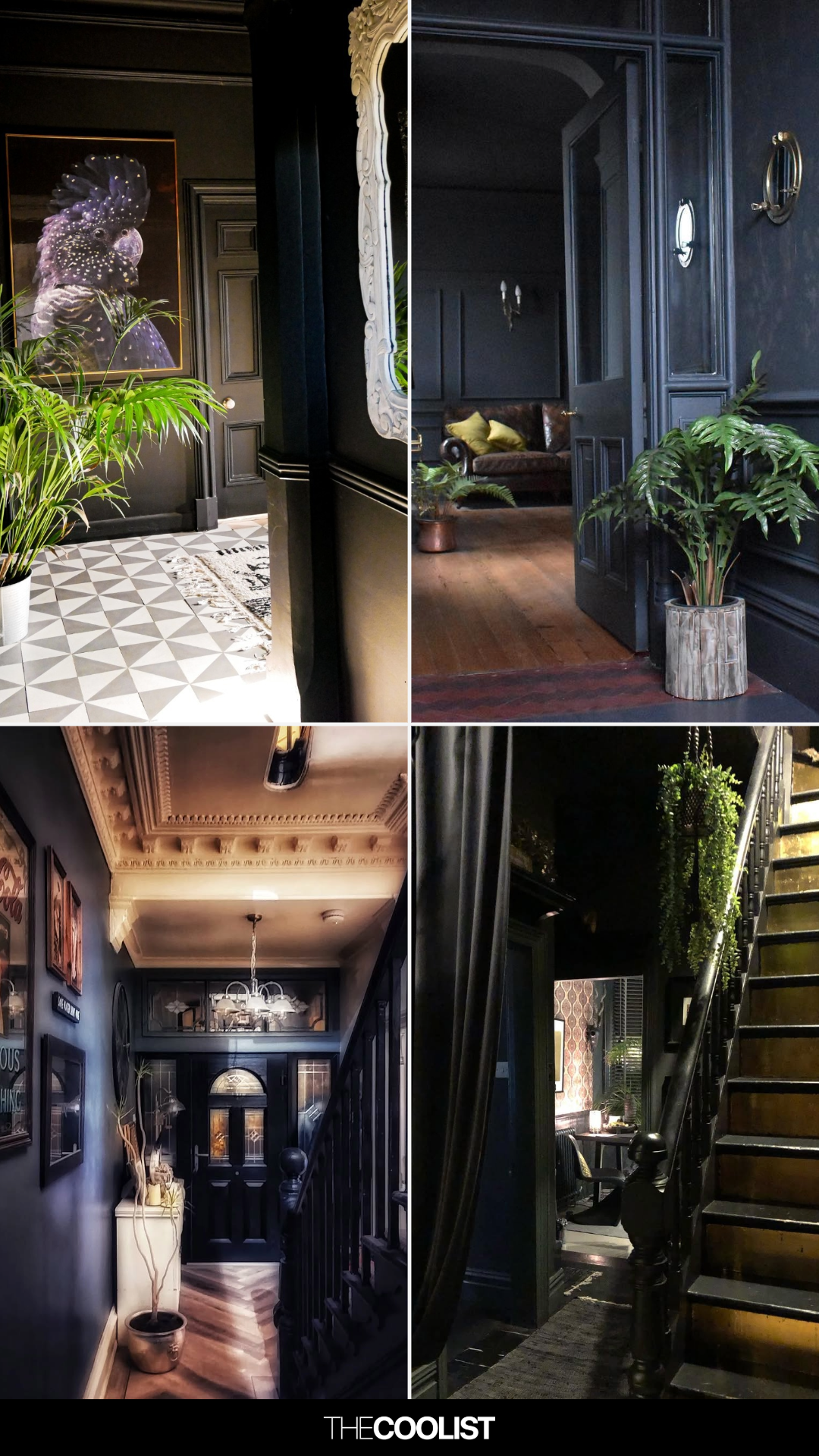
Secondly, the article suggests embracing darkness as a design choice. For inherently dark hallways, instead of fighting against it with light colors, one can lean into darker shades like black or navy. This approach, inspired by hotel interiors, can make the entryway feel intentionally dramatic and welcoming, especially when applied consistently across stairs, walls, and even radiators.
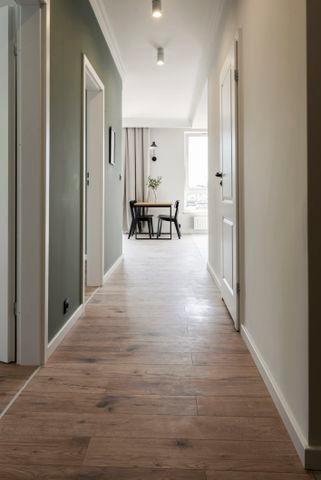
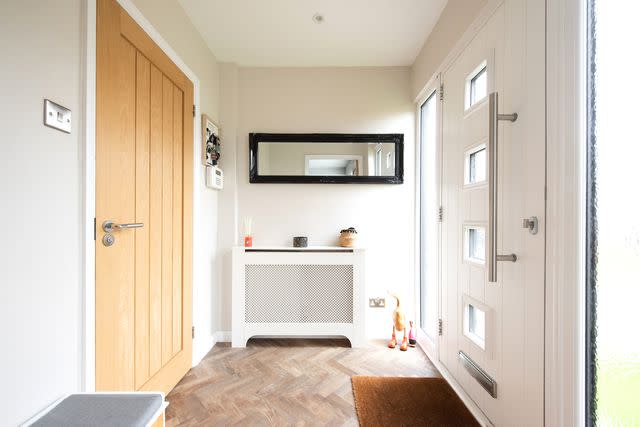
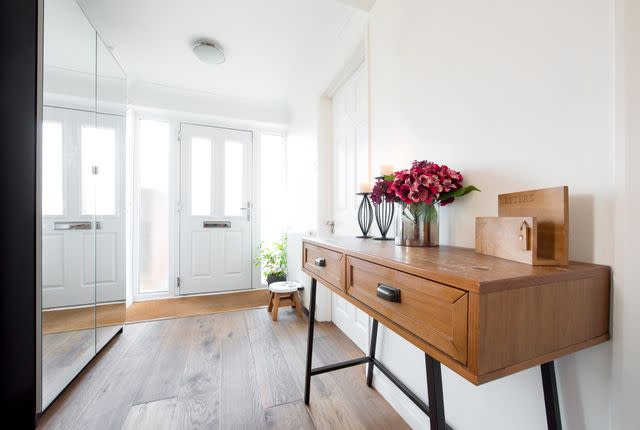
Thirdly, adding light from the bottom up is recommended. The choice of flooring significantly impacts a hallway's brightness. Light-toned flooring, such as Scandi-inspired light wood or light-colored tiles, can create an illusion of spaciousness and brightness. Charlotte O'Neill, Home Designer at Raison Home, explains that lighter colors on floors make a narrow corridor feel broader. Large floor tiles are also suggested to reduce visual clutter.
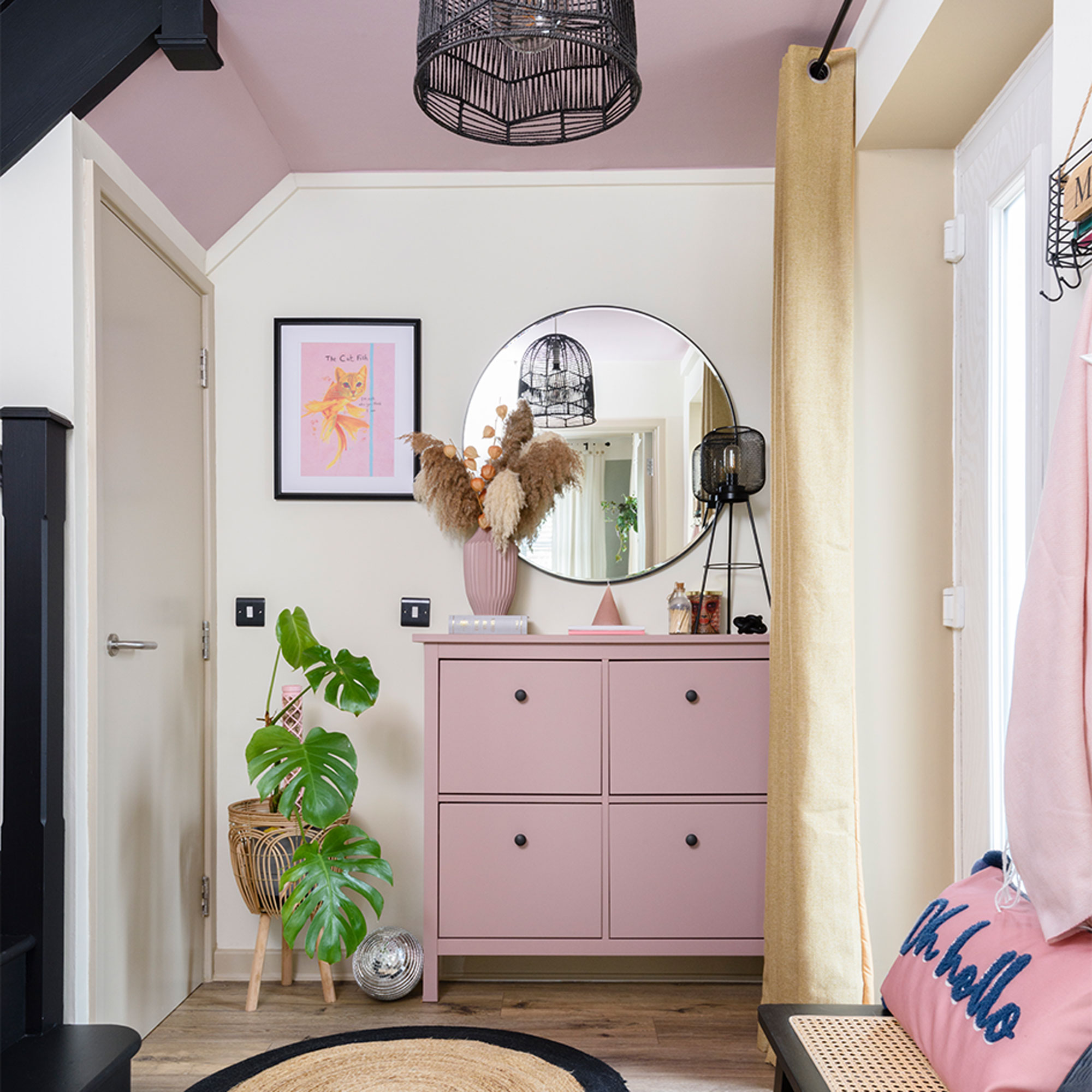
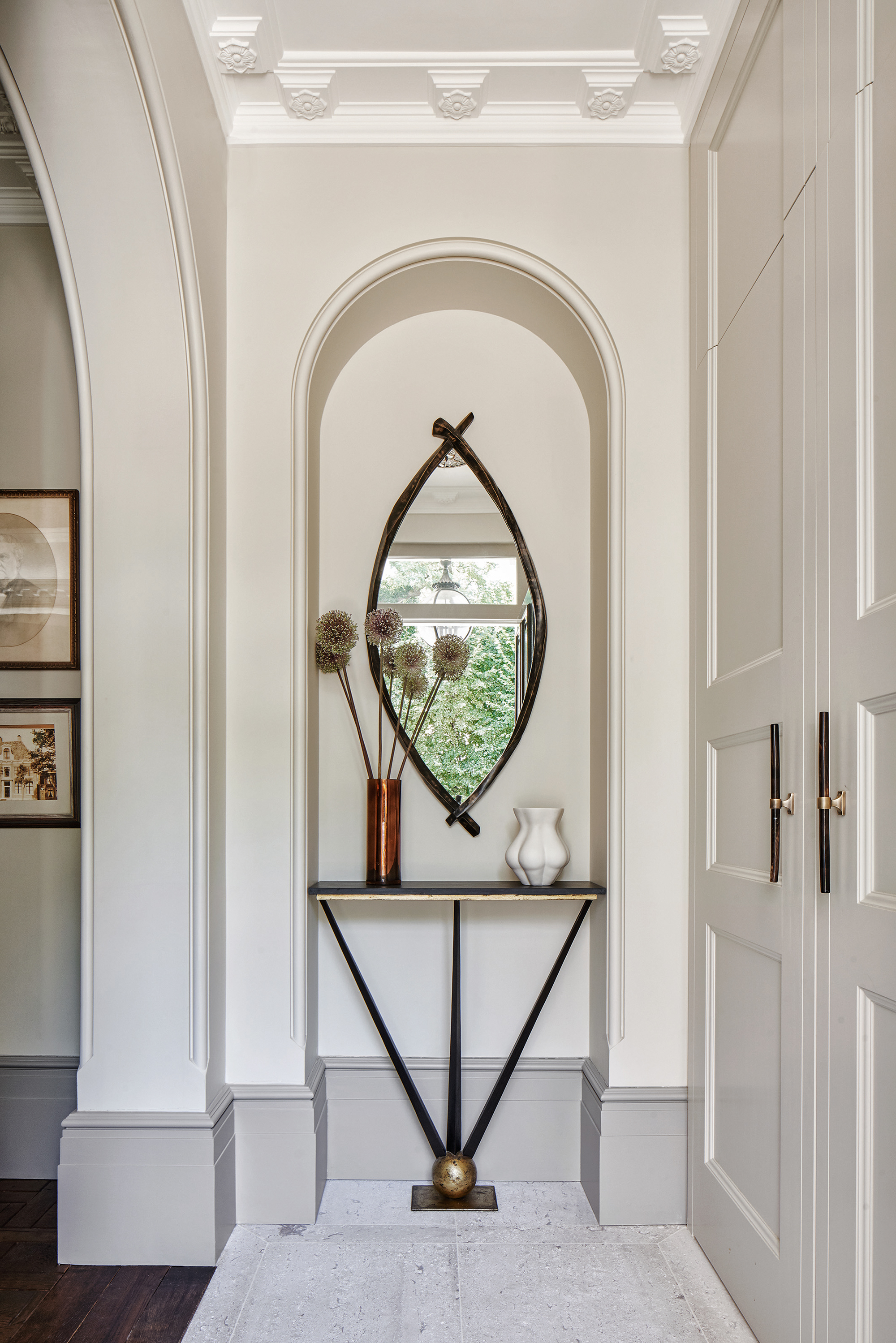
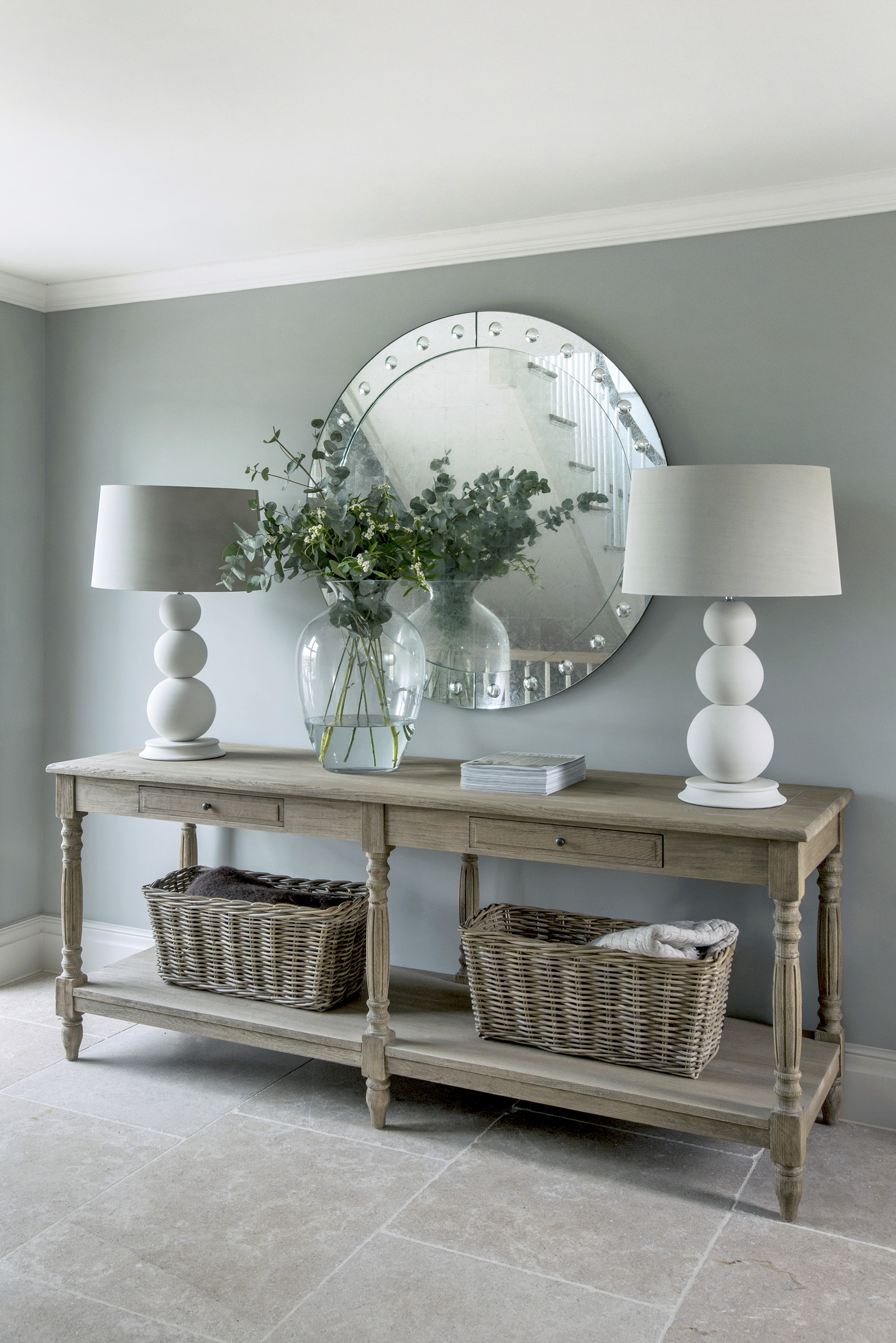
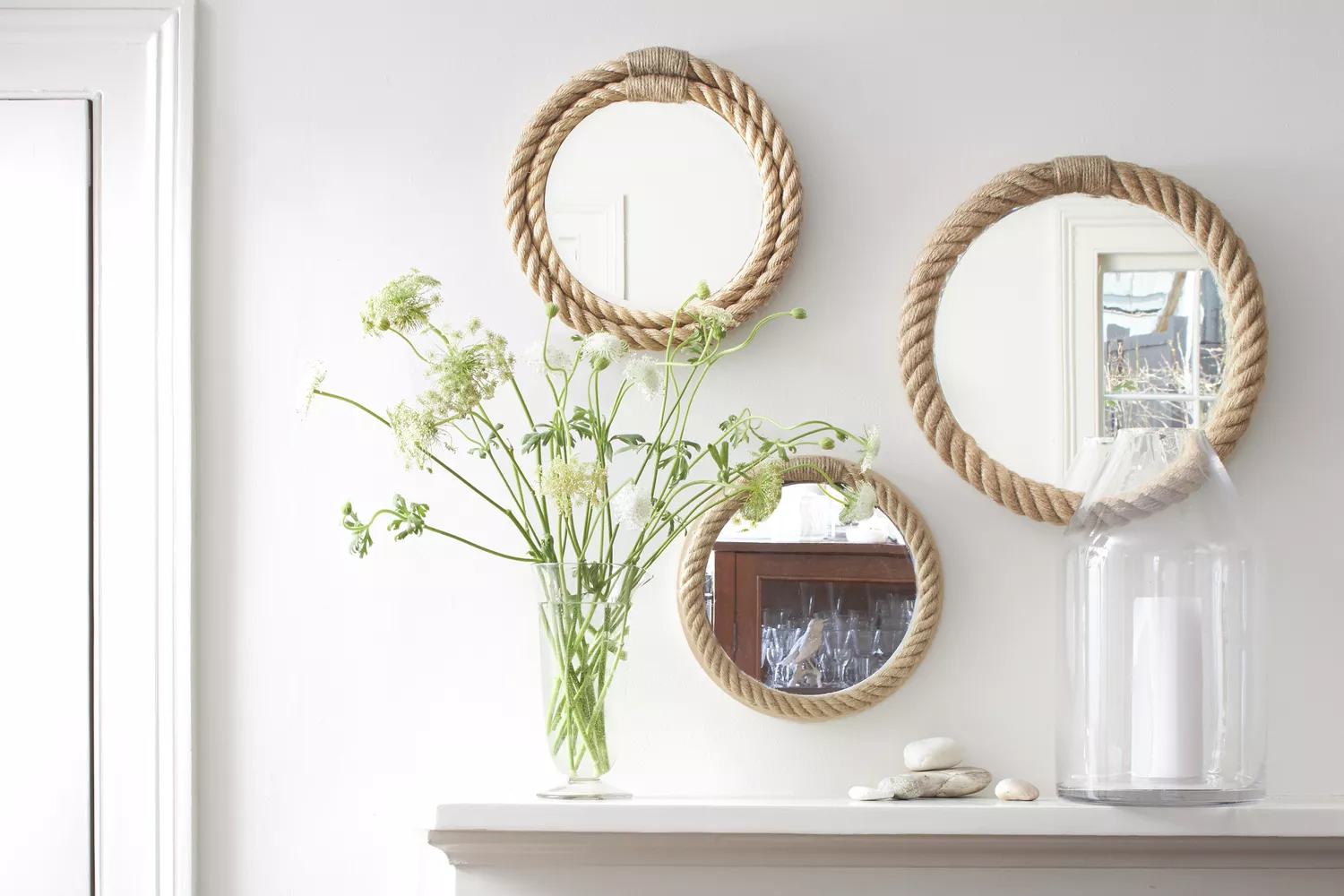
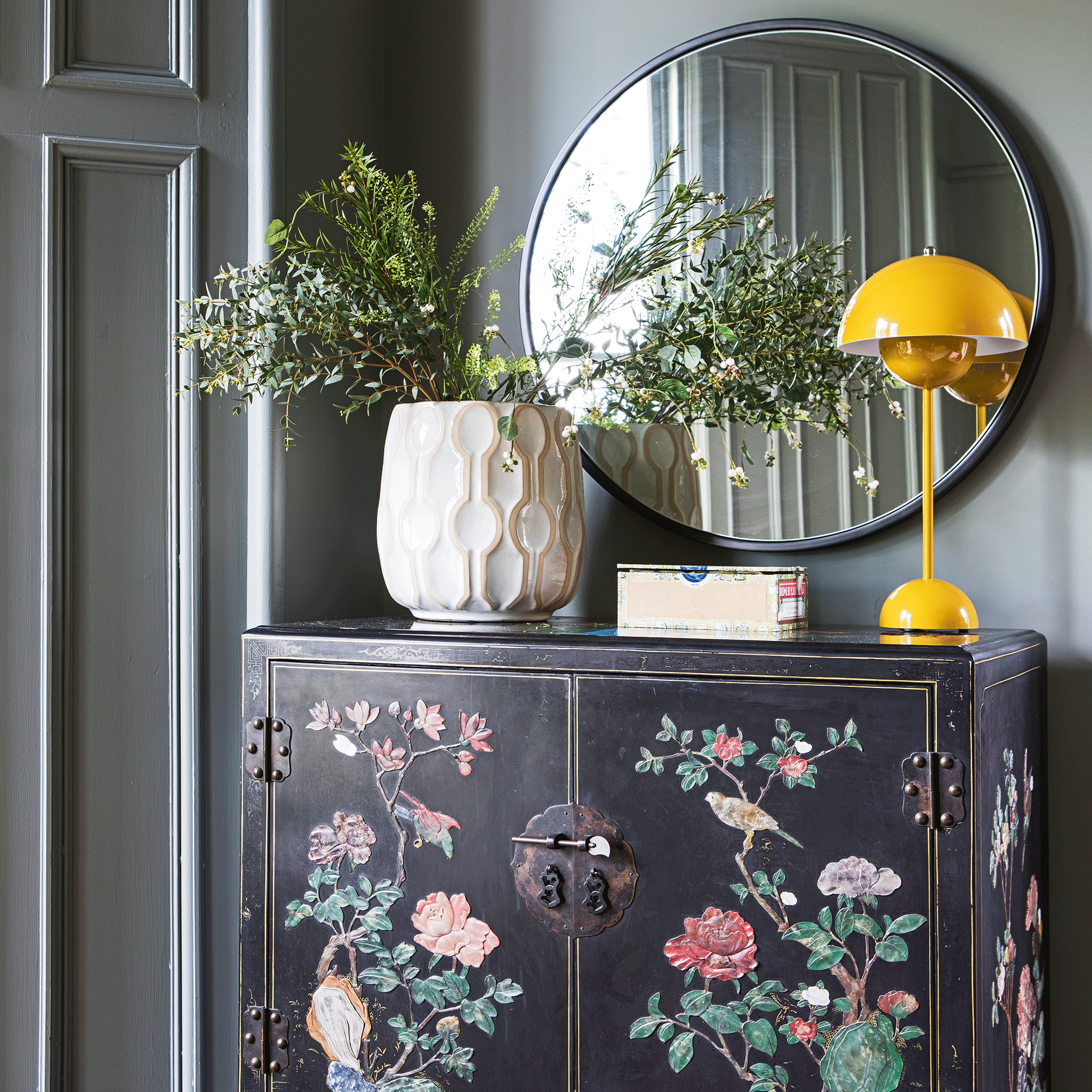
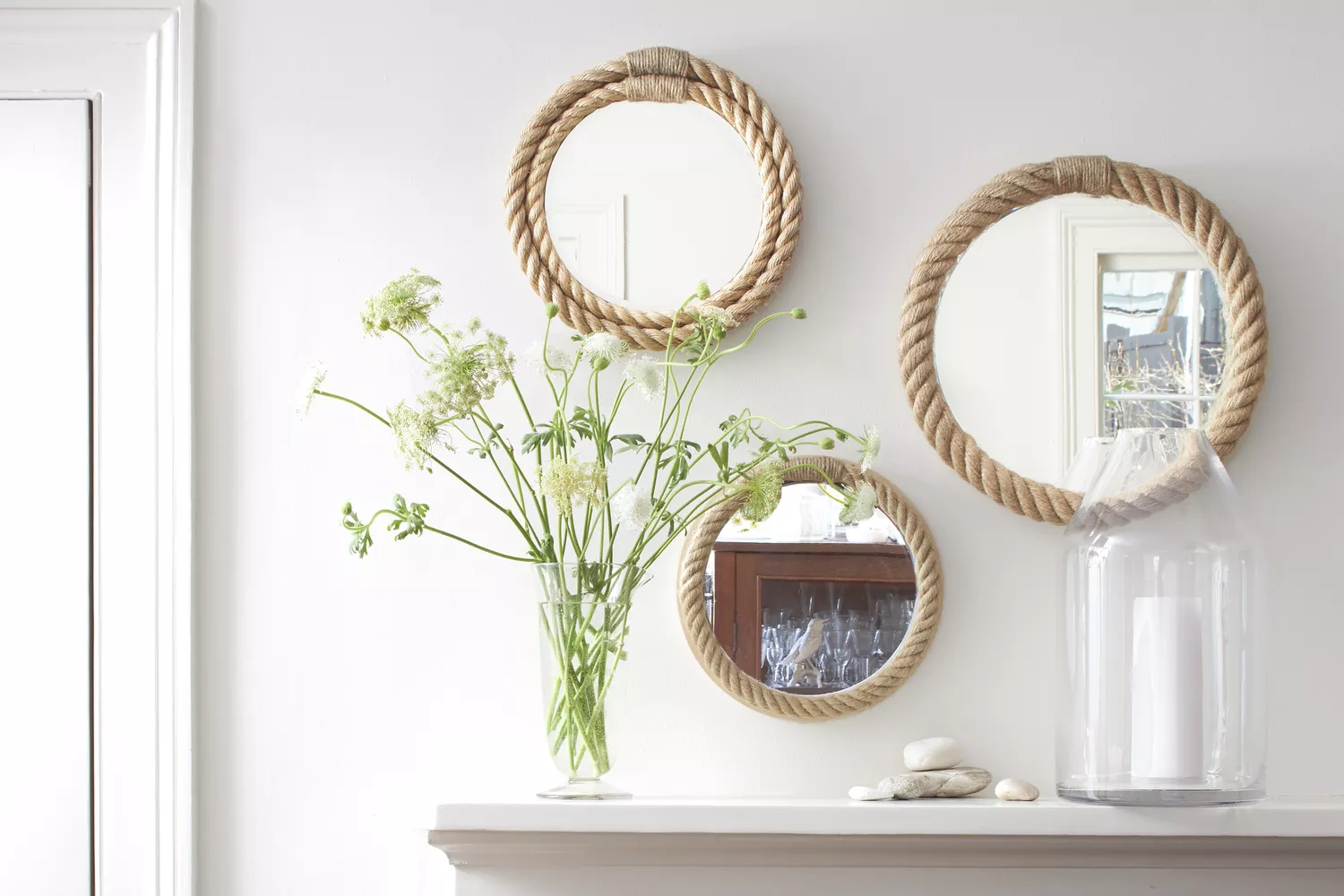
The fourth tip involves incorporating mirrors. Mirrors are effective in creating the illusion of a wider and brighter space by bouncing light around. Placing them opposite rooms or in dimly lit corners can expand the perceived light naturally. Vicki Foster, Interior Stylist at ScS, specifically suggests placing a mirror at the end of a hallway to reflect light and make the entire space feel larger.
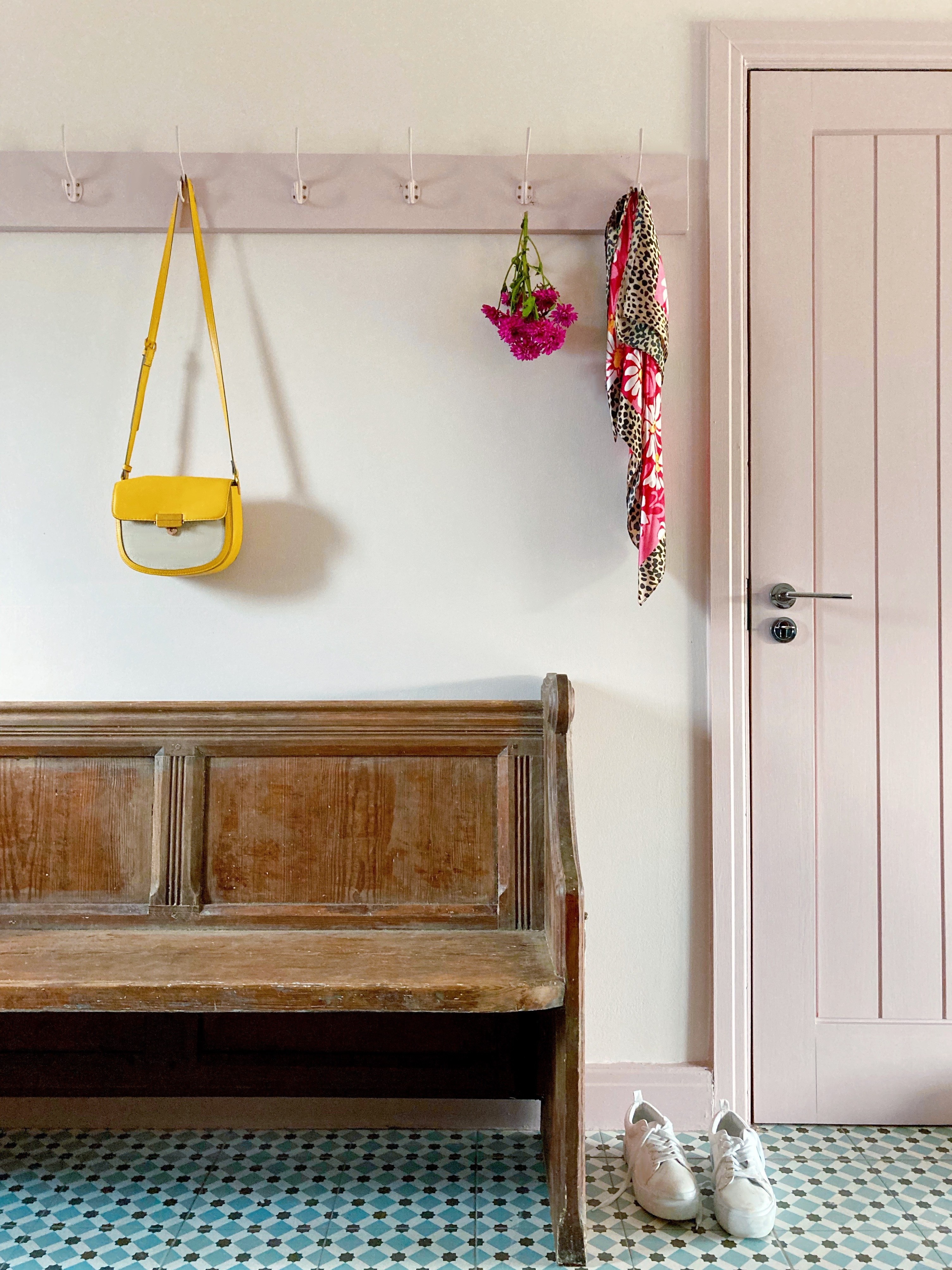
Fifth, the article advises painting all the way up. To make a hallway with rich colors feel brighter and less enclosed, matching the trim to the wall color is suggested. This creates a seamless, expertly designed look and enhances the feeling of brightness by avoiding stark contrasts that can visually break up the wall space. Anna emphasizes that painting trim and walls the same color maximizes space in a corridor, especially with light shades, and can make the space flow better.
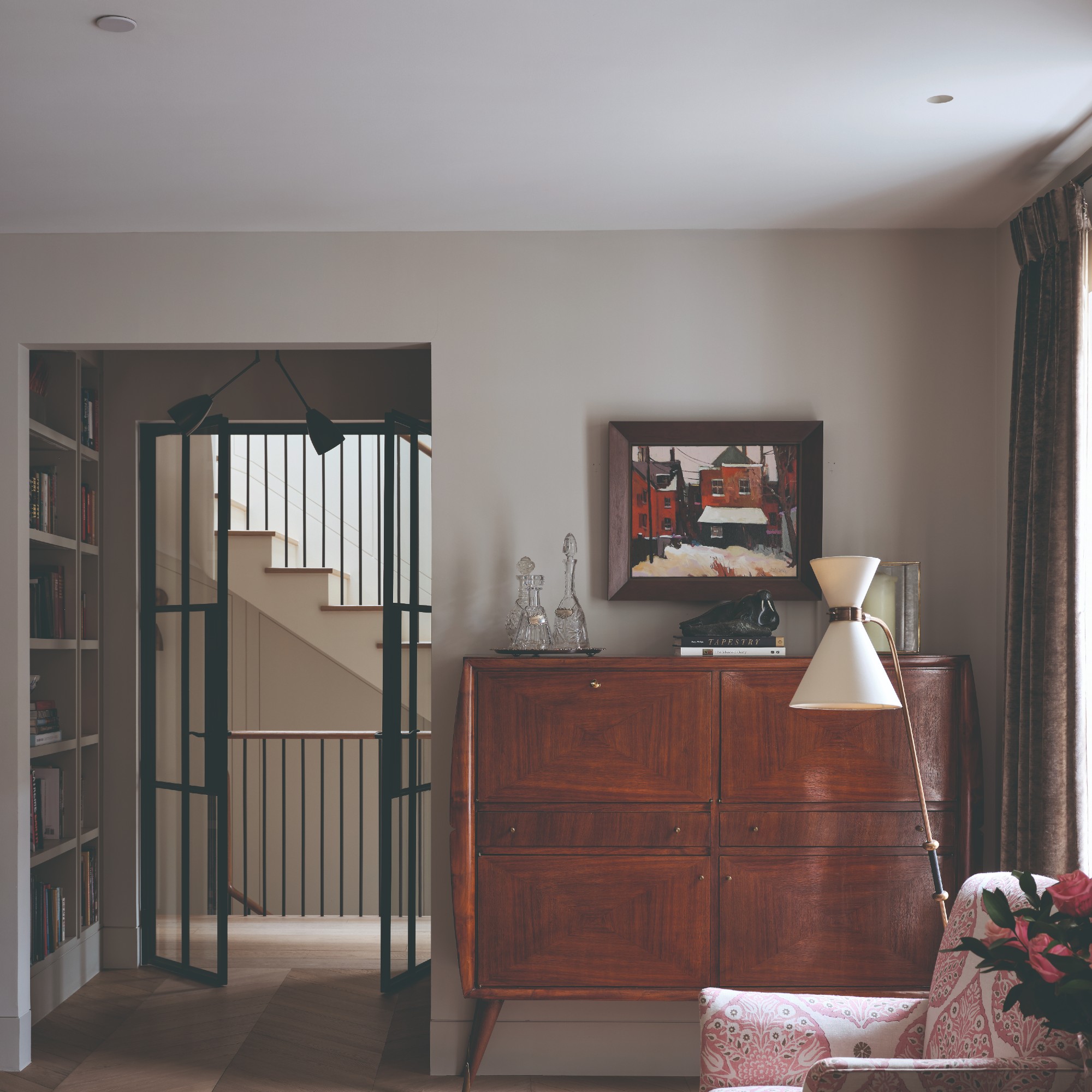
Sixth, updating doors is presented as a way to maximize light. Many hallways have multiple connecting doors, offering an opportunity to increase light flow. Installing glass-paneled internal doors allows natural light to penetrate further into the hallway, which is particularly beneficial for north-facing homes or areas lacking direct sunlight.
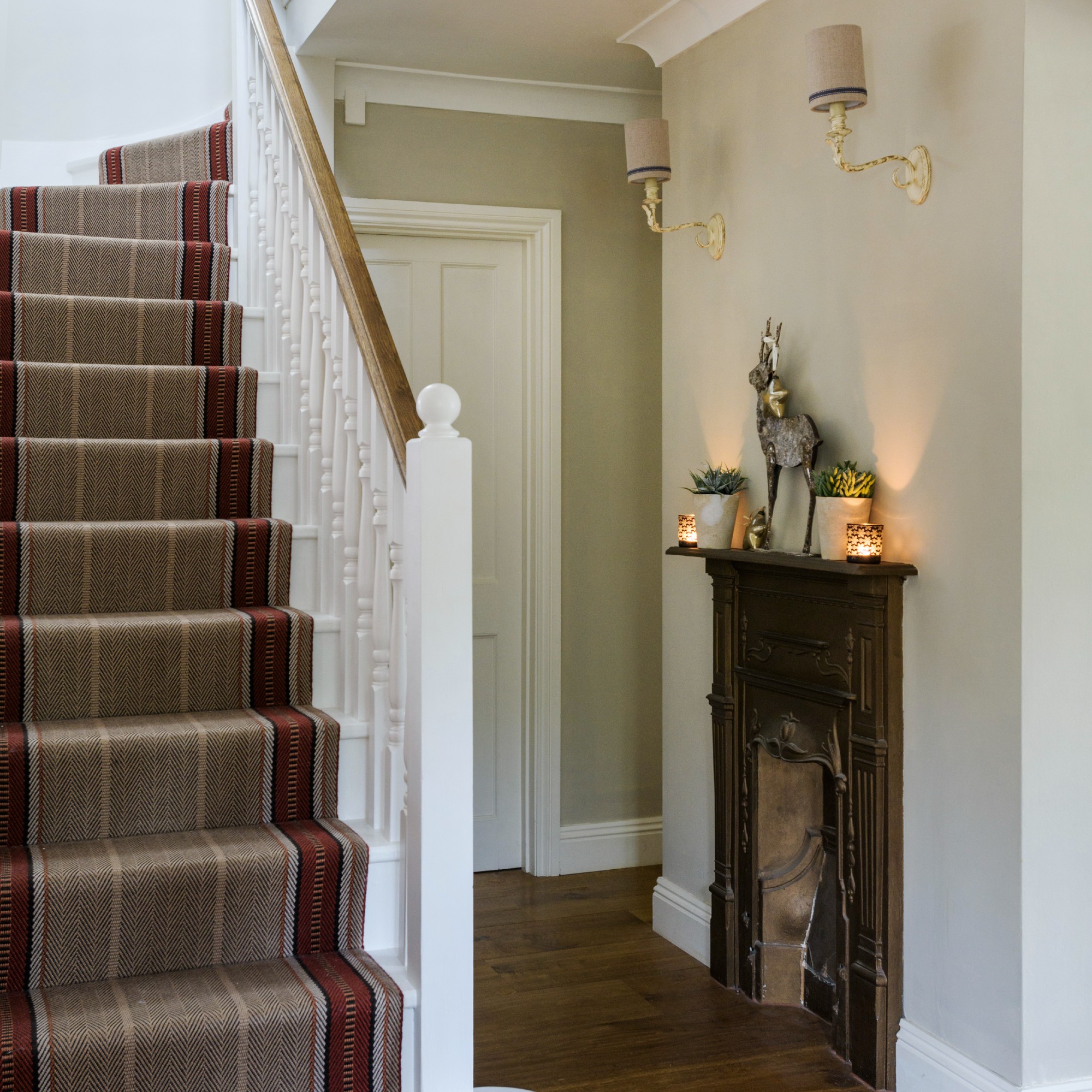
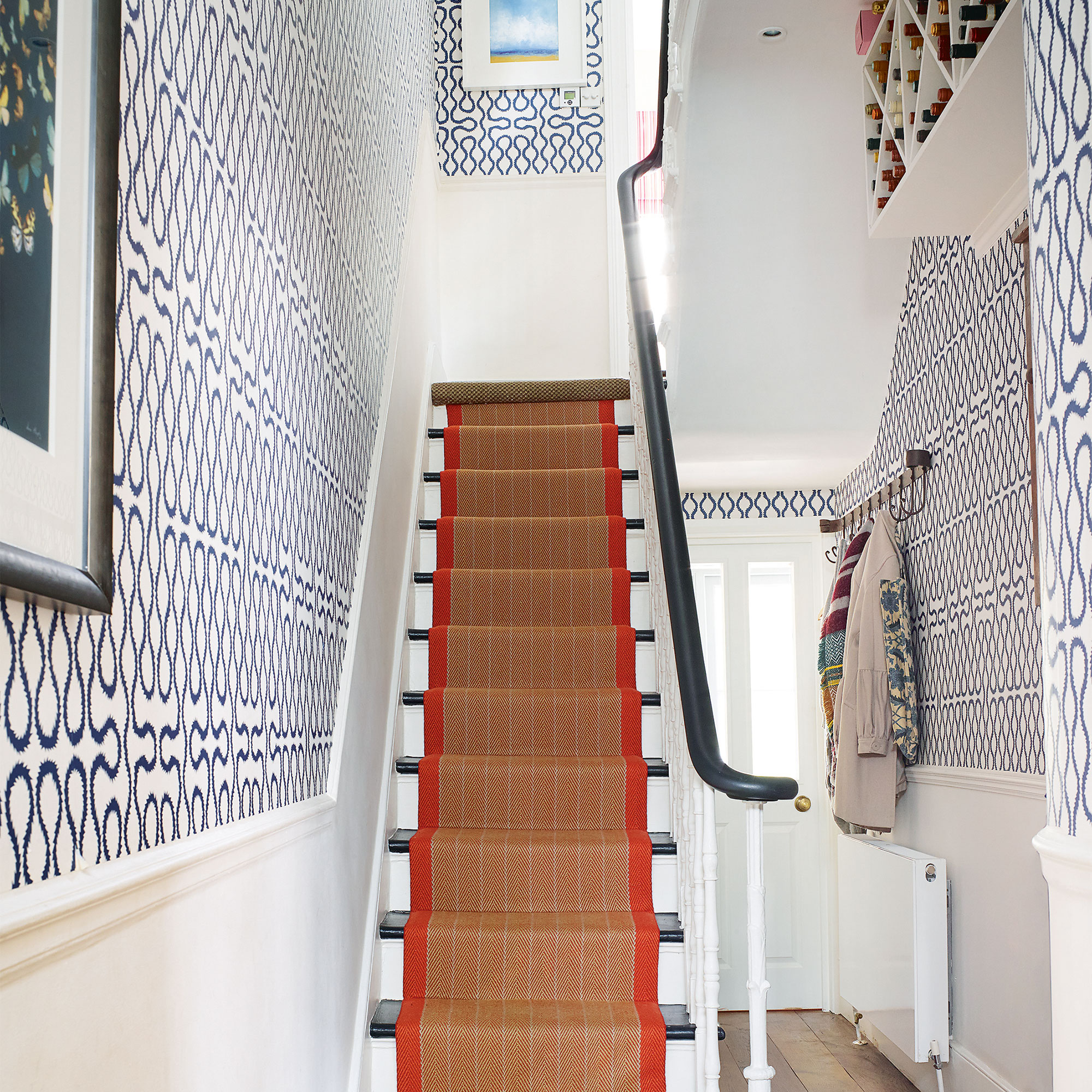
Seventh, adding a runner is recommended to create an illusion of space. A stair runner draws the eye along the length of the room, making the entrance appear more generous. Jute or pale-toned runners are suggested for an added pop of brightness. Anna notes that a rug with bright colors can also be a non-permanent solution for dark flooring.
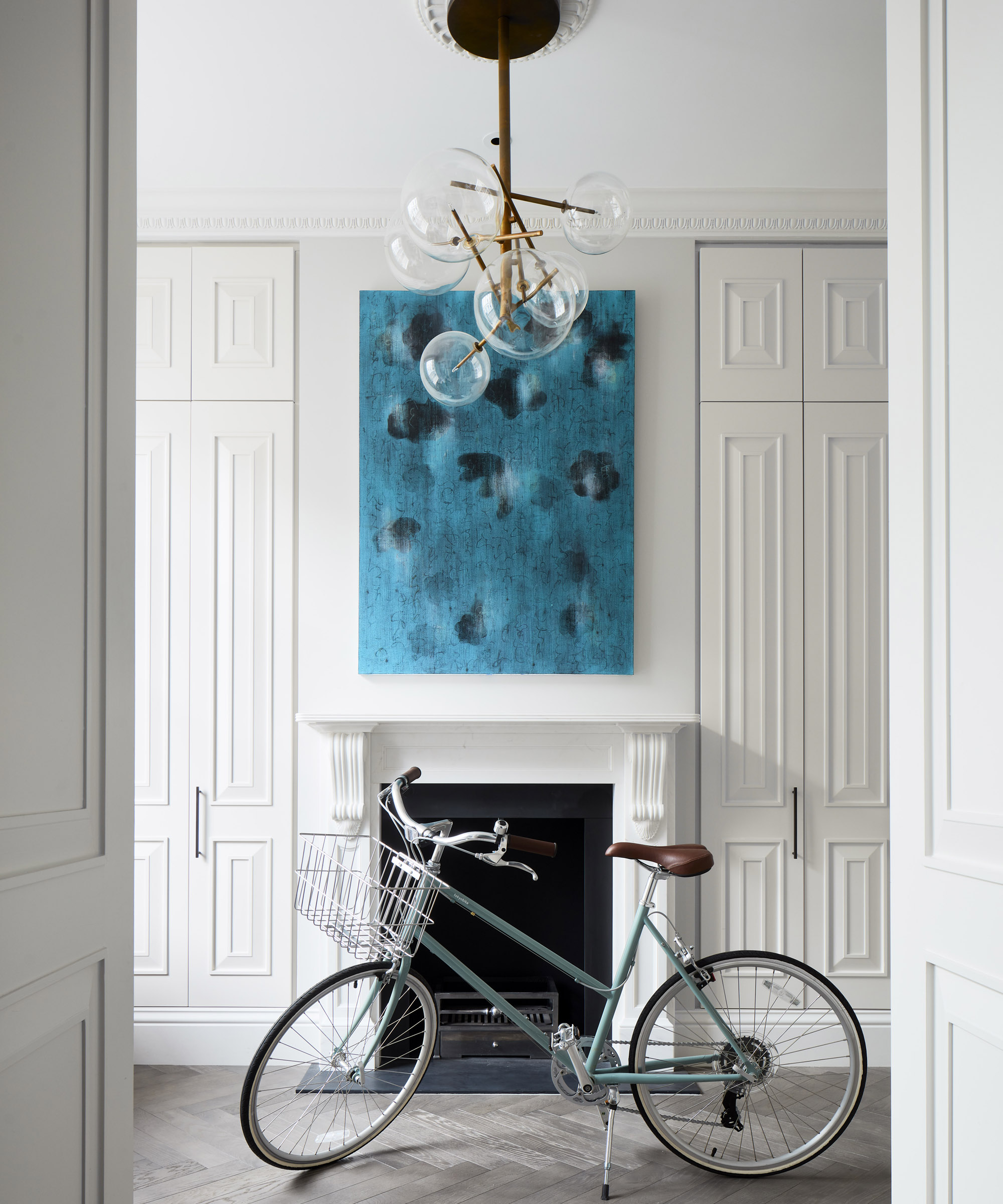
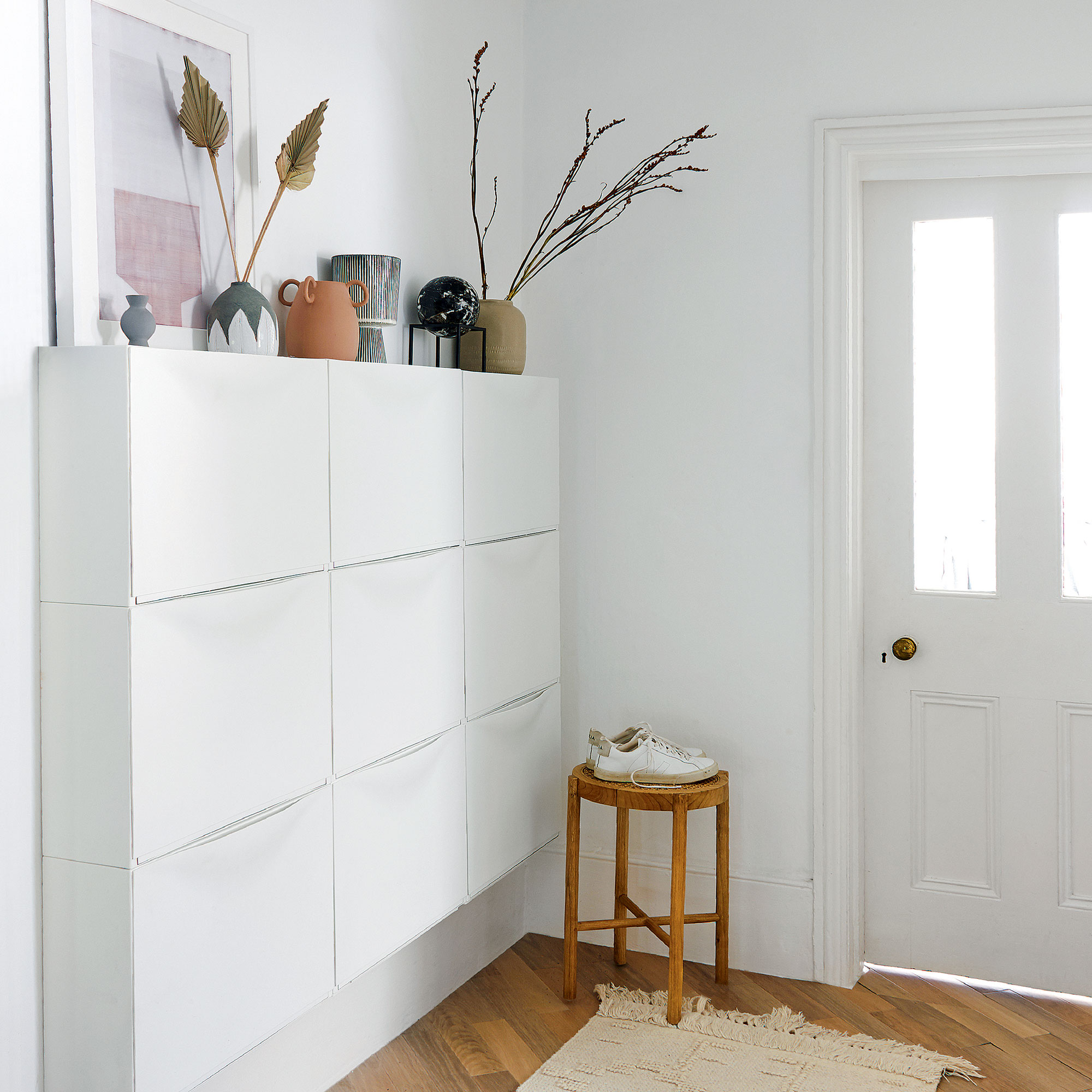
Eighth, opting for an all-white scheme ensures a bright and minimal hallway. This creates a sleek, pared-back aesthetic with no visual distractions, making the space feel open. White also provides a versatile backdrop for styling with art, indoor plants, and other decorative accessories without adding visual clutter.
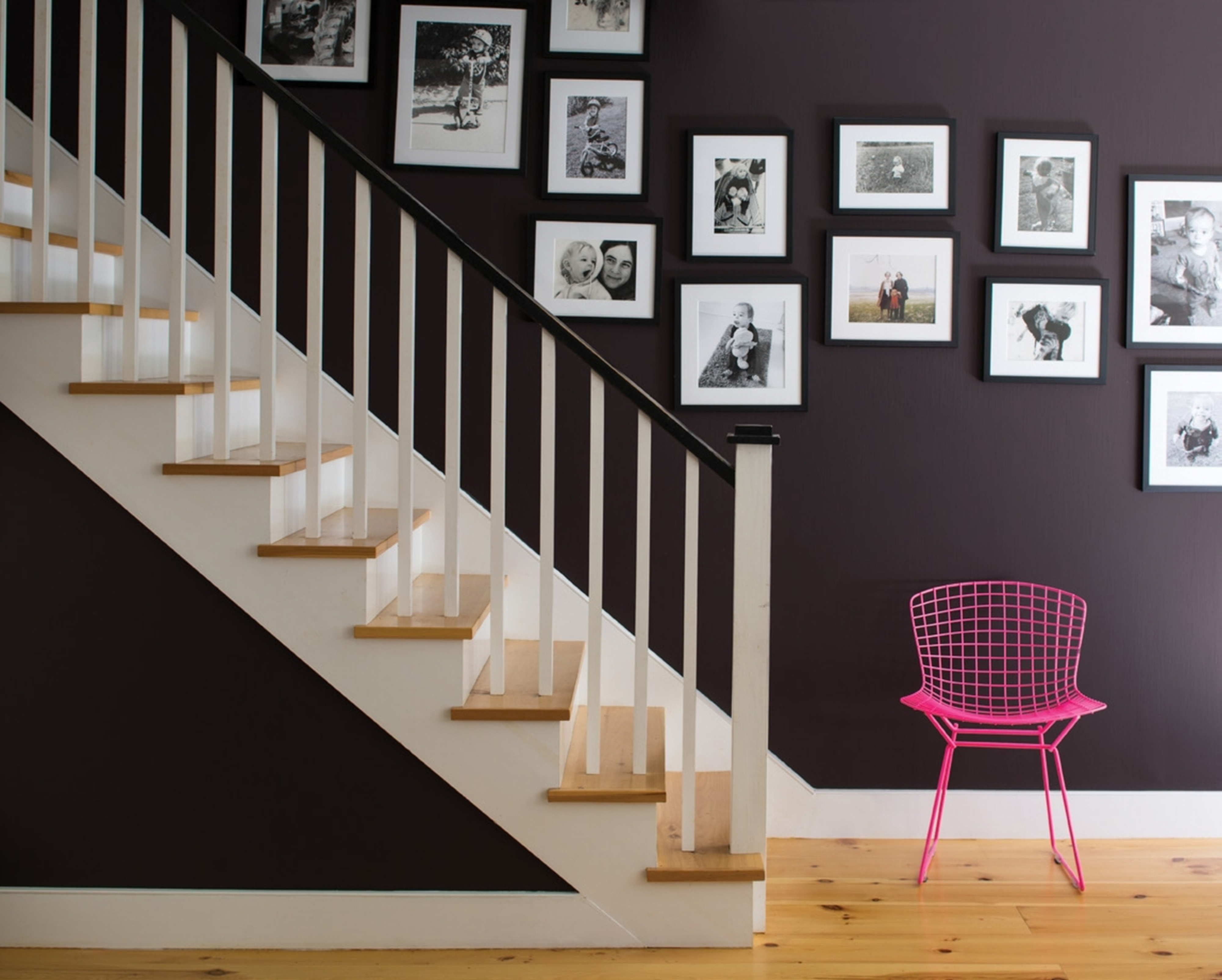
Ninth, using half-height painting or wall paneling allows for dark colors while maintaining brightness. By applying dark paint only to the bottom half of the wall, the upper, lighter section can ensure the area feels spacious rather than restricted. This can be achieved with a dado rail or wall paneling, which also adds texture and allows for coordination with other design elements.
Finally, adding greenery is suggested to bring life and brightness to a dark hallway. Even in spaces with minimal sunlight, house plants can thrive and contribute to a lively atmosphere, improving mental well-being. Kelly Collins, Head of Creative at Swyft, points out the ease of caring for many indoor plants and their positive impact on mental health.
The article also addresses common questions, confirming that while neutral tones are safe for brightening, bold colors can be incorporated sparingly for dimension. For hallways with no natural light, Dominic Walsh recommends multiple spotlights along the length of the corridor instead of a single light source, suggesting battery-powered lamps as an alternative if sockets are unavailable. The key is to combine various artificial lighting methods to ensure consistent brightness throughout the day.
#HallwayDesign #InteriorLighting #HomeDecor #SmallSpaces #ColorPalette #MirrorDecor #WallPanelling #FlooringIdeas #GreeneryInHome #HallwayDesign #InteriorLighting #HomeDecor #SmallSpaces #ColorPalette #MirrorDecor #WallPanelling #FlooringIdeas #GreeneryInHome
0 comment in total
 No comments yet
You may also like
Hallway lighting ideas for narrow, small and dark spaces

Hallway lighting ideas – 23 ways to create a welcoming entryway
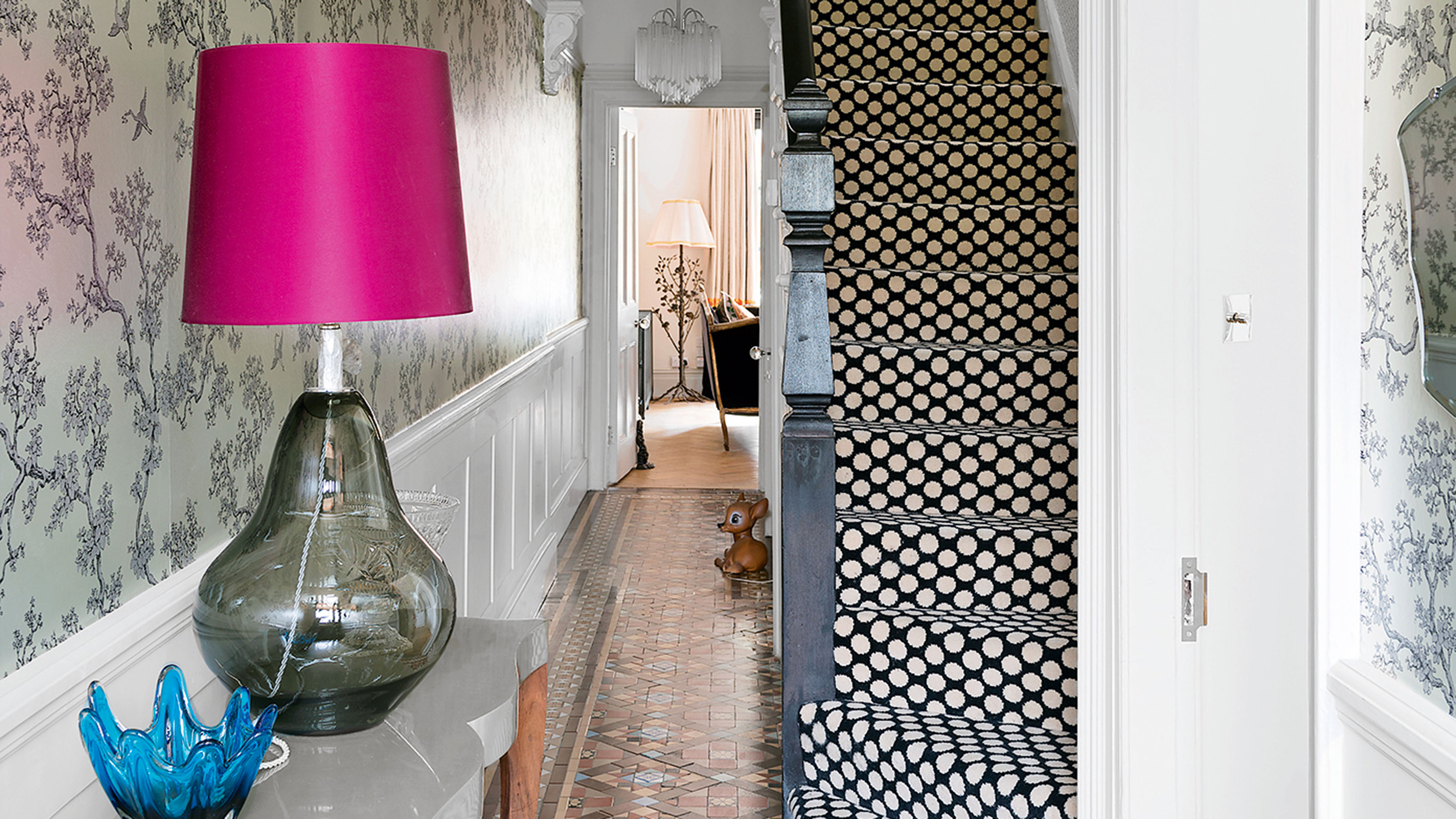
Long hallway ideas – 10 ways to make the most of your space
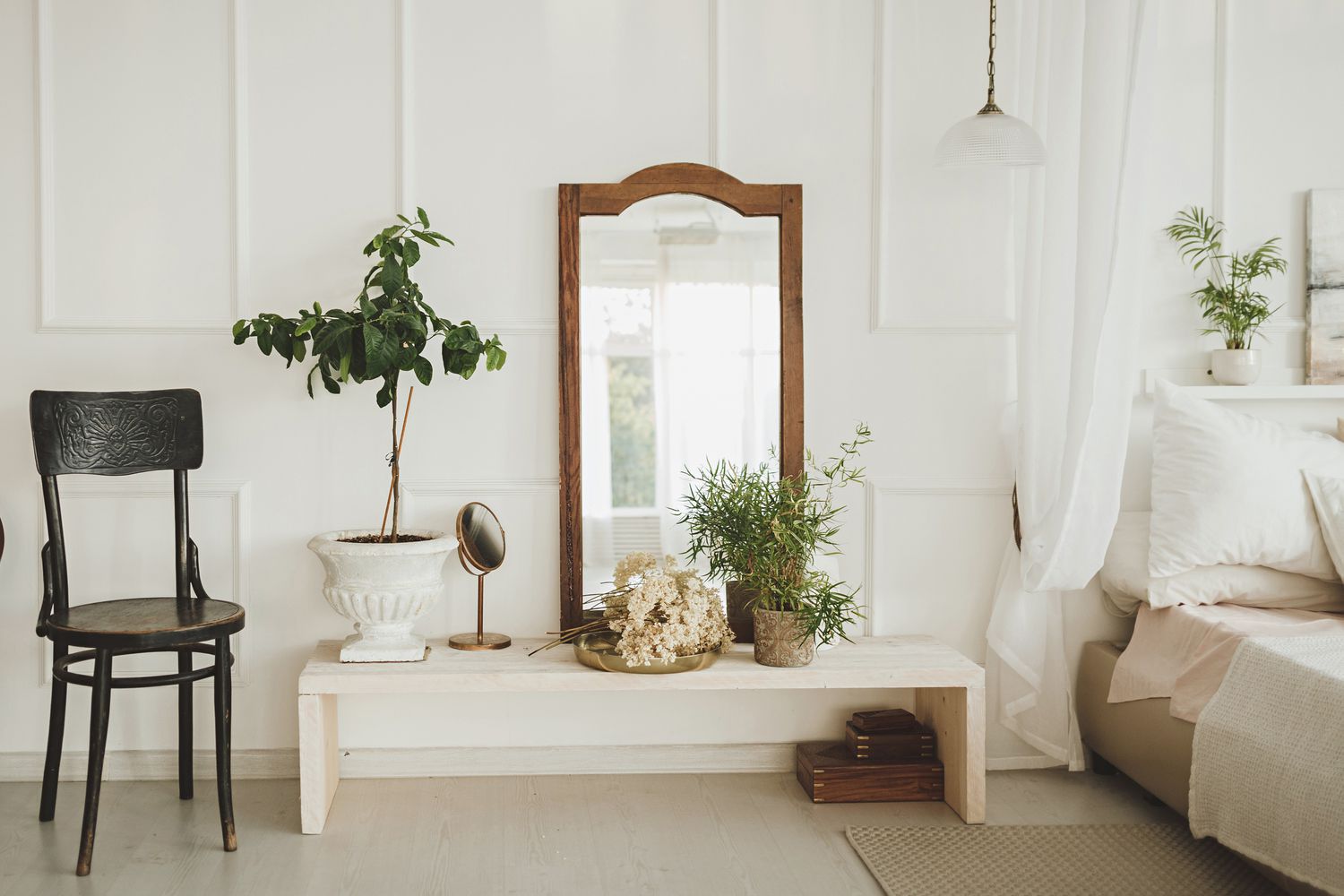
8 Ways to Make a Dark, Gloomy Room Feel Instantly Brighter

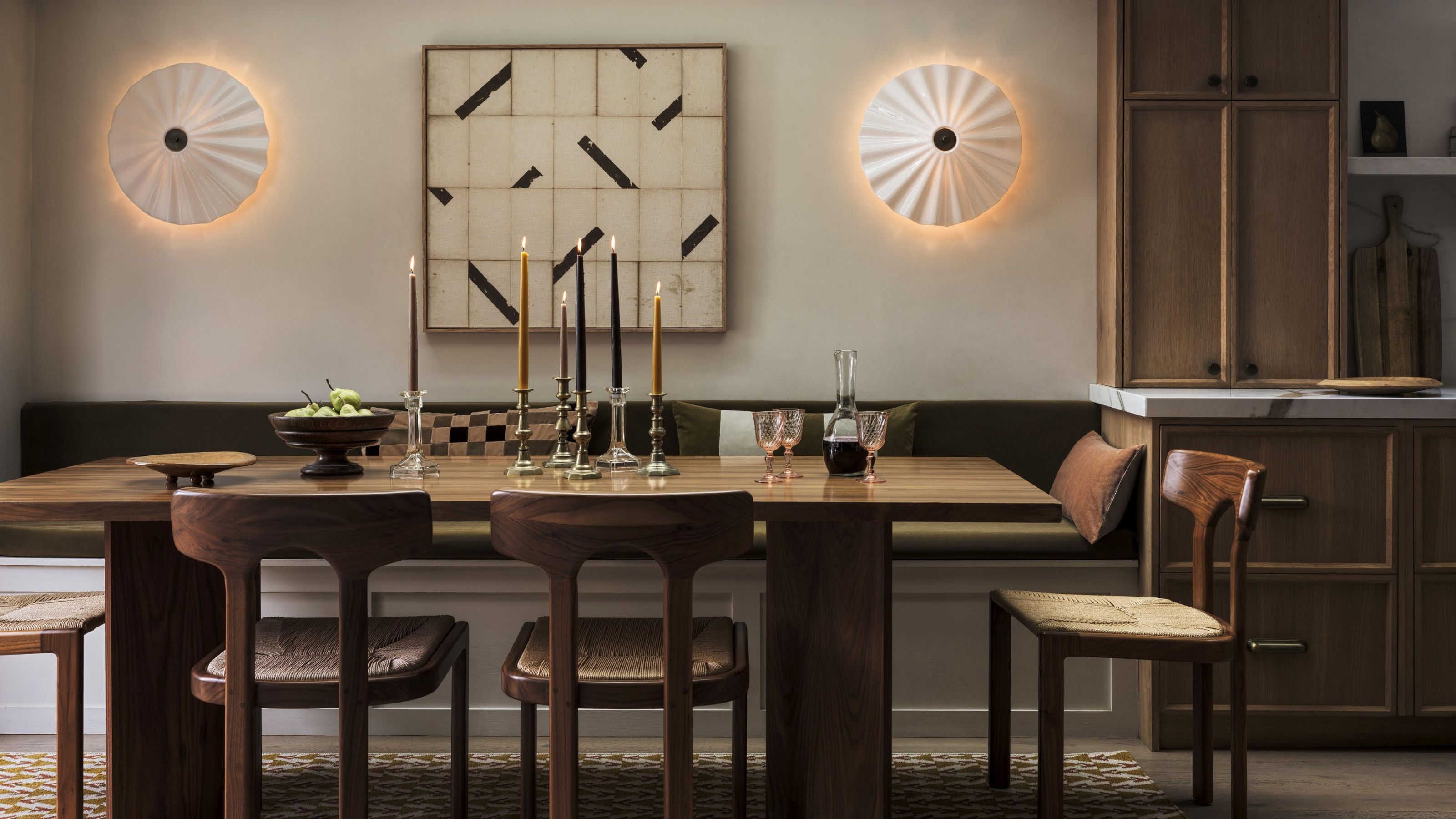
Let There Be Light — 10 Lighting Tricks That Will Transform Any Dark Room Into A Warm and Inviting Space
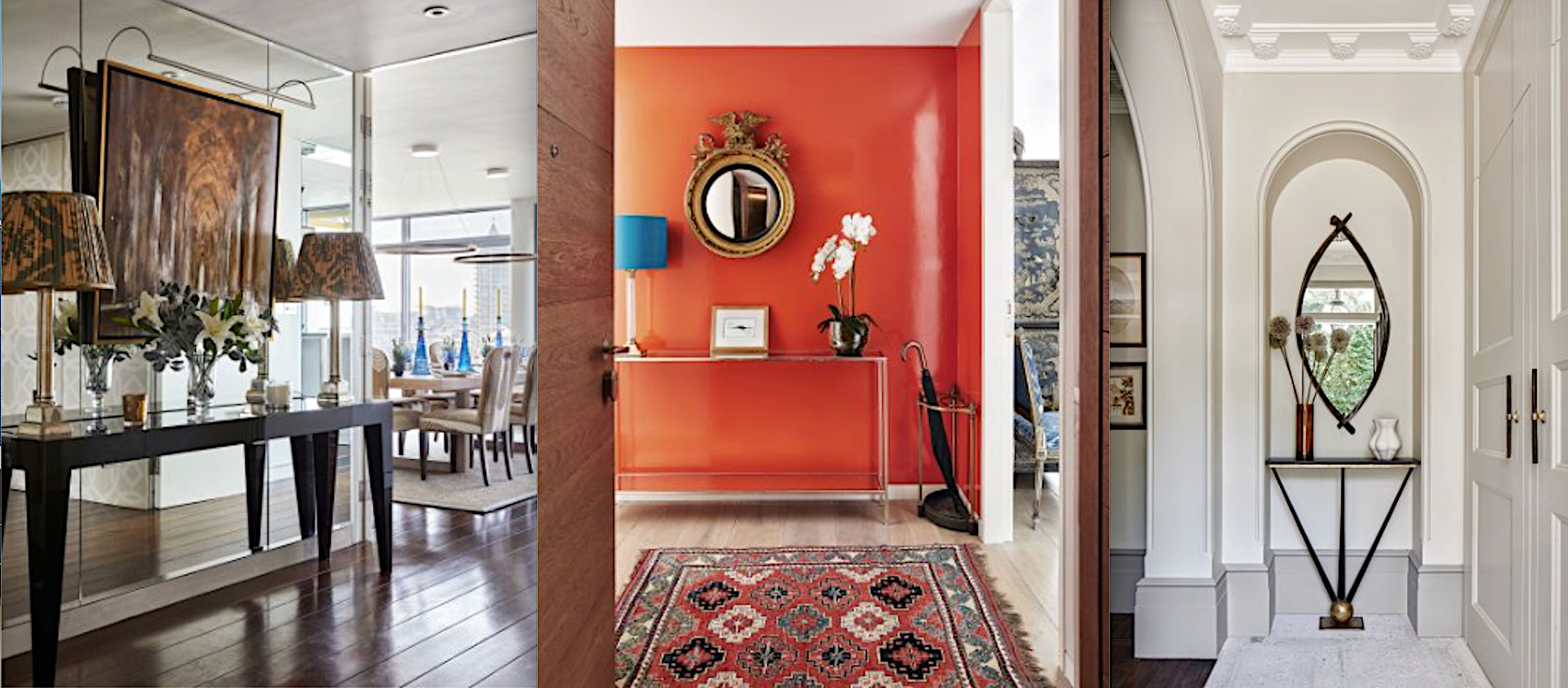
Hallway mirror ideas – 10 ways to brighten your entryway

25 Dark Hallway Ideas No One Shares Because Once You See One Done Right, You Want One

Hallway decor ideas to make your space look amazing

Hallway lighting ideas – 10 tips for illuminating your home's entrance
10 Ways to Brighten a Dark Room, According to Interior Designers

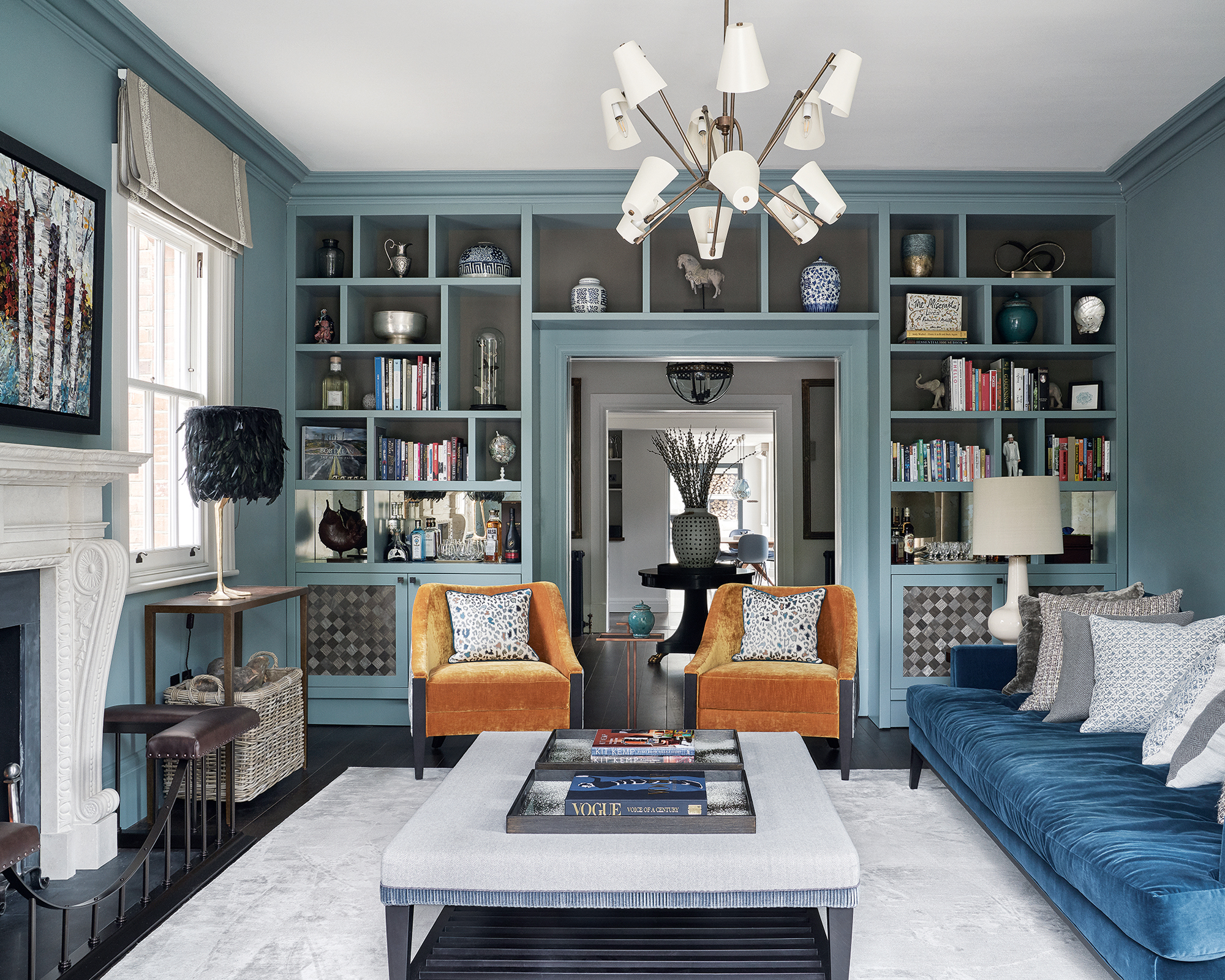
Lighting a dark room – 10 top tips from experts
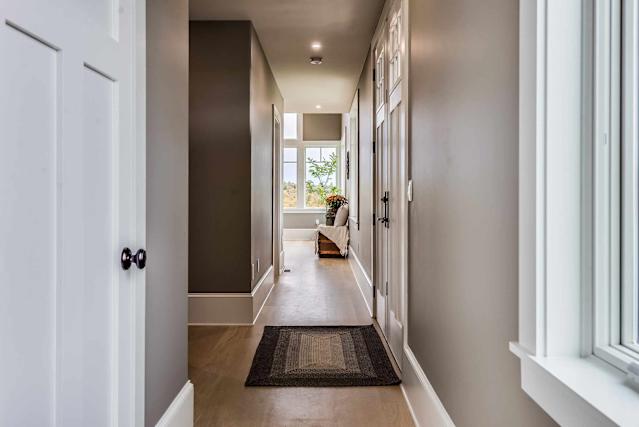
6 Things That Always Make Your Hallway Feel Narrow, According to Designers

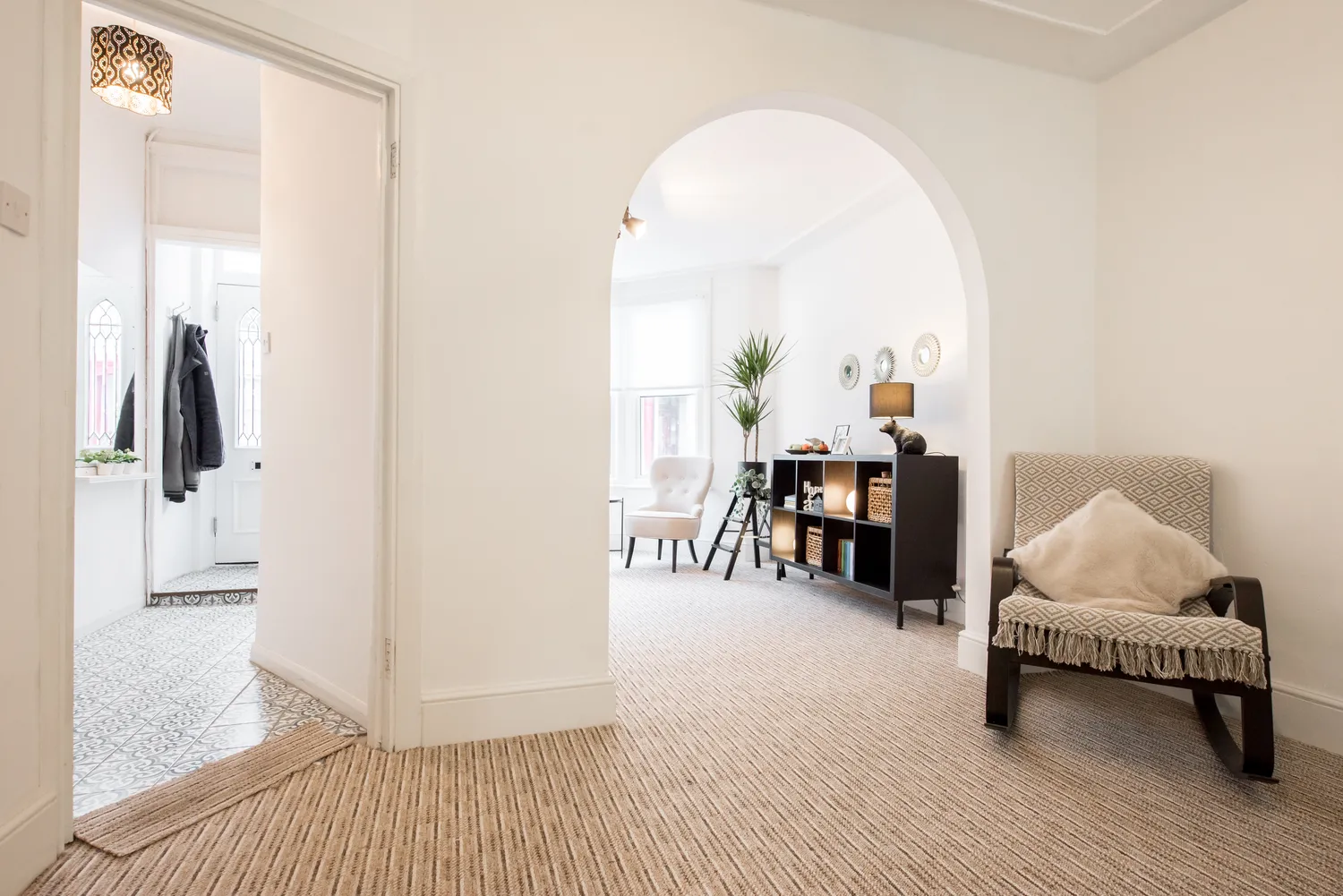
These Simple Paint Tricks Can Make Even the Darkest Hallway Feel Bright

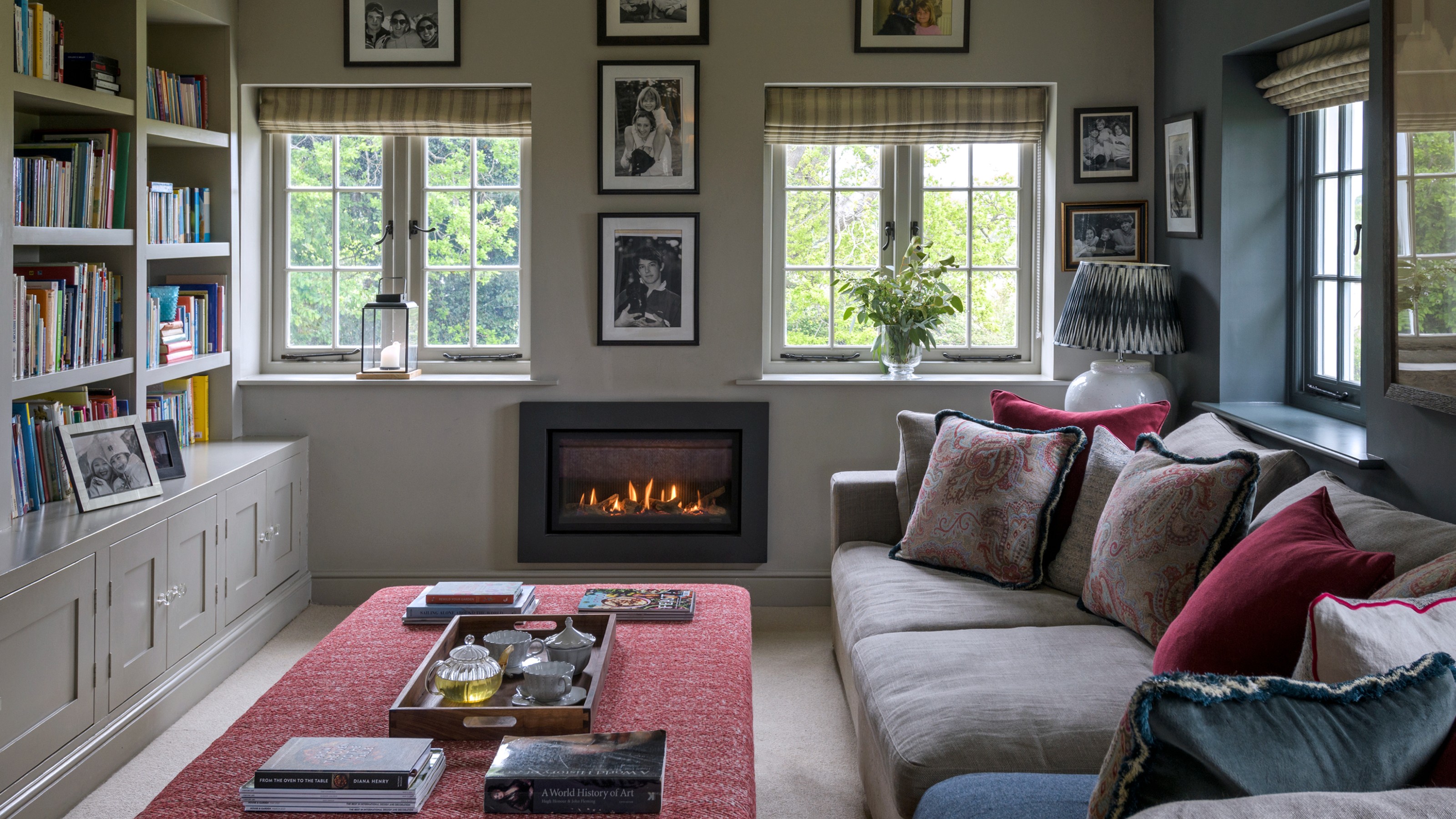
How to brighten a dark living room – 6 ways to make a dingy lounge feel light and airy
So You Live in a Lightless Cave. Here’s How to Create the Illusion of Sunshine

How to make a living room lighter – an interior designer's 10 tips for a creating brighter space

These lighting ideas help make hallways safe for all

How to fake natural light in a dark room - 5 design tricks to brighten up a gloomy space
How to give your hallway a stylish makeover
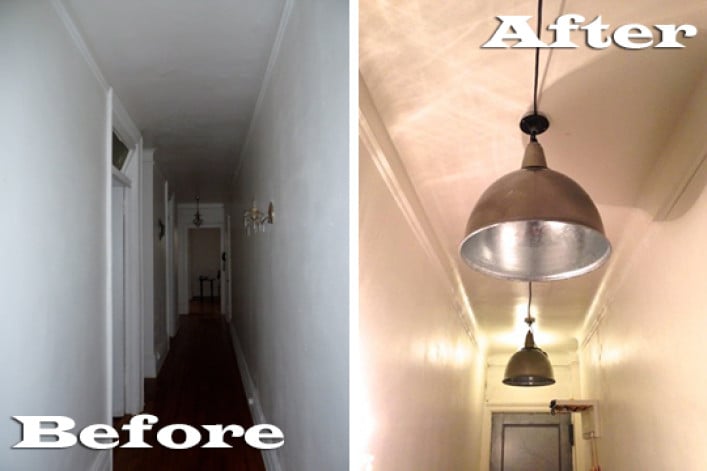
Brighten up a long, dark hallway with a DIY facelift