1/4
6 Things That Always Make Your Hallway Feel Narrow, According to Designers
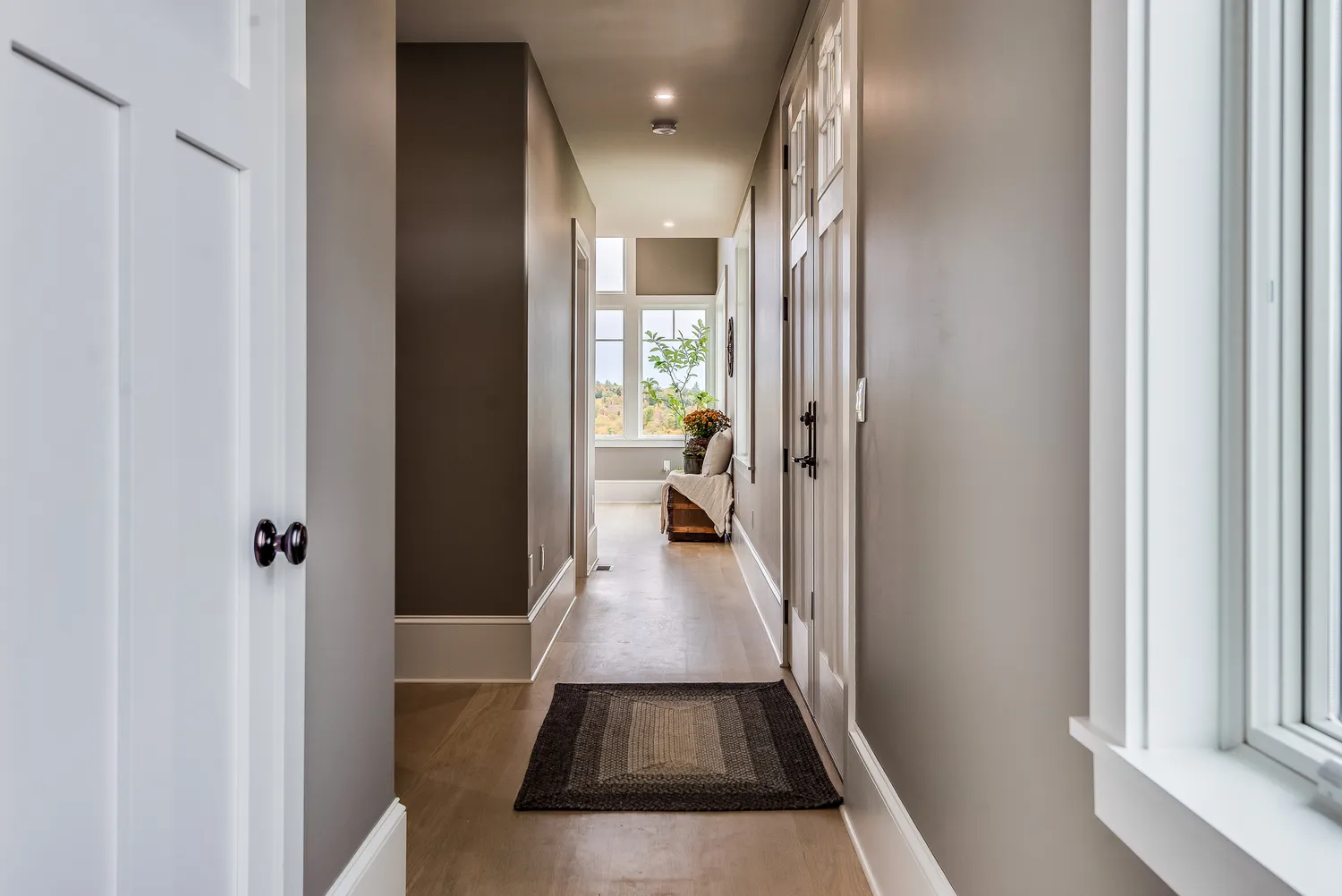
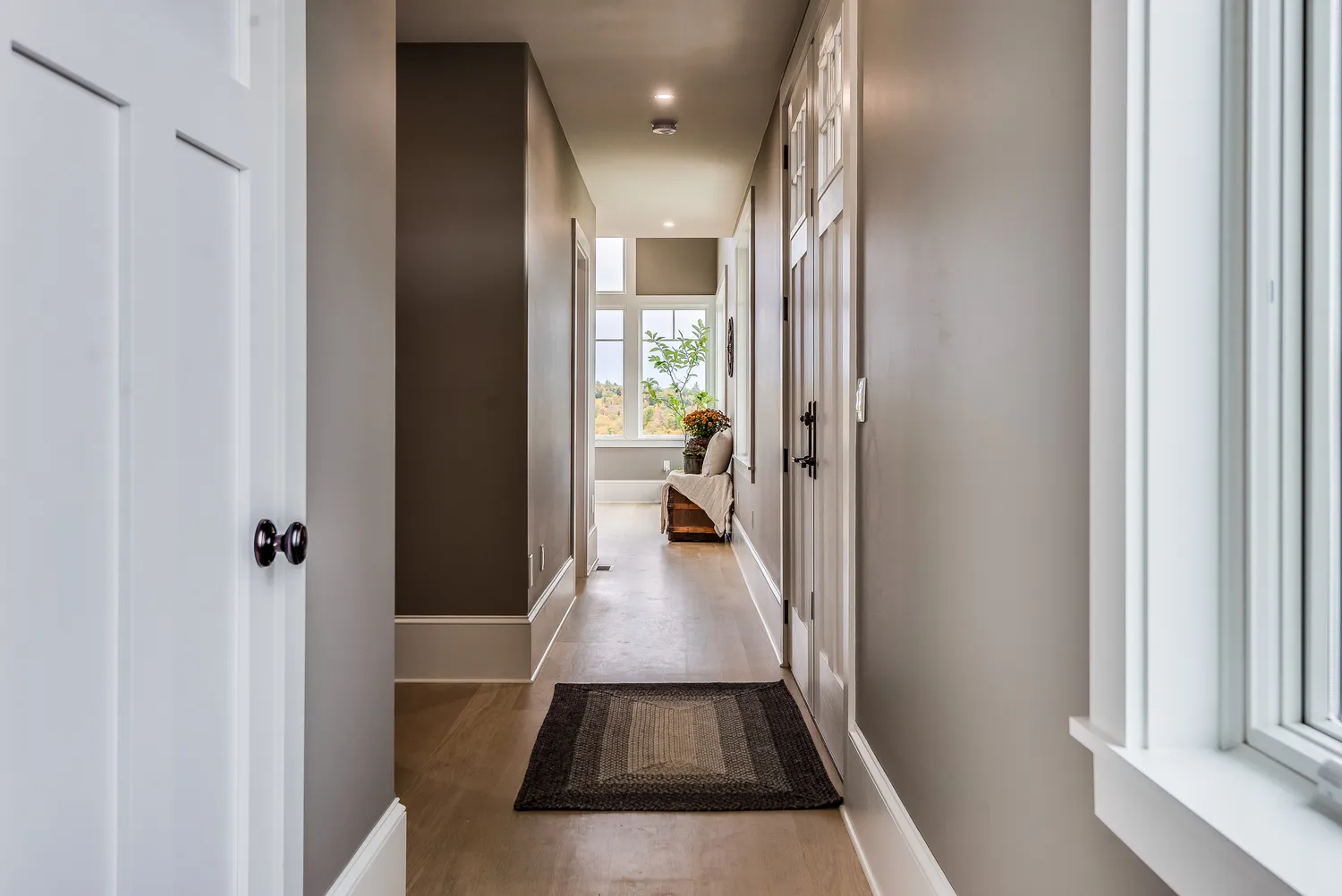
Hallways, despite their small proportions, are frequently used spaces within a home, making their design crucial for both aesthetics and functionality. Decorating hallways presents a unique challenge, requiring a balance between restraint and expression to avoid making them appear smaller than they already are. Interior designers Leisha Norman, Cayley Scrooby, and Susie Novak offer insights into common design pitfalls that contribute to a cramped hallway feel and provide practical solutions to enhance the sense of space.
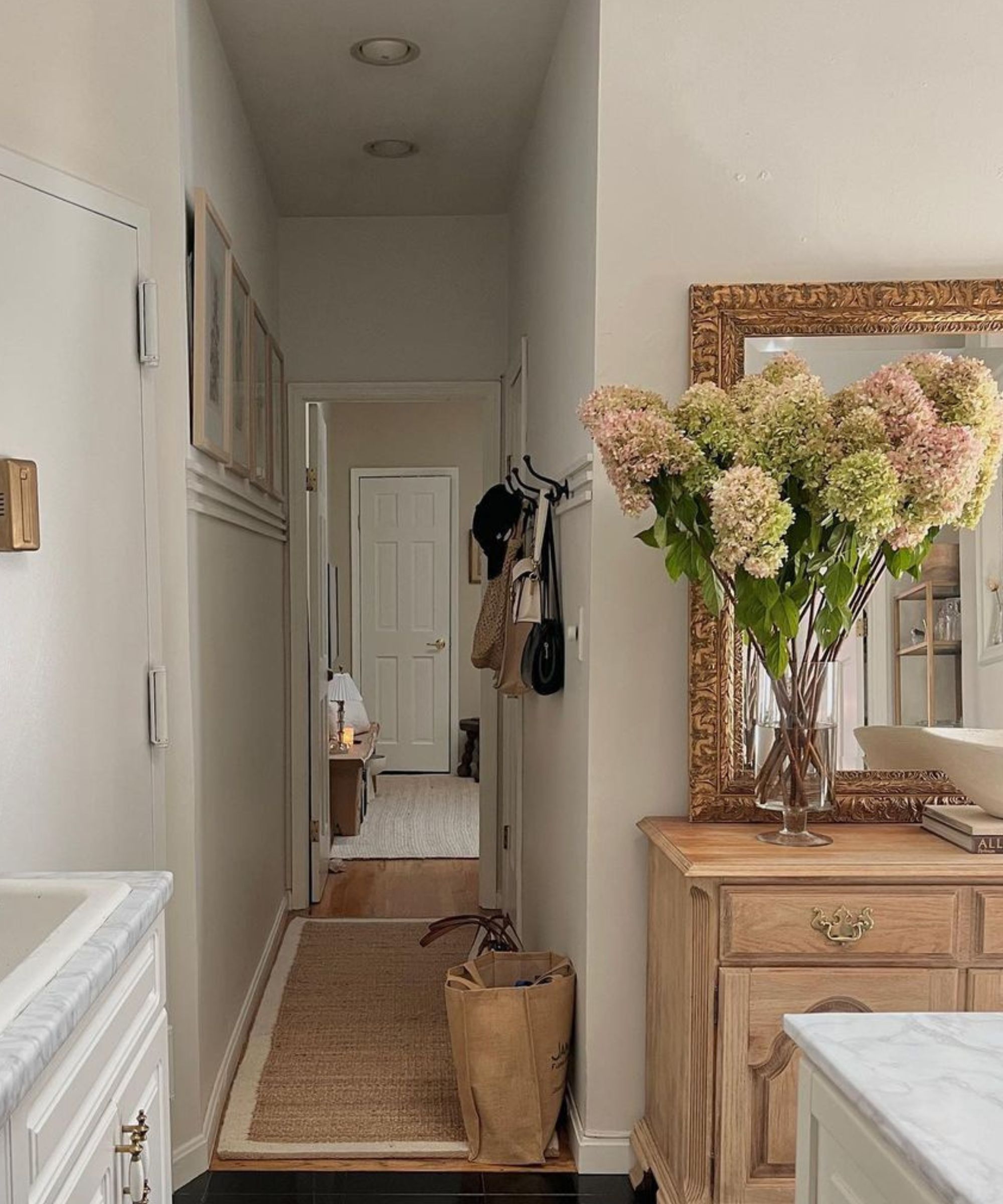
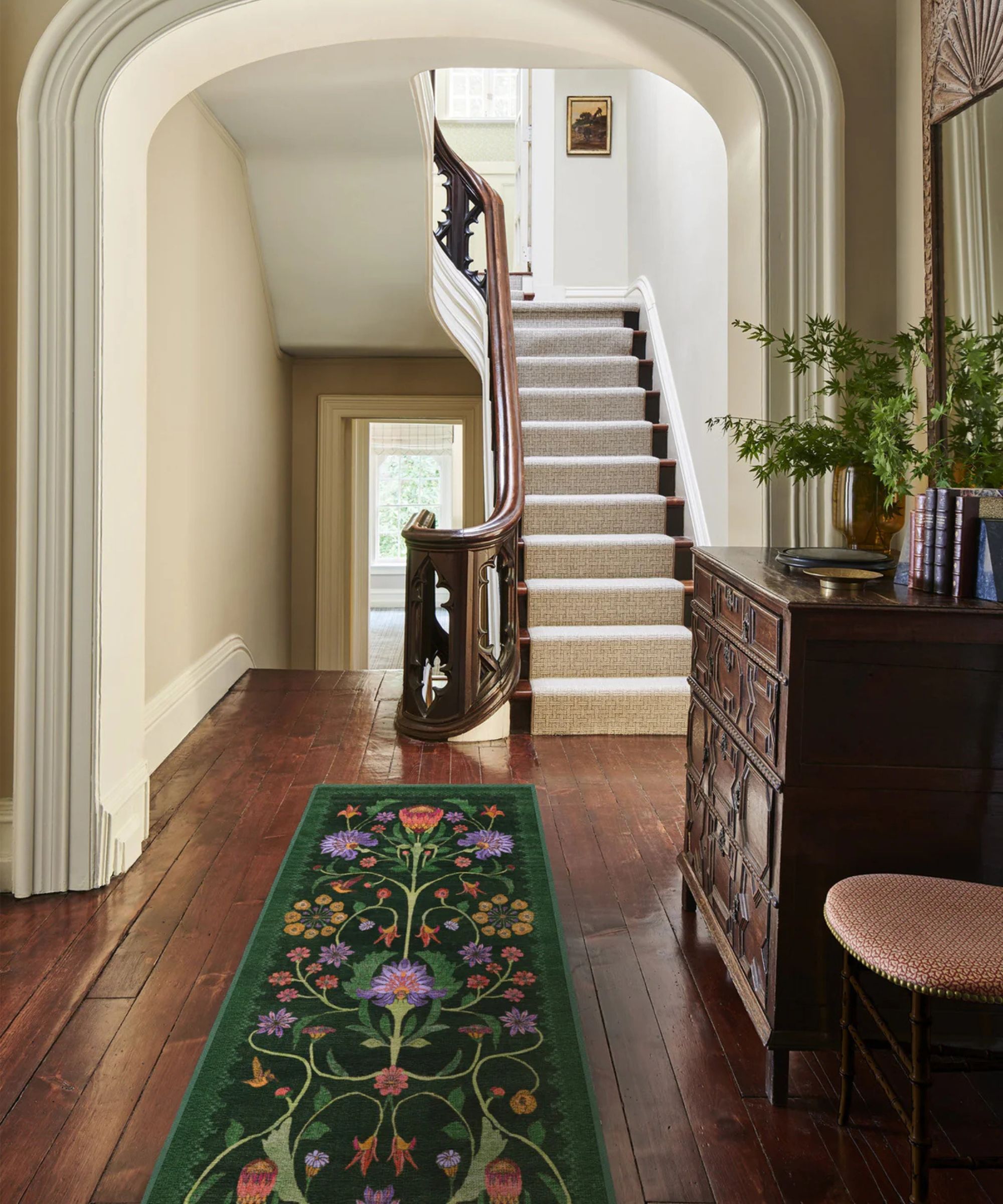
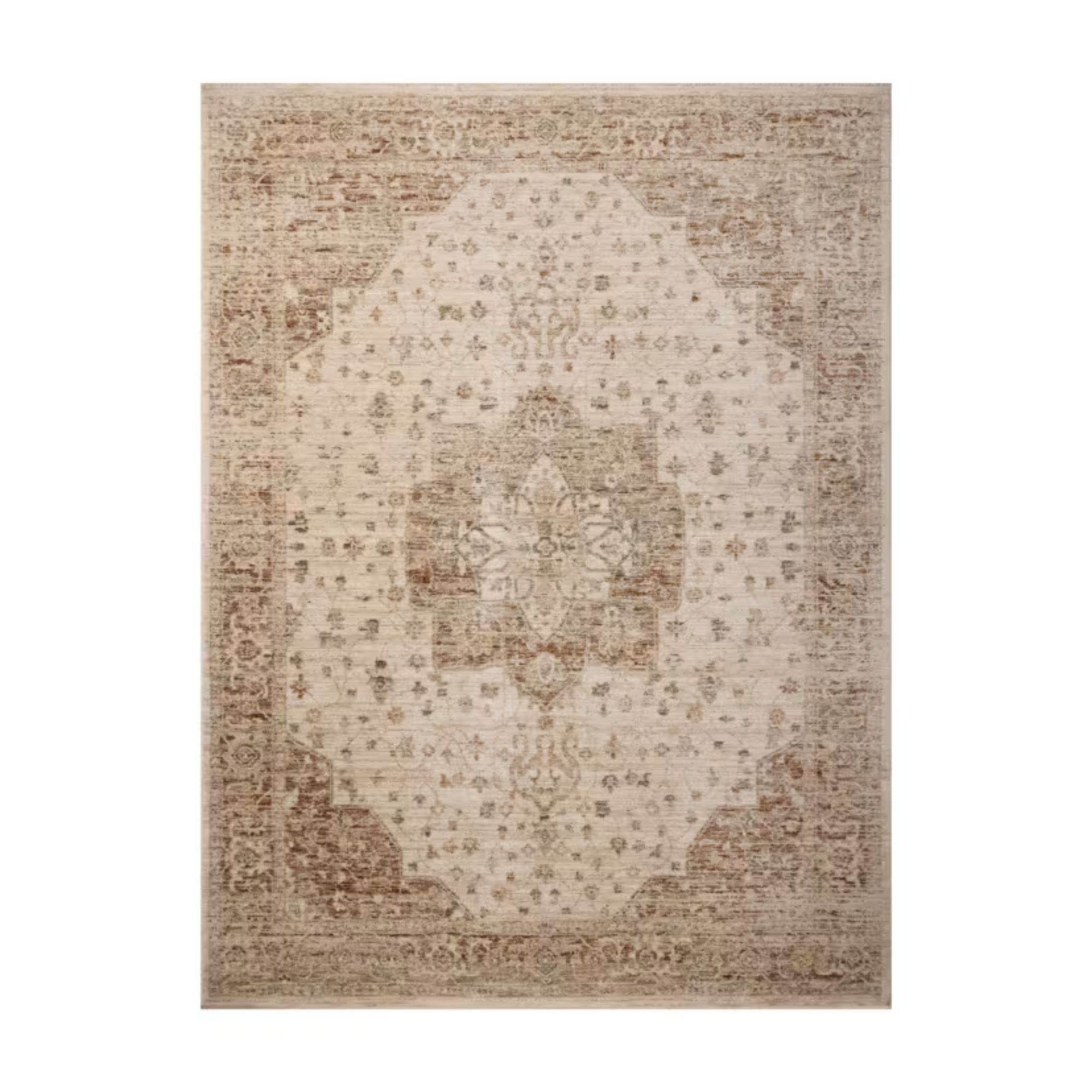
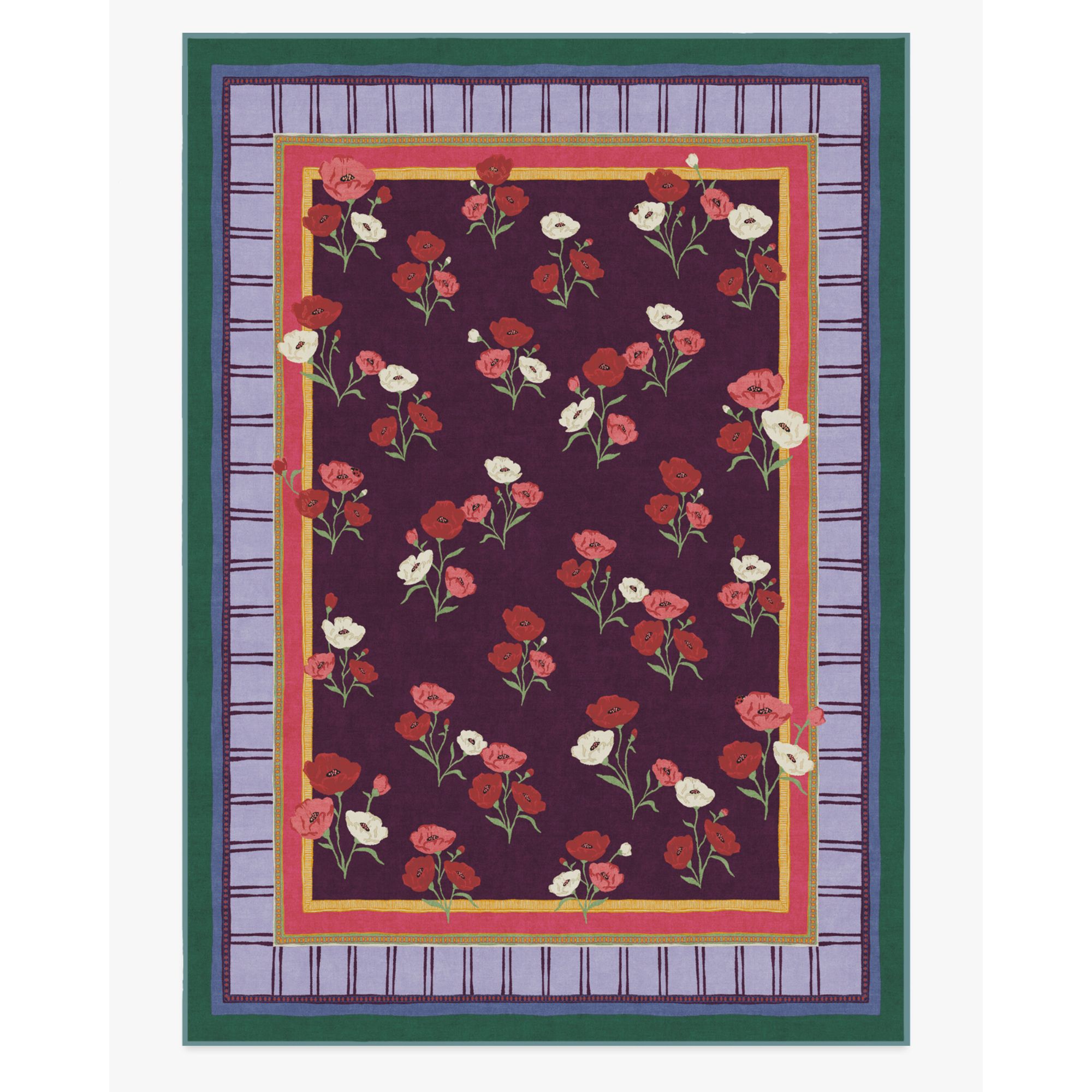
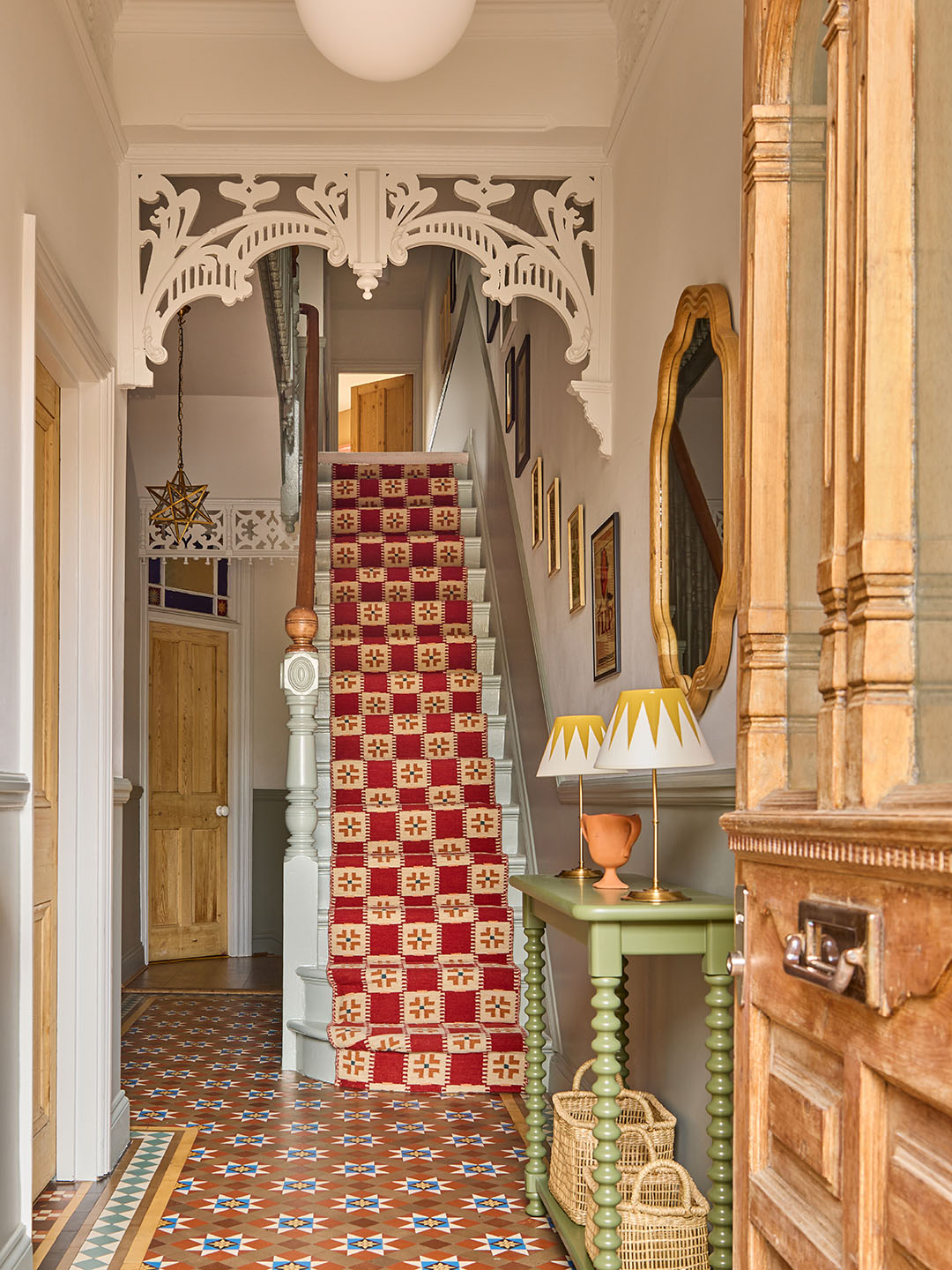
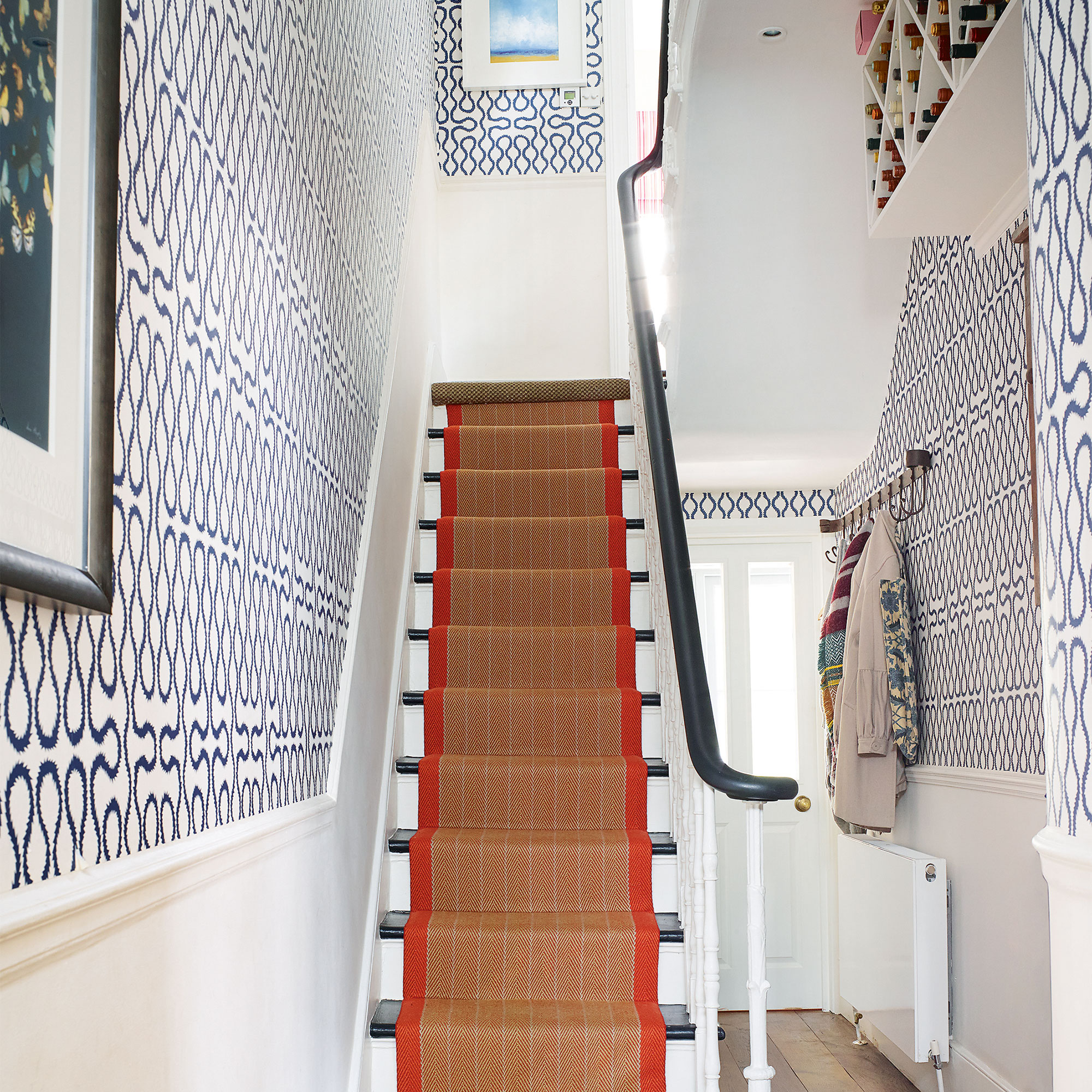
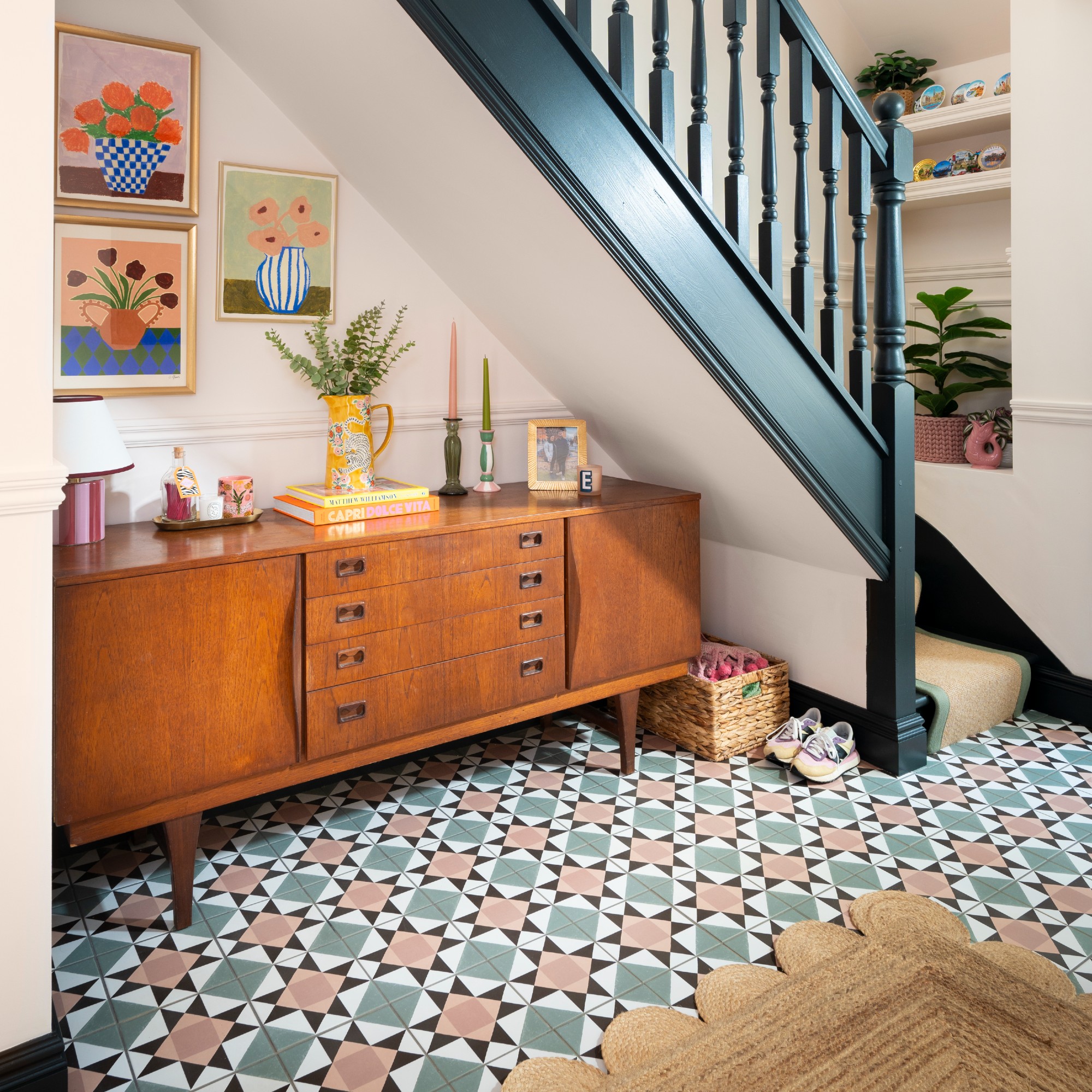
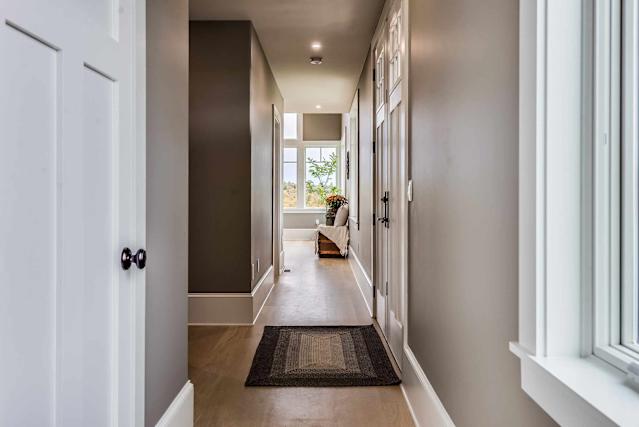
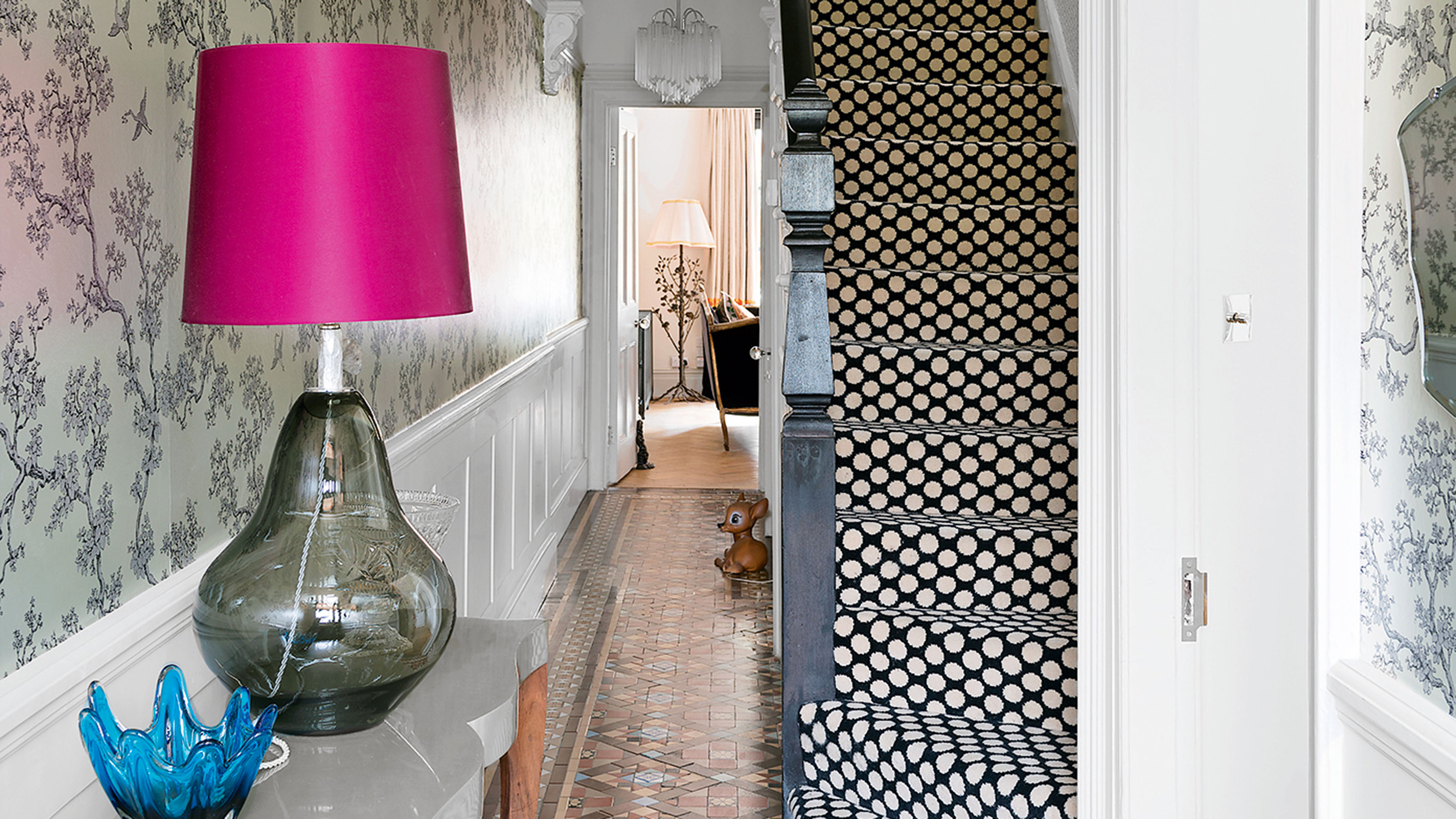
One significant factor contributing to a narrow hallway is the use of dark carpets or runners. These elements can visually 'suck up light' and create a 'tunnel effect,' as noted by Leisha Norman, making the space feel shorter and more enclosed. To counteract this, lighter-colored floor coverings are recommended to brighten the area and expand its perceived width.
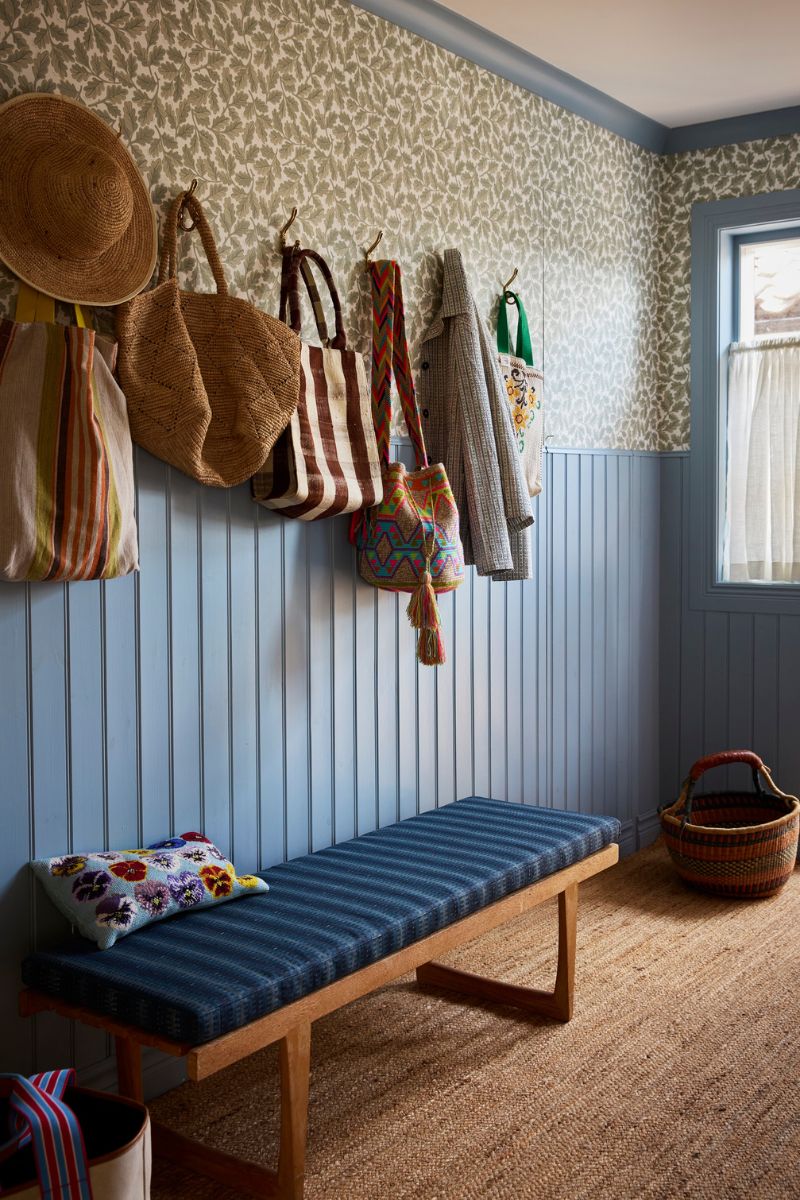
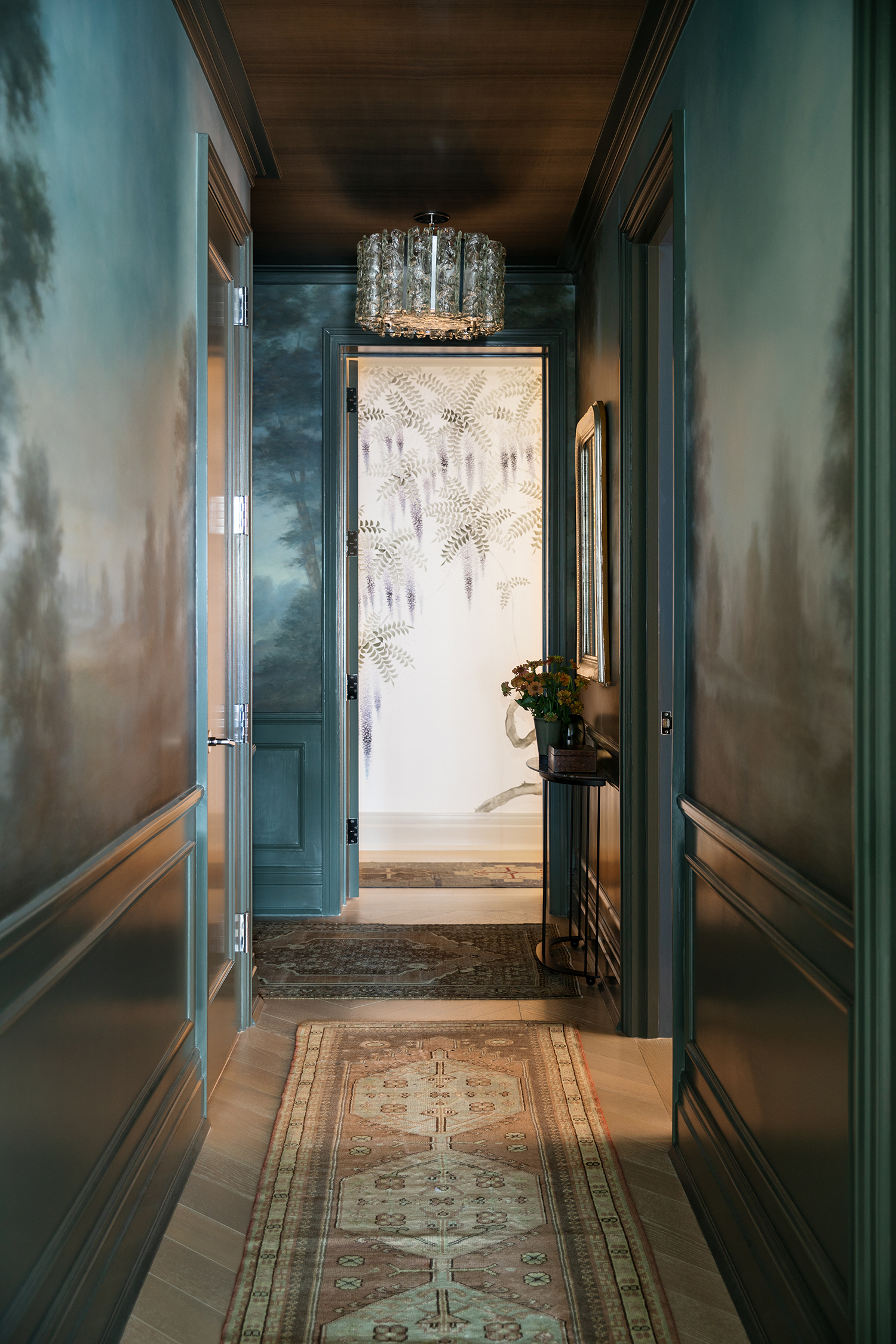
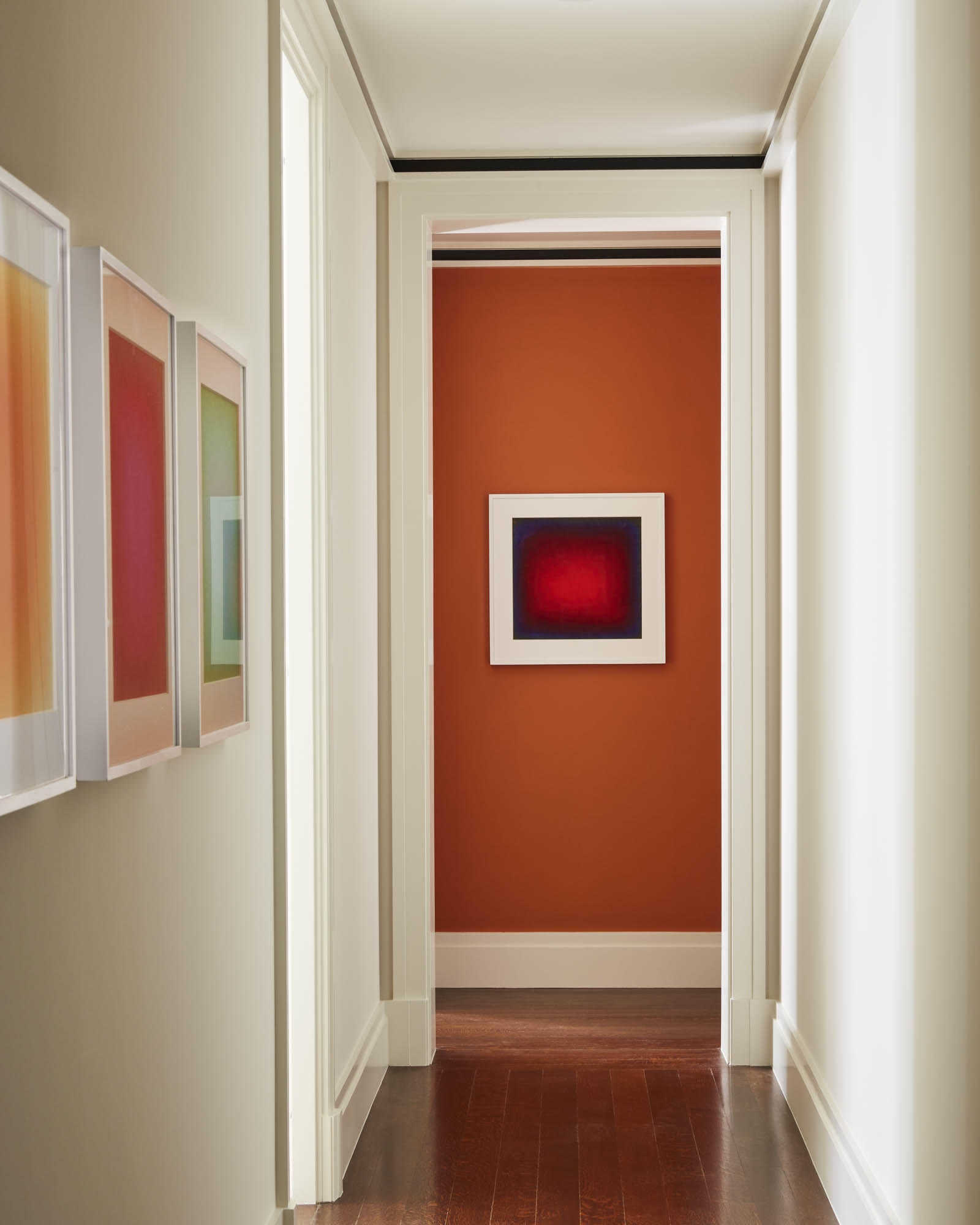
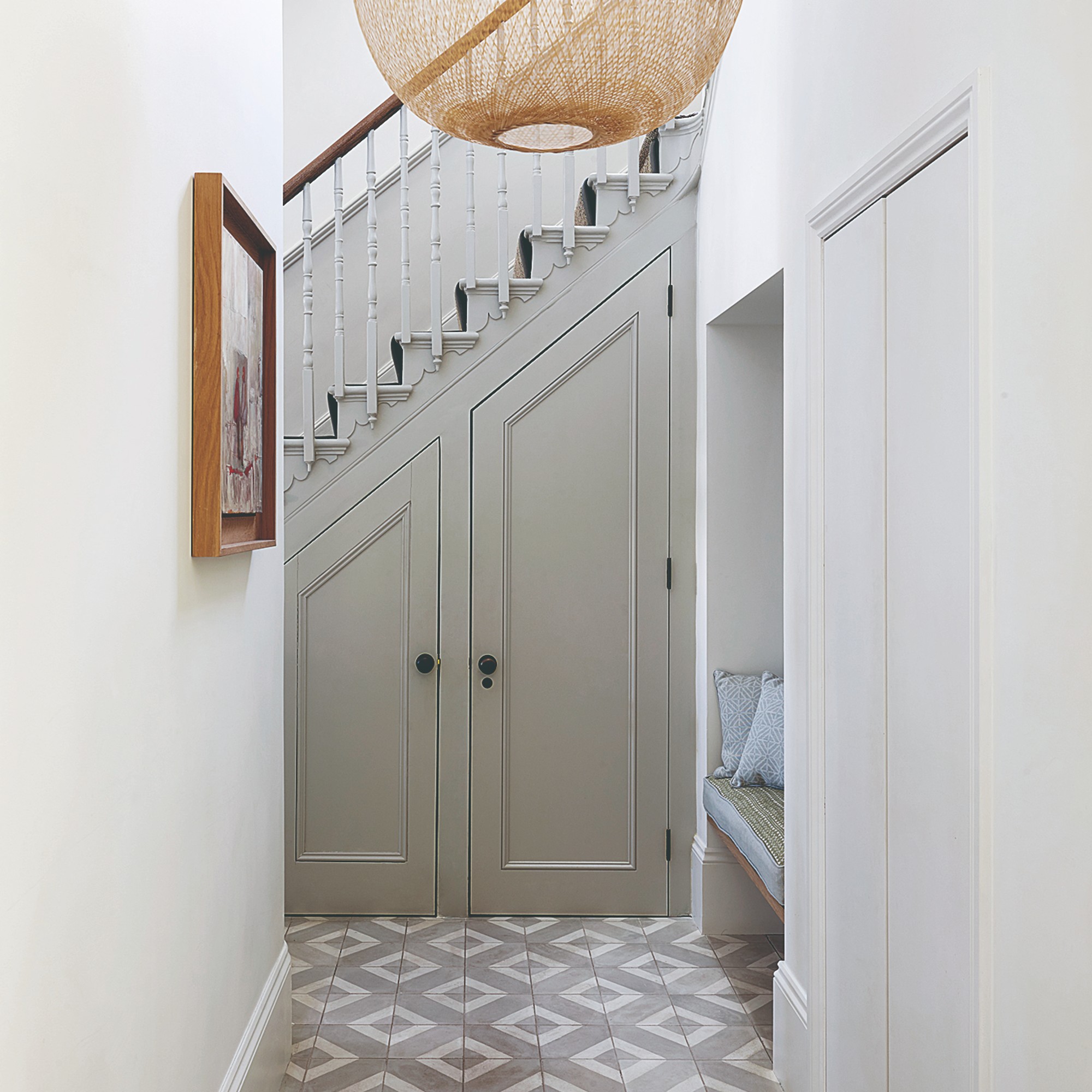
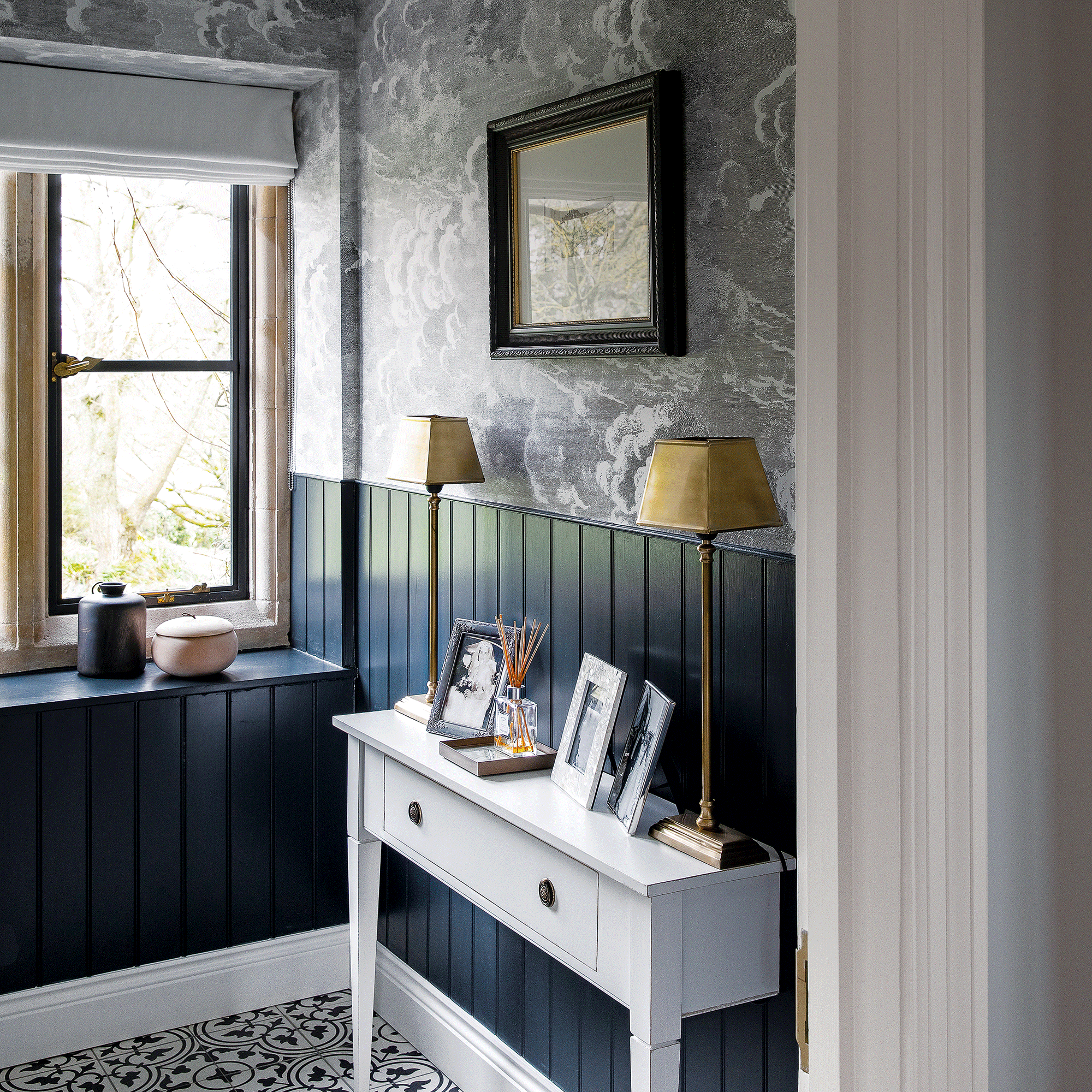
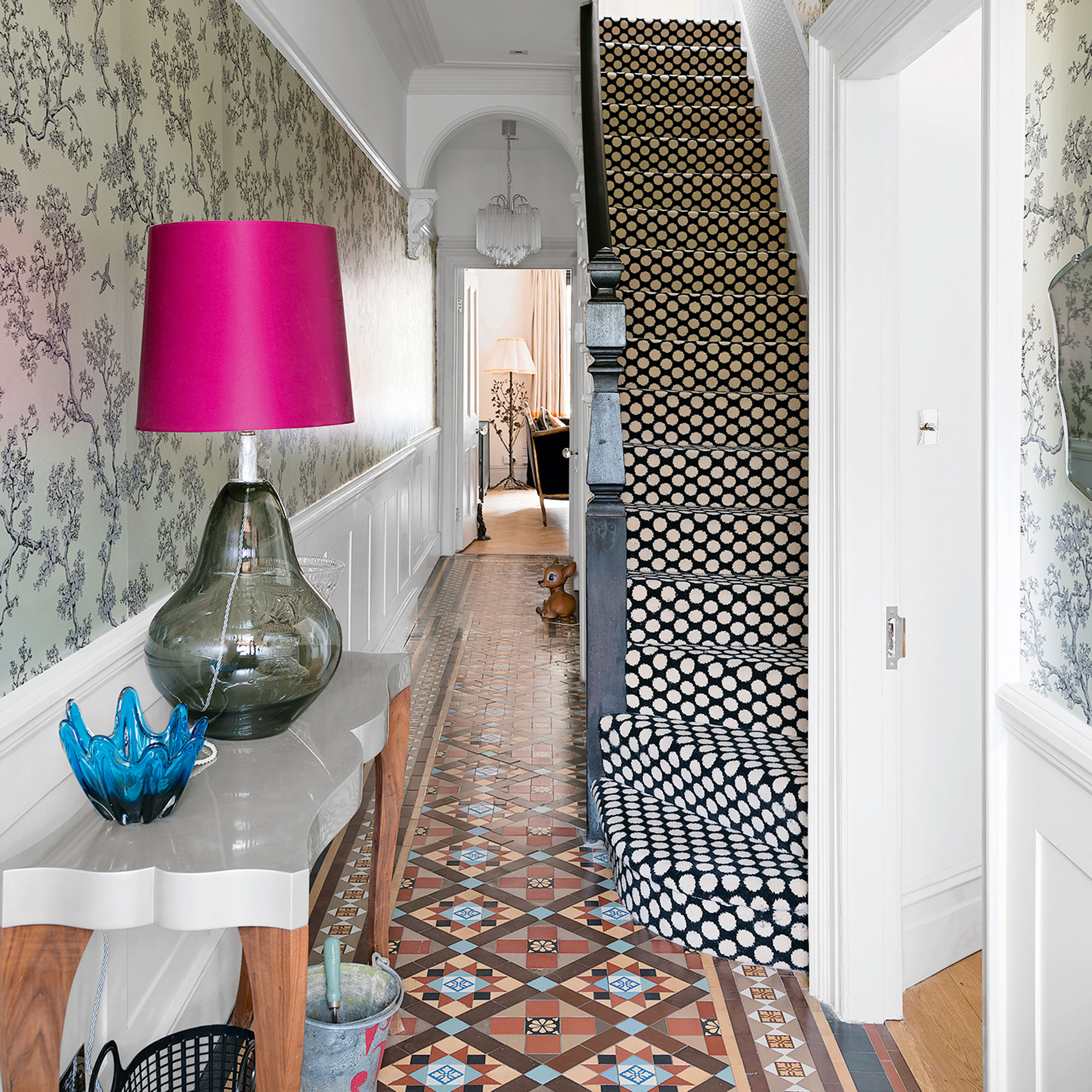
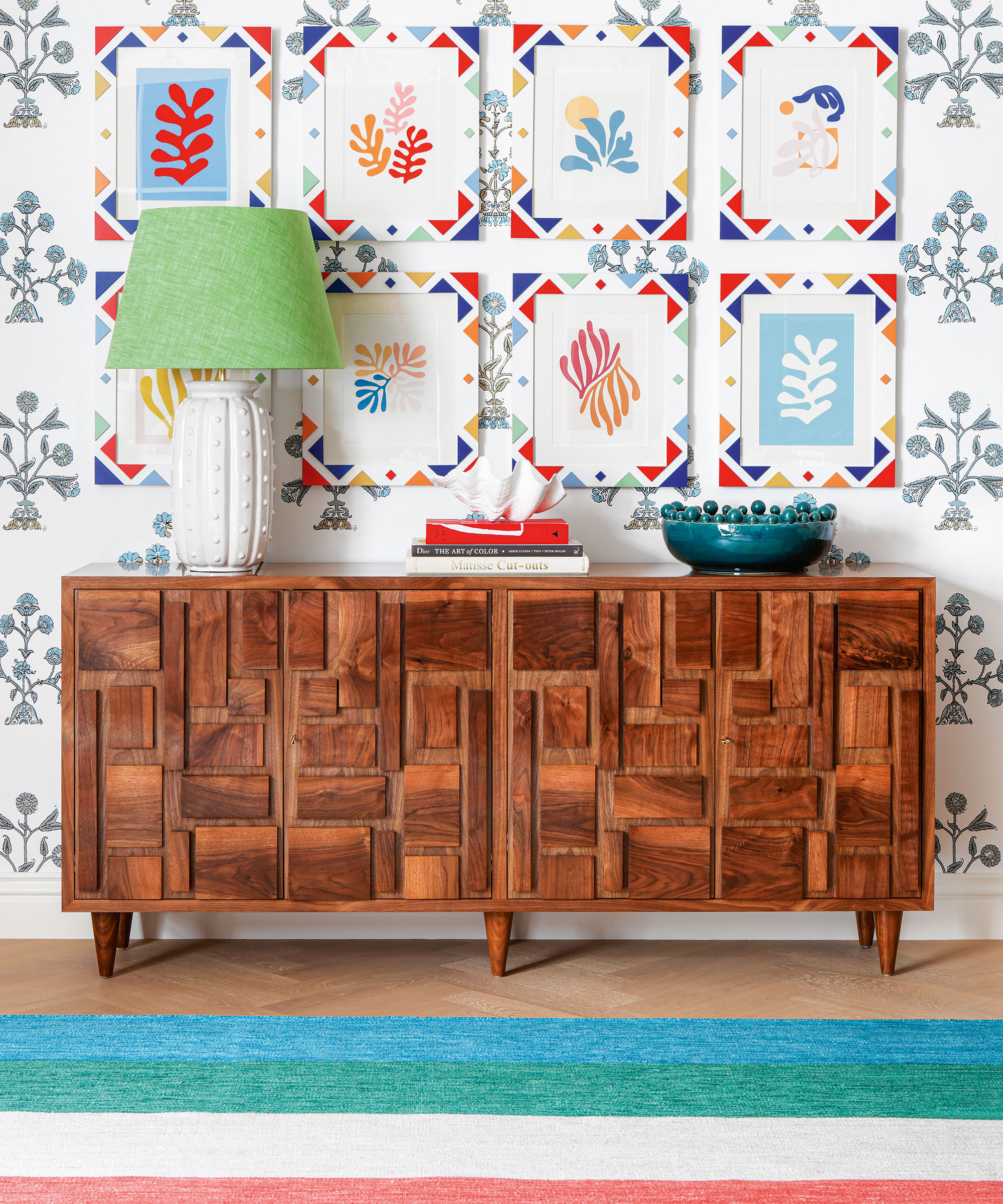
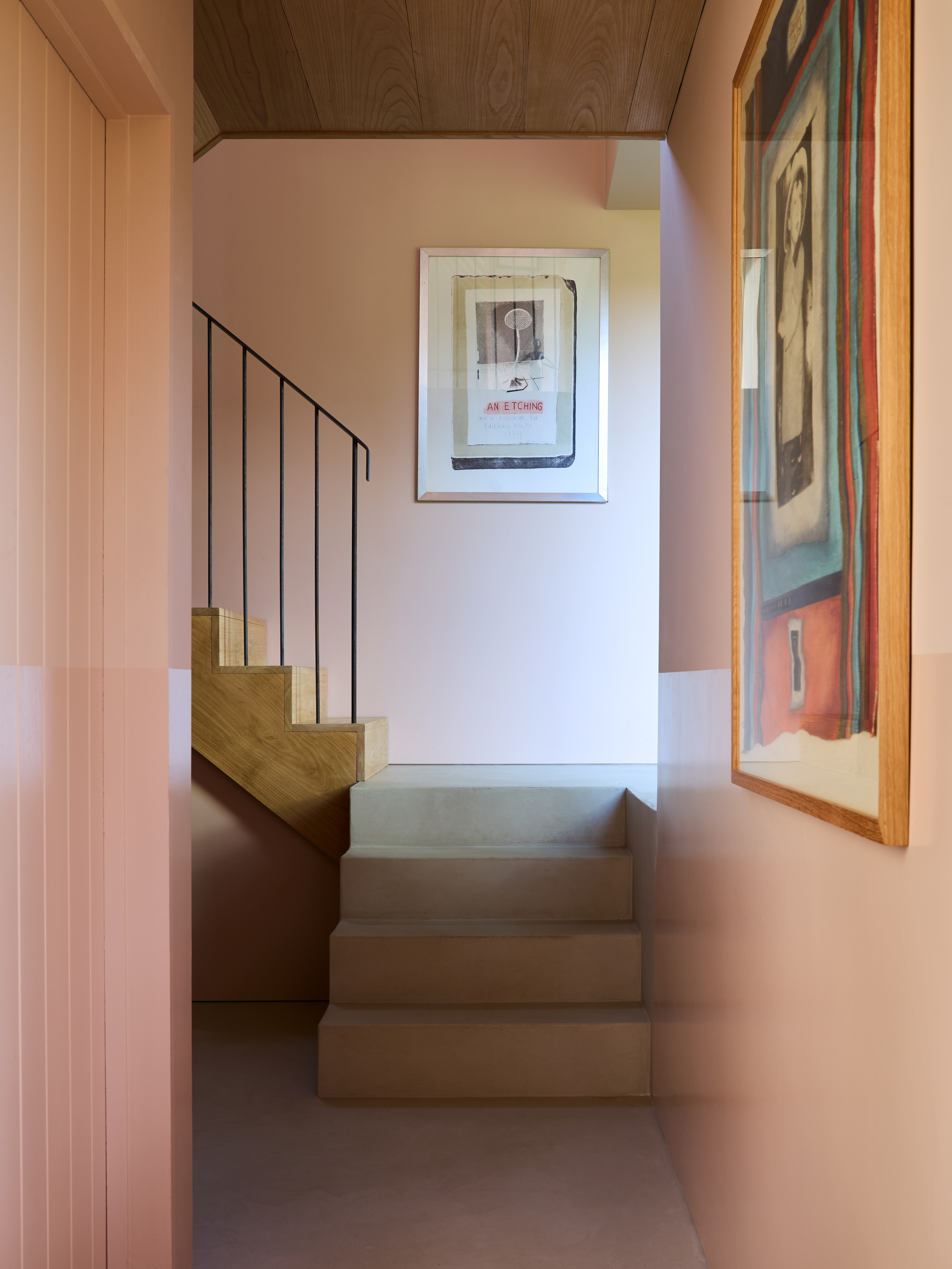
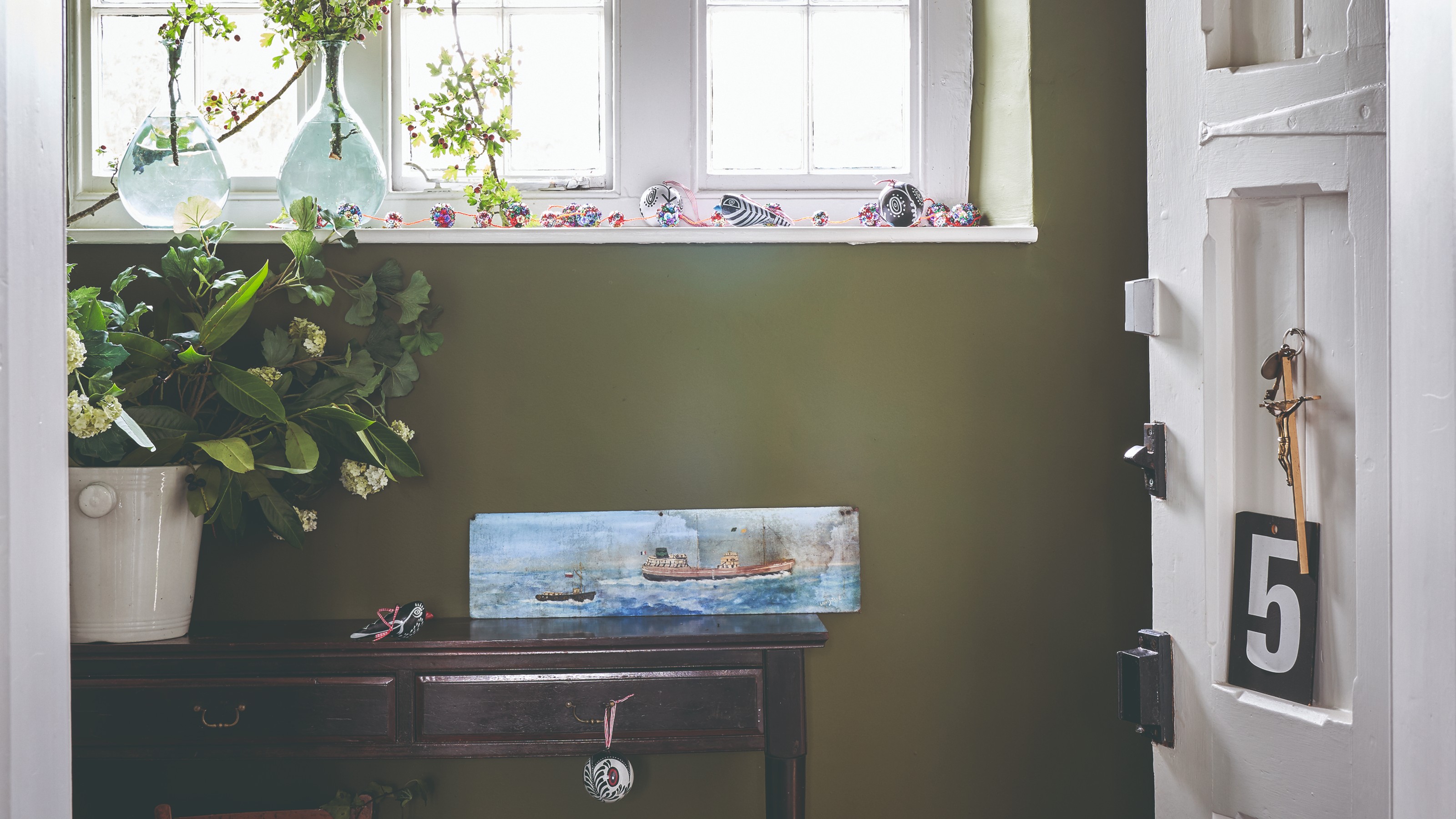
Bare walls are another common mistake. While the impulse might be to avoid clutter, completely plain walls offer no visual breaks or 'natural stopping points' for the eye, according to Susie Novak. This lack of variation can make a hallway feel even more tunnel-like. Solutions include adding paint treatments, trim, wainscoting, or strategically placed artwork and shelves slightly above eye-level to introduce visual interest and 'lift' the space.
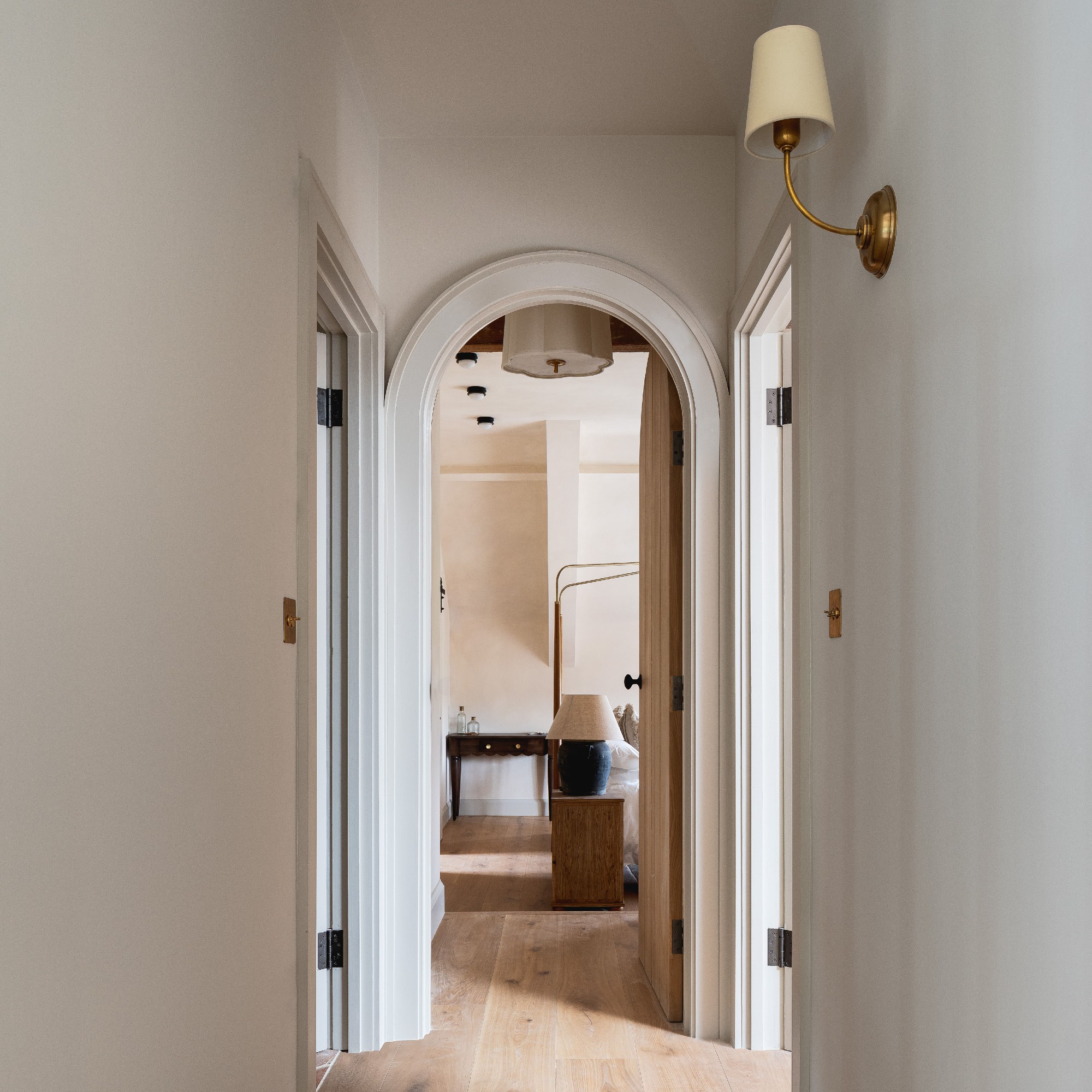
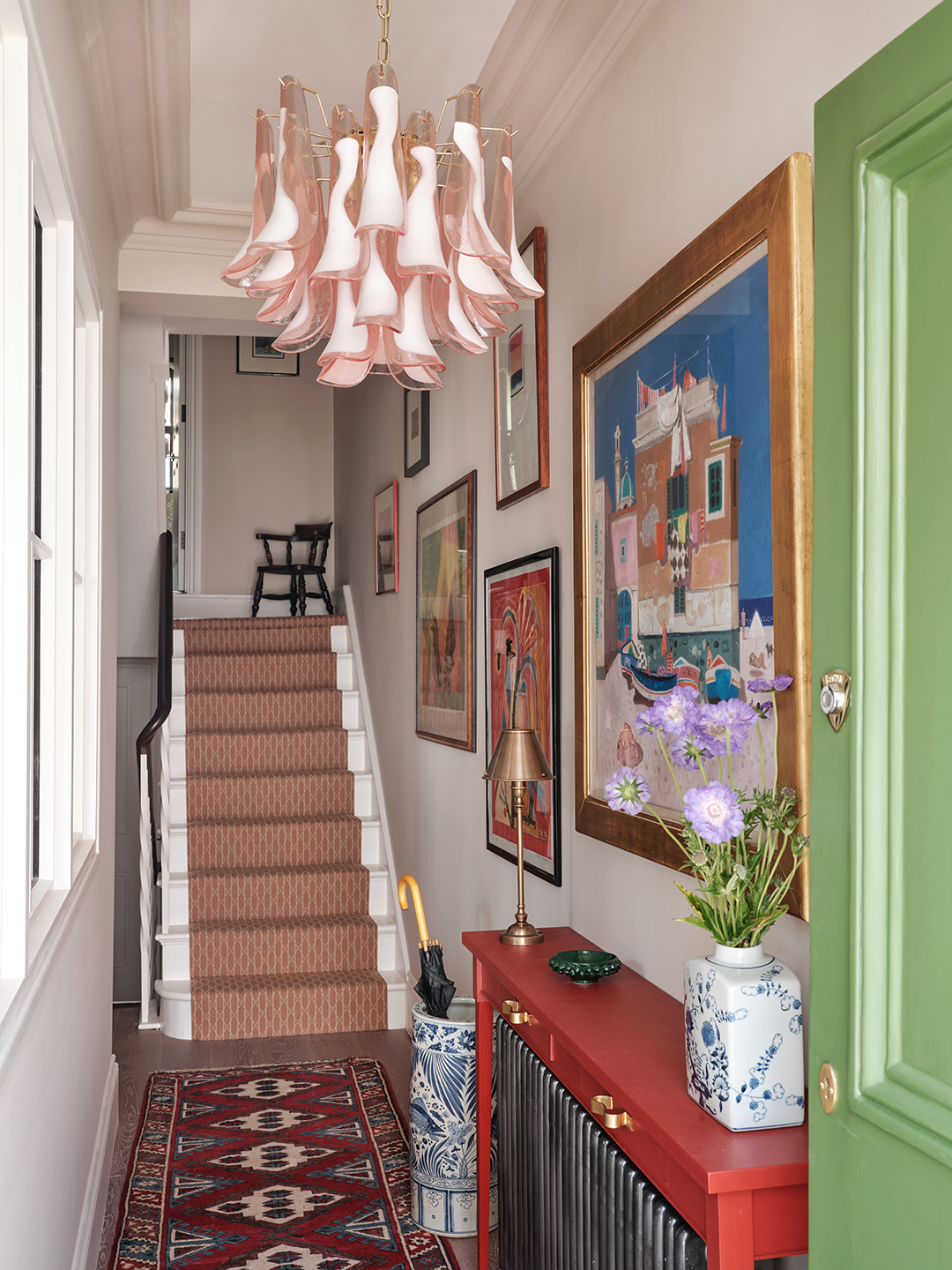
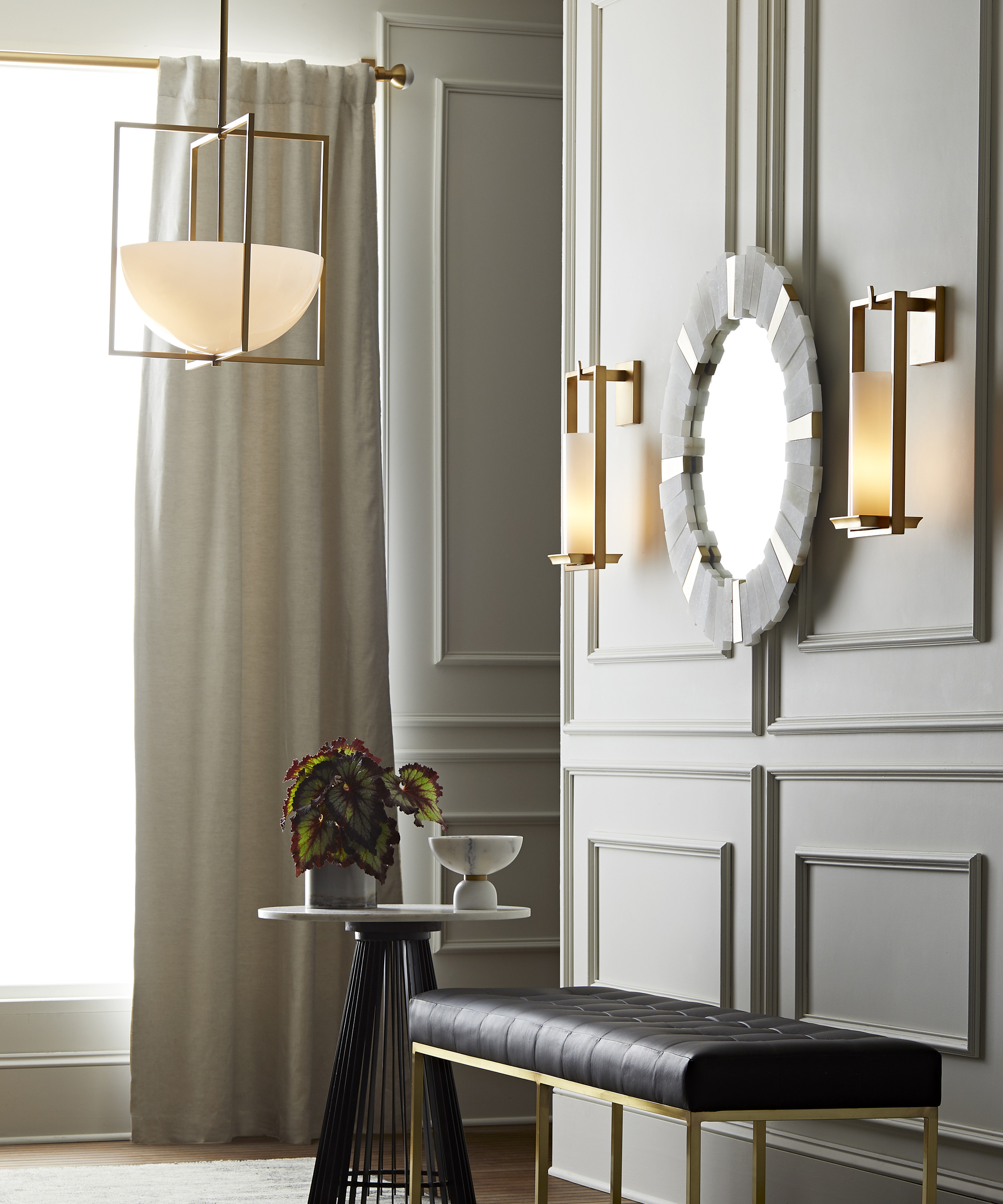
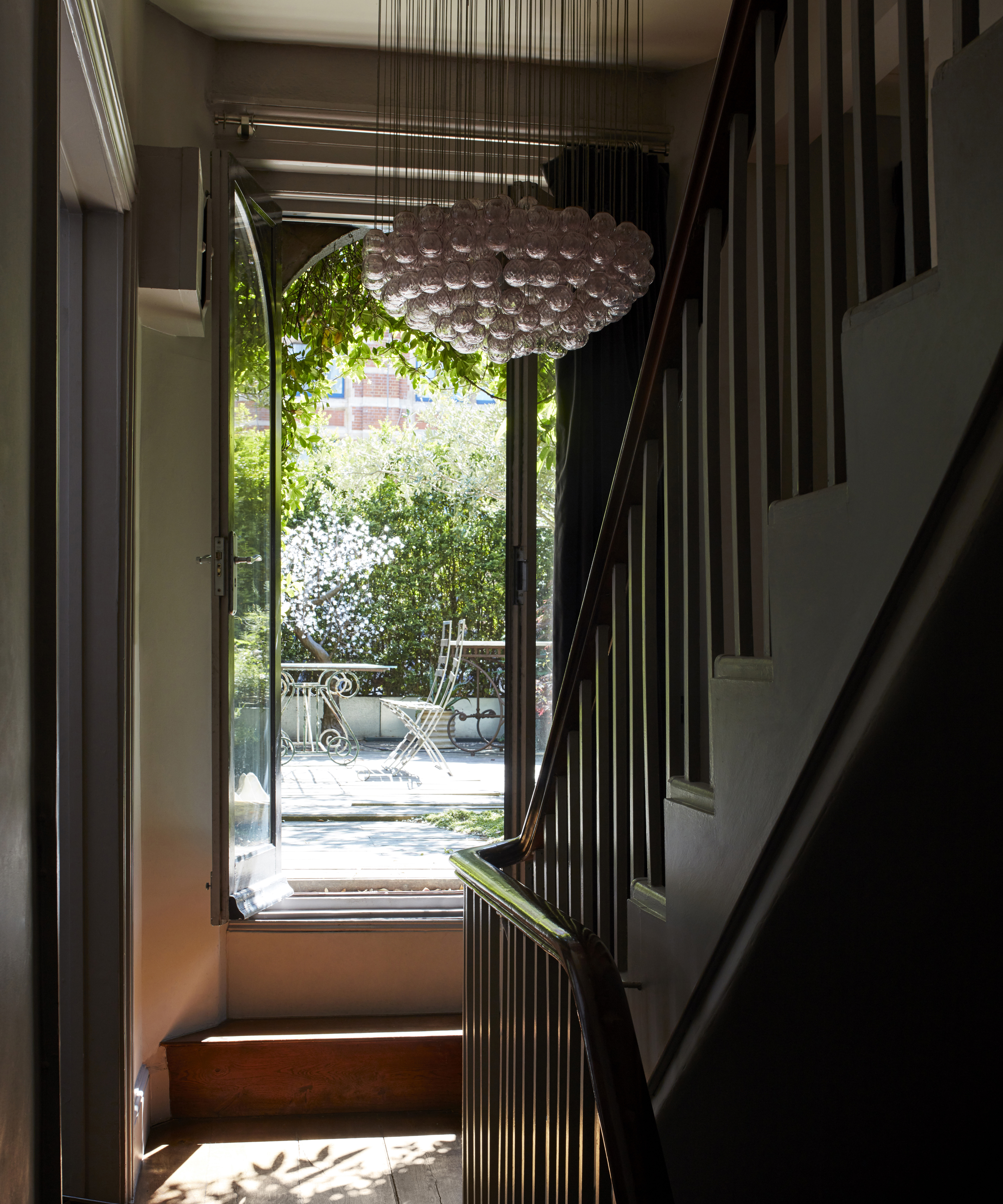
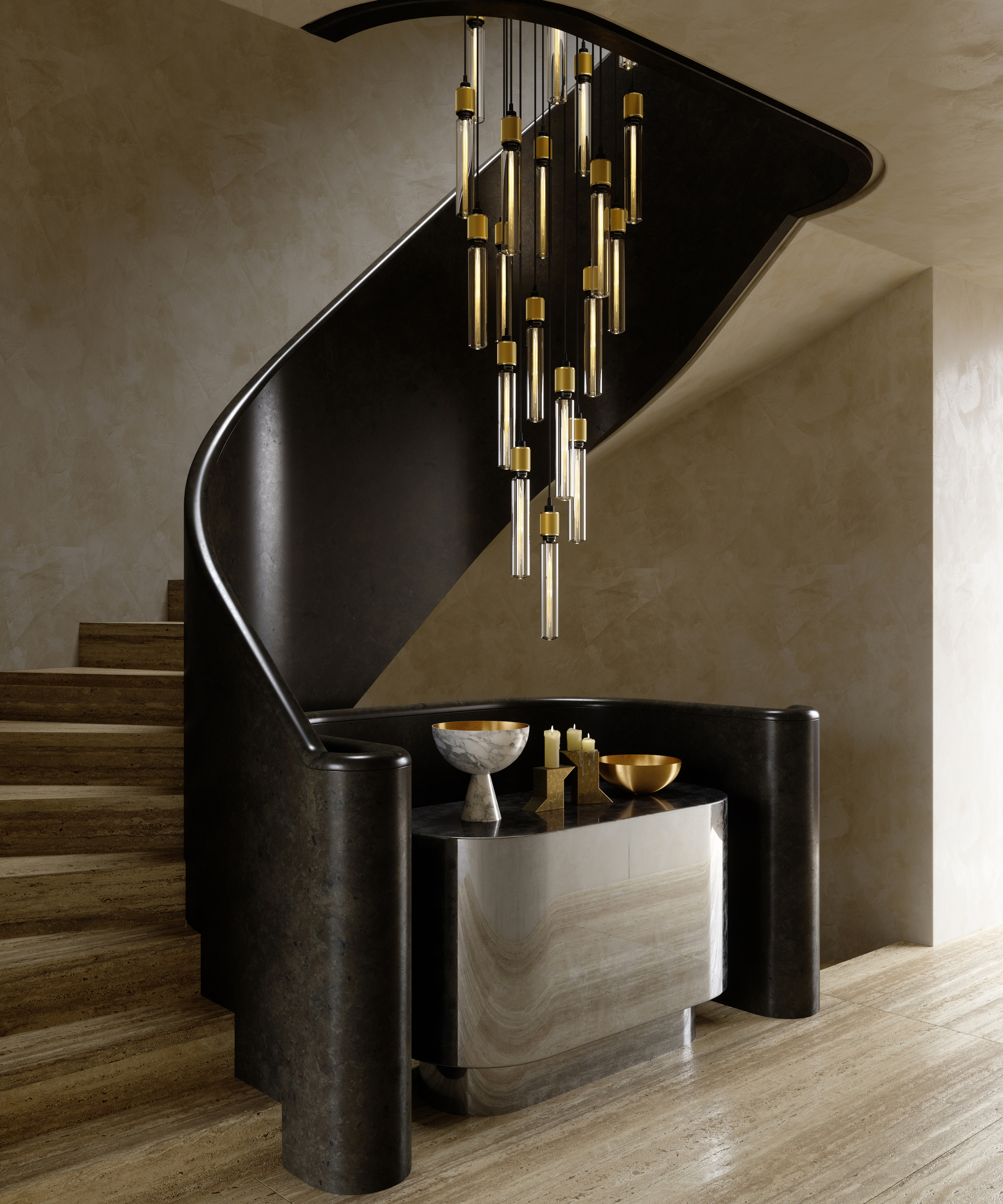
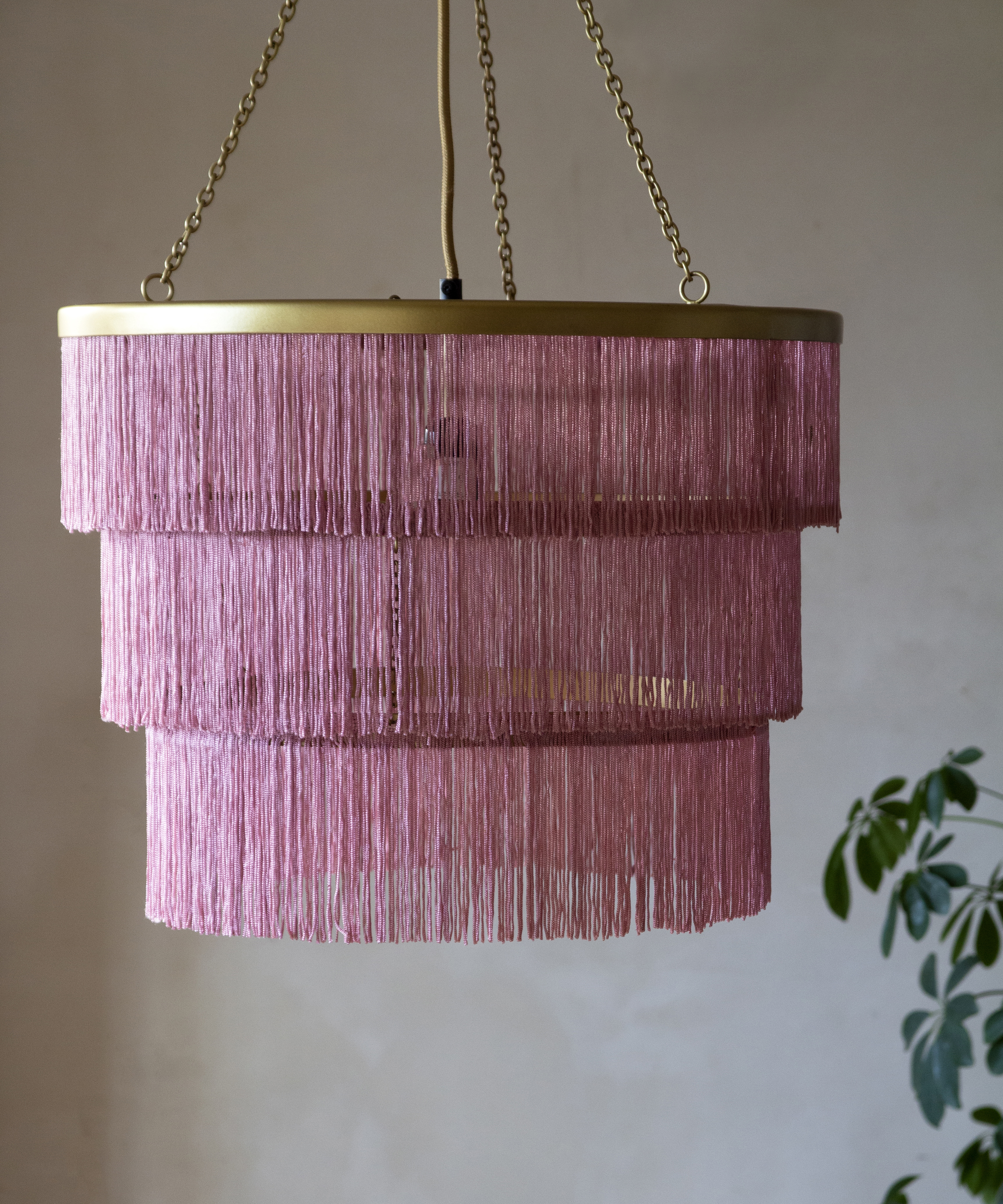
Lighting choices play a critical role in how a hallway is perceived. Relying solely on a straight line of overhead spotlights is detrimental because it directs the eye along the length of the corridor, emphasizing its narrowness. Instead, incorporating varied lighting, such as pendants or flush lights, can create a focal point and introduce atmospheric 'shadow play.' Layering lighting with wall sconces or LED strips further adds depth, while mirrors or reflective surfaces can bounce light and create the illusion of a larger area, as suggested by Cayley Scrooby.
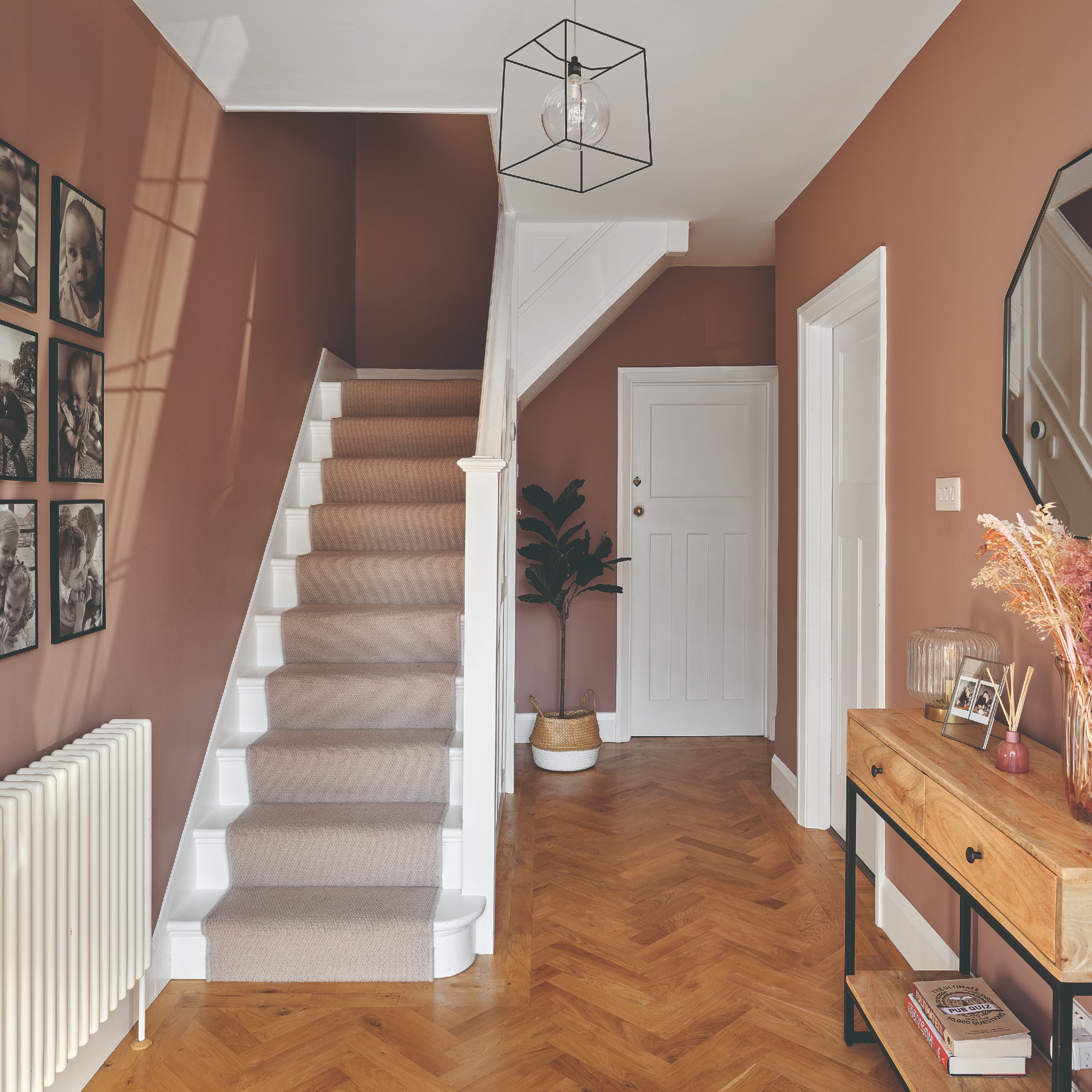
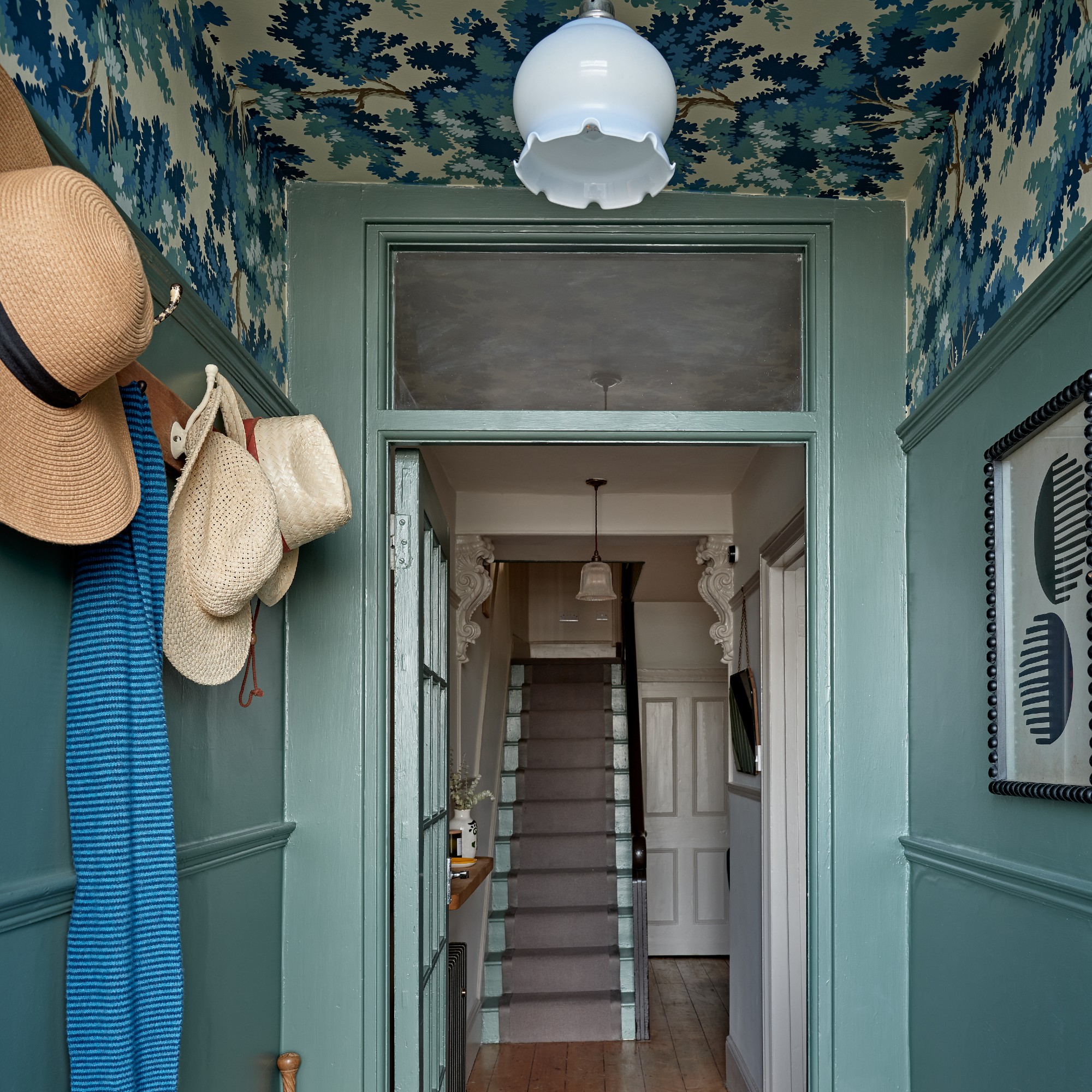
The choice of wall color, particularly white paint, can also be misleading. While often assumed to enlarge a space, white paint in a hallway lacking natural light can appear 'cavernous, stark, or intimidating,' especially with poor lighting. Designers advise opting for warmer tones to create a more inviting and 'cocooning' effect. Alternatively, introducing a contrasting color, bold wallpaper, or architectural detailing on the ceiling can draw the eye upwards, altering the perception of the hallway's dimensions.
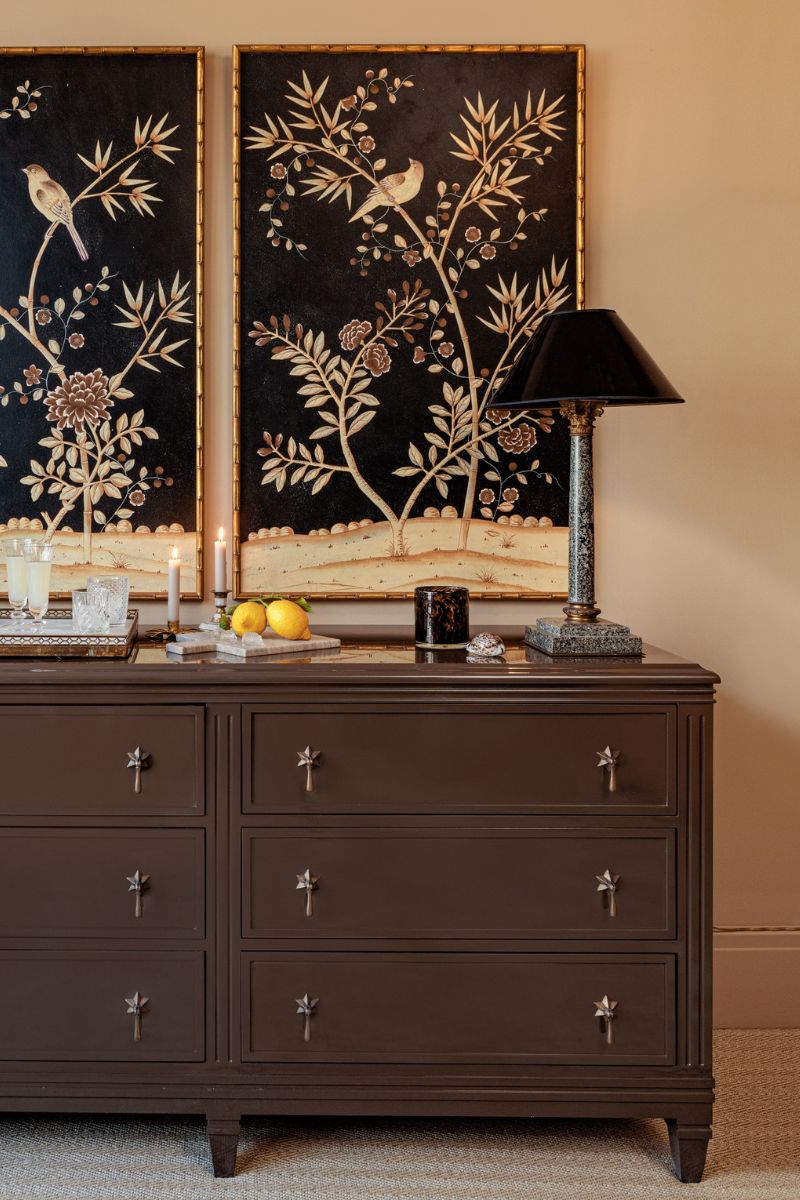
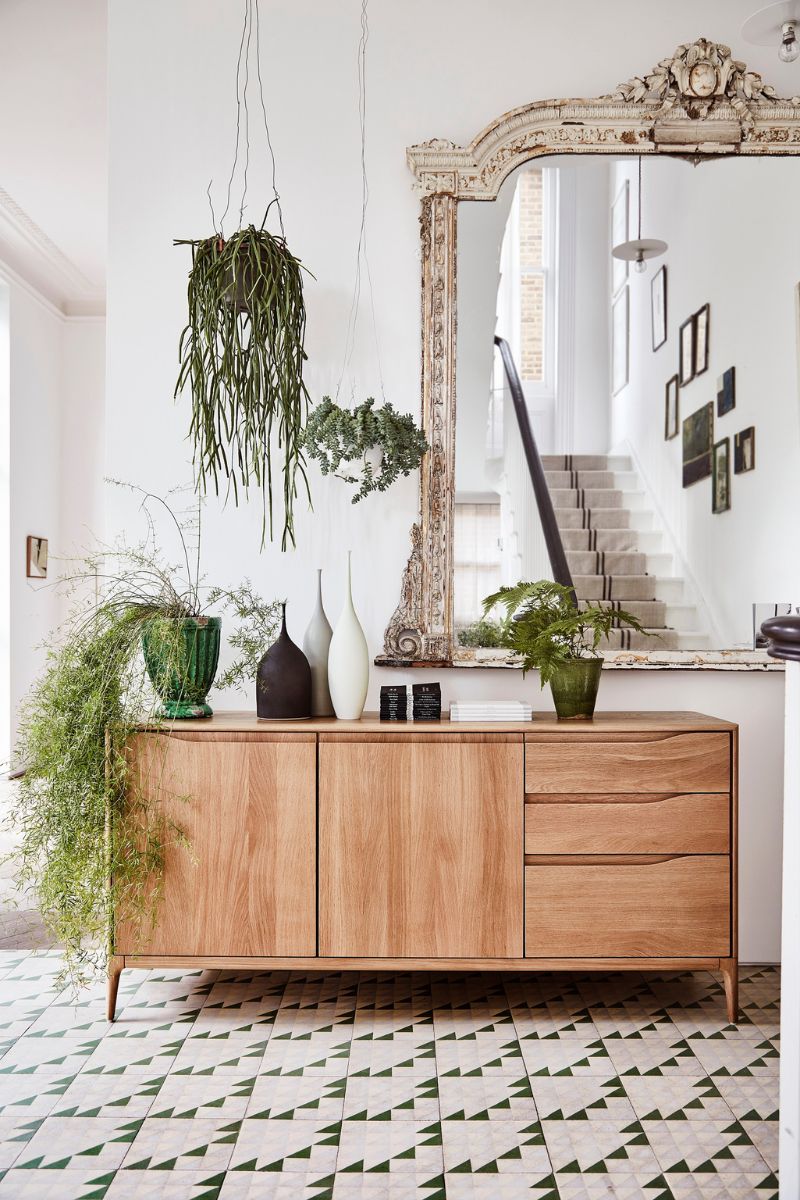
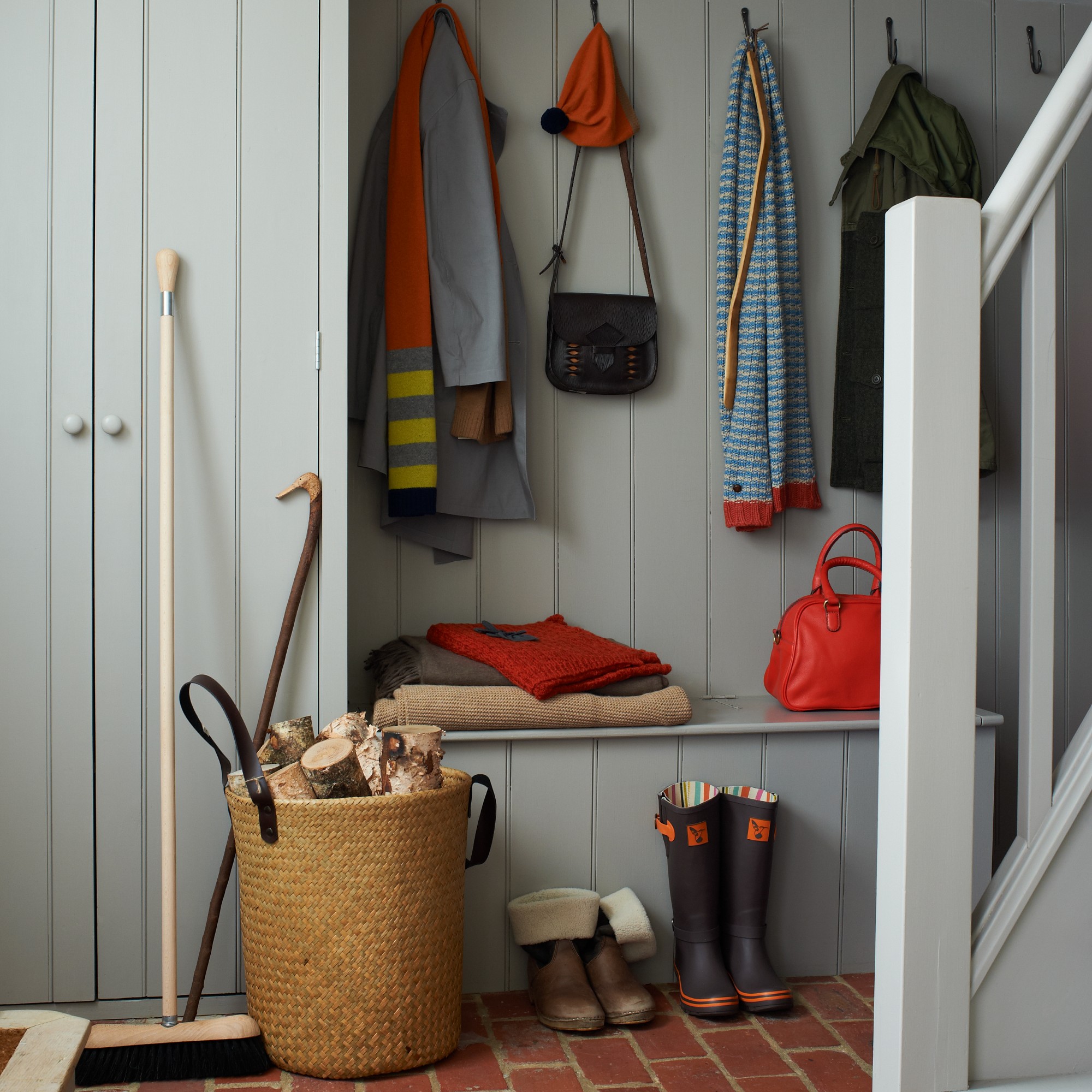
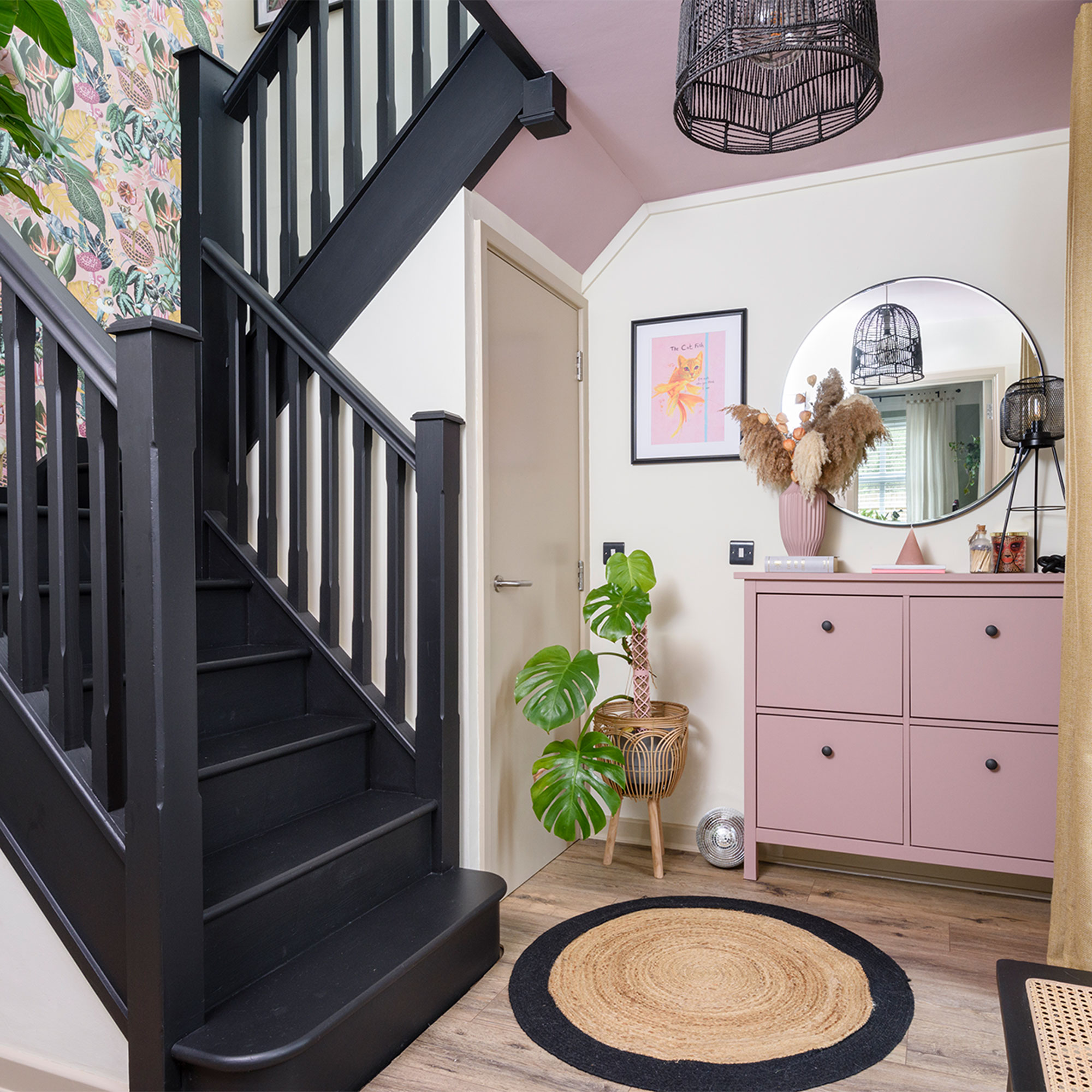
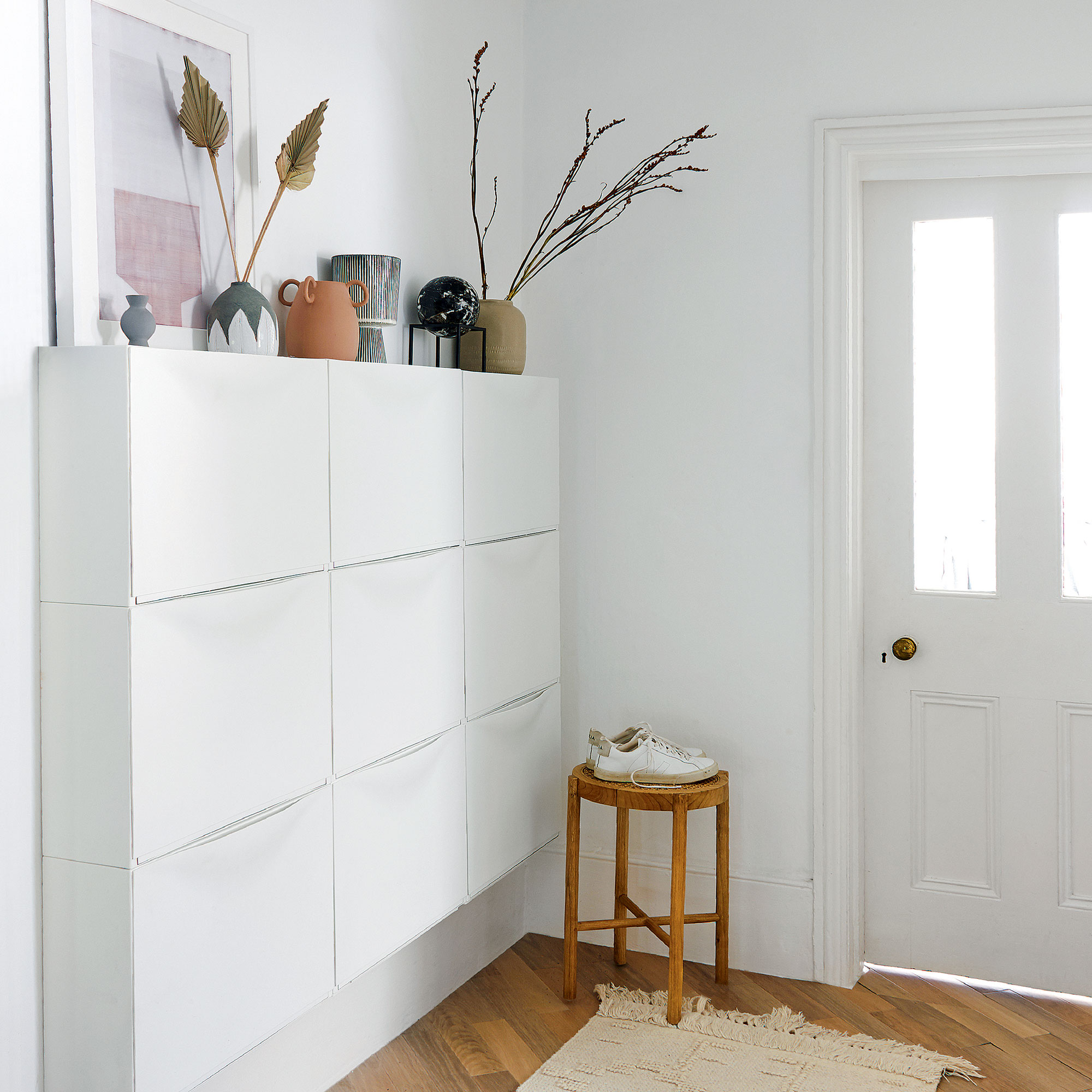
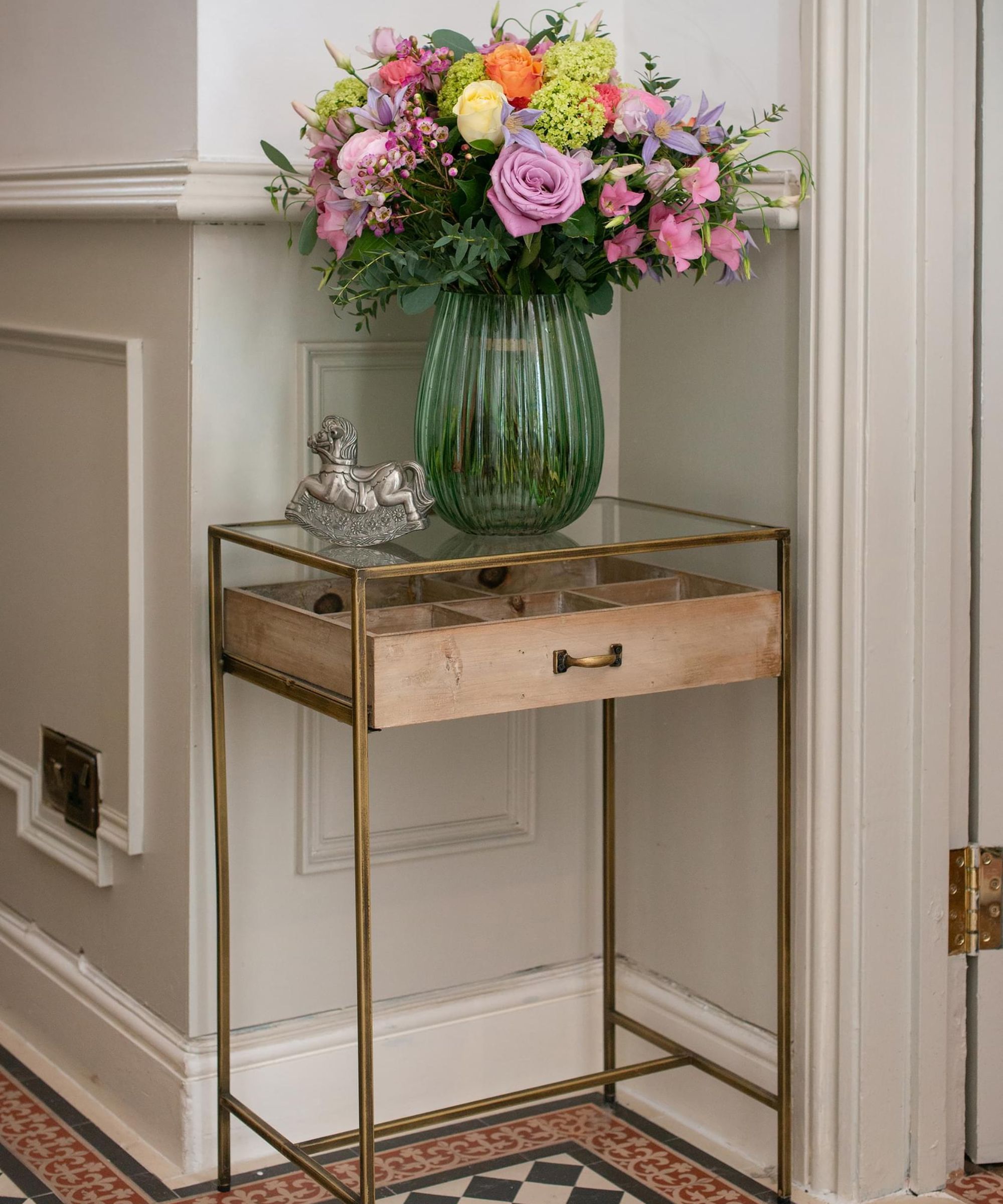
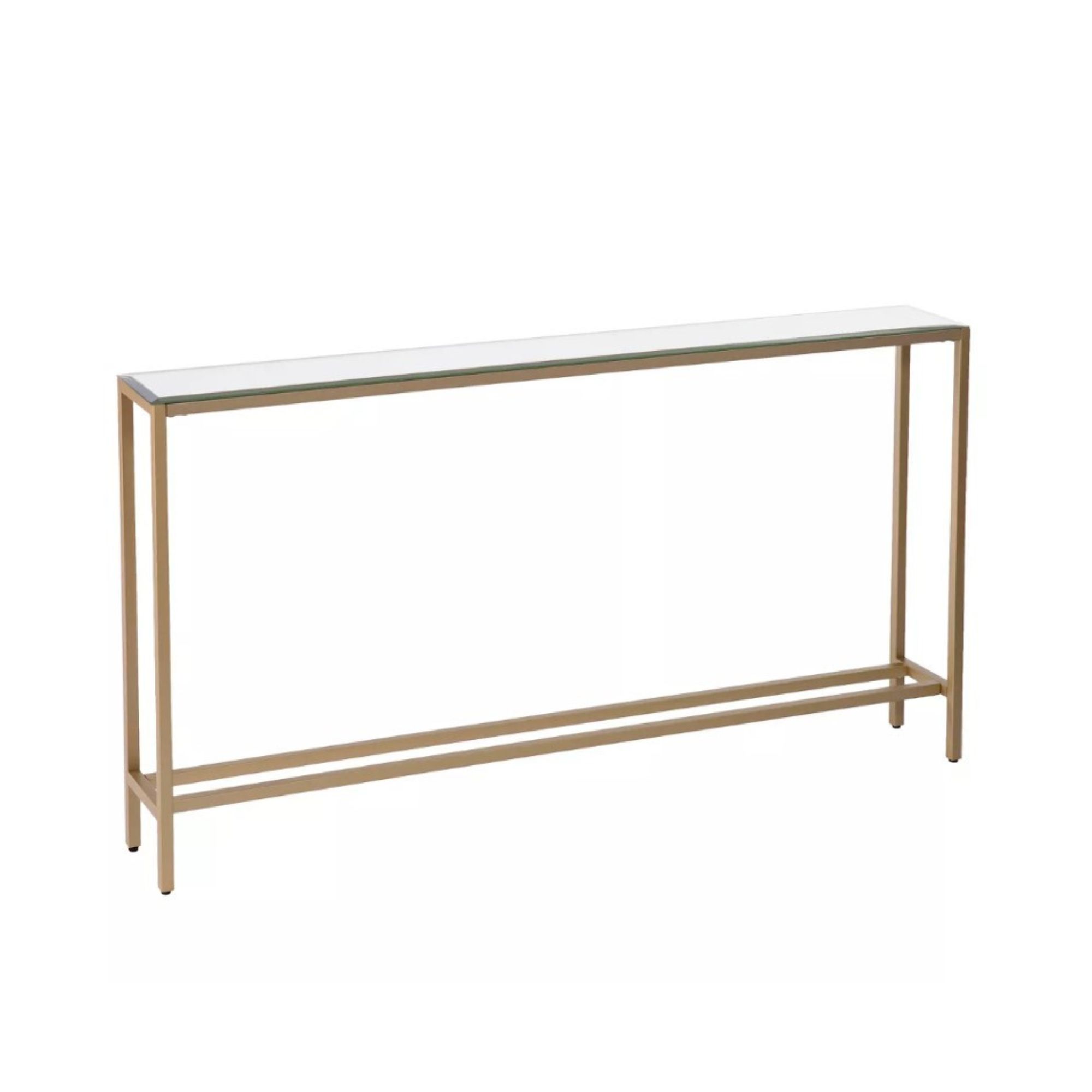
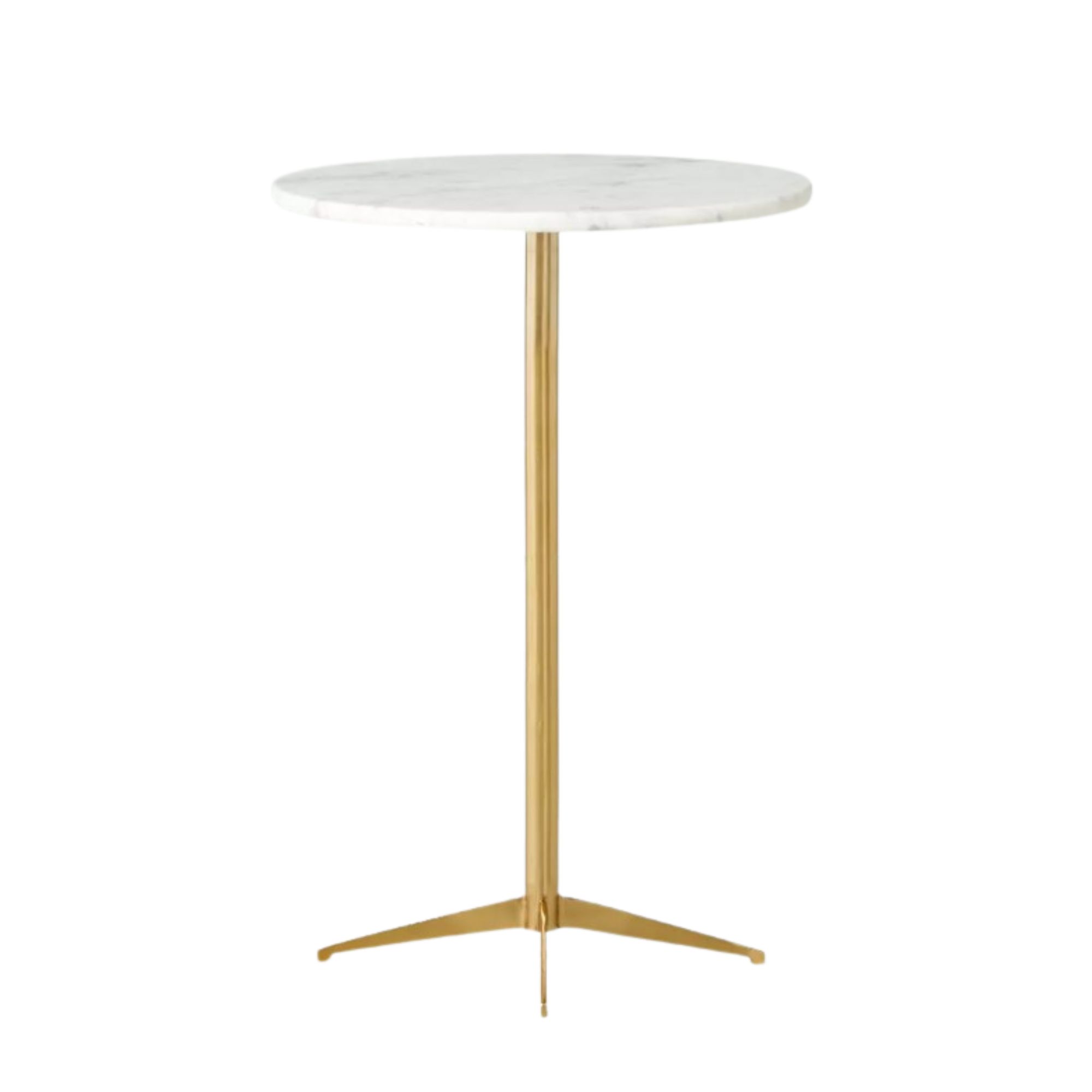
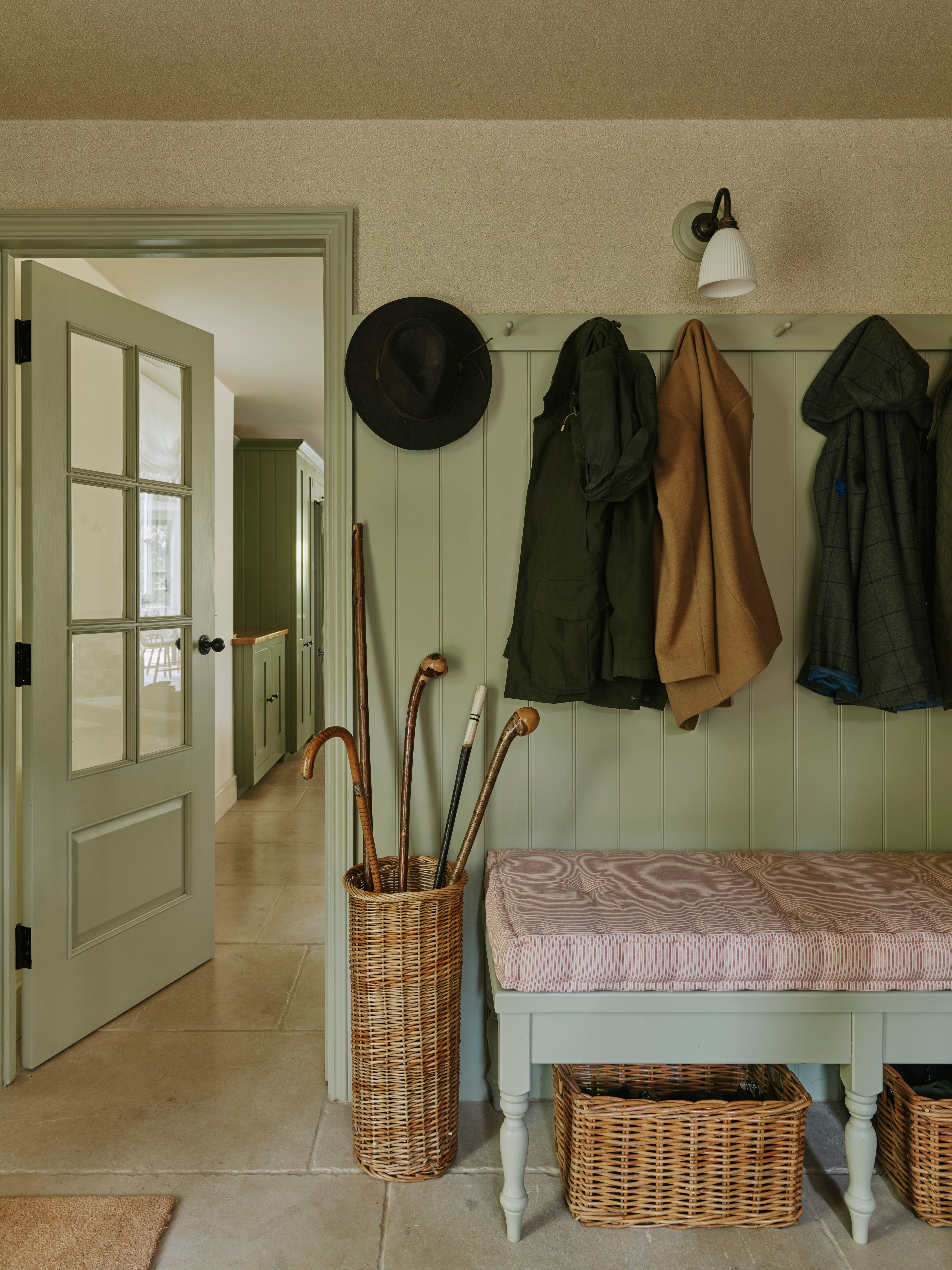
Furniture selection is equally important. Dark wood or bulky furniture, such as heavy shoe cupboards or coat units, are significant culprits in narrow hallways. These pieces 'eat up floor space and swallow the light,' making an already tight area feel even more constrained. The recommendation is to choose low-key, lighter-colored pieces, like glass-topped items, that allow the eye to move freely through the space.
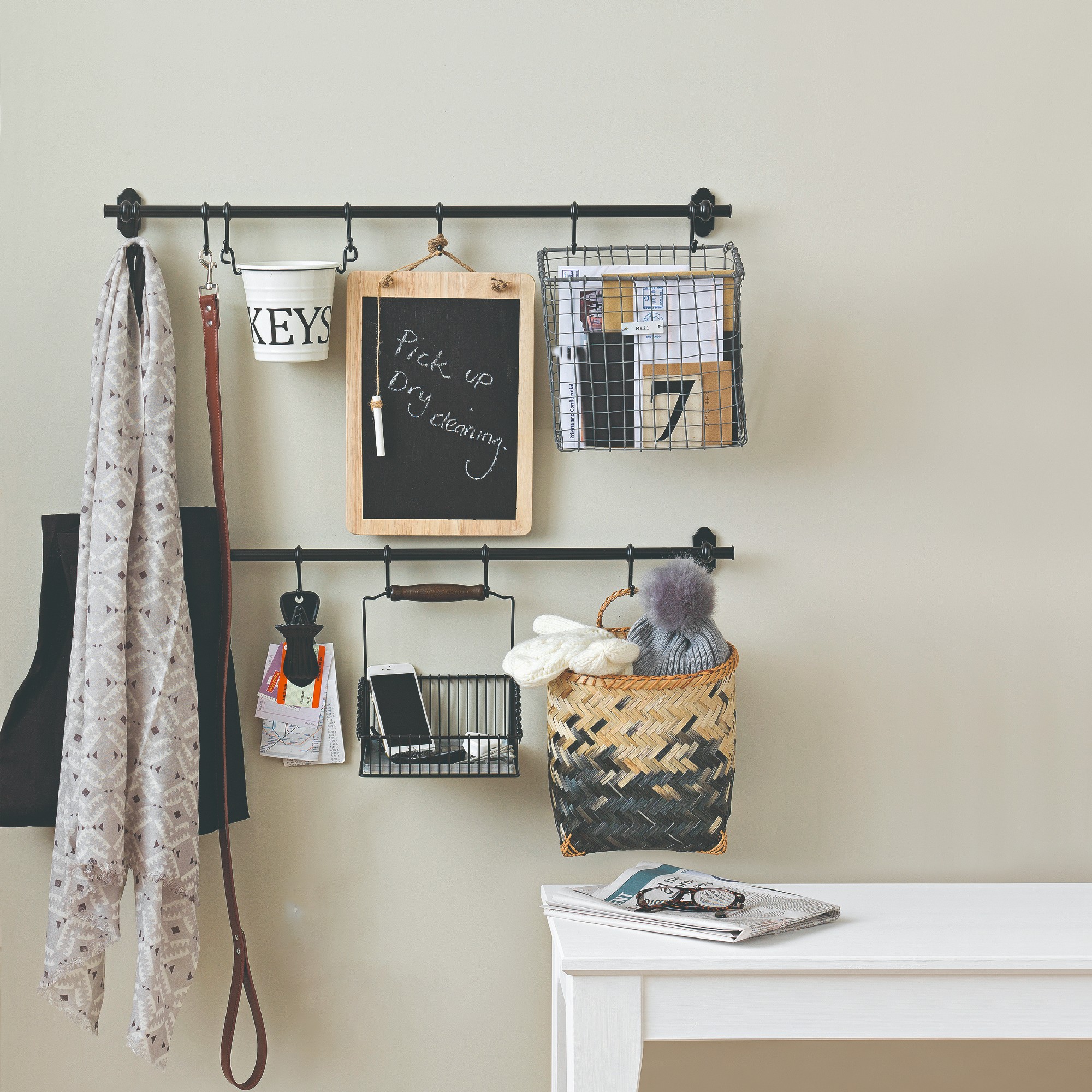
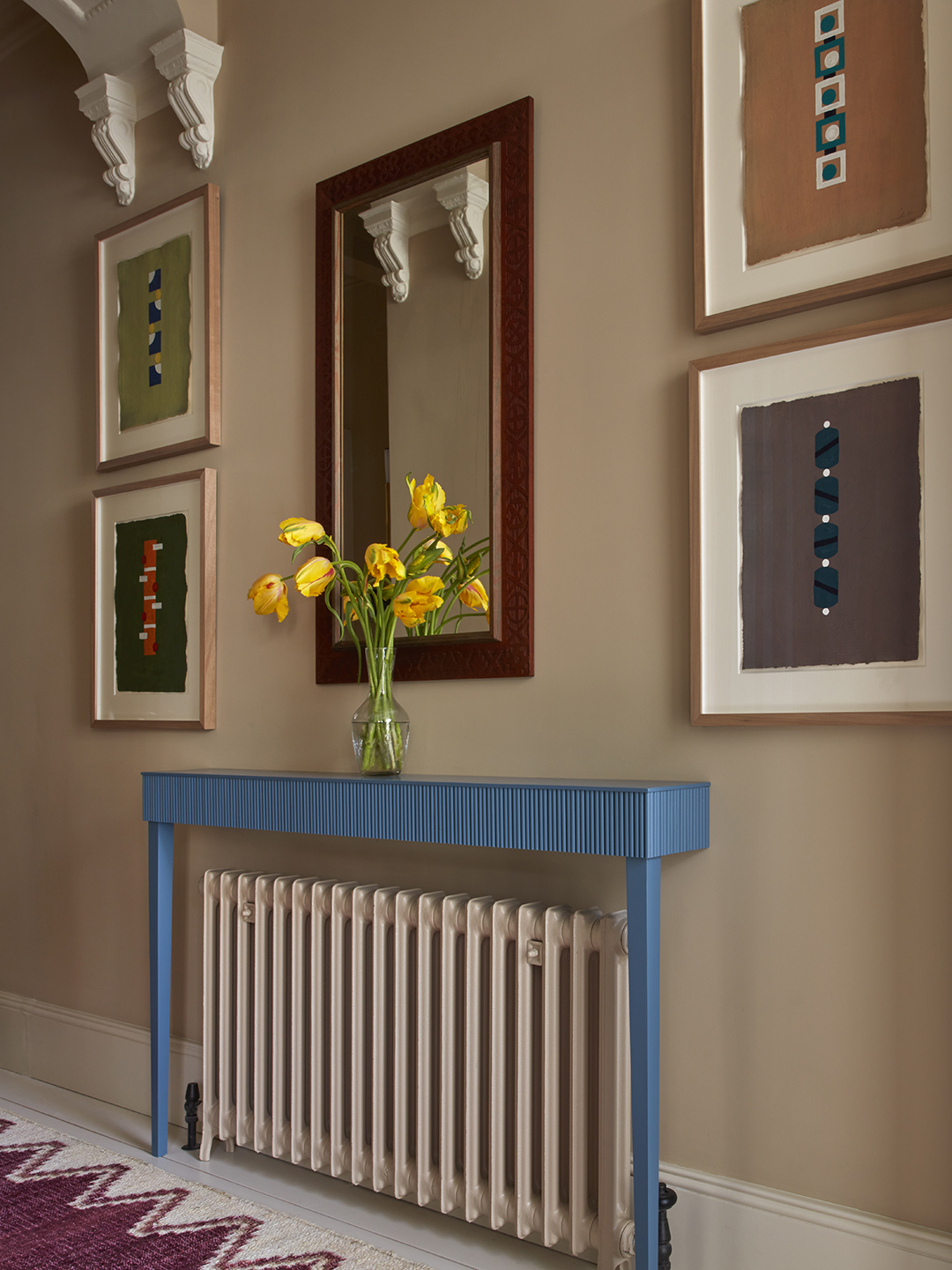
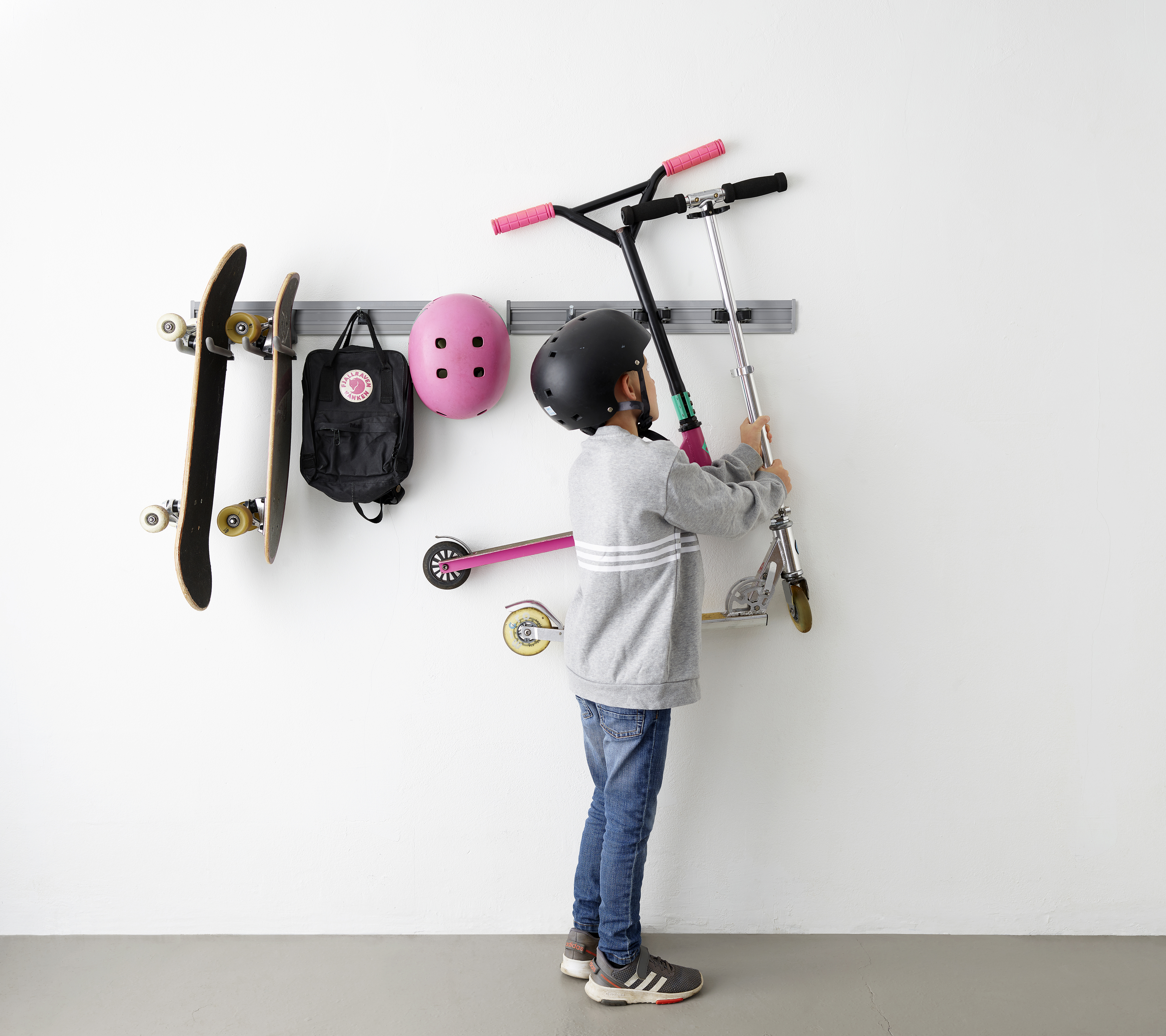
Finally, bulky consoles, while seemingly practical for storage, can make hallways feel cramped and impede movement. Floating shelves are presented as a more effective alternative, offering storage without occupying valuable floor space. Utilizing vertical height with closed storage for coats and bags, including shelves above eye level, is also emphasized as a smart strategy to maintain an open feel while maximizing utility. By addressing these six design elements, homeowners can transform narrow hallways into more welcoming and visually expansive areas.
#HallwayDesign #InteriorDesign #SpaceSaving #LightingDesign #HomeDecor #ColorPsychology #FurniturePlacement #DesignTips #HallwayDesign #InteriorDesign #SpaceSaving #LightingDesign #HomeDecor #ColorPsychology #FurniturePlacement #DesignTips
0 comment in total
 No comments yet
You may also like
6 narrow entryway ideas design experts love using in awkward spaces

Narrow hallway ideas – 26 ways to elevate and open up an awkwardly shaped entryway
How To Furnish a Long and Narrow Hallway at Home? Transform It Into a Functional Yet Chic Design Feature
7 Things That Always Make Your Living Room Feel Cramped, According to Designers

5 mistakes making your hallway look smaller and how to fix them, according to designers

6 things to never put in an entryway, according to interior designers

6 Things That Are Making Your Closet Feel Cramped, According to Designers
5 small entryway storage mistakes designers want you to stop making

6 Things That Make Your Entryway Look TACKY, According to Designers

6 Things That Make Your Entryway Look TACKY, According to Designers
Long hallway ideas – 10 ways to make the most of your space
13 reasons everyone hates your hallway — and ideas to fix it
Designers Agree—These 6 Things Always Make Hallways Feel Narrow
Small hallway ideas – 38 ways to make your tiny entryway look both stylish and bigger than it really is
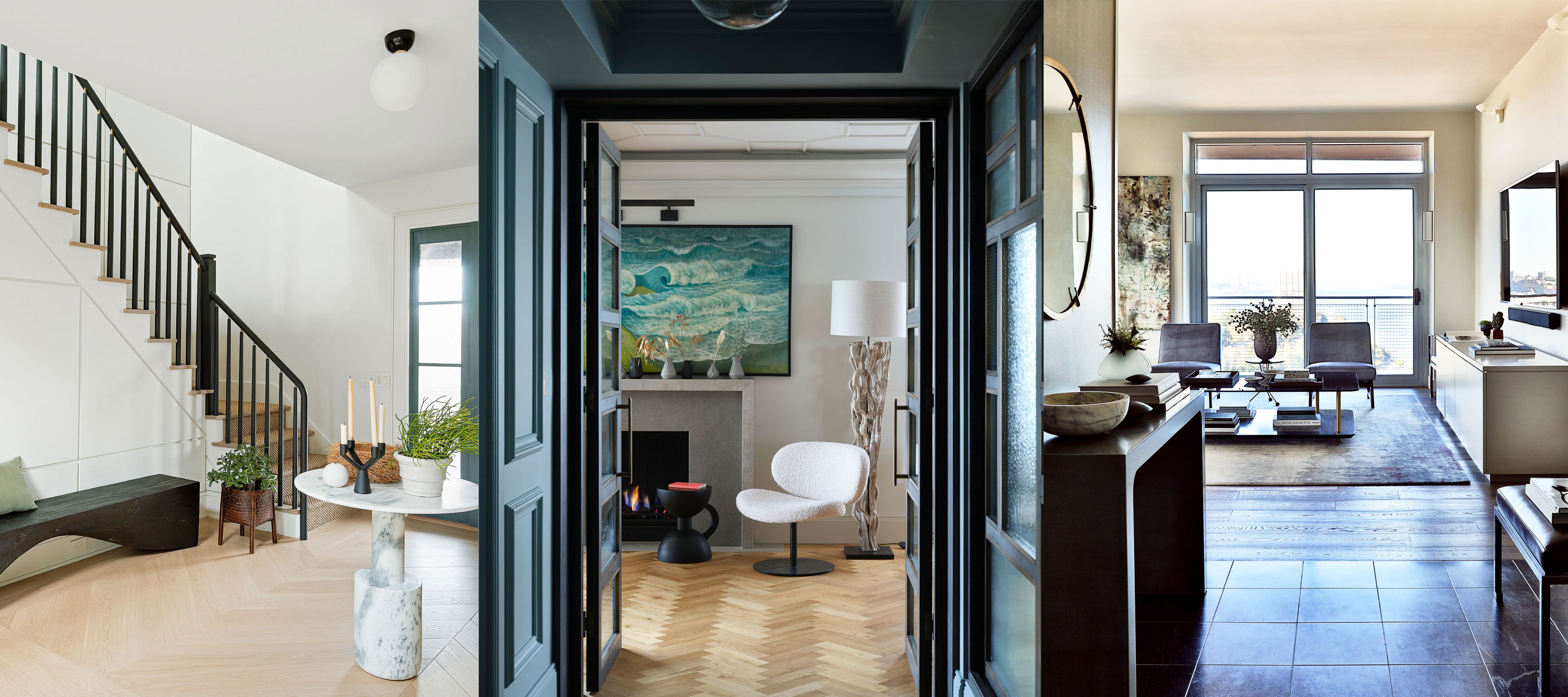
Narrow entryway ideas – 10 expert ways to make a long space seem wider
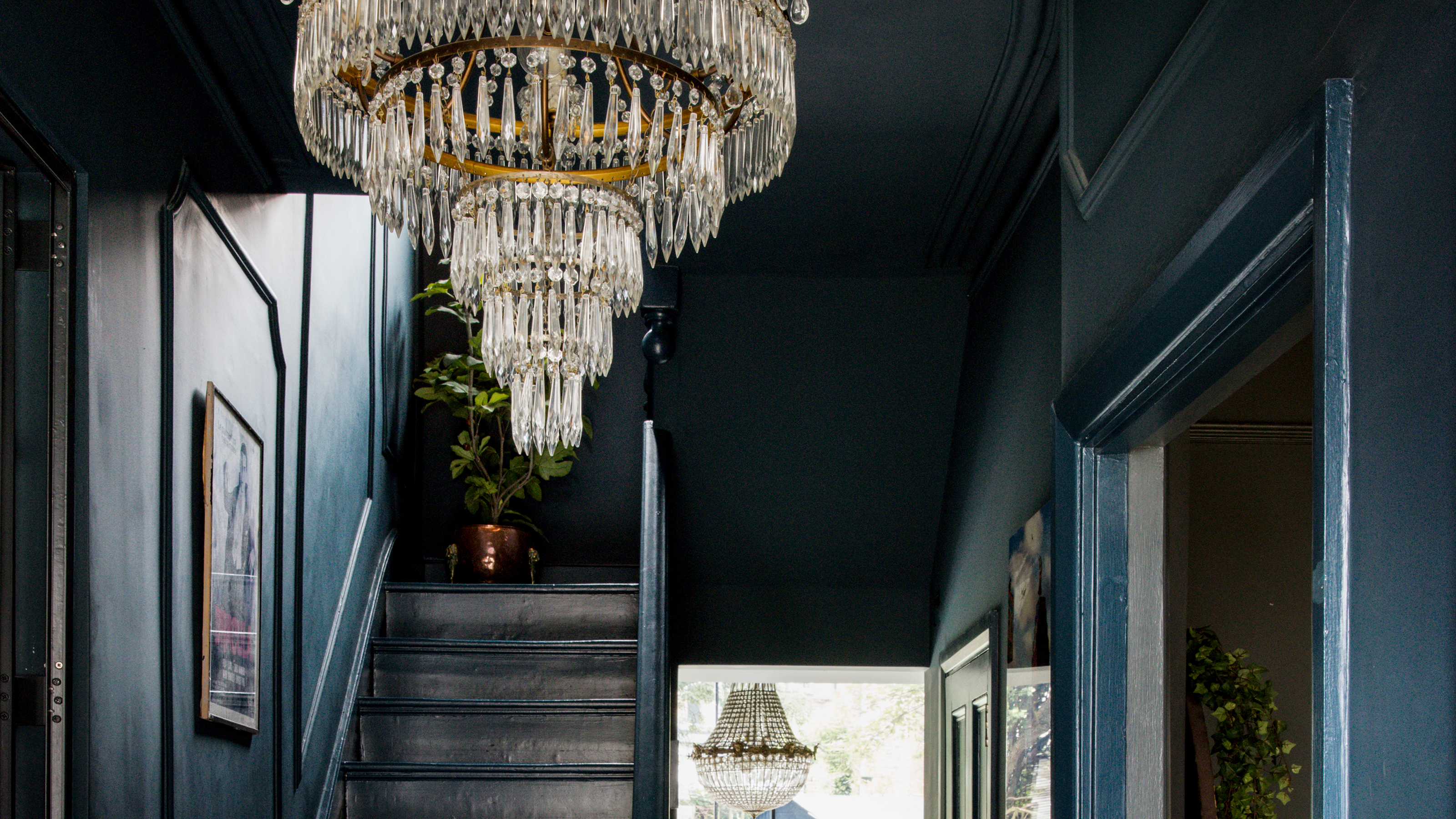
Experts reveal the one furnishing that will instantly make a small hallway feel bigger

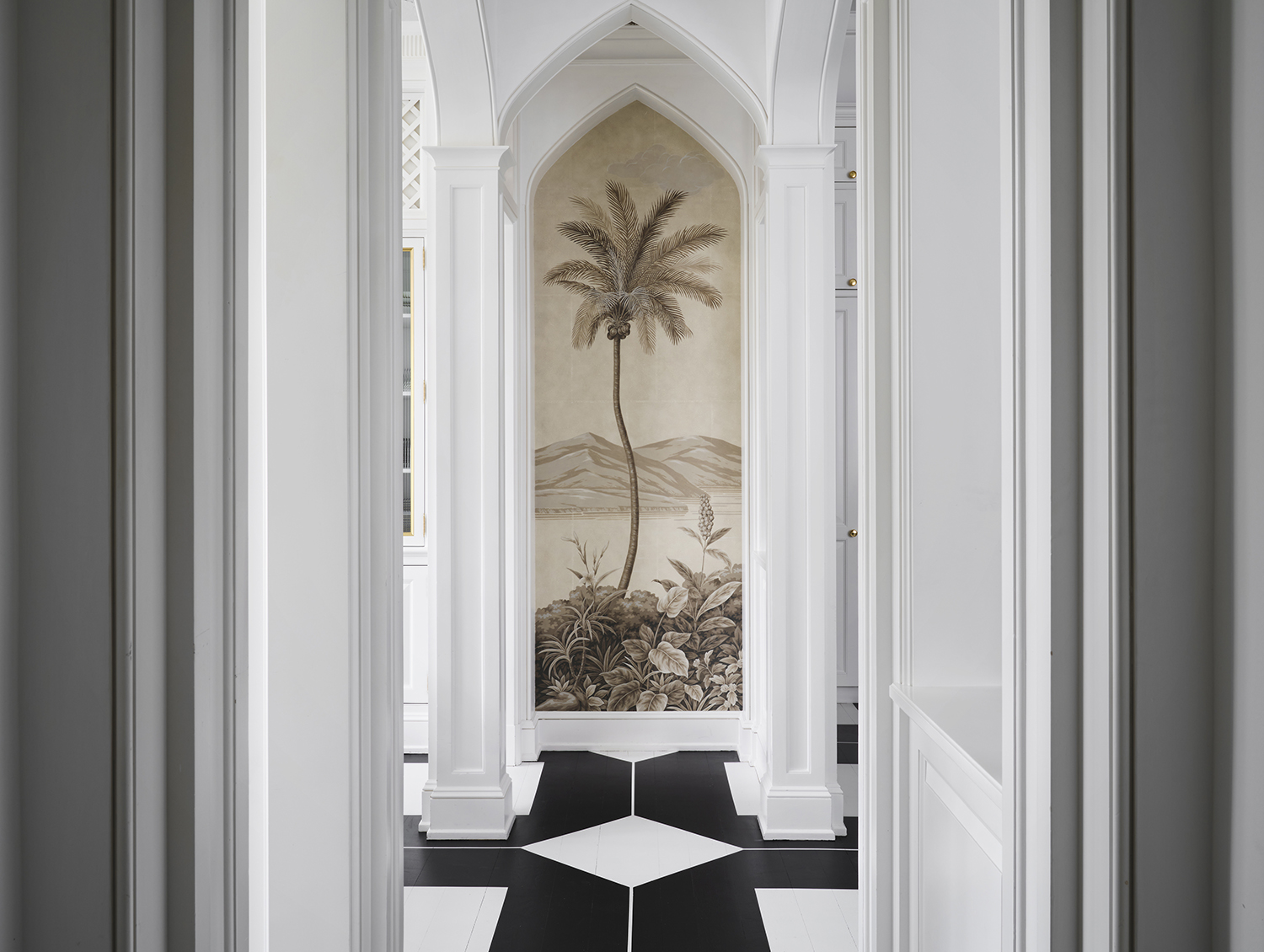
Narrow hallway ideas to help you make a grand entrance out of an awkward space
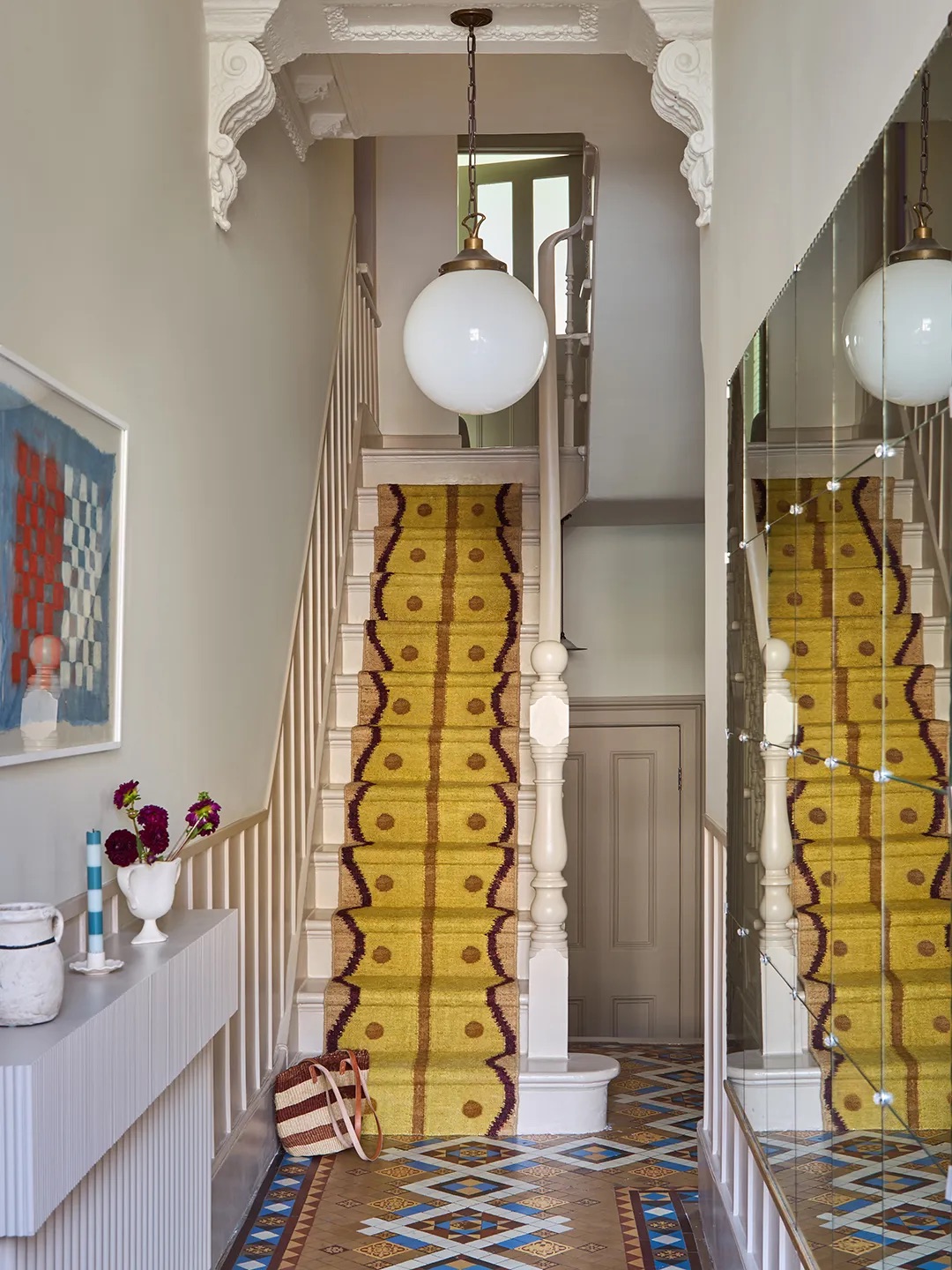
8 Ideas I Stole From British Designers to Help Me Map Out My Narrow Entryway

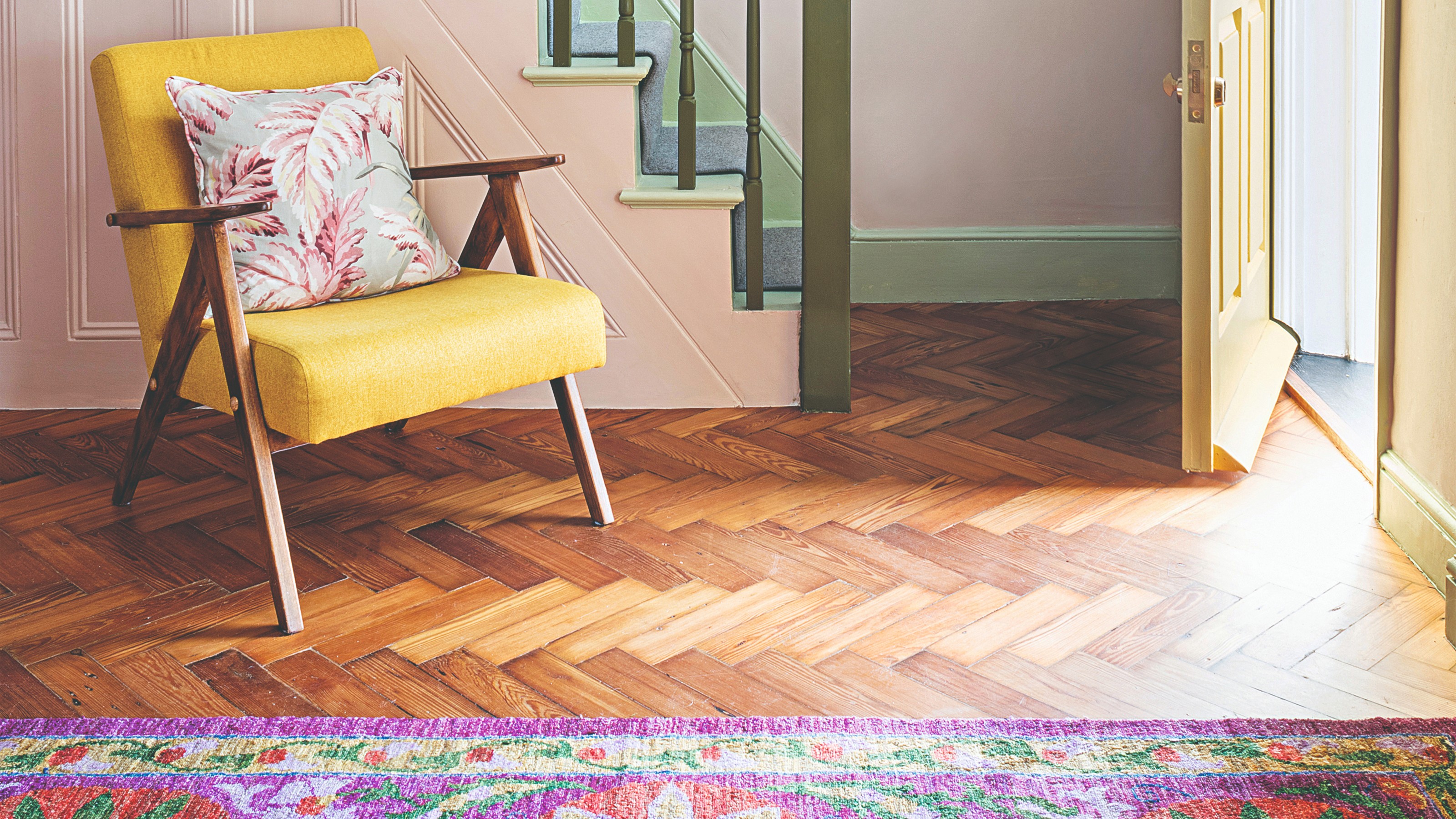
I asked 6 interior designers what every stylish hallway needs, and these 4 things kept coming up
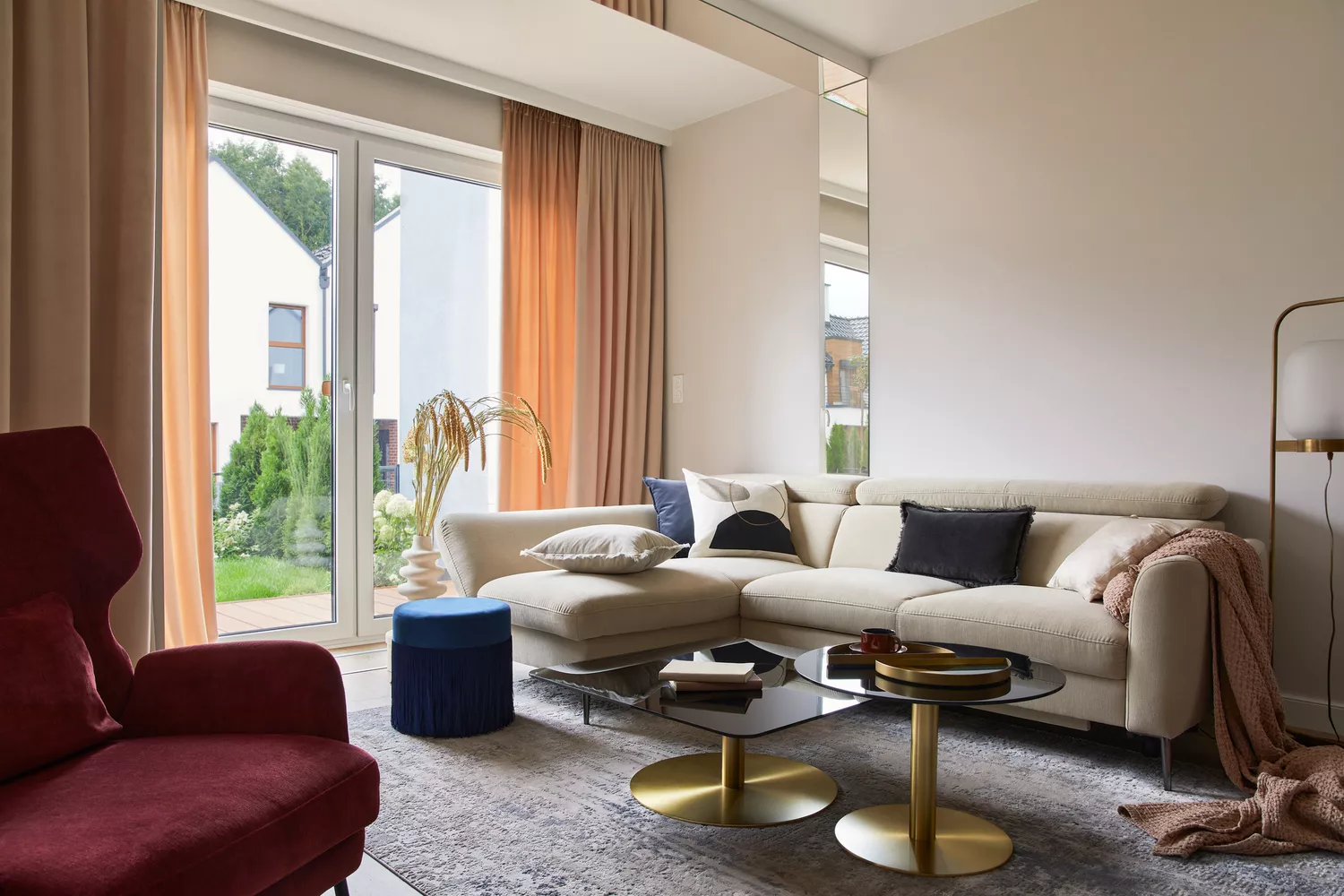
5 Things That Always Make Your Home Feel Cramped, According to Designers