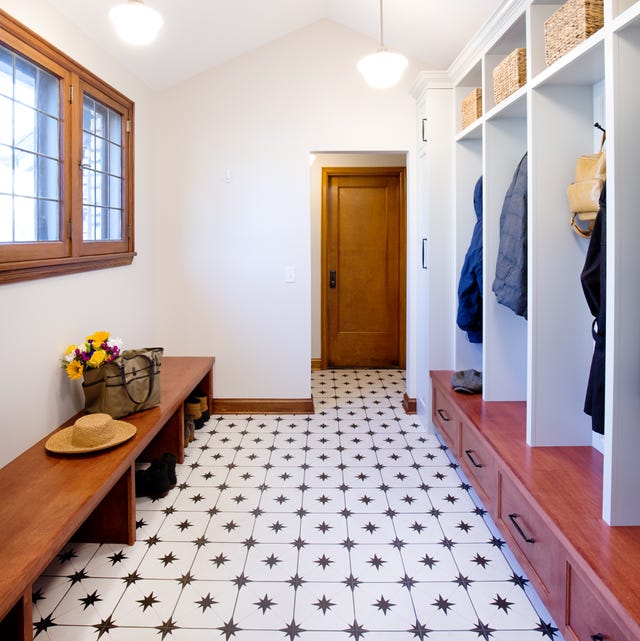
1/14
6 things to never put in an entryway, according to interior designers
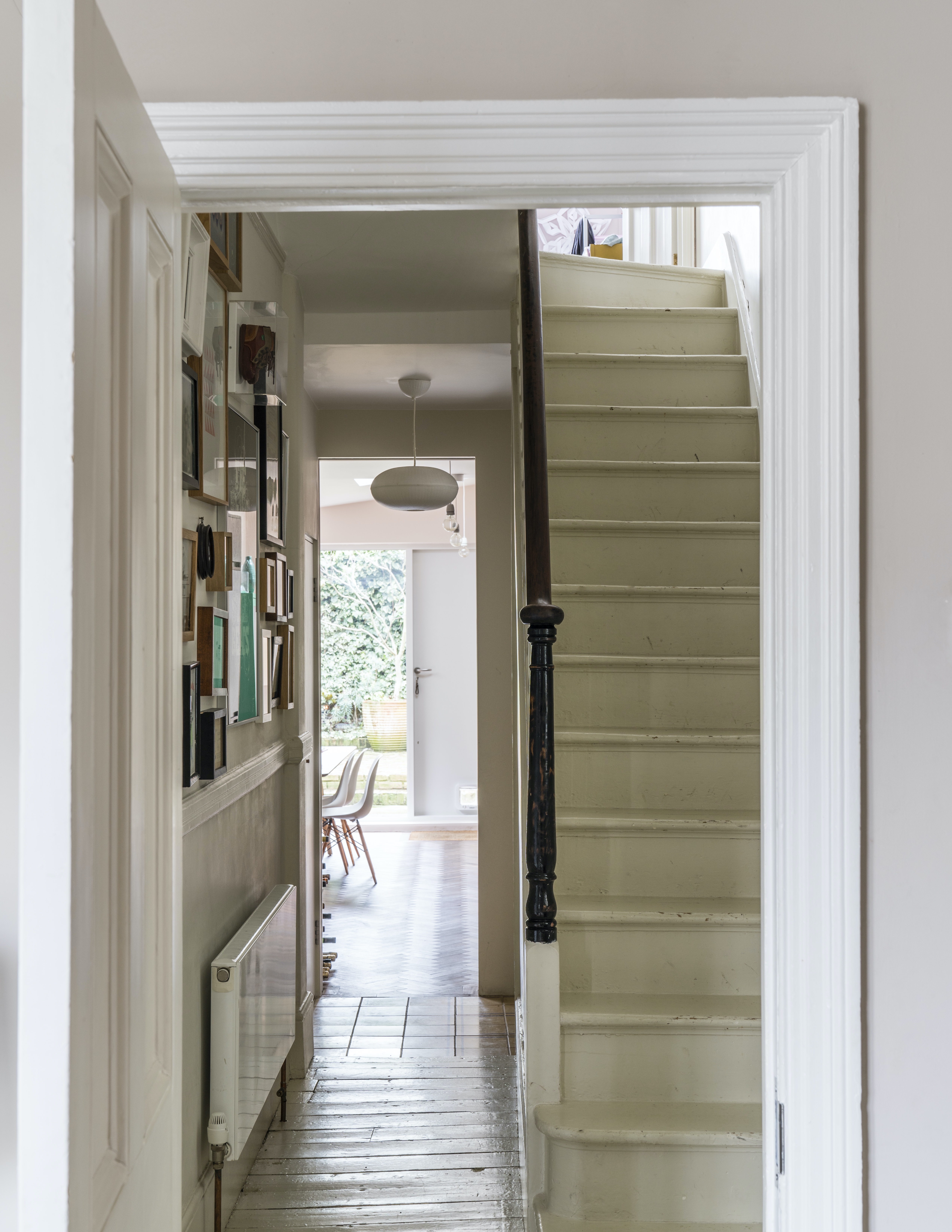

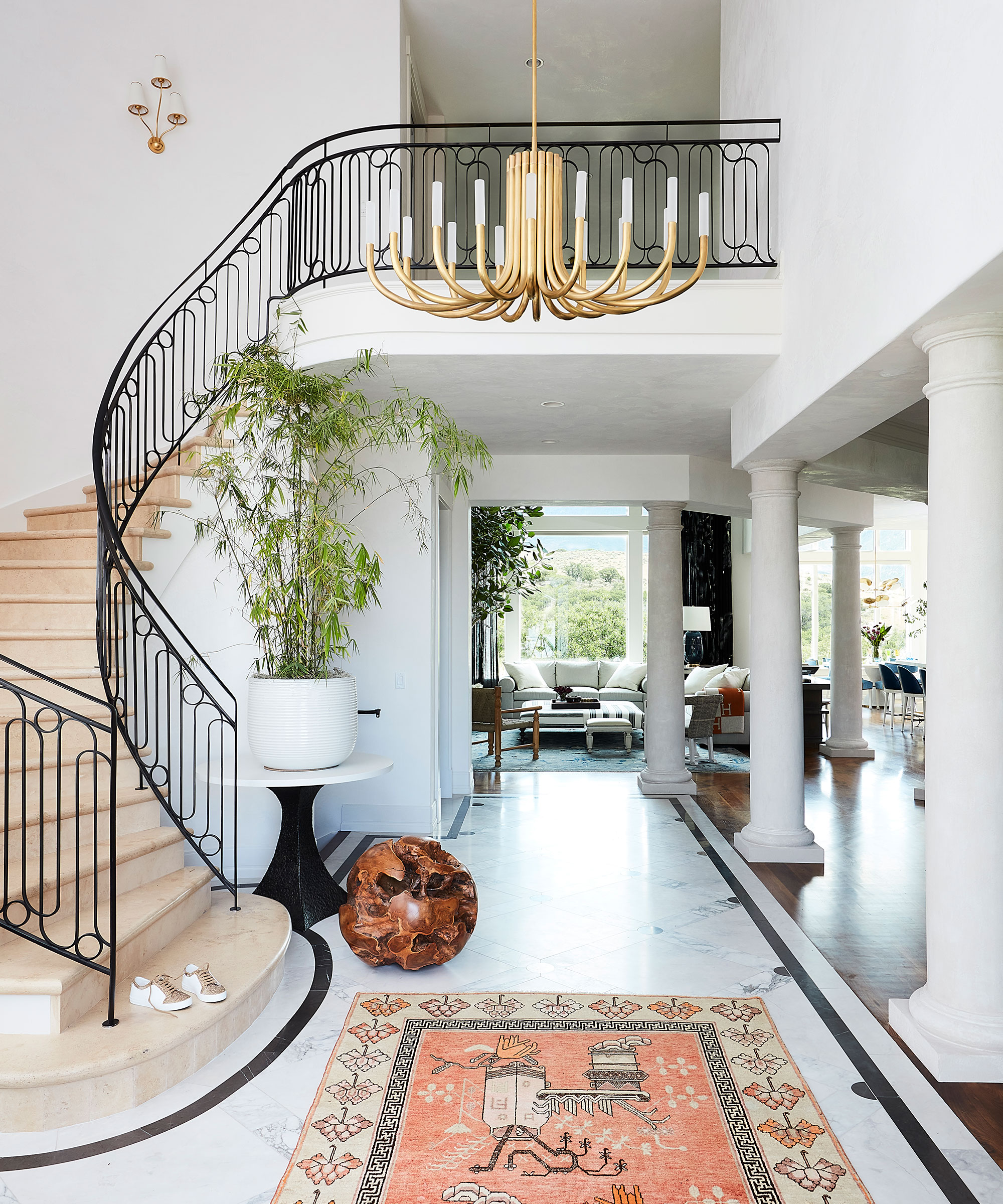
Entryways are crucial spaces in a home, serving as the first impression for guests and a vital transition zone for residents. Despite their importance, they are often challenging to furnish and decorate effectively. Interior designers emphasize that a well-designed entryway should be both aesthetically pleasing and highly functional, free from clutter and potential hazards. This involves careful consideration of what items to include and, more importantly, what to avoid.
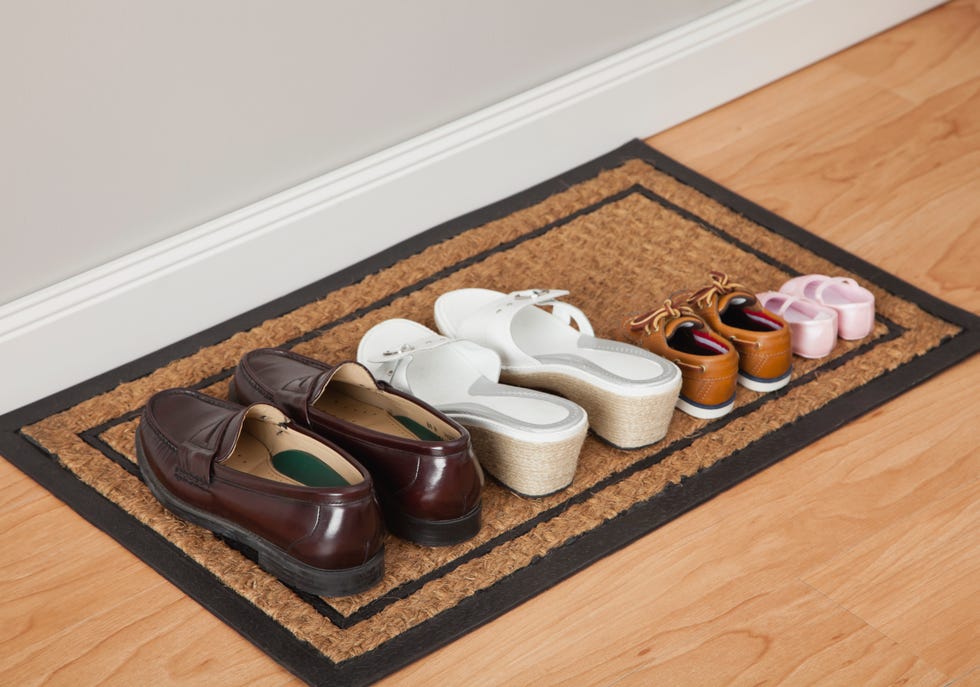
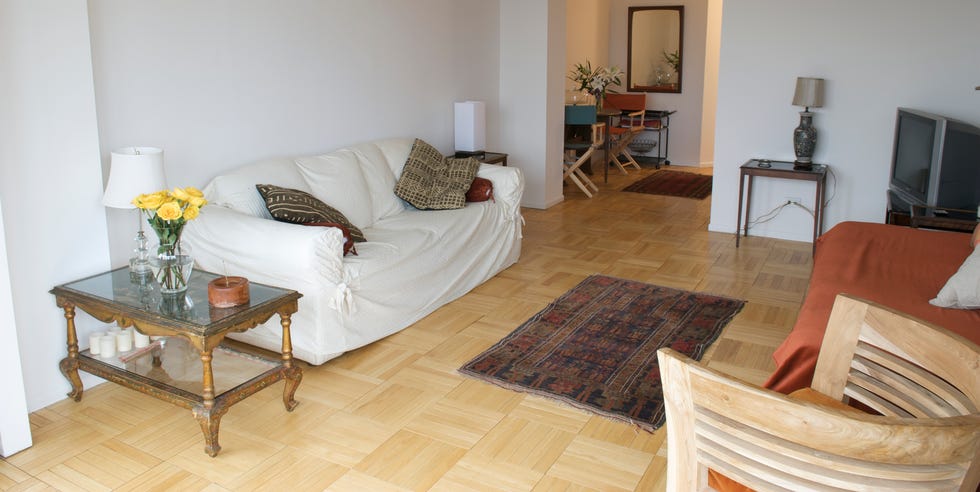
One common item designers advise against is chunky or slippery rugs. While rugs can add warmth and style, bulky options pose a trip hazard, especially in a high-traffic area where people are often rushing. Slippery rugs, even if less chunky, are also problematic unless securely anchored with a rug pad. Natural fiber rugs like jute and sisal are also not recommended for entryways. Despite their popularity, these materials are prone to staining, particularly from muddy shoes, making them impractical for an area exposed to dirt and moisture. Instead, designers suggest durable fabric rugs that are easy to clean and feature darker colors or patterns to conceal marks.
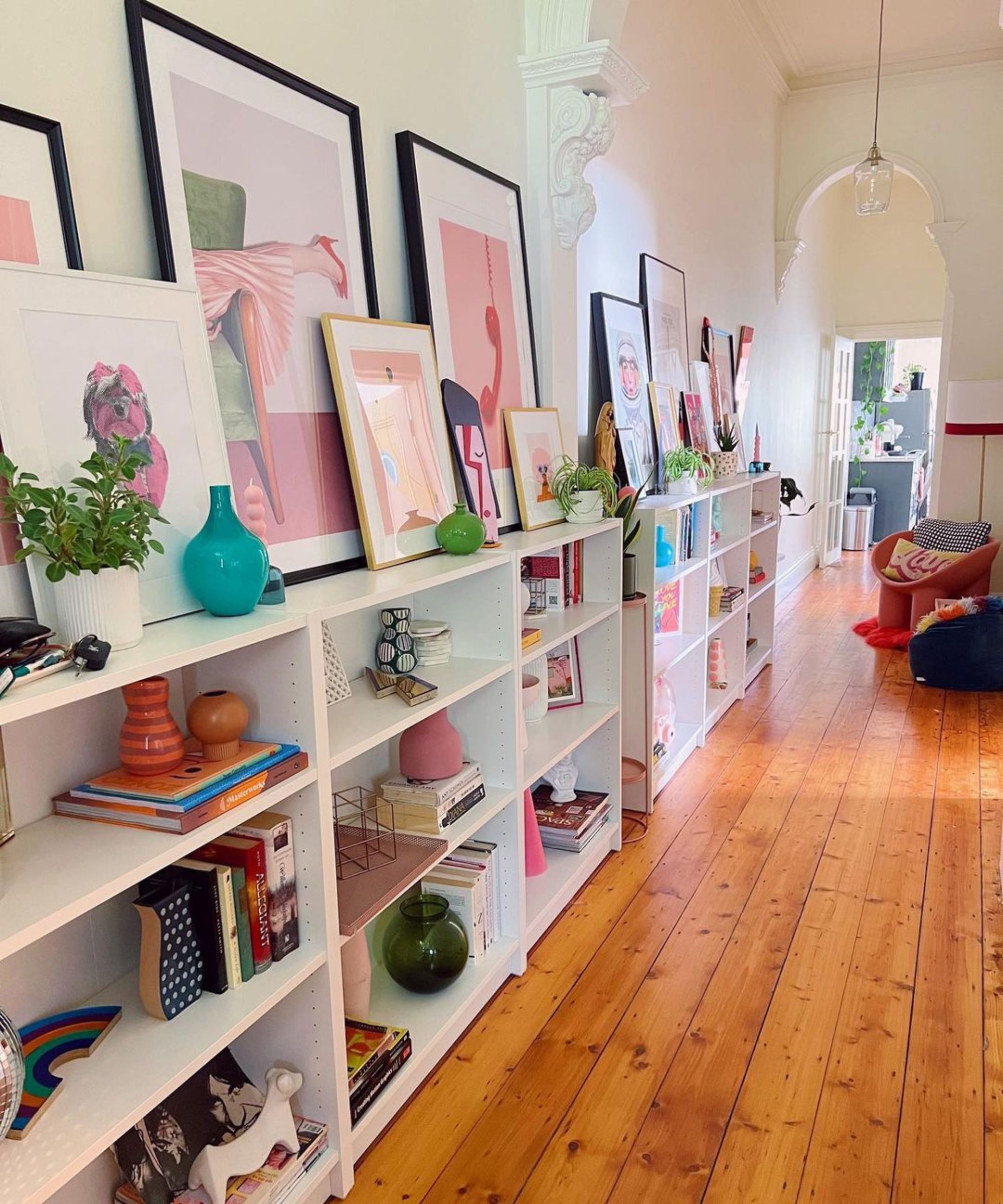
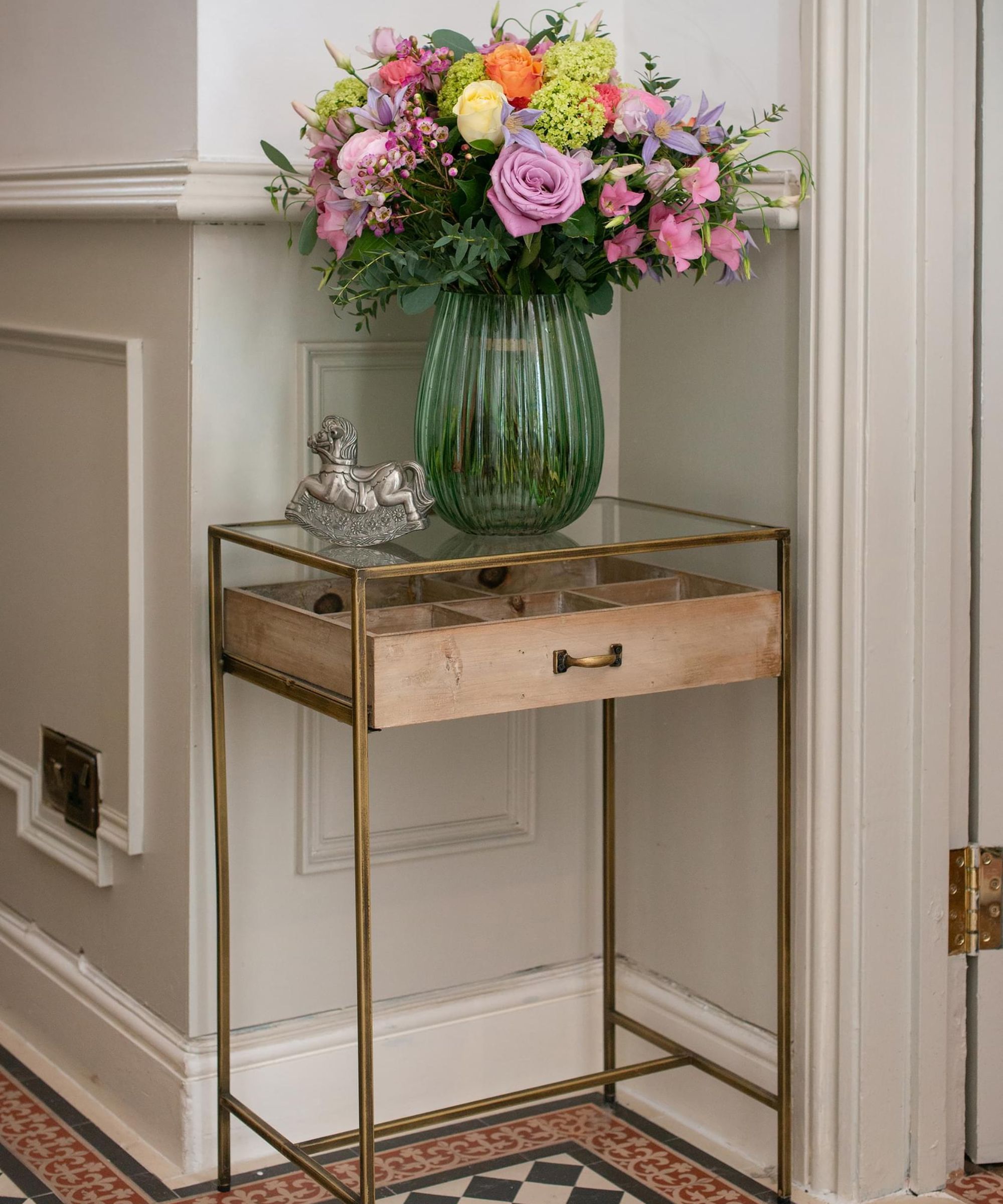
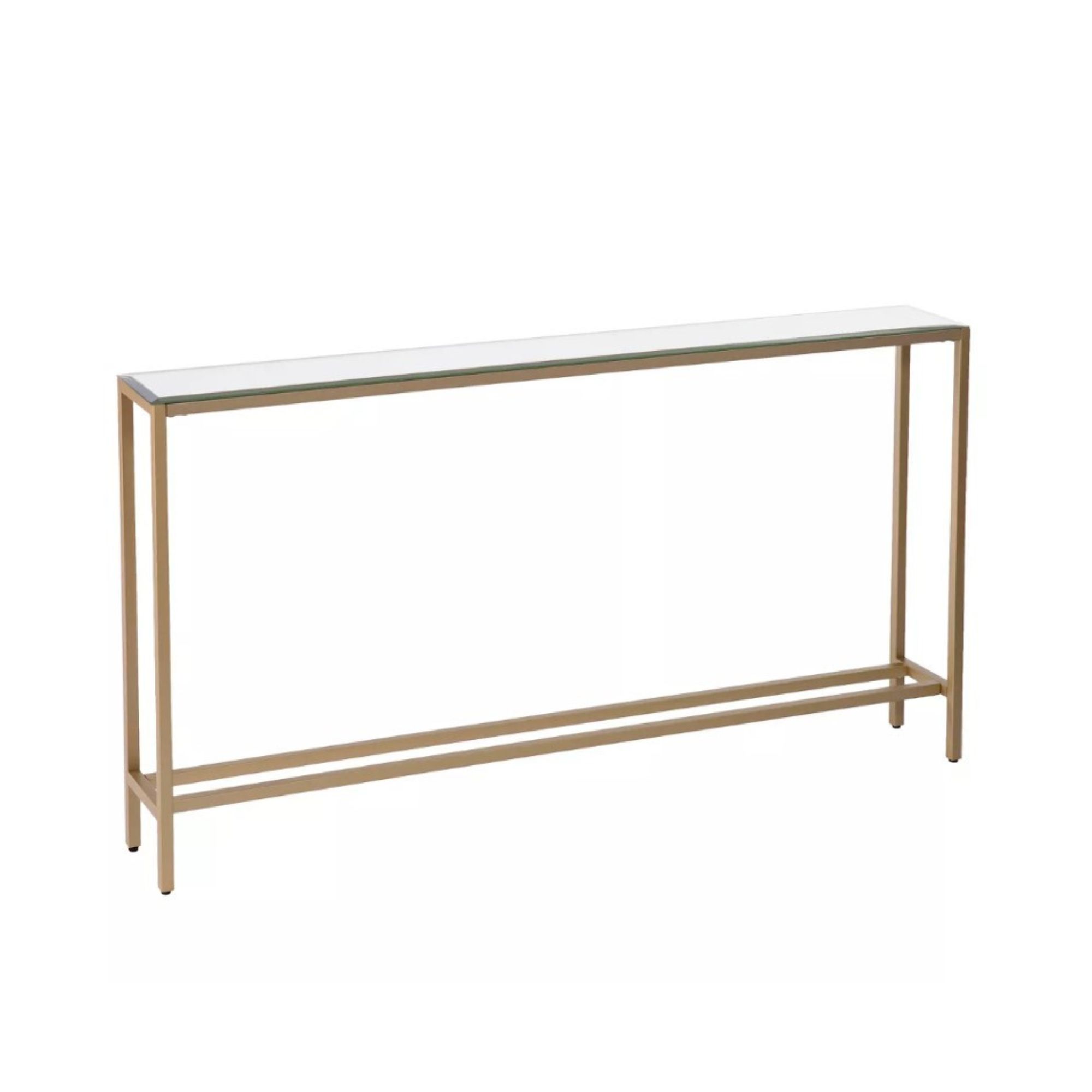
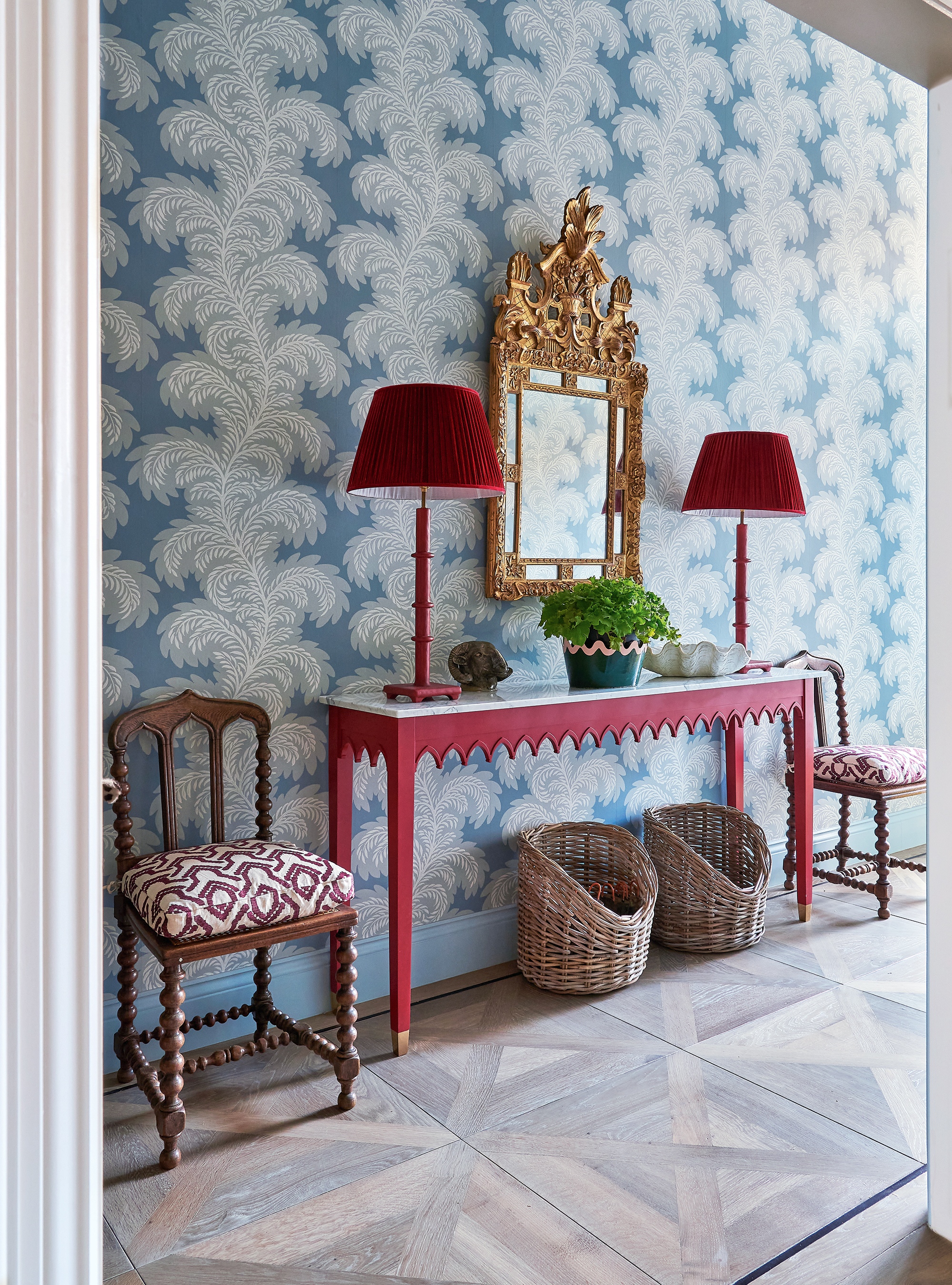
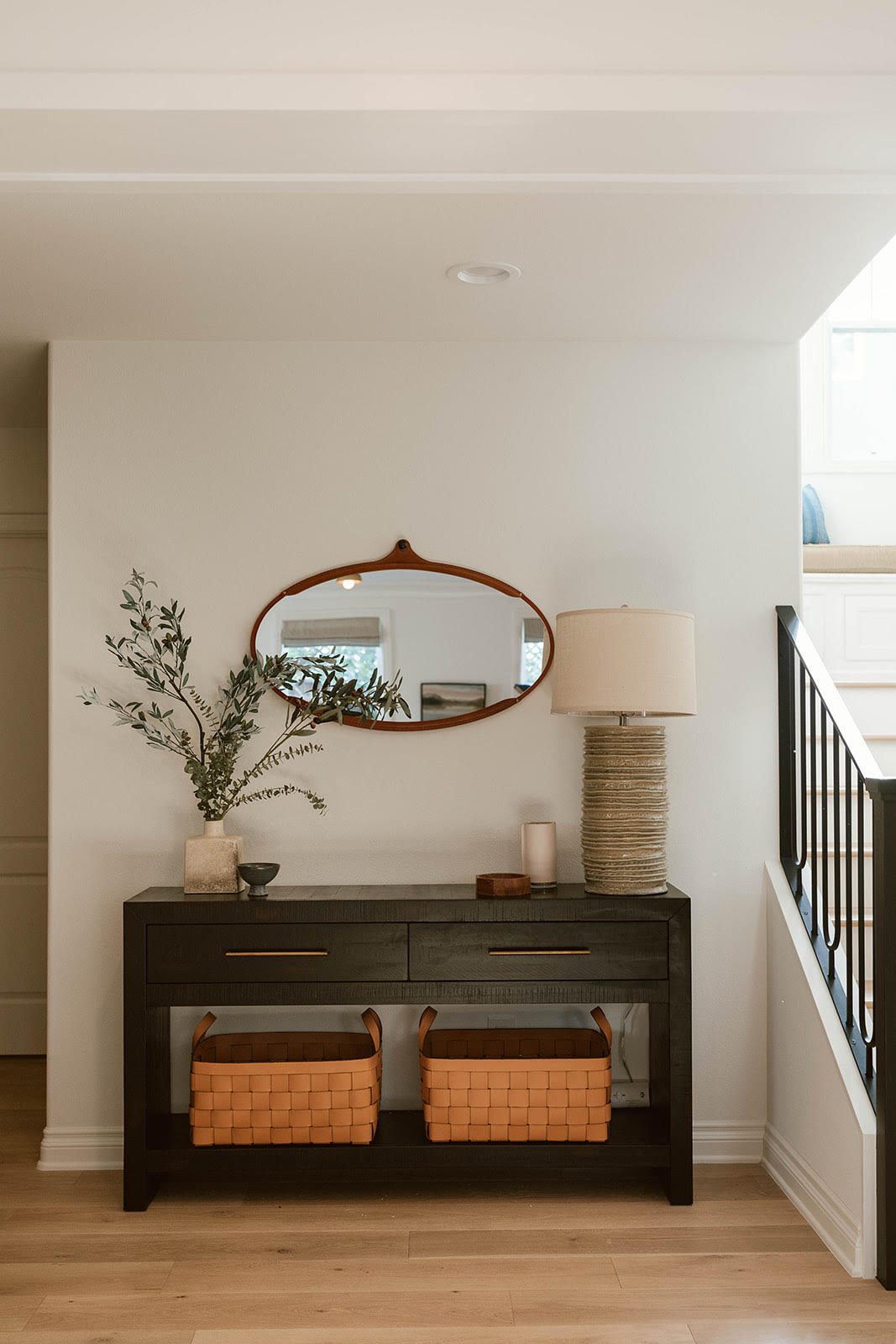
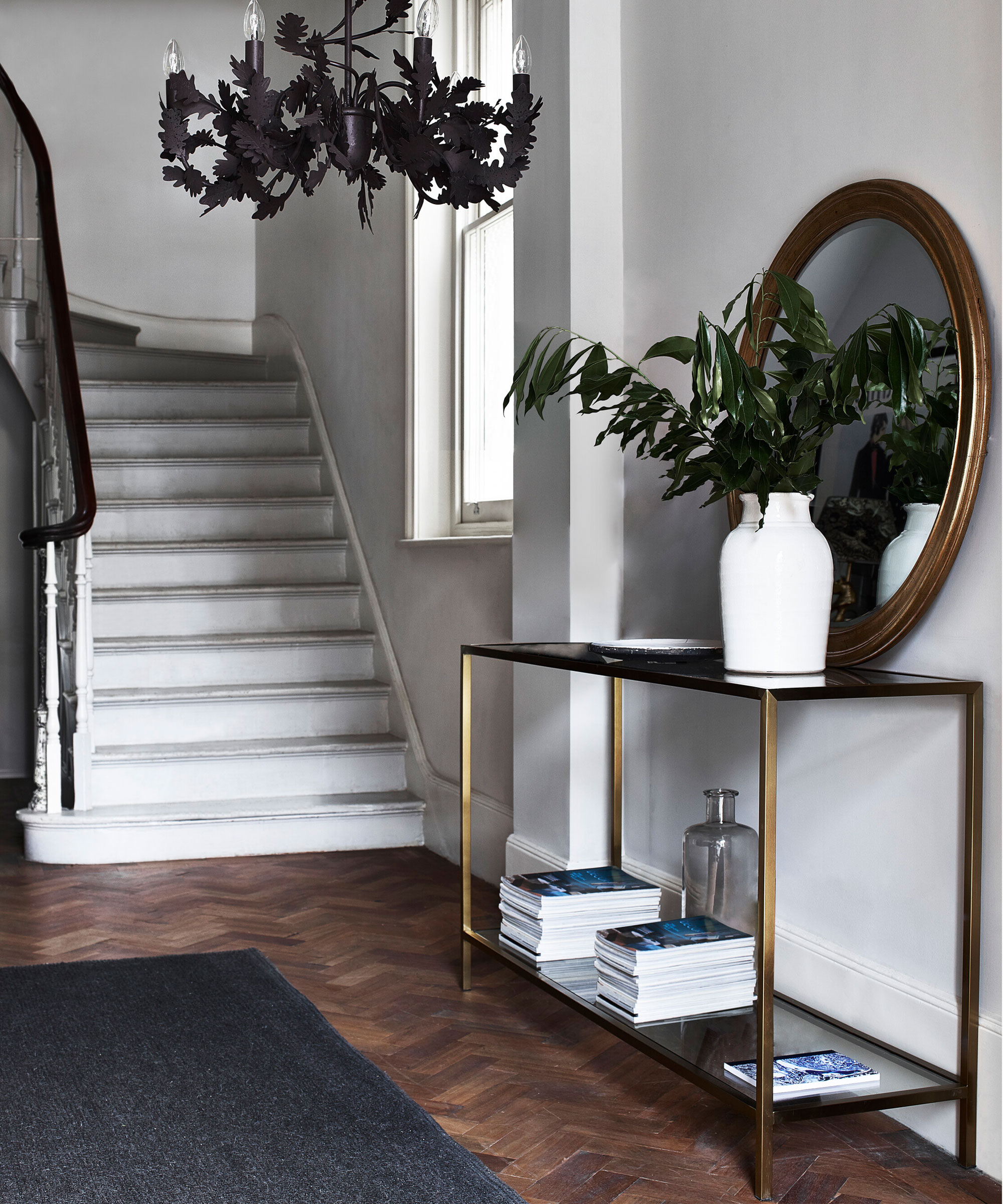
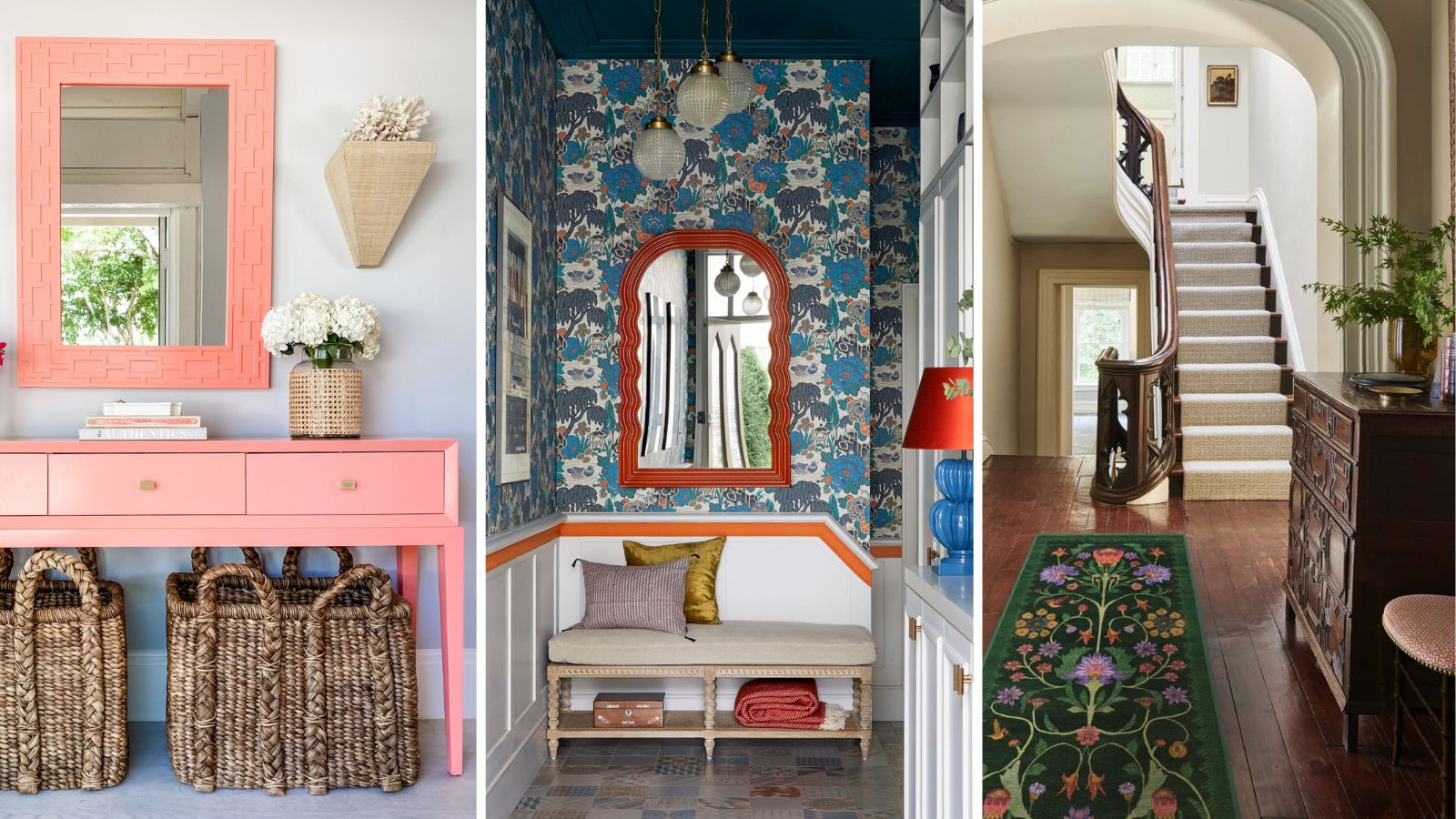
Open shelving, while useful for displaying decorative items, can quickly lead to a cluttered entryway. Designers advocate for closed storage solutions to maintain a neat and organized appearance. Console tables with drawers and tucked-away baskets offer practical storage for essentials like keys, mail, and purses, keeping them out of sight. This approach ensures that the entryway remains welcoming and tidy, rather than appearing chaotic.
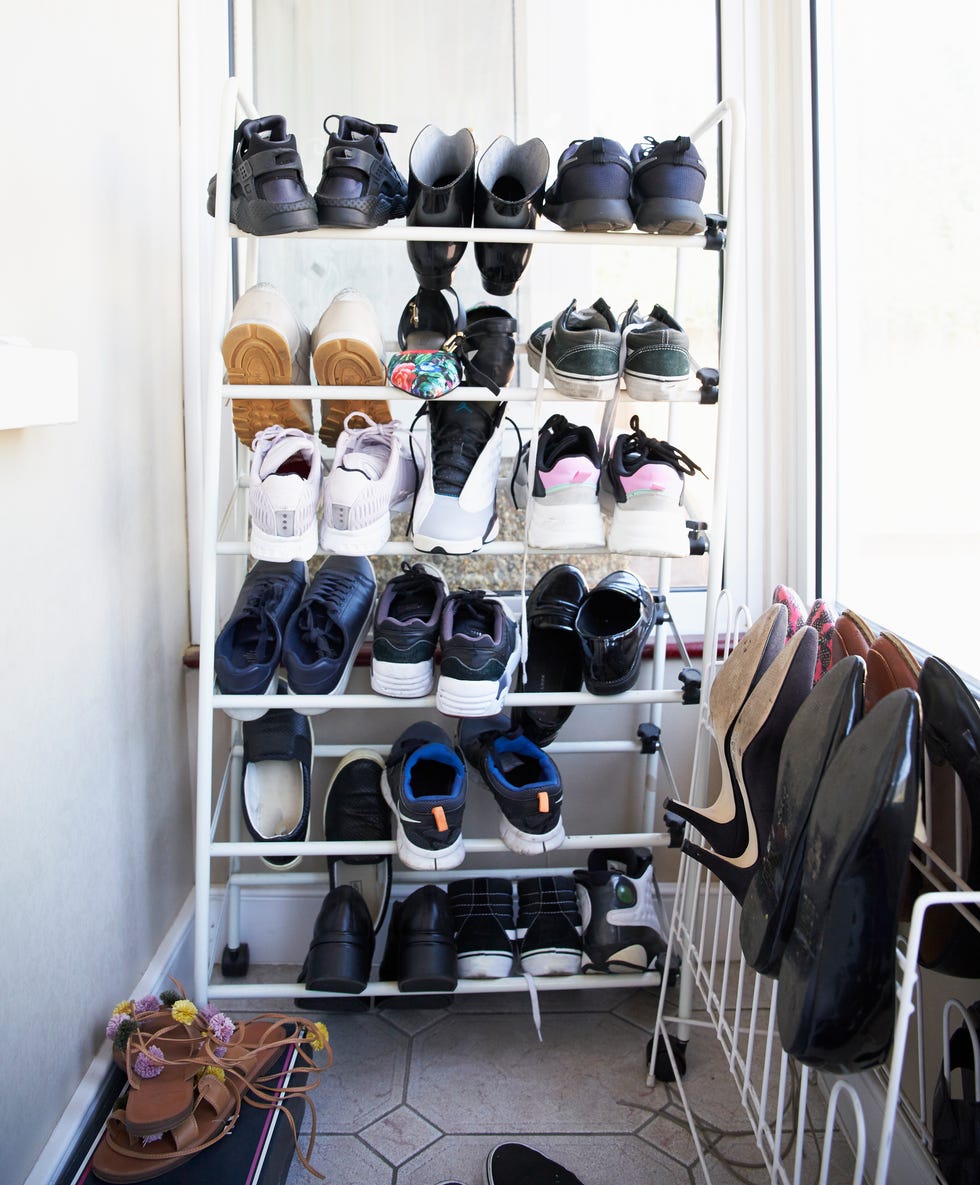
Another element to reconsider is a prominent display of coats and shoes. While convenient, wall-mounted coat hooks often result in a messy pile of jackets, detracting from the entryway's overall aesthetic. Lucy Derbyshire of Studio QD advises concealed coat storage, such as an entryway wardrobe, to keep the area clean and spacious, creating a positive first impression. This is particularly important for storing a family's seasonal outerwear and footwear, which can otherwise overwhelm the space.
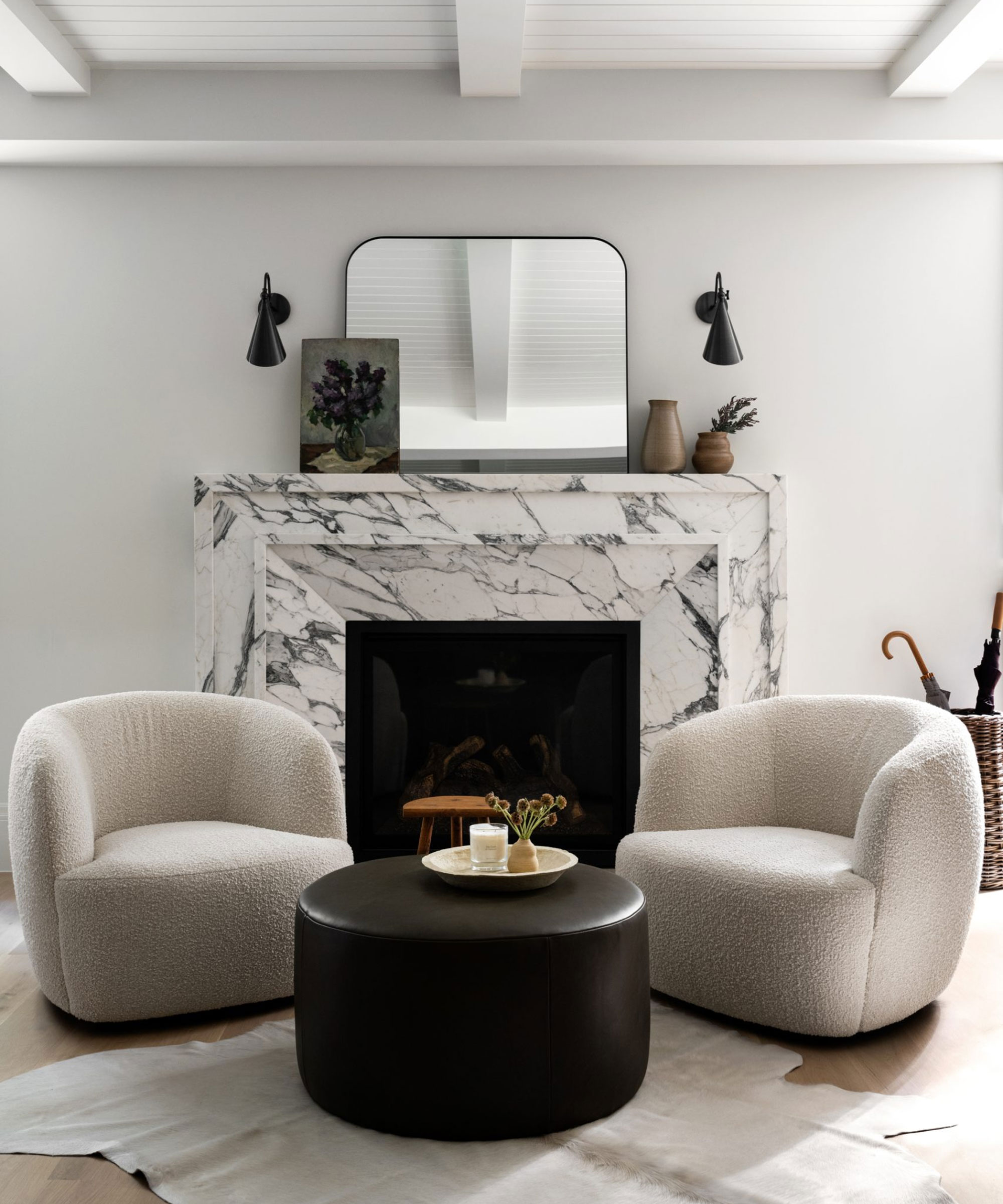
Umbrella stands also fall into the category of items to avoid. Designers note that these can easily become cluttered, serving as receptacles for not just umbrellas but also hats, scarves, gloves, and pet leashes. A more discreet solution, such as a stylish wall-mounted holder or a designated, hidden spot, is preferred to prevent unsightly mounds of miscellaneous items. The goal is to keep such practical items accessible yet out of immediate view.
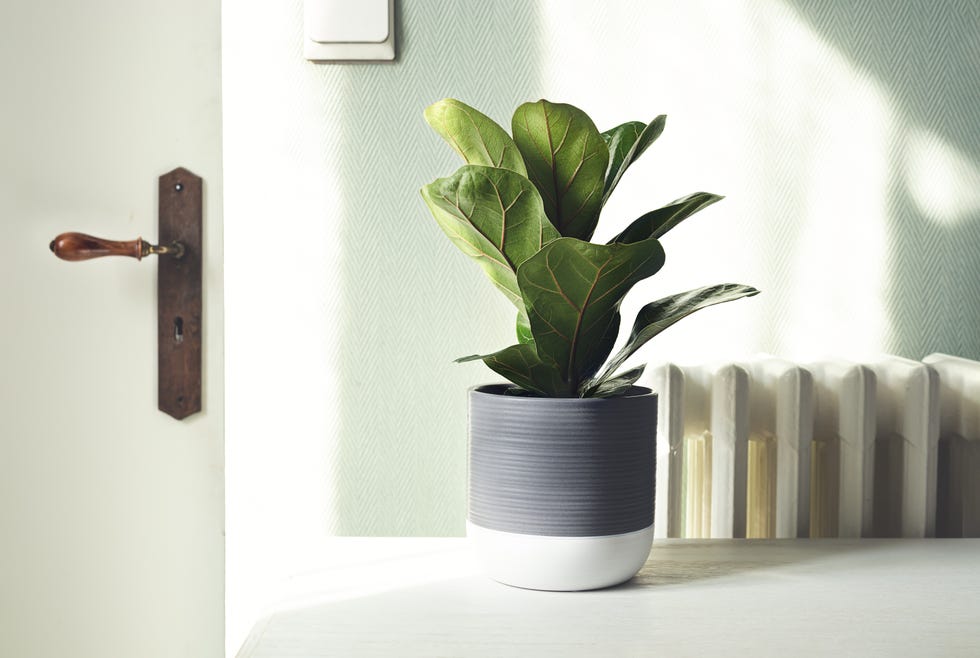
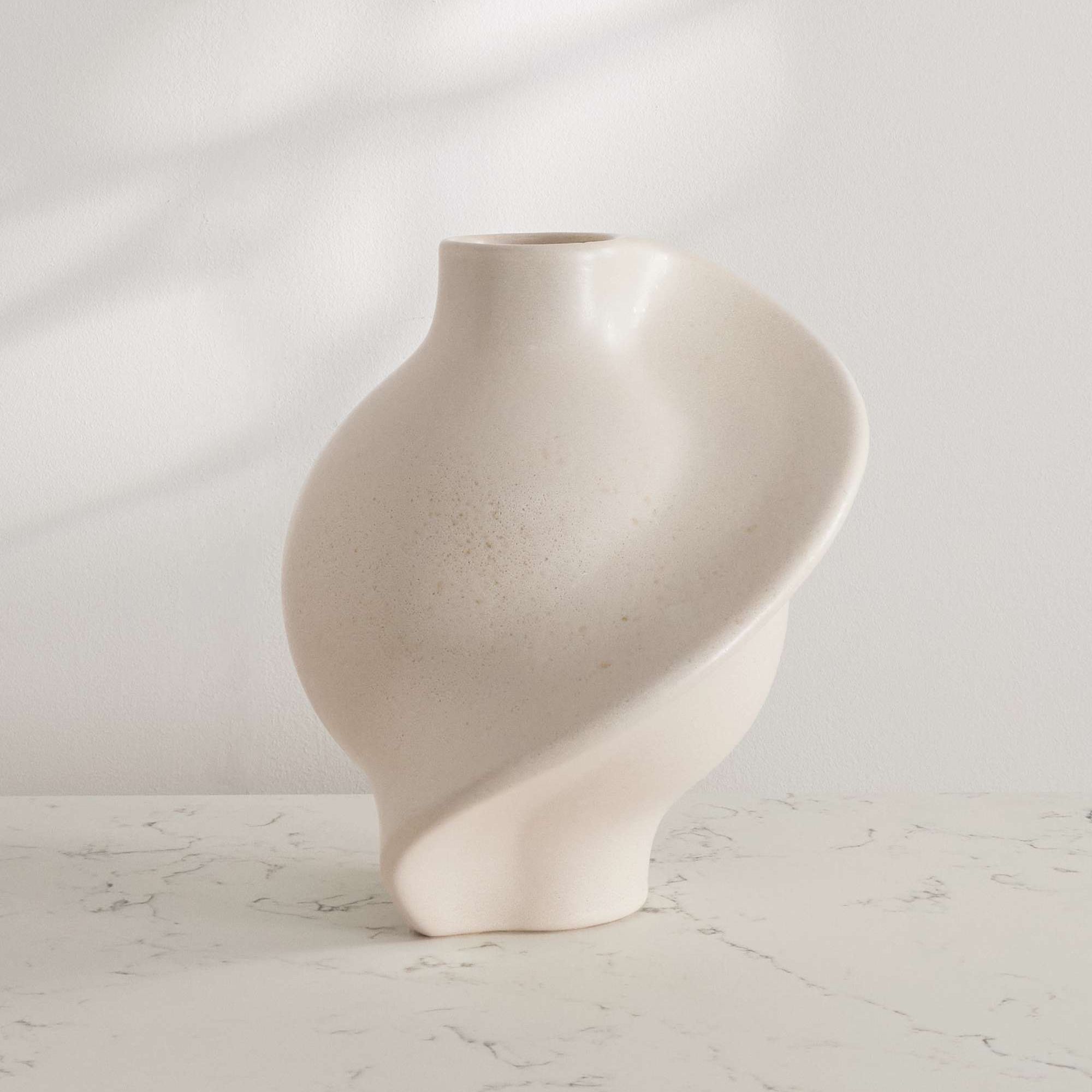
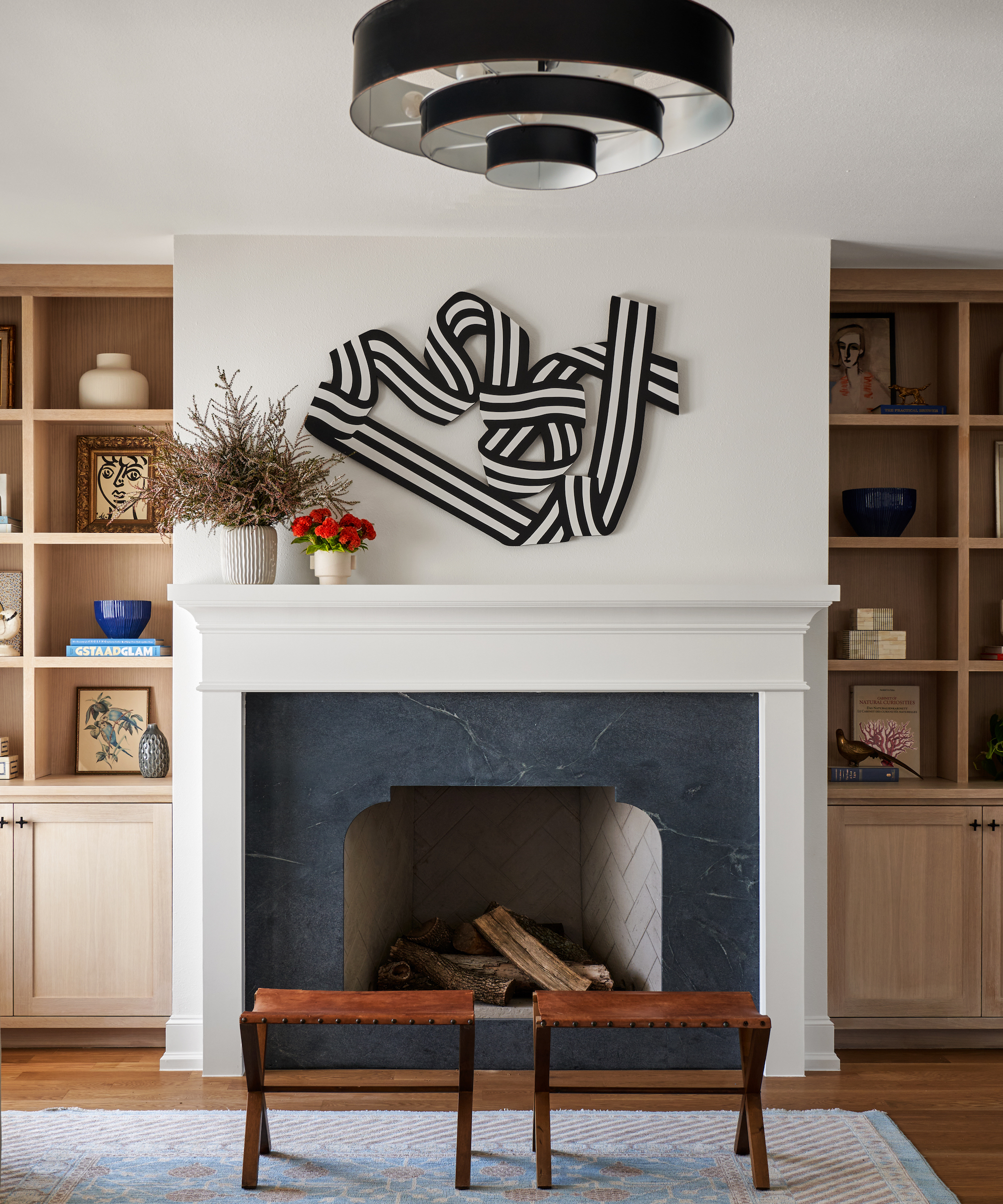
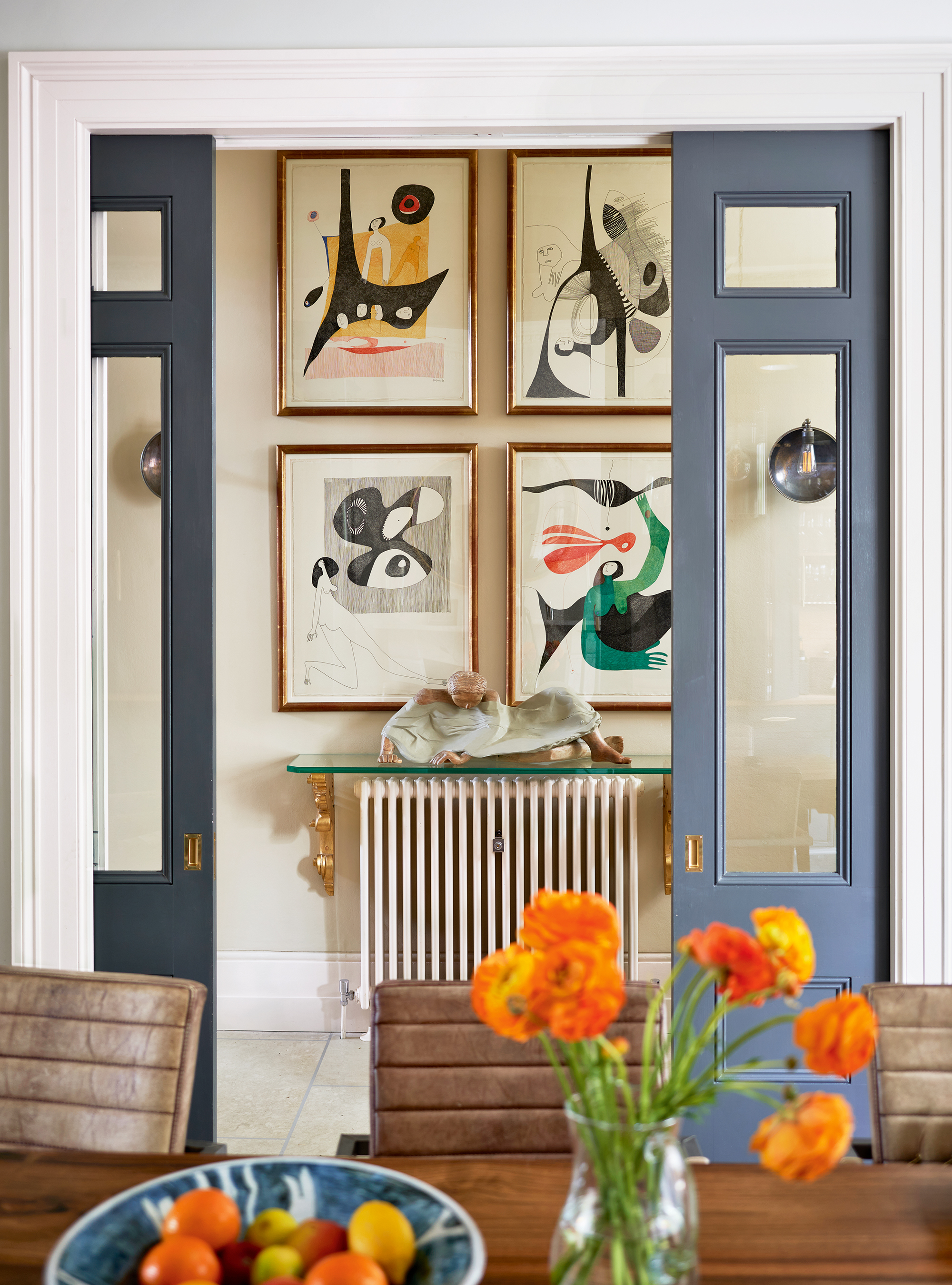
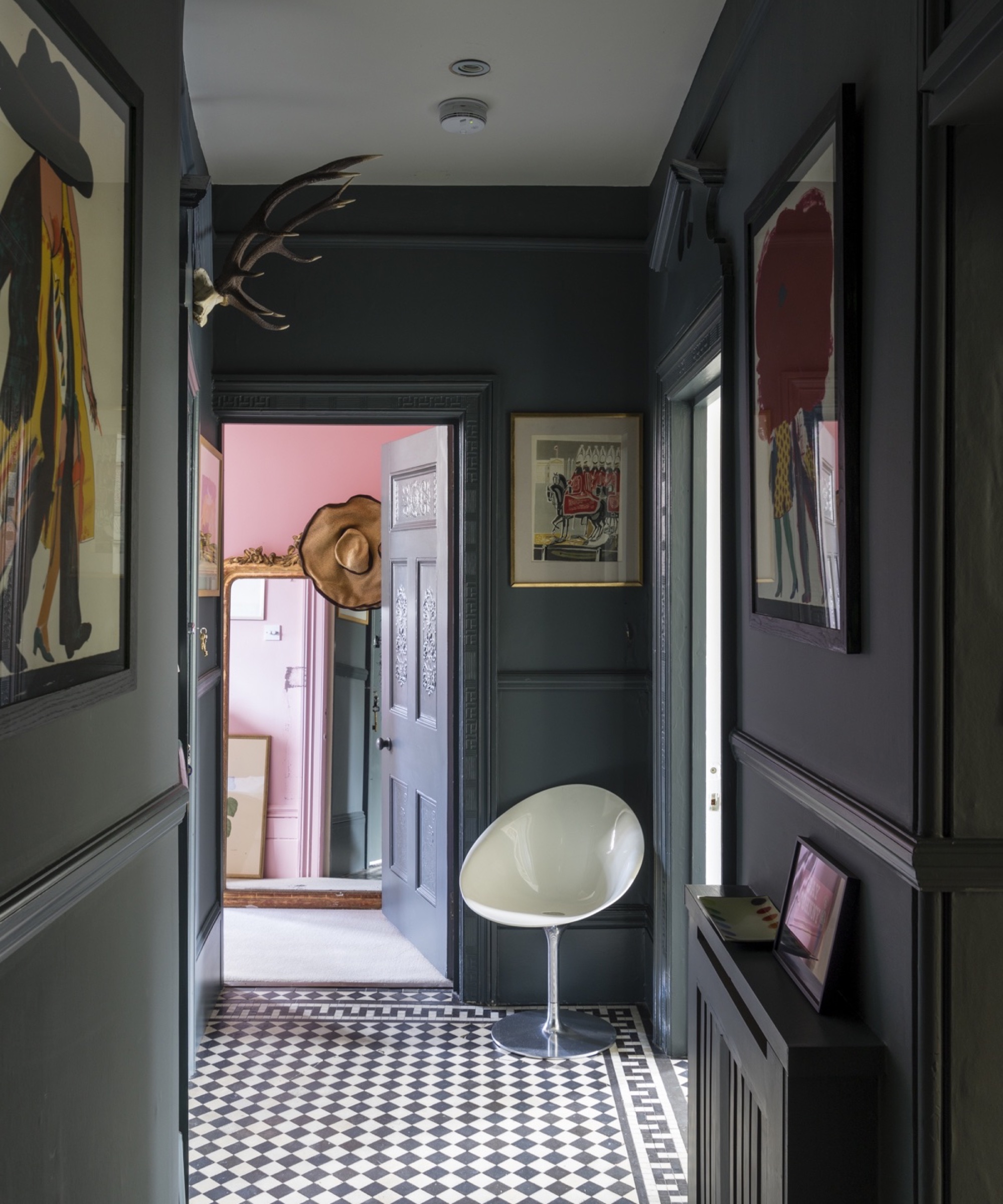
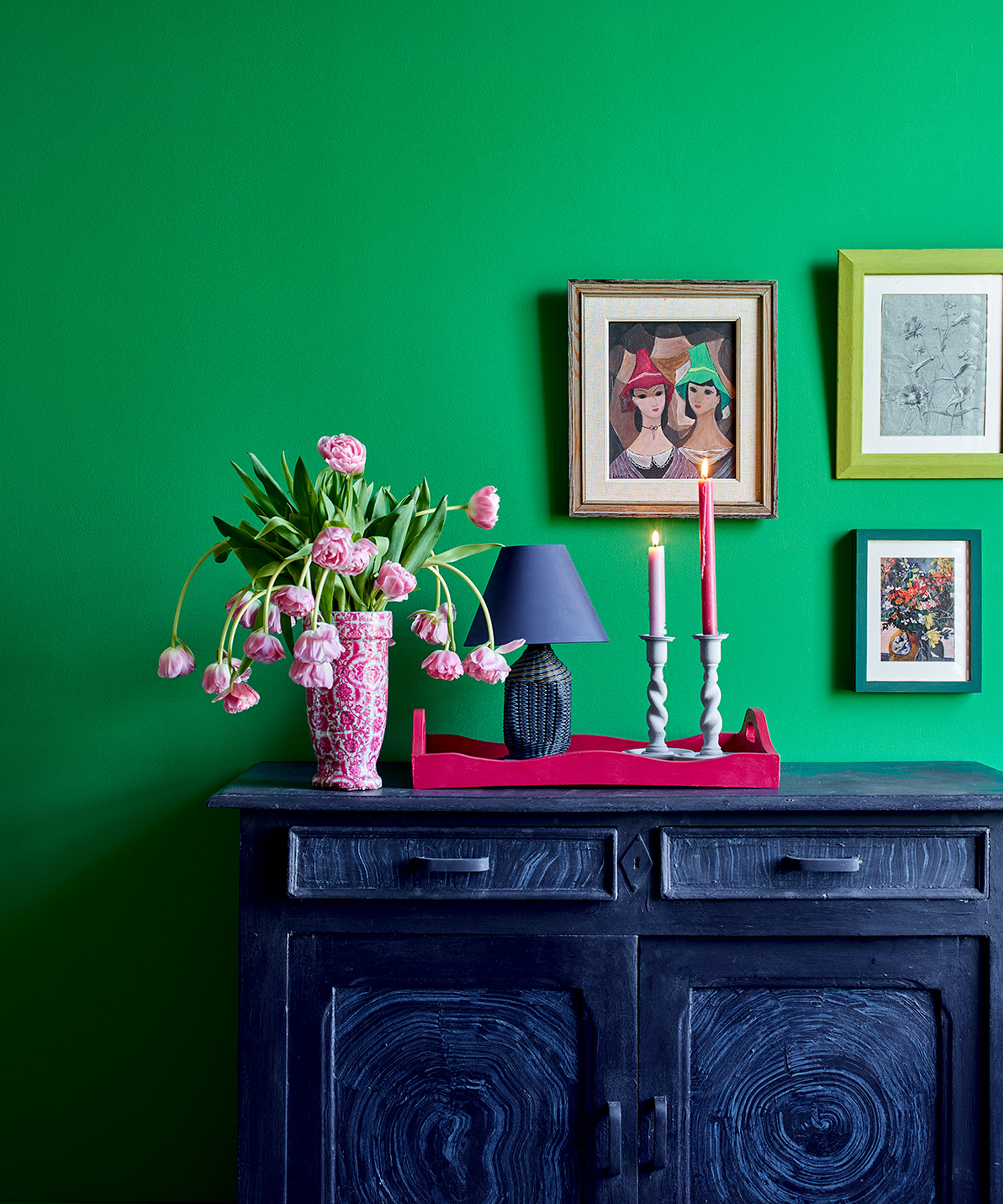
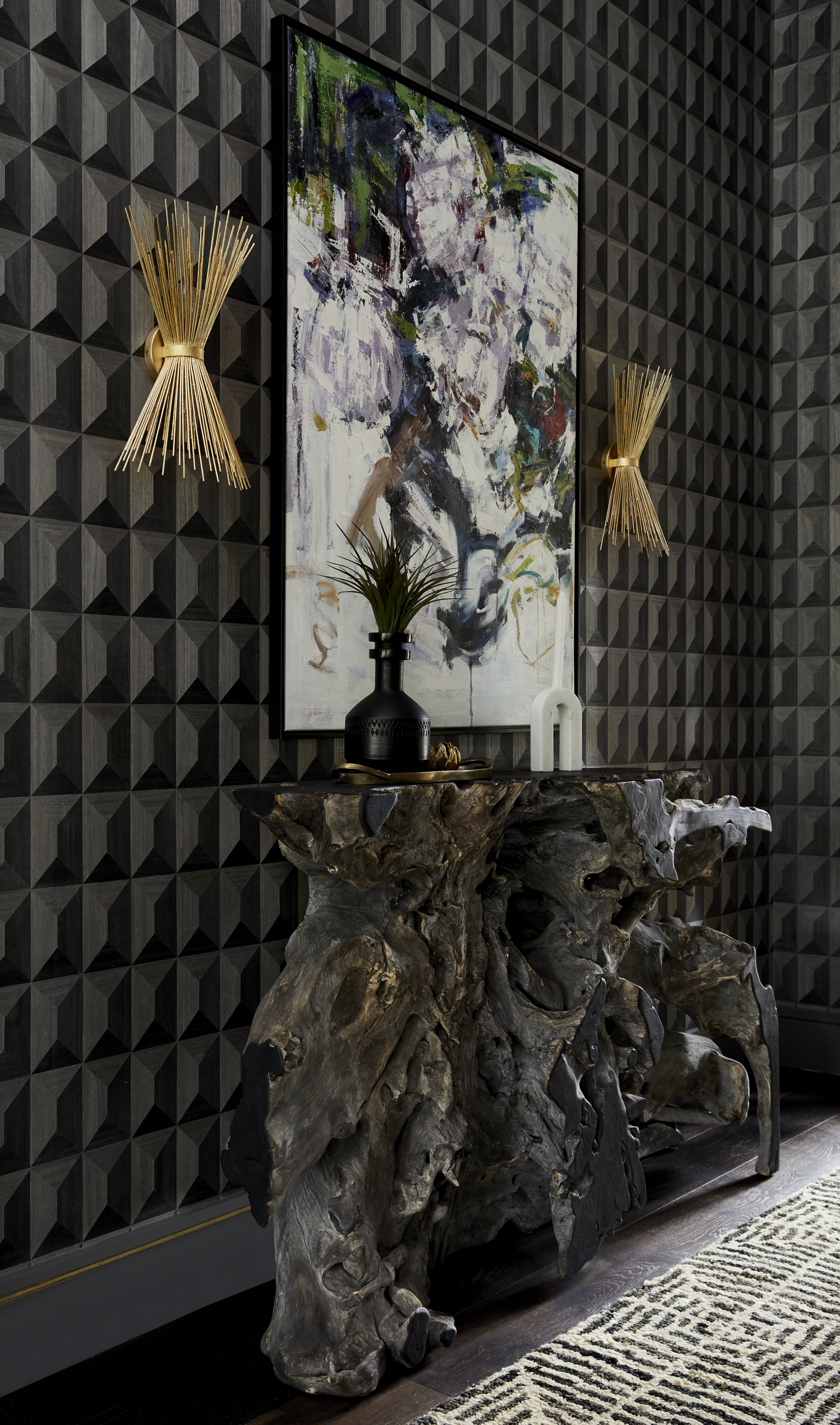
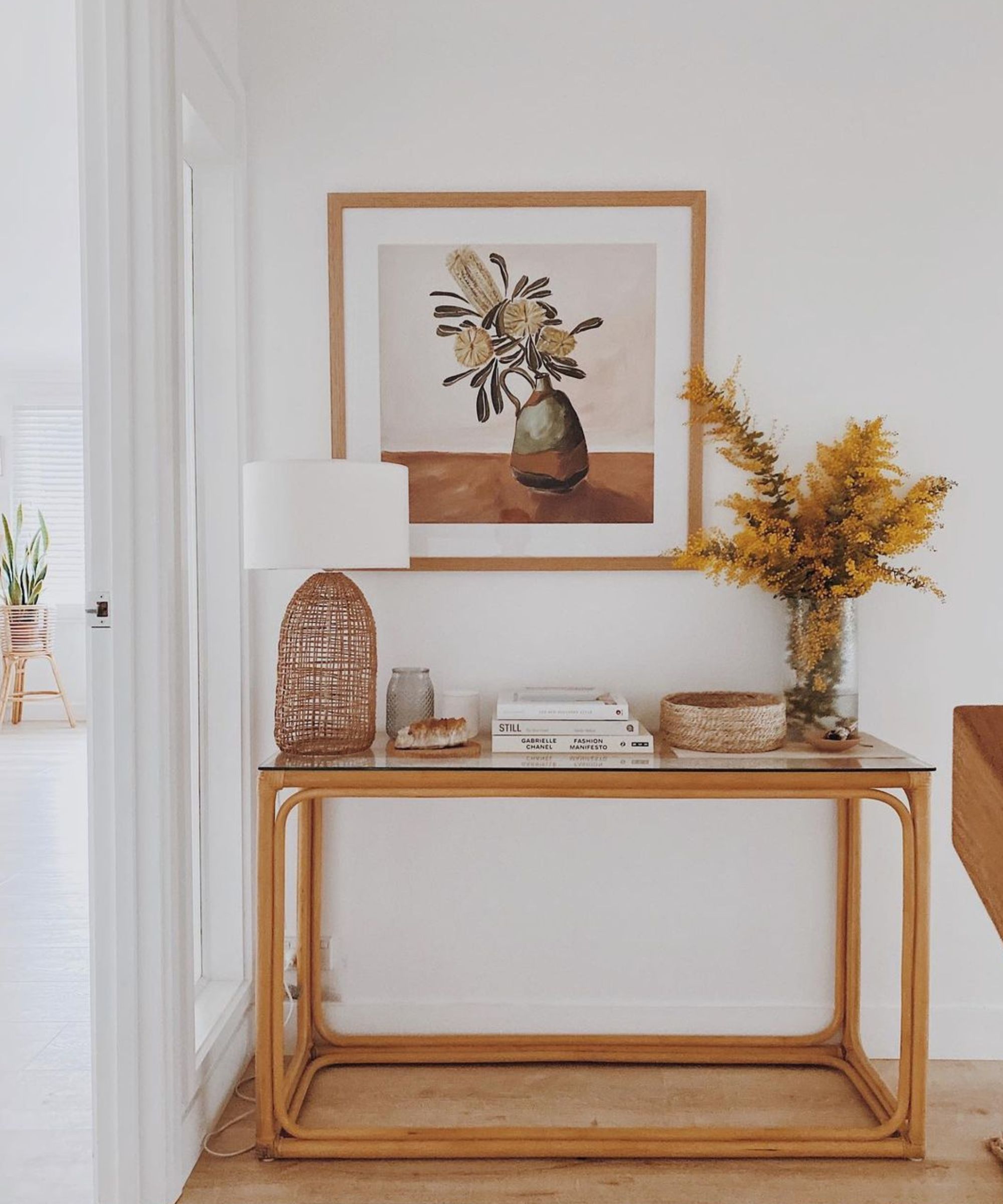
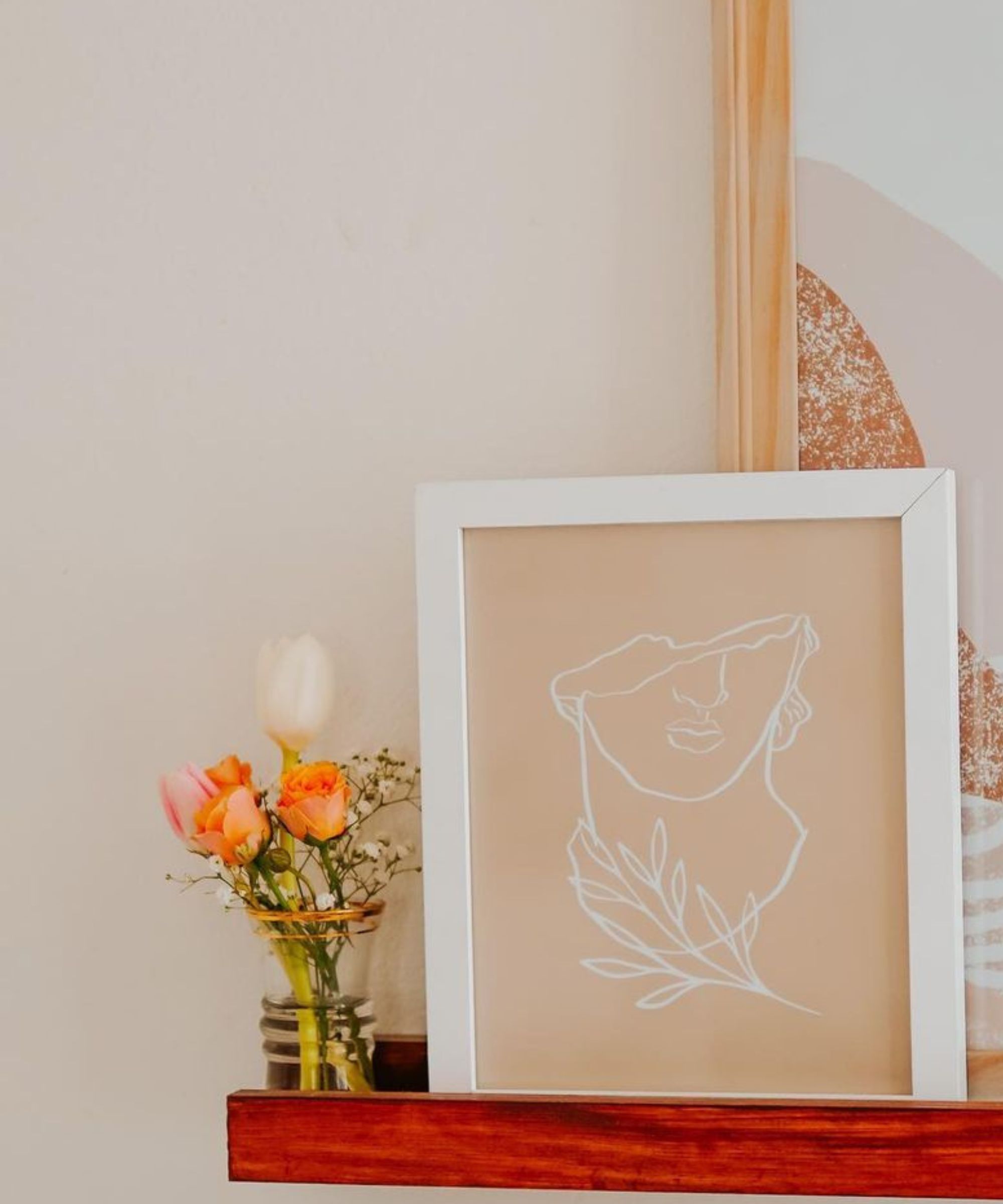
Finally, excessive decor is a common mistake that can make an entryway feel cramped and overwhelming. While it's tempting to adorn this space with numerous decorative pieces, designers recommend a minimalist approach. Focusing on one or two statement pieces, such as striking artwork or a unique sculpture, can create visual interest without cluttering the area. The key is to balance aesthetic appeal with functionality, ensuring the entryway remains clear, inviting, and reflective of the home's overall design while also accommodating daily needs efficiently.
#EntrywayDesign #InteriorDecor #HomeOrganization #ClutterFreeHome #InteriorDesignTips #StorageSolutions #RugSelection #FirstImpressions #EntrywayDesign #InteriorDecor #HomeOrganization #ClutterFreeHome #InteriorDesignTips #StorageSolutions #RugSelection #FirstImpressions
0 comment in total
 No comments yet
You may also like
6 Things That Make Your Entryway Look TACKY, According to Designers

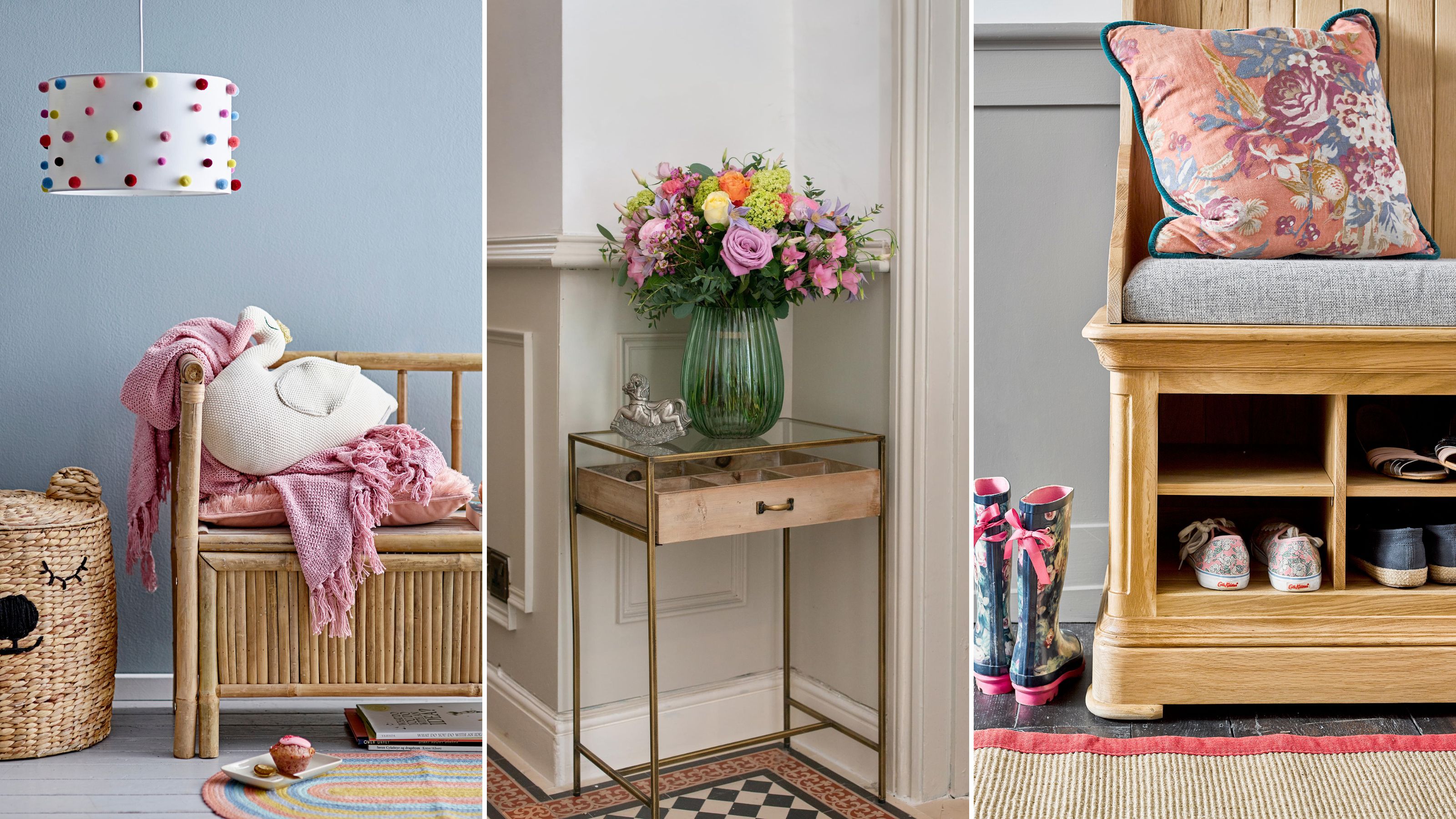
5 small entryway storage mistakes designers want you to stop making


6 colors to avoid in an entryway – and the ones designers know make a better first impression

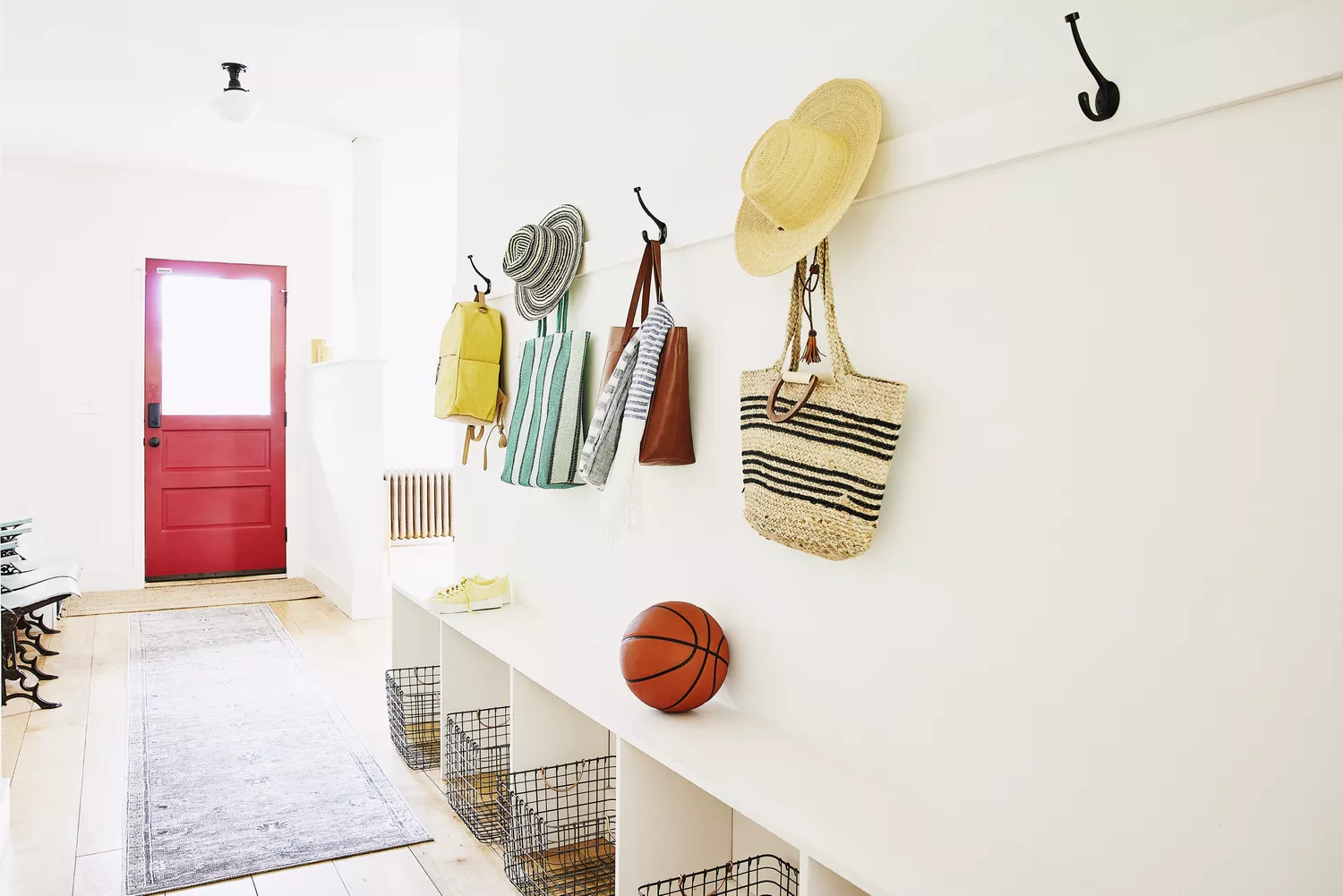
7 Entryway Mistakes Designers Instantly Notice When They Walk Into Your Home

6 things you should never put on your dining room table, according to interior designers
5 things designers say you should never put on a mantel
6 Things That Make Your Entryway Look TACKY, According to Designers

The 10 Biggest Interior Design No Nos According to Decorators

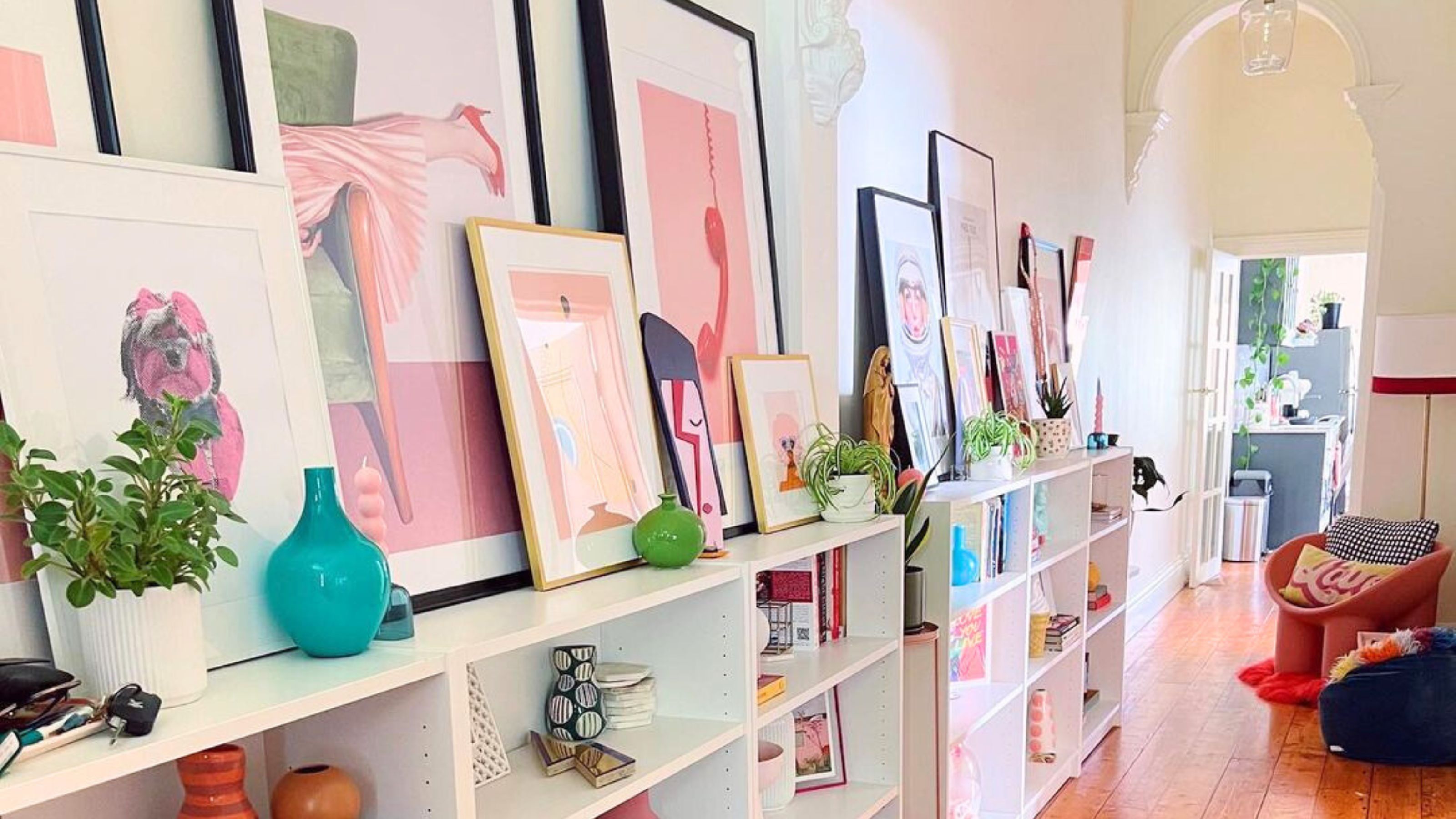
Don't make these 5 entryway decor mistakes
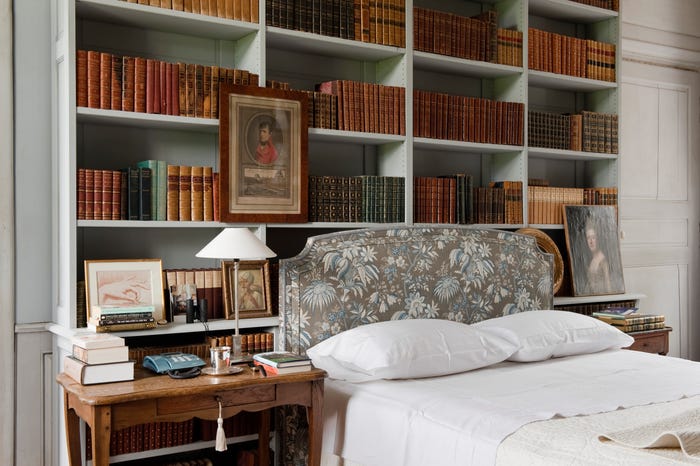
Interior designers share 6 things you should never have in your bedroom
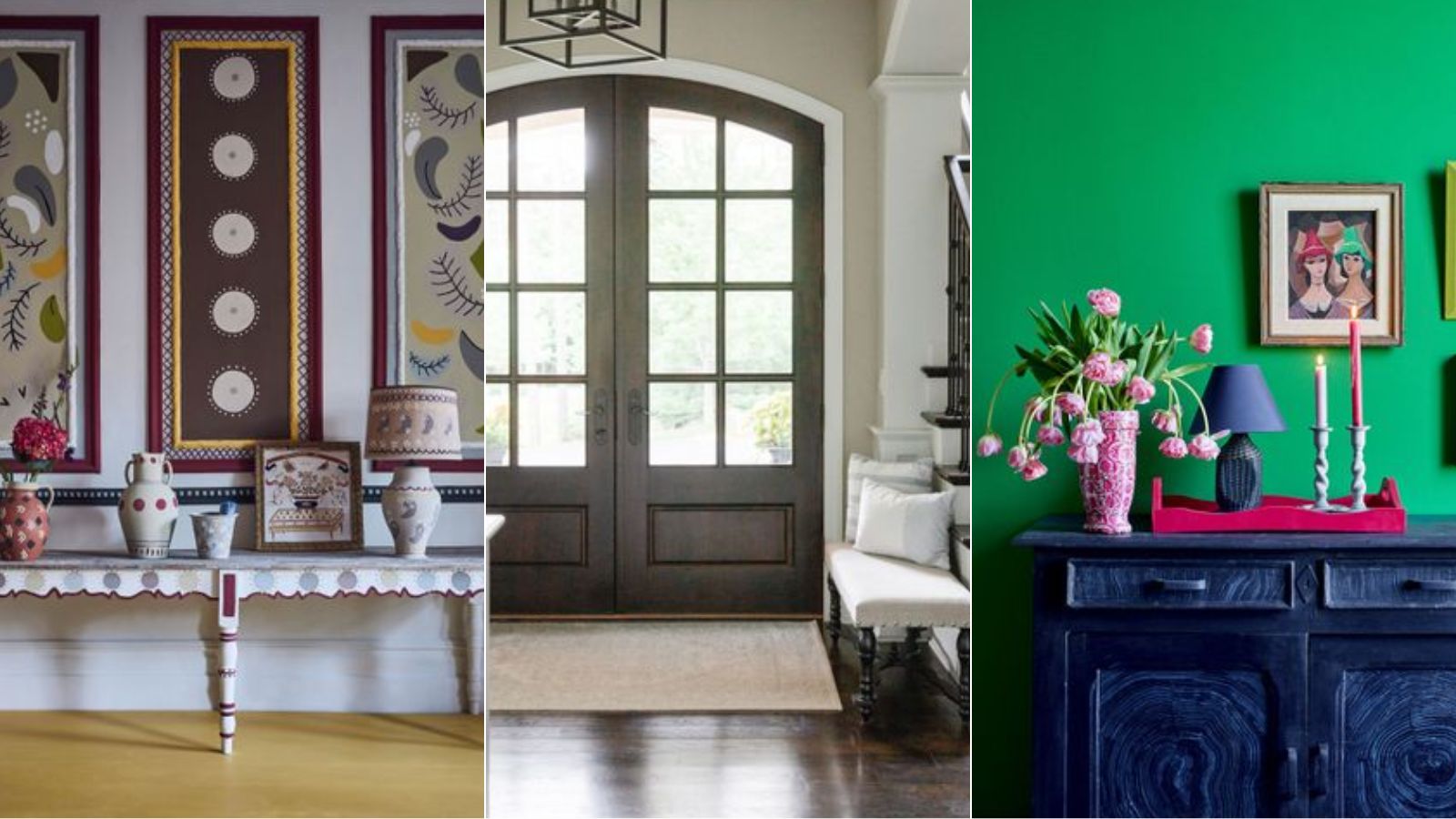
Items to never store in an entryway, according to cleaning, organizing and interiors experts
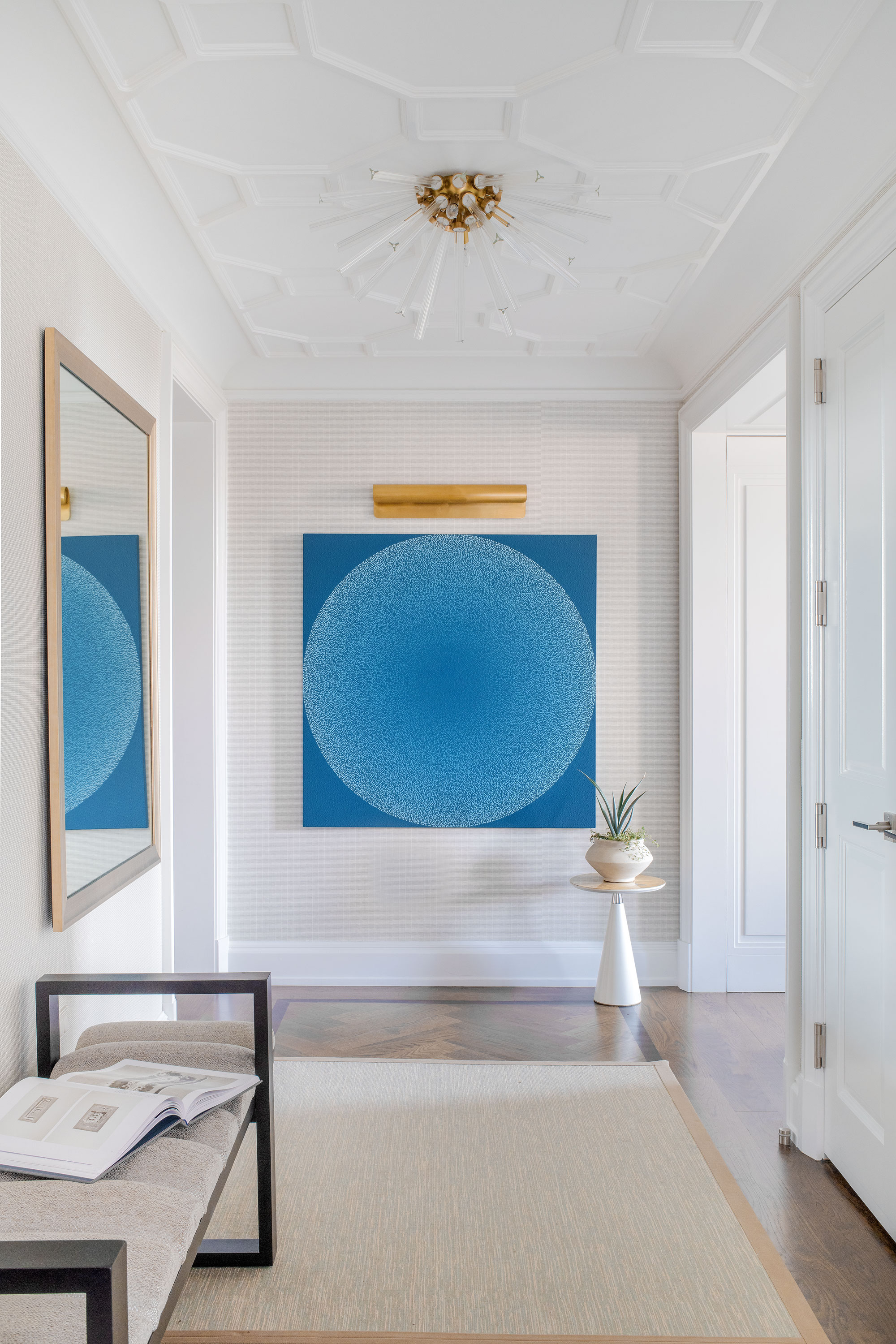
5 Common Entryway Lighting Mistakes Designers Never Fail to Notice — I'll Always Avoid These Now
4 Things To Keep Out Of Your Entryway, According To Designers
7 Design Mistakes Interior Designers Always Notice

10 Mistakes Designers IMMEDIATELY Notice When They Walk Into Your Home
7 things interior designers never have in small living rooms

5 things to never put on your kitchen island, according to interior designers
5 entryway mistakes we all make – and how designers suggest we avoid them
10 Interior Design Mistakes Experts Avoid In Their Own Homes
5 Mistakes That Are Making Your Entryway Look Bad, According to a Designer