1/6
5 entryway mistakes we all make – and how designers suggest we avoid them
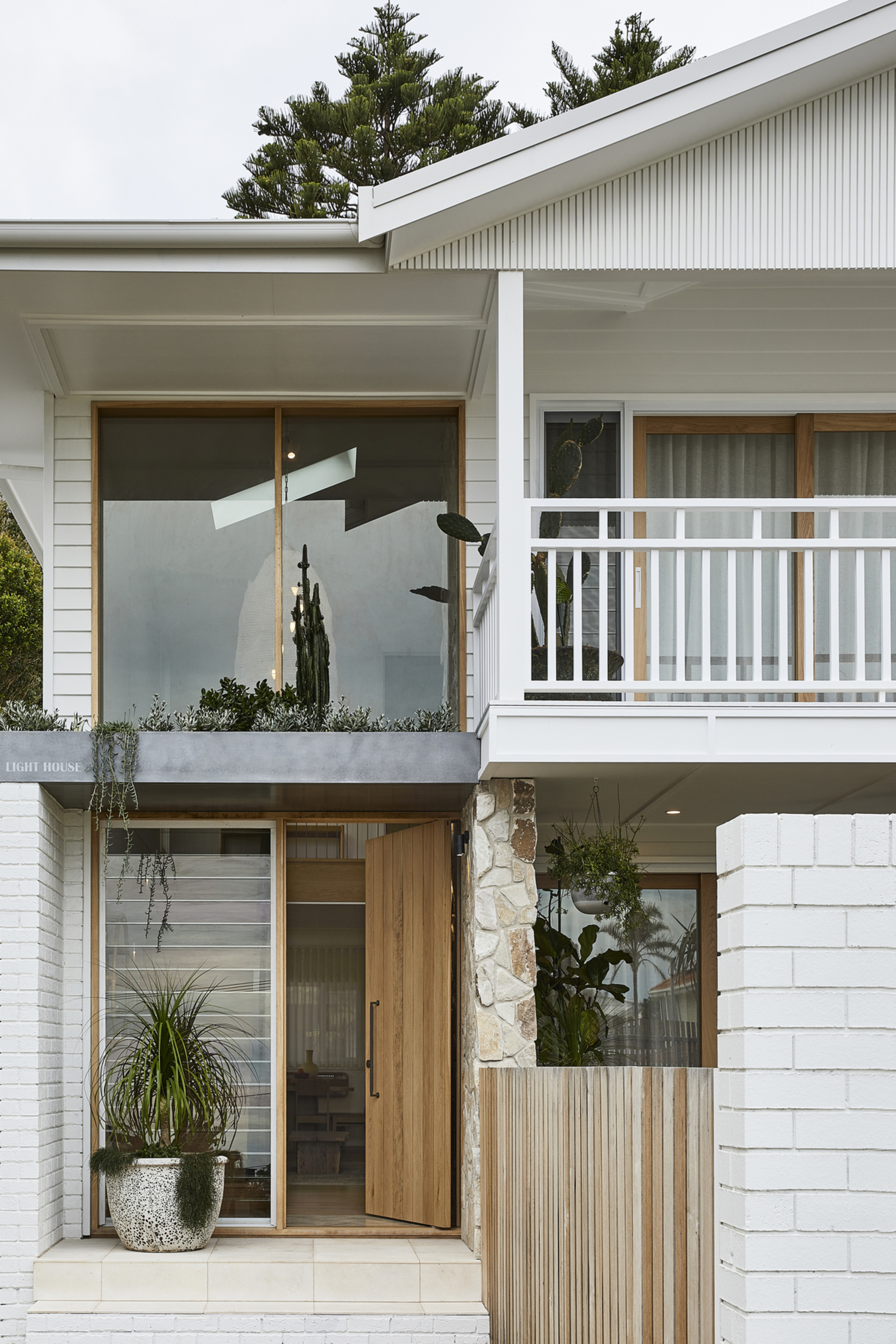
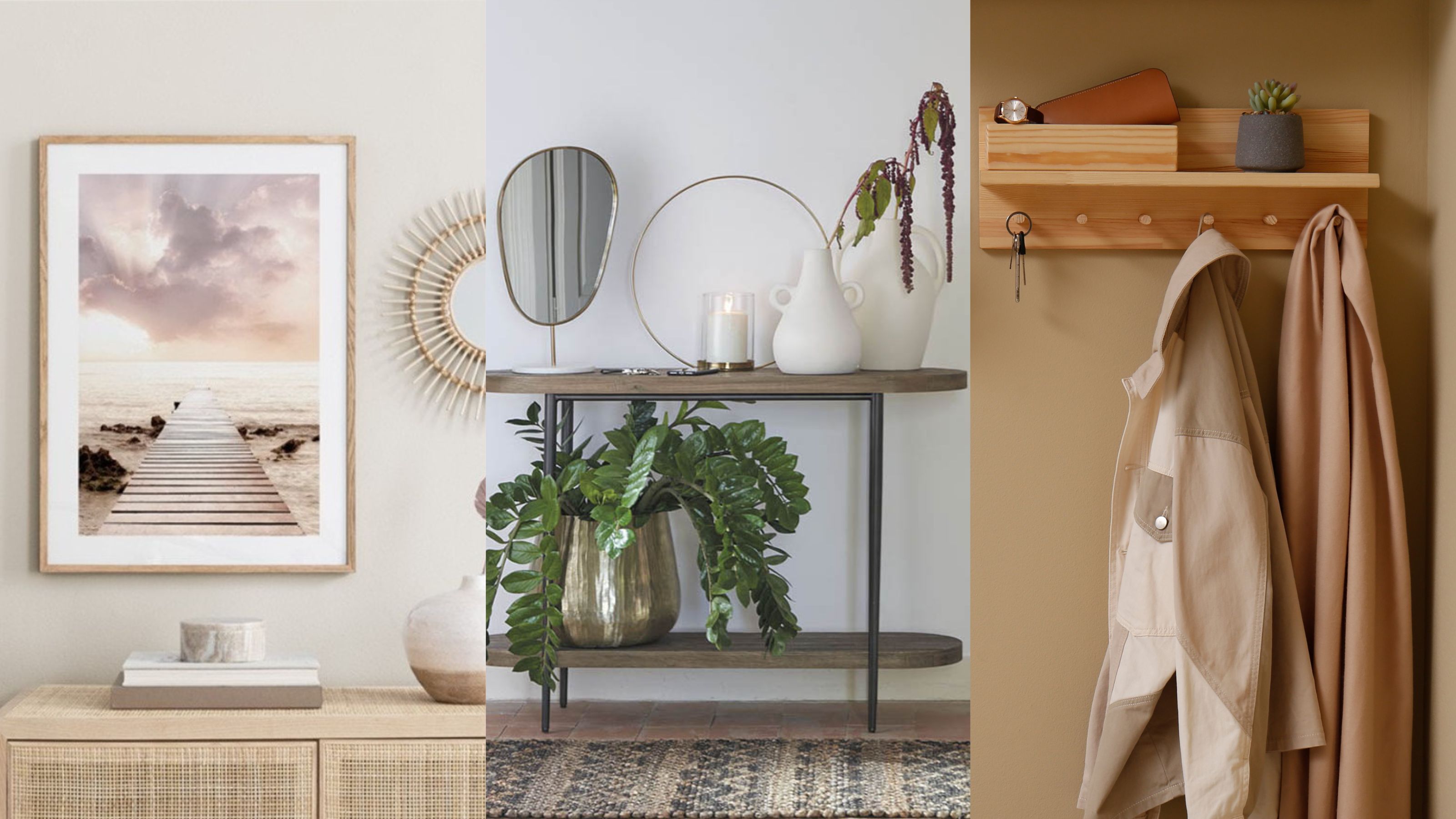
Entryways, despite being high-traffic areas and the first impression of a home, are often neglected in terms of decor and design, leading to outdated or uninviting spaces. Unlike more frequently updated living areas, entryways tend to remain unchanged for years, potentially appearing worn and dated compared to the rest of the home. This article highlights five common entryway mistakes identified by designers, offering contemporary solutions and alternatives to enhance these crucial spaces.
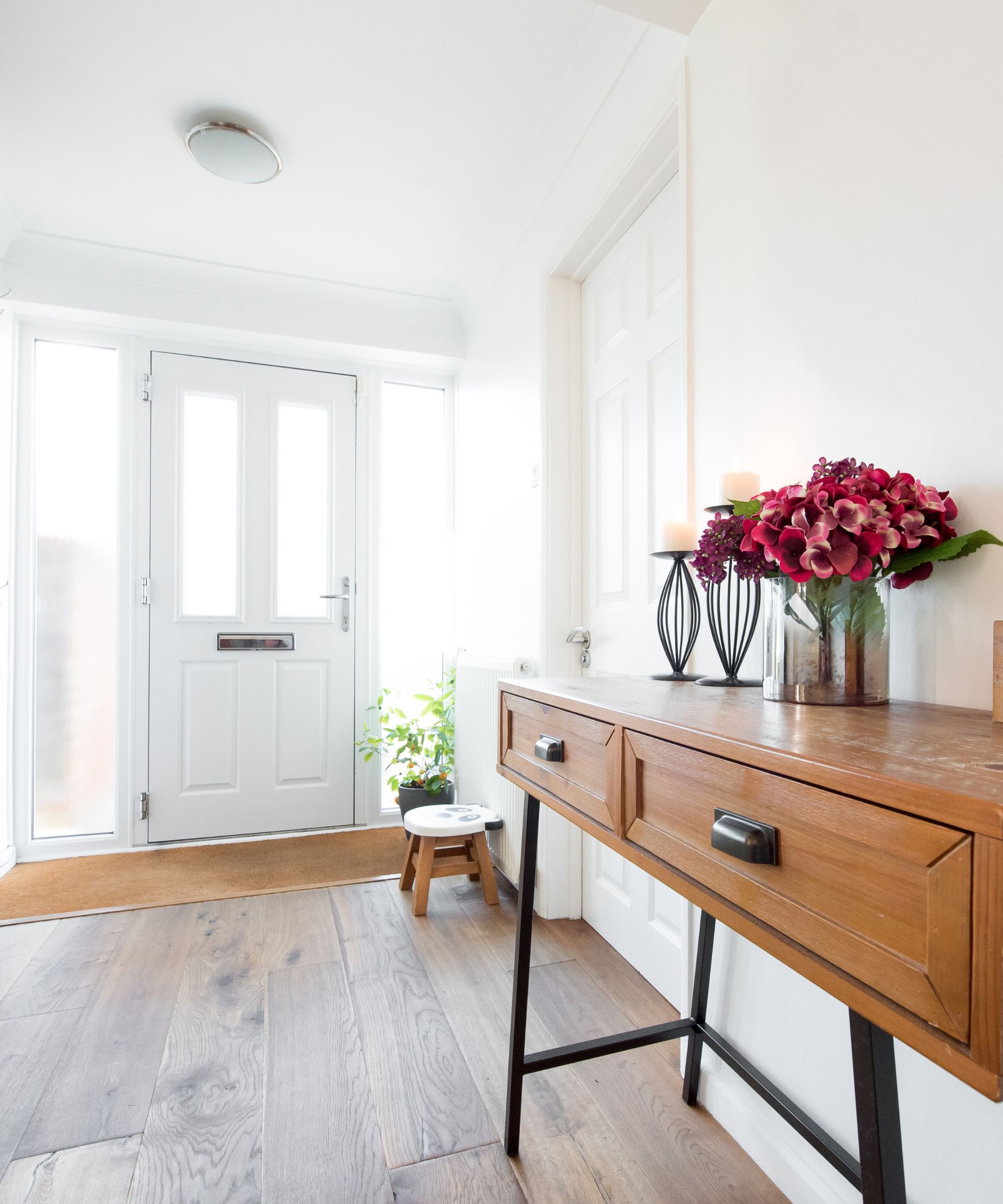
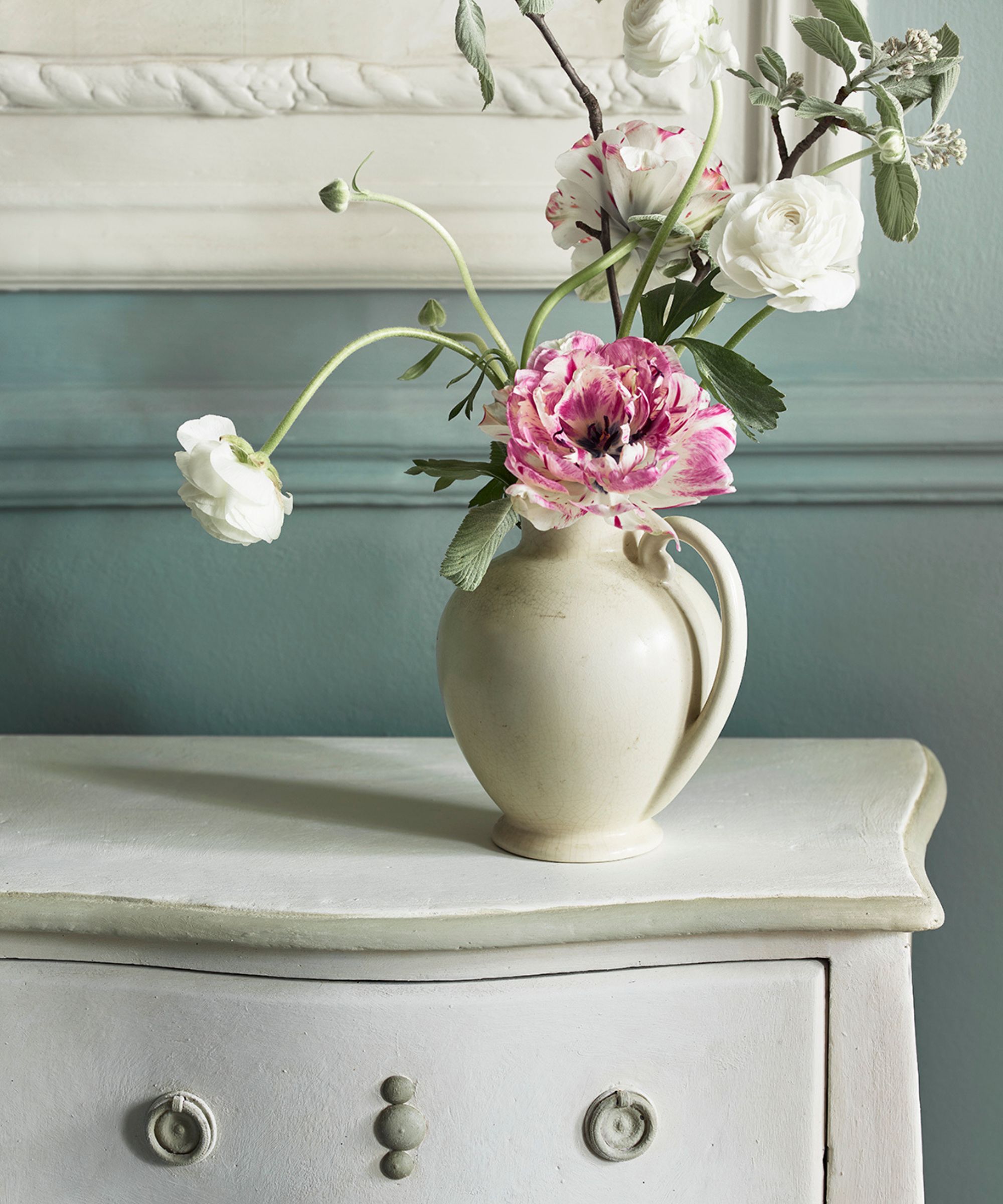
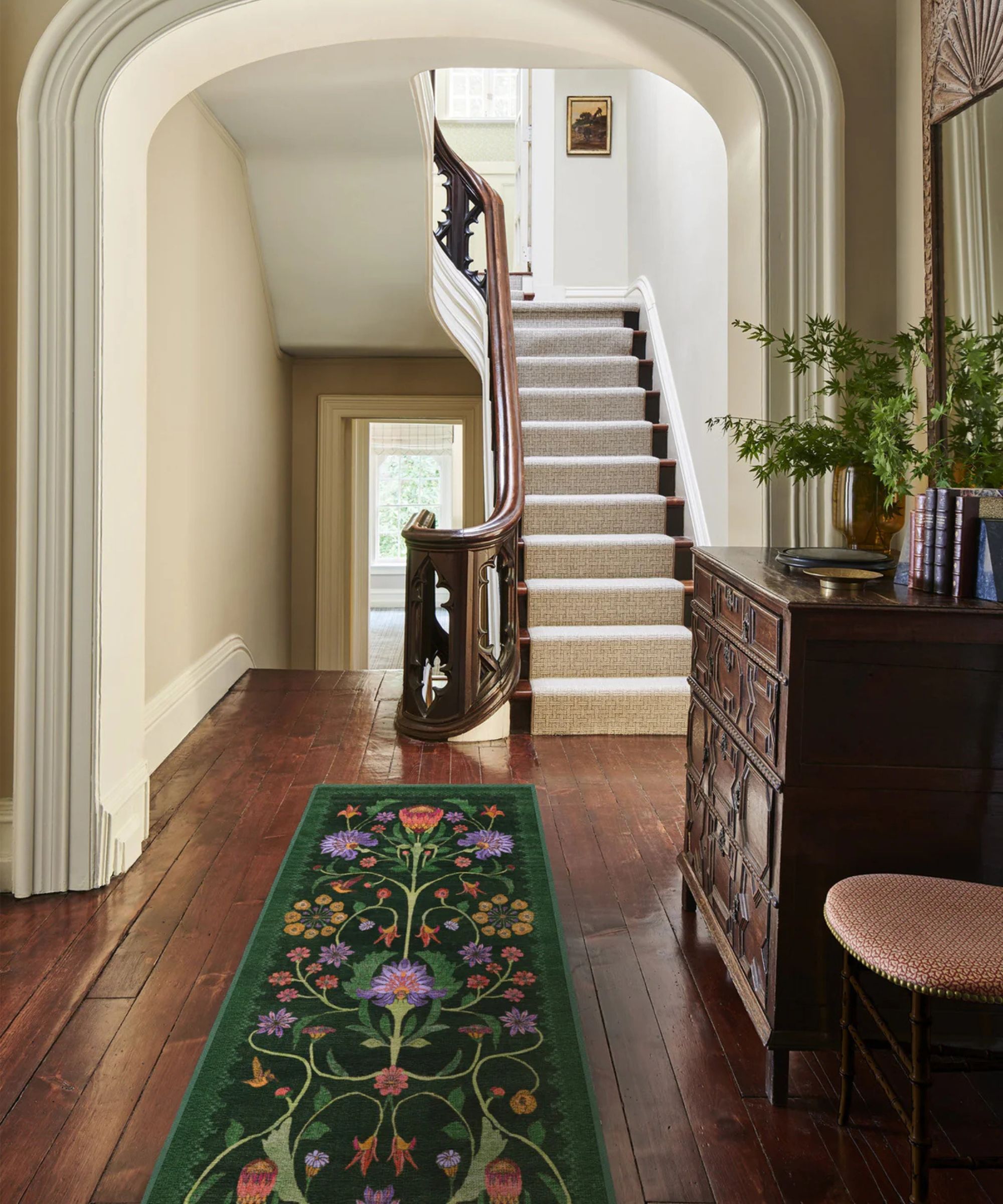
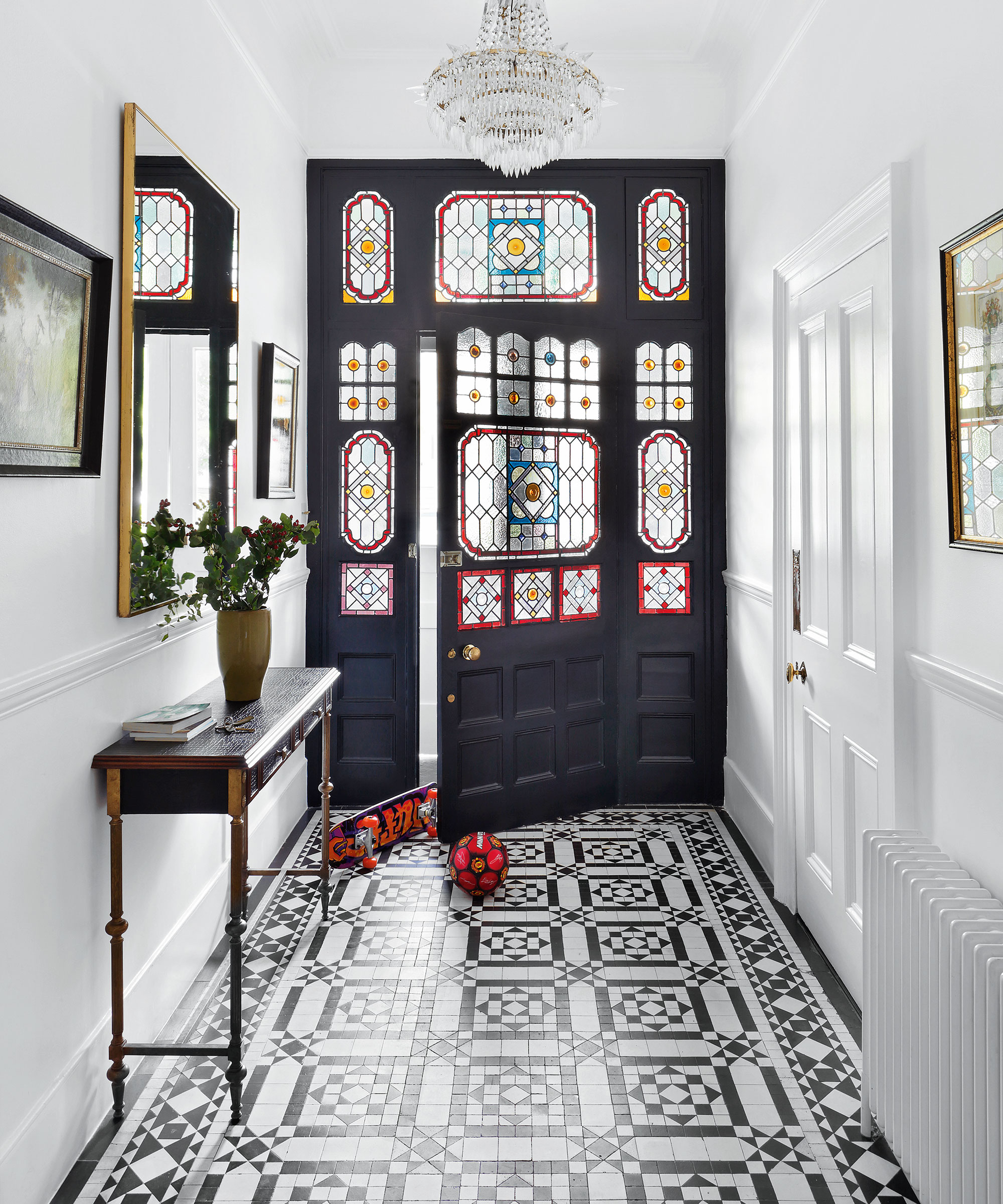
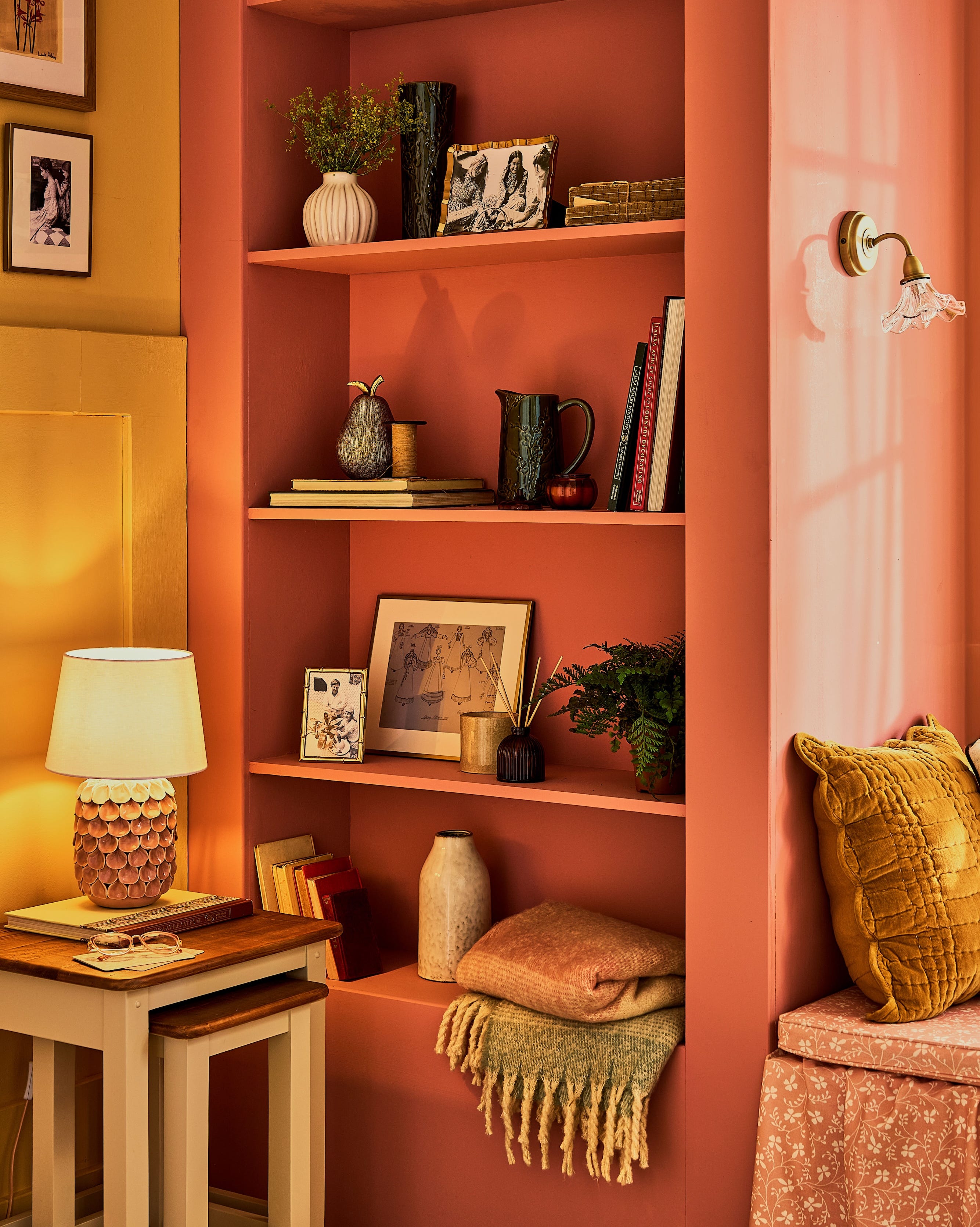
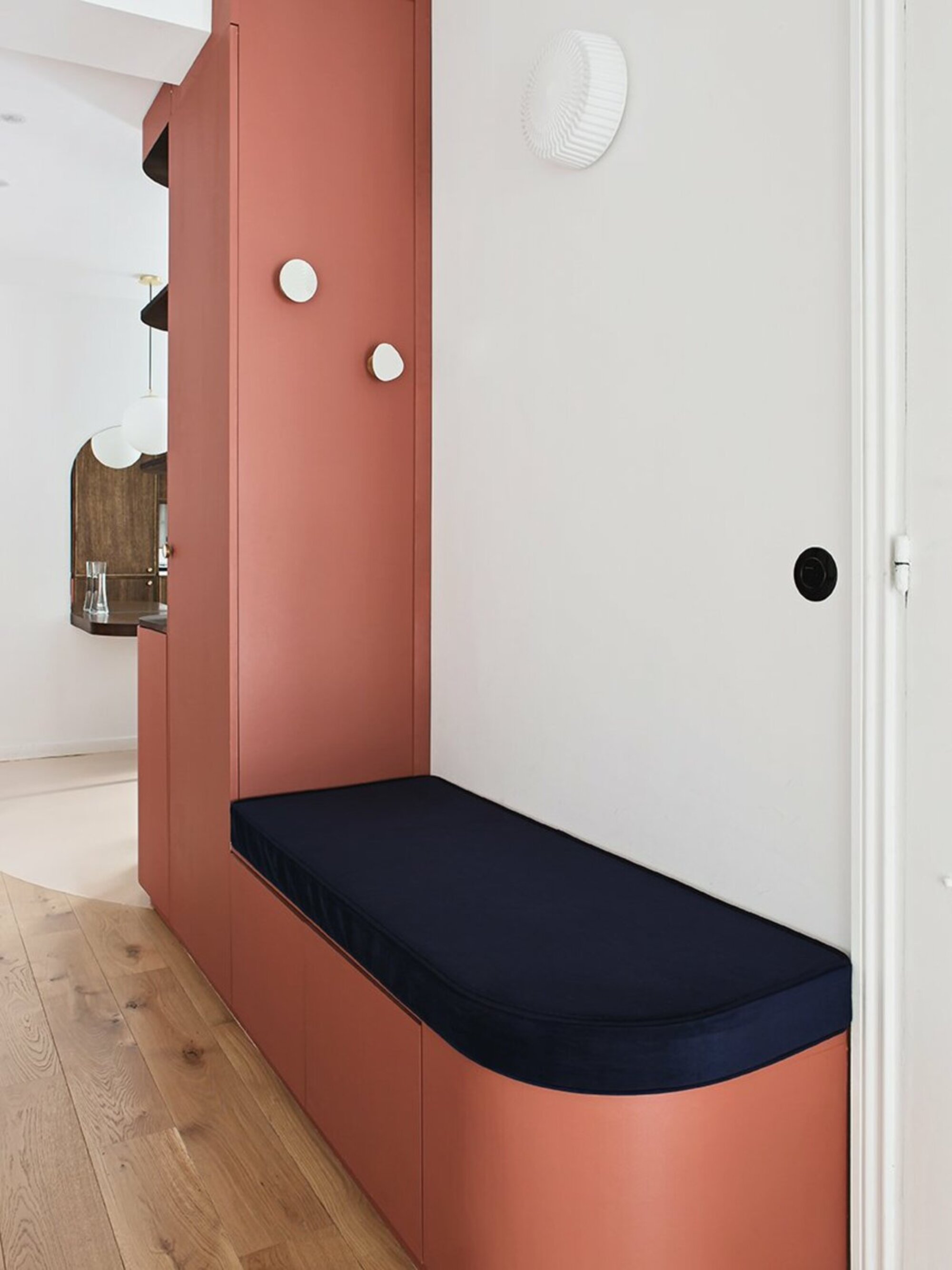
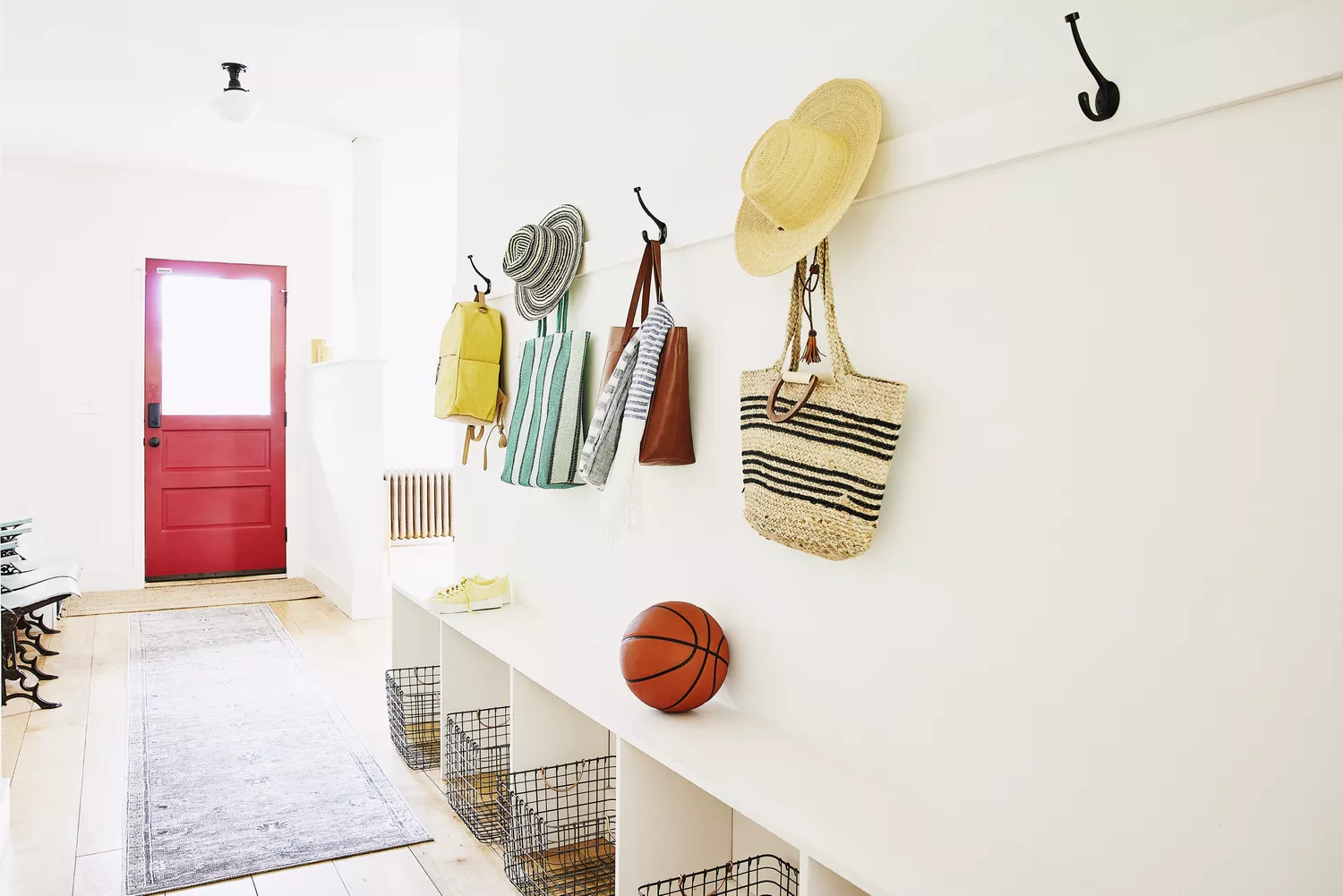
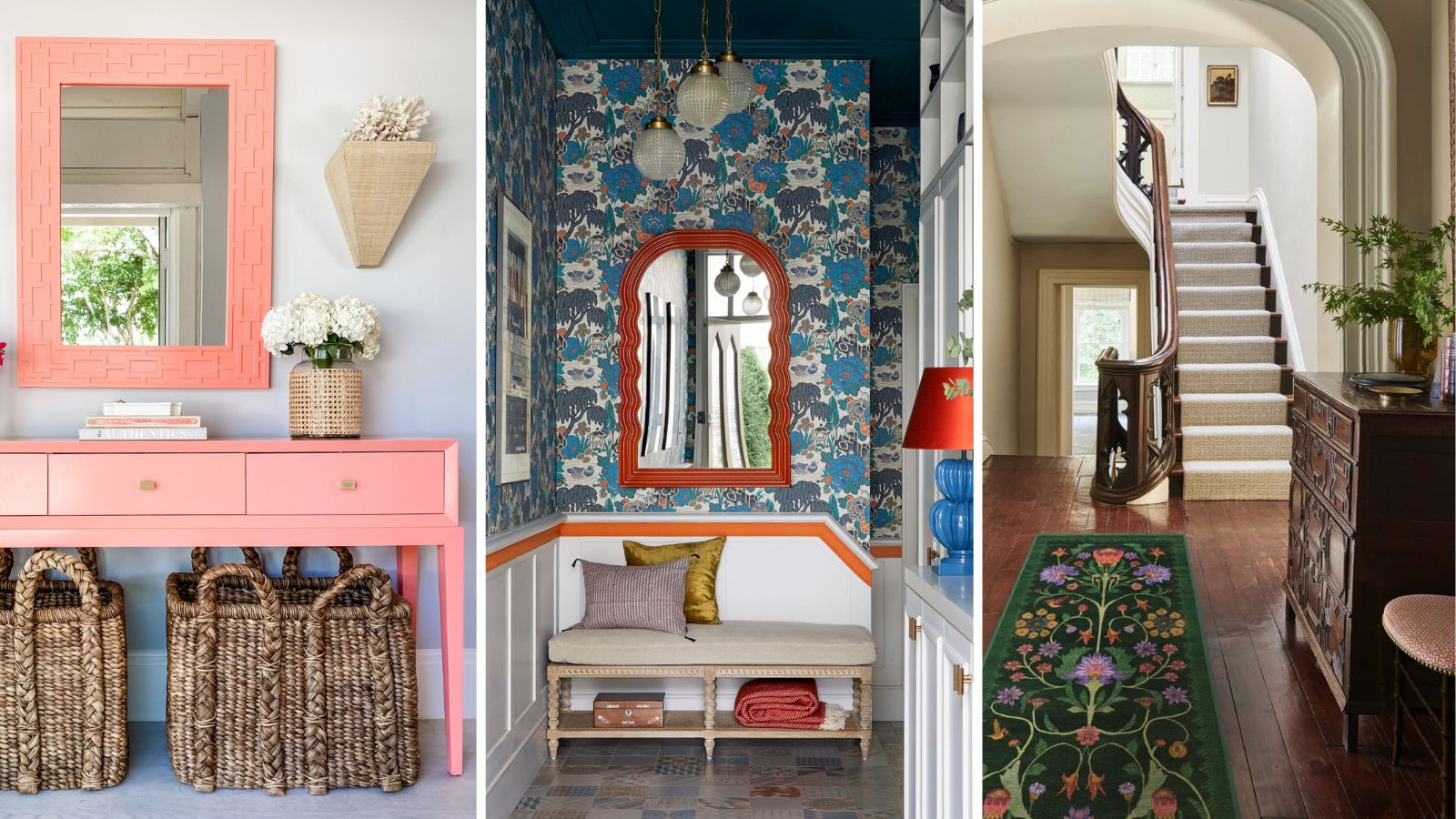
The first mistake discussed is the common practice of painting entryways white to 'expand' the space. While white is often associated with making rooms feel larger, designers argue that in narrow, often dimly lit entryways, it can create a sterile and cold atmosphere, failing to evoke warmth and personality. Instead, homeowners are encouraged to be more experimental with color, opting for soft beiges or warm creams if a neutral palette is preferred. Designers emphasize the importance of using color to tie the entryway into adjacent rooms, creating a cohesive flow throughout the home, especially in dark entryways where embracing deeper hues can add atmosphere rather than attempting to brighten an inherently dim space with white.
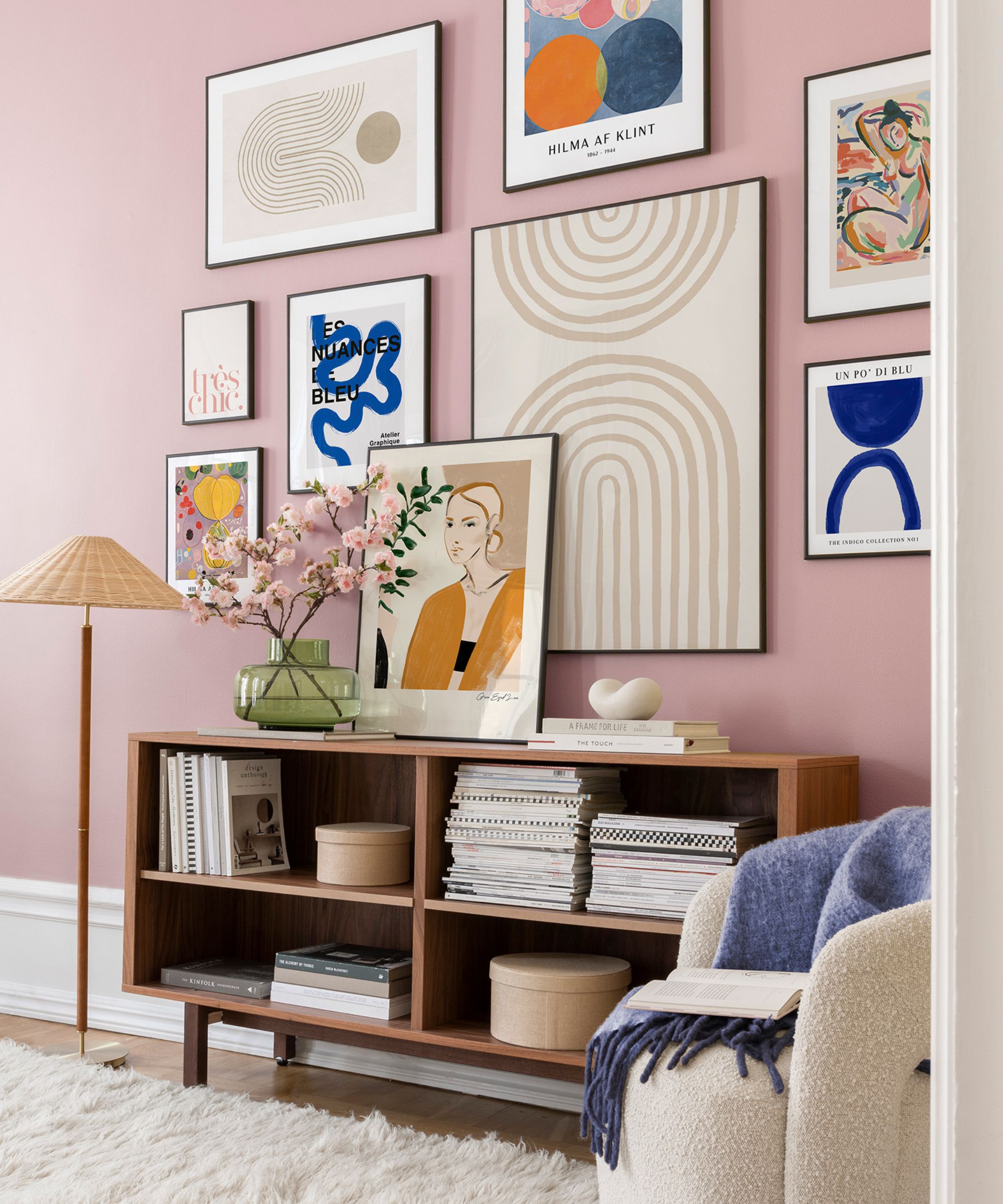
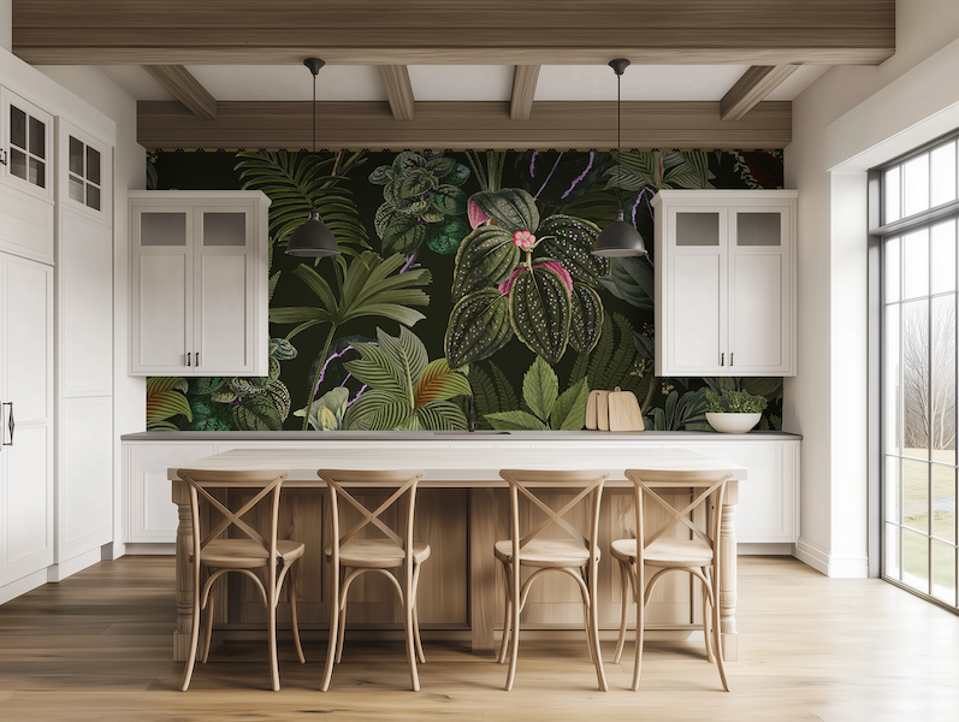
The second error involves the use of feature walls or accent walls. Previously a popular trend to add interest or create a focal point without occupying floor space, accent walls are now considered dated. The modern design approach favors cohesive entryways that blend seamlessly with the rest of the house. Designers suggest 'color-drenching' the space instead, extending a single shade across all walls and woodwork. This technique can effectively make small entryways appear larger and creates a more impactful and contemporary aesthetic than a single accent wall.
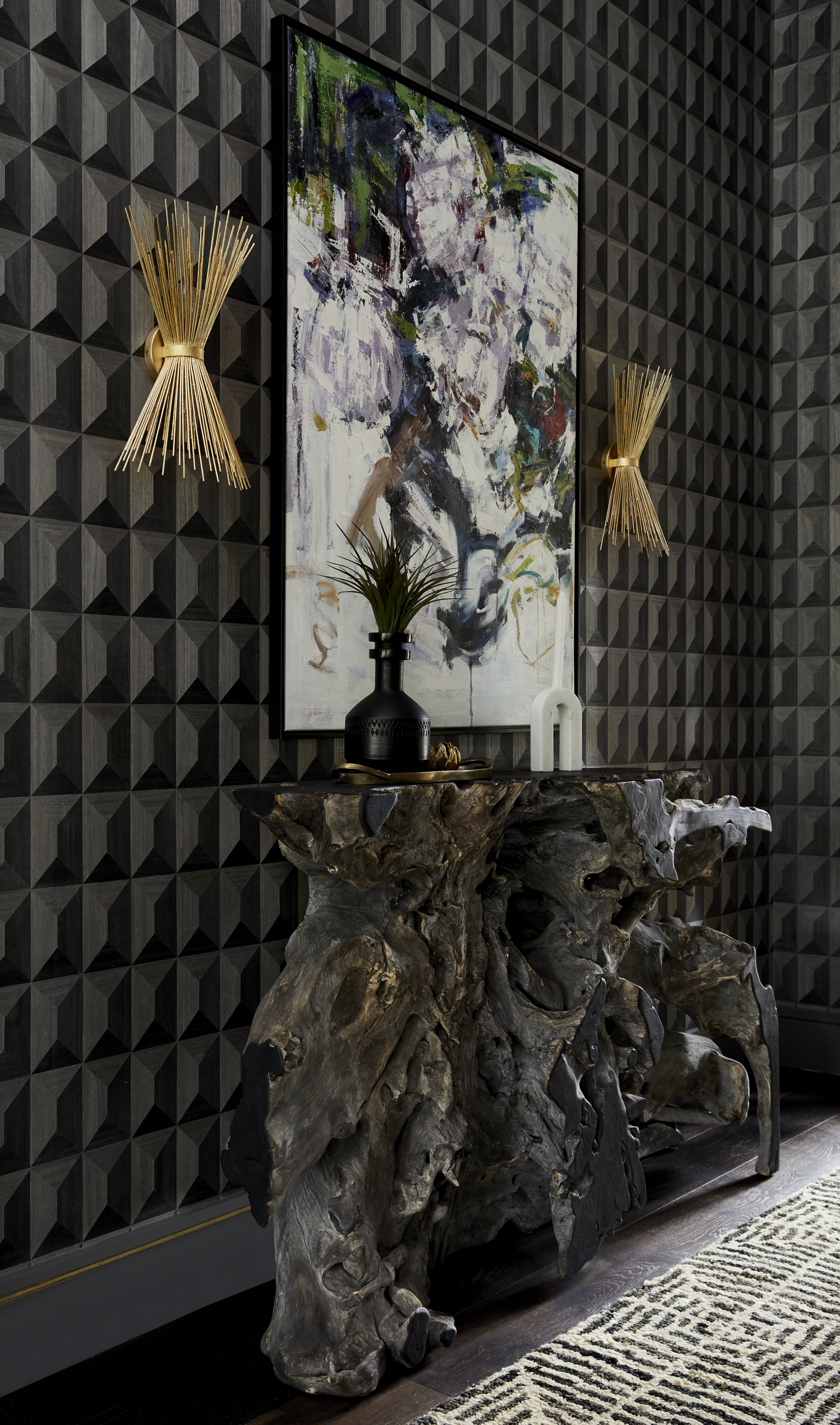
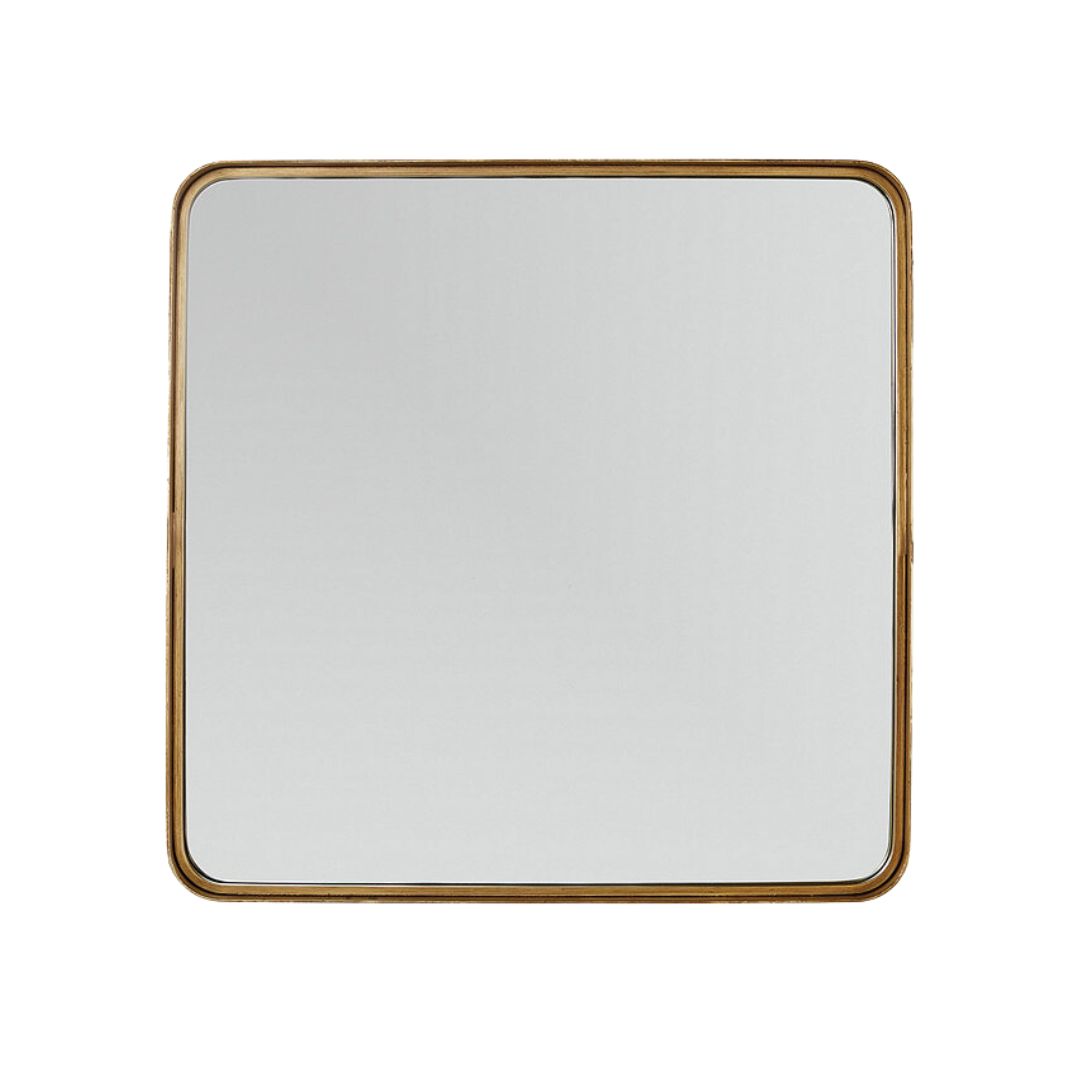
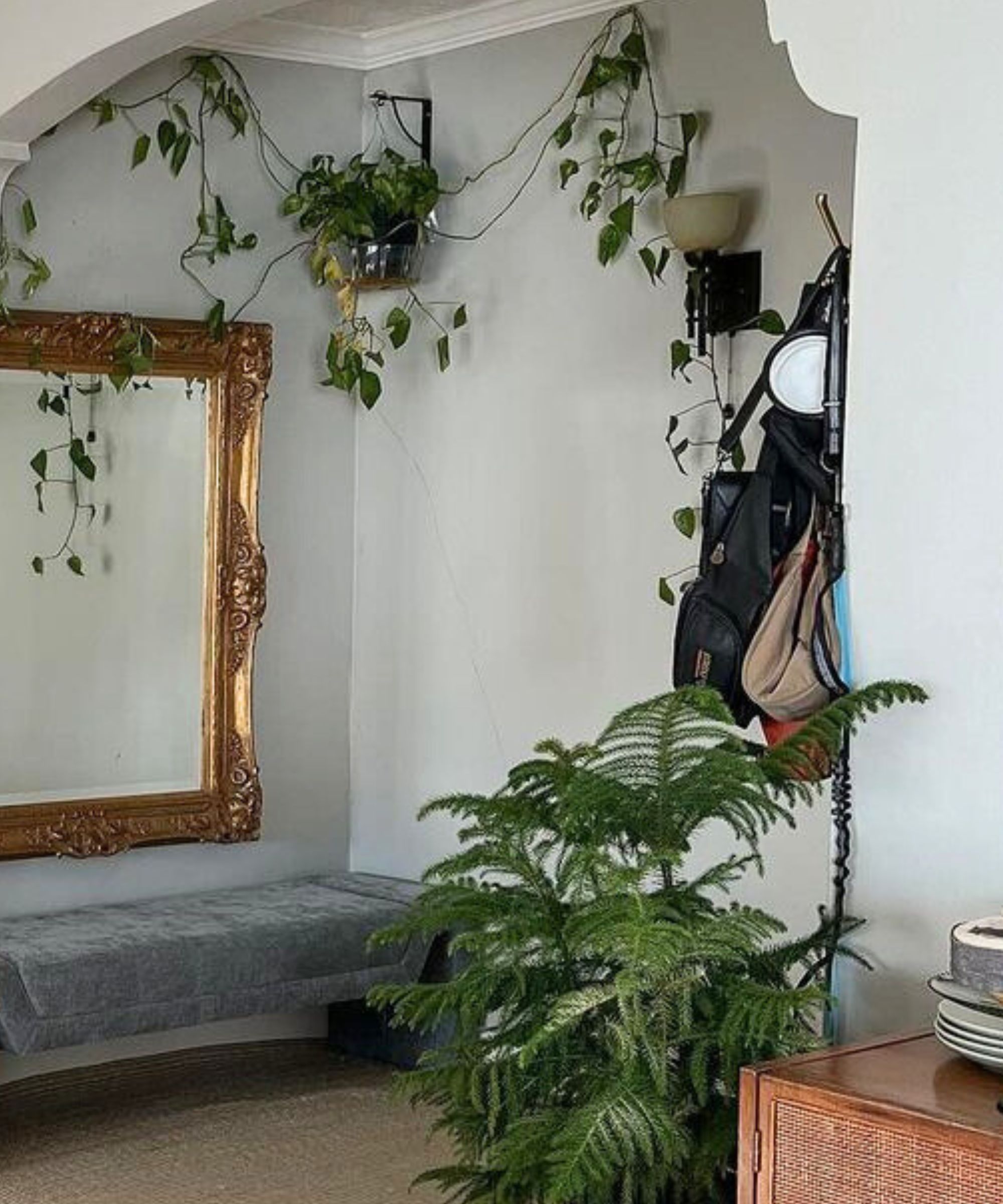
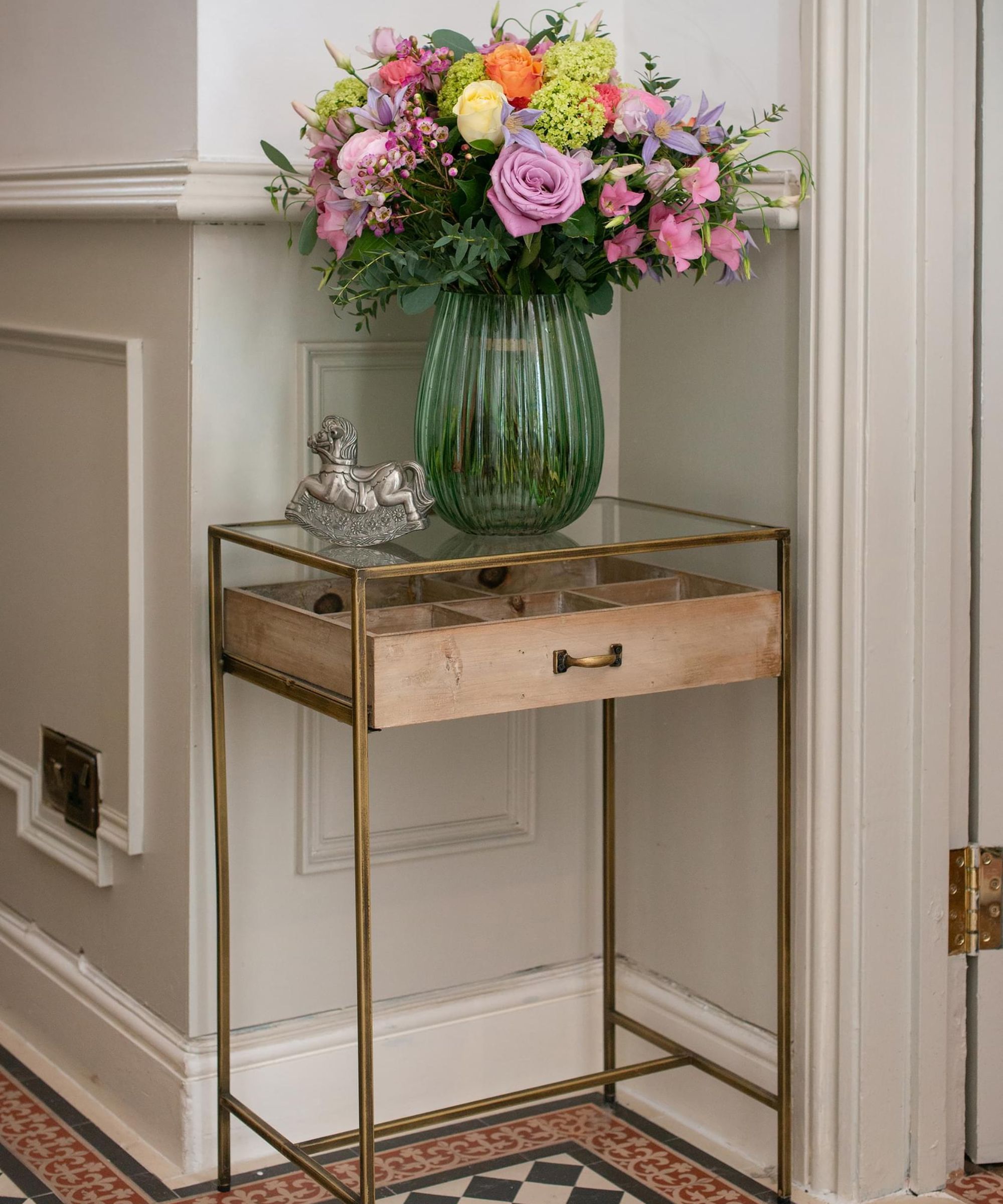
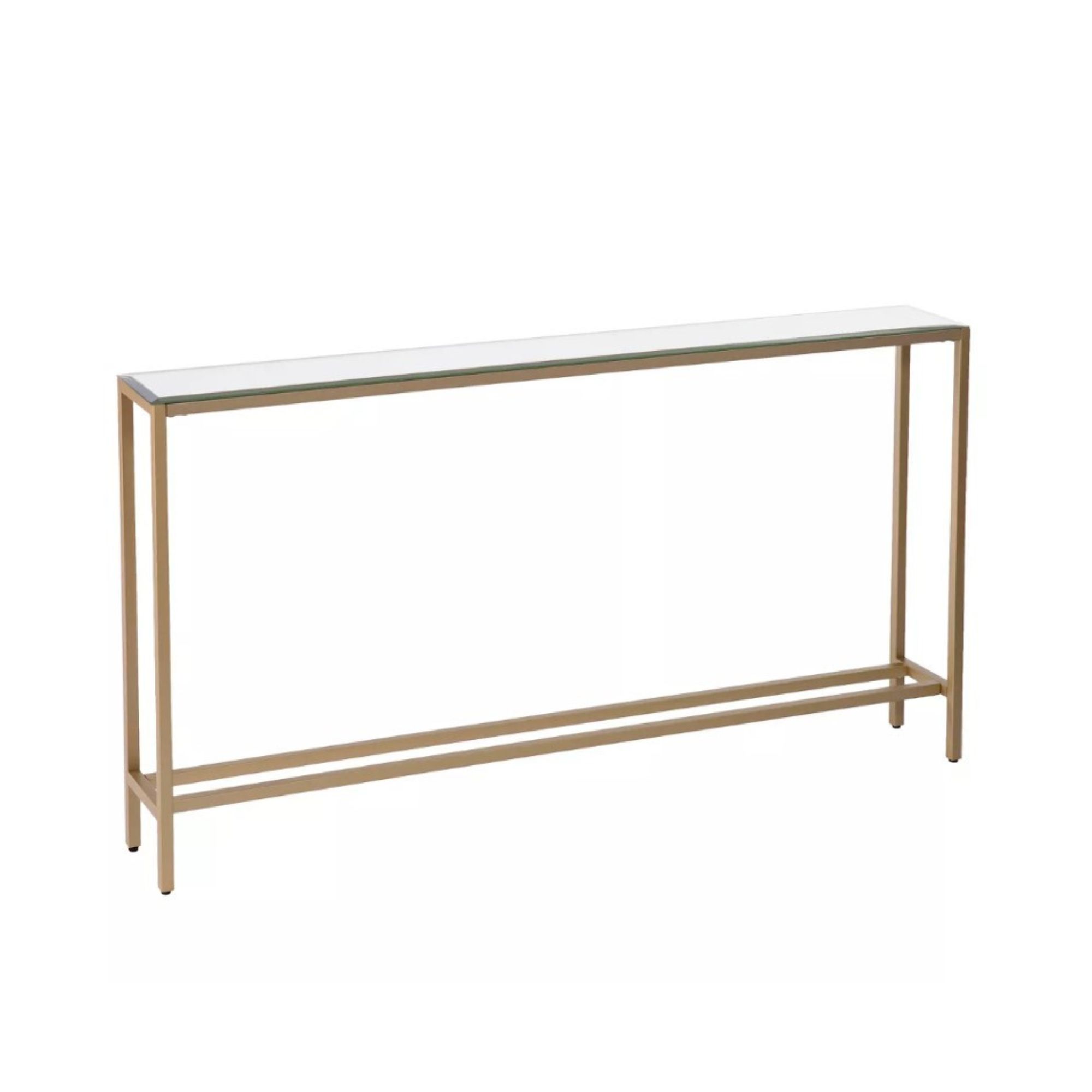
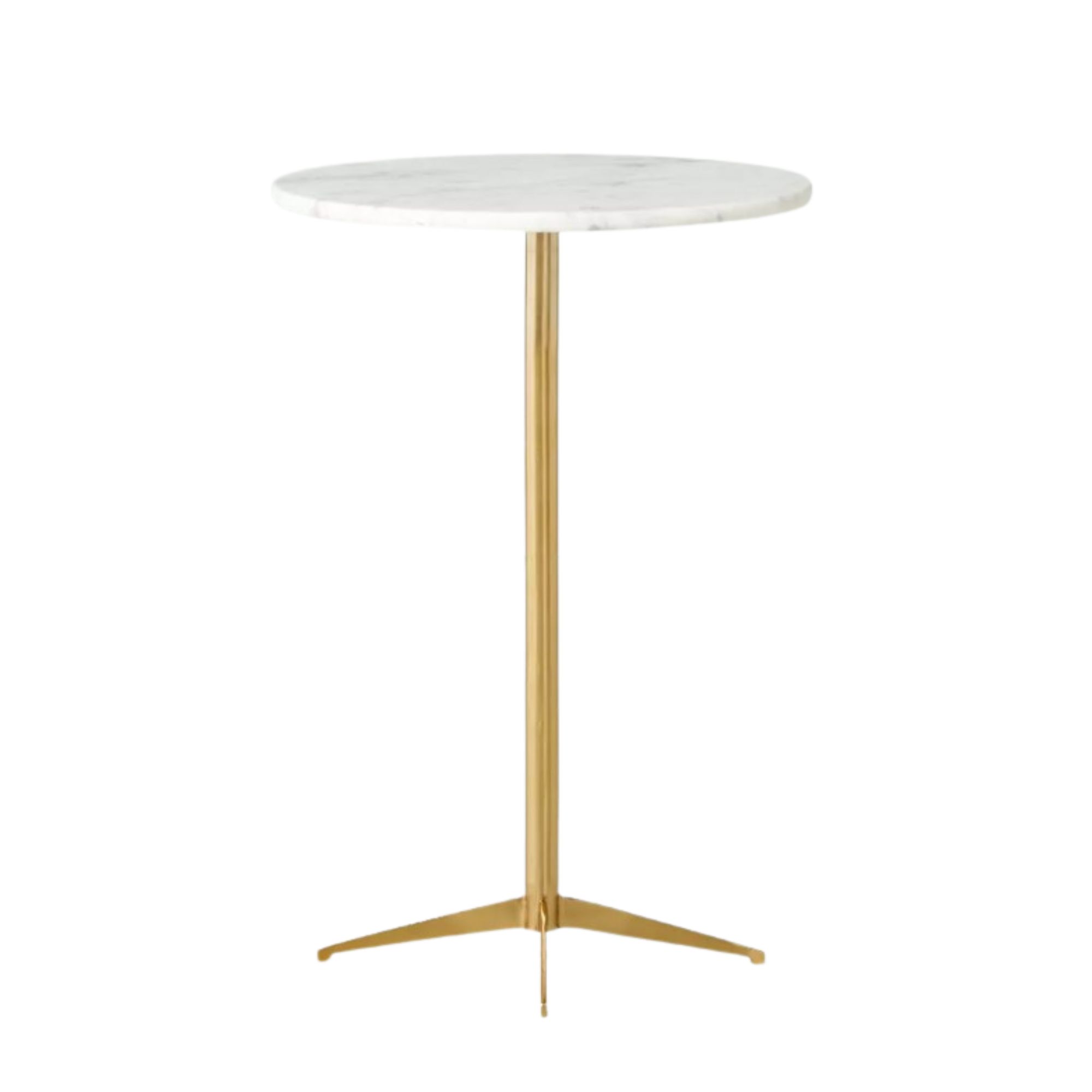
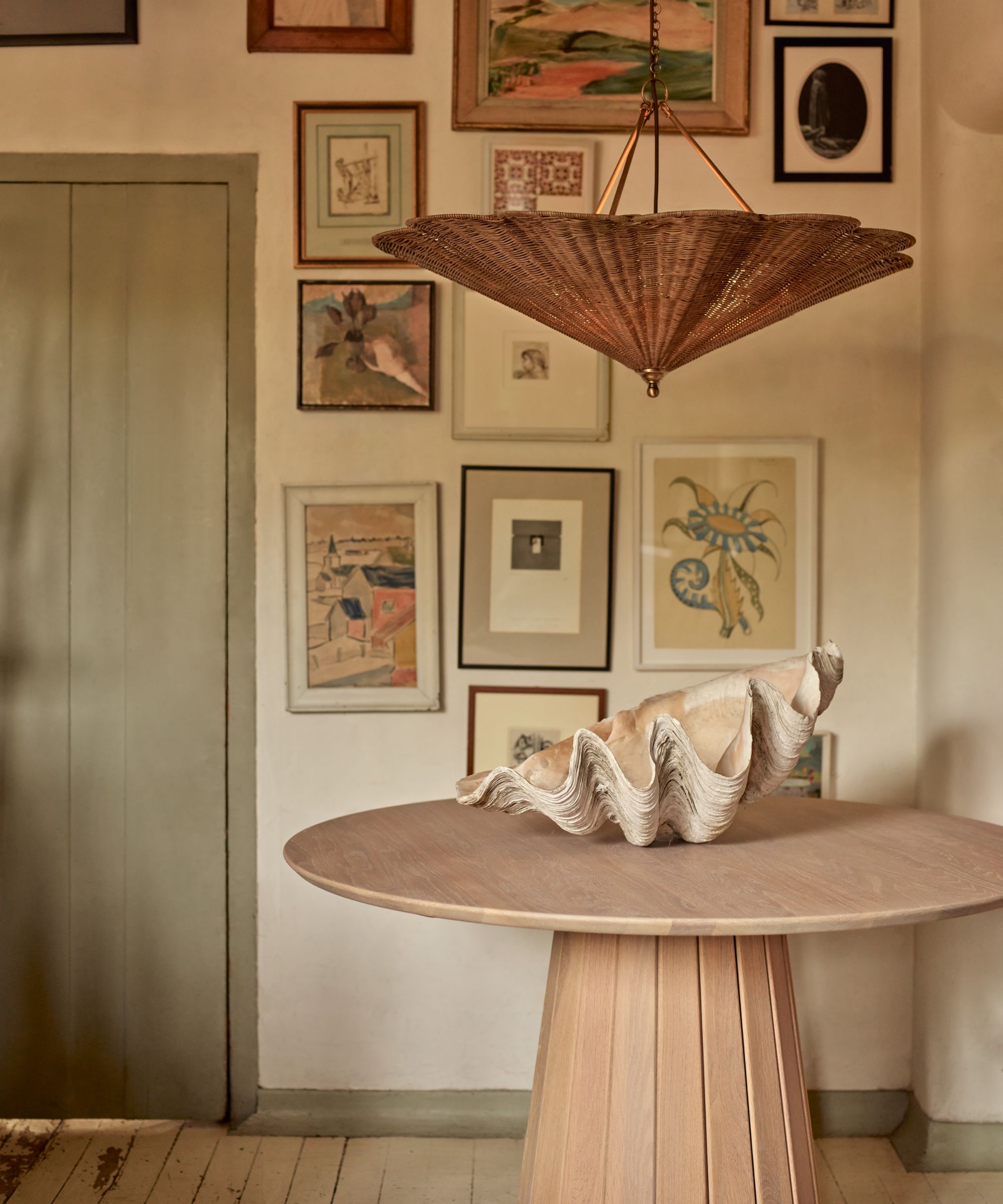
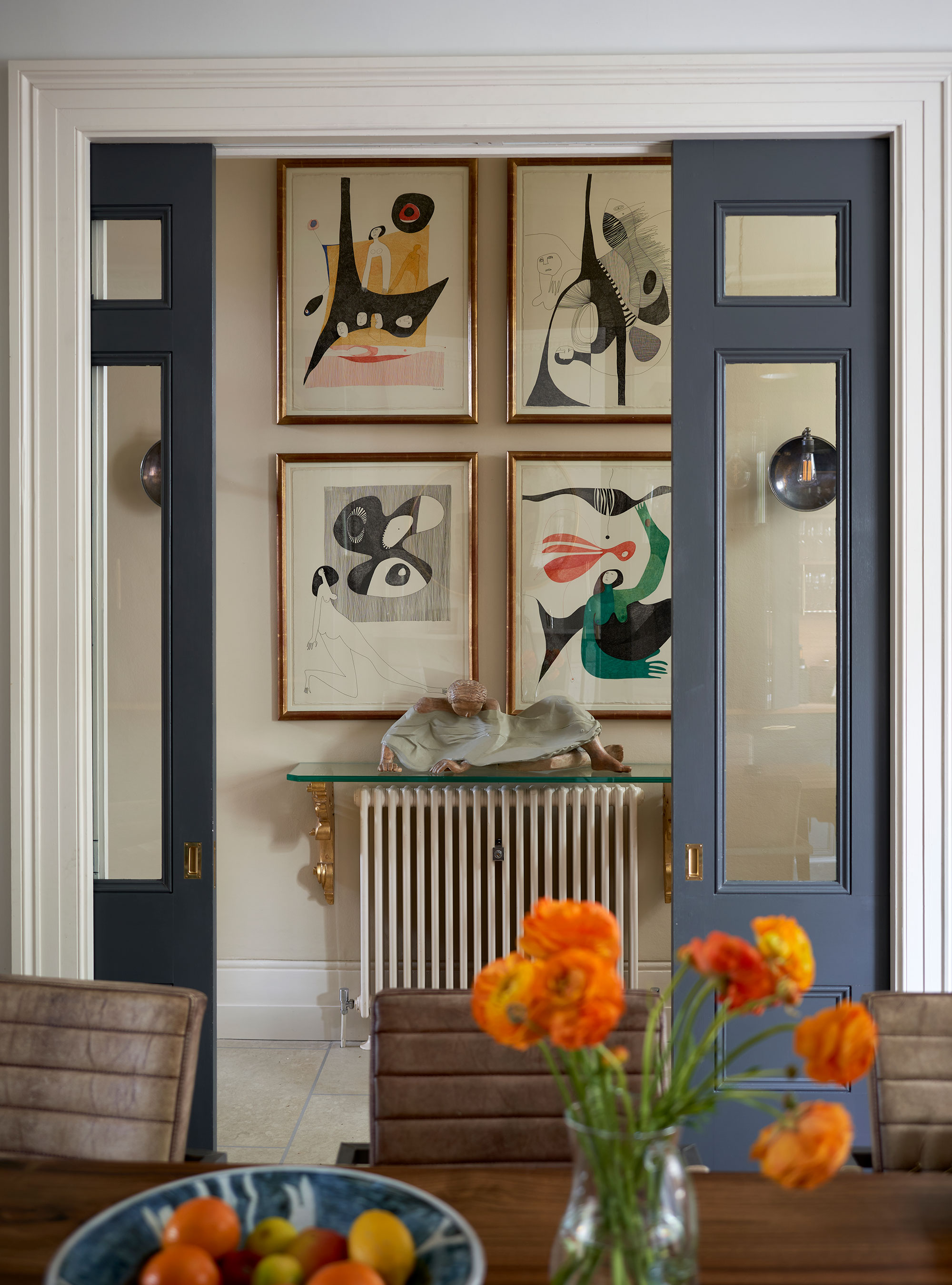
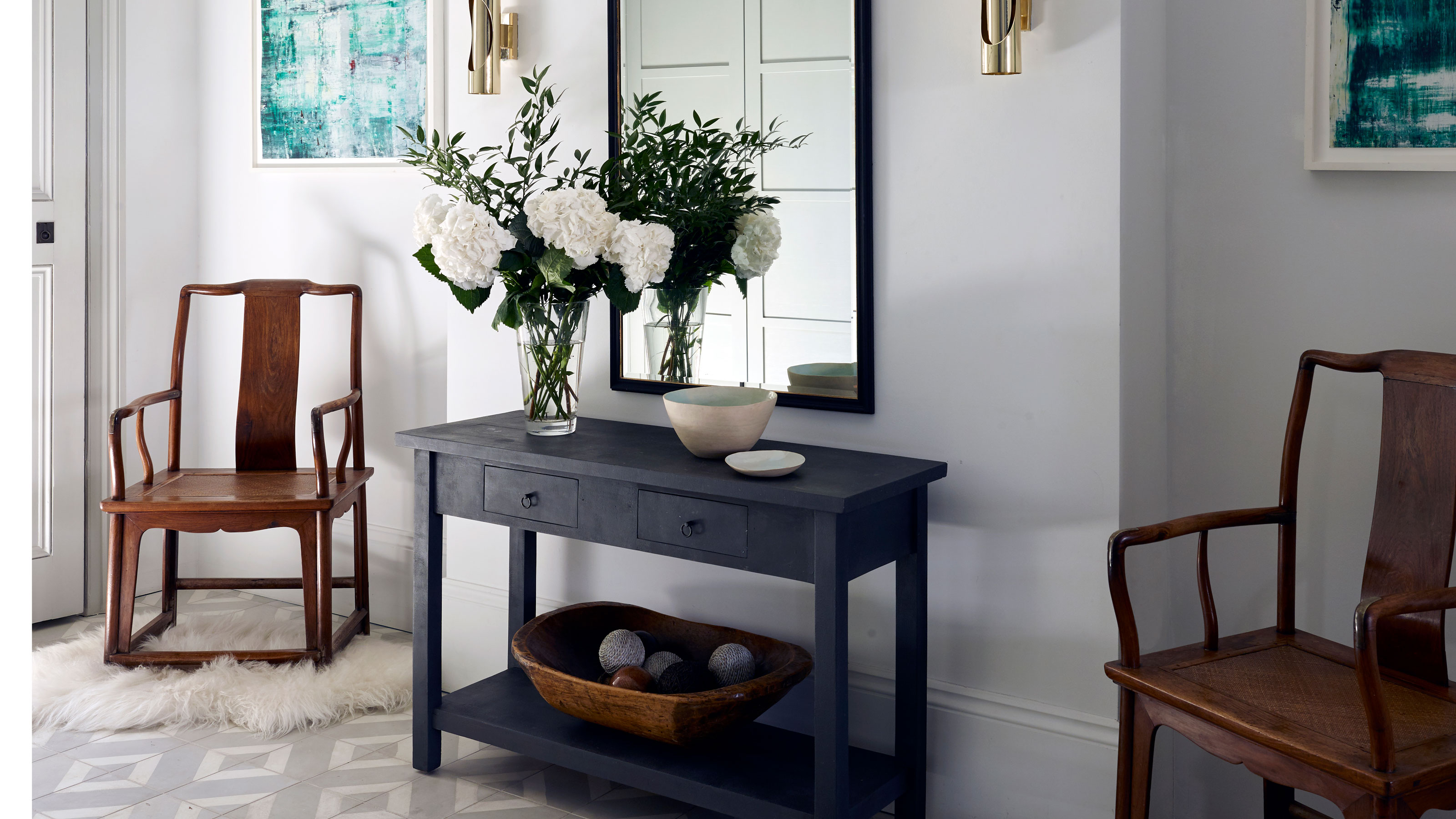
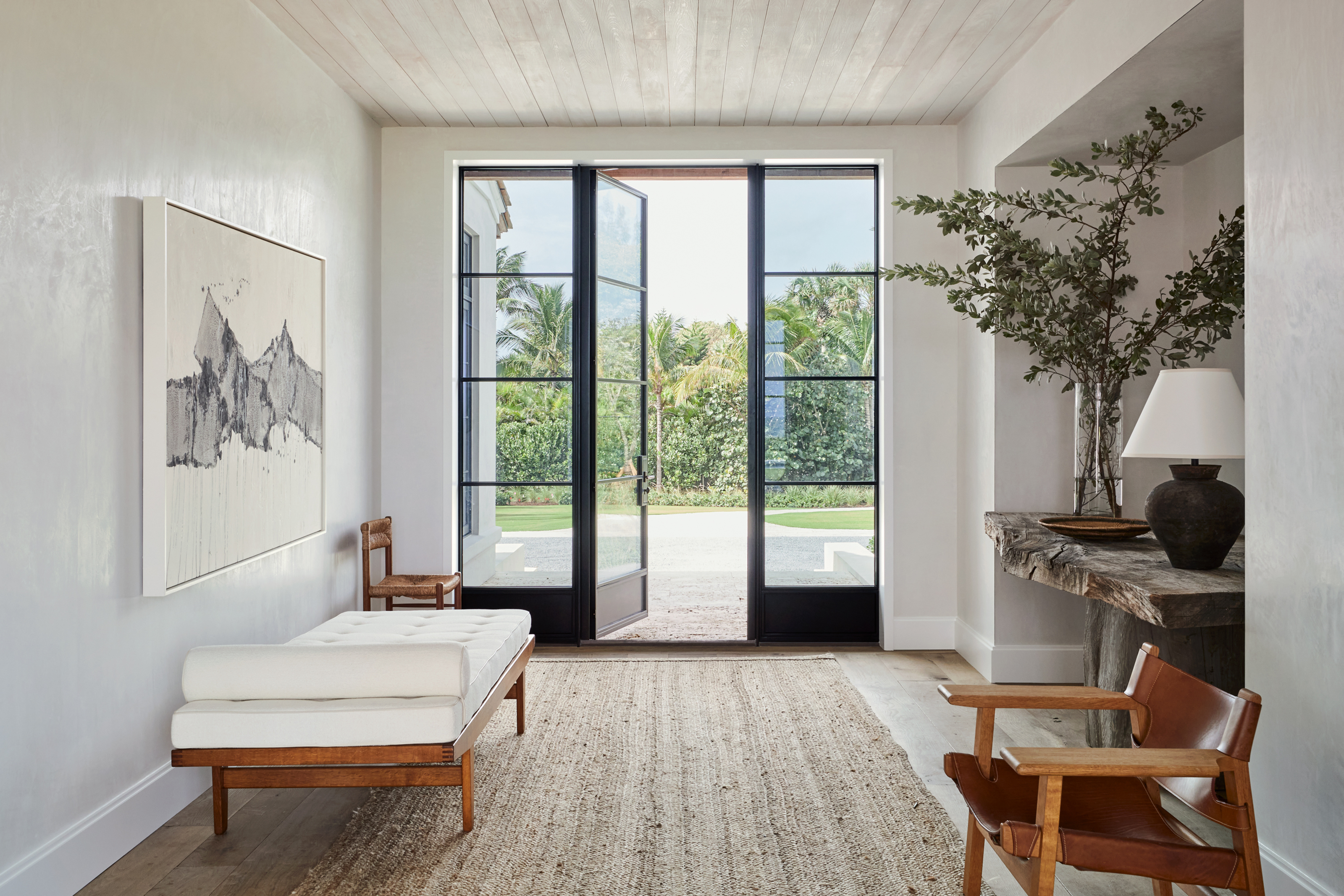
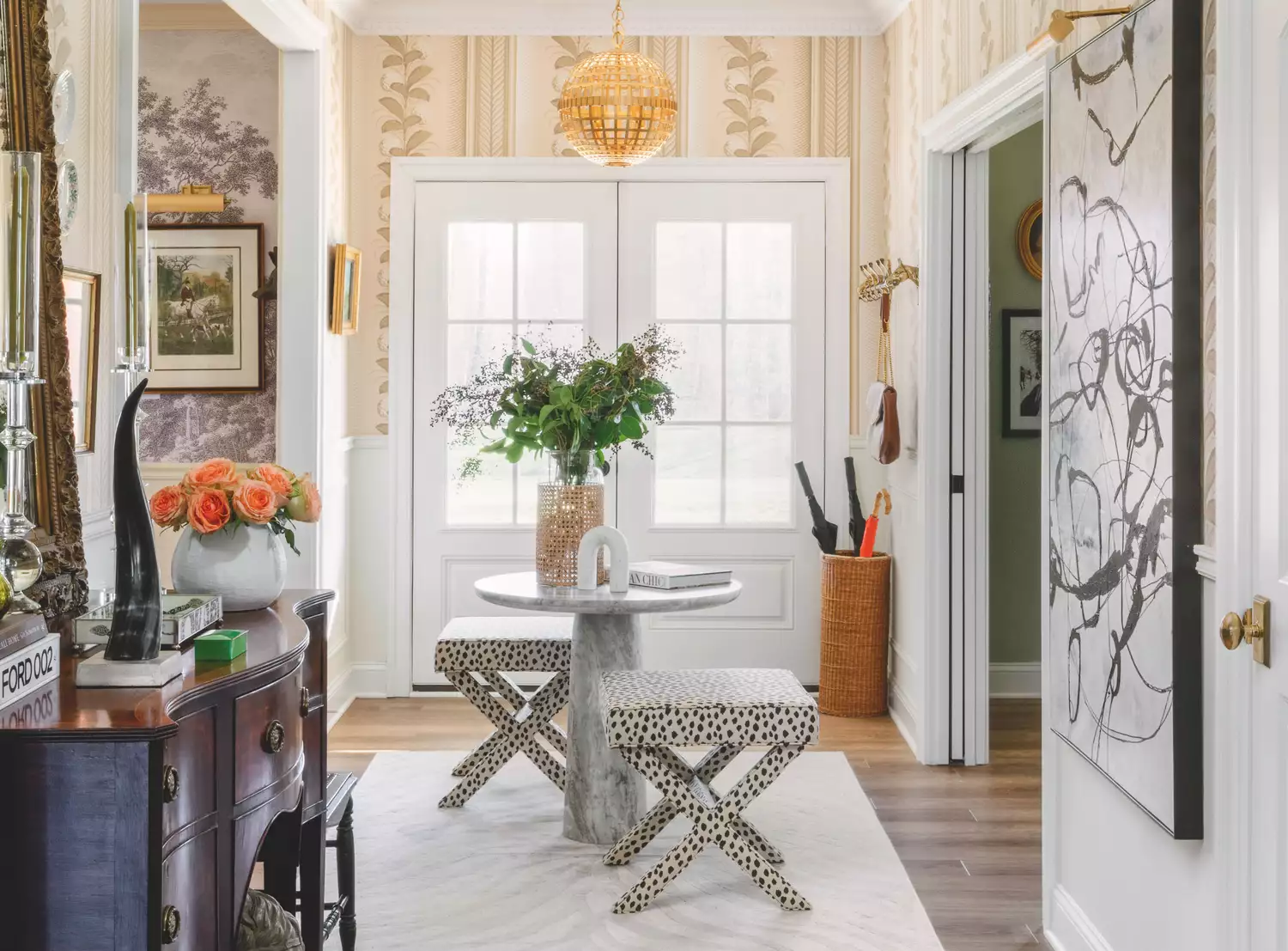
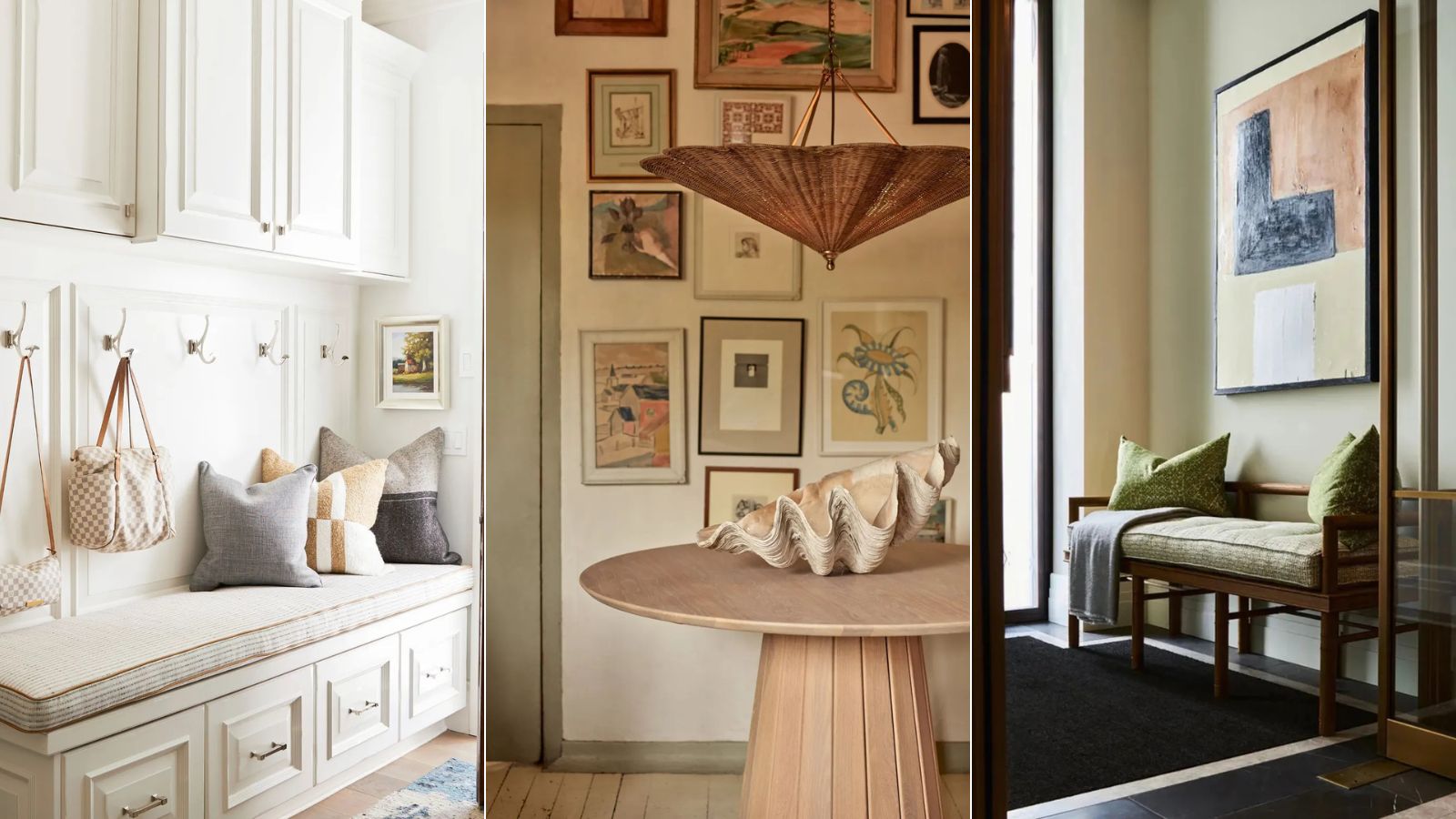
Thirdly, relying on console tables is identified as a common misstep. Although their narrow form seems practical for entryways, they often provide minimal style or utility and can contribute to clutter. Designers advocate for more functional and modern alternatives, such as bespoke floor-to-ceiling closets, even shallow ones, for effective entryway storage. Another suggestion is to move away from the traditional console table with a mirror setup, opting instead for a circular table placed away from the wall, accompanied by upholstered seating or stools. This approach lends more warmth and functionality to the entryway, transforming it from a mere pass-through area into an integral part of the home.
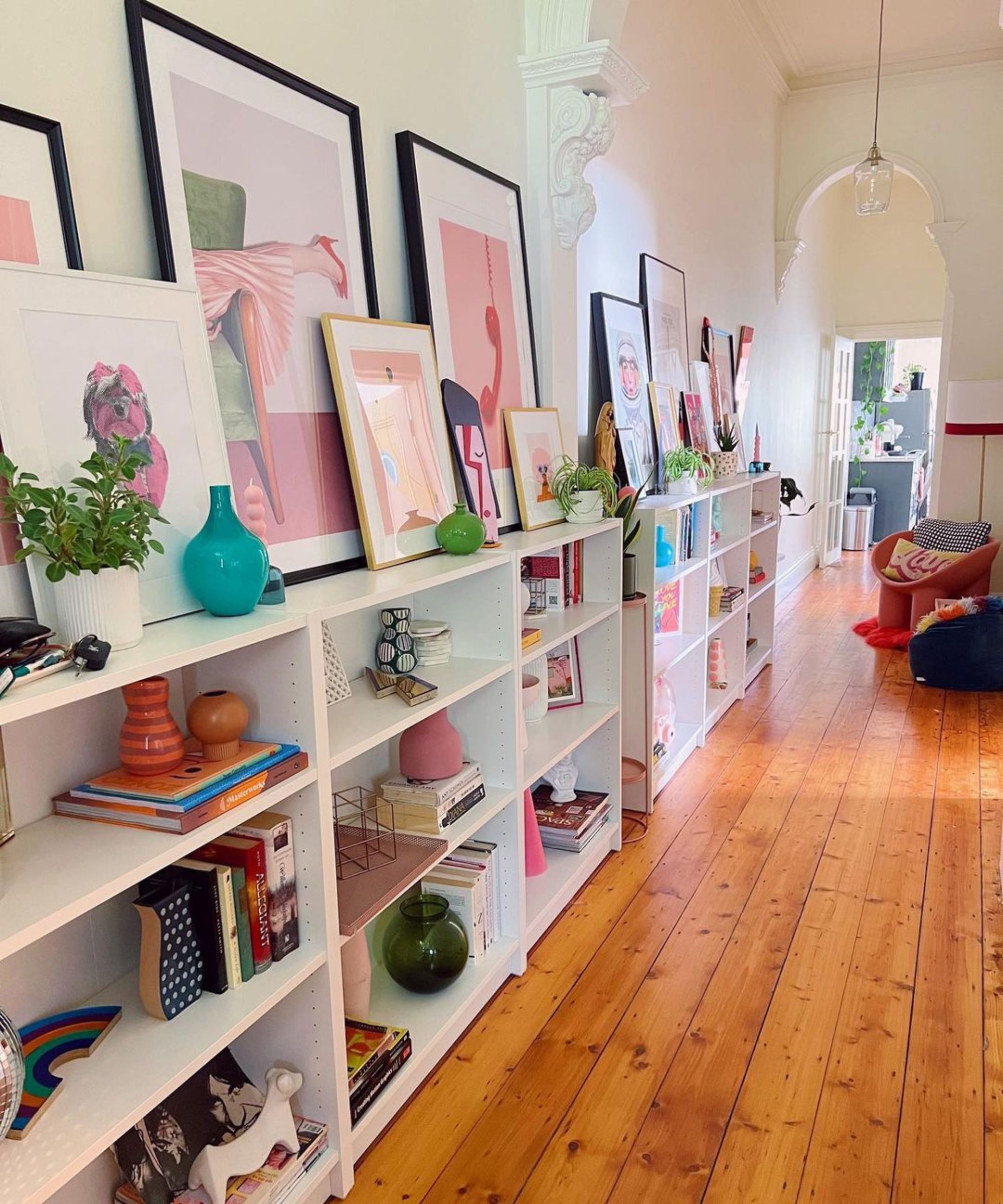
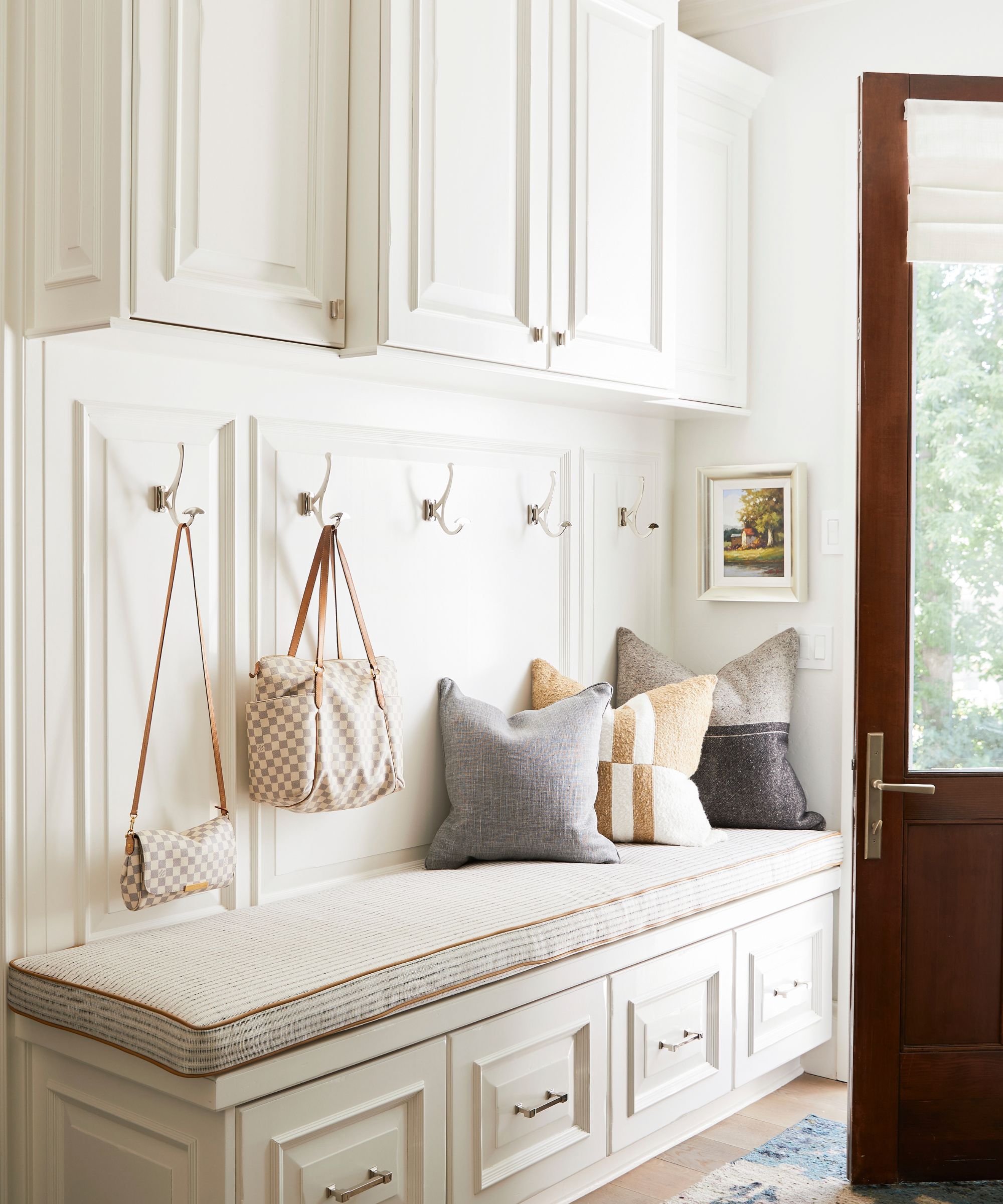
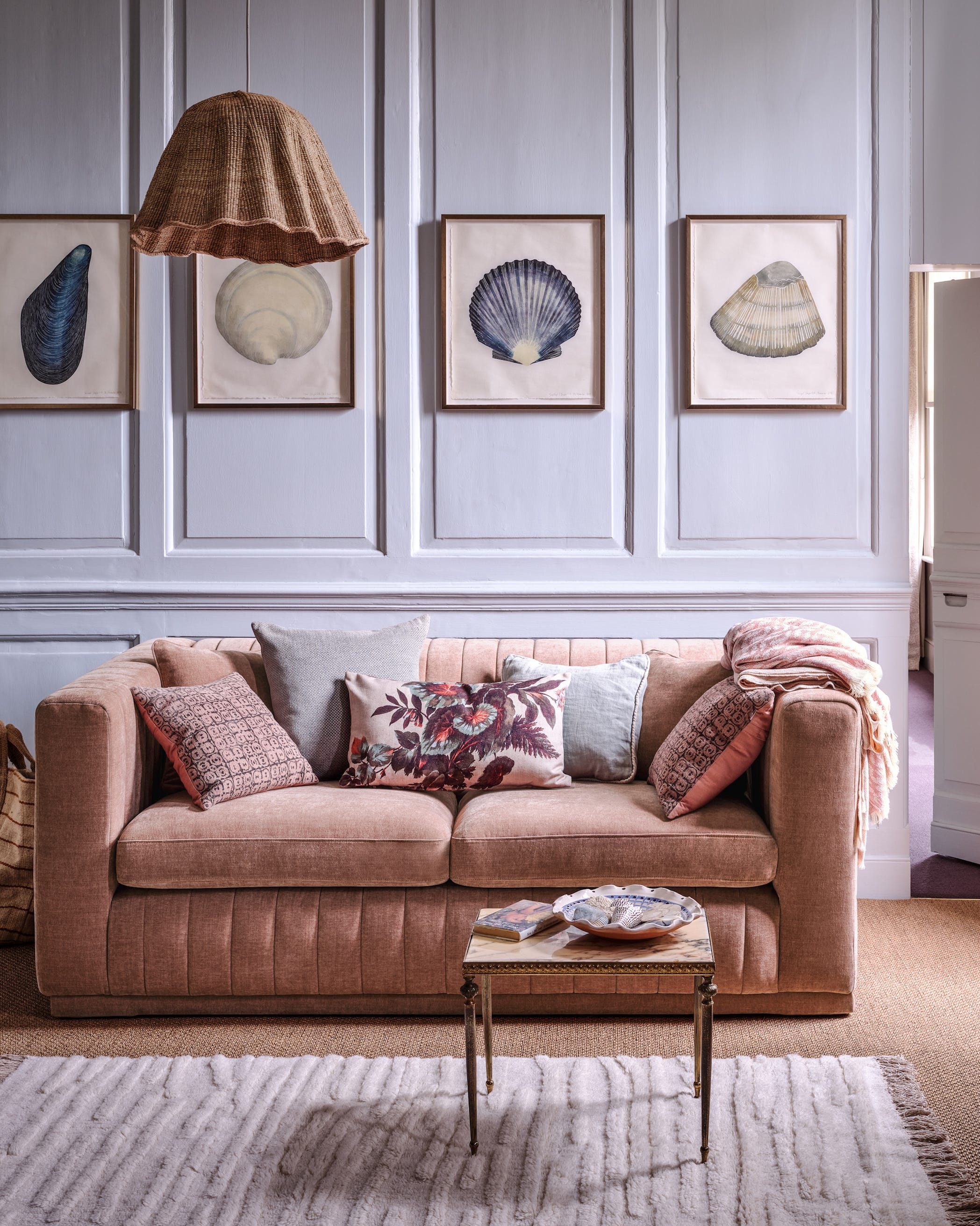
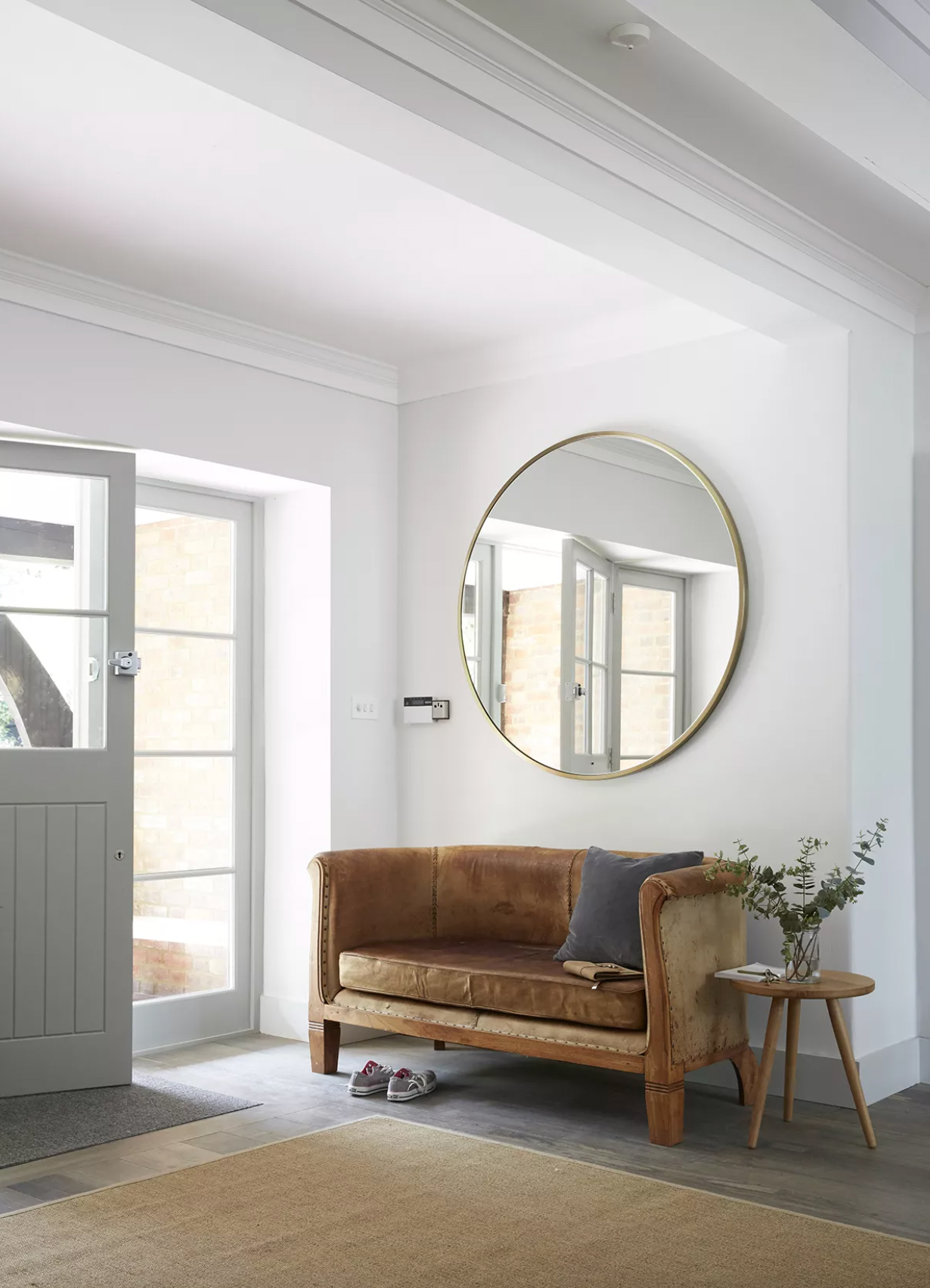
The fourth mistake is neglecting to include seating in entryways, particularly in larger spaces. Instead of viewing entryways solely as transitional corridors, designers suggest incorporating elements like a love seat with a small side table or accent chairs. This transforms the entryway into a mini-living room, offering a functional space for guests or a convenient spot to organize oneself before leaving. Seating solutions, even tucked under console tables, can provide extra utility without cluttering the main living areas, especially in homes where space is at a premium.
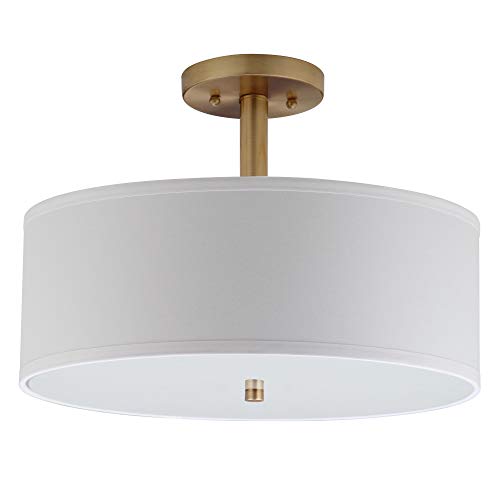
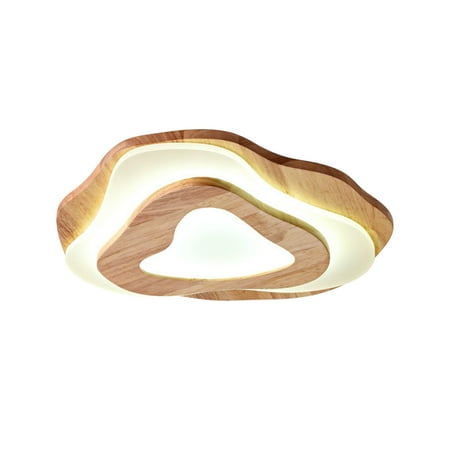
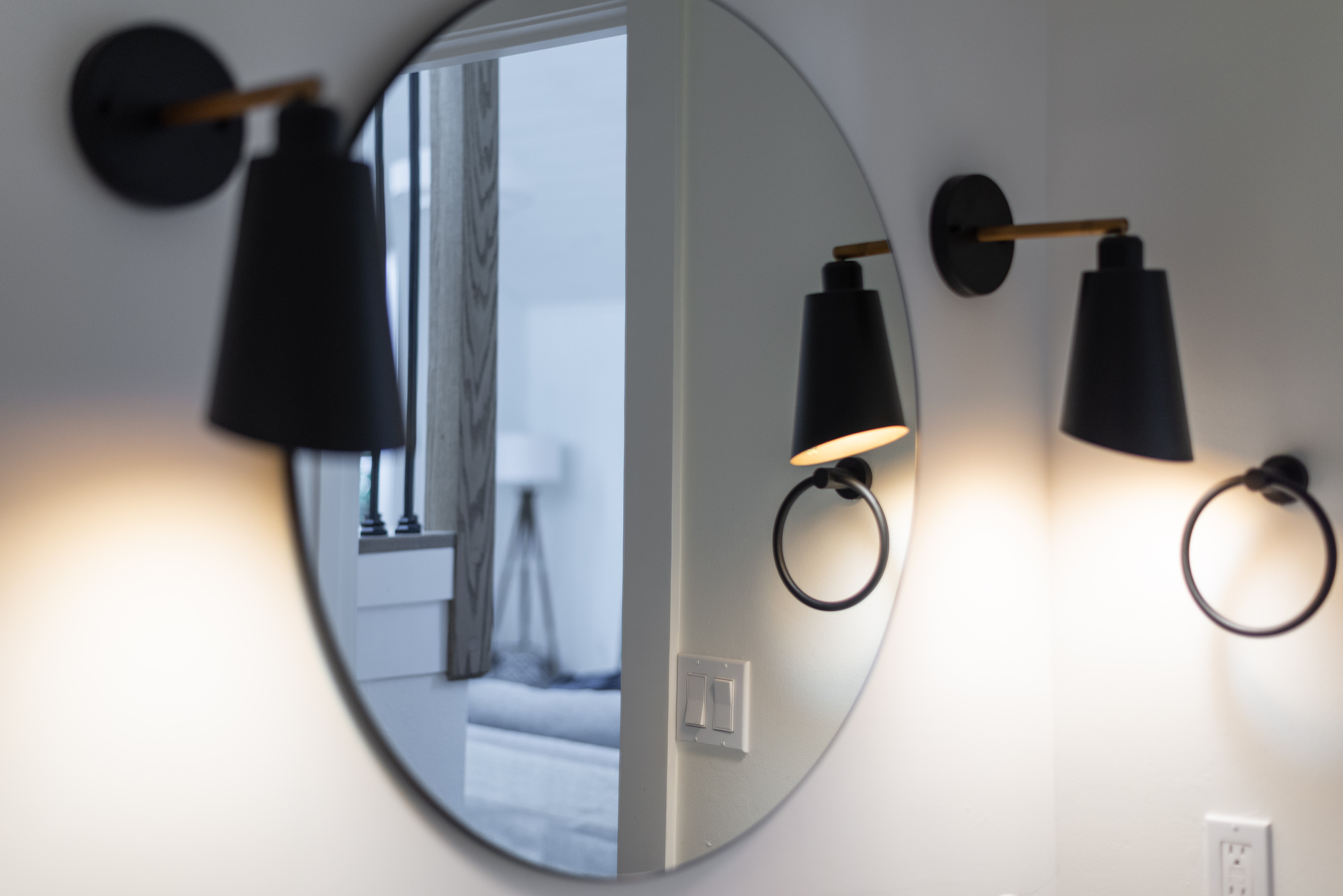
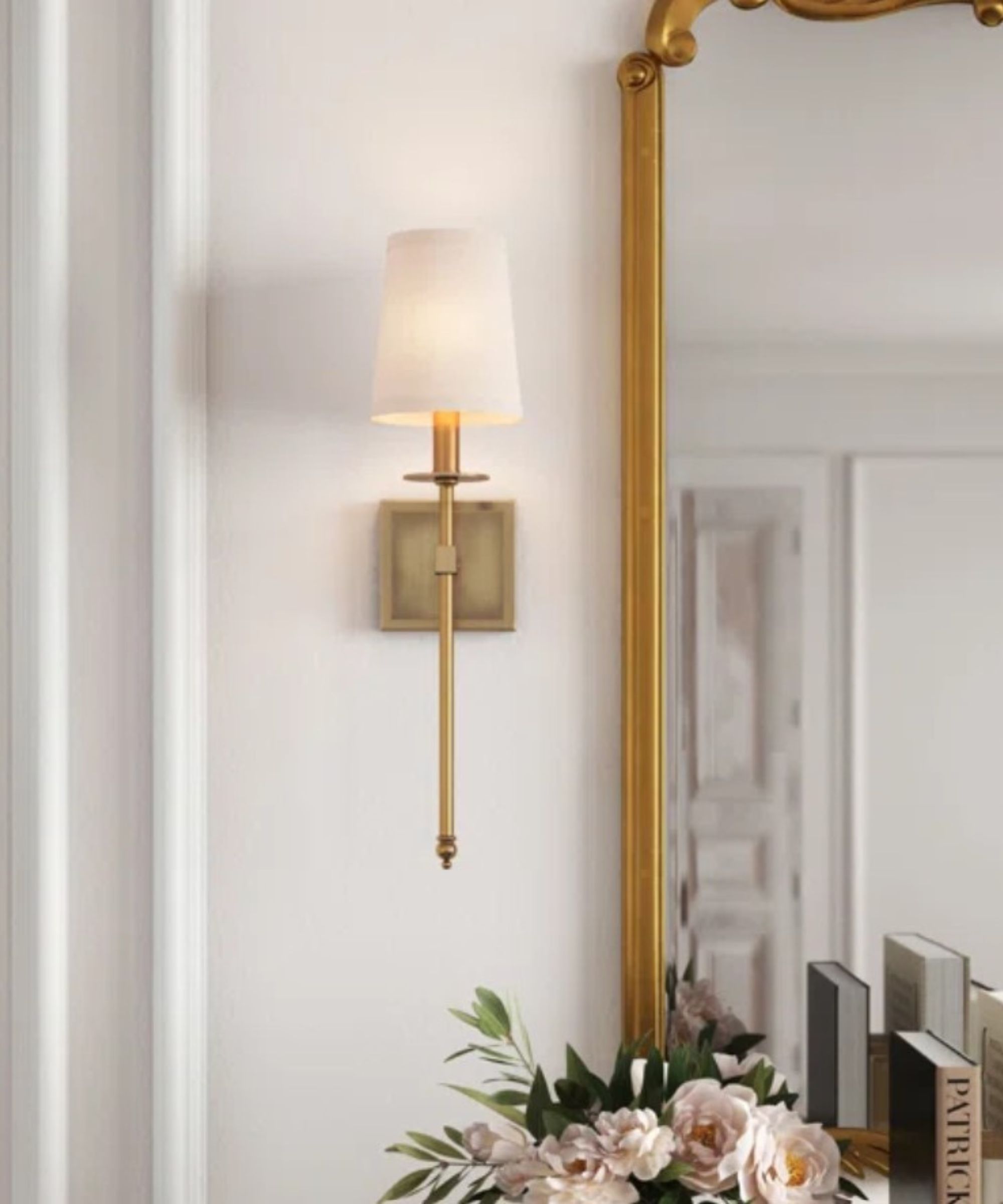
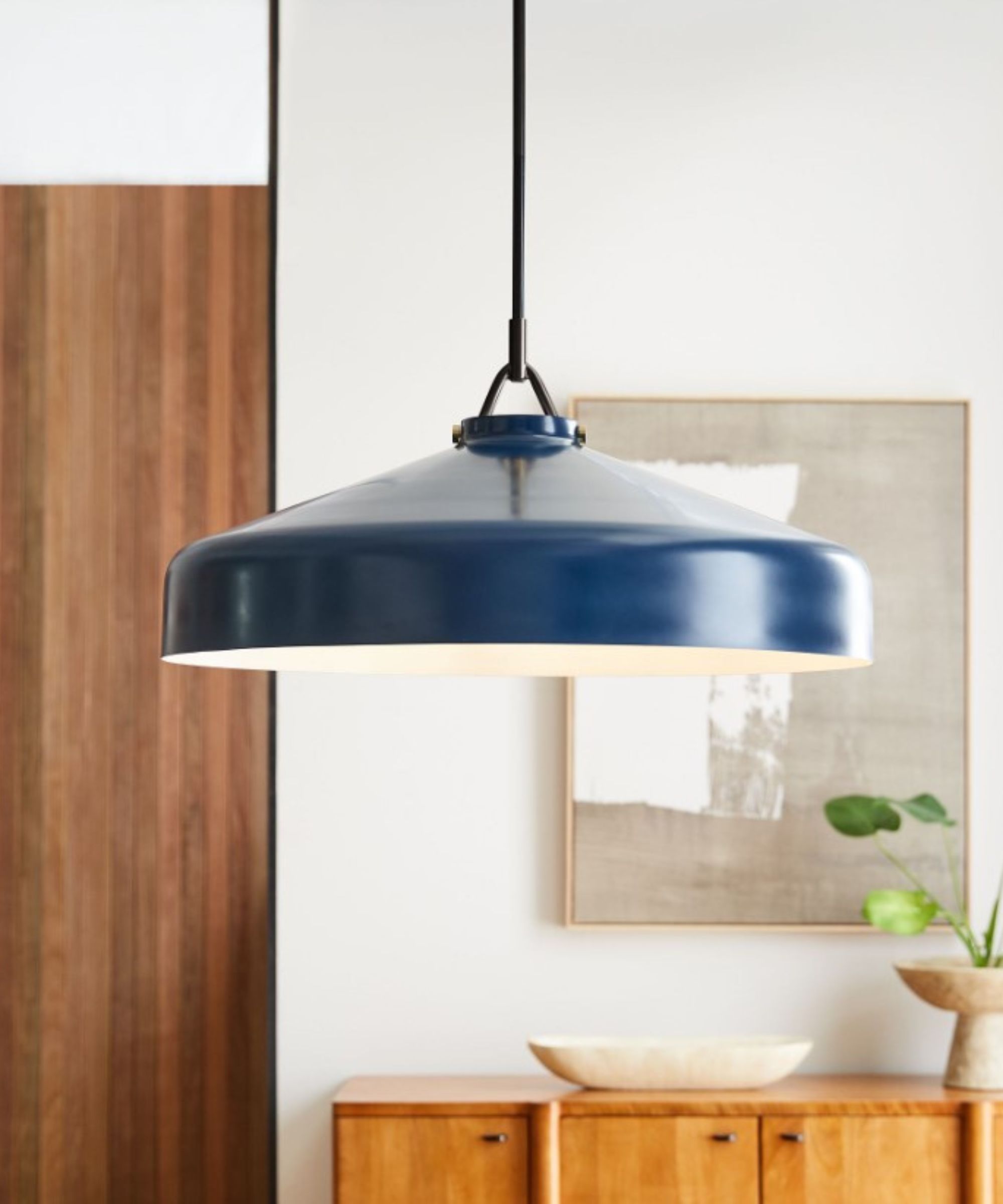
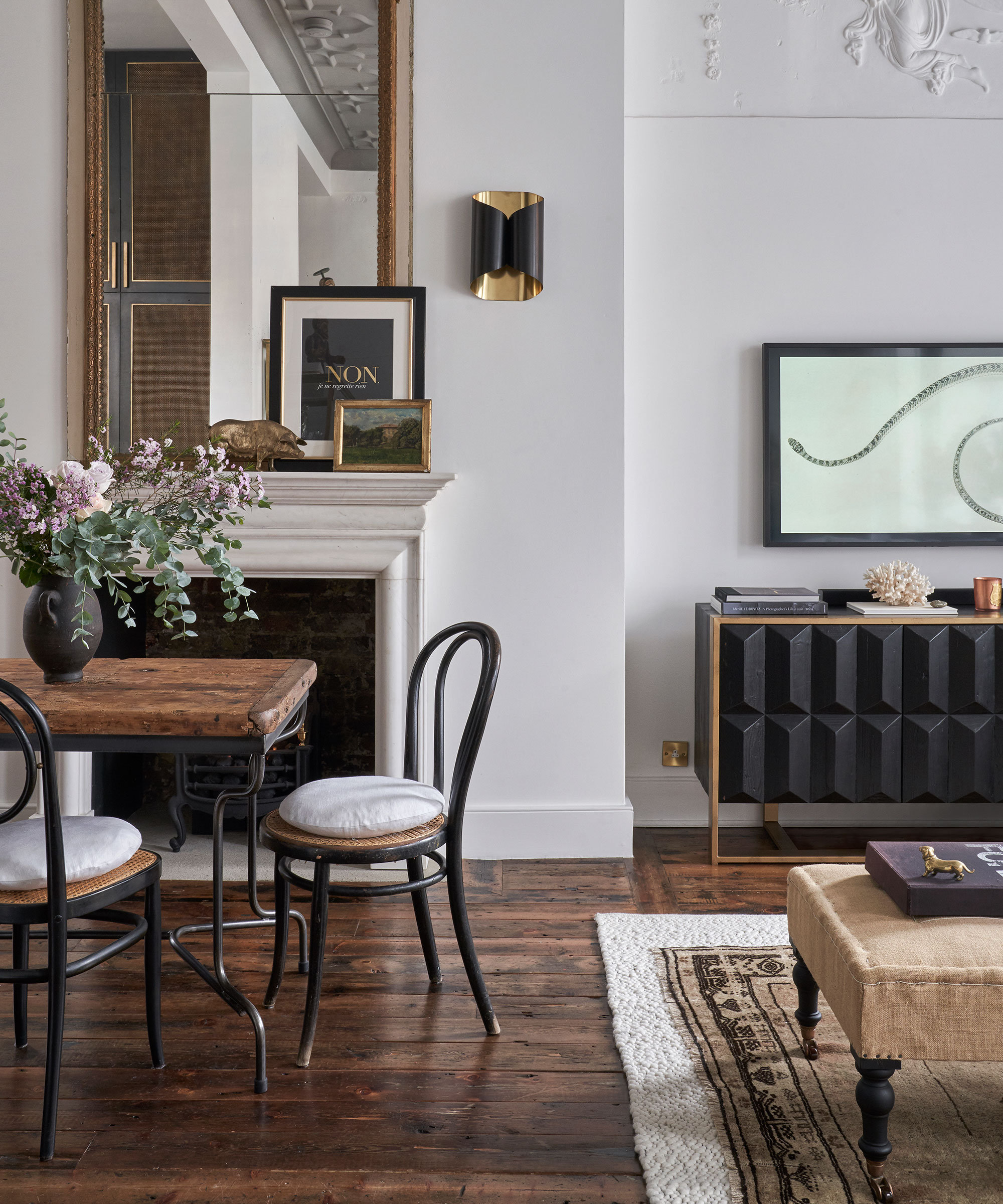
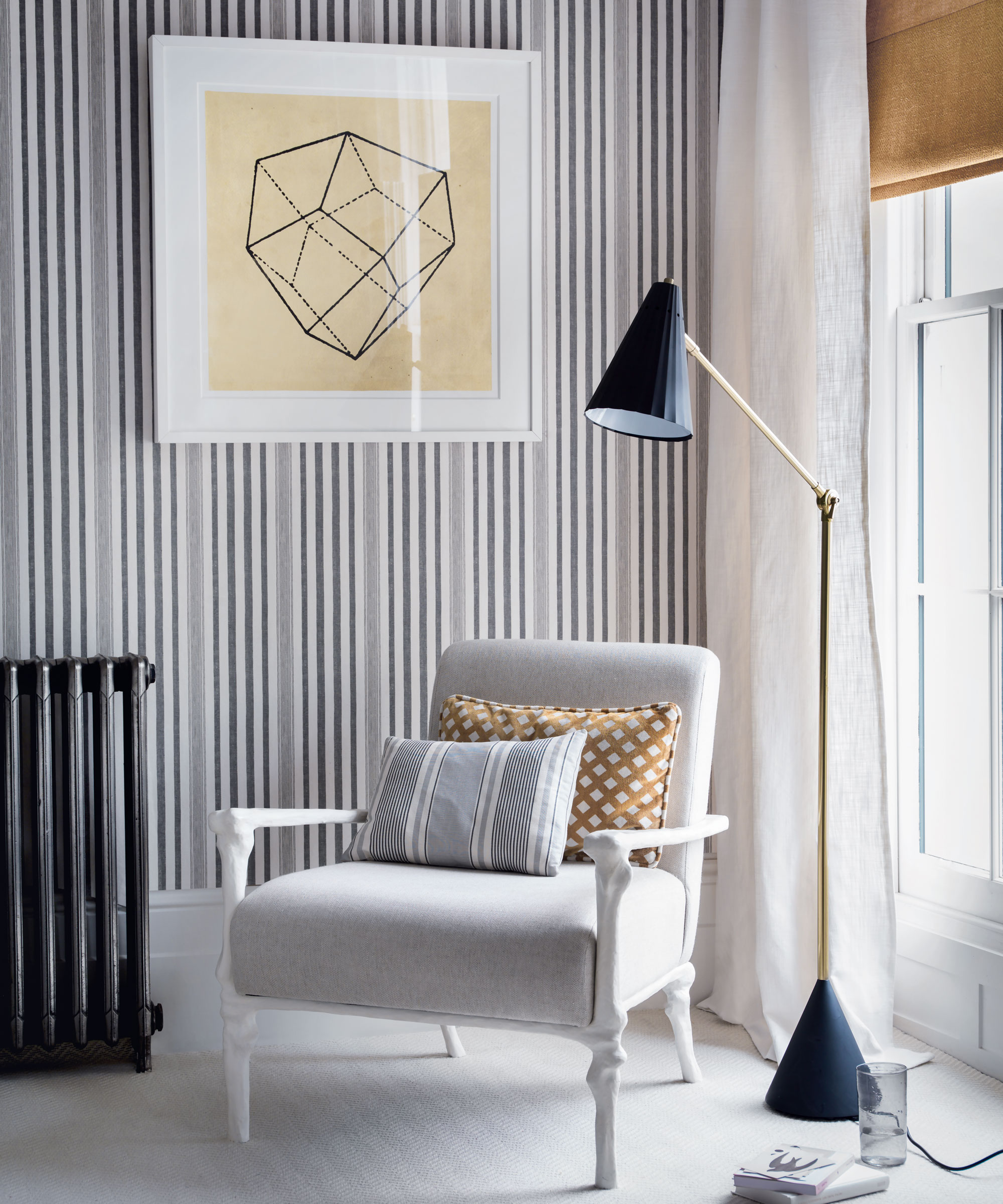
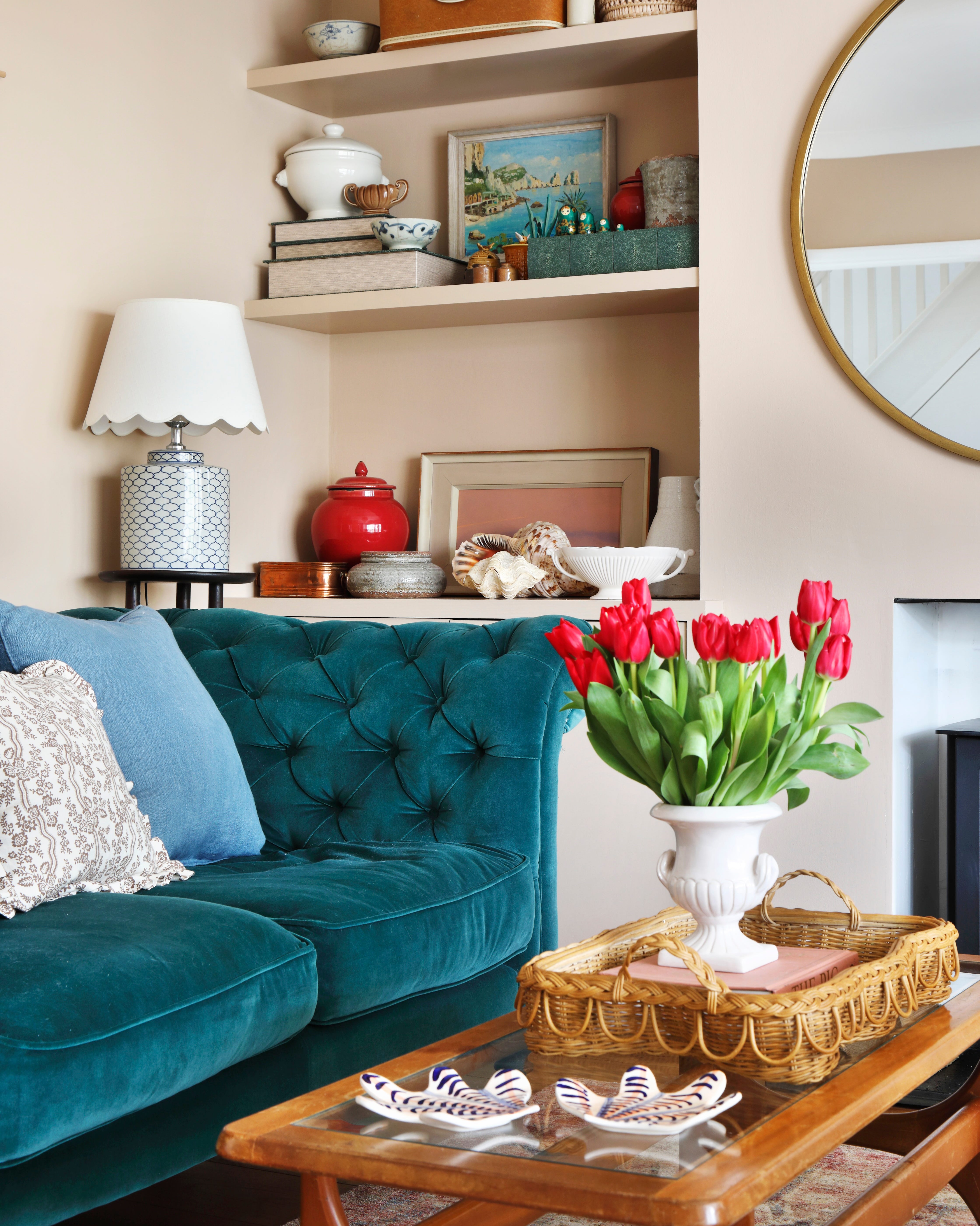
Finally, insufficient or poorly planned lighting is a significant oversight. Relying solely on overhead lighting in an entryway fails to create the desired soft, ambient glow. Just like in living rooms or bedrooms, layered lighting is crucial. Designers recommend incorporating table lamps on available surfaces or floor lamps if space is limited. Wall sconces are also suggested as an alternative to ceiling lights, providing a softer, more appropriate level of illumination and doubling as decorative elements. Proper lighting not only enhances the aesthetic but also contributes to making any size entryway feel larger and brighter, especially when combined with a mirror.
#EntrywayDesign #InteriorDesign #HomeDecor #DesignMistakes #ColorDrenching #EntrywayLighting #FunctionalFurniture #SpacePlanning #HomeImprovement #EntrywayDesign #InteriorDesign #HomeDecor #DesignMistakes #ColorDrenching #EntrywayLighting #FunctionalFurniture #SpacePlanning #HomeImprovement
0 comment in total
 No comments yet
You may also like
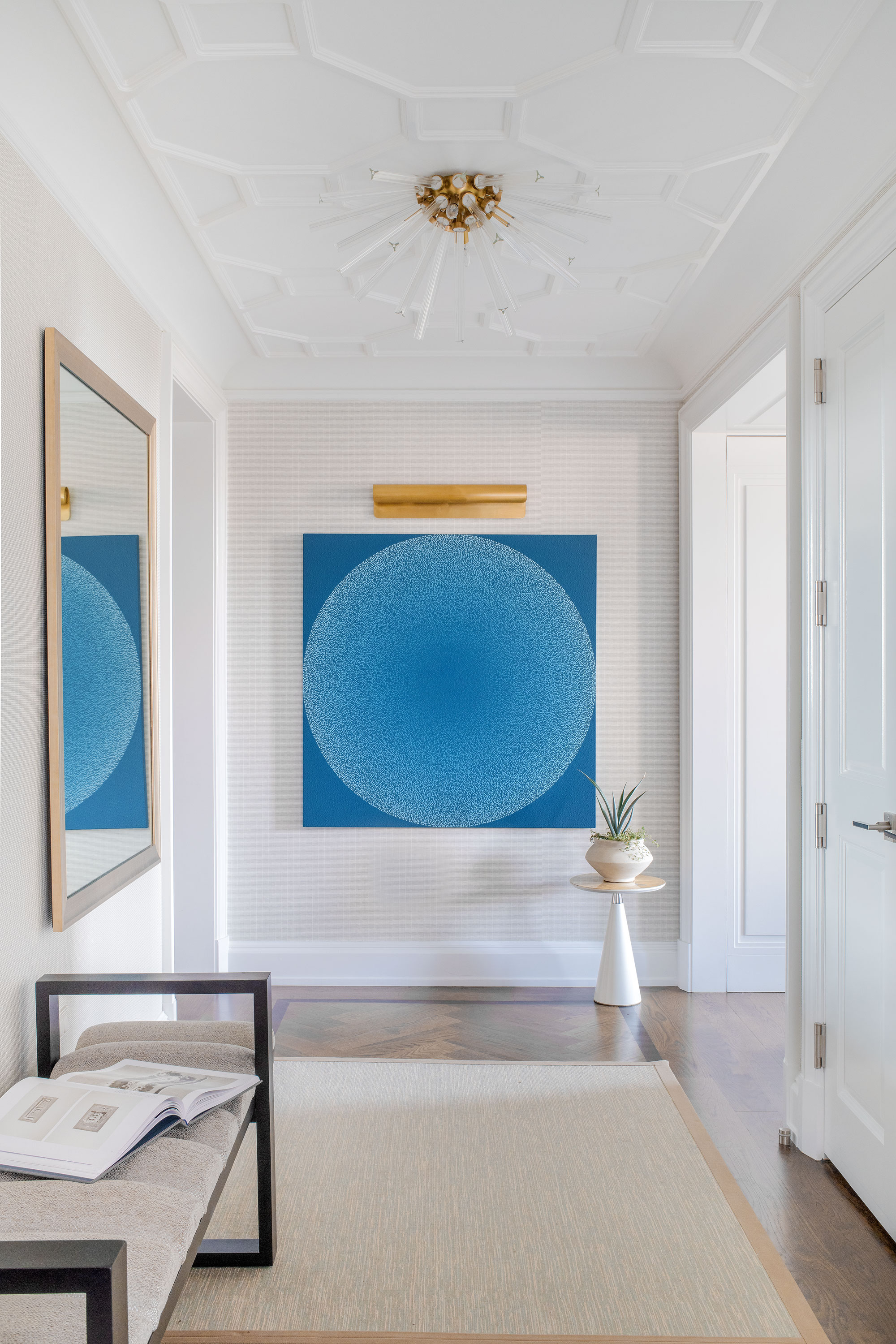
5 Common Entryway Lighting Mistakes Designers Never Fail to Notice — I'll Always Avoid These Now

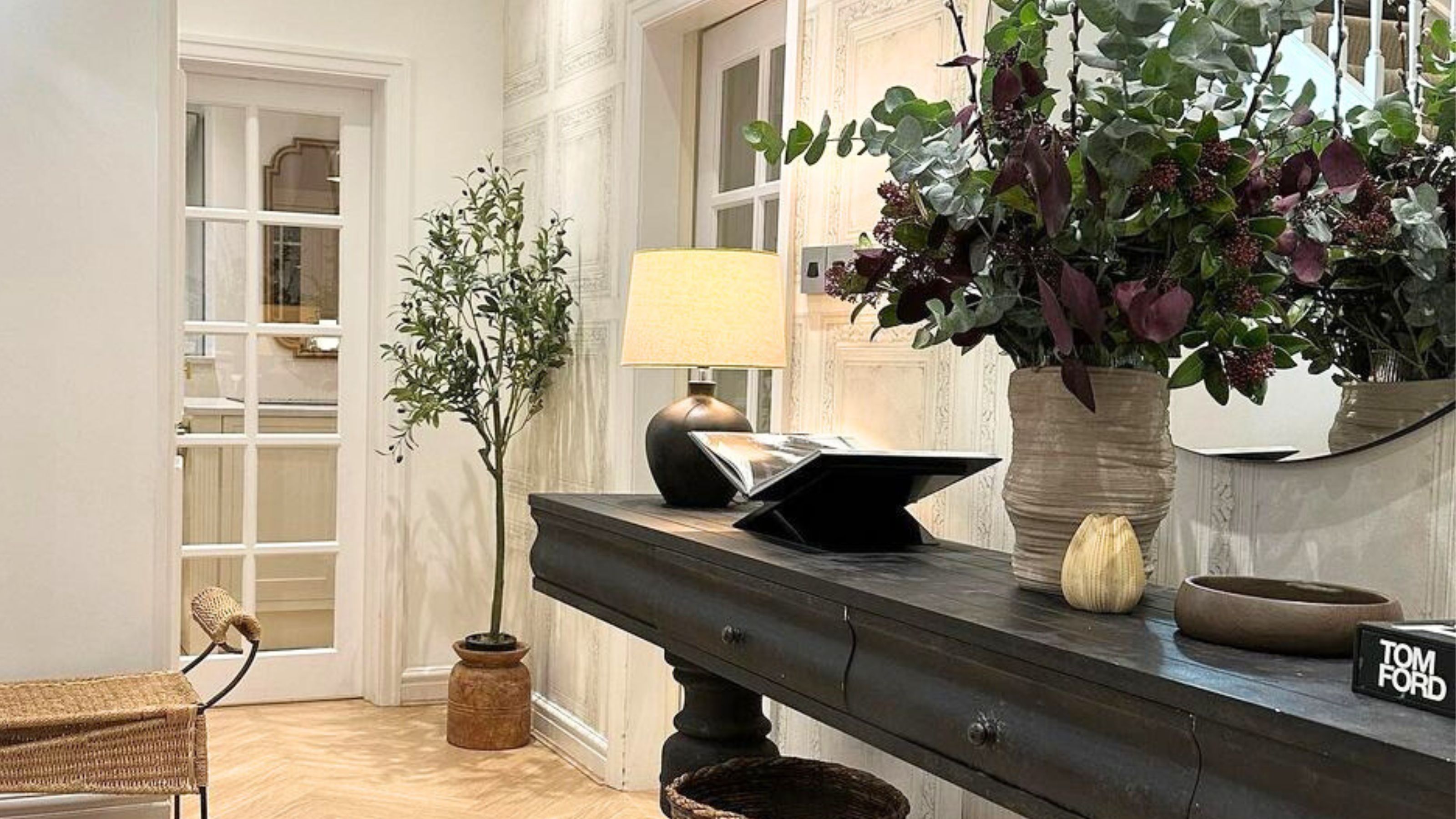
5 small entryway lighting mistakes — experts share what to avoid

10 Mistakes Designers IMMEDIATELY Notice When They Walk Into Your Home

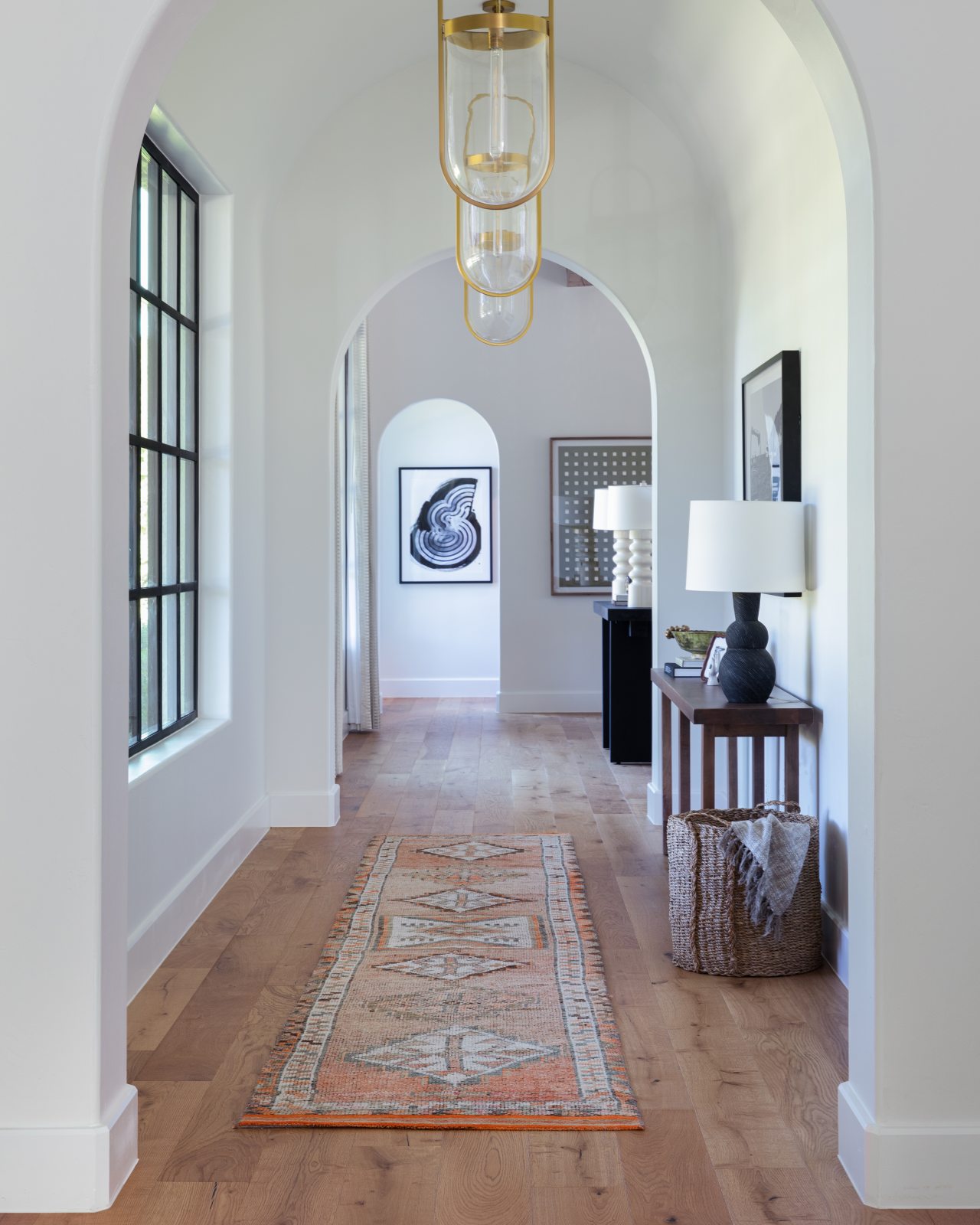
How to Avoid the 5 Worst Hallway Design Mistakes

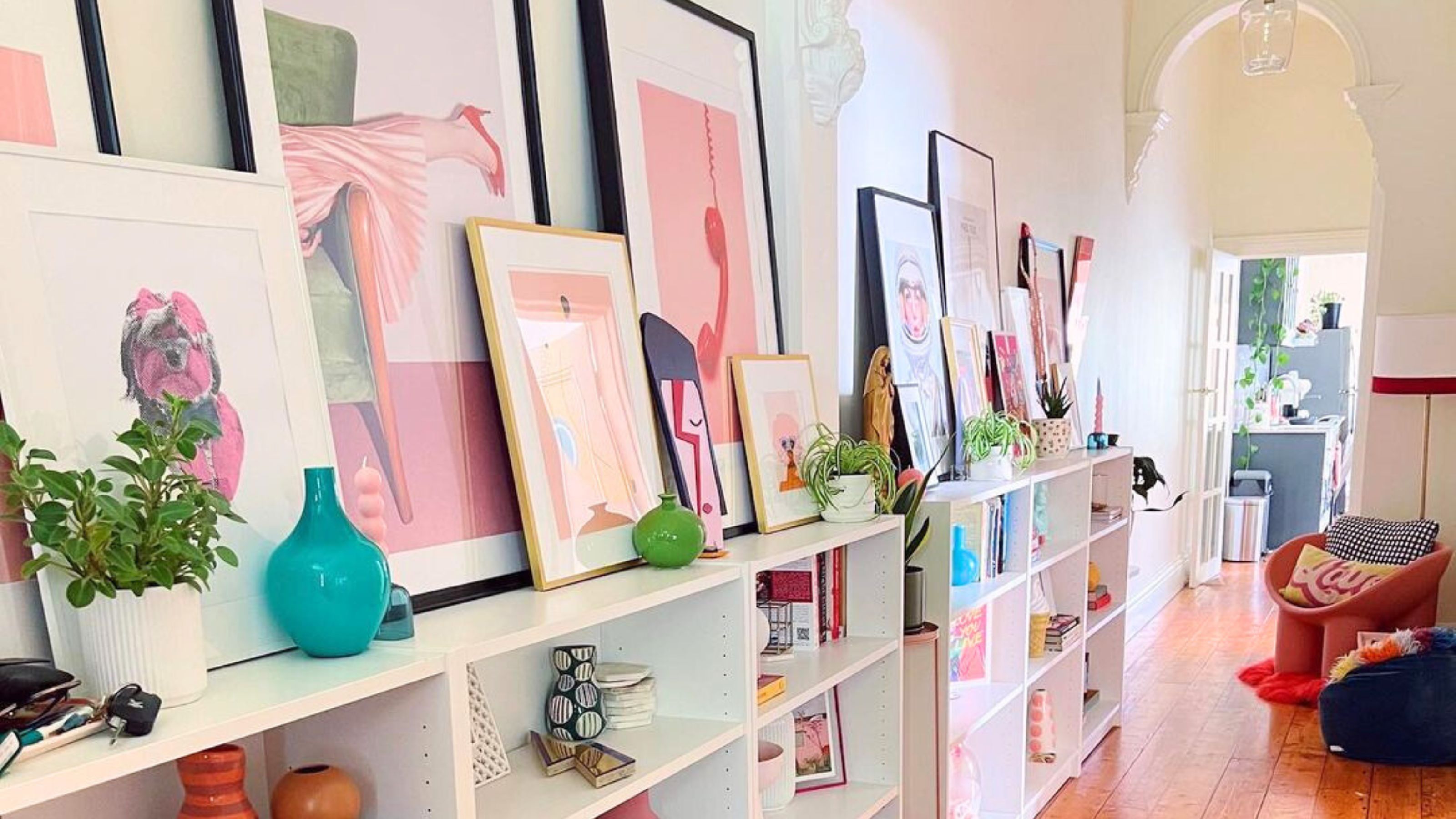
Don't make these 5 entryway decor mistakes
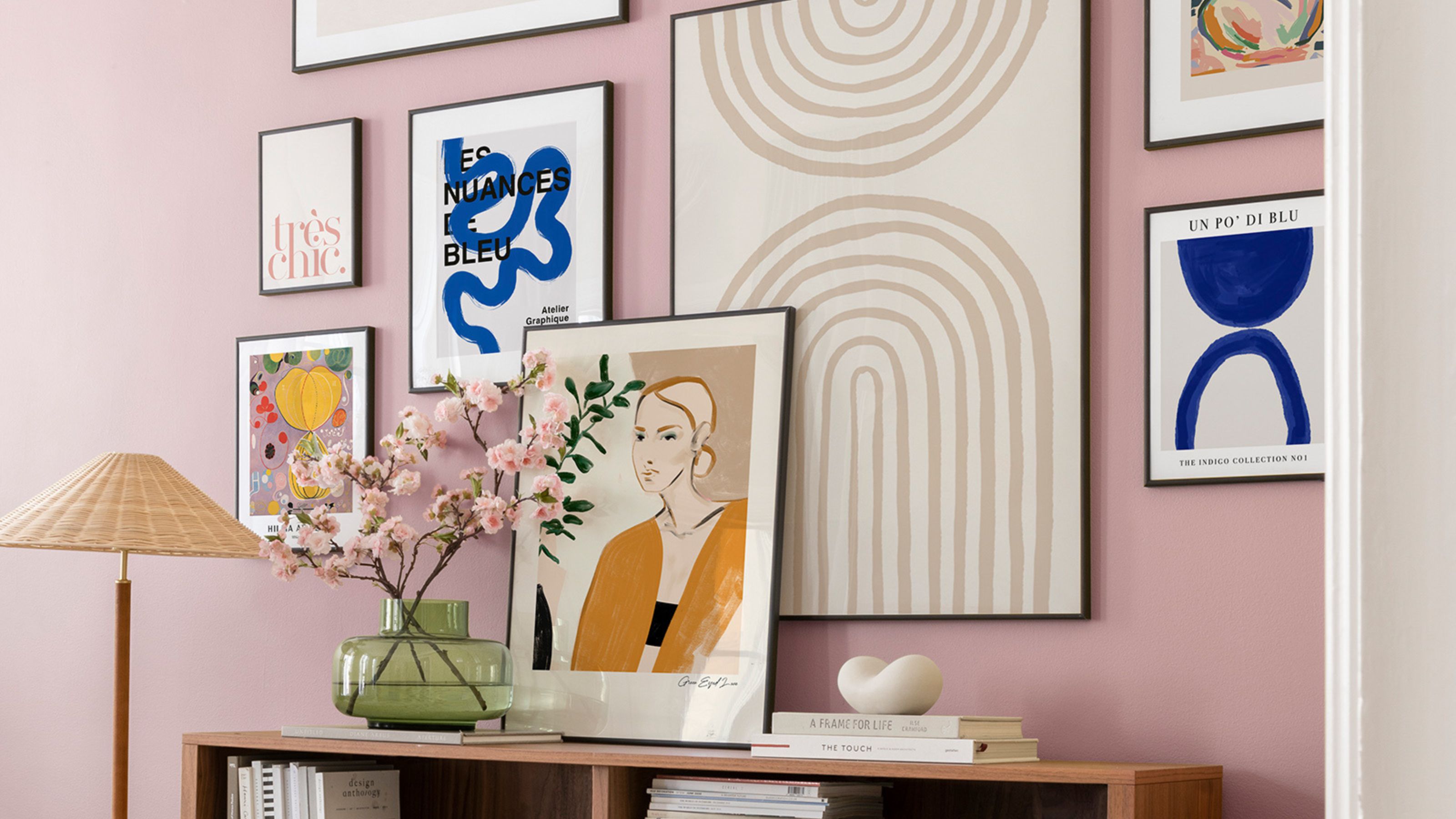
The 5 small entryway color mistakes design experts say are big bloopers

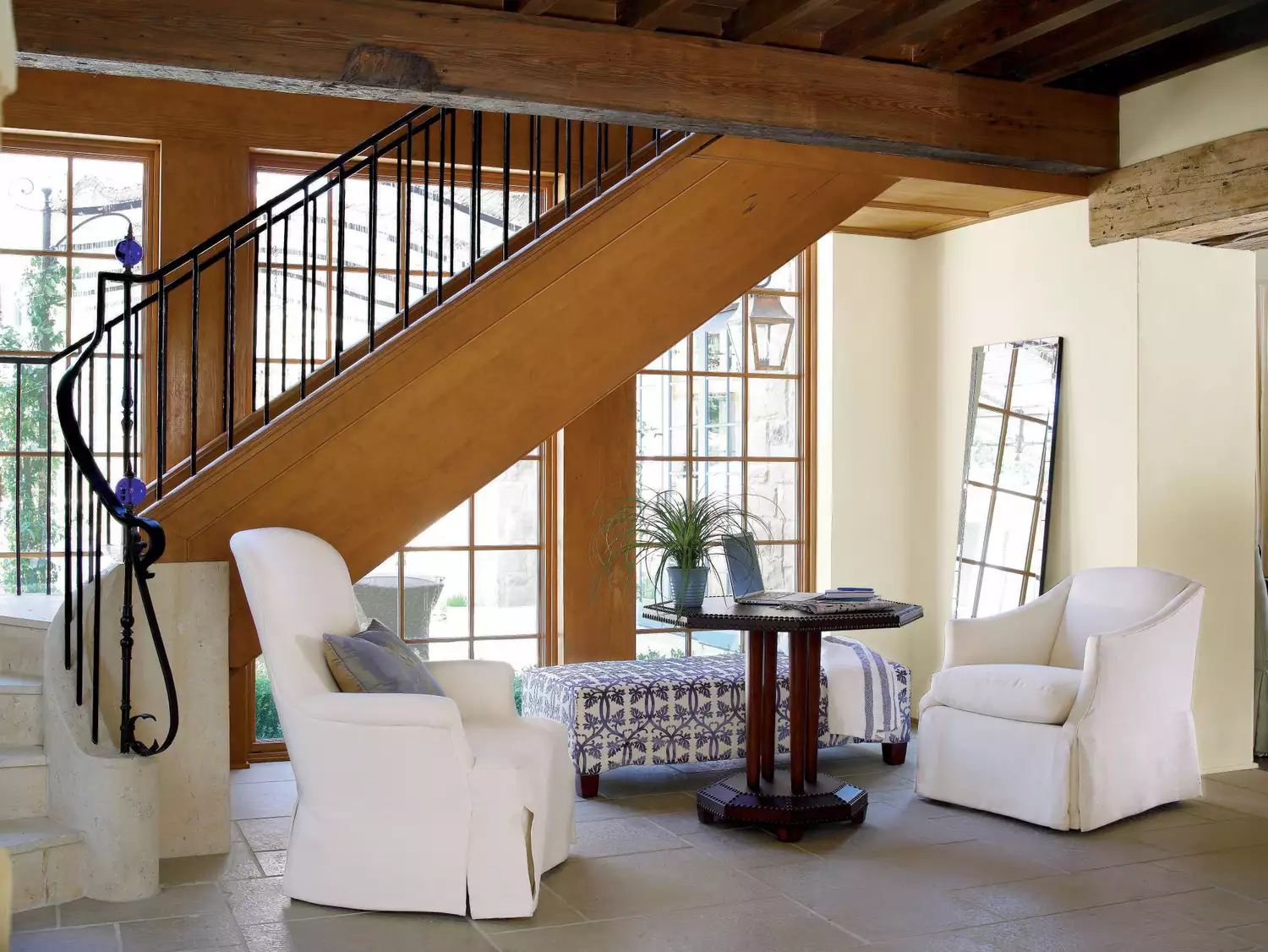
5 Common Entryway Mistakes That Make The Wrong First Impression
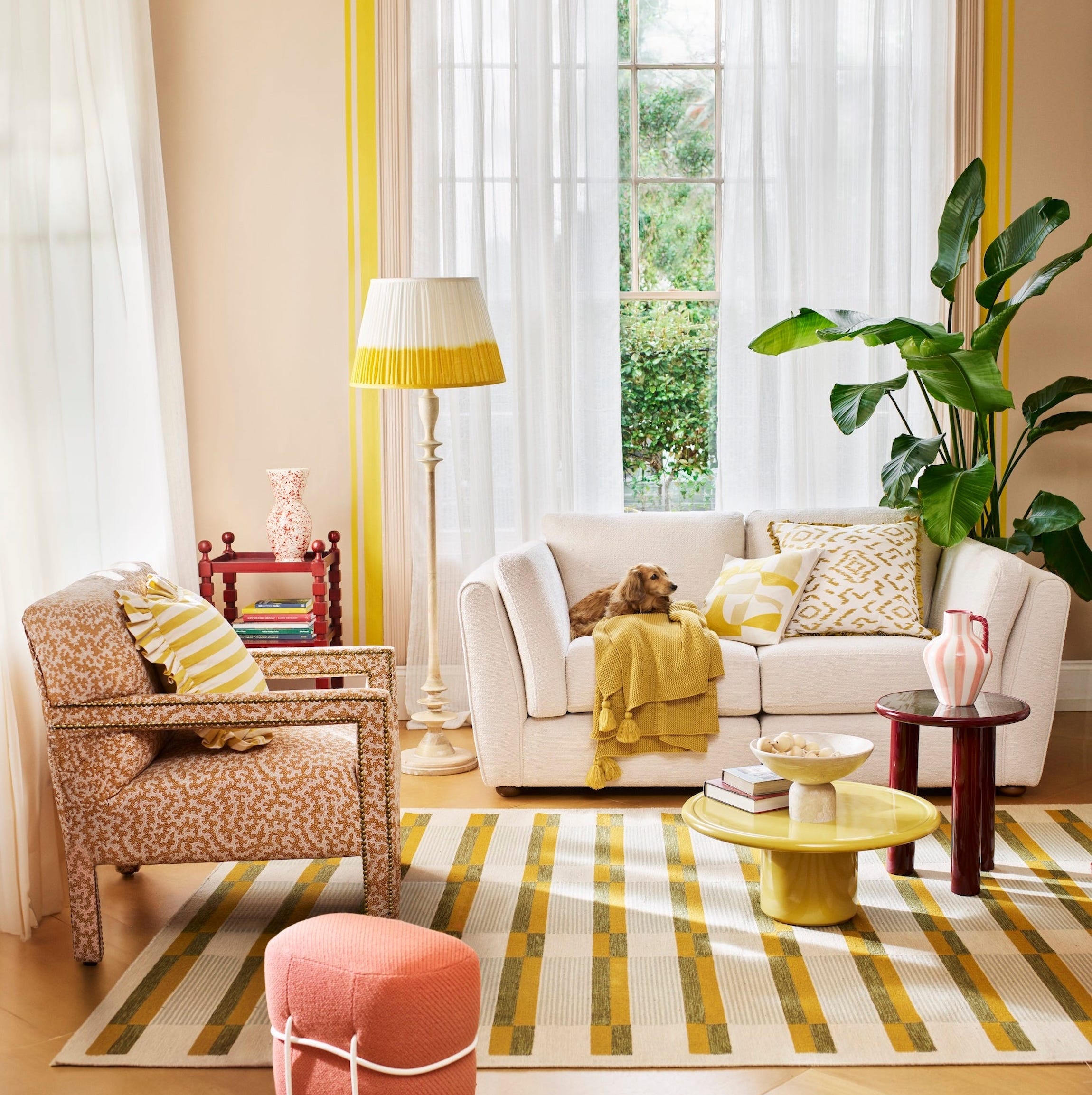
5 Living Room Design Mistakes You Didn't Know You Were Making
5 entryway Feng Shui mistakes experts always notice as soon as they step foot into a home
7 Entryway Mistakes Designers Instantly Notice When They Walk Into Your Home

7 Design Mistakes Interior Designers Always Notice

10 Interior Design Mistakes Experts Avoid In Their Own Homes
5 Mistakes That Are Making Your Entryway Look Bad, According to a Designer
5 small entryway storage mistakes designers want you to stop making
5 flooring mistakes to avoid – according to architects and interior designers
5 entryway Feng Shui rules that will make you re-consider how you layout your home's entrance
Small entryway Feng Shui mistakes — 5 things the pros always avoid
6 things to never put in an entryway, according to interior designers
What makes an entryway look cheap? 6 mistakes to immediately switch out in 2025
Common design mistakes you're making in every room of your house