1/6
5 flooring mistakes to avoid – according to architects and interior designers
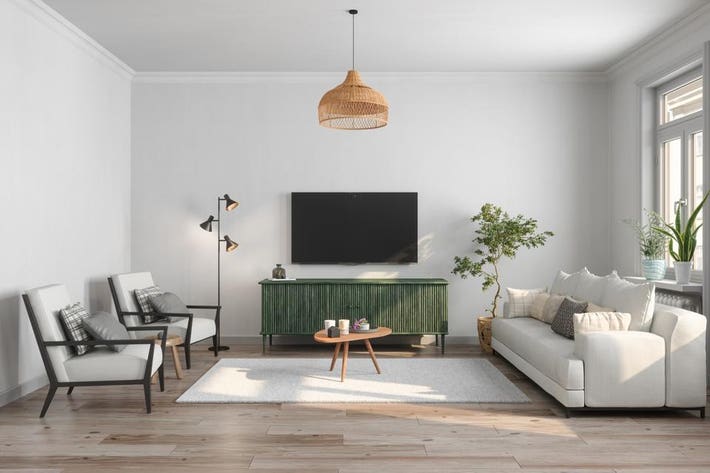
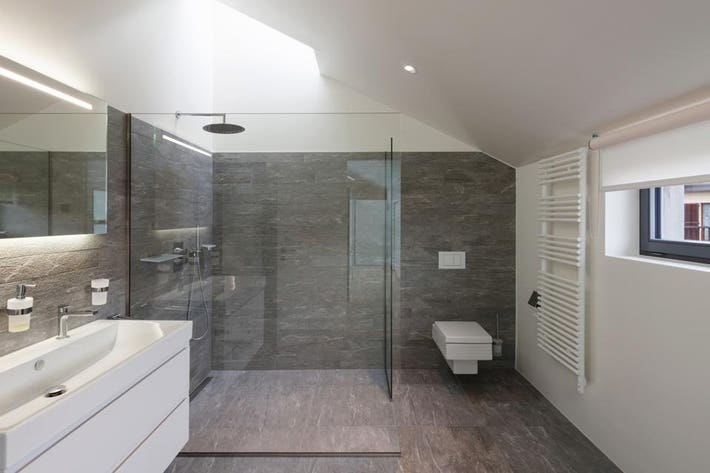
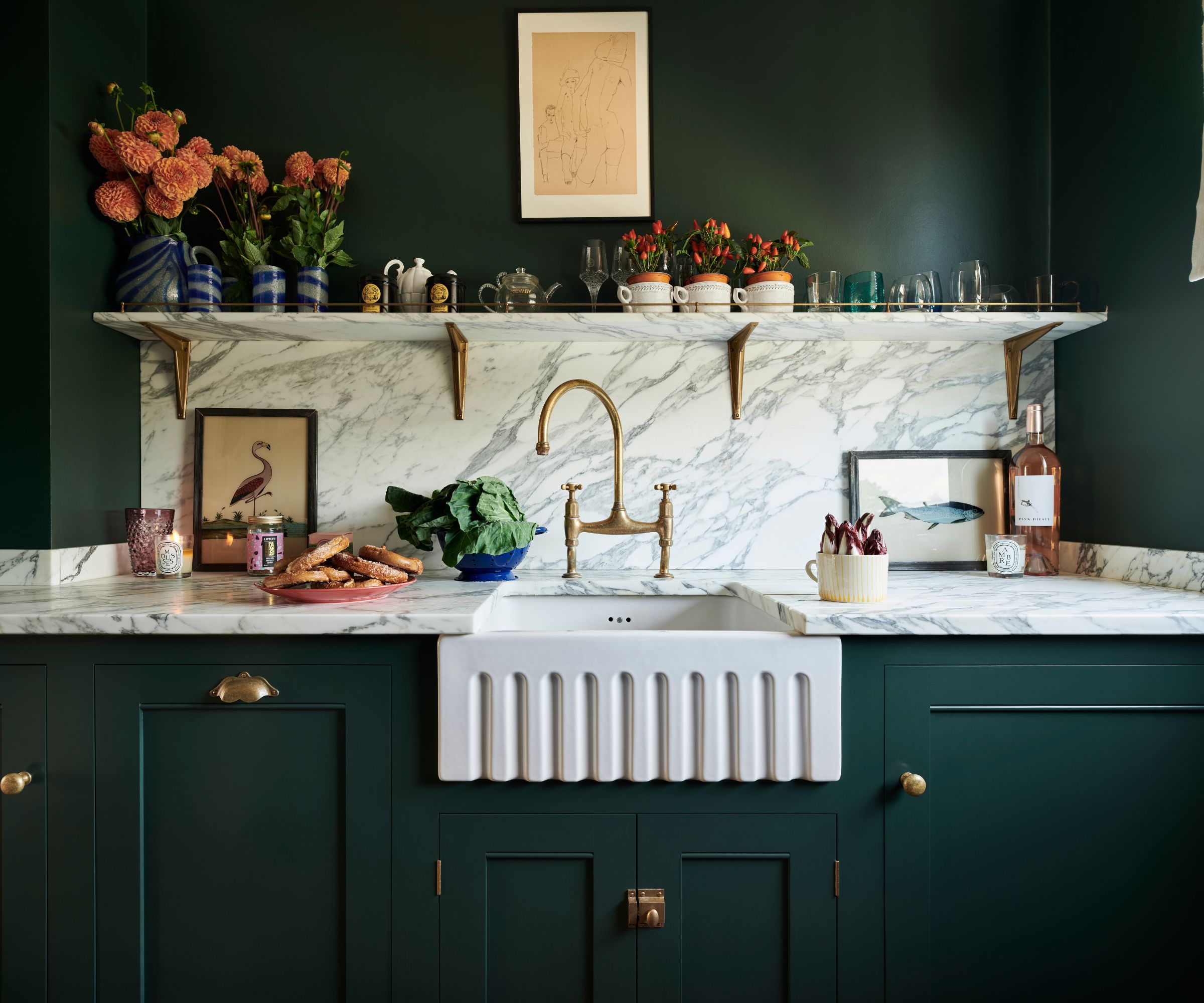
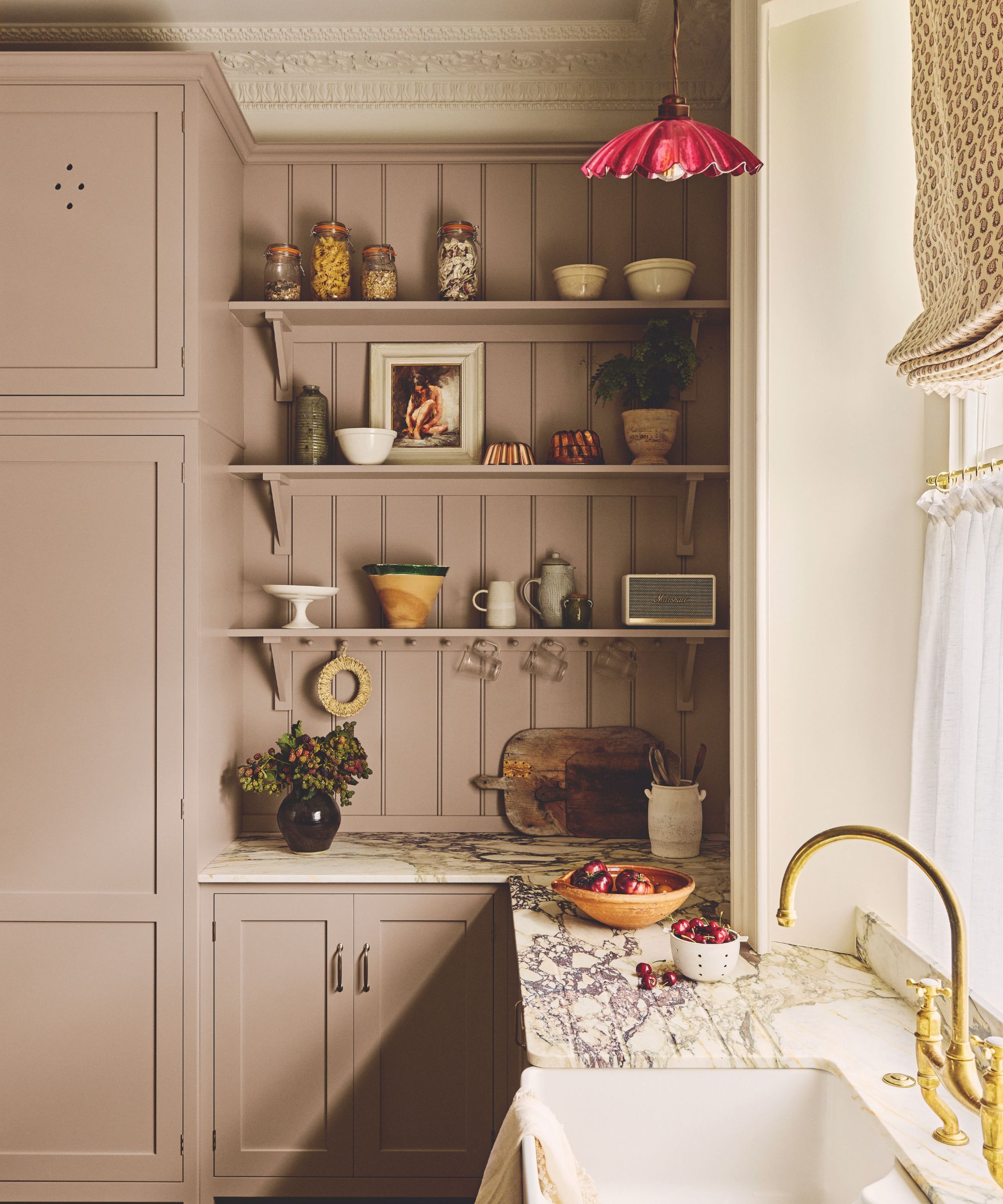
Flooring is a crucial, yet often overlooked, element in interior design that significantly impacts a space's overall aesthetic and functionality. Mistakes in flooring choices can lead to a disproportionate or outdated feel in a room. This article, drawing on insights from architects and interior designers, highlights five common flooring errors to help homeowners make informed decisions, whether renovating or simply updating their space.
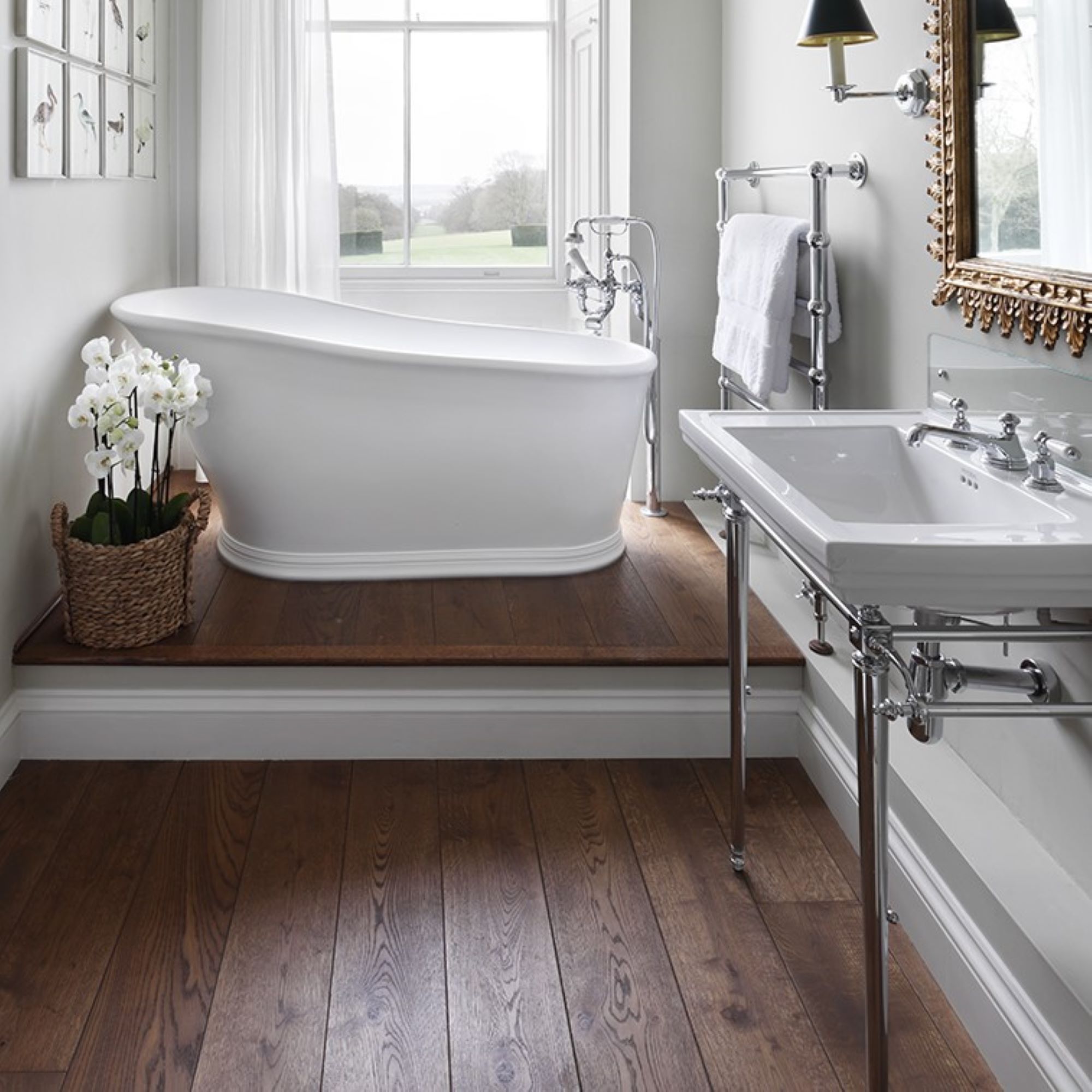
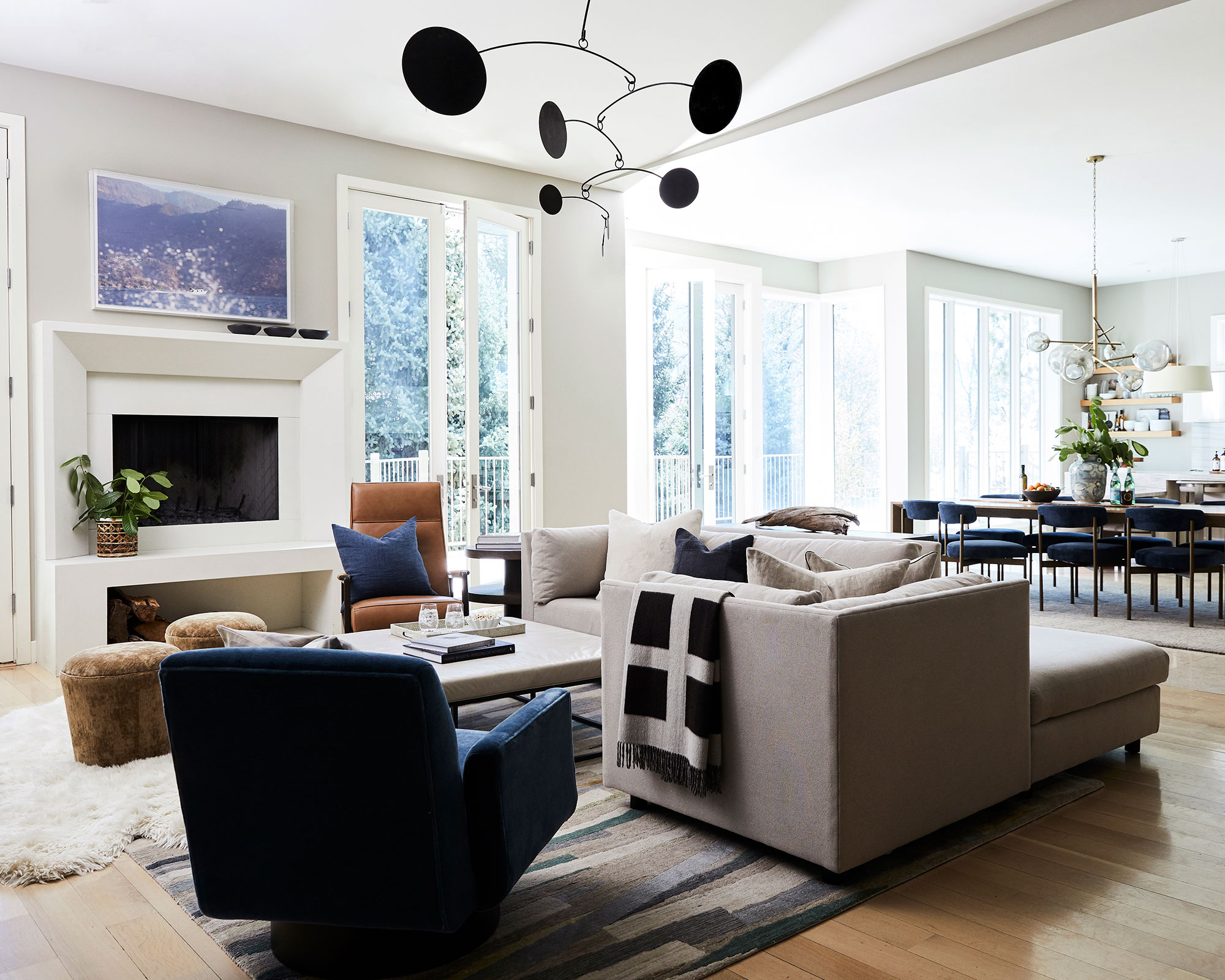
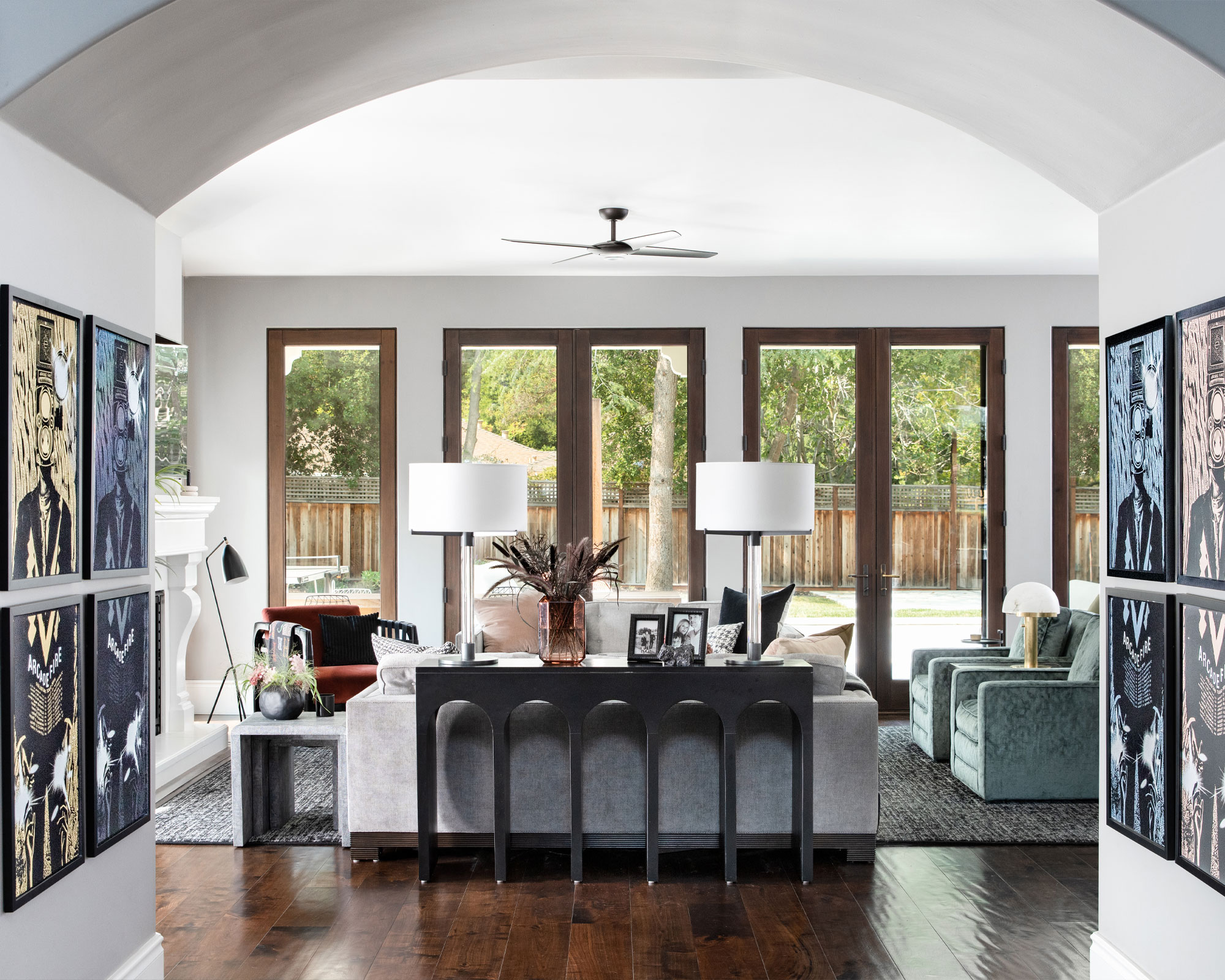
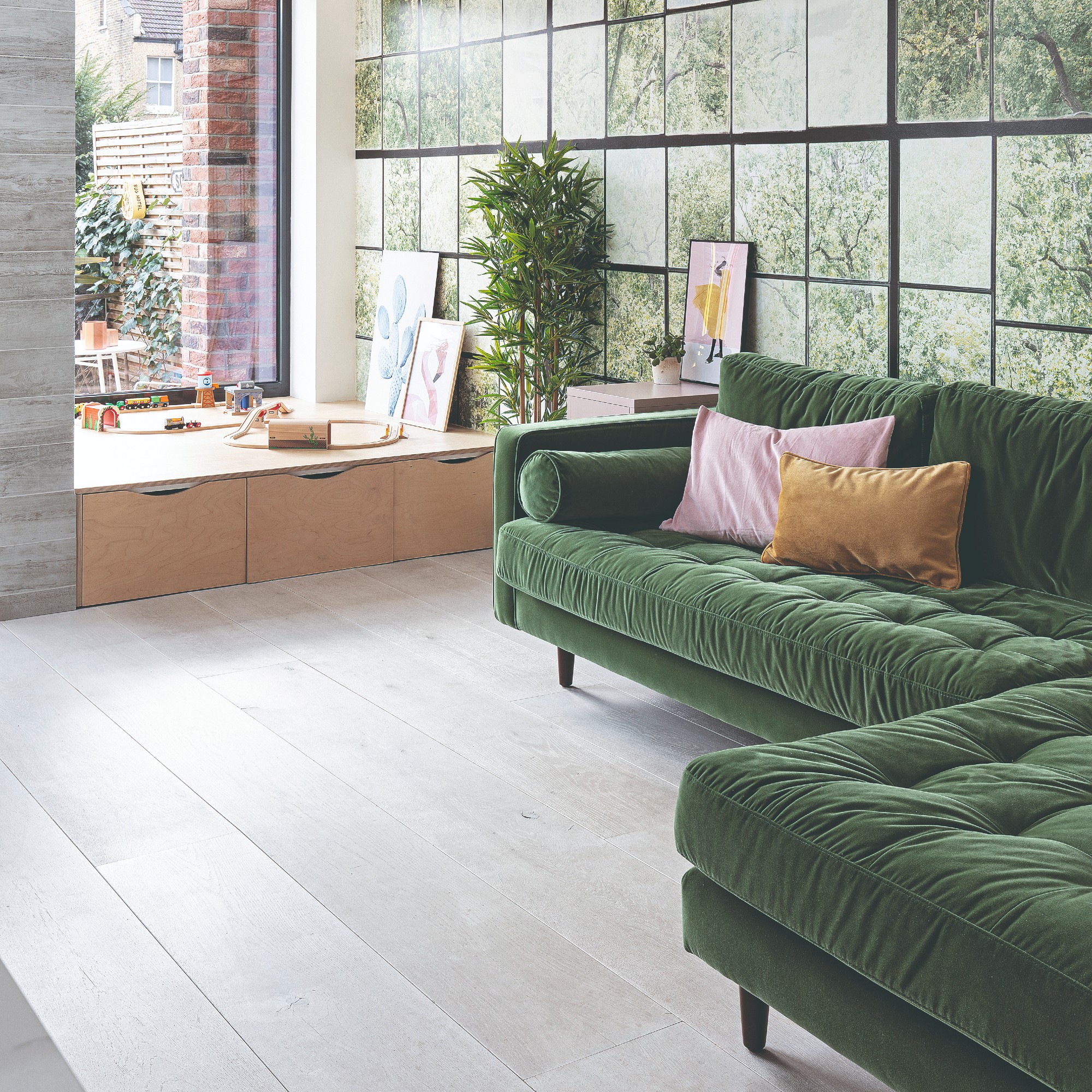
One significant mistake is stripping wooden flooring to achieve trendy looks like stripped gray. Manhattan-based architect Anastasia Harrison advises against this, emphasizing the importance of embracing the natural beauty of wood. Attempting to force a gray stain onto historic floors often results in an unnatural appearance and potential damage to the wood. Instead, if a gray aesthetic is desired, Harrison recommends opting for ready-made, pre-stained flooring to ensure a cohesive and authentic look without compromising the original material.
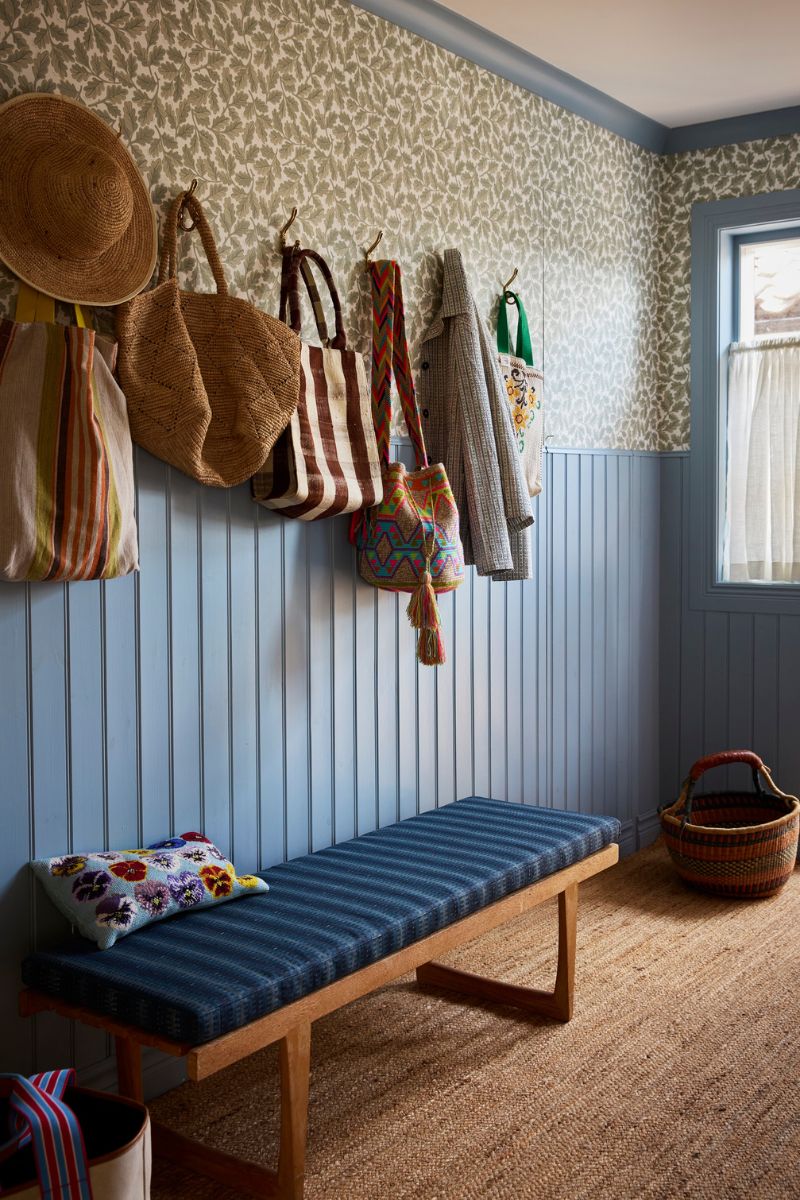
Another critical error is neglecting to consider a room's function before selecting flooring materials. Harrison notes that many clients install delicate materials, such as wool or handmade rugs, in high-traffic areas, leading to rapid staining, destruction, and high maintenance demands. To avoid this, it's essential to assess the room's purpose and traffic levels. For high-traffic areas like mudrooms, materials like man-made rubber or jute are recommended for their durability and low maintenance. An example provided is using a durable, woven Chilewich rug, made from renewable vegetable content, to transform a high-rise apartment balcony into an expanded living space, demonstrating how function-forward choices can be both practical and stylish.
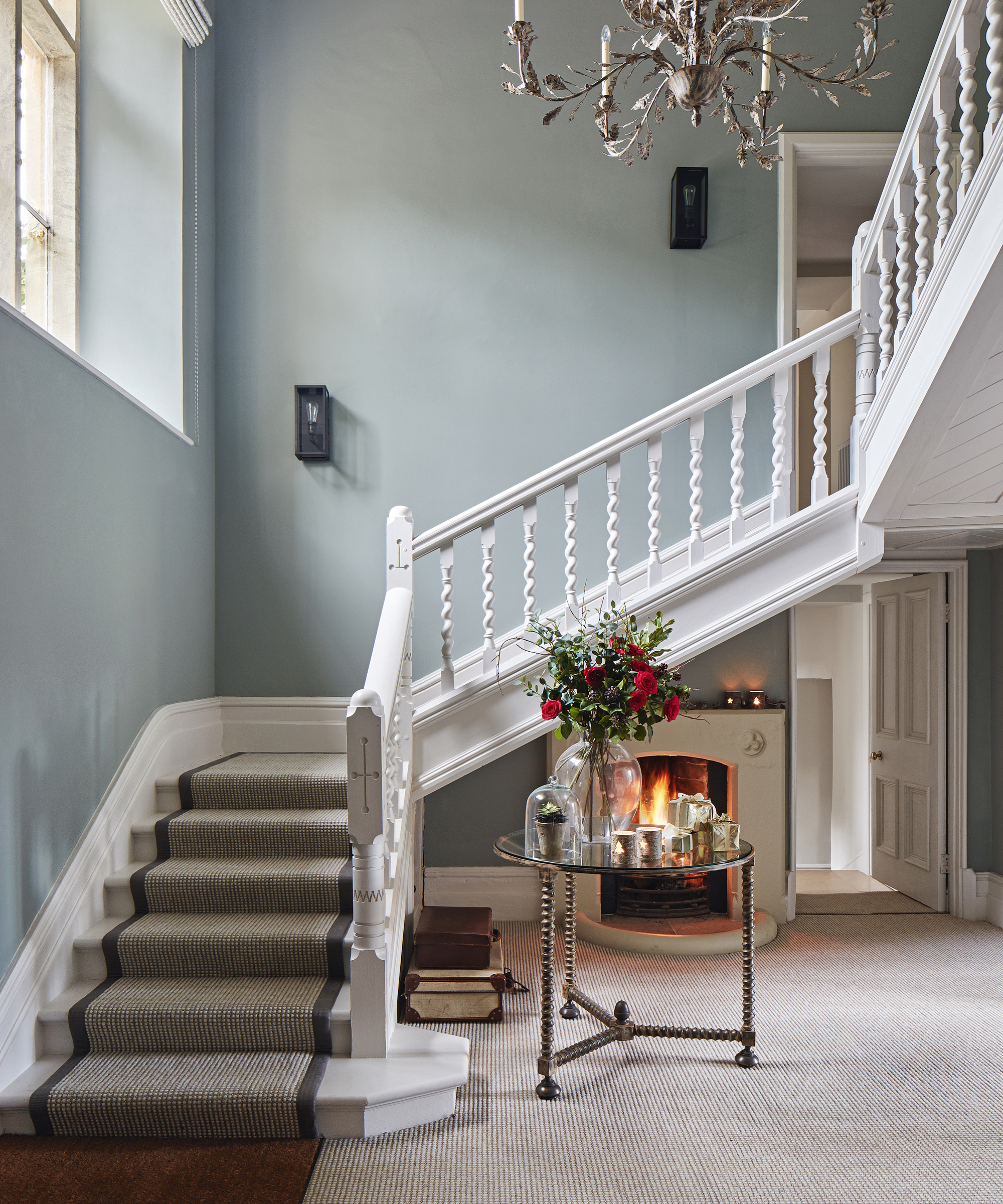
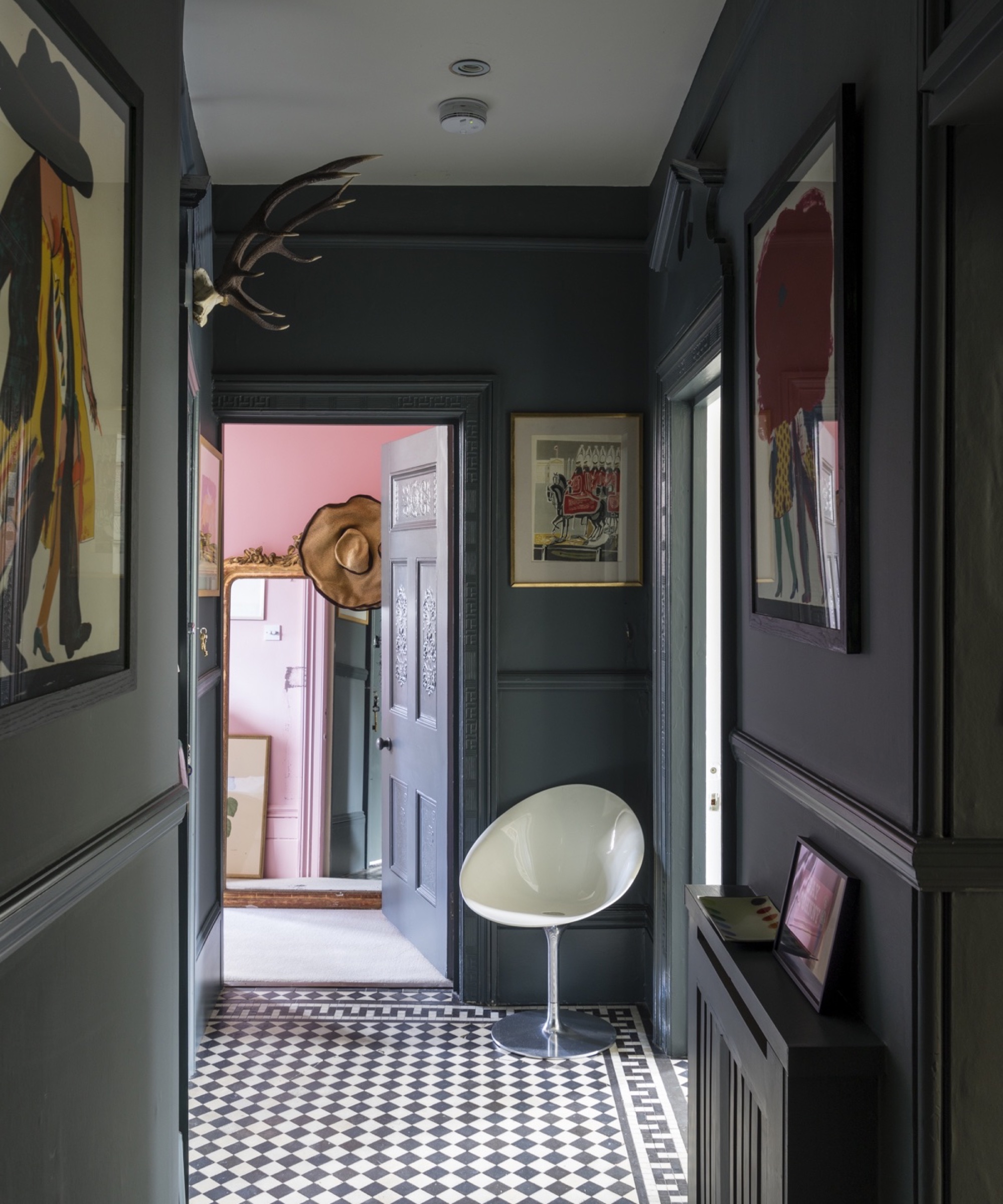
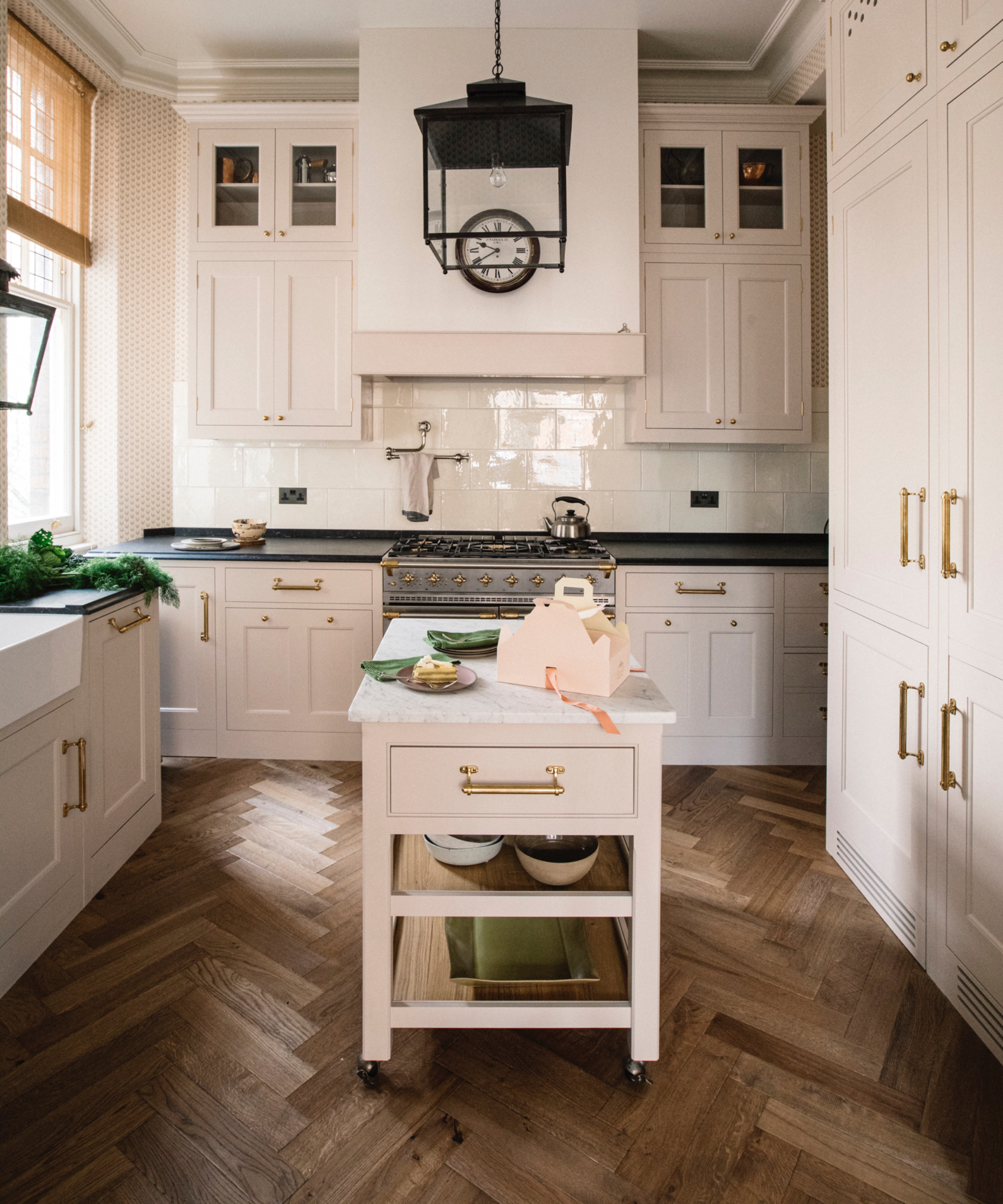
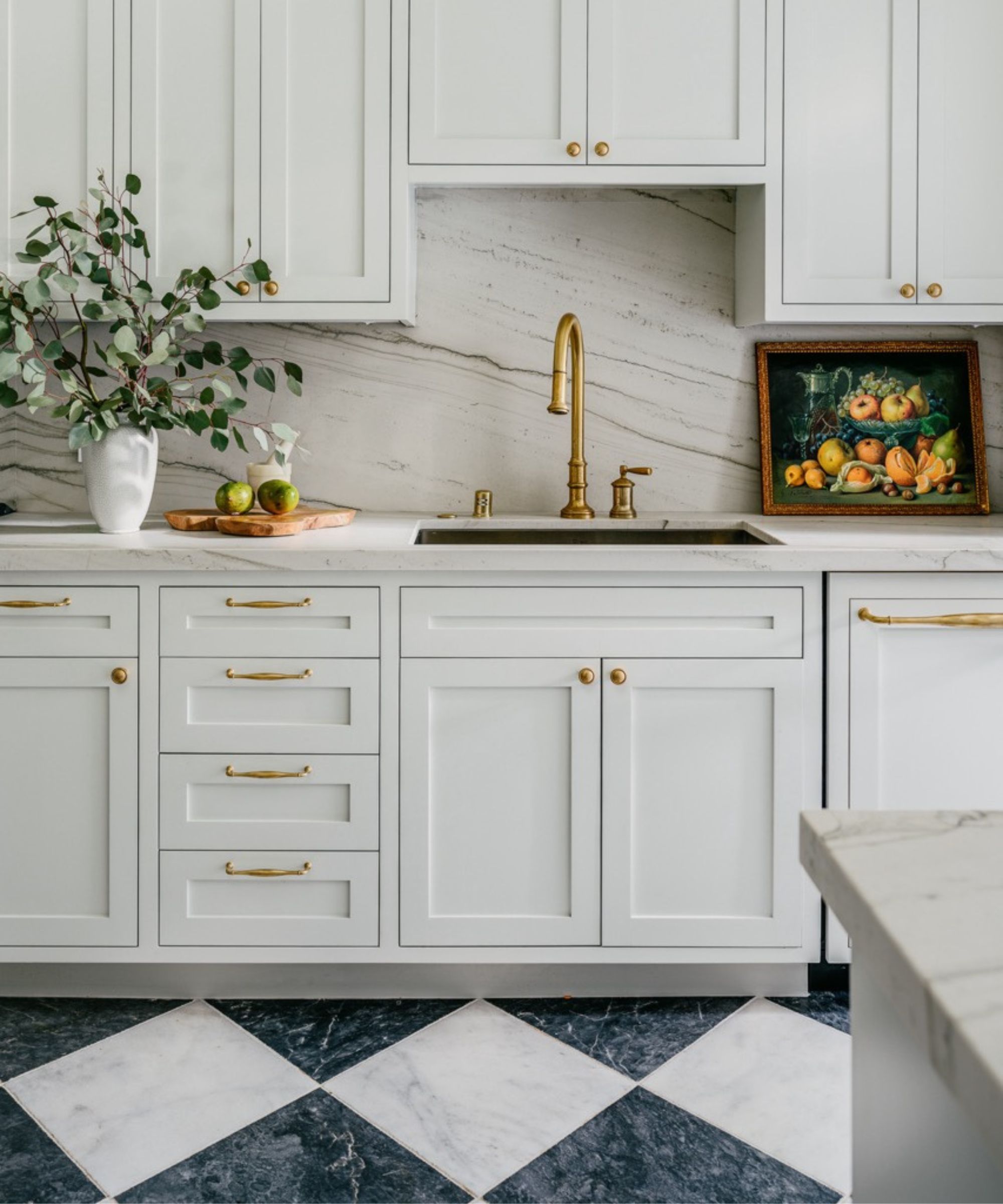
The choice of flooring color also plays a vital role, and selecting the wrong hue can be a practical misstep. Interior Designer Aaron Lebowski suggests that flooring color should reflect its purpose, especially considering the foot traffic and types of footwear in an area. For entryways and kitchens, which are typically high-traffic zones prone to dirt, darker colors like black or navy blue are recommended to conceal imperfections and dirt more effectively, thus maintaining a cleaner appearance.
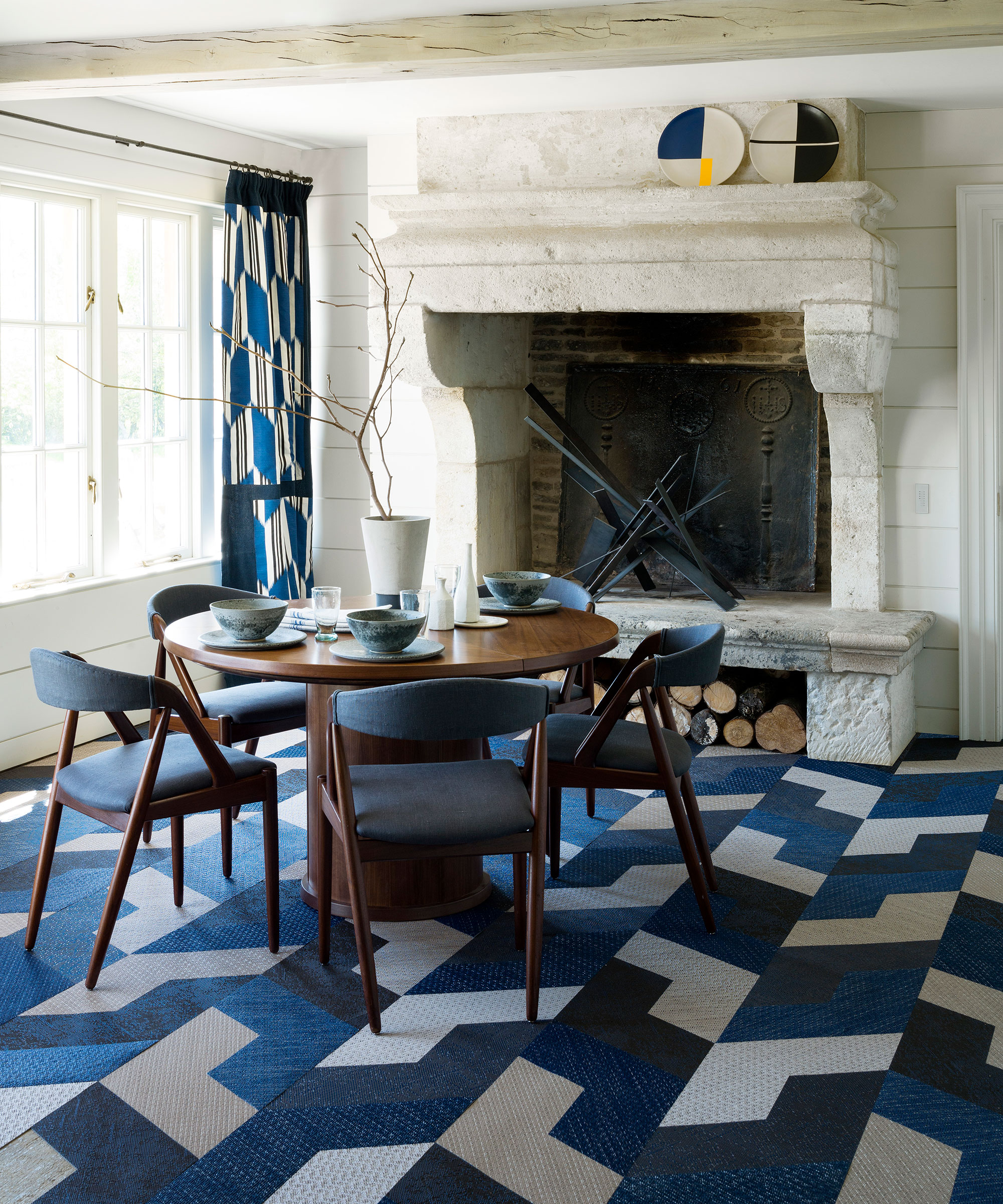
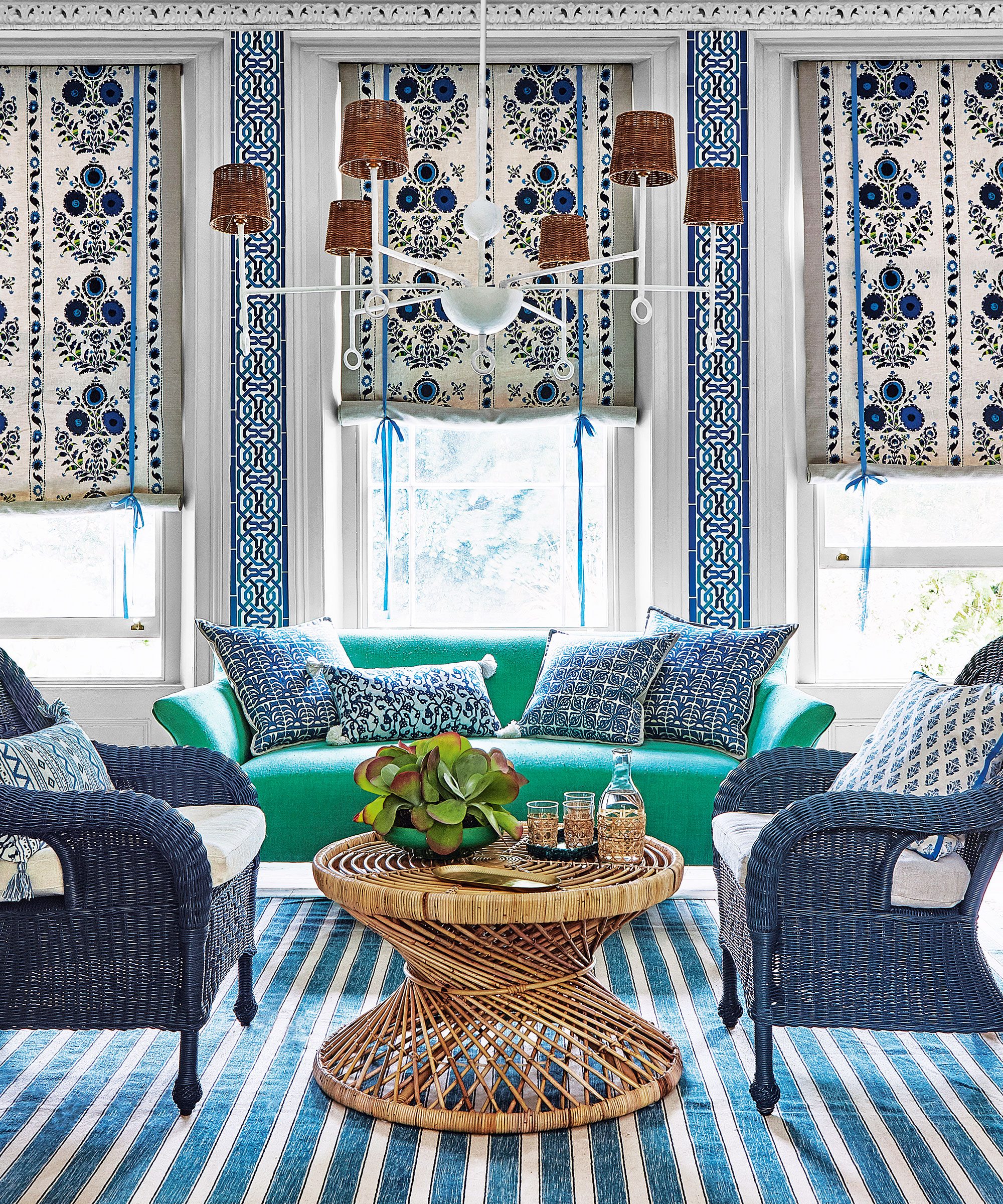
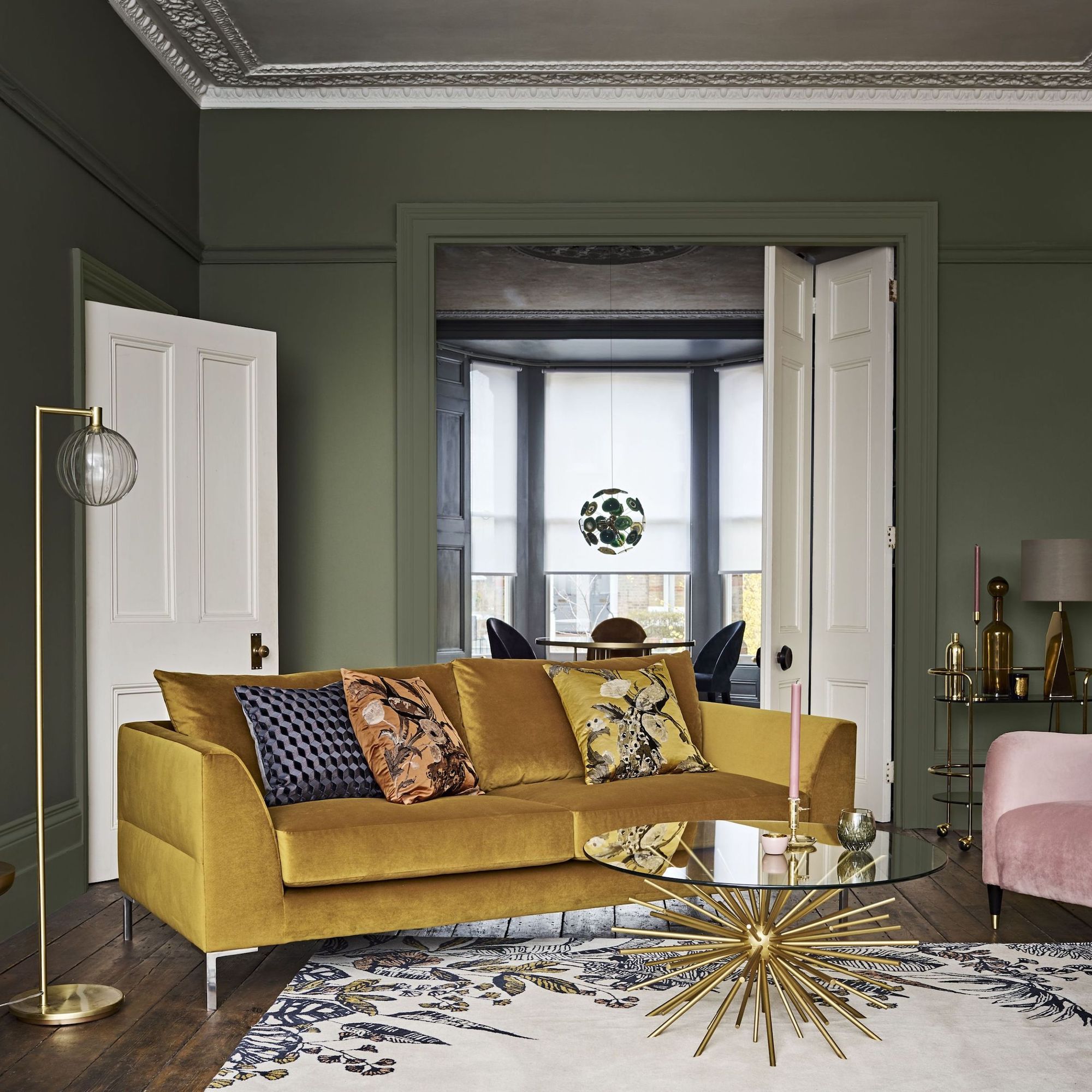
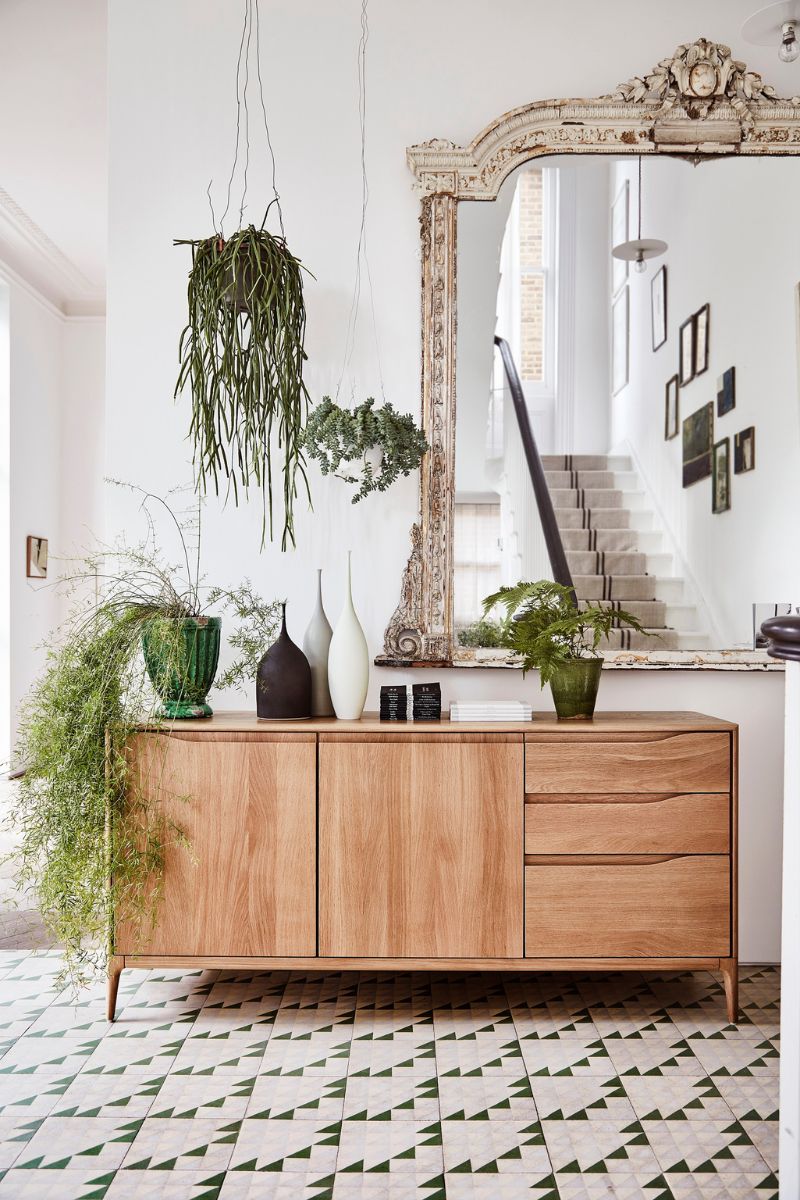
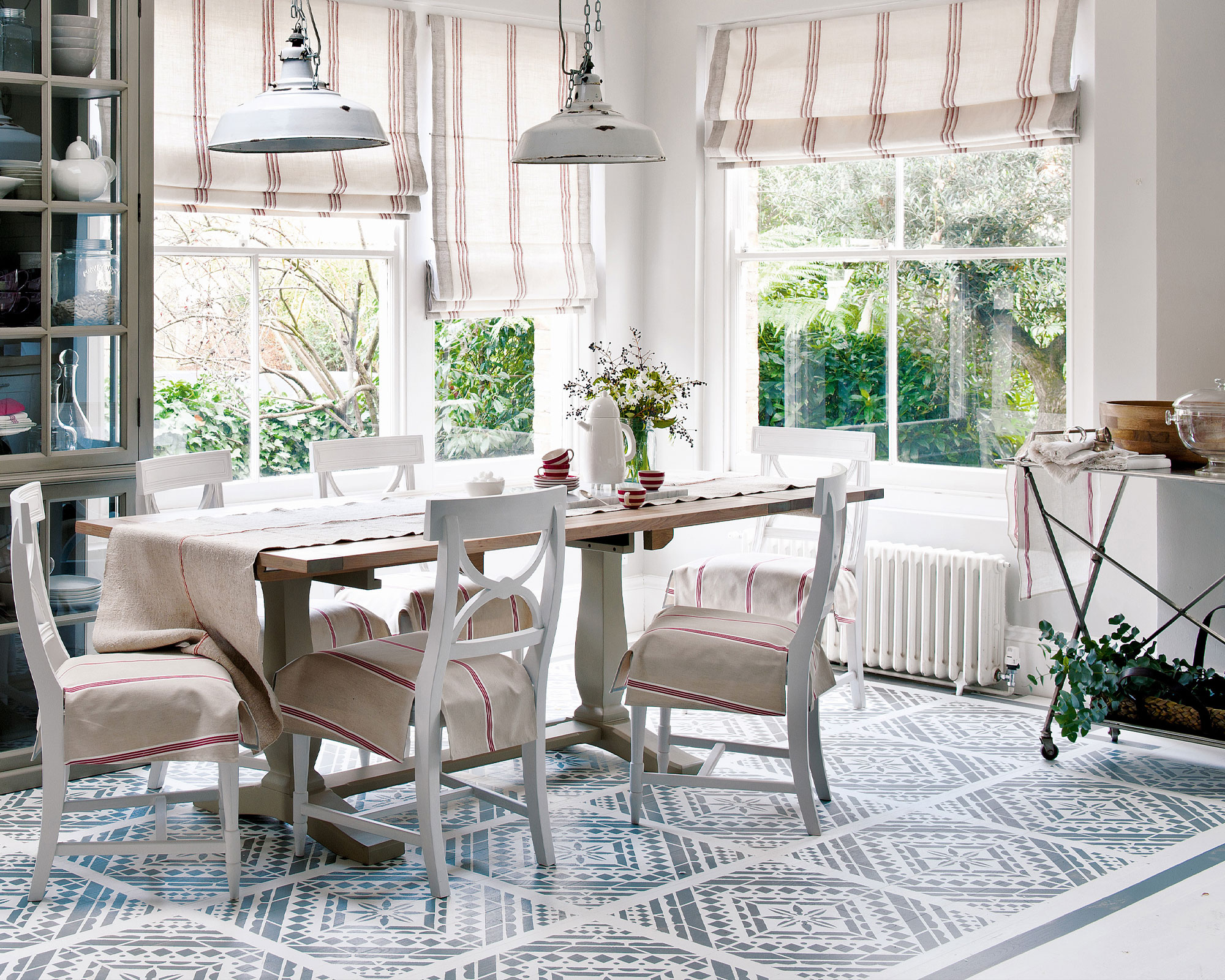
Furthermore, designers caution against neglecting other features in a space when choosing flooring. The floor should not only complement the room but also integrate seamlessly with existing décor. Selecting flooring colors that clash with the current interior design can disrupt the harmony of the space. Instead, designers advise choosing colors that coordinate with the existing decorating scheme to ensure a cohesive and balanced look. This approach helps tie the entire room together, enhancing its aesthetic appeal.
Finally, a common oversight is forgetting about future renovation plans. Flooring often represents a long-term investment, making it crucial to anticipate future additions or changes to the space. Lebowski emphasizes the importance of planning for adequate room to accommodate future furniture or appliances, such as a refrigerator. This foresight prevents the need for further costly investments in the near future and ensures that the flooring choice remains suitable and functional as the space evolves over time, contributing to its longevity and enduring appeal.
#FlooringMistakes #InteriorDesign #HomeRenovation #WoodenFlooring #FlooringMaterial #ColorTrends #RoomFunctionality #DesignTips #ArchitecturalAdvice #FlooringMistakes #InteriorDesign #HomeRenovation #WoodenFlooring #FlooringMaterial #ColorTrends #RoomFunctionality #DesignTips #ArchitecturalAdvice
0 comment in total
 No comments yet
You may also like
Experts warn against these 6 bathroom flooring mistakes - what to do instead
5 Living Room Design Mistakes You Didn't Know You Were Making

9 whole house layout mistakes – avoid these common floor plan flaws
6 Mistakes You Should Avoid When Choosing Hardwood Floors, According to Home Reno Pros

Carpet mistakes to avoid – 5 expert-approved tips to ensure perfect flooring
5 Outdated Bathroom Flooring Trends to Avoid in 2025 — Plus the Ones the Experts Want to See More of in Your Home

How to Avoid the 5 Worst Hallway Design Mistakes

10 common living room design disasters experts warn against falling for
5 entryway mistakes we all make – and how designers suggest we avoid them
5 Living Room Rug Mistakes You’re Probably Making—And How To Fix Them, According To Designers
Don't make these 5 entryway decor mistakes

5 Feng Shui living room mistakes you're making – and how the experts avoid them
5 Flooring Choices Designers Completely Regret Using in Their Homes
5 coffee table mistakes you should always avoid, according to interior designers
10 Interior Design Mistakes Experts Avoid In Their Own Homes

5 mistakes making your hallway look smaller and how to fix them, according to designers

5 small living room mistakes – designers share the worst decorating disasters that we need to stop doing right now
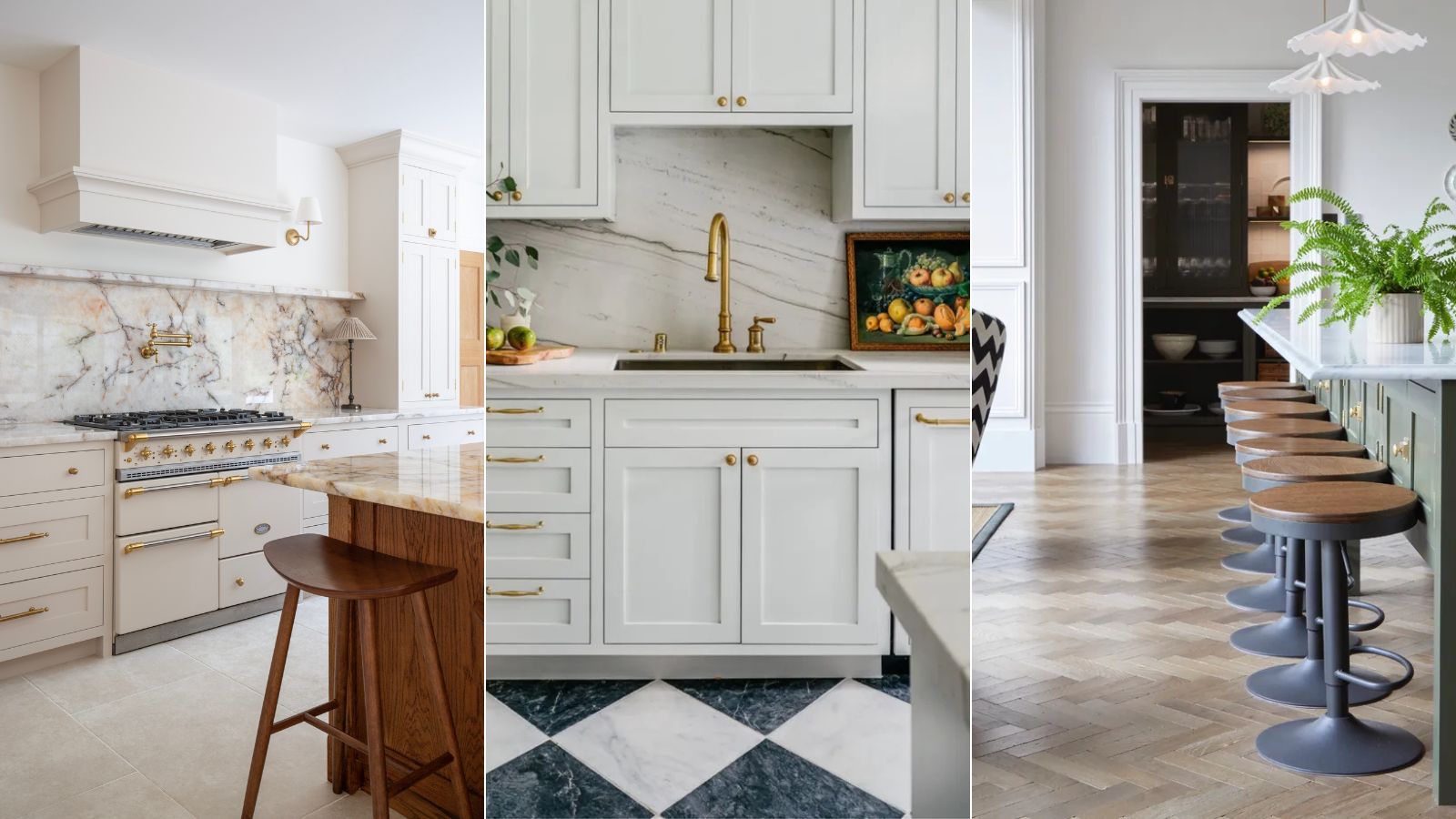
5 dated kitchen flooring trends to avoid in 2025 – and what experts say you should choose instead
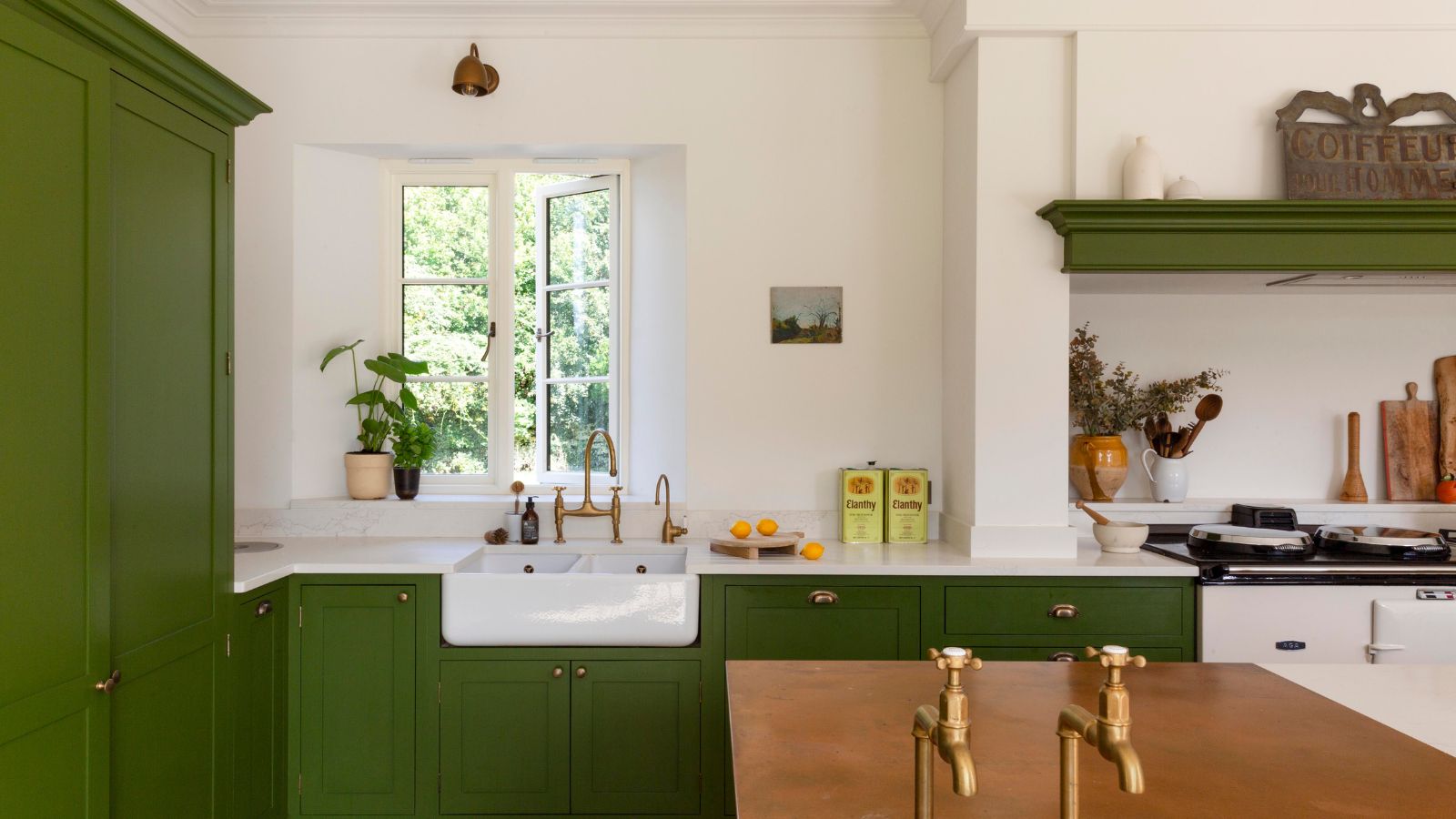
5 kitchen countertop mistakes designers warn to avoid
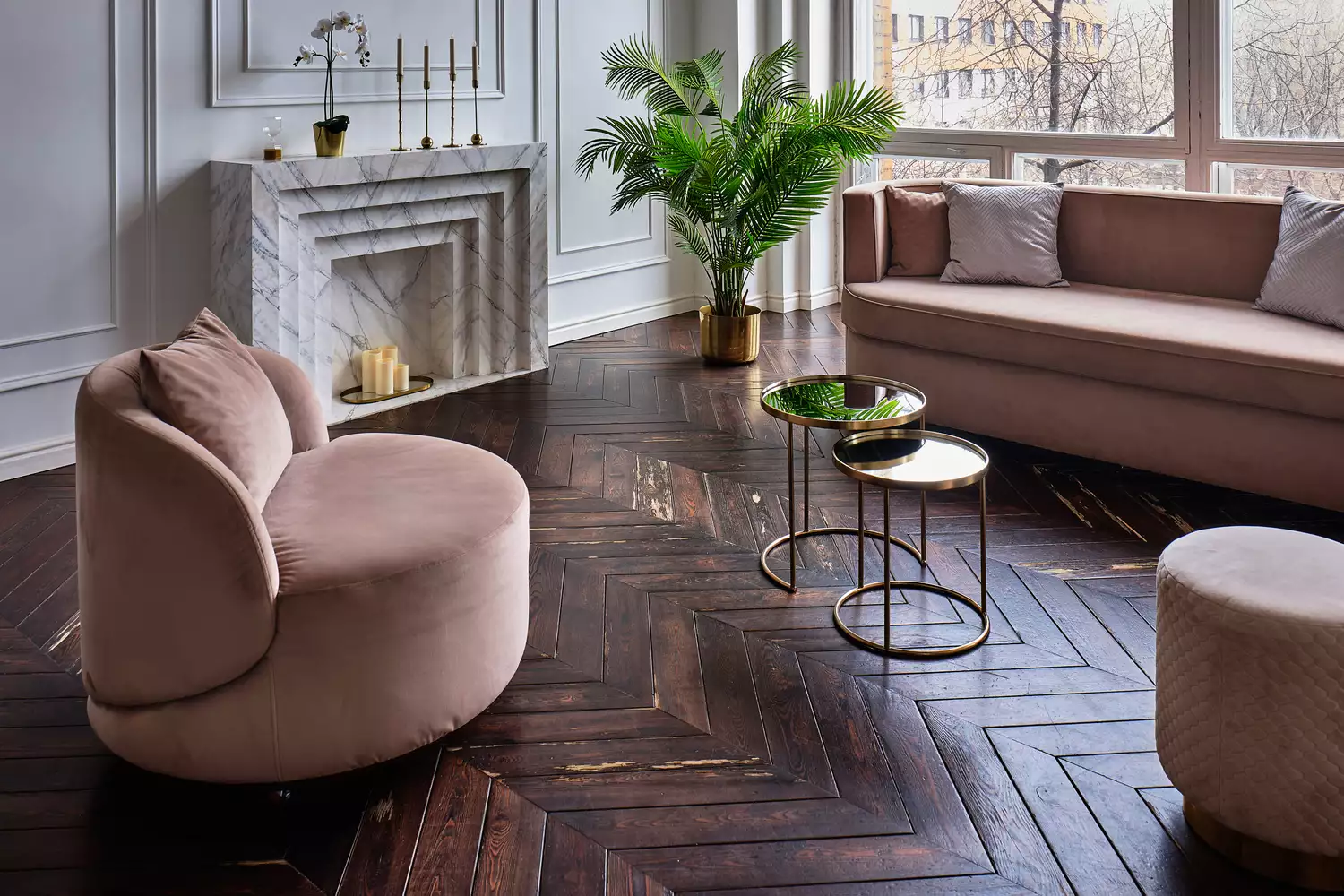
7 Flooring Trends Designers Don't Want to See in 2025