1/2
5 Living Room Rug Mistakes You’re Probably Making—And How To Fix Them, According To Designers
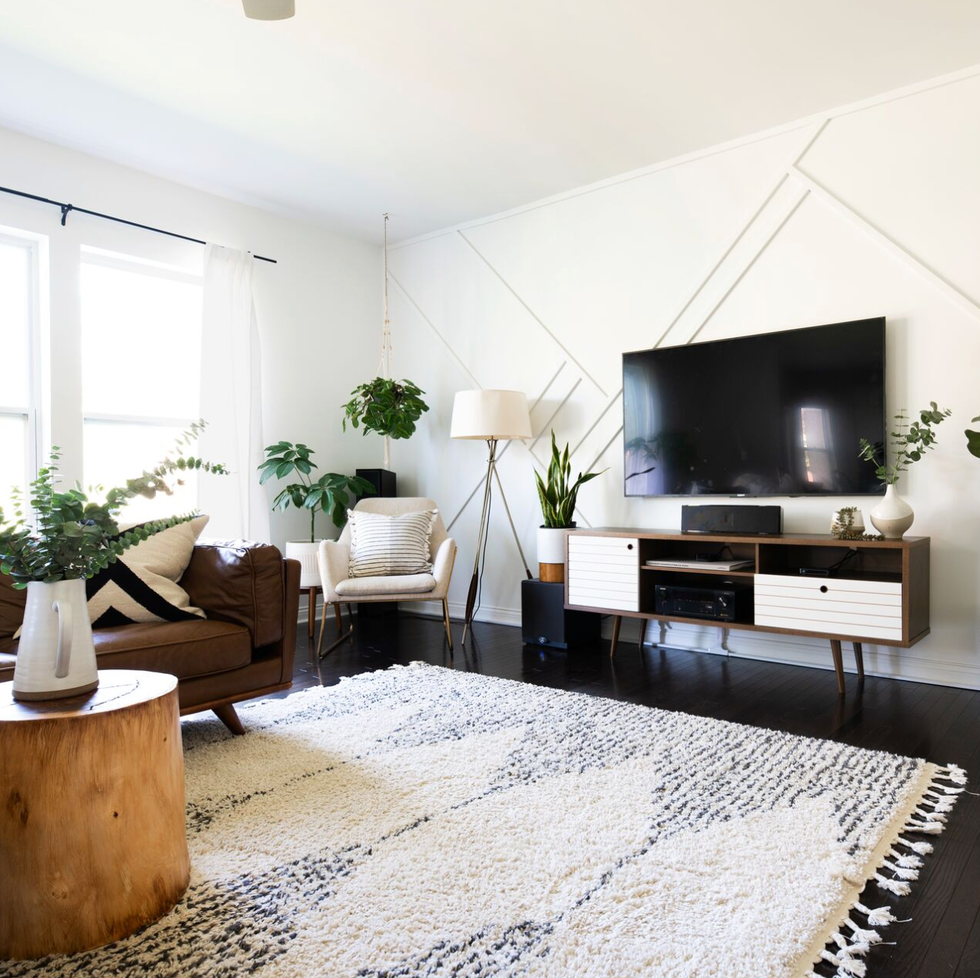
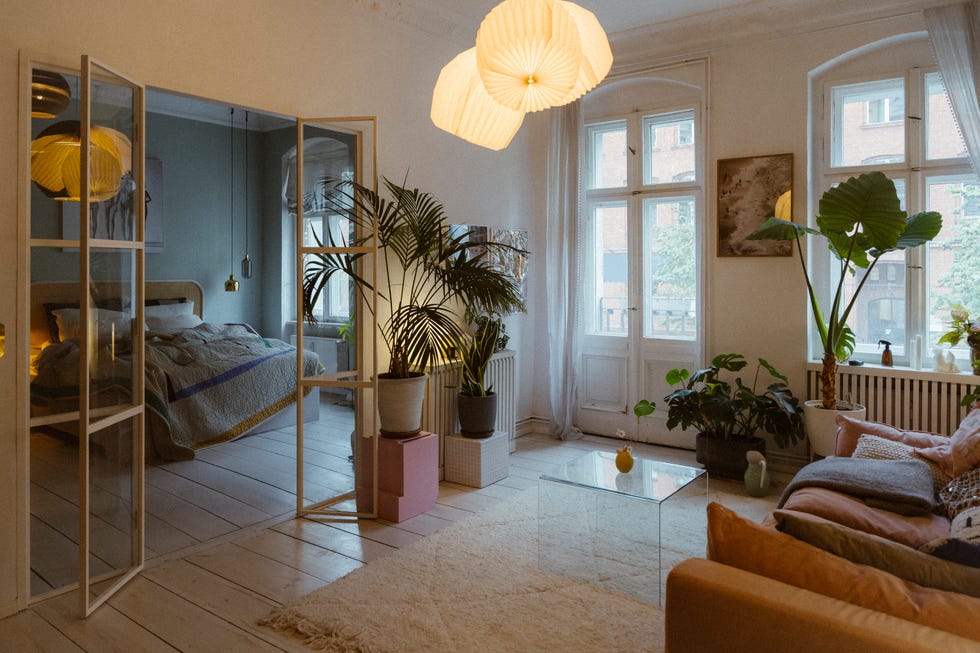
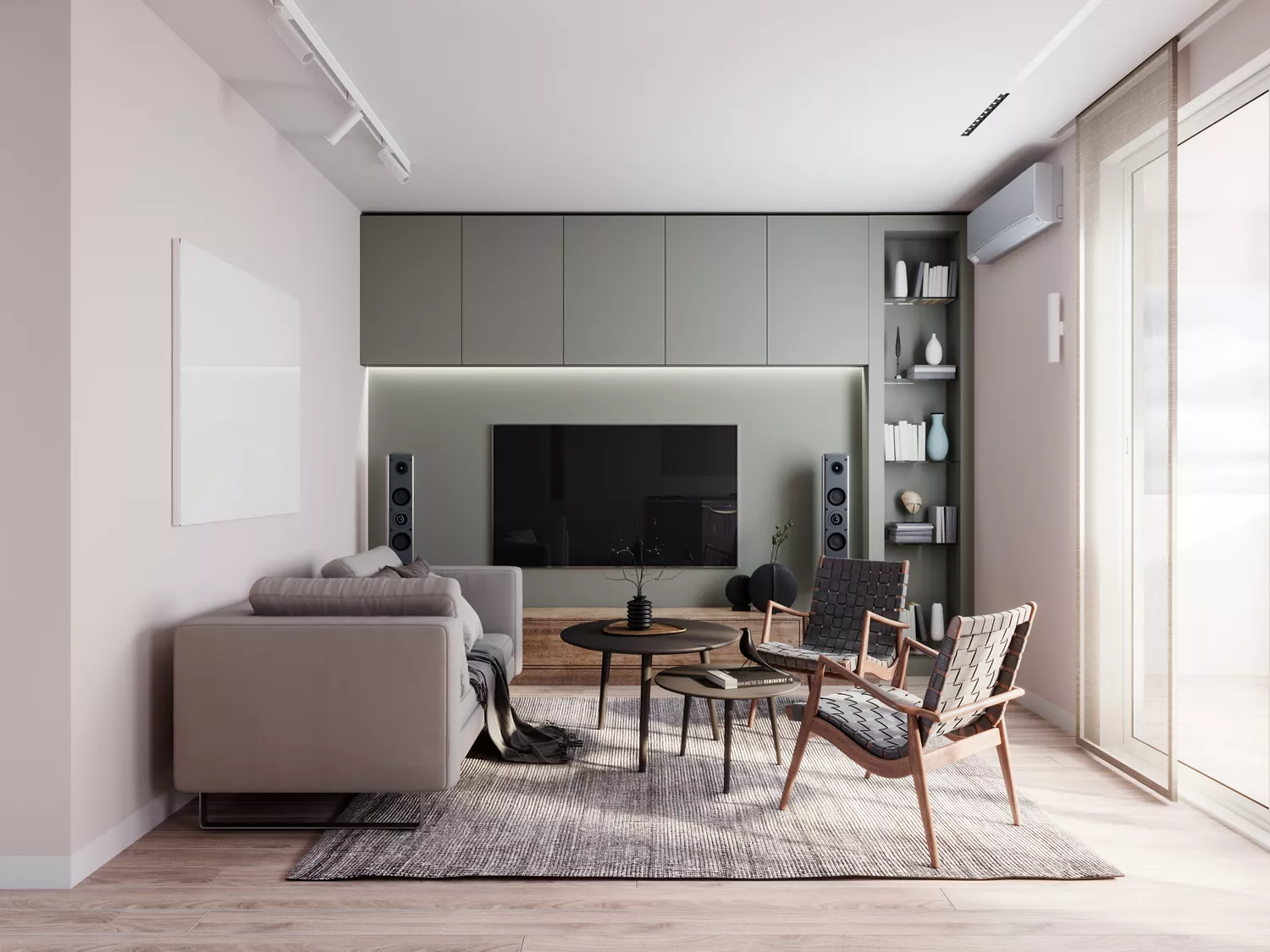
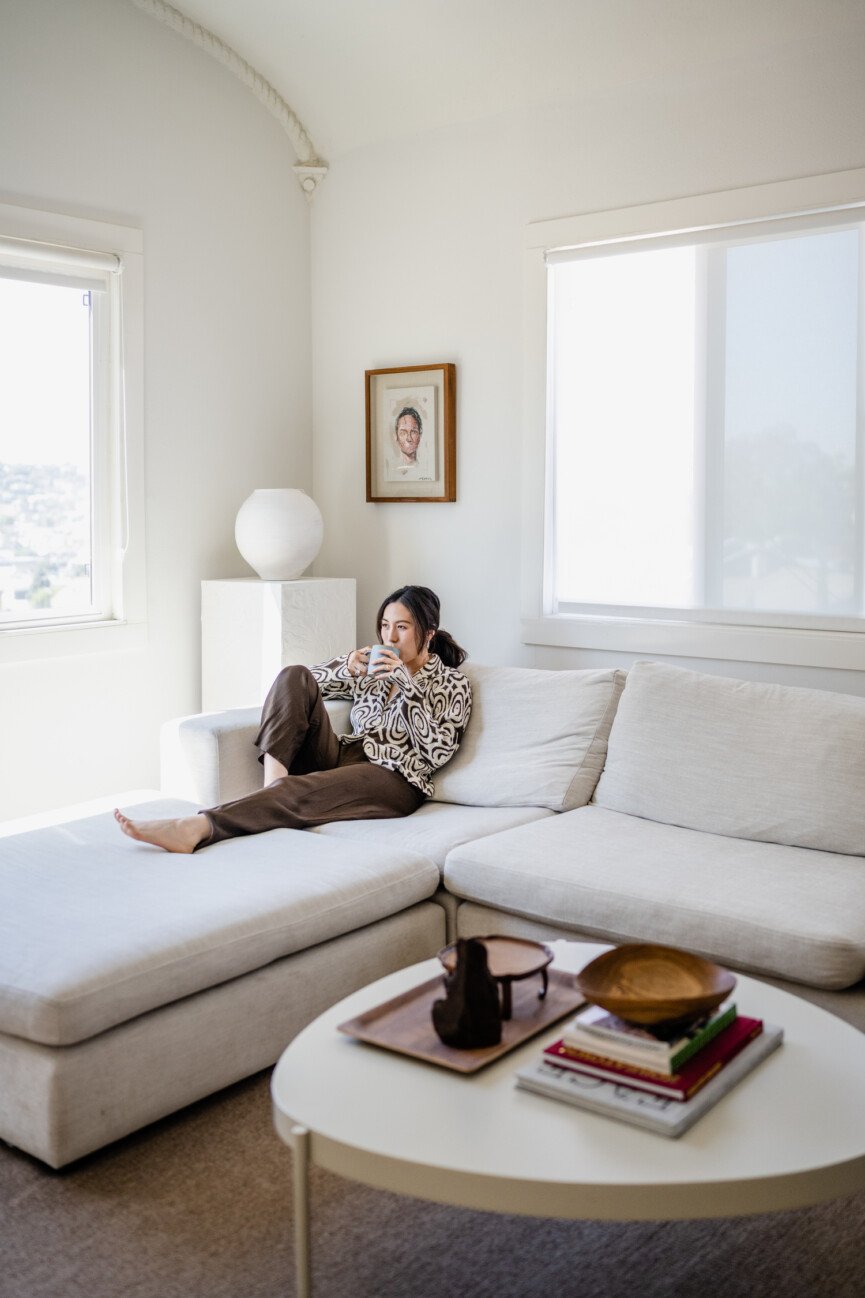
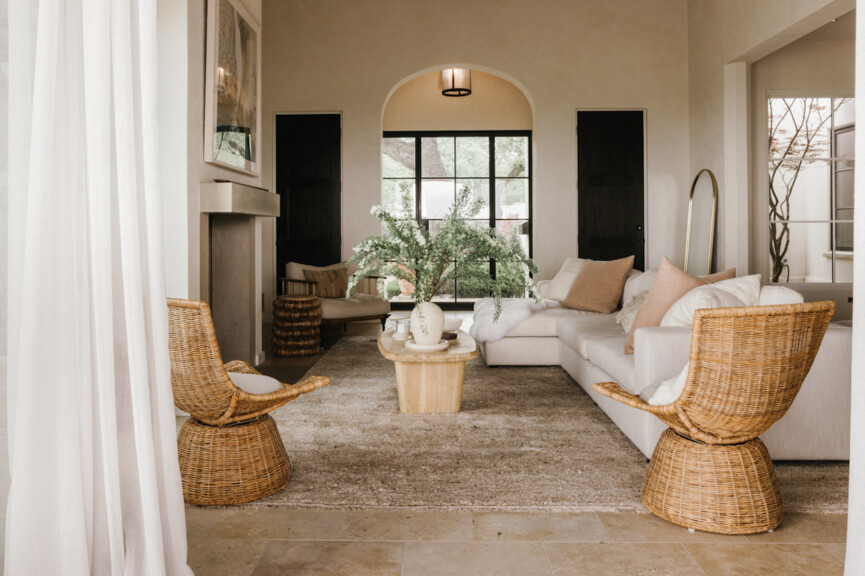
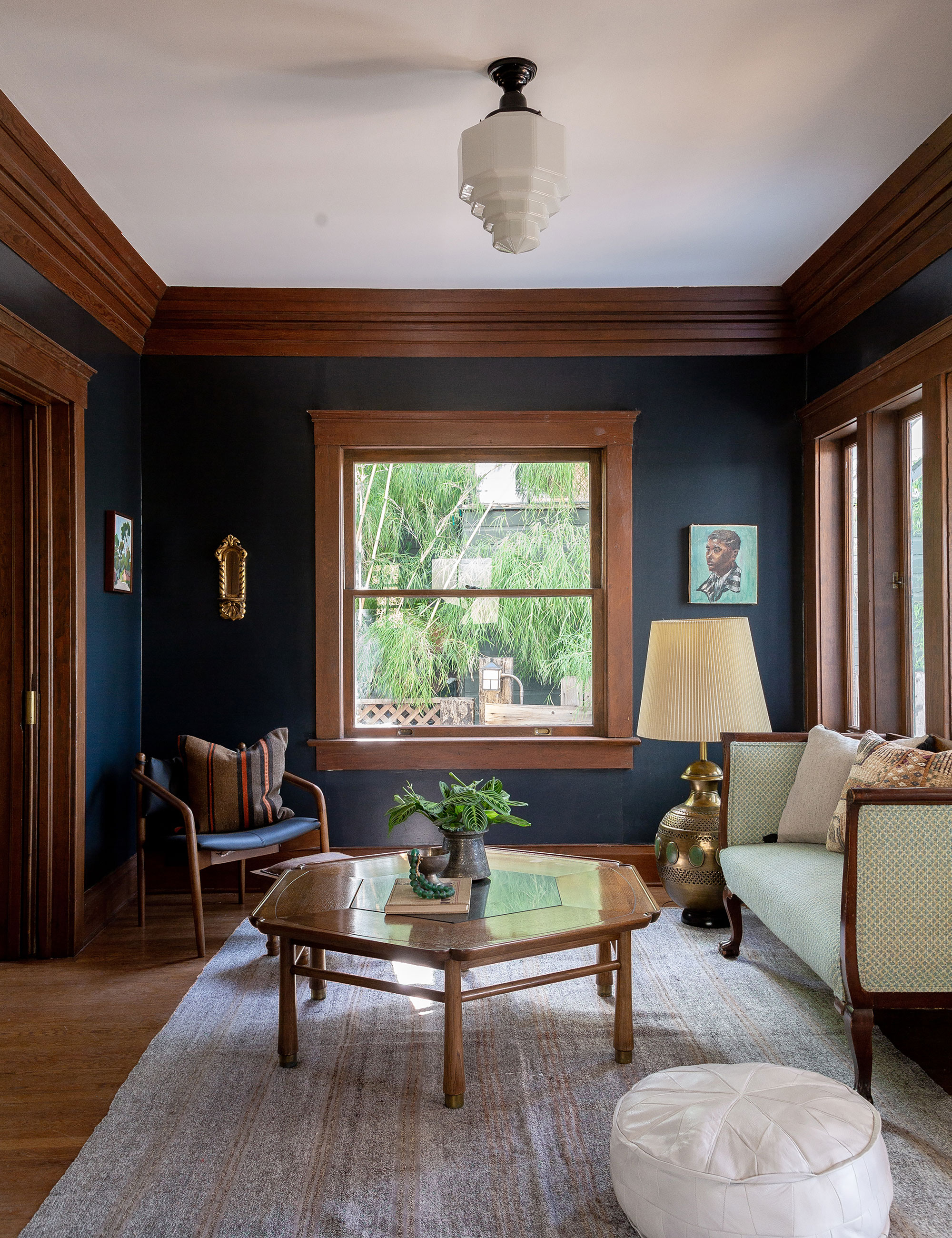
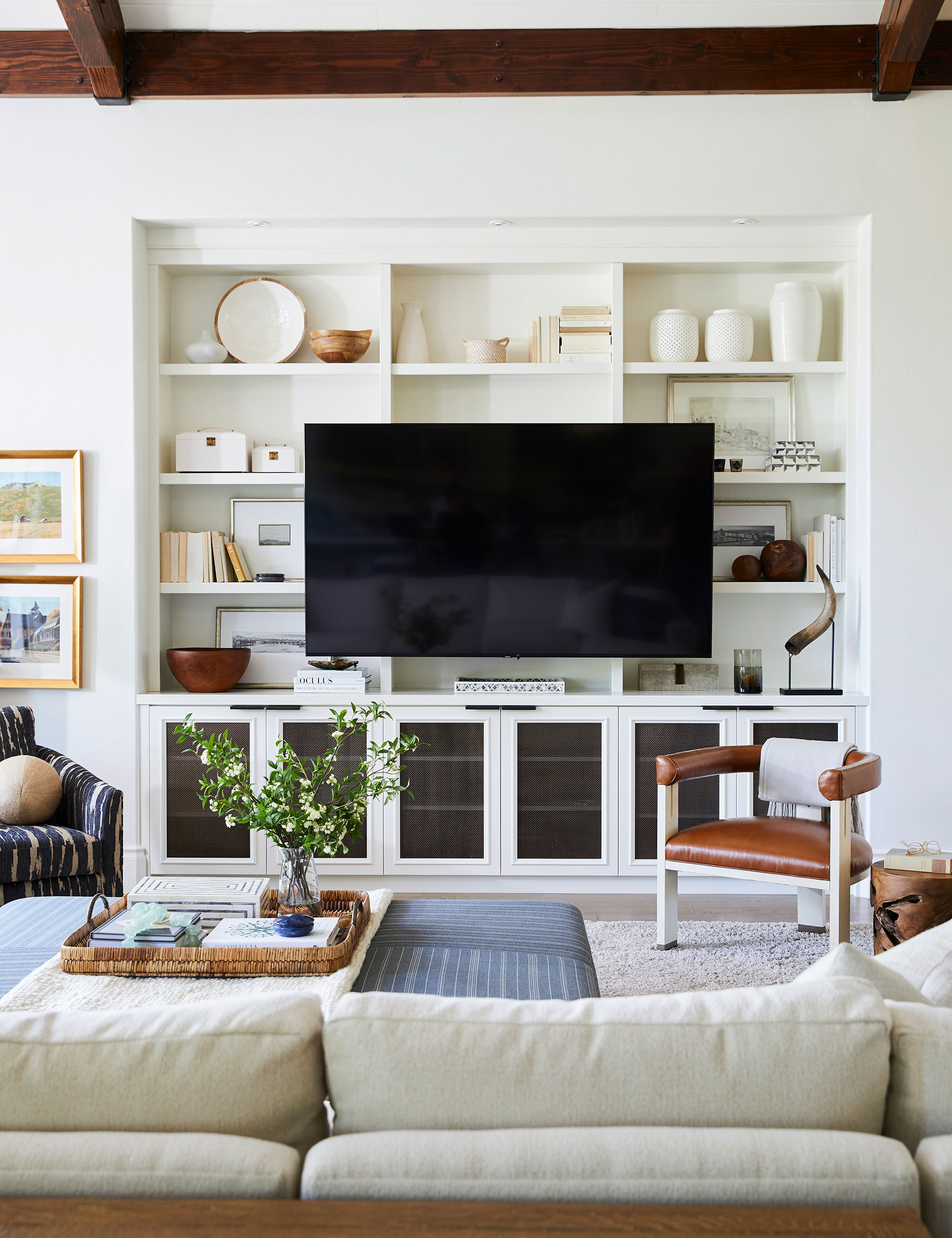
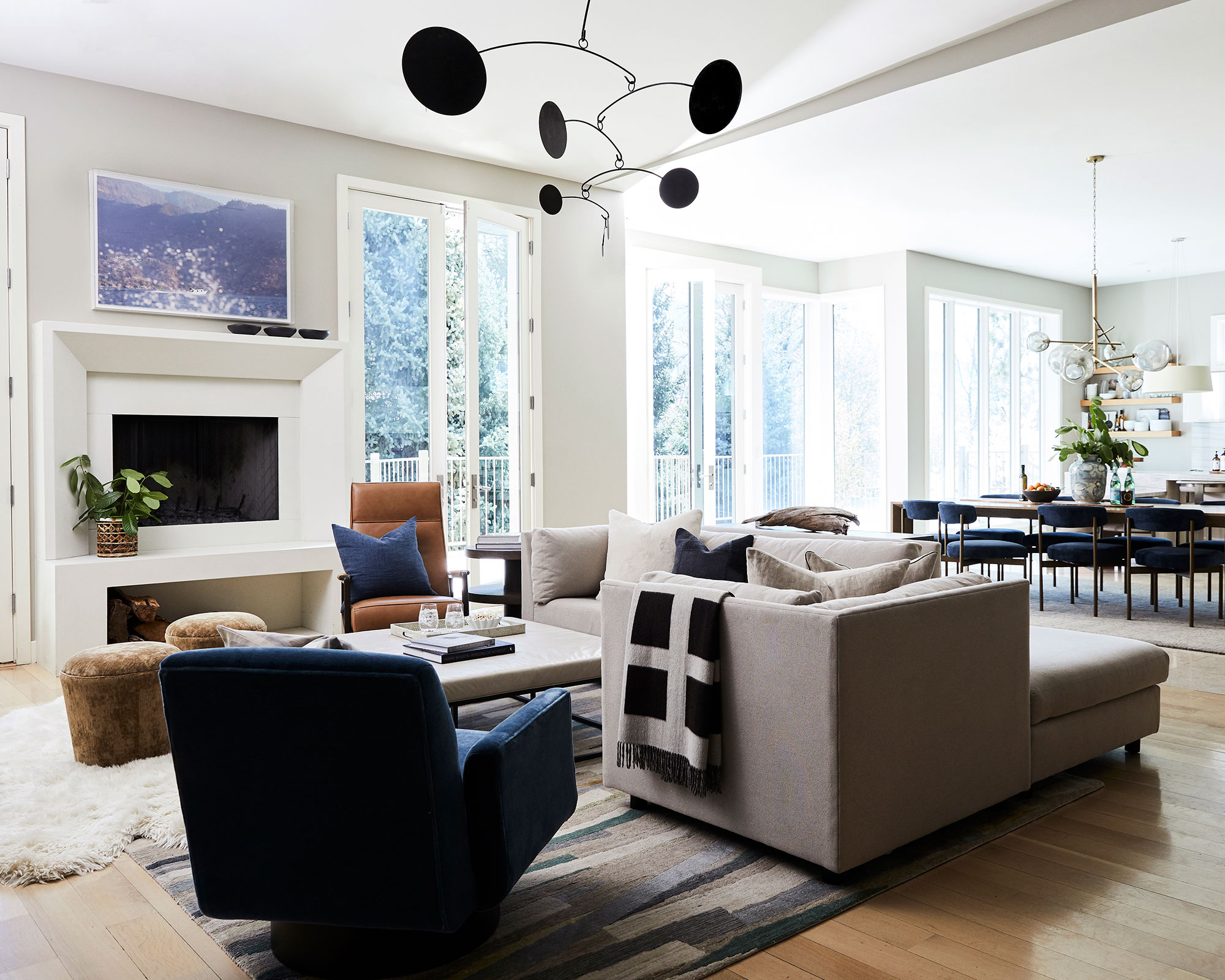
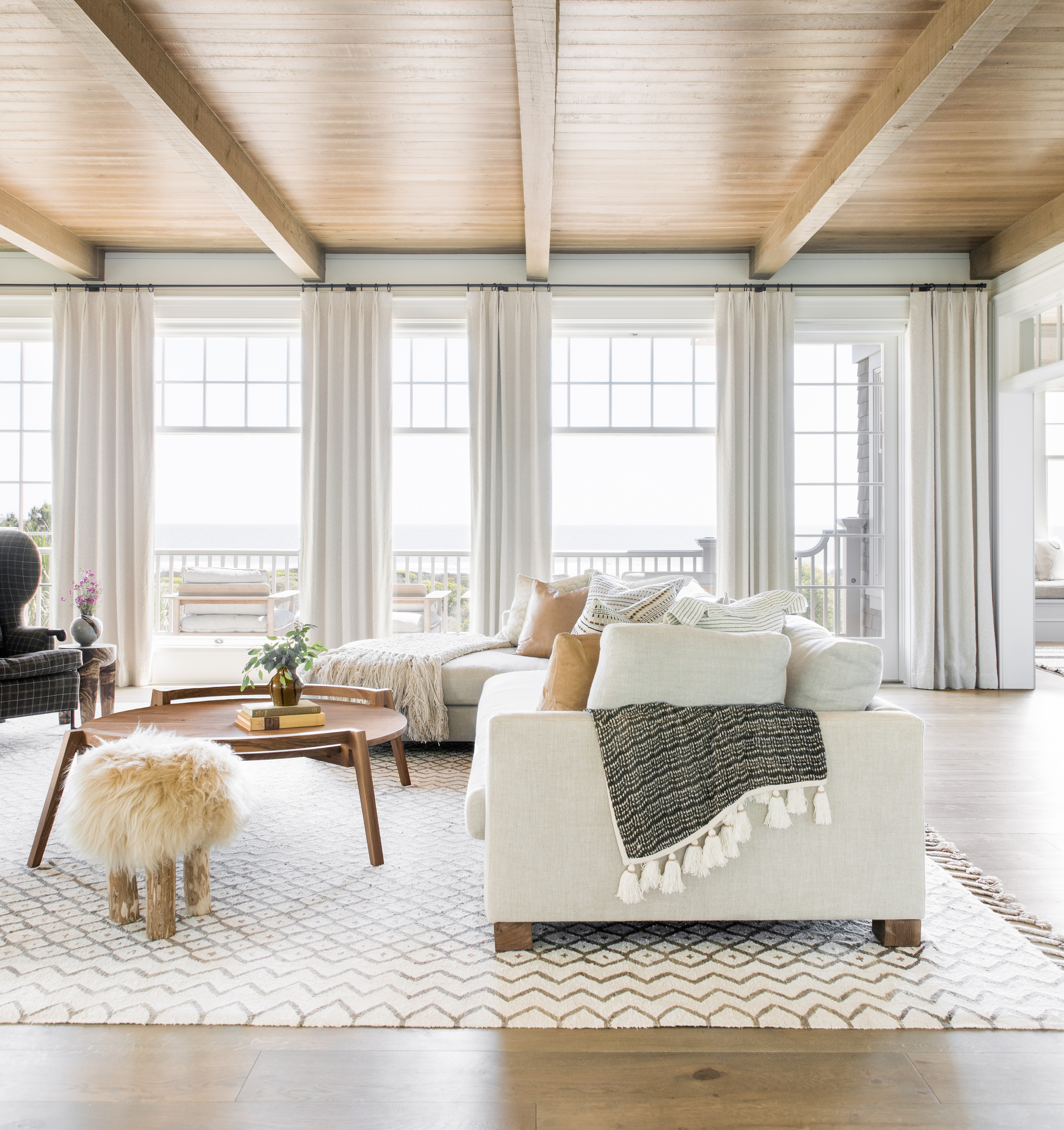
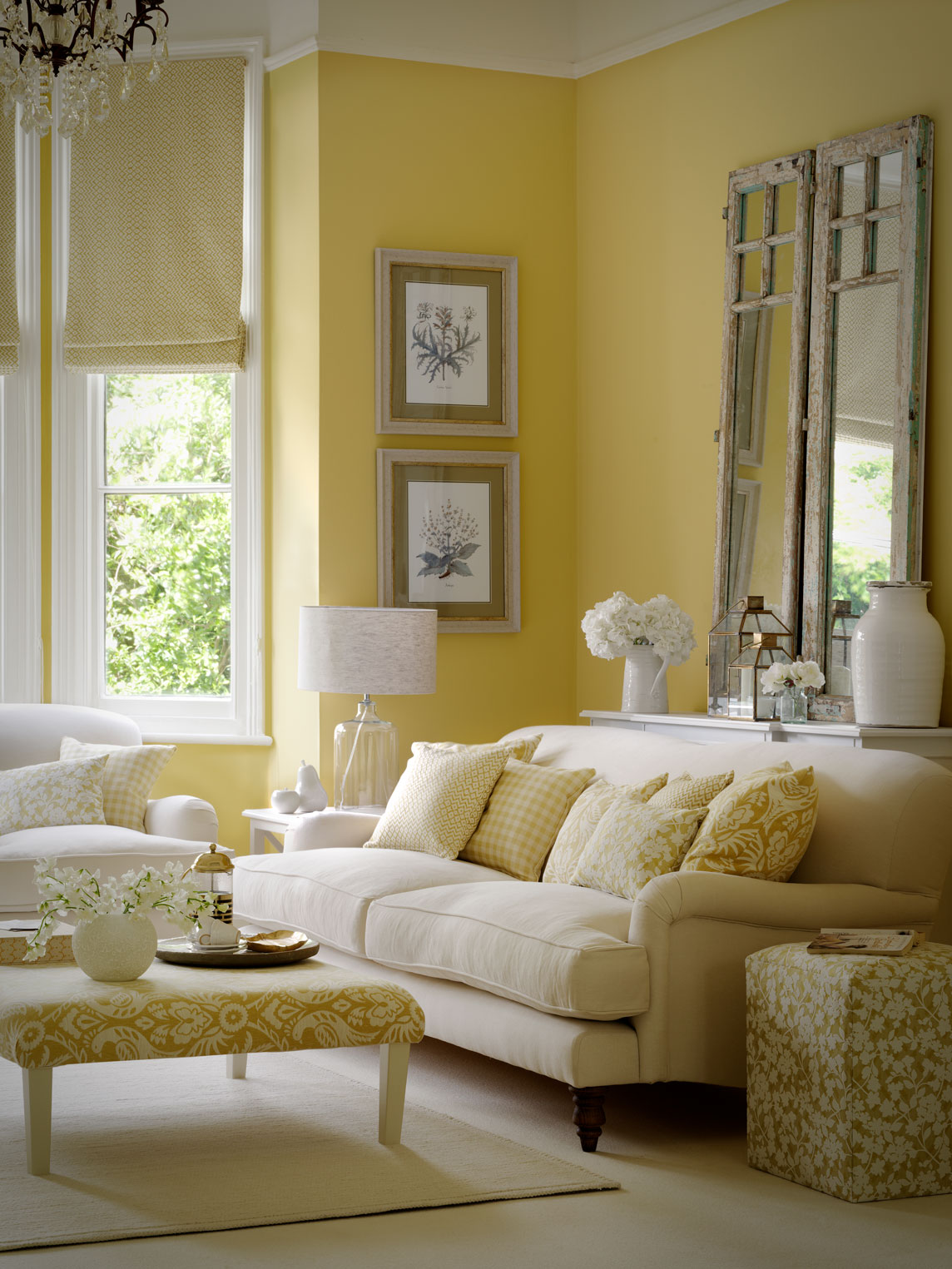
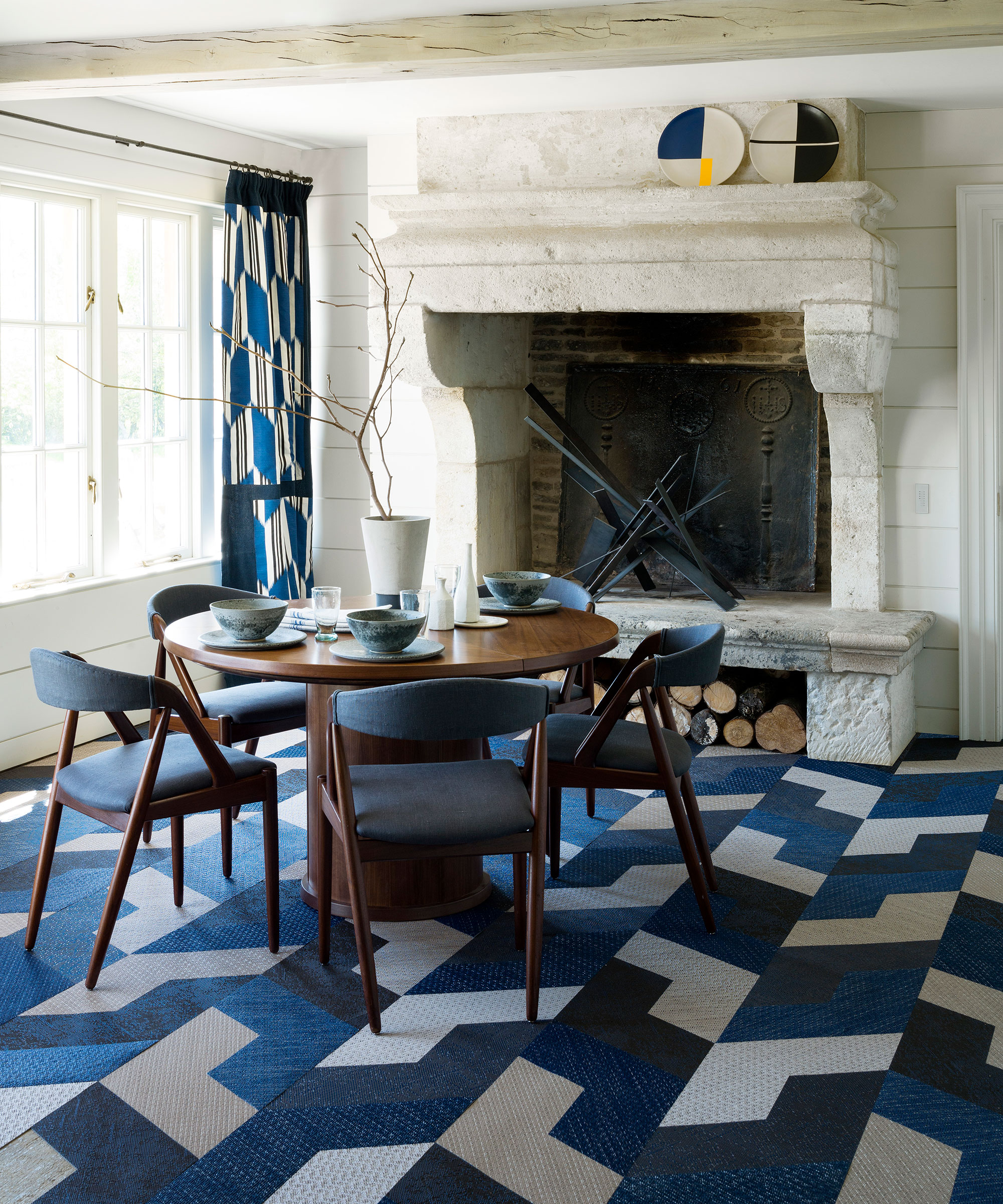
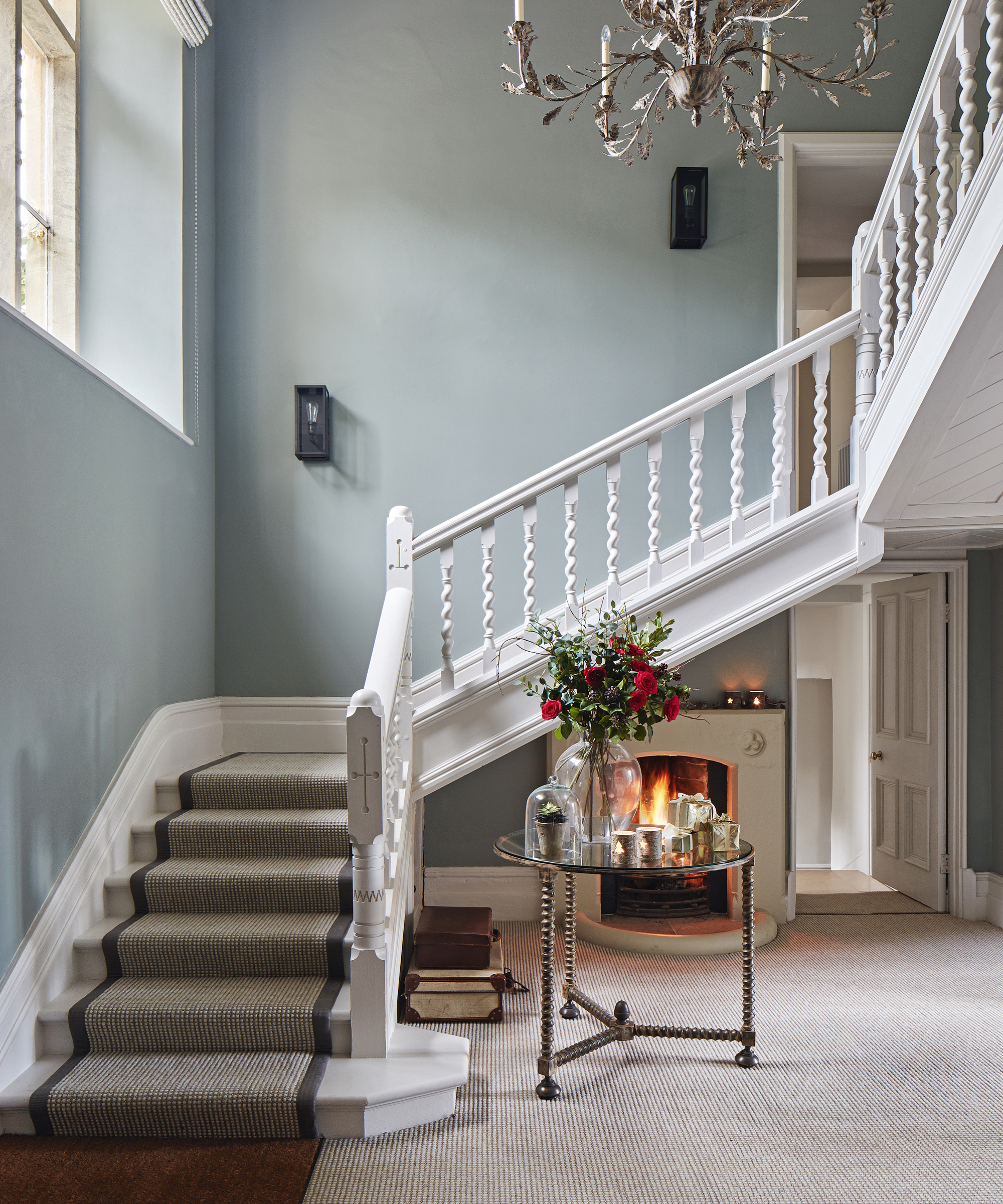
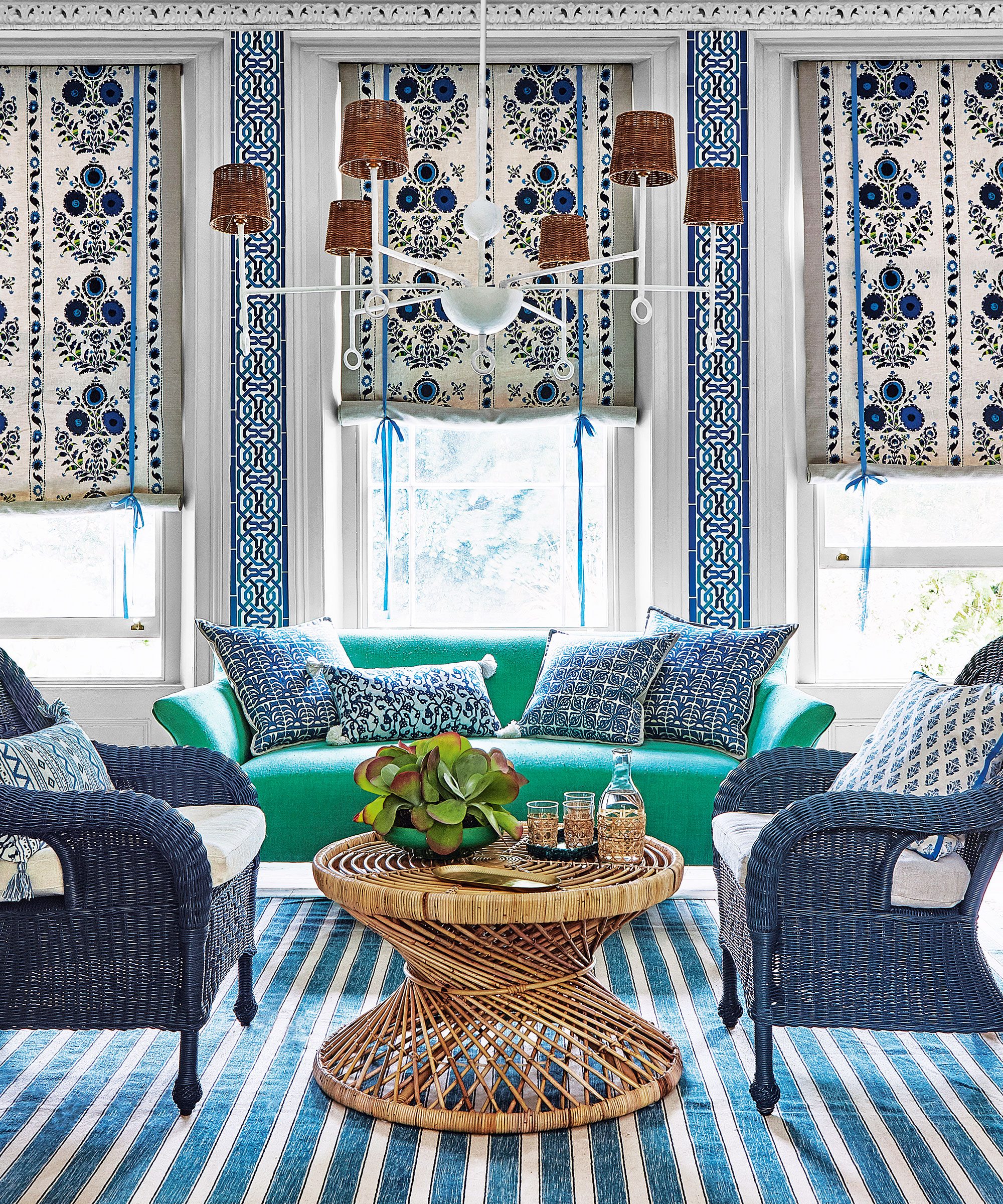
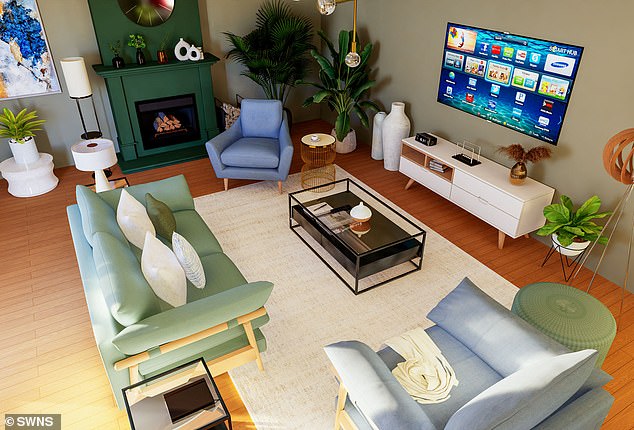
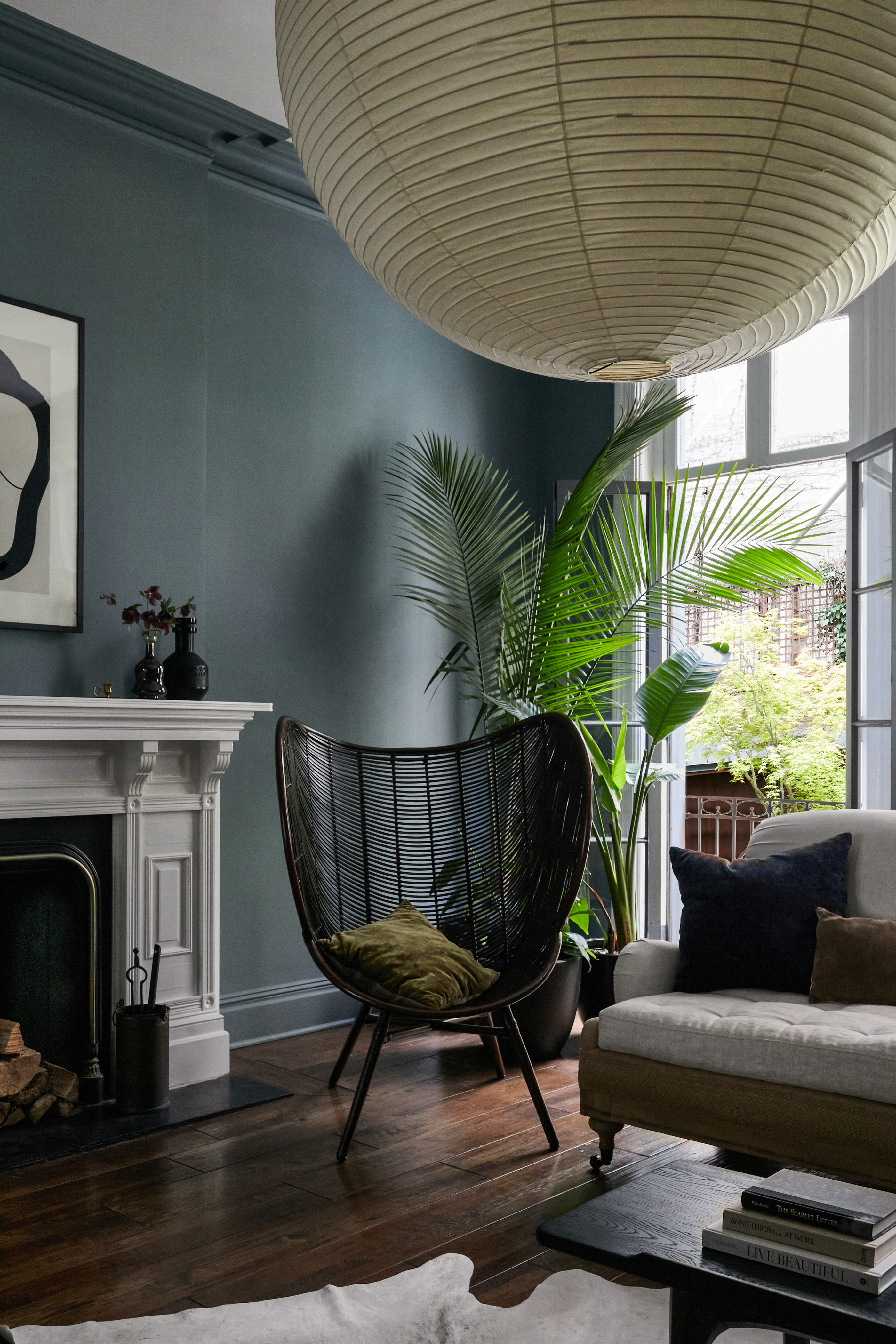
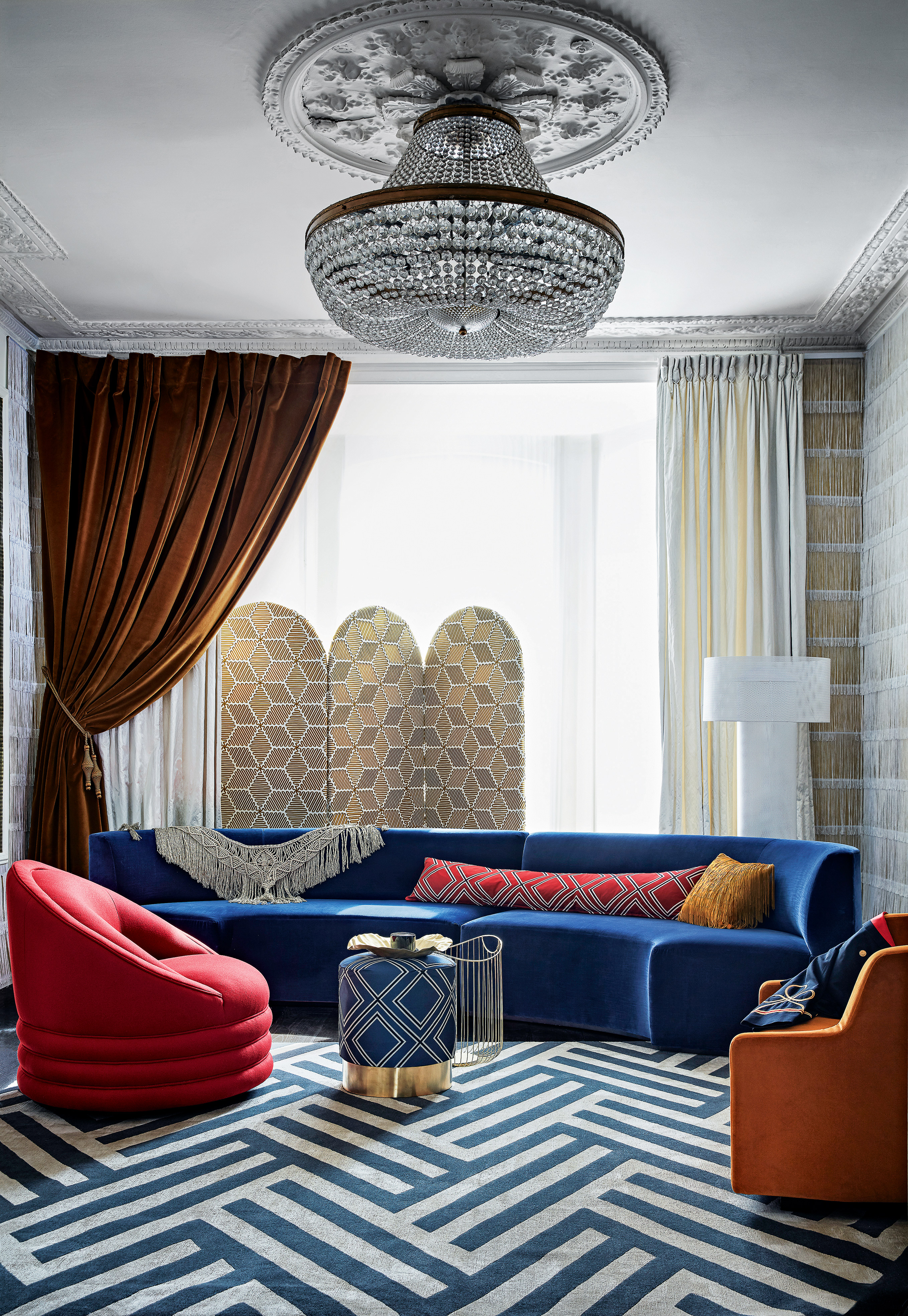
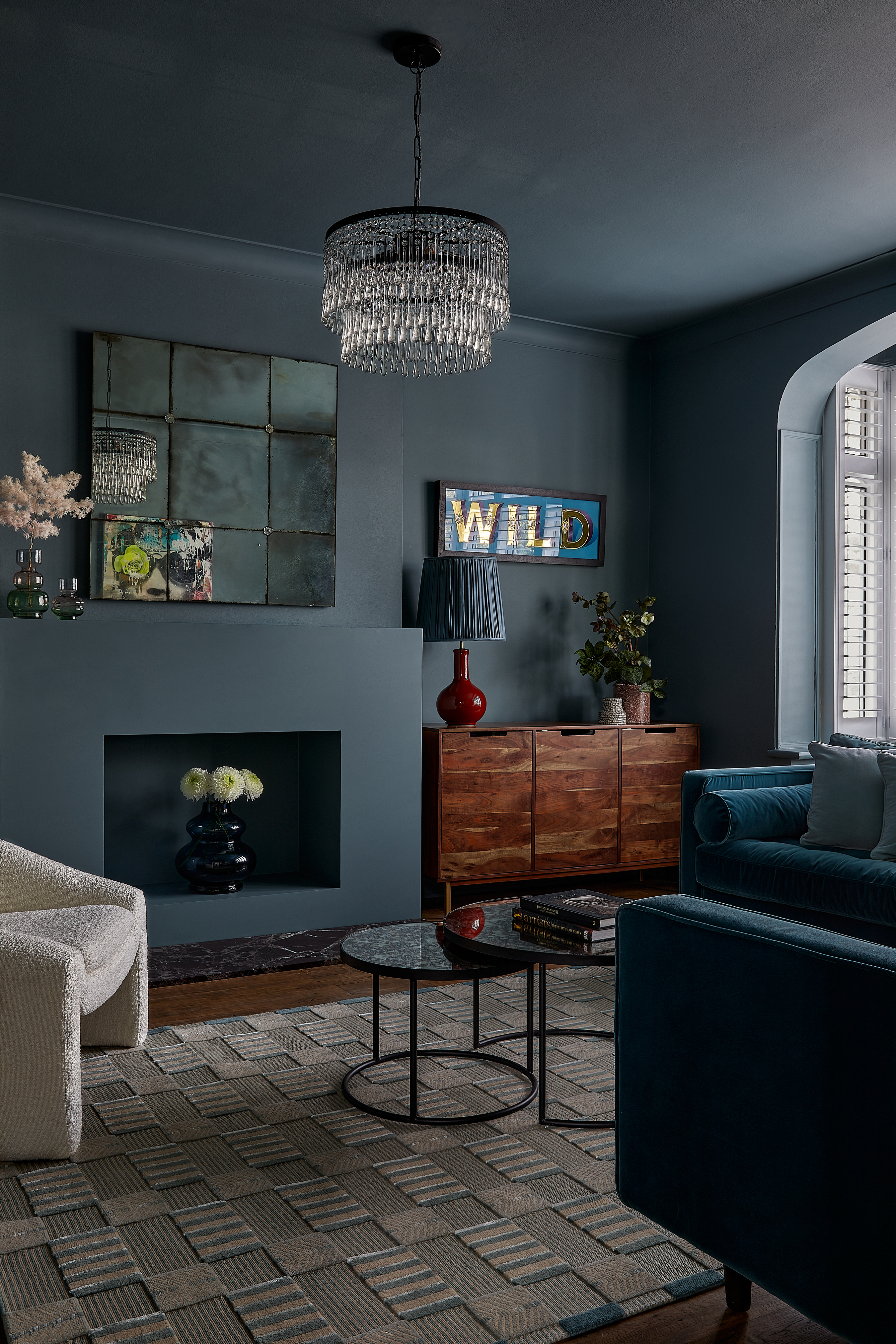
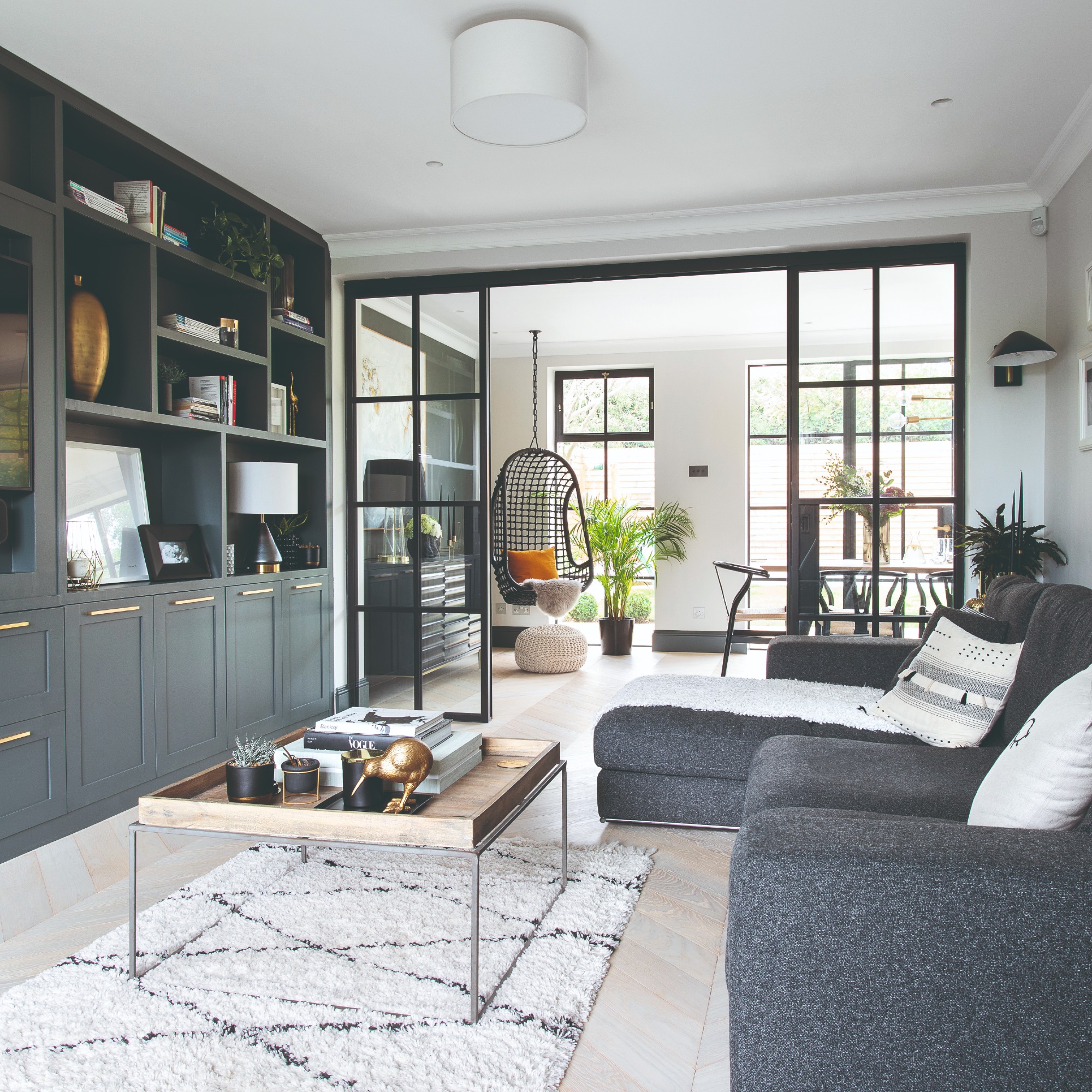
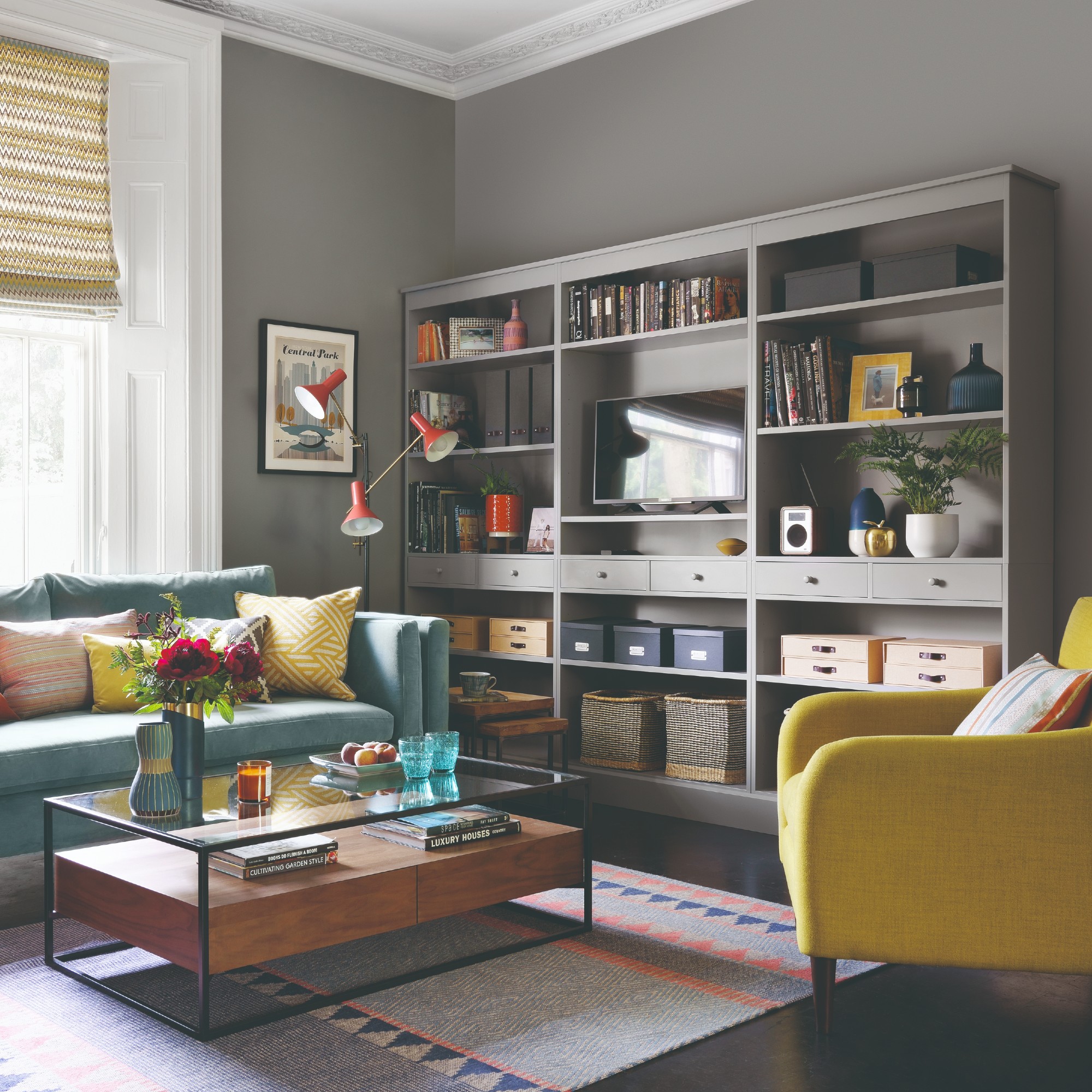
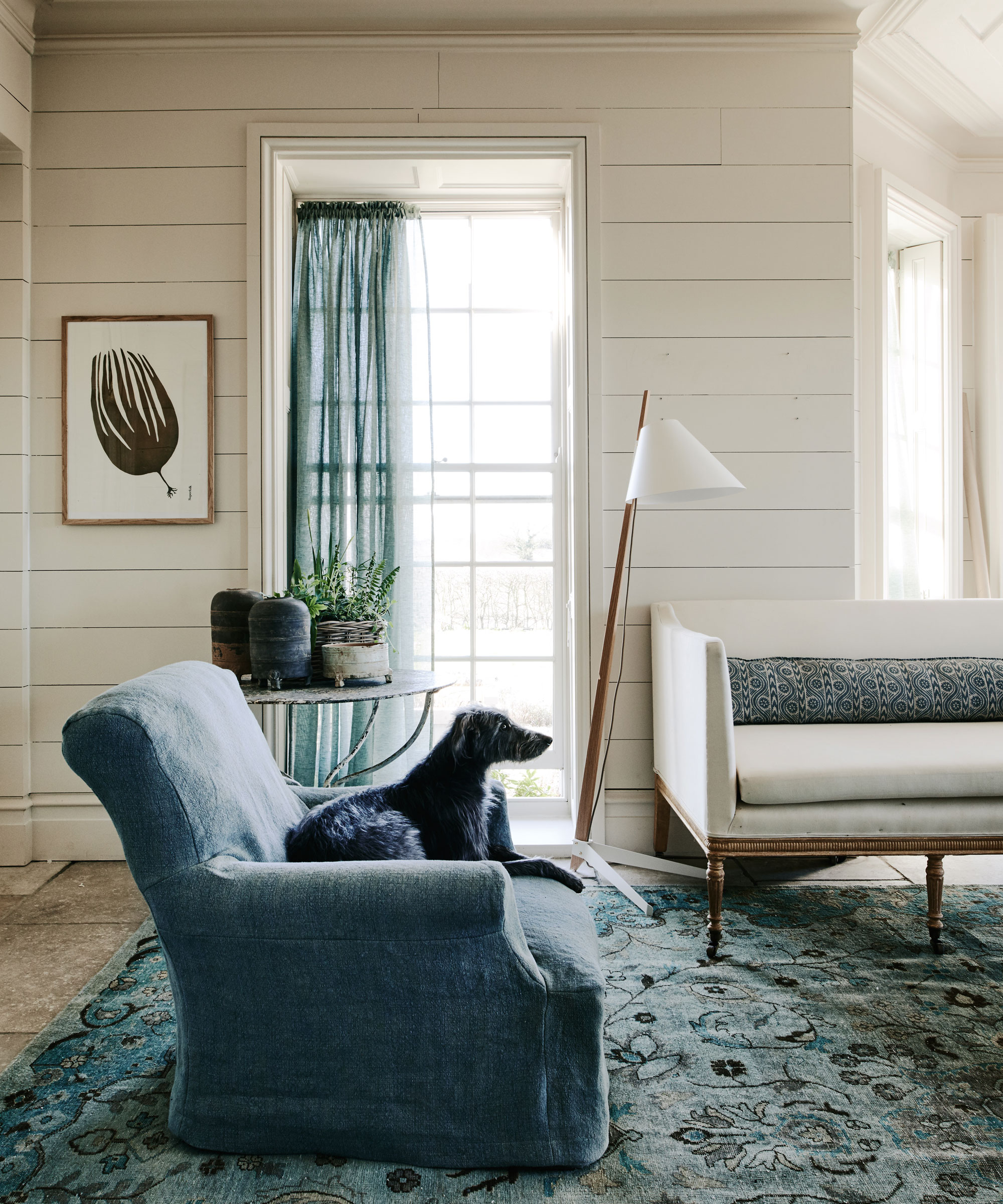
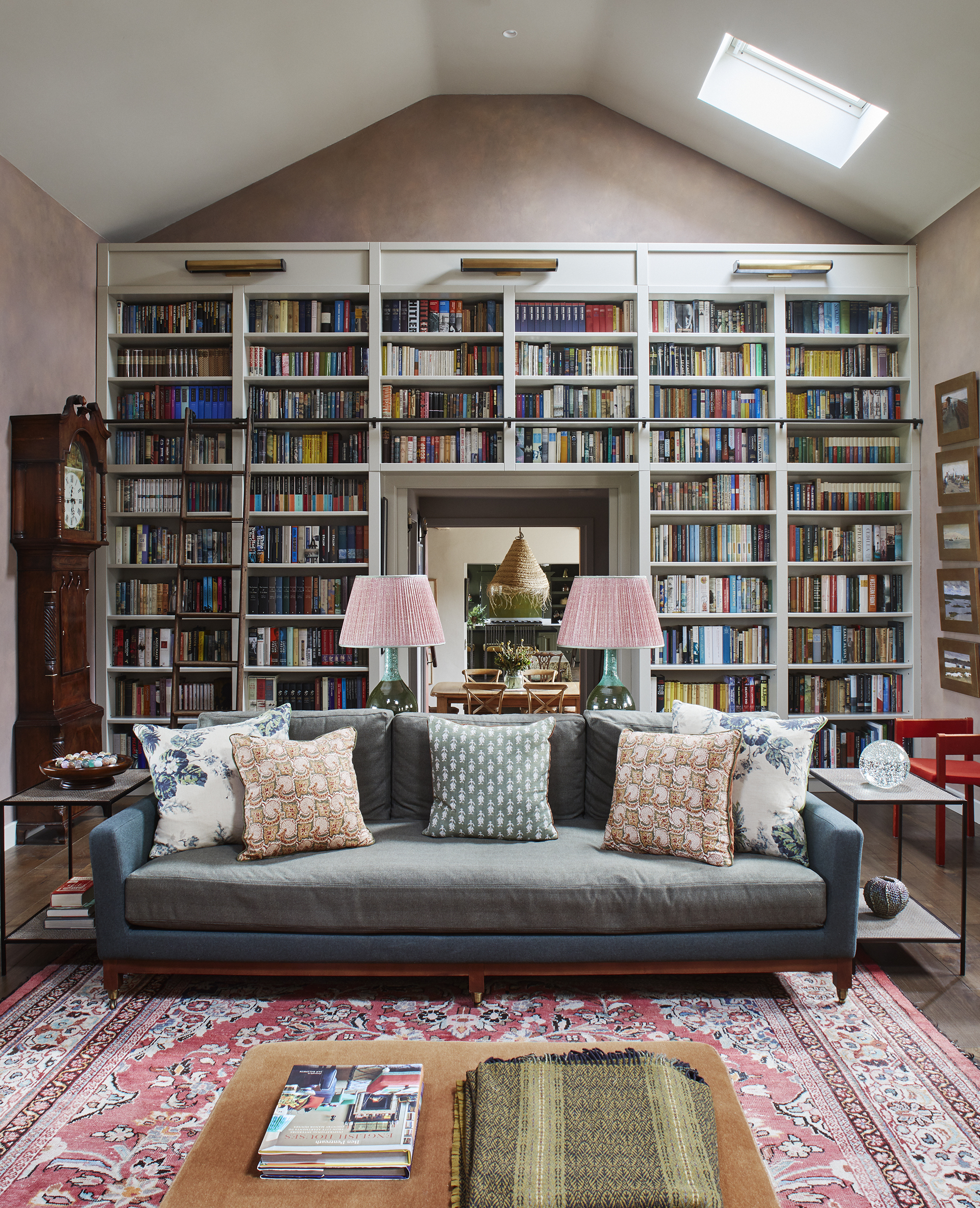
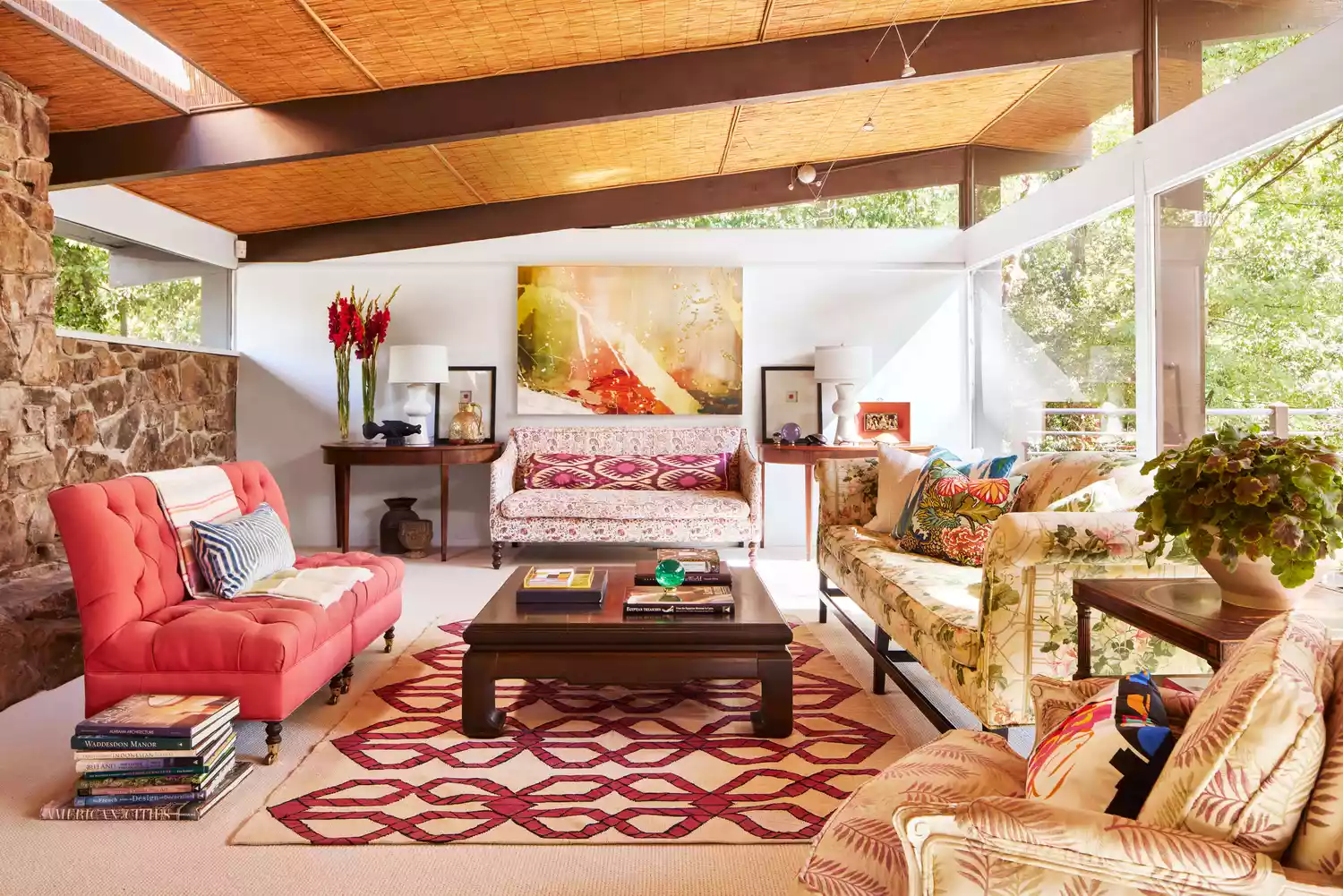
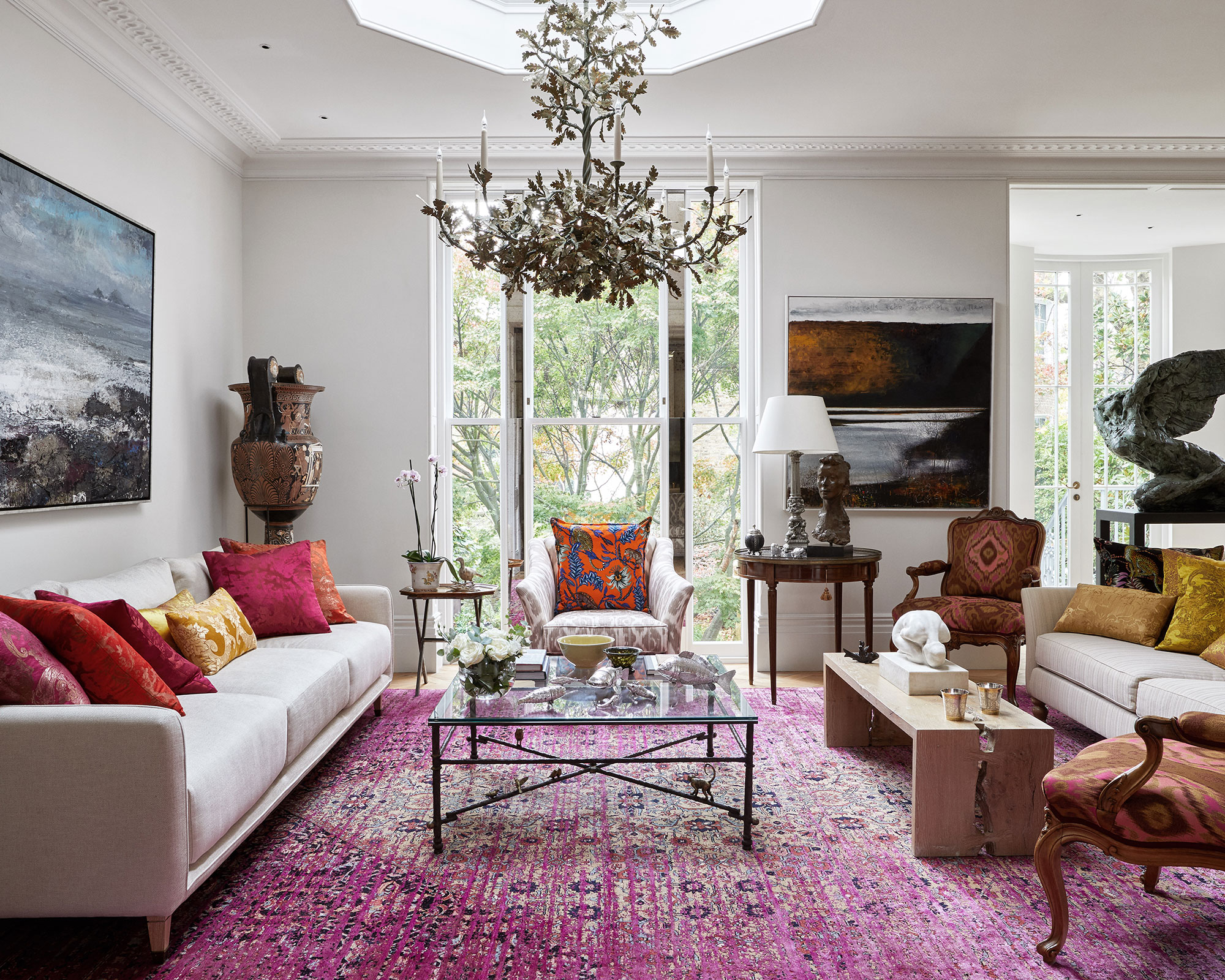
The selection and placement of a living room rug are crucial for enhancing a space's aesthetic and functional appeal. Experts provide guidance on avoiding common mistakes, emphasizing the importance of rug size, material, pattern, and the use of rug pads. One of the primary errors is choosing a rug that is too small for the living area. Designers recommend selecting a rug large enough to ensure that at least the front legs of major furniture pieces, such as sofas and armchairs, rest on it. This placement helps to anchor the furniture, create a cohesive look, and prevent the space from appearing unbalanced or smaller than it is. A practical tip for determining the correct size is to use painter's tape and measuring tape to outline the desired rug dimensions on the floor, and when in doubt, opt for the larger size between two choices.
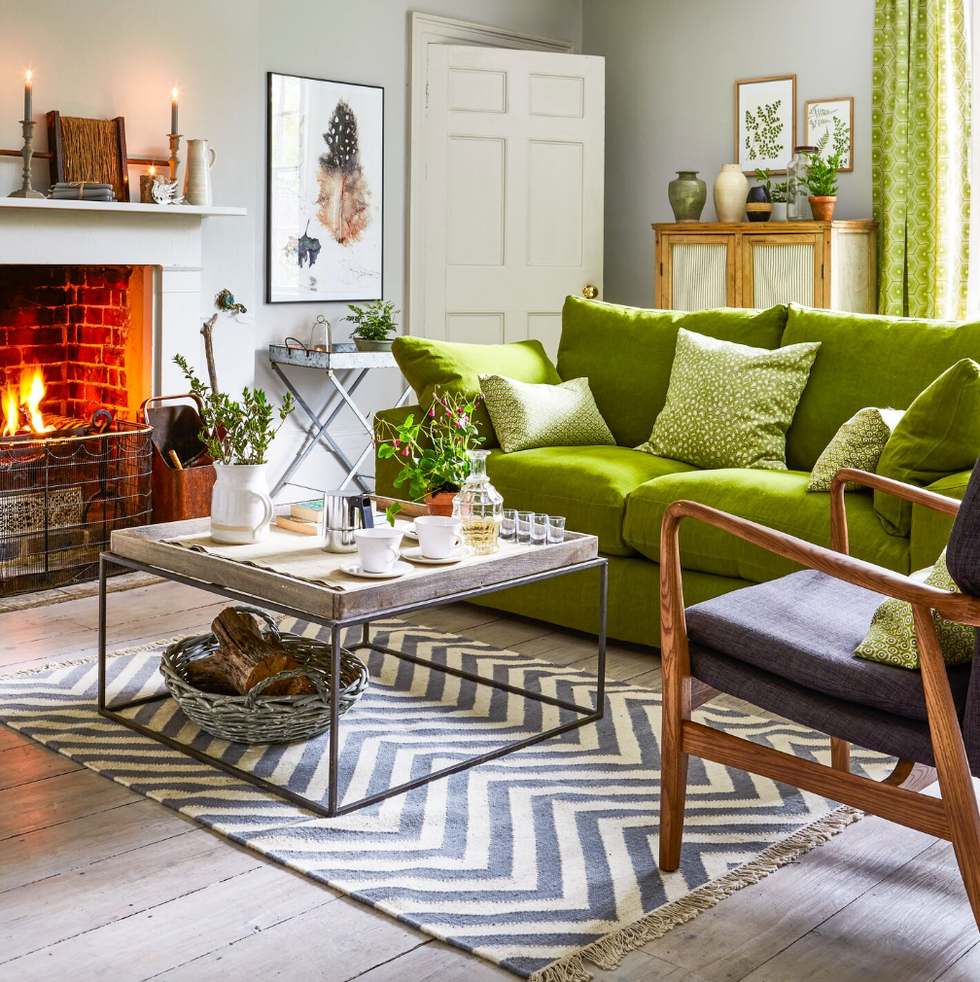
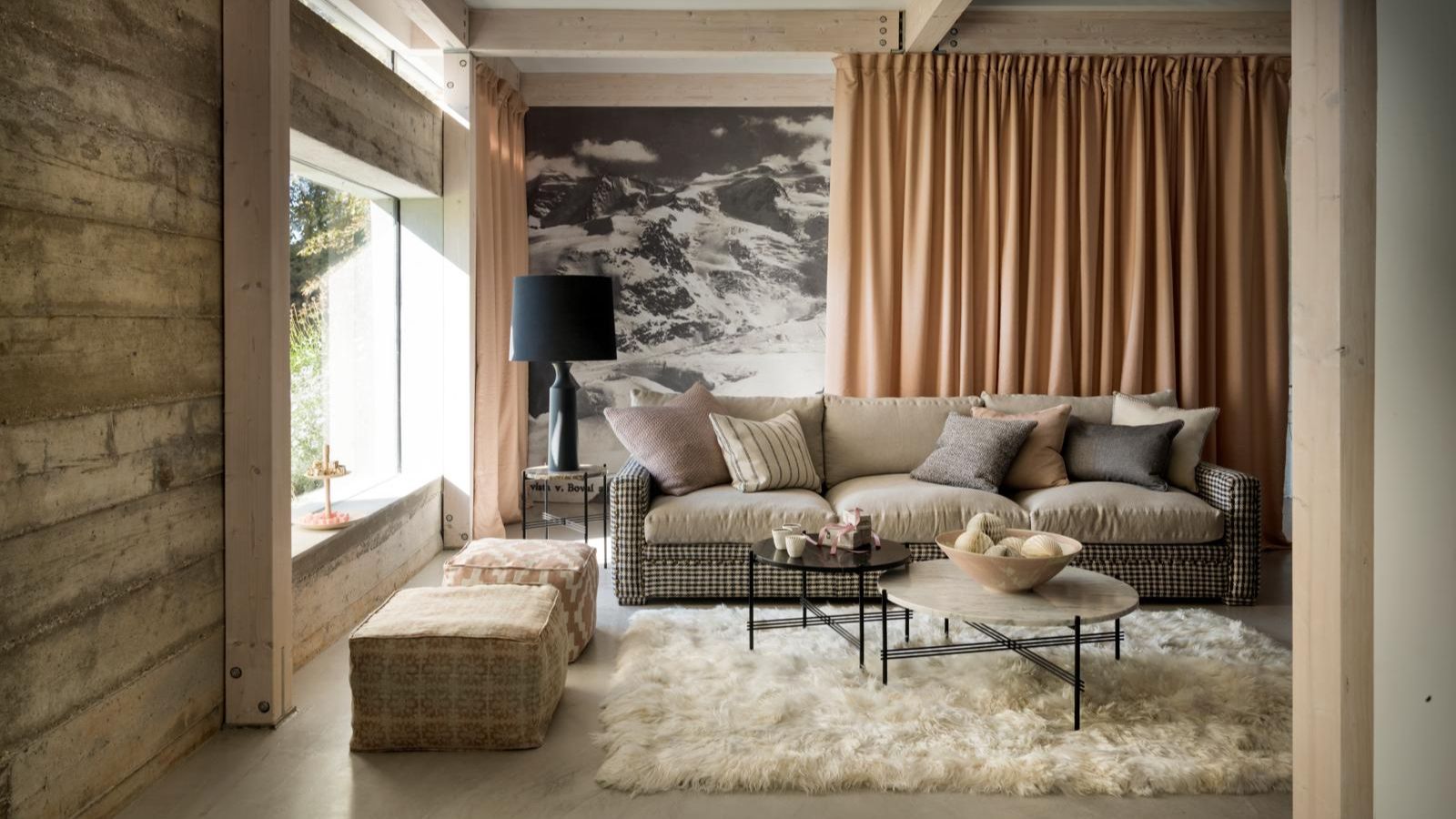
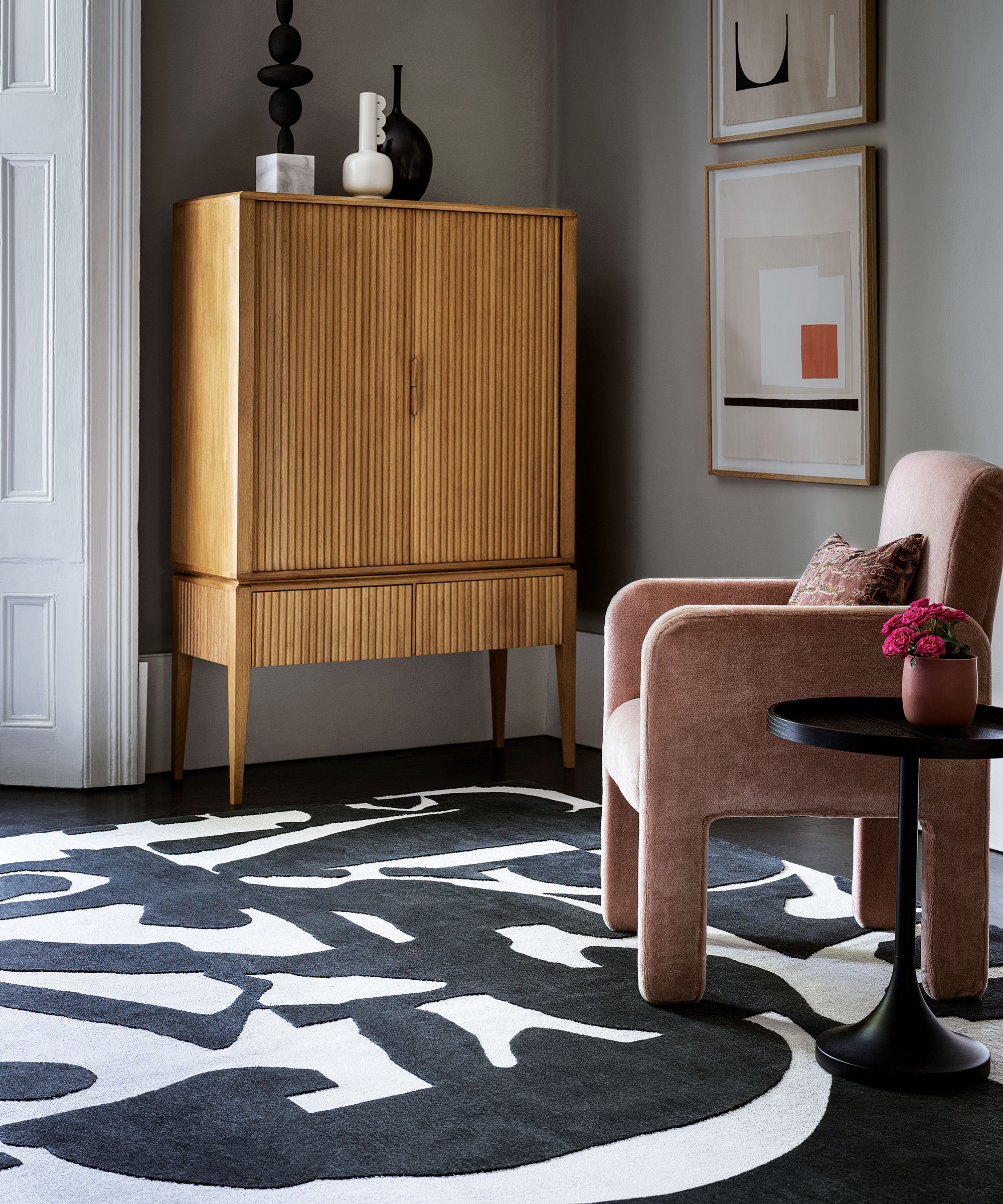
Considering lifestyle and style preferences is another key factor. For high-traffic areas, durable and easy-to-clean materials are recommended. Wool rugs are highly favored by designers for their natural resistance to stains and ease of cleaning with simple household items like white towels, foaming hand soap, and water. Conversely, materials like viscose, despite their attractive sheen, and sisal rugs are often advised against due to their difficulty in cleaning. To ascertain a rug's resilience to spills, experts suggest ordering samples and conducting at-home tests with messy liquids. For households seeking to camouflage everyday wear and tear, patterned rugs are an effective solution, as they tend to disguise imperfections better than solid colors. The decision between flexible, less expensive synthetic rugs and more durable, investment-worthy hand-knotted wool rugs depends on individual design preferences and budget.
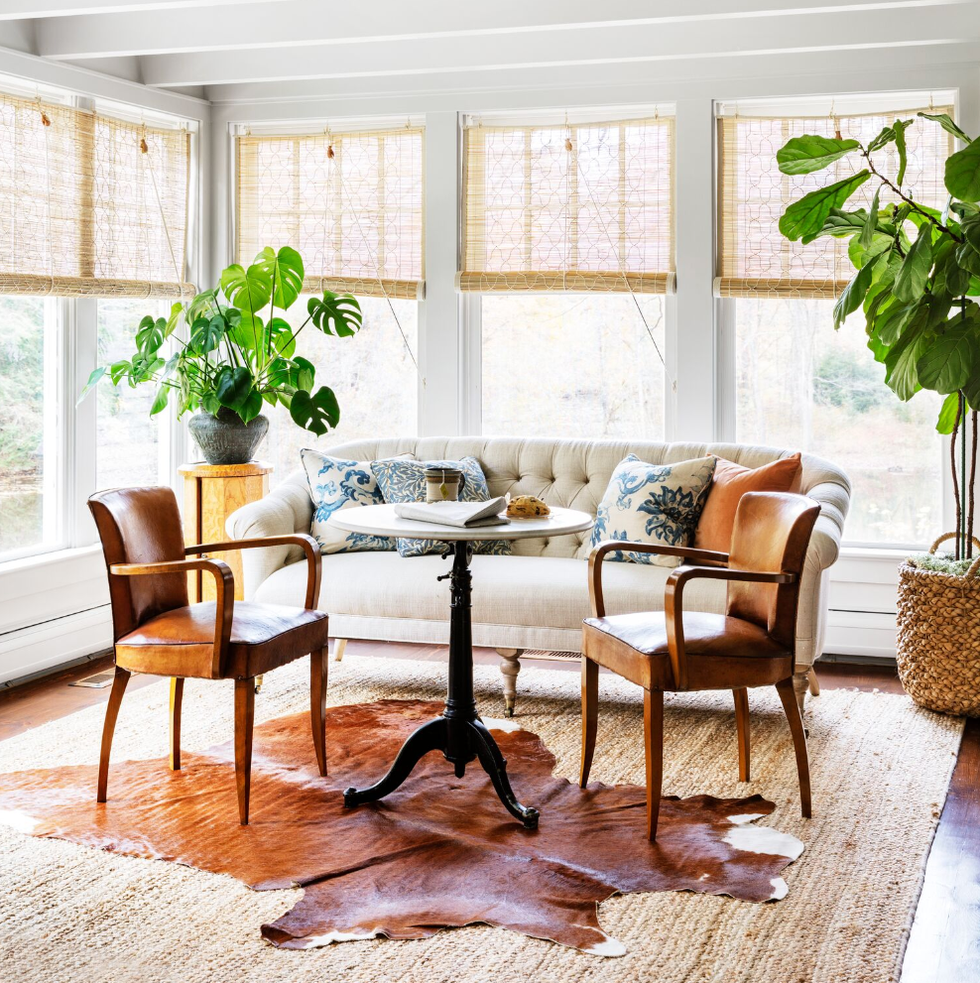
Beyond new purchases, vintage rugs offer a unique and often durable alternative. Platforms like Etsy are noted as good sources for vintage finds, though buyers should be aware that sizes may not be exact and a professional cleaning might be necessary to eliminate any lingering odors. Vintage rugs are particularly recommended for busy families, given their proven longevity. For those with a beloved but undersized rug, layering is presented as a stylish and practical solution. This involves placing the smaller rug over a larger, neutral base rug, such as a sisal or a subtly patterned wool broadloom, properly sized to the room. This technique allows homeowners to incorporate their favorite smaller rugs without compromising the overall balance and scale of the living room.
Finally, the importance of purchasing a rug pad is highlighted for several reasons. Rug pads prevent slipping, thereby enhancing safety. They also provide additional cushioning, increasing comfort underfoot. Furthermore, a rug pad extends the lifespan of both the rug and the underlying flooring by reducing friction and wear. They are essential for stabilizing the rug, preventing it from bunching up or wrinkling, which contributes to a neater appearance and greater longevity. Adhering to these expert recommendations can help homeowners select and place living room rugs effectively, contributing to a well-designed and functional living space.
#LivingRoomDesign #RugPlacement #HomeDecor #InteriorDesign #RugCare #VintageRugs #HomeImprovement #LivingRoomDesign #RugPlacement #HomeDecor #InteriorDesign #RugCare #VintageRugs #HomeImprovement
0 comment in total
 No comments yet
You may also like
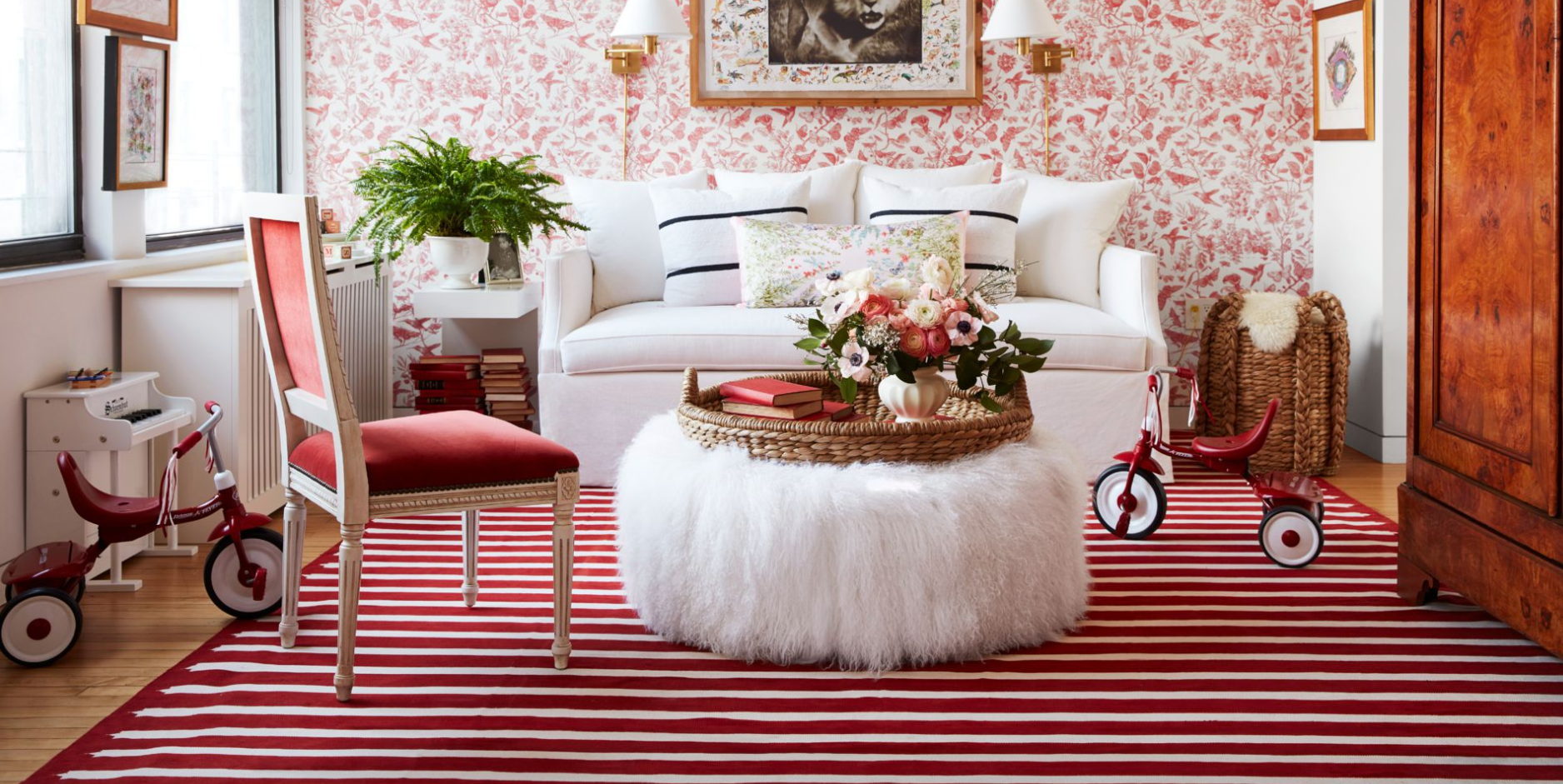
The Big Mistake Most People Make With Their Living Room Rugs

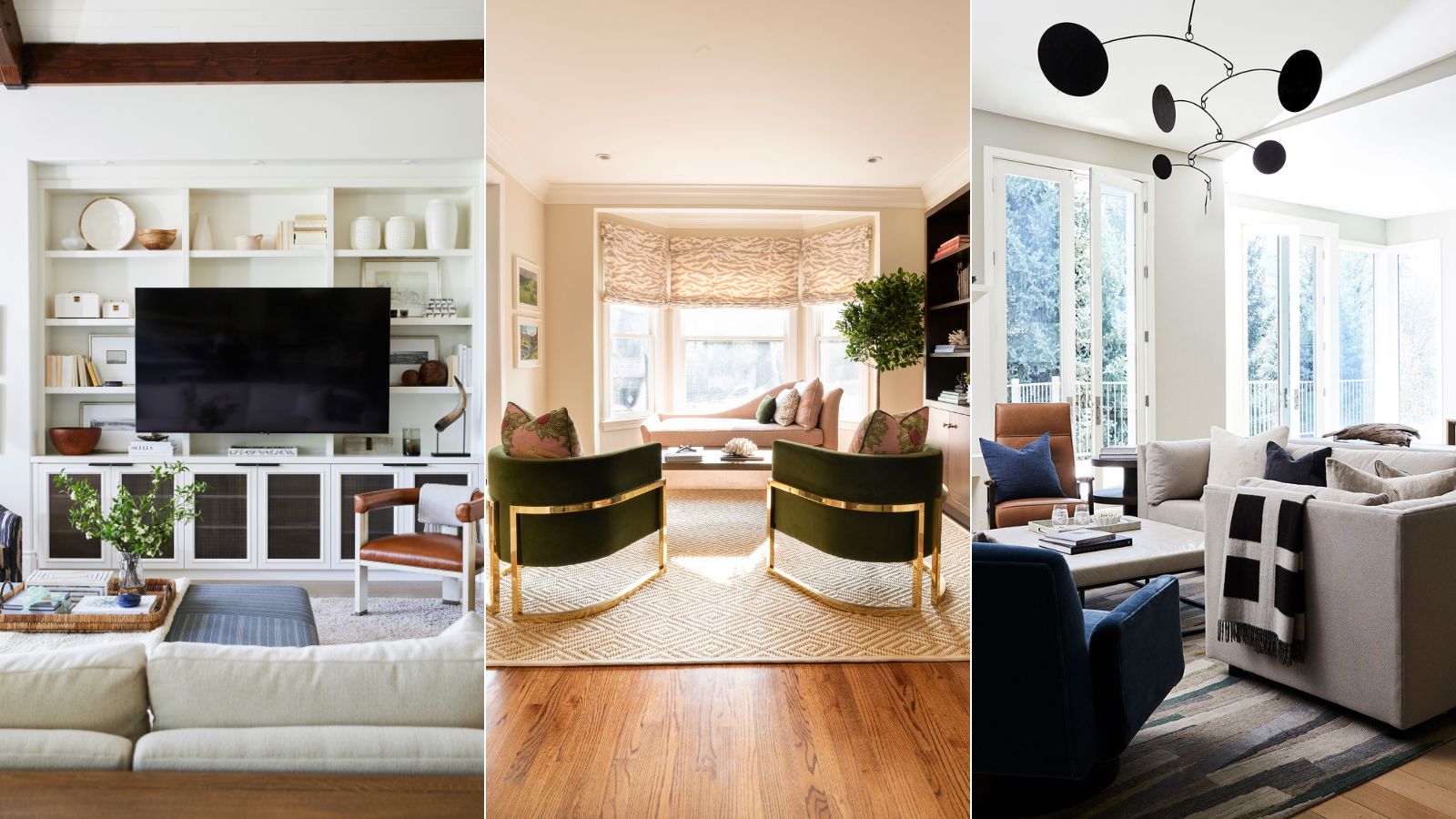
5 small living room mistakes – designers share the worst decorating disasters that we need to stop doing right now


7 Common Living Room Lighting Mistakes to Avoid at all Costs

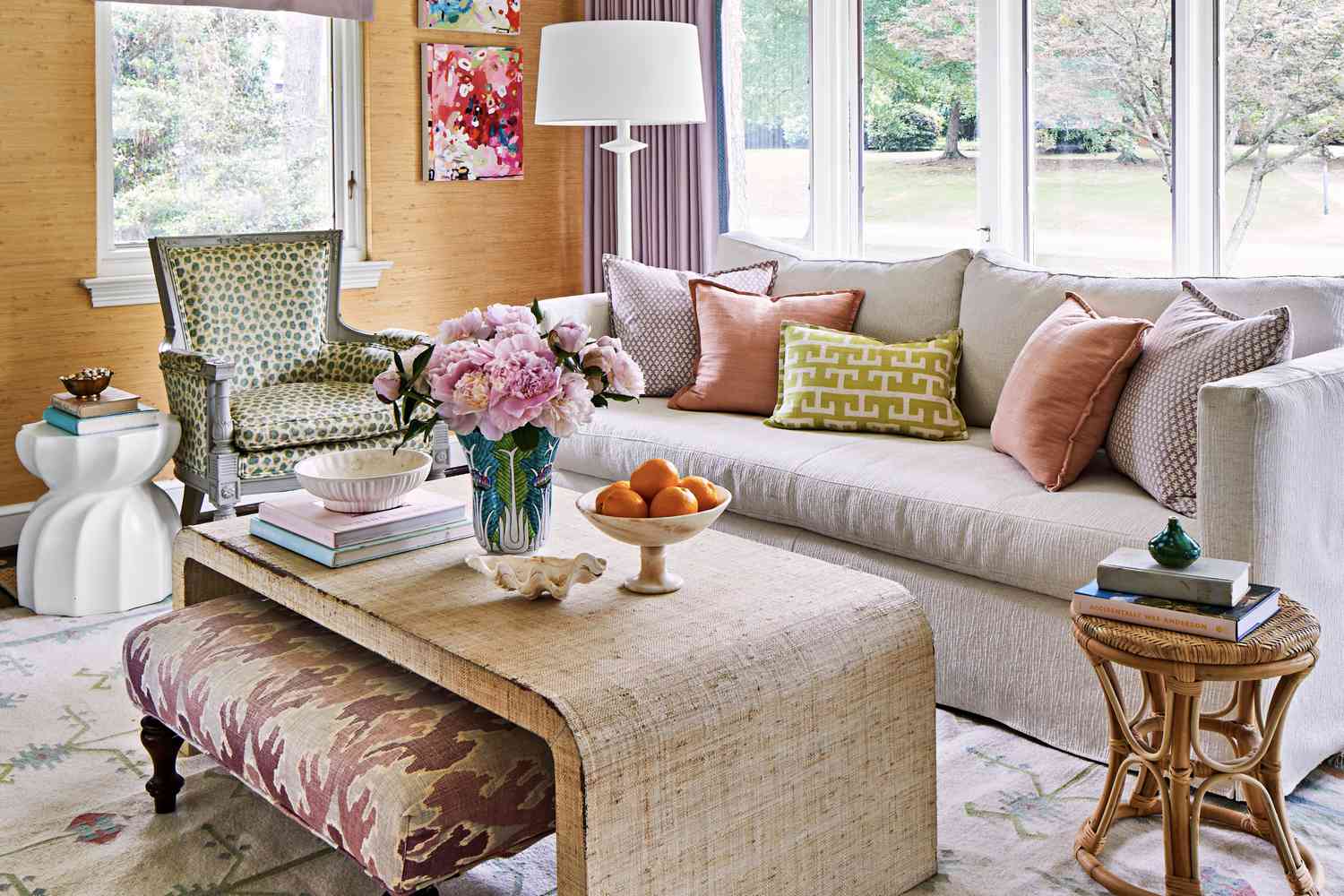
5 Common Coffee Table Mistakes That Make Your Living Room Feel Messier
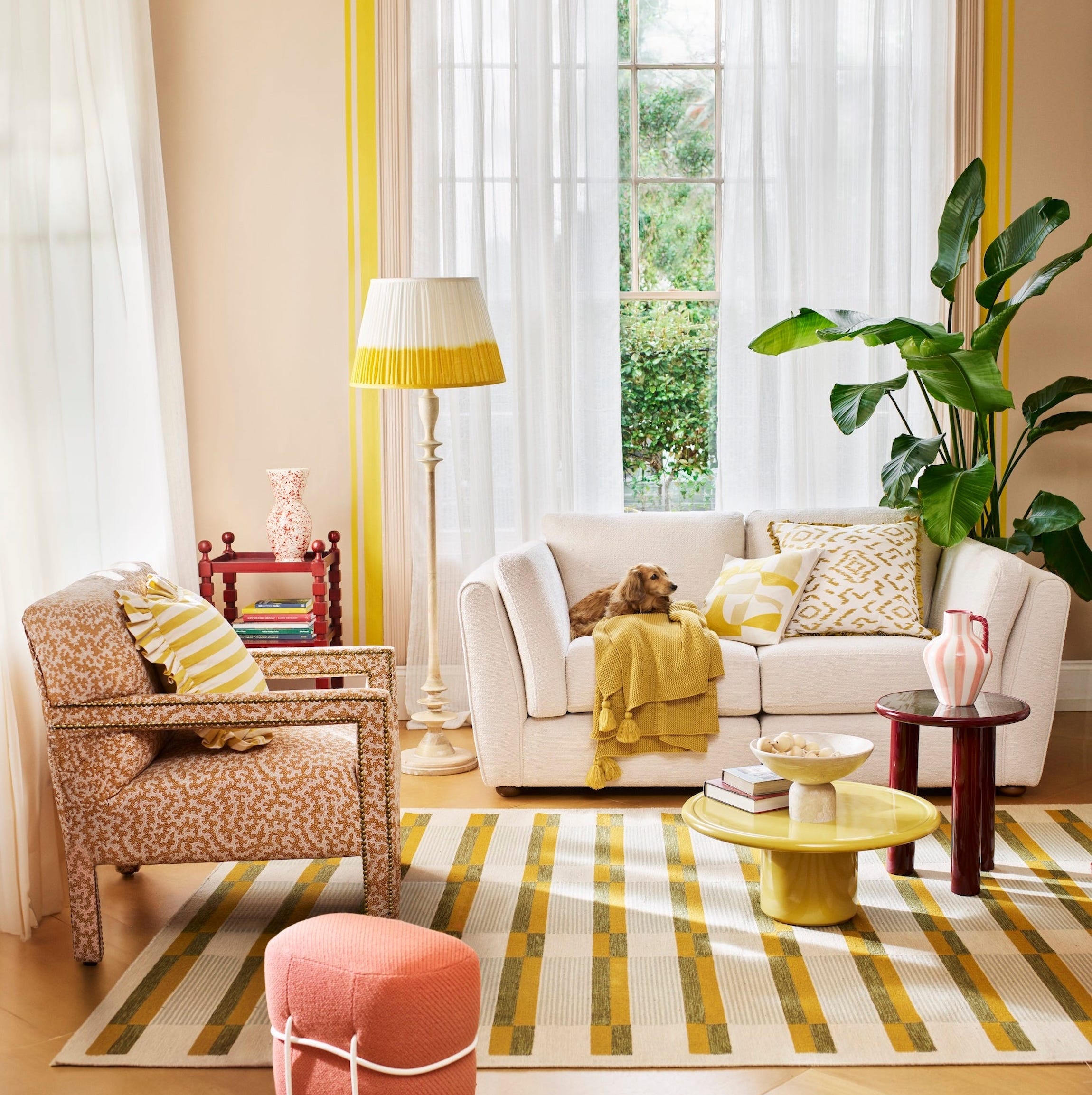
5 Living Room Design Mistakes You Didn't Know You Were Making

5 Feng Shui living room mistakes you're making – and how the experts avoid them
11 Living Room Layout Mistakes Designers Want You To Stop Making
An interior expert reveals how to achieve the perfect living room – and the biggest mistakes made
Designers Share 4 Common "Mistakes" You're Making in Your Living Room—and How to Correct Them
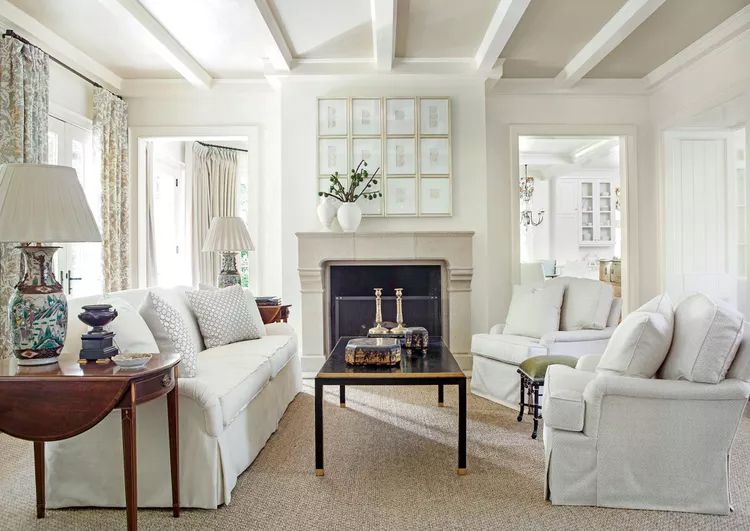
7 Living Room Decorating Mistakes You Should Never Make
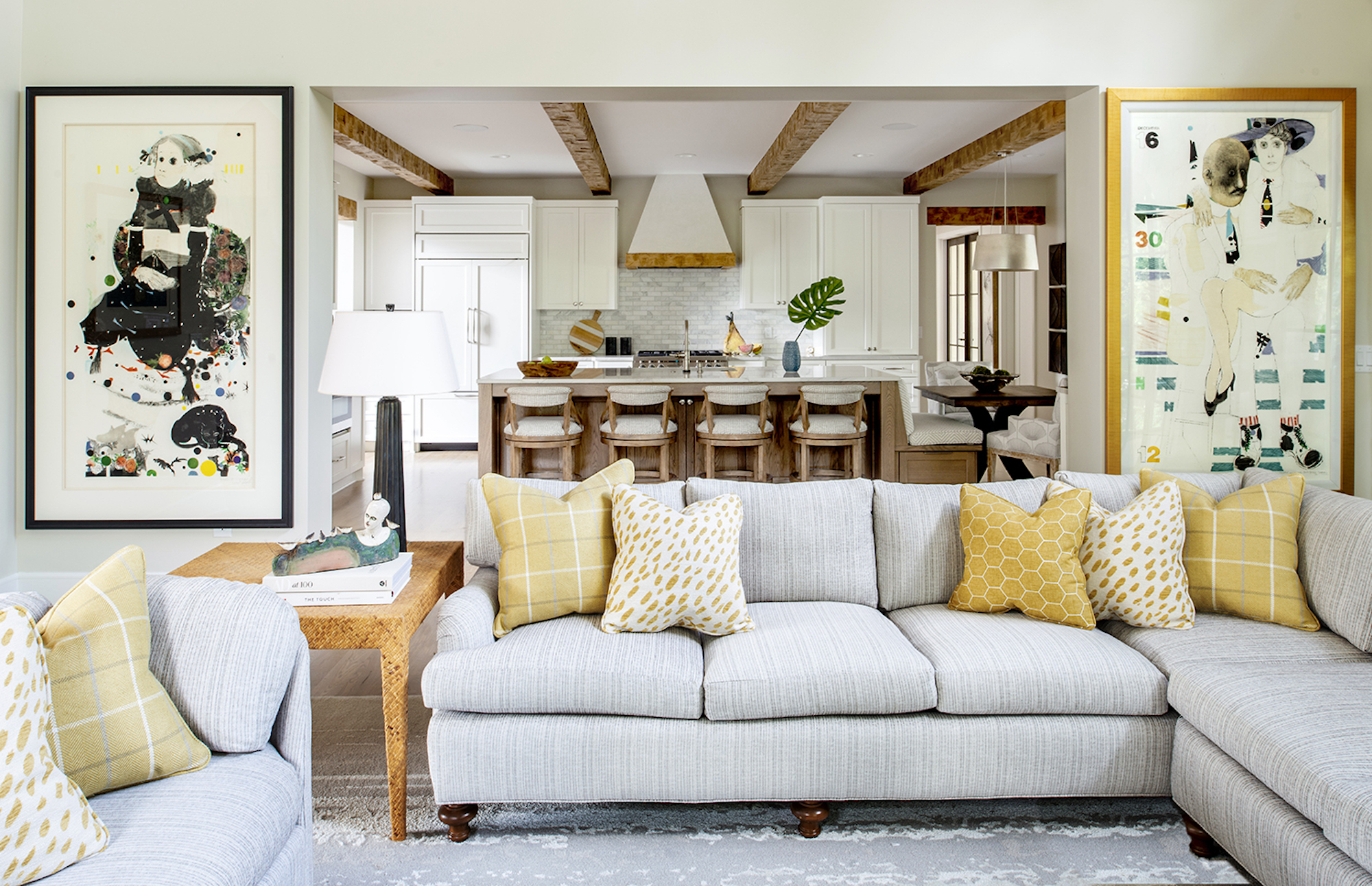
7 small living room layout mistakes design experts want you to avoid – and what to do instead
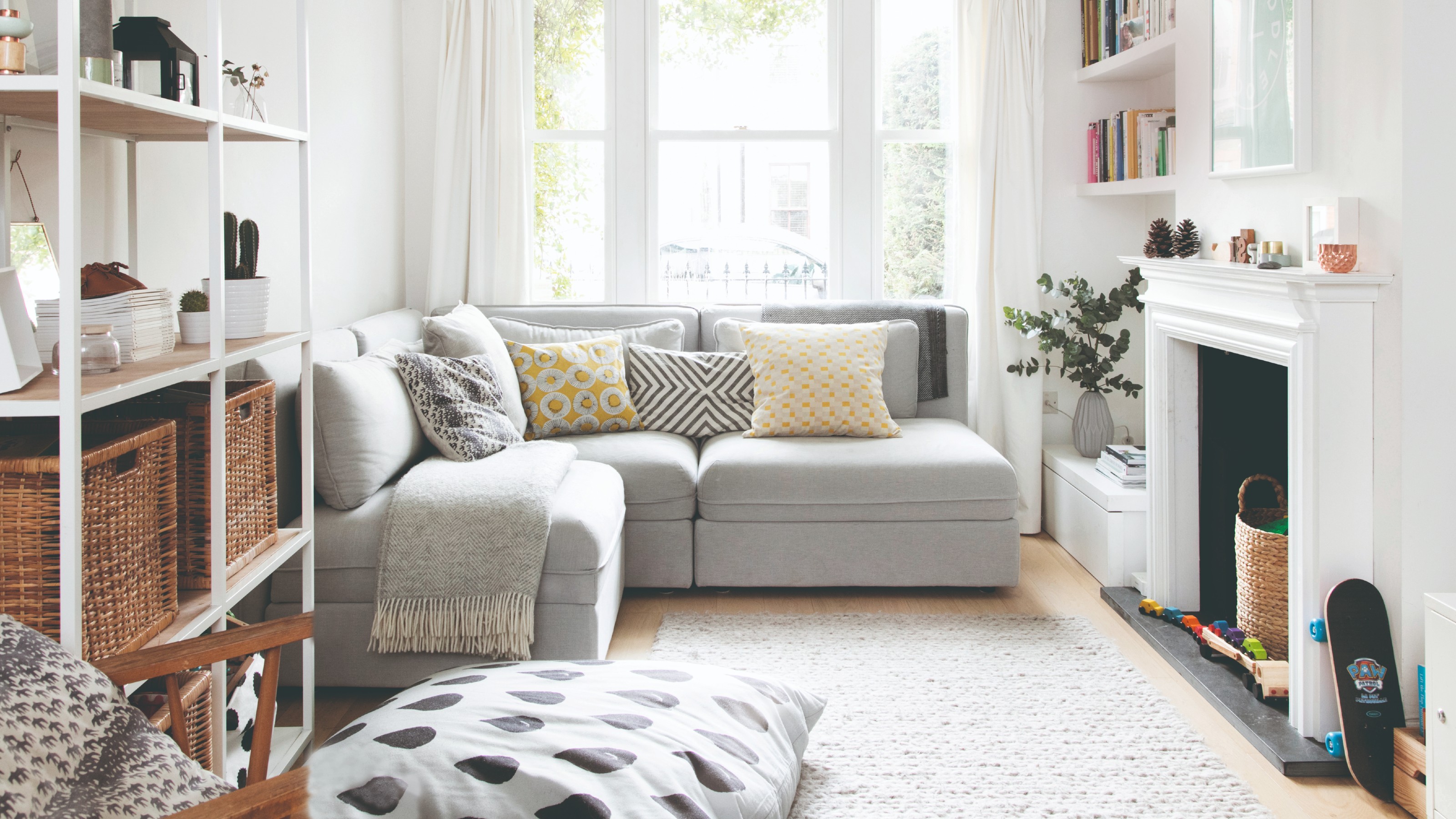
12 common family living room mistakes that pros warn against
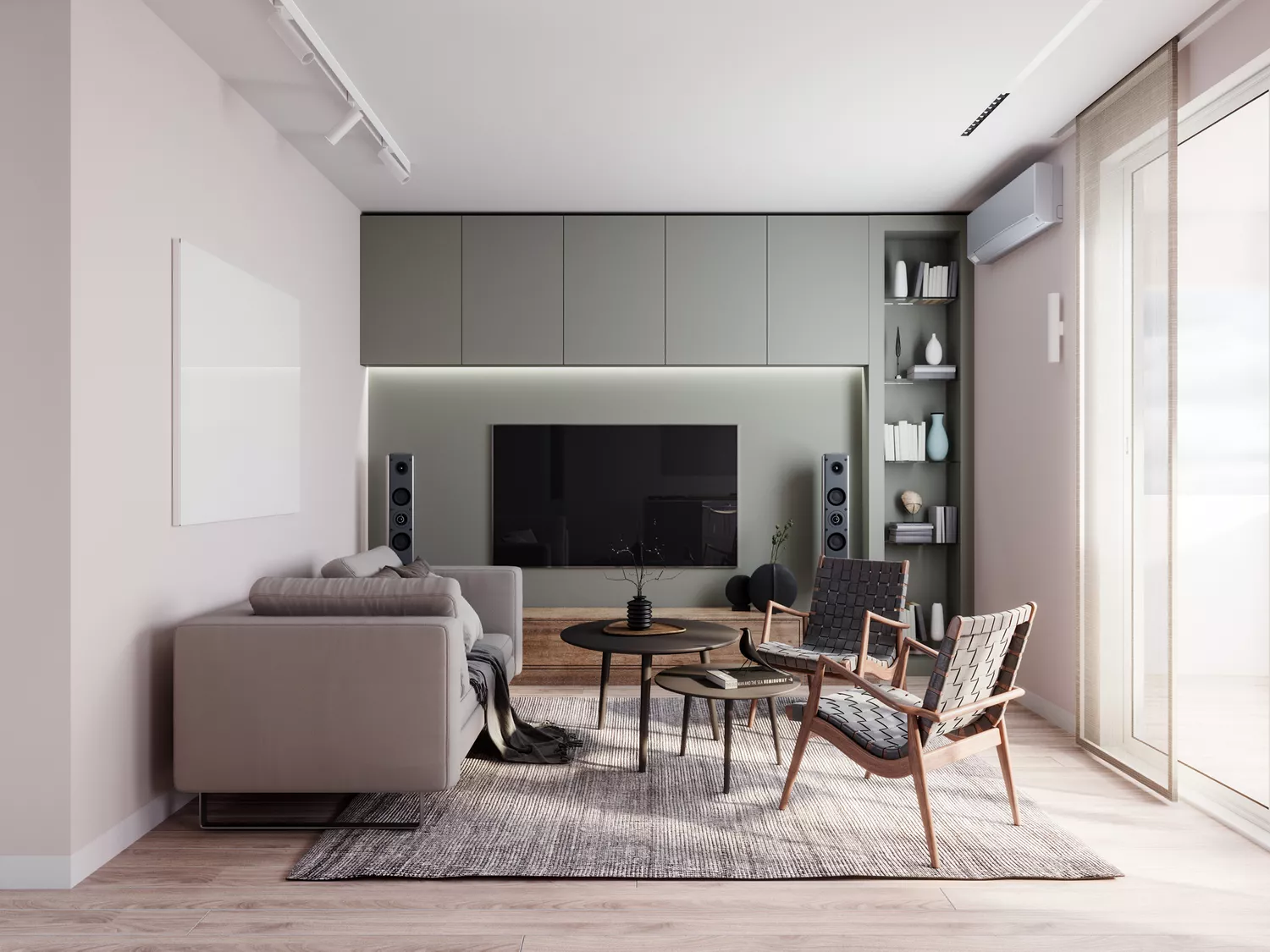
6 Small Living Room Layout Mistakes You Should Never Make, According to Designers

Carpet mistakes to avoid – 5 expert-approved tips to ensure perfect flooring
Designers Say This Is the #1 Living Room Mistake Everyone Makes

The ideal area rug sizes for a living room – 5 expert rules to follow
How to Fix the Most Common Living Room Layout Mistakes

Are YOU guilty of these living room layout mistakes? Decor expert reveals the 8 sins people make
5 flooring mistakes to avoid – according to architects and interior designers
Common design mistakes you're making in every room of your house