1/13
7 Common Living Room Lighting Mistakes to Avoid at all Costs
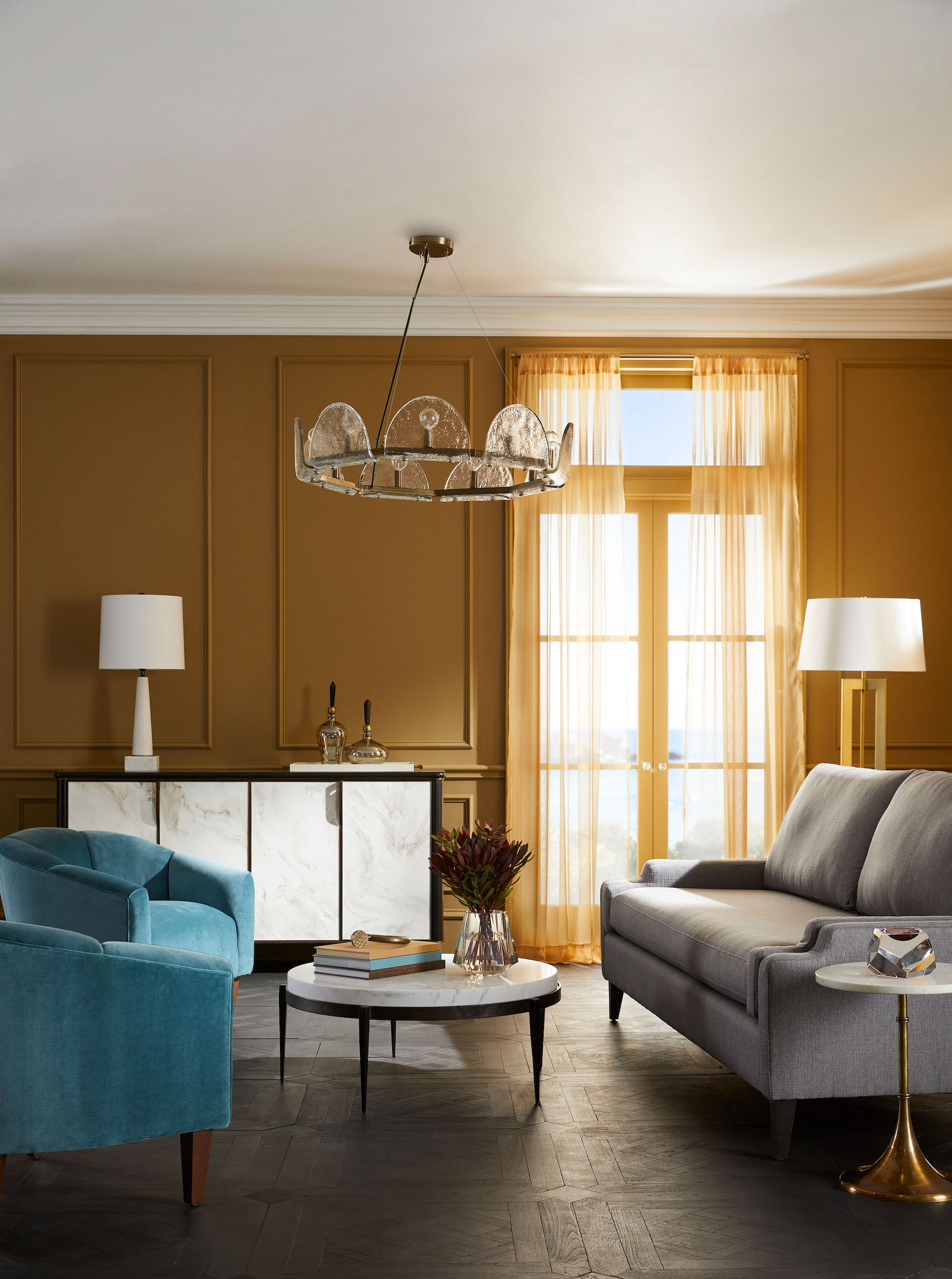
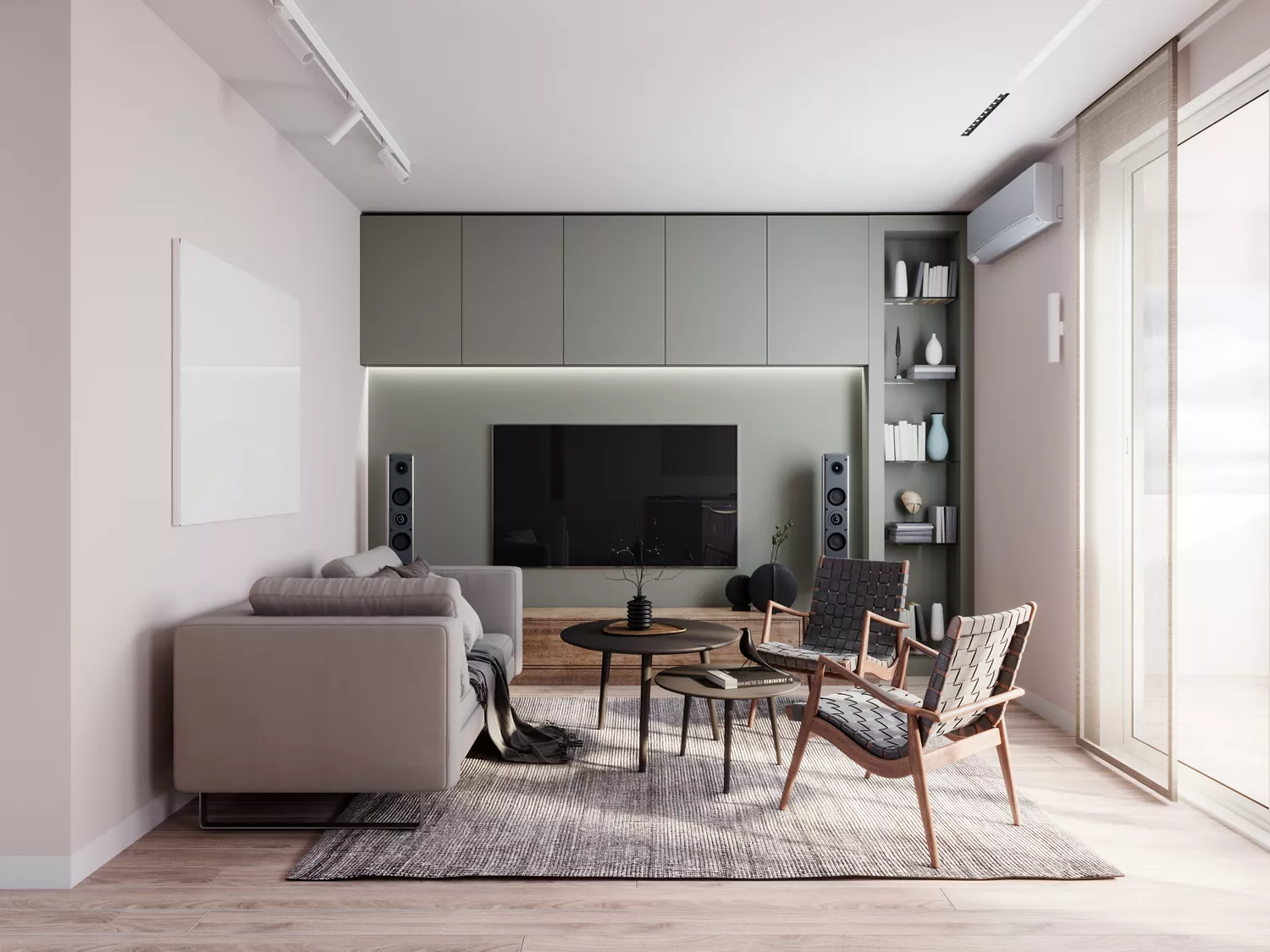
Effective living room lighting is crucial for creating a comfortable and inviting atmosphere, yet many homeowners make common mistakes that can undermine the space's aesthetic and functionality. Interior design experts emphasize that lighting should never be an afterthought; instead, it requires careful planning from the initial stages of design. Failure to plan in advance can disrupt the entire room’s design, as lighting decisions, including the placement of fixtures, the number of switches, circuits, and dimmable options, dictate how areas and features of the room are highlighted. It is also important to consider the appropriate number of lights to achieve the desired effect without over- or under-lighting the space.
Another significant oversight is under-prioritizing lighting in the budget. Homeowners often allocate more funds to furnishings, mistakenly believing these will have the greatest impact. However, even expensive furniture can appear subpar if the lighting is inadequate or harsh. Strategic lighting choices can significantly enhance the perceived value and beauty of furnishings.
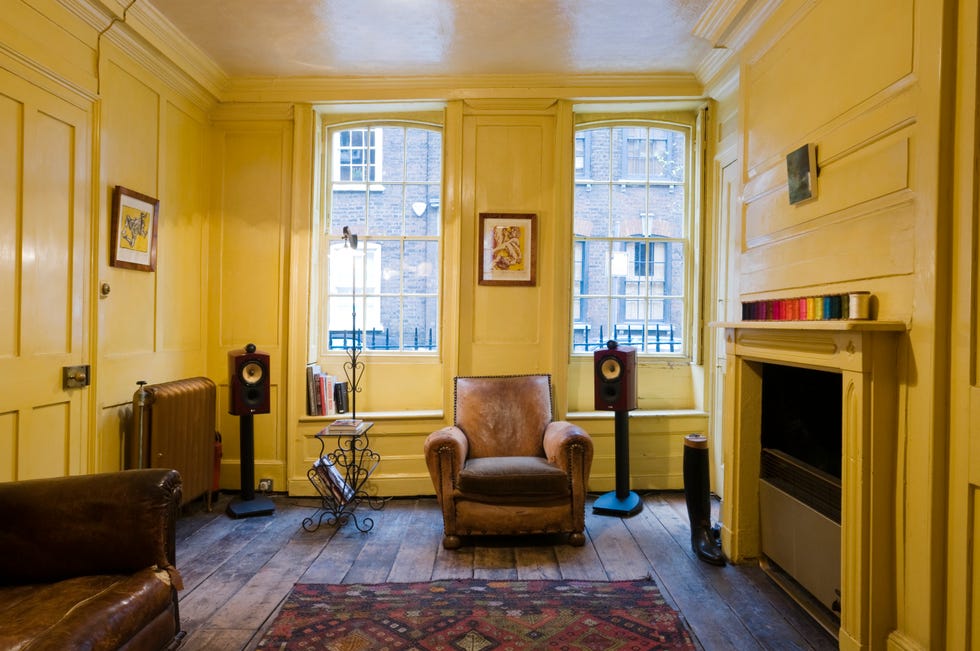
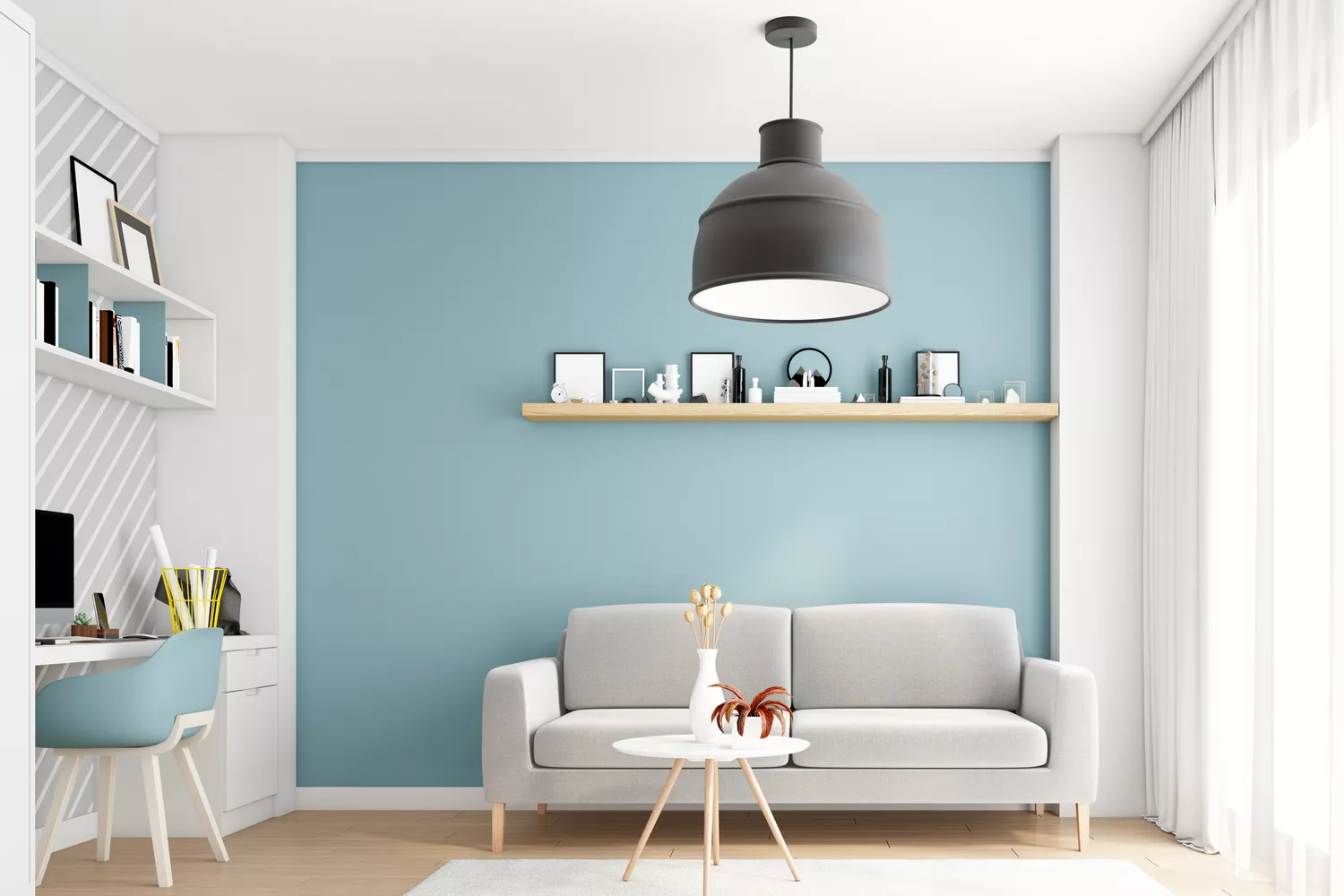
Harsh and overly bright lighting is a common pitfall, transforming a living room into a cold, uninviting environment reminiscent of an office or showroom. To avoid this, designers recommend using dimmers to control light intensity, allowing for adaptable ambiance suitable for various activities, from entertaining to relaxing. Additionally, a uniform grid of downlights is discouraged as it creates a bland, overly bright environment lacking character and fails to adequately illuminate specific areas or highlight architectural features.
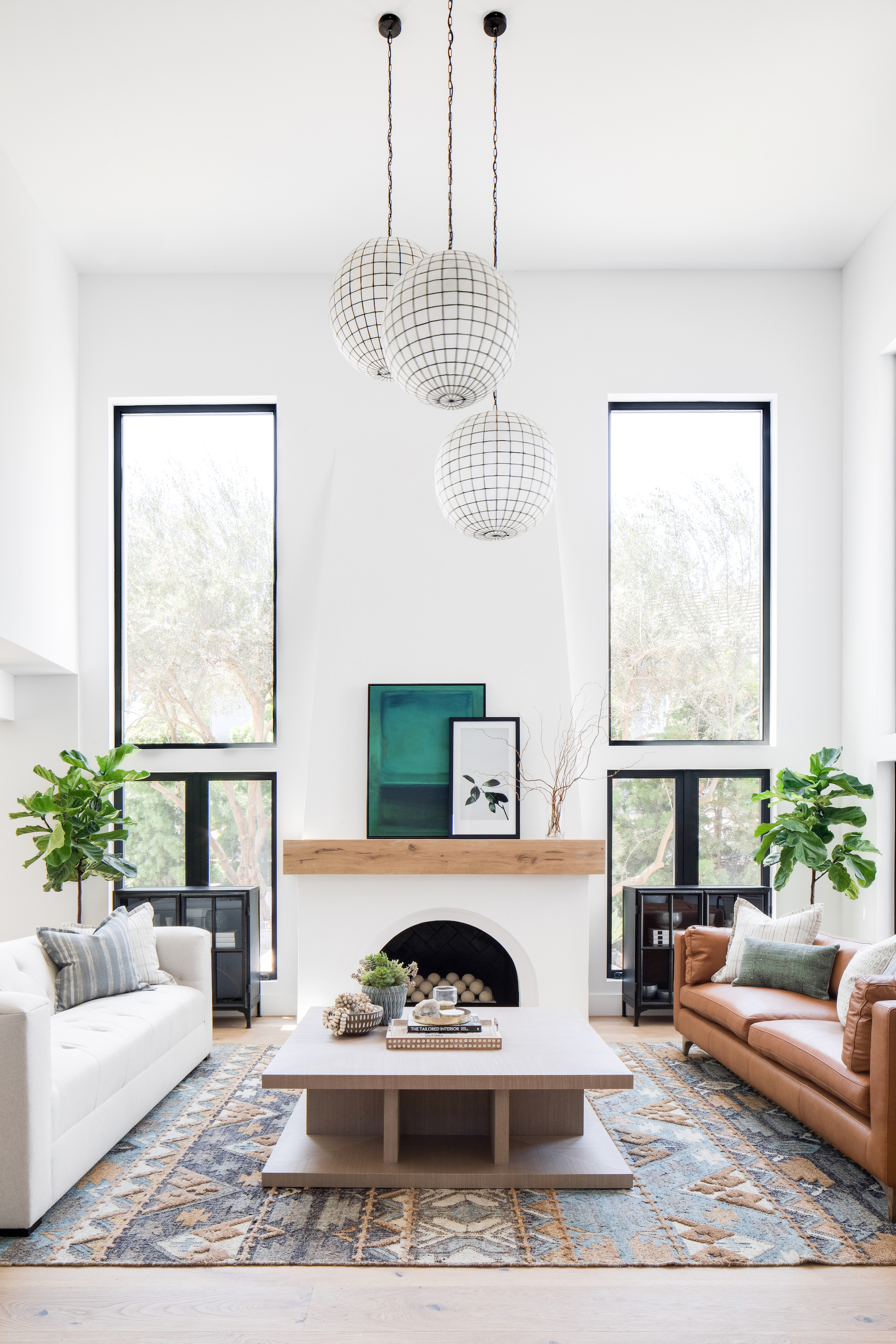
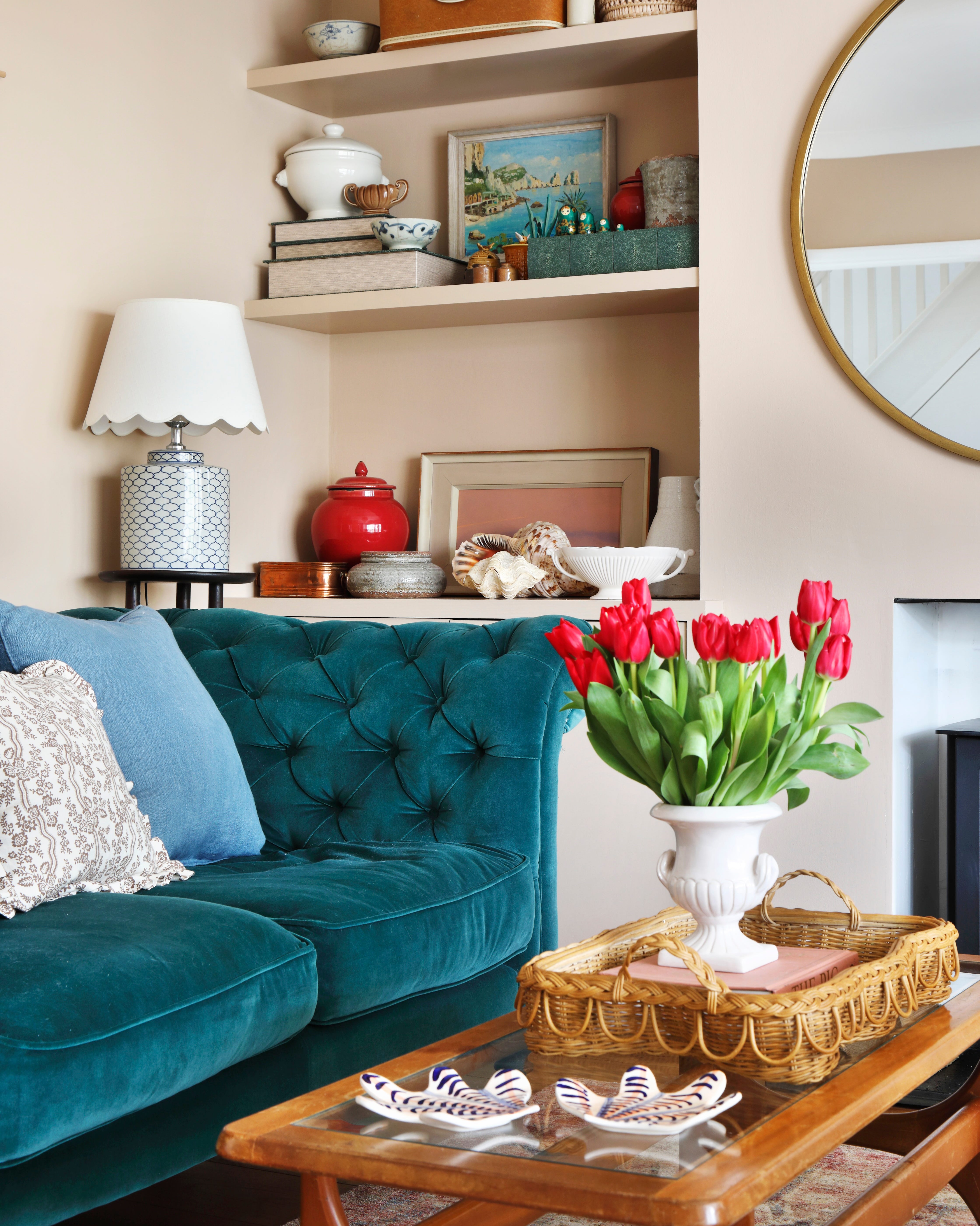
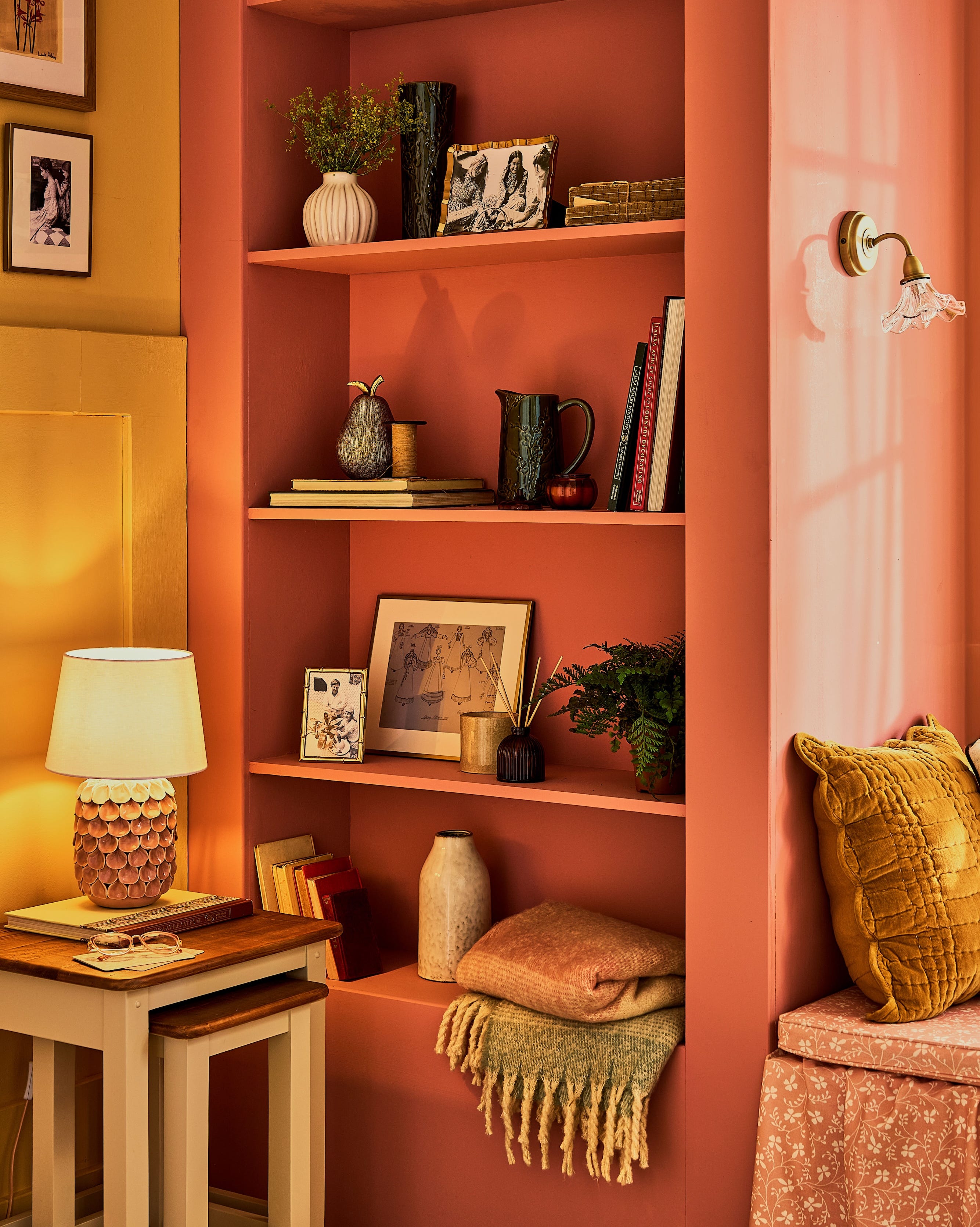
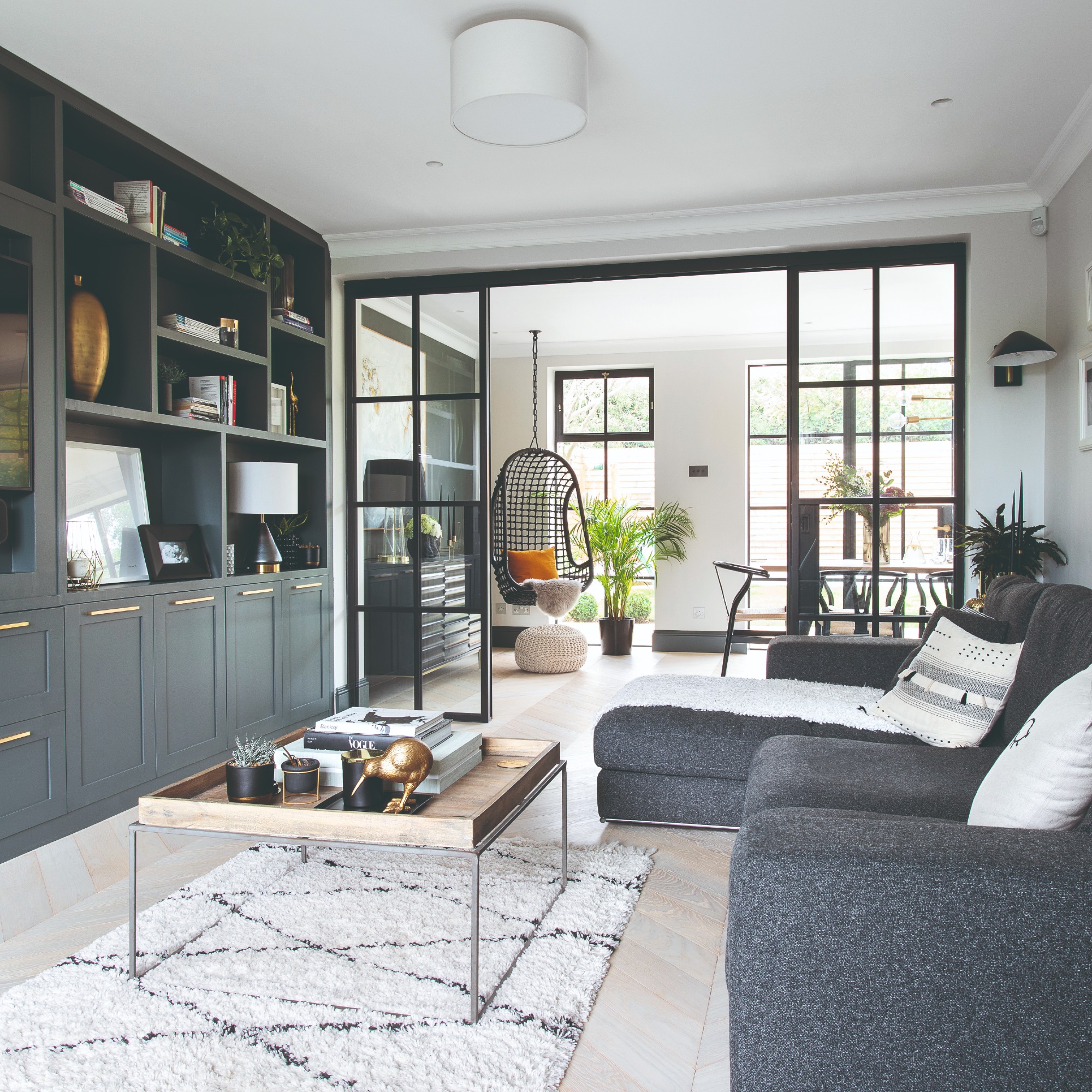
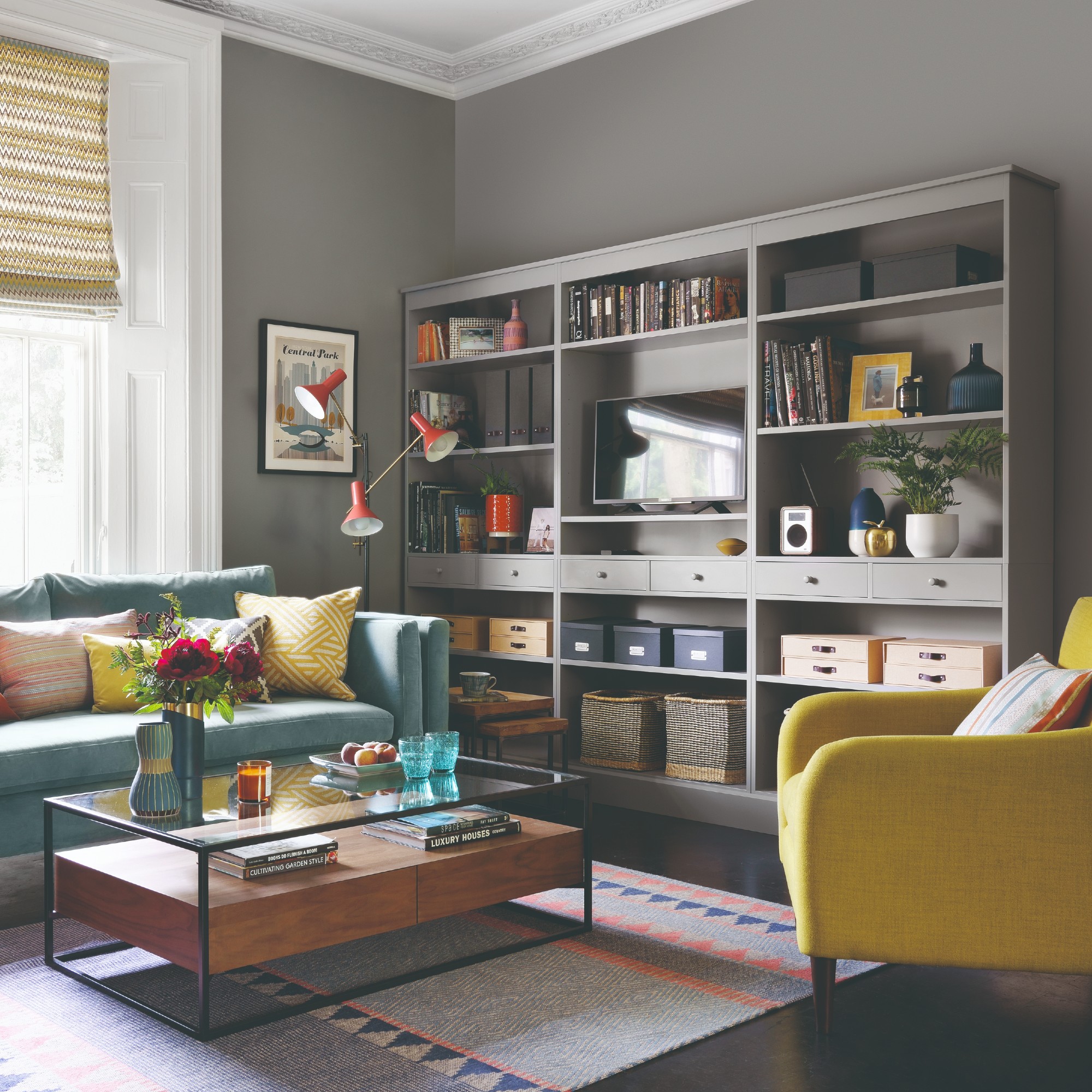
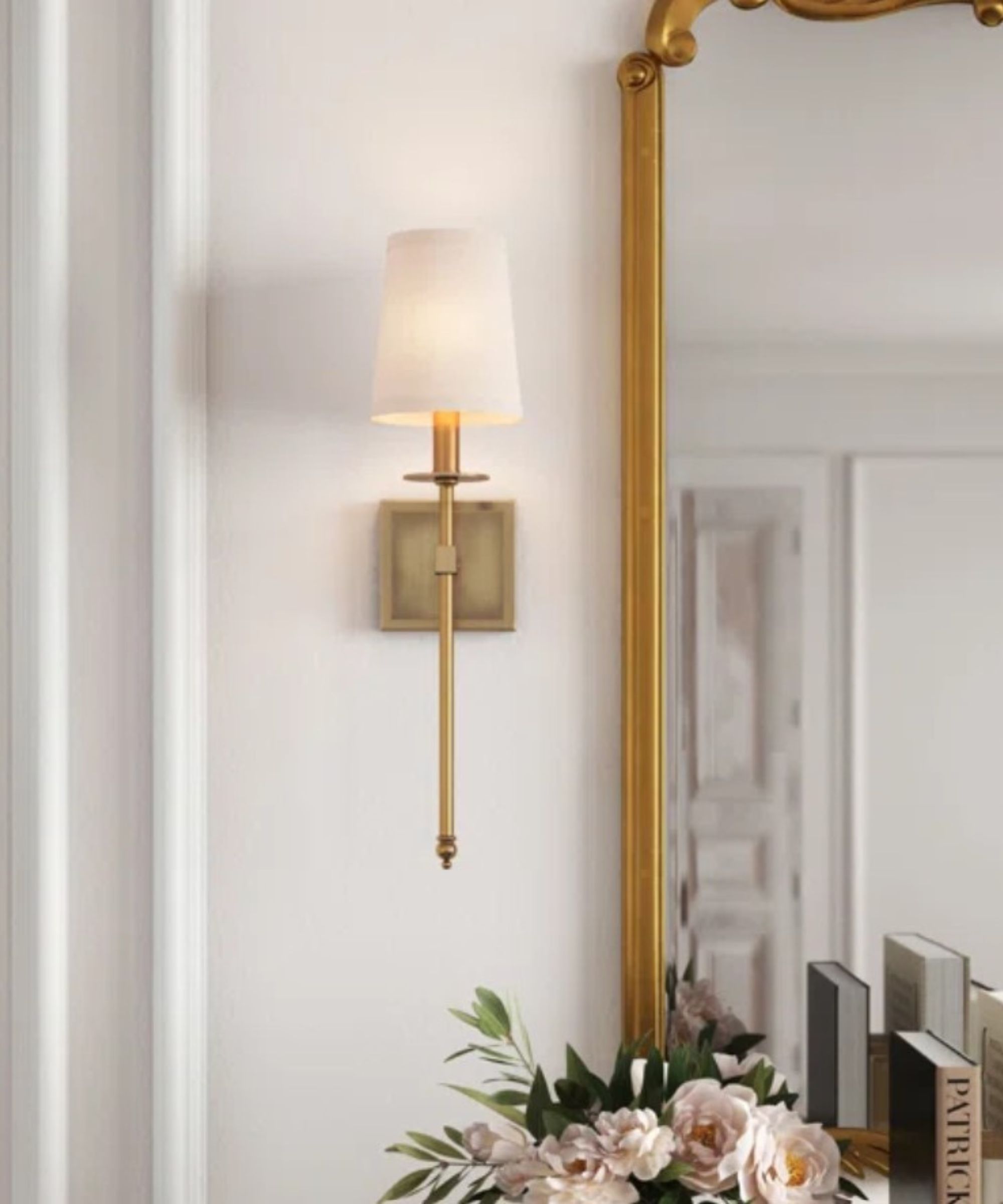
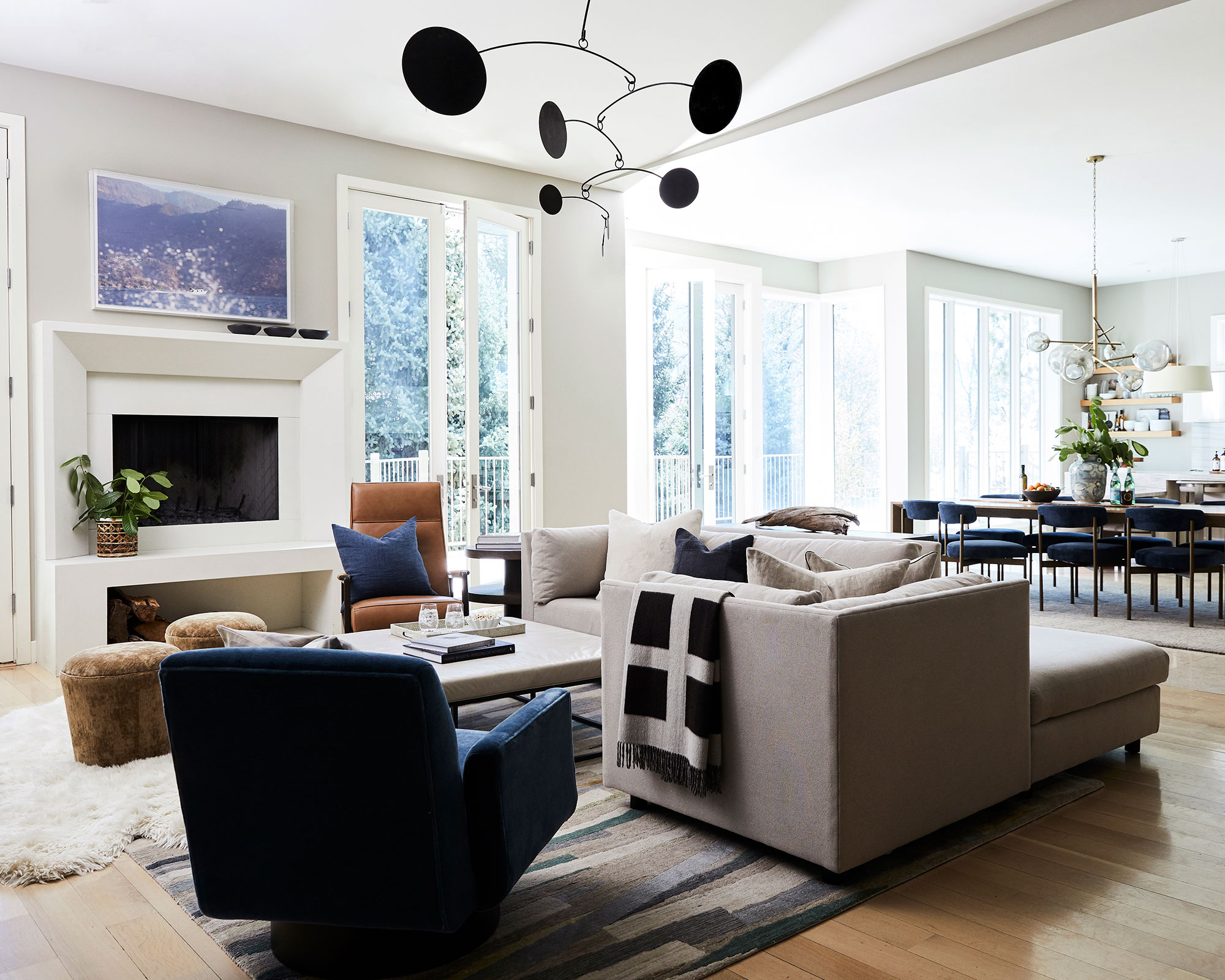
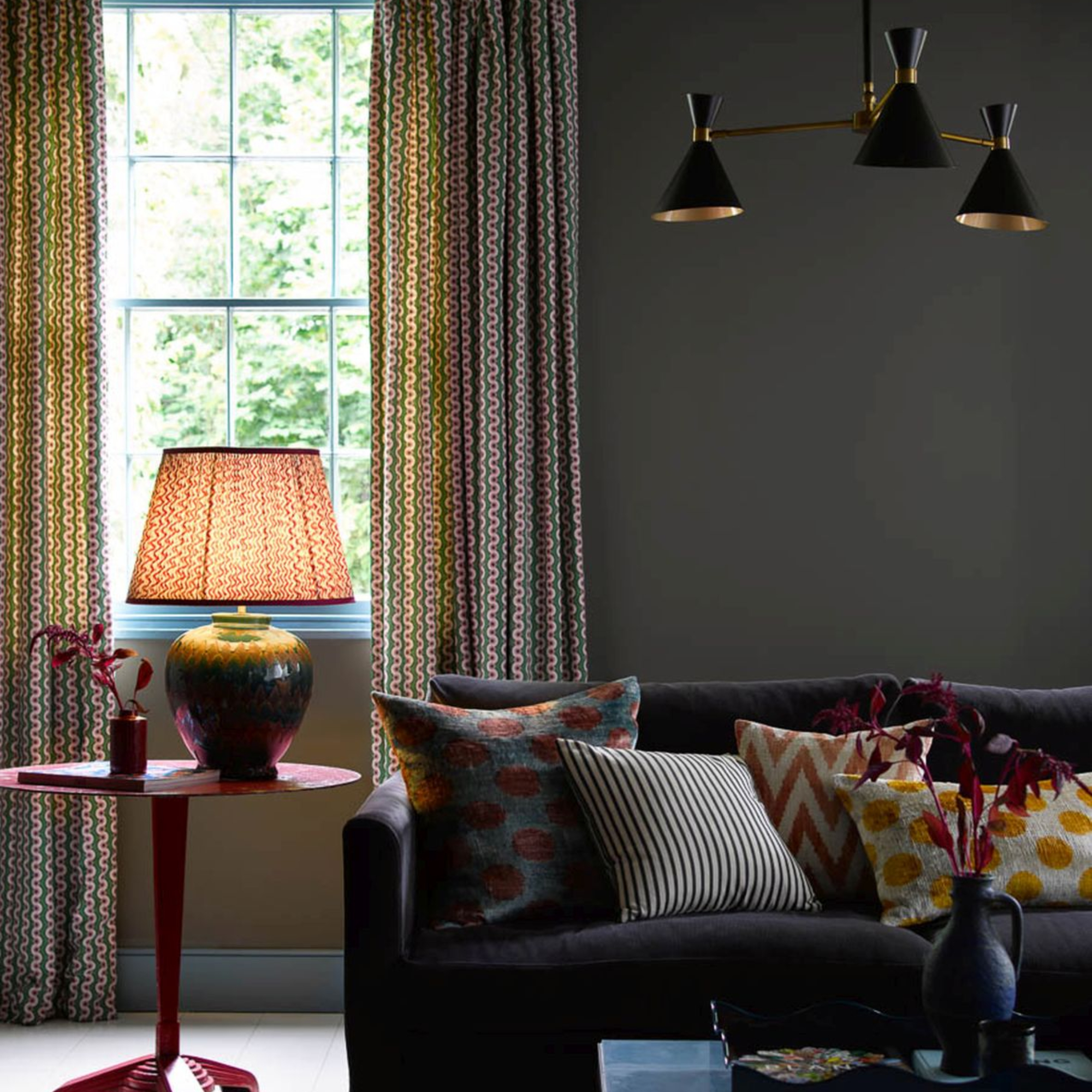
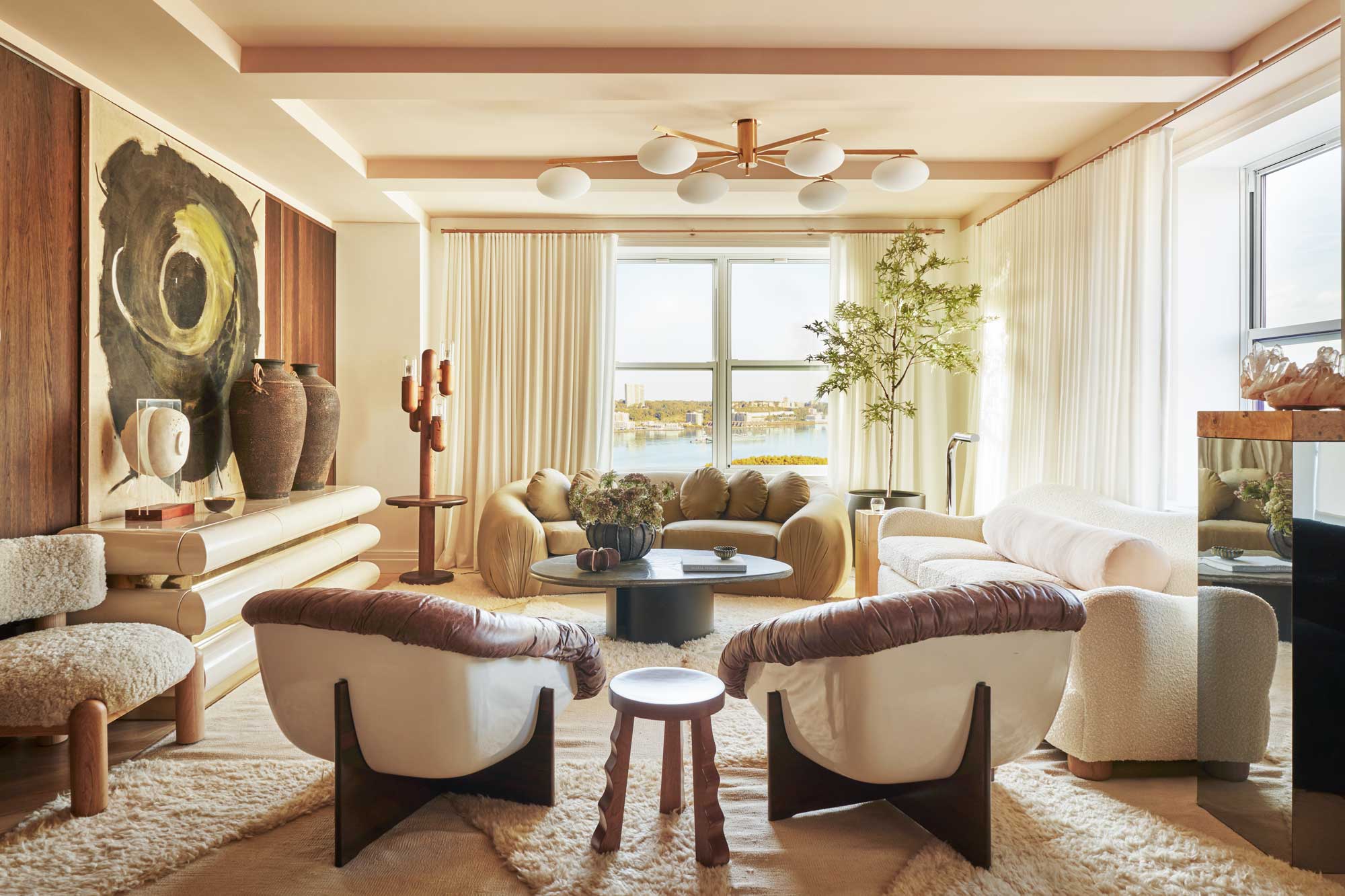
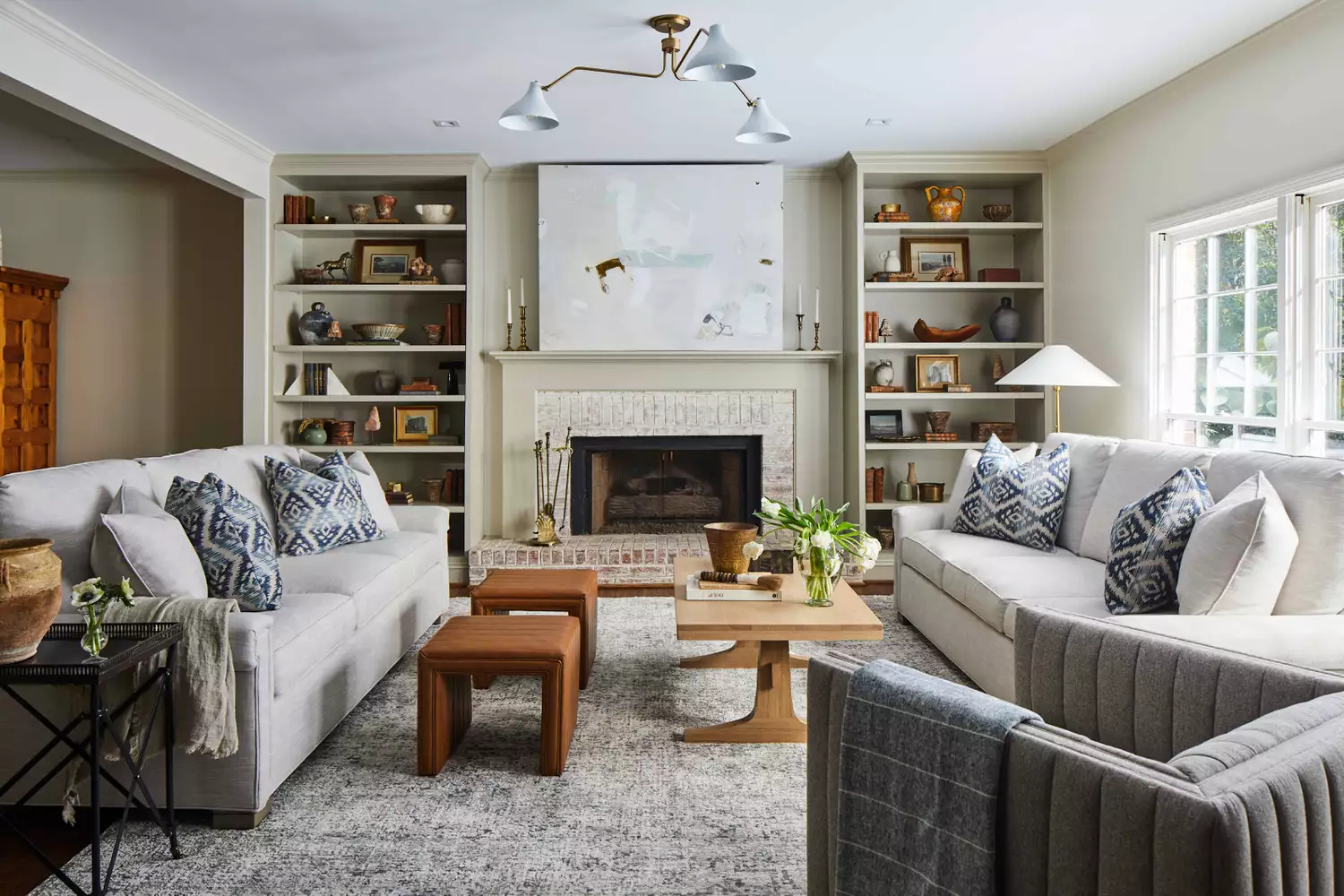
Relying on a single source of overhead light is another frequent mistake, leading to flat, unflattering illumination and harsh shadows. The solution lies in layering lighting with a mix of ambient, task, and accent lighting from multiple sources, such as overhead fixtures, table lamps, floor lamps, and wall sconces. This layering creates depth and warmth, making the room feel more welcoming.
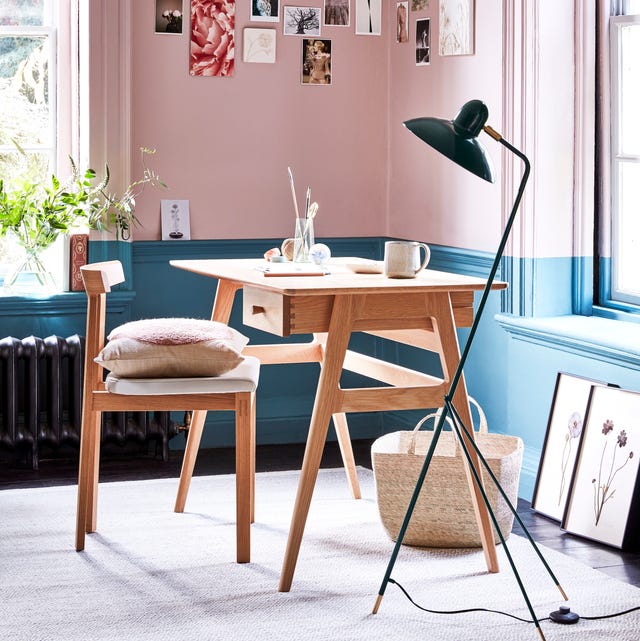
Designers also stress the importance of considering the multi-functional nature of the living room. Lighting schemes should be flexible enough to accommodate various activities, such as reading, relaxing, or entertaining. Task lighting is essential for specific areas like a desk, while dimmable lights and different scenes cater to changing moods and times of day. Ignoring the specific uses of different zones within the room can result in ineffective lighting.
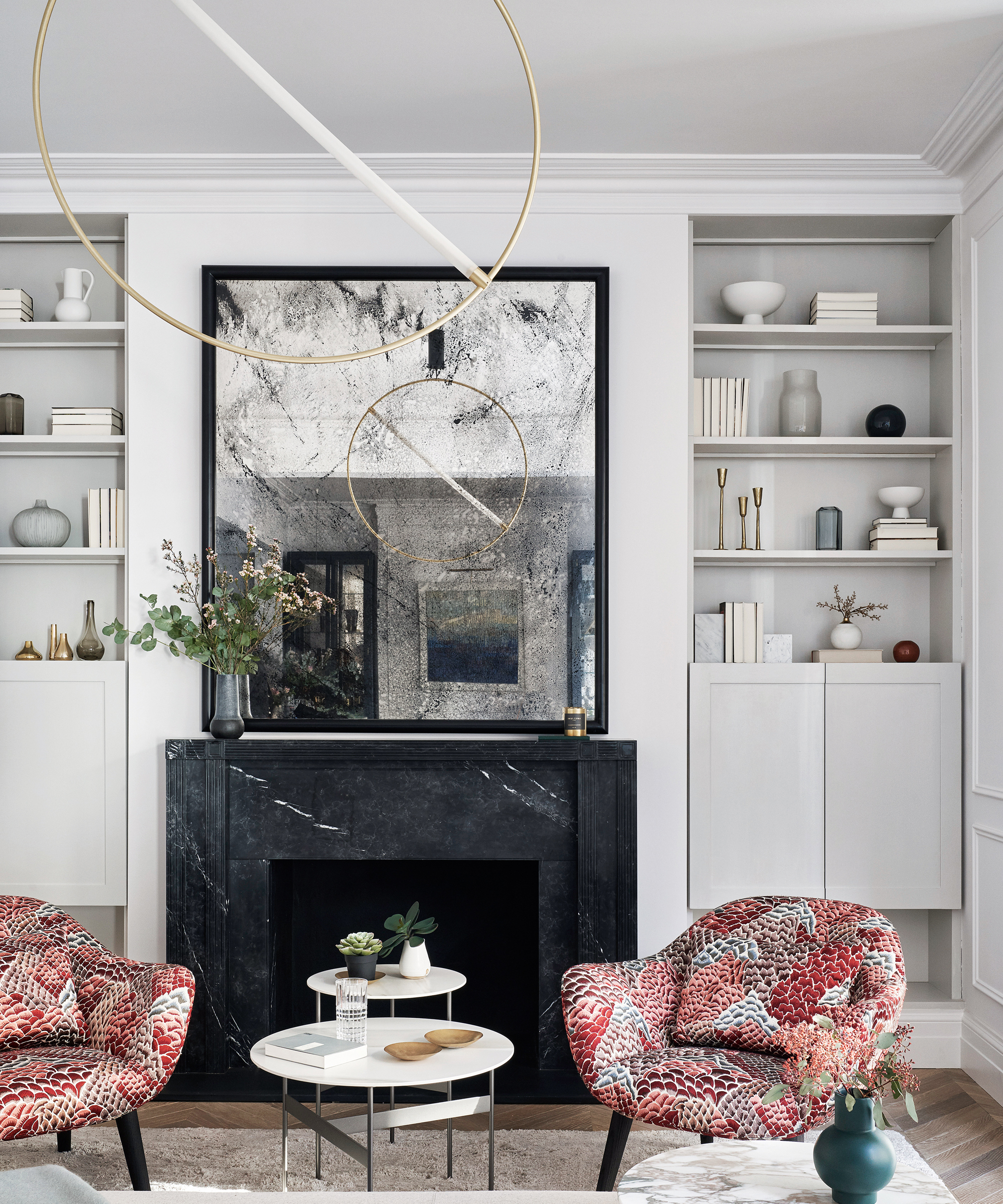
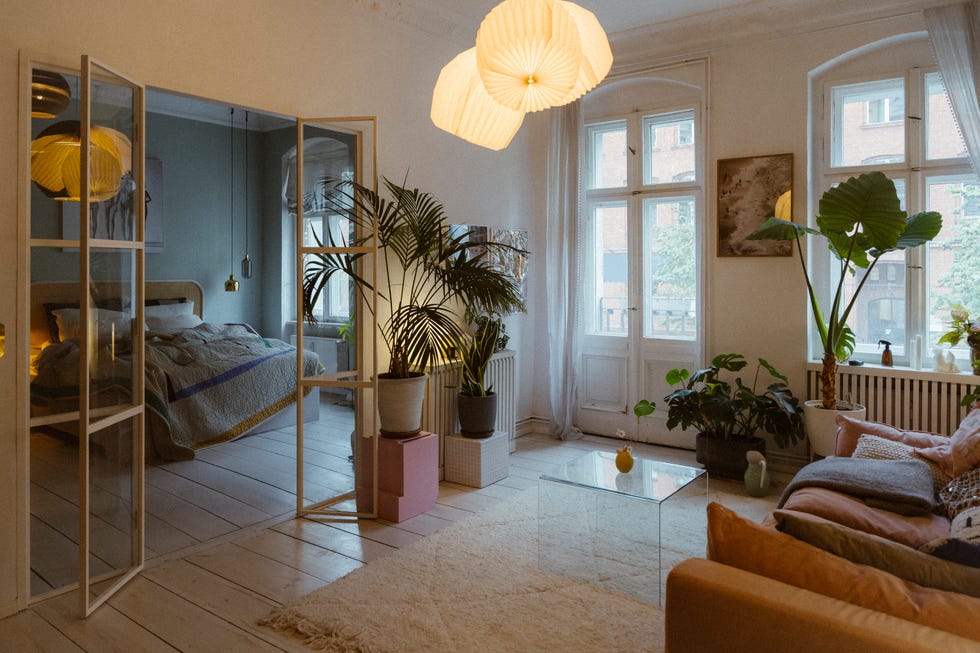
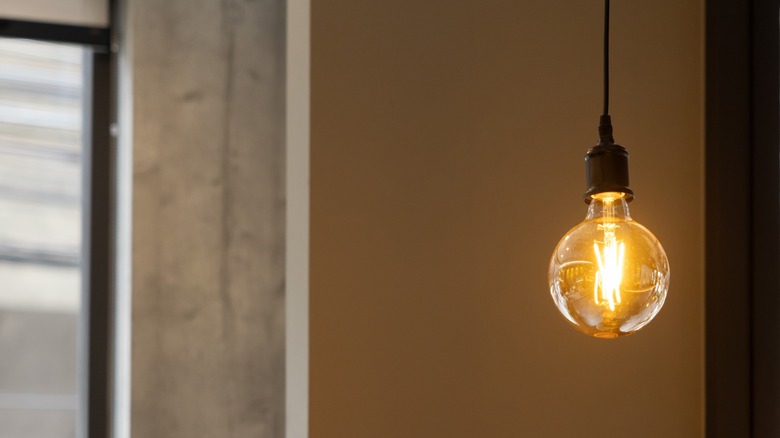
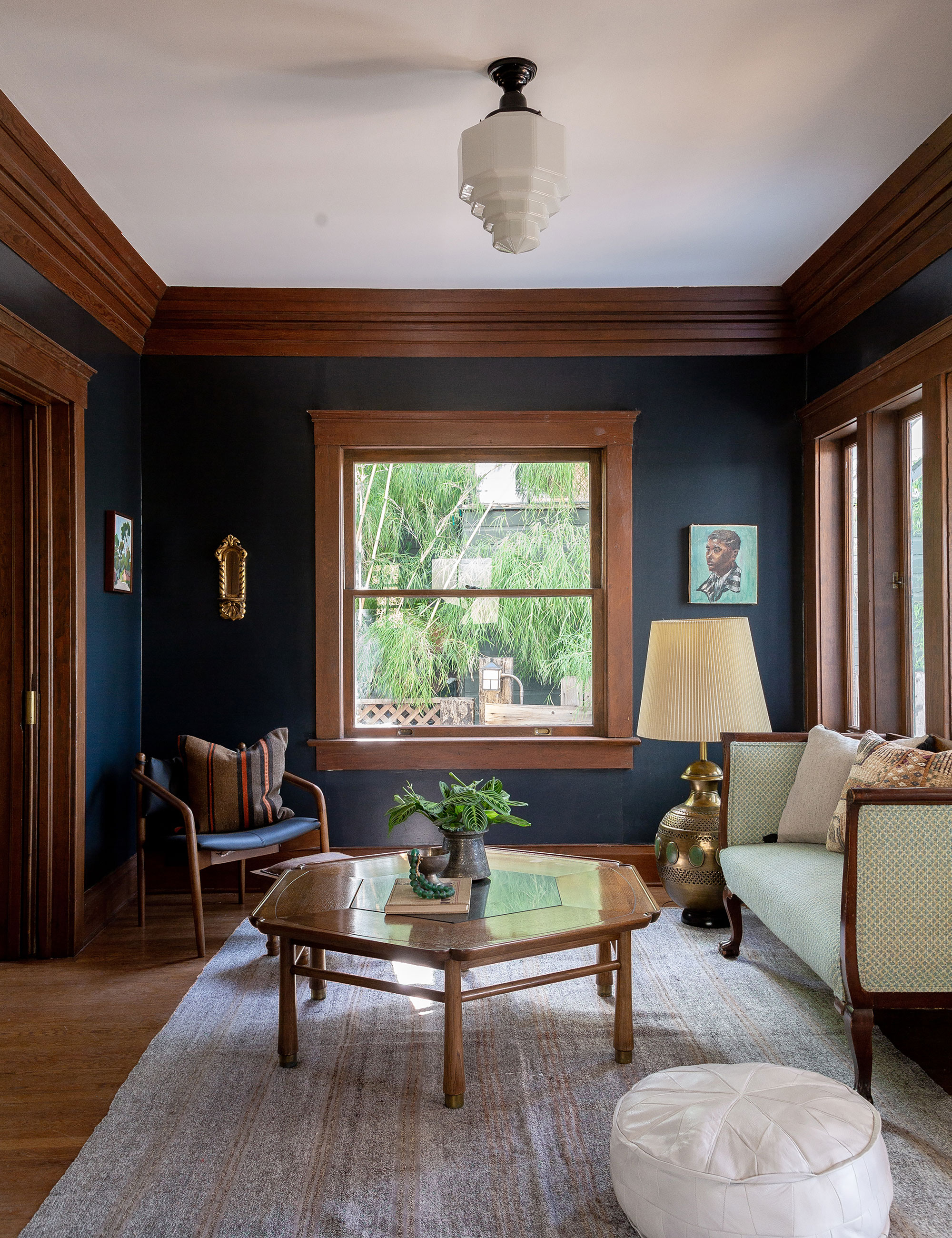
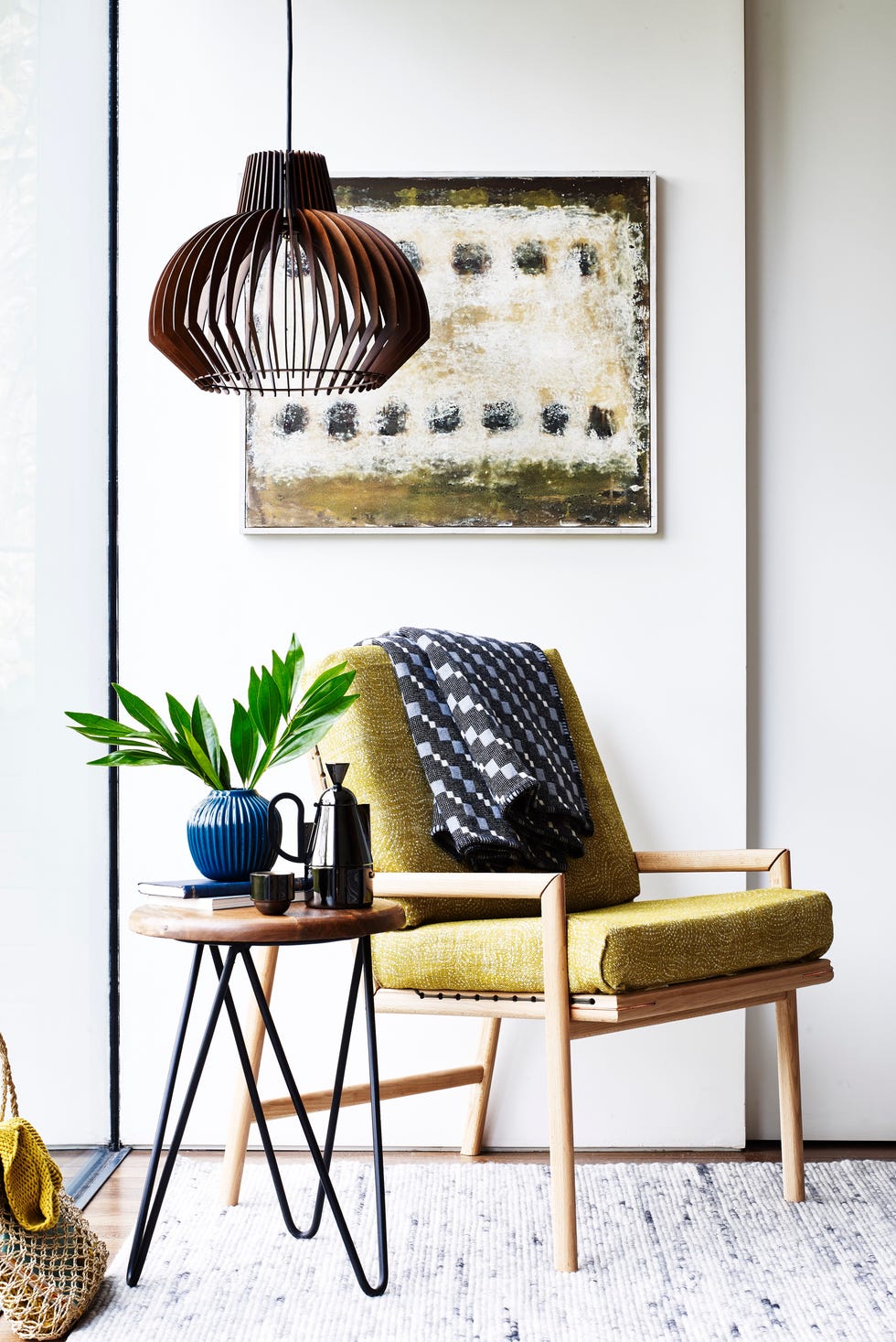
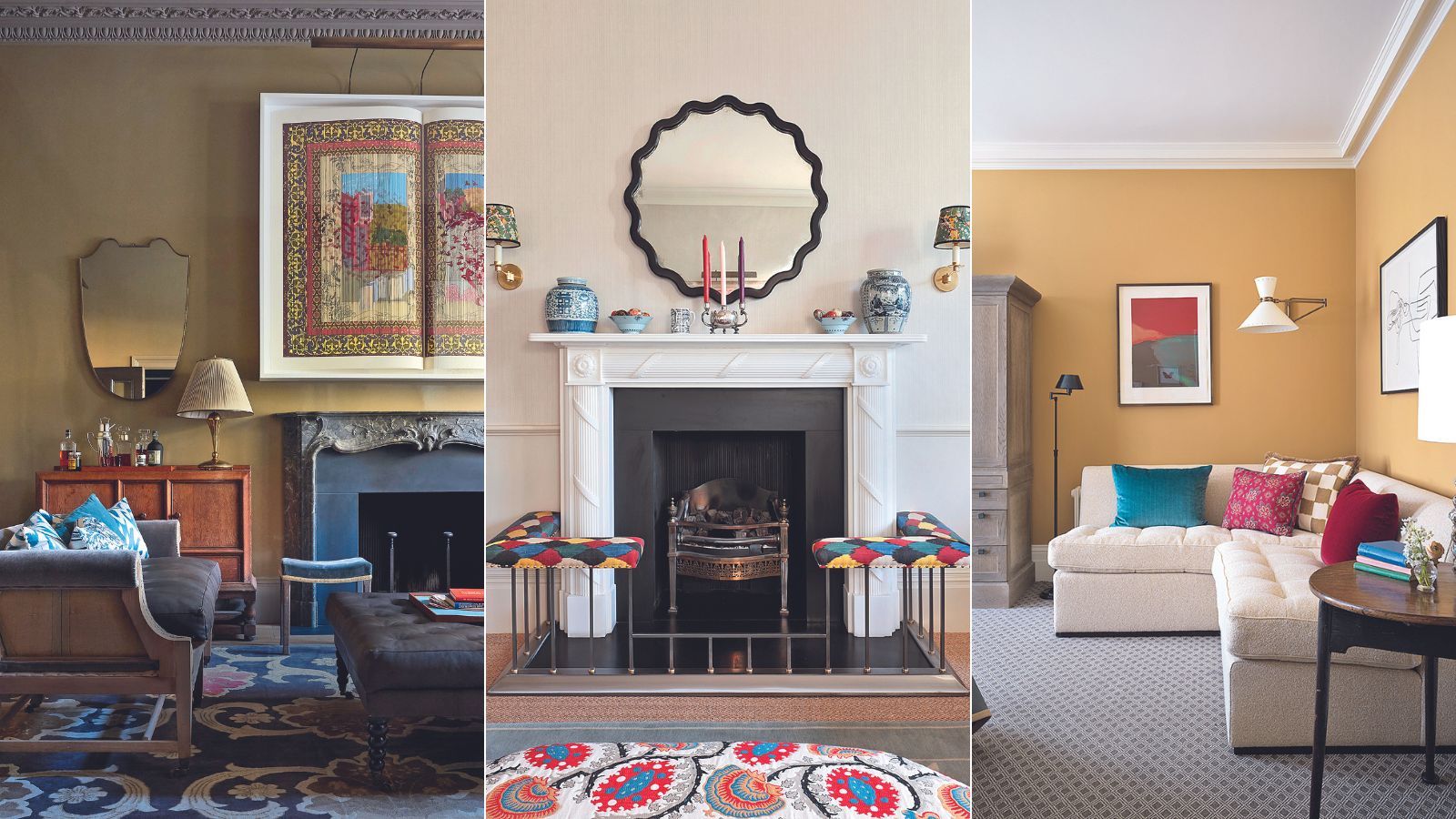
Neglecting corners and less-used spots in the living room can make the space feel smaller and less welcoming. Experts suggest illuminating these areas with stylish floor lamps, uplights for plants, or sculptural statement lighting to add visual interest and prevent dark, unused pockets. Finally, the color temperature of lighting is critical. Cool blue-toned lights (e.g., 4000K) can make a room feel sterile, whereas warm yellow-toned lights (e.g., 2700K) create a cozy, inviting atmosphere. Consistency in color temperature across all fixtures is vital to maintain harmony. Planning lighting around the furniture layout and anticipating future additions like cabinetry or shelving with integrated lighting are also key to a successful design.
#LivingRoomLighting #InteriorDesignMistakes #HomeLighting #LightingDesign #LayeredLighting #ColorTemperature #Budgeting #HomeDecor #LivingRoomLighting #InteriorDesignMistakes #HomeLighting #LightingDesign #LayeredLighting #ColorTemperature #Budgeting #HomeDecor
0 comment in total
 No comments yet
You may also like
7 small living room layout mistakes design experts want you to avoid – and what to do instead

7 Bedroom Lighting Mistakes — Experts Say They "Scream 'Wrong Vibe'" and Ruin Your Aesthetic
15 Kitchen Lighting Mistakes Everyone Makes

10 Lighting Mistakes You Should Never Make—But Probably Are
7 common bathroom lighting mistakes, and how you can avoid them

5 Living Room Design Mistakes You Didn't Know You Were Making

11 Living Room Layout Mistakes Designers Want You To Stop Making
3 common lighting mistakes you are making, according to Feng Shui experts
10 living room lighting mistakes that make yours look uninviting, smaller and cold
6 Lighting Mistakes That Are Ruining the Mood in Your Home—and How to Fix Them

5 small entryway lighting mistakes — experts share what to avoid

12 Kitchen Lighting Mistakes (And How To Avoid Them)

7 Living Room Decorating Mistakes You Should Never Make
Designers Share 4 Common "Mistakes" You're Making in Your Living Room—and How to Correct Them
5 Common Entryway Lighting Mistakes Designers Never Fail to Notice — I'll Always Avoid These Now
10 common living room design disasters experts warn against falling for
How to Fix the Most Common Living Room Layout Mistakes

12 common family living room mistakes that pros warn against
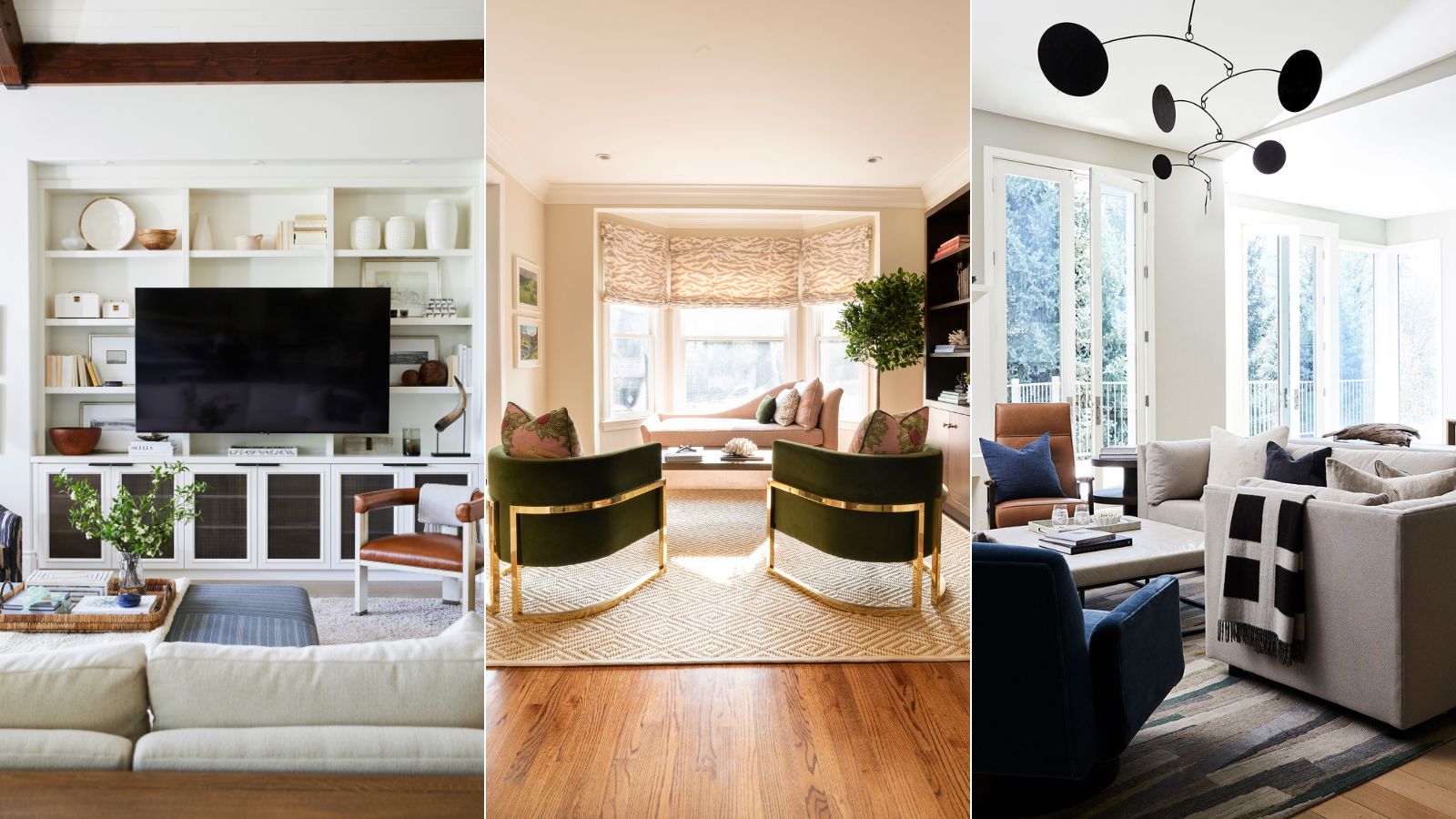
5 small living room mistakes – designers share the worst decorating disasters that we need to stop doing right now
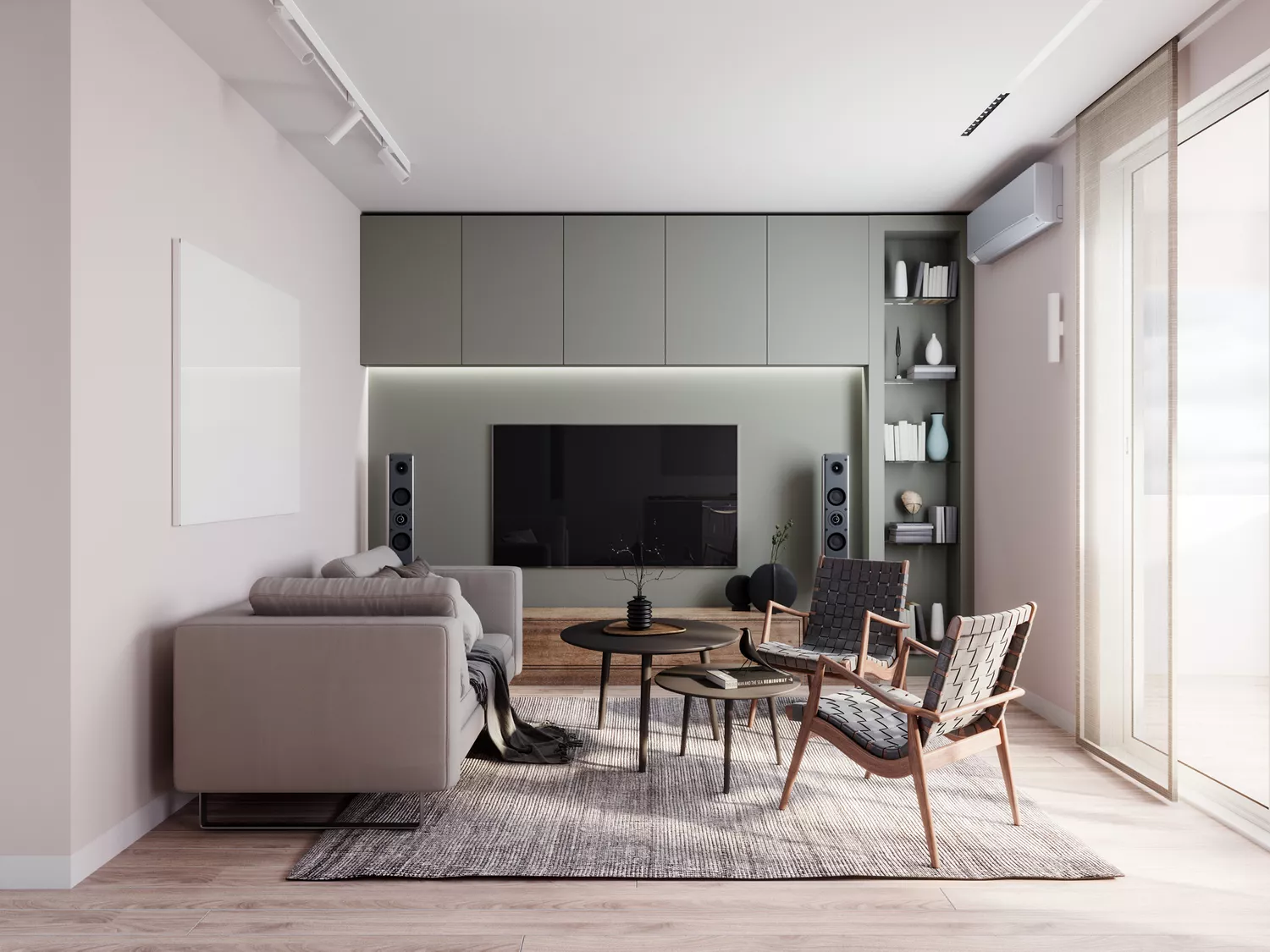
6 Small Living Room Layout Mistakes You Should Never Make, According to Designers