1/6
Carpet mistakes to avoid – 5 expert-approved tips to ensure perfect flooring
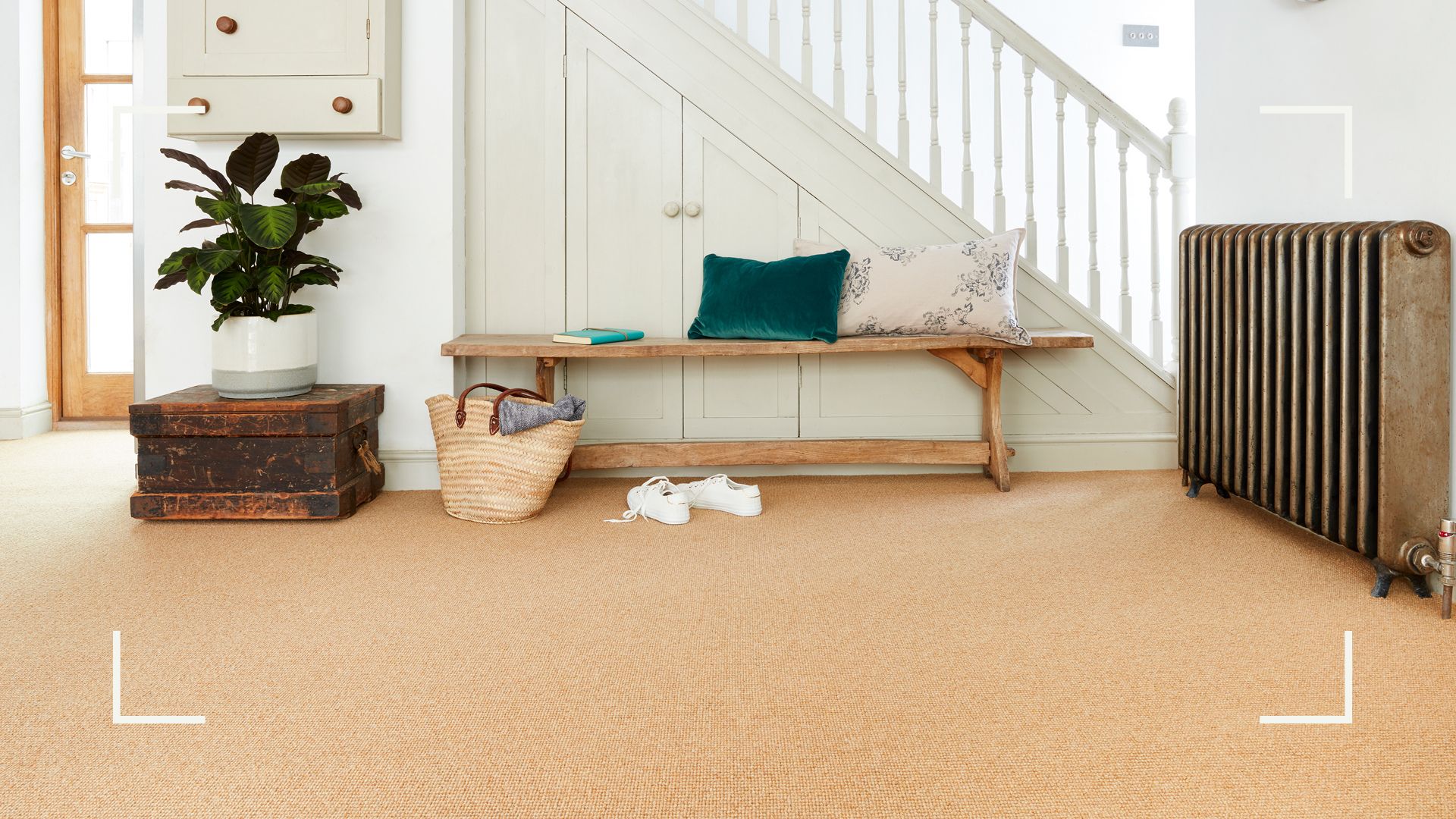
The selection and installation of carpet are crucial elements in home interior design, often overlooked despite their significant impact on a room's aesthetic and longevity. While paint colors and furnishings receive considerable attention, the extensive surface area of a carpet makes it a foundational feature. Interior design experts highlight five common carpet mistakes that, if avoided, can ensure a perfect and enduring flooring scheme.
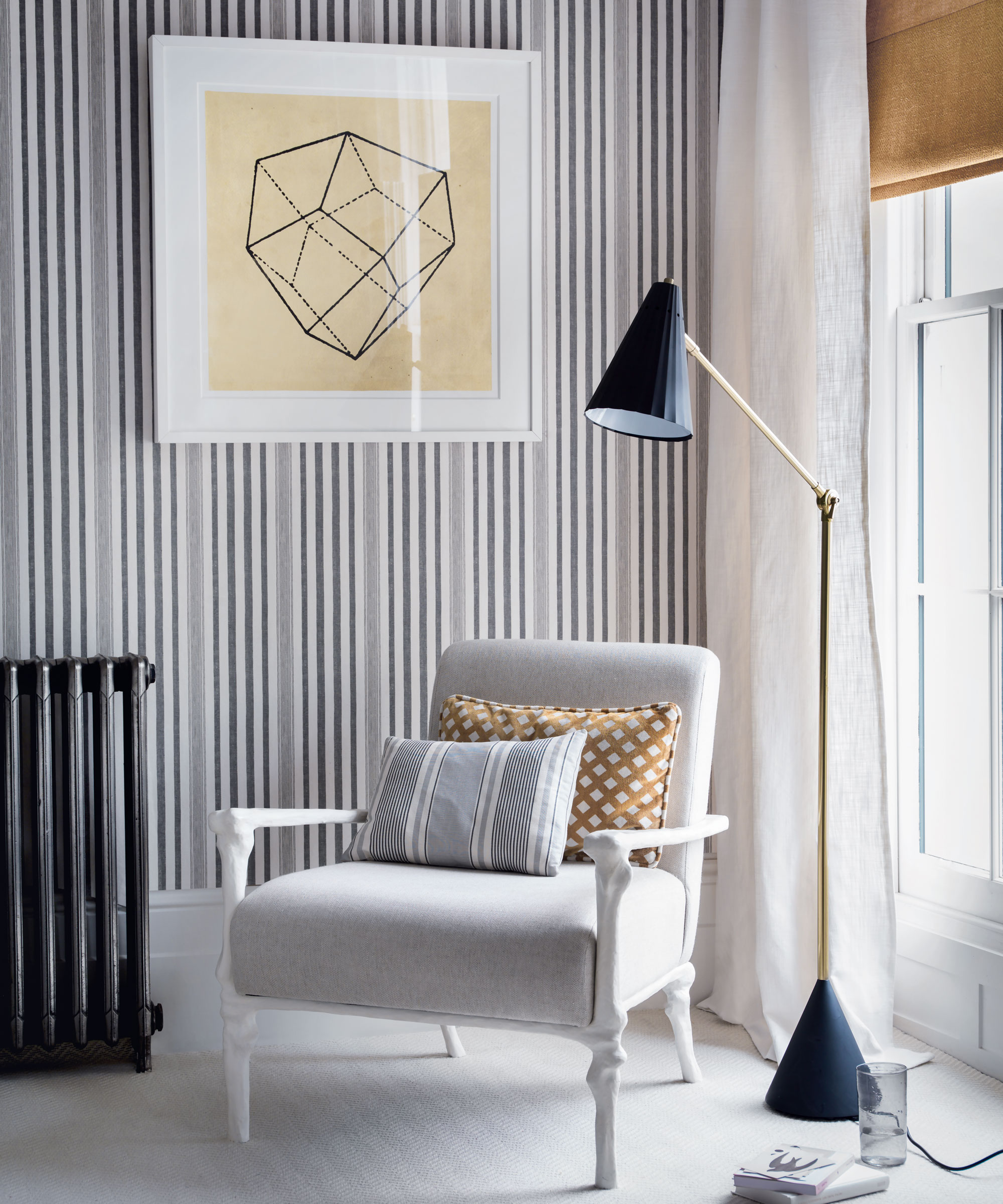
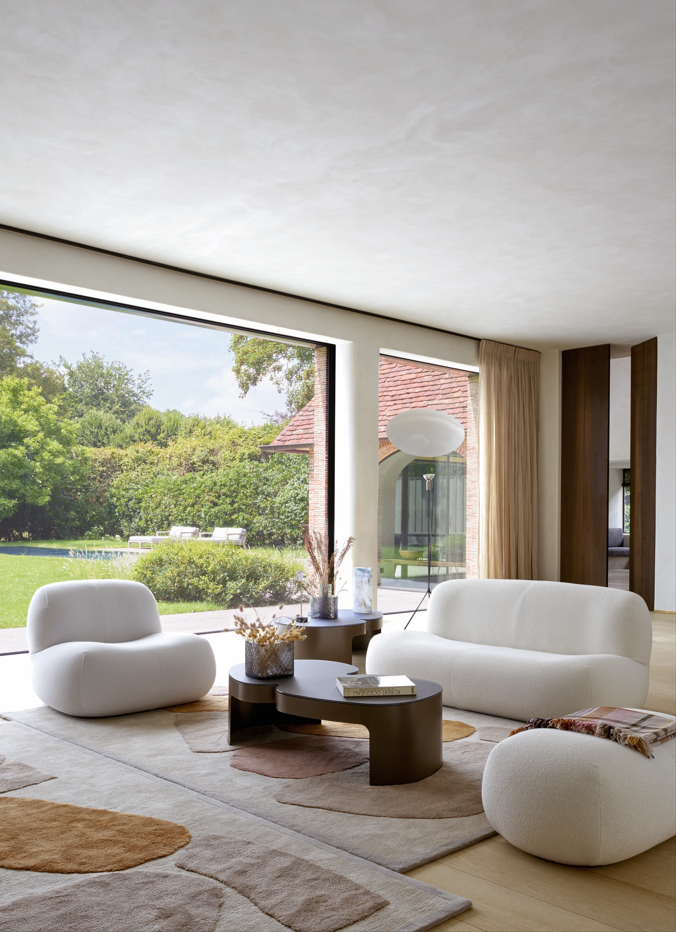
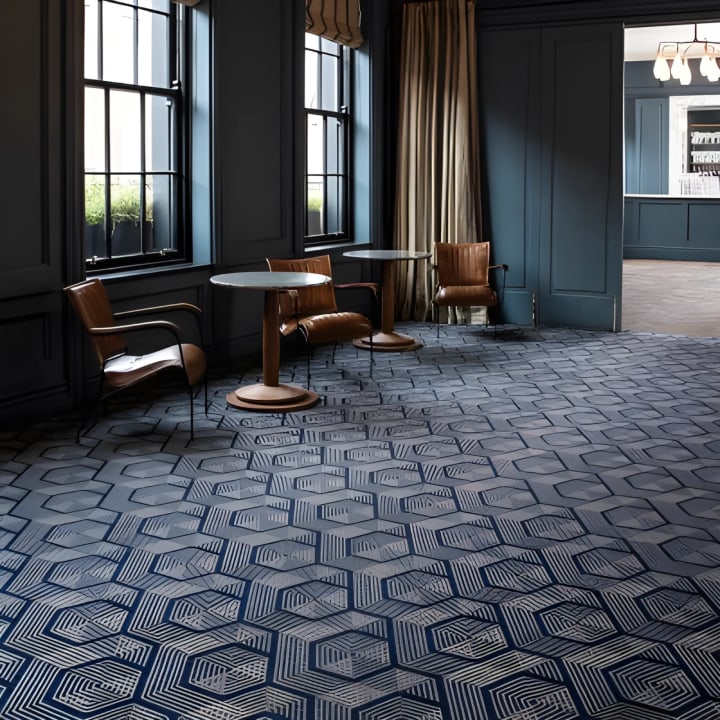
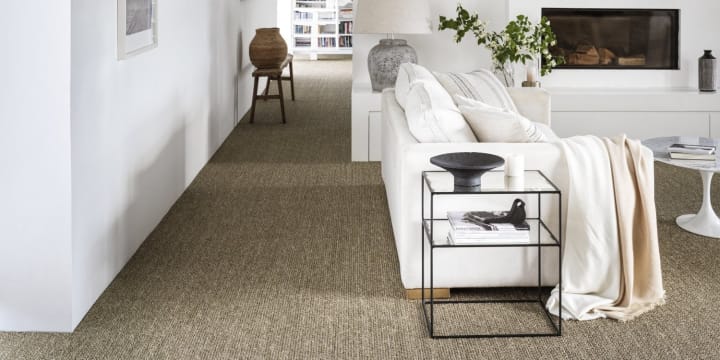
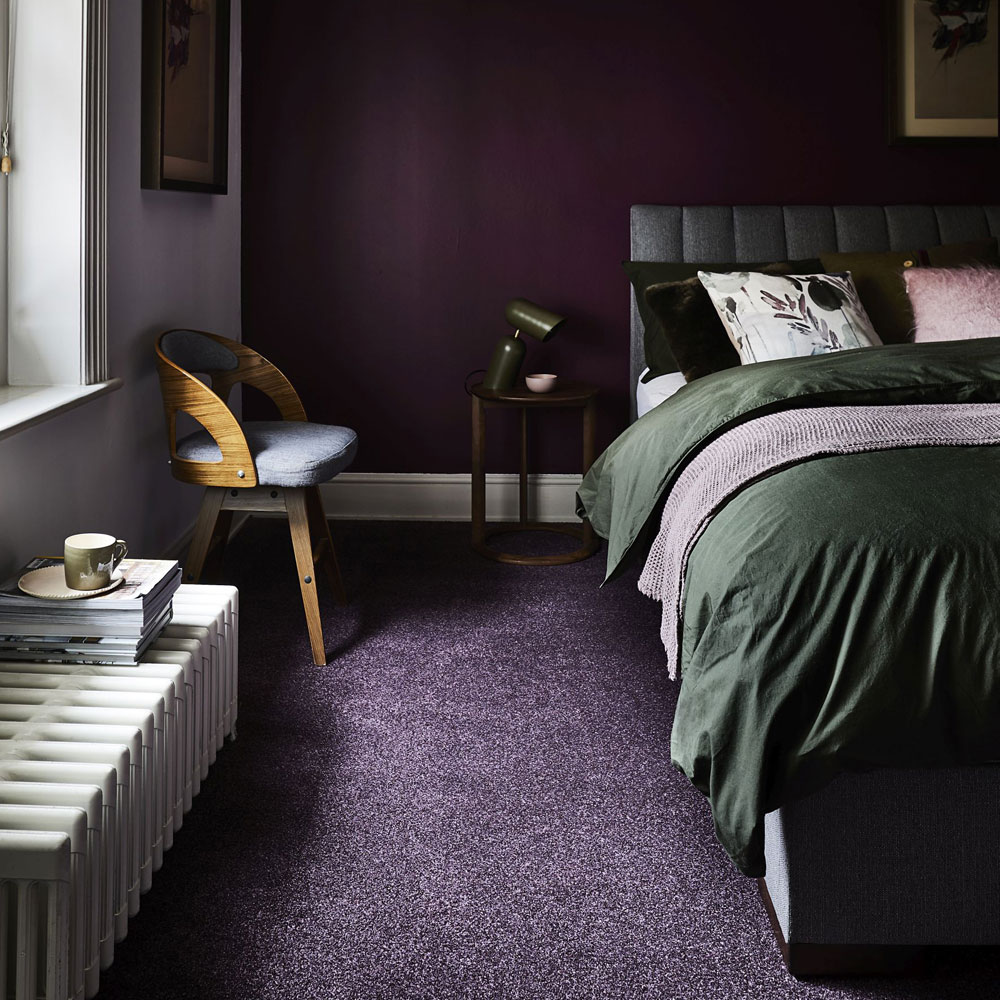
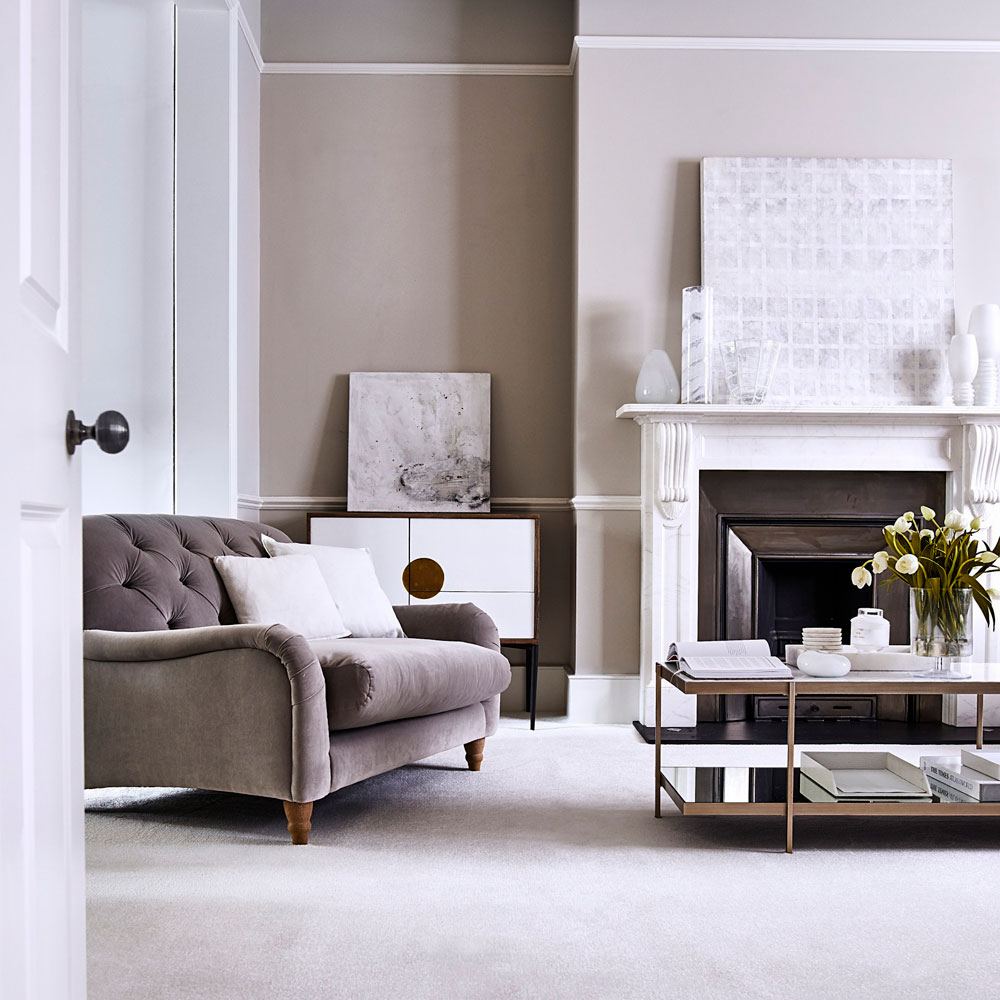
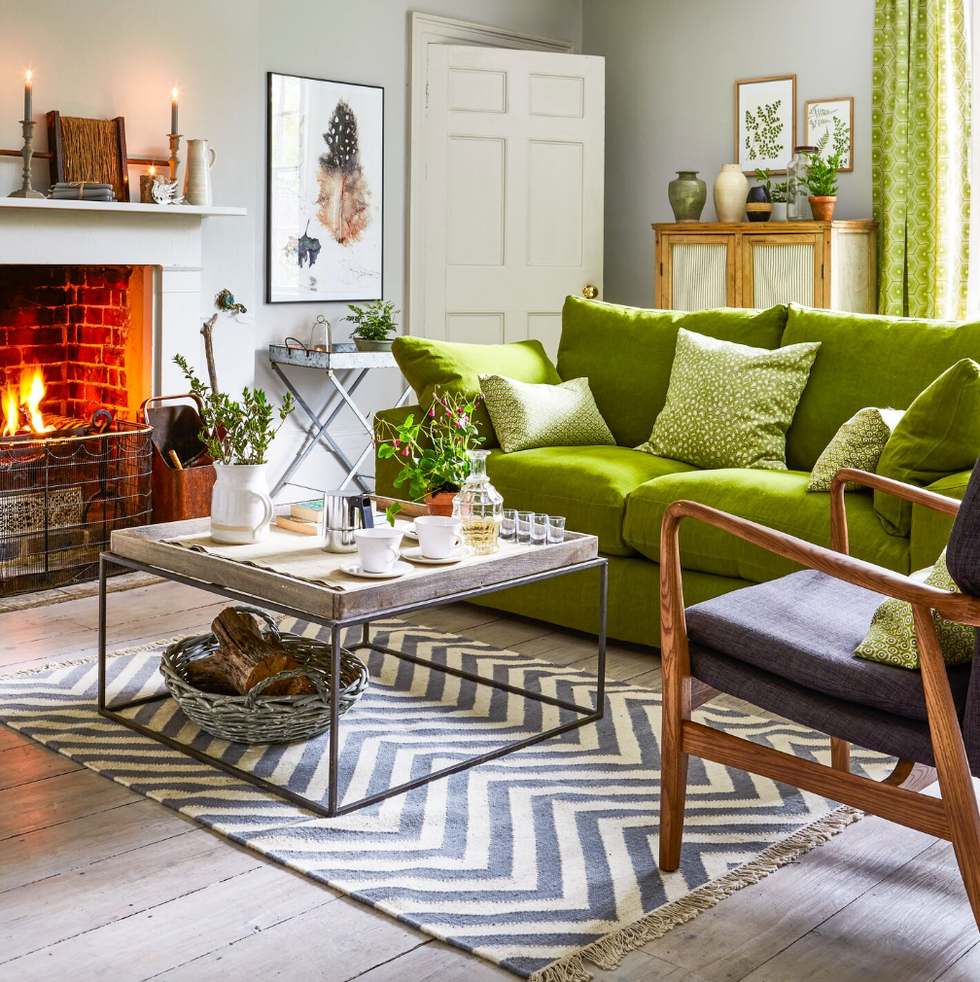
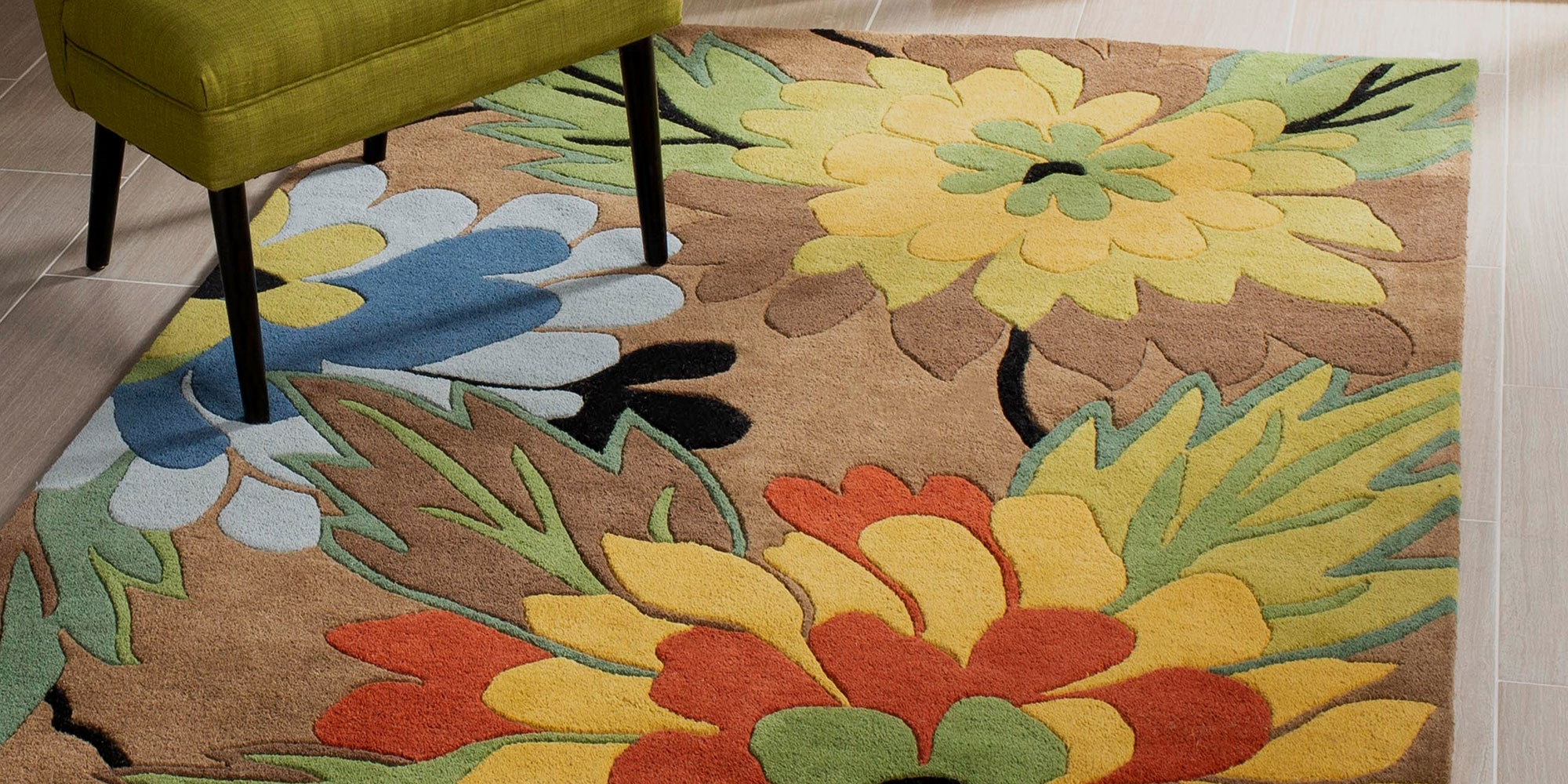
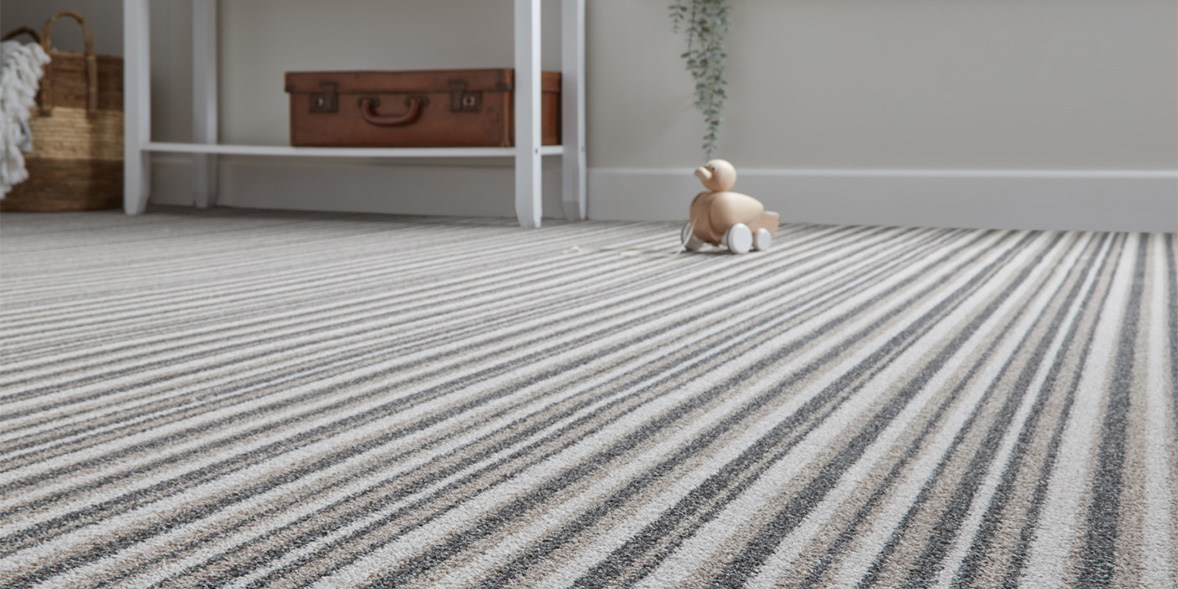
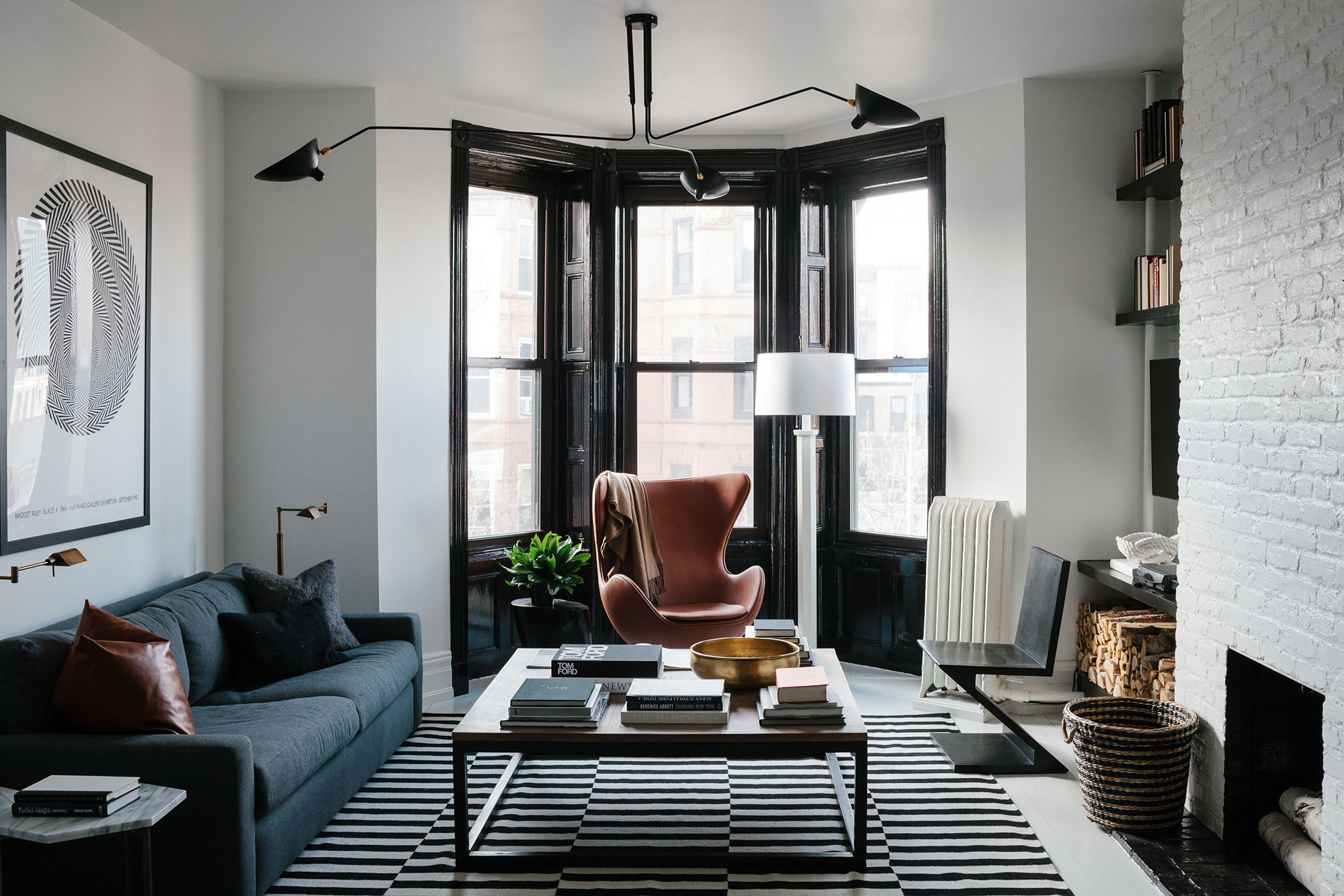
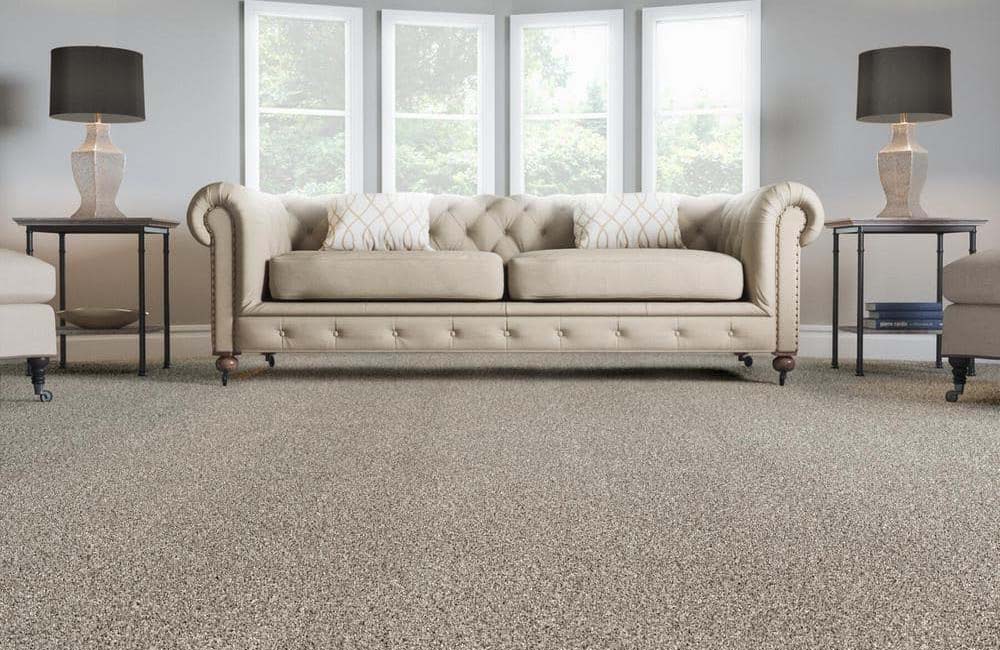
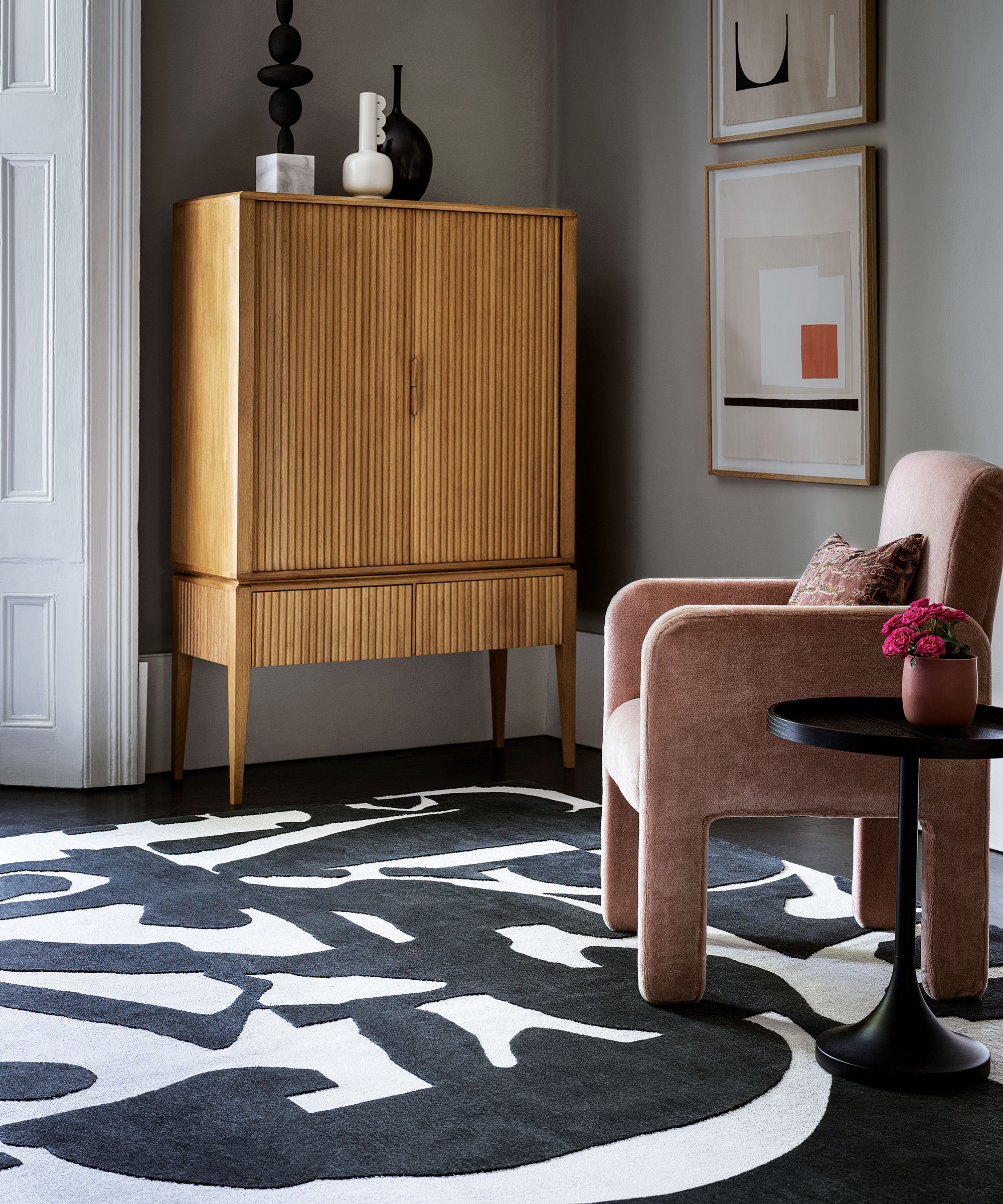
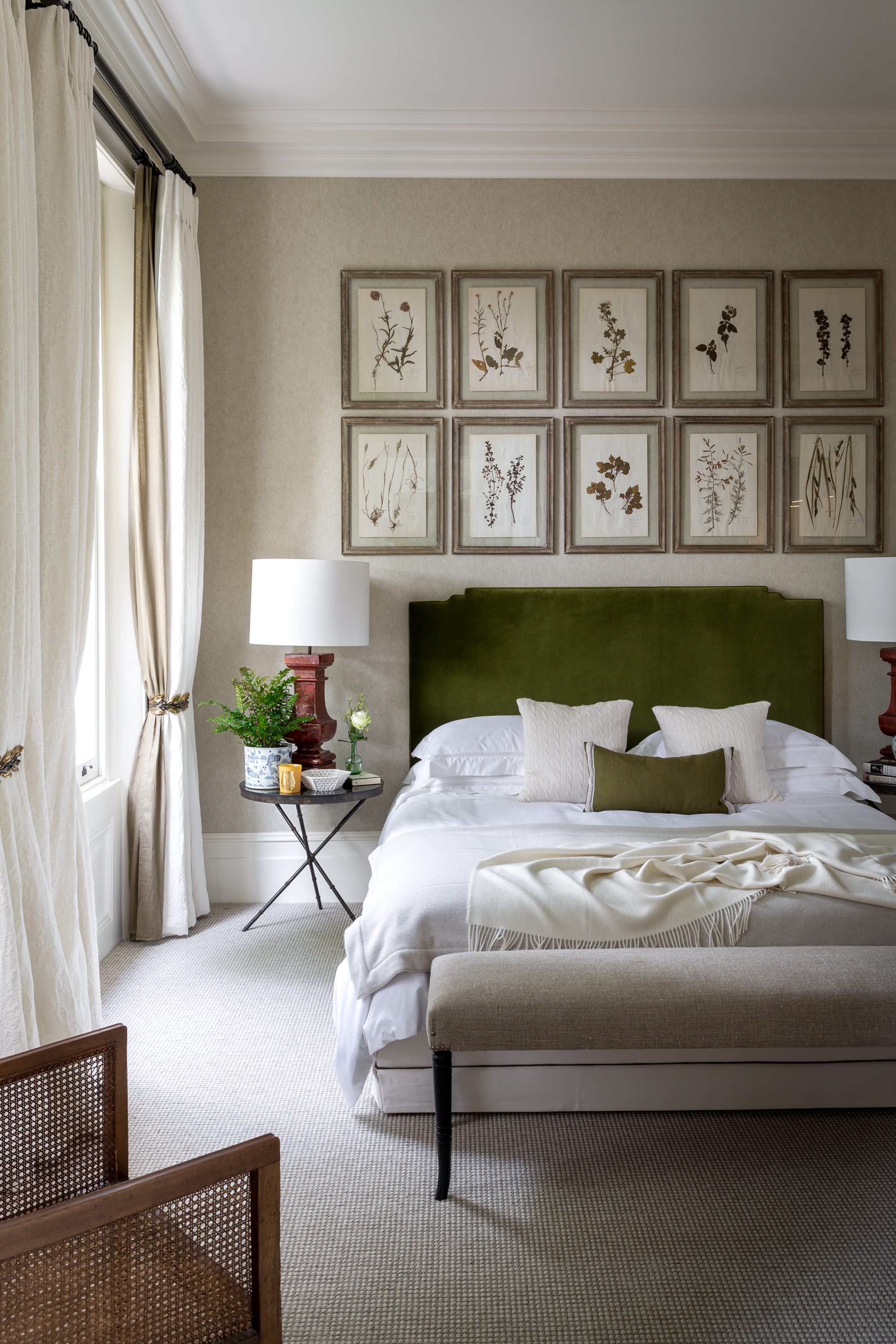
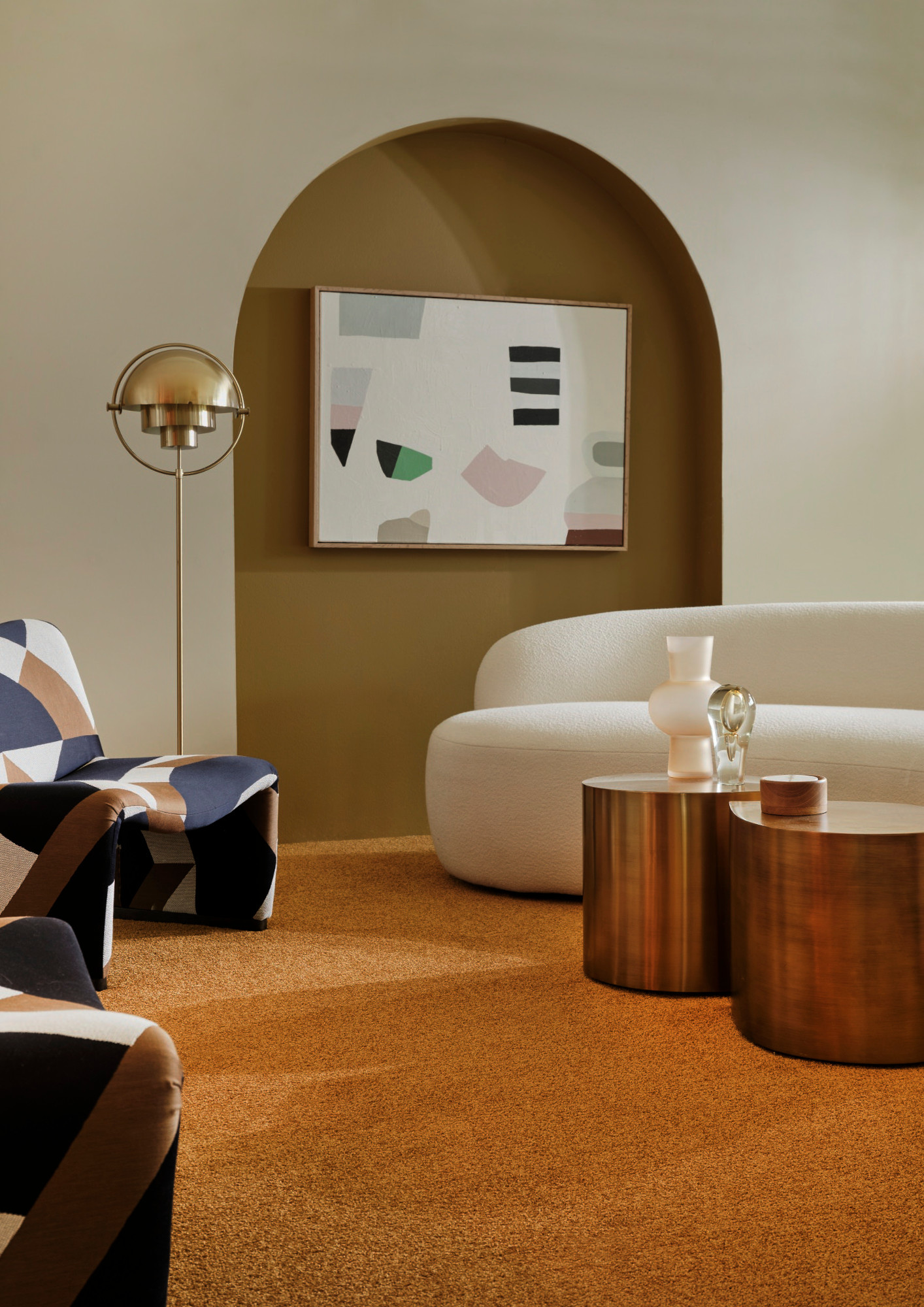
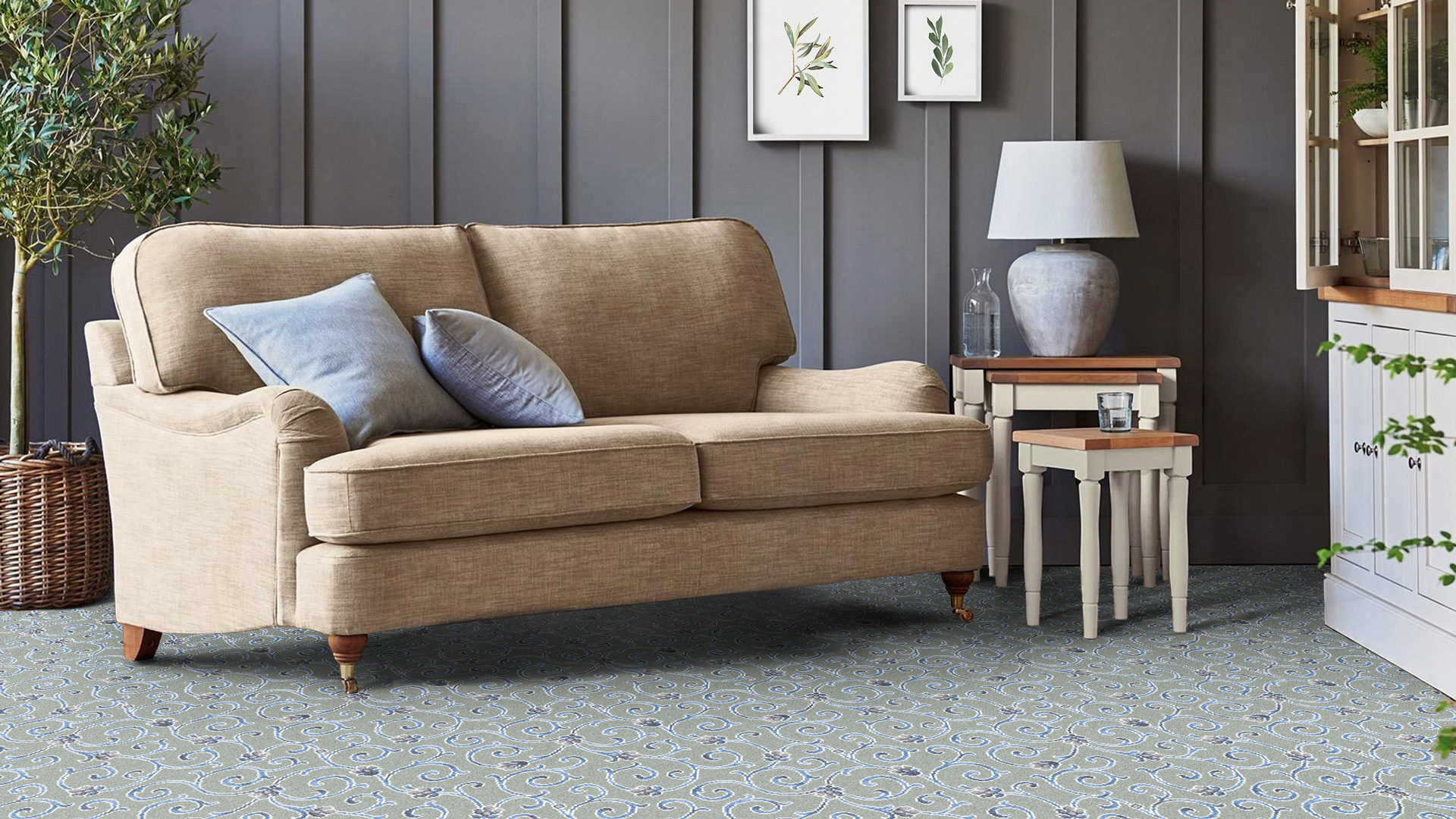
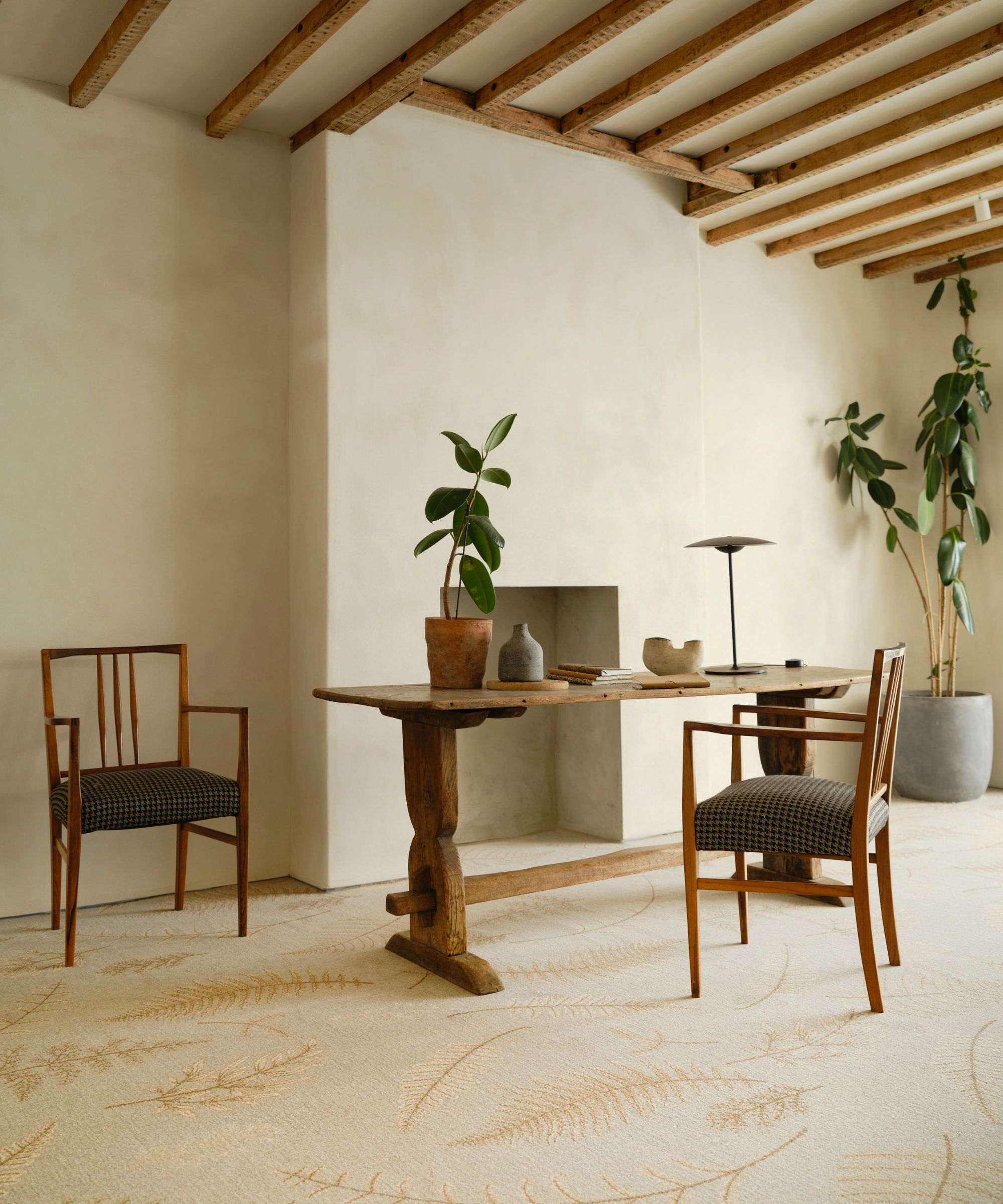
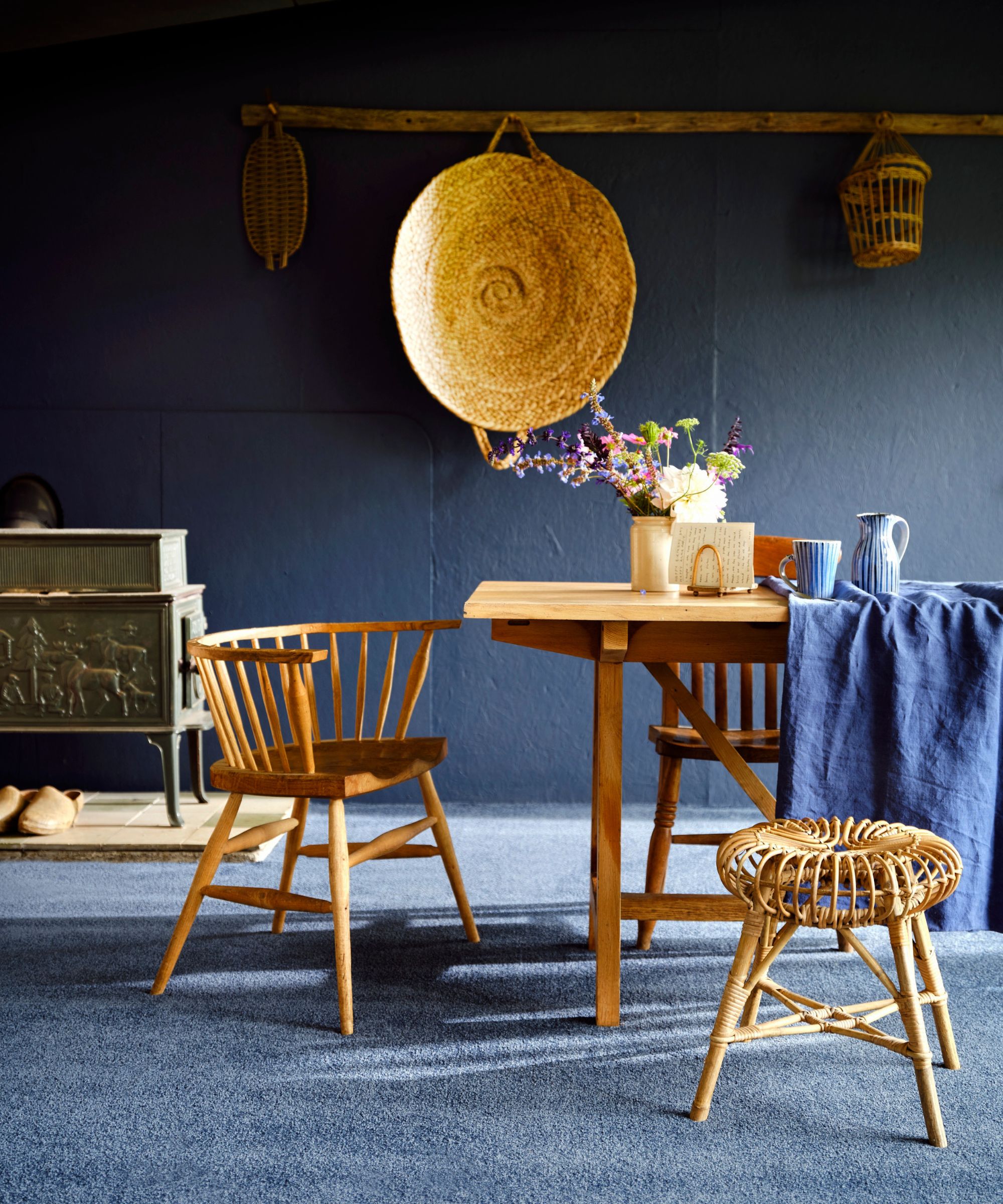
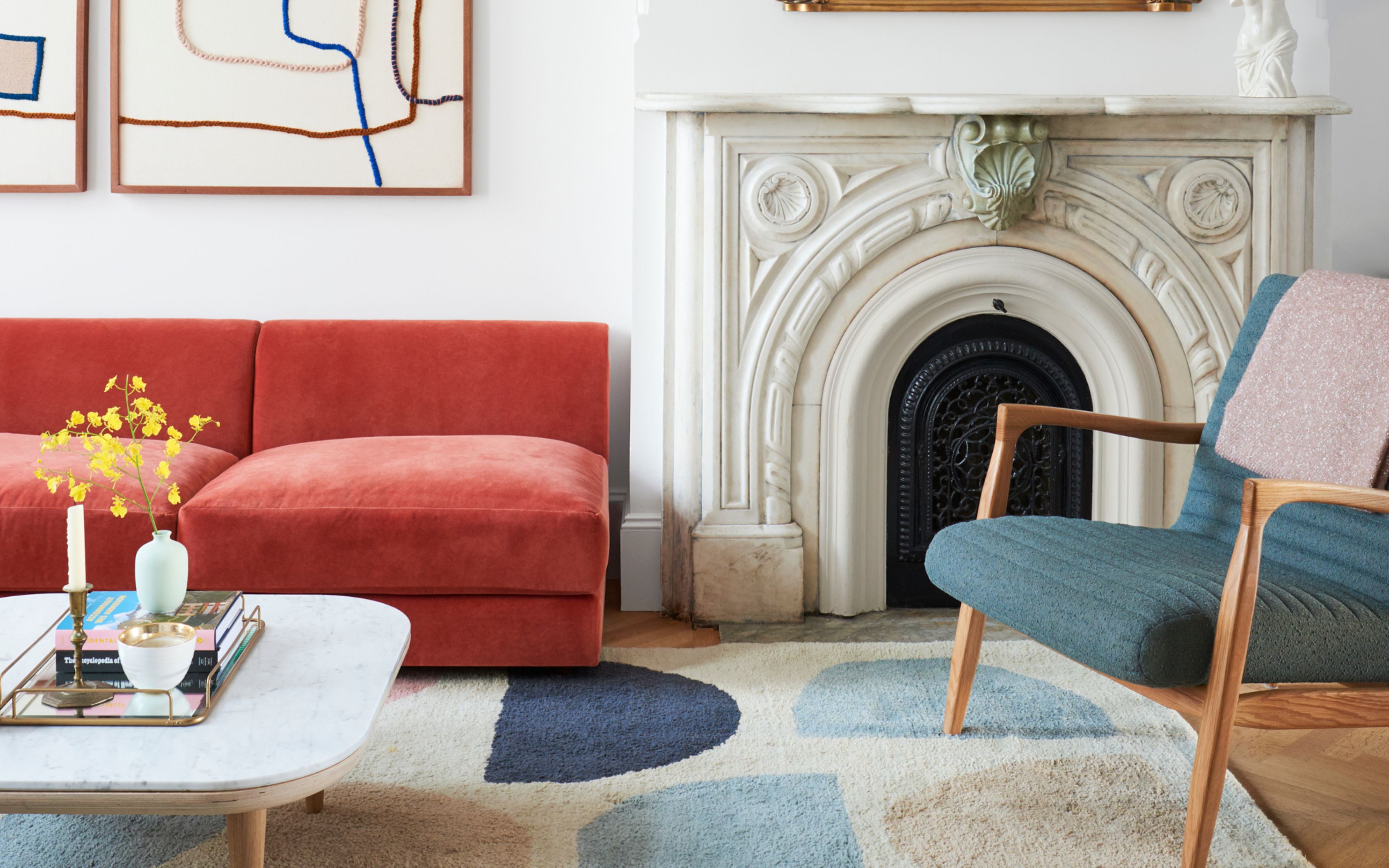
One significant error is overplaying with pattern and color. San Francisco-based designer Katie Raffetto advises against using an excessive amount of bold patterns or vibrant colors in carpets, especially when combined with bright wall paint. Such combinations can lead to an overly complicated and visually tiring space. She suggests a neutral, wall-to-wall carpet to provide a soft, beautiful background that is less likely to become dated quickly. However, exceptions can be made for more playful areas like media rooms or playrooms where a bolder approach might be suitable.
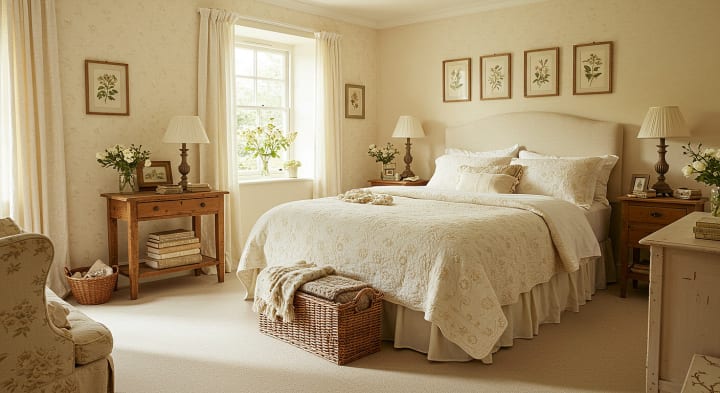
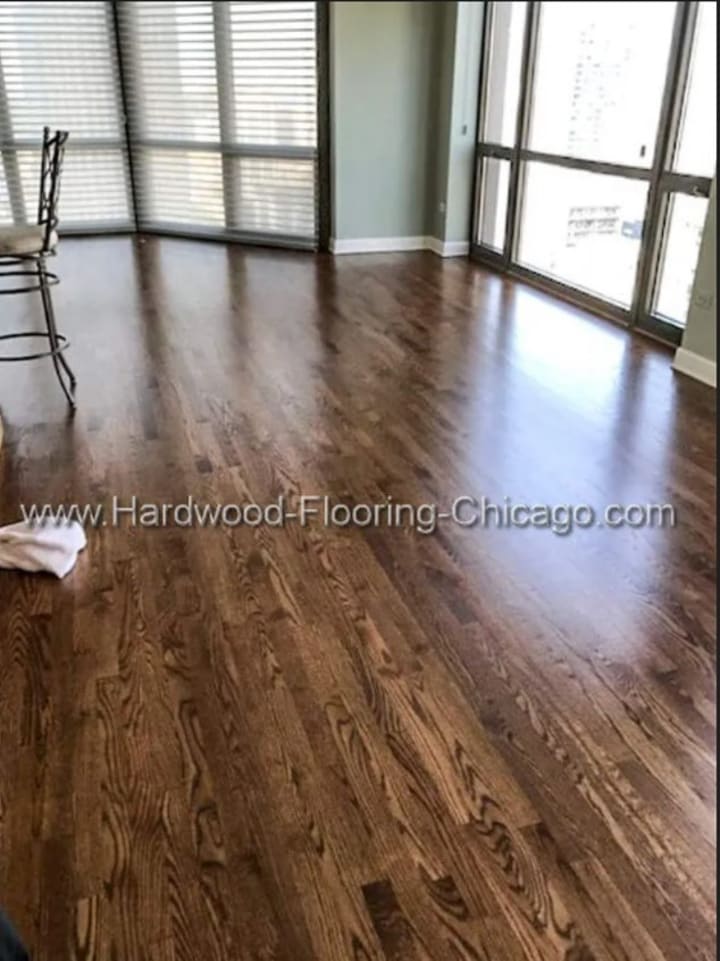
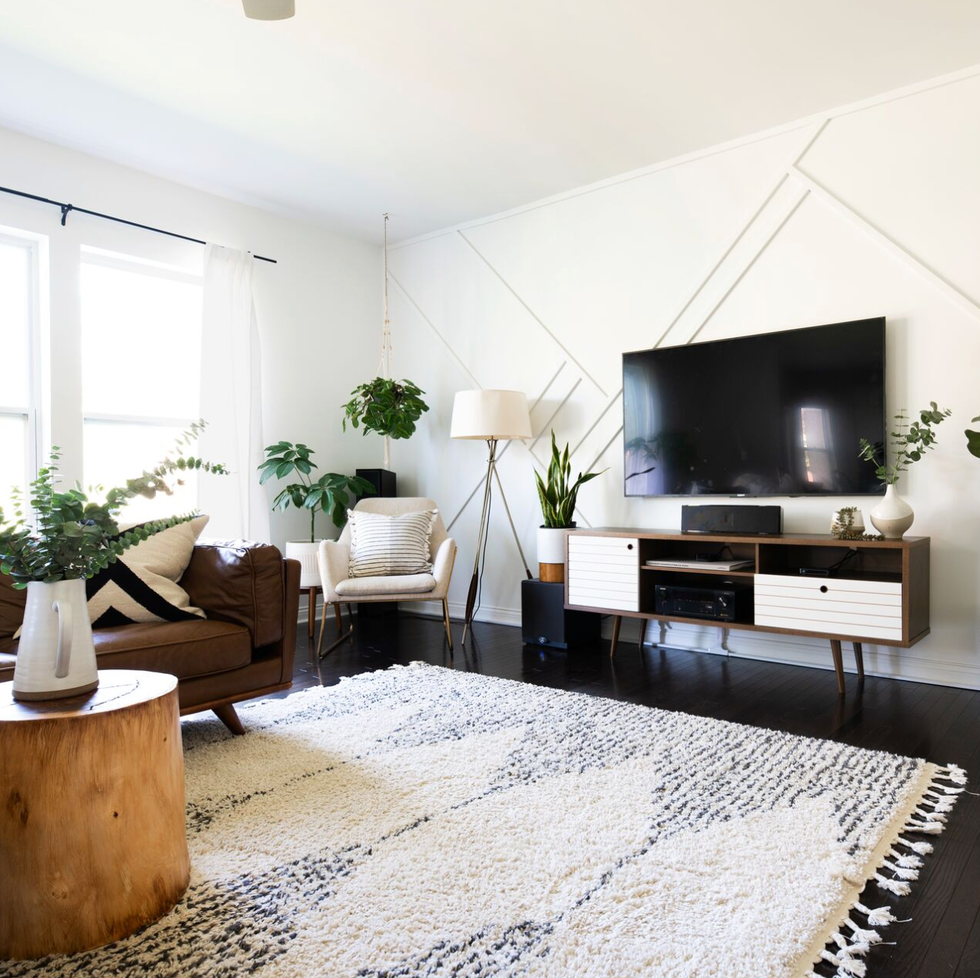
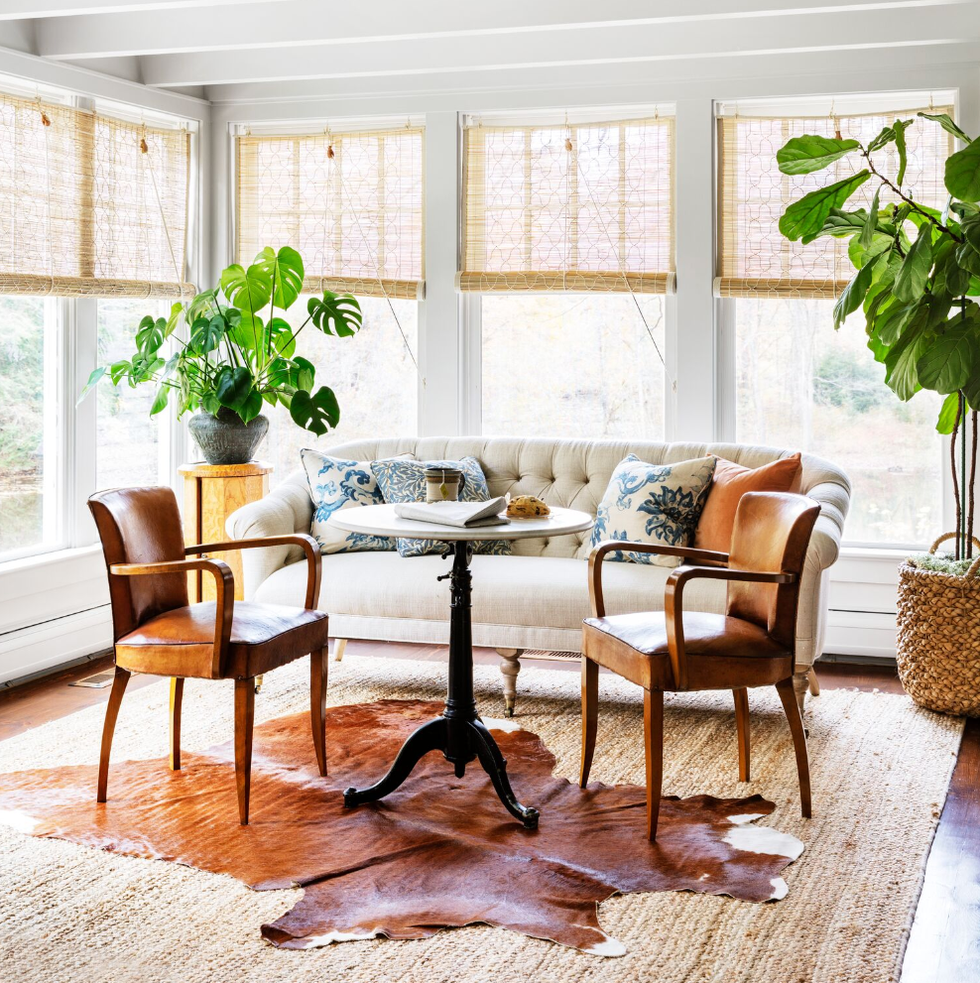
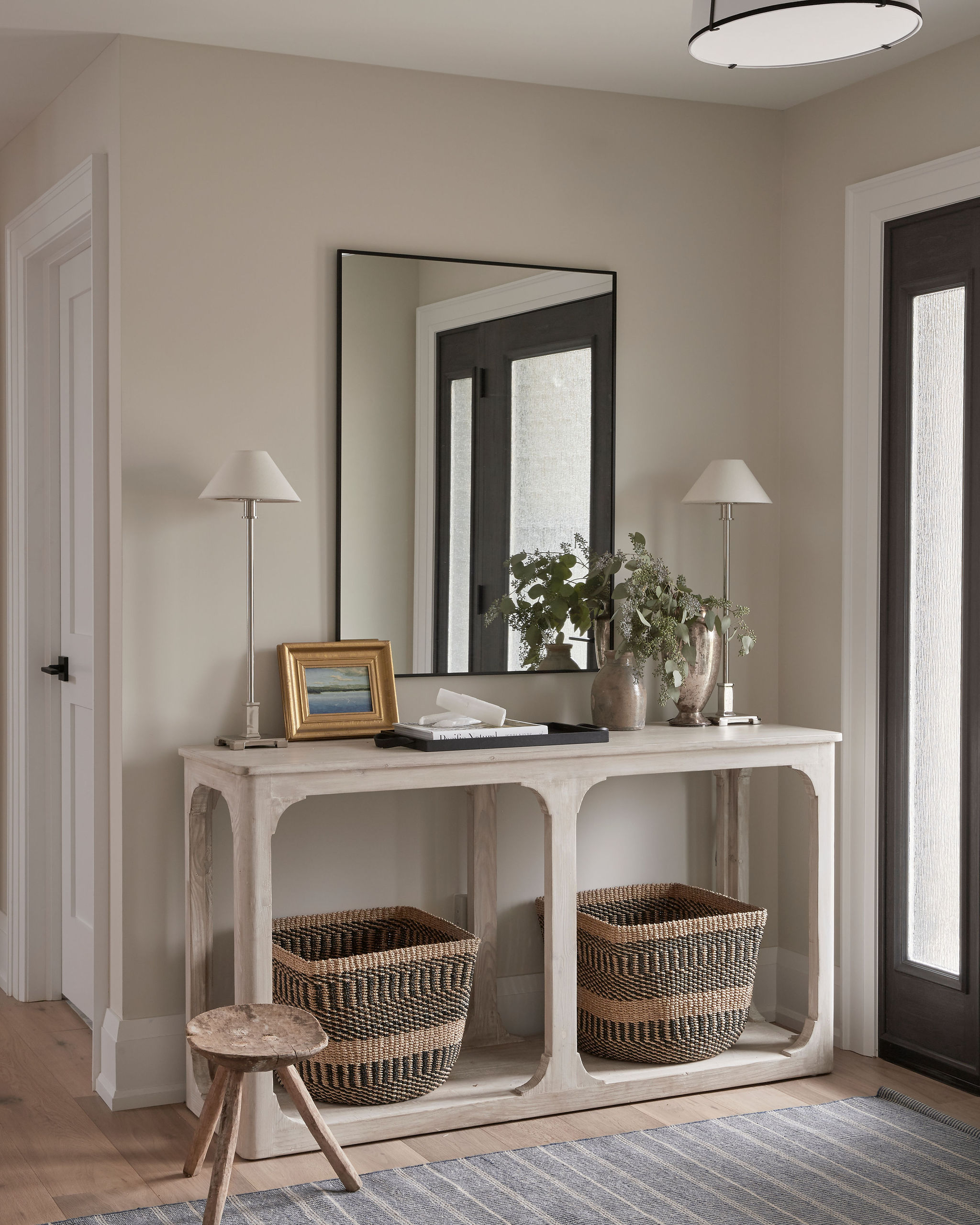
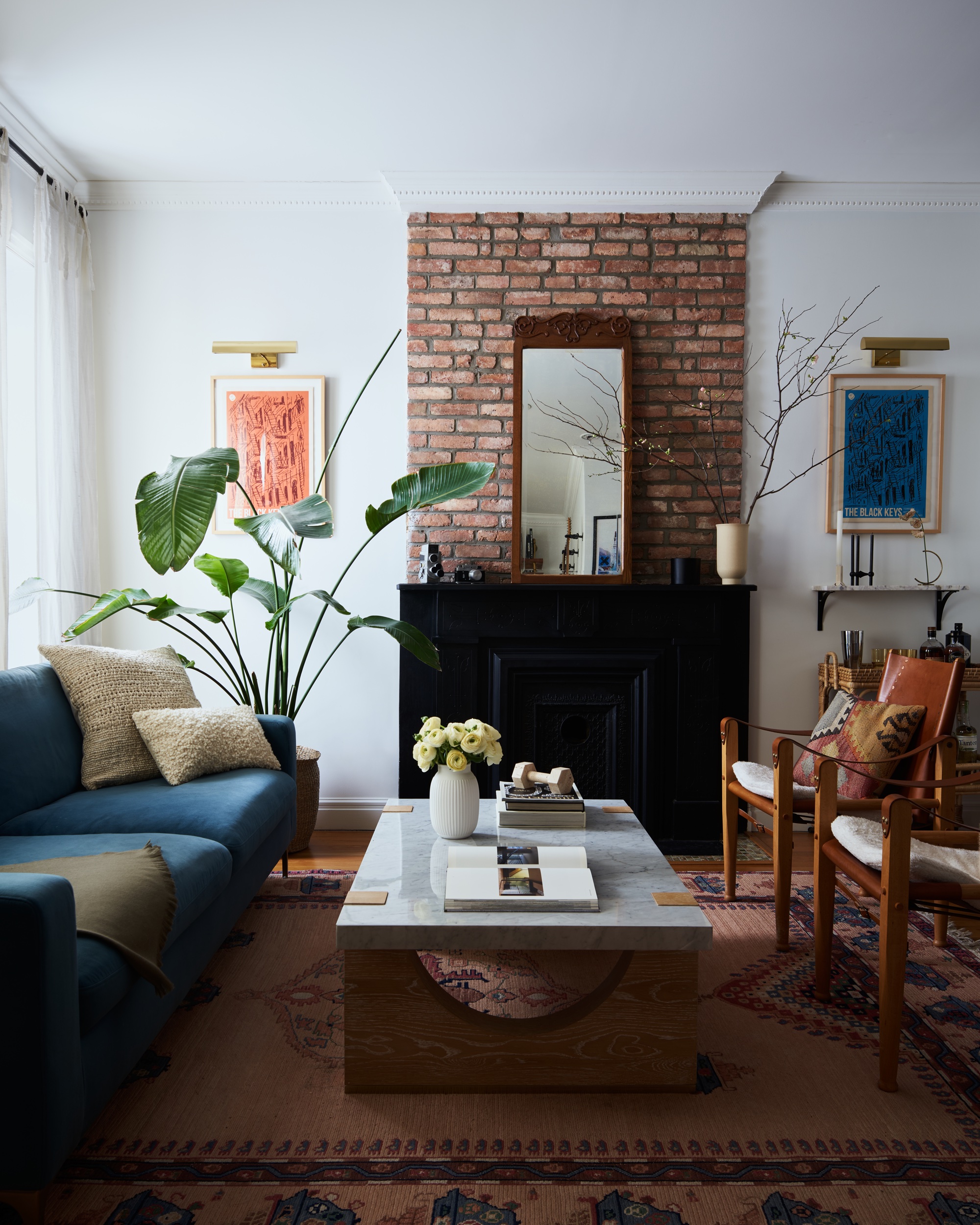
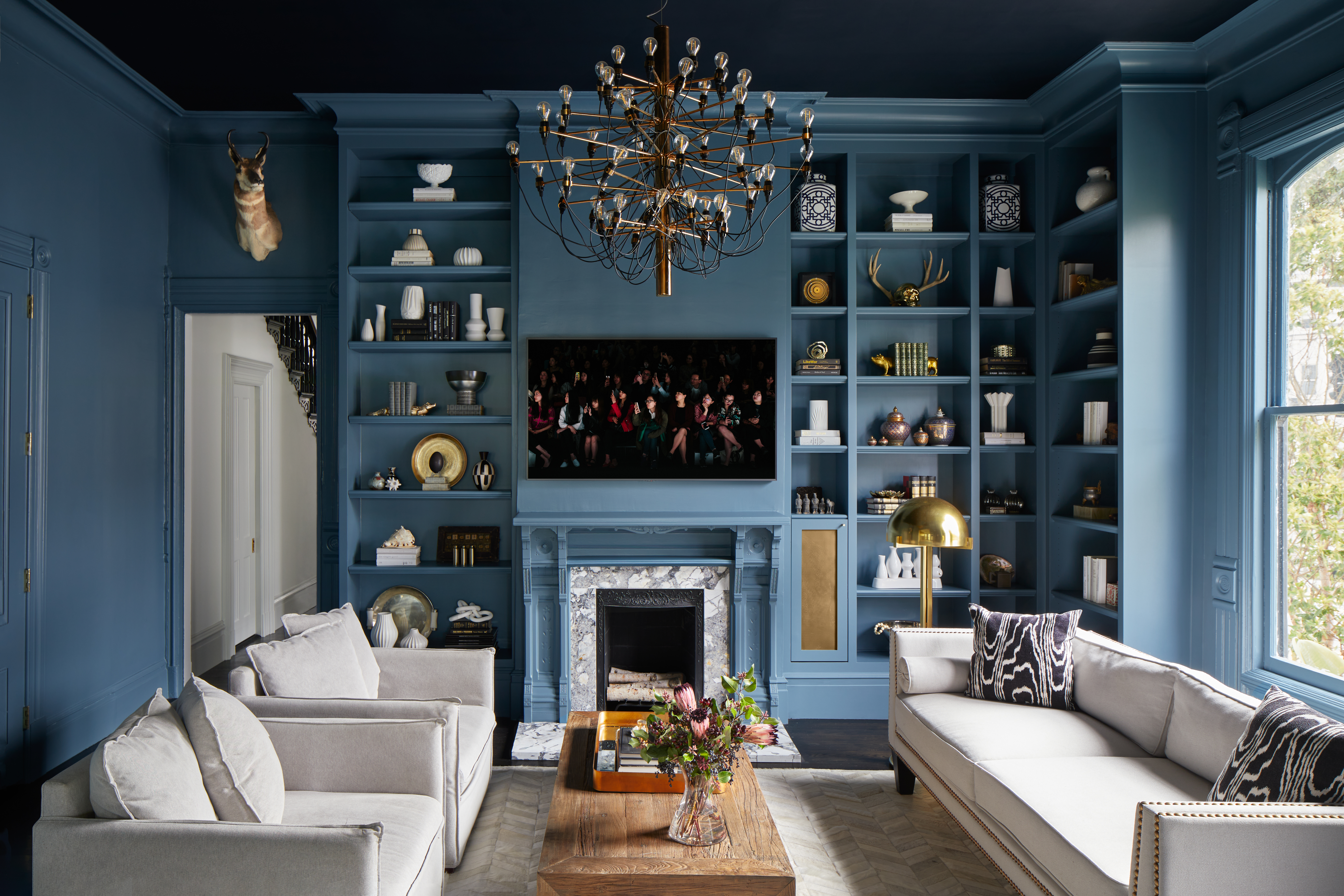
Another mistake is carpeting an entire home. While carpet can be appropriate for various rooms, it is not always the best choice for every space. Raffetto recommends strategic use of wall-to-wall carpet, ideally in bedrooms and closets, but warns that carpeting the entire house can quickly make a home look dated. Instead, incorporating natural flooring options like wood in living rooms or using smaller rugs in entryways can create a more varied and timeless look.
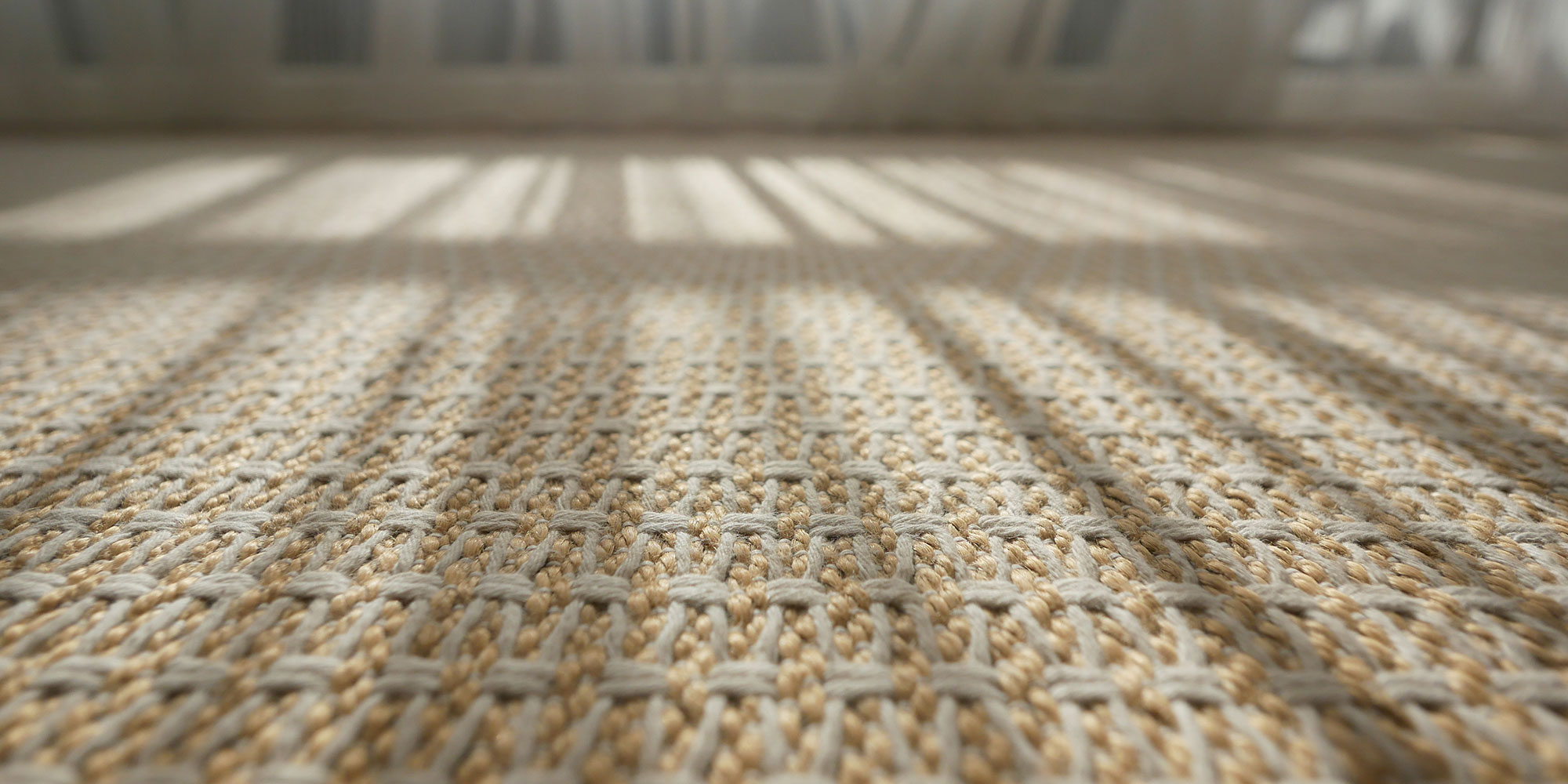
Overemphasizing the importance of face weight is a common misstep. Zaeem Chaudhary, an Architectural Draftsman at AC Design Solutions, notes that people instinctively equate a higher face weight number with superior quality. However, face weight is not the sole determinant of carpet quality. Factors such as density and twist also play crucial roles. Chaudhary advises consulting with flooring professionals to understand the best combination of these elements for specific home needs, rather than relying solely on face weight.
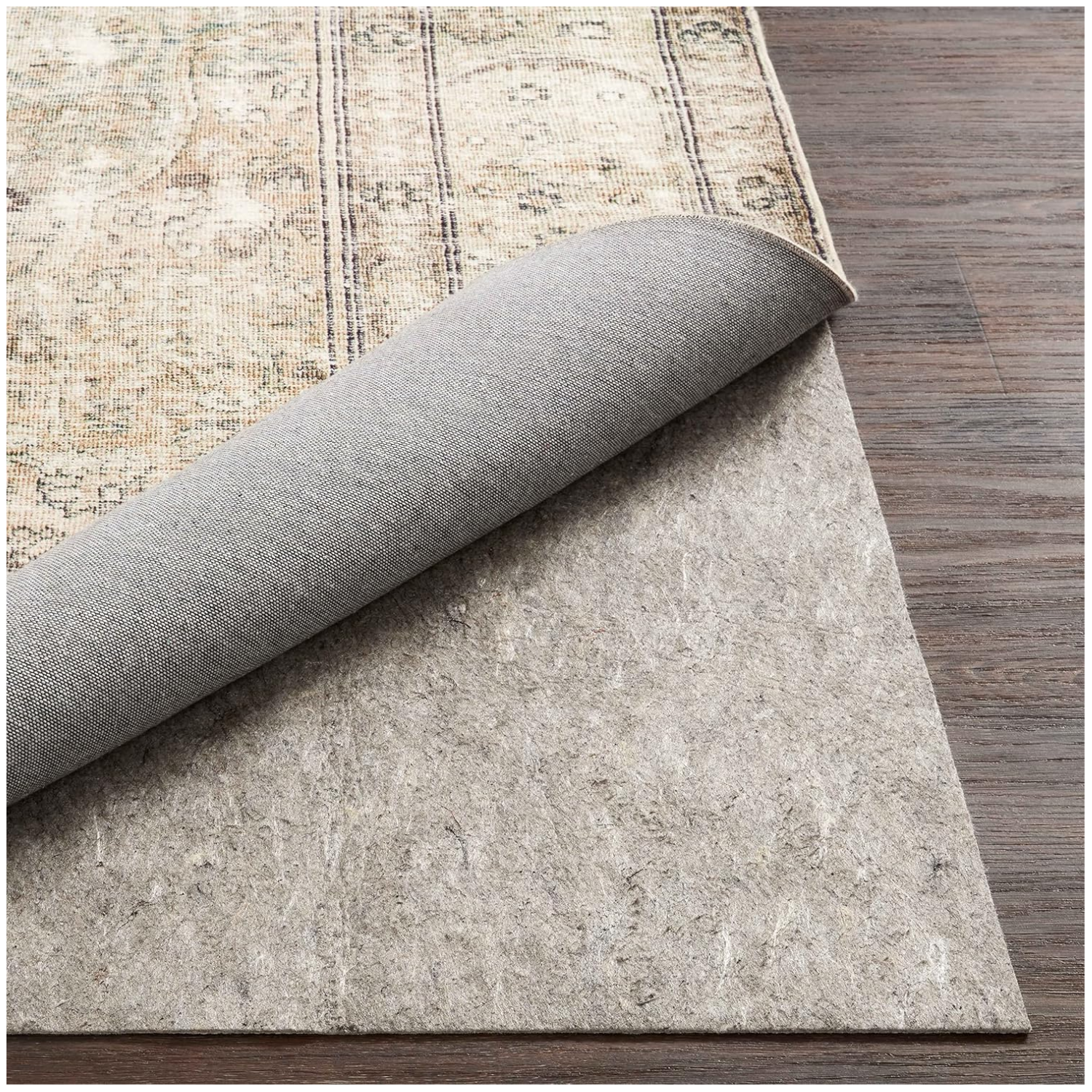
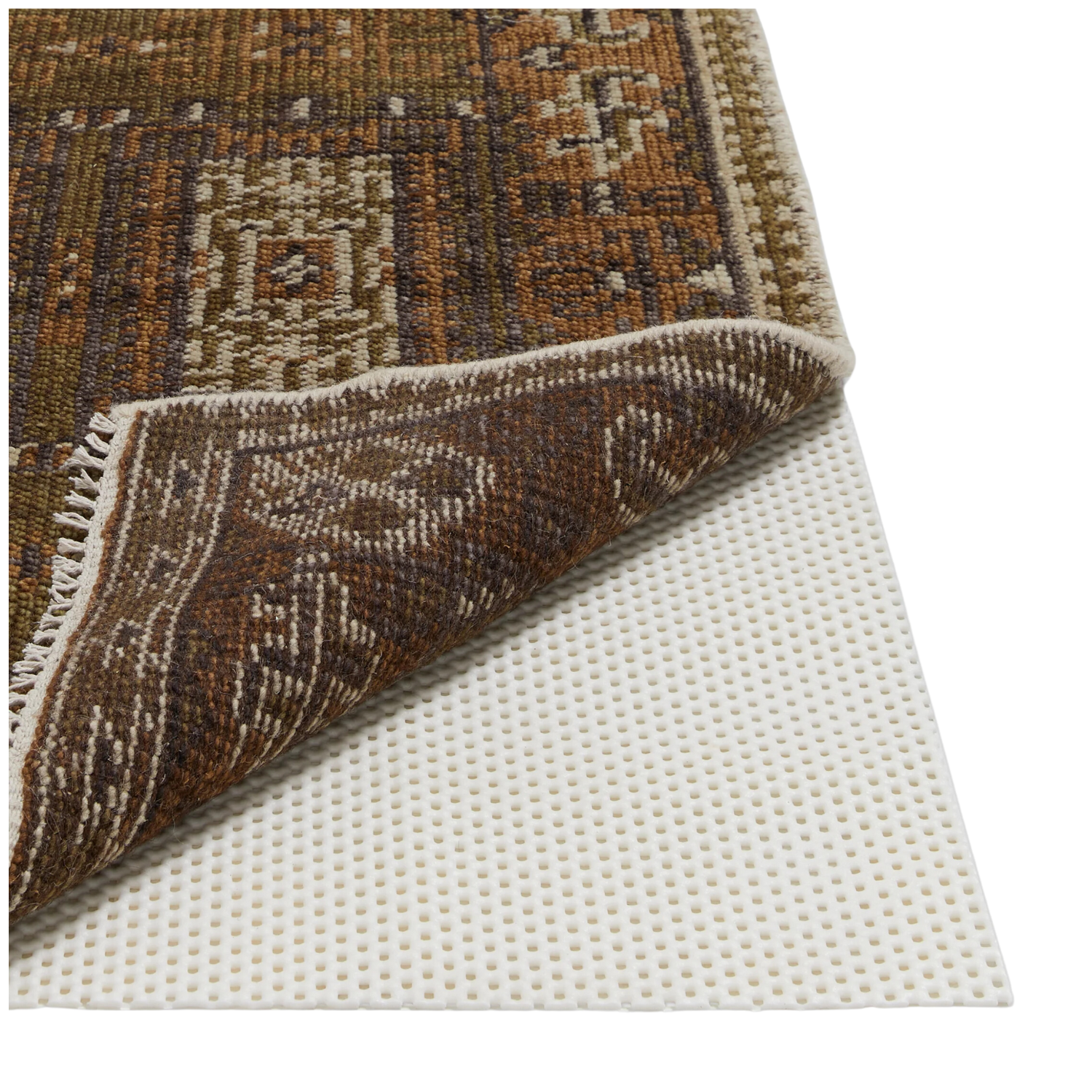
Forgetting about underpadding is a critical error that affects both comfort and durability. Flooring expert Zara O'Hare points out that many people mistakenly believe heavy carpets do not require underpadding. This is incorrect. Underpadding not only enhances comfort underfoot but also significantly extends the life of the carpet. Without adequate underpadding, carpets can wear out more quickly and feel less plush.
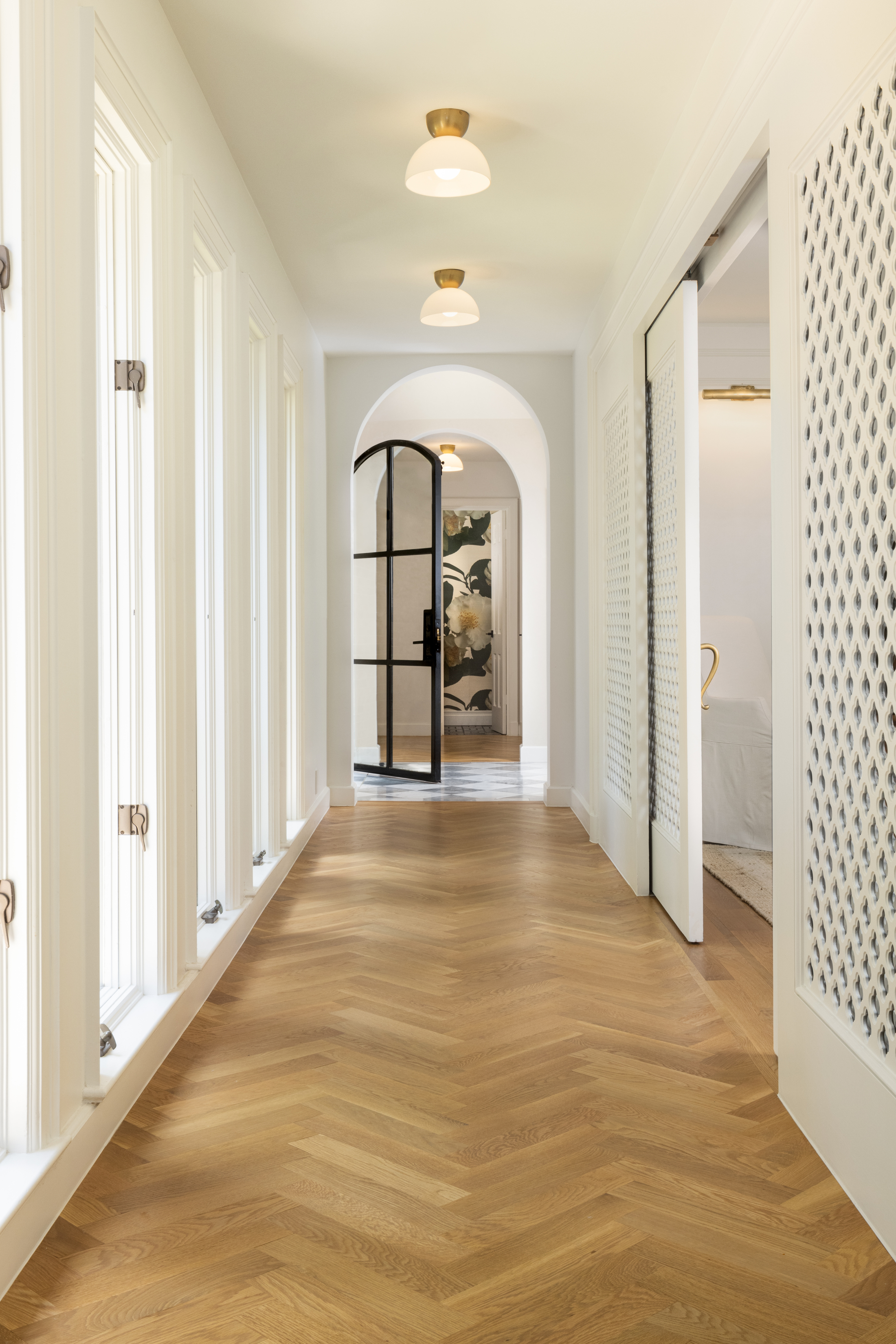
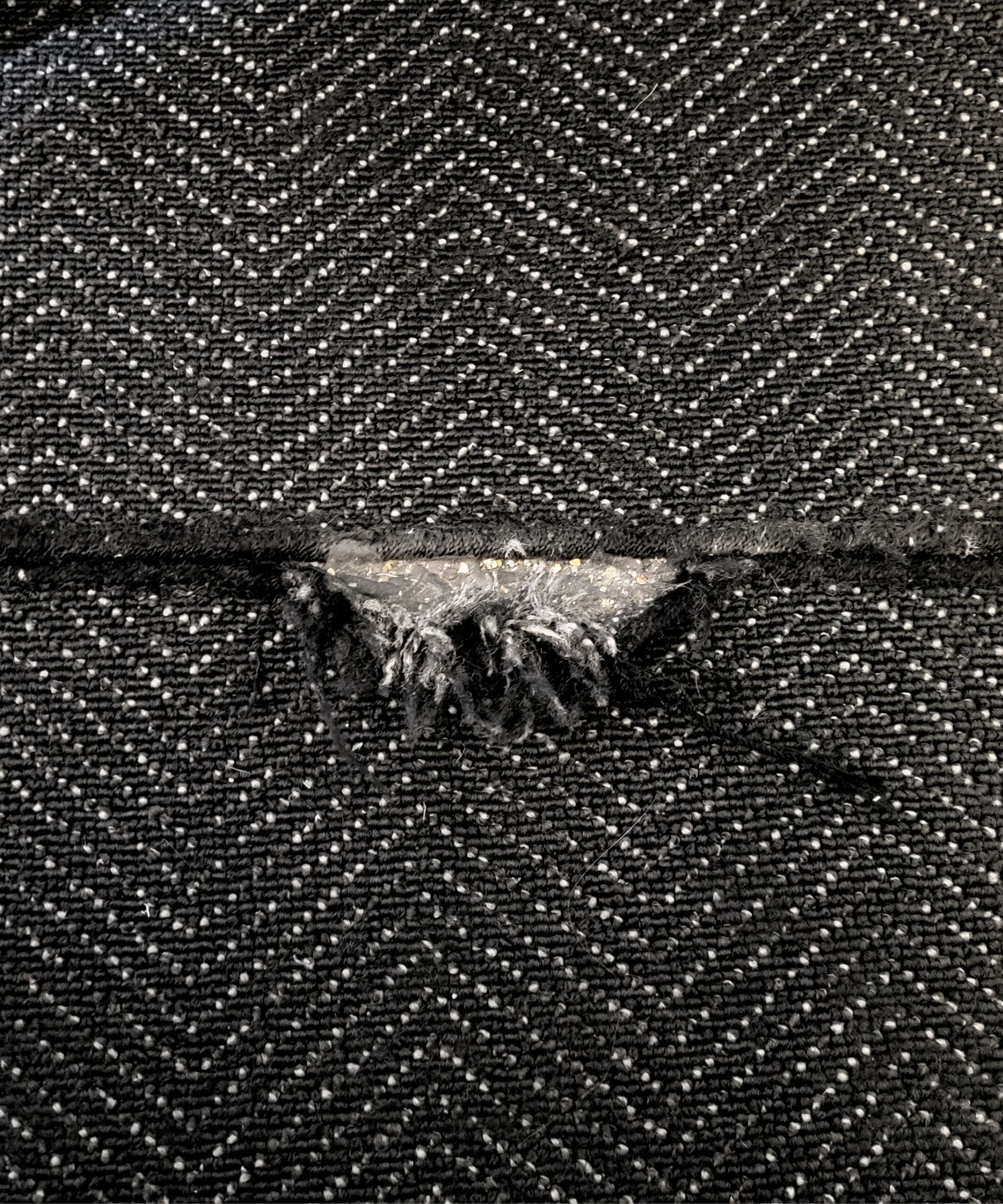
Finally, choosing incorrect carpet staples is a frequently overlooked detail, particularly when homeowners attempt DIY installation. Texas-based designers Maegan and Stefan Bucur from Rhythm of the Home explain that the longevity of a carpet largely depends on selecting the appropriate staple. For high-pile carpets, stronger staples are necessary to securely anchor the carpet and underpad to the subfloor. Using incorrect or weak staples can lead to loosening over time, causing the carpet to sag and necessitating premature replacement. This is especially vital for high-traffic areas like hallways, where wear and tear are more pronounced. By addressing these common pitfalls, homeowners can achieve a more functional, aesthetically pleasing, and durable carpet installation.
#CarpetCare #FlooringDesign #InteriorDesign #HomeDecor #DesignTips #CarpetInstallation #RoomFlooring #HomeRenovation #Underpadding #CarpetCare #FlooringDesign #InteriorDesign #HomeDecor #DesignTips #CarpetInstallation #RoomFlooring #HomeRenovation #Underpadding
0 comment in total
 No comments yet
You may also like
5 flooring mistakes to avoid – according to architects and interior designers
You're cleaning your bathroom floor wrong, experts warn – here's how to get it right
5 rug colors to avoid – the hues designers think you should veer away from on floors, plus how to make them work

How often should carpet be replaced and how to make yours last, according to flooring experts

Experts warn against these 6 bathroom flooring mistakes - what to do instead
Flooring expert reveals the only downstairs room you should be using carpet in

Tips for Choosing the Best Carpets and Rugs

How to fix ripped carpet – 5 steps to restore the appearance of your flooring
5 Fail-Proof Ways to Stop Your Rugs From Sliding — And Clever Buys to Keep Them Flat, Too
6 Common Mistakes When Choosing Hardwood Flooring

The 8 Best Places to Buy Carpet

5 Common Sofa Cleaning Mistakes You Might Be Making

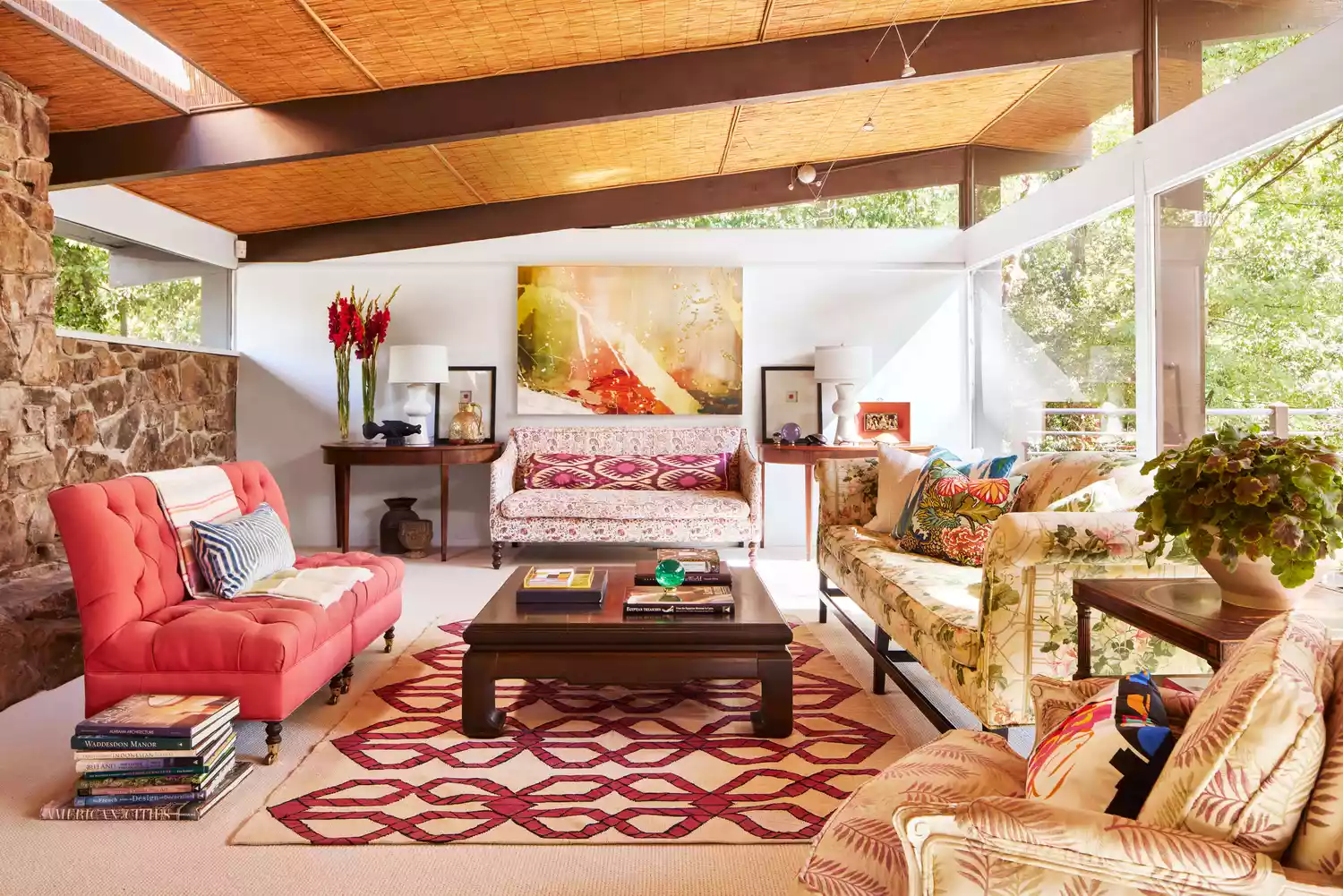
5 Living Room Rug Mistakes You’re Probably Making—And How To Fix Them, According To Designers
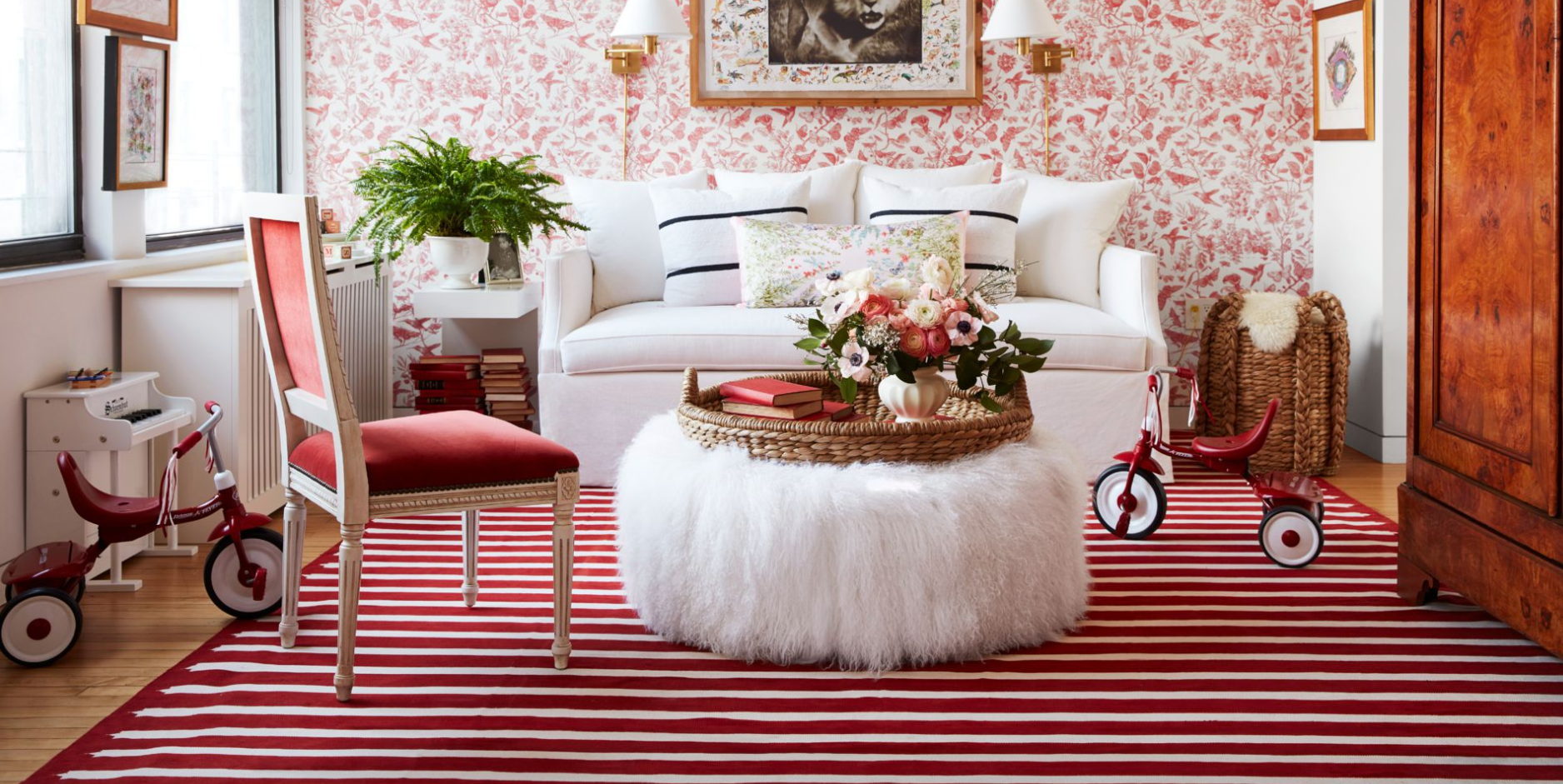
The Big Mistake Most People Make With Their Living Room Rugs

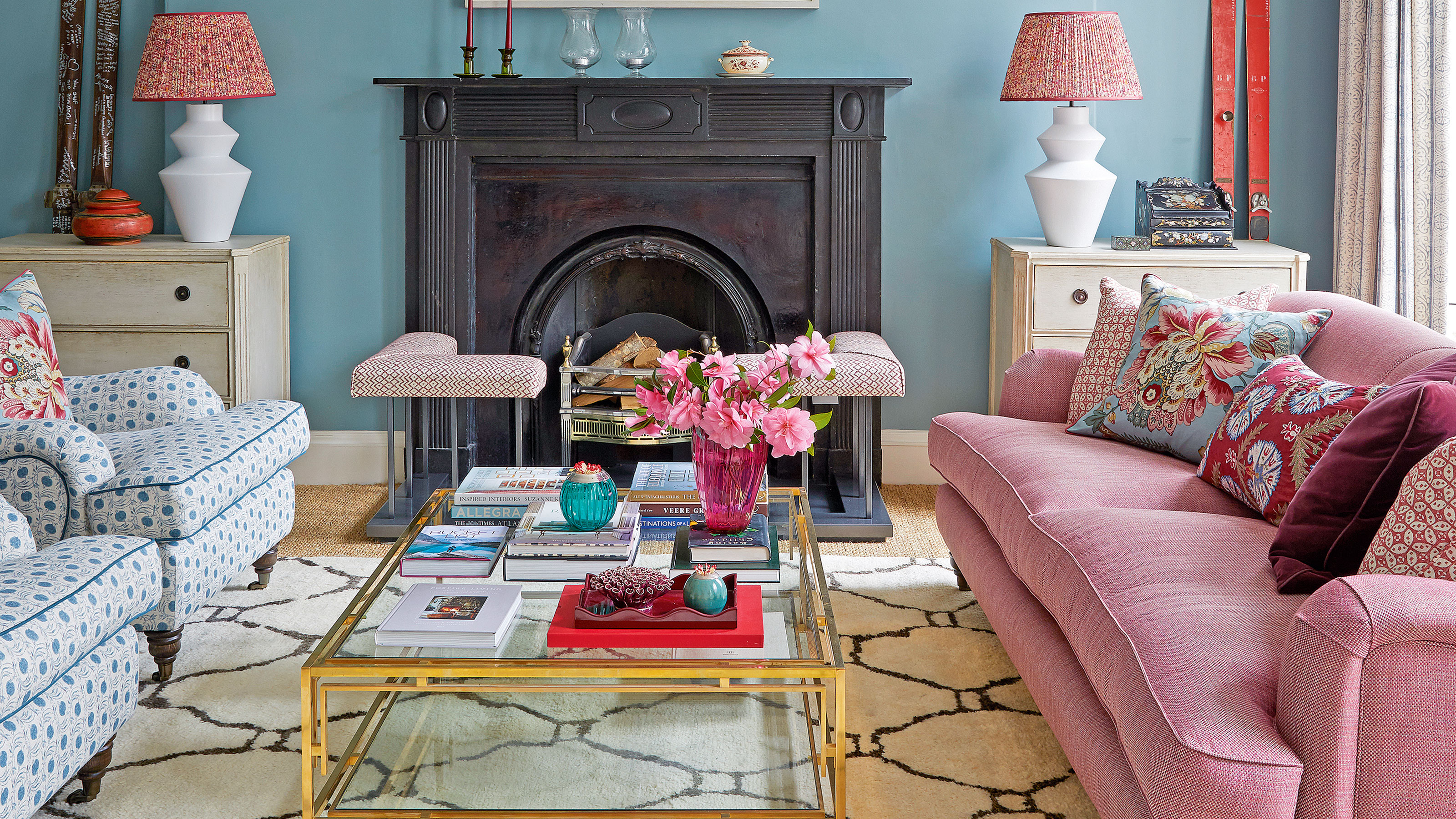
The ideal area rug sizes for a living room – 5 expert rules to follow
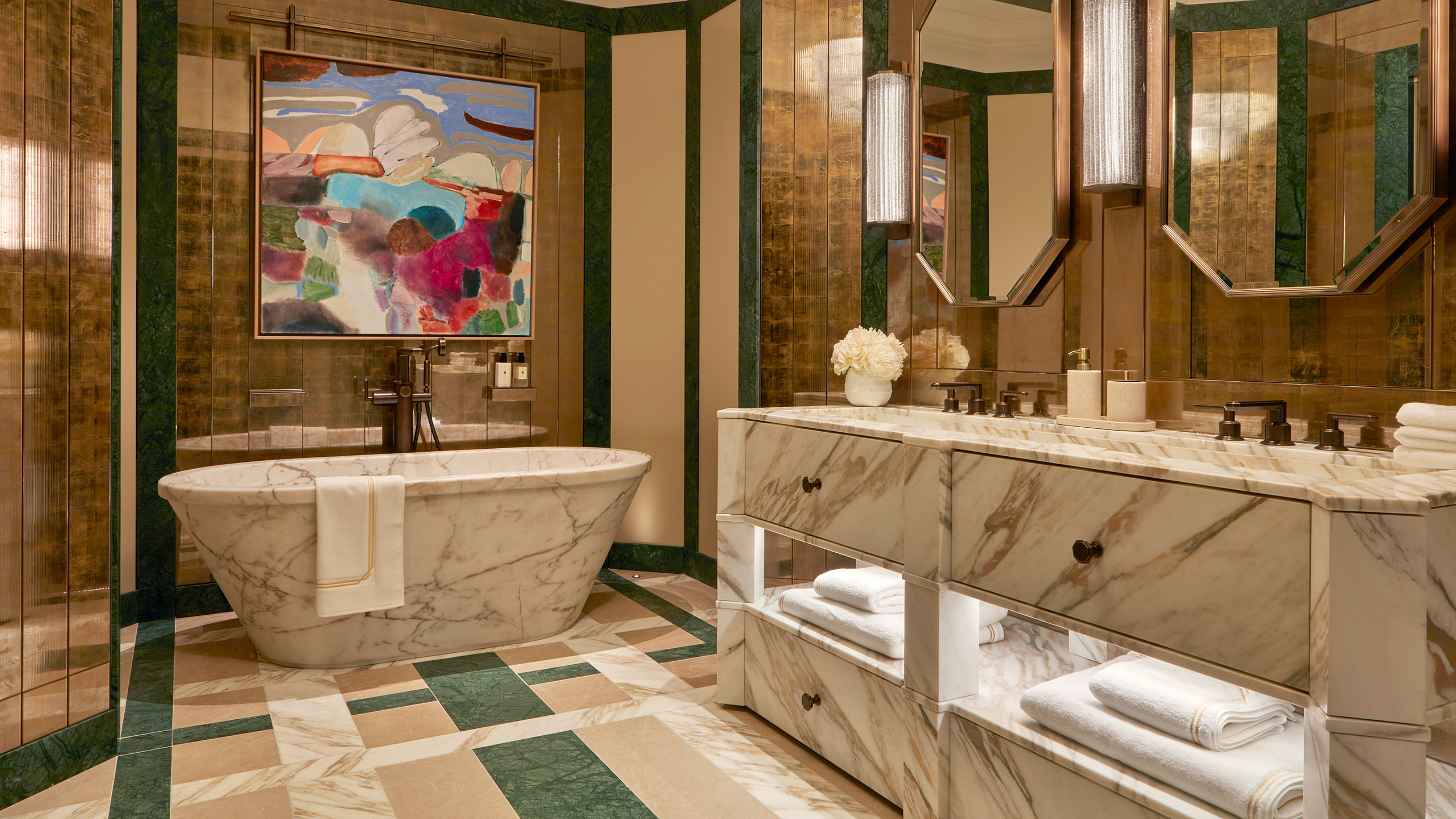
5 Outdated Bathroom Flooring Trends to Avoid in 2025 — Plus the Ones the Experts Want to See More of in Your Home
How to Choose the Perfect Carpet: Expert Guide to 2025 Trends
How to buy the best carpet UK 2025
5 things designers look at to compare carpet vs hardwood floors – they'll help you choose the right one for your room
5 Ways to Clean and Protect Your Floors