1/7
Experts warn against these 6 bathroom flooring mistakes - what to do instead
This article highlights common mistakes homeowners make when choosing and installing bathroom flooring, offering expert advice on avoiding these pitfalls to ensure a durable and aesthetically pleasing result. A well-chosen bathroom floor is crucial for both functionality and style, requiring ease of cleaning and long-term durability. Investing wisely in bathroom flooring can yield benefits for over a decade if common errors are sidestepped.
One significant mistake is installing carpet in the bathroom. While popular in the past, carpet is now widely considered unhygienic due to its inability to be cleaned and disinfected to the same standard as other materials. It can also become waterlogged and susceptible to mold growth in a damp environment. For those desiring a soft underfoot feel, a fluffy rug over hard flooring is recommended. Alternatively, specialized waterproof carpets designed for bathrooms are available, though they come at a higher cost.
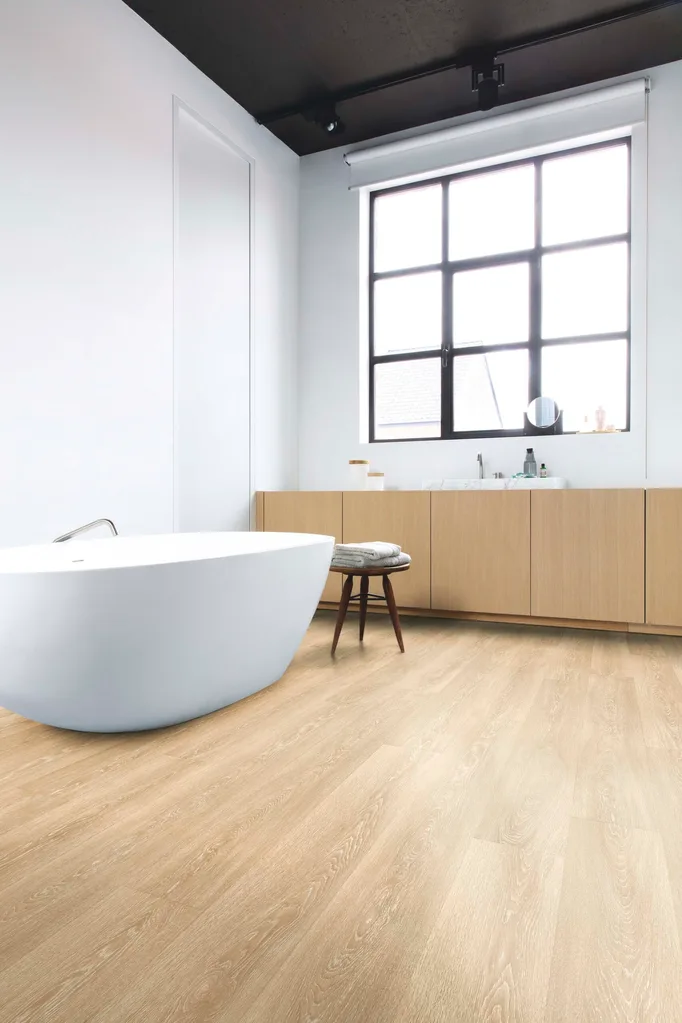
Laminate flooring is another common misstep. Despite appearing easy to maintain, laminate floors perform poorly in damp conditions typical of bathrooms, especially in smaller spaces. They are prone to swelling and warping if spills are not immediately addressed, and regular exposure to moisture can cause peeling. Water-resistant alternatives like ceramic or porcelain tiles are preferable, as they are better suited to bathroom conditions and offer greater longevity.
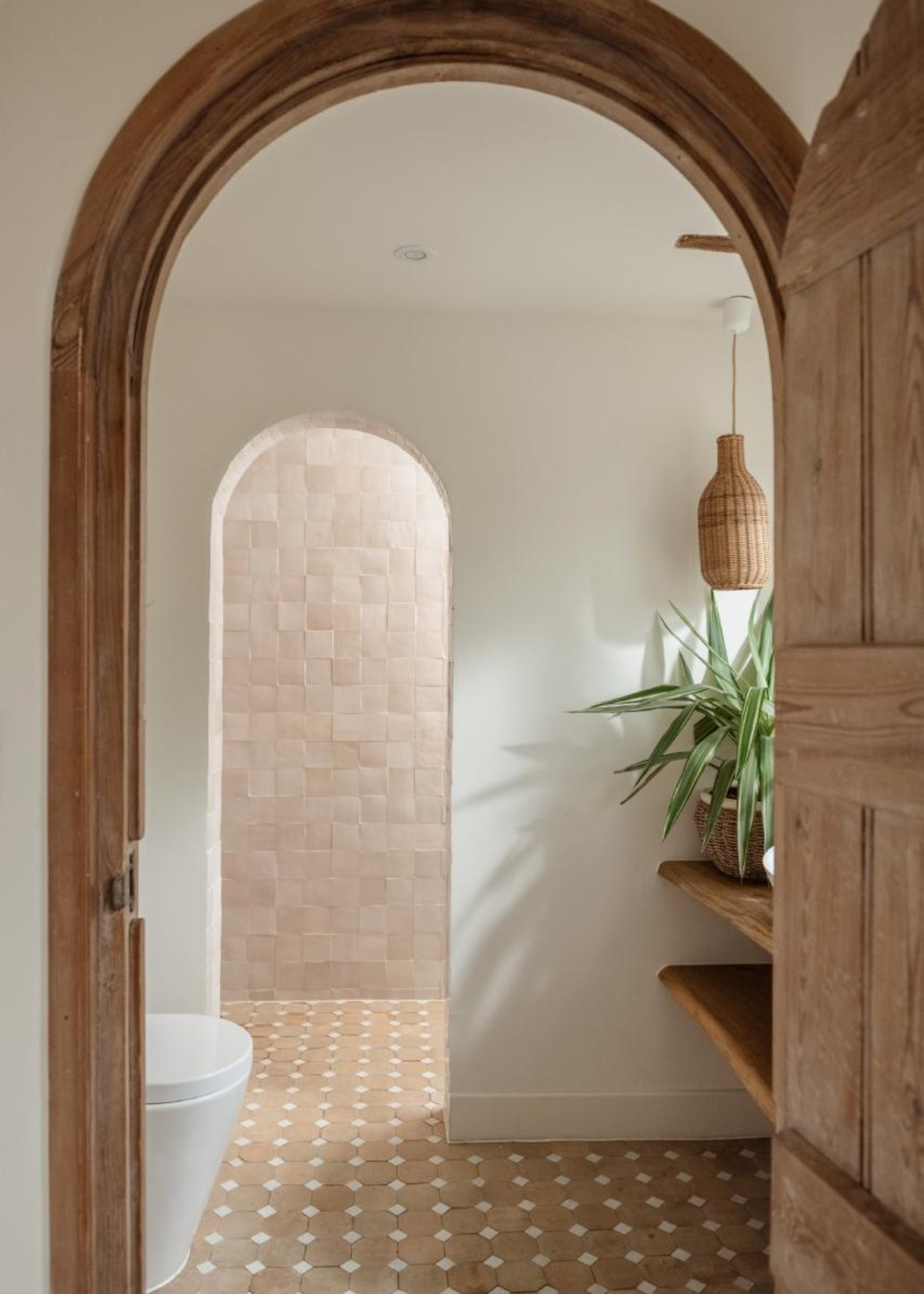
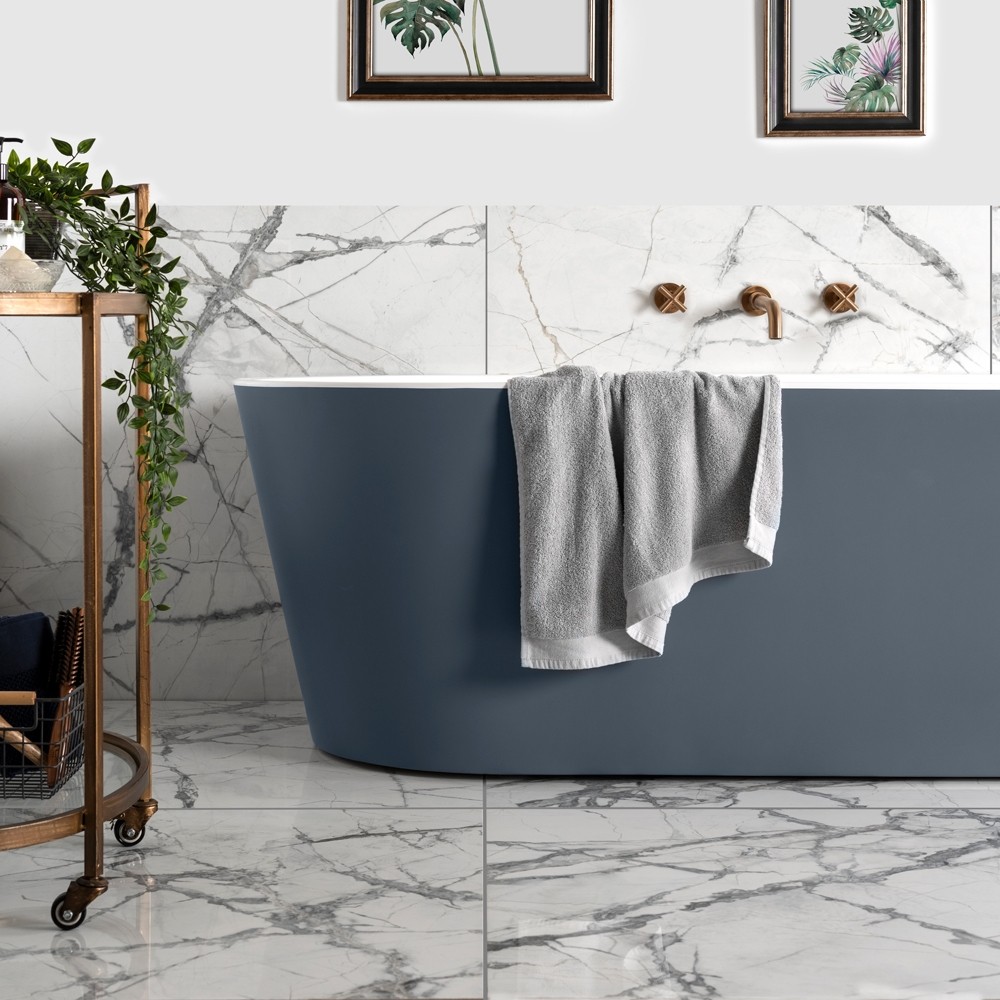
Natural stone tiles, while offering a rustic appeal, can be high-maintenance and less robust than other options. Many natural stones, such as limestone and sandstone, are highly porous and absorb water, leading to softening over time. This necessitates multiple coats of sealant for protection. Ceramic or porcelain tiles are suggested as more practical and hard-wearing alternatives that resist water damage. If natural stone is desired, sealing is essential to mitigate water absorption.
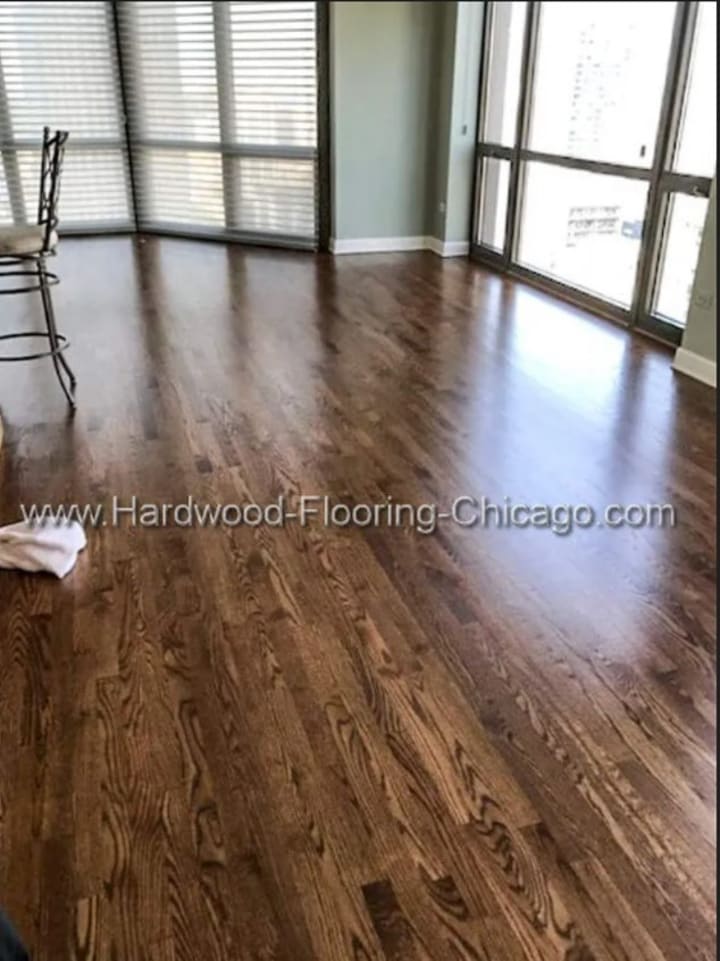
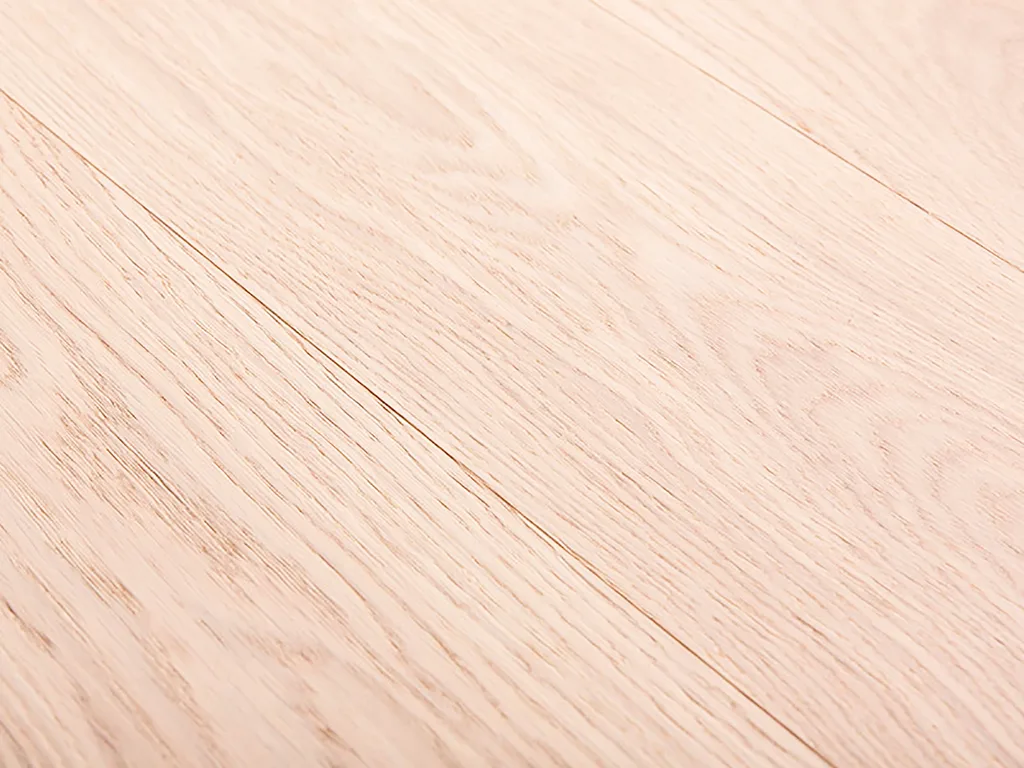
Engineered wood flooring is also cautioned against. Comprising a high-quality plywood core topped with a thin layer of hardwood, not all layers of engineered wood are water-resistant. Inadequately sealed engineered wood can lead to rot from underneath, making tiles a more durable and water-resistant option for bathrooms.
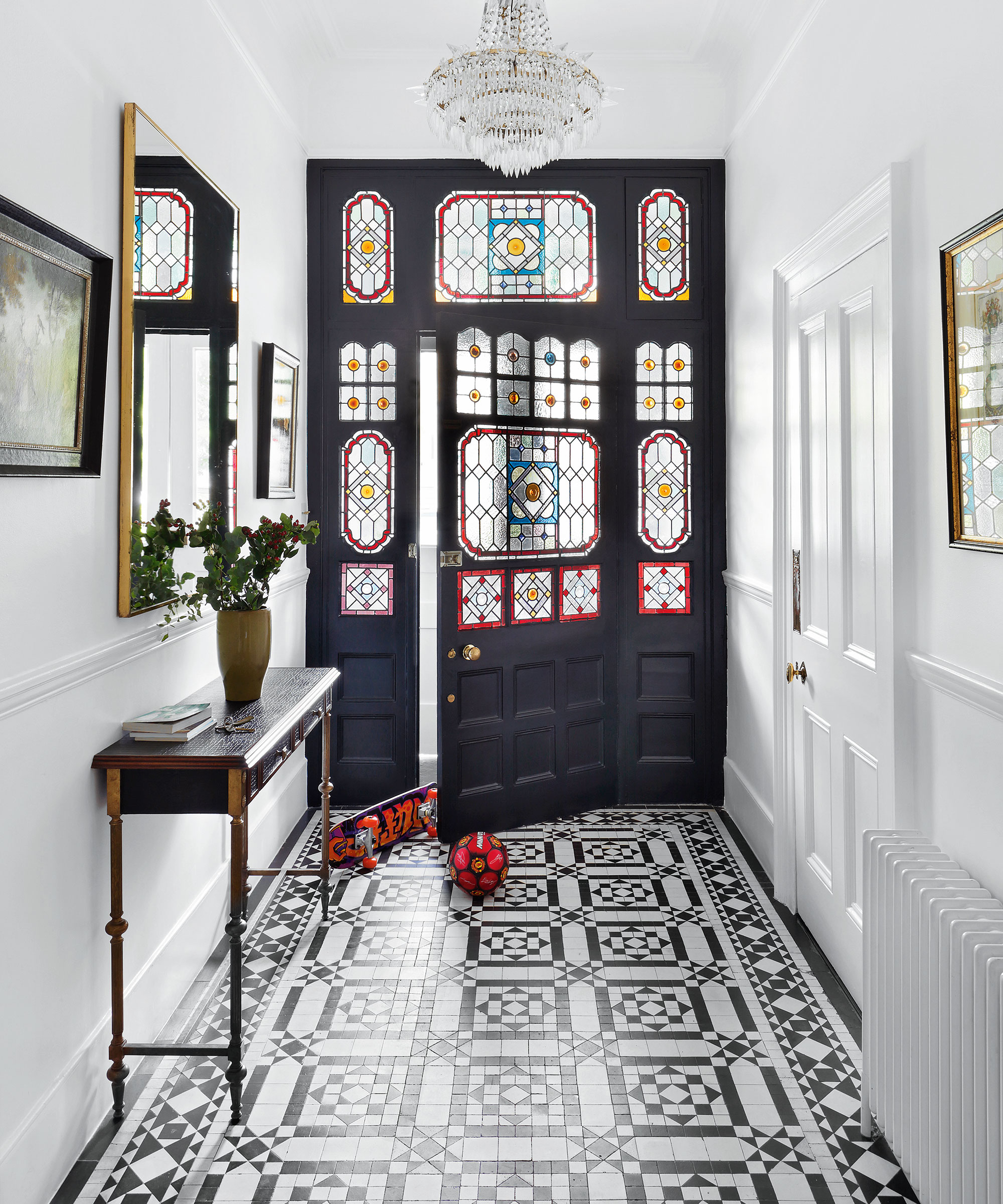
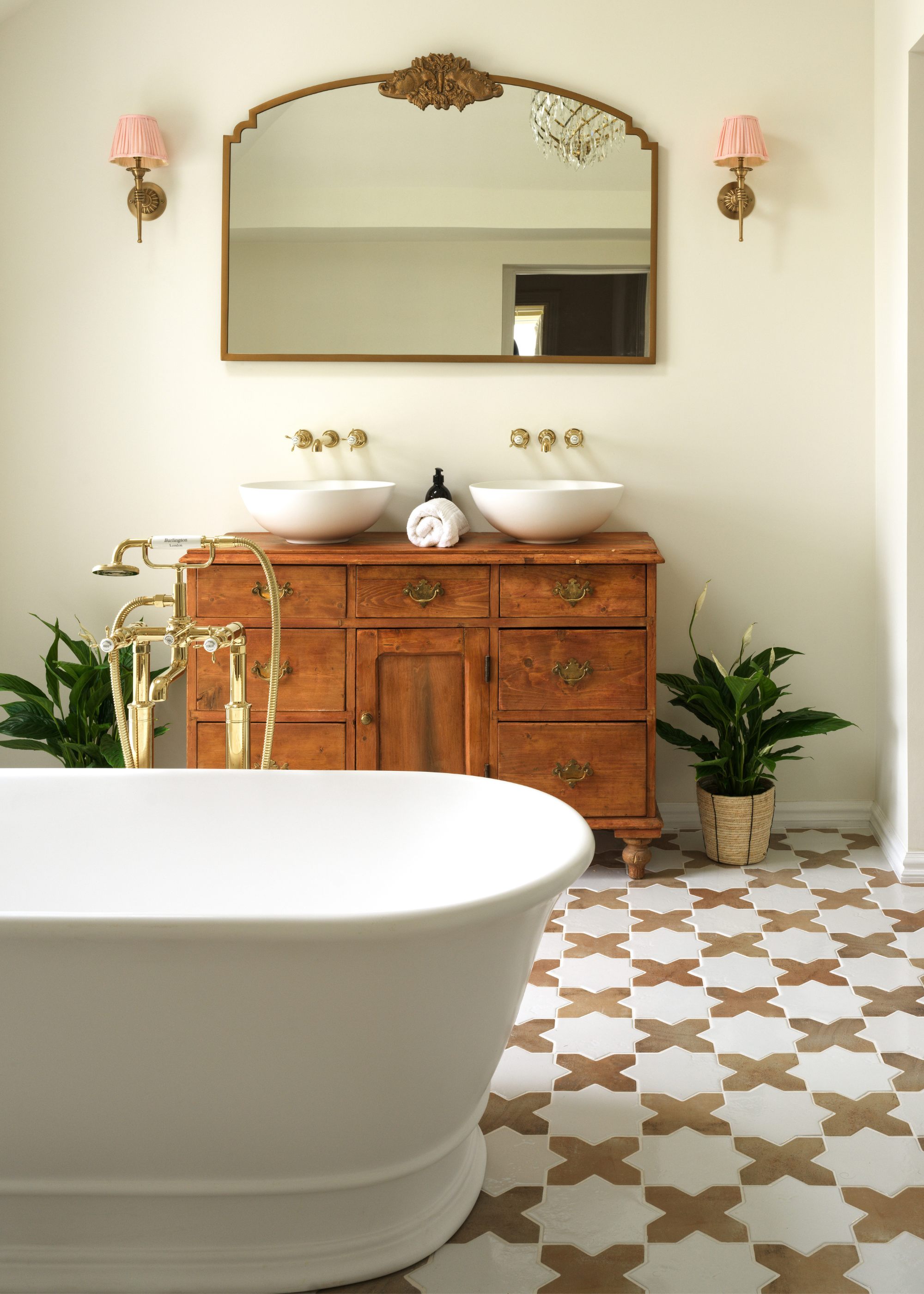
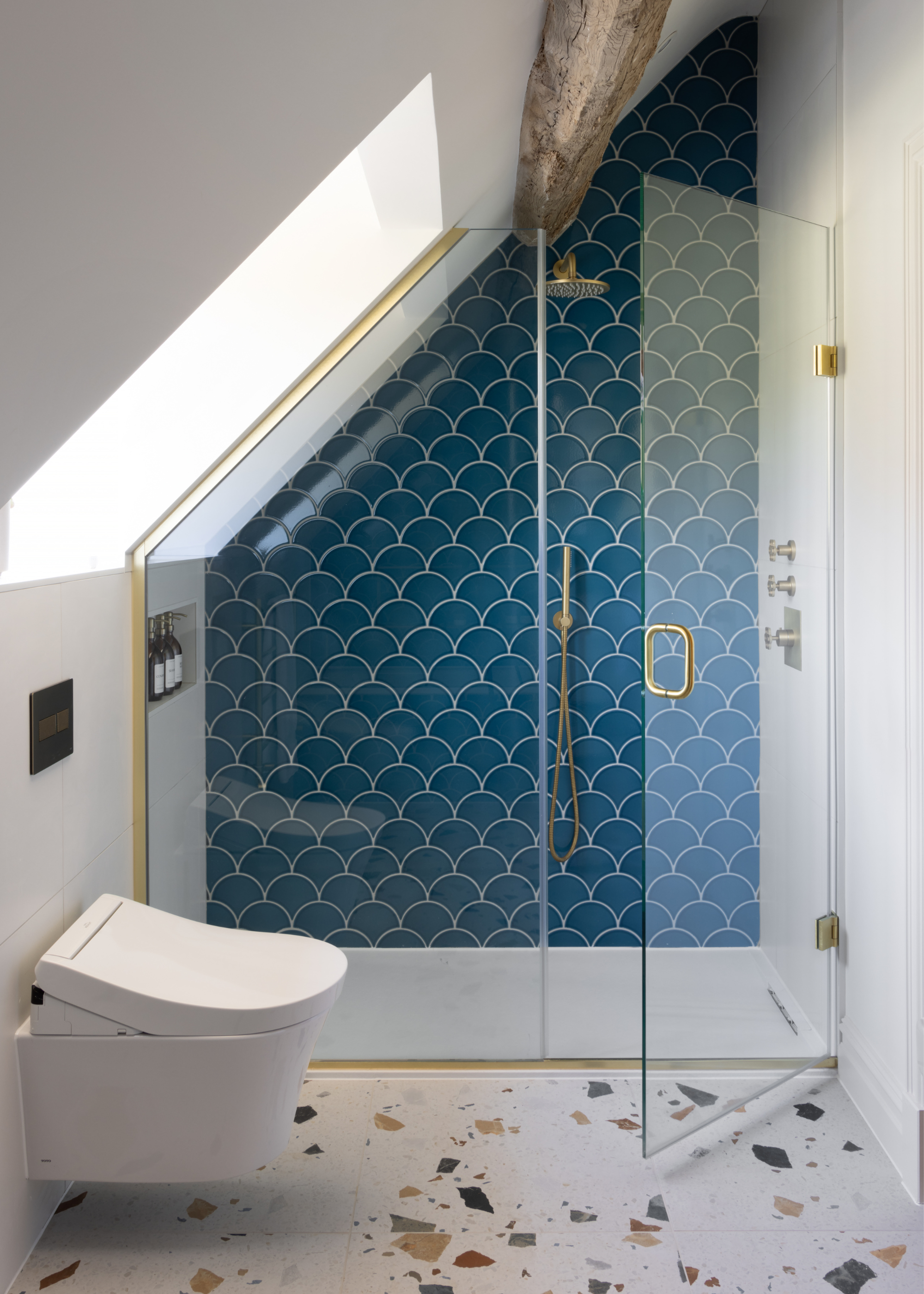
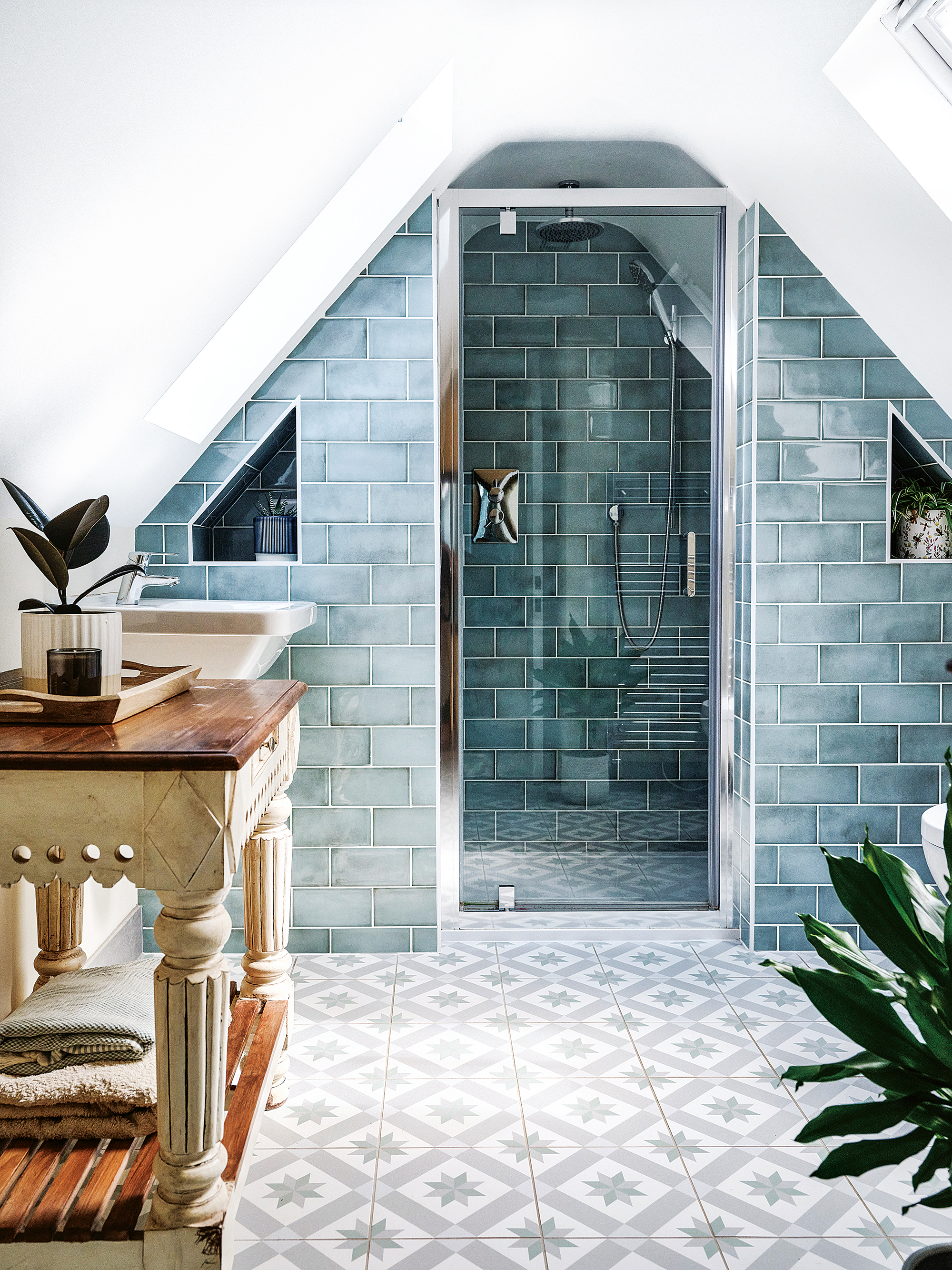
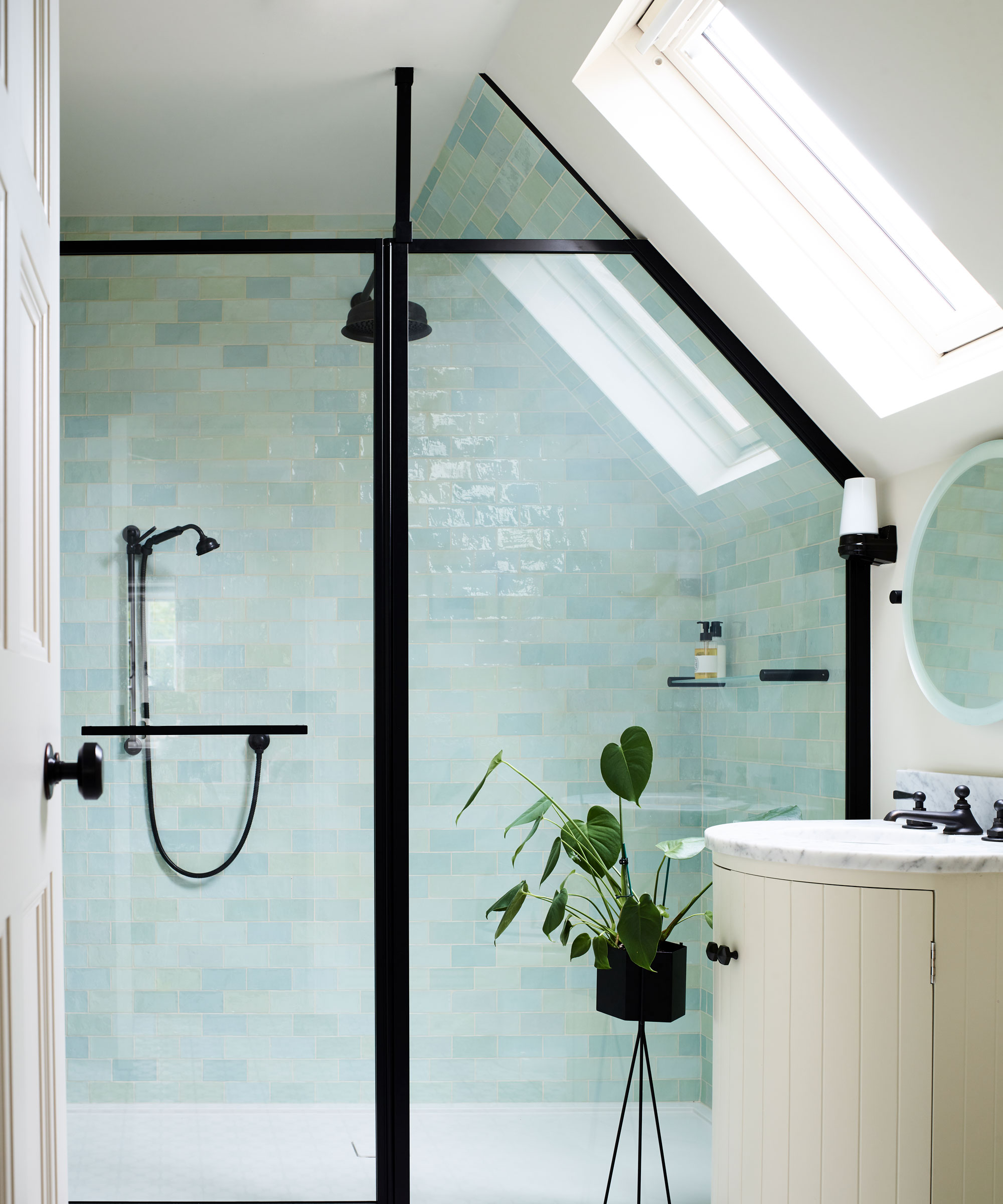
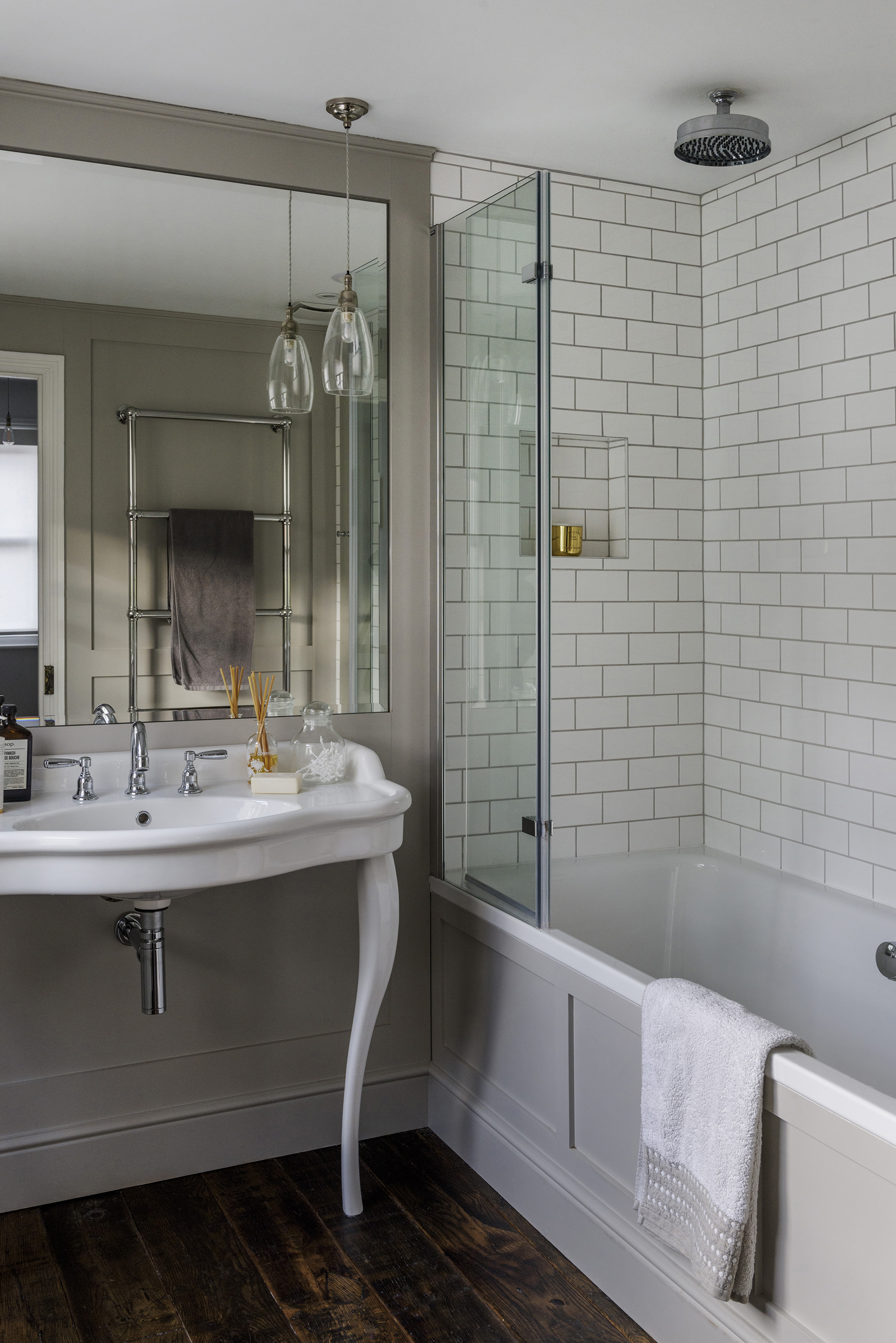
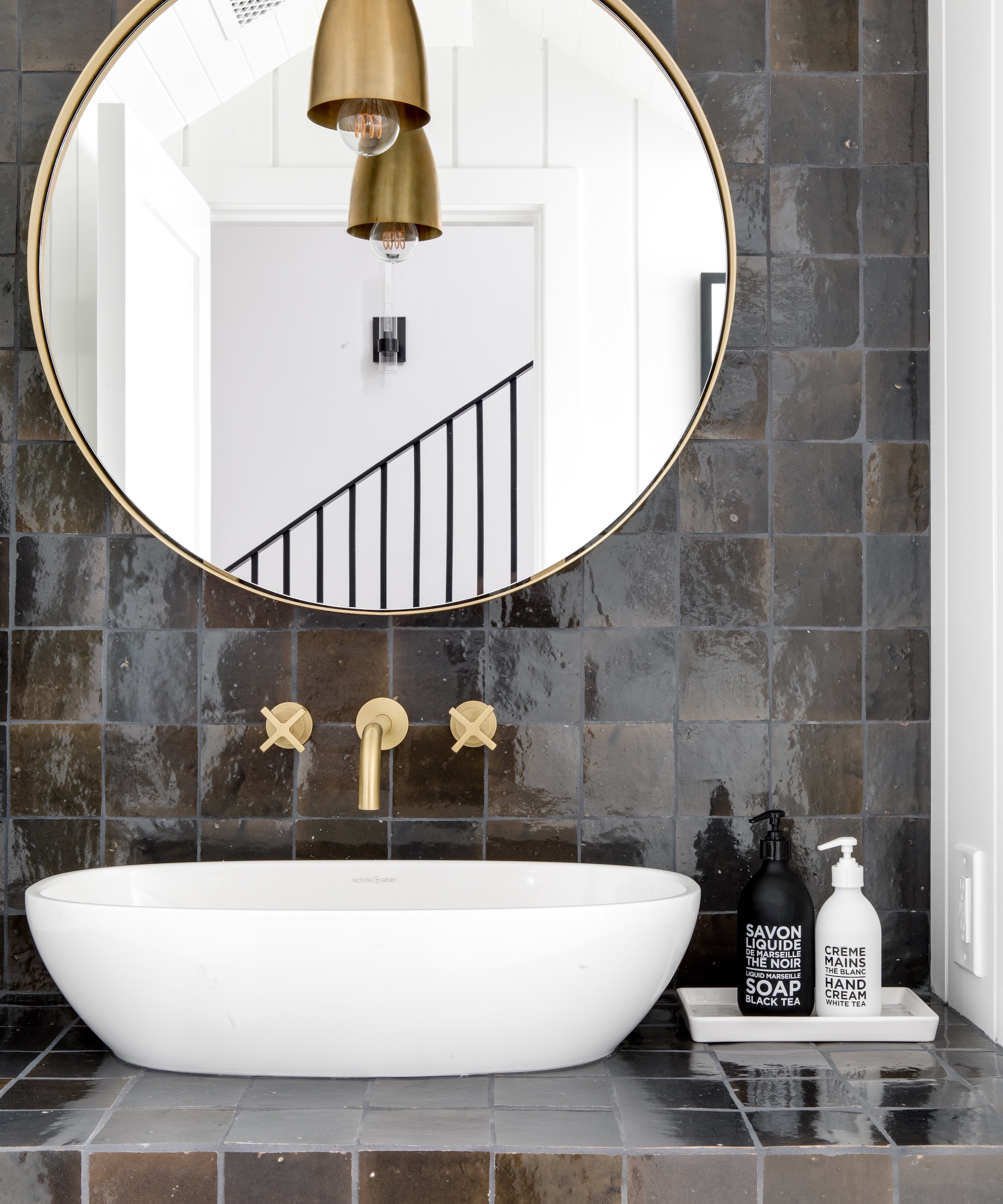
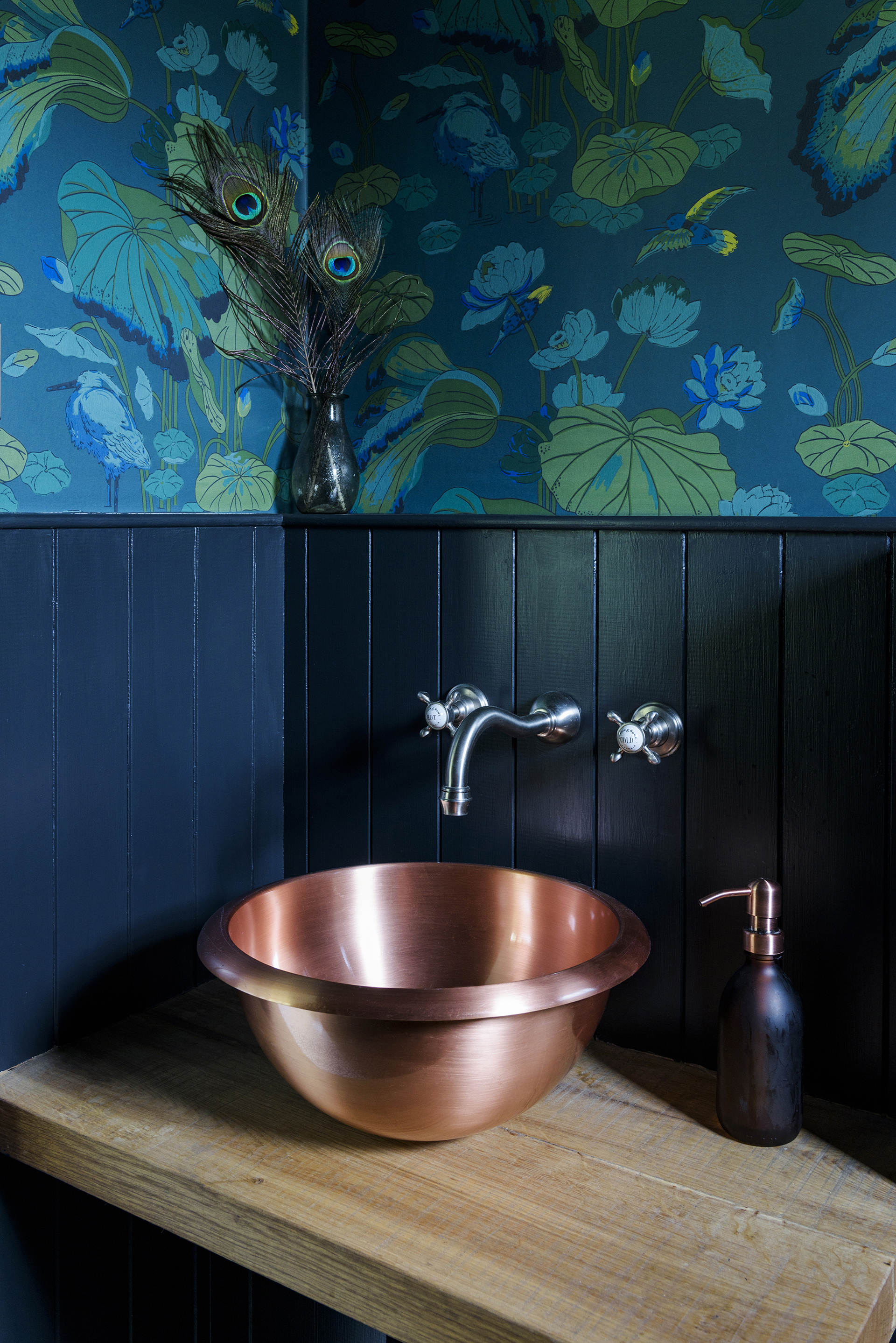
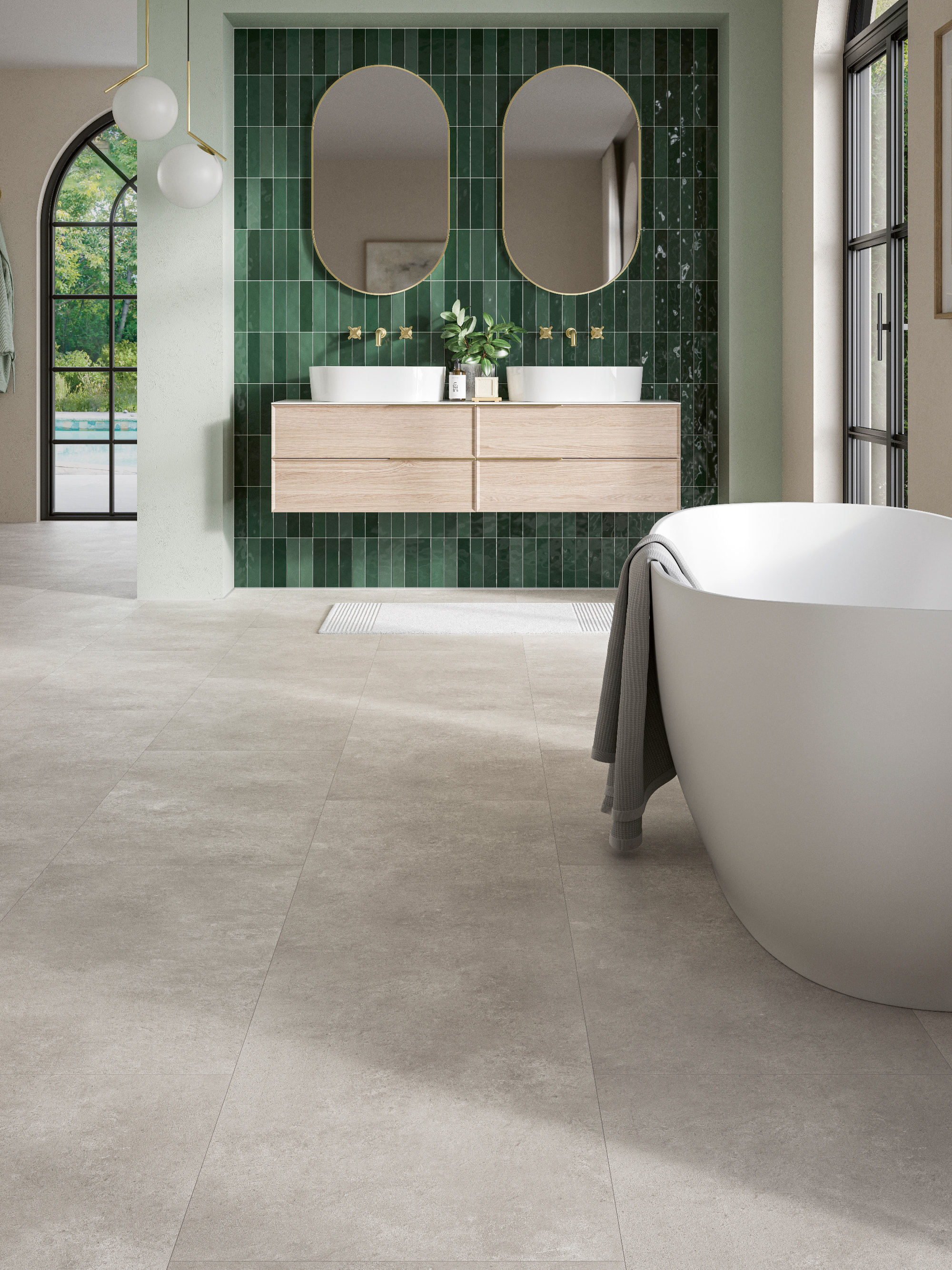
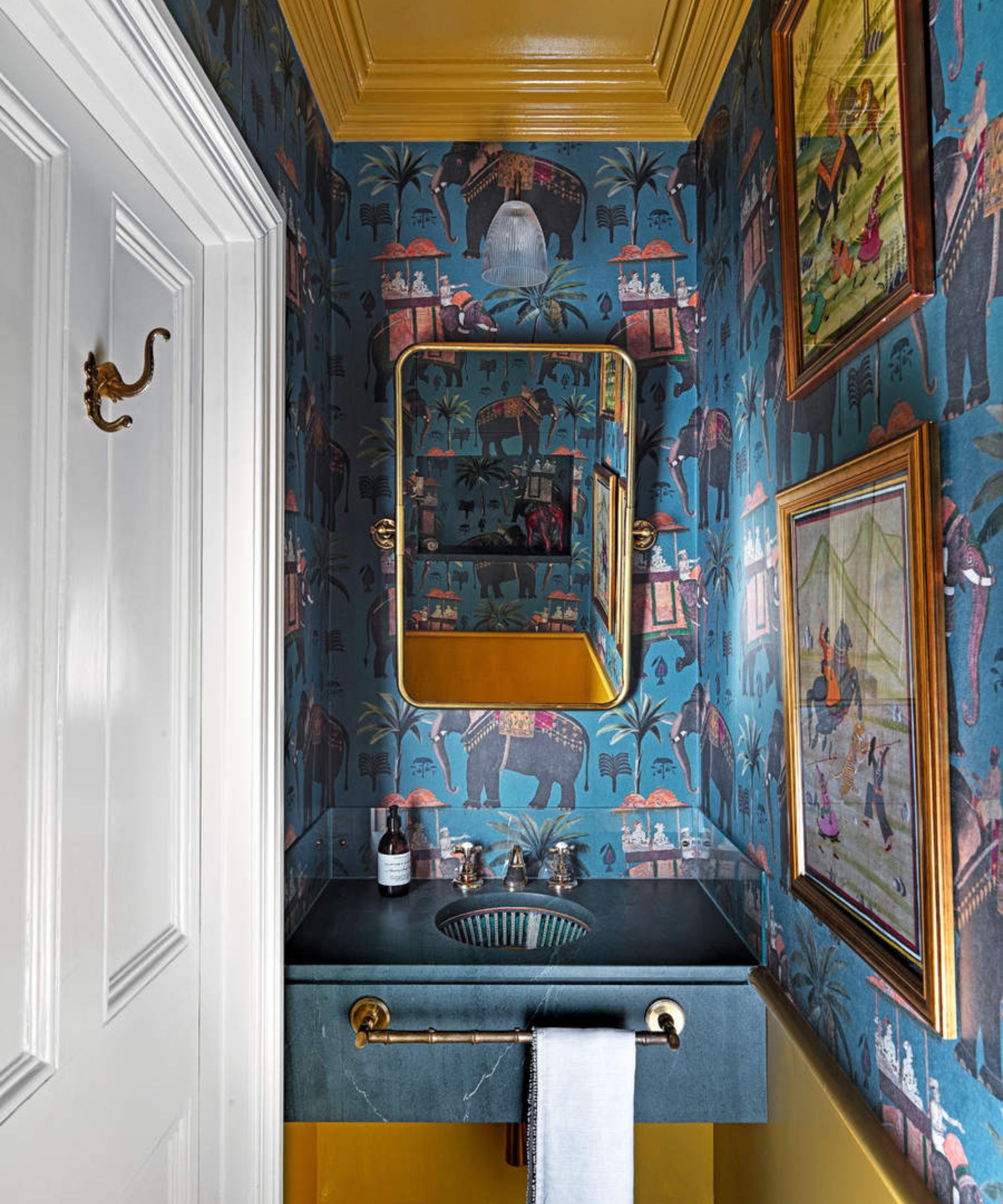
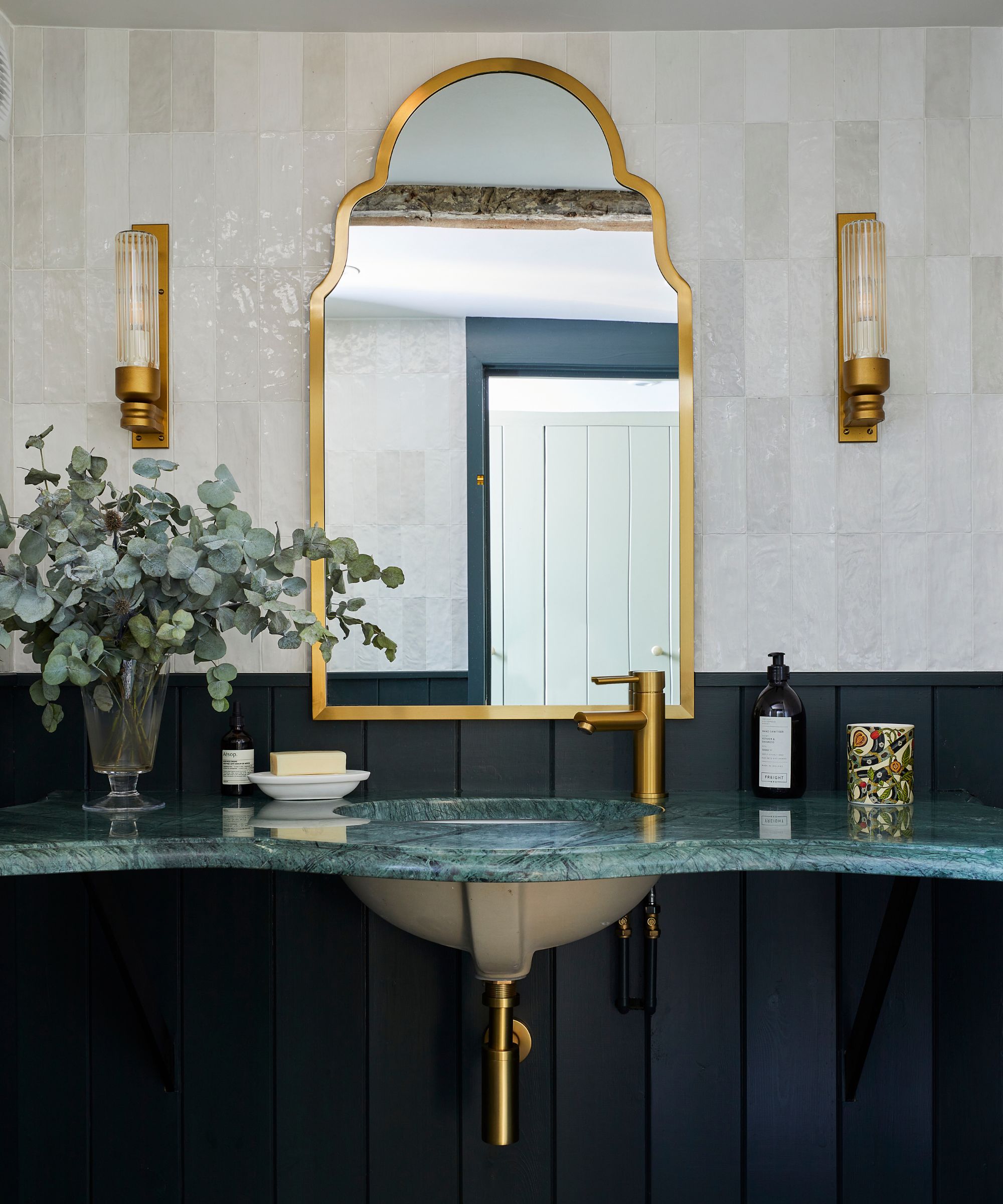
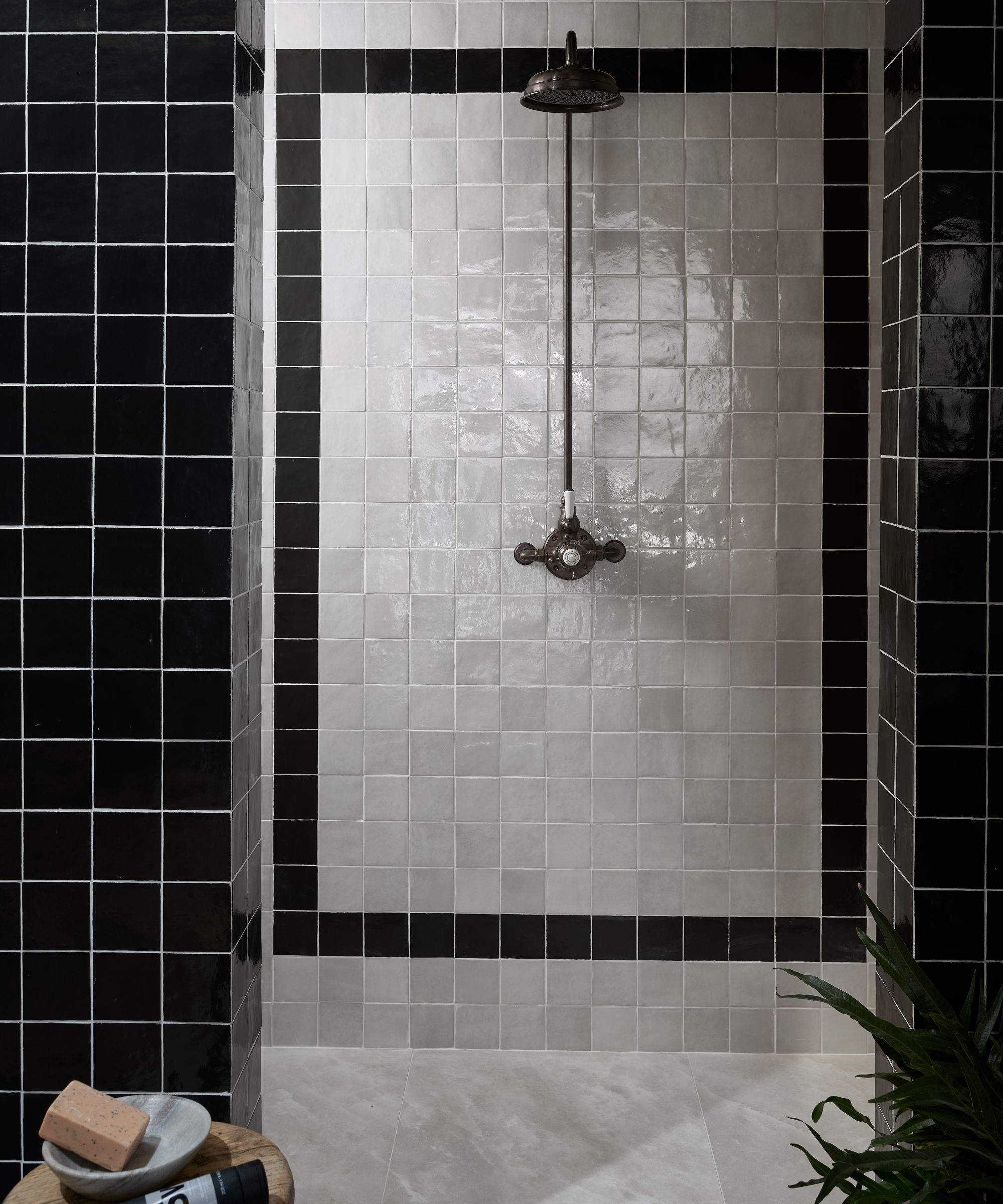
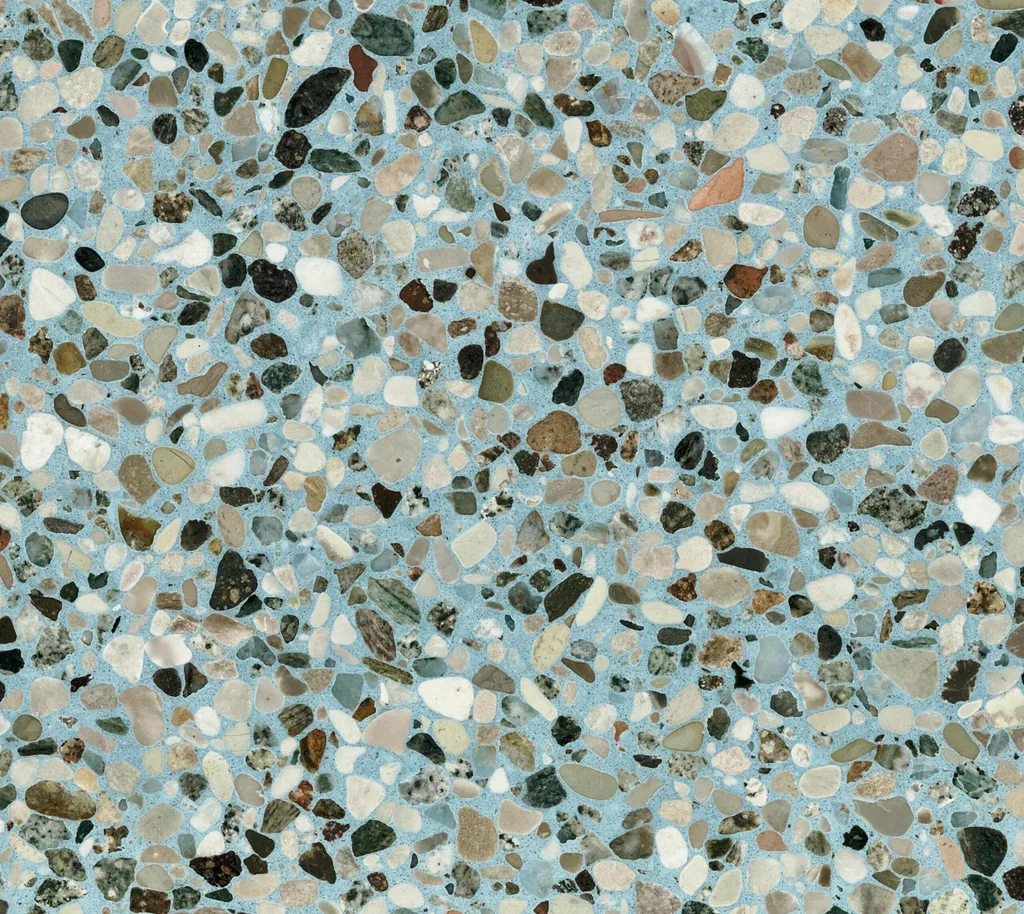
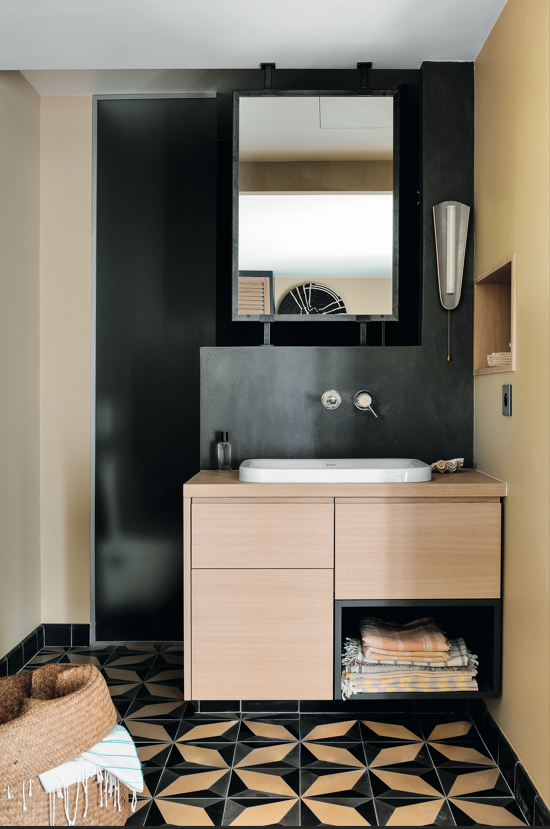
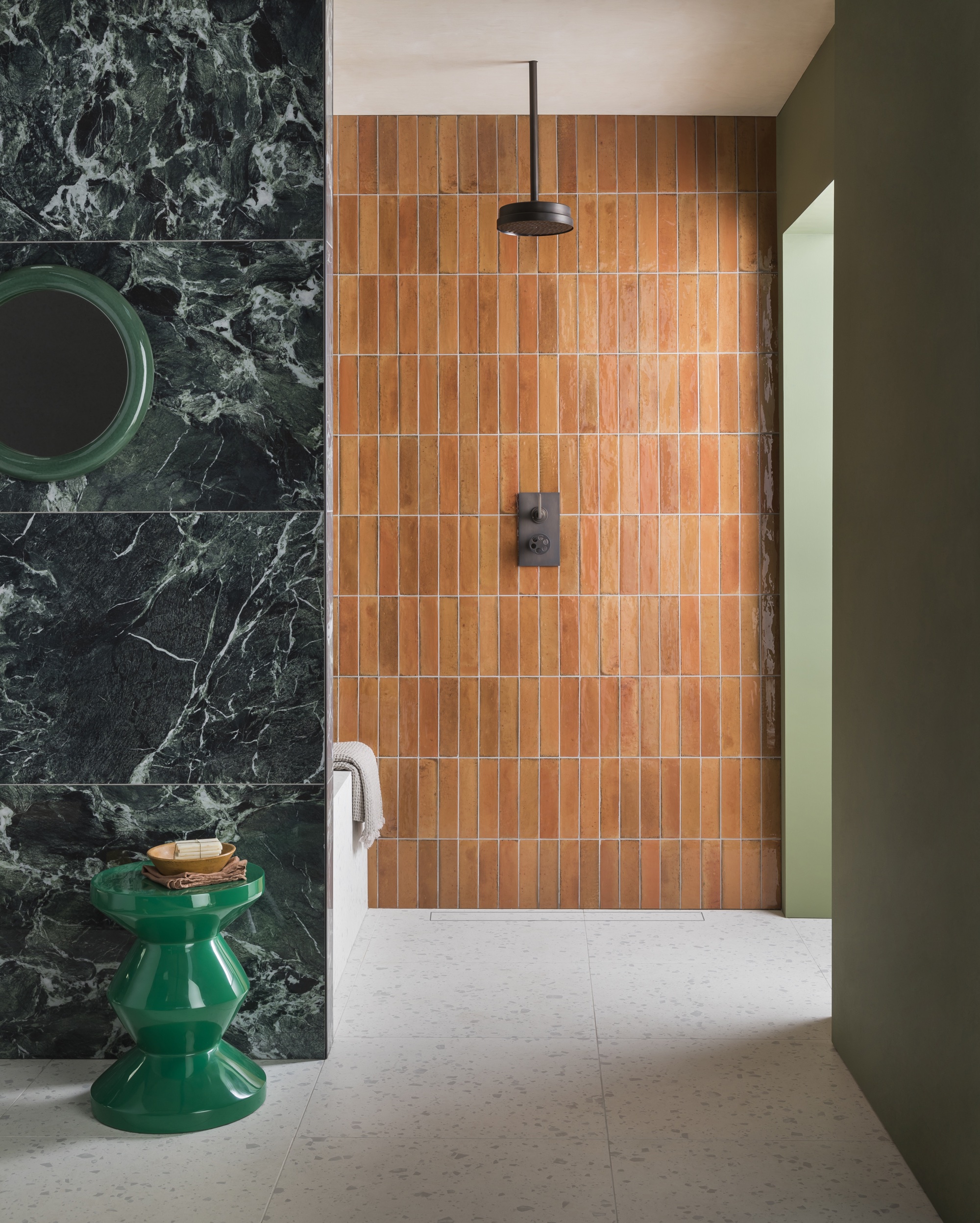
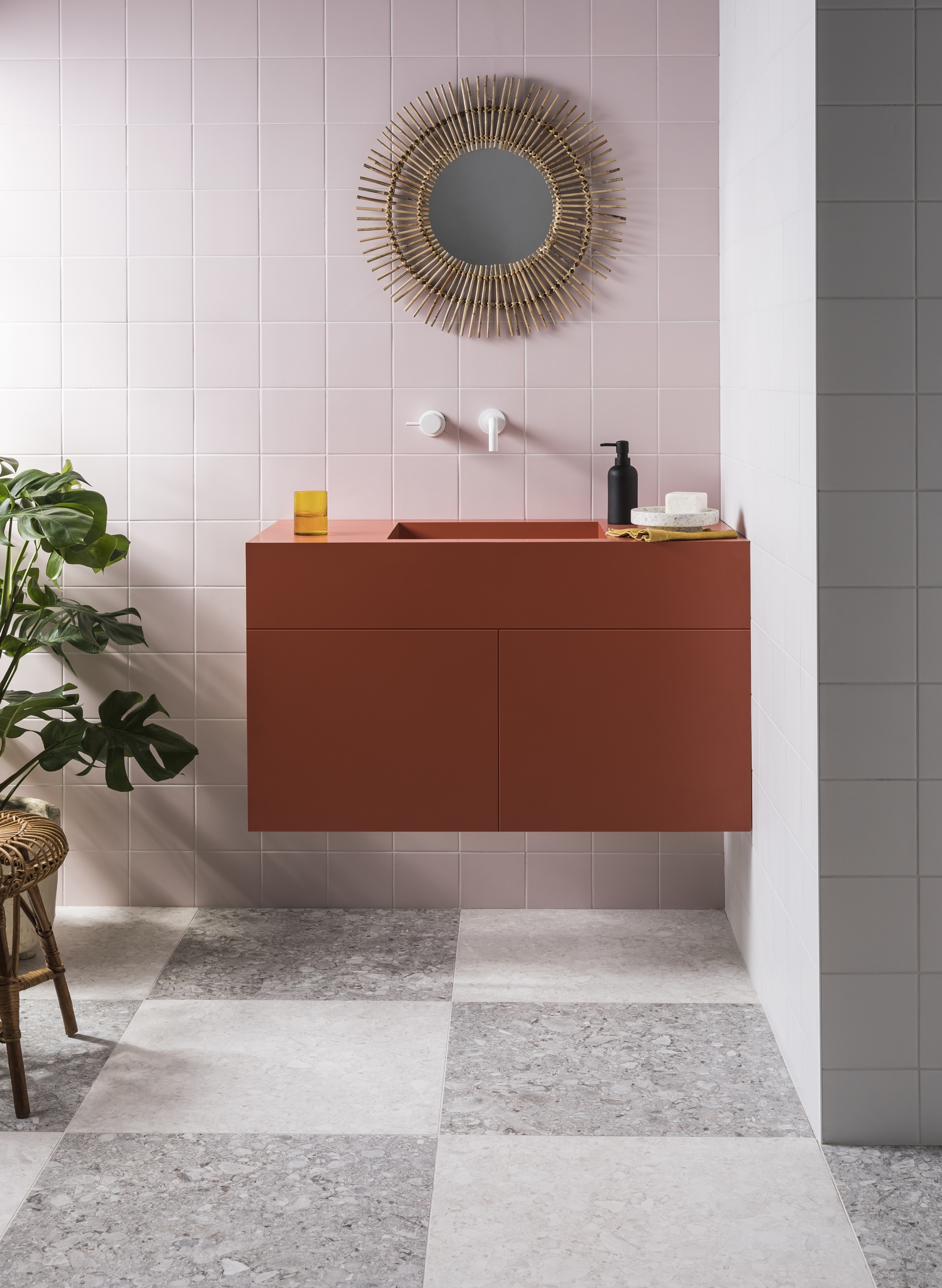

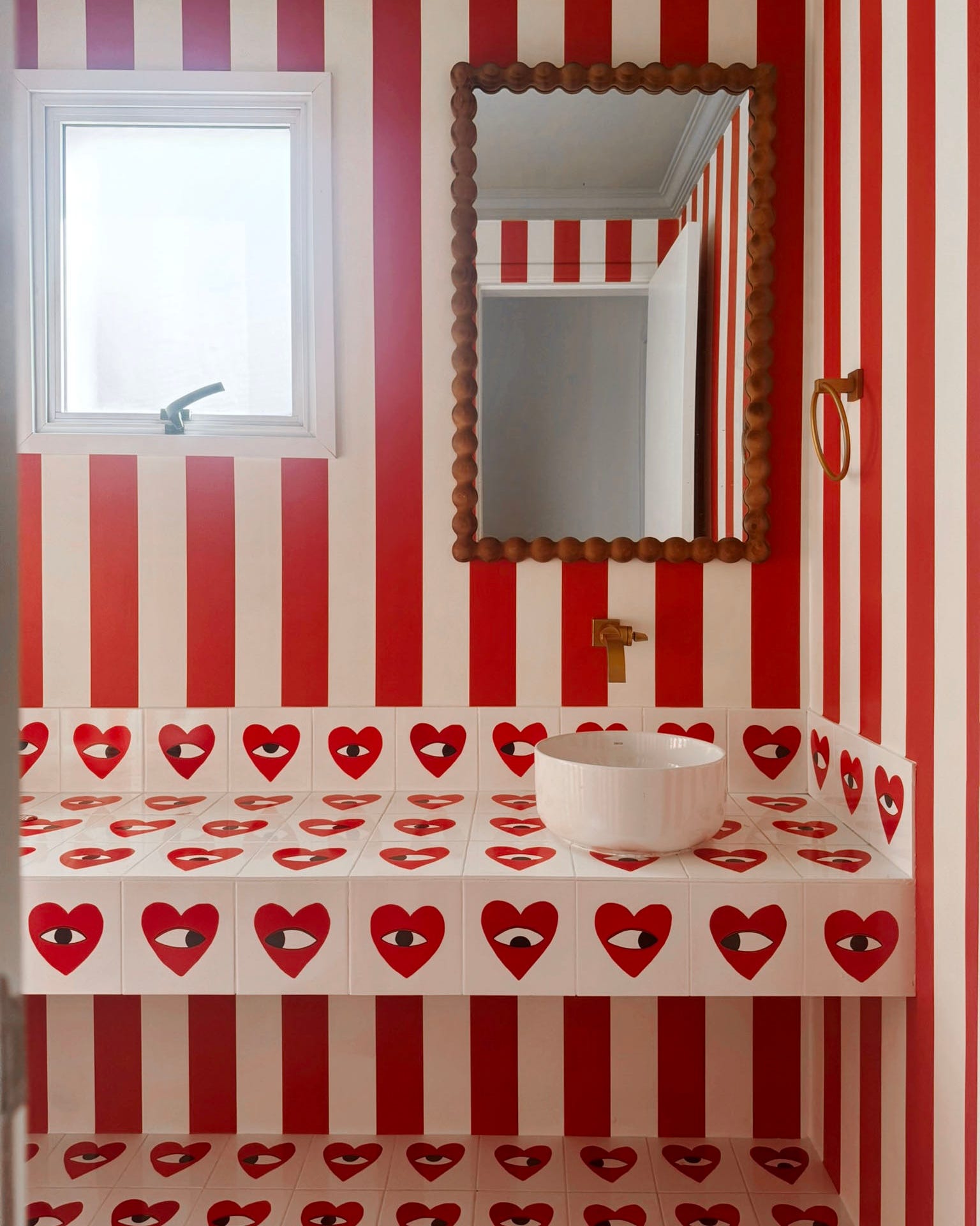

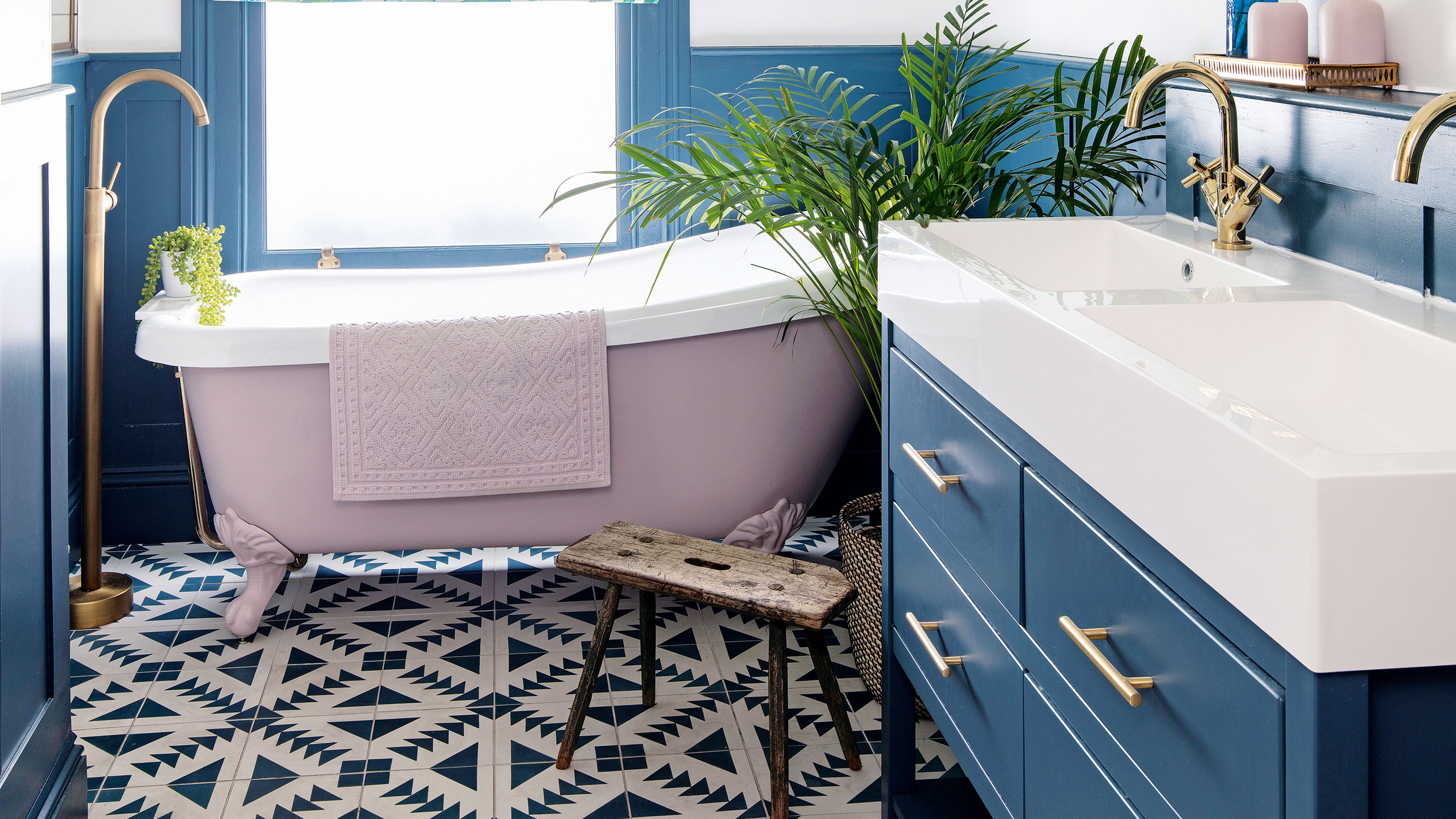
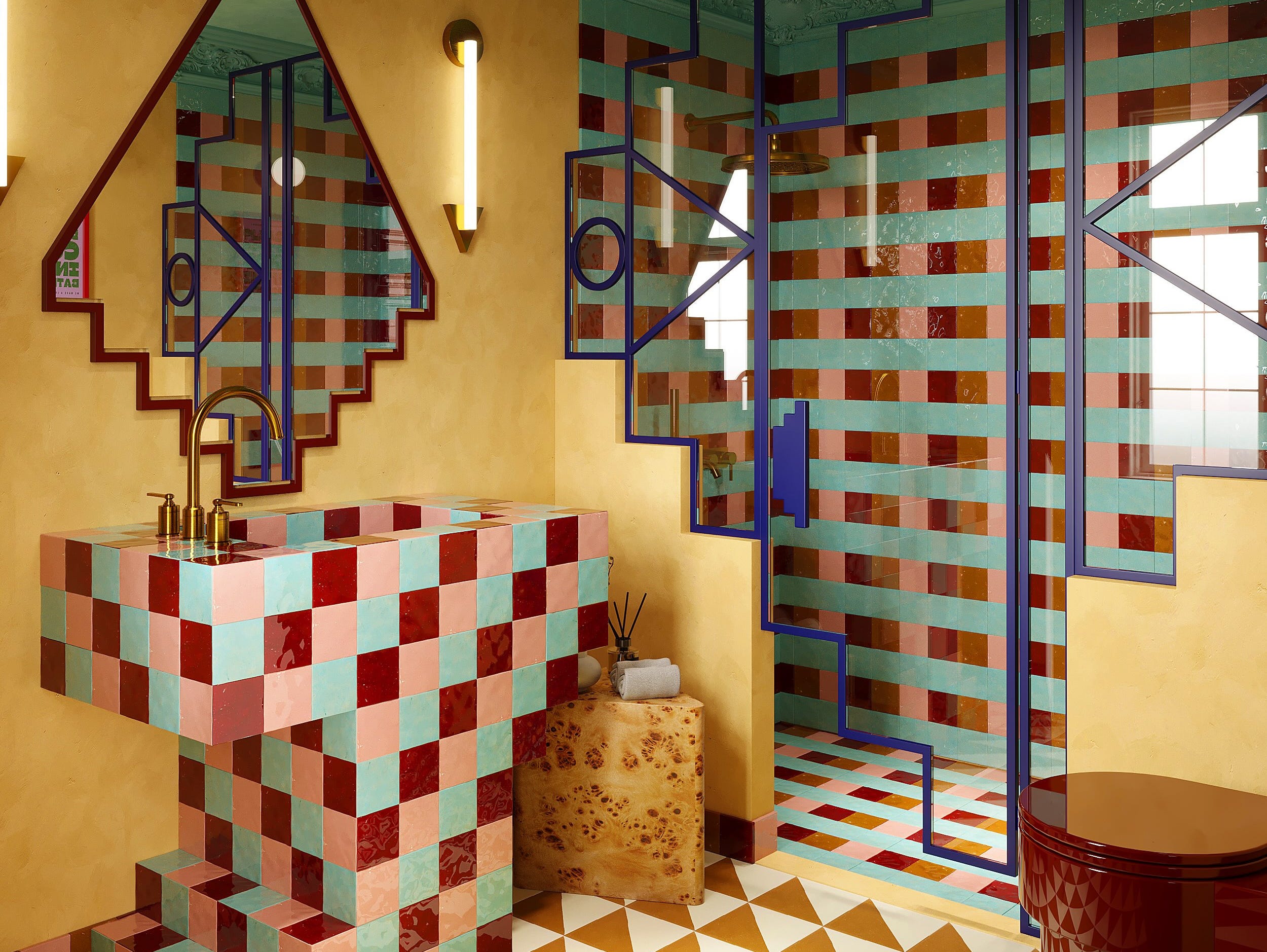
Another mistake involves playing it too safe with tiles, particularly opting for plain white. While white tiles can create a minimalist look, they quickly show dirt and require frequent, thorough cleaning. Patterned or colored tiles, conversely, can help maintain a fresh appearance and introduce visual interest without necessarily becoming outdated. Exploring diverse bathroom tile trends can offer timeless and versatile options that complement various color schemes.
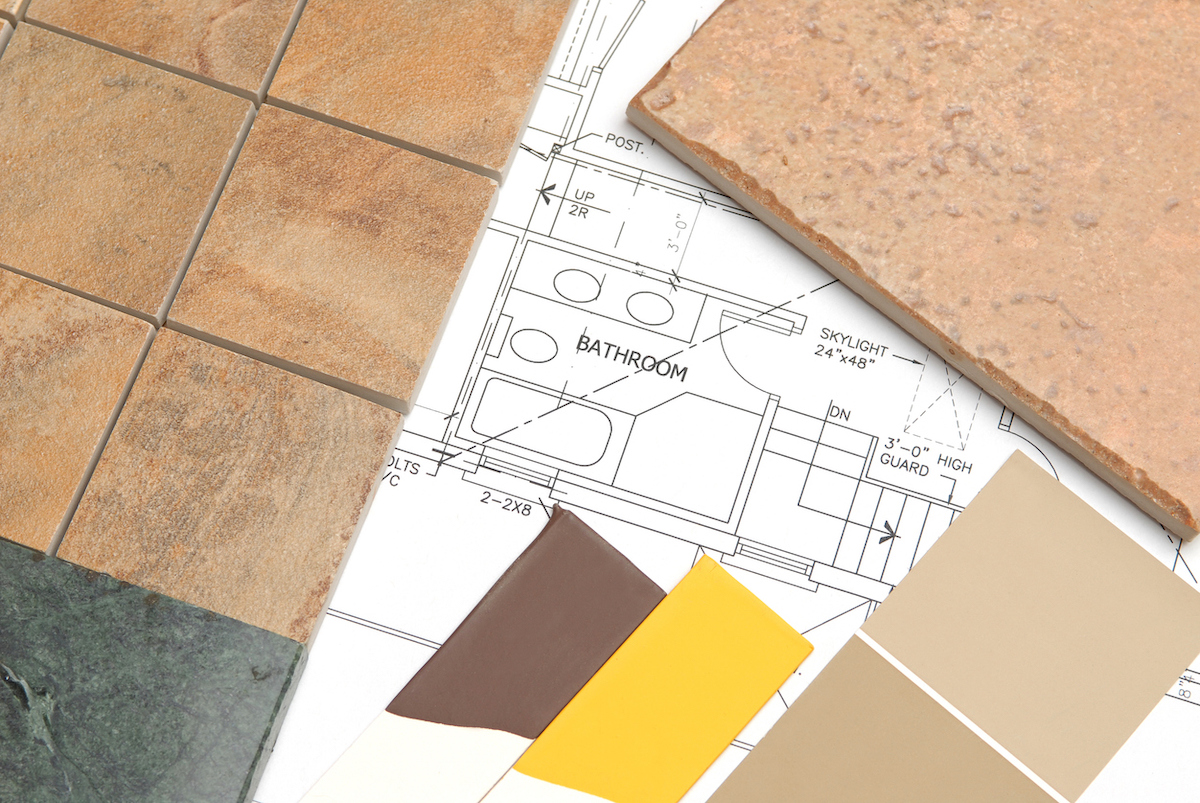
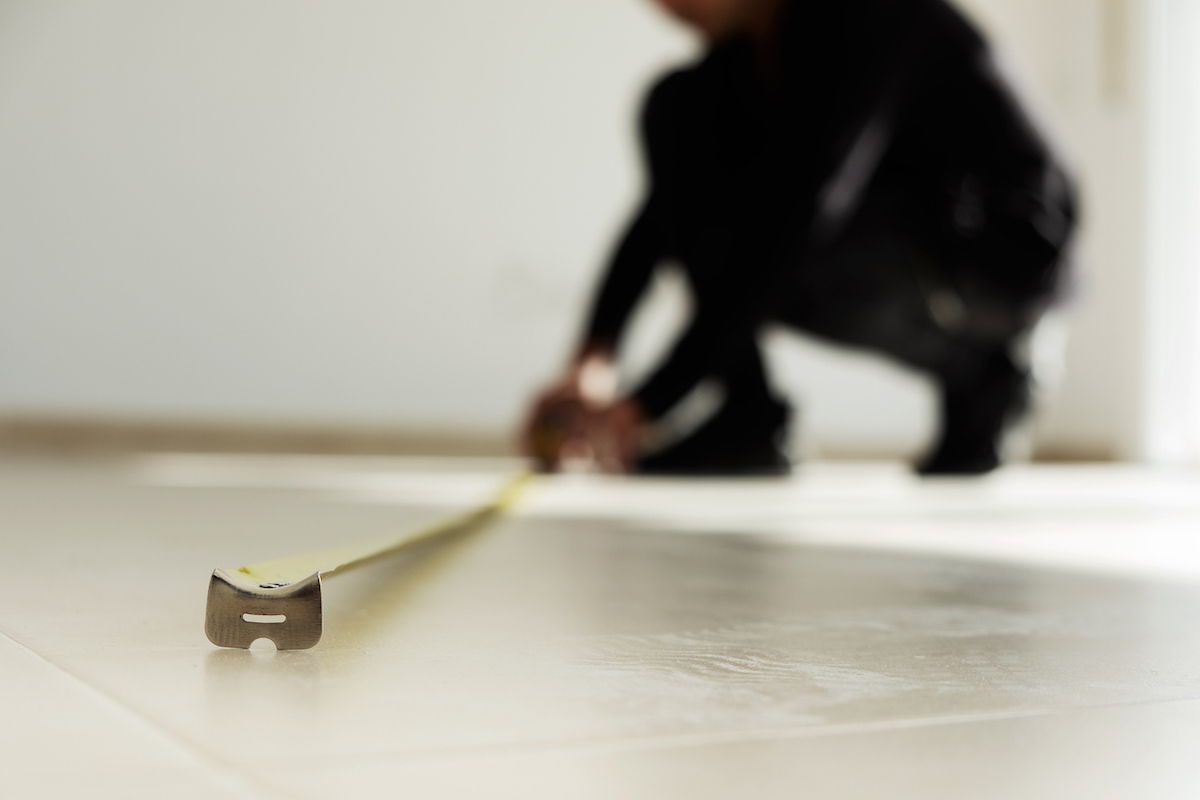
The final common error is under-ordering flooring materials. Accurate measurement of the bathroom and ordering an excess of flooring is crucial to prevent project delays due to material shortages. Experts advise ordering extra to account for cuts, breakages, or future repairs.
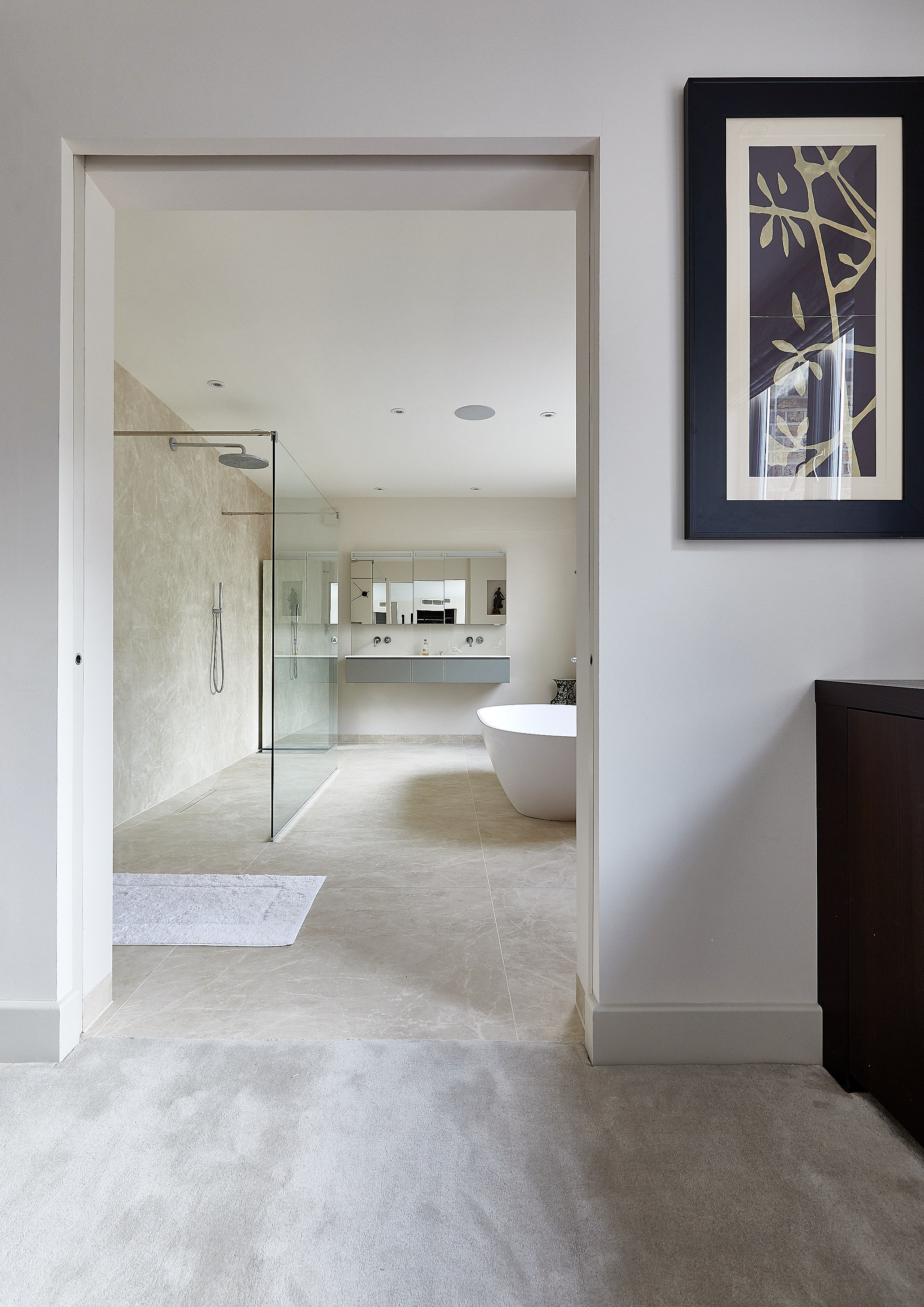
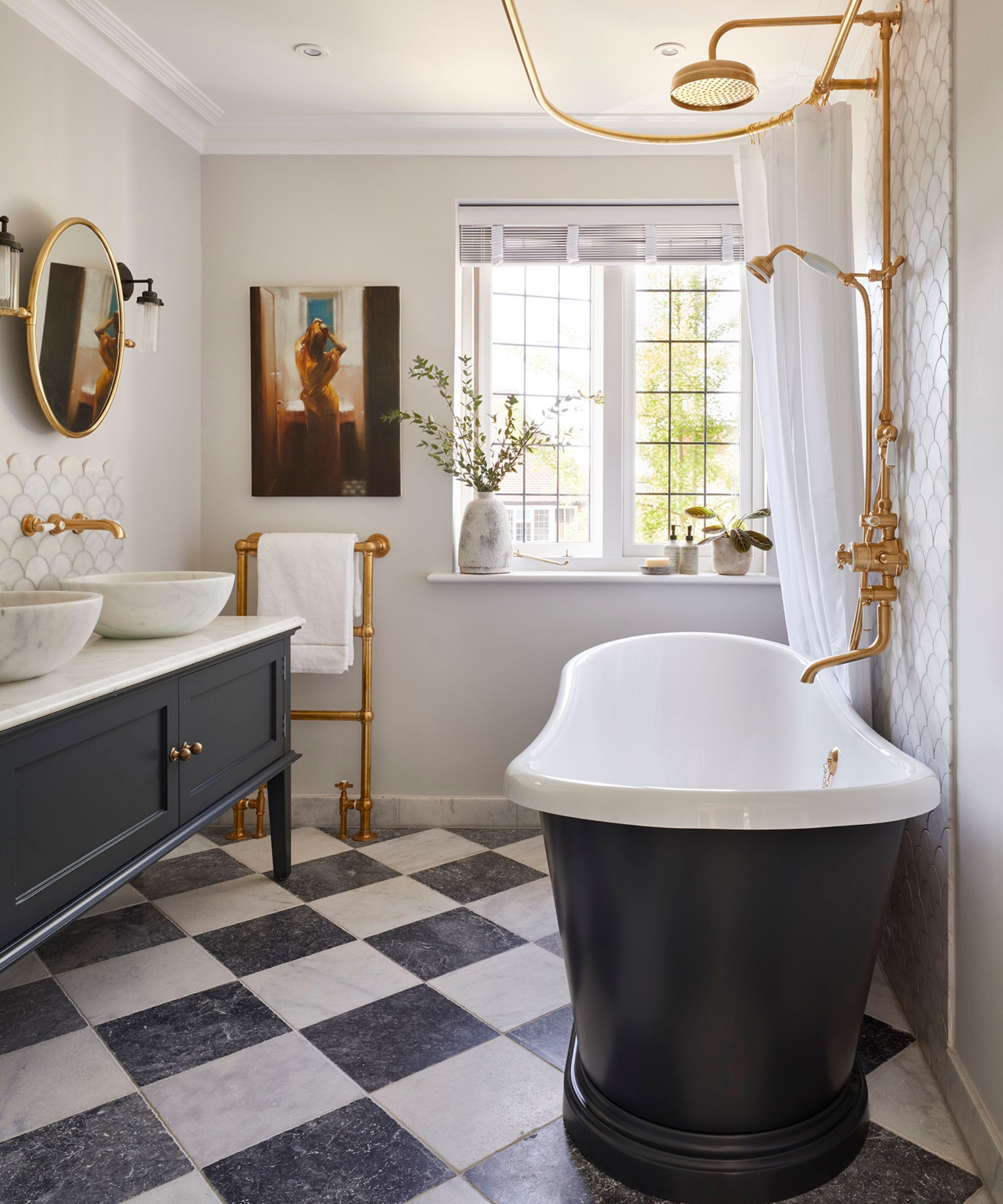
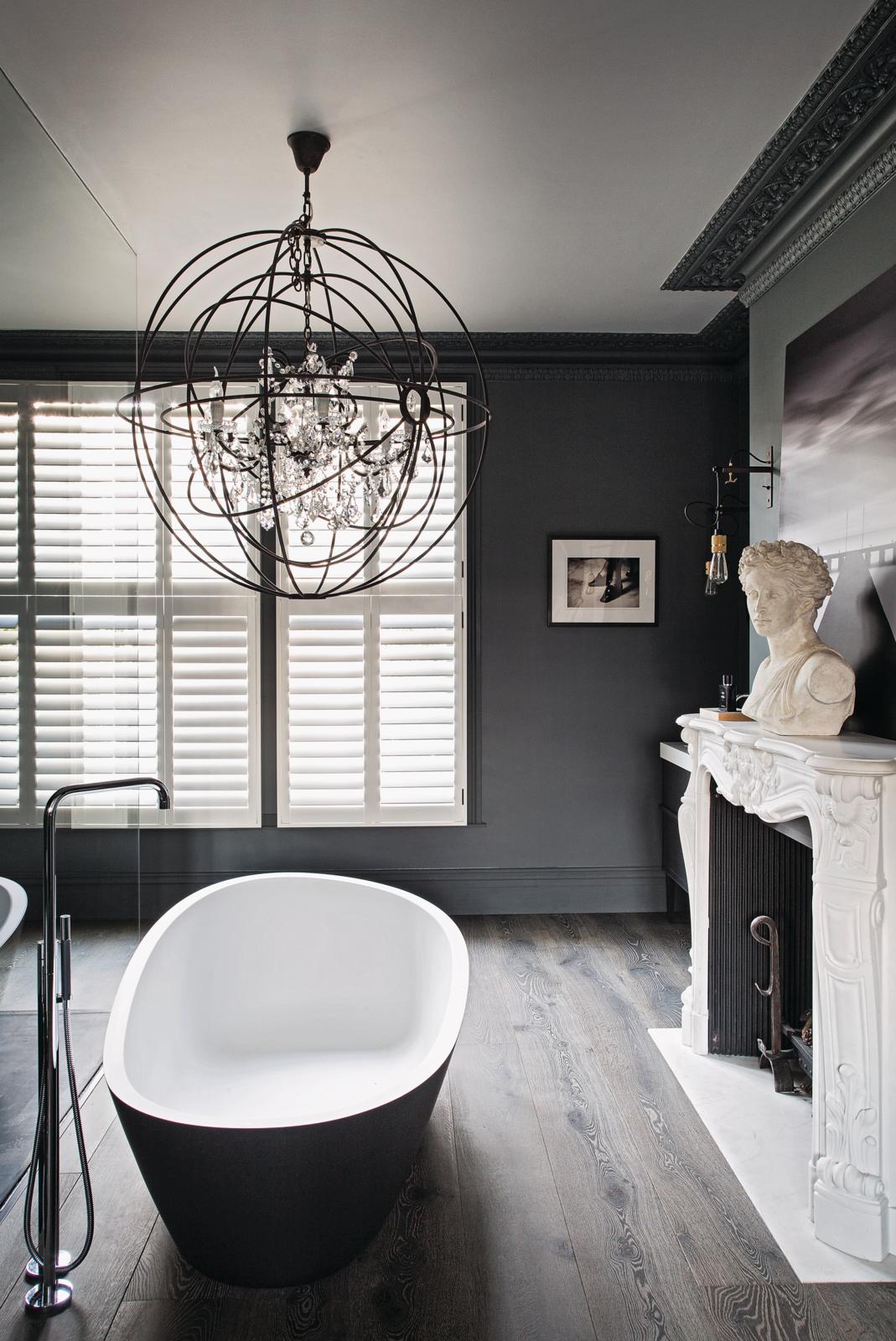
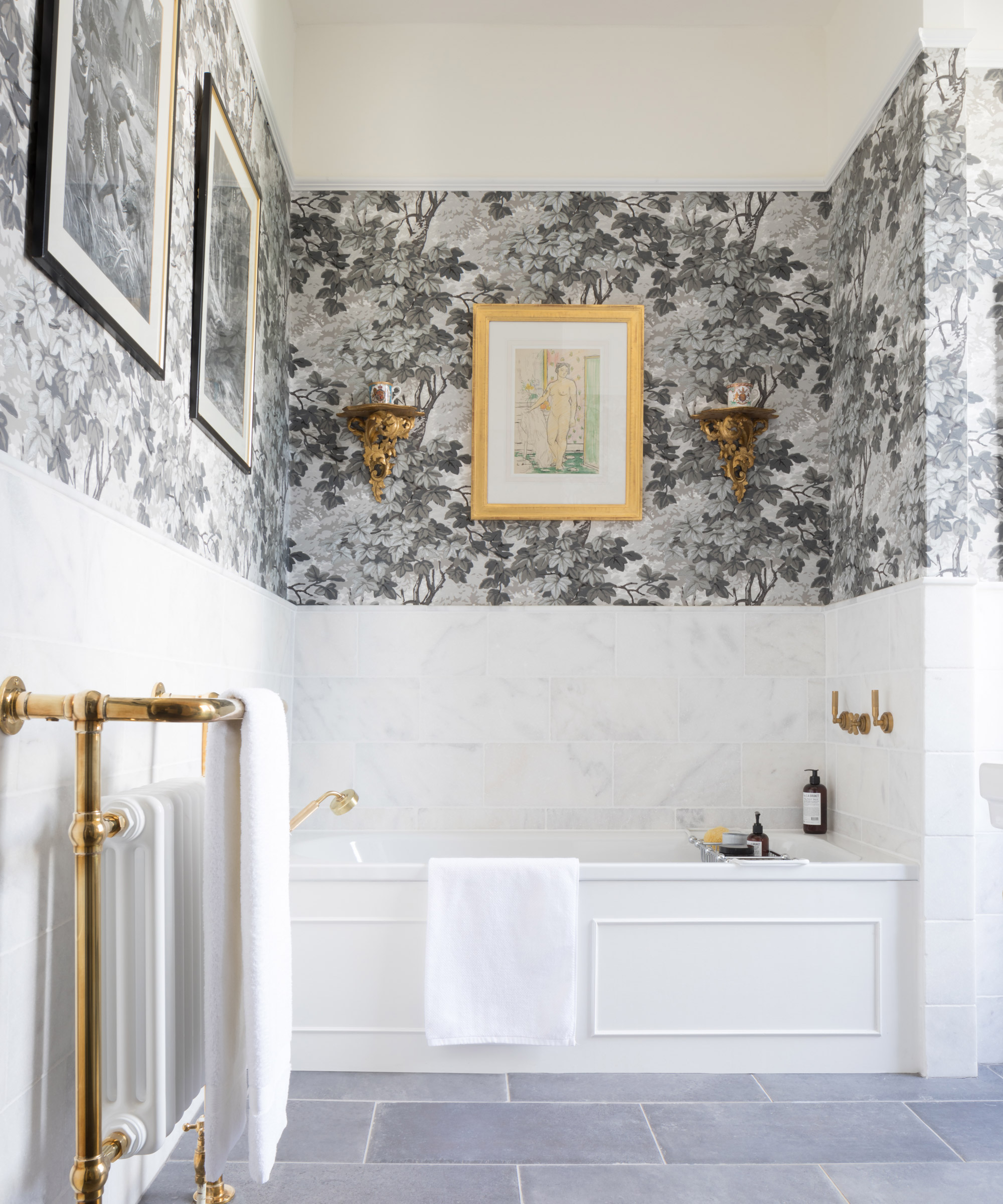
Regarding floor and wall color choices, a darker floor compared to walls and ceiling is generally recommended to create contrast and prevent the room from feeling too dark or cramped. In small bathrooms, darker floors can make walls appear more open and spacious. Alternatively, using the same pale-colored tiles on both walls and floor can create a continuous look, reflecting light and enhancing the perception of space.
#BathroomFlooring #HomeRenovation #InteriorDesign #TileChoices #DesignMistakes #MaterialSelection #HomeMaintenance #BathroomDecor #BathroomFlooring #HomeRenovation #InteriorDesign #TileChoices #DesignMistakes #MaterialSelection #HomeMaintenance #BathroomDecor
0 comment in total
 No comments yet
You may also like
5 flooring mistakes to avoid – according to architects and interior designers

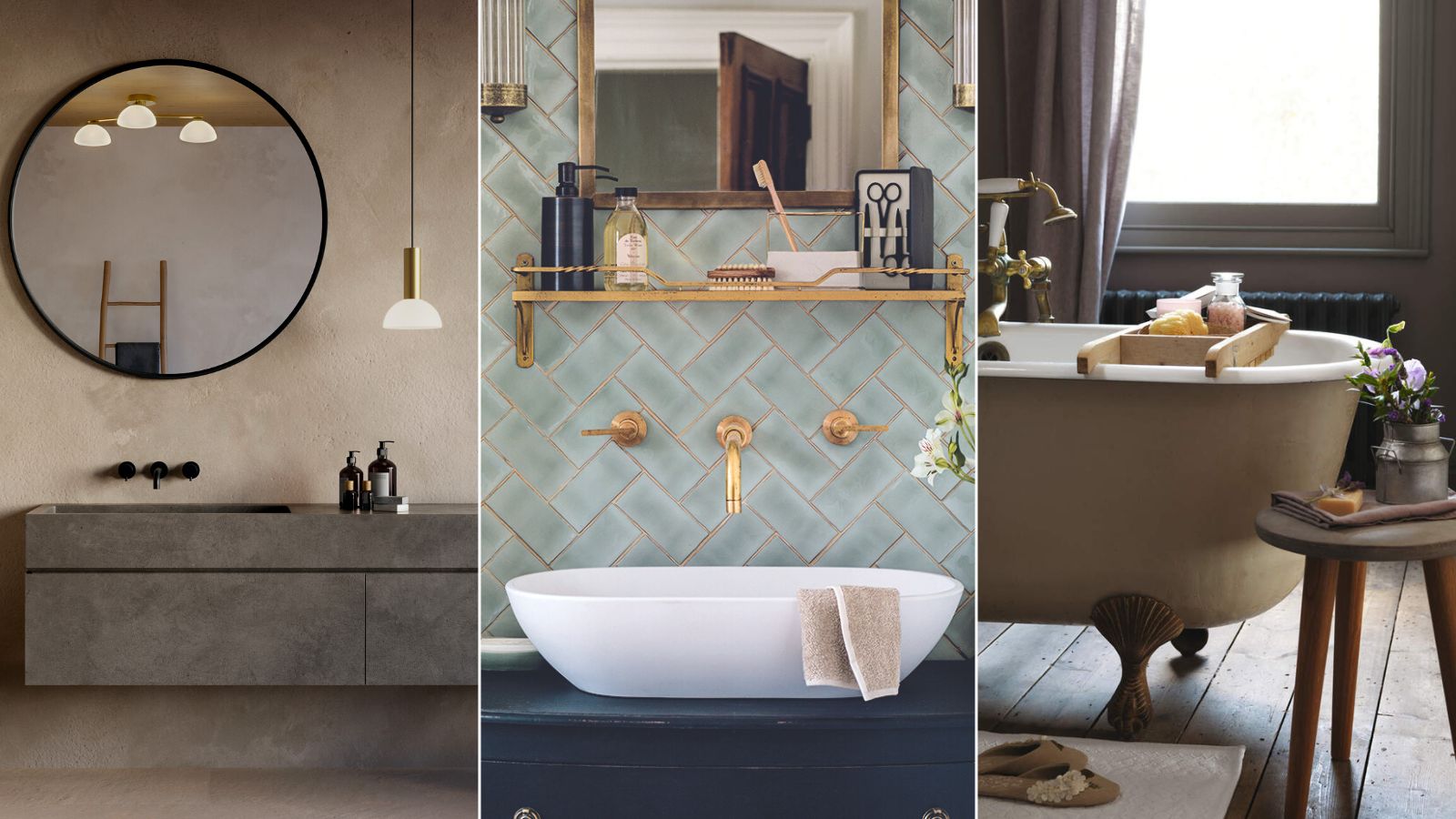
13 bathroom design mistakes to avoid at all costs, according to experts
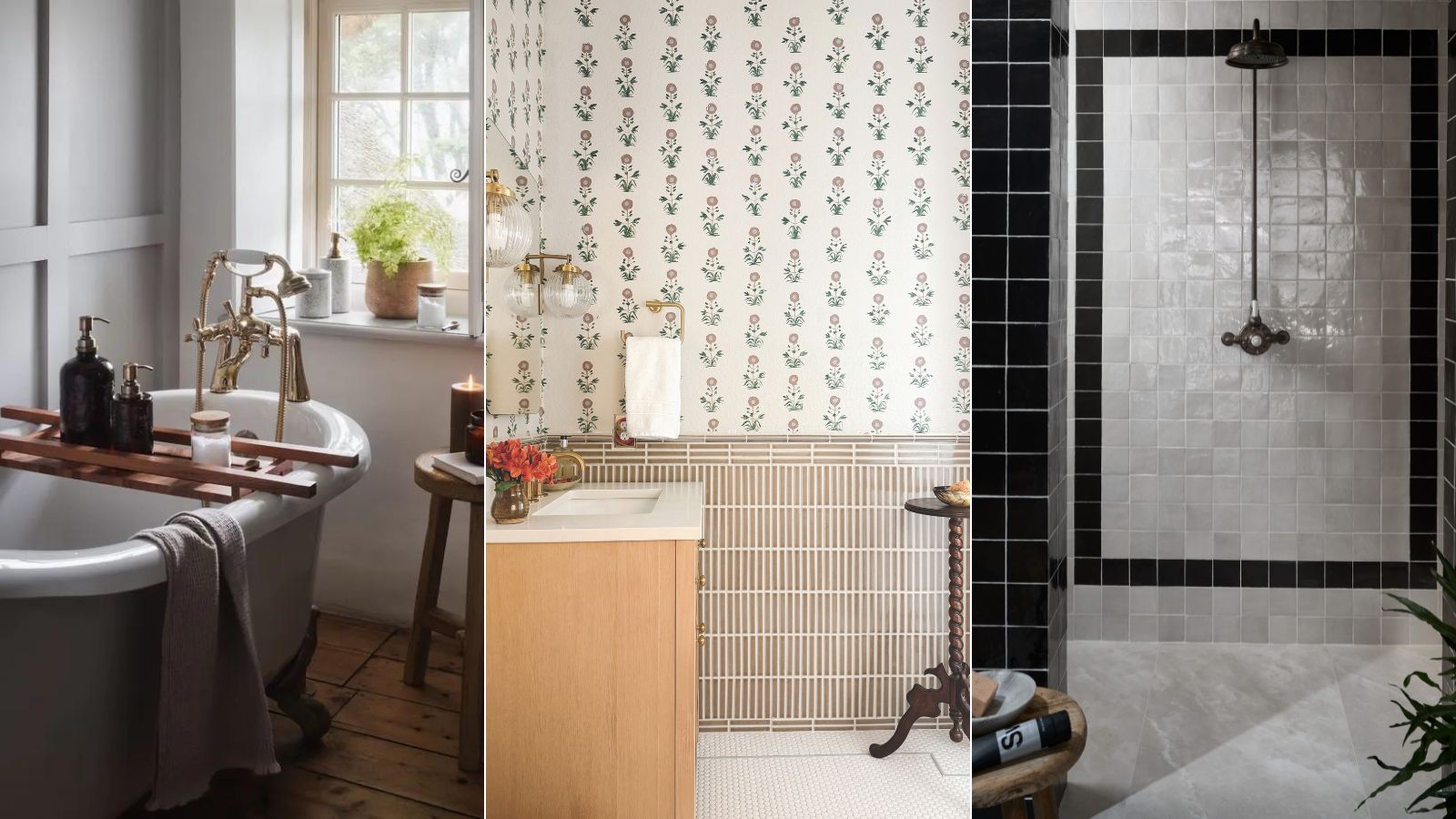
6 bathroom design myths experts say you shouldn't believe
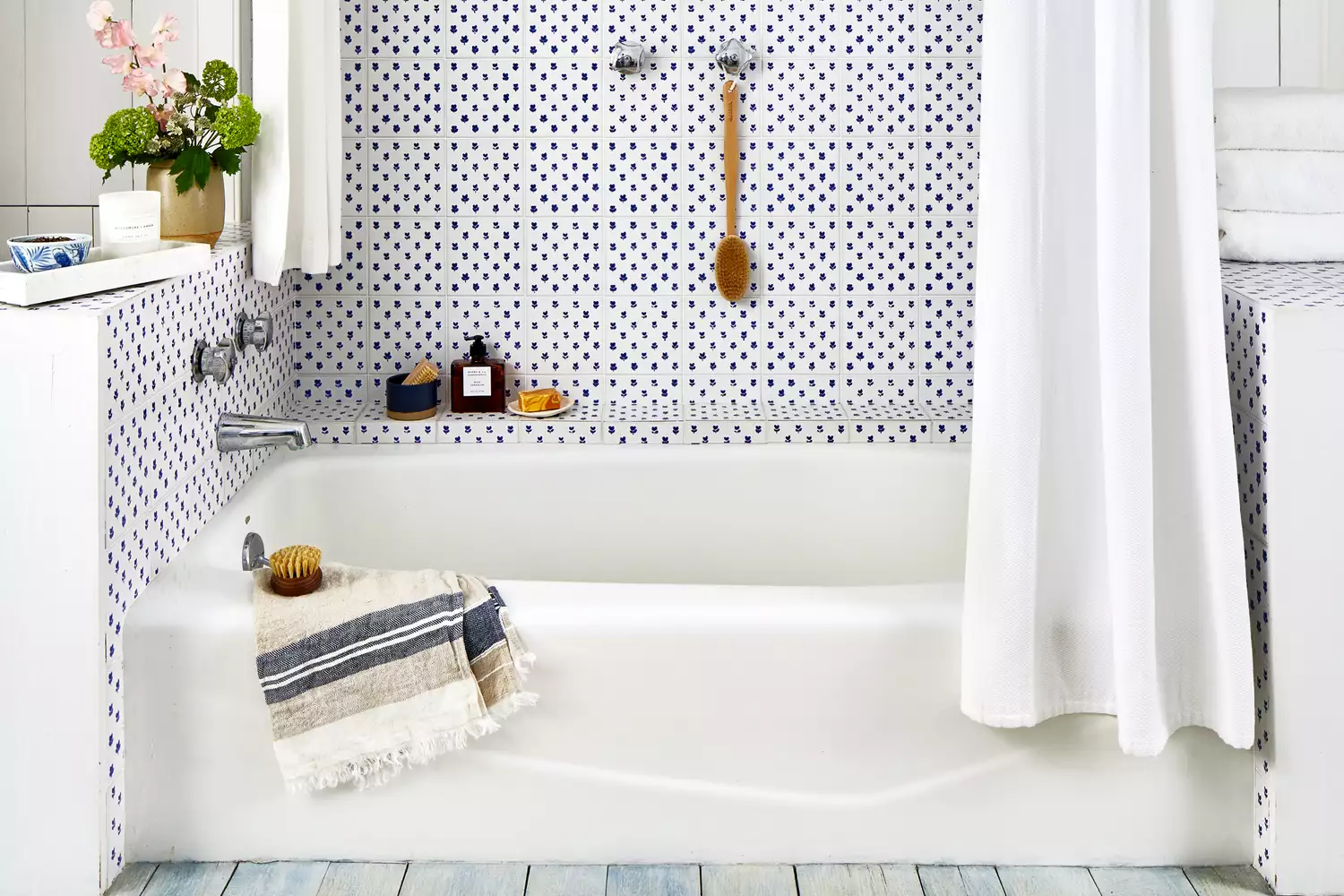
The #1 Bathroom Renovation Mistake Experts Always See (and How to Avoid It)

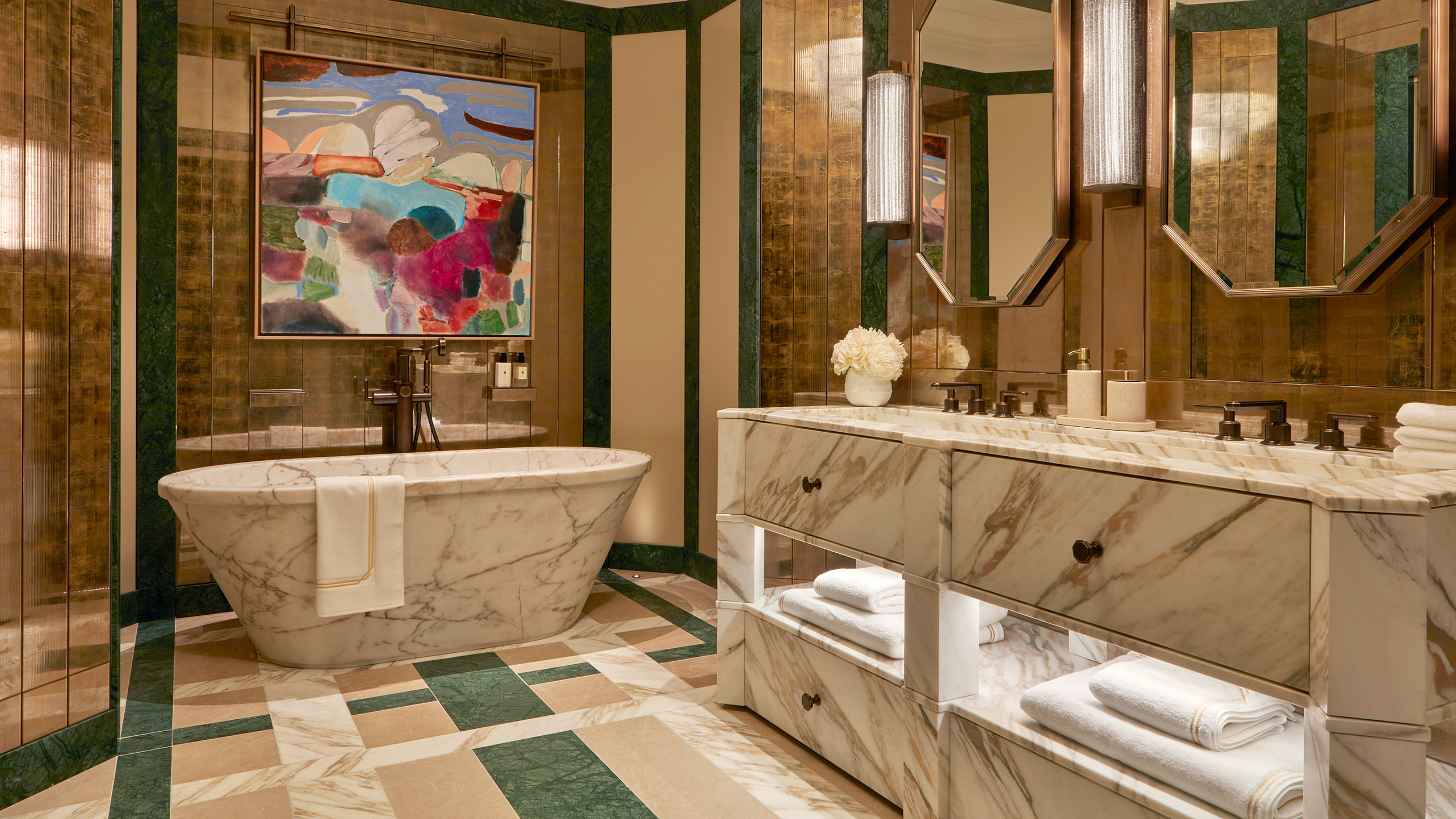
5 Outdated Bathroom Flooring Trends to Avoid in 2025 — Plus the Ones the Experts Want to See More of in Your Home

You're cleaning your bathroom floor wrong, experts warn – here's how to get it right
Don't Make These 9 Mistakes When Remodeling Your Bathroom, Pros Warn

Bathroom organizing mistakes – experts explain where you're going wrong and how to fix it
Shower room design mistakes – 6 problems that our bathroom experts see all too often
6 Mistakes You Should Avoid When Choosing Hardwood Floors, According to Home Reno Pros
6 of the latest bathroom flooring options

How to choose bathroom flooring - everything you need to know, according to experts
6 Common Mistakes When Choosing Hardwood Flooring

6 powder room storage mistakes to avoid – and what you should be doing instead
Bathroom remodel mistakes – and how to avoid them
Interior designers believe these are the bathroom tiling trends to follow (and avoid)

7 Mistakes to Avoid When Remodeling Your Bathroom

Don't use hardwood flooring in a bathroom without reading this expert advice for long-lasting boards
Small Bathroom Design Mistakes — 6 Errors You Probably Didn't Even Know You Were Making
6 Things That Are Actually Making Your Bathroom Look Grosser Than It Is, Cleaners Say