1/4
You're cleaning your bathroom floor wrong, experts warn – here's how to get it right
Maintaining a clean bathroom floor is essential for hygiene and comfort, yet many individuals unknowingly employ incorrect cleaning methods that can damage the flooring and leave it looking less than spotless. Experts emphasize that the optimal cleaning approach is highly dependent on the floor's material, with common mistakes often involving the use of excessive water or inappropriate cleaning agents.
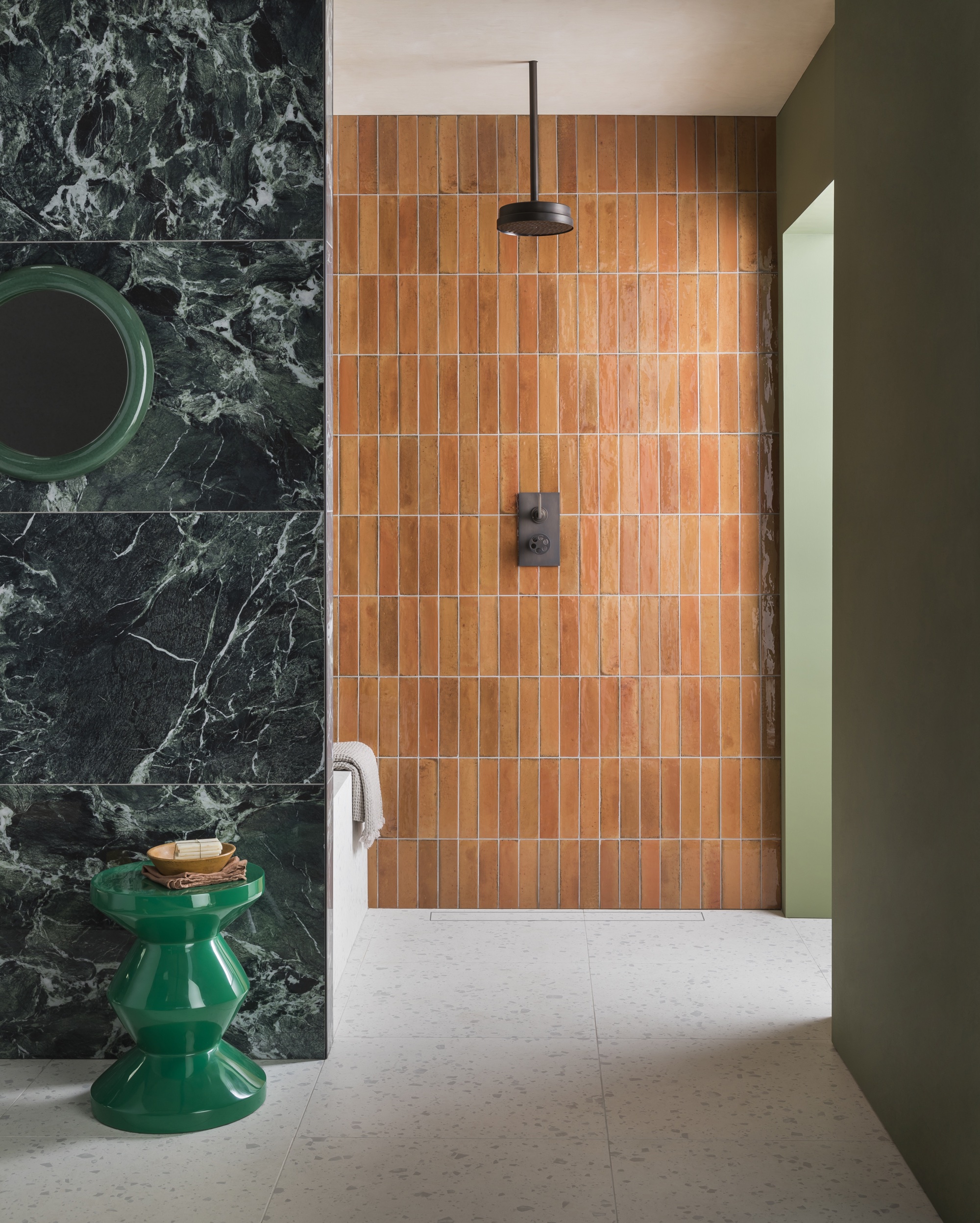
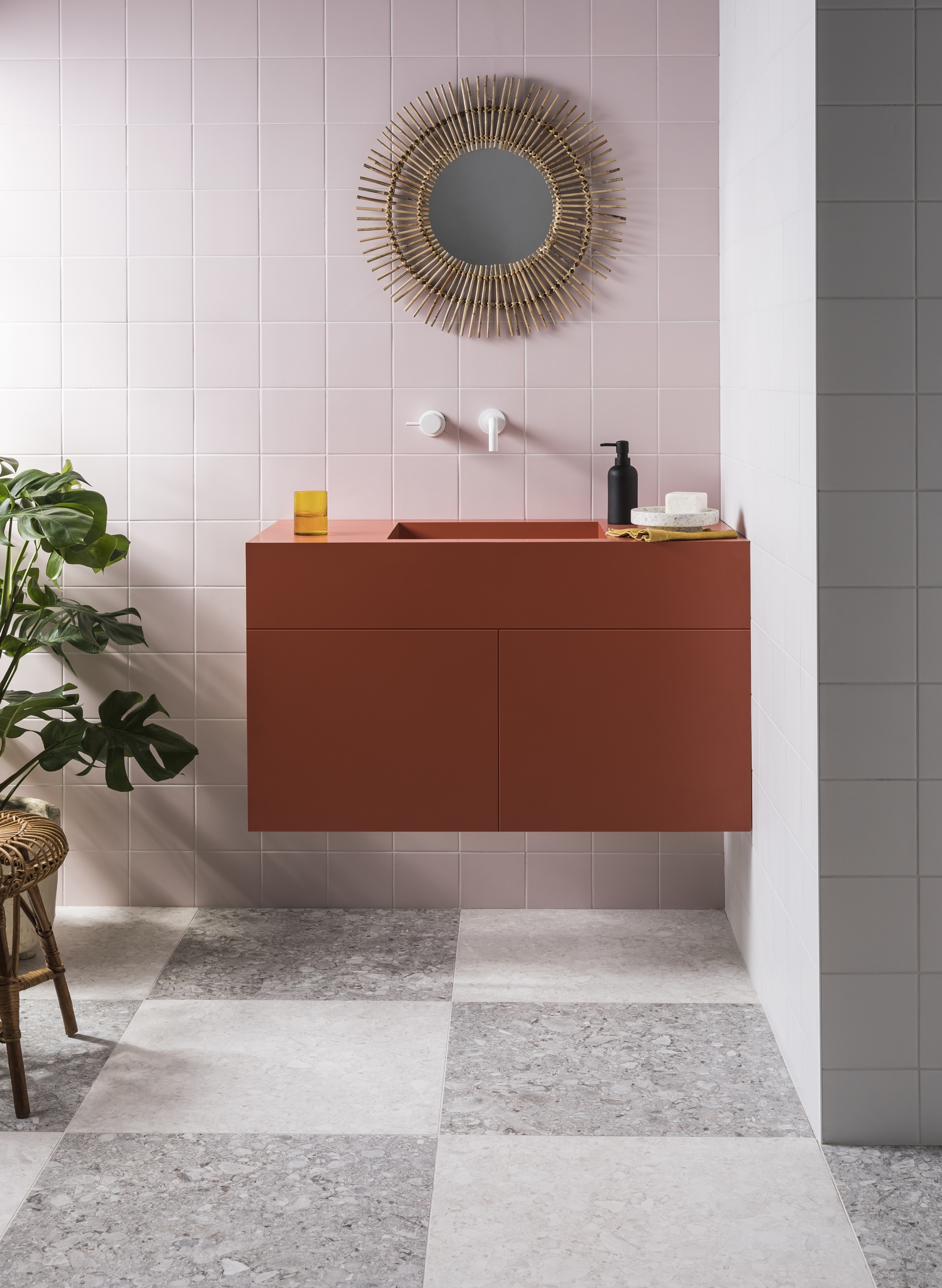
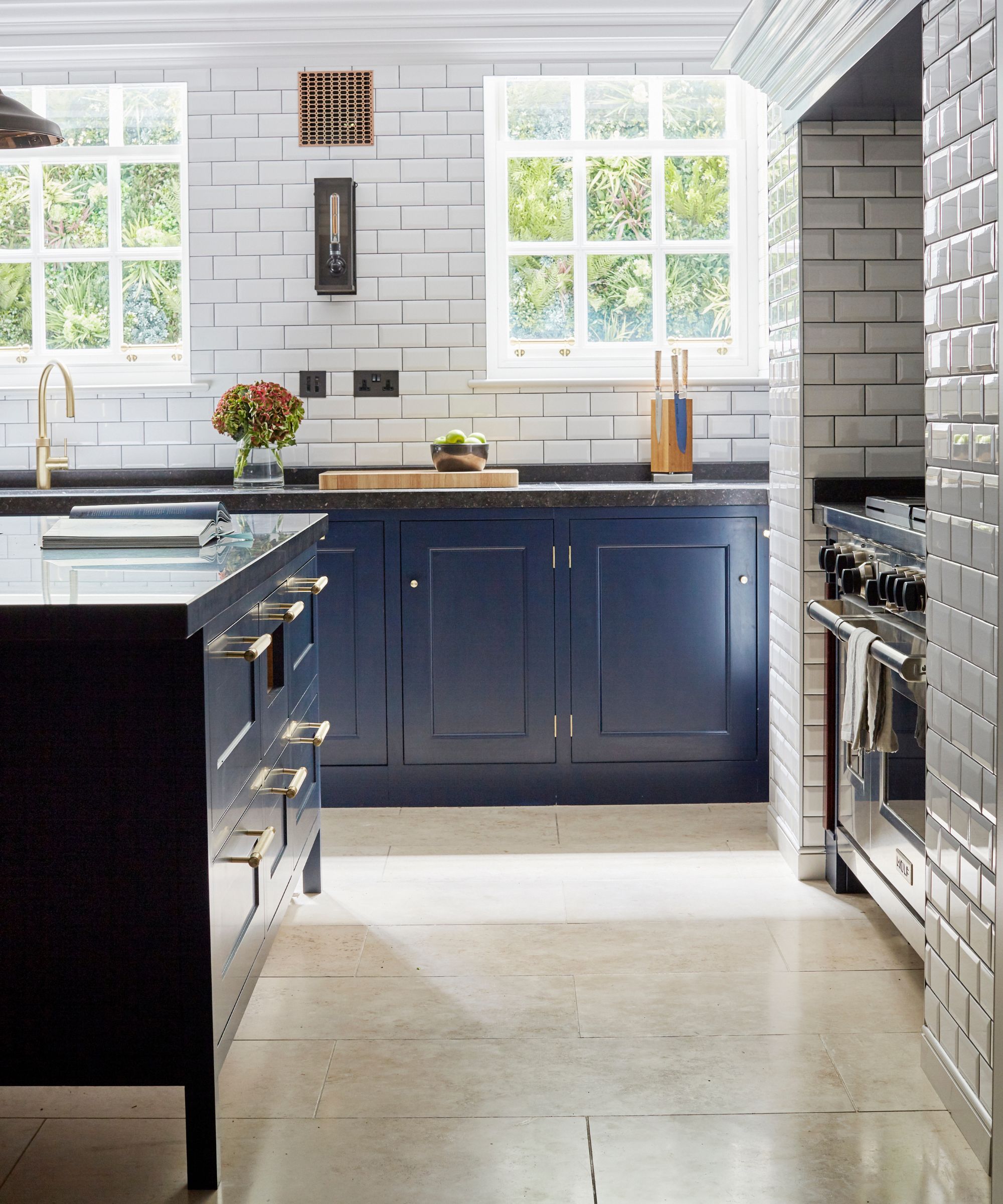
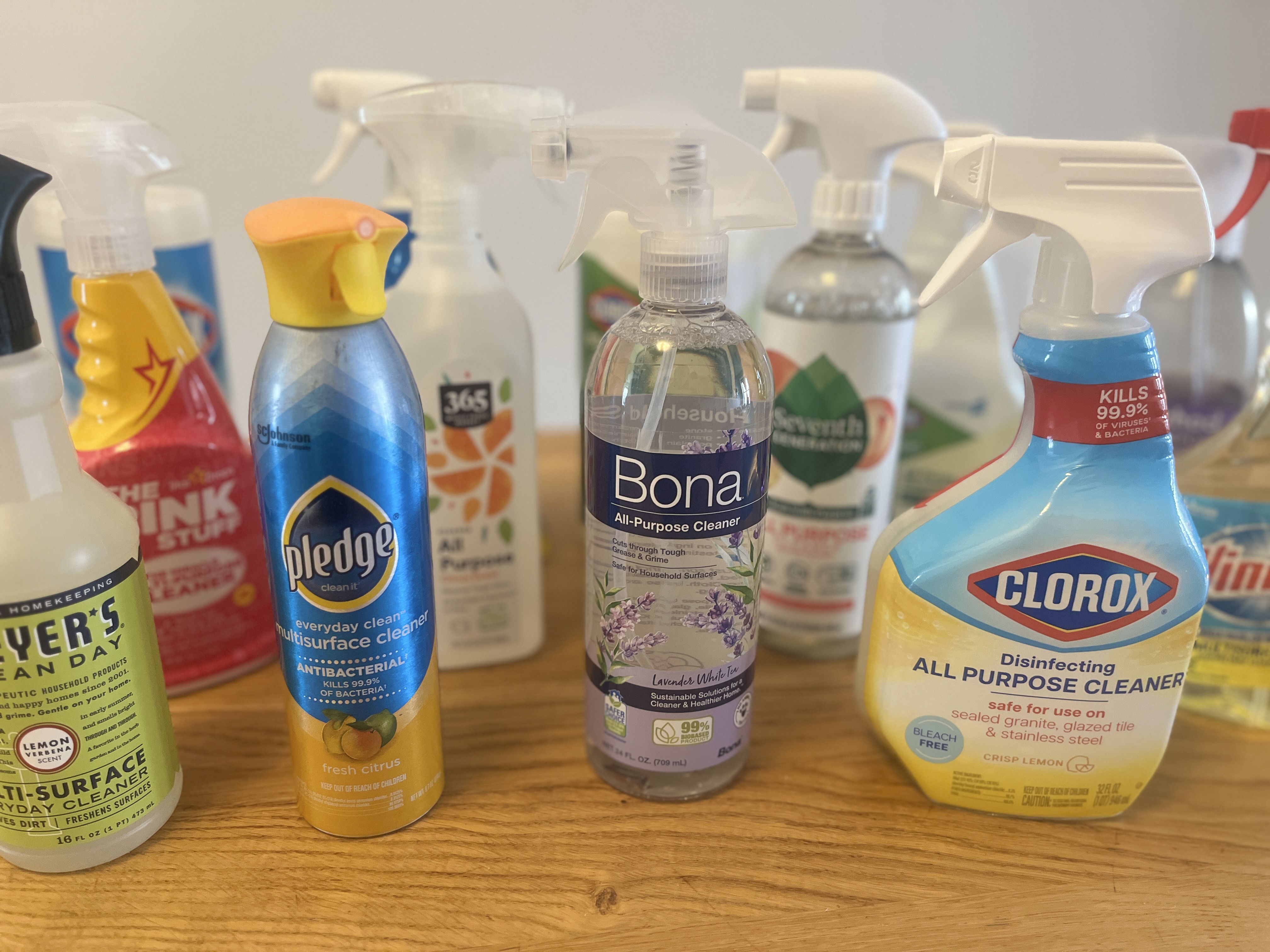
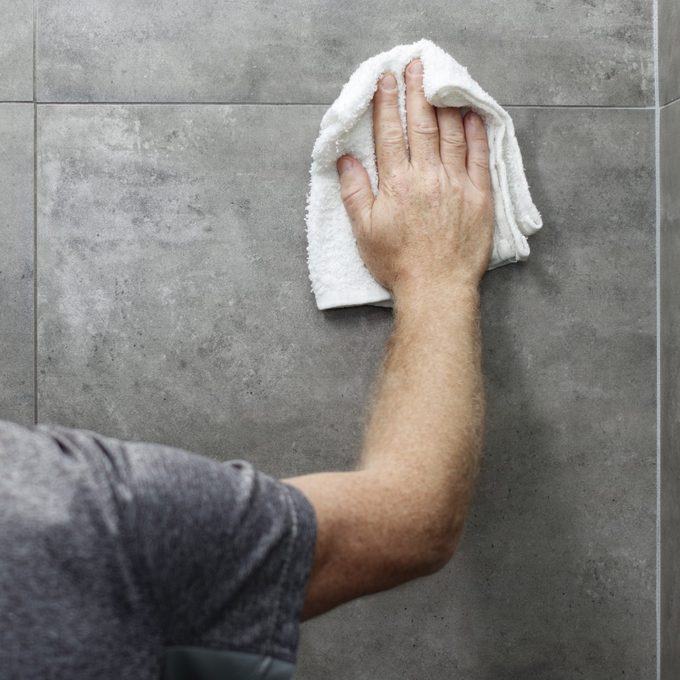
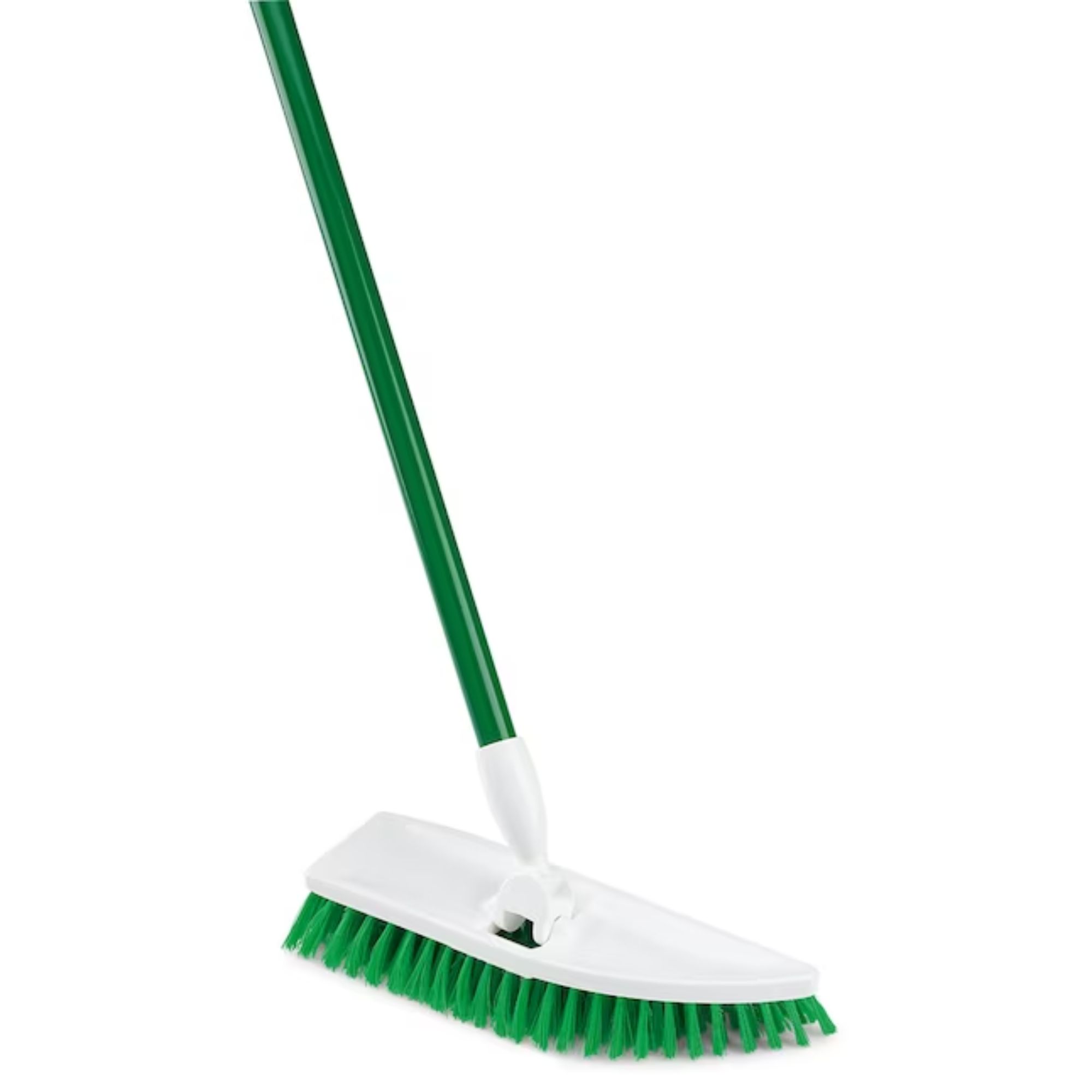
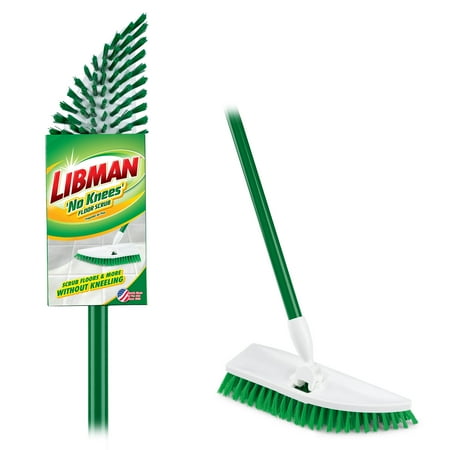
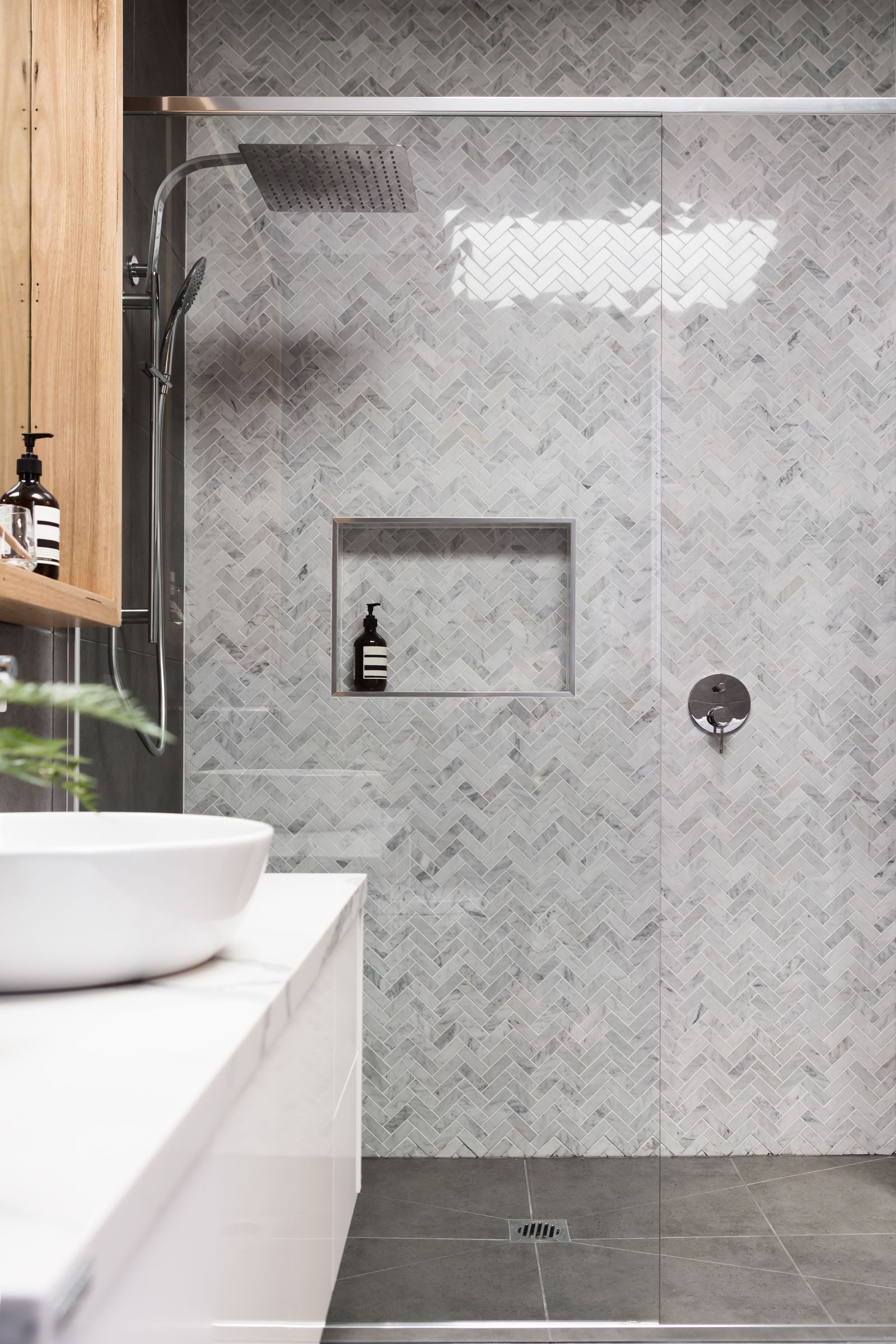
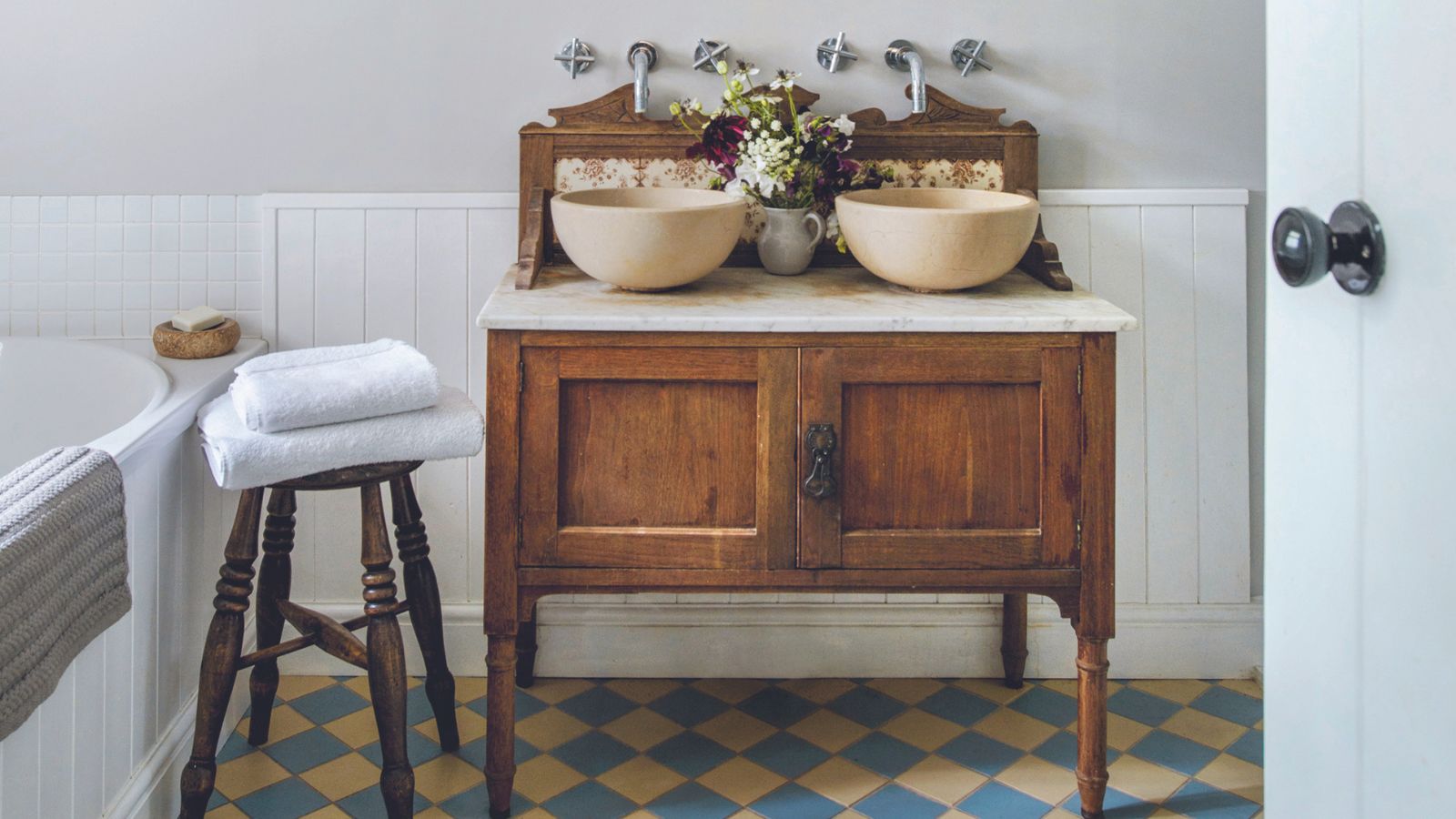
For tiled bathroom floors, a popular and durable option, common errors include using overly harsh products and an abundance of water. These practices can degrade grout and tile surfaces, leading to a dirtier appearance rather than a clean one. Cleaning specialists recommend using pH-neutral cleaners, such as Simple Green, for regular maintenance. For stubborn grout stains, an alkaline cleaner can be used sparingly. A scrub brush is advised to effectively remove dirt rather than simply spreading it around. Reducing water usage during cleaning is also critical to prevent damage.
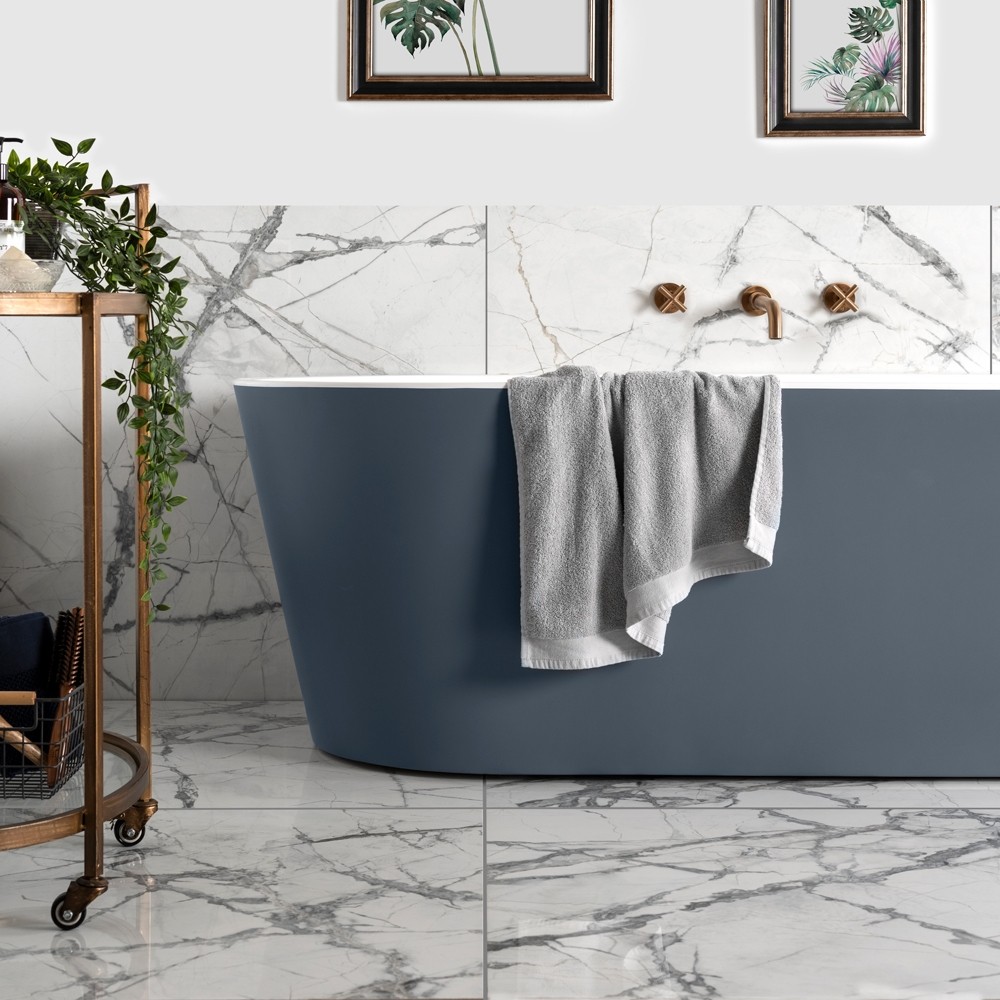
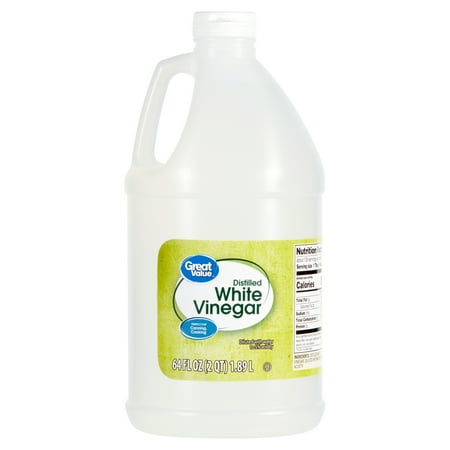
Stone floors, including marble and granite, are particularly susceptible to damage from generic cleaning products. Acidic substances can etch or dull the finish of these sensitive materials. Professional cleaners caution against using vinegar solutions, despite their popularity as eco-friendly options, as they can harm stone surfaces. Instead, a diluted dish soap solution with warm water is recommended, followed by thorough drying to prevent water spots and maintain the floor's luster.
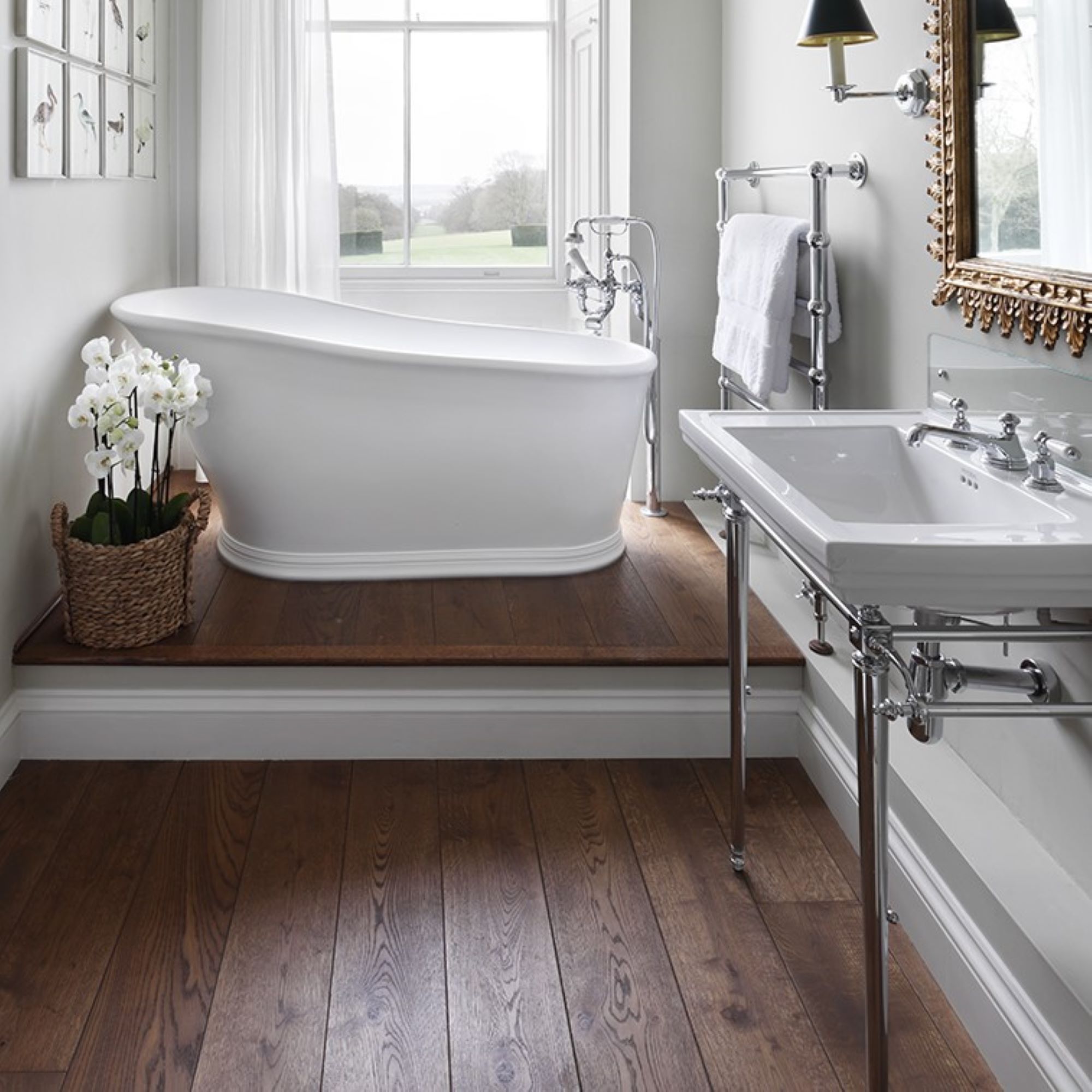
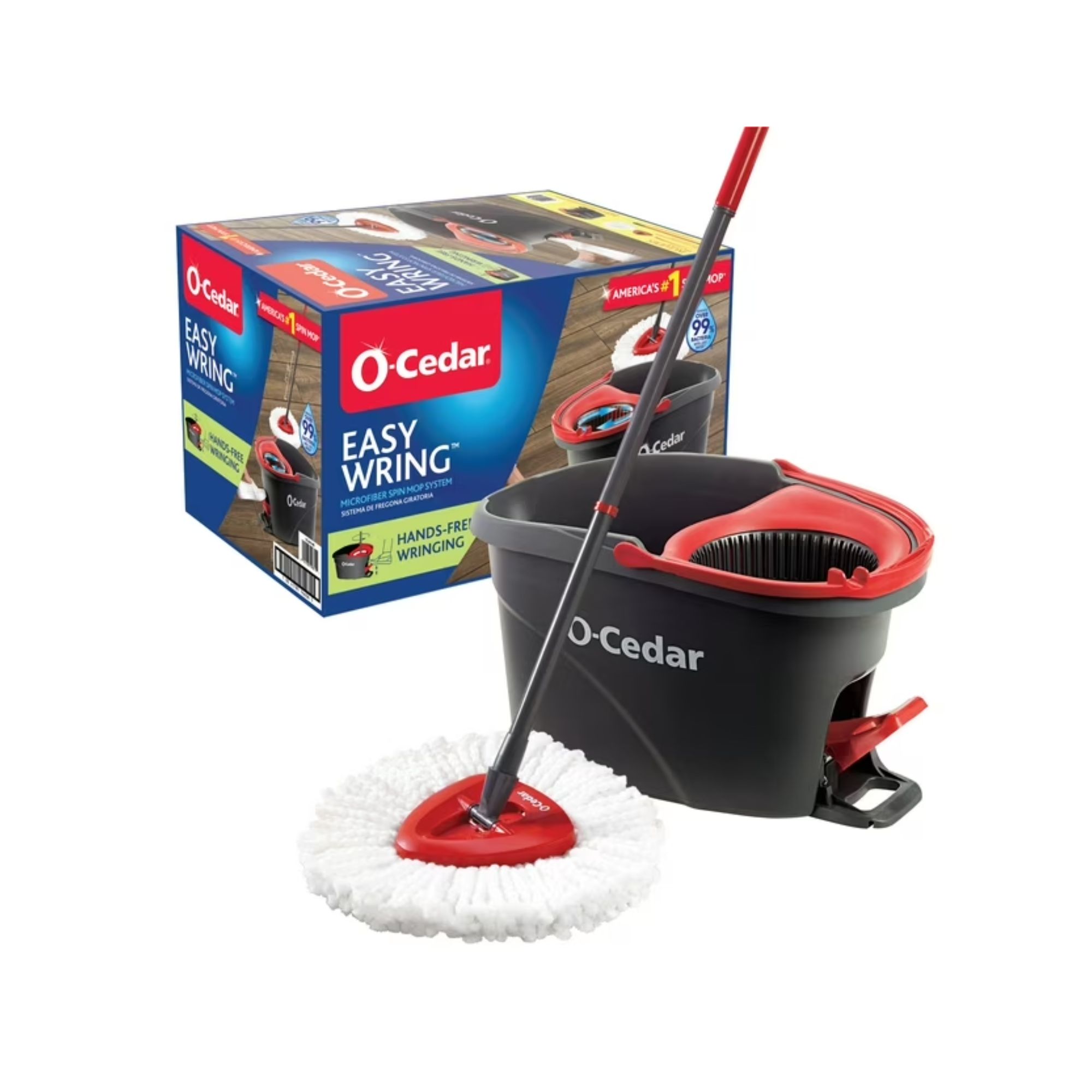
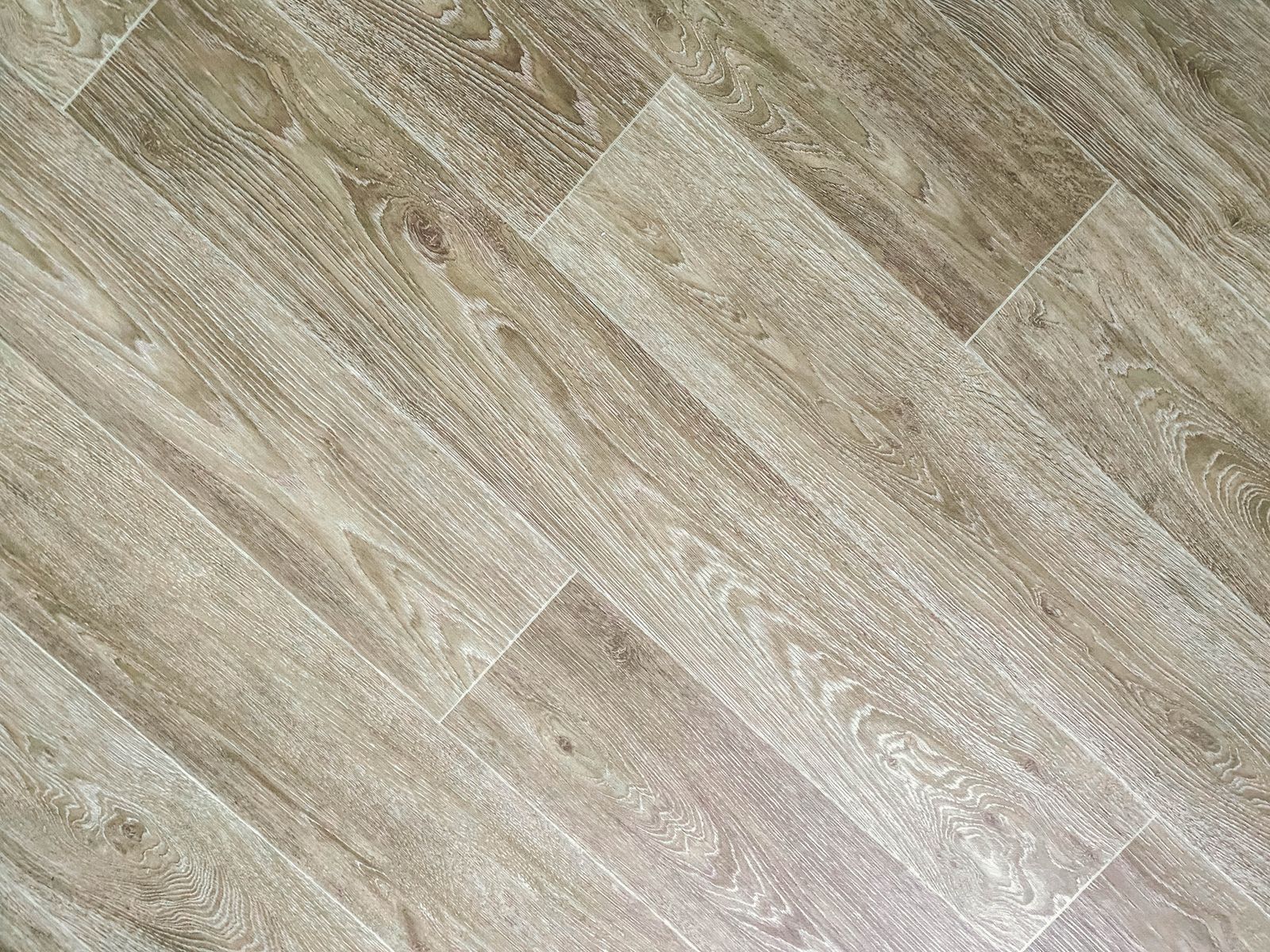
Vinyl and Luxury Vinyl Plank (LVP) floors are known for their durability and ease of maintenance. However, commercial floor cleaners often leave behind a residue that can make these surfaces appear dull and feel tacky. To effectively clean vinyl and LVP, a two-bucket mopping technique combined with the 'wet room' method is suggested. This involves using one bucket for clean water with a minimal amount of dish soap (approximately one tablespoon) and another for dirty water. This method requires frequent rinsing of the mop but prevents the accumulation of cleaning product residue, ensuring a cleaner, non-tacky finish.
Bathroom floors tend to accumulate dirt rapidly due to a combination of dust and moisture. The high humidity from showers and splashes from washing cause dust and hair to adhere to the surface, becoming more difficult to remove once the water evaporates. Regular cleaning, ideally at least once a week, and prompt wiping of spills are crucial for maintaining hygiene and preventing floor damage or mold growth. Among the various flooring types, tiles are considered the easiest to keep clean due to their water resistance, which facilitates easy cleanup of spills and debris. Opting for large format tiles with minimal grout lines can further simplify cleaning by reducing areas where dirt and mold can accumulate, thereby minimizing the need for intensive scrubbing.
#BathroomCleaning #FloorCare #TileFlooring #StoneFlooring #VinylFlooring #HomeMaintenance #CleaningTips #GroutCleaning #MoldPrevention #BathroomCleaning #FloorCare #TileFlooring #StoneFlooring #VinylFlooring #HomeMaintenance #CleaningTips #GroutCleaning #MoldPrevention
0 comment in total
 No comments yet
You may also like
How to Clean Every Type of Floor Quickly and Easily

I thought my mop was just OK – until a professional cleaner taught me the right way to use it
How to clean hardwood floors – experts reveal the best techniques
How to clean hardwood floors the right way

Bathroom organizing mistakes – experts explain where you're going wrong and how to fix it
Why Your Bathroom Desperately Needs Cleaning Now

5 Bathroom Cleaning Mistakes Even The Tidiest People Make
How to Clean Tile Floors—From Ceramic to Cement Surfaces

Experts warn against these 6 bathroom flooring mistakes - what to do instead
How To Clean Bathroom Tile, According To Professional Cleaners
How to Clean Tile Floors Quickly and Easily

Carpet mistakes to avoid – 5 expert-approved tips to ensure perfect flooring
We've All Been Cleaning Our Countertops the Wrong Way—Here's What Experts Recommend

The best mops for every floor type, tested by our cleaning experts


I swear by this incredibly easy 5-step method for cleaning real wood floors
The One Way You Should NEVER Clean Laminate Floors
How to choose bathroom flooring - everything you need to know, according to experts

How to declutter a bathroom according to the experts

Professional cleaners never waste their time with standard mops on tile floors – this is the $13 essential they always recommend instead
Pros Reveal the Best Way to Clean Tile Floors + Easy Secret to Get Grout White Again