1/7
Interior designers believe these are the bathroom tiling trends to follow (and avoid)
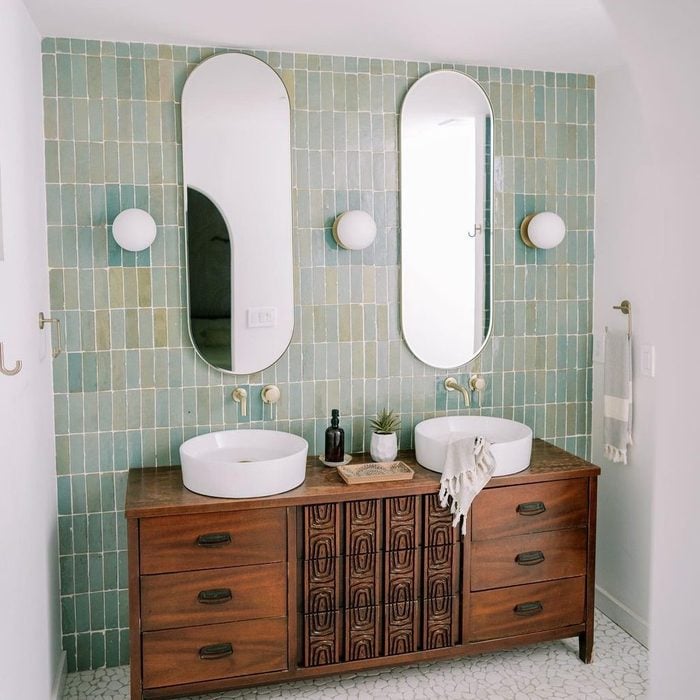
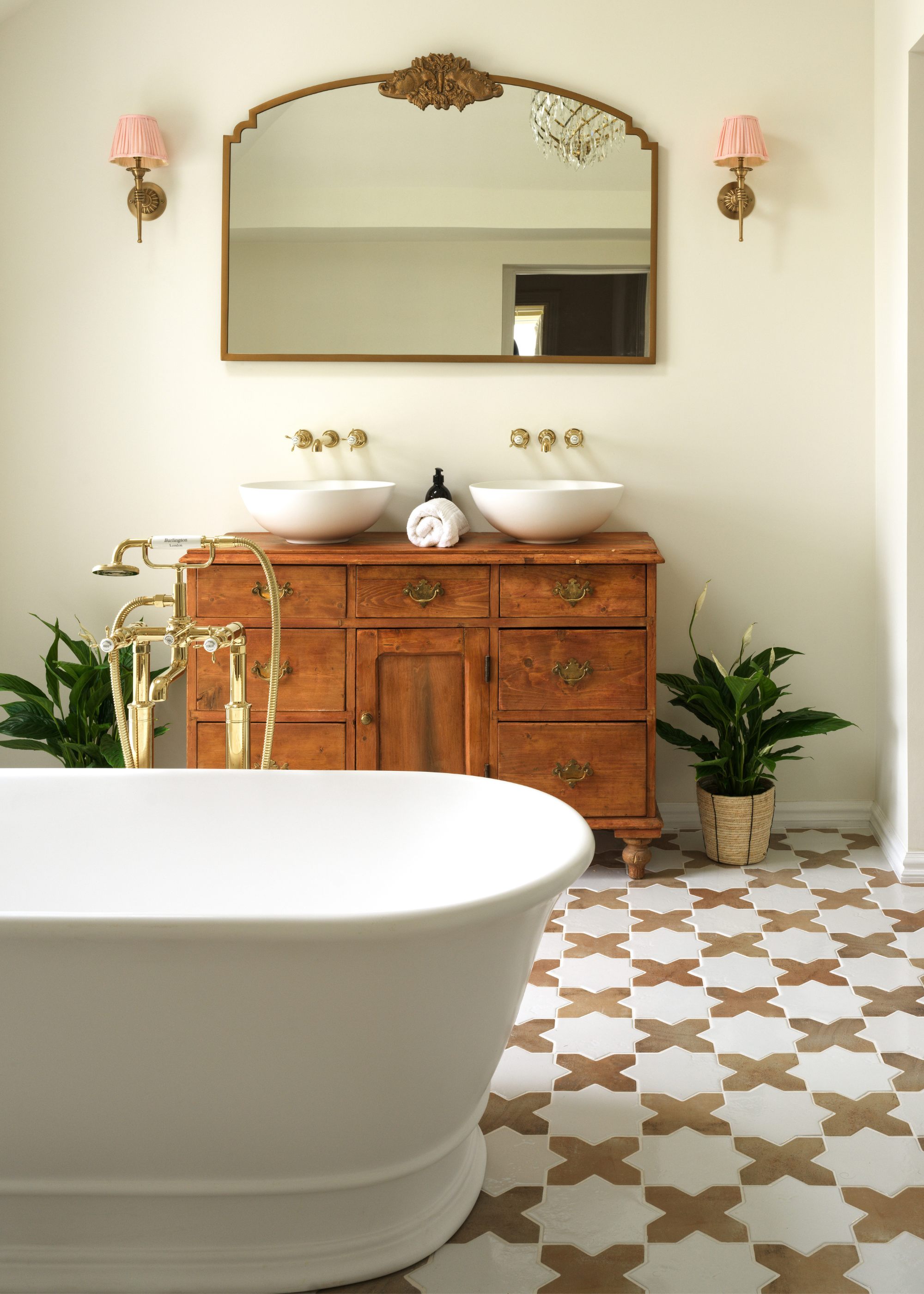
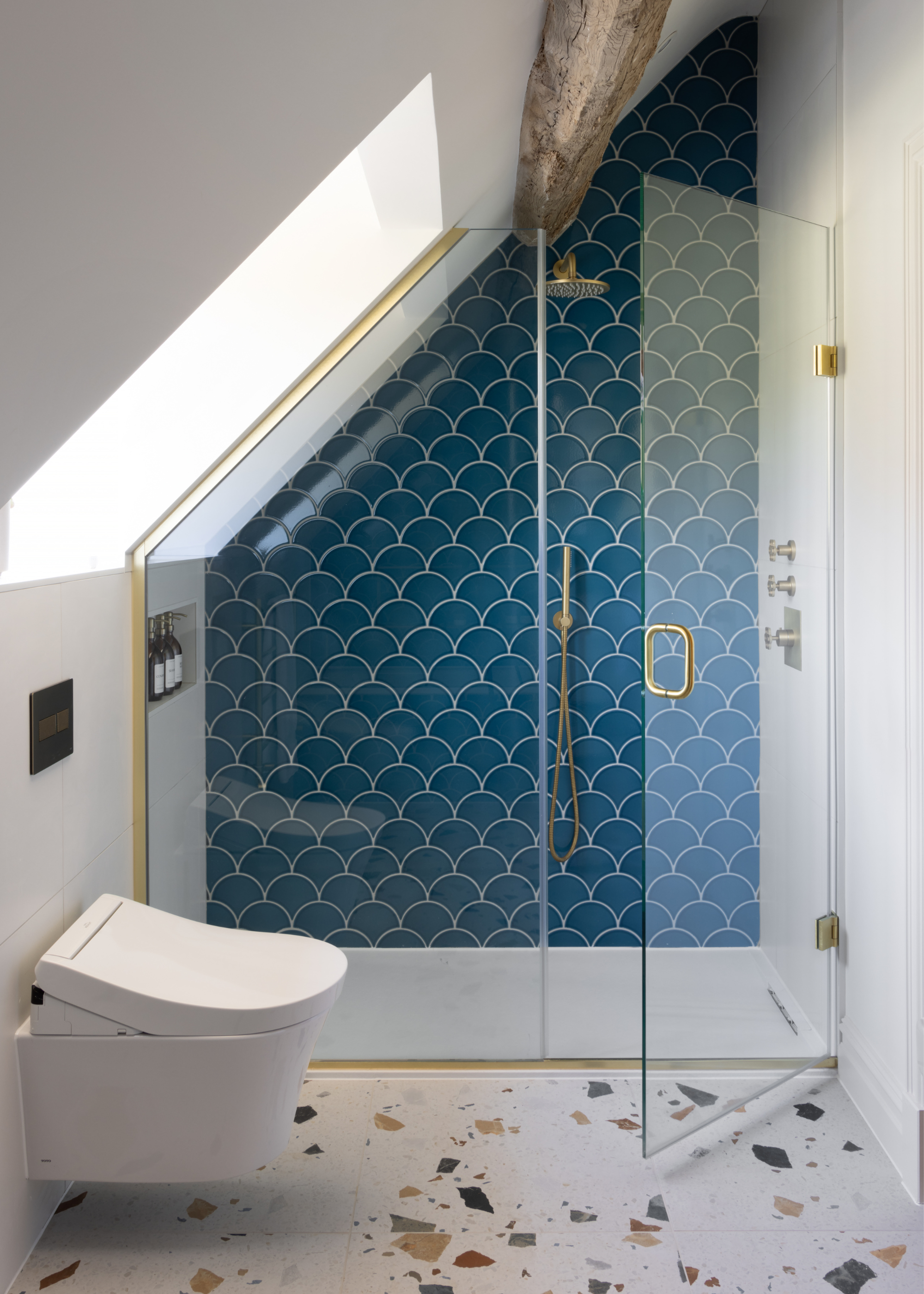
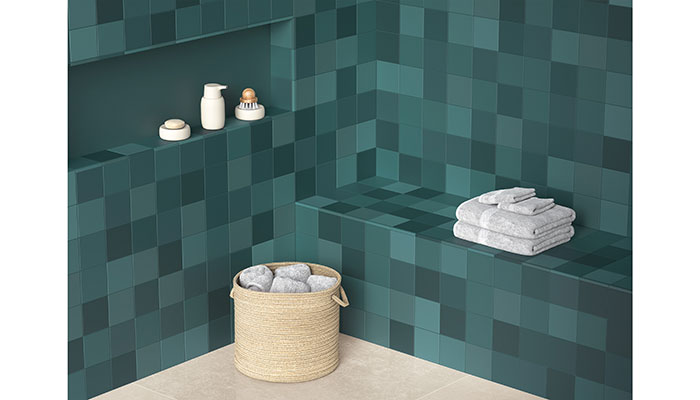
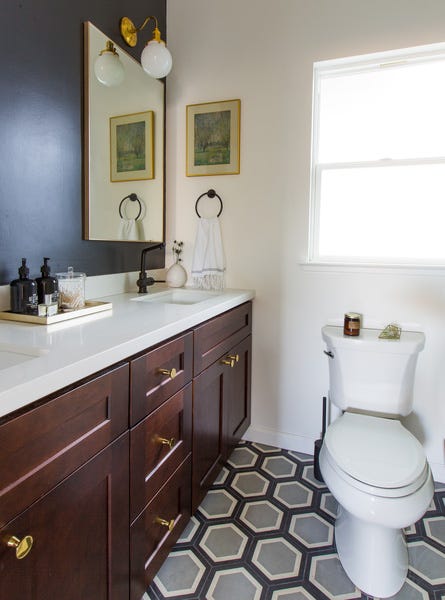
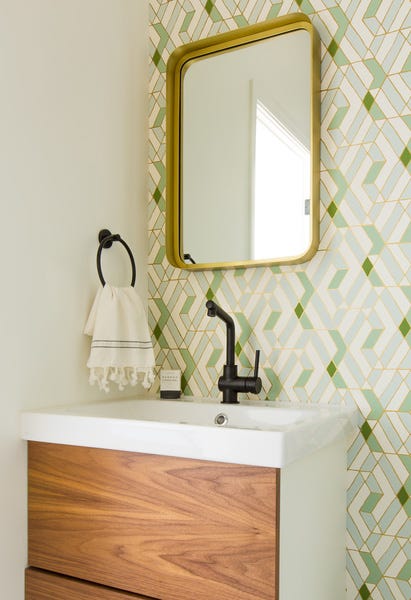
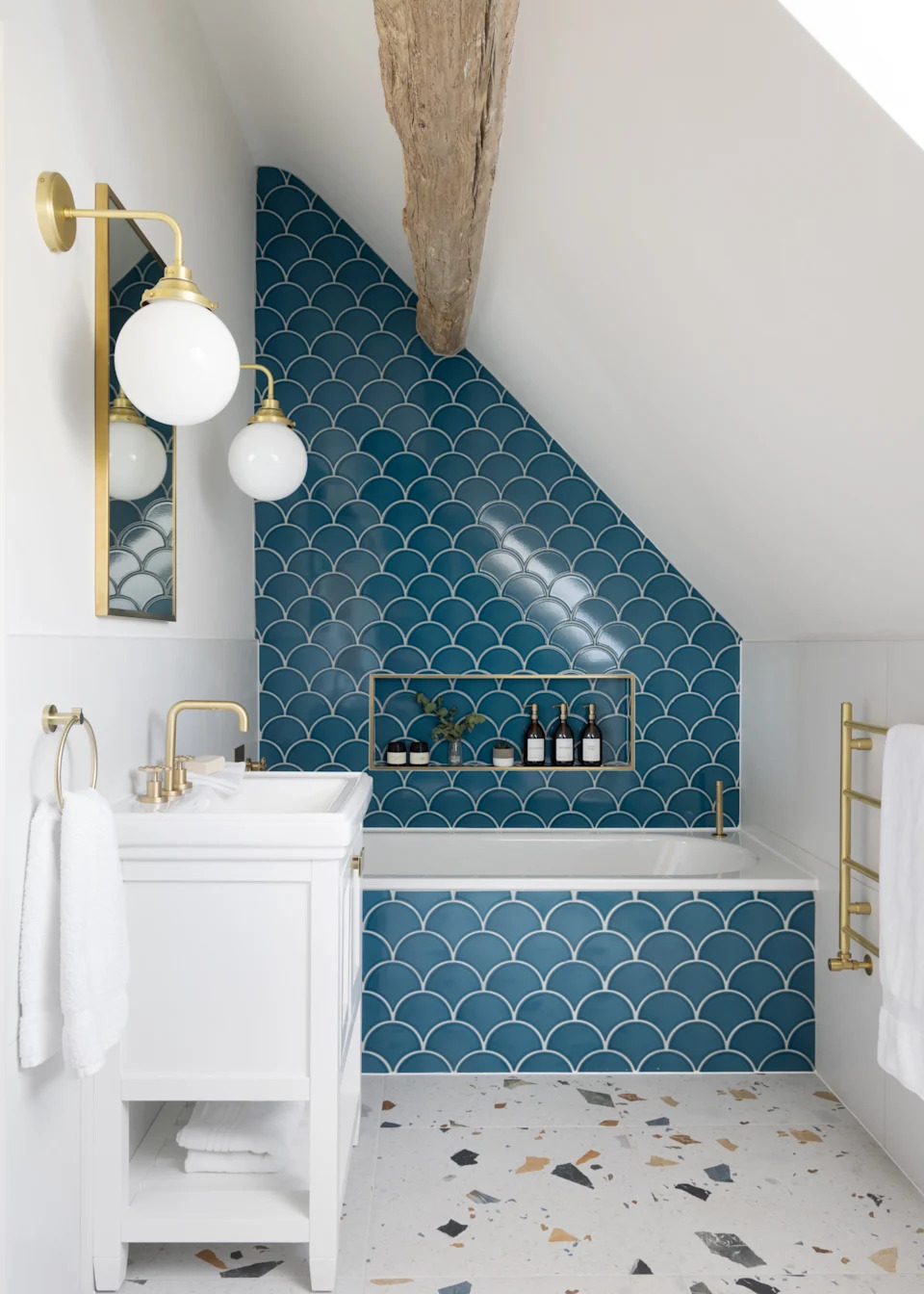
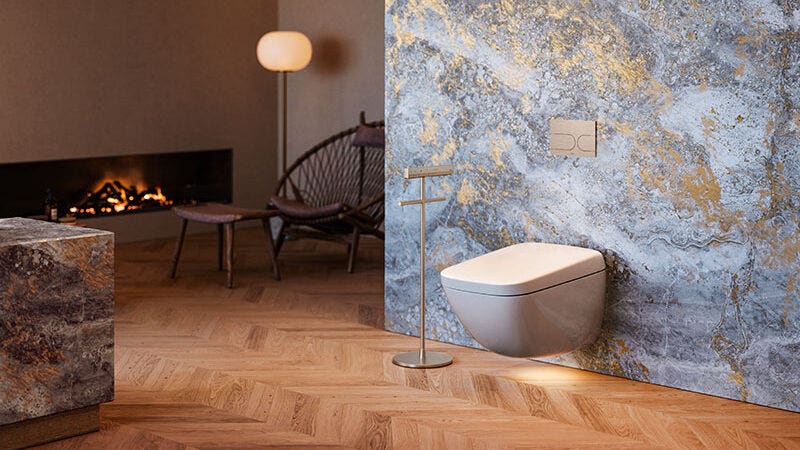
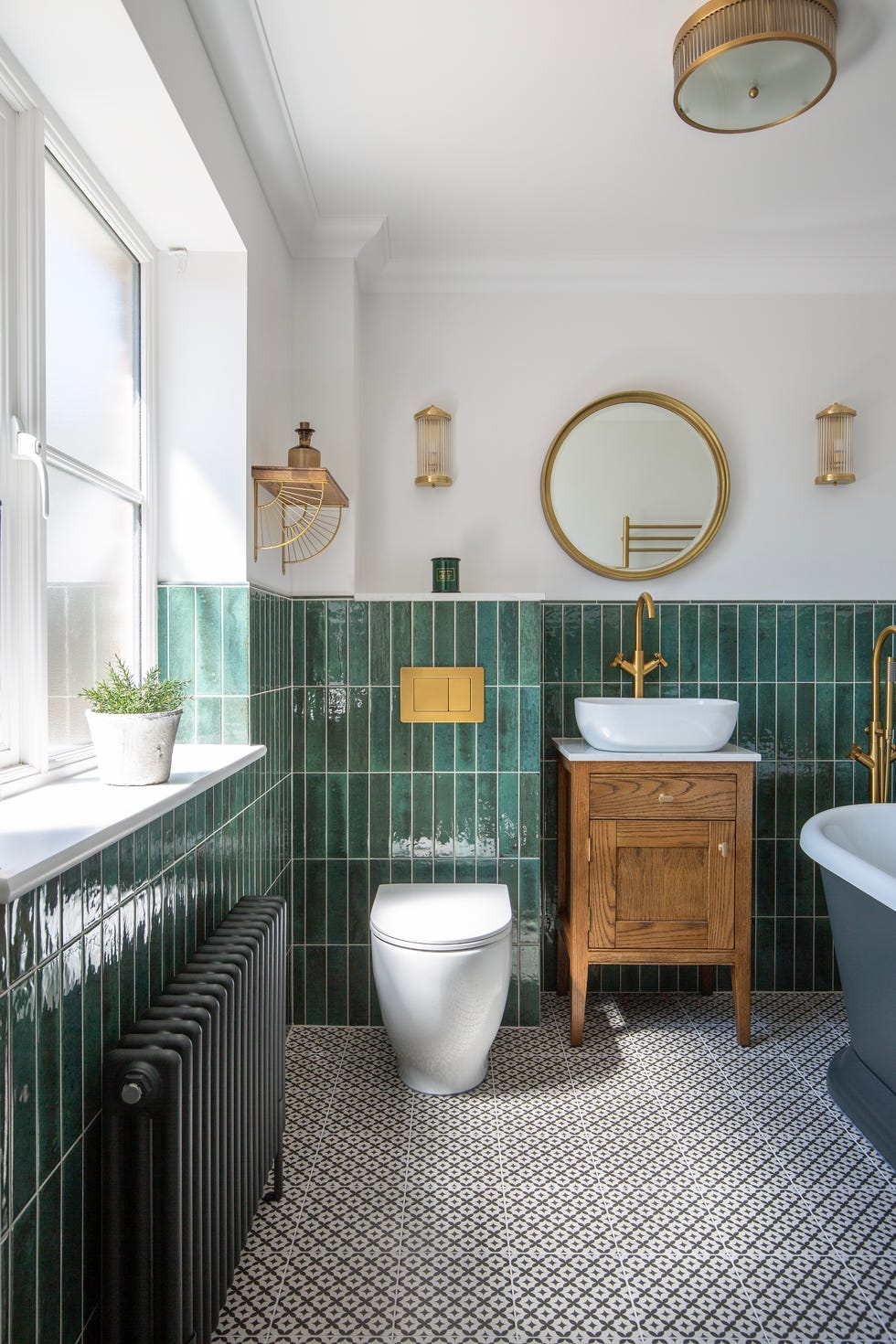
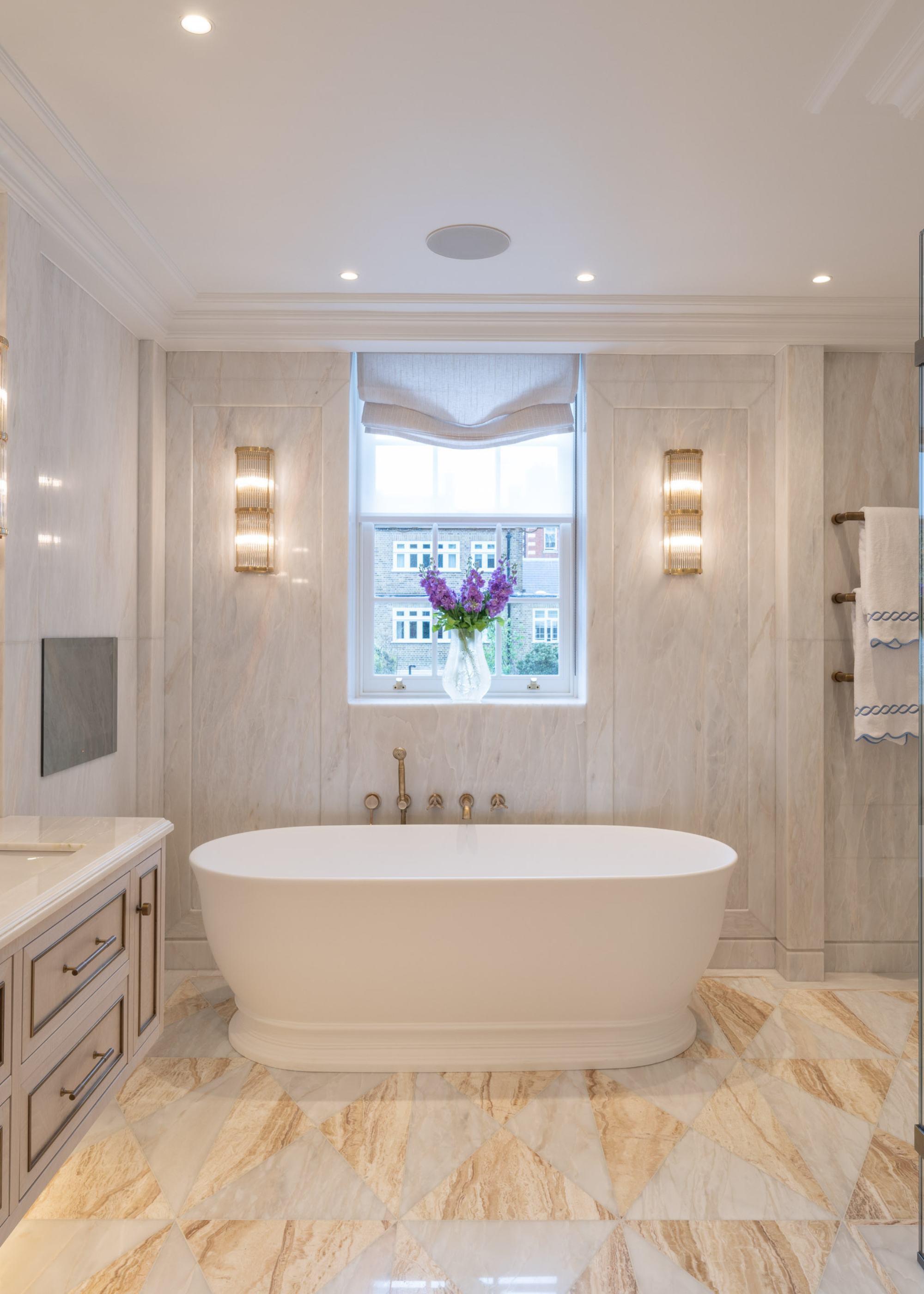
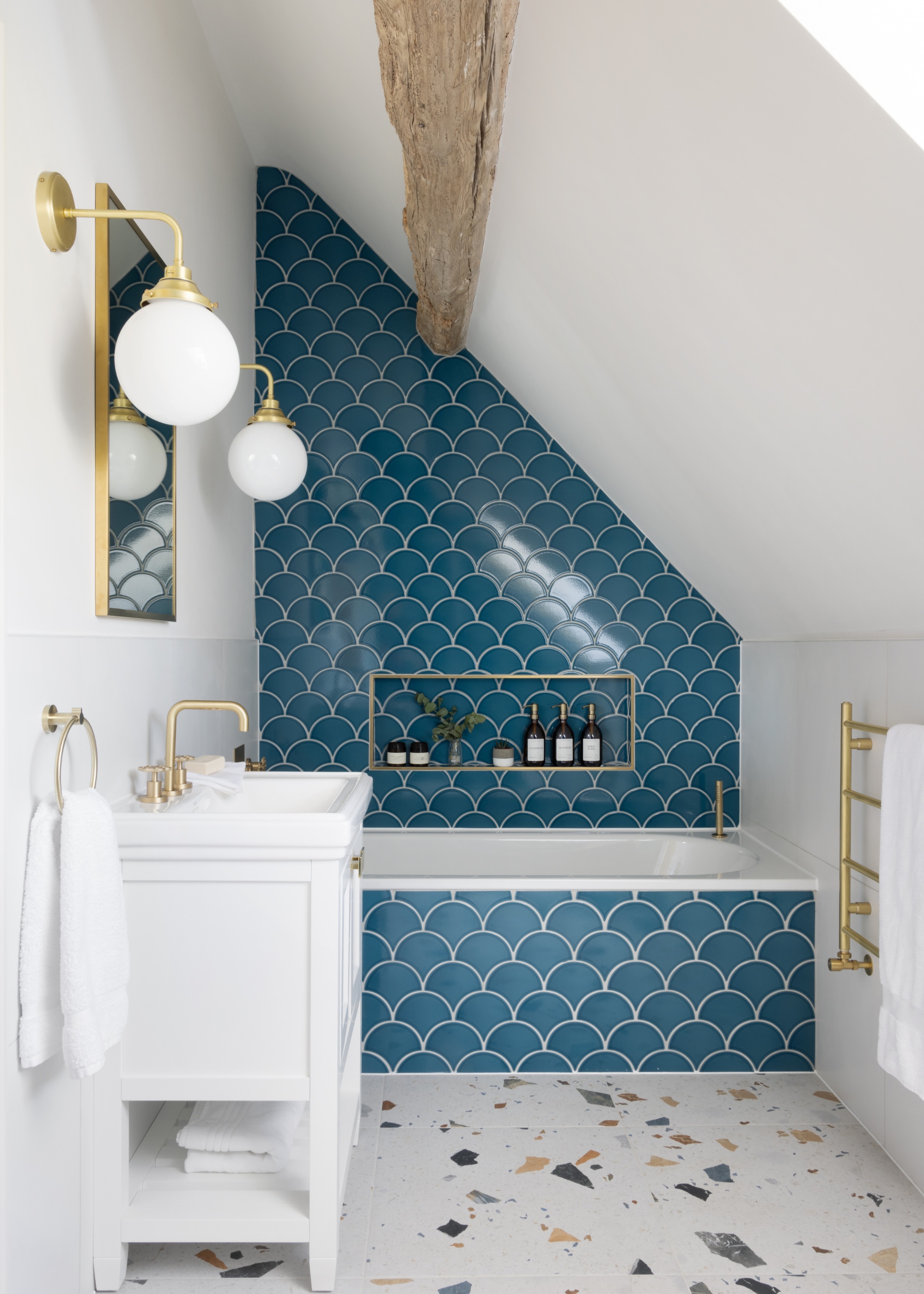
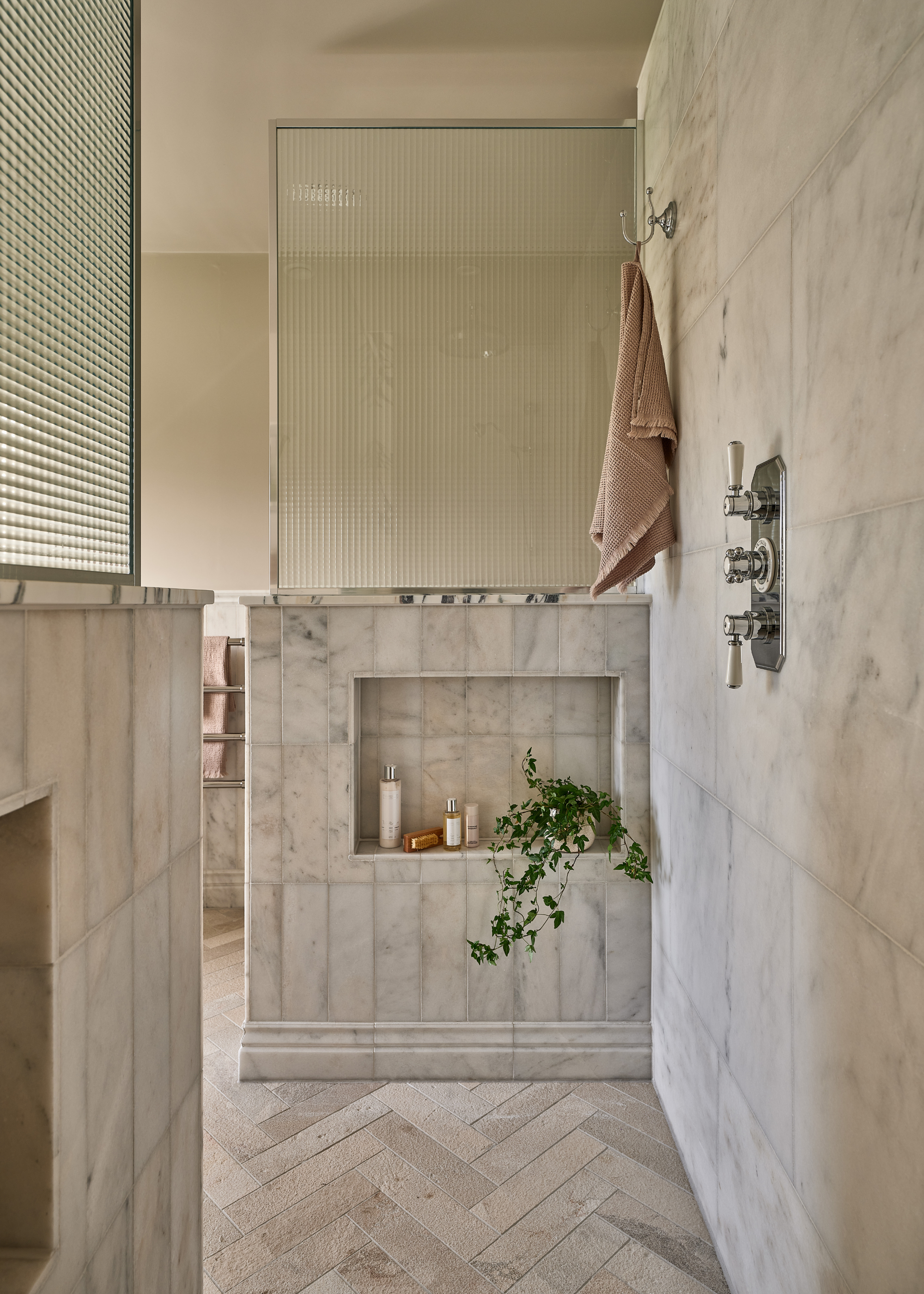
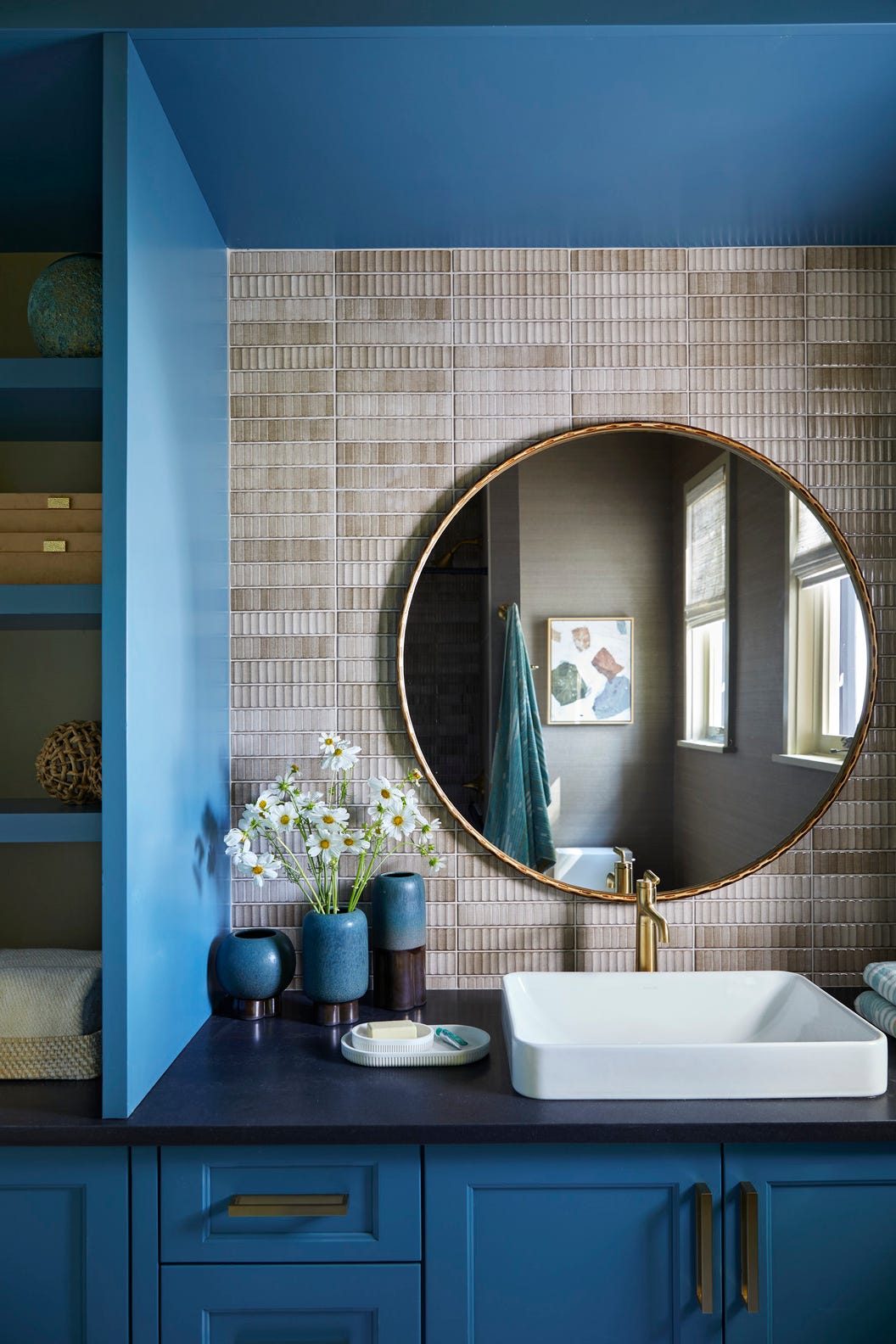
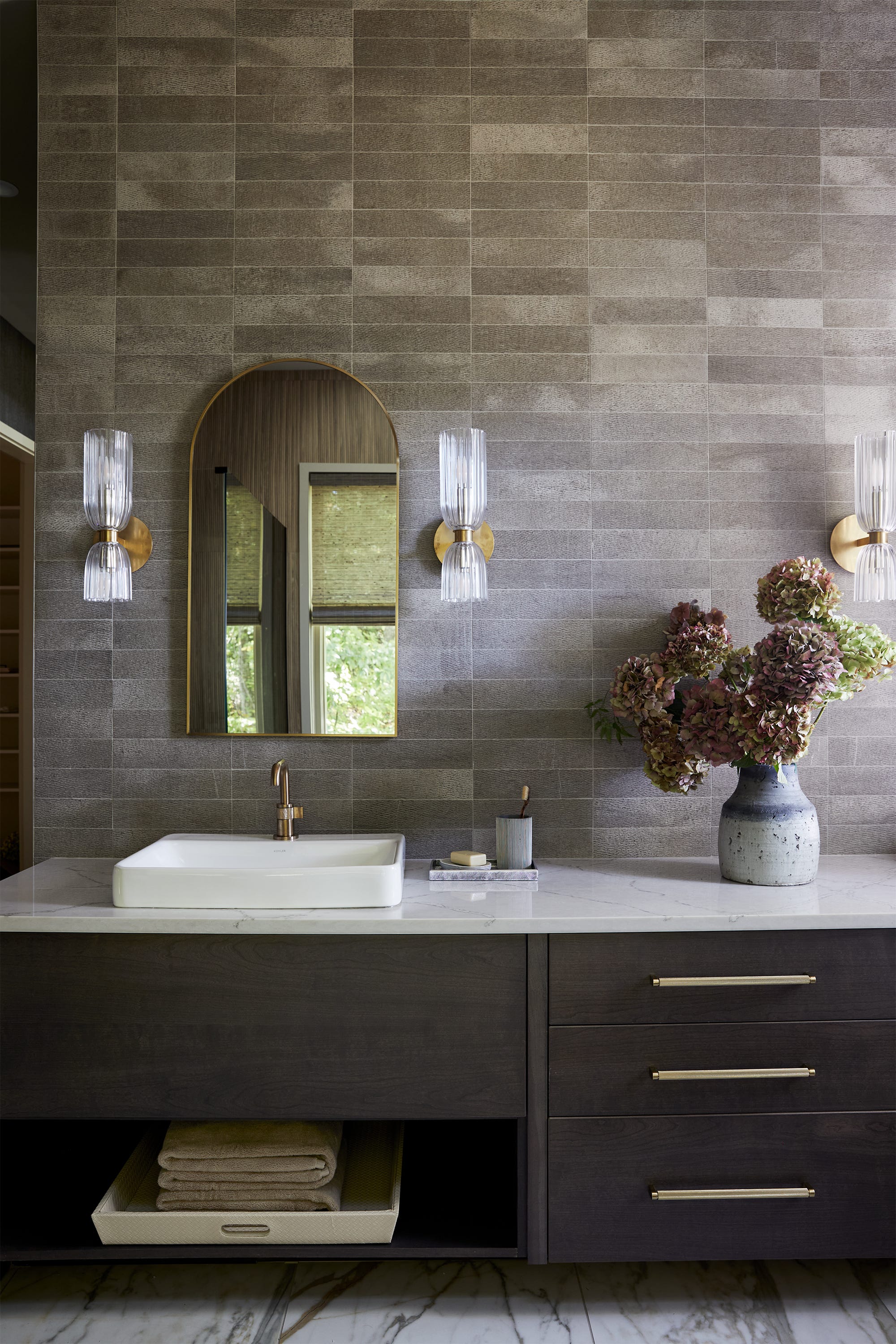
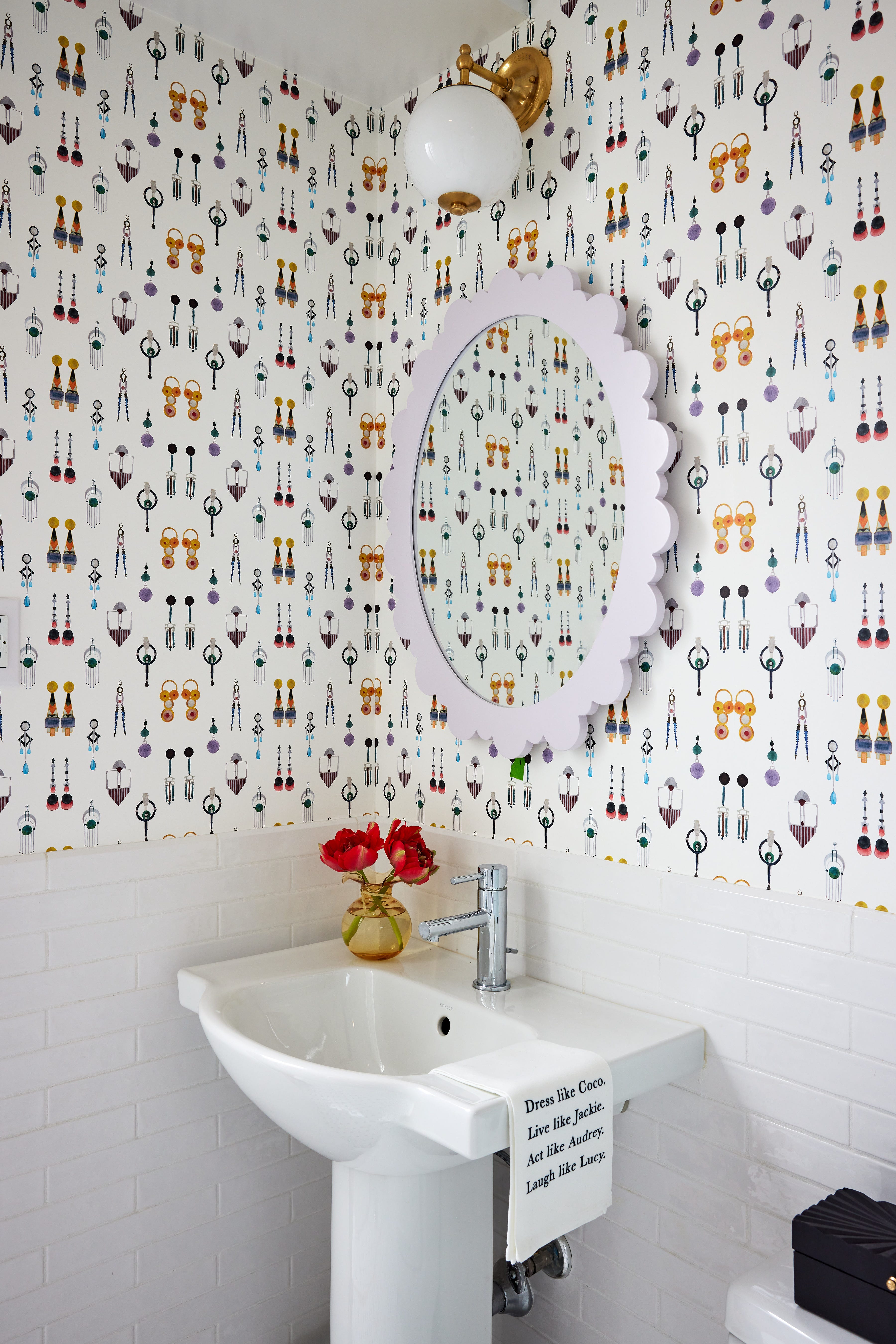
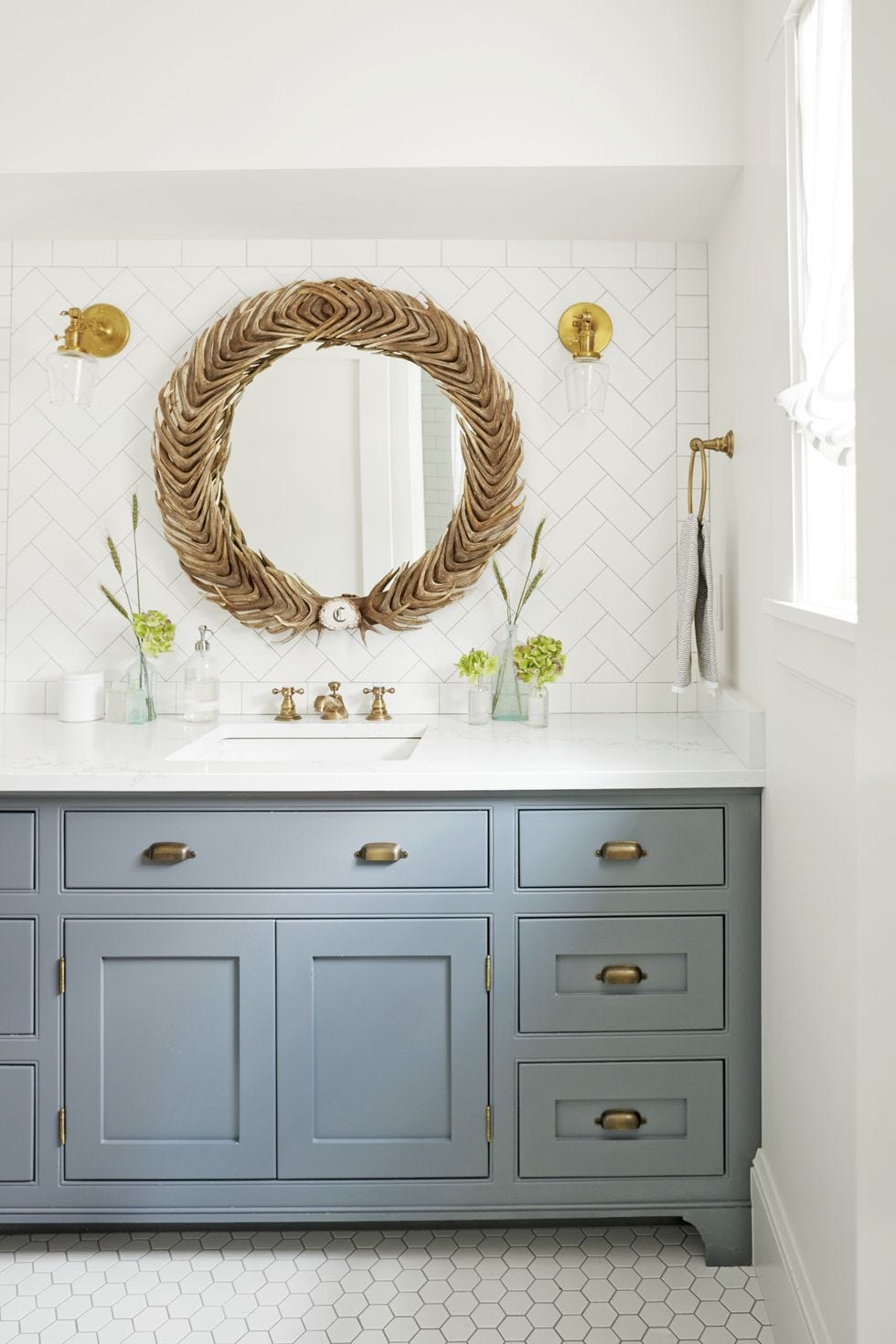
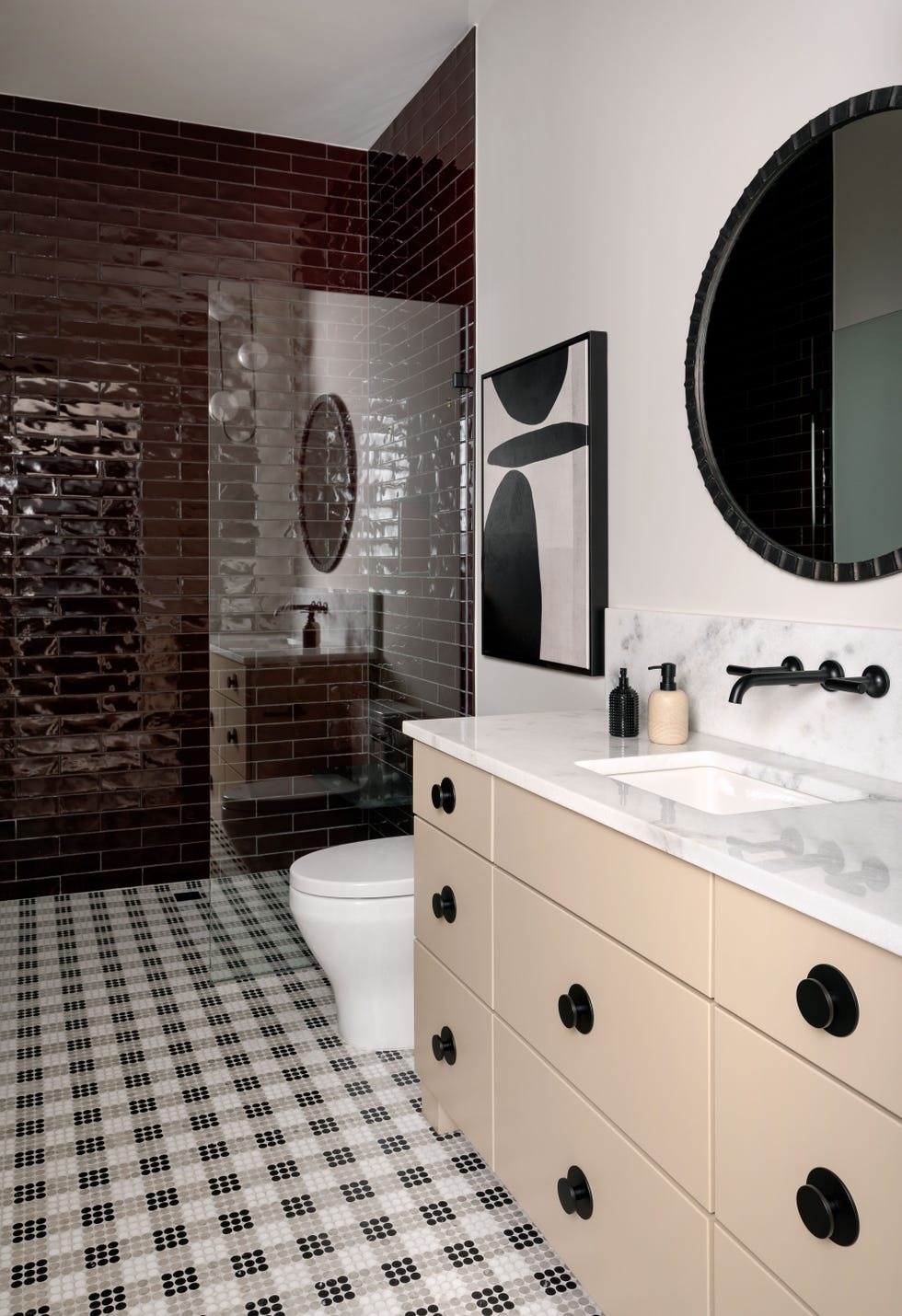
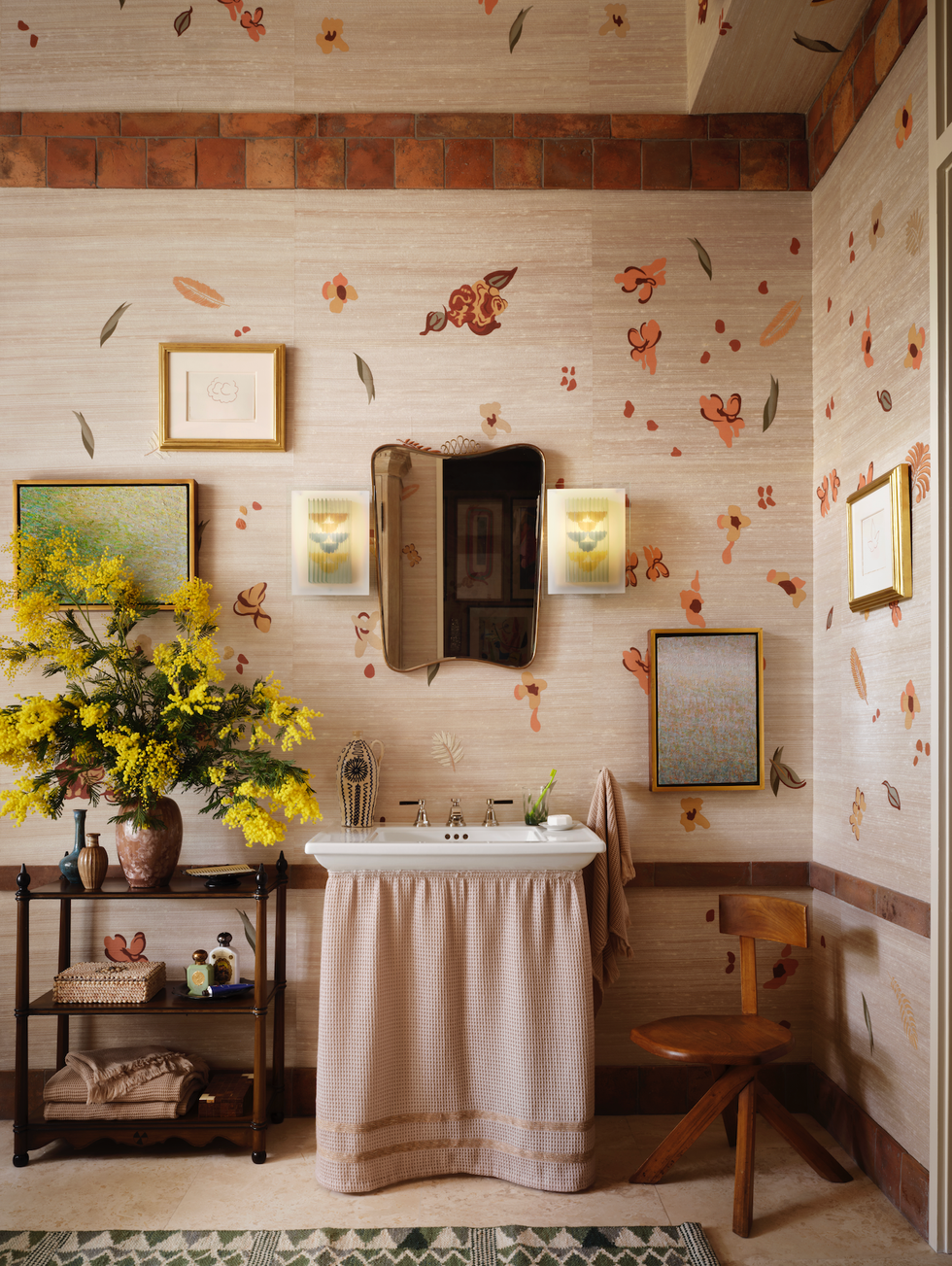
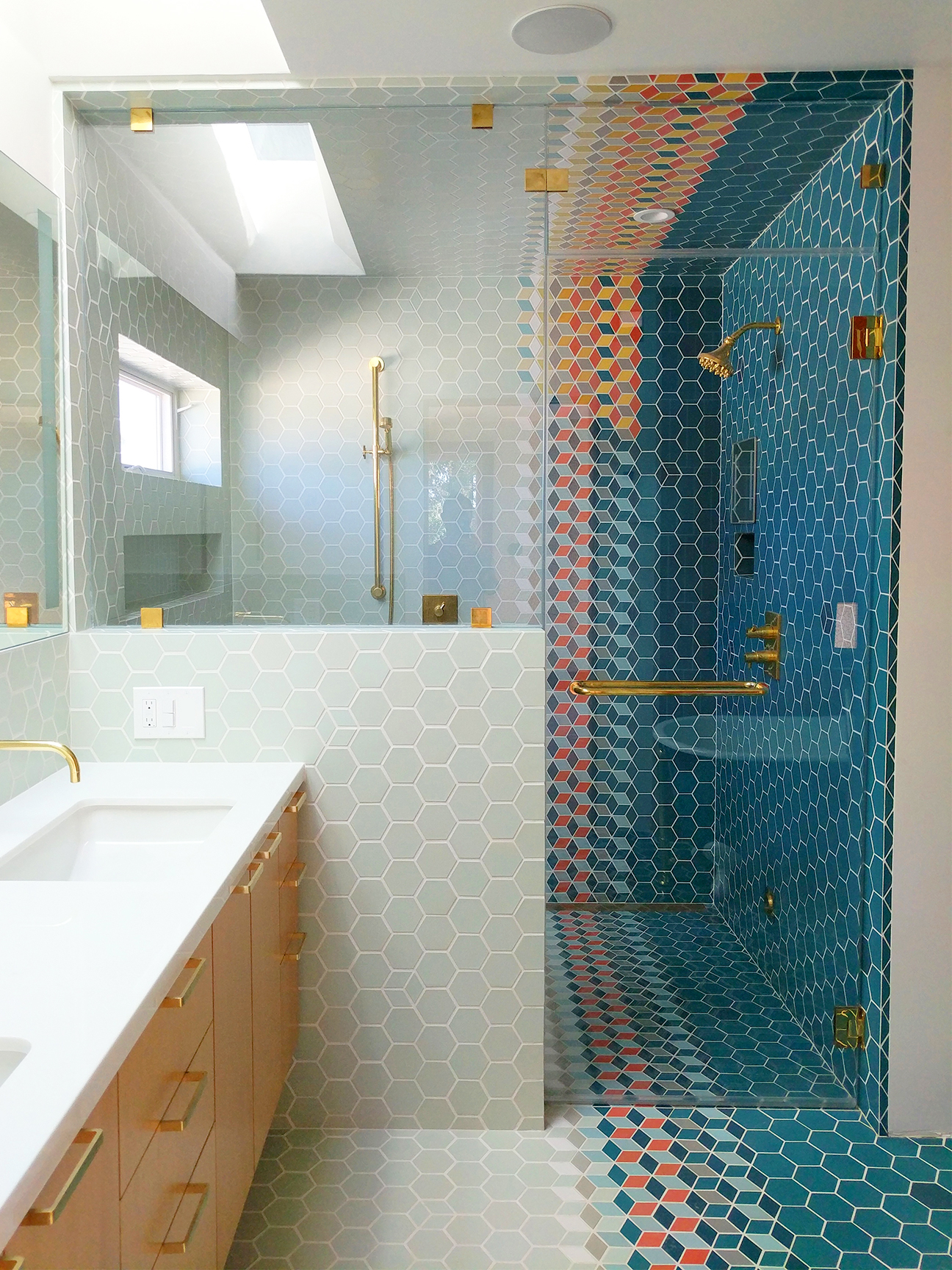
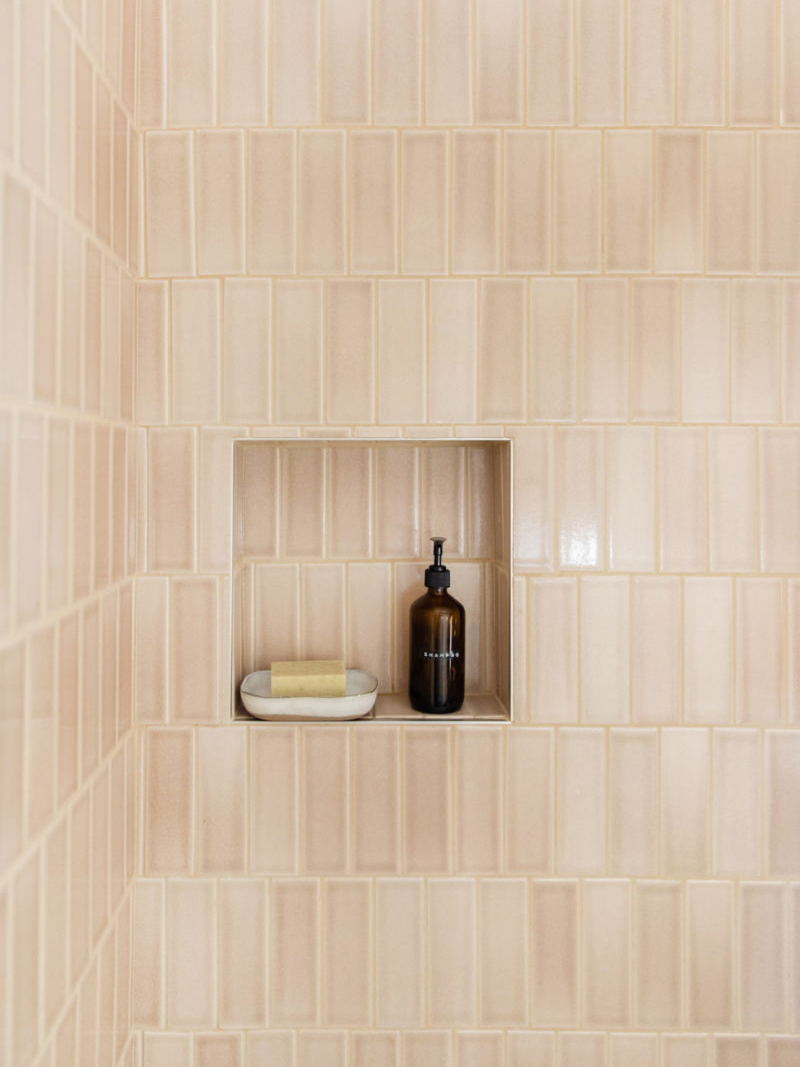
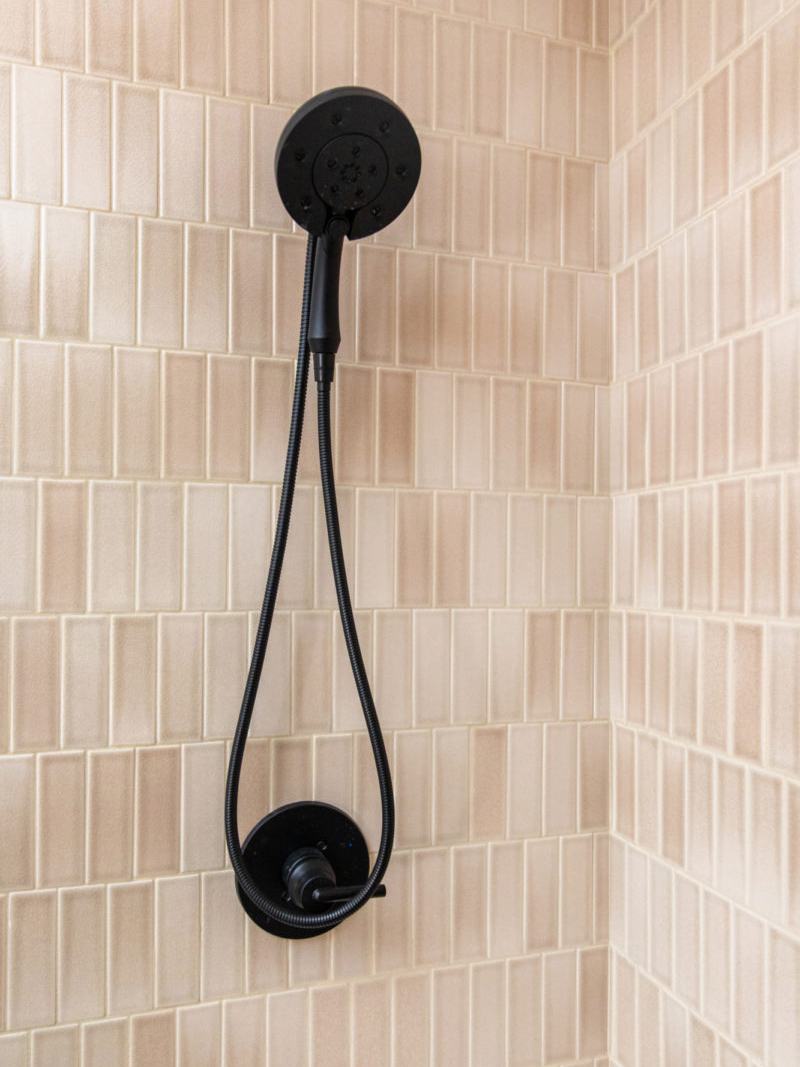
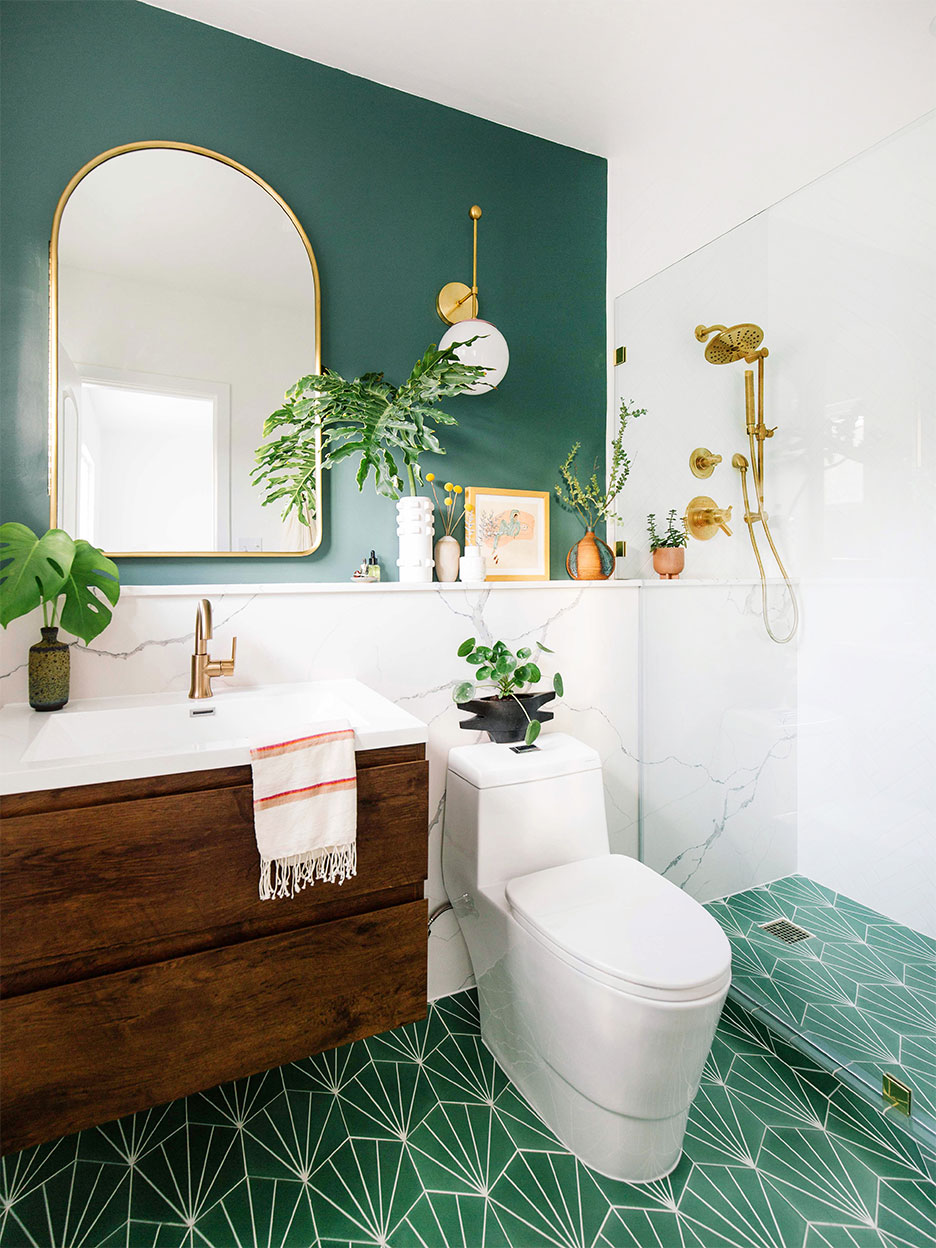
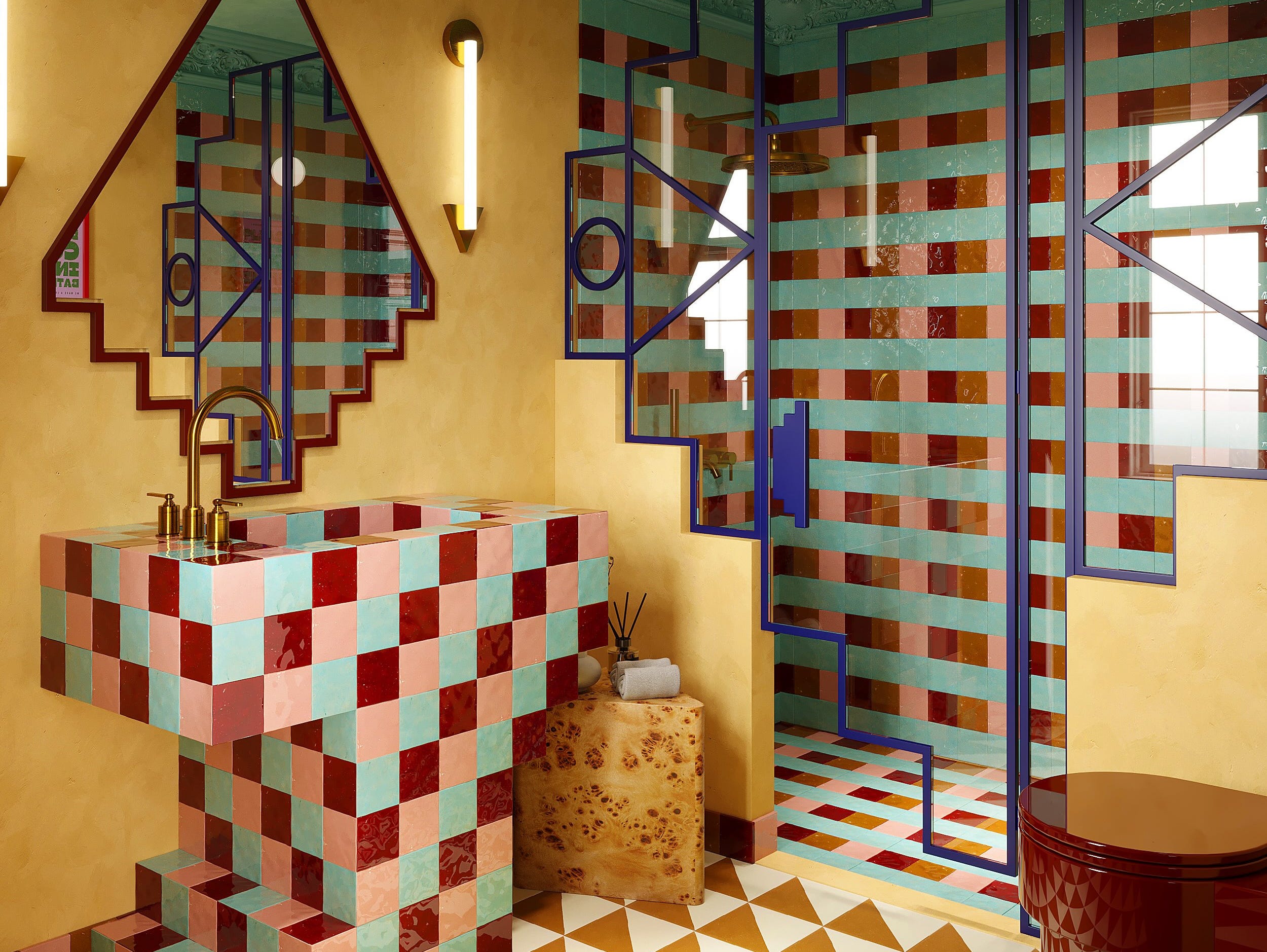
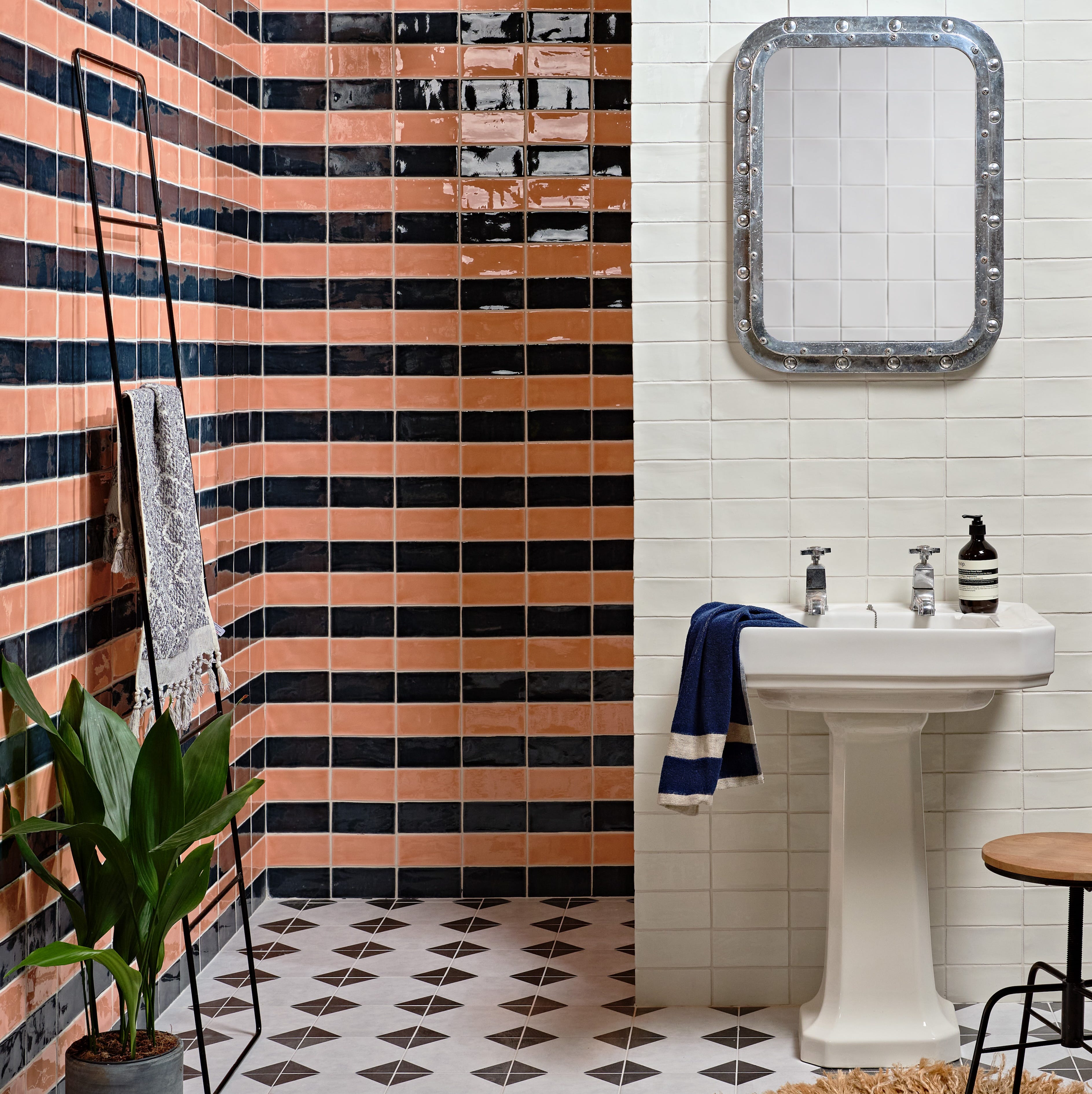
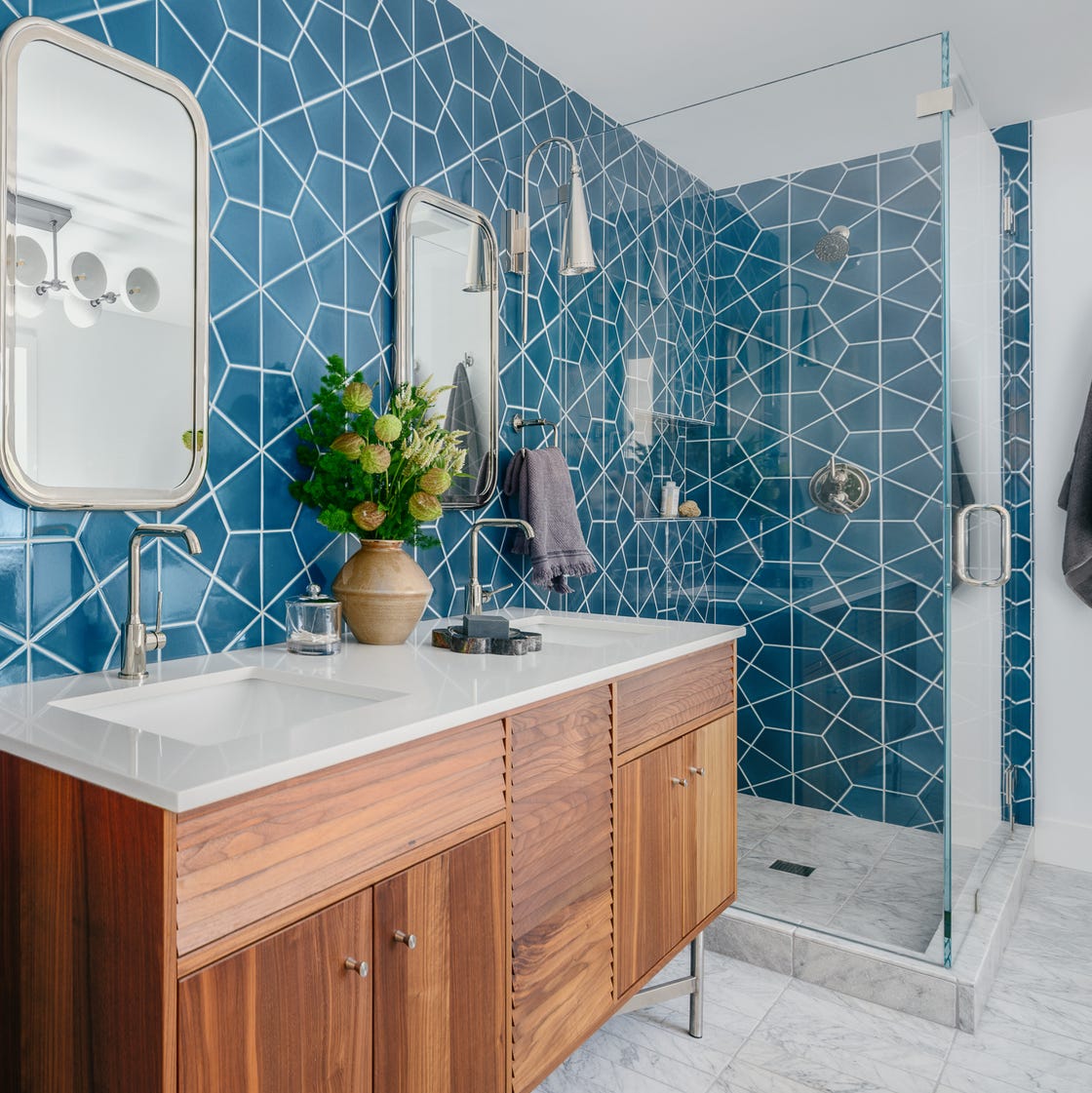
The article explores current and emerging trends in bathroom tiling, highlighting how creative and personalized tile choices can transform a functional space into an artistic and expressive area. It features insights from various interior designers who advocate for bold and unconventional tiling approaches in bathrooms, considering them intimate spaces where design risks can be embraced. Brazilian architectural designer Teresa Barra emphasizes treating the bathroom as a playful and interesting space, while Turkish designer Omer Ozturk champions maximalist designs, such as combining different sized and colored checkerboard tiles or cladding washbasins in multicolored, geometric patterns. These designers encourage experimentation, suggesting that bathrooms, being less high-traffic than other areas of the house, are ideal for trying vibrant and unique tile combinations.
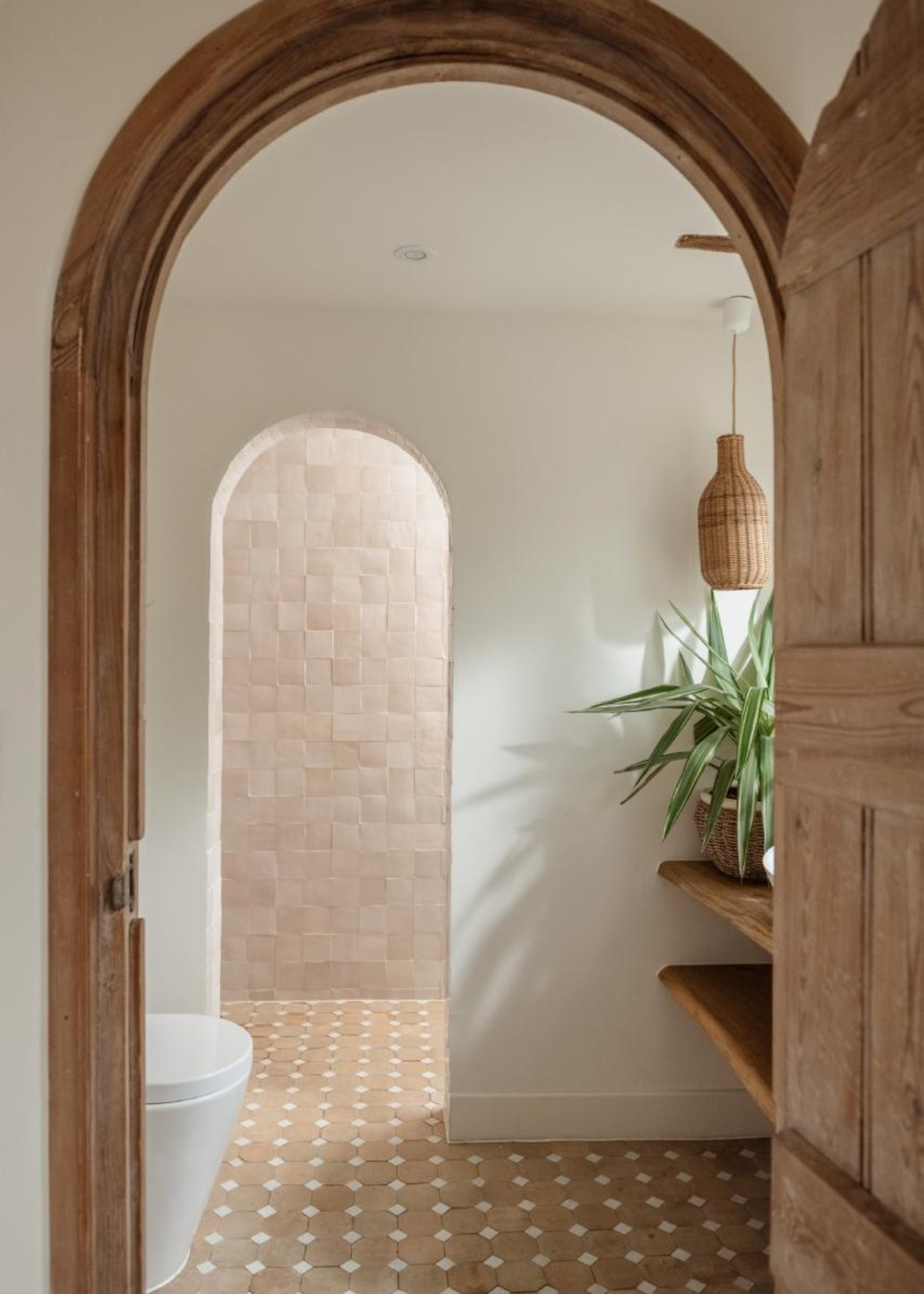
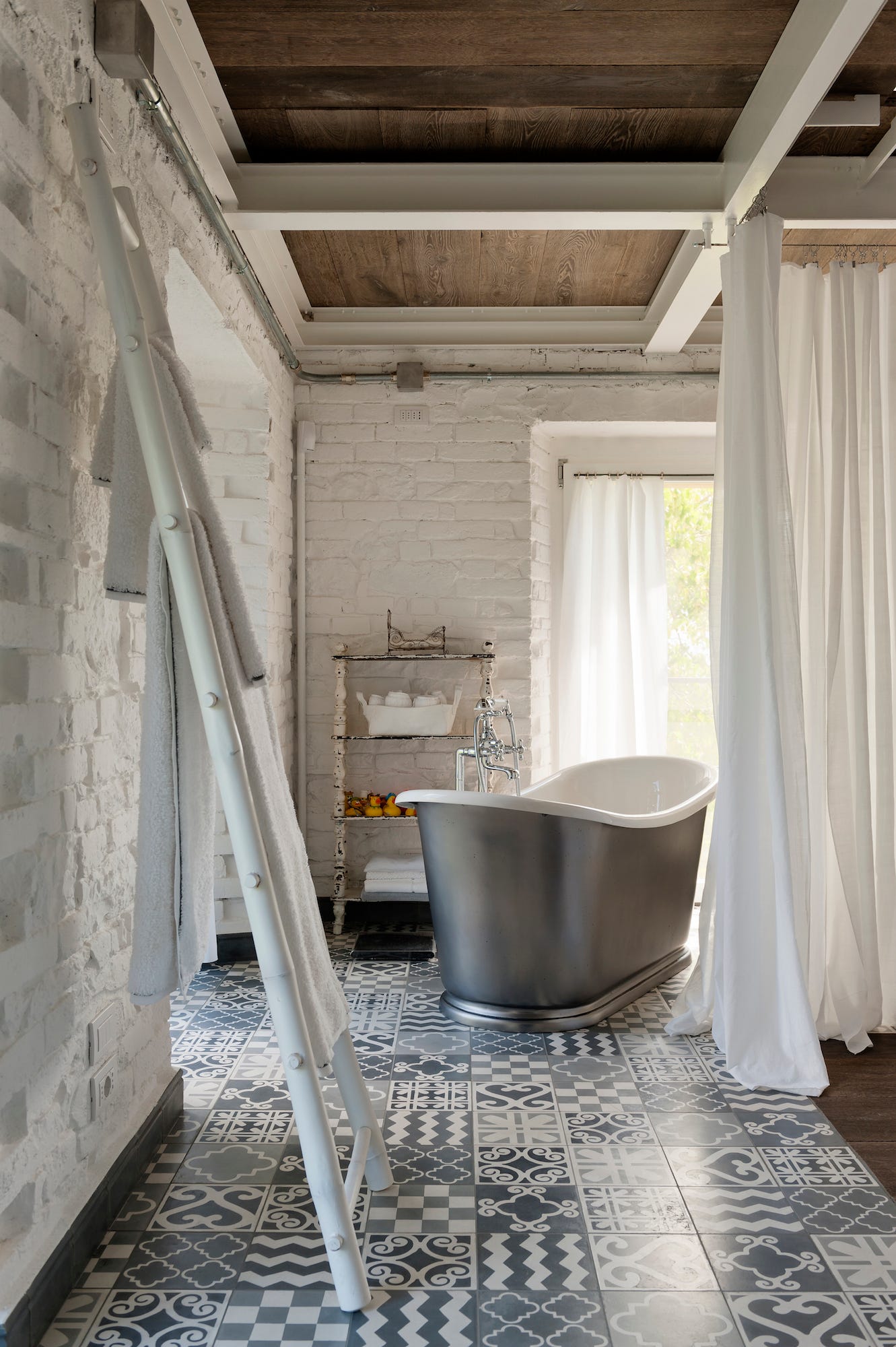
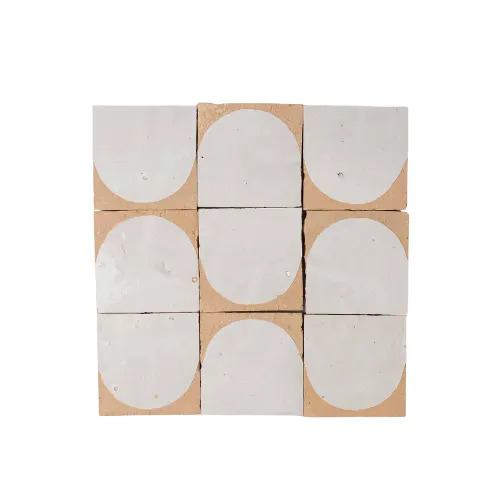
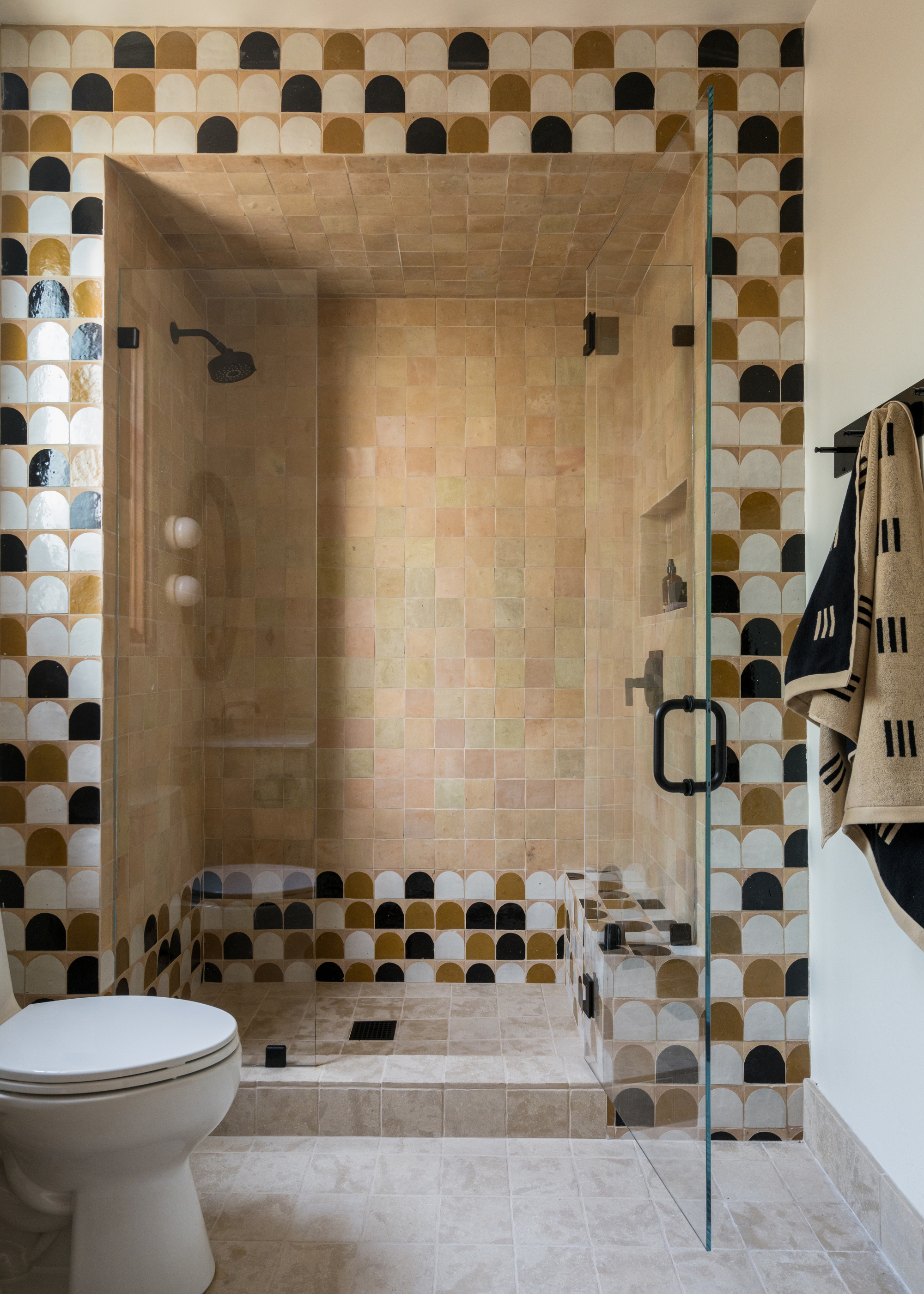
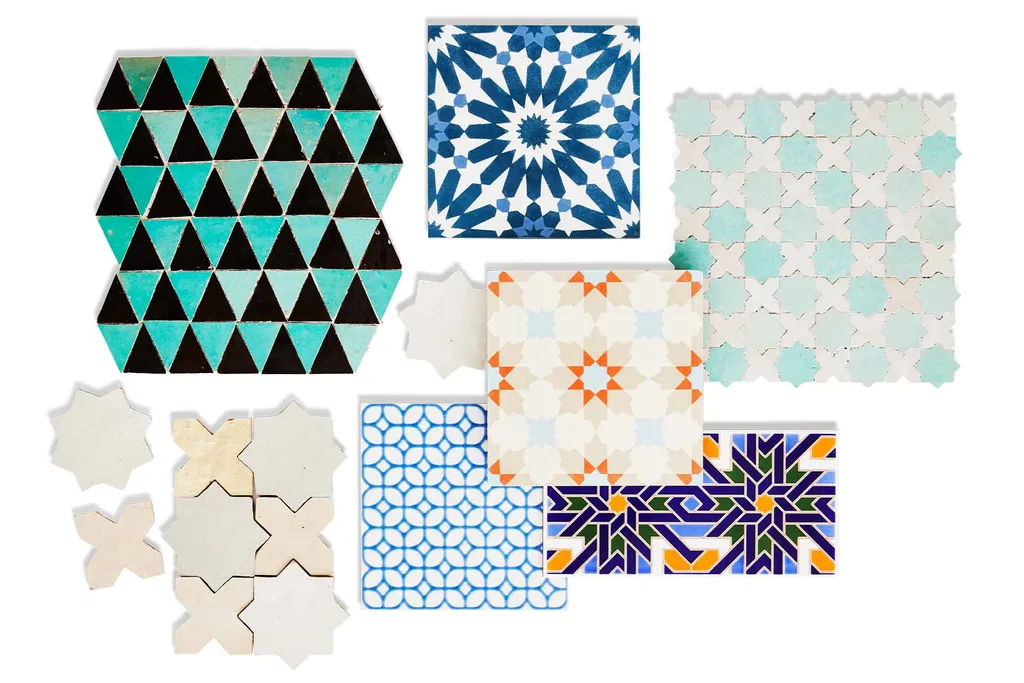
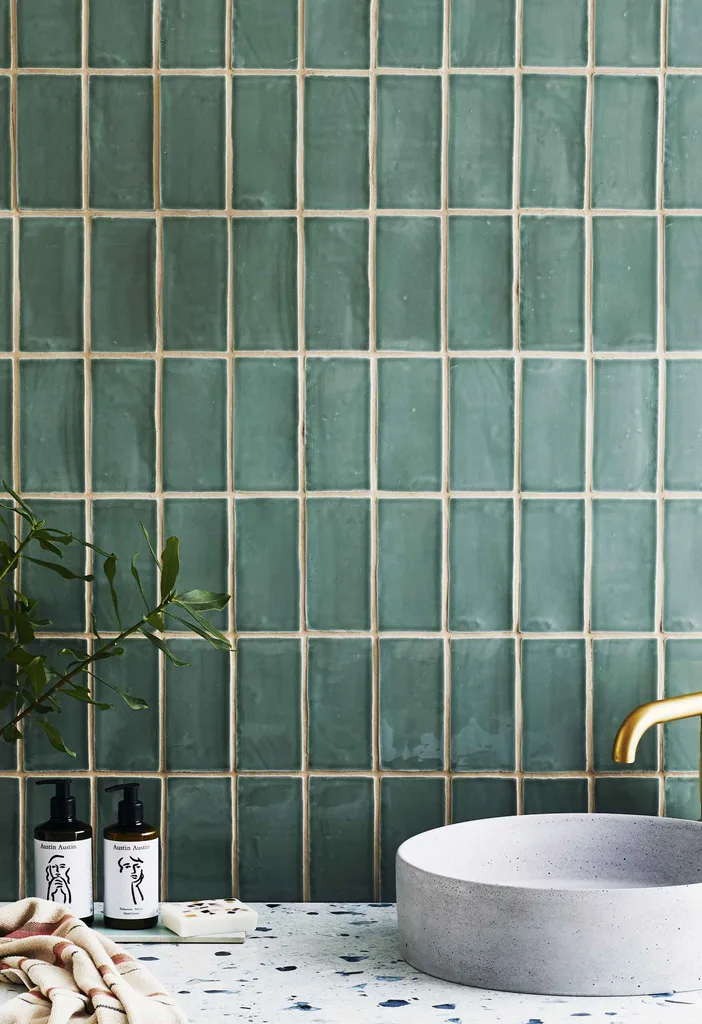
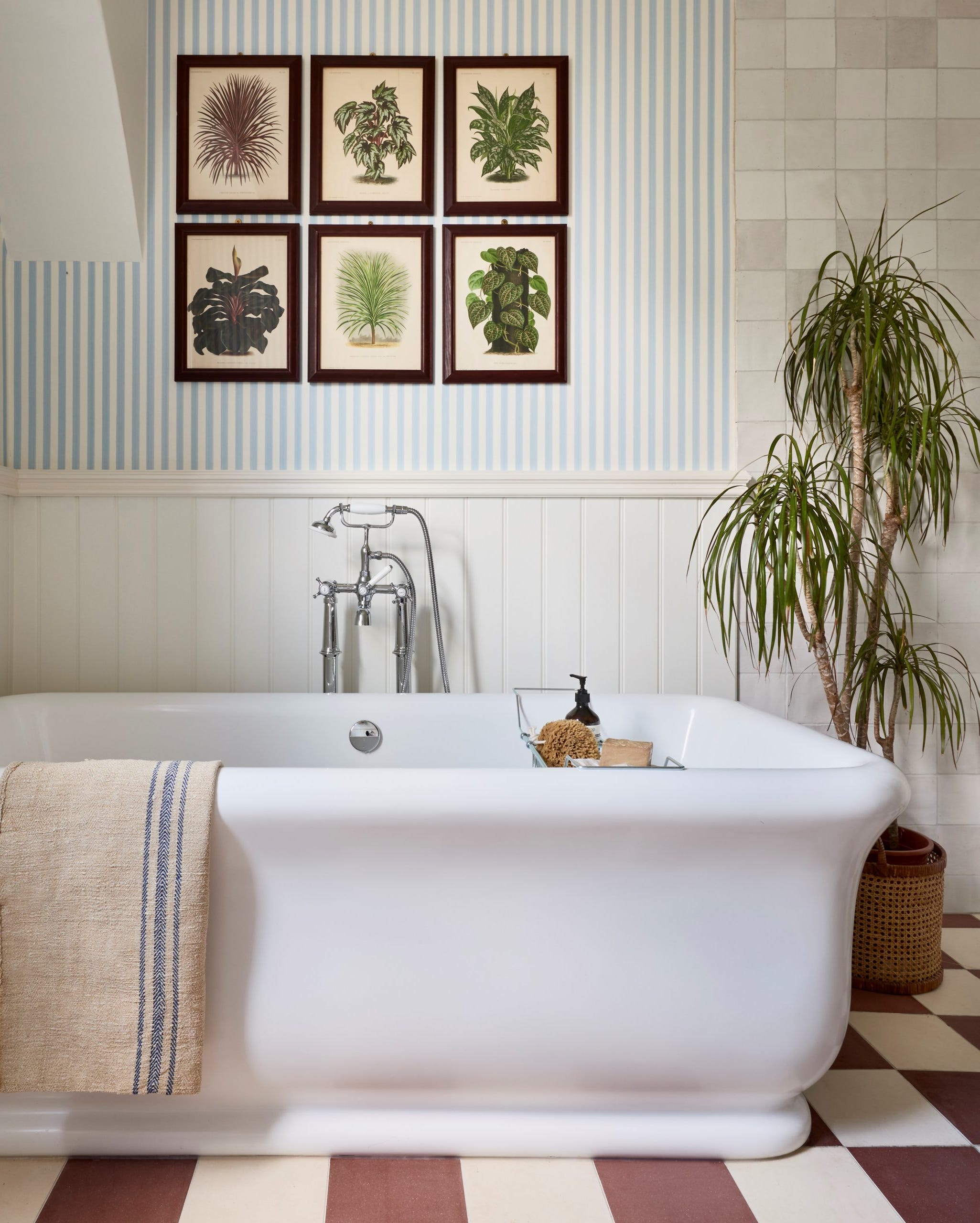
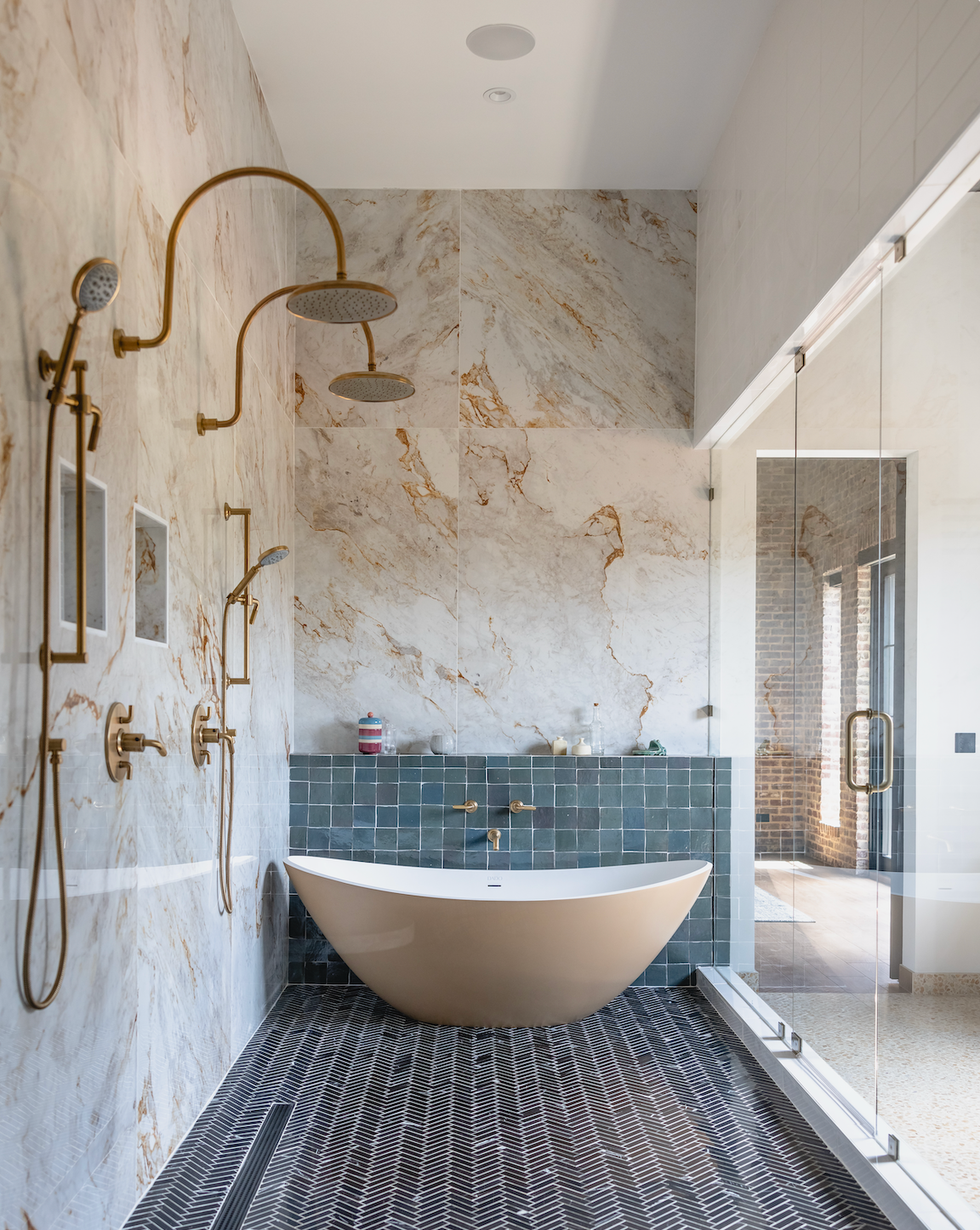
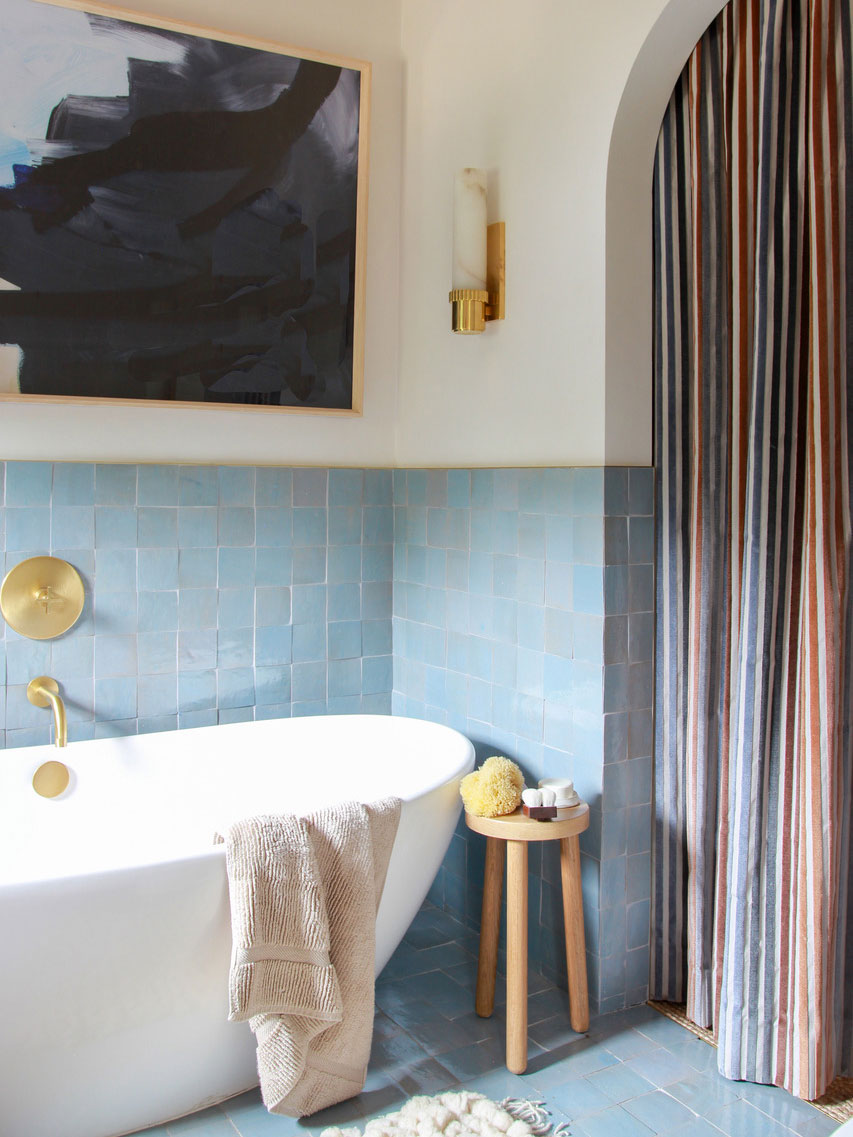
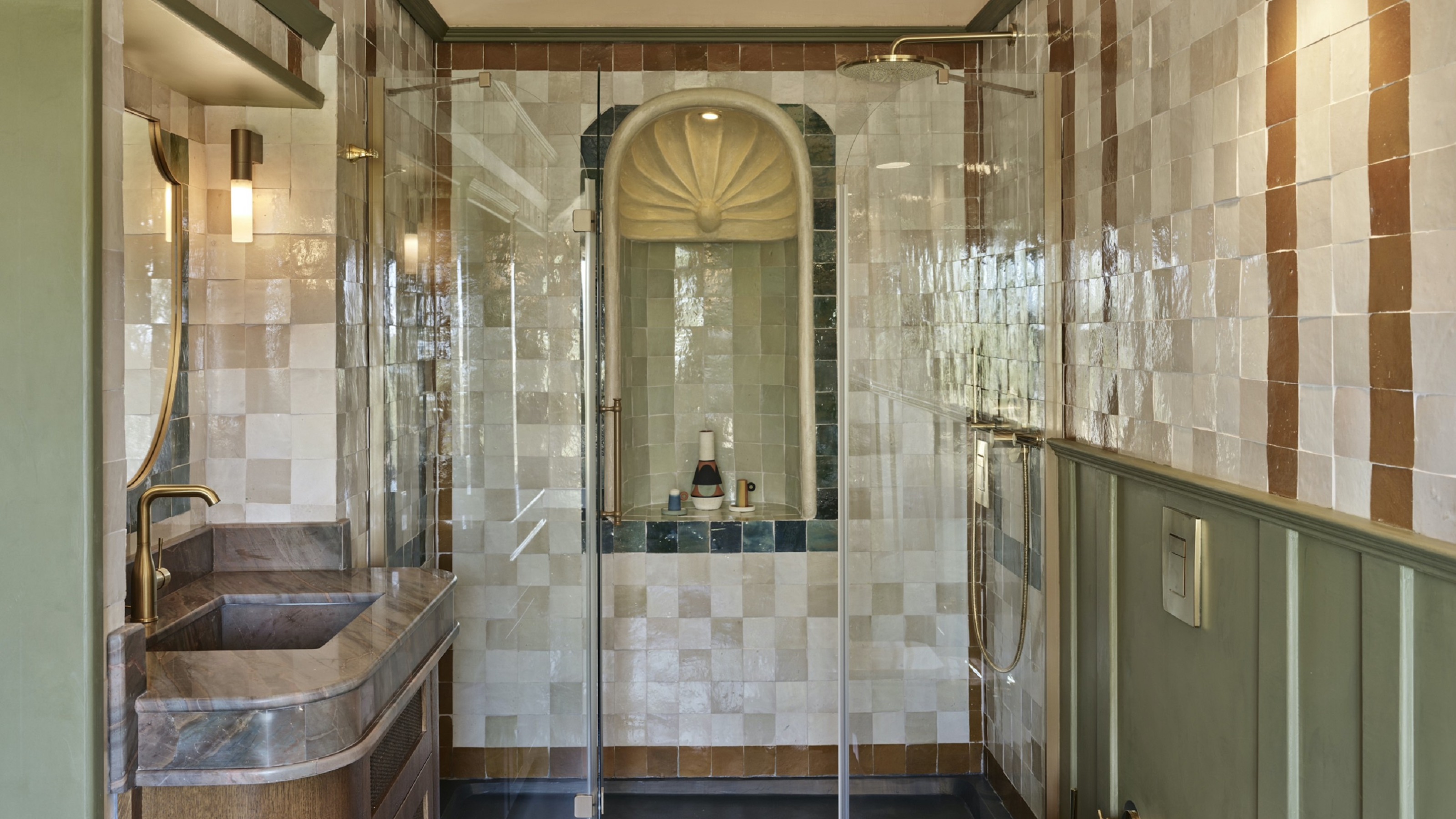
American interior designers Louisa Pierce and Emily Ward suggest a cohesive approach where tiles cover both walls and ceilings, especially in shower enclosures, to create "jewel-box moments." They argue that bathrooms are perfect for pushing stylistic boundaries because occupants spend less time there, making bold designs less overwhelming. British interior designer Tiffany Duggan shares a similar philosophy, showcasing a project with deep red lacquered walls and a glimmering red-and-cream chequered zellige mosaic in a guest shower room, complemented by a simple nude cement floor to provide contrast. The article delves into various tile types, with Duggan favoring Moroccan zellige tiles for their handmade, reflective quality and crackle-glazed tiles, along with hand-painted options for decorative accents. Sophie van Winden and Simone Gordon of Owl Design Studio, however, prefer the matte aesthetic of encaustic tiles, illustrating their use in a Herne Hill project where three colors were combined to create a Neapolitan ice cream-like block pattern on the floor, bath surround, and steps.
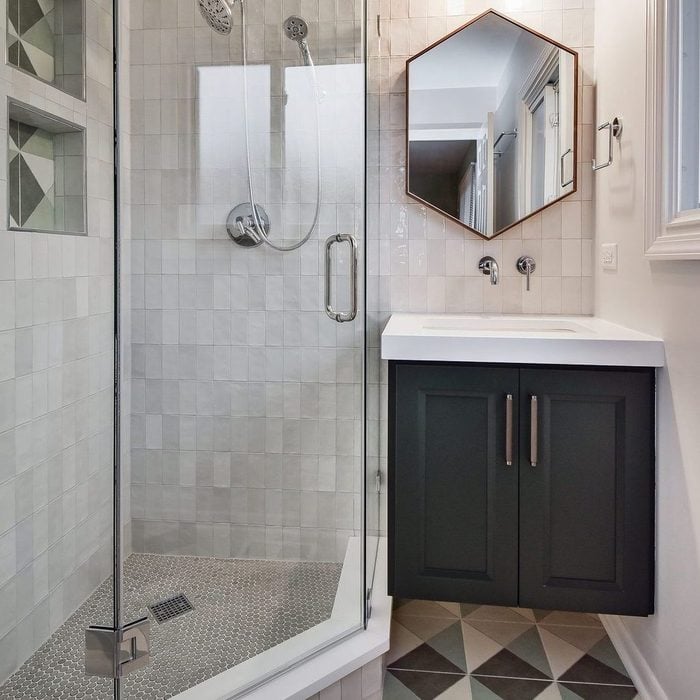
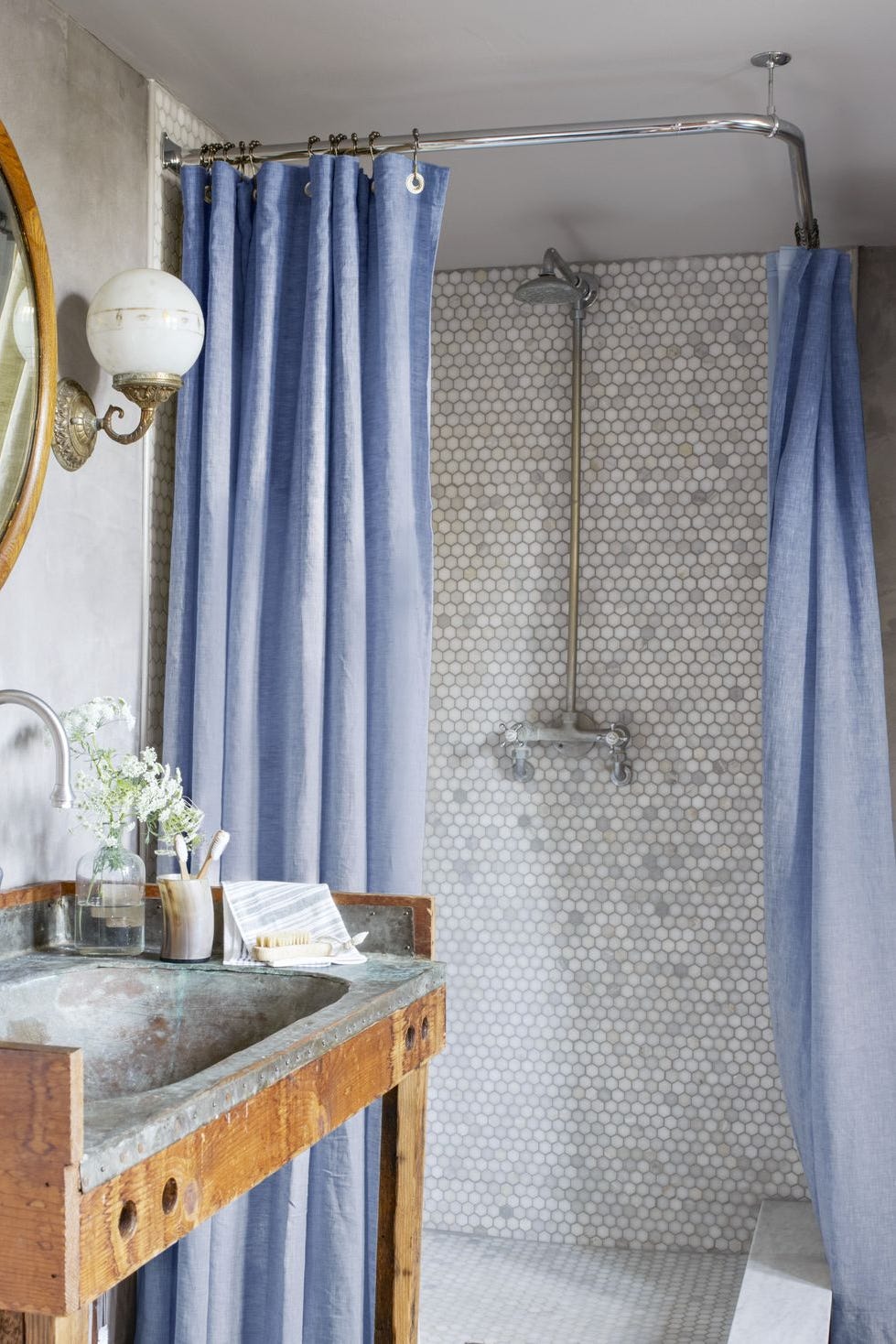
The designers also touch upon the practical aspects of tiling. They note that the rising popularity of Instagram-worthy hotel bathrooms has inspired clients to be more adventurous. When mixing tile sizes, it's crucial to ensure they align properly for visual flow, such as pairing 60cm floor tiles with wall tiles that divide evenly (e.g., 30, 20, or 10cm). For shower floors, Pierce and Ward advise using small-scale tiles with grout lines at the same level or higher than the tile to prevent slipperiness and enhance grip.
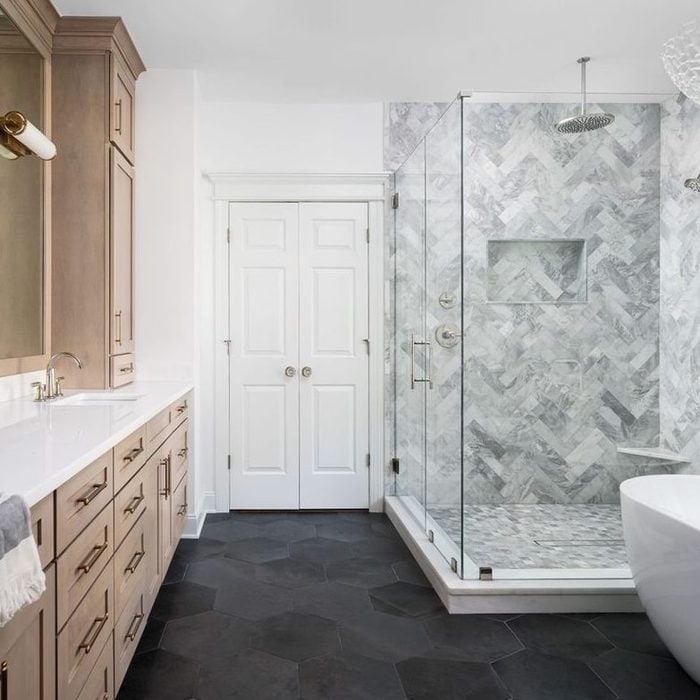
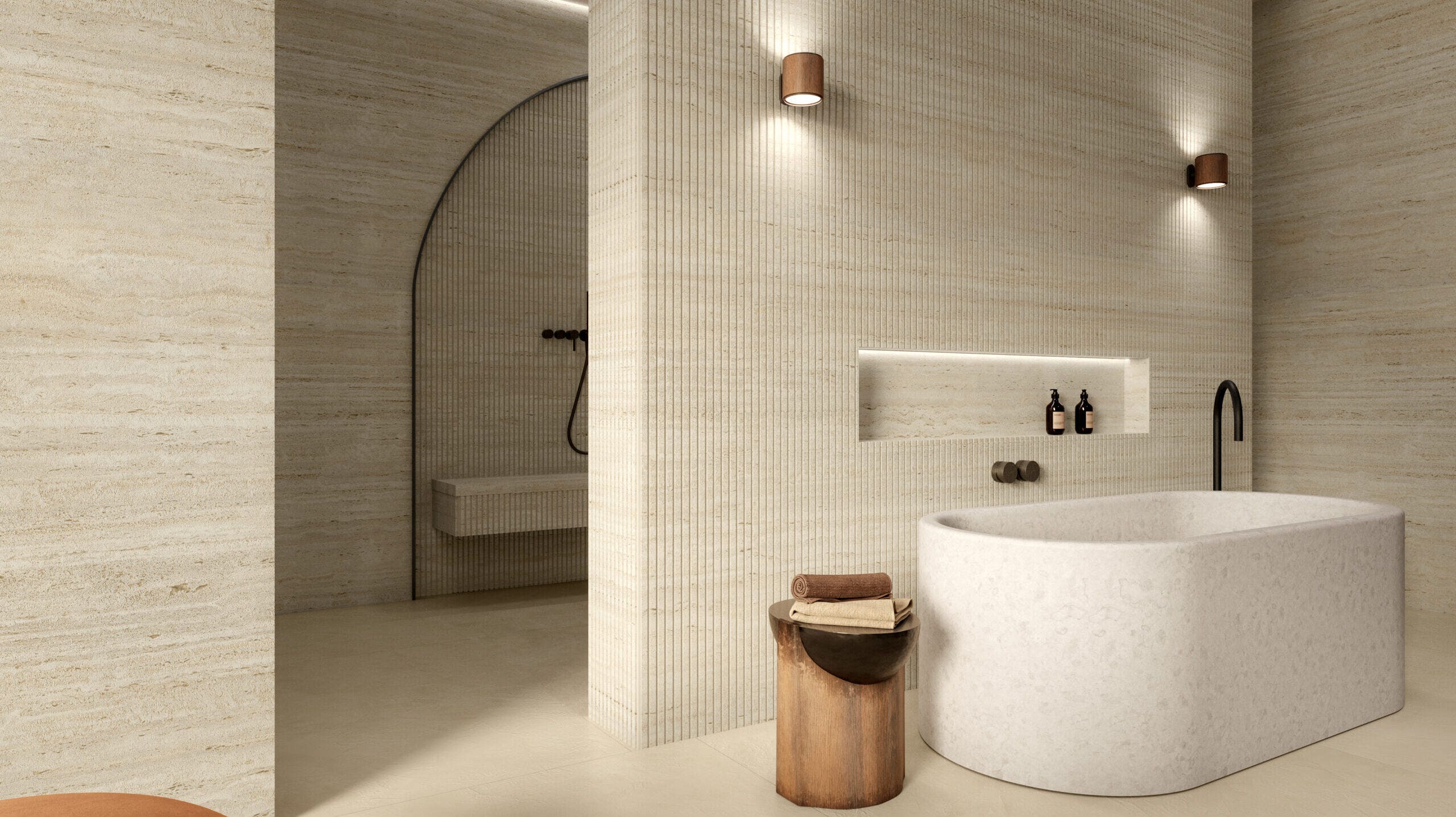
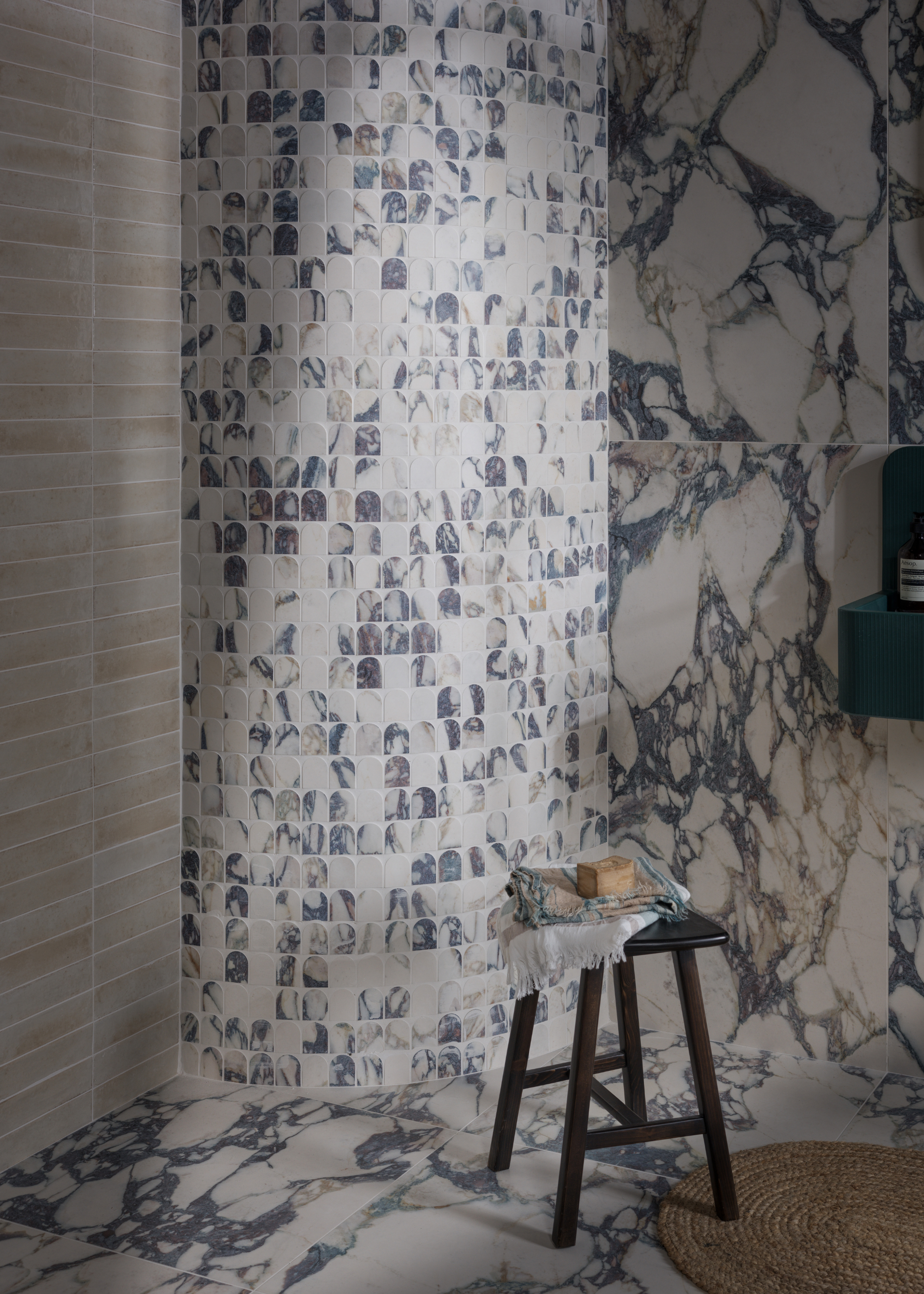
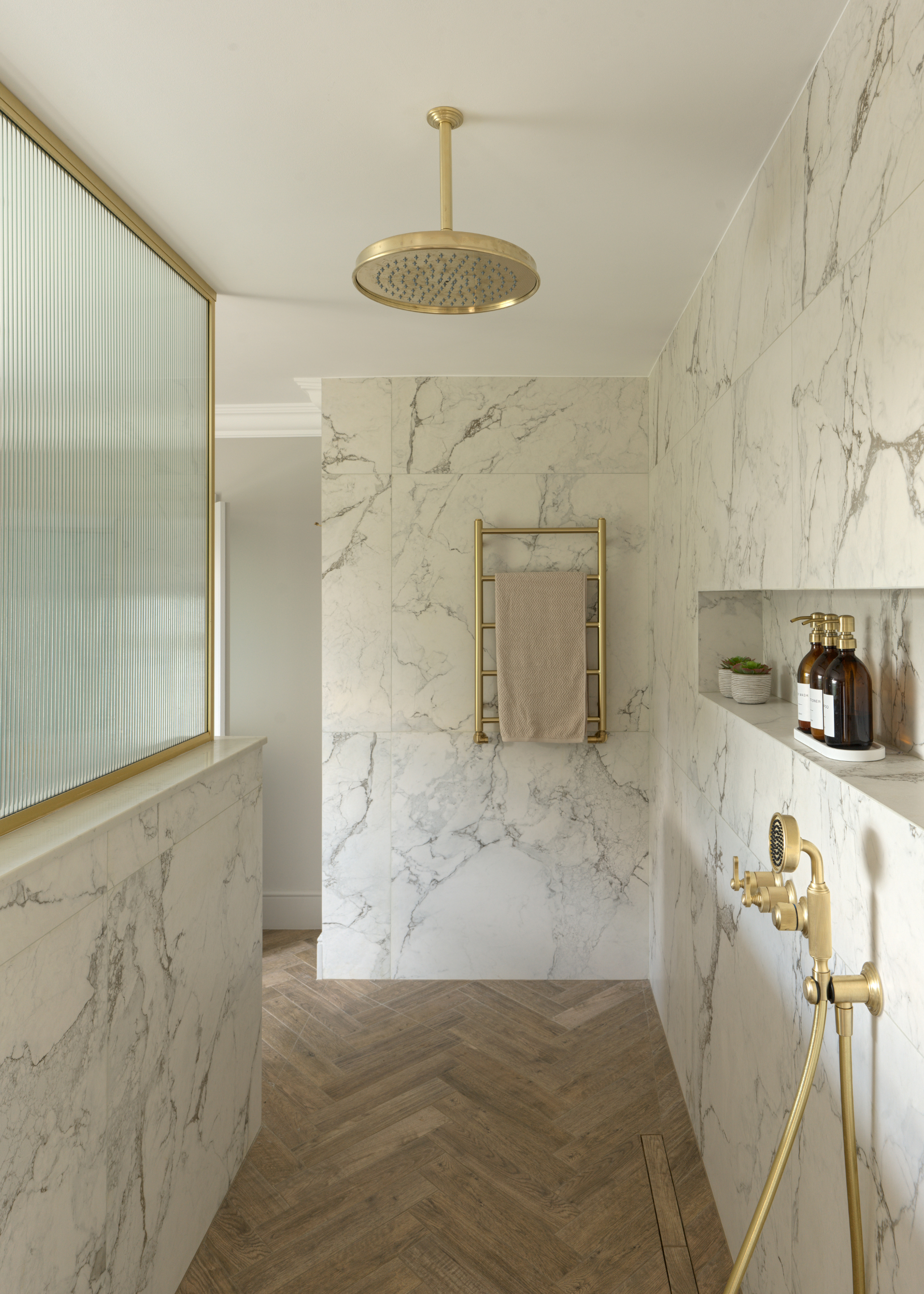
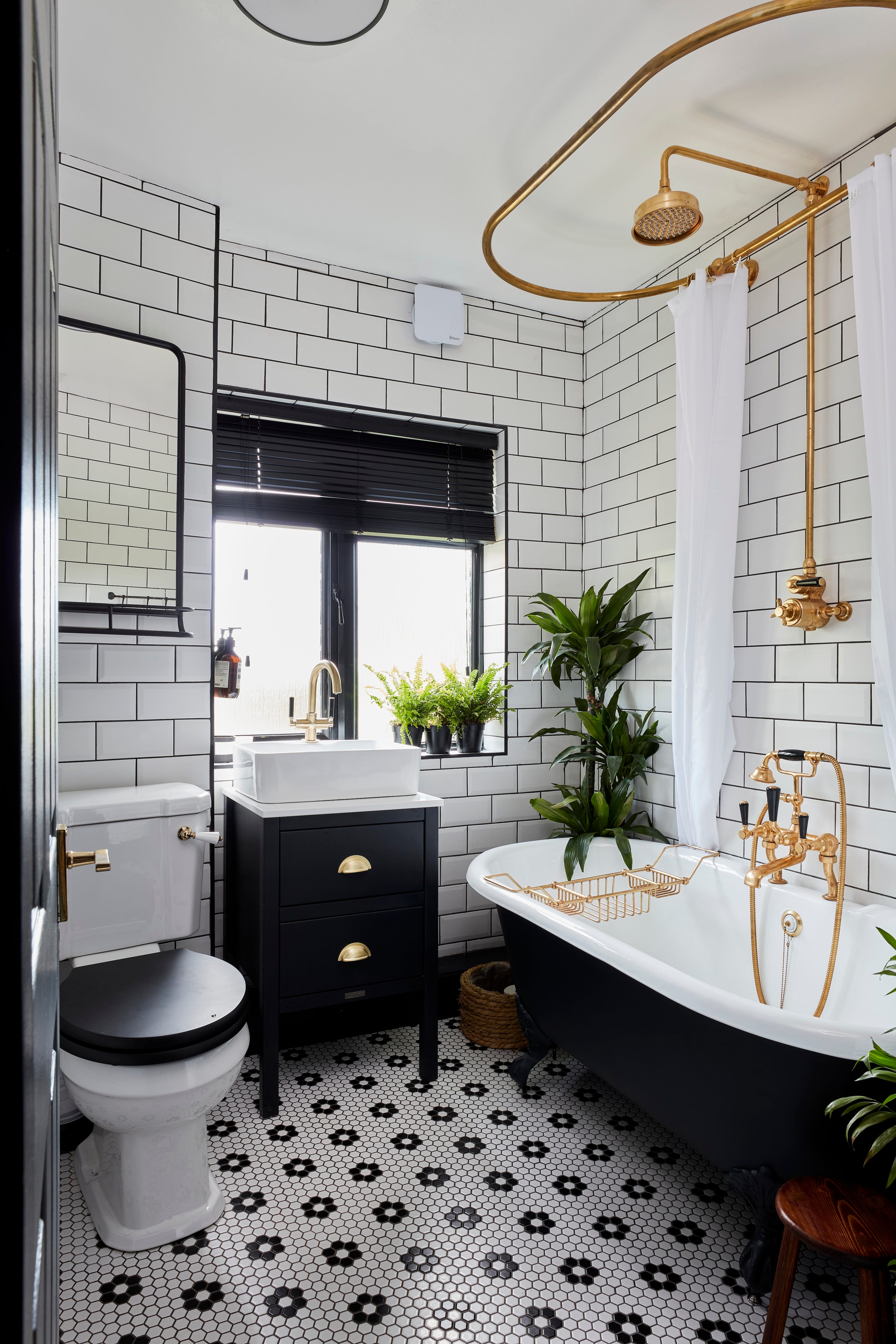
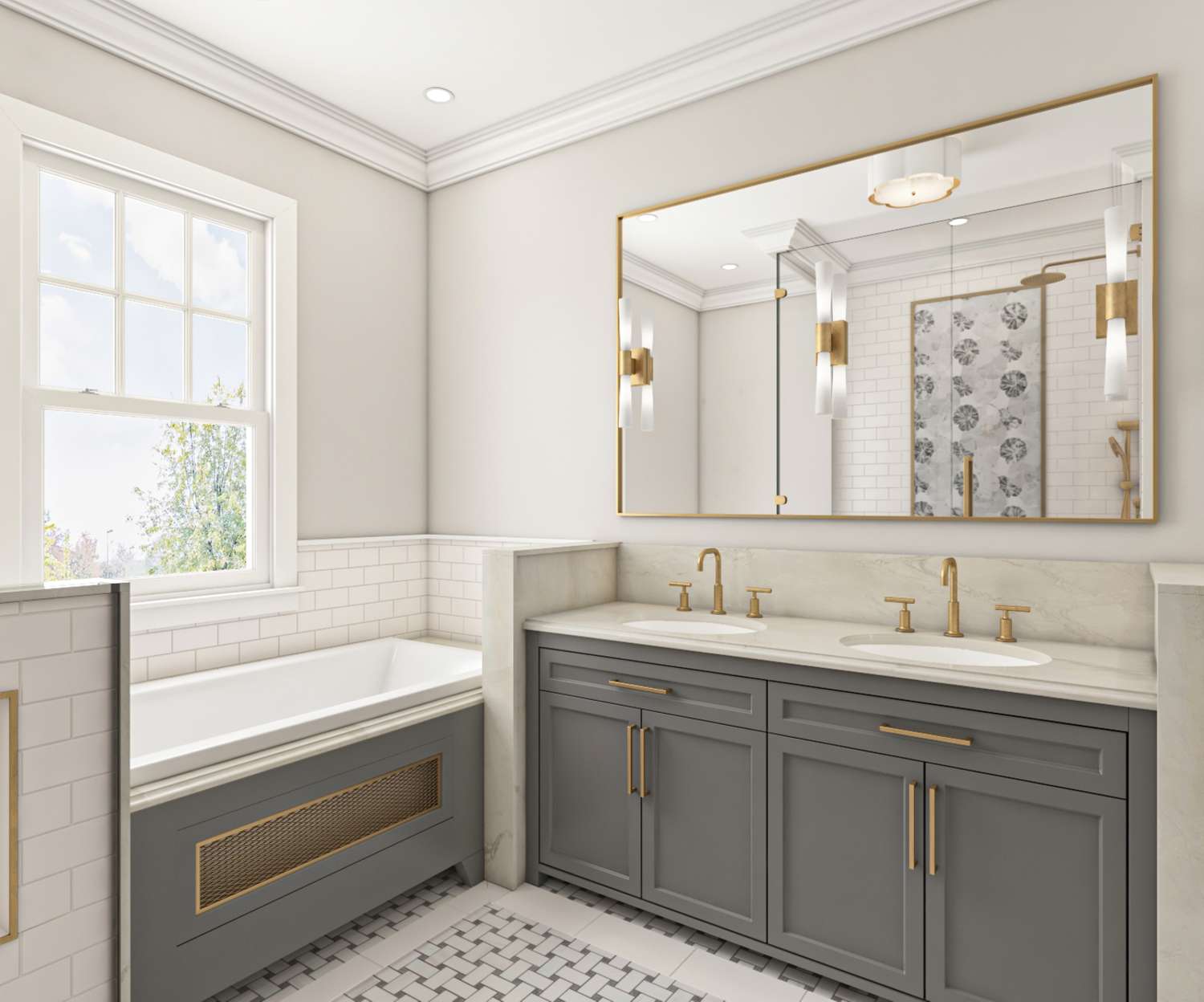
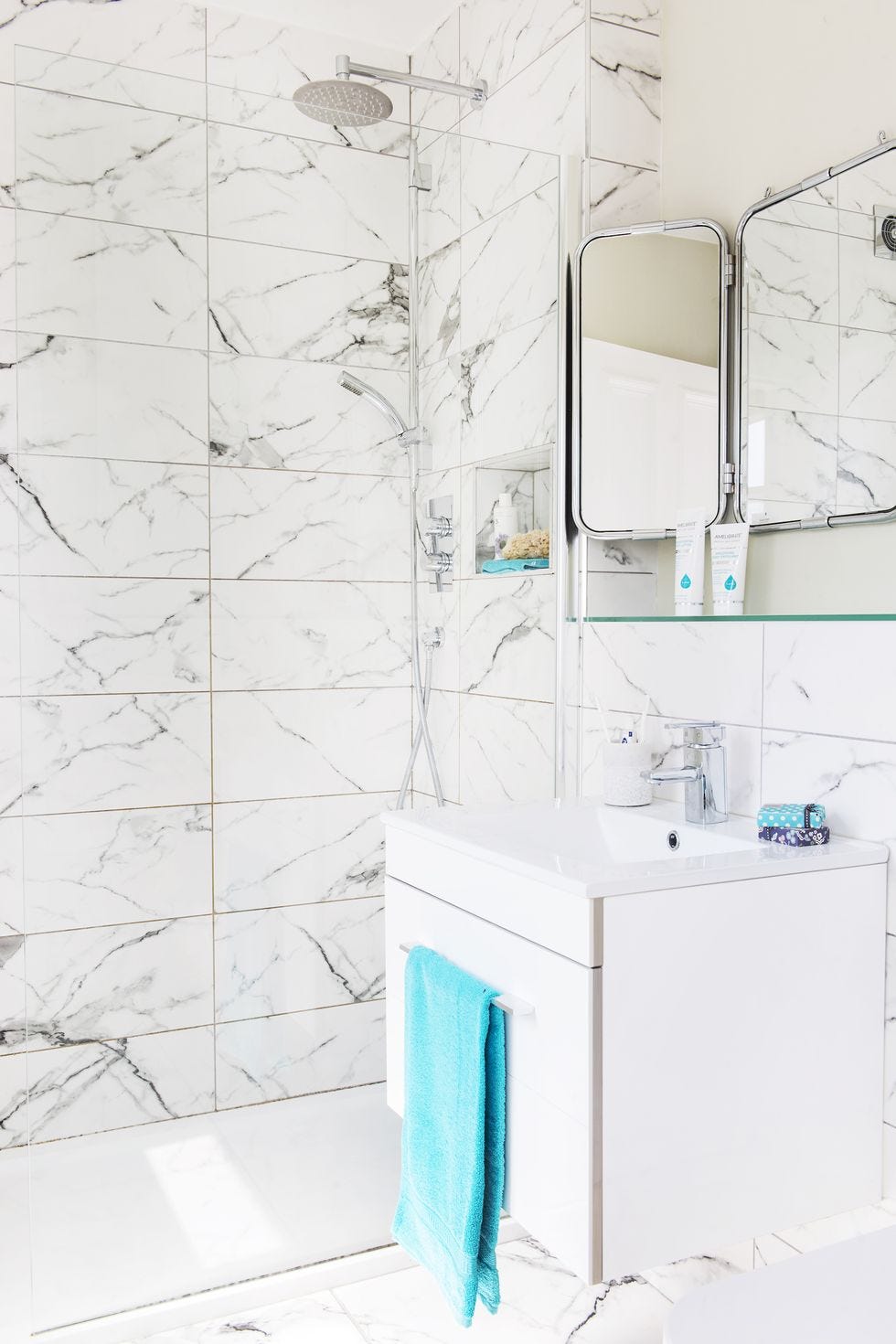
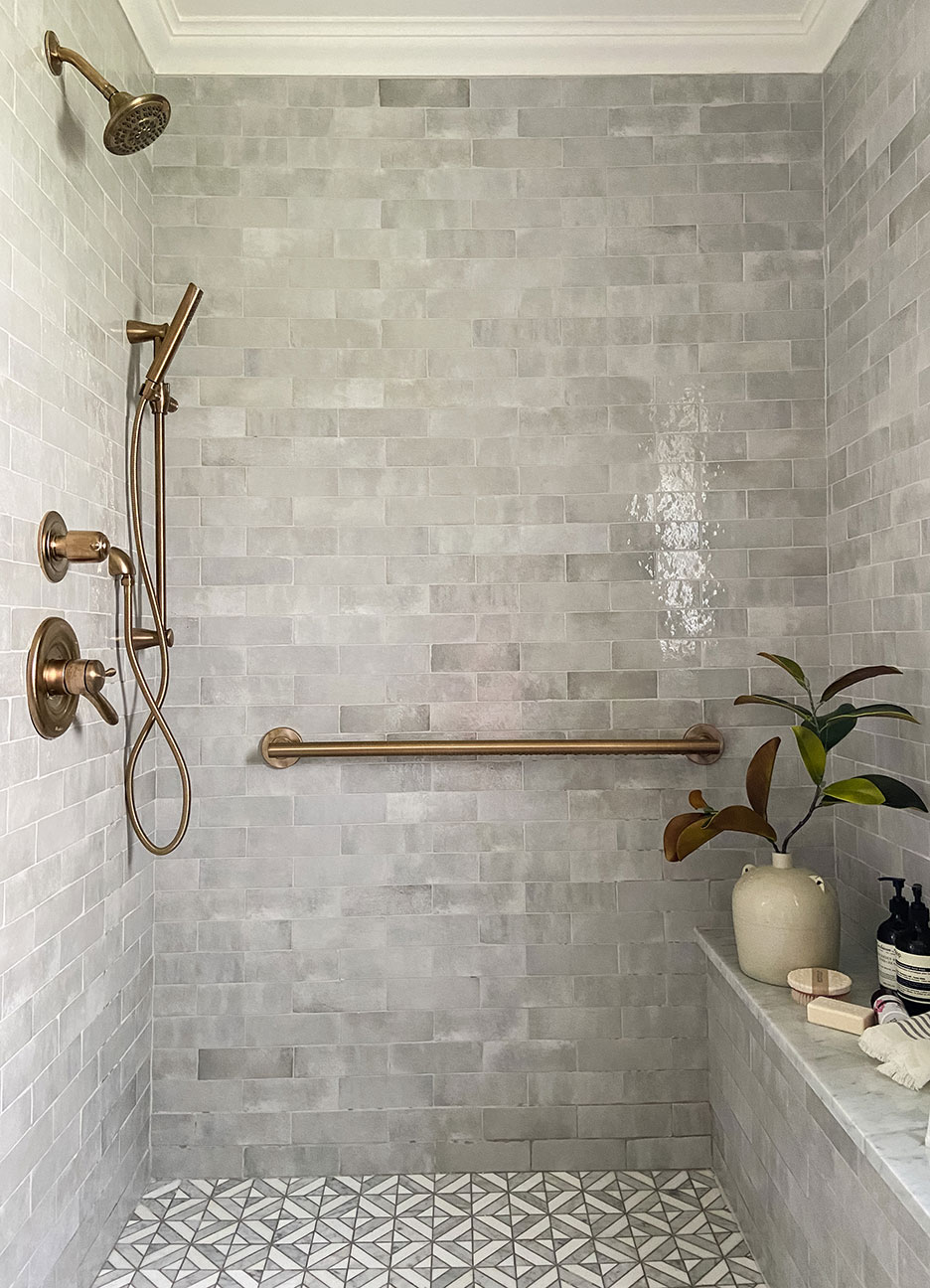
Conversely, the article identifies several tiling trends that designers believe should be avoided. Tiffany Duggan suggests moving past 1990s-style travertine and clinical grey tiles, advocating for more soulful and personal choices. Teresa Barra discourages large-format tiles, preferring the charm of smaller, handcrafted designs, and advises against tiles that imitate other materials like concrete, wood, or marble, emphasizing the authenticity of real materials. Even classic metro tiles are critiqued for being overdone, with Van Winden and Gordon recommending re-thinking their layout with dual-color schemes or varied angles to create more dynamic patterns. The overarching message from Omer Ozturk is to be courageous in bathroom design, letting emotional responses guide choices to create spaces that evoke a "Wow!" feeling.
#BathroomTilingTrends #InteriorDesign #MaximalistDesign #ZelligeTiles #EncausticTiles #BoldBathrooms #TileSelection #HomeDecor #DesignInspiration #BathroomTilingTrends #InteriorDesign #MaximalistDesign #ZelligeTiles #EncausticTiles #BoldBathrooms #TileSelection #HomeDecor #DesignInspiration
0 comment in total
 No comments yet
You may also like
10 Bathroom Tile Trends That We Love

5 Outdated Tile Trends Designers Are Still Noticing in 2025 That Can Make Your Space Look Old-Fashioned
'Tile drenching': The statement-making interiors trend to try in 2025
6 Bathroom Tile Patterns Designers Are Ready To Say Goodbye To
5 Outdated Bathroom Flooring Trends to Avoid in 2025 — Plus the Ones the Experts Want to See More of in Your Home

Here Are The Biggest Bathroom Design Trends, According To Experts

7 Tacky Bathroom Tile Patterns That Designers Are So Tired of Seeing

The "Stark Spa" Feel Is Out—Here Are 12 Bathroom Tile Trends That'll Define 2025

Design focus: 5 new bathroom tile trends you need to know about now
21 bathroom tile design ideas, from trendy to timeless
5 Outdated Tile Trends Designers Are Still Noticing in 2025 That Can Make Your Space Look Old-Fashioned
5 Experts Share Their Favorite Tile for a Knockout Shower
4 Bathroom Tile Trends That Are So Outdated, According to Designers
"Your Eye Doesn't Know Where to Land" — Yes, You Can Have Too Much Tile in Your Bathroom, Here's the Rule to Get the Balance Right
70 Beautiful Bathroom Tile Ideas That Will ELEVATE Your Space
7 Designers Weigh in on the Best Tile for Bathroom Floors
8 Bathroom Tile Trends To Keep A Close Eye On This Year

5 tile trends that are taking over the bathroom

These Bathroom Tile Ideas Make a Major Design Statement

These Bathroom Tile Trends Will Be Everywhere in 2025, According to Interior Designers