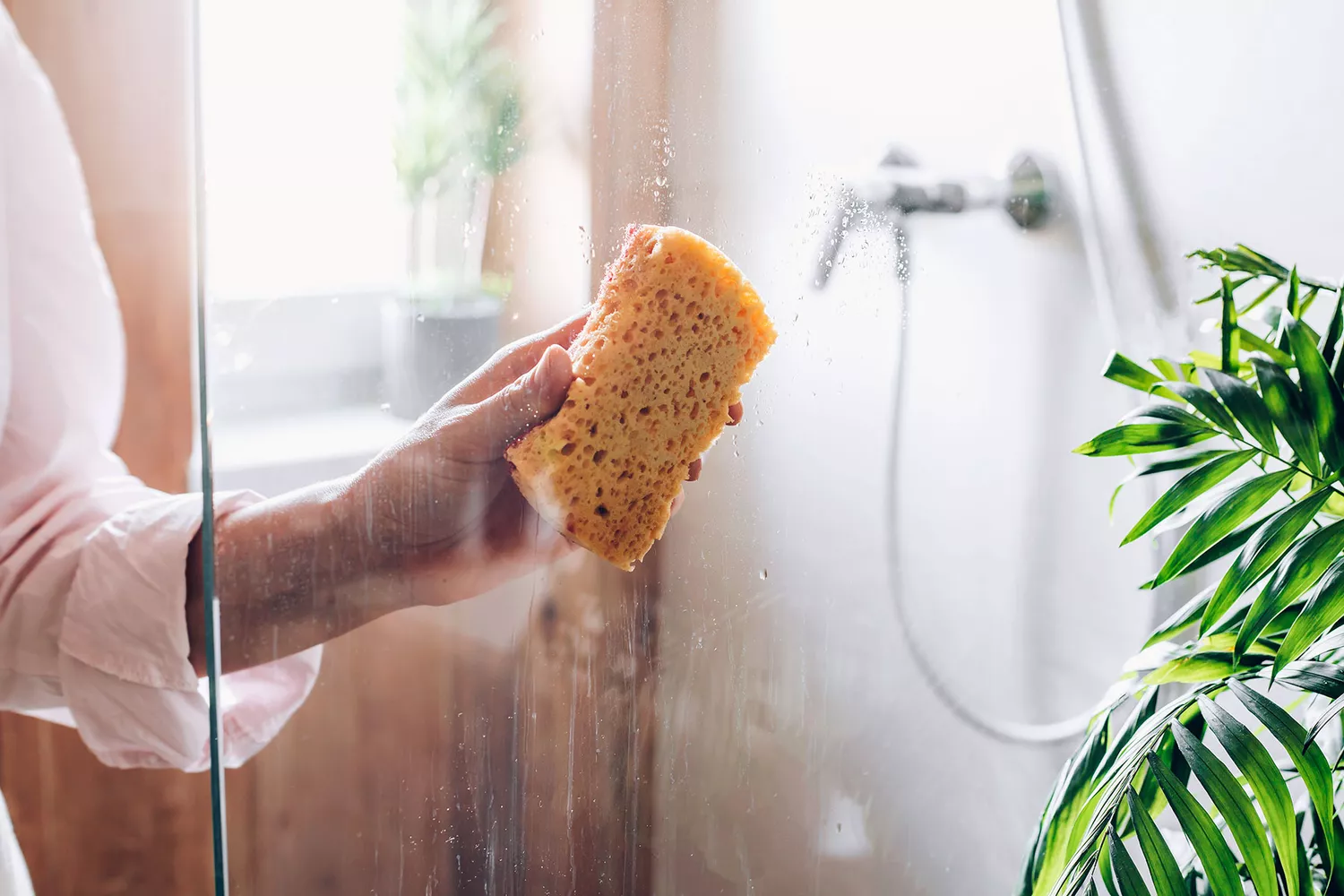
6 Things That Are Actually Making Your Bathroom Look Grosser Than It Is, Cleaners Say
Maintaining a clean bathroom can be a challenging task, despite its primary purpose for cleanliness. Even with regular wiping and squeegeeing, certain elements can make a bathroom appear persistently dirty. This phenomenon is often attributed to overlooked areas or components that require more than just a surface clean. Cleaning professionals Sofia Martinez from Sparkly Maid Austin and Farook Member from QS Supplies highlight several common factors that contribute to a bathroom's perceived uncleanliness and offer practical solutions.
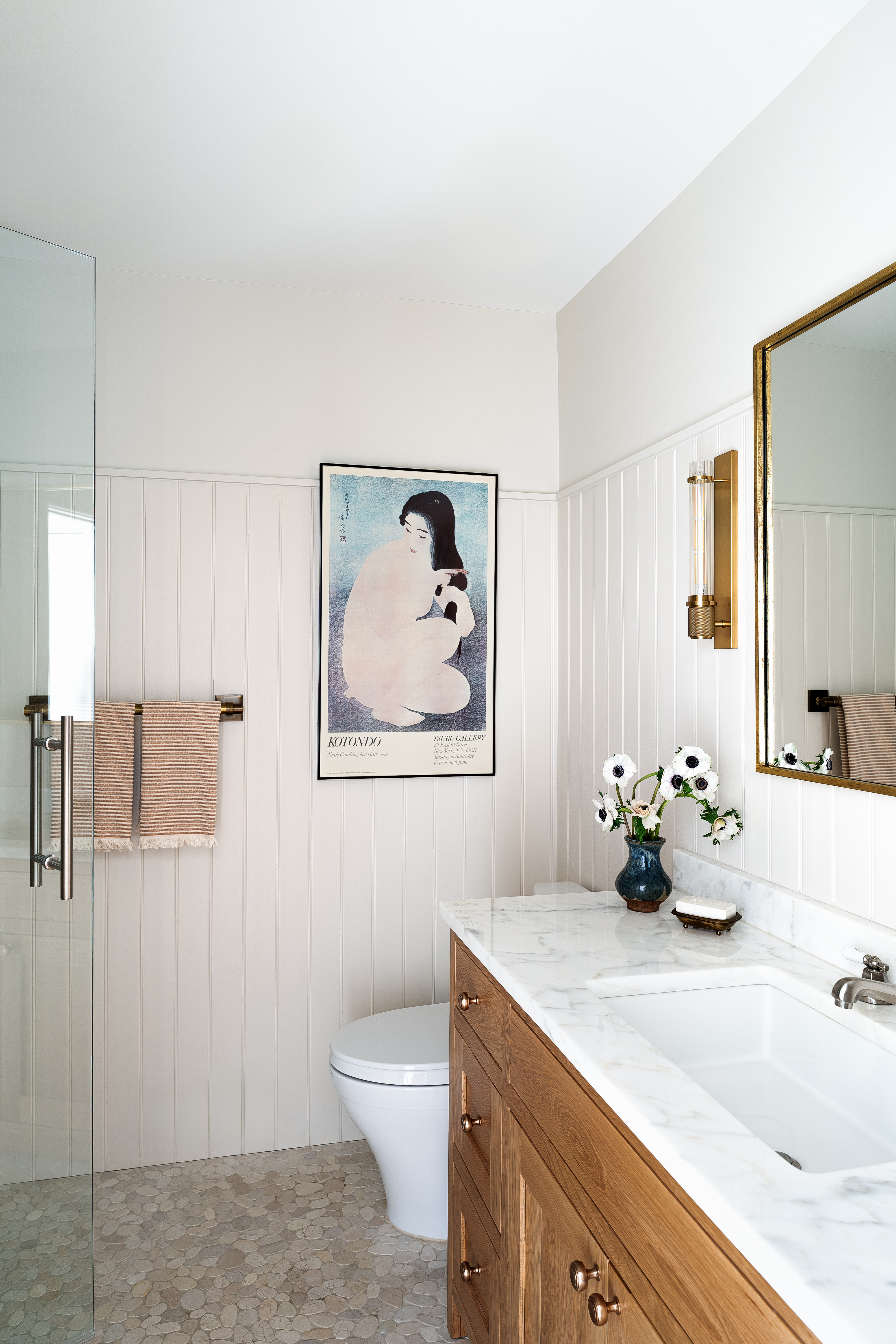
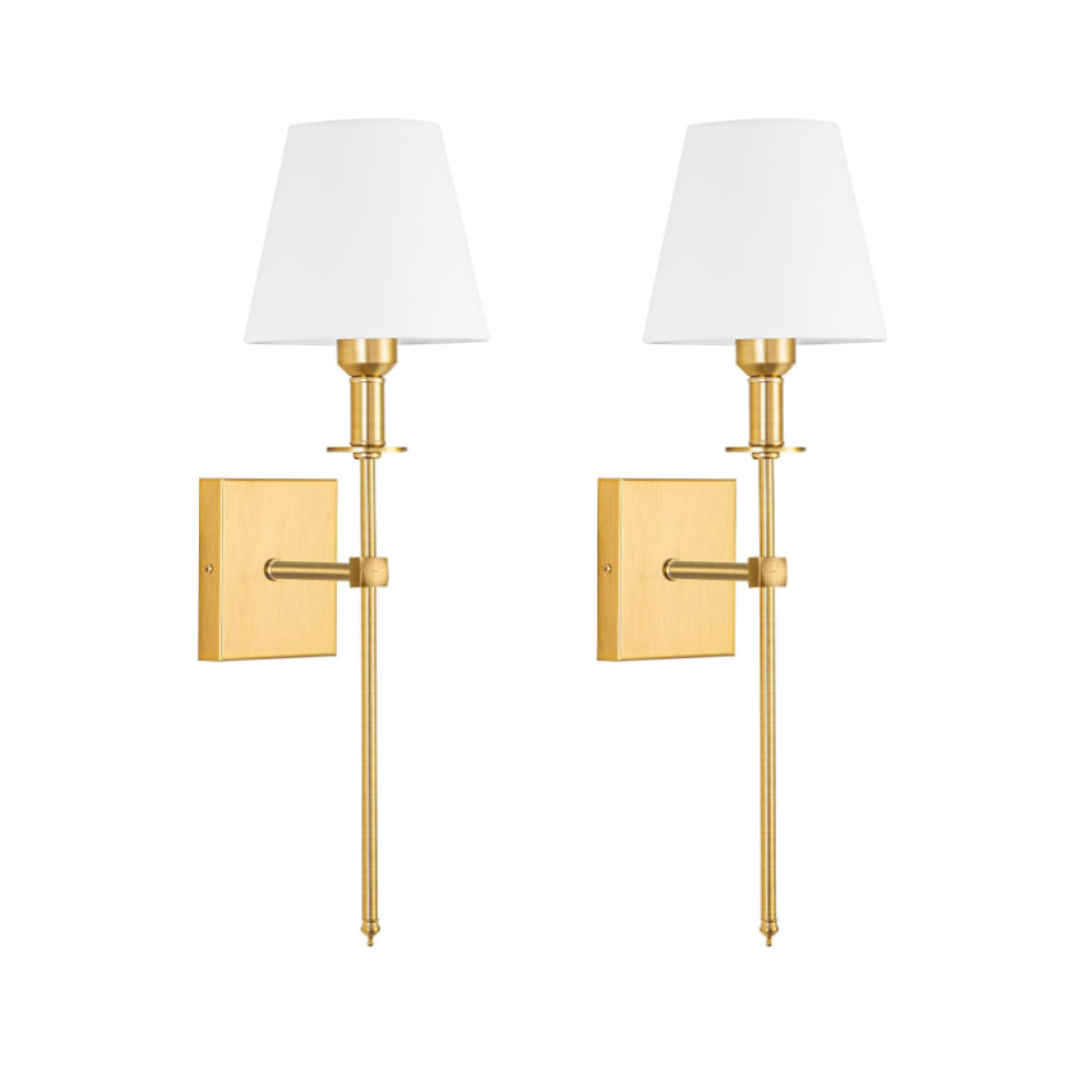
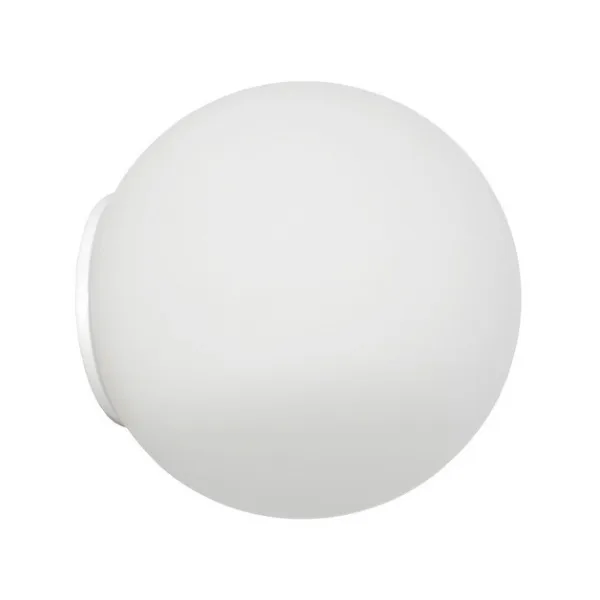
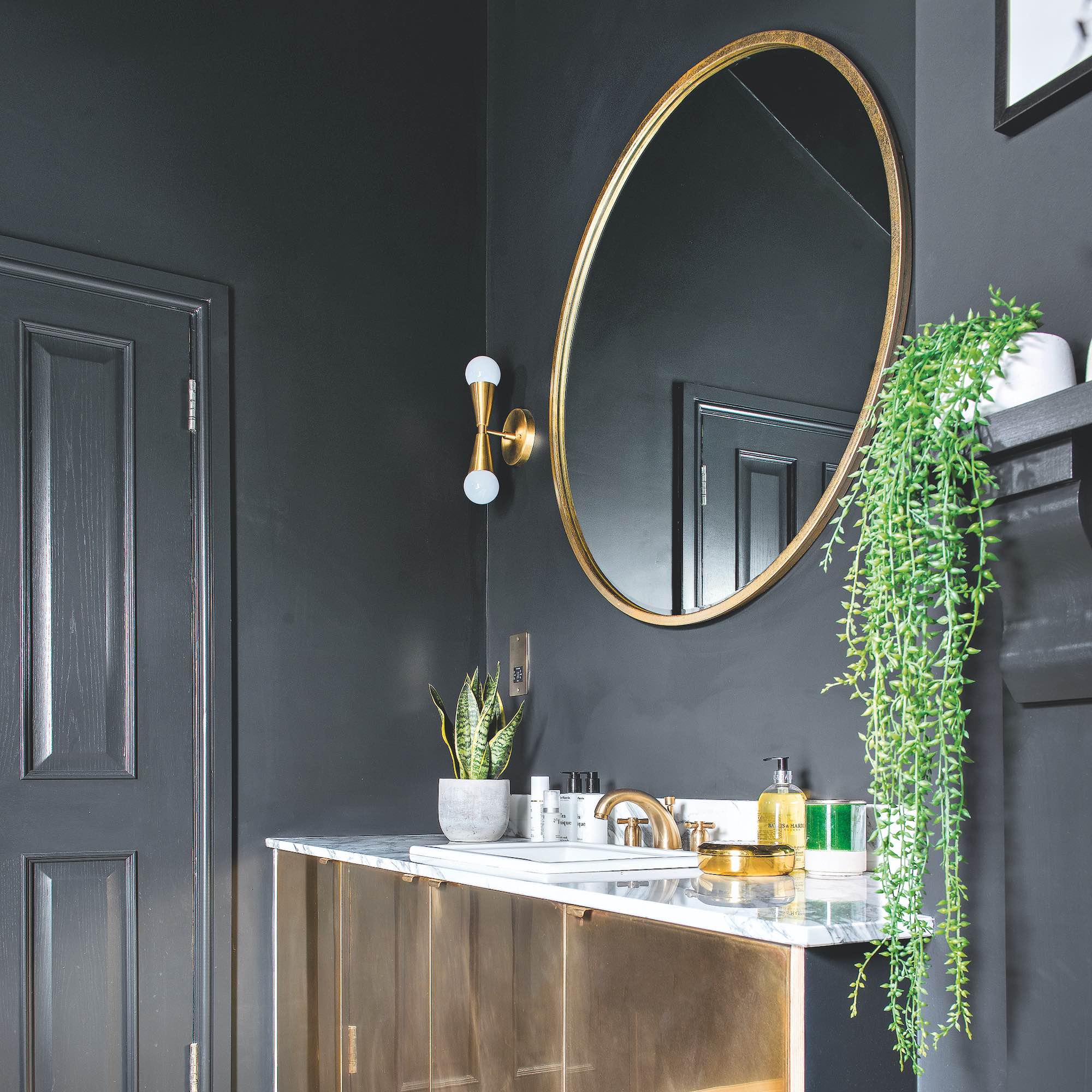
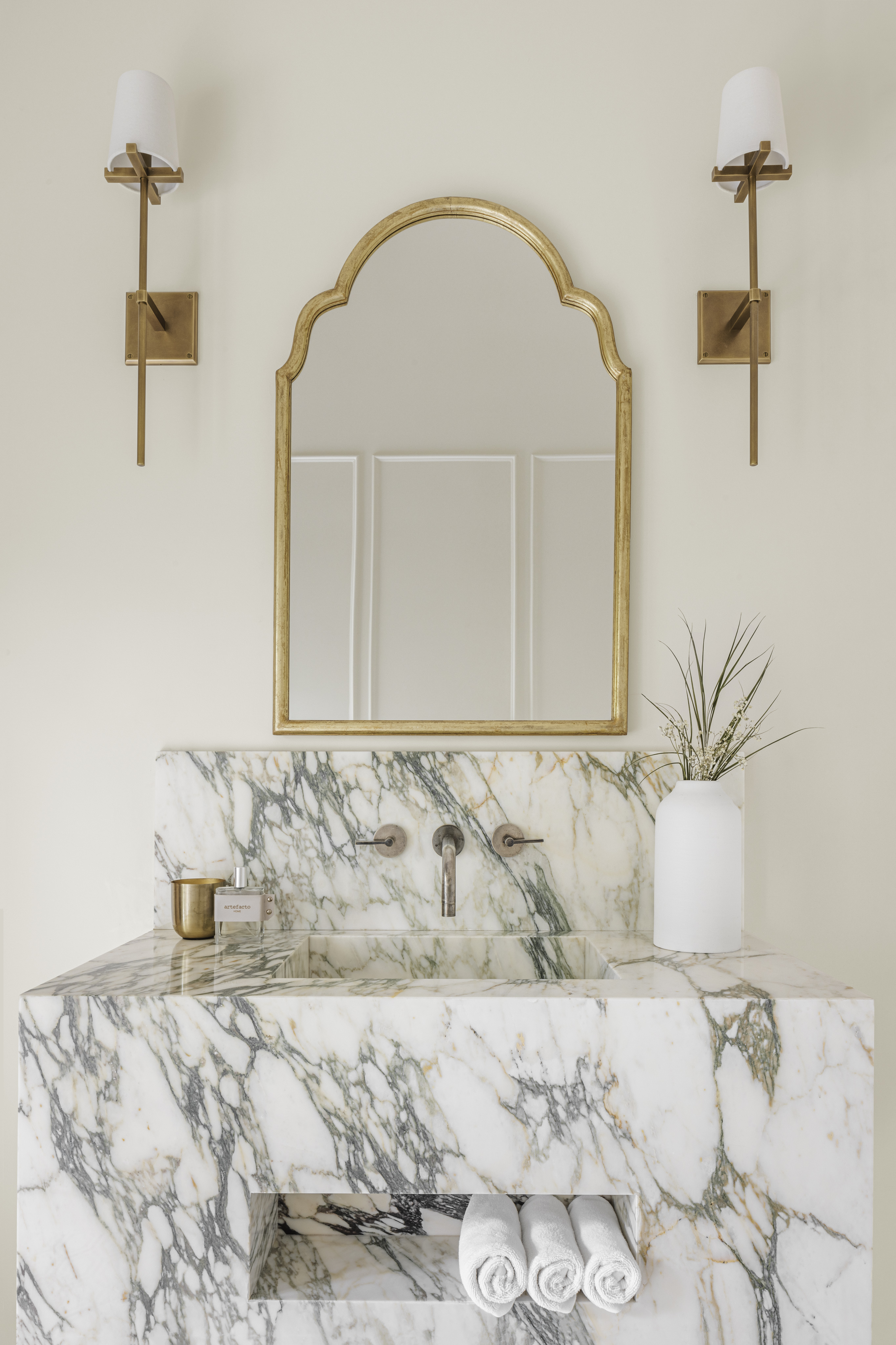
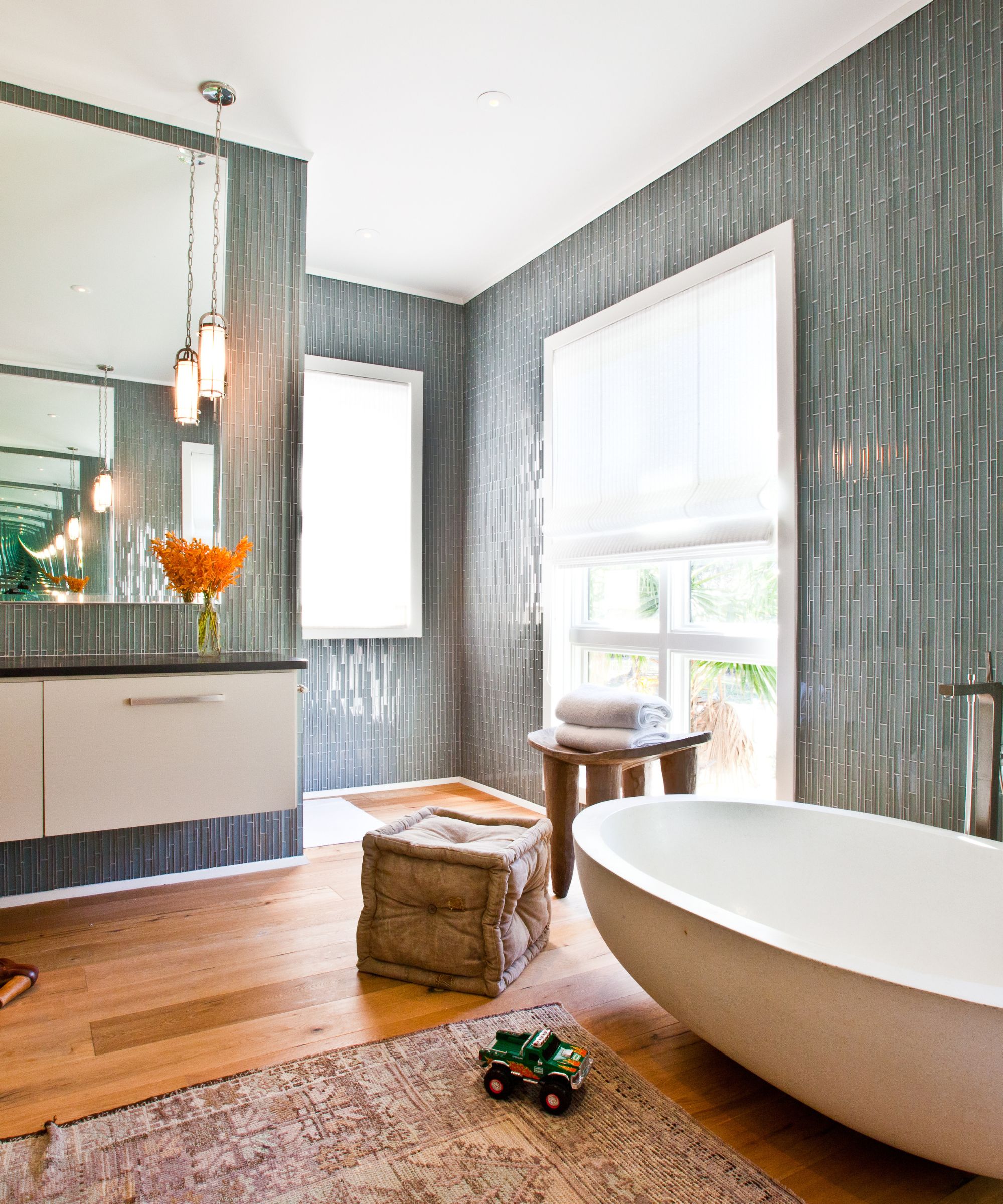
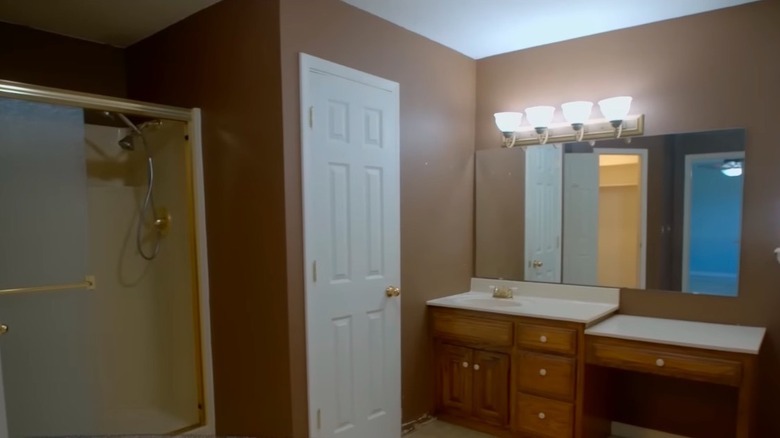
One significant factor is outdated or dirty lighting. Farook Member emphasizes that lighting profoundly impacts a room's design and cleanliness perception. Old or grimy fixtures can cast uneven light, creating shadows that accentuate imperfections even on spotless surfaces. Replacing outdated lighting with modern fixtures or, more affordably, switching to warmer LED bulbs (around 2700K) can significantly enhance the bathroom's aesthetic and give it a spa-like feel.
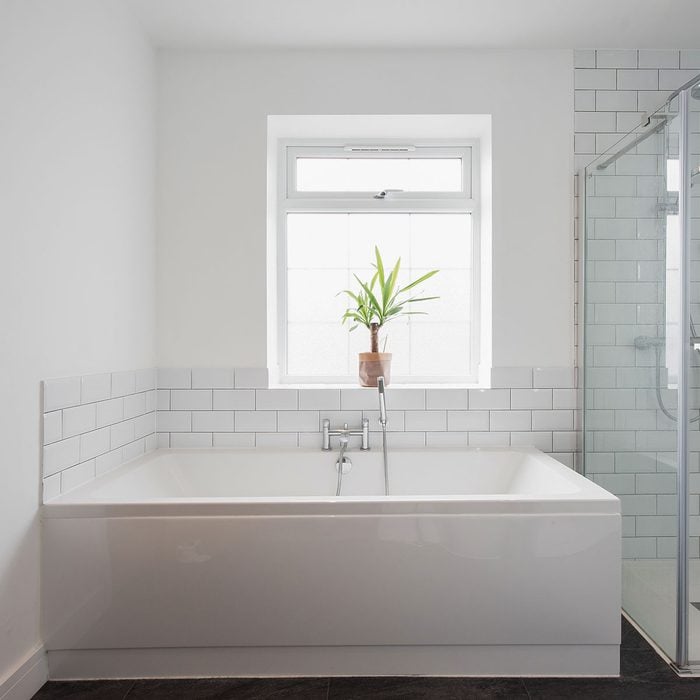
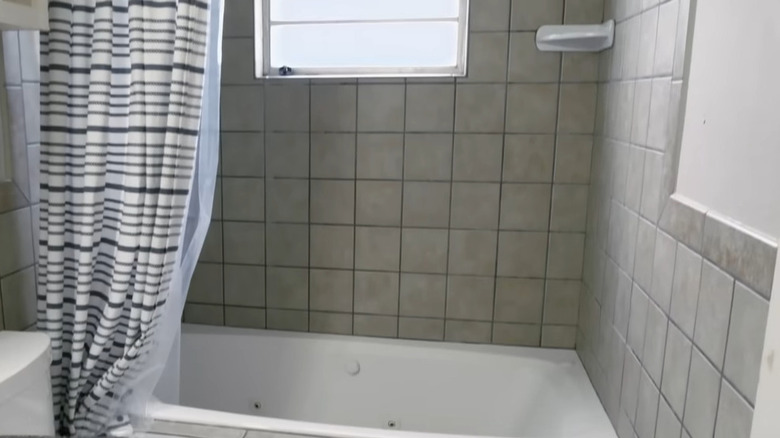
Another culprit is discolored or cracked caulking. Martinez points out that yellowed or cracked caulk around bathtubs can give the impression of dirt and neglect, even if the tub itself is clean. Fortunately, repairing caulk is a straightforward process. It involves removing the old caulk with a plastic scraping tool, cleaning the area with rubbing alcohol, and then applying a new bead of mold-resistant silicone caulk. Proper curing for at least 24 hours is essential before using the area.
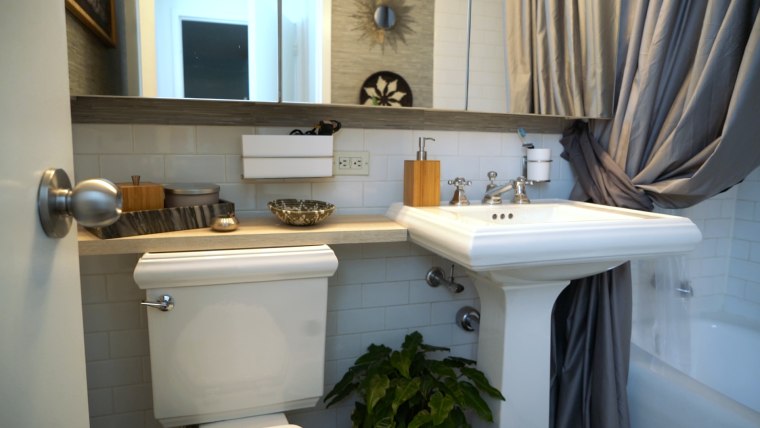
Neglected high-touch areas, such as light switch plates and door handles, also contribute to an unclean appearance. These surfaces accumulate fingerprints, makeup, and soap scum but are often overlooked during routine cleaning. Member suggests that wiping them down with a magic eraser or replacing old switch plates can make a noticeable difference in the bathroom's overall cleanliness and maintenance.
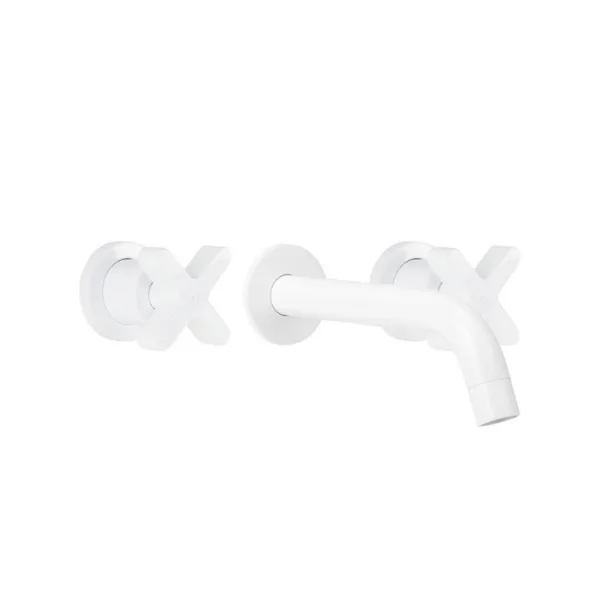
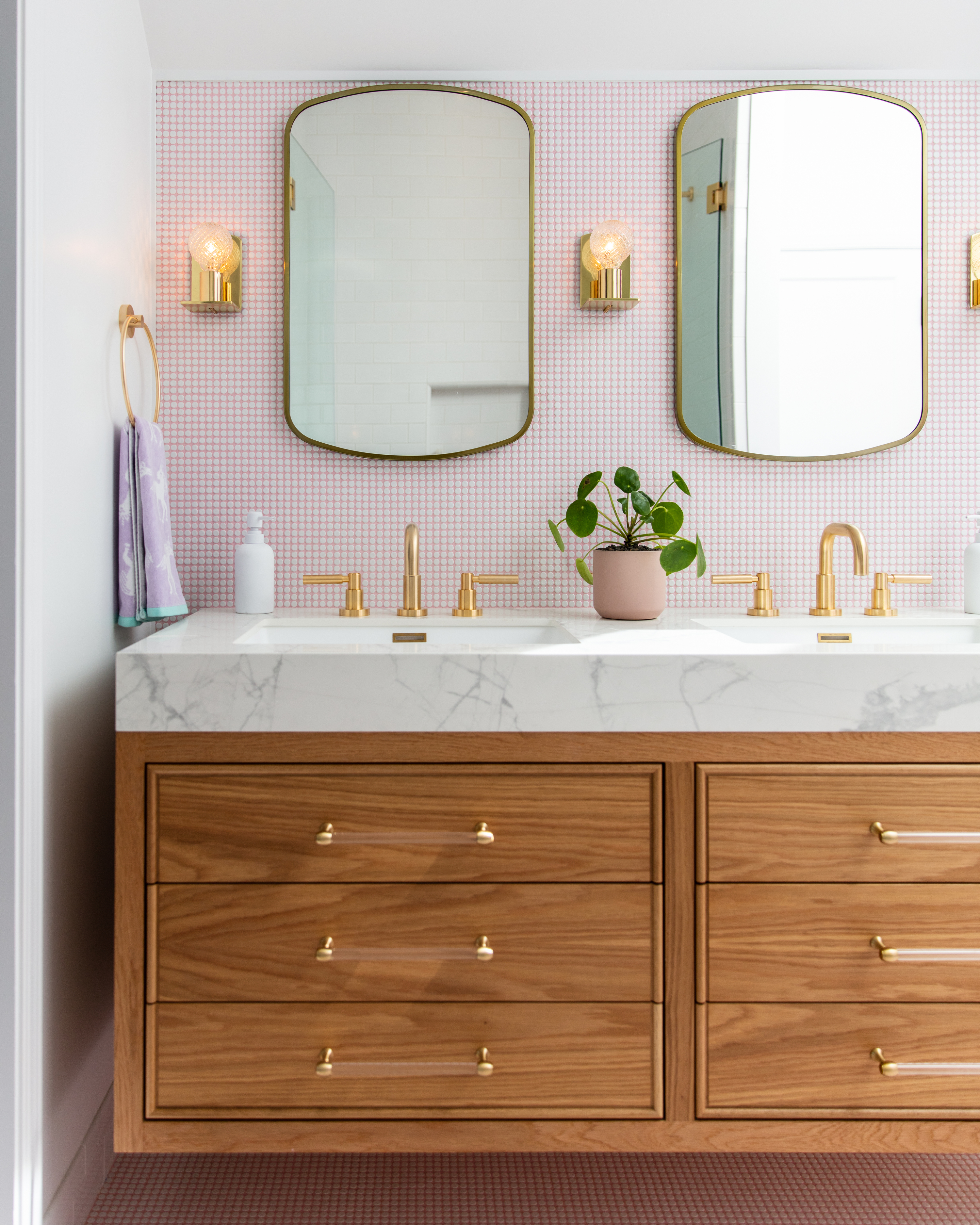
Hard water buildup is another common issue. Mineral deposits from hard water leave cloudy stains on faucets and fixtures, making them look unclean. Martinez recommends a natural solution: soaking paper towels or cotton rounds in white vinegar and placing them directly on the deposits for about 30 minutes. Afterward, scrubbing with a soft toothbrush and baking soda, followed by rinsing and thorough drying, can effectively remove these stains and prevent future accumulation.
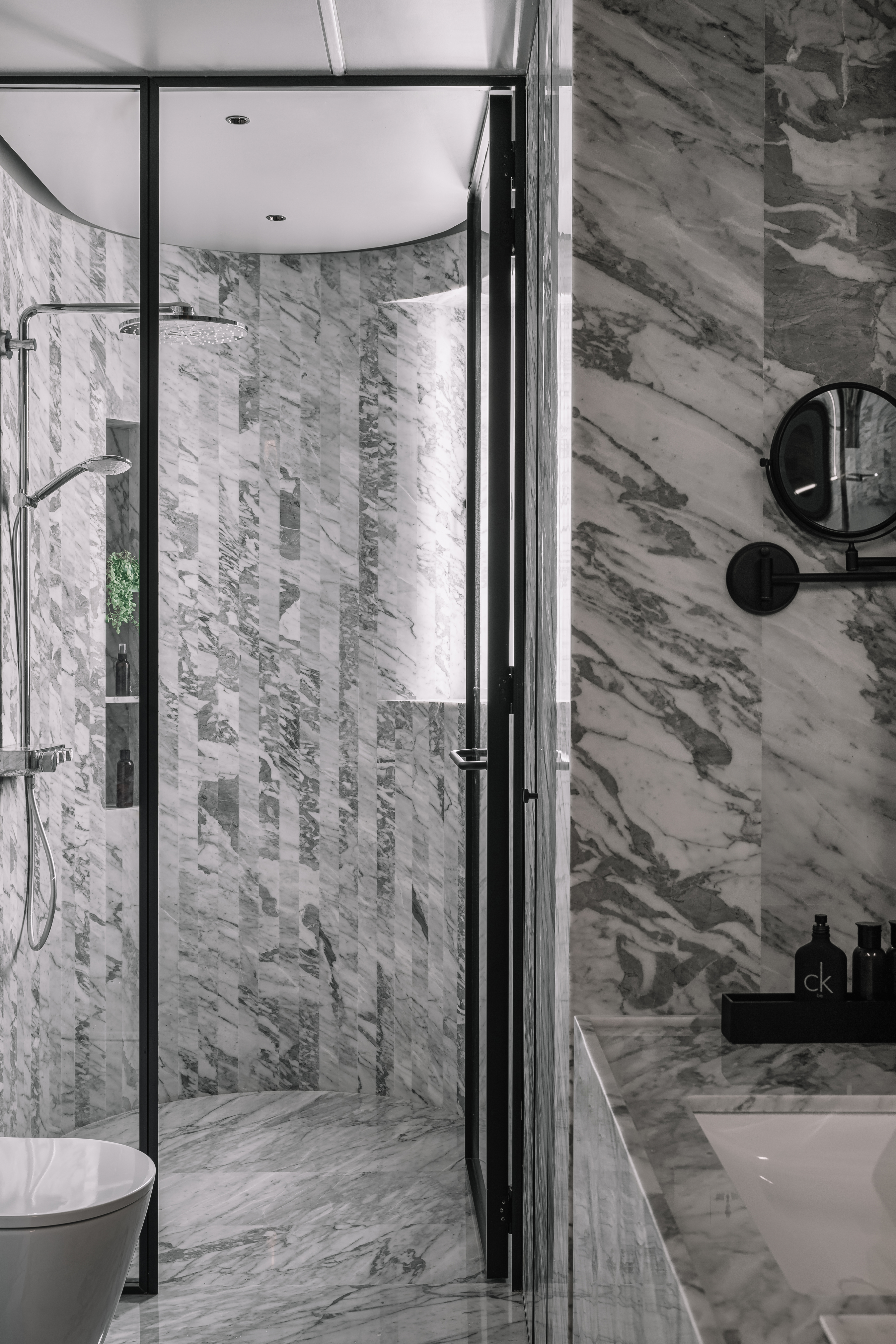
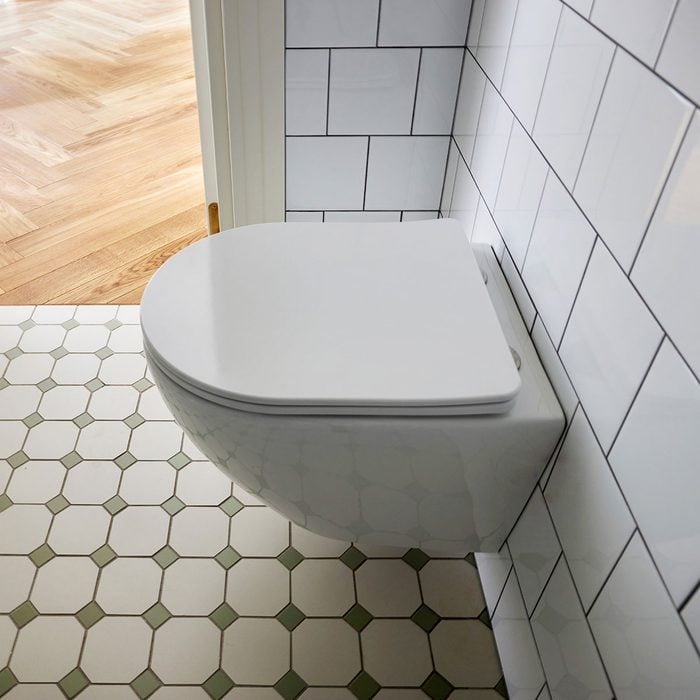
Stained or uneven grout can also detract from a bathroom's cleanliness. Similar to caulk, grout can become discolored or cracked, making tiles appear dirty even when they are not. Member notes that grout is a "stealthy saboteur" that spoils the clean aesthetic if its lines are uneven or patchy. For renters, a grout pen can whiten faded spots. Homeowners are advised to consider regrouting high-traffic areas, like shower floors, every few years for a lasting solution.
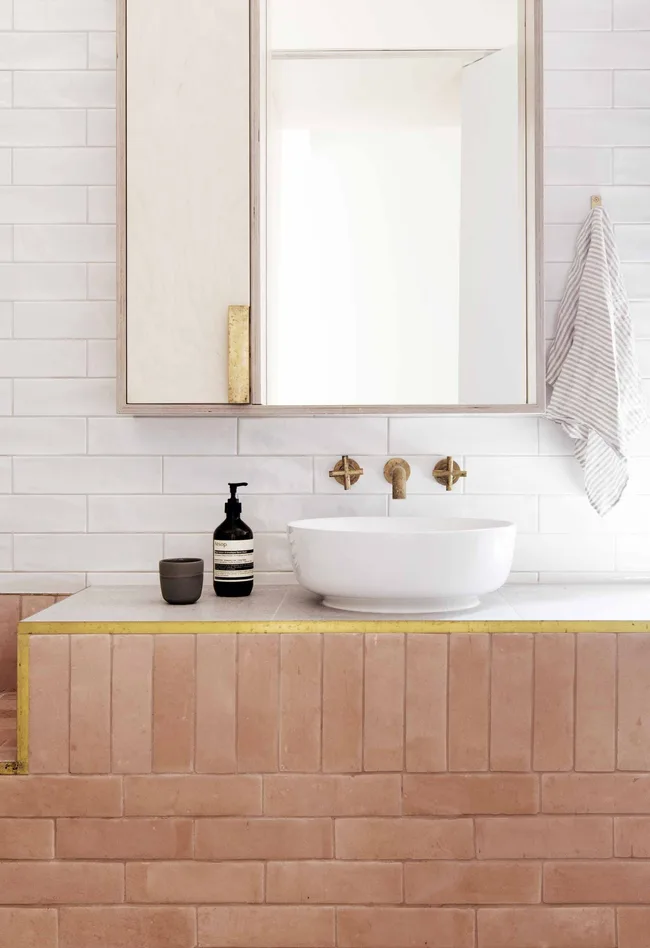
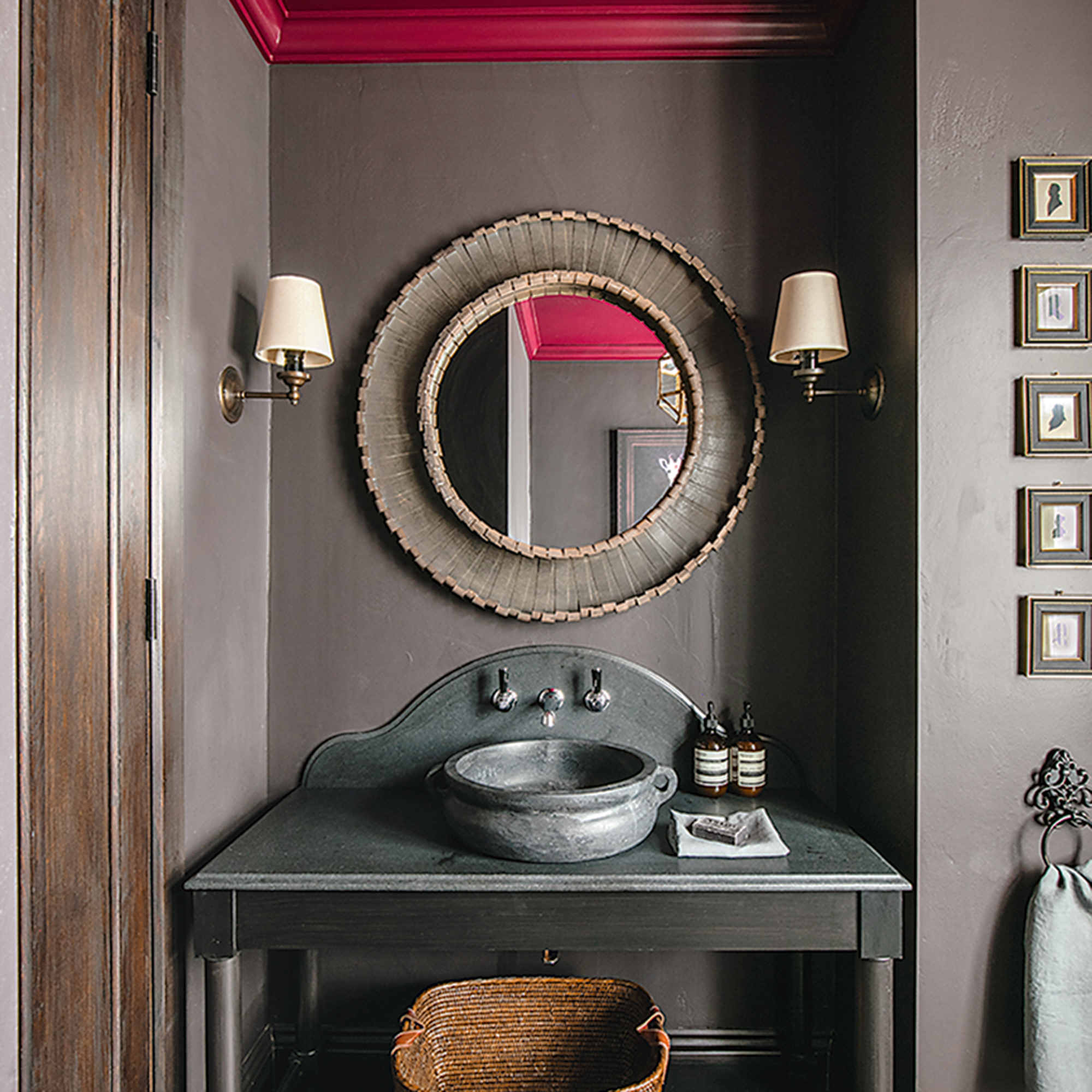
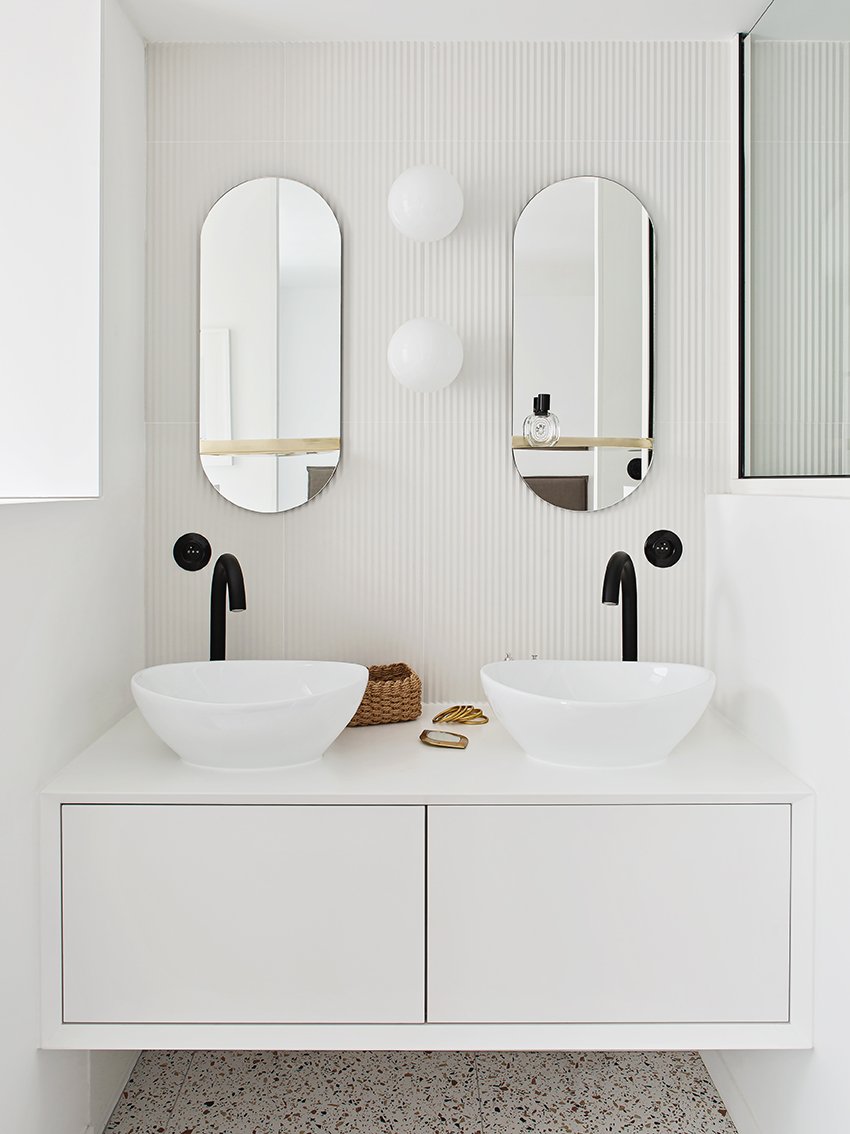
Finally, old, foggy mirrors can make an entire bathroom appear dim and less inviting. Beyond fingerprints and toothpaste splatters, older mirrors can develop distortions, chips, or splotches over time. While a DIY glass cleaner can help with surface grime, for more significant issues, framing out the mirror with stick-on molding or replacing it entirely can dramatically improve the room's brightness and perceived size. These minor improvements collectively contribute to a much cleaner and more appealing bathroom environment.
#BathroomCleaning #HomeMaintenance #CleaningTips #HomeImprovement #InteriorDesign #LightingUpgrades #CaulkingRepair #HardWaterRemoval #BathroomCleaning #HomeMaintenance #CleaningTips #HomeImprovement #InteriorDesign #LightingUpgrades #CaulkingRepair #HardWaterRemoval
0 comment in total
 No comments yet
You may also like
9 clever and stylish ways to make your bijou bathroom feel bigger than it is
Designers Say This Small Change Can Make a "Huge Difference" Your Bathroom

This Stunning Makeover Is Proof That Guest Baths Shouldn’t Be an Afterthought
5 Easy Bathroom Upgrades That Instantly Make Your Home Look Good, According to Designers
6 clever ways to make your small bathroom look bigger

27 small things you can do to spruce up your bathroom, according to an interior designer
8 Tricks to Make Your Small Bathroom Look Bigger, According to Designers

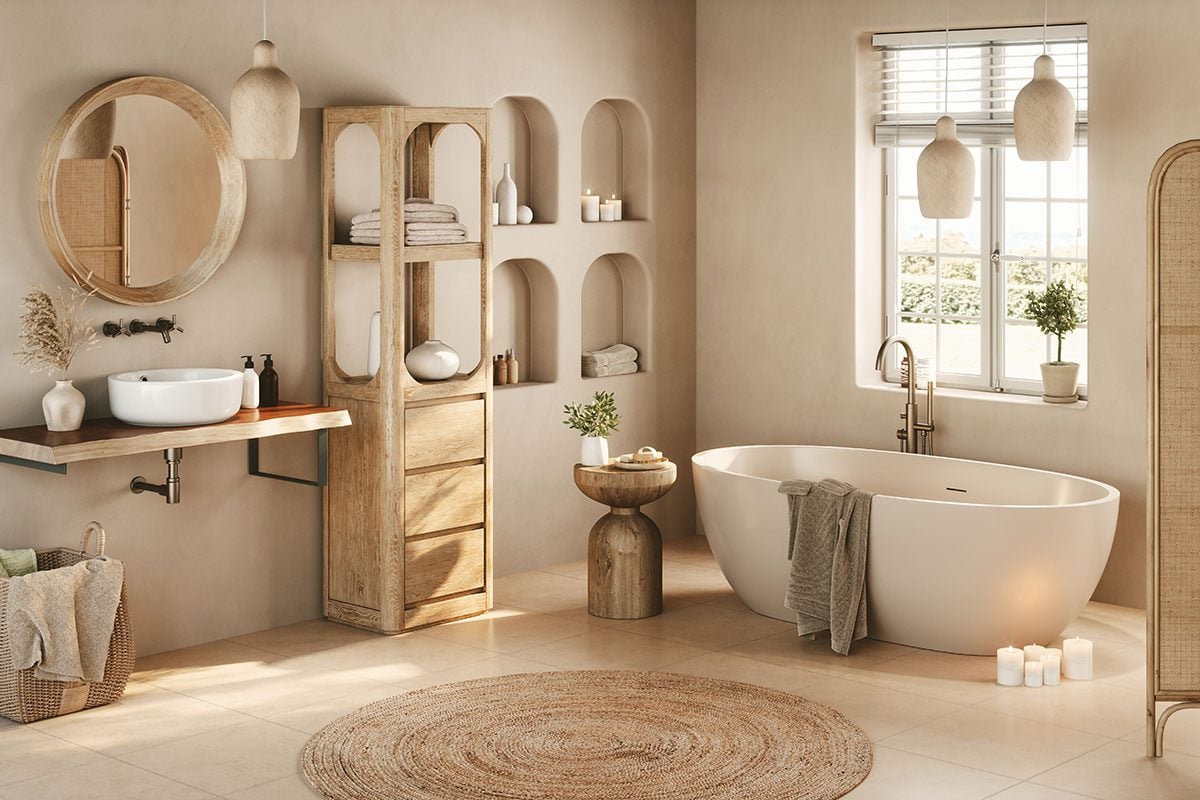
Bathroom Upgrades That Aren’t Worth the Hype, and What To Do Instead

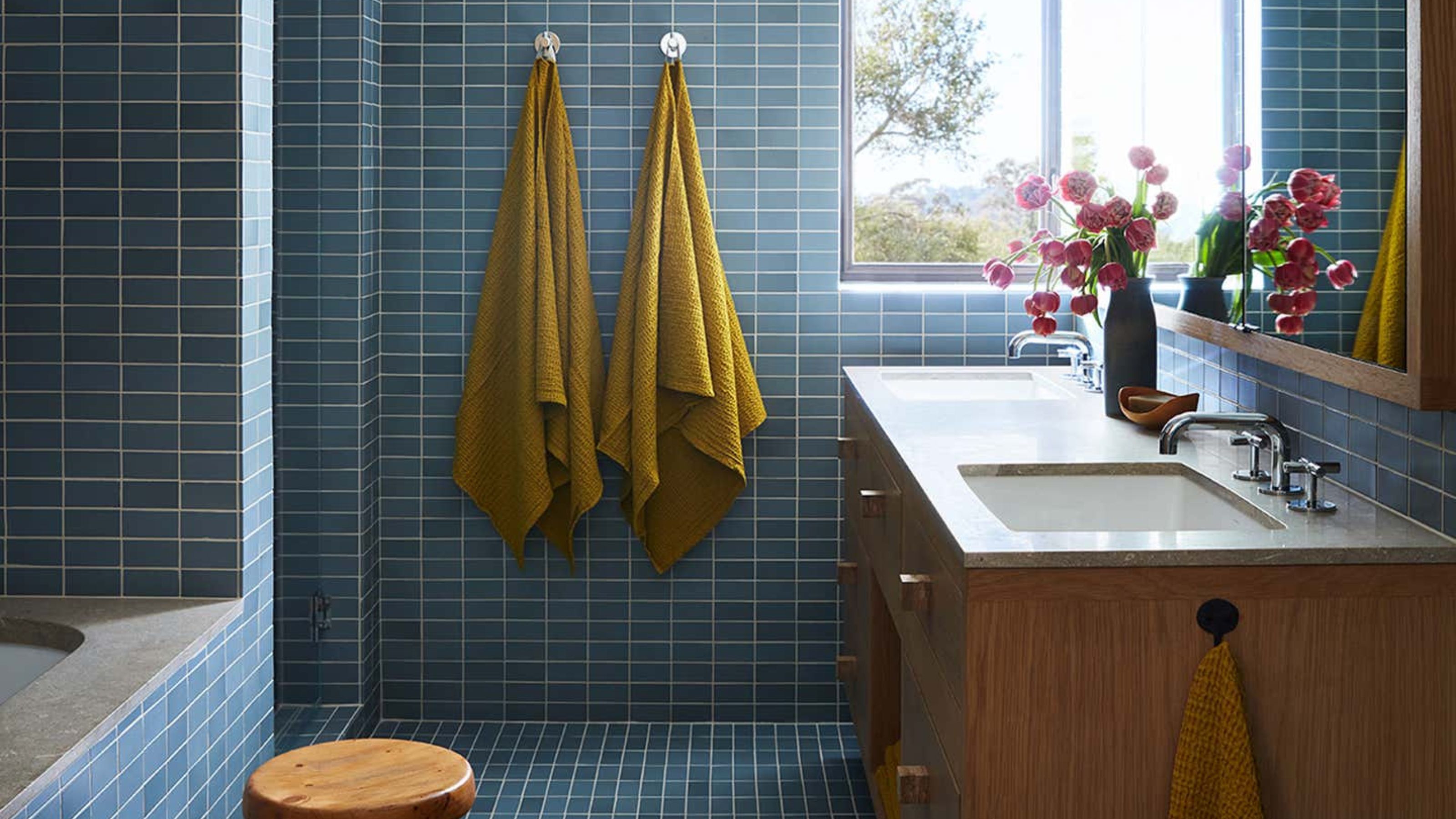
7 Lighting Tricks That Can Make Even a Small Bathroom Seem Bigger — Now Isn't That a Bright Idea

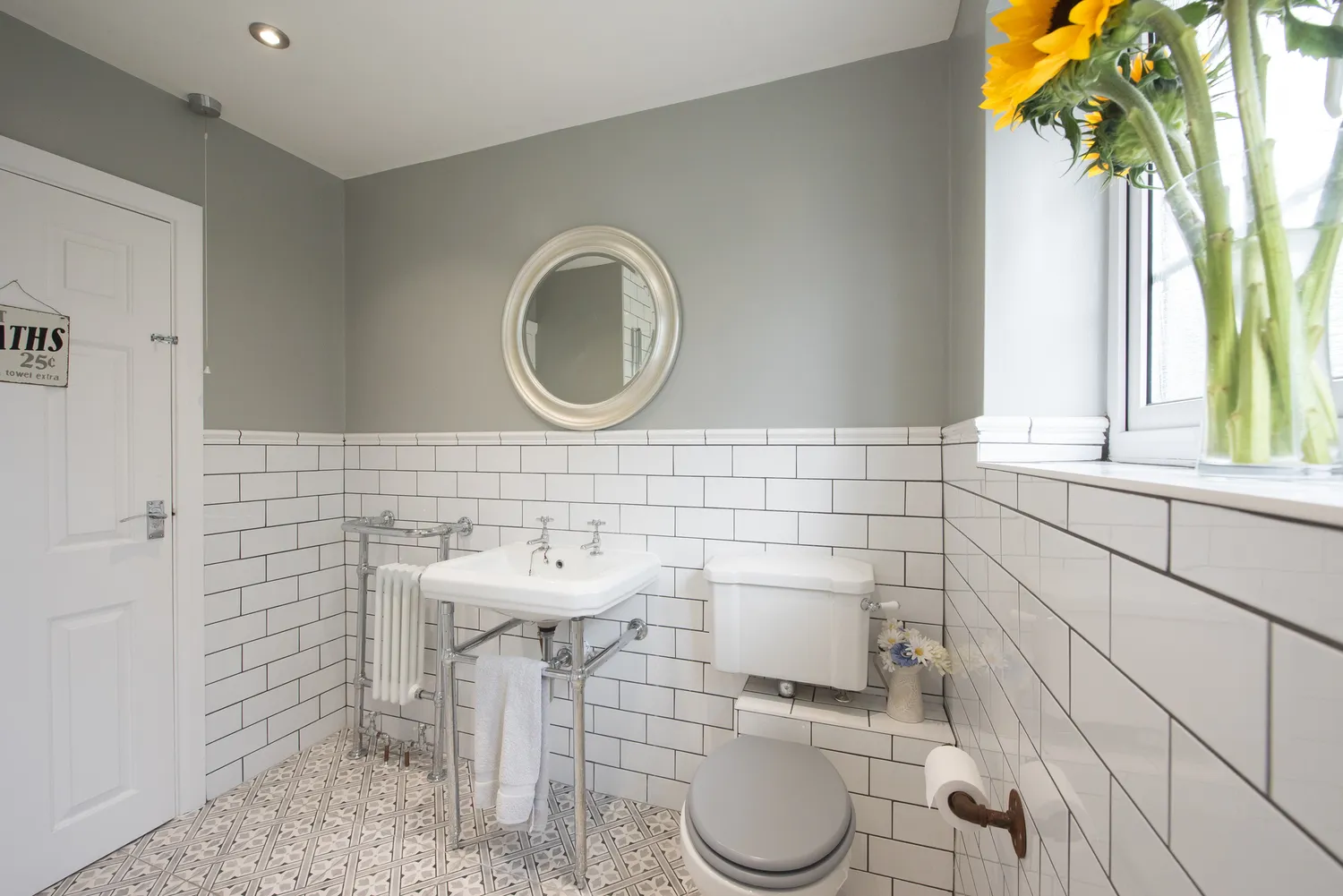
8 Easy Bathroom Upgrades That Add Serious Value to Your Home, Designers Say
See this bathroom go from bland to bold after a makeover

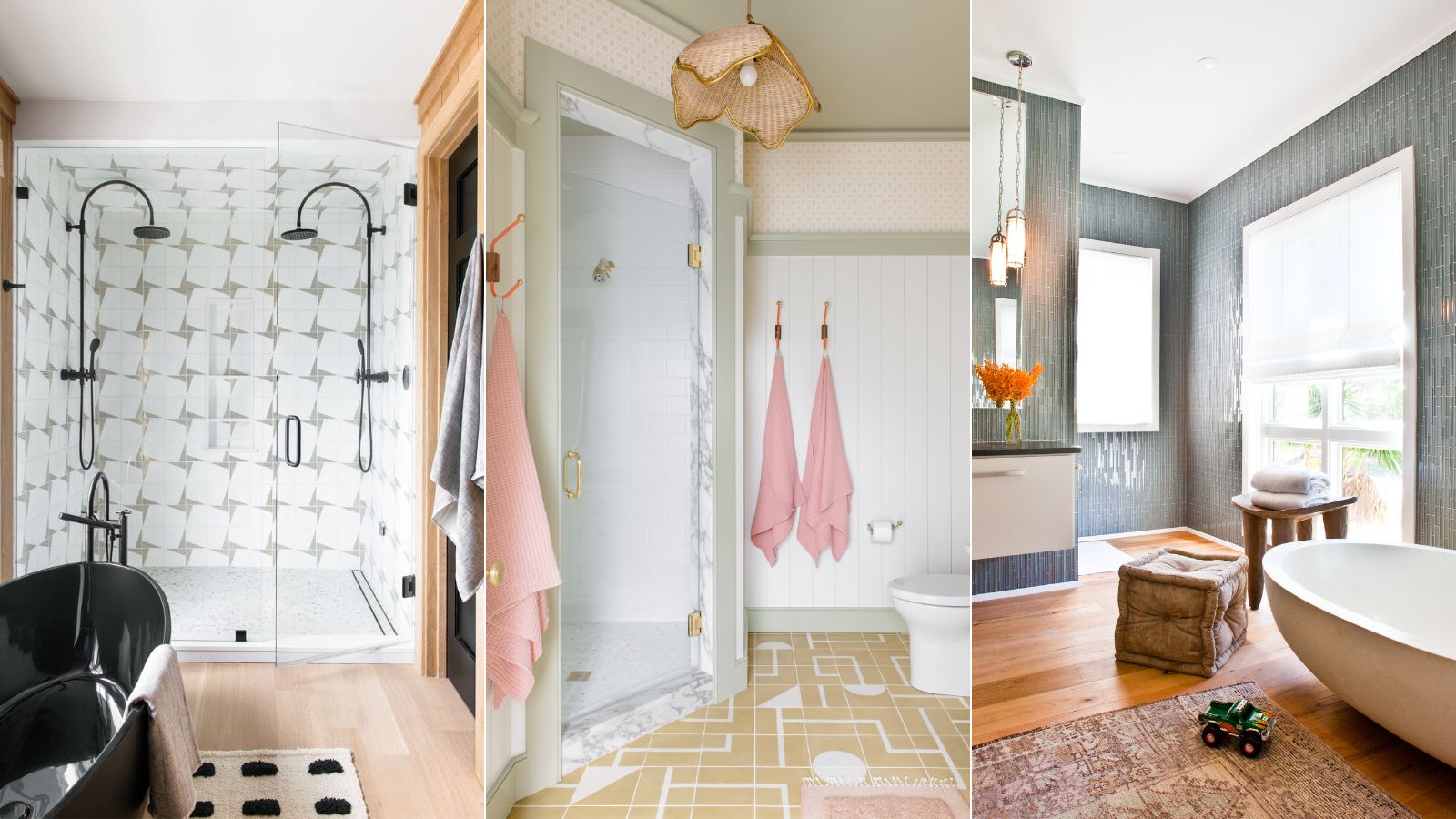
This is the easiest trick to elevate a boring bathroom, according to an interior designer

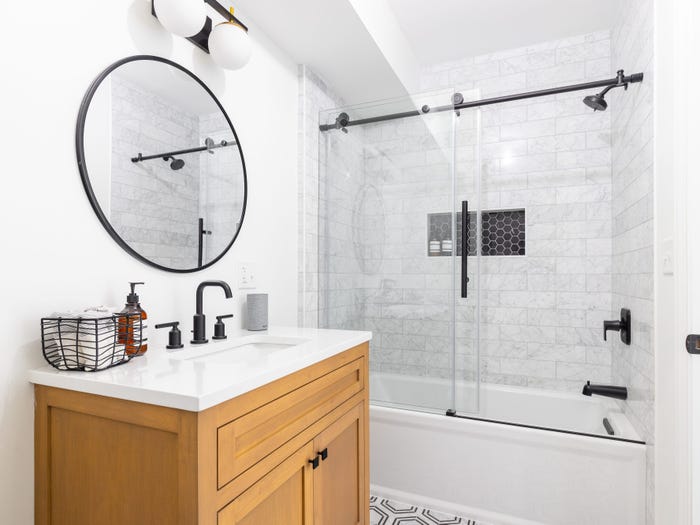
10 tricks to make your bathroom look and feel bigger, according to interior designers
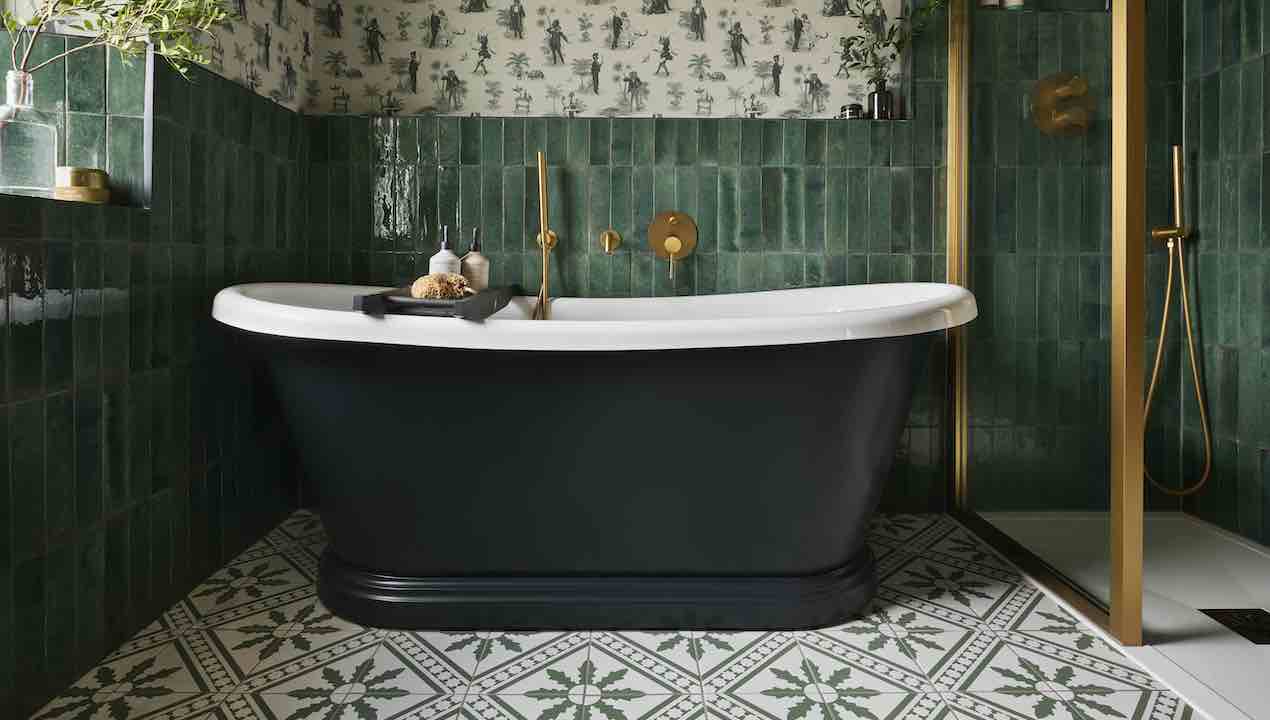
10 ways to make your bathroom look more luxurious, according to design experts
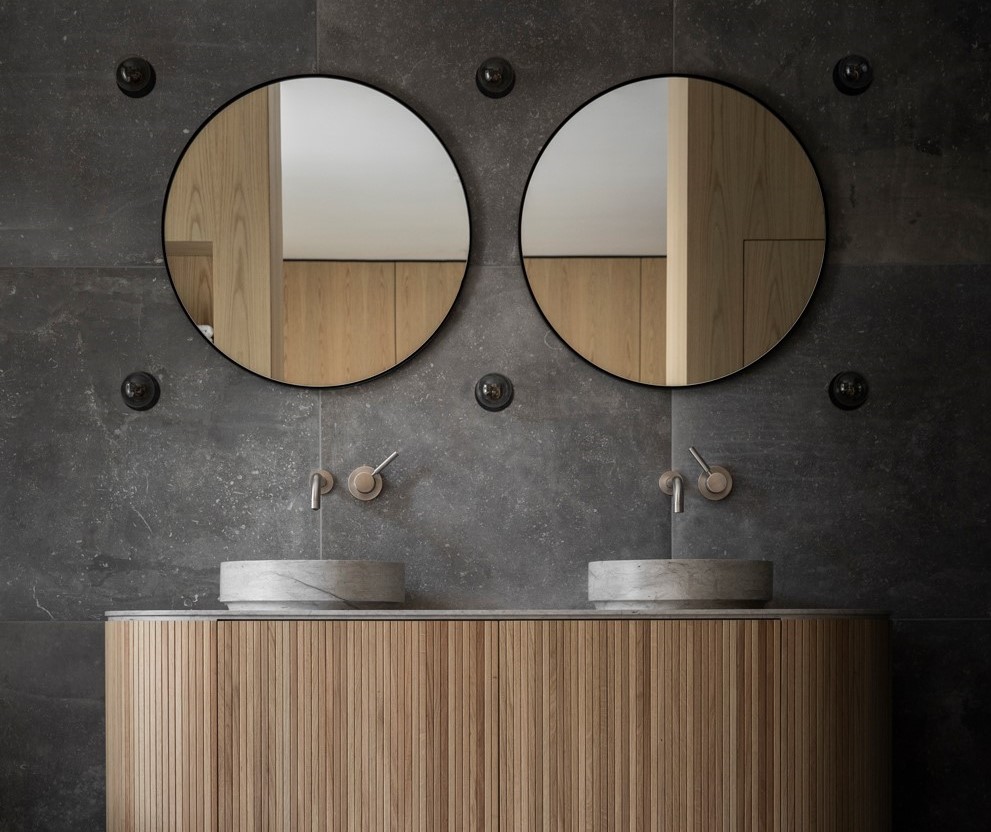
Designers use this trick to make a bathroom feel more expensive – and it can work for a small space, too

Fixer To Fabulous: 12 Most Impressive Bathroom Transformations, According To Fans

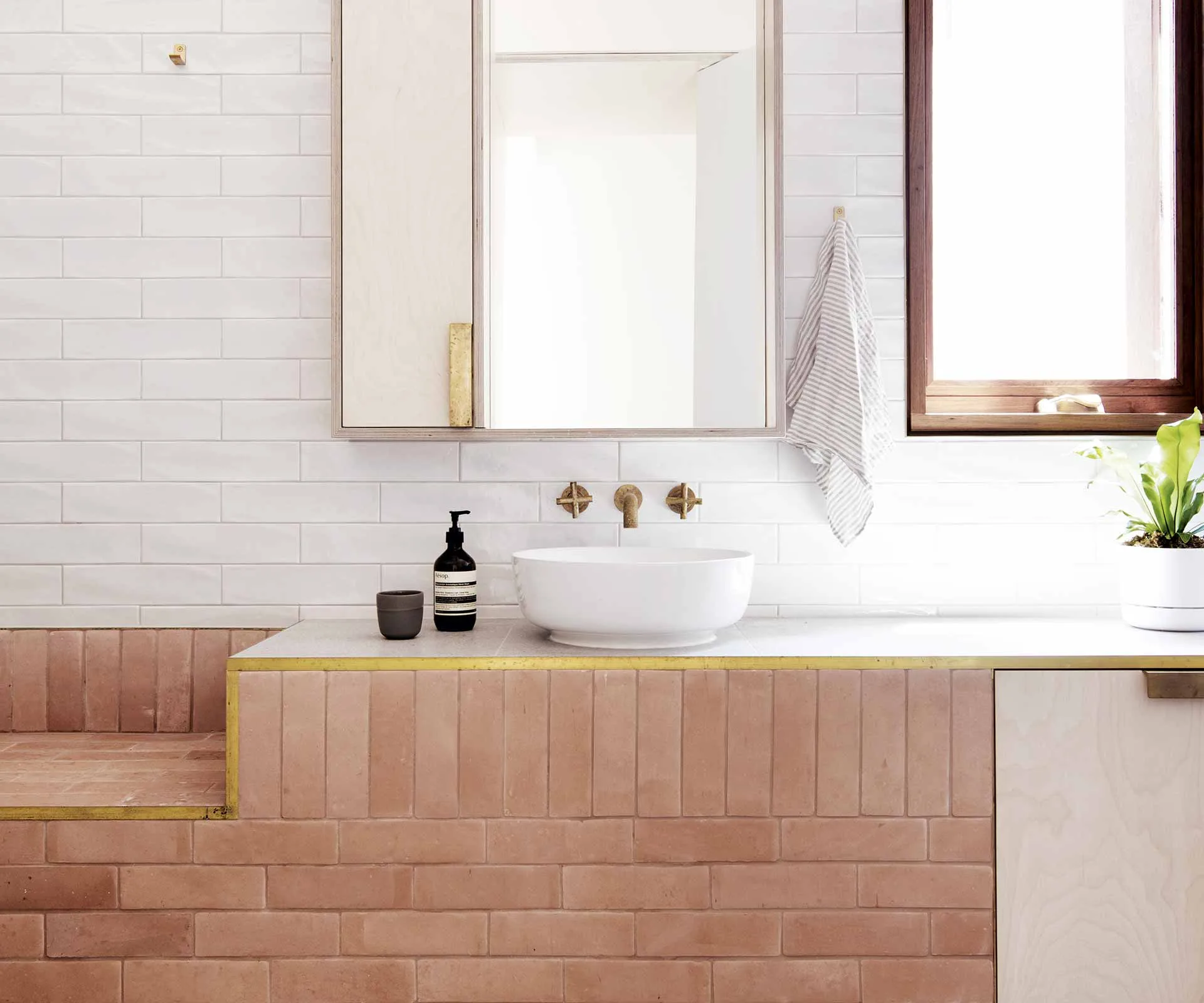
6 bathroom decor ideas that will inspire a cosmetic makeover

The Easy Upgrade That Can Change Your Bathroom Experience

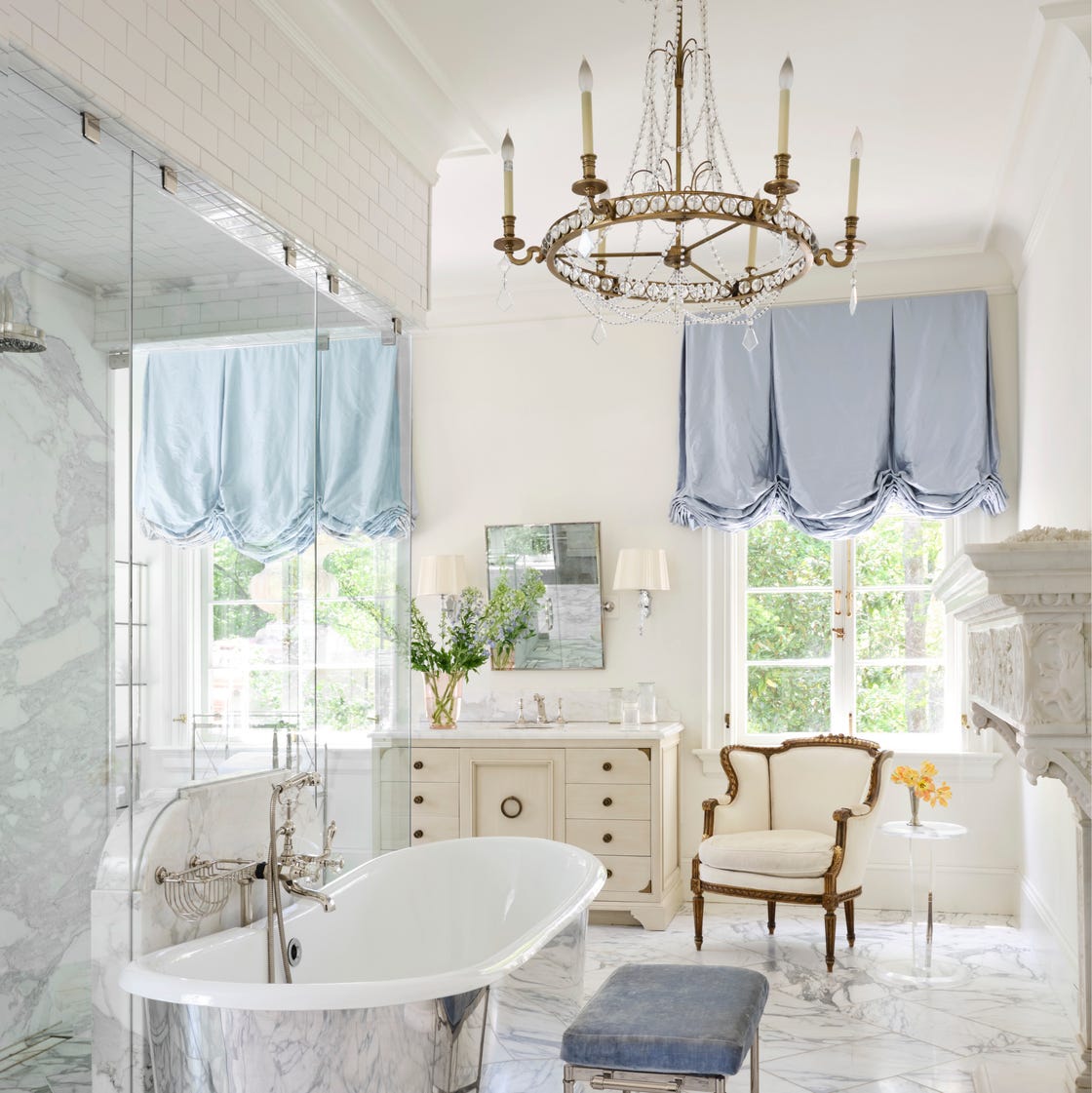
3 Ways to Make Your Bathroom Look More Expensive, According to Designers

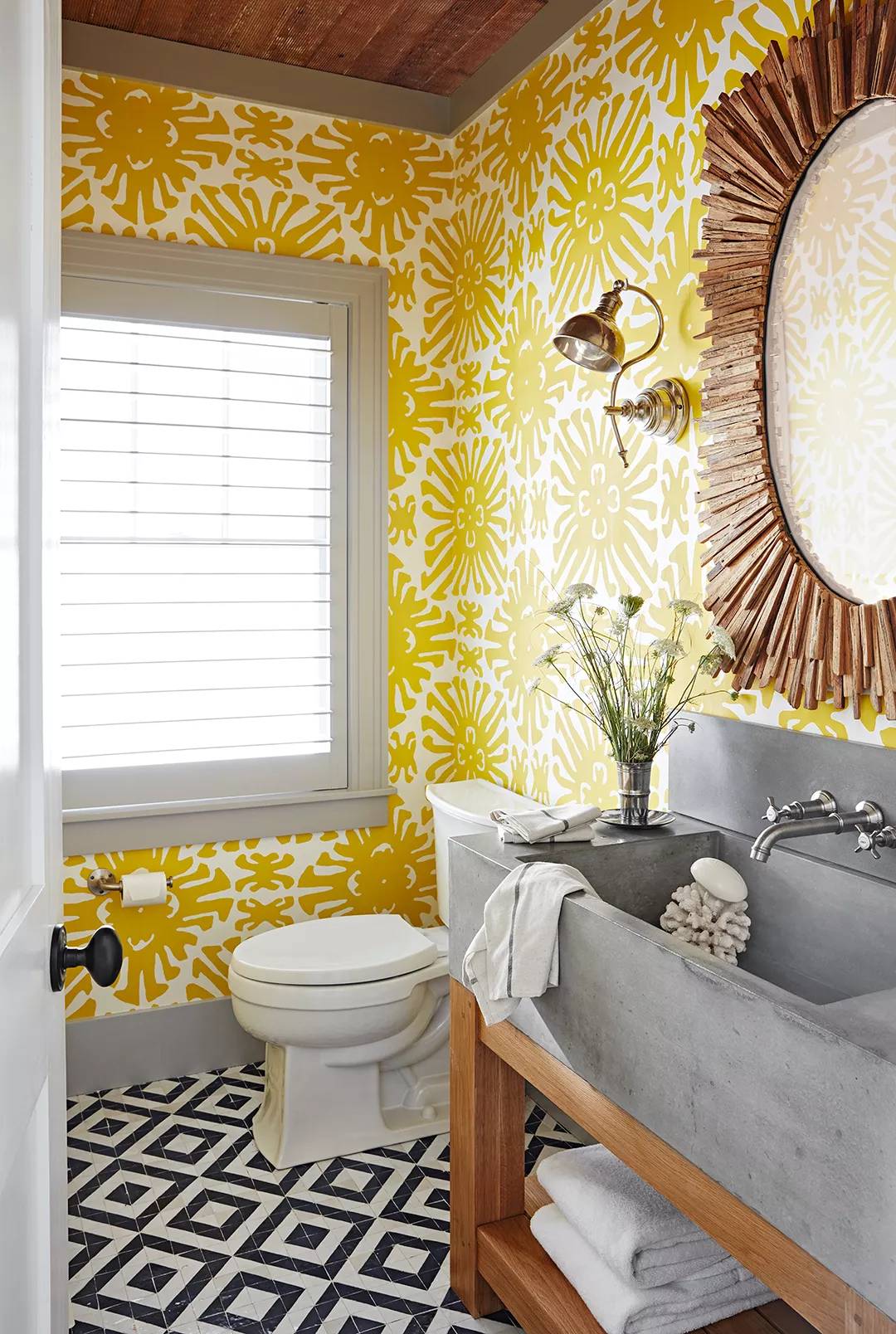
Brilliant Tips for Making Your Small Bathroom Feel Larger