1/14
The Easy Upgrade That Can Change Your Bathroom Experience
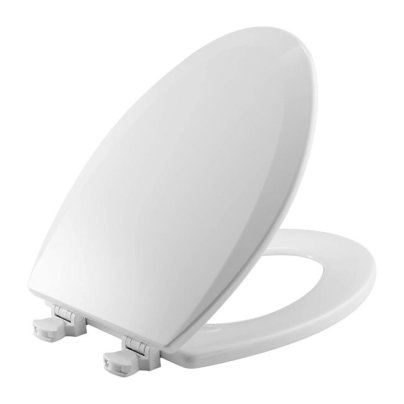
The choice of a toilet seat significantly impacts bathroom comfort and aesthetics, making an upgrade a quick and effective home improvement. Replacing a worn or damaged toilet seat can instantly refresh a bathroom's appearance and contribute to overall home value. Key factors in selecting a toilet seat include durability, comfort, and ease of cleaning. Industry experts, such as Master Plumber Aaron Adams, emphasize the importance of considering these elements, particularly the distinction between plastic and wood materials. Plastic seats are often favored for their moisture resistance and longevity, especially in high-humidity environments, with materials like Urea Formaldehyde offering superior durability and a premium feel. Wooden seats, while aesthetically pleasing, may be more susceptible to cracking and warping over time and are often recommended for secondary bathrooms where visual appeal is prioritized.
Toilet seats come in two primary shapes: elongated and round. The correct shape is determined by the toilet bowl's dimensions, with elongated bowls measuring between 18 and 18.5 inches and round bowls approximately 16.5 inches from the bolt centers to the front rim. Elongated seats are generally considered more comfortable for adults and can assist individuals with mobility issues, though they require more space. Round seats are more compact, making them suitable for smaller bathrooms or children's bathrooms. Installation typically involves removing old bolts and securing the new seat, a process that can be complicated by rusted metal bolts but simplified by modern quick-release systems that facilitate cleaning.
Beyond basic functionality, various features enhance the user experience. Quiet-closing hinges prevent slamming, which is particularly beneficial in homes with children or for maintaining a peaceful environment. Seat bumpers provide stability, preventing shifting and protecting the toilet bowl's porcelain. Advanced options include heated seats, which offer comfort, especially in colder climates, and integrated bidet systems. Bidet toilet seats often come with adjustable water temperature and pressure, multiple spray modes, and features like self-cleaning nozzles, air dryers, and deodorizers, providing a luxurious and hygienic experience while reducing reliance on toilet paper. These high-tech seats, while more expensive and requiring a power outlet for installation, offer significant enhancements. Standard toilet seats typically cost between $20 and $60, whereas feature-rich models, including heated or bidet seats, can range from $100 to over $400. Most toilet seats have a lifespan of 5 to 7 years, with replacement becoming necessary when signs of loosening, cracking, or rust appear.
#ToiletSeats #BathroomRenovation #HomeImprovement #BidetSeats #HeatedToiletSeats #Plumbing #HomeComfort #DIYBathroom #BathroomFixtures #ToiletSeats #BathroomRenovation #HomeImprovement #BidetSeats #HeatedToiletSeats #Plumbing #HomeComfort #DIYBathroom #BathroomFixtures
0 comment in total
 No comments yet
You may also like
The Easy (and Cheap!) Bathroom Update that Makes a Big Difference
Refreshing THIS Design Feature Can Completely Transform Your Bathroom

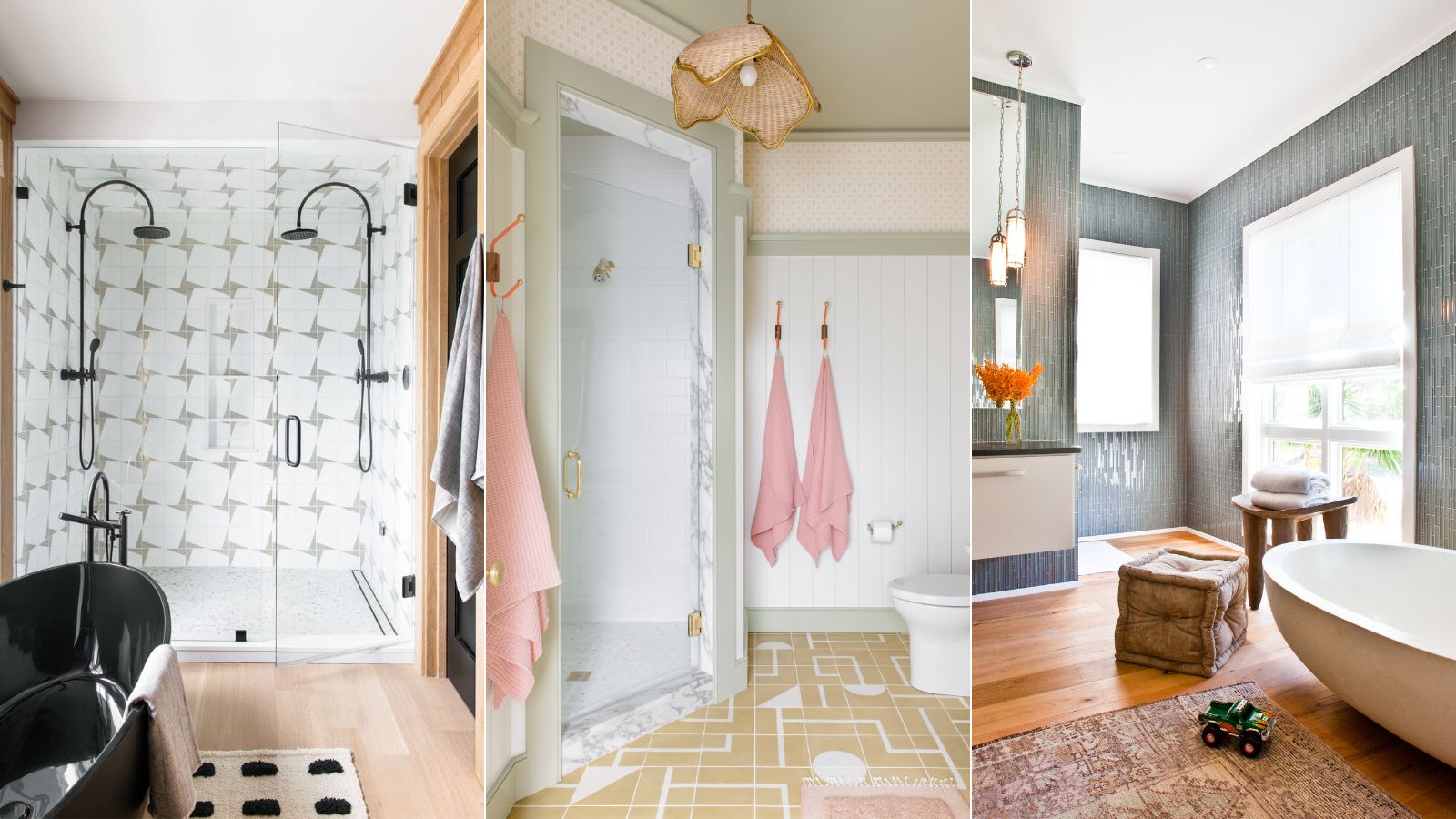
This is the easiest trick to elevate a boring bathroom, according to an interior designer

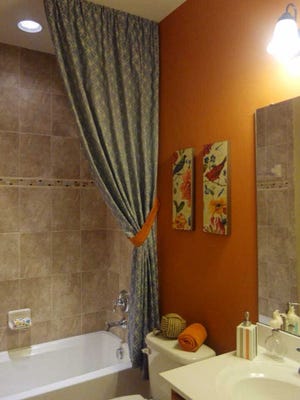
At Home: Doing bathroom upgrades on a budget

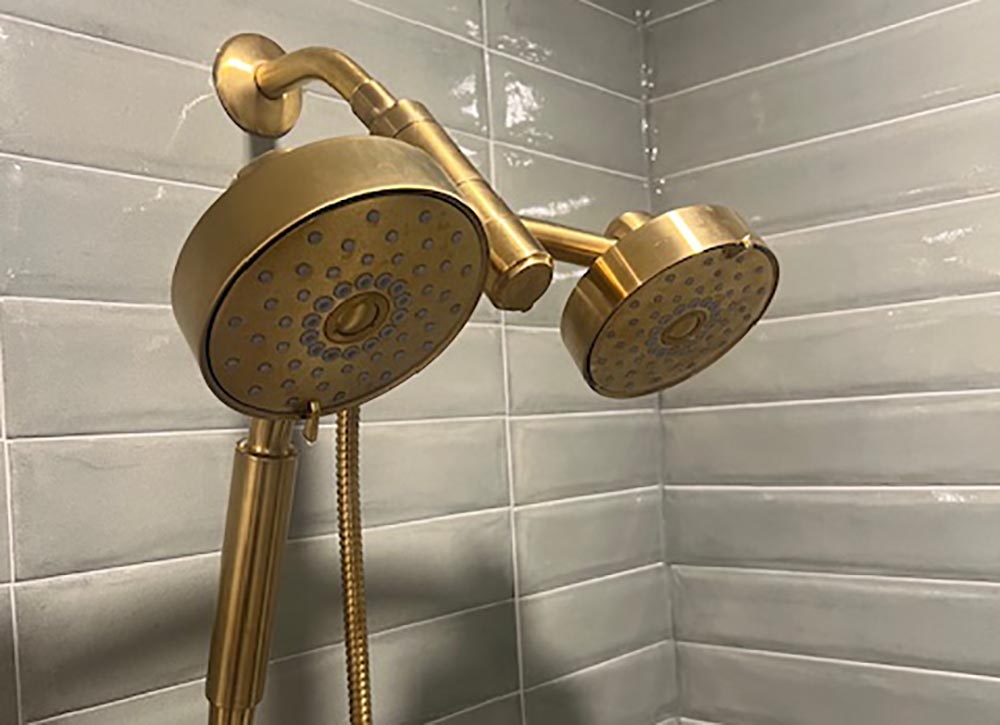
This One Simple Swap Instantly Gave My Bathroom a Luxury Upgrade—Without the Price Tag
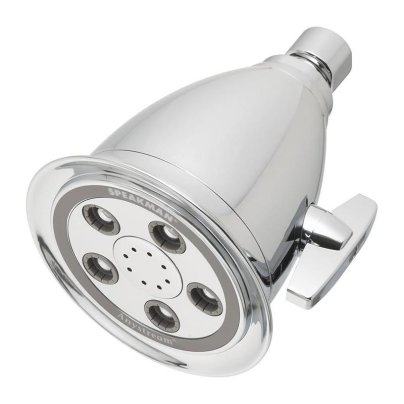
Give Your Bathroom a Spa-Like Feel Thanks to This Simple and Affordable Upgrade
5 Easy Bathroom Upgrades That Instantly Make Your Home Look Good, According to Designers

Simple remodel tip: upgrade your bathroom shower head

Designers Say This Small Change Can Make a "Huge Difference" Your Bathroom

8 Easy Bathroom Upgrades That Add Serious Value to Your Home, Designers Say

Upgrades We’d Make to Any Bathroom | Wirecutter
See this bathroom go from bland to bold after a makeover

13 Smart Ways to Upgrade Your Bathroom Without Renovating It

The one small upgrade that instantly modernises any kitchen or bathroom

7 bathroom upgrades from on-trend taps to easy-fit flooring

10 inexpensive bathroom upgrades you can DIY with no costly or difficult installation needed

This simple swap has transformed my crowded small bathroom
This simple shower upgrade can transform your space (and how you start your day)
Updating your bathroom in 2025? Designers say these 5 swaps will completely transform your space
7 bathroom “upgrades” lower-middle-class homeowners still see as luxurious