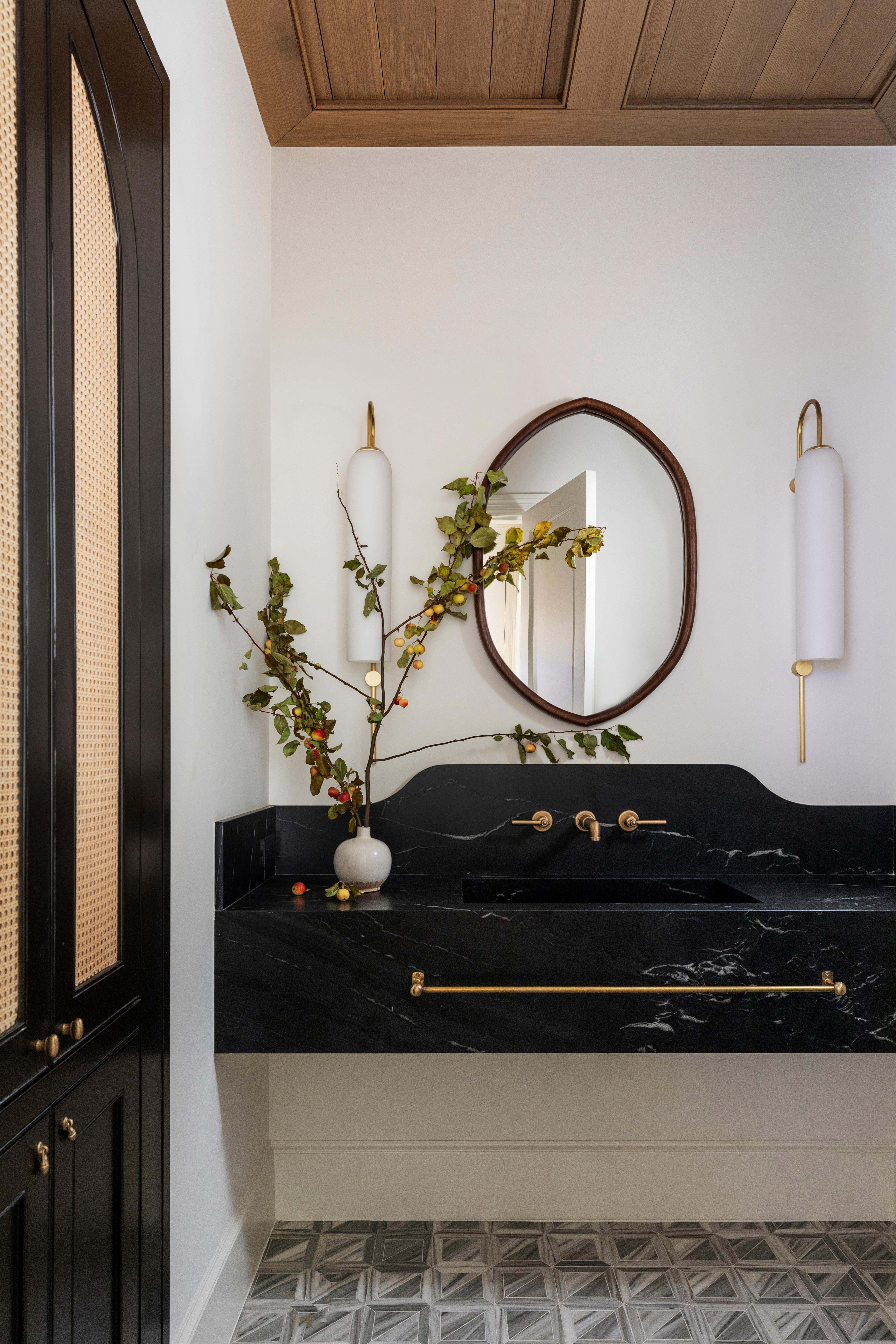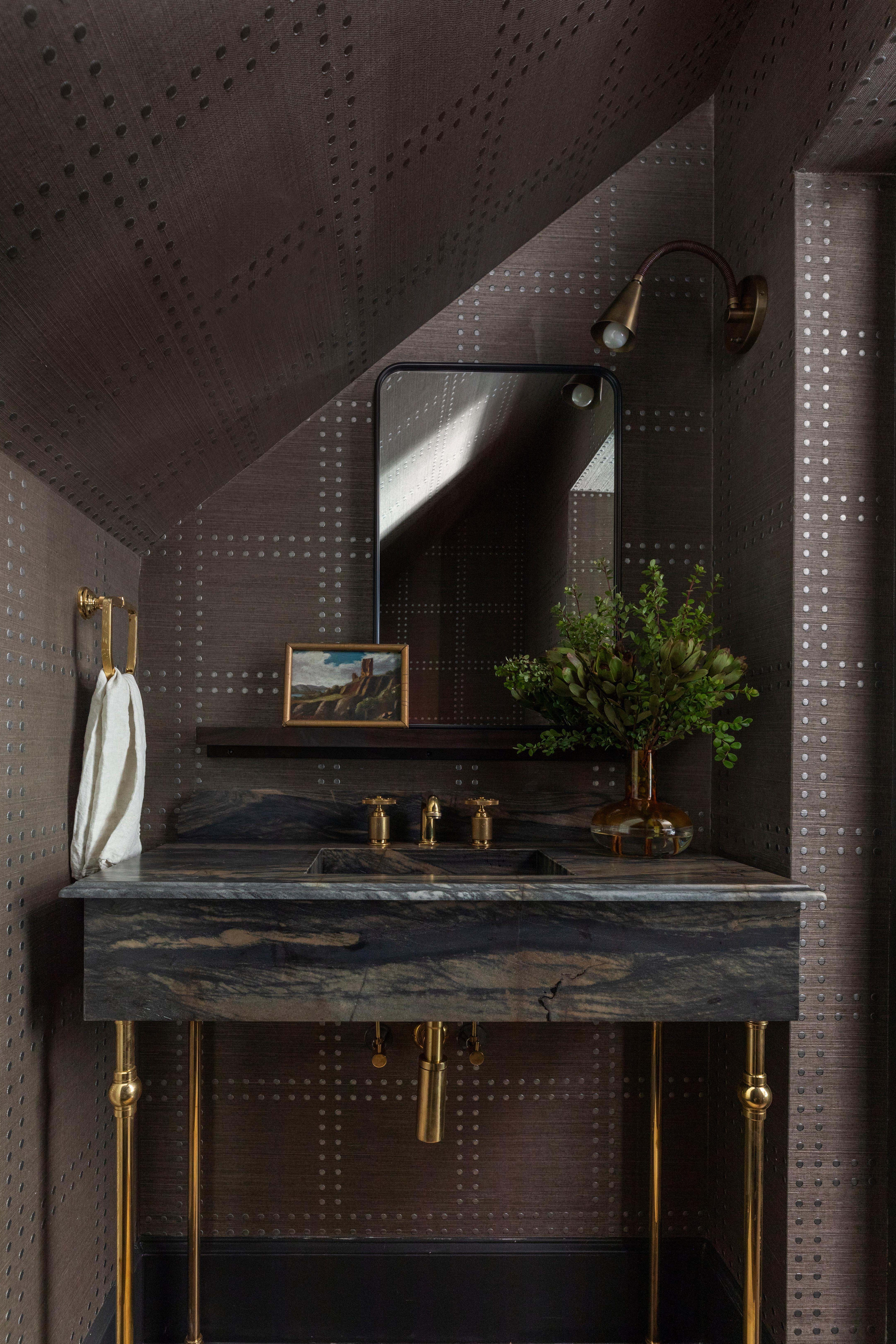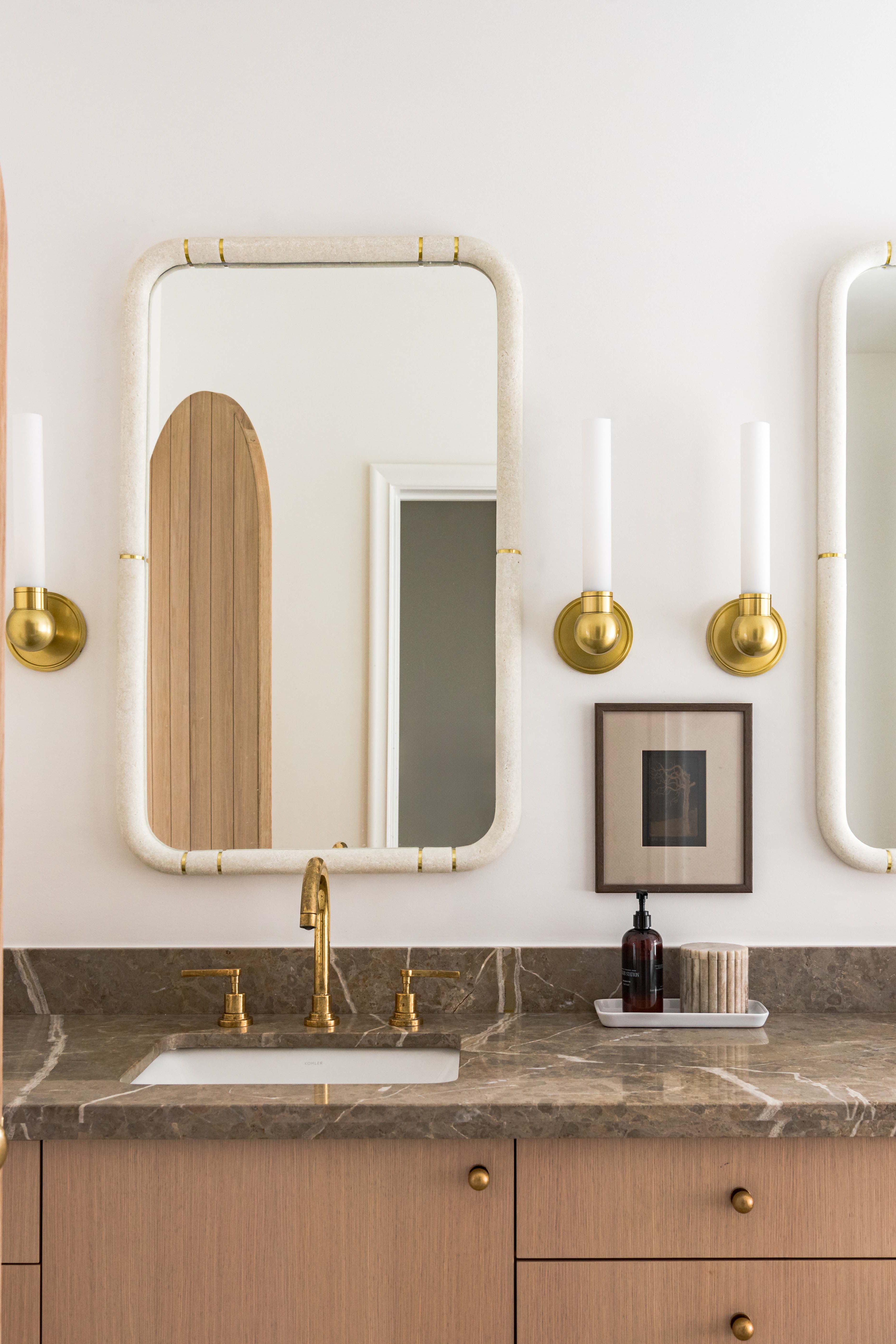
7 bathroom “upgrades” lower-middle-class homeowners still see as luxurious
This article explores seven bathroom upgrades that, while potentially inexpensive, are perceived as luxurious by lower-middle-class homeowners. The author, Avery White, draws on personal experience and psychological concepts to explain why these seemingly modest improvements can significantly enhance a sense of comfort and well-being. The article begins by contrasting functional childhood bathrooms with the modern concept of bathrooms as spaces for relaxation, emphasizing that "luxury" is a relative term and that even small improvements can feel like significant milestones for those accustomed to making do.
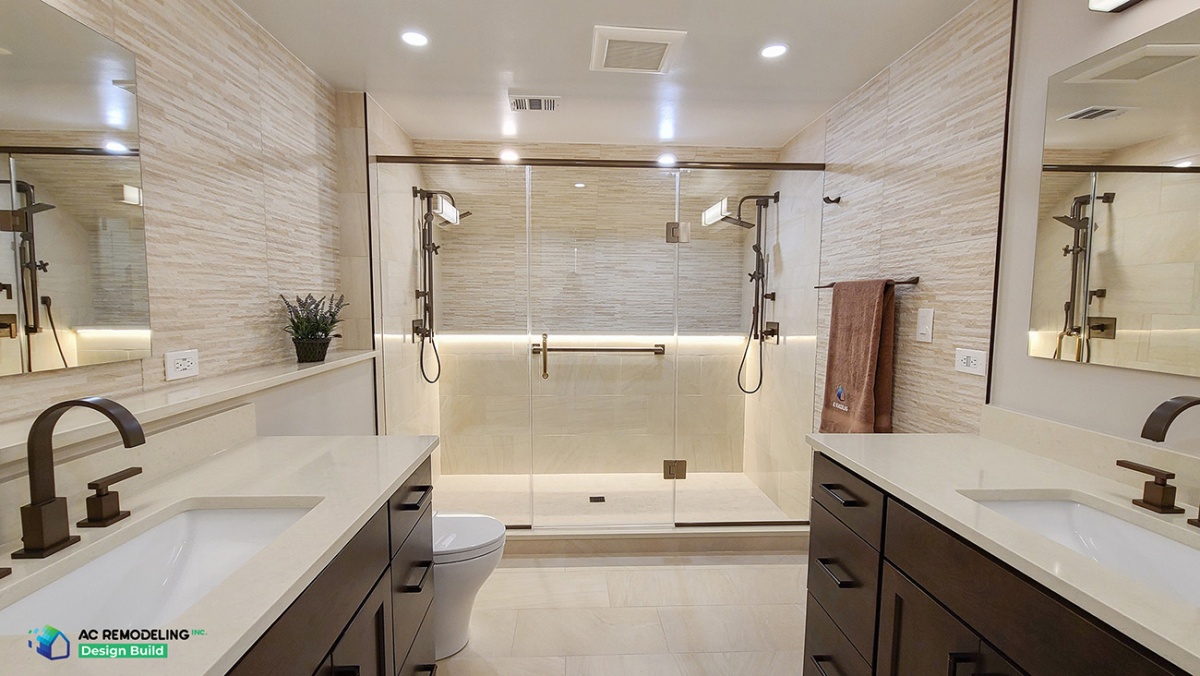
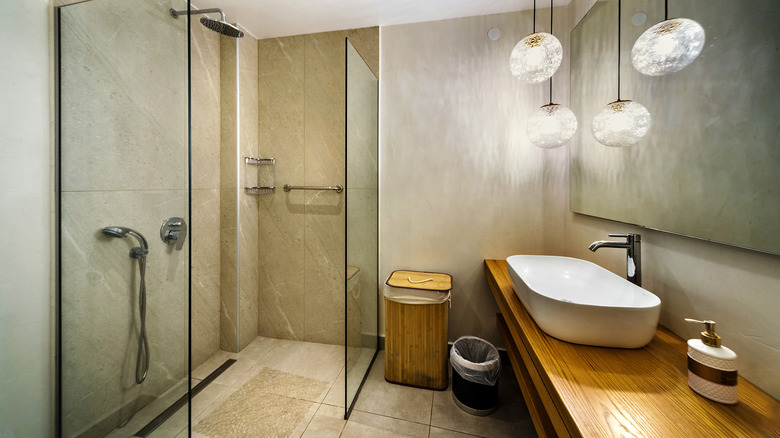
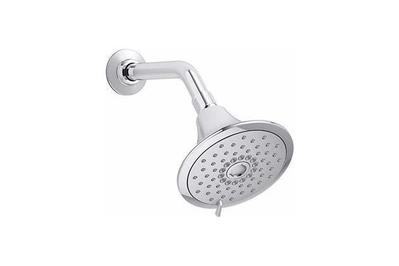
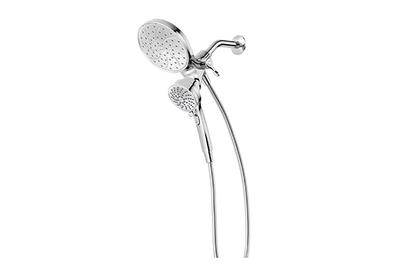
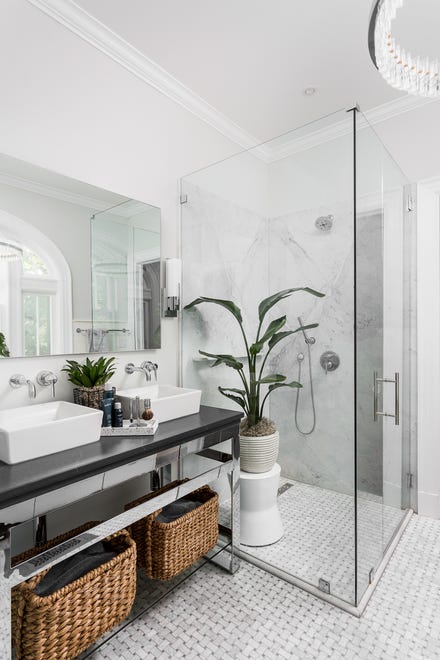
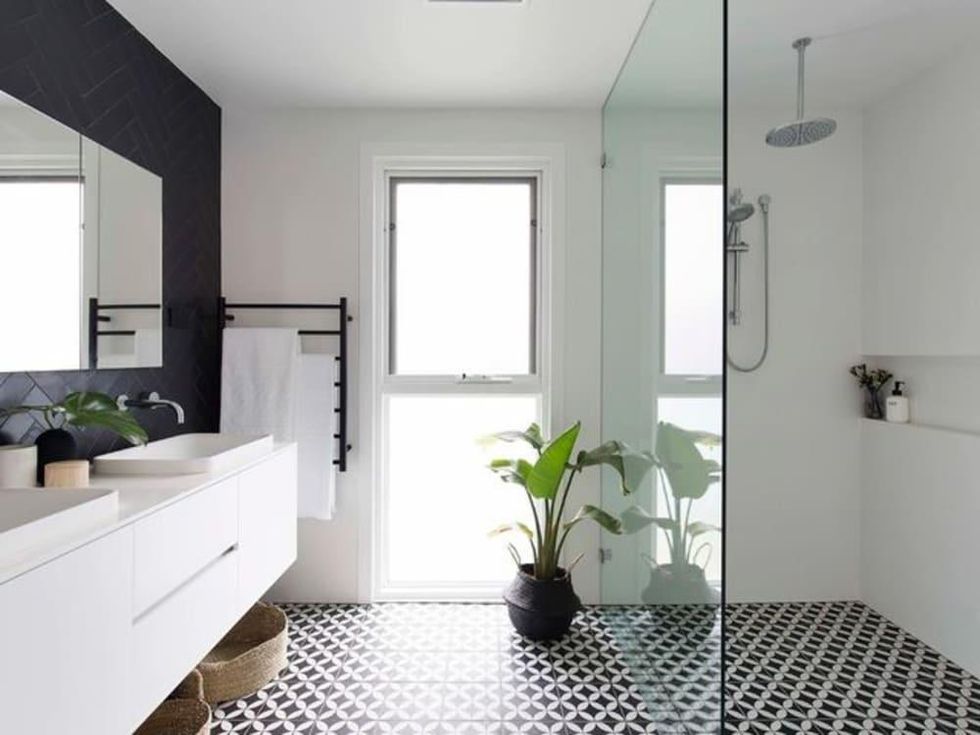
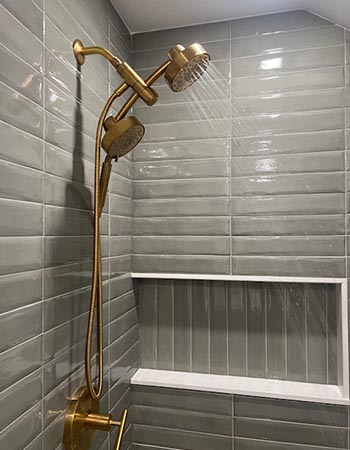
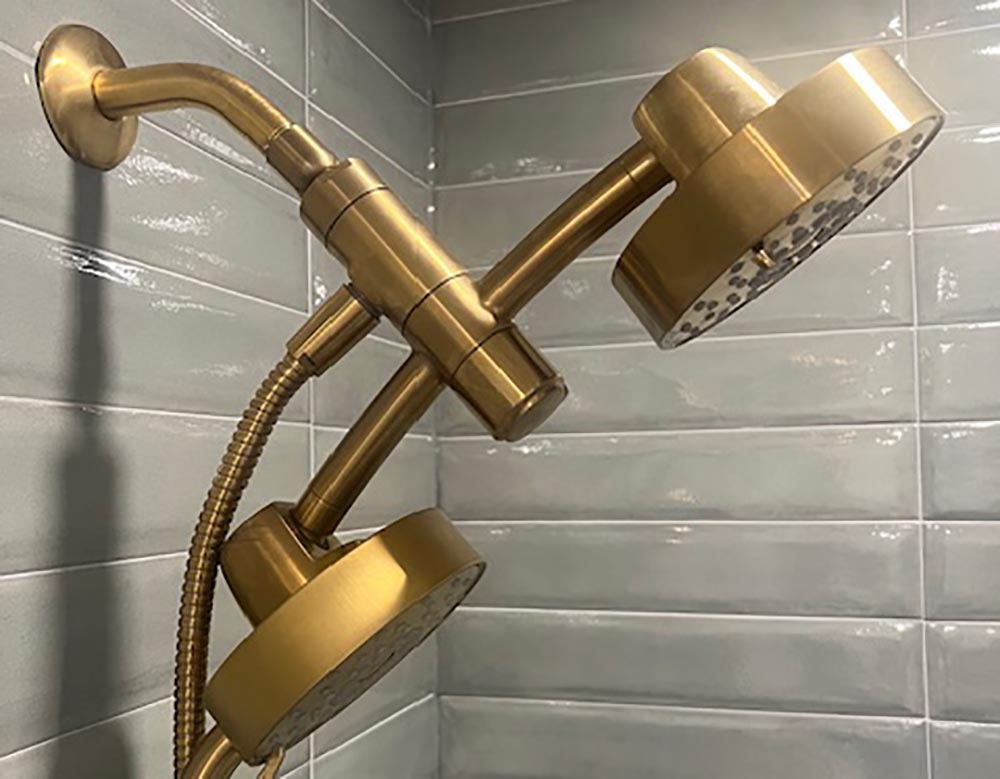
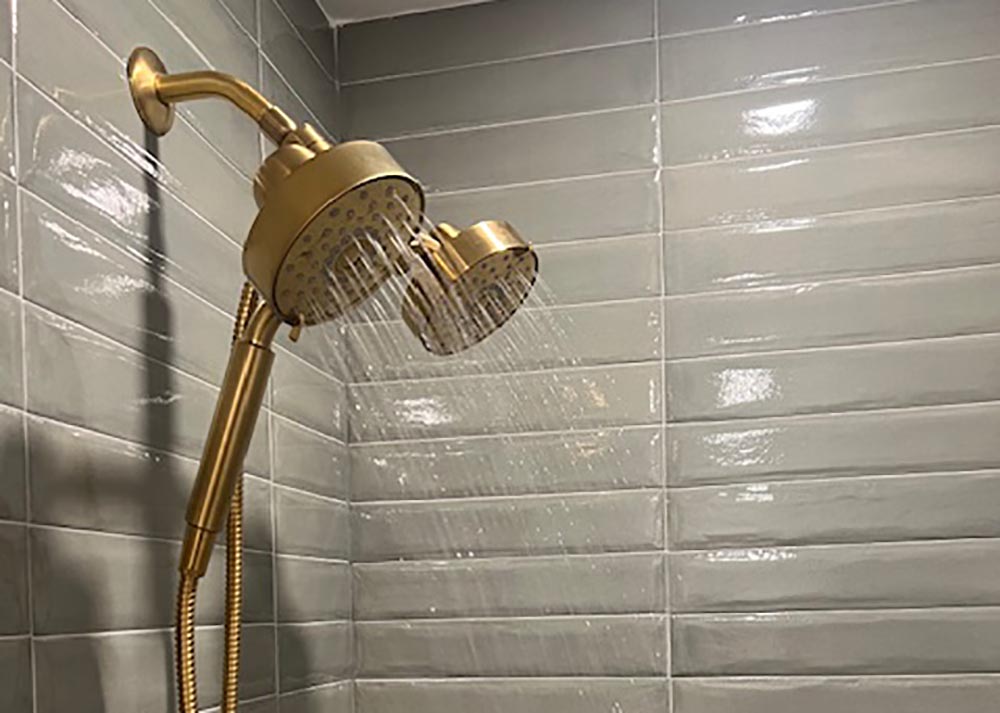
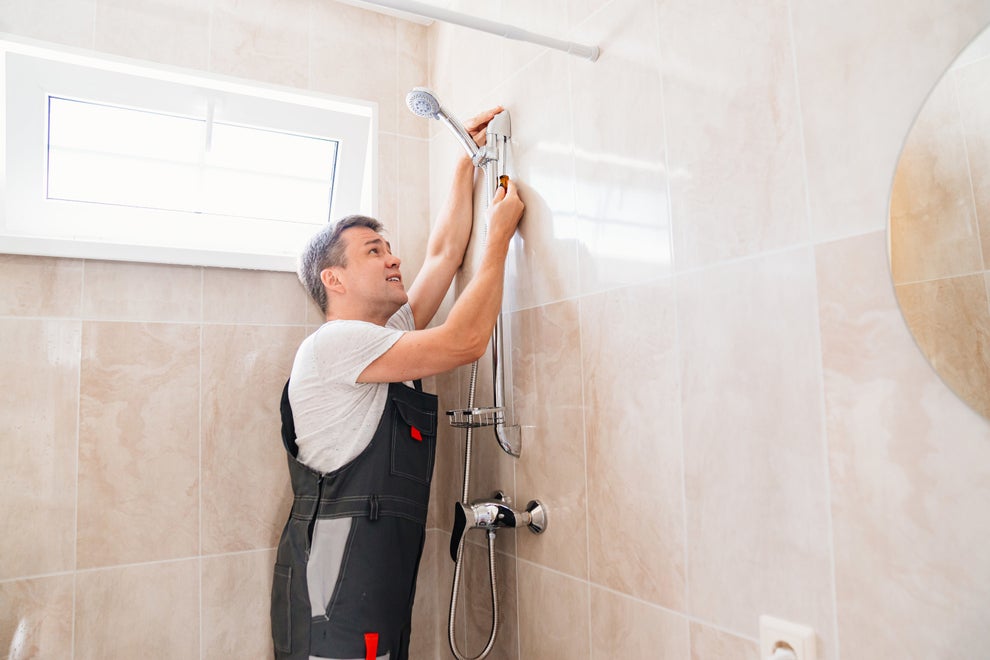
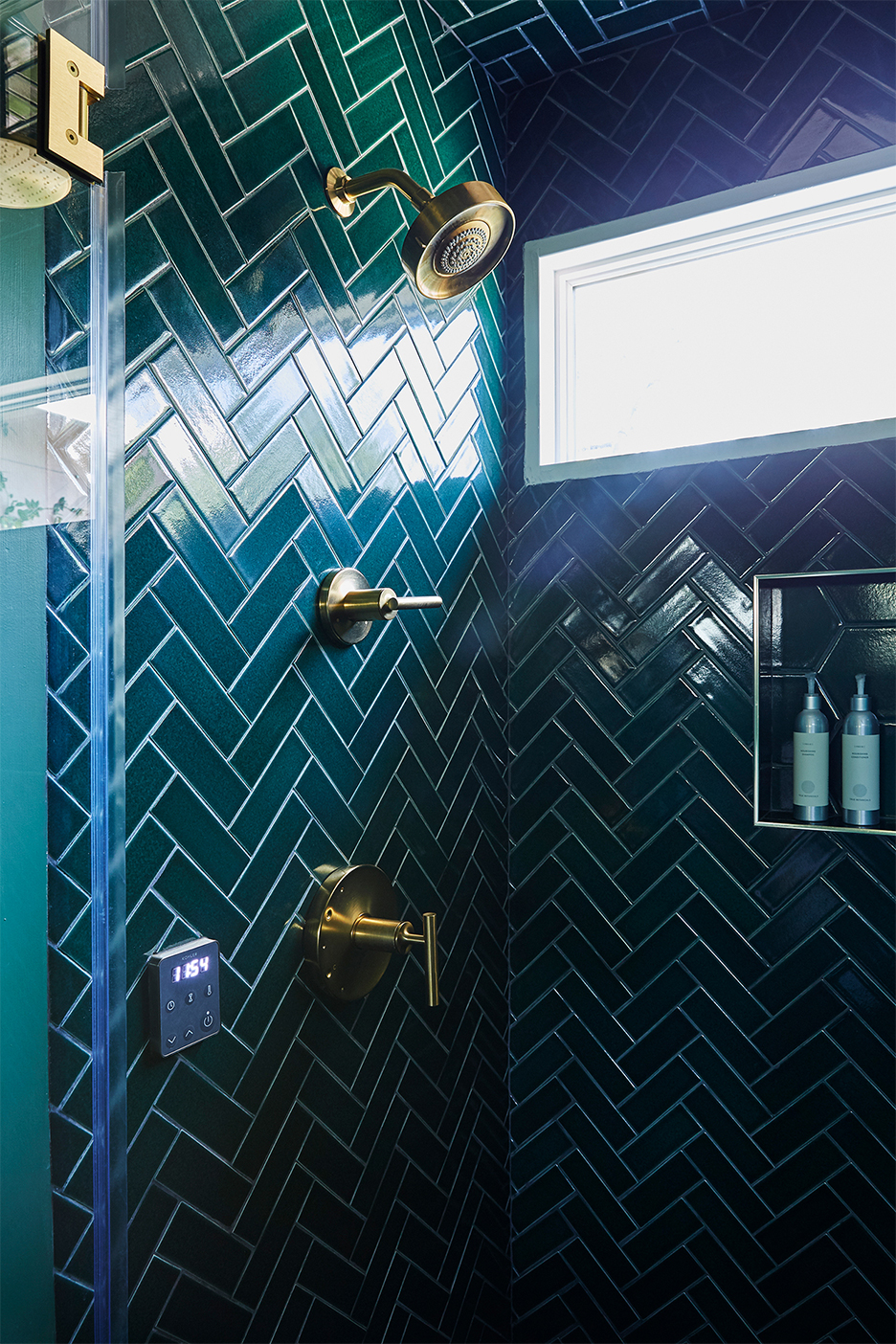
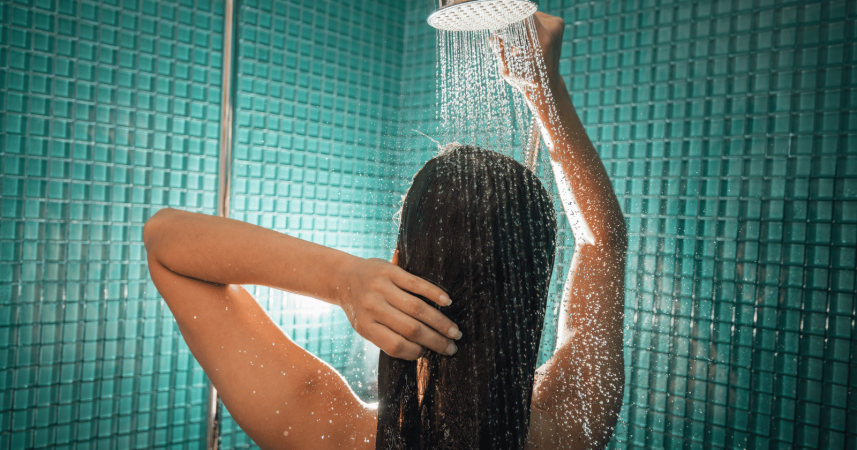
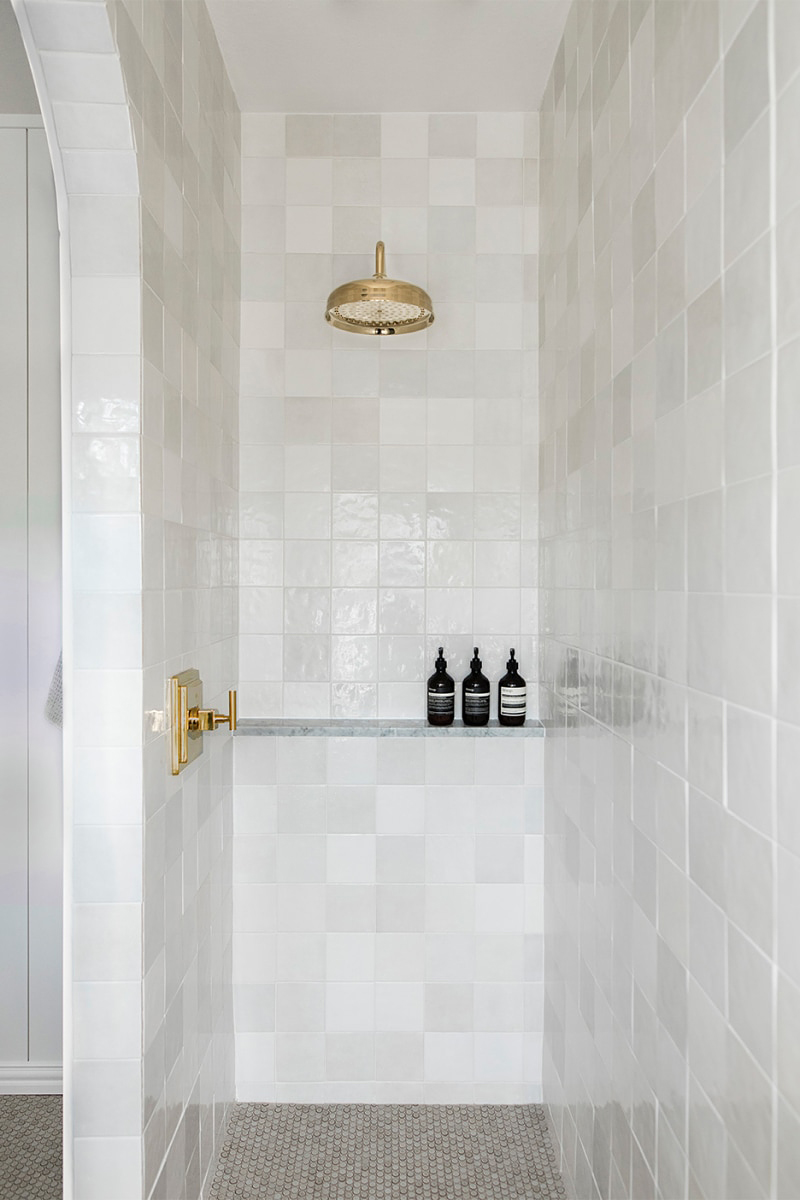
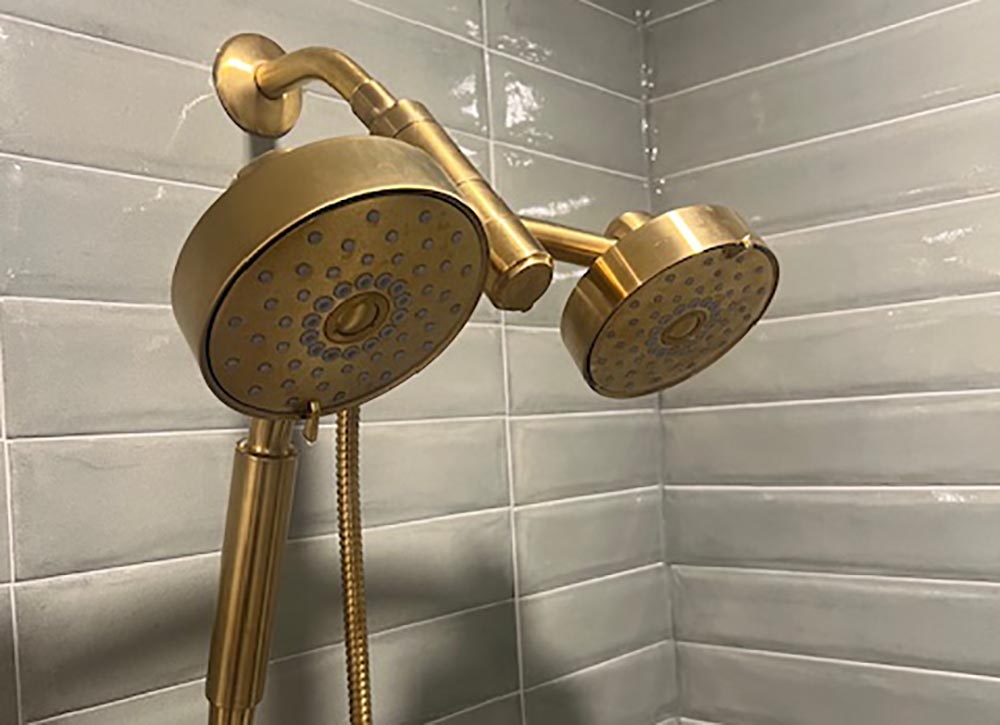
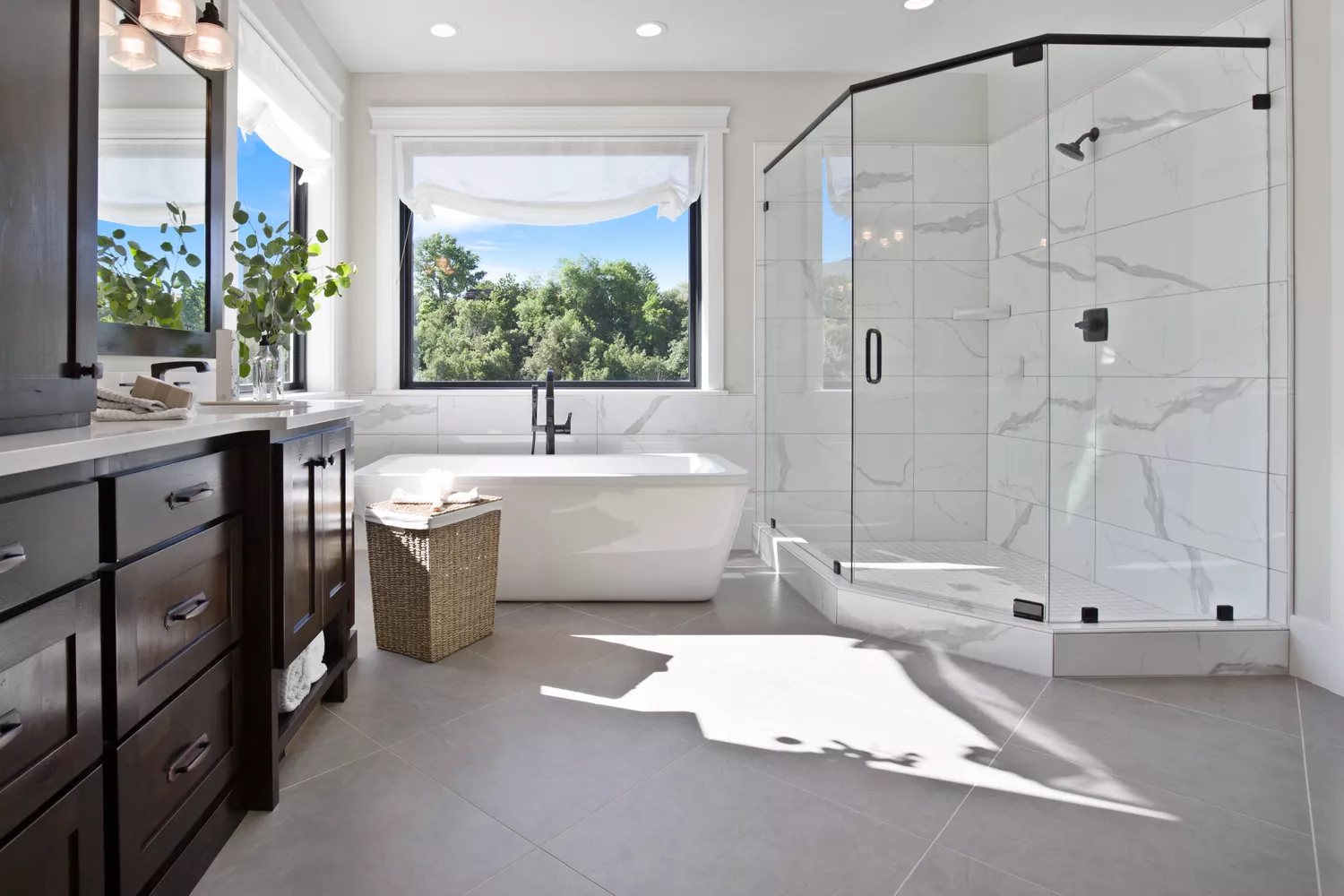
Each of the seven upgrades is detailed with a focus on its practical benefits and psychological impact. The first upgrade discussed is a rainfall showerhead, which transforms a daily routine into a calming, meditative experience. The author highlights its affordability and the psychological effect of falling water in triggering relaxation responses. The second upgrade is a glass shower door replacing a curtain. This not only eliminates the inconvenience of a clinging curtain but also visually expands the bathroom, making it appear cleaner and more intentional, contributing to an enhanced aesthetic perception.
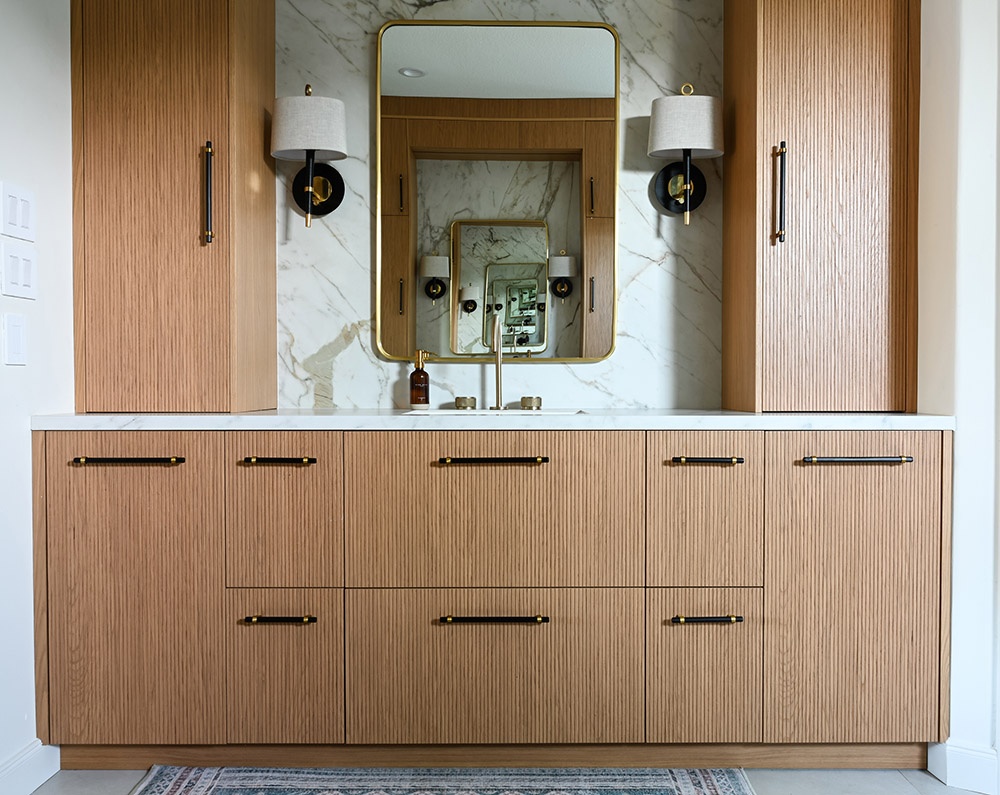
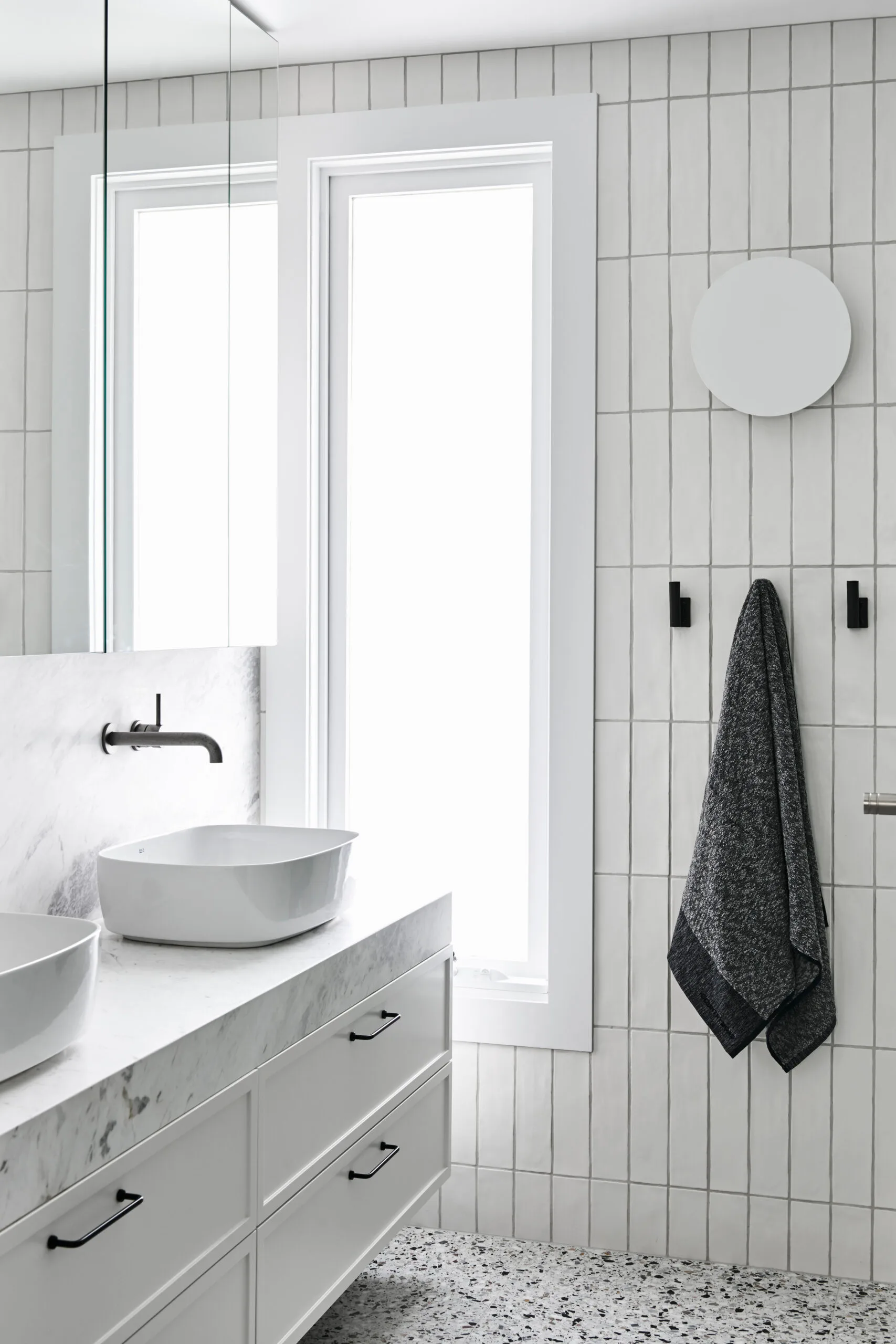

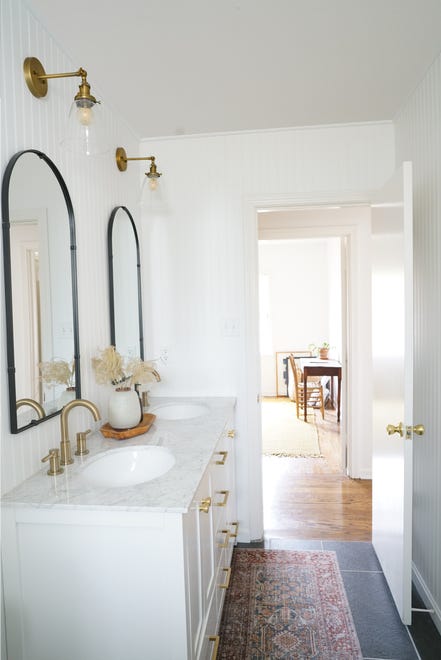
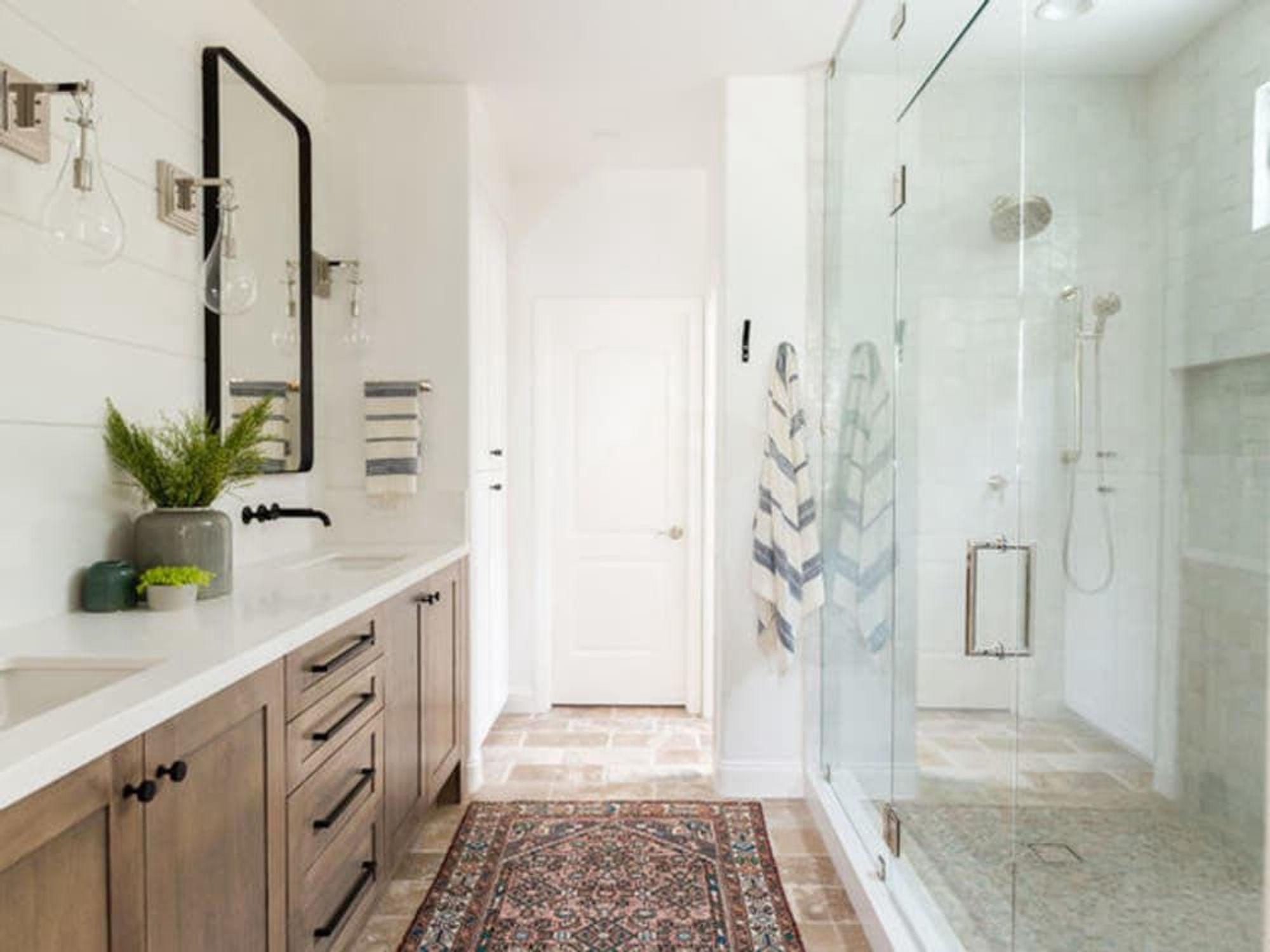
Matching towel sets constitute the third upgrade. This seemingly minor detail creates visual harmony and a sense of order, shifting the mindset from a utilitarian approach to one of self-care and dignity. The fourth upgrade, a real vanity with storage, addresses the common issue of cluttered bathrooms with pedestal sinks. A vanity provides organized storage, leading to a calmer and more controlled environment, which, according to psychological principles, contributes to internal calm. The article notes that a tidy bathroom counter can make mornings smoother and less reactive.
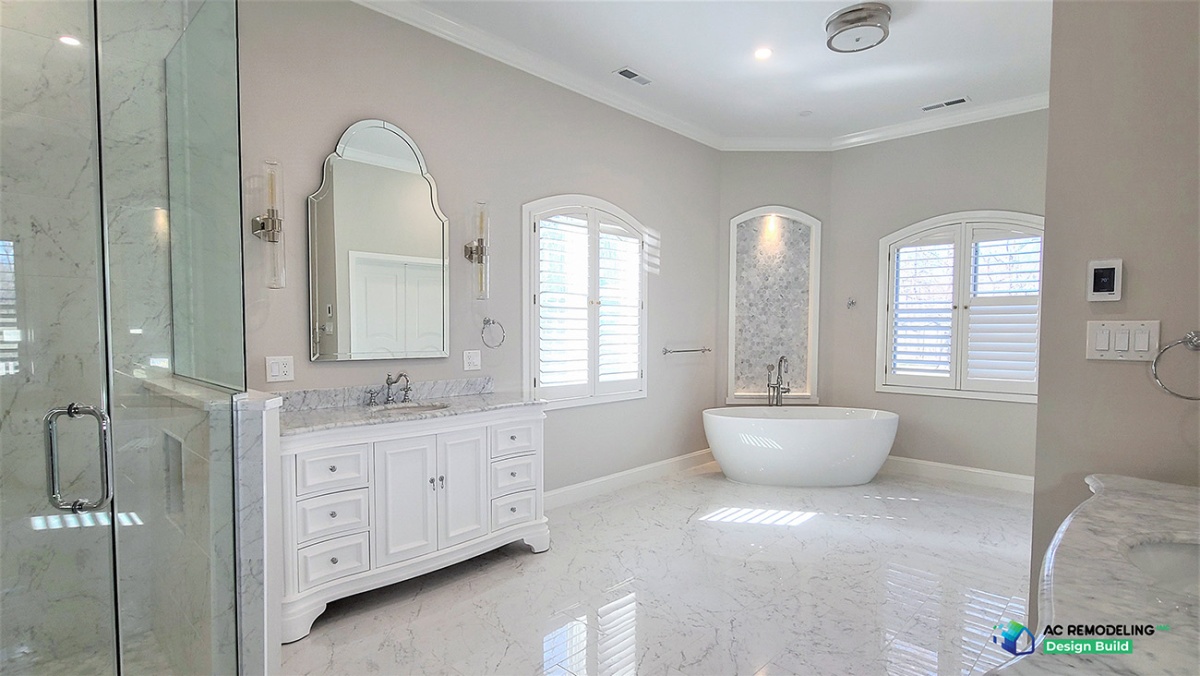
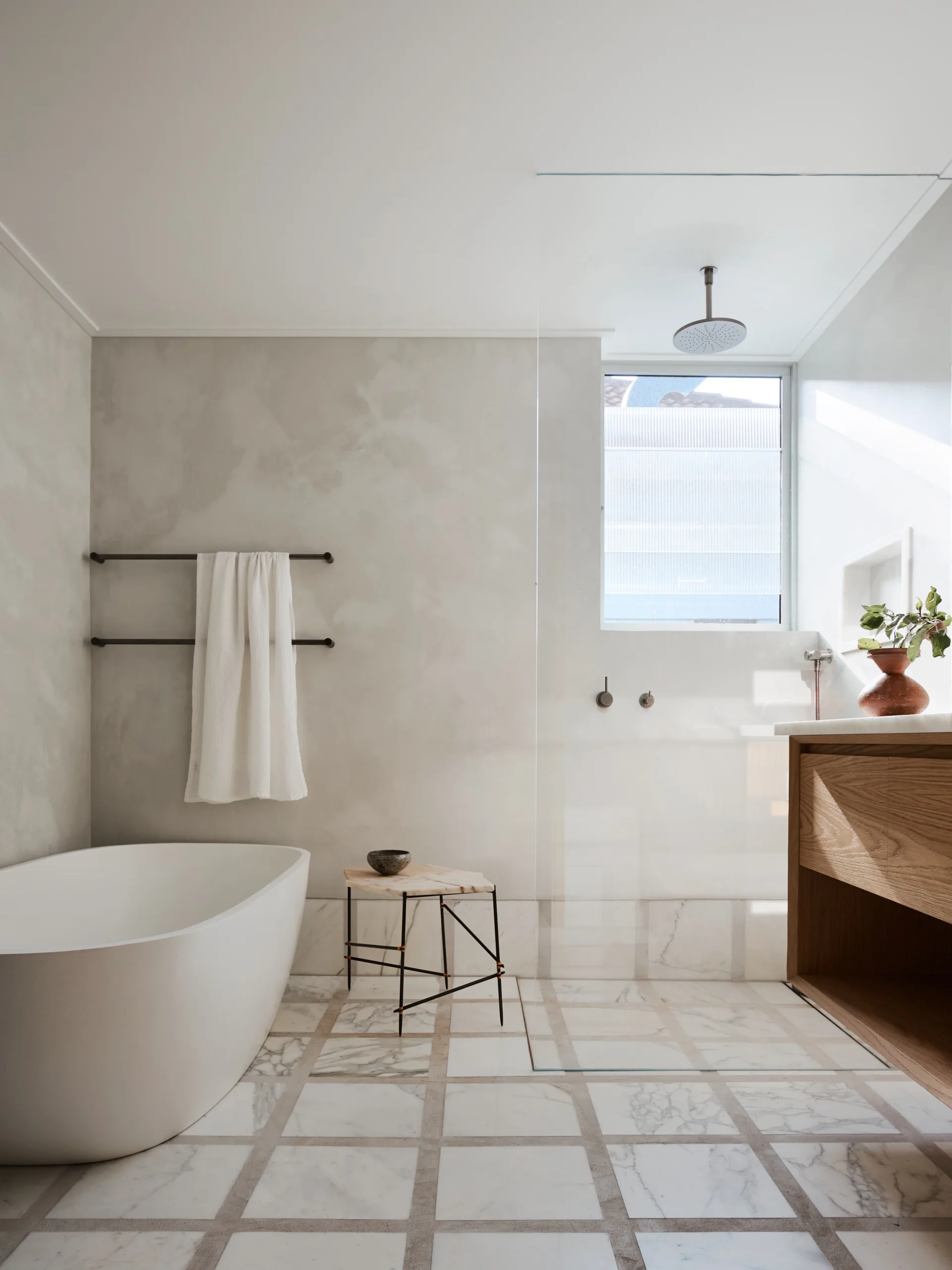
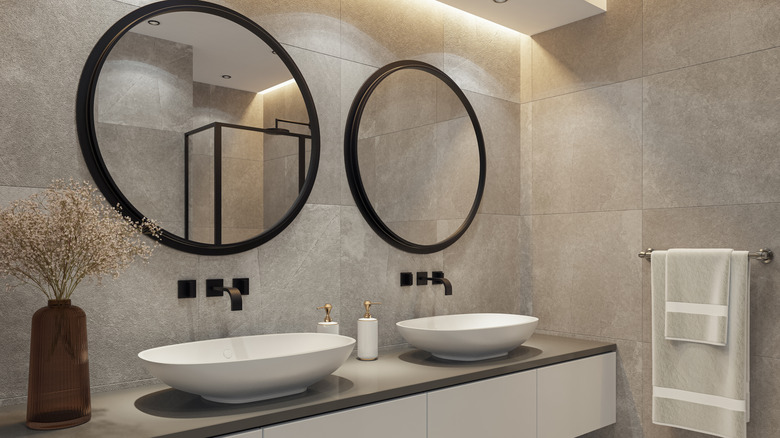
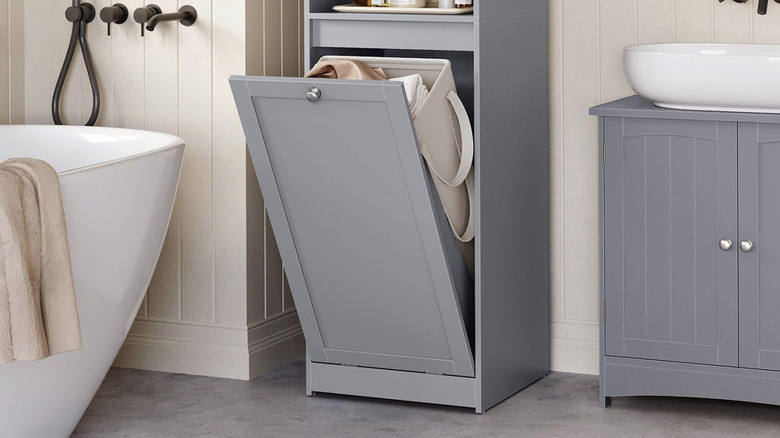
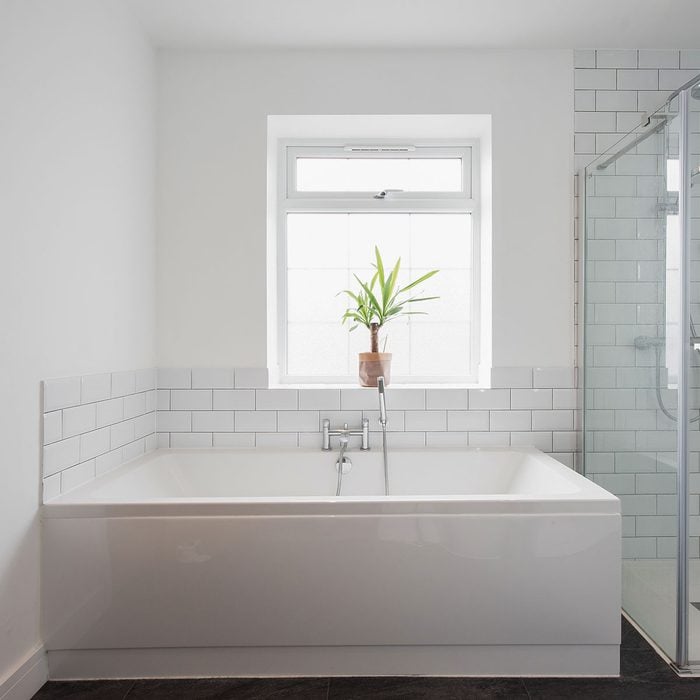
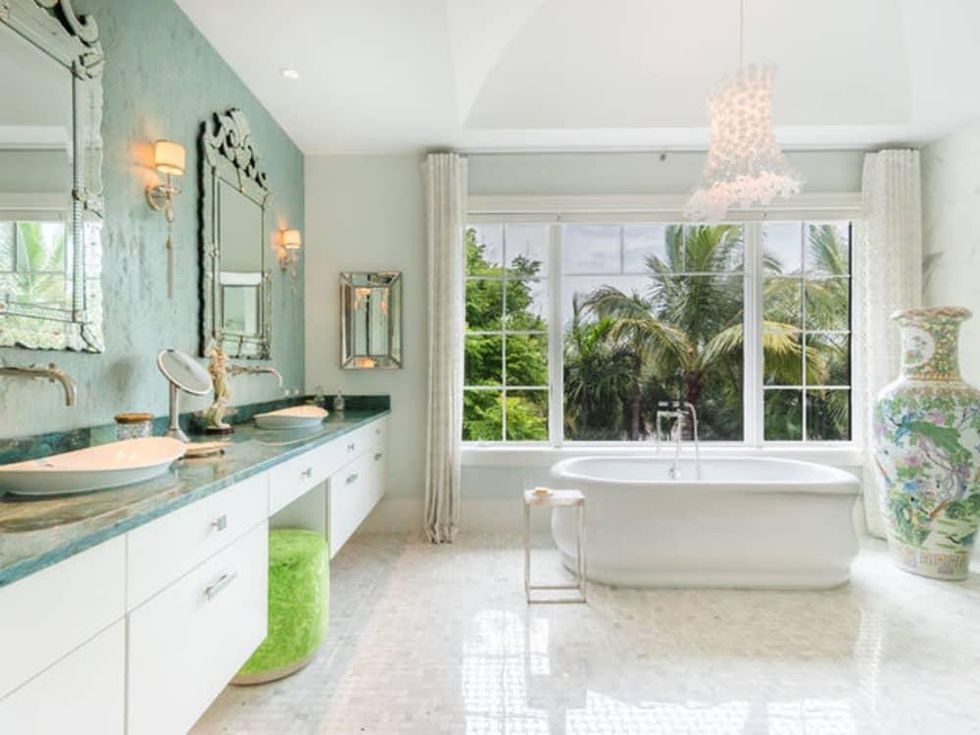
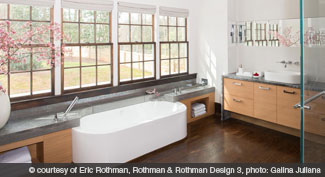
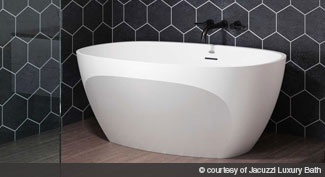
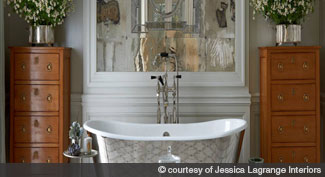
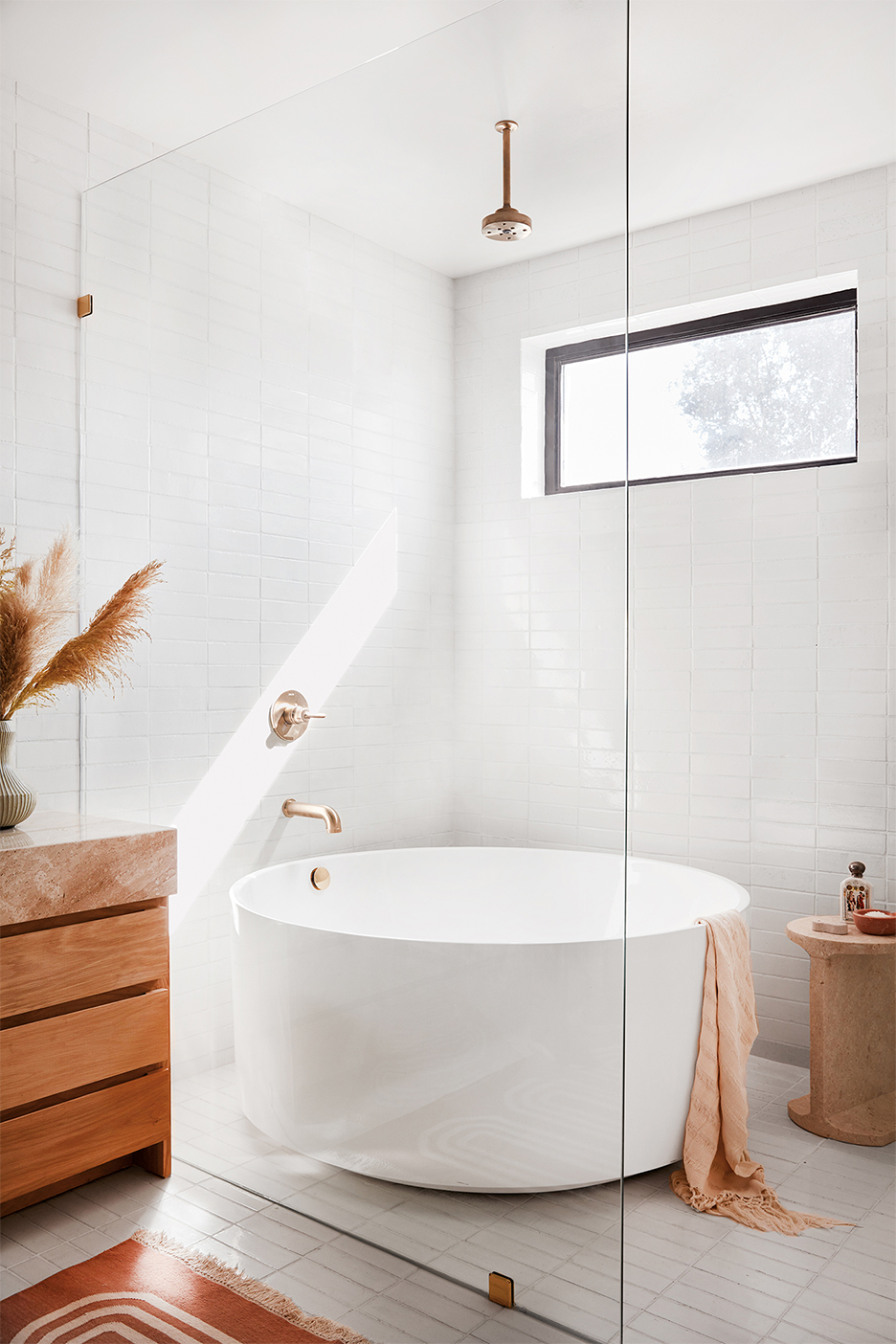
The fifth item is a deep soaking tub, described as a lifestyle upgrade that facilitates ritualistic self-care and engagement with the parasympathetic nervous system, promoting relaxation and stress reduction. For the demographic discussed, a soaking tub represents permission to rest and create a personal sanctuary, irrespective of budget constraints. Decent lighting is the sixth upgrade. The article points out that harsh, outdated lighting negatively impacts mood and perception, while soft, balanced LED lighting can make a space feel brighter, cleaner, and calmer, positively influencing mood and self-image. The author suggests that improved lighting offers a better reflection of oneself, equating it to a form of subtle luxury.
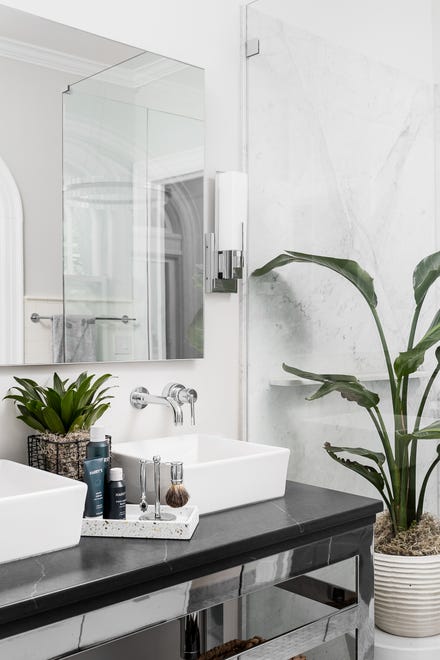
Finally, a plant that thrives in the bathroom is presented as the seventh upgrade. Despite the challenging environment, a successful plant adds life and softness to the space, contributing to reduced stress, improved mood, and enhanced creativity. For homeowners, maintaining a healthy plant symbolizes nurturing and creating beauty, which is deemed a luxurious feeling in itself. The article concludes by discussing the concept of "affordable luxury" and "self-signaling," where small indulgences reinforce positive internal beliefs and a sense of self-worth. These upgrades are not about outward appearances but about personal comfort, attainable joy, and internal peace, ultimately making ordinary spaces feel sacred.
#BathroomUpgrades #HomeImprovement #AffordableLuxury #PsychologyOfComfort #LowerMiddleClassHomeowners #SelfCare #HomeDecor #Lifestyle #BathroomUpgrades #HomeImprovement #AffordableLuxury #PsychologyOfComfort #LowerMiddleClassHomeowners #SelfCare #HomeDecor #Lifestyle
0 comment in total
 No comments yet
You may also like
7 bathroom upgrades from on-trend taps to easy-fit flooring

Upgrading THIS Simple Feature Makes Your Bathroom Look More Expensive, According to Designers
Here are the most popular bathroom splurges for homeowners in 2017

One-Day Bathroom Upgrades That Help Seniors Stay in the Homes They Love

6 ‘Wellness’ Additions Taking Priority in Bathroom Updates
Bathroom Upgrades That Aren’t Worth the Hype, and What To Do Instead

The Most Popular Finishes for Bathroom Remodels
Homeowners Are Revealing The One Budget-Friendly Upgrade That Continues To Make The Biggest Difference

7 luxurious bathroom updates to do right now

Baby boomers: Bathroom updates that increase livability
The Latest Bathroom Trends Are Indulgent—and Totally Worth It

Just How Important Is a Bathtub for Resale?
8 Easy Bathroom Upgrades That Add Serious Value to Your Home, Designers Say

Upgrades We’d Make to Any Bathroom | Wirecutter
The Easy Upgrade That Can Change Your Bathroom Experience

Renovators Are Moving Away From This Shower-Floor Material

The 14 Most-Wanted Bathroom Features That Can Boost Your Home's Value
SEE IT: Look at these renovations that brought 3 bathrooms into the 21st century
This One Simple Swap Instantly Gave My Bathroom a Luxury Upgrade—Without the Price Tag
The One Bathroom Upgrade That Will Add the Most Value to Your Home, According to Real Estate Experts