1/7
6 ‘Wellness’ Additions Taking Priority in Bathroom Updates
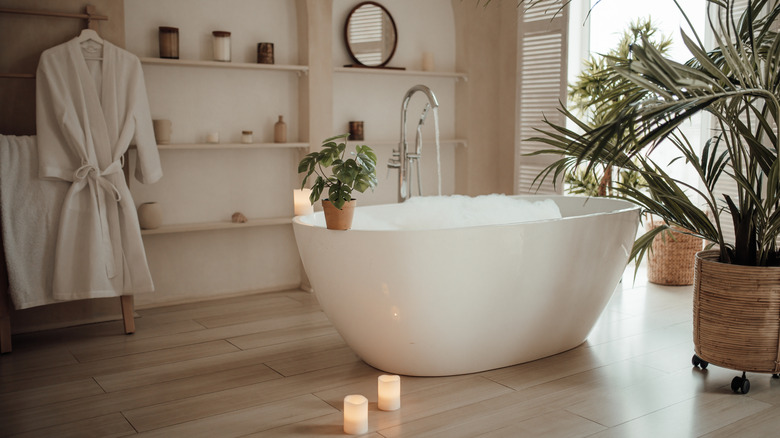
Homeowners are increasingly transforming their bathrooms into personal wellness retreats, moving beyond mere functionality to create spaces for relaxation and rejuvenation. This trend is highlighted in the 2025 Bath Trends Report by the National Kitchen & Bath Association (NKBA), which introduces the concept of the “Re-Room”—a dedicated area for renewal and reinvigoration. According to the NKBA, 90% of surveyed designers anticipate primary bathrooms becoming personal sanctuaries, with approximately 60% expecting a rise in relaxed, retreat-like, and spa-inspired environments. Over the next three years, wellness-focused design is projected to be a central theme in bathroom renovations, a factor likely to appeal to prospective home buyers.
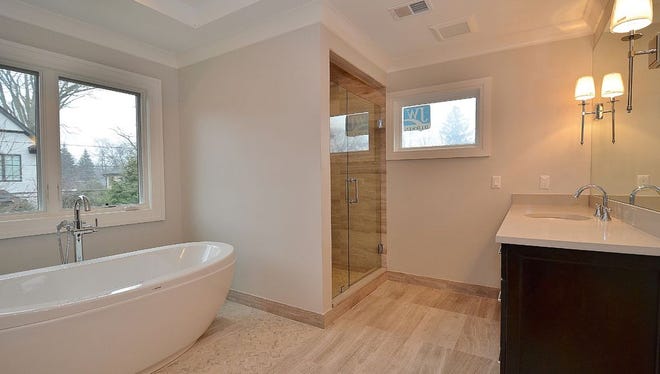
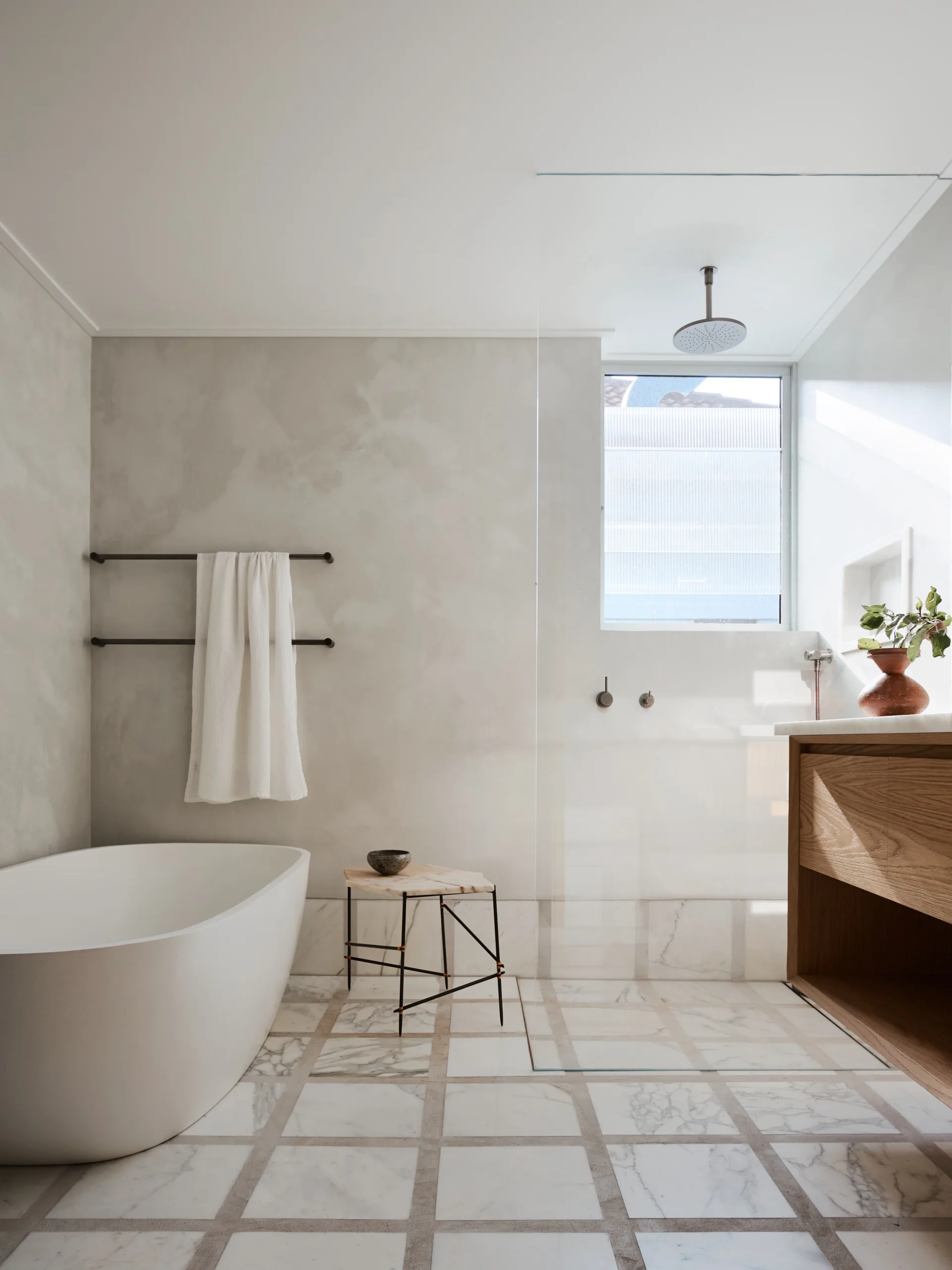
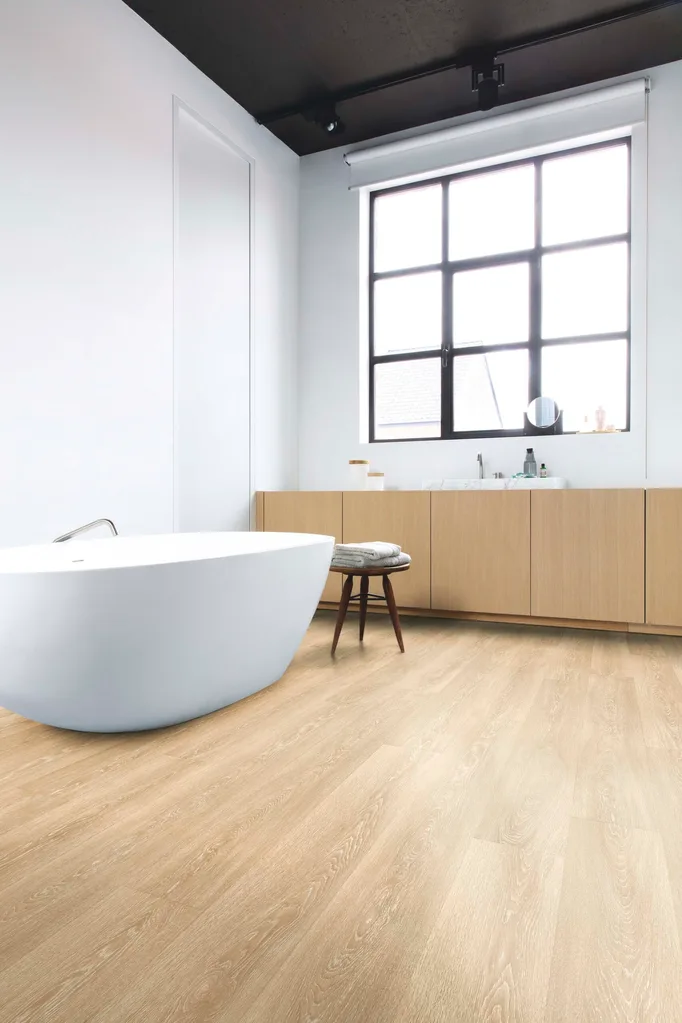
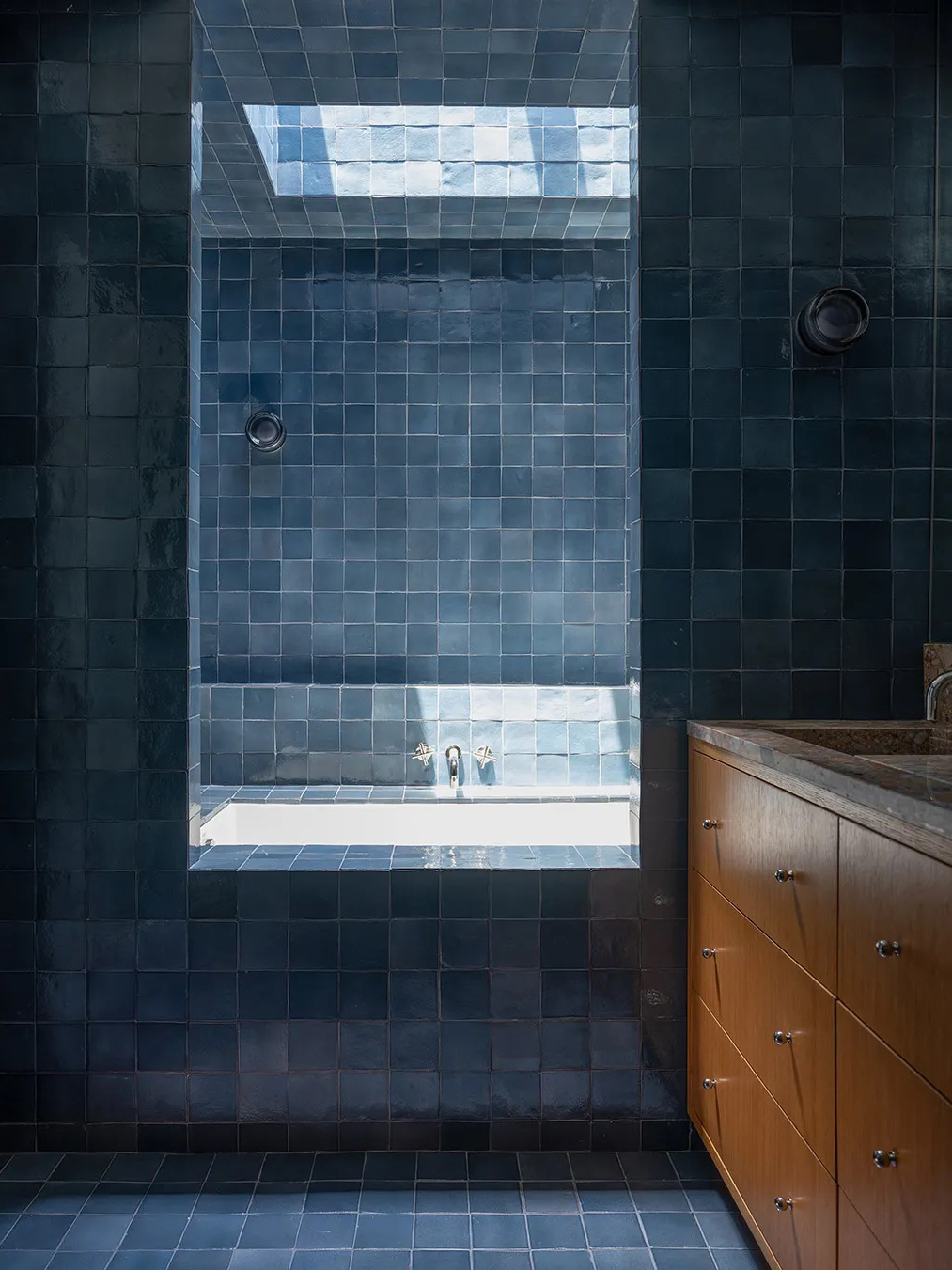
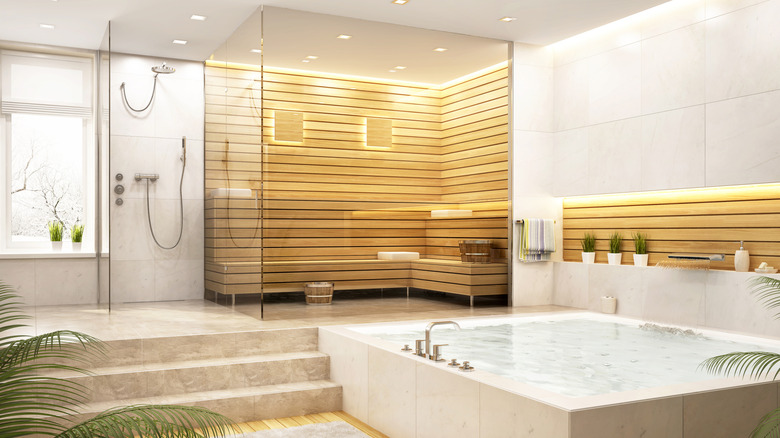
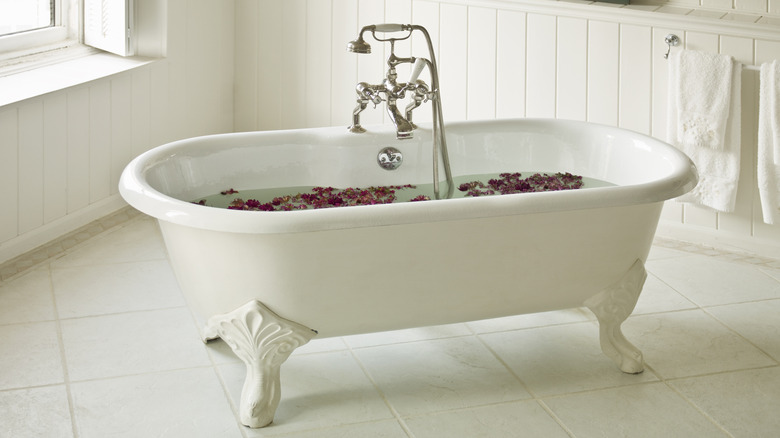
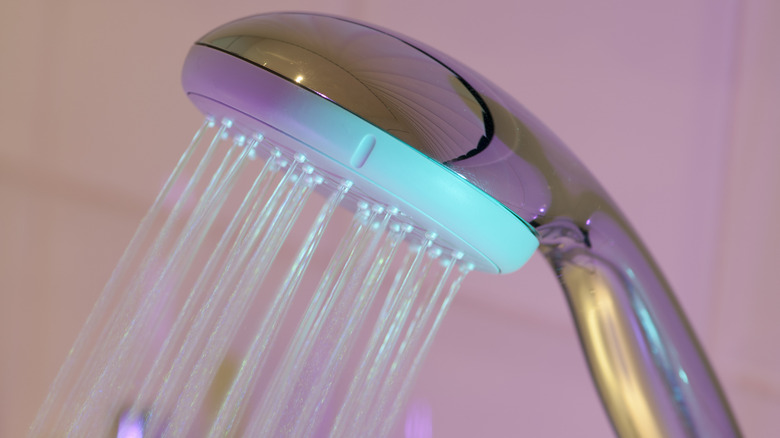
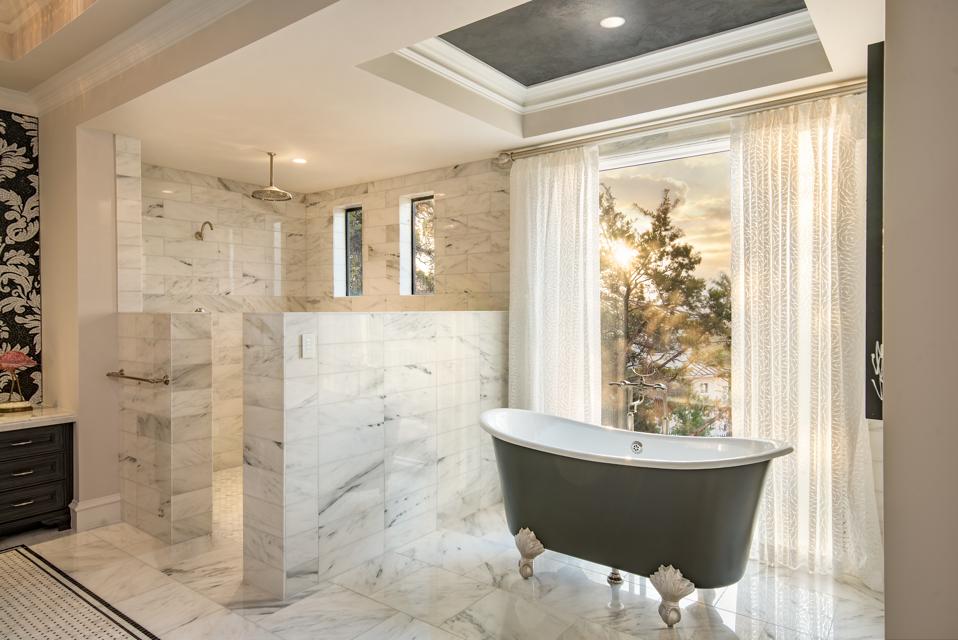
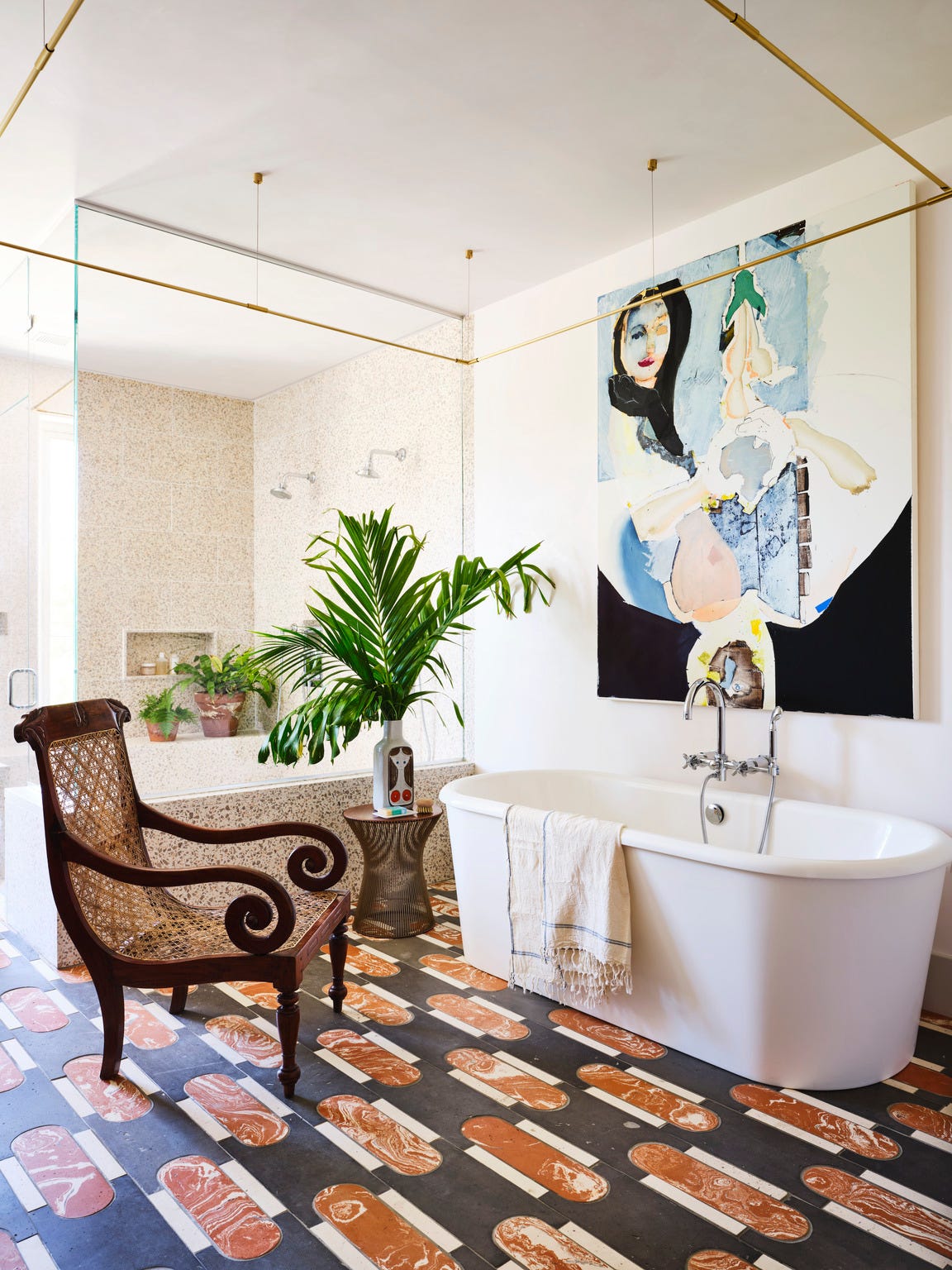
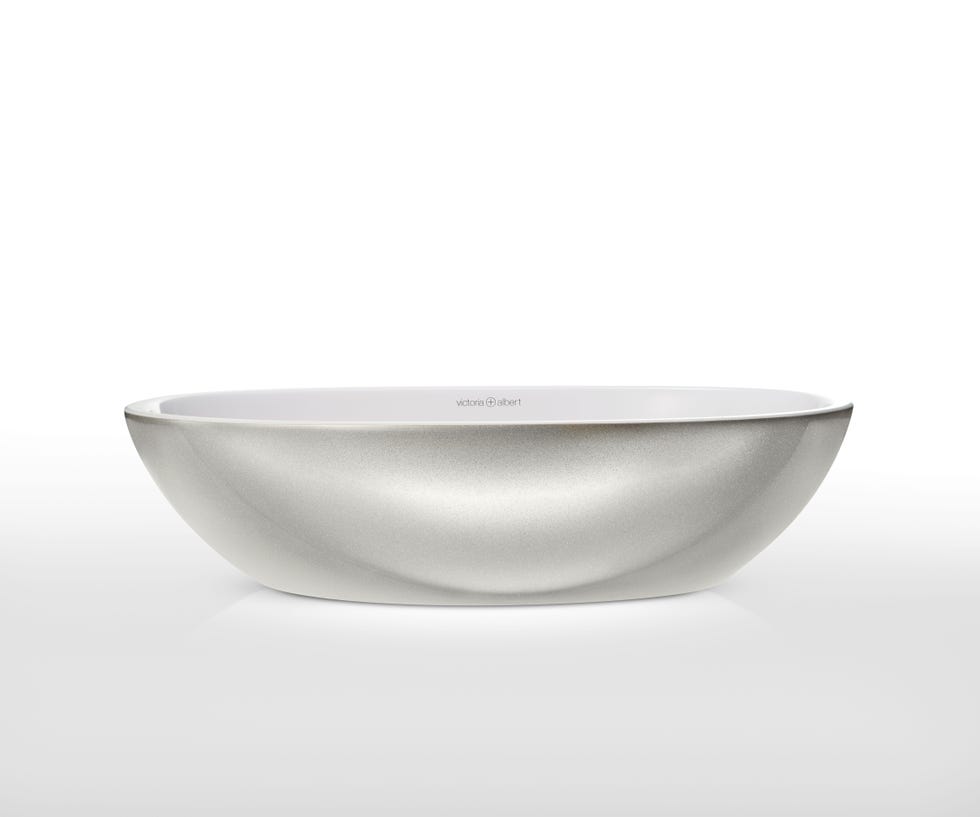
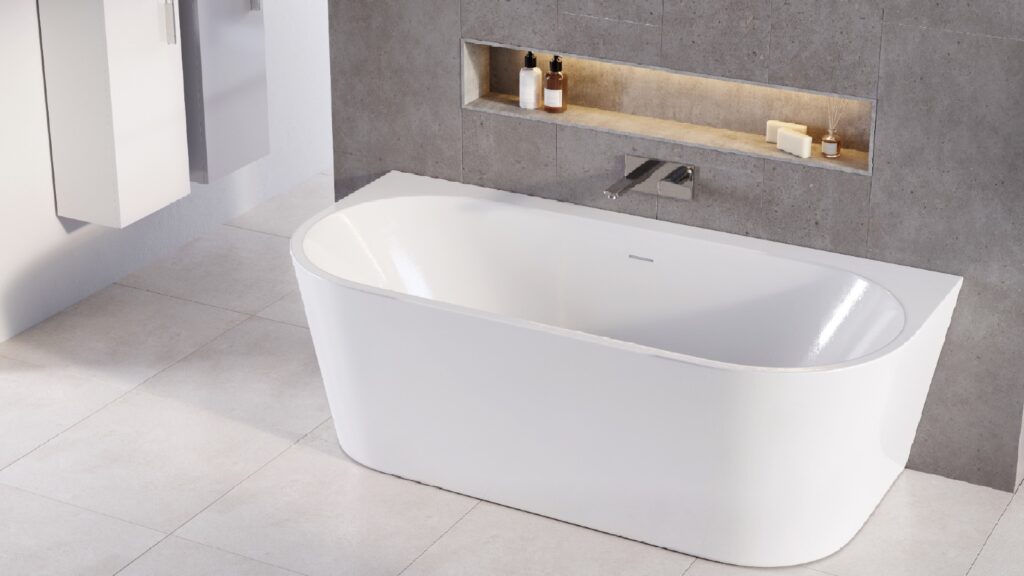
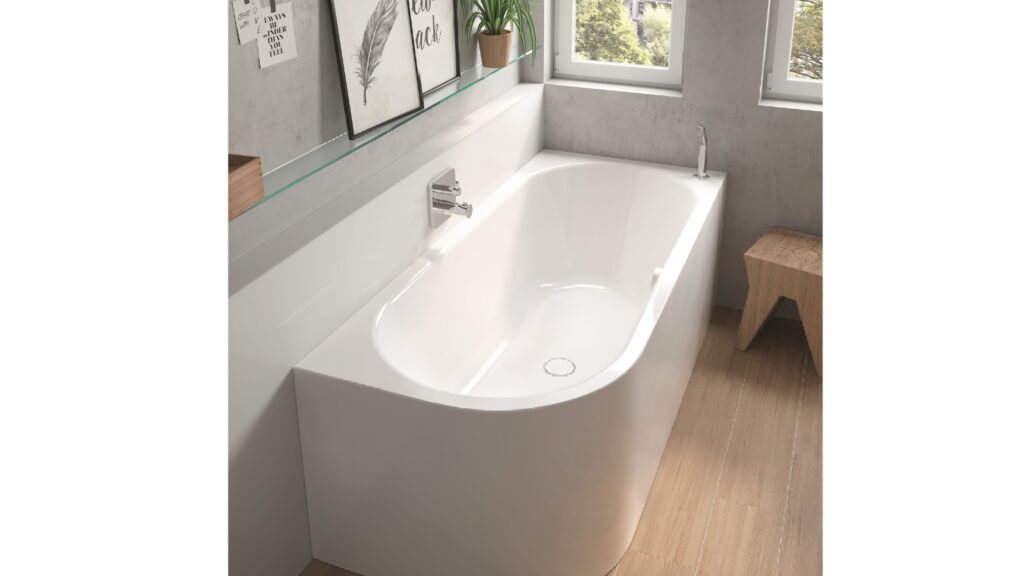
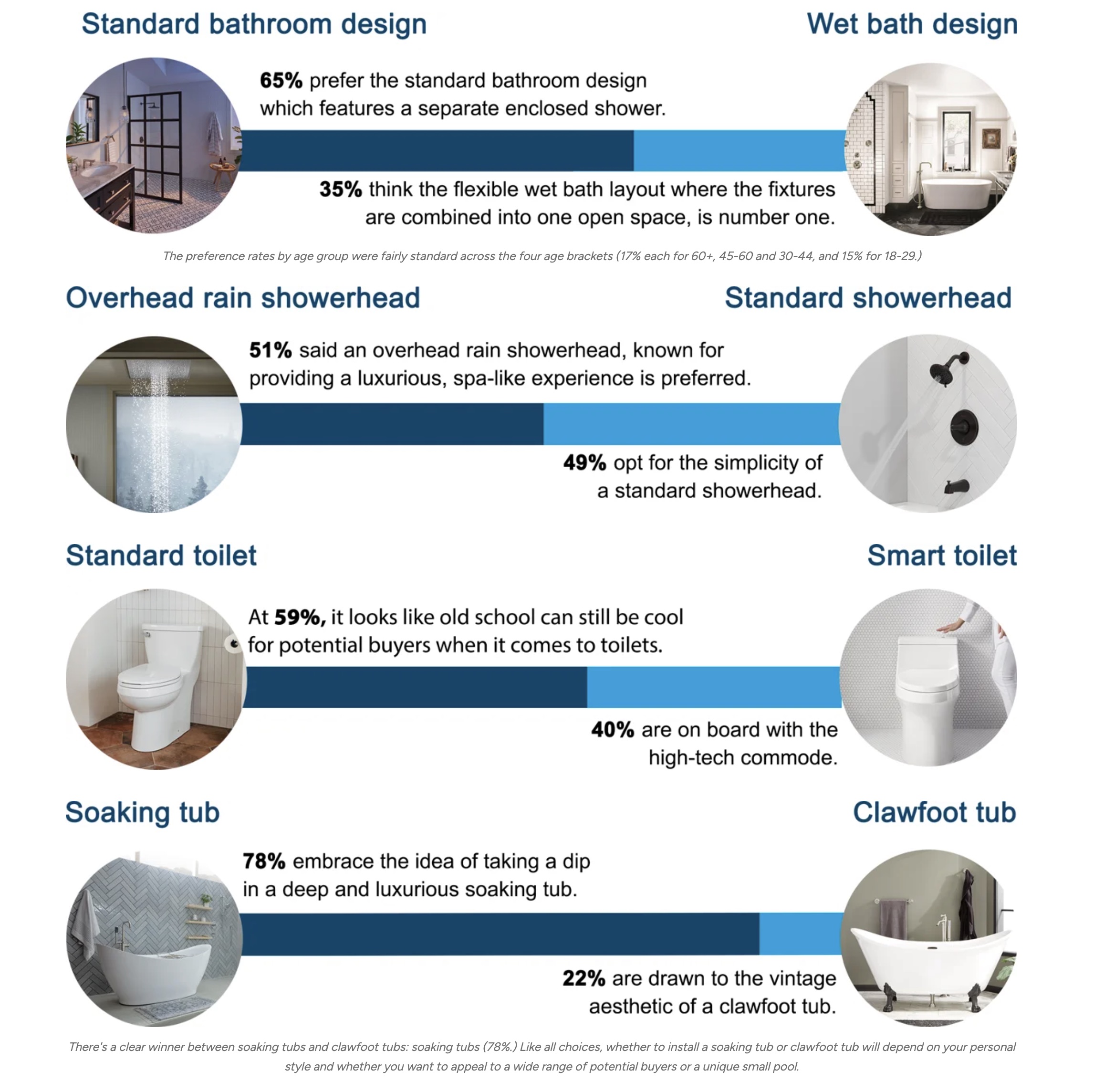
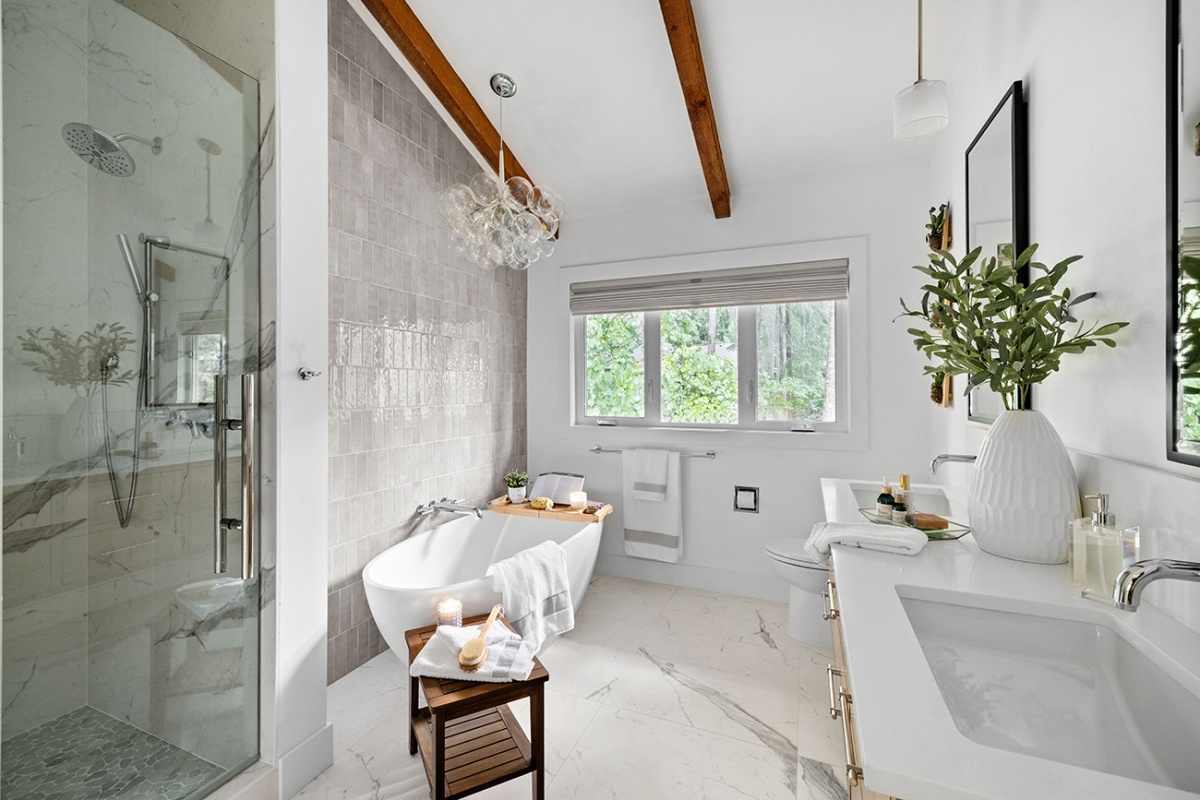
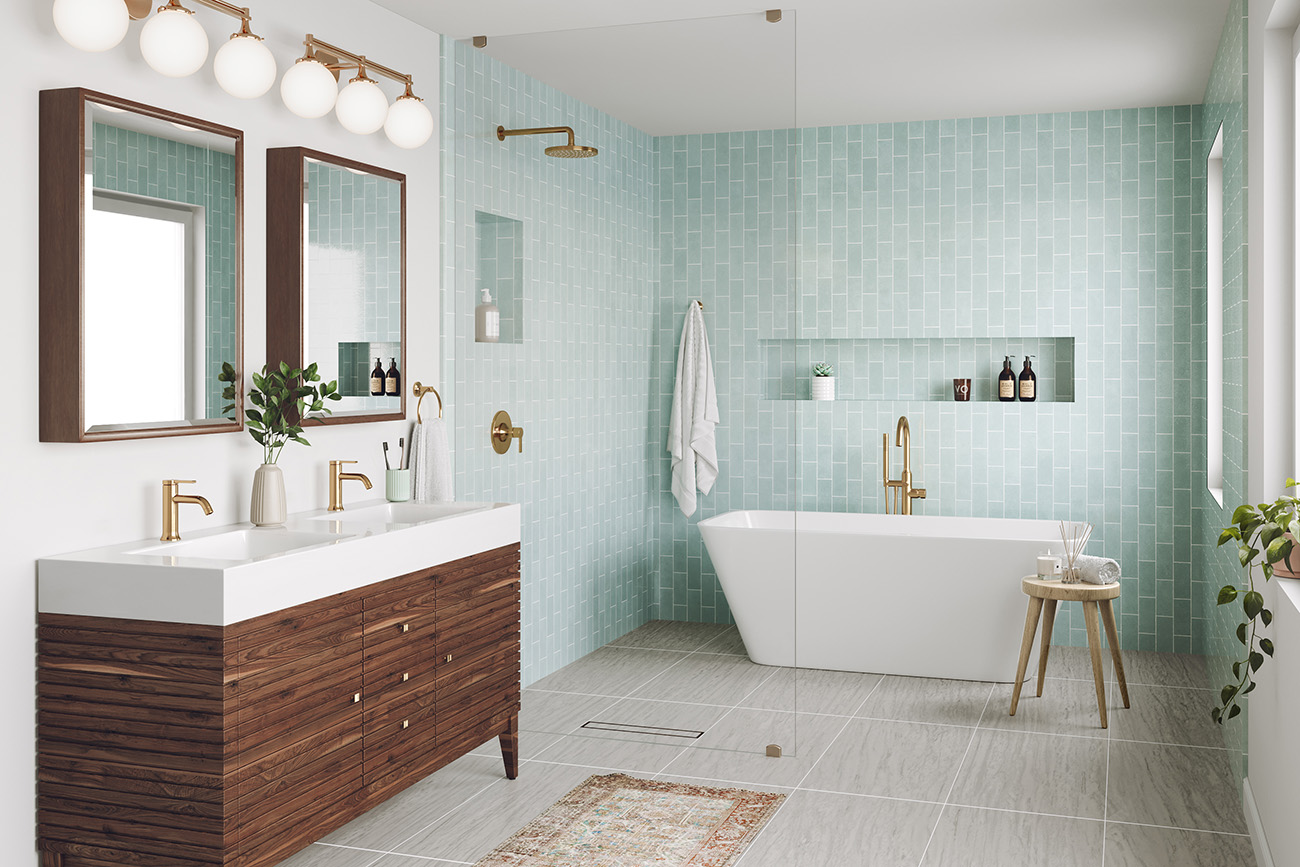
Several key elements are being integrated into bathroom designs to achieve this wellness-oriented aesthetic. Firstly, spa-like features are highly sought after, with 79% of designers and contract professionals identifying health and wellness as major drivers. This includes therapeutic showers, which 72% of homeowners use for rehabilitation, featuring elements like steam, chromotherapy, and aromatherapy. Additionally, there is a 70% increase in demand for soaking tubs designed to support physical recovery, echoing the luxurious experiences found in high-end hotels and resorts.
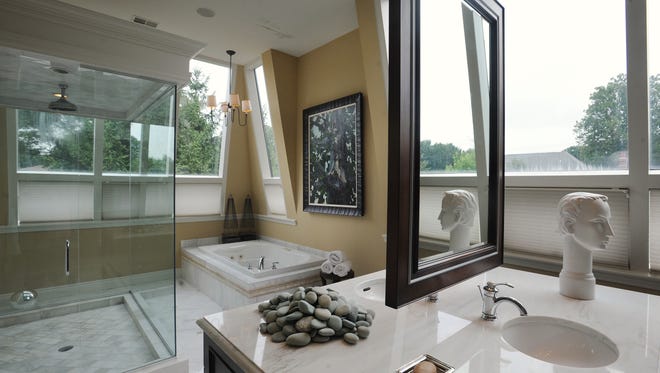

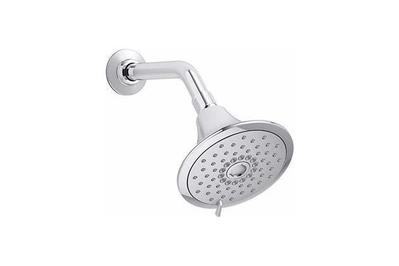
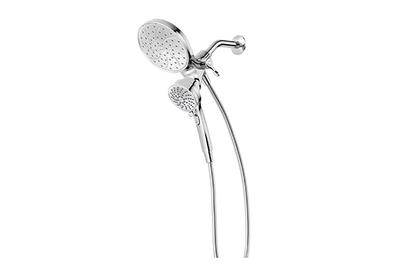
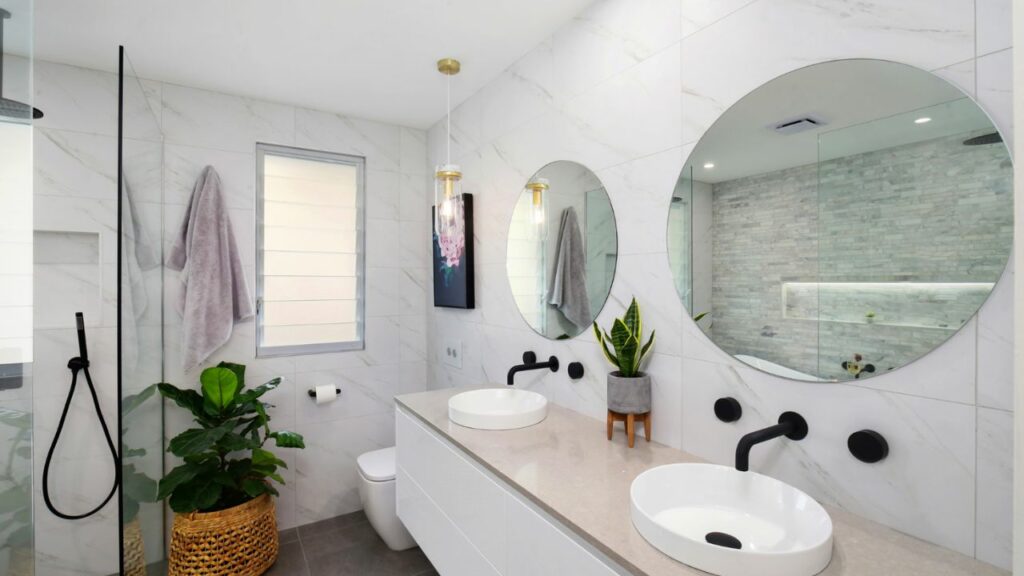
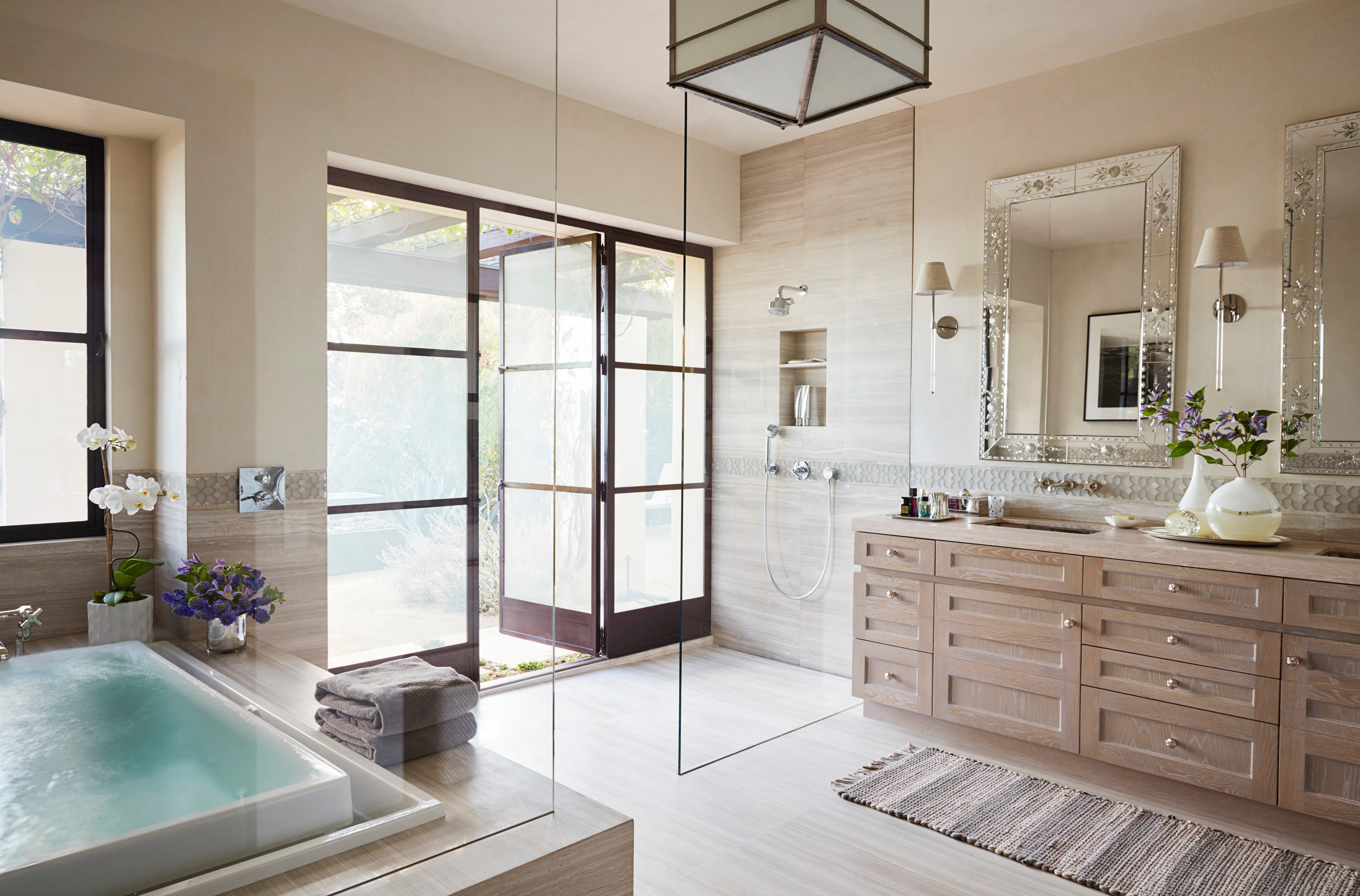
Secondly, lighting plays a crucial role in enhancing well-being and mood. Survey respondents, with 55% agreement, prioritize lighting that supports health. Beyond traditional fixtures, design updates often incorporate skylights, large windows, and glass doors to maximize natural light, contributing to a more open and uplifting atmosphere. Thirdly, homeowners are seeking larger and more accommodating spaces. This is evident as 53% of designers report removing bathtubs to install more expansive showers, and 42% note increased requests to remove walls to create more open layouts. Dual amenities are also gaining popularity, such as double vanities (61%), large showers for two (59%), and dual shower heads (67%).
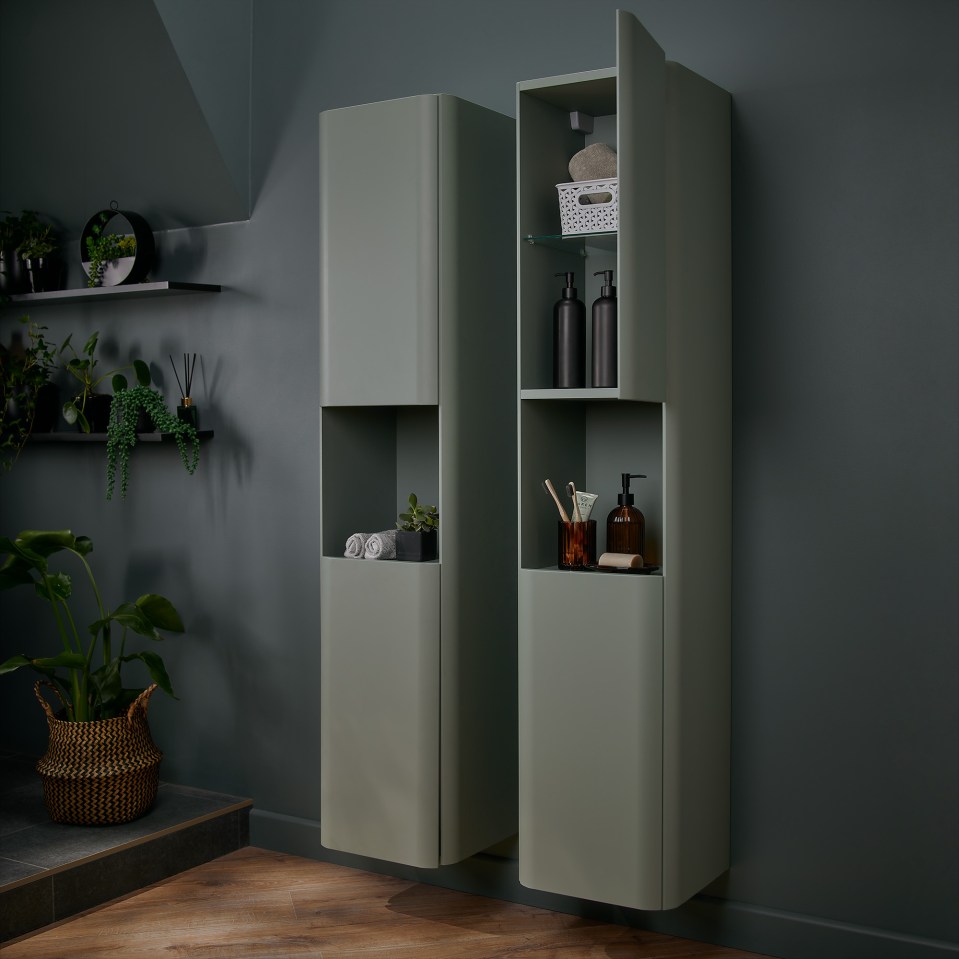
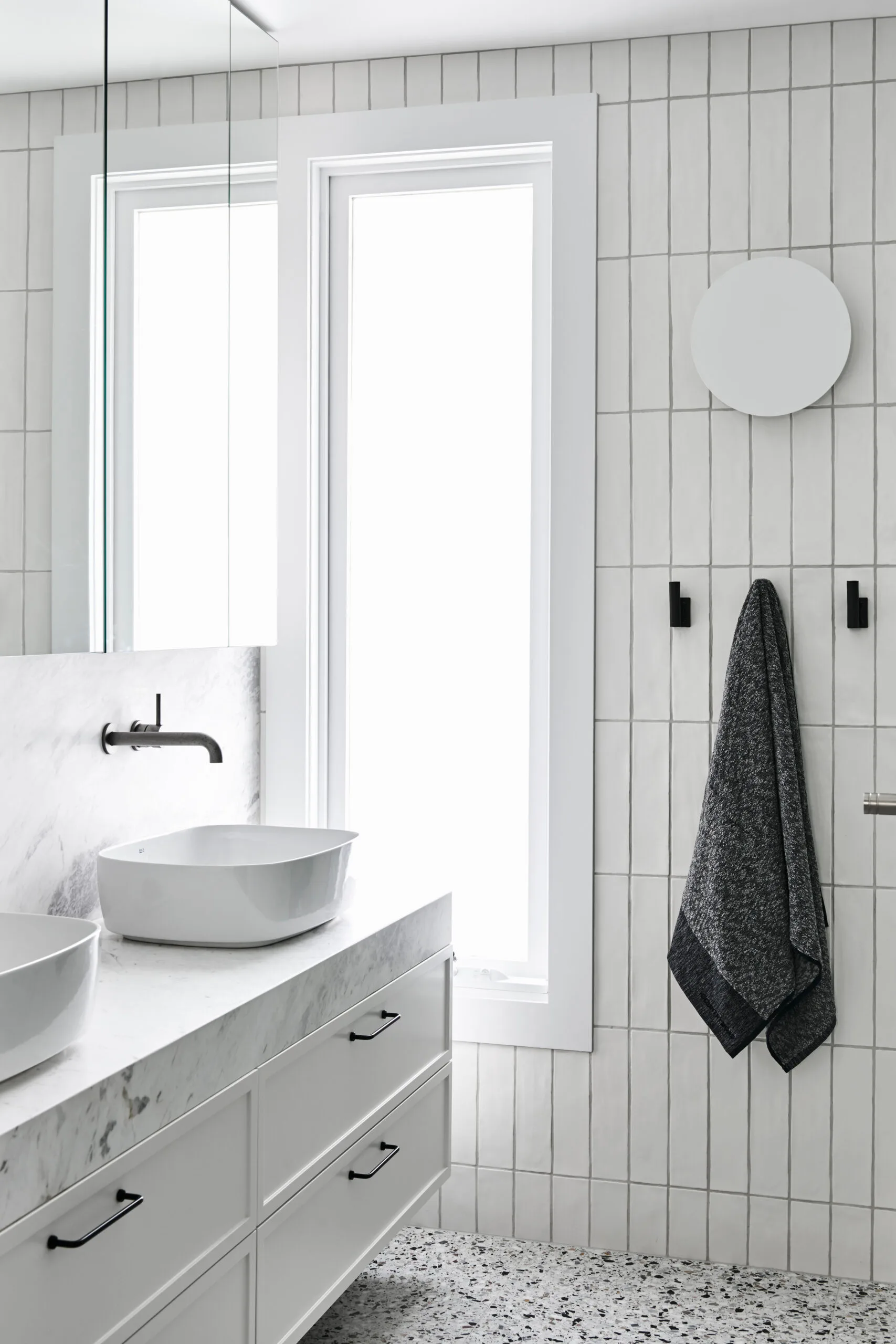
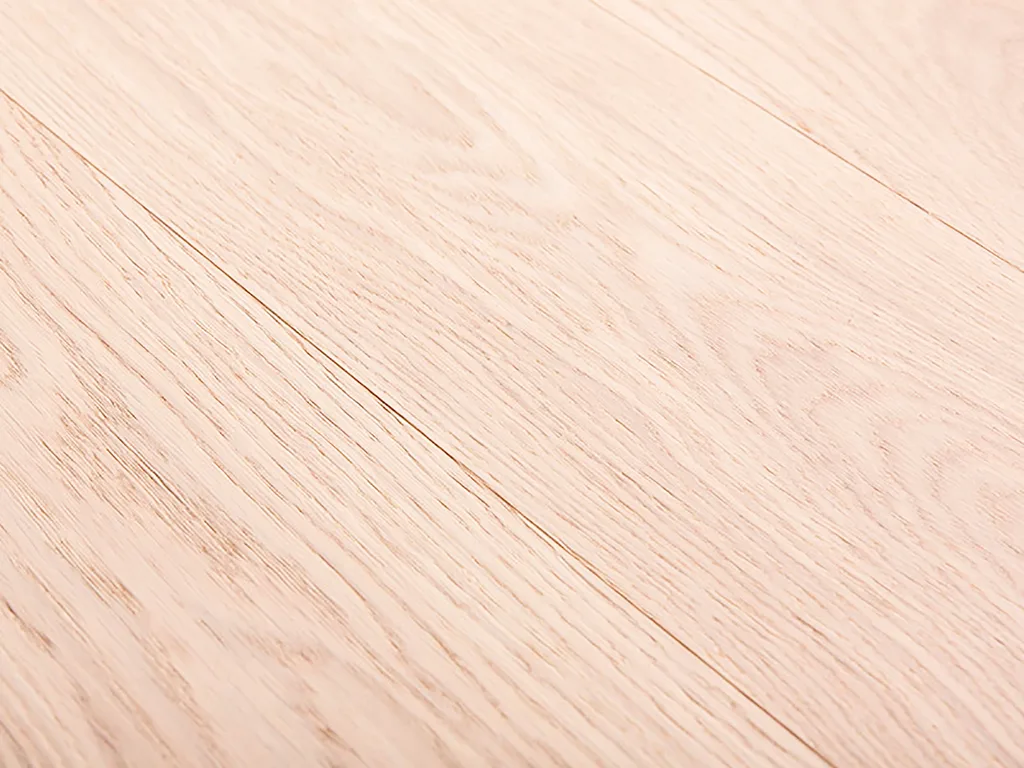
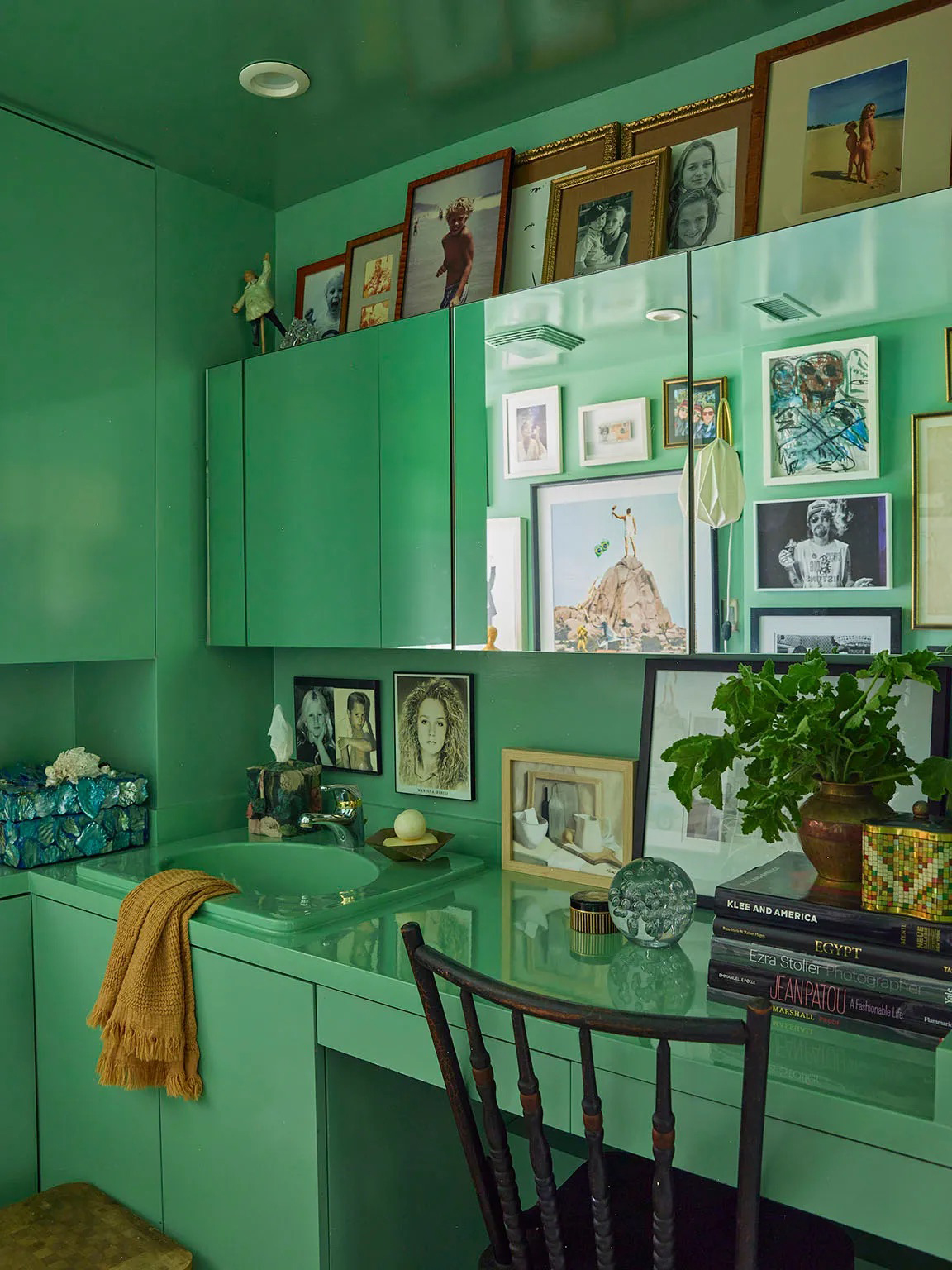
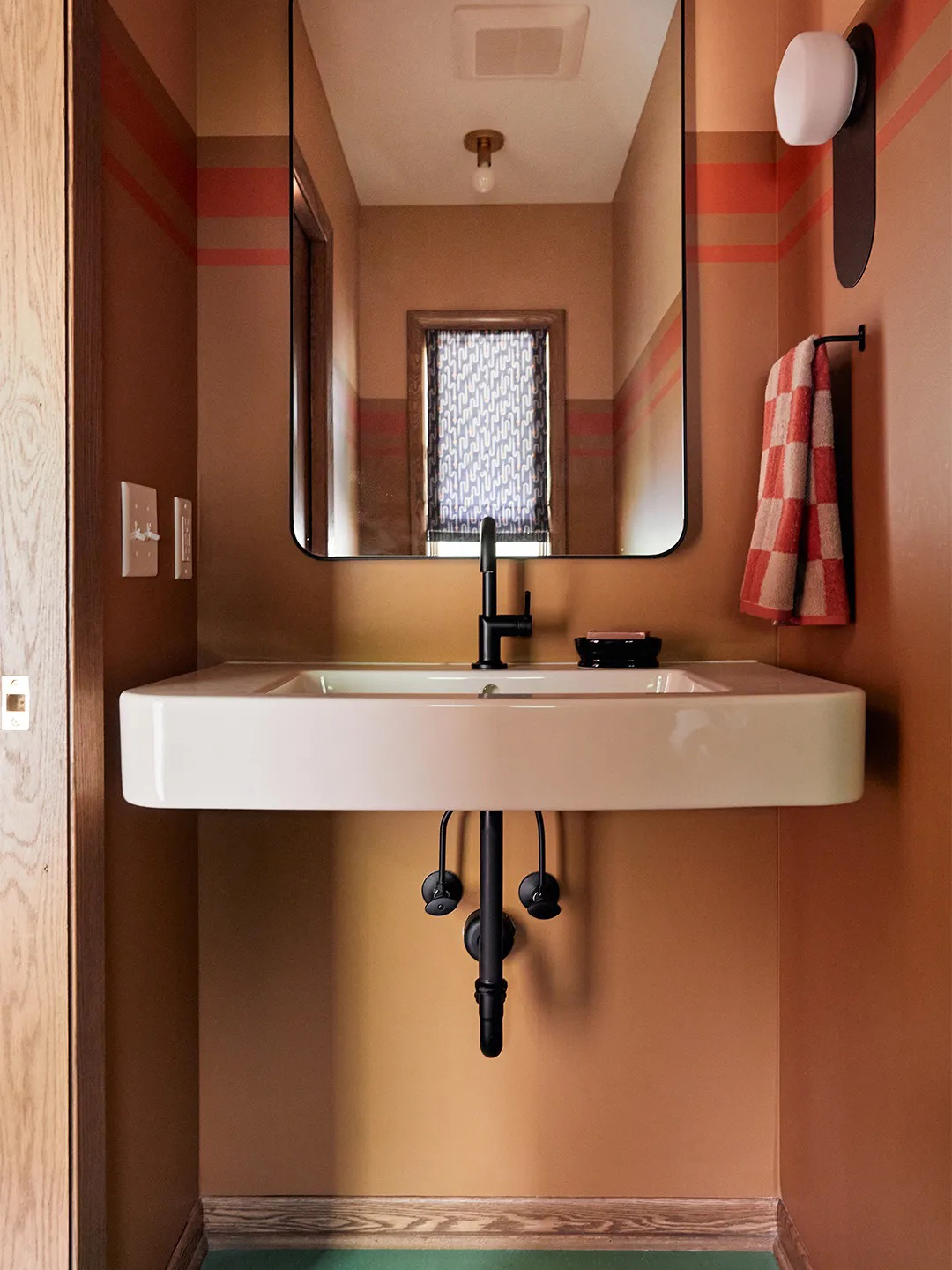
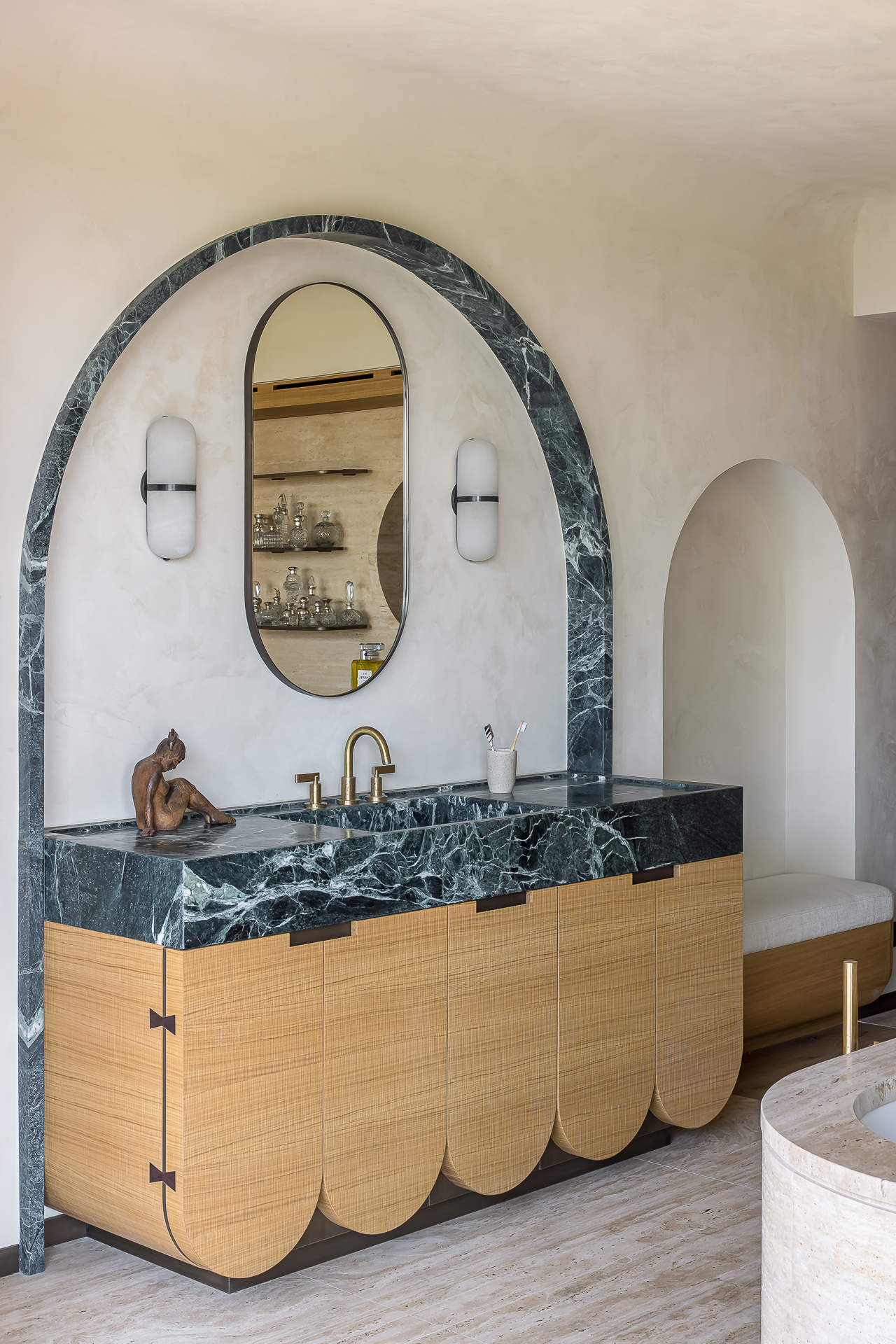
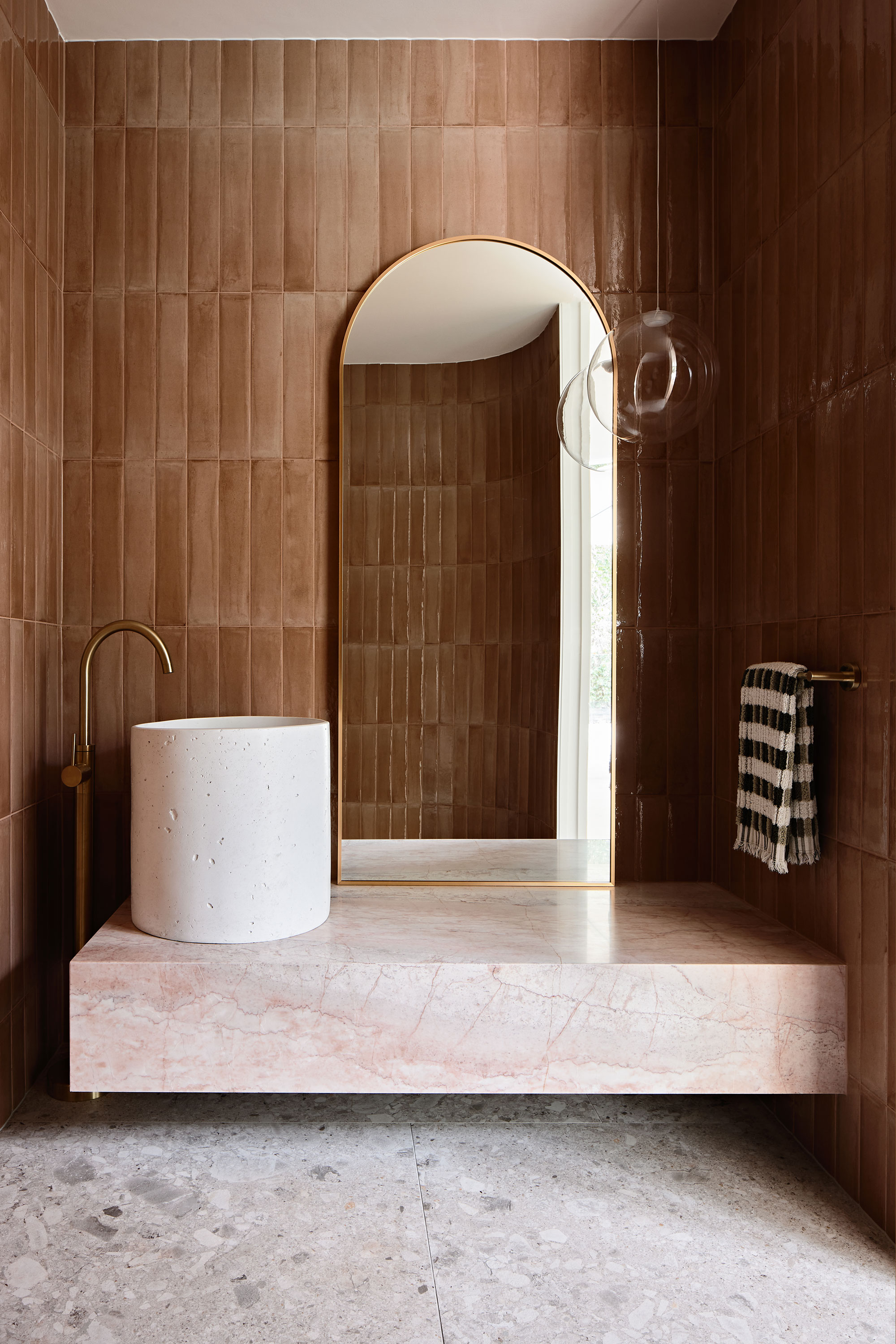
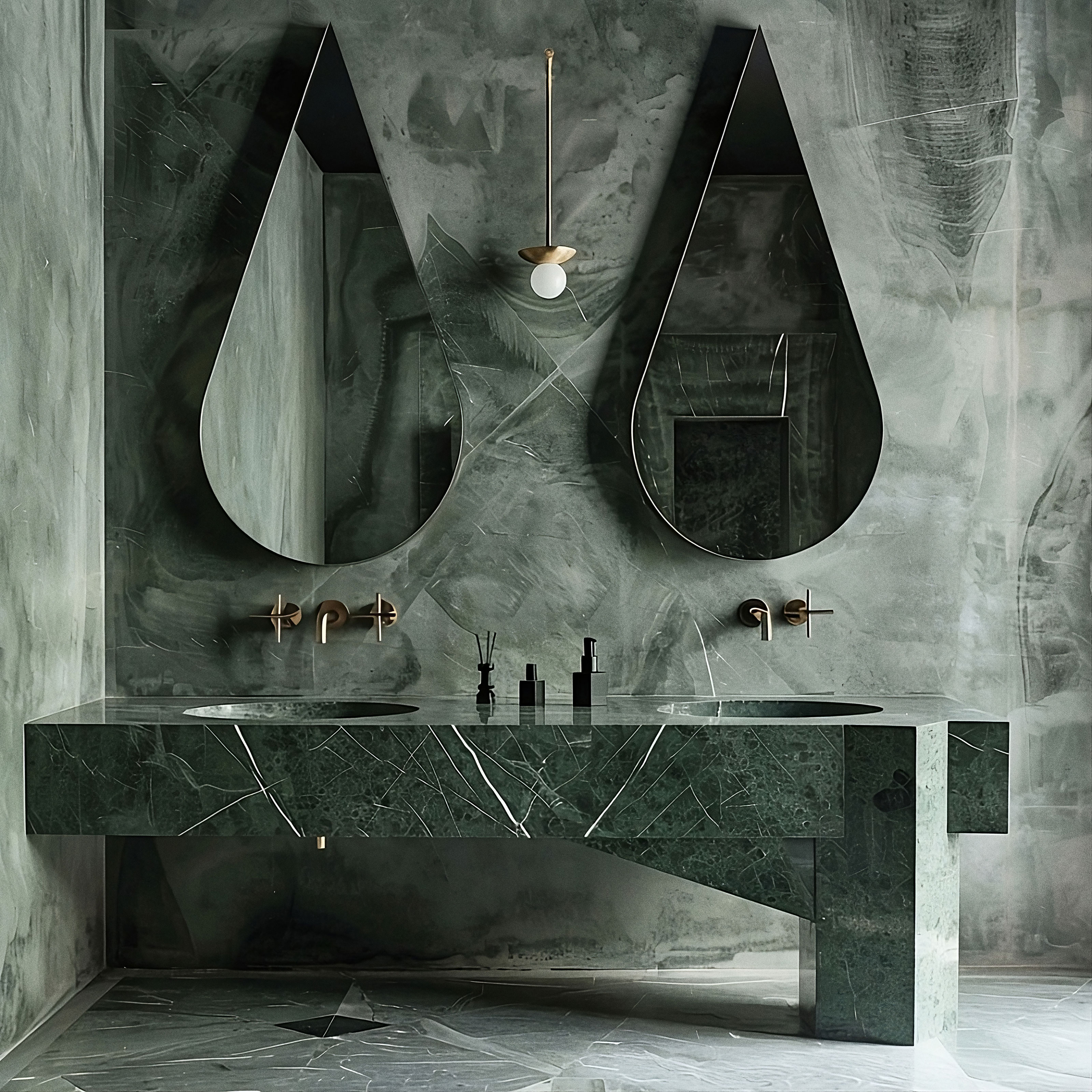
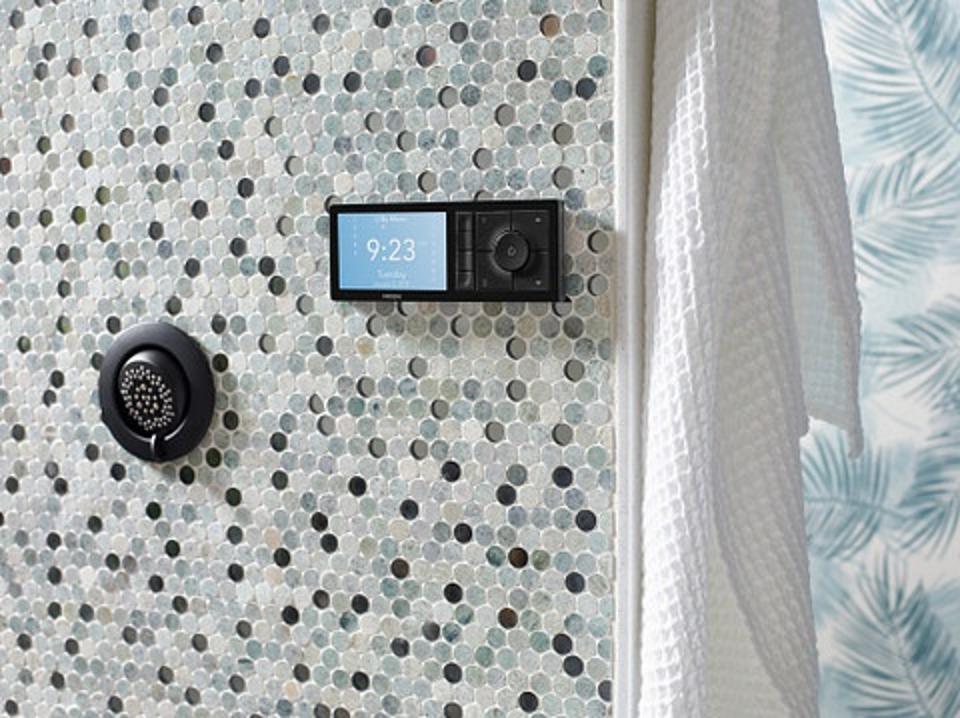
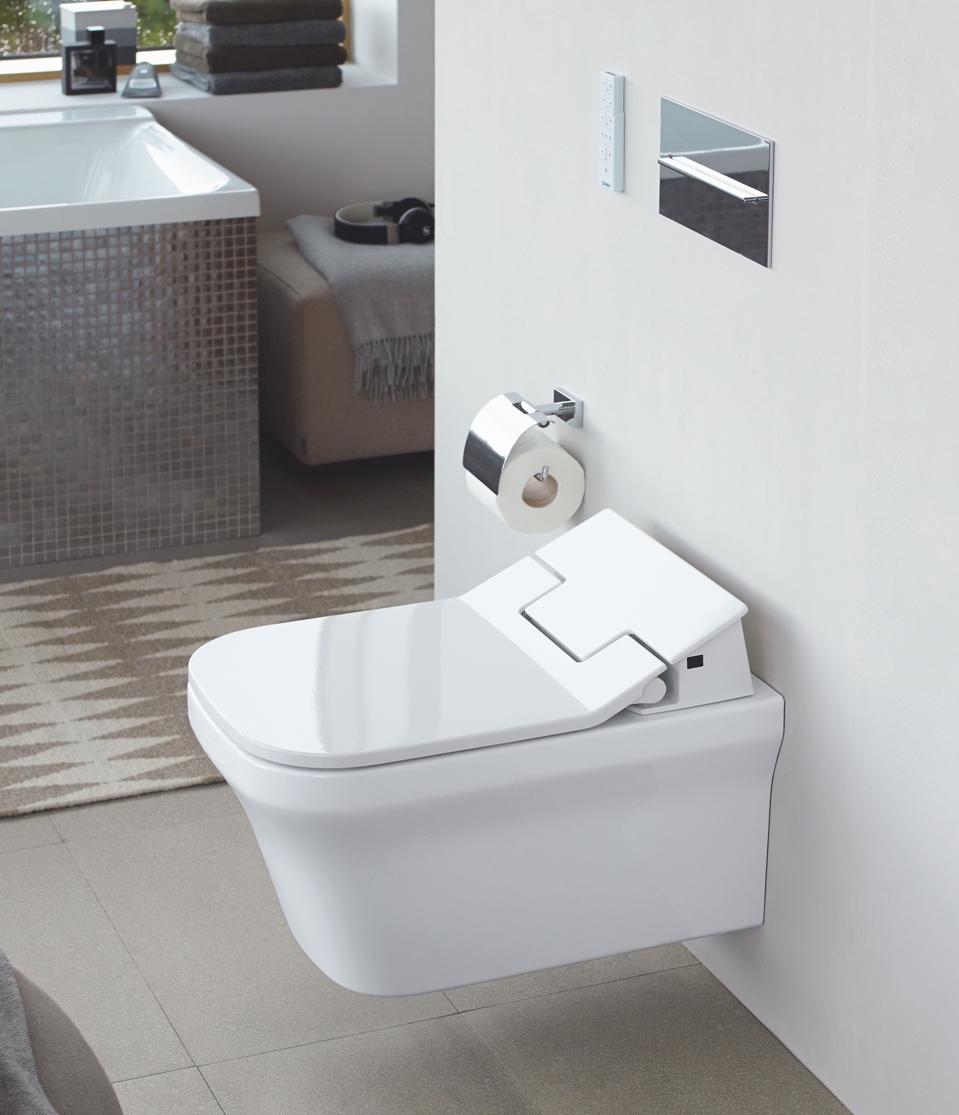
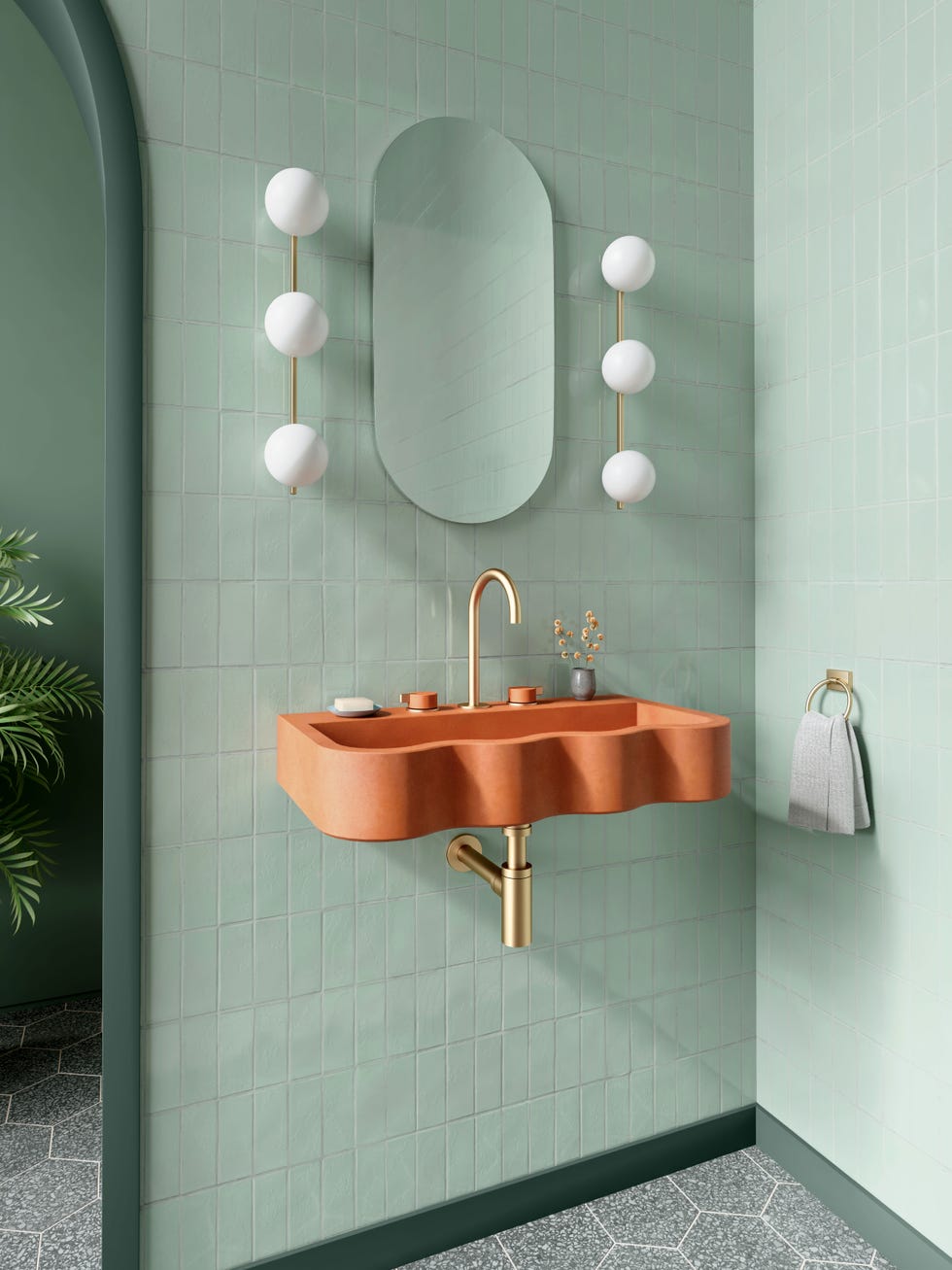
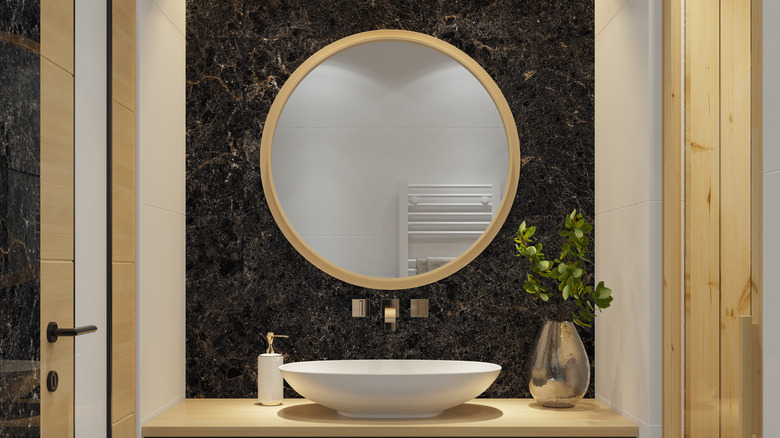
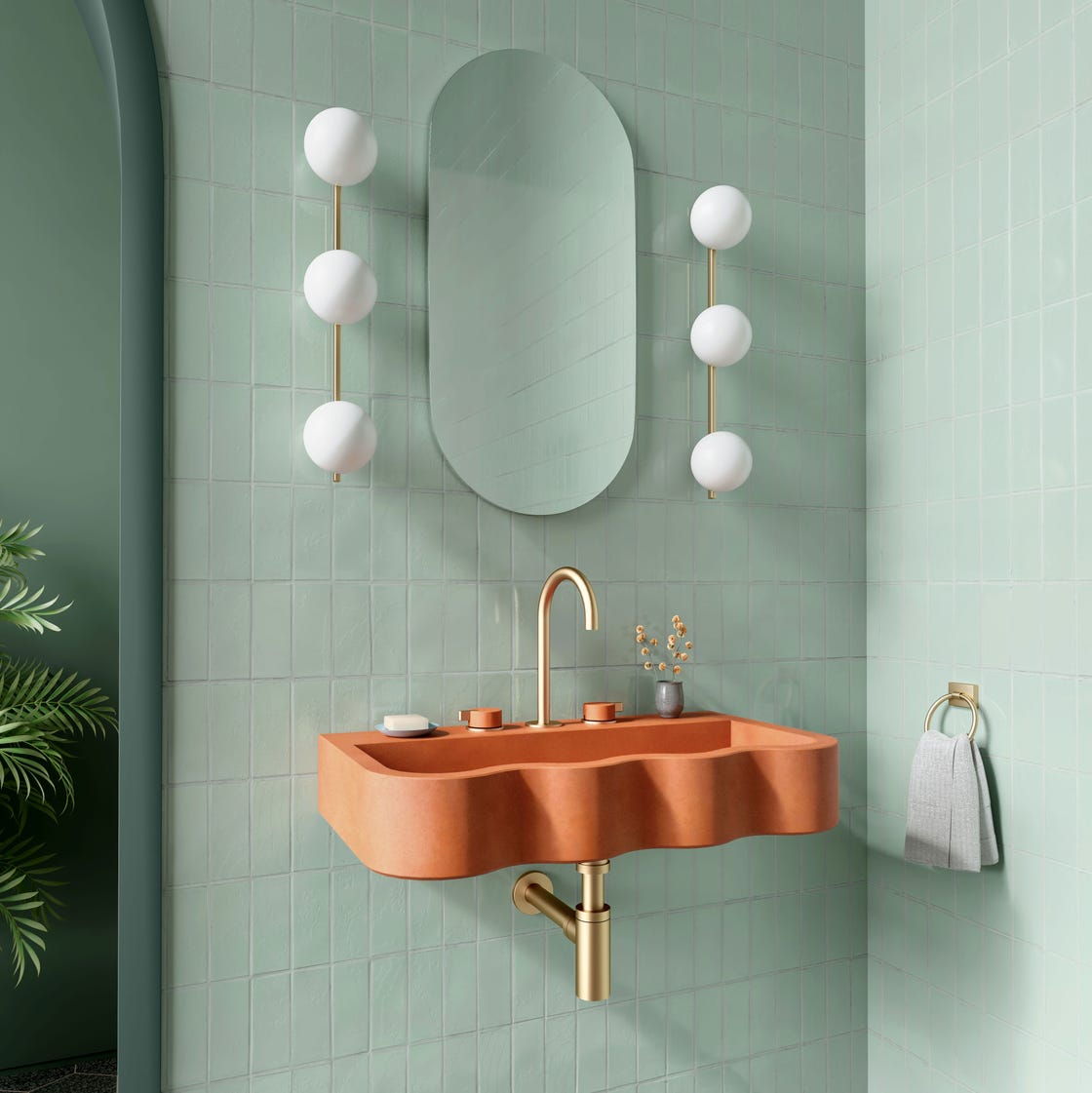
Fourthly, there is a growing inclination towards organic materials and softer color palettes, bringing a natural essence into bathroom designs. This involves the use of wood grains and natural textures for both floors and walls. Color trends for 2025, as identified by NKBA designers, favor soft greens, rich browns, and warm neutrals, reminiscent of 1970s aesthetics, though white continues to be a dominant choice. The top five trending colors are white, green, blue, gray, and brown. Fifthly, smart technology is becoming a staple in high-end homes, with features like smart toilets, programmable showers, motion-activated lighting, and heated floors. Customization is paramount, as 83% of designers report clients desiring tailored solutions that subtly integrate technology, such as power outlets discreetly tucked away in drawers.
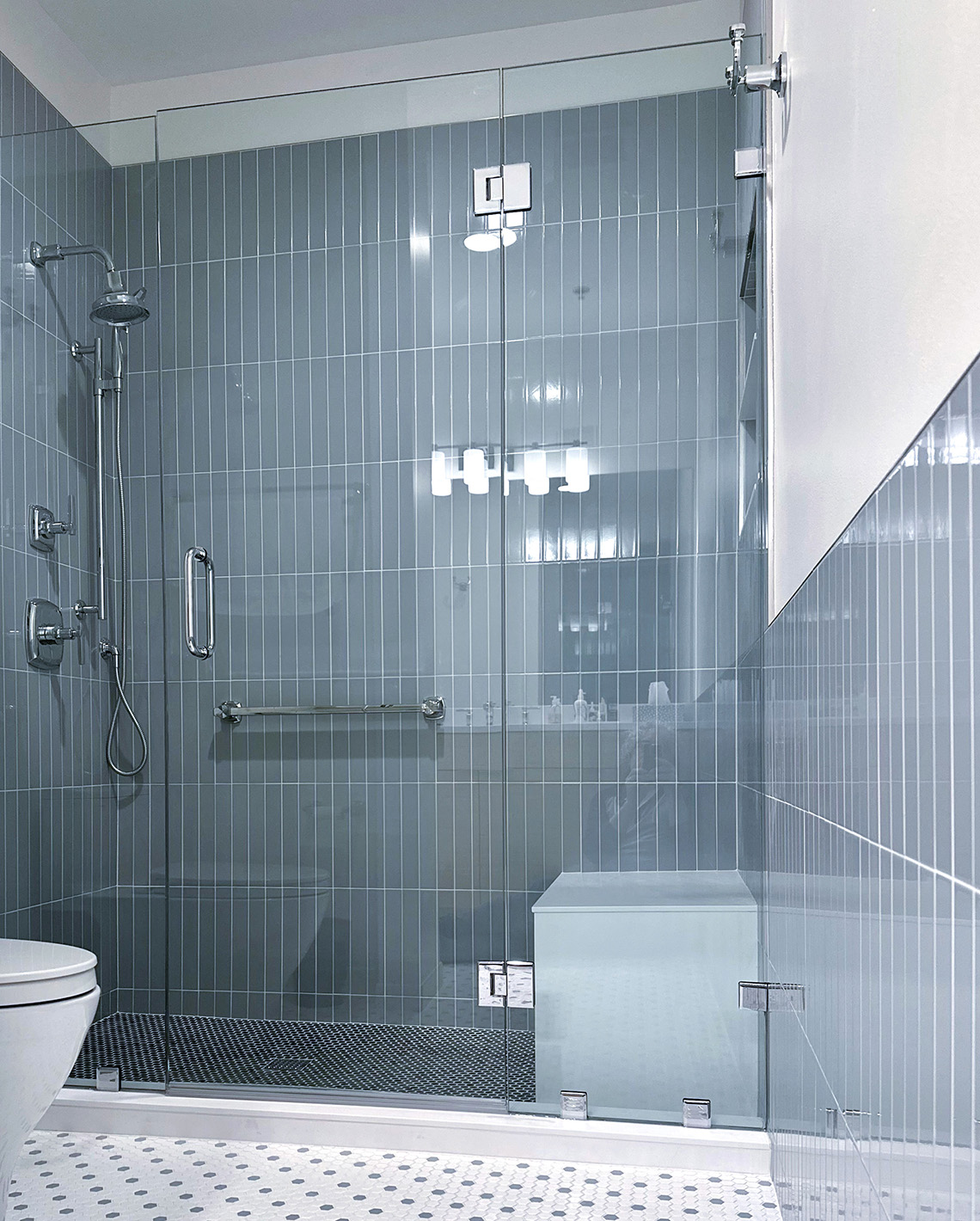
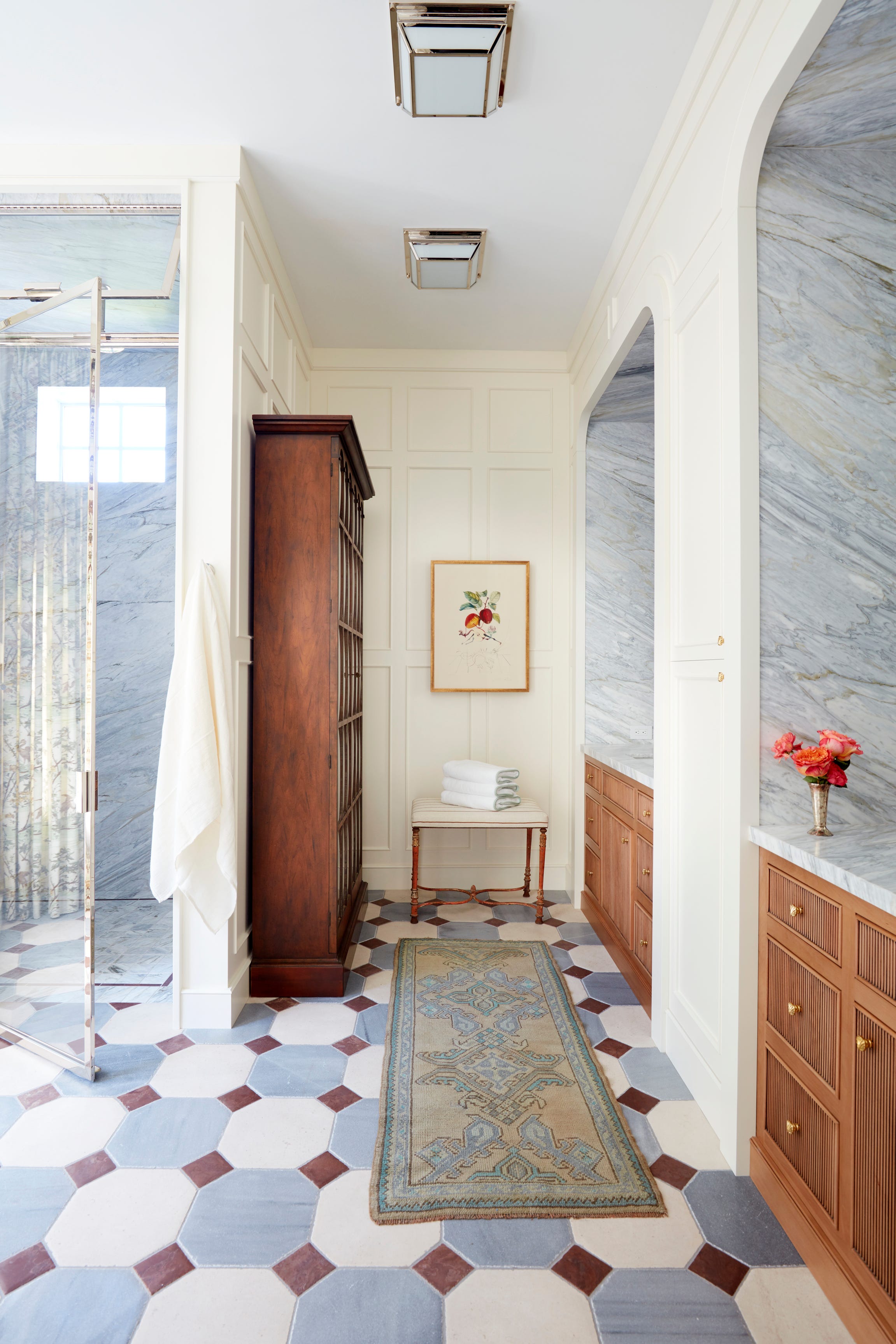
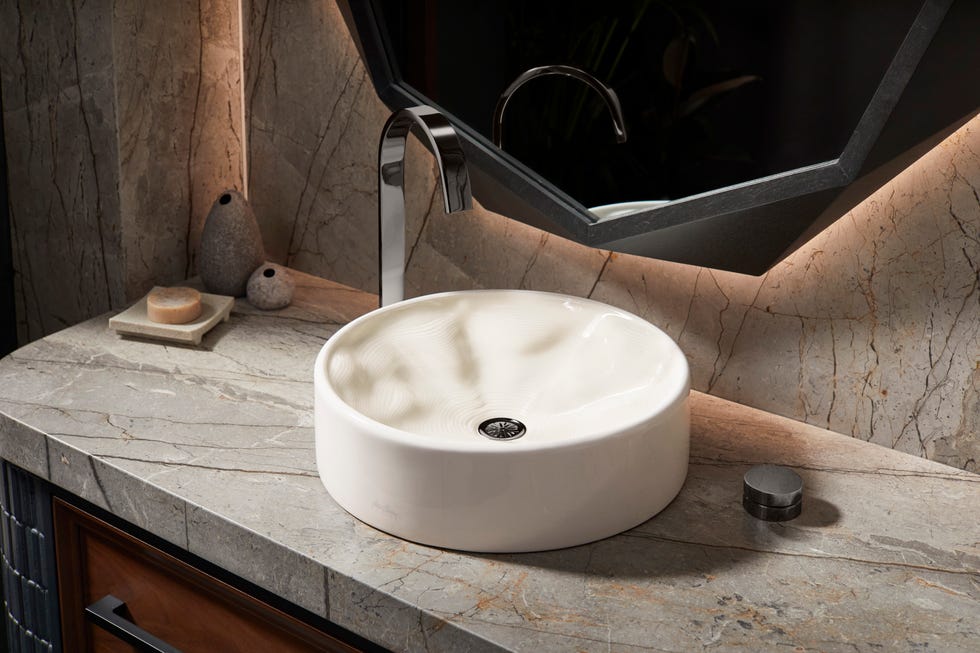
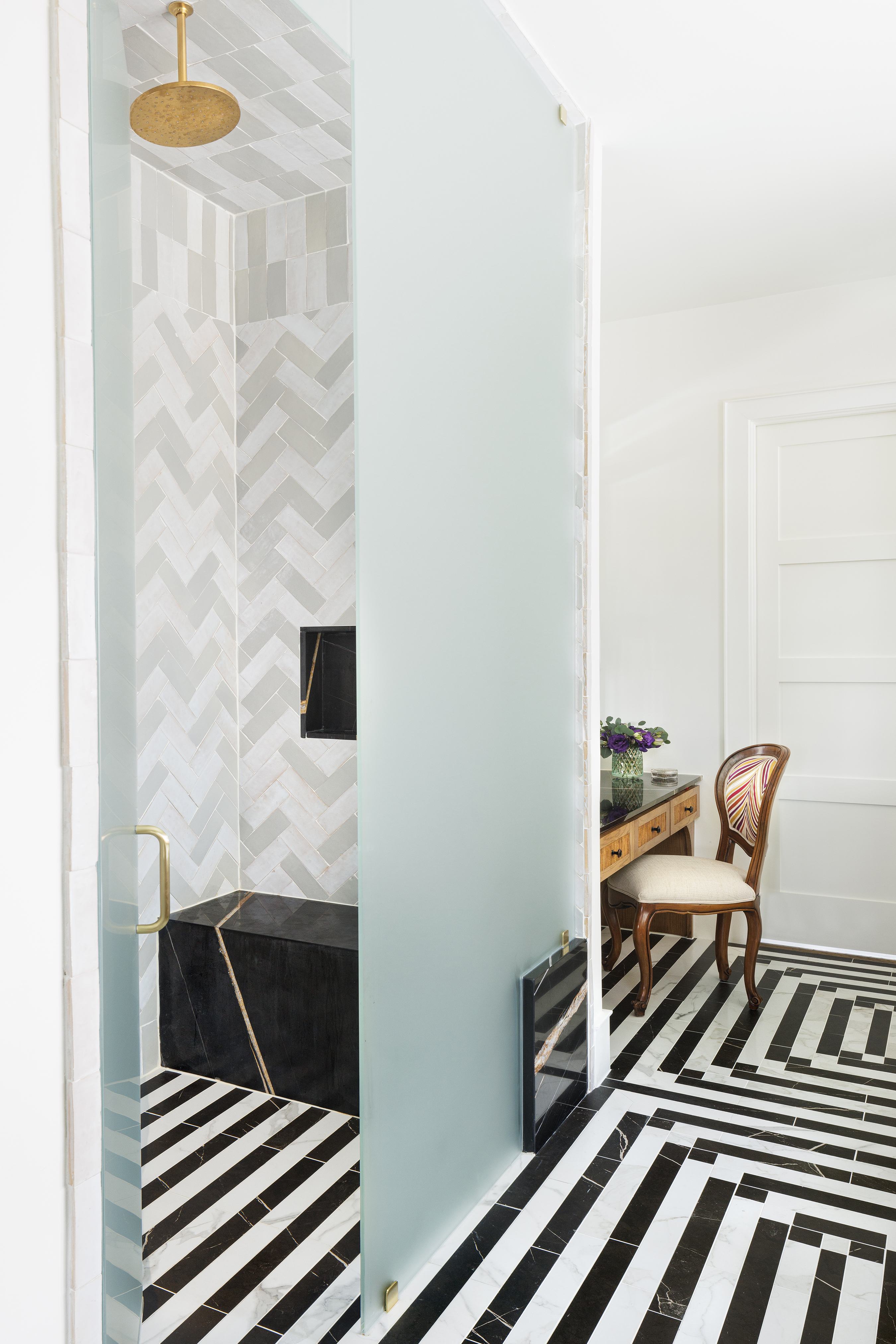
Finally, simplifying maintenance is another significant priority for homeowners. As wellness becomes a focus, there is a desire for low-maintenance finishes for flooring, countertops, sinks, and showers. Innovations like self-cleaning toilets and large-format tiles with minimal grout lines are examples of how homeowners are looking to reduce cleaning efforts and streamline their daily routines, further contributing to a more relaxed and enjoyable bathroom experience.
#BathroomDesign #WellnessTrends #HomeRemodeling #SpaFeatures #SmartHomeTechnology #InteriorDesign #SustainableMaterials #RealEstateTrends #BathroomDesign #WellnessTrends #HomeRemodeling #SpaFeatures #SmartHomeTechnology #InteriorDesign #SustainableMaterials #RealEstateTrends
0 comment in total
 No comments yet
You may also like
7 bathroom upgrades from on-trend taps to easy-fit flooring

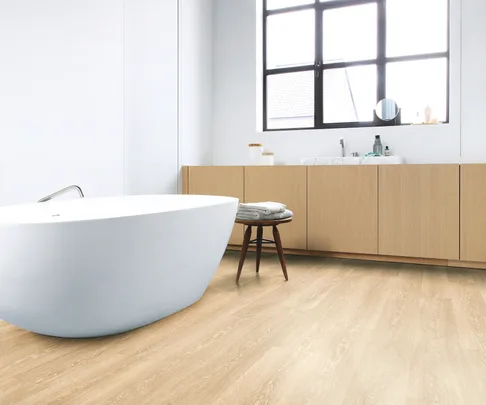
6 of the latest bathroom flooring options

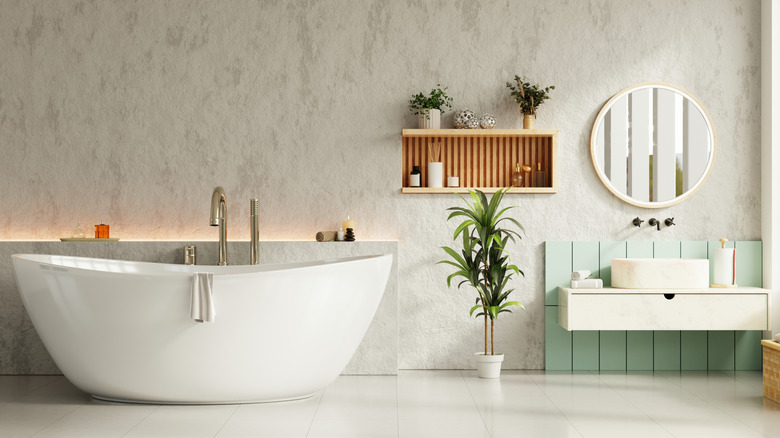
All The Bathroom Trends That Will Be Taking Over In 2026

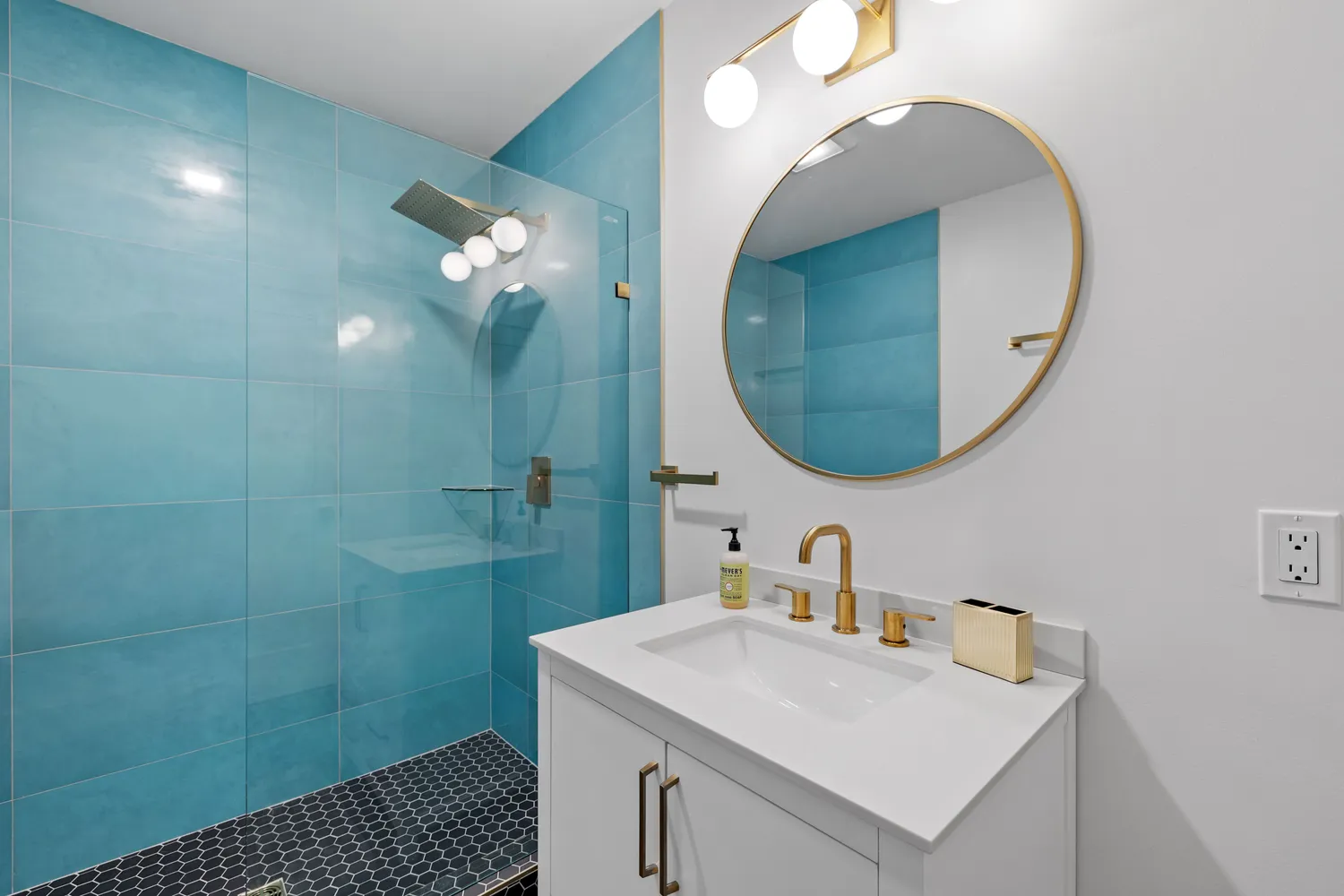
From Accent Walls to Wet Rooms, These Are the Major Bathroom Renovation Trends Right Now

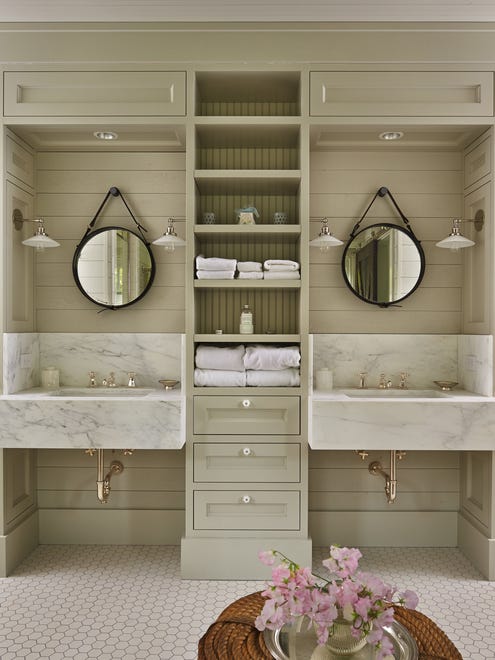
Bathroom Trends

Upgrades We’d Make to Any Bathroom | Wirecutter
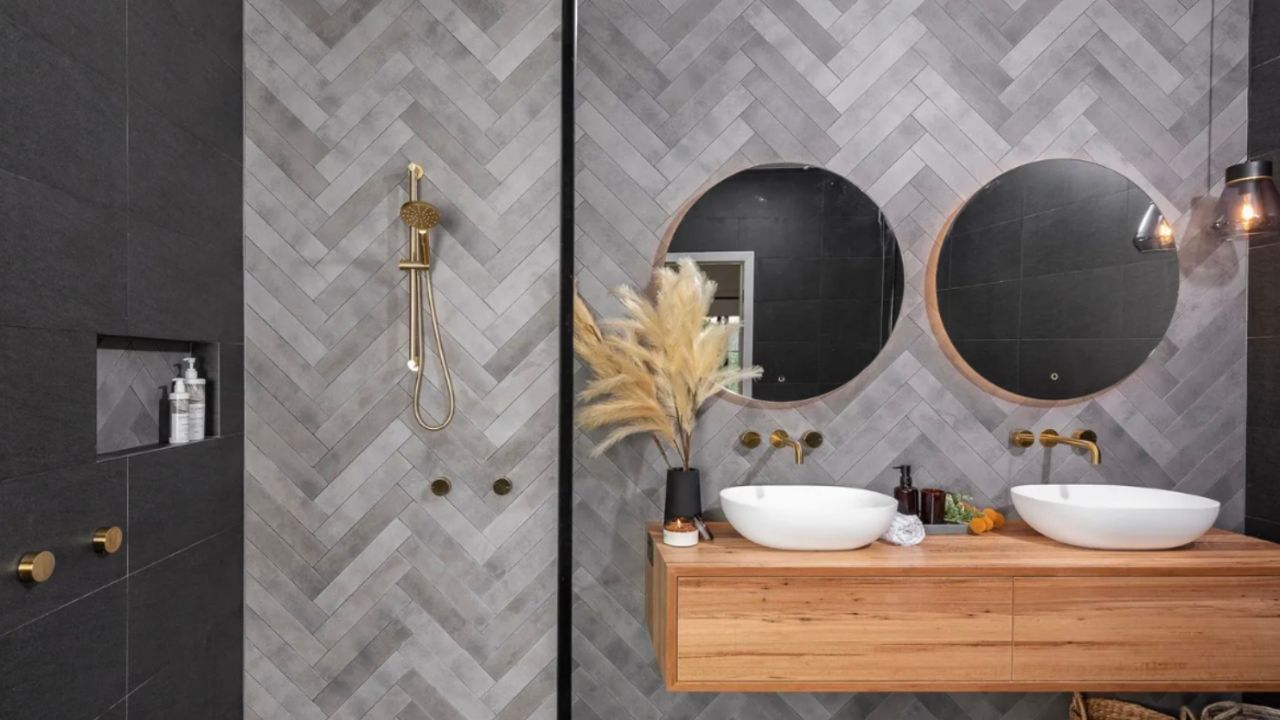
Bathroom trends for today and tomorrow

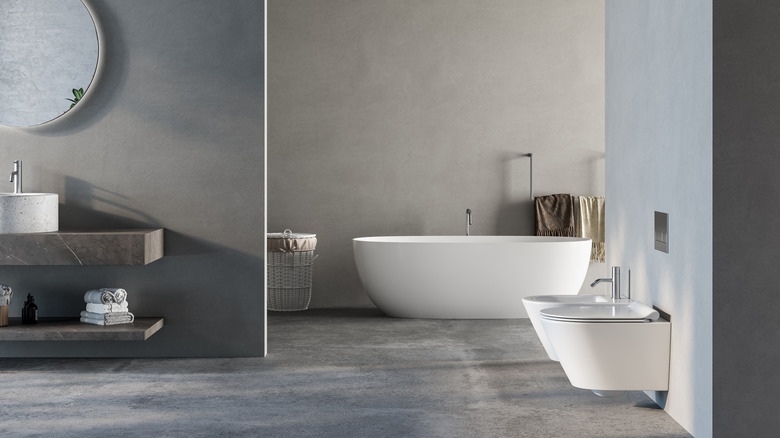
Say Goodbye To Traditional, Builder-Grade Bathrooms — These 12 Unique Features Are In
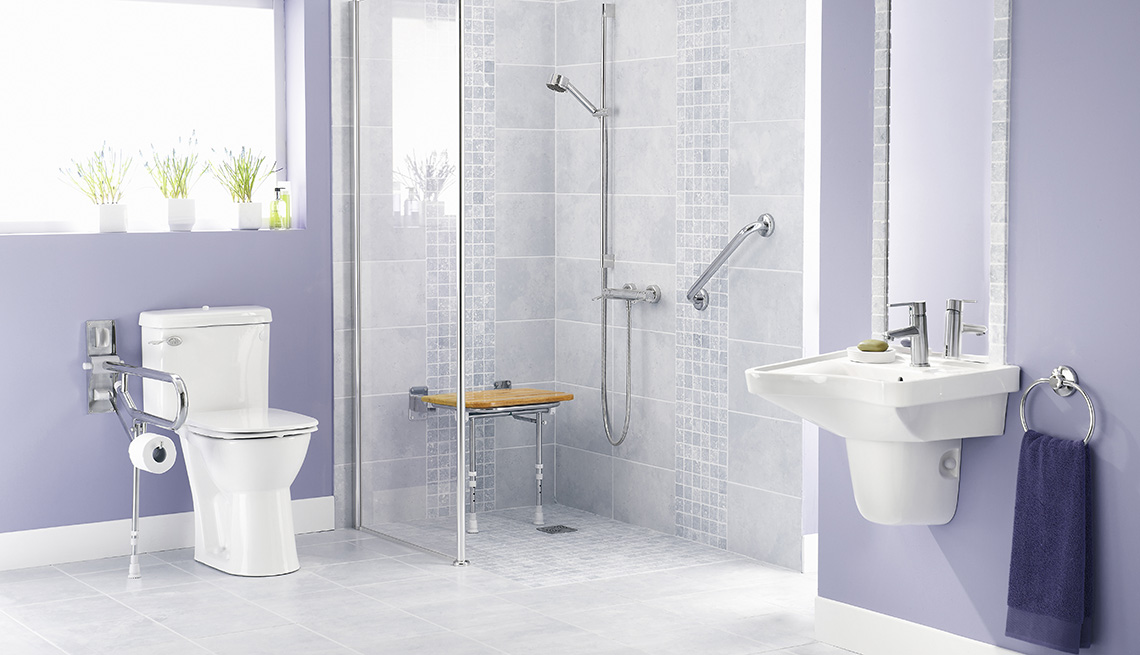
14 Bathroom Updates for Now and Later as You Age in Place
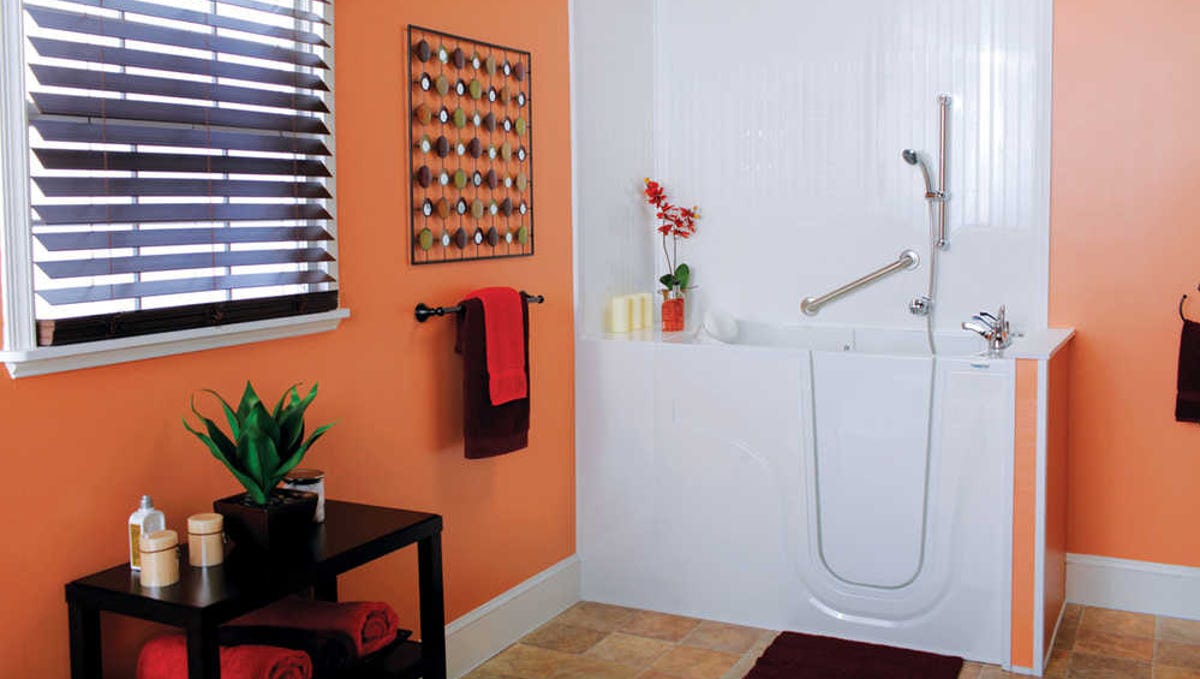
Baby boomers: Bathroom updates that increase livability
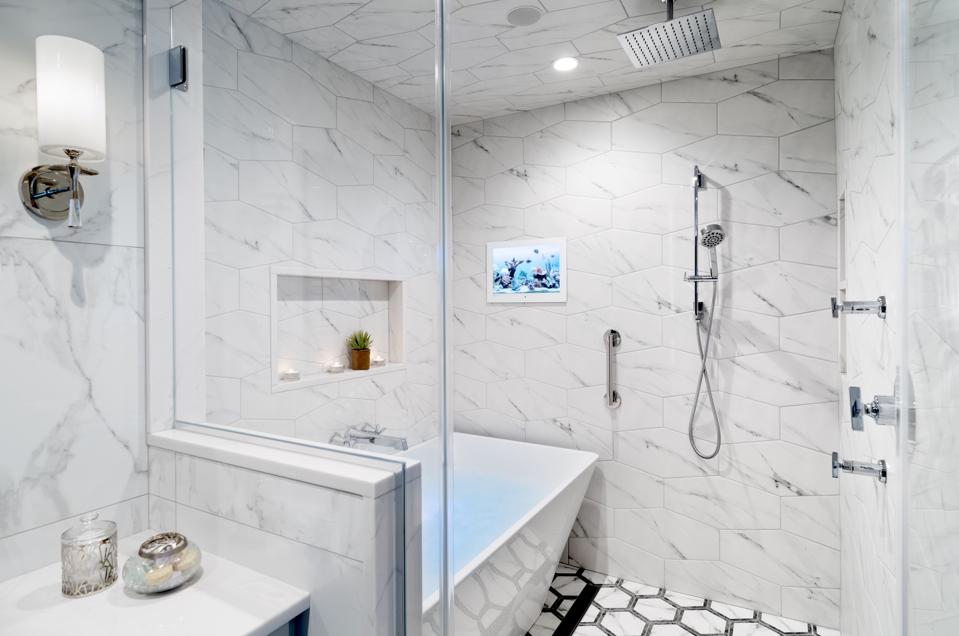
Creating Spa Bathrooms With The Latest Wellness Design And Technology Trends

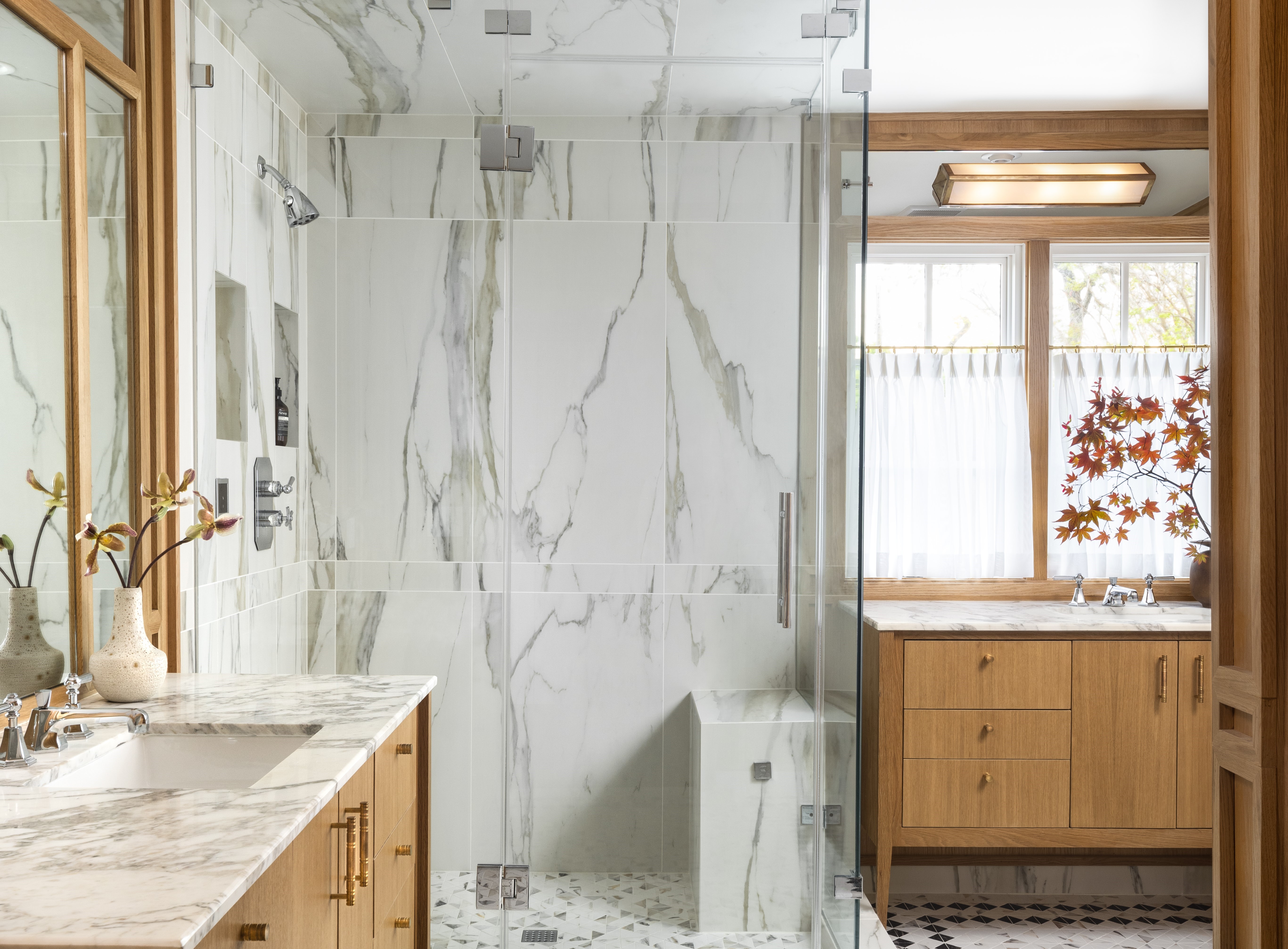
Built-in Shower Benches — The Feature Designers Are Using to Elevate Bathrooms Right Now

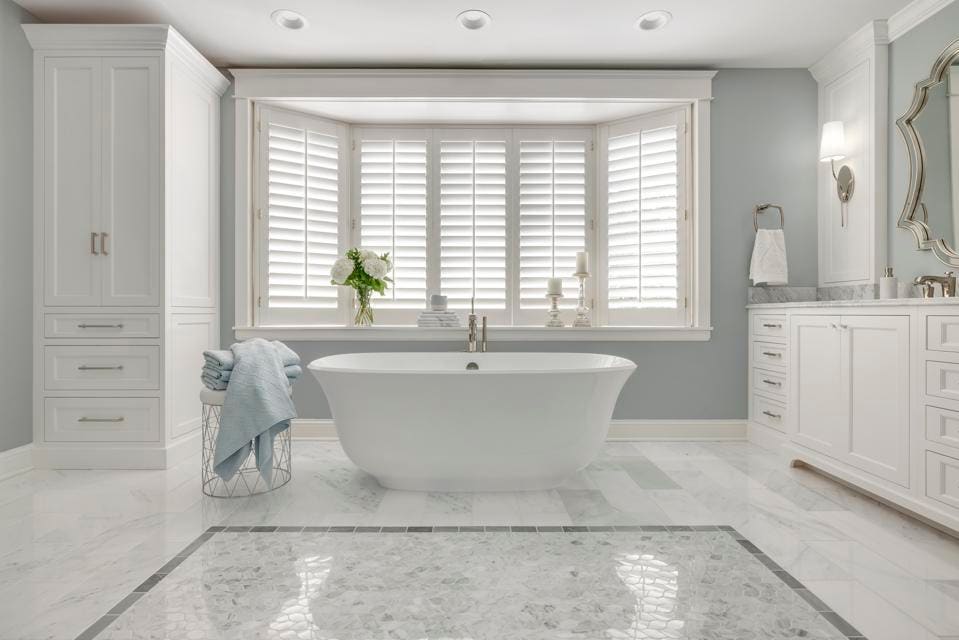
Six Wellness-Related Bathroom Design Trends For 2024

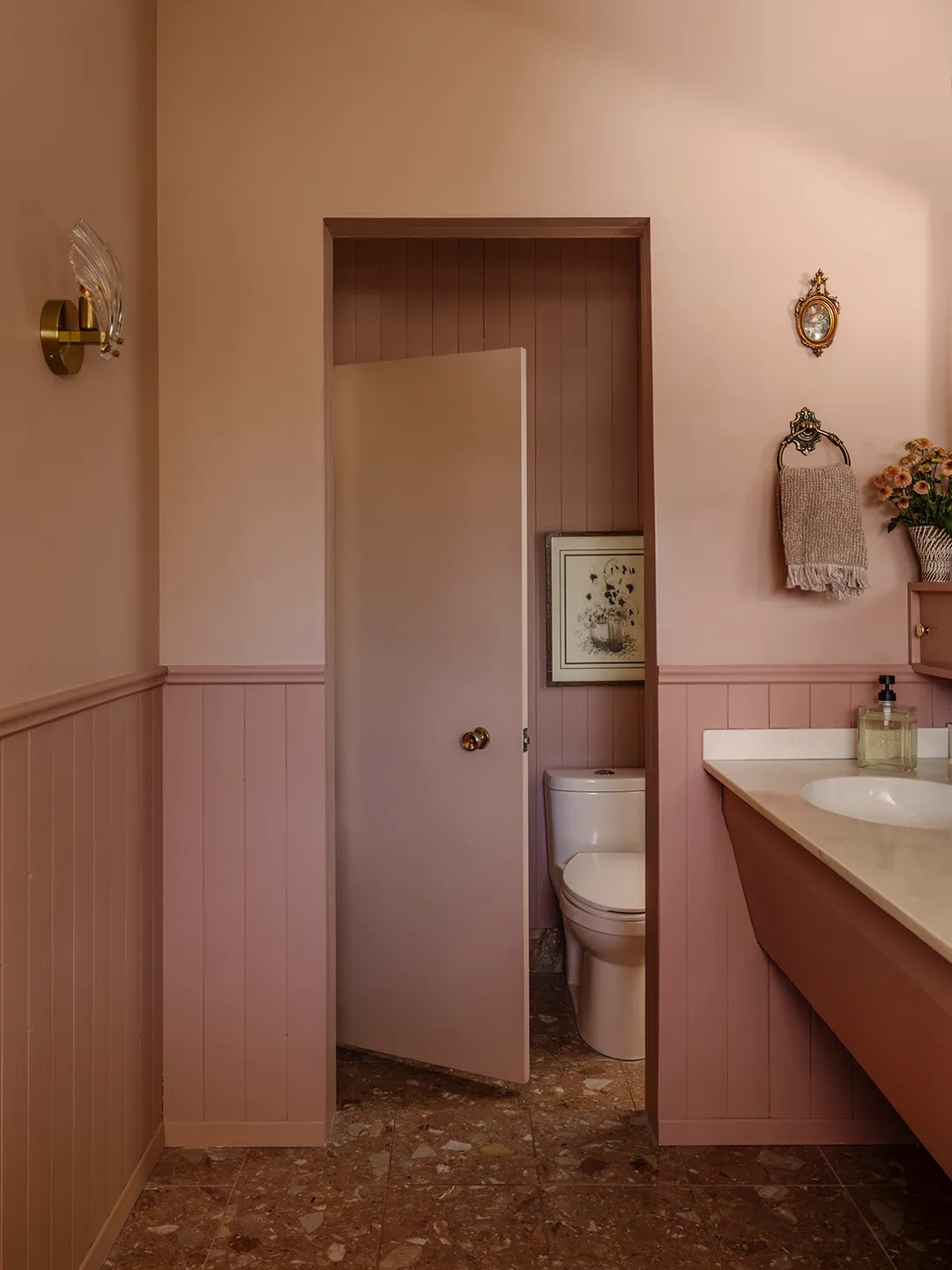
The Era That’s Inspiring the Next Wave of Bathroom Remodels

The 5 Biggest Bathroom Trends for 2023, According to Designers
Baths | Why curves are making a comeback in bath design
7 luxurious bathroom updates to do right now

Forget Bathtubs — Designers Say This Feature is the New Focal Point You Should Invest in for a Bathroom
The Latest Bathroom Trends Are Indulgent—and Totally Worth It

The Most Popular Finishes for Bathroom Remodels