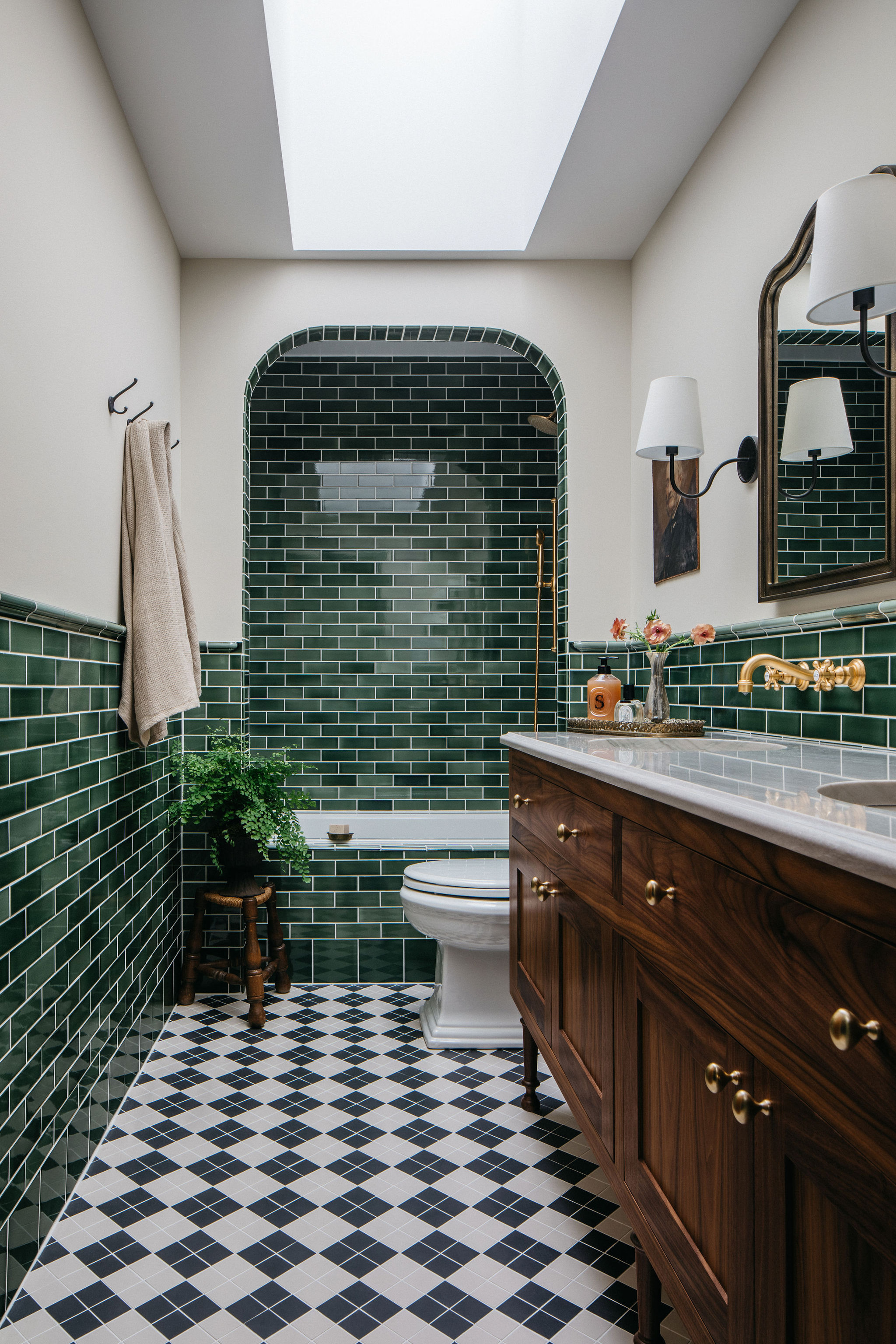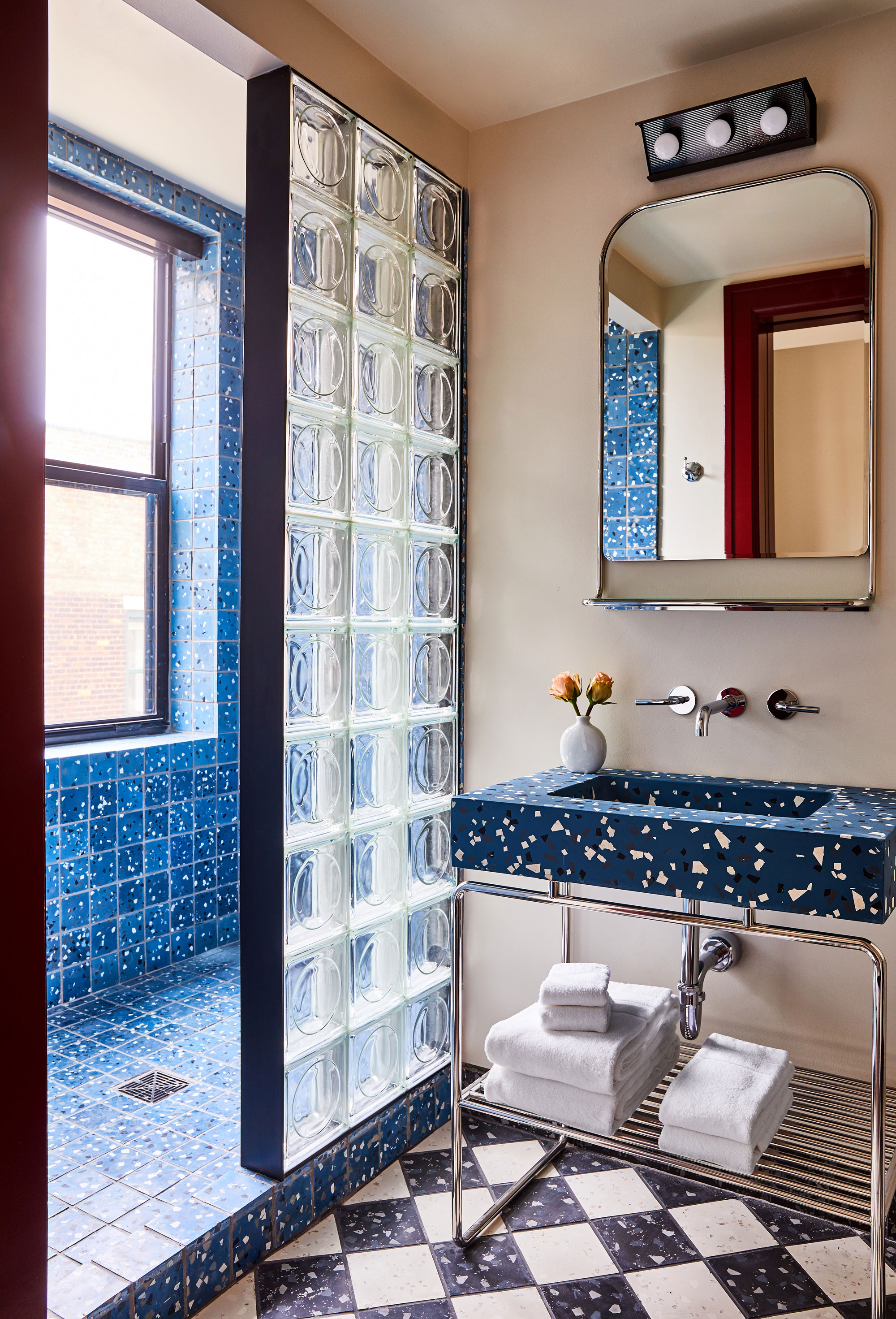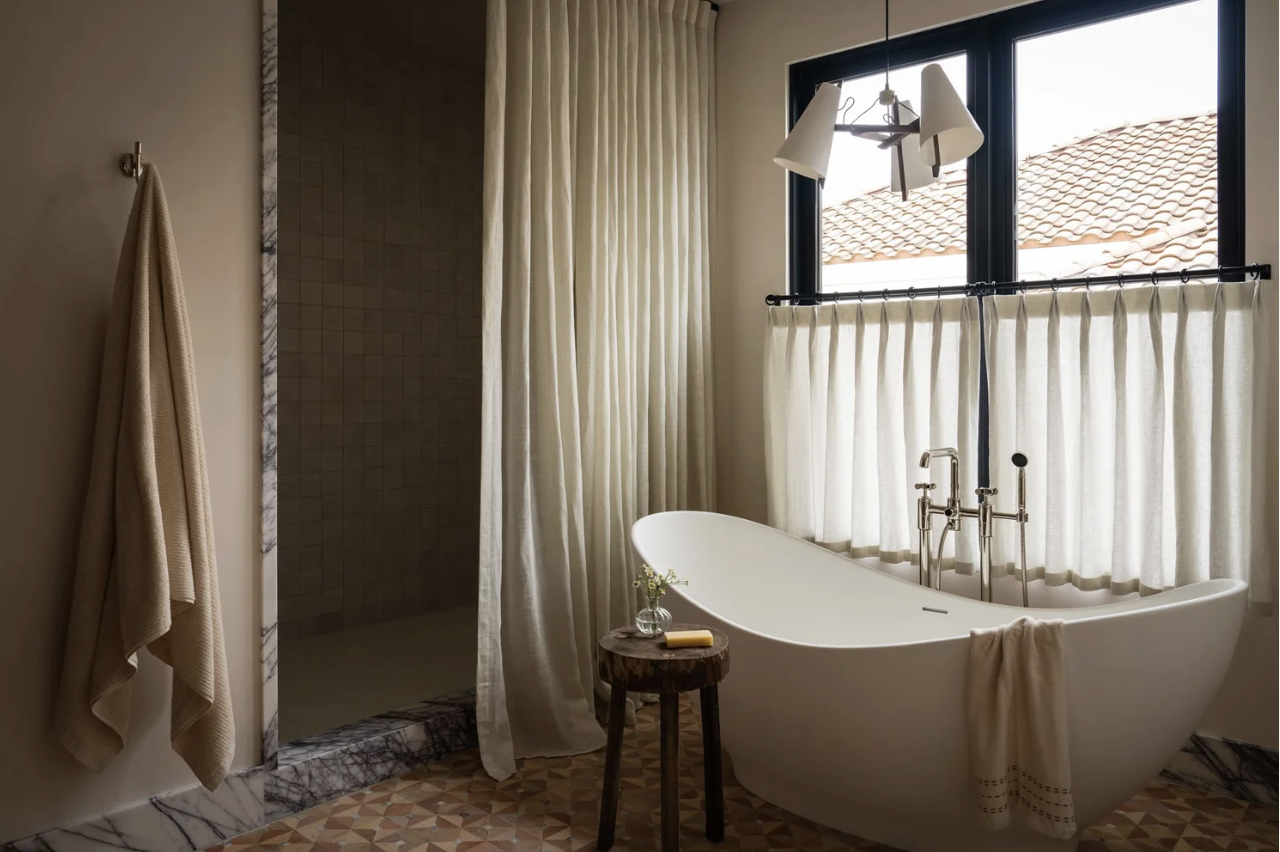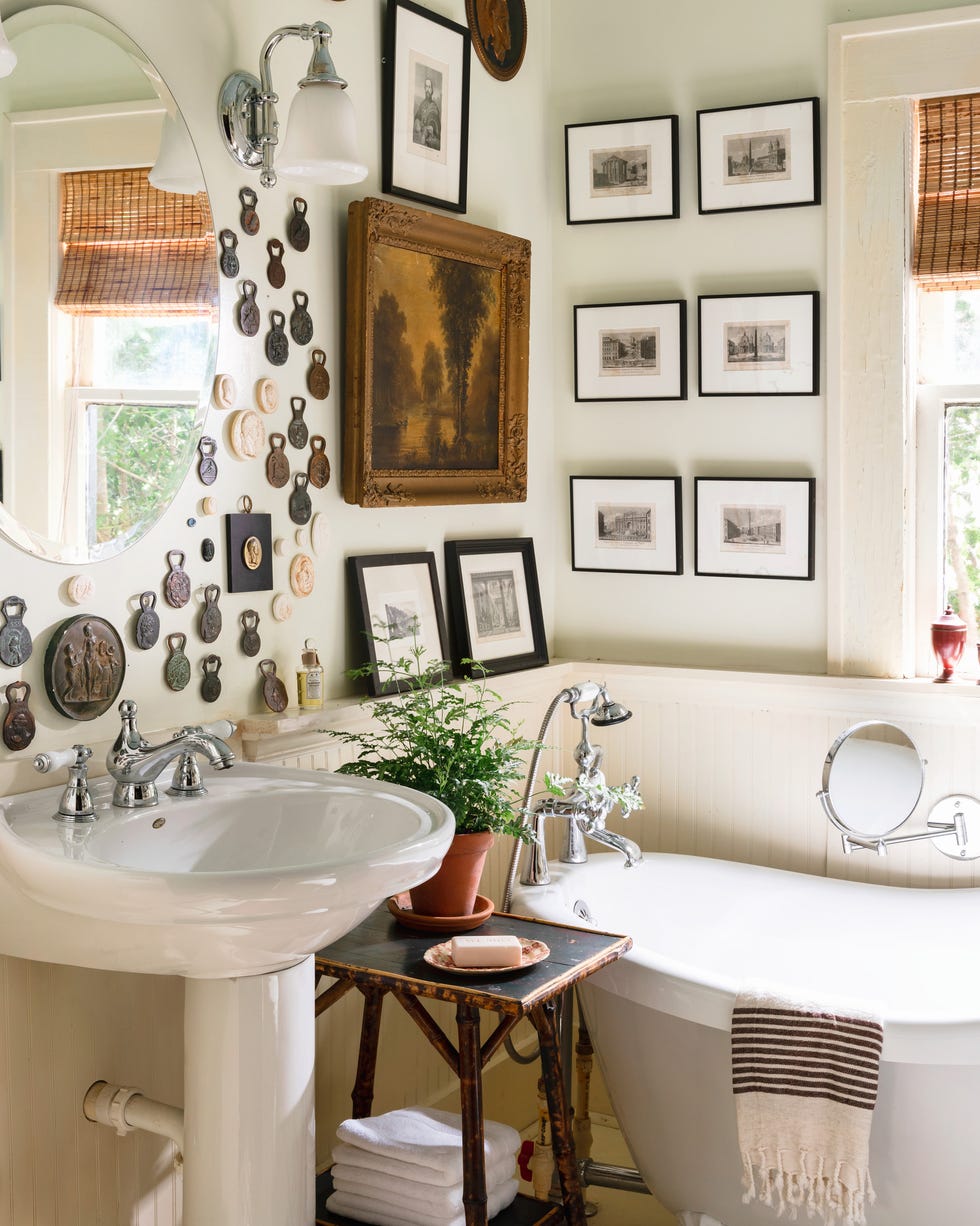
Six Wellness-Related Bathroom Design Trends For 2024
A recent study, the 2024 Bathroom Trends Research Report from the National Kitchen & Bath Association (NKBA), highlights six key wellness-related design trends influencing bathroom remodels and new constructions. These trends are corroborated by insights from NKBA member designers Christopher Grubb, Julee Ireland, Anne-Marie Brunet, and Sandra Diaz-Velasco.
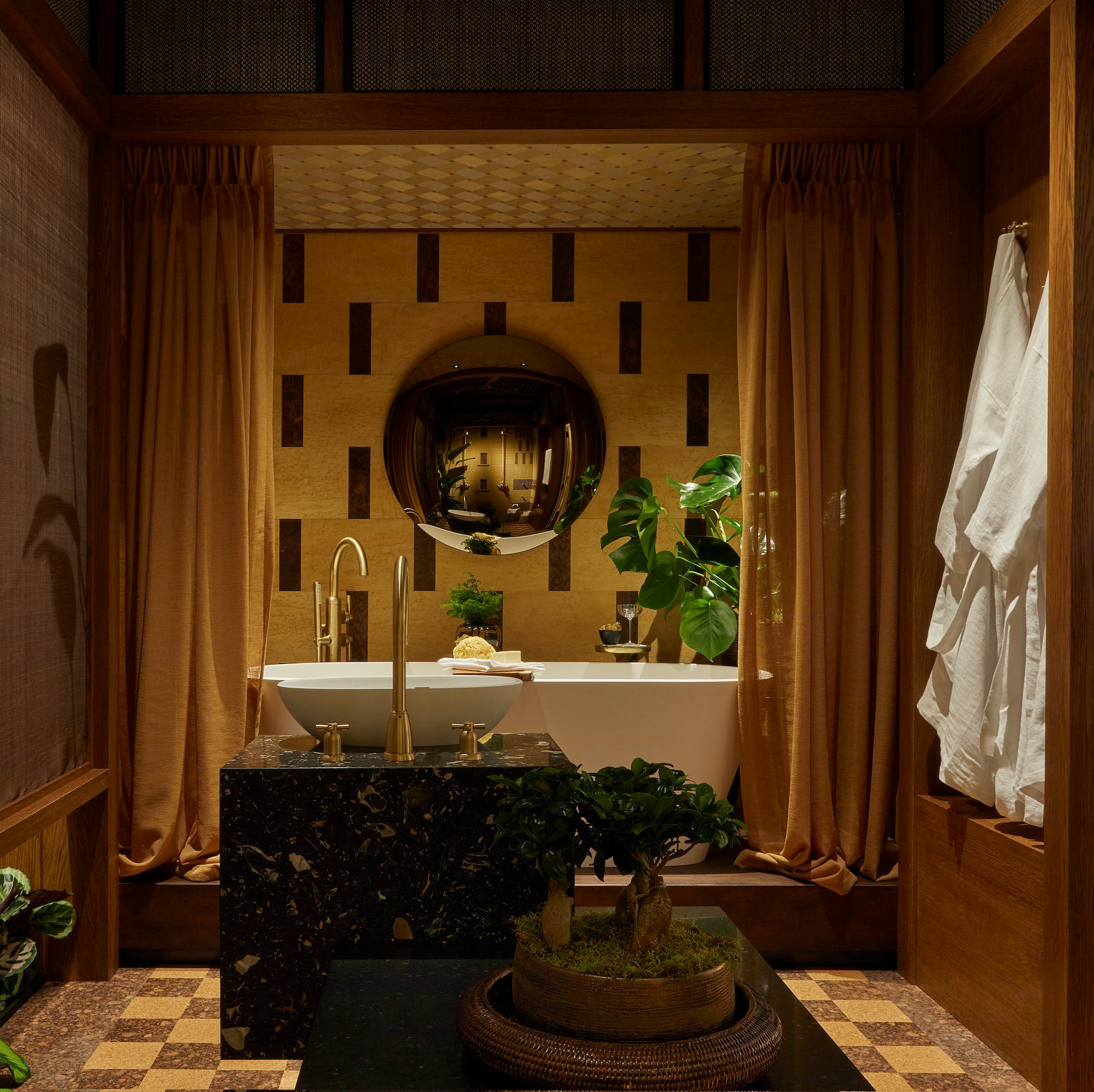
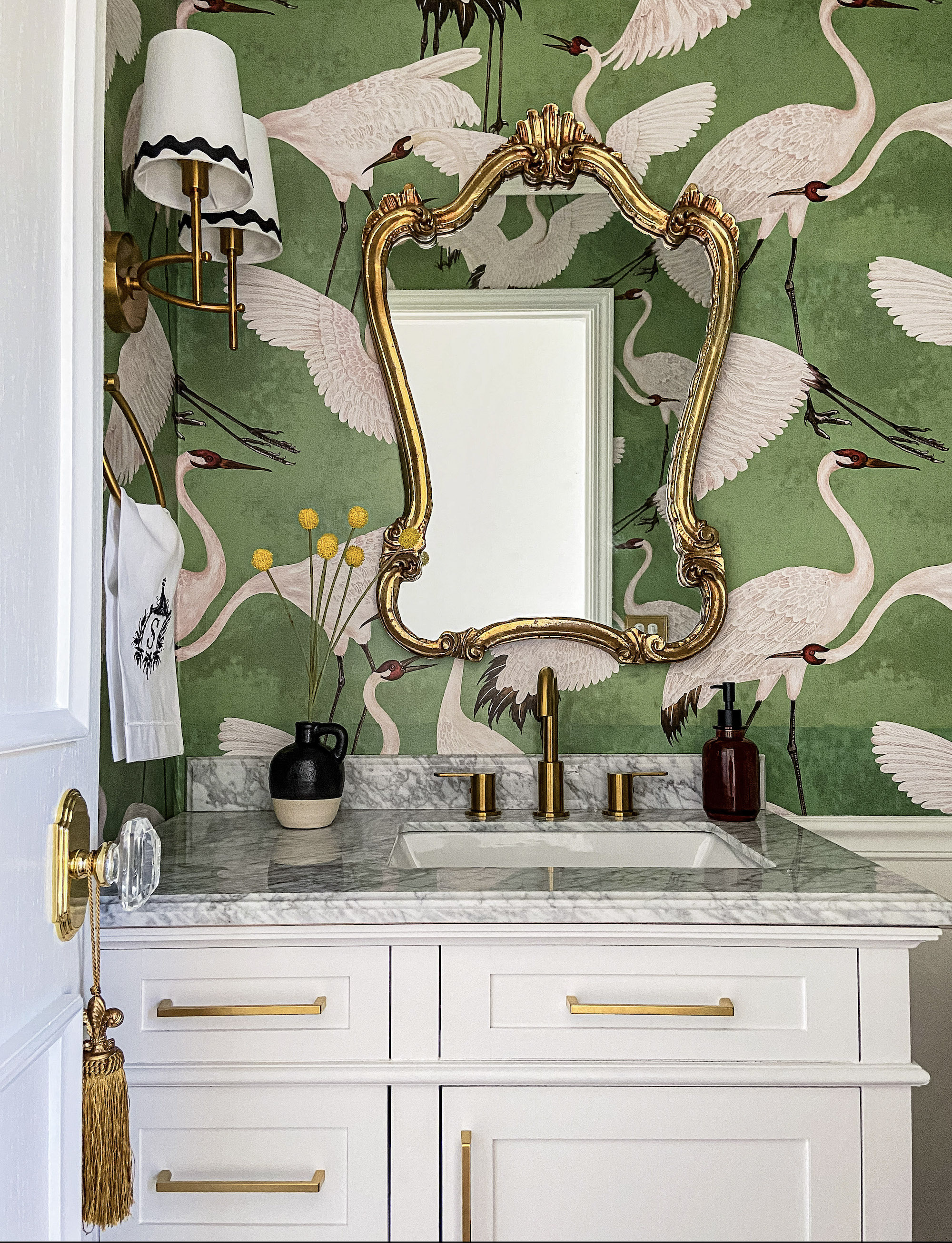
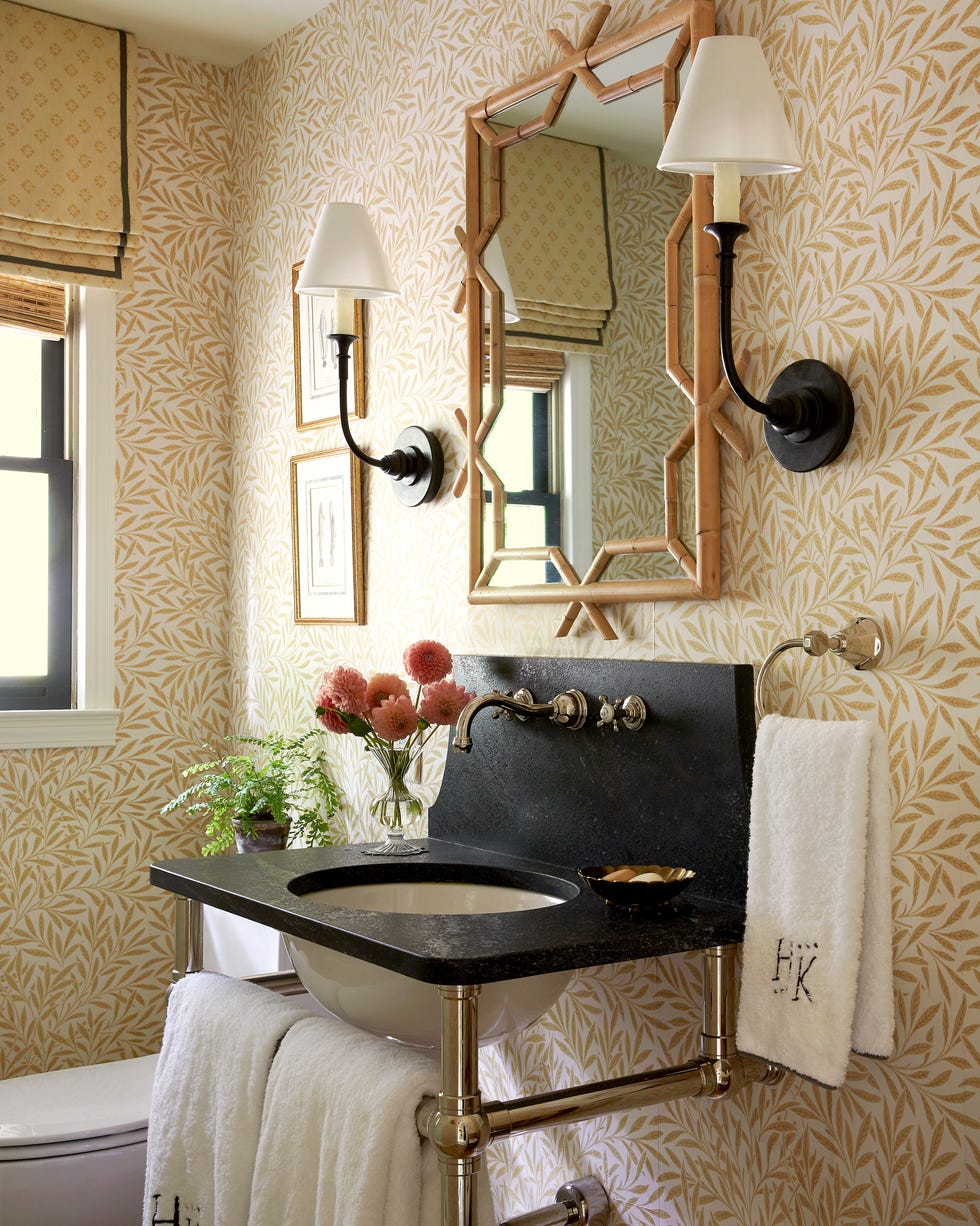
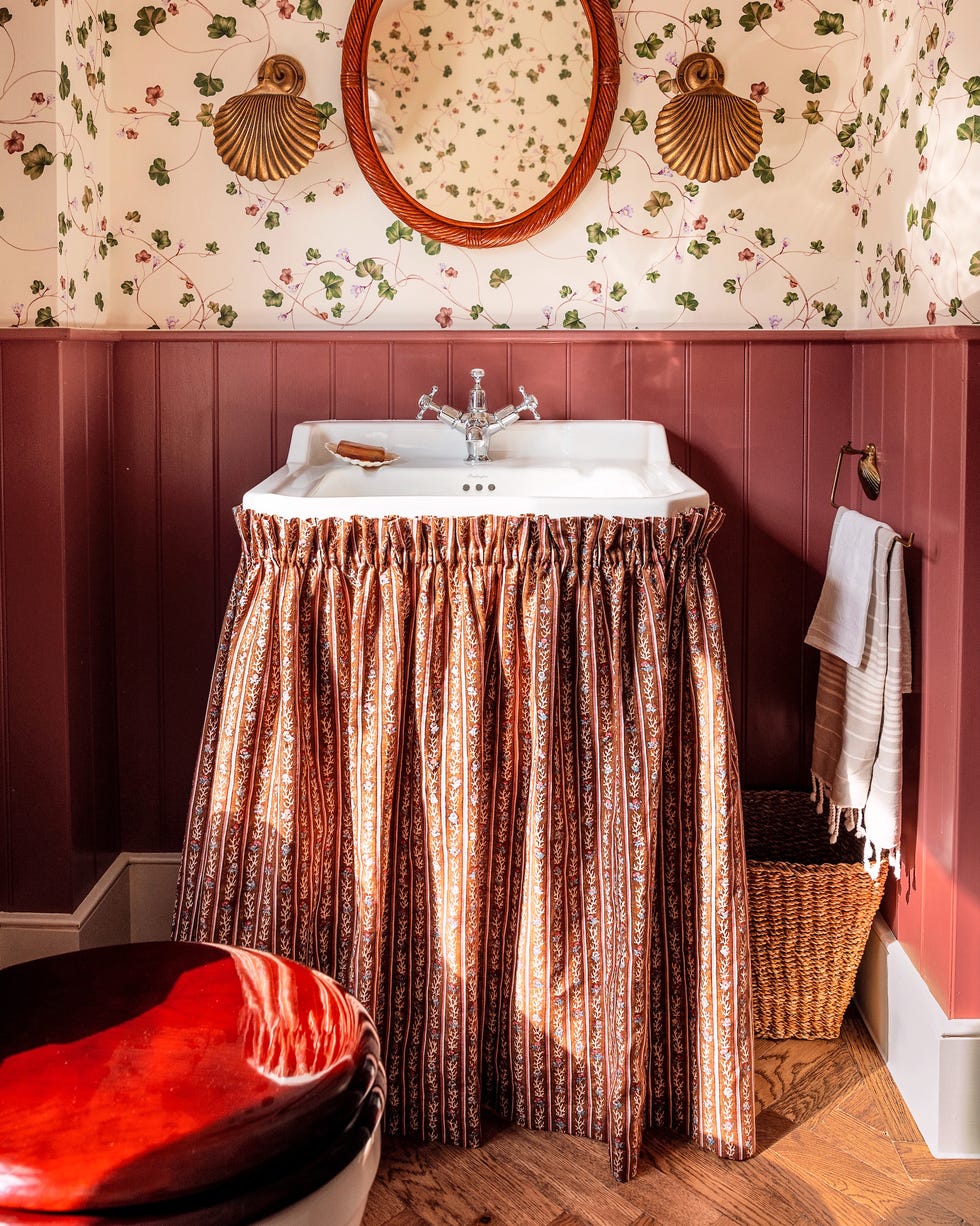
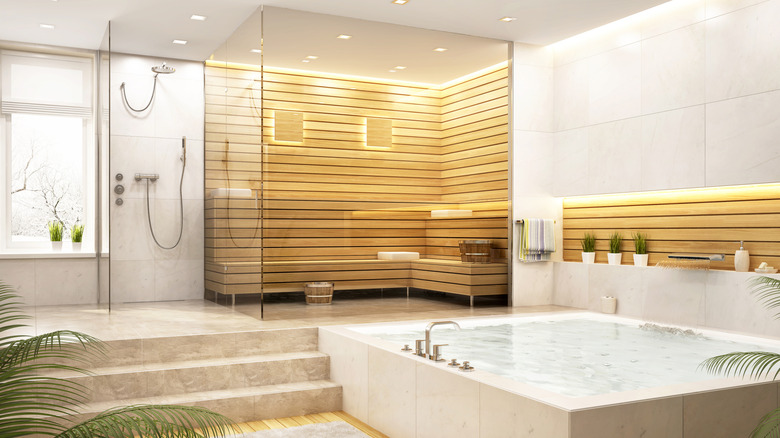
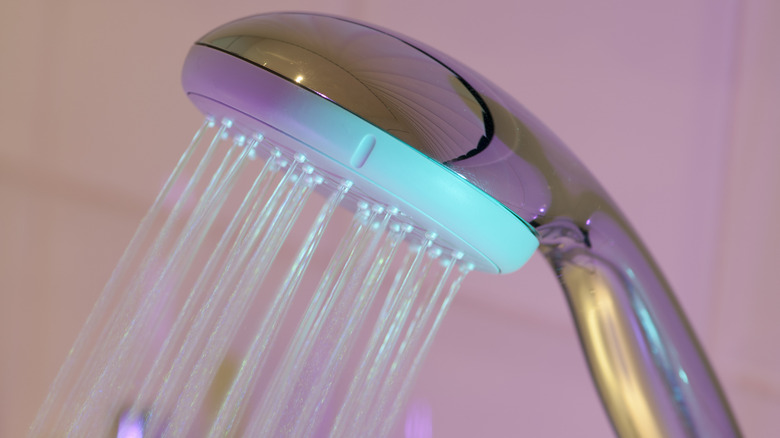
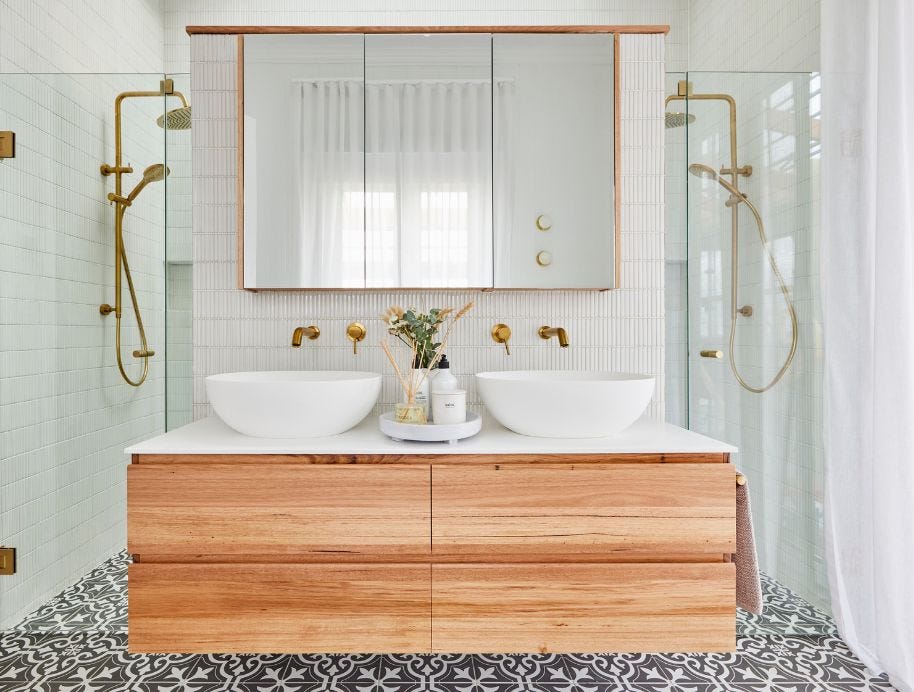
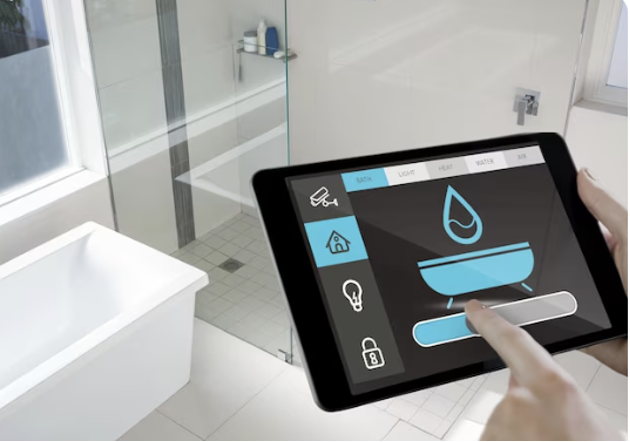
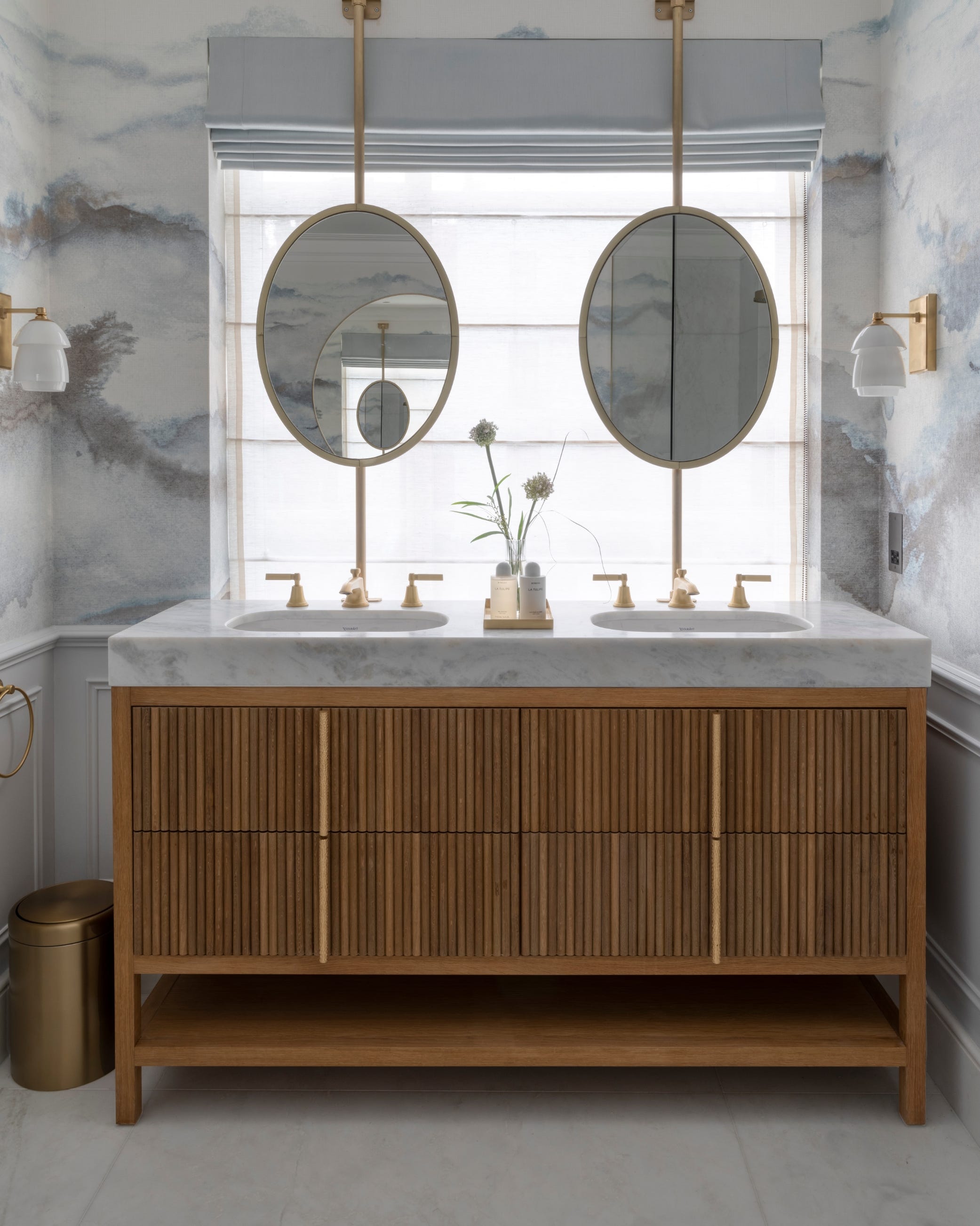
Personalized features are a significant trend, with designers focusing on creating multi-sensory experiences. Brunet incorporates layered lighting, music, home fragrances, and textured finishes. Velasco uses dramatic wallpaper, murals, oversized patterns, and gradient colors to create visual impact. Grubb emphasizes functional storage solutions like slide-outs for toiletries and built-in hampers, which streamline routines and reduce stress. Ireland integrates spa-like amenities such as built-in lockers, benches, saunas, and aromatherapy, along with multiple water features in showers to cater to individual preferences.
A strong health focus is also evident. Ireland designs bathrooms to counteract stress, which is increasingly recognized as a major contributor to illness. She prioritizes understanding clients' lifestyles to simplify and ease their daily routines within their new spaces. Grubb highlights the importance of natural light for wellness, recommending oversized, triple-glazed windows for abundant light and fresh air. He also suggests operable windows and smart glass for privacy and air circulation, promoting an overall sense of openness and well-being.
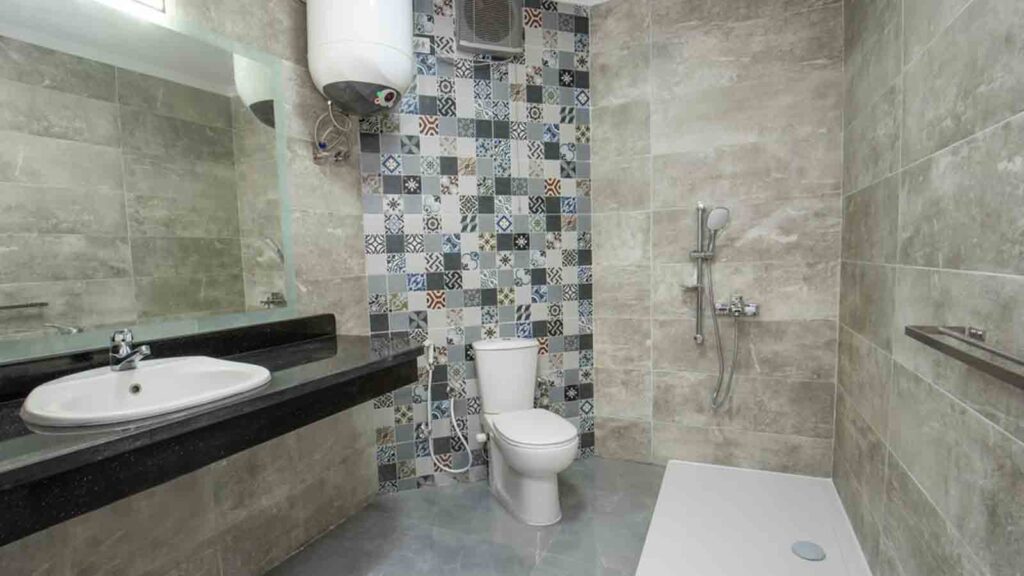
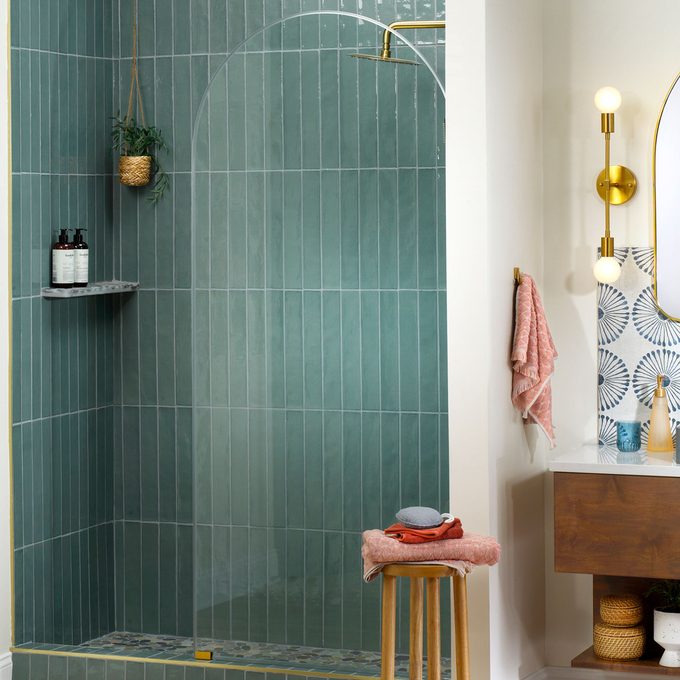
Accessibility is another crucial trend, particularly due to the aging population. Approximately 90% of Ireland's clients consider accessibility features for themselves or aging parents, or due to family members with health issues. She integrates curbless showers, extra-wide entrances, open-concept layouts for wheelchair access, grab bars, bench seats, and lower-height shower trims to promote independence. Brunet notes that blocking for grab bars is often required, and there's a growing interest in zero-entry showers, even in secondary bathrooms, to enhance overall home accessibility. Grubb mentions wall-mount vanities that can be adjusted, integrated towel/grab bars, handheld showerheads, benches, and zero-threshold showers with wider doors, often framed as stylish and comfortable additions rather than just accessibility features.
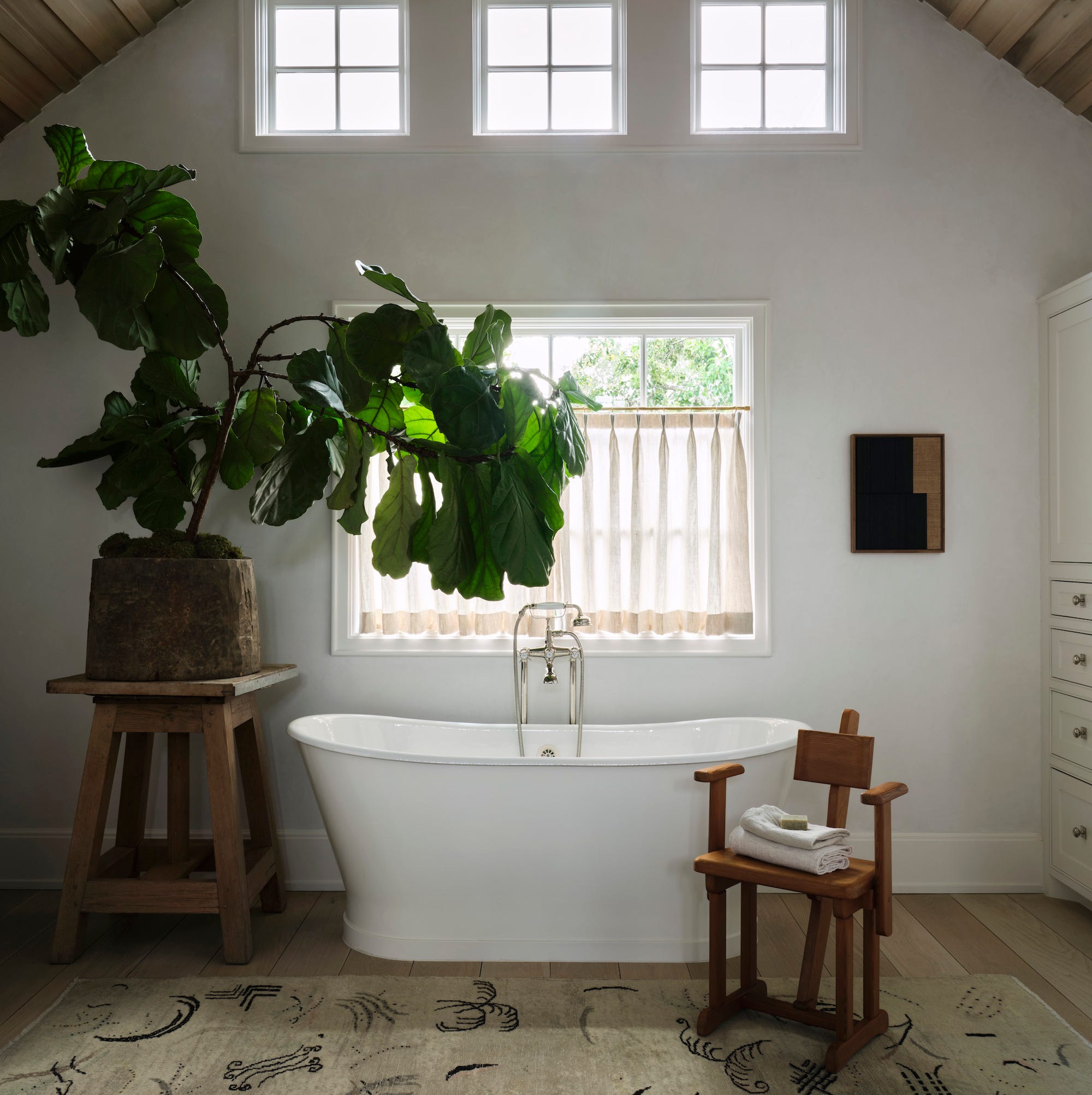
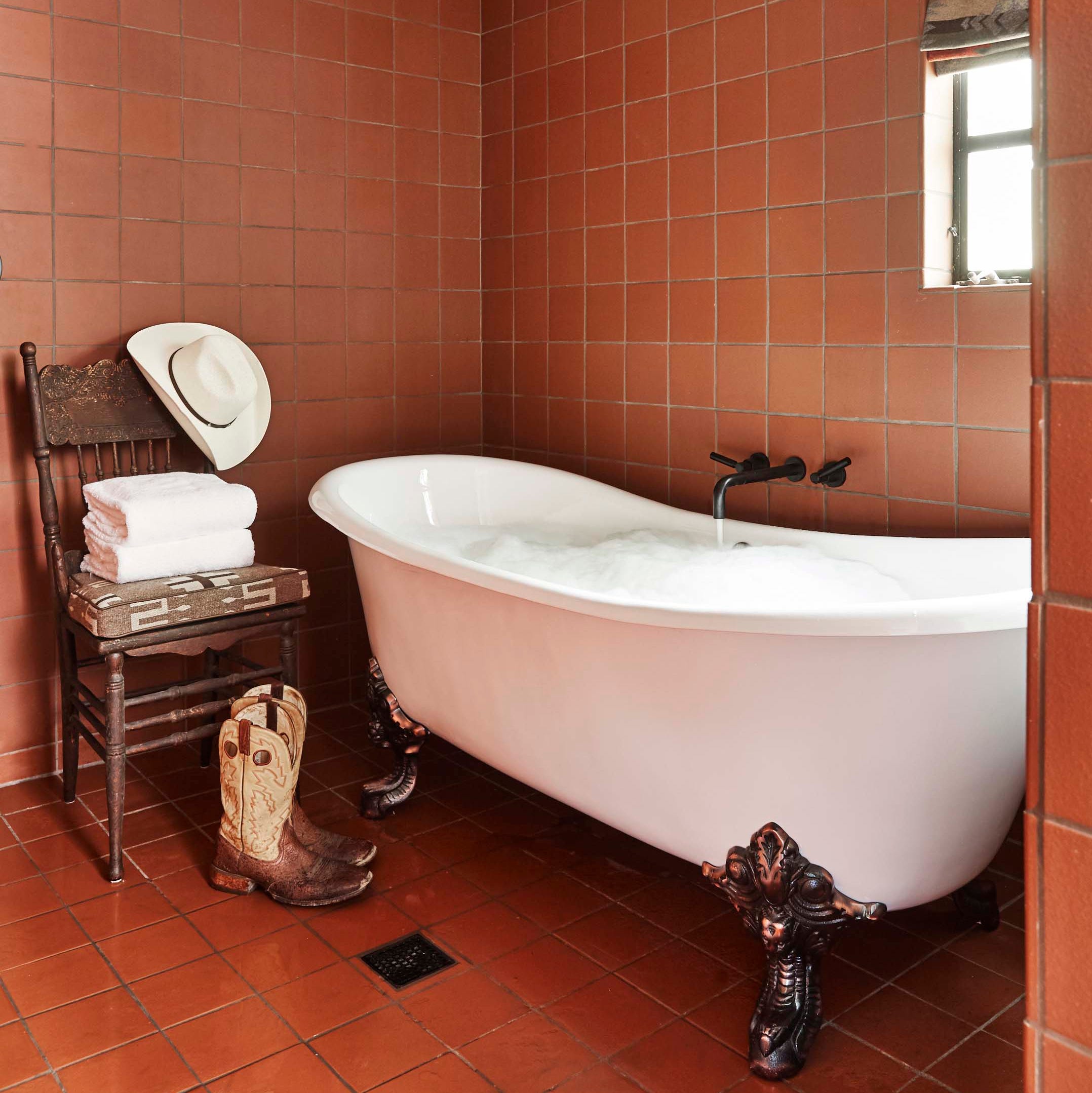
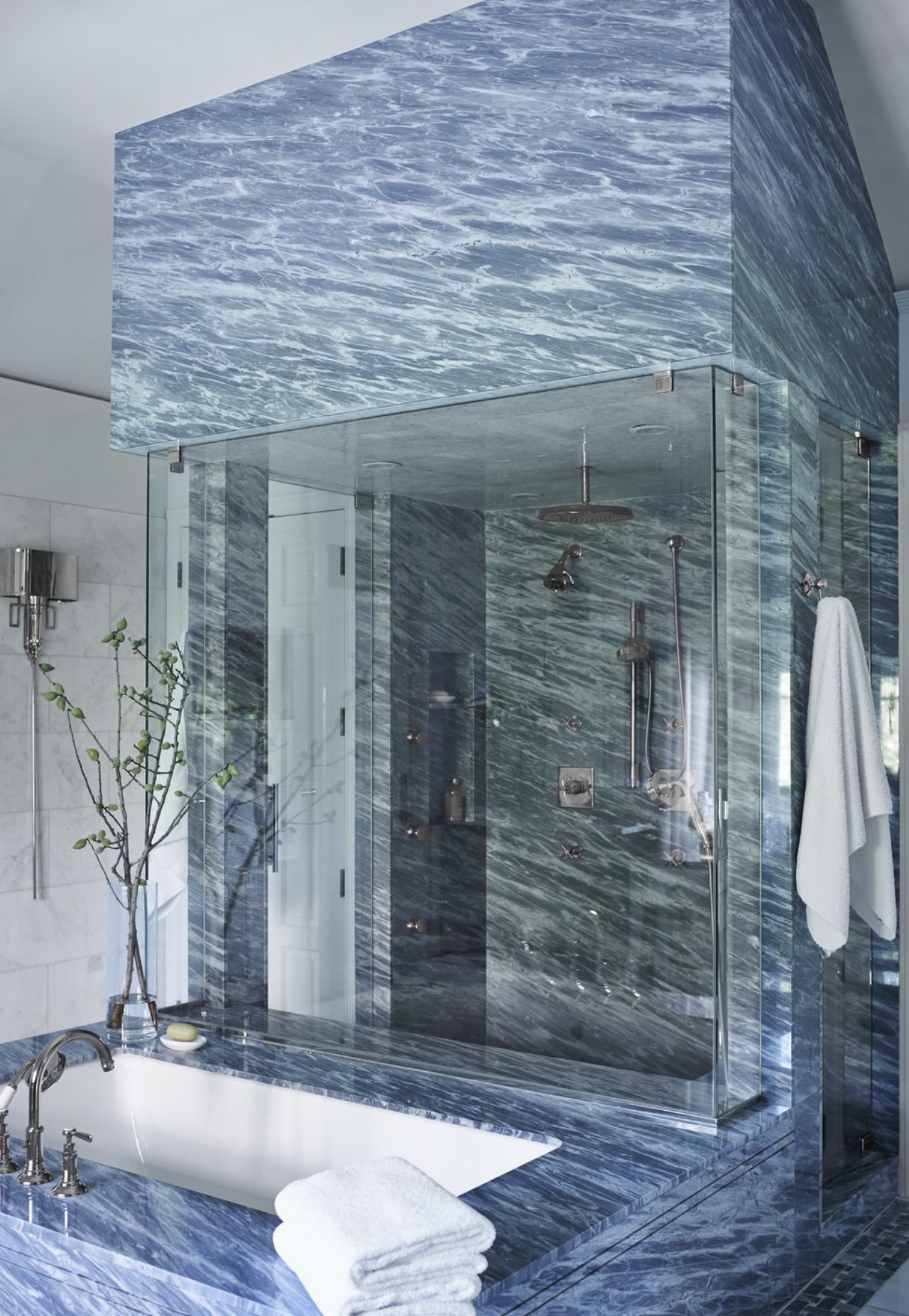
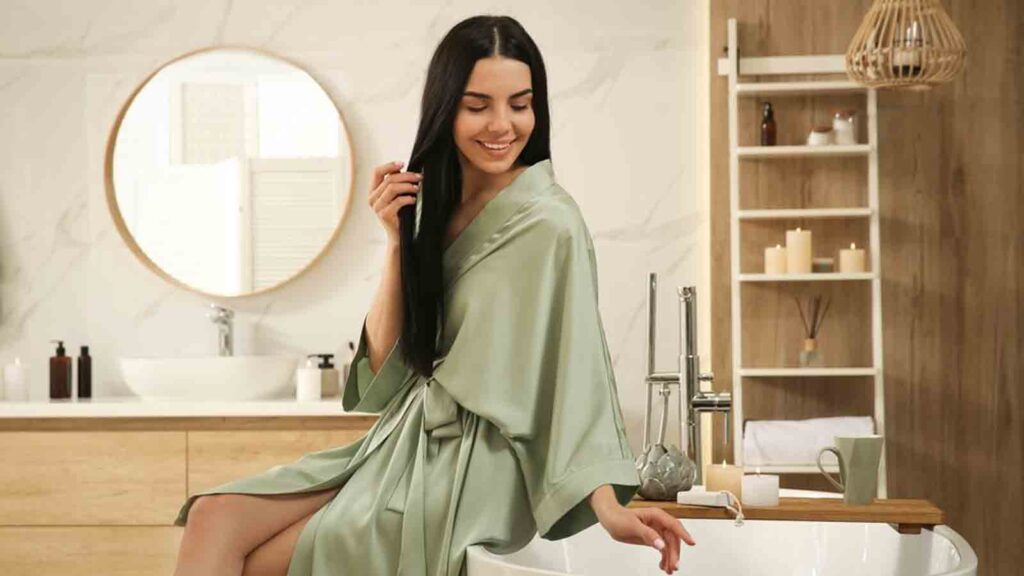
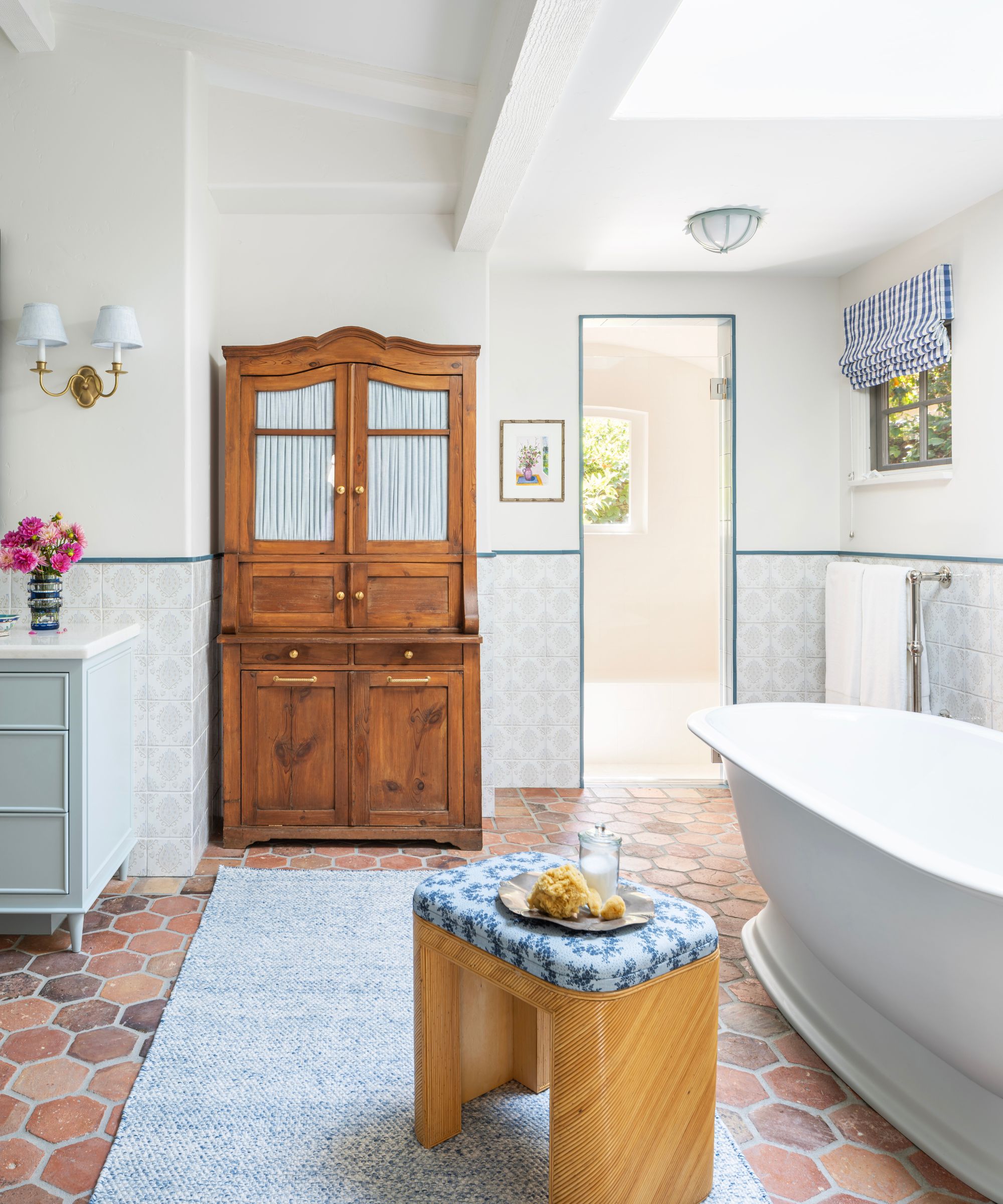
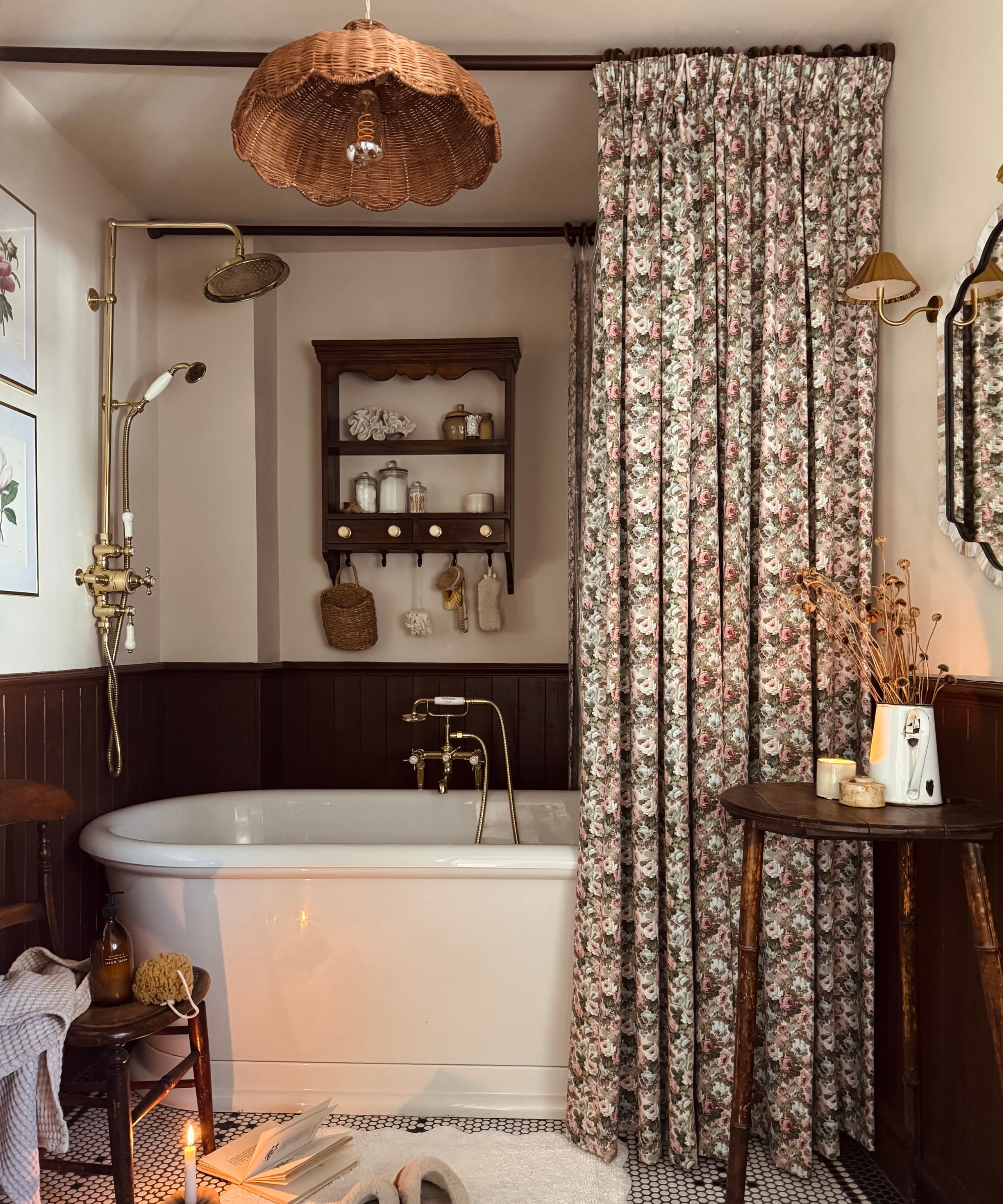
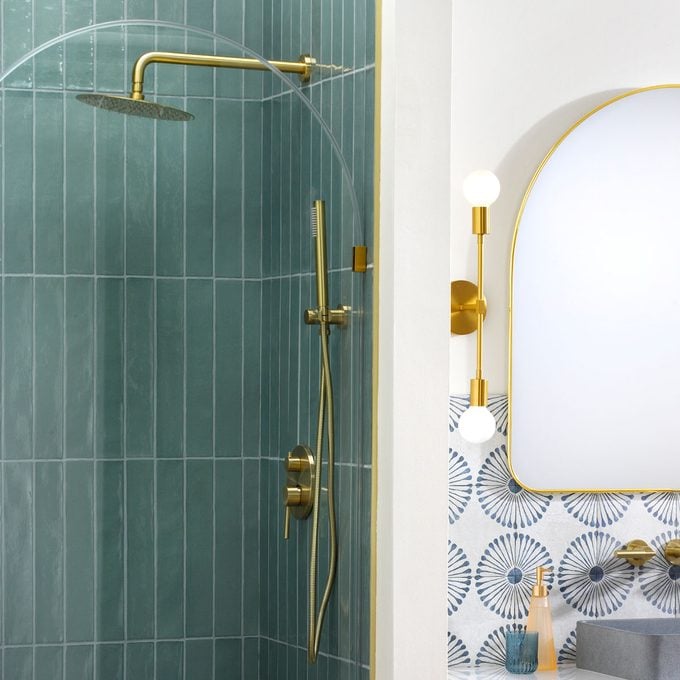
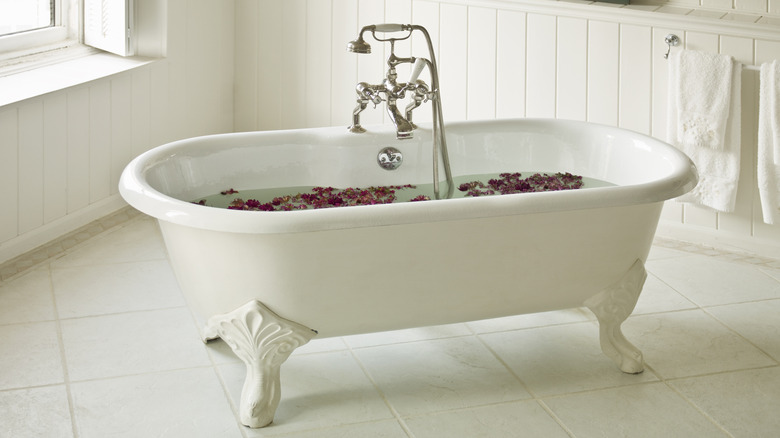
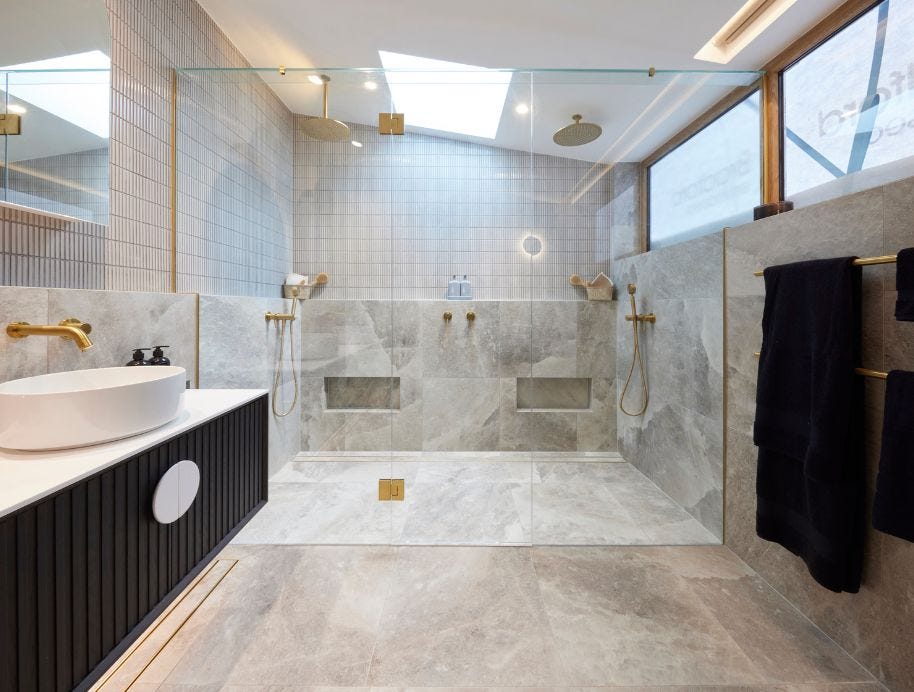
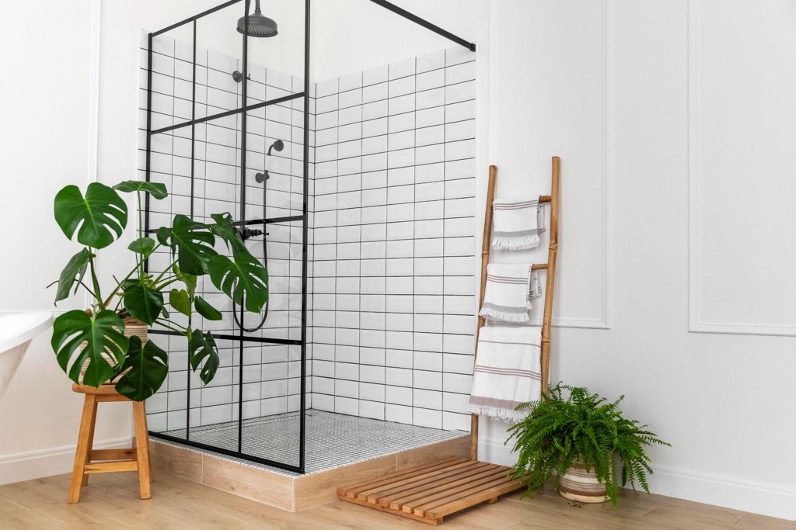
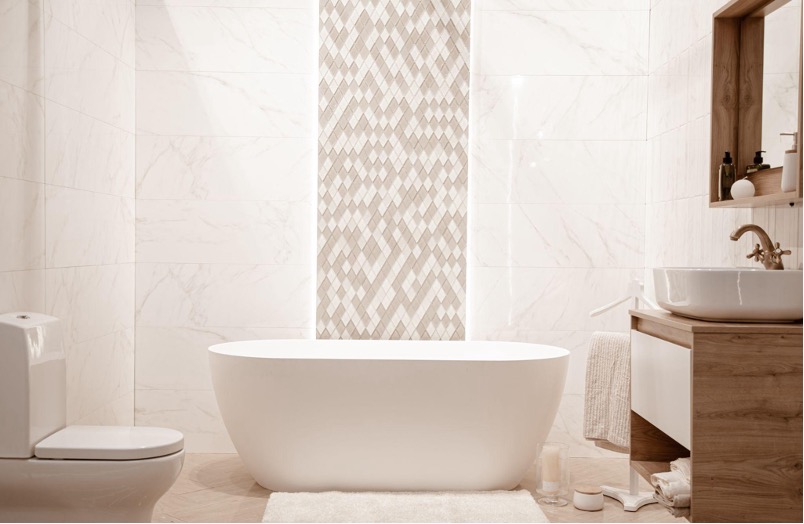
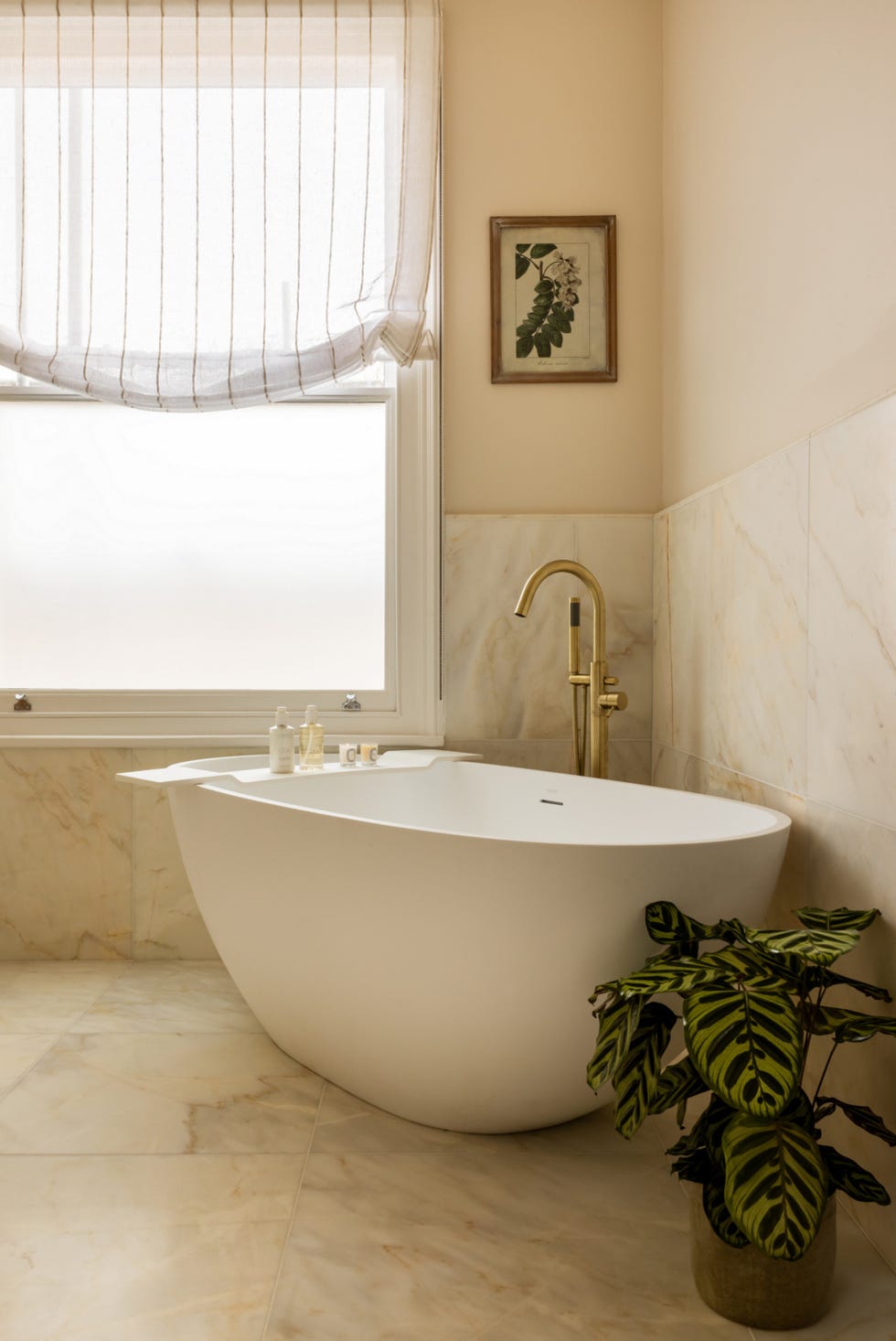
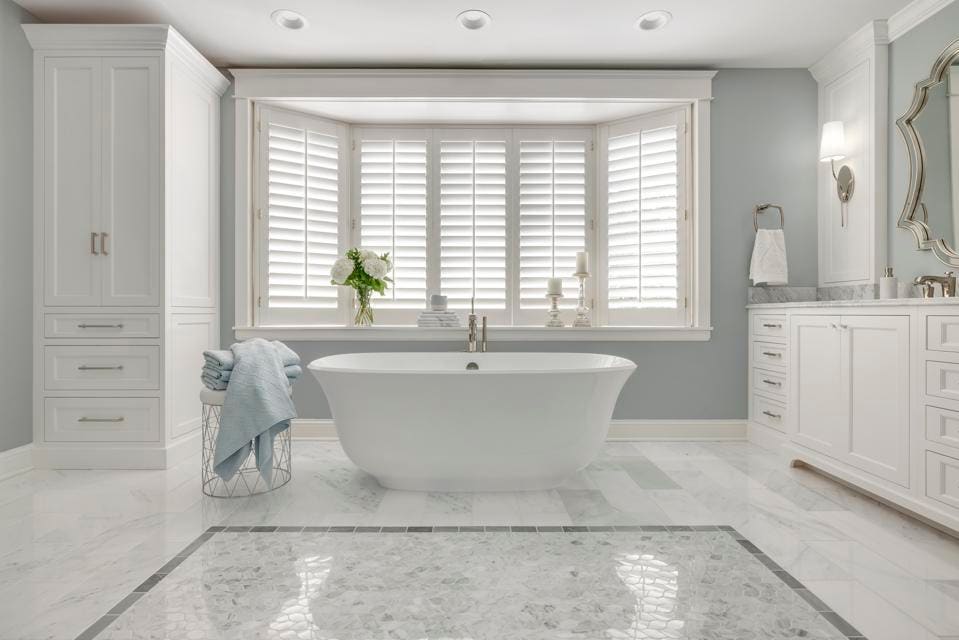
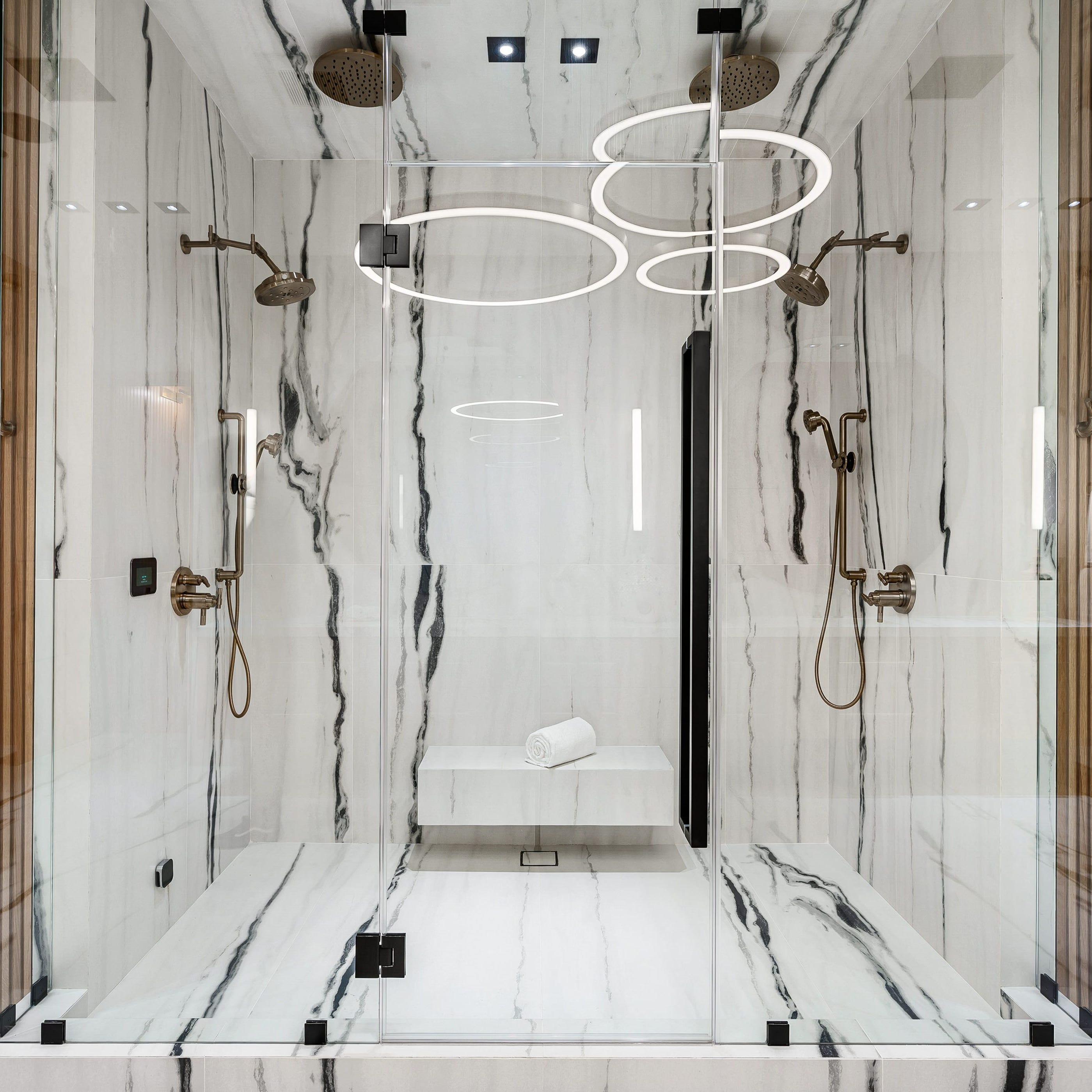
There is a notable shift towards larger showers over traditional tubs. Brunet reports that 85% of remodeling projects involve removing a tub for a more spacious shower, attributing this to time constraints, water conservation, and reduced maintenance. She observes an increase in steam shower installations for health benefits like arthritis and respiratory relief, viewing shower spaces as experiential destinations for relaxation. Grubb's clients consistently request large, spacious showers that accommodate two people, but caution against excessive sizing that might compromise steam shower efficiency. Ireland designs three-zone showers for shared spaces and incorporates spa features like steam, body sprays, and multiple showerheads. Despite this trend, all three designers acknowledge that some clients still desire tubs for visual appeal or the relaxation of soaking.
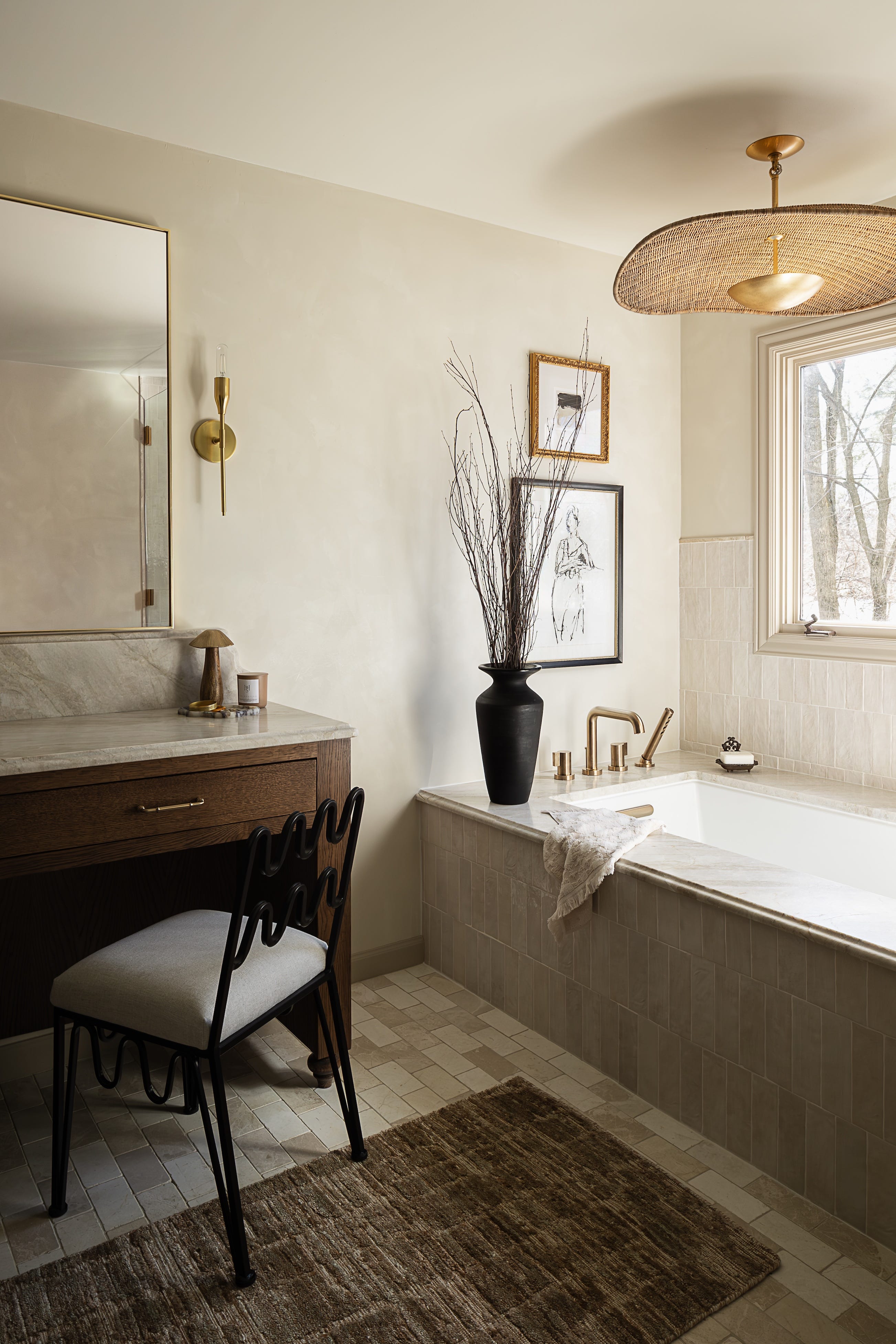
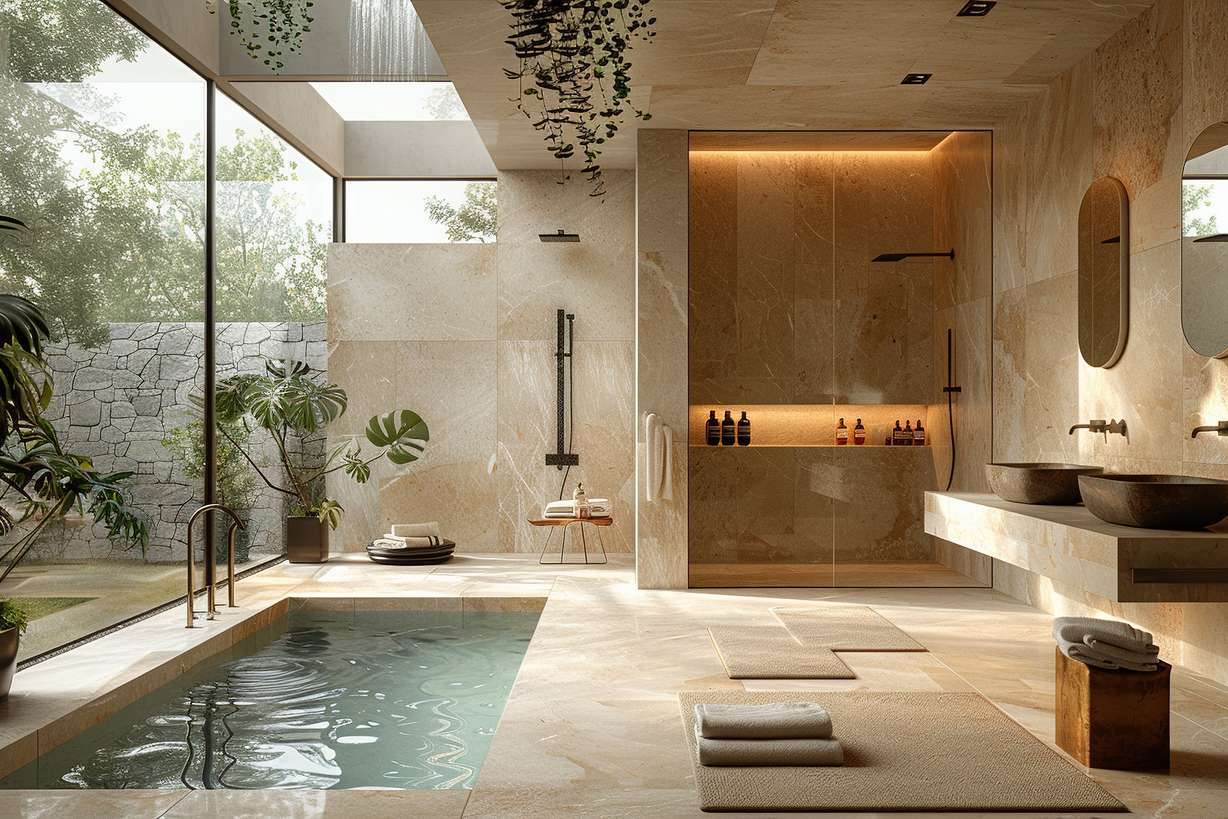
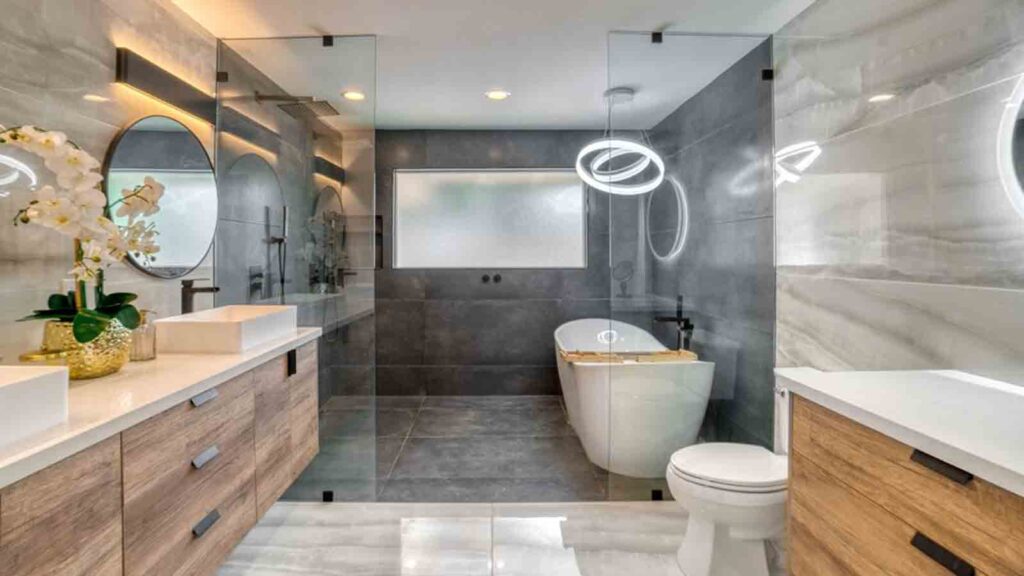
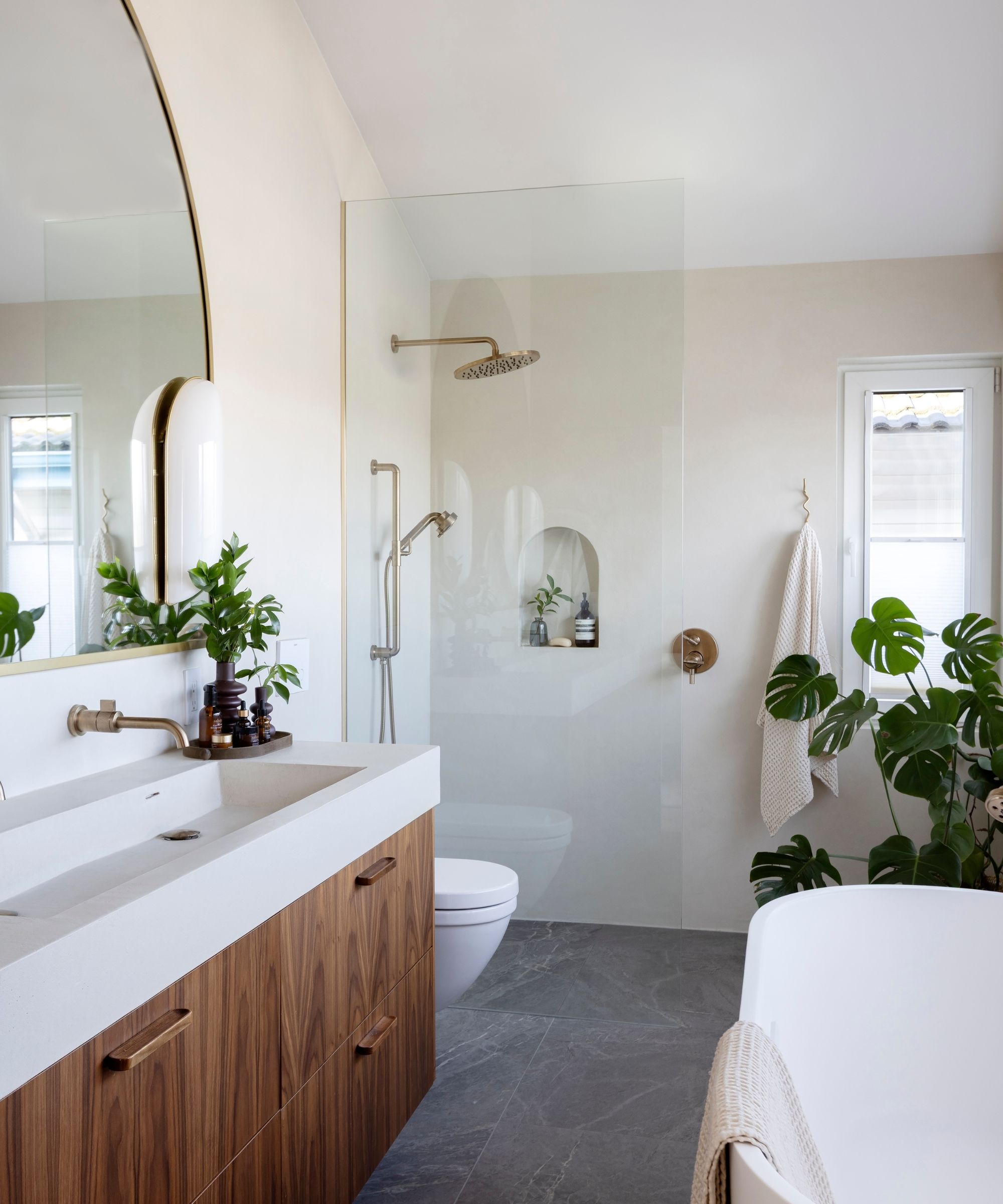
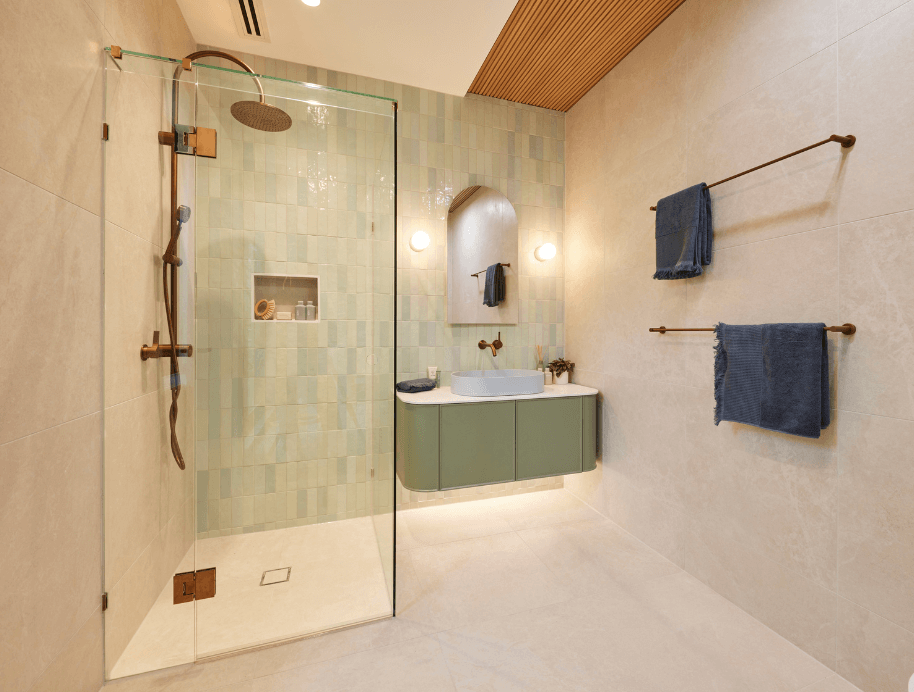
Wet rooms are predicted to remain a strong trend for 2024. Ireland sees wet rooms as providing the spacious, spa-like, and open feel her clients desire, while also preventing water intrusion. Their simplistic design, devoid of disjointed elements, facilitates easier movement and optimal use of space. Velasco notes that wet areas, including both shower and tub, are increasingly designed for more space, natural light, and sensory enjoyment, as families spend more time at home and seek comfort in every area.

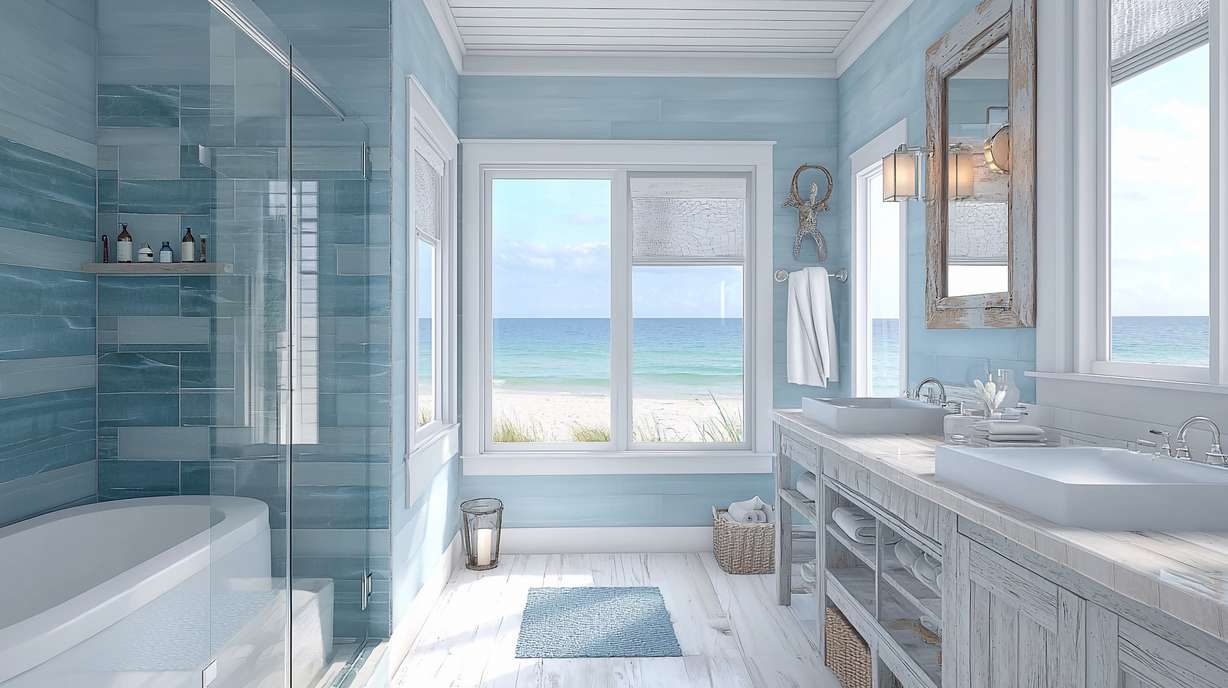

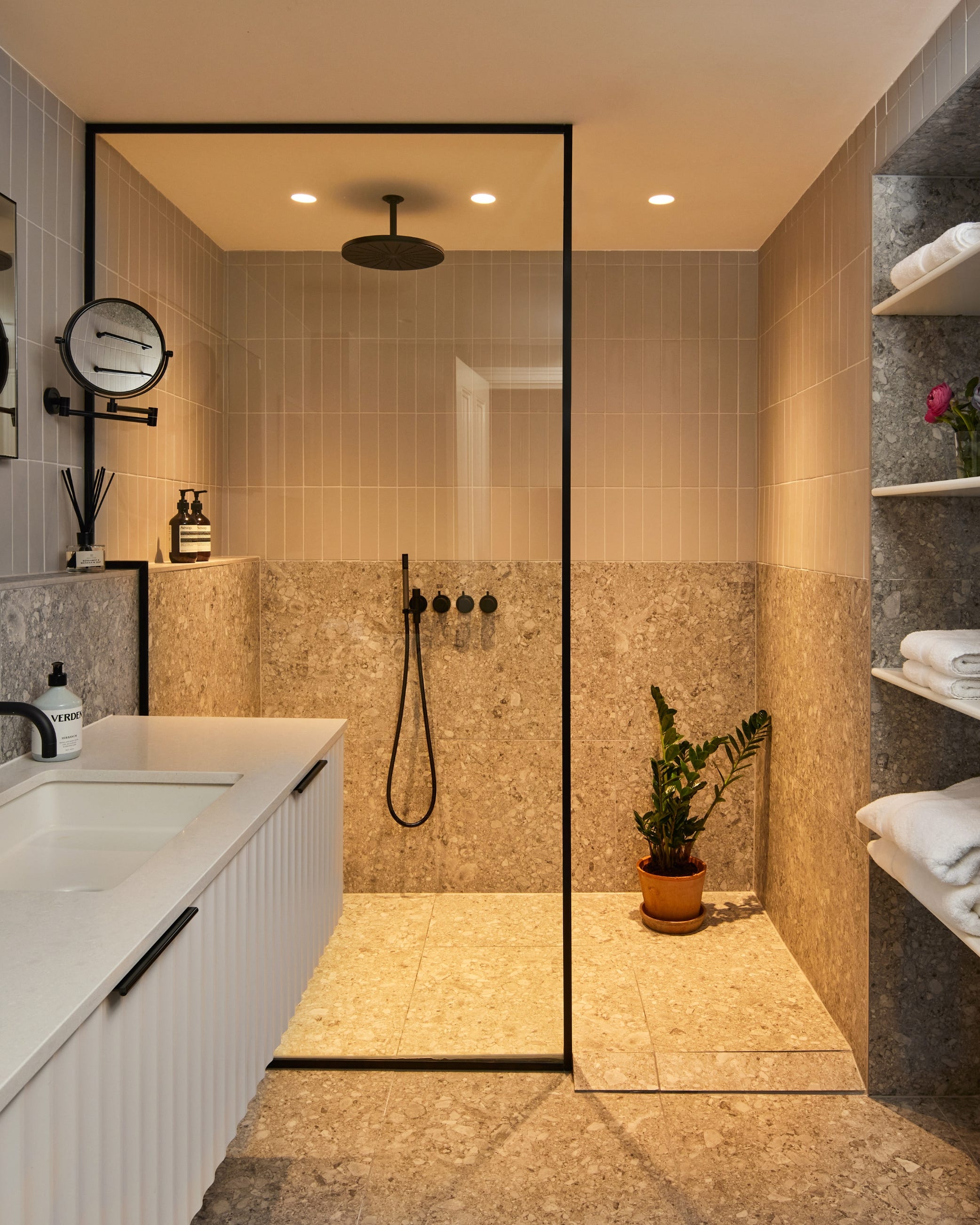
Finally, large-format tile is gaining popularity. Ireland states that about 60% of her clients choose large-format tiles for primary baths, driven by advancements in technology that offer realistic stone looks with lower cost and maintenance. Brunet specifies large-format slabs almost exclusively for their uncluttered appearance, minimal grout lines, ease of cleaning, and luxurious aesthetic in showers and tub surrounds. Grubb also uses oversized porcelain tiles on floors or large tiles to reduce grout lines for clients who prefer modern designs. #BathroomDesign #WellnessDesign #RemodelingTrends #Accessibility #ShowerTrends #WetRooms #LargeFormatTile #HomeImprovement
0 comment in total
 No comments yet
You may also like
Designers Have Spoken: Here Are the Top Bathroom Design Trends for 2026

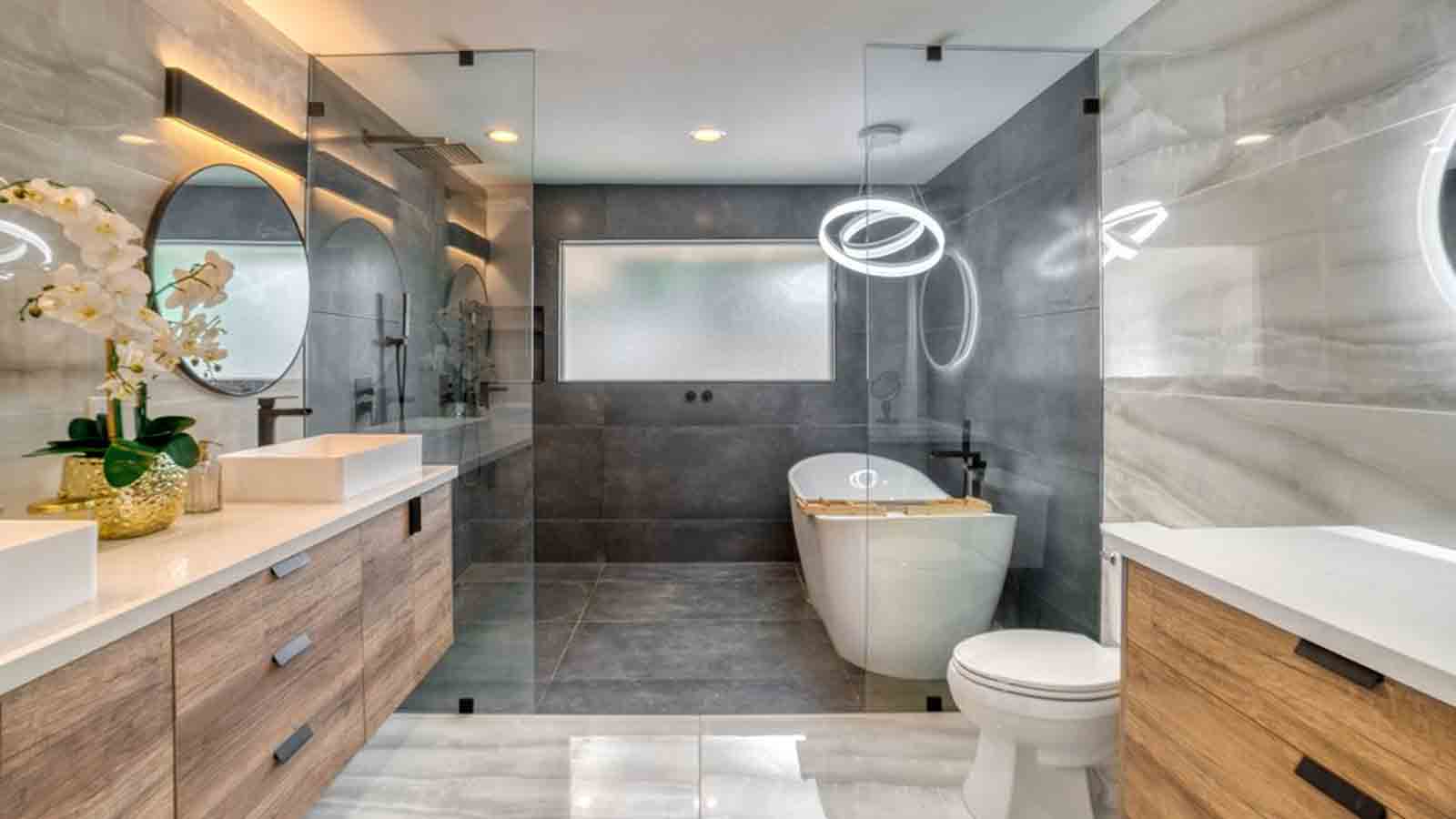
Make sure you know all these bathroom trends in 2024

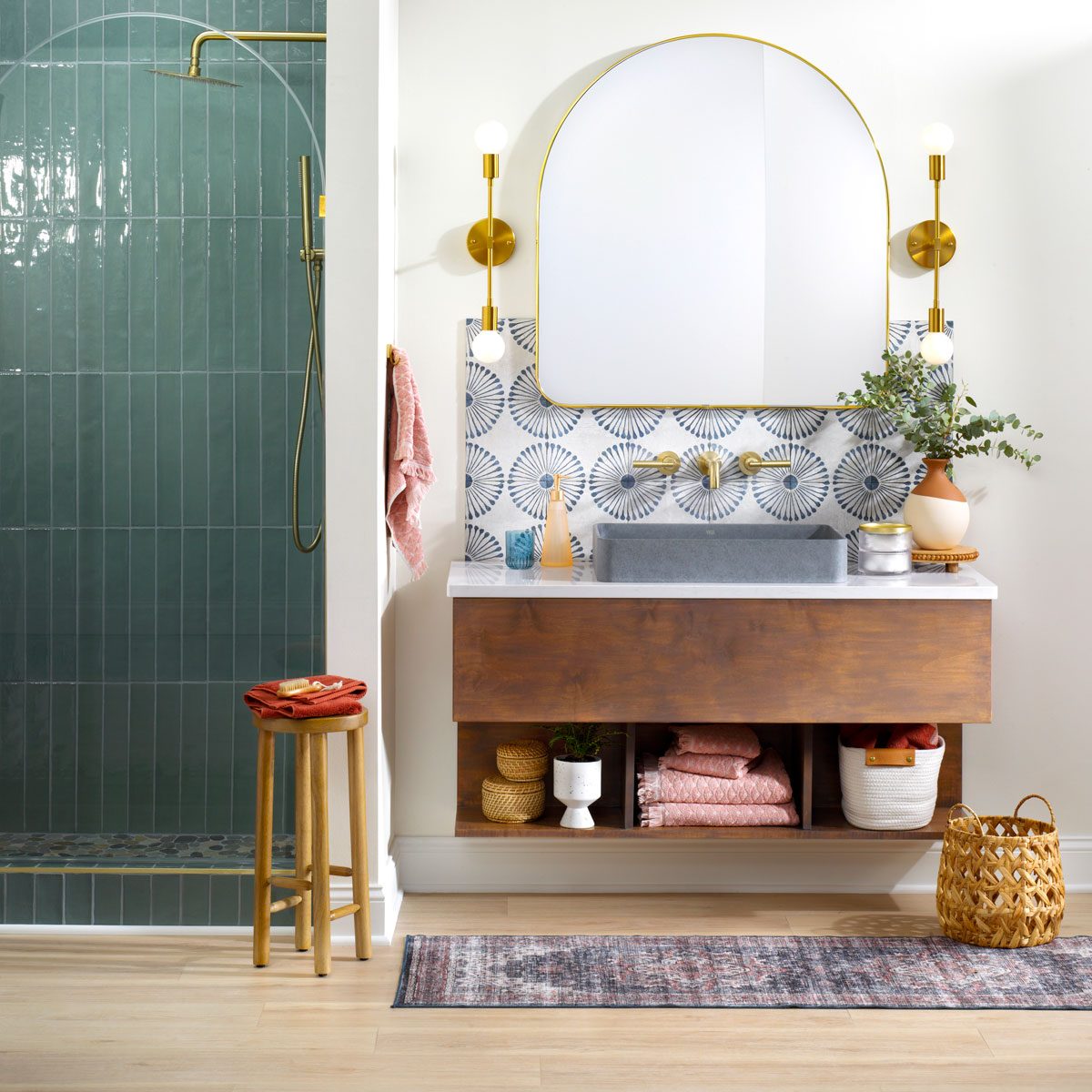
The Top 11 Bathroom Trends of 2024, According to Interior Designers

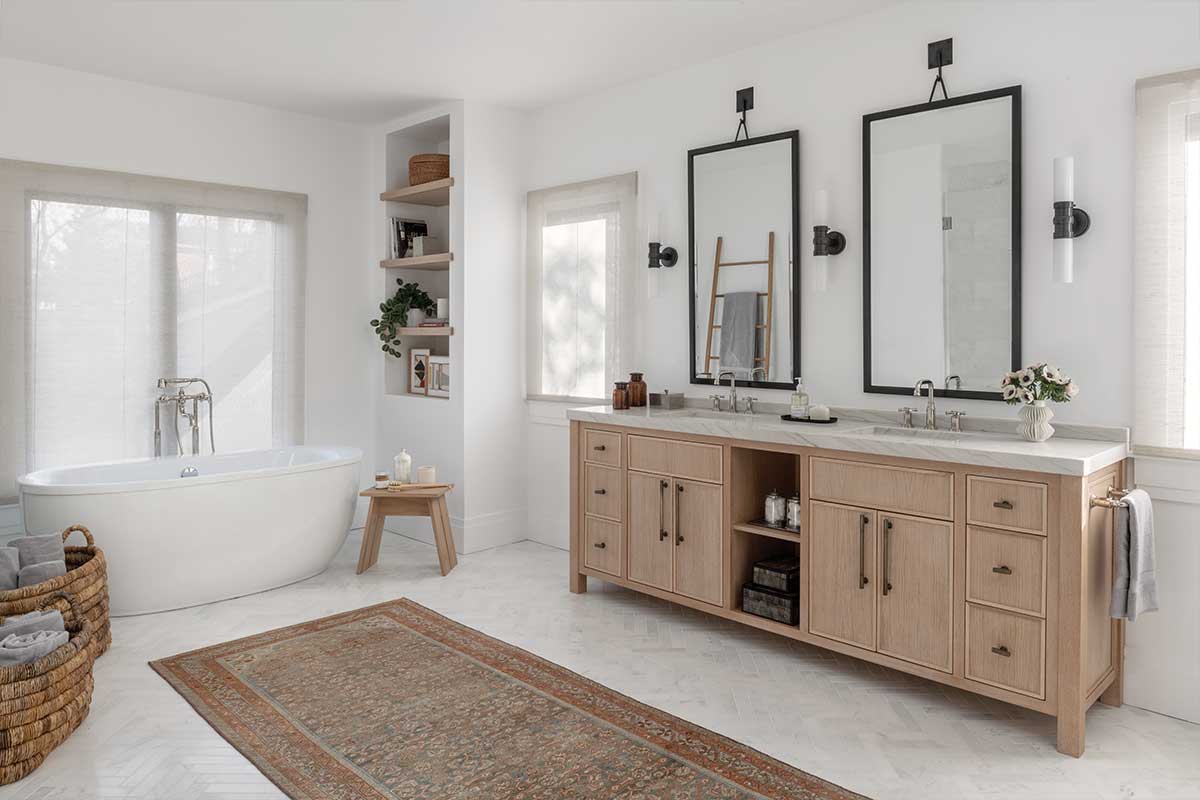
6 Bathroom Trends NoVA Designers Are Incorporating in 2024
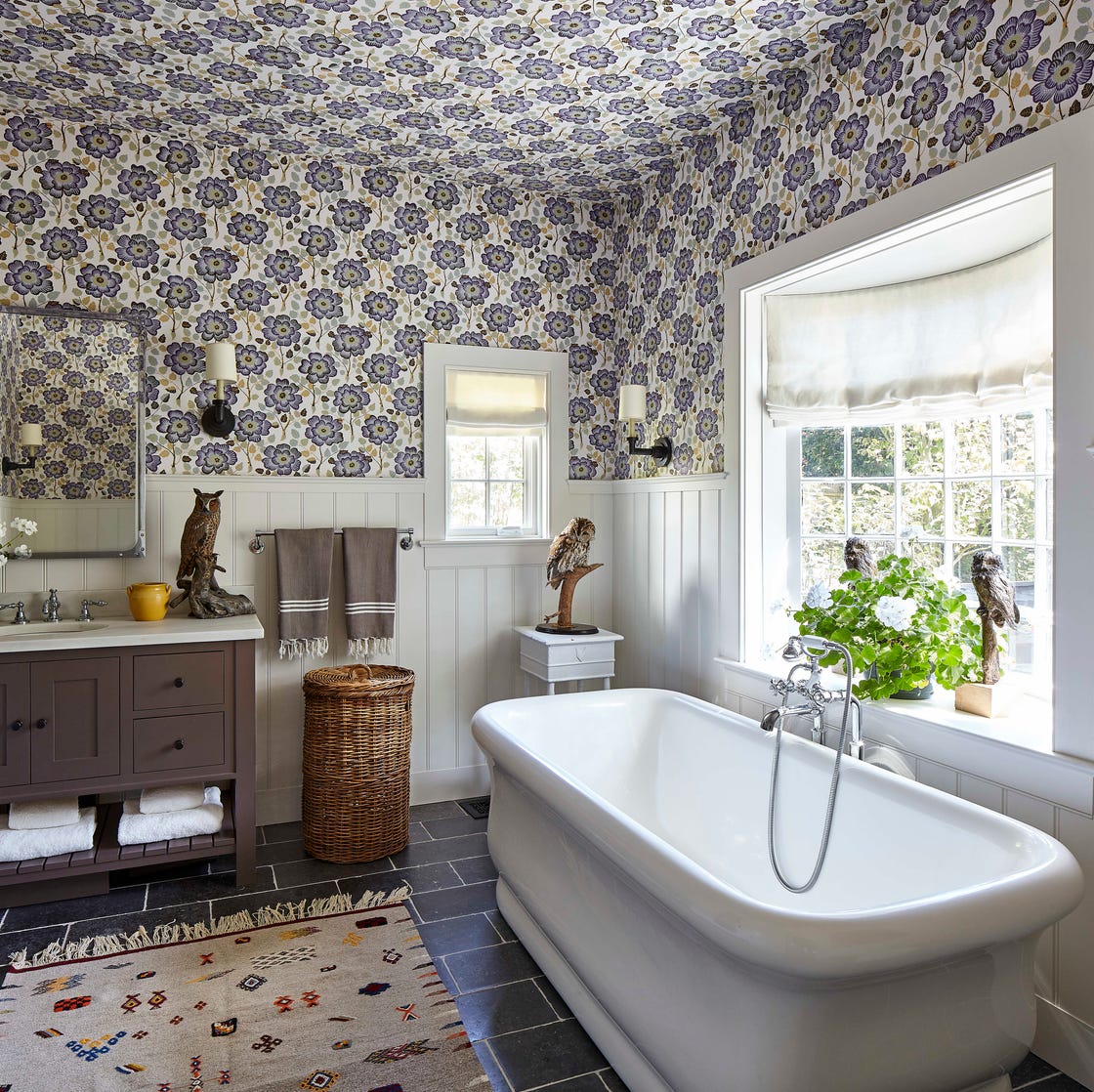
7 Bathroom Trends That Will Dominate in 2024, According to Designers

6 Dated Bathroom Design Elements That are Making a Comeback in 2024

2026 Bathroom Design Trends: Top 6 Takeaways For Your Home

6 bathroom trends that will lead the way in 2023
Top bathroom design trends in 2025
6 Bathroom Trends Designers Are Loving for 2026 (And You Will Too)

All The Bathroom Trends That Will Be Taking Over In 2026

The Art of Elegance in Bathroom Design: Embracing the 6 Trends of the 2024 Aesthetic

Five Tech Trends To Boost 2024 Wellness-Related Bathroom Design
5 Bathroom Design Trends Already Taking Over in 2026
2025 Best Bathroom Trends
6 Biggest Bathroom Trends Of 2025 – From Walk-In Showers To Double Basins

7 Shower Trends That Are Setting the Tone for Relaxing, Creative Bathrooms in 2024
According to interior designers, these are the most coveted bathroom trends for 2026 and beyond
6 Bathroom Trends Designers Can't Wait to Say Goodbye to in 2026

Top Bathroom Design Trends for 2025