1/11
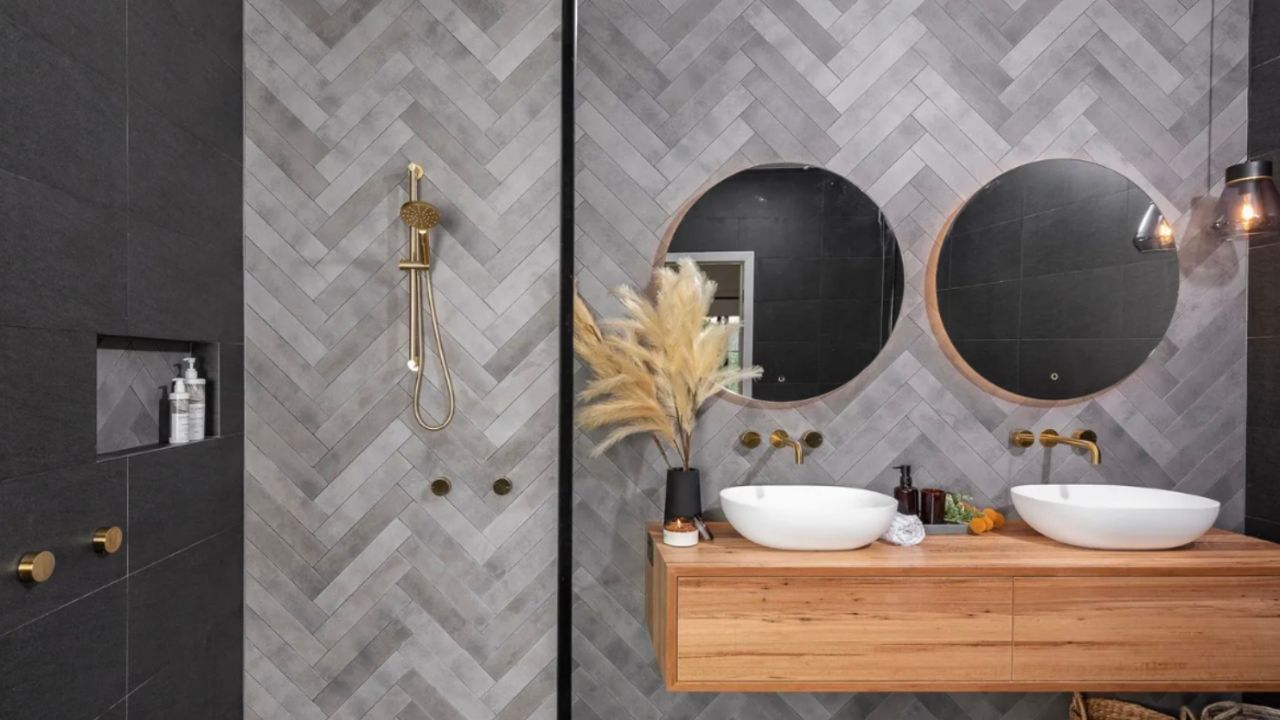
14 Bathroom Updates for Now and Later as You Age in Place
The bathroom presents a significant risk for falls, particularly for older adults due to factors such as decreased mobility, reduced eyesight, and muscle weakness. Over 10% of adults aged 65 and older experience fall-related injuries annually, with many occurring in the home, especially in bathrooms with their slippery surfaces and hard fixtures. This article highlights the importance of proactive bathroom design upgrades to enhance safety and accessibility, aligning with the concept of 'aging in place' and universal design principles. Experts emphasize that these upgrades are not merely for fall prevention but are essential for creating a flexible space that accommodates changing needs over time, making a home 'life-proof' regardless of age or physical condition.
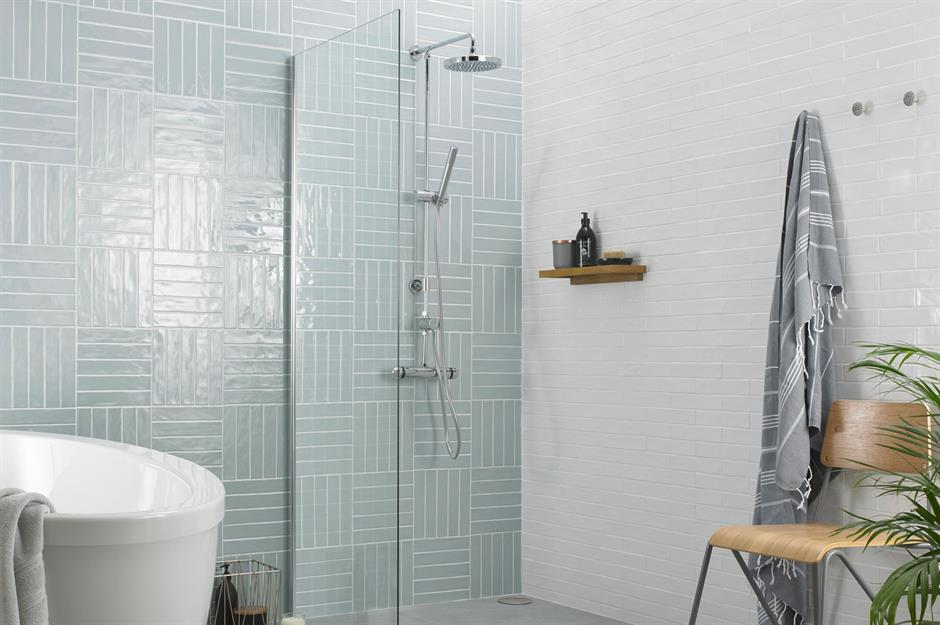
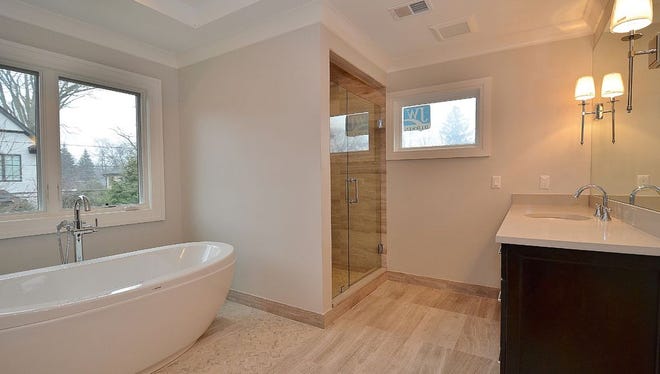
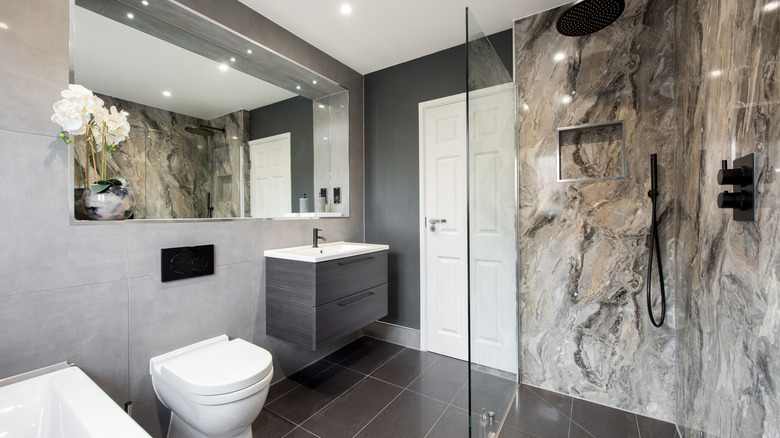
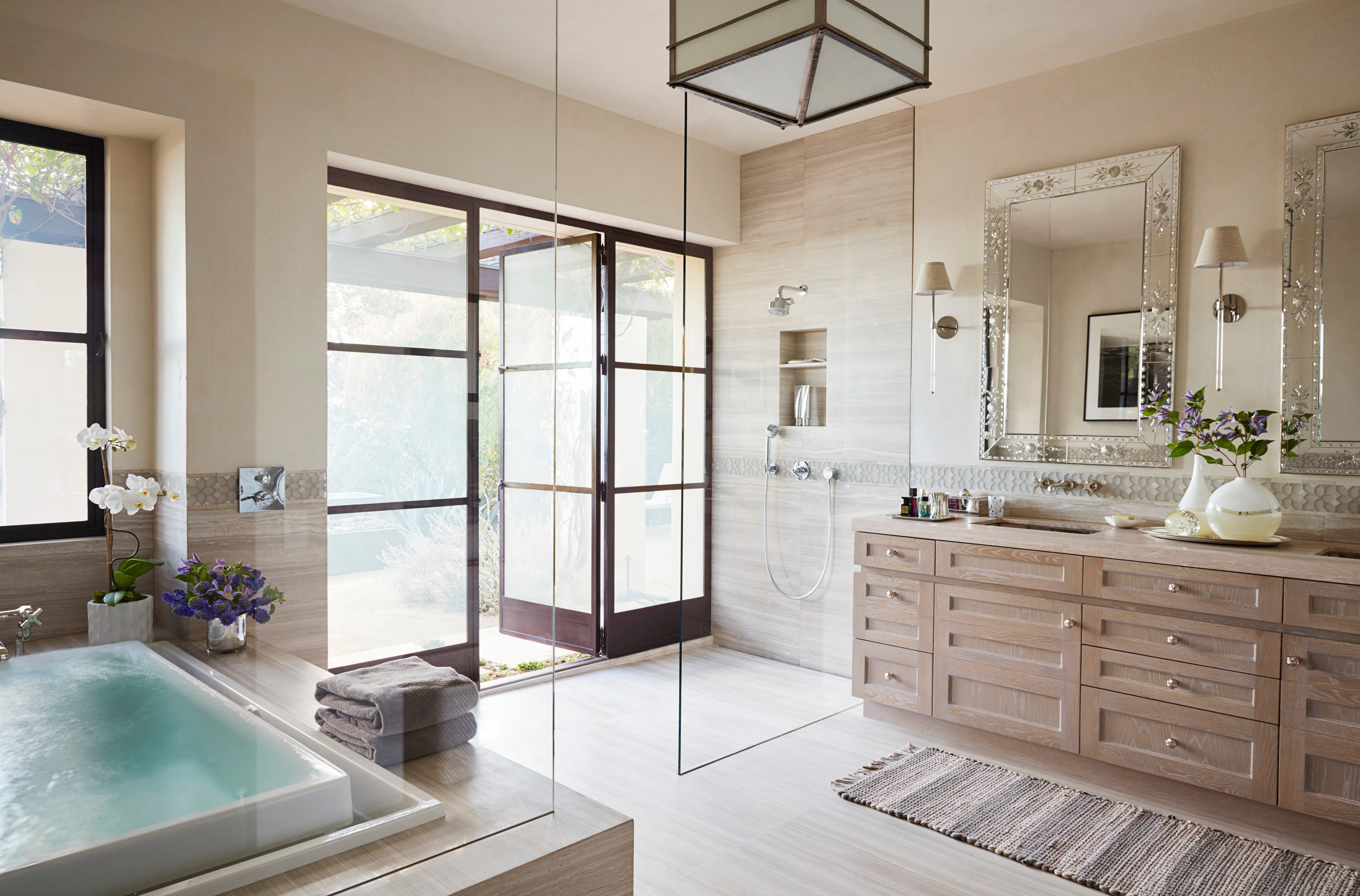
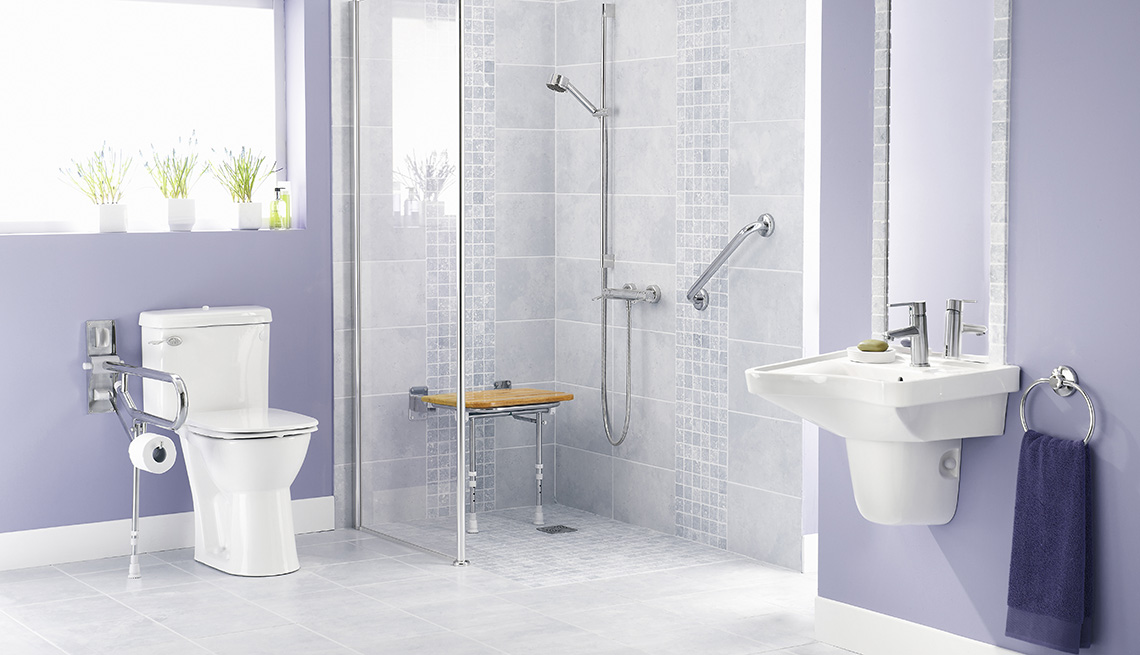
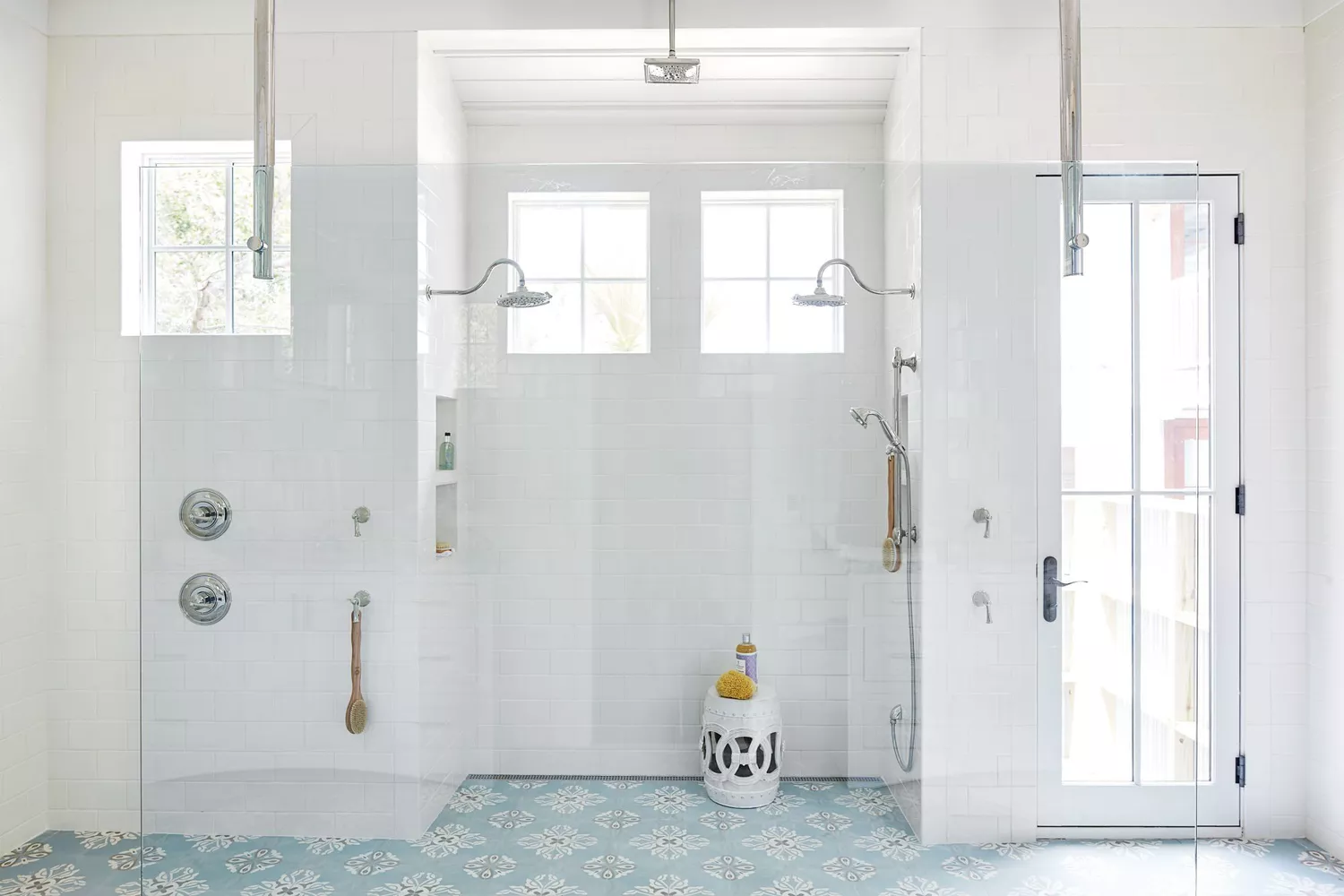
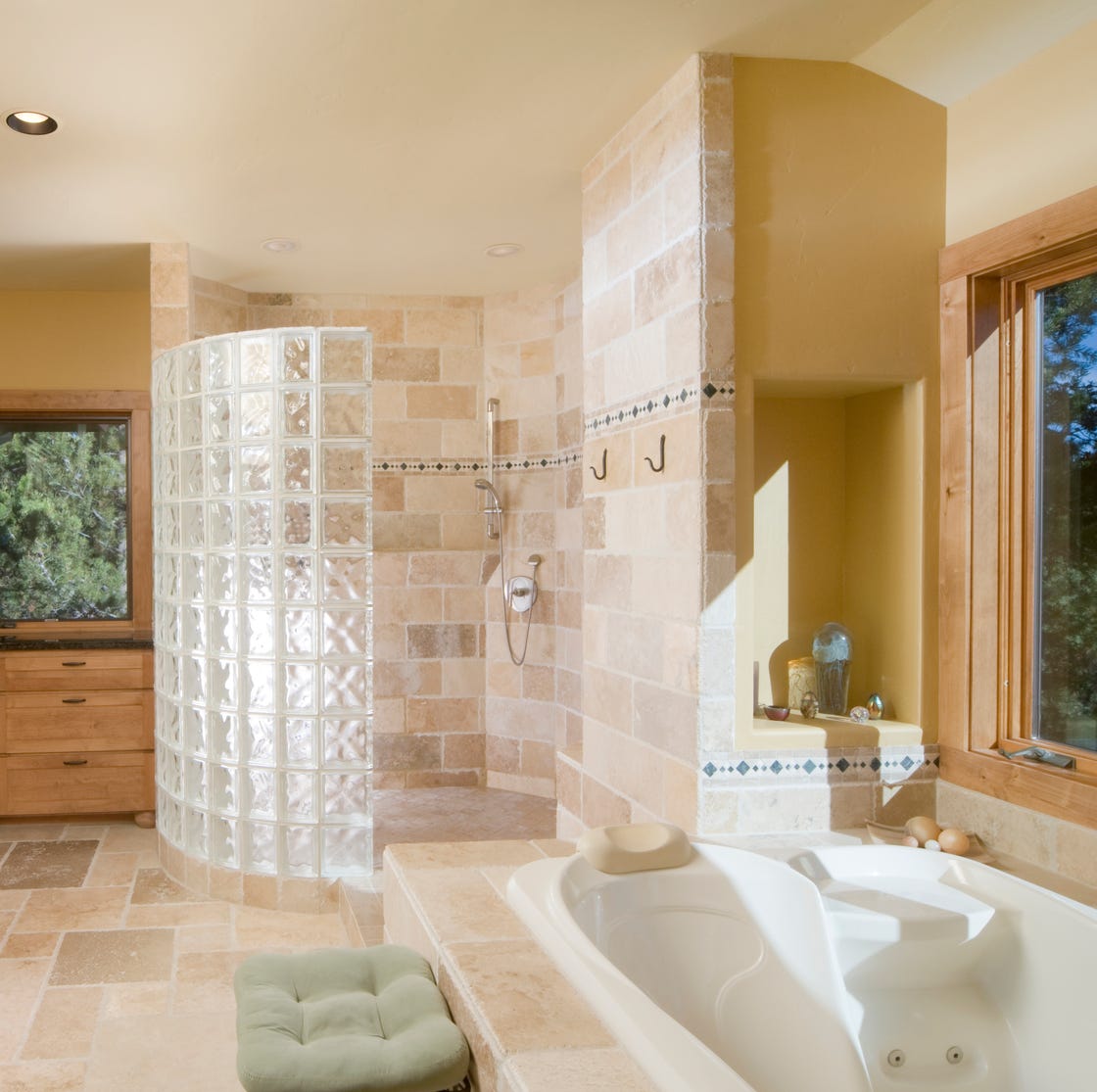
The article outlines 14 specific ideas for bathroom renovations, categorized into bathing, toilet, flooring, smart technology, and lighting solutions. For bathing, recommendations include installing a handheld shower sprayer for increased agility, adding a built-in bench or portable chair in the shower for support, and opting for curbless showers to eliminate tripping hazards. Curbless showers, while beneficial for wheelchair users, primarily serve to prevent falls for anyone with balance or fatigue issues. For those who still prefer baths, walk-in bathtubs are presented as a viable option, offering hydrotherapy benefits and improved accessibility within standard bathroom footprints.
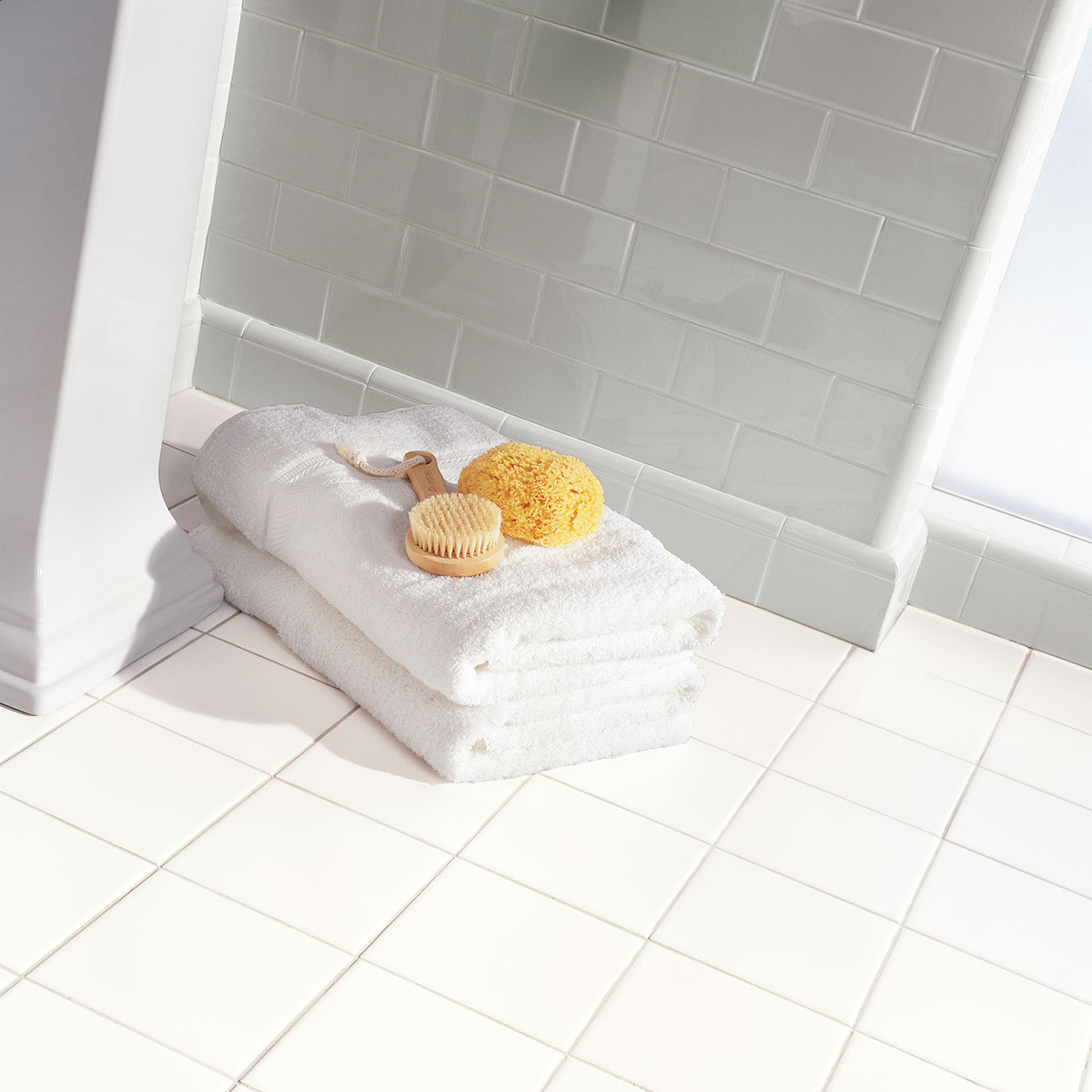
Regarding toilet features, the article suggests bidet toilets, which have gained popularity for hygiene and independence, often coming with features like heated seats and nightlights. Another practical upgrade is the comfort height toilet, which is slightly taller than traditional models, making it easier for older adults or individuals with back and knee pain to sit and stand. To address floor safety, the importance of slip-resistant floor tiles with a coefficient of friction (COF) rating of at least 0.42 for wet areas is highlighted, reflecting recent industry revisions aimed at reducing slips and falls.
The integration of smart technology is also discussed, with examples including motorized window coverings controlled by voice or apps, touch- or motion-activated faucets for ease of use, and humidity- or motion-sensing exhaust fans to manage moisture and prevent mold. These technologies contribute to both convenience and safety. Finally, lighting is crucial; the article advocates for layered lighting with dimmers to ensure adequate visibility for wet floors while allowing for adjustable intensity. Circadian lighting systems are also mentioned for their potential benefits in regulating sleep patterns, especially for individuals experiencing sleep difficulties. The overall message is to approach bathroom design with a long-term perspective, making choices that ensure safety, comfort, and independence for years to come.
#BathroomUpgrades #AgingInPlace #FallPrevention #HomeSafety #UniversalDesign #AccessibleBathroom #SmartHome #HomeRenovation #MobilityAid #BathroomUpgrades #AgingInPlace #FallPrevention #HomeSafety #UniversalDesign #AccessibleBathroom #SmartHome #HomeRenovation #MobilityAid
0 comment in total
 No comments yet
You may also like
Timeless bathroom trends that won't date in a hurry | loveproperty.com
The Latest Bathroom Trends Are Indulgent—and Totally Worth It

24 bathroom decor ideas for your next refresh
These 7 Trends Are Dating Your Bathroom Big-Time

Bathroom Decor Items That Will Look Severely Outdated In 2025
Bathroom Trends
7 Bathroom Trends Designers Are Leaving Behind In 2026
17 GLARING Signs Your Bathroom is Outdated, According to Designers

7 luxurious bathroom updates to do right now

11 Outdated Bathroom Trends We're Retiring In 2024
The 5 Biggest Bathroom Trends for 2023, According to Designers
15 of the Best Bathrooms We Saw All Year
Five bathroom updates that will help your space stand the test of time

Once-Trending Bathroom Designs That Are Being Replaced In 2025

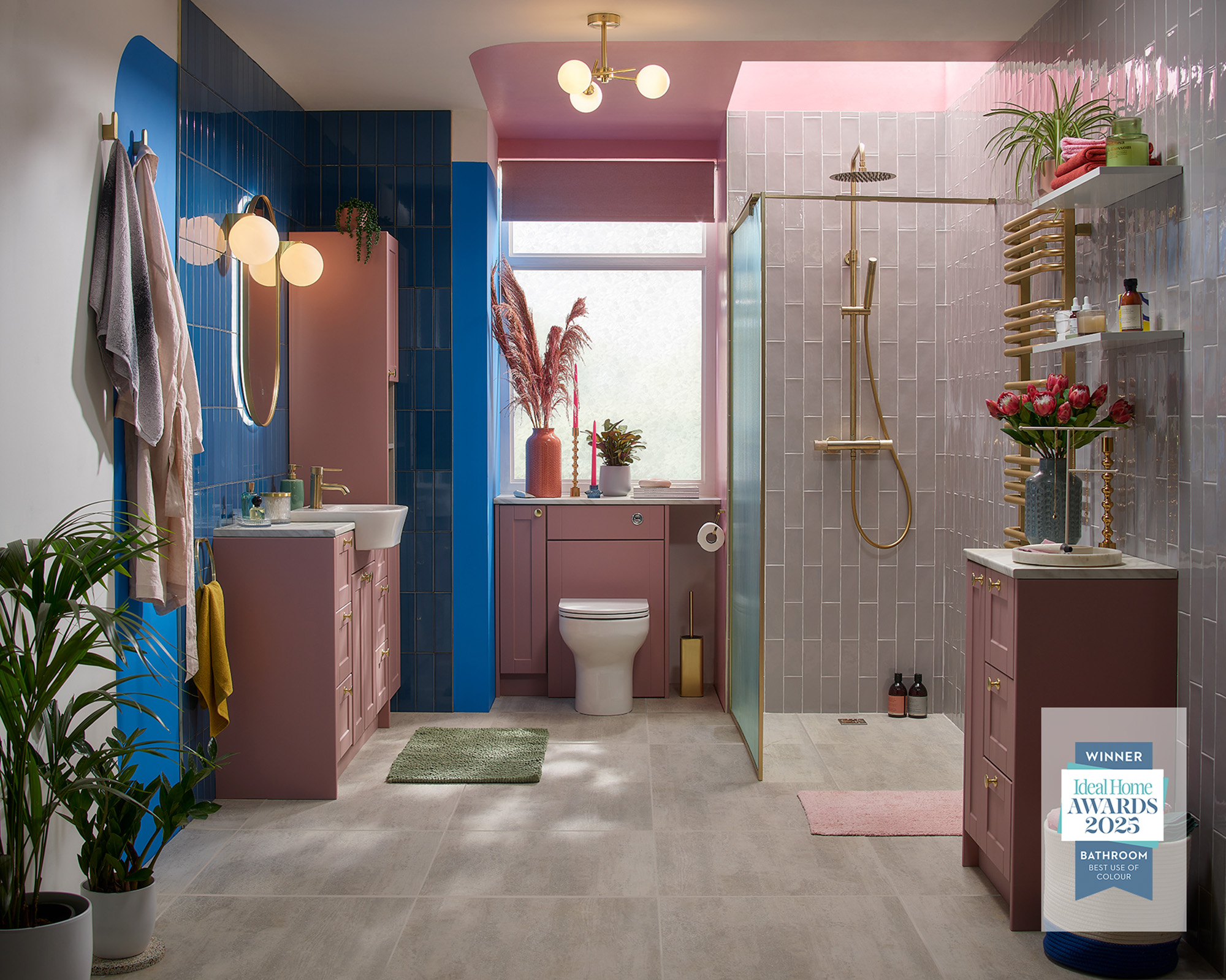
7 bathroom upgrades from on-trend taps to easy-fit flooring


5 updates to give your bathroom an influencer-approved aesthetic

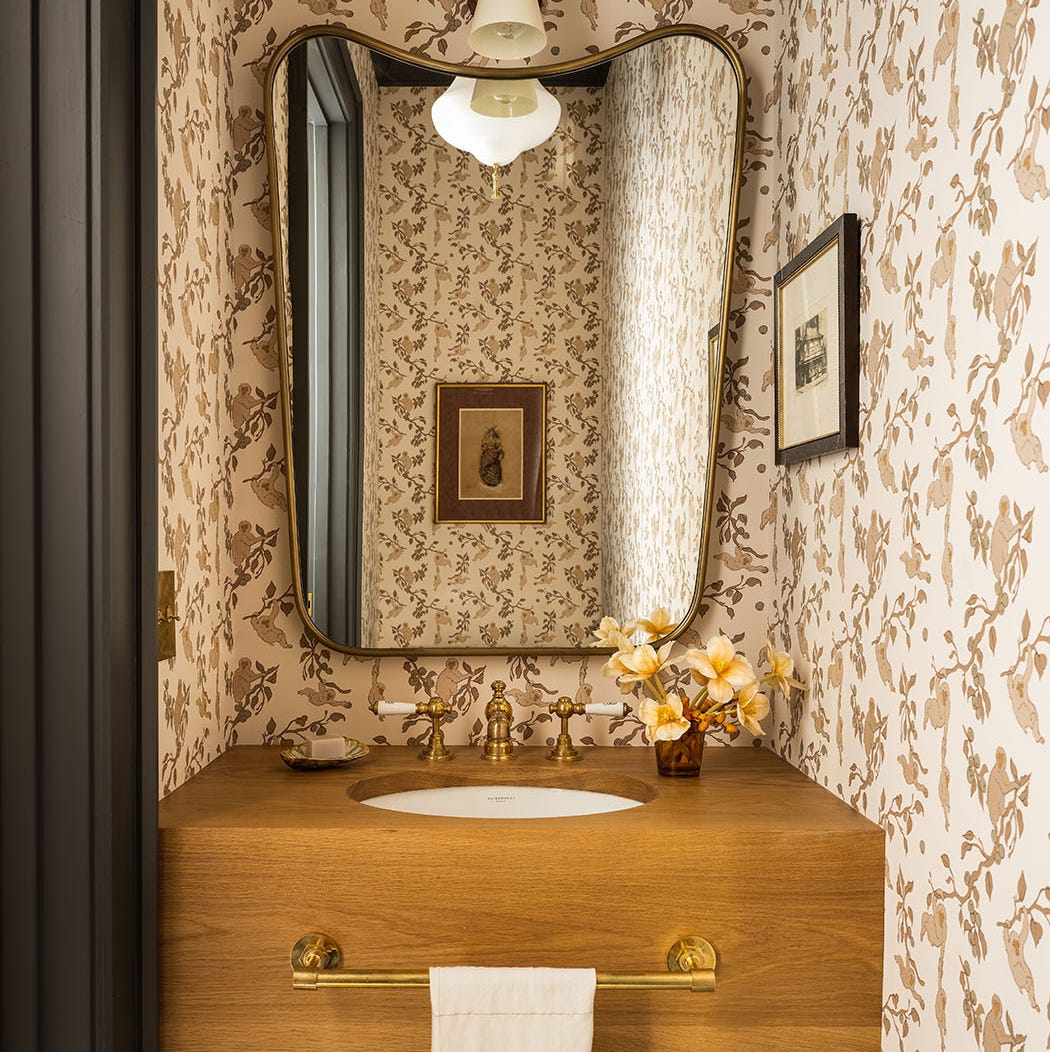
This Bathroom Trend Will Literally Stand the Test of Time
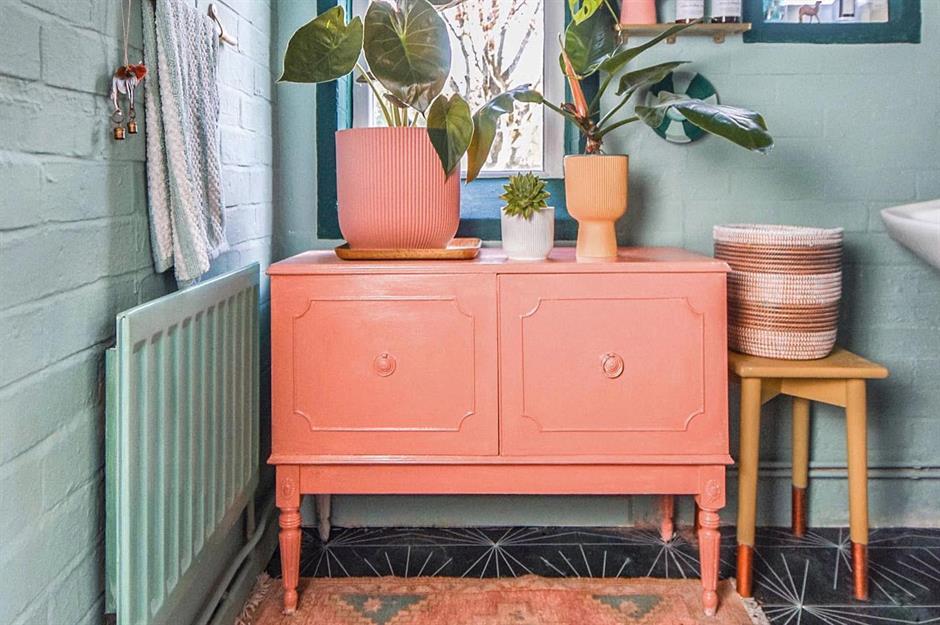
40 brilliant bathroom upcycling ideas | loveproperty.com
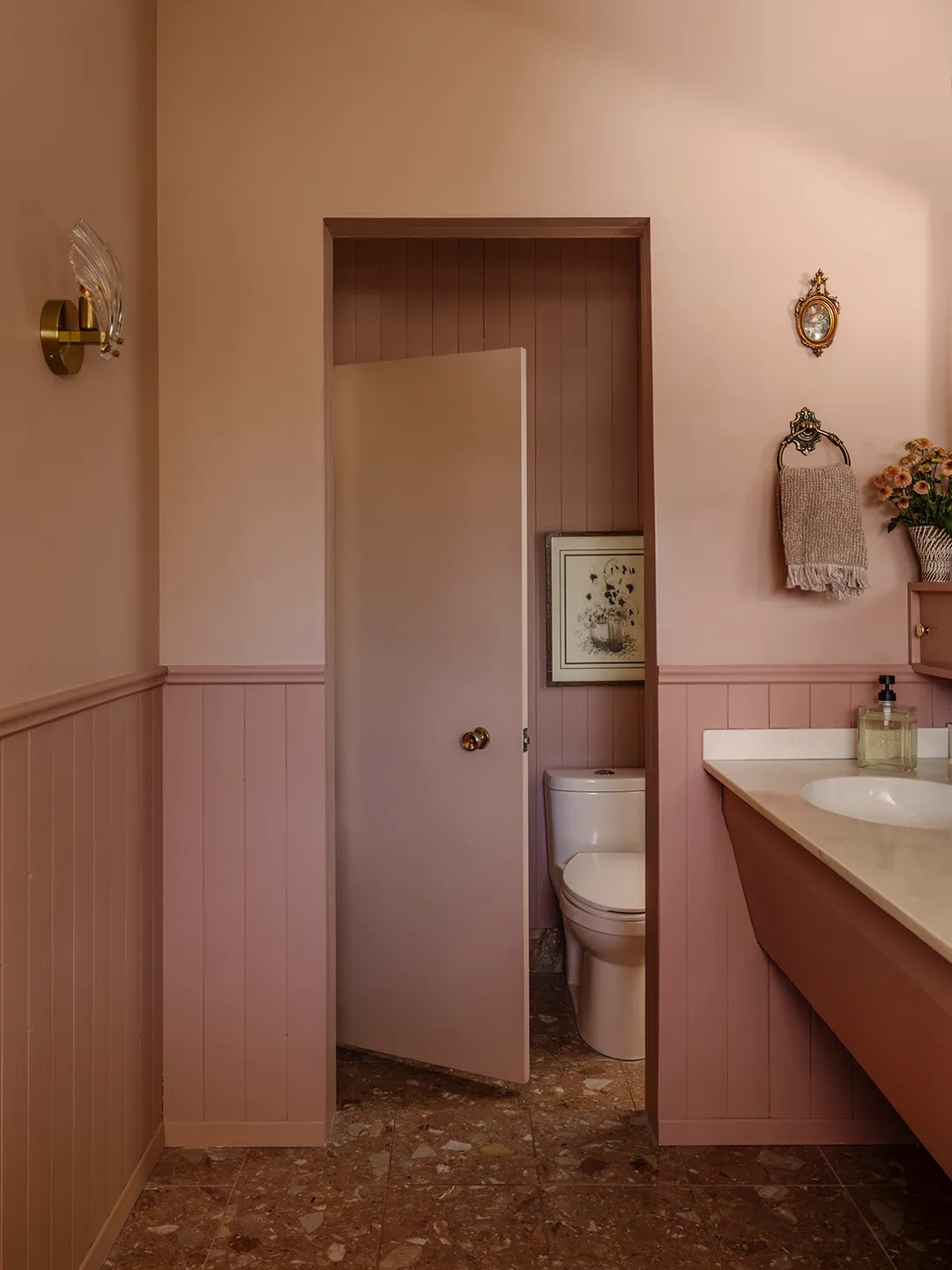
The Era That’s Inspiring the Next Wave of Bathroom Remodels

Bathroom trends for today and tomorrow