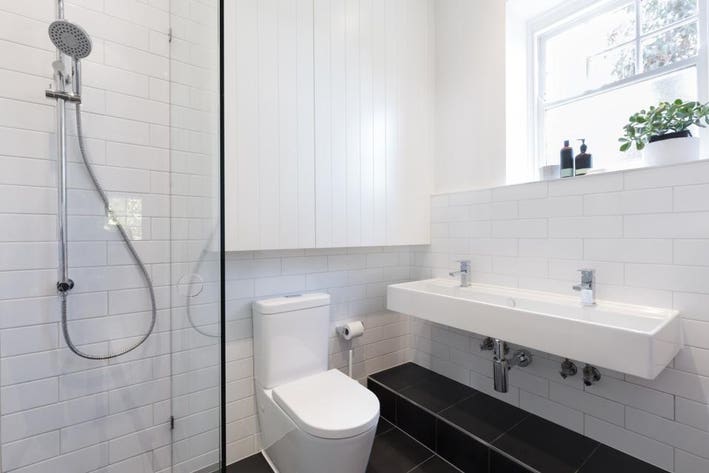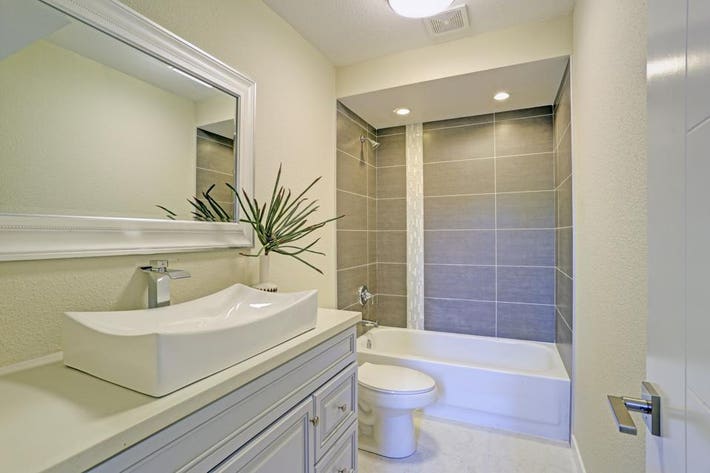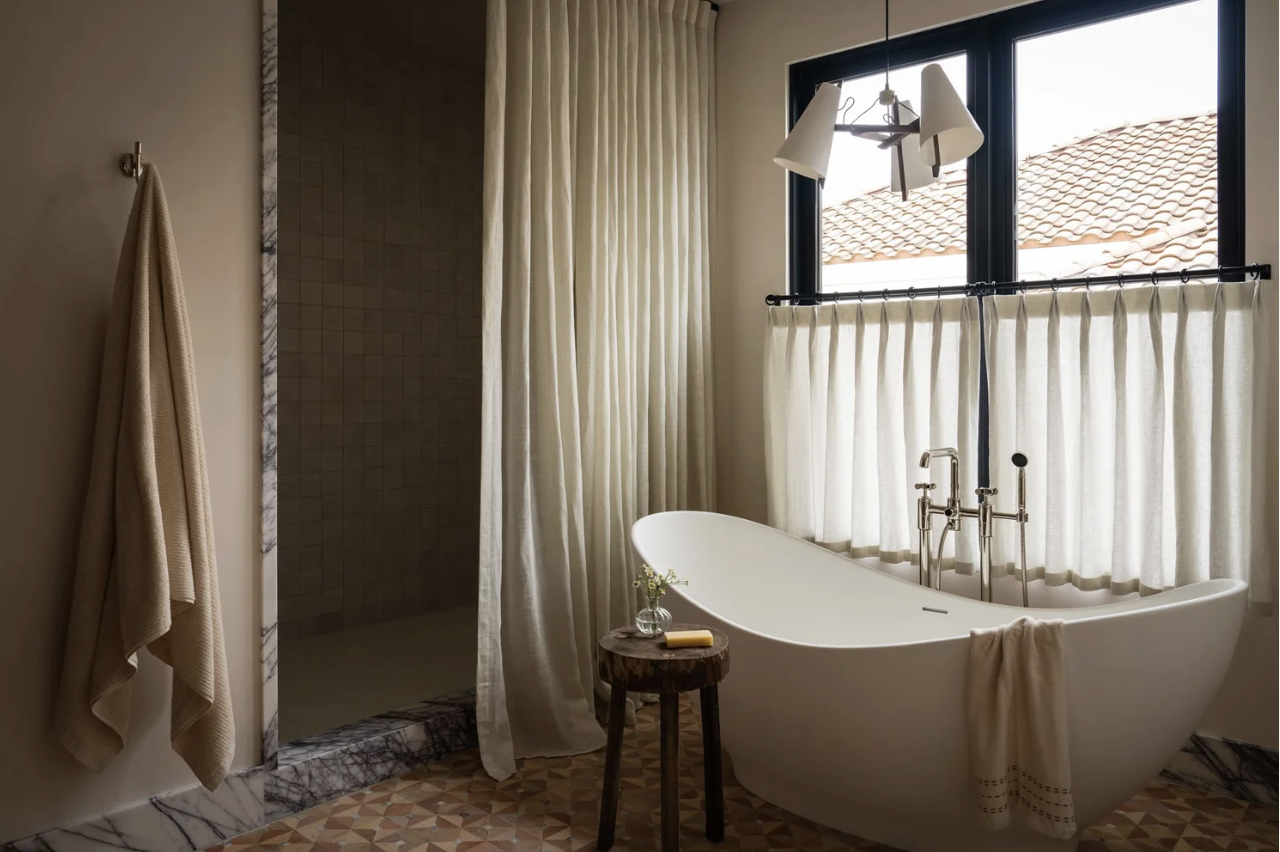
7 Bathroom Trends Designers Are Leaving Behind In 2026
The article discusses seven bathroom design trends that design experts anticipate will be phased out by 2026, advocating for timelessness, functionality, and classic elements in bathroom design. Jessica Bandstra, owner and head of design at Dogwood Proper, emphasizes thoughtful design choices that offer beauty, function, and longevity, ensuring a space remains inviting for years. Katie Lindquist, Principal Designer at Katie Lindquist Interiors, suggests that bathrooms should feel like “little jewels”—personal, polished, and durable. She advises investing in structural elements and layering in personalized touches to create a timeless retreat rather than a trendy one.
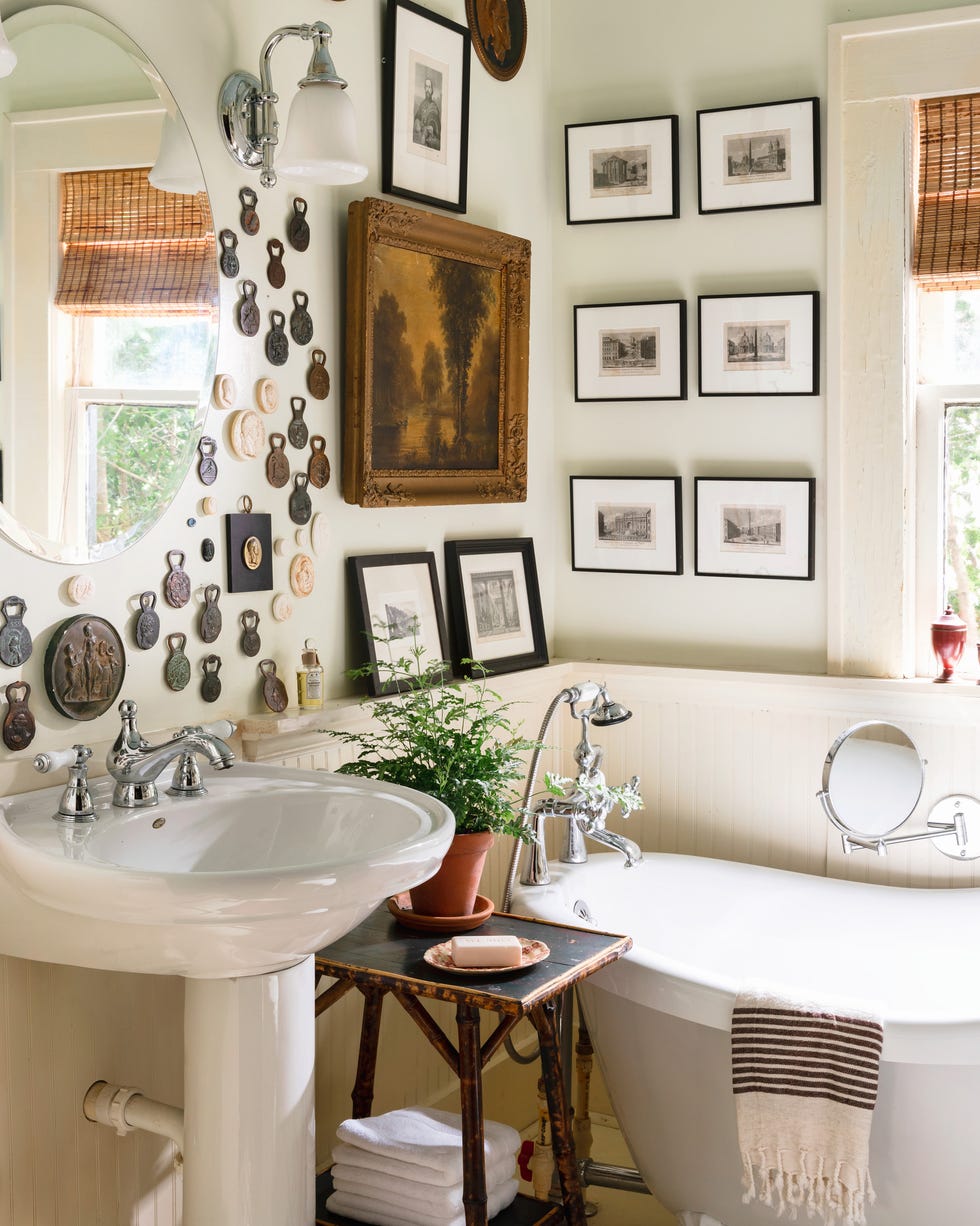
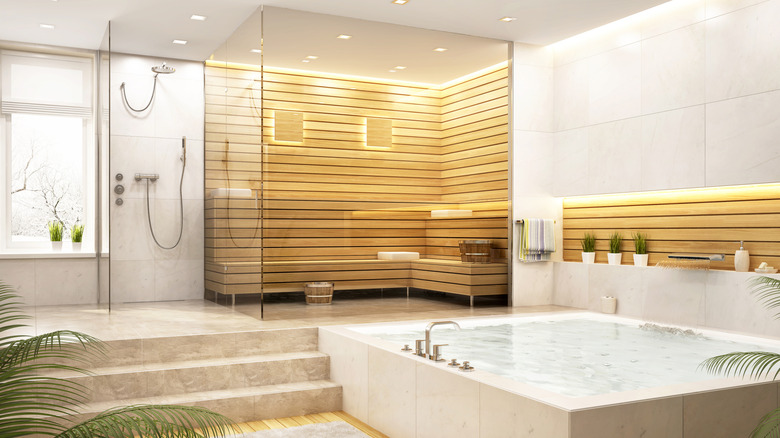
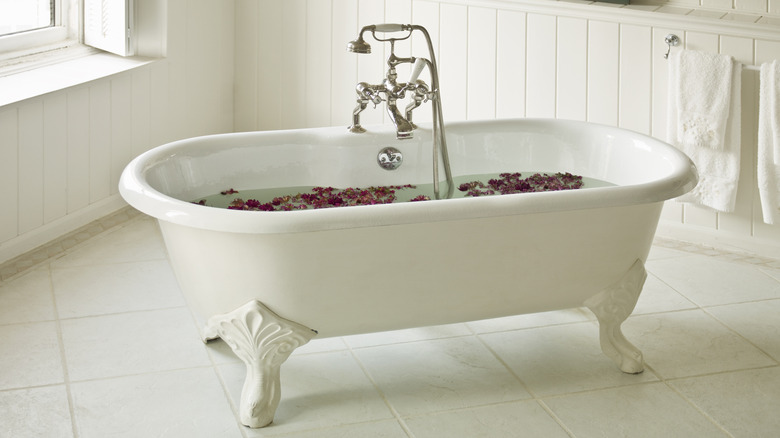
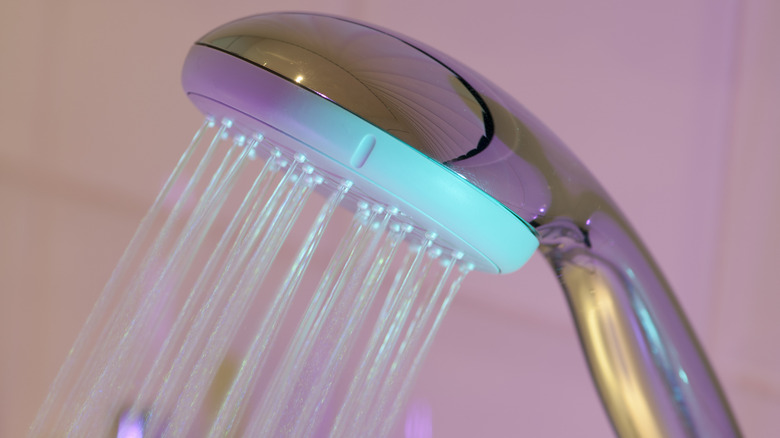
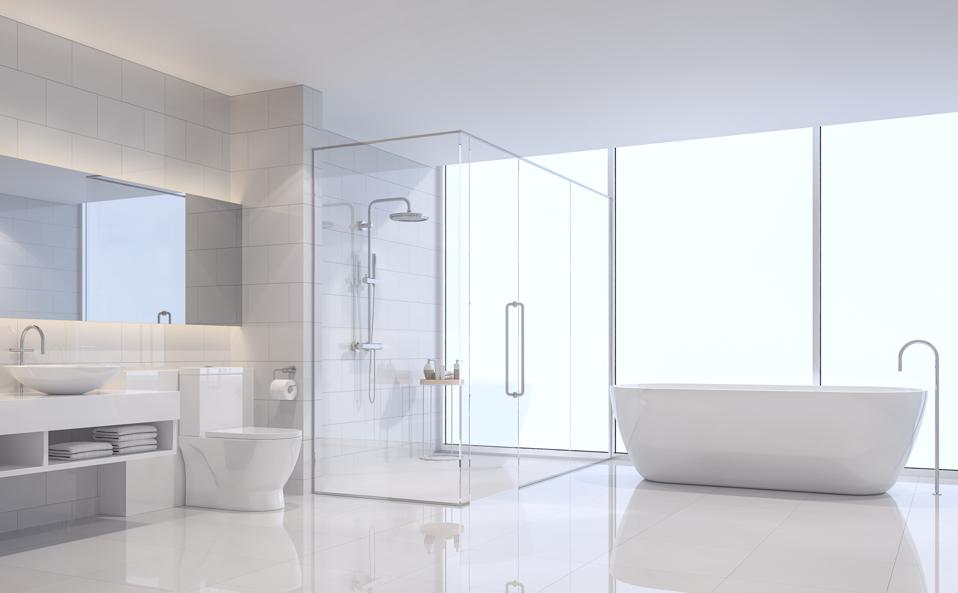
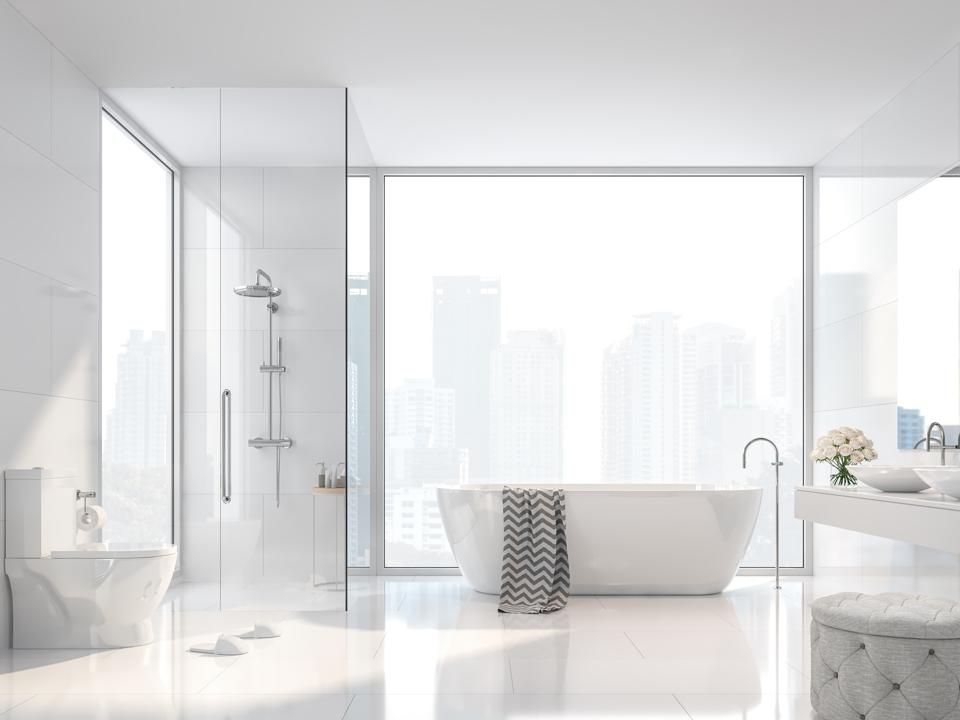
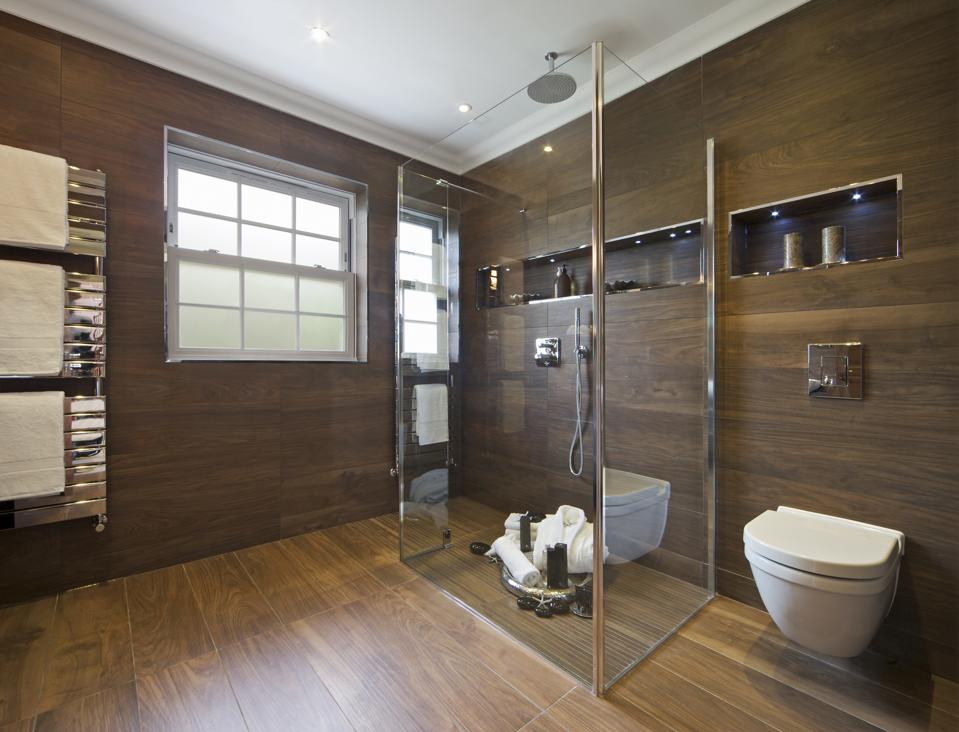
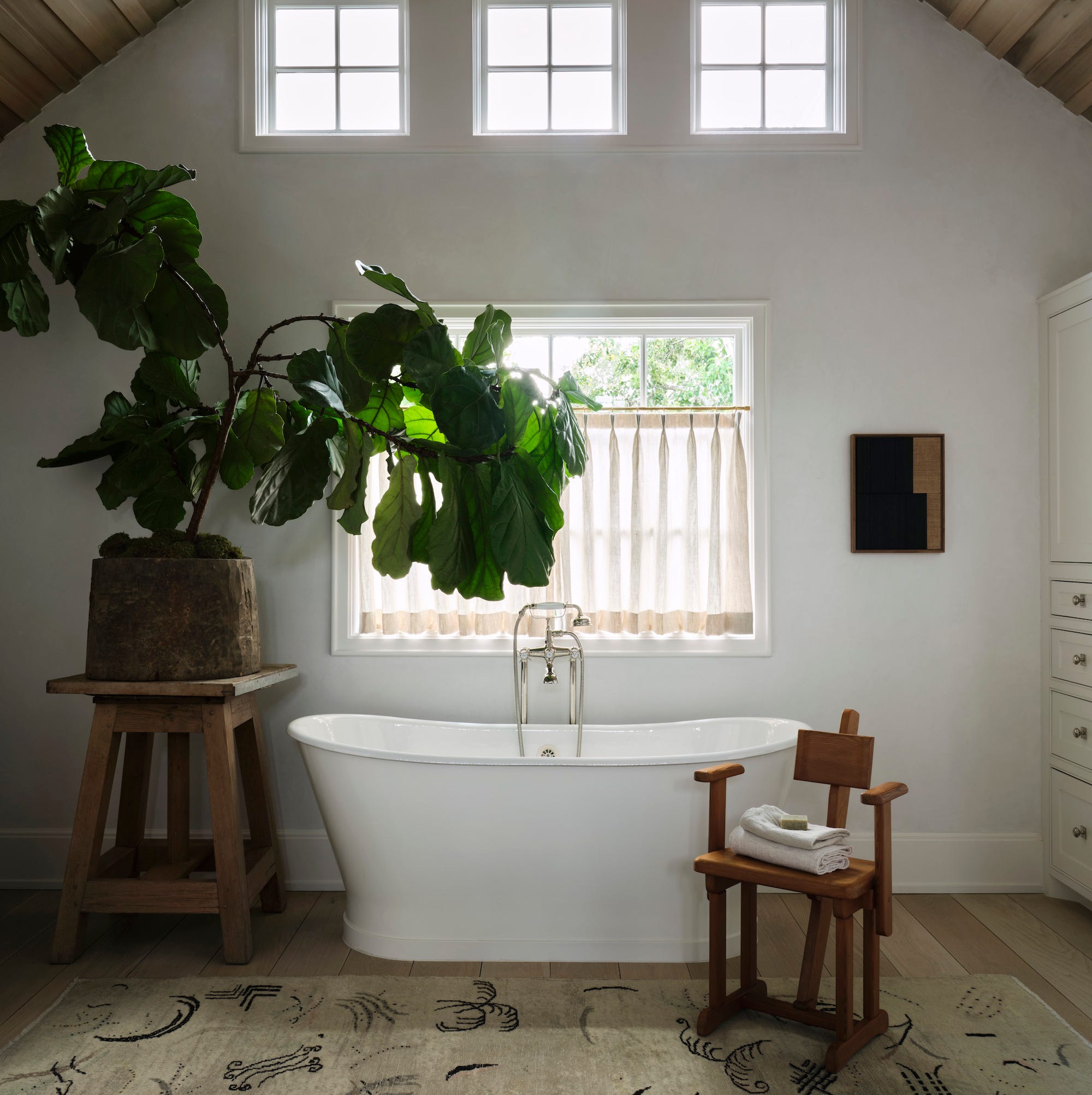
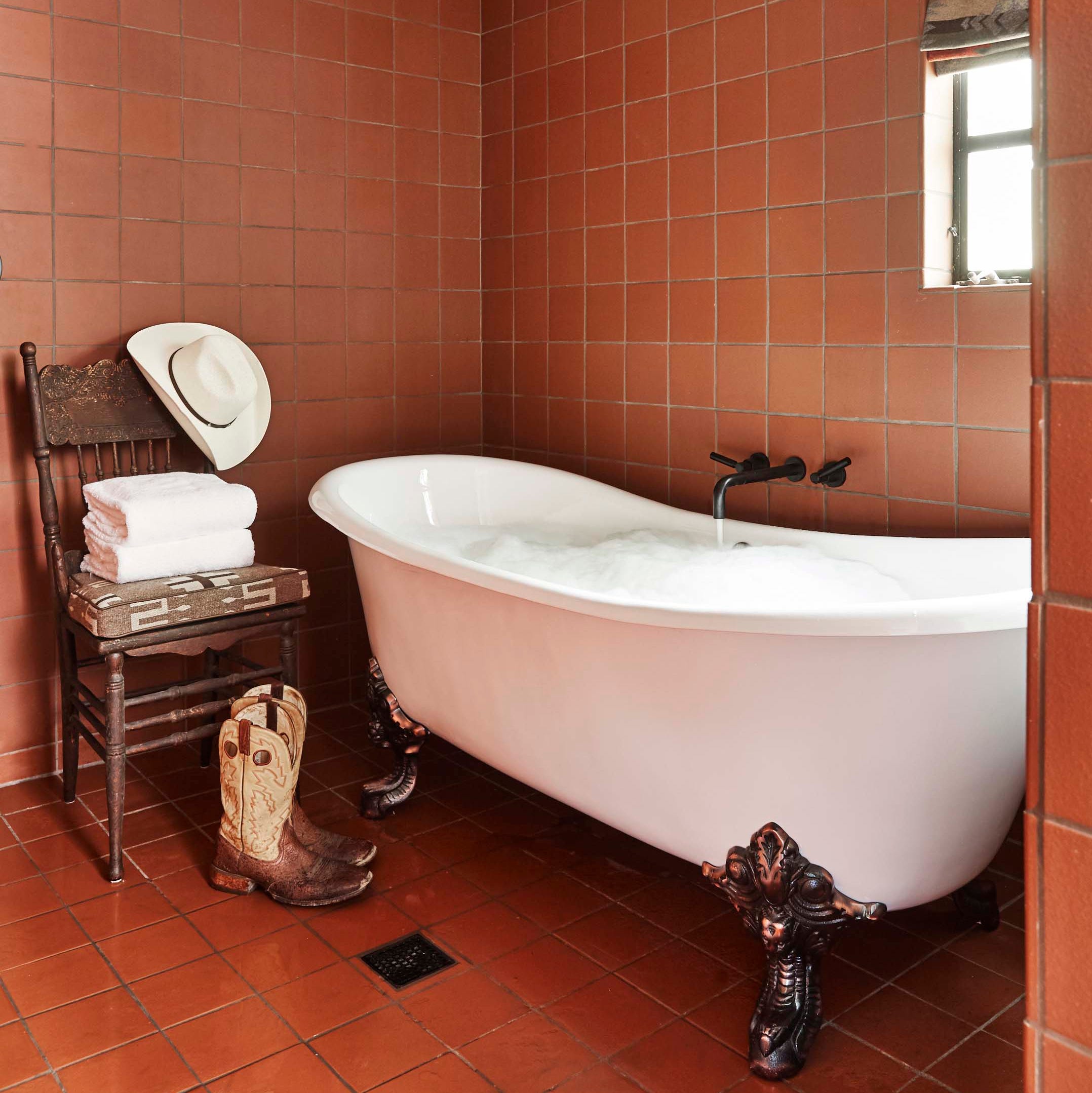
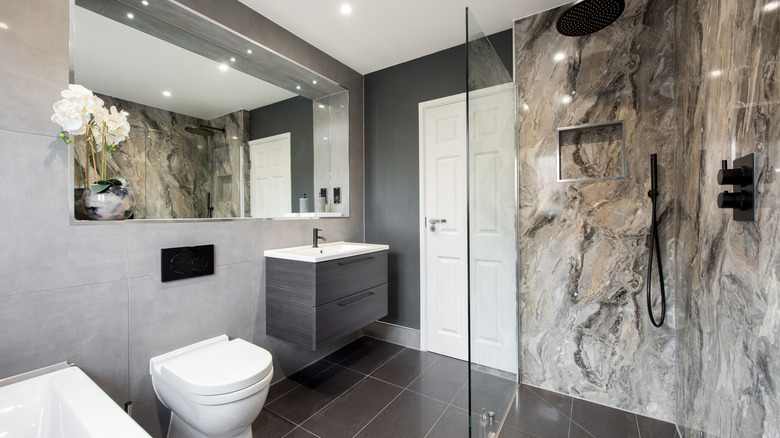
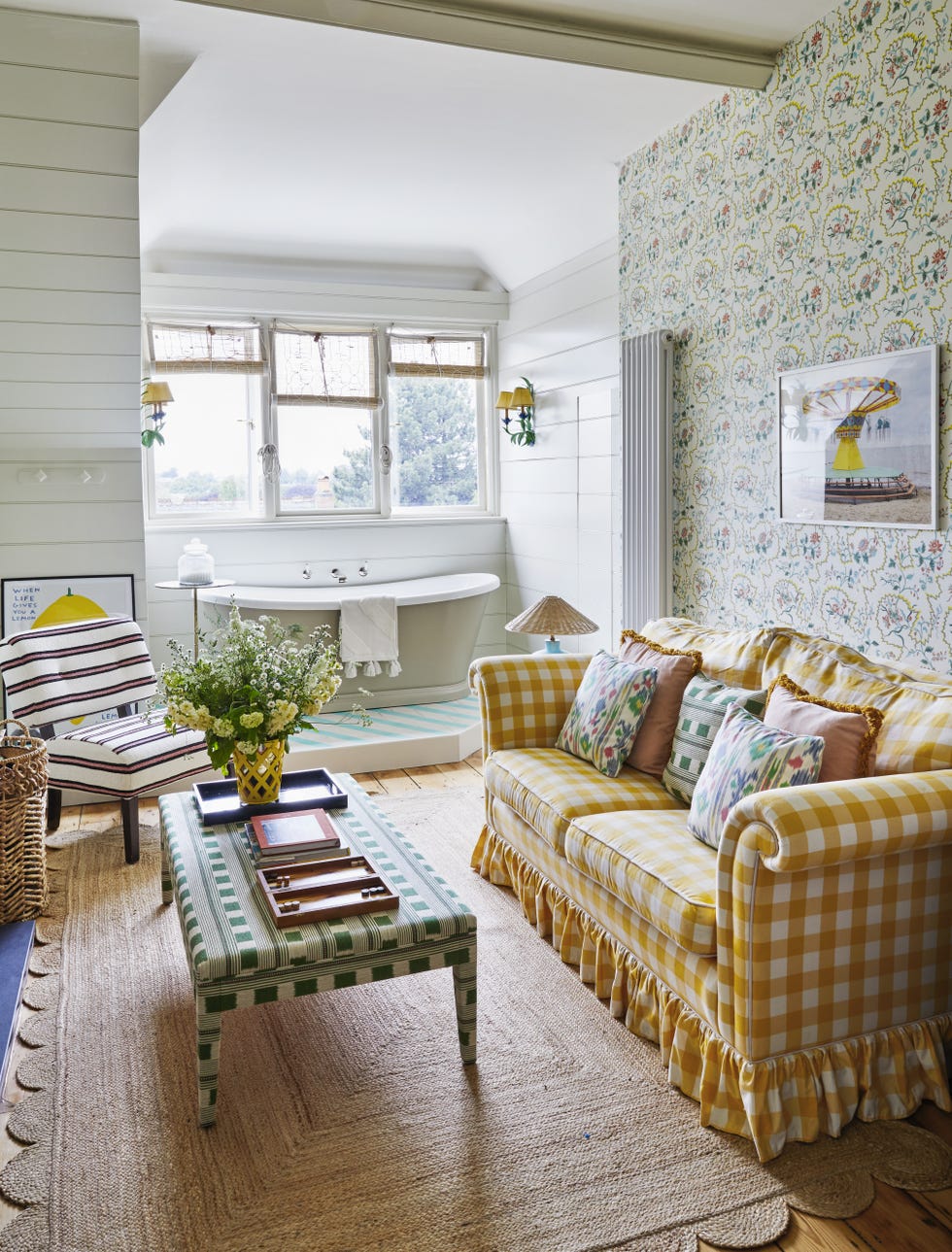
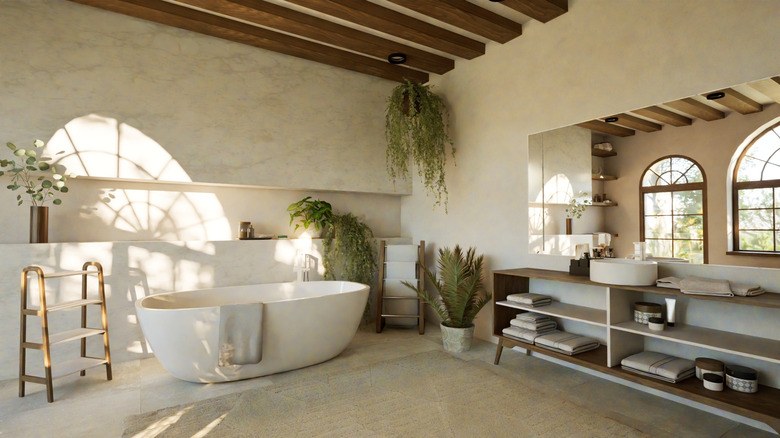
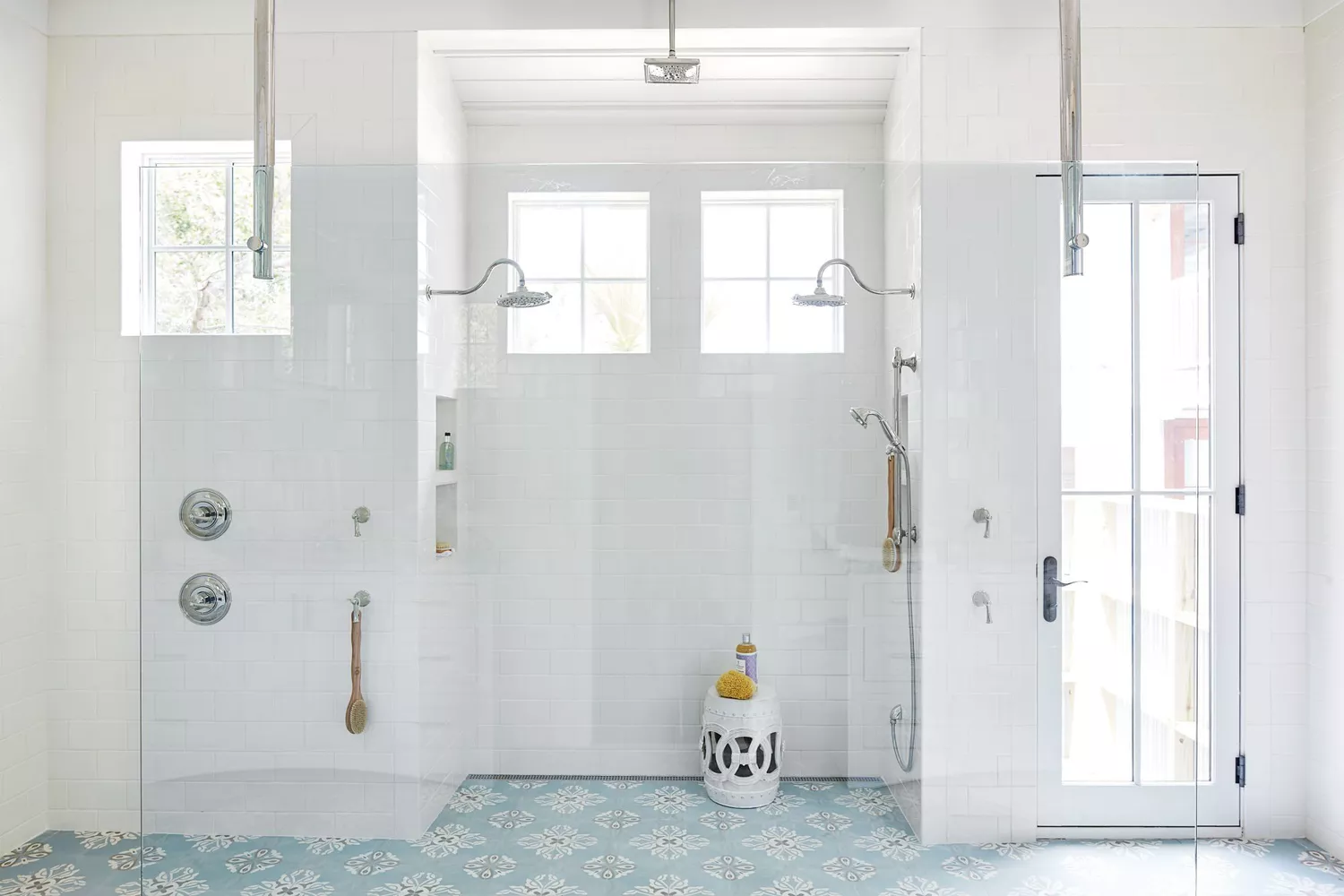
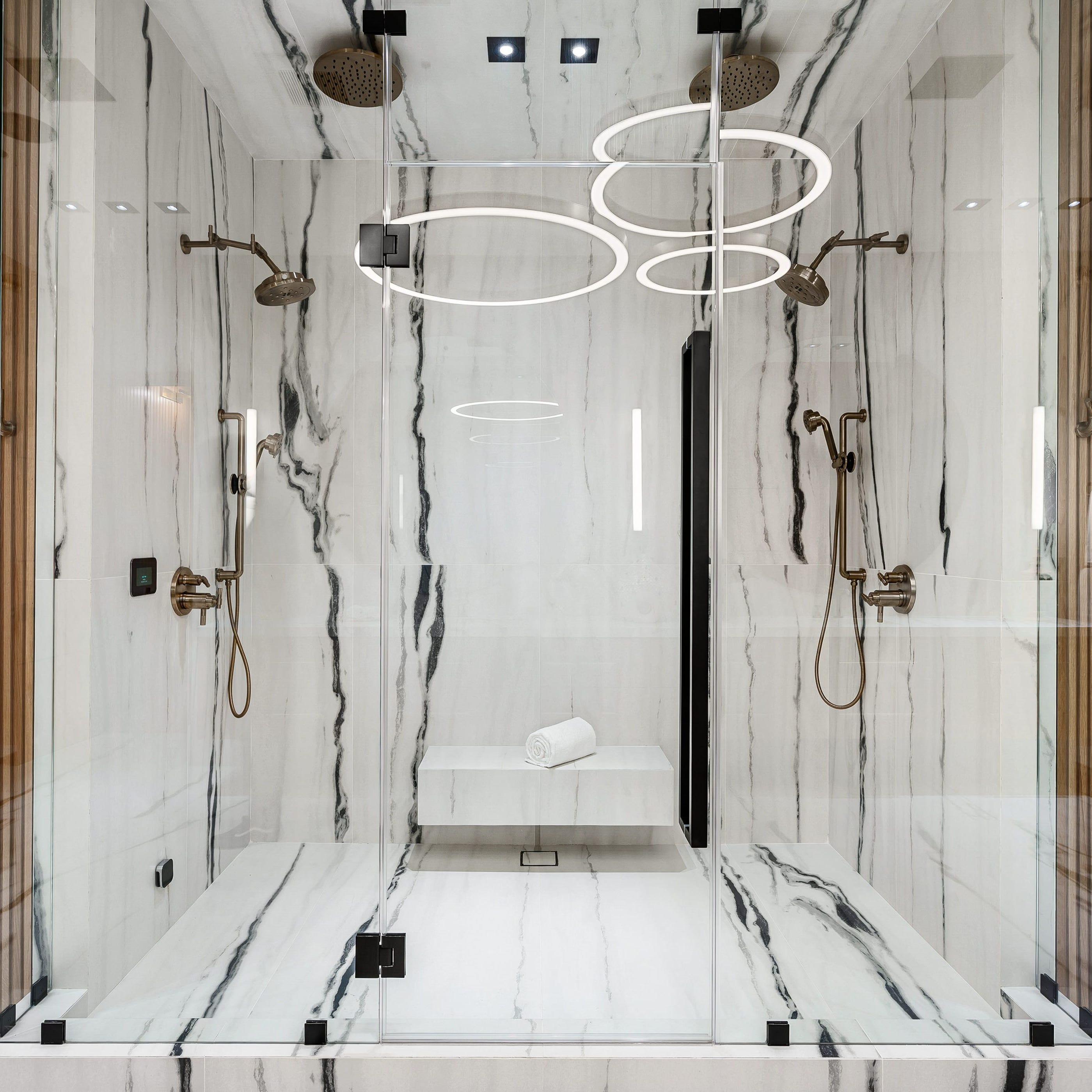
One trend on the decline is LED mood lighting. Lindquist notes that bathrooms are not nightclubs and lighting should flatter a person's reflection, not cast colored glows. She recommends a layered lighting approach using natural light, overhead fixtures, and sconces, with small rechargeable lamps for added ambiance without complex electrical work. Wet rooms, once a popular design choice, are also losing favor. While visually appealing, Bandstra highlights concerns about moisture and safety, particularly for long-term homes and aging residents. The shift is towards more traditional layouts with free-standing tubs and enclosed showers, offering a cozier and more private feel.
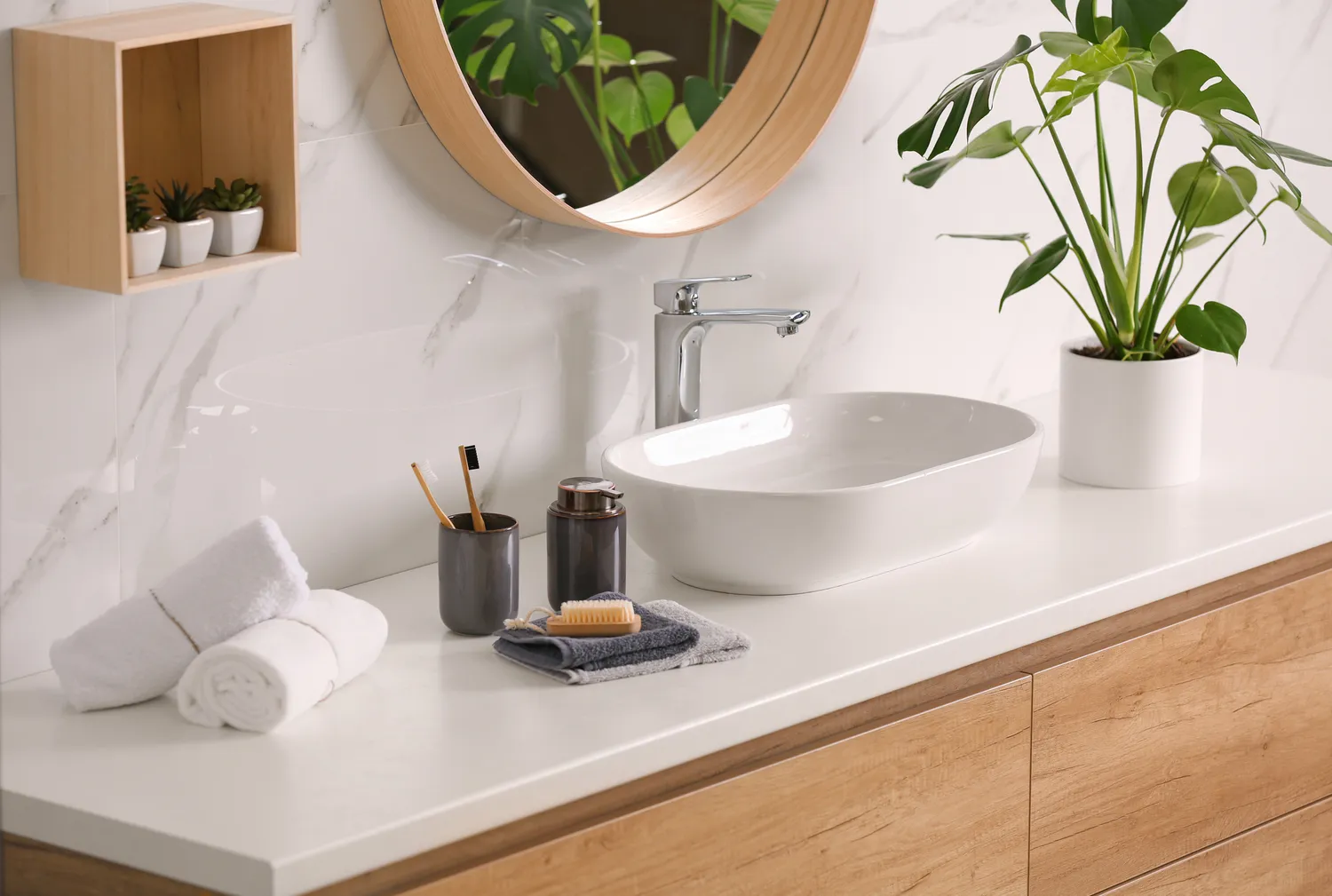
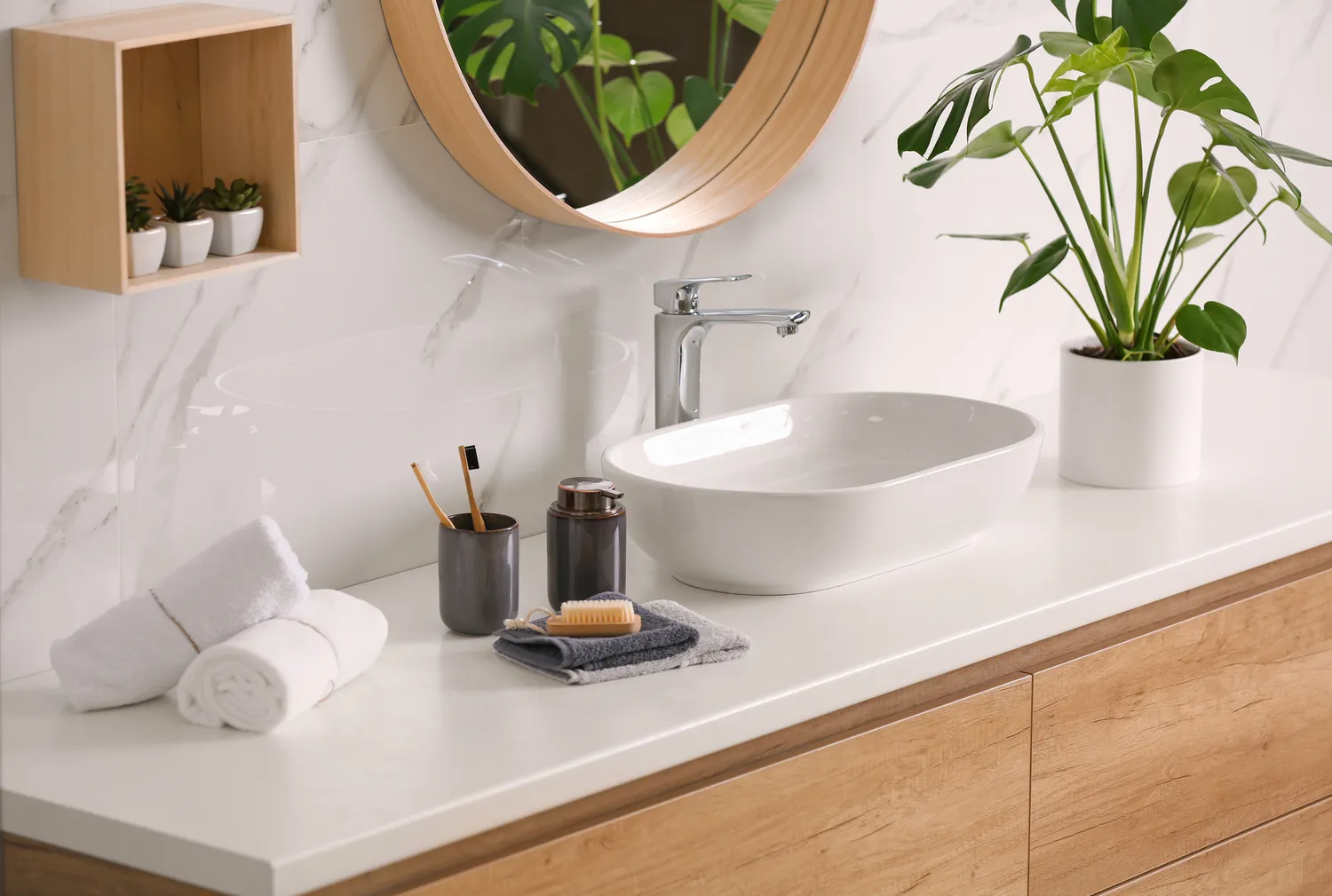
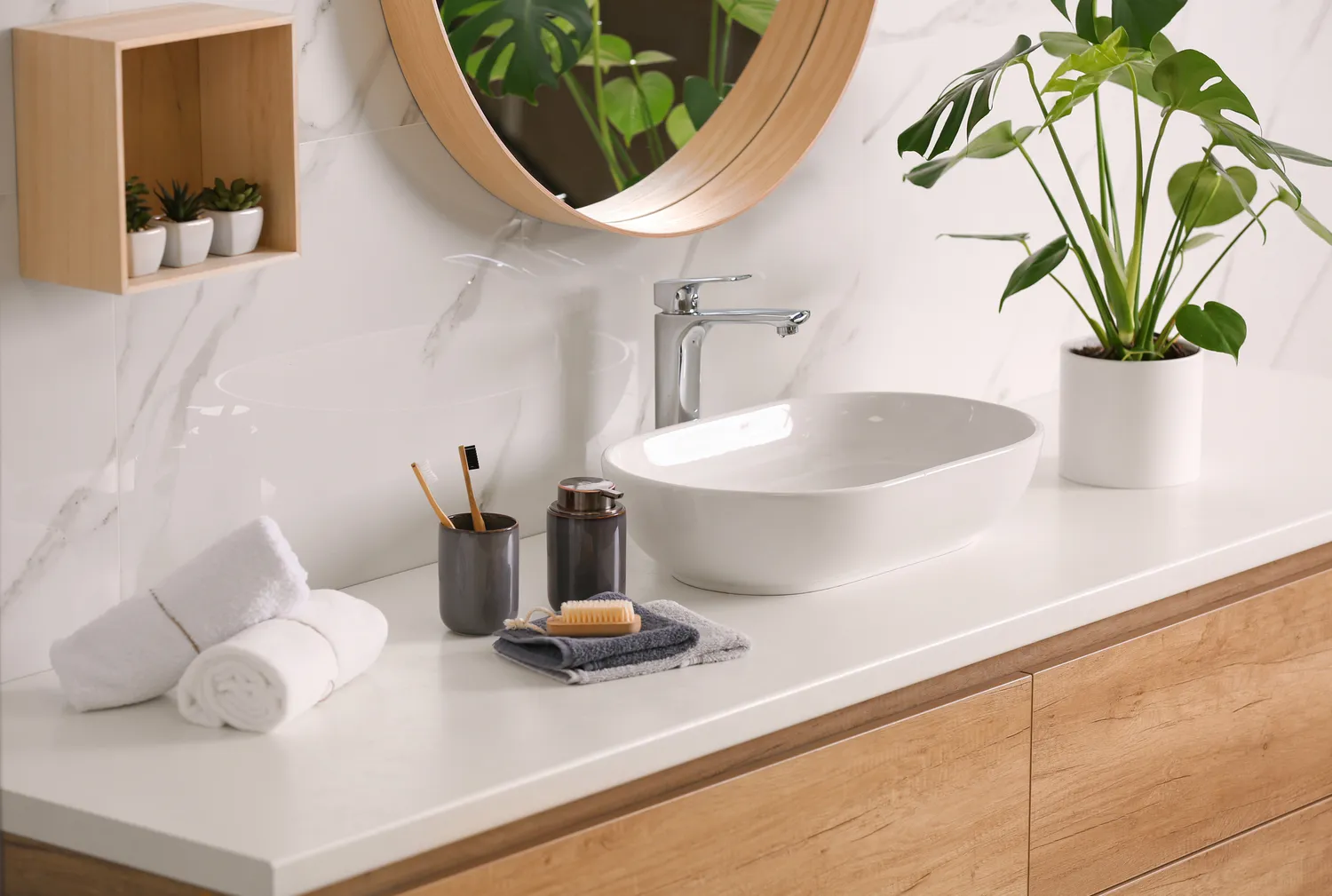
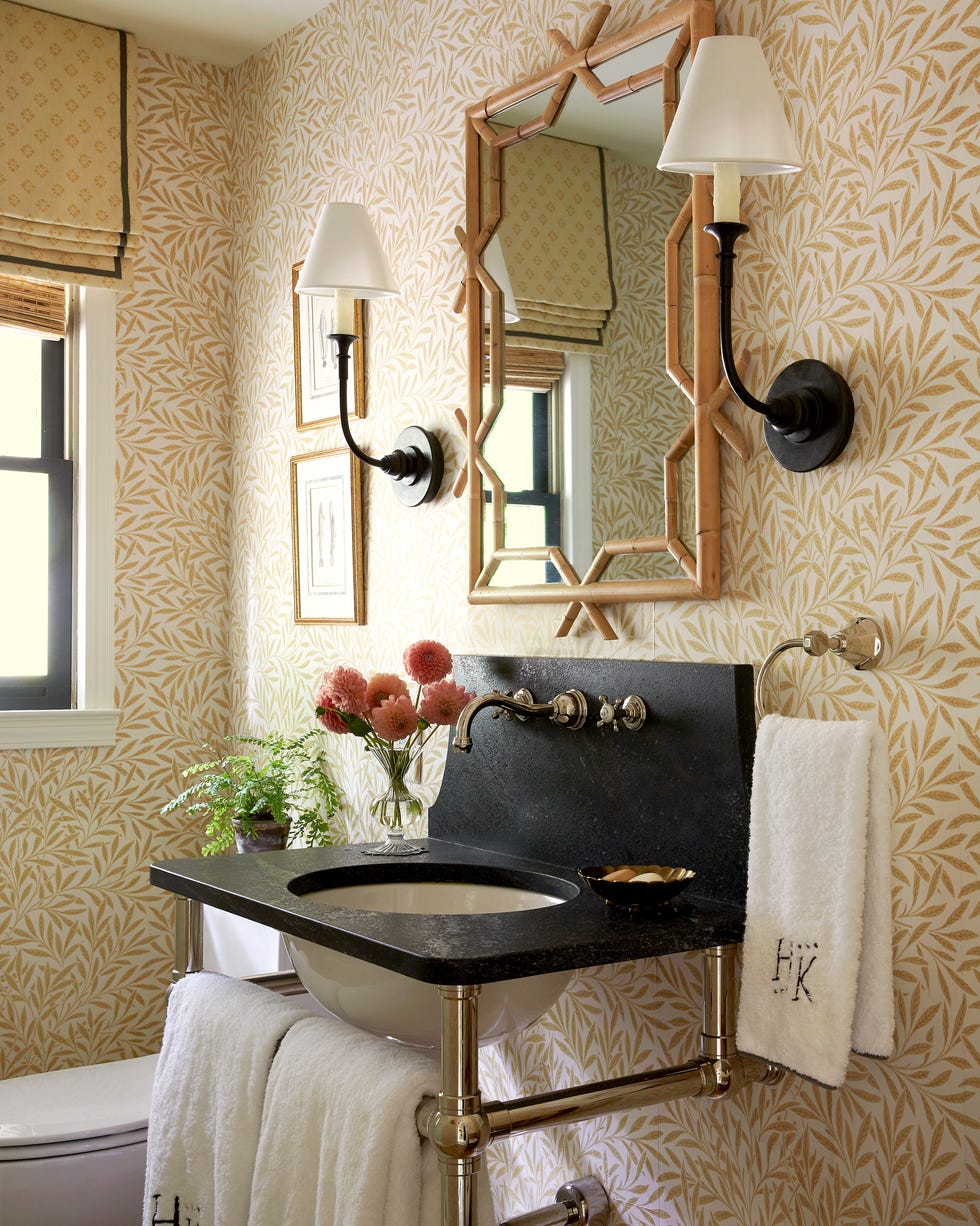

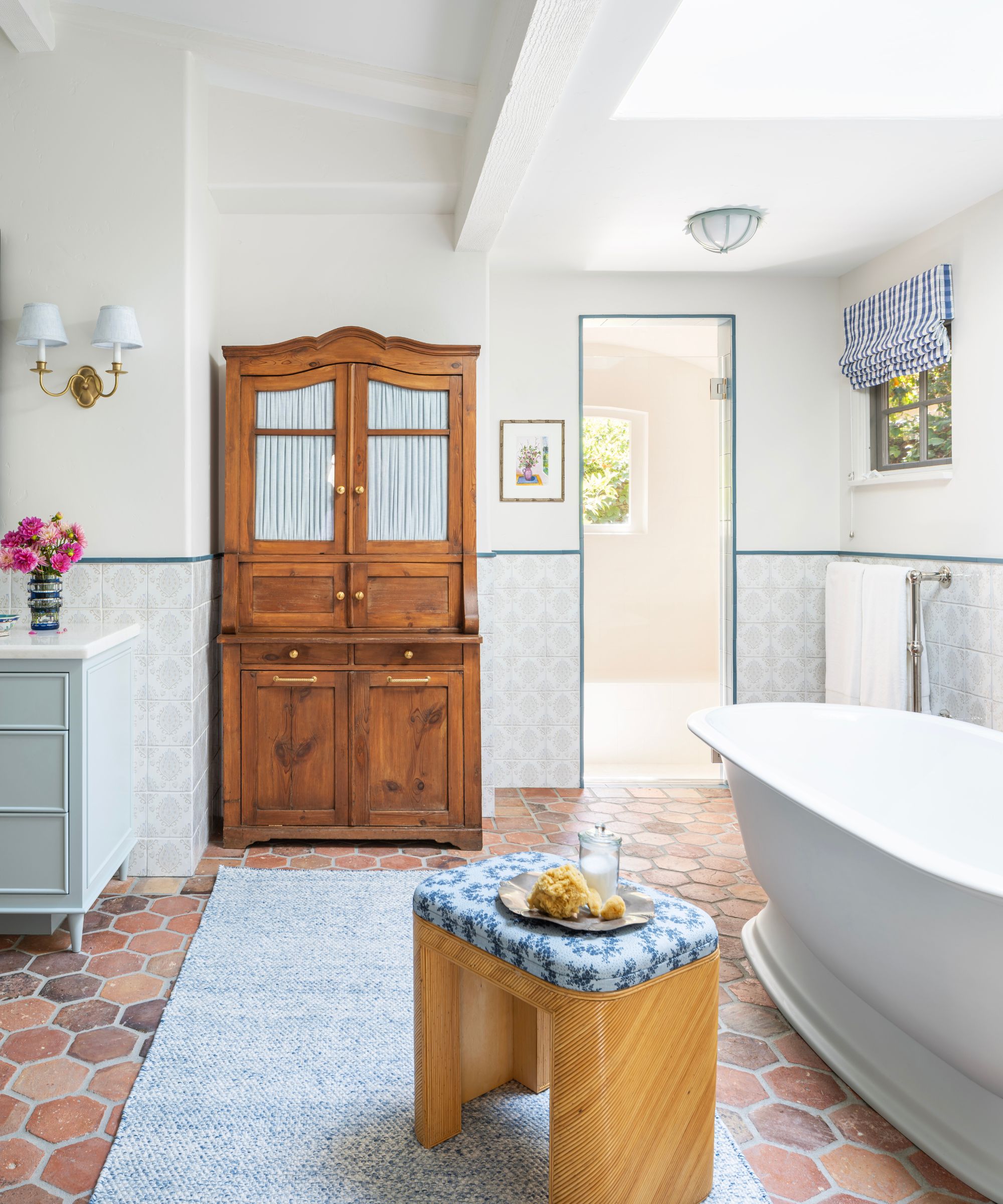
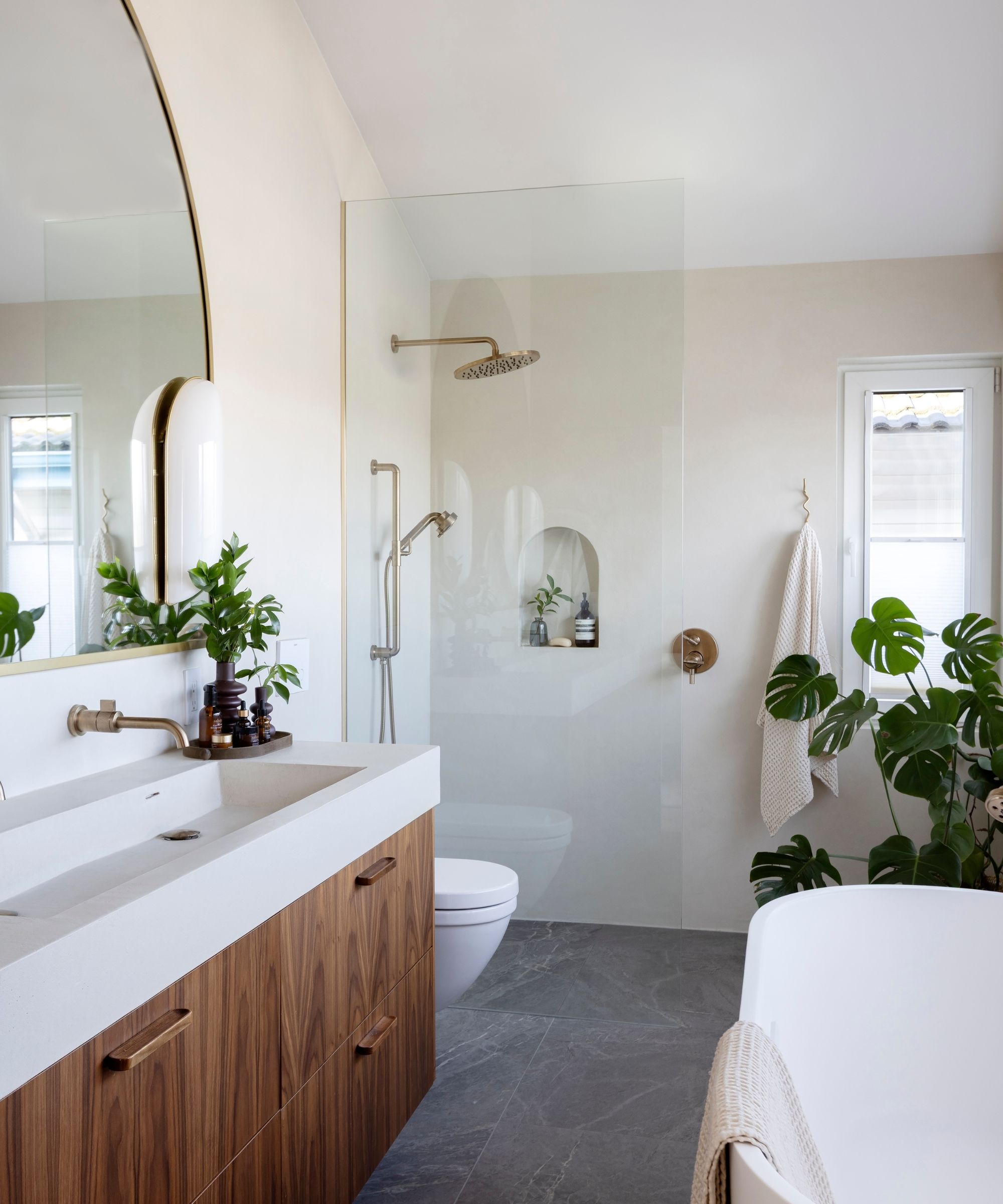
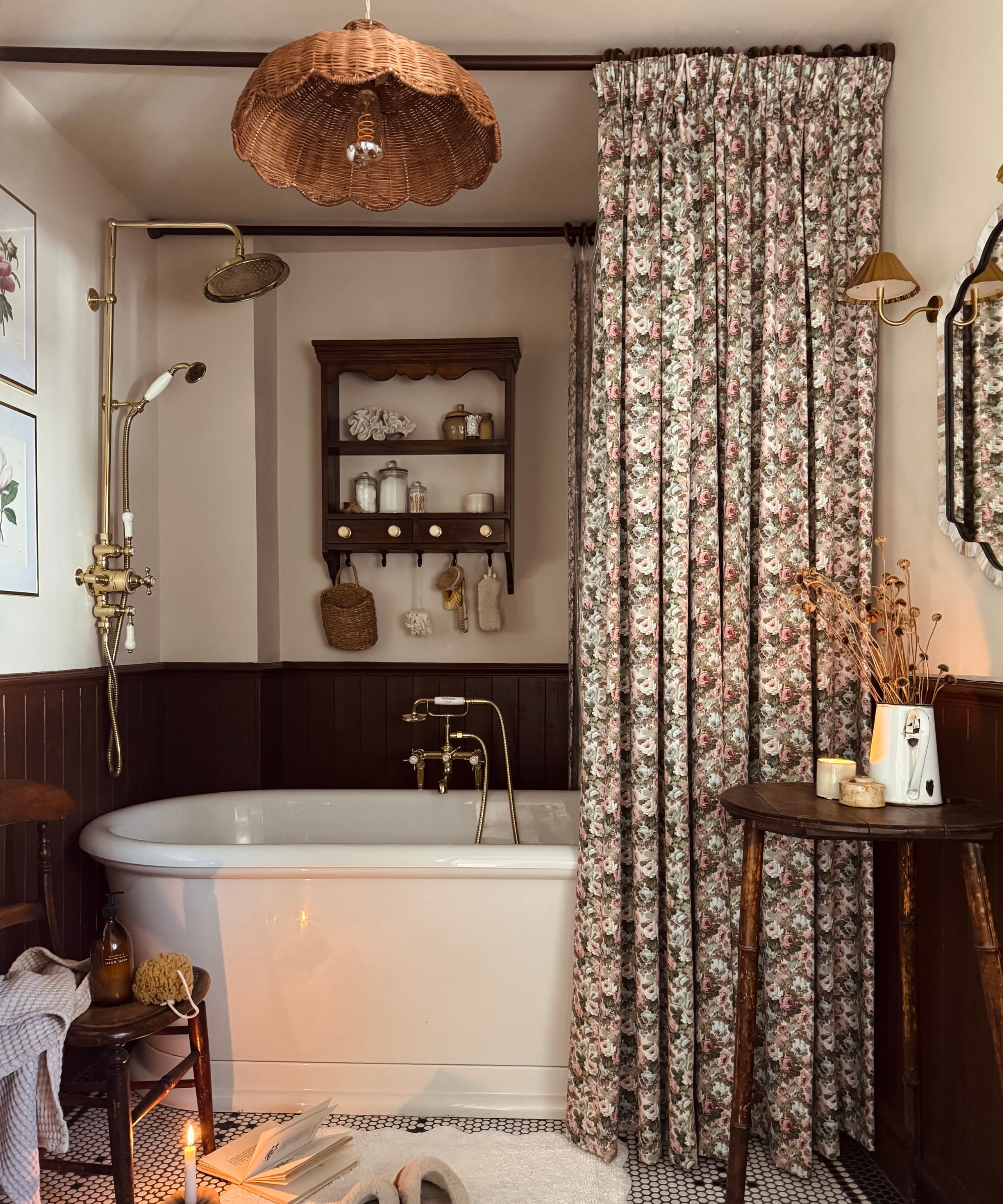
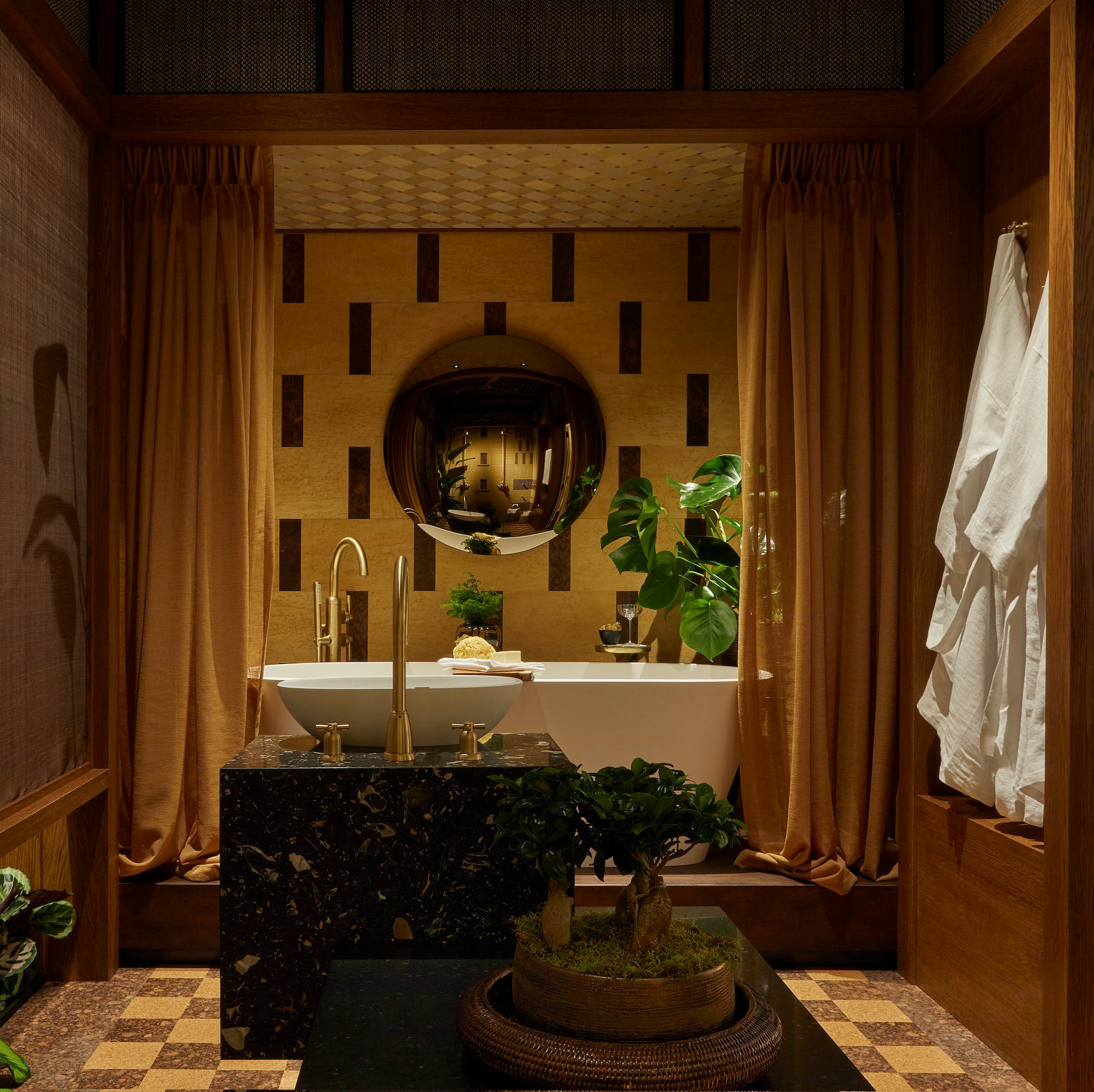
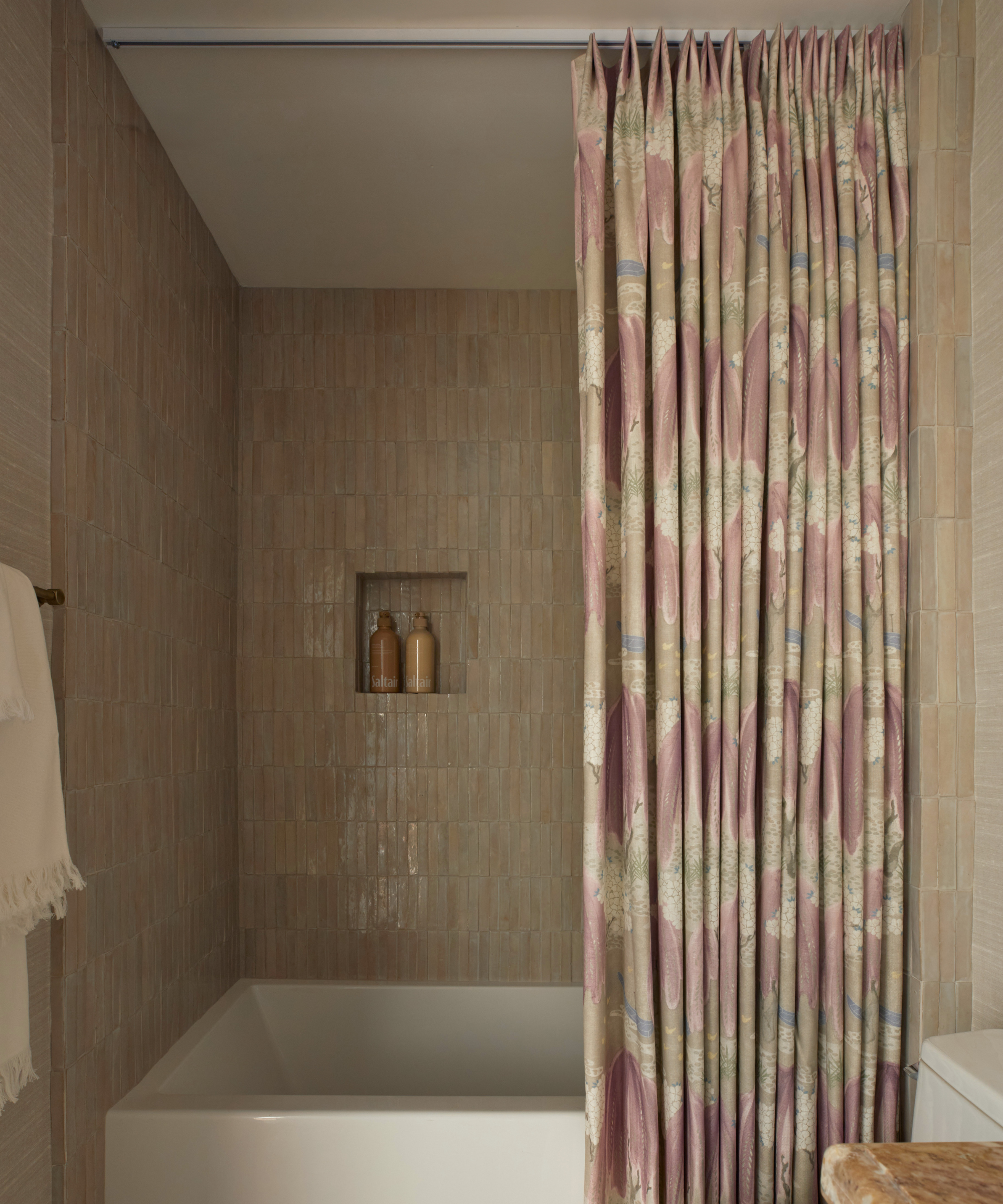
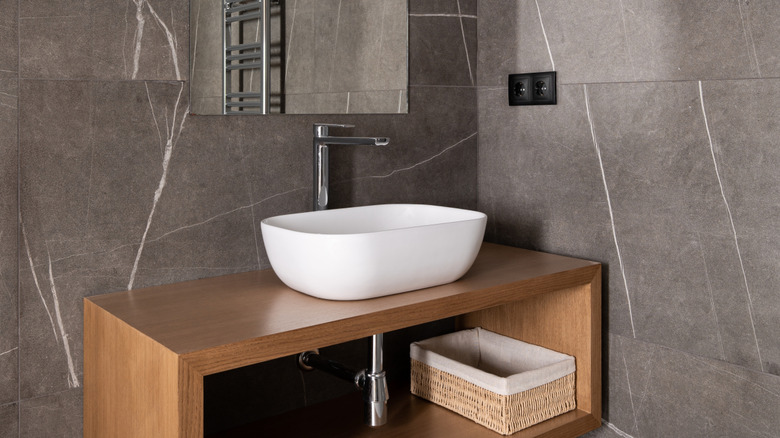
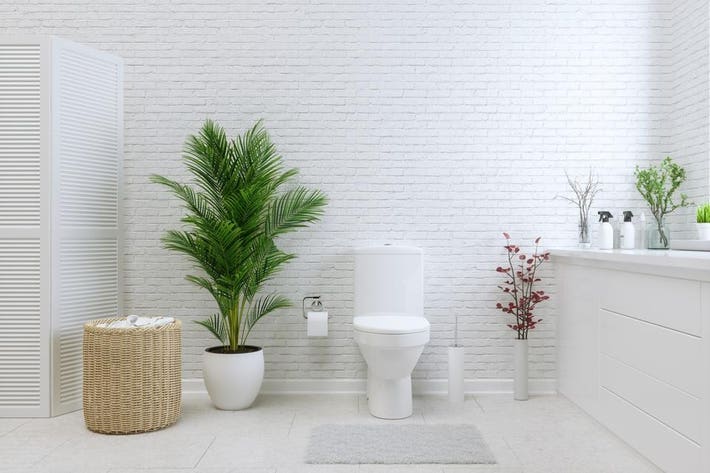
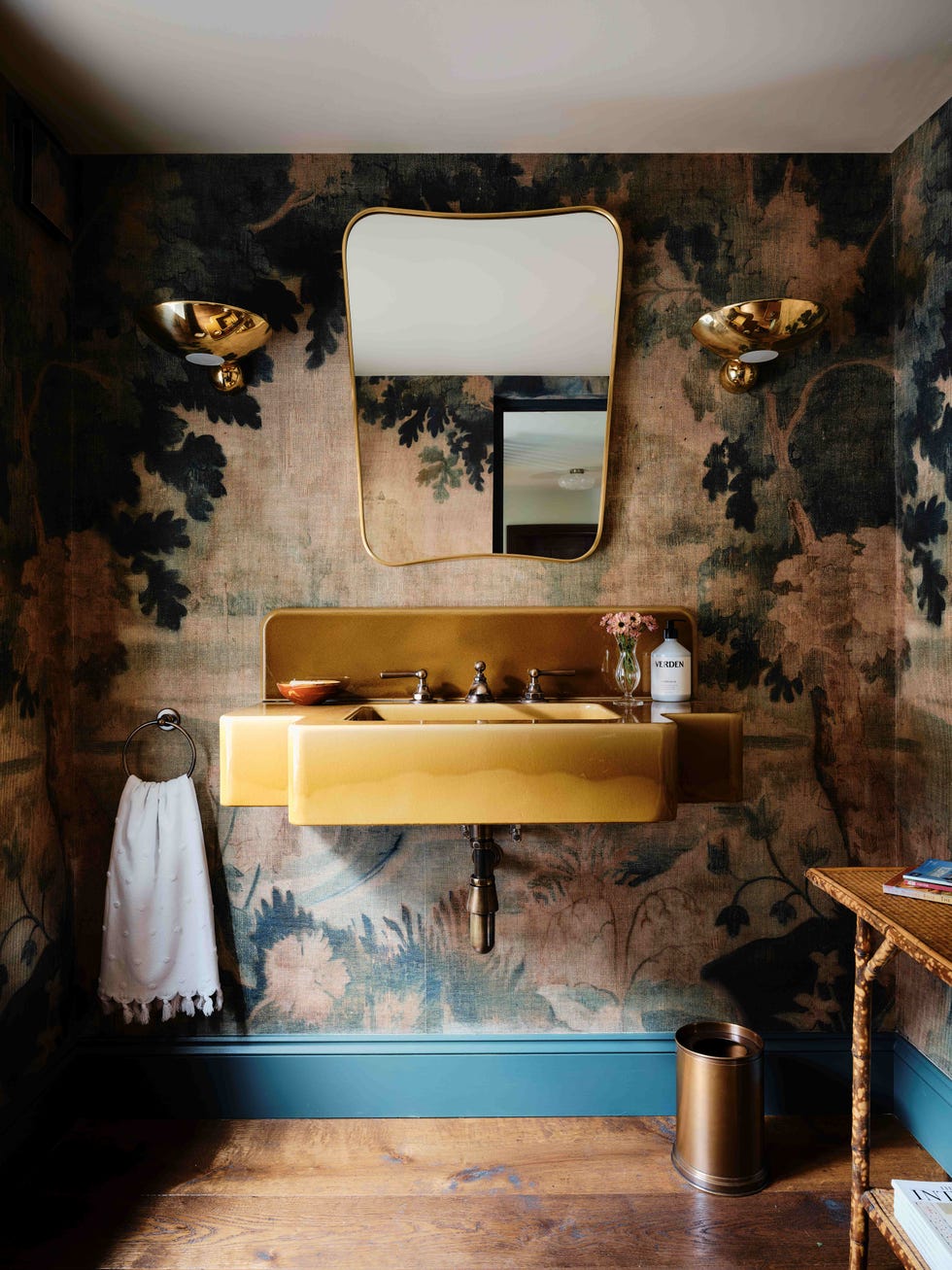
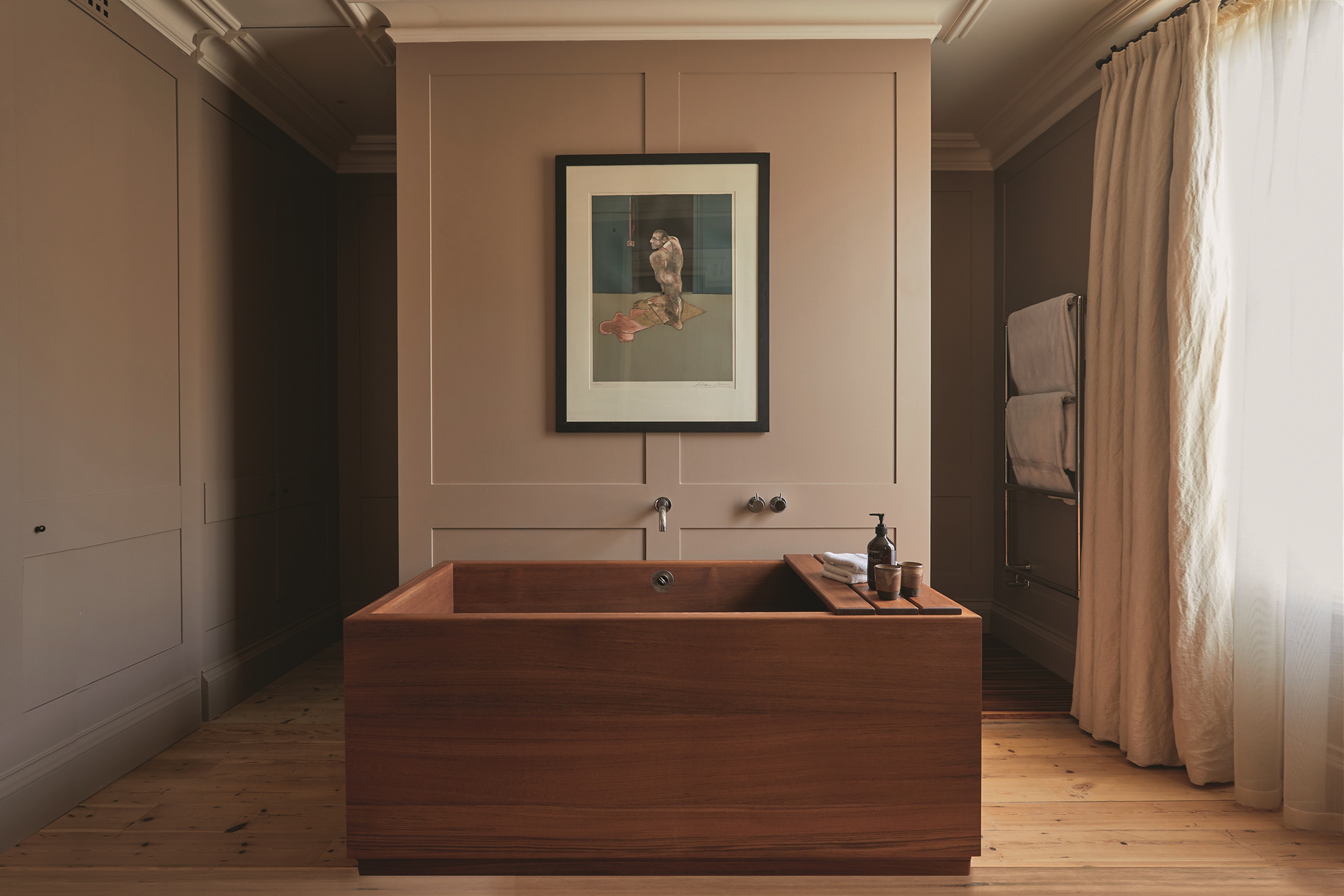
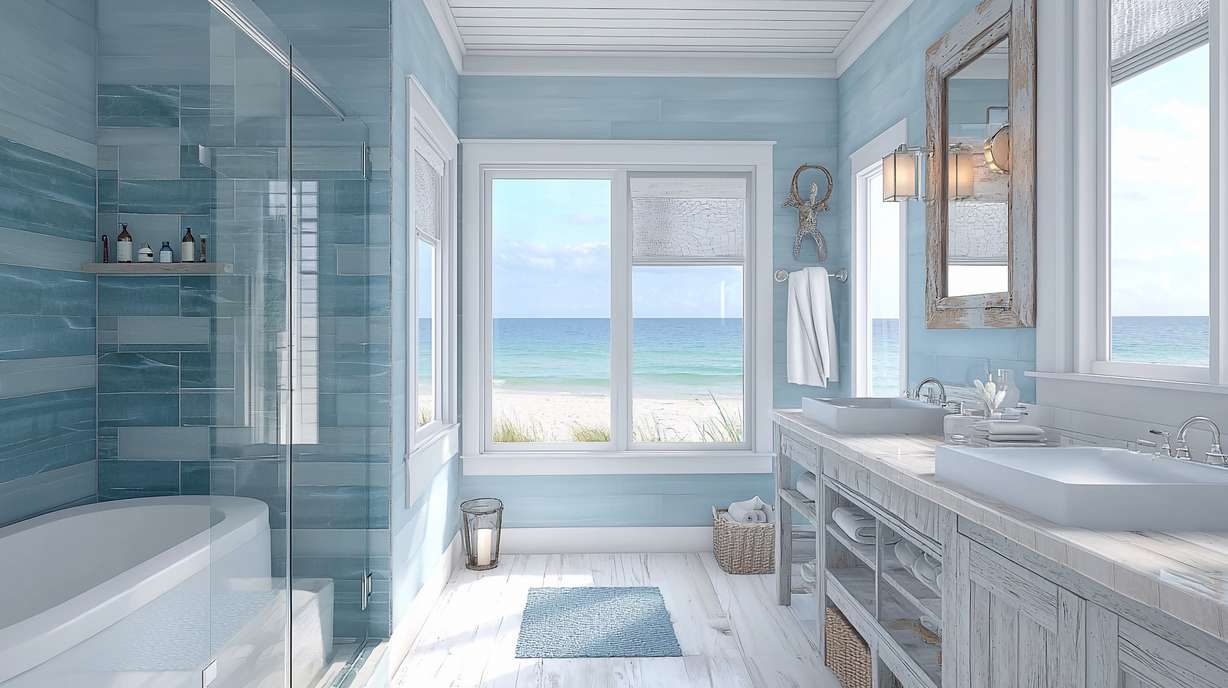
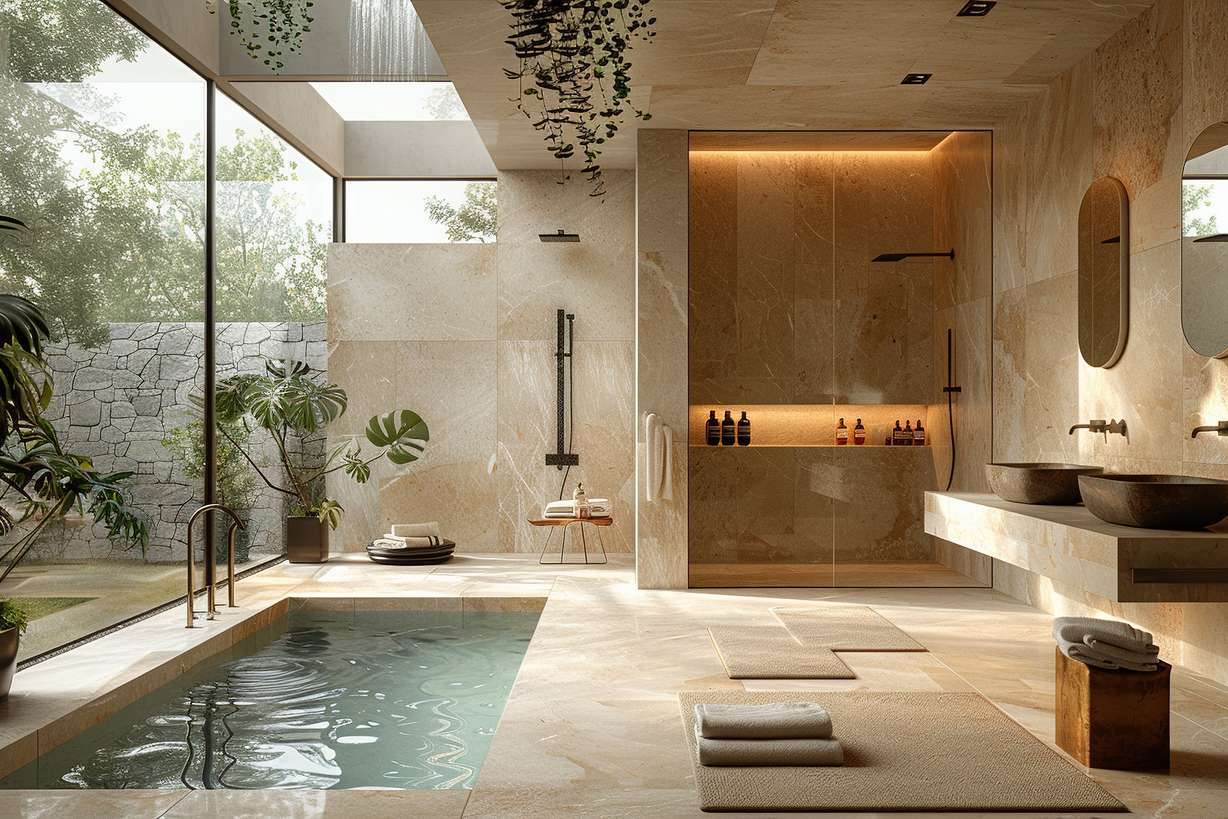
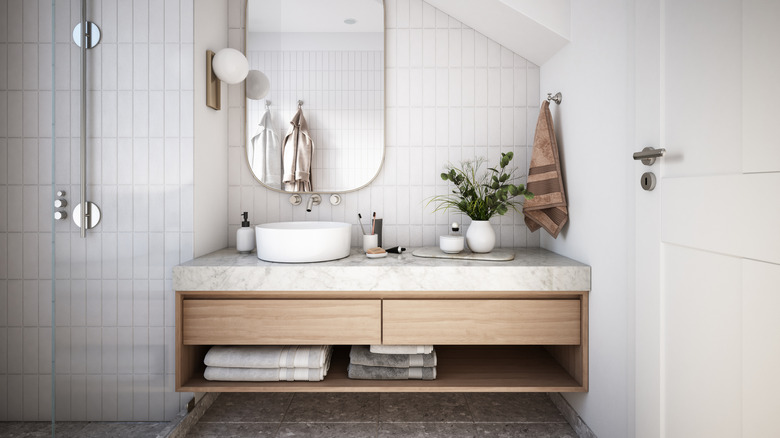
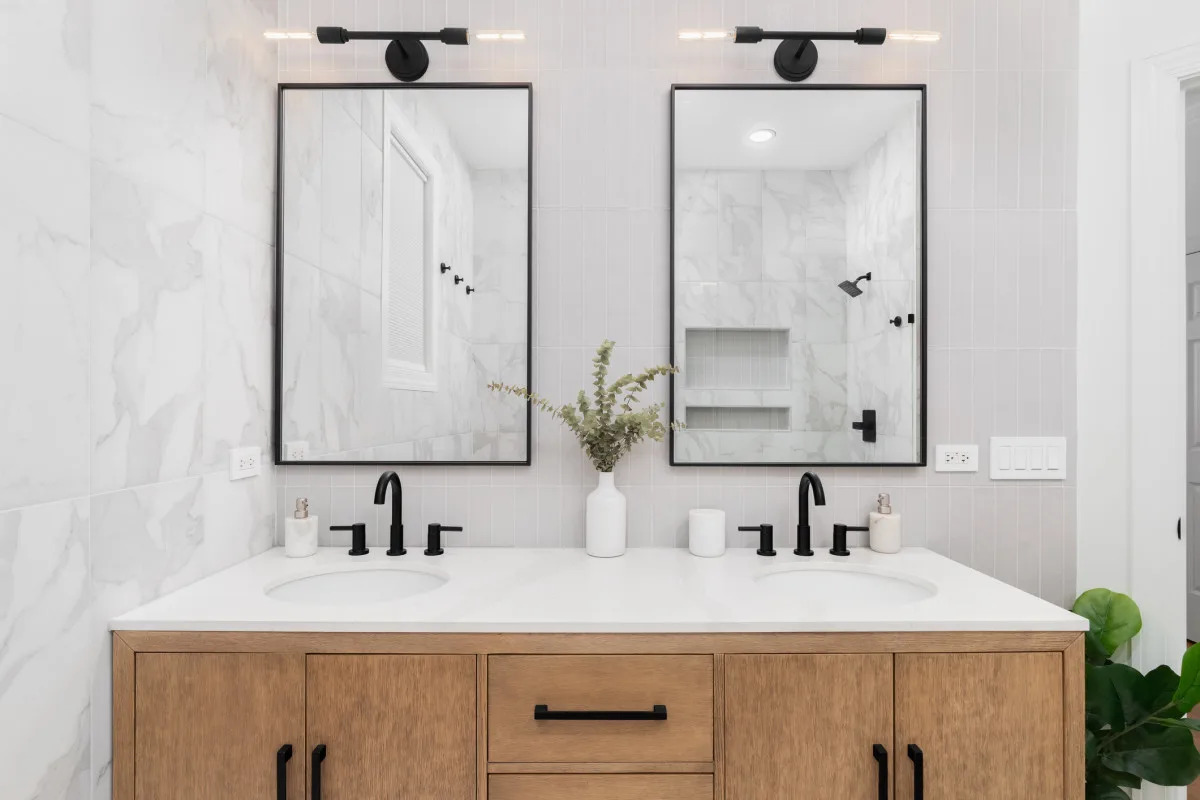
Sterile surfaces are being replaced by warmer, natural materials like wood. Shannon Cassell, owner and lead designer for Shannon Cassell Interiors, explains that wood tones soften cold tiles and mirrors offer an opportunity to inject personality into the space, being easily swappable. Wired shelving and farmhouse-inspired signs are also considered outdated, with Cassell noting their swift exit from traditional aesthetics unless in an actual farmhouse setting. Feature shower niches, while practical for holding toiletries, are no longer seen as a stylistic focal point. Bandstra suggests tucking these items out of sight to allow the tile work to take center stage, as shampoo bottles rarely enhance the aesthetic appeal of an intricate tile design.
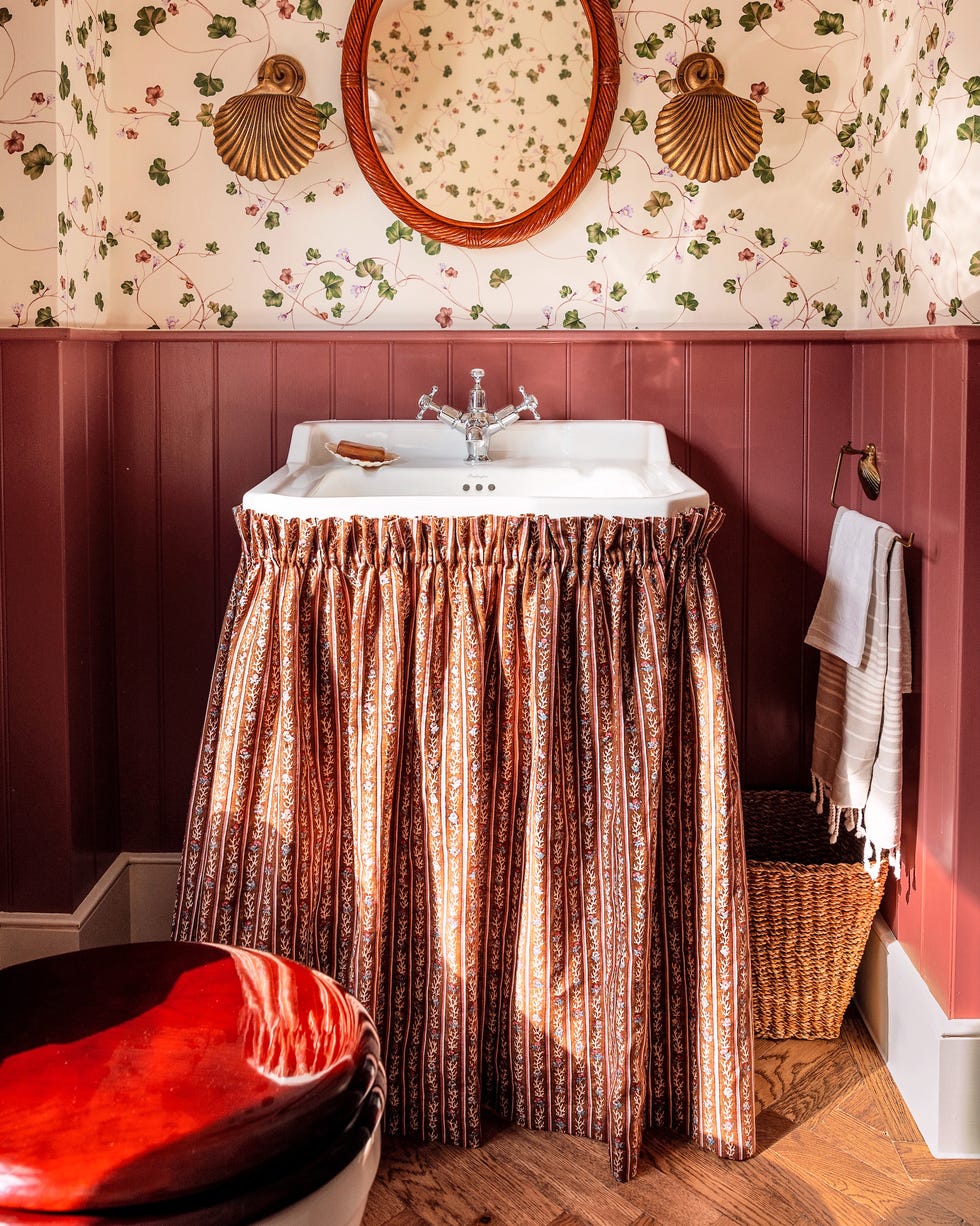
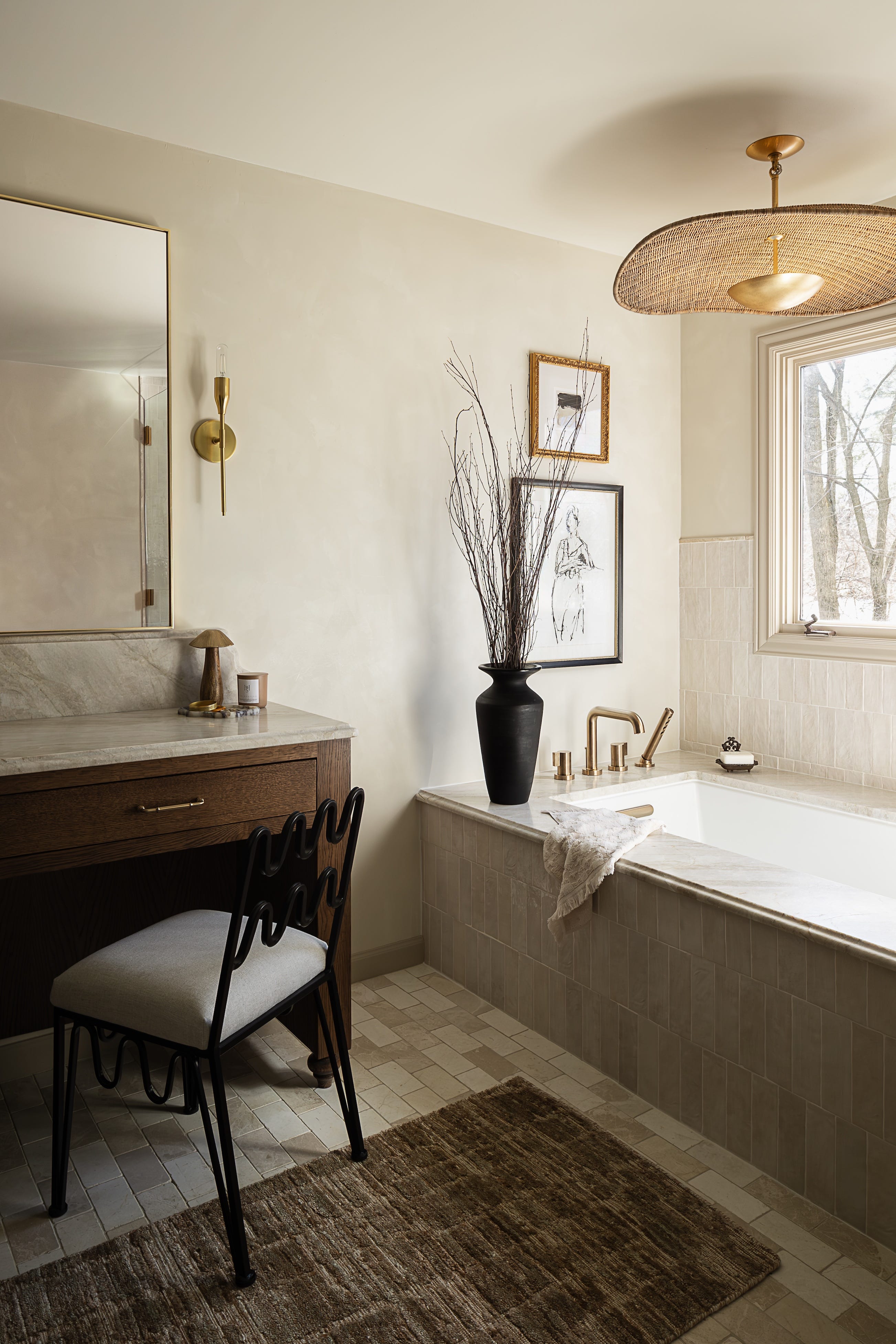
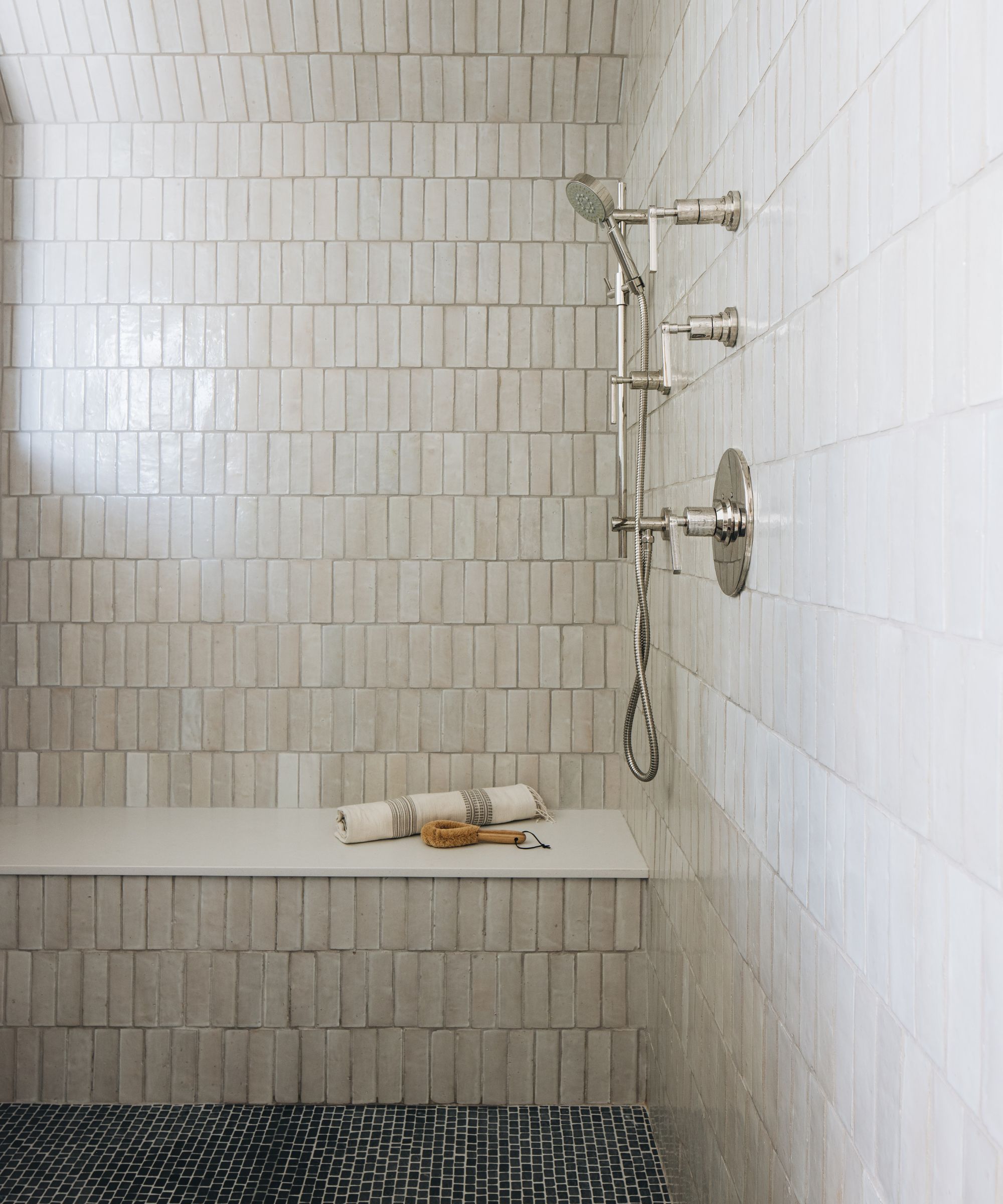
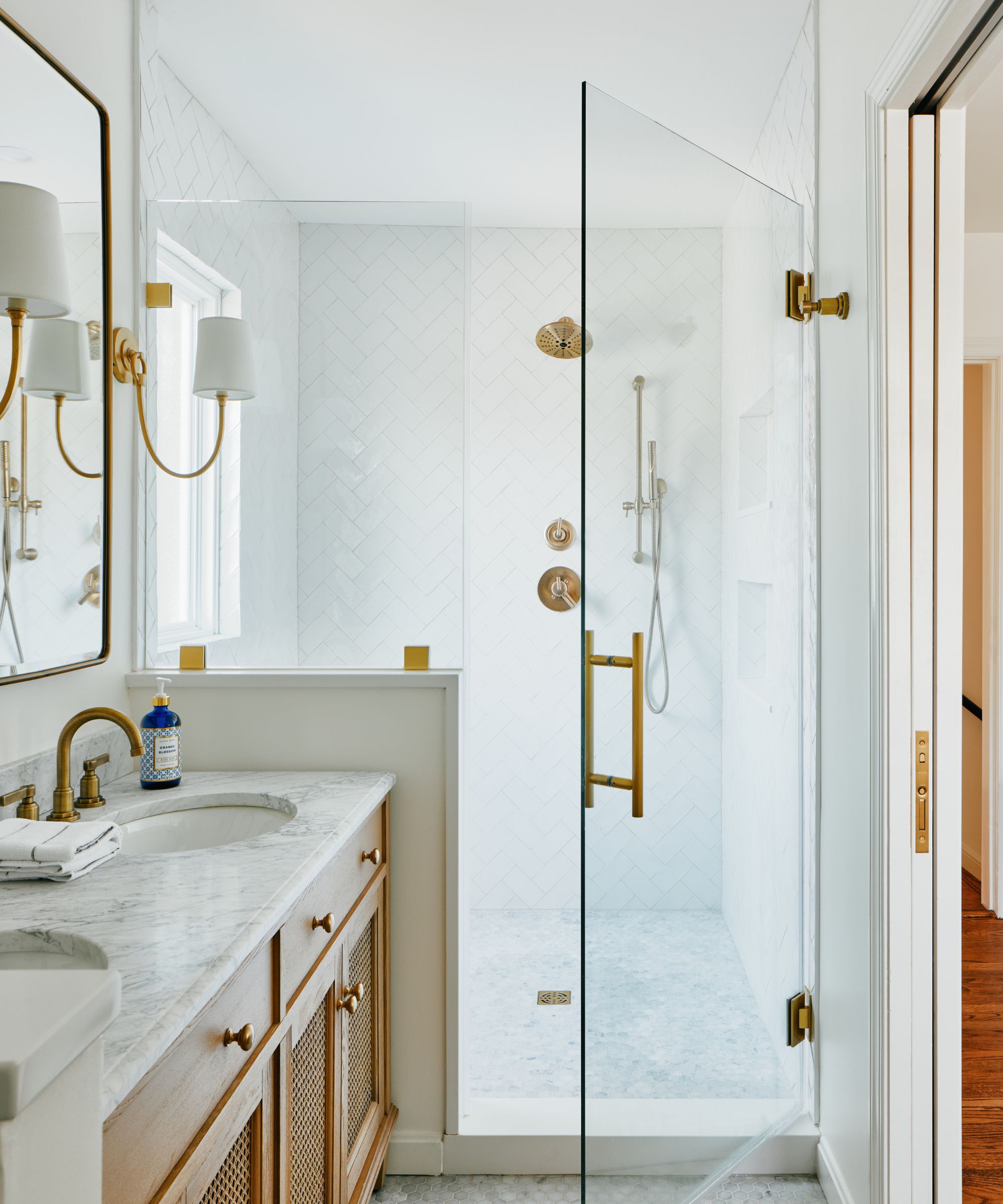
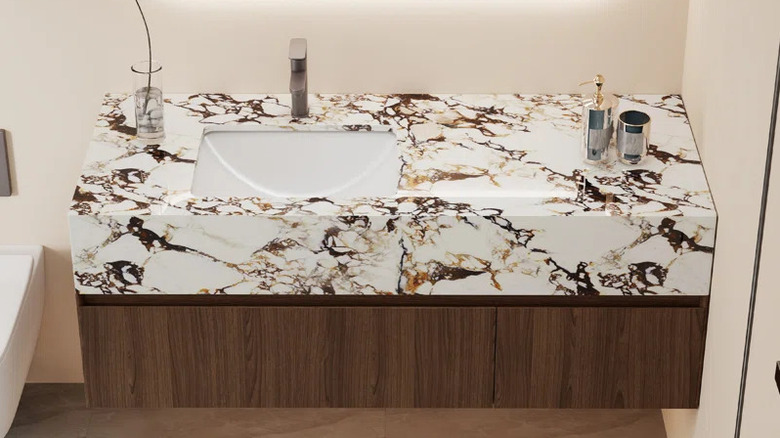
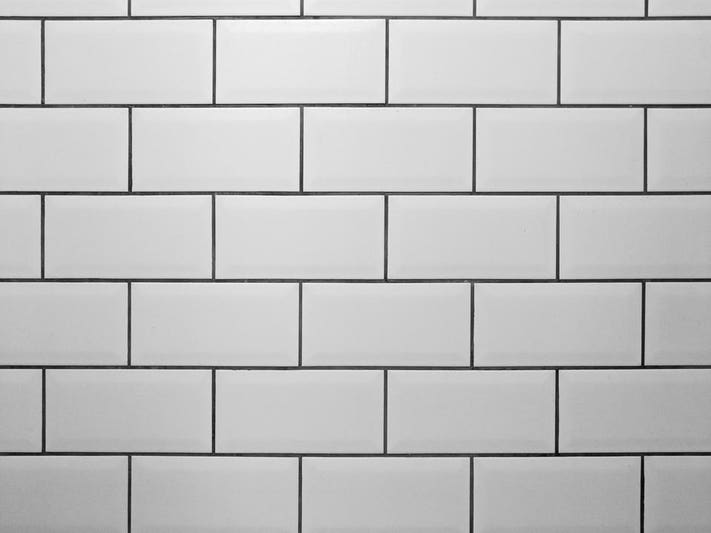
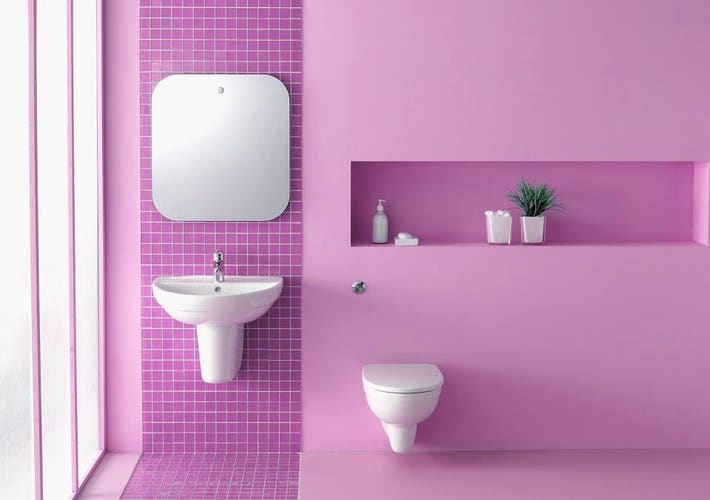
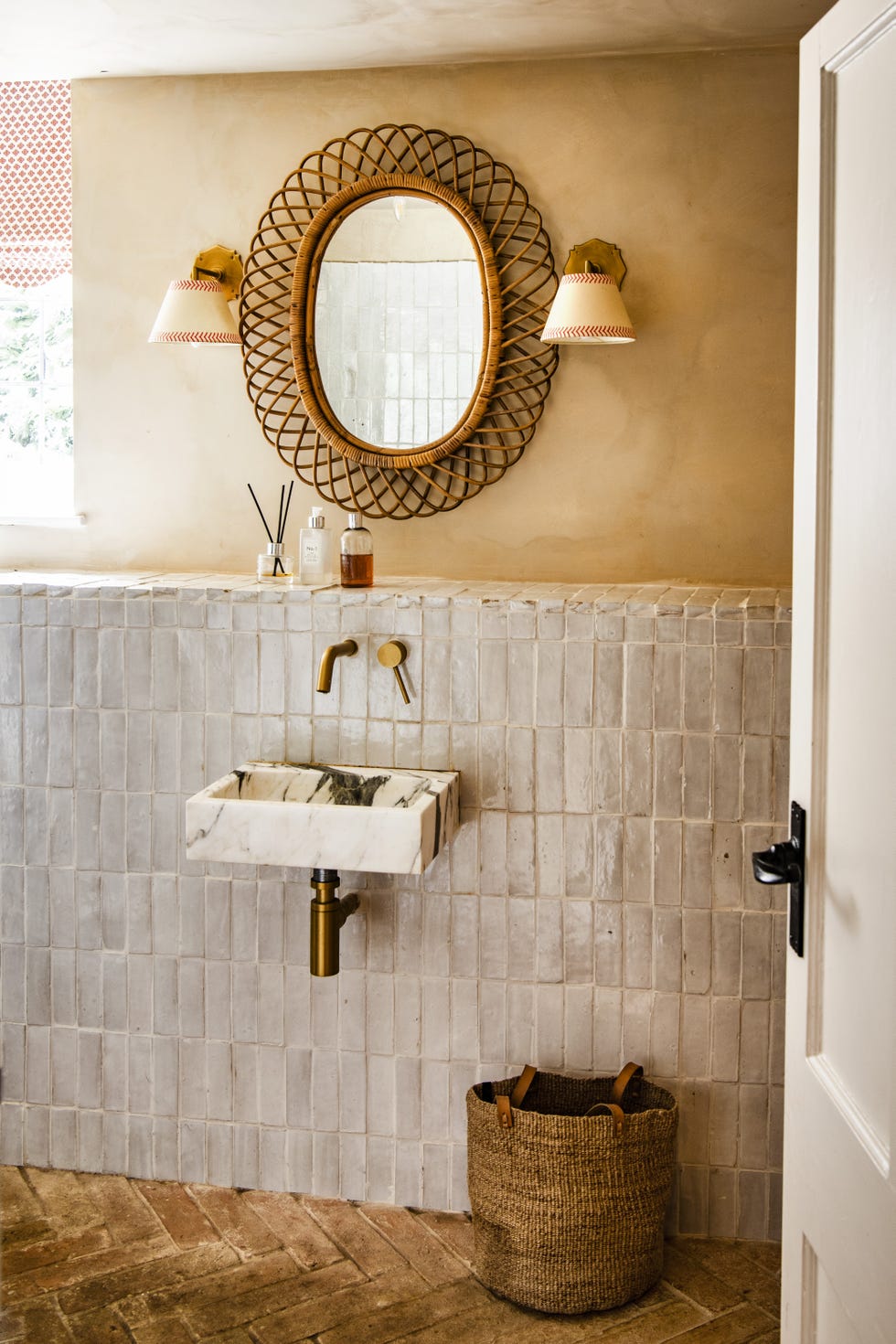
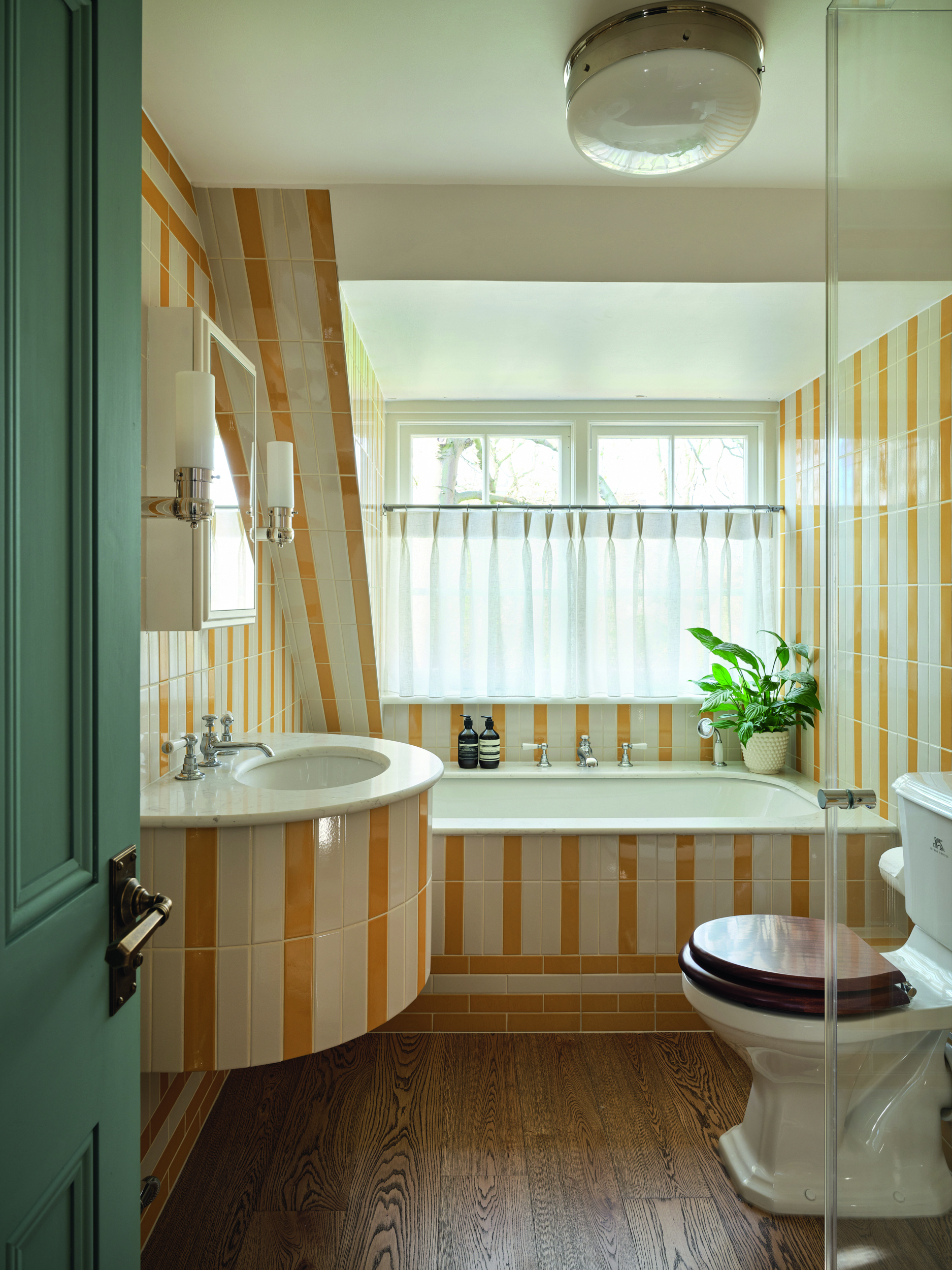
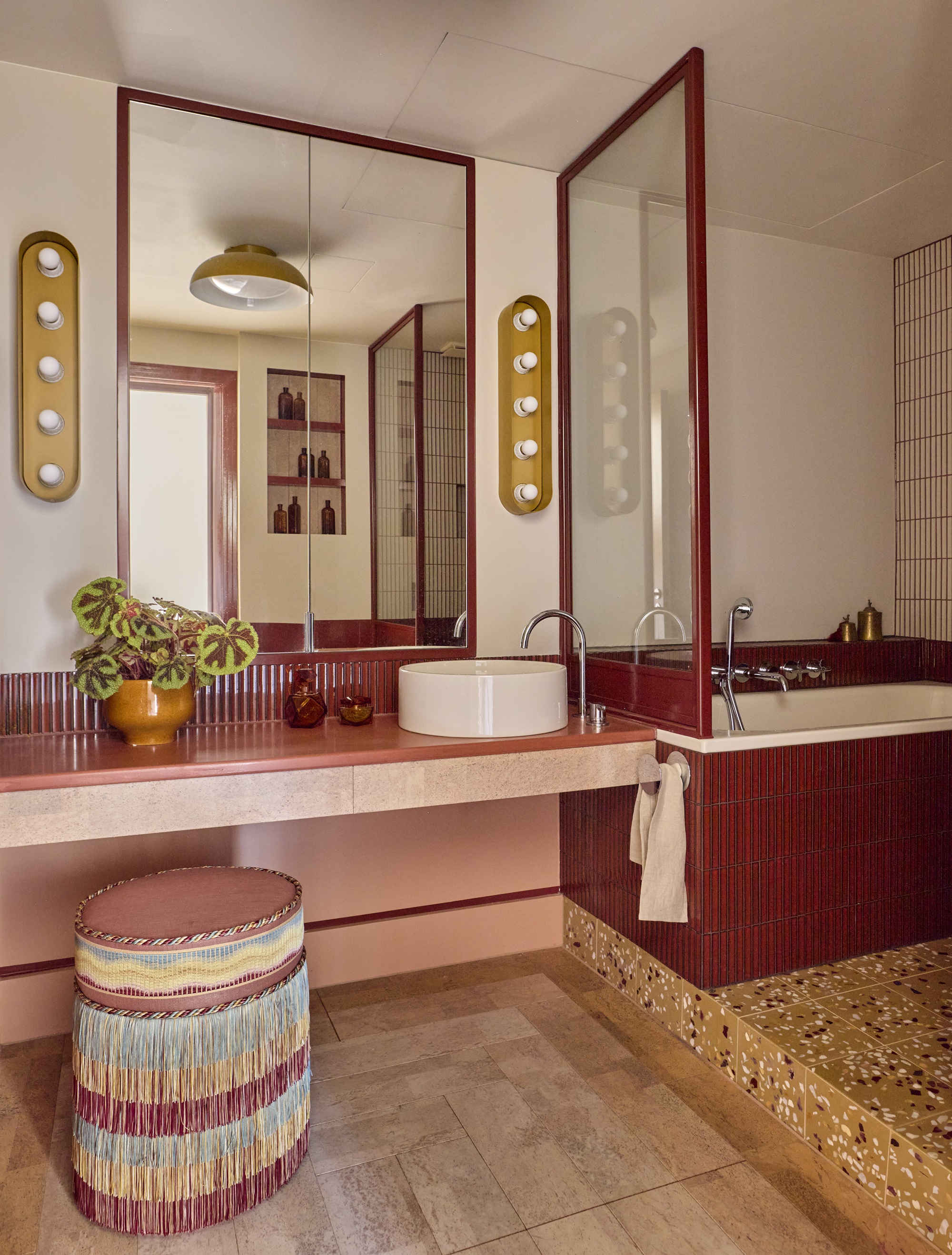
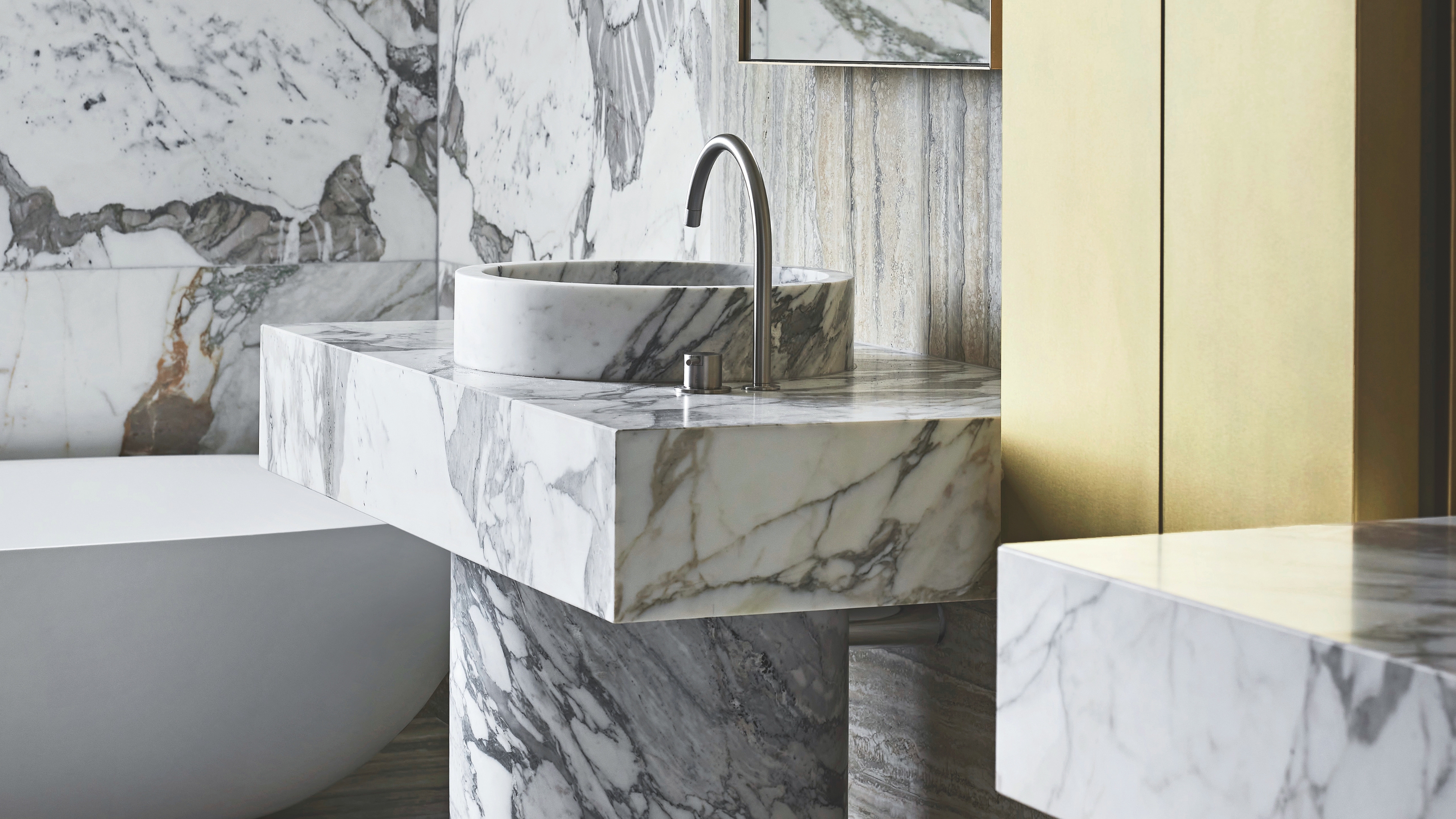
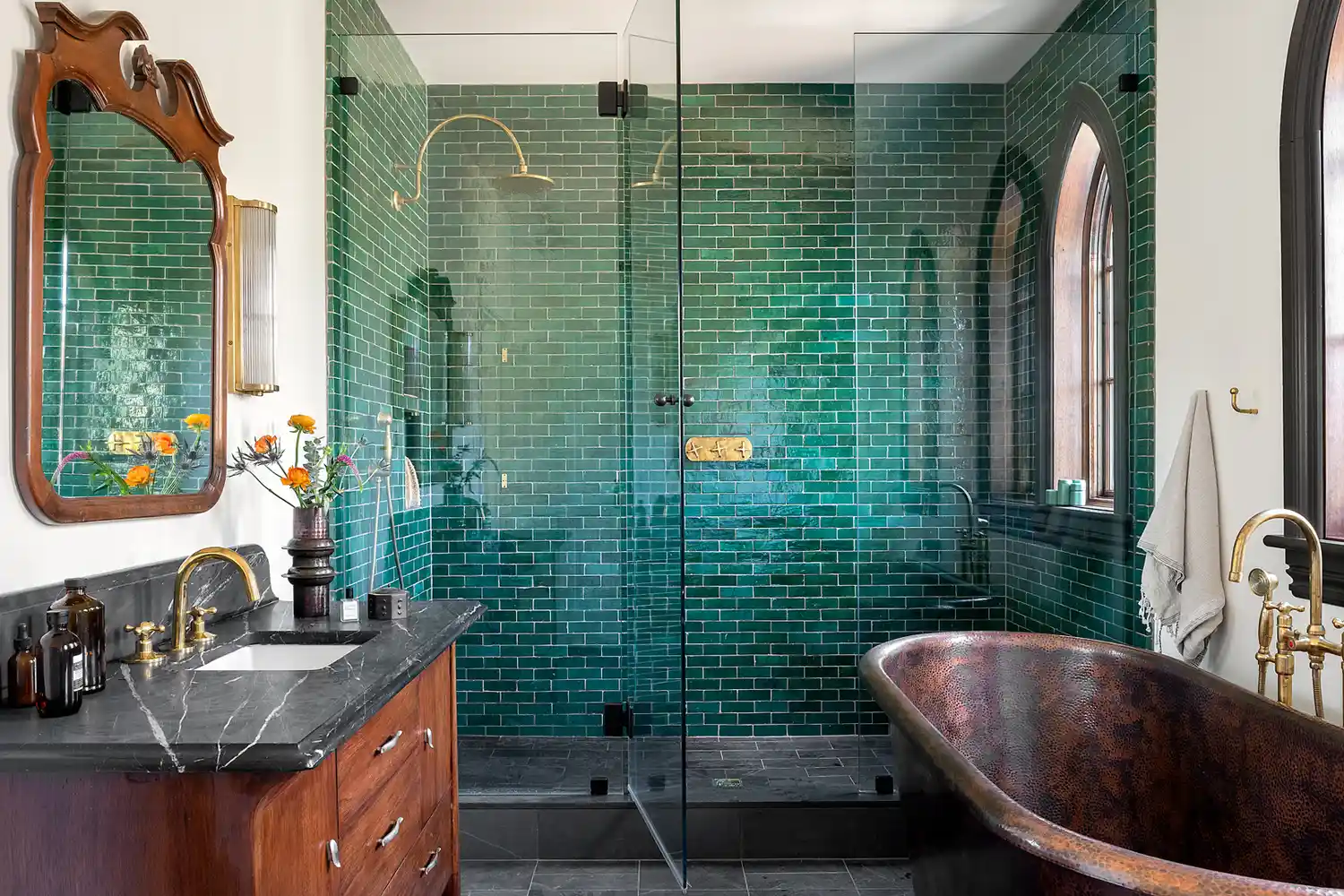
Regarding tile applications, predictable patterns are giving way to more creative uses of classic materials. While subway tile remains a classic, designers are recommending new scales and layouts, such as stacked, oversized, or herringbone patterns, to refresh its appearance. Zellige tiles are gaining popularity for their handcrafted charm, texture, and warm, natural colors, offering a neutral yet characterful backdrop. Conversely, overly loud or kaleidoscopic tiles are falling out of favor. Lindquist advises against tile patterns that quickly date a bathroom, instead advocating for natural materials like limestone, classic marble, or soft ceramics. These provide a subtle base that allows for bolder statements in wallpaper, paint, or fixtures. Tile “rugs” are also becoming obsolete, though a subtle touch can be added by using contrasting tile to line the room's perimeter. Open shelving for towels, while a good idea in theory, often results in untidy displays. Lindquist suggests built-in cabinetry or paneled storage to hide clutter, leaving open spaces for a few artful touches, or using fabric-backed wire cabinet doors for warmth, texture, and privacy.
#BathroomTrends #InteriorDesign #HomeDecor #DesignTips #TimelessDesign #BathroomRemodel #HomeImprovement #BathroomTrends #InteriorDesign #HomeDecor #DesignTips #TimelessDesign #BathroomRemodel #HomeImprovement
0 comment in total
 No comments yet
You may also like
6 Bathroom Trends Designers Can't Wait to Say Goodbye to in 2026

According to interior designers, these are the most coveted bathroom trends for 2026 and beyond
10 Bathroom Design Trends Going Away In 2024

Major Bathroom Design Changes Are Coming: This Popular Trend Is Ending In 2026
5 Bathroom Design Trends Already Taking Over in 2026
7 Bathroom Design Trends Going Away In 2023
6 Bathroom Trends Designers Are Loving for 2026 (And You Will Too)

The 8 Must-Know Bathroom Trends for 2026 |

Designers Have Spoken: Here Are the Top Bathroom Design Trends for 2026

7 Bathroom Trends That Will Redefine Your Renovations in 2026
Once-Trending Bathroom Designs That Are Being Replaced In 2025

Top bathroom design trends in 2025
7 Bathroom Trends You’ll See Everywhere In 2026
7 Bathroom Trends That Will Dominate in 2024, According to Designers

12 Bathroom Design Trends Going Out Of Style In 2025
12 “Outdated” Bathroom Trends That Need To Go In 2025

All The Bathroom Trends That Will Be Taking Over In 2026
9 Shower Trends to Transform Your Bathroom in 2026, According to Interior Designers

10 bathroom trends that will define 2026 – from floating vanities to pastel tones
7 Dated Bathroom Trends to Avoid in 2025, According to Designers