1/2
Major Bathroom Design Changes Are Coming: This Popular Trend Is Ending In 2026
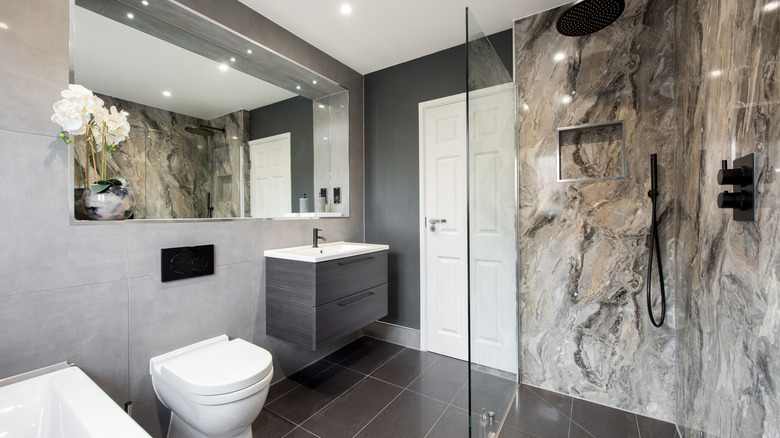
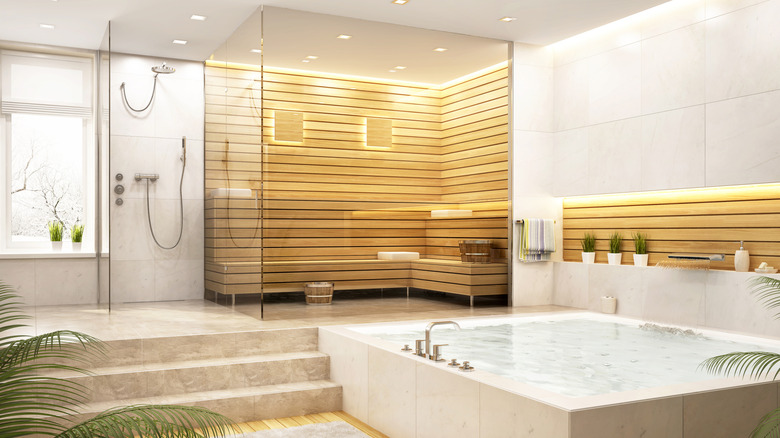

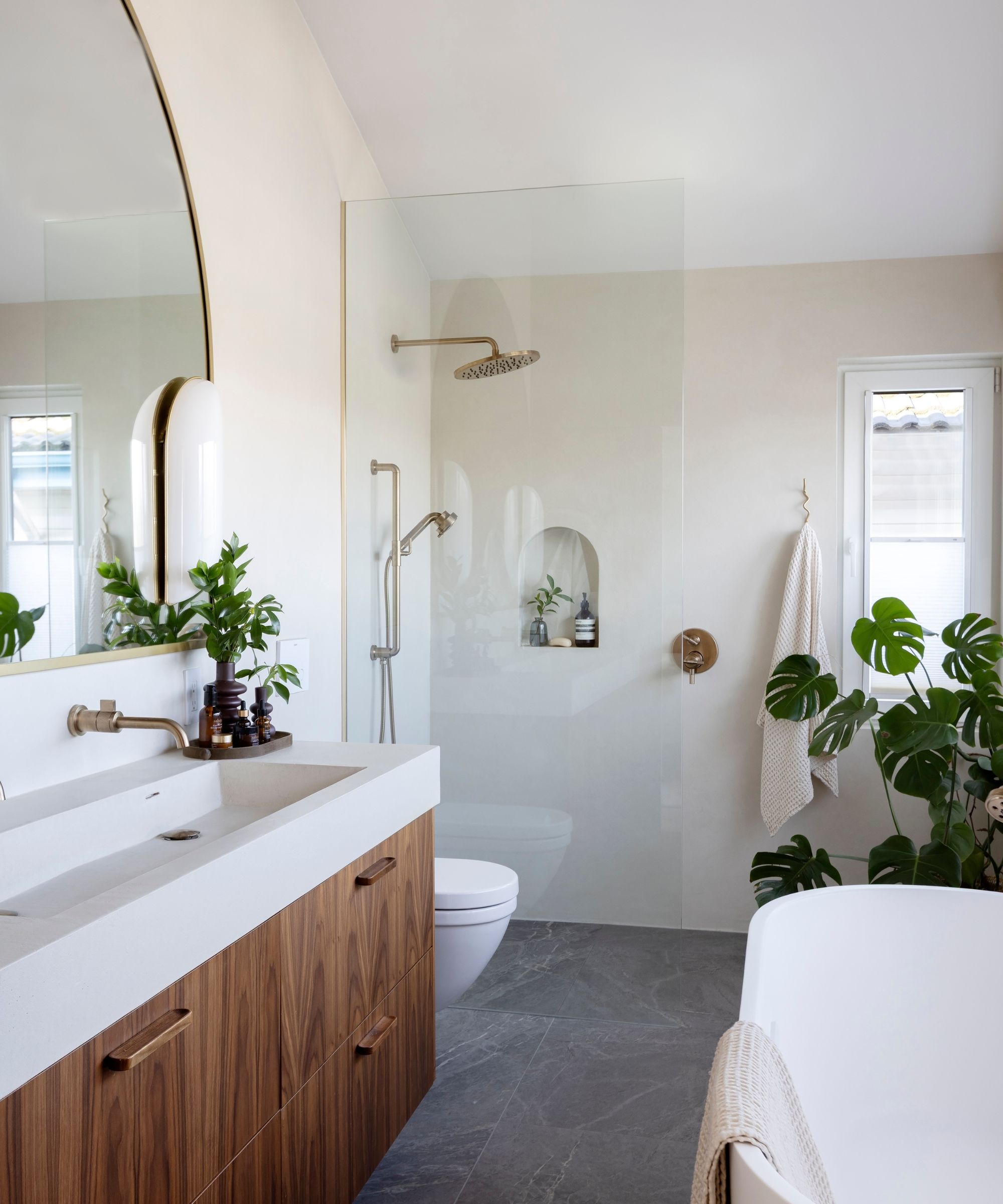
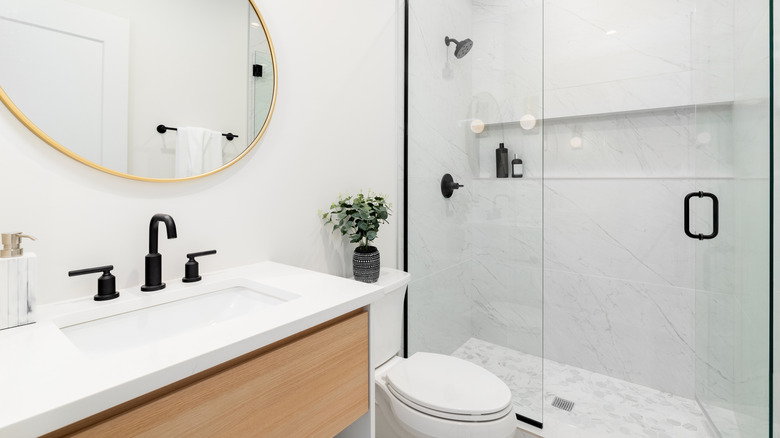
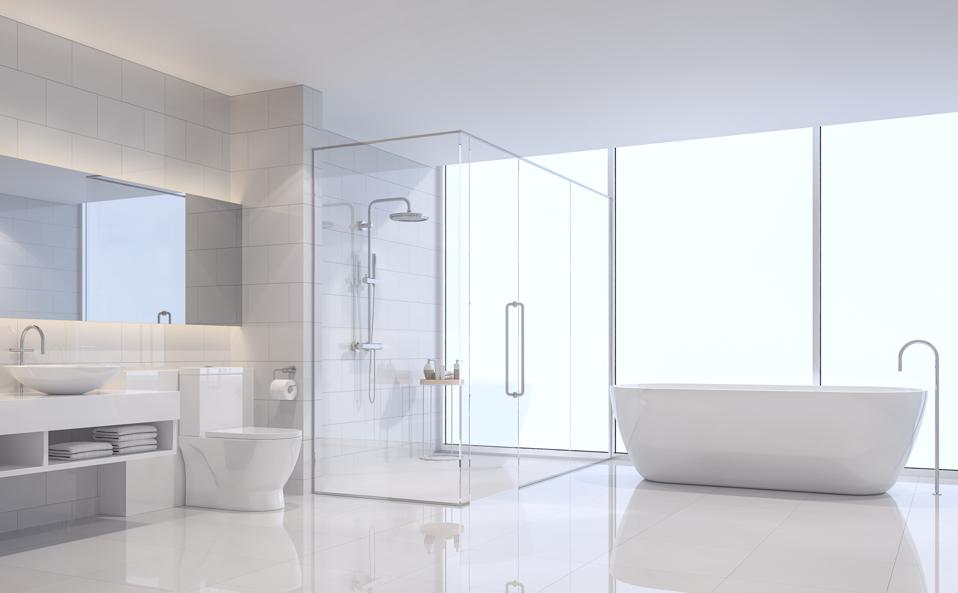
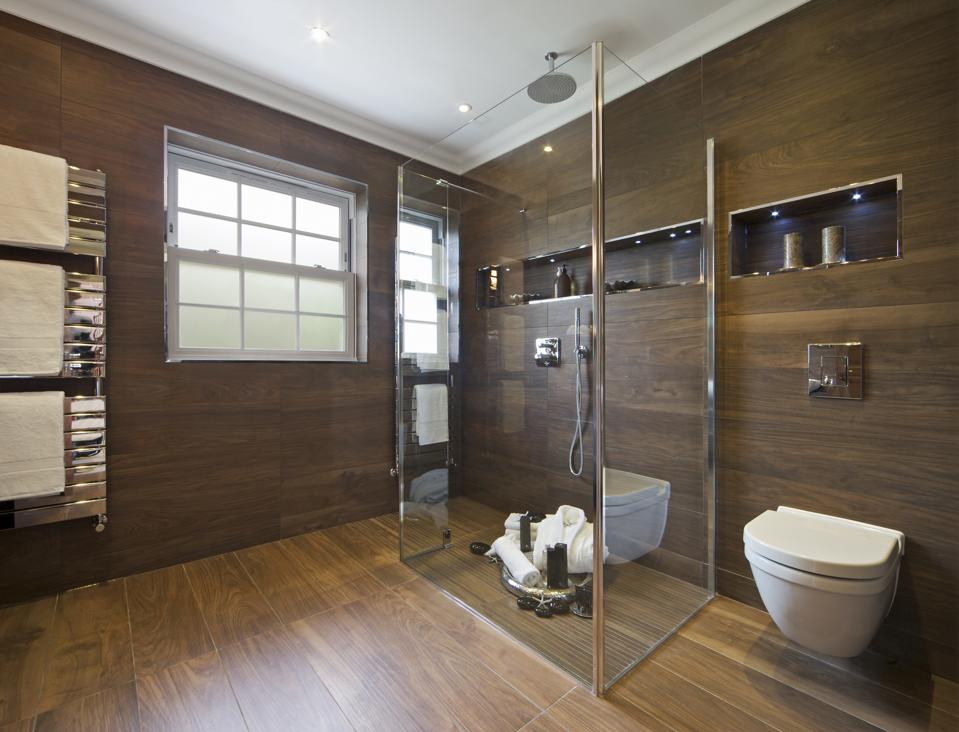
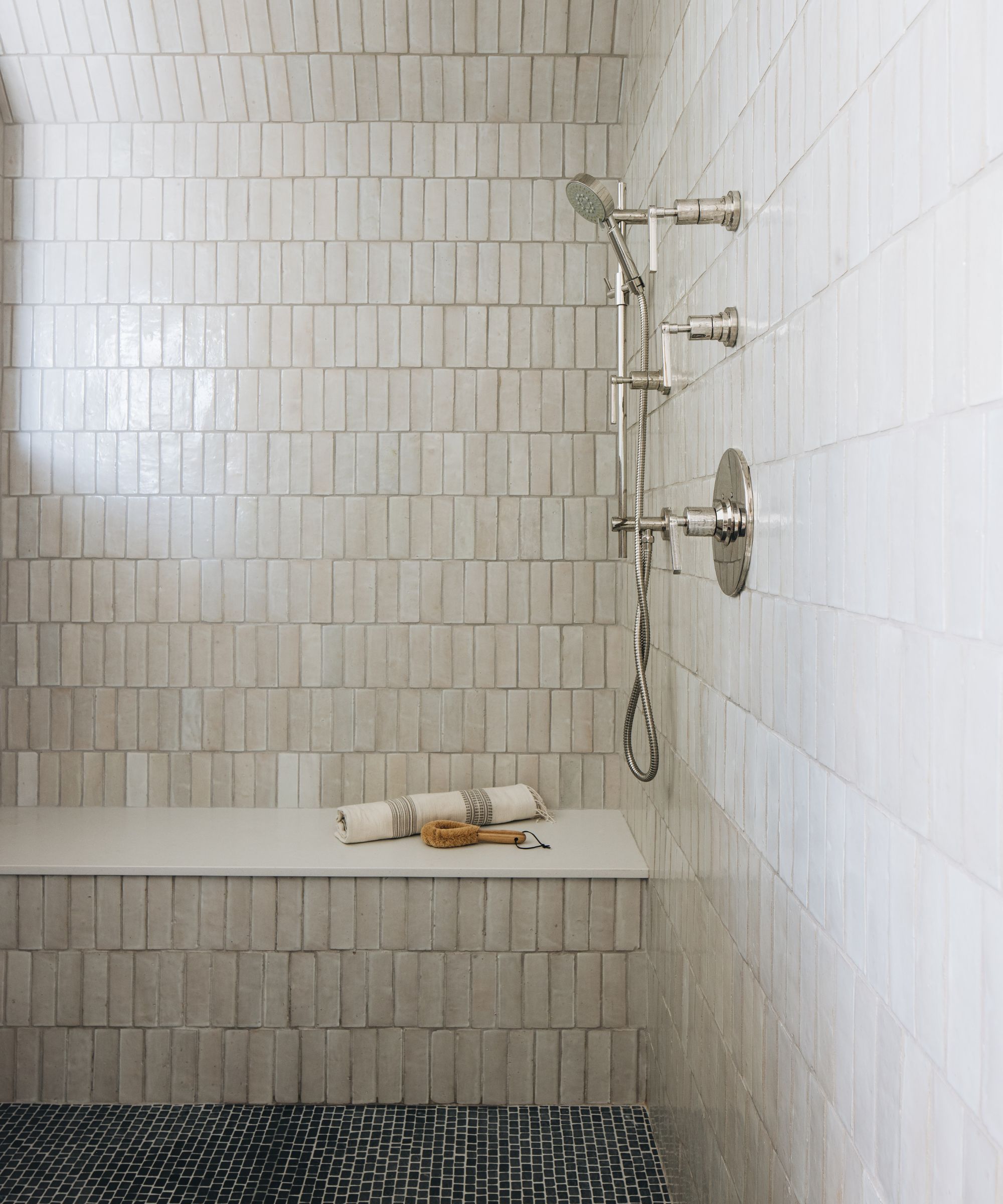
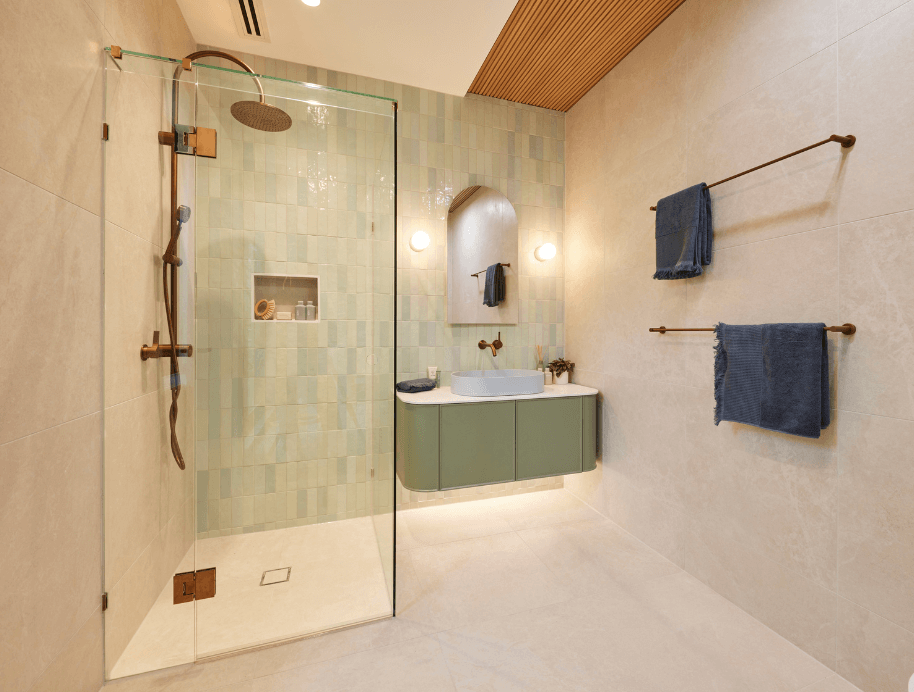
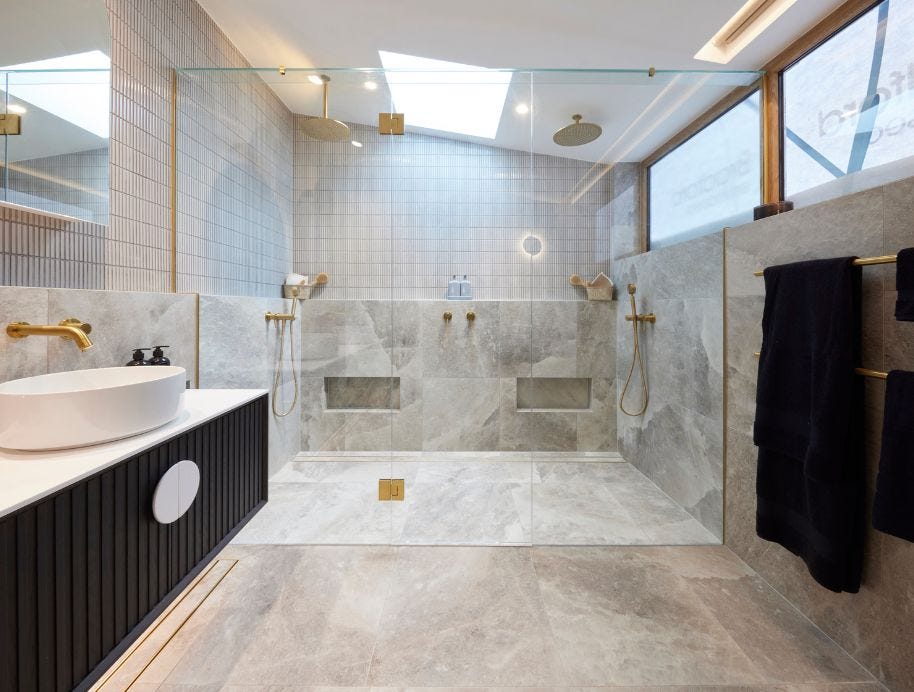
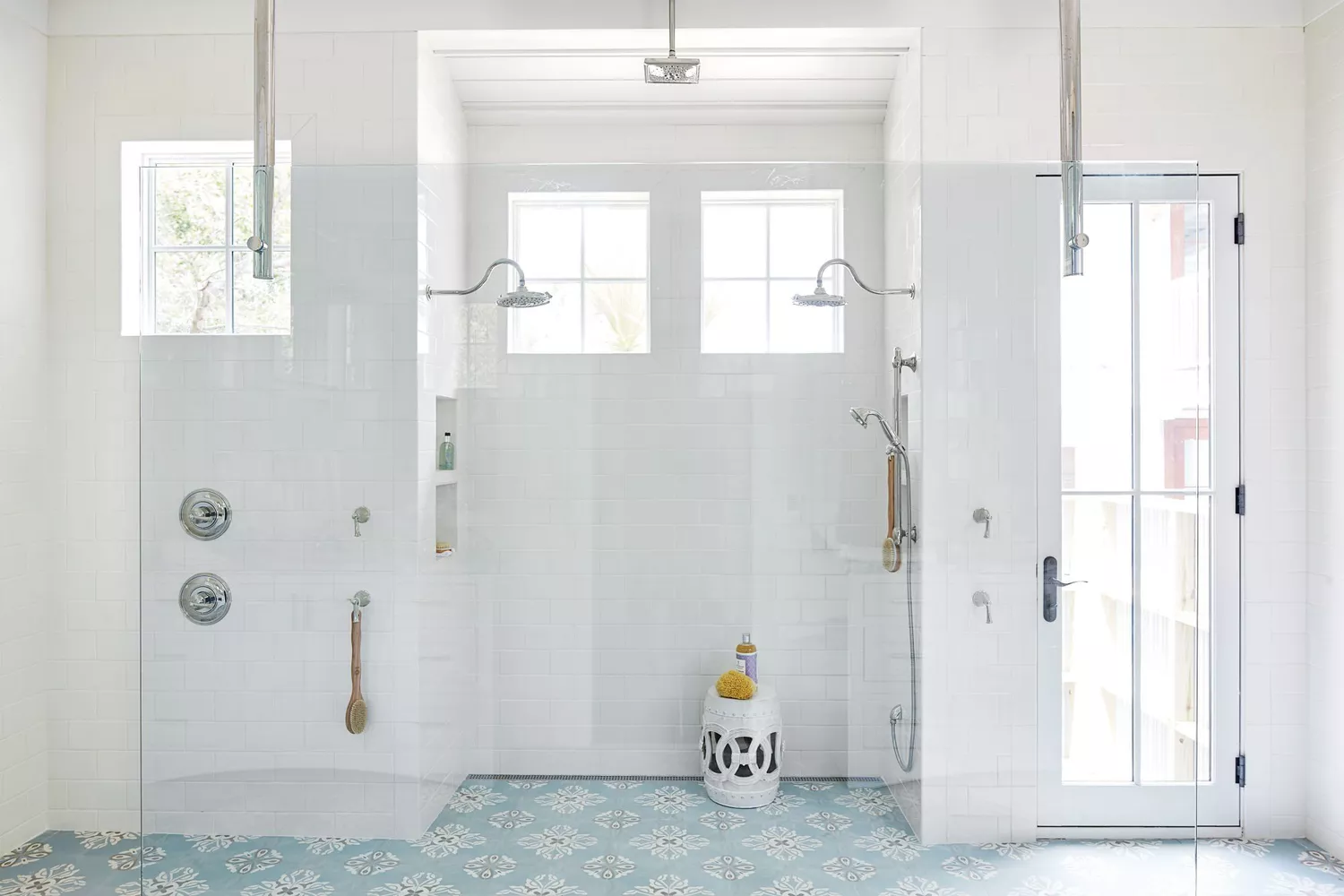
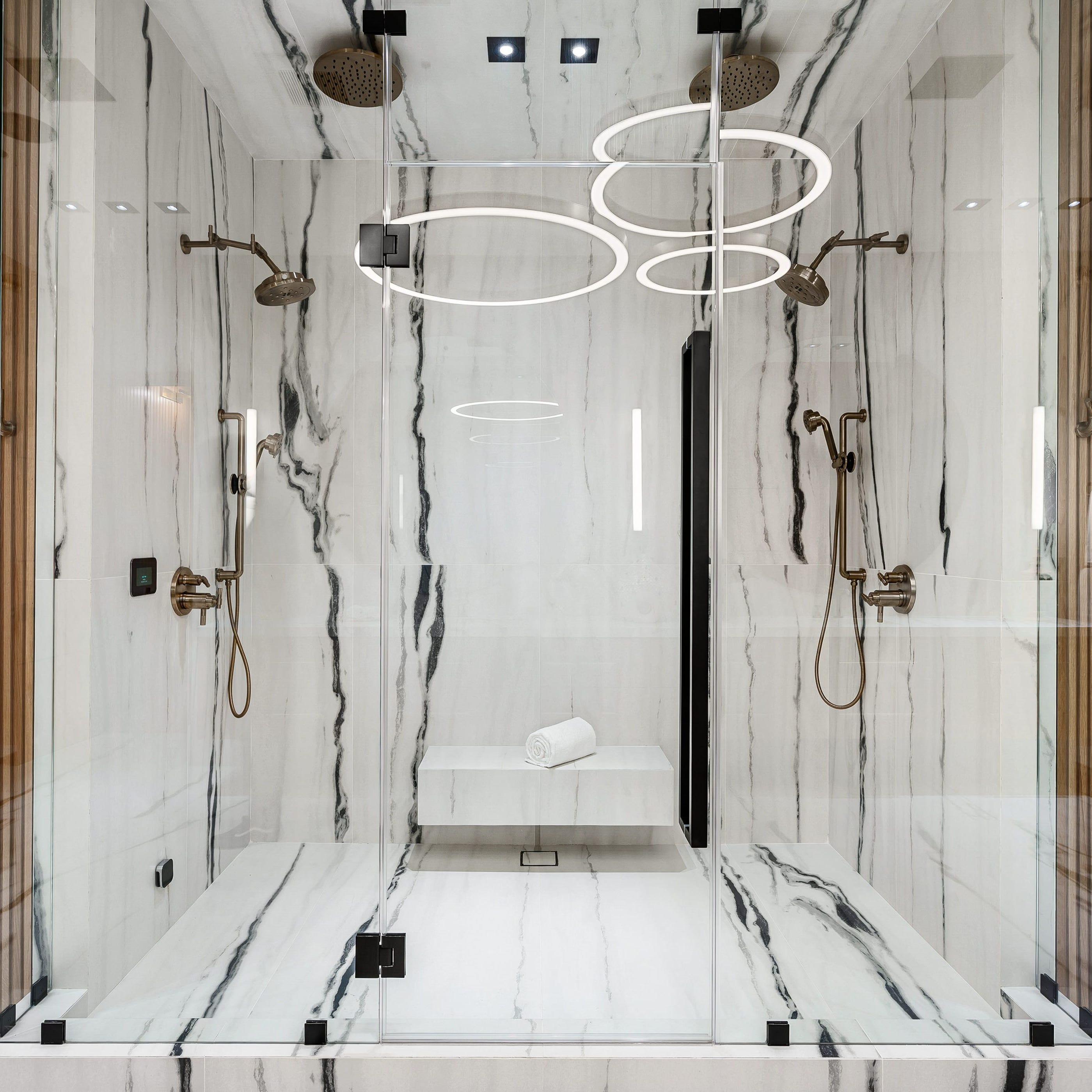
Wet rooms, characterized by an open, seamless shower area without traditional enclosures, have gained popularity for their sleek and luxurious aesthetic, particularly in modern and minimalist bathroom designs. They offer benefits such as enhanced accessibility for individuals with disabilities and efficient space utilization in smaller bathrooms. In a wet room, the flooring extends continuously throughout the space, sloping gently towards a central drain, creating a unified and open feel. This design approach eliminates the visual interruption of a shower enclosure, contributing to a clean and uncluttered look.
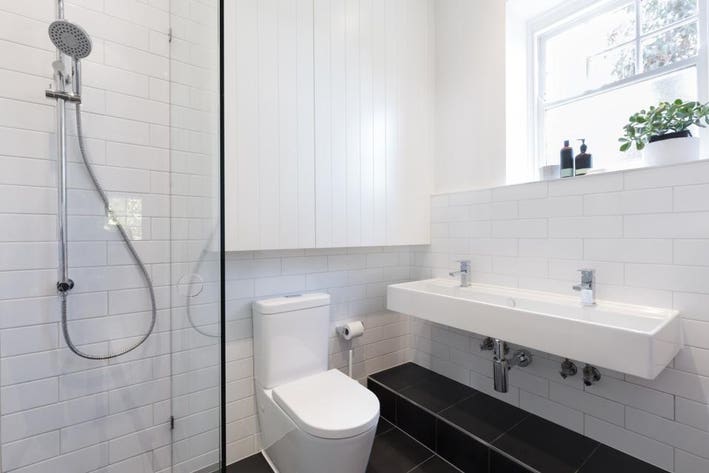
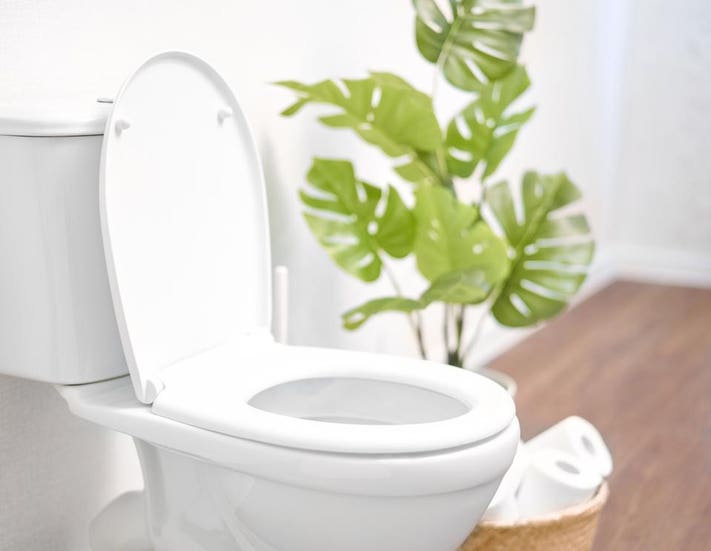
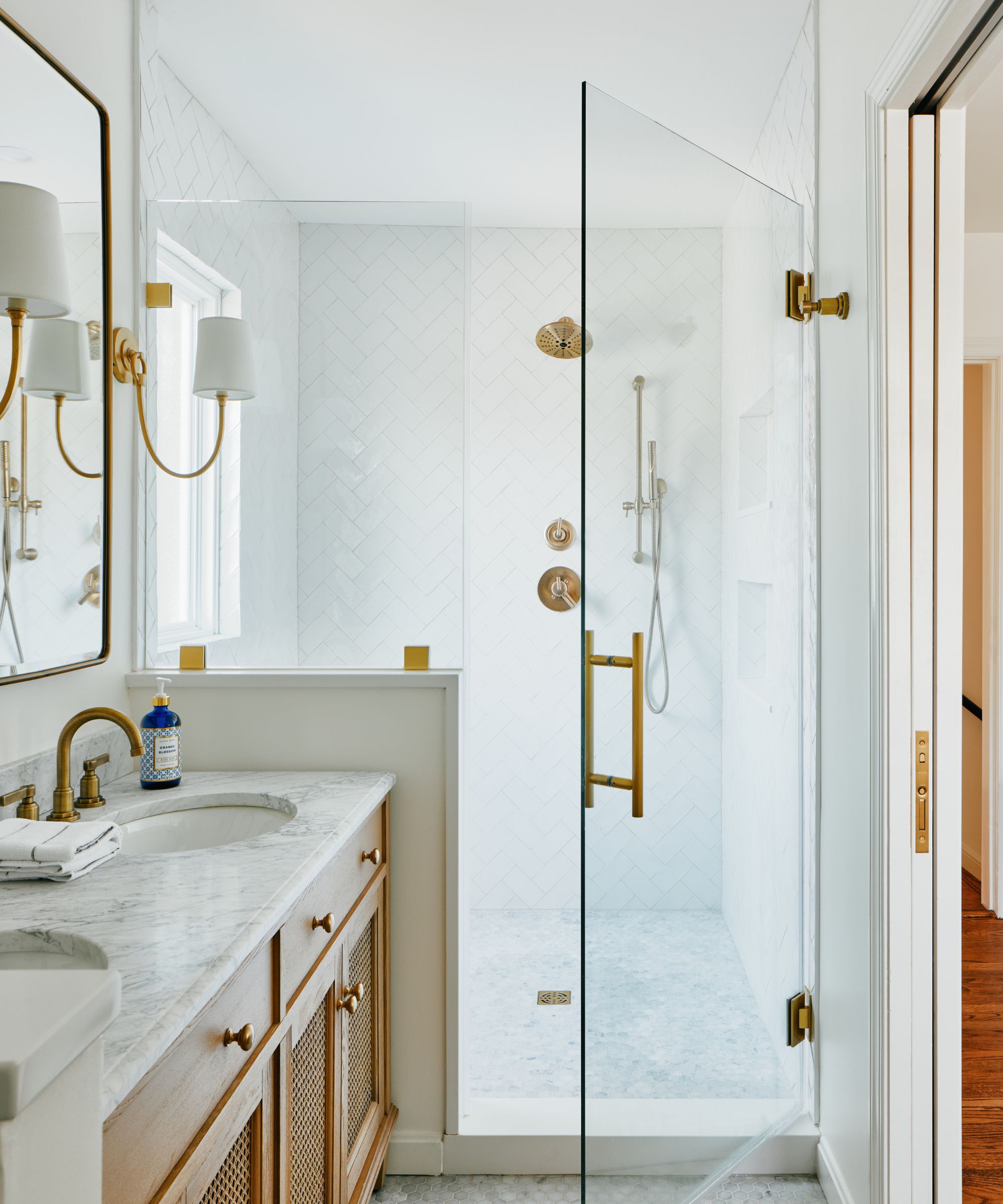
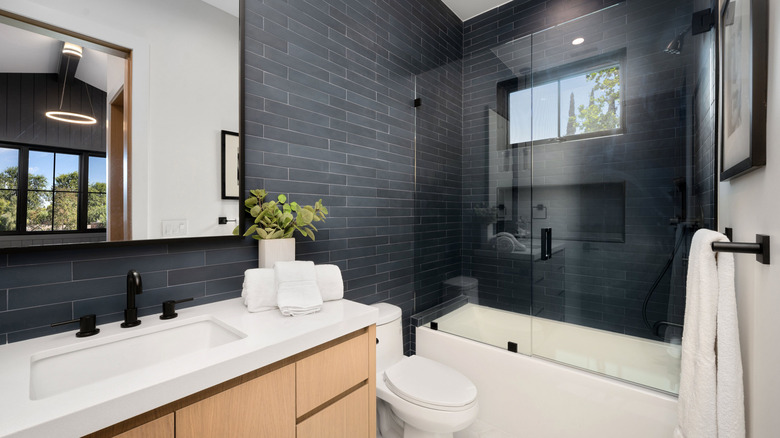
However, this trend is anticipated to decline significantly by 2026 as bathroom design shifts towards prioritizing comfort, warmth, and coziness. The inherent nature of wet rooms, where the entire space can become damp, poses practical challenges. Keeping items like towels, clothing, and even toilet paper dry can be difficult, leading to inconvenience. Moreover, inadequate ventilation in wet rooms can foster the growth of mold and mildew, posing potential health and maintenance concerns. From a real estate perspective, the unconventional nature of wet rooms, compared to traditional shower and tub setups, may actually diminish a home's resale value. The open layout can also make the bathroom feel colder and less inviting, as there is no enclosed area to retain steam and warmth, a characteristic that contrasts with the emerging preference for snug and welcoming bathroom environments.
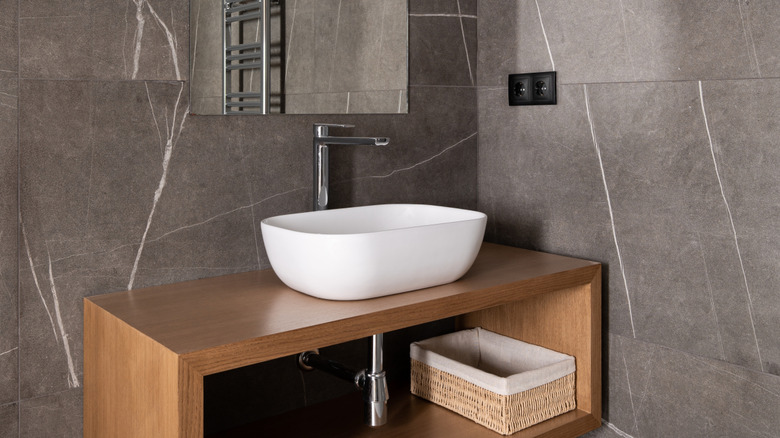
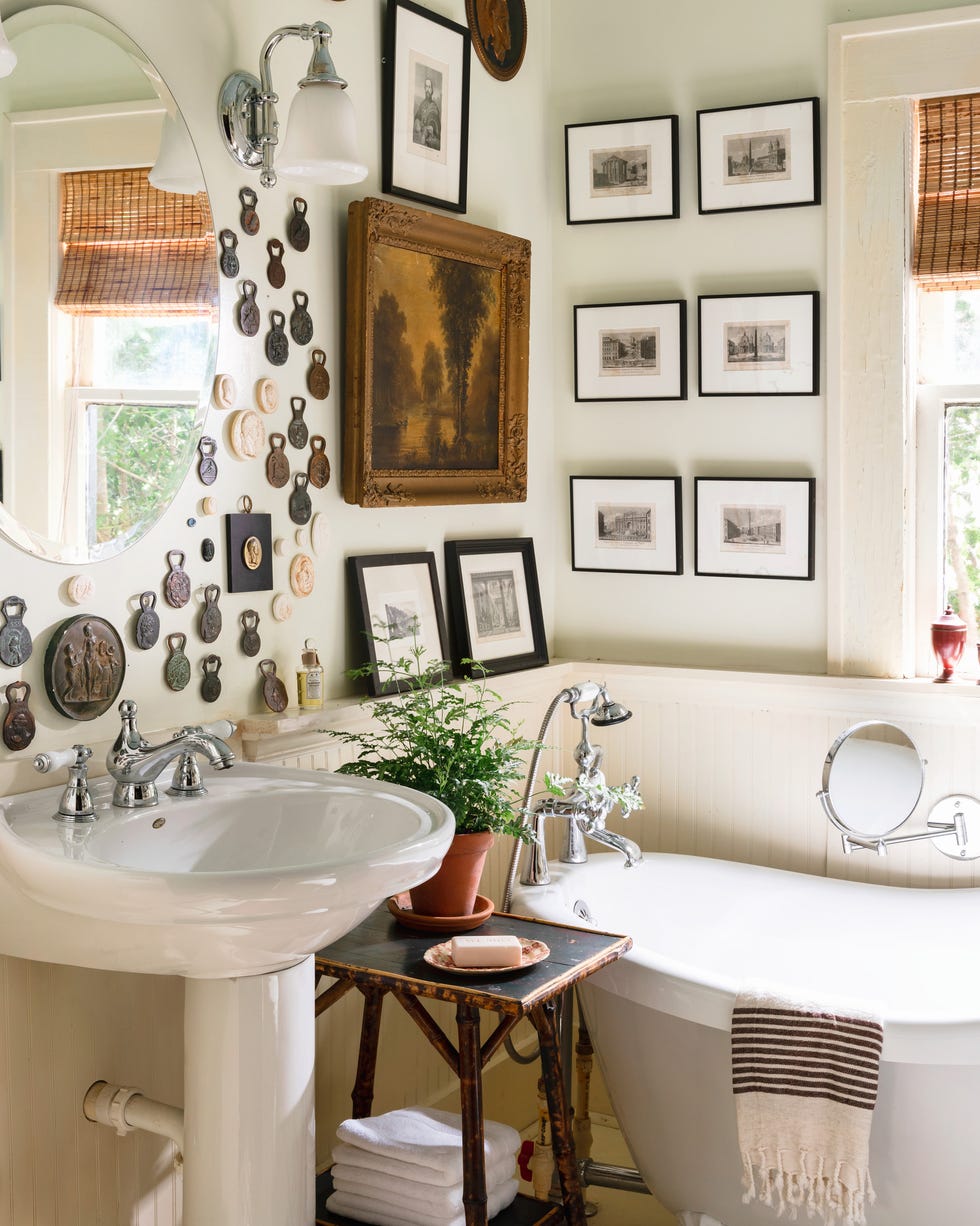
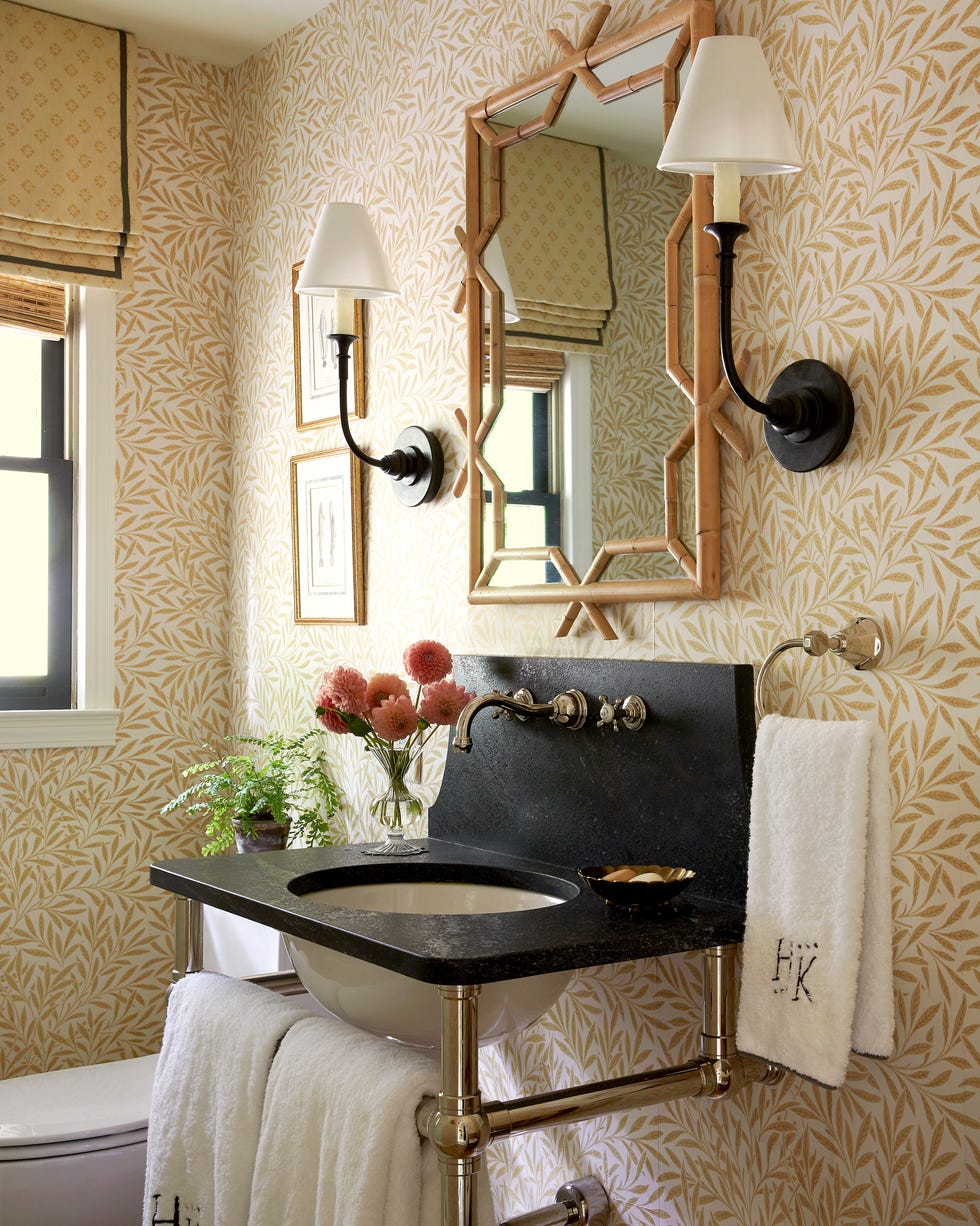
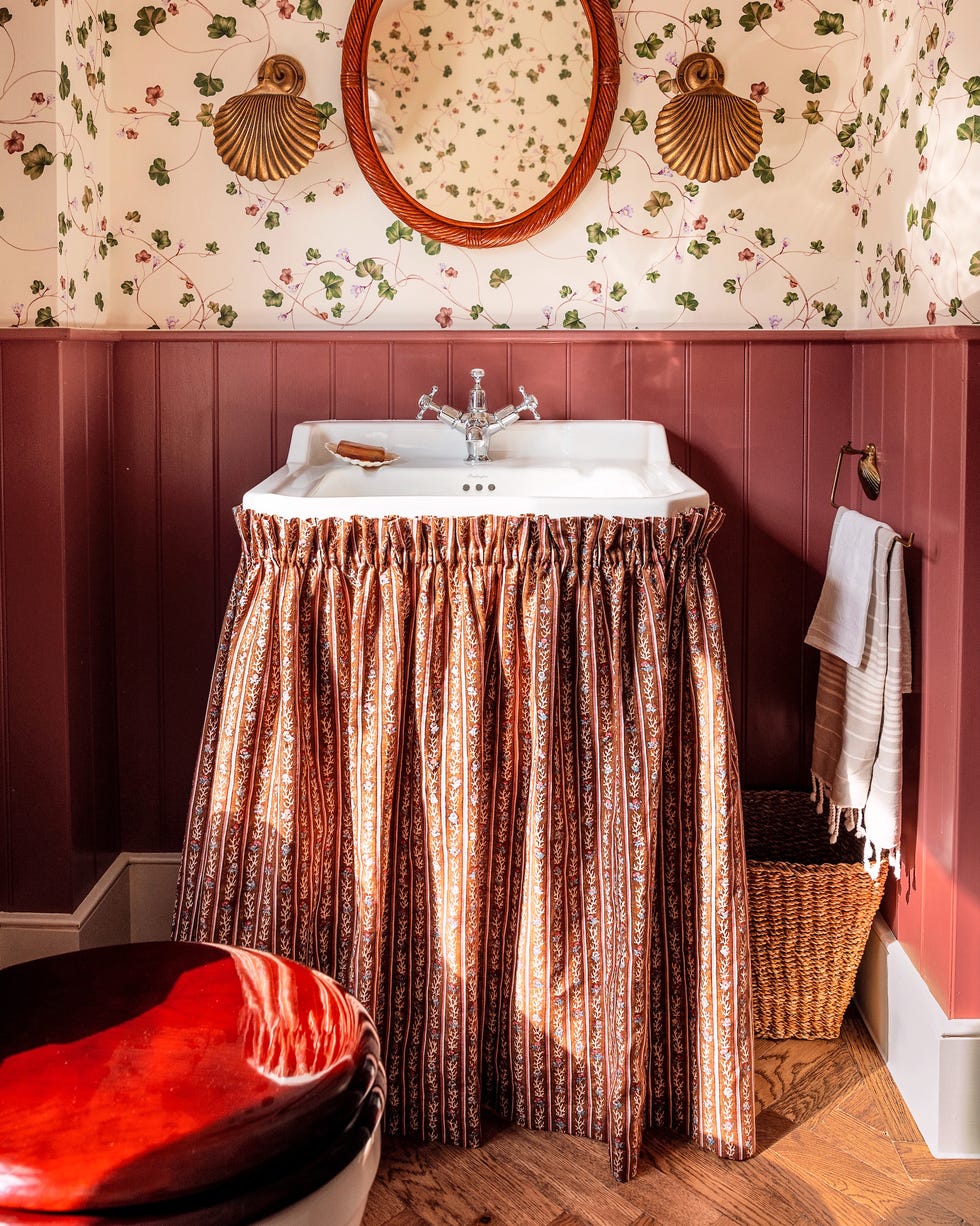
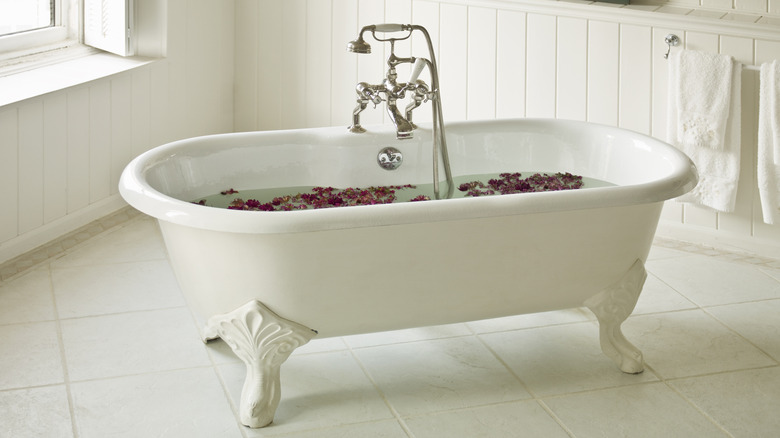
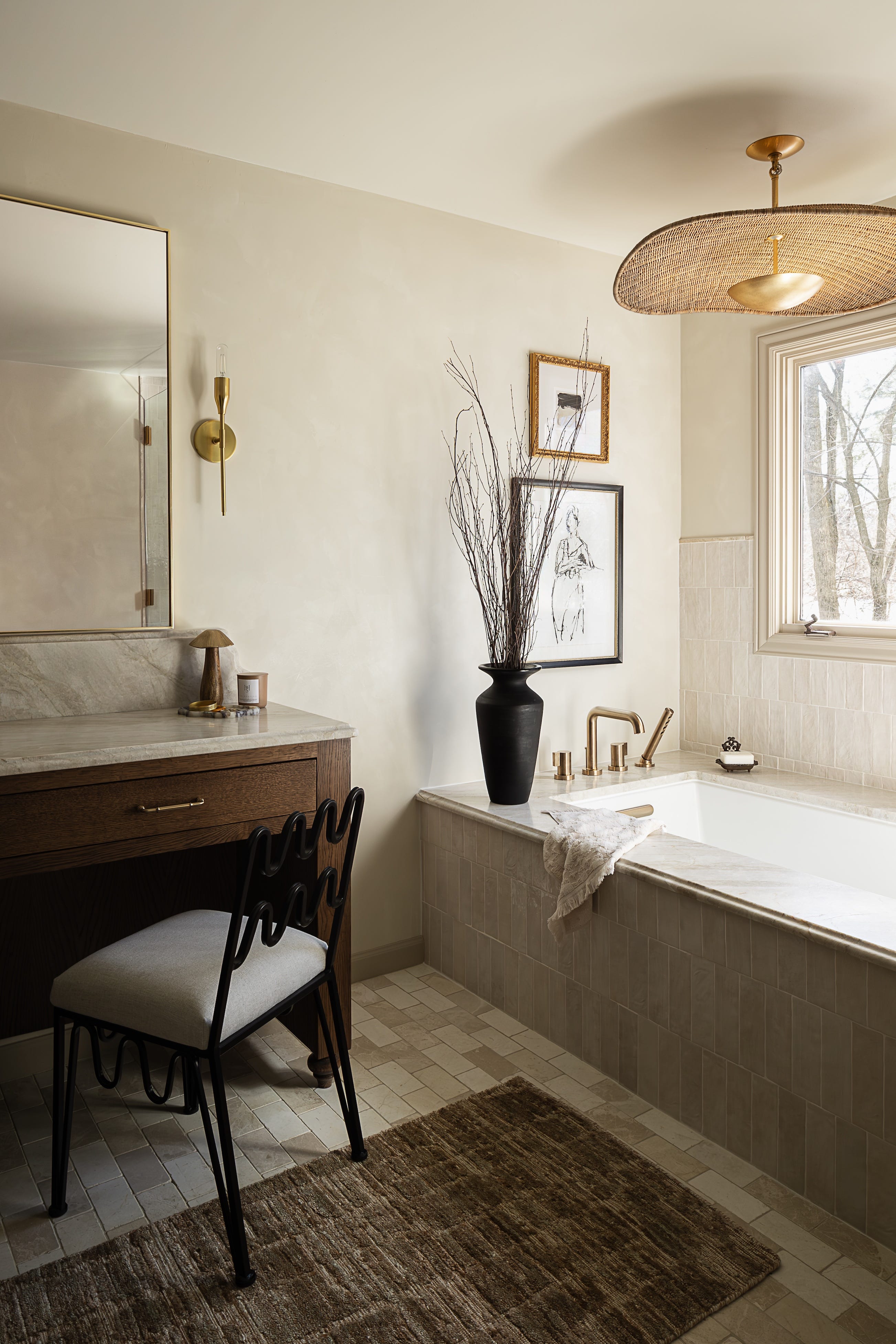
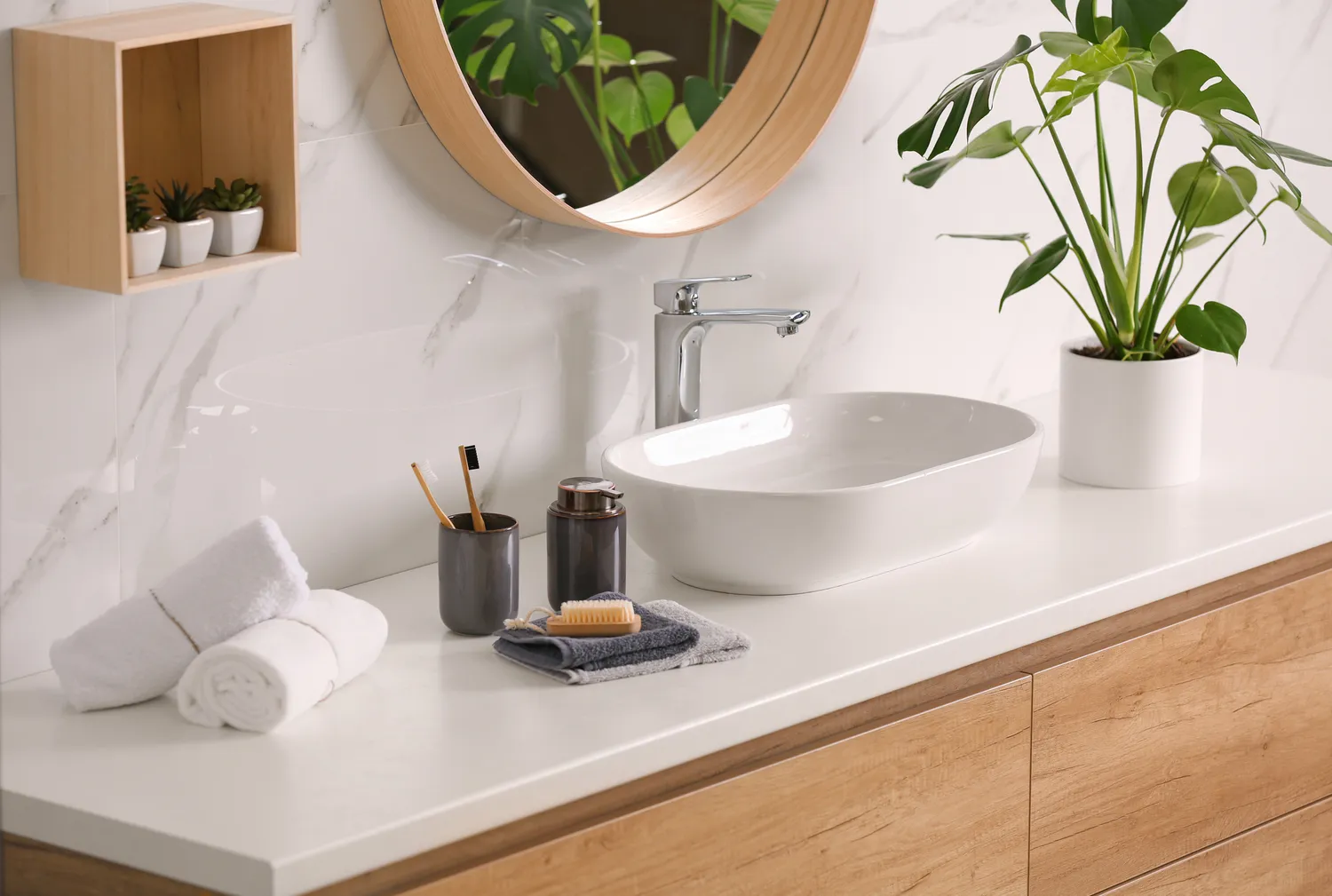
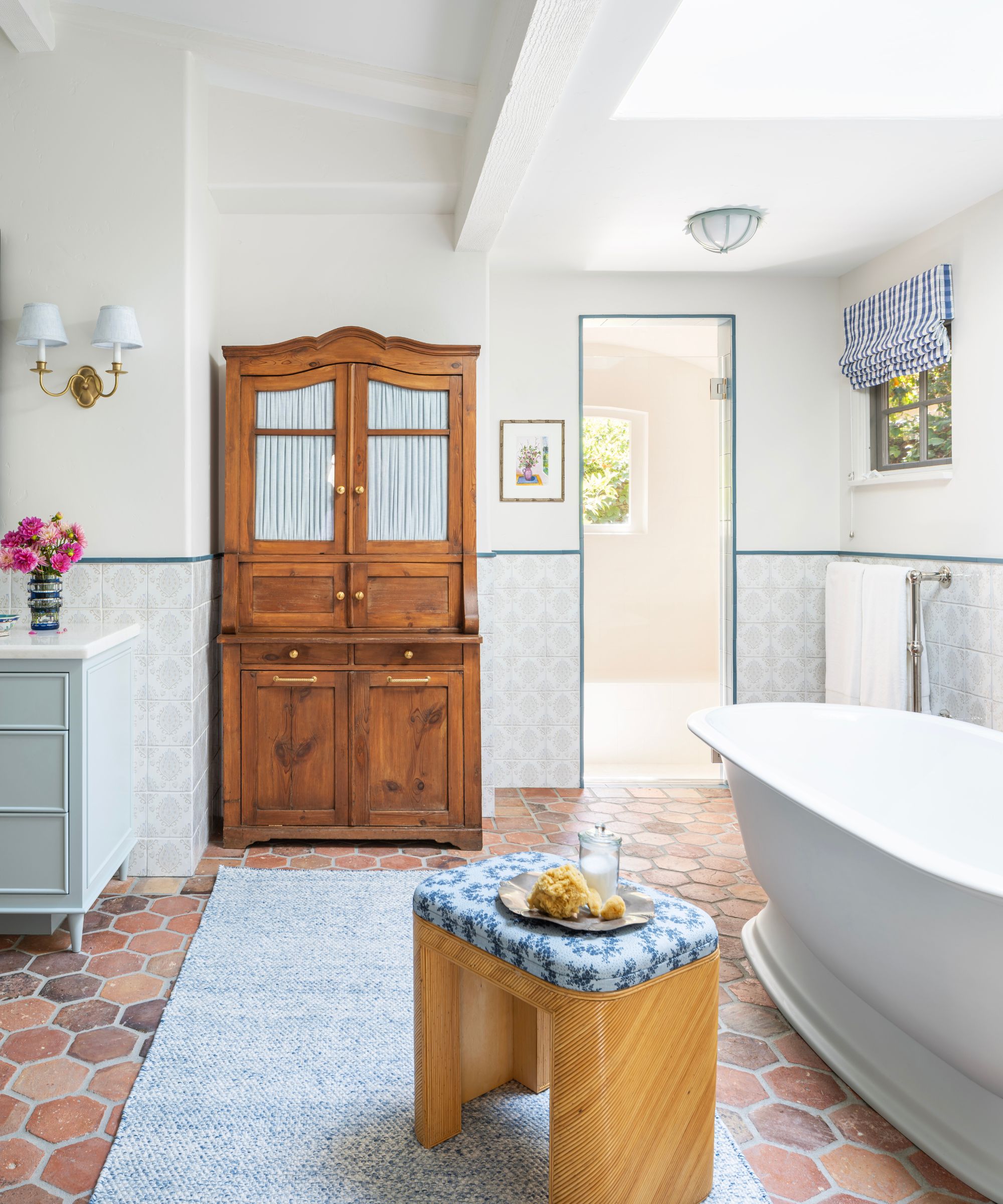
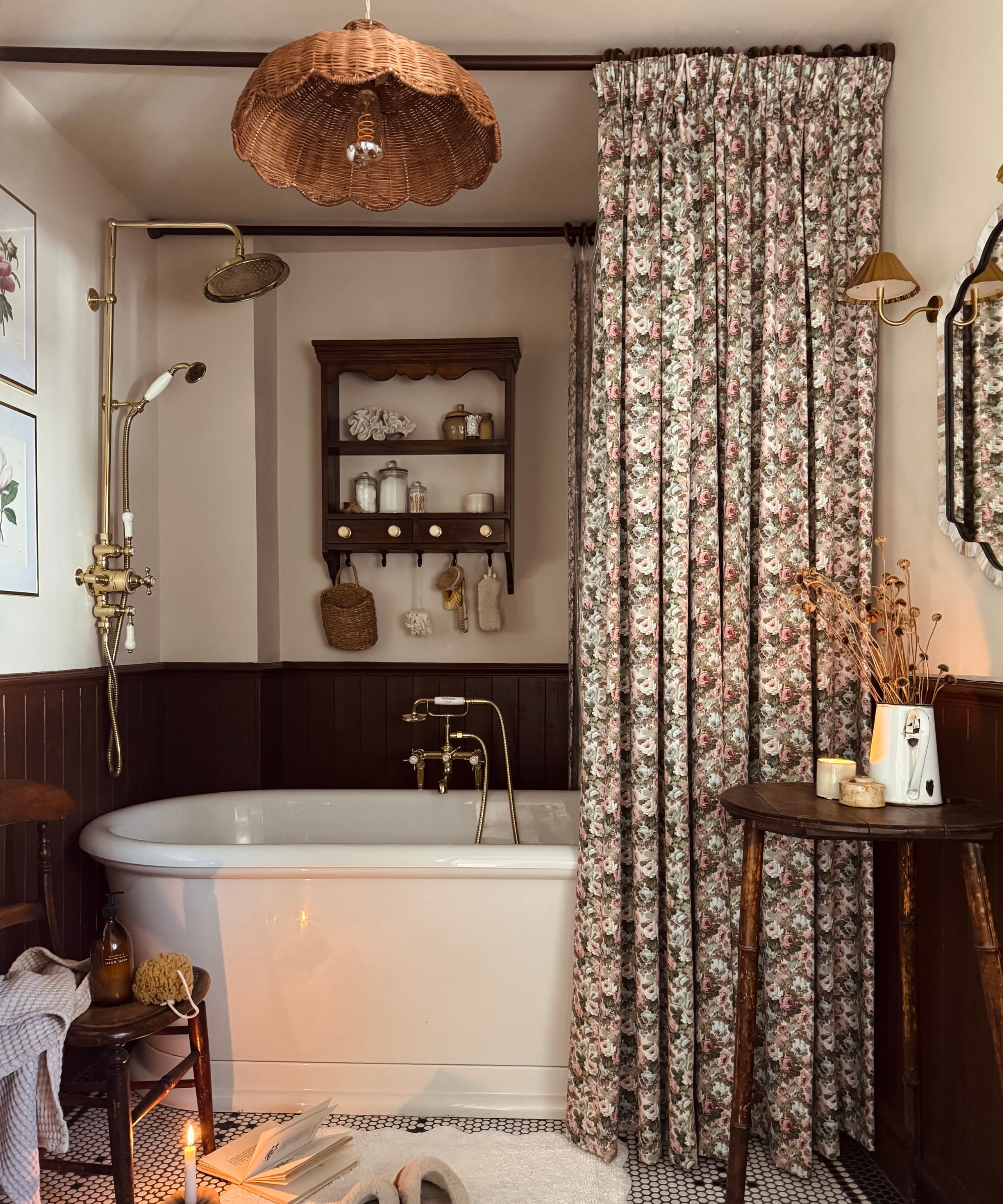
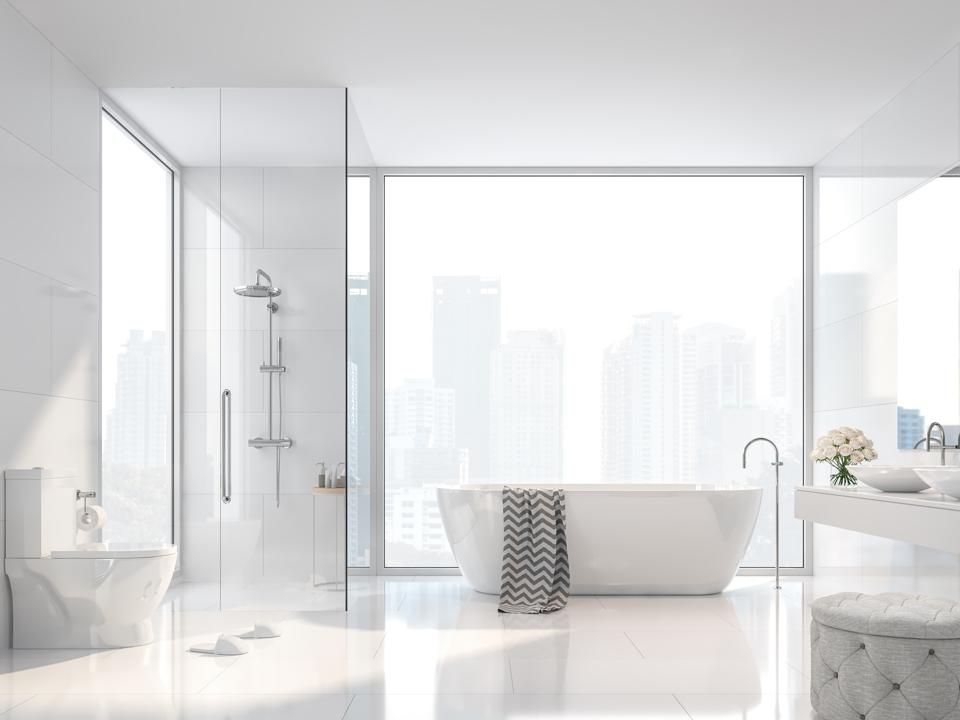
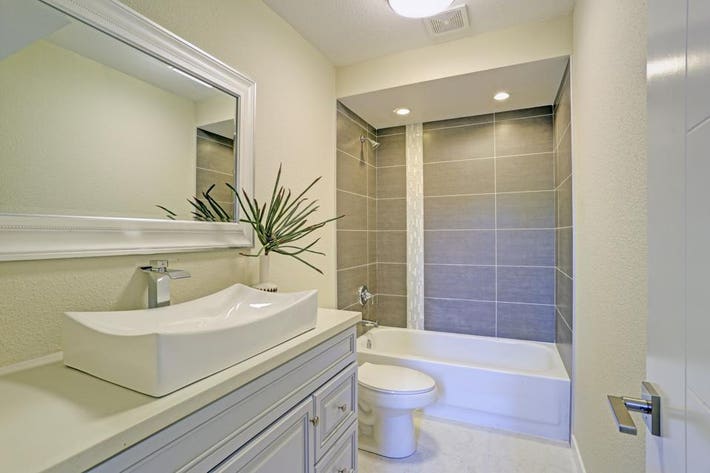
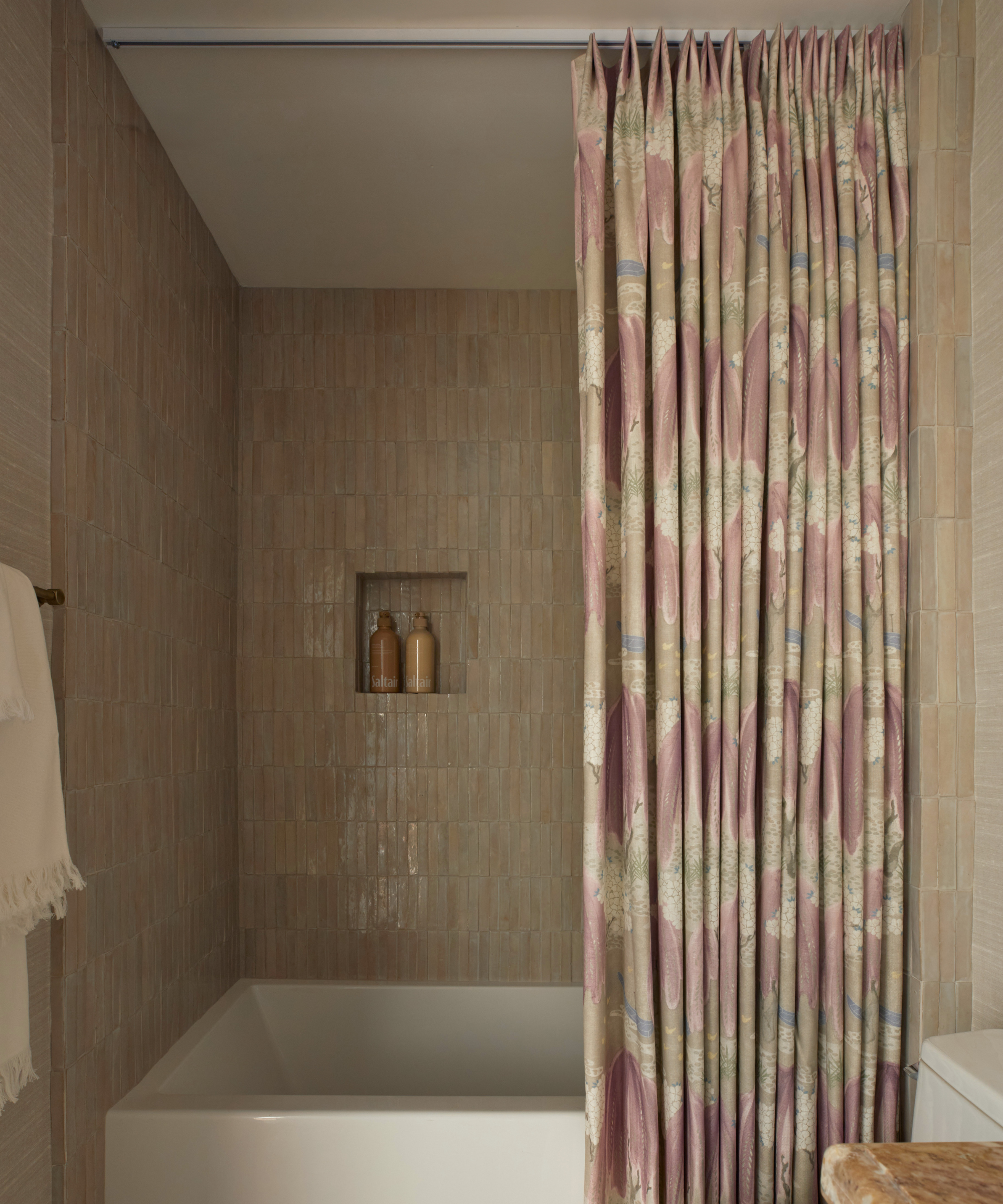
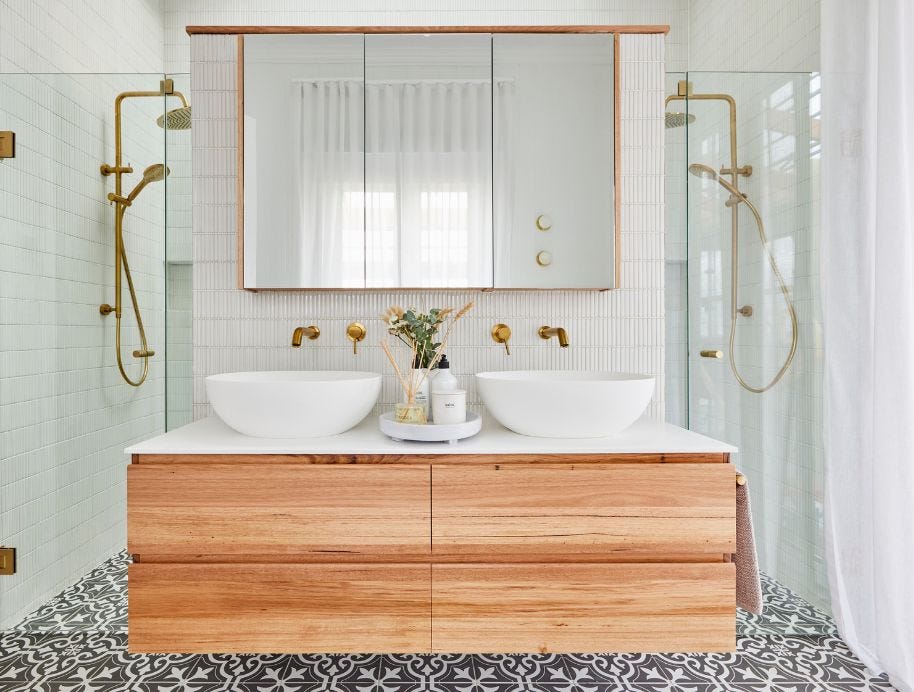
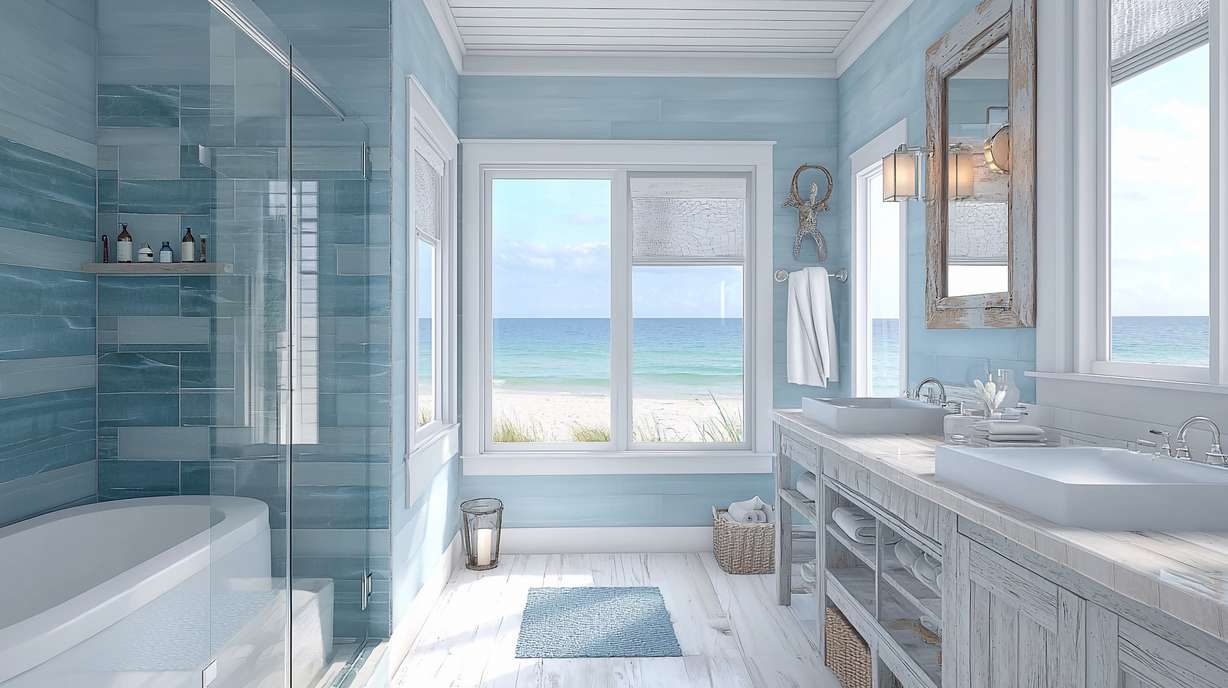
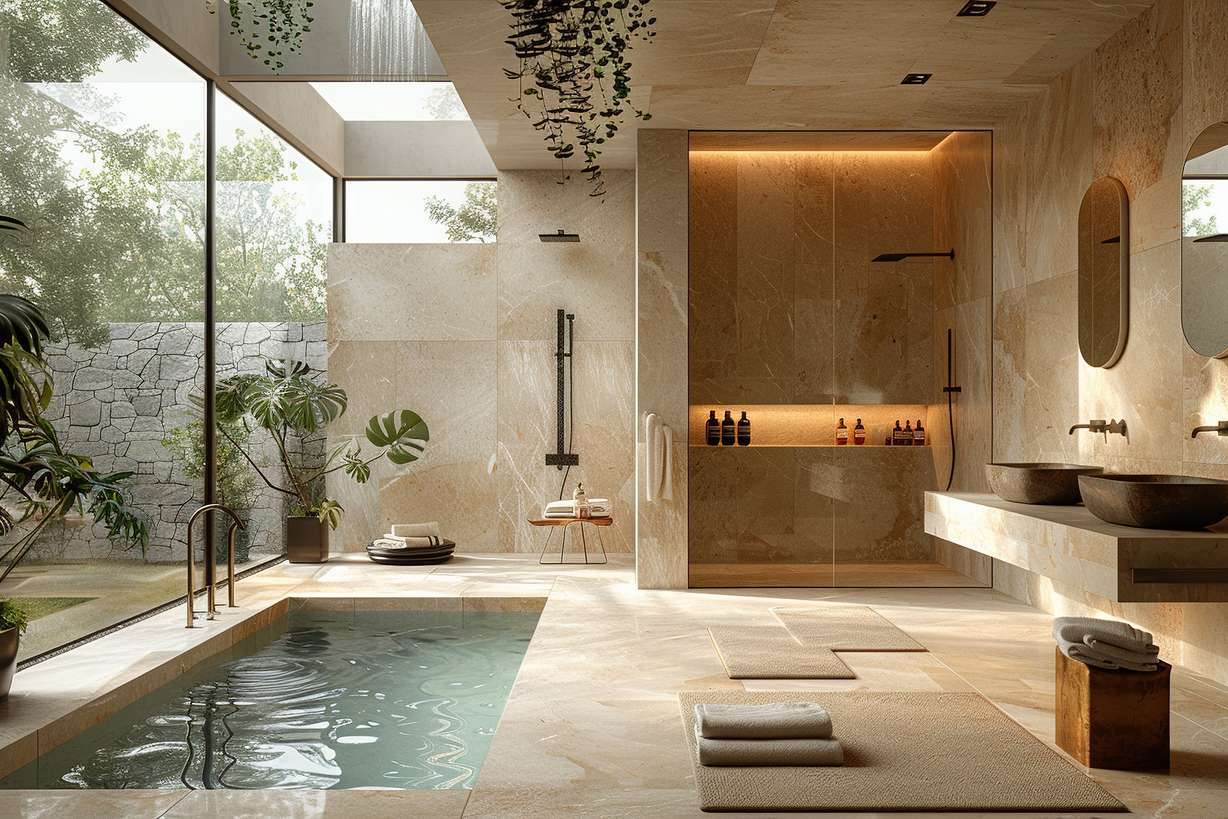
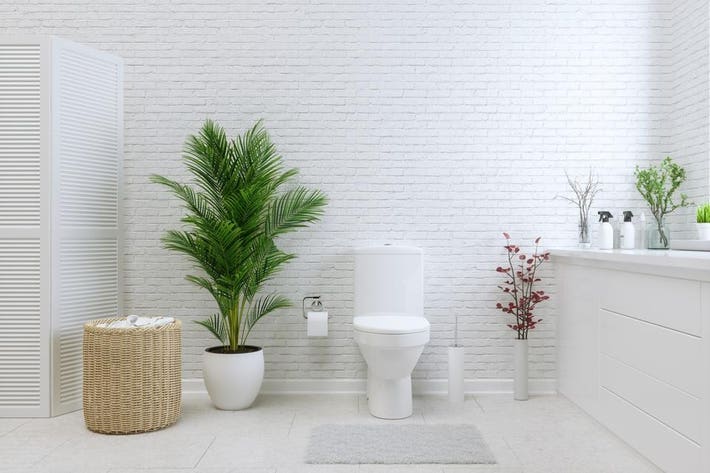
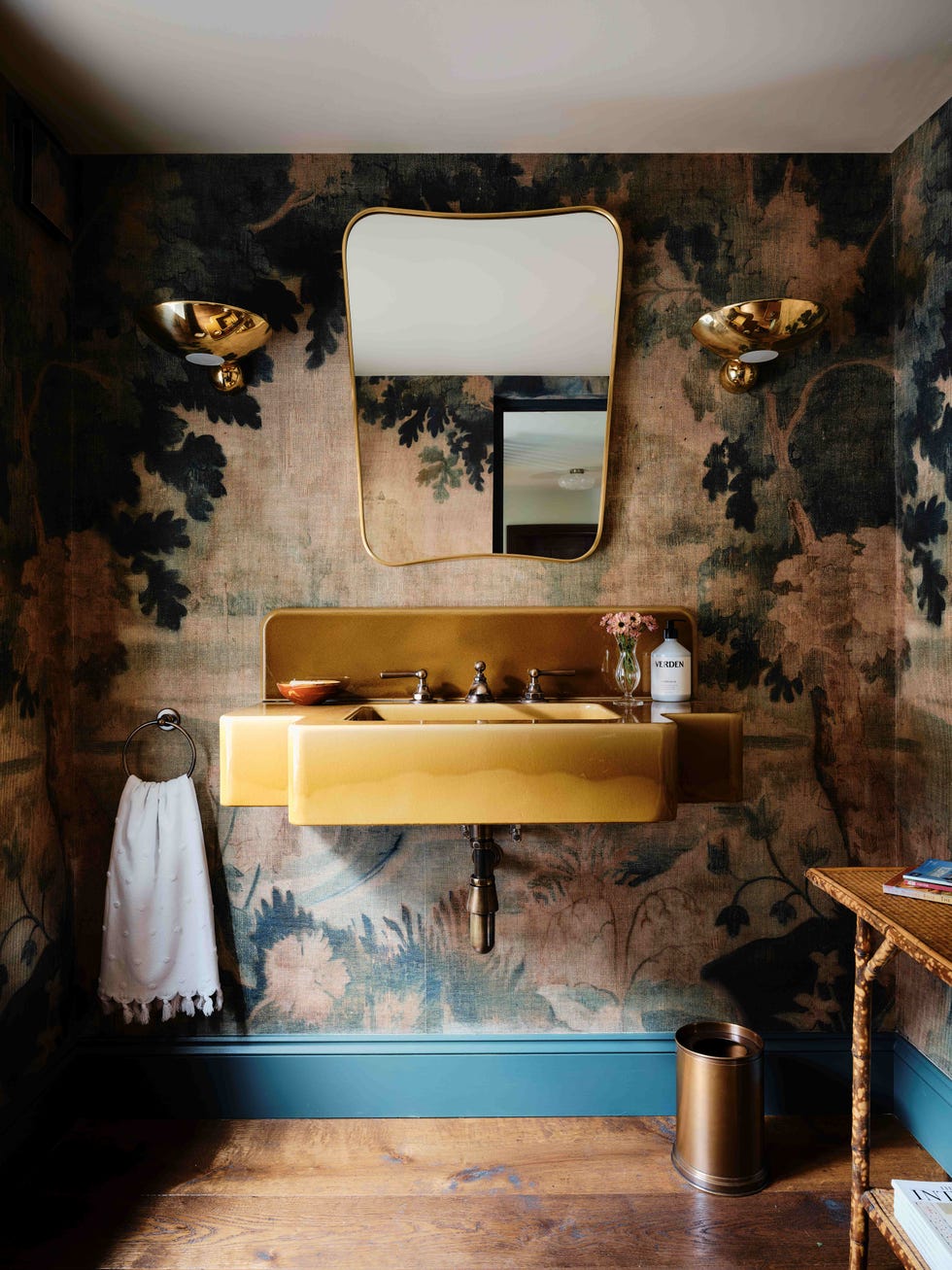
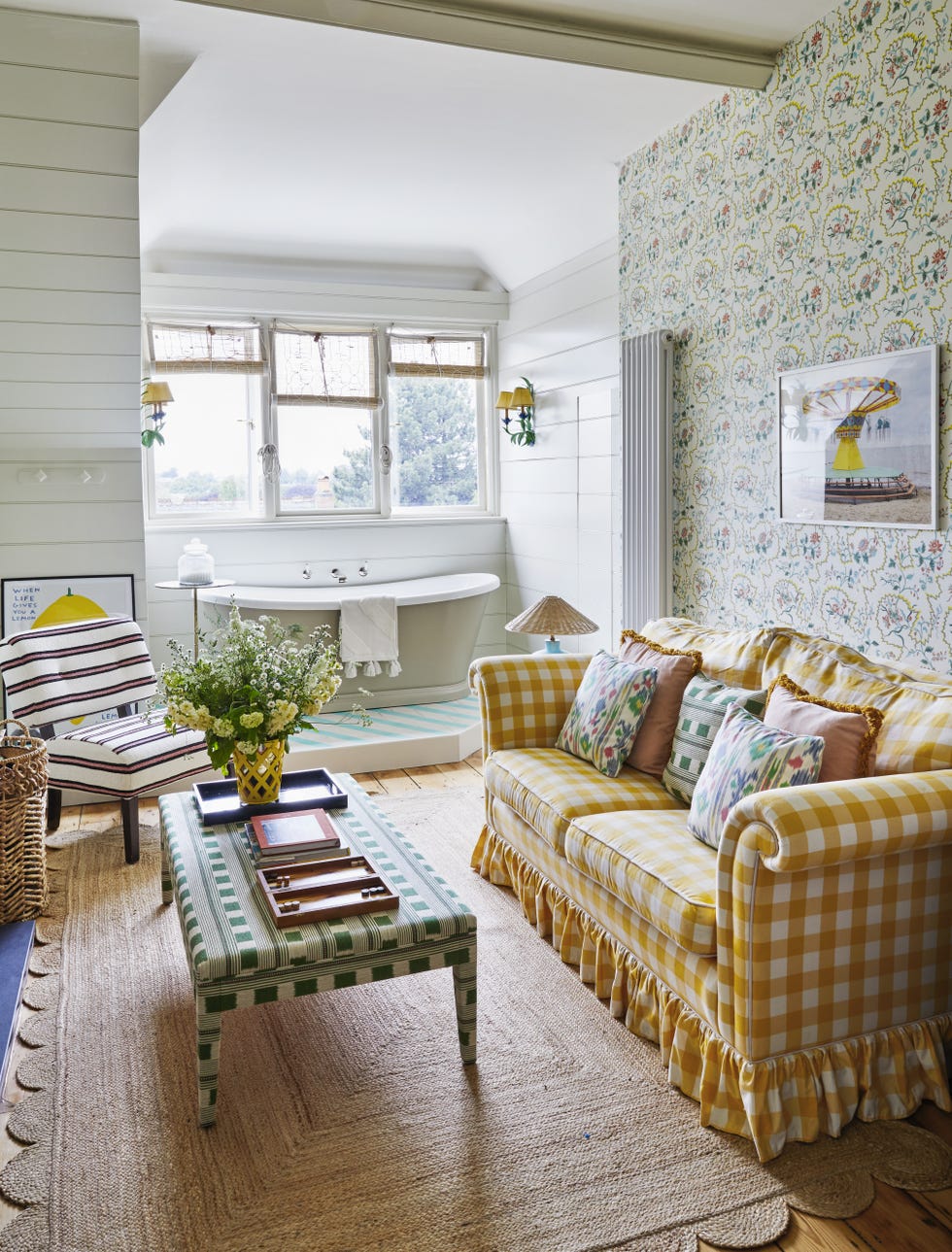
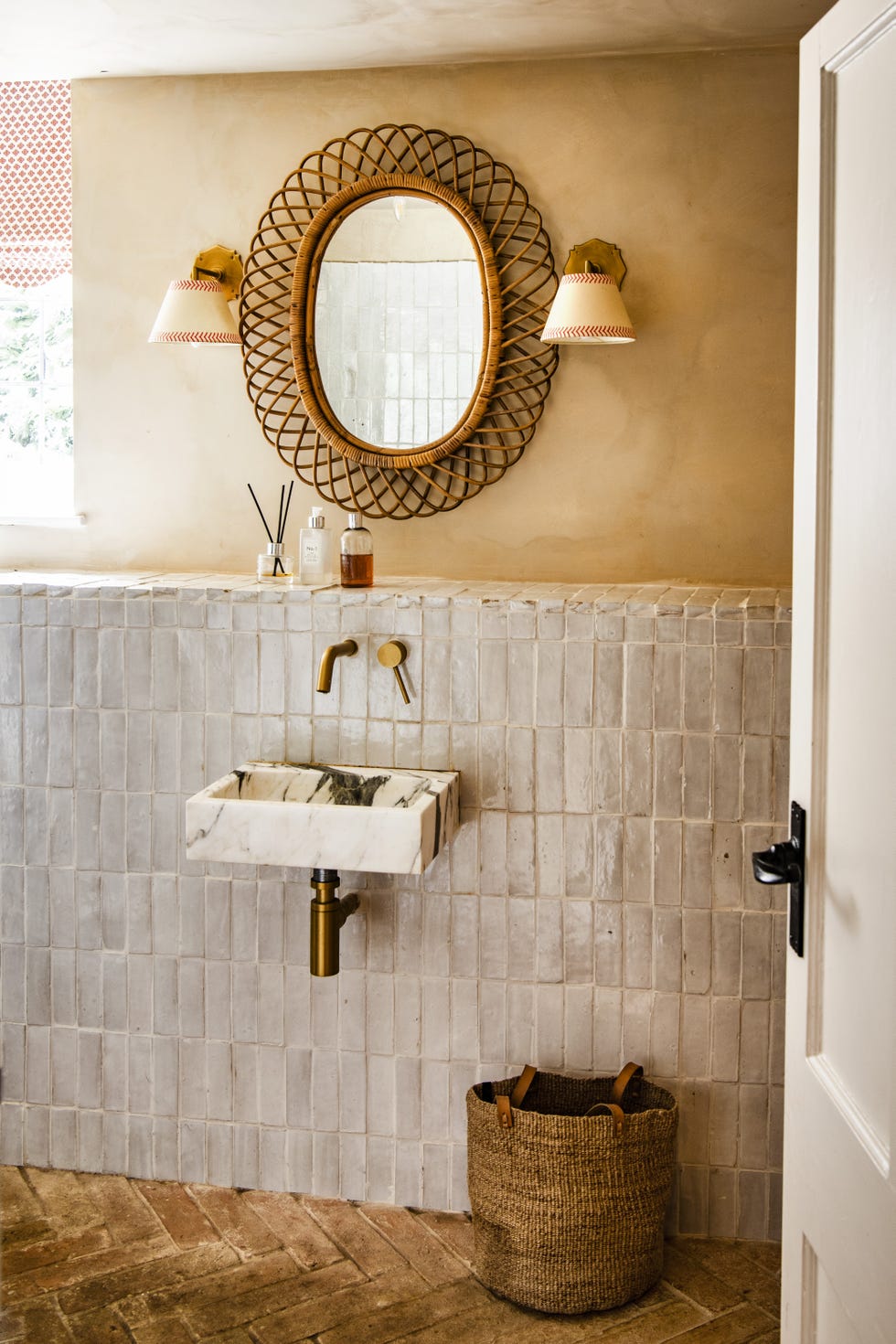
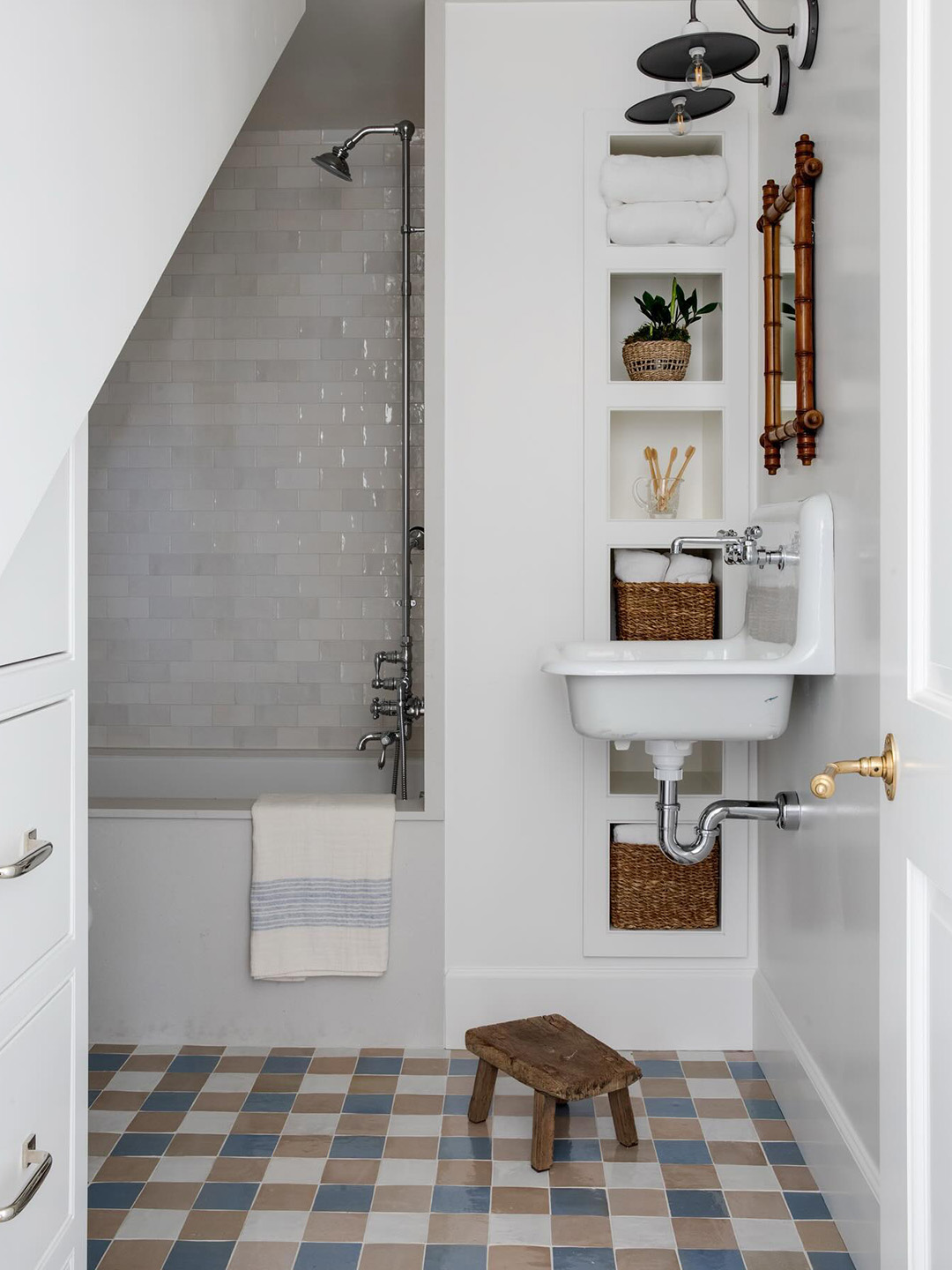
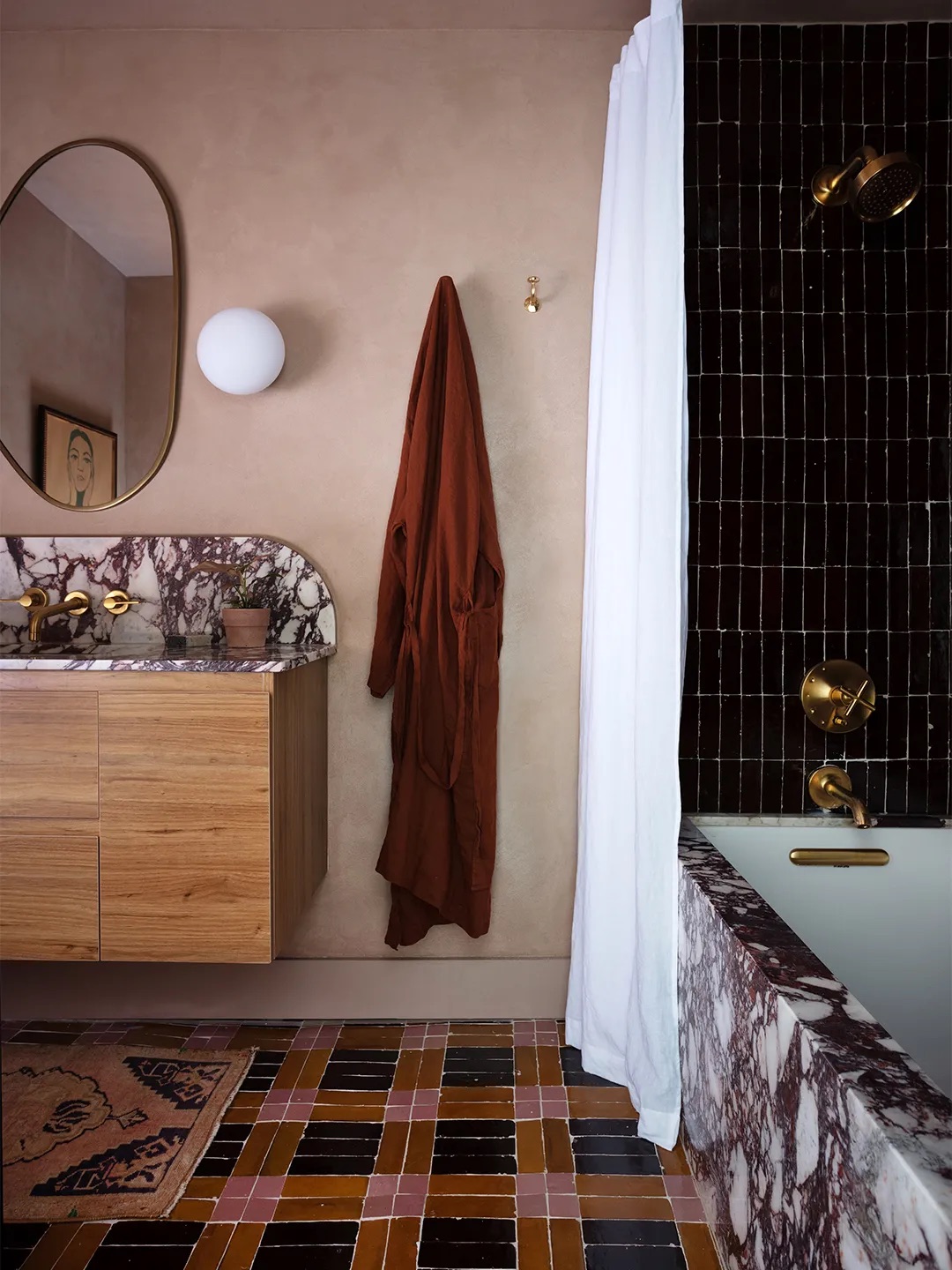
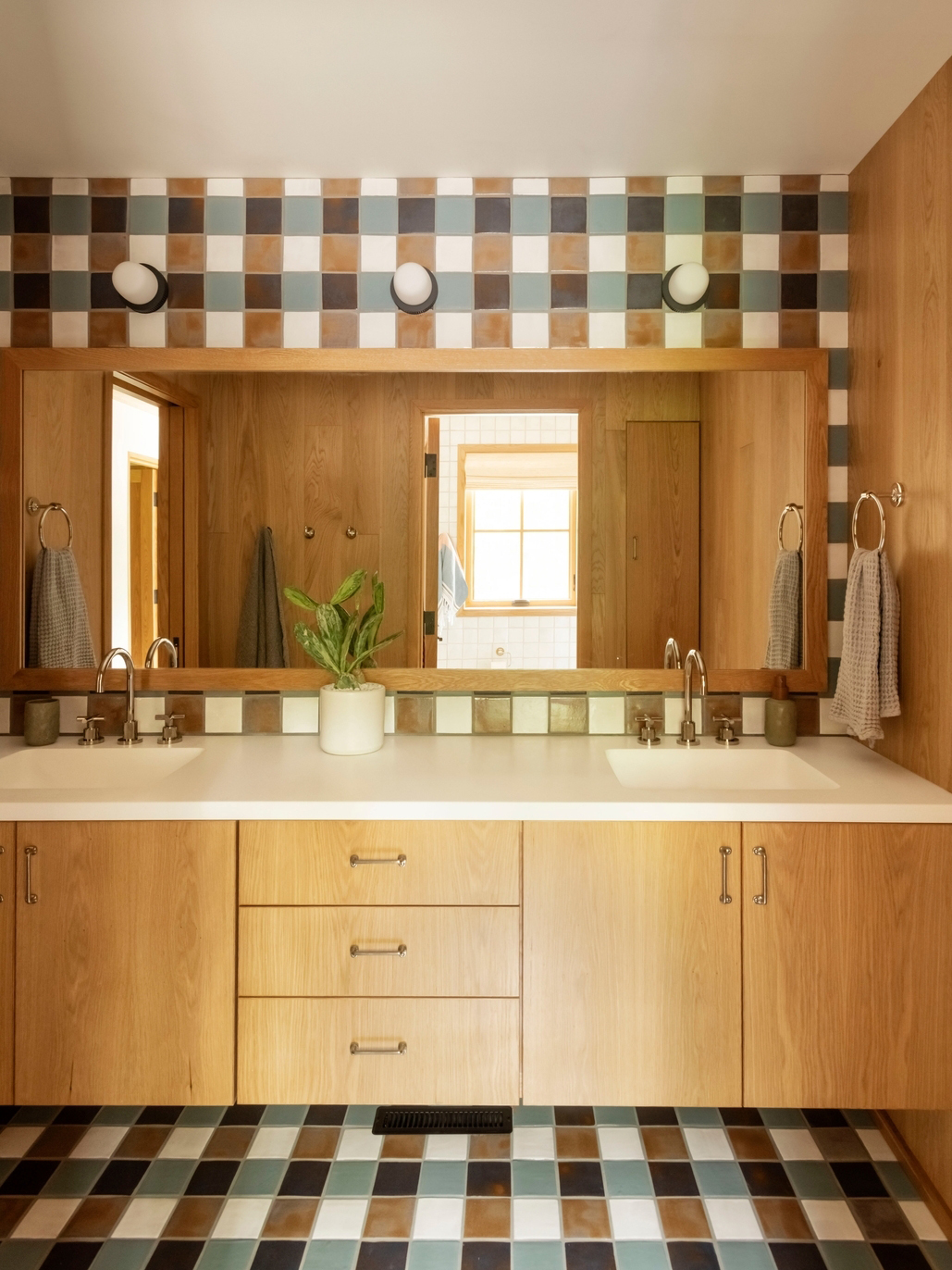
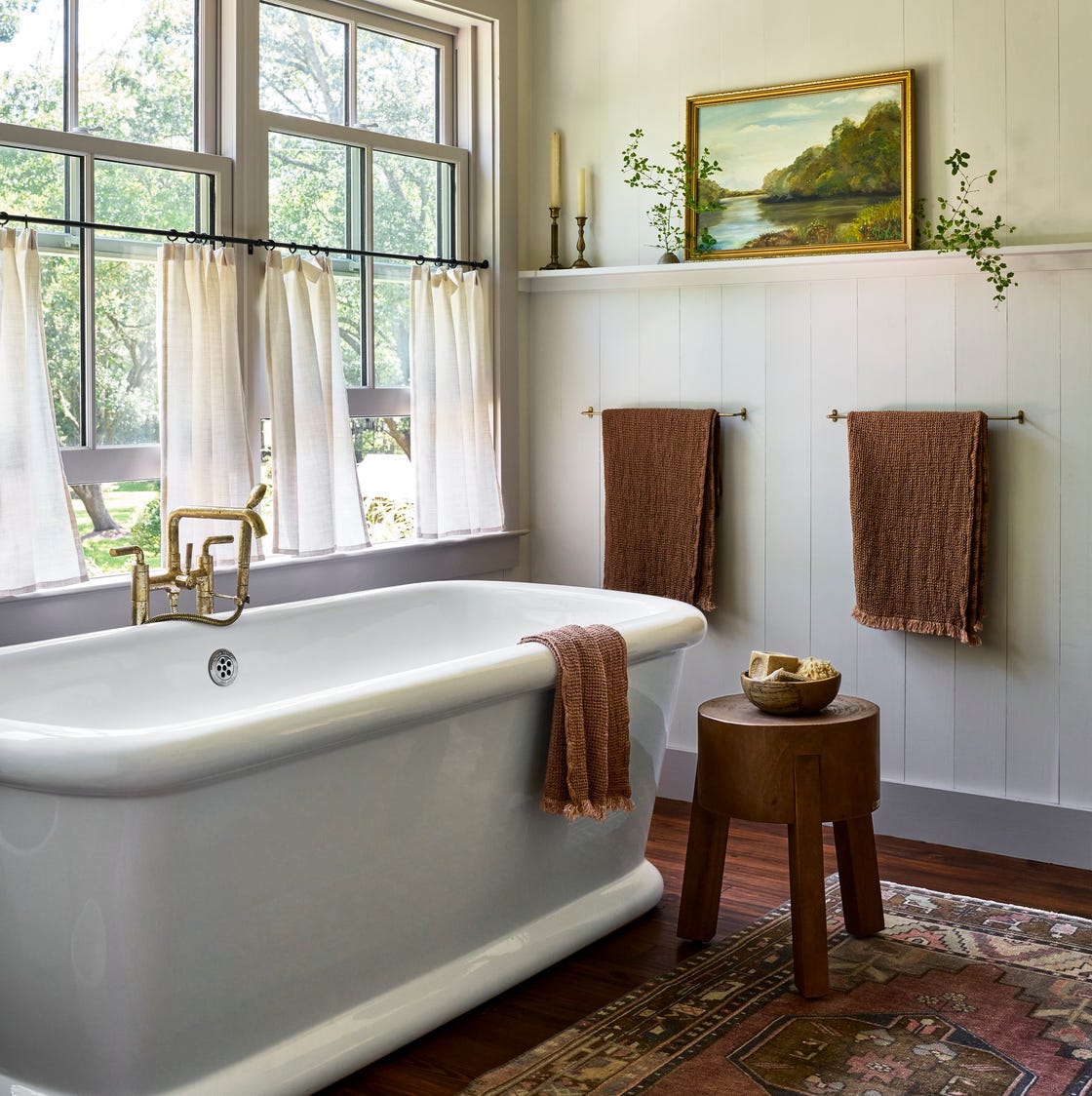
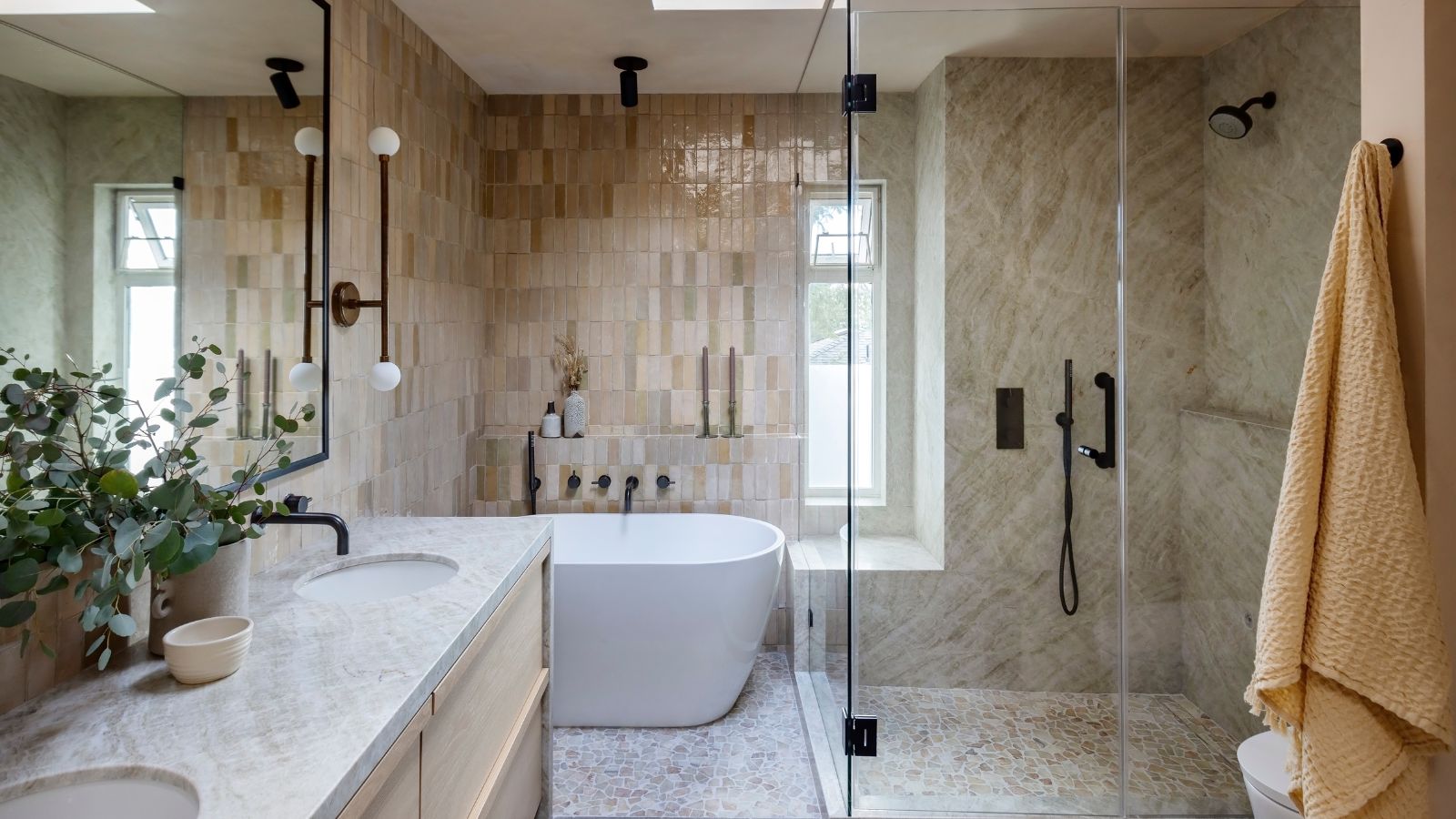
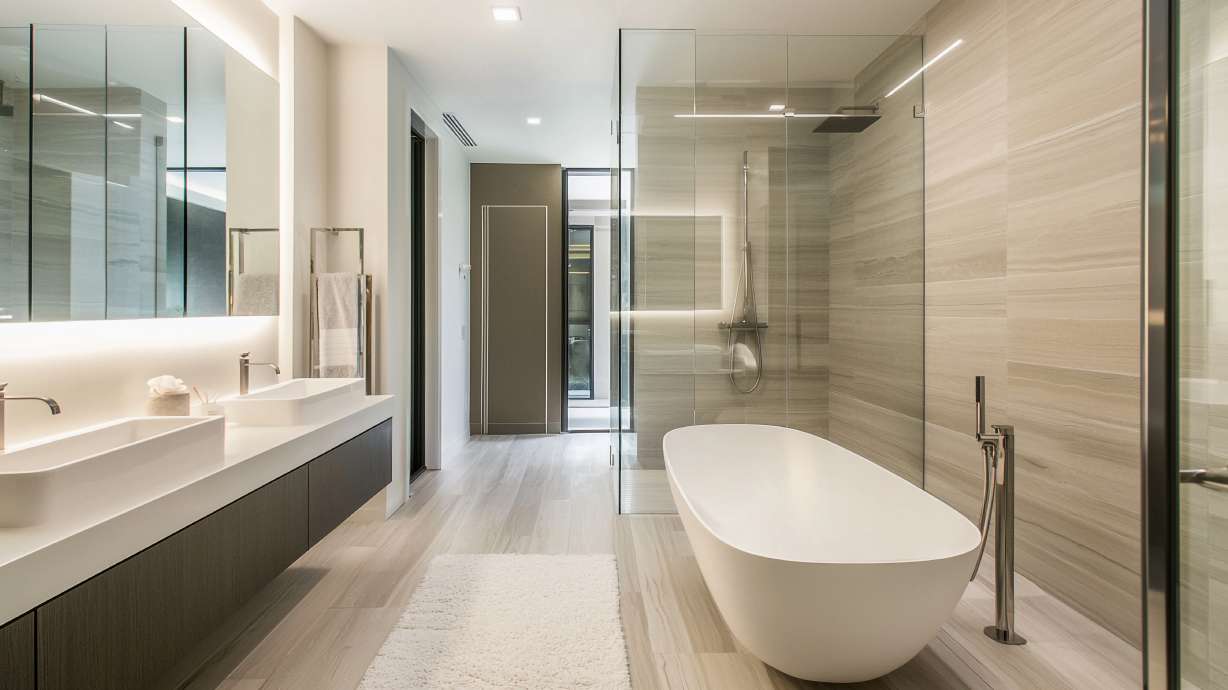
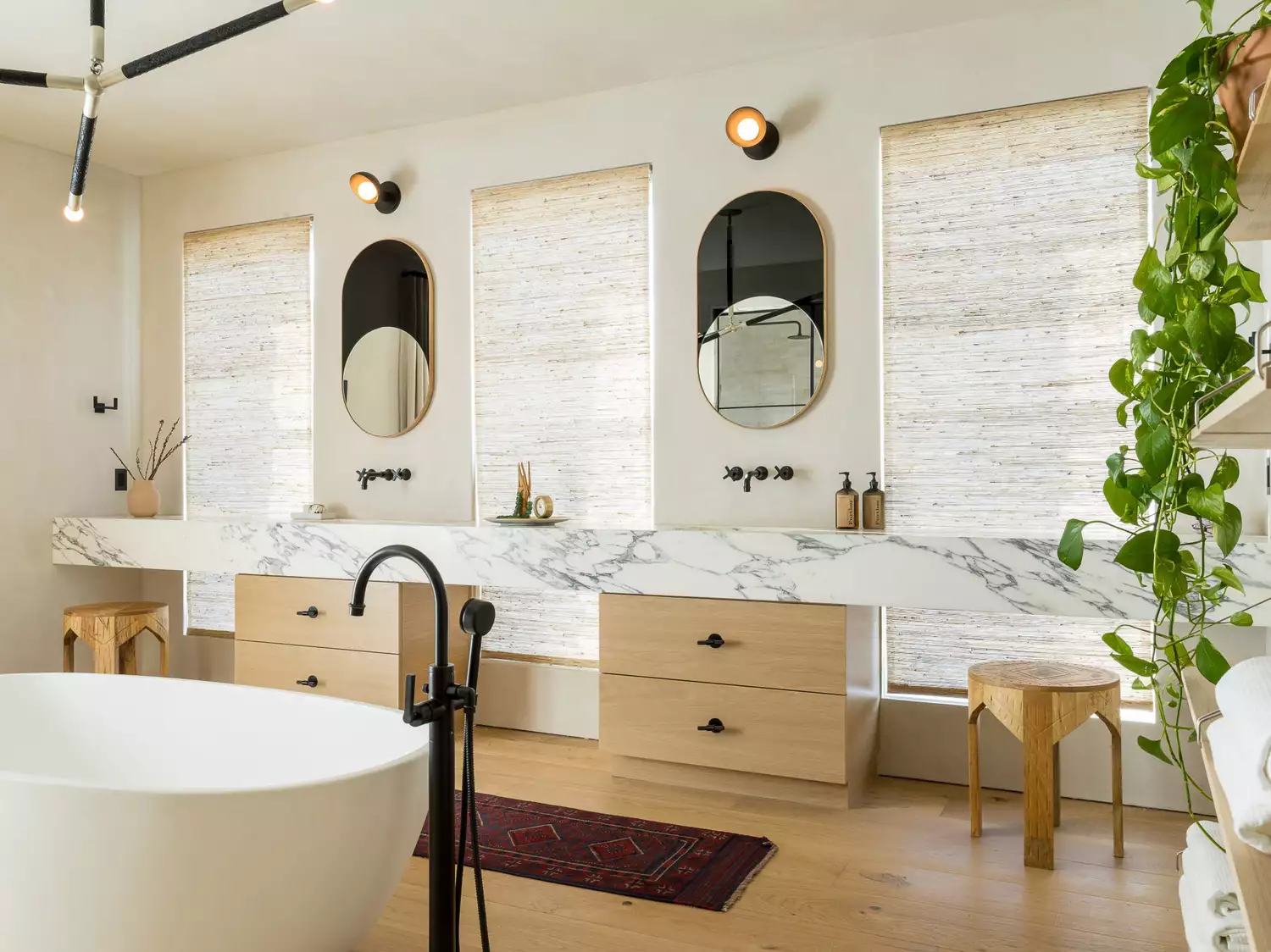
Looking ahead to 2026, bathroom design trends will emphasize warmth, comfort, and an inviting ambiance. A significant resurgence expected is the return of soaking tubs, which had become less prominent during the peak of the wet room trend. Integrating a soaking tub is seen as a straightforward way to incorporate comfort into the bathroom. The concept of spa-inspired bathrooms continues to gain traction, with an observed 22% increase in related searches, according to Zillow’s Home Trends Report. This trend encourages the adornment of tub areas with elements like bath racks, essential oils, plants, and candles, fostering a self-care focused atmosphere. Another technique to create a warmer bathroom aesthetic involves the incorporation of natural materials, especially wood accents. Examples include woven baskets, open shelving, and wooden ladder towel racks. Paneled walls are also expected to rise in popularity, with darker woods like walnut, teak, and dark oak being particularly favored for their ability to add richness and warmth. Furthermore, paint color choices will lean towards warmer, earthy tones such as green, terracotta, beige, and various shades of brown. Brown, in particular, is noted as an unexpected yet effective color choice that can enhance a home's value, contributing to the overall cozy and inviting atmosphere that will define bathroom designs in 2026.
#BathroomDesign #HomeTrends #WetRoom #SoakingTubs #SpaBathroom #NaturalMaterials #InteriorDesign #HomeRenovation #BathroomDesign #HomeTrends #WetRoom #SoakingTubs #SpaBathroom #NaturalMaterials #InteriorDesign #HomeRenovation
0 comment in total
 No comments yet
You may also like
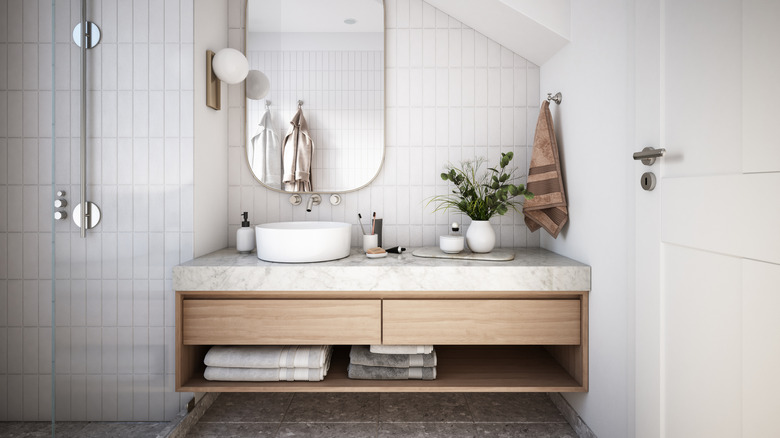
Once-Trending Bathroom Designs That Are Being Replaced In 2025

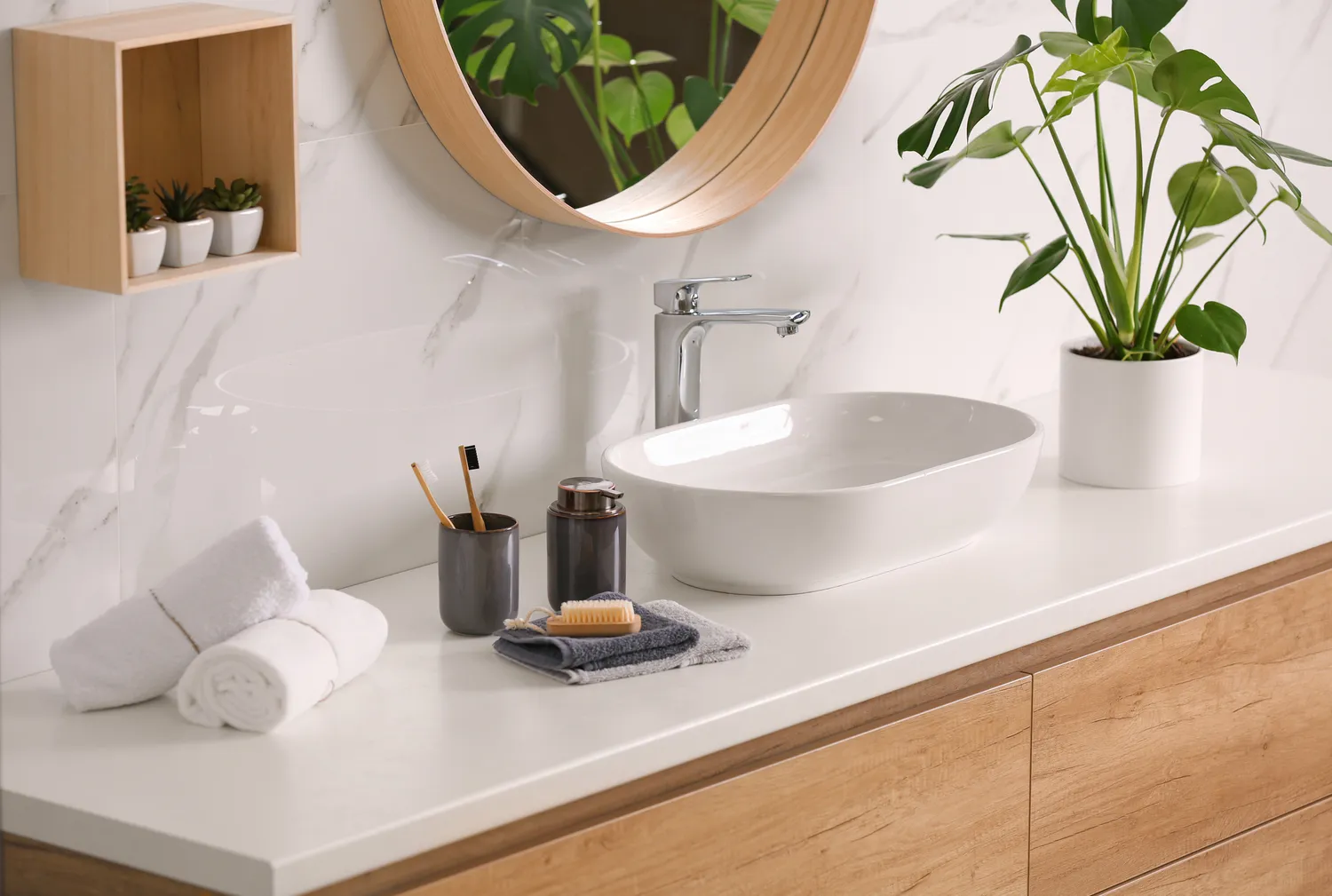
6 Bathroom Trends Designers Can't Wait to Say Goodbye to in 2026

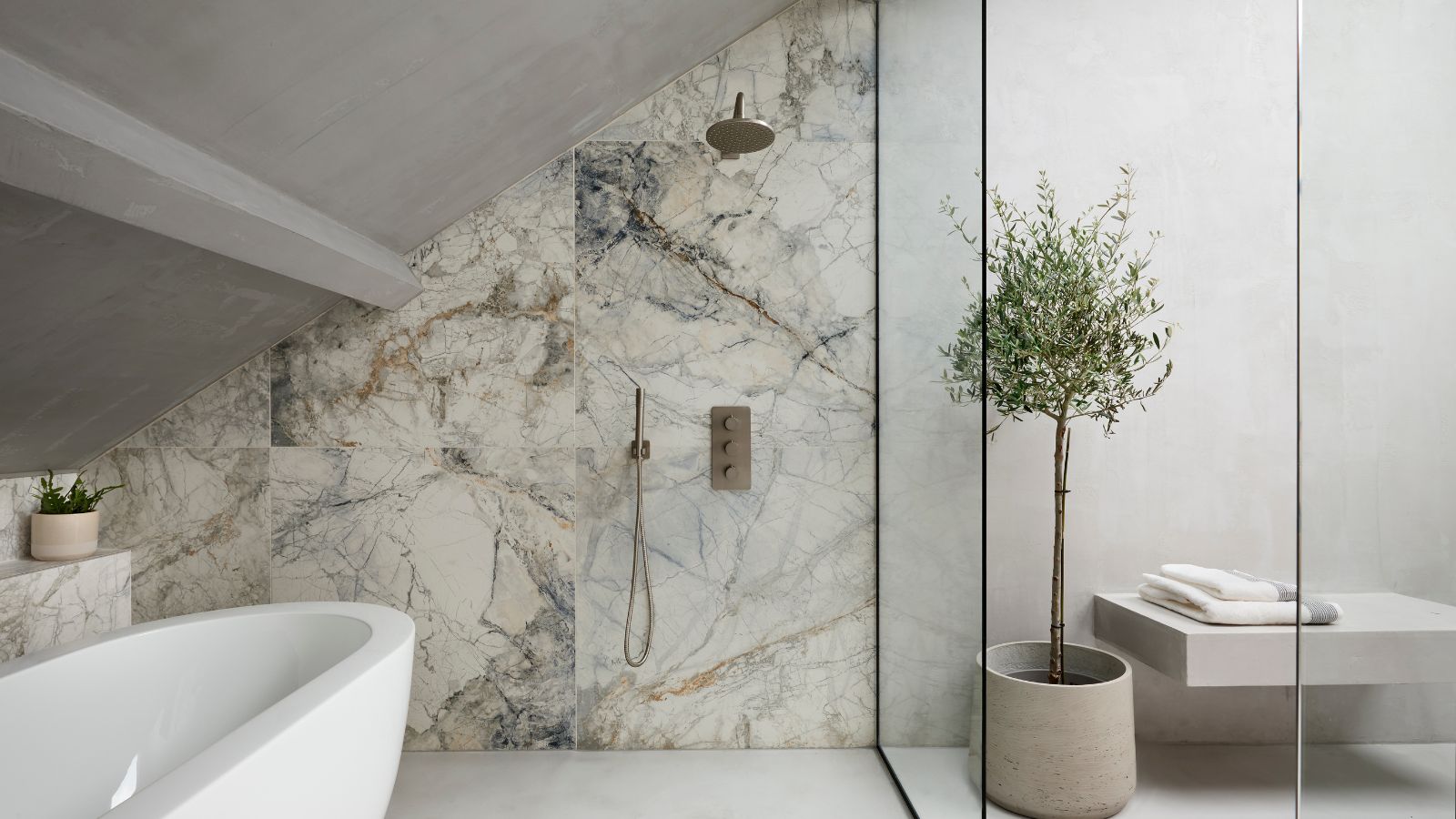
9 Shower Trends to Transform Your Bathroom in 2026, According to Interior Designers

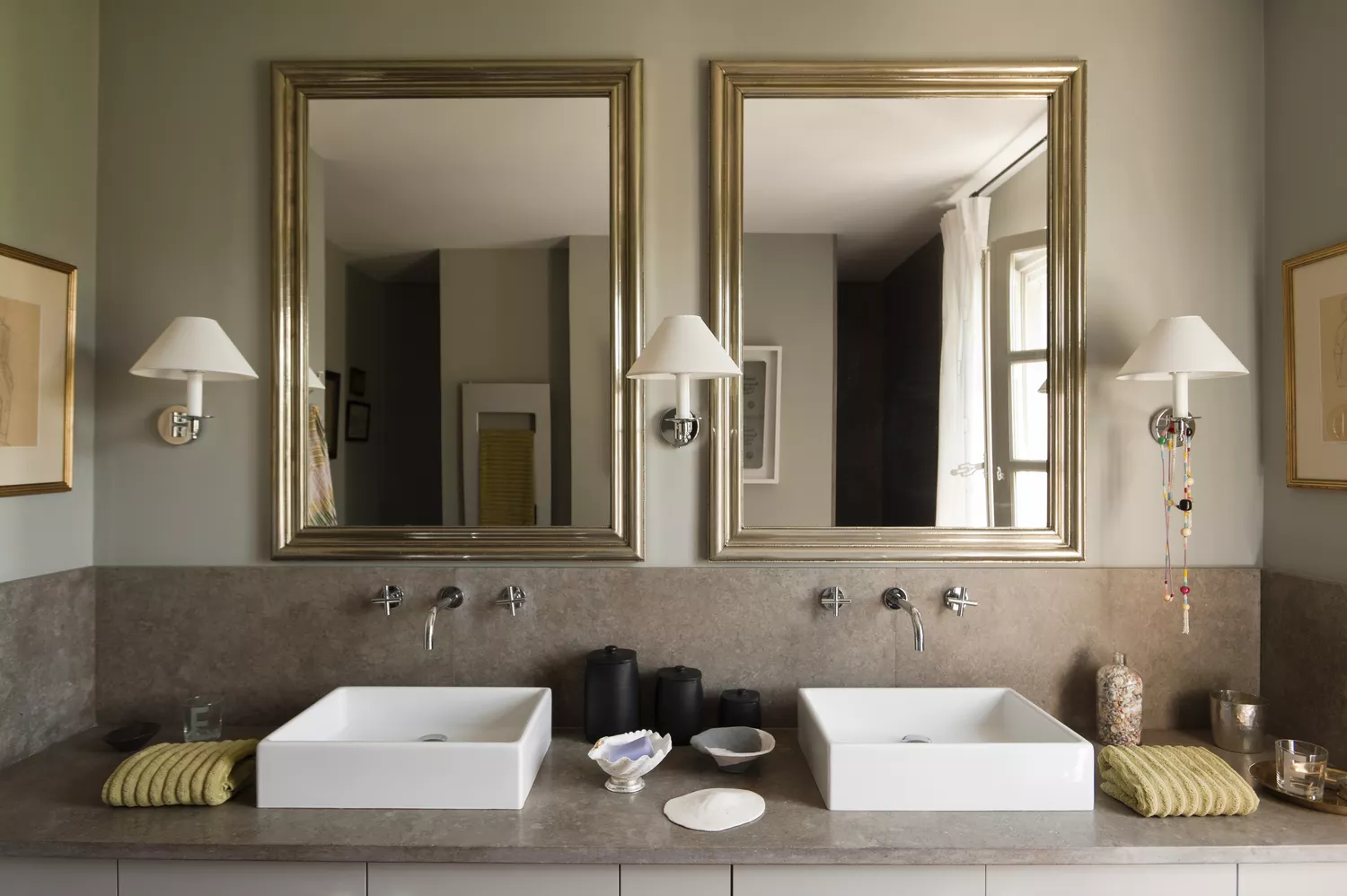
These Are the Bathroom Trends That Will Take Over in 2025, According to Designers

5 Bathroom Design Trends Already Taking Over in 2026
According to interior designers, these are the most coveted bathroom trends for 2026 and beyond
7 Bathroom Trends Designers Are Leaving Behind In 2026
12 Bathroom Design Trends Going Out Of Style In 2025

All The Bathroom Trends That Will Be Taking Over In 2026
Bathtubs Are Going Out Of Style In 2025 - Here's The Trend Taking Over Bathroom Design
Bathroom Hardware Trends Set To Dominate In 2025
10 bathroom trends that will define 2026 – from floating vanities to pastel tones
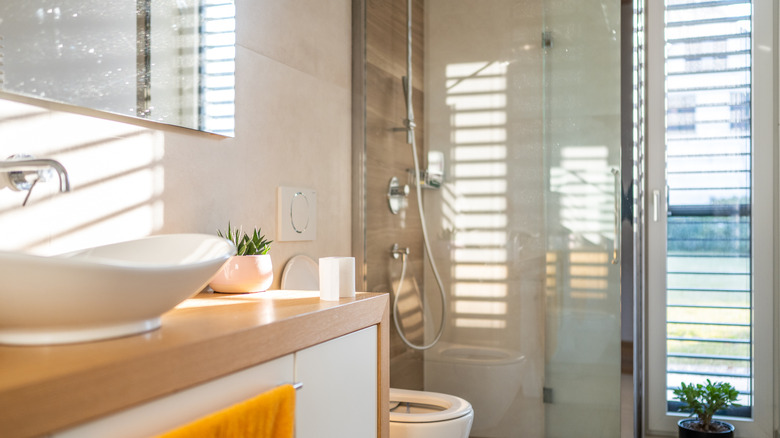
The Bathroom Trend That's Set To Make Waves In 2026
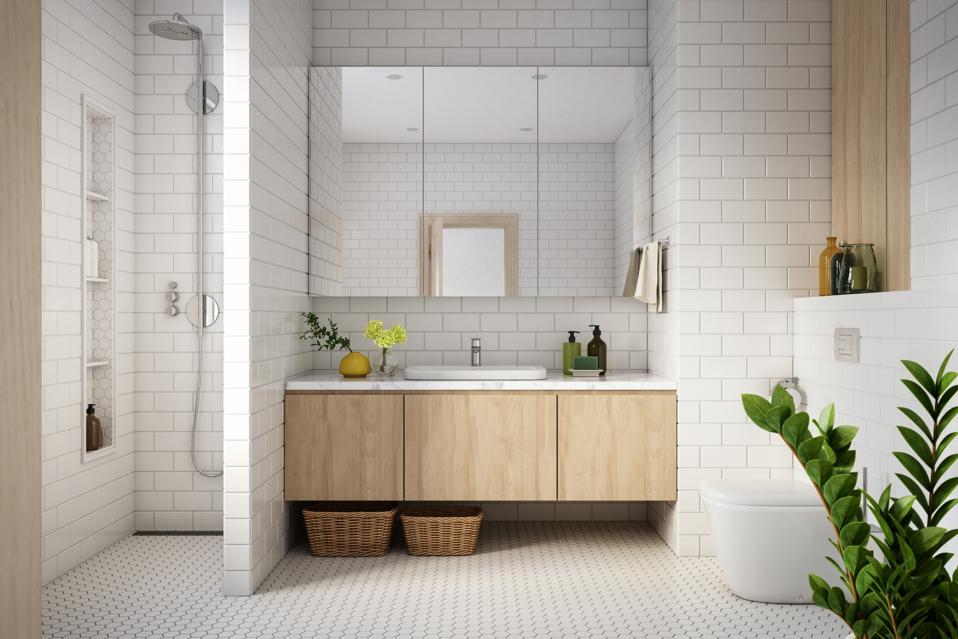
7 Bathroom Design Trends Going Away In 2023
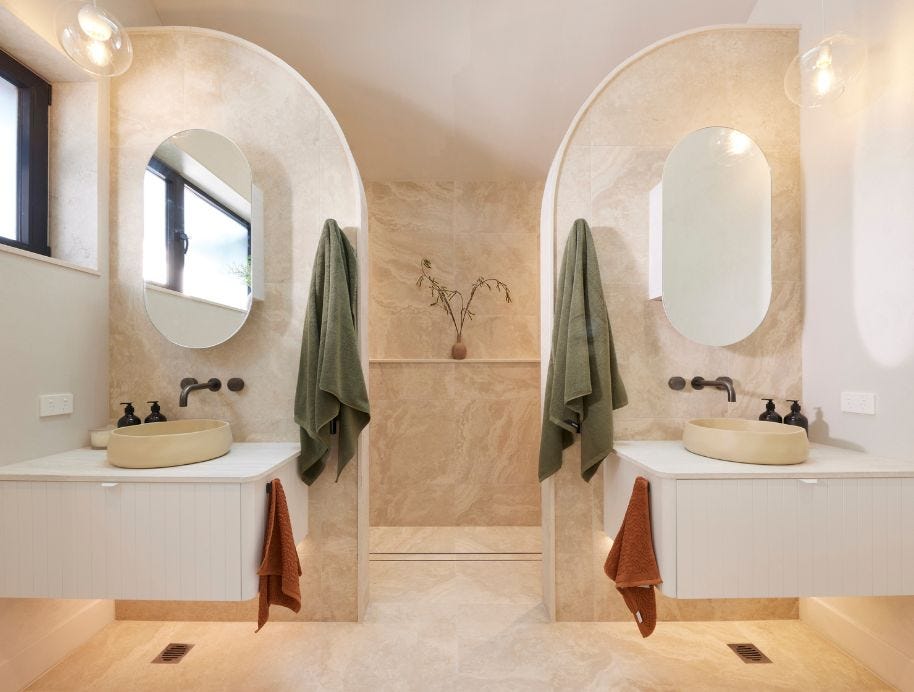
2025 Best Bathroom Trends
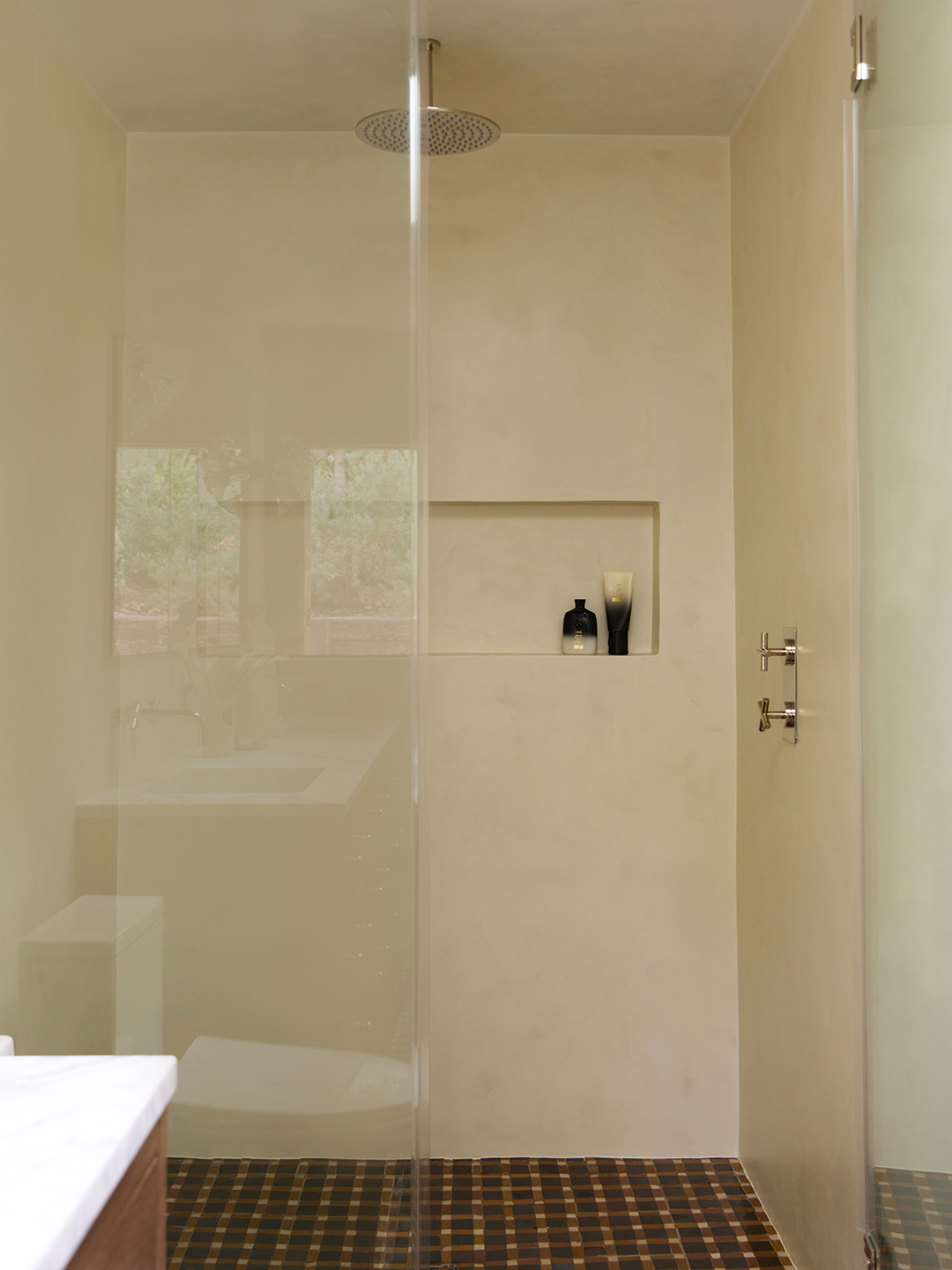
2025 Is the Year of Splashy Bathroom Floors

Designers Have Spoken: Here Are the Top Bathroom Design Trends for 2026

10 Bathroom Design Trends Going Away In 2024
Top bathroom design trends in 2025
These Will Be The Biggest Bathroom Trends in 2025, According to Designers