These Are the Bathroom Trends That Will Take Over in 2025, According to Designers
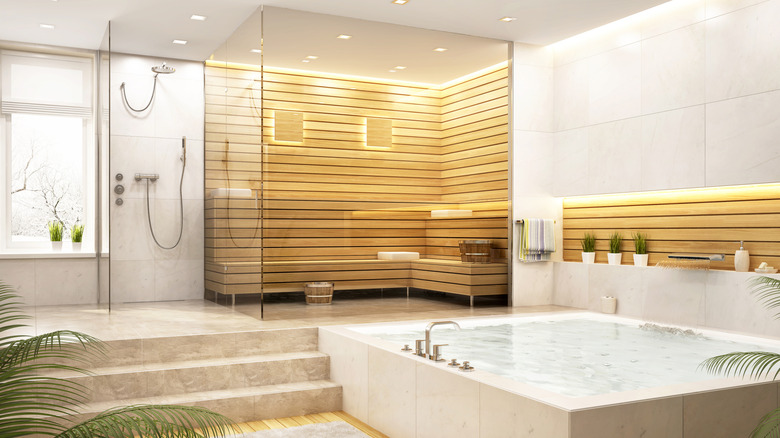
Bathrooms are evolving beyond mere functional spaces to become havens for wellness, self-expression, and eco-conscious living. Interior designers predict that 2025 will bring a revolution in bathroom design, emphasizing innovation and sustainable solutions. Sarah Snouffer, founder and principal architect at Third Street Architecture, highlights key emerging trends including sustainable materials, mixed metals, bold and unique tile patterns, color blocking, and multifunctional spaces. A notable shift is clients' increasing comfort in infusing personal touches into their bathroom designs, moving away from solely focusing on resale value, which allows contemporary trends to flourish while maintaining a timeless quality through personal relevance.
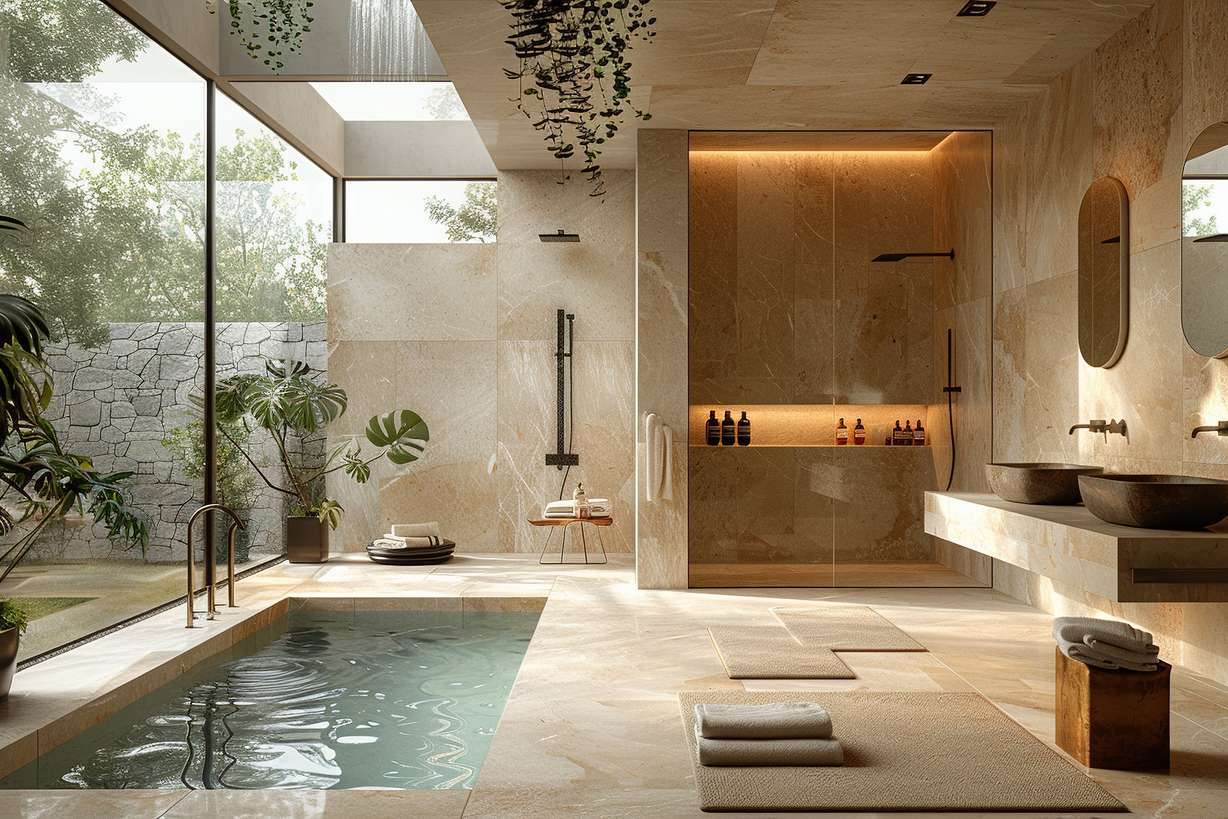
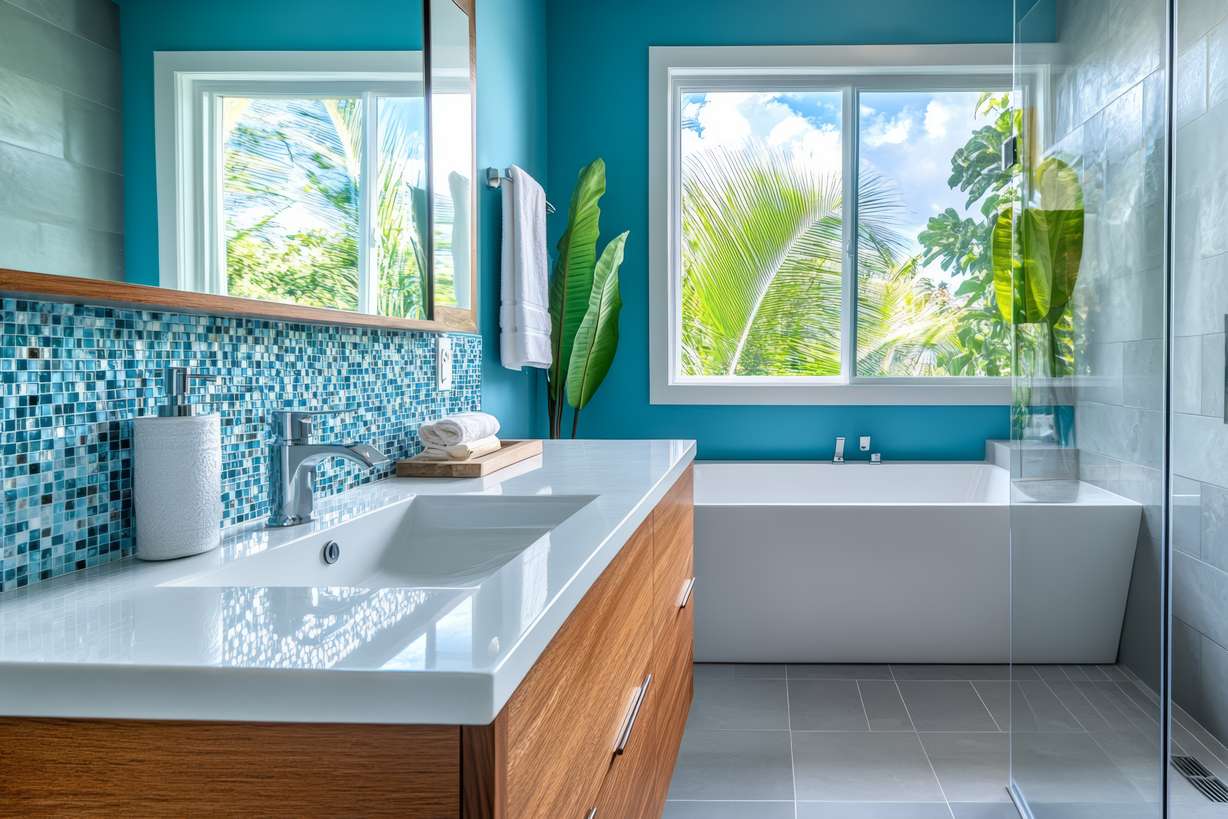
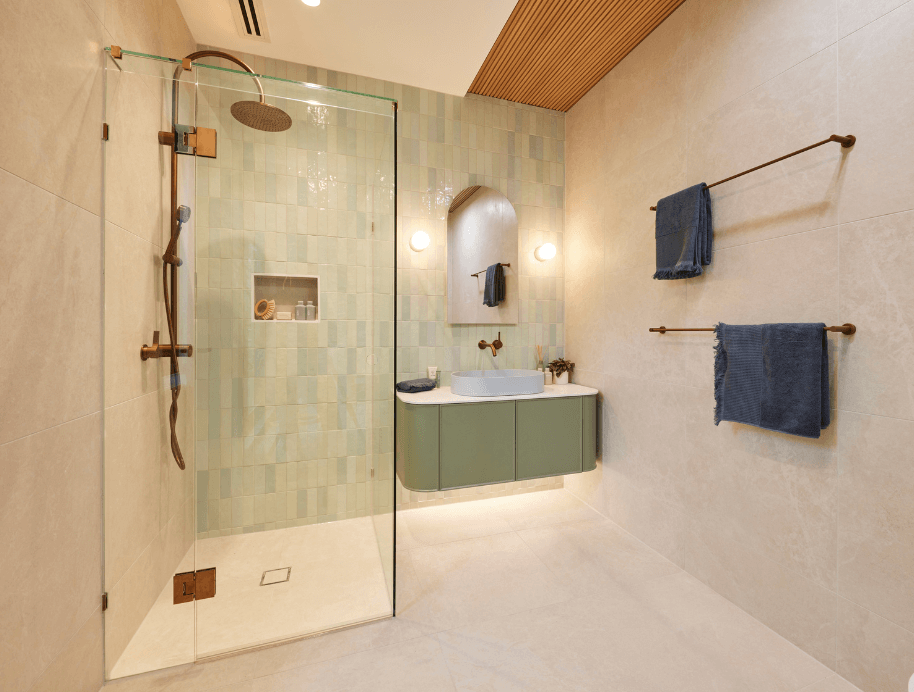
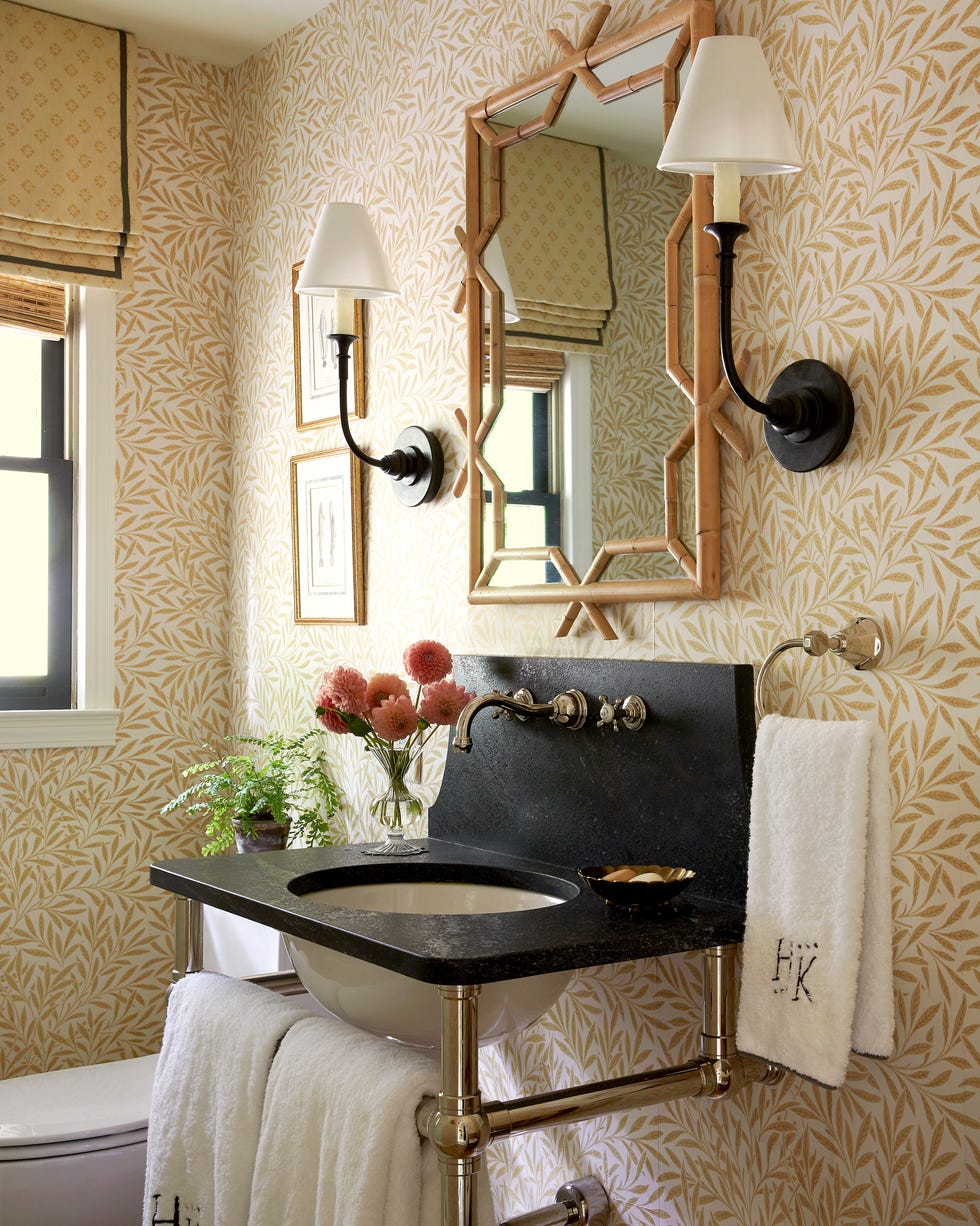
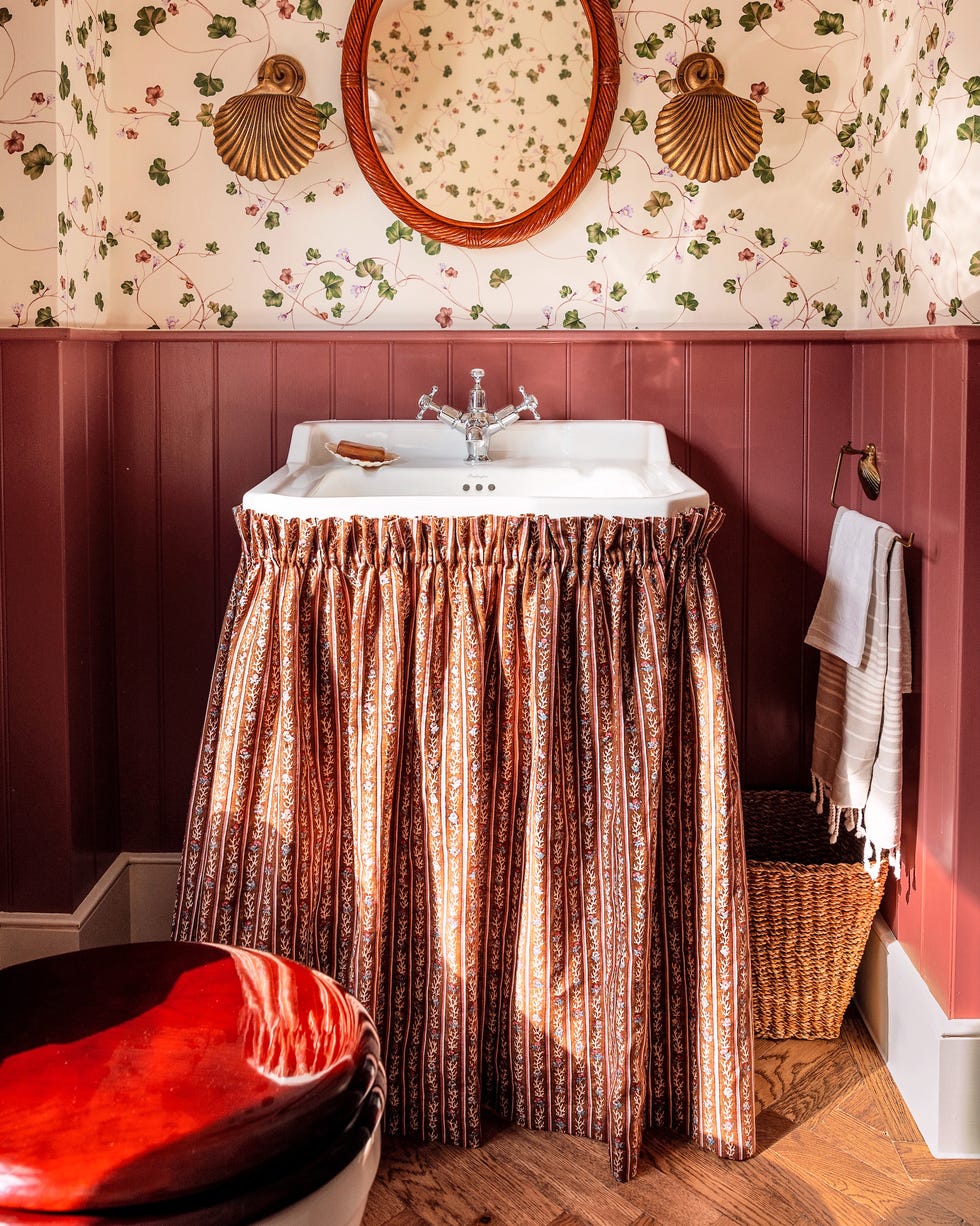
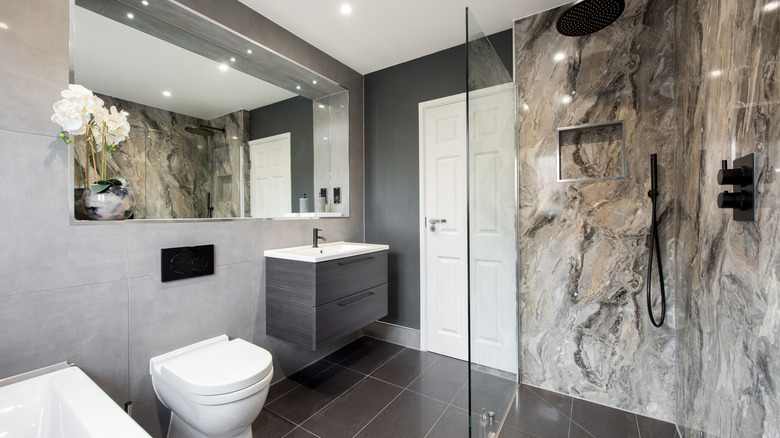
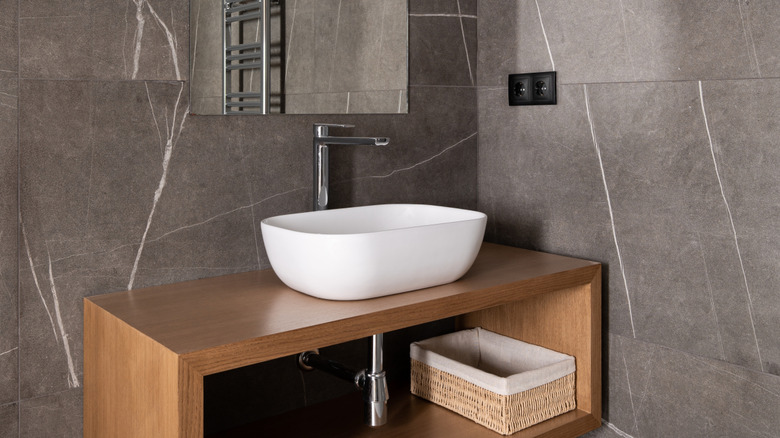
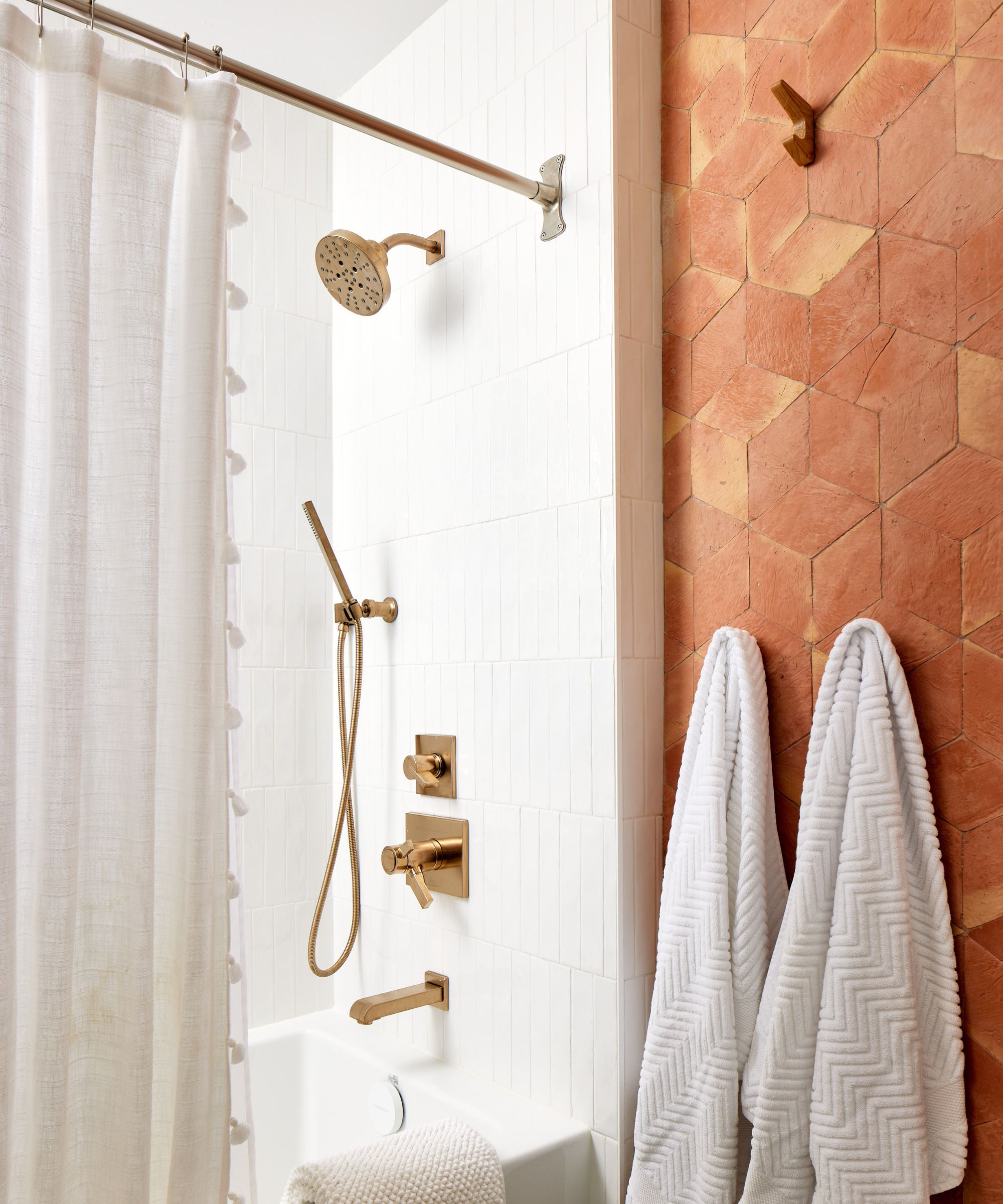
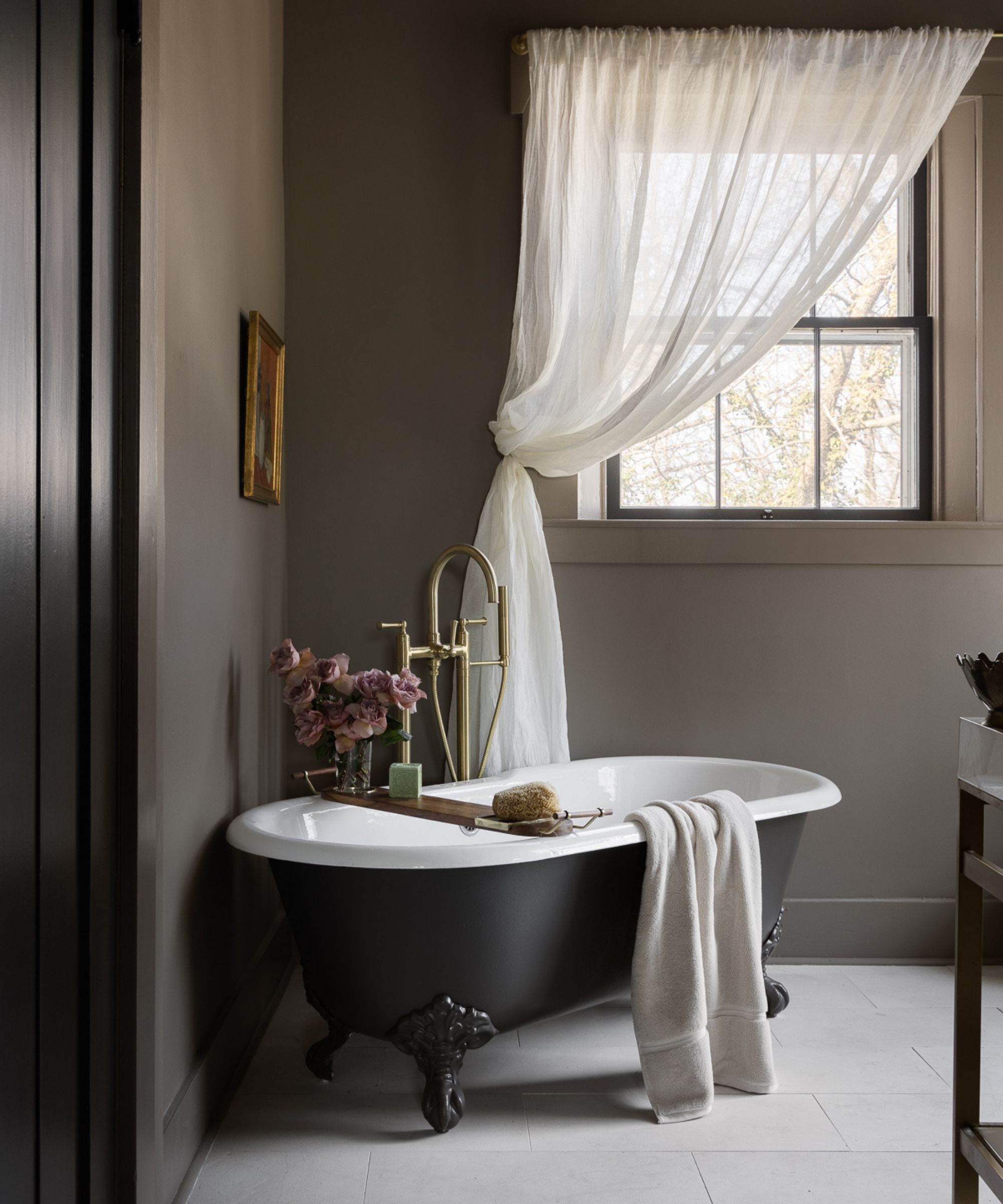
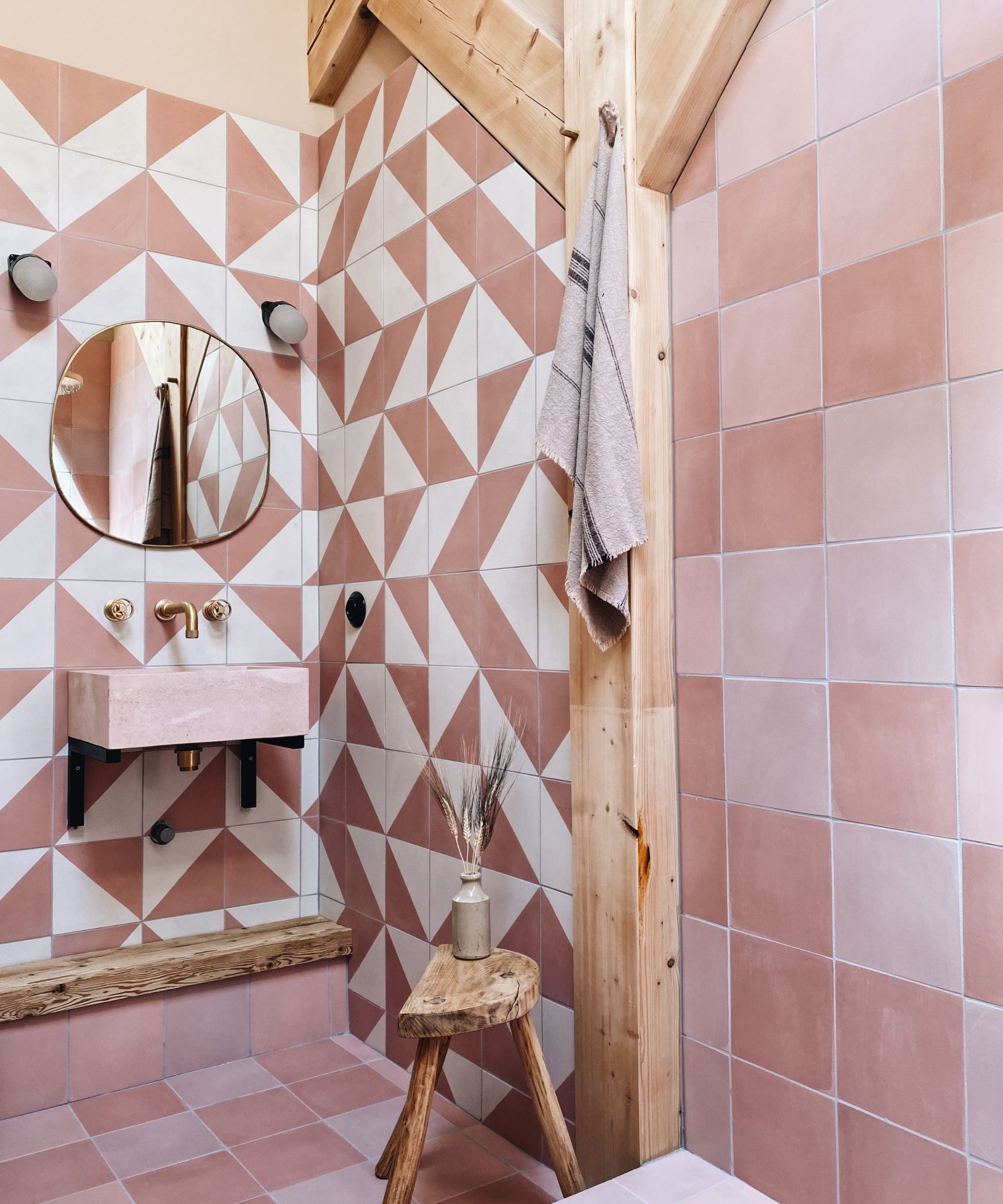
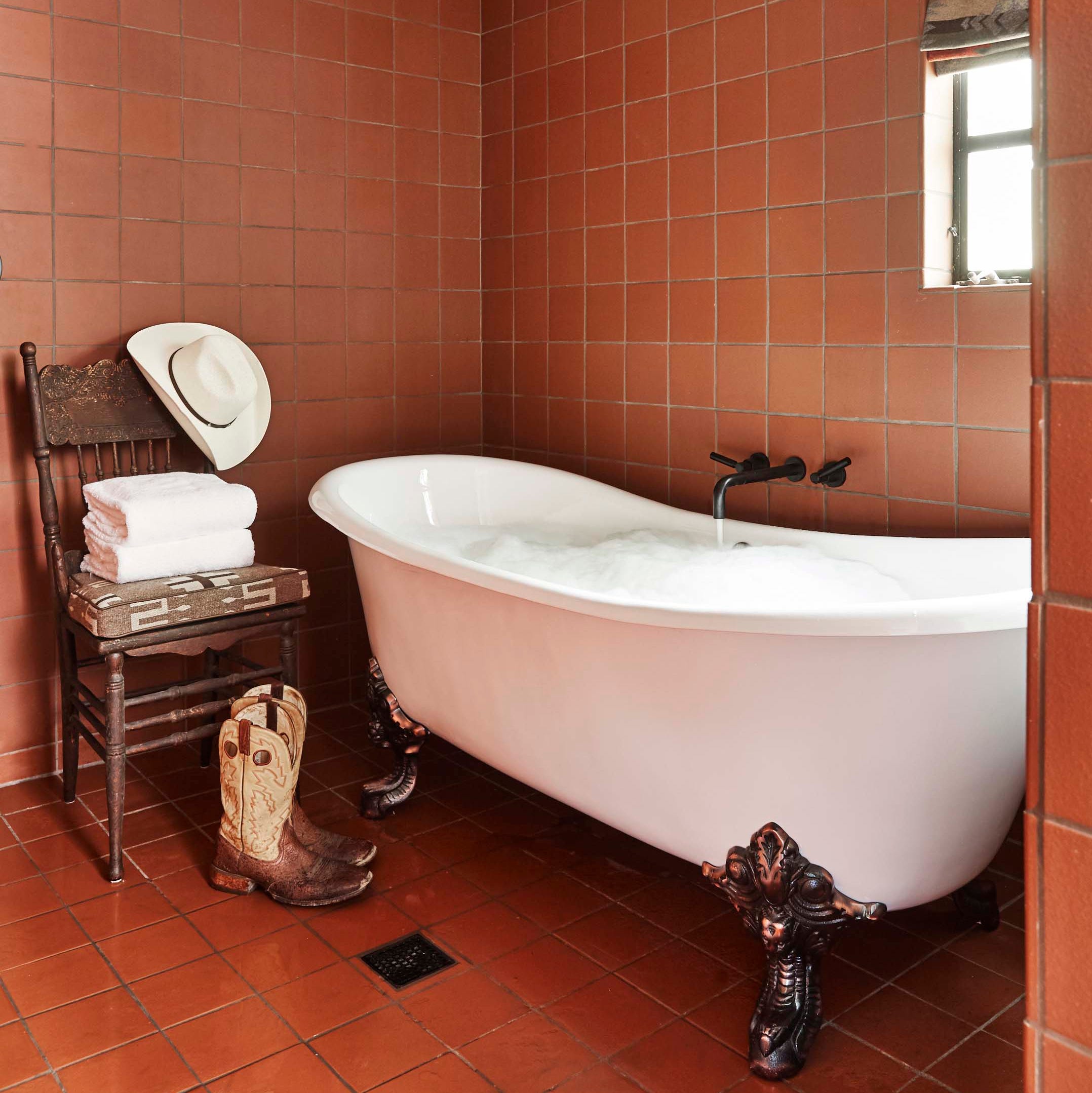
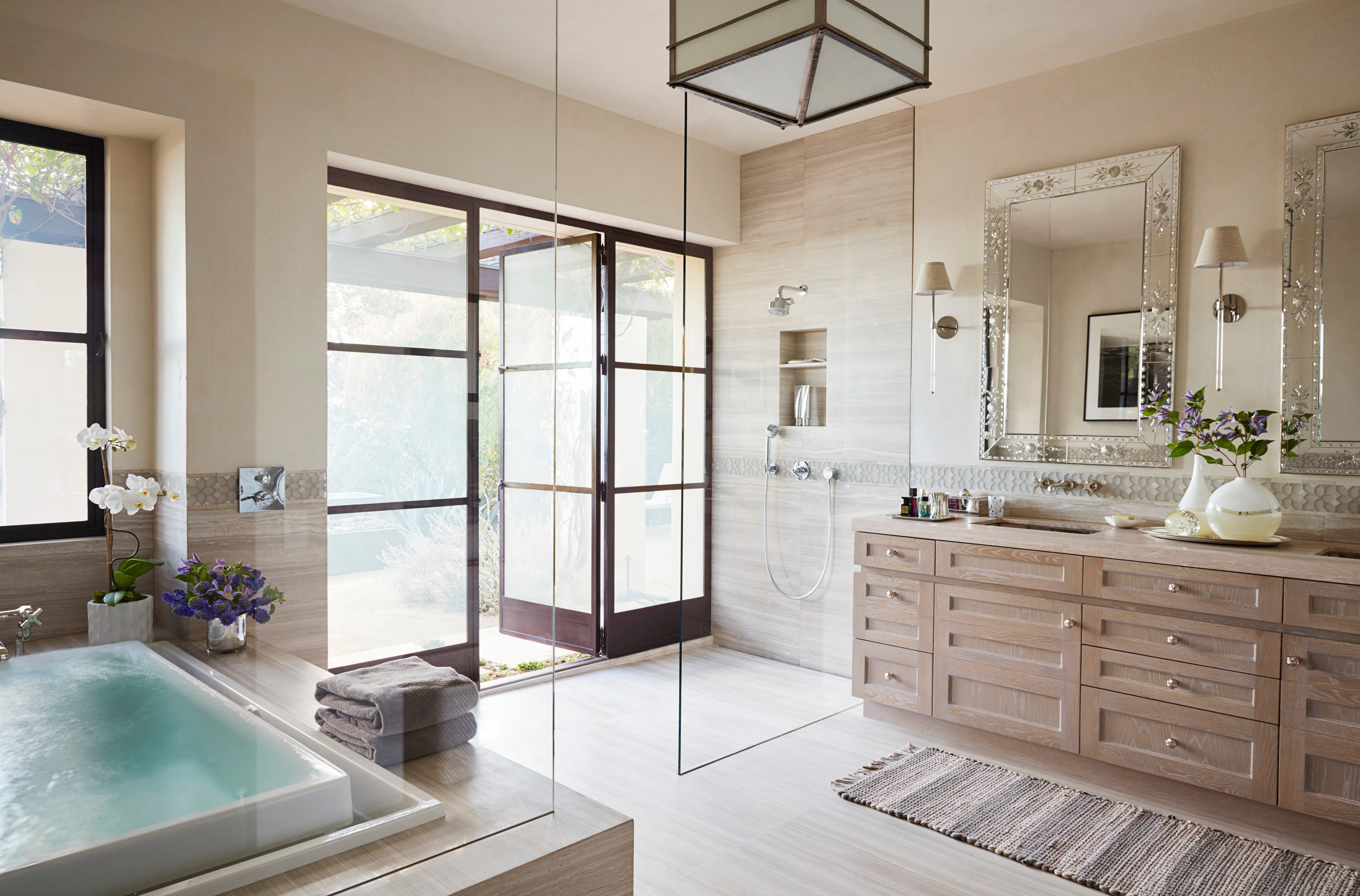
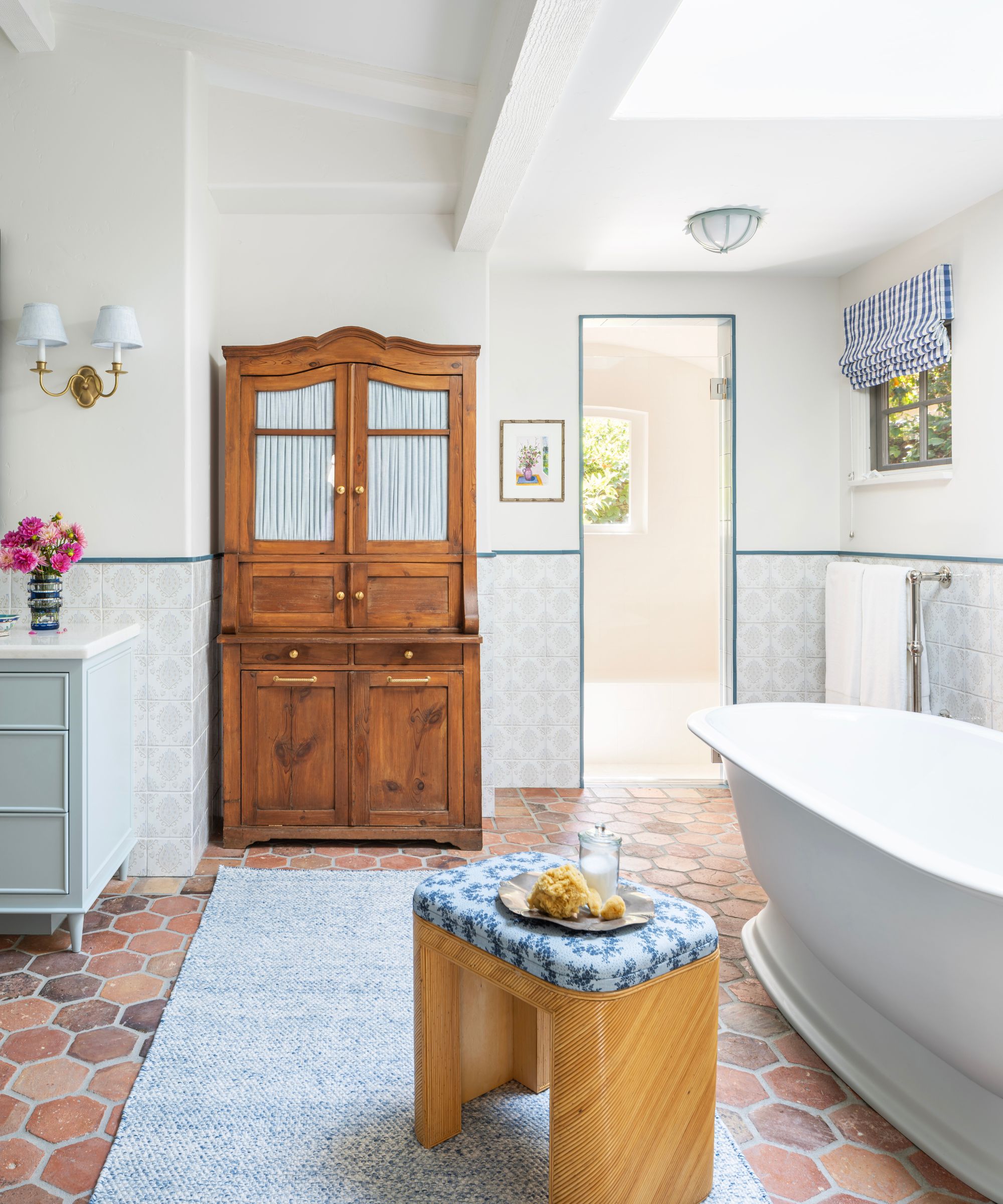
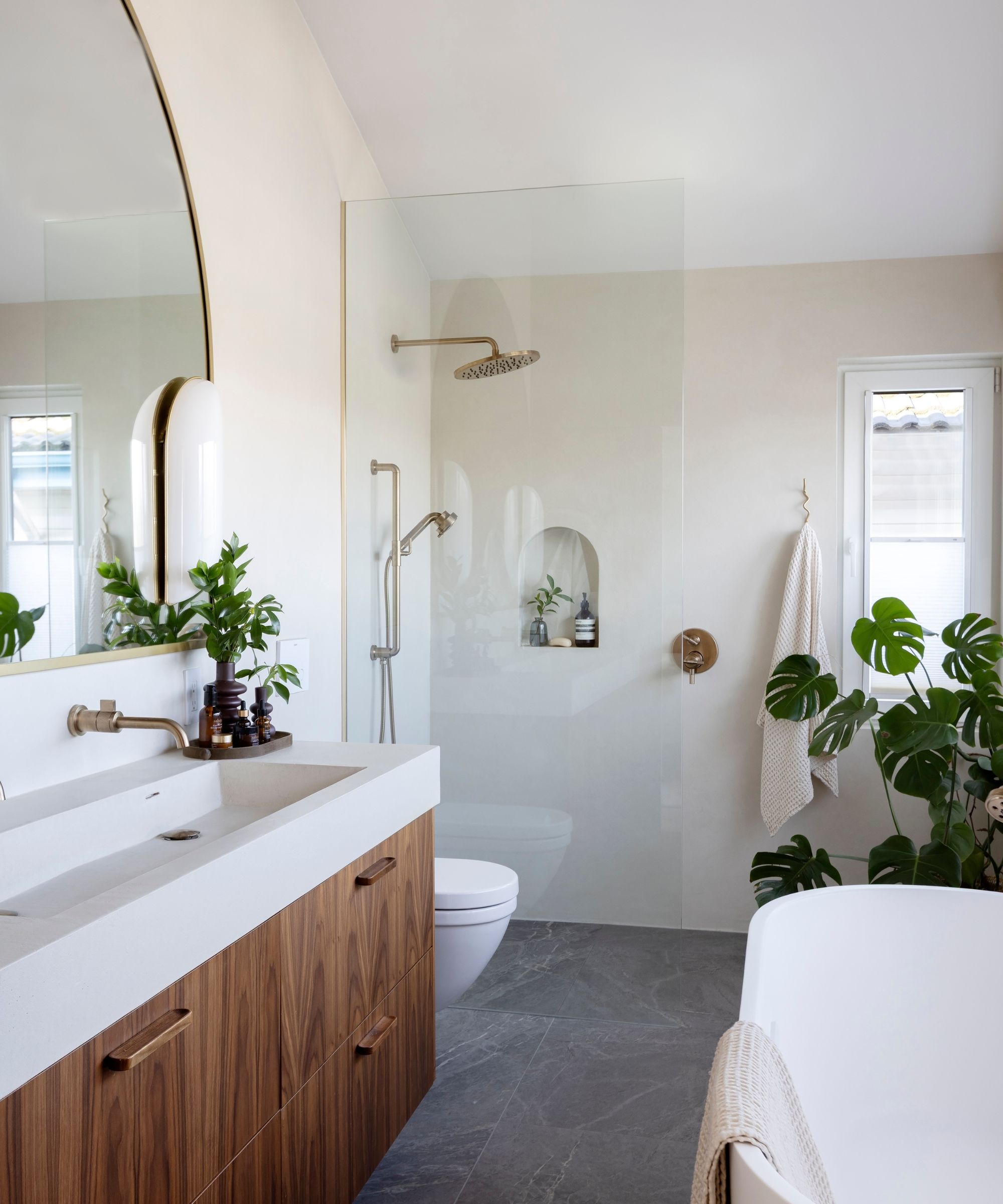
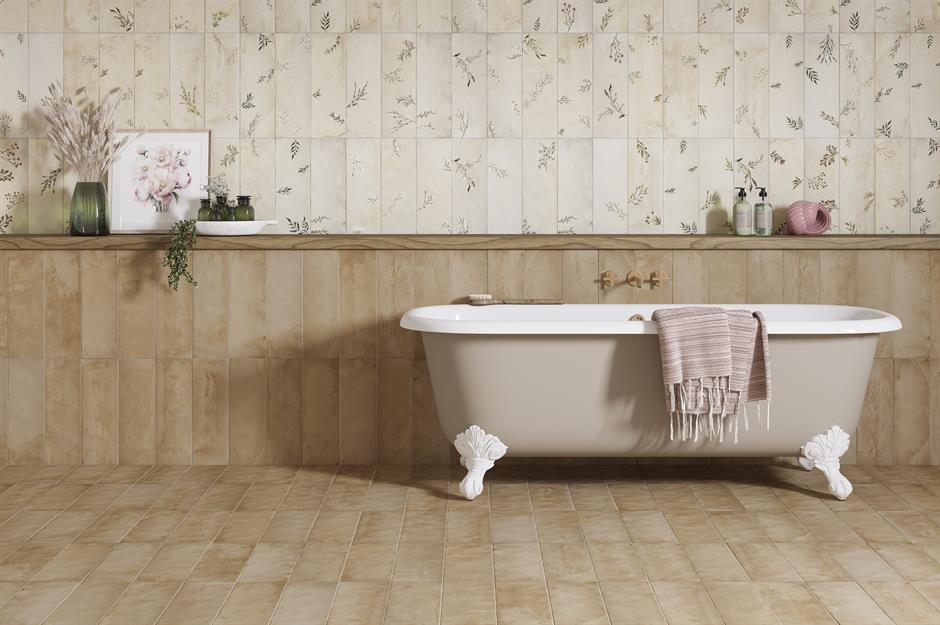
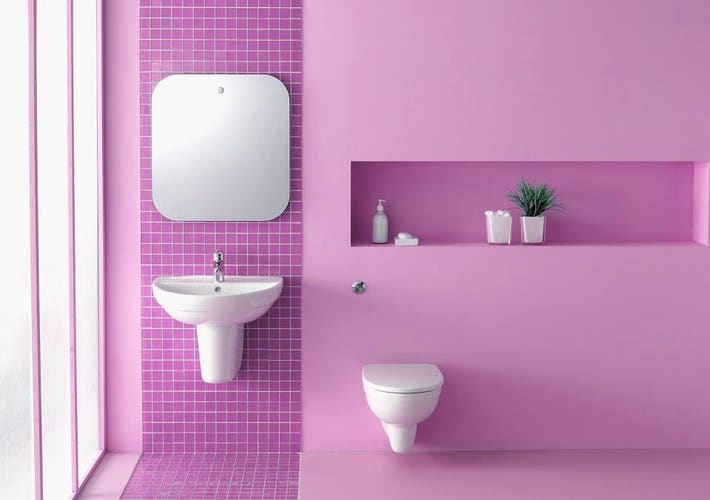
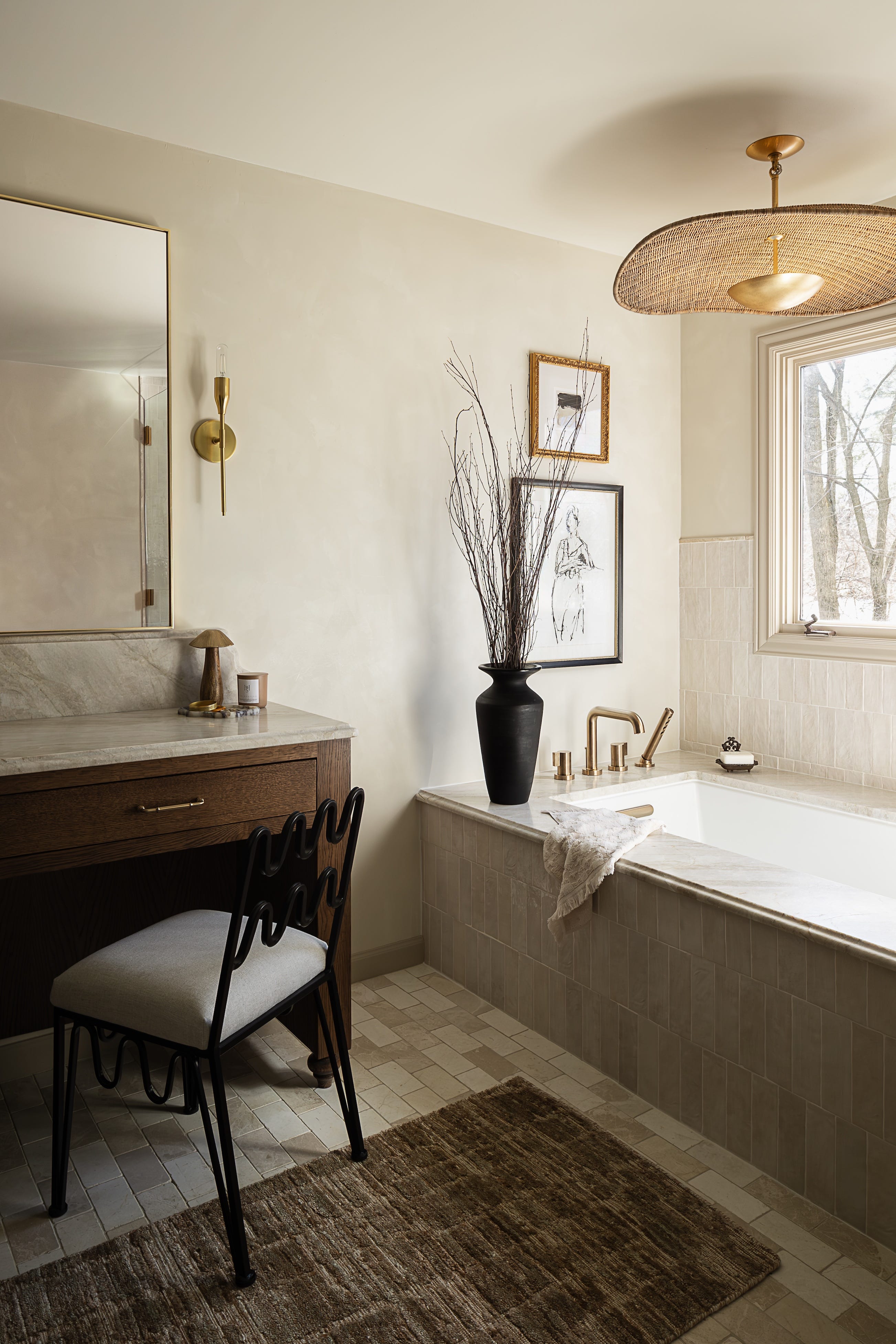
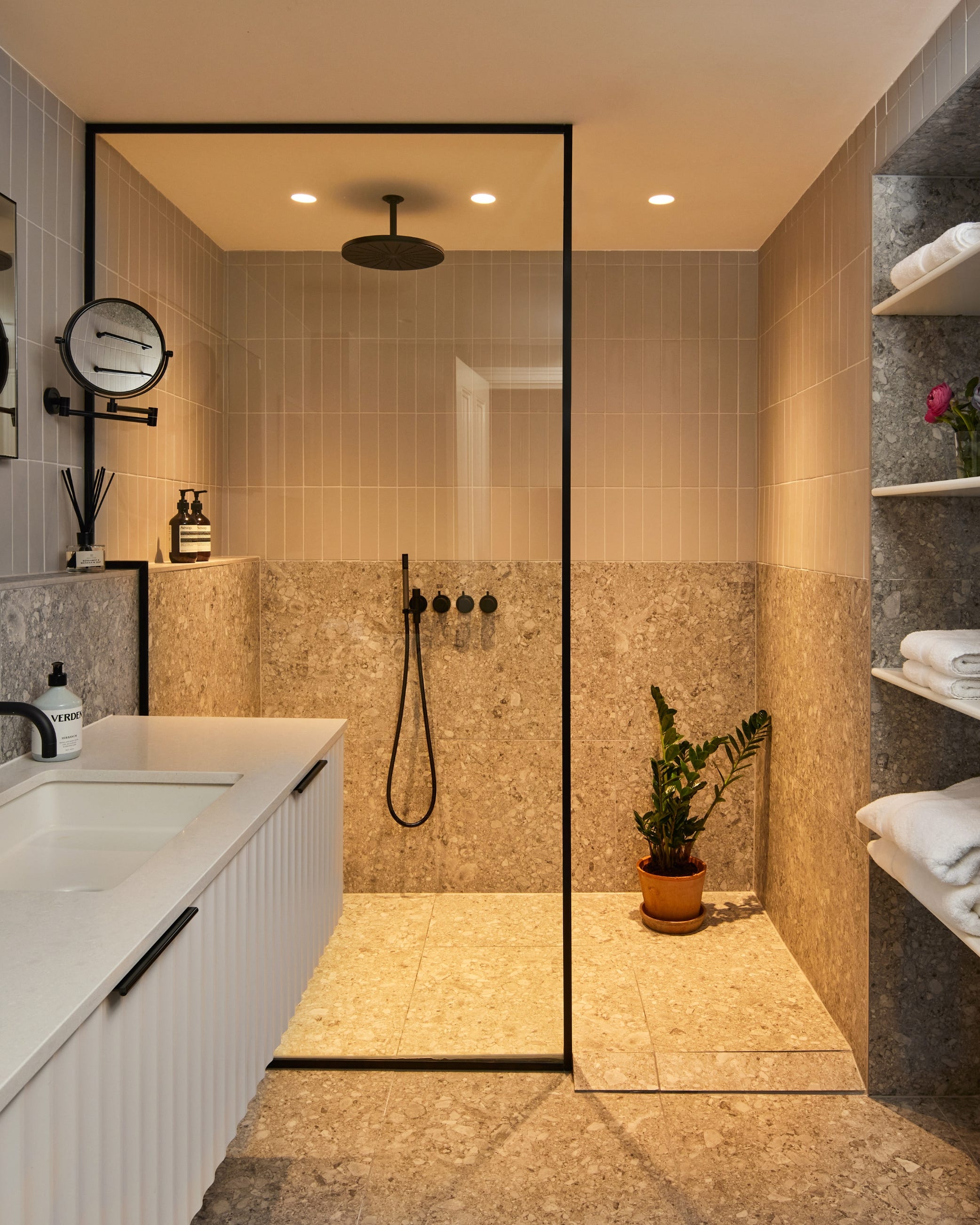
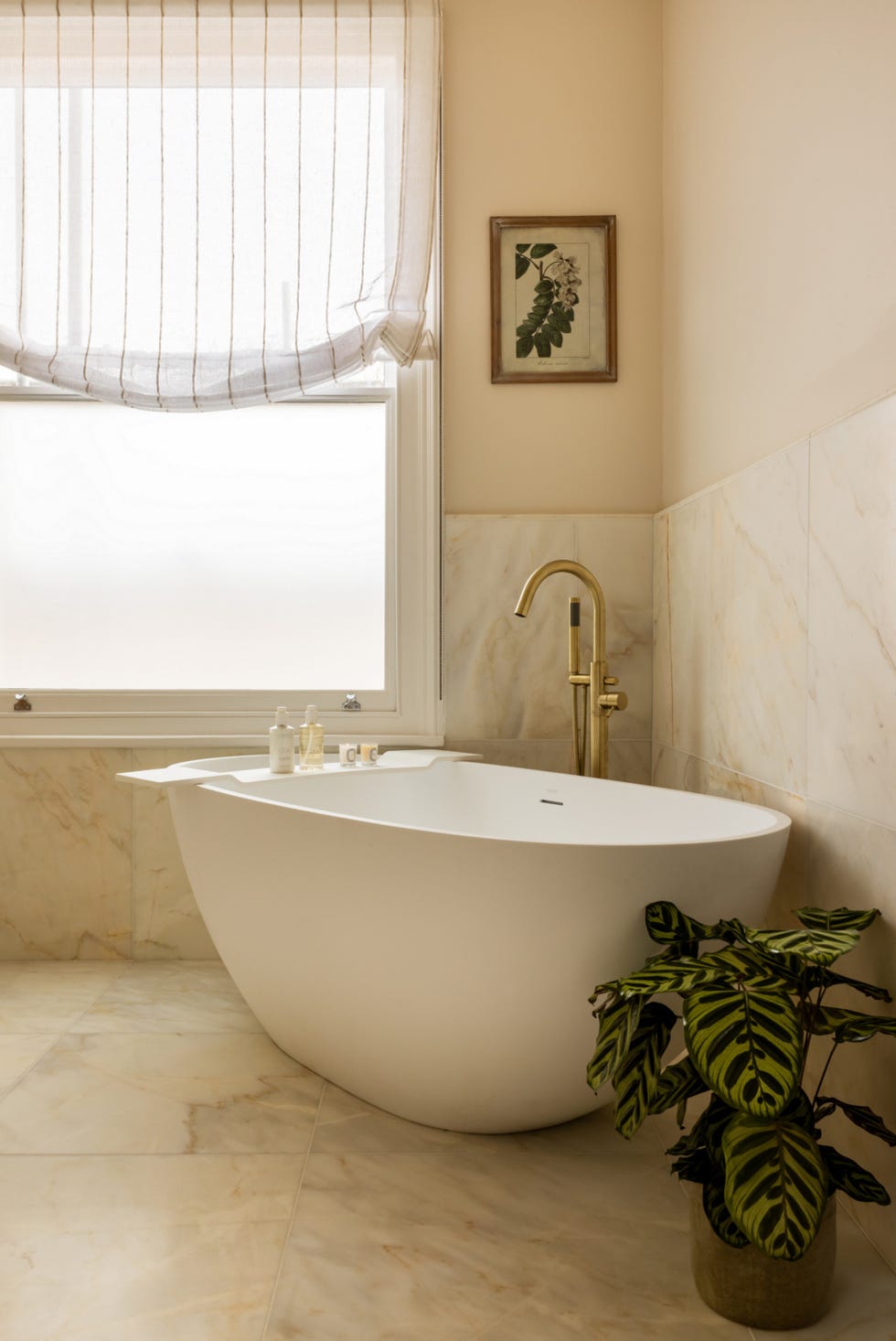
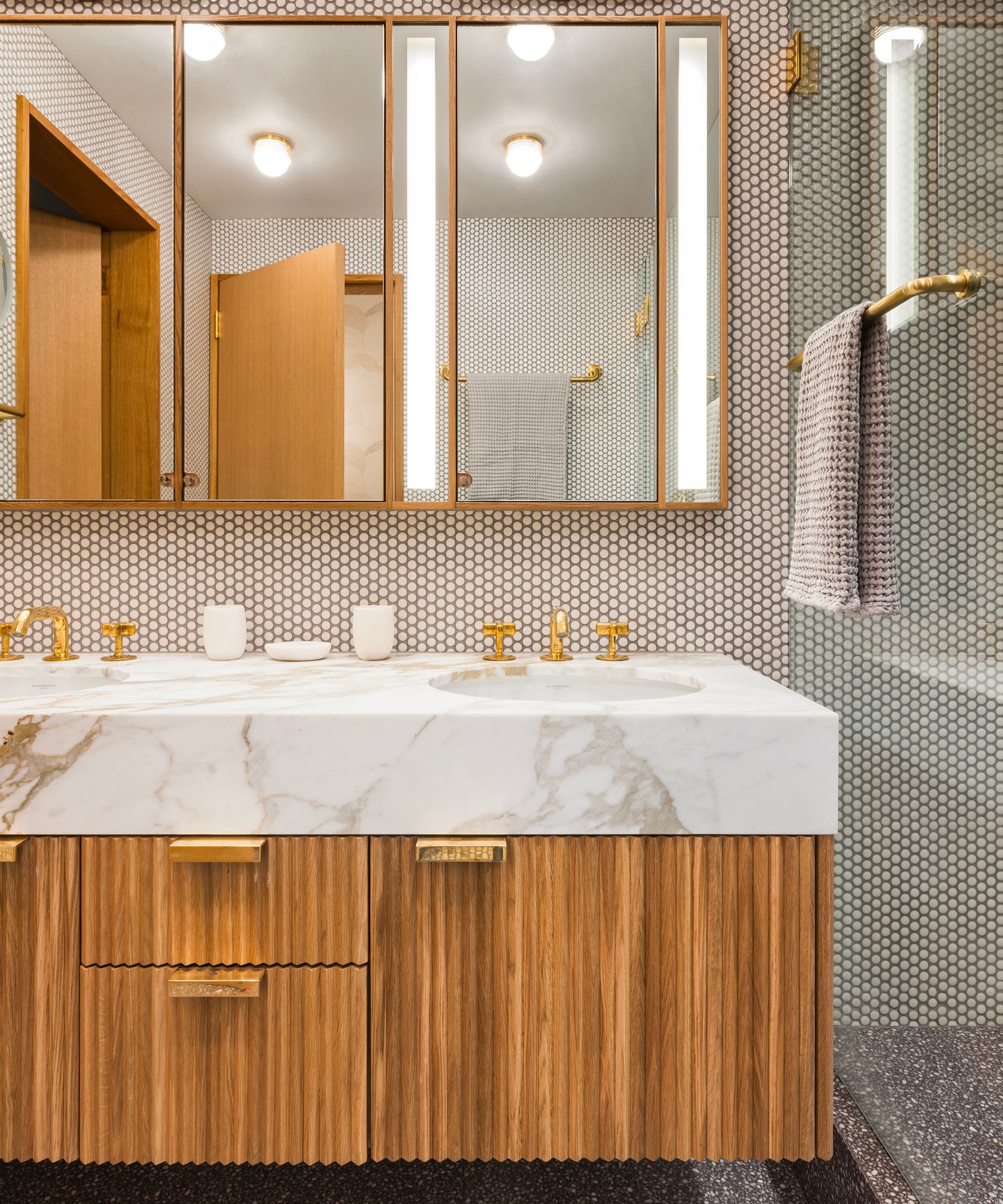
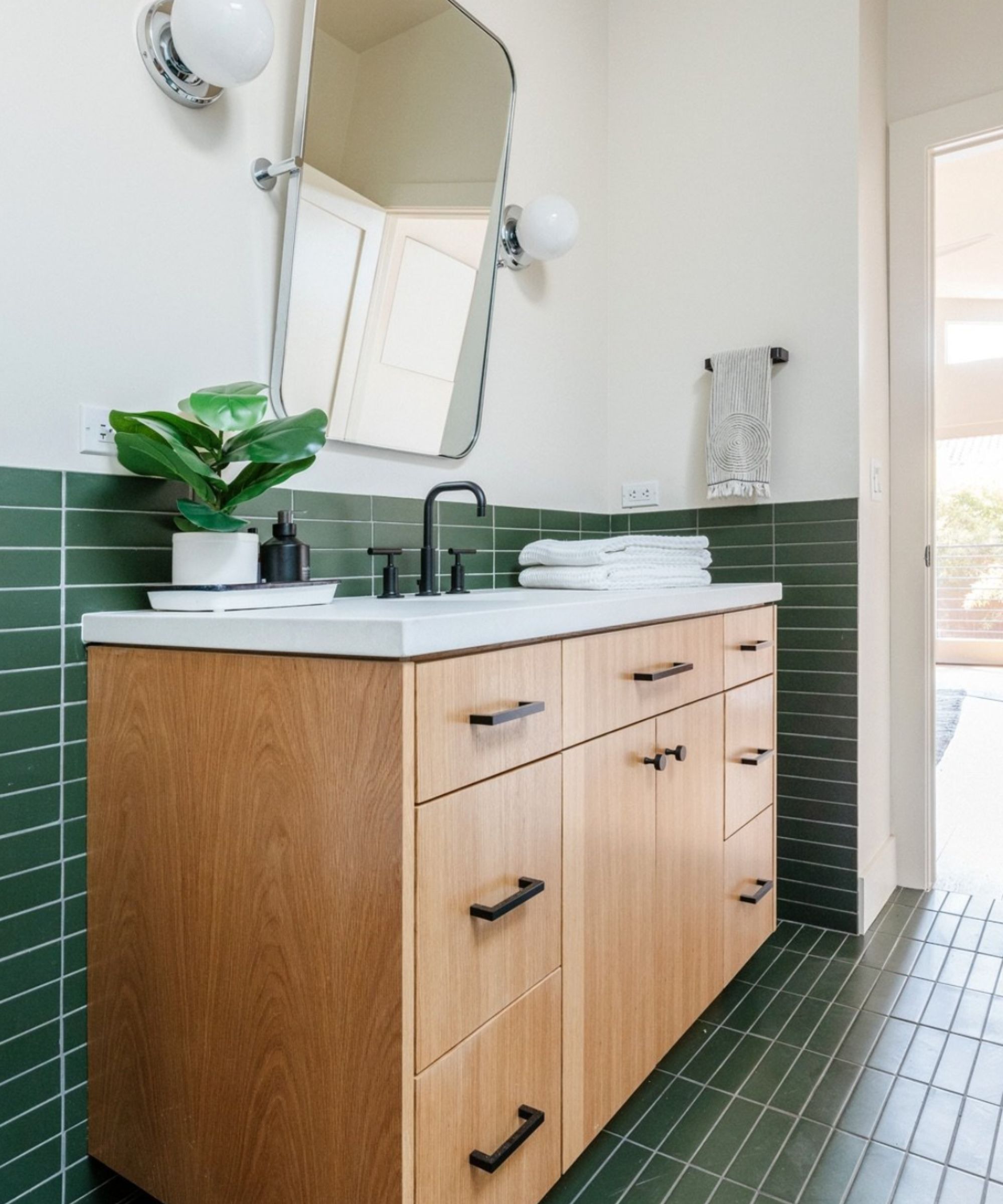
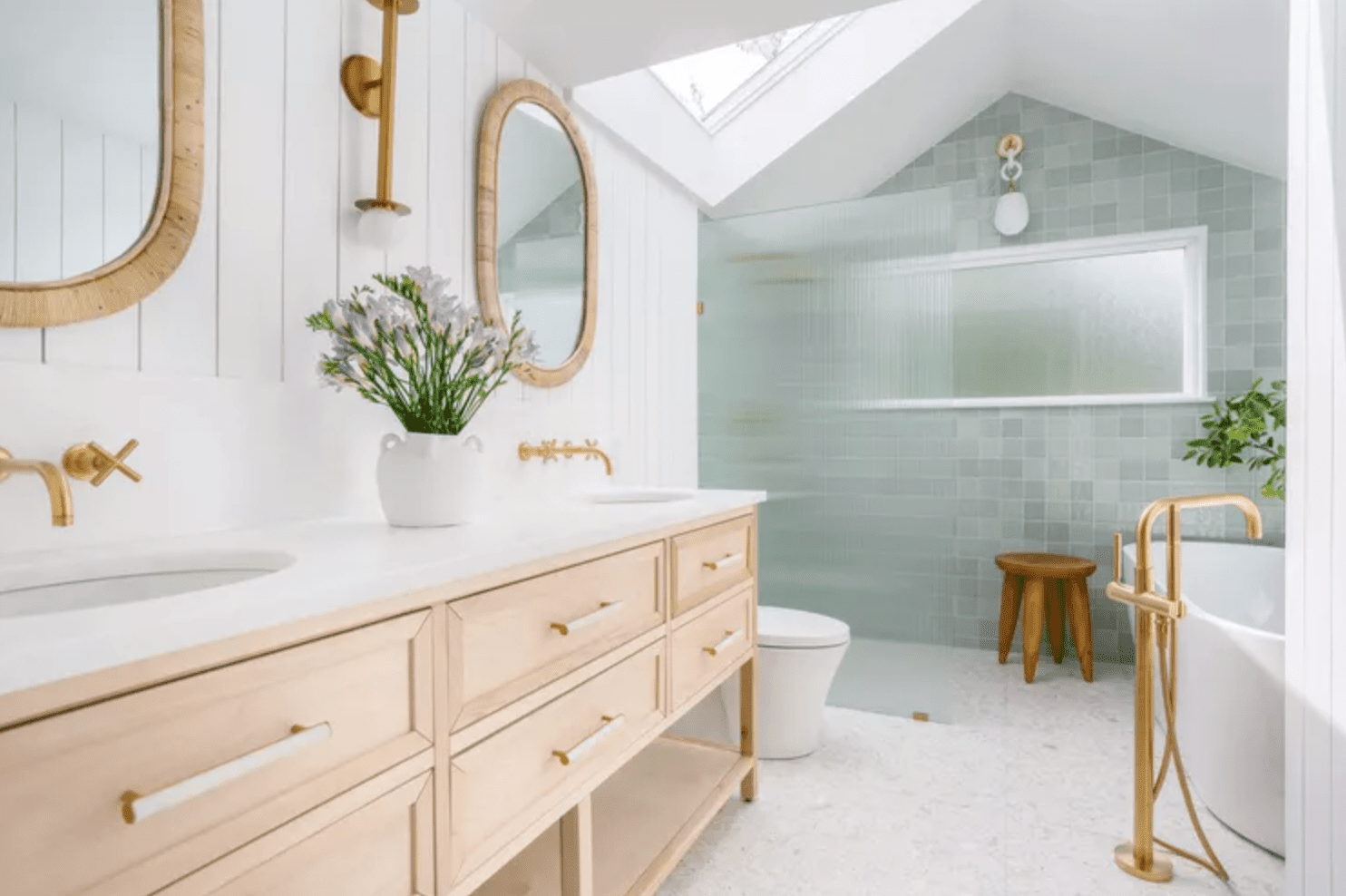
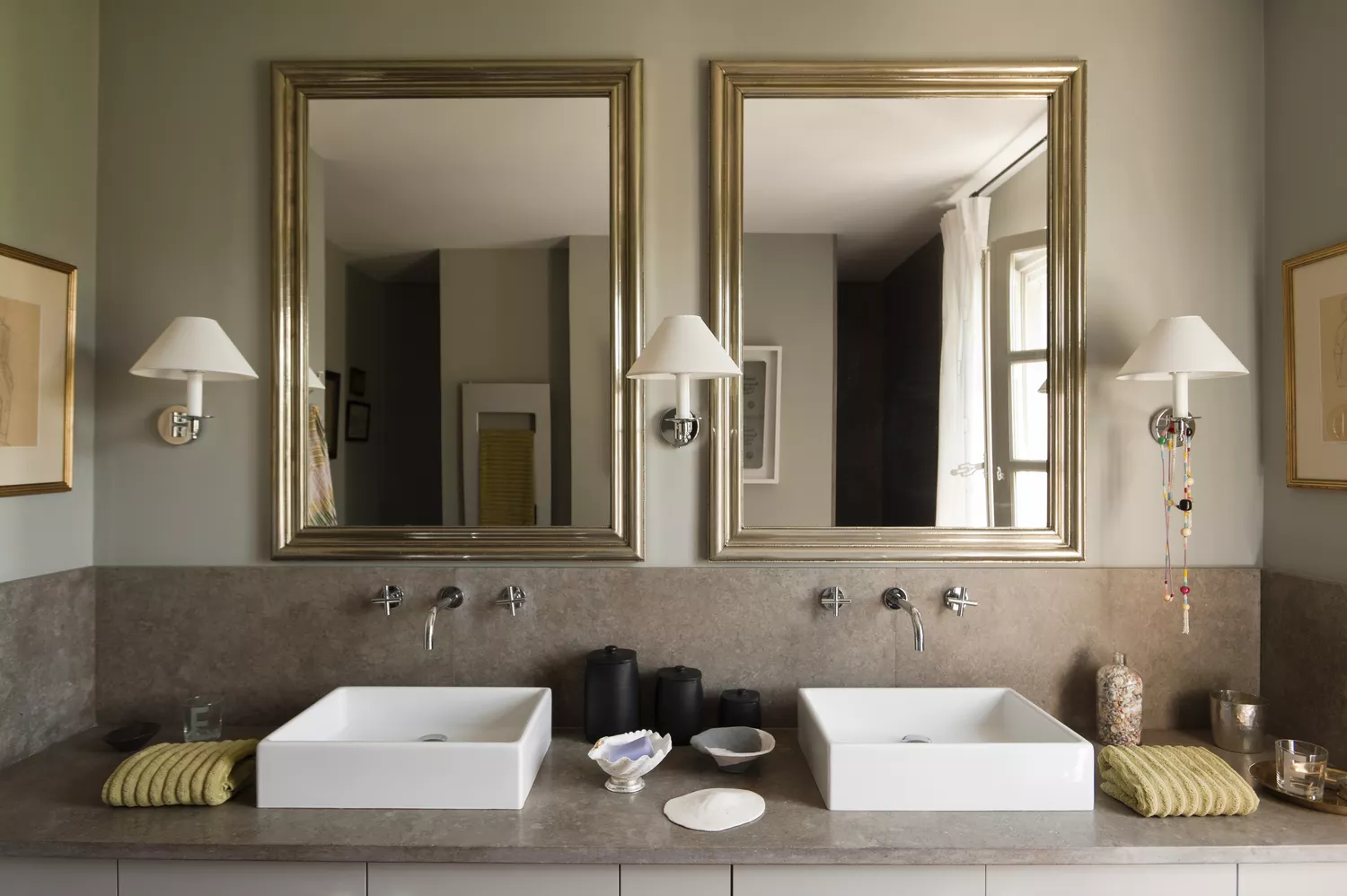
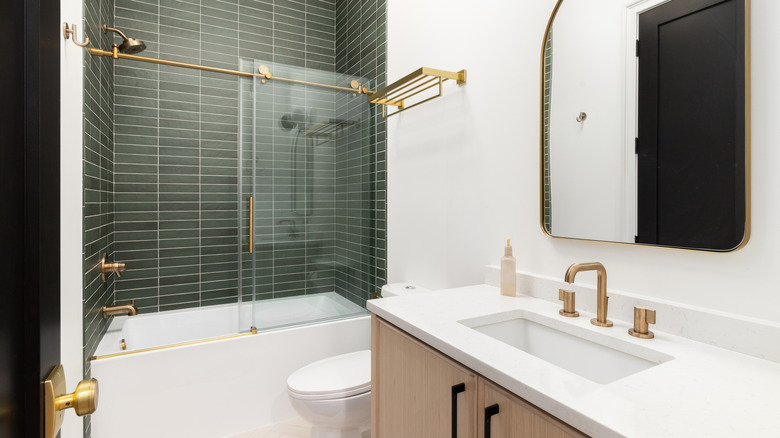
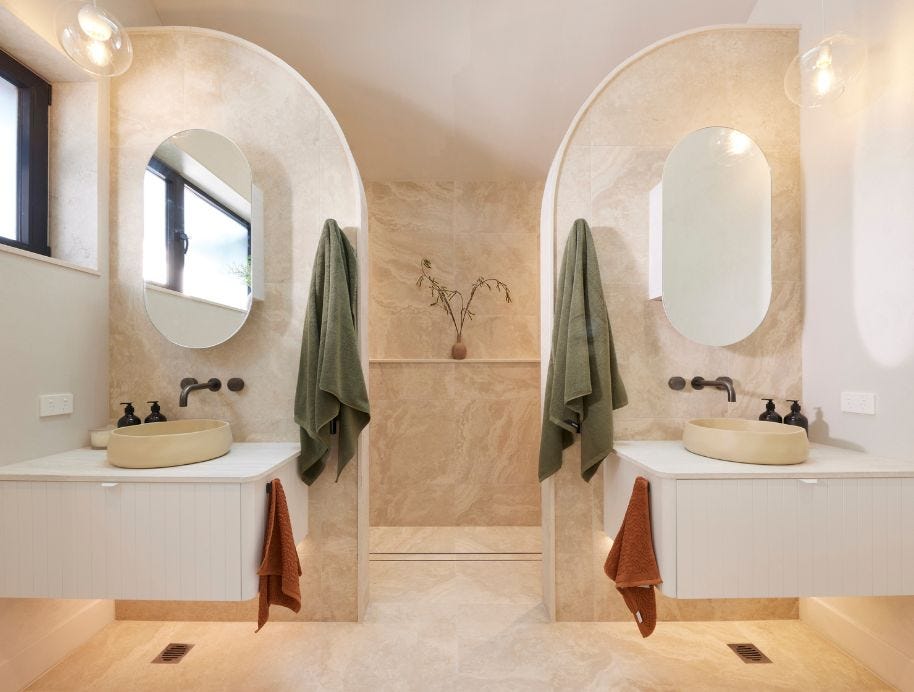
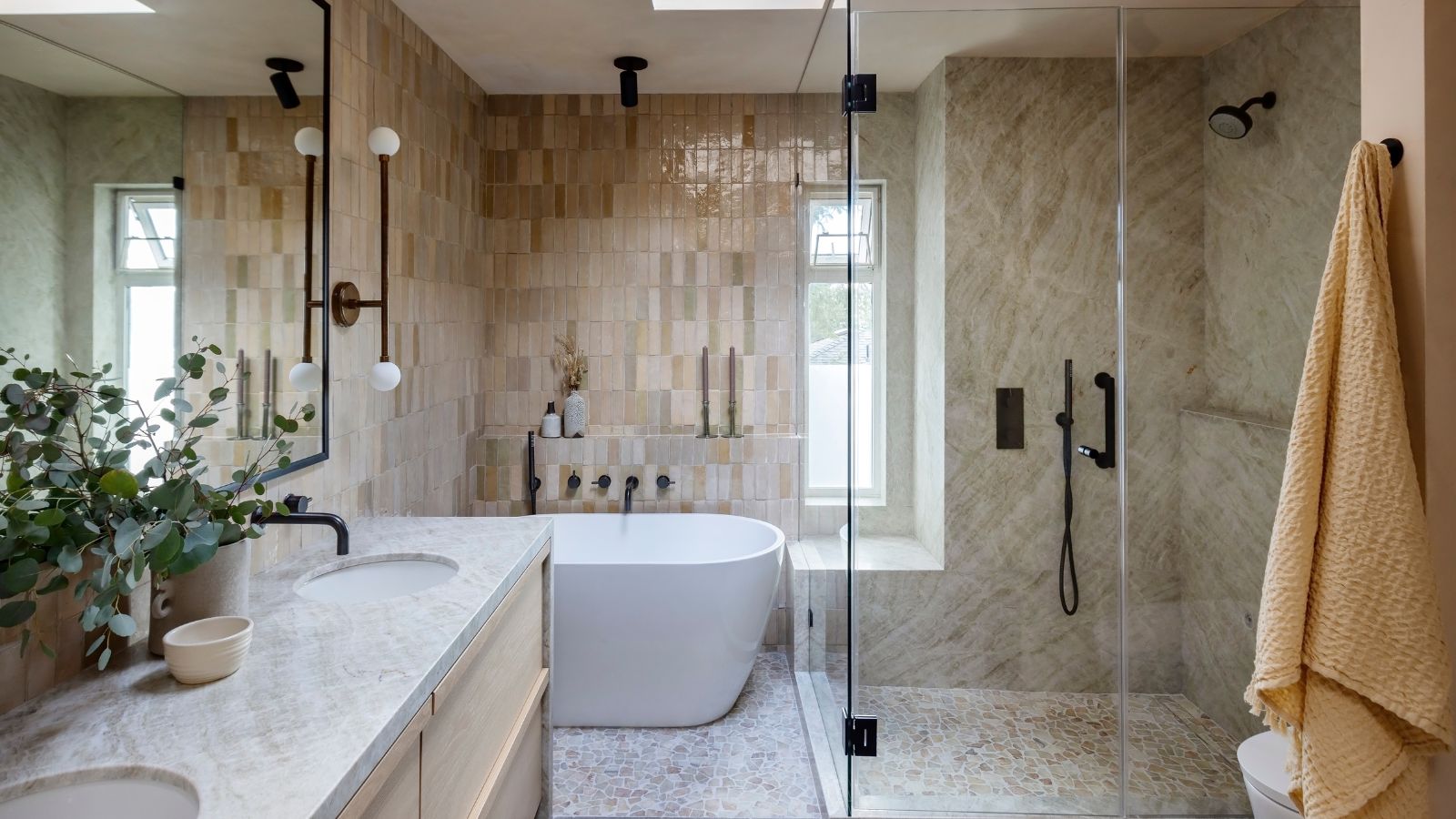
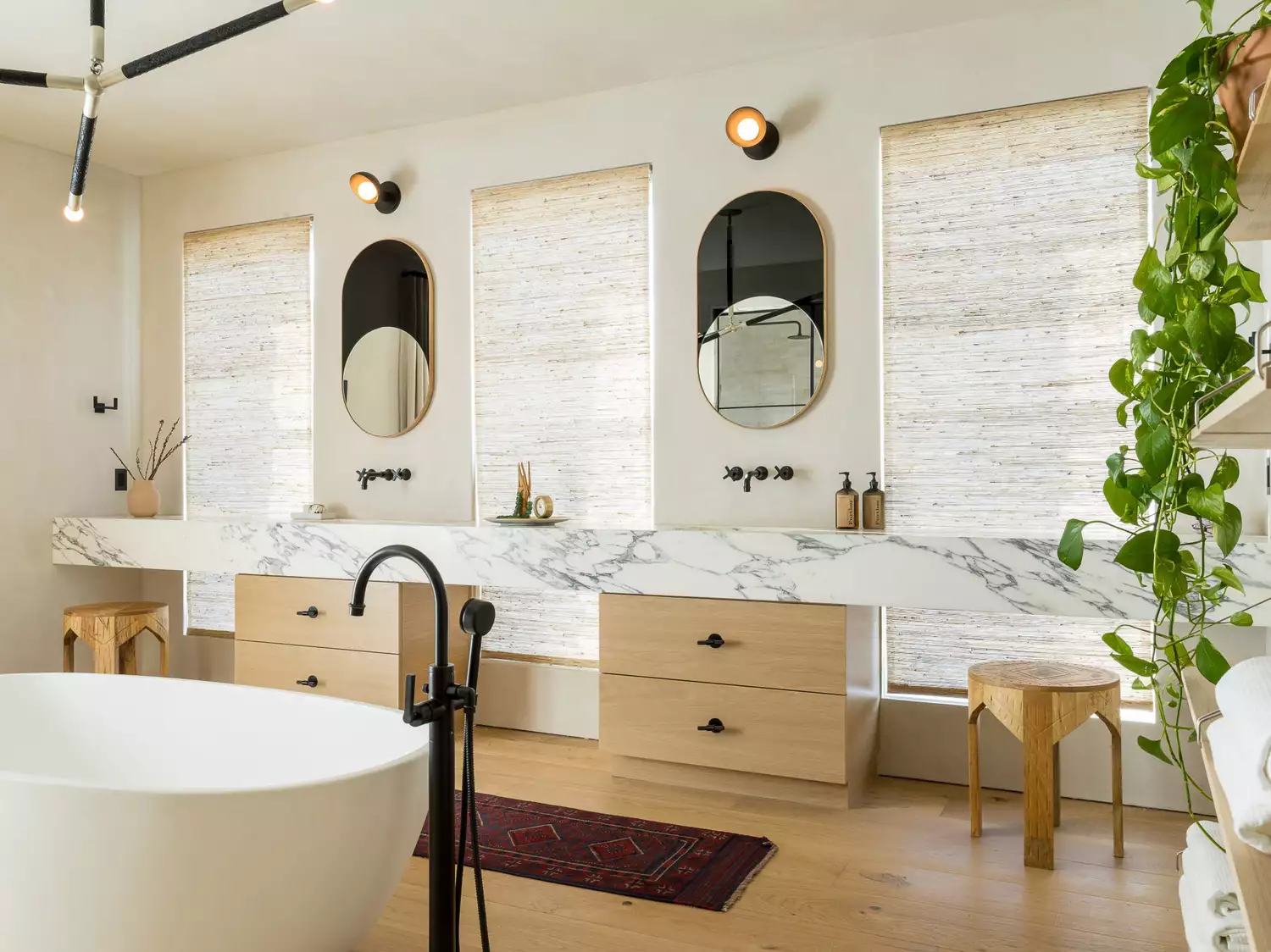
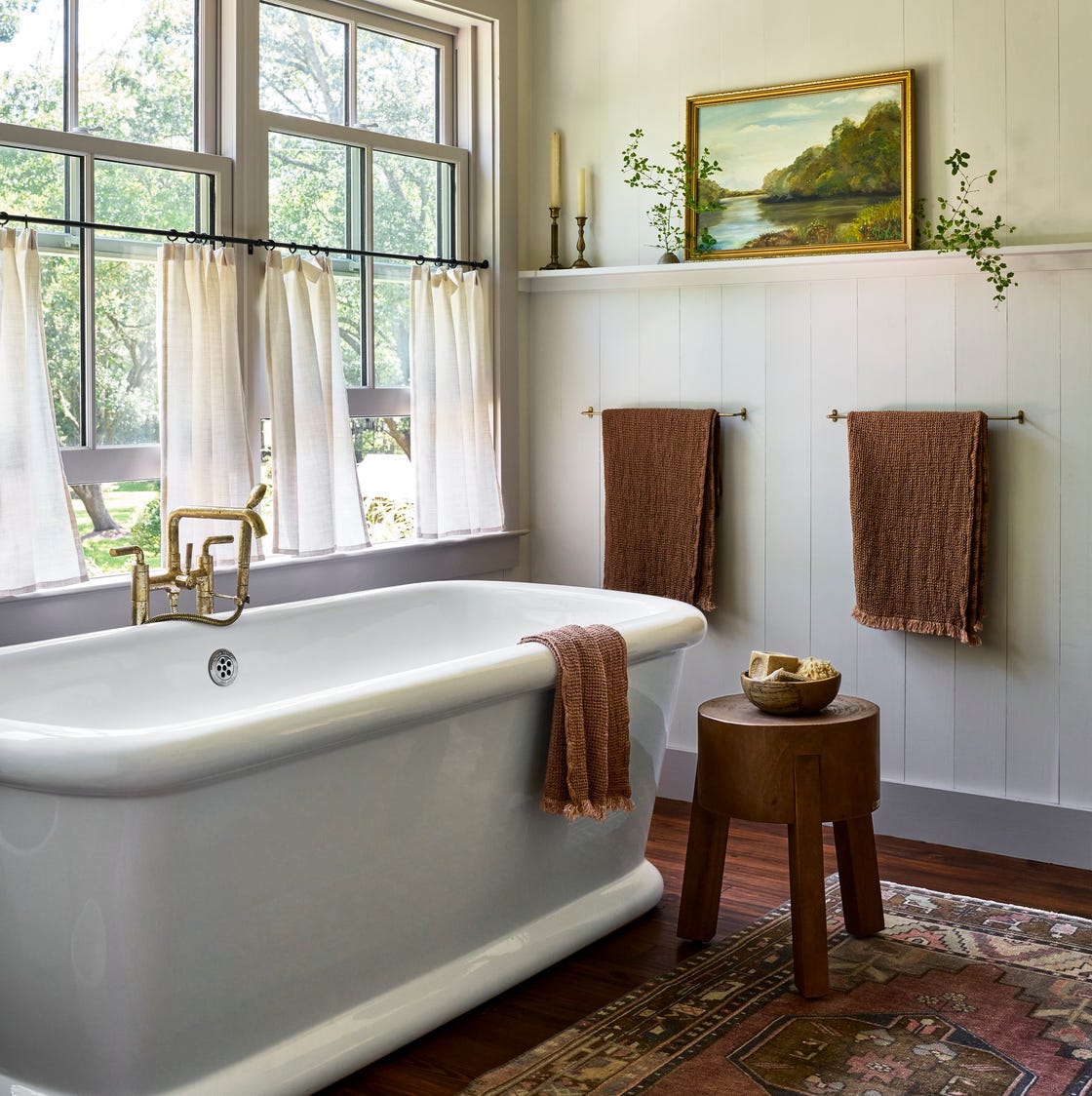
Earthy, neutral color palettes are setting the tone for 2025 bathrooms, moving away from sterile all-white aesthetics. Designers are embracing rich earth tones such as beige, terracotta, and soft greens. These earthy neutrals, particularly beige and taupe, offer elegance and warmth, creating a cozy atmosphere when combined with natural wood, stone, or metal. While green shades remain popular, there is a preference for softer hues like sage and olive over bolder hunter-greens. This combination aims to create a grounded, spa-like feel, transforming bathrooms into calming retreats. For those hesitant about more pigmented colors, options like cabinetry, wallpaper, and tiles offer opportunities to introduce bold color pops without overwhelming the space.
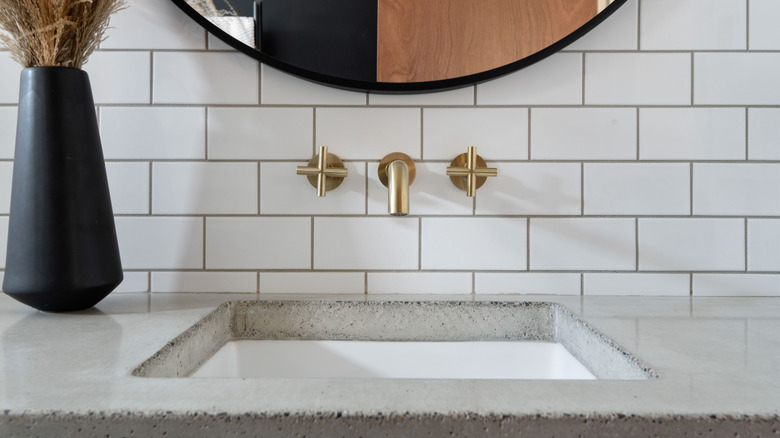
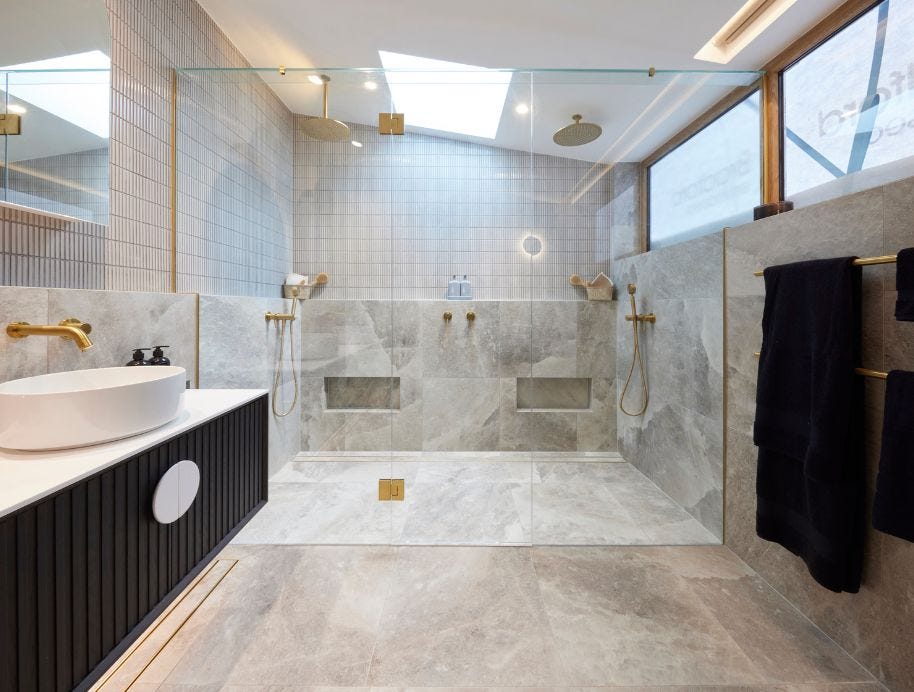
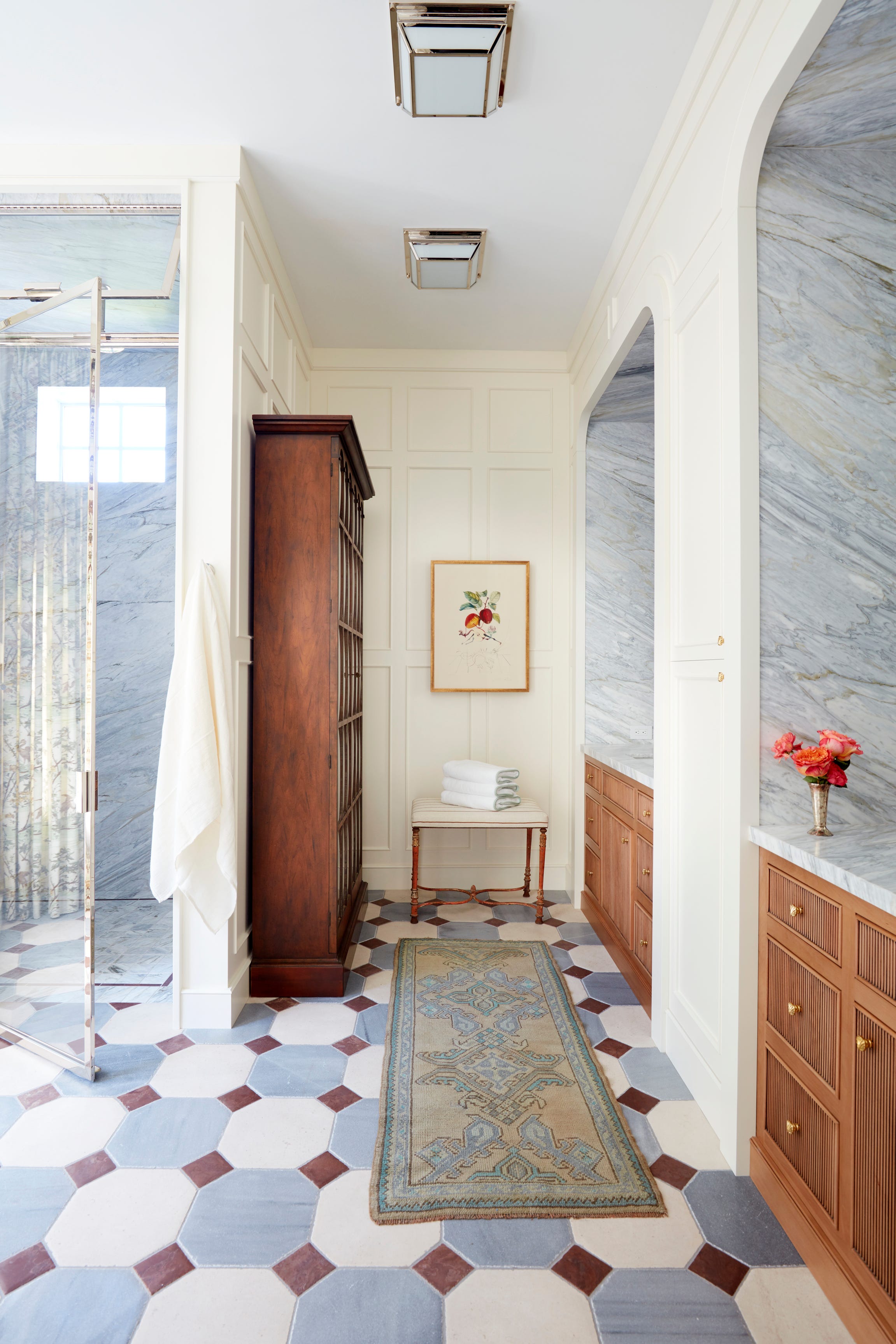
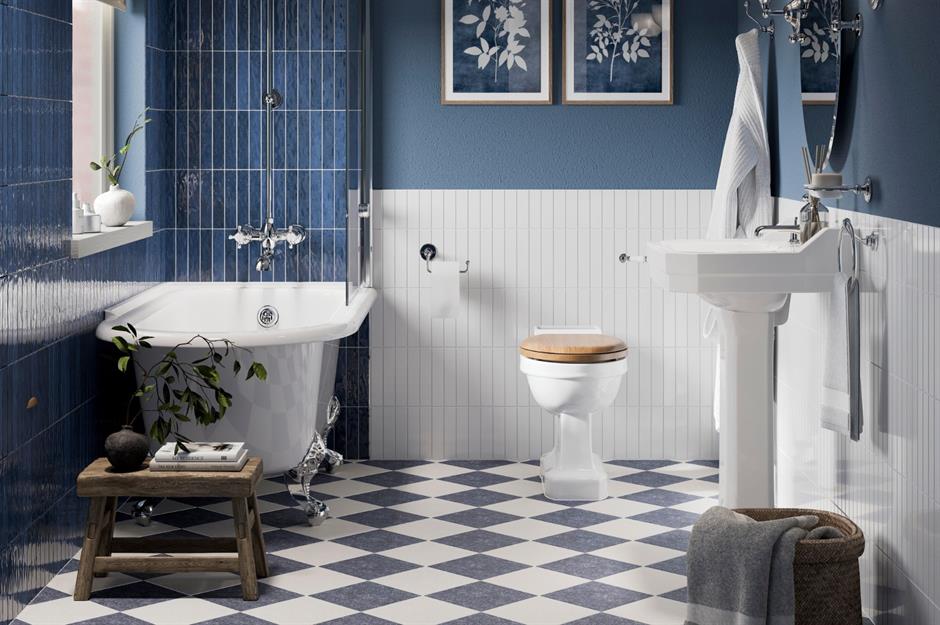
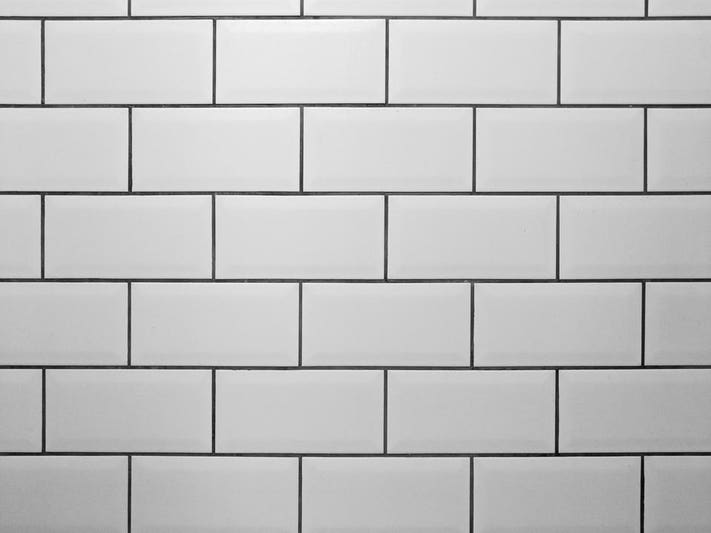

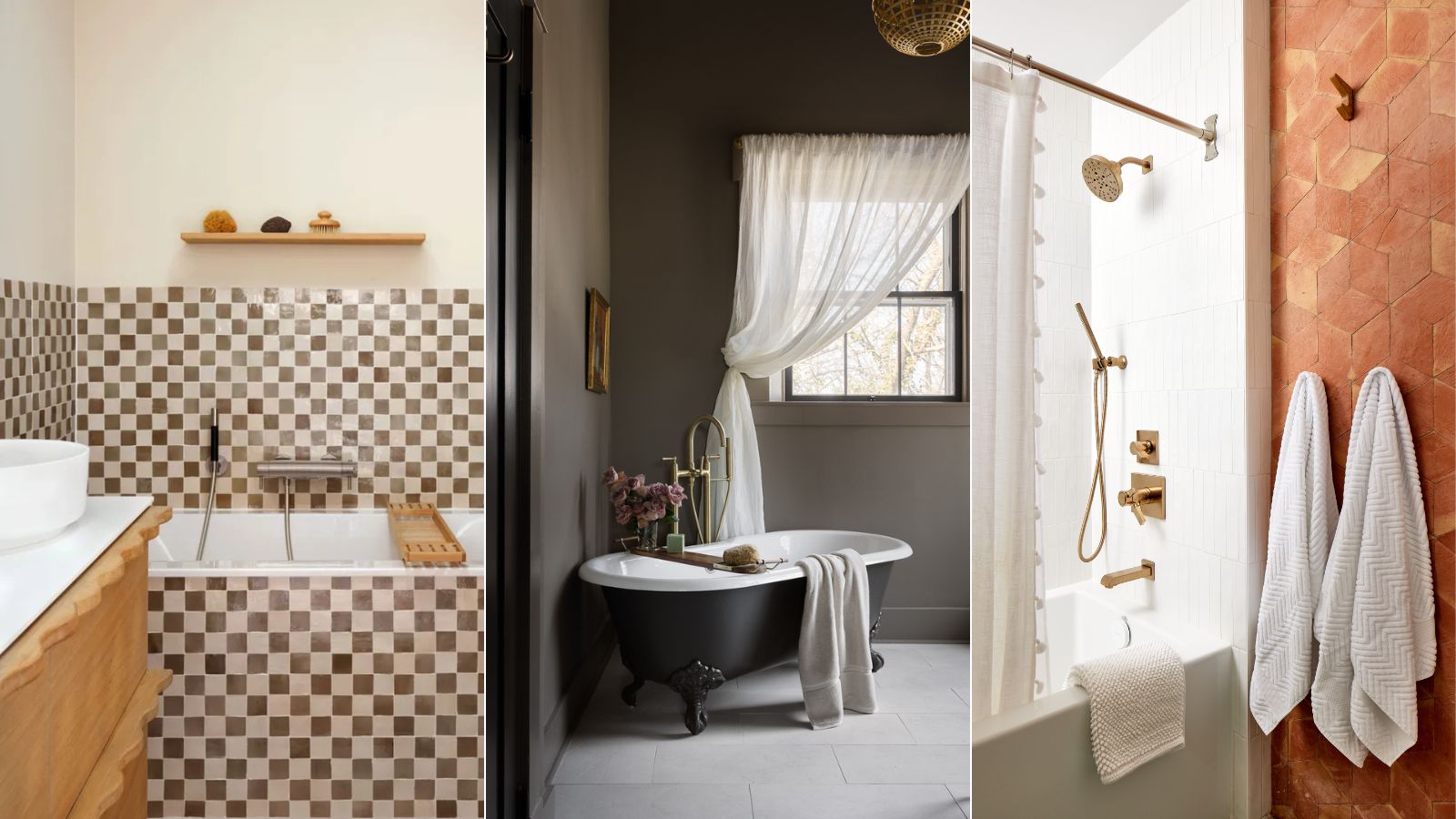
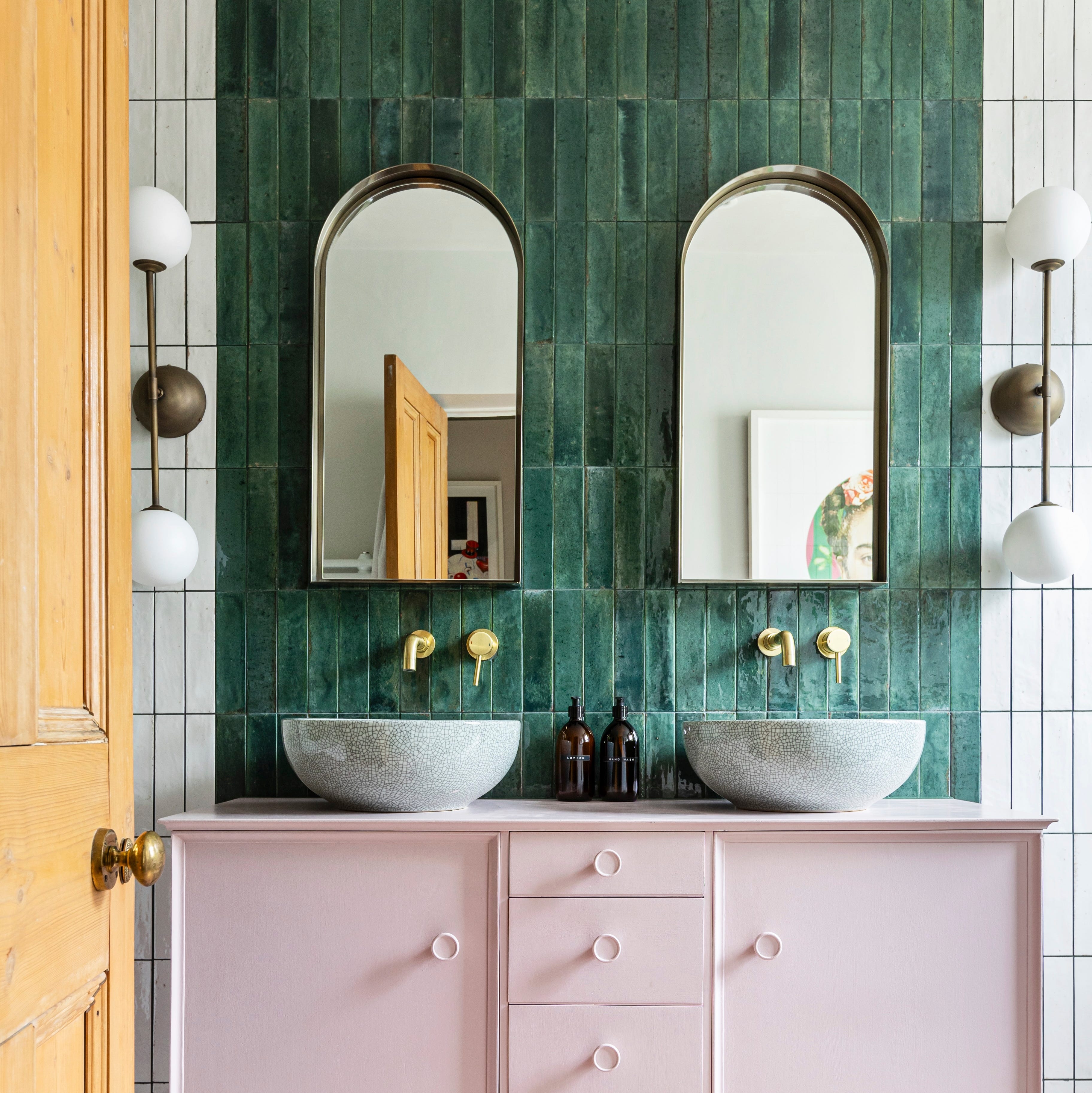
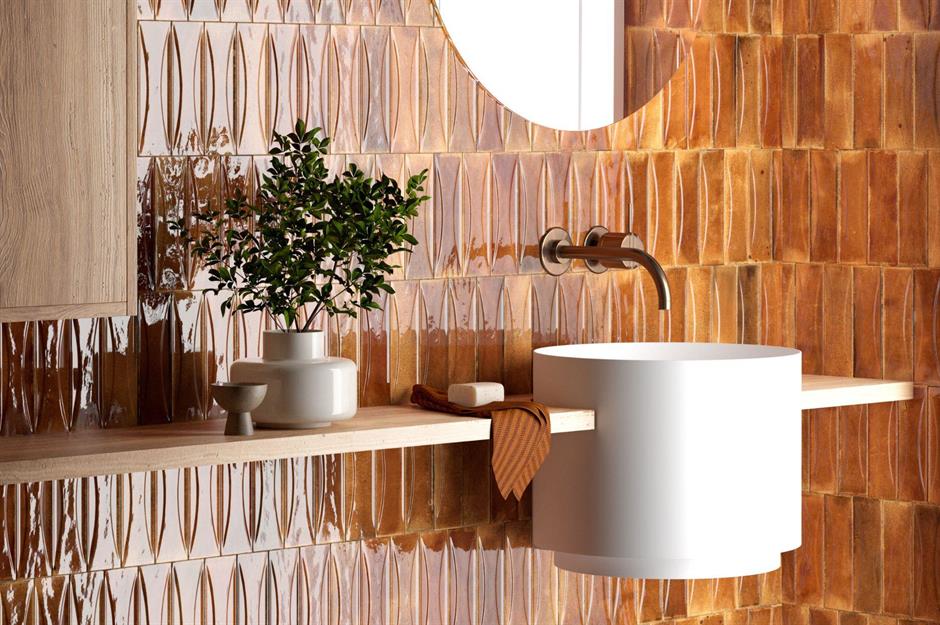
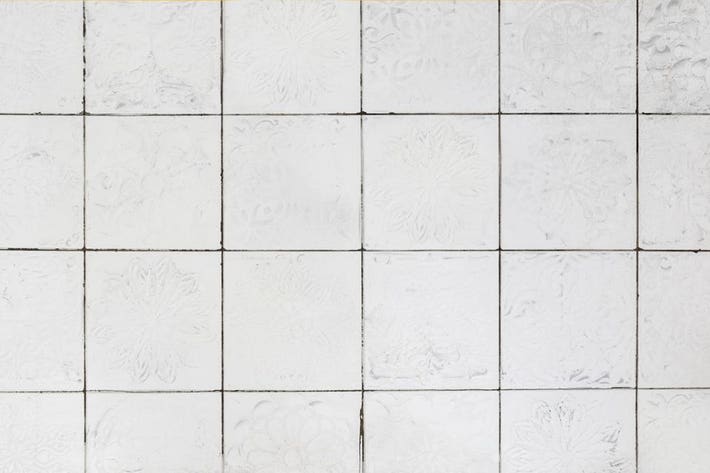
Texture and patterned floor tiles are gaining prominence, often paired with the earthy neutral tones mentioned. Snouffer notes that deeper, richer tile colors are being combined with marble-finish checkered floor tiles for added texture. The focus in tile patterns is on creative layouts, utilizing simple subway tiles in innovative ways to create unique designs. Jenny Marrs, co-star of HGTV’s ‘Fixer to Fabulous’, observes a trend toward bolder tile patterns, including large-format tiles on walls and floors arranged in creative layouts like herringbone or basketweave, especially in neutral tones. Additionally, flute, 3D, and hand-painted tile designs are experiencing a resurgence. This experimental approach to tiling also favors oversized tiles and reduced grout lines for a subtle, chic, and easy-to-clean aesthetic.
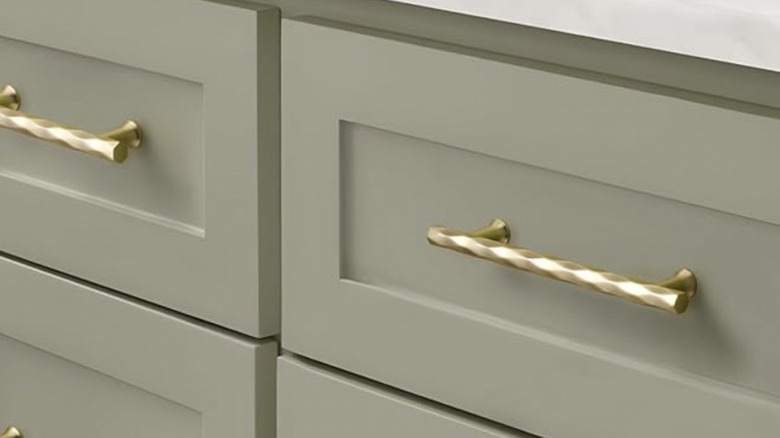
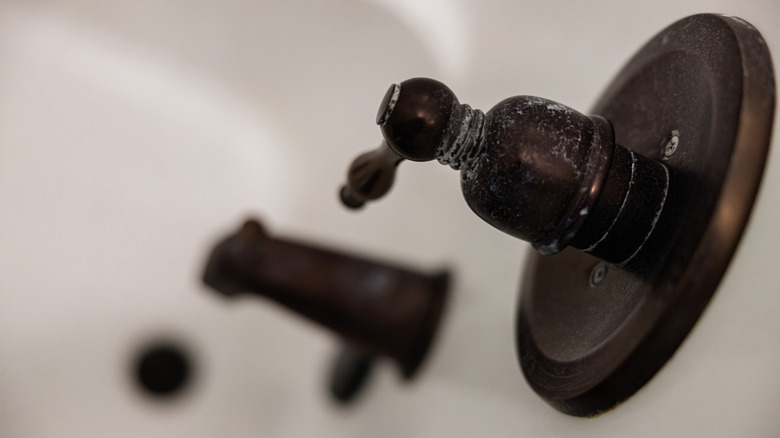
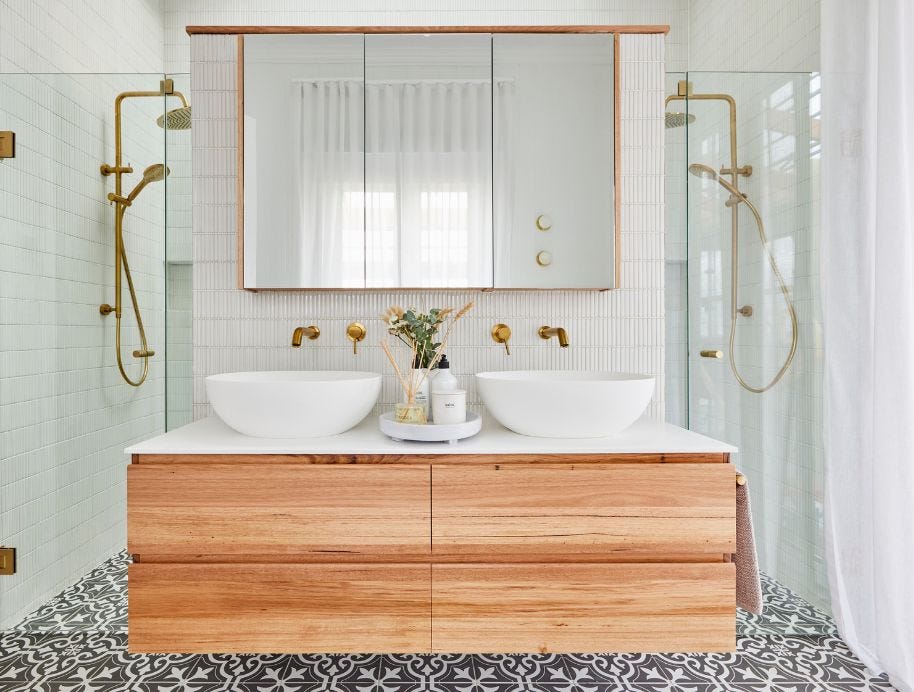
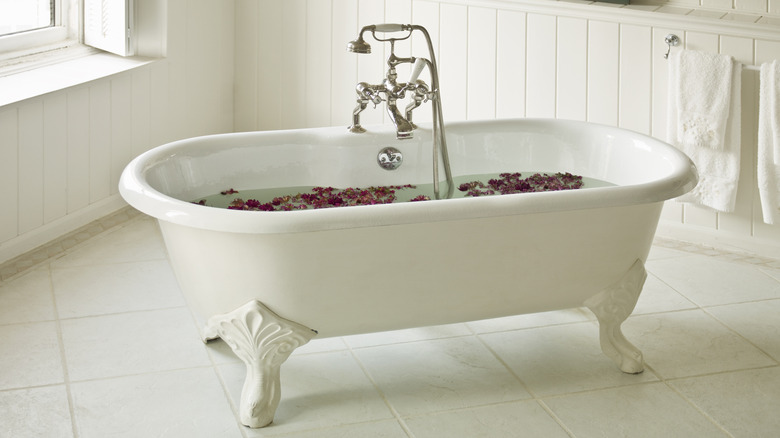
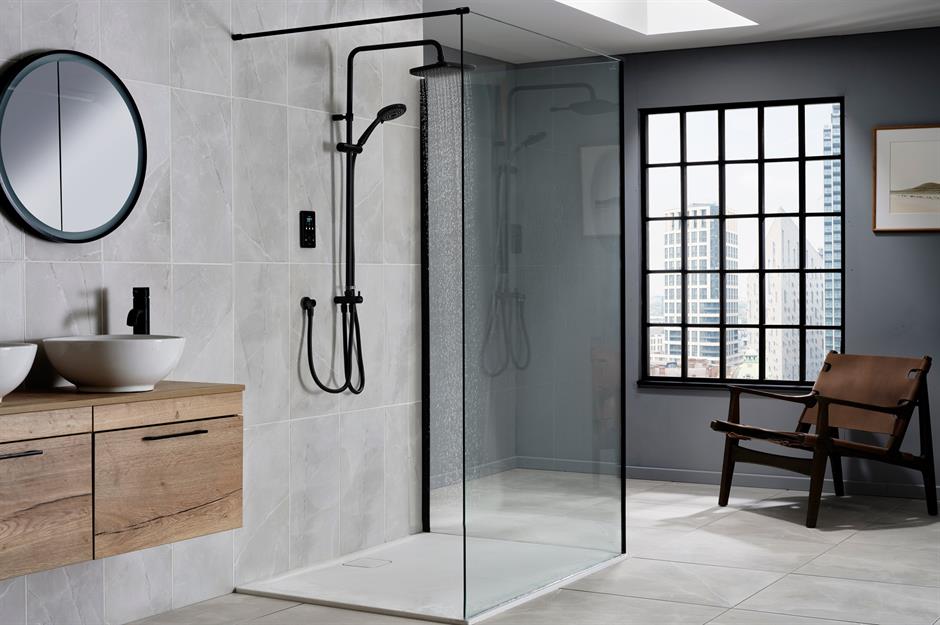
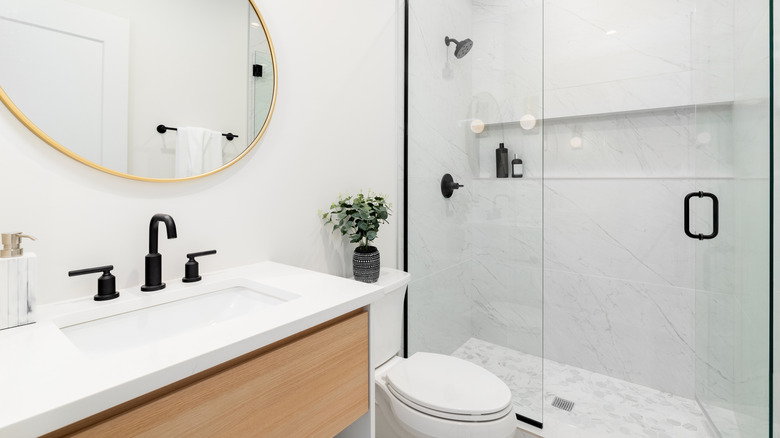
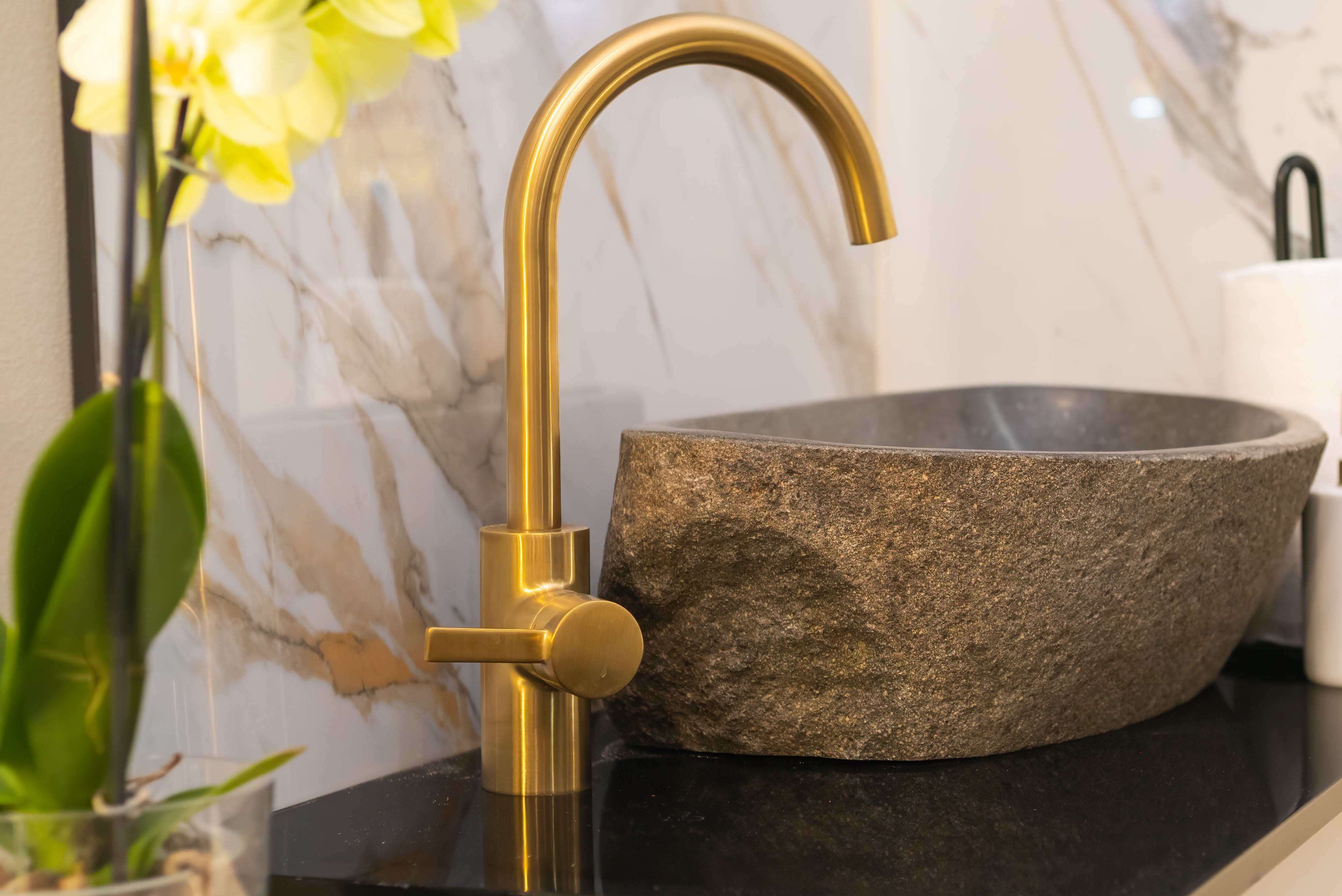
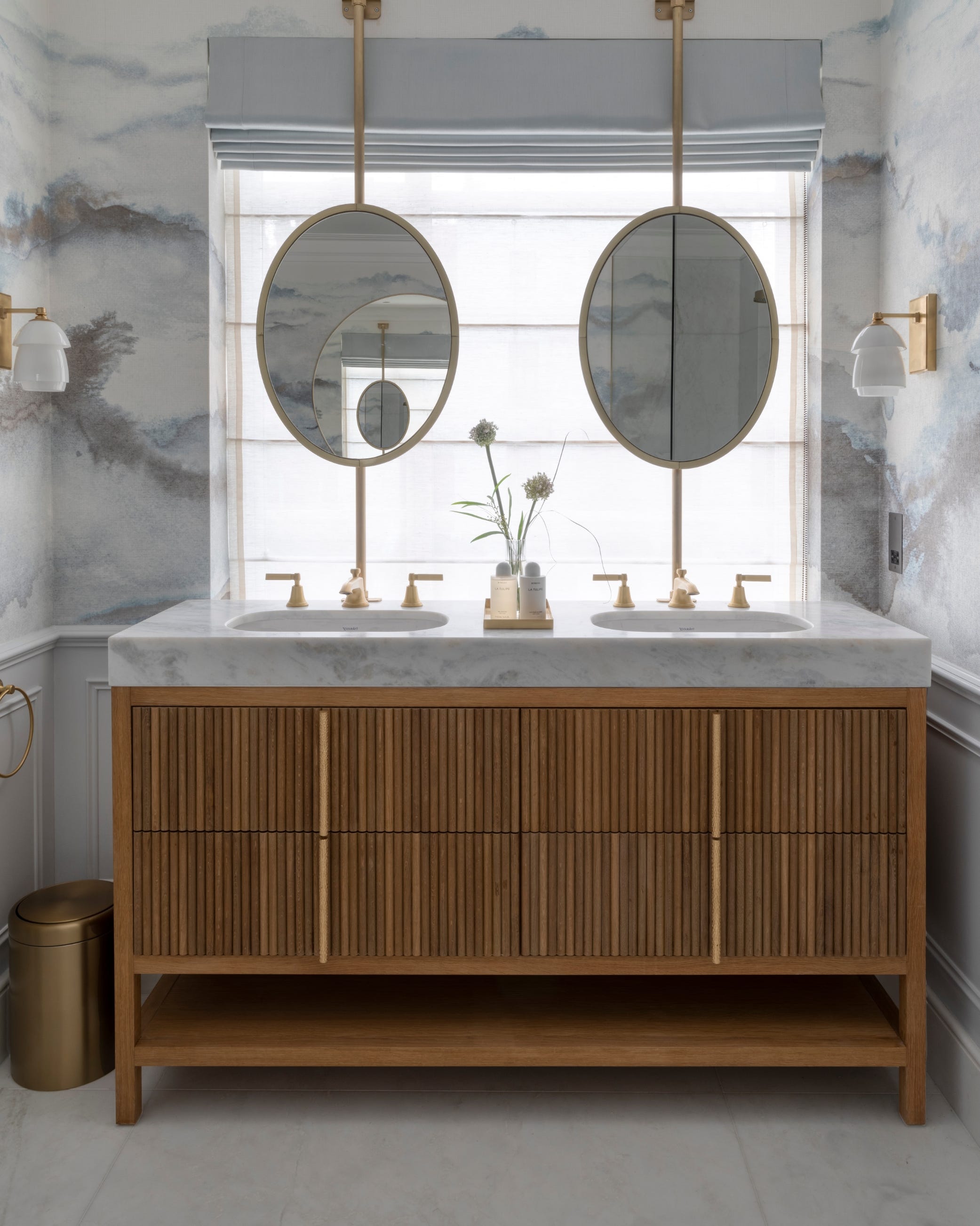
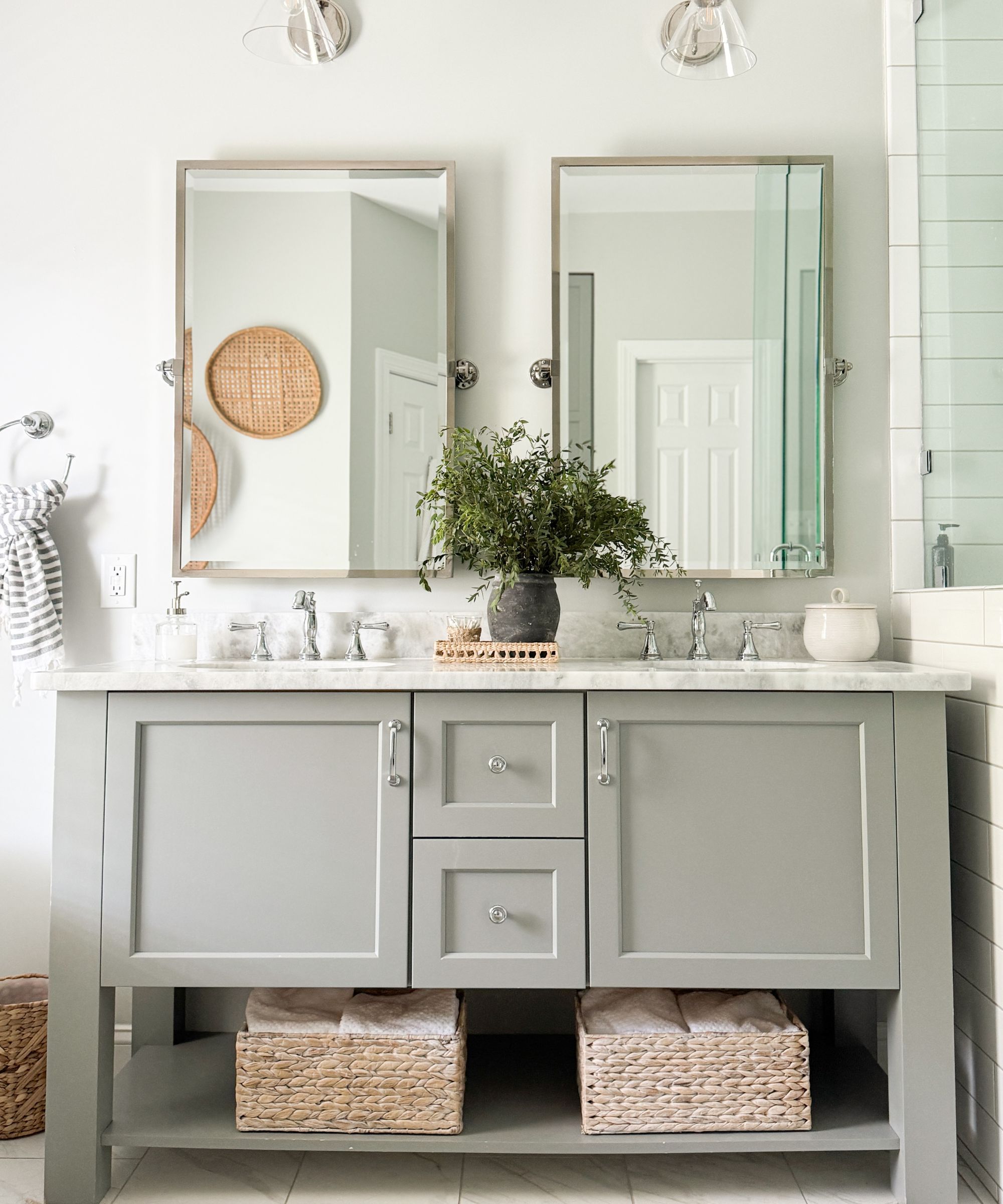
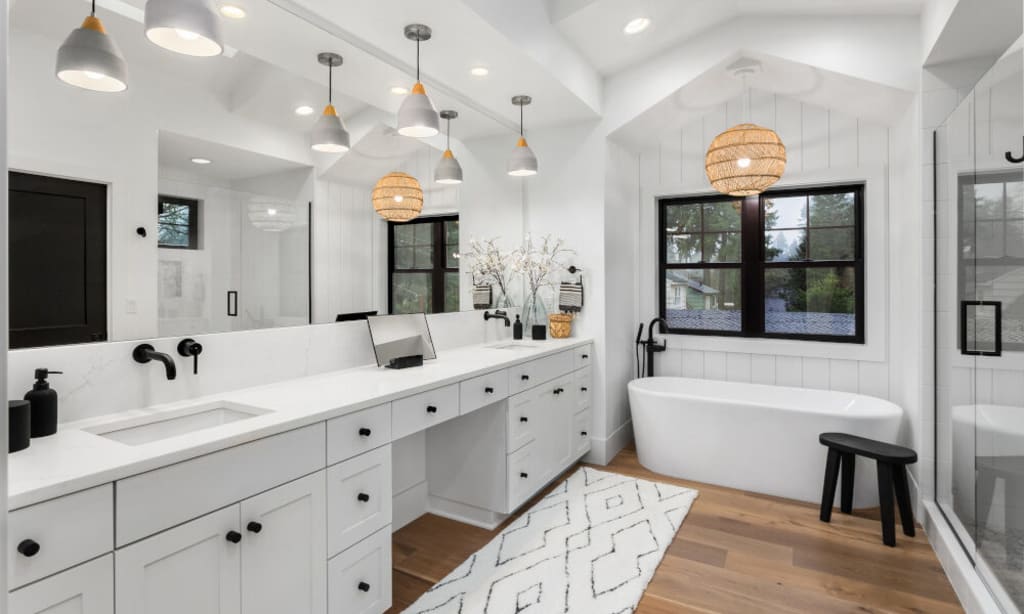
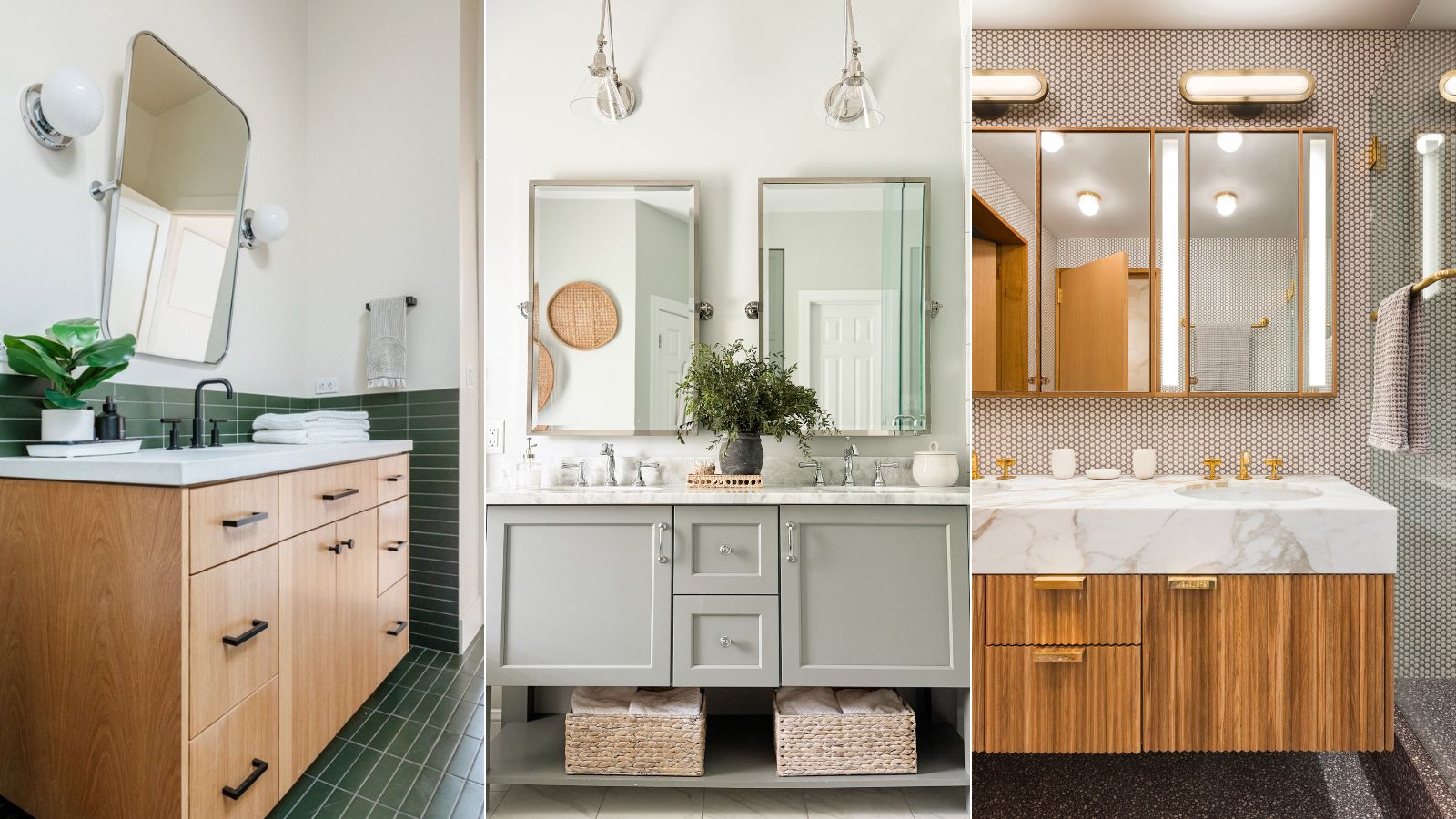
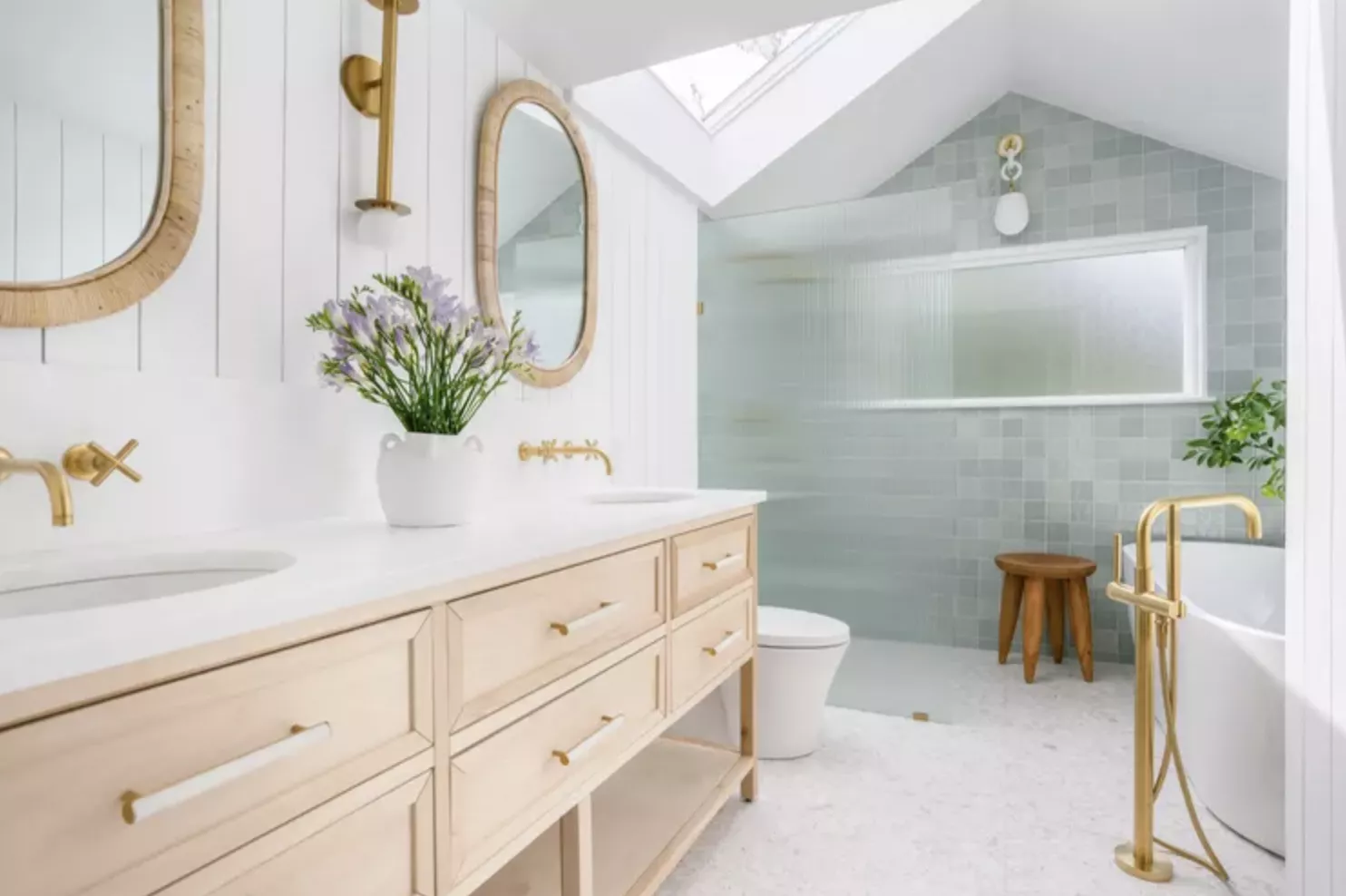
Mixed-metal finishes are a significant trend, with many designers opting for combinations rather than uniform finishes. Snouffer explains that the versatility of mixed metals allows for flexible coordination with other fixtures, decor, and future updates. Timeless finishes like chrome or nickel are often used for plumbing fixtures, while more trendy metals are reserved for hardware, light fixtures, and mirrors. This approach creates a curated, relaxed, and sophisticated aesthetic. Amber Shay, National Vice President of Design Centers at Meritage, points out that copper is making a comeback and complements the trending neutral colors beautifully. Matte black, brushed gold, and satin nickel finishes also offer a modern, masculine touch, pairing well with various design styles and adding contrast to natural tones found in bathroom textiles.
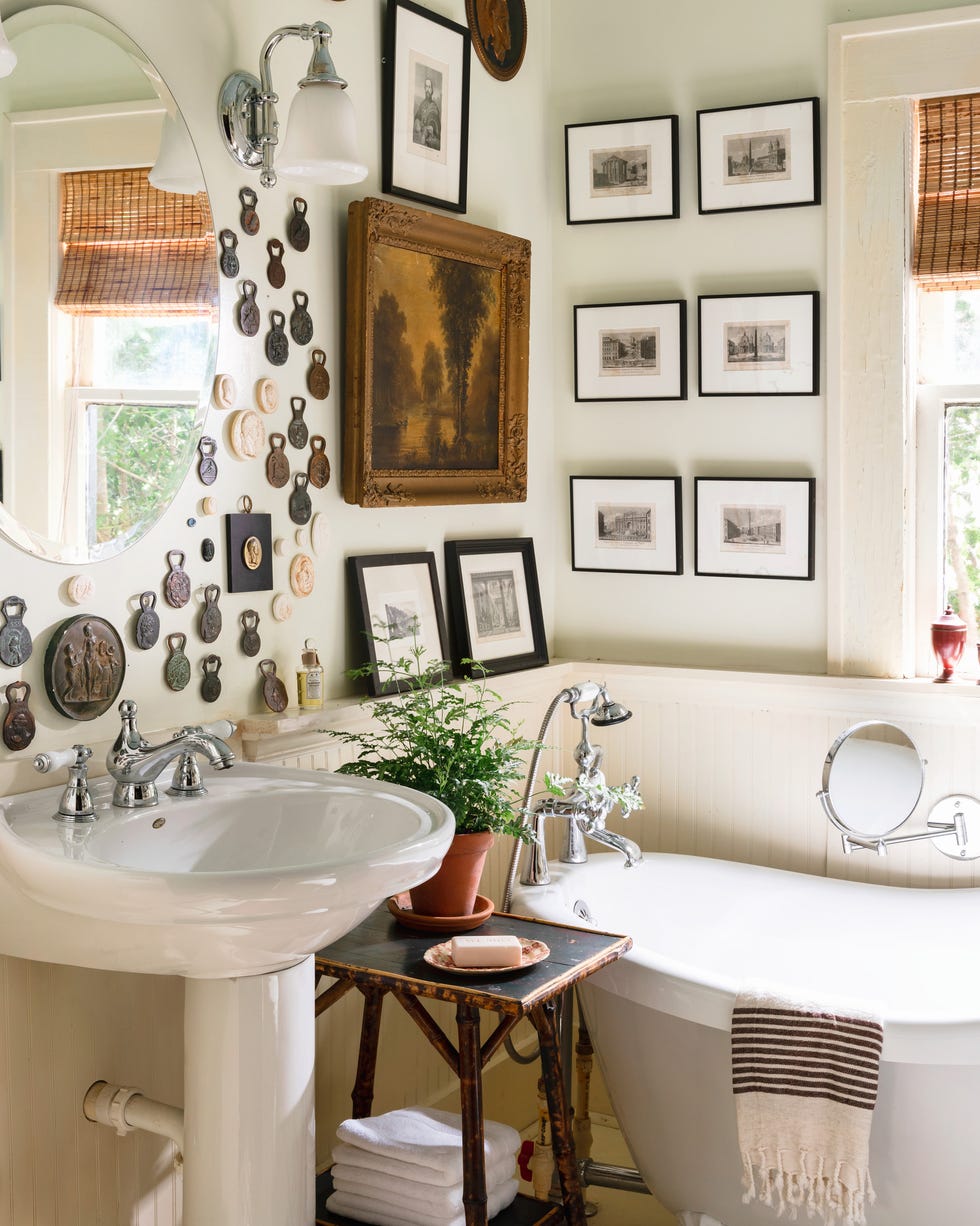
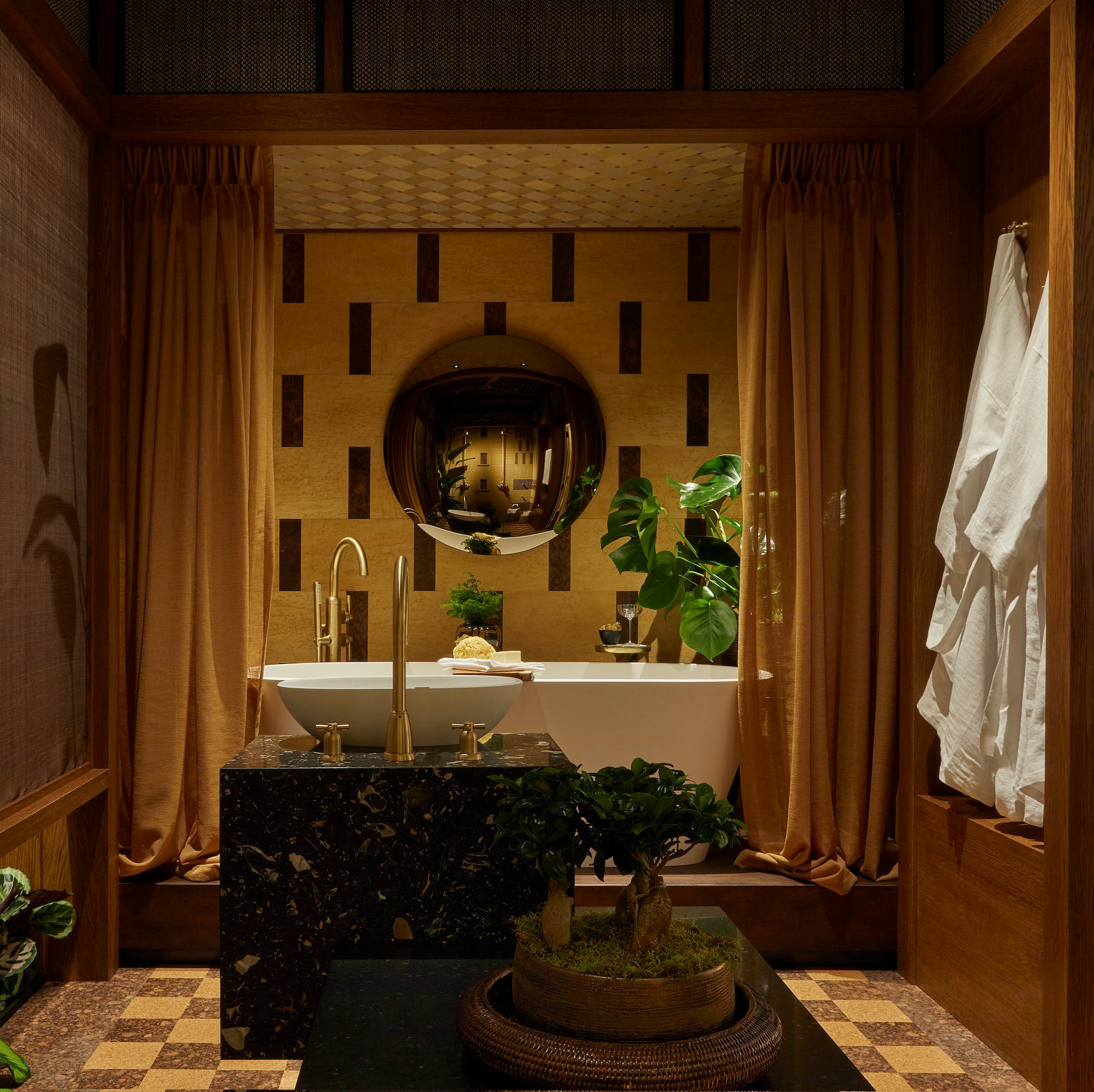
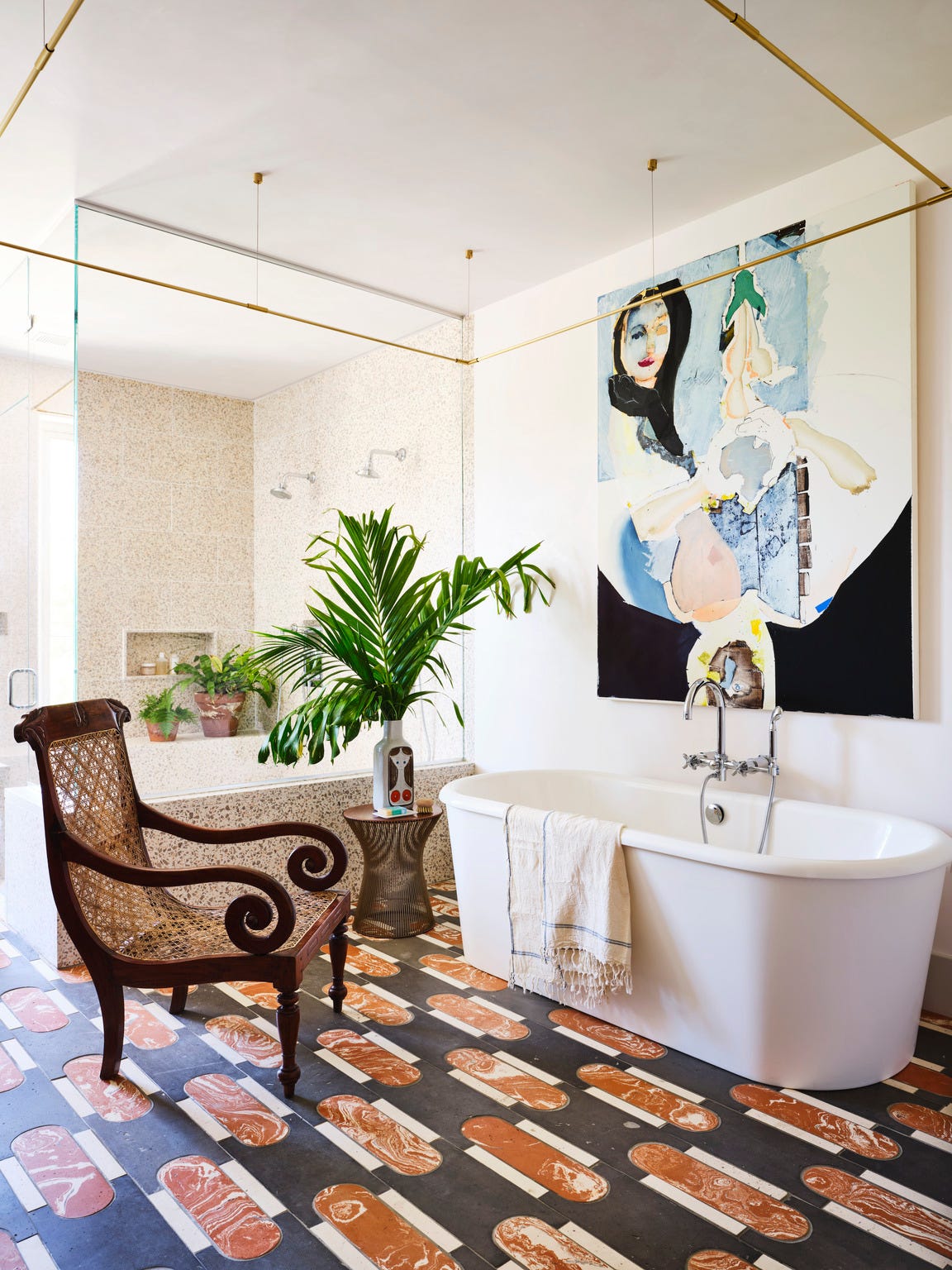
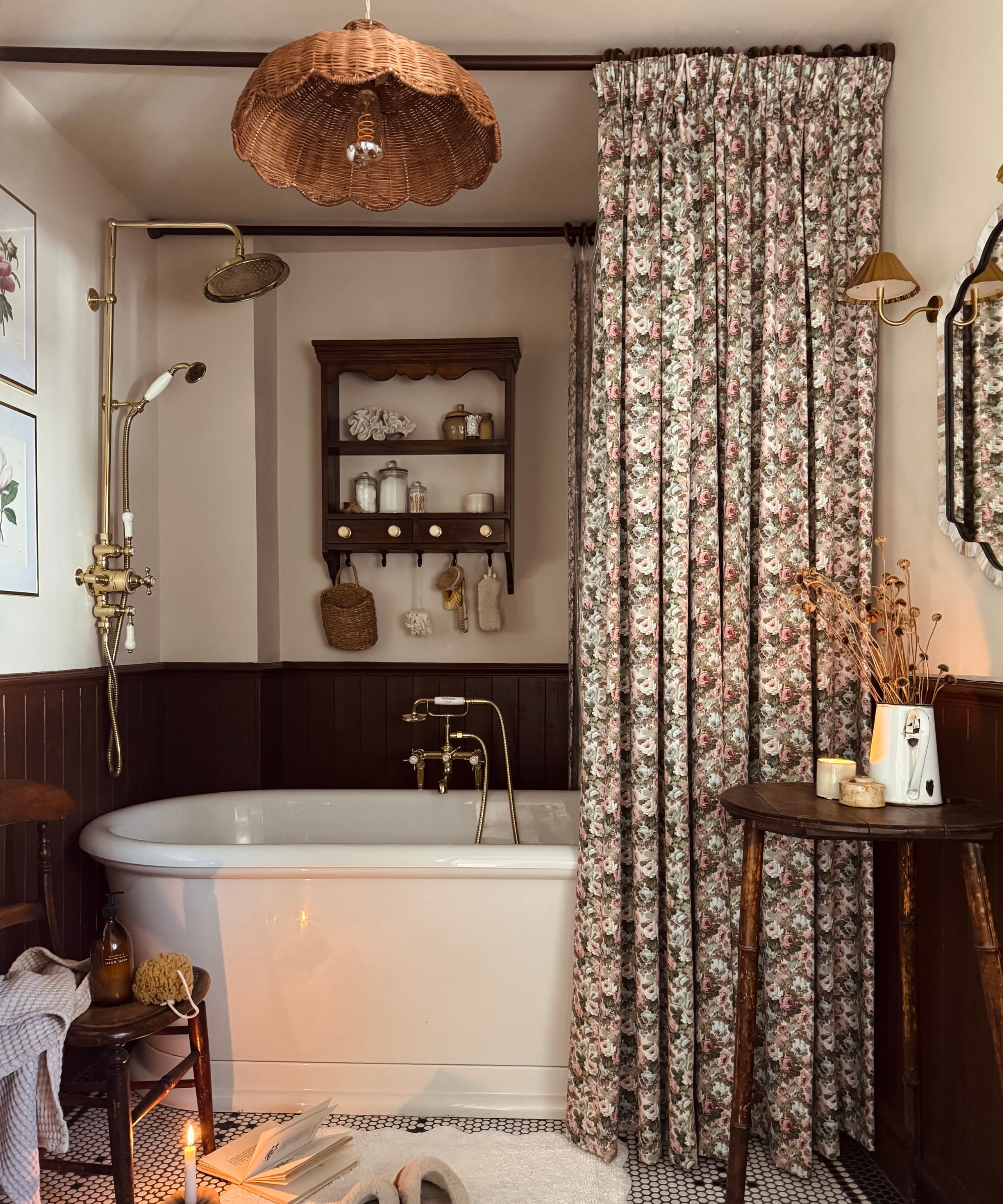
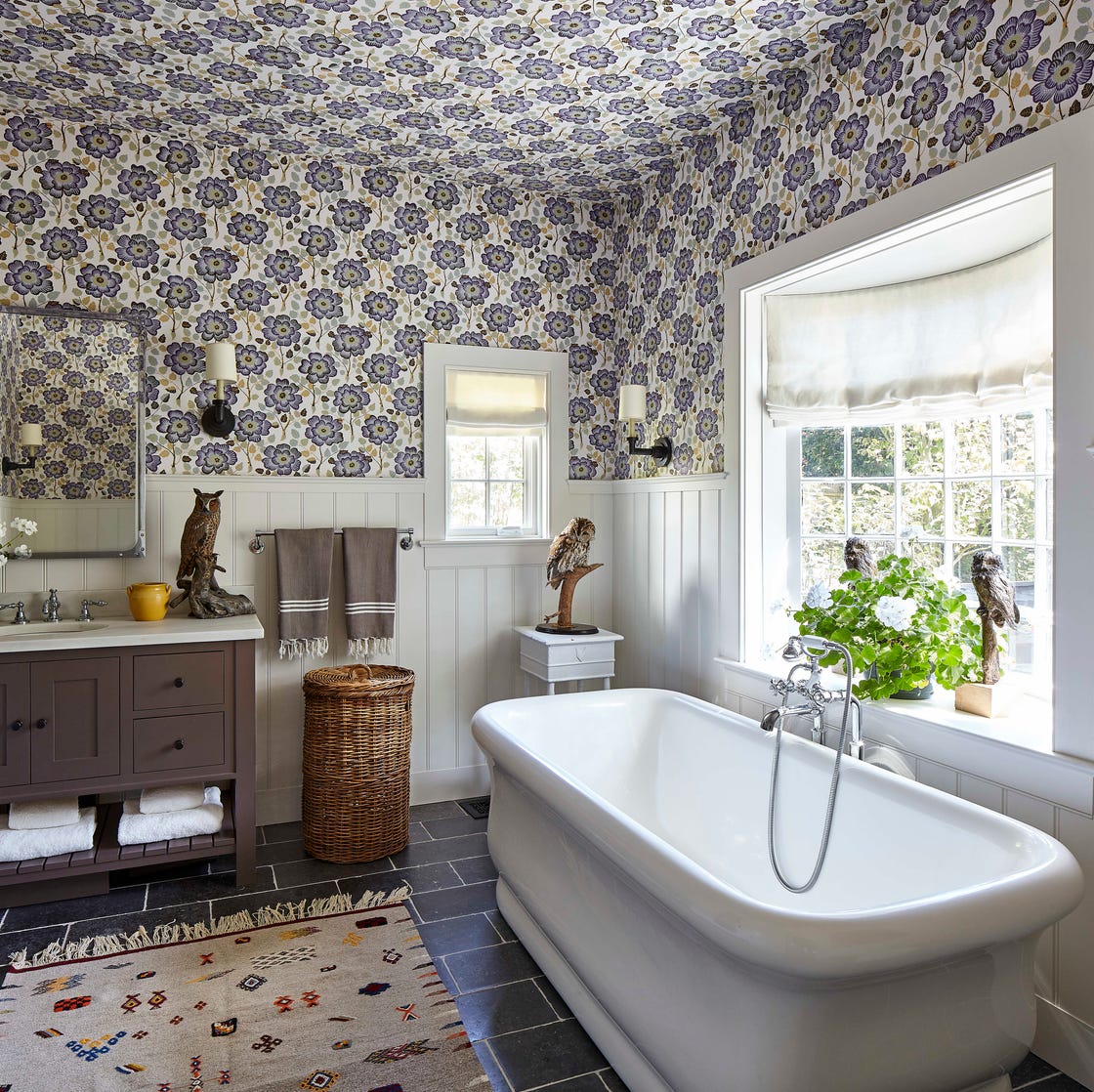
Maximalist designs are returning, allowing bathrooms to become canvases for self-expression. Eylor notes that opulent textures combined with timeless flooring choices create a bold yet balanced maximalist look. This trend embraces bold patterns, vibrant colors, and eclectic layering of textures and materials. It encourages unexpected combinations, such as vintage pieces with modern fixtures and repurposed items alongside bold color palettes. Scent also plays a role in this aesthetic, with candles, diffusers, and sprays contributing to the whimsical and artistic statements inherent in maximalist design.
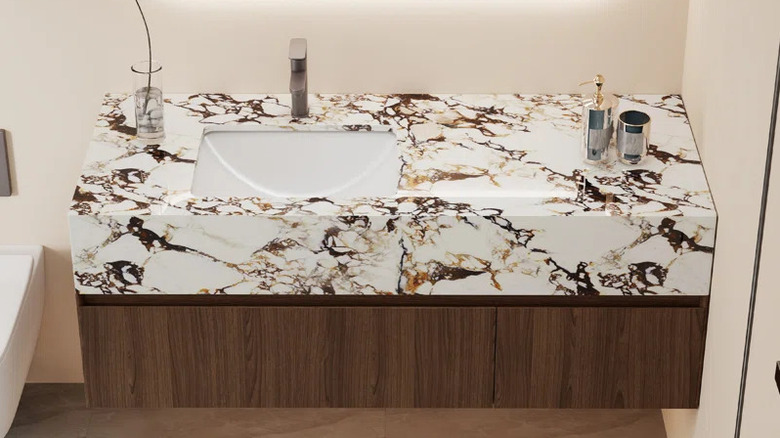
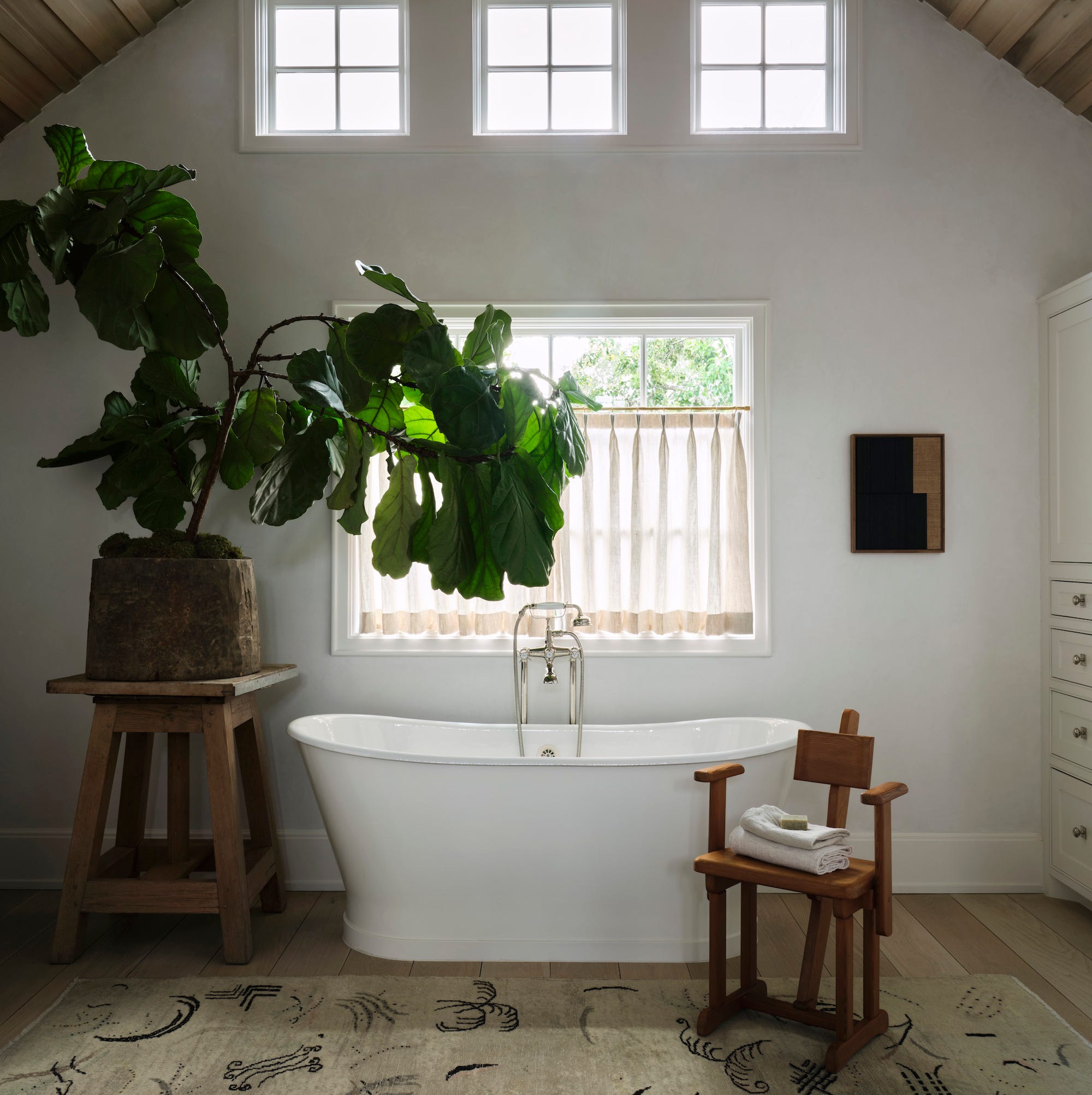
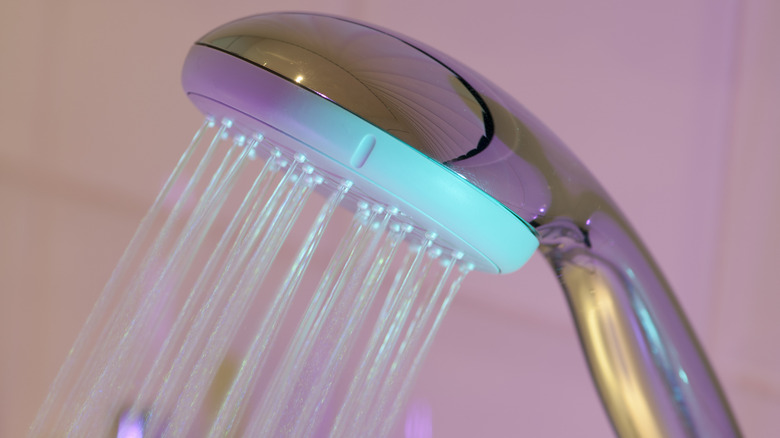
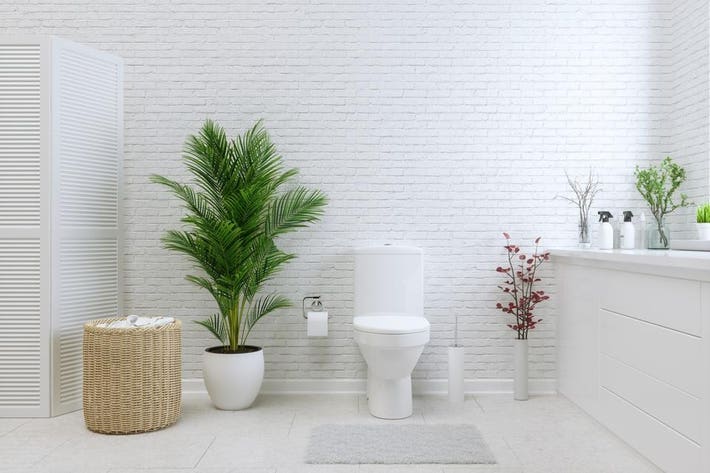
Sustainability is a core principle of modern design, and 2025 bathroom trends reflect this commitment. Eylor states that sustainability will be highlighted, with a focus on reclaimed wood-look tiles and eco-friendly grout. Bathrooms will increasingly feature eco-friendly materials like bamboo, reclaimed wood, natural stone, recycled glass, and rehomed furniture and fittings. These materials not only enhance aesthetics but also reduce the environmental impact of new manufacturing. The authenticity of natural stoneware is also popular, with organic elements such as stone sinks, live-edge wood vanities, and ceramic potting for plants bringing an outdoor touch indoors. These choices align with a growing emphasis on environmentally conscious homes. Beyond aesthetics, water and energy-efficient fixtures, including low-flow shower heads, water-conserving toilets, and energy-saving lighting, are expected to become standard, with smart bathroom technologies complementing homeowners' desire for conservation and savings.
#BathroomTrends #InteriorDesign #SustainableDesign #EarthyNeutrals #MixedMetals #TilePatterns #MaximalistDesign #EcoFriendlyMaterials #HomeImprovement #BathroomTrends #InteriorDesign #SustainableDesign #EarthyNeutrals #MixedMetals #TilePatterns #MaximalistDesign #EcoFriendlyMaterials #HomeImprovement
0 comment in total
 No comments yet
You may also like
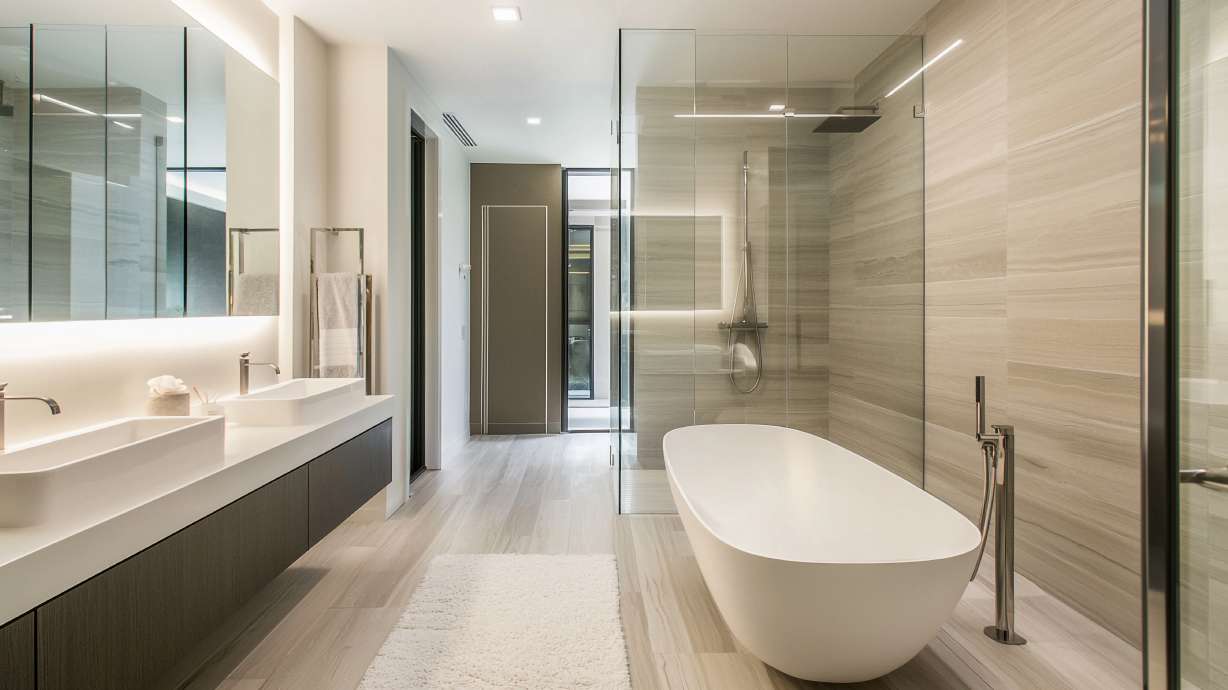
Top bathroom design trends in 2025
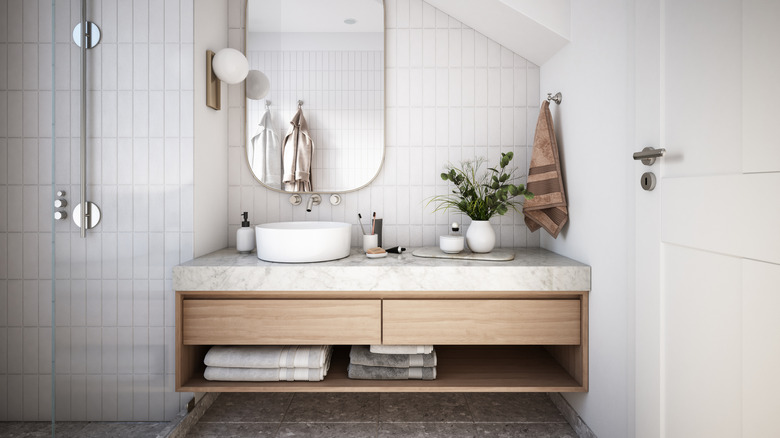
Once-Trending Bathroom Designs That Are Being Replaced In 2025

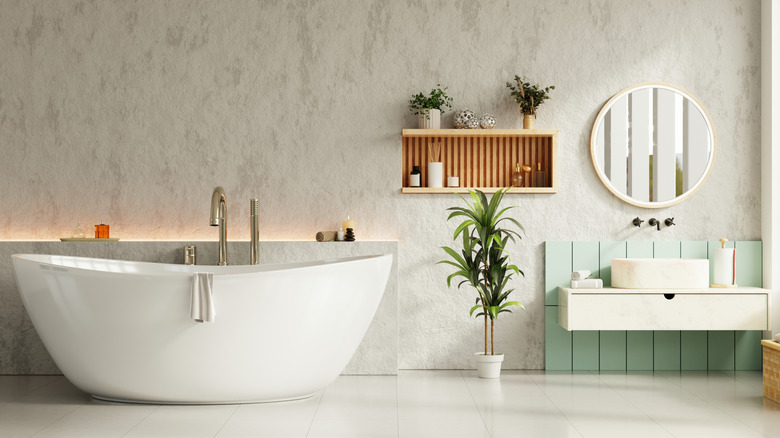
All The Bathroom Trends That Will Be Taking Over In 2026
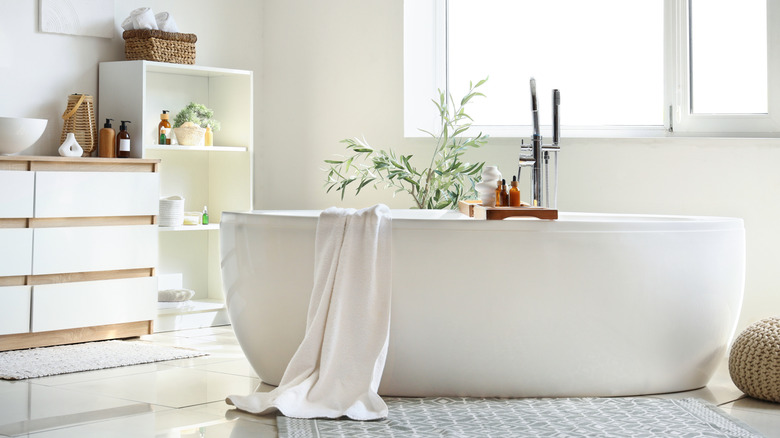
Bathtubs Are Going Out Of Style In 2025 - Here's The Trend Taking Over Bathroom Design
Bathroom Hardware Trends Set To Dominate In 2025
These are the bathroom tile trends designers say will be everywhere in 2025

Top Bathroom Design Trends for 2025
Designers Have Spoken: Here Are the Top Bathroom Design Trends for 2026

2025 Best Bathroom Trends
Top Bathroom Design Trends for 2025

According to interior designers, these are the most coveted bathroom trends for 2026 and beyond
6 Biggest Bathroom Trends Of 2025 – From Walk-In Showers To Double Basins

These Will Be The Biggest Bathroom Trends in 2025, According to Designers
7 Bathroom Trends That Will Dominate in 2024, According to Designers

Beautiful new bathroom trends for 2025 | loveproperty.com
5 bathroom cabinet trends interior designers are loving for 2025
5 Bathroom Design Trends Already Taking Over in 2026
The 5 Biggest Bathroom Trends for 2023, According to Designers
12 Bathroom Design Trends Going Out Of Style In 2025

5 Bathroom Trends Designers Can't Wait to Try in 2025 (And You Should Too)