These Will Be The Biggest Bathroom Trends in 2025, According to Designers
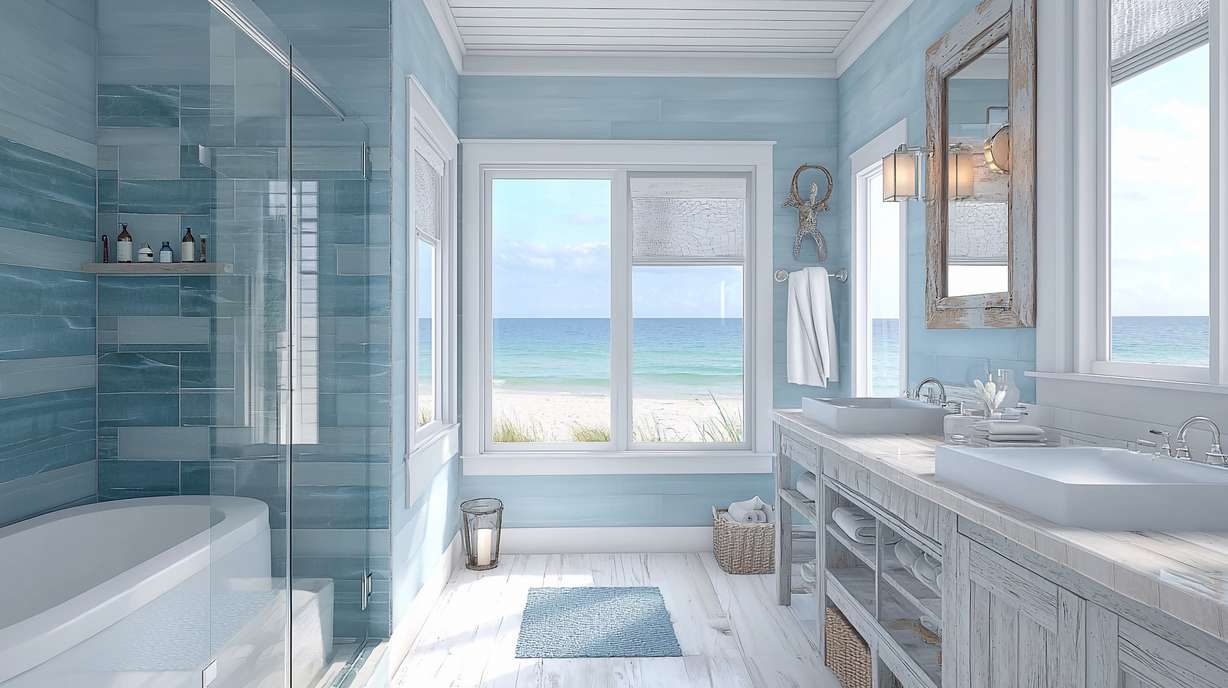
The bathroom, an essential space within any home, presents unique design challenges where functionality and aesthetics must coexist. Interior designers anticipate several key trends shaping bathroom renovations in 2025, moving beyond purely utilitarian considerations to embrace elements of comfort, style, and natural integration. These emerging trends reflect a desire for personalized, spa-like experiences, an appreciation for intricate details, a bold use of tiling, the warmth of natural materials, and innovative lighting solutions.
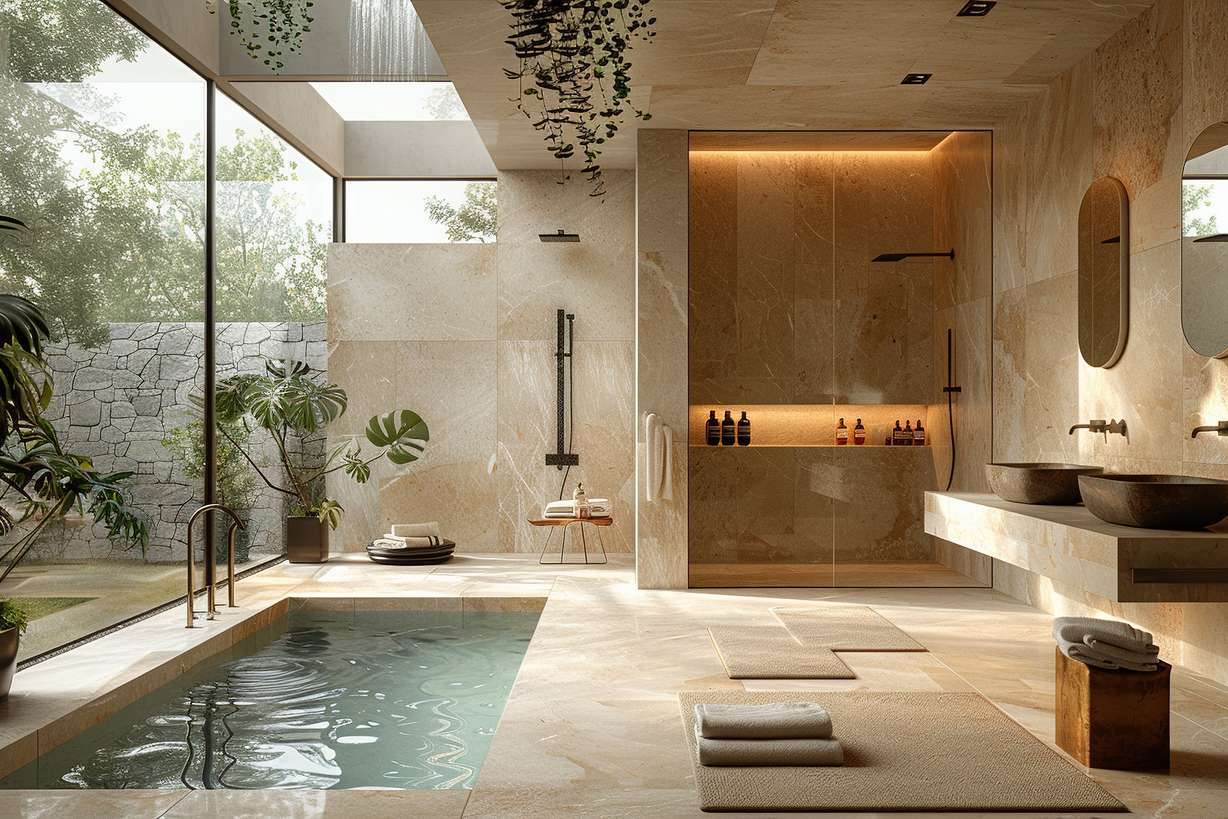
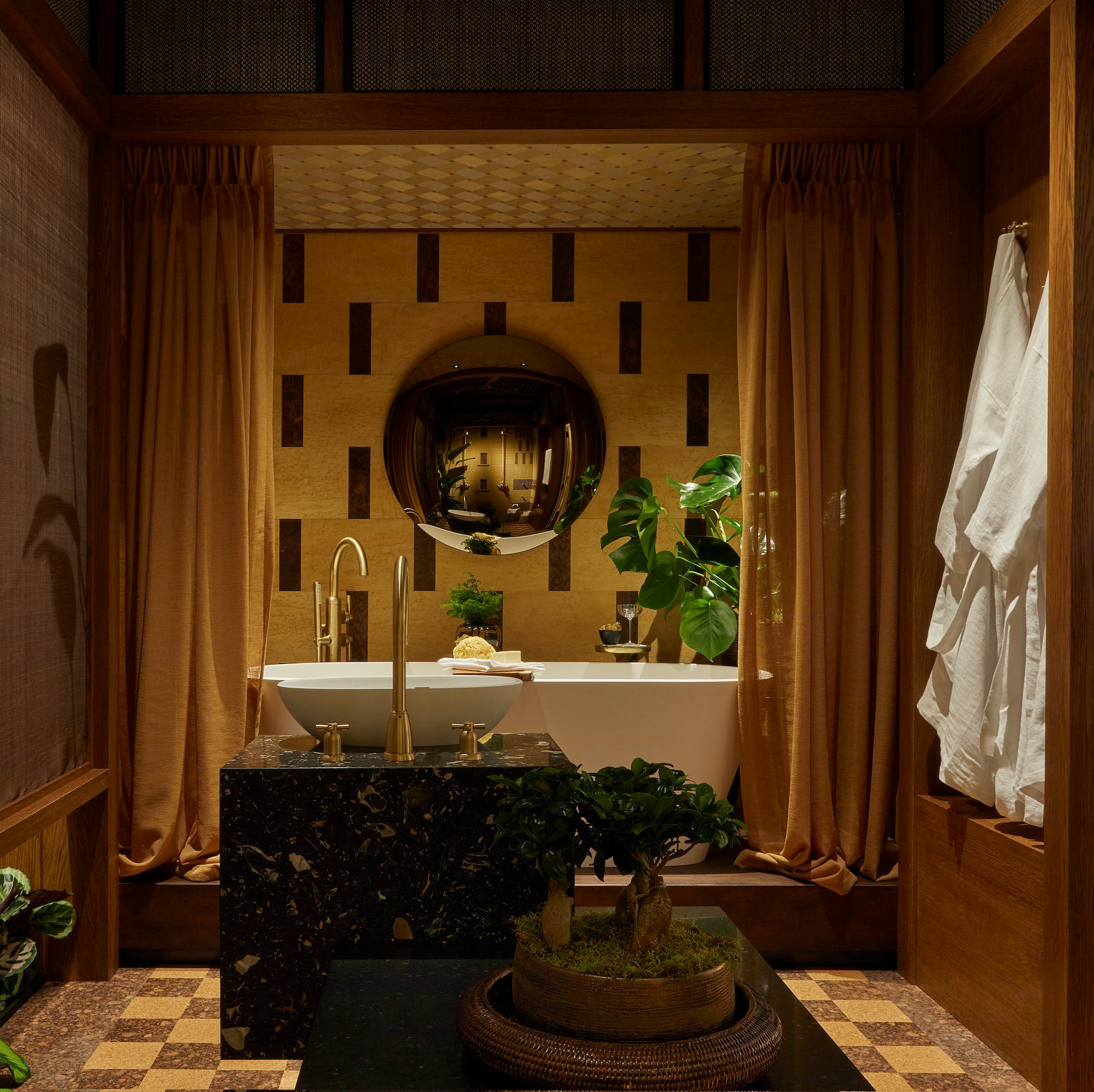
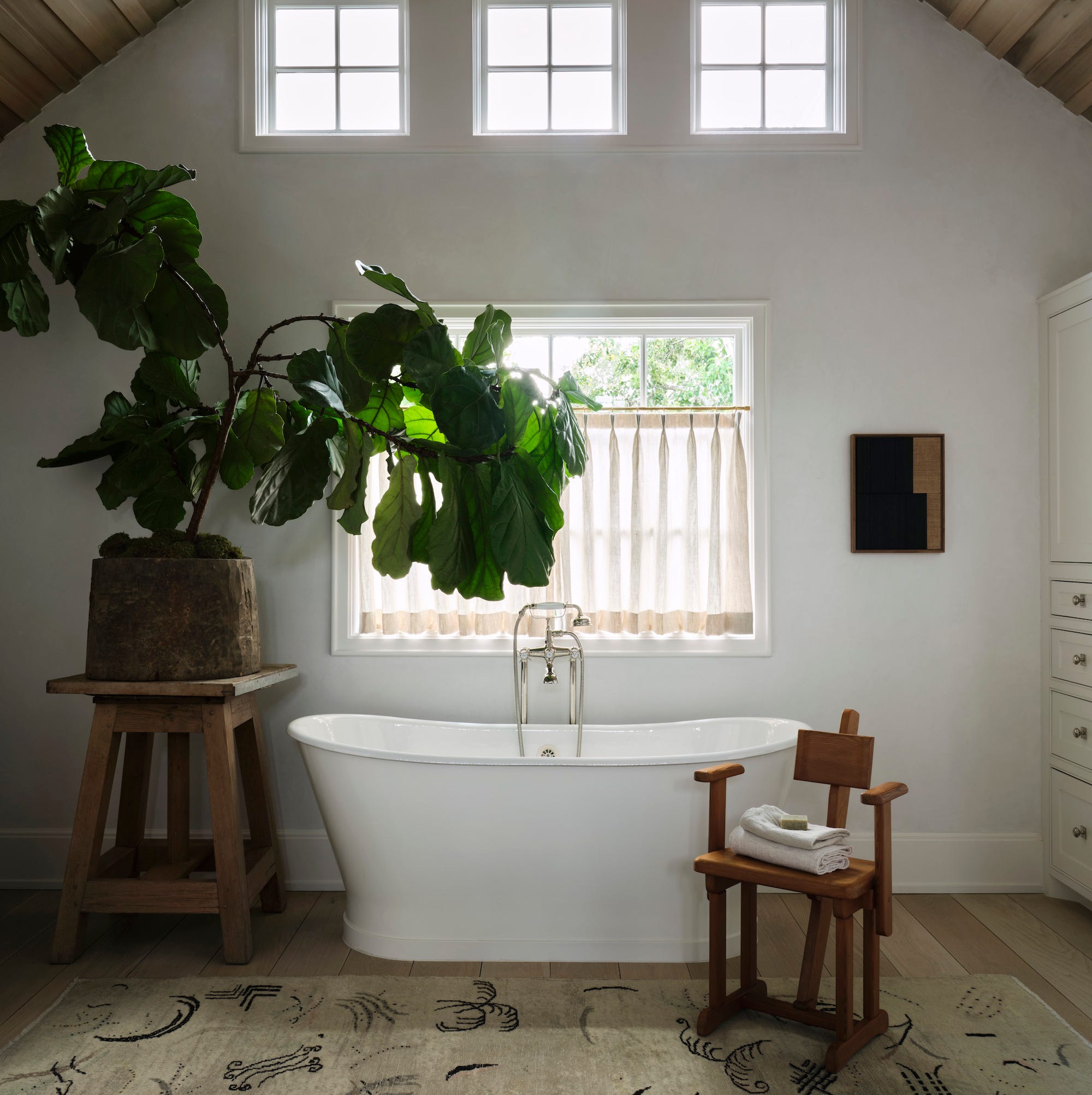
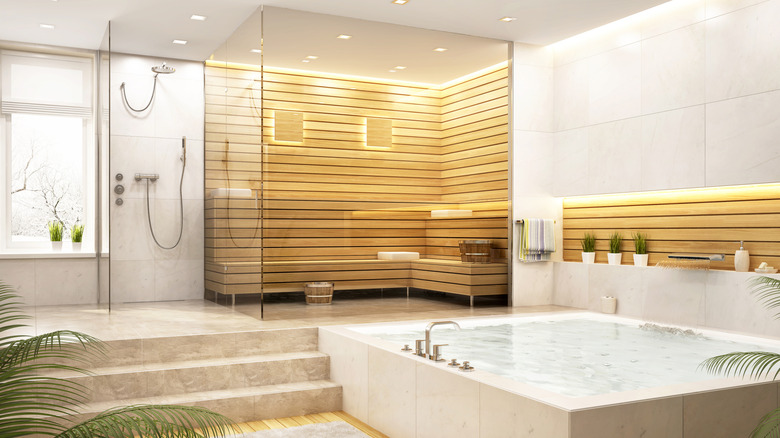
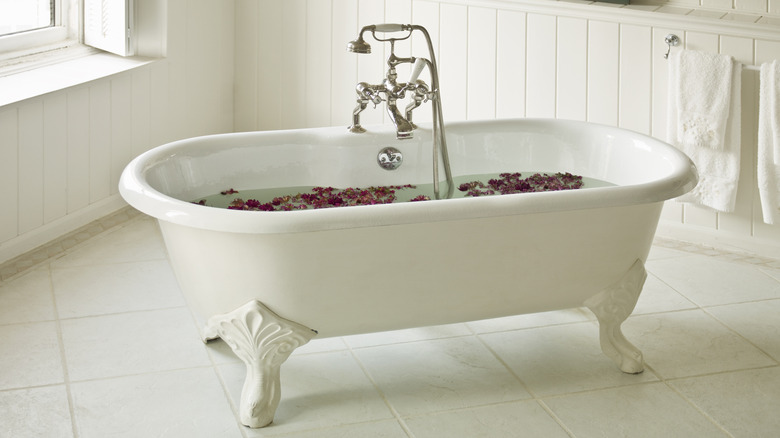
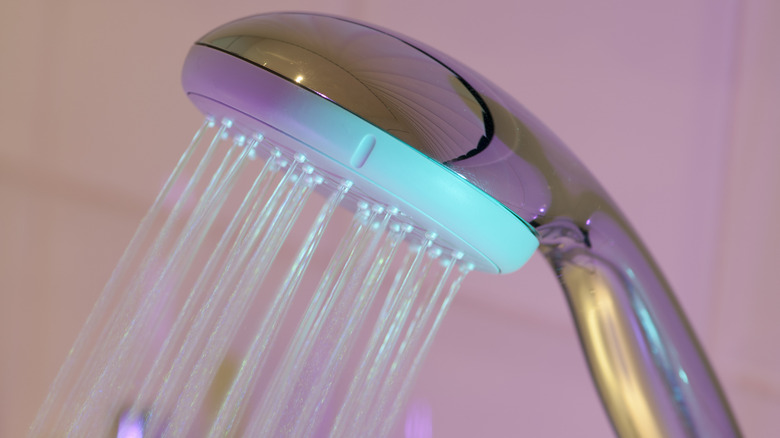
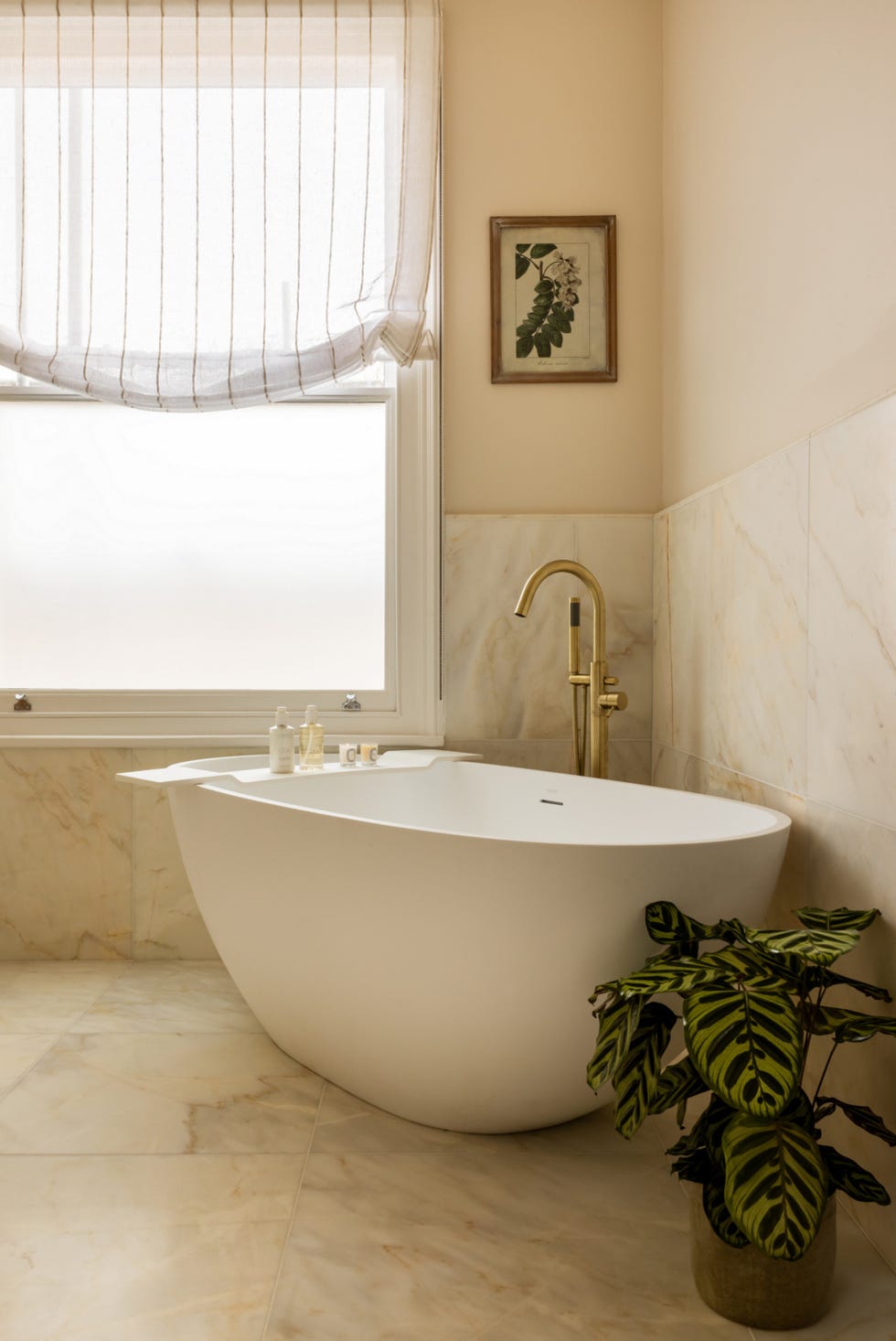
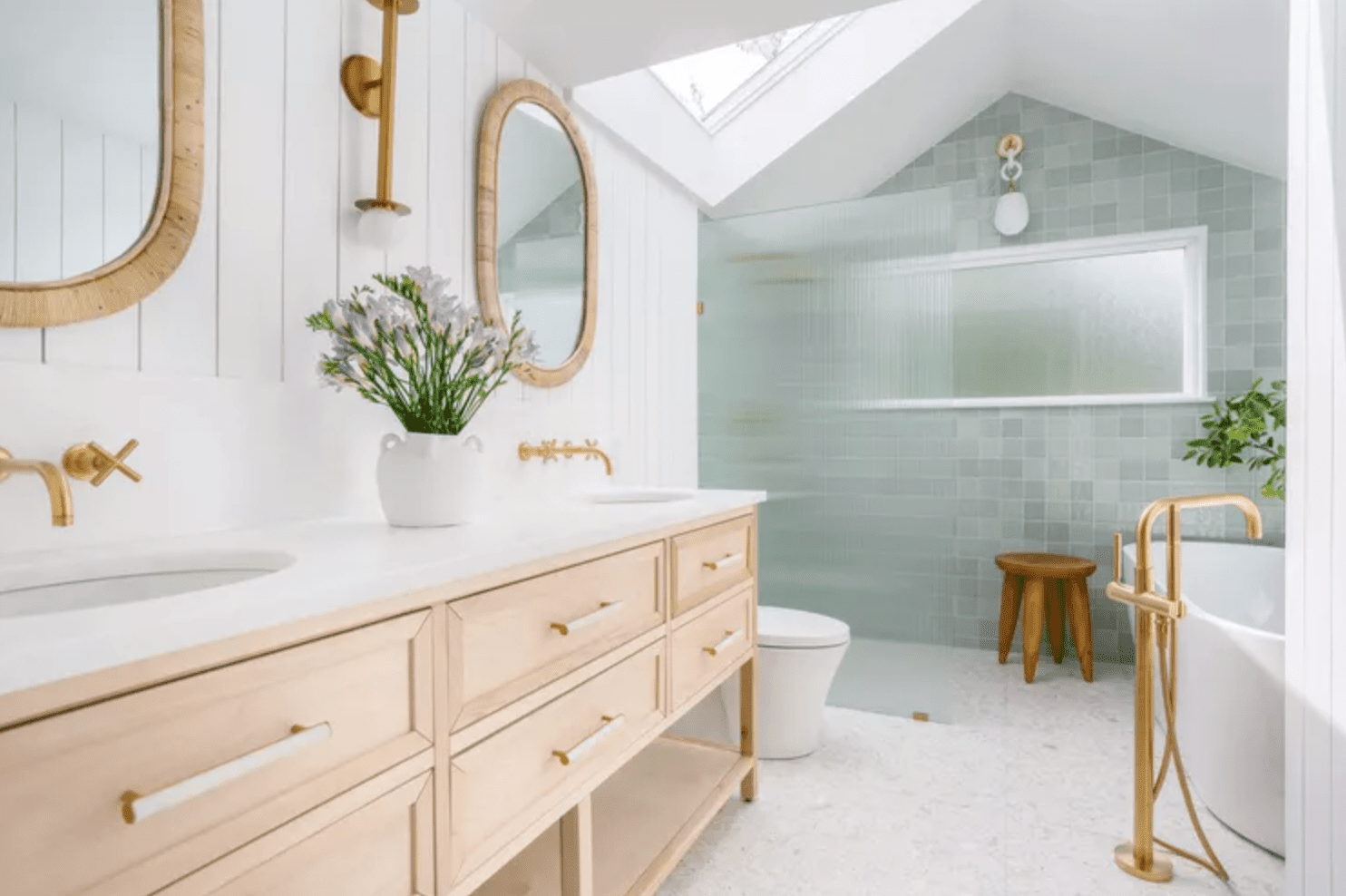
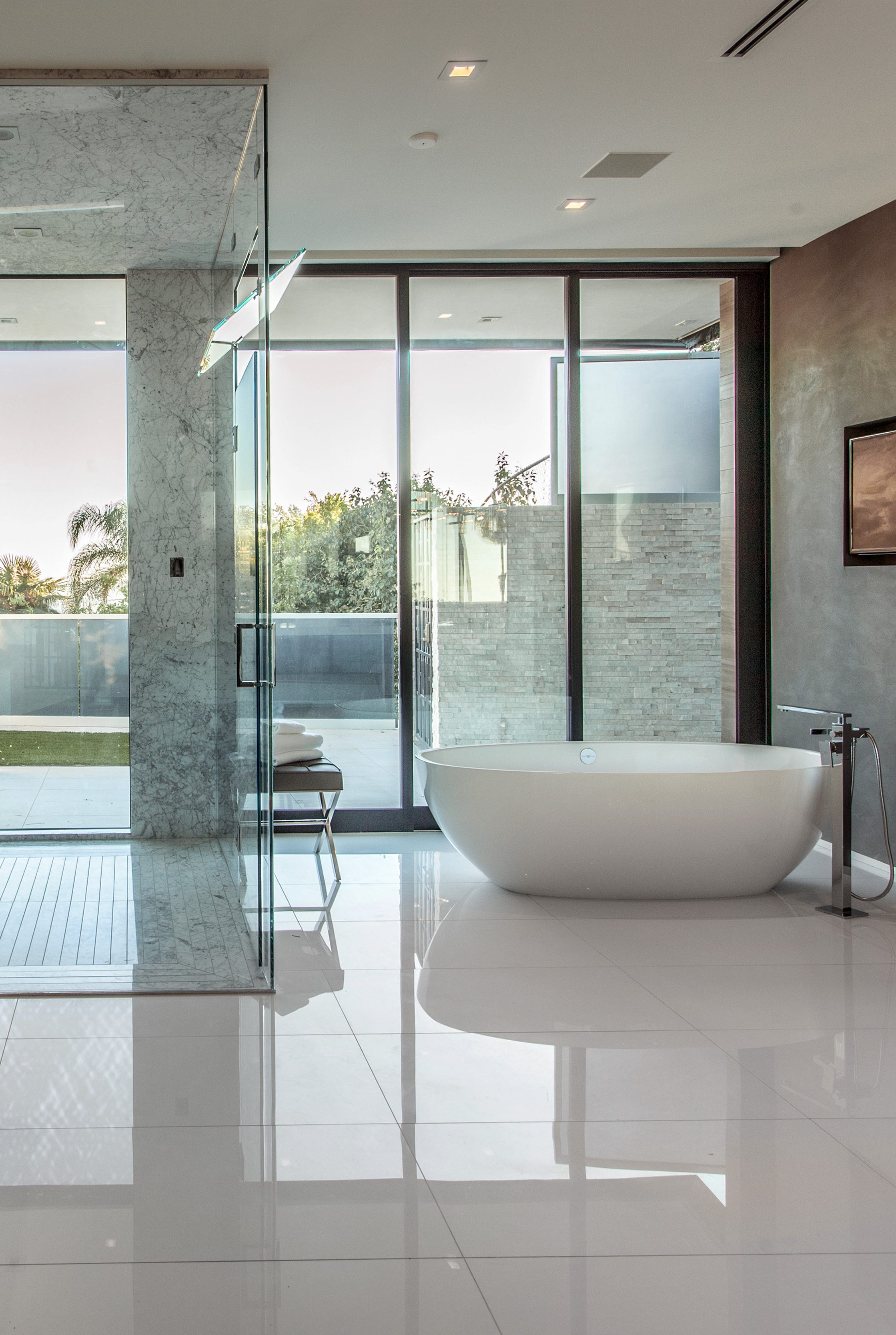
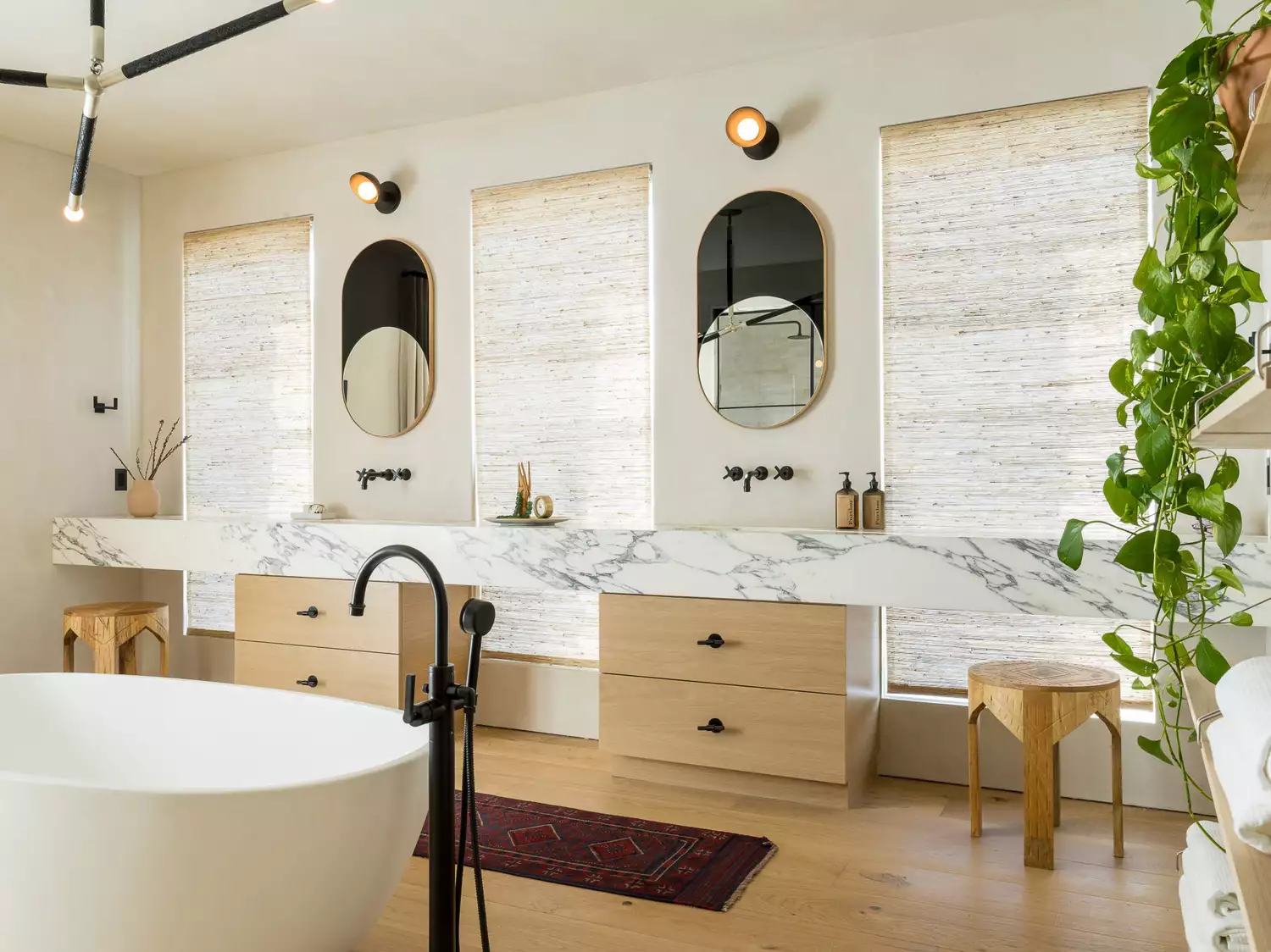
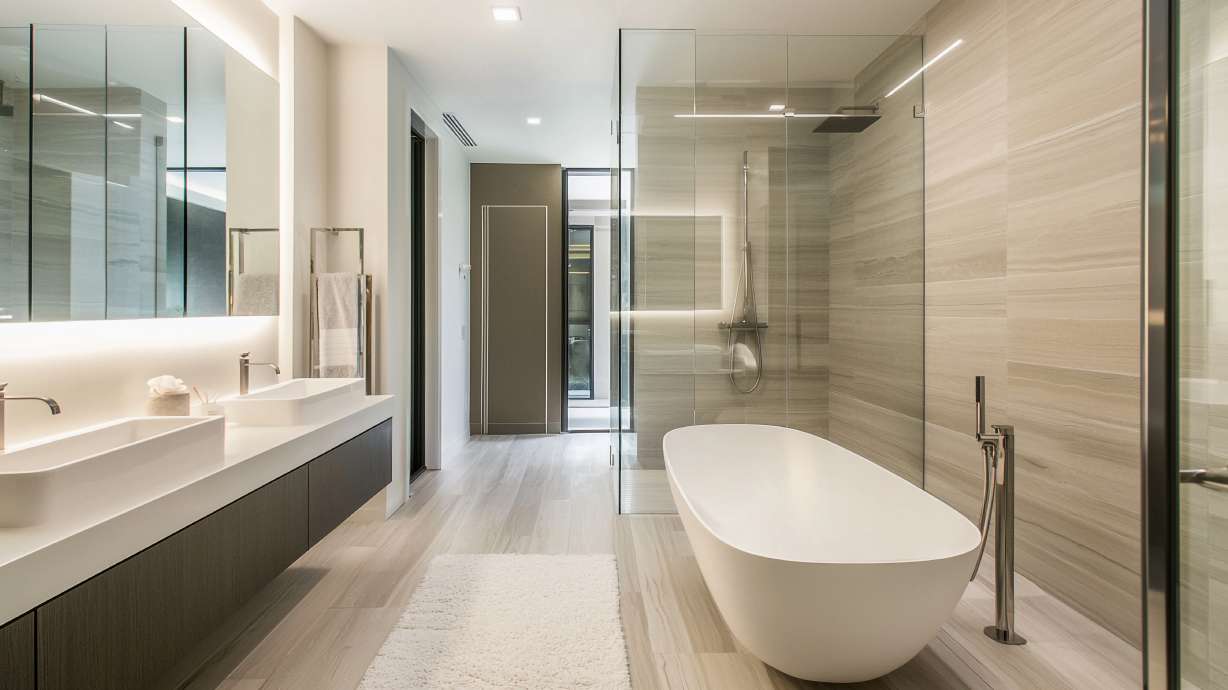
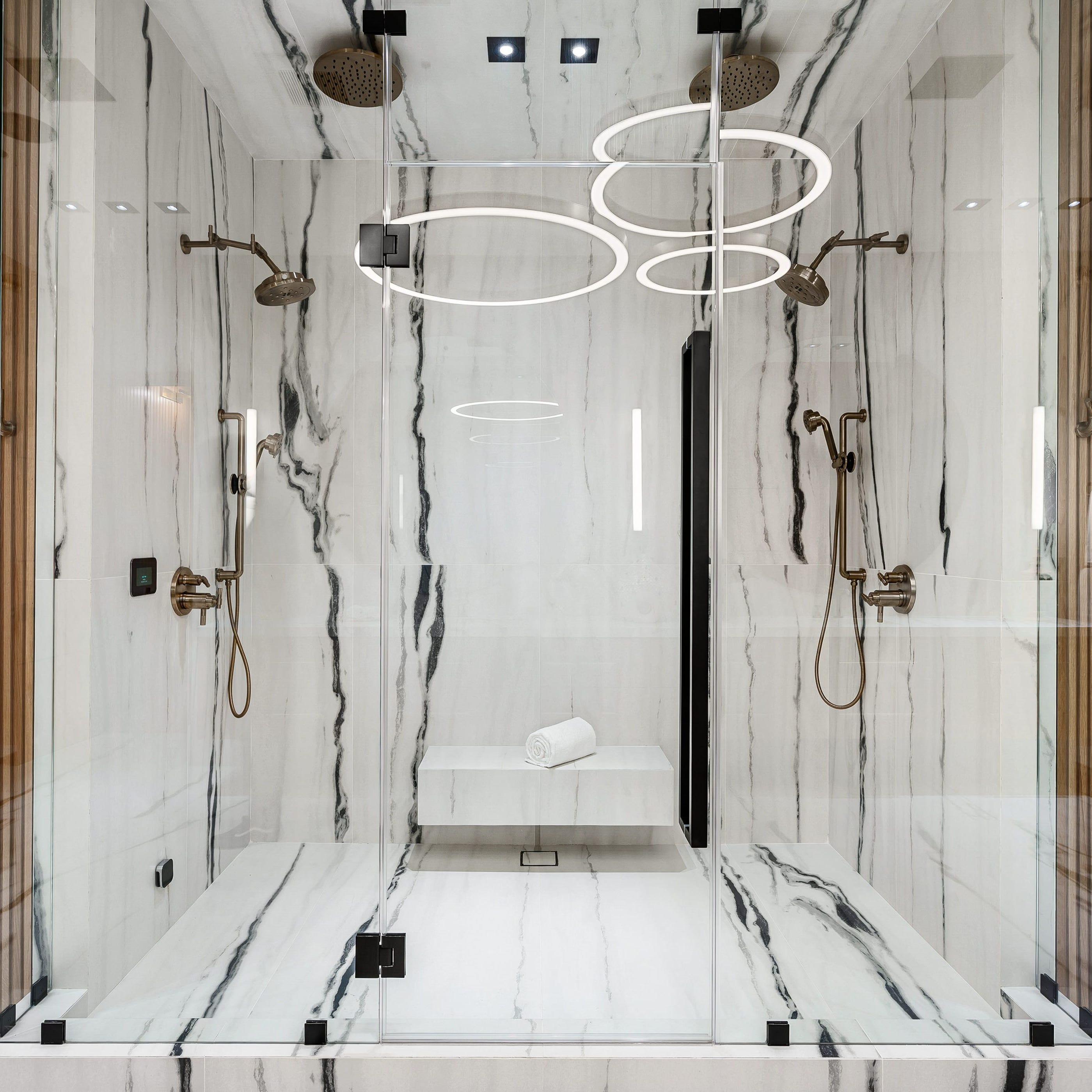
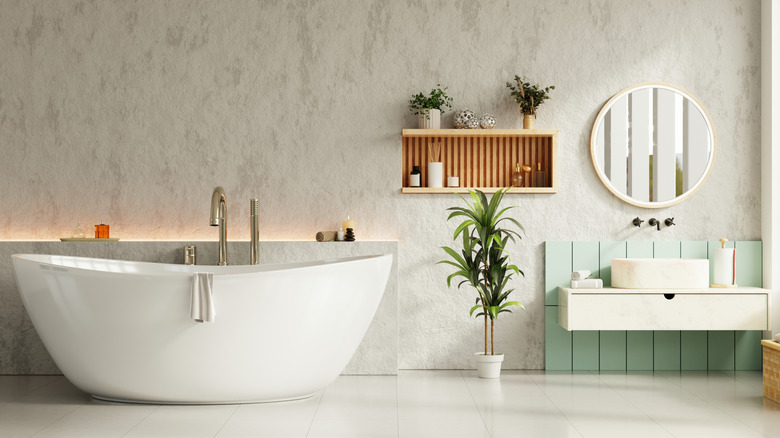
A prominent trend is the transformation of bathrooms into personal spa retreats. Homeowners are increasingly prioritizing wellness, incorporating features like steam baths to create tranquil sanctuaries within their residences. This shift is supported by new product offerings, such as luxurious steam showers and freestanding bathtubs inspired by traditional Japanese baths, which aim to replicate the peaceful and rejuvenating atmosphere of a professional spa. The integration of smart home technology further elevates this experience, allowing for seamless control over lighting, music, and temperature, enhancing the overall ambiance of the personal spa.
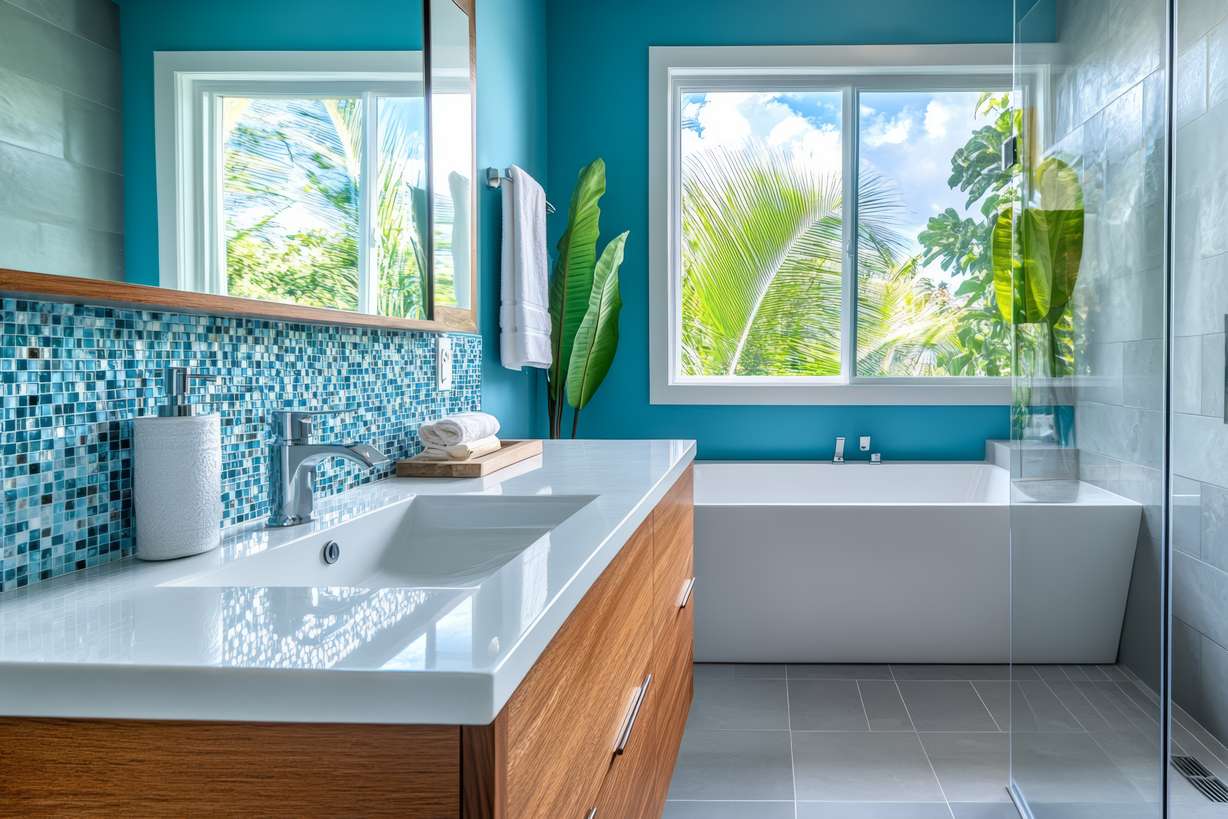
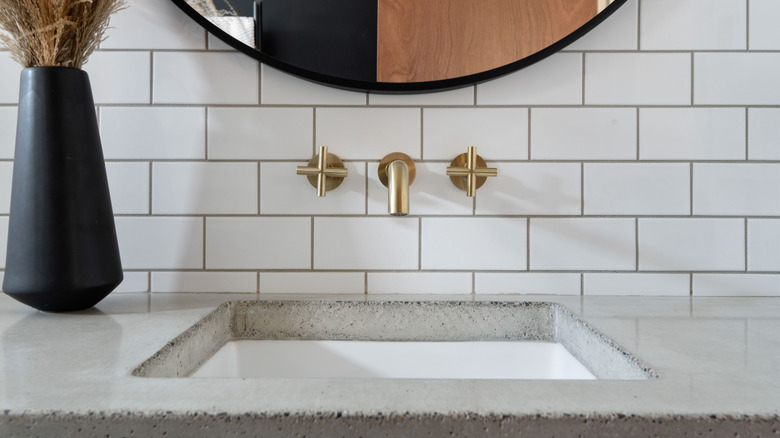
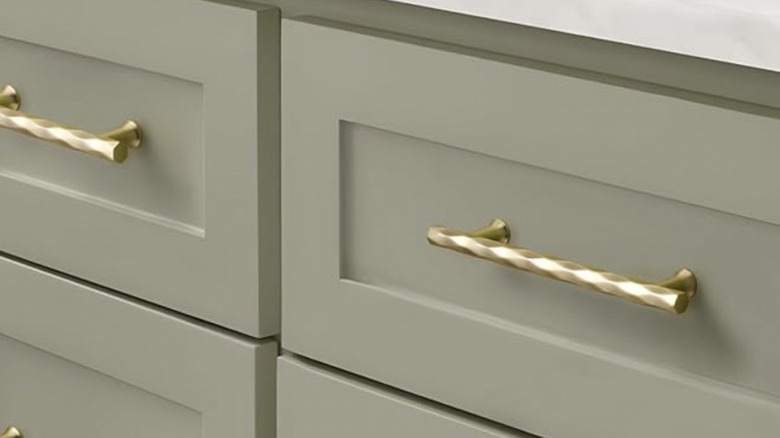
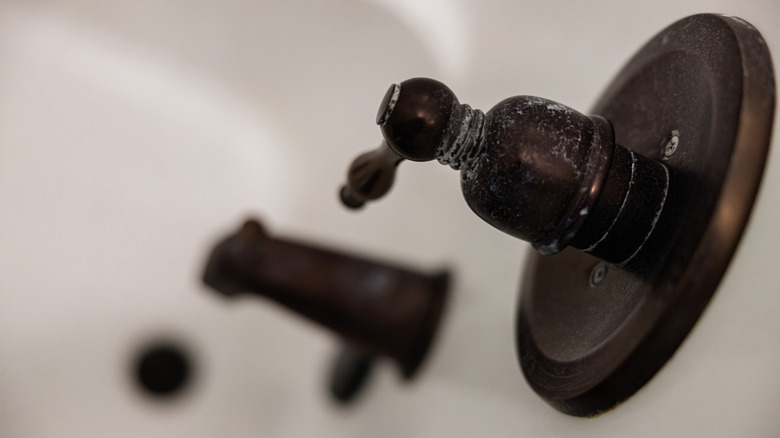
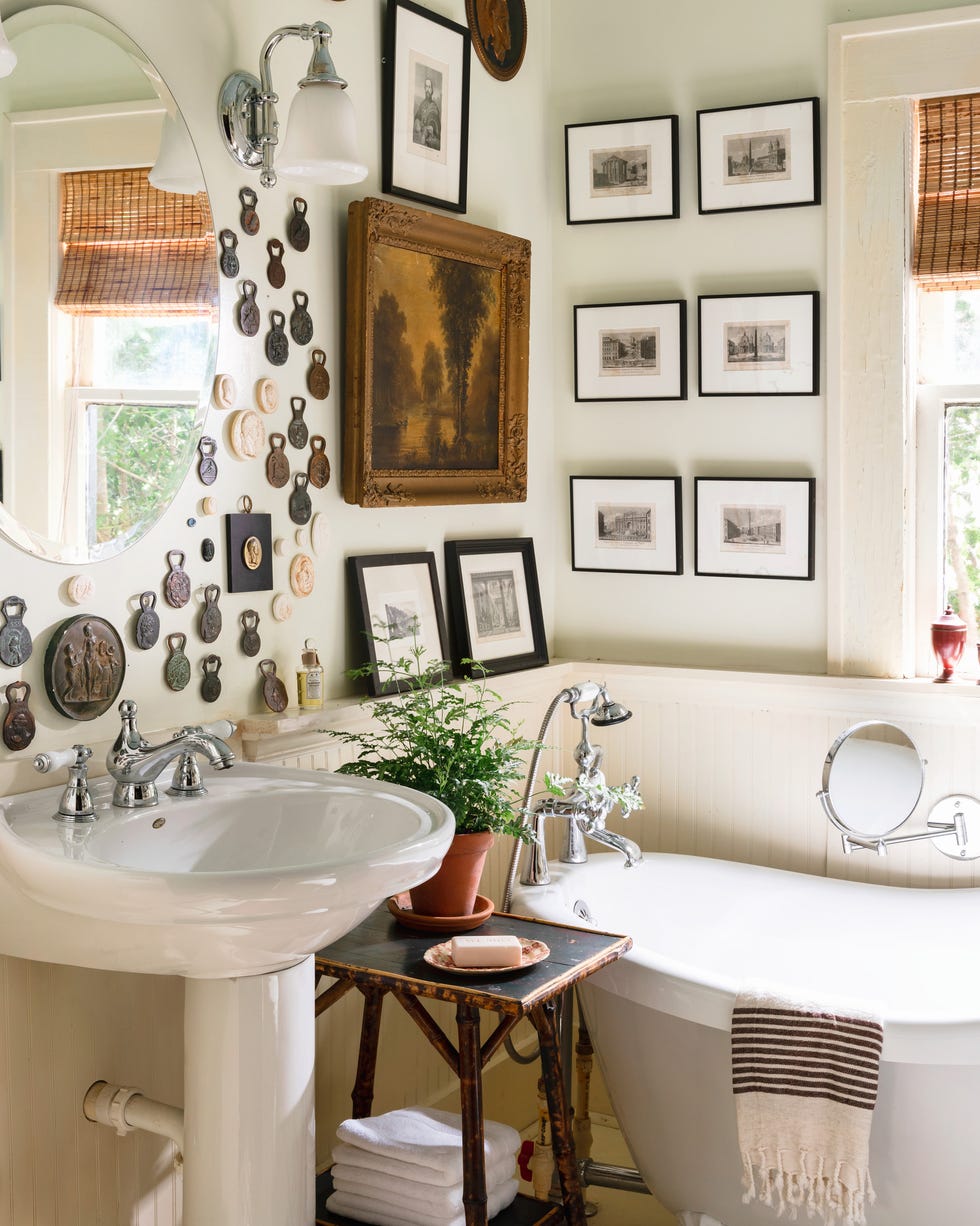
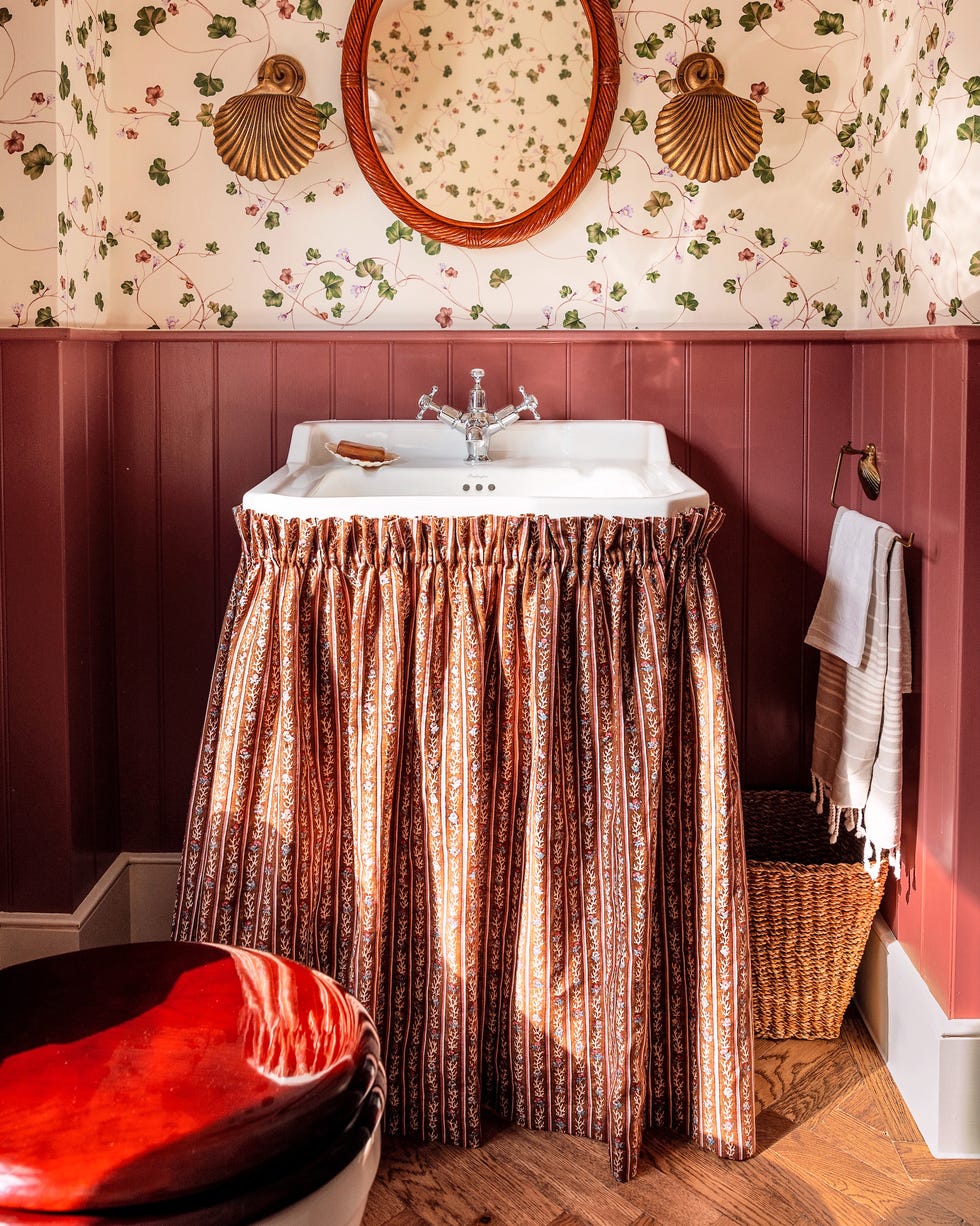
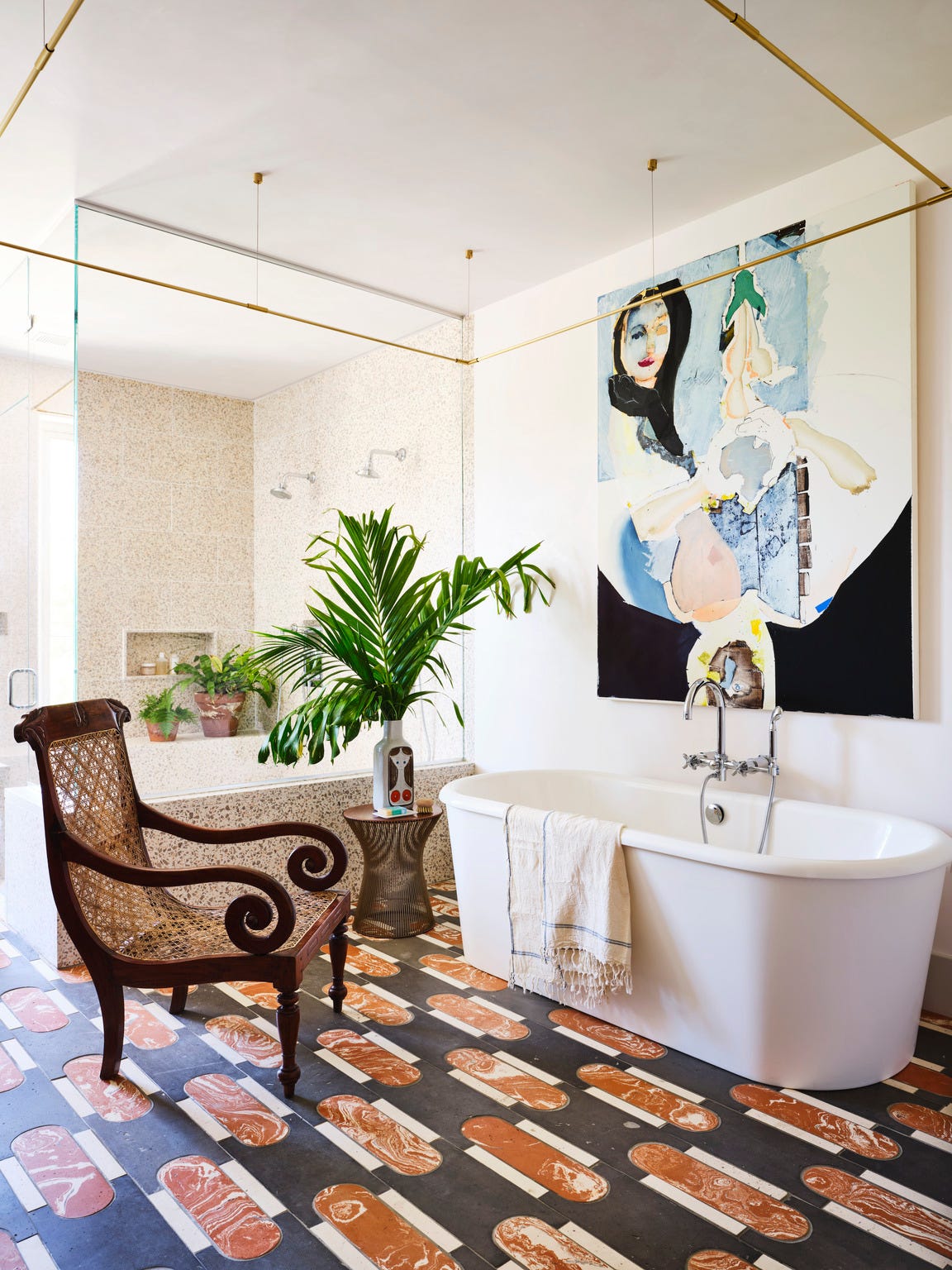
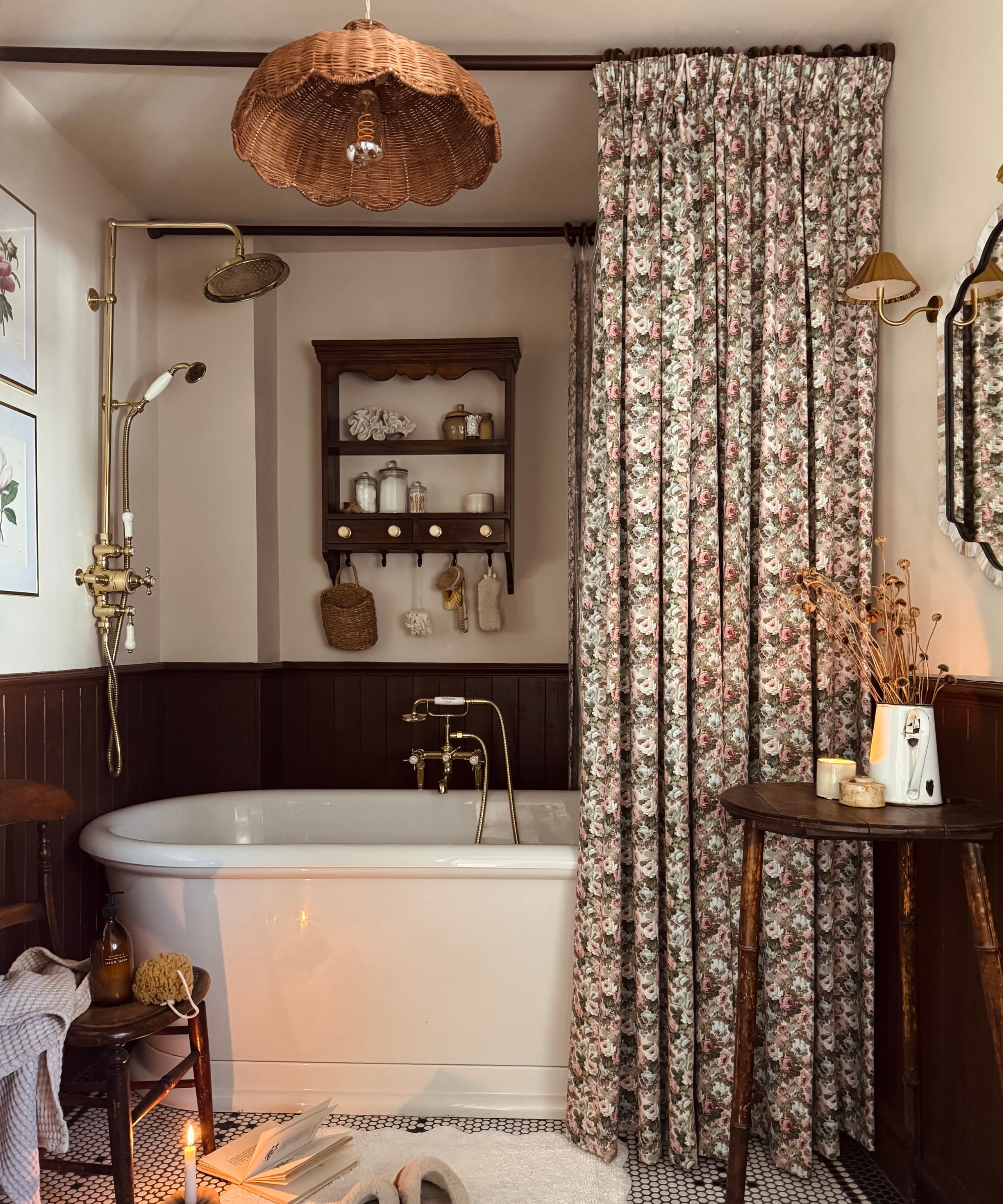
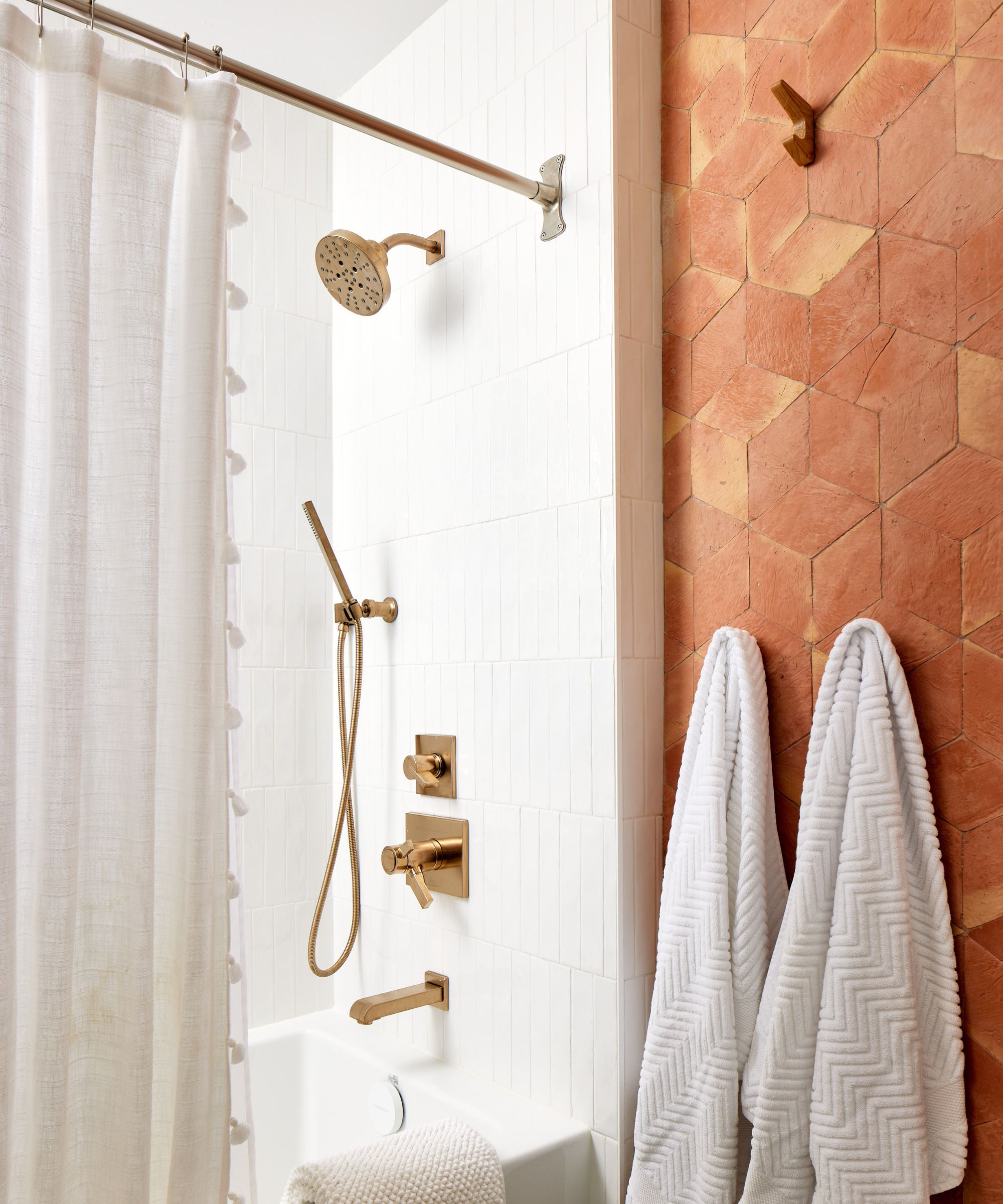
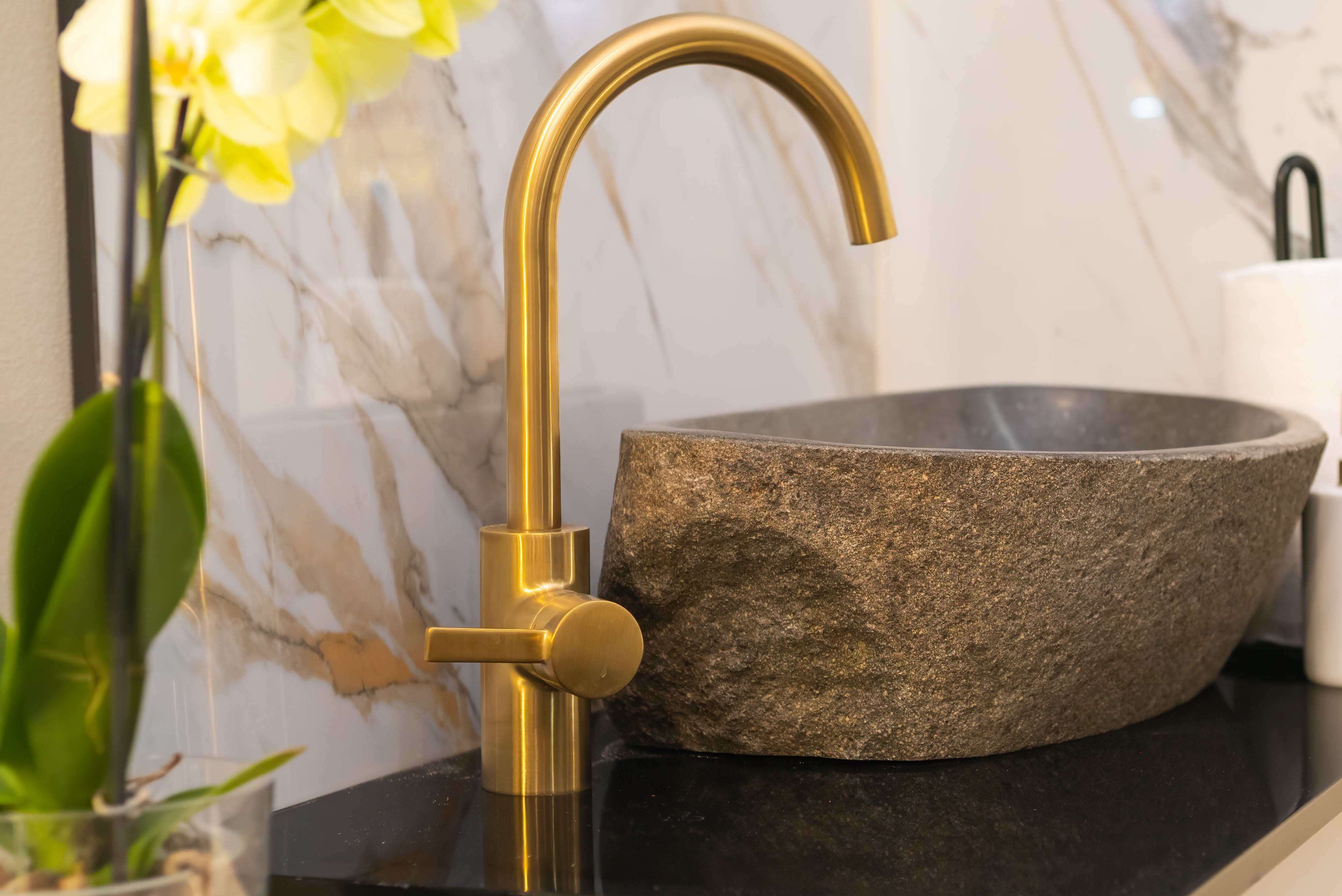
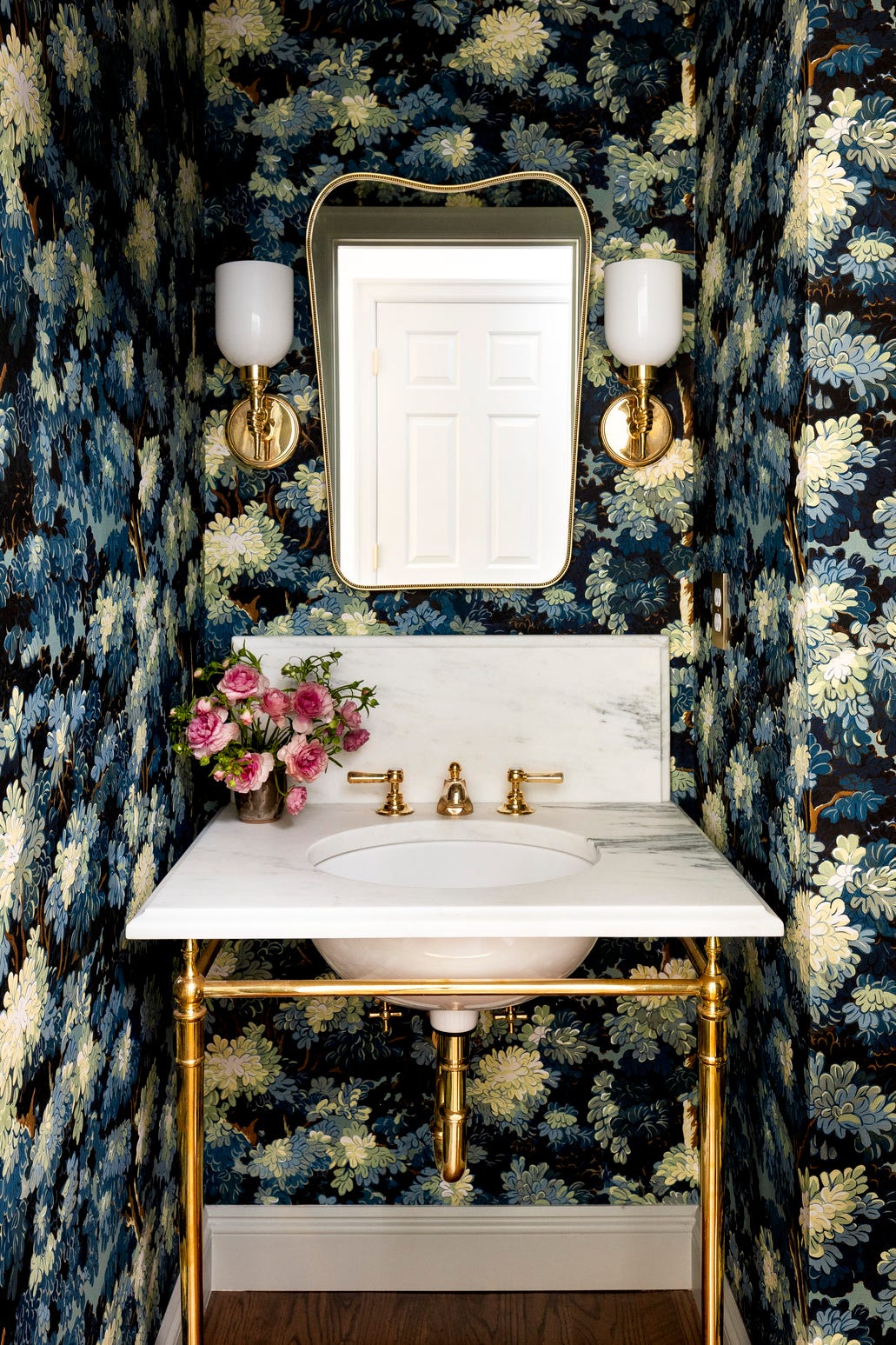
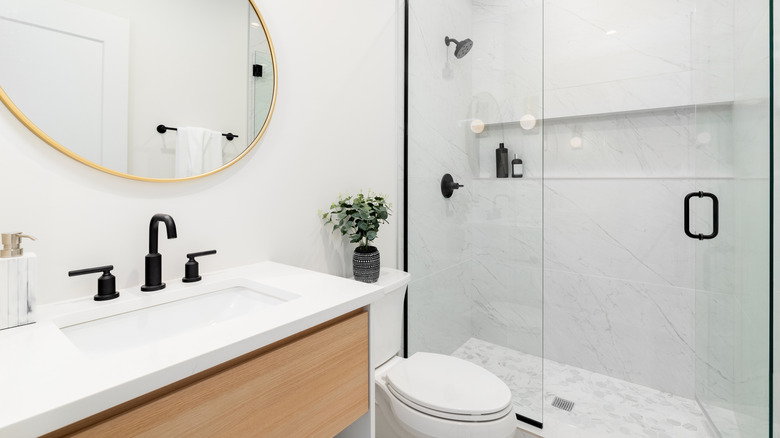
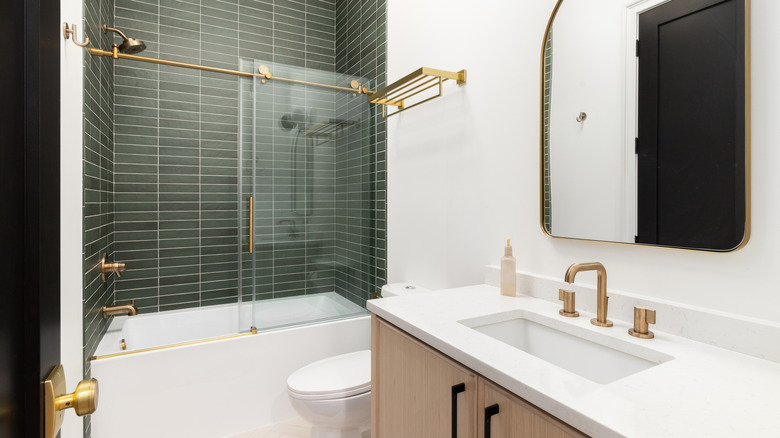
Attention to detail is gaining significant traction, with a focus on making functional elements decorative. Designers note a growing appreciation for artistic toilet paper holders and colorful faucets, moving away from conventional, unlacquered brass finishes. This approach introduces a playful and personalized touch to the bathroom, offering a relatively simple yet impactful way to infuse color without the need for extensive wallpaper or murals. These smaller, often overlooked components are now being seen as opportunities for aesthetic expression.
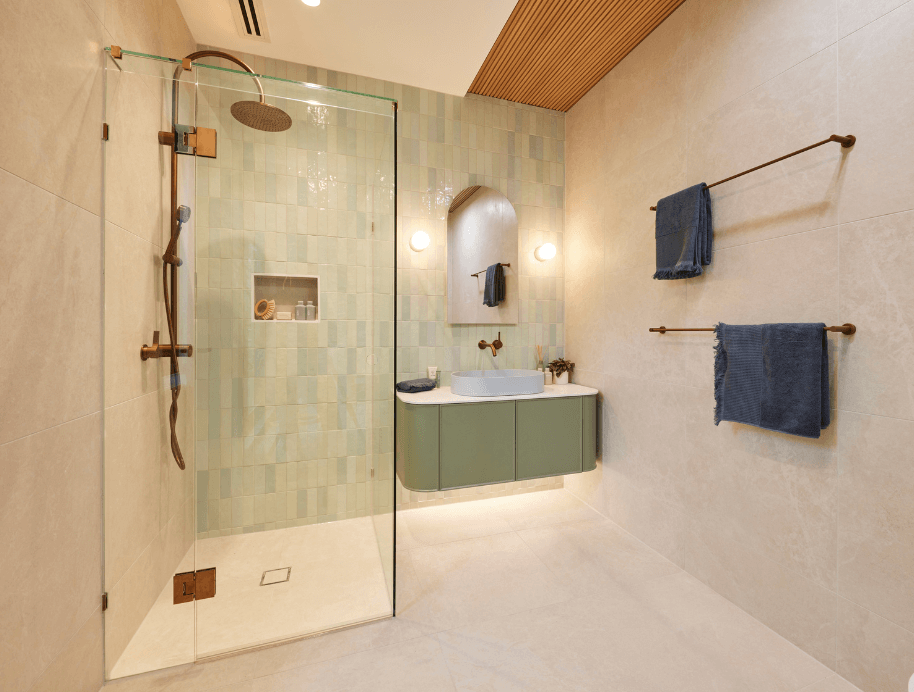
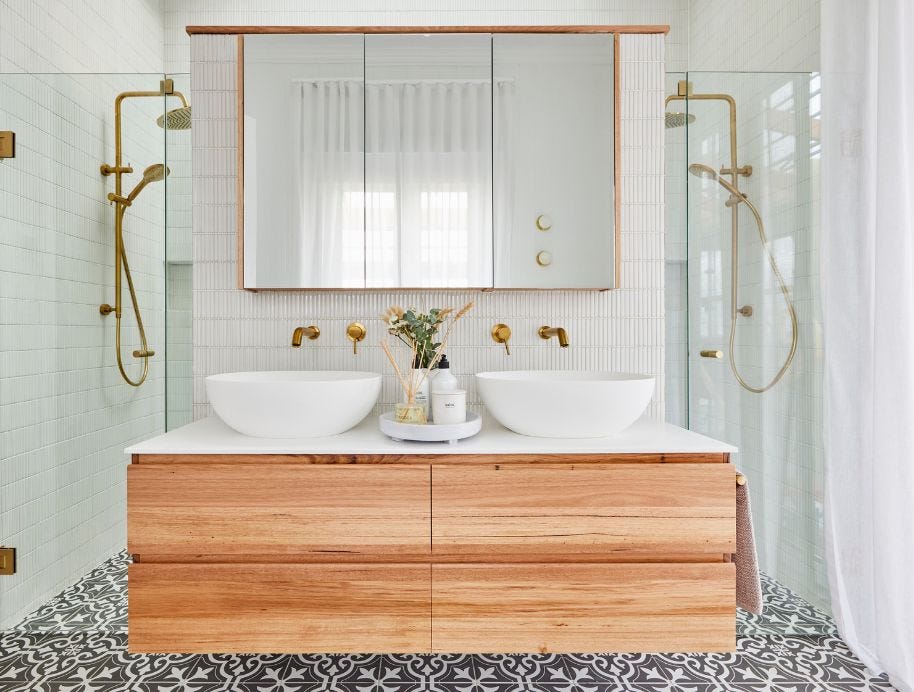
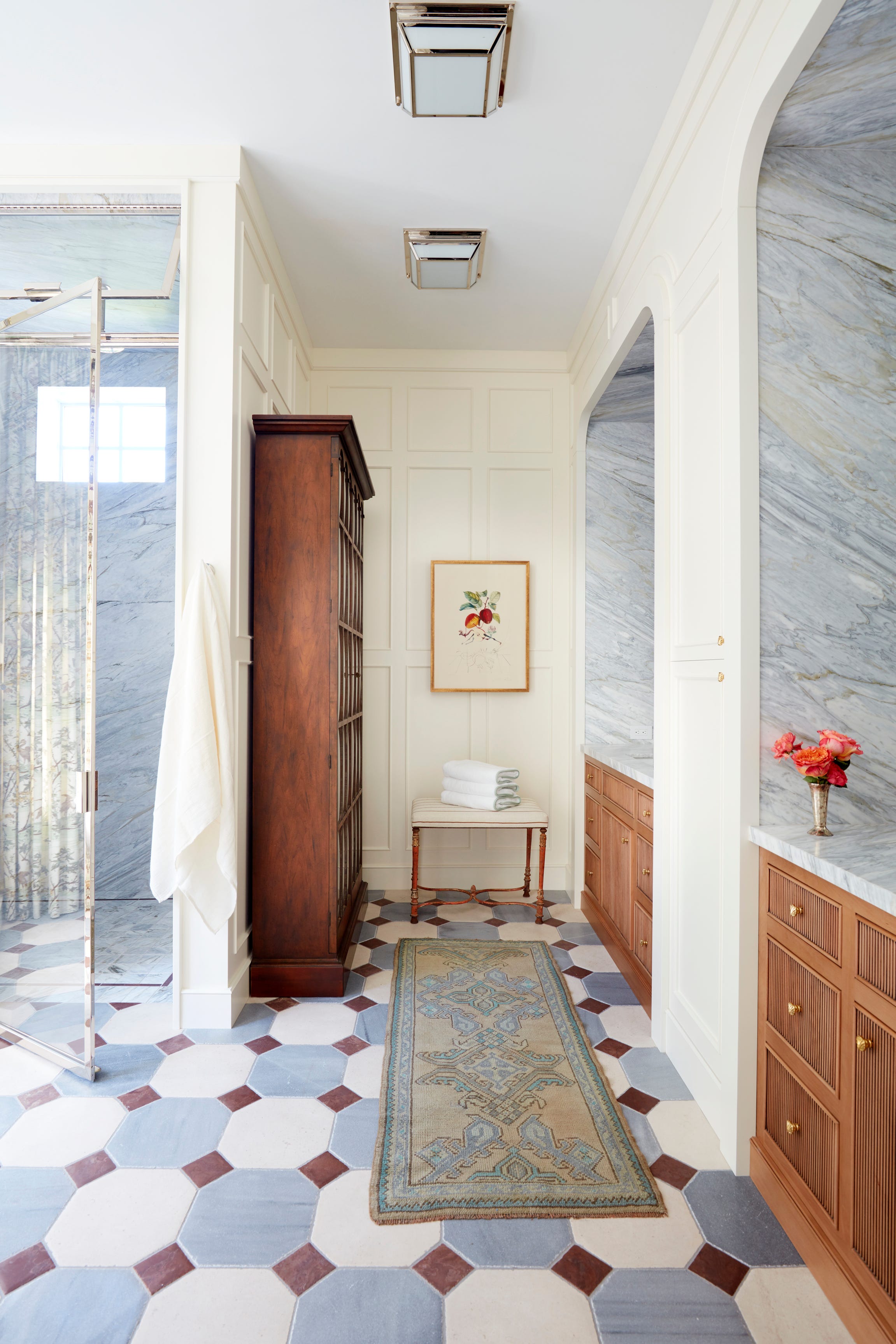
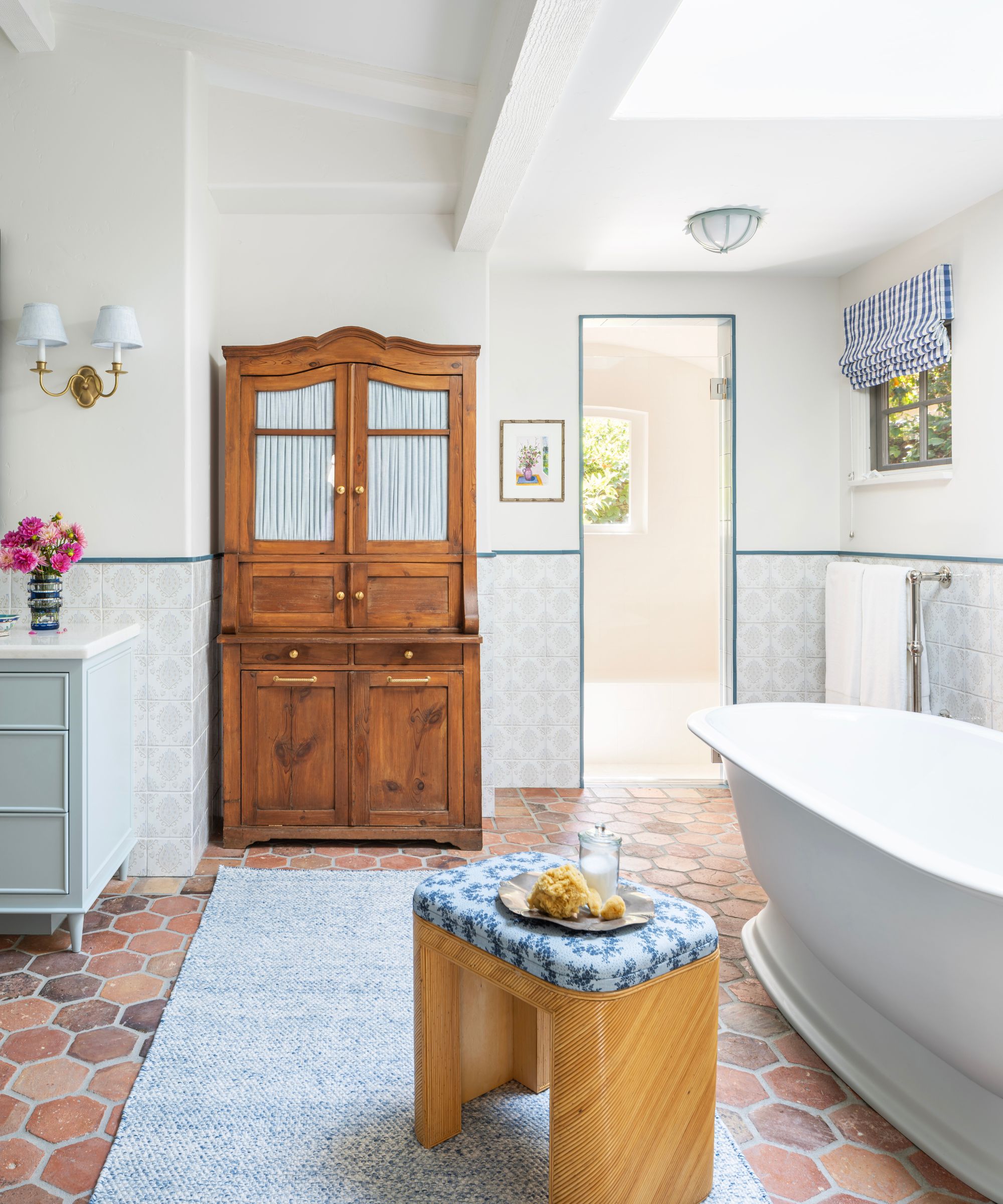
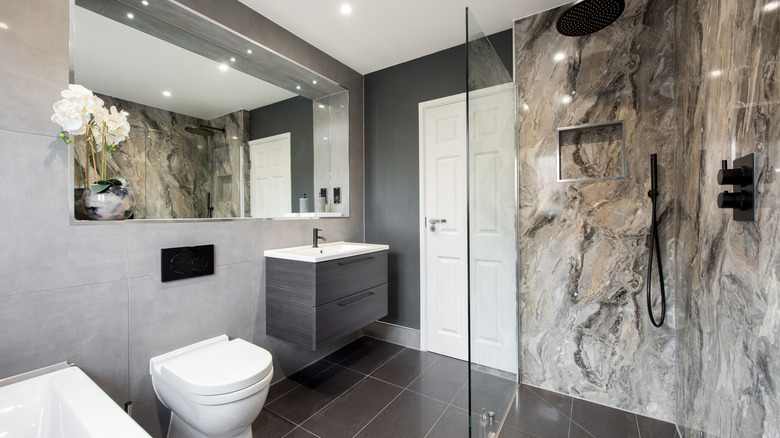
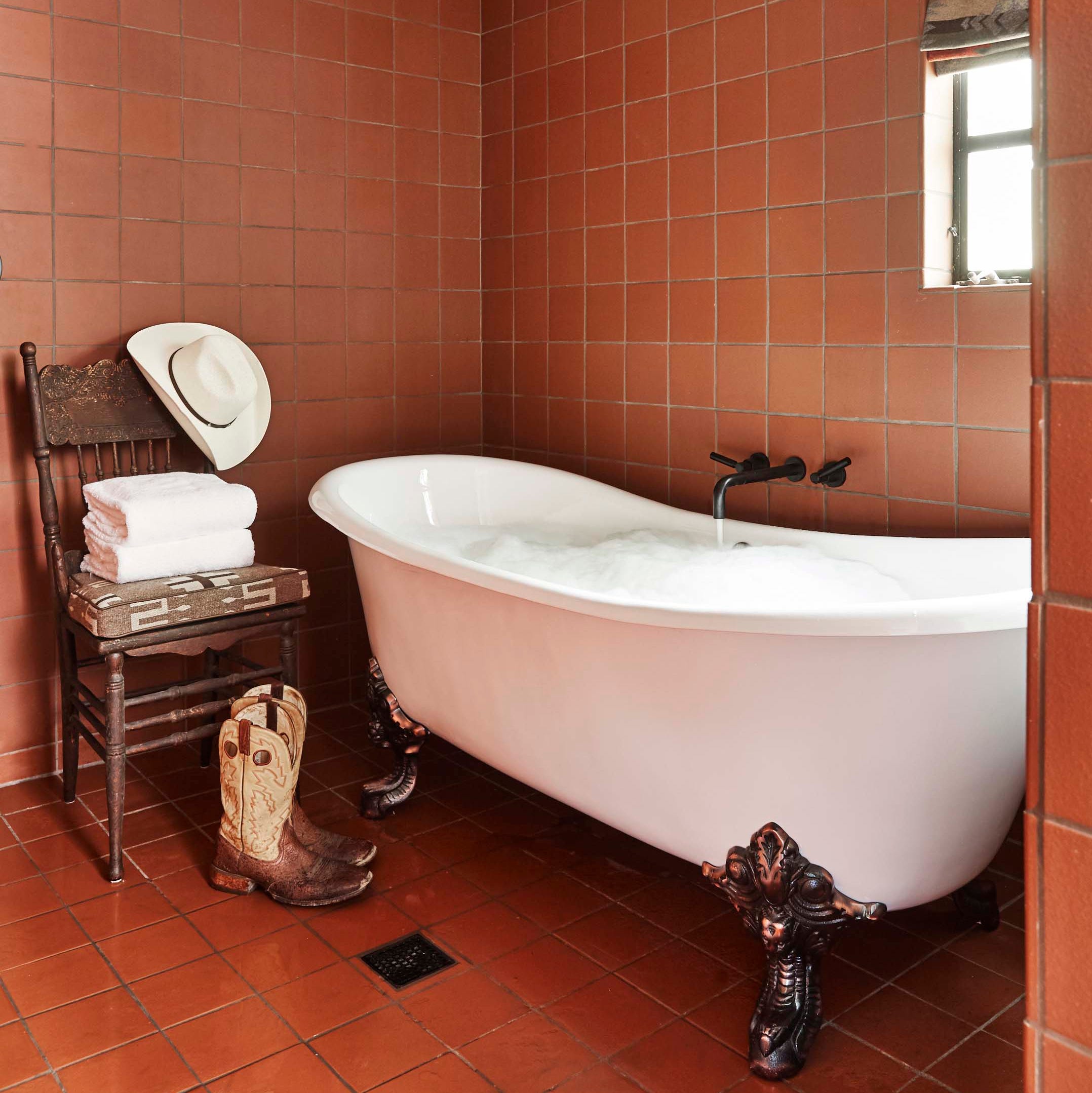
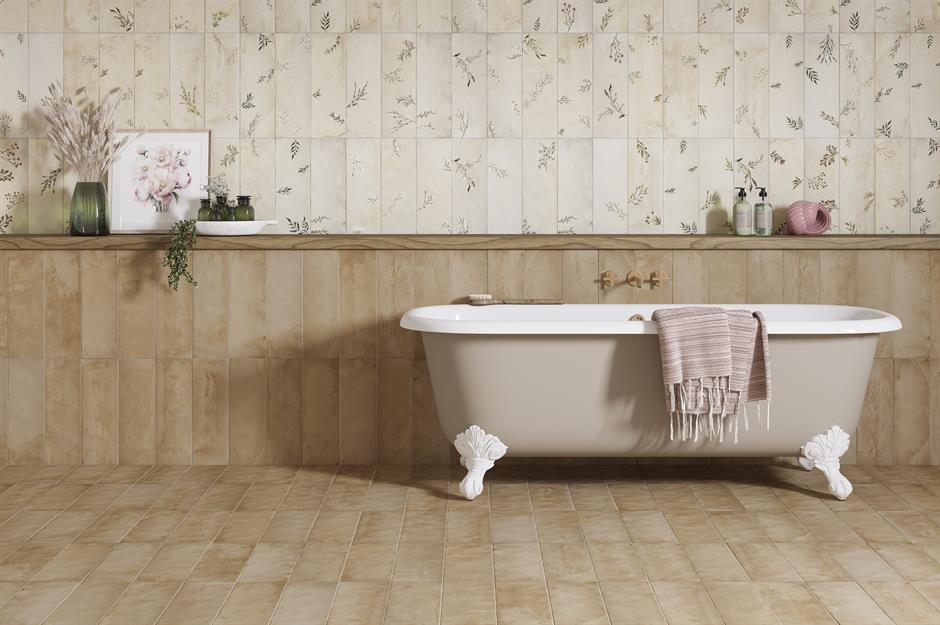
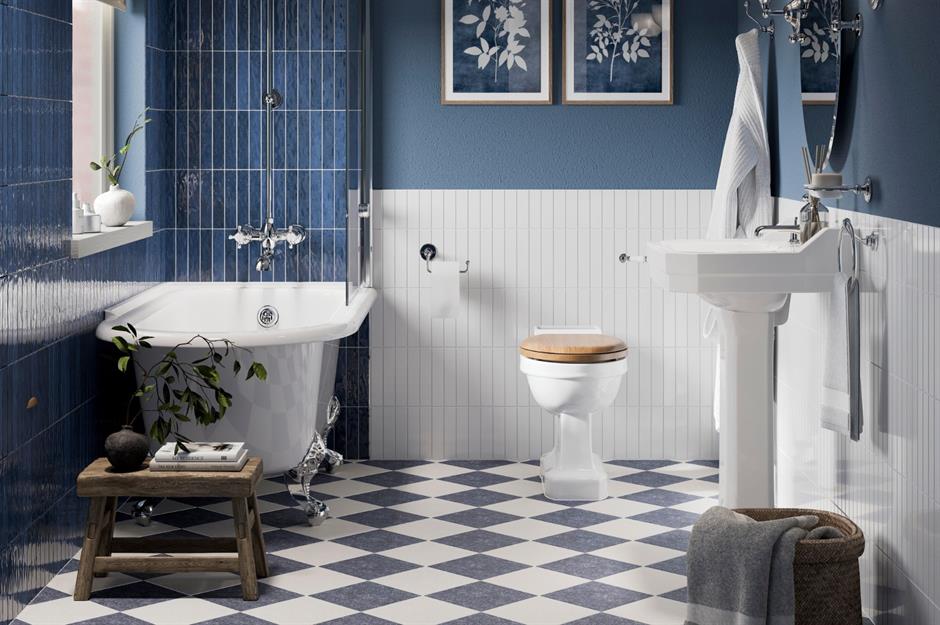
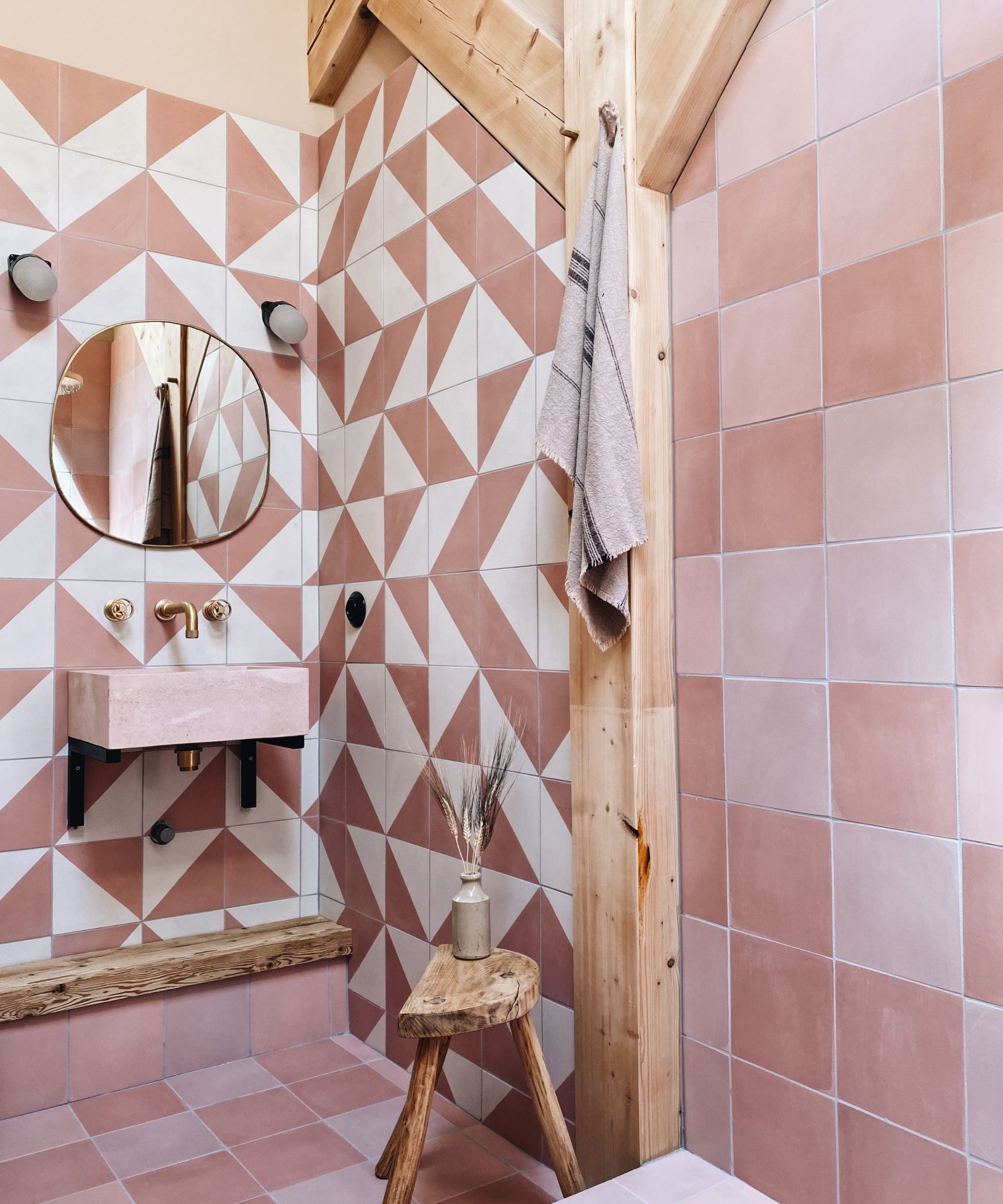

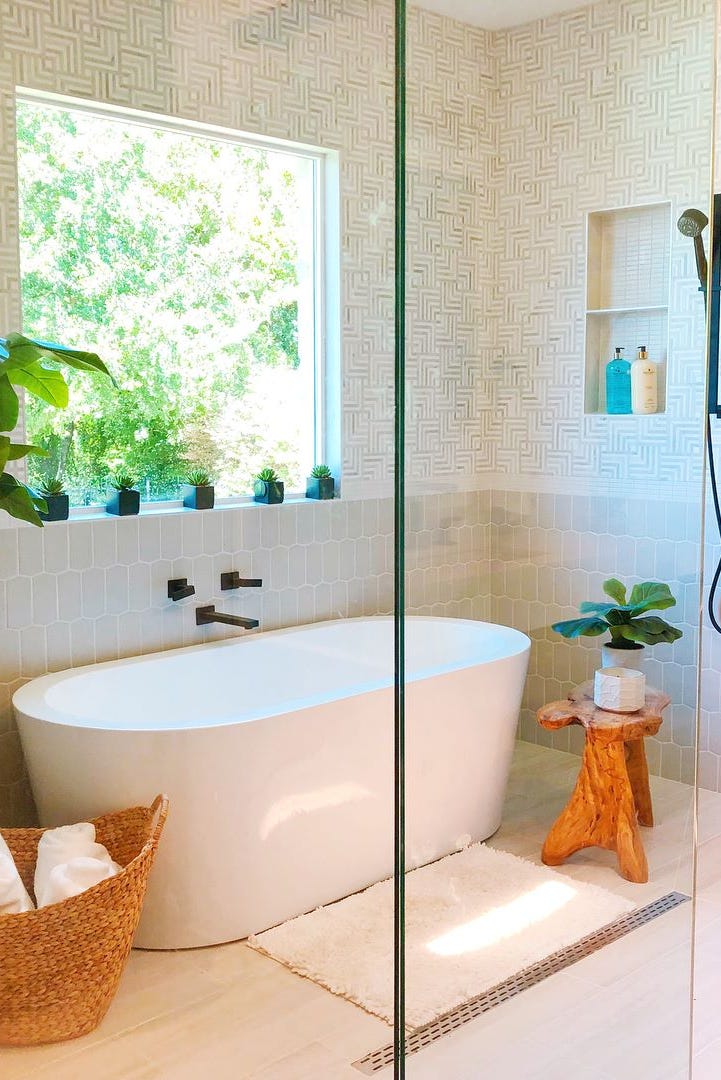
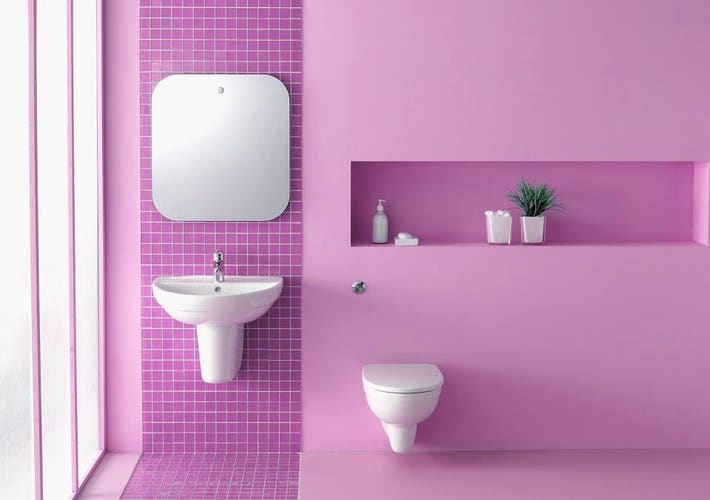
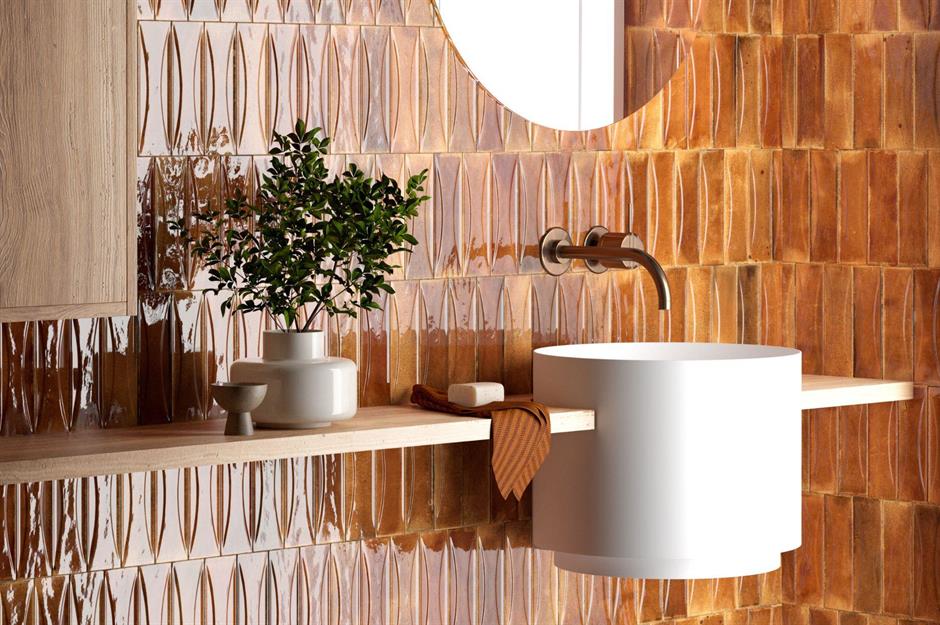
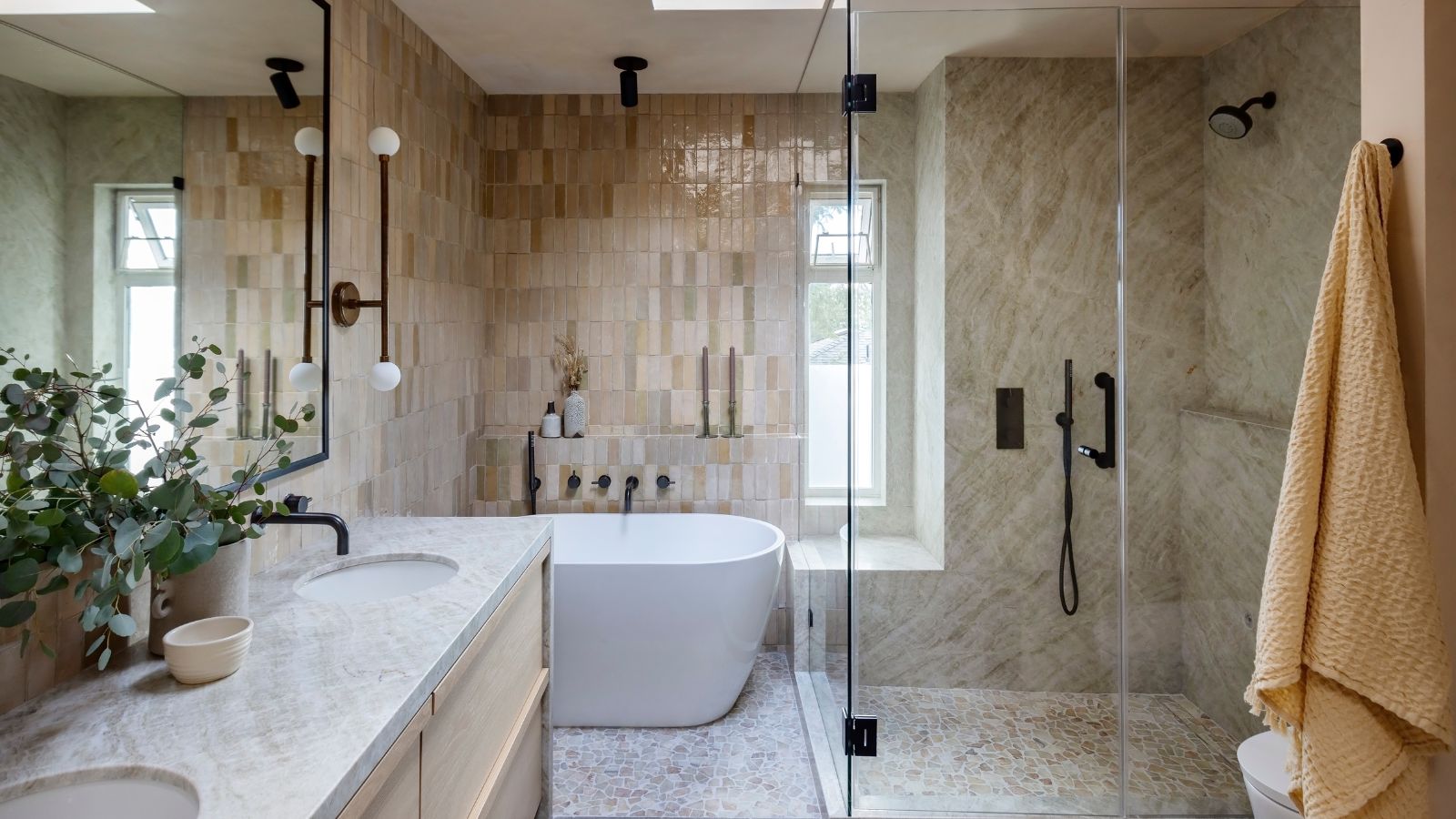
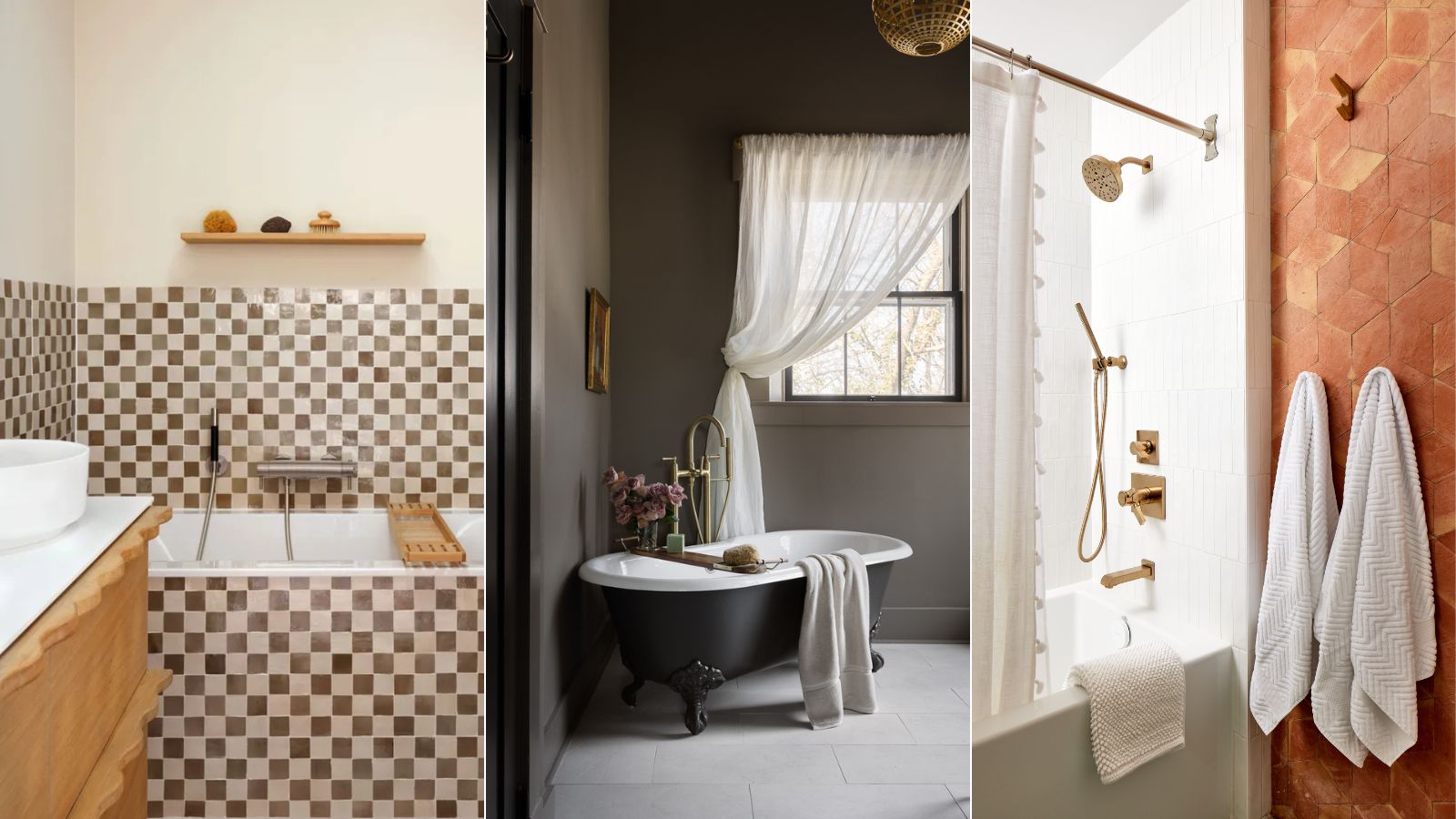
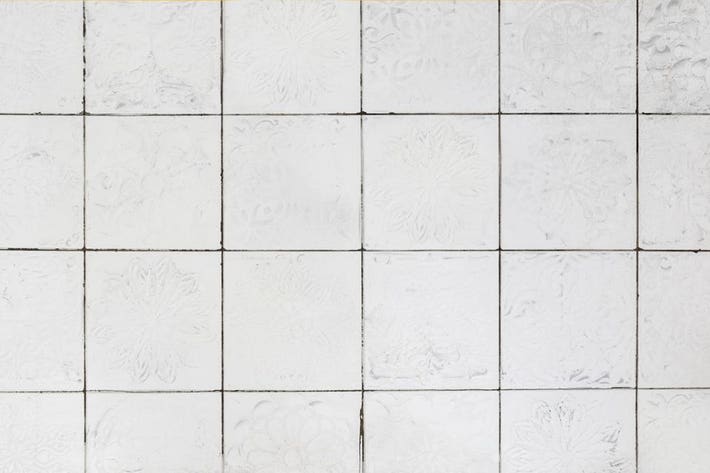
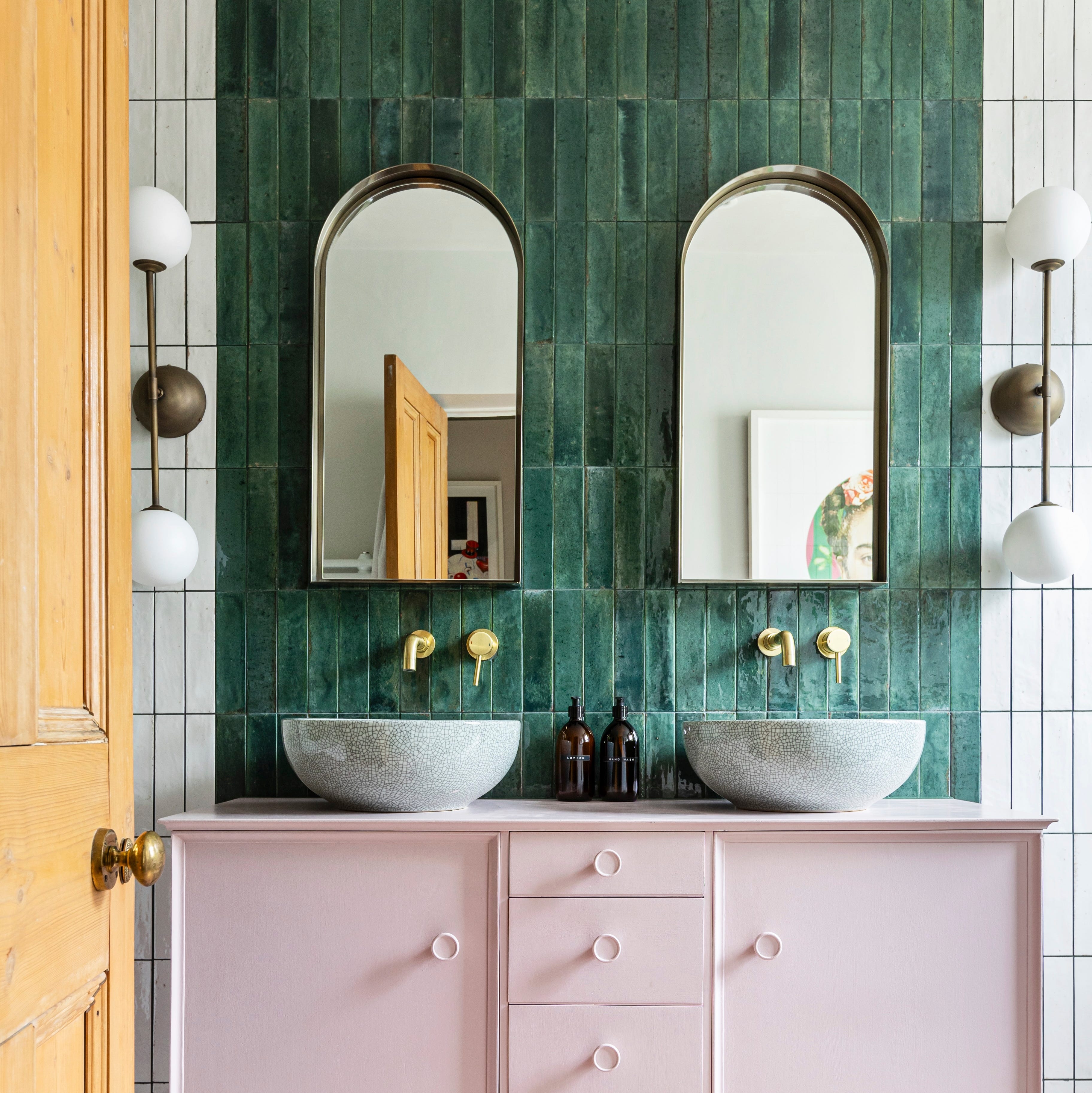
Tile usage in bathrooms is evolving, extending beyond traditional applications to become a more central and artistic design element. While natural stone remains a classic choice, there's an increased willingness to experiment with tiles in innovative ways, such as intricate mosaics. Zellige tiles, known for their unique character and artisanal quality, are particularly popular. Designers are leveraging the versatility of tiles to create distinctive patterns and designs that reflect individual personalities, making tile a key feature rather than just a protective surface.
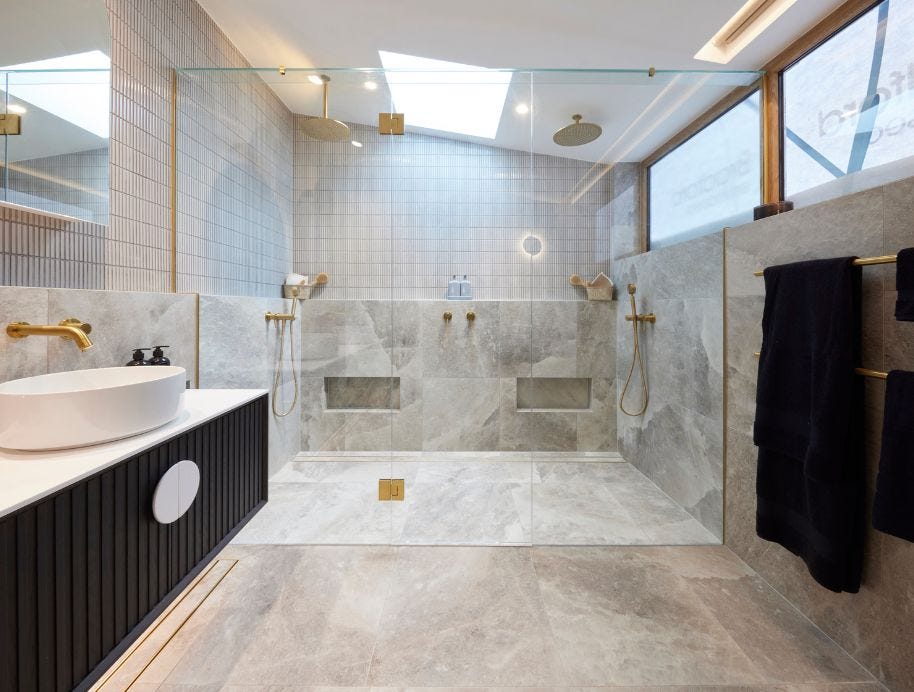
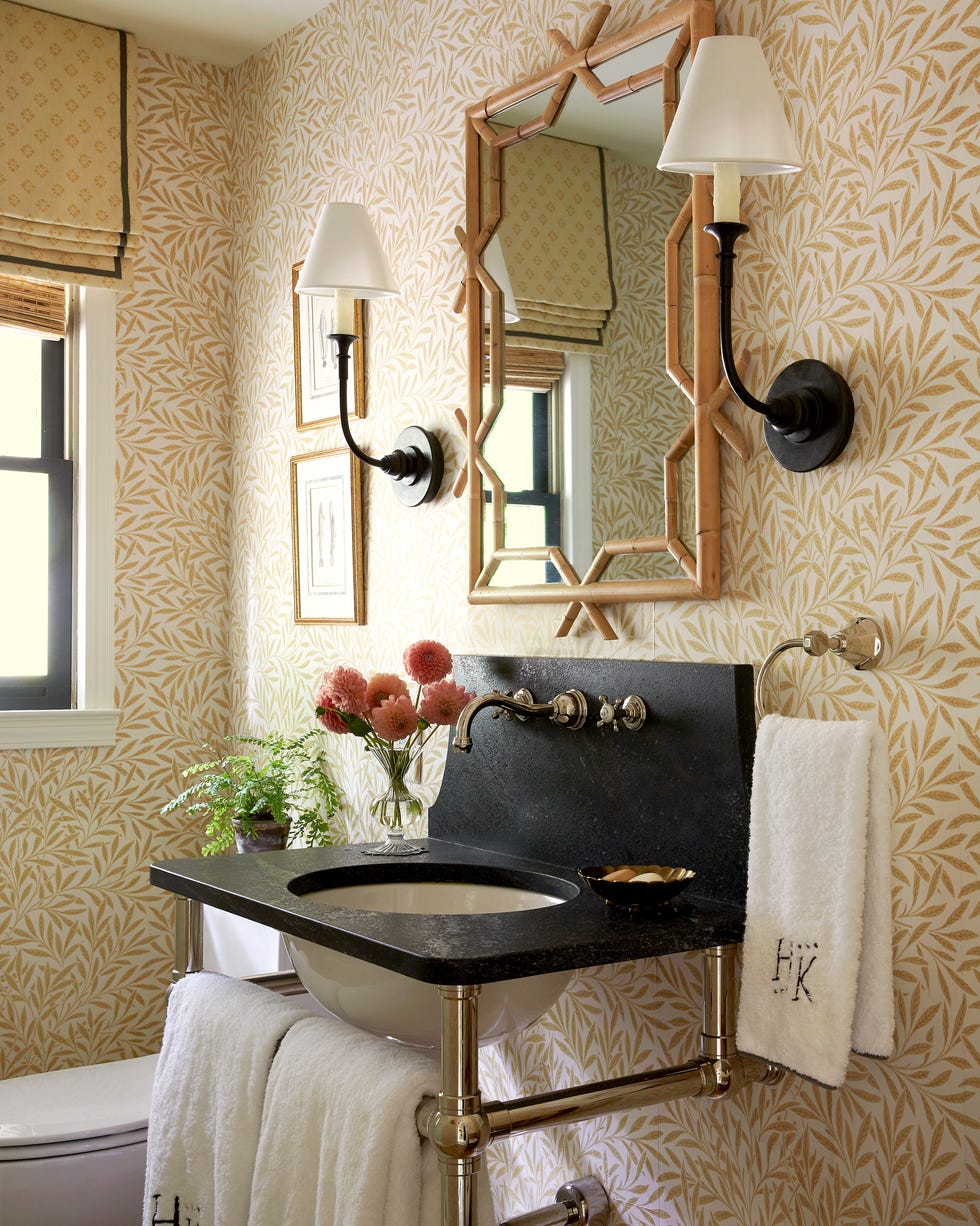
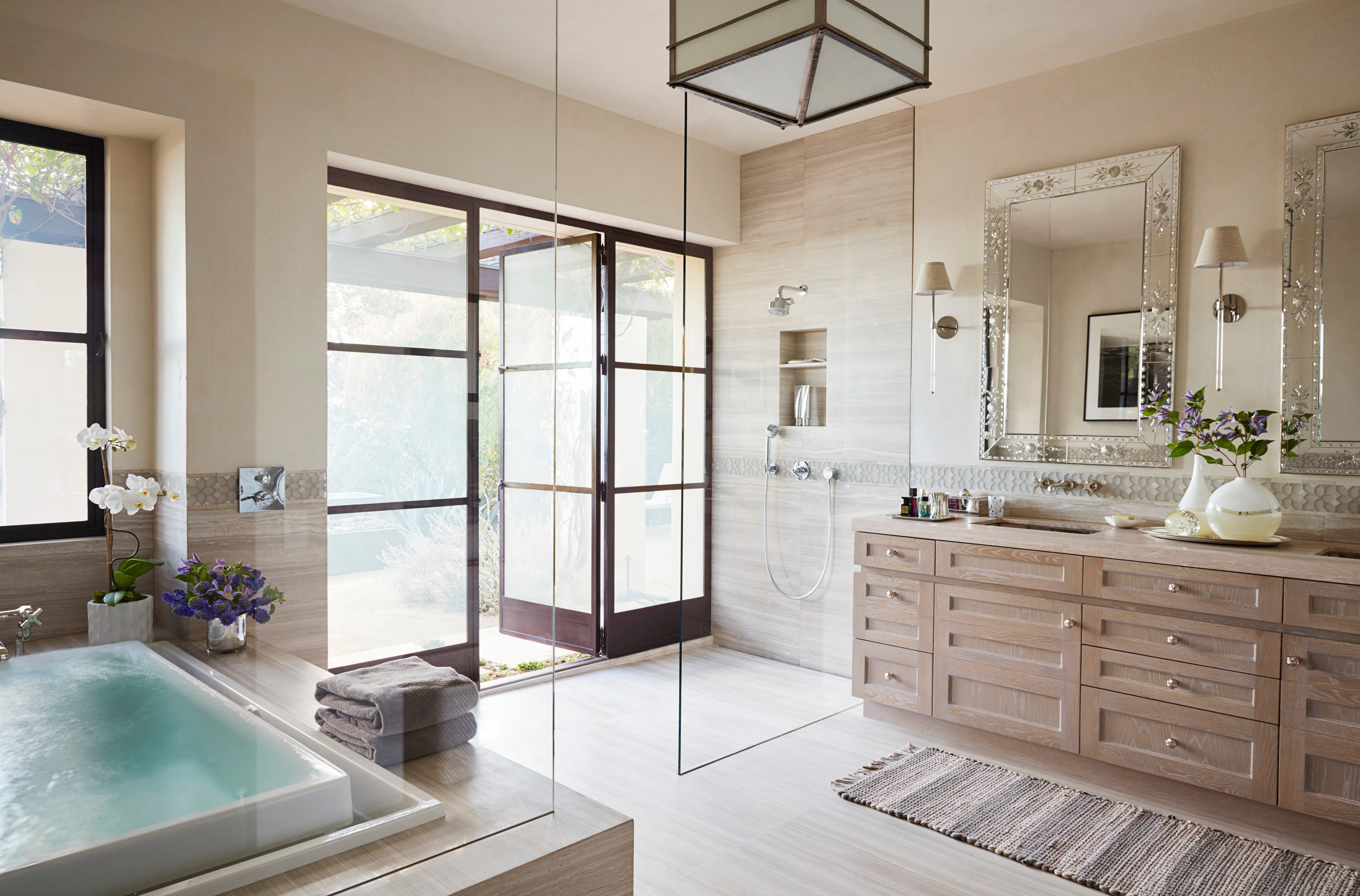
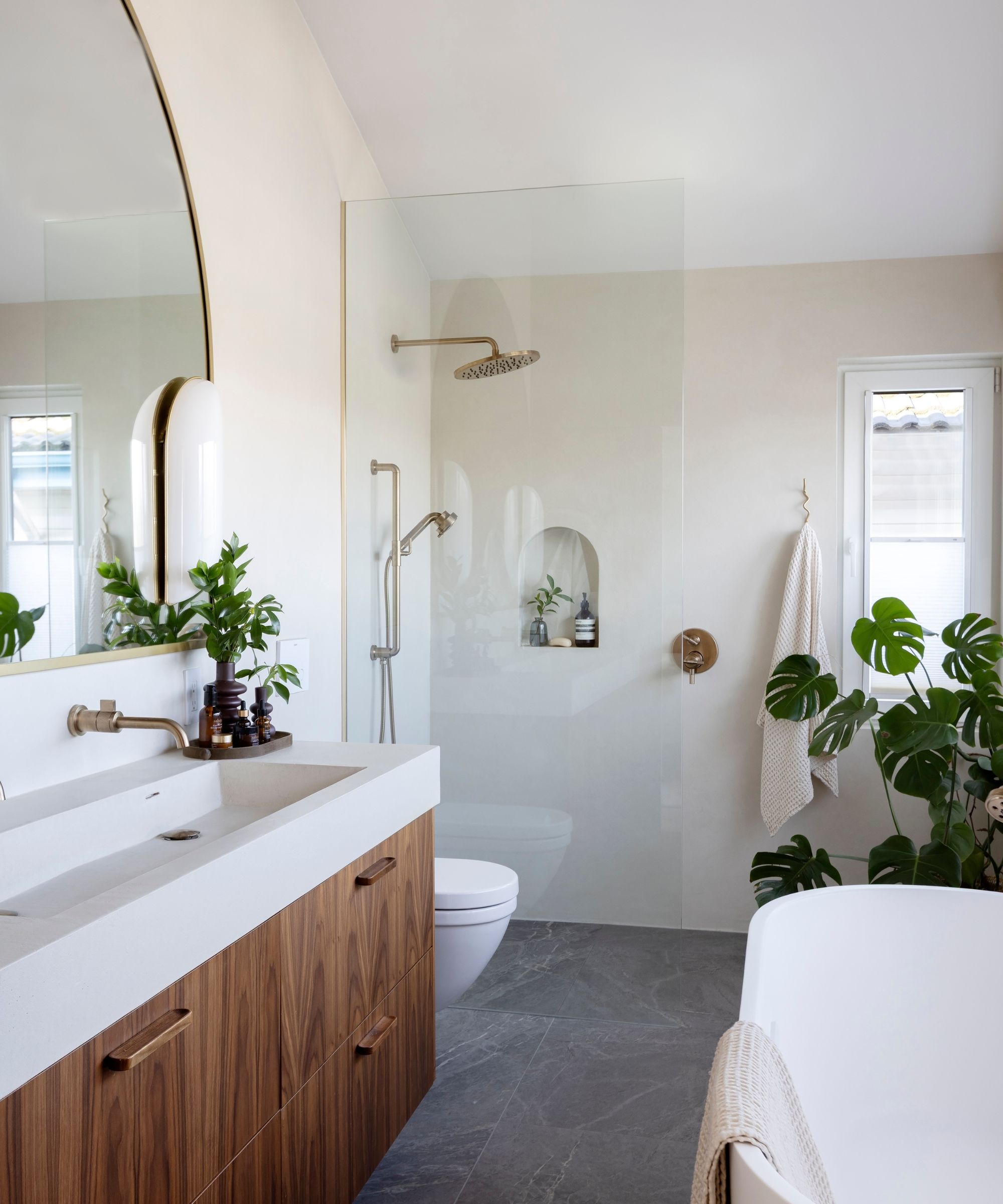
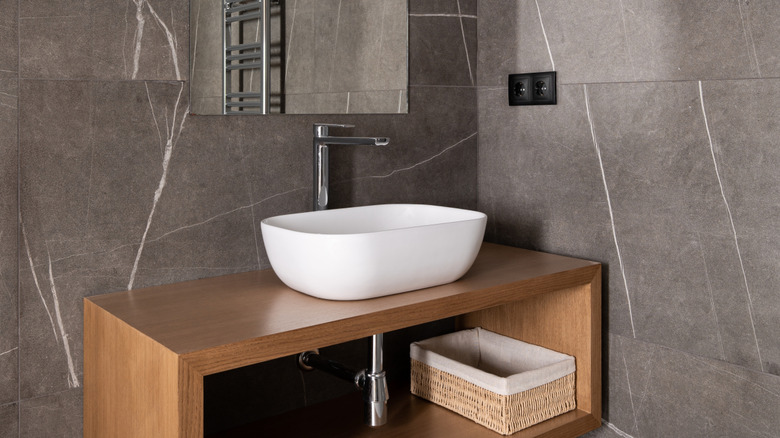
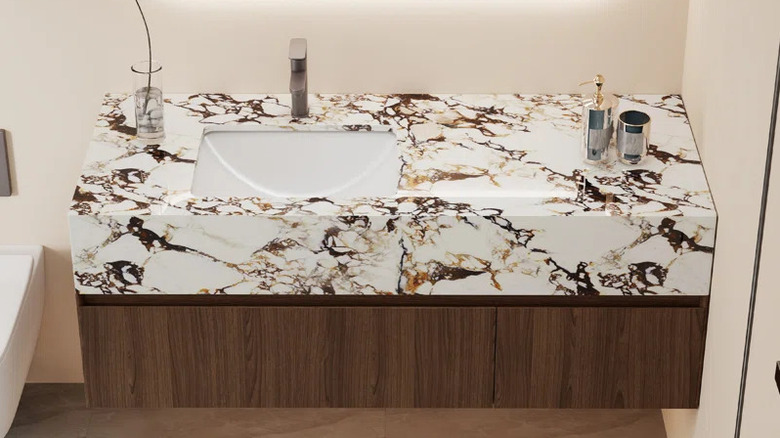
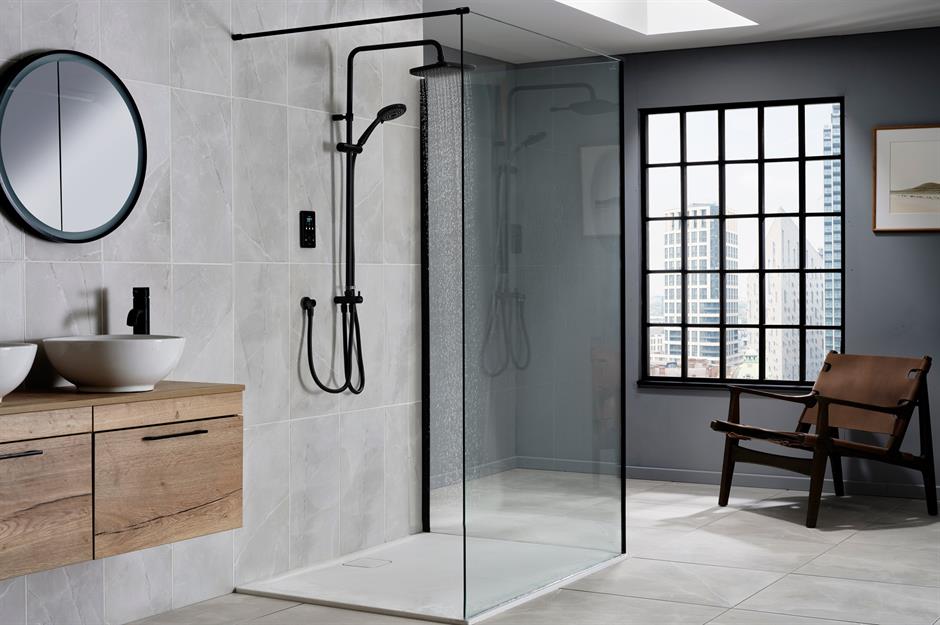
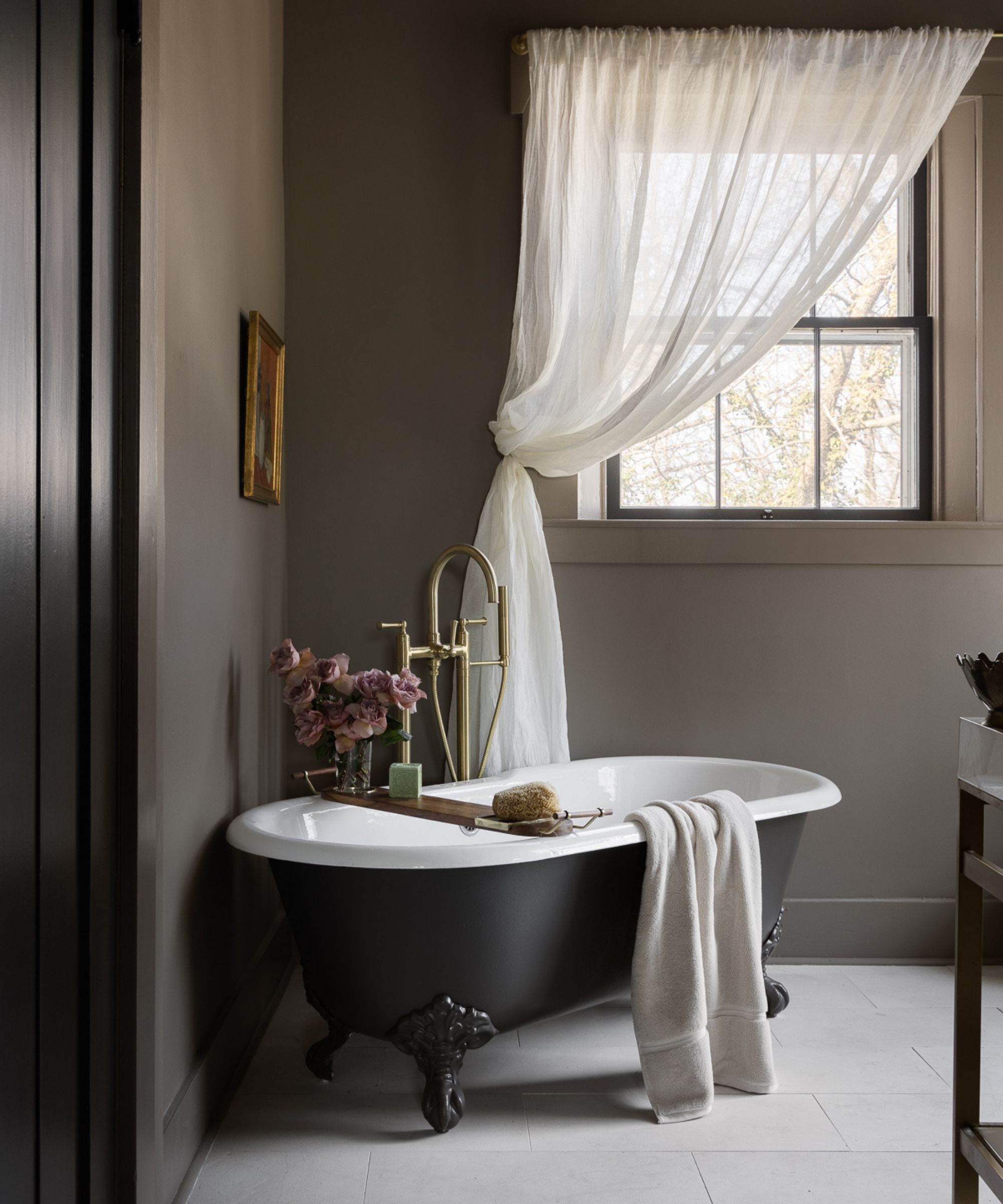
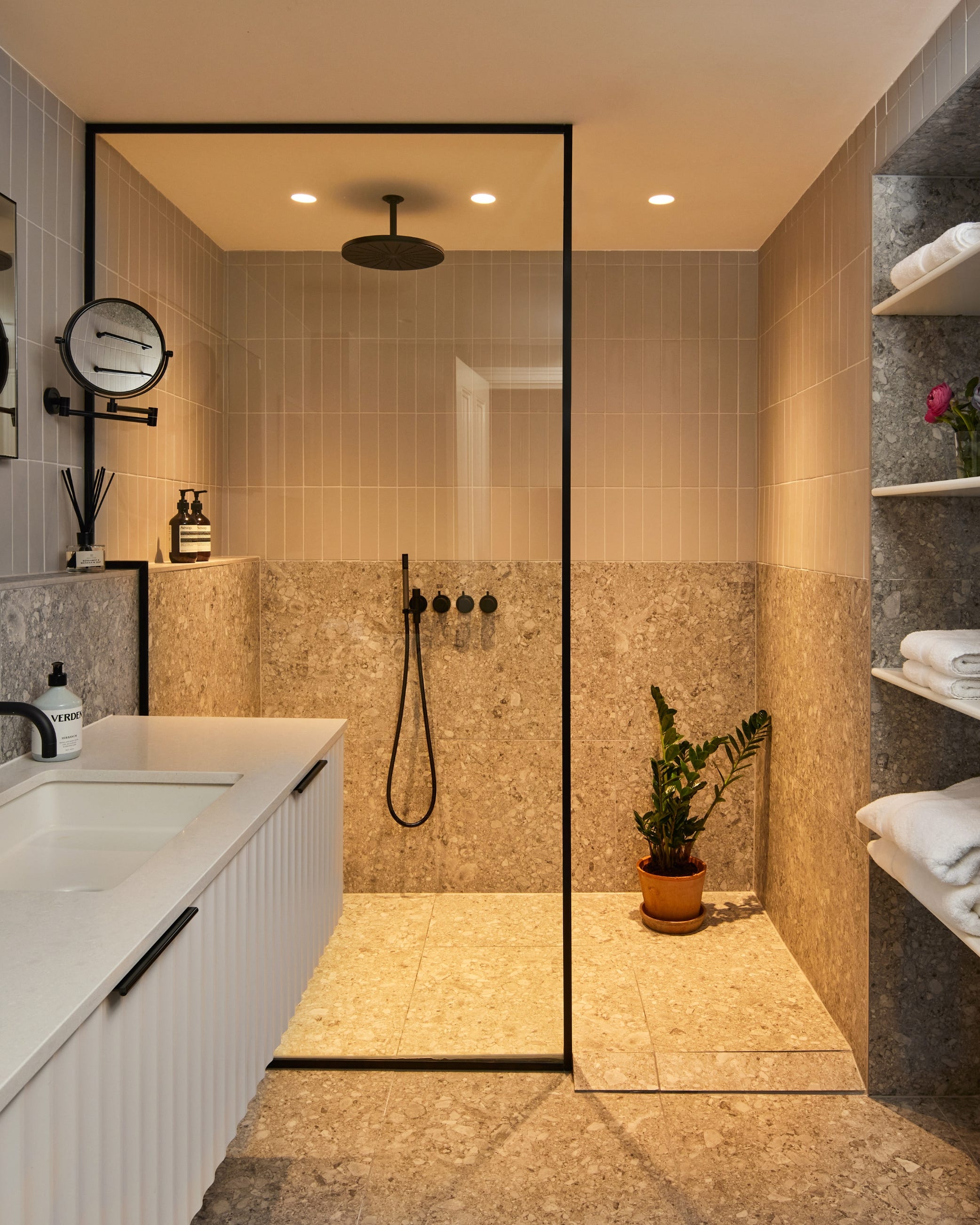
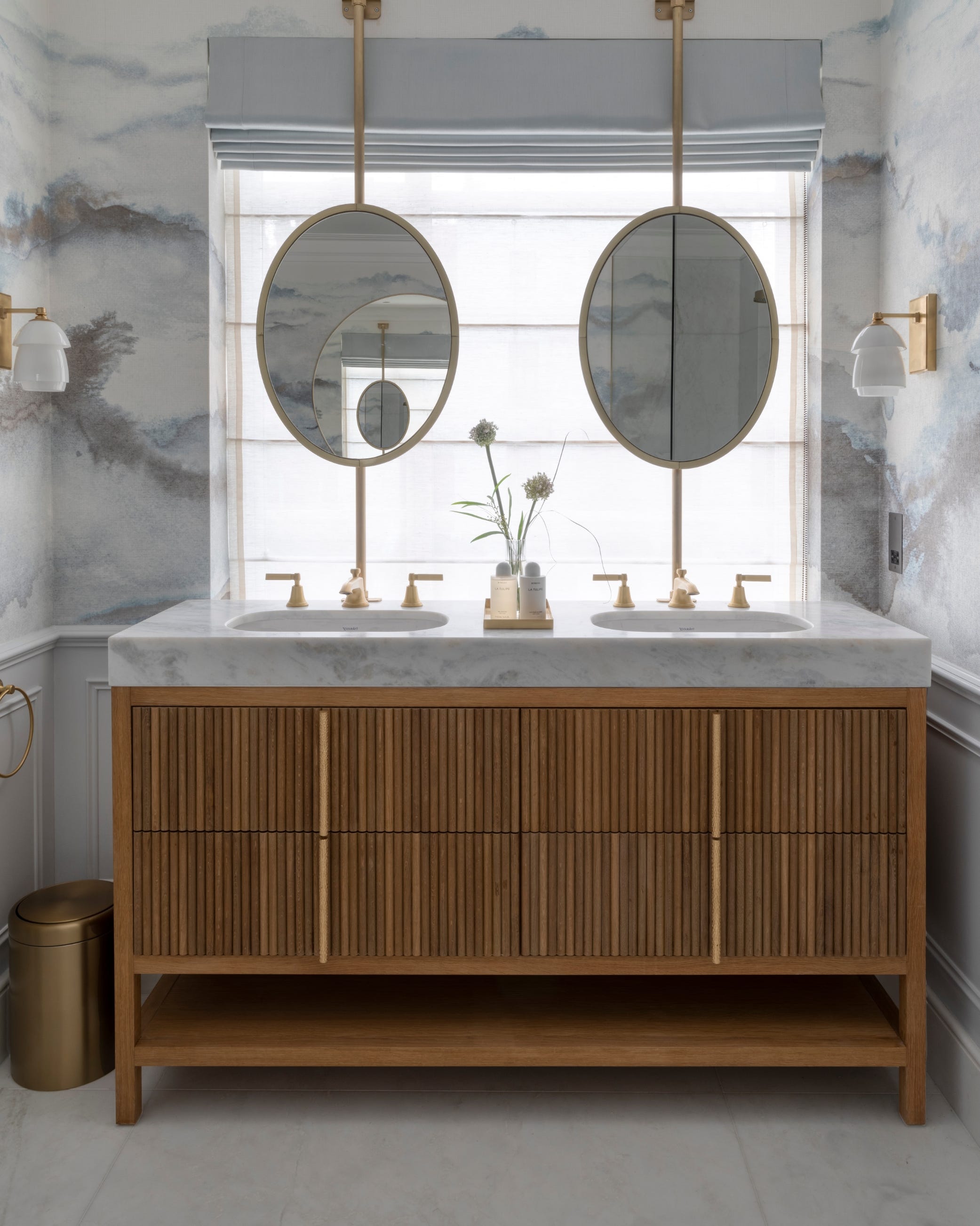
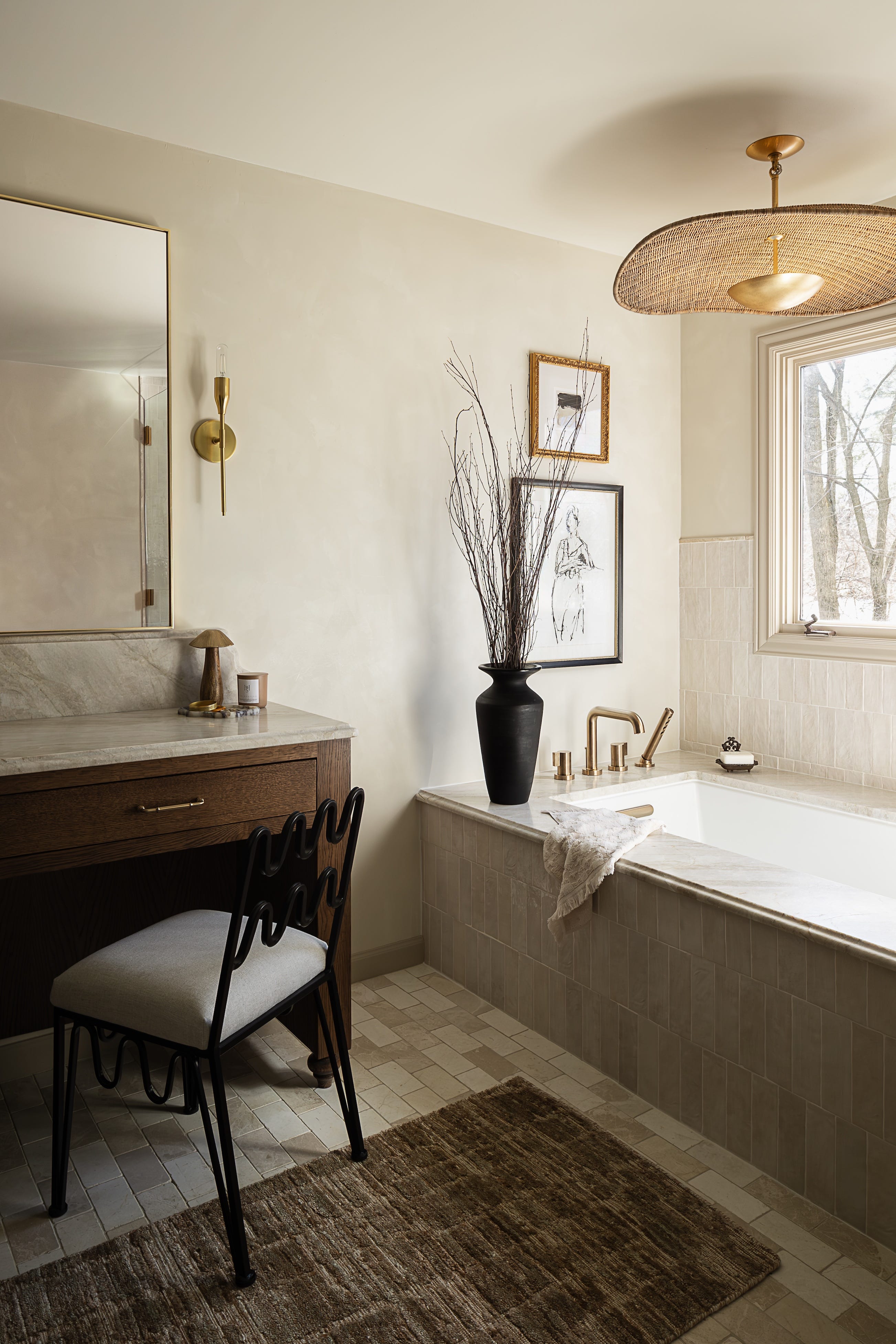
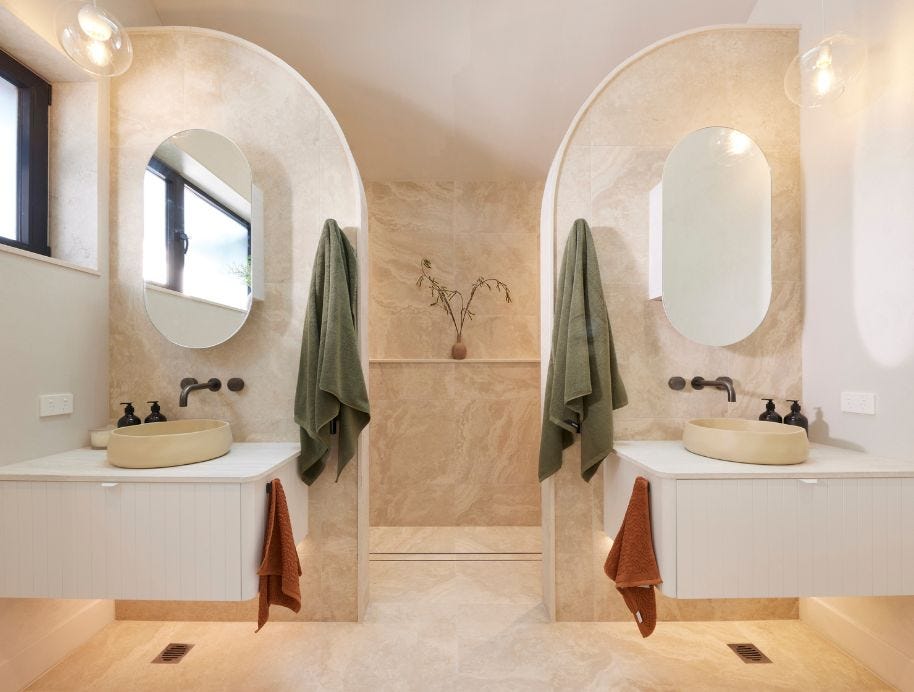
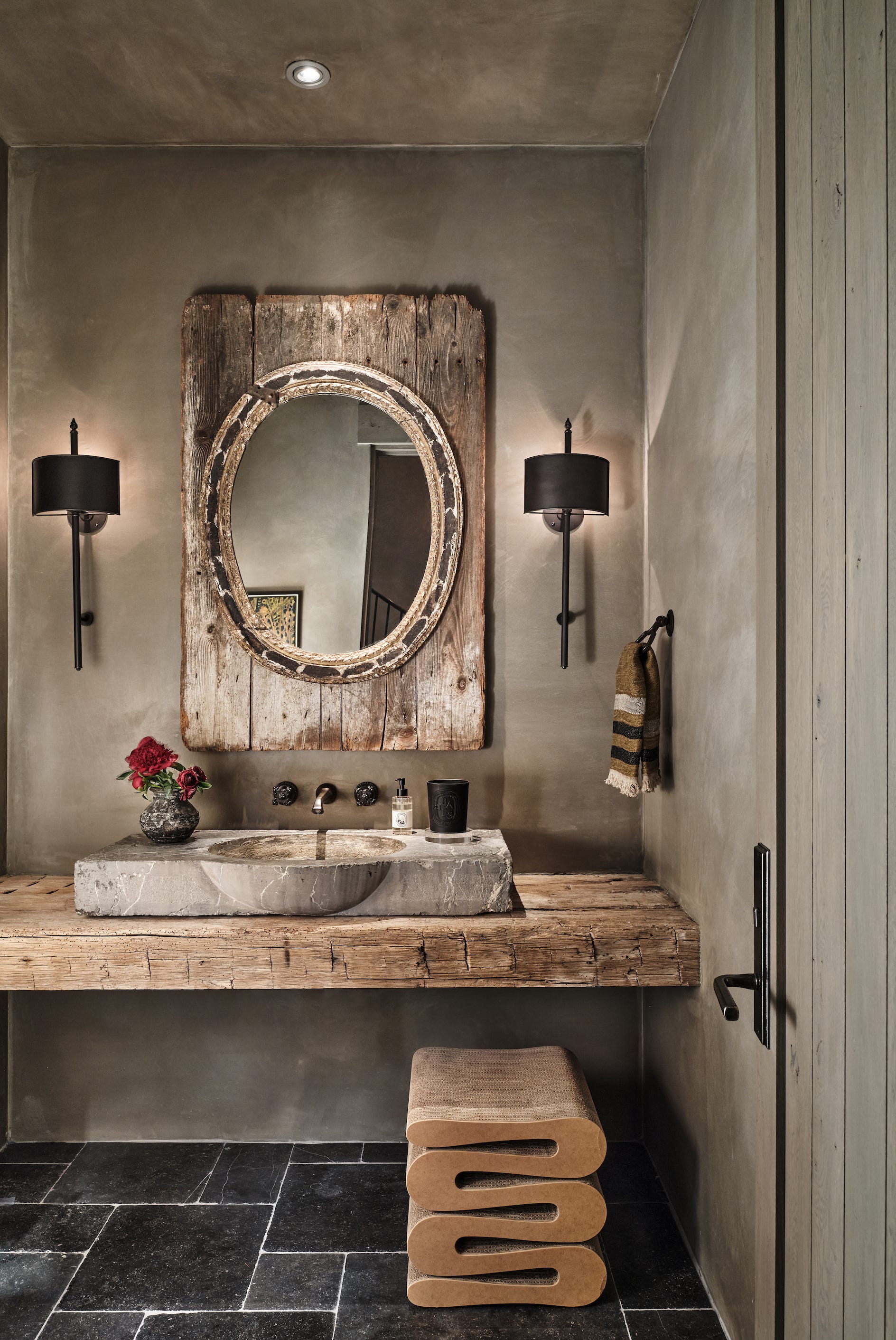
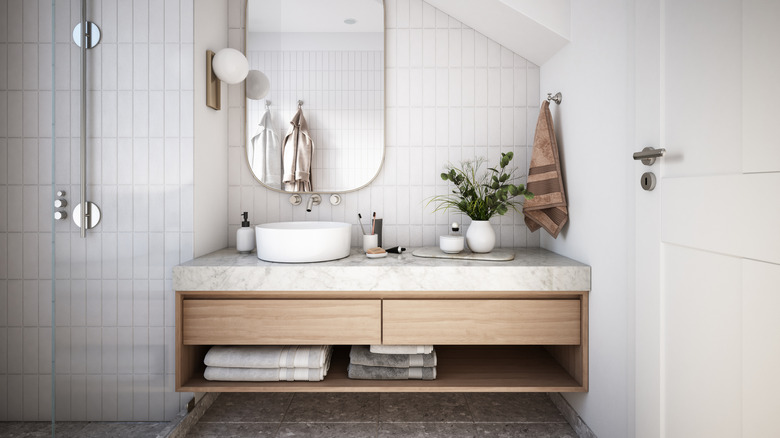
The resurgence of natural materials aligns with the desire for a serene, spa-like environment. Materials such as natural stone and oak are replacing more conventional choices like white polished marble, aiming to evoke the feeling of a mountainside retreat. This trend is heavily influenced by styles like Japandi, which emphasize minimalism, clean lines, and the inherent beauty of wood finishes. The focus is on using simple, high-quality materials and installing them with precision and unique touches, such as rounded edges on vanity profiles, allowing their natural beauty to stand out.
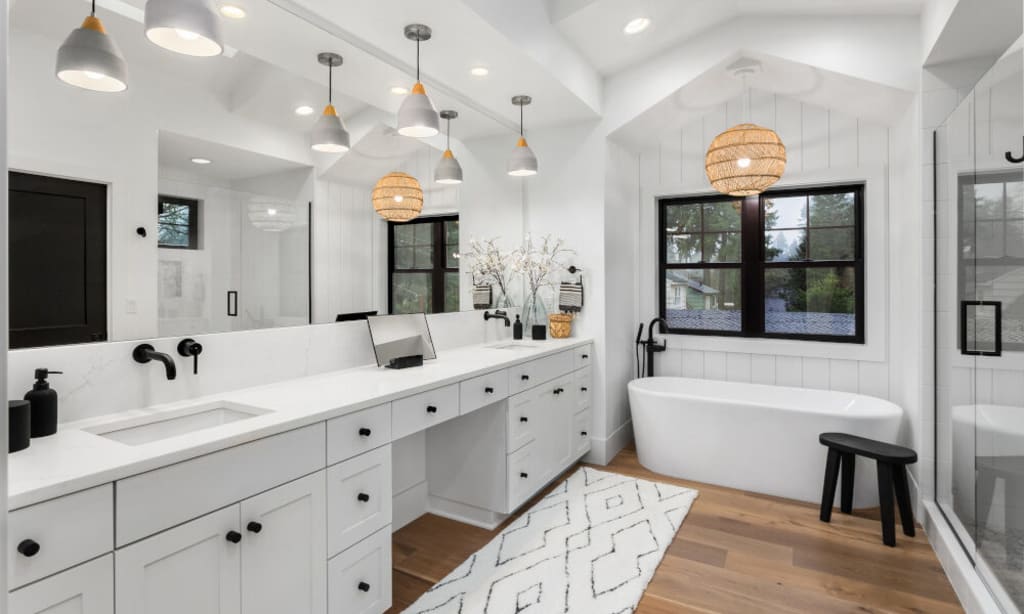
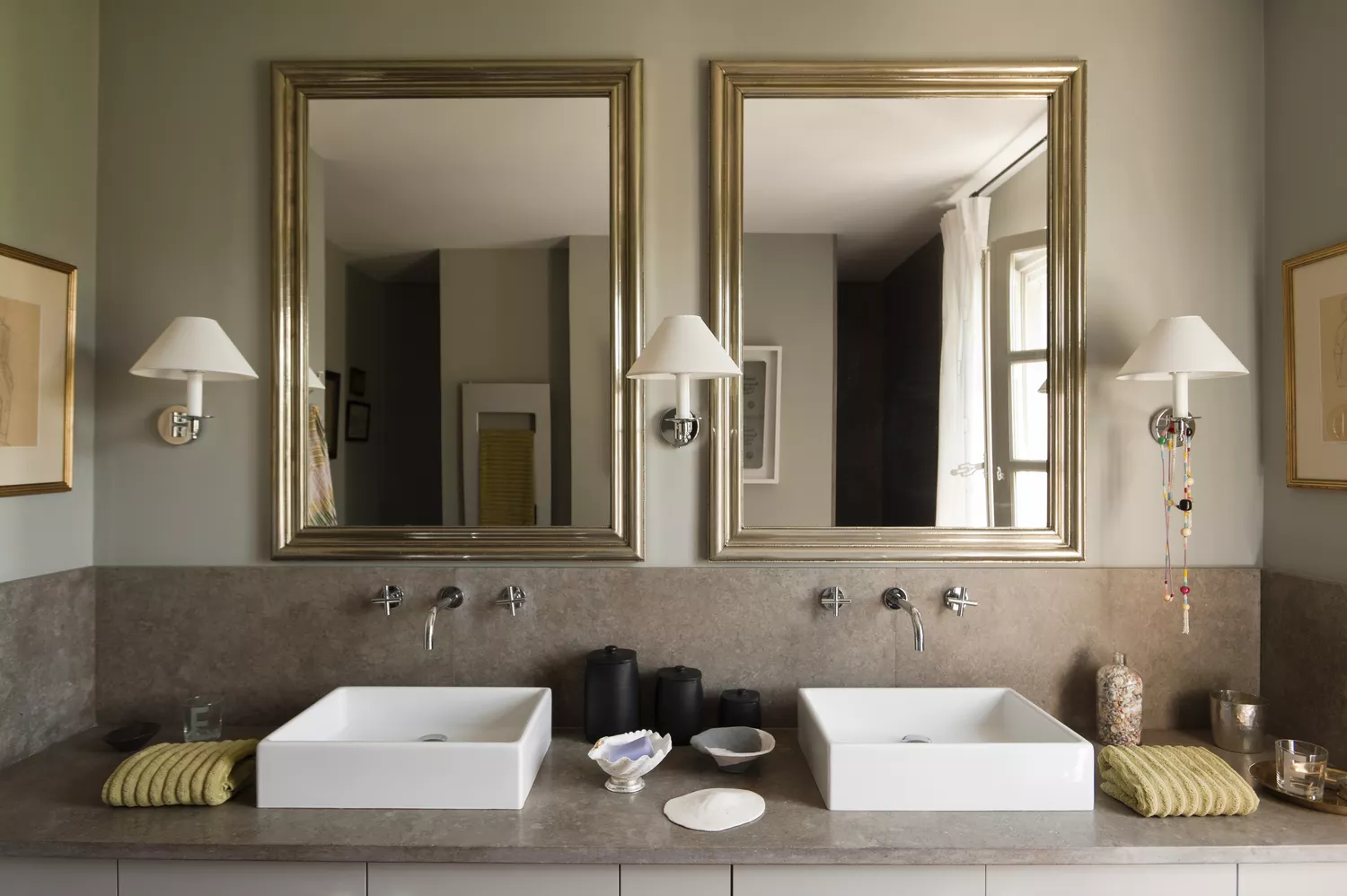
Finally, bathroom lighting is experiencing a significant shift. Traditional overhead lighting and standard sconces are being rethought in favor of more creative and integrated solutions. Examples include sconces built directly into bathroom mirror frames, demonstrating a move towards unexpected and innovative lighting designs that challenge conventional molds. This evolution in lighting design aims to enhance both the functionality and the aesthetic appeal of the bathroom, contributing to a more sophisticated and personalized space.
#BathroomTrends #HomeDesign #InteriorDesign #SpaBathroom #NaturalMaterials #TileDesign #LightingDesign #HomeRenovation #ModernBathrooms #BathroomTrends #HomeDesign #InteriorDesign #SpaBathroom #NaturalMaterials #TileDesign #LightingDesign #HomeRenovation #ModernBathrooms
0 comment in total
 No comments yet
You may also like
Top bathroom design trends in 2025
The 5 Biggest Bathroom Trends for 2023, According to Designers
Beautiful new bathroom trends for 2025 | loveproperty.com
5 Bathroom Trends Designers Can't Wait to Try in 2025 (And You Should Too)

2025 Best Bathroom Trends
According to interior designers, these are the most coveted bathroom trends for 2026 and beyond
Top Bathroom Design Trends for 2025
Designers Have Spoken: Here Are the Top Bathroom Design Trends for 2026

Bathroom Hardware Trends Set To Dominate In 2025

Top Bathroom Design Trends for 2025

All The Bathroom Trends That Will Be Taking Over In 2026
Sensorial Features and 12 Other Bathroom Trends That'll Be Everywhere in 2025

These Are the Bathroom Trends That Will Take Over in 2025, According to Designers

Once-Trending Bathroom Designs That Are Being Replaced In 2025
These are the bathroom tile trends designers say will be everywhere in 2025

12 Bathroom Design Trends Going Out Of Style In 2025

5 Bathroom Design Trends Already Taking Over in 2026
7 Bathroom Trends That Will Dominate in 2024, According to Designers

6 Biggest Bathroom Trends Of 2025 – From Walk-In Showers To Double Basins
Bathtubs Are Going Out Of Style In 2025 - Here's The Trend Taking Over Bathroom Design