1/6
5 Bathroom Design Trends Already Taking Over in 2026
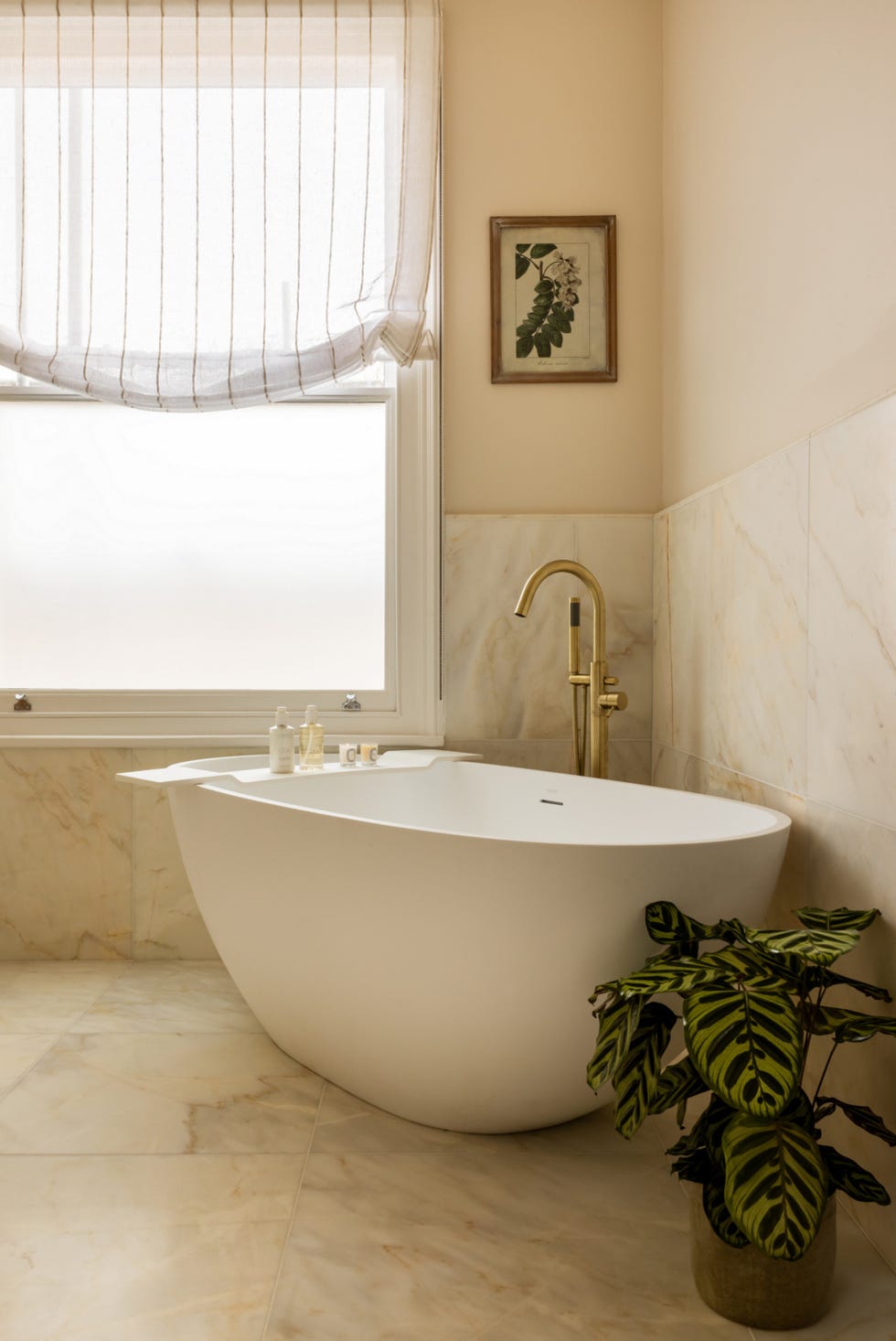
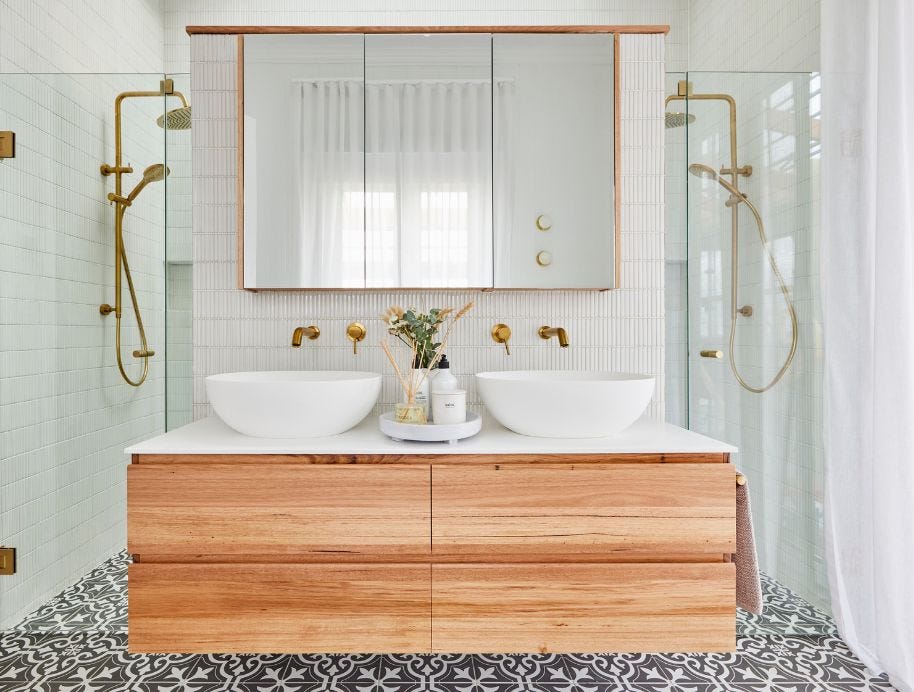
The article outlines five significant bathroom design trends anticipated to dominate in 2026, shifting the perception of bathrooms from purely utilitarian spaces to luxurious, spa-like escapes. These trends reflect a blend of traditional aesthetics with modern functionality and an emphasis on personal expression.
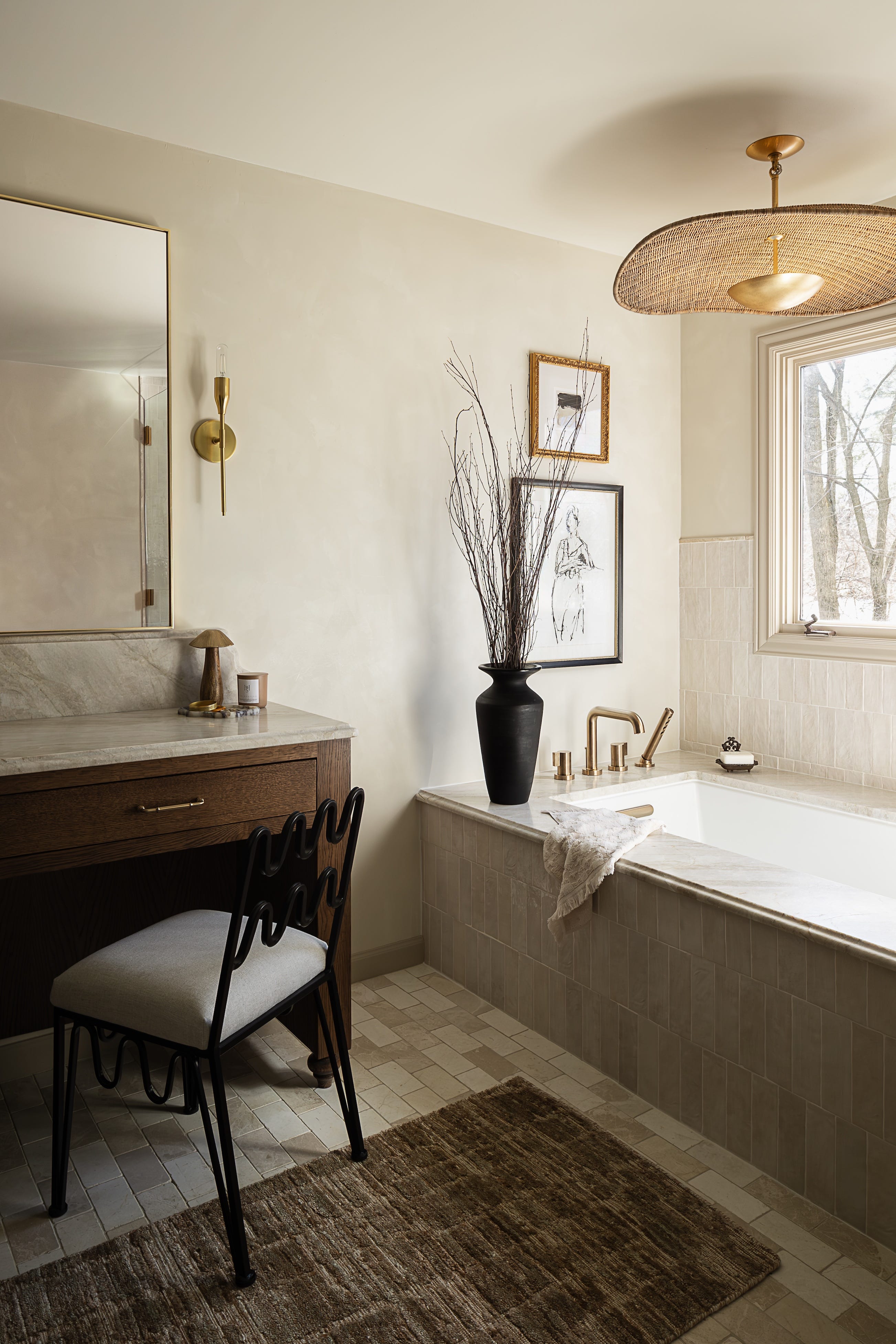
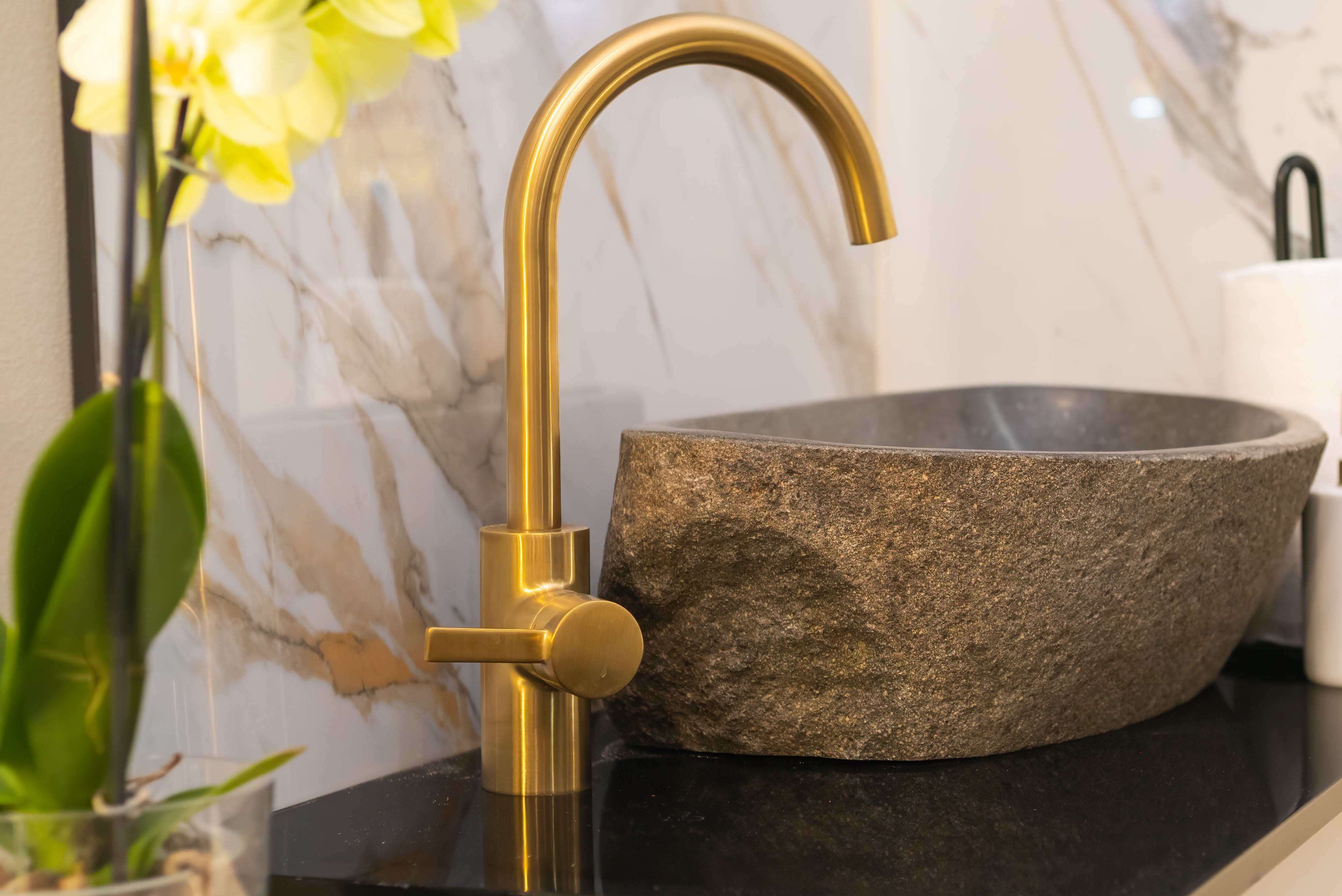
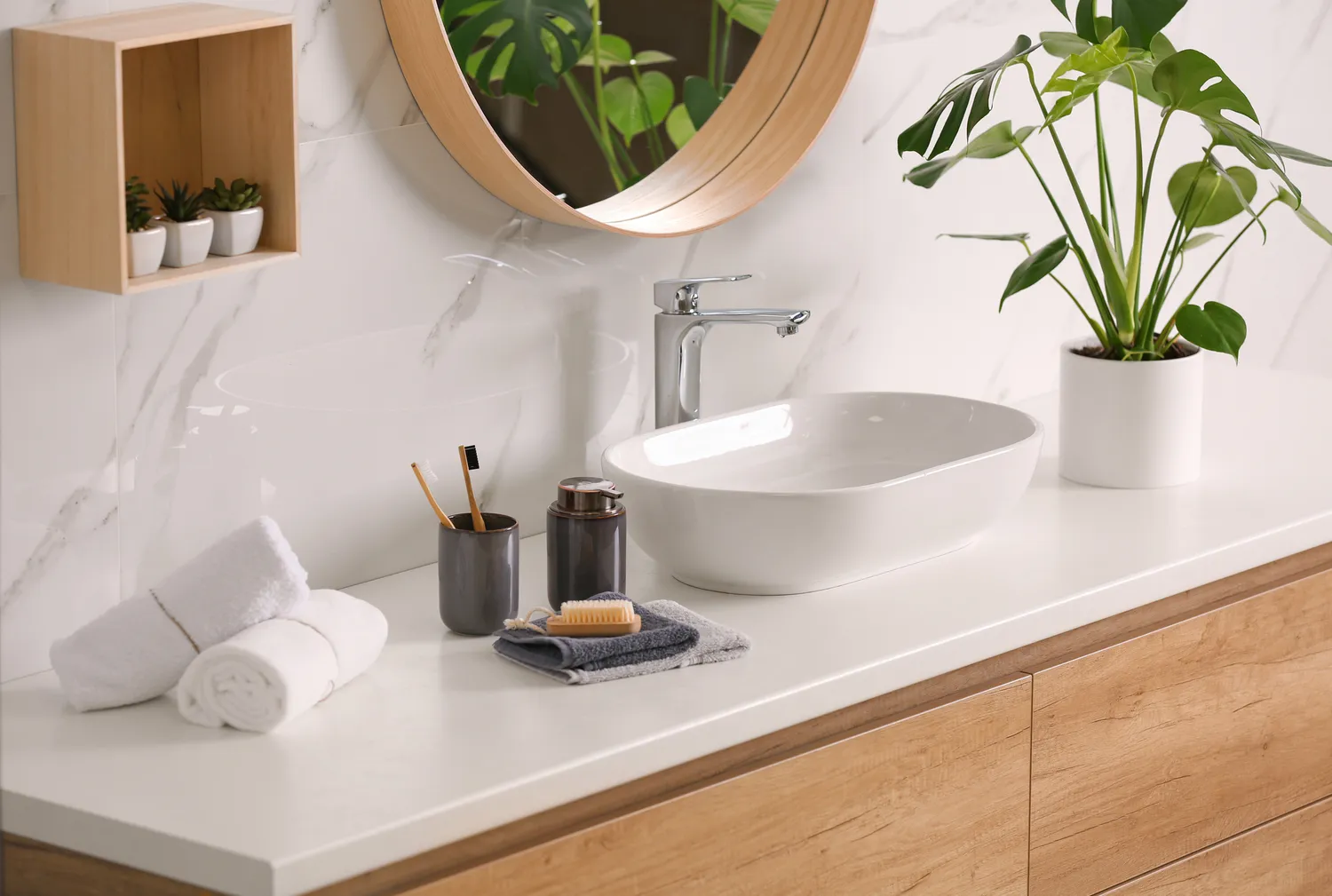
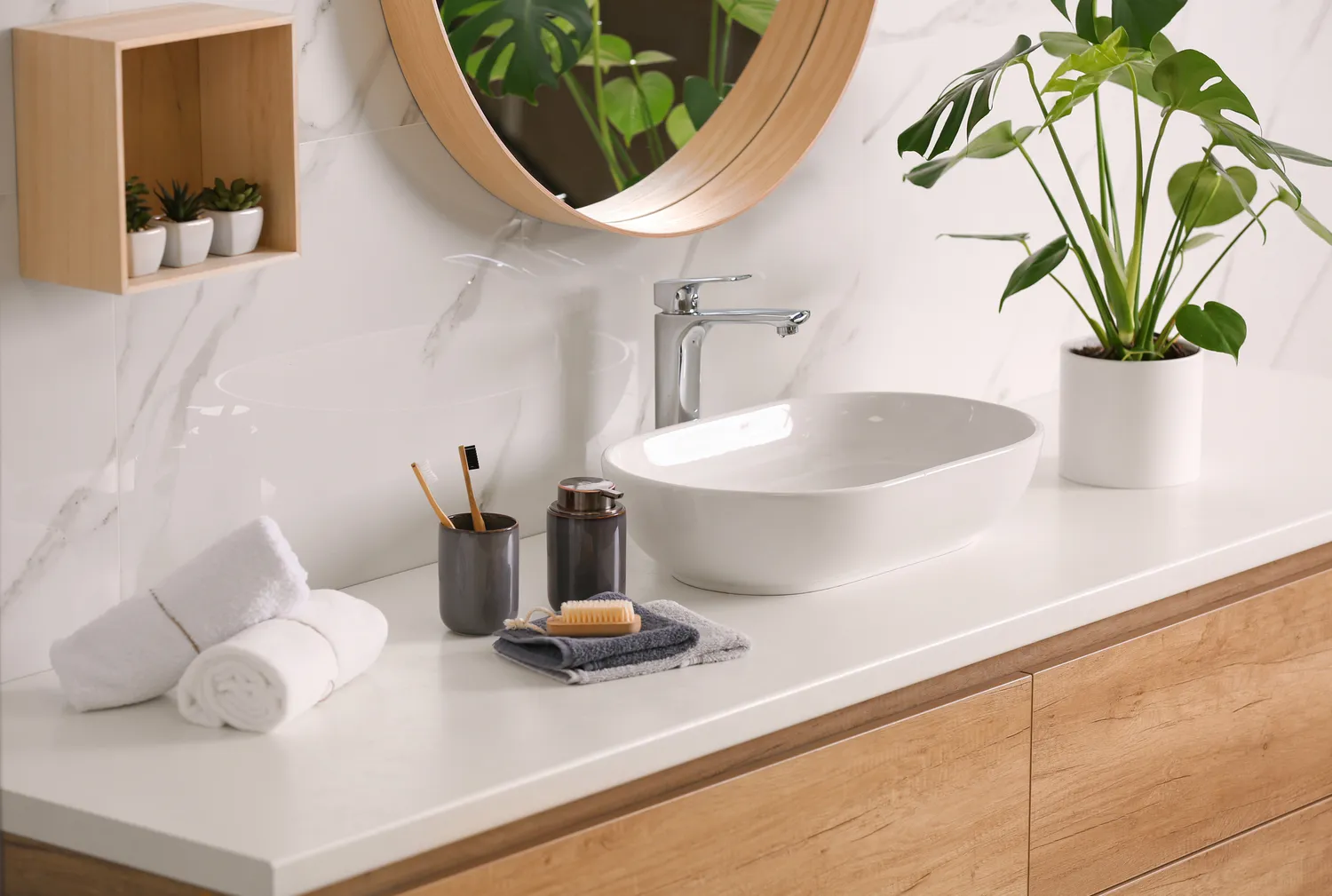
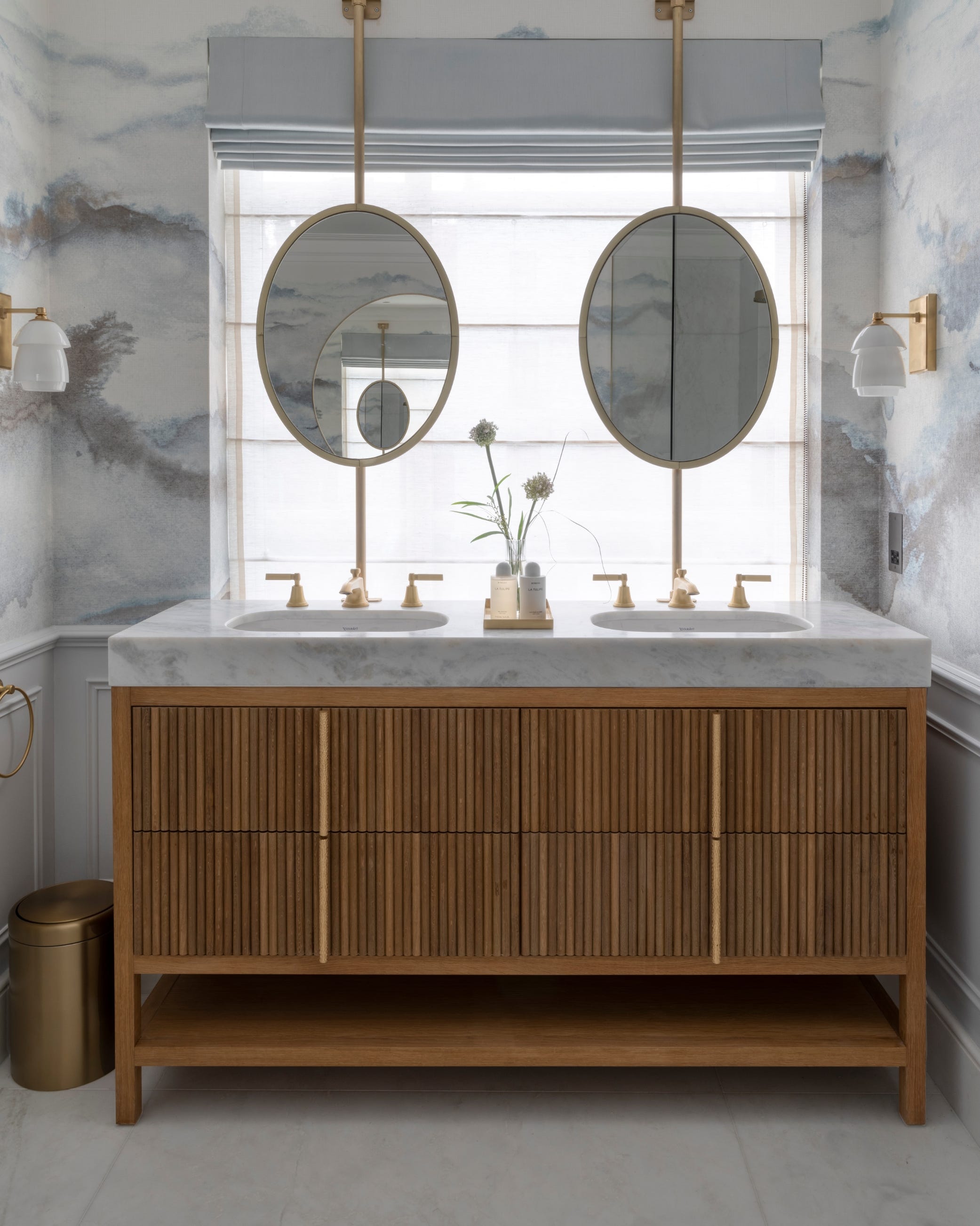
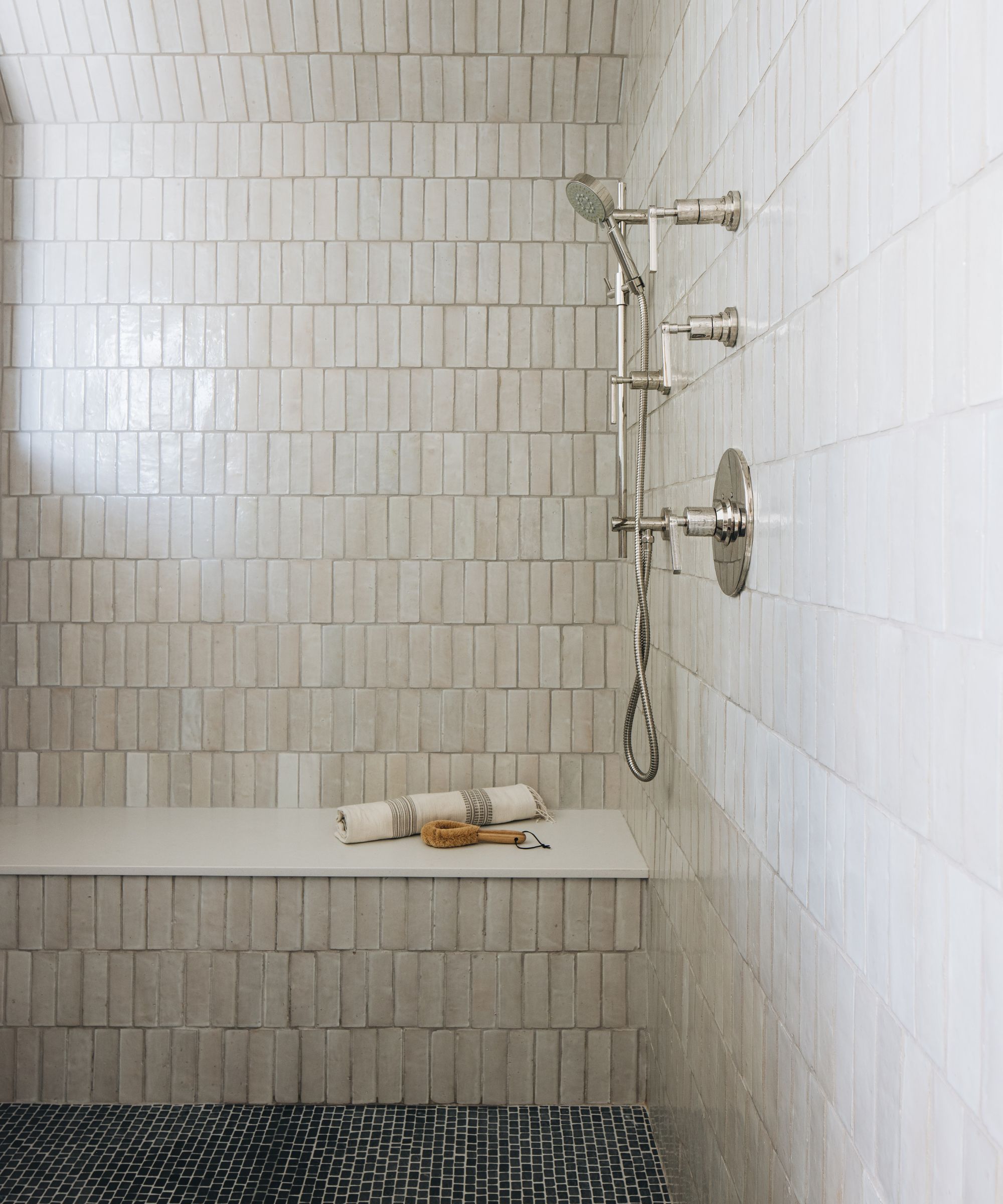
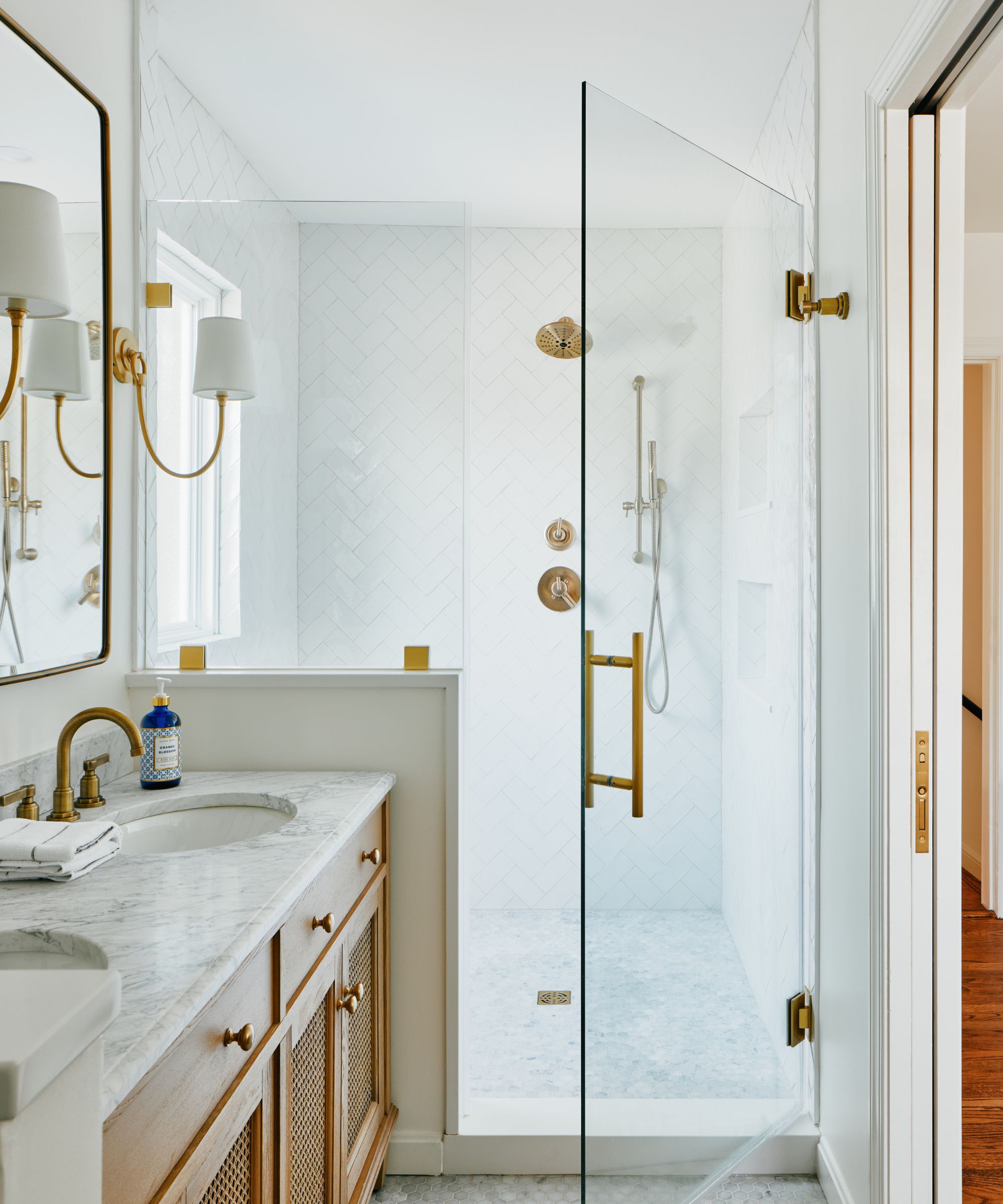
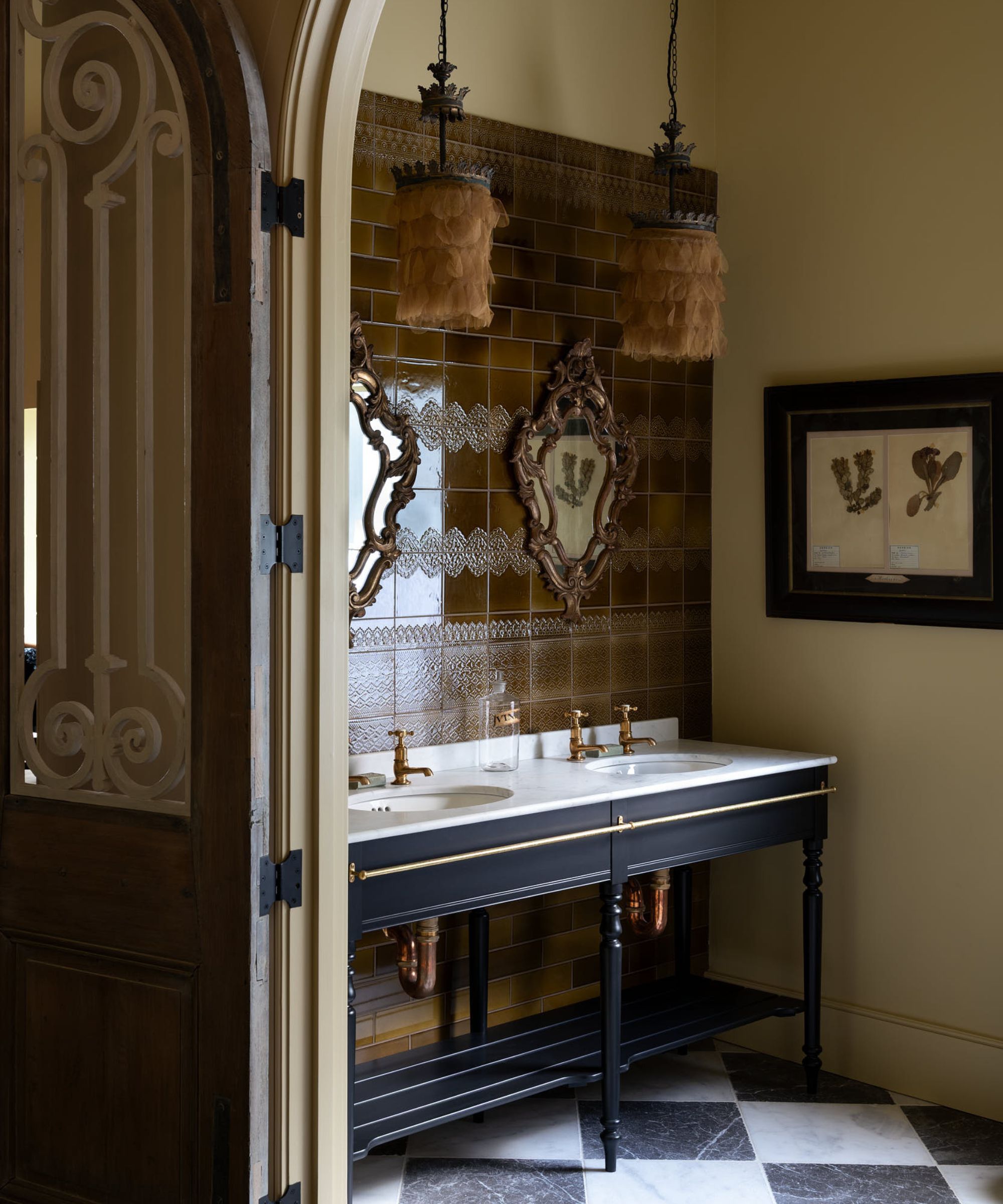
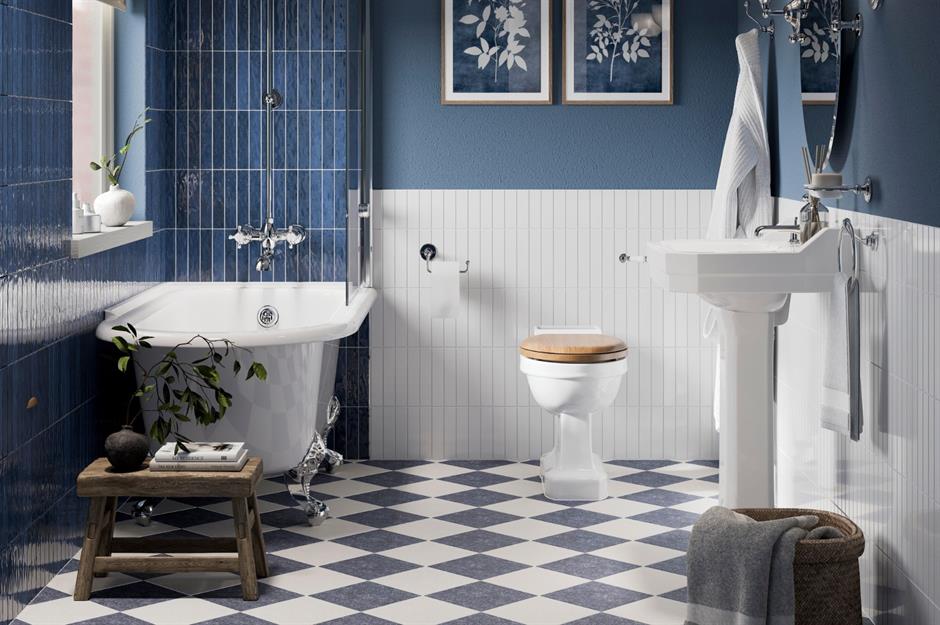
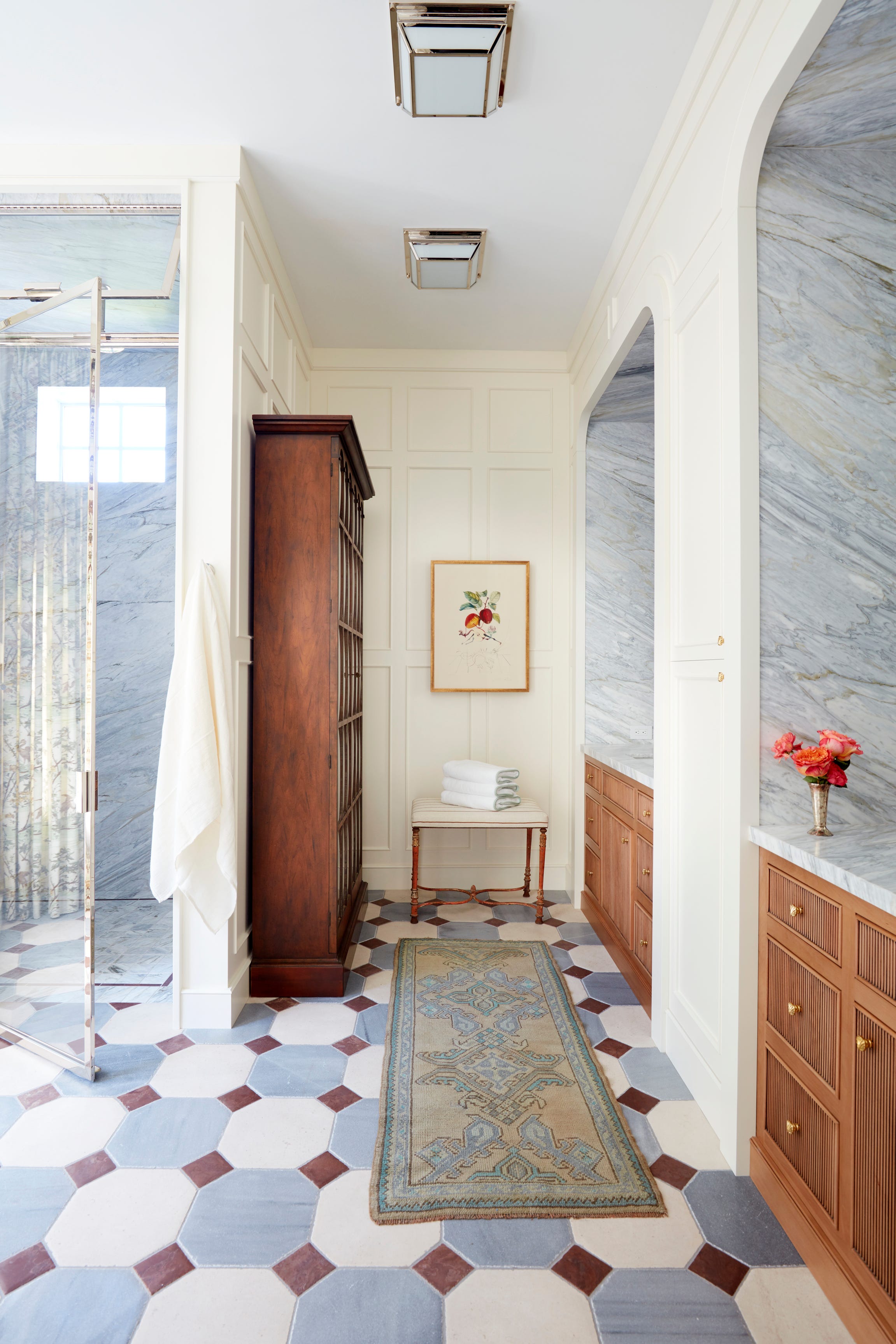
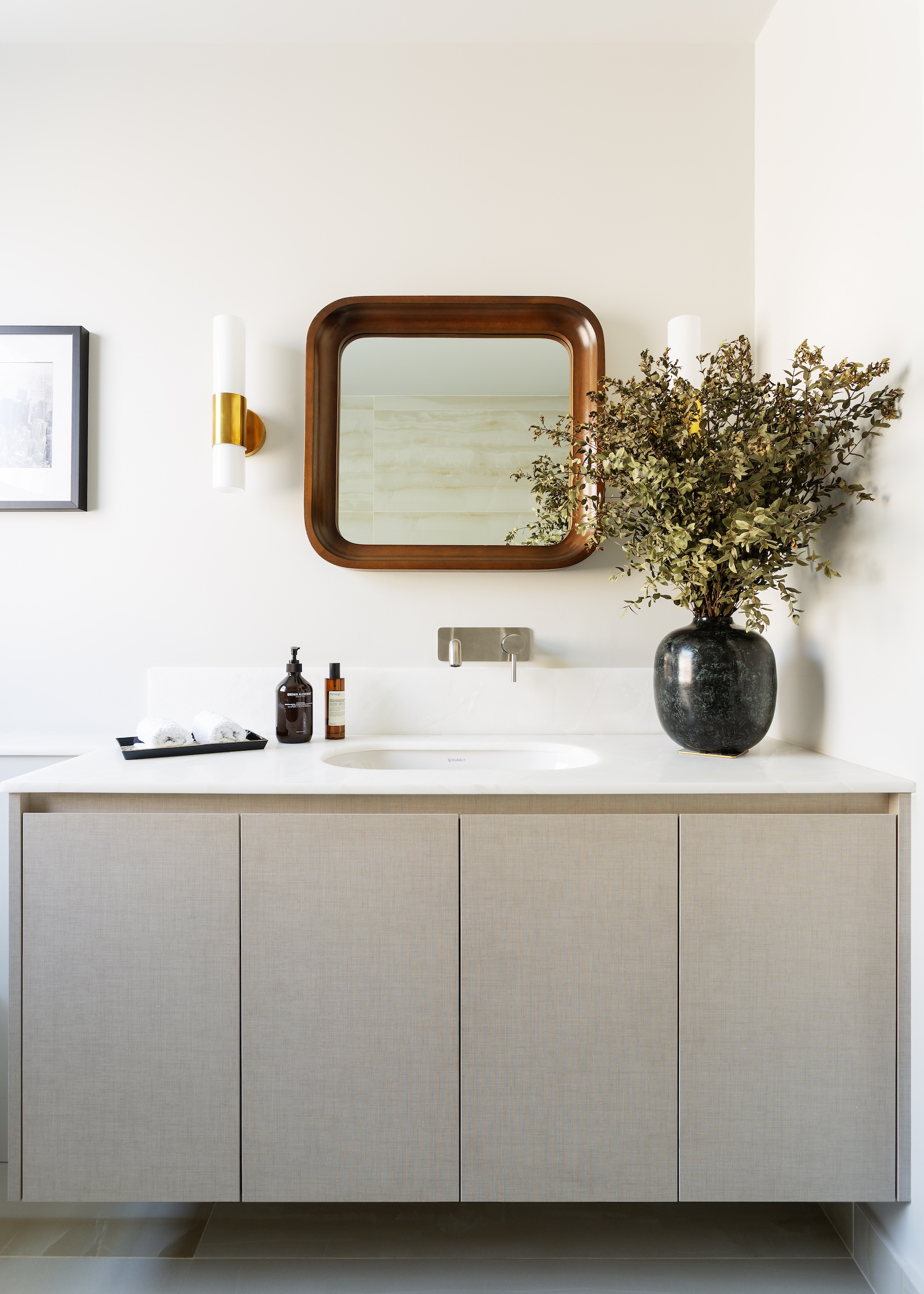
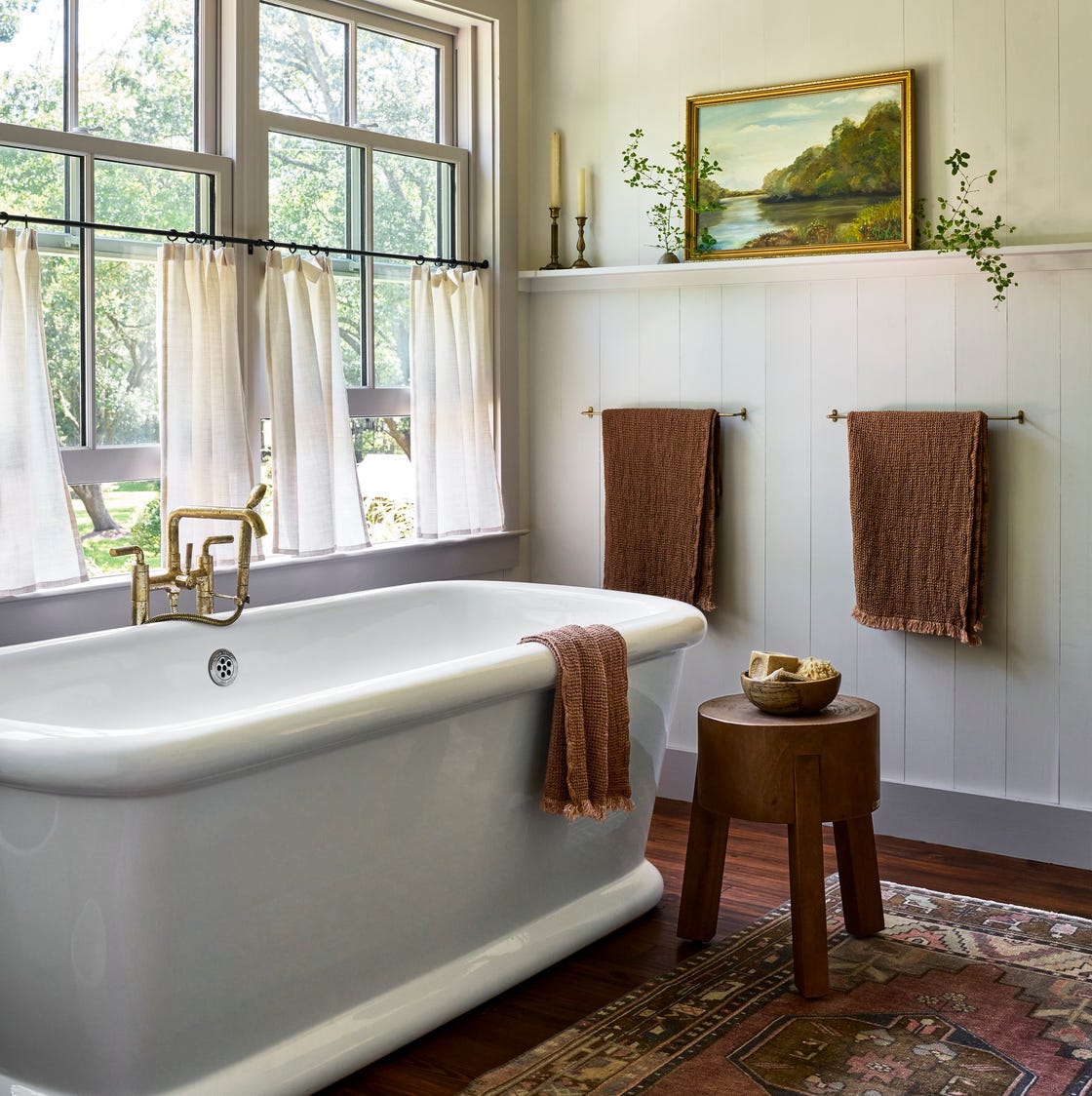
One prominent trend is the resurgence of nickel hardware. Historically overshadowed by brass and other warm-toned metals, silver finishes like polished nickel are making a comeback. While chrome offers a cooler tone, nickel provides a warmer, almost brassy sheen, making it versatile for various interior styles. Designers like Shea McGee advocate for polished nickel as a leading trend, suggesting its incorporation through new fixtures or by mixing metals. For those hesitant to mix, nickel can be exclusively used in bathrooms while reserving unlacquered brass for other areas like kitchens, indicating a clear distinction in metal preferences for different home spaces.
The integration of smart features with traditional styling is another key trend. Modern bathrooms are moving away from minimalist modernism towards designs that prioritize comfort and classic appeal, without sacrificing advanced technology. The National Kitchen + Bath Association’s (NKBA) trend report highlights a growing demand, particularly from Millennials and Gen Z, for “smart” bathrooms. Smart toilets, featuring bidets and other high-tech functionalities, are at the forefront of this movement, signaling a shift towards sophisticated, technologically enhanced sanitaryware.
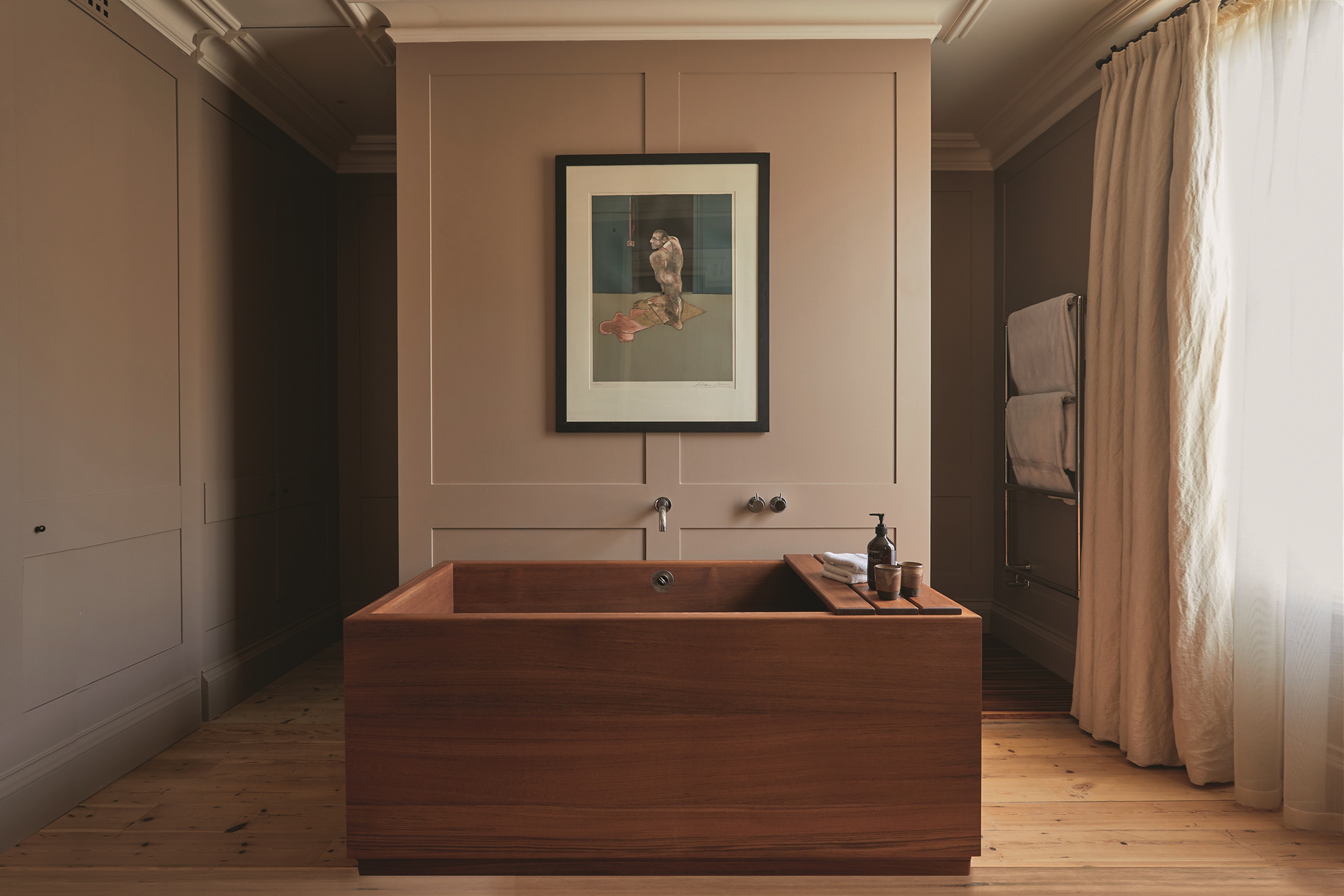
The return of wood toilet seats is also identified as a significant trend. Once considered outdated, glossy wooden toilet lids are now re-emerging as a symbol of comfort and a departure from cold, soulless modernism. This trend, influenced by British design, emphasizes a warmer, more inviting bathroom atmosphere. The article notes that this preference for wood is not confined to bathrooms, with wood also expected to gain popularity in kitchen designs, suggesting a broader embrace of natural and traditional materials throughout the home.
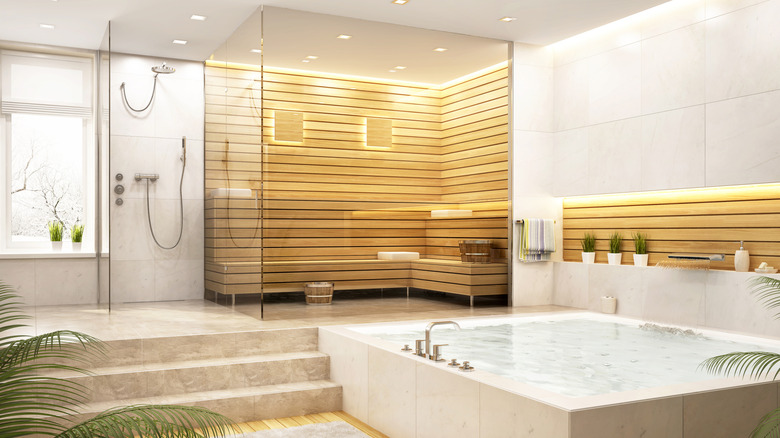
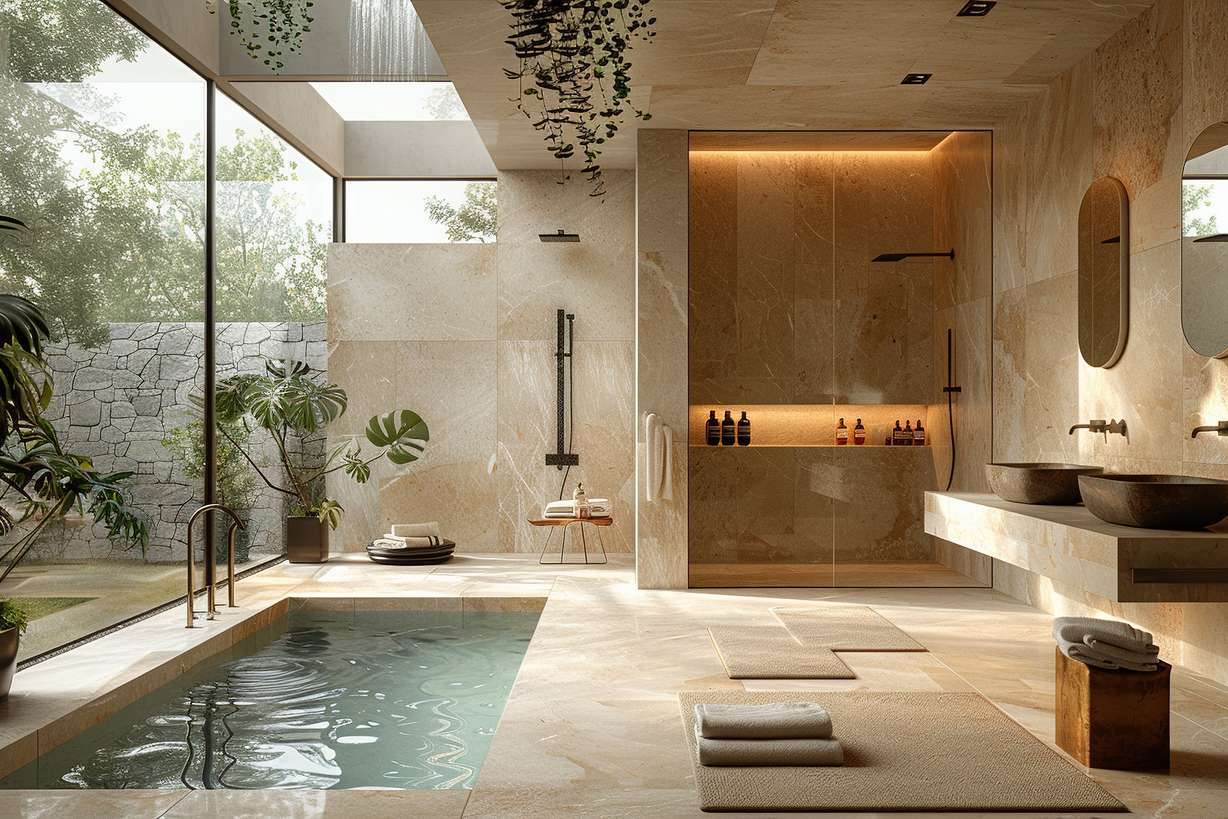
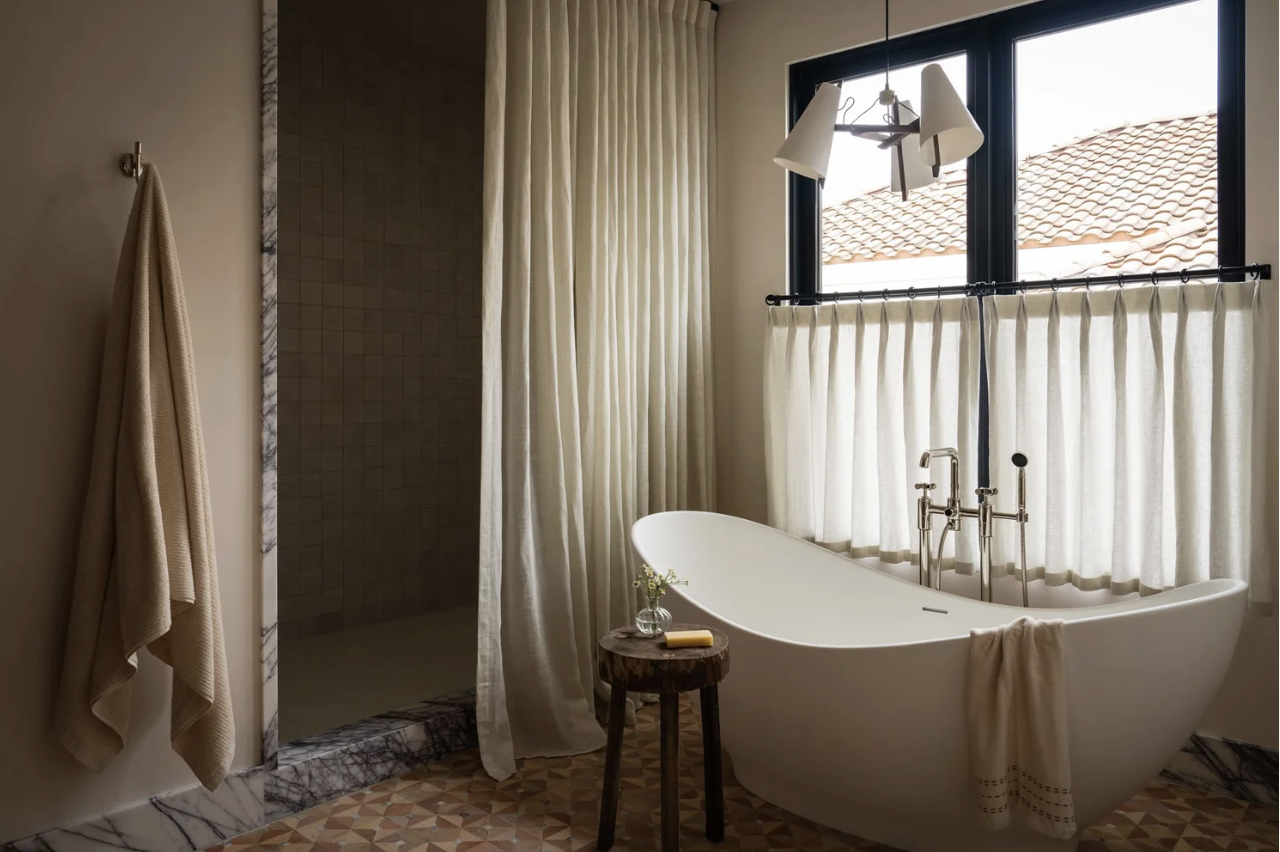
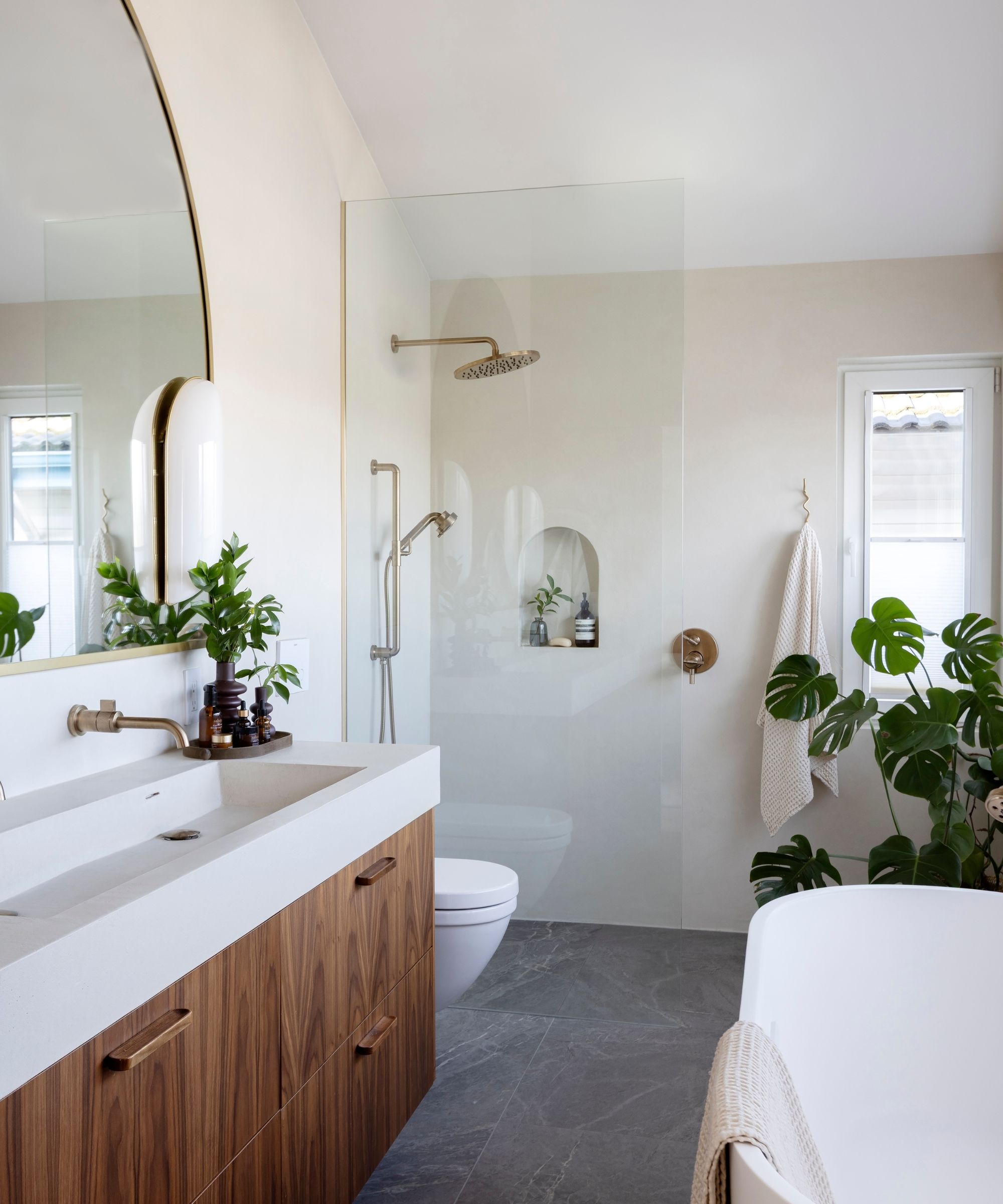
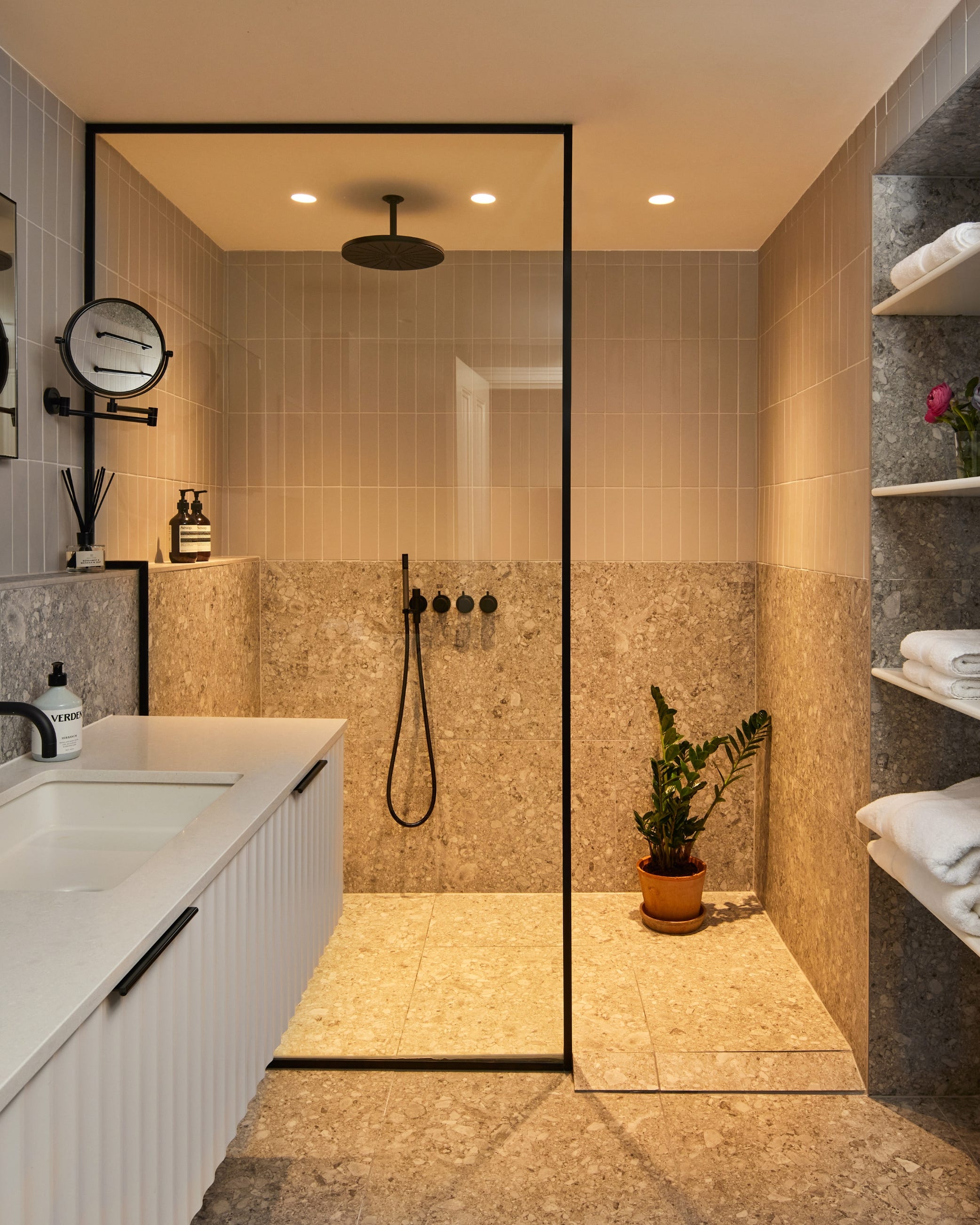
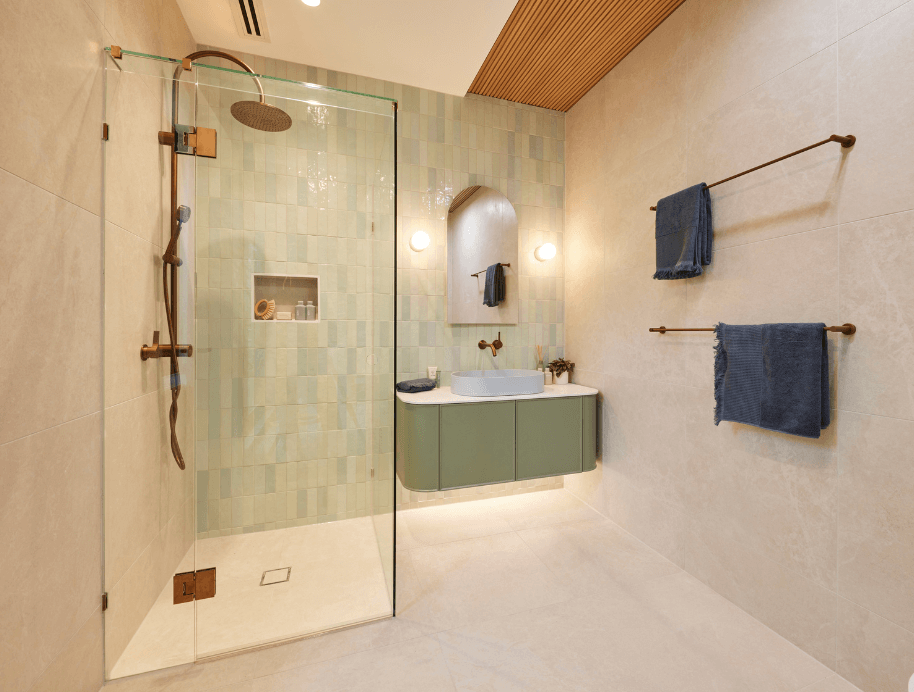
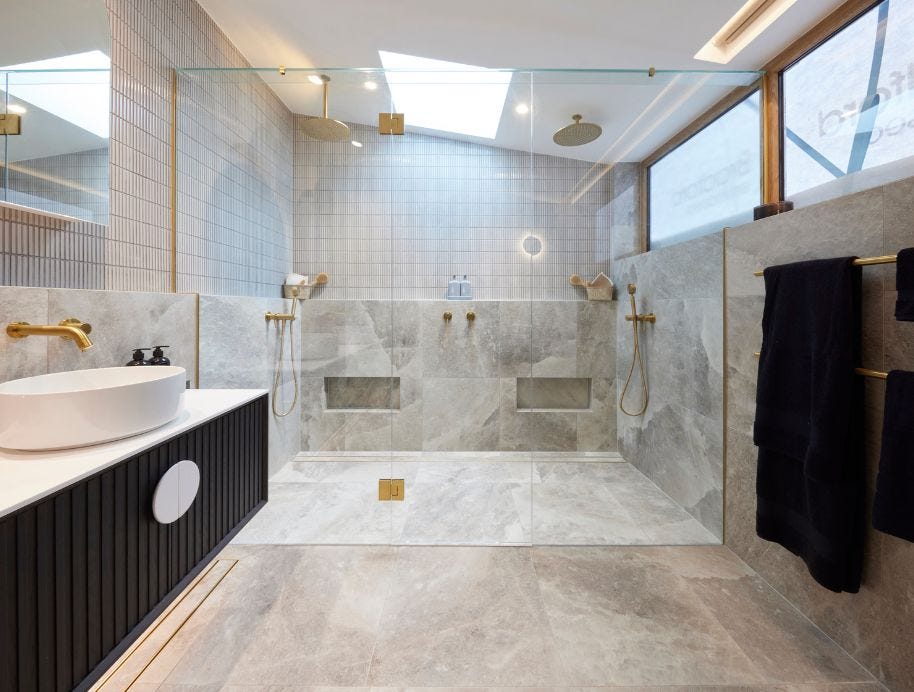
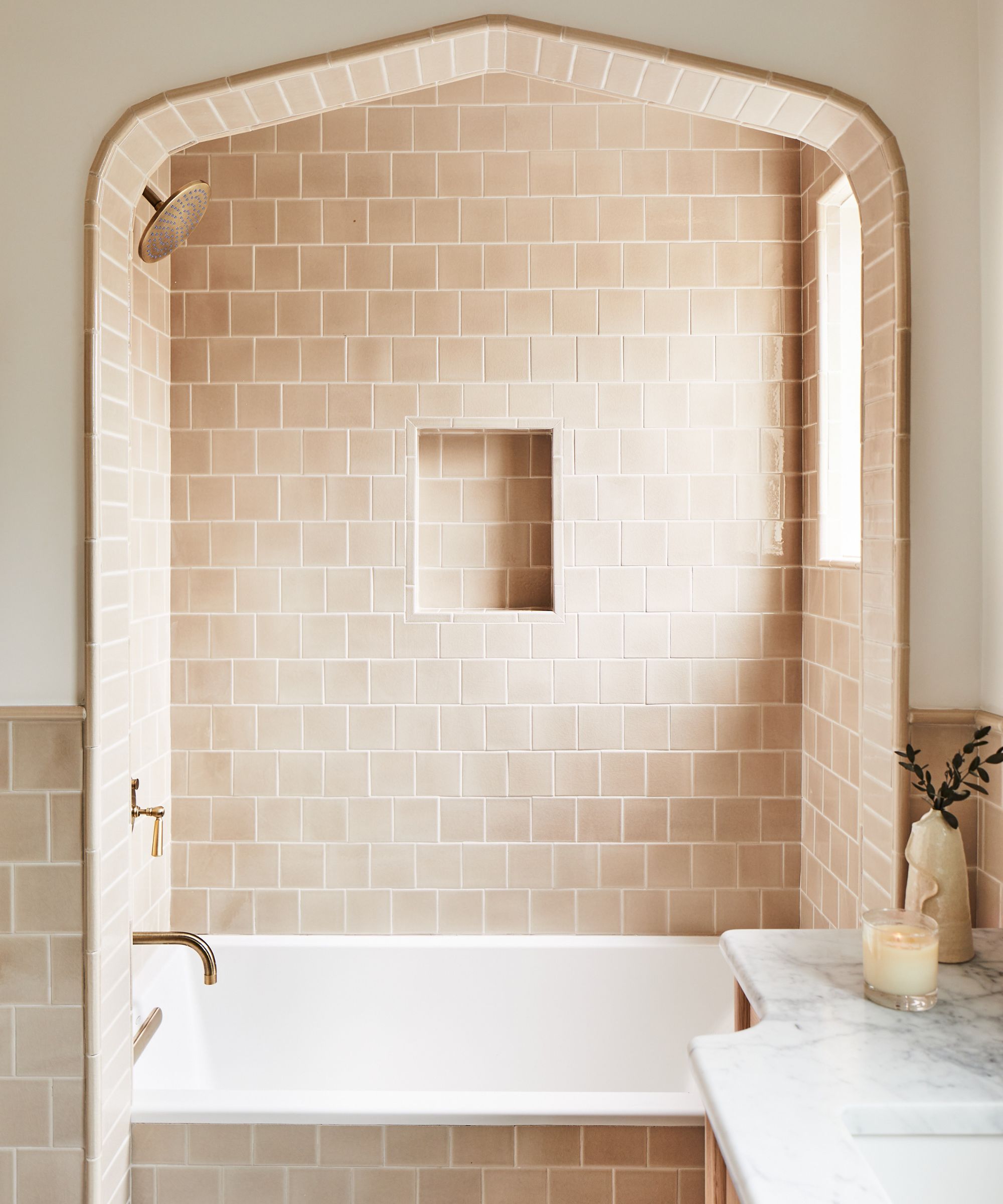
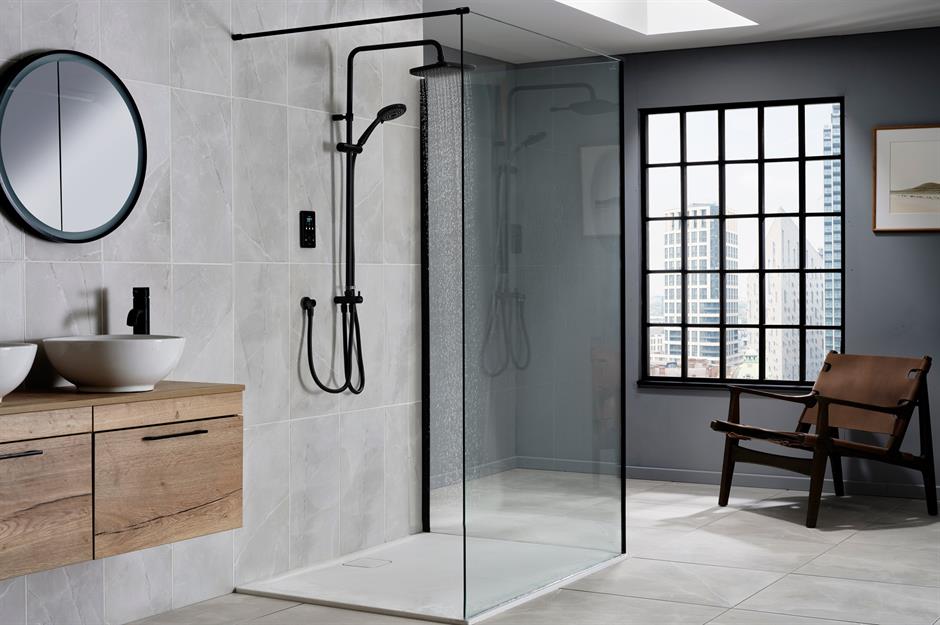
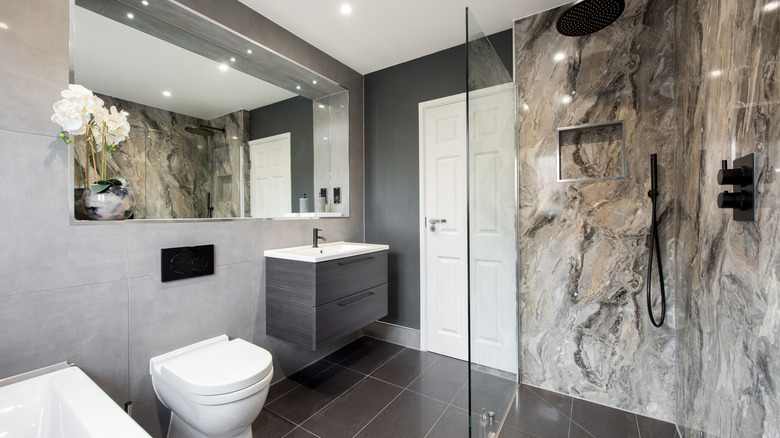
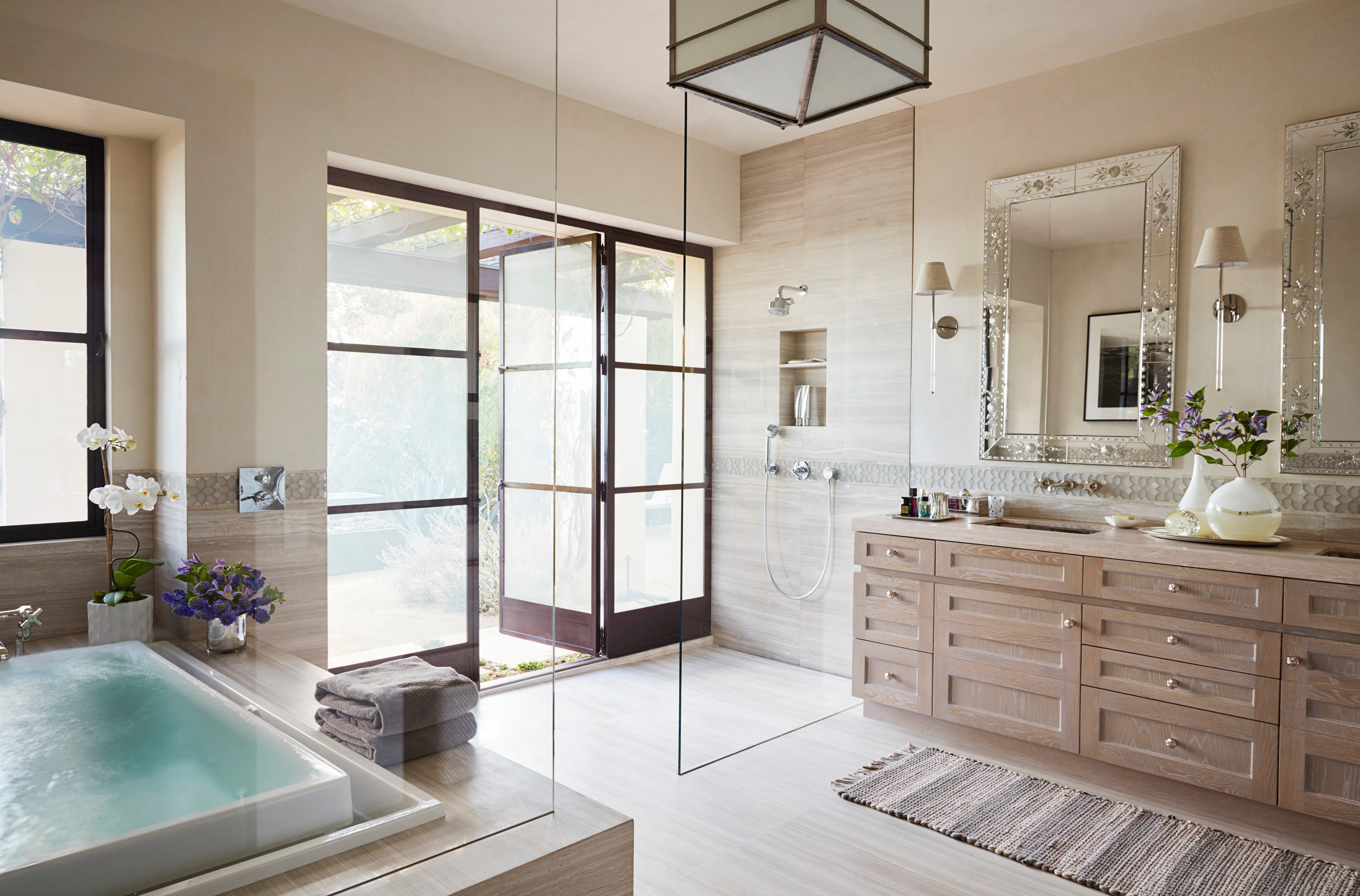
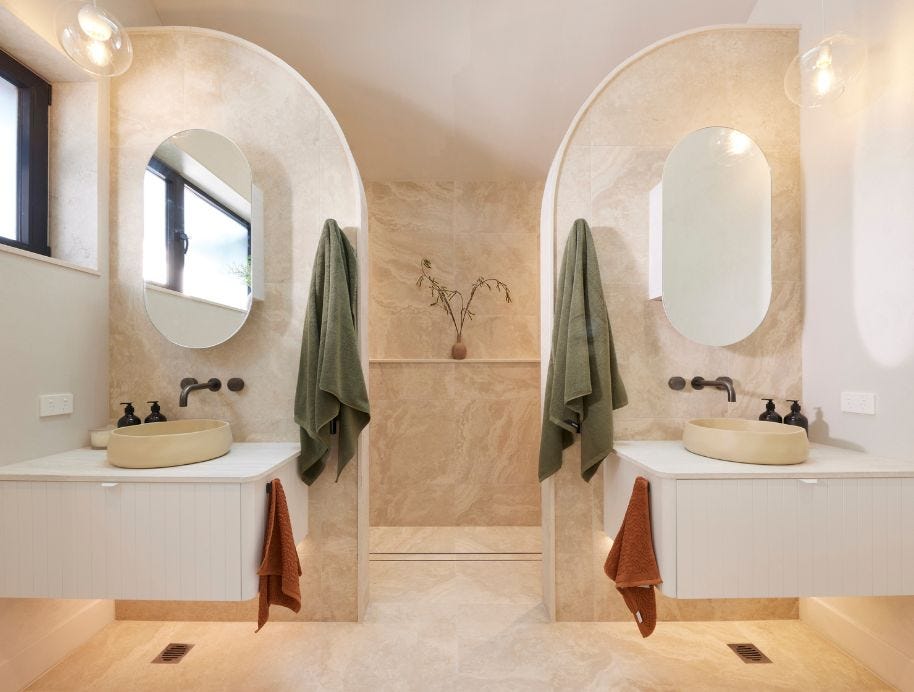
Large walk-in showers are another major development, with many homeowners opting to replace traditional bathtubs with more spacious shower areas. This trend is driven by the next generation of homeowners seeking palatial, spa-like experiences within their bathrooms. However, the article cautions against poorly designed large showers, especially concerning ceiling height. Designers like Shannon Ggem and Jessica Bennett suggest that excessively high ceilings in showers can lead to a less comfortable experience due to heat dissipation. Therefore, while larger footprints are desirable, maintaining ceiling heights between eight and nine feet is recommended to ensure a cozy and functional shower environment.
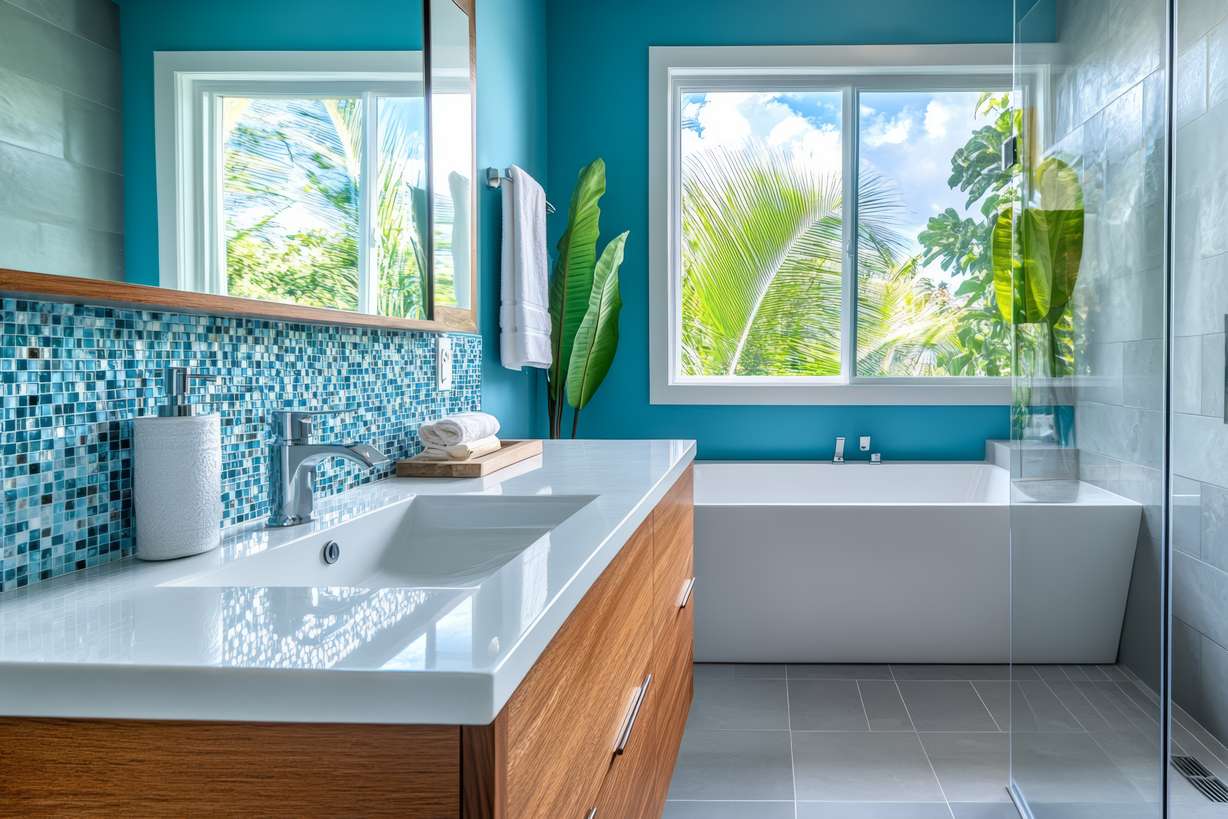
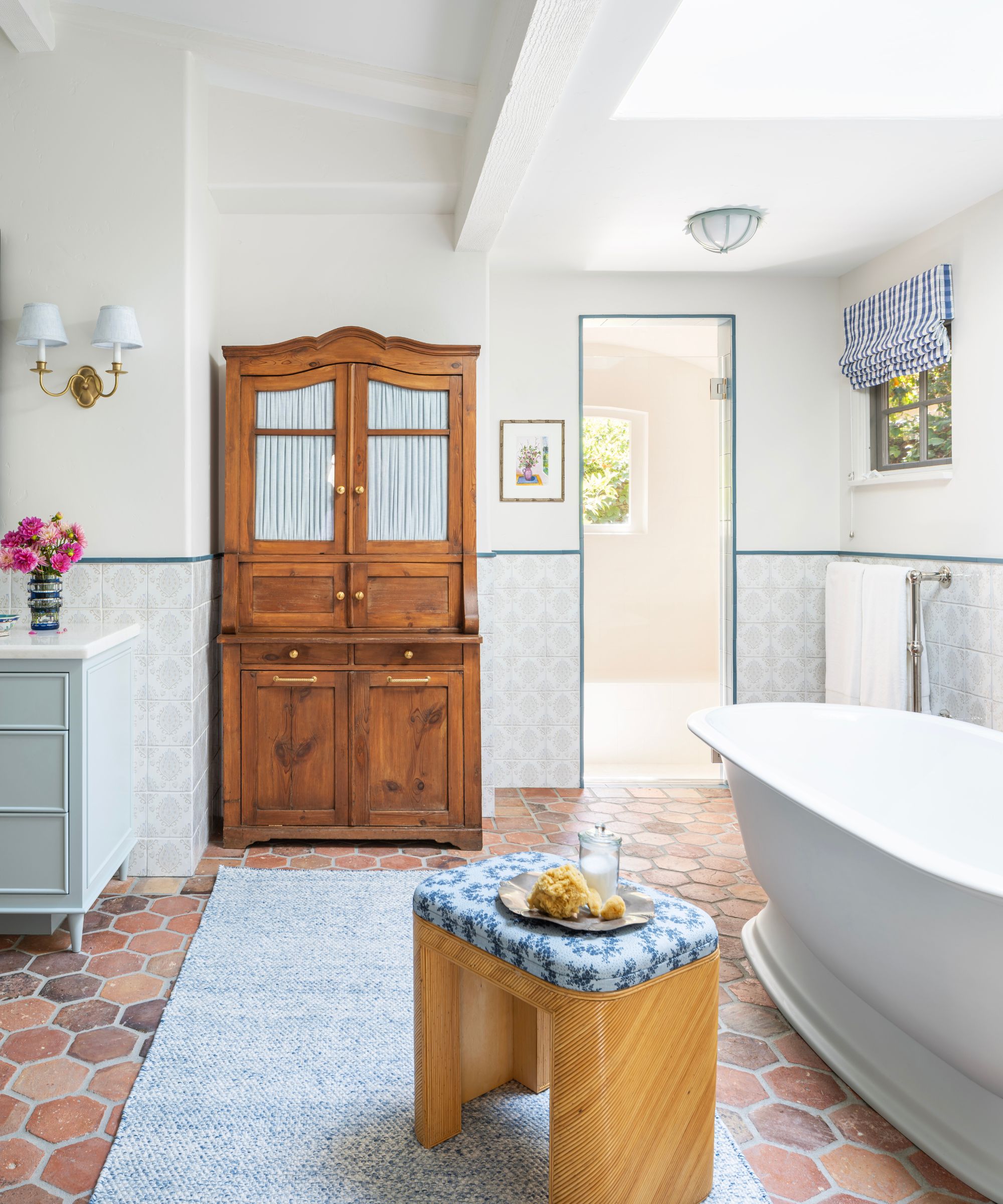
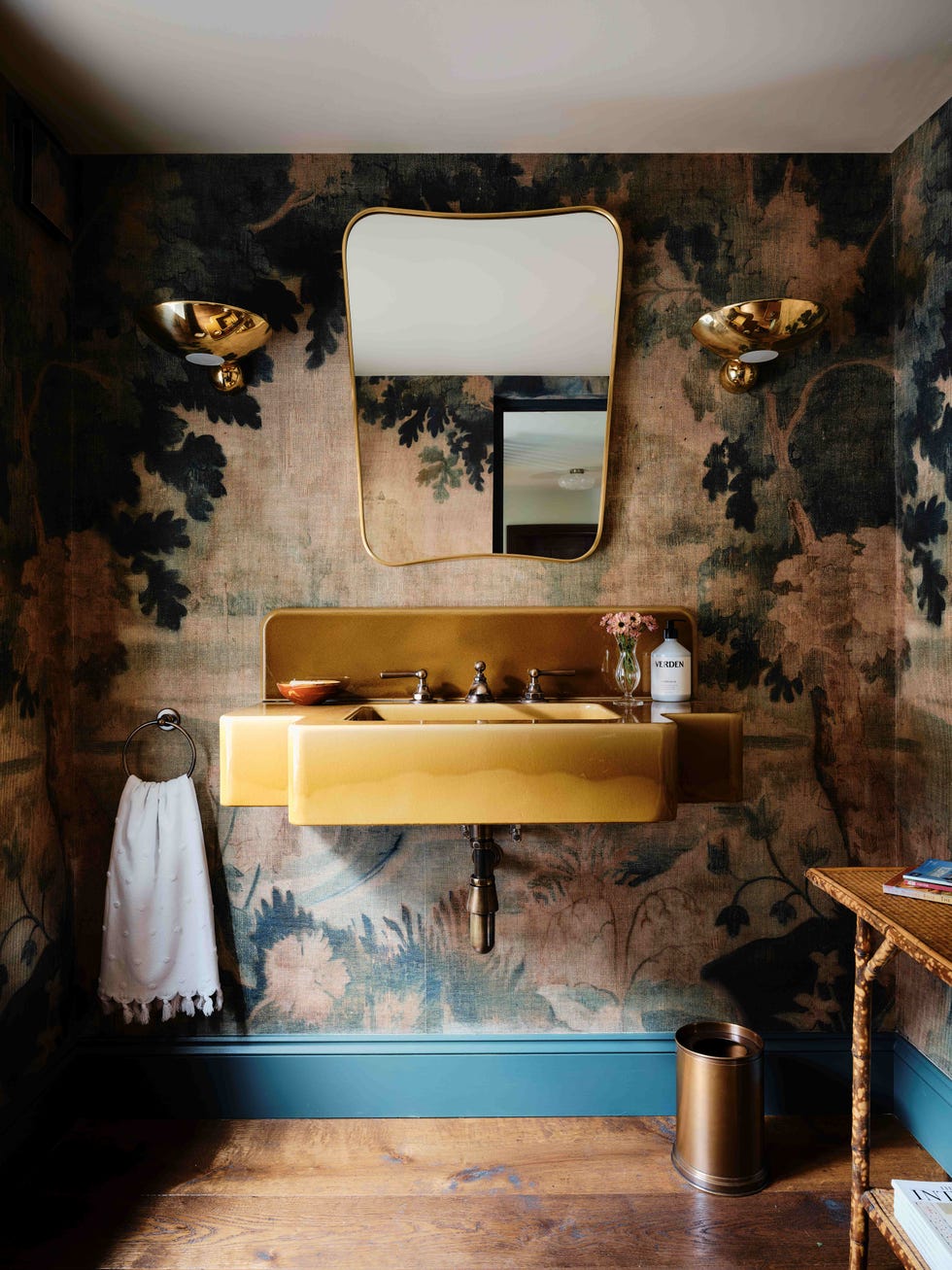
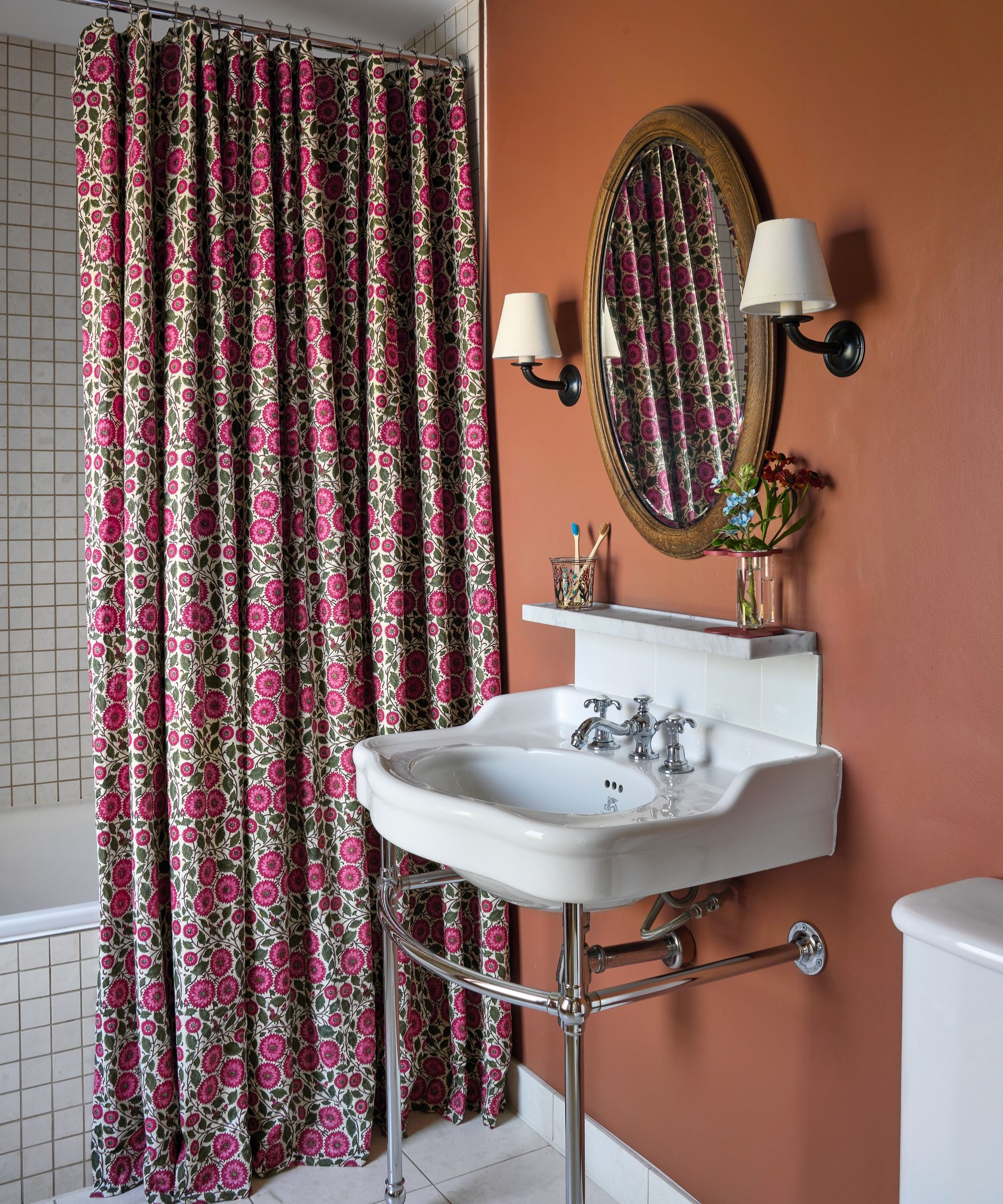
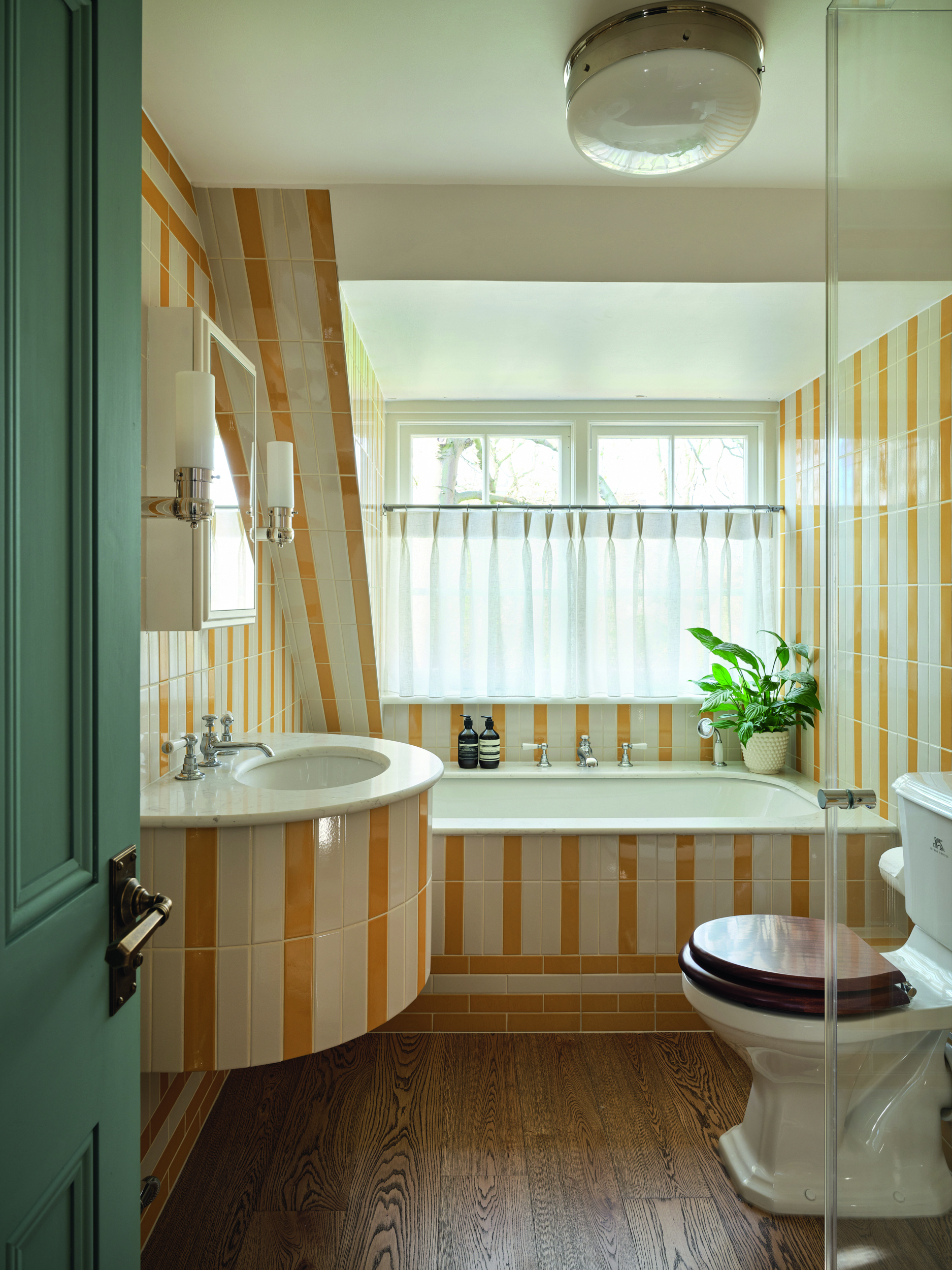
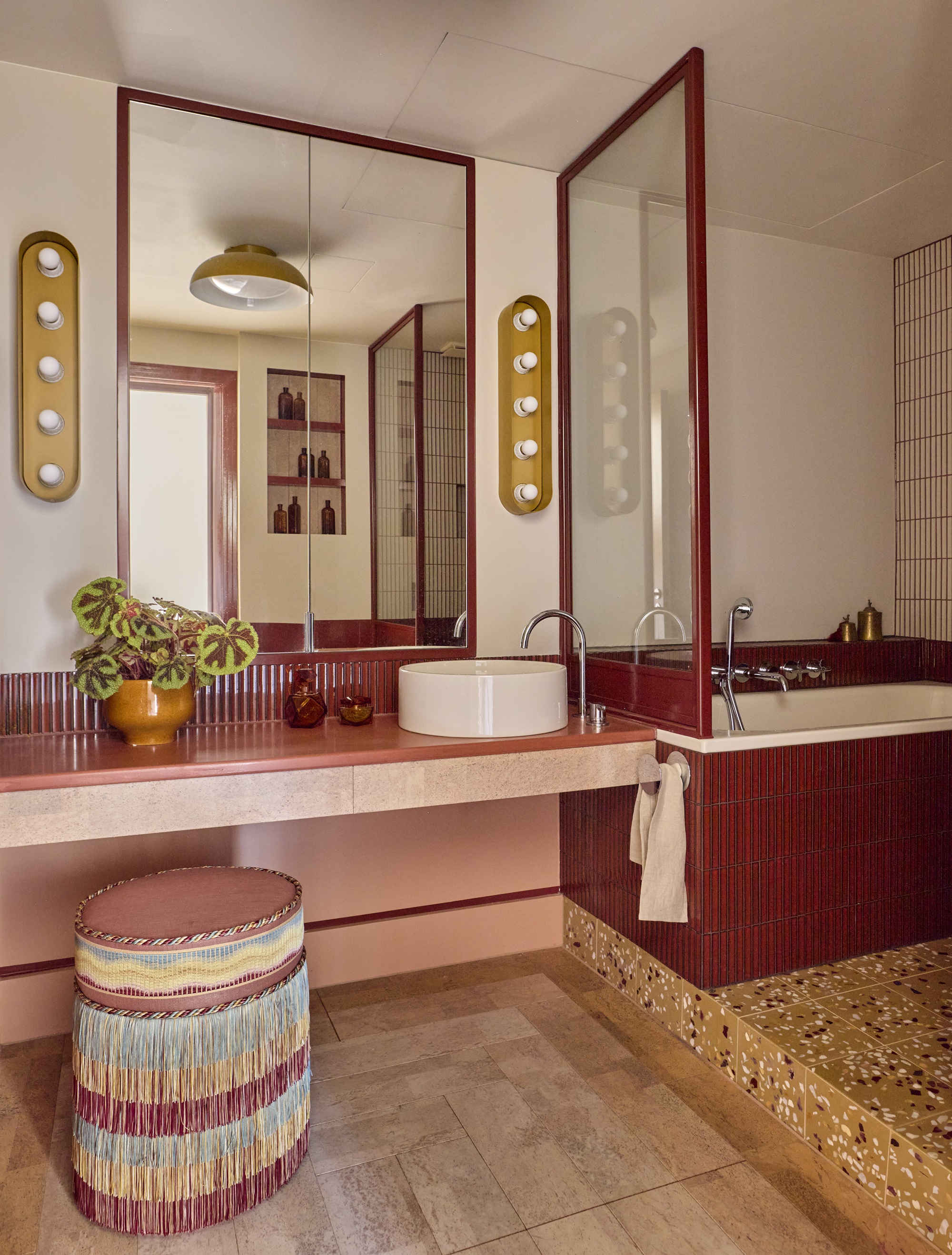
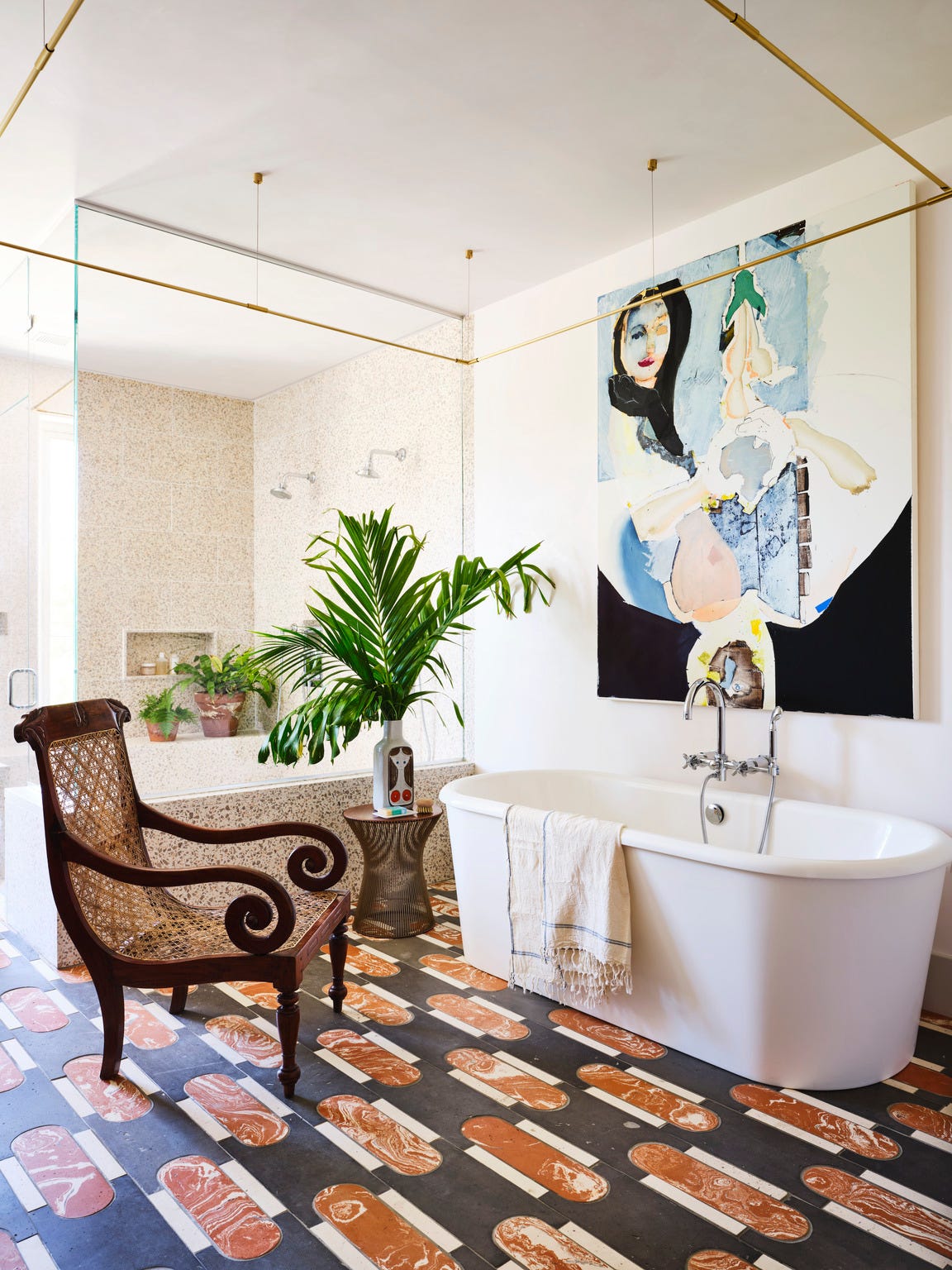
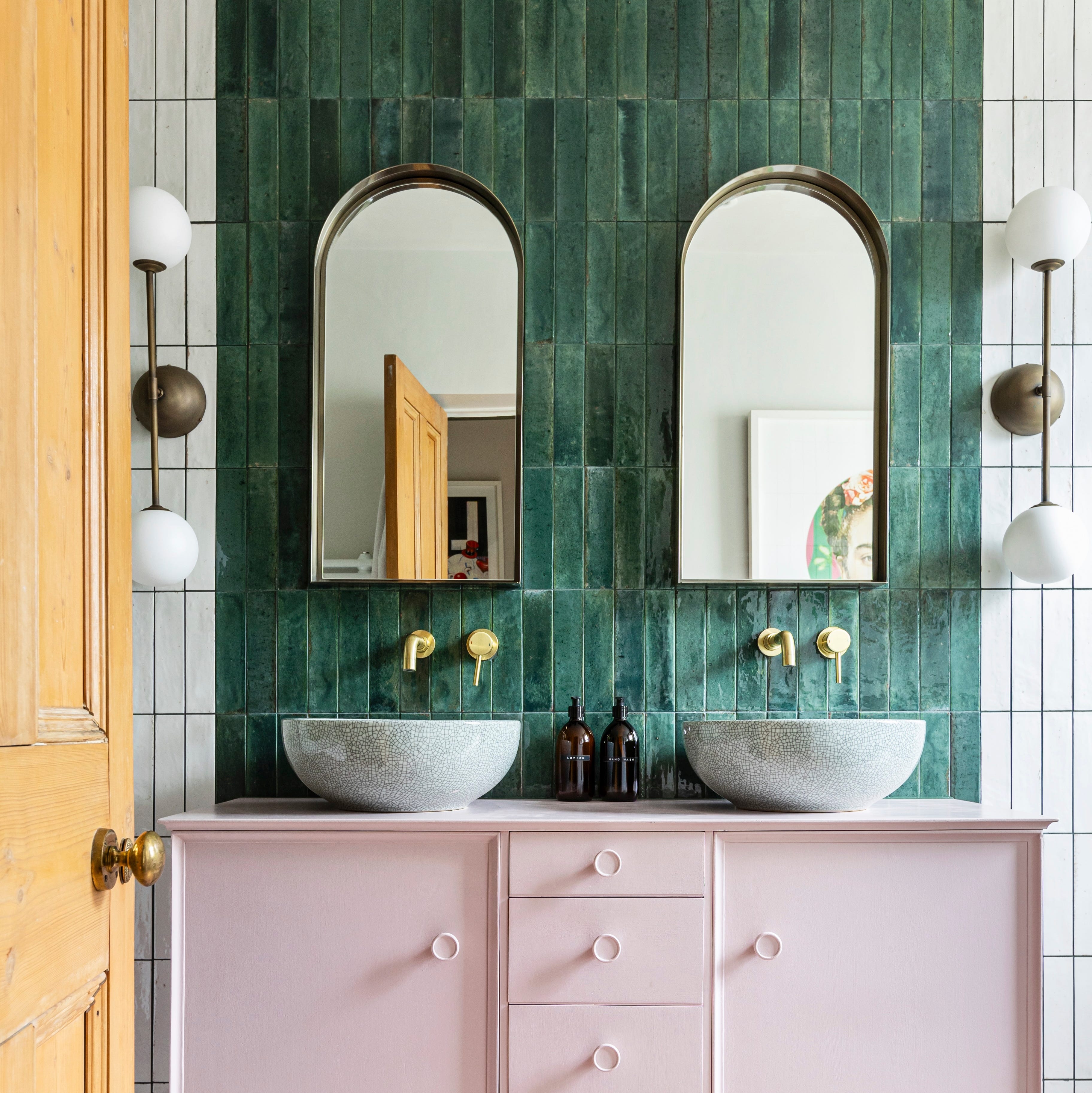
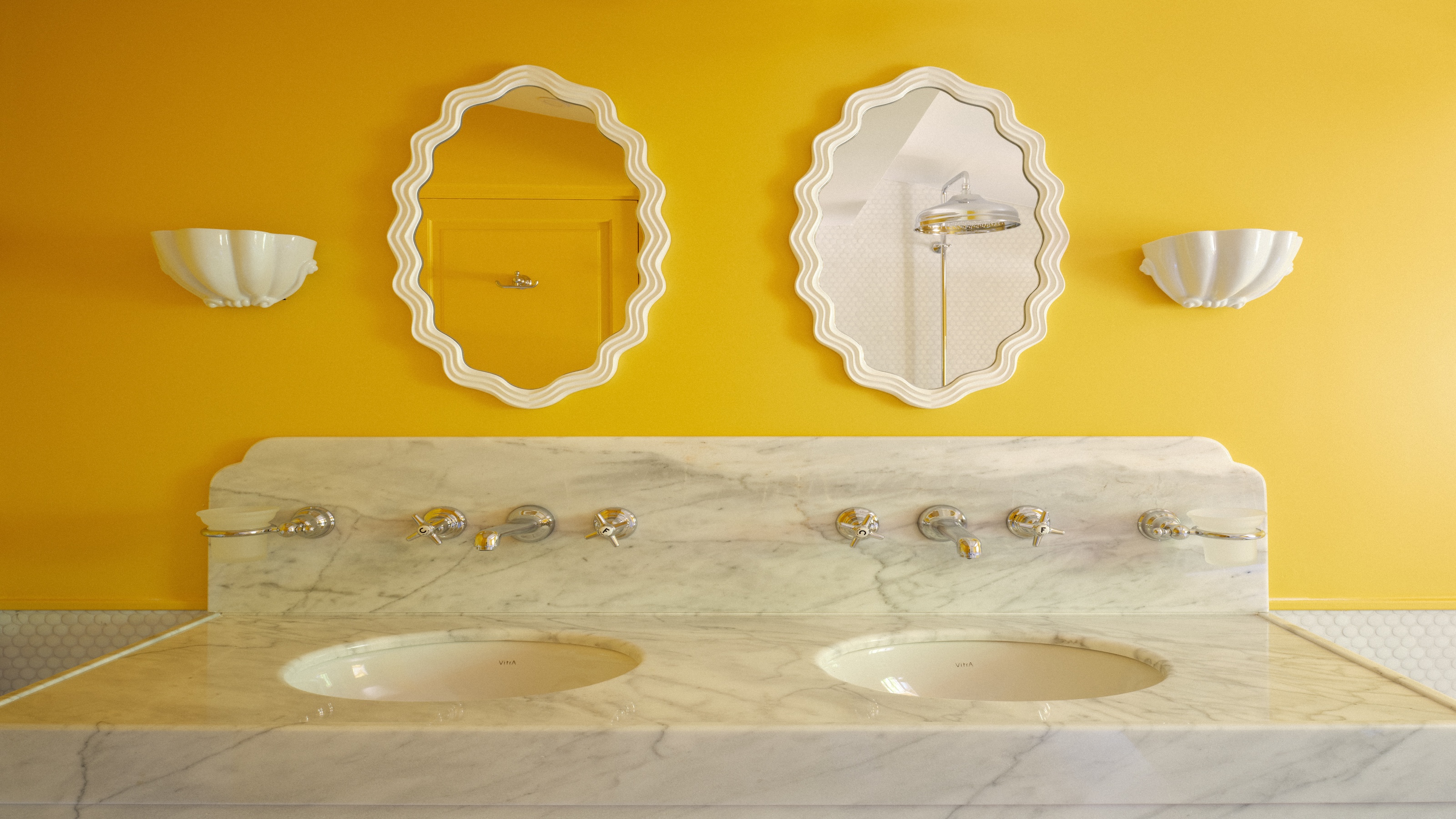
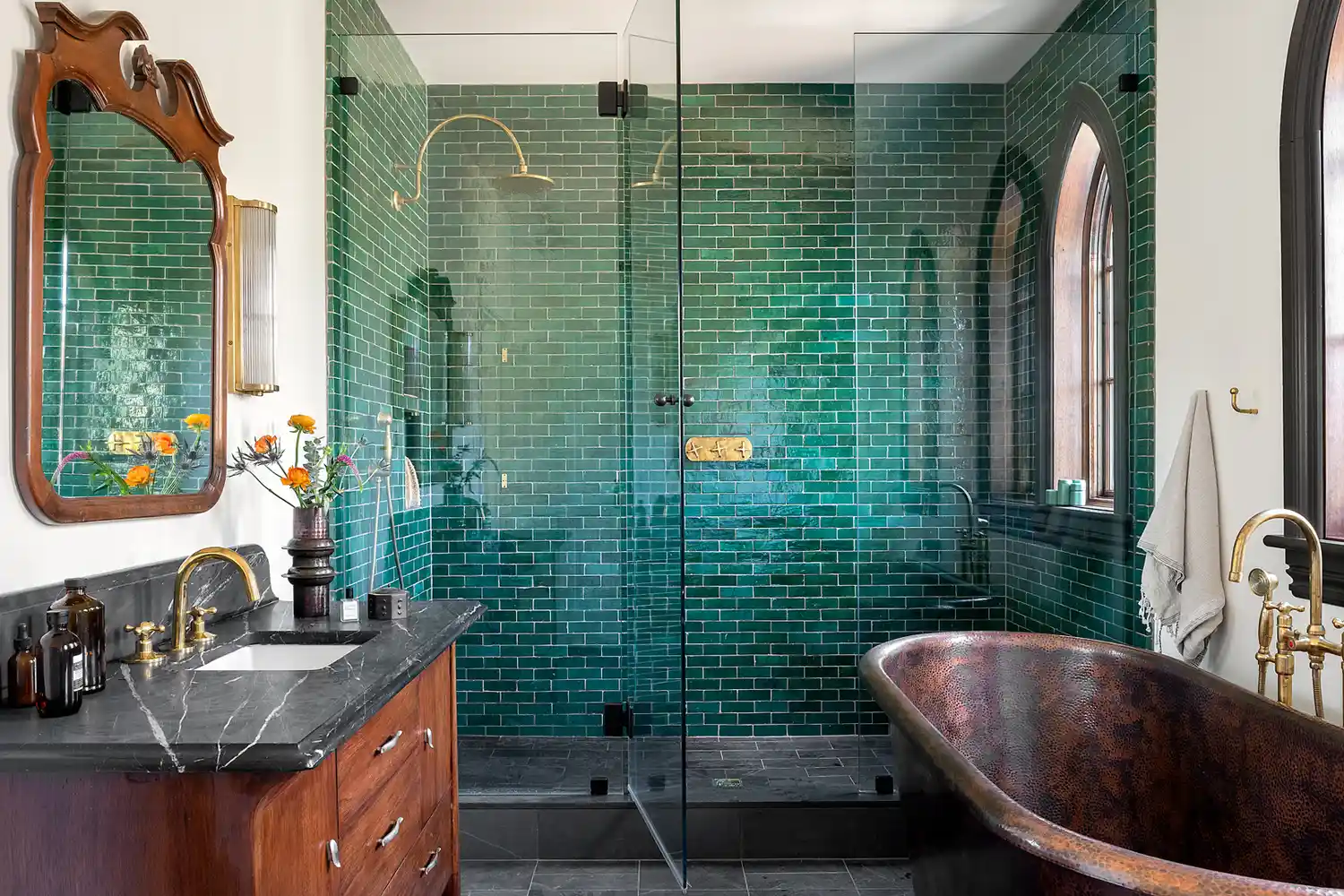
Finally, colorful, vintage-inspired bathrooms are expected to become mainstream, allowing for greater personal expression. This trend extends beyond colorful tiles to include candy-colored sinks, toilets, and tubs, transforming the bathroom into a space for whimsical and personality-driven interiors. Designers are increasingly incorporating playful elements, such as butter-yellow sinks, to create unique and vibrant bathroom aesthetics, showcasing a broader acceptance of bold colors and vintage charm in contemporary home design.
#BathroomDesign #HomeDecor #InteriorDesignTrends #NickelHardware #SmartBathroomFeatures #WoodToiletSeats #WalkInShowers #VintageInspiredBathrooms #ColorfulFixtures #BathroomDesign #HomeDecor #InteriorDesignTrends #NickelHardware #SmartBathroomFeatures #WoodToiletSeats #WalkInShowers #VintageInspiredBathrooms #ColorfulFixtures
0 comment in total
 No comments yet
You may also like
All The Bathroom Trends That Will Be Taking Over In 2026

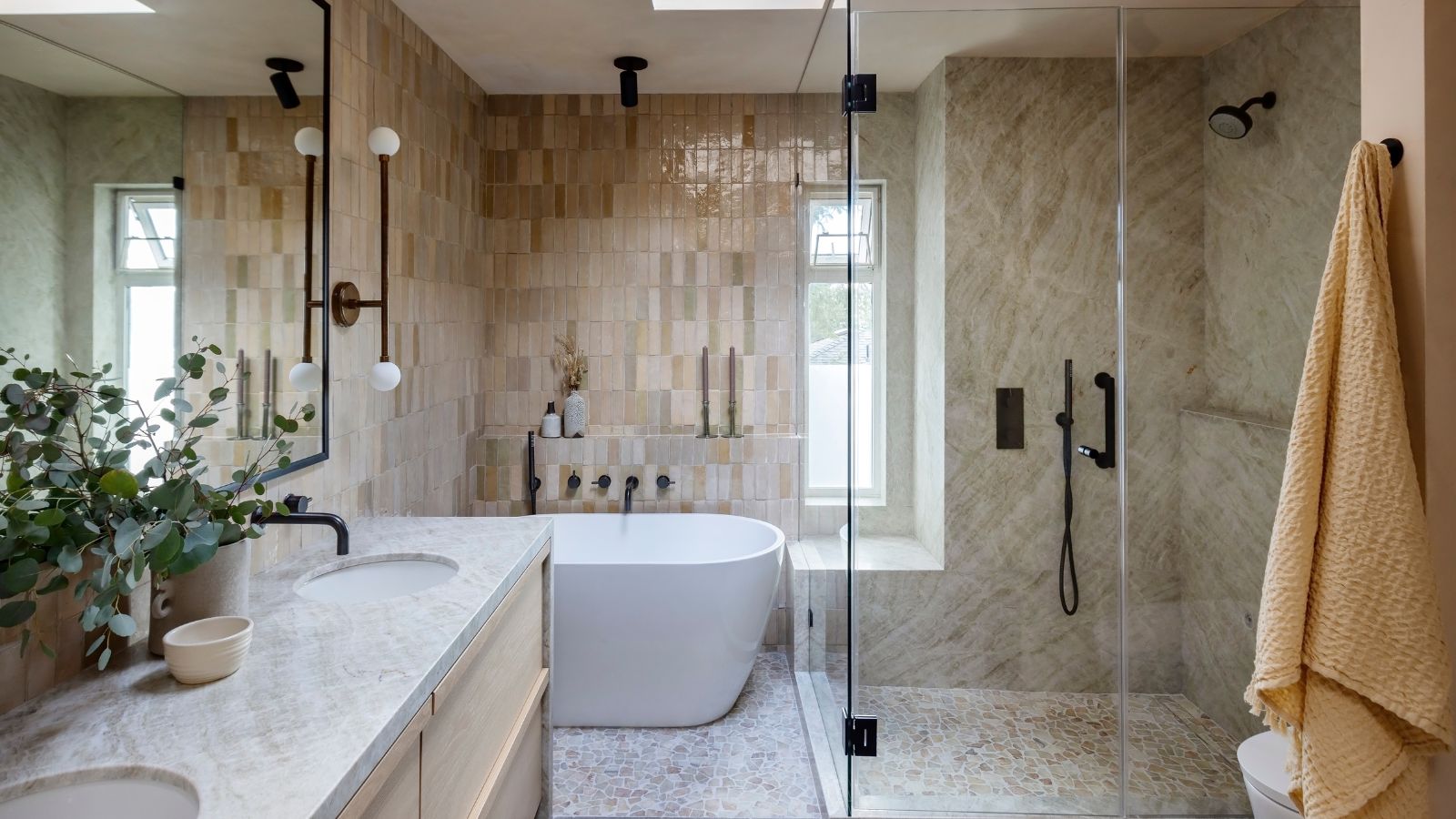
According to interior designers, these are the most coveted bathroom trends for 2026 and beyond
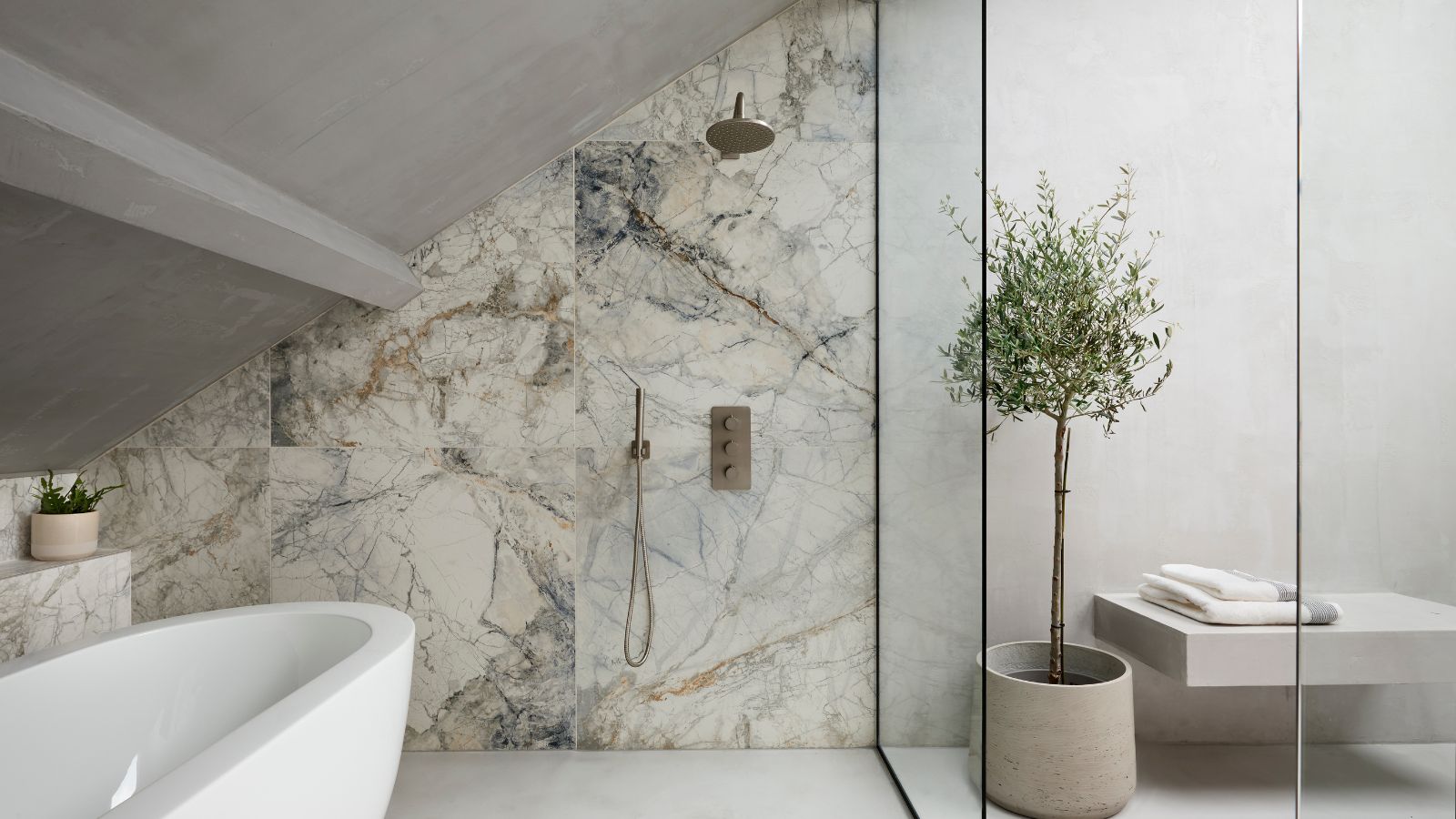
9 Shower Trends to Transform Your Bathroom in 2026, According to Interior Designers

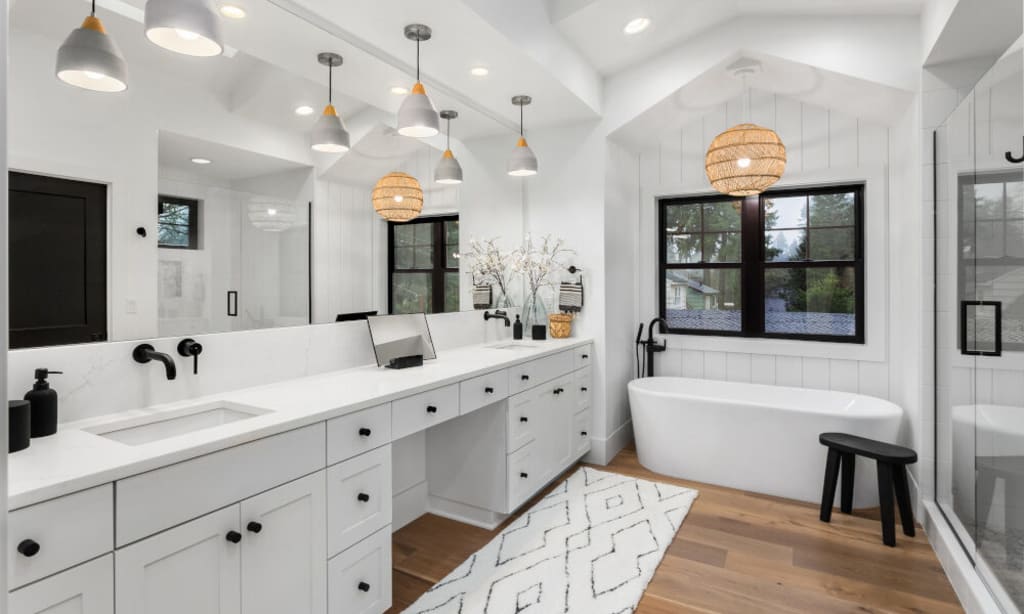
Top Bathroom Design Trends for 2025

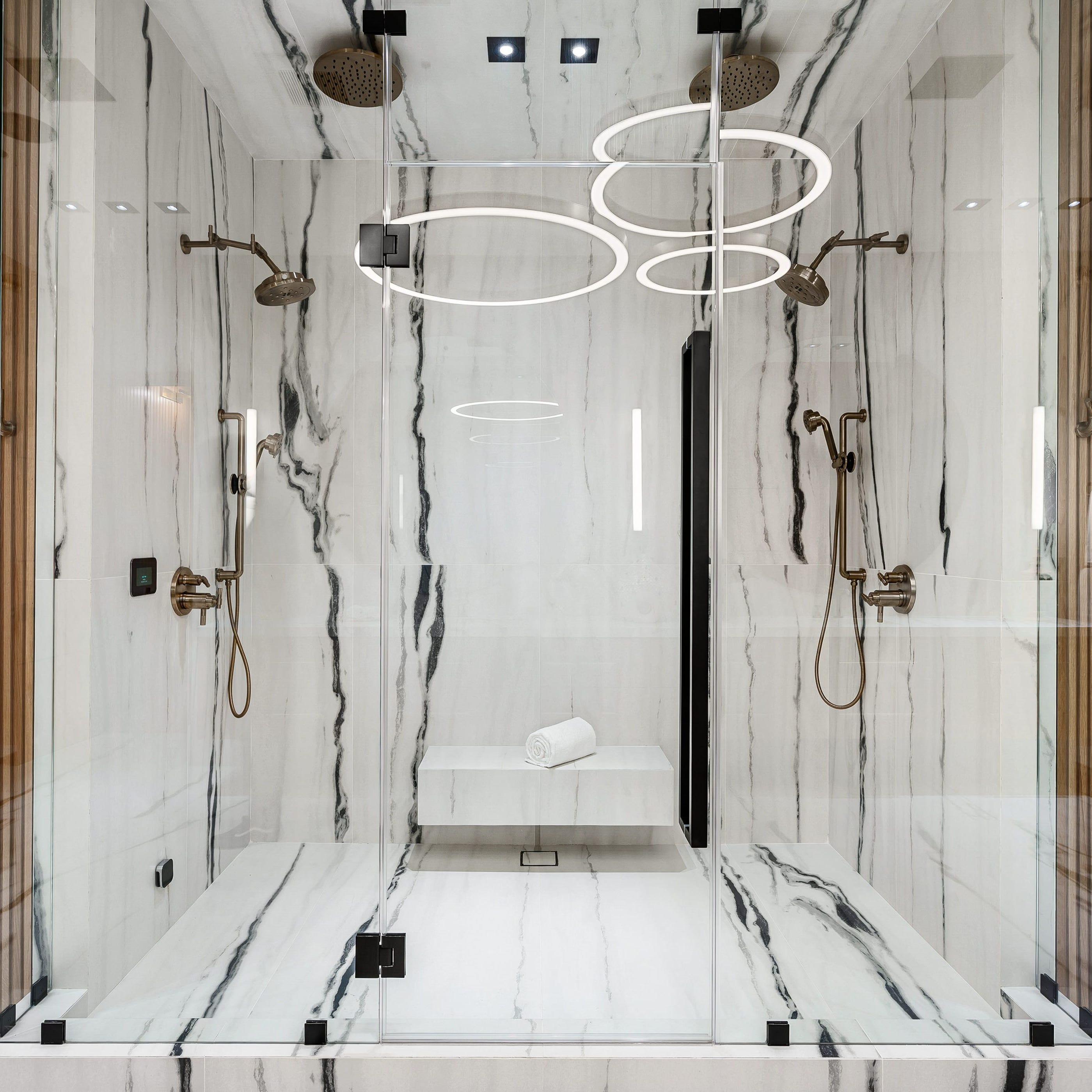
Designers Have Spoken: Here Are the Top Bathroom Design Trends for 2026

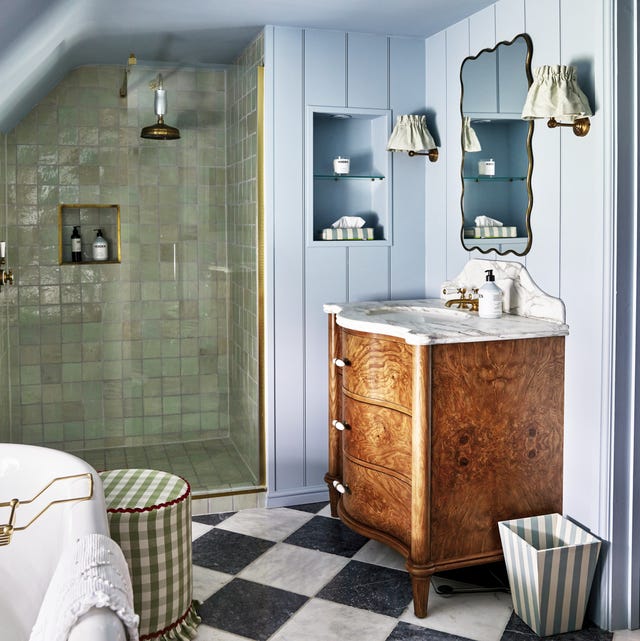
10 bathroom trends that will define 2026 – from floating vanities to pastel tones
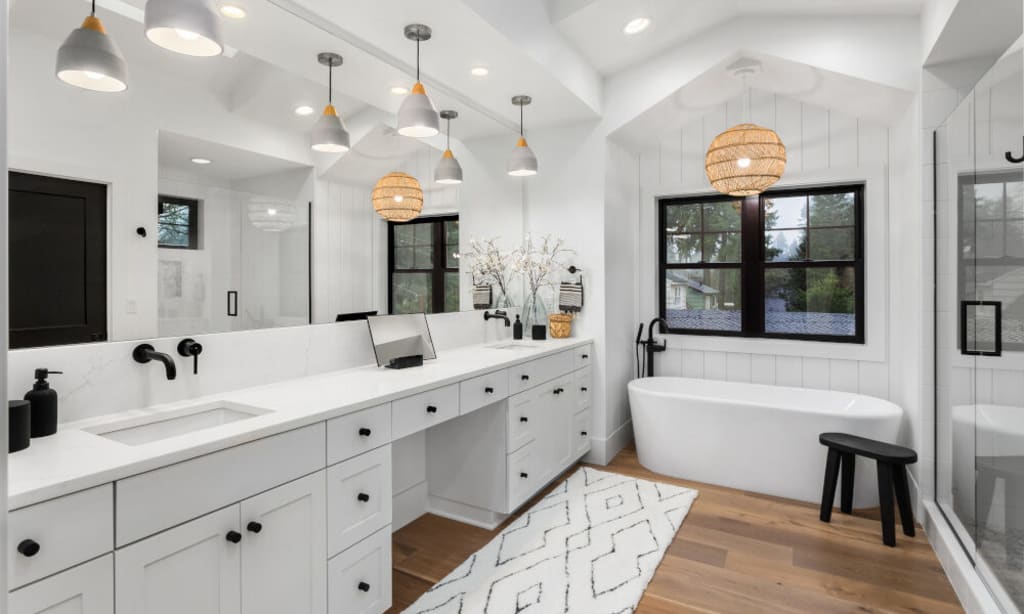
Top Bathroom Design Trends for 2025
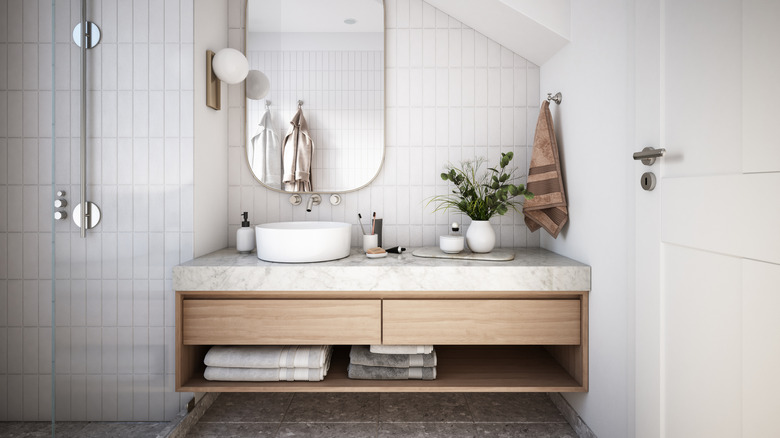
Once-Trending Bathroom Designs That Are Being Replaced In 2025
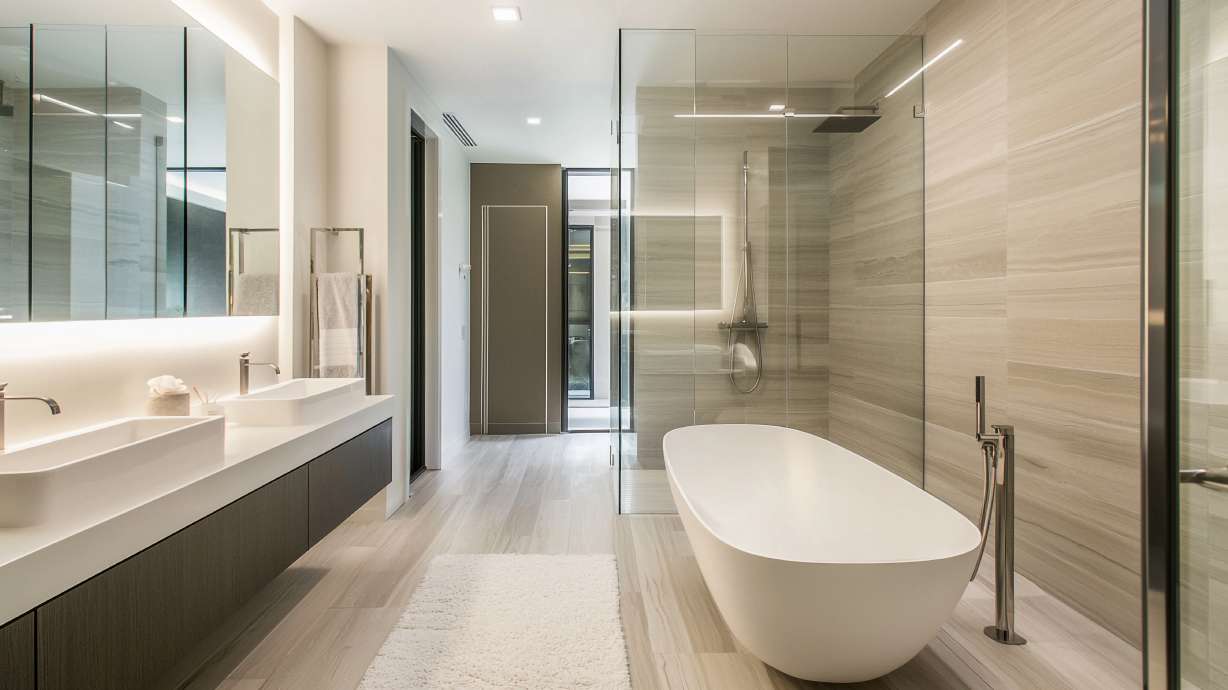
Top bathroom design trends in 2025
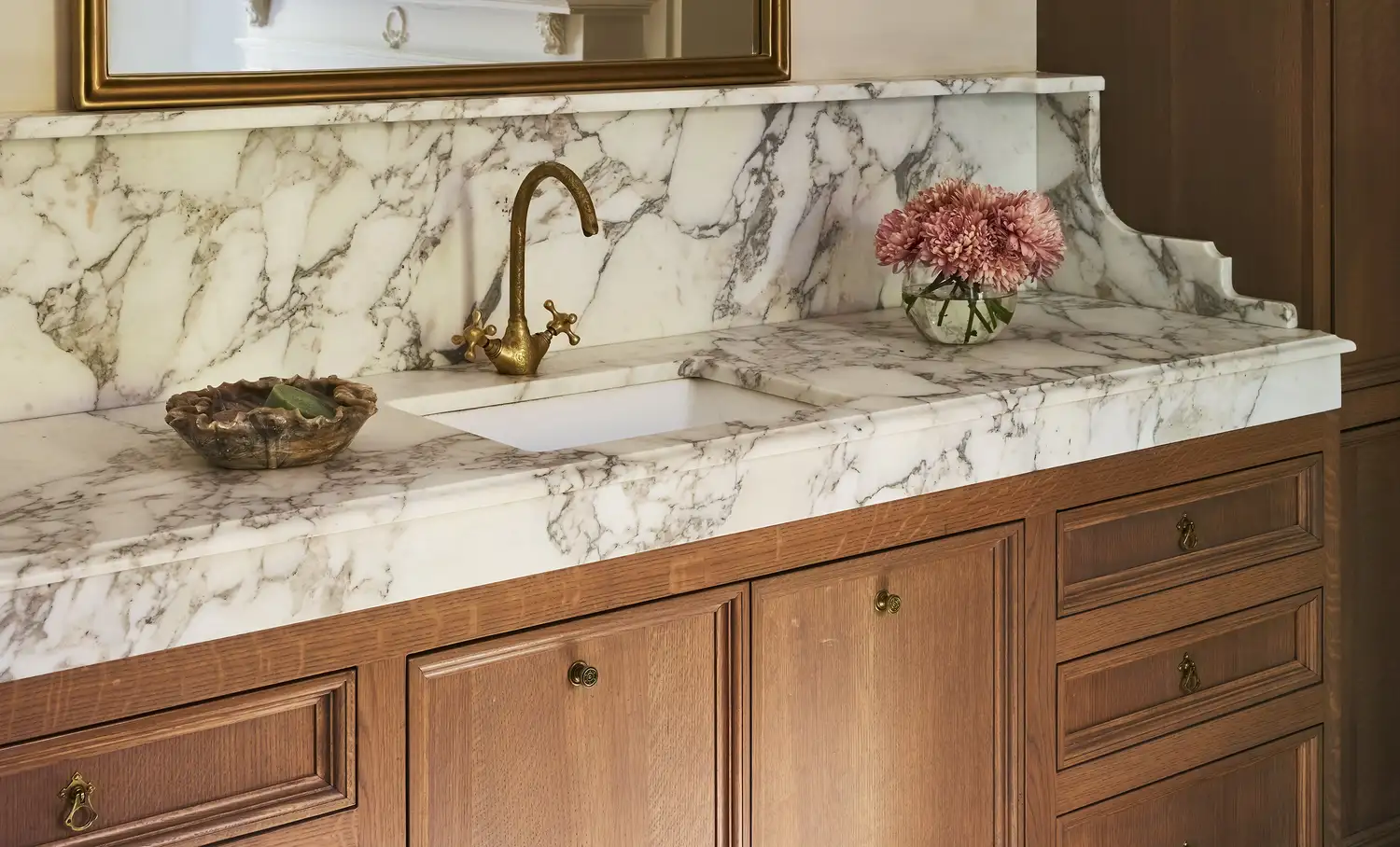
7 Bathroom Trends You’ll See Everywhere In 2026
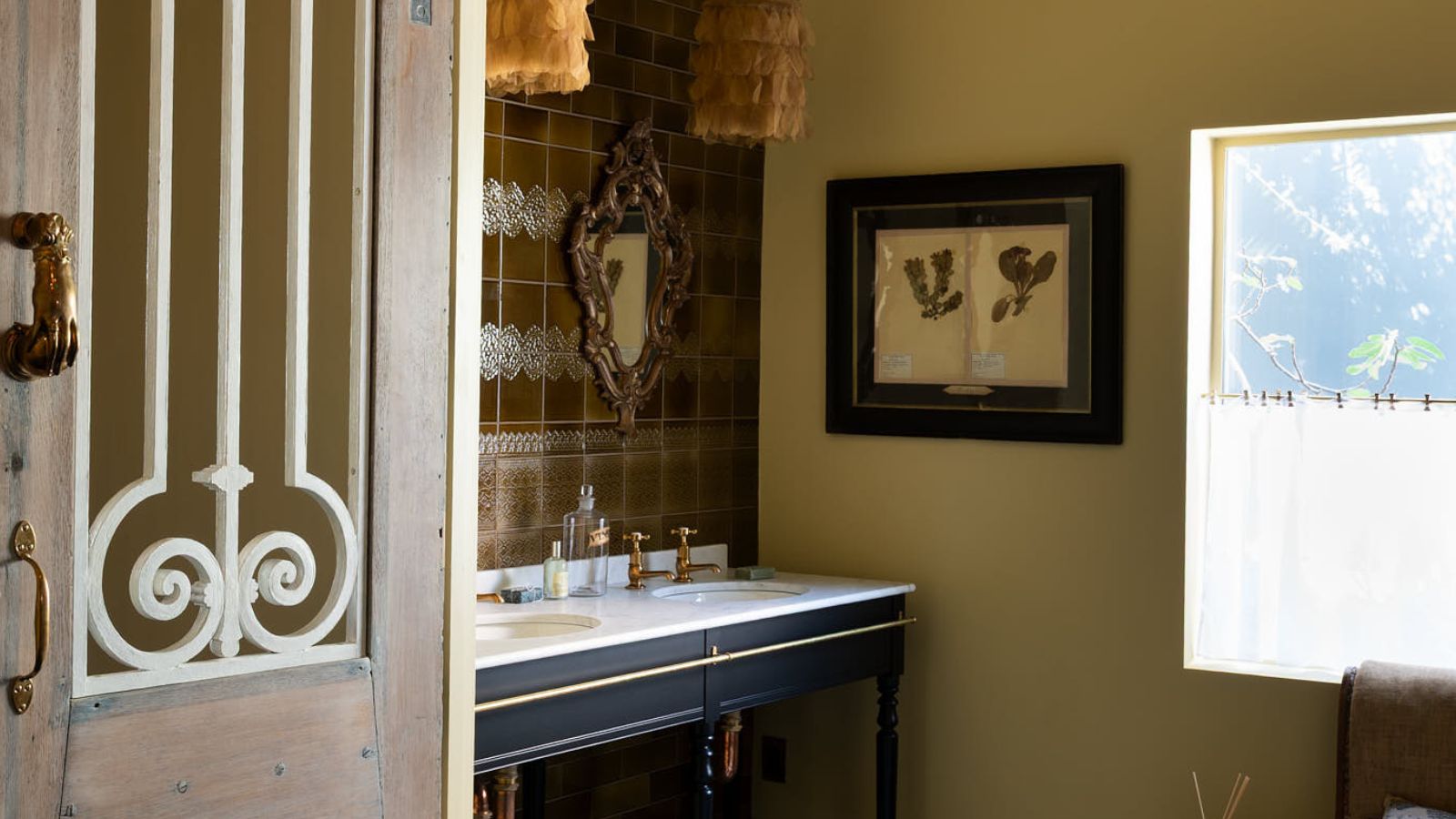
5 Traditional Bathroom Features Making a Comeback – and How Designers are Making Them Work in 2026
The 5 Biggest Bathroom Trends for 2023, According to Designers
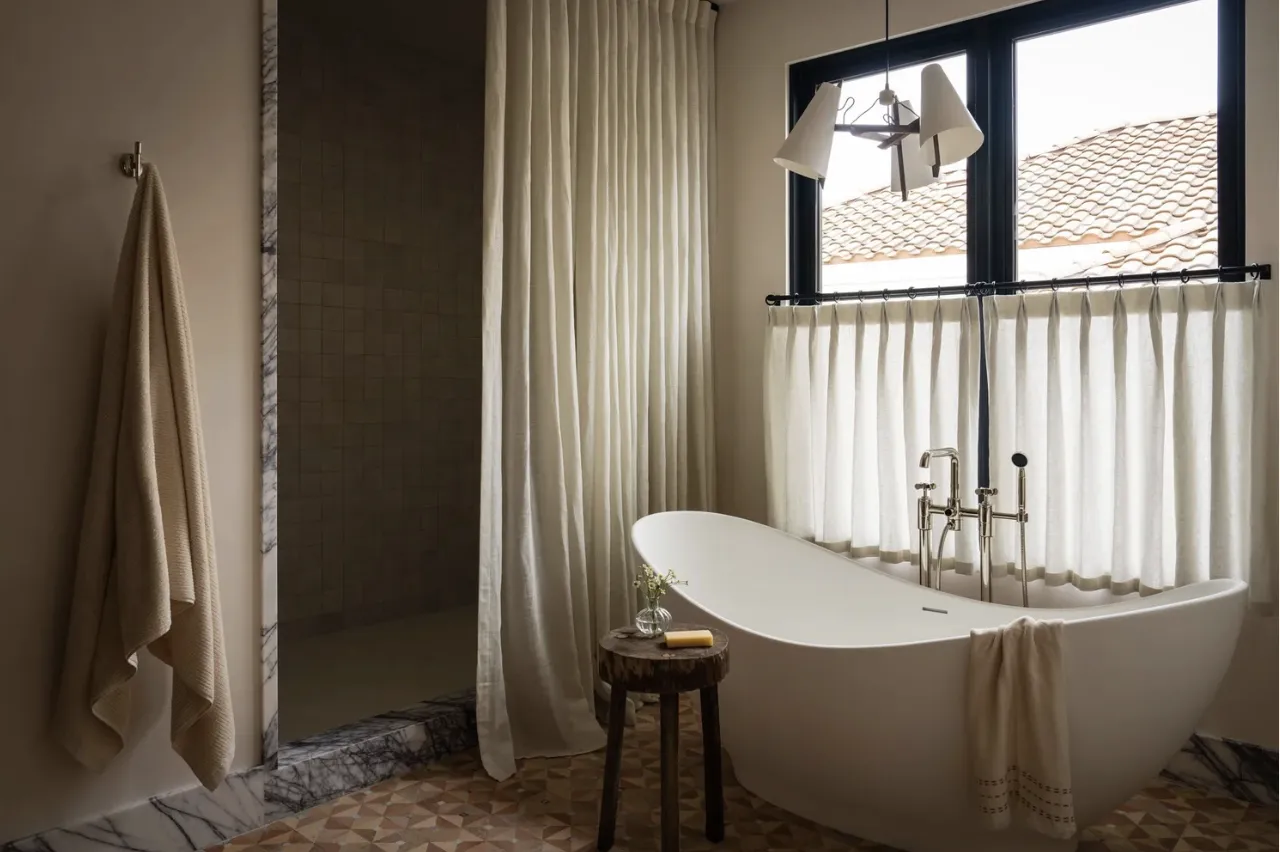
6 Bathroom Trends Designers Are Loving for 2026 (And You Will Too)

6 Biggest Bathroom Trends Of 2025 – From Walk-In Showers To Double Basins

Beautiful new bathroom trends for 2025 | loveproperty.com
5 Mirror Trends You Can Expect to See in All the Coolest Bathrooms in 2026, According to Design Experts Who Know What’s Coming Next

6 Bathroom Trends Designers Can't Wait to Say Goodbye to in 2026

2025 Best Bathroom Trends
The 8 Must-Know Bathroom Trends for 2026 |
7 Bathroom Trends That Will Redefine Your Renovations in 2026