1/5
Baths | Why curves are making a comeback in bath design
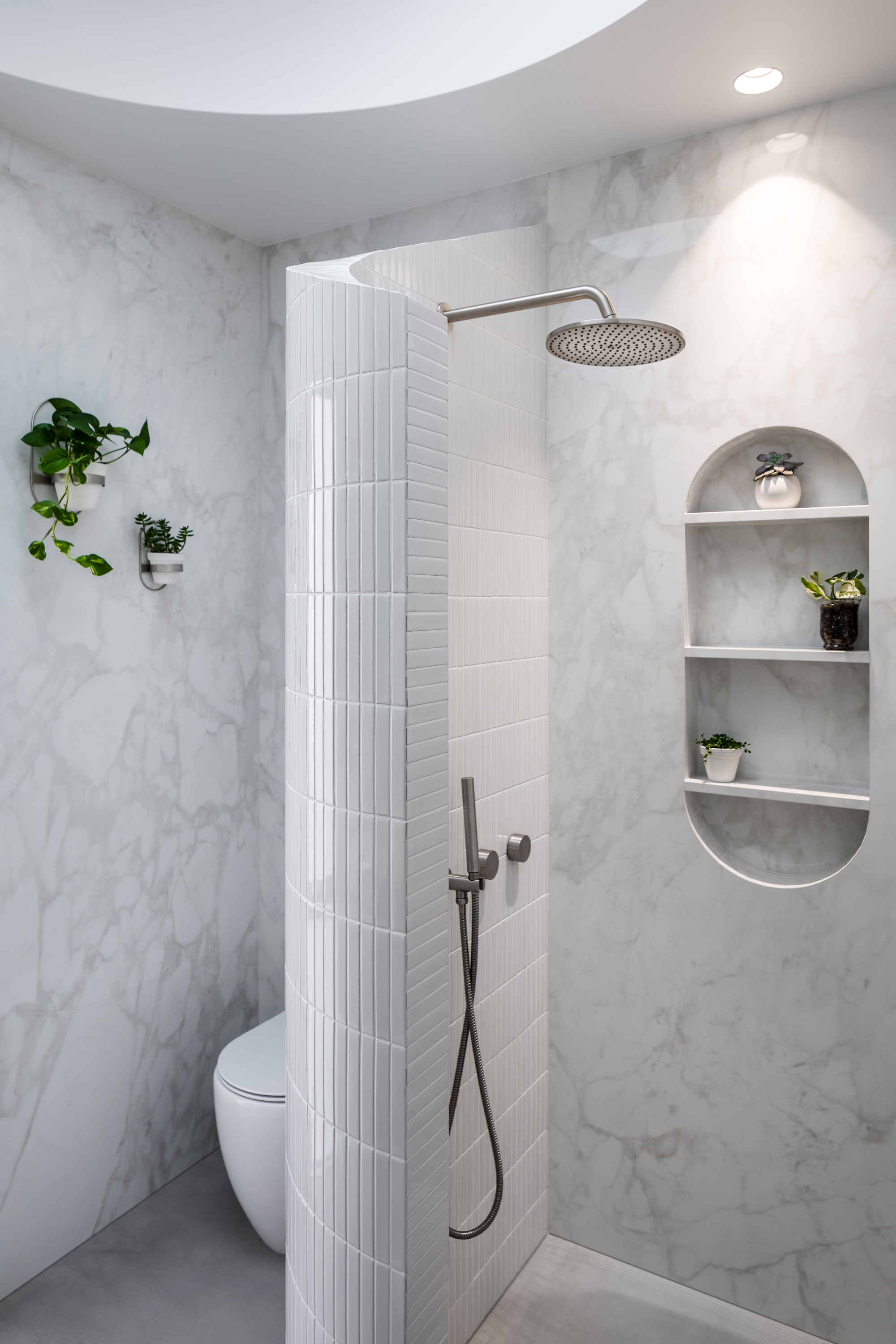
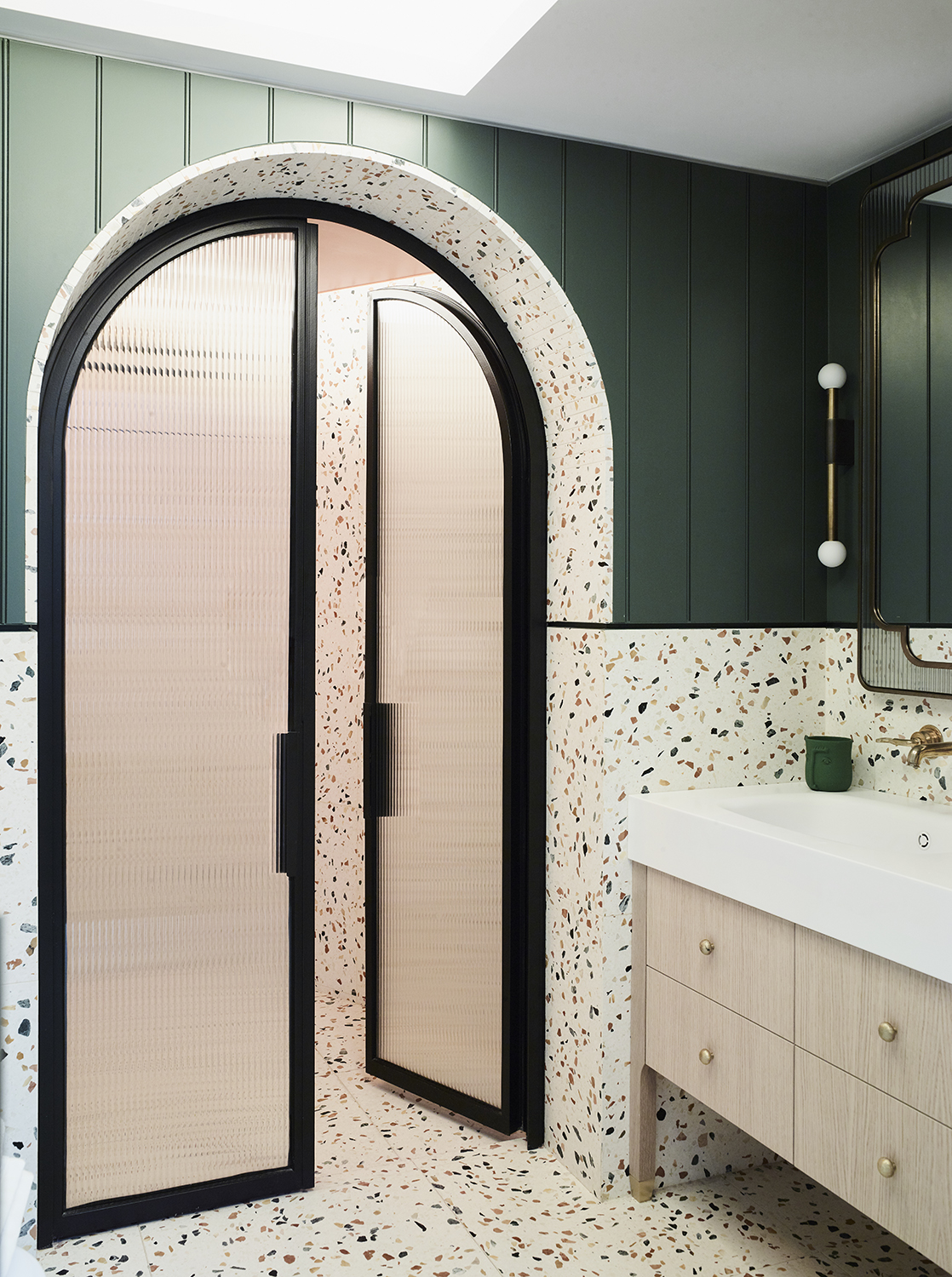
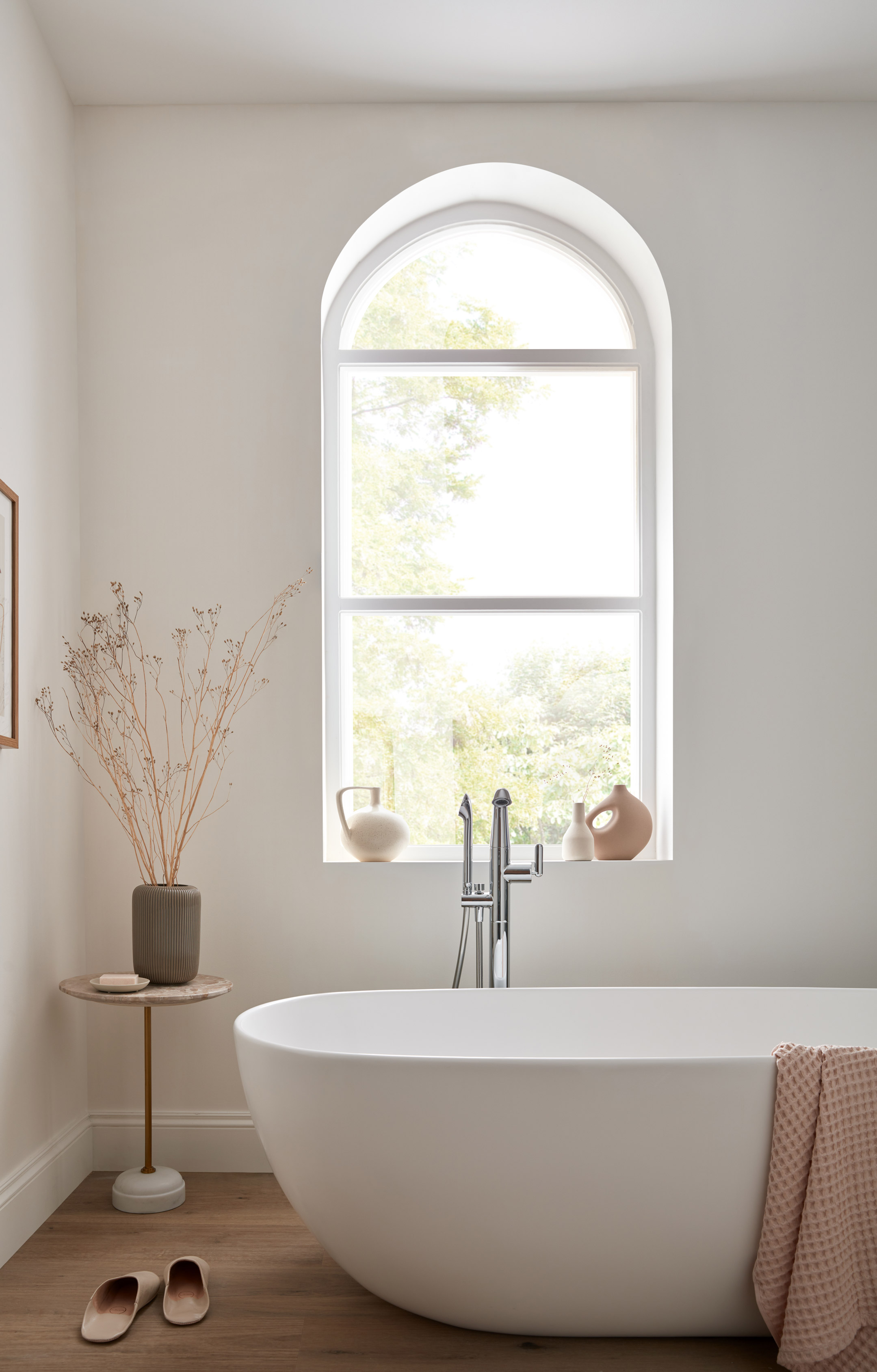
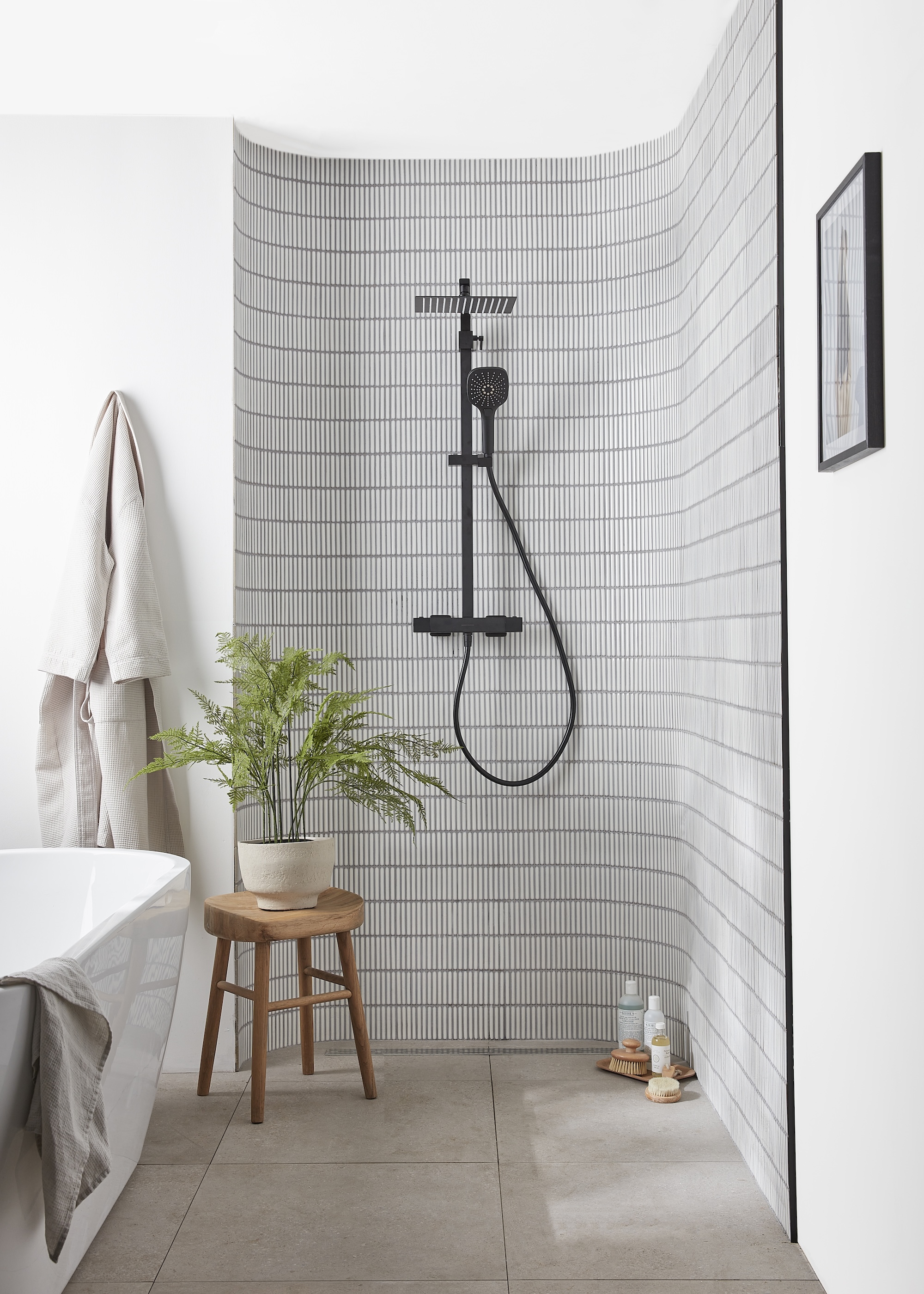
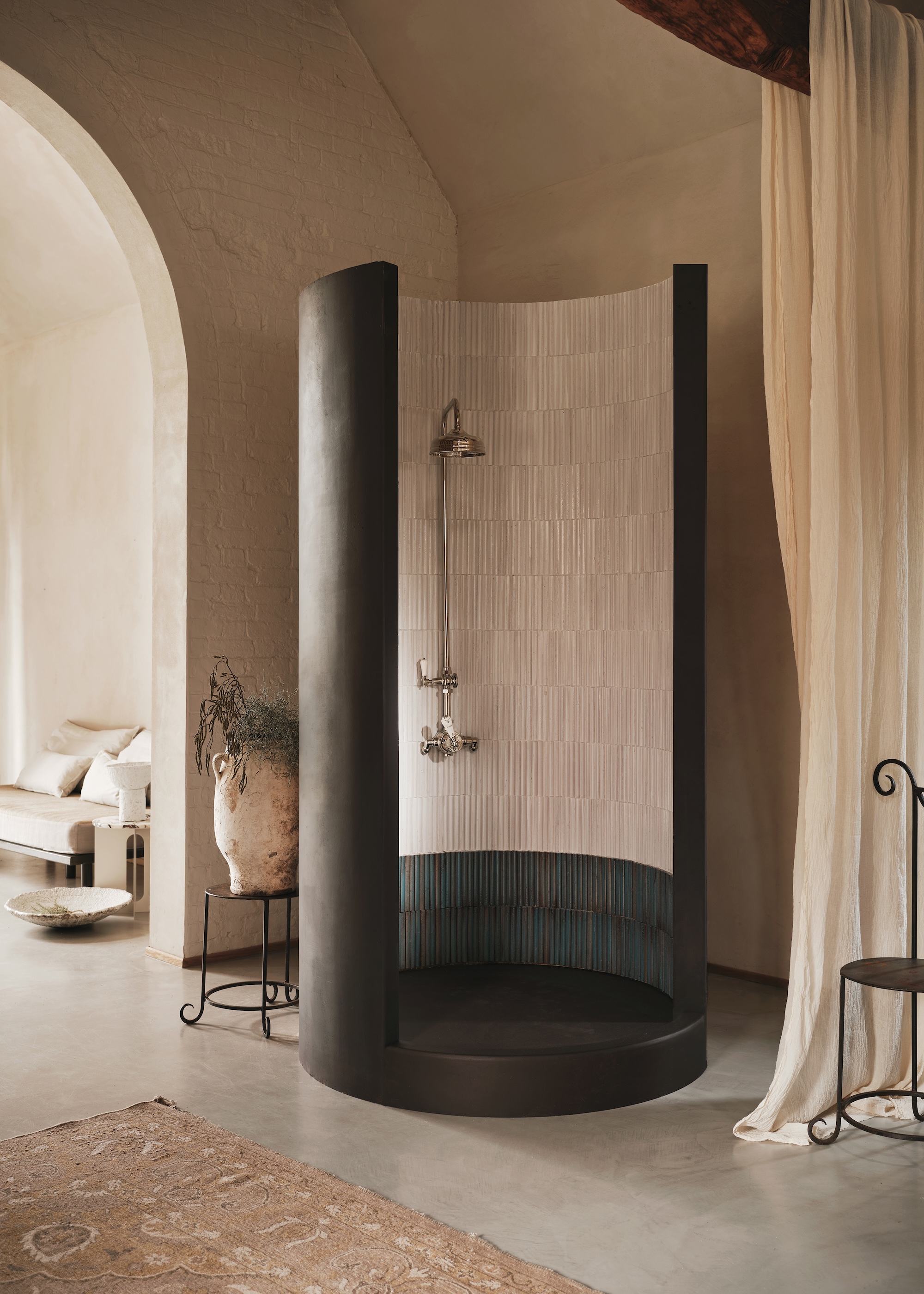
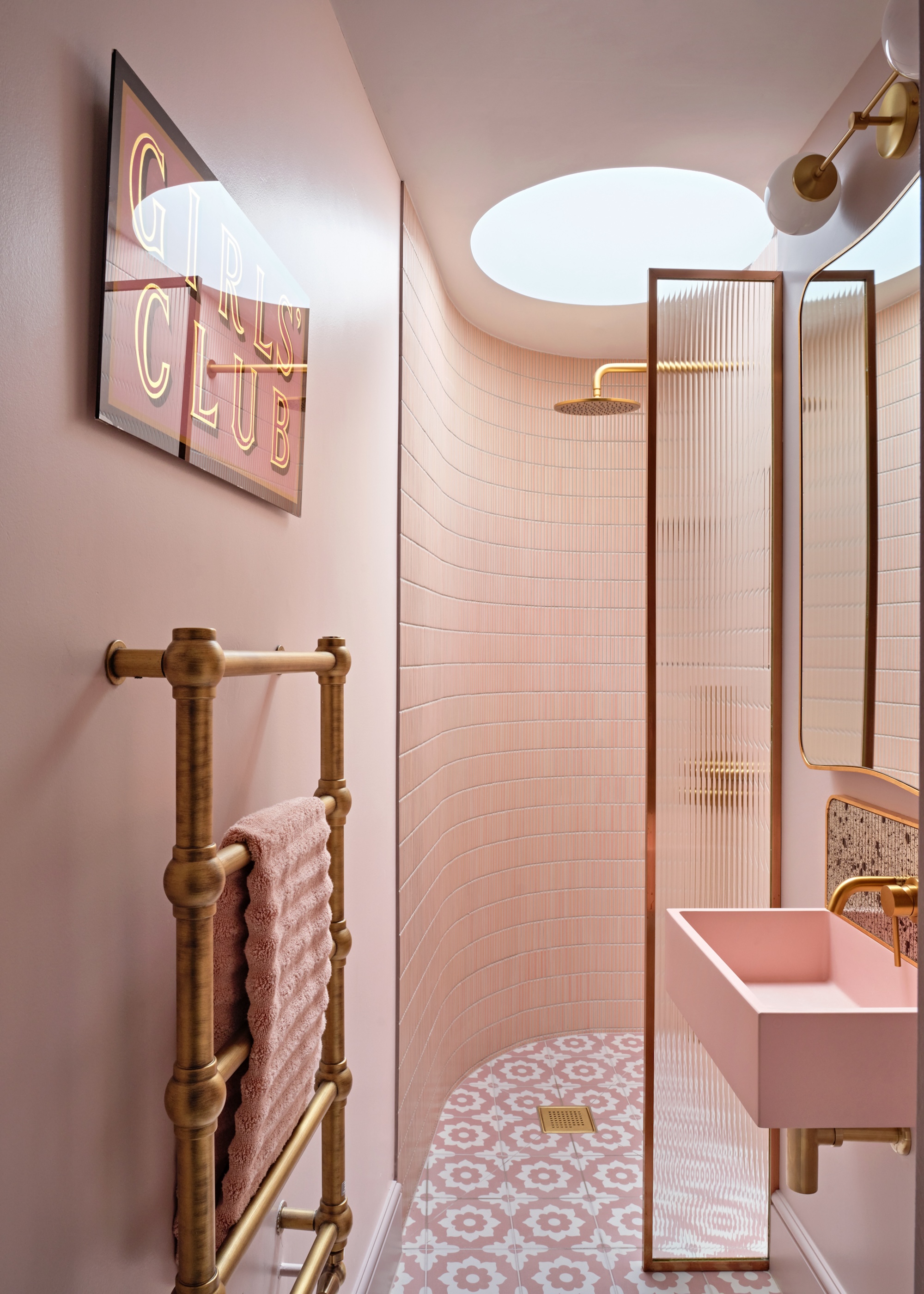
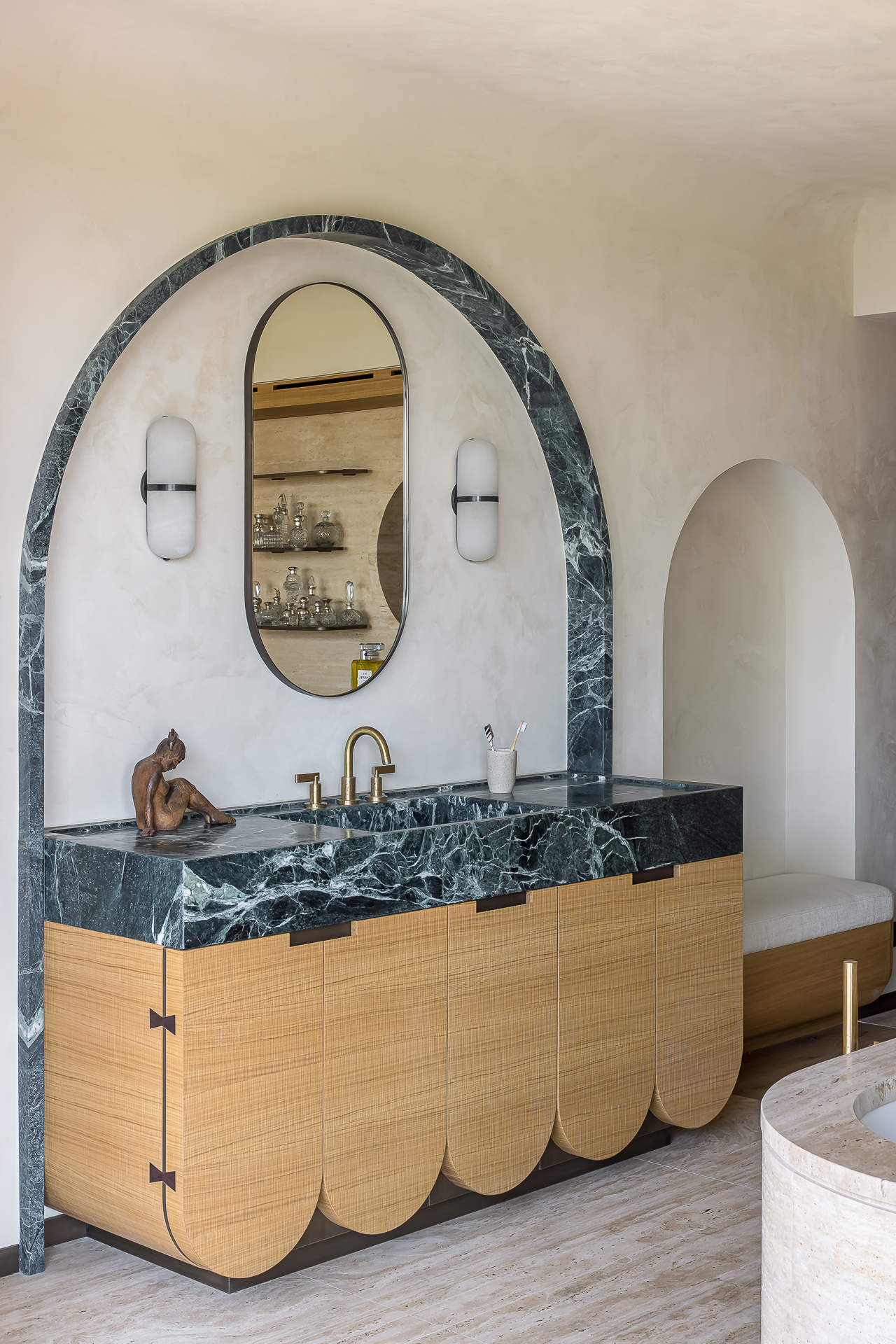
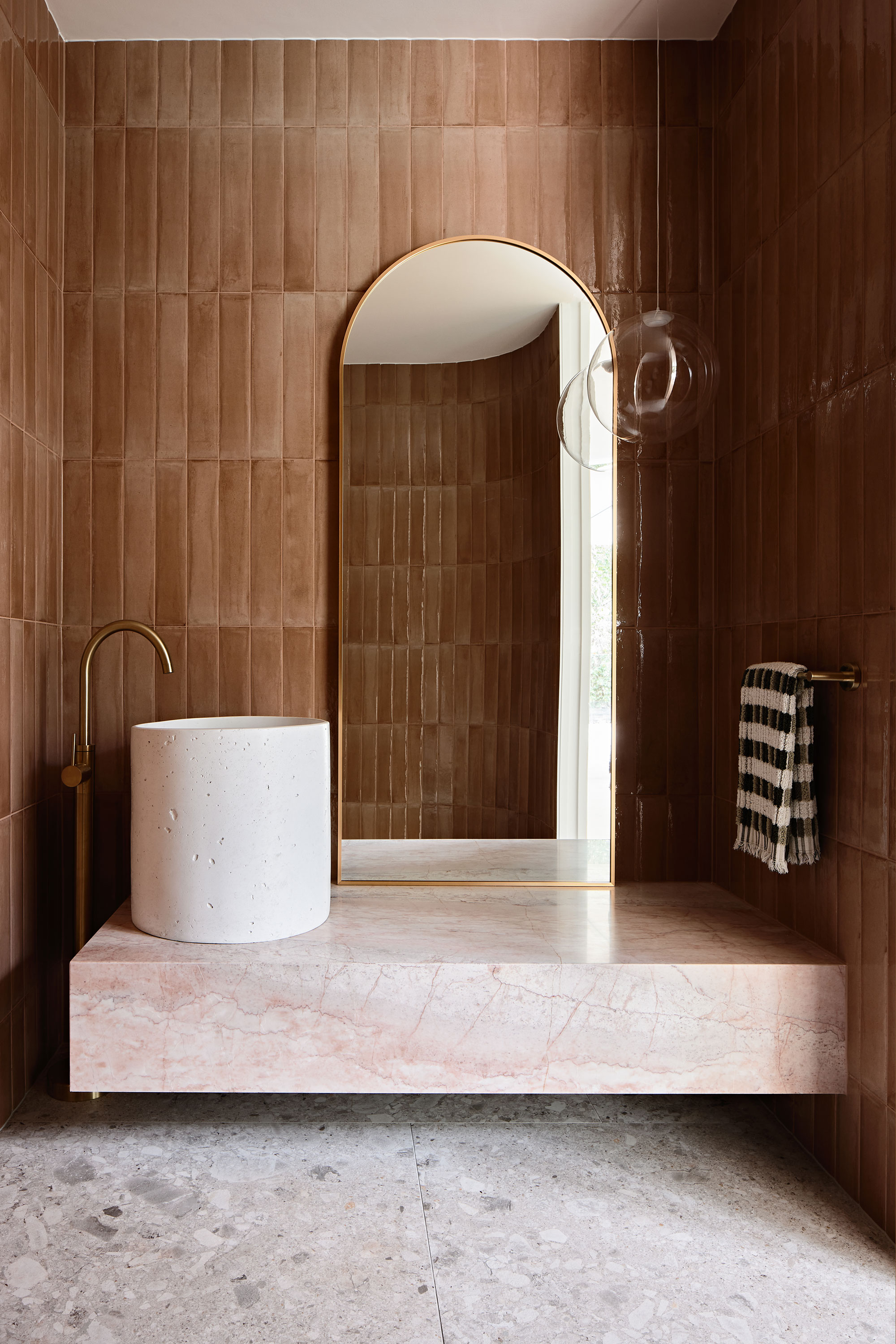
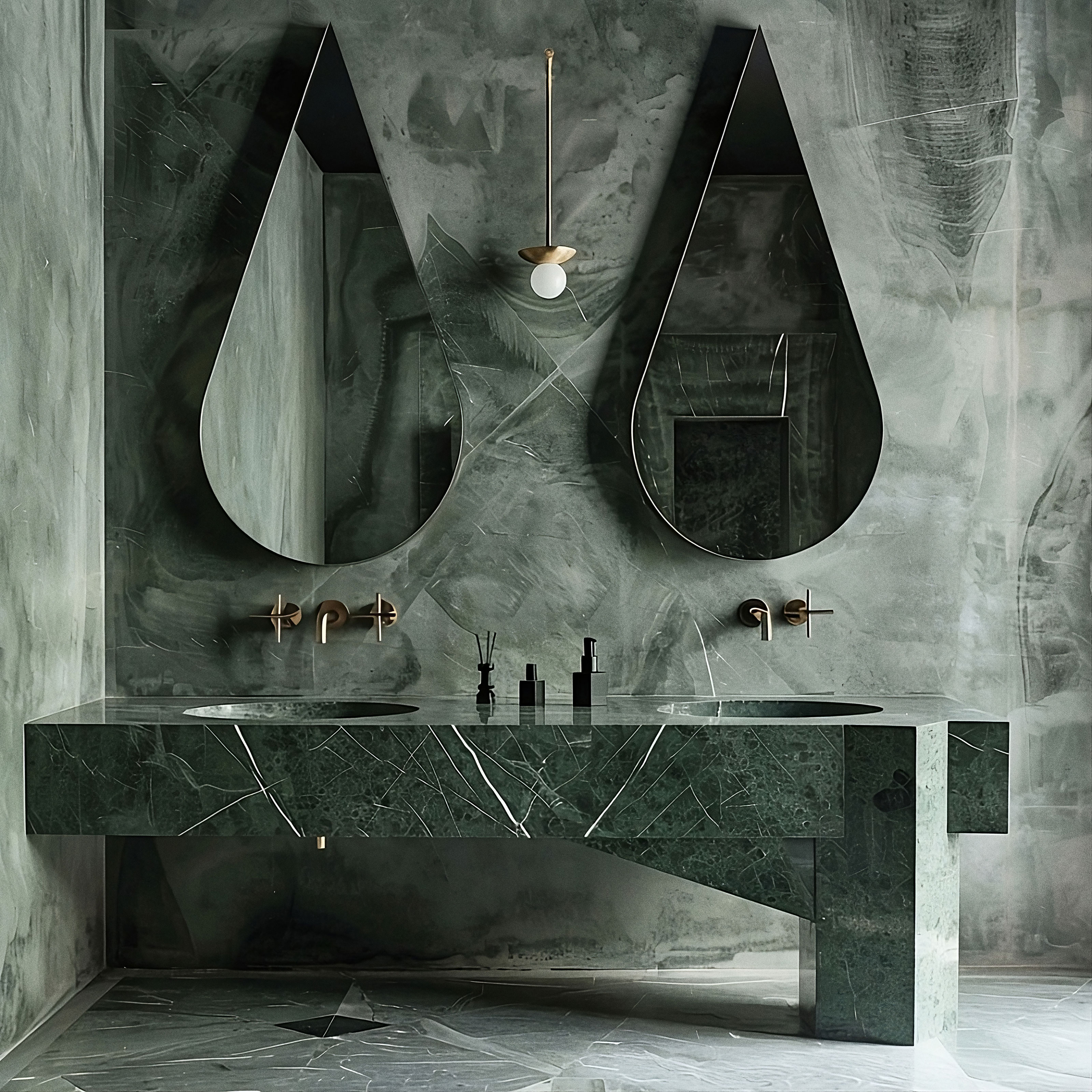
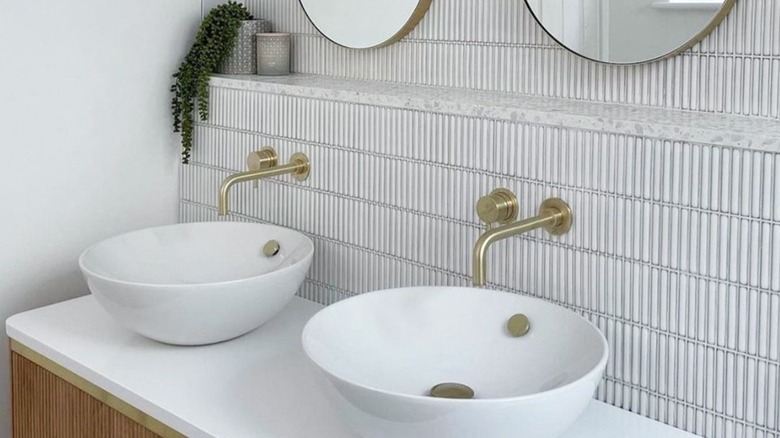
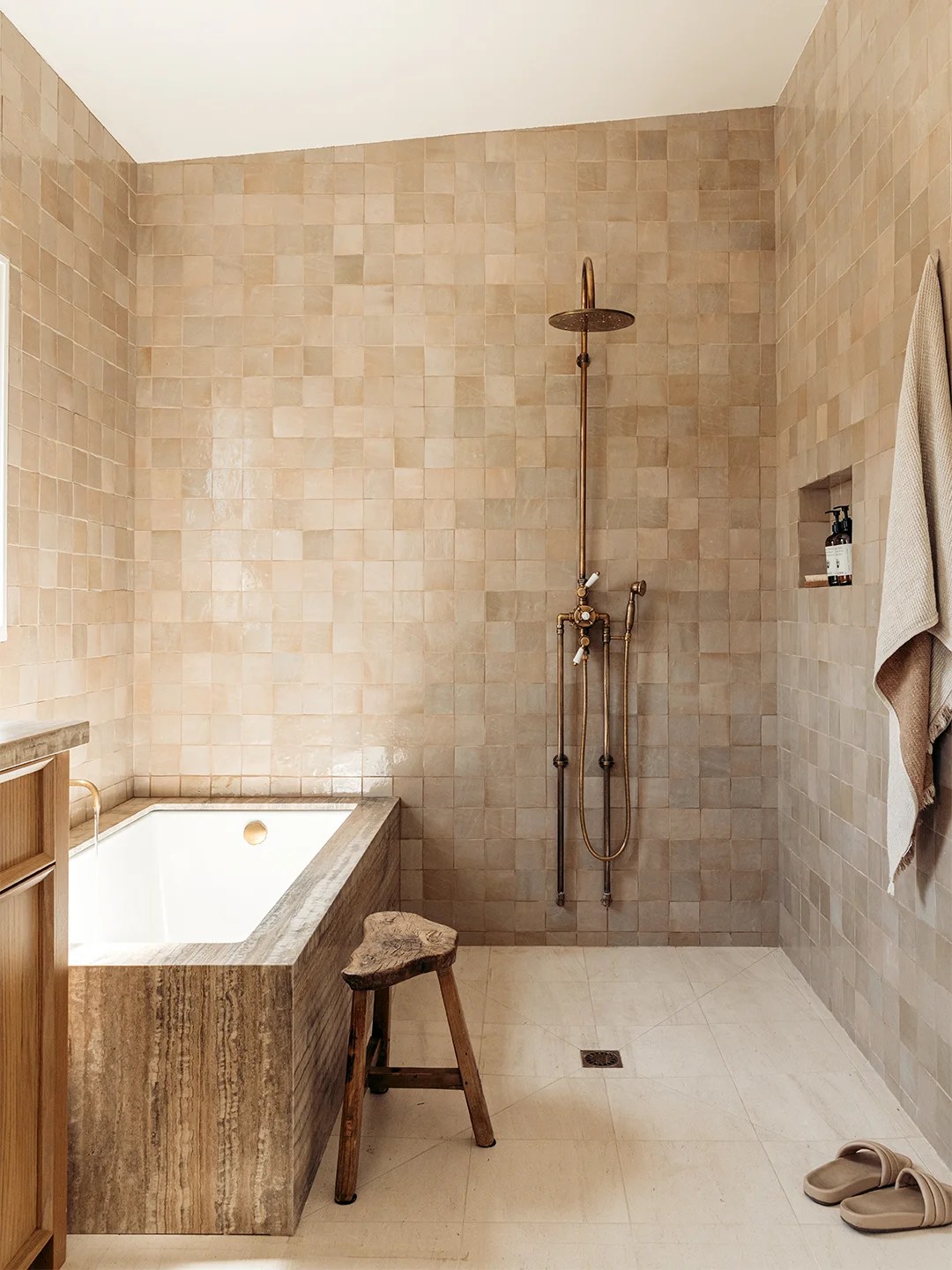
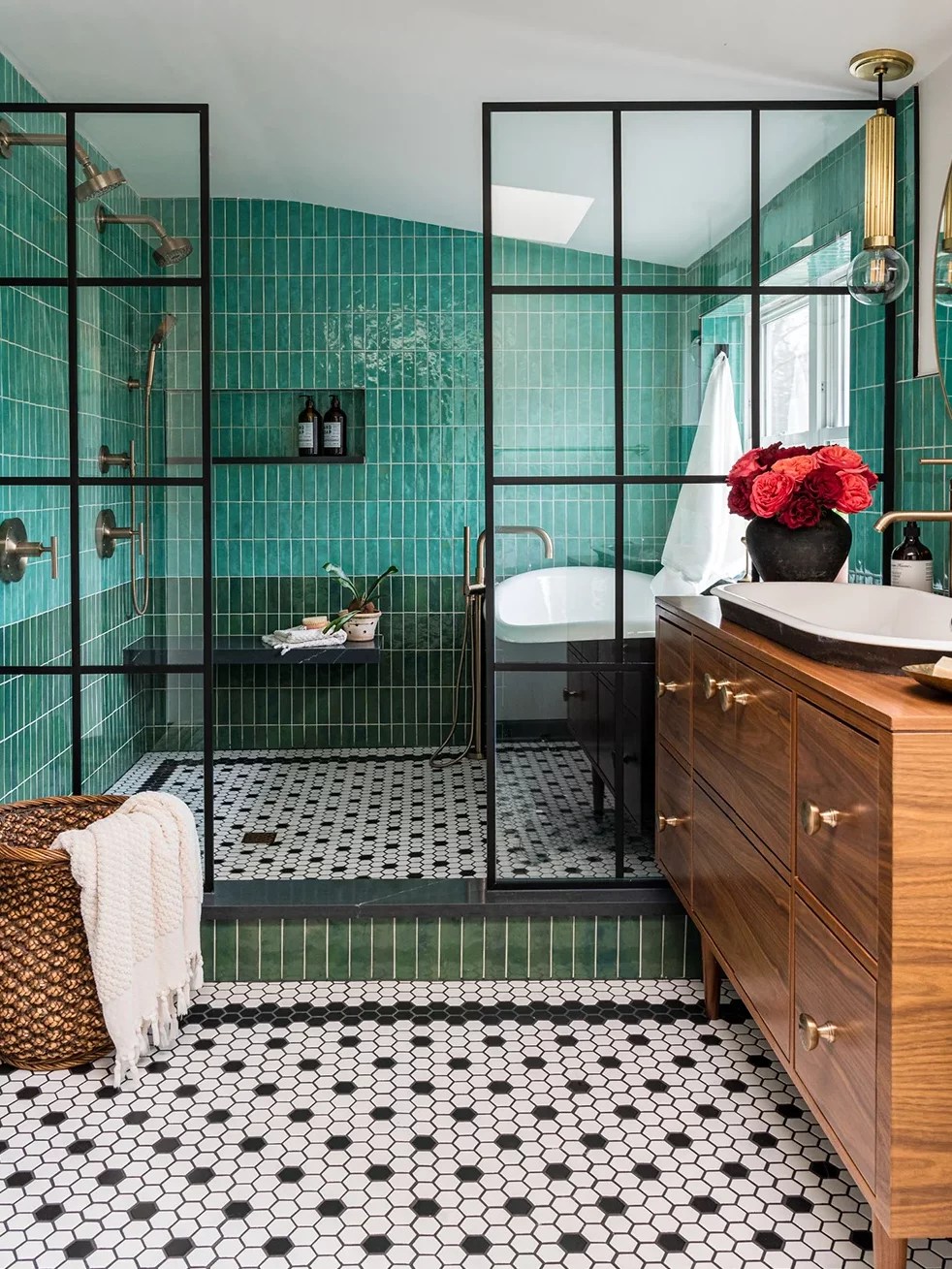
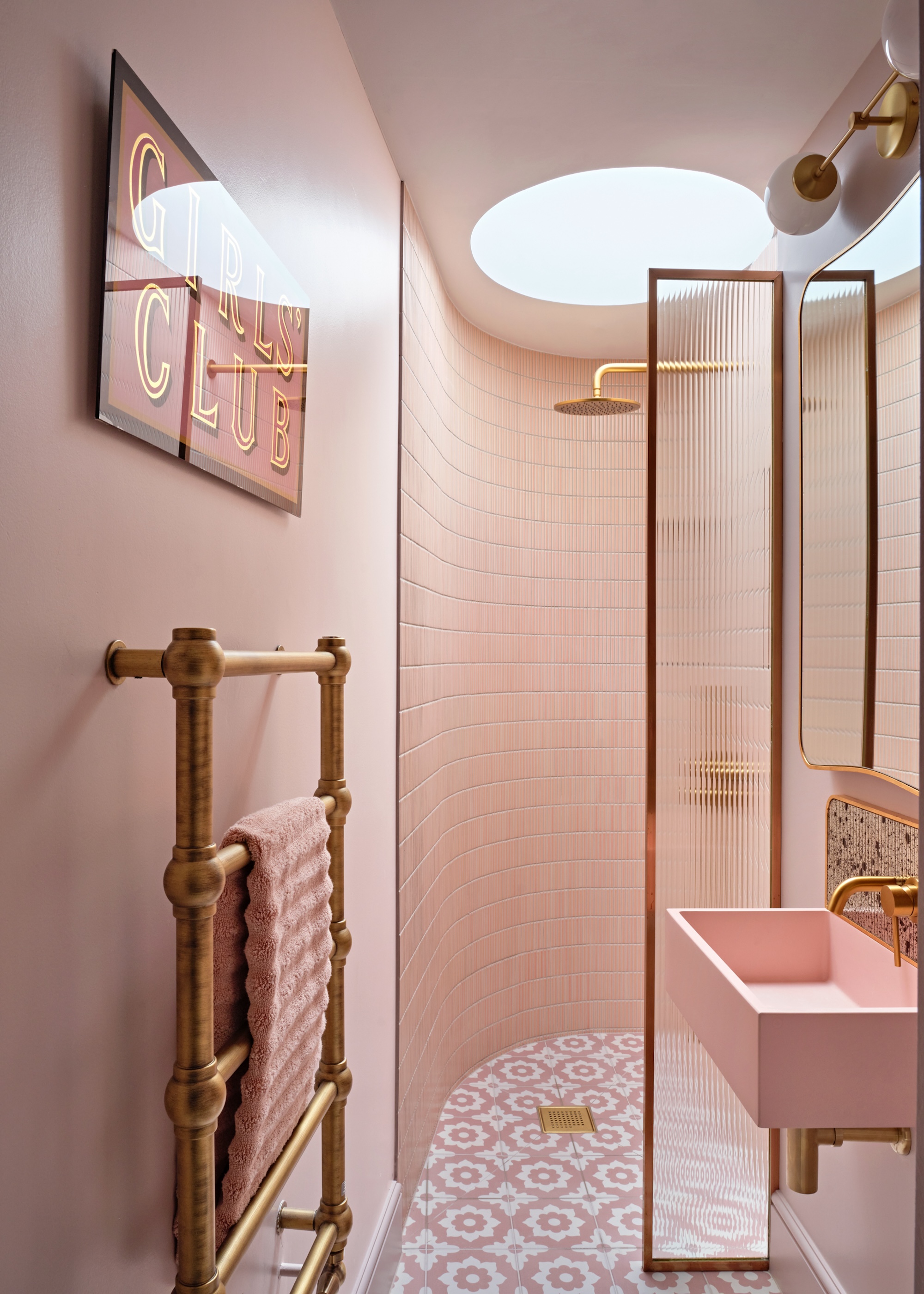
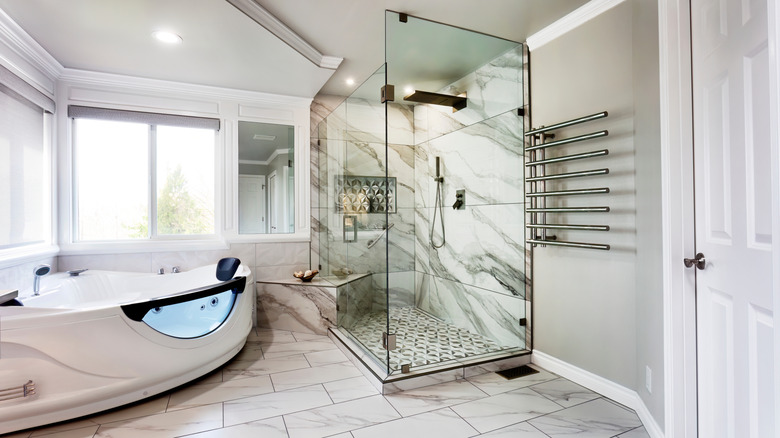
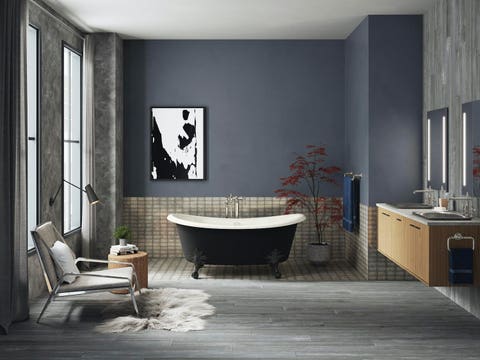
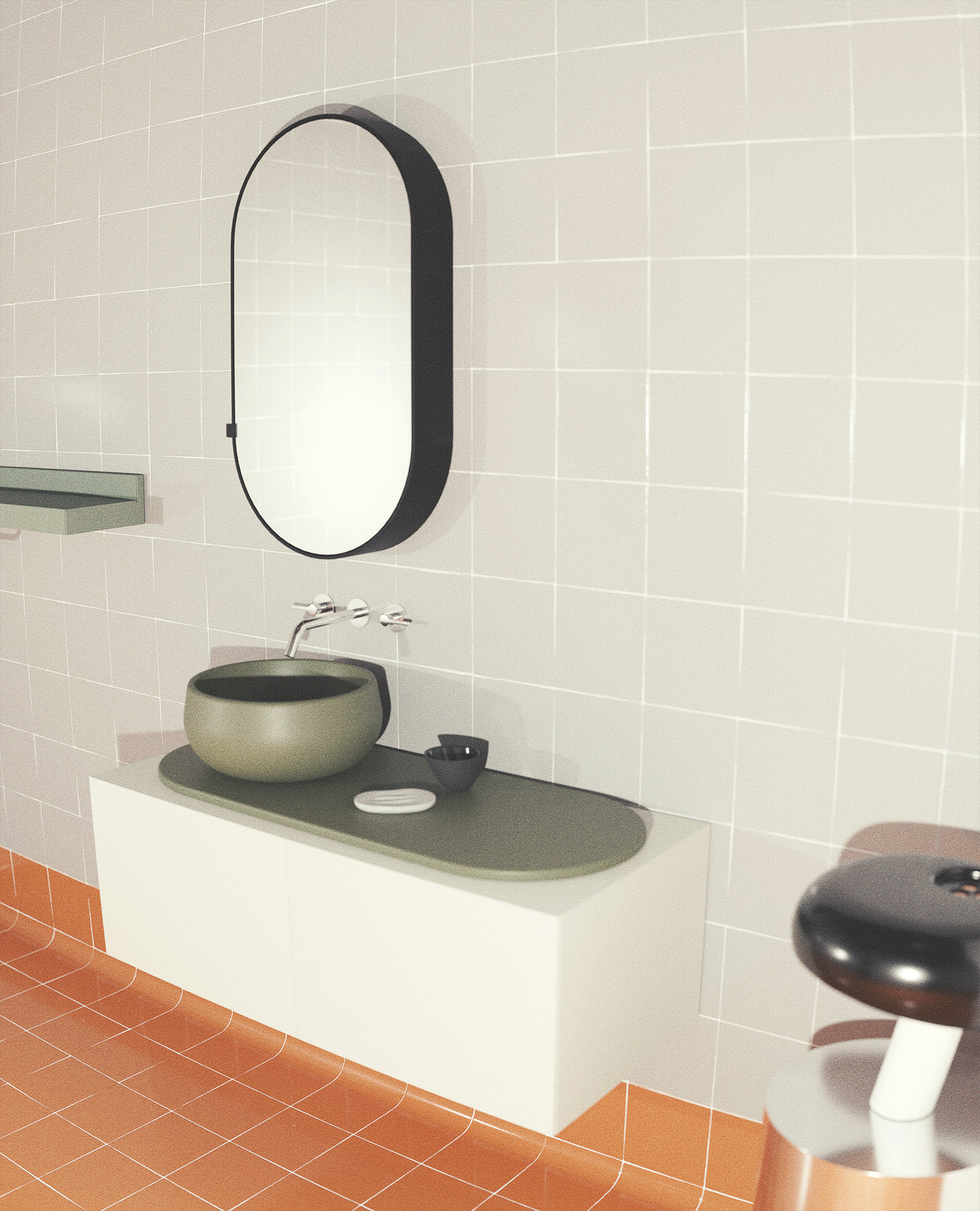
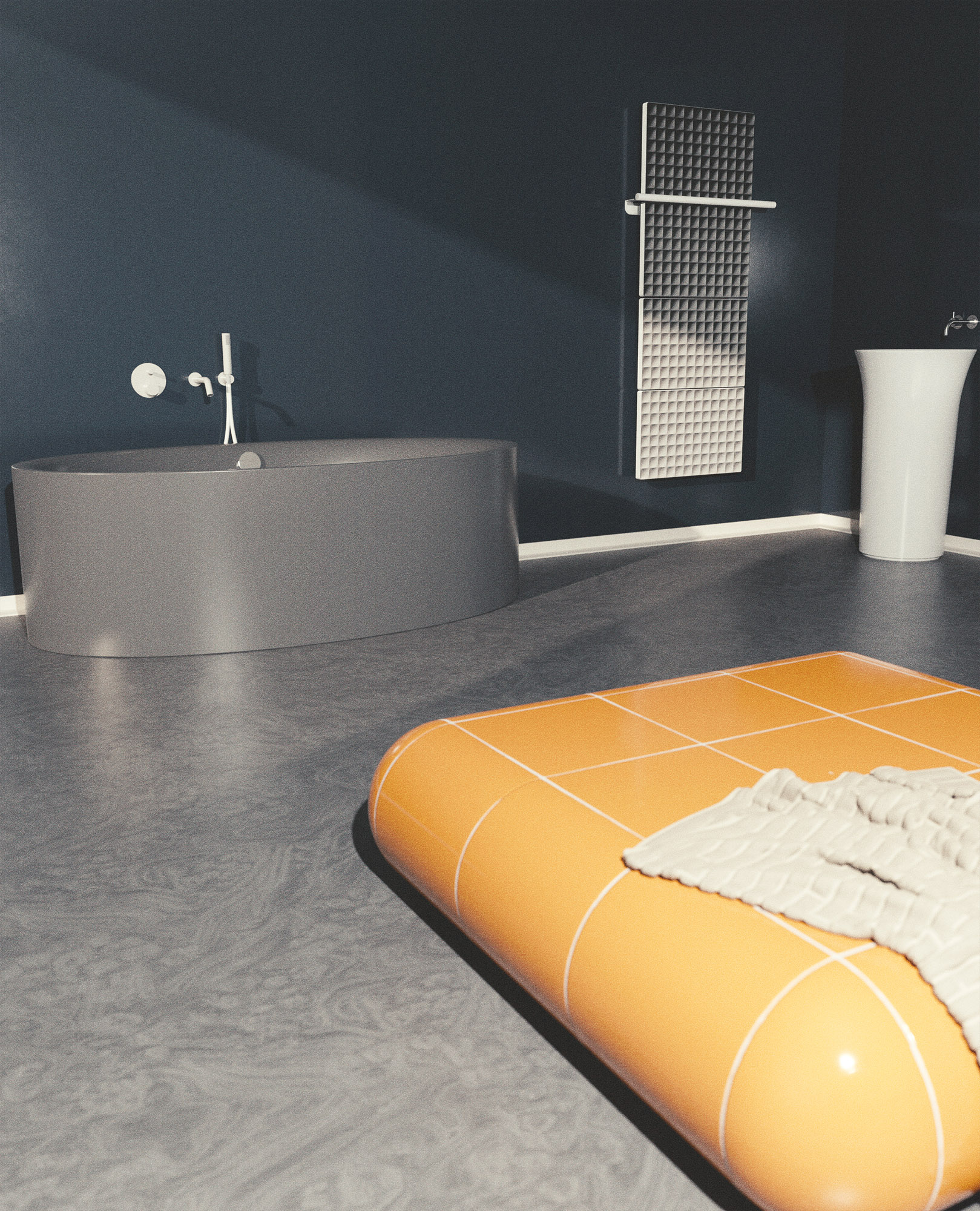
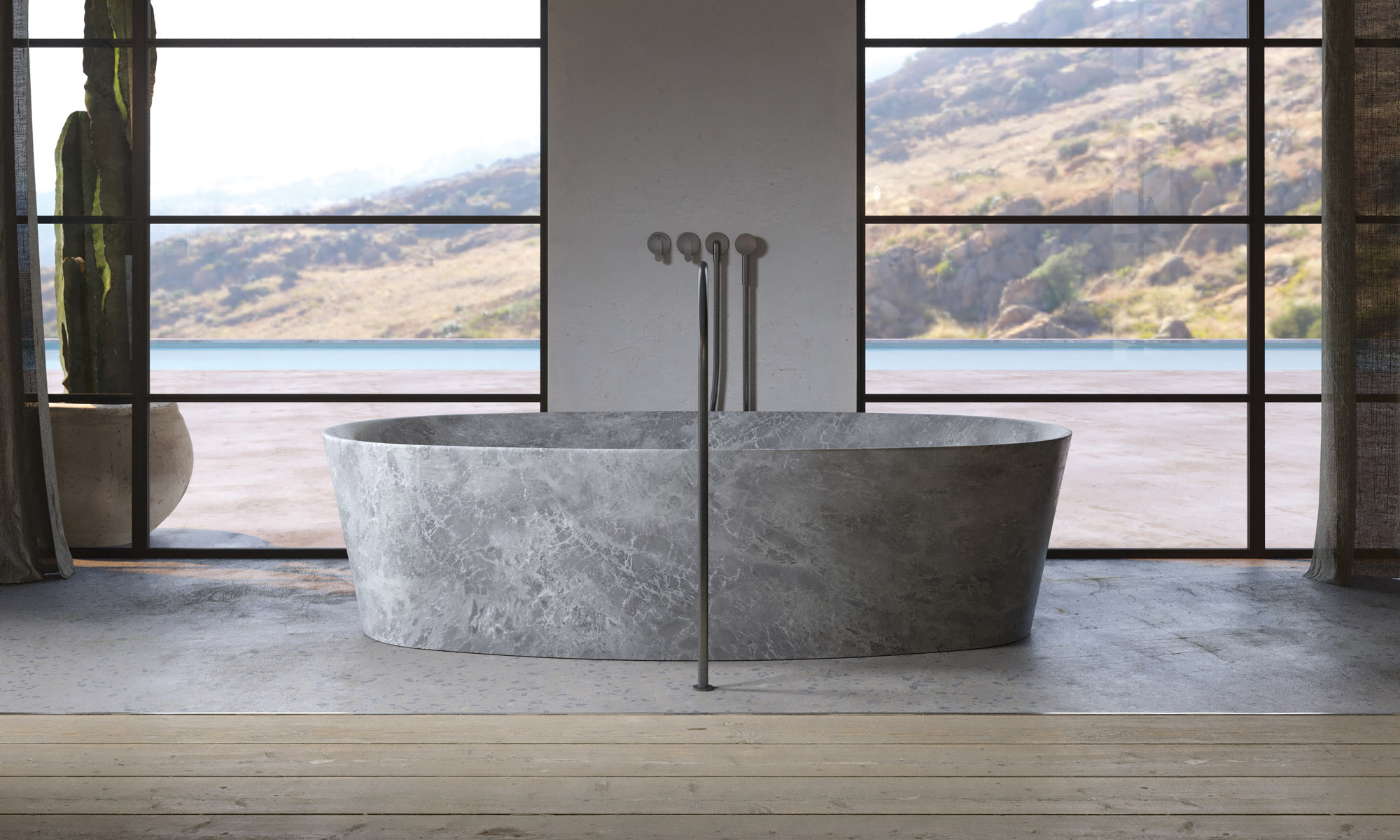
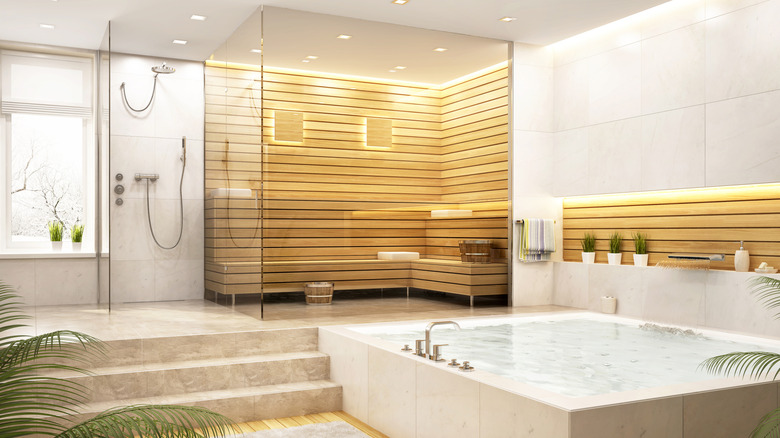
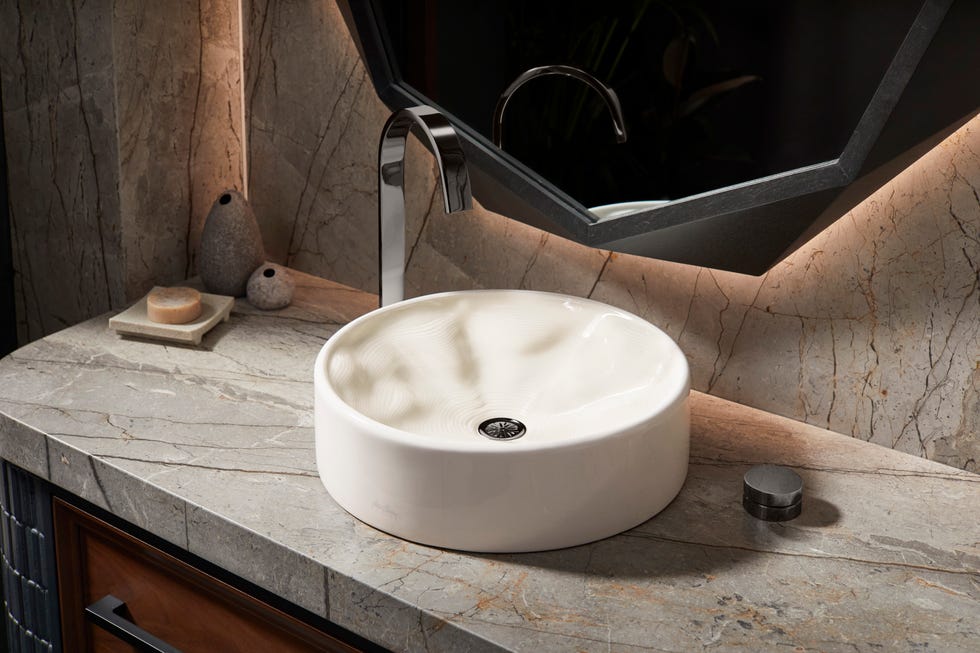
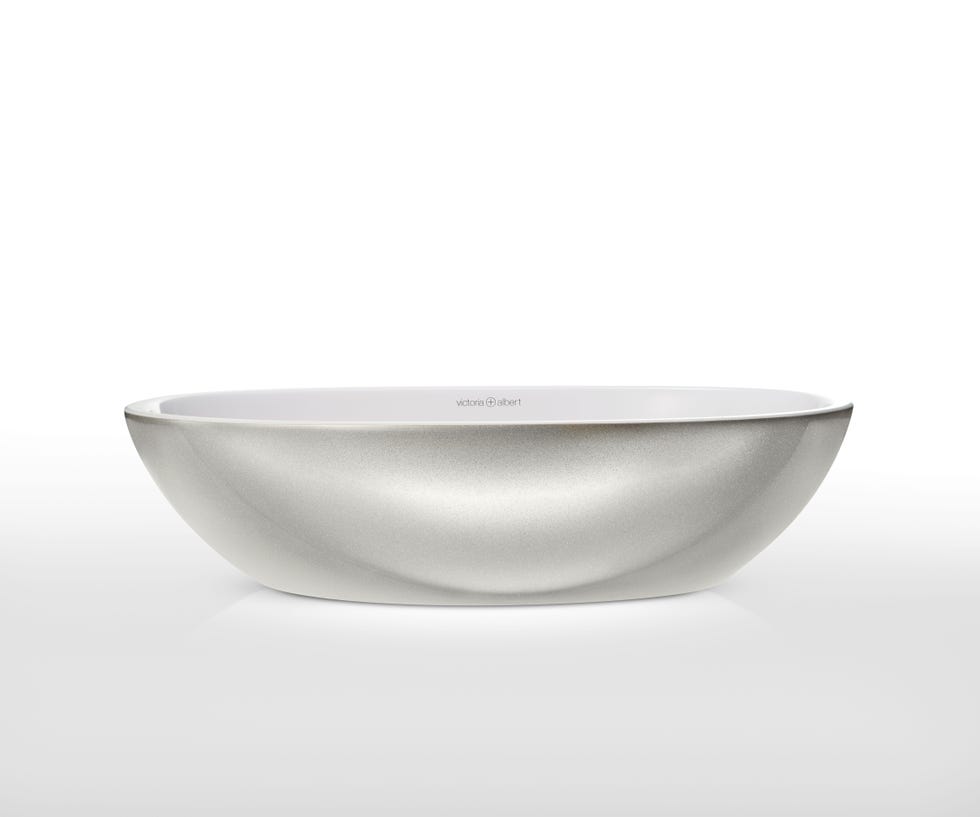
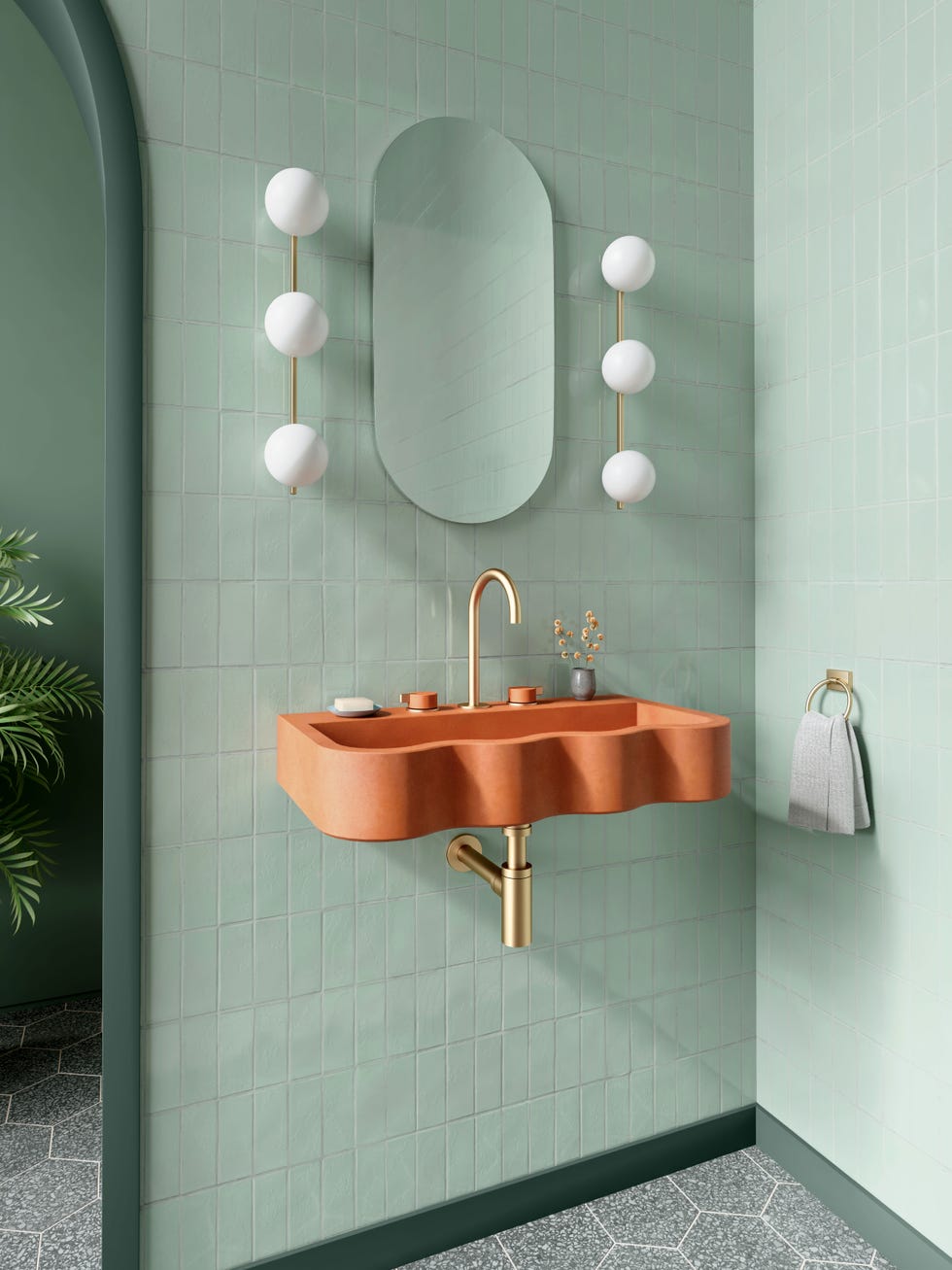
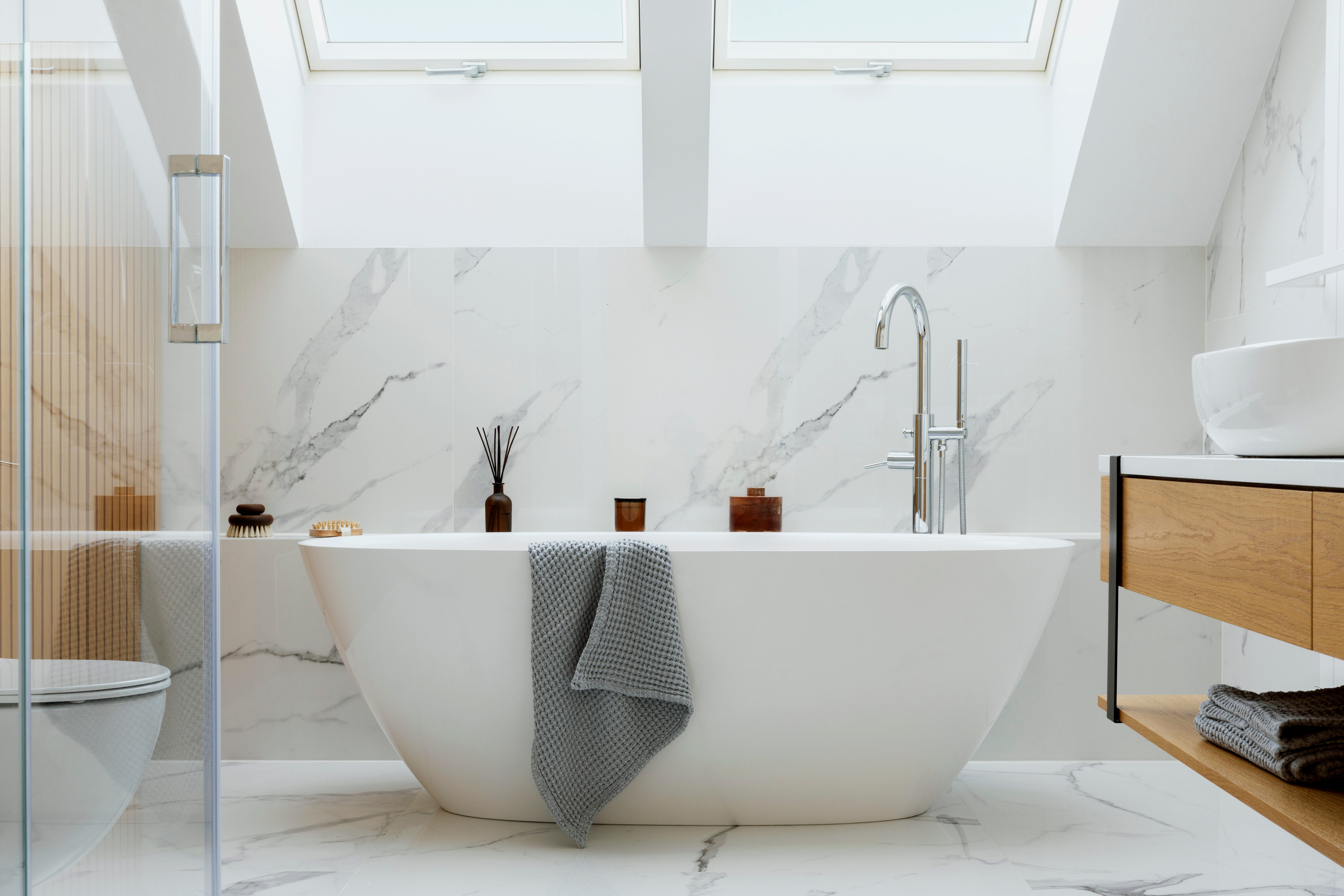
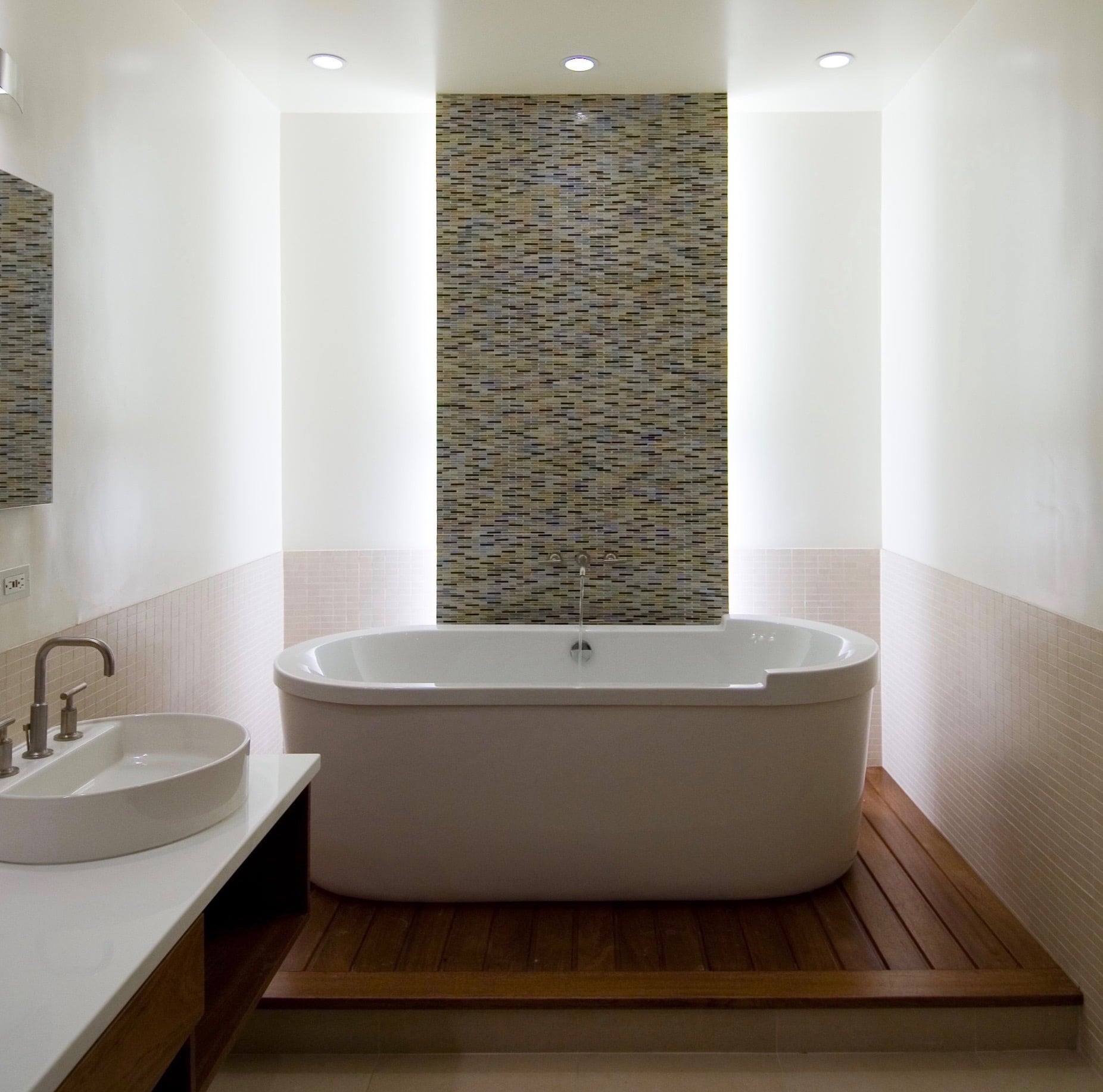
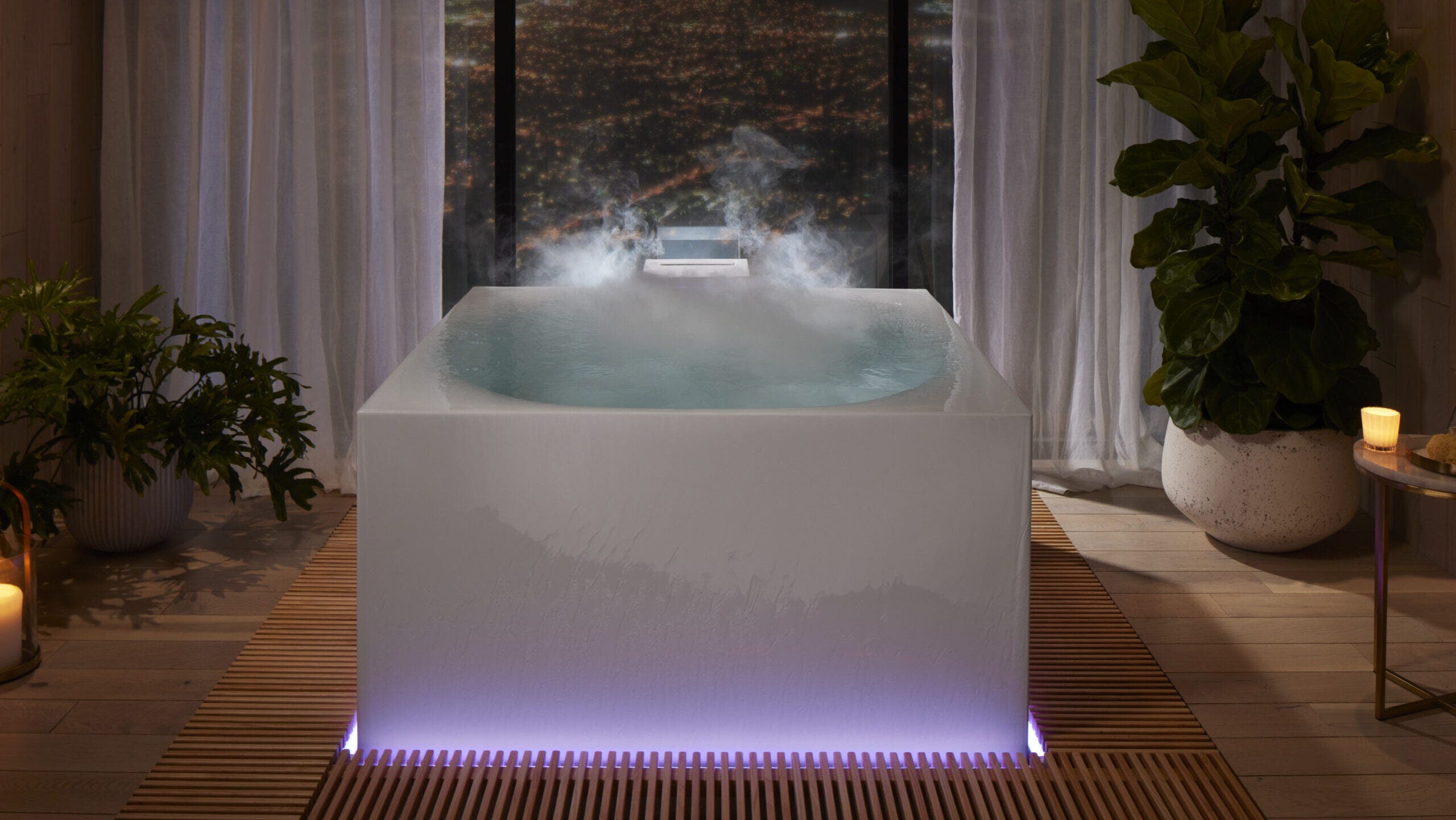
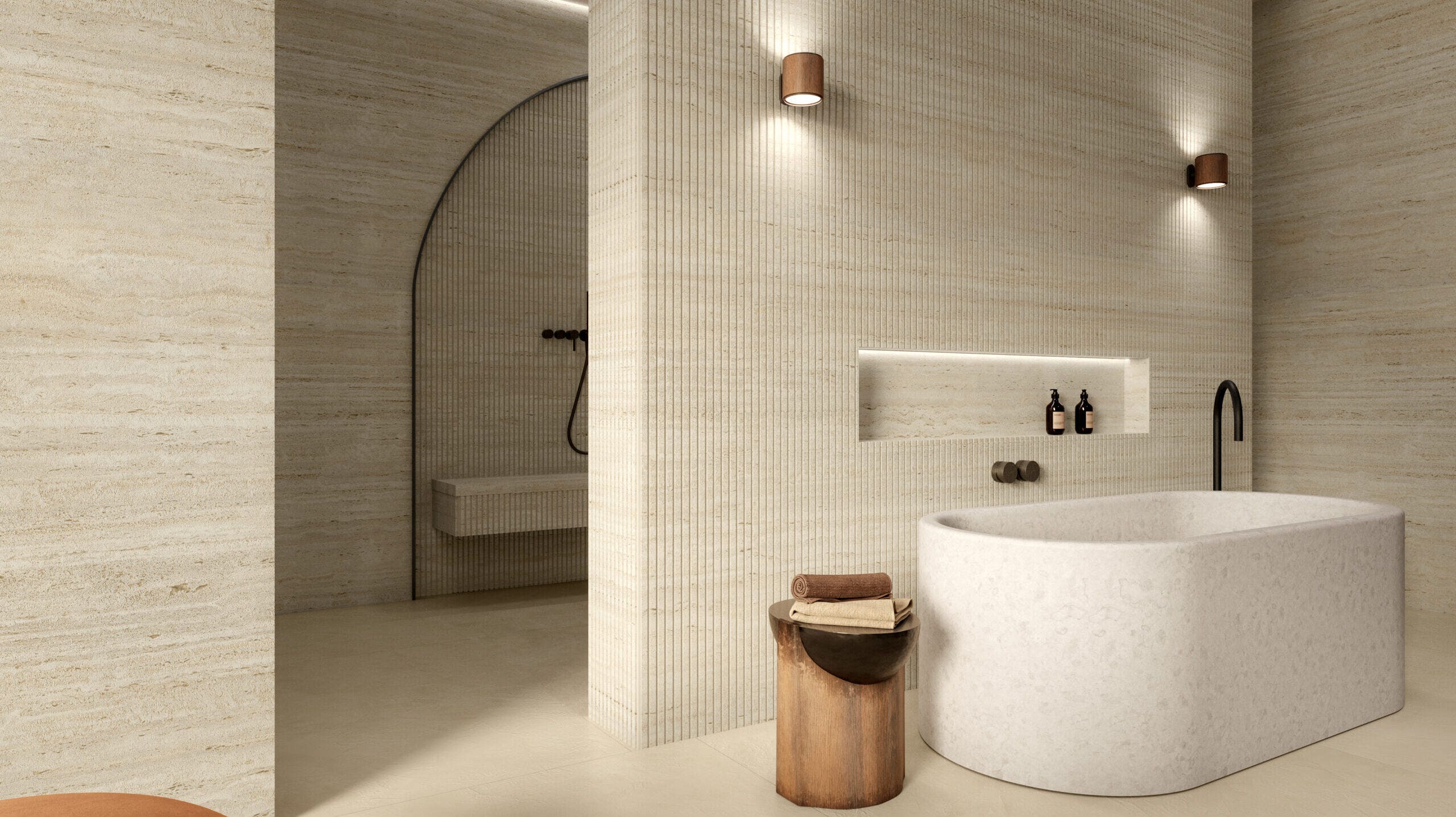
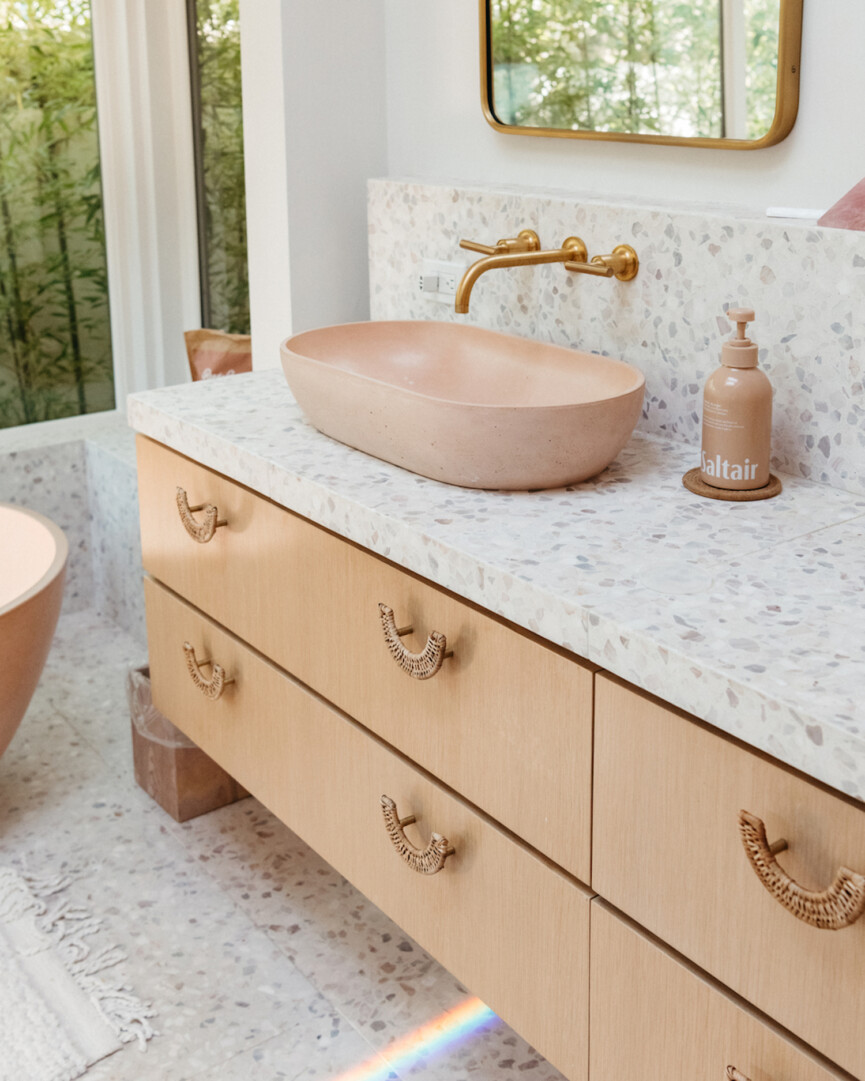
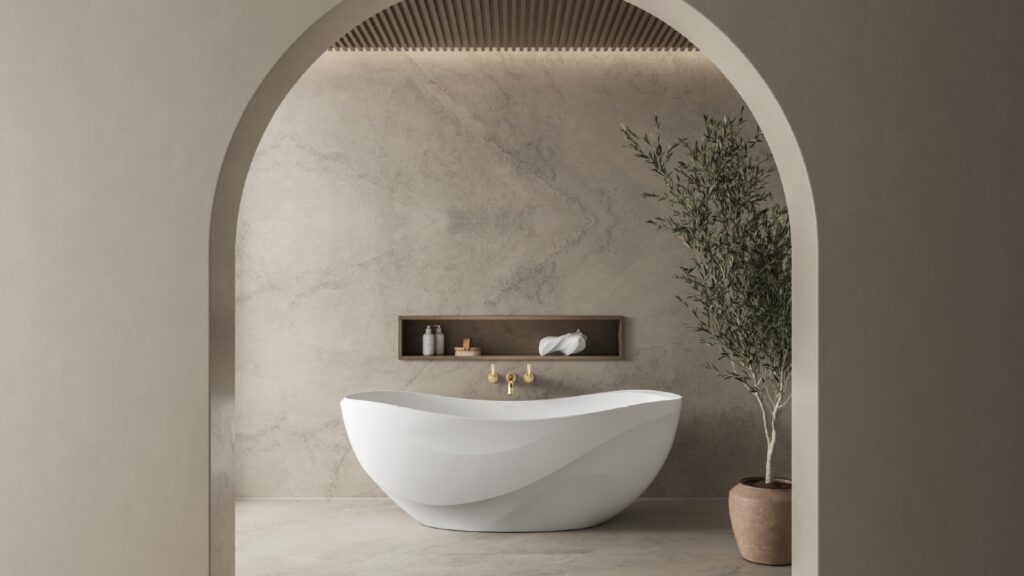
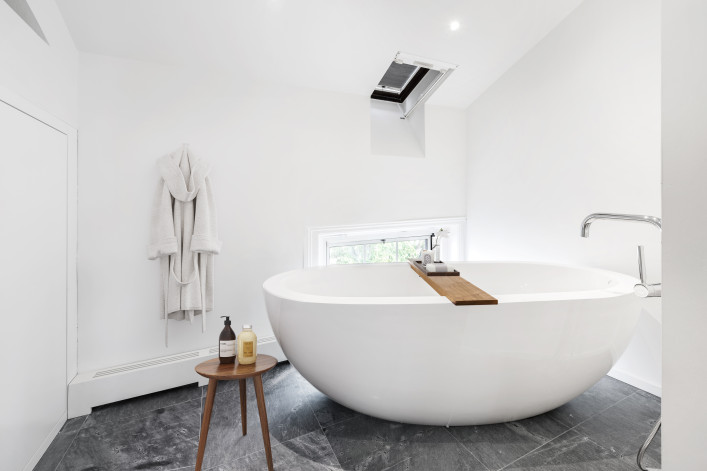
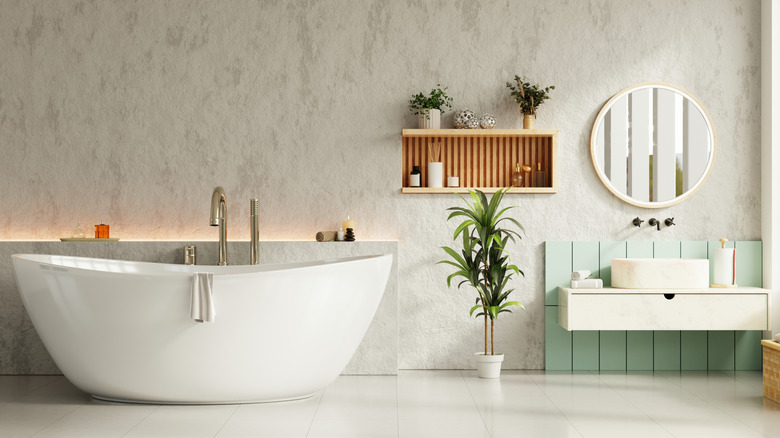
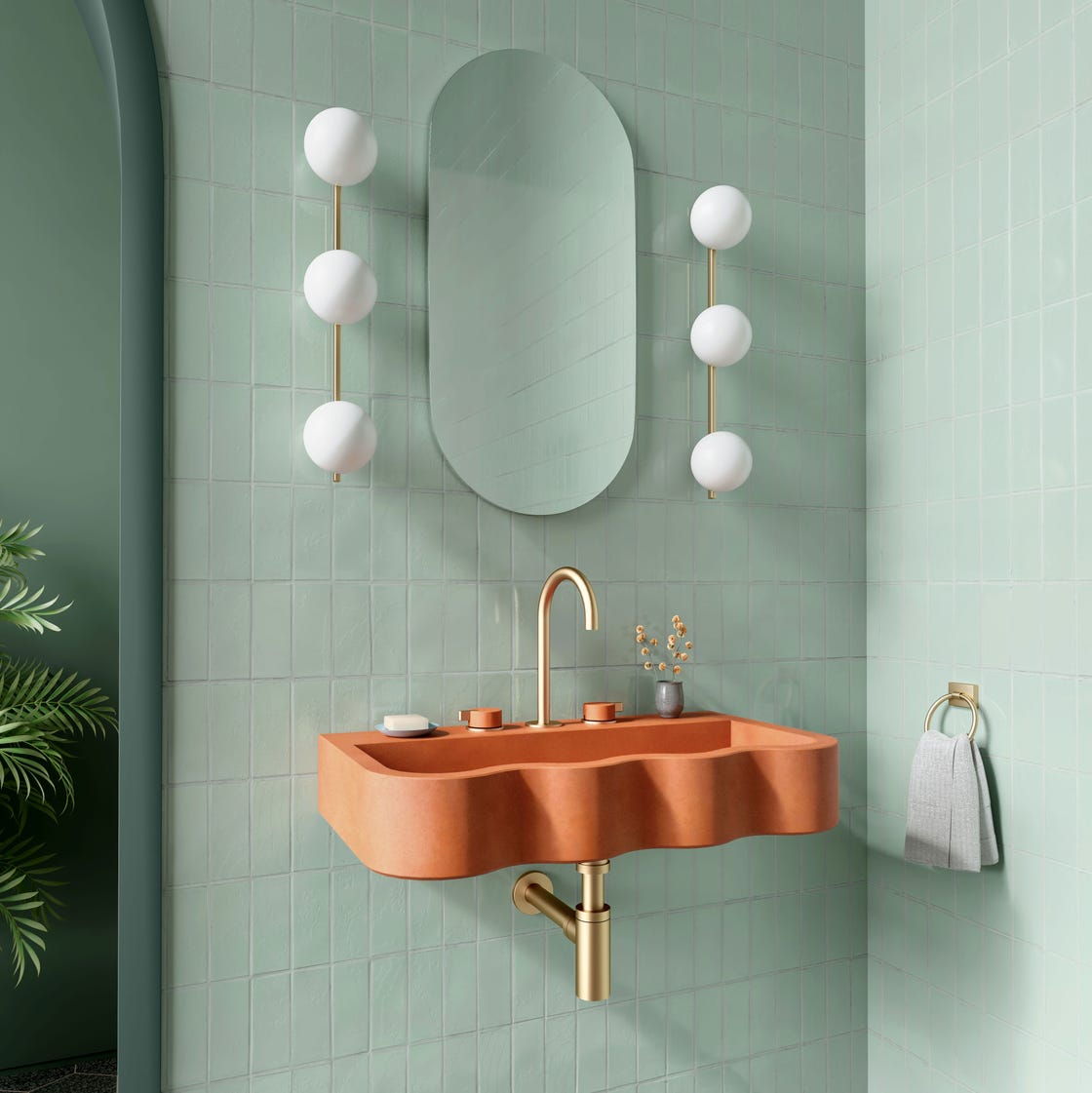
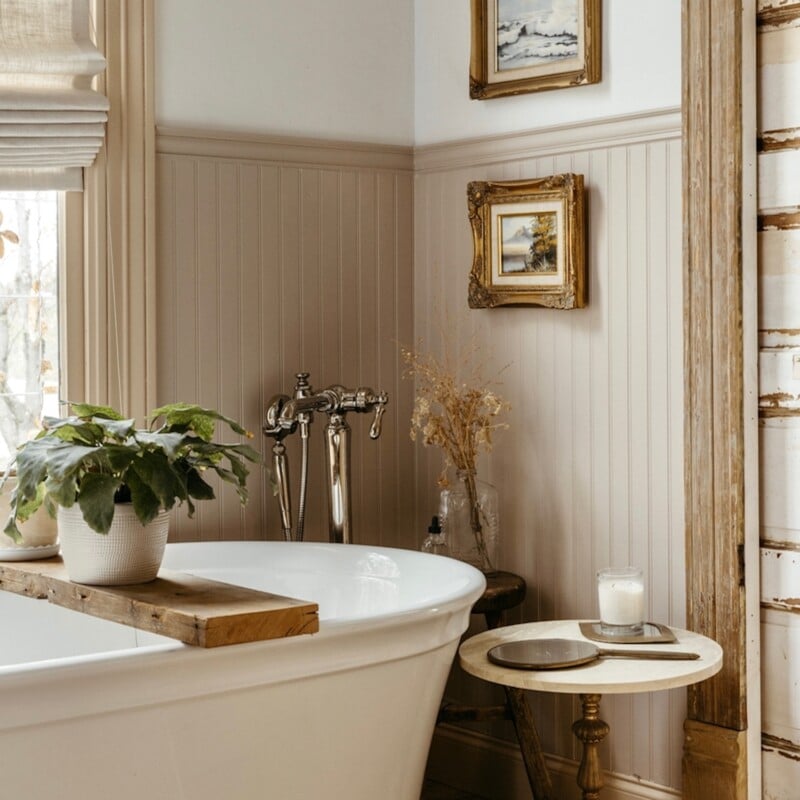
Bathroom interiors are increasingly embracing organic forms, inspired by nature, to create spaces focused on health and wellbeing. This trend marks a shift away from straight-edged, boxy designs towards luxurious curved shapes, softened, rounded angles, and gently rippled textures, with the bath becoming a central feature. Industry experts, such as Ben Bryden from RAK Ceramics and Julie Lockwood from Bathrooms to Love by PJH, highlight a growing demand for baths with smooth curves and organic shapes. This change is driven by a desire for relaxation and natural beauty in bathroom setups, aiming to evoke a sense of calm and peace reminiscent of a spa. The incorporation of natural elements into living spaces is part of a broader wellness trend.
Beyond aesthetics, curved bath designs offer practical advantages. Experts like Martin Carroll from Duravit UK and Sven Rensinghoff from Bette suggest that organic shapes provide a more comfortable and relaxing bathing experience. Adam Teal from Kaldewei UK notes that softened corners and curved designs enhance safety, making them ideal for family bathrooms and hotels by eliminating sharp angles. Additionally, these fluid forms can make a bathroom feel more spacious.
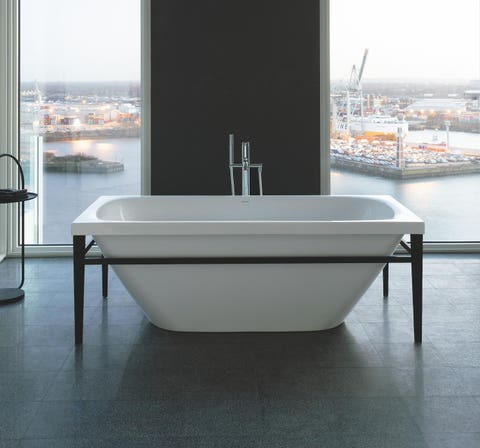
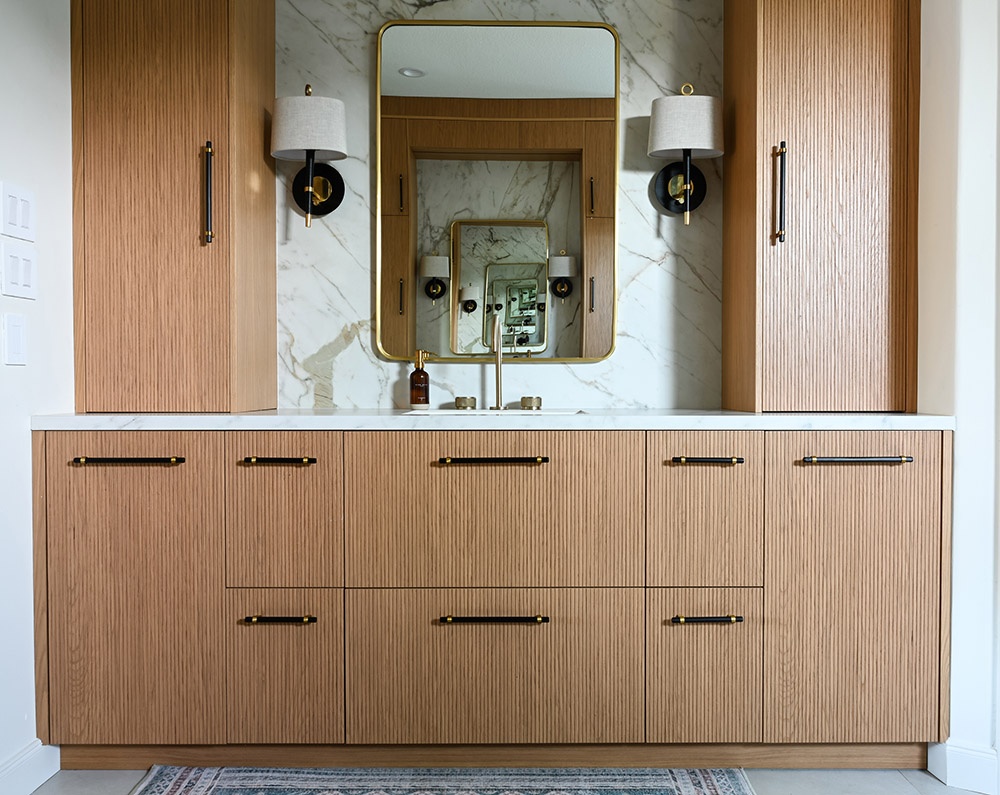
Recent trends in bath design also include the integration of fluid textures, such as fluted surfaces. These textures not only soften the bath's appearance but also introduce gentle visual movement. Helen Ray-Dennett from Tissino and Peter Woodward from Harrison Bathrooms observe the rising popularity of fluted designs, particularly on the outer skirts of freestanding baths, which were prominently featured at recent KBB shows. They explain that fluting instantly elevates a bathroom's modern aesthetic, adding visual interest and sophistication through textured, ridged surfaces.
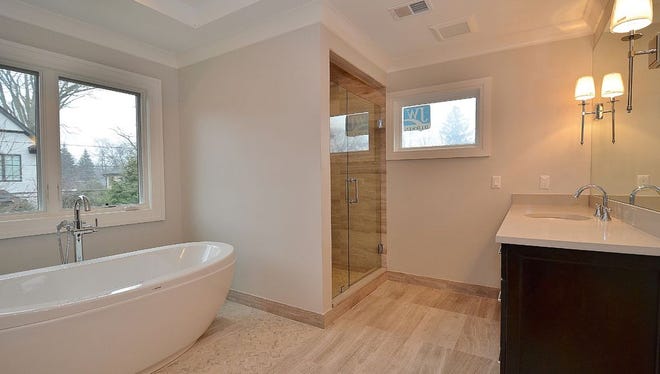
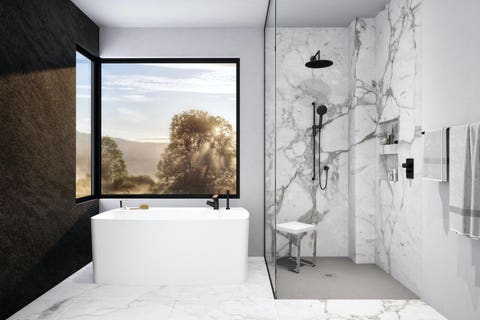
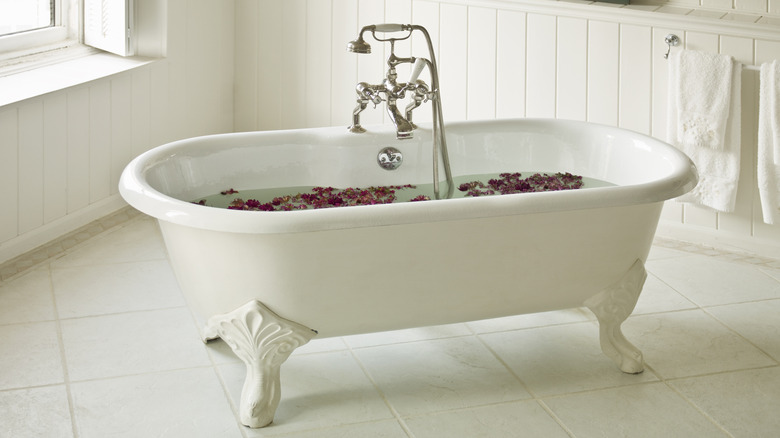
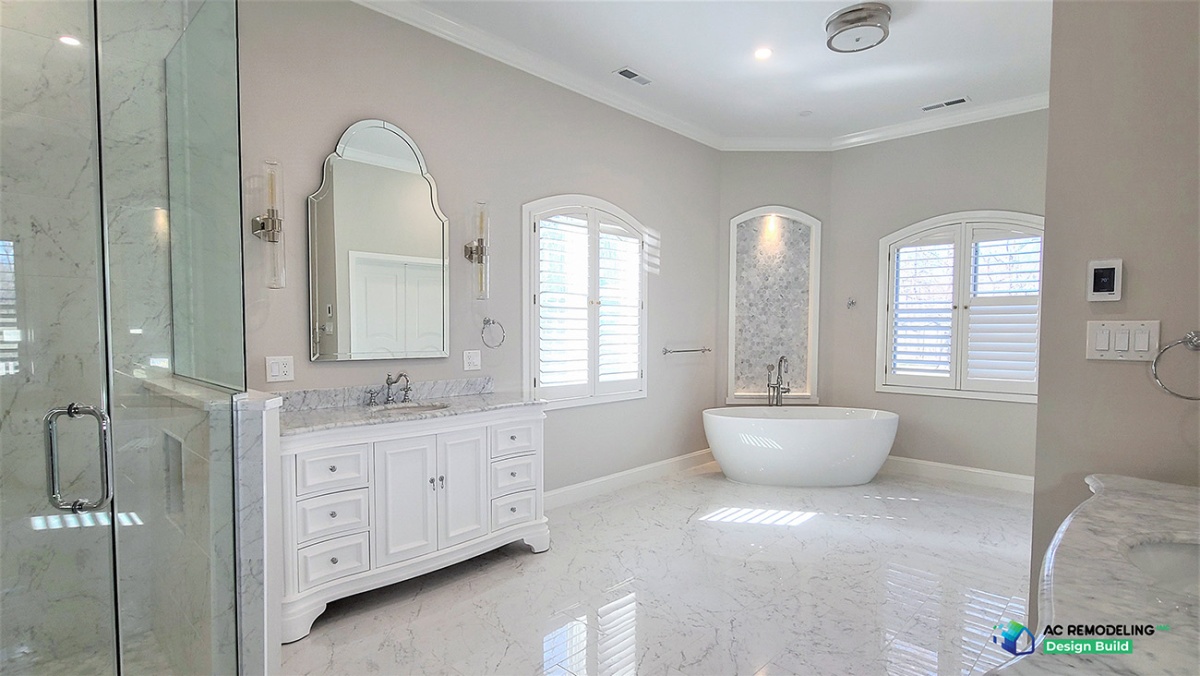
While freestanding baths prominently showcase the trend towards organic lines due to their size, the influence of curves extends to all bath models, including back-to-wall baths. These back-to-wall options provide the aesthetic appeal of a freestanding bath without requiring as much space. Ben Bryden of RAK Ceramics confirms that curves are becoming common across a wide array of bath styles, from contemporary designs featuring bold, fluid shapes to traditional baths that have historically incorporated softer contours. The emphasis on graceful, flowing lines, arcs, and bowed shapes aims to create a relaxing environment, offering both stylish design and practical benefits across various price points for designers looking to achieve a wellness-focused spa aesthetic.
#BathDesign #CurvedBaths #BathroomTrends #WellnessDesign #OrganicForms #FlutedTextures #HomeInteriors #BathroomRenovation #BathDesign #CurvedBaths #BathroomTrends #WellnessDesign #OrganicForms #FlutedTextures #HomeInteriors #BathroomRenovation
0 comment in total
 No comments yet
You may also like
Designers say curves are the key to a relaxing bathroom – here's how they're embracing the trend

9 Shower Trends to Know for a 2025 Bathroom Reno
The Growing Popularity Of The Elegant And Comfortable Free Standing Bathtub

Designers Swear This Bathroom Feature Is so Overrated

'Curved' Showers Are the Emerging Trend in Bathrooms That Makes Your Space Feel Softer and More Welcoming
9 Shower Trends to Transform Your Bathroom in 2026, According to Interior Designers

The Top 2023 Bathroom Trends, According to Designers

Craving some Zen? Here's how to create a spa-like bath in your NYC townhouse or apartment
Forget Bathtubs — Designers Say This Feature is the New Focal Point You Should Invest in for a Bathroom
The Luxurious Bathroom Trend You Can Say Goodbye To In 2025
Breathtaking bathroom ideas (will you make a colour splash?)
Here Are The Biggest Bathroom Design Trends, According To Experts

The Outdated Bath Trend That's Coming Back In Style
Built-in Shower Benches — The Feature Designers Are Using to Elevate Bathrooms Right Now
All The Bathroom Trends That Will Be Taking Over In 2026

6 ‘Wellness’ Additions Taking Priority in Bathroom Updates
These 2 Shower Features Might Be Unpopular, But Designers Love Them Anyway

Bathroom Trends
The Latest Bathroom Trends Are Indulgent—and Totally Worth It

At-Home Spa? Yes, Please—Designers Share Their Bathroom Trend Forecast for 2024