1/4
Designers say curves are the key to a relaxing bathroom – here's how they're embracing the trend
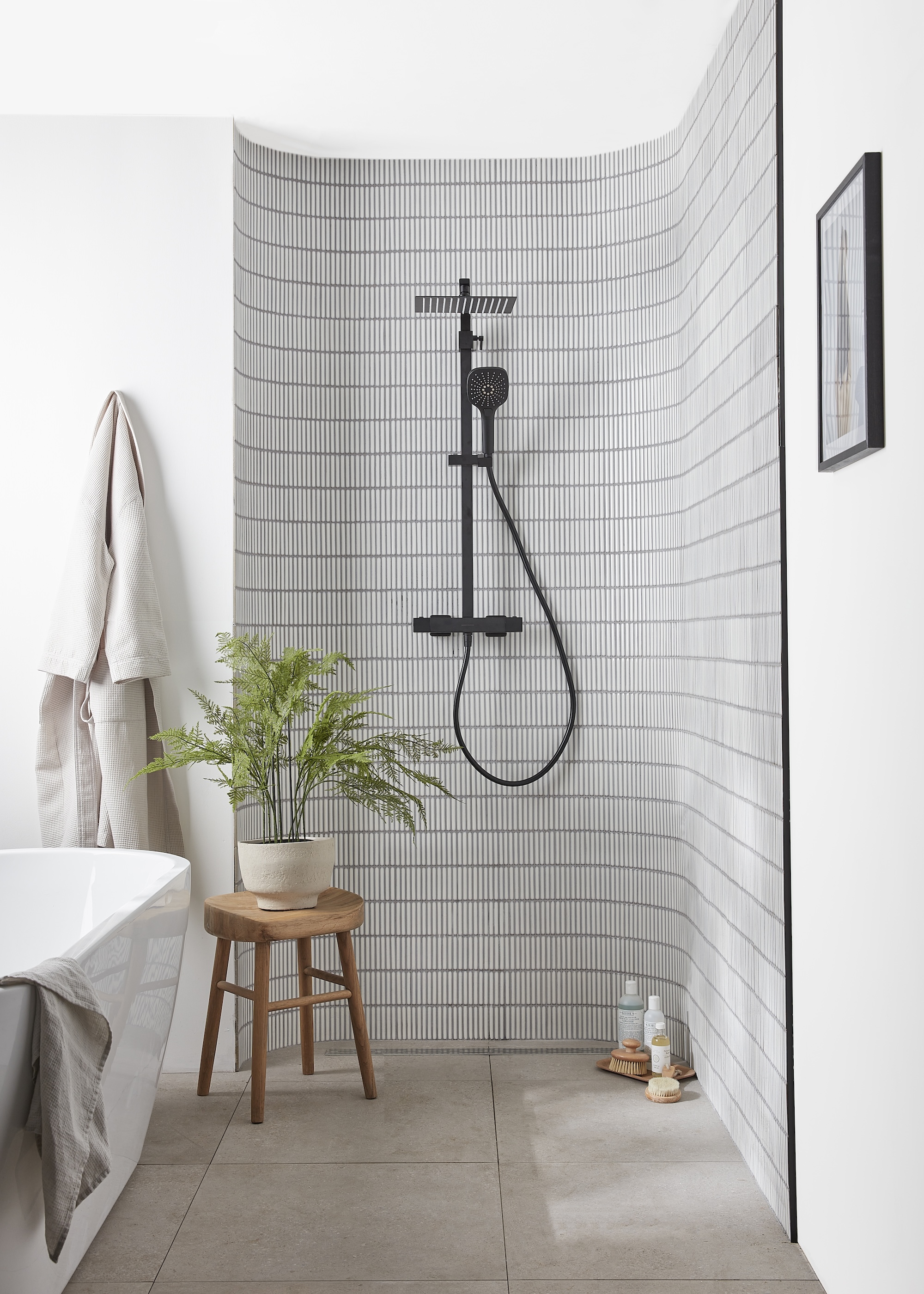
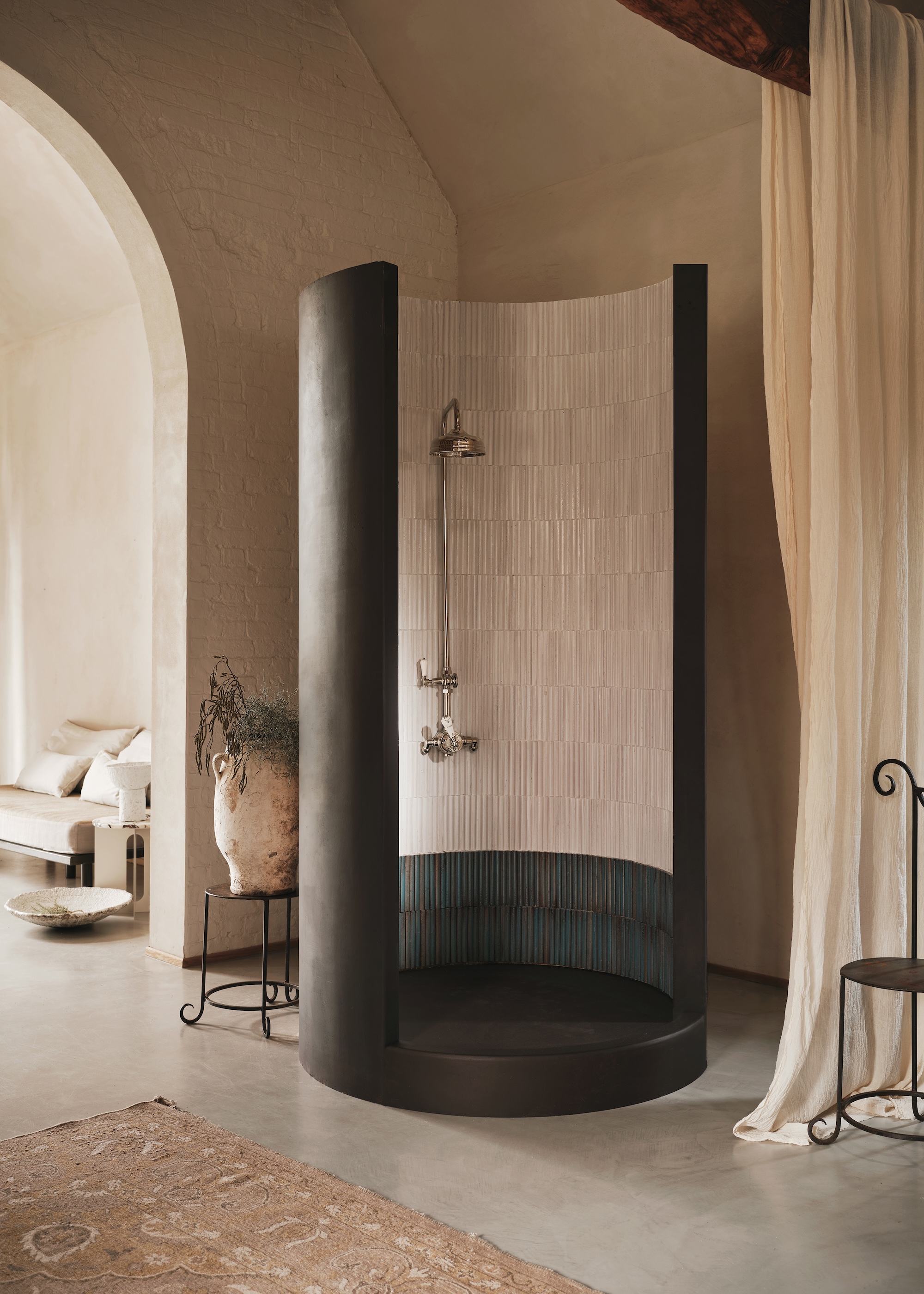
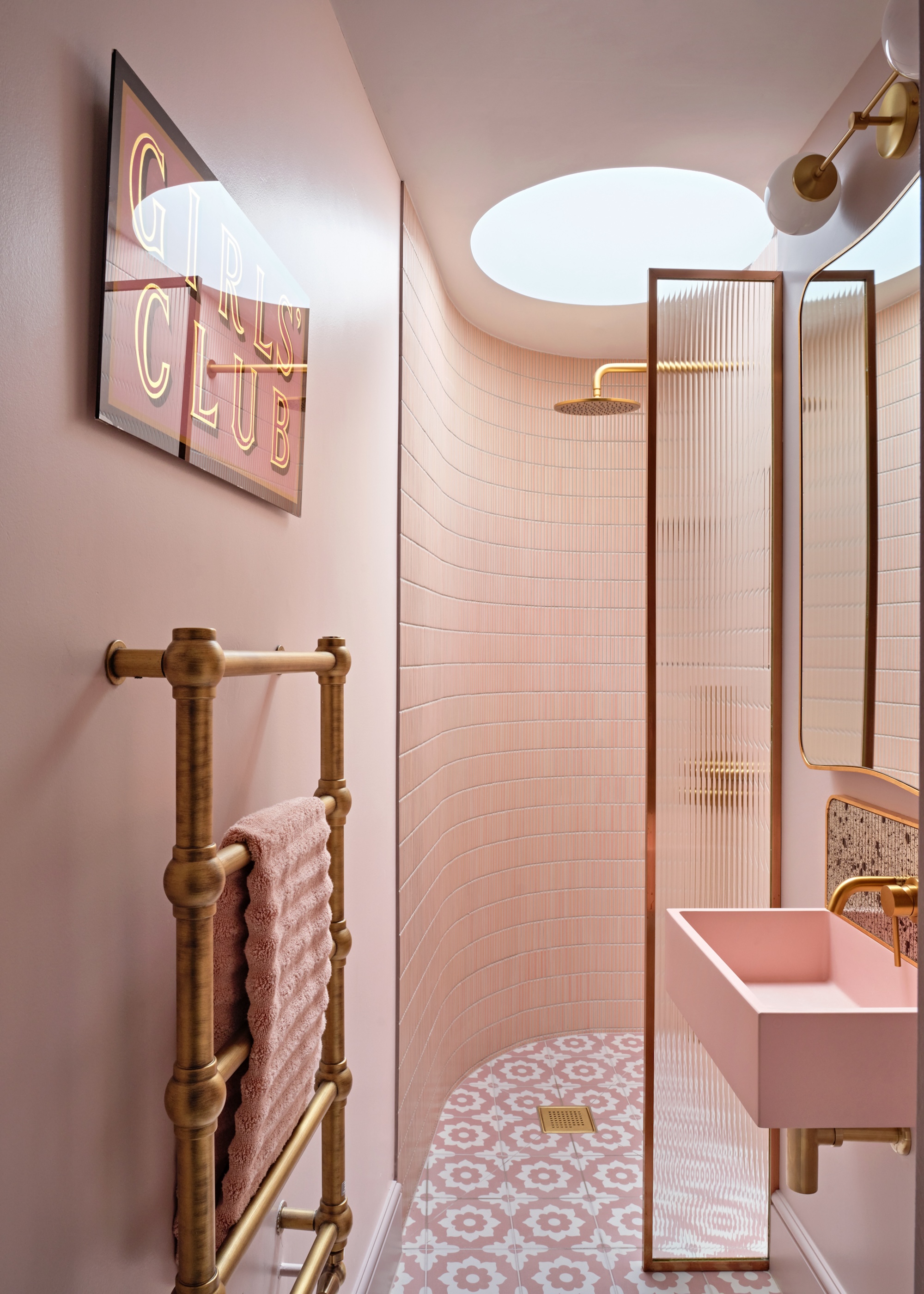
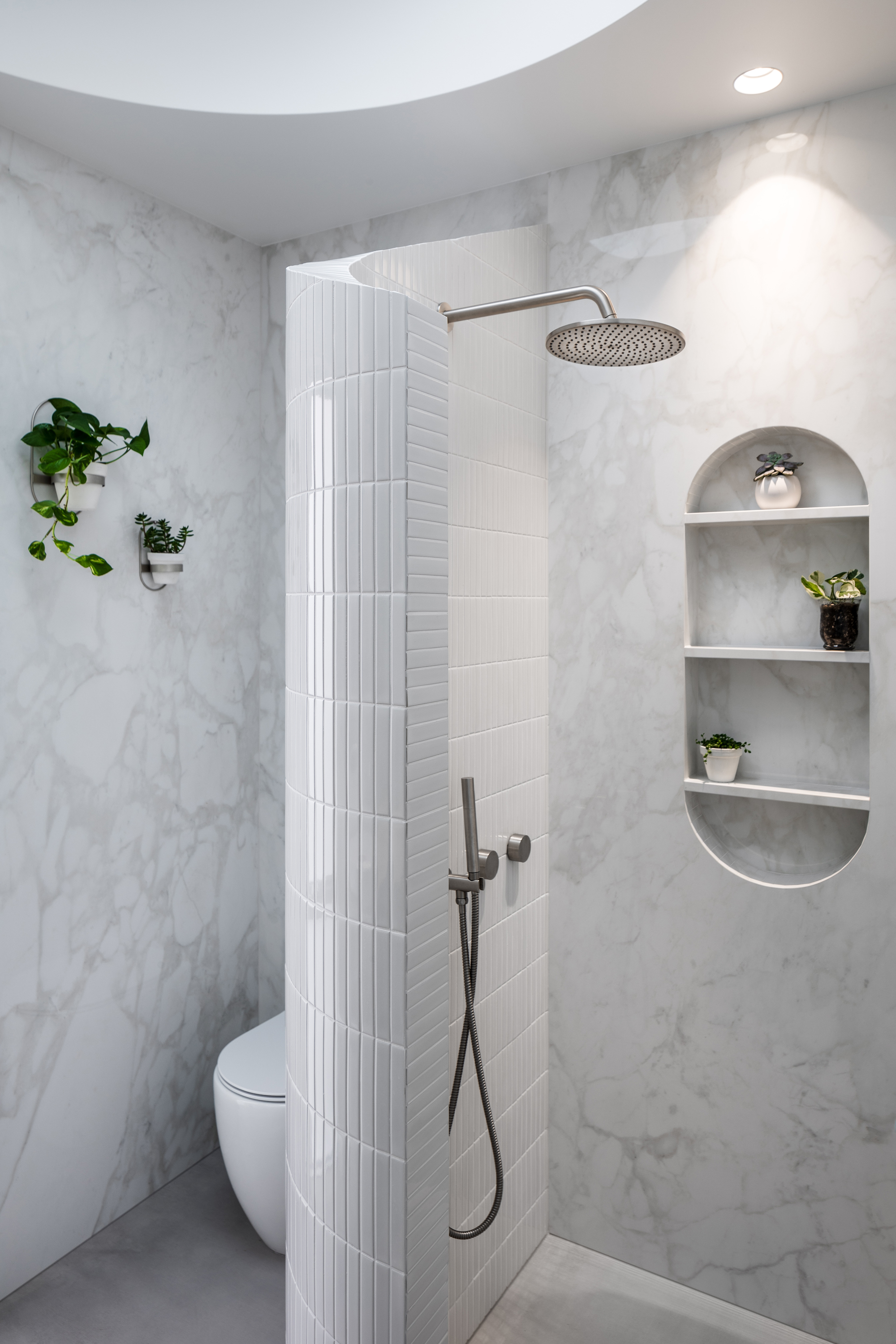
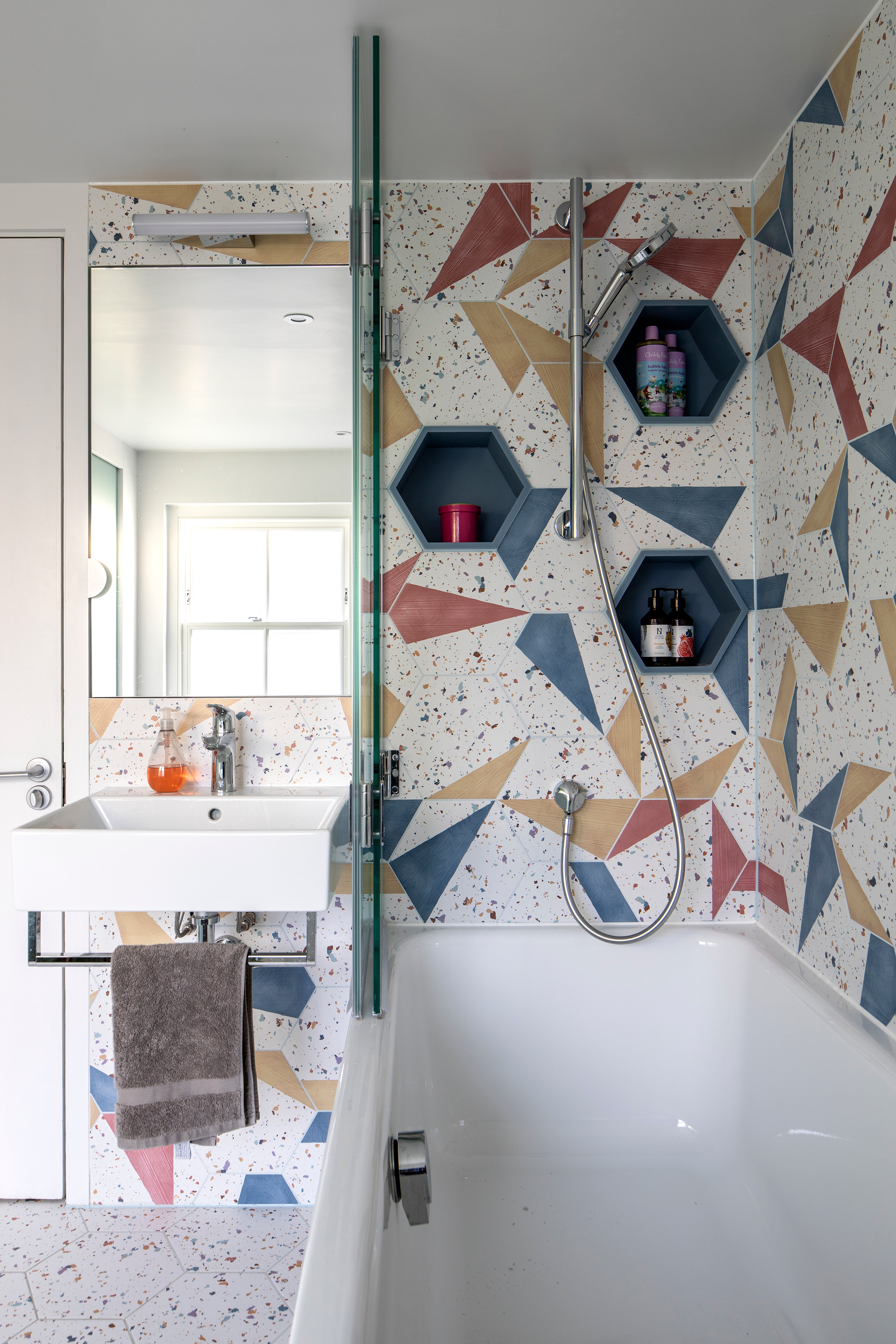
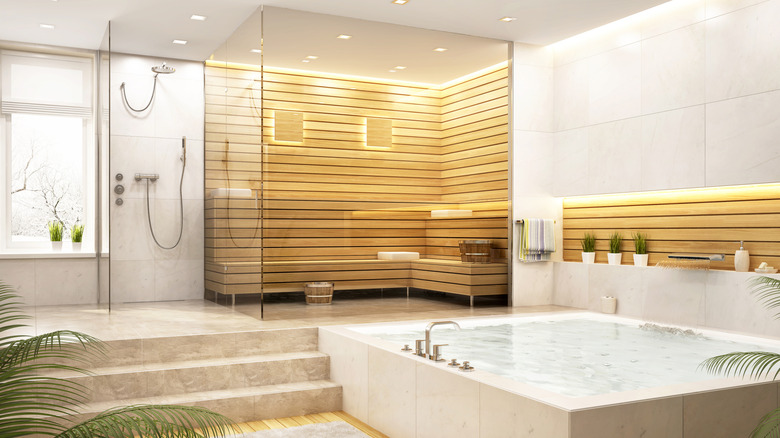
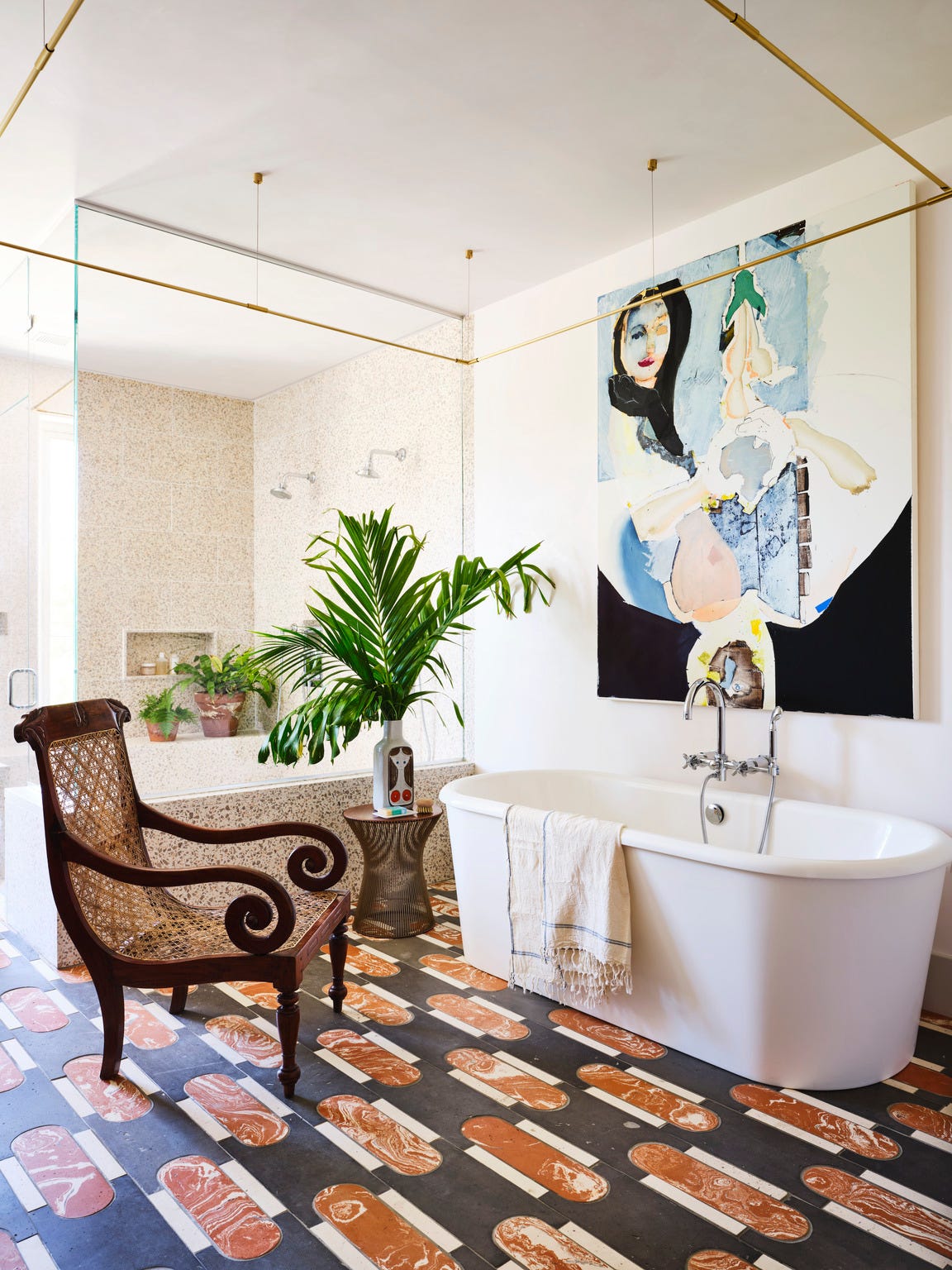
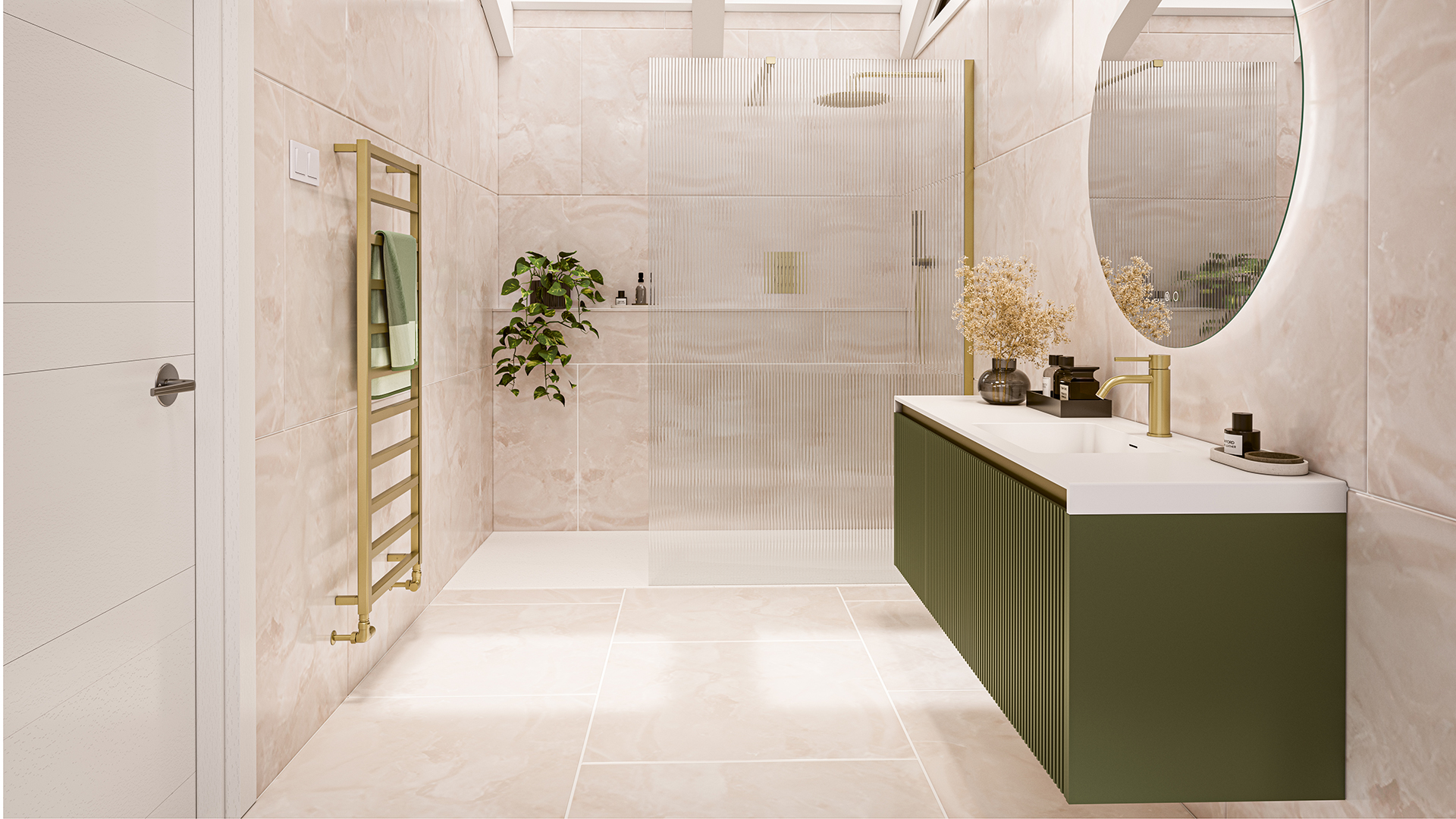
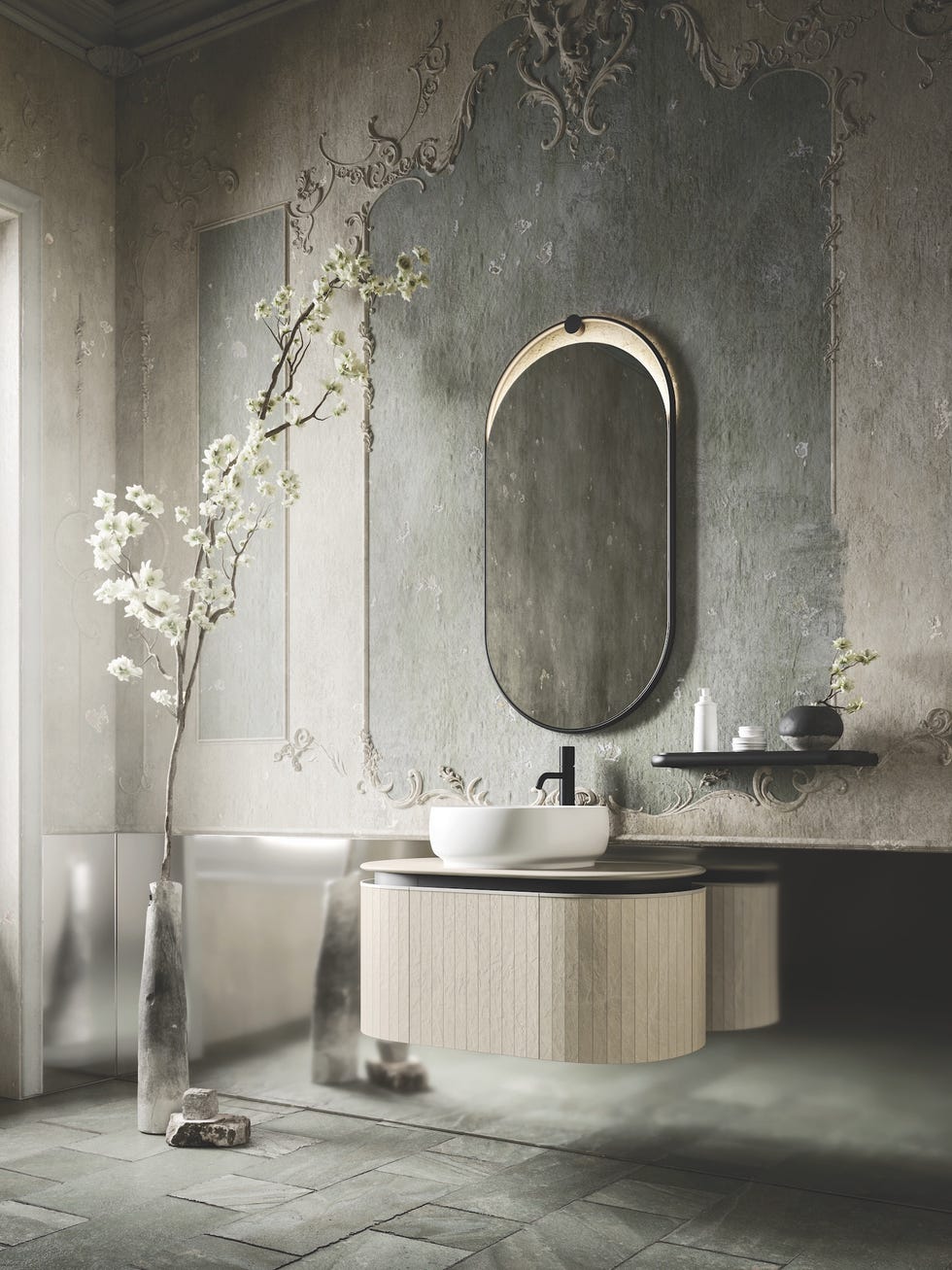
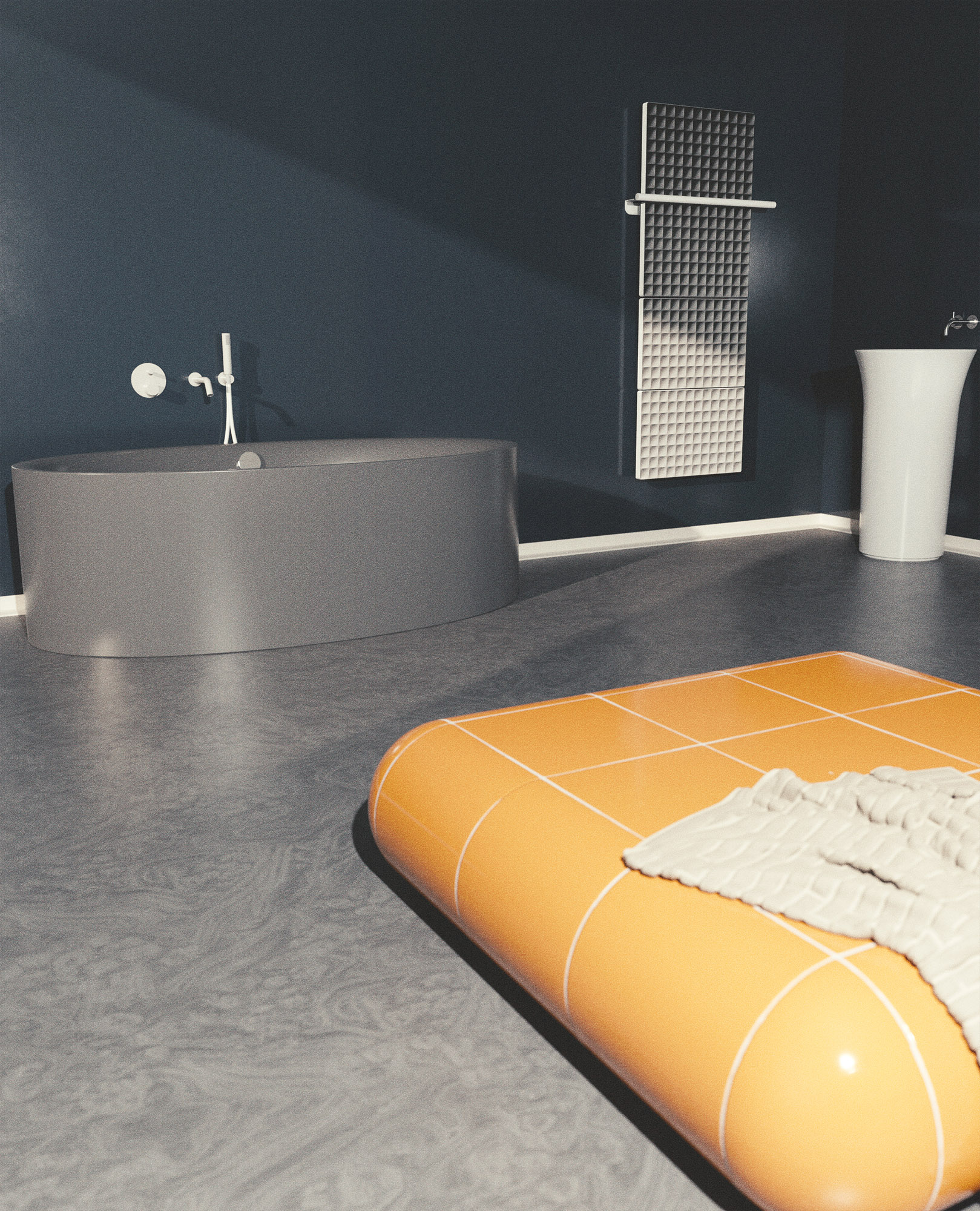
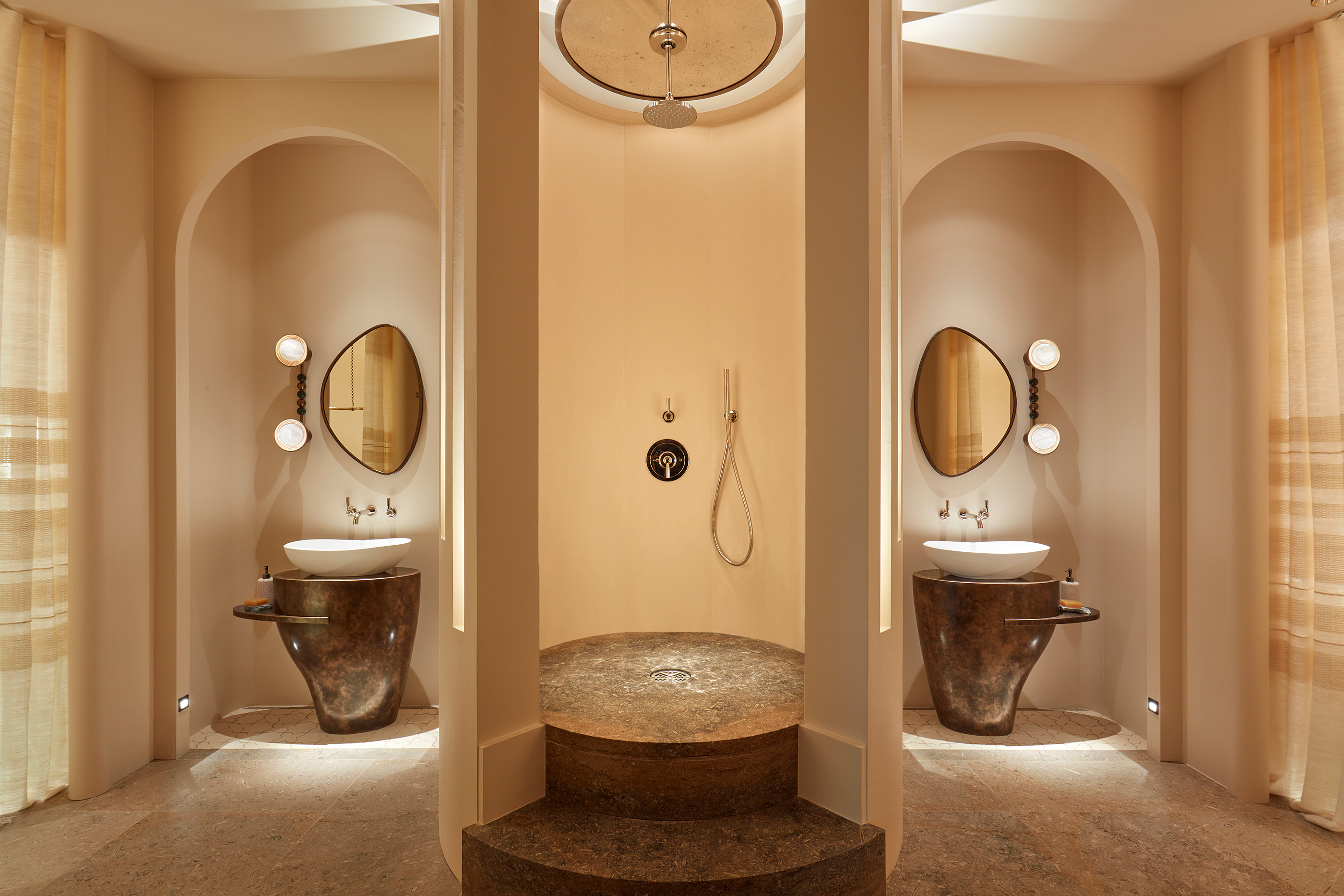
In recent years, curves have made a significant resurgence in interior design, particularly in bathrooms, as people seek more welcoming and nurturing spaces. The trend emphasizes soft, flowing lines and rounded edges over traditional sharp, angular corners, aiming to create a serene and contemporary aesthetic. Experts like Barrie Cutchie, Design Director at BC Designs, highlight that incorporating curves can introduce a visual rhythm that softens the space, transforming what can often feel like a harsh, clinical environment into a more relaxed sanctuary.
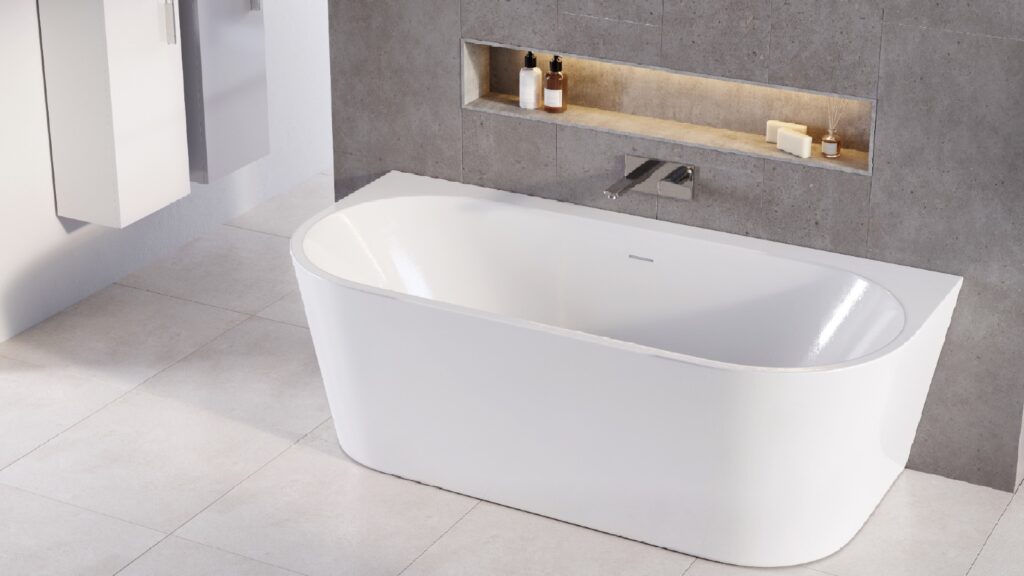
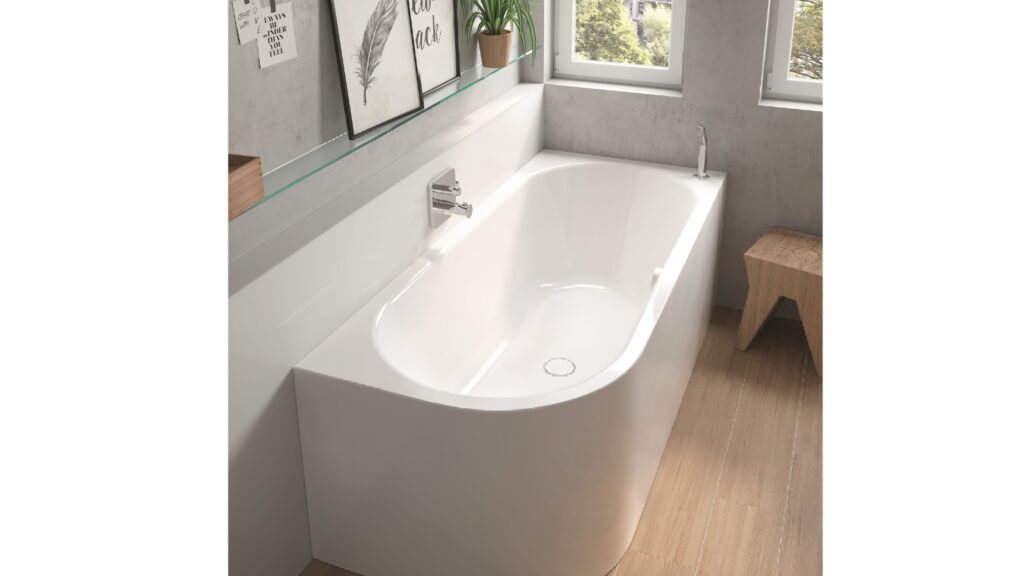
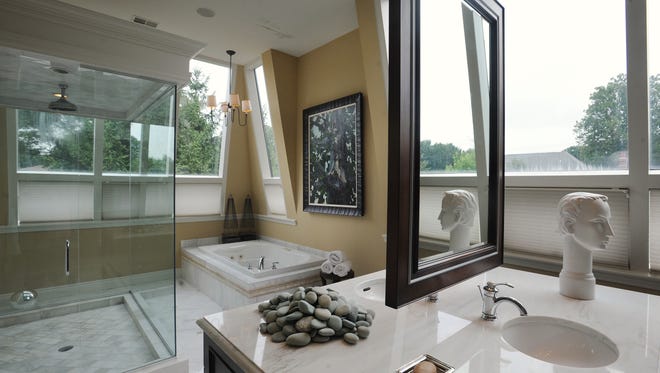
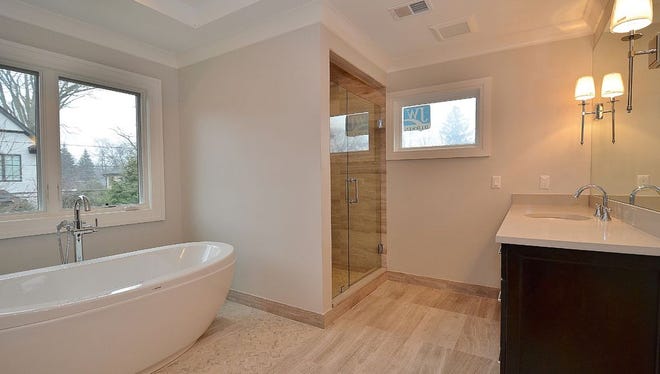
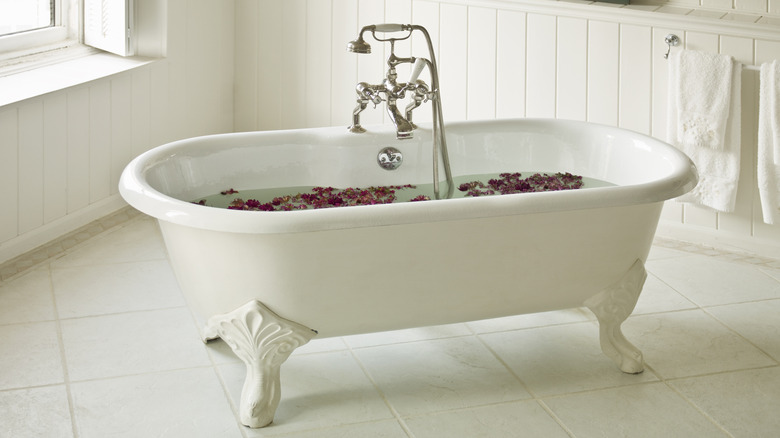
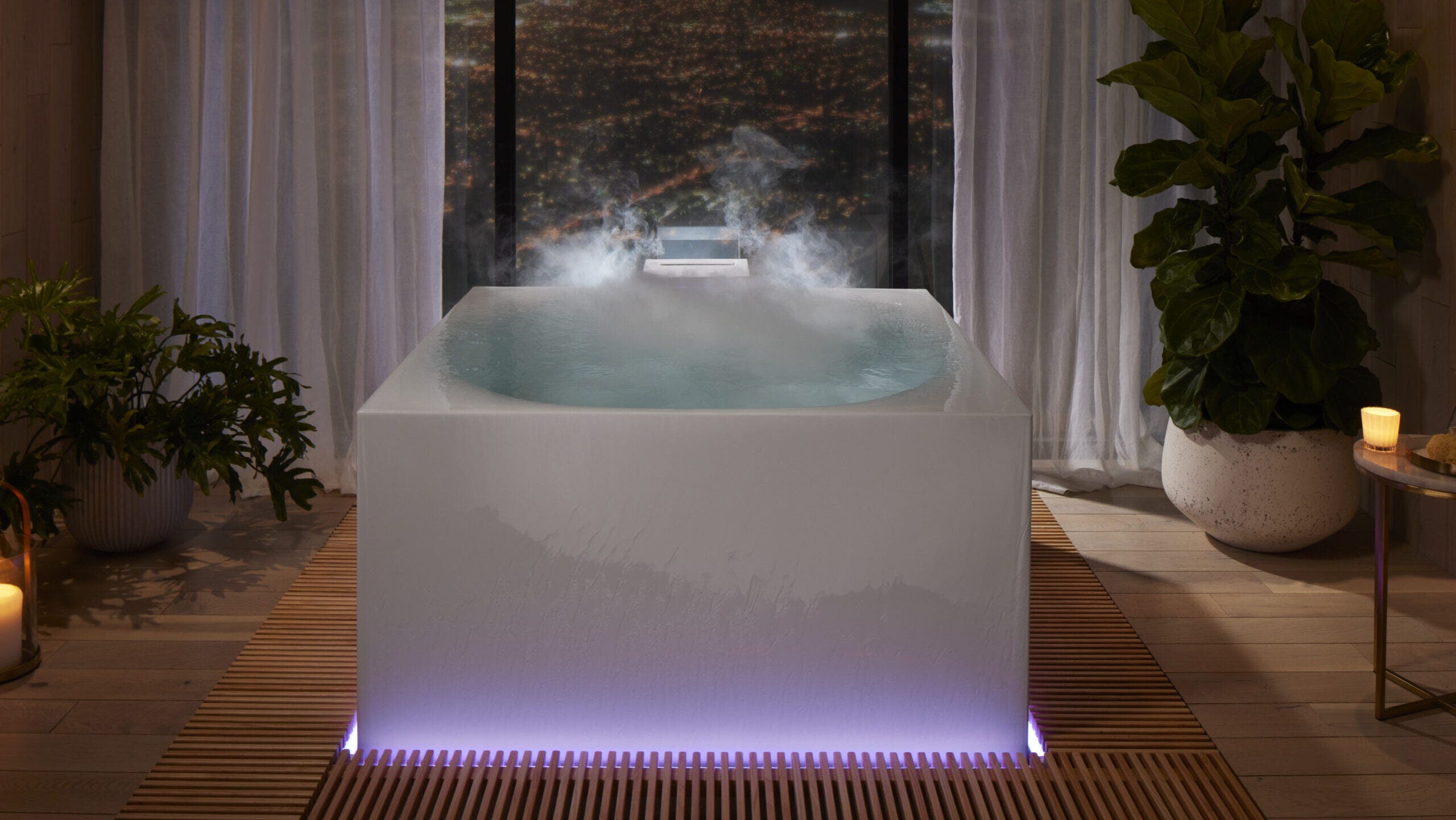
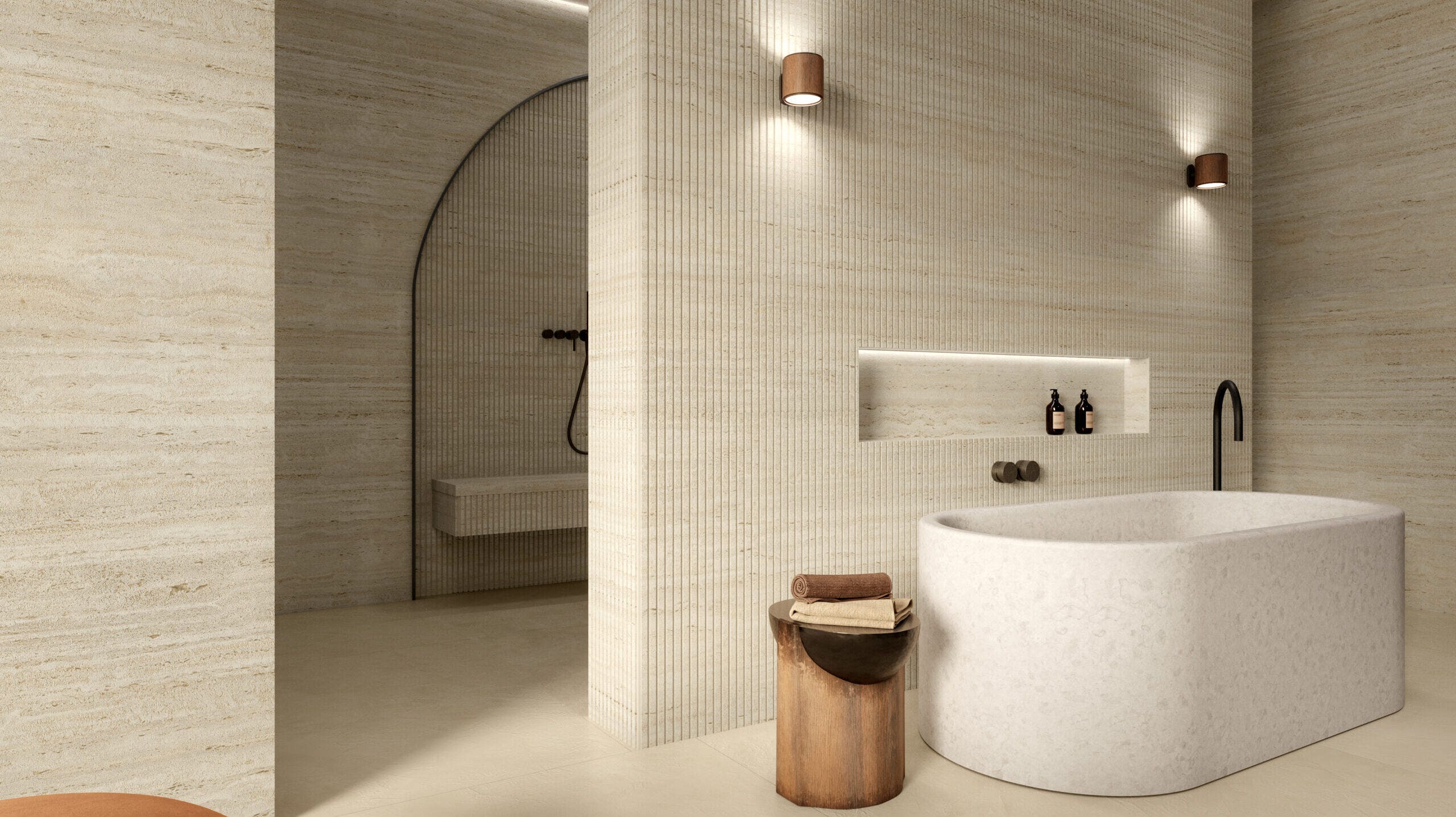
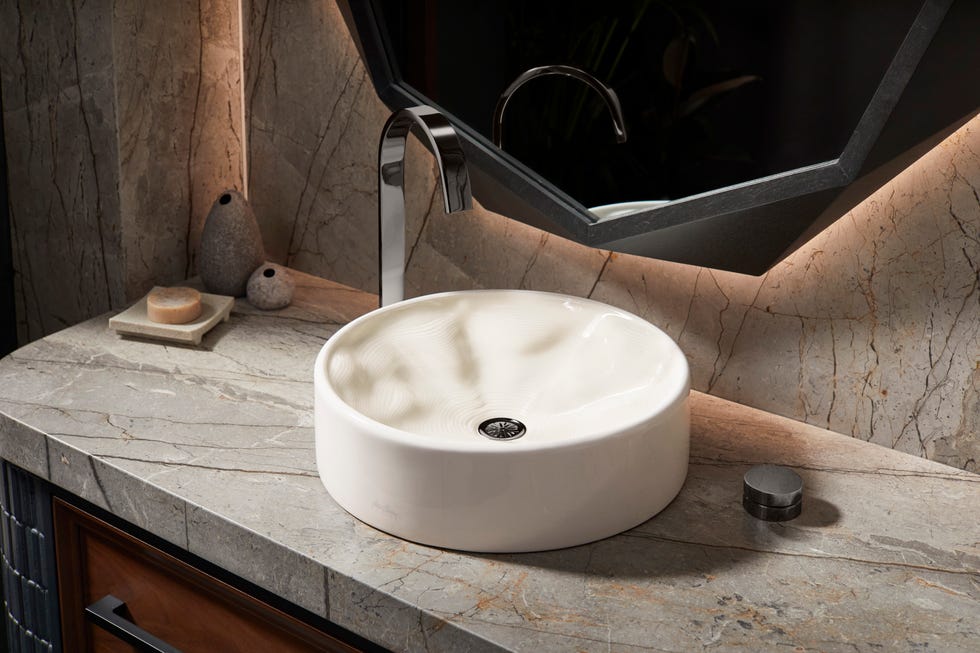
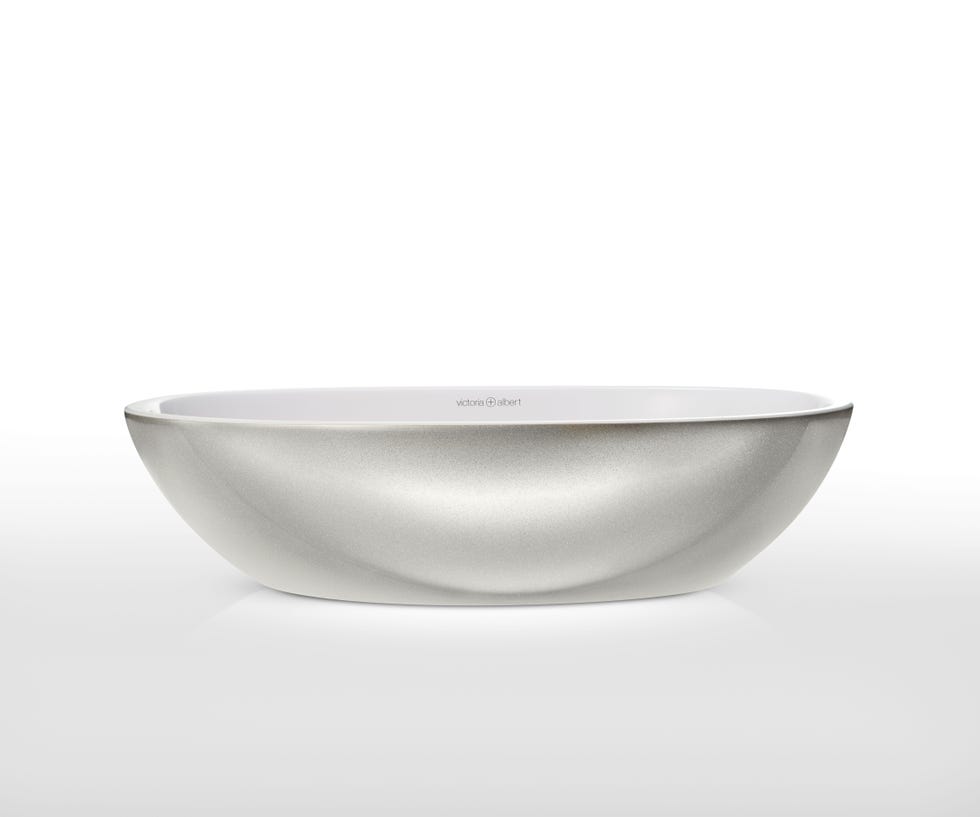
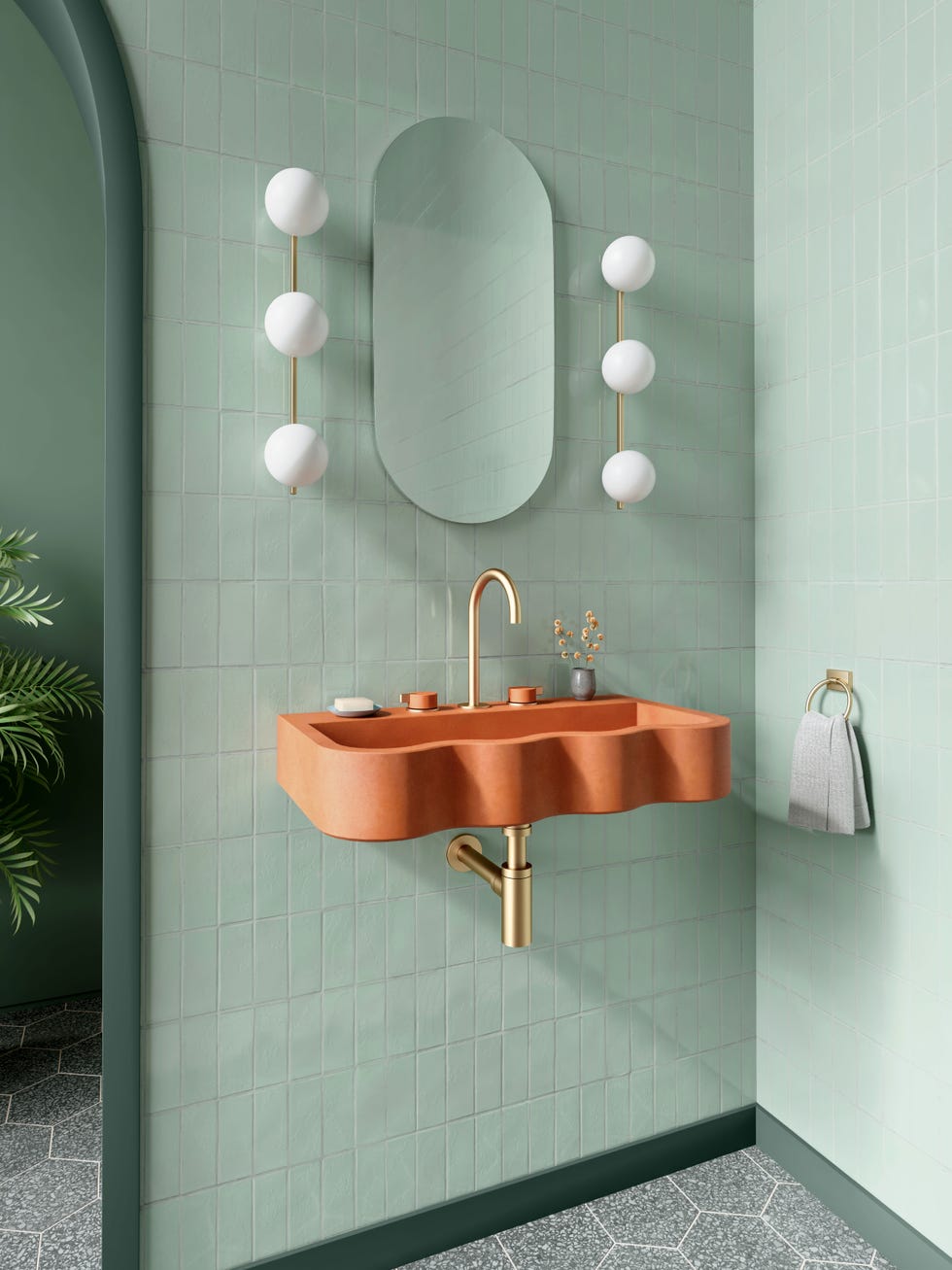
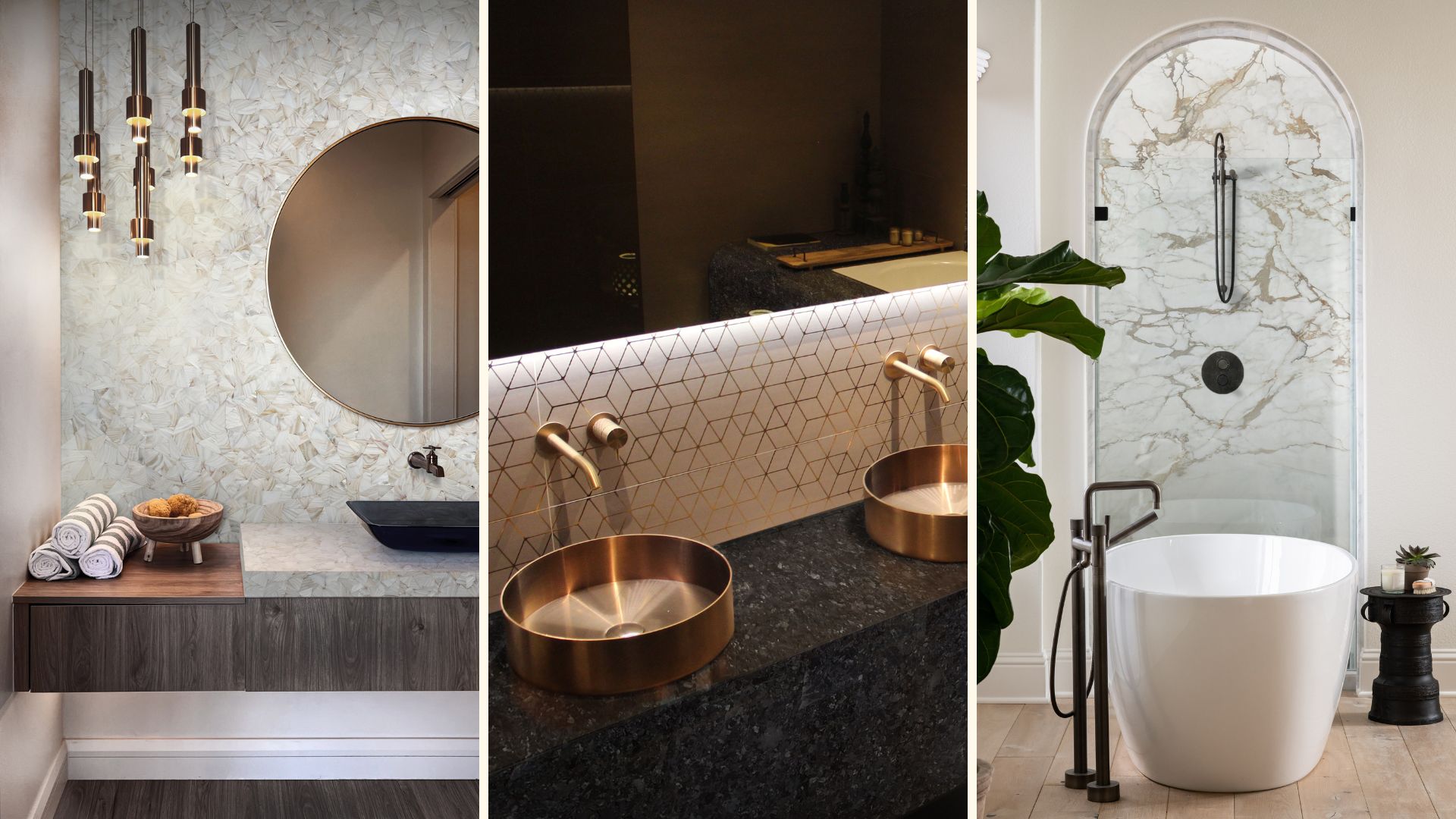
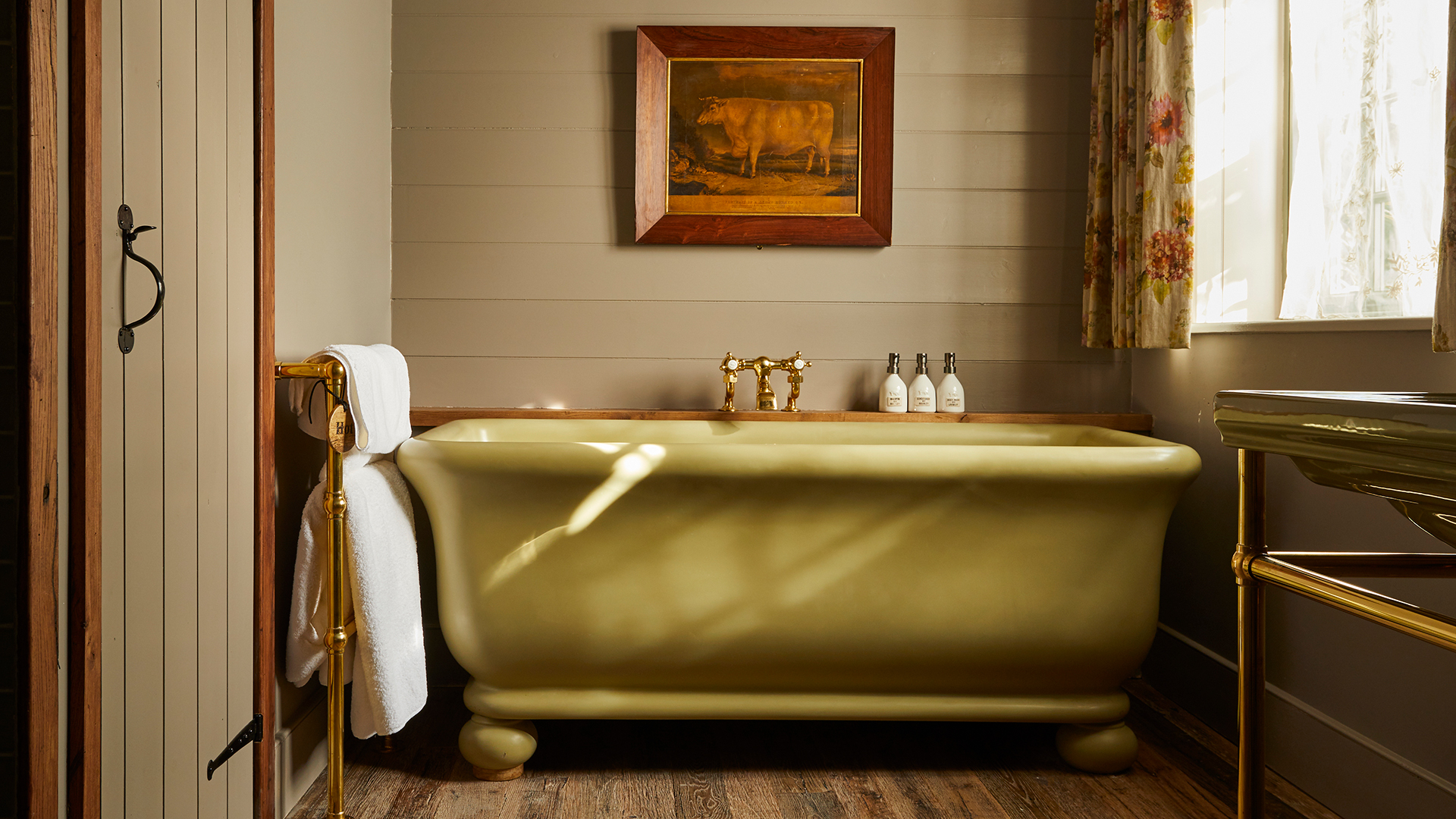
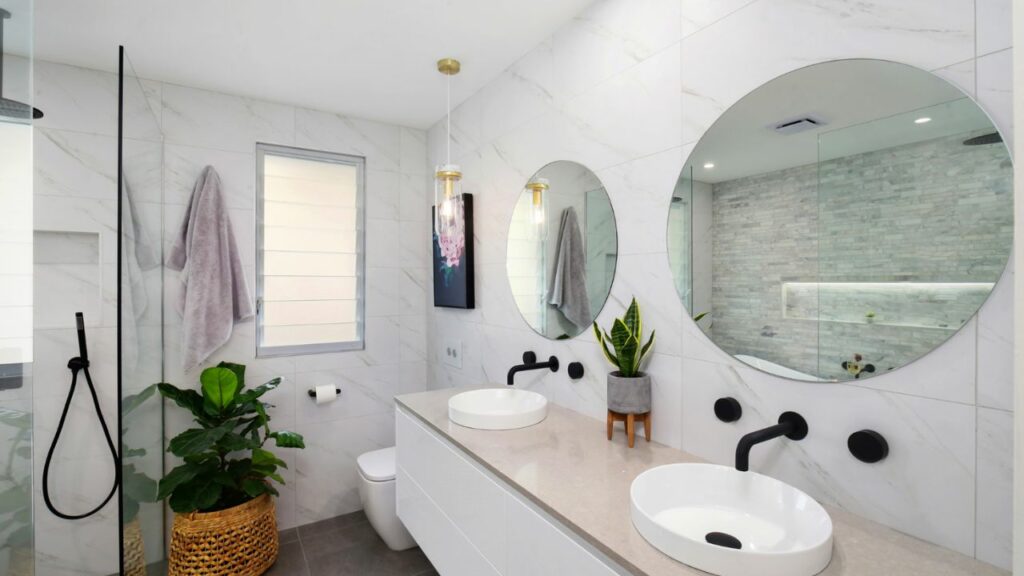
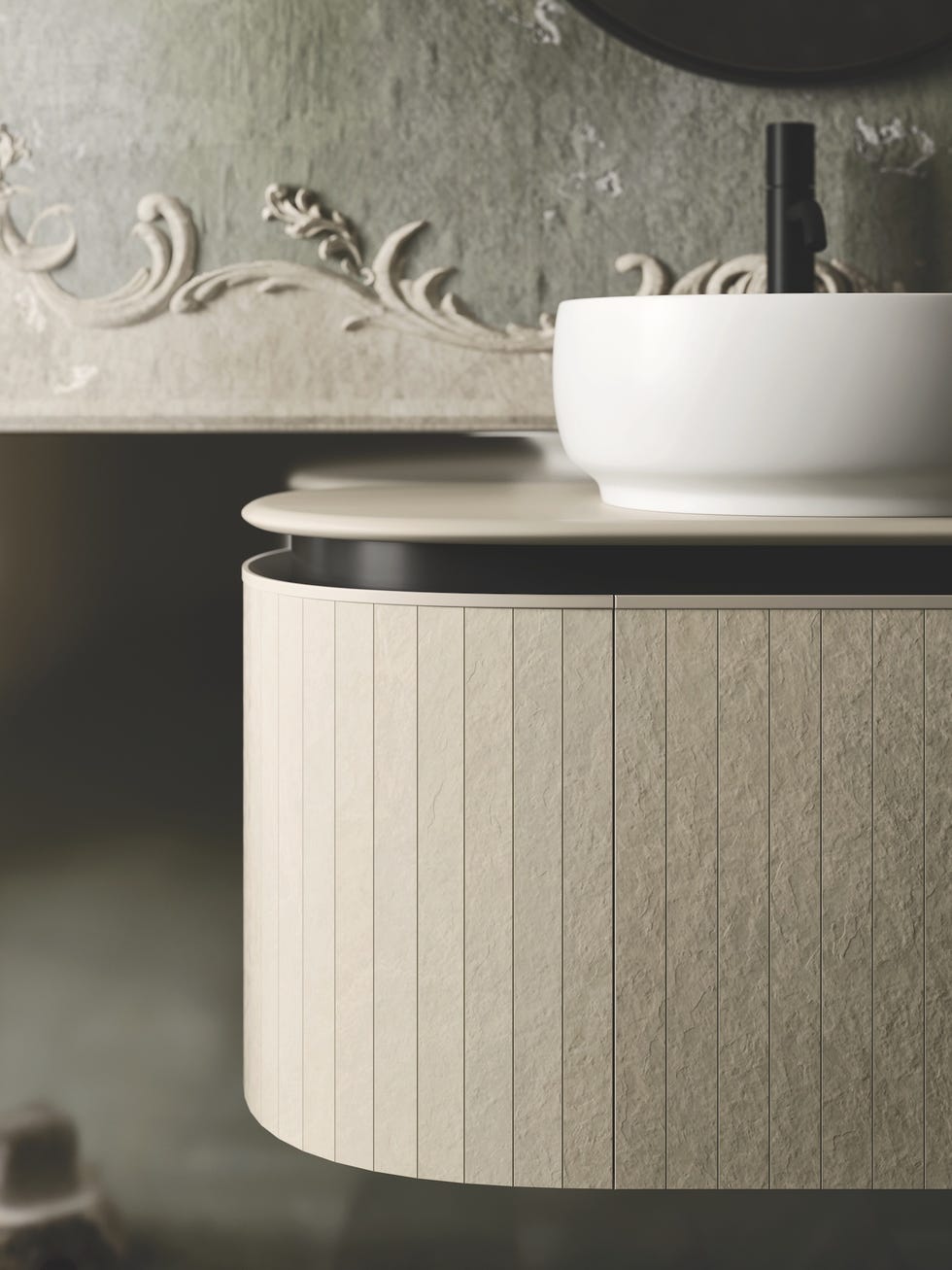
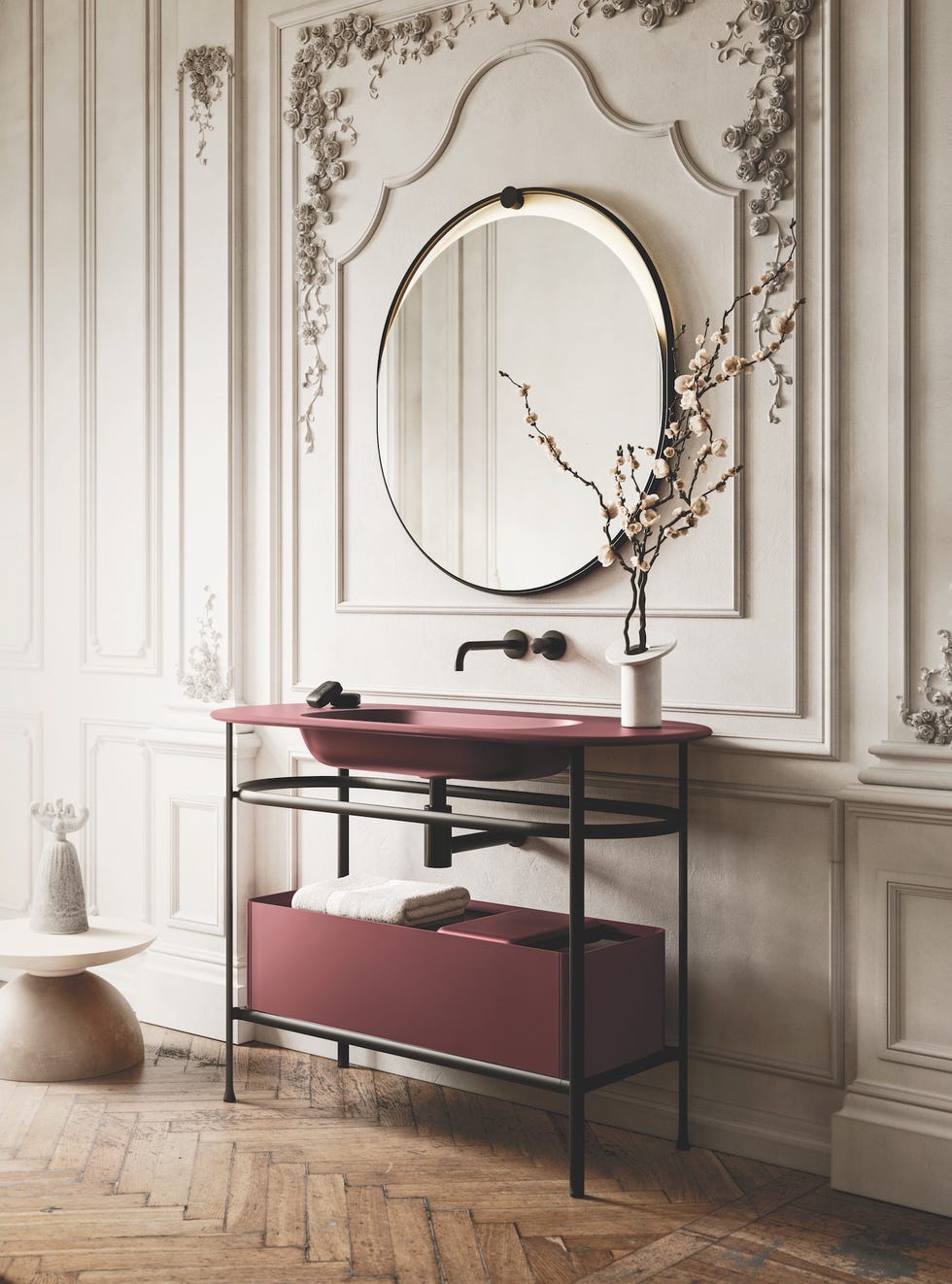
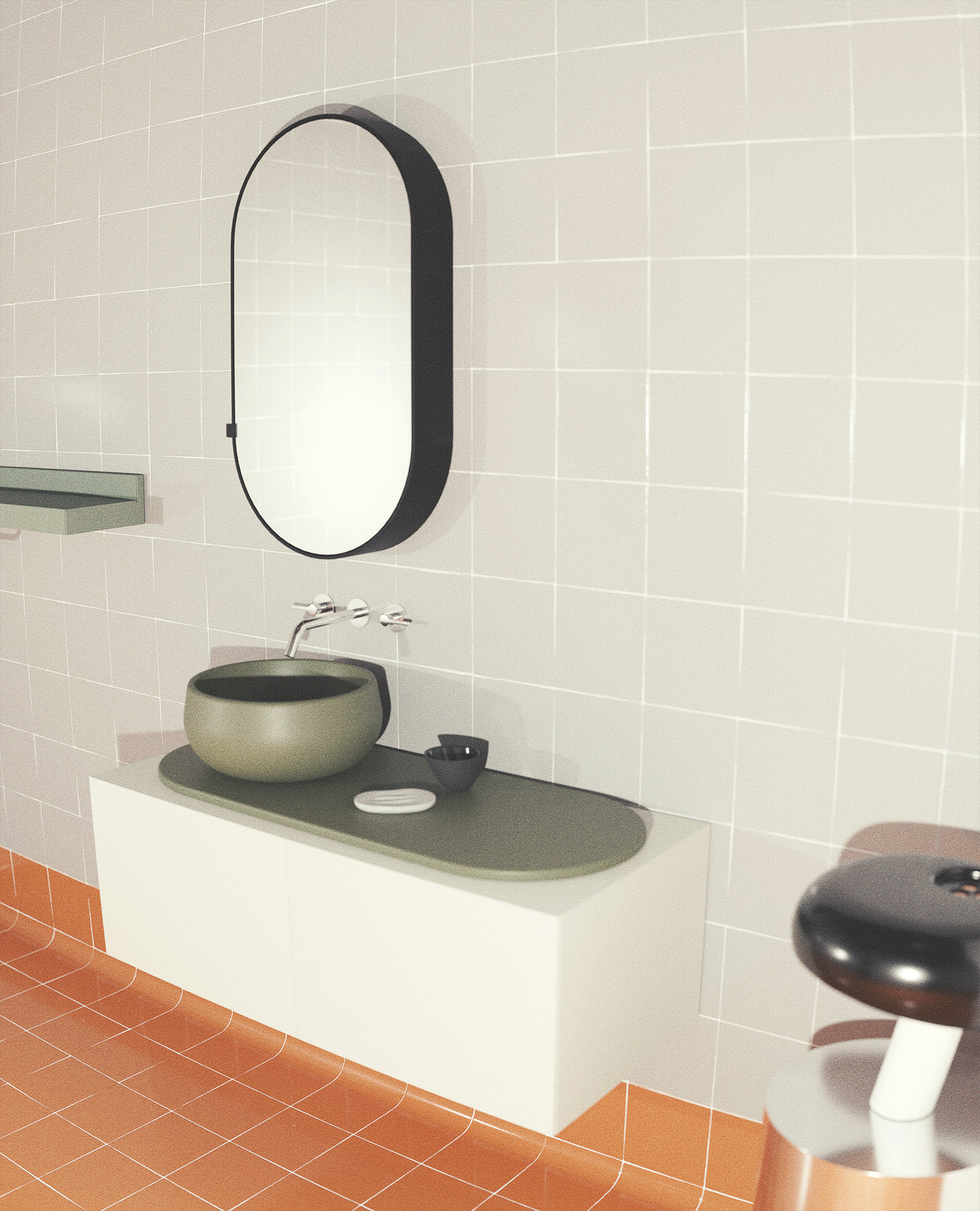
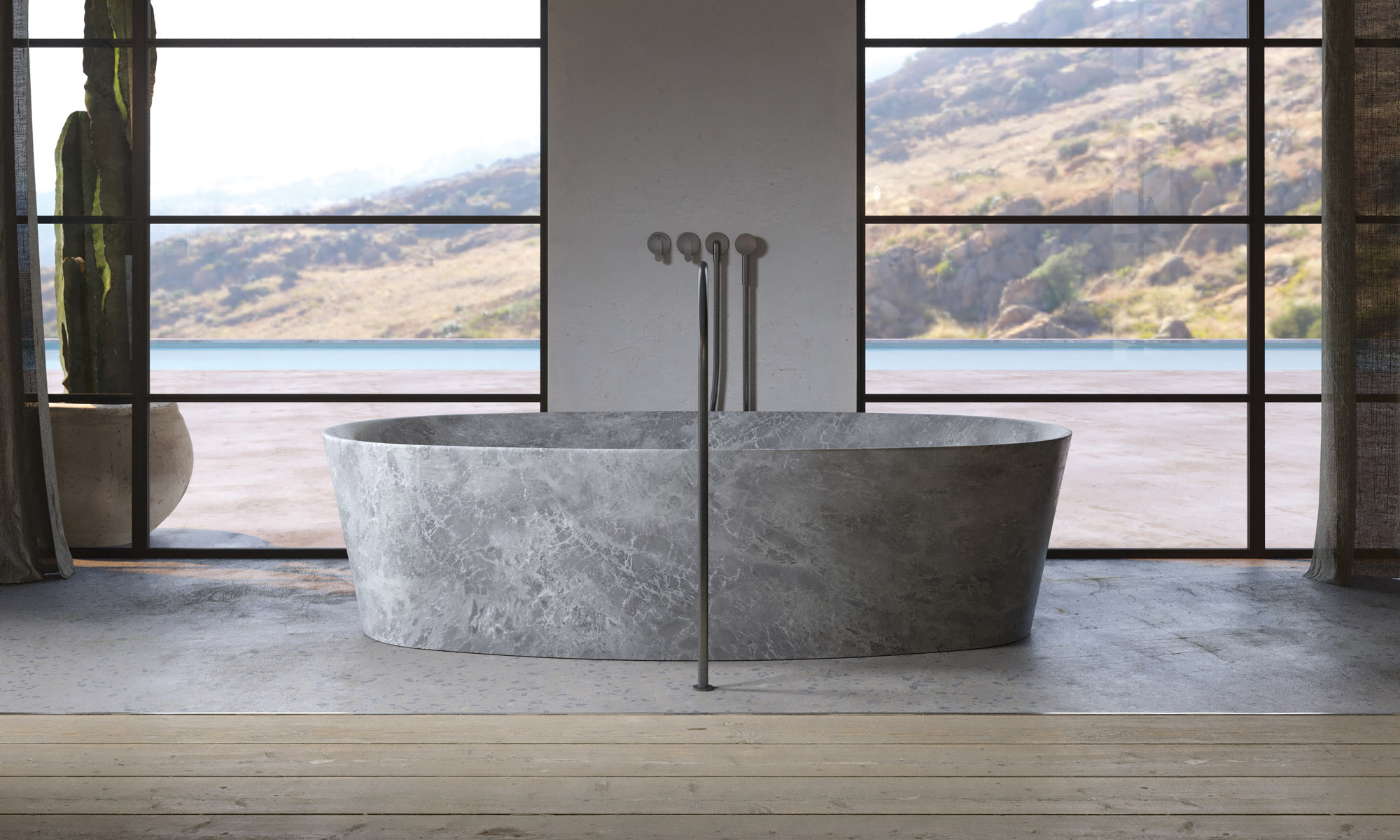
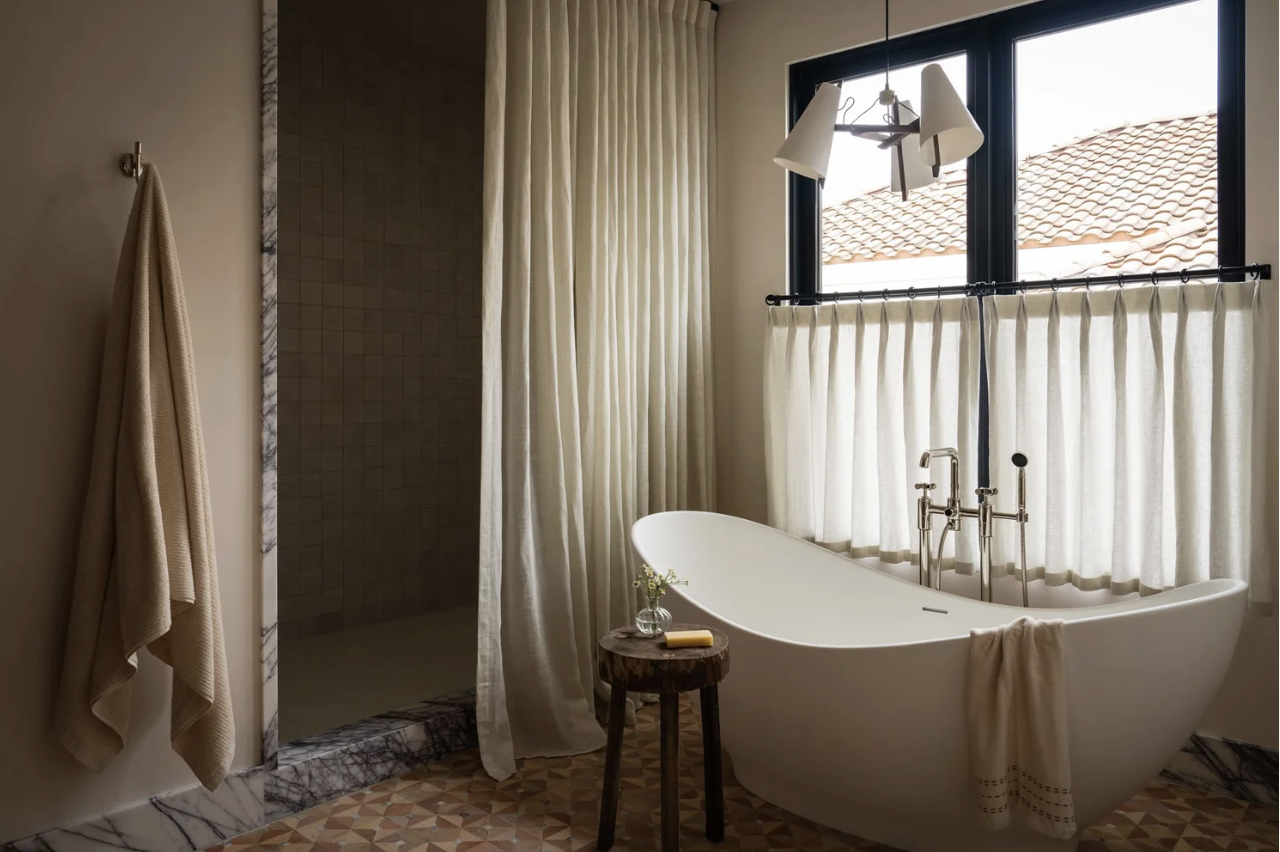
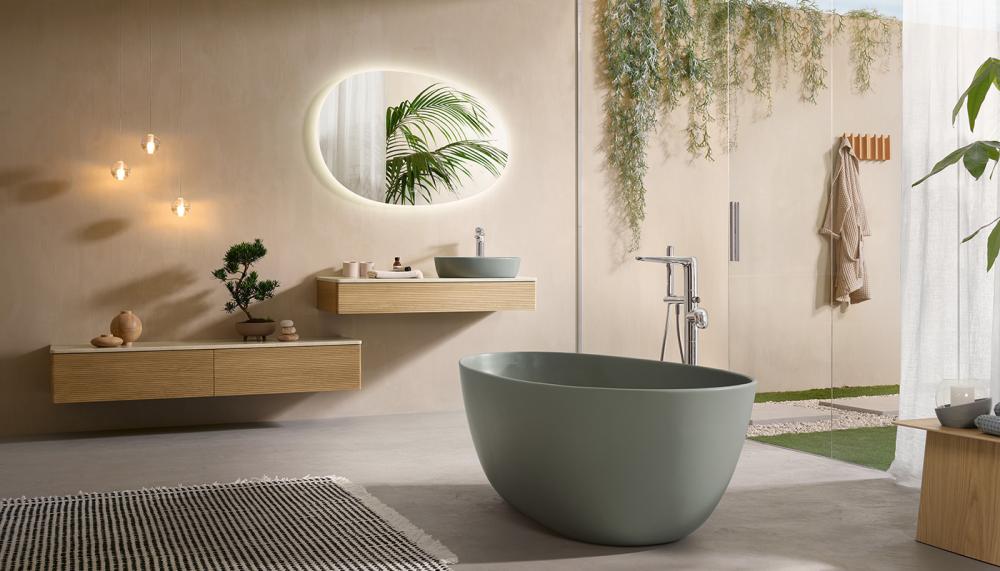
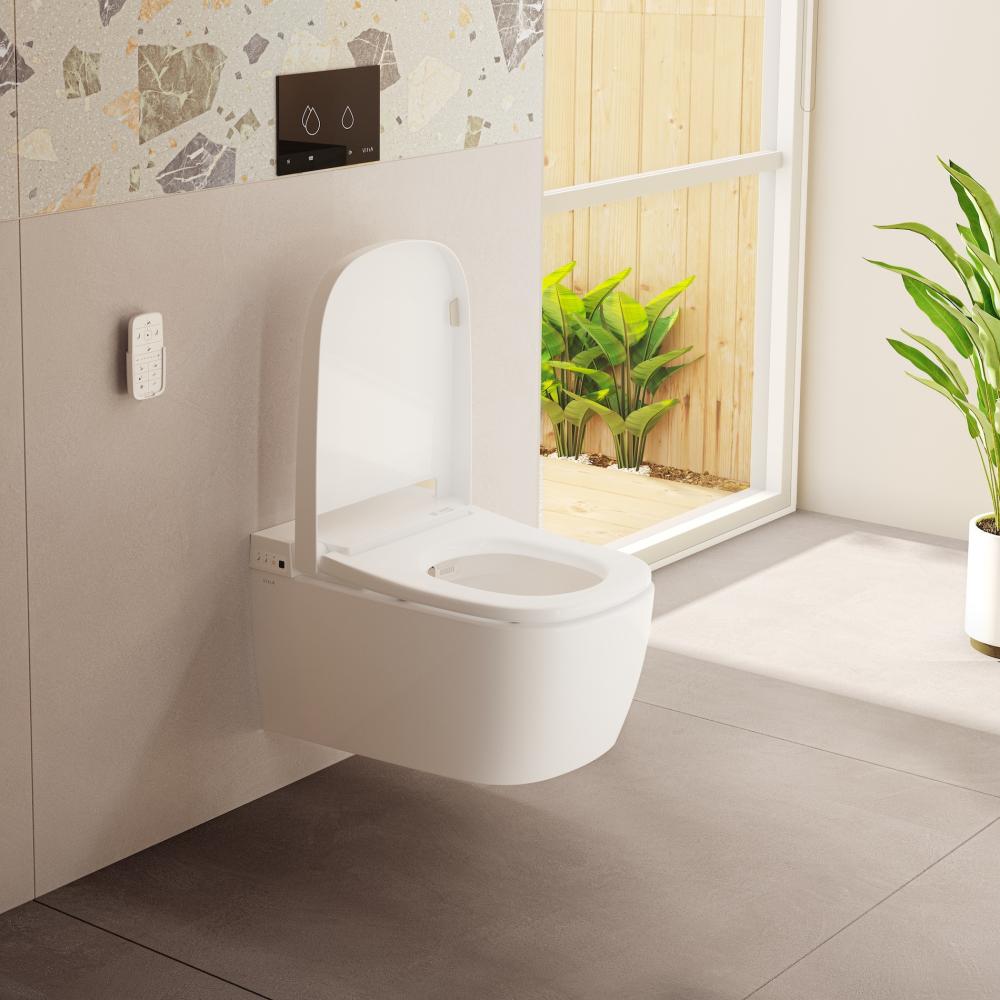
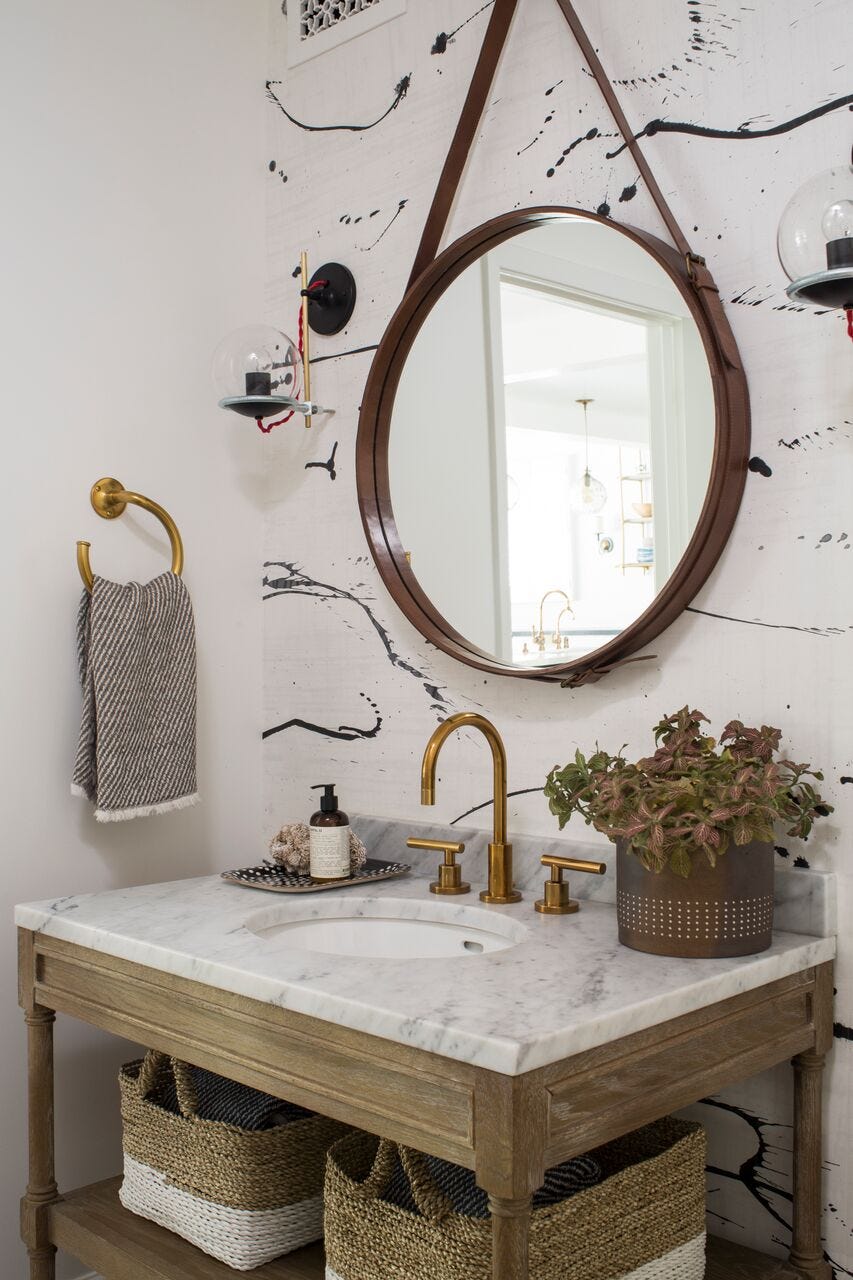
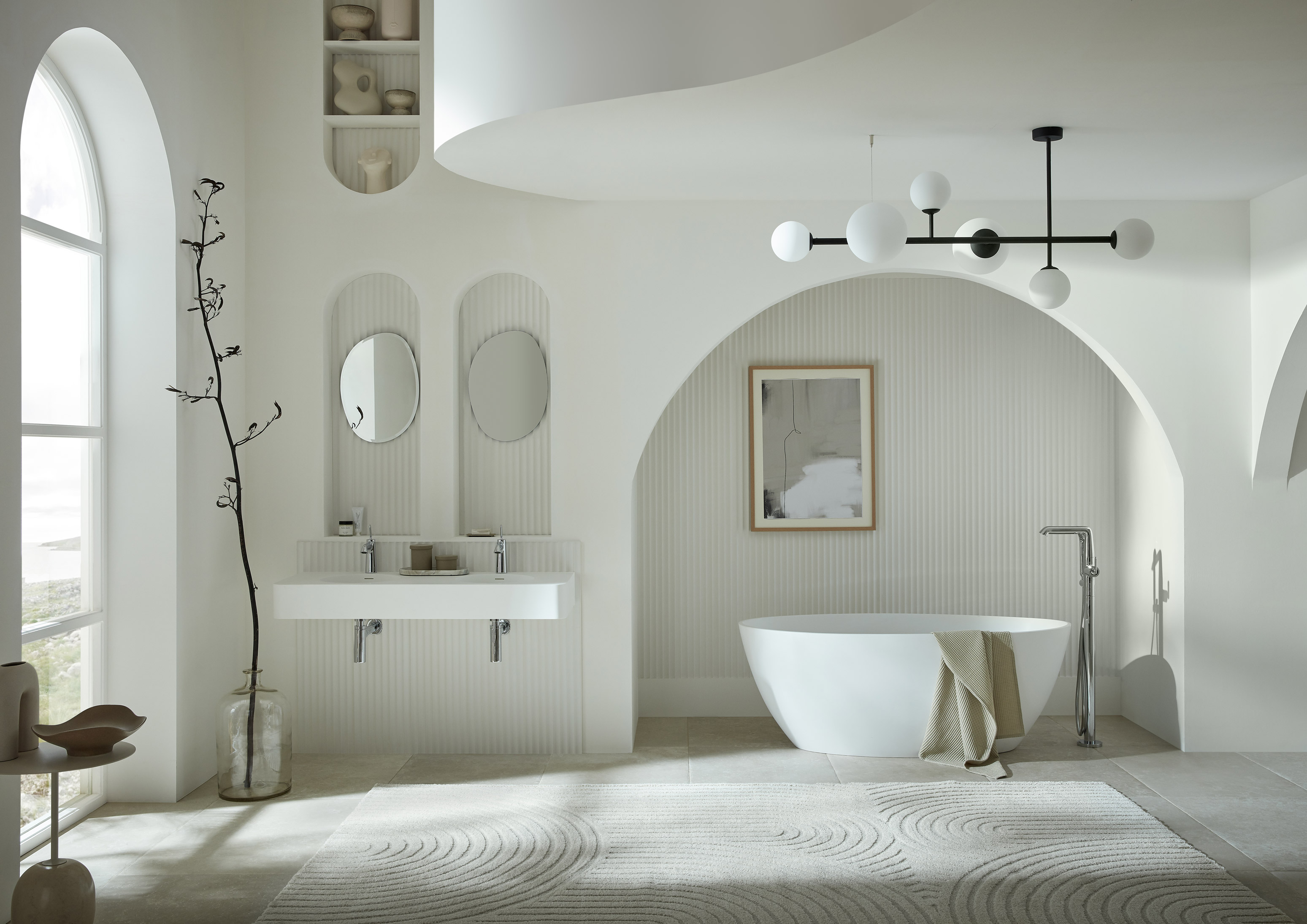
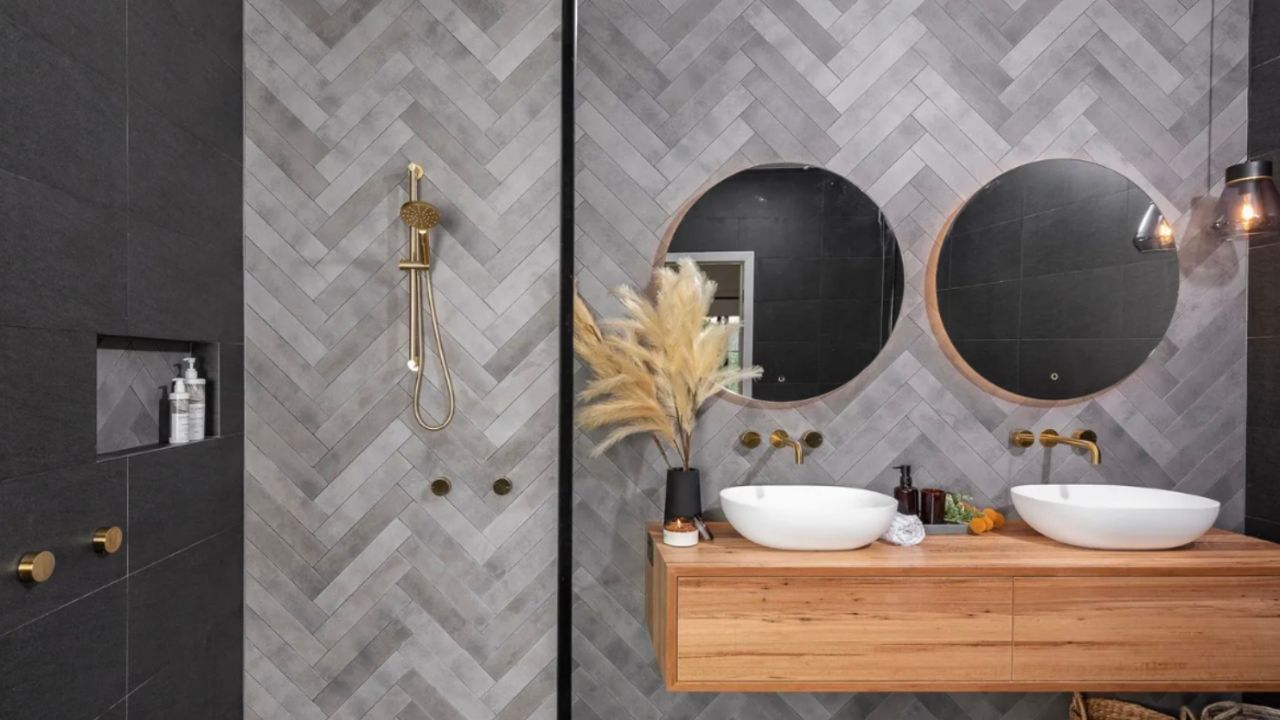
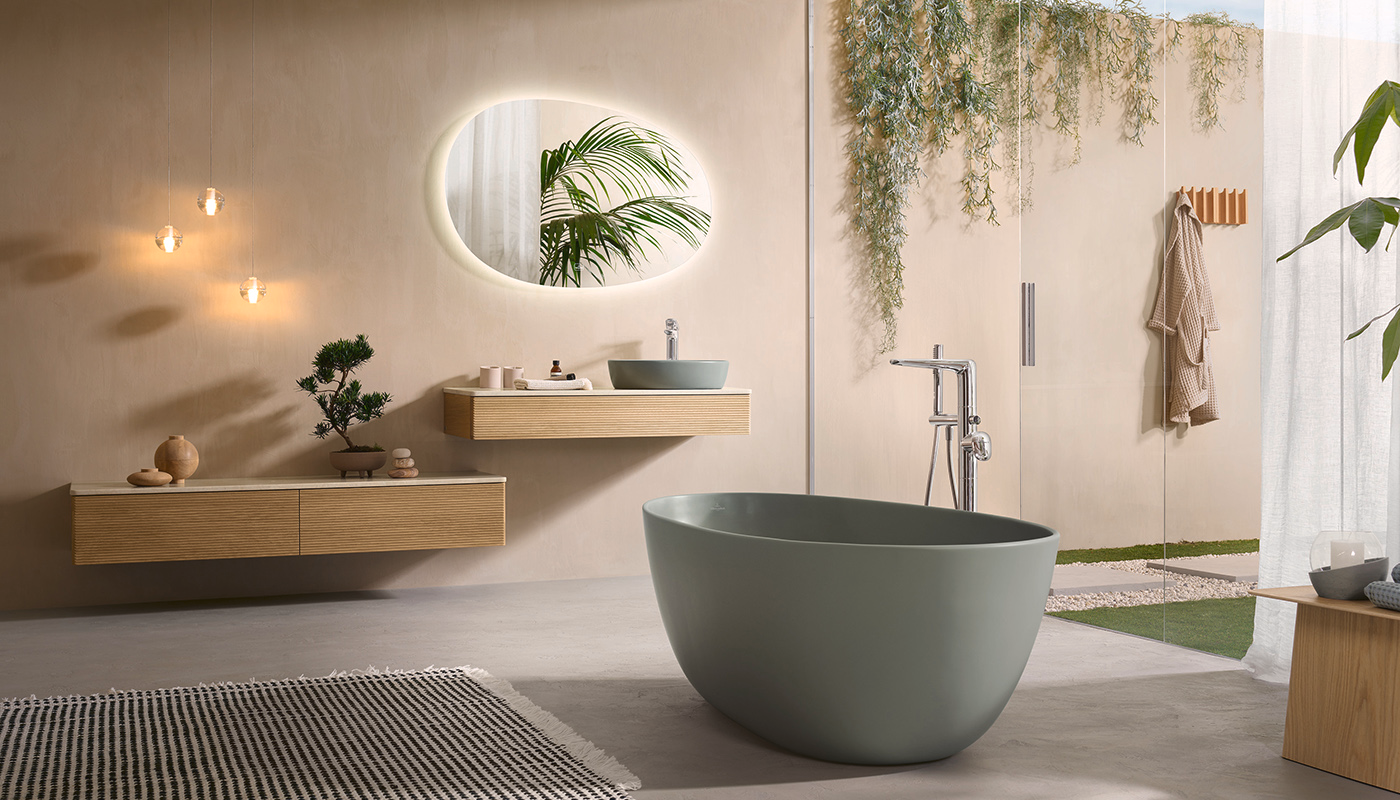
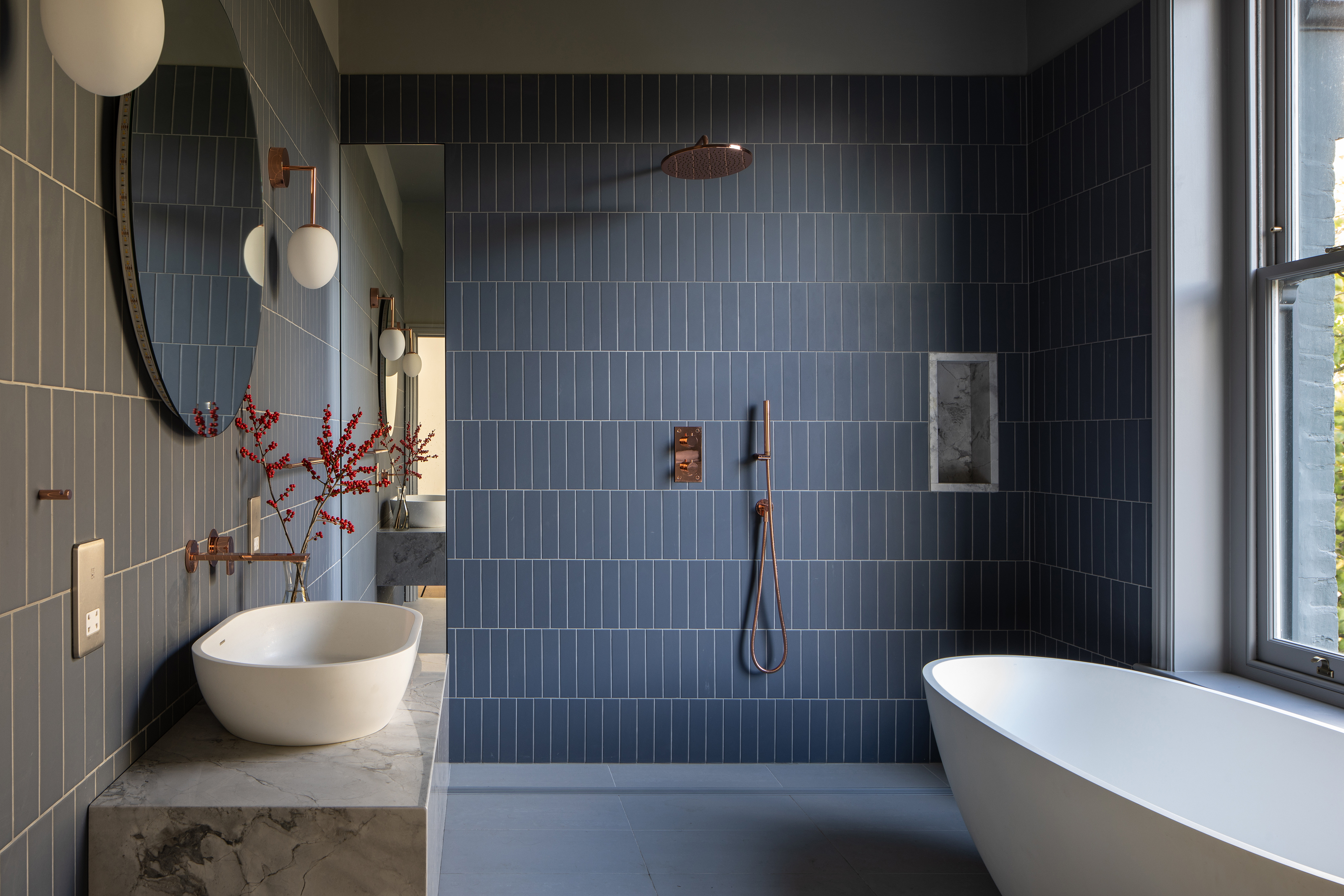
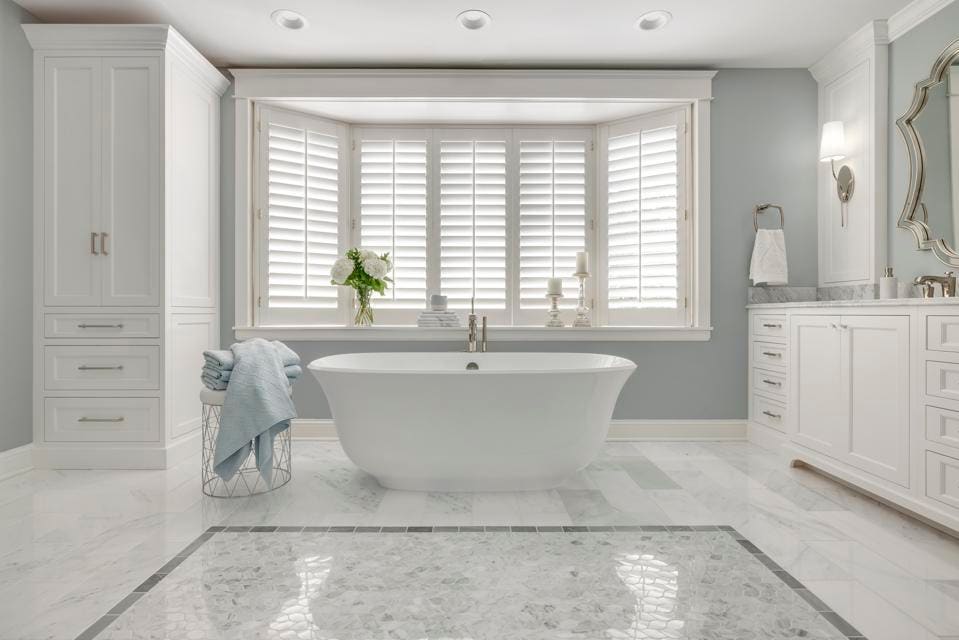
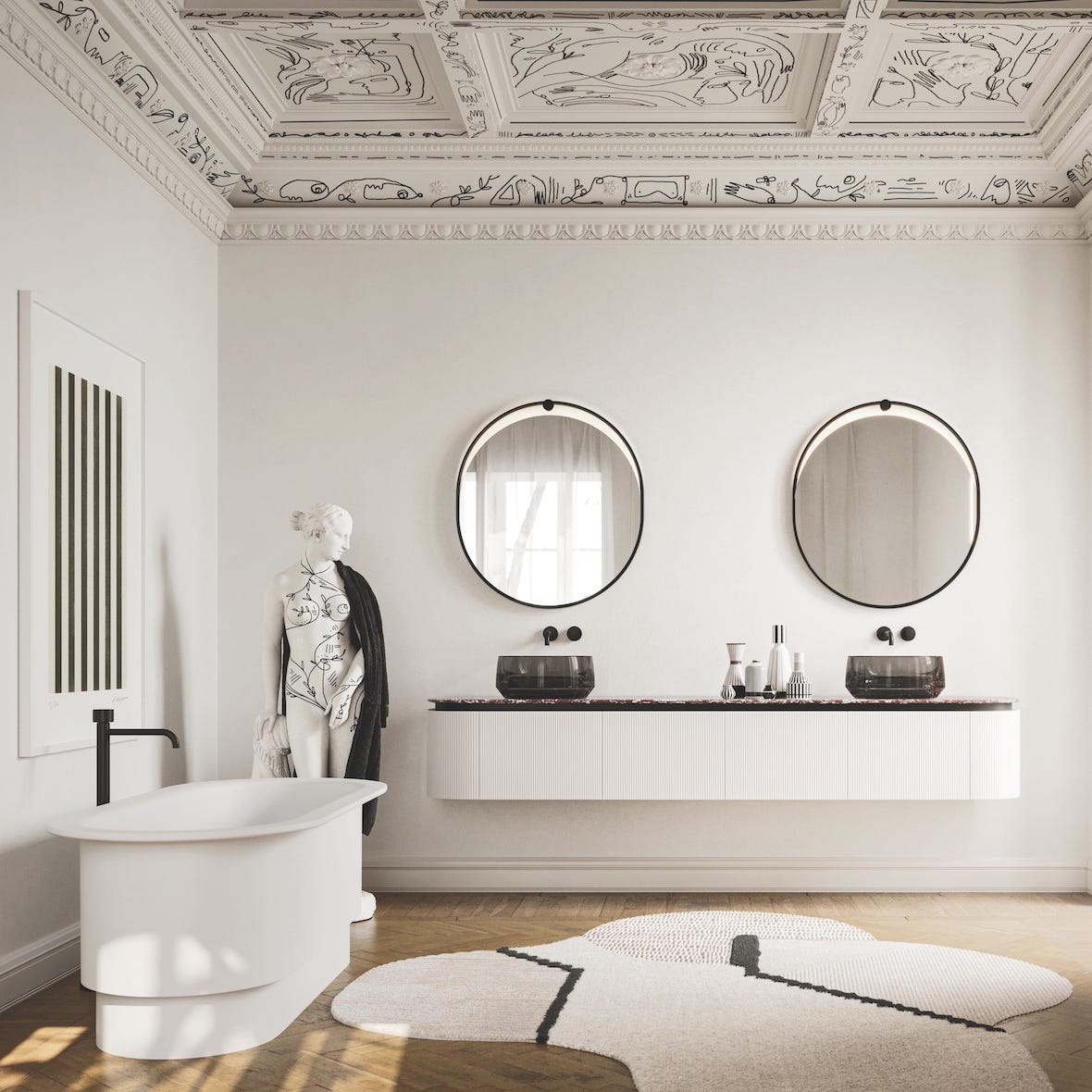
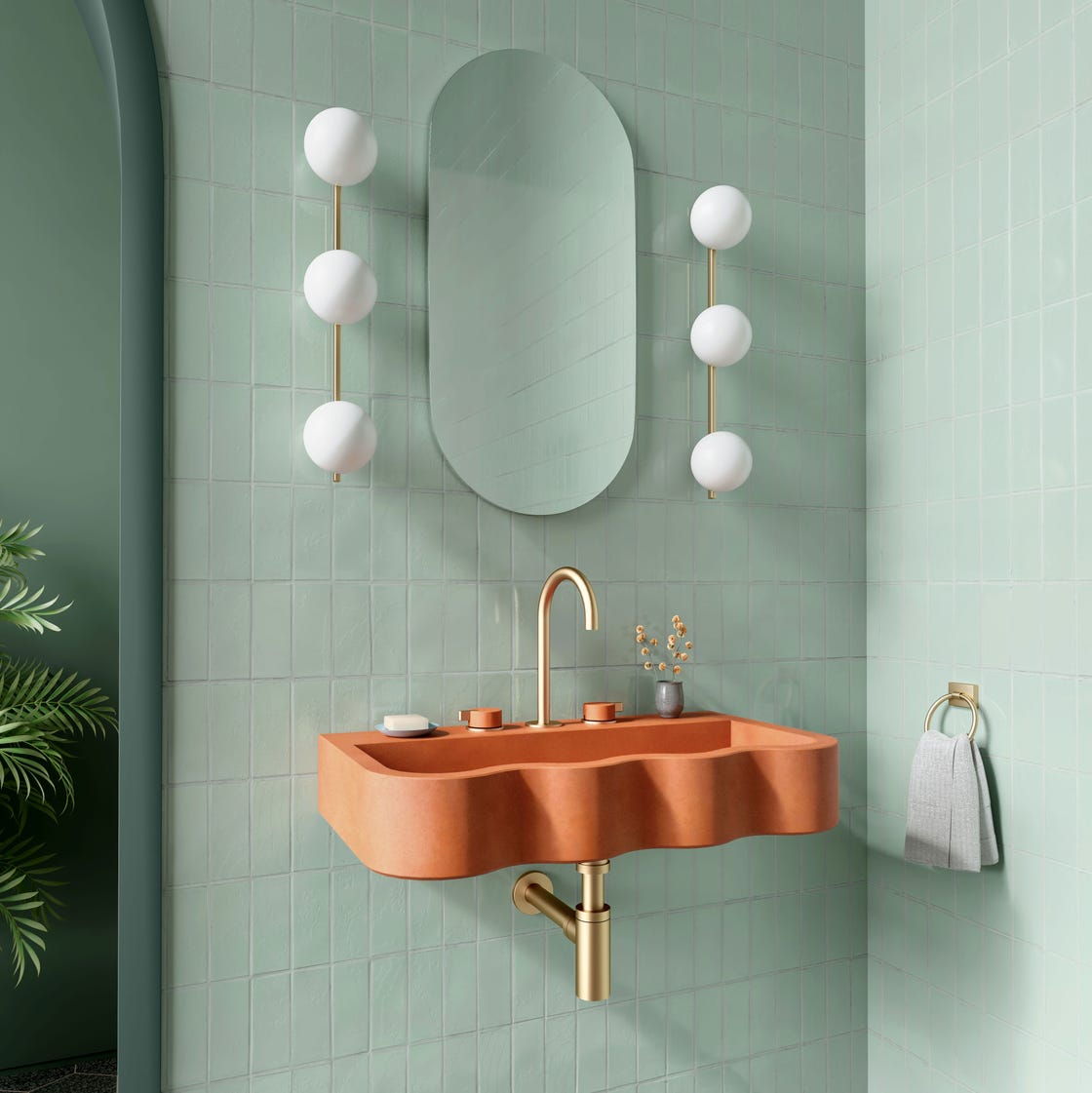
Embracing this trend can be achieved through several design approaches, starting with the selection of curved bathroom fixtures. This includes everything from deep curved baths, circular vessel sinks, and rounded vanities to smaller elements like curved taps, circular mirrors, and round light fixtures. Barrie Cutchie suggests that these fixtures collectively contribute to a softer design approach. Jeevan Seth, CEO of JTP, further explains that curved shapes are perceived as harmless and promote feelings of relaxation and calm, which is ideal for a spa-like bathroom experience. These softer shapes also offer practical benefits, such as enhanced safety by minimizing sharp edges and potentially making cleaning easier, as seen with curved basins that help contain water droplets.
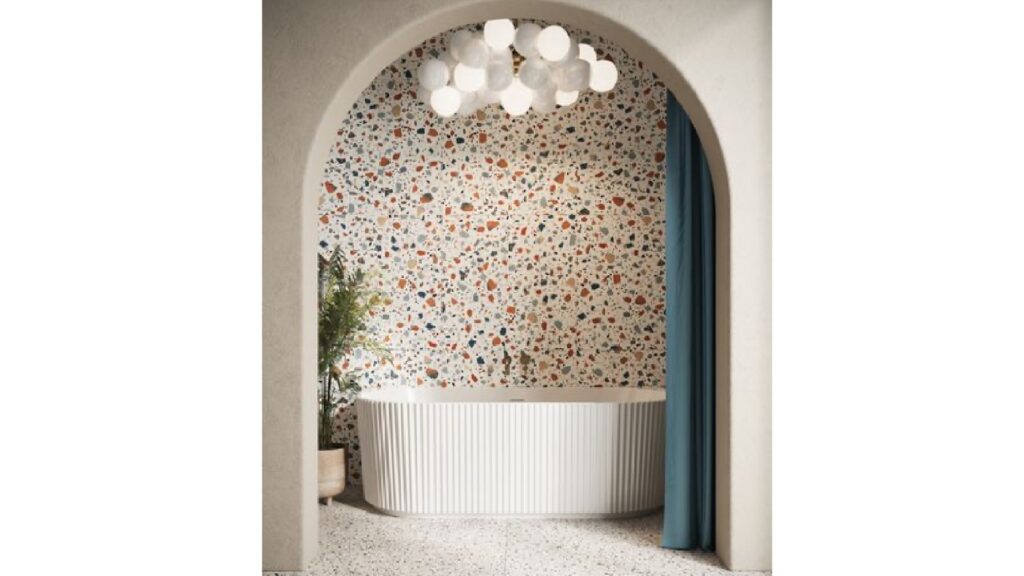
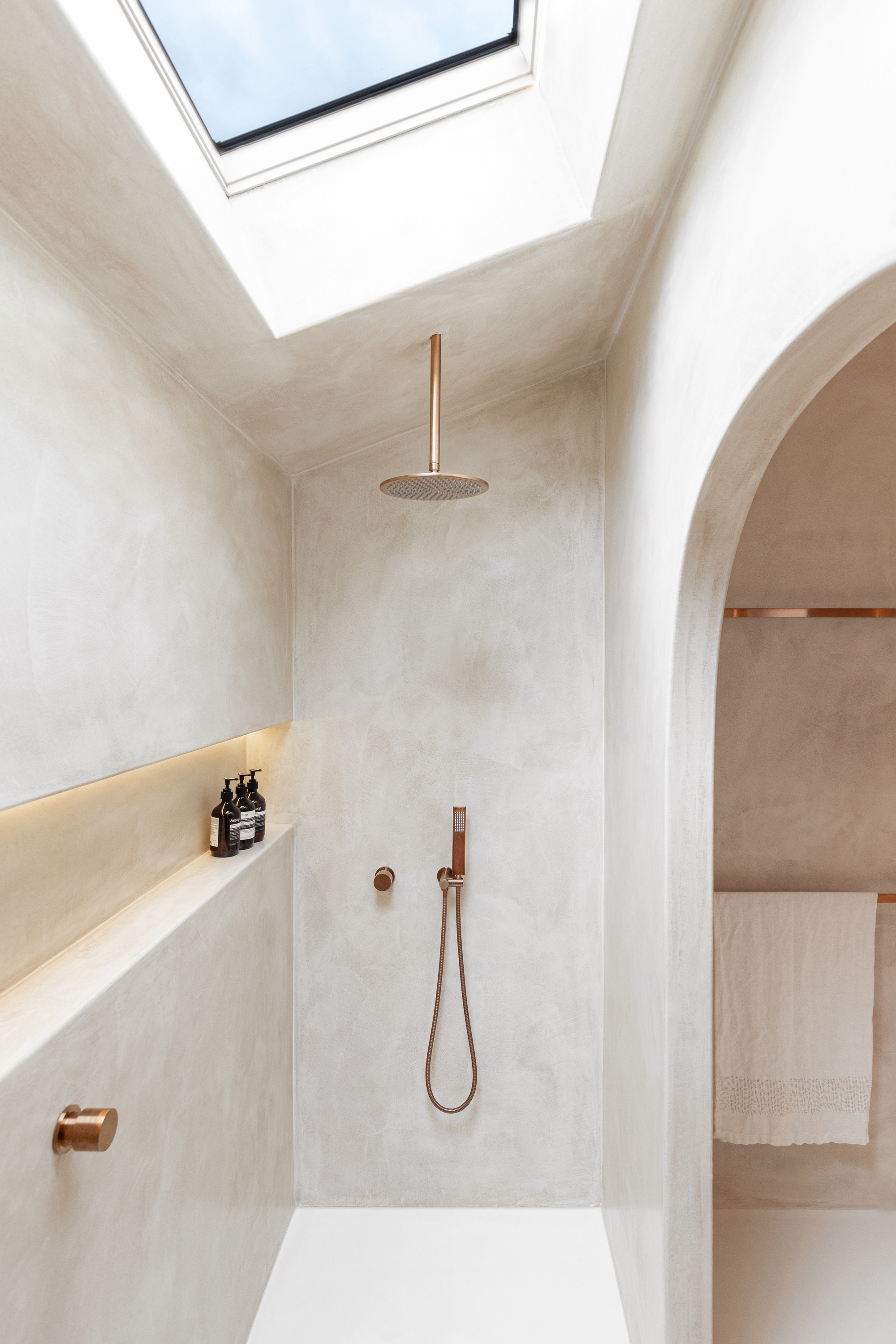
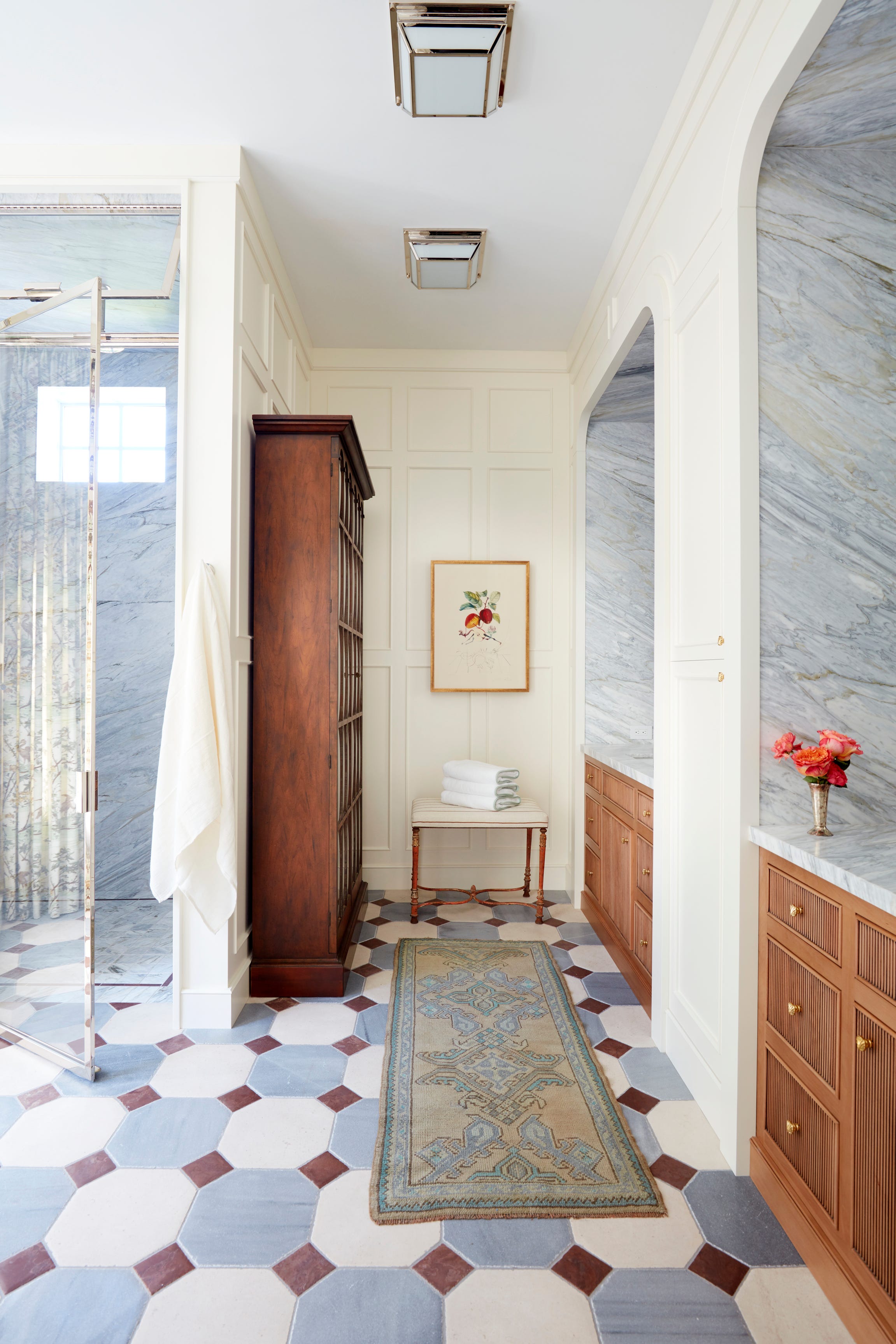
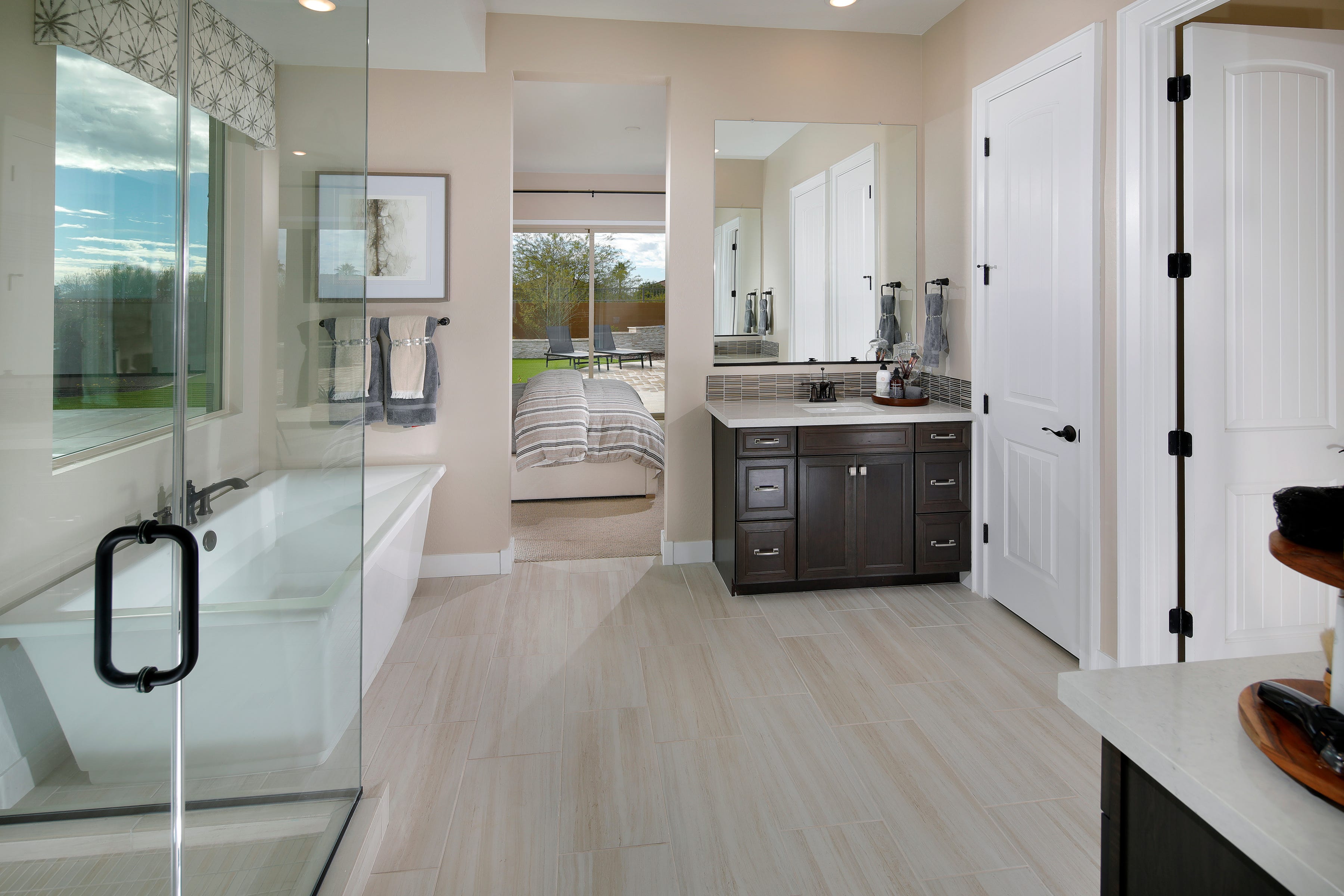
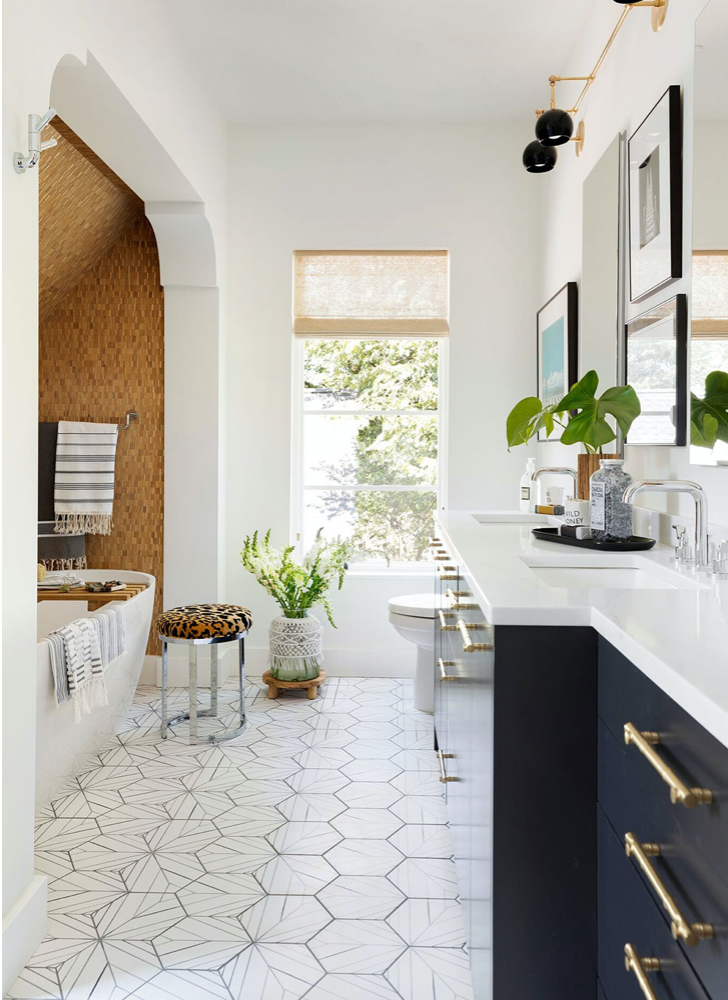
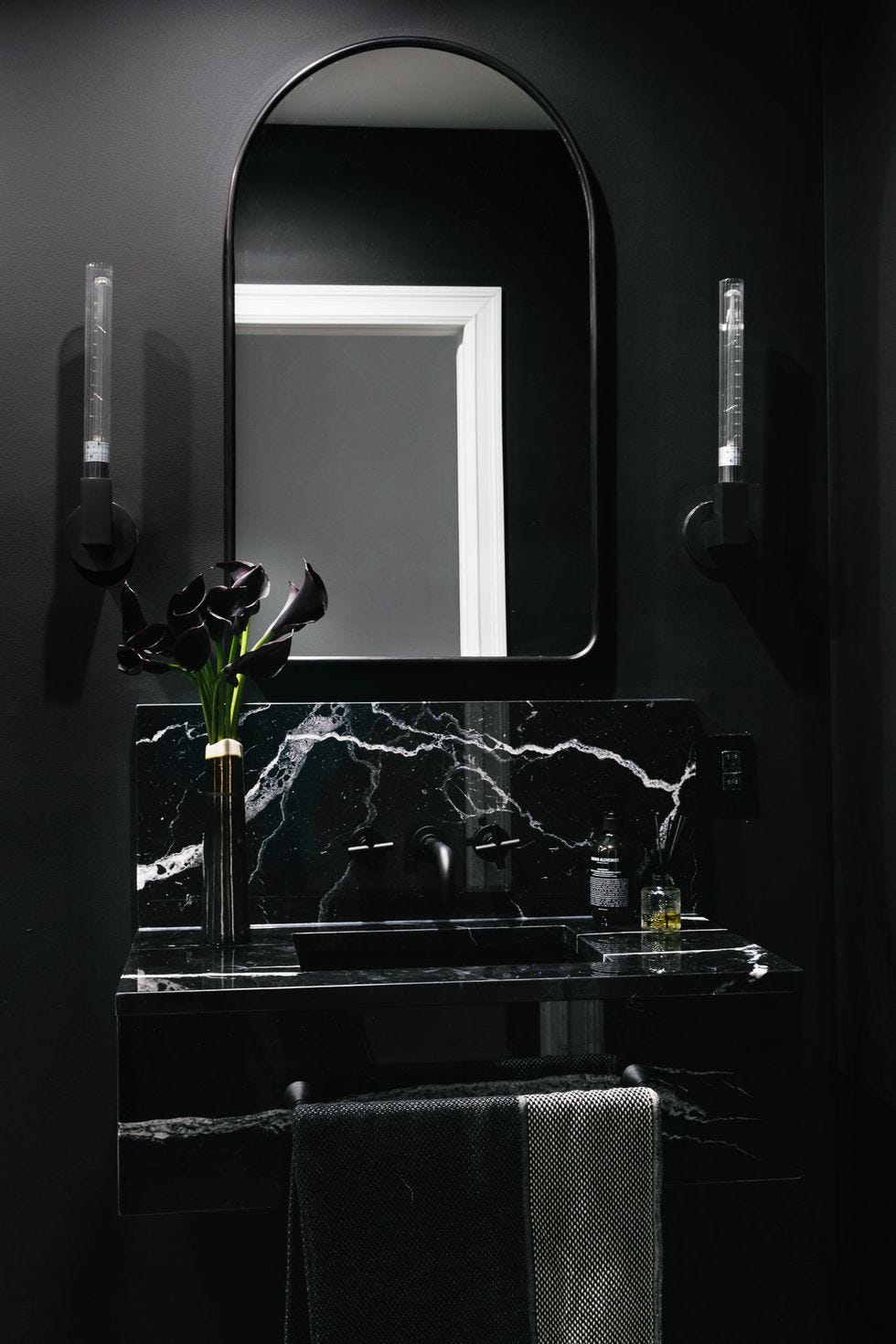
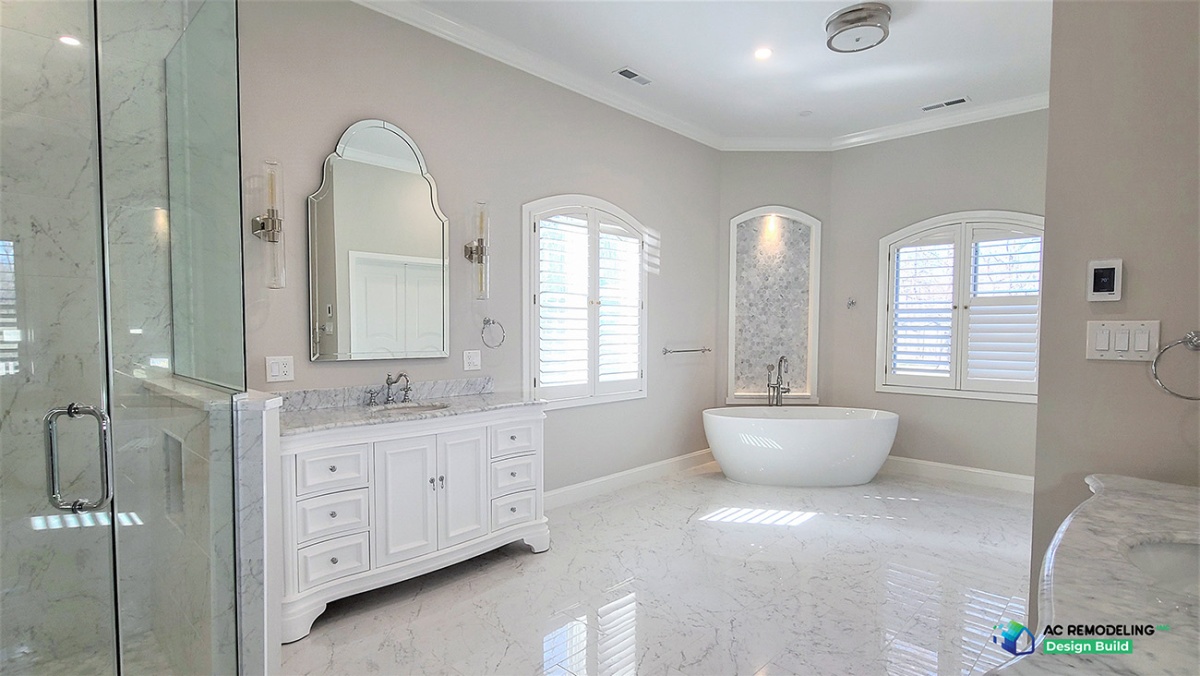
Another method to integrate curves is to draw inspiration from the existing architecture of the room. If a bathroom features arched doors, windows, or wall niches, these elements can serve as a foundation for introducing complementary curved sanitaryware and accessories. Barrie Cutchie notes that aligning bathroom fittings with the room's natural curvature accentuates a softer feel and promotes organic flow. Adding curved accessories and circular mirrors can further enhance this cohesive and elegant look, creating a harmonious environment.
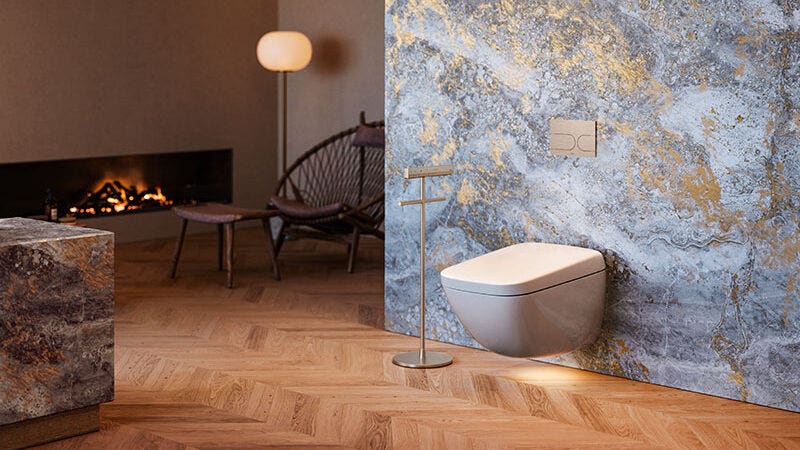
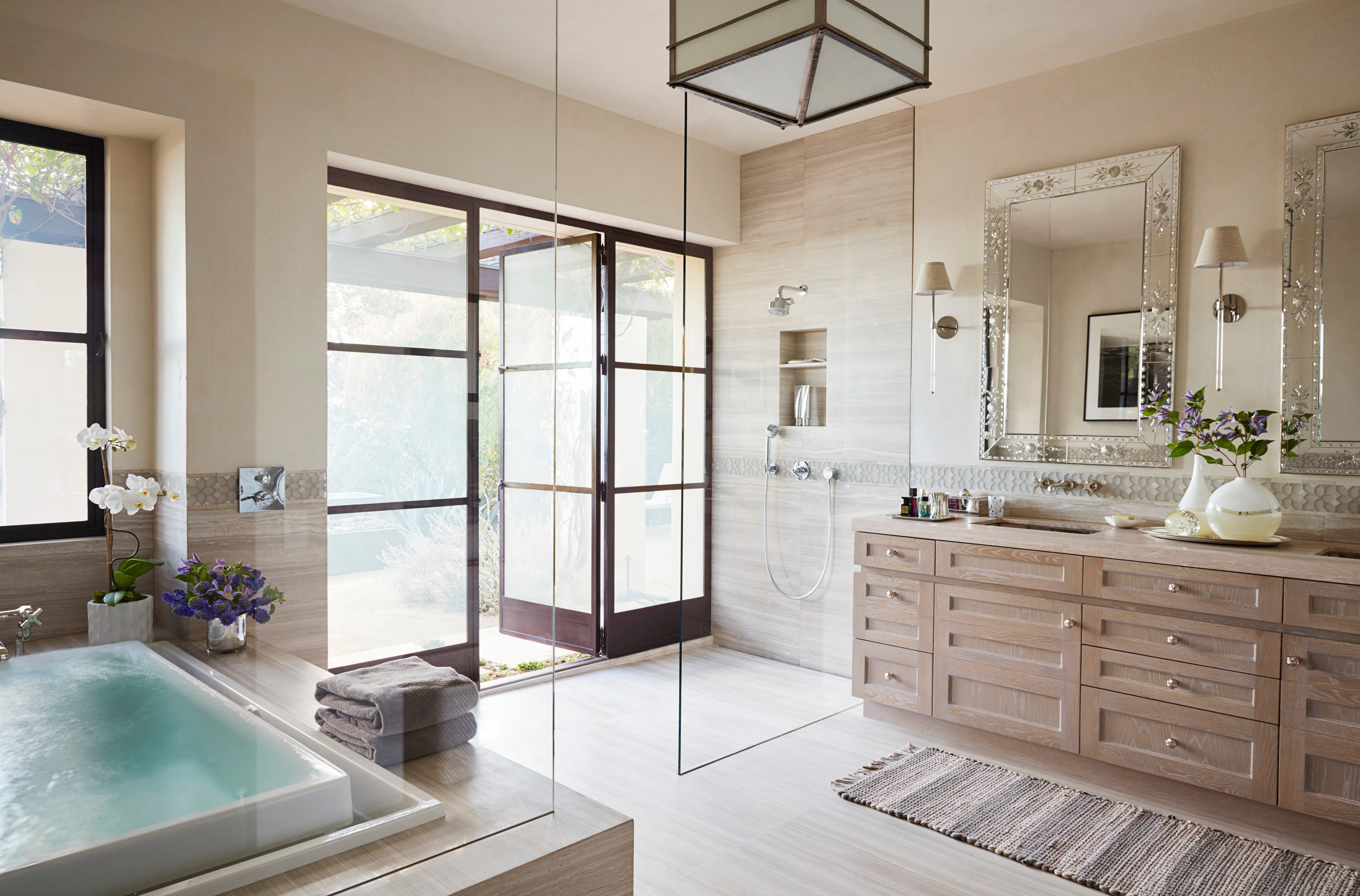
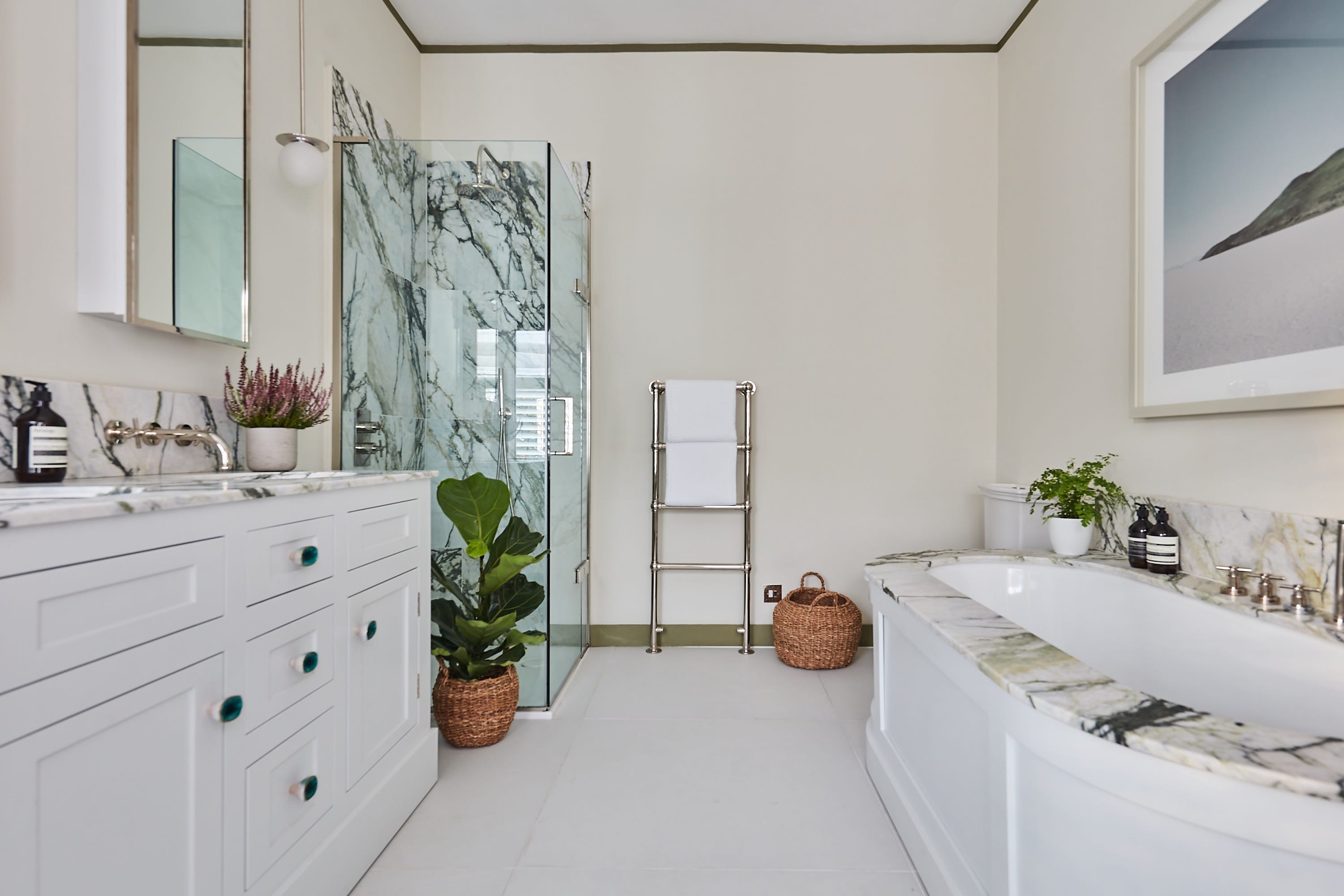
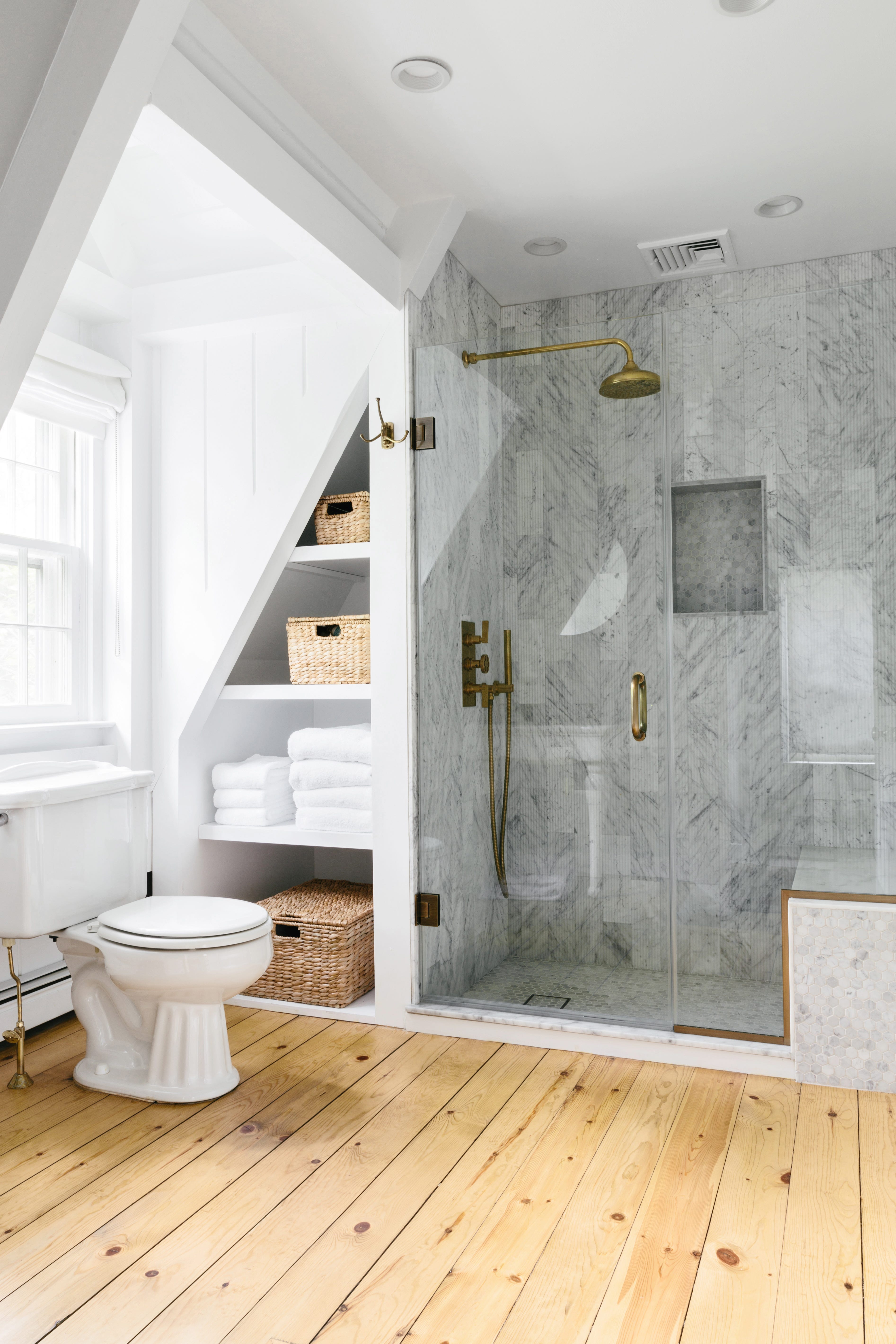
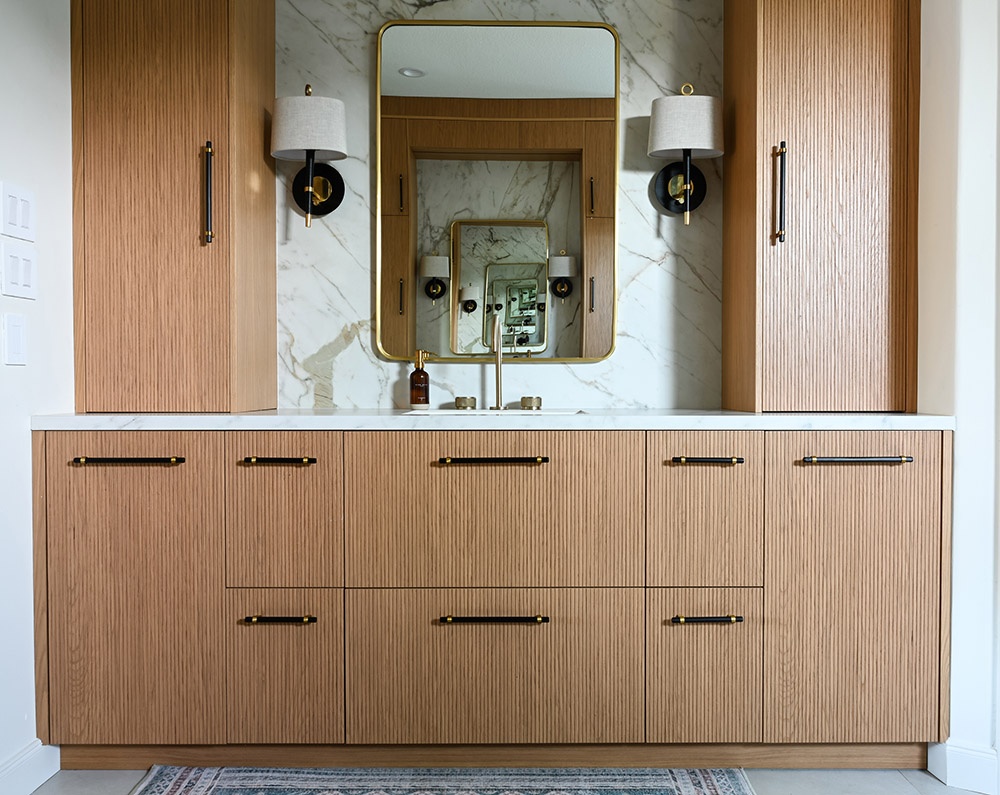
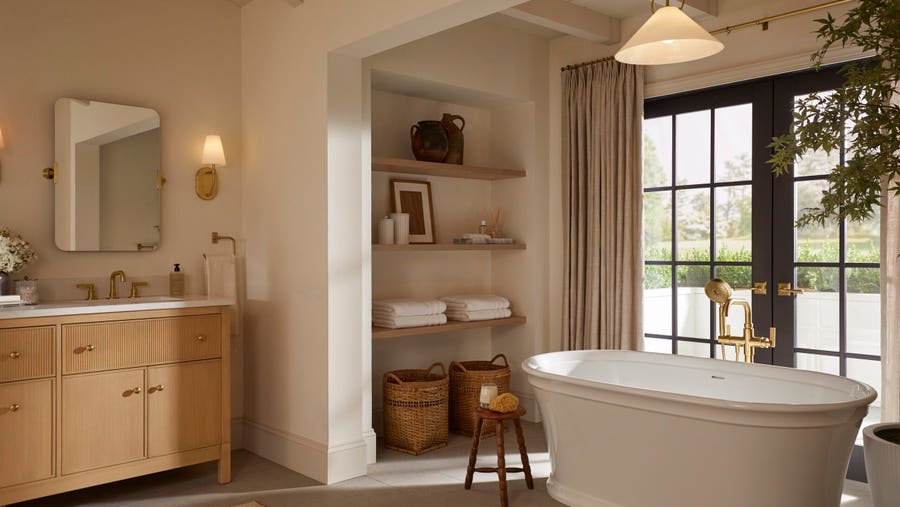
The curved bathroom trend pairs effectively with organic materials and soft textures. The inherent warmth and softness of curves complement natural materials like wood flooring, natural stone surfaces, and sustainable cabinetry. Hege Lundh, Marketing & Business Development Director at Lundhs Real Stone, points out that bathrooms are increasingly becoming spaces where nature is embraced through raw, organic surfaces. Combining these materials with smoother, matte finishes, rather than high-gloss ones, reinforces the tranquil aesthetic. Attention to finer details, such as clay vases with dried flowers or bamboo blinds, can further enrich the soft and natural ambiance of a curved bathroom. This holistic approach ensures that the space is not only visually appealing but also fulfills practical and aesthetic needs, transforming the bathroom into a truly relaxing retreat.
#CurvedBathroom #BathroomDesign #InteriorDesignTrends #ModernBathroom #RelaxingSpaces #HomeDesign #SoftDesign #ArchitecturalFeatures #OrganicMaterials #CurvedBathroom #BathroomDesign #InteriorDesignTrends #ModernBathroom #RelaxingSpaces #HomeDesign #SoftDesign #ArchitecturalFeatures #OrganicMaterials
0 comment in total
 No comments yet
You may also like
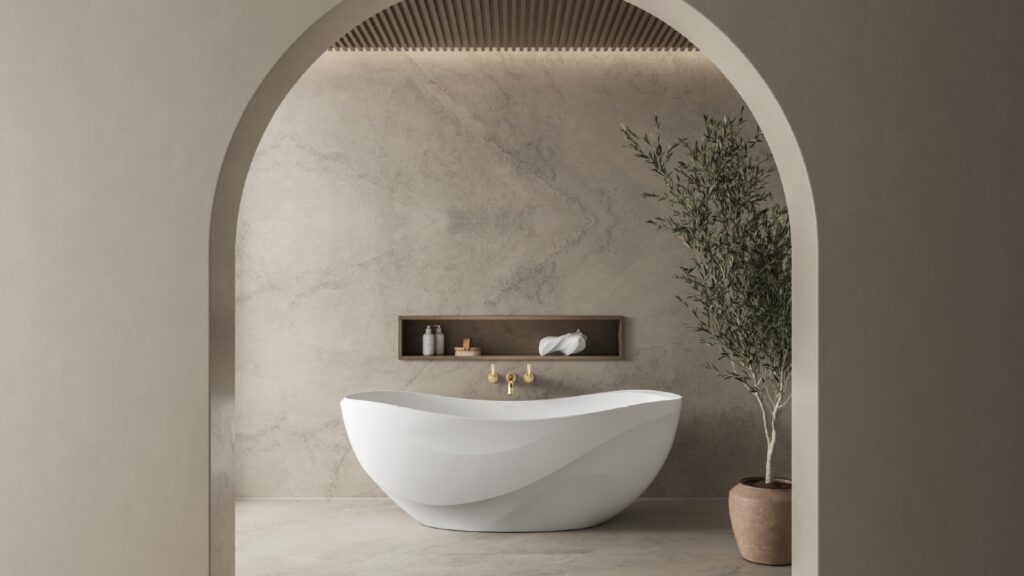
Baths | Why curves are making a comeback in bath design
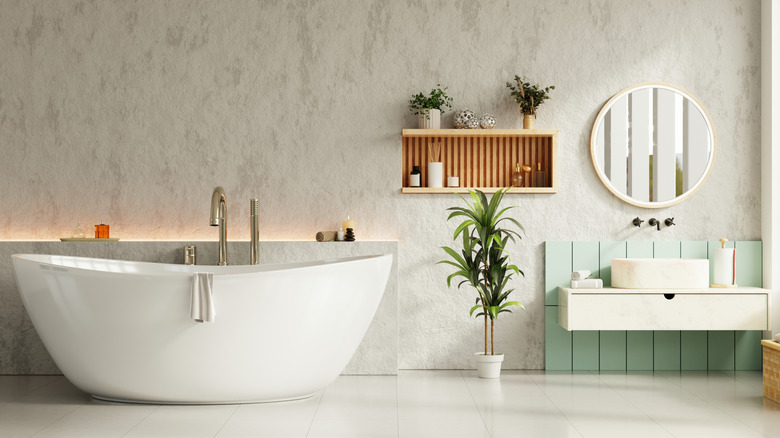
All The Bathroom Trends That Will Be Taking Over In 2026

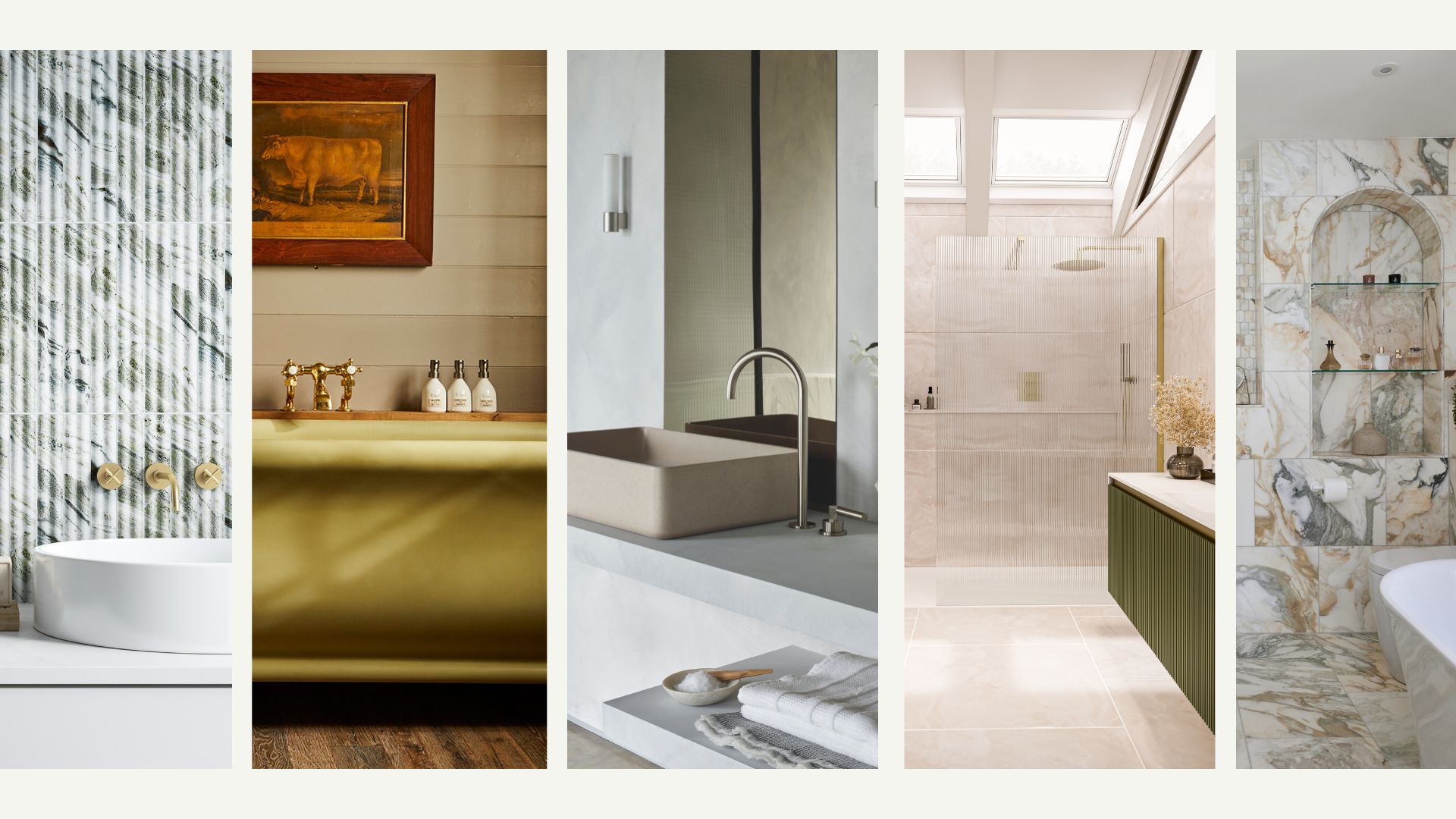
Bathroom trends 2025: 9 significant design elements you need to know about if you're refurbishing this year

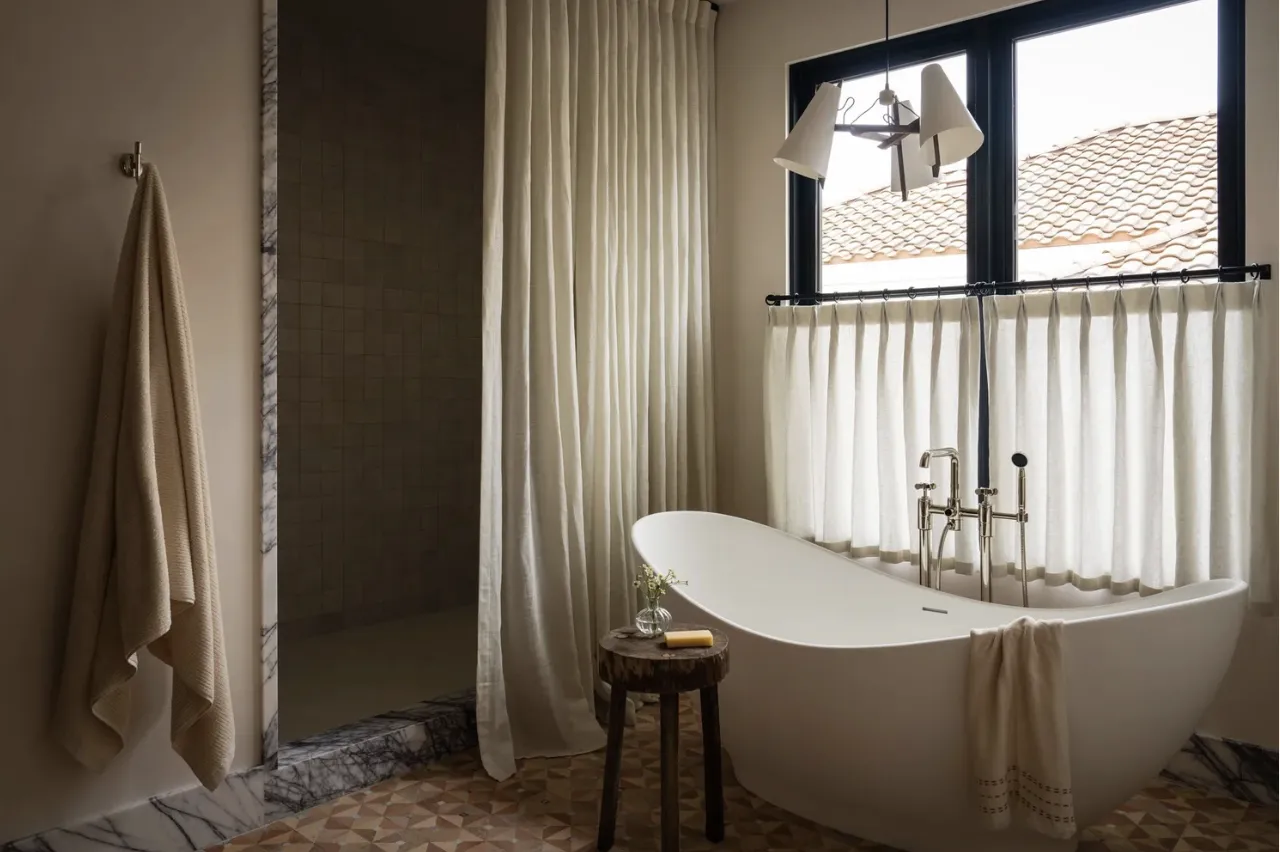
6 Bathroom Trends Designers Are Loving for 2026 (And You Will Too)

'Curved' Showers Are the Emerging Trend in Bathrooms That Makes Your Space Feel Softer and More Welcoming
Here Are The Biggest Bathroom Design Trends, According To Experts

Bathroom trends for today and tomorrow

How the focus on relaxation is making wellness key to bathroom design
Designers are going bold with bathroom niche ideas – here's how to hop on the trend
Six Wellness-Related Bathroom Design Trends For 2024
Fluid forms, fine materials and a tailored design reshape the bathroom
The Bathroom Trends To Keep On Your Radar in 2019

Interior designers share 6 bathroom trends that'll be huge this season and 4 that will be out
The 5 Biggest Bathroom Trends for 2023, According to Designers
Breathtaking bathroom ideas (will you make a colour splash?)
6 ‘Wellness’ Additions Taking Priority in Bathroom Updates
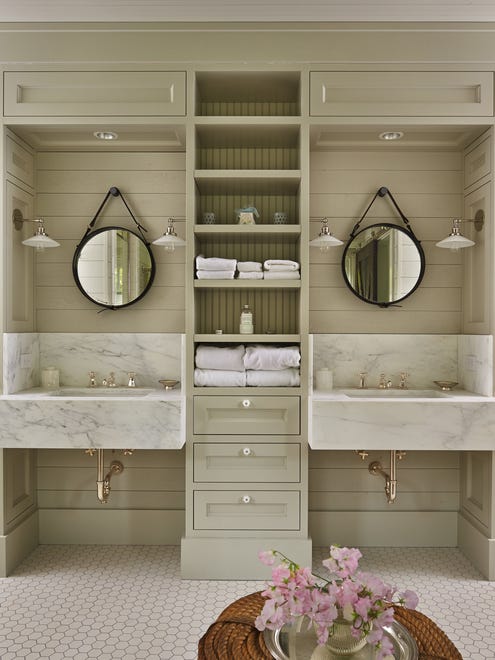
Bathroom Trends
The Latest Bathroom Trends Are Indulgent—and Totally Worth It

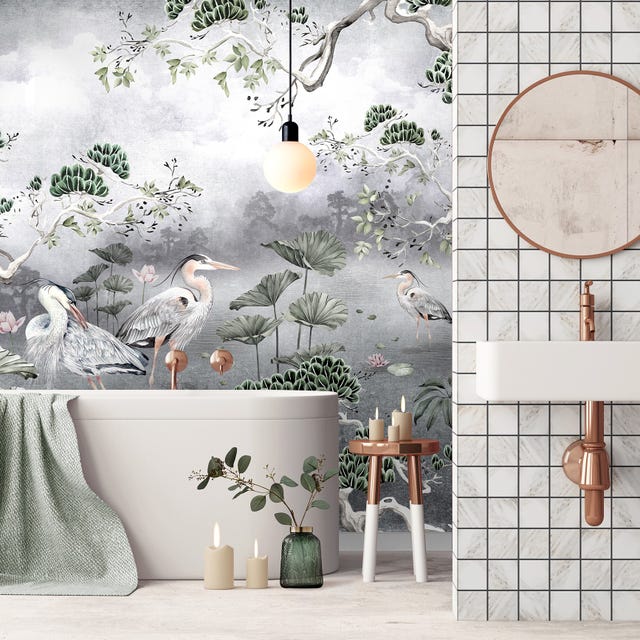
These Are the Bathroom Trends That Will Dominate in 2022

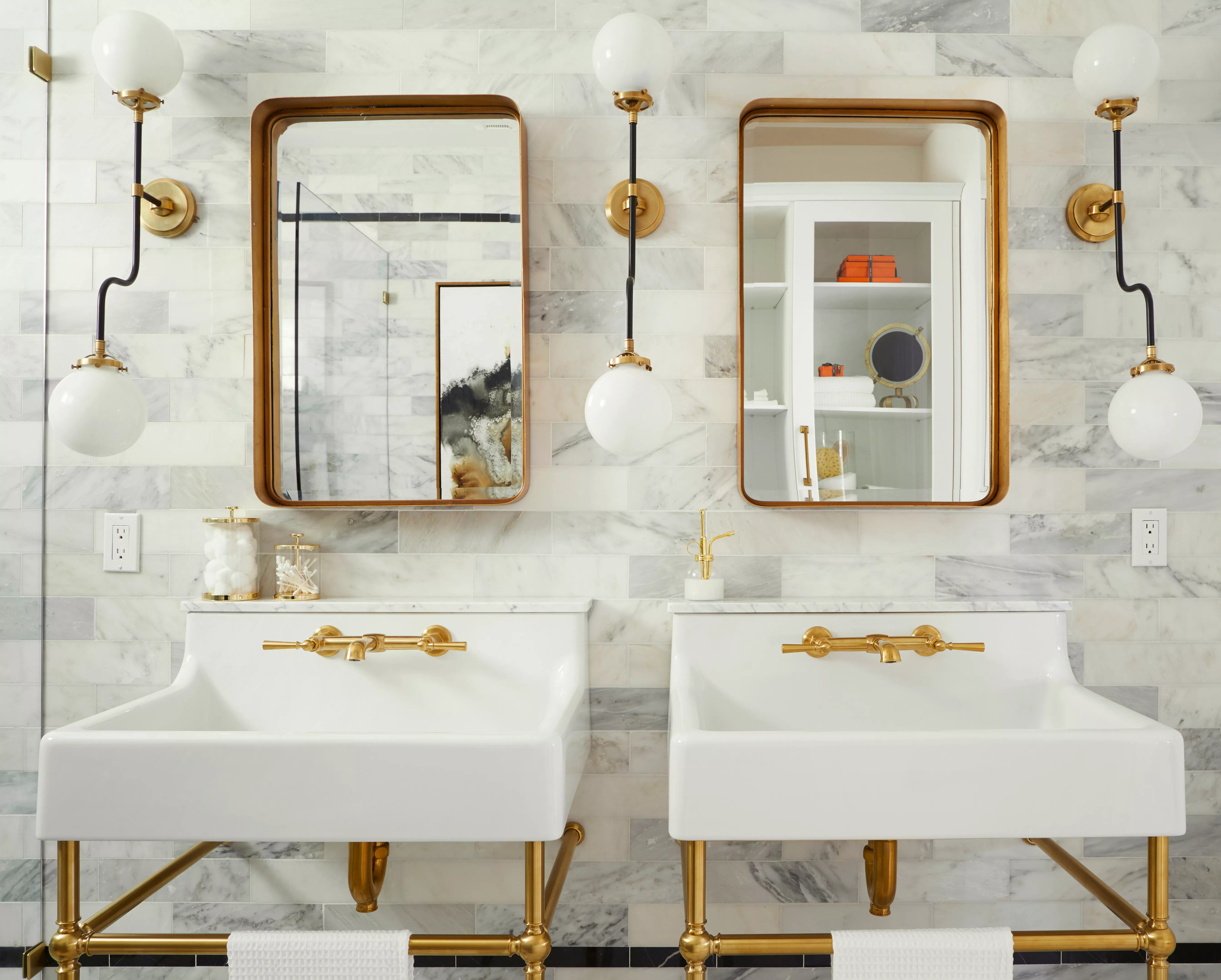
8 Bathroom Design Trends to Refresh Your Home and Routine in 2025