1/11
Bathroom trends 2025: 9 significant design elements you need to know about if you're refurbishing this year
The article explores nine significant bathroom design trends for 2025, offering insights for those looking to refresh or completely renovate their bathing spaces. These trends aim to help individuals create stylish, timeless, and functional bathrooms.
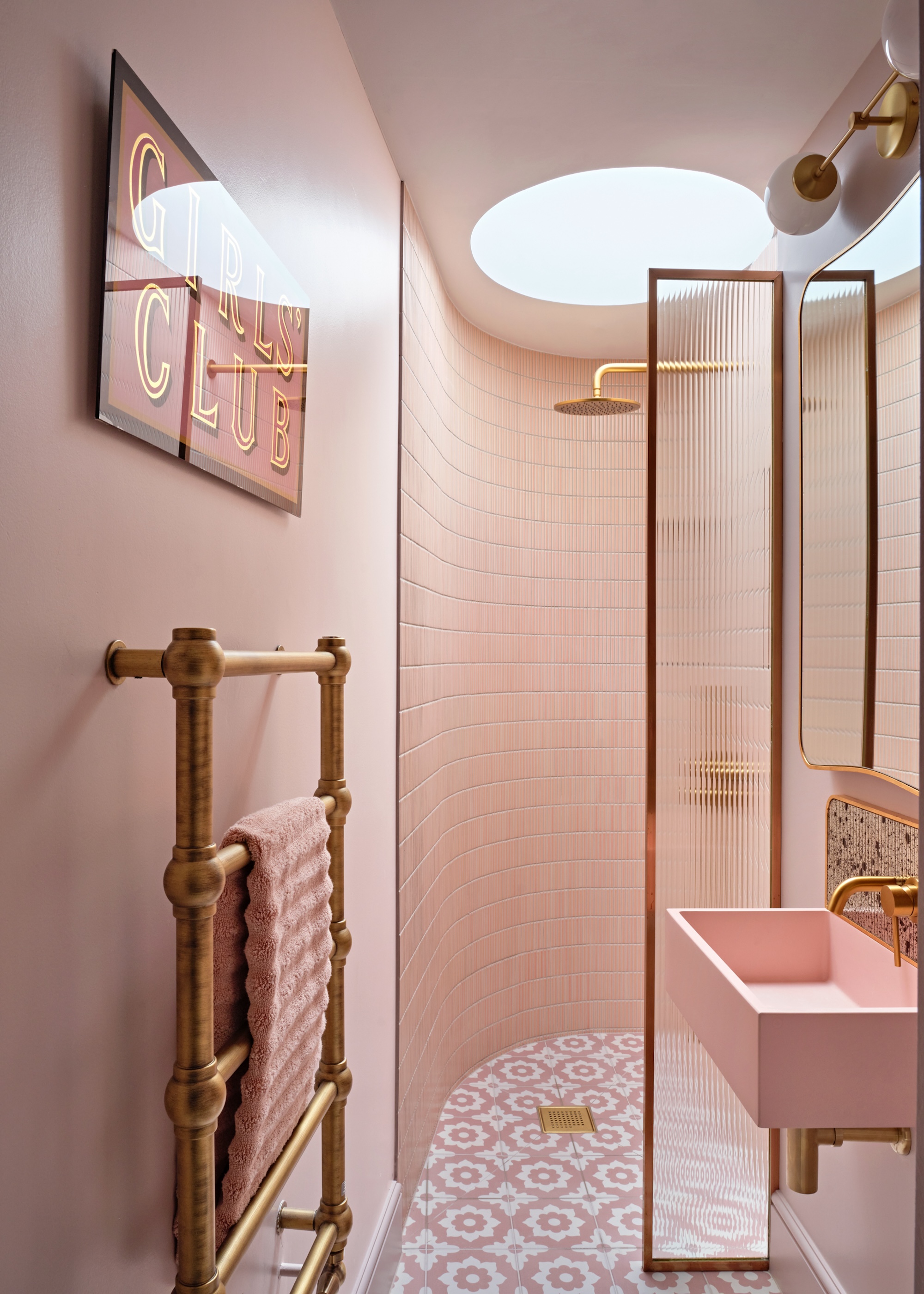
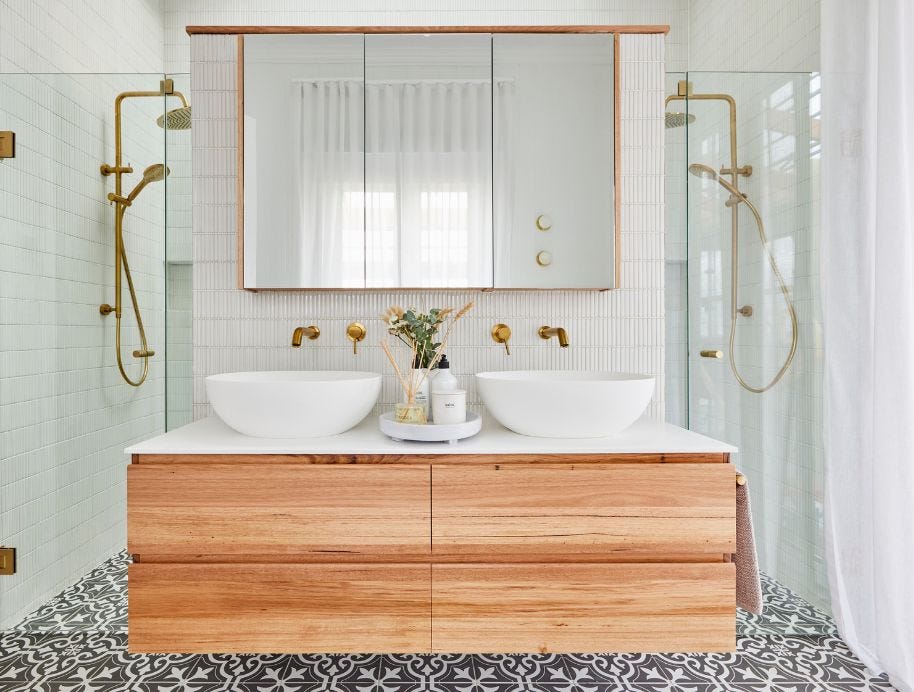
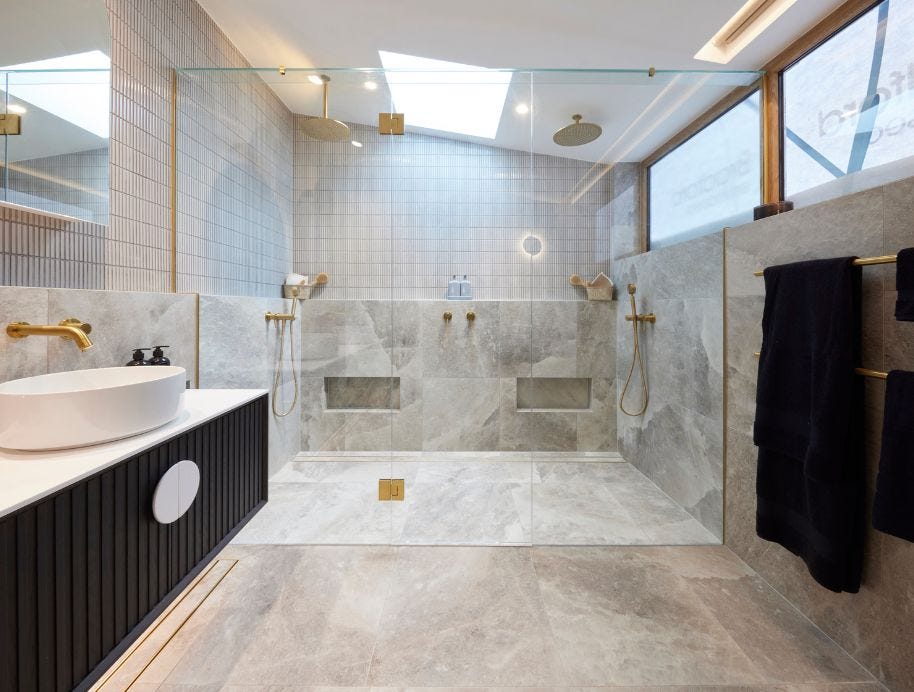
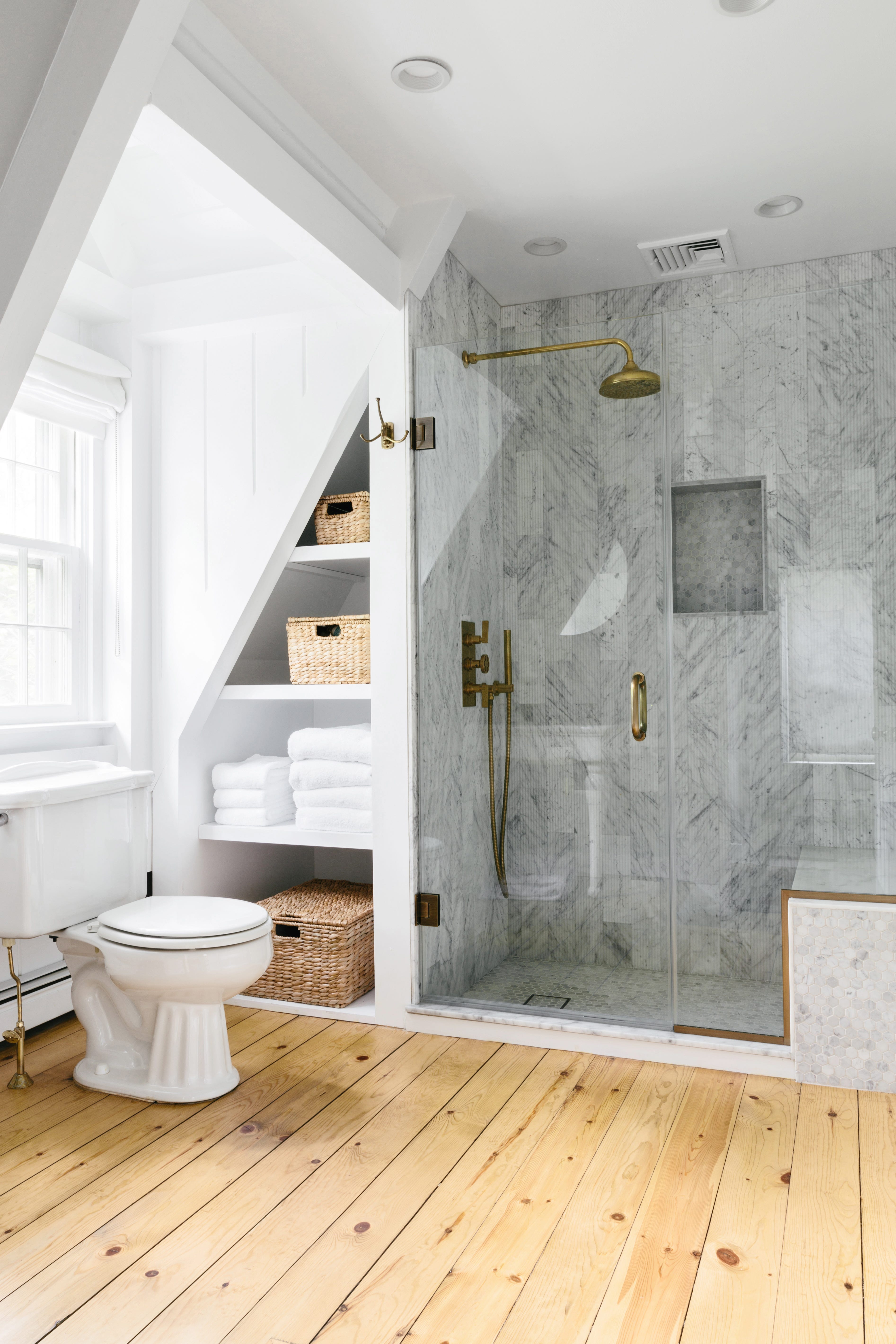
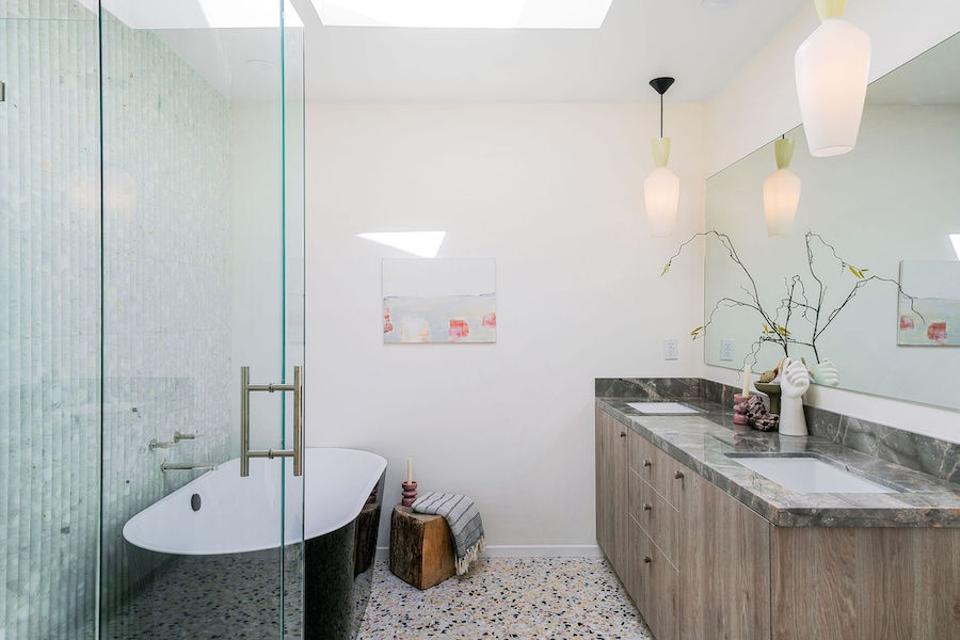
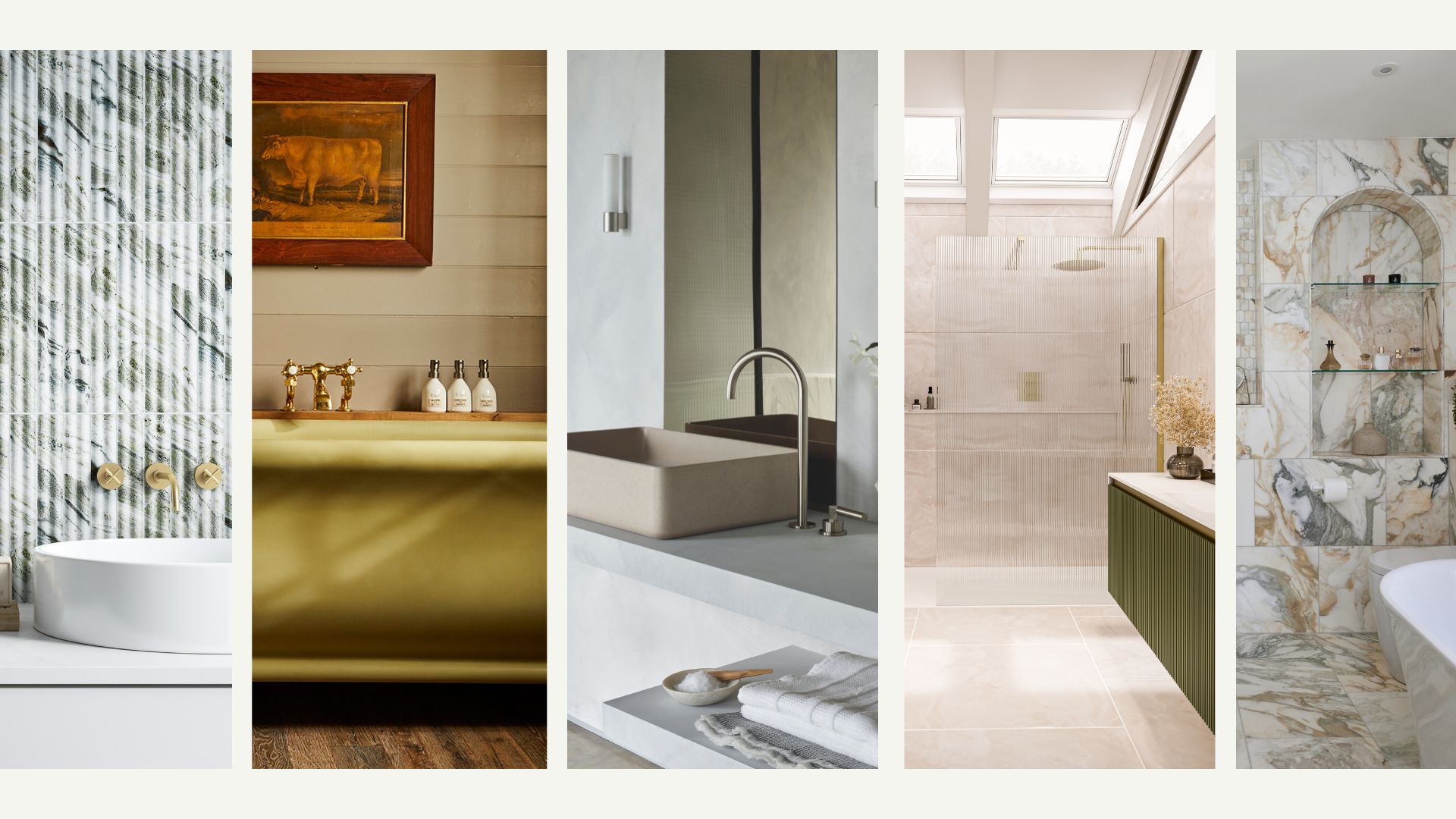
Fluting is identified as a persistent design element, appearing in reeded glass and sculpted furniture. Sally Bettison, Product Manager at Tissino, notes that fluted finishes add both aesthetics and practicality. Fluted shower screens, for instance, zone the shower area while allowing light to pass through, and fluted furniture adds subtle texture. This trend helps make a bathroom appear more luxurious and personalized.
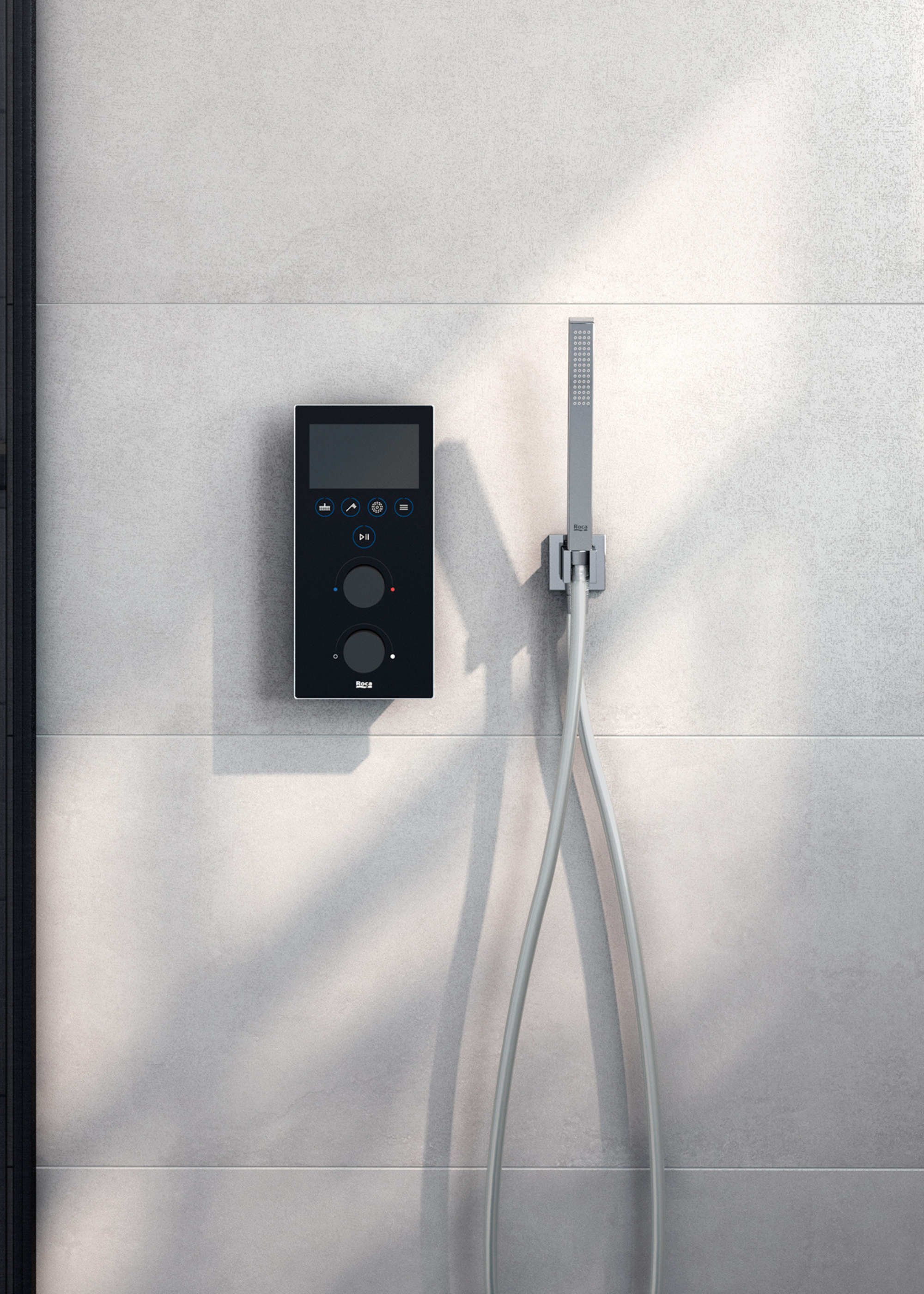
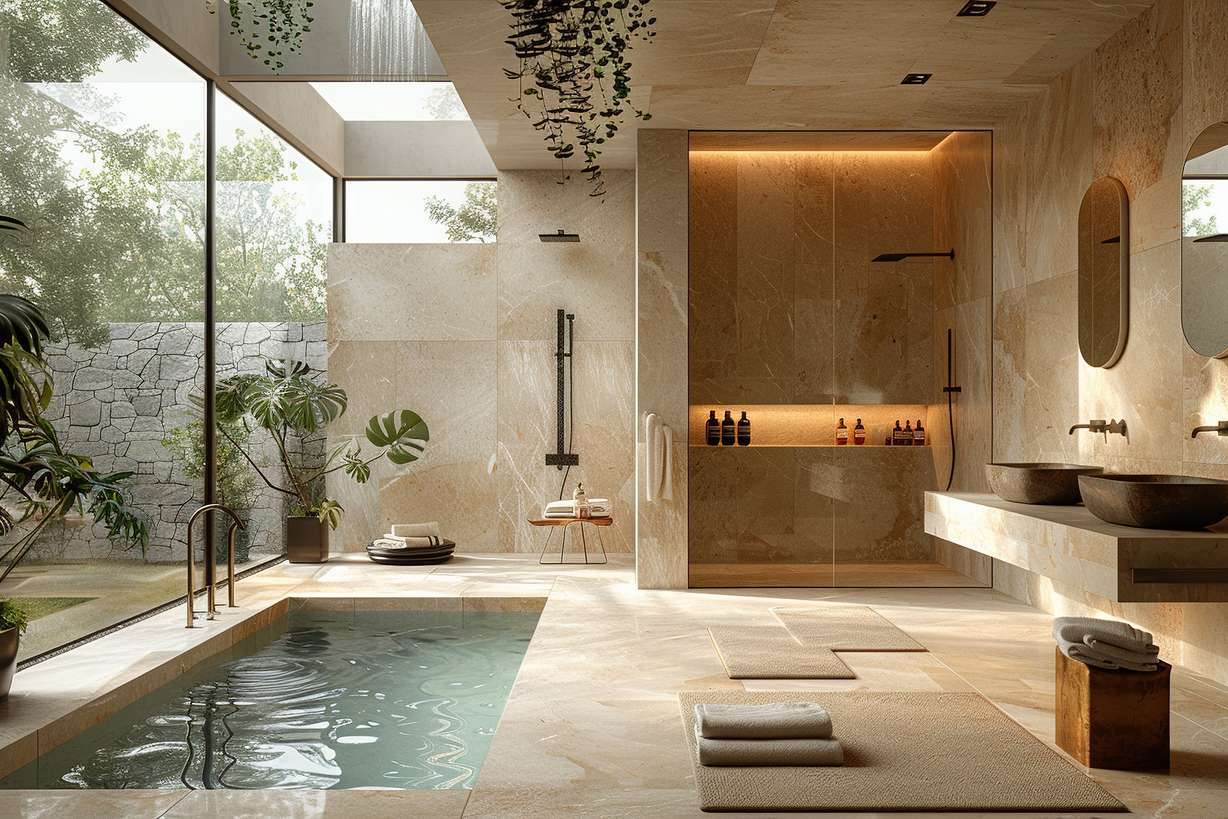
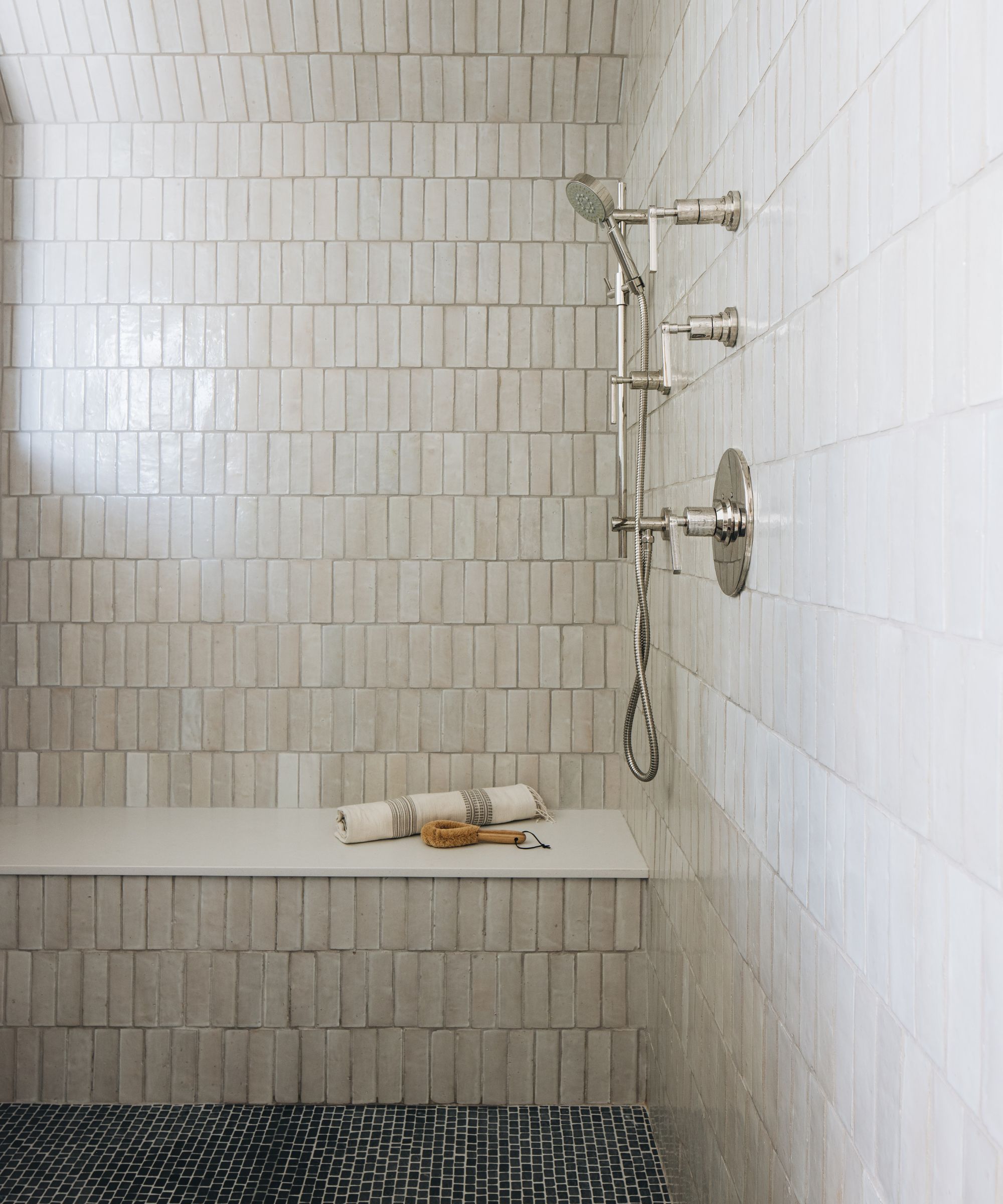
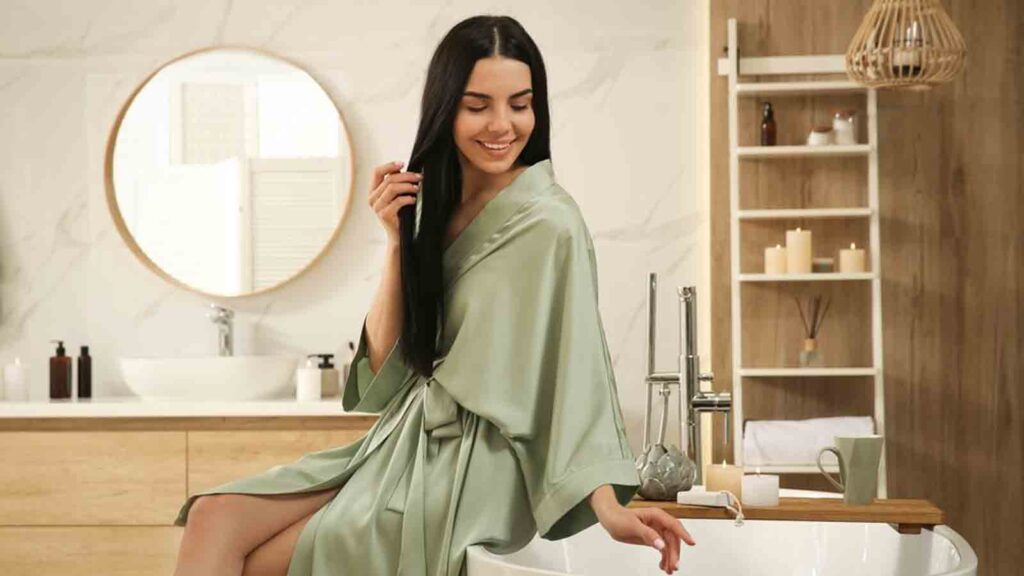
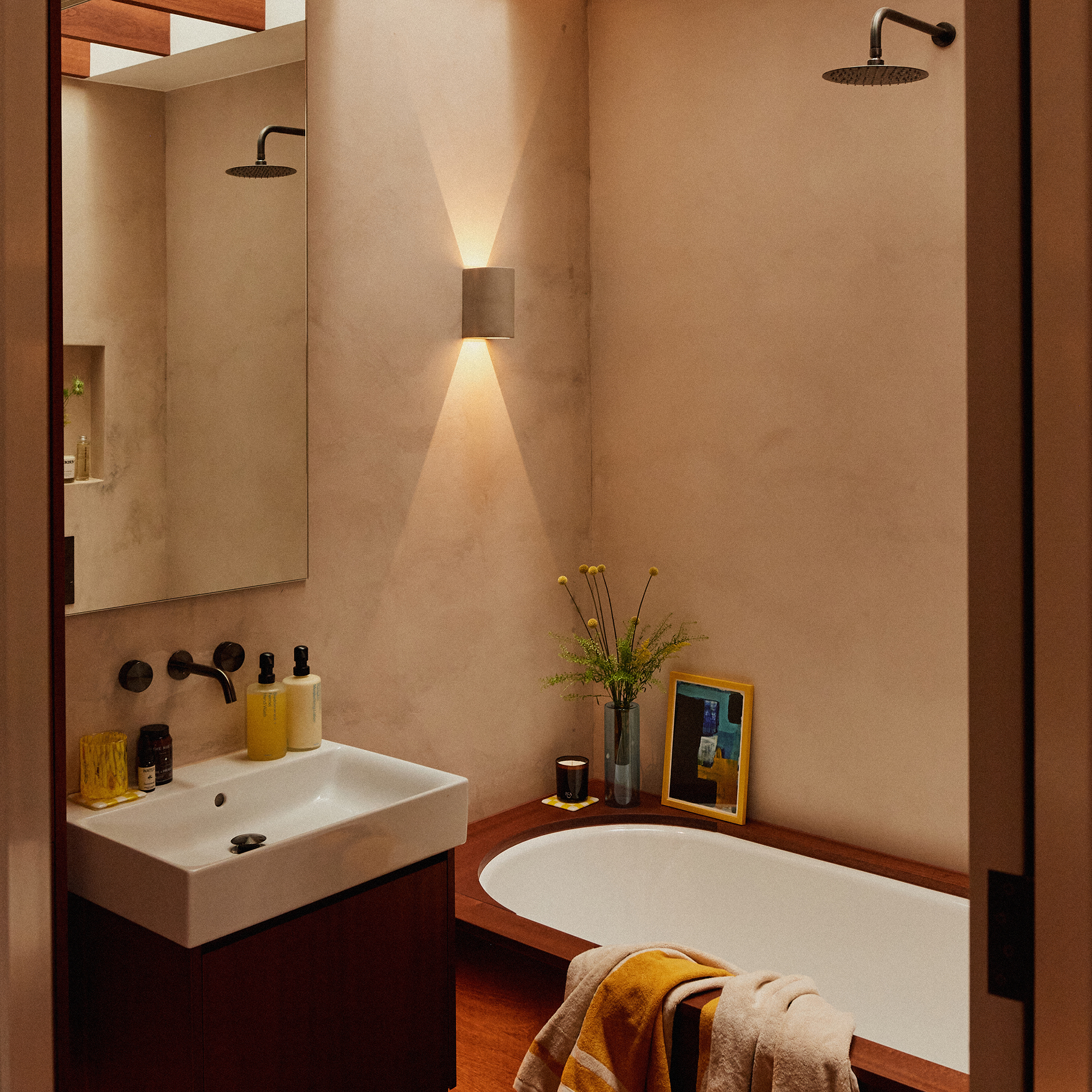
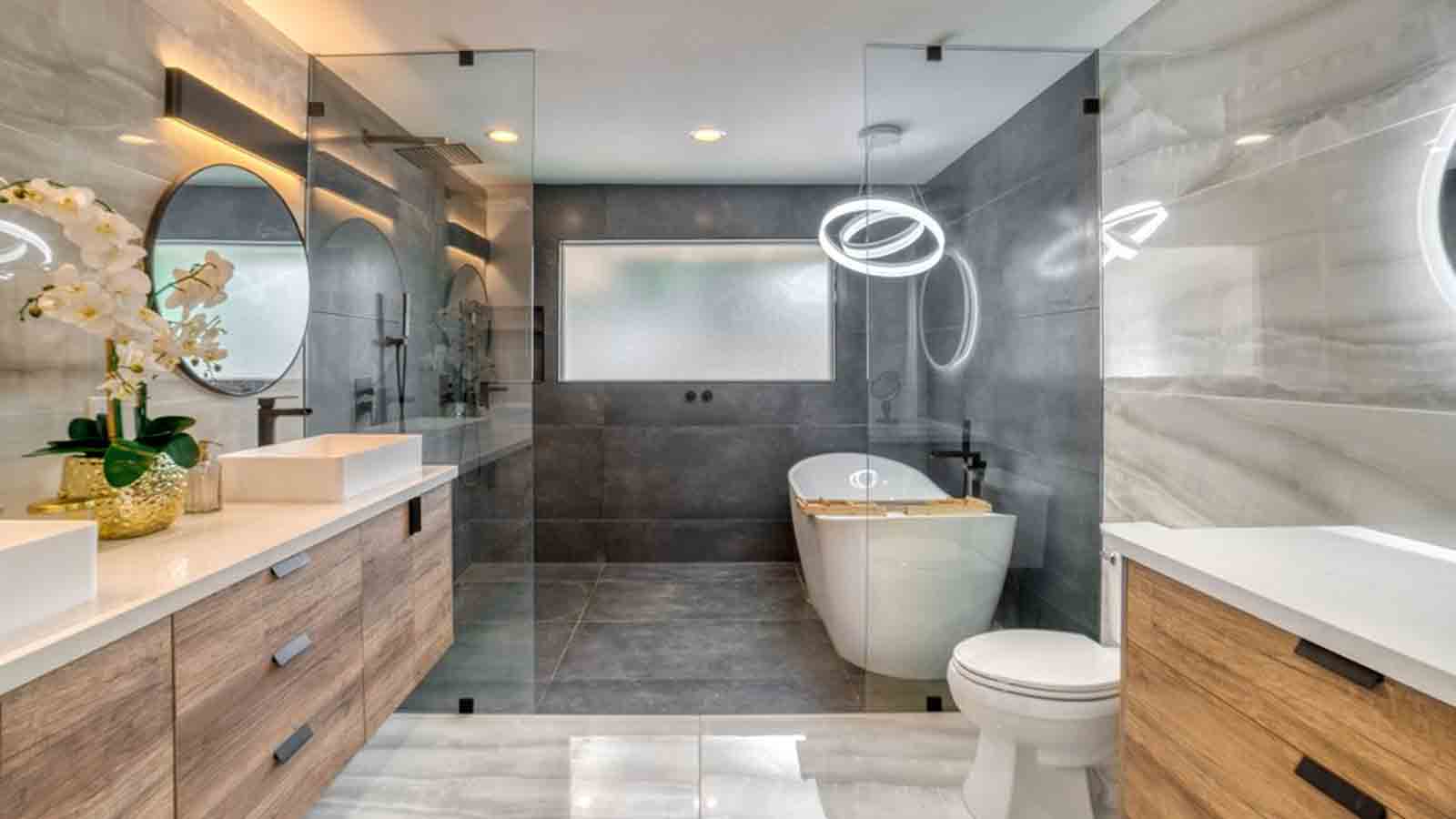
The concept of a 'spa-like sanctuary' continues to evolve, transforming bathrooms from purely functional spaces into areas for relaxation and de-stressing. Rikki Fothergill, a bathroom style expert at Big Bathroom Shop, predicts an increased focus on integrating advanced spa features such as infrared saunas, chromotherapy showers, and health-monitoring technologies. Walk-in showers with multiple heads, steam functions, and bench seating, along with freestanding tubs, are key elements of this trend. Layered lighting, using warm temperatures and low levels, is crucial for creating a relaxing ambiance. Accessories like quality towels and scent-scaping products also contribute to achieving a luxury spa feel.
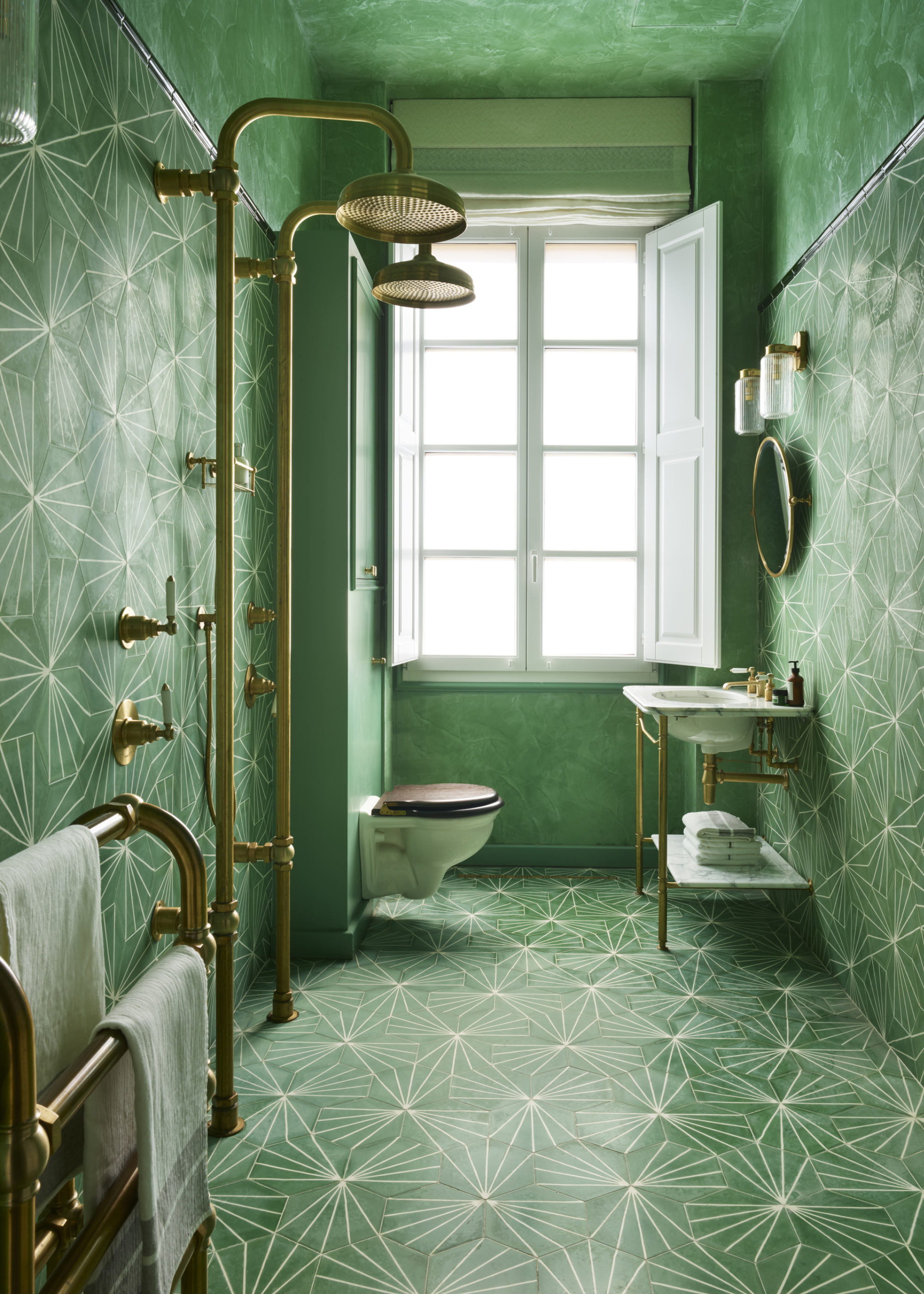
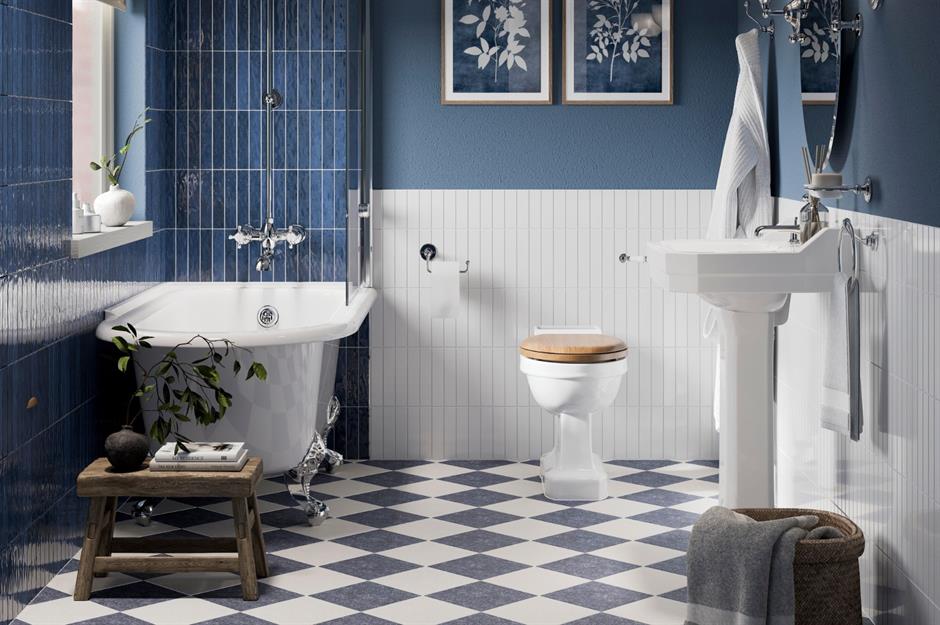
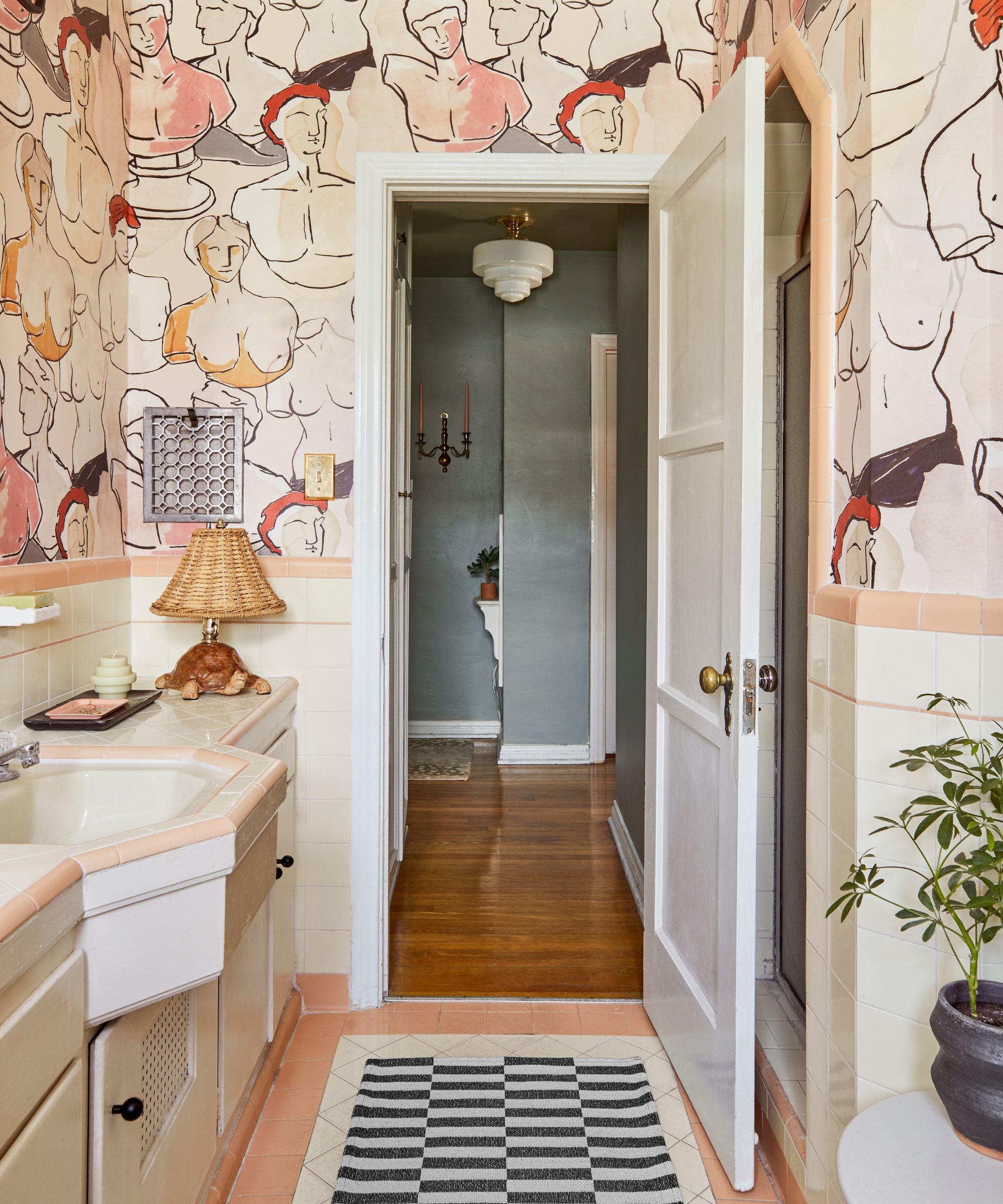
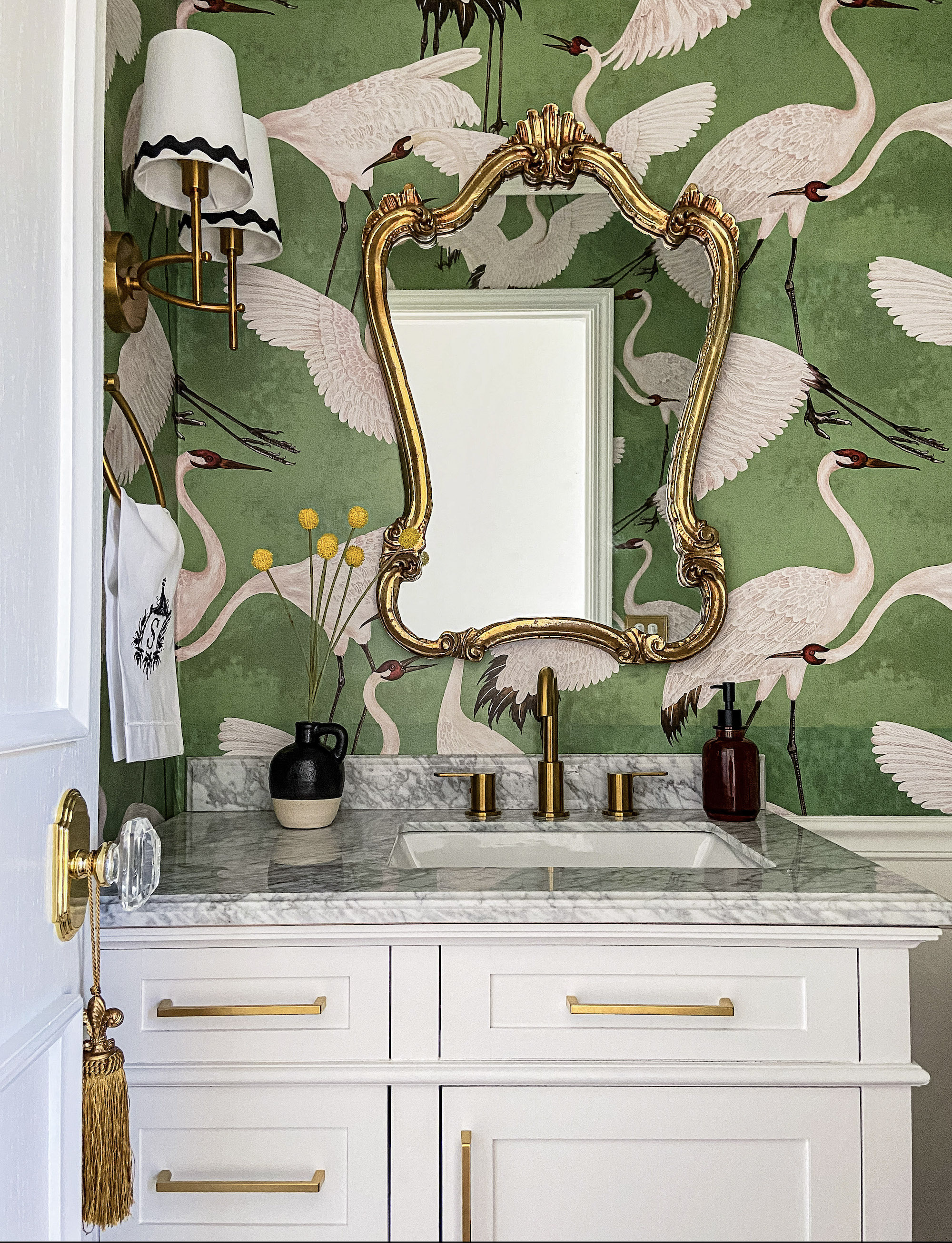
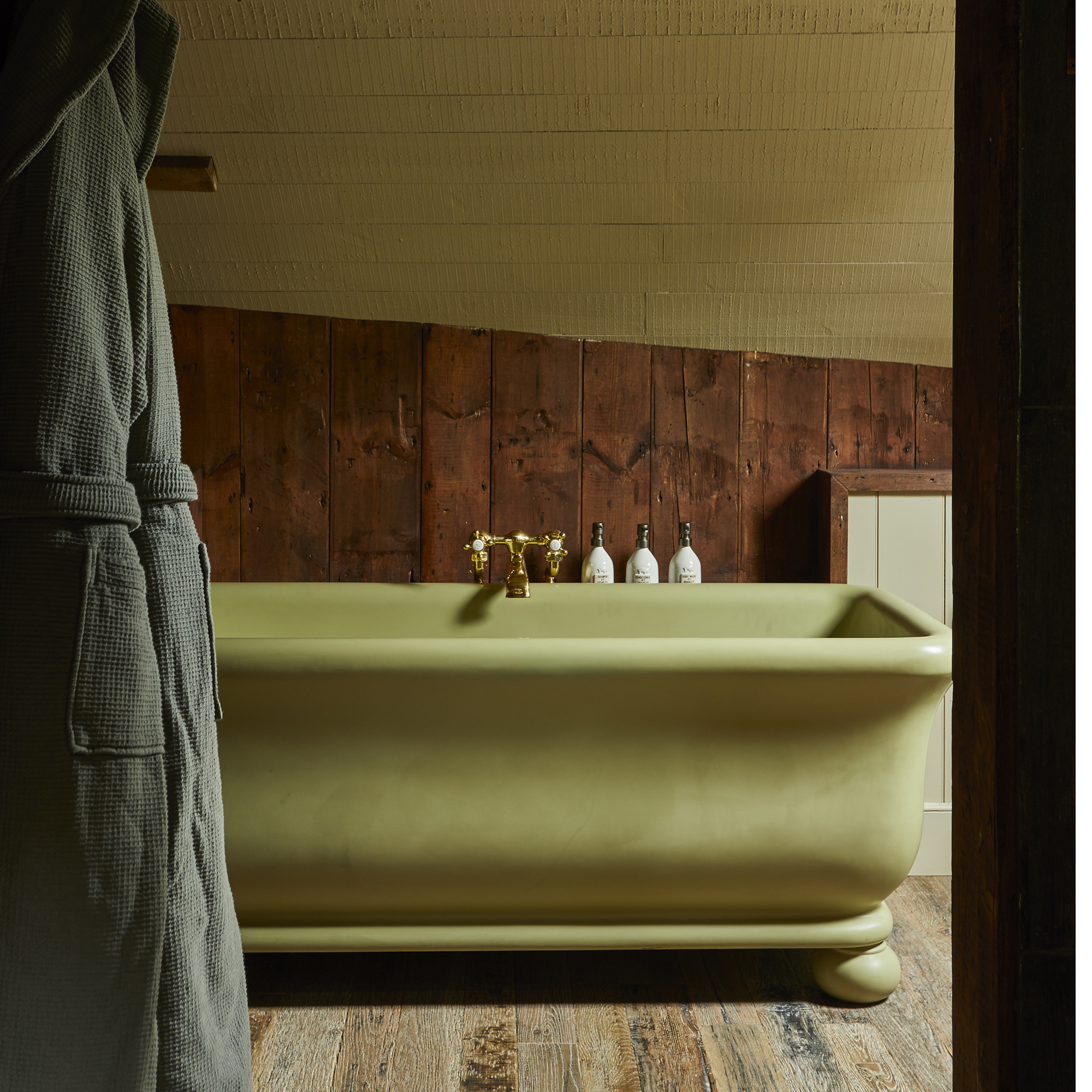
Surprisingly, avocado-colored sanitaryware is making a comeback, moving beyond the 1970s aesthetic. Barrie Cutchie, design director at BC Designs, attributes this to a revival of retro interior trends and the growing popularity of green. Avocado ceramics offer a versatile option for adding color, working well in contemporary, rustic, and period homes. The article reassures readers that this modern iteration will not include carpets, a common feature of its 70s predecessor.
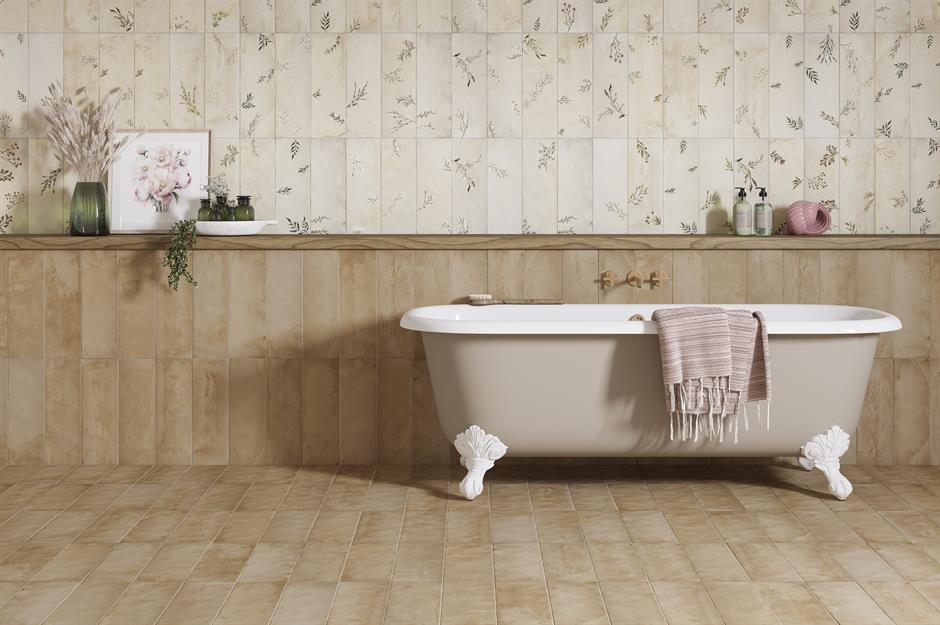
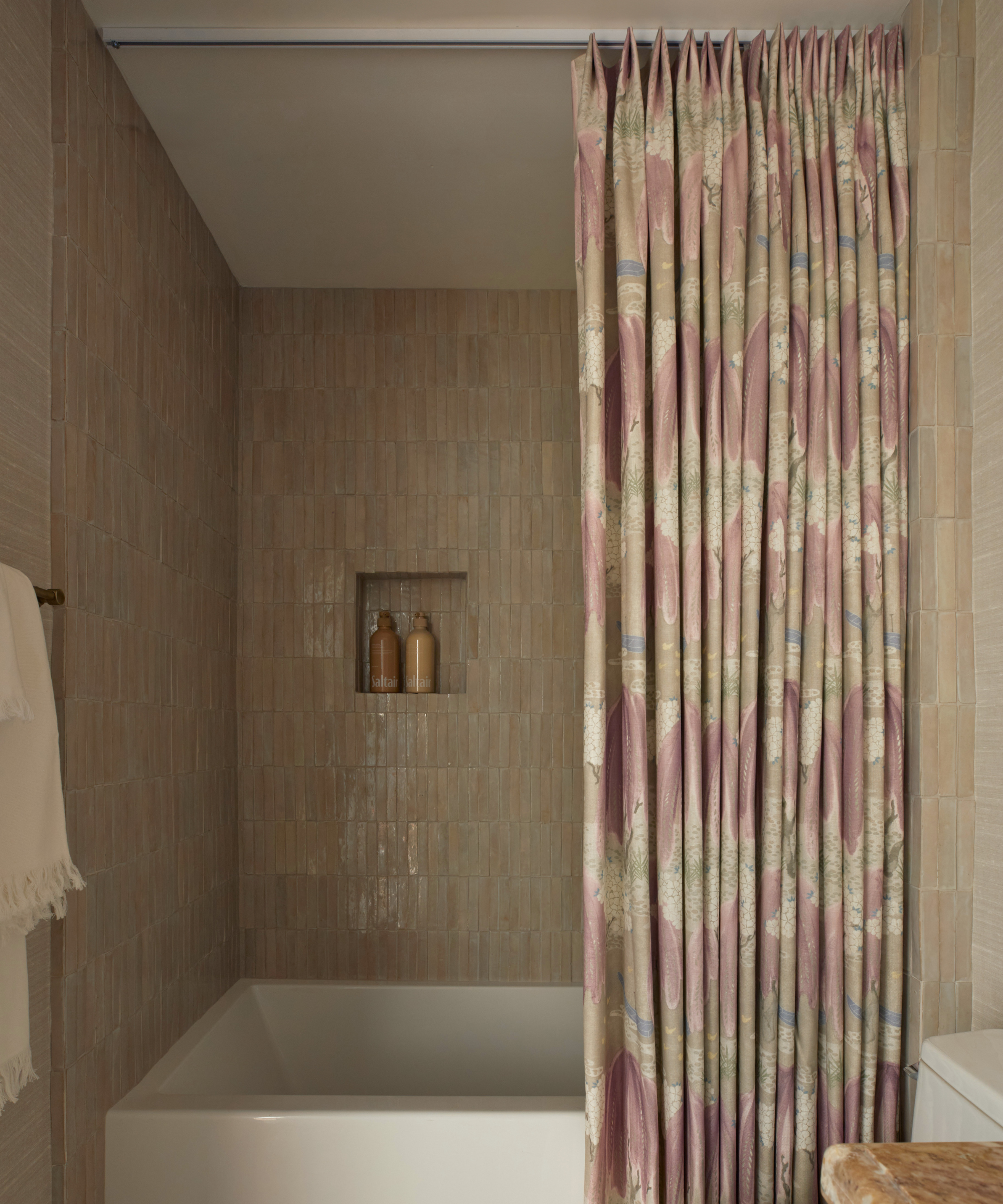
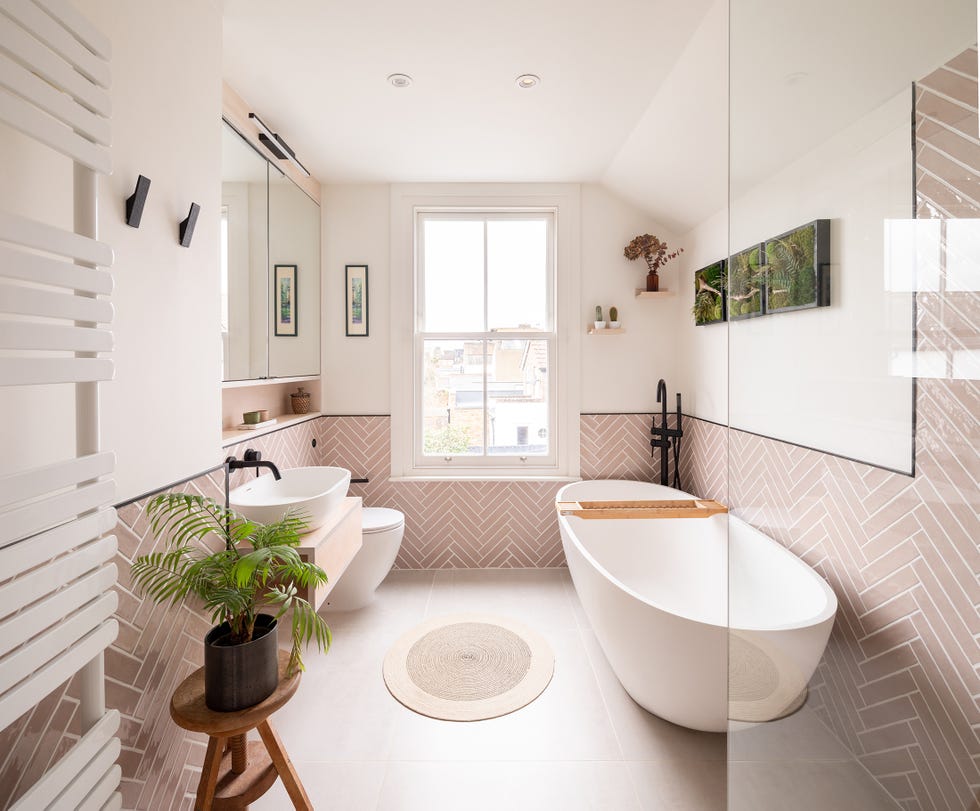
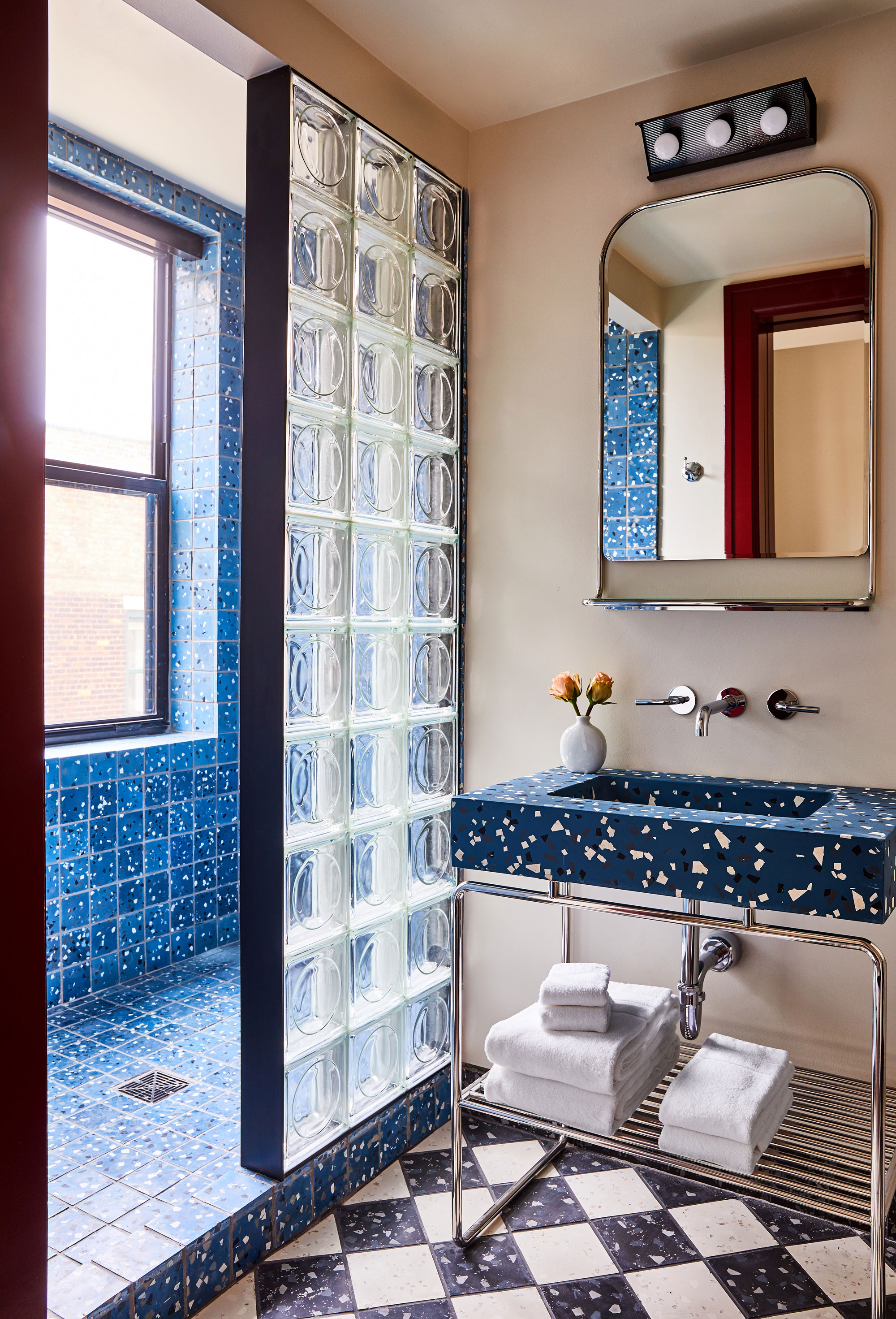
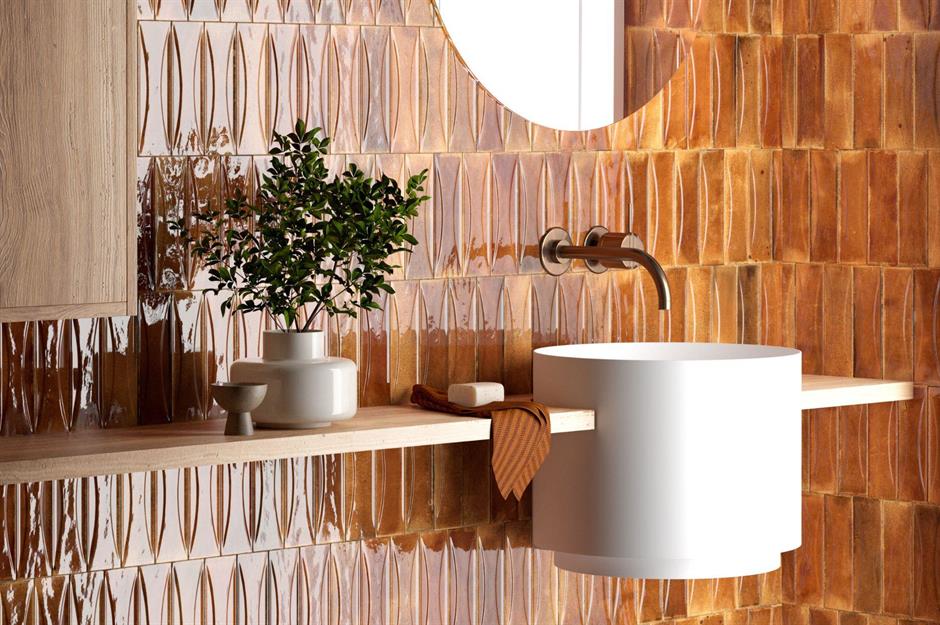
Textured tiles are another prominent trend, driven by a desire for comfort and tactile engagement in interior design. Isabel Fernandez of Quorn Stone highlights that unique, textured surfaces redefine bathroom design by adding character without relying heavily on color or metallics. Examples include wavy, fluted, and relief finishes, as well as those imitating natural stone. Maria D Arráez of Tile of Spain UK suggests experimenting with different sizes and shapes of textured tiles, or mixing them with smoother tiles to create contrast and depth.
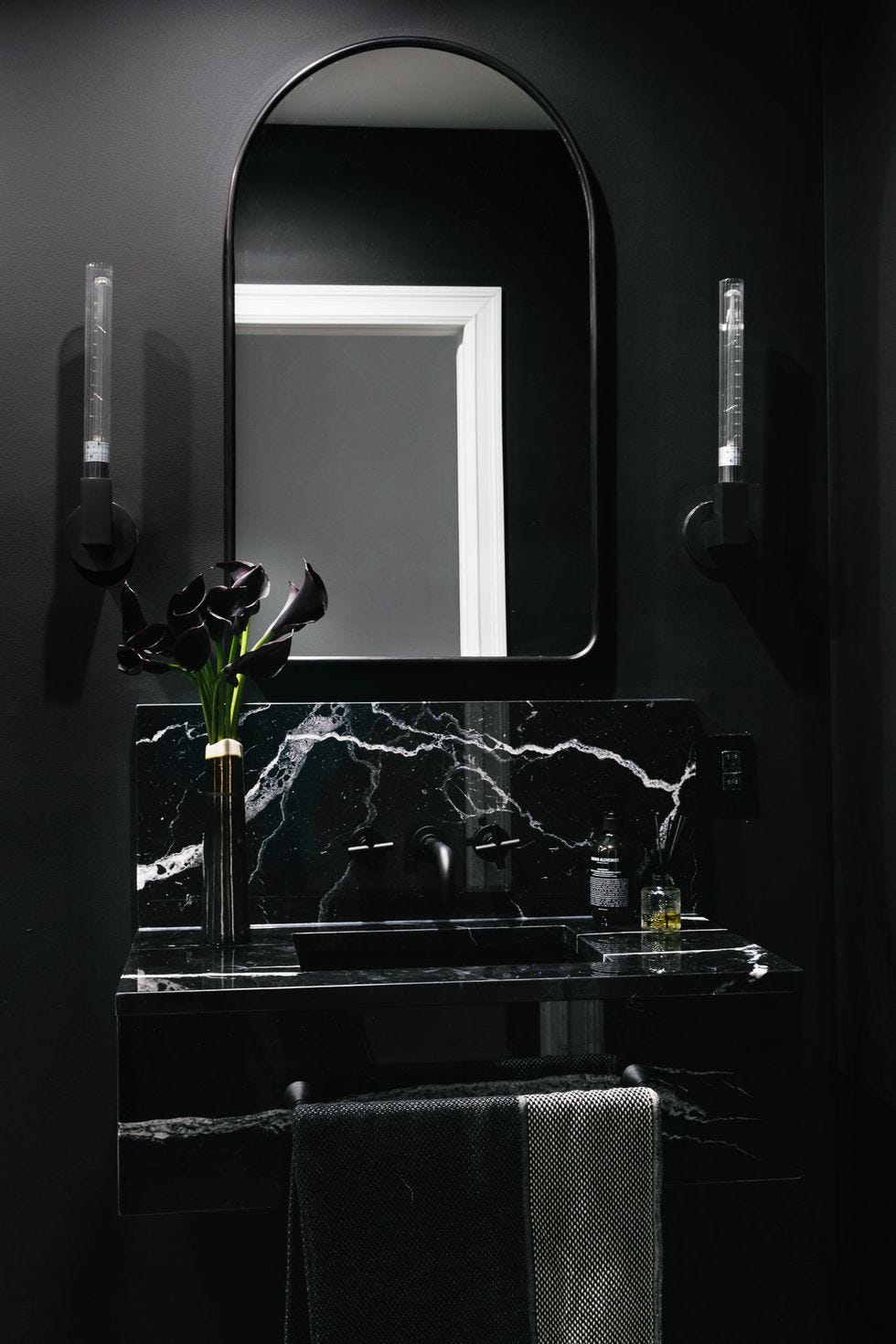
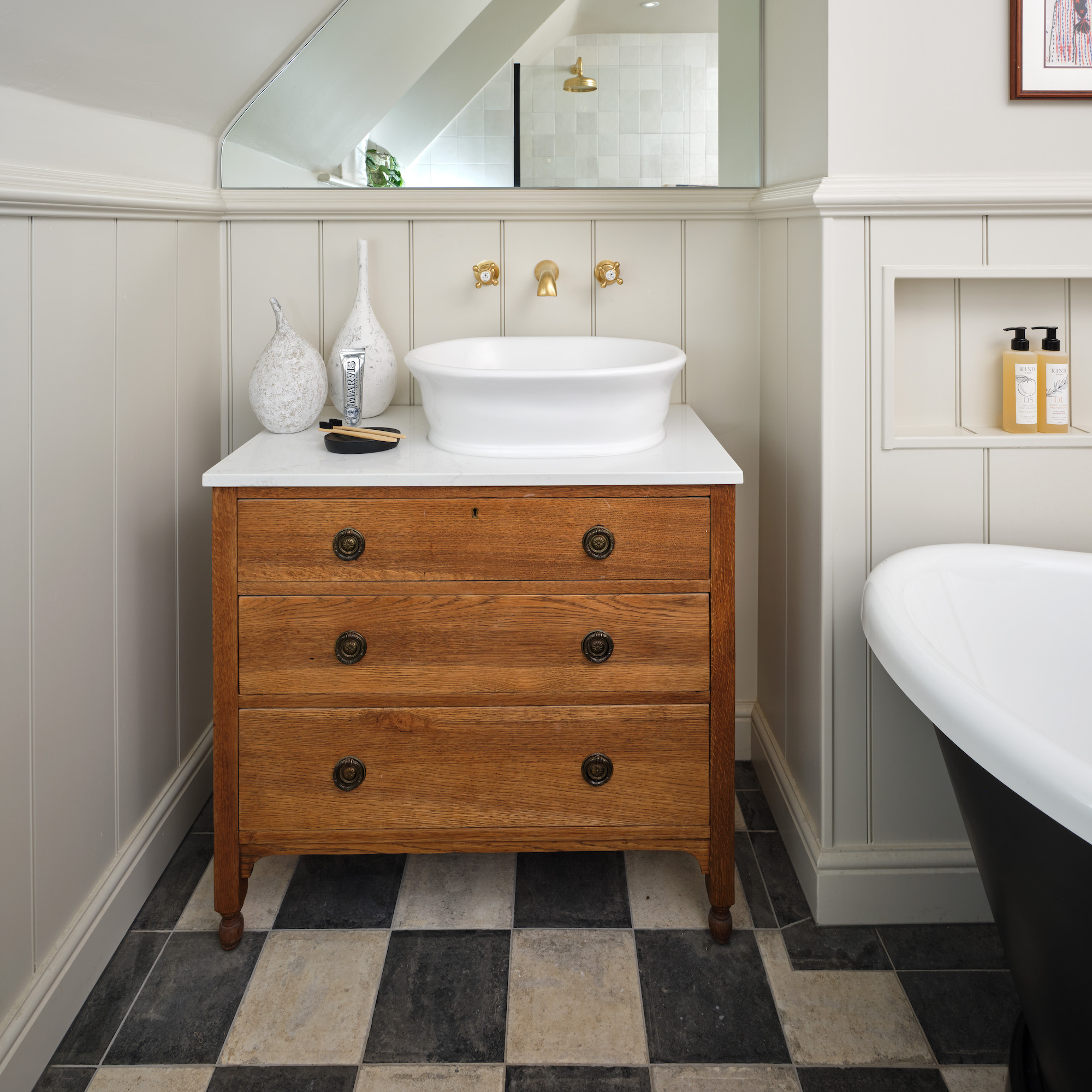
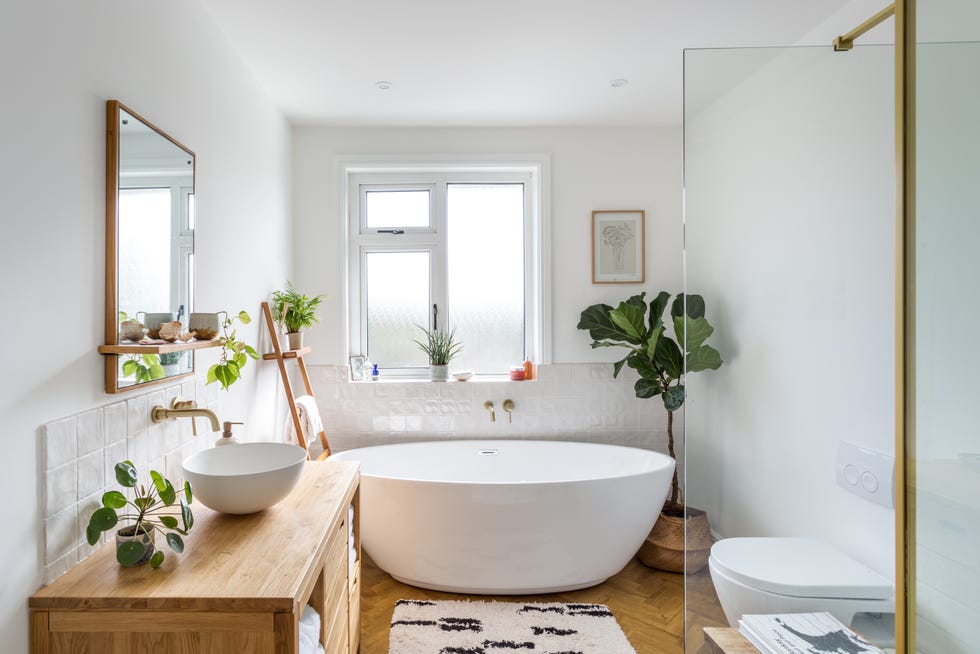
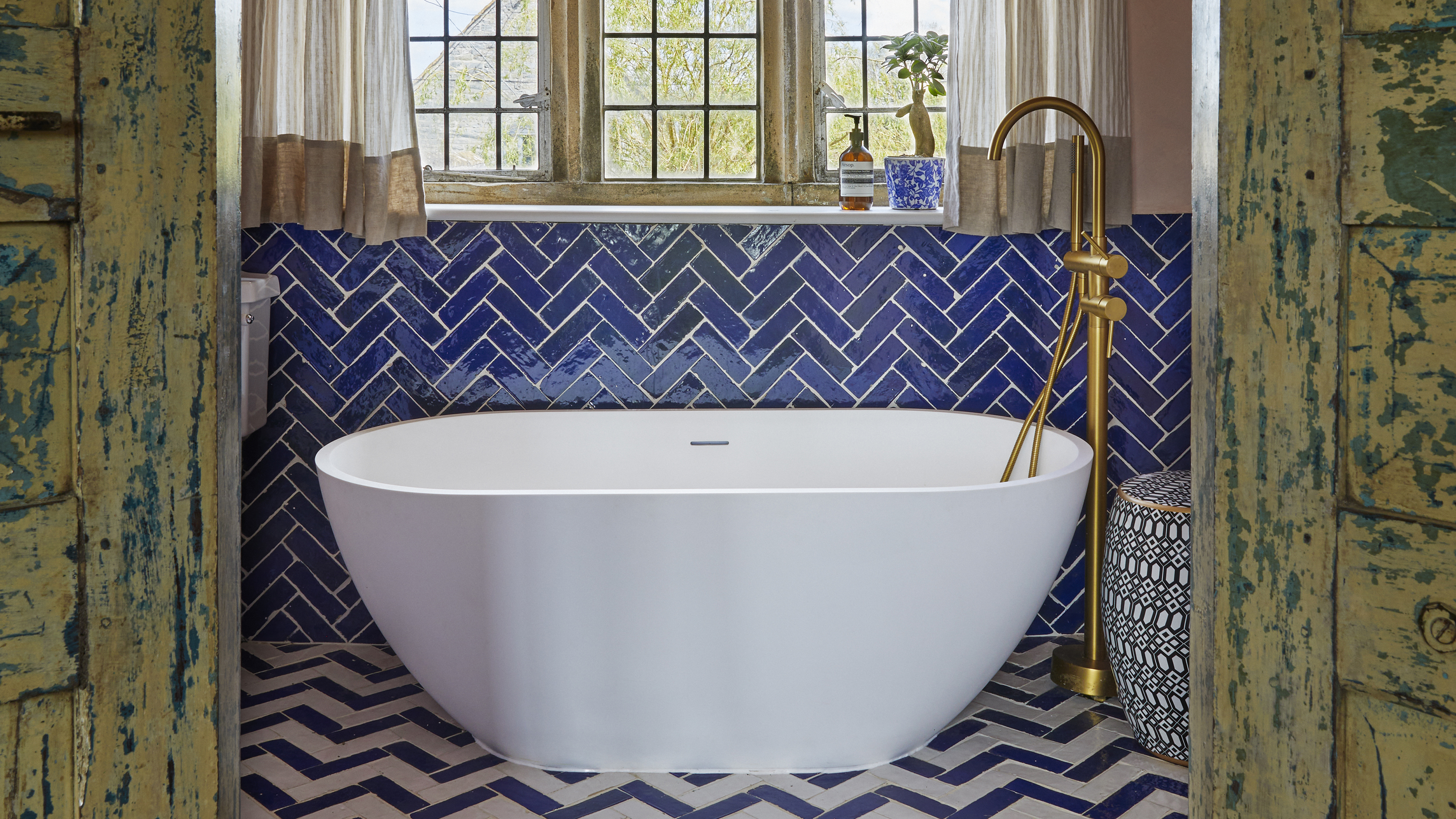
'Quiet luxury' design remains influential, focusing on long-term investment in high-quality materials and fixtures. This trend emphasizes timelessness and understated elegance rather than fleeting styles. Barrie Cutchie explains that it involves creating a comfortable yet sophisticated and aspirational space. In bathrooms, this translates to organically shaped baths, natural materials, simple silhouettes, and a subdued color palette, all of which can enhance a home's value.
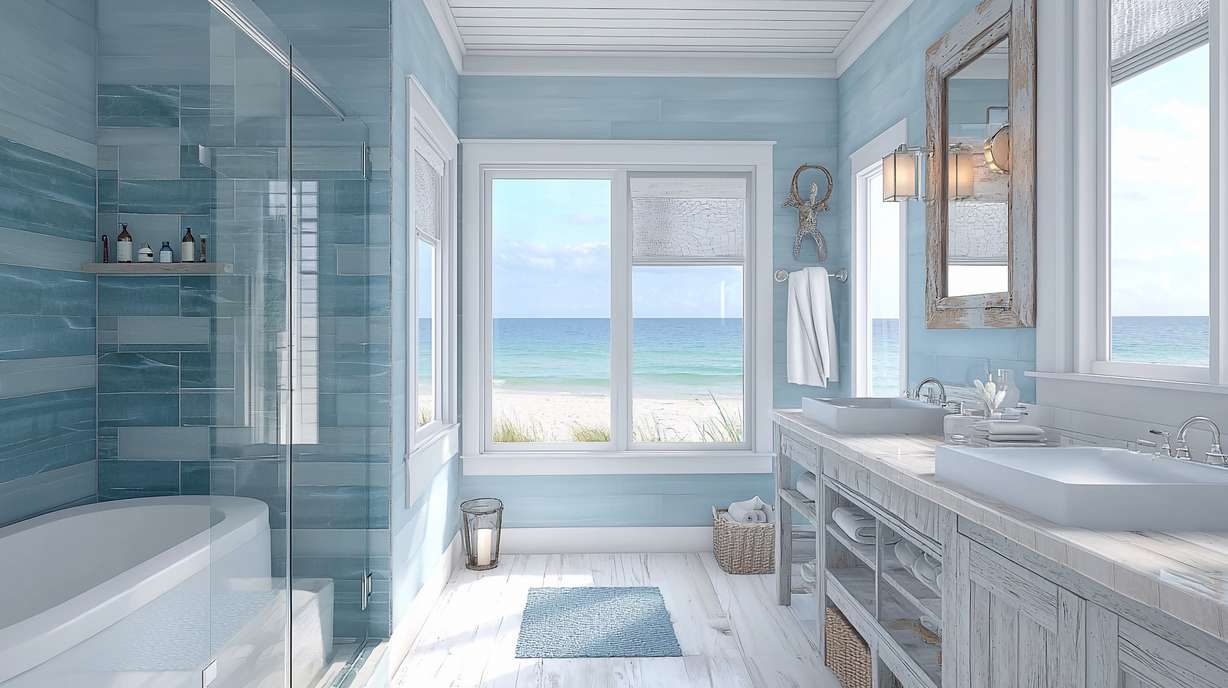
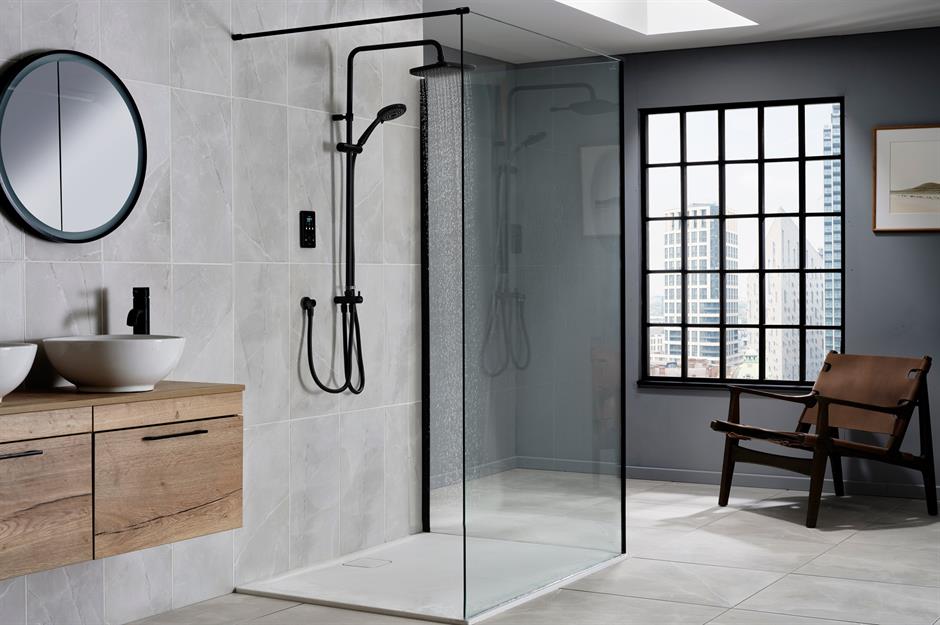
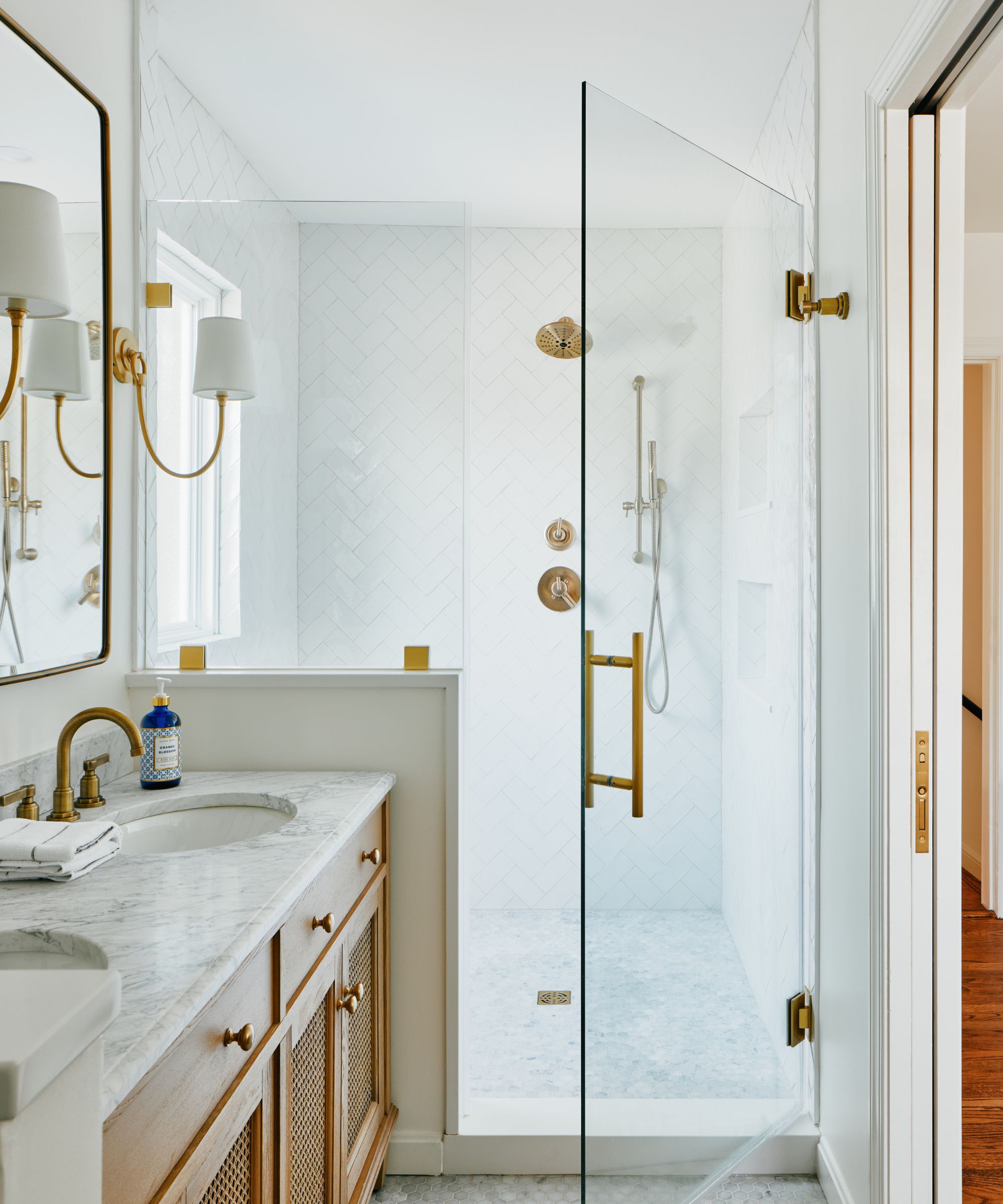
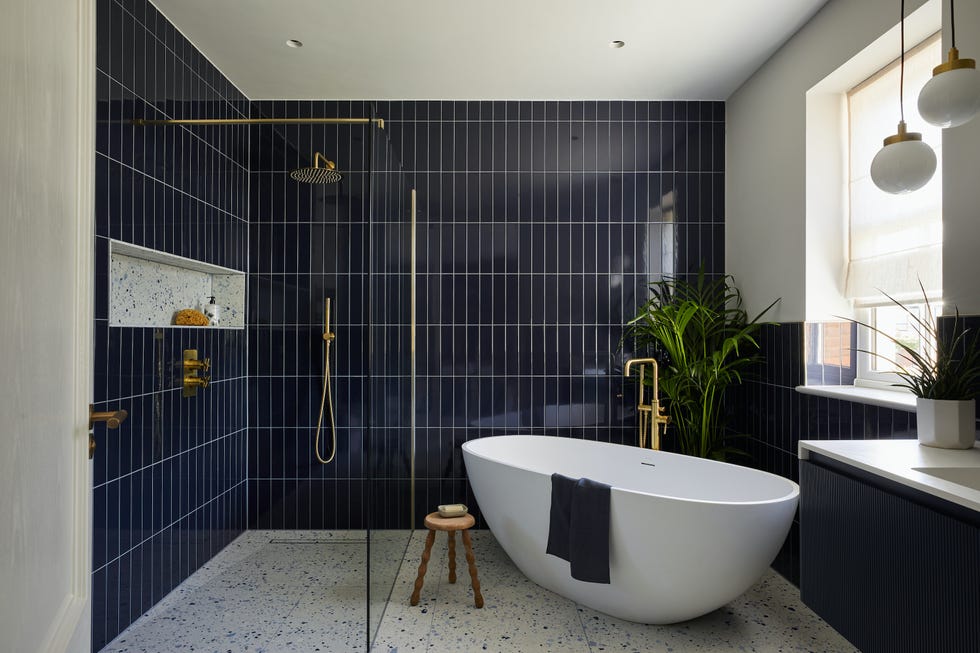
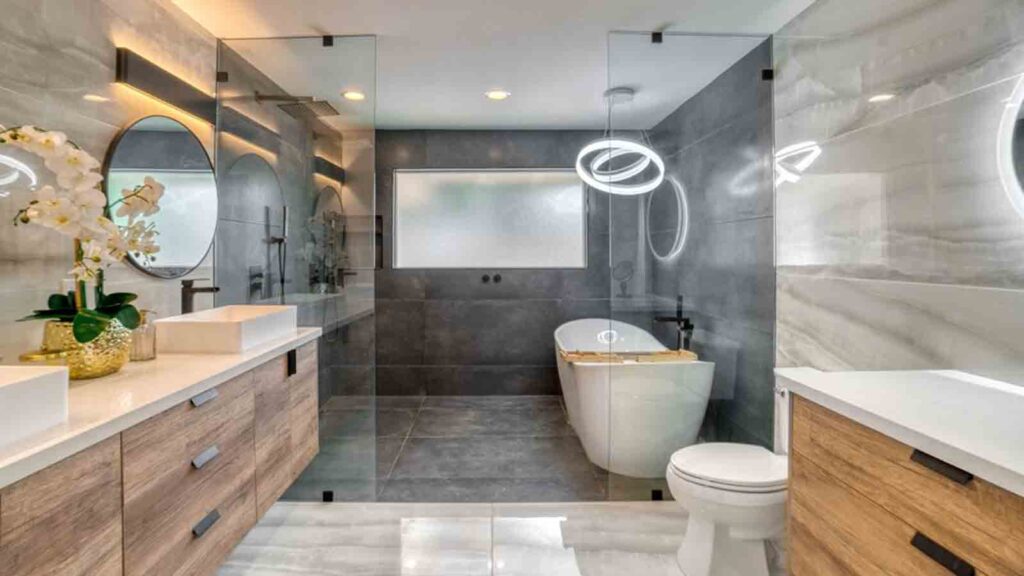
Frameless shower enclosures are favored for their minimalist aesthetic, which makes bathrooms appear more open and spacious. This design choice is particularly beneficial for smaller bathrooms. Barrie Cutchie notes that frameless screens offer more opportunities to highlight tile designs and fittings. Maintaining the cleanliness of these glass screens is essential to preserve their reflective beauty.
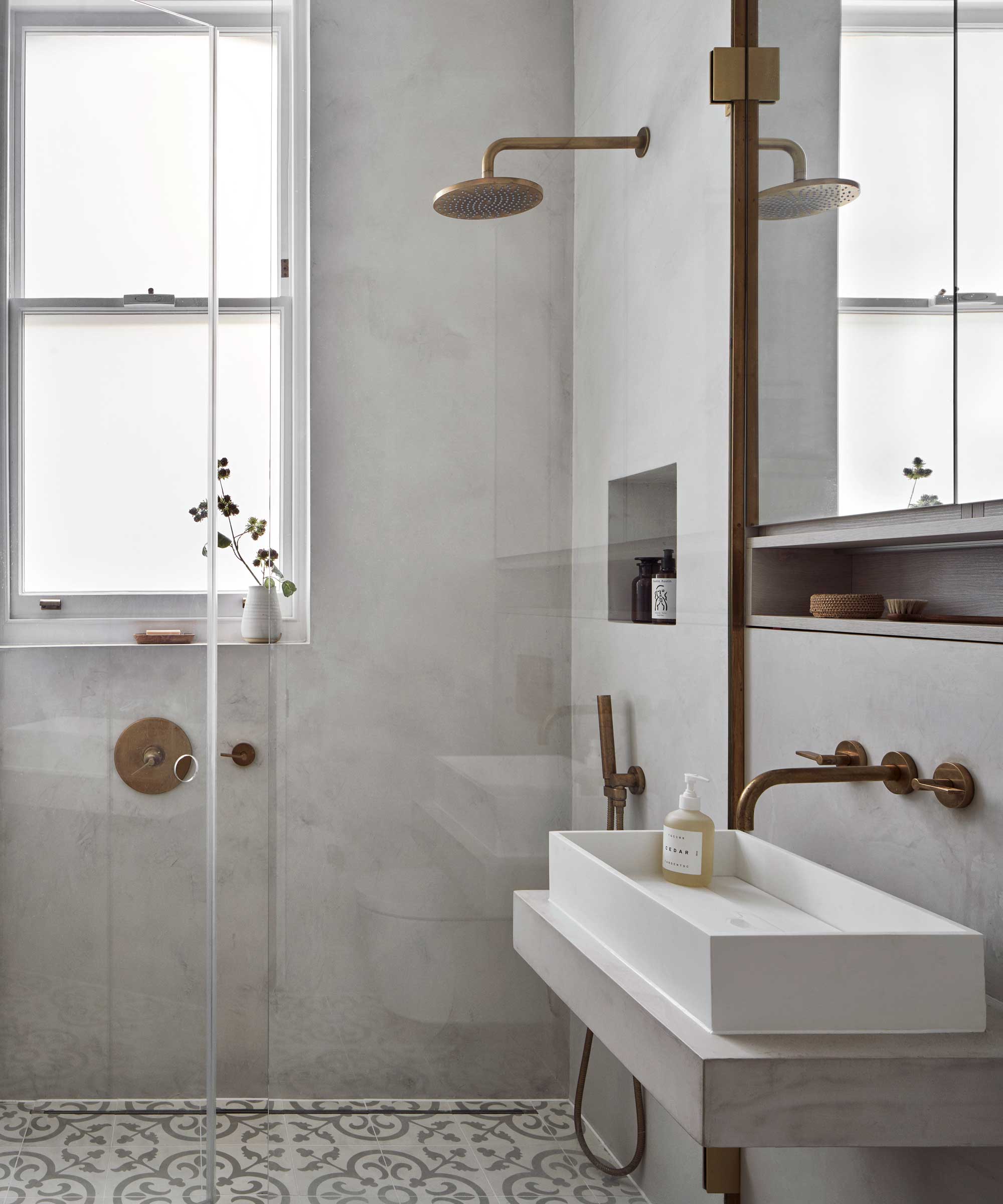
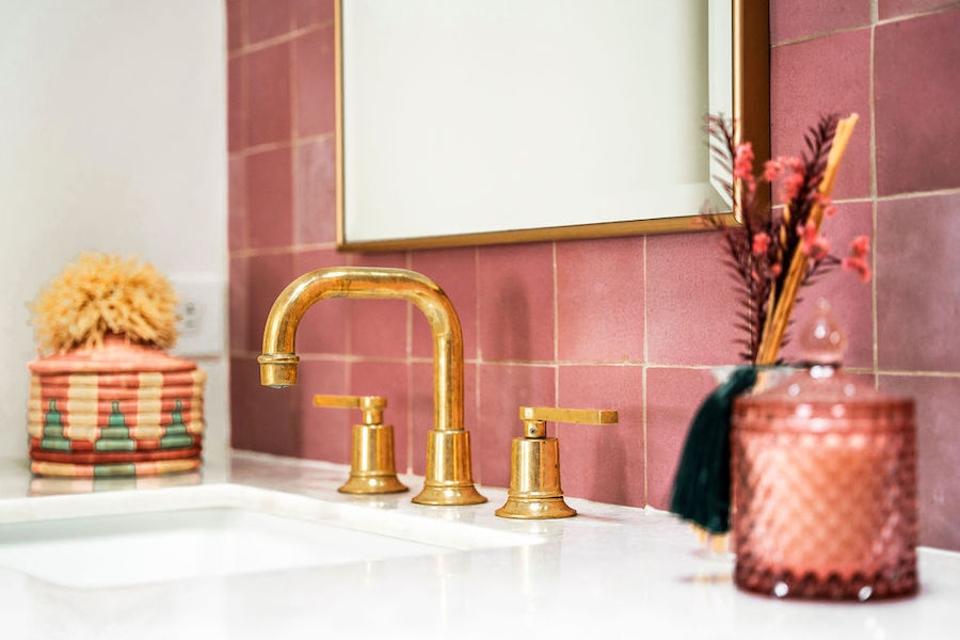
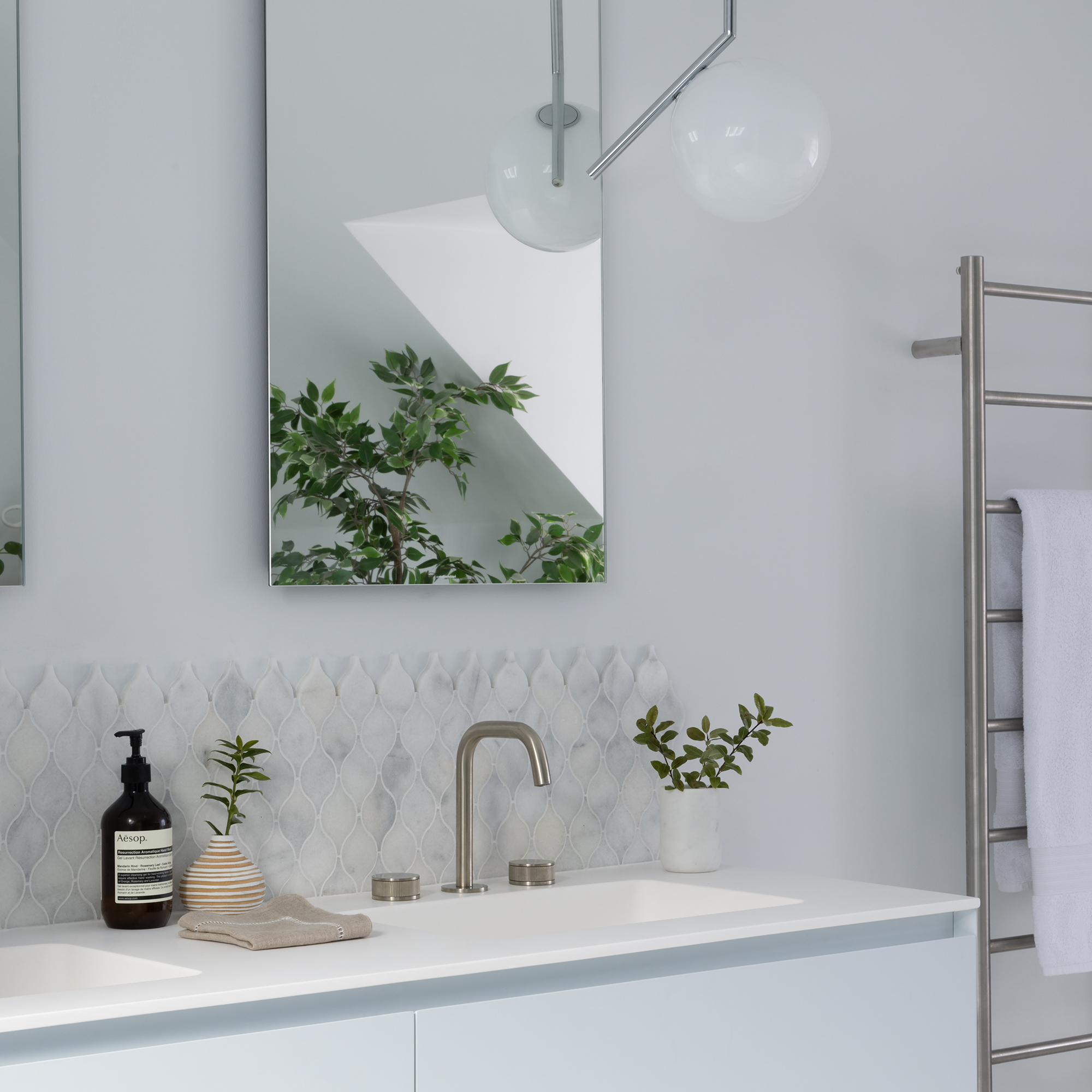
Nickel fixtures and fittings are emerging as a popular alternative to warmer metallics like brass. Louise Ashdown, head of design at West One Bathrooms, observes a shift towards softer finishes, with brushed nickel emanating a subtle golden hue. This finish reflects light gently, contributing to a spa-like atmosphere, and is ideal for warm-toned bathrooms. Additionally, brushed nickel resists fingerprints, making it practical for busy households.
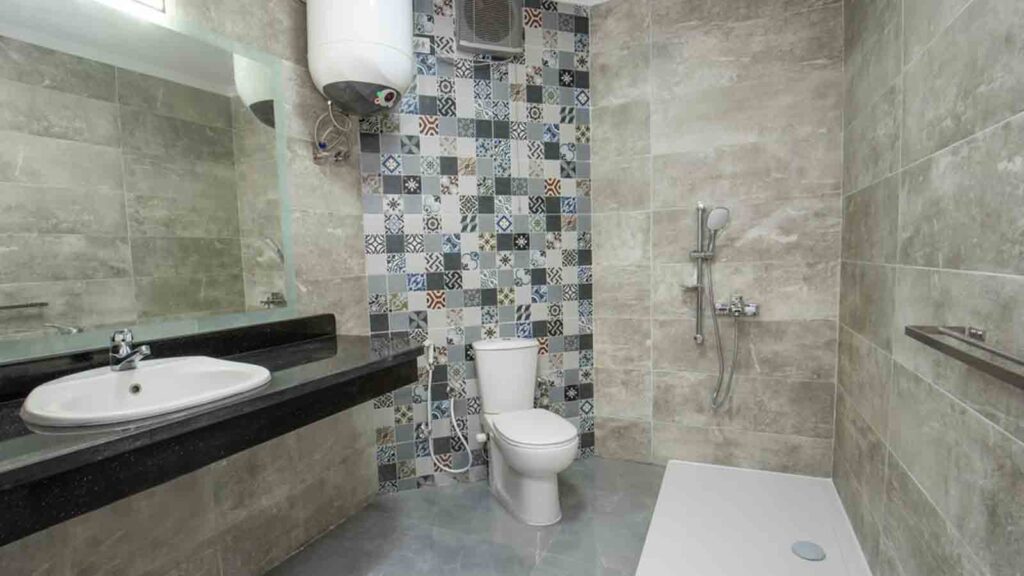
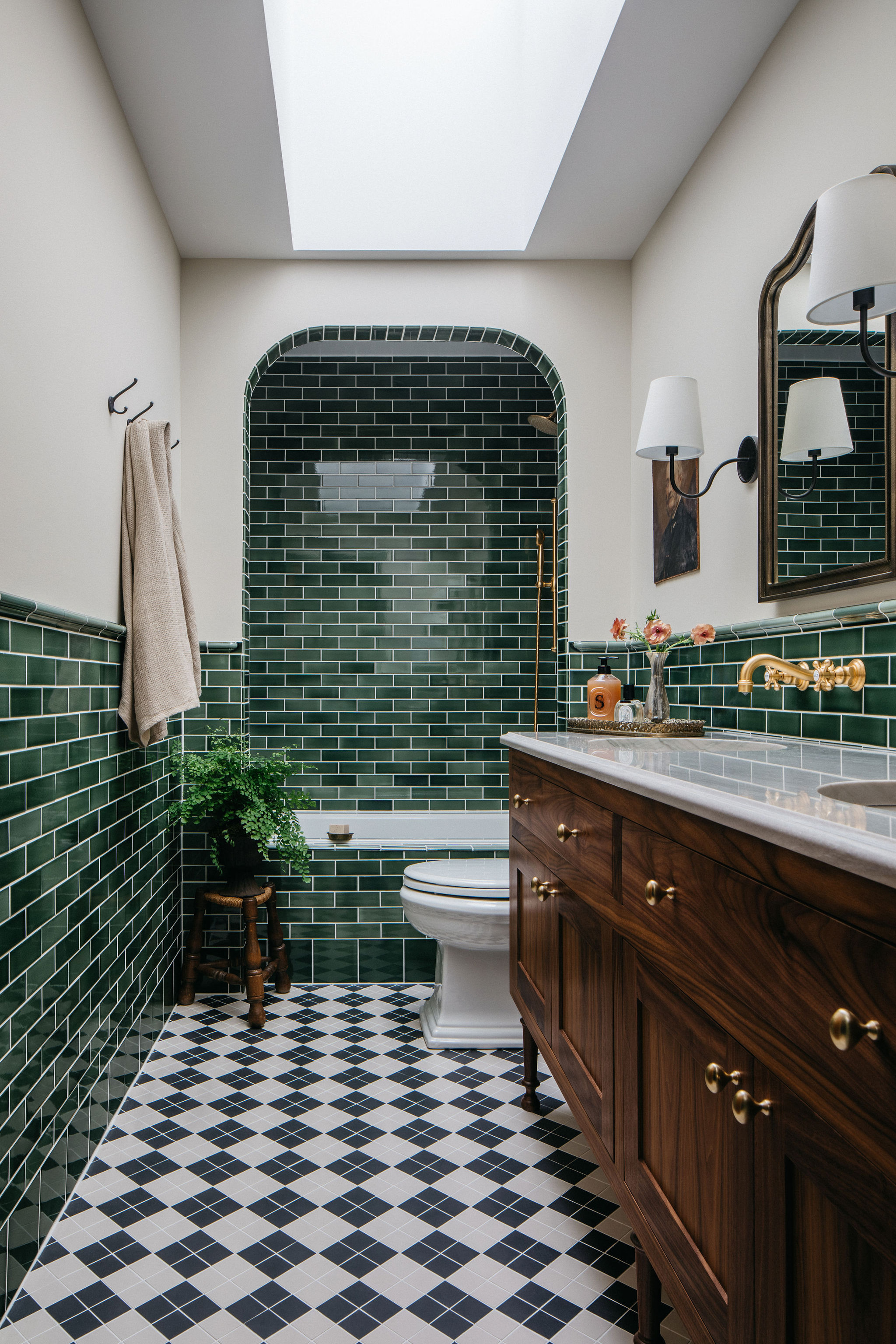
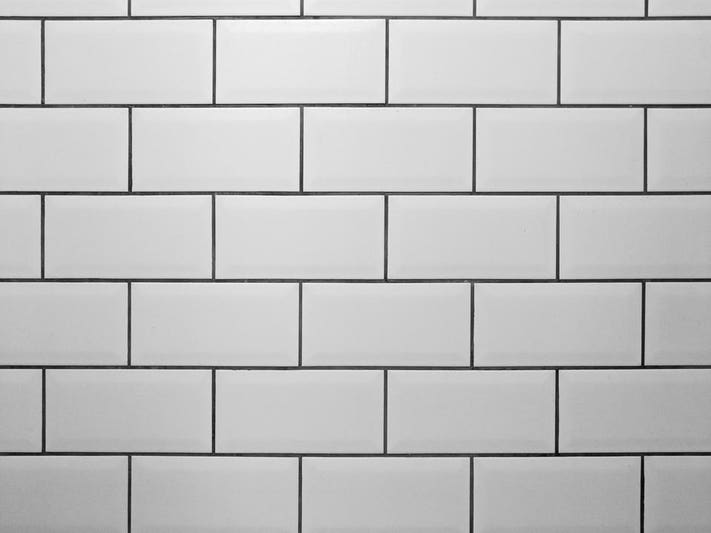
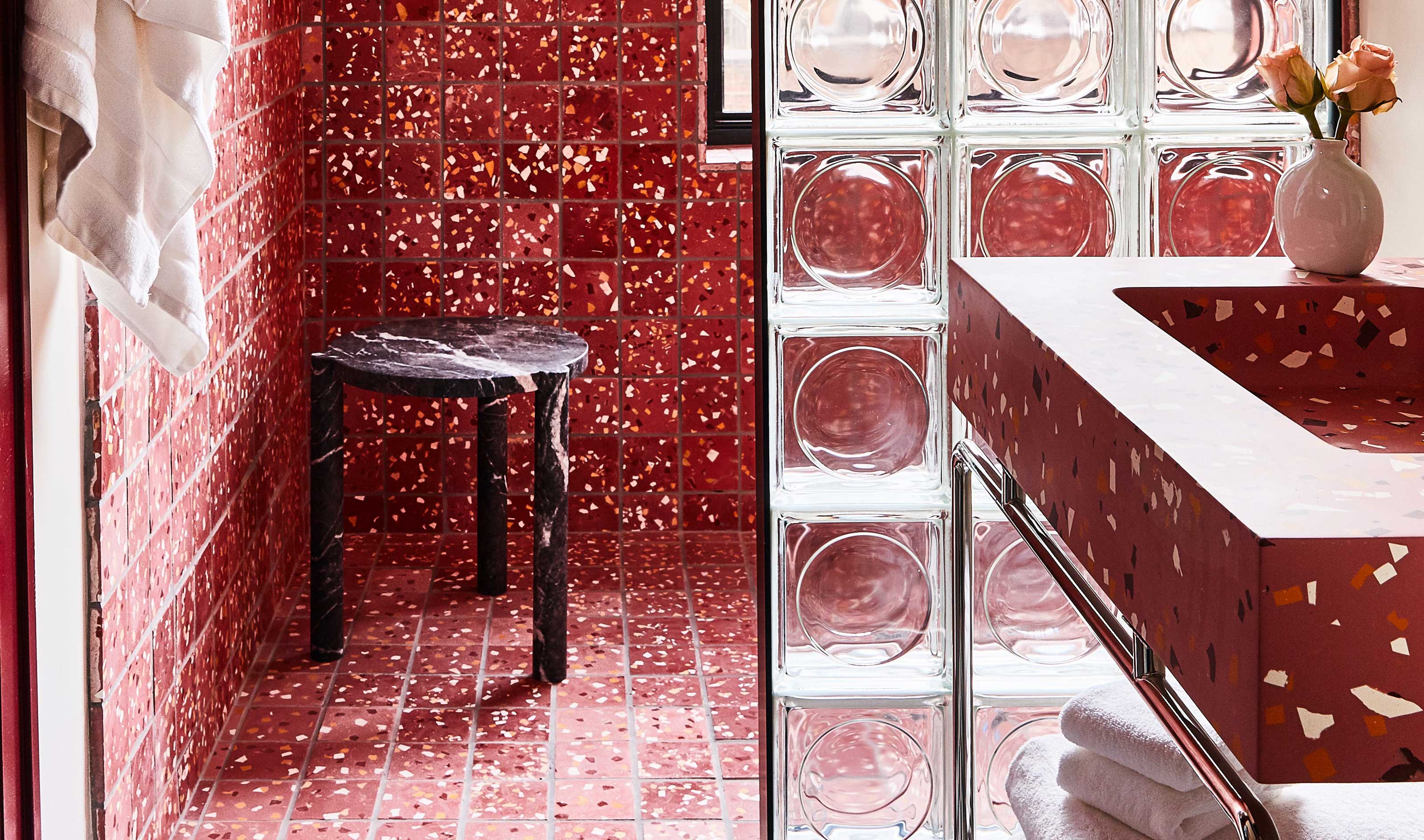
'Tile drenching' is a technique where tiles cover every surface in a bathroom, creating a cohesive and immersive look. Grazzie Wilson, Head of Creative at Ca' Pietra, explains that this trend can be achieved by using one type of tile or a single collection in varying scales and orientations. It works in any size room, including small bathrooms, with large-format tiles being particularly effective due to fewer grout lines, which enhances the continuous effect.
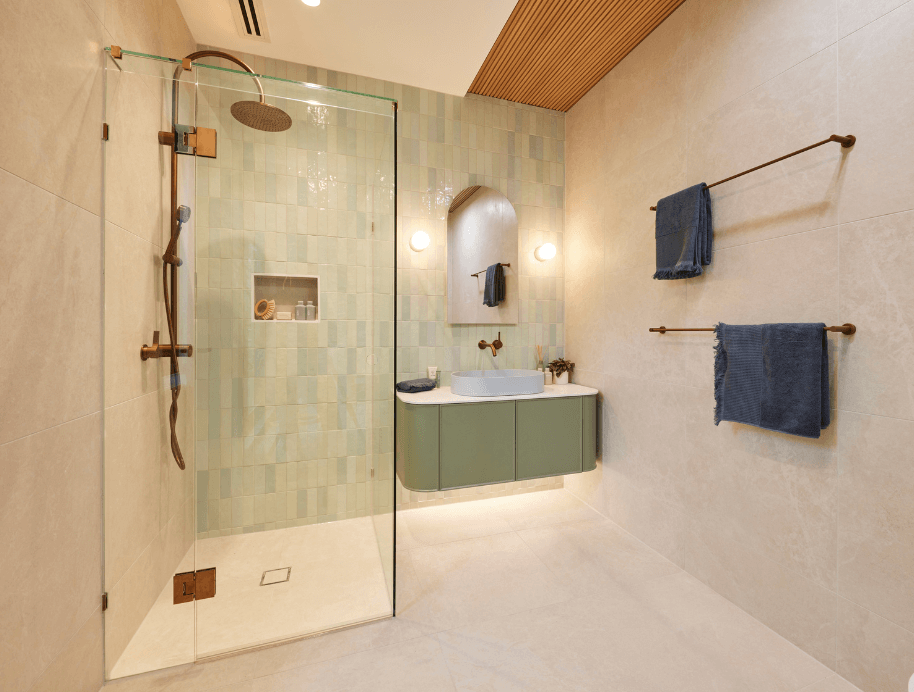
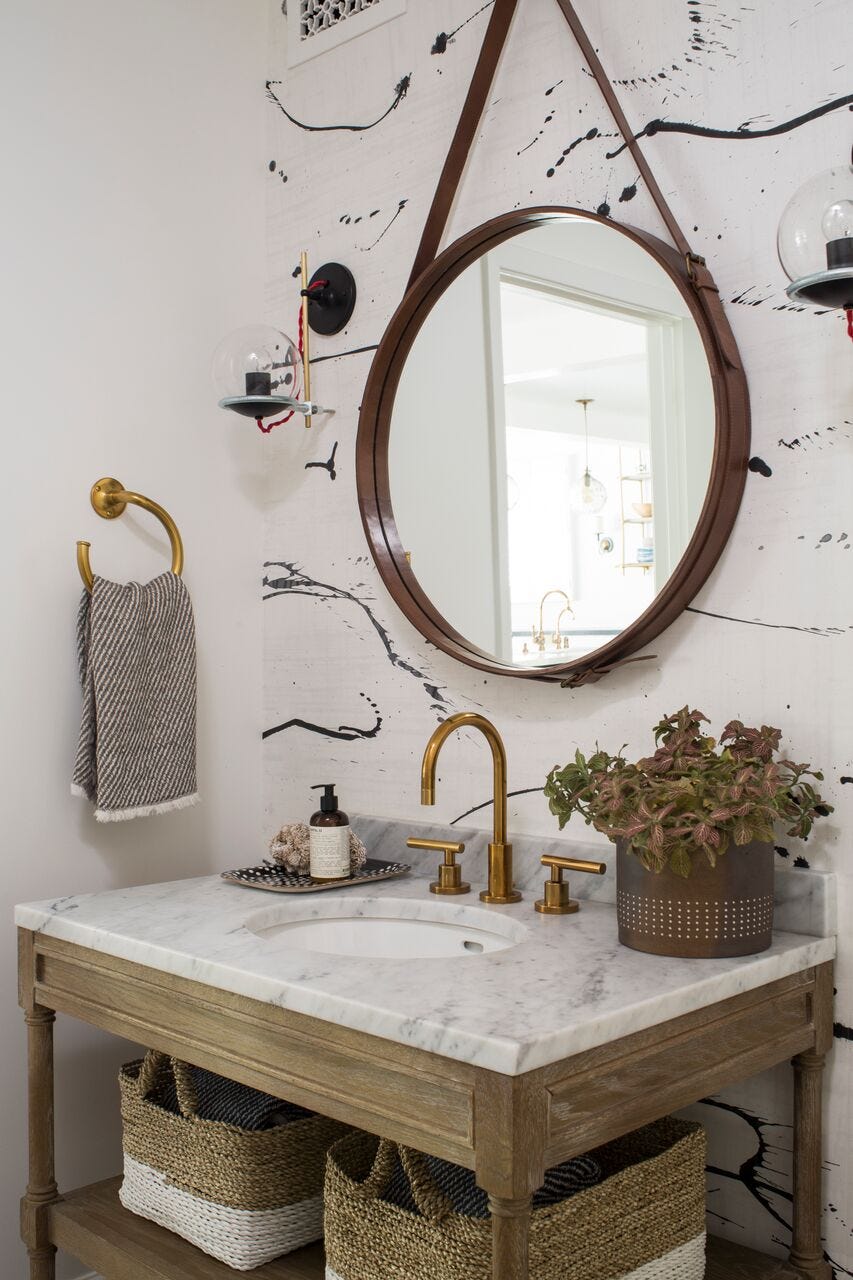
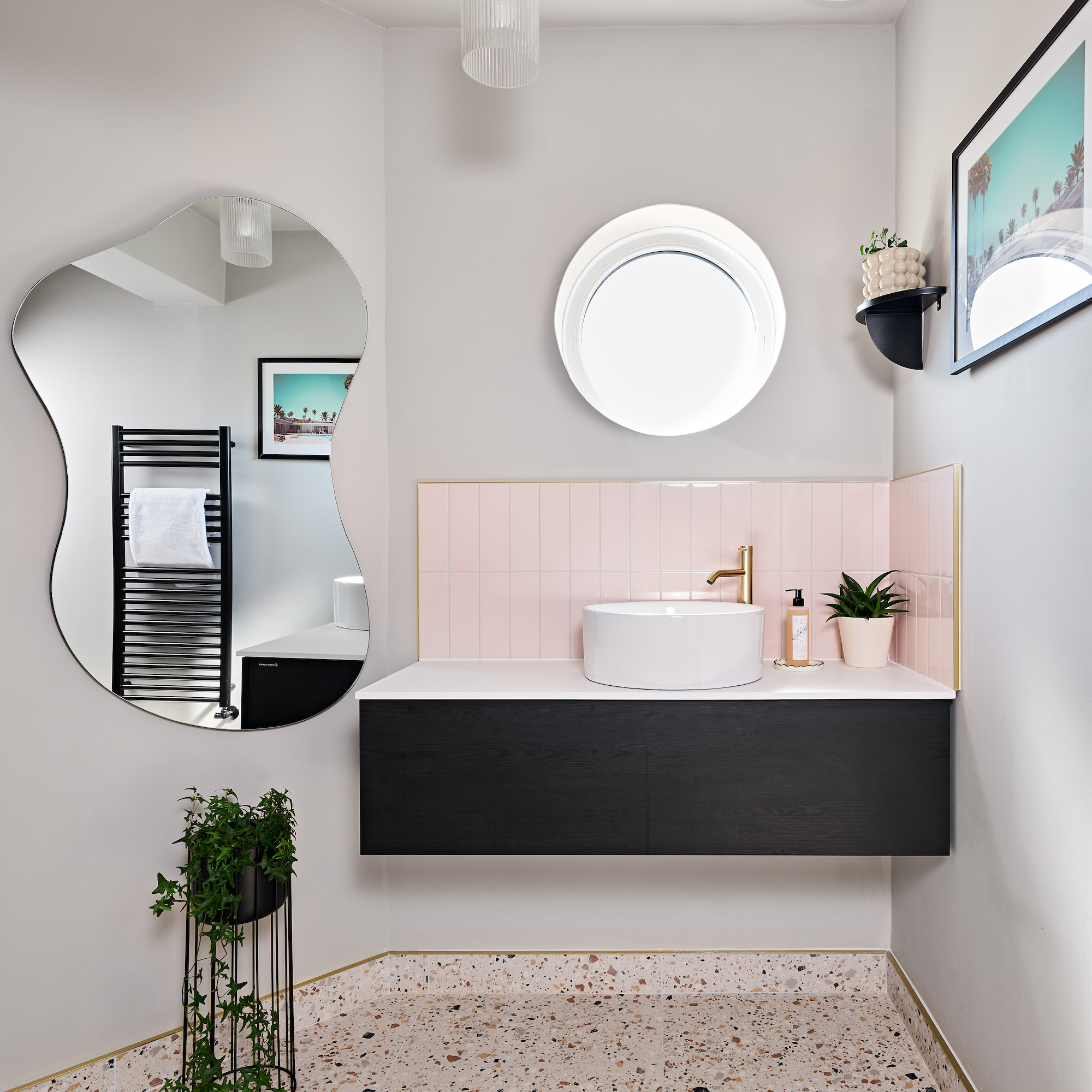
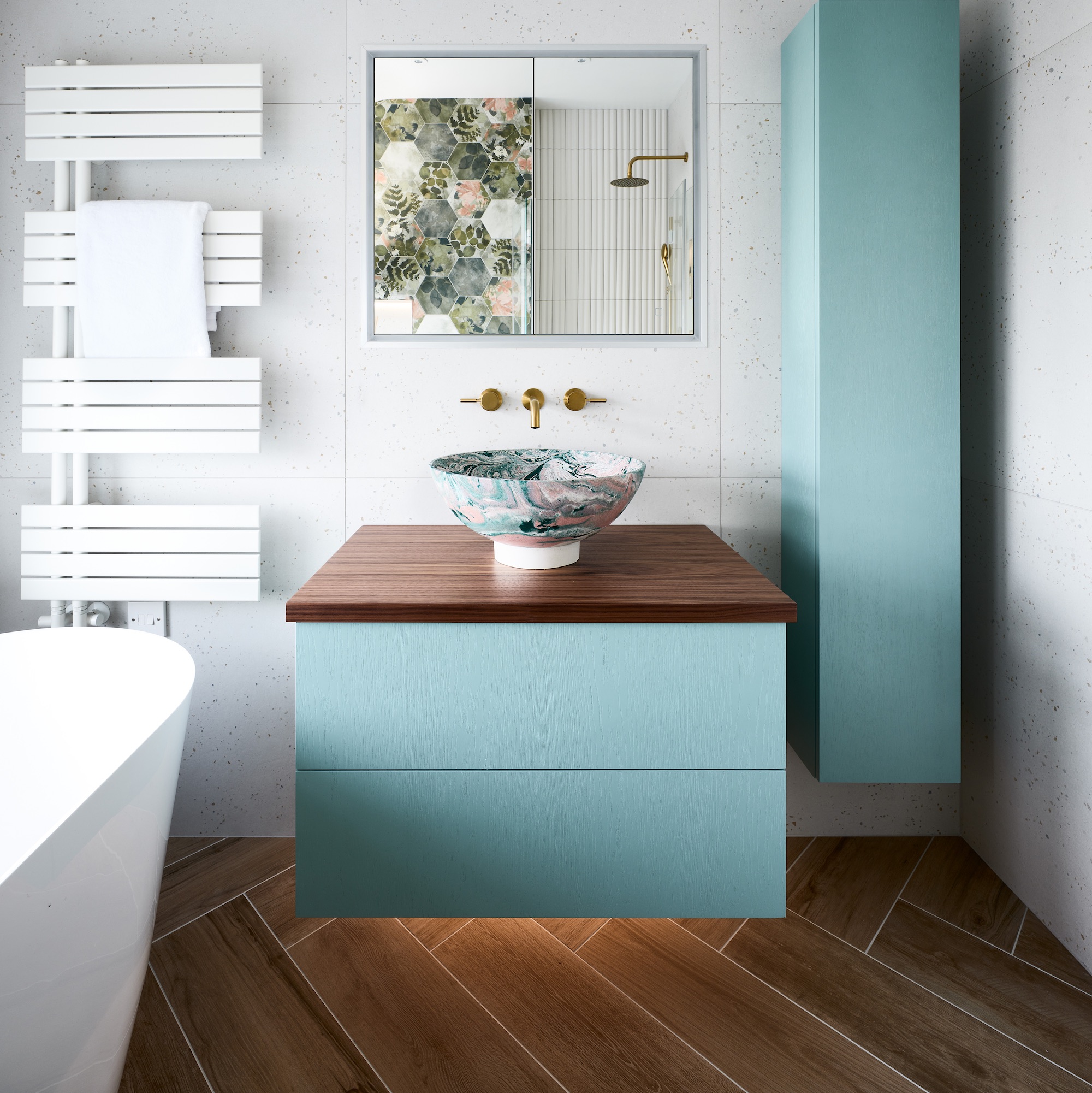
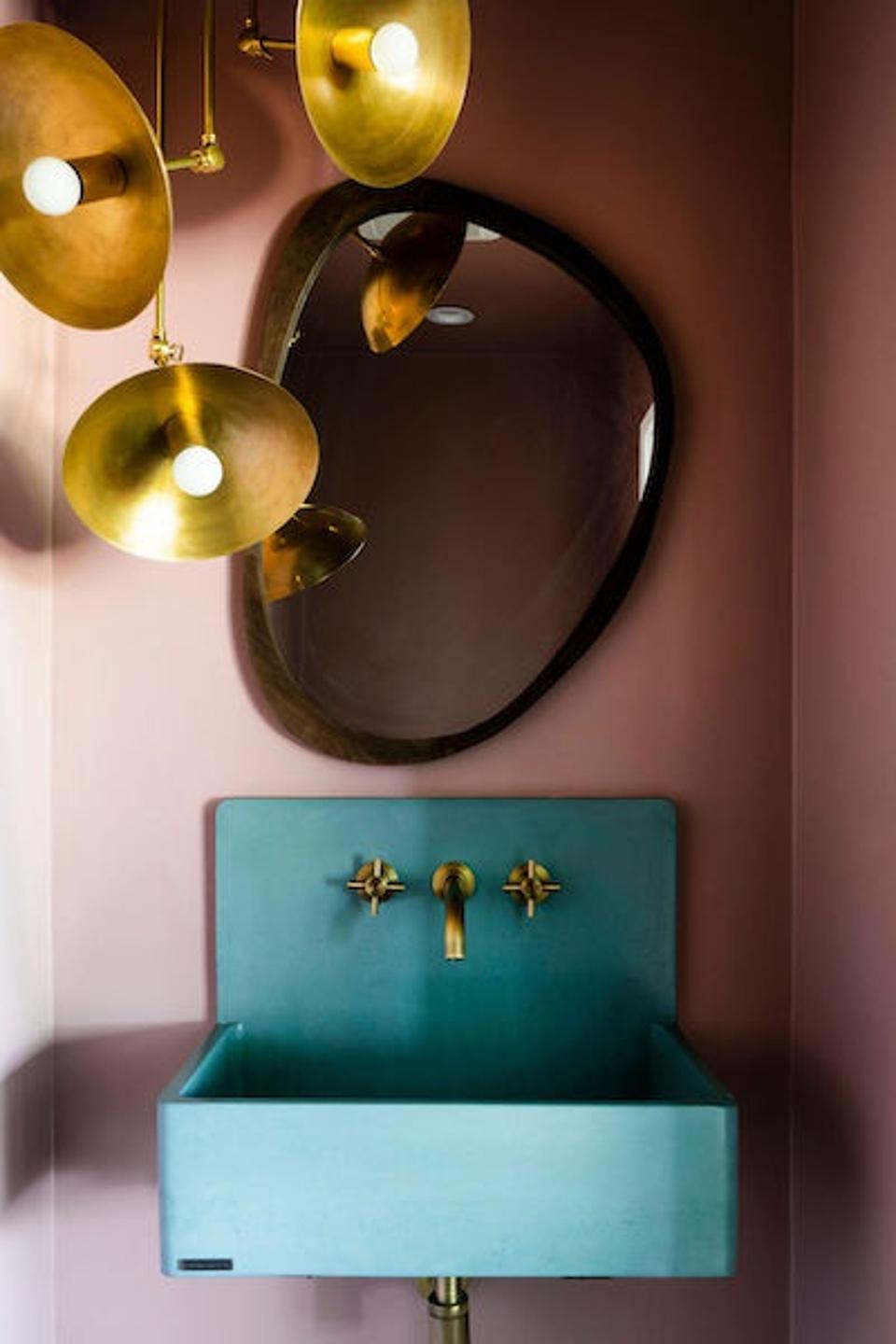
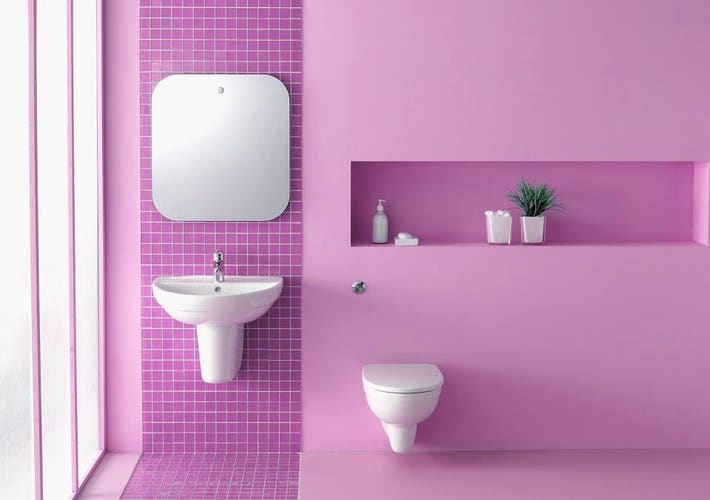
Finally, curvaceous lines are softening bathroom designs, moving away from angular fixtures. Rounded basins, baths, and mirrors help lessen the visual impact of elements, making small bathrooms feel more expansive. This trend, while subtle, contributes significantly to a more inviting and less clinical aesthetic. Overall, the trends for 2025 prioritize materials and their application over specific color palettes, although classics like white and the resurging avocado green remain viable options. #BathroomTrends #InteriorDesign #HomeRenovation #SpaLikeBathroom #FlutedDesigns #TexturedTiles #QuietLuxury #NickelFixtures #TileDrenching #CurvaceousLines
0 comment in total
 No comments yet
You may also like
9 Shower Trends to Know for a 2025 Bathroom Reno

5 Bathroom Design Trends Already Taking Over in 2026
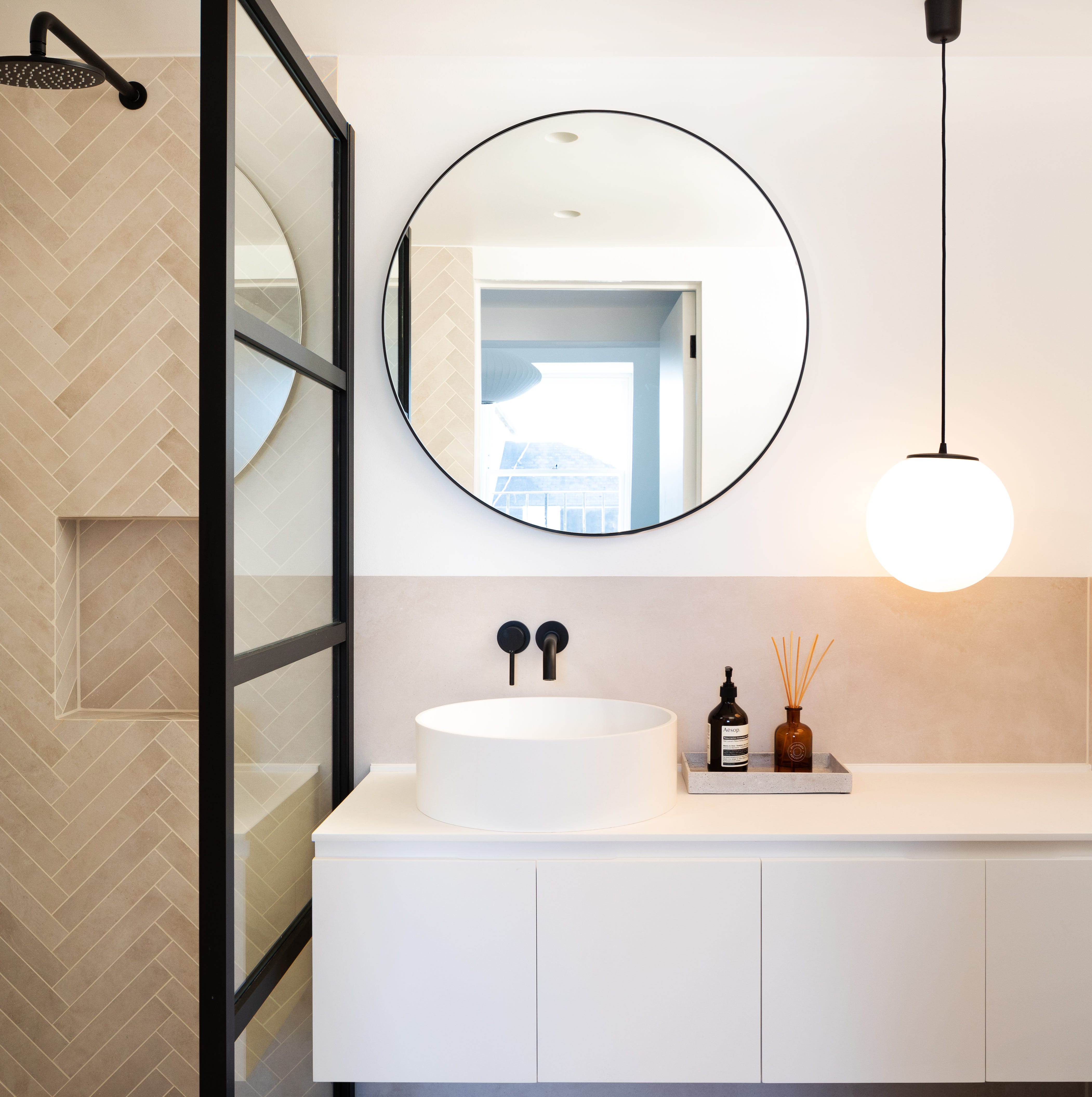
8 bathroom renovation trends defining 2023

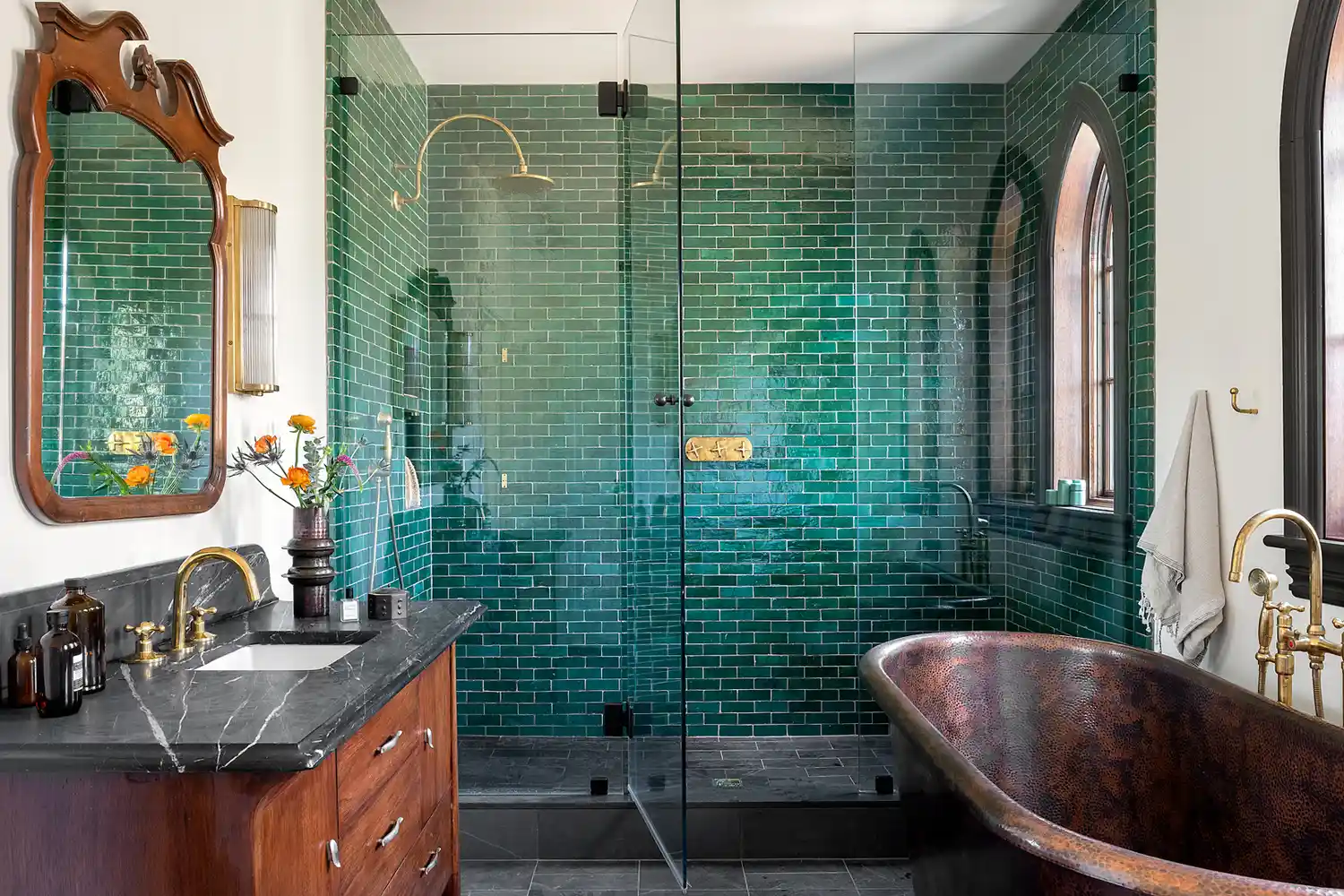
7 Bathroom Trends That Will Redefine Your Renovations in 2026
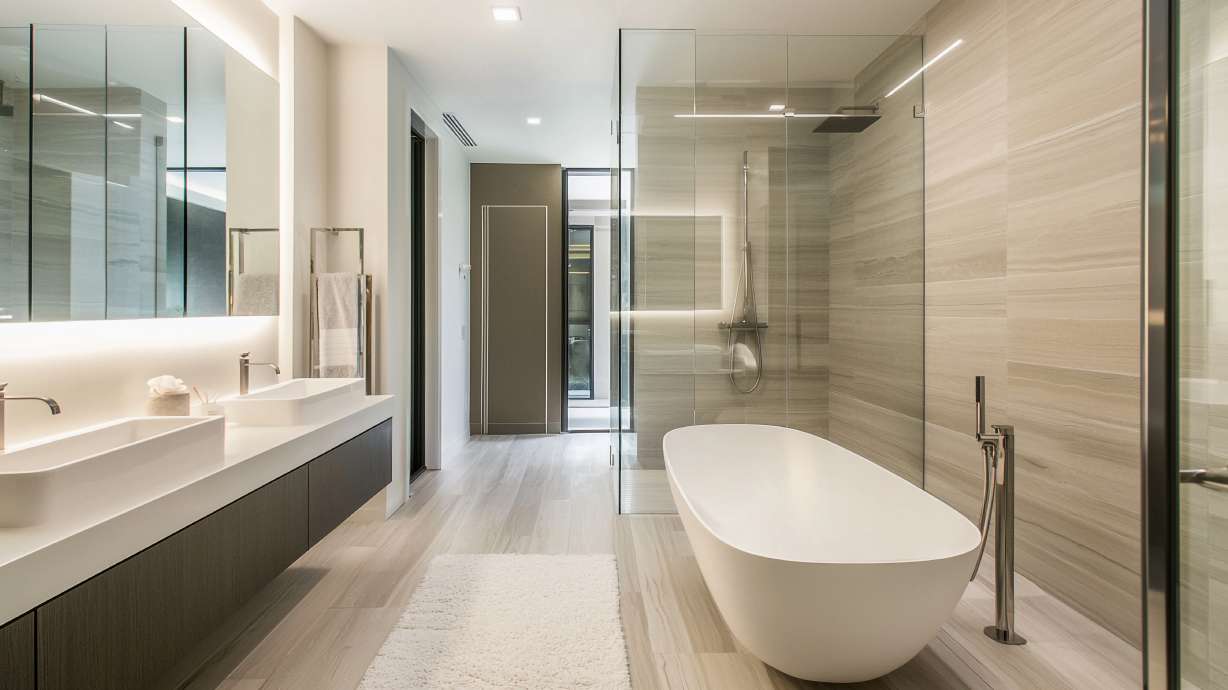
Top bathroom design trends in 2025
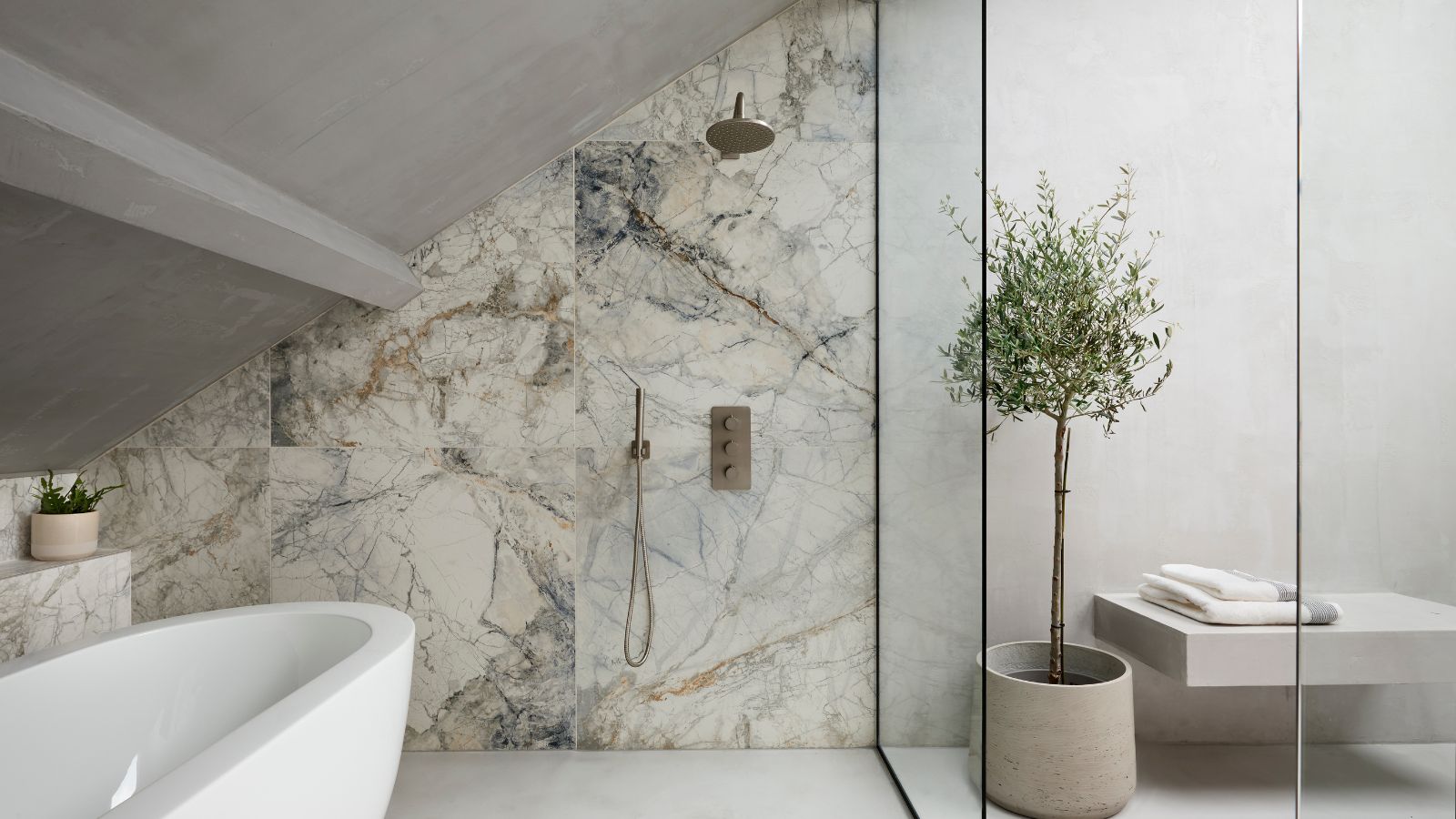
9 Shower Trends to Transform Your Bathroom in 2026, According to Interior Designers

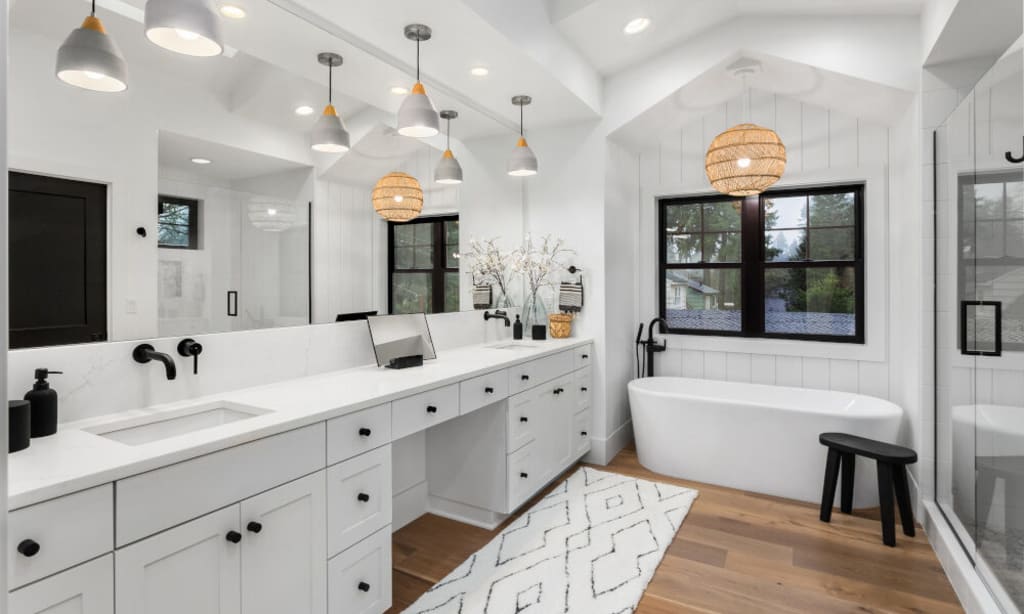
Top Bathroom Design Trends for 2025

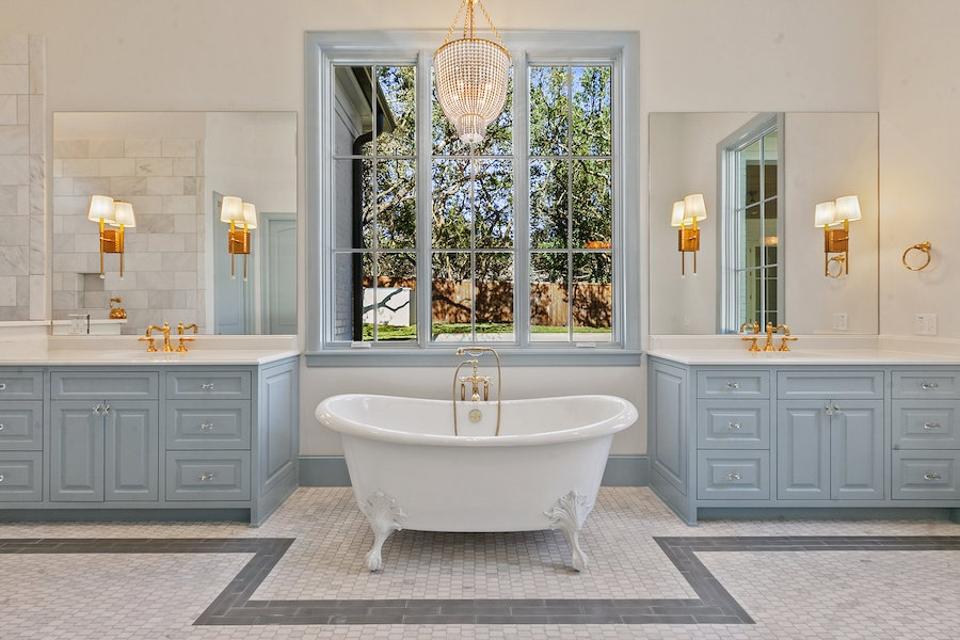
10 Bathroom Design Trends We’ll See In 2023

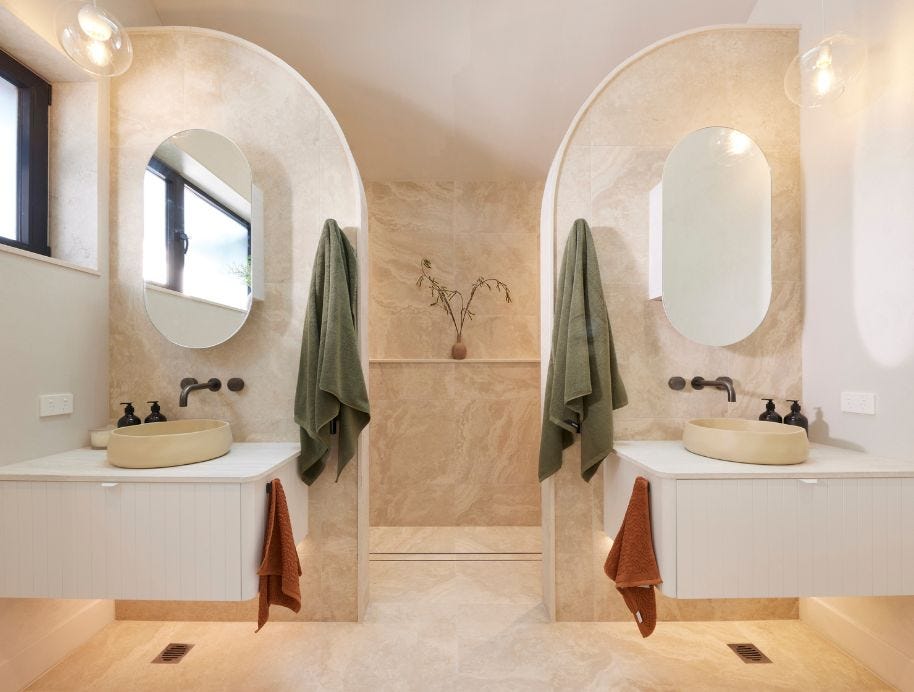
2025 Best Bathroom Trends
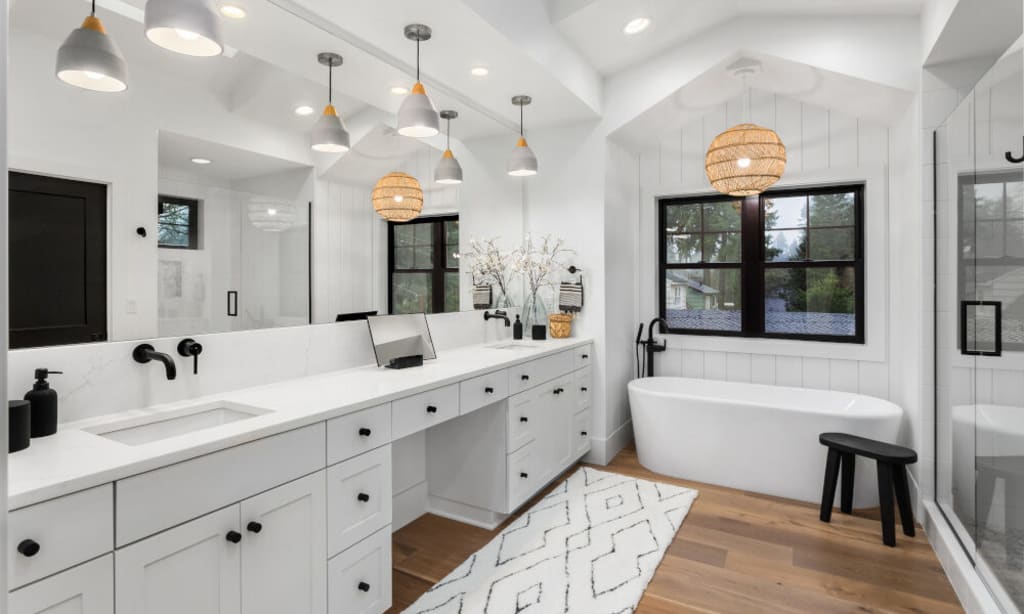
Top Bathroom Design Trends for 2025
5 signs you need a new bathroom in 2024, according to interior designers
12 Bathroom Design Trends Going Out Of Style In 2025
8 Bathroom Design Trends to Refresh Your Home and Routine in 2025

The Bathroom Trends To Keep On Your Radar in 2019

Make sure you know all these bathroom trends in 2024

Bathroom trends for 2025 – the 11 best styles, colours and surfaces to watch for the year ahead
Beautiful new bathroom trends for 2025 | loveproperty.com
9 bathroom cabinet trends taking over in 2025 — the colours, textures and styles designers are most excited about
6 Dated Bathroom Design Elements That are Making a Comeback in 2024
Interior designers share 5 bathroom trends that'll be huge next year and 5 that will be out