1/2
6 Common Mistakes When Choosing Hardwood Flooring
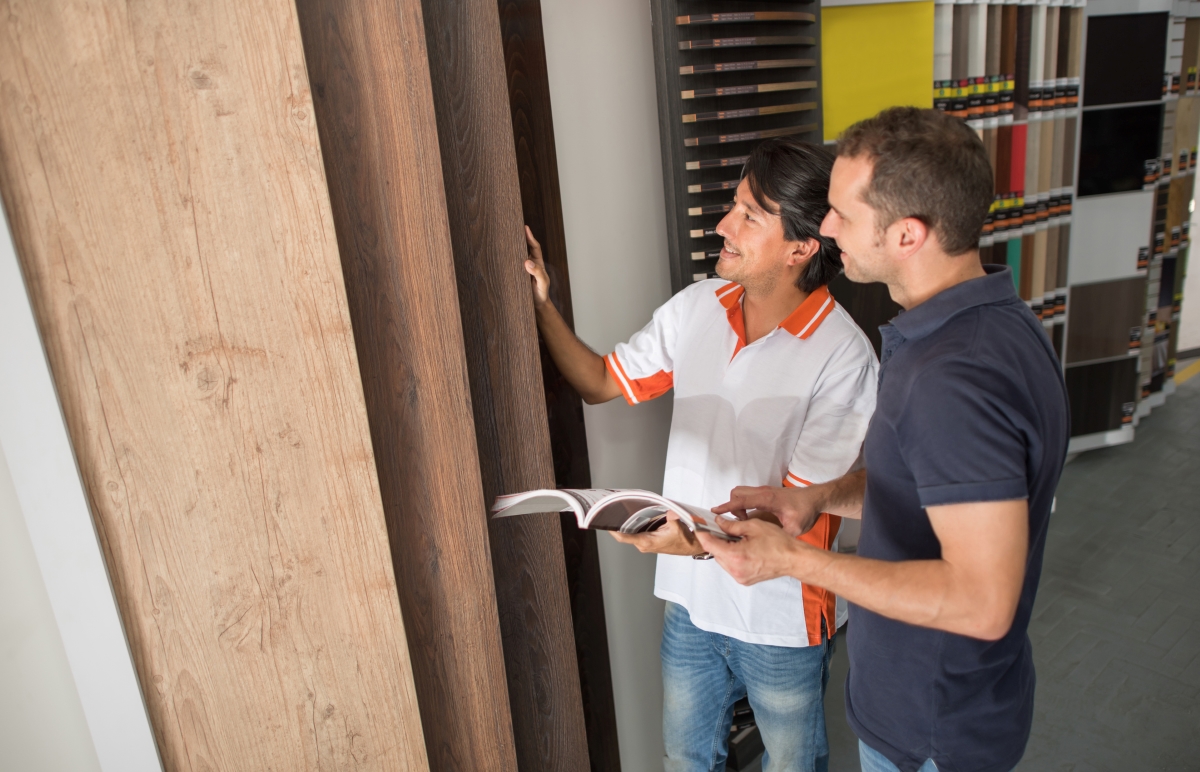
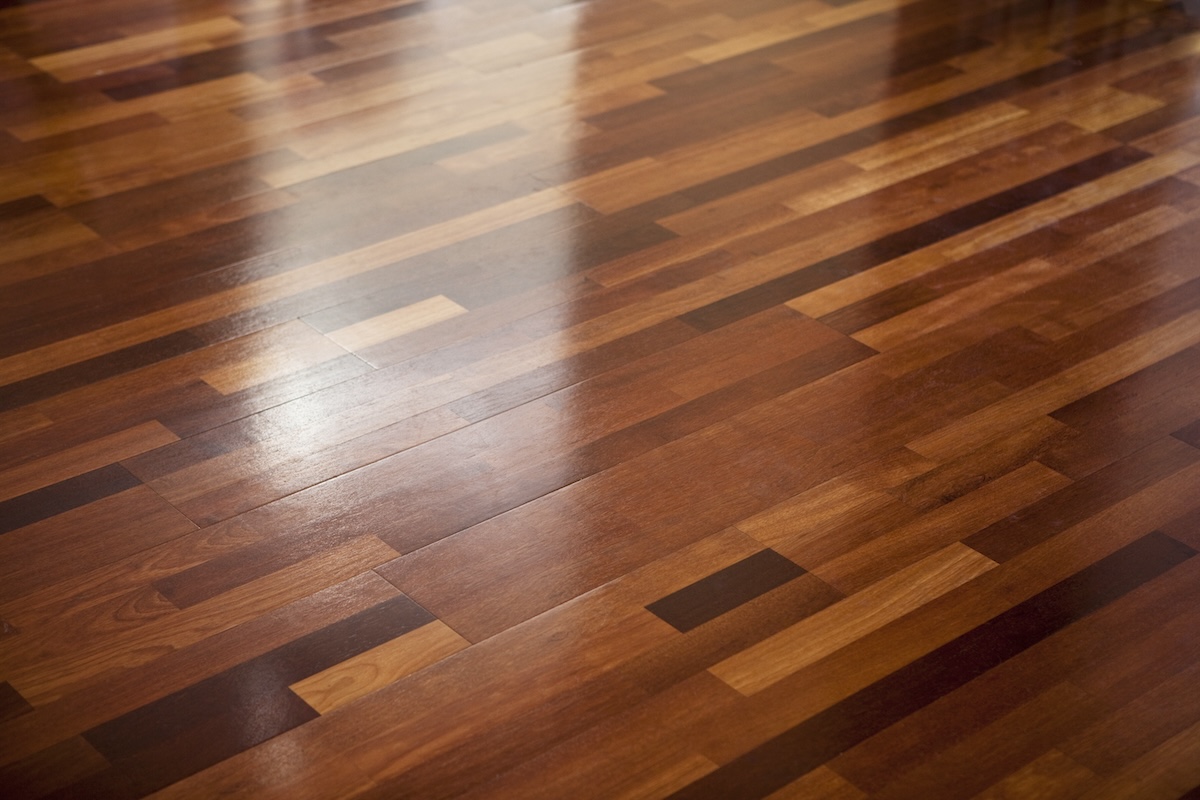
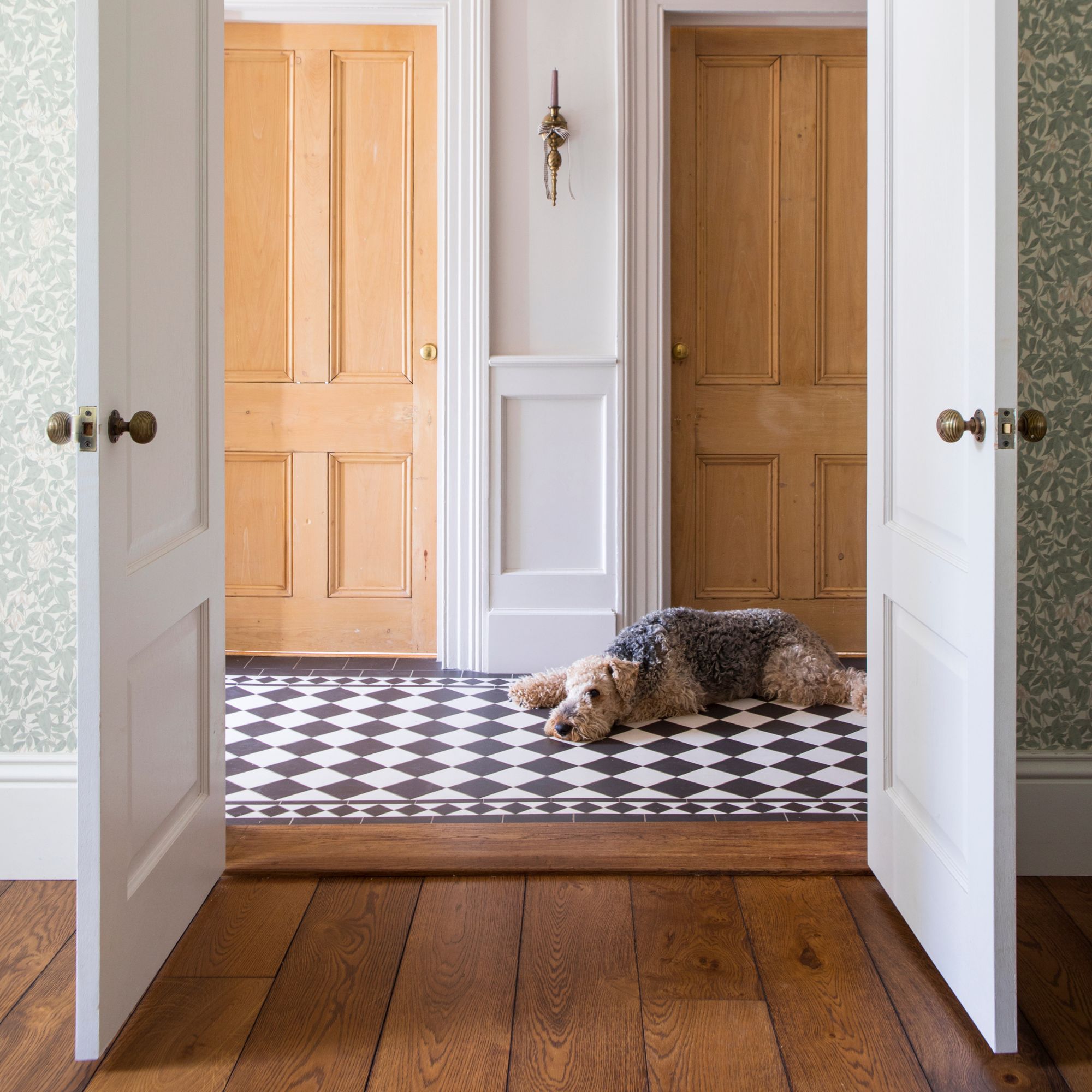
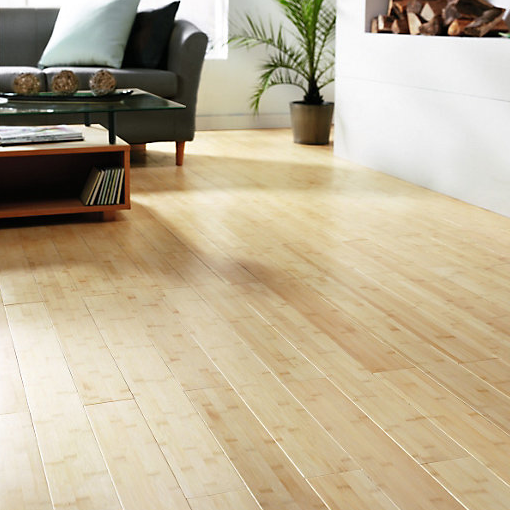
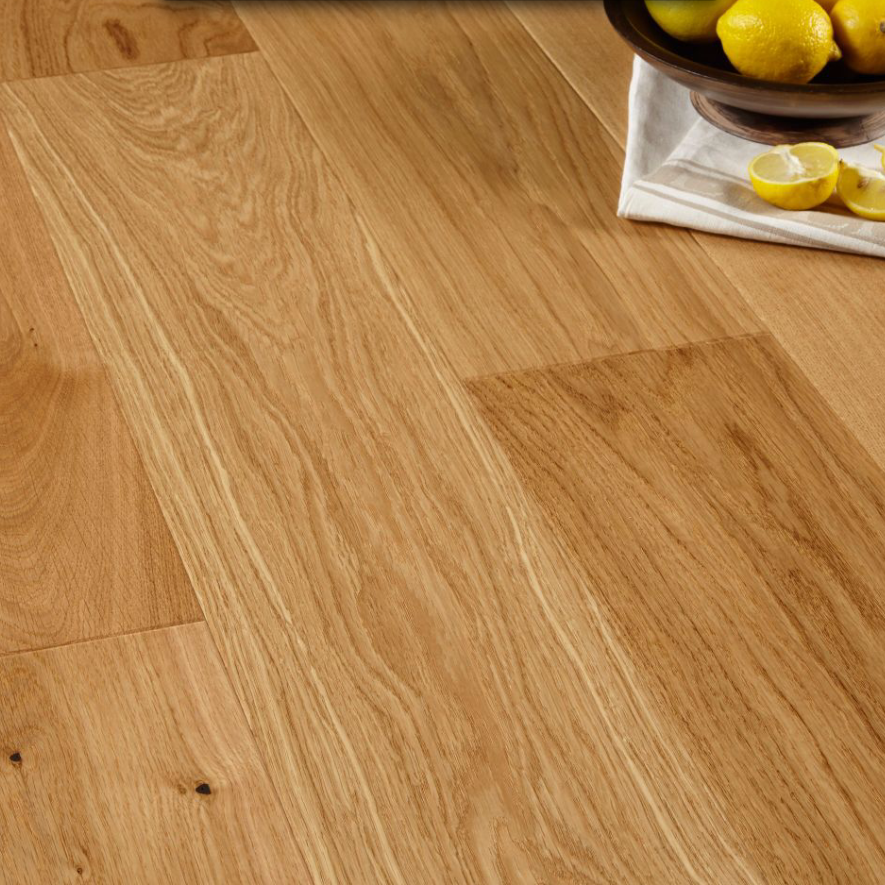
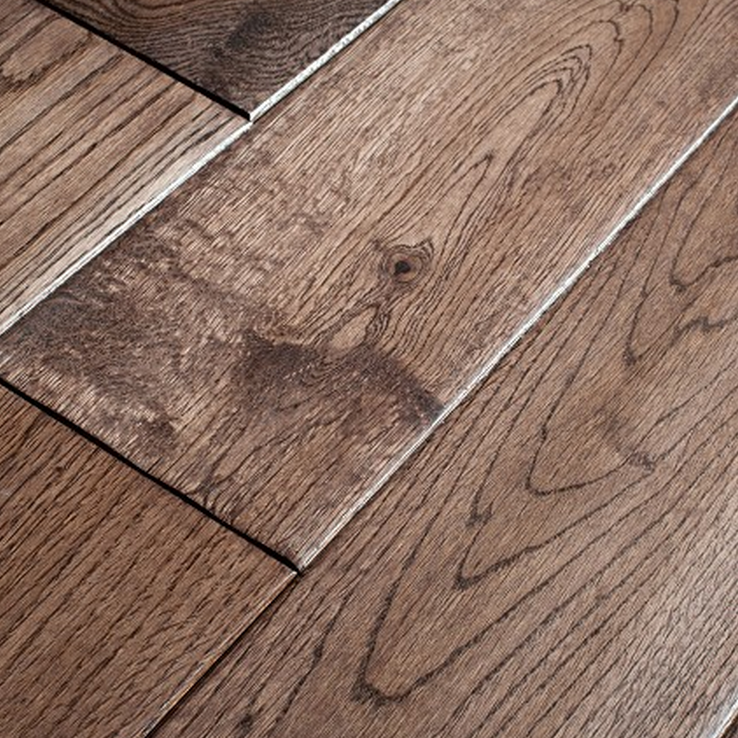
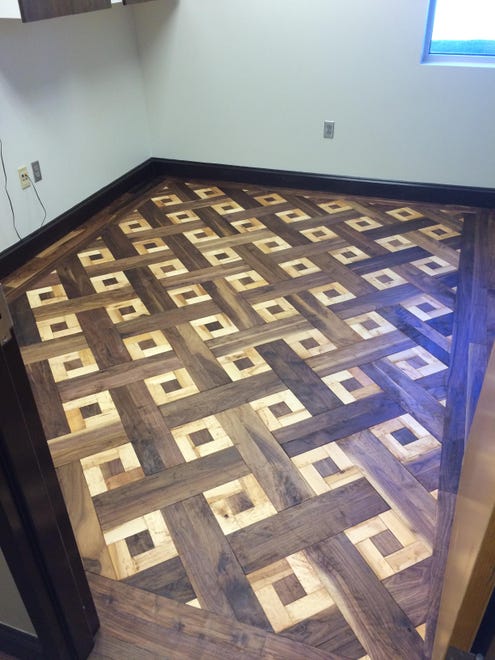
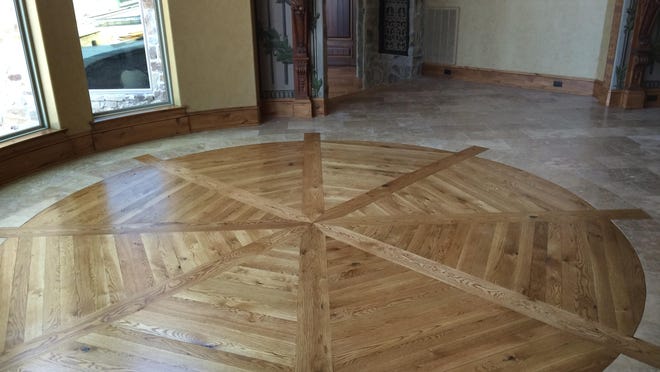
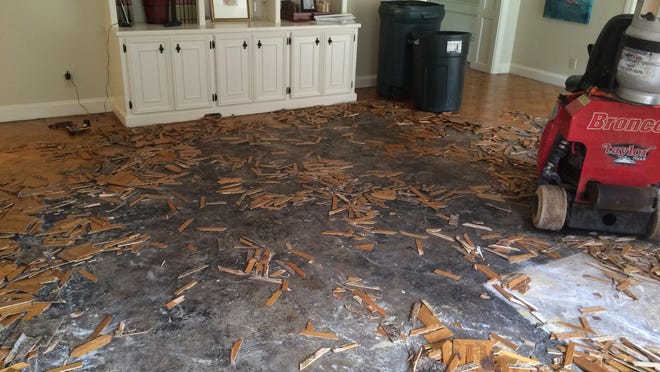
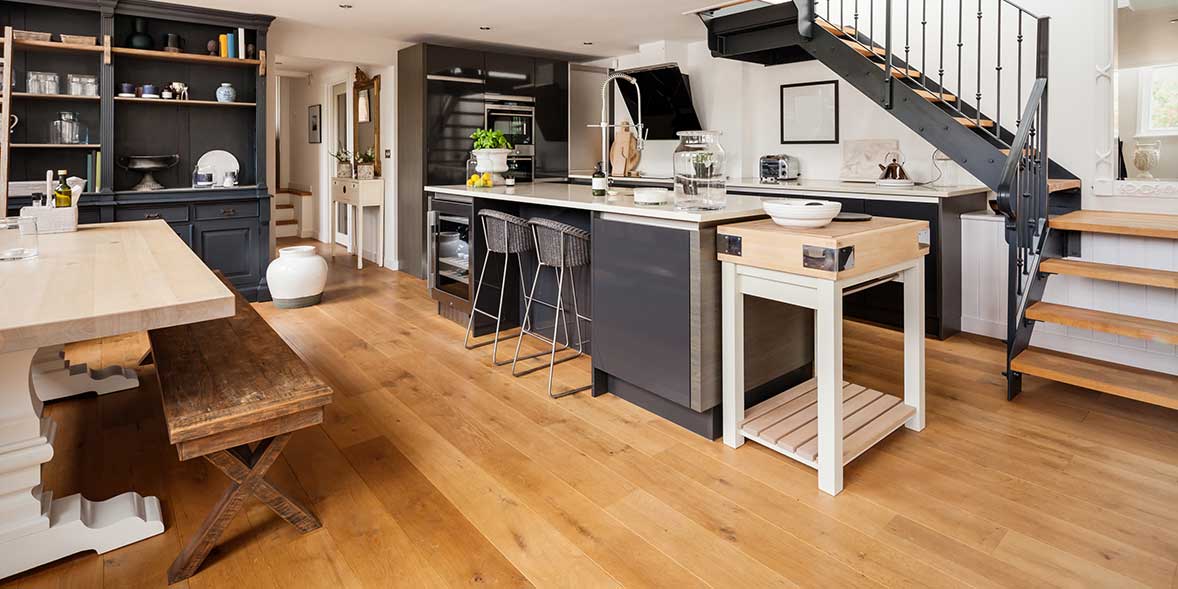
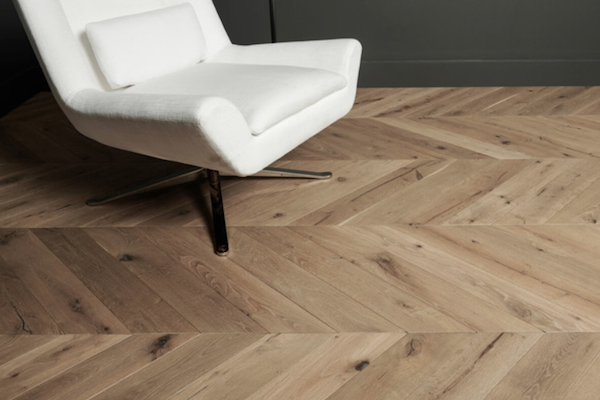
Selecting hardwood flooring is a significant home investment that can enhance both beauty and value, but making incorrect choices can lead to costly and frustrating outcomes. Homeowners, especially those in areas with varied climates like Norridge, need to avoid common missteps in the selection and installation process. One crucial mistake is overlooking the home's environmental conditions. Solid hardwood is susceptible to expansion and contraction with humidity changes, which can lead to issues like cupping, warping, or gapping if installed in inappropriate areas such as humid basements. Professionals can guide homeowners toward more stable options like engineered hardwood for such conditions. Relying solely on aesthetics when choosing hardwood is another common error. While visual appeal is important, durability and lifestyle needs should also be considered. Different wood species have varying hardness ratings and resilience. Factors like pets, children, and foot traffic demand a floor that can withstand daily wear. A good contractor helps balance beauty with functionality to ensure long-term satisfaction.
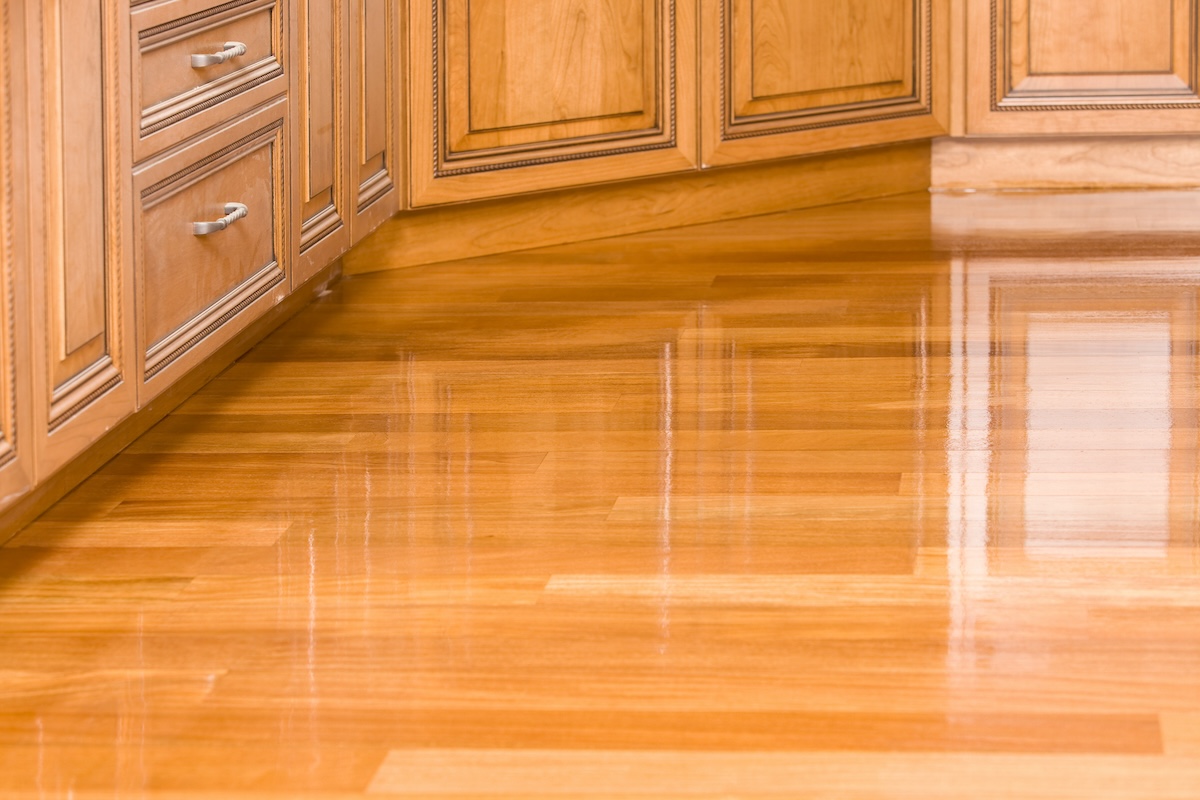
The finish type of the hardwood floor significantly impacts its appearance and resistance to wear, yet it's often overlooked. Various finishes, such as oil-based polyurethane, water-based polyurethane, and hardwax oil, offer distinct properties in terms of durability, drying time, and maintenance. Choosing an unsuitable finish for the home's traffic levels or sun exposure can result in premature damage. Consulting with a qualified contractor is essential to select the most appropriate finish for lasting protection. Another critical mistake is neglecting proper subfloor inspection and preparation. A hardwood floor's longevity and performance are directly dependent on the quality of the subfloor. Issues like uneven surfaces, excessive moisture, or squeaky boards can compromise the new flooring. Professionals perform thorough assessments, including moisture level checks, surface flattening, and the application of suitable underlayment and vapor barriers, to ensure the subfloor provides a stable foundation.
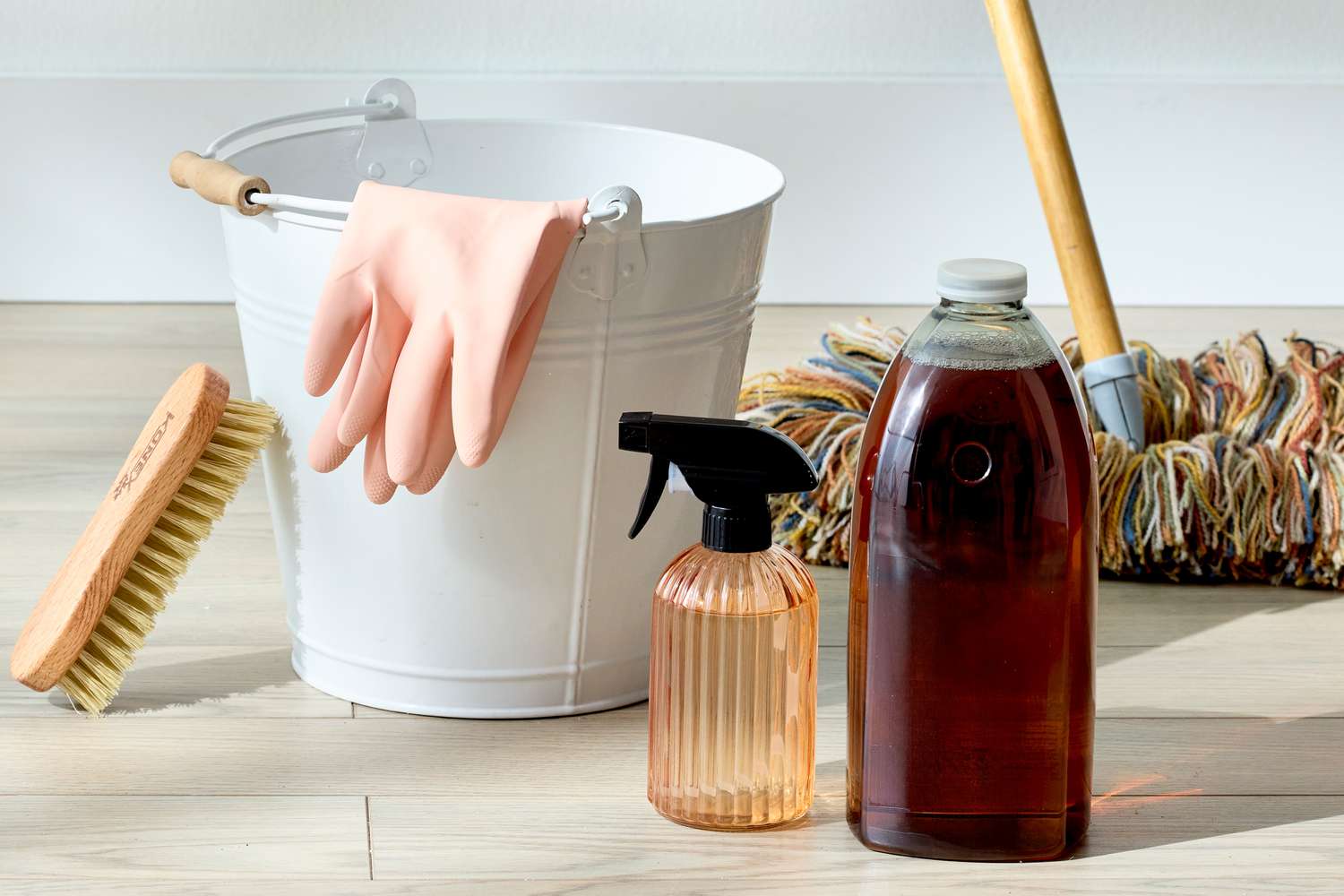
Overlooking long-term maintenance requirements is a further common oversight. Many assume hardwood floors are universally easy to maintain, but different types and finishes demand specific care routines. For example, matte finishes may conceal scratches better but might need more frequent cleaning than gloss finishes. Understanding the specific care needs, including cleaning methods, furniture protection, and refinishing schedules, is crucial to prolonging the floor's lifespan. Finally, and perhaps most significantly, hiring inexperienced or unqualified installers can undermine the entire investment. Poor installation can lead to aesthetic flaws like uneven surfaces, gapping, or misaligned boards, as well as structural problems. It is vital to choose licensed, insured, and experienced contractors who can provide expert consultation, warranty coverage, and post-installation support. This ensures professional craftsmanship and accountability, preventing the common pitfalls associated with DIY or low-cost alternatives. Avoiding these six mistakes will help homeowners achieve lasting beauty and performance from their hardwood flooring.
#HardwoodFlooring #HomeRenovation #FlooringInstallation #HomeImprovement #InteriorDesign #WoodFlooring #Durability #Maintenance #HardwoodFlooring #HomeRenovation #FlooringInstallation #HomeImprovement #InteriorDesign #WoodFlooring #Durability #Maintenance
0 comment in total
 No comments yet
You may also like
11 Reasons Hardwood Flooring Might Not Be Right for Your Home

Guide to Hardwood Floor Finishes

Wood Flooring – Our Pick of the Best
Today’s evolving hardwood floors offer myriad choices
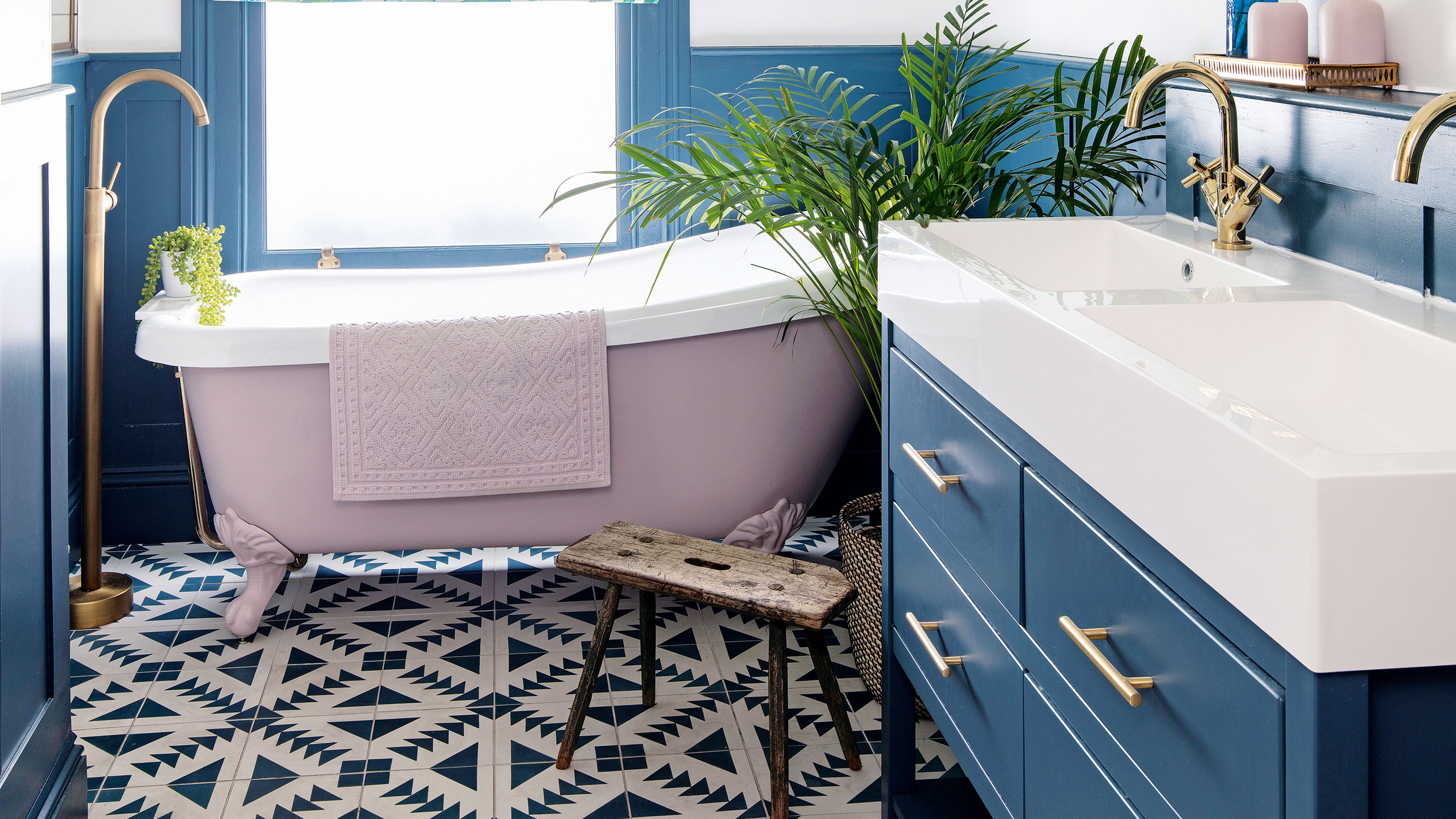
Experts warn against these 6 bathroom flooring mistakes - what to do instead

Carpet mistakes to avoid – 5 expert-approved tips to ensure perfect flooring

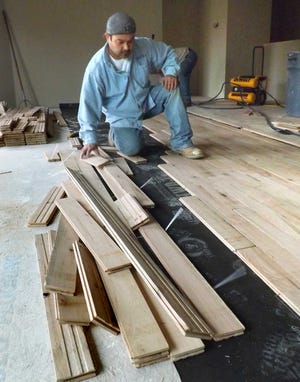
At Home: Hardwood flooring -- Options abound

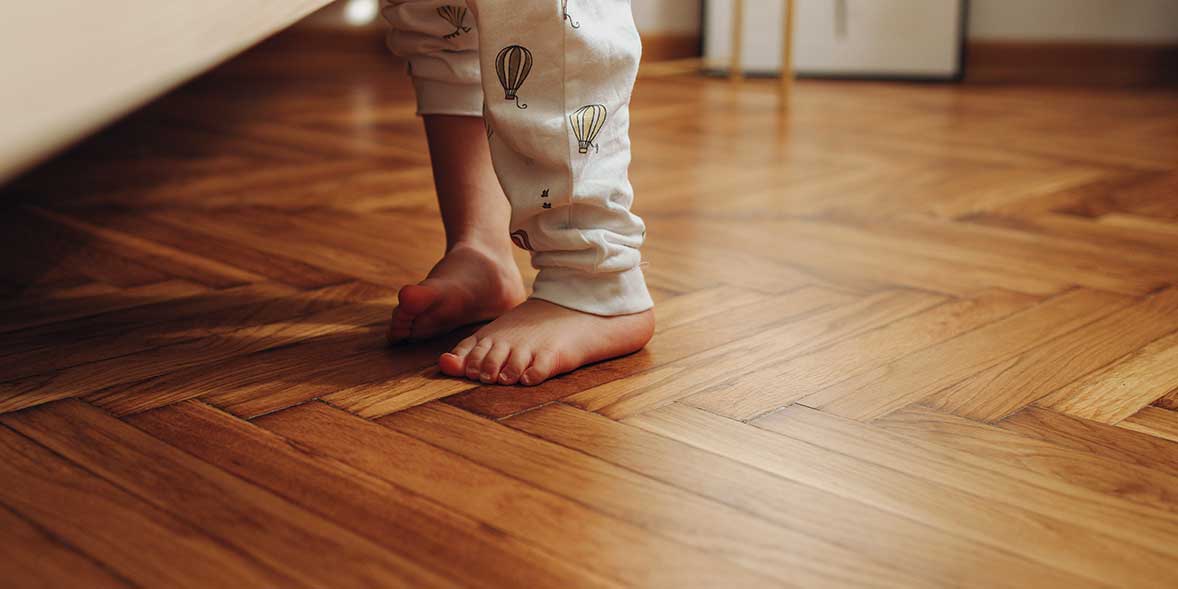
Types of wood flooring
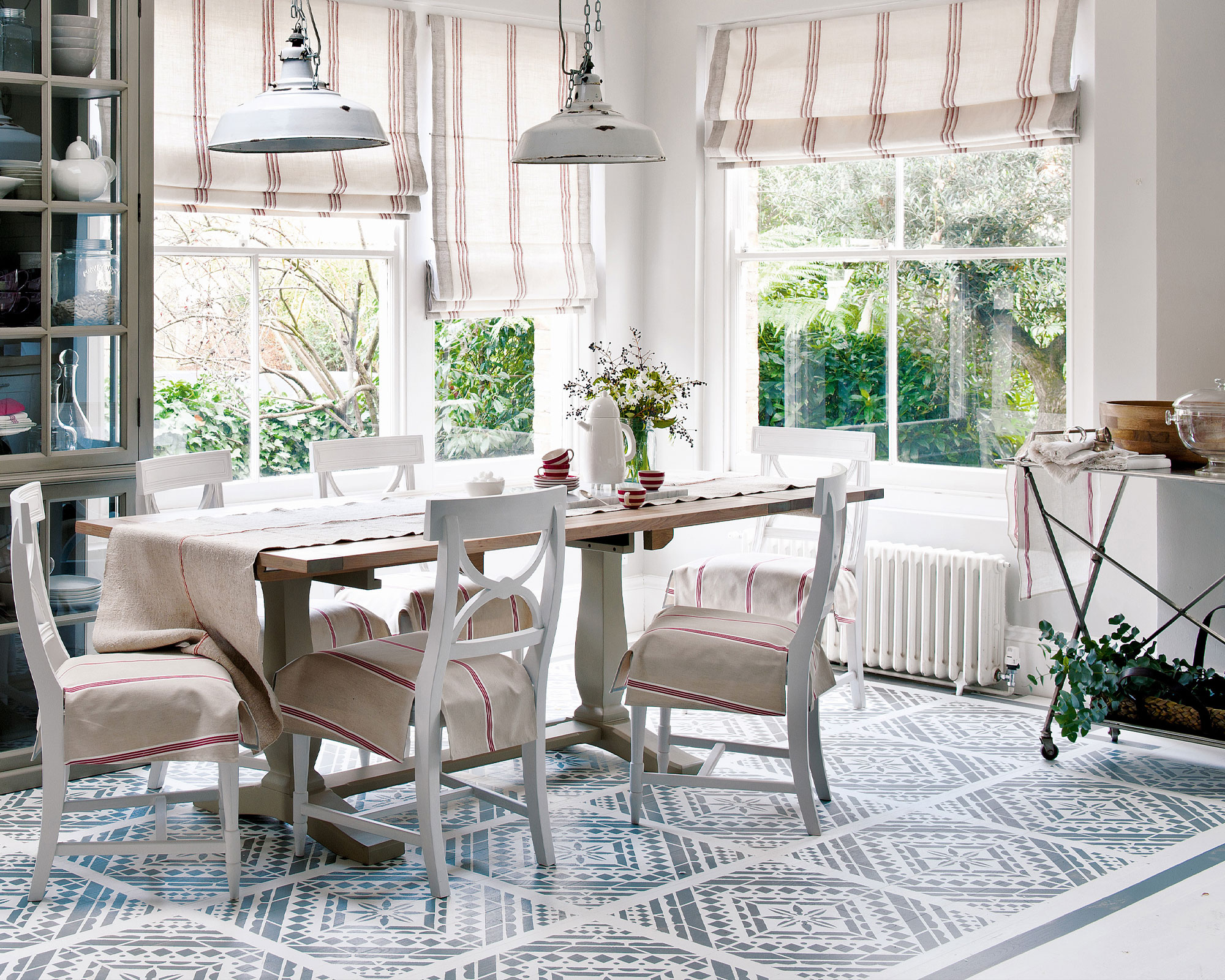
5 flooring mistakes to avoid – according to architects and interior designers
6 Things You Should Never Use to Clean Wood Floors (Unless You Want to Ruin Them)

Beauty of hardwood flooring
9 whole house layout mistakes – avoid these common floor plan flaws
6 Mistakes You Should Avoid When Choosing Hardwood Floors, According to Home Reno Pros
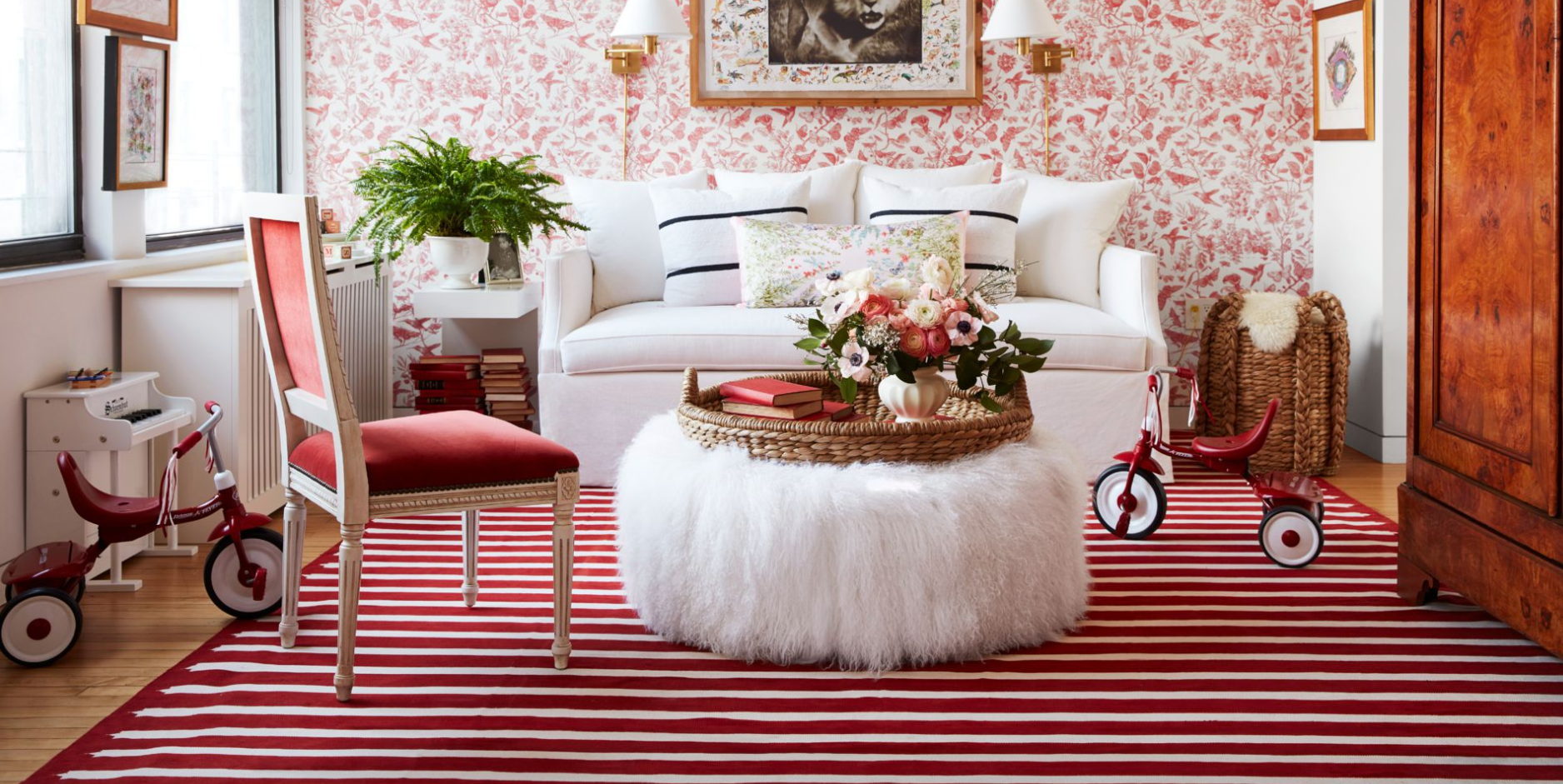
The Big Mistake Most People Make With Their Living Room Rugs

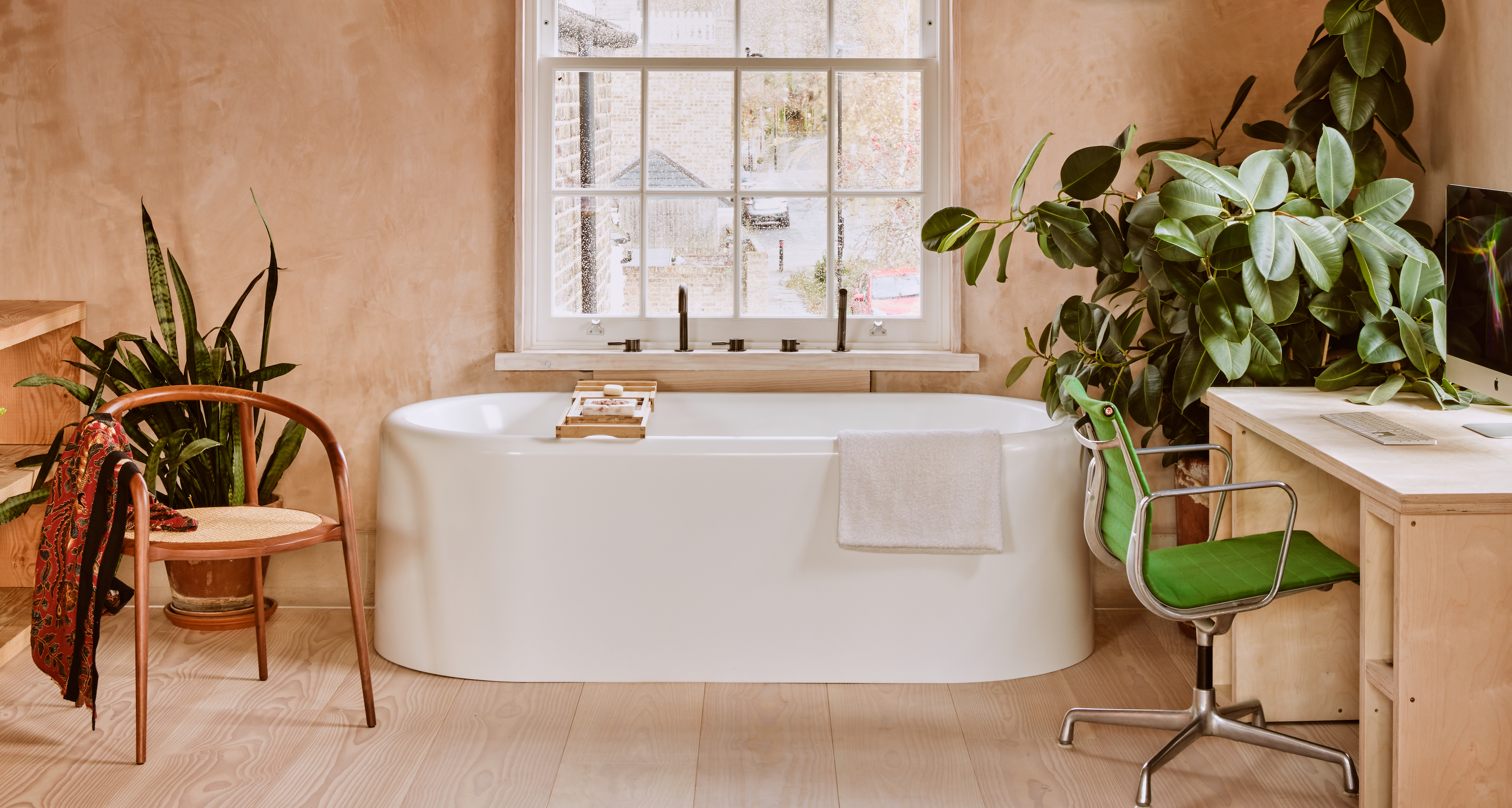
Don't use hardwood flooring in a bathroom without reading this expert advice for long-lasting boards

12 color trends for hardwood floors
A Home Improvement Expert Reveal the Best Hardwood Flooring
5 flooring choices that will make it harder to sell your home

What You Should Know Before Painting Hardwood Floors

5 Flooring Choices Designers Completely Regret Using in Their Homes