1/6
A Home Improvement Expert Reveal the Best Hardwood Flooring
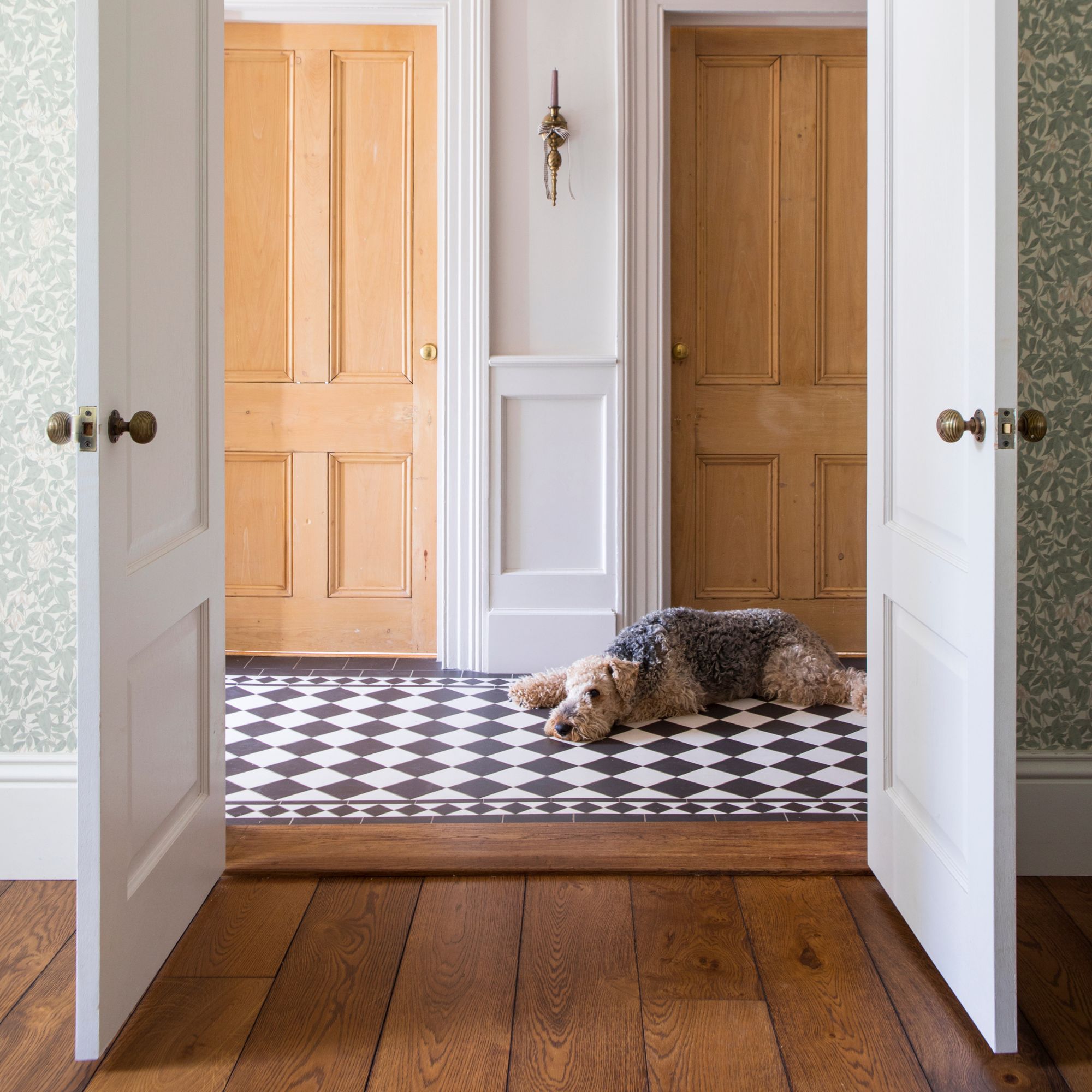
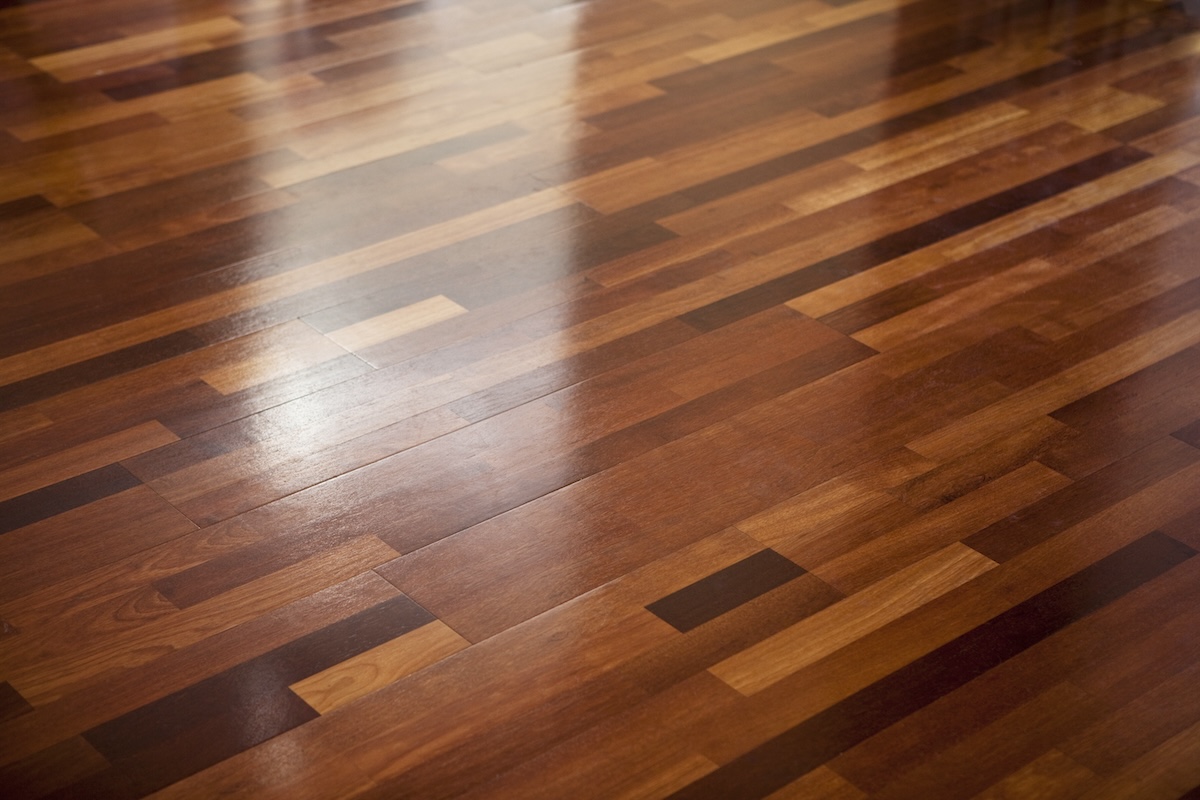
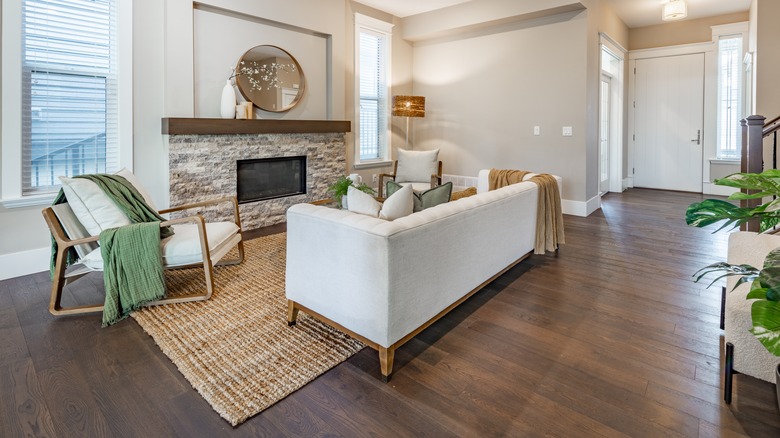
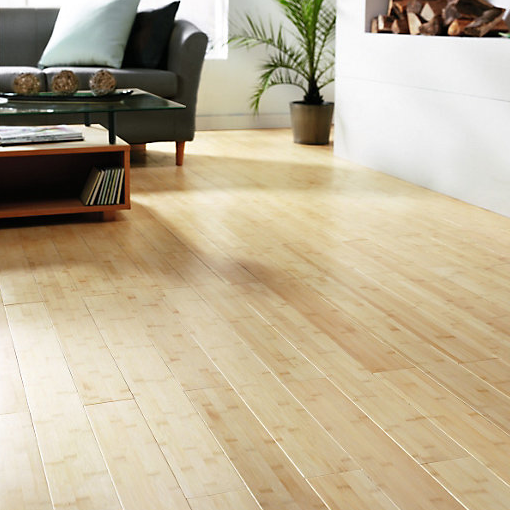
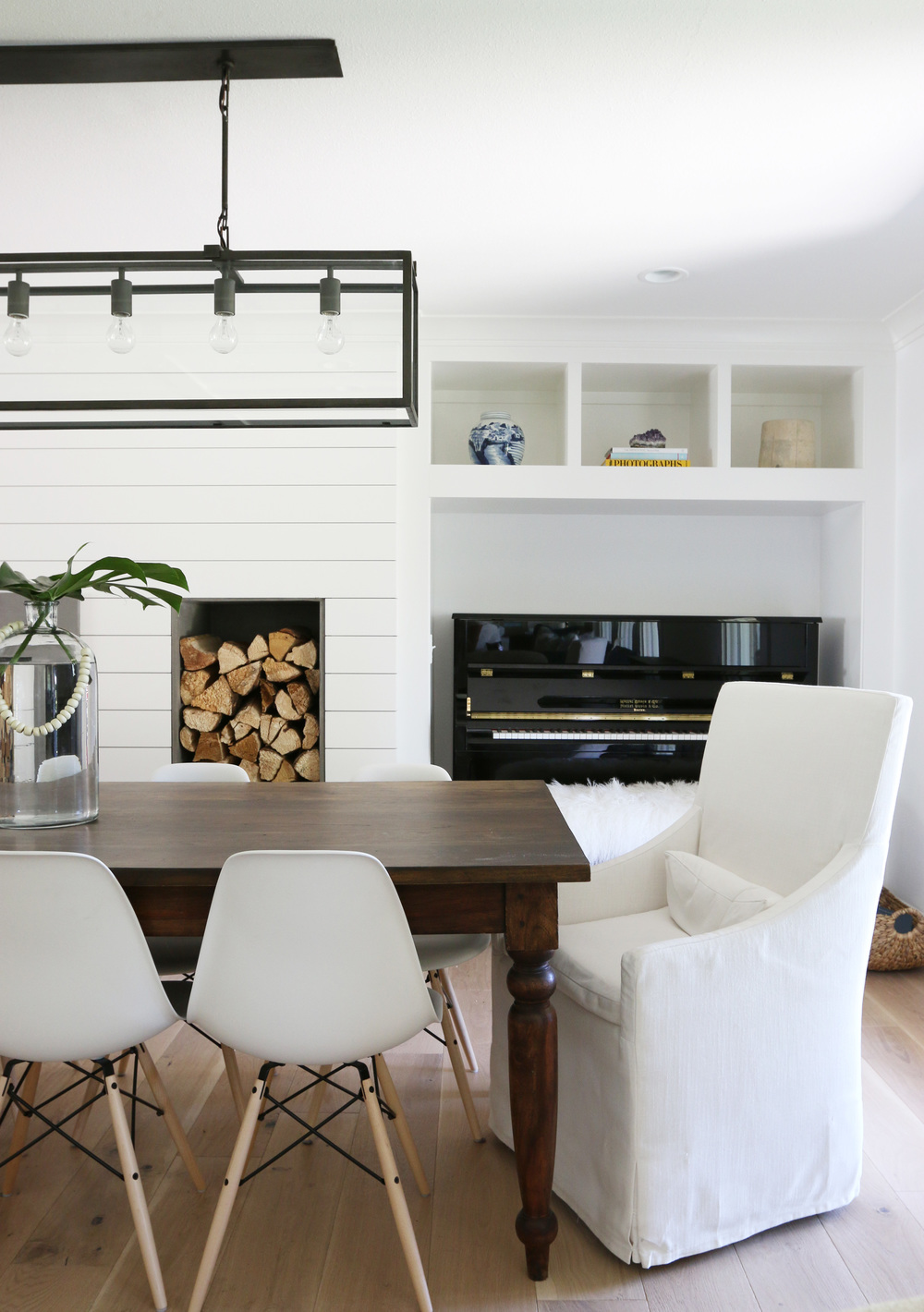
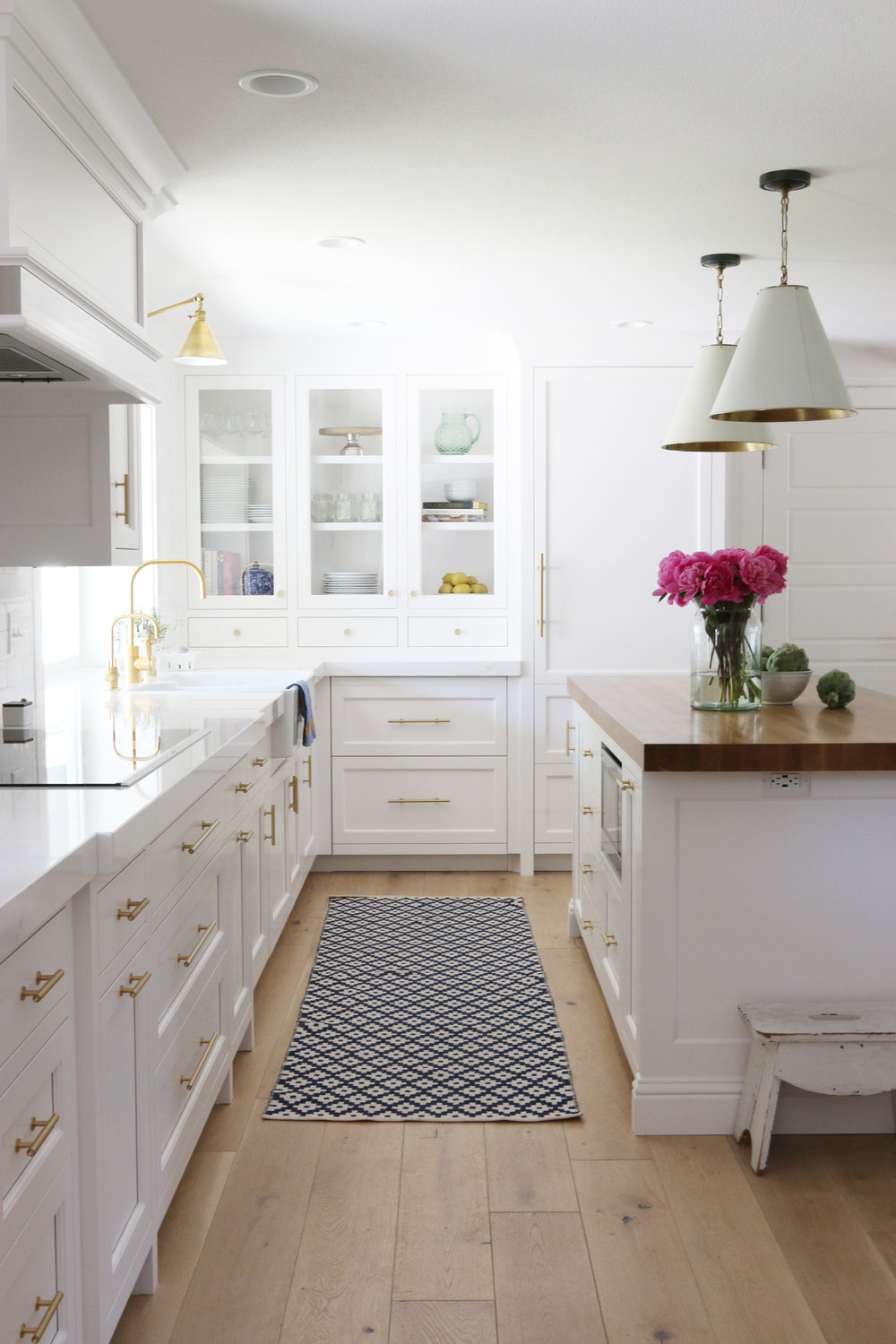
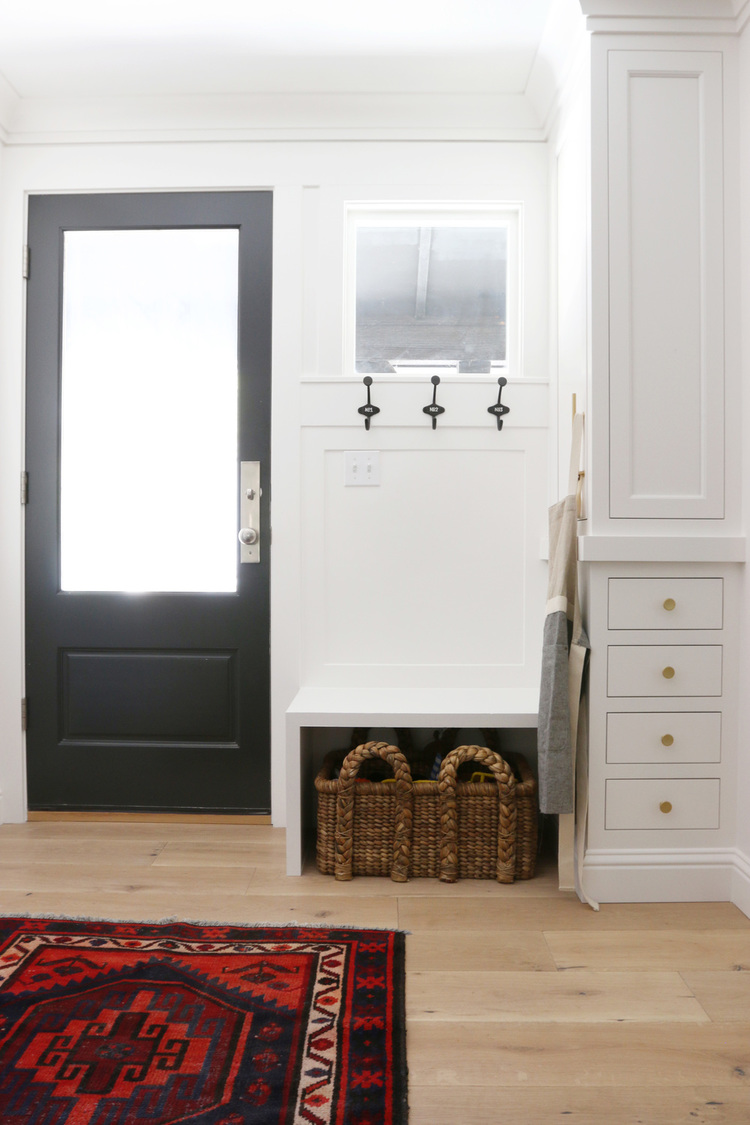
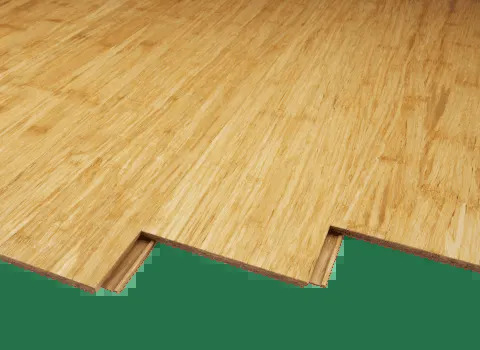
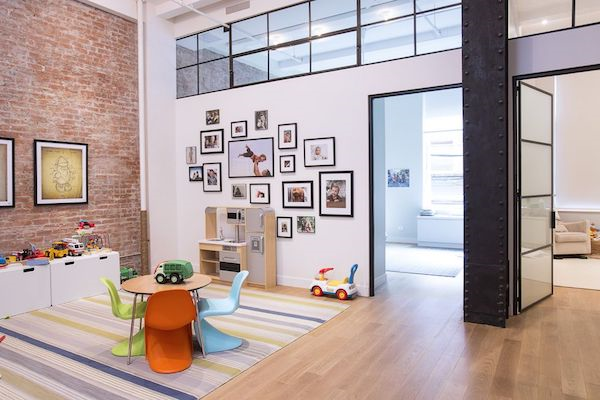
Hardwood flooring is a timeless and popular choice for home improvement, known for adding warmth, beauty, and value to a residence. According to the National Association of Realtors' latest Remodeling Impact Report, it offers a high return on investment, specifically 106%. With over 50 species of hardwood to choose from, selecting the right one can be challenging. Experts at the Good Housekeeping Institute have identified the best types of hardwood flooring and provide guidance on various factors influencing their look and performance, including construction method, finish, and maintenance.
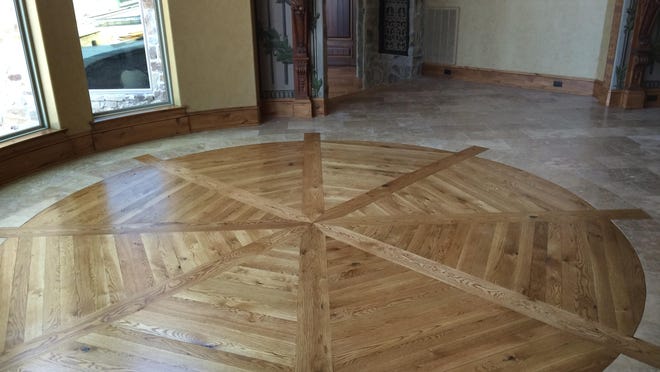
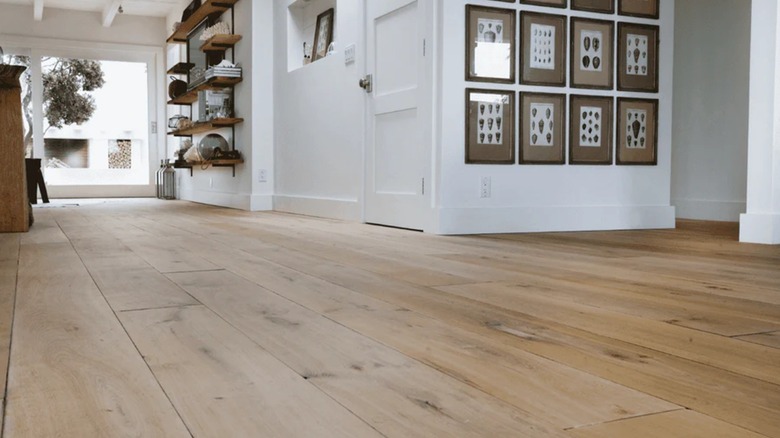
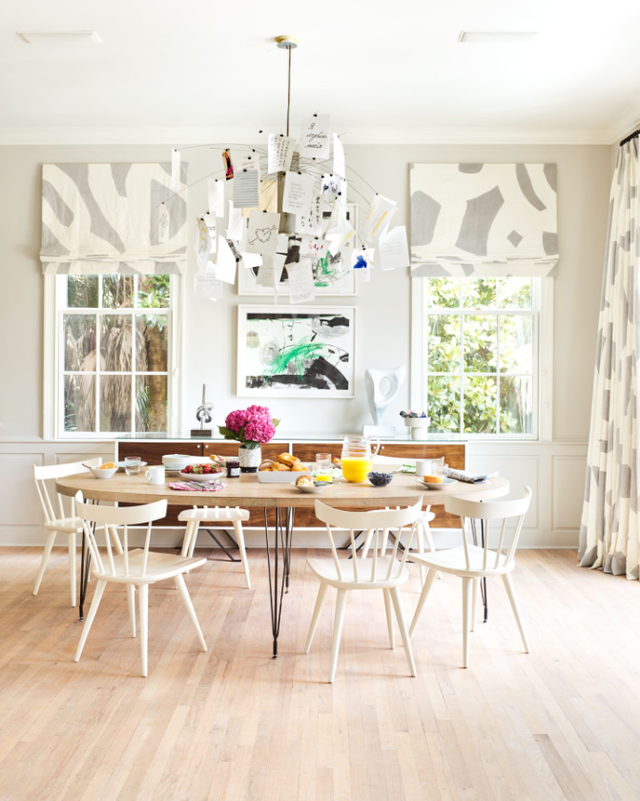
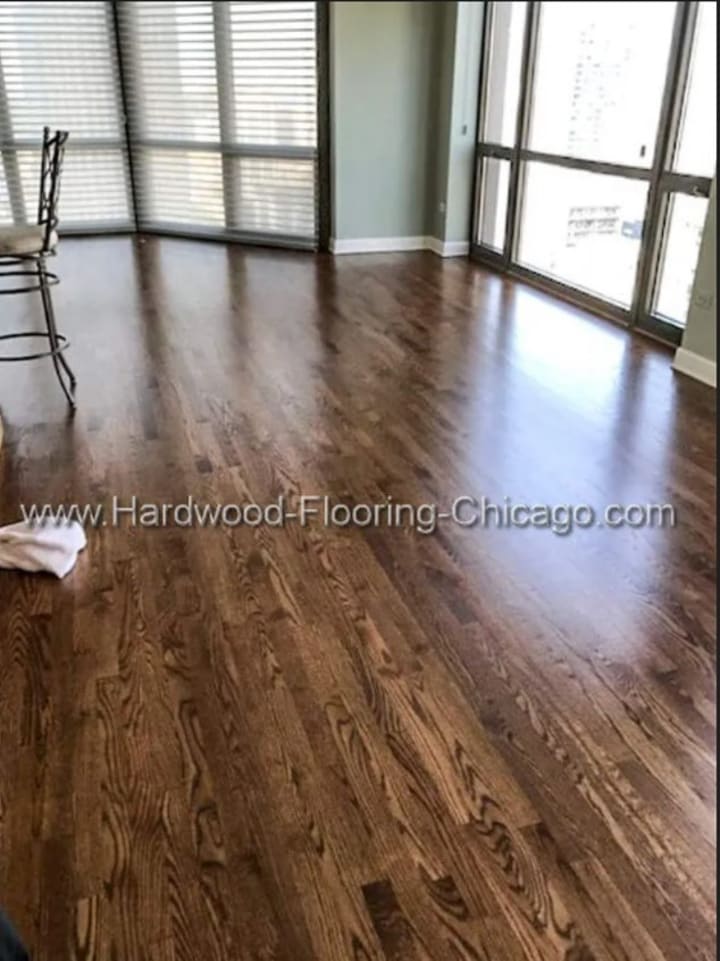
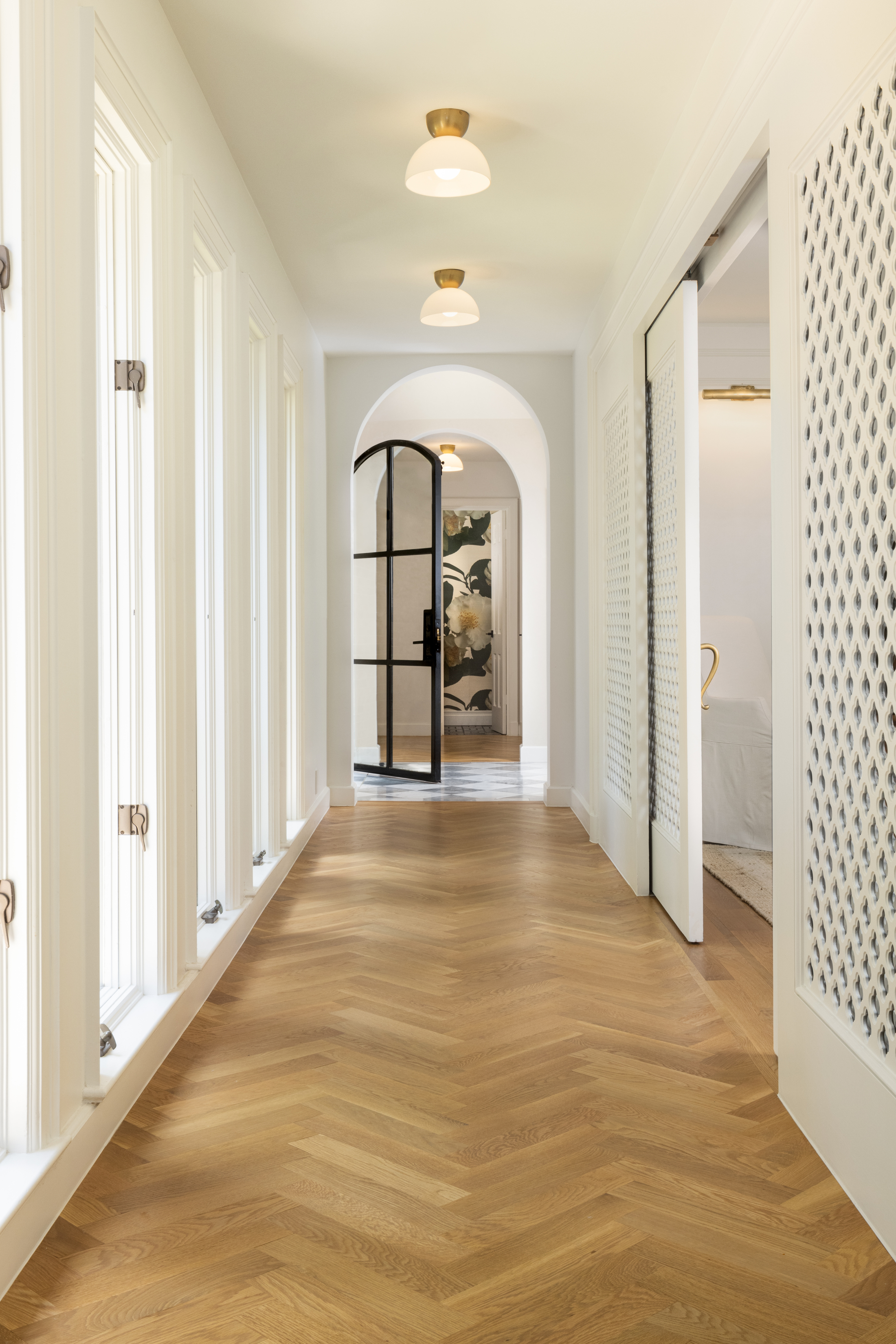
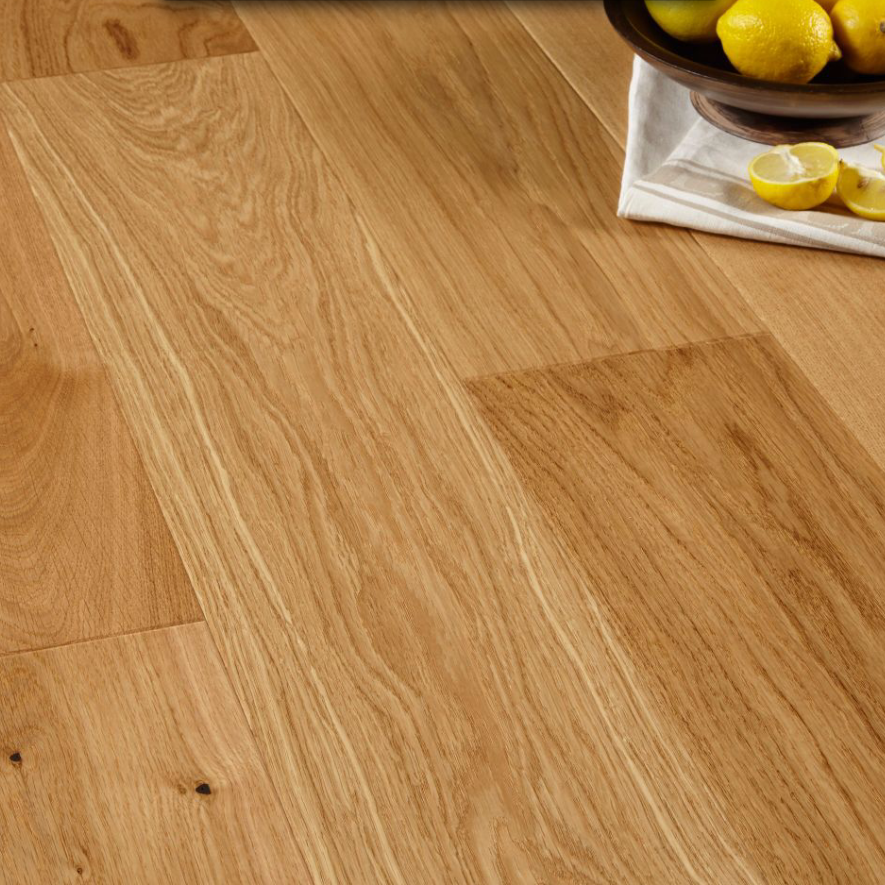
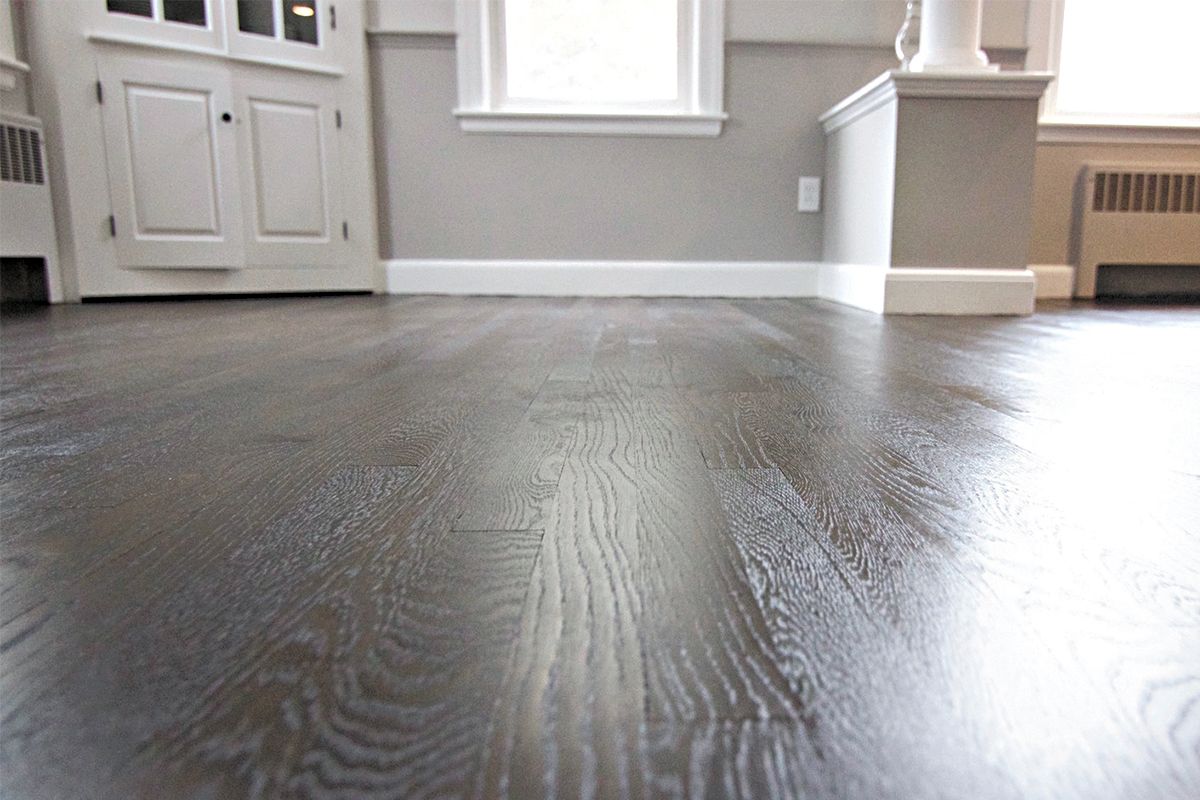
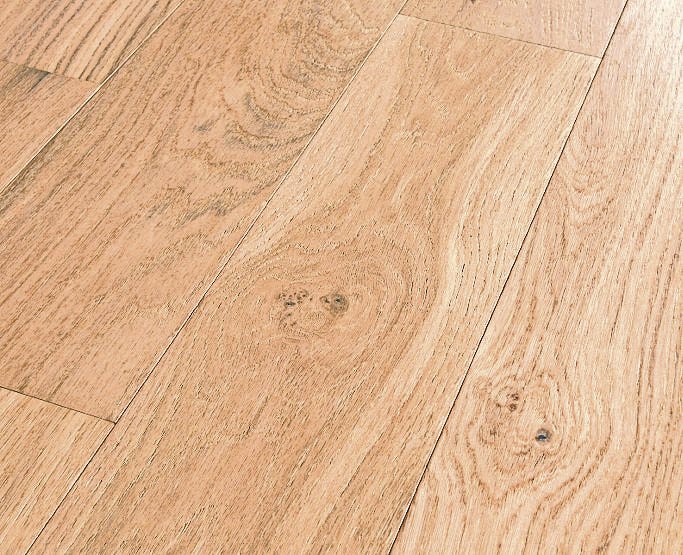
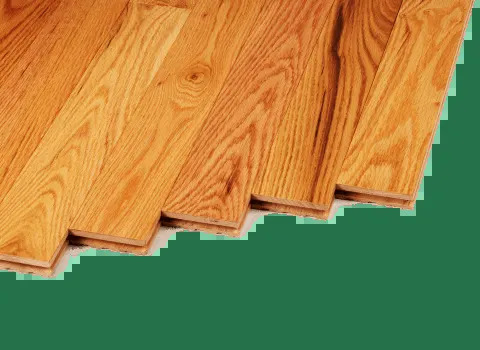
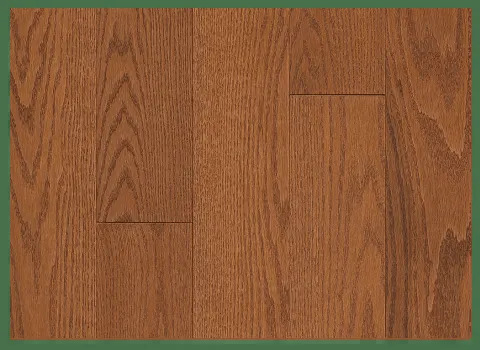
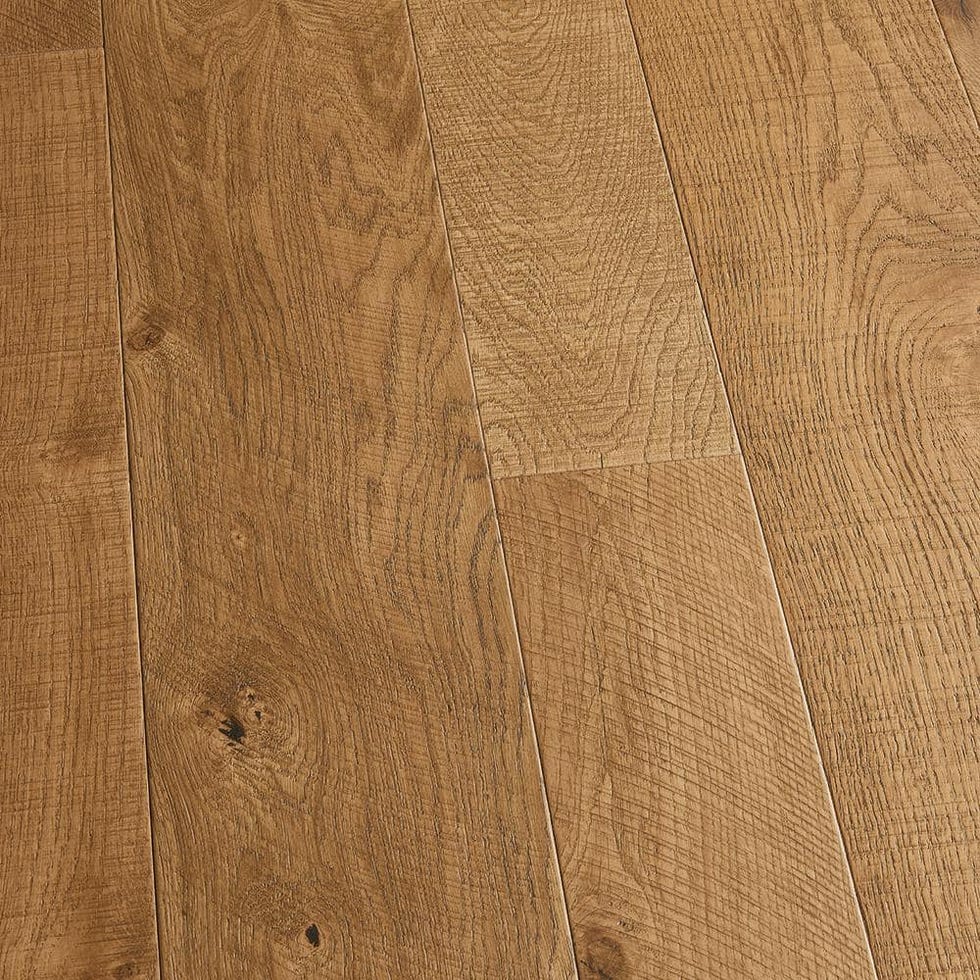
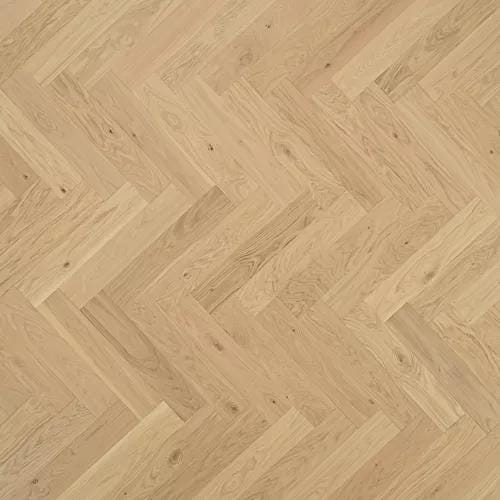
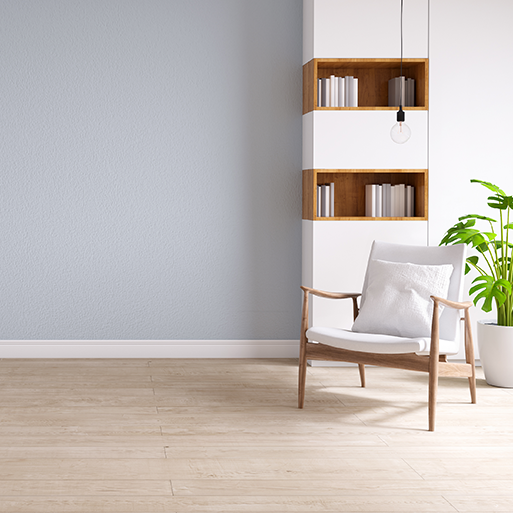
Oak is highlighted as the most popular hardwood species, accounting for at least 70% of installations by some experts. Both red and white oak are valued for their durability, reasonable pricing, and light hue, which allows for versatile staining. Its naturally strong grain pattern helps to conceal minor imperfections like scratches and dents, making it suitable for high-traffic homes with children and pets.
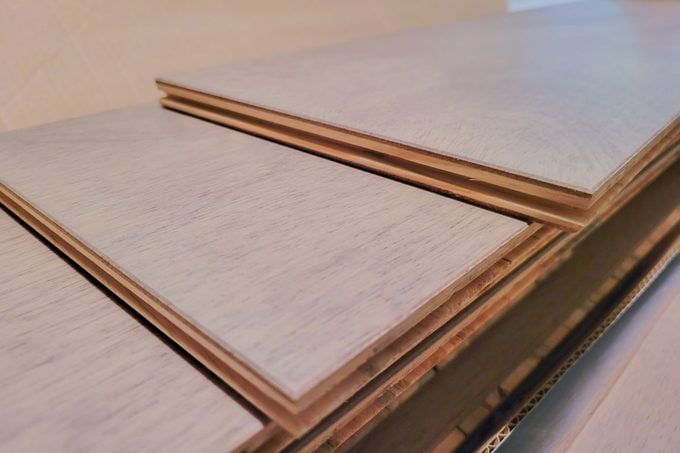
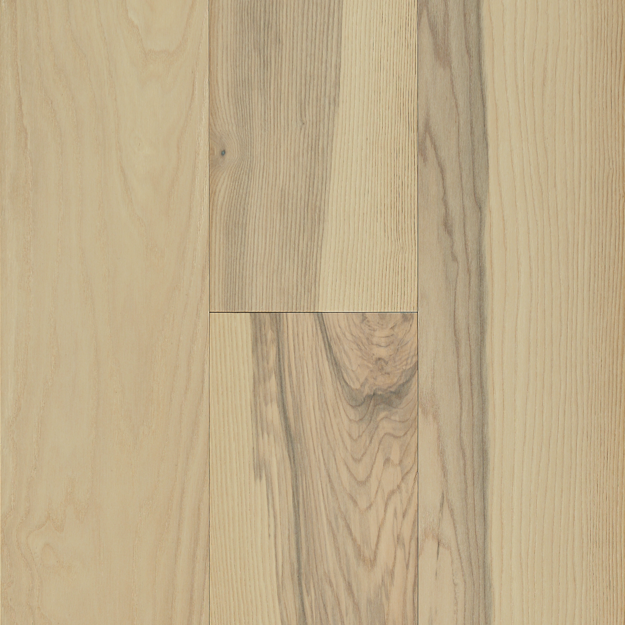
Maple is another widely available and budget-friendly option, particularly sugar maple, which is exceptionally dense and durable. It features a subtle yet attractive grain and tones ranging from creamy white to reddish brown, offering flexibility in staining. Ash, a domestic alternative to oak and maple, is even harder than oak, making it ideal for busy areas. Its resilience is comparable to the wood used in baseball bats and axe handles. Ash is becoming more accessible and affordable due to efforts to manage the emerald ash borer, an invasive beetle. Similar to oak, ash displays strong graining and light to gray color tones.
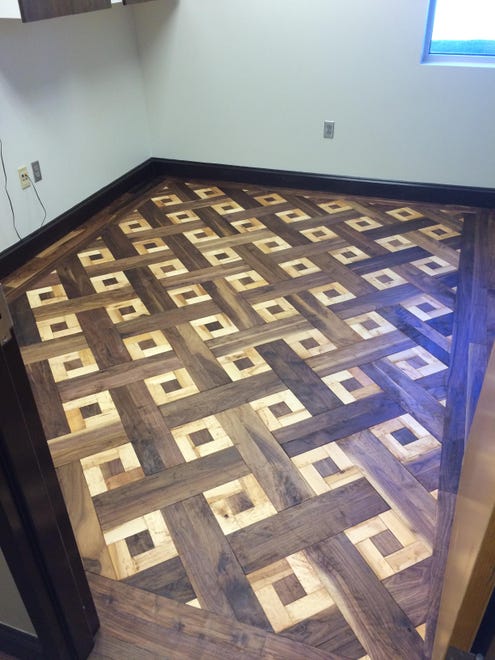
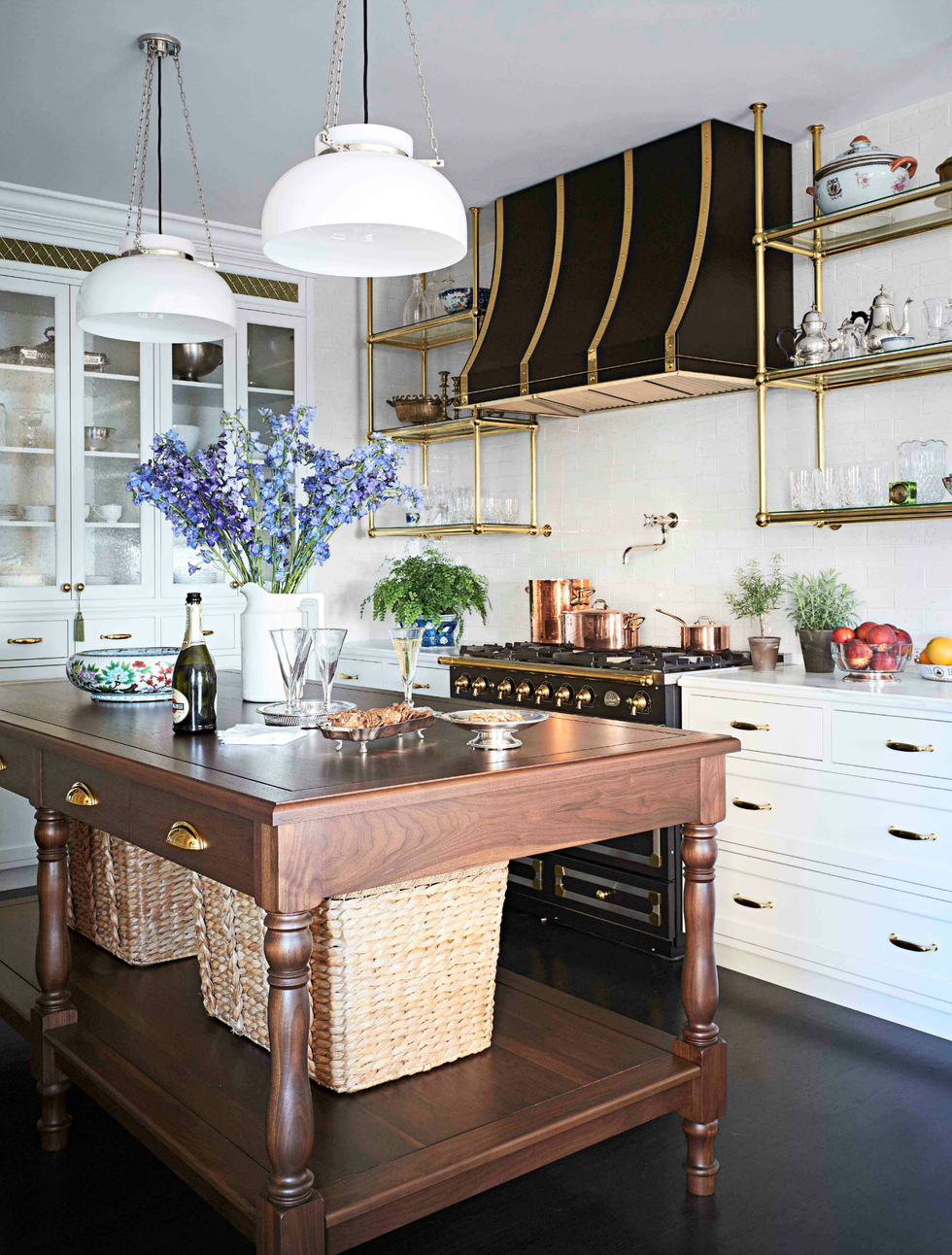
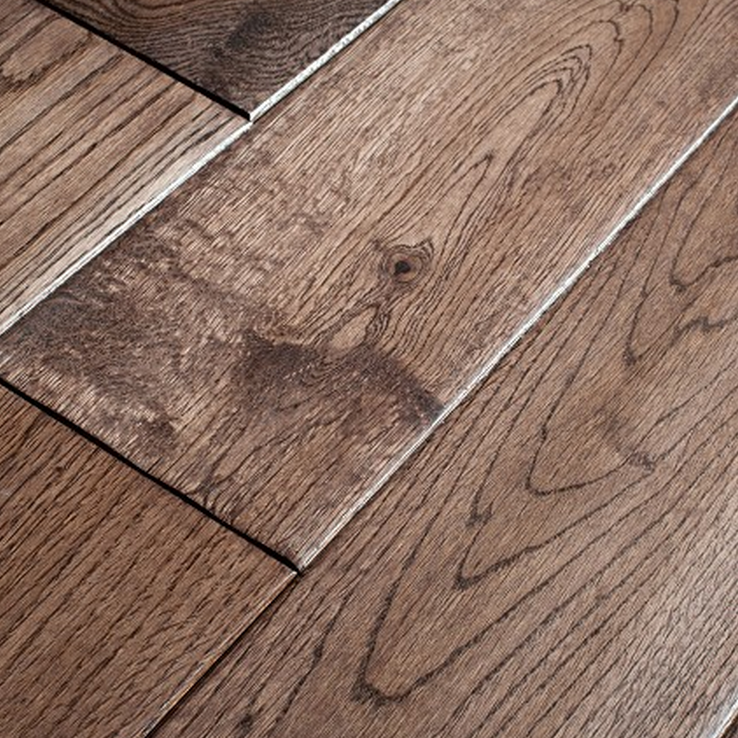
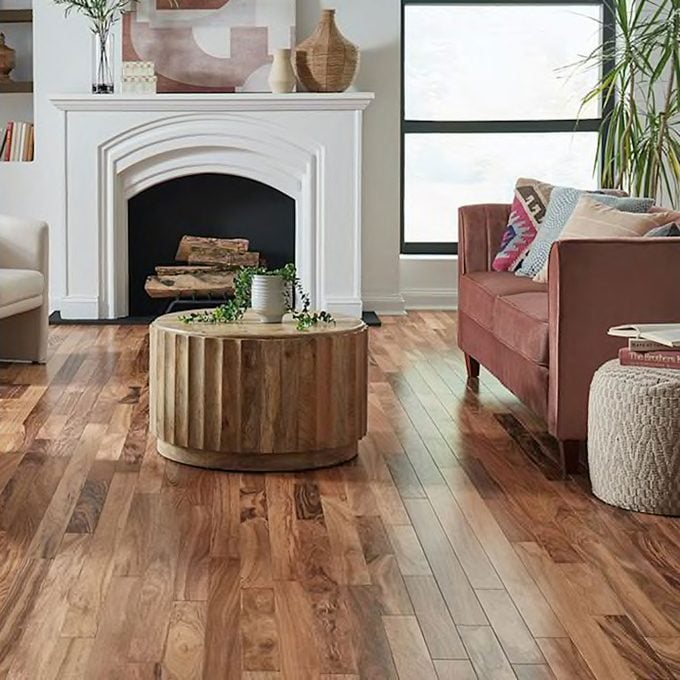
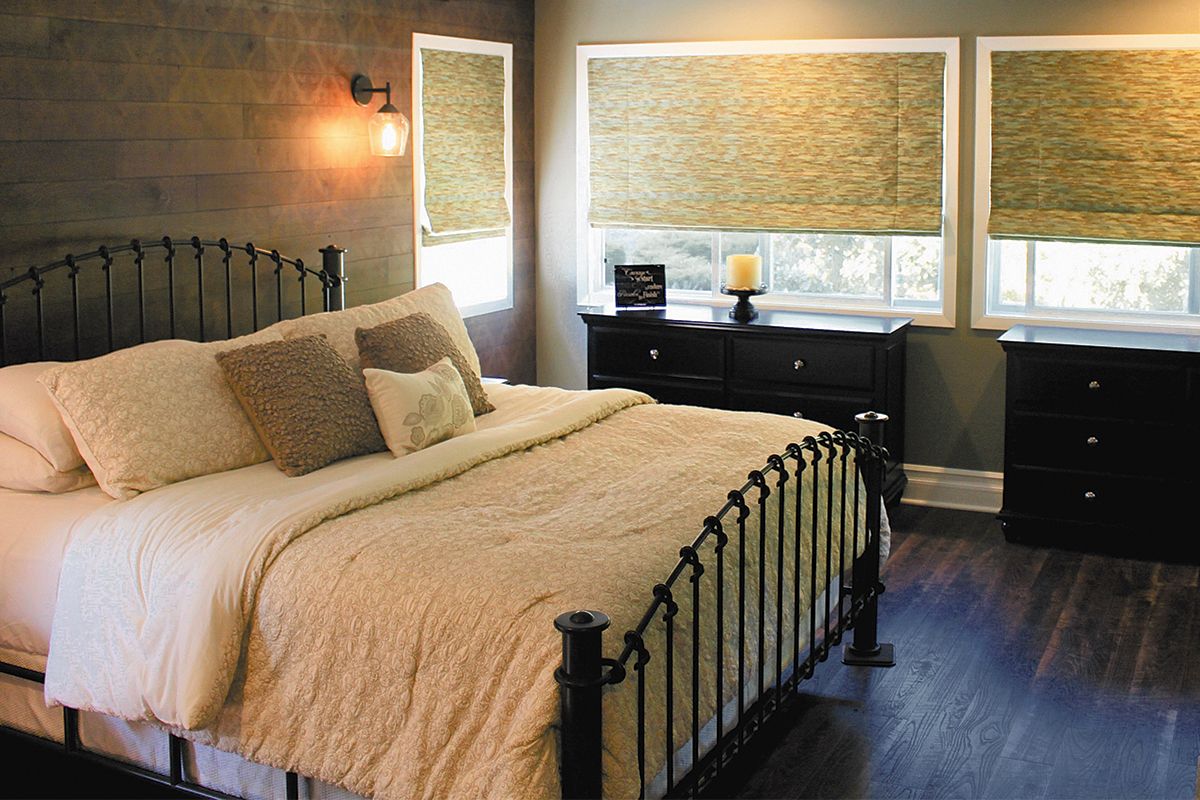
Walnut, specifically domestically grown Black Walnut, is preferred for its mid-tone aesthetic that creates a warmer, cozier atmosphere. Its grain pattern is generally straight but can exhibit some movement depending on the cut. However, walnut is often more expensive than oak and ash due to limited supply. Cherry, while less popular than in the past, is experiencing a resurgence among homeowners seeking a luxurious, dark floor. It is also noted for its resemblance to exotic tropical hardwoods, which are currently difficult to source due to global supply chain issues.
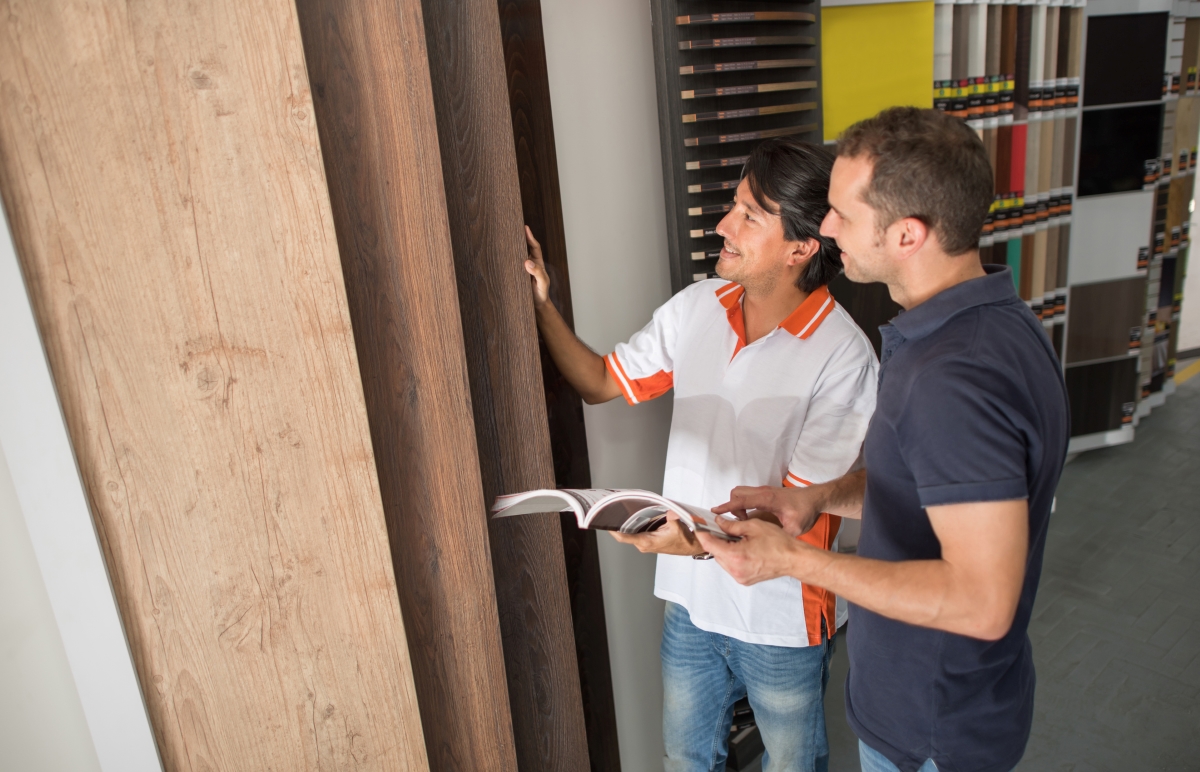
The article also provides advice on where to purchase hardwood flooring, suggesting home centers like Home Depot and Lowe’s, specialty retailers like LL Flooring and Floor & Décor, and local mills. It emphasizes the importance of lead time due to current supply chain challenges, with pre-finished flooring potentially taking up to 20 weeks. Regarding durability, the Janka Scale measures hardness, with Brazilian walnut scoring highest at 3,680, white oak averaging 1,360, and southern yellow pine being softer at 870. Pre-finished flooring is recommended for maximum durability due to factory-applied, multi-coat finishes.
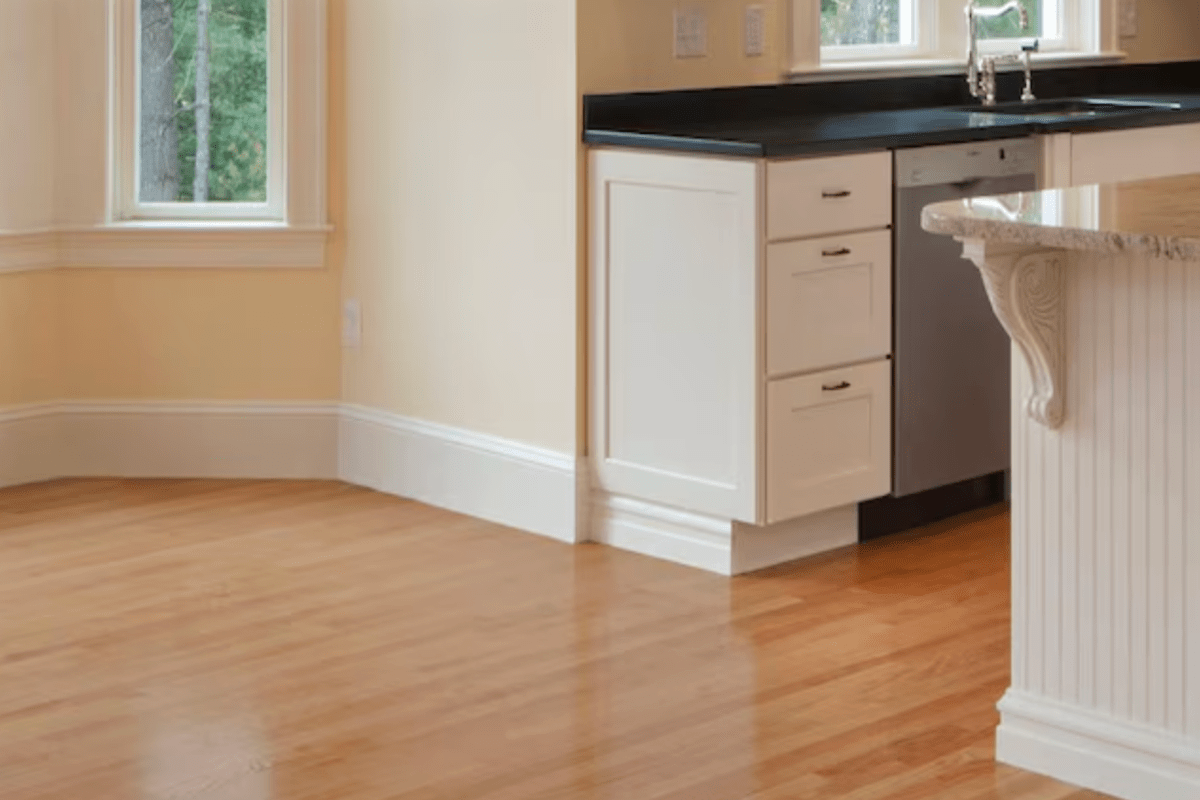
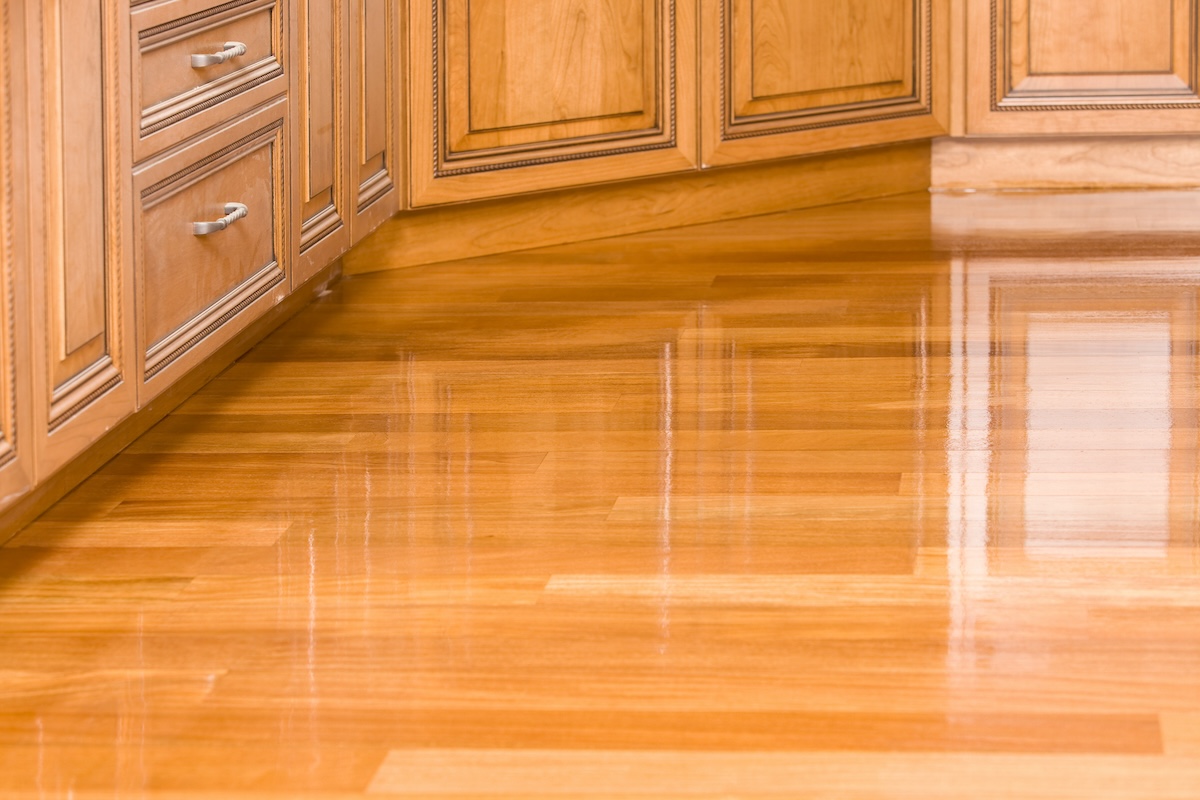
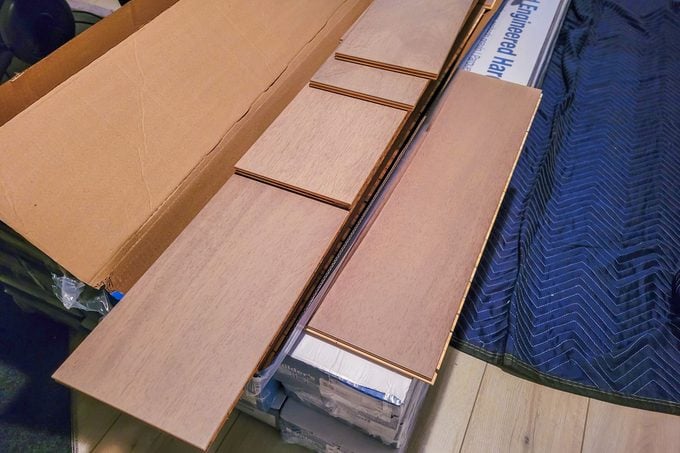
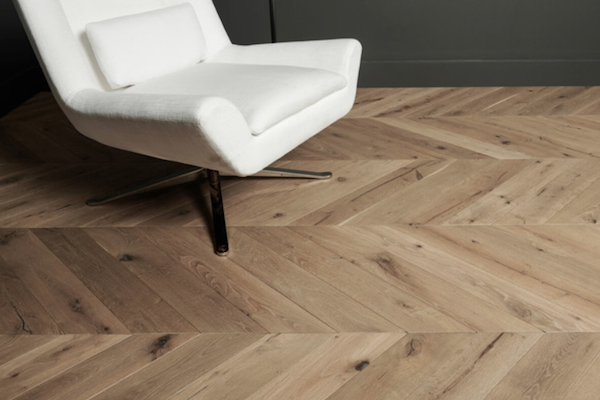
When choosing between pre-finished and unfinished flooring, unfinished allows for complete control over color and custom matching. Pre-finished options are generally stronger and eliminate concerns about on-site fumes. The choice of finish sheen is also crucial, with matte and satin finishes showing less wear and tear, while gloss finishes, though shiny, highlight scratches. Additional considerations include wood grade (rustic, character, select, prime) and cut (plain sawn, quarter sawn, rift sawn), which significantly impact the flooring's appearance, performance, and cost.
#HardwoodFlooring #HomeImprovement #FlooringTypes #WoodSpecies #Durability #HomeDecor #BuildingMaterials #HardwoodFlooring #HomeImprovement #FlooringTypes #WoodSpecies #Durability #HomeDecor #BuildingMaterials
0 comment in total
 No comments yet
You may also like
5 flooring choices that will make it harder to sell your home
6 Flooring Upgrades That Are Worth The Extra Cost (And 3 To Skip)
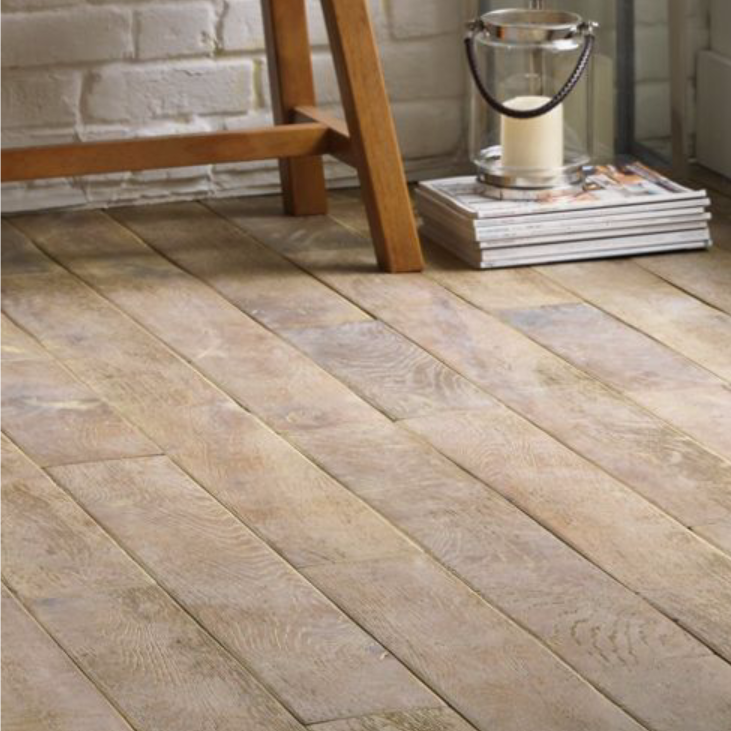
Wood Flooring – Our Pick of the Best
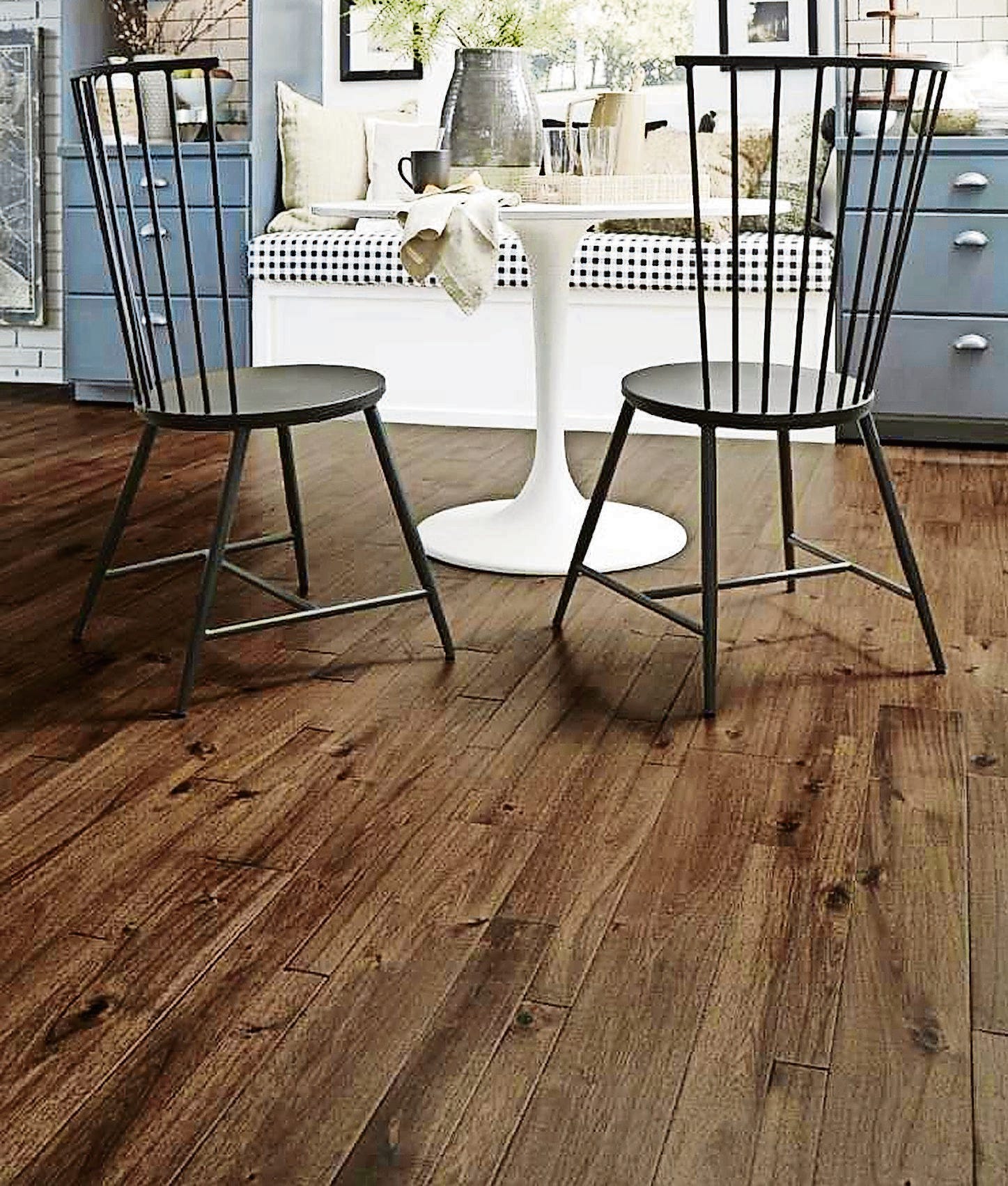
Hardwood floor color advice

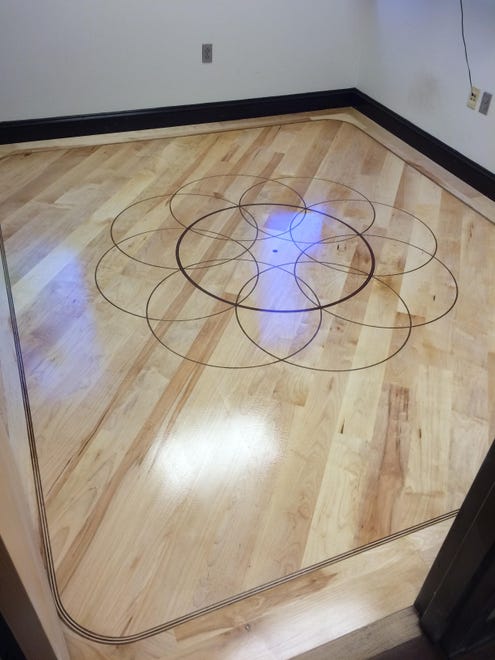
Beauty of hardwood flooring
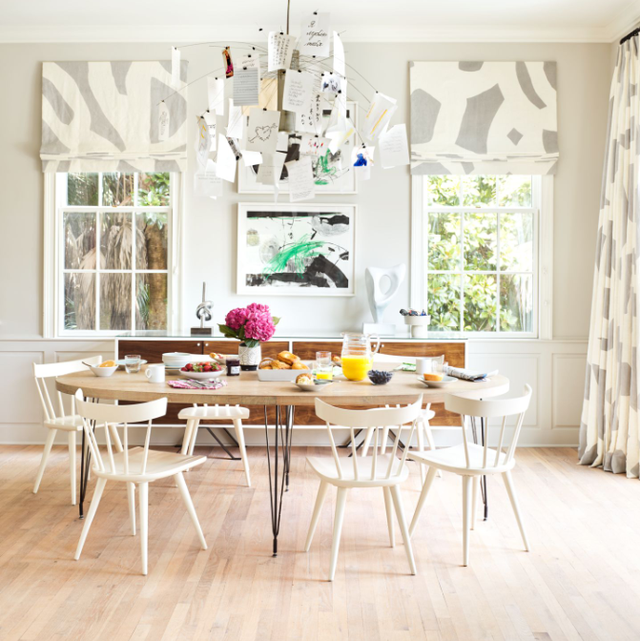
What You Should Know Before Painting Hardwood Floors

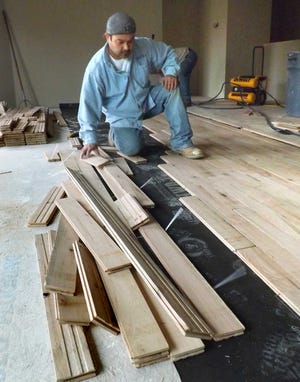
At Home: Hardwood flooring -- Options abound

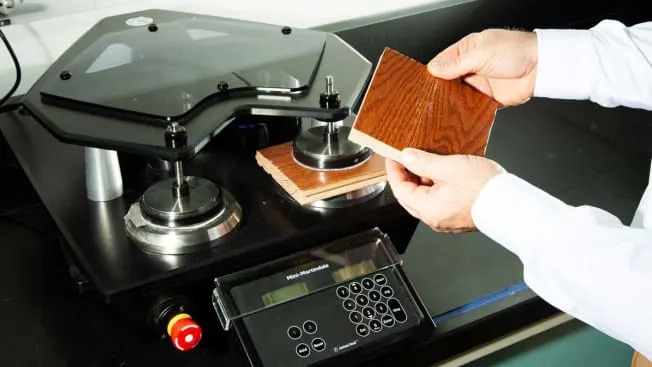
Best Flooring From Consumer Reports' Tests
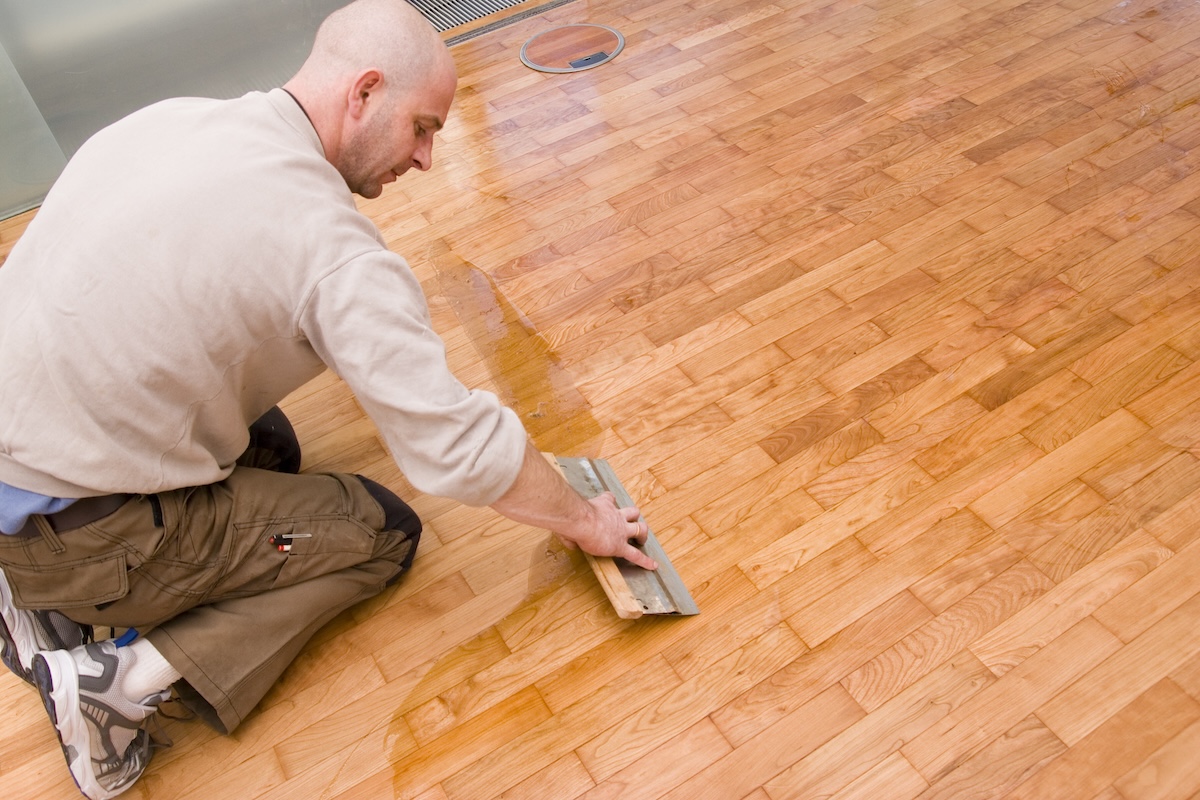
Guide to Hardwood Floor Finishes

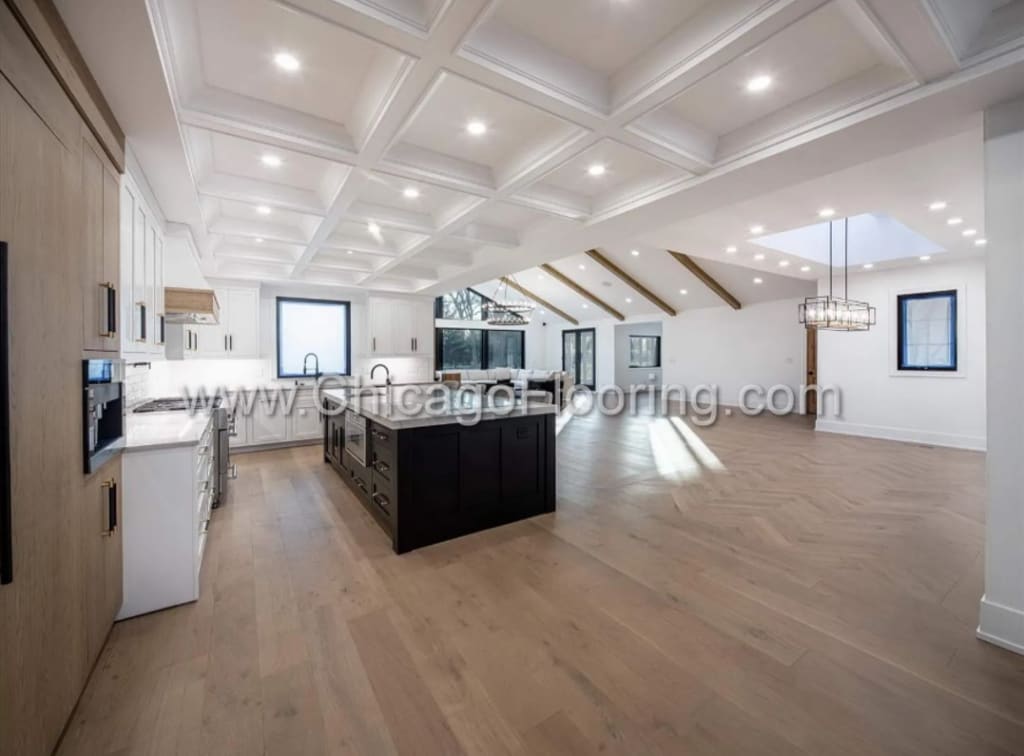
6 Common Mistakes When Choosing Hardwood Flooring

Our Favorite Hallmark Floors
The Best Engineered Wood Flooring, According to Home Improvement Experts

6 Mistakes You Should Avoid When Choosing Hardwood Floors, According to Home Reno Pros

5 things designers look at to compare carpet vs hardwood floors – they'll help you choose the right one for your room

LL Flooring Review: Our Thoughts on Quality, Install and Features

12 color trends for hardwood floors
11 Reasons Hardwood Flooring Might Not Be Right for Your Home


How Hardwood Flooring is Made at Advantage Lumber

Add comfort and beauty to your home with new floors


Ask The Builder: Installing border strip makes hardwood repair less conspicuous