1/15
Best Flooring From Consumer Reports' Tests
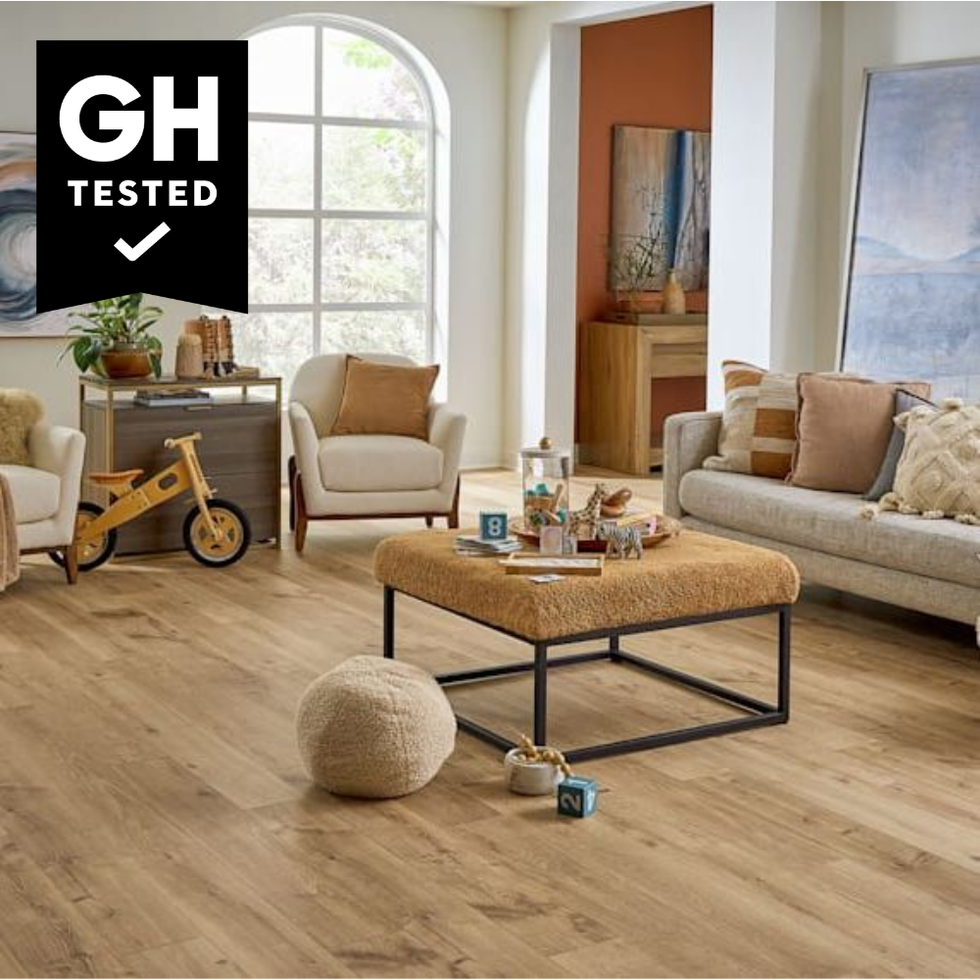
Choosing the right flooring for a home can be a complex decision due to varying needs across different rooms. While aesthetic appeal and ease of maintenance are universal desires, high-traffic areas demand materials that are highly durable and resistant to scratches, spills, and dents. Rooms with significant sun exposure require flooring that can withstand color changes from ultraviolet light. Consumer Reports' extensive testing reveals that no single material excels in all aspects, necessitating a thoughtful selection process based on the specific function and conditions of each space.
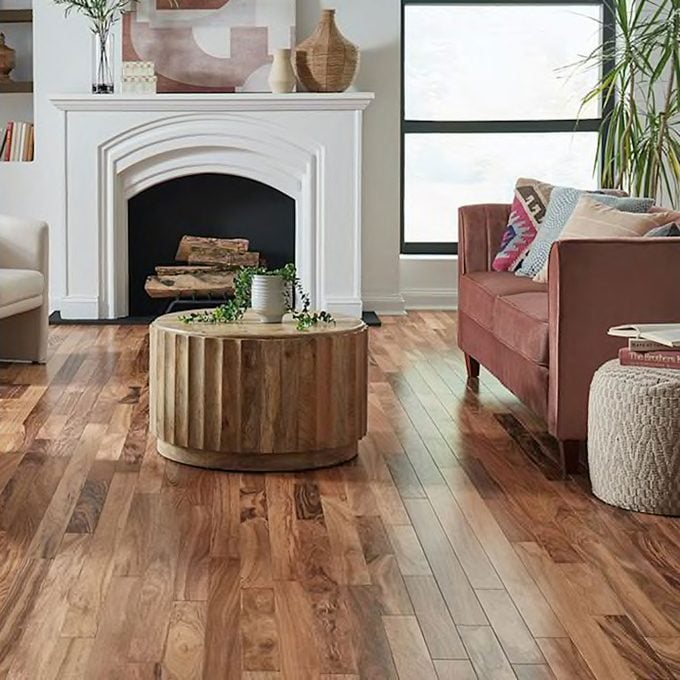
Enrique de Paz, a senior test engineer at Consumer Reports, emphasizes the importance of selecting flooring based on intended room activities. For instance, kitchens, prone to spills, dropped items, and heavy foot traffic, may not be ideal for hardwood floors that can stain, nick, or warp. Instead, tile or vinyl options are often more suitable, with modern varieties effectively mimicking the appearance of hardwood. A comprehensive buying guide is available to assist consumers in matching flooring types to specific room requirements.
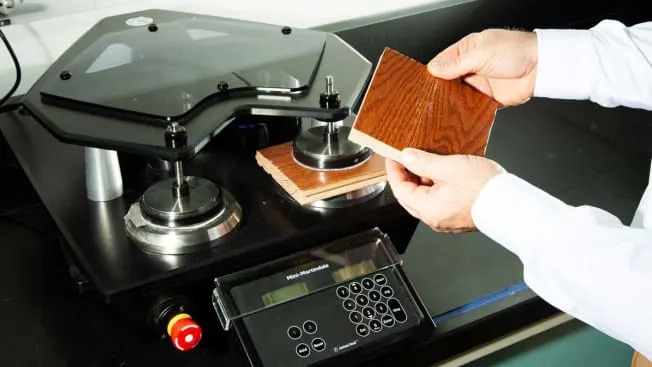
Consumer Reports employs rigorous laboratory testing to evaluate flooring performance across various categories. Wear resistance is assessed using an abrasion machine with a sandpaper disc, monitoring samples for visible wear after periodic cycles. Dent resistance is measured by dropping weights of varying sizes and impact levels, simulating dropped objects like canned goods or kitchen utensils, and observing the height at which damage occurs. Water resistance is crucial, and manufacturers continuously innovate in this area. Tests involve leaving water on the surface overnight and fully submerging samples to evaluate swelling, deformation, softening, or delamination. Fading potential is determined by exposing half of a sample to UV rays for two weeks and comparing it to the unexposed portion, providing insights into long-term color stability in sunny environments.
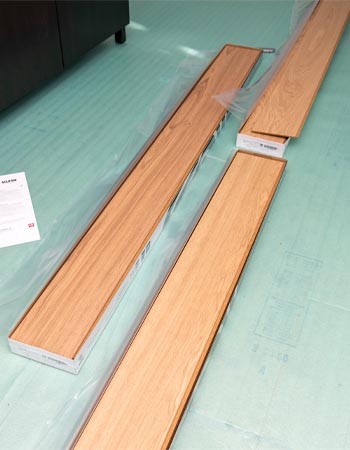
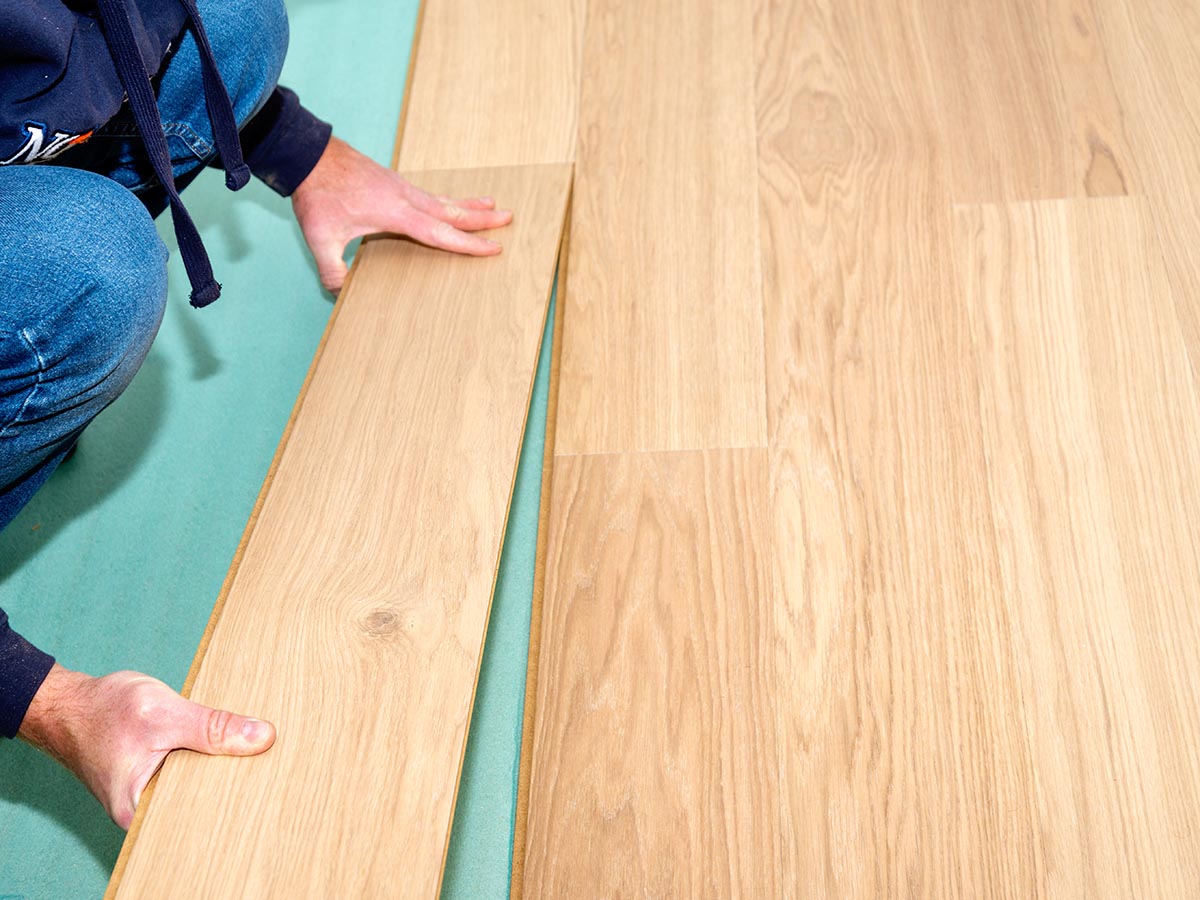
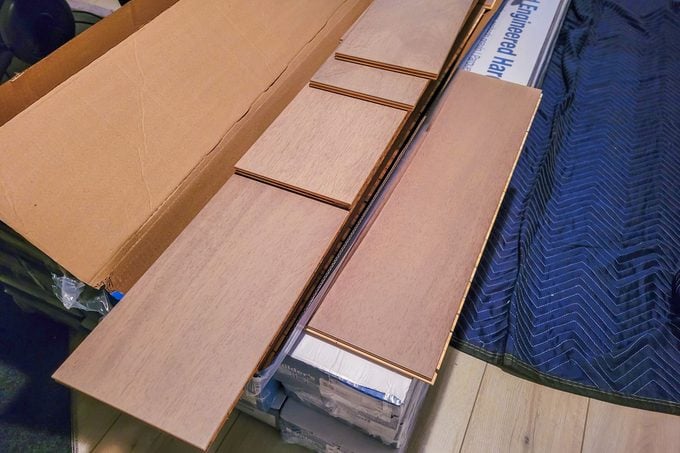
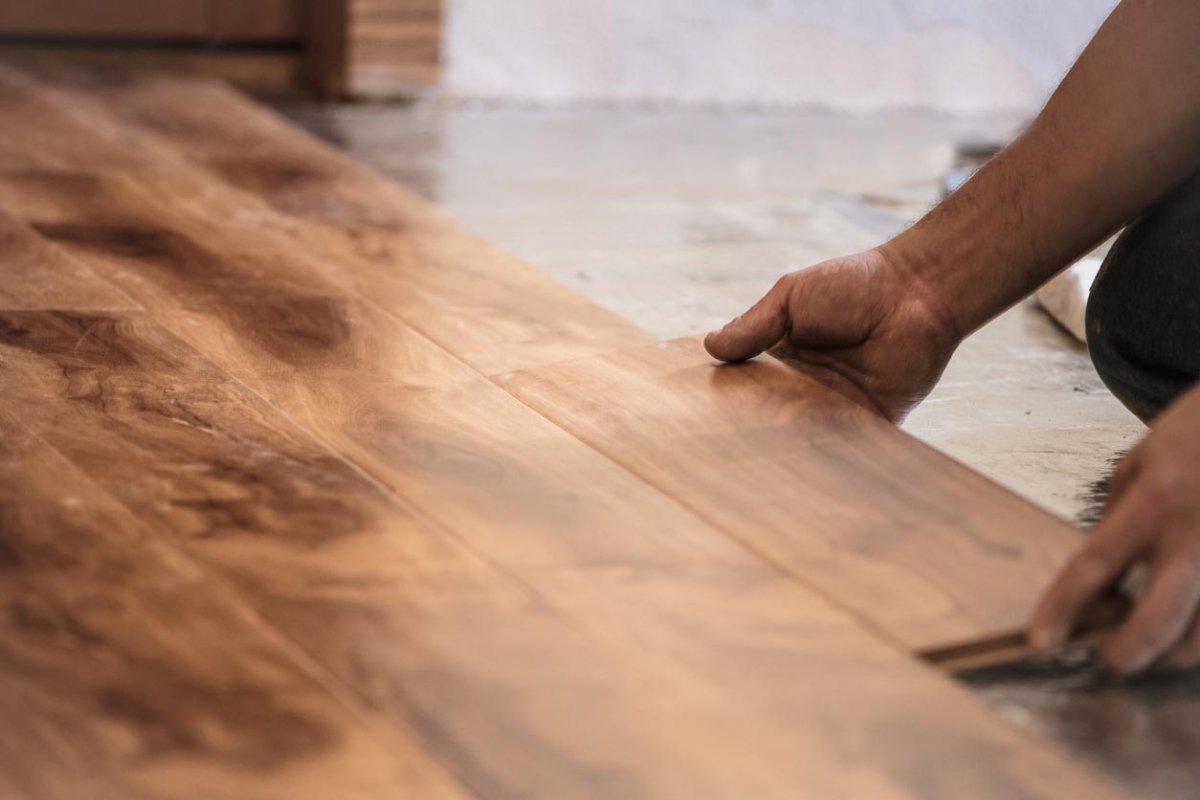
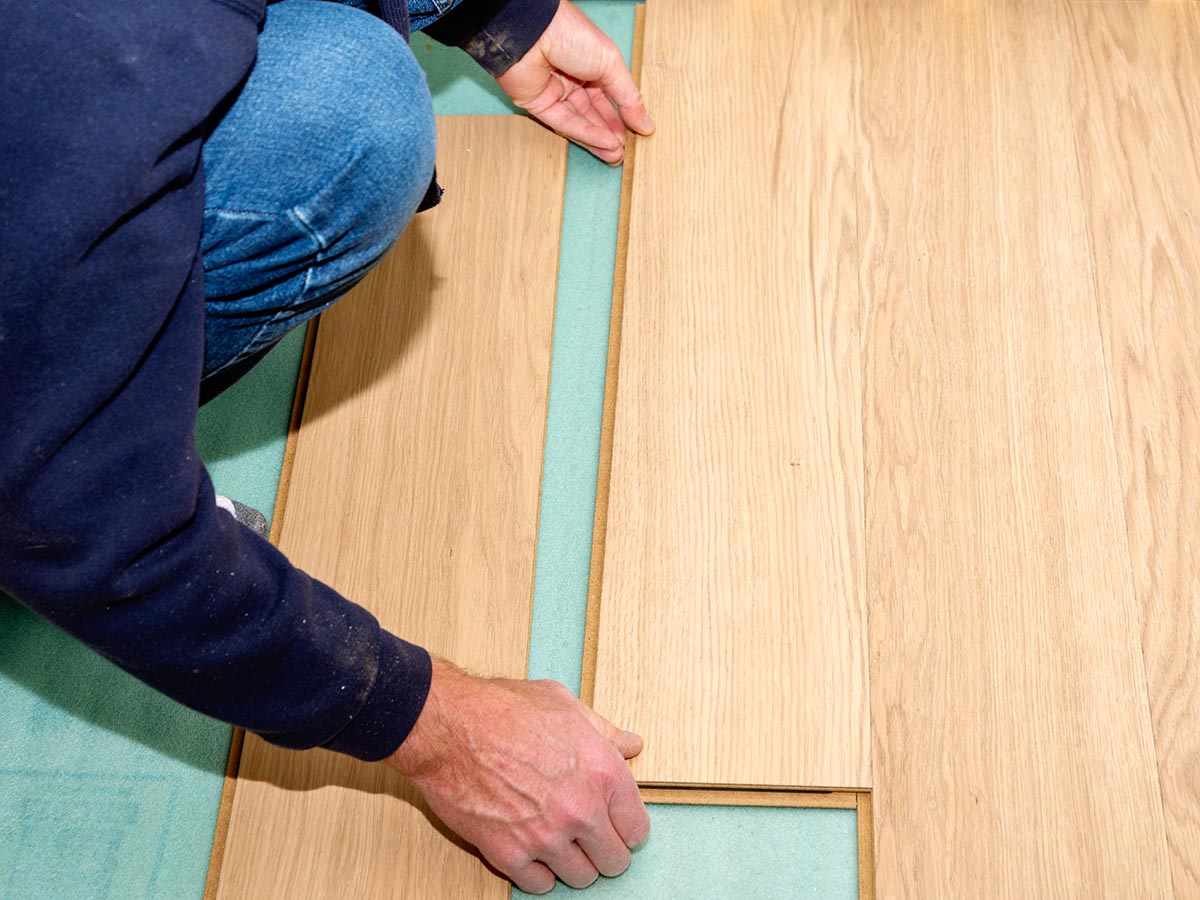
Installation methods also play a role in flooring selection. Floating floors, which click together and rest over an existing surface, offer ease of installation and removal, making them suitable for DIY projects. However, solid wood and porcelain tile typically require more permanent installation, such as nailing or gluing to a subfloor or setting in mortar. The article highlights top-scoring options and runners-up in five main categories: prefinished solid wood, engineered wood, laminate, vinyl, and porcelain tile. It notes that while different colors of the same product generally perform similarly in terms of wear, scratches, stains, and dents, darker floors may show more noticeable fading from routine sun exposure.
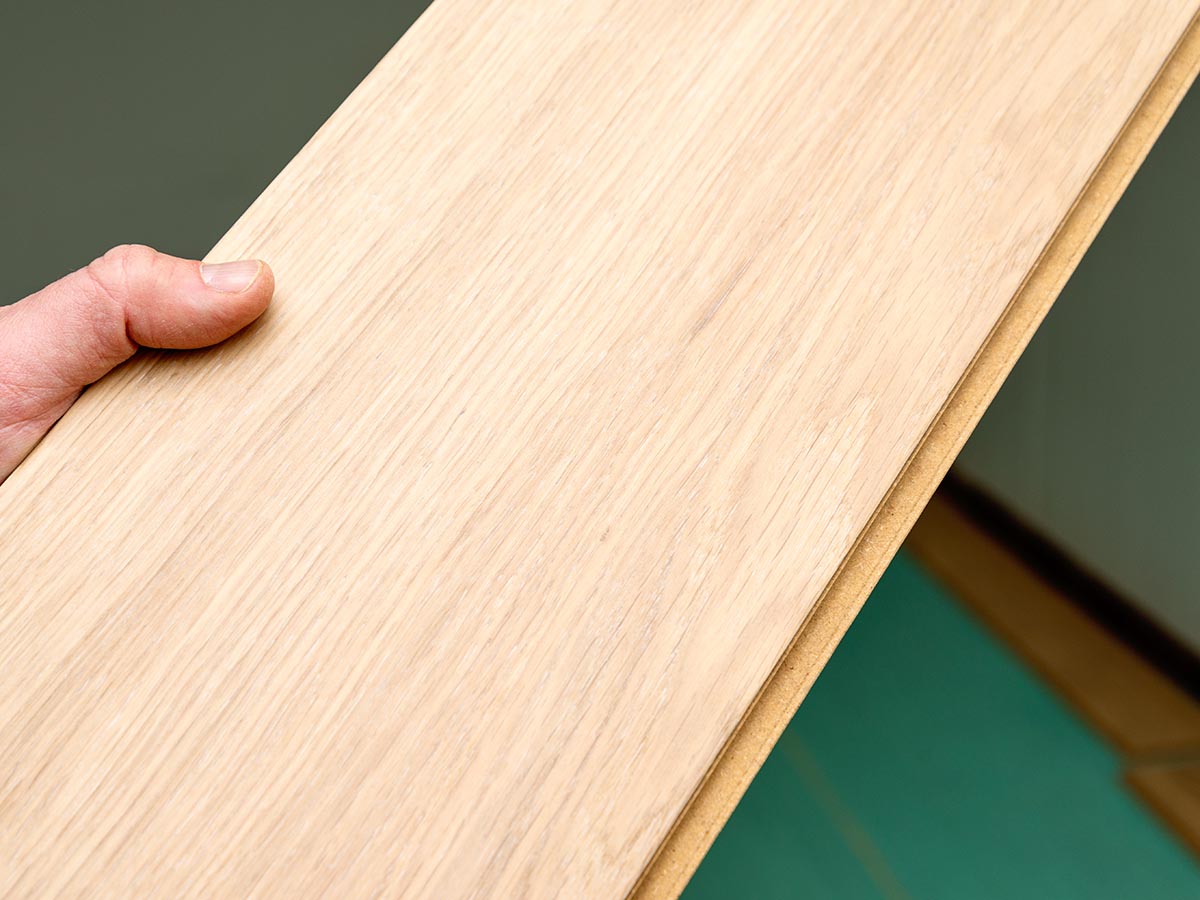
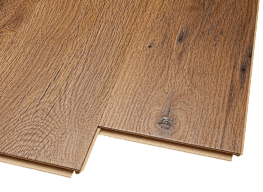
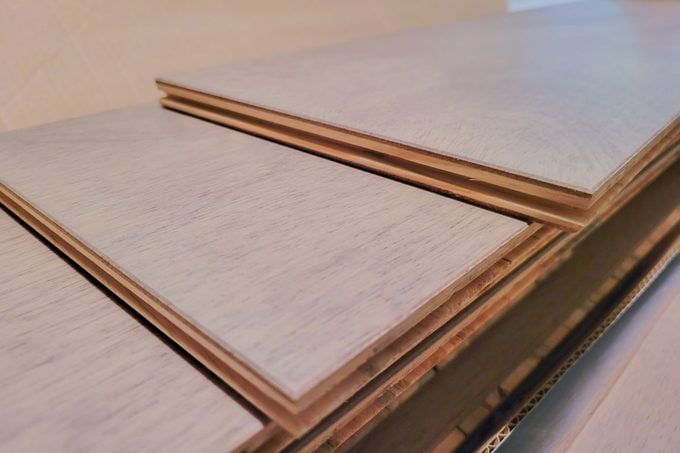
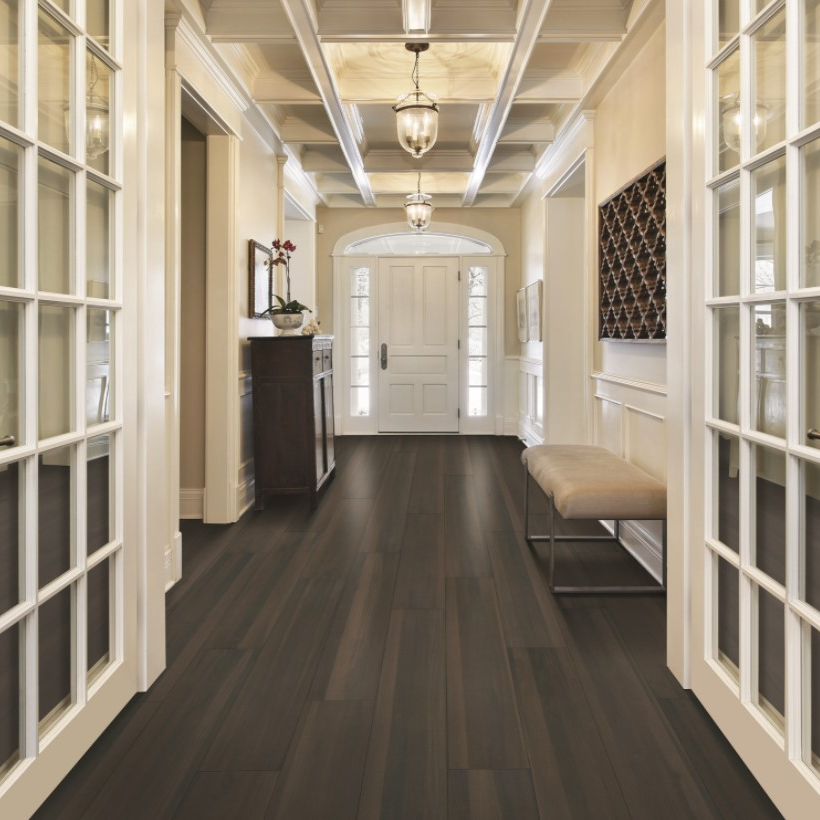
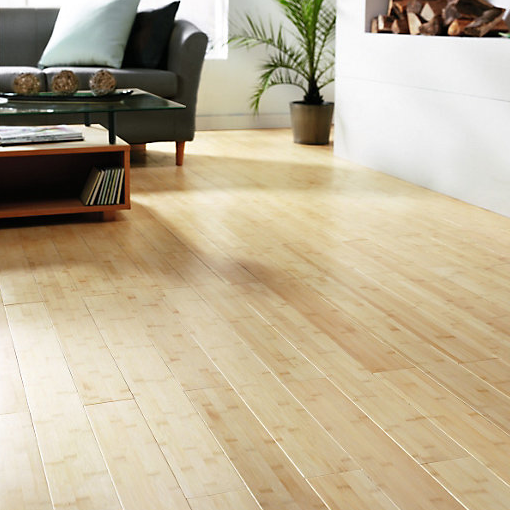
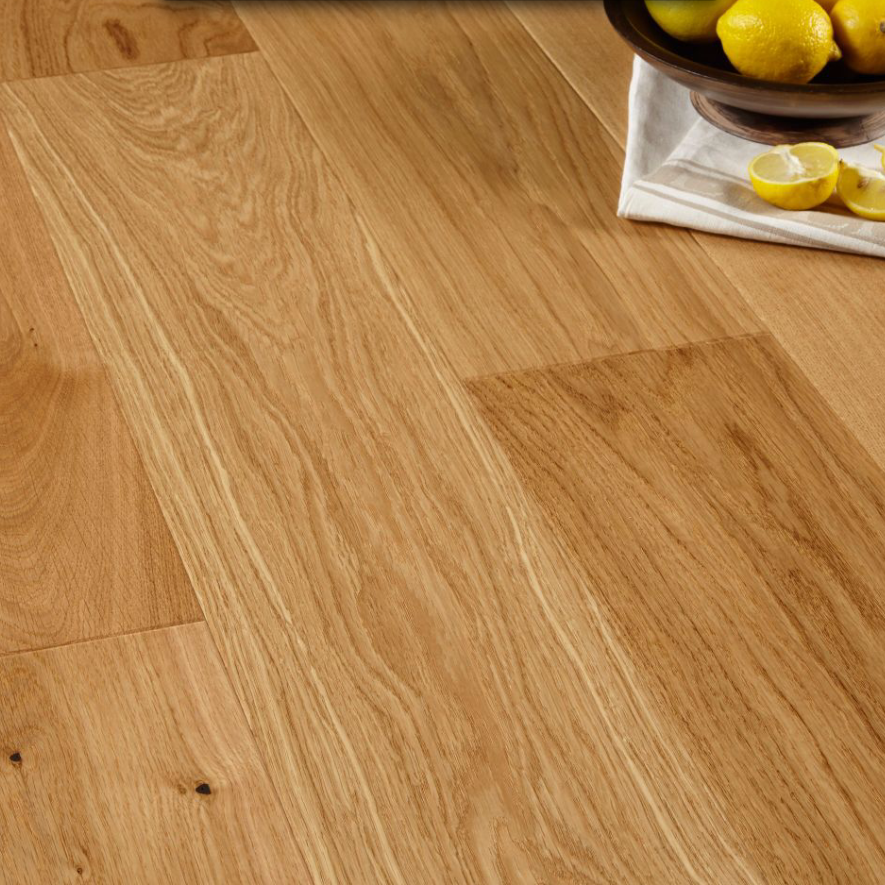
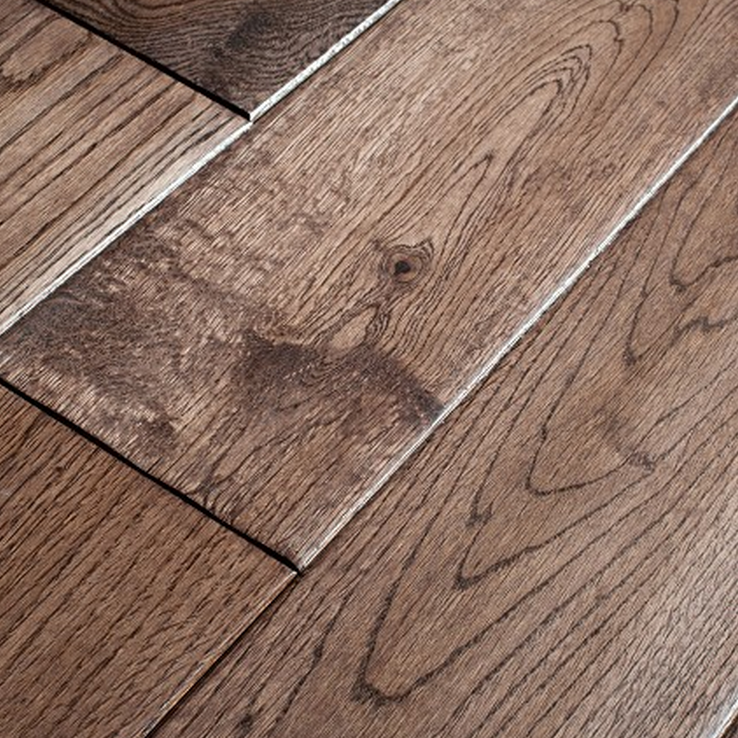
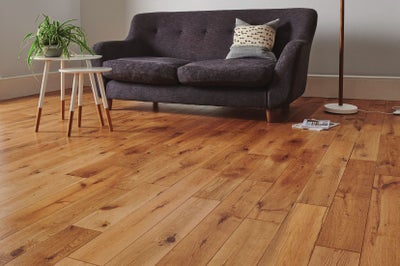
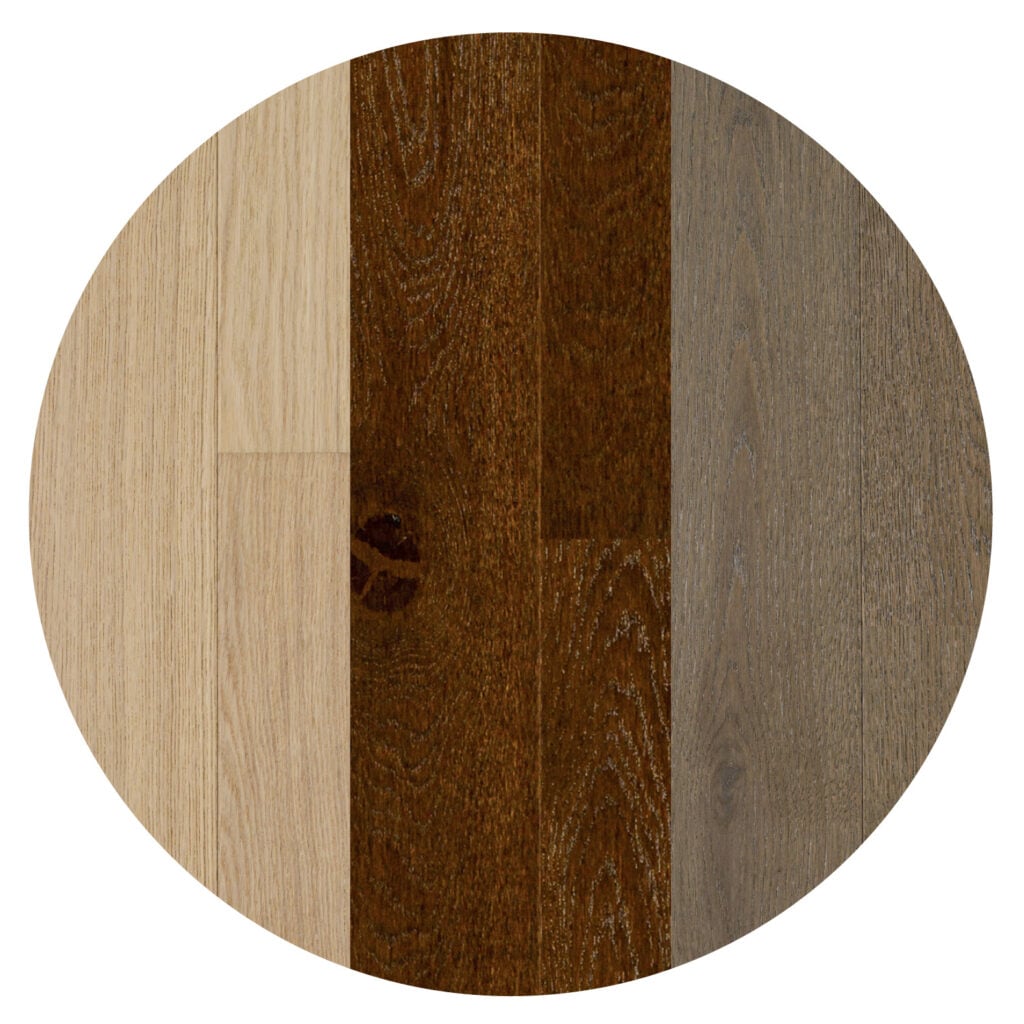
Detailed recommendations are provided for each category. Prefinished solid wood flooring, while offering the charm of hardwood without the finishing mess, generally performs poorly in dent resistance, with notable exceptions like Teragren Portfolio Naturals Wheat, which scores excellently in dent resistance and scratch/stain resistance, though it may fade in sunlight. Lumber Liquidators Bellawood Character Red Oak excels in foot traffic, water, and slip resistance but is only fair against scratches and dents and prone to UV fading. Hartco Paragon Original Ember stands out for foot traffic wear and UV color retention but requires nailing. Engineered wood, featuring a solid wood layer over a substrate, offers greater stability against seasonal changes than solid wood. Lumber Liquidators AquaSeal 72 Engineered Bamboo performs exceptionally well across most tests, including UV resistance and good dent resistance. Bellawood Geneva White Oak is strong against foot traffic and stains but fair in UV and poor in dent resistance.
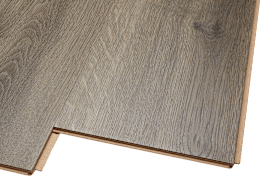
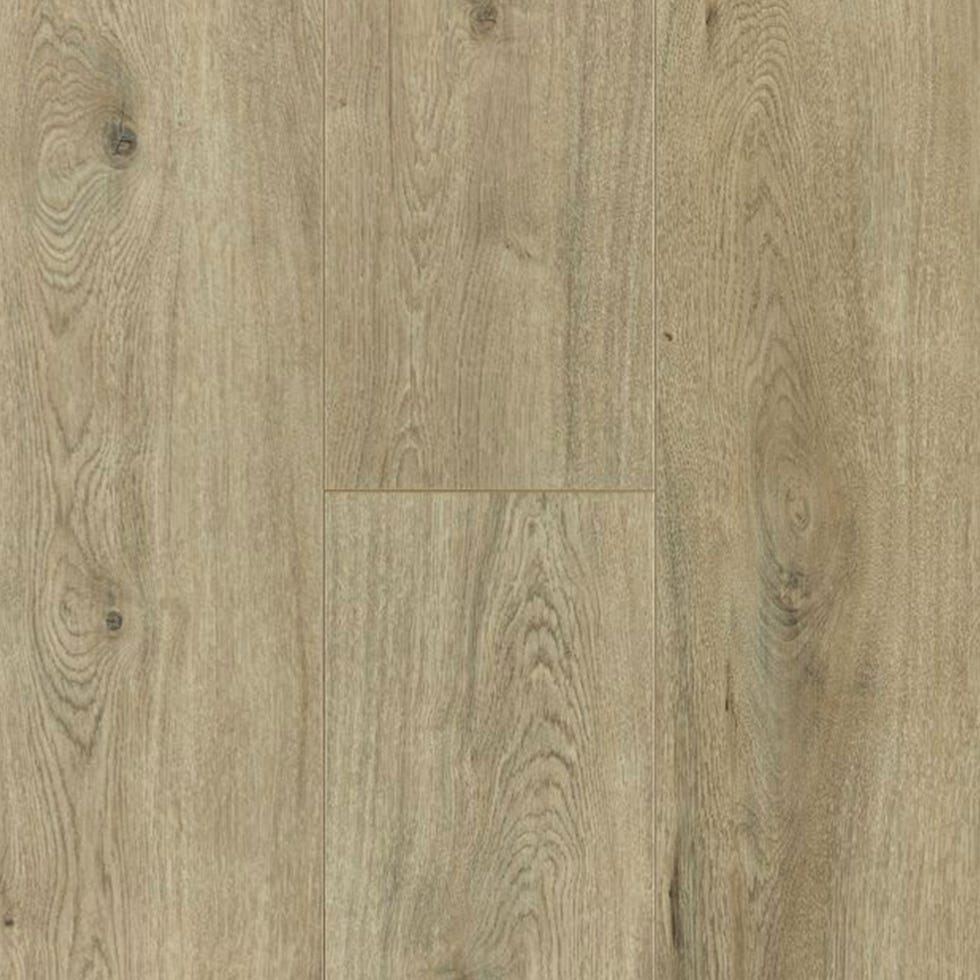
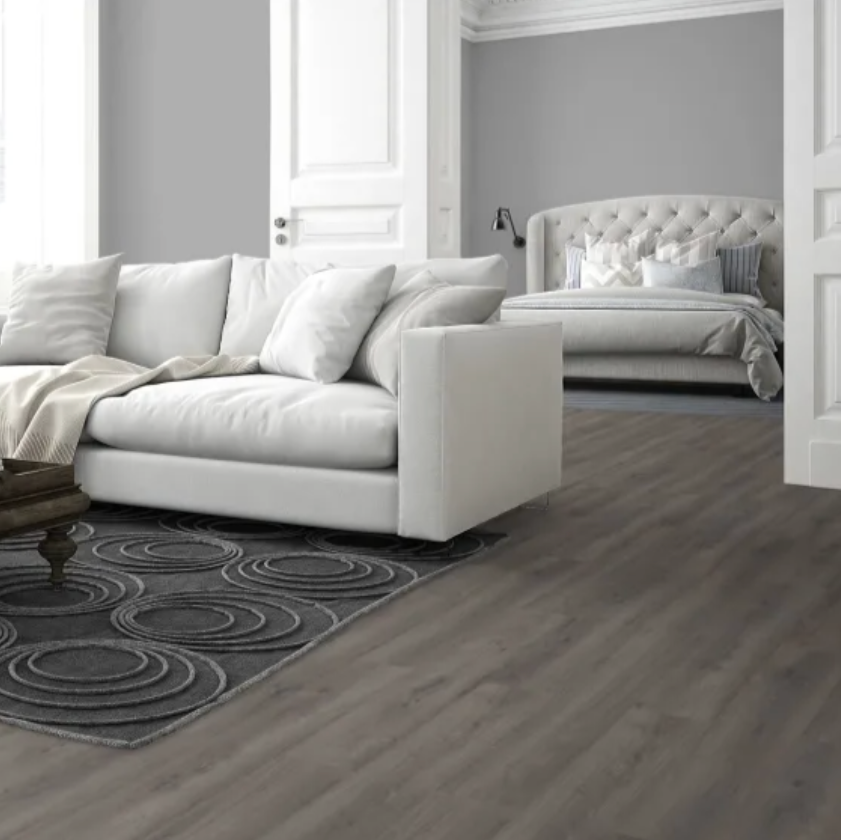
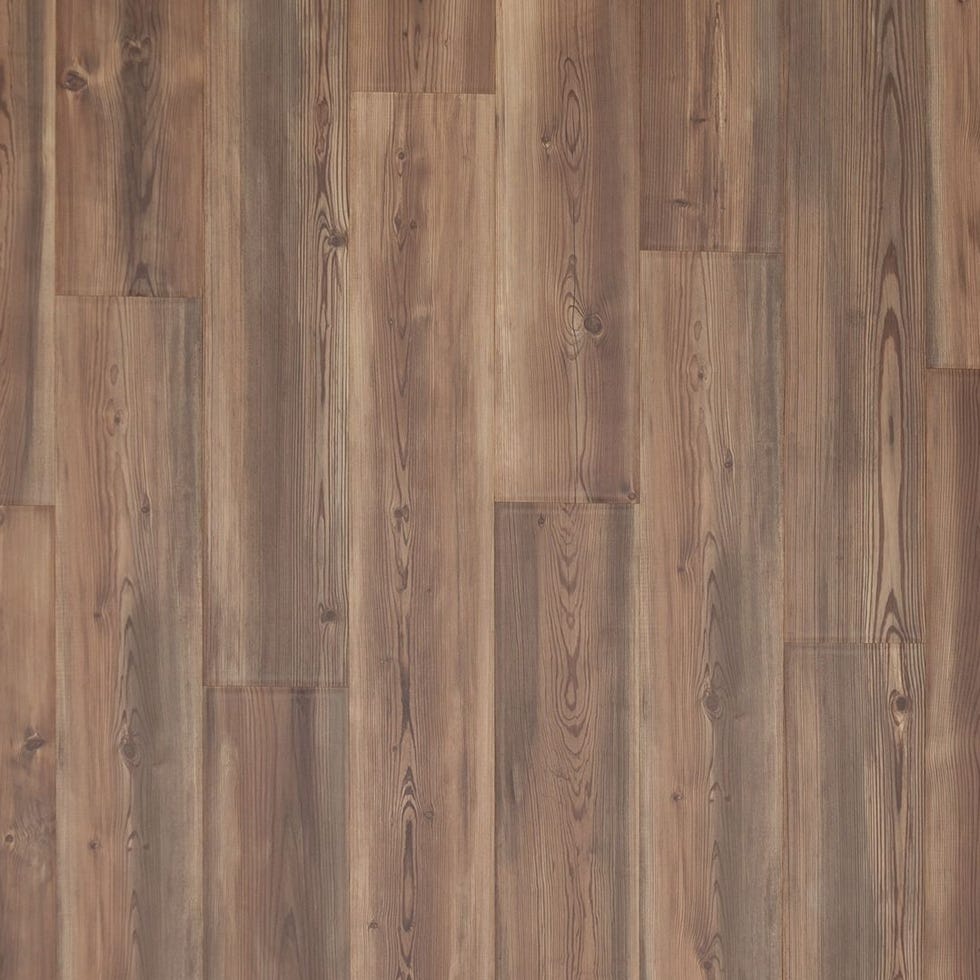
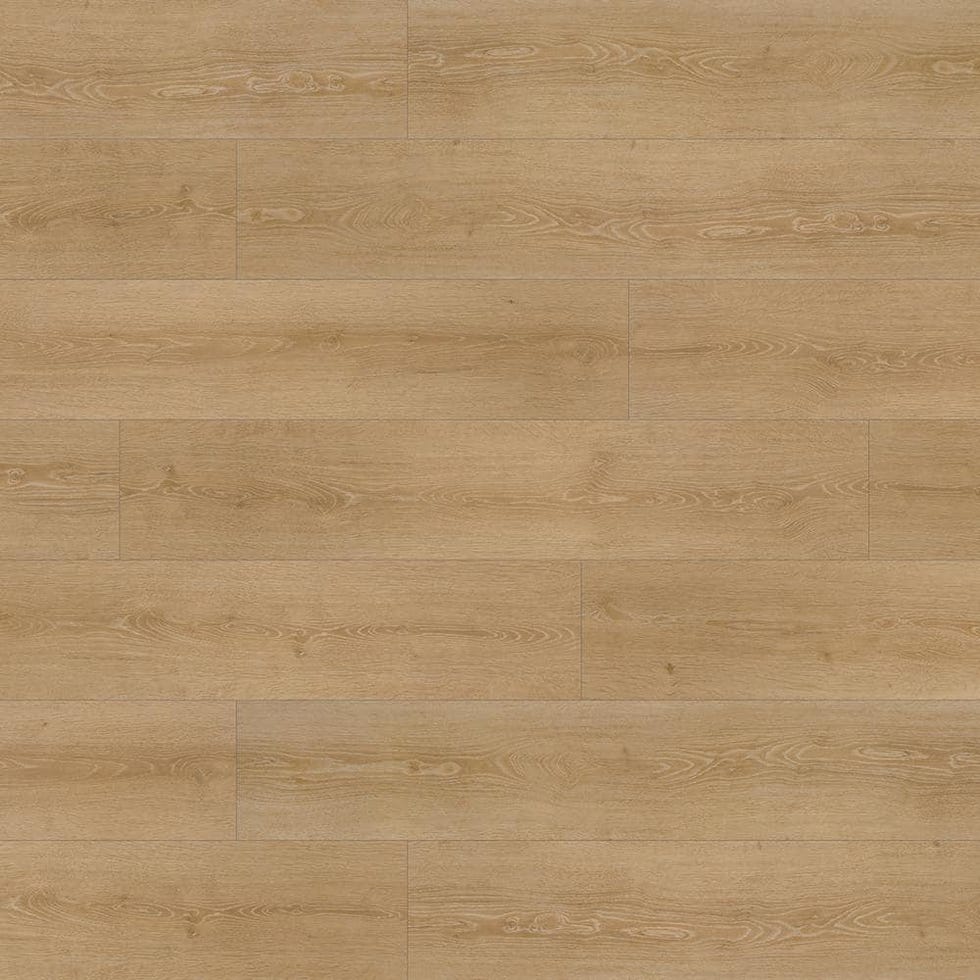
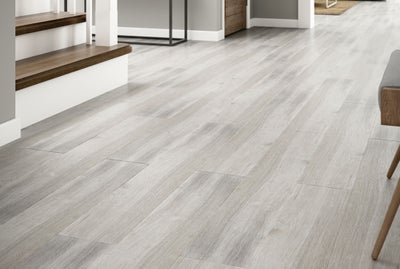
Laminate flooring, a more affordable alternative to engineered planks, uses photographic images to mimic wood and is often easy to install as a floating floor. Lumber Liquidators AquaSeal 24 Tapestry Oak is a standout, excellent in most areas including UV resistance and scratches, though only good in dent resistance. Home Legend Textured Oak Paloma also excels in wear, stains, and UV resistance but is subpar in dent resistance. Pergo Portfolio+ Wet Protect Hermosa Oak and Pergo Outlast+ Vintage Pewter Oak both receive impressive scores for foot traffic, scratches, stains, and UV resistance, with the latter offering a lifetime warranty for wear-through and fading. Vinyl flooring, made of flexible PVC, comes in various forms and styles, offering durability and diverse aesthetics. Congoleum DuraCeramic Sierra Slate is a top choice for its stone-like appearance and excellent resistance to stains, dents, scratches, and fading. Armstrong Alterna Mesa Stone Canyon Sun impressively mimics slate, excelling in water, scratches, dents, and fading resistance. Porcelain tile, a robust ceramic option, mimics various materials and resists foot traffic, scratches, and stains well but can crack from heavy impact. Style Selections Natural Timber Ash excels in most performance tests, including foot traffic, scratches, stains, and colorfastness. LifeProof Shadow Wood is a hardy, wood-look porcelain tile performing excellently in wear, water, and scratch resistance. Marazzi Montagna Dapple Gray offers impressive performance at a low price, excelling in foot traffic, scratches, water, and UV resistance. These detailed tests and recommendations provide valuable guidance for consumers navigating the complex world of home flooring options.
#FlooringOptions #HomeImprovement #ConsumerReports #FlooringTests #WoodFlooring #LaminateFlooring #VinylFlooring #PorcelainTile #InteriorDesign #FlooringOptions #HomeImprovement #ConsumerReports #FlooringTests #WoodFlooring #LaminateFlooring #VinylFlooring #PorcelainTile #InteriorDesign
0 comment in total
 No comments yet
You may also like
Flooret Flooring Review: Direct-to-Consumer Floors That Are Worth the Hype

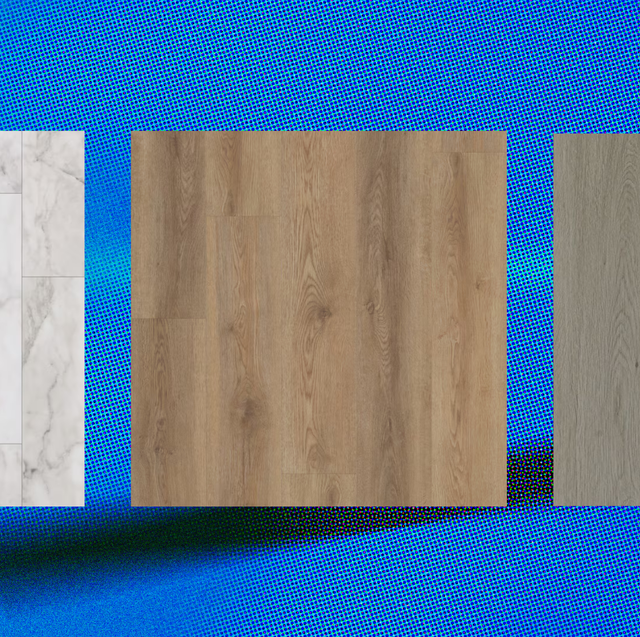
The Best Vinyl Plank Flooring Options, Tested by Home Experts

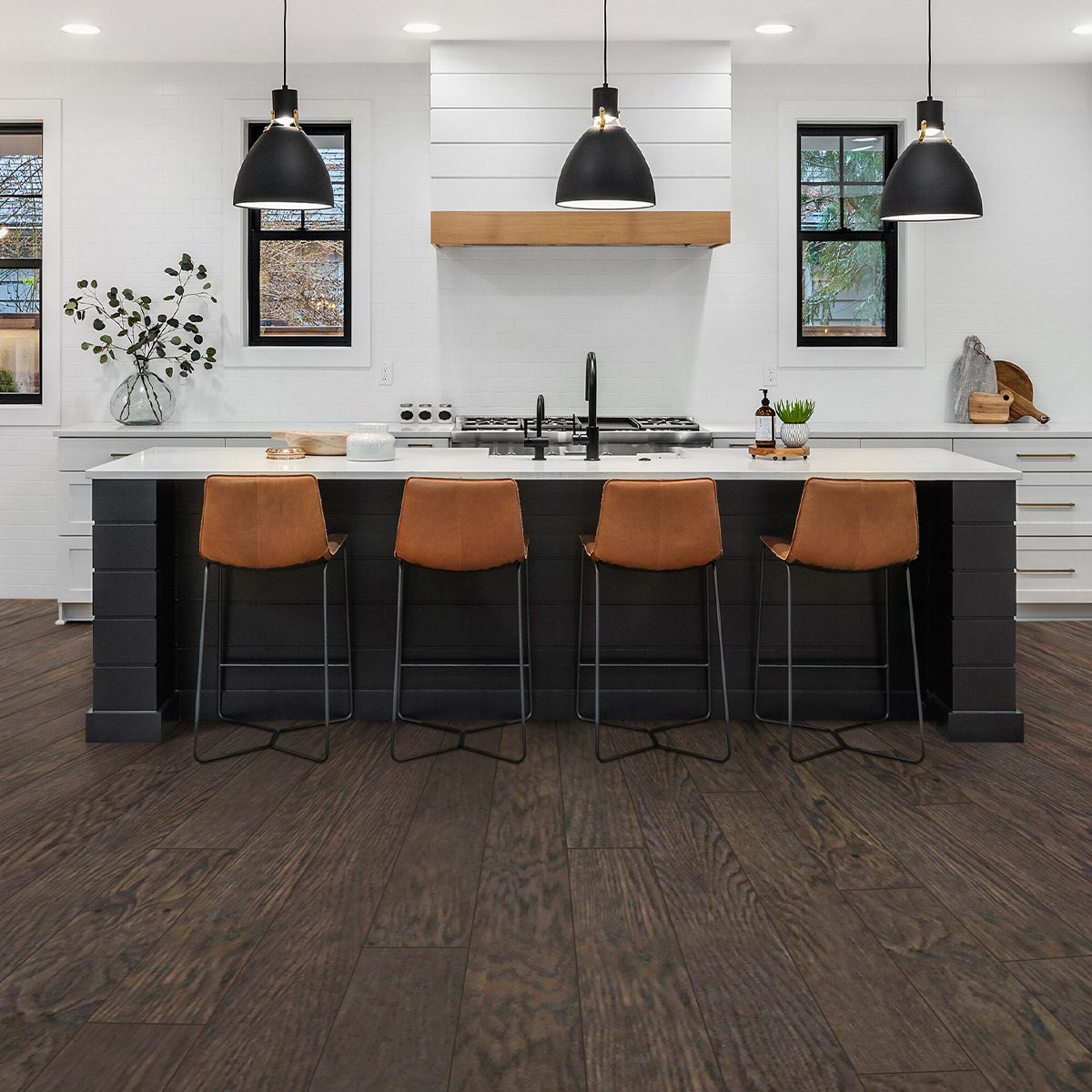
The 12 Best Engineered Wood Flooring Options, According to Testing and Reviews

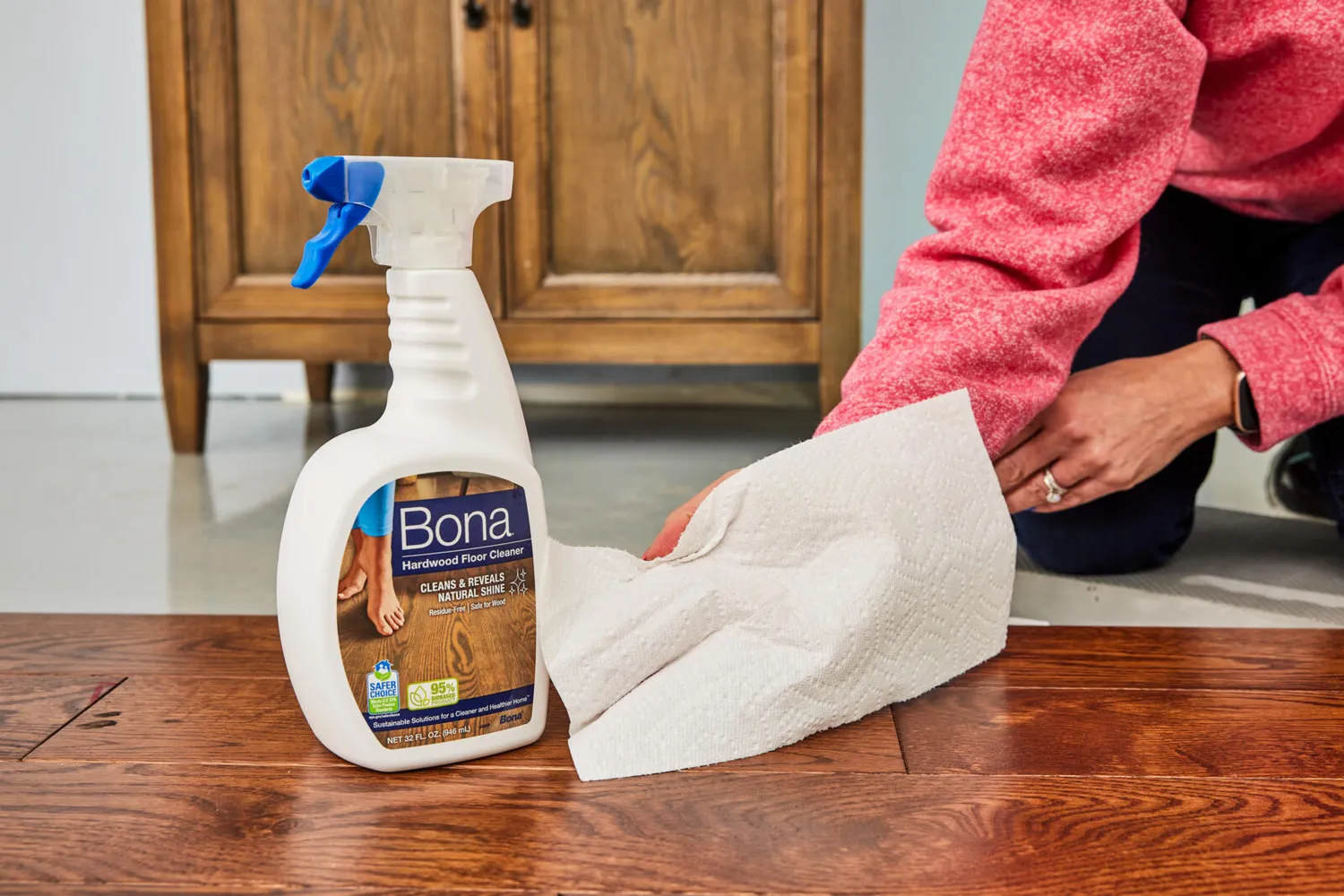
We Tested Hardwood Floor Cleaners, and These 5 Will Give You the Most Effective Results

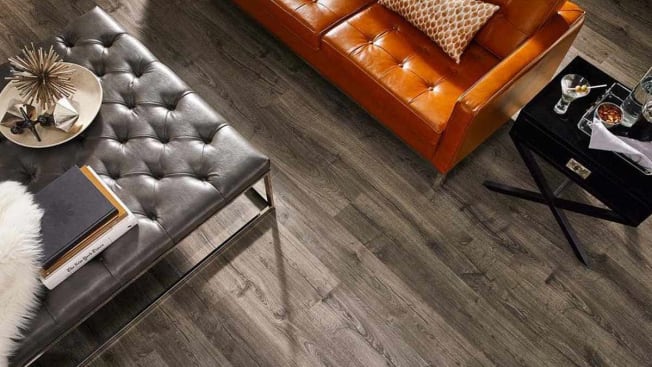
Best Flooring of 2025
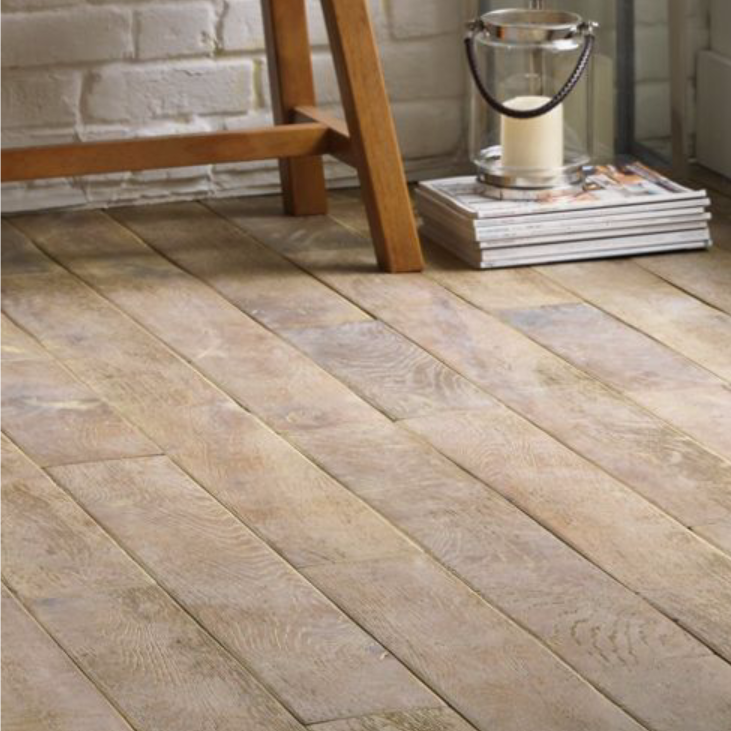
Wood Flooring – Our Pick of the Best
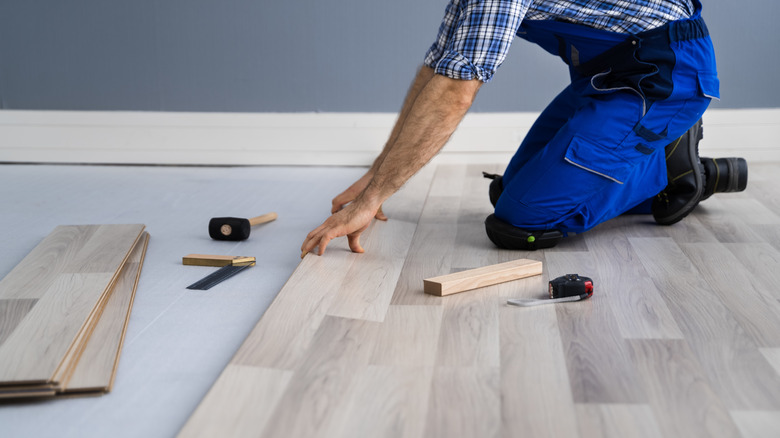
Costco Or Home Depot: Who Has Better Deals On Flooring?
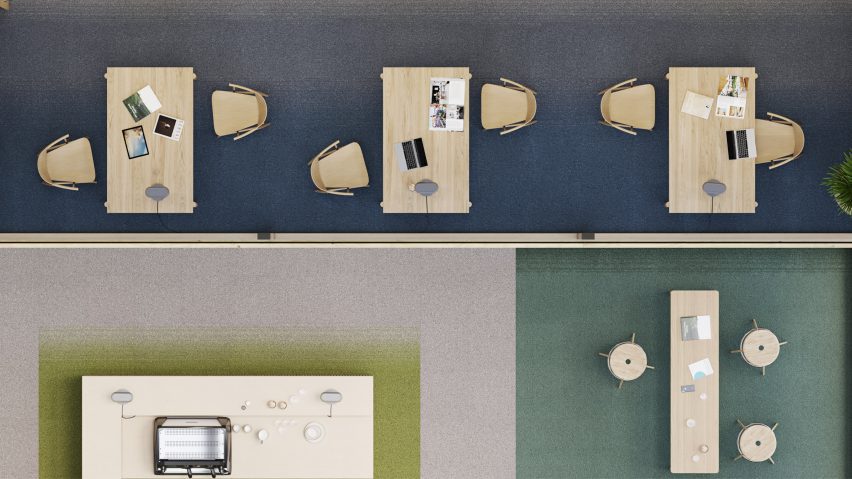
Six surfaces and tiles designed to enhance floors in interiors
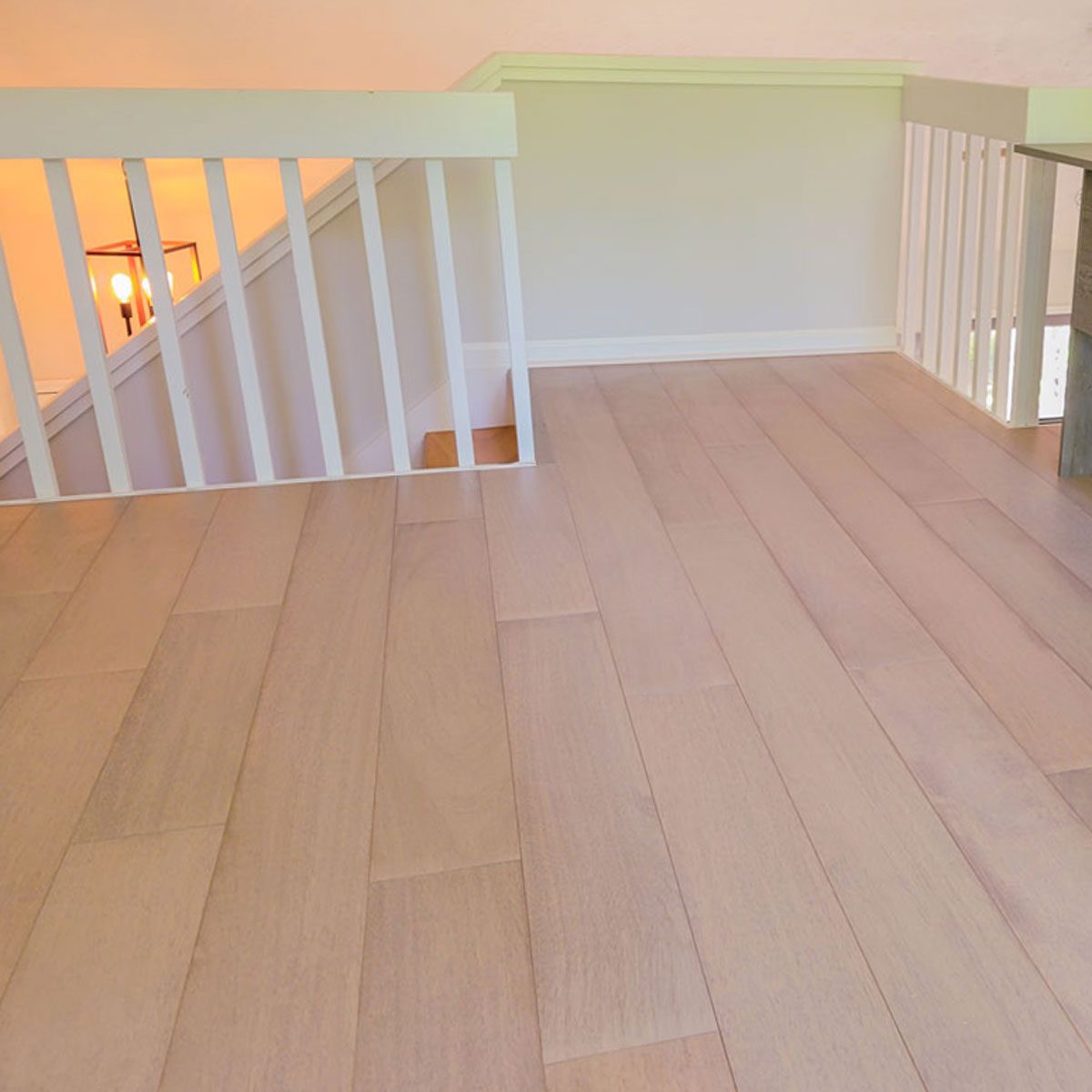
LL Flooring Review: Our Thoughts on Quality, Install and Features
New options in flooring

The 5 Best Flooring Companies in America
The Best Kitchen Mats, According to Our Product Testing Team

I Tested 12 Vinyl Plank Floor Samples—This Pick Deserves a Spot in Your Home

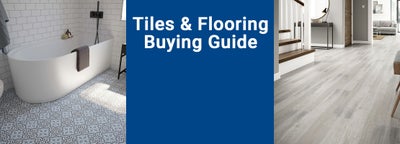
Flooring

The best mops for every floor type, tested by our cleaning experts
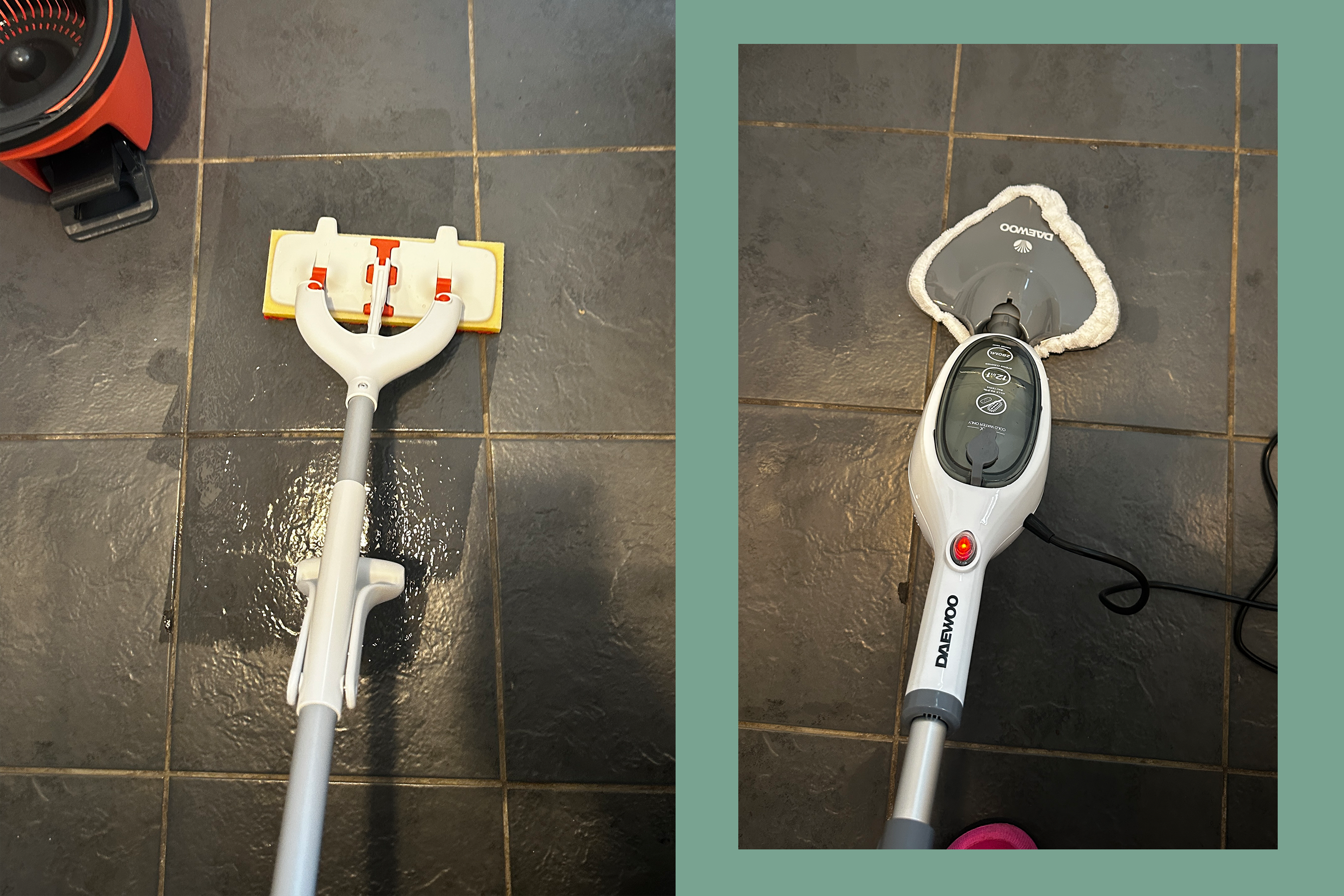
Best floor mops for sparkling results, tried and tested

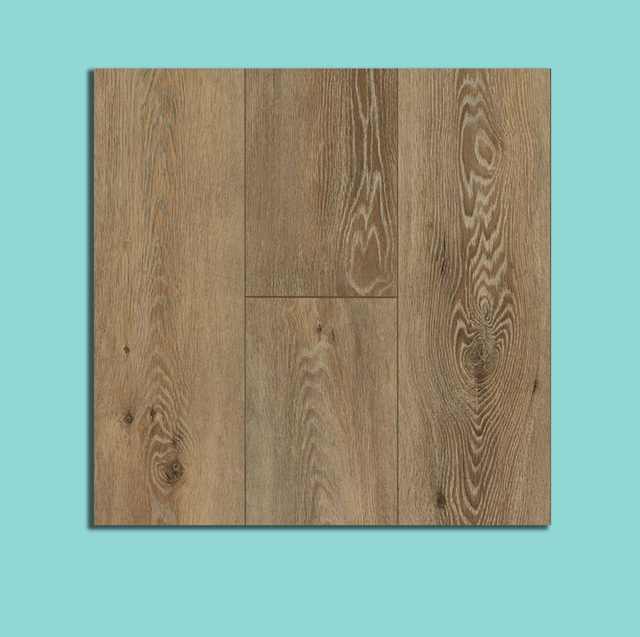
Our Home Experts Found the Best Laminate Flooring Options on the Market
Set the Stage With These Flooring Options

10 Flooring Products that Look Good and Work Hard


What to Expect This Black Friday 2025: UK Flooring Direct’s Biggest Sale Yet