
Ask The Builder: Installing border strip makes hardwood repair less conspicuous
Tim Carter, a seasoned home improvement expert, launched his "Ask the Builder" podcast, offering practical solutions and advice to homeowners nationwide. The podcast, which debuted last week, is approximately 30-40 minutes long and features real-life home improvement dilemmas and solutions, alongside personal anecdotes from Carter's extensive career. Carter's motivation for starting the podcast stems from his long-standing enjoyment of engaging with people and solving their home-related challenges, a passion cultivated during his 12 years as a radio host in Cincinnati.
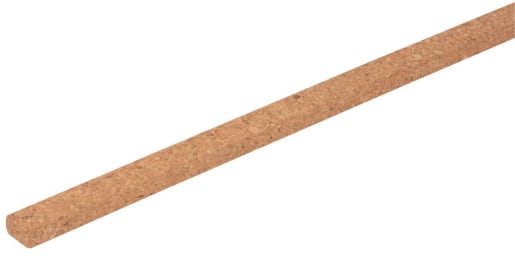
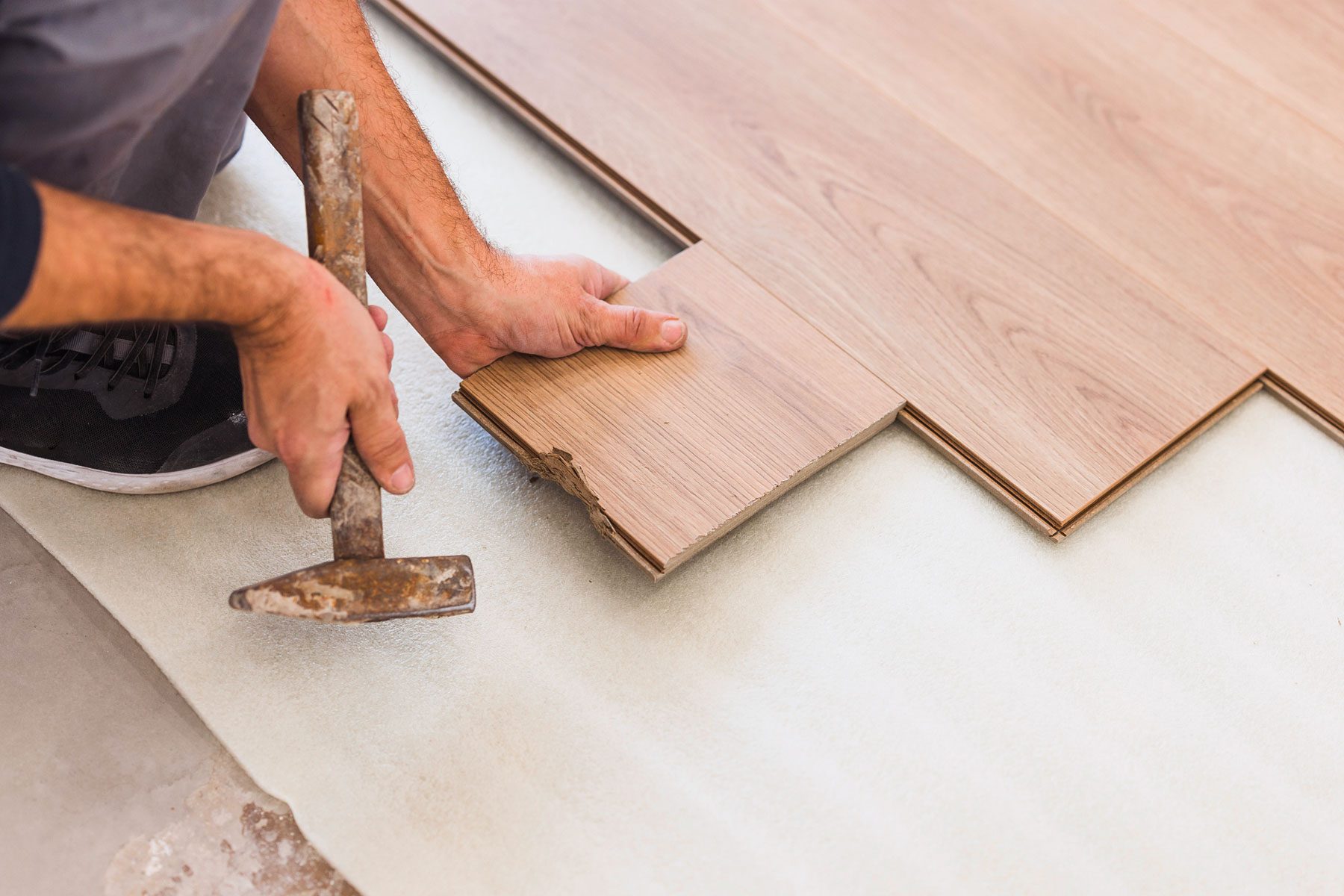
One of the key discussions in the inaugural podcast episode involves a homeowner named Jill who faced significant hardwood floor damage due to a leaking dishwasher. Jill's throw rug in front of the dishwasher concealed a small leak, leading to extensive damage that remained unnoticed for some time. The problem was compounded by the fact that her hardwood flooring extended into other rooms, making a full replacement a daunting and expensive prospect. Carter suggested an innovative and more manageable solution: cutting out the damaged section of the kitchen floor in front of the dishwasher and cabinets, and installing a decorative wood border approximately 18 inches away from the cabinets. This approach would not only isolate the damaged area but also create a visually appealing design element. The use of a different species of wood for the border would outline the area, reminiscent of older homes and convents where hardwood floors often featured decorative borders. A significant advantage of this method is that in the event of future leaks, only the flooring within the bordered section would need replacement, assuming the leak is detected promptly, thereby saving considerable time and expense.
The second discussion on the podcast addressed Greg and his wife's challenge in selecting flooring for their new home in San Tan Valley, Arizona. Despite their preference for hardwood, local builders discouraged its use due to the prevalence of concrete slab foundations in the region, which present installation difficulties for traditional 3/4-inch-thick hardwood. Builders in Arizona commonly promote large-format porcelain ceramic tile as an alternative. Carter provided a comprehensive overview of the pros and cons of both hardwood and tile flooring options, considering factors such as cost and the availability of skilled labor for hardwood installation in that market. Given their new home's open floor plan, Greg initially believed they needed a single tile design throughout. However, Carter advised visiting large tile showrooms that display extensive installations, suggesting that Greg could introduce stunning border tiles to delineate different sitting areas within the open space. This creative use of various tile types could establish distinct moods or complement specific furniture and cabinetry, offering a flexible and aesthetically pleasing alternative to a uniform flooring design. These practical solutions highlight Carter's expertise and the podcast's value in guiding homeowners through complex renovation decisions.
#HomeImprovement #HardwoodFlooring #DIY #HomeRepair #Podcast #ConstructionAdvice #FlooringOptions #Remodeling #HomeImprovement #HardwoodFlooring #DIY #HomeRepair #Podcast #ConstructionAdvice #FlooringOptions #Remodeling
0 comment in total
 No comments yet
You may also like

Skirting Boards


Hand-Painted Borders and Trims Are the Antidote to Dated Accent Walls — Here's How to Make it Look Good

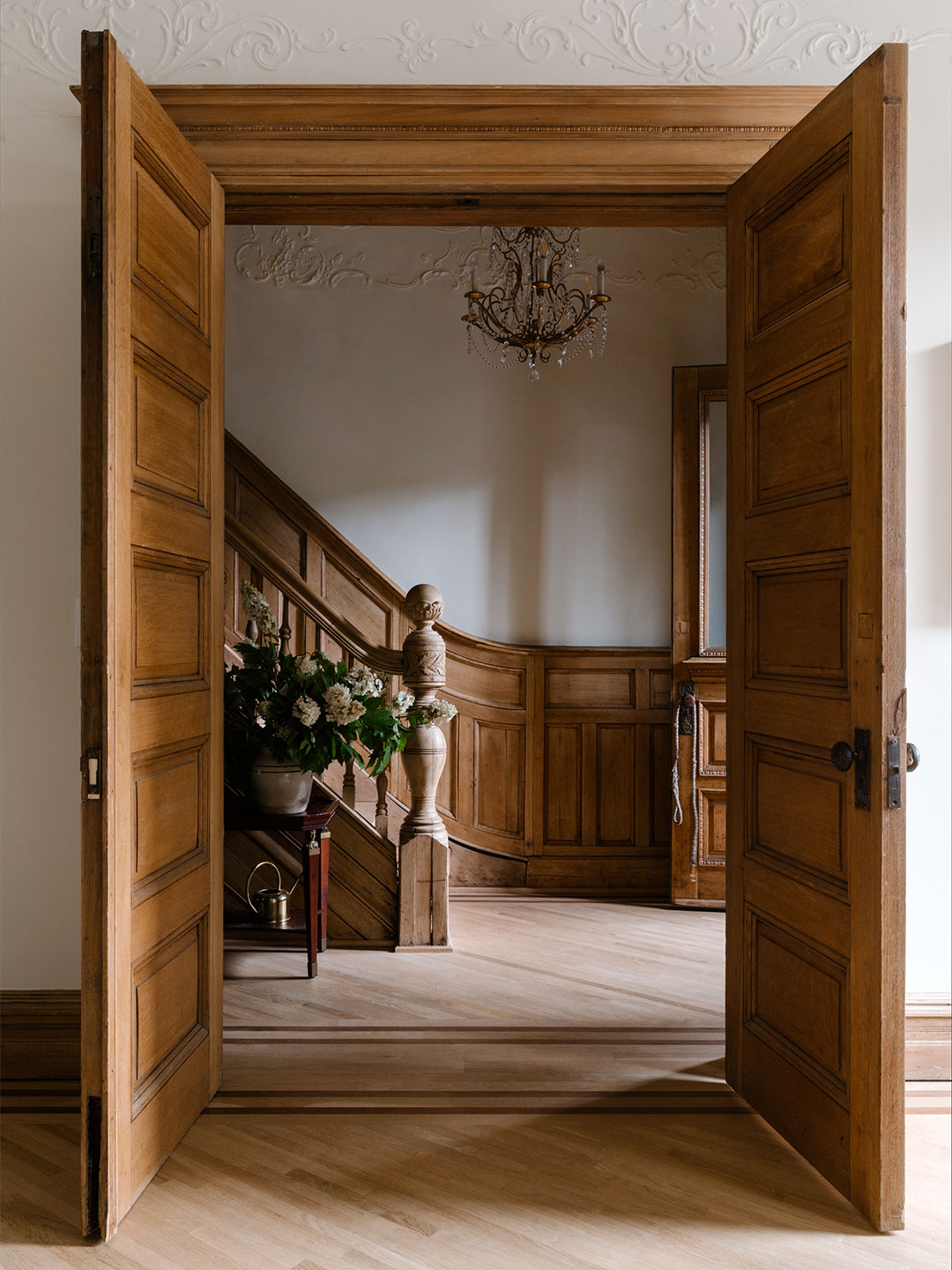
The Brownstone Boys Reveal Their “Secret Sauce” for Stripping Away Sad Paint and Varnish


Feather Edge Boards


Flooring Threshold Bars
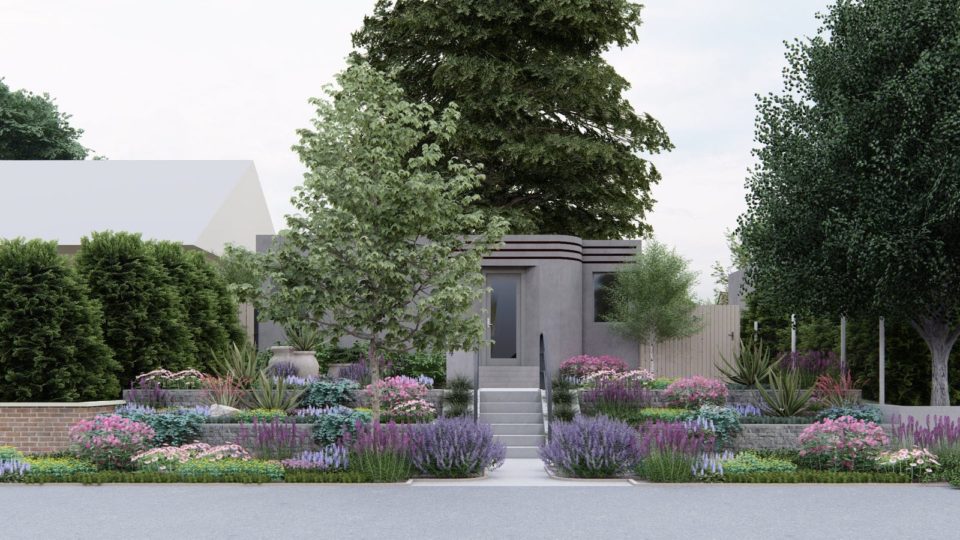
Expert Tips for Making the Most of Your Property’s Curb Strip

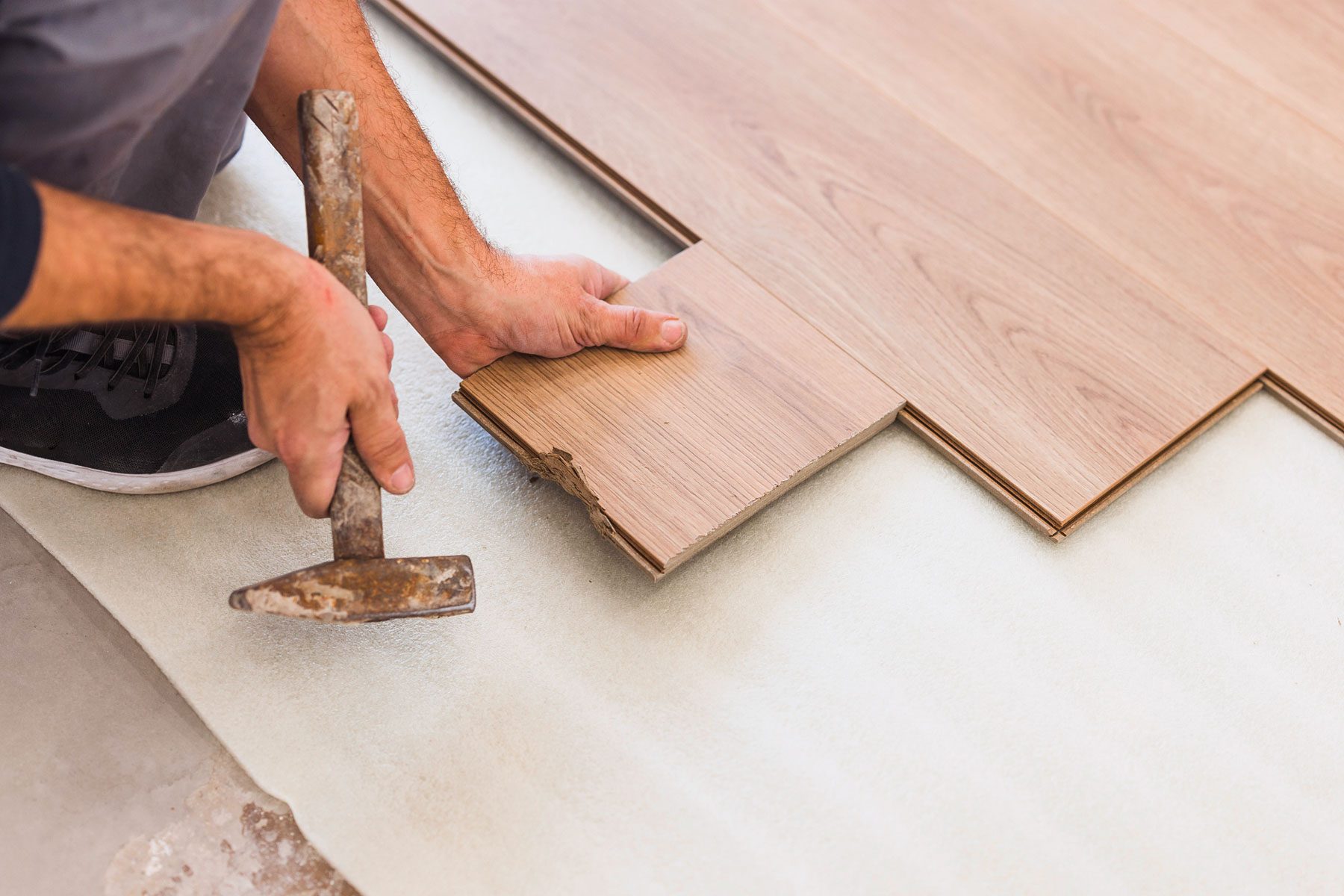
Can You Install a Wood Floor Over Concrete?

No stain, no gain: Staining exterior wood is a simple way to boost outdoor living spaces


How These Pro Renovators Avoided Stripping Any Wood During This Brownstone Remodel
How to build a fence gate – top tips from the experts

My house had horrible bobbly walls but I couldn’t afford to re-do - a B&Q buy transformed them instantly & looks so good

New Construction: What you need to know about siding your home
Glue-Laminated Timbers

Wood Treatments
The Painting Tip That Will Save You Time When Upgrading Baseboard Trim
Woman creates stunning brick feature wall using only masking tape


Mouldings | Decorative Moulding
We Put the Best Exterior Wood Stains Through 40 Hours of Testing to Find the Top Picks

Stucco House Finish: Everything You Need To Know About Stucco
How to Achieve a Professional Finish on Trim and Built-Ins