At Home: Hardwood flooring -- Options abound
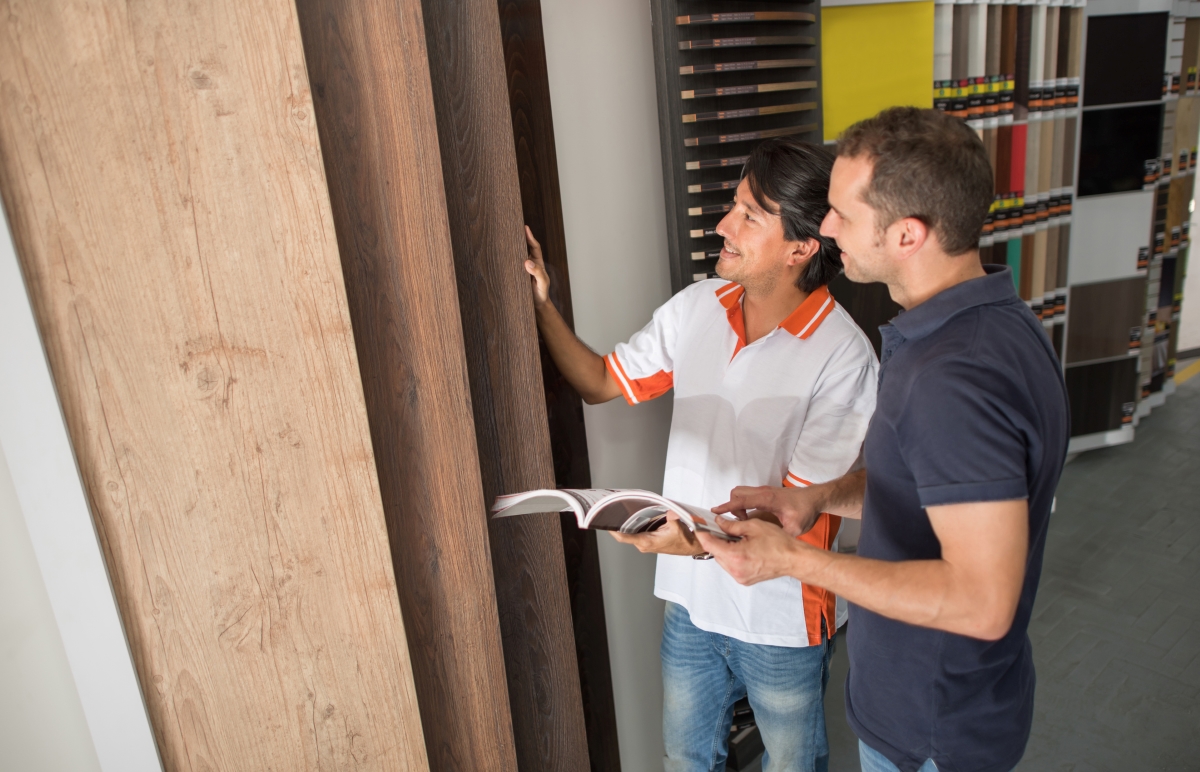
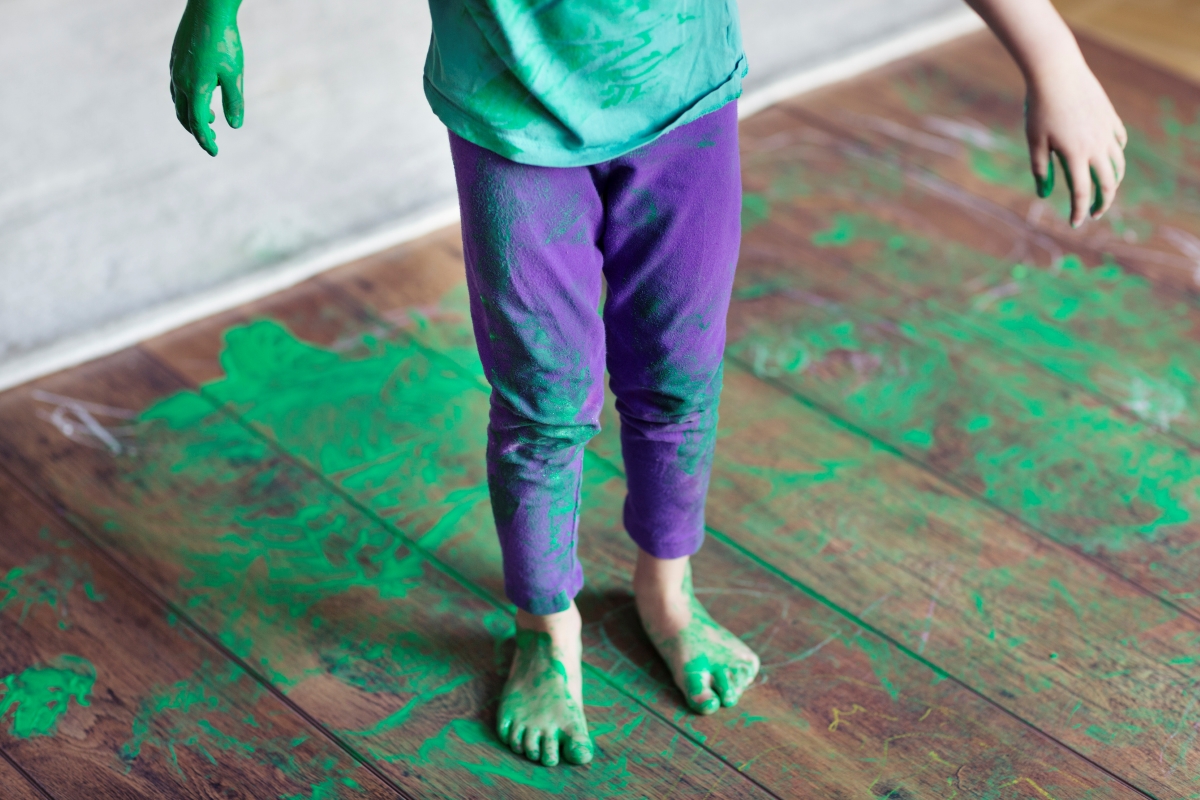
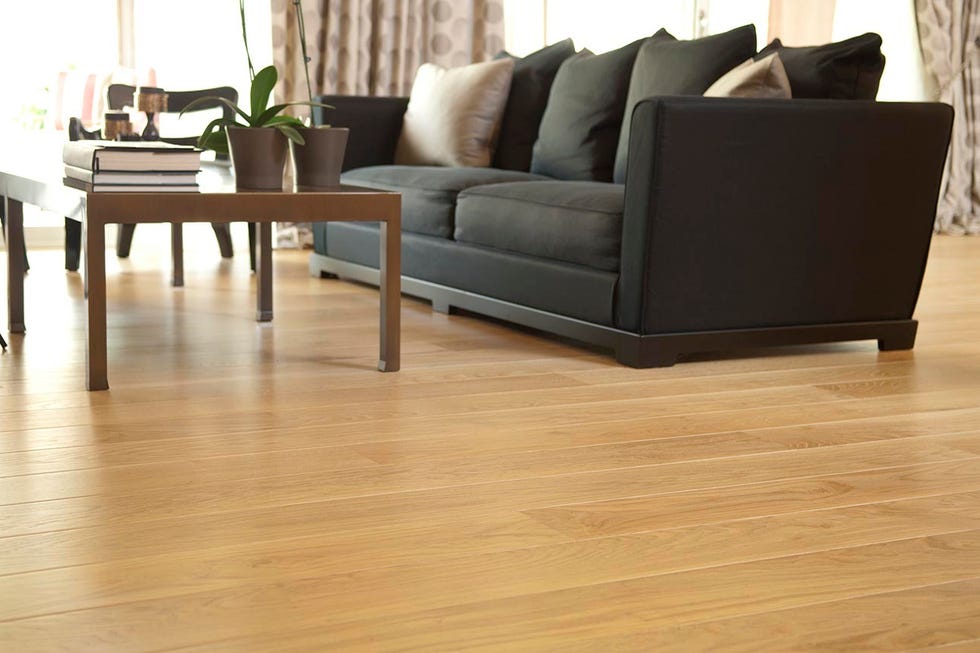
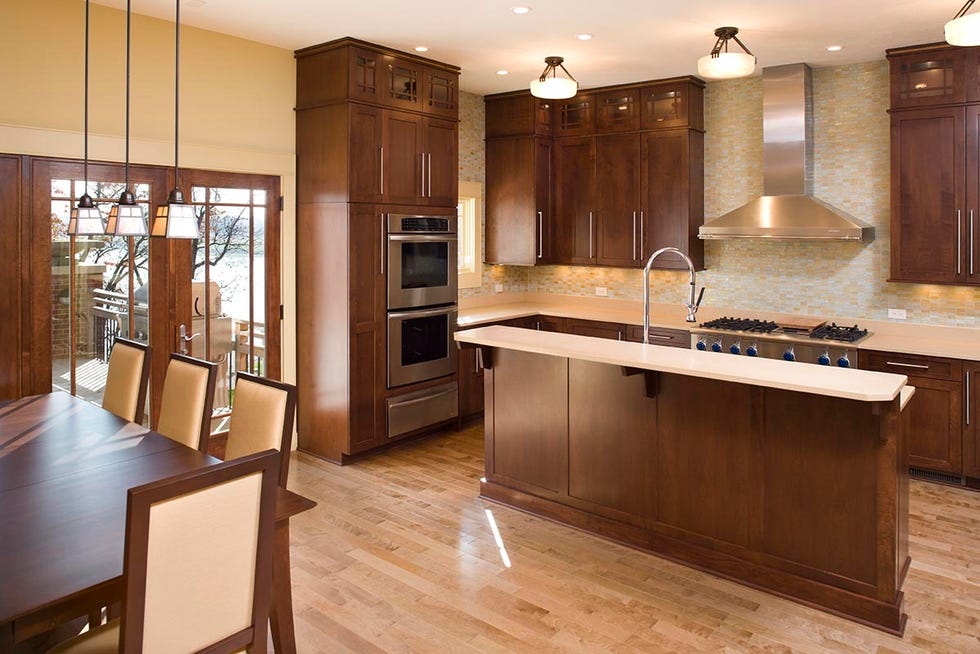
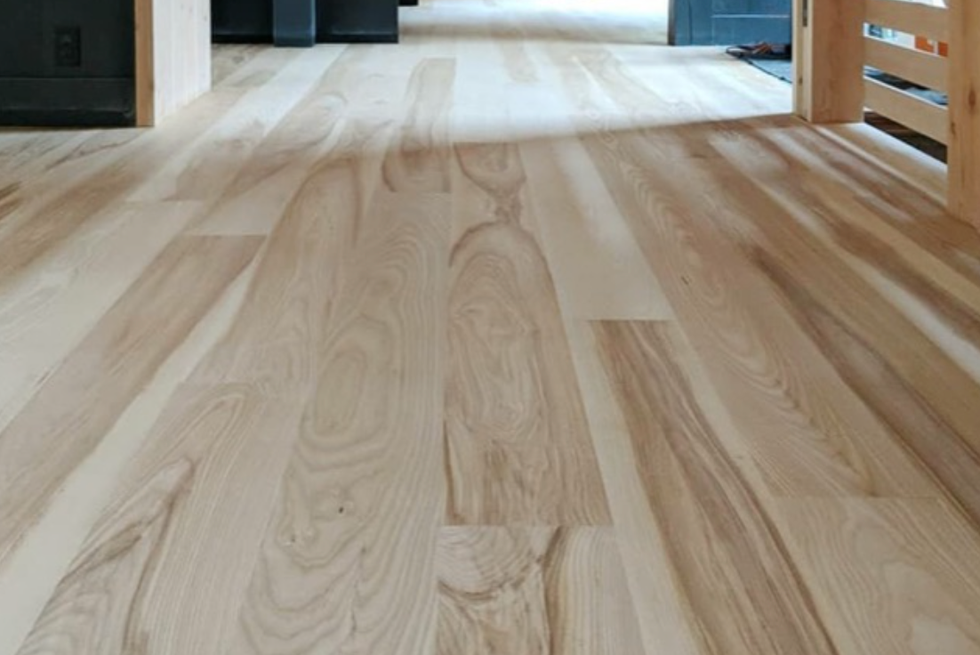
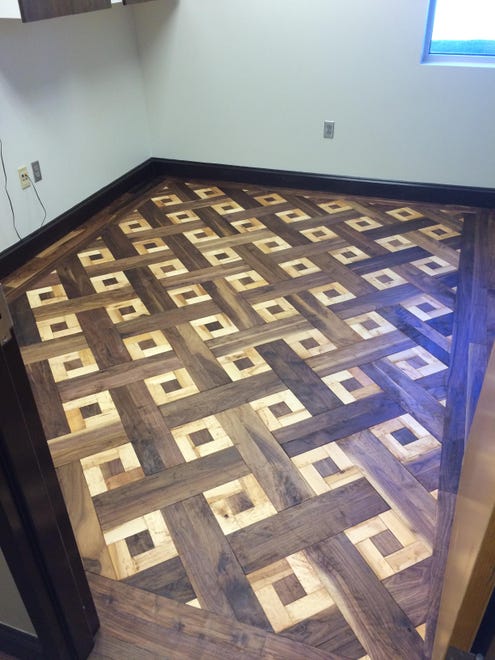
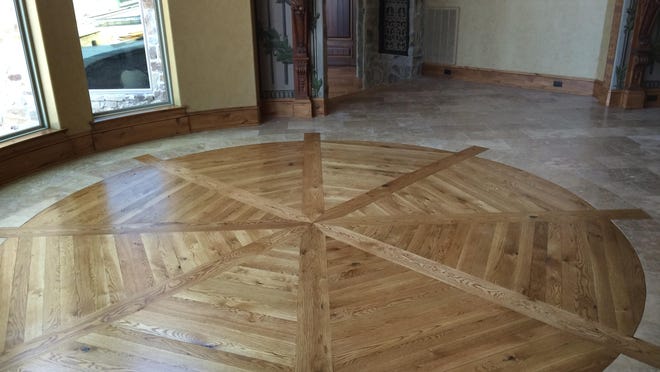
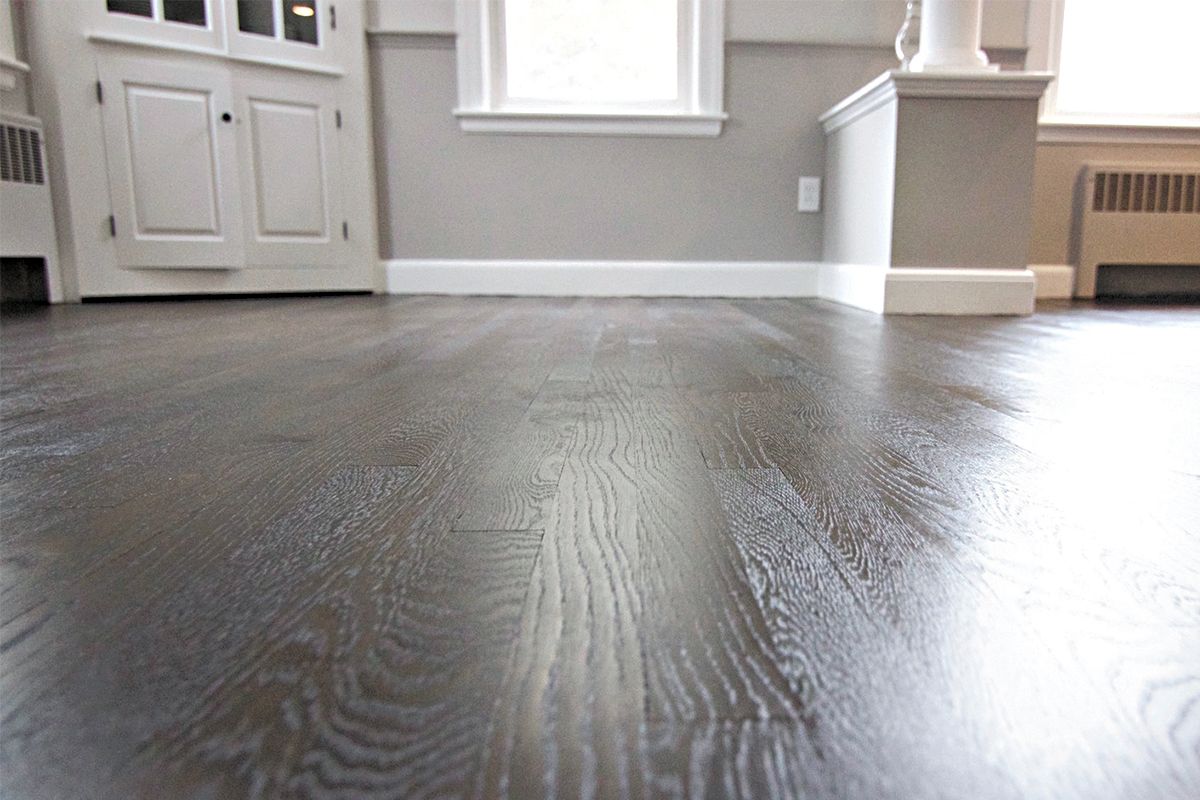
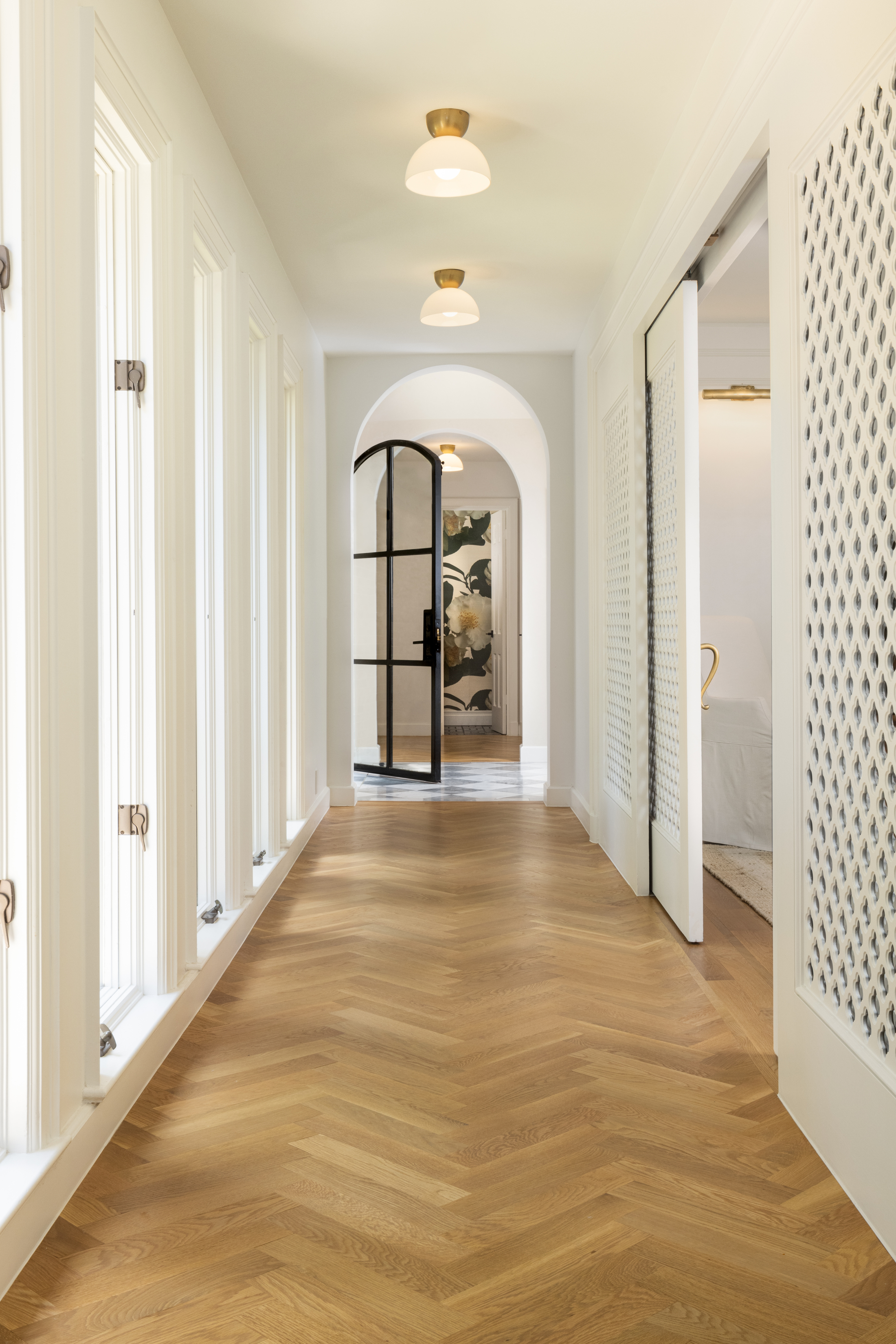
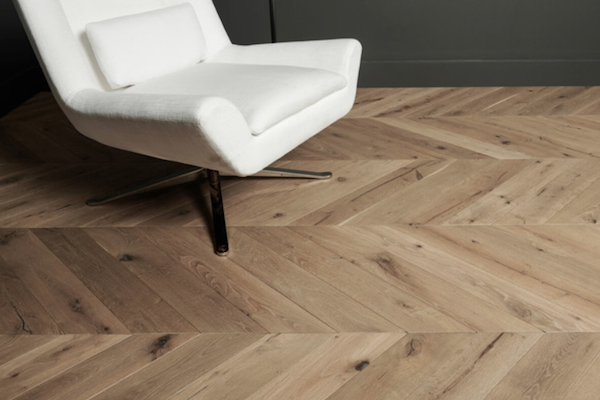
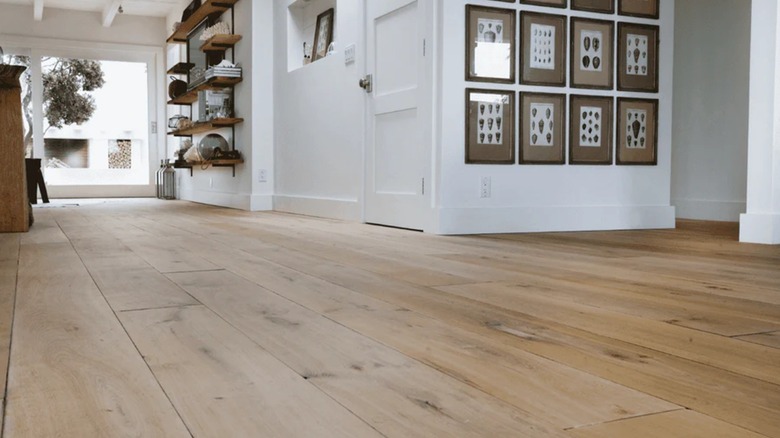
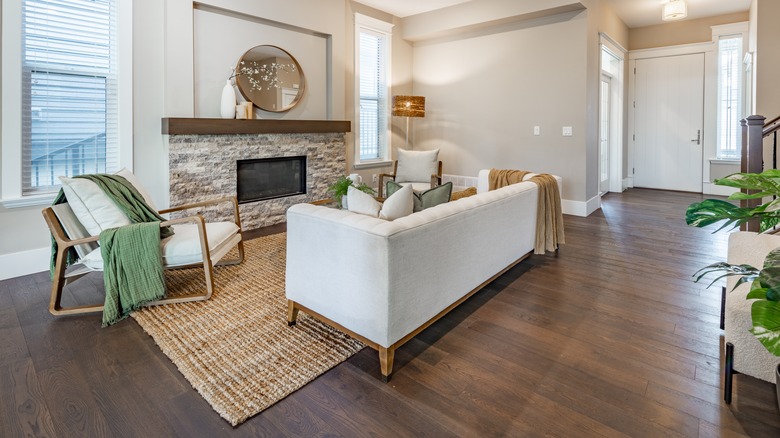
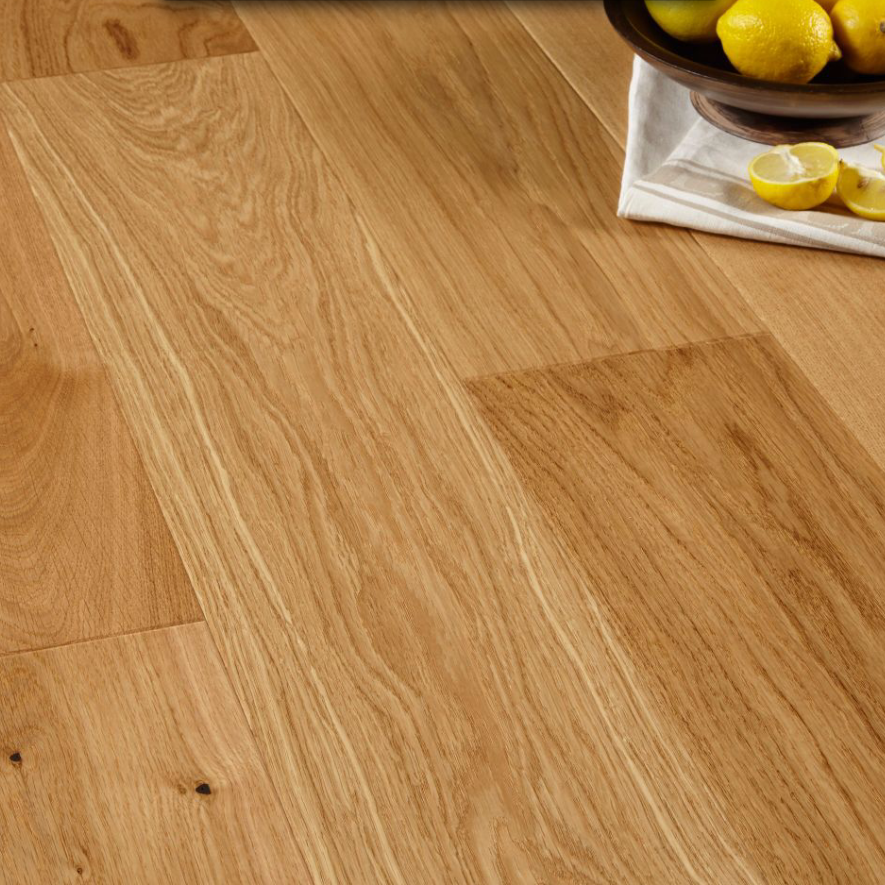
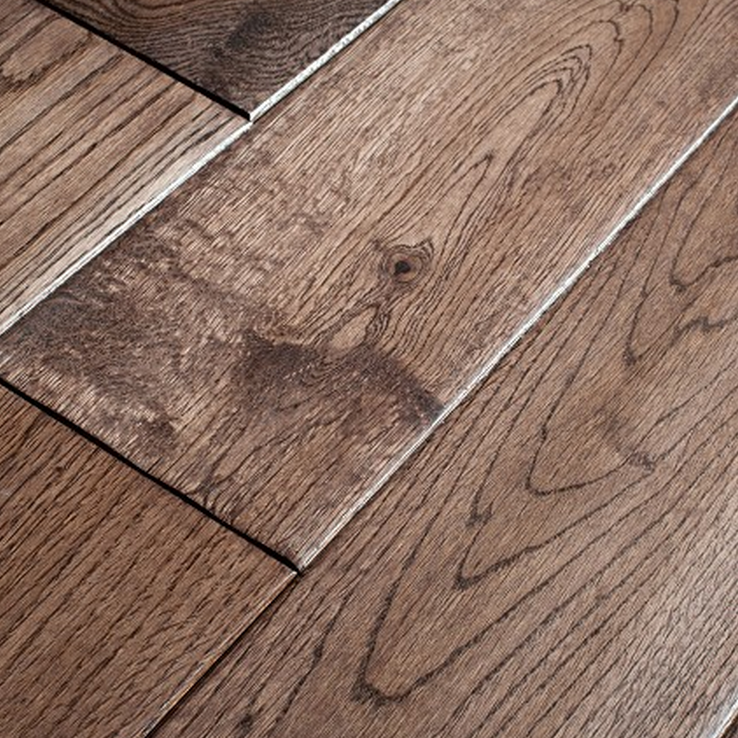
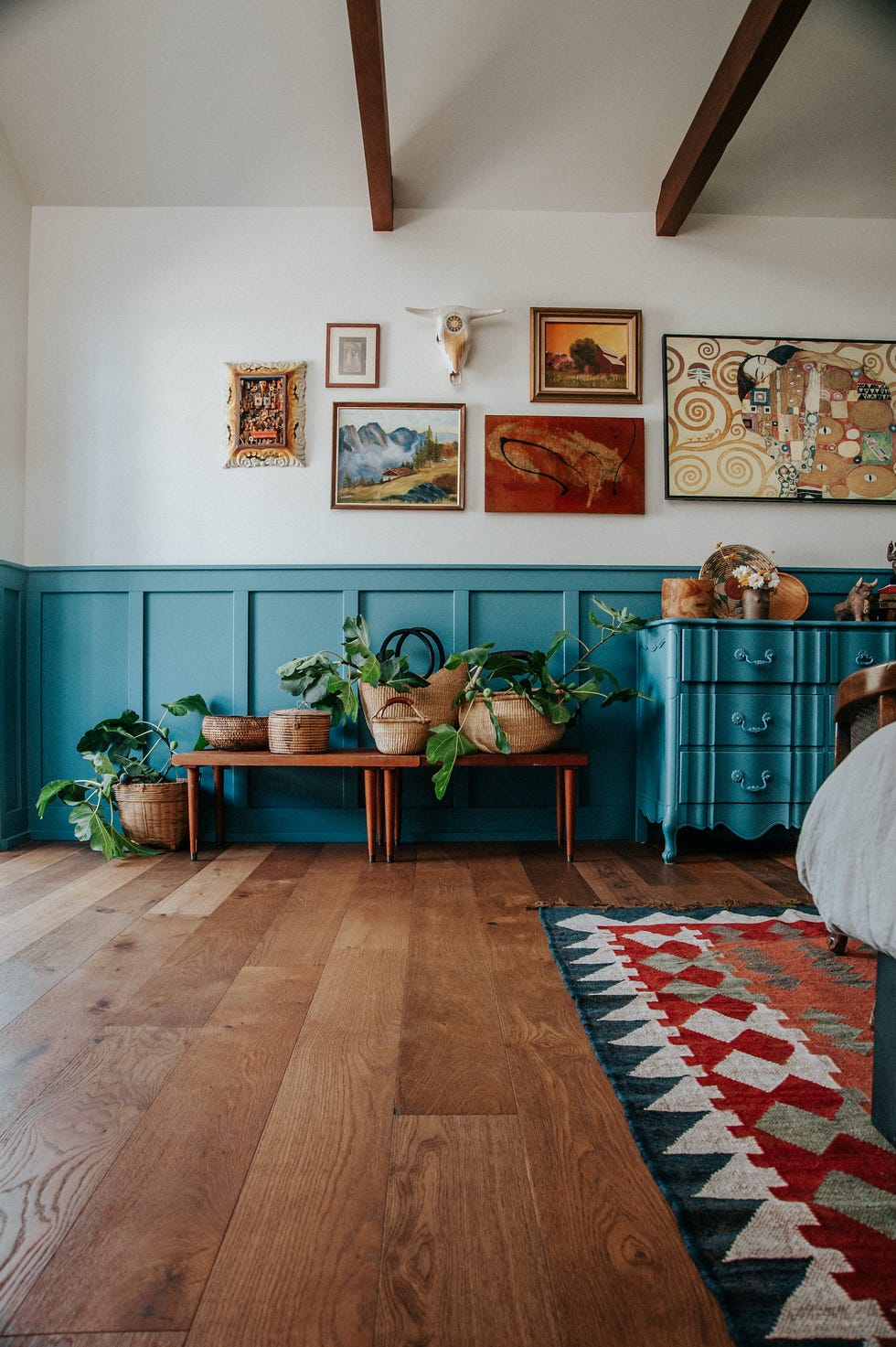
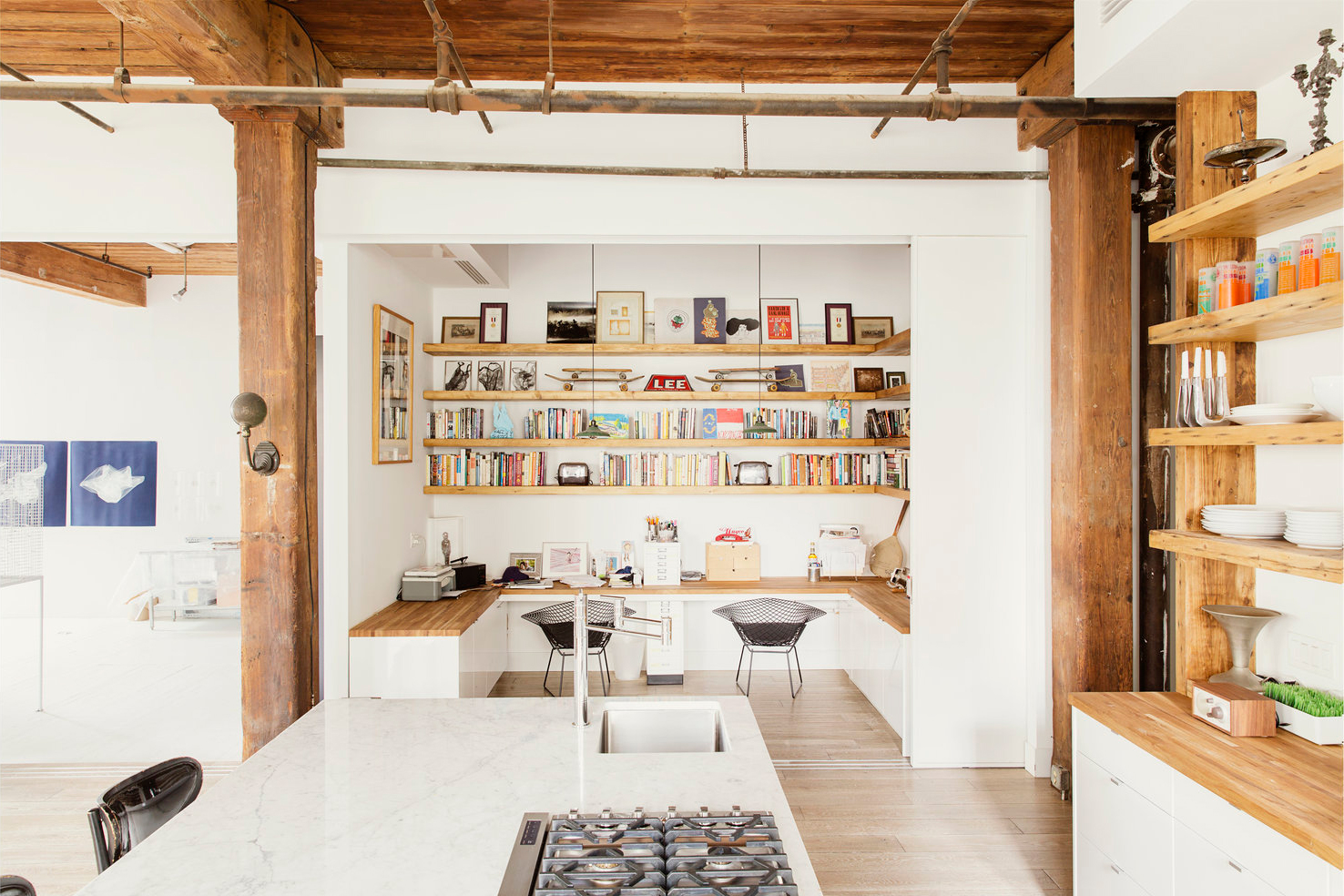
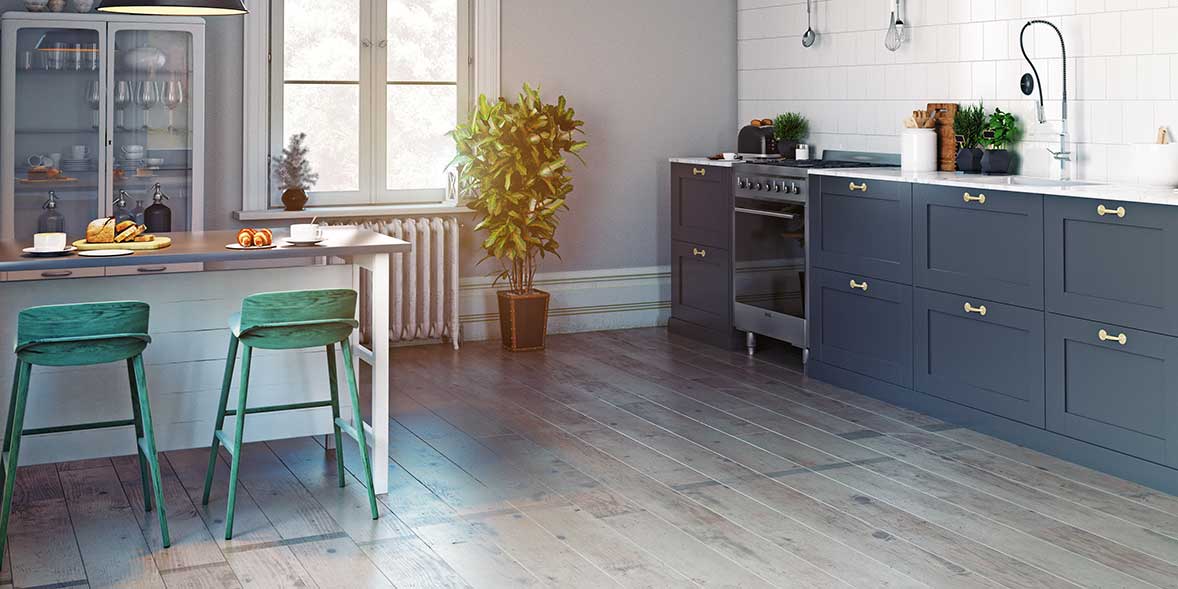
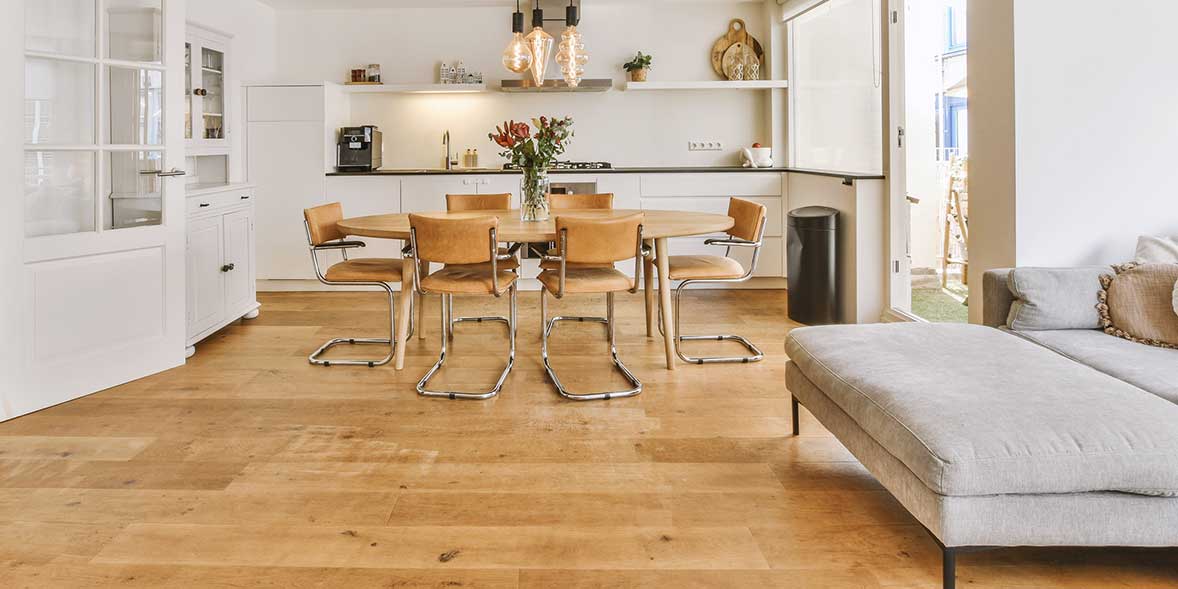
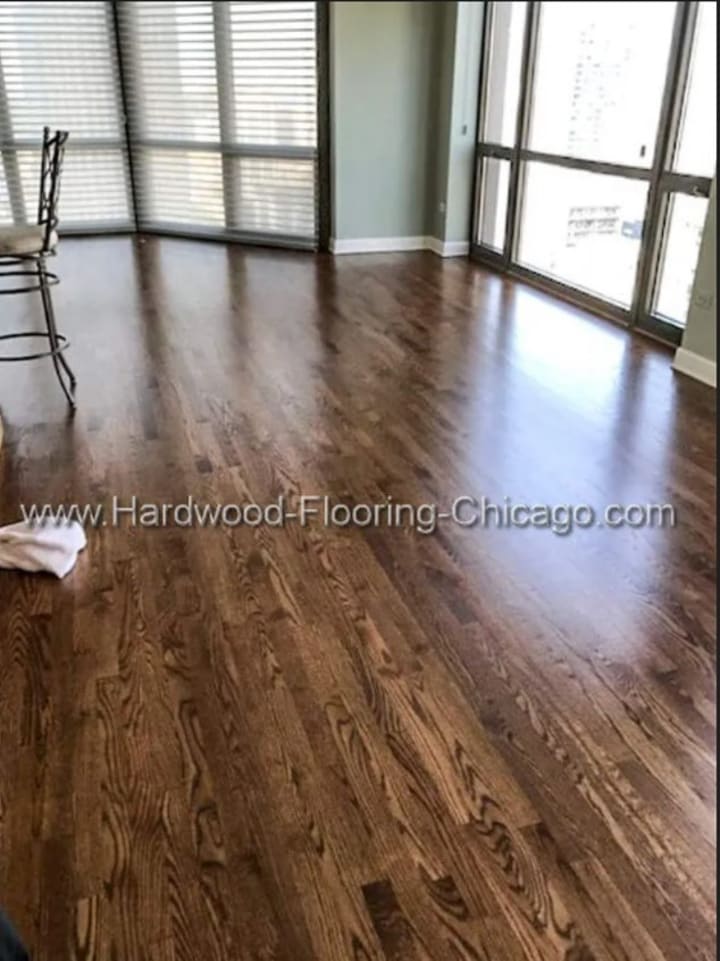
Homeowners often consider installing hardwood flooring due to its aesthetic appeal or practical benefits, such as durability against pet damage. However, the decision involves understanding various factors, including cost, wood type, installation expertise, and maintenance. Mark Hewitt, president of Kaw Valley Hardwood Inc. of Topeka, emphasizes that the longevity and quality of a hardwood floor are directly related to the investment made. Choosing the right type of wood is crucial for durability. Harder woods like oak, cherry, and hickory are more resilient. Oak is a popular choice for its durability and versatility in staining. Softer woods like pine and even some hardwoods like walnut, while beautiful, may not withstand wear and tear as effectively. Beyond the wood type, the grade of the wood influences its appearance. Higher grades of oak exhibit fewer streaks and a more uniform look, but lower grades with more natural streaks are increasingly popular for achieving a rustic aesthetic. For hickory, the grade is determined by the number of knots, with some homeowners preferring more knots for a unique character. The choice between prefinished and site-finished flooring also impacts the final product. Michael Esser, owner of Michael's Hardwood Floors of Topeka, notes that site-finished floors offer more customization options in terms of stain colors and finishes, allowing for greater craftsmanship.
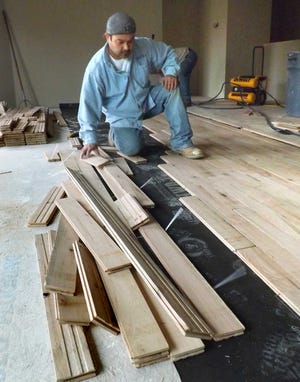
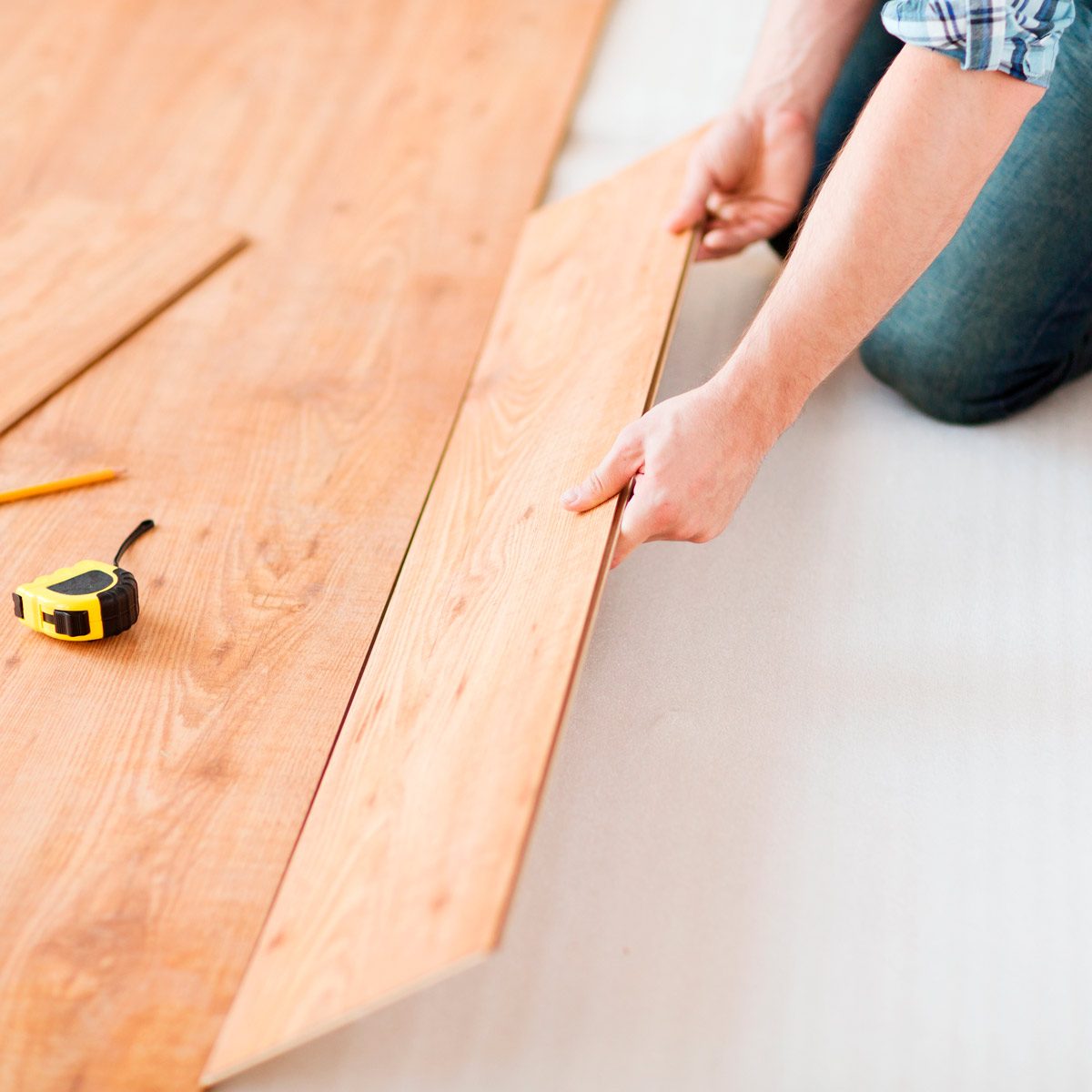
Cost is a significant consideration, with hardwood floors typically ranging from $5 to $9 per square foot for materials, plus an additional $2.50 per square foot for installation. While DIY installation might seem appealing to save money, experts advise against it unless one has woodworking experience. Hewitt frequently repairs floors installed by homeowners, stressing the importance of professional installation for long-term satisfaction. Esser particularly highlights sanding as a task best left to professionals, warning that improper sanding can irreparably damage the floor. When hiring professionals, homeowners should ensure they are skilled and efficient. A typical crew should be able to install up to 1,000 square feet of flooring per day in a standard space, or more in larger, open areas.
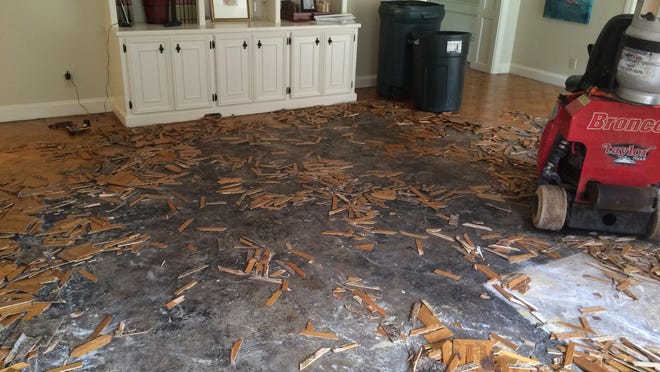
Proper prep work and cleanup are essential for a successful hardwood floor installation. Before the floor is laid, the subflooring must be correctly secured, ideally with 2-inch screws, to prevent squeaking caused by expansion and contraction. Effective dust control during installation is also vital. Professionals like Esser use specialized equipment, such as trailer-mounted dust containment systems, to minimize dust, demonstrating a commitment to quality and customer satisfaction. The article underscores that professional pride and attention to detail contribute significantly to a high-quality outcome, distinguishing expert craftsmanship from DIY attempts or less meticulous installers. The information provided serves as a guide for anyone considering hardwood flooring, covering key decisions and potential pitfalls.
#HardwoodFlooring #HomeImprovement #FloorInstallation #WoodTypes #HomeRenovation #InteriorDesign #DIYHomeProjects #FlooringCosts #HardwoodFlooring #HomeImprovement #FloorInstallation #WoodTypes #HomeRenovation #InteriorDesign #DIYHomeProjects #FlooringCosts
0 comment in total
 No comments yet
You may also like
11 Reasons Hardwood Flooring Might Not Be Right for Your Home

Add comfort and beauty to your home with new floors

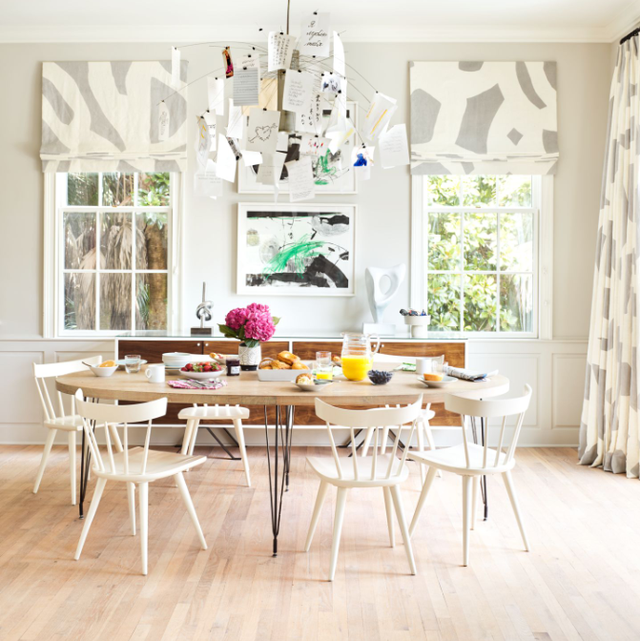
What You Should Know Before Painting Hardwood Floors

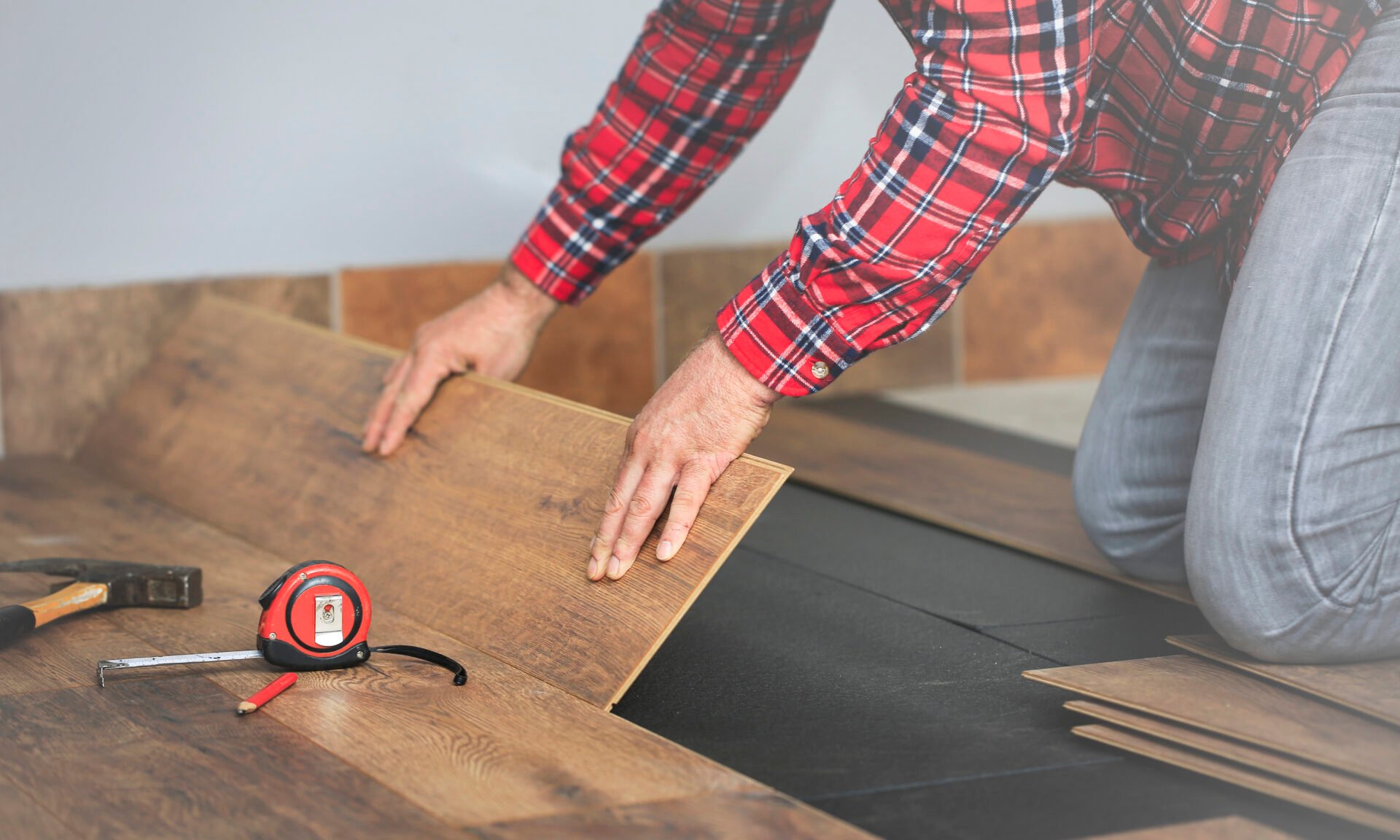
Cost to Replace Hardwood Floors in 2026

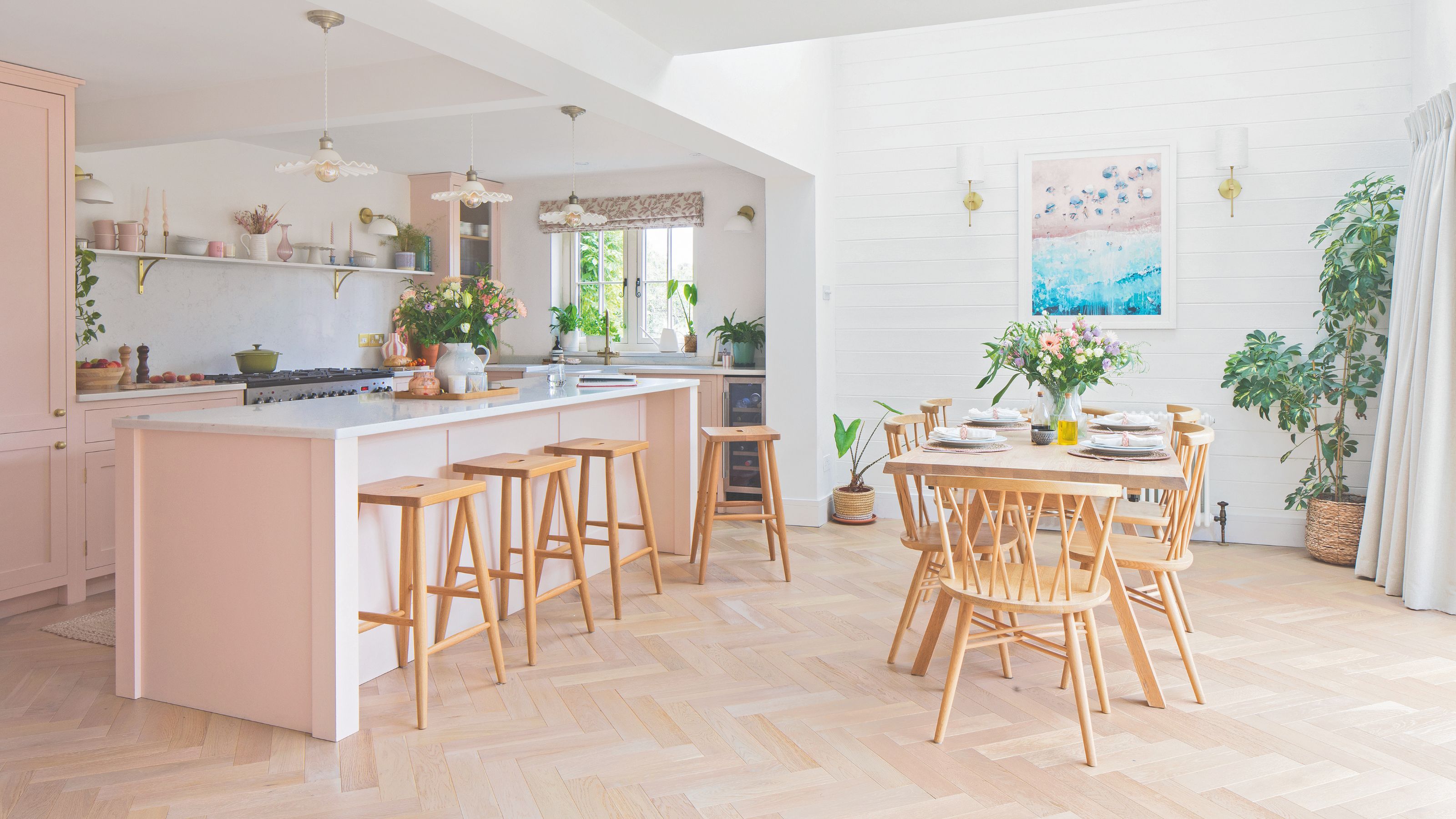
5 flooring choices that will make it harder to sell your home
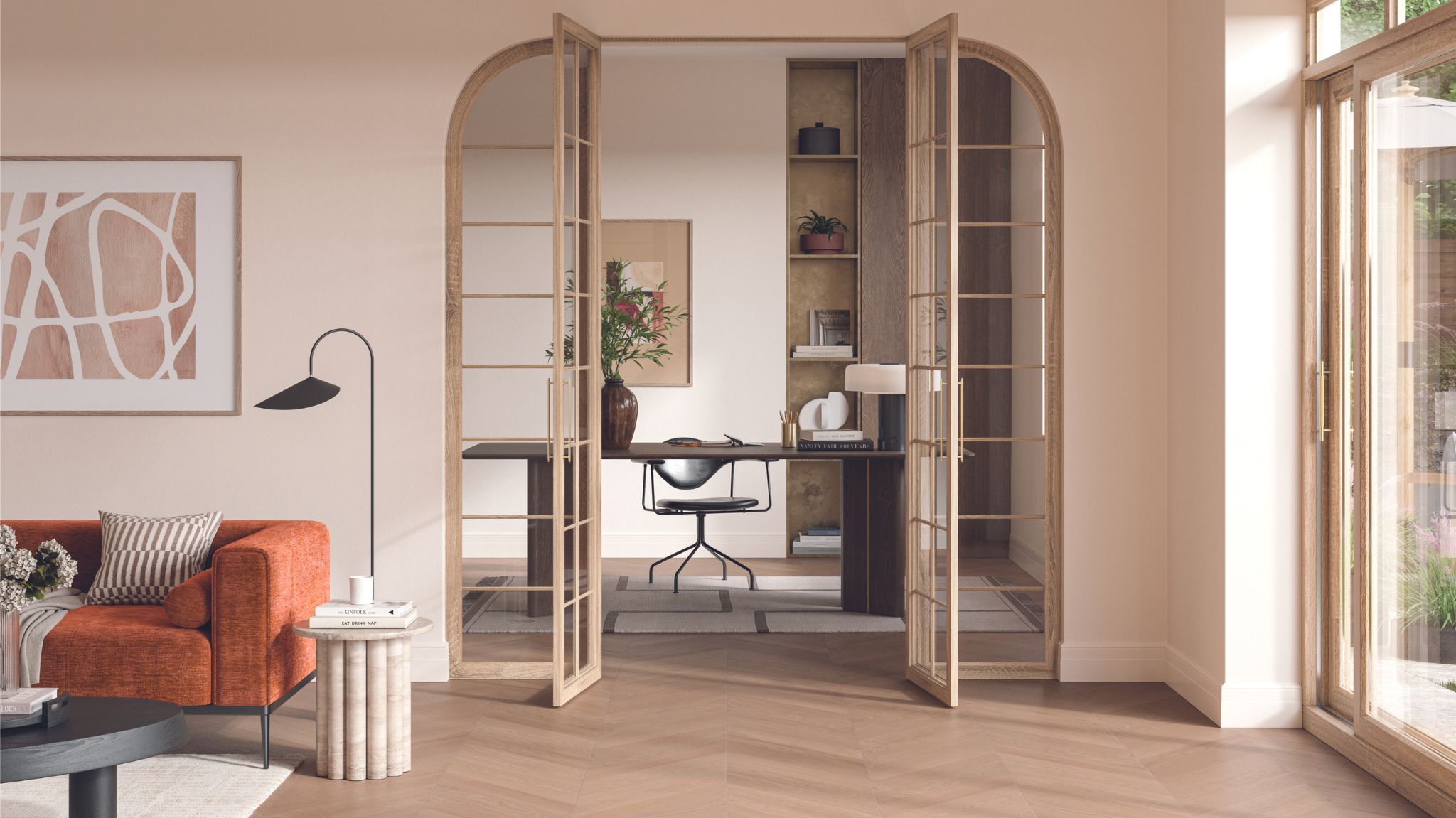
5 things designers look at to compare carpet vs hardwood floors – they'll help you choose the right one for your room

This is the Absolute Best Flooring for Increasing Home Value

Hardwood Isn’t Just for Your Floors Anymore
A Home Improvement Expert Reveal the Best Hardwood Flooring

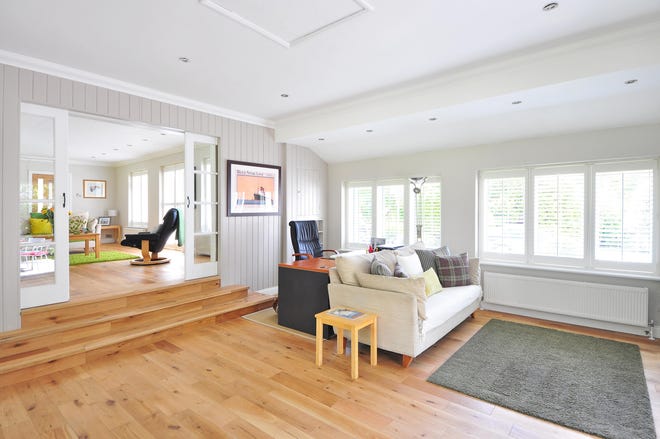
Today’s evolving hardwood floors offer myriad choices

6 Flooring Upgrades That Are Worth The Extra Cost (And 3 To Skip)
Types of wood flooring
6 Mistakes You Should Avoid When Choosing Hardwood Floors, According to Home Reno Pros


How Hardwood Flooring is Made at Advantage Lumber

Wood Flooring – Our Pick of the Best
Best Flooring From Consumer Reports' Tests
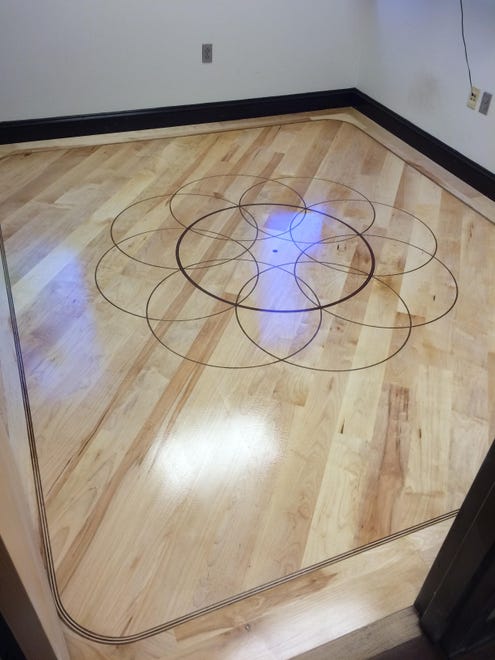
Beauty of hardwood flooring
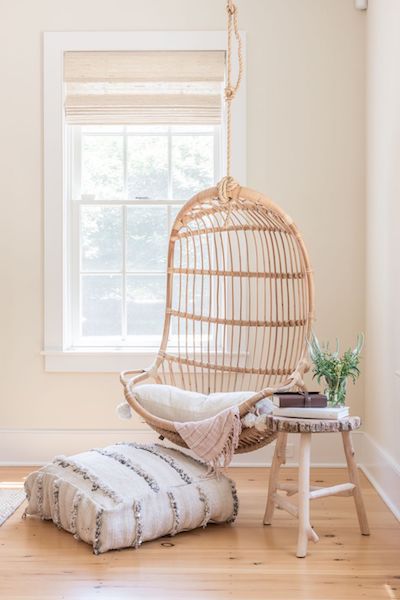
12 color trends for hardwood floors
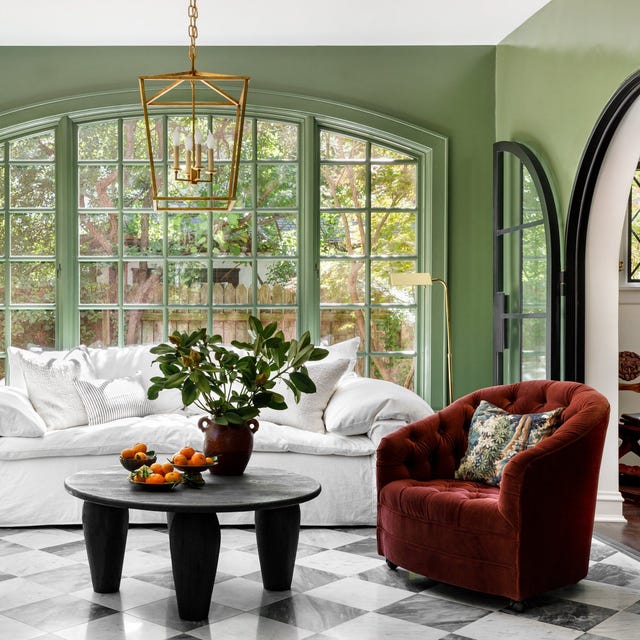
8 Flooring Trends You Should Know for 2022
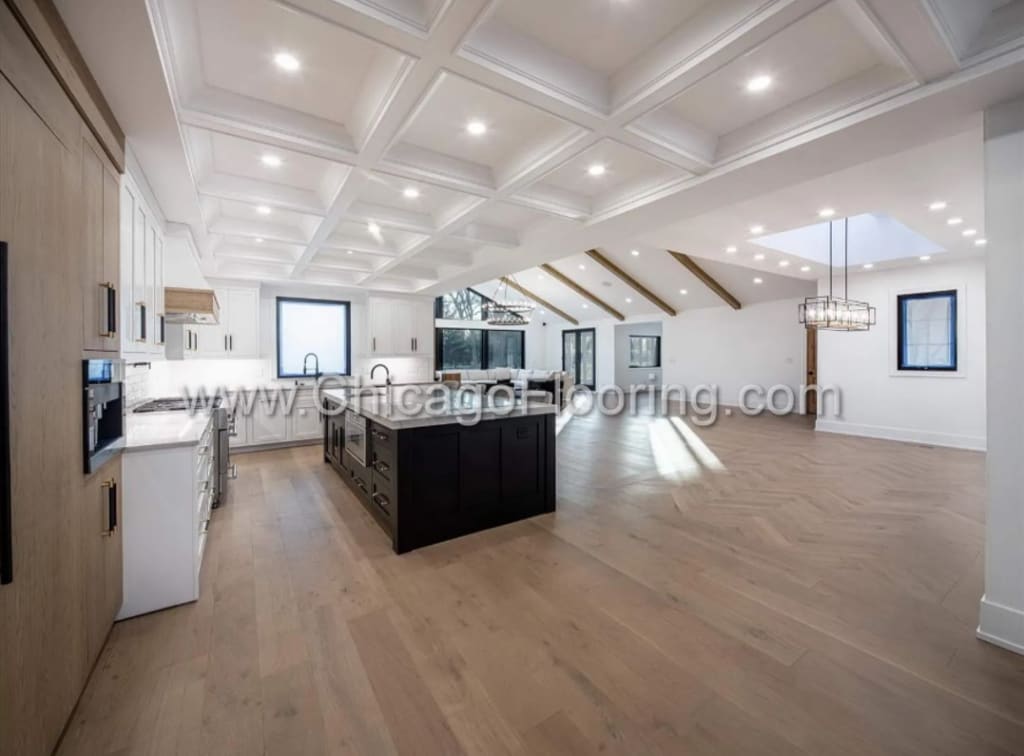
6 Common Mistakes When Choosing Hardwood Flooring