1/2
5 Flooring Choices Designers Completely Regret Using in Their Homes
Choosing the right flooring for a home is a significant investment, requiring careful consideration of both aesthetics and durability. Interior designers frequently advise against certain flooring options due to their high maintenance, lack of longevity, or tendency to quickly become outdated. Key considerations for selecting timeless flooring include ease of maintenance, resilience to daily wear and tear, and potential resale value. Durable and classic choices save homeowners time and money by avoiding frequent repairs or replacements.
Designers caution against using marble and other natural stones in high-traffic areas. While elegant, these materials are prone to showing wear, scratches, and stains, demanding rigorous and consistent upkeep to maintain their appearance. As an alternative, designers suggest porcelain tile, which offers a similar aesthetic appeal but with significantly lower maintenance requirements. This substitution allows homeowners to achieve the desired look without the associated practical drawbacks of natural stone.
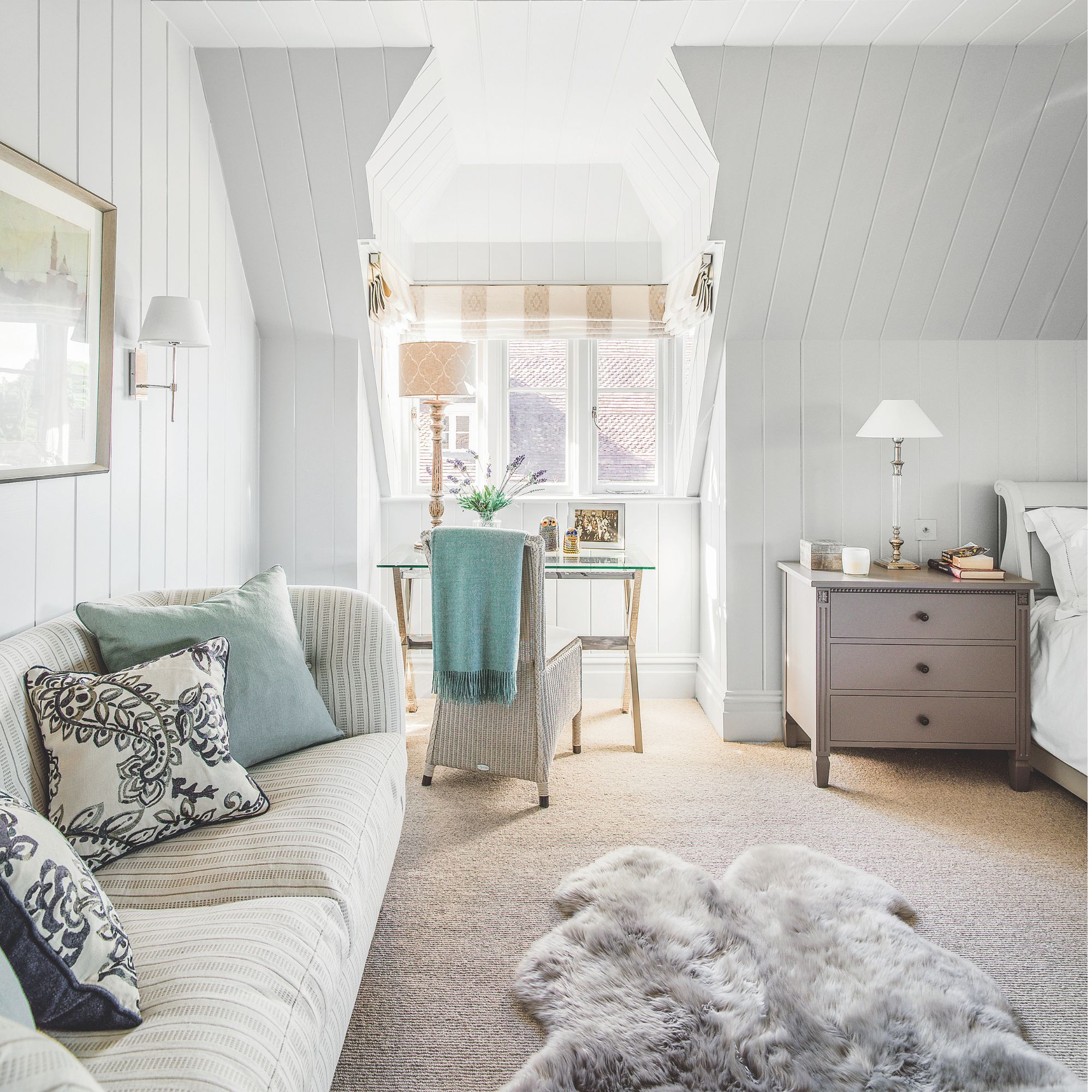
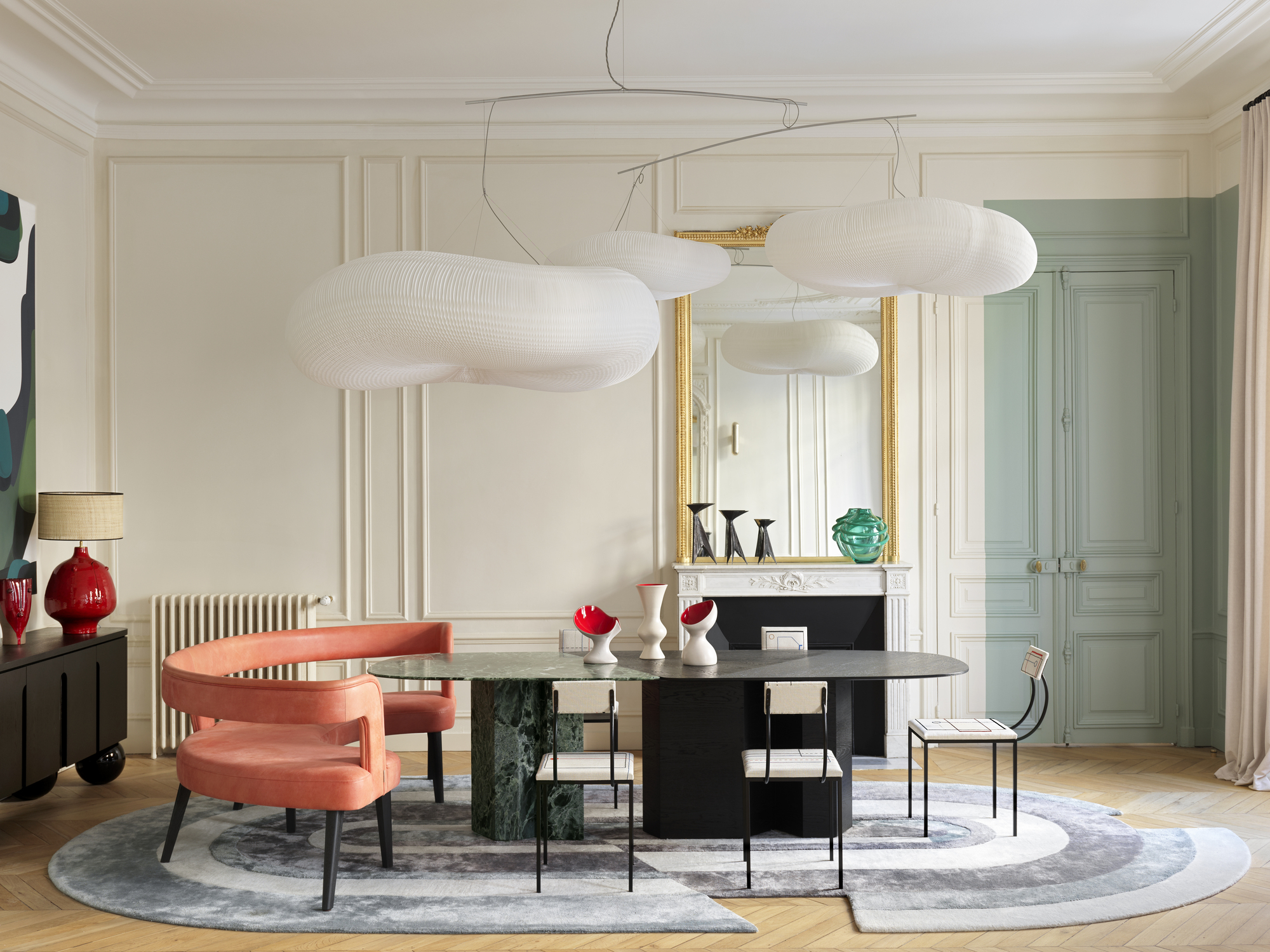
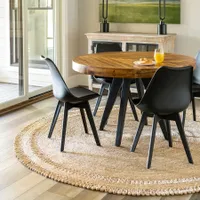
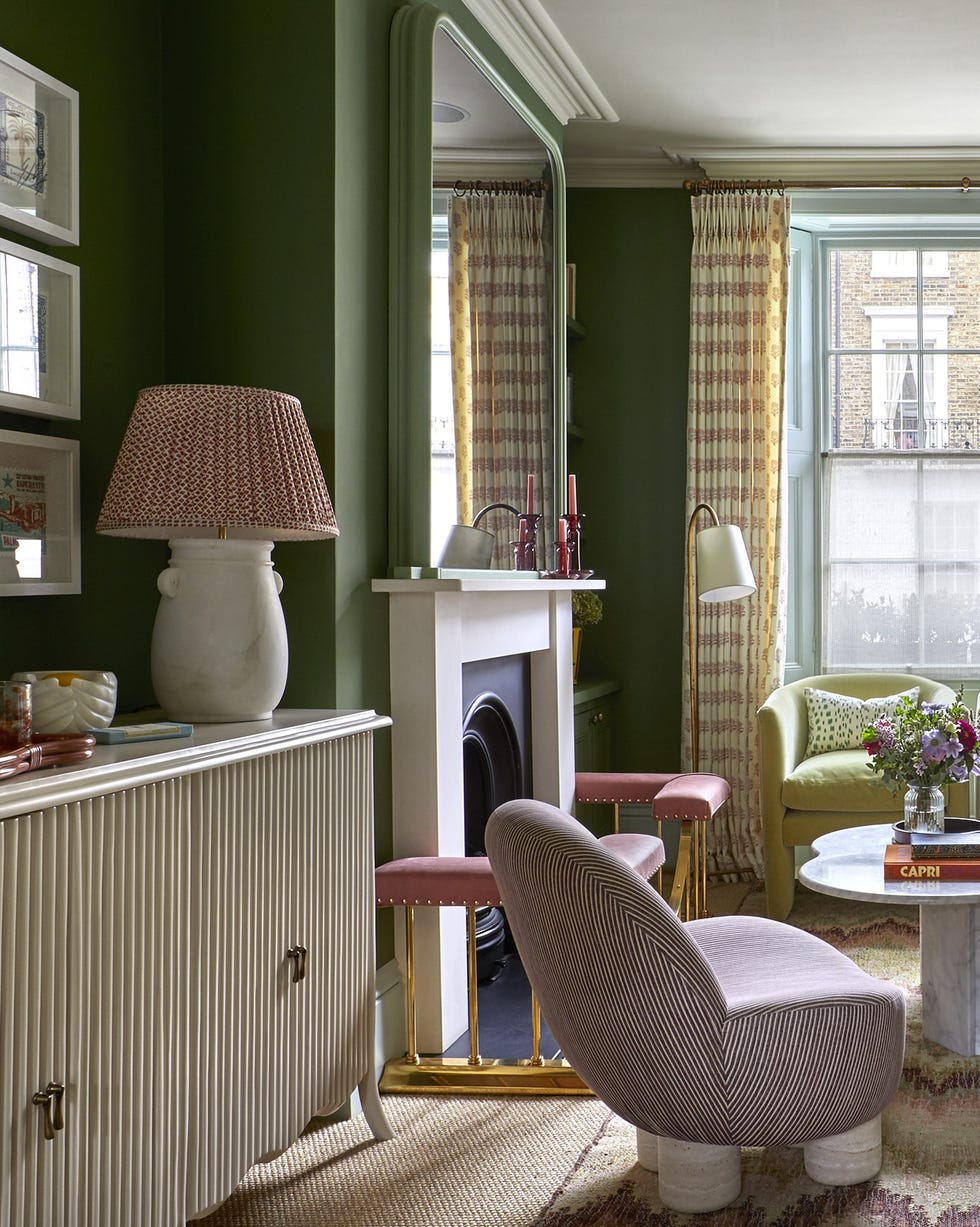
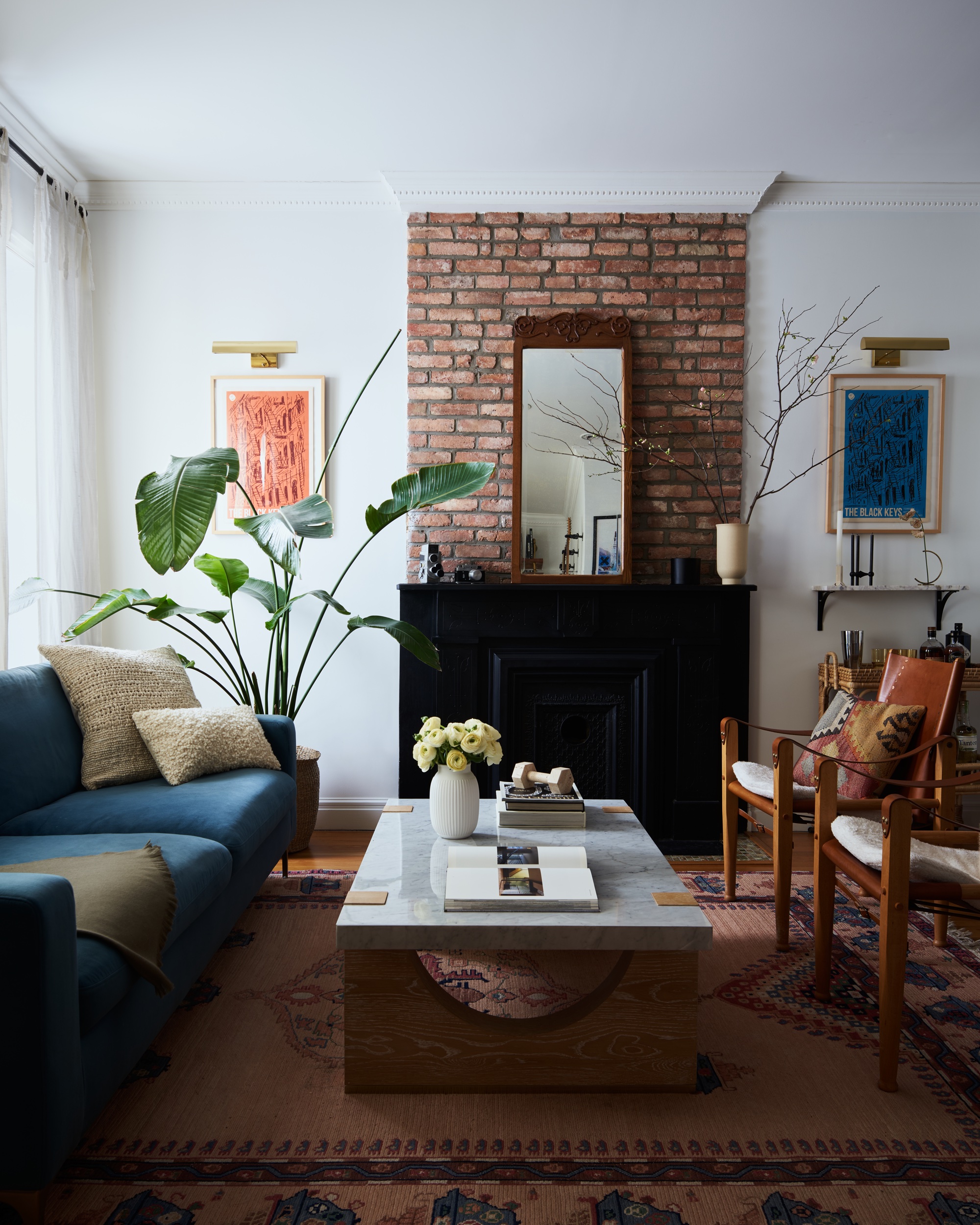
Wall-to-wall carpeting is another flooring option that designers often regret. While initially offering a soft feel, carpeting presents considerable challenges in terms of cleanliness, especially in busy zones like entryways, hallways, and kitchens. Carpets tend to trap odors, accumulate stains easily, and can quickly fall out of style. Instead of wall-to-wall installations, interior designers recommend using area rugs. Area rugs provide similar comfort and design flexibility but can be easily cleaned, replaced, or updated to suit changing preferences or decor.
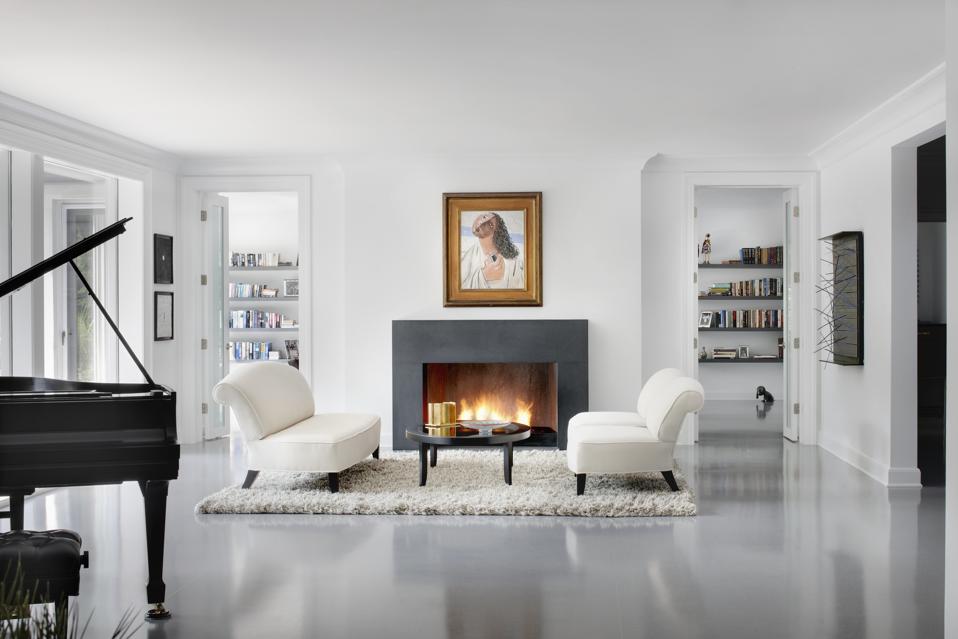
Glossy, high-polished flooring, despite its modern appeal, is also frequently cited as a regrettable choice. Such surfaces prominently display every scratch, dent, and footprint, making them particularly impractical for households with children or pets. The initial sleek appearance of these floors diminishes rapidly once signs of wear become visible, contradicting the desired contemporary aesthetic. Therefore, designers suggest opting for less reflective finishes that are more forgiving of daily use.
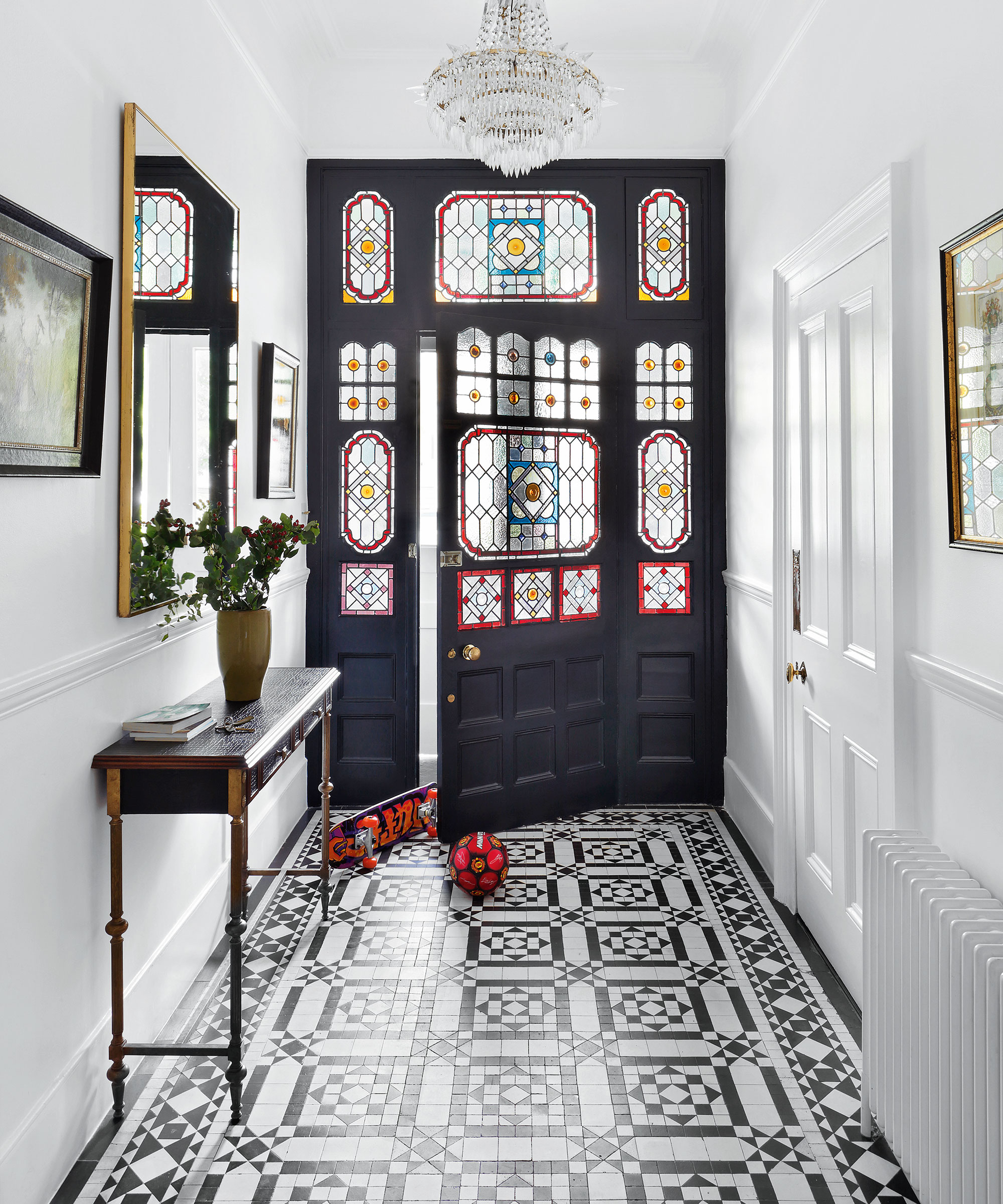
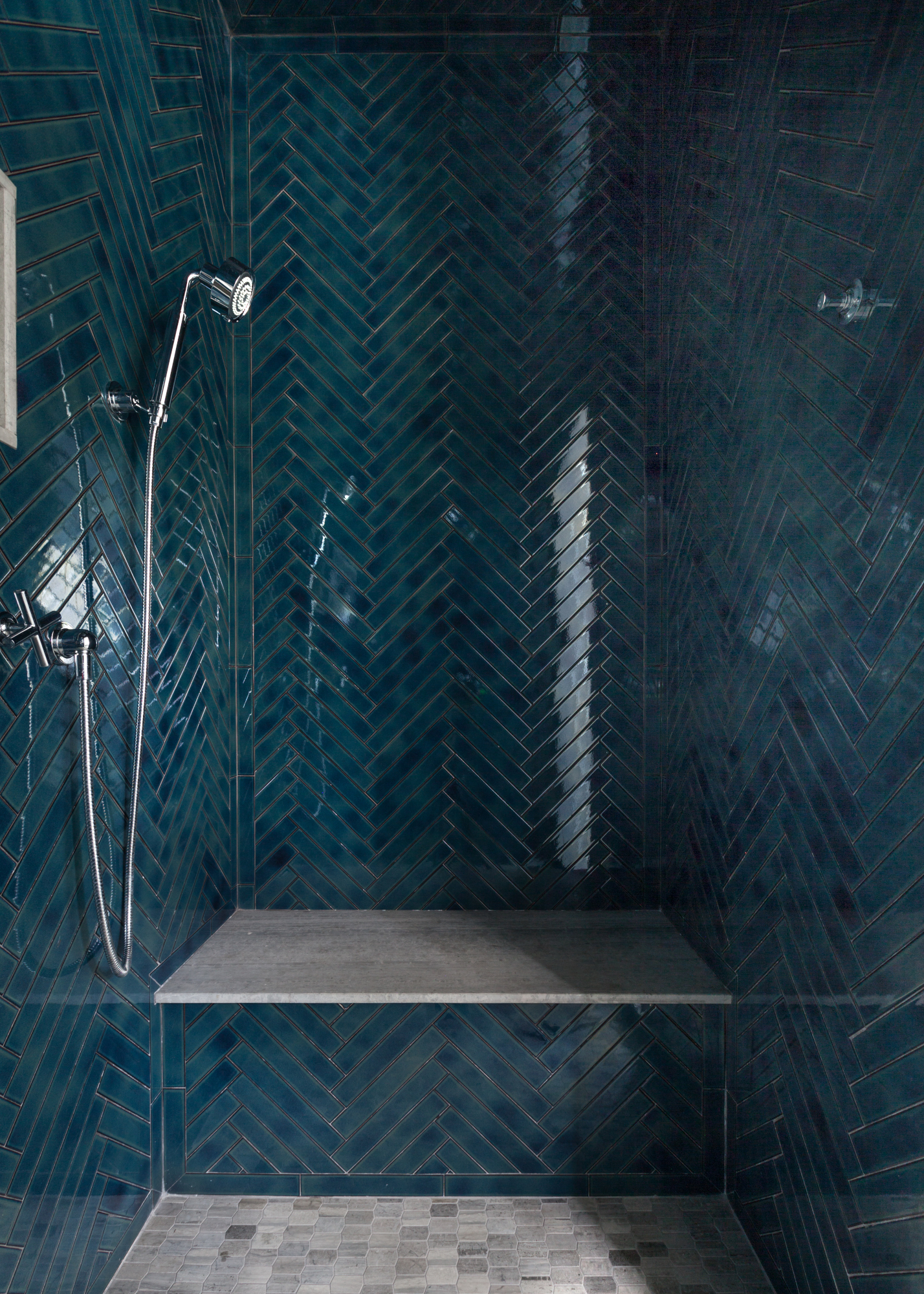
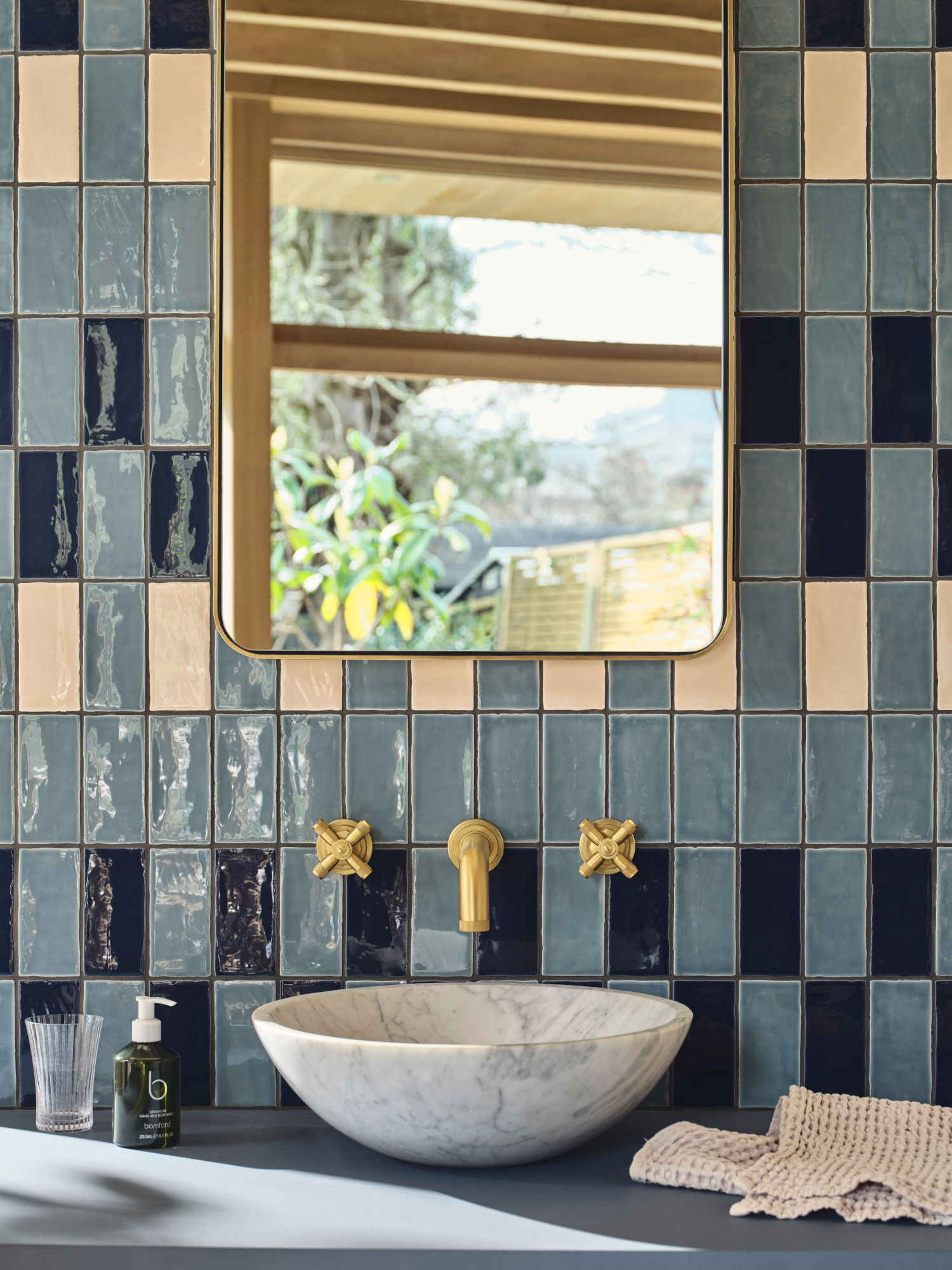
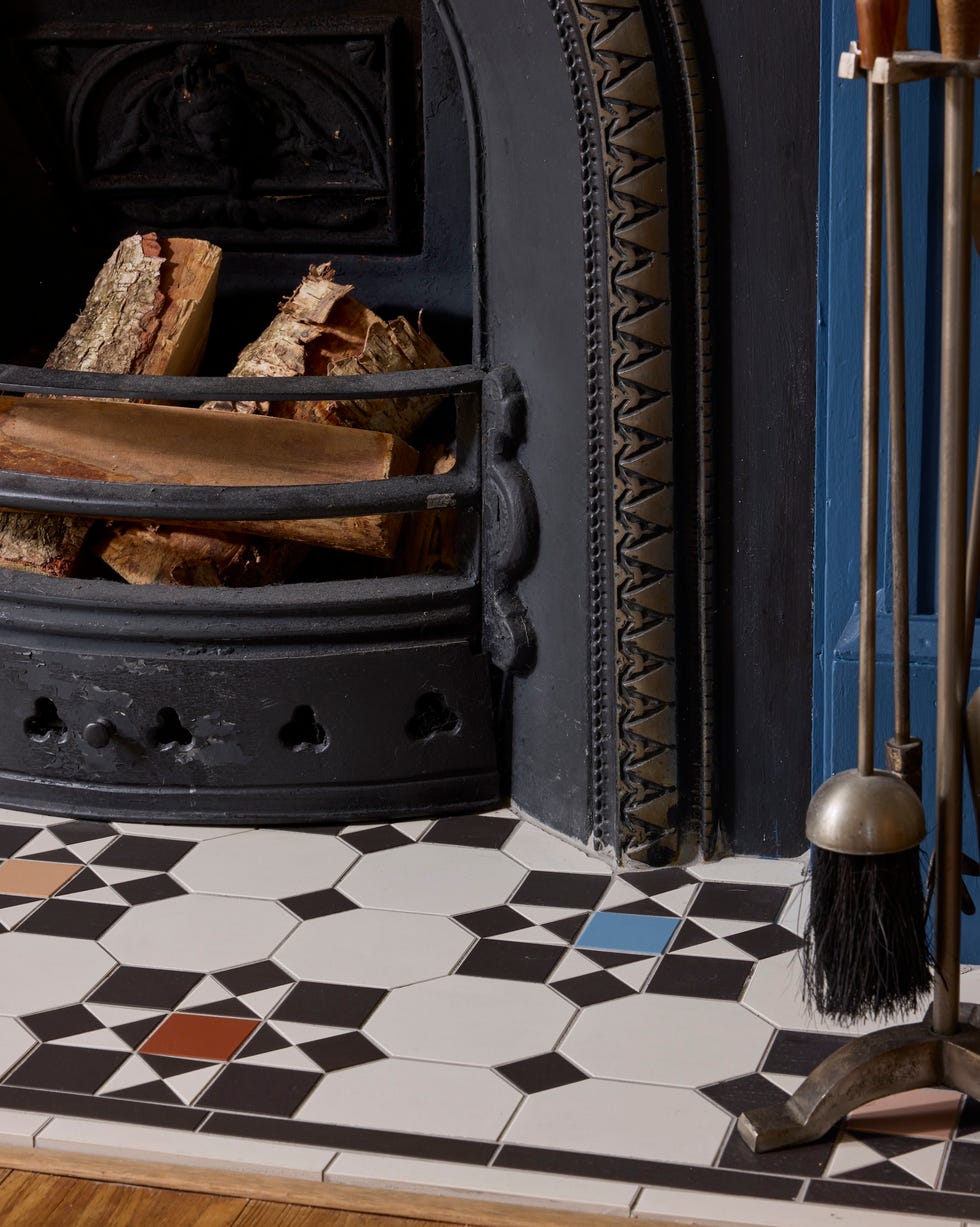
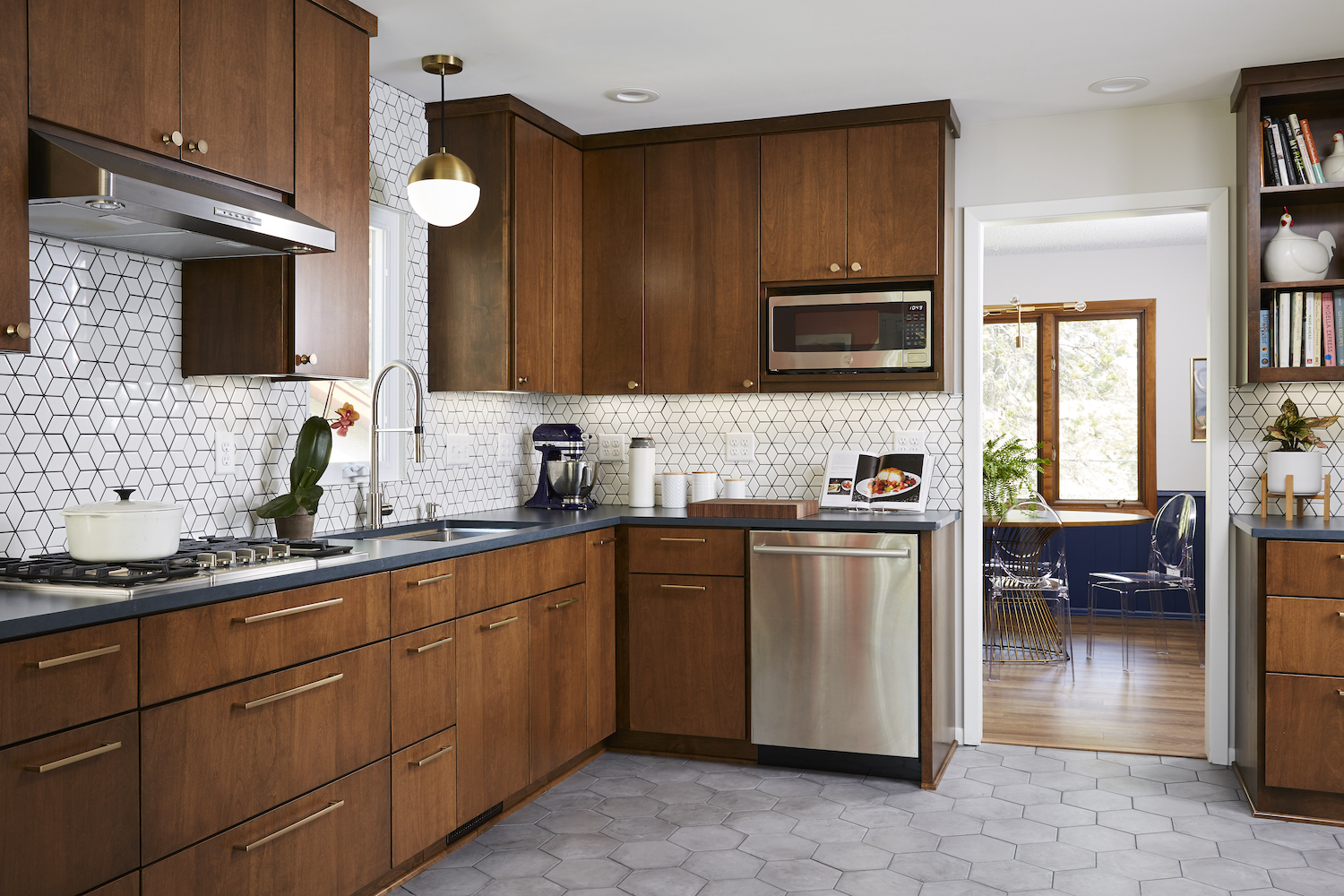
Mosaic flooring, though visually appealing, is generally impractical due to the extensive number of grout lines. These numerous grout lines readily attract dirt, making them difficult to keep clean, and are susceptible to mildew, shrinking cracks, and discoloration over time. The maintenance burden and potential for aesthetic degradation render mosaic flooring a less desirable option for many designers.
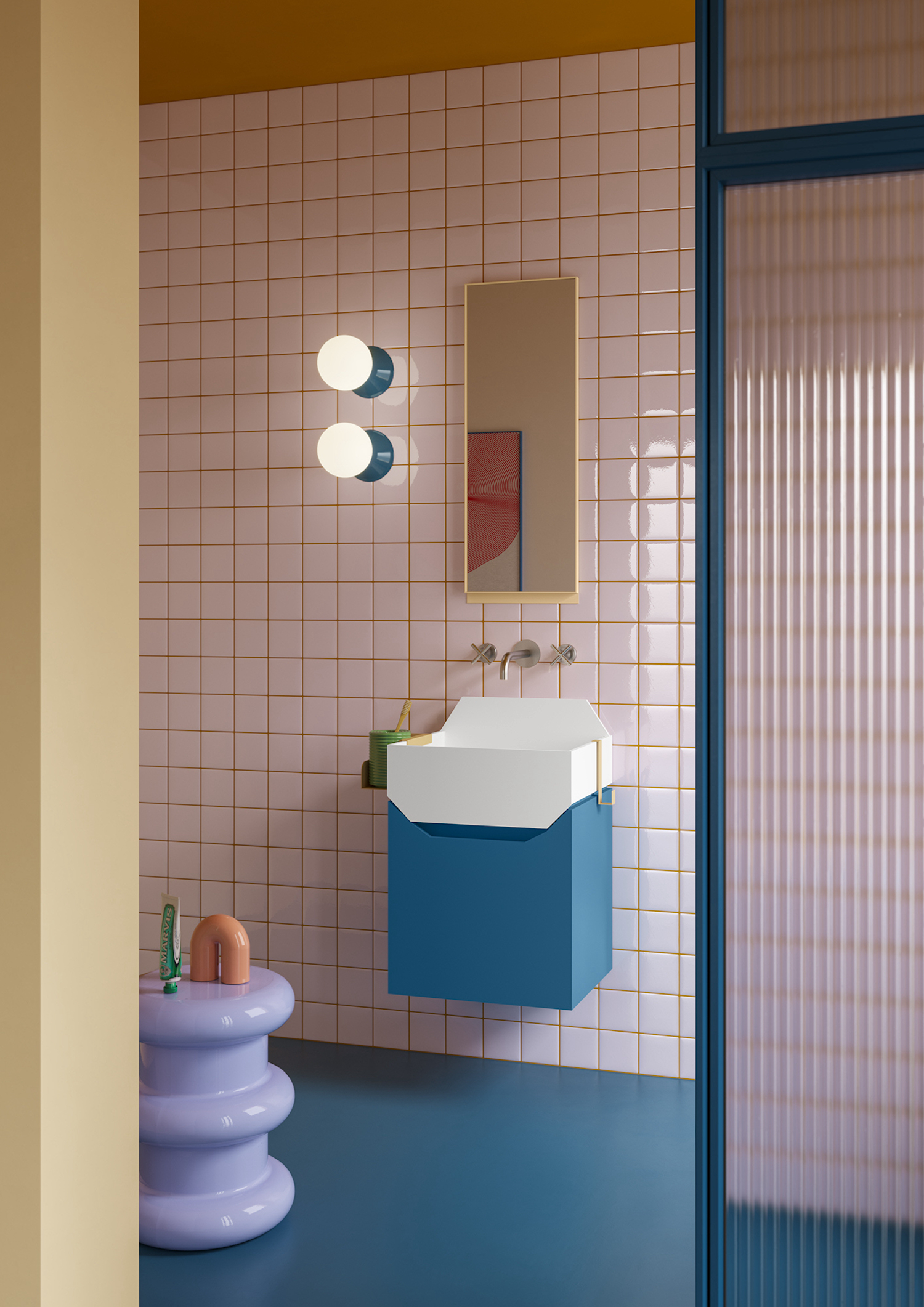
Lastly, designers strongly advise against selecting flooring based solely on current trends. Ultra-trendy colors and patterns can quickly become outdated, especially when applied to large areas, leading to homeowner dissatisfaction in the long term. Prioritizing longevity and adaptability, designers encourage clients to choose classic, neutral flooring options that provide a versatile base for various decor styles. For those who desire bold accents, rugs are recommended as a flexible alternative, allowing for easy updates without replacing the entire floor.
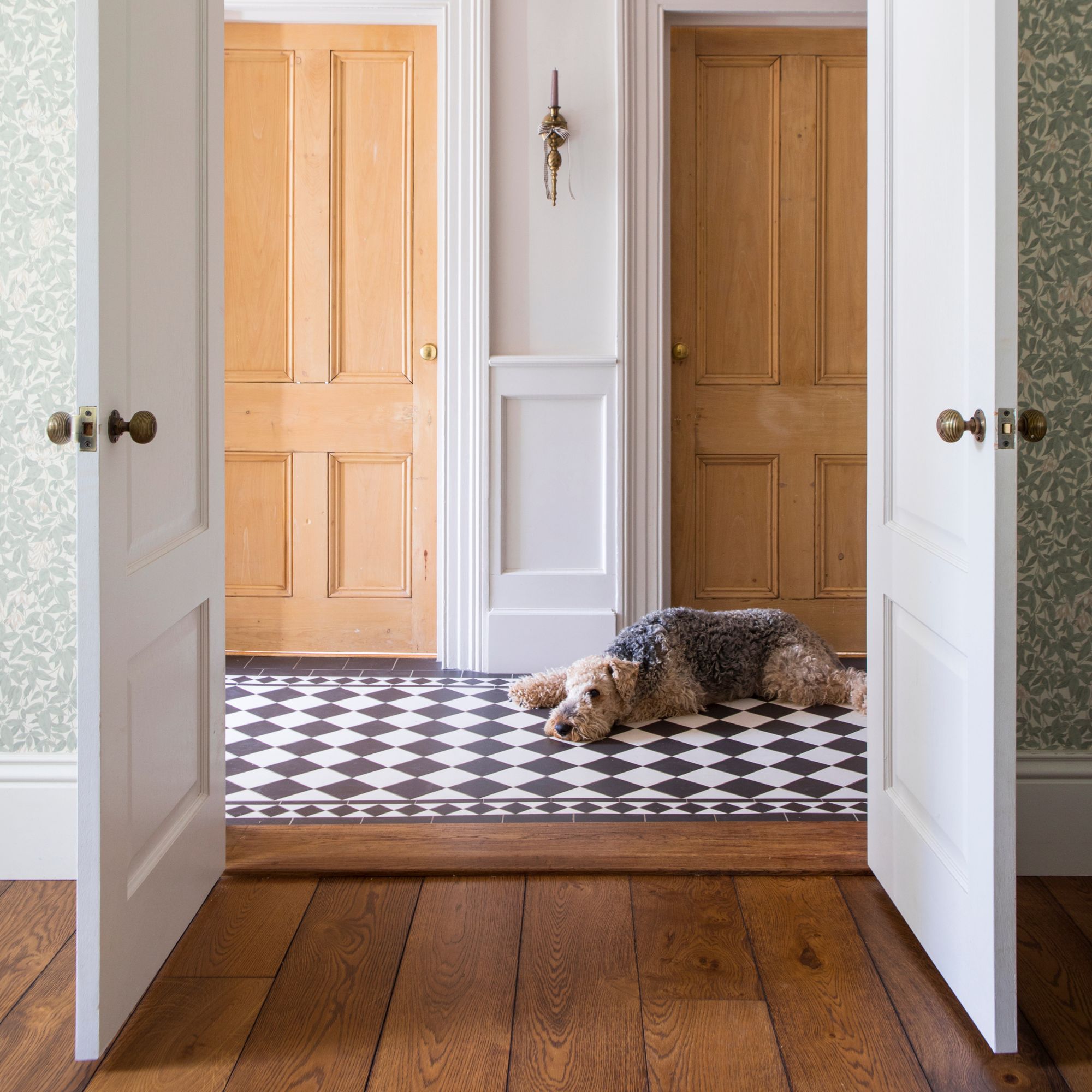
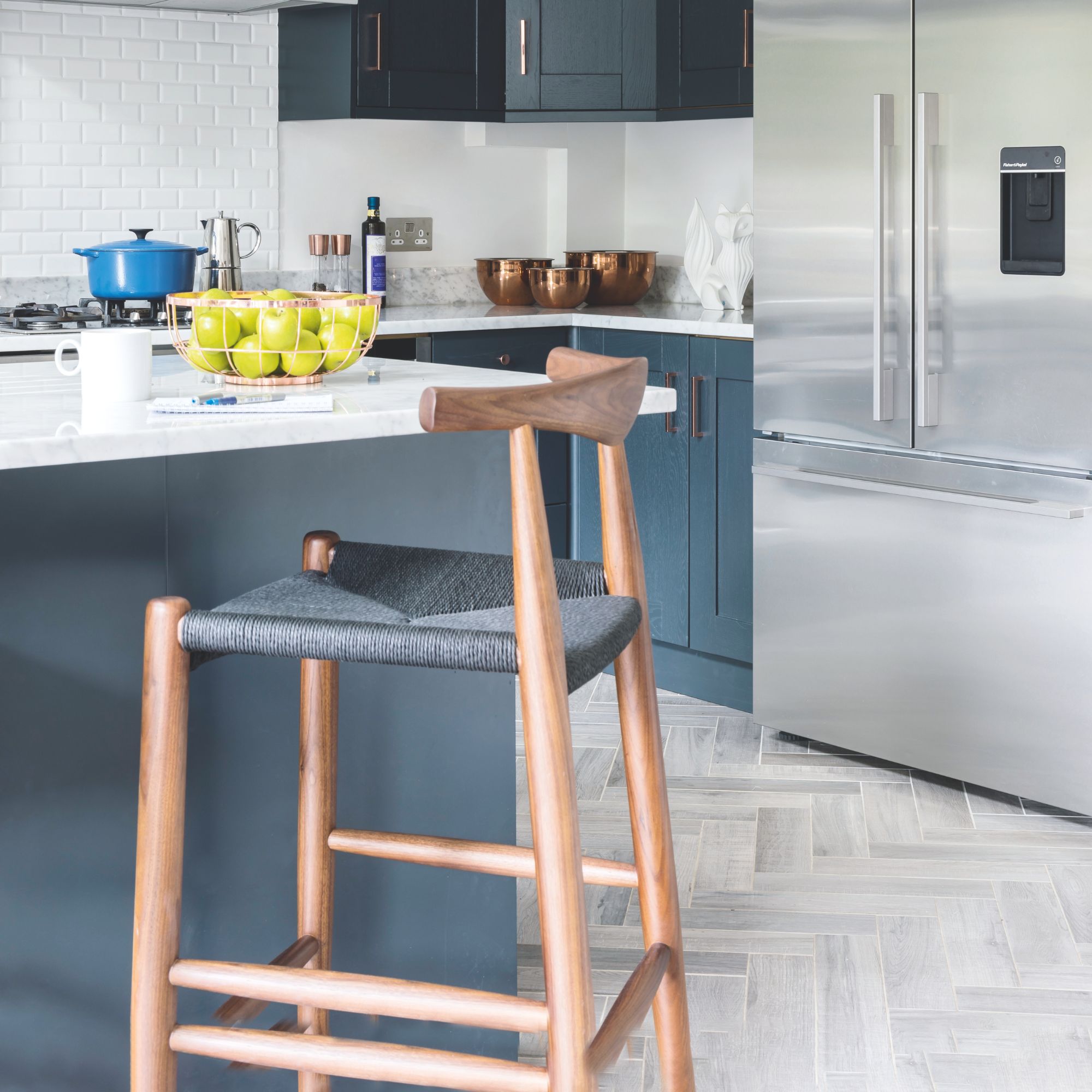
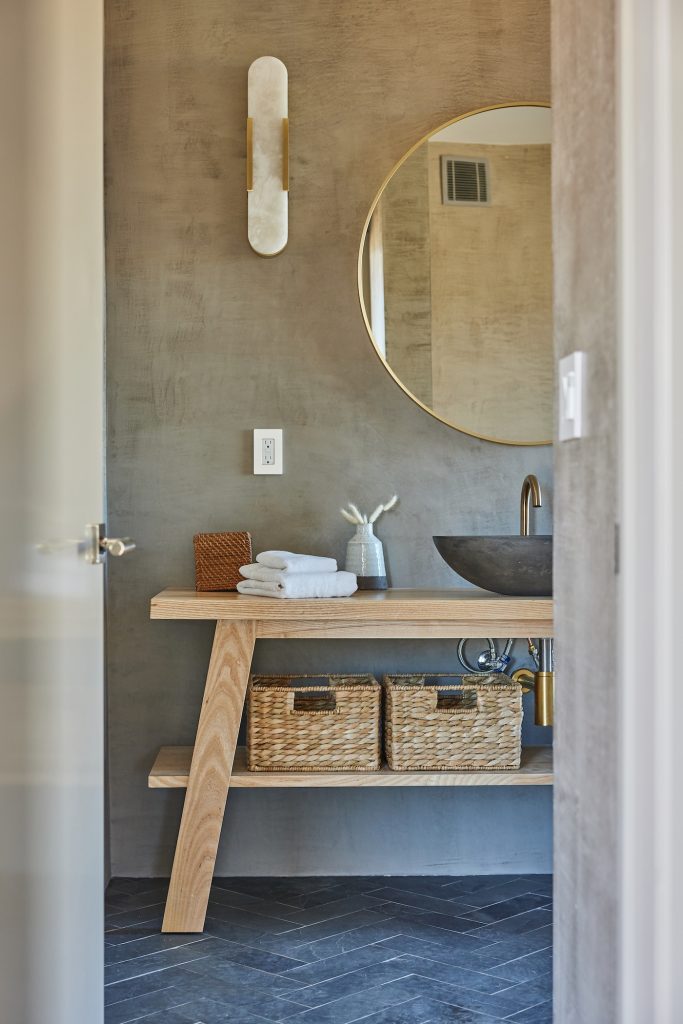
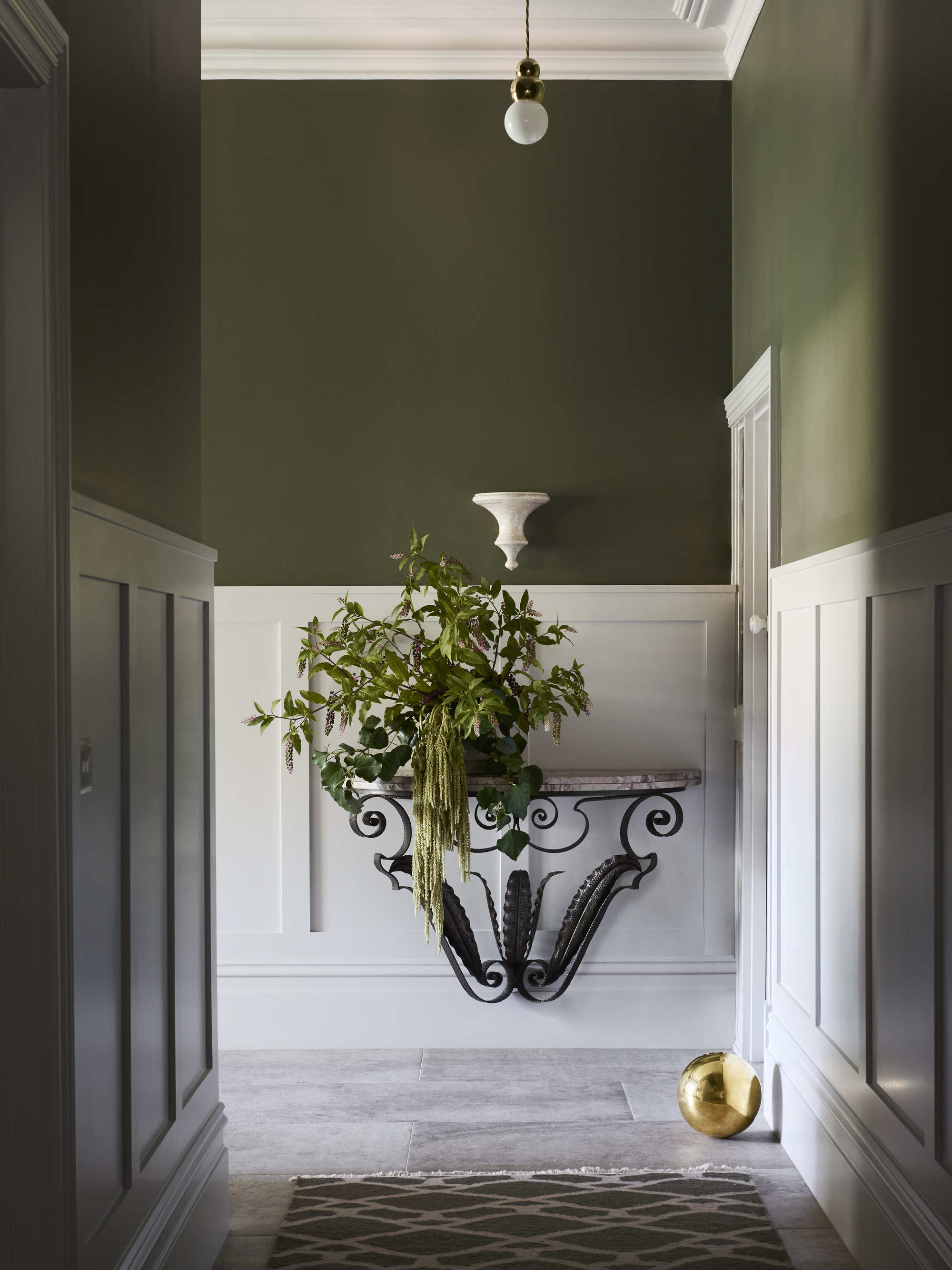
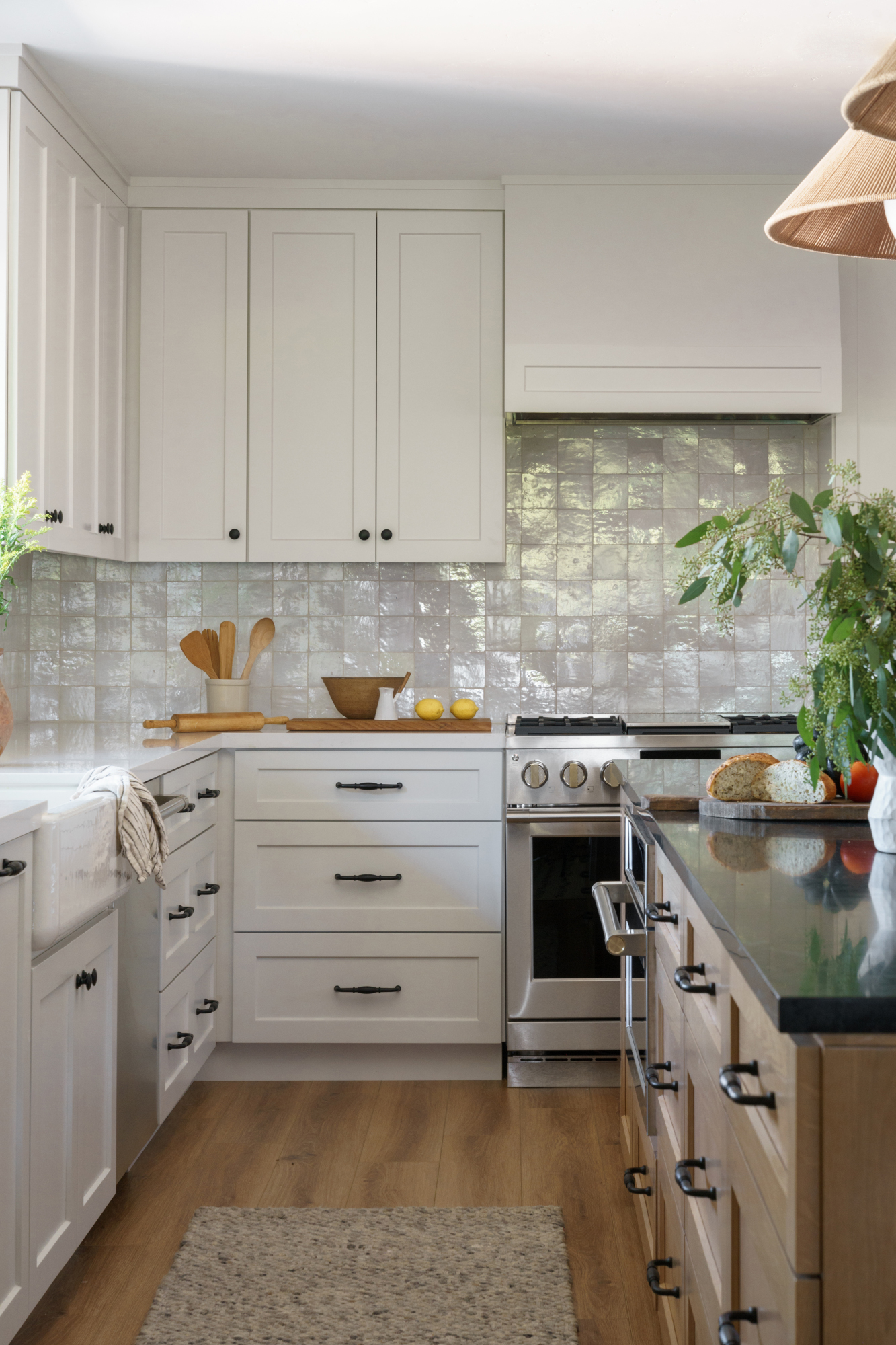
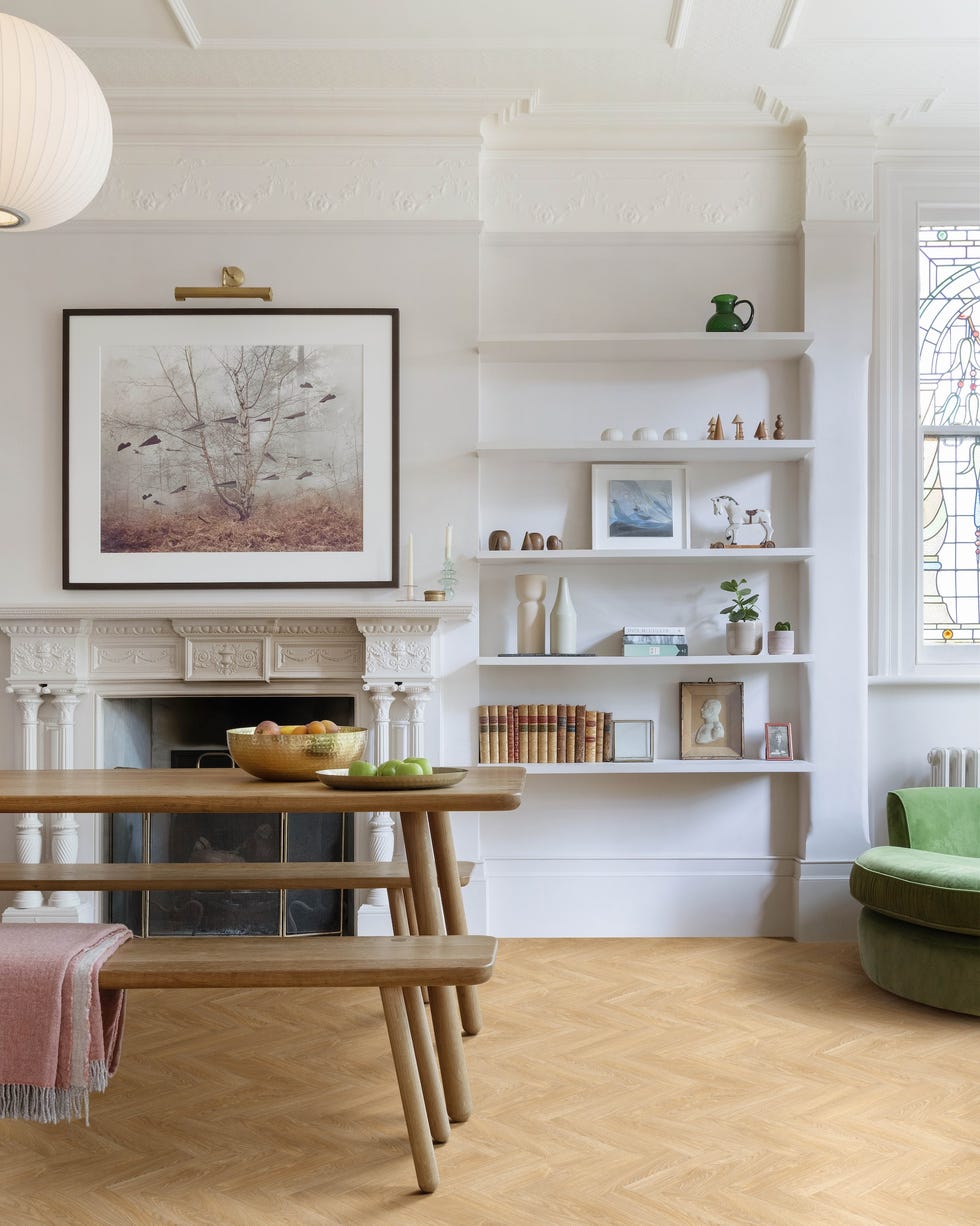
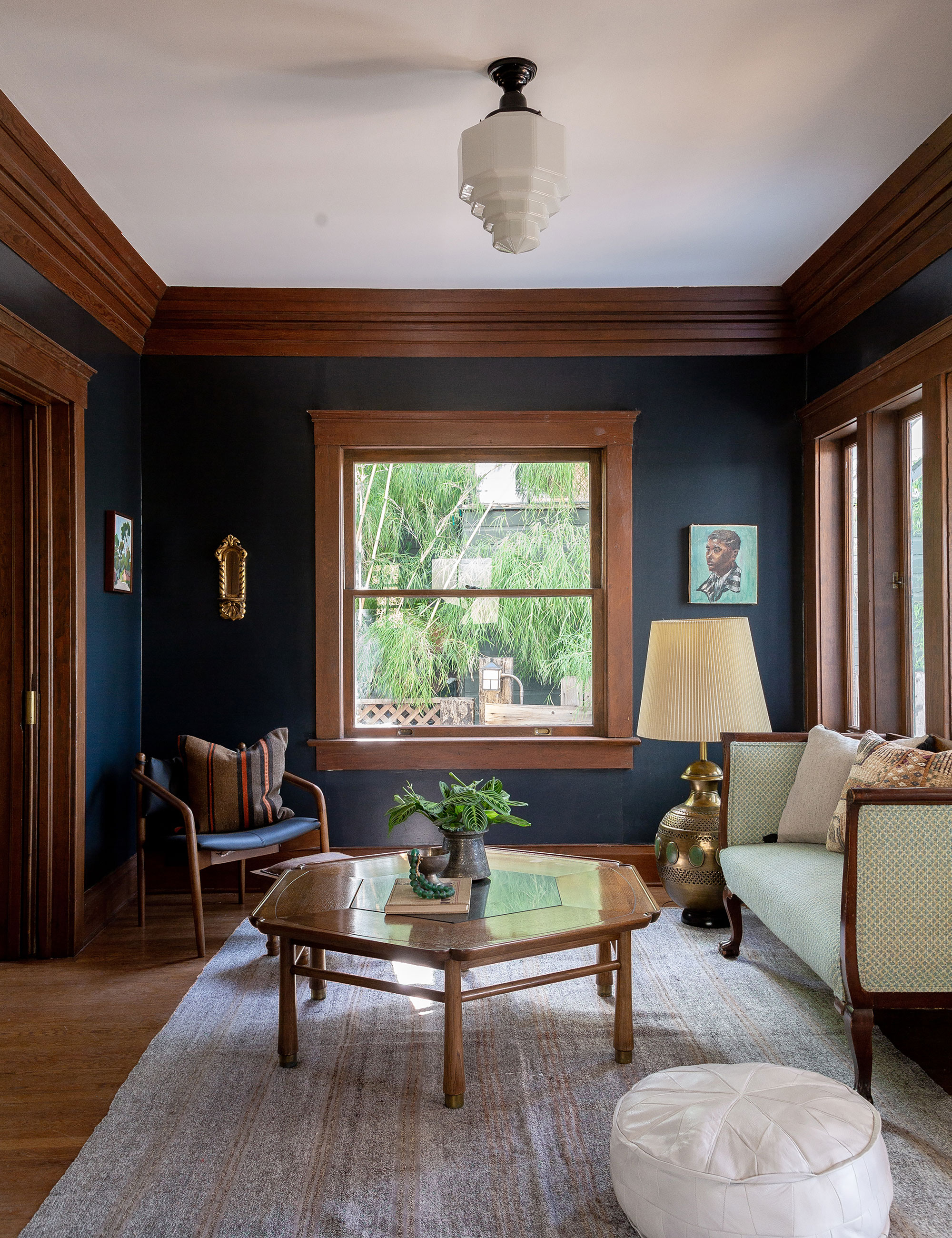
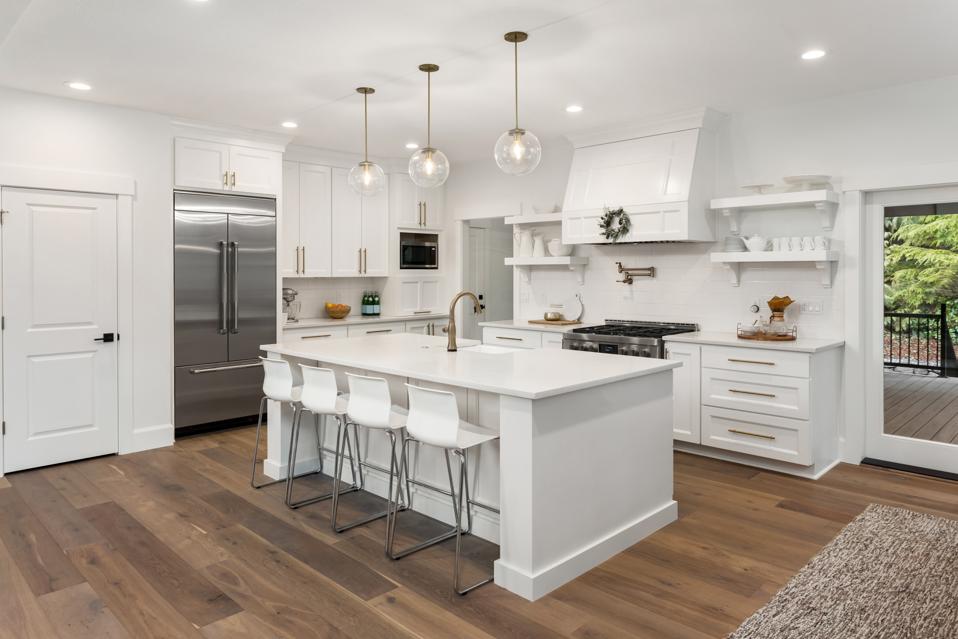
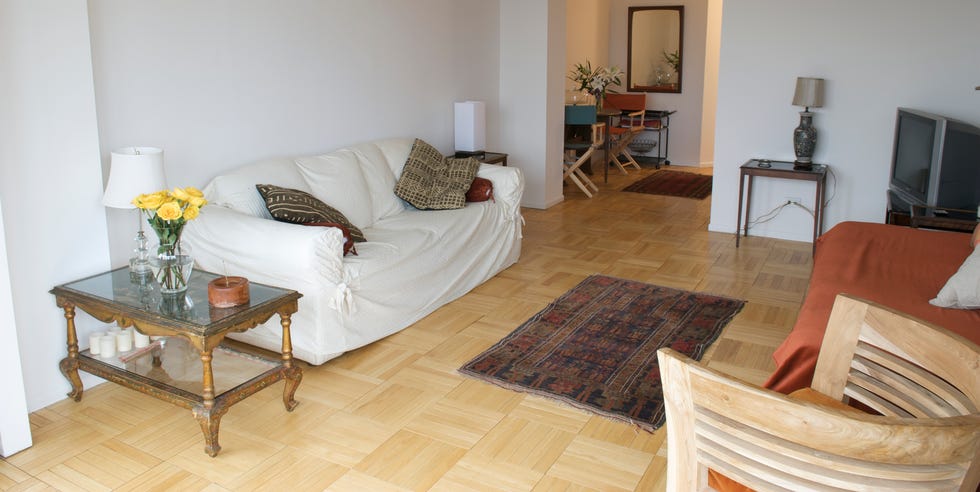
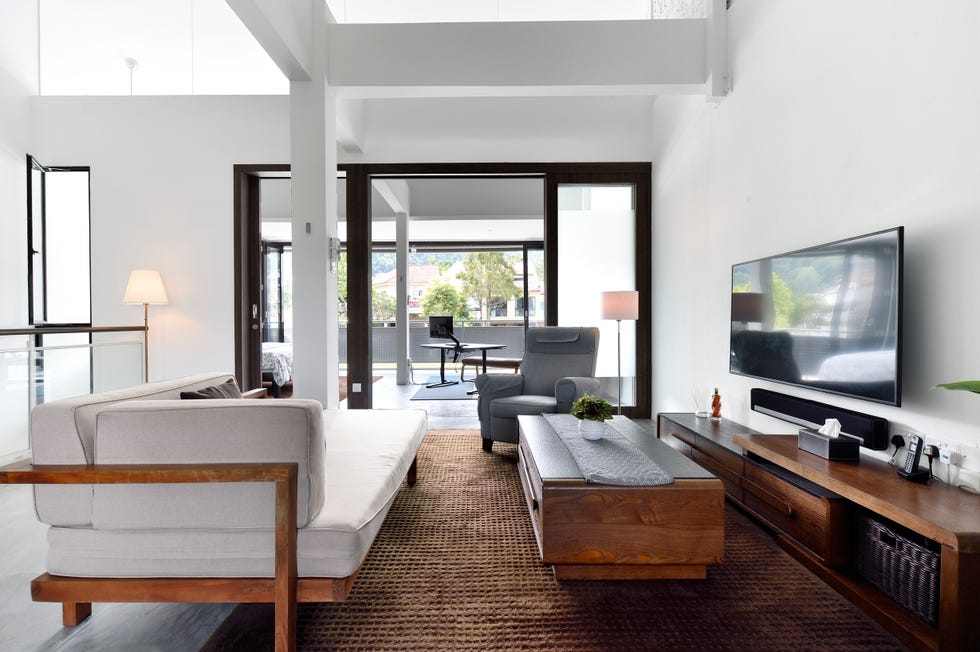
For timeless and reliable flooring solutions, designers frequently endorse wood and natural stones like limestone or slate. Wood flooring is celebrated for its ease of cleaning, durability, and the ability to be refinished, making it suitable for diverse areas including living rooms, kitchens, and bathrooms. Natural stones such as limestone and slate offer a blend of rustic and refined elegance, imparting a sense of permanence and natural beauty to a home, particularly in entryways, bathrooms, or kitchens.
#FlooringChoices #HomeDesign #InteriorDecorating #DesignTips #TimelessFlooring #HomeRenovation #MaterialSelection #MaintenanceTips #FlooringChoices #HomeDesign #InteriorDecorating #DesignTips #TimelessFlooring #HomeRenovation #MaterialSelection #MaintenanceTips
0 comment in total
 No comments yet
You may also like
5 flooring mistakes to avoid – according to architects and interior designers

From the Wrong Rug Size to Too-Short Curtains, Interior Designers Share Their Biggest Pet Peeves

5 interior design regrets experts are always called in to fix

7 Flooring Trends Designers Don't Want to See in 2025

5 flooring choices that will make it harder to sell your home
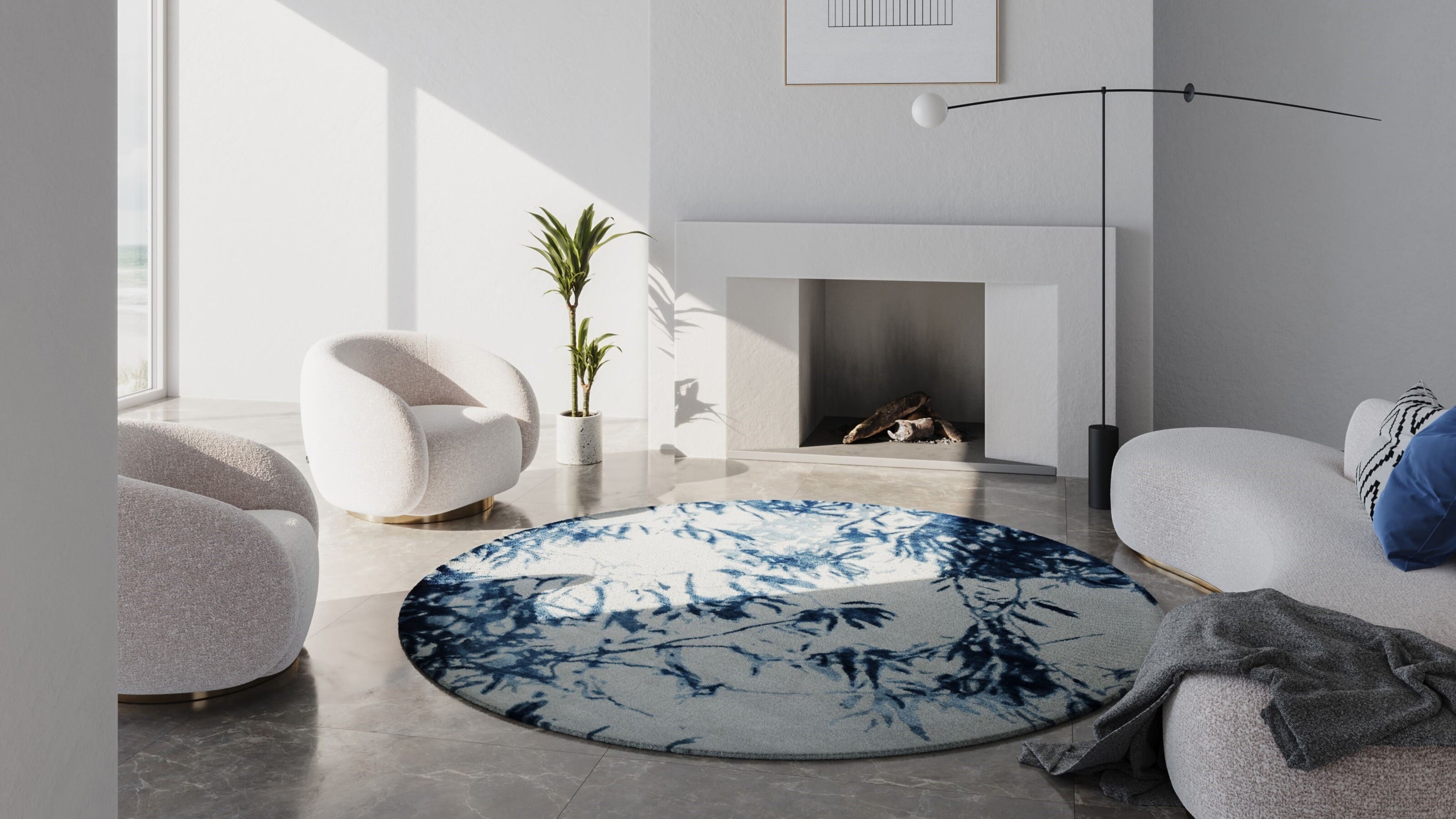
'They're not for every room' – designers say they'll never use a round rug in these 5 spaces, and neither should you

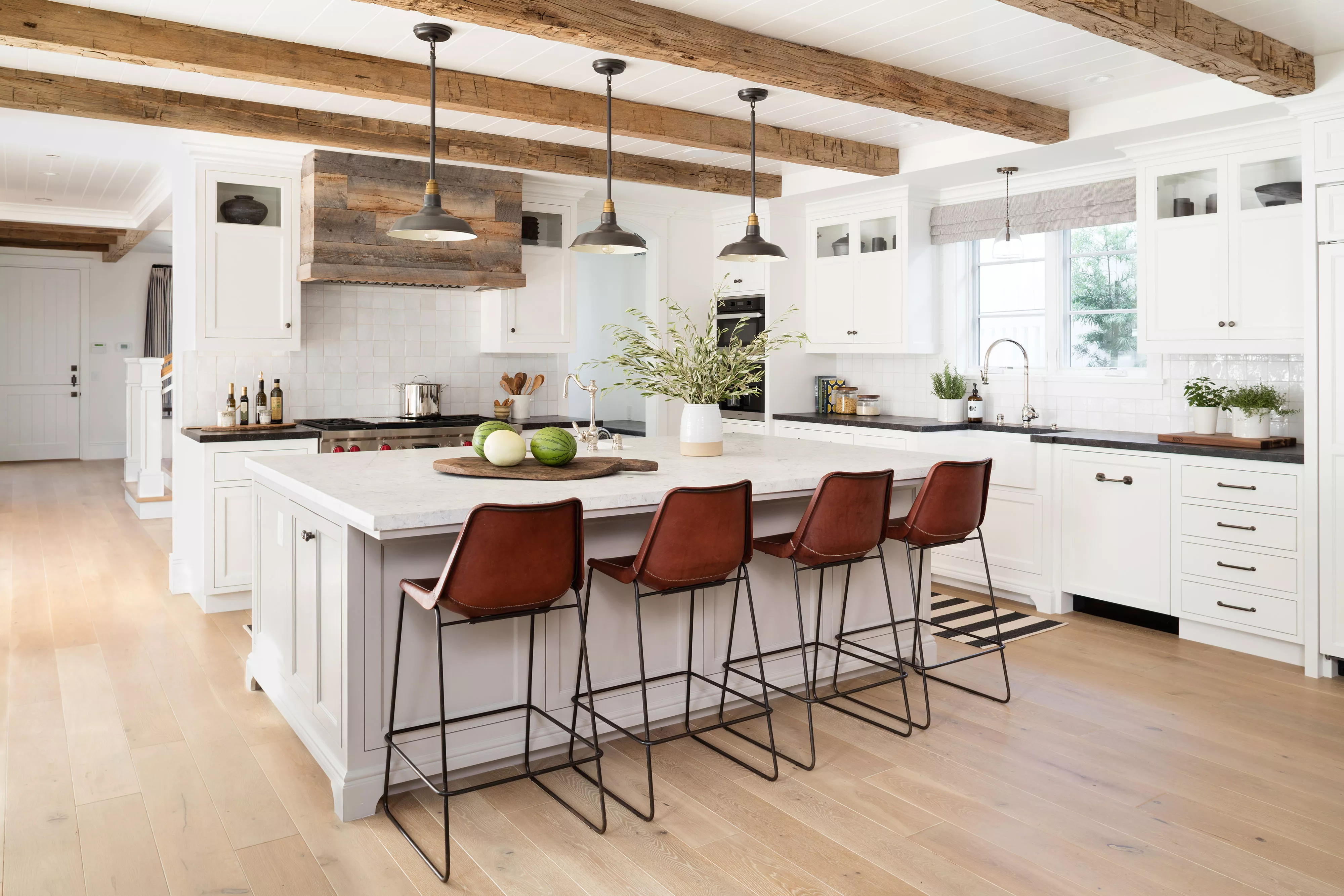
7 Flooring Styles Designers Say Are Making Your Home Look Outdated

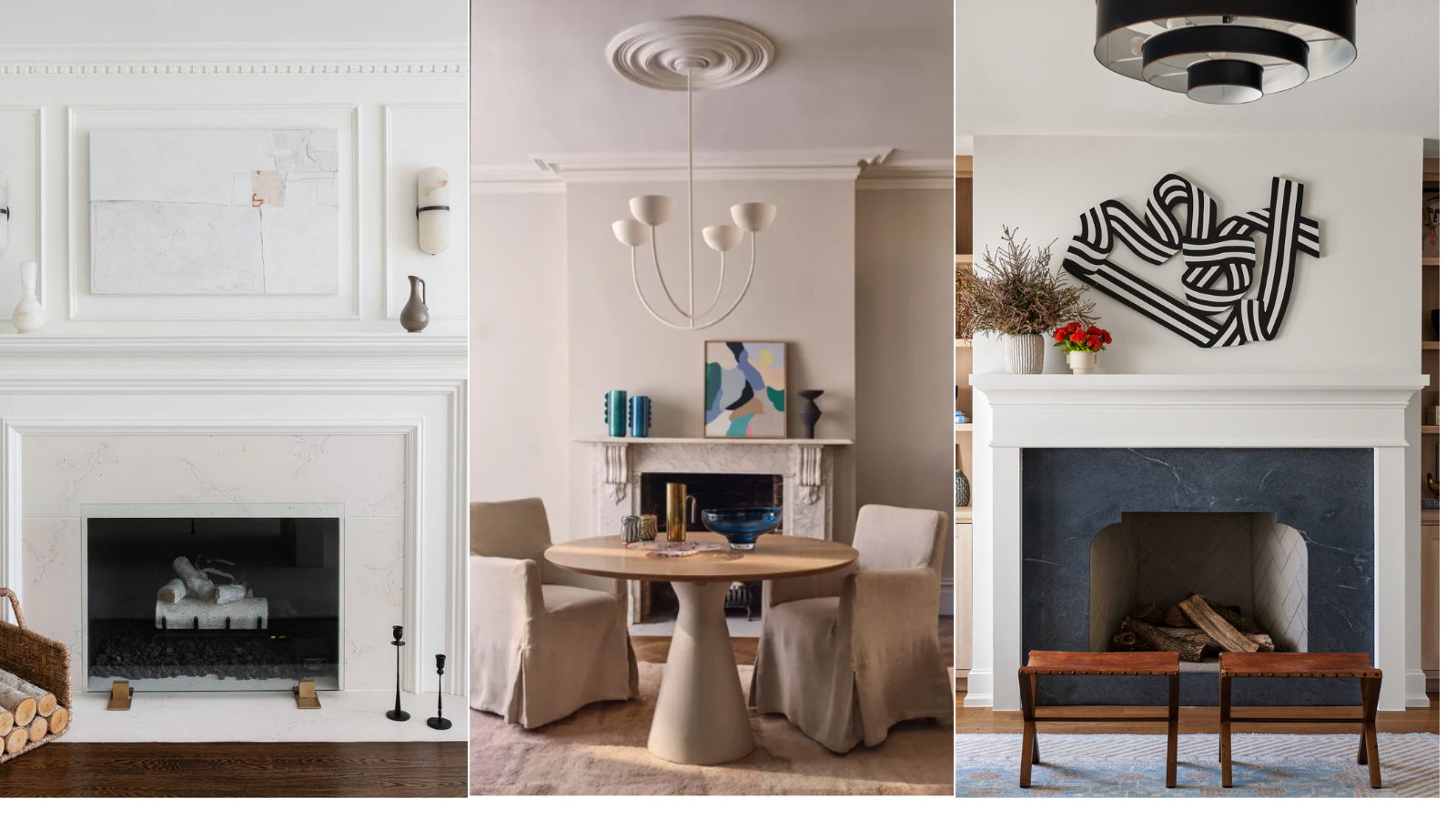
5 things designers say you should never put on a mantel
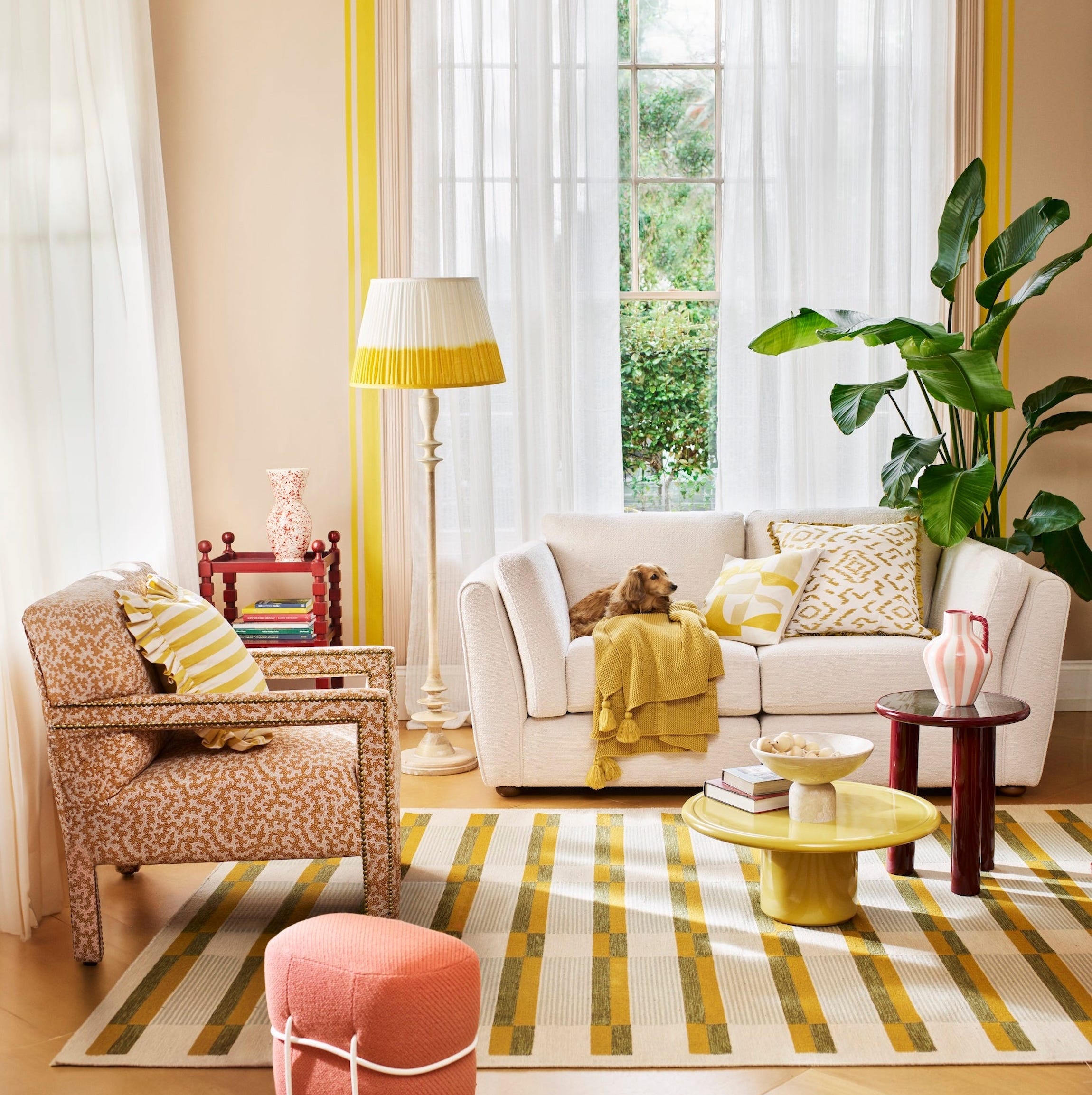
5 Living Room Design Mistakes You Didn't Know You Were Making

6 Flooring Options That Are So Outdated, According to Designers
5 small living room mistakes – designers share the worst decorating disasters that we need to stop doing right now
10 Mistakes Designers IMMEDIATELY Notice When They Walk Into Your Home
5 Flooring Choices Designers Always Use in Their Own Homes (and You Should Too)

6 Outdated Tile Choices That Interior Designers Aren't Using Anymore — And What They Say to Try Instead
5 rug colors to avoid – the hues designers think you should veer away from on floors, plus how to make them work
5 Times Interior Designers Used Colorful Tile Grout That Make Me Never Want to Choose White Again
9 CONTROVERSIAL Decor Choices Designers Secretly Wish You’d Stop Making
10 Interior Design Mistakes Experts Avoid In Their Own Homes

7 Design Mistakes Interior Designers Always Notice
5 Stuffy Living Room Decor Choices You Need to Stop Making, According to Designers