1/2
How often should carpet be replaced and how to make yours last, according to flooring experts
The lifespan of a carpet is influenced by several factors, including the material, the area of the home where it is installed, and the level of care it receives. While a common guideline in the flooring industry suggests replacing carpets every seven years, this can vary significantly based on quality. High-quality carpets, especially those made from durable materials like wool, can last up to 20 years with proper maintenance, while cheaper, functional carpets might only last 2-3 years. Experts from Headlam and the Carpet Foundation agree on the seven-year average for good quality carpets, with Brinton's Design Manager Jodie Hatton emphasizing that proper care can extend this lifespan even further.
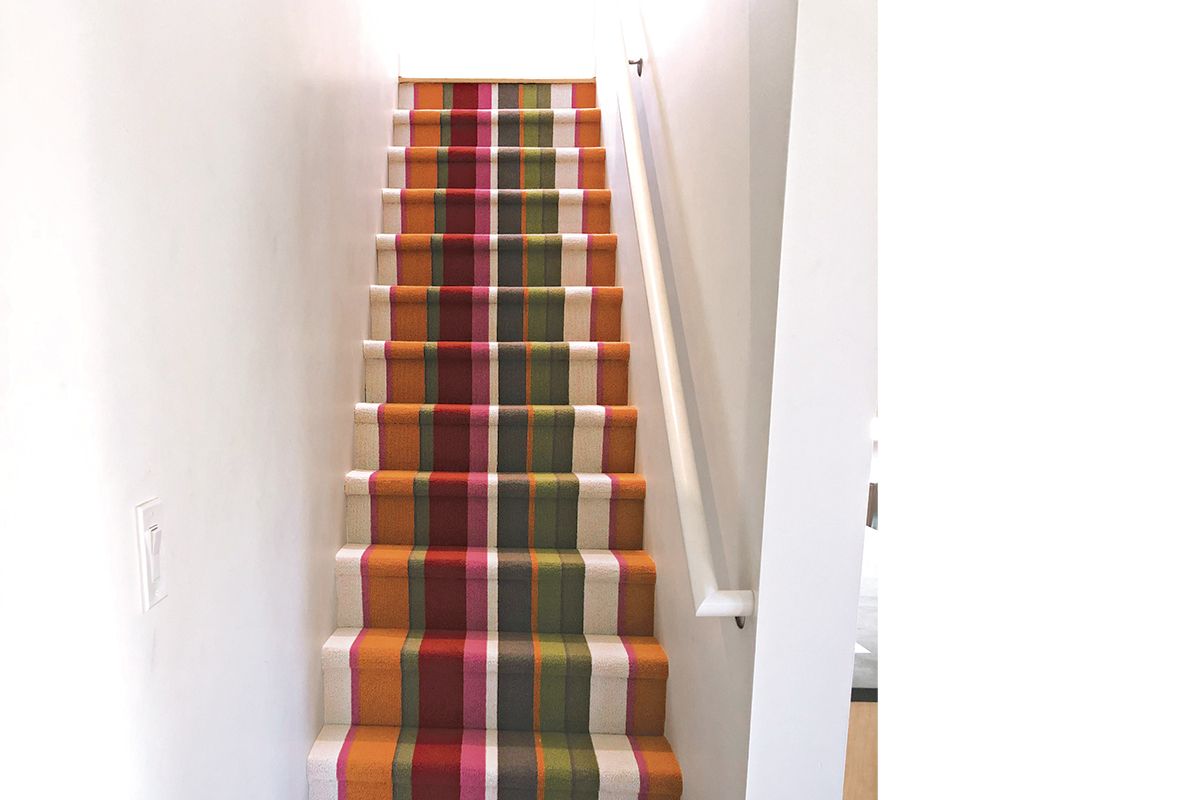
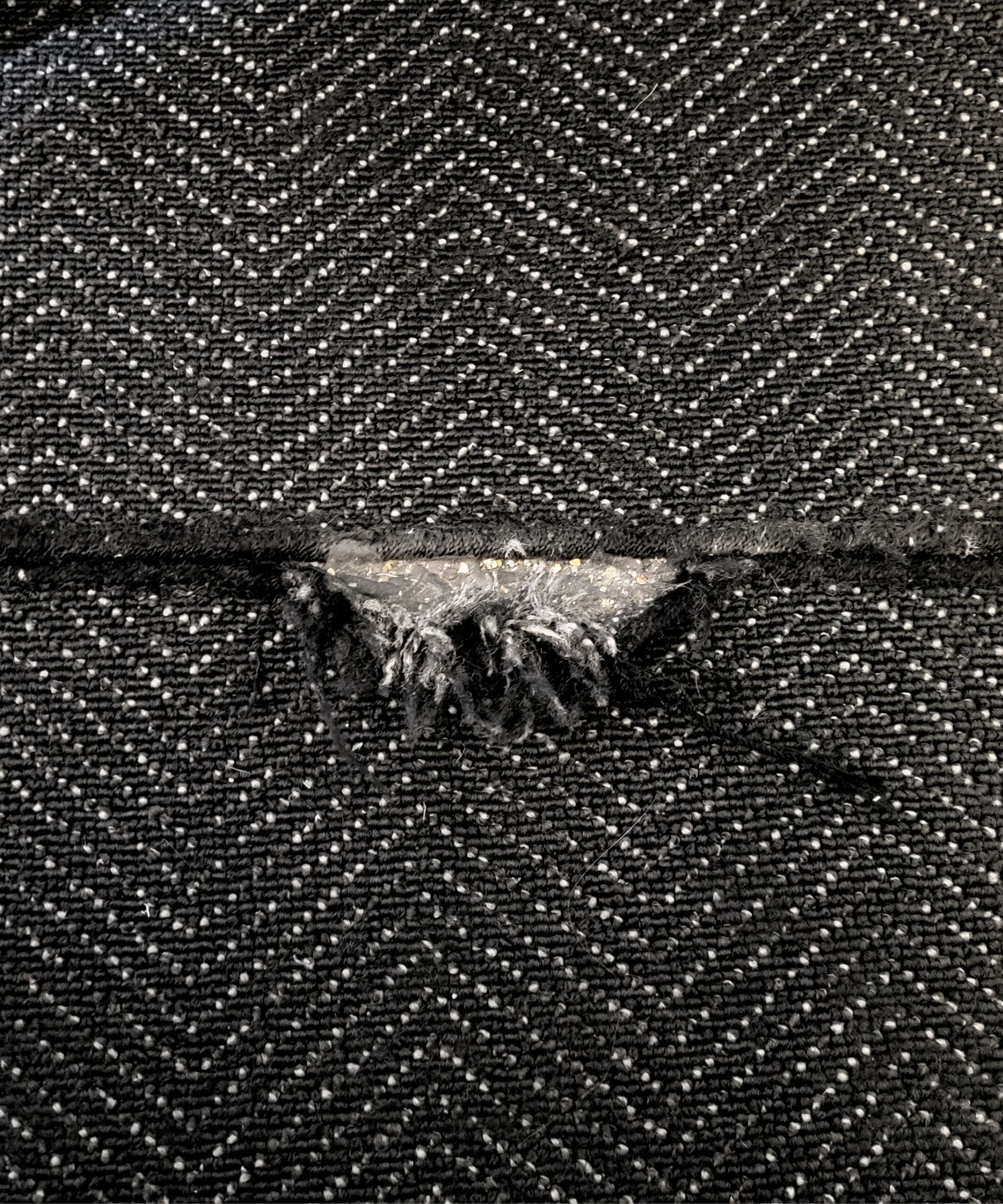
Identifying when to replace a carpet often depends on its appearance rather than a sudden breakdown. Carpets can begin to look tired, worn, or faded. A key indicator of wear is 'tracking,' where high-traffic areas appear flattened and discolored compared to the rest of the carpet. This is particularly noticeable in places like stairs, hallways, and living rooms. The pile may also become threadbare or flattened. While these signs suggest it's time for a change, sometimes a refresh is simply desired as part of a home decor update, such as incorporating new interior paint color schemes.
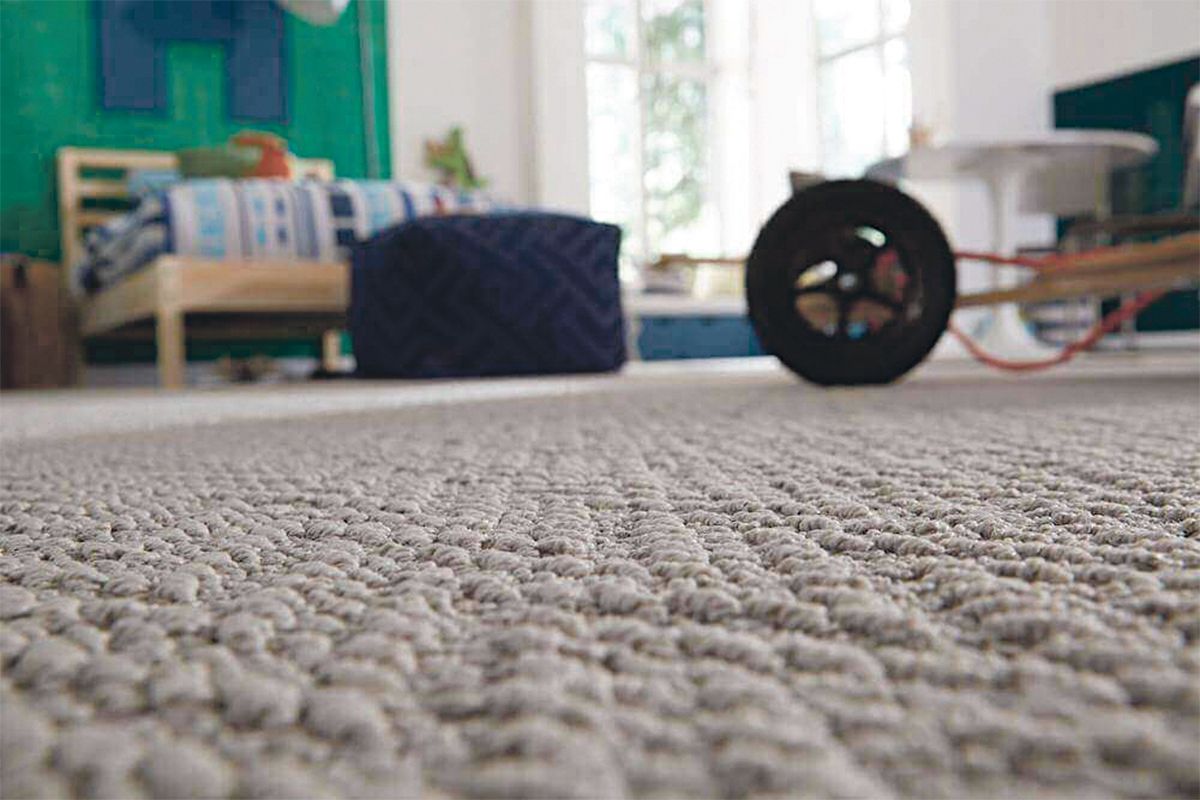
To prolong a carpet's life, several care tips are recommended. Frequent vacuuming is crucial, as it prevents dirt and grit from matting the fibers and keeps the carpet looking new. Even new carpets should be vacuumed regularly, despite initial 'fluffing' or shredding. Using the correct vacuum attachment for the carpet type is also important; for cut pile carpets, a vacuum with a brush and beater bar is effective for lifting the pile and removing dirt. For loop pile carpets, an upright vacuum with a beater bar is generally recommended.
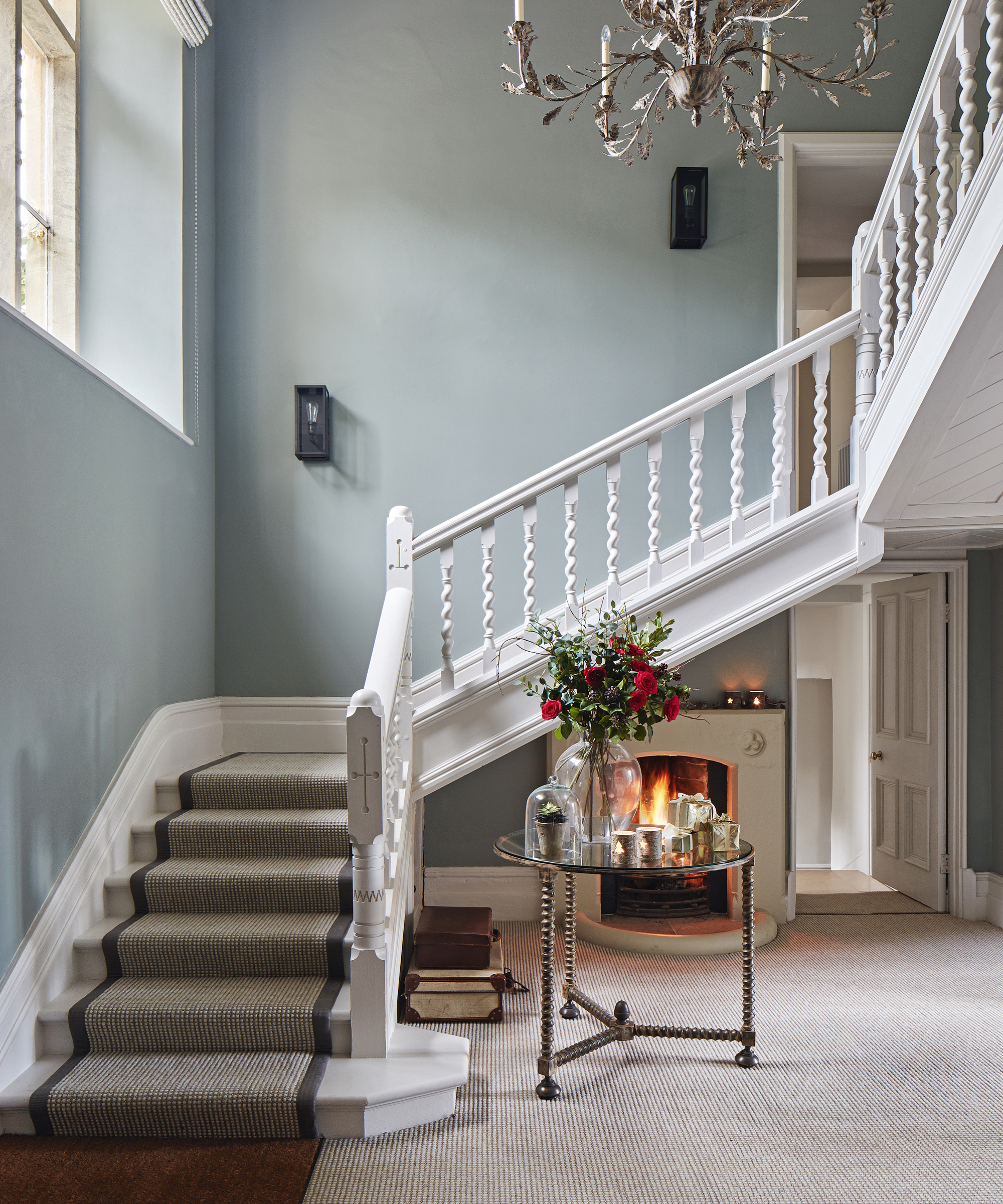
Stain treatment requires caution. Incorrect application of stain blockers and repellents can lead to discoloration or other problems. It is essential to check product instructions and ingredients to avoid those that might bleach parts of the carpet. Prevention is also key, especially in high-traffic zones. Placing doormats, rugs, and runners in entryways and passageways can significantly reduce soil accumulation and wear, helping to protect the underlying carpet. Some carpets, particularly well-made wool carpets or traditional Axminster and Wilton types, have the potential to last 20 years or more if maintained correctly. However, most tufted carpets, which are machine-made, will show their age after about seven years, even without wearing out. Ultimately, investing in the best quality carpet affordable at the time of purchase is advisable for long-term durability.
#CarpetReplacement #CarpetMaintenance #HomeFlooring #InteriorDesign #CarpetCareTips #CleaningCarpets #HomeDecor #FlooringExperts #CarpetReplacement #CarpetMaintenance #HomeFlooring #InteriorDesign #CarpetCareTips #CleaningCarpets #HomeDecor #FlooringExperts
0 comment in total
 No comments yet
You may also like
Updating Your Flooring Has Great ROI—This Option Will Outlast Carpet by Almost 100 Years

Comfy carpet, once dismissed as out-of-date, is back in vogue

The 8 Best Places to Buy Carpet

Can I recycle my carpet?

How often should you deep clean your carpet?


Carpet mistakes to avoid – 5 expert-approved tips to ensure perfect flooring

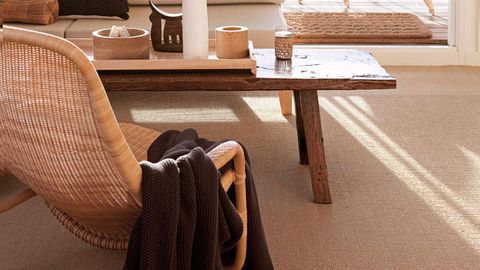
Smart shopper: carpet buying tips

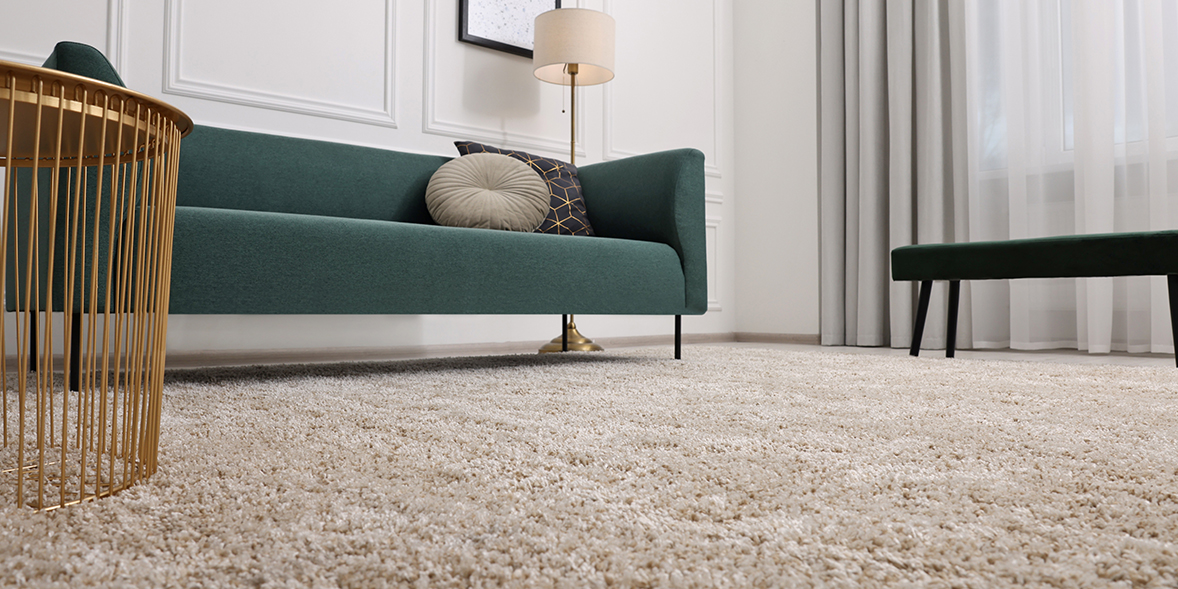
How to buy the best carpet UK 2025
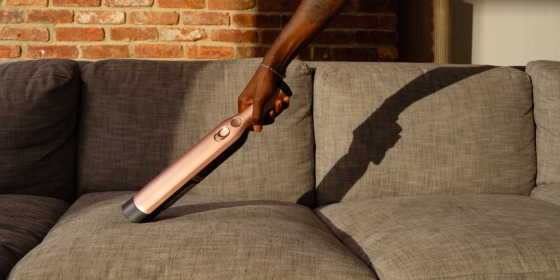
You need to deep clean your couch every few months — here’s how experts say to do it


Tips for Choosing the Best Carpets and Rugs


How to Know When an Old Wood Floor Is Worth Restoring or Should Be Replaced
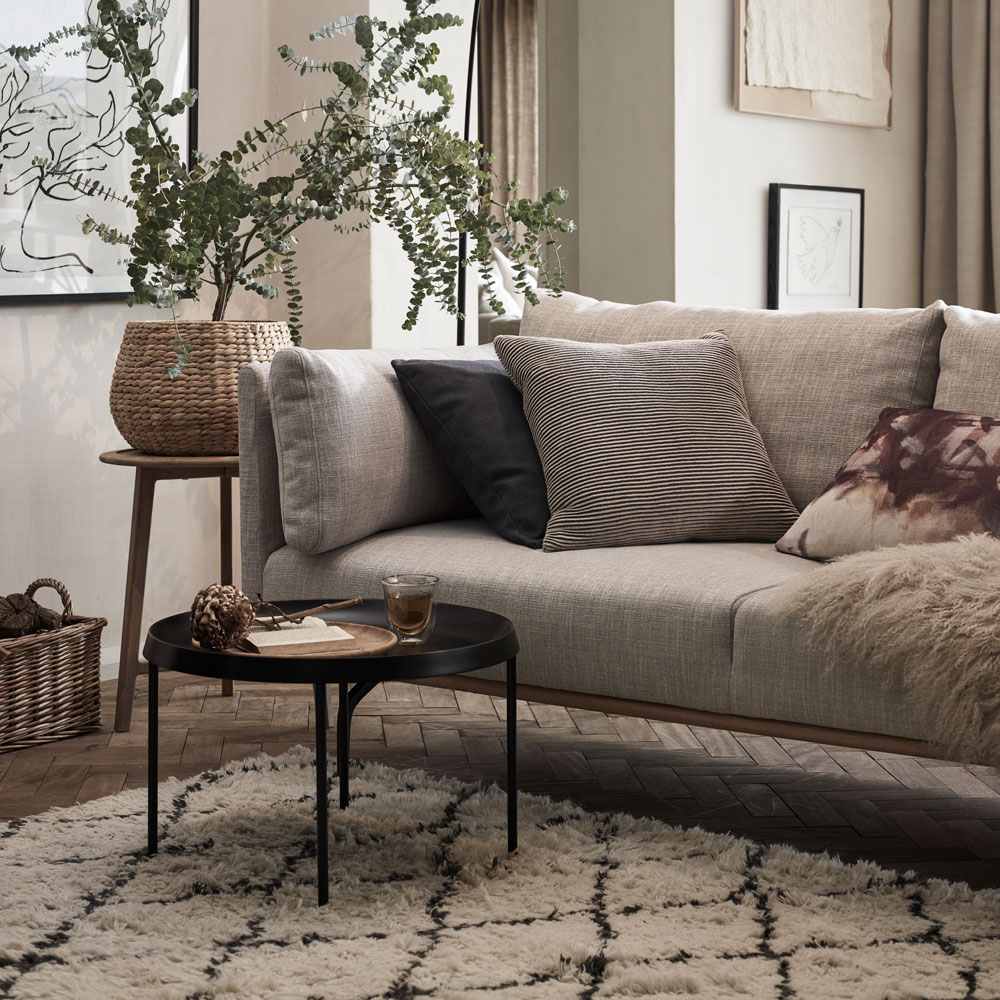
Flooring expert reveals the only downstairs room you should be using carpet in
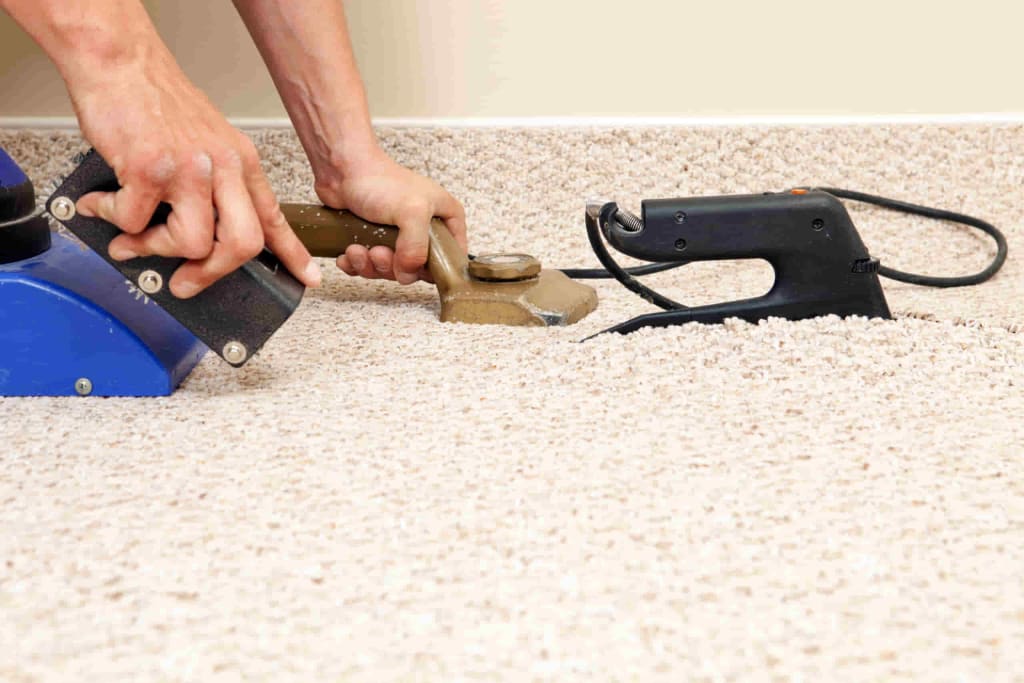
The Best Carpet Repair Products for Home Use in 2025

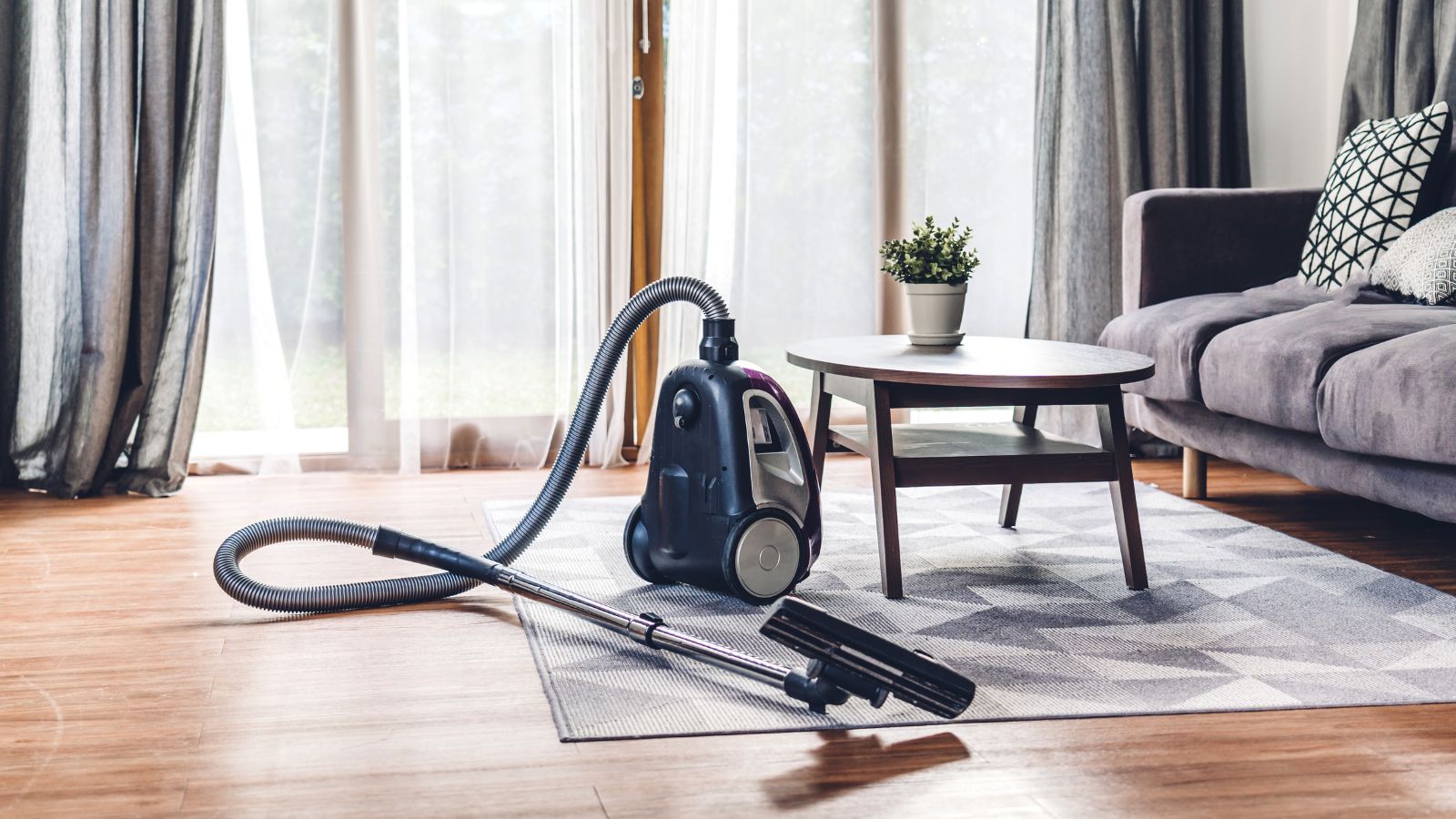
How often should you vacuum? Experts weigh in on the damage caused by doing the bare minimum

It's official, fitted carpet is back, and here are the best carpet brands in the UK you need to know

Is carpet out of style? Designers share how they’re using it now – and what to try instead


How to Choose the Perfect Carpet: Expert Guide to 2025 Trends
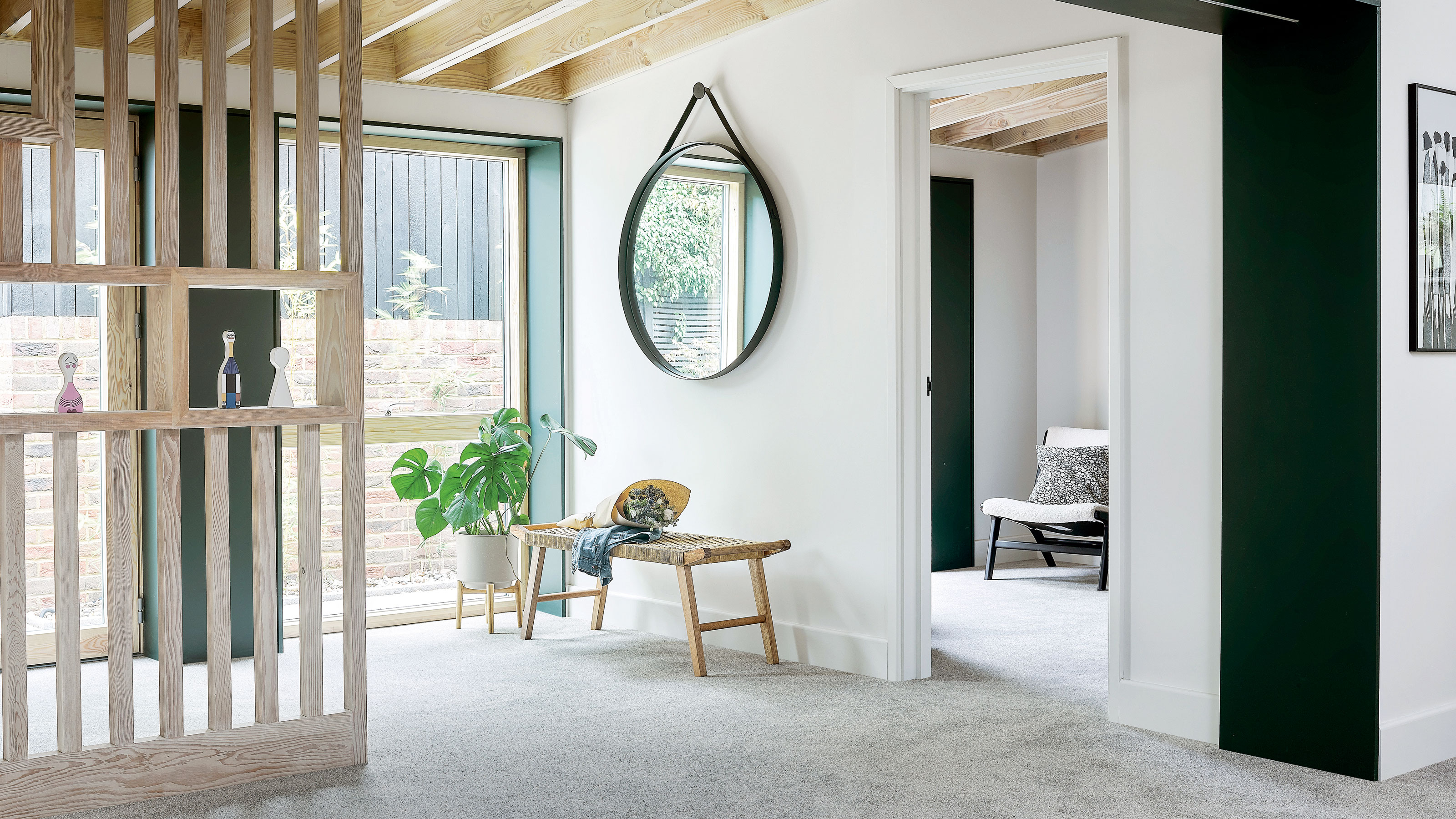
Three design experts share their secrets for finding a new rug and carpet
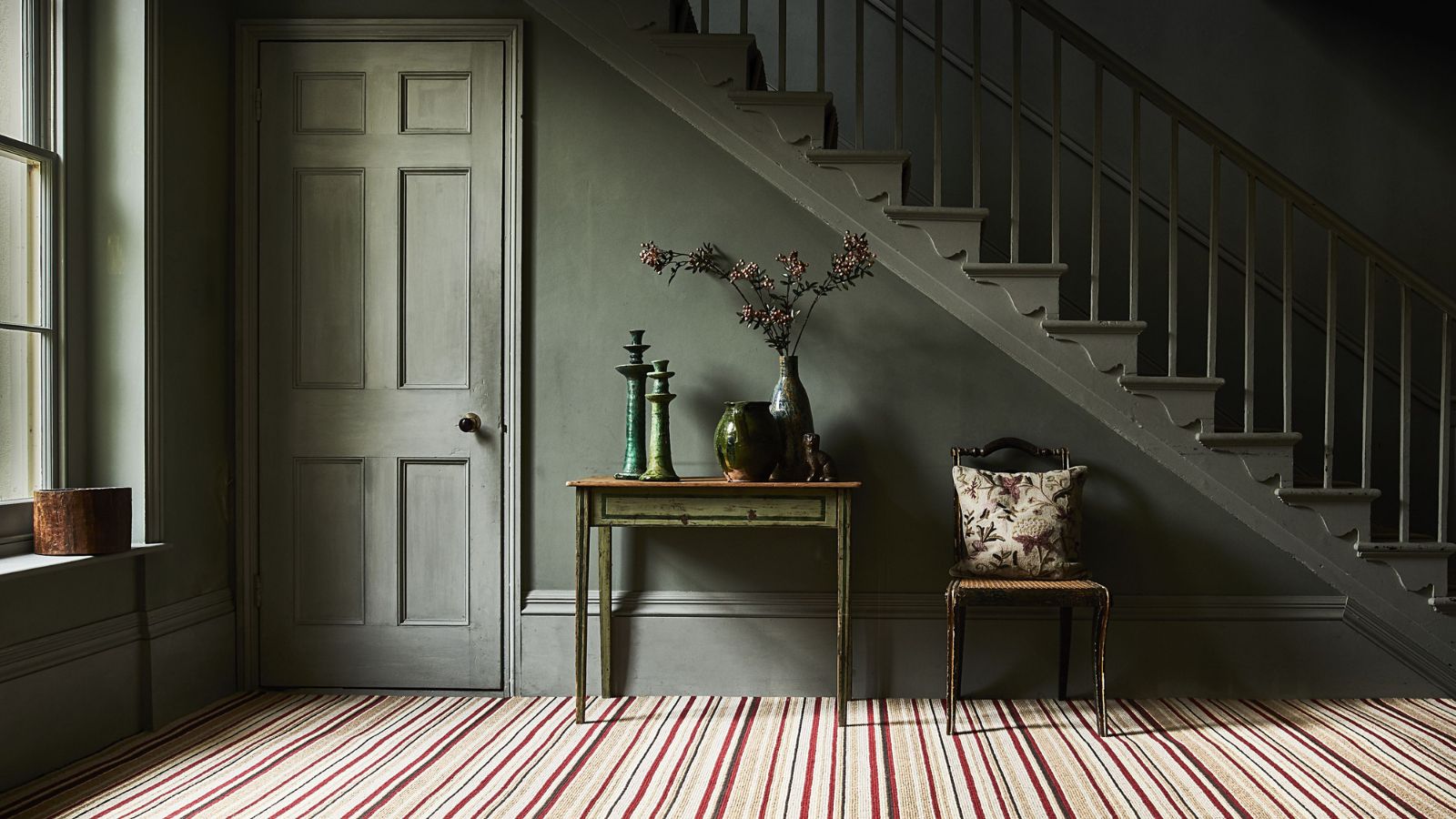
How to fix ripped carpet – 5 steps to restore the appearance of your flooring
Here's How Often You Should Sweep If You Want a Truly Clean Home