1/2
Can I recycle my carpet?
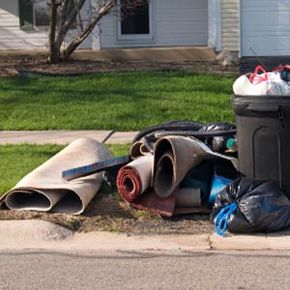
Each year, around 5 billion pounds (2.2 billion kilograms) of discarded carpet ends up in landfills. The carpet industry is working to reduce this amount as part of a campaign to promote environmental sustainability. Traditional carpets are often made from petroleum-based synthetic fibers like nylon and polypropylene plastics, which are petrochemical polymers. The backing of these carpets typically consists of latex and PVC, also petro-plastics. Furthermore, the dyes and glues used in some carpets can emit volatile organic compounds (VOCs), which may have negative health effects. However, carpet manufacturers such as Mohawk, Shaw, and Interface Americas are making progress in reducing their carbon footprint. The Carpet and Rug Institute in Dalton, Georgia, has established a Green Label Plus program to identify carpets with lower VOC emissions. Some newer eco-friendly carpet fibers are made from corn products and recycled plastic bottles, offering an alternative to petro-based materials.
A significant challenge for the carpet industry involves the "afterlife" of its products, specifically converting used postconsumer carpets into new flooring, a concept known as "cradle-to-cradle" manufacturing. Achieving this goal largely depends on consumer participation in recycling efforts. In 2002, a coalition of carpet manufacturers, the Environmental Protection Agency (EPA), and government agencies signed the Memorandum of Understanding for Carpet Stewardship (MOU). This agreement aimed to divert 40 percent of postconsumer carpet from landfills by 2012, with the intention of recycling millions of pounds of carpet into new carpets and other products.
To facilitate carpet recycling, the 2002 MOU led to the establishment of the Carpet America Recovery Effort (CARE). CARE provides information on approximately 60 carpet recovery centers across the United States that offer pickup and hauling services for old carpeting destined for recycling. However, the availability of these facilities is uneven, with many states, particularly in the Midwest, lacking such services. In areas where carpet recycling centers are scarce, individuals seeking to dispose of old carpet without sending it to a landfill may need to explore alternative options. Nonprofit housing organizations, like Habitat for Humanity, might accept used carpet and carpet scraps. Additionally, some multipurpose recycling centers may also process carpet.
Recycling carpet is not always free, and fees, according to CARE, typically range from 5 to 25 cents per pound. Shaw Industries offers a program for customers who purchase its EcoWorx line, made from recycled materials; Shaw will pick up and recycle old EcoWorx carpet at their factories without additional cost to the consumer. The extensive processing involved in recycling postconsumer carpet contributes to these fees. For instance, at Interface Americas' Georgia carpet factories, old carpet is first brought in, scanned for its polymer content (nylon or polypropylene), and then sorted. The fluffy top fibers are shaved off for reweaving into recycled yarn, while the remaining nylon content is sent to other companies to be used in products such as automotive parts, shingles, and landscaping materials. This recycling process, recognized with an Energy Globe award in 2008, can extract 9 million pounds (4 million kilograms) of nylon from 30 million pounds (13 million kilograms) of carpet. The success of cradle-to-cradle carpeting ultimately relies on consumers actively participating in recycling, though it is anticipated that carpet recycling will become more accessible and affordable as demand for such services increases.
#CarpetRecycling #WasteReduction #EnvironmentalSustainability #GreenLiving #CradleToCradle #CarpetIndustry #NylonRecycling #VOCEmissions #PostconsumerWaste #CarpetRecycling #WasteReduction #EnvironmentalSustainability #GreenLiving #CradleToCradle #CarpetIndustry #NylonRecycling #VOCEmissions #PostconsumerWaste
0 comment in total
 No comments yet
You may also like
Ditch the Area Rug: This Easy, Modular Carpet System Has Serious Green Cred

Ege Carpets Launches a Flooring Collection Fabricated from the Ocean’s Abandoned Nets

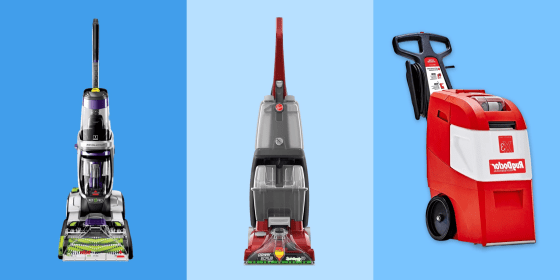
The best carpet cleaners to get rid of what your vacuum leaves behind

Carpets Central

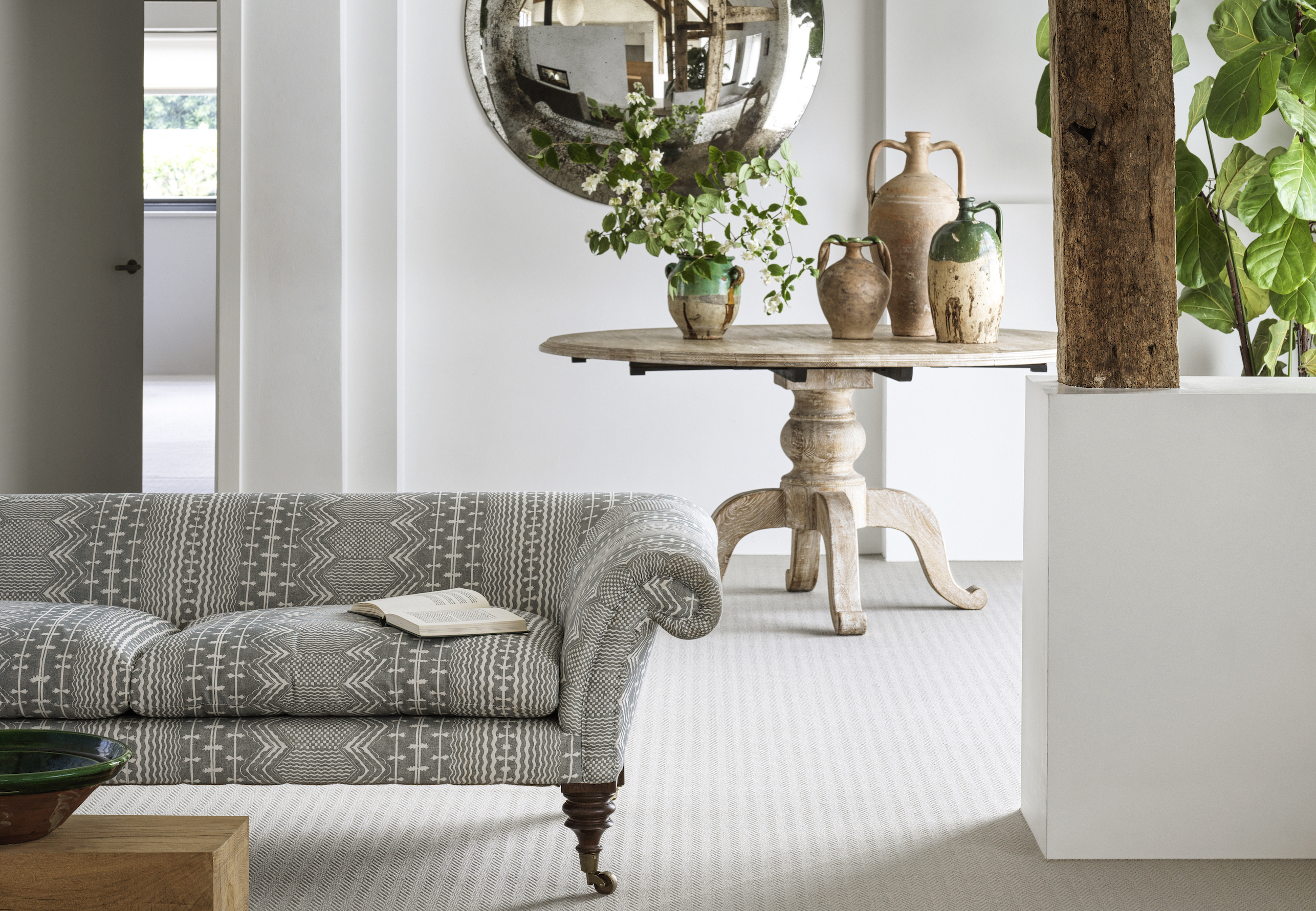
Carpet types – everything you need to know about how to choose this cozy flooring

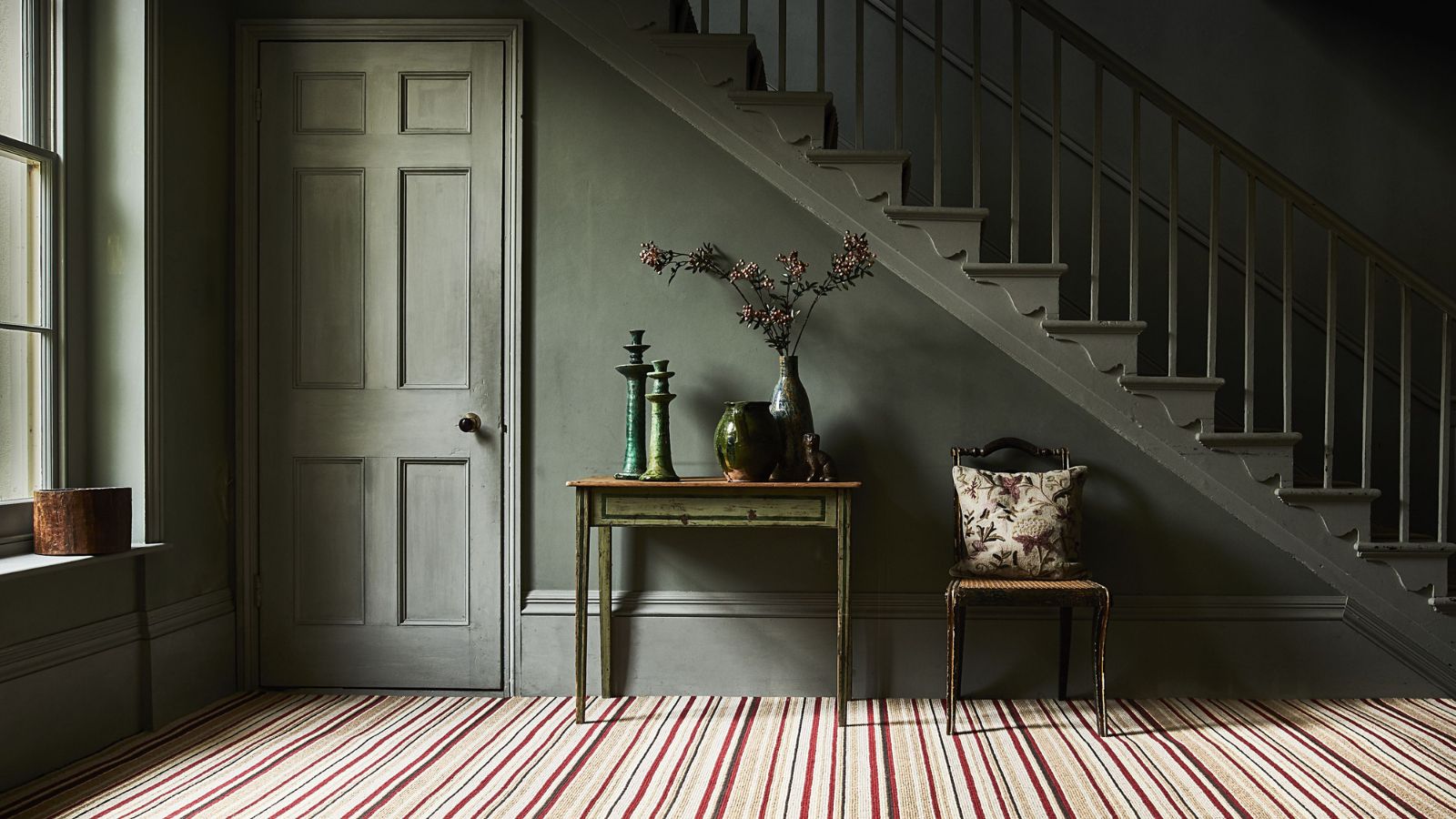
How to fix ripped carpet – 5 steps to restore the appearance of your flooring

The Best Carpet Repair Products for Home Use in 2025


Is carpet out of style? Designers share how they’re using it now – and what to try instead

Comfy carpet, once dismissed as out-of-date, is back in vogue


An Alternative To All Over Carpeting In The Home

The 13 Best Carpet Colors for the Home


Here’s What to Do With Your Carpets After a Flood
How often should carpet be replaced and how to make yours last, according to flooring experts

Carpets Central

Experts say this flooring option can improve air quality – and chances are you already have it in your home

How often should you deep clean your carpet?

The Best Carpet Tiles for Every Space in Your Home

Modulyss lists carpet tiles on Dezeen Showroom

How to Choose the Perfect Carpet: Expert Guide to 2025 Trends

Tips for Choosing the Best Carpets and Rugs