1/6
Here’s What to Do With Your Carpets After a Flood
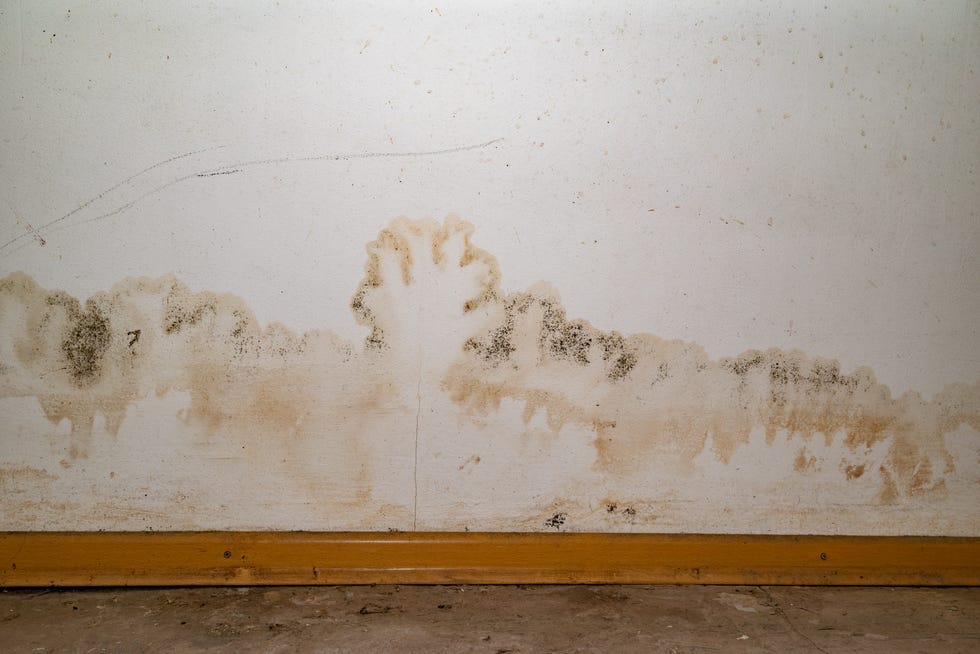
Flooding can cause significant damage to homes, particularly to carpets, due to the introduction of grossly contaminated water. Unlike simple spills, floodwater carries various contaminants such as sewage, oils, bacteria from natural sources, synthetic products, and agricultural pesticides, making thorough remediation essential. The Institute of Inspection Cleaning and Restoration Certification classifies floodwater into three categories: Category 1 for clean water (e.g., a pipe leak), Category 2 for mildly contaminated gray water (e.g., a bathtub overflow), and Category 3 for grossly contaminated water, which includes hurricane flooding. For Category 3 flooding, simply drying the carpet is insufficient and can lead to severe health risks due to the growth of mold and bacteria.
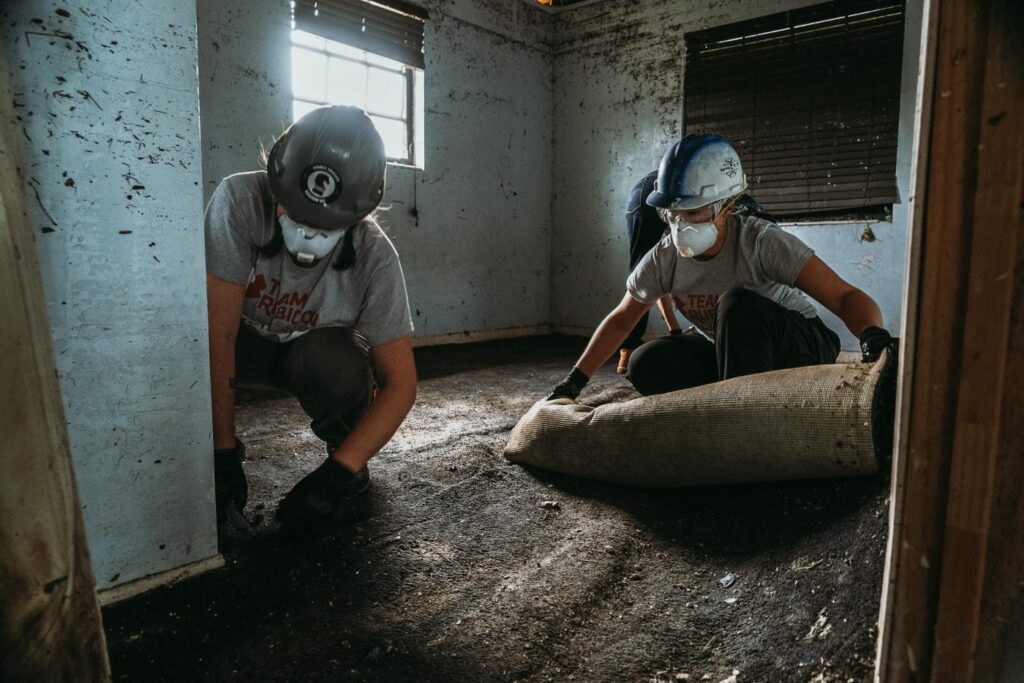
The immediate and critical step following a flood is the complete removal of all carpets and any underlying materials down to the subfloor. This applies whether the subfloor is a concrete slab, as often found in Florida slab-on-grade homes, or a plywood subfloor in other construction types. The article emphasizes the importance of wearing personal protective equipment (PPE) during this process, treating the floodwater as if it contains sewage. Recommended PPE includes safety glasses, work boots, arm-high gloves, and potentially a respirator. For work in crawl spaces, a full protective suit is advised to prevent contact with hazardous contaminants.
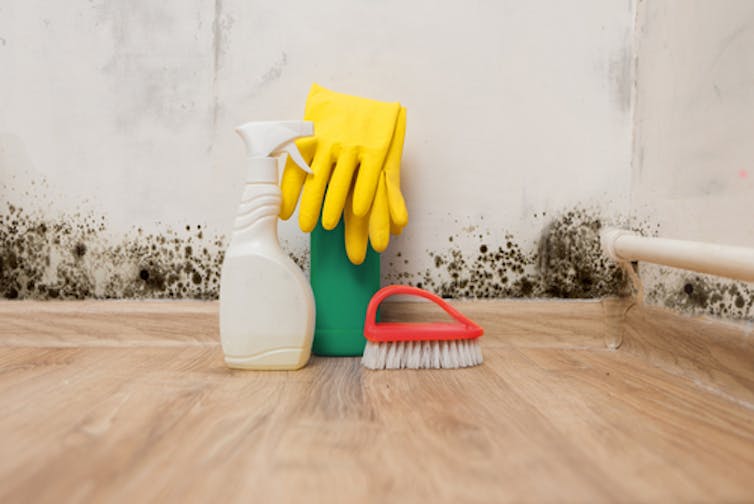
After carpet removal, the subfloor must be thoroughly cleaned of all dirt and debris. This is followed by a crucial disinfection and drying phase. Skipping or inadequately performing disinfection can lead to widespread mold growth, as observed in past flood events. An EPA-registered disinfectant should be used according to its product directions to effectively neutralize contaminants. Air-drying the floor is not recommended as it is too slow and provides ample opportunity for mold to develop, potentially taking three to four weeks.
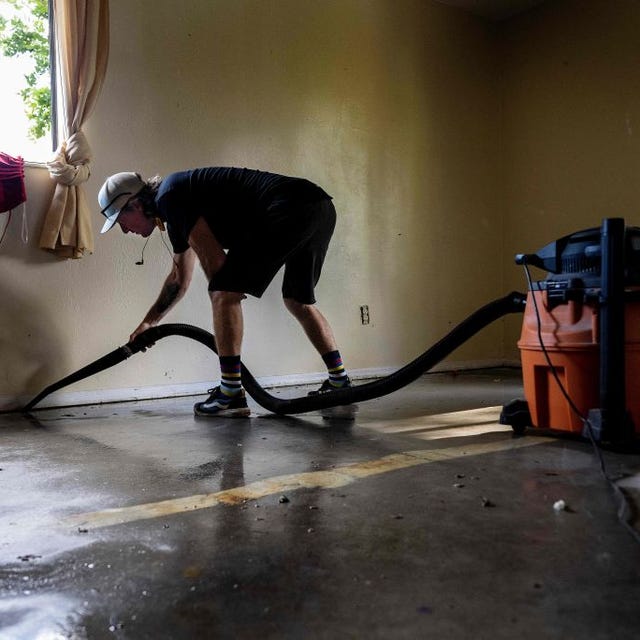
Instead, artificial drying methods are strongly recommended. The use of fans and dehumidifiers accelerates the evaporation process, drying the subfloor much faster than air-drying alone. Rapid drying is key to inhibiting mold growth and restoring the house to a “dry standard.” In older homes, where carpets might be laid over additional underlayment layers, it is imperative to remove all layers down to the lowest subfloor surface to ensure no contaminants or mold are trapped between flooring materials.
For multi-level homes, even carpets on upper floors not directly touched by floodwater may be contaminated. If residents have walked through flooded areas downstairs and tracked contaminants upstairs, those carpets should also be replaced. Airborne contaminants can also travel, so a thorough hot-water extraction cleaning might suffice for untouched upstairs carpets if cross-contamination is definitively ruled out. However, if there's any doubt, replacement is the safest option. Besides carpets, other water-absorbing materials like drywall, insulation, and cabinetry also need assessment and proper handling. The final stage involves using a moisture meter to ensure the disinfected house reaches the necessary dryness level, preventing future mold issues. Ignoring this step can lead to recurring mold problems and continued health risks.
#FloodDamage #CarpetRemoval #Disinfection #MoldPrevention #HomeMaintenance #FloodRecovery #DIYHomeRepair #SubfloorCleaning #NaturalDisasters #FloodDamage #CarpetRemoval #Disinfection #MoldPrevention #HomeMaintenance #FloodRecovery #DIYHomeRepair #SubfloorCleaning #NaturalDisasters
0 comment in total
 No comments yet
You may also like
These Indoor-Outdoor Rugs Survived a New York Flood, a Backyard Barbecue, and Every Pet Mess


When Rivers Rise Fast – Flood-Smart Living: Simple Steps to Protect your Home
What to Do If Your Basement Floods During a Storm, According to Experts

My Basement Flooded…What I Wish We’d Have Known to Better Prepare, and What We Learned


How to fix ripped carpet – 5 steps to restore the appearance of your flooring

What to do When You Have Roof Damage From Hail

The Best Carpet Repair Products for Home Use in 2025

Beyond bleach: Mold a long-term problem after flooding and disasters


Rebuilding After Hurricane Helene and Milton: Flooring and Cabinet Solutions from Naffco


My House Flooded . . . Now What?
How often should carpet be replaced and how to make yours last, according to flooring experts

6 waterproof storage solutions to protect your stuff from flood damage
How to Clean Up After a Flood: Muck Outs and More


5 common types of water damage to your home – and how to fix them

How to fix wet walls, mold, and other damage caused by winter


Floodproofing a house — 12 things experts say you can do
So Your Basement Is Severely Flooded. Now What?
4 ways to prevent flood damage to your car during a storm