1/2
How to fix wet walls, mold, and other damage caused by winter
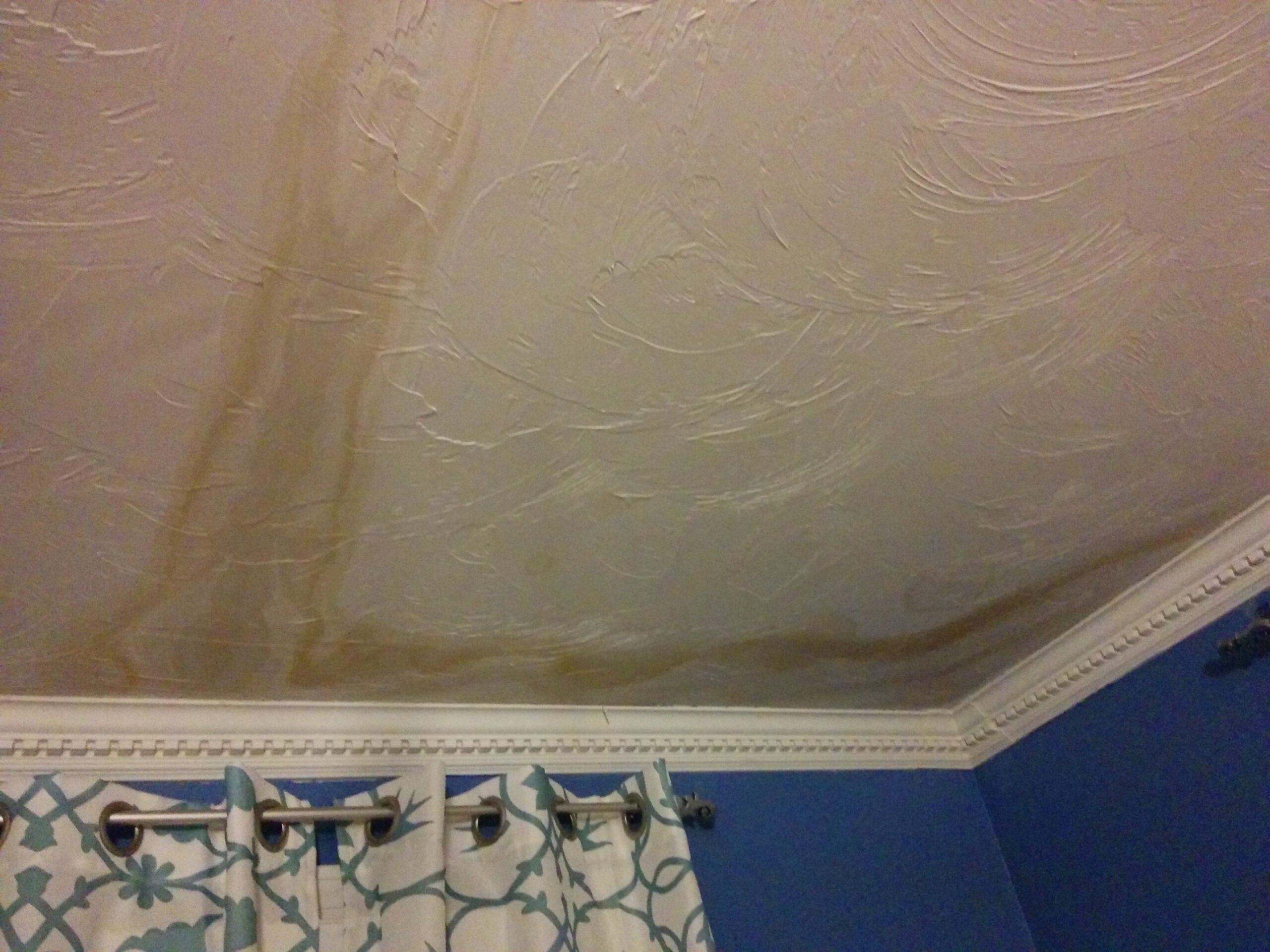
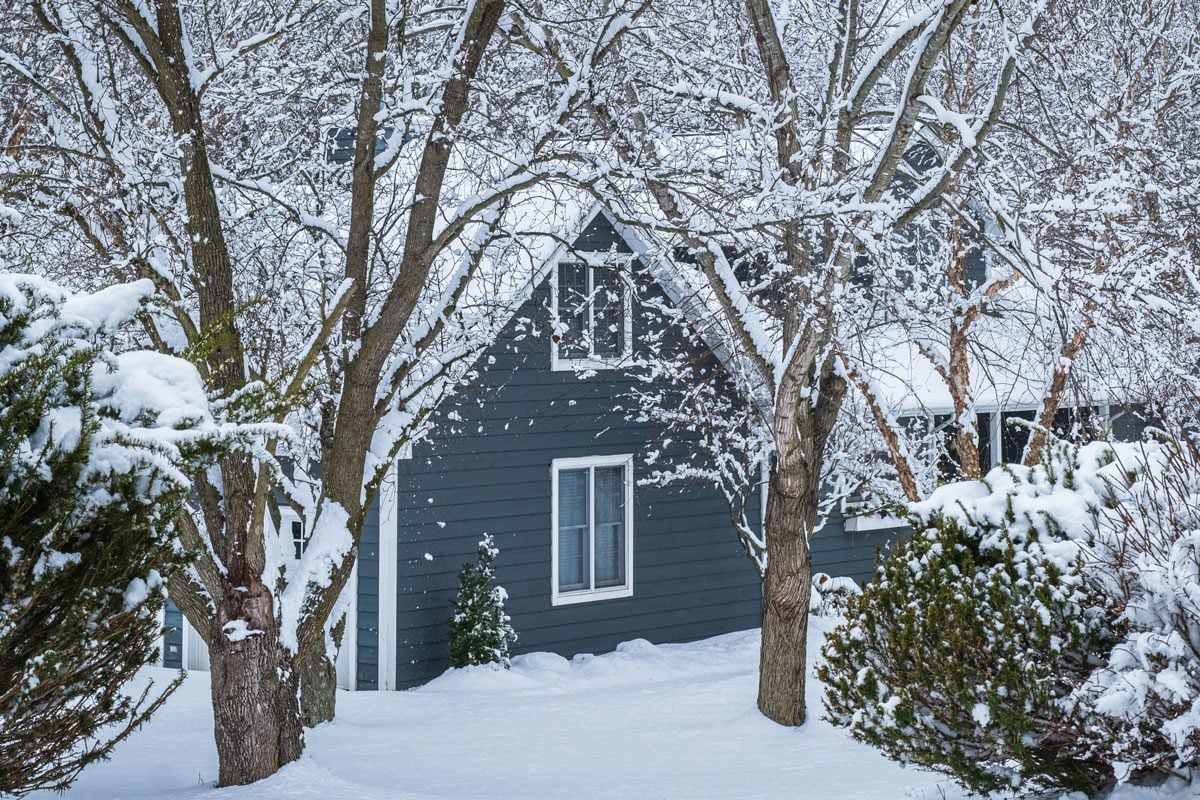
The winter of 2015 brought significant snowfall and frigid temperatures, creating ideal conditions for ice dam formation and extensive property damage. Ice dams occur when heat escaping from a house melts the bottom layer of snow on the roof, which then refreezes on colder surfaces like overhangs. This accumulation leads to water backing up under asphalt shingles, causing leaks inside the home. Addressing such damage requires a comprehensive, whole-house approach, considering the home as an interconnected system rather than isolated symptoms.
When dealing with water damage from ice dams, homeowners should first determine if filing an insurance claim is advisable. Policies may cover water damage from snow, ice, or accidental leaks from plumbing or HVAC systems. To file a claim, photographic evidence of damage, including contents, and a written estimate from a contractor detailing repair costs, materials, and labor are necessary. Homeowners should also check if their policy covers mold, as its presence requires immediate contact with the insurer and often an adjuster's inspection, though a mold claim might impact future insurability.
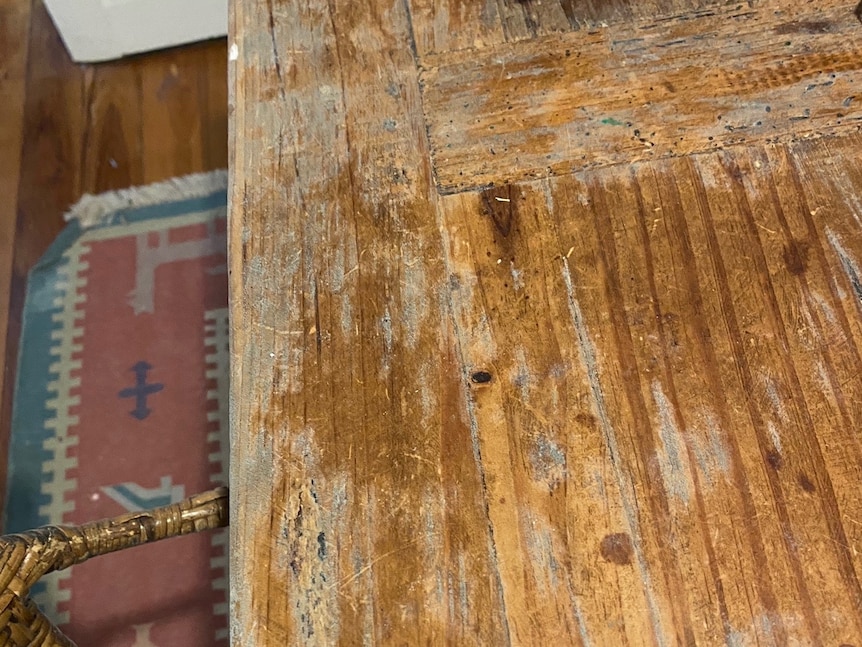
After stopping the leak, the immediate priority is drying the affected areas. Fans are recommended, but if mold is present, professional intervention with specialized equipment is crucial to prevent spore spread. Wet hardwood floors can cup, crown, or buckle. While some cupping or crowning may resolve over time, severe damage or persistent issues typically require sanding and refinishing or replacement. Costs for these repairs vary, with sanding and refinishing ranging from $2 to $3.50 per square foot, and replacement with red oak flooring costing up to $10 per square foot, plus an estimated $3 per square foot for old floor removal and disposal.
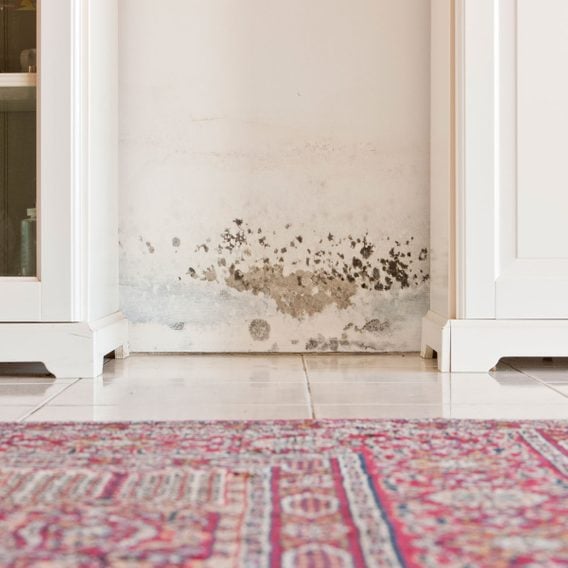
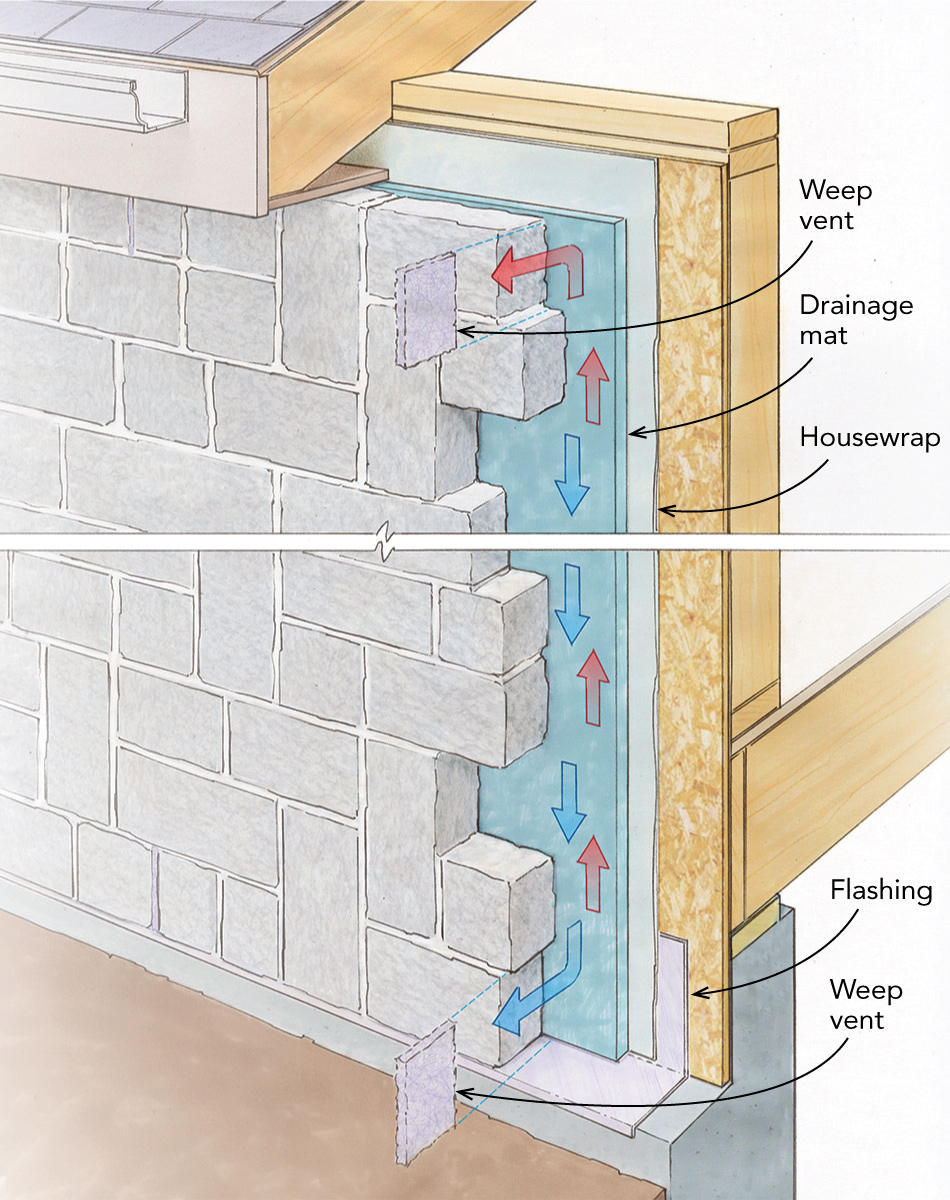
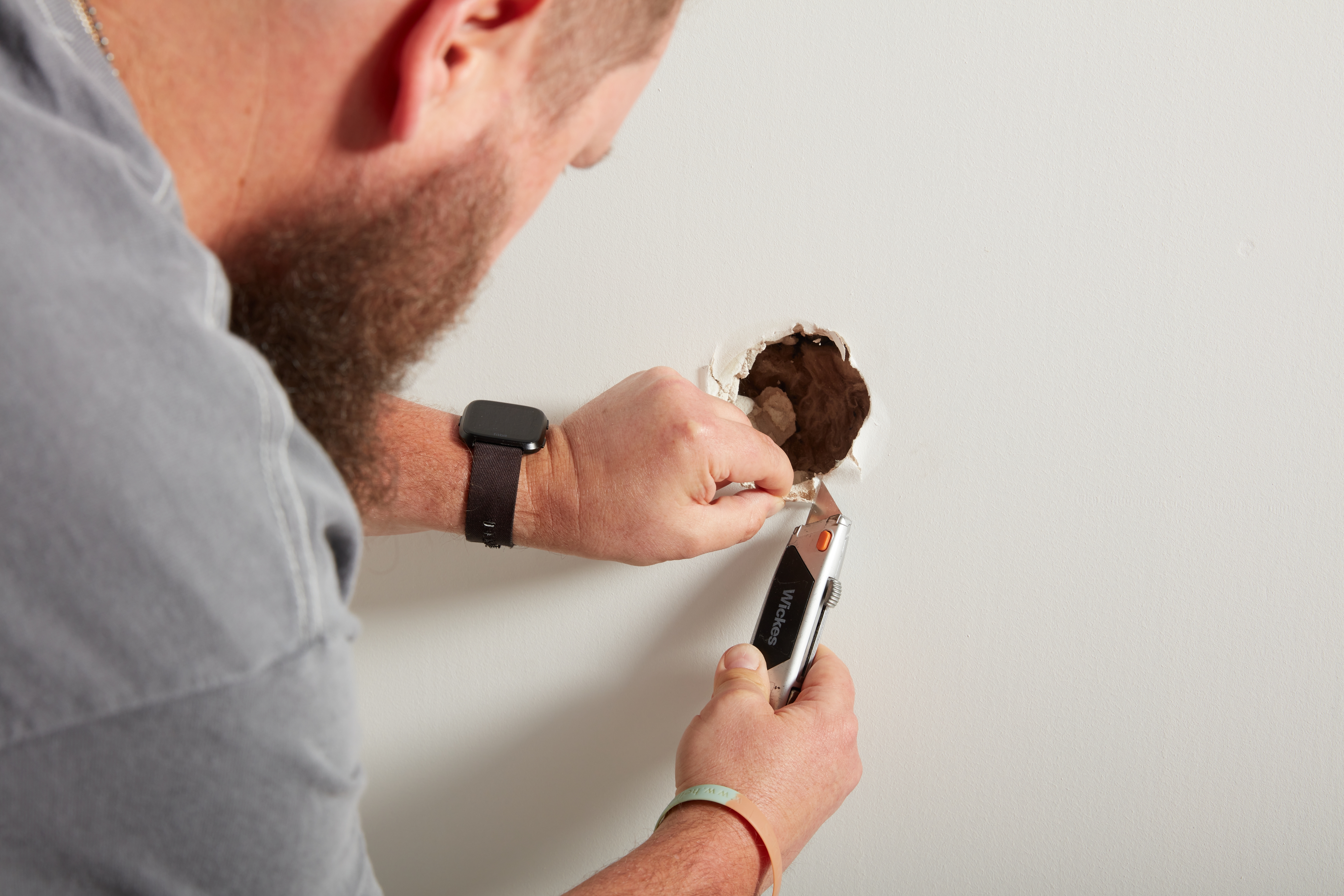
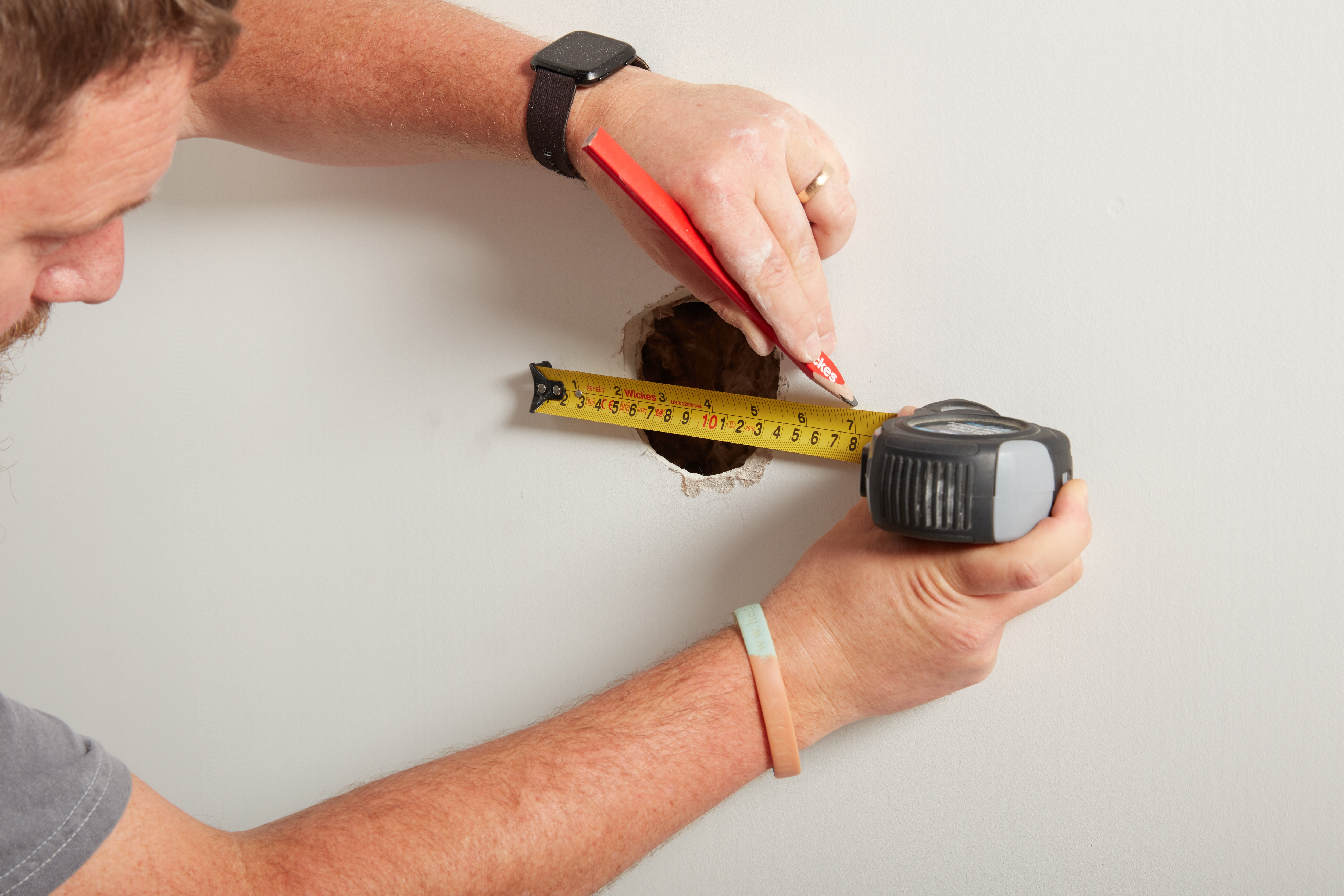
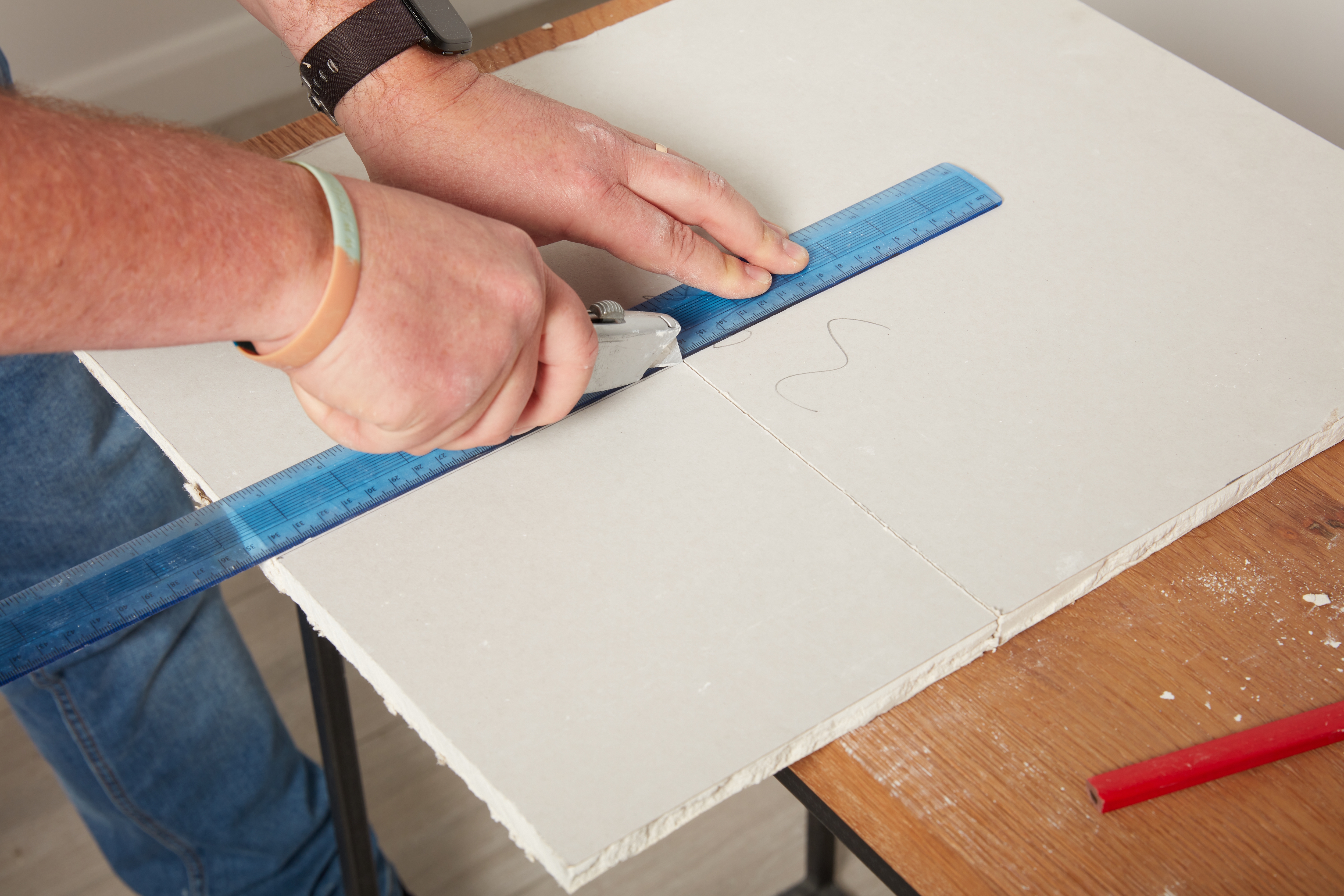
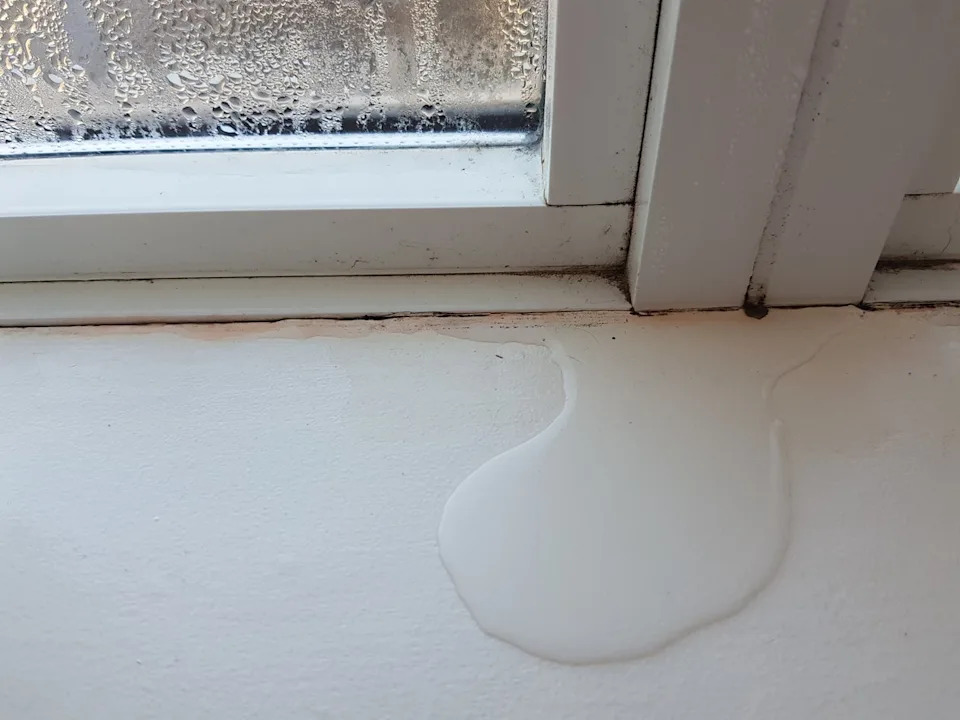
For wet walls, the ideal solution for saturated insulation is replacement. Wallboard can sometimes be dried in place if swelling is minimal and adequate airflow can be provided. However, wet insulation should be removed, and wall cavities ventilated and dried. Ignoring wet insulation in inaccessible areas like behind wainscoting and crown molding risks mold growth, which can start within 24 to 48 hours under ideal conditions. Mold requires food, water, and optimal temperatures (70 to 90 degrees Fahrenheit being most conducive, though it can grow from 32 to 120 degrees Fahrenheit).
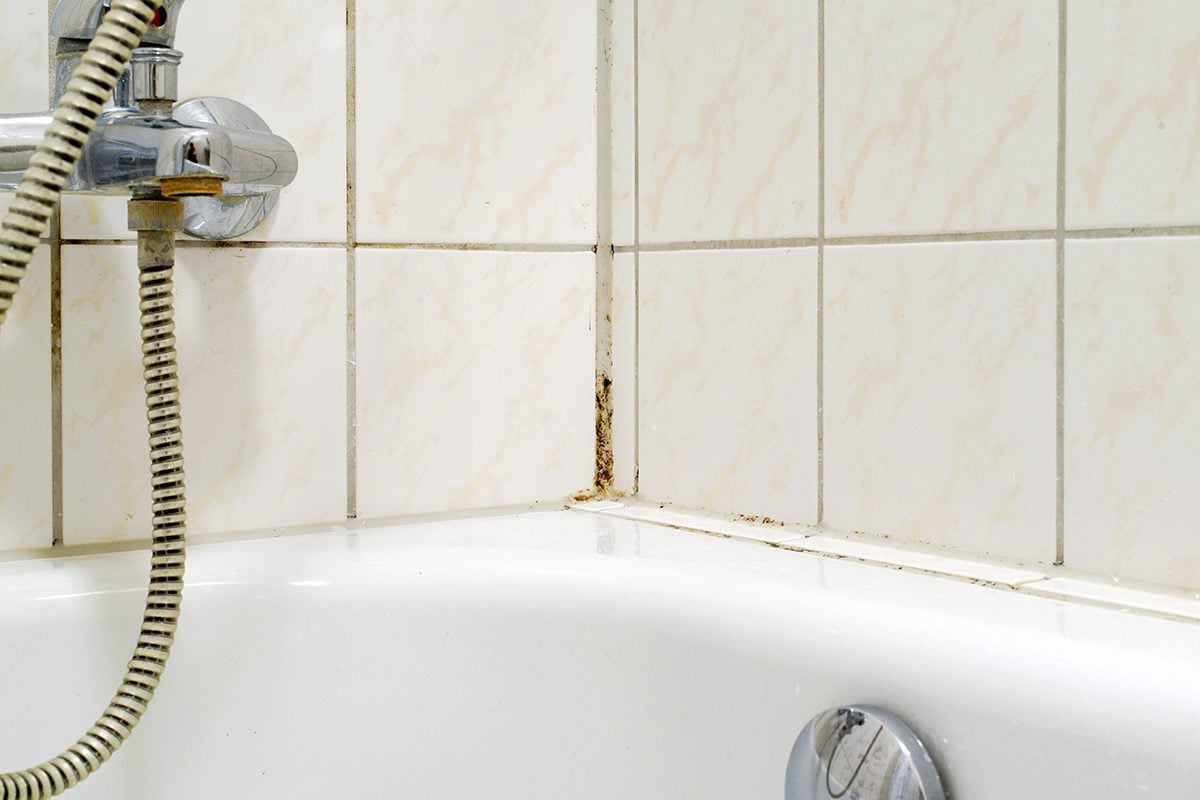
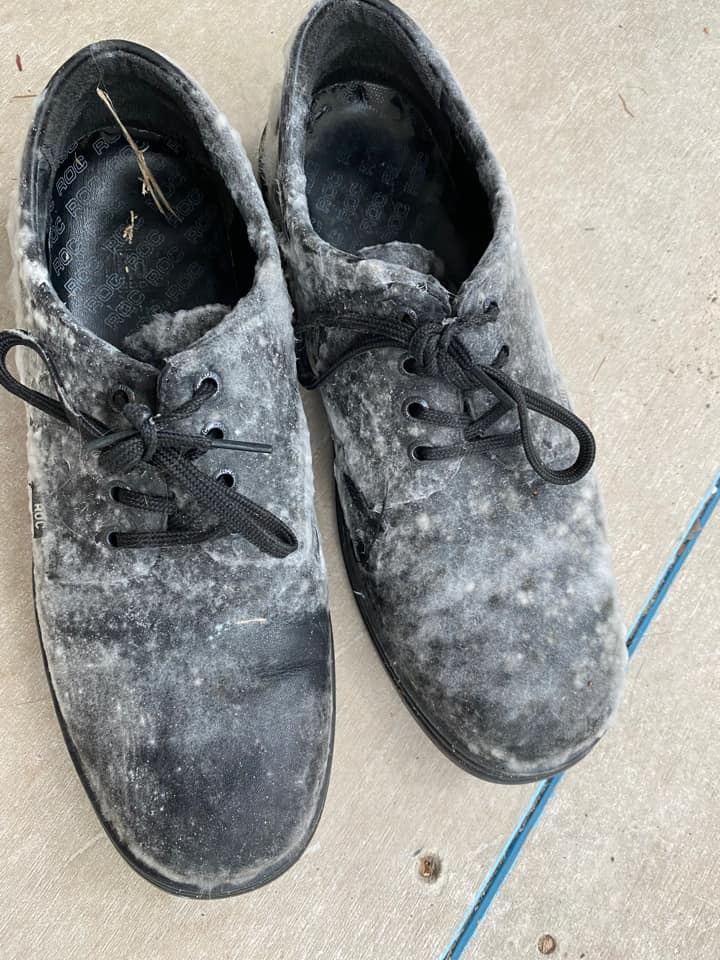
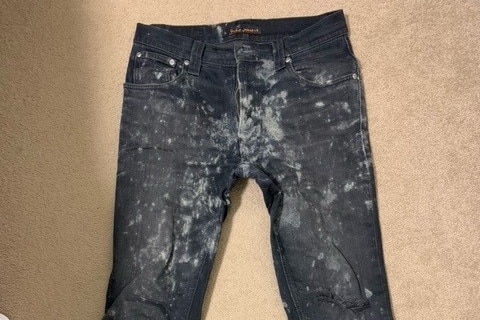
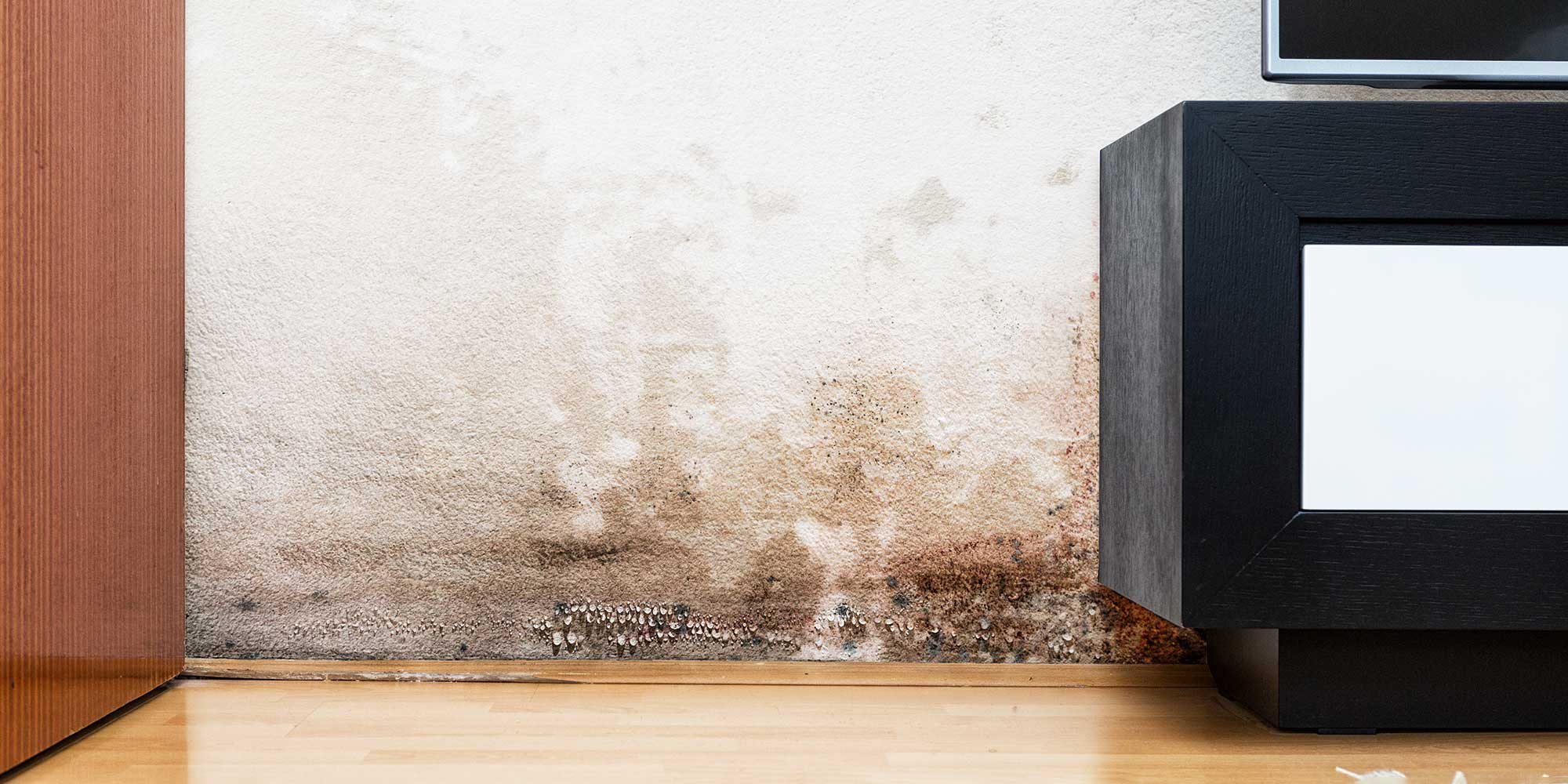
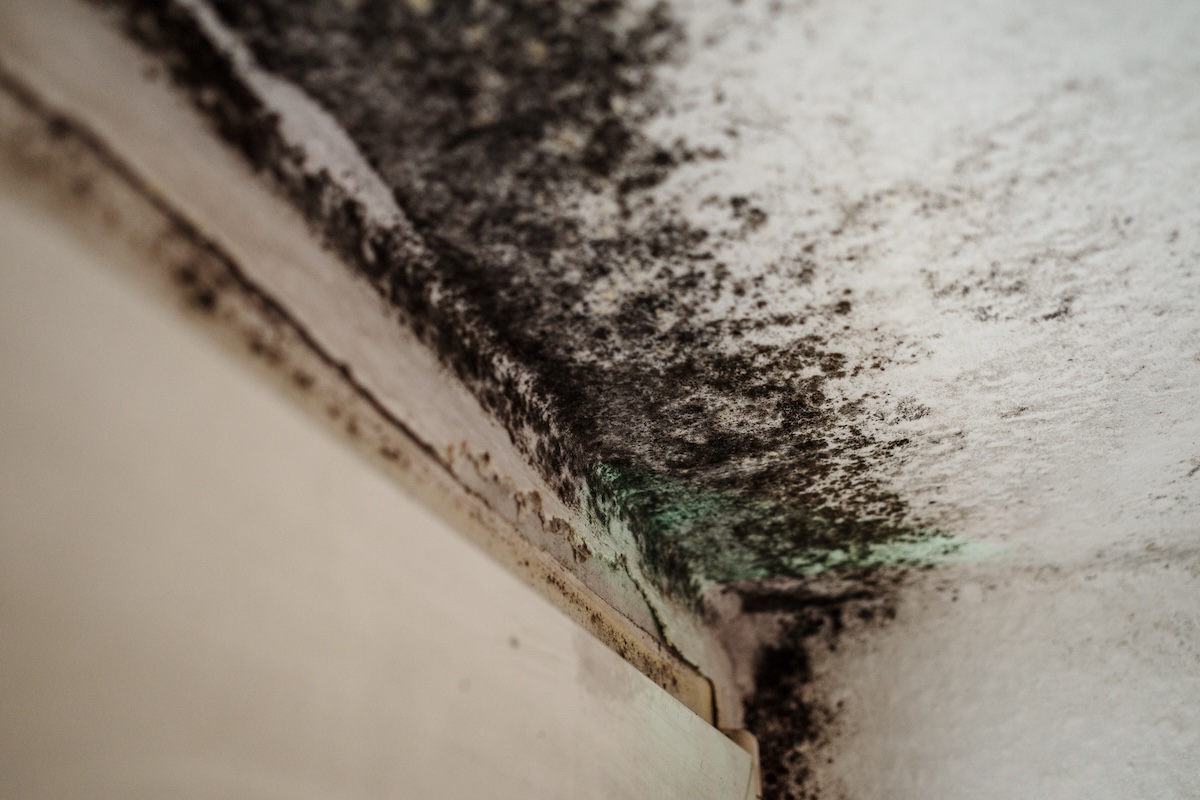
Mold is a ubiquitous microorganism, and its presence in a home is common. Visible mold may appear as furry growth or black, white, orange, green, or brown spots. Non-obvious mold can grow behind drywall, wallpaper, and within ductwork. If mold is suspected, professional remediation is advised. Proper drying involves removing standing water with wet vacuums, using fans and dehumidifiers, and potentially opening walls and ceilings. Wet carpets and pads should be discarded as they trap moisture, and baseboards may need removal to facilitate drying. Household items like bedding and clothing can be cleaned or dry-cleaned. Non-porous materials can be cleaned with mold remediation products, but porous materials infested with mold often need to be discarded.
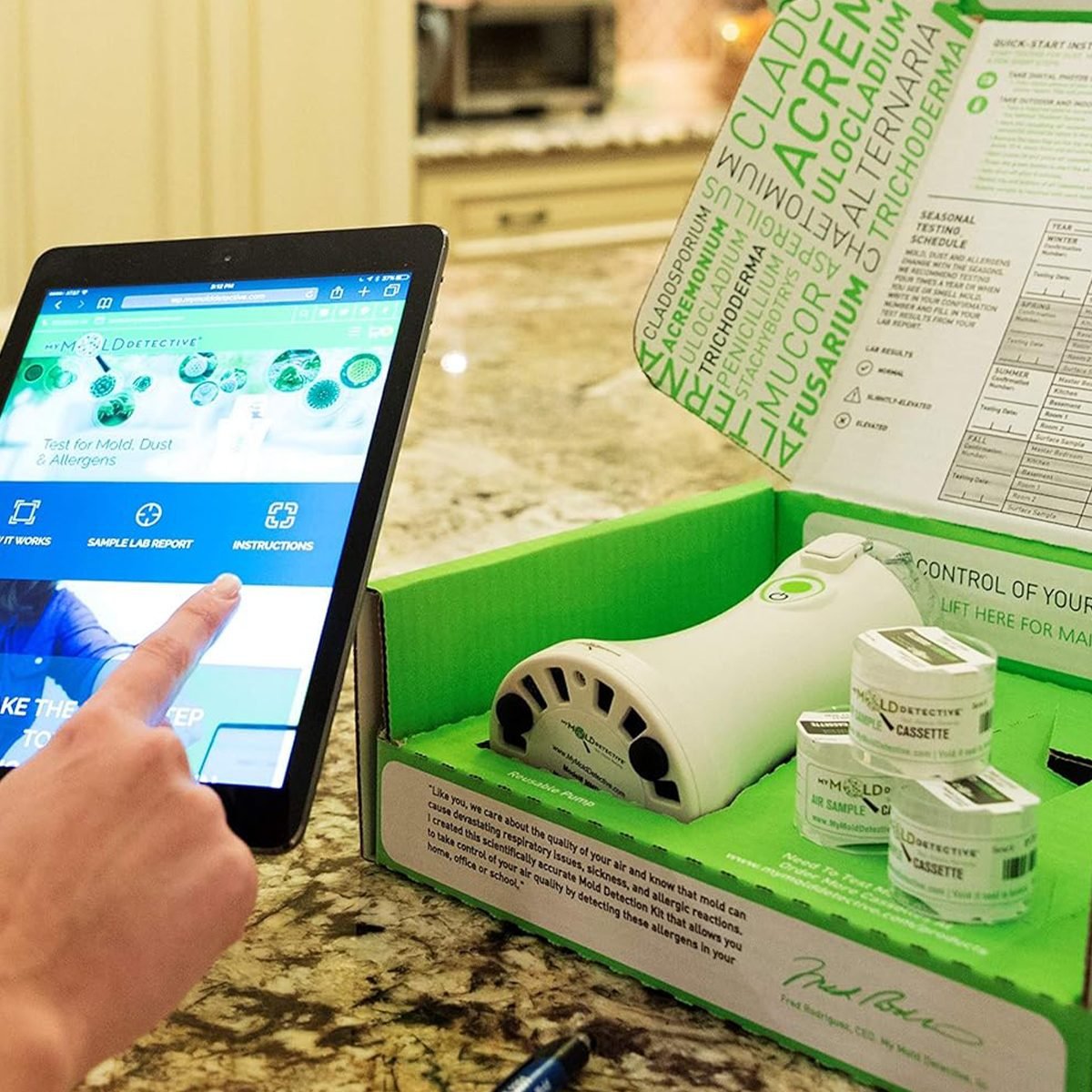
Homeowners should be wary of specialists who claim to identify toxic mold visually; laboratory testing is the only reliable method. Mold, whether live or dead, can trigger allergic reactions. While bleach is a common cleaning agent, its effectiveness against mold on porous surfaces is limited, as the water component can feed residual mold spores. Specialized mold remediation products like Sporcidin can be used on various surfaces, but manufacturers' instructions and safety precautions (gloves, eyewear) must be followed. Ultimately, eliminating mold spores, particularly in extensive cases, is best handled by certified mold remediation professionals.
#WinterDamage #IceDams #WaterDamageRepair #MoldRemediation #HomeMaintenance #HardwoodFloorRepair #WetWalls #InsuranceClaims #HomeImprovement #WinterDamage #IceDams #WaterDamageRepair #MoldRemediation #HomeMaintenance #HardwoodFloorRepair #WetWalls #InsuranceClaims #HomeImprovement
0 comment in total
 No comments yet
You may also like
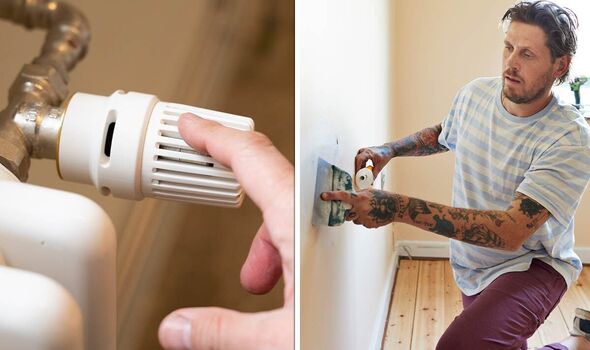
How to 'warm up' cold walls and 'protect' your home from condensation and mould growth

Stop Bedroom Damp with This 84-Cent Natural Home Fix

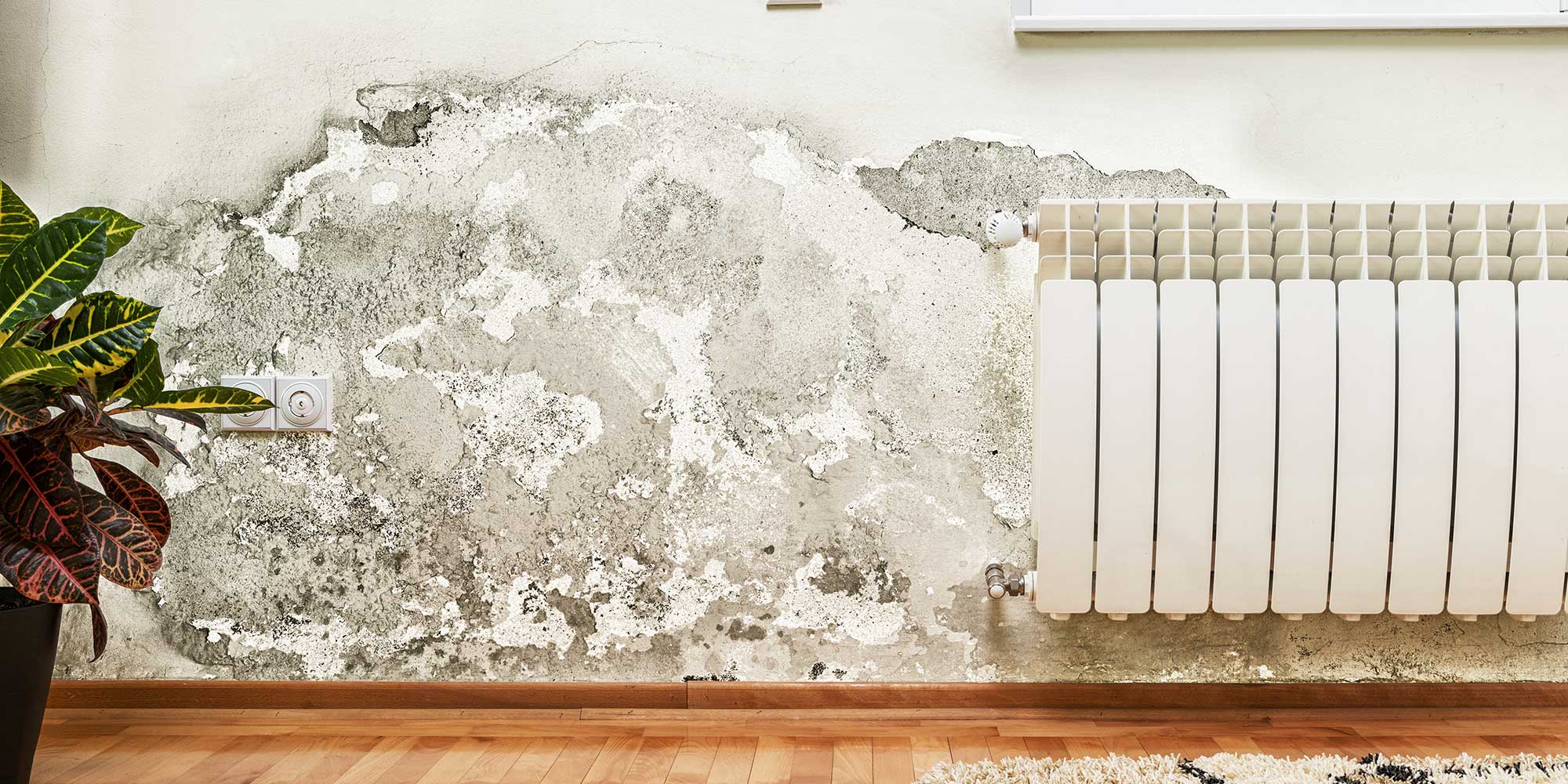
What Kind Of Damp Is Affecting My Home?
Say Goodbye to Moldy Shower Caulk with These 3 Easy Fixes

Mold and Mildew Cleaning and Repair

How to repair a wall or ceiling

Story from Arizona Painting Company: Heavy desert rain can create more home repair problems than just roof leaks

How to Get Rid of the Musty Smell in Your Basement

Lots of rain can mean mould, this is how to get rid of it. - ABC Emergency

How To Clean And Maintain Your Patio During Harsh Winter Weather

Highlander Waterproofing and Foundation Repair - Tribune-Review

How to Keep Exterior Green Walls Alive in the Winter
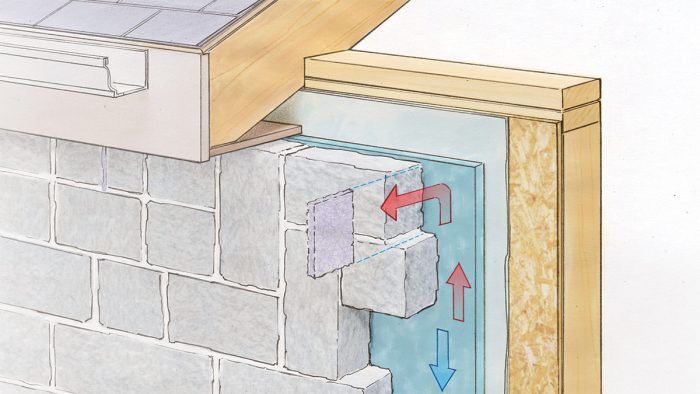
How to Remediate A Damp Exterior Wall Cavity

7 ways to winter proof your bathroom

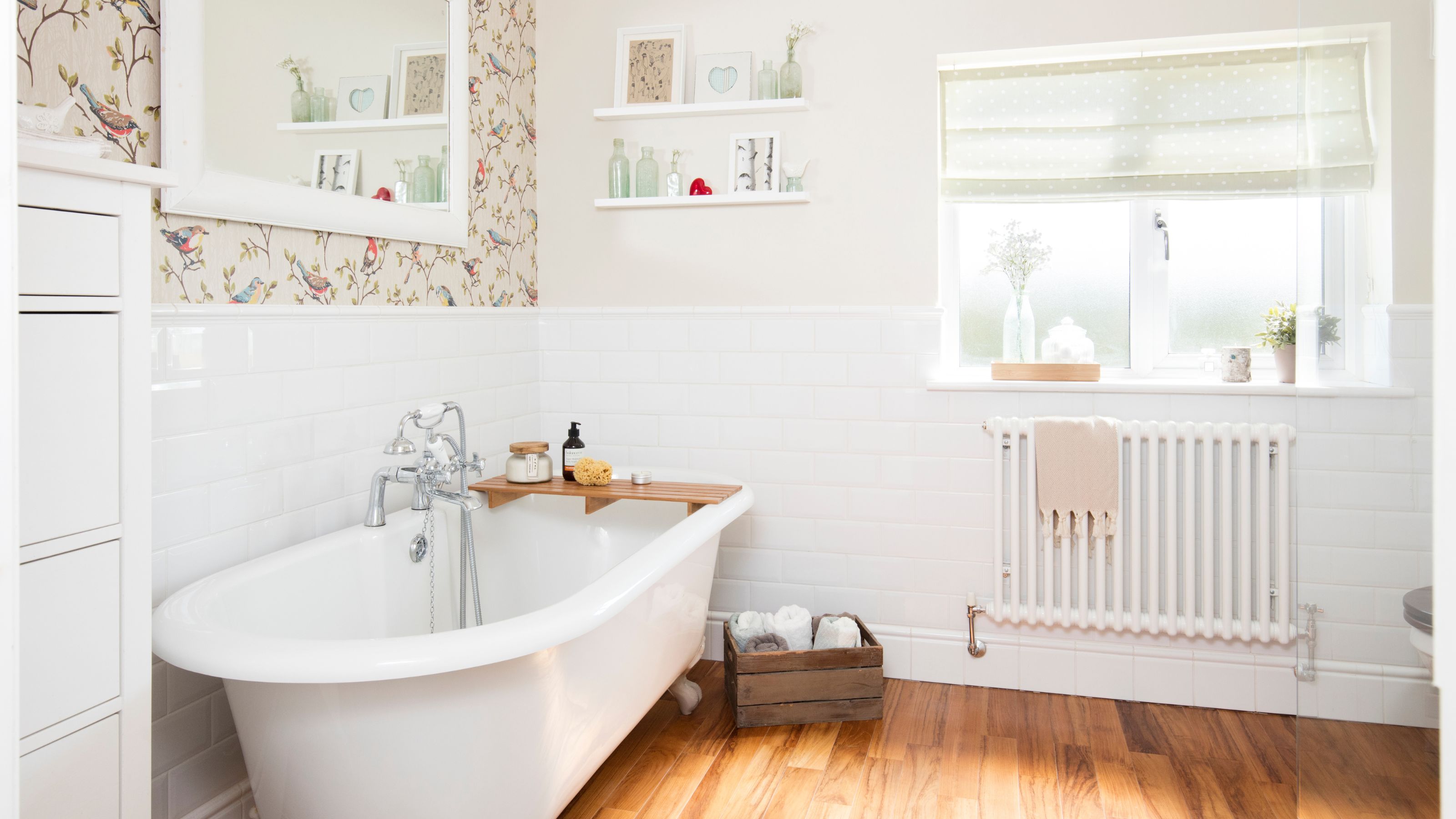
How to get rid of mould on walls – 7 home treatments tried and tested by the experts
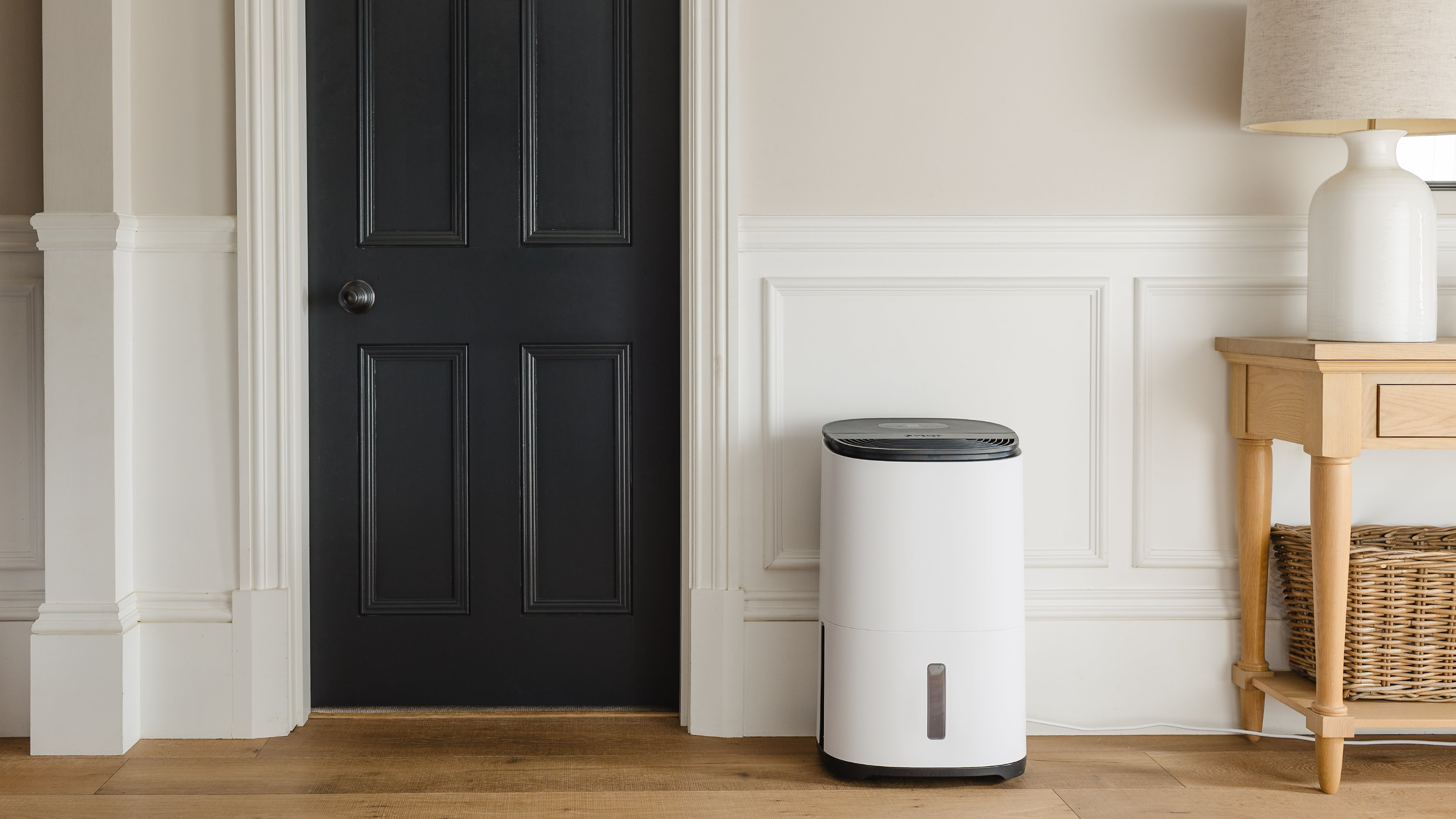
Can a dehumidifier dry out damp walls? Expert tips you need to know to drive out unwanted moisture this winter

Winter Deep-Clean: 5 Things Pros Never Forget in December
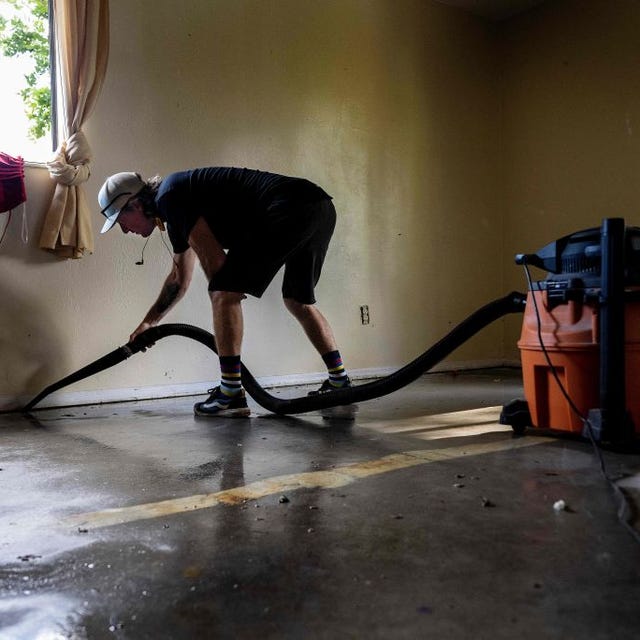
Here’s What to Do With Your Carpets After a Flood
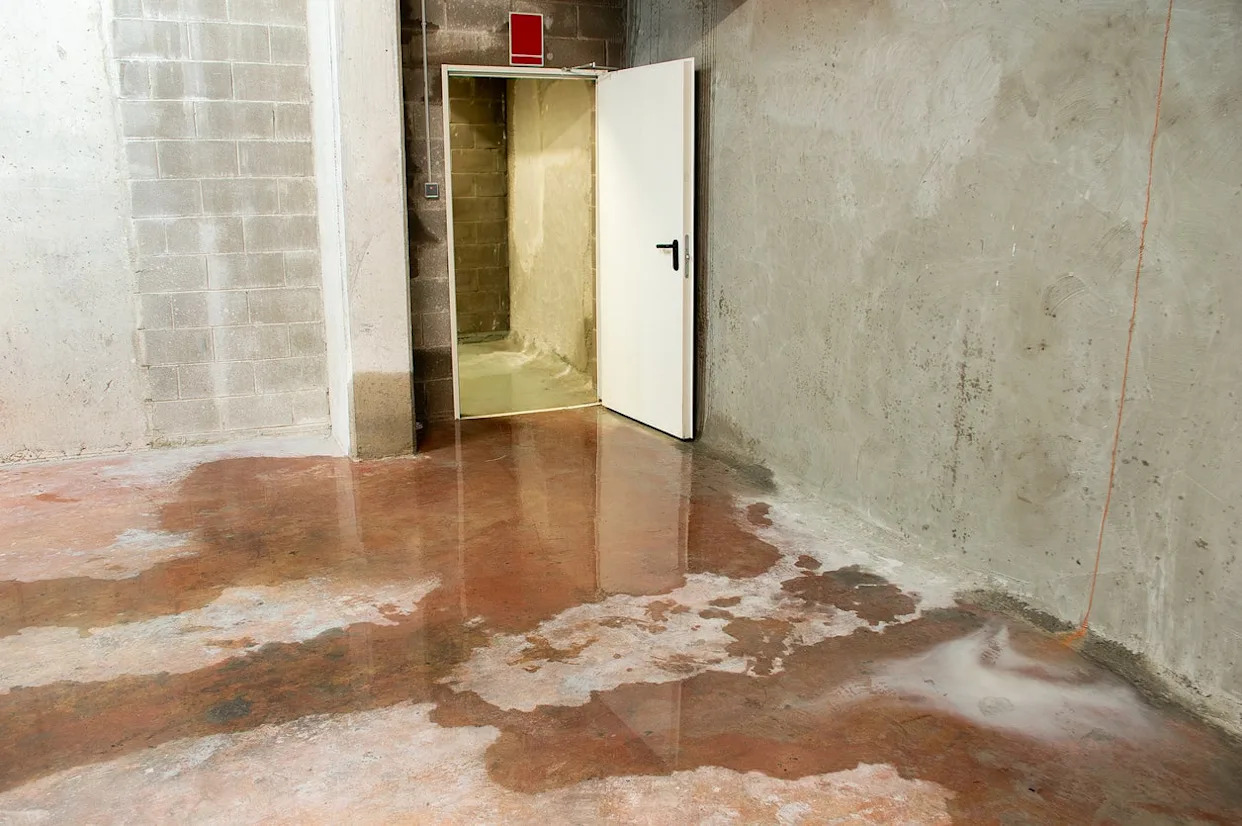
Solved! Here's What to Do About Water Leaking Into the Basement After Heavy Rain
The Best Doorway Rugs To Keep Your Floors Cleaner This Winter