1/4
What Kind Of Damp Is Affecting My Home?
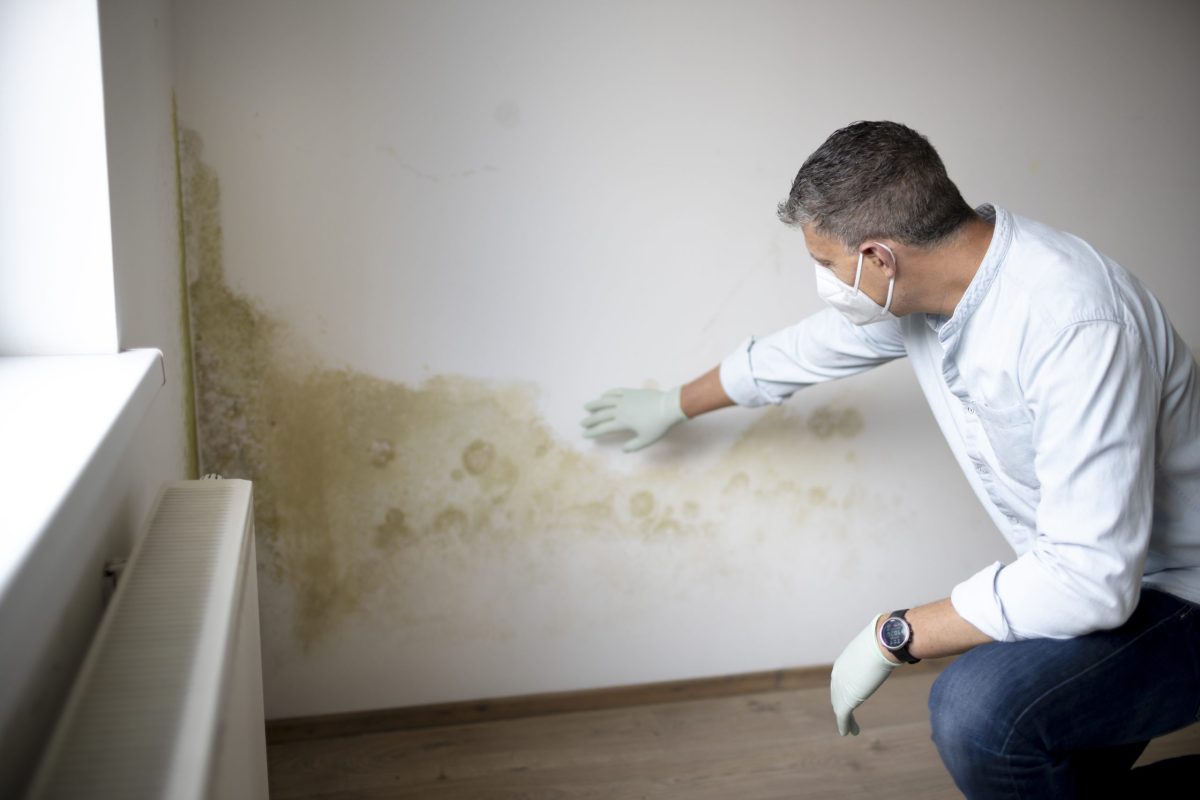
This article aims to help homeowners identify the specific type of damp affecting their property to ensure effective and cost-efficient treatment. The three most prevalent types of damp in residential properties are rising damp, penetrating damp, and condensation, each requiring distinct remedial approaches. Understanding the nature of the damp is crucial before undertaking repairs, as costs can escalate significantly with worsening conditions. While often appearing together, damp and mould are not synonymous; damp refers to accumulated moisture within a building's structure, whereas mould is a fungus that thrives in such moist environments. Damp can exist without mould, and vice versa.
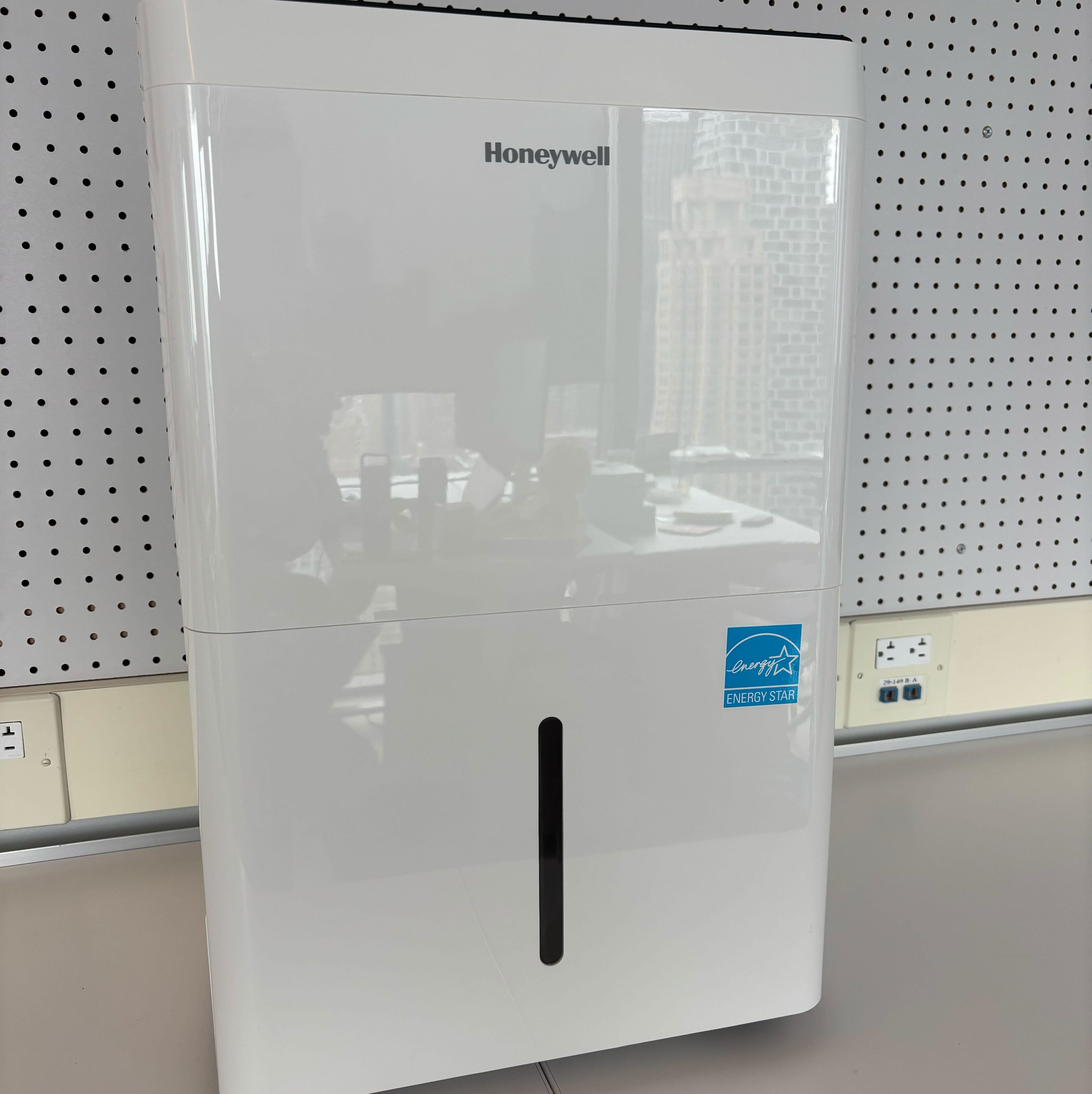
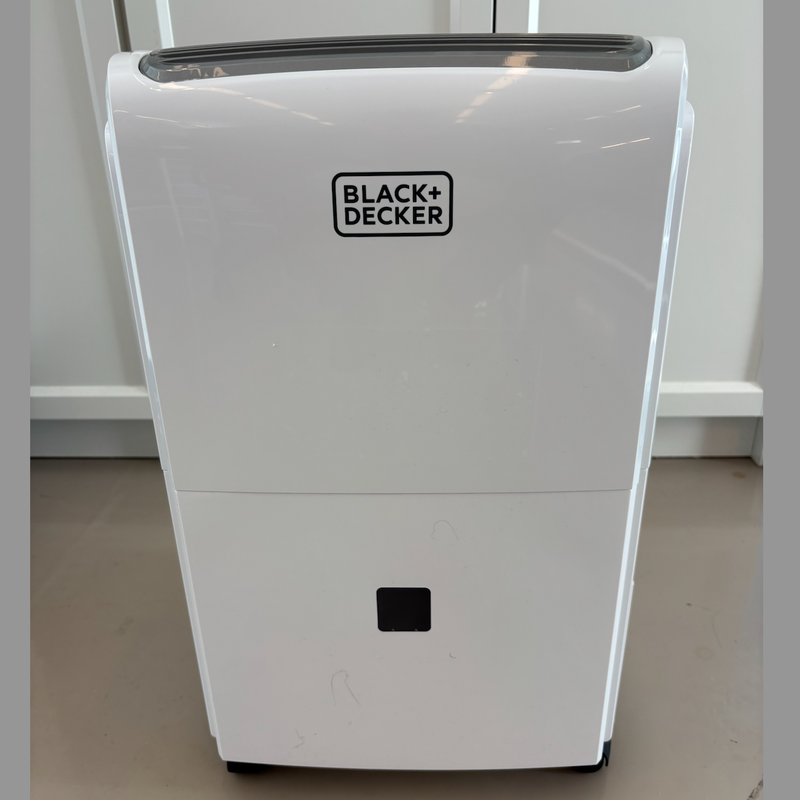
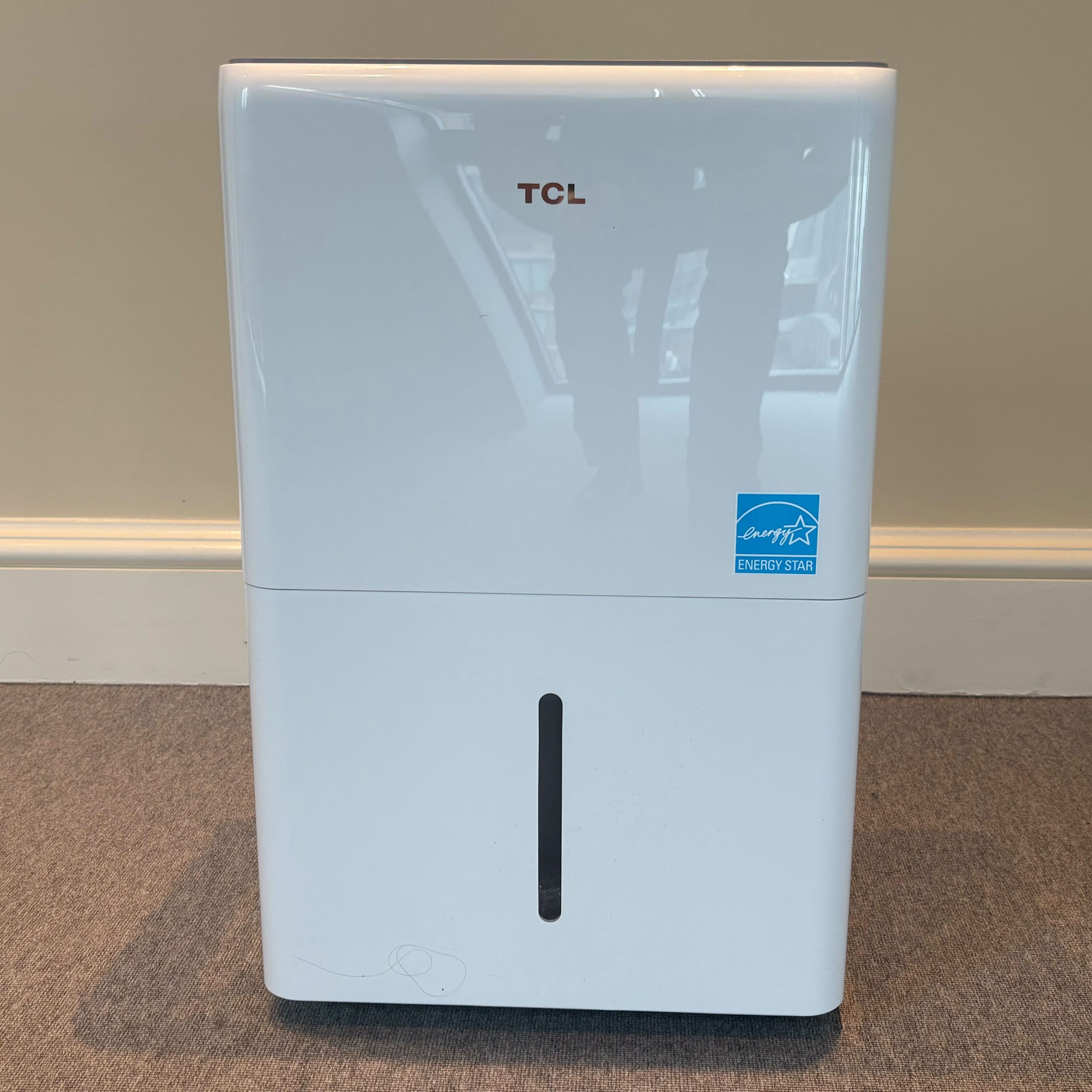
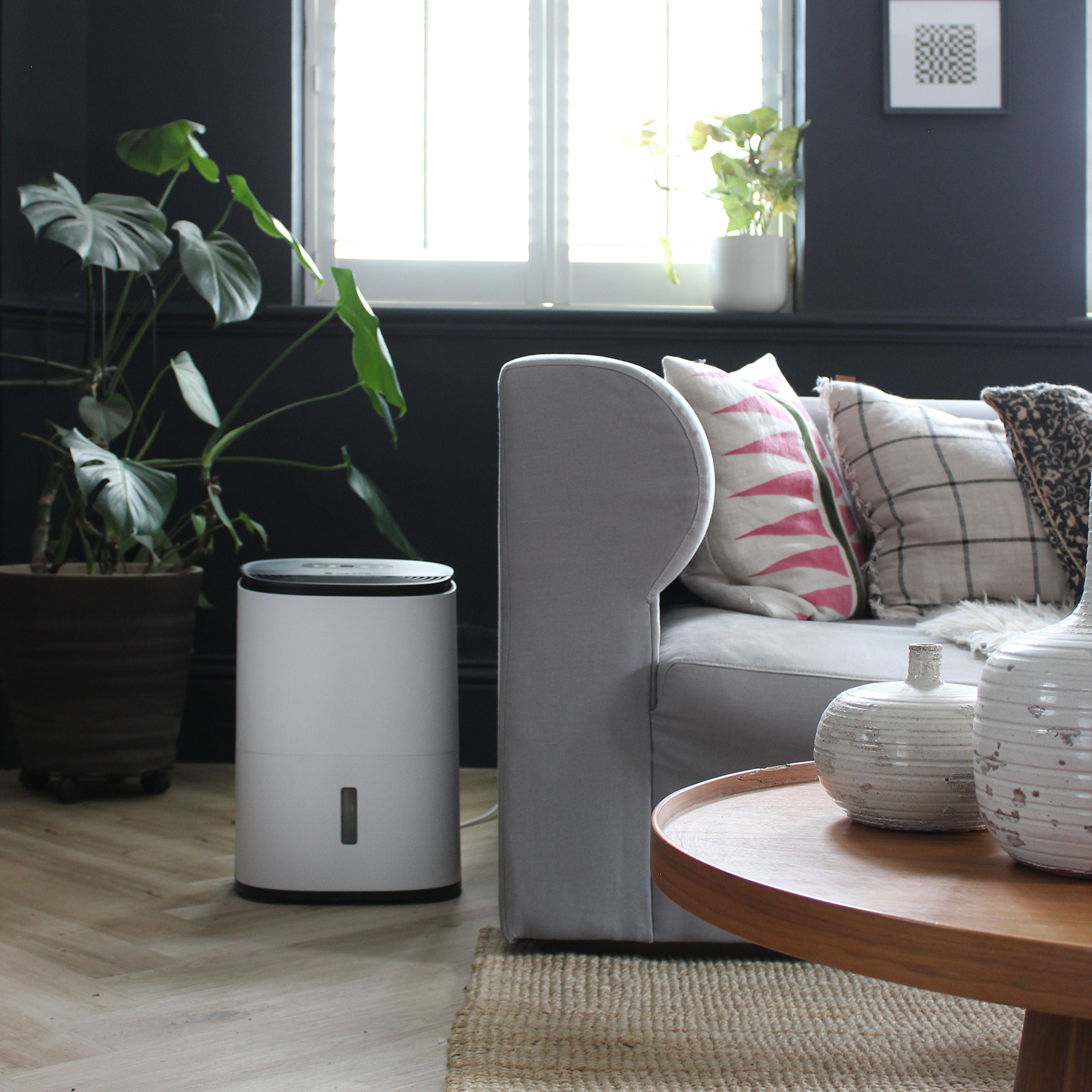
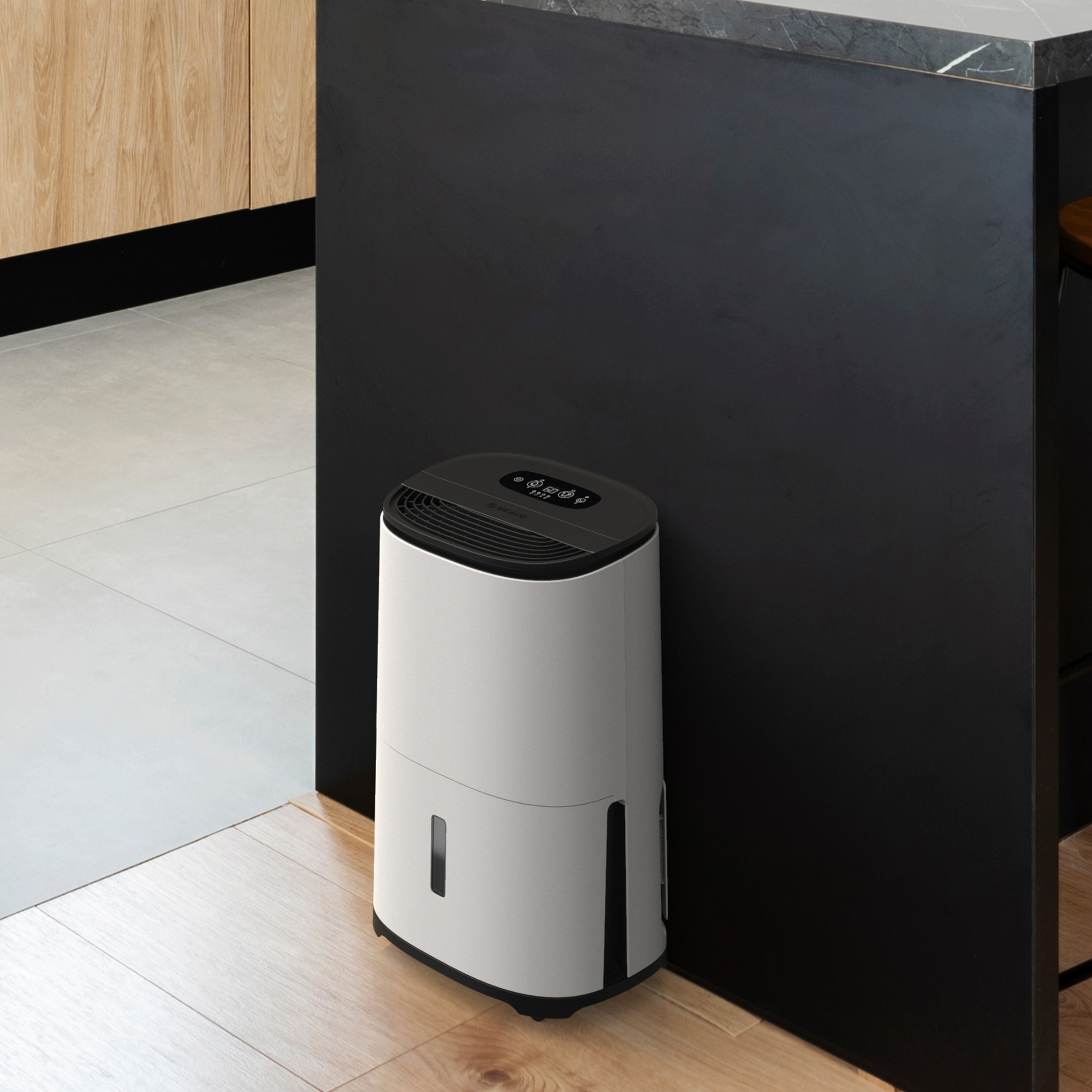
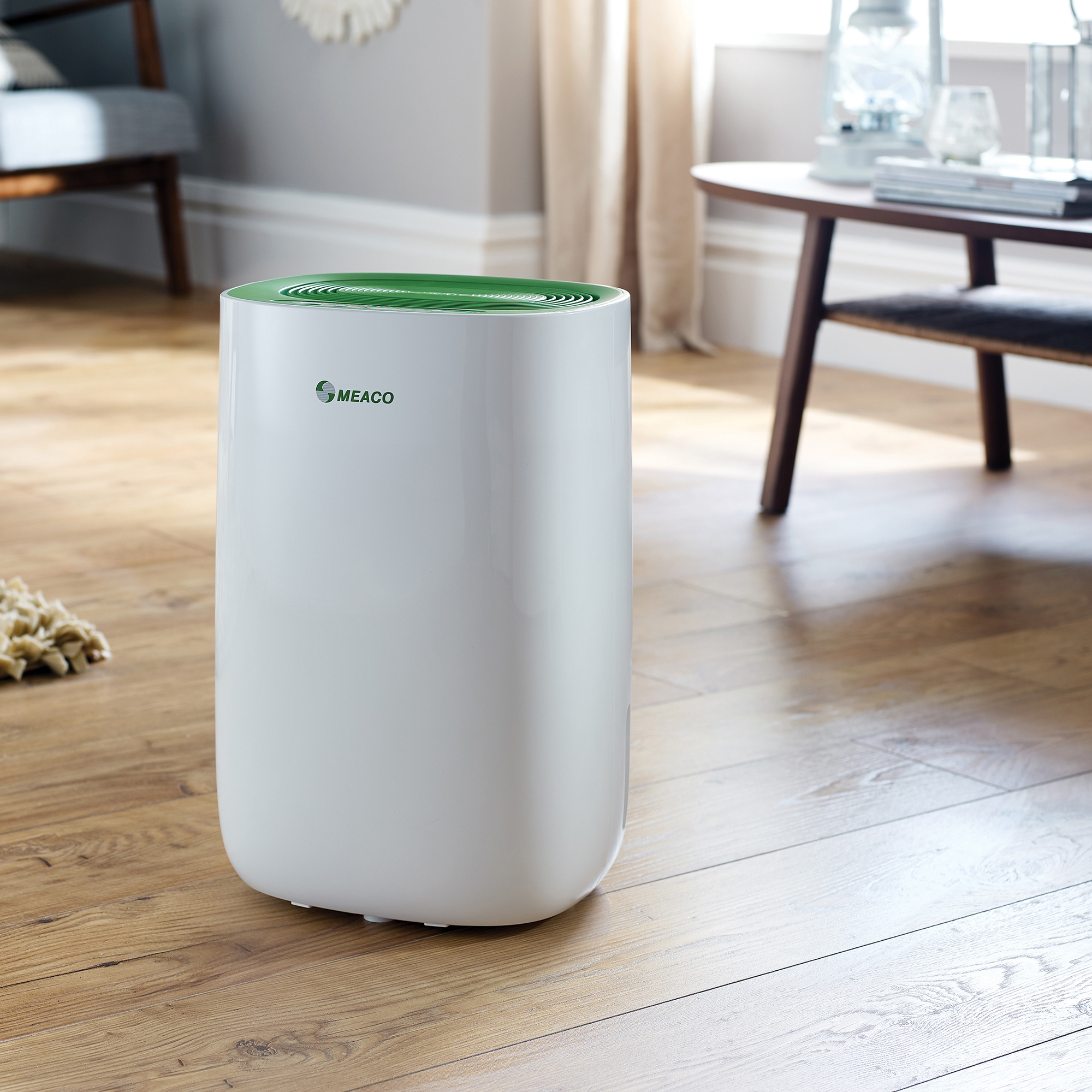
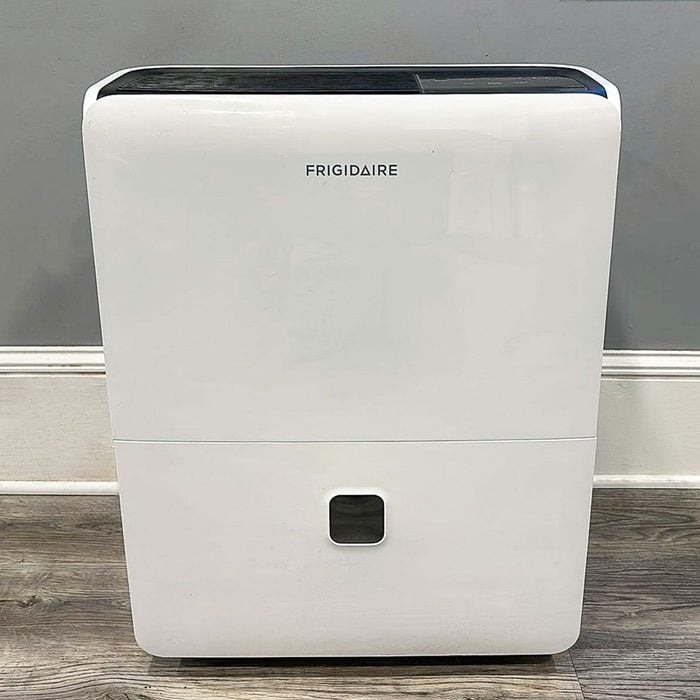
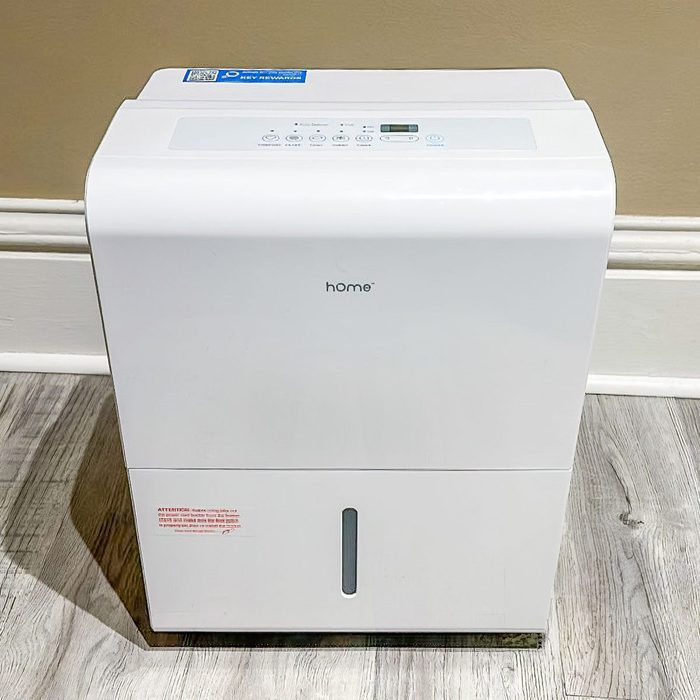
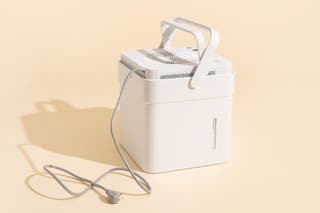
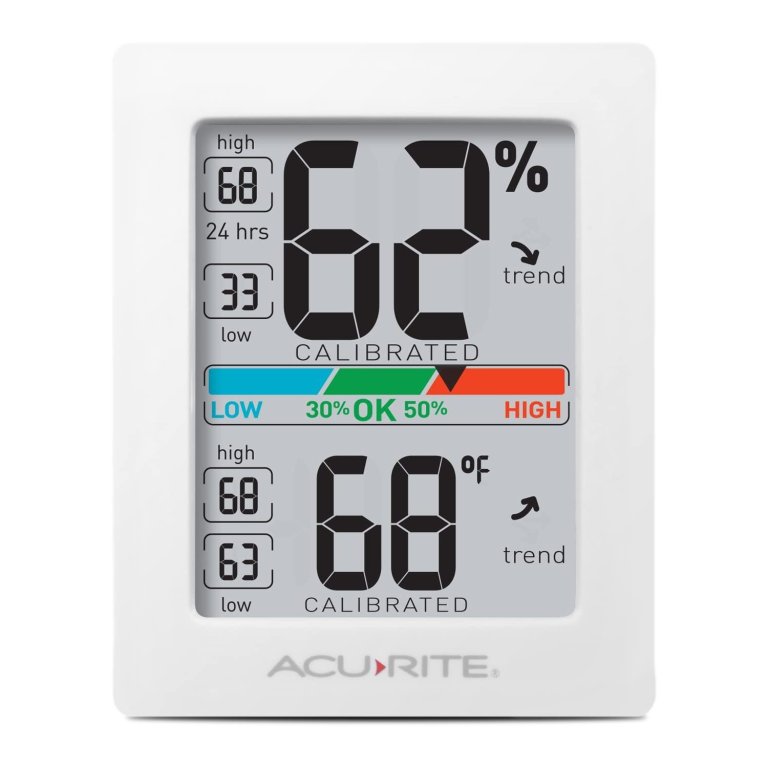
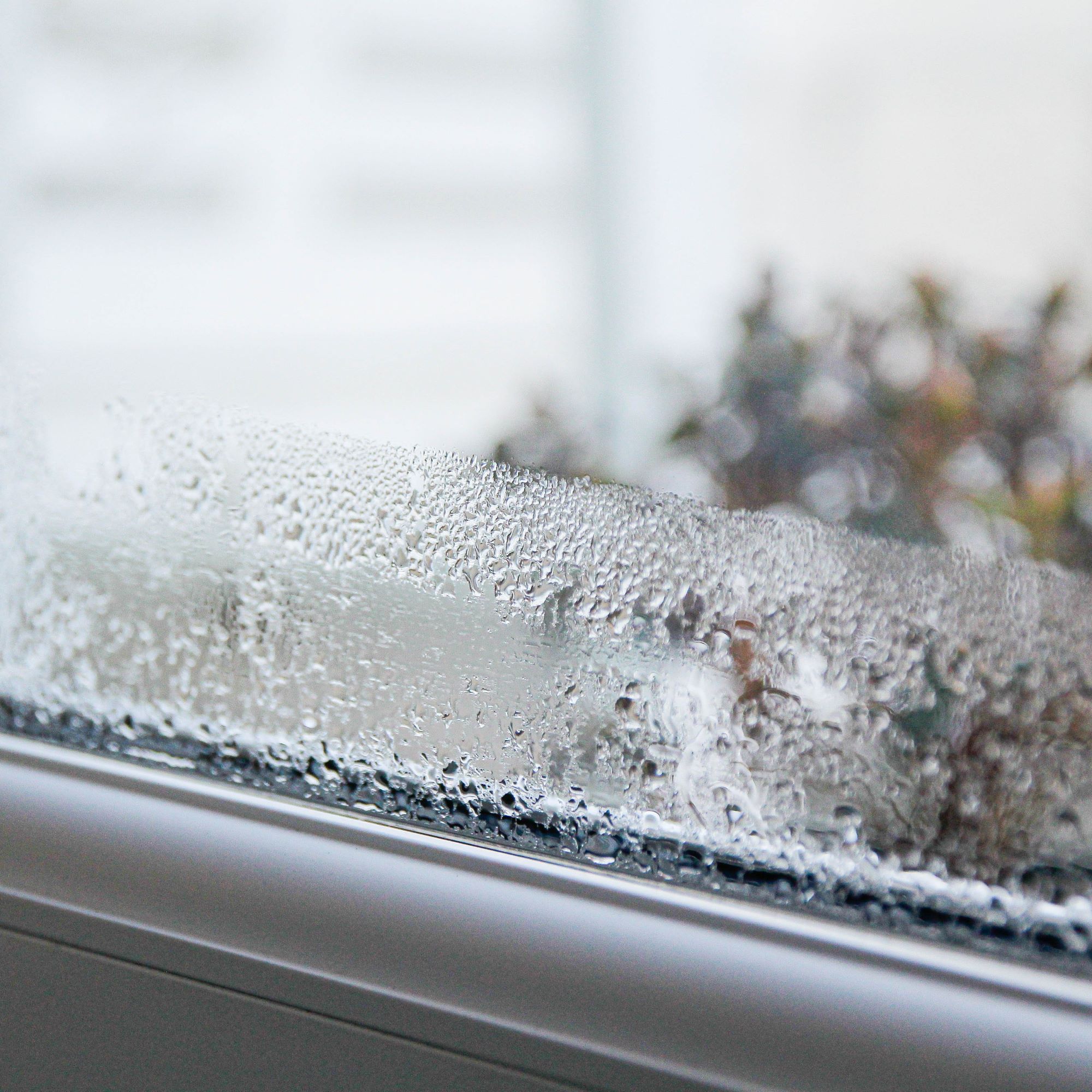
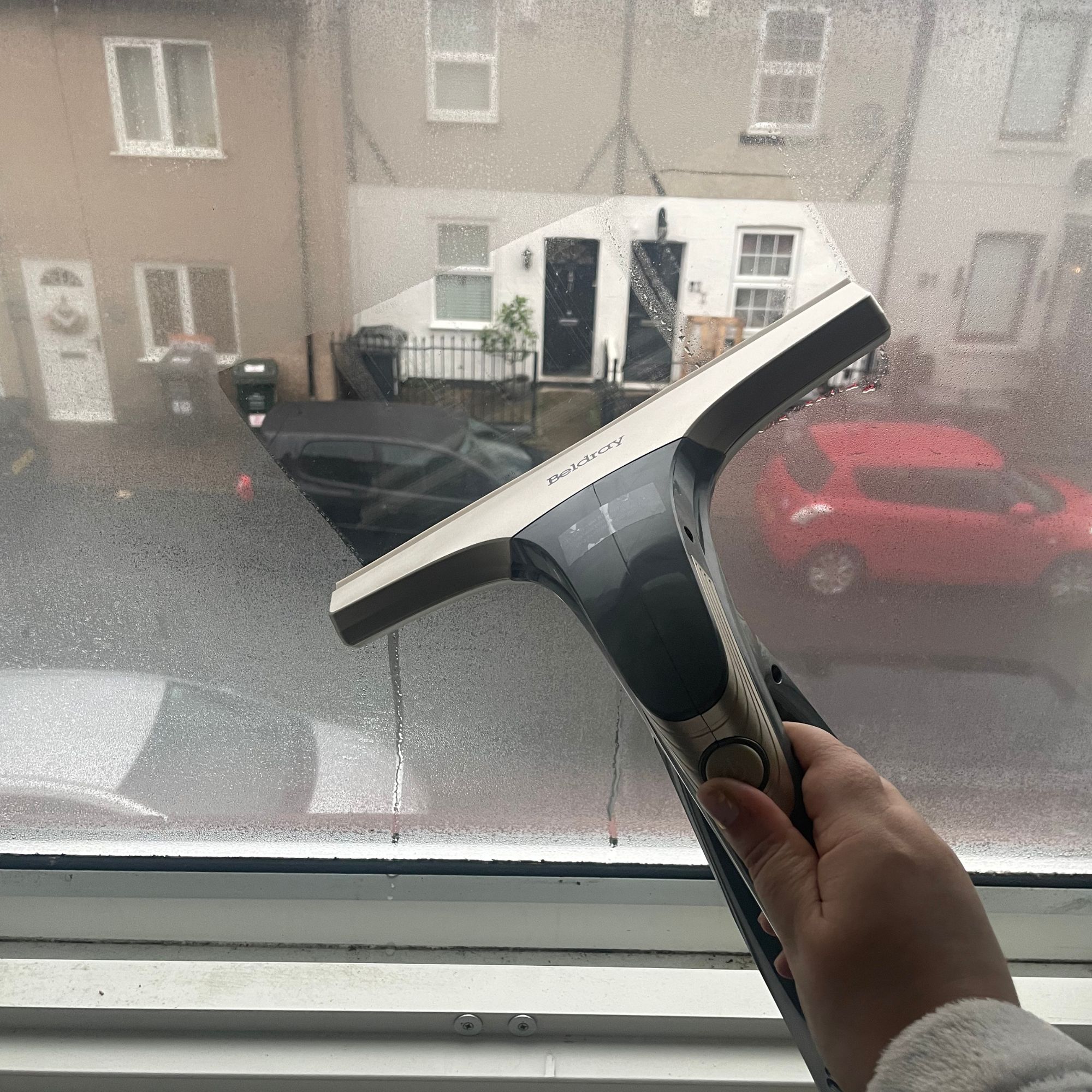
Condensation is identified as the most common form of damp, arising when warm, moist air cools and condenses on cooler surfaces like walls and windows. This issue is particularly common in moisture-generating areas such as kitchens and bathrooms and tends to be more prevalent in winter when external temperatures are lower. Factors like central heating cycles (heating and cooling) and insufficient ventilation can exacerbate condensation. Older homes, originally designed for natural ventilation, can experience increased condensation problems due to modern energy-saving modifications like airtight double glazing and the removal of chimneys. Symptoms of condensation include water droplets on windows or walls, the growth of dark mould, especially around windows, and a characteristic musty odor. Untreated condensation can lead to damage to paint, plaster, and window frames. Solutions involve wiping away moisture, improving ventilation through extractor fans, and using dehumidifiers.
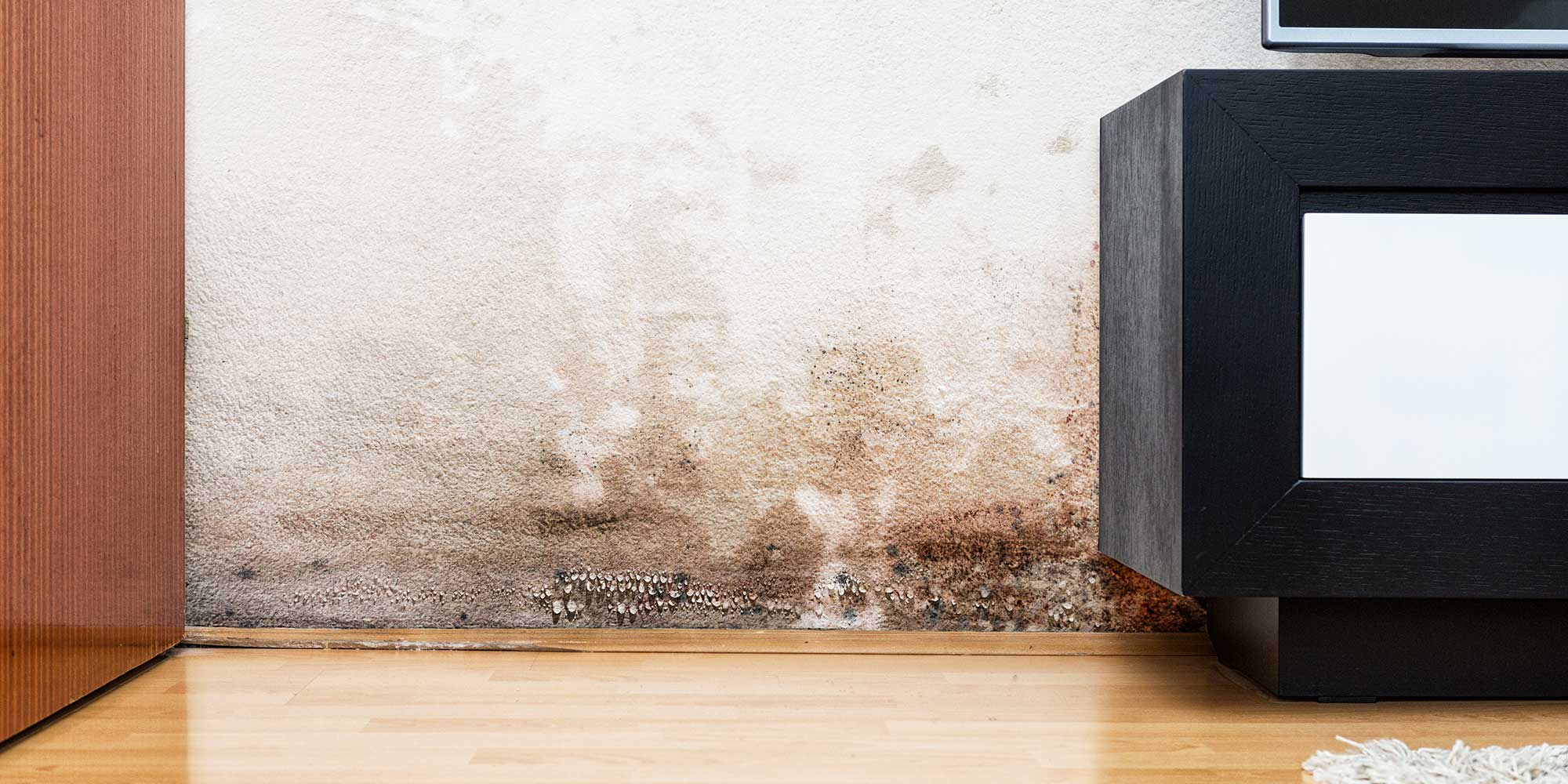
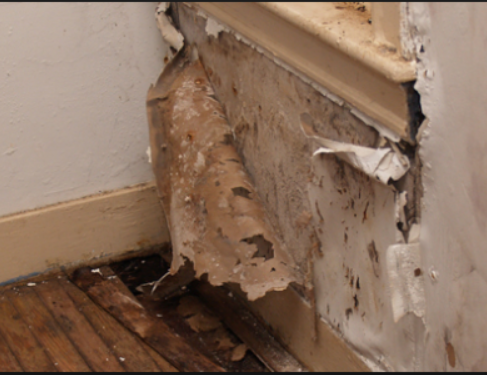
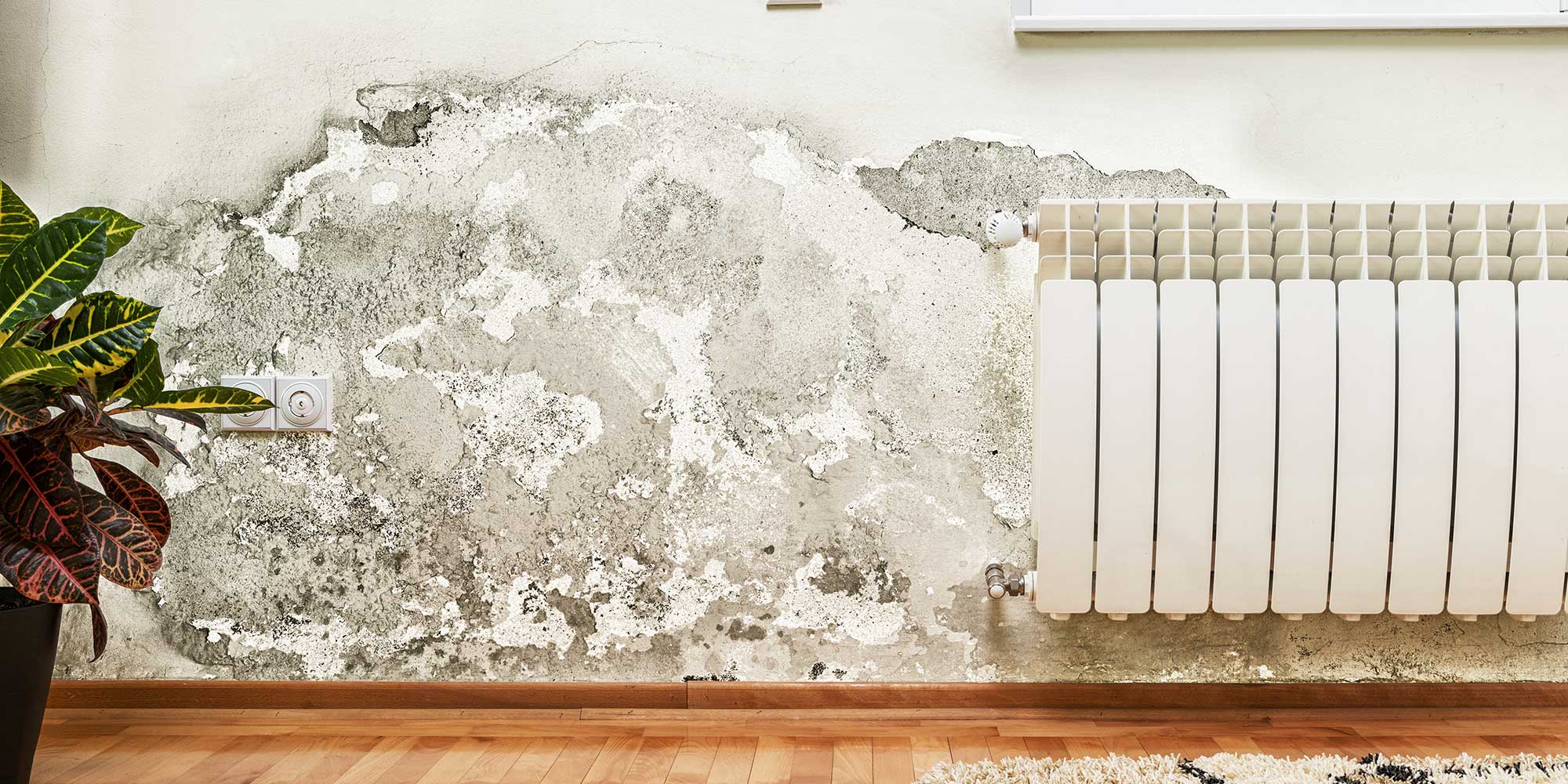
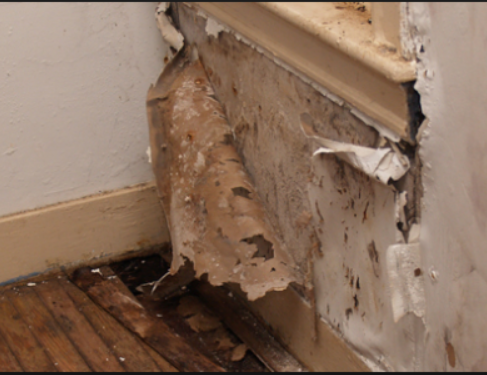
Rising damp occurs when ground water permeates upward through walls or floors. This process is normally prevented by a damp-proof course (a waterproof horizontal barrier in walls) and a damp-proof membrane (an impervious sheet under floors), which are standard in newer constructions according to building regulations. Older buildings, particularly those built before 1875, may lack these barriers or have degraded ones, making them susceptible. Poor drainage or ground levels higher than the damp-proof course can also contribute to rising damp. Key indicators include damaged skirting boards and plaster, peeling paint and wallpaper with wet patches, a white powdery substance (soluble salts) on walls, tide marks, and lifting floor coverings. Repairing rising damp can be a slow and costly process.
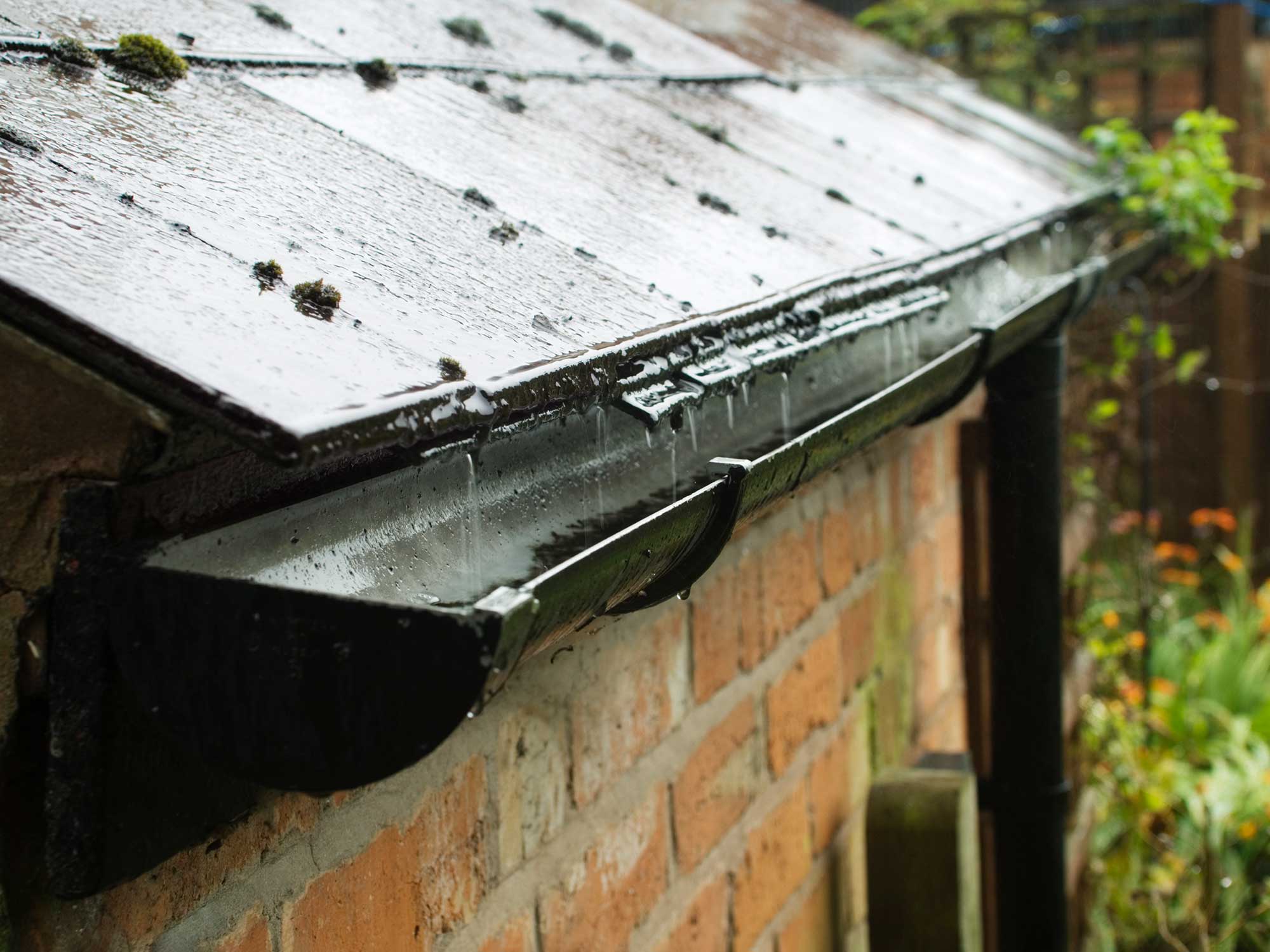
Penetrating damp is characterized by water leaking directly through walls, typically expanding horizontally rather than vertically. This type of damp is usually a result of structural issues, such as faulty gutters, roofing problems, or cracks in exterior walls, allowing water ingress during heavy rainfall. Internal leaks from plumbing fixtures can also be a cause. Older buildings with solid walls are more vulnerable to penetrating damp compared to newer homes with cavity walls that offer better protection. Depending on the root cause, penetrating damp can often be addressed more quickly and less expensively than rising damp. Identifying the source of the leak is the first step towards effective treatment.
#HomeMaintenance #Damp #Condensation #RisingDamp #PenetratingDamp #Mould #HomeImprovements #PropertyCare #BuildingRegulations #HomeMaintenance #Damp #Condensation #RisingDamp #PenetratingDamp #Mould #HomeImprovements #PropertyCare #BuildingRegulations
0 comment in total
 No comments yet
You may also like

How to get rid of damp
These simple mistakes could be why your dehumidifier isn't working properly – and here's how to avoid them
The 3 Best Dehumidifiers of 2025 | Reviews by Wirecutter
Damp guarantee – is it worthless?


How to stop damp in a bedroom - 10 foolproof ways to keep mould at bay
The 9 Best Dehumidifiers for Basements to Get Ahead of Moisture Issues

Advice on Damp problems – are these damp specialists trying to make a quick buck?

The 4 simple tricks that stopped condensation from forming on my bedroom windows – I no longer have to wipe my windows down every morning
Can a dehumidifier dry out damp walls? Expert tips you need to know to drive out unwanted moisture this winter
How to protect your home from damp, moisture and mould

14 Easy Ways to Increase Humidity in a Dry House

6 bedroom storage mistakes that could be causing mould – and what to do instead
Why new homes can be damp – and what we can do about it

Best dehumidifiers 2025, tried and tested for tackling damp

How to ventilate a basement – expert tips to reduce damp and mold


This is the only thing keeping my windows condensation-free
I've Tested Dehumidifiers for 25 Years: These Are the Most Reliable


9 items never to store in a bathroom vanity – according to the experts
How to prevent mould in wardrobes - expert-approved tips to protect your furniture and your clothes

How Much Does It Cost To Repair Damp?