Damp guarantee – is it worthless?
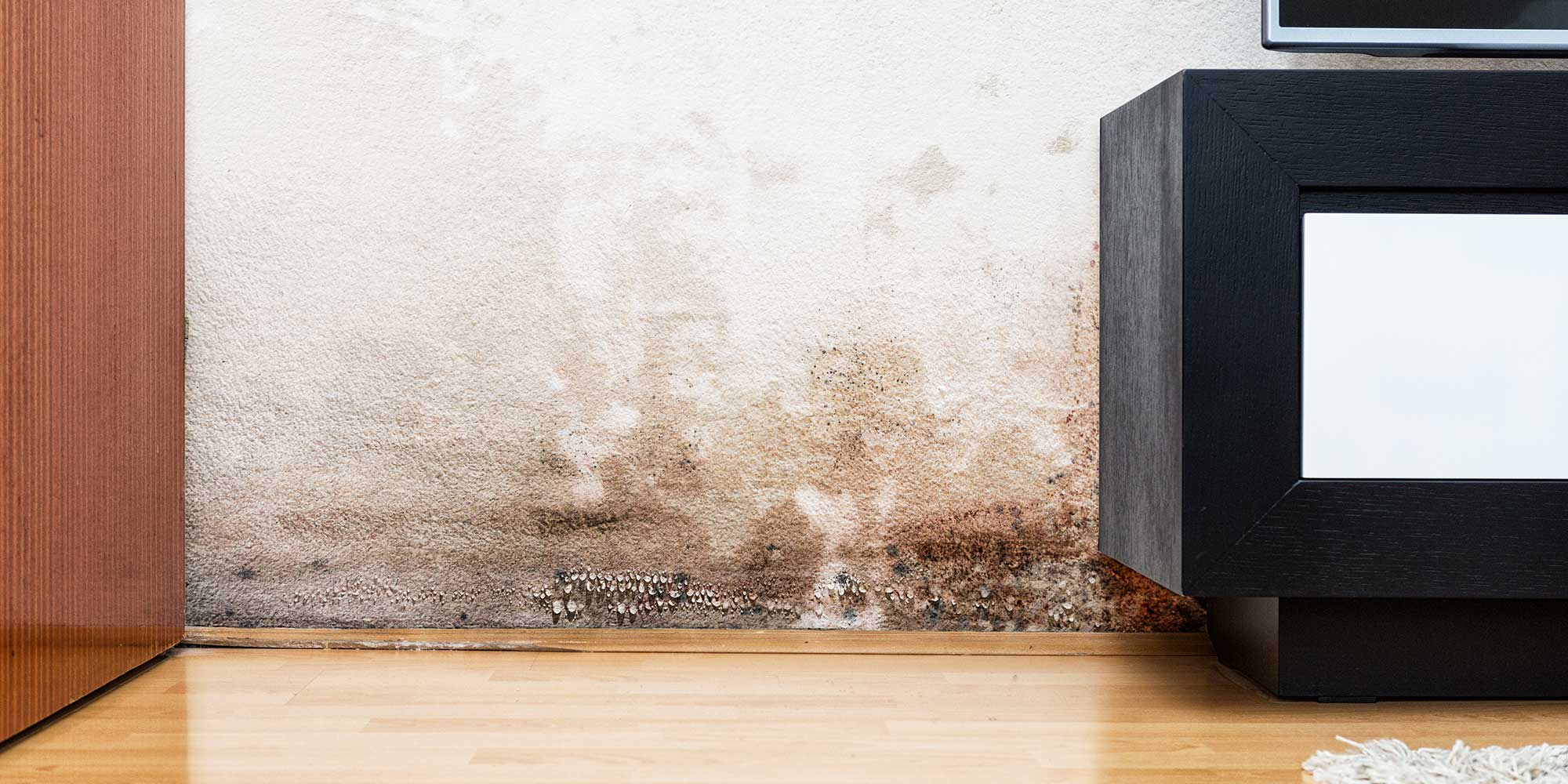
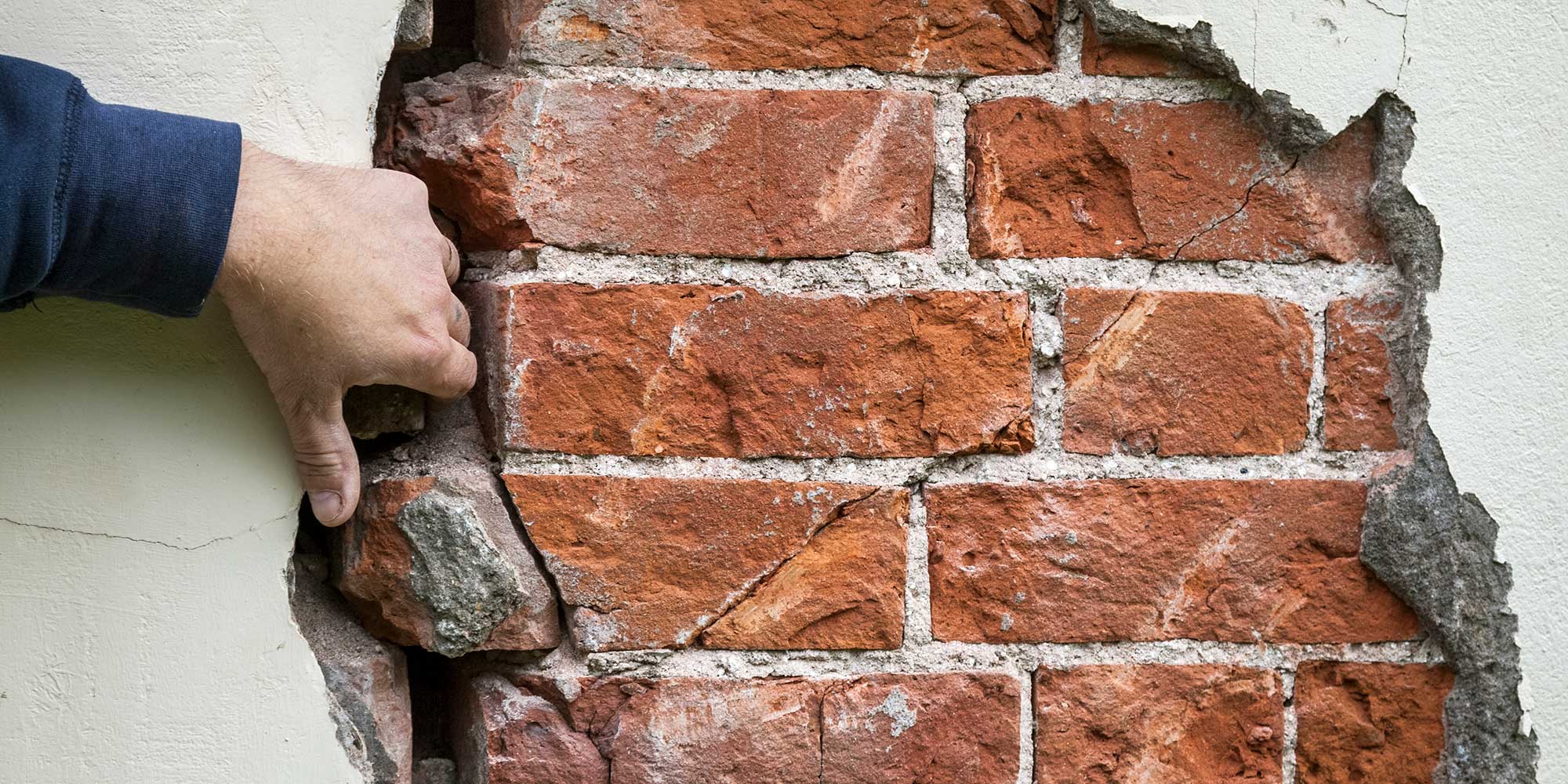
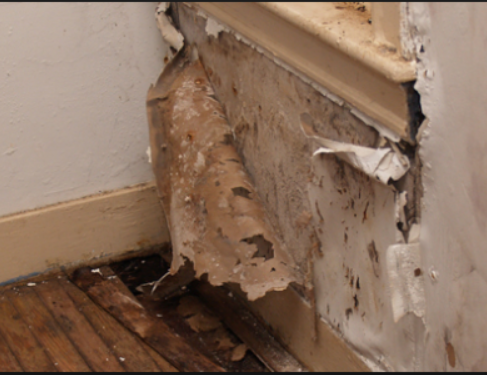
A homeowner, Karen, seeks advice regarding the validity of a 20-year guarantee for rising damp treatment performed on her Victorian terrace property. The treatment, carried out beneath a bay window, involved 'tanking' as recommended by the contractor. However, a Property Care Association (PCA) damp contractor later advised that a DPC (damp proof course) treatment would have been more appropriate than tanking. The property is now for sale, and Karen is concerned about the guarantee's value and transferability to new owners, especially since she only saw the guarantee's terms after the work was completed. The guarantee's wording states it is valid if the breakdown is caused by faulty materials or workmanship, and if the property changes ownership during the guarantee period. Photometer readings were taken to assess damp levels, accounting for condensation. Karen is particularly worried about potential claims for faulty workmanship if the tanked area fails after the sale and whether the change of ownership would invalidate the new owners' ability to claim.
Several members of the online community provided their perspectives on the issue. Paul Essex suggested that such guarantees are generally worthless to a new owner, though a conveyancing solicitor might still request it as proof of professional work. Stuart Haynes echoed this sentiment, stating the guarantee is 'worthless' and advised ignoring advice from the PCA, characterizing it as an industry body primarily representing damp proof injection companies. Judith Wordsworth compared these guarantees to double glazing guarantees, implying a similar lack of enforceability.
Wyn Burgess recommended leaving the assessment of damp to the purchaser and their surveyor, noting that remedial damp proofing can be problematic, and moisture meter readings can be misleading, particularly with radio-type meters. He further pointed out that tanking is more susceptible to condensation than traditional plaster and emphasized the risk of decay to floor timbers if not properly isolated and ventilated. Michael Crofts, an estate surveyor with extensive experience, asserted that these guarantees have 'no value' and that he had never seen a claim succeed. He now prefers using ordinary builders for damp problems rather than 'specialists'.
Karen later updated the discussion, revealing that the buyers' RICS survey identified damp readings in the recently worked-on areas, as well as new damp areas. A local damp company quoted £10,000 for additional work, much of which was still under the original guarantee. Karen highlighted that the firm she used advertised free quotations by a 'Qualified Surveyor' and claimed to be a 'Sovereign Approved Contractor' offering insurance-backed guarantees, which she found not to be true. She is awaiting a visit from a Sovereign technical person. Karen expressed frustration that the work failed within three years and questioned why the damp proofing industry isn't properly regulated, suggesting that compulsory insurance-backed guarantees should be attached to properties. Wyn Burgess empathized with her situation, stating it's a common tale. He explained that accurate damp diagnosis often requires a 'Speedy Meter' and advised against relying solely on Protimeters. He also shared his method of using an injected DPC and specific plastering techniques to mask damp, emphasizing the importance of isolating and ventilating floor timbers. Ultimately, he suggested negotiating a suitable discount with the buyer, warning that the buyer could withdraw from the sale.
#DampGuarantee #RisingDampTreatment #PropertyMaintenance #HomeSales #BuildingInspections #HomeownerAdvice #VictorianTerrace #PropertyProblems #DampGuarantee #RisingDampTreatment #PropertyMaintenance #HomeSales #BuildingInspections #HomeownerAdvice #VictorianTerrace #PropertyProblems
0 comment in total
 No comments yet
You may also like

How to get rid of damp

Can a dehumidifier dry out damp walls? Expert tips you need to know to drive out unwanted moisture this winter
Get your foundation fixed now with AFS Foundation Repair & Waterproofing Specialists

What Kind Of Damp Is Affecting My Home?
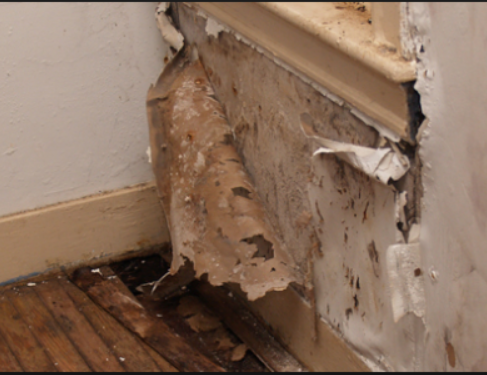
Advice on Damp problems – are these damp specialists trying to make a quick buck?
Does the Purple Waterproof Mattress Protector really offer the gold standard of stain protection? I tested it to see


How Much Does It Cost To Repair Damp?

Are Damp Surveys a waste of money?

Humidifiers Are Notoriously High-Maintenance. Not This One. | Reviews by Wirecutter

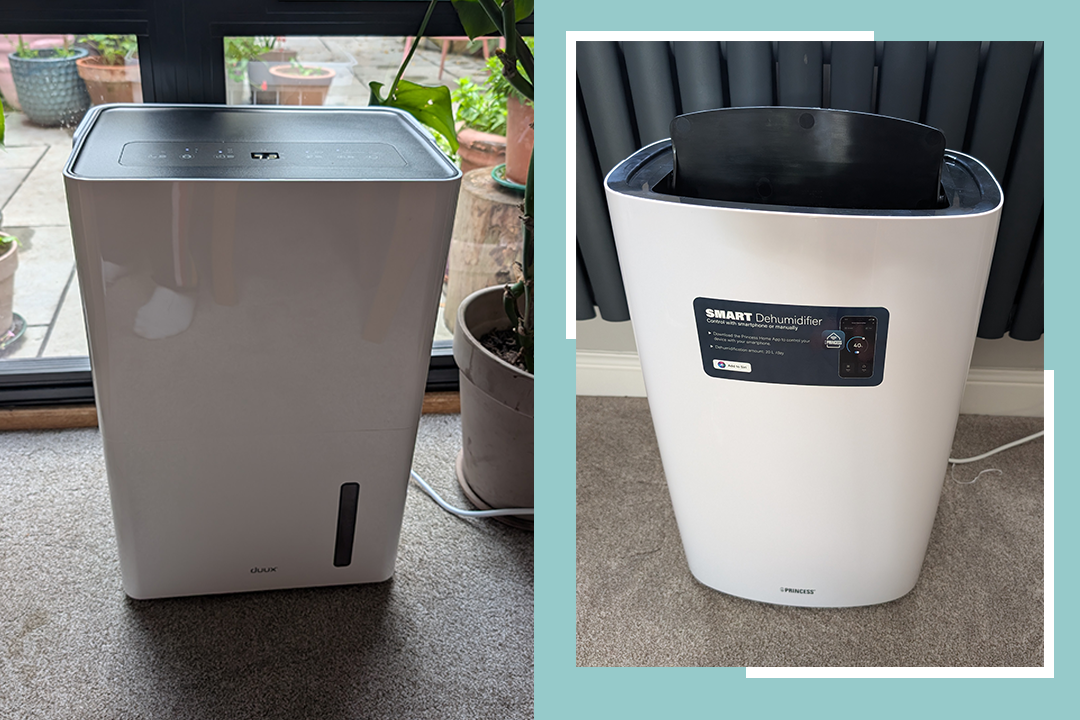
Best dehumidifiers 2025, tried and tested for tackling damp


How much does it cost to waterproof a basement? An expert lays down the figures